
schrodinger
138 投稿

schrodinger
報告
ユーザーをブロック
Crypto _writer
取引を発注
超高頻度トレーダー
5.7年
117 フォロー
63 フォロワー
87 いいね
投稿
ポートフォリオ
すべて
引用
·
--
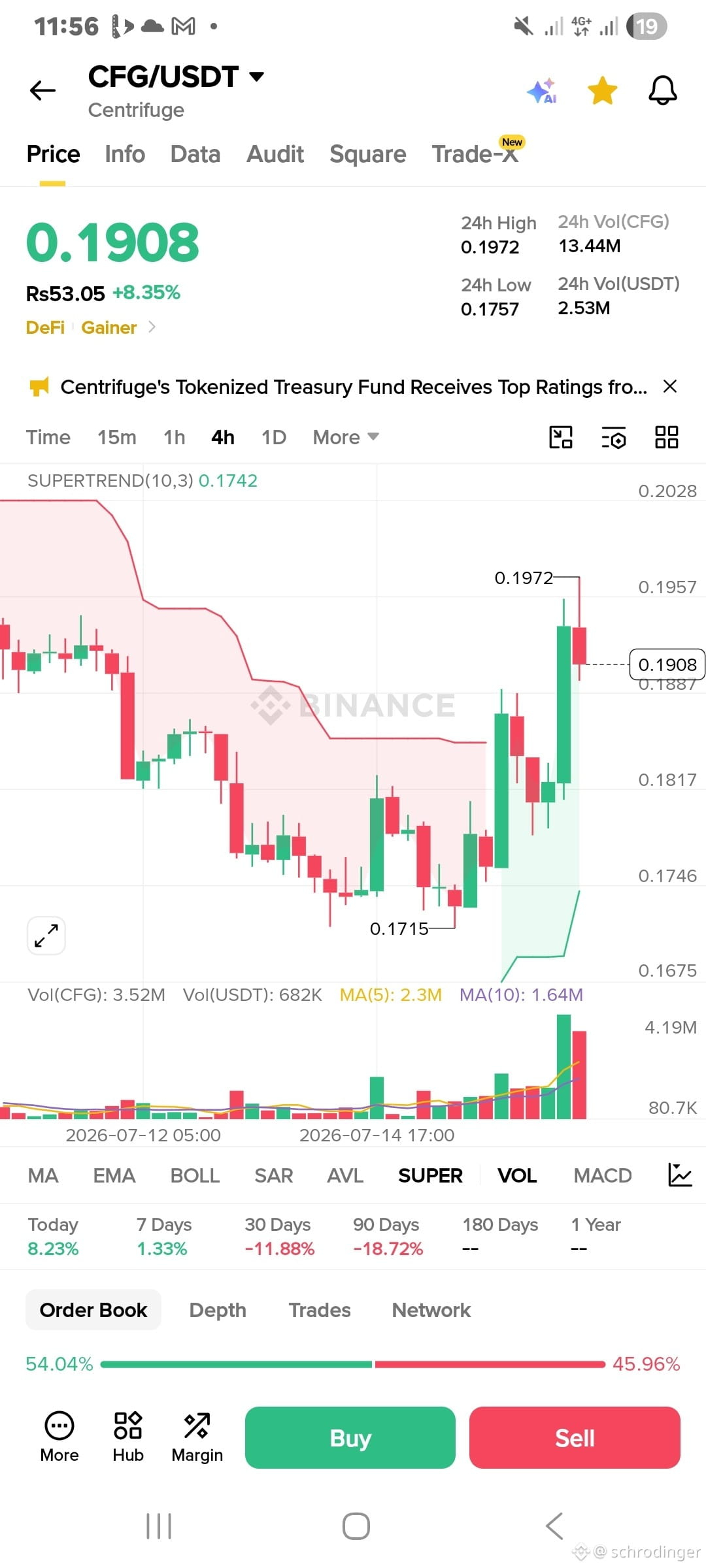
CFGは$0.30からの大幅な下落の後、重要な局面にあります。
🔍 チャート分析:何が起きているのか
・短期の直近トレンド:弱気。現在の価格($0.1908)は、動的なレジスタンスとして機能するSupertrend指標を大きく下回っており、売り手がまだ主導権を握っています。
・直近の勢い:30日で-11.88%、90日で-18.72%下落しており、より長期の下落トレンドが裏付けられています。今回の$0.30からの下落は、今月上旬の弱気な構造分析とも一致しています。
🚀 強気シナリオ(反発の攻略)
この水準で買い手が強く介入してくる場合:
・直近のレジスタンス:最初の大きな壁は24時間高値の$0.1972です。強い出来高を伴ってこれを上抜けできれば、強さの最初のサインになります。
・主要ターゲット:$0.2028付近のSupertrendライン。これを取り戻せれば、短期トレンドが再び強気に反転します。
・スイング目標:勢いが続けば、$0.218〜$0.220のゾーンが次の主要なレジスタンスになります。
🐻 弱気シナリオ(継続)
ファンダメンタルが弱いこと(強い売り圧力)を踏まえると、抵抗が最も少ない道筋は依然として下方向です:
・重要サポート:24時間安値の$0.1757を維持する必要があります。これを割り込むと、下値は大きく下がる可能性があります。
・次の主要ゾーン:潜在的な回復の前にある最後の大きな需要ゾーンは、おおむね$0.12〜$0.14あたりです。
🛡️ 私のトレーディングプラン
1. 追いかけない:確認なしで、現在価格($0.1908)で買わない。
2. 「様子見」エントリー:1時間足または4時間足で、価格が$0.1972(24時間高値)を上回って終値をつけた場合にのみ、スポットエントリーを検討します。これにより買い手が入ってきたことが確認できます。
3. 強気に攻めるトレーダー向け:$0.1757のサポートを再テストしても割れずに踏ん張るなら、そこに小さなポジションを入れ、直下にストップロスを置くことができます。
4. ブレイクダウン時:価格が**$0.1757**を下抜けたら、いったん退避します。$0.14ゾーン付近でしっかりとした土台ができるのを待ってから、長期のスポット買いを検討してください。
#Btc
#CFG_USDT
CFGは$0.30からの大幅な下落の後、重要な局面にあります。
🔍 チャート分析:何が起きているのか
・短期の直近トレンド:弱気。現在の価格($0.1908)は、動的なレジスタンスとして機能するSupertrend指標を大きく下回っており、売り手がまだ主導権を握っています。
・直近の勢い:30日で-11.88%、90日で-18.72%下落しており、より長期の下落トレンドが裏付けられています。今回の$0.30からの下落は、今月上旬の弱気な構造分析とも一致しています。
🚀 強気シナリオ(反発の攻略)
この水準で買い手が強く介入してくる場合:
・直近のレジスタンス:最初の大きな壁は24時間高値の$0.1972です。強い出来高を伴ってこれを上抜けできれば、強さの最初のサインになります。
・主要ターゲット:$0.2028付近のSupertrendライン。これを取り戻せれば、短期トレンドが再び強気に反転します。
・スイング目標:勢いが続けば、$0.218〜$0.220のゾーンが次の主要なレジスタンスになります。
🐻 弱気シナリオ(継続)
ファンダメンタルが弱いこと(強い売り圧力)を踏まえると、抵抗が最も少ない道筋は依然として下方向です:
・重要サポート:24時間安値の$0.1757を維持する必要があります。これを割り込むと、下値は大きく下がる可能性があります。
・次の主要ゾーン:潜在的な回復の前にある最後の大きな需要ゾーンは、おおむね$0.12〜$0.14あたりです。
🛡️ 私のトレーディングプラン
1. 追いかけない:確認なしで、現在価格($0.1908)で買わない。
2. 「様子見」エントリー:1時間足または4時間足で、価格が$0.1972(24時間高値)を上回って終値をつけた場合にのみ、スポットエントリーを検討します。これにより買い手が入ってきたことが確認できます。
3. 強気に攻めるトレーダー向け:$0.1757のサポートを再テストしても割れずに踏ん張るなら、そこに小さなポジションを入れ、直下にストップロスを置くことができます。
4. ブレイクダウン時:価格が**$0.1757**を下抜けたら、いったん退避します。$0.14ゾーン付近でしっかりとした土台ができるのを待ってから、長期のスポット買いを検討してください。
#Btc
#CFG_USDT
🔍 チャート分析:何が起きているのか
・短期の直近トレンド:弱気。現在の価格($0.1908)は、動的なレジスタンスとして機能するSupertrend指標を大きく下回っており、売り手がまだ主導権を握っています。
・直近の勢い:30日で-11.88%、90日で-18.72%下落しており、より長期の下落トレンドが裏付けられています。今回の$0.30からの下落は、今月上旬の弱気な構造分析とも一致しています。
🚀 強気シナリオ(反発の攻略)
この水準で買い手が強く介入してくる場合:
・直近のレジスタンス:最初の大きな壁は24時間高値の$0.1972です。強い出来高を伴ってこれを上抜けできれば、強さの最初のサインになります。
・主要ターゲット:$0.2028付近のSupertrendライン。これを取り戻せれば、短期トレンドが再び強気に反転します。
・スイング目標:勢いが続けば、$0.218〜$0.220のゾーンが次の主要なレジスタンスになります。
🐻 弱気シナリオ(継続)
ファンダメンタルが弱いこと(強い売り圧力)を踏まえると、抵抗が最も少ない道筋は依然として下方向です:
・重要サポート:24時間安値の$0.1757を維持する必要があります。これを割り込むと、下値は大きく下がる可能性があります。
・次の主要ゾーン:潜在的な回復の前にある最後の大きな需要ゾーンは、おおむね$0.12〜$0.14あたりです。
🛡️ 私のトレーディングプラン
1. 追いかけない:確認なしで、現在価格($0.1908)で買わない。
2. 「様子見」エントリー:1時間足または4時間足で、価格が$0.1972(24時間高値)を上回って終値をつけた場合にのみ、スポットエントリーを検討します。これにより買い手が入ってきたことが確認できます。
3. 強気に攻めるトレーダー向け:$0.1757のサポートを再テストしても割れずに踏ん張るなら、そこに小さなポジションを入れ、直下にストップロスを置くことができます。
4. ブレイクダウン時:価格が**$0.1757**を下抜けたら、いったん退避します。$0.14ゾーン付近でしっかりとした土台ができるのを待ってから、長期のスポット買いを検討してください。
#Btc
#CFG_USDT
76
·
--
🚀 今後24時間で上値余地が期待できる10コイン(スポット取引)
クイック概要:マーケットの状況
🔥 スポット取引で注目すべきトップ10コイン
1. ONDO(Ondo Finance)– RWAセクターのリーダー
· 24H上昇率:+14.41%〜+15.92%
· きっかけ:DTCC管理の証券を直接裏付けにした米国株トークンの初弾をローンチ
· なぜ今:RWAセクターが今日の最も強いパフォーマー
2. HYPE(Hyperliquid)– RWA+新プロダクト拡張
· 日次出来高の急増:+36%〜$433百万
· きっかけ:トークン化資産向けのPre-IPOパーペチュアル市場(IPOP)をローンチ;RWAのオープン・インタレストが過去最高の$2.13Bに到達
· テクニカル:主要移動平均すべての上で推移;ストキャスティクスRSIが売られ過ぎから反発
· なぜ今:ファンダメンタルとテクニカルが一致—新たな材料が新資金を呼び込む。
---
3. ZERO(ZeroLend)– DeFiモメンタムの仕掛け
· 24H上昇率:+28.87%
· きっかけ:DeFiセクターが本日+0.96%上昇し、ZEROが先頭を走った
· なぜ今:DeFi領域で最も強いパフォーマー;高いボラティリティが素早いスキャルピング機会を提供。
---
4. XEC(eCash)– PayFiセクターの注目株
· 24H上昇率:+13.68%
· きっかけ:PayFiセクターが+0.32%上昇し、XECがトップの上昇率
· なぜ今:強烈な出来高のスパイク;決済にフォーカスしたプロジェクトへの資金ローテーション。
5. INJ(Injective)– レイヤー1の強さ
· 24H上昇率:+3.24%
· テクニカル:複数の時間軸で強気が揃っている
· なぜ今:このセッションでレイヤー1セクターがINJの急騰を伴って上昇;強いモメンタム指標。
6. LDO(Lido DAO)– 強気ブレイクアウトのセットアップ
· テクニカル:強い強気の整列;ADXが50.51、ROCが5.50%、RSIが72.81
· なぜ今:重要な6つの時間軸すべてが強気に一致しており、モメンタムが加速中。
7. RIF(RSK Infrastructure Framework)– 最強の強気シグナル
· テクニカル:ALL 6つの時間軸(15m、30m、1h、4h、1d、1w、1M)で「強い強気」
· ROC:8.51% のモメンタム
· なぜ今:このレベルのテクニカル整合を見るのは稀。スポット
8. DGB(DigiByte)– 高モメンタムの仕掛け
· テクニカル:49.83のADX、41.95%のROC、RSIが93.83
· なぜ今:極端なモメンタム—攻めるトレーダーのみ向け。
9. GMX(GMX)– DeFiパーペチュアル取引所
🚀 今後24時間で上値余地が期待できる10コイン(スポット取引)
クイック概要:マーケットの状況
🔥 スポット取引で注目すべきトップ10コイン
1. ONDO(Ondo Finance)– RWAセクターのリーダー
· 24H上昇率:+14.41%〜+15.92%
· きっかけ:DTCC管理の証券を直接裏付けにした米国株トークンの初弾をローンチ
· なぜ今:RWAセクターが今日の最も強いパフォーマー
2. HYPE(Hyperliquid)– RWA+新プロダクト拡張
· 日次出来高の急増:+36%〜$433百万
· きっかけ:トークン化資産向けのPre-IPOパーペチュアル市場(IPOP)をローンチ;RWAのオープン・インタレストが過去最高の$2.13Bに到達
· テクニカル:主要移動平均すべての上で推移;ストキャスティクスRSIが売られ過ぎから反発
· なぜ今:ファンダメンタルとテクニカルが一致—新たな材料が新資金を呼び込む。
---
3. ZERO(ZeroLend)– DeFiモメンタムの仕掛け
· 24H上昇率:+28.87%
· きっかけ:DeFiセクターが本日+0.96%上昇し、ZEROが先頭を走った
· なぜ今:DeFi領域で最も強いパフォーマー;高いボラティリティが素早いスキャルピング機会を提供。
---
4. XEC(eCash)– PayFiセクターの注目株
· 24H上昇率:+13.68%
· きっかけ:PayFiセクターが+0.32%上昇し、XECがトップの上昇率
· なぜ今:強烈な出来高のスパイク;決済にフォーカスしたプロジェクトへの資金ローテーション。
5. INJ(Injective)– レイヤー1の強さ
· 24H上昇率:+3.24%
· テクニカル:複数の時間軸で強気が揃っている
· なぜ今:このセッションでレイヤー1セクターがINJの急騰を伴って上昇;強いモメンタム指標。
6. LDO(Lido DAO)– 強気ブレイクアウトのセットアップ
· テクニカル:強い強気の整列;ADXが50.51、ROCが5.50%、RSIが72.81
· なぜ今:重要な6つの時間軸すべてが強気に一致しており、モメンタムが加速中。
7. RIF(RSK Infrastructure Framework)– 最強の強気シグナル
· テクニカル:ALL 6つの時間軸(15m、30m、1h、4h、1d、1w、1M)で「強い強気」
· ROC:8.51% のモメンタム
· なぜ今:このレベルのテクニカル整合を見るのは稀。スポット
8. DGB(DigiByte)– 高モメンタムの仕掛け
· テクニカル:49.83のADX、41.95%のROC、RSIが93.83
· なぜ今:極端なモメンタム—攻めるトレーダーのみ向け。
9. GMX(GMX)– DeFiパーペチュアル取引所
クイック概要:マーケットの状況
🔥 スポット取引で注目すべきトップ10コイン
1. ONDO(Ondo Finance)– RWAセクターのリーダー
· 24H上昇率:+14.41%〜+15.92%
· きっかけ:DTCC管理の証券を直接裏付けにした米国株トークンの初弾をローンチ
· なぜ今:RWAセクターが今日の最も強いパフォーマー
2. HYPE(Hyperliquid)– RWA+新プロダクト拡張
· 日次出来高の急増:+36%〜$433百万
· きっかけ:トークン化資産向けのPre-IPOパーペチュアル市場(IPOP)をローンチ;RWAのオープン・インタレストが過去最高の$2.13Bに到達
· テクニカル:主要移動平均すべての上で推移;ストキャスティクスRSIが売られ過ぎから反発
· なぜ今:ファンダメンタルとテクニカルが一致—新たな材料が新資金を呼び込む。
---
3. ZERO(ZeroLend)– DeFiモメンタムの仕掛け
· 24H上昇率:+28.87%
· きっかけ:DeFiセクターが本日+0.96%上昇し、ZEROが先頭を走った
· なぜ今:DeFi領域で最も強いパフォーマー;高いボラティリティが素早いスキャルピング機会を提供。
---
4. XEC(eCash)– PayFiセクターの注目株
· 24H上昇率:+13.68%
· きっかけ:PayFiセクターが+0.32%上昇し、XECがトップの上昇率
· なぜ今:強烈な出来高のスパイク;決済にフォーカスしたプロジェクトへの資金ローテーション。
5. INJ(Injective)– レイヤー1の強さ
· 24H上昇率:+3.24%
· テクニカル:複数の時間軸で強気が揃っている
· なぜ今:このセッションでレイヤー1セクターがINJの急騰を伴って上昇;強いモメンタム指標。
6. LDO(Lido DAO)– 強気ブレイクアウトのセットアップ
· テクニカル:強い強気の整列;ADXが50.51、ROCが5.50%、RSIが72.81
· なぜ今:重要な6つの時間軸すべてが強気に一致しており、モメンタムが加速中。
7. RIF(RSK Infrastructure Framework)– 最強の強気シグナル
· テクニカル:ALL 6つの時間軸(15m、30m、1h、4h、1d、1w、1M)で「強い強気」
· ROC:8.51% のモメンタム
· なぜ今:このレベルのテクニカル整合を見るのは稀。スポット
8. DGB(DigiByte)– 高モメンタムの仕掛け
· テクニカル:49.83のADX、41.95%のROC、RSIが93.83
· なぜ今:極端なモメンタム—攻めるトレーダーのみ向け。
9. GMX(GMX)– DeFiパーペチュアル取引所
233
·
--
#XUAT
🎯 ベストバイポジション (スポットバイポジション)
現在の価格: 4,208.58
戦略: 少しずつ買い (DCA) — 一度に全ては買わない
---
📥 三段階での購入計画
優先価格帯 いくら買う 理由
最初の購入 (今または小さな下落で) 4,180 – 4,210 資金の30% SUPERTRENDサポート + ミドルバンド
二回目の購入 (良い下落で) 4,050 – 4,080 資金の40% ベストディスカウントゾーン
三回目の購入 (大きな下落で) 3,960 – 4,000 資金の30% 強力な歴史的サポート (ギフトゾーン)
ポジションがない場合は、最初のゾーンで30-40%のポジションを持つべき。
---
📊 テクニカル理由
· SUPERTREND (10,3): 4,180.51 — これは強力なサポートです
· ボリューム: 下落時にボリュームが増加中 → スマートマネーが集まっている可能性
· KDJインジケーター: 下 (オーバーソールド) → すぐに上がる可能性
· レジスタンス: 4,230近く — 今買うのは少し高め
---
⚠️ リスク管理
· XAUTは突然上に下に (ウィック) する可能性がある → リミットオーダーを設定し、マーケットオーダーは出さない
· 全額を一つの価格で設定しない
· いくつかのUSDTを常に残しておく — 価格が下がったら買えるように
---
✅ まとめ (最終アドバイス)
最も良い購入ゾーンは = 4,050 – 4,080 (これが二番目のゾーン)
· 今買うなら少しだけ買う (資金の30%)
· 残りの資金は下のゾーンに投資するために取っておく
#XUAT
🎯 ベストバイポジション (スポットバイポジション)
現在の価格: 4,208.58
戦略: 少しずつ買い (DCA) — 一度に全ては買わない
---
📥 三段階での購入計画
優先価格帯 いくら買う 理由
最初の購入 (今または小さな下落で) 4,180 – 4,210 資金の30% SUPERTRENDサポート + ミドルバンド
二回目の購入 (良い下落で) 4,050 – 4,080 資金の40% ベストディスカウントゾーン
三回目の購入 (大きな下落で) 3,960 – 4,000 資金の30% 強力な歴史的サポート (ギフトゾーン)
ポジションがない場合は、最初のゾーンで30-40%のポジションを持つべき。
---
📊 テクニカル理由
· SUPERTREND (10,3): 4,180.51 — これは強力なサポートです
· ボリューム: 下落時にボリュームが増加中 → スマートマネーが集まっている可能性
· KDJインジケーター: 下 (オーバーソールド) → すぐに上がる可能性
· レジスタンス: 4,230近く — 今買うのは少し高め
---
⚠️ リスク管理
· XAUTは突然上に下に (ウィック) する可能性がある → リミットオーダーを設定し、マーケットオーダーは出さない
· 全額を一つの価格で設定しない
· いくつかのUSDTを常に残しておく — 価格が下がったら買えるように
---
✅ まとめ (最終アドバイス)
最も良い購入ゾーンは = 4,050 – 4,080 (これが二番目のゾーン)
· 今買うなら少しだけ買う (資金の30%)
· 残りの資金は下のゾーンに投資するために取っておく
🎯 ベストバイポジション (スポットバイポジション)
現在の価格: 4,208.58
戦略: 少しずつ買い (DCA) — 一度に全ては買わない
---
📥 三段階での購入計画
優先価格帯 いくら買う 理由
最初の購入 (今または小さな下落で) 4,180 – 4,210 資金の30% SUPERTRENDサポート + ミドルバンド
二回目の購入 (良い下落で) 4,050 – 4,080 資金の40% ベストディスカウントゾーン
三回目の購入 (大きな下落で) 3,960 – 4,000 資金の30% 強力な歴史的サポート (ギフトゾーン)
ポジションがない場合は、最初のゾーンで30-40%のポジションを持つべき。
---
📊 テクニカル理由
· SUPERTREND (10,3): 4,180.51 — これは強力なサポートです
· ボリューム: 下落時にボリュームが増加中 → スマートマネーが集まっている可能性
· KDJインジケーター: 下 (オーバーソールド) → すぐに上がる可能性
· レジスタンス: 4,230近く — 今買うのは少し高め
---
⚠️ リスク管理
· XAUTは突然上に下に (ウィック) する可能性がある → リミットオーダーを設定し、マーケットオーダーは出さない
· 全額を一つの価格で設定しない
· いくつかのUSDTを常に残しておく — 価格が下がったら買えるように
---
✅ まとめ (最終アドバイス)
最も良い購入ゾーンは = 4,050 – 4,080 (これが二番目のゾーン)
· 今買うなら少しだけ買う (資金の30%)
· 残りの資金は下のゾーンに投資するために取っておく
111
·
--
最近のレポートに基づくと、市場に大きな混乱を引き起こしている最も重要な出来事は以下の通りです。
🚨 大規模なセキュリティ侵害: Driftプロトコルのエクスプロイト
最大の話題は、2026年4月1日に発生したDriftプロトコルへの攻撃です。このSolanaを基盤とした取引所は、エクスプロイトによってエコシステムに衝撃を与えました。
· 推定損失: 損失の推定は大きく異なり、約136百万ドル**(CertiK)から高いもので285百万ドル**(TechCrunch/Arkham)に達しています。
· 市場への影響: プロトコルのロックされた総価値(TVL)は半減(55%の減少)し、550百万ドルから約245百万ドルに落ち込みました。ネイティブのDRIFTトークンは24時間で36%以上急落しました。
· リップル効果: エクスプロイトはDriftだけでなく、他の20以上のSolanaプロジェクトにも影響を与え、"ドミノ効果"と相互に接続されたDeFiシステムの脆弱性が浮き彫りになりました。
· 現在の状況: チームは攻撃を抑えるために入金と出金を凍結しました。4月初旬の時点で、公式の最終的なポストモーテムは発表されていません。
📈 市場センチメントの更新
Driftハックにもかかわらず、広範な市場は他の出来事により回復の兆しを見せています。ビットコインは最近80,000ドルのレベルを突破し、4か月ぶりの高値を記録しました。このラリーは、トランプ政権の"プロジェクト・フリーダム"の発表によって地政学的緊張が緩和され、ビットコインETFへの機関投資家の強い流入が部分的に後押しとなっています。
最近のレポートに基づくと、市場に大きな混乱を引き起こしている最も重要な出来事は以下の通りです。
🚨 大規模なセキュリティ侵害: Driftプロトコルのエクスプロイト
最大の話題は、2026年4月1日に発生したDriftプロトコルへの攻撃です。このSolanaを基盤とした取引所は、エクスプロイトによってエコシステムに衝撃を与えました。
· 推定損失: 損失の推定は大きく異なり、約136百万ドル**(CertiK)から高いもので285百万ドル**(TechCrunch/Arkham)に達しています。
· 市場への影響: プロトコルのロックされた総価値(TVL)は半減(55%の減少)し、550百万ドルから約245百万ドルに落ち込みました。ネイティブのDRIFTトークンは24時間で36%以上急落しました。
· リップル効果: エクスプロイトはDriftだけでなく、他の20以上のSolanaプロジェクトにも影響を与え、"ドミノ効果"と相互に接続されたDeFiシステムの脆弱性が浮き彫りになりました。
· 現在の状況: チームは攻撃を抑えるために入金と出金を凍結しました。4月初旬の時点で、公式の最終的なポストモーテムは発表されていません。
📈 市場センチメントの更新
Driftハックにもかかわらず、広範な市場は他の出来事により回復の兆しを見せています。ビットコインは最近80,000ドルのレベルを突破し、4か月ぶりの高値を記録しました。このラリーは、トランプ政権の"プロジェクト・フリーダム"の発表によって地政学的緊張が緩和され、ビットコインETFへの機関投資家の強い流入が部分的に後押しとなっています。
🚨 大規模なセキュリティ侵害: Driftプロトコルのエクスプロイト
最大の話題は、2026年4月1日に発生したDriftプロトコルへの攻撃です。このSolanaを基盤とした取引所は、エクスプロイトによってエコシステムに衝撃を与えました。
· 推定損失: 損失の推定は大きく異なり、約136百万ドル**(CertiK)から高いもので285百万ドル**(TechCrunch/Arkham)に達しています。
· 市場への影響: プロトコルのロックされた総価値(TVL)は半減(55%の減少)し、550百万ドルから約245百万ドルに落ち込みました。ネイティブのDRIFTトークンは24時間で36%以上急落しました。
· リップル効果: エクスプロイトはDriftだけでなく、他の20以上のSolanaプロジェクトにも影響を与え、"ドミノ効果"と相互に接続されたDeFiシステムの脆弱性が浮き彫りになりました。
· 現在の状況: チームは攻撃を抑えるために入金と出金を凍結しました。4月初旬の時点で、公式の最終的なポストモーテムは発表されていません。
📈 市場センチメントの更新
Driftハックにもかかわらず、広範な市場は他の出来事により回復の兆しを見せています。ビットコインは最近80,000ドルのレベルを突破し、4か月ぶりの高値を記録しました。このラリーは、トランプ政権の"プロジェクト・フリーダム"の発表によって地政学的緊張が緩和され、ビットコインETFへの機関投資家の強い流入が部分的に後押しとなっています。
1
180
·
--
ソラナ (SOL) 価格分析: $90を巡る戦い – 次は何か?2026年3月23日現在、ソラナは$90付近で取引されており、弱気のテクニカルと強気のオンチェーン蓄積の間で重要な綱引きに巻き込まれています。次の動きは、どちらの側が最初に破れるかに依存しています。
1. 弱気のケース: テクニカル圧力が残る
テクニカル構造は依然として脆弱です。主要な抵抗レベルは現在の価格の上に集まっています:
· $96–$97: 2025年10月以来、売り手が支配し続けているスーパートレンド抵抗ゾーン
· $100: 重要な心理的および構造的レベル – SOLはこれを回復することができず、高い時間枠のトレンドが弱いままです。アナリストは、$70–$75近くの下方ターゲットを持つ頭と肩のパターンが完了したことを指摘しています。もしSOLが$85–$86のサポートを下回れば、$70に向かう道が開かれます。
圧力を加える要因: 鯨が3月21日に1.8M SOL($163M)をアンステーキングし、潜在的な売り側供給を追加しました。DAppの収益も3月に18ヶ月ぶりの低水準に達し、オンチェーンの経済活動の減少を示しています。
2. 強気のケース: 表面下の蓄積
価格の動きが弱いにもかかわらず、オンチェーンデータは異なる物語を語っています。最近、11.8M SOL以上が取引所から引き出されており、即時の売り圧力を減少させるクラシックな蓄積信号です。
さらに、チャート上で「ゴールデンクロス」が形成されており、これはしばしば上昇のモメンタムを前触れとするテクニカルパターンです。DeFiのTVLは約$6.9Bで安定しており、機関の関心は続いており、現物SOL ETFはプラスの流入を見ています。
3. 判決: 混合信号 – 次の動きが決定的
市場は転換点にいます。弱気のテクニカル構造は、$85のサポートが失敗した場合、$70–$75への下方リスクを示唆しています。しかし、現在進行中の**強い蓄積**は、SOLが**$96–$100**を上回ることができれば、**$115+**に向かう急激な回復が続く可能性があることを示唆しています。
#Btc #ETH
ソラナ (SOL) 価格分析: $90を巡る戦い – 次は何か?2026年3月23日現在、ソラナは$90付近で取引されており、弱気のテクニカルと強気のオンチェーン蓄積の間で重要な綱引きに巻き込まれています。次の動きは、どちらの側が最初に破れるかに依存しています。
1. 弱気のケース: テクニカル圧力が残る
テクニカル構造は依然として脆弱です。主要な抵抗レベルは現在の価格の上に集まっています:
· $96–$97: 2025年10月以来、売り手が支配し続けているスーパートレンド抵抗ゾーン
· $100: 重要な心理的および構造的レベル – SOLはこれを回復することができず、高い時間枠のトレンドが弱いままです。アナリストは、$70–$75近くの下方ターゲットを持つ頭と肩のパターンが完了したことを指摘しています。もしSOLが$85–$86のサポートを下回れば、$70に向かう道が開かれます。
圧力を加える要因: 鯨が3月21日に1.8M SOL($163M)をアンステーキングし、潜在的な売り側供給を追加しました。DAppの収益も3月に18ヶ月ぶりの低水準に達し、オンチェーンの経済活動の減少を示しています。
2. 強気のケース: 表面下の蓄積
価格の動きが弱いにもかかわらず、オンチェーンデータは異なる物語を語っています。最近、11.8M SOL以上が取引所から引き出されており、即時の売り圧力を減少させるクラシックな蓄積信号です。
さらに、チャート上で「ゴールデンクロス」が形成されており、これはしばしば上昇のモメンタムを前触れとするテクニカルパターンです。DeFiのTVLは約$6.9Bで安定しており、機関の関心は続いており、現物SOL ETFはプラスの流入を見ています。
3. 判決: 混合信号 – 次の動きが決定的
市場は転換点にいます。弱気のテクニカル構造は、$85のサポートが失敗した場合、$70–$75への下方リスクを示唆しています。しかし、現在進行中の**強い蓄積**は、SOLが**$96–$100**を上回ることができれば、**$115+**に向かう急激な回復が続く可能性があることを示唆しています。
#Btc #ETH
1. 弱気のケース: テクニカル圧力が残る
テクニカル構造は依然として脆弱です。主要な抵抗レベルは現在の価格の上に集まっています:
· $96–$97: 2025年10月以来、売り手が支配し続けているスーパートレンド抵抗ゾーン
· $100: 重要な心理的および構造的レベル – SOLはこれを回復することができず、高い時間枠のトレンドが弱いままです。アナリストは、$70–$75近くの下方ターゲットを持つ頭と肩のパターンが完了したことを指摘しています。もしSOLが$85–$86のサポートを下回れば、$70に向かう道が開かれます。
圧力を加える要因: 鯨が3月21日に1.8M SOL($163M)をアンステーキングし、潜在的な売り側供給を追加しました。DAppの収益も3月に18ヶ月ぶりの低水準に達し、オンチェーンの経済活動の減少を示しています。
2. 強気のケース: 表面下の蓄積
価格の動きが弱いにもかかわらず、オンチェーンデータは異なる物語を語っています。最近、11.8M SOL以上が取引所から引き出されており、即時の売り圧力を減少させるクラシックな蓄積信号です。
さらに、チャート上で「ゴールデンクロス」が形成されており、これはしばしば上昇のモメンタムを前触れとするテクニカルパターンです。DeFiのTVLは約$6.9Bで安定しており、機関の関心は続いており、現物SOL ETFはプラスの流入を見ています。
3. 判決: 混合信号 – 次の動きが決定的
市場は転換点にいます。弱気のテクニカル構造は、$85のサポートが失敗した場合、$70–$75への下方リスクを示唆しています。しかし、現在進行中の**強い蓄積**は、SOLが**$96–$100**を上回ることができれば、**$115+**に向かう急激な回復が続く可能性があることを示唆しています。
#Btc #ETH
118
·
--
Midnight Network: プライバシーレイヤー Web3が待ち望んでいた長年にわたり、ブロックチェーン業界は難しいトレードオフの下で運営されてきました: 透明性かプライバシーか? 公開台帳は不変性と監査可能性を提供しますが、それは同時に全ての取引、全てのウォレット残高、そして全てのスマートコントラクトの相互作用を世界にさらけ出します。分散型金融にとって、このオープンさは特徴です。しかし、機密性を必要とする企業、機関、個人にとっては、採用への大きな障壁となっています。
Enter @MidnightNetwork.
Midnightは単なる別のレイヤー1のブロックチェーンではありません。コンプライアンスや分散化を犠牲にすることなくプライバシーパラドックスを解決するために特別に構築されています。その中心において、Midnightは高度なゼロ知識暗号技術を活用しています—特にカチナと呼ばれる新しいアプローチを用いて、開発者とユーザーにオンチェーンで共有されるデータとプライベートに保たれるデータの詳細なコントロールを提供します。
Midnight Network: プライバシーレイヤー Web3が待ち望んでいた
長年にわたり、ブロックチェーン業界は難しいトレードオフの下で運営されてきました: 透明性かプライバシーか? 公開台帳は不変性と監査可能性を提供しますが、それは同時に全ての取引、全てのウォレット残高、そして全てのスマートコントラクトの相互作用を世界にさらけ出します。分散型金融にとって、このオープンさは特徴です。しかし、機密性を必要とする企業、機関、個人にとっては、採用への大きな障壁となっています。
Enter @MidnightNetwork.
Midnightは単なる別のレイヤー1のブロックチェーンではありません。コンプライアンスや分散化を犠牲にすることなくプライバシーパラドックスを解決するために特別に構築されています。その中心において、Midnightは高度なゼロ知識暗号技術を活用しています—特にカチナと呼ばれる新しいアプローチを用いて、開発者とユーザーにオンチェーンで共有されるデータとプライベートに保たれるデータの詳細なコントロールを提供します。
Enter @MidnightNetwork.
Midnightは単なる別のレイヤー1のブロックチェーンではありません。コンプライアンスや分散化を犠牲にすることなくプライバシーパラドックスを解決するために特別に構築されています。その中心において、Midnightは高度なゼロ知識暗号技術を活用しています—特にカチナと呼ばれる新しいアプローチを用いて、開発者とユーザーにオンチェーンで共有されるデータとプライベートに保たれるデータの詳細なコントロールを提供します。
20
·
--
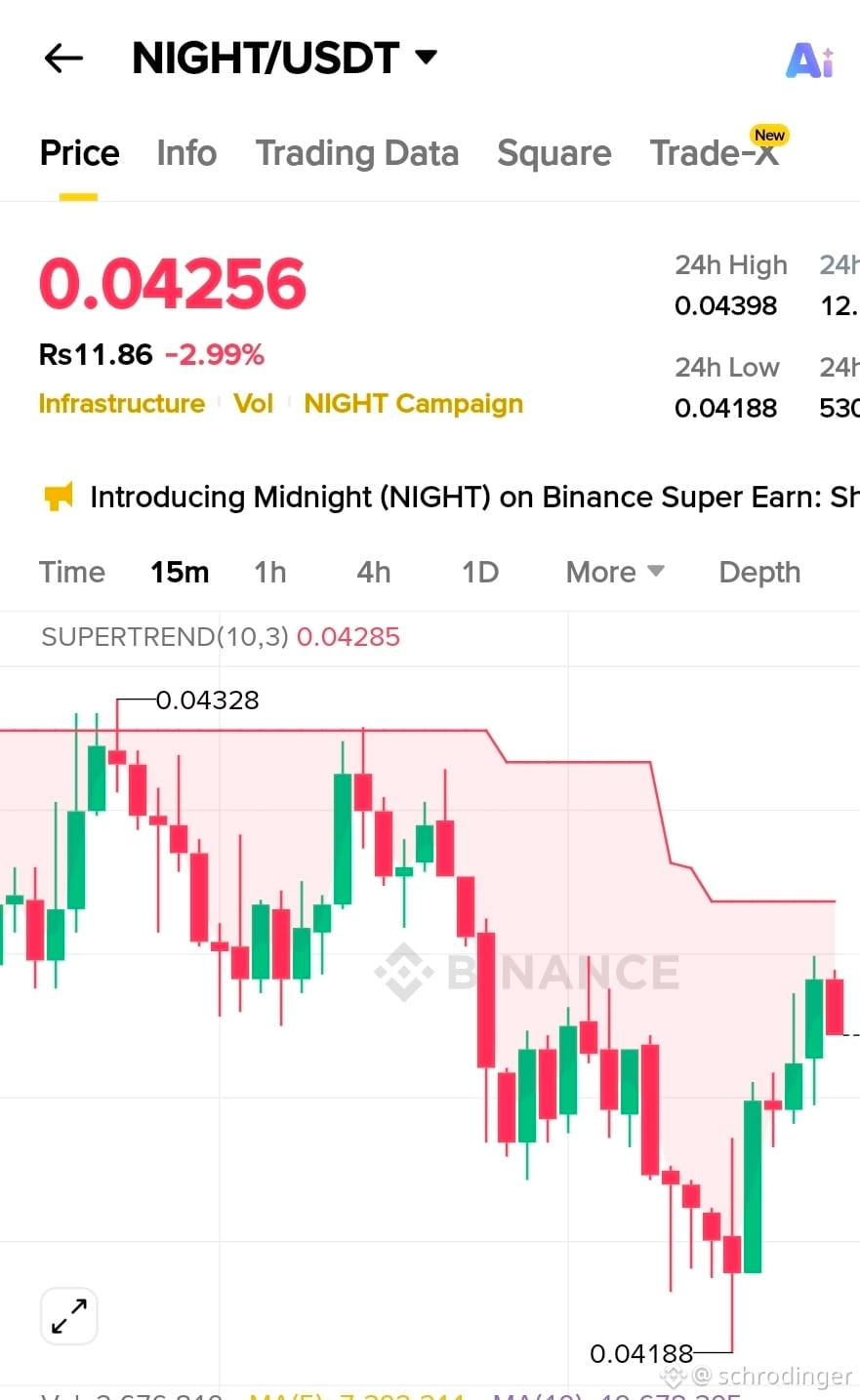
#night $NIGHT
プライバシーは機能ではなく、基盤です。
データ漏洩や監視が一般的になりつつある世界で、@MidnightNetwork は異なるものを構築しています:あなたの行動があなた自身のビジネスであるブロックチェーンです。
Midnightは最先端のゼロ知識証明を活用して、トランザクションやスマートコントラクトがオンチェーンで検証可能なままでありながら、敏感な詳細が暗号化され、プライベートに保たれることを保証します。これは単なる匿名性の問題ではなく、開発者や企業に、特許データやユーザーのアイデンティティを公共の元帳にさらすことなく、コンプライアンスのある現実のアプリケーションを構築するためのツールを提供することについてです。
医療、金融、サプライチェーンなど、機密性が交渉の余地がない分野にとって、これはゲームチェンジャーです。$NIGHT は単なるトークンではなく、ユーティリティ主導のプライバシー優先の分散型アプリケーションの新しいパラダイムを解き放つ鍵です。
Web3の未来は、ユーザーの主権を尊重する人々に属しています。Midnightはその先頭に立っています。
#night $NIGHT @MidnightNetwork
#night $NIGHT
プライバシーは機能ではなく、基盤です。
データ漏洩や監視が一般的になりつつある世界で、@MidnightNetwork は異なるものを構築しています:あなたの行動があなた自身のビジネスであるブロックチェーンです。
Midnightは最先端のゼロ知識証明を活用して、トランザクションやスマートコントラクトがオンチェーンで検証可能なままでありながら、敏感な詳細が暗号化され、プライベートに保たれることを保証します。これは単なる匿名性の問題ではなく、開発者や企業に、特許データやユーザーのアイデンティティを公共の元帳にさらすことなく、コンプライアンスのある現実のアプリケーションを構築するためのツールを提供することについてです。
医療、金融、サプライチェーンなど、機密性が交渉の余地がない分野にとって、これはゲームチェンジャーです。$NIGHT は単なるトークンではなく、ユーティリティ主導のプライバシー優先の分散型アプリケーションの新しいパラダイムを解き放つ鍵です。
Web3の未来は、ユーザーの主権を尊重する人々に属しています。Midnightはその先頭に立っています。
#night $NIGHT @MidnightNetwork
プライバシーは機能ではなく、基盤です。
データ漏洩や監視が一般的になりつつある世界で、@MidnightNetwork は異なるものを構築しています:あなたの行動があなた自身のビジネスであるブロックチェーンです。
Midnightは最先端のゼロ知識証明を活用して、トランザクションやスマートコントラクトがオンチェーンで検証可能なままでありながら、敏感な詳細が暗号化され、プライベートに保たれることを保証します。これは単なる匿名性の問題ではなく、開発者や企業に、特許データやユーザーのアイデンティティを公共の元帳にさらすことなく、コンプライアンスのある現実のアプリケーションを構築するためのツールを提供することについてです。
医療、金融、サプライチェーンなど、機密性が交渉の余地がない分野にとって、これはゲームチェンジャーです。$NIGHT は単なるトークンではなく、ユーティリティ主導のプライバシー優先の分散型アプリケーションの新しいパラダイムを解き放つ鍵です。
Web3の未来は、ユーザーの主権を尊重する人々に属しています。Midnightはその先頭に立っています。
#night $NIGHT @MidnightNetwork
2
1
32
·
--
: デジタル主権:中東の経済変革における欠落したリンク中東は歴史的な経済の変革を遂げています。サウジアラビアの野心的なビジョン2030計画から、UAEやバーレーンで出現しているデジタル資産の枠組みまで、この地域は革新のグローバルハブとして自らを積極的に位置づけています。しかし、これらの輝かしい新しい経済を構築する中で、根本的な疑問が残ります:デジタルインフラは誰が真に所有しているのでしょうか?
長い間、グローバルデジタル経済は中央集権的な管理の基盤の上に構築されてきました—ユーザーはデータ、資産、デジタルアイデンティティの所有者ではなく、テナントとして存在しています。真の経済的独立と多様化を目指す地域にとって、このモデルは重大な脆弱性を呈します。
: デジタル主権:中東の経済変革における欠落したリンク
中東は歴史的な経済の変革を遂げています。サウジアラビアの野心的なビジョン2030計画から、UAEやバーレーンで出現しているデジタル資産の枠組みまで、この地域は革新のグローバルハブとして自らを積極的に位置づけています。しかし、これらの輝かしい新しい経済を構築する中で、根本的な疑問が残ります:デジタルインフラは誰が真に所有しているのでしょうか?
長い間、グローバルデジタル経済は中央集権的な管理の基盤の上に構築されてきました—ユーザーはデータ、資産、デジタルアイデンティティの所有者ではなく、テナントとして存在しています。真の経済的独立と多様化を目指す地域にとって、このモデルは重大な脆弱性を呈します。
長い間、グローバルデジタル経済は中央集権的な管理の基盤の上に構築されてきました—ユーザーはデータ、資産、デジタルアイデンティティの所有者ではなく、テナントとして存在しています。真の経済的独立と多様化を目指す地域にとって、このモデルは重大な脆弱性を呈します。
43
·
--
#sign
🚀 中東経済成長の未来は石油だけではなく、デジタル主権に関するものです。
地域が脱石油経済に向けて加速する中、自己保管と検証可能なデジタルアイデンティティの必要性が重要になります。 @SignOfficialはこの移行のための基盤を構築しています。
$SIGNを使って、私たちは単なる投機をしているのではなく、MENA地域の企業や個人が中央集権的な仲介者に依存せずにデータと資産を所有できる基盤インフラを確保しています。
真の経済的独立はデジタル独立から始まります。
#SignDigitalSovereignInfra $SIGN
#sign
🚀 中東経済成長の未来は石油だけではなく、デジタル主権に関するものです。
地域が脱石油経済に向けて加速する中、自己保管と検証可能なデジタルアイデンティティの必要性が重要になります。 @SignOfficialはこの移行のための基盤を構築しています。
$SIGNを使って、私たちは単なる投機をしているのではなく、MENA地域の企業や個人が中央集権的な仲介者に依存せずにデータと資産を所有できる基盤インフラを確保しています。
真の経済的独立はデジタル独立から始まります。
#SignDigitalSovereignInfra $SIGN
🚀 中東経済成長の未来は石油だけではなく、デジタル主権に関するものです。
地域が脱石油経済に向けて加速する中、自己保管と検証可能なデジタルアイデンティティの必要性が重要になります。 @SignOfficialはこの移行のための基盤を構築しています。
$SIGNを使って、私たちは単なる投機をしているのではなく、MENA地域の企業や個人が中央集権的な仲介者に依存せずにデータと資産を所有できる基盤インフラを確保しています。
真の経済的独立はデジタル独立から始まります。
#SignDigitalSovereignInfra $SIGN

24
·
--
#Binance 3月のスーパ―エアドロップ: $50,000 USDT の配分、タスクを完了してポイントを獲得 https://www.binance.com/activity/trading-competition/march-super-airdrop?ref=59554247
#Binance 3月のスーパ―エアドロップ: $50,000 USDT の配分、タスクを完了してポイントを獲得 https://www.binance.com/activity/trading-competition/march-super-airdrop?ref=59554247
16
·
--
幻覚の問題がAIの可能性を殺している—@mira_networkがそれを修正する方法
私たちは私たちは皆、スクリーンショットを見たことがあります:AIが自信満々にカナダの首都はトロント(実際はオタワです)だと言ったり、根拠のない裁判を考え出したりするのを。私たちはそれを「幻覚」として笑い飛ばします。
しかし、これらの幻覚が現実の世界に影響を与え始めると、どうなるのでしょうか?
AIエージェントがサプライチェーンを管理し、請求書を確認し、誤った情報に基づいてスマートコントラクトを実行する様子を想像してみてください。幻覚はもはや面白くなくなり、高くつくようになります。これが現在AIが直面している見えない壁です:信頼性の欠如。
幻覚の問題がAIの可能性を殺している—@mira_networkがそれを修正する方法 私たちは
私たちは皆、スクリーンショットを見たことがあります:AIが自信満々にカナダの首都はトロント(実際はオタワです)だと言ったり、根拠のない裁判を考え出したりするのを。私たちはそれを「幻覚」として笑い飛ばします。
しかし、これらの幻覚が現実の世界に影響を与え始めると、どうなるのでしょうか?
AIエージェントがサプライチェーンを管理し、請求書を確認し、誤った情報に基づいてスマートコントラクトを実行する様子を想像してみてください。幻覚はもはや面白くなくなり、高くつくようになります。これが現在AIが直面している見えない壁です:信頼性の欠如。
しかし、これらの幻覚が現実の世界に影響を与え始めると、どうなるのでしょうか?
AIエージェントがサプライチェーンを管理し、請求書を確認し、誤った情報に基づいてスマートコントラクトを実行する様子を想像してみてください。幻覚はもはや面白くなくなり、高くつくようになります。これが現在AIが直面している見えない壁です:信頼性の欠如。
2
27
·
--
#mira $MIRA
AIが間違いを犯したとき、誰がその代償を払うのか?
今日の世界では、私たちはAIの出力を盲目的に信頼しています—LLMは単なる確率的な文生成器であり、事実の機械ではありません。
@mira_networkは重要なものを構築しています:AIのための分散型検証レイヤーです。一つのモデルを信頼する代わりに、Miraは経済的インセンティブとノードコンセンサスを使用して、AIの出力が実際に正しいかどうかを検証します。
ノードオペレーターは結果を保証するために$MIRA をステークします。正解でしたか?報酬を得る。間違っていましたか?ペナルティを受ける。
これにより、AIはブラックボックスから責任あるインフラストラクチャーに変わります。AIエージェントが資金やサプライチェーンを管理し始めると、もはや幻覚を許すことはできません。
信頼はもはや抽象的ではありません—経済的に強制されています。
#Mira $MIRA @mira_network
#mira $MIRA
AIが間違いを犯したとき、誰がその代償を払うのか?
今日の世界では、私たちはAIの出力を盲目的に信頼しています—LLMは単なる確率的な文生成器であり、事実の機械ではありません。
@mira_networkは重要なものを構築しています:AIのための分散型検証レイヤーです。一つのモデルを信頼する代わりに、Miraは経済的インセンティブとノードコンセンサスを使用して、AIの出力が実際に正しいかどうかを検証します。
ノードオペレーターは結果を保証するために$MIRA をステークします。正解でしたか?報酬を得る。間違っていましたか?ペナルティを受ける。
これにより、AIはブラックボックスから責任あるインフラストラクチャーに変わります。AIエージェントが資金やサプライチェーンを管理し始めると、もはや幻覚を許すことはできません。
信頼はもはや抽象的ではありません—経済的に強制されています。
#Mira $MIRA @mira_network
AIが間違いを犯したとき、誰がその代償を払うのか?
今日の世界では、私たちはAIの出力を盲目的に信頼しています—LLMは単なる確率的な文生成器であり、事実の機械ではありません。
@mira_networkは重要なものを構築しています:AIのための分散型検証レイヤーです。一つのモデルを信頼する代わりに、Miraは経済的インセンティブとノードコンセンサスを使用して、AIの出力が実際に正しいかどうかを検証します。
ノードオペレーターは結果を保証するために$MIRA をステークします。正解でしたか?報酬を得る。間違っていましたか?ペナルティを受ける。
これにより、AIはブラックボックスから責任あるインフラストラクチャーに変わります。AIエージェントが資金やサプライチェーンを管理し始めると、もはや幻覚を許すことはできません。
信頼はもはや抽象的ではありません—経済的に強制されています。
#Mira $MIRA @mira_network
1
13
·
--
AIの誇大広告を超えて:なぜFabric Foundationの$ROBOが金融レイヤーを構築しているのか。私たちは人工知能が世界を支配することについて多く話しますが、退屈なことについてはほとんど話しません:ロボットはどのように自分の電気料金を支払うのですか?どのようにして別のロボットを雇って重い箱を持ち上げるのを手伝わせるのですか?
これは Fabric Foundation が $ROBO で解決している正確な問題です。誰もがロボットをより賢くすることに焦点を当てている間、Fabric はそれらを支払能力のあるものにすることに焦点を当てています。
このように考えてみてください:私たちはロボットに脳(ChatGPTのようなAIモデル)と体(UnitreeやFourierのような会社のハードウェア)を与えました。しかし、彼らには財布が欠けています。現在のシステムでは、ロボットは人間の銀行口座に tethered された高価な家電製品に過ぎません。配達ロボットの fleet を展開したい場合、運用コストを管理するために大規模な法人銀行口座が必要です。
AIの誇大広告を超えて:なぜFabric Foundationの$ROBOが金融レイヤーを構築しているのか。
私たちは人工知能が世界を支配することについて多く話しますが、退屈なことについてはほとんど話しません:ロボットはどのように自分の電気料金を支払うのですか?どのようにして別のロボットを雇って重い箱を持ち上げるのを手伝わせるのですか?
これは Fabric Foundation が $ROBO で解決している正確な問題です。誰もがロボットをより賢くすることに焦点を当てている間、Fabric はそれらを支払能力のあるものにすることに焦点を当てています。
このように考えてみてください:私たちはロボットに脳(ChatGPTのようなAIモデル)と体(UnitreeやFourierのような会社のハードウェア)を与えました。しかし、彼らには財布が欠けています。現在のシステムでは、ロボットは人間の銀行口座に tethered された高価な家電製品に過ぎません。配達ロボットの fleet を展開したい場合、運用コストを管理するために大規模な法人銀行口座が必要です。
これは Fabric Foundation が $ROBO で解決している正確な問題です。誰もがロボットをより賢くすることに焦点を当てている間、Fabric はそれらを支払能力のあるものにすることに焦点を当てています。
このように考えてみてください:私たちはロボットに脳(ChatGPTのようなAIモデル)と体(UnitreeやFourierのような会社のハードウェア)を与えました。しかし、彼らには財布が欠けています。現在のシステムでは、ロボットは人間の銀行口座に tethered された高価な家電製品に過ぎません。配達ロボットの fleet を展開したい場合、運用コストを管理するために大規模な法人銀行口座が必要です。
2
99
·
--
🎁 オプション : 相互価値に焦点を当てる
"バイナンスクリエーターパッドでコンテンツを積極的に作成して、新しいプロジェクトについての洞察を得て共有しています。📝
暗号収益と質の高いコンテンツに興味があるなら、お互いをサポートしましょう! フォローをしてくれれば、私もフォローします。私たちのスクエアネットワークを成長させましょう! 🤝 #Binance #CreatorPad #Web3"
🎁 オプション : 相互価値に焦点を当てる
"バイナンスクリエーターパッドでコンテンツを積極的に作成して、新しいプロジェクトについての洞察を得て共有しています。📝
暗号収益と質の高いコンテンツに興味があるなら、お互いをサポートしましょう! フォローをしてくれれば、私もフォローします。私たちのスクエアネットワークを成長させましょう! 🤝 #Binance #CreatorPad #Web3"
"バイナンスクリエーターパッドでコンテンツを積極的に作成して、新しいプロジェクトについての洞察を得て共有しています。📝
暗号収益と質の高いコンテンツに興味があるなら、お互いをサポートしましょう! フォローをしてくれれば、私もフォローします。私たちのスクエアネットワークを成長させましょう! 🤝 #Binance #CreatorPad #Web3"
8

ログインして、さらにコンテンツを読む
厳選トピックで世界の暗号資産トレーダーの仲間入り
⚡️ 暗号資産に関する最新かつ有益な情報が見つかります。
💬 世界最大の暗号資産取引所から信頼されています。
👍 認証を受けたクリエイターから、有益なインサイトを得られます。
メール / 電話番号
トレンドトピック
SECReceivesGrayscaleLitecoinTrustETFFiling
閲覧回数 40,271
823人が討論中
💎 投資家の関心がライトコインに集まる
グレイスケールのETF申請により、$LTCはより大きな話題の中心に入りました。現物取引を行う人にとって、このような出来事は、エントリーする前に強固な資産を見極めて学ぶべきだという注意喚起になります。
#secreceivesgrayscalelitecointrustetffiling
CryptoMahibaloch
·いいね:1件
·閲覧回数 1.1k
ClarityActFacesProceduralVoteSept15
閲覧回数 156,397
1,779人が討論中
US10YearTreasuryYieldNears5%
閲覧回数 53,009
958人が討論中