

April Saw
22.9k 投稿

April Saw
報告
ユーザーをブロック
取引を発注
超高頻度トレーダー
1.5年
7.2K+ フォロー
4.4K+ フォロワー
3.2K+ いいね
投稿
ポートフォリオ
すべて
引用
ライブ
PINNED
·
--
数えきれないほどの暗号資産の旅の中でも印象に残る一つ#ShareYourStoryWithBinanceAugust
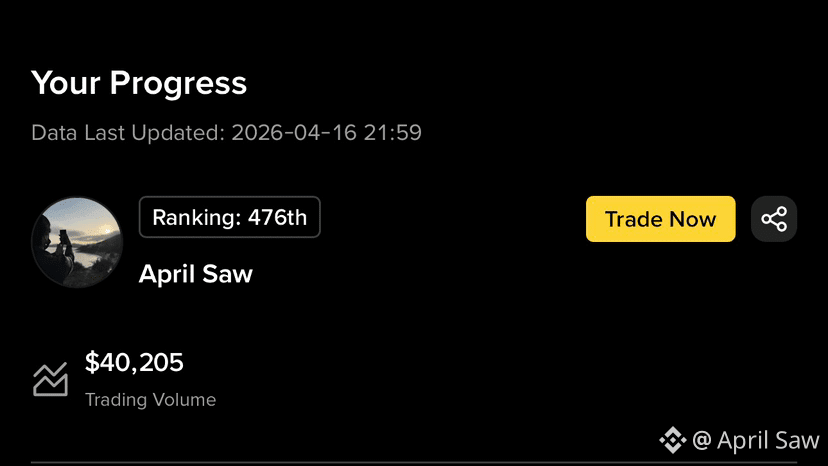
3月、私はポジションを確実にするための強い野心を胸に、BARDイベントのトレードに参加しました。競争の場へ踏み込む高揚感が私に活力を与え、必要なことは何でもして順位を上げると決めていました。毎日が、チャートを見て動きを分析し、必死になって取引するという繰り返しでした。私は単に数字を追っていたわけではありません。トップトレーダーの仲間入りを果たし、実力を証明できたという満足感——それを追い求めていたのです。
🍀最初の取引で希望を得ました。小さな勝利が、私が夢見ていたポジションへと向かう足がかりのように感じられました。眠れない夜や終わりのない計算が、すべて報われる価値があるのだと自分に言い聞かせていました。
数えきれないほどの暗号資産の旅の中でも印象に残る一つ
#ShareYourStoryWithBinanceAugust
3月、私はポジションを確実にするための強い野心を胸に、BARDイベントのトレードに参加しました。競争の場へ踏み込む高揚感が私に活力を与え、必要なことは何でもして順位を上げると決めていました。毎日が、チャートを見て動きを分析し、必死になって取引するという繰り返しでした。私は単に数字を追っていたわけではありません。トップトレーダーの仲間入りを果たし、実力を証明できたという満足感——それを追い求めていたのです。
🍀最初の取引で希望を得ました。小さな勝利が、私が夢見ていたポジションへと向かう足がかりのように感じられました。眠れない夜や終わりのない計算が、すべて報われる価値があるのだと自分に言い聞かせていました。
3月、私はポジションを確実にするための強い野心を胸に、BARDイベントのトレードに参加しました。競争の場へ踏み込む高揚感が私に活力を与え、必要なことは何でもして順位を上げると決めていました。毎日が、チャートを見て動きを分析し、必死になって取引するという繰り返しでした。私は単に数字を追っていたわけではありません。トップトレーダーの仲間入りを果たし、実力を証明できたという満足感——それを追い求めていたのです。
🍀最初の取引で希望を得ました。小さな勝利が、私が夢見ていたポジションへと向かう足がかりのように感じられました。眠れない夜や終わりのない計算が、すべて報われる価値があるのだと自分に言い聞かせていました。
5
1
9
675

·
--
#ShareMyTradFi BinanceでSNDKのB株を取引するのはスムーズで効率的でした。プラットフォームのインターフェースにより売買が簡単で、注文の執行も迅速、手数料も明確でした。リアルタイムのチャートと安全な環境が気に入っており、どの判断にも自信が持てました。
全体として信頼でき、使いやすく、やりがいのある体験であり、Binanceの取引エコシステムへの信頼をさらに強めてくれました。
#ShareMyTradFi BinanceでSNDKのB株を取引するのはスムーズで効率的でした。プラットフォームのインターフェースにより売買が簡単で、注文の執行も迅速、手数料も明確でした。リアルタイムのチャートと安全な環境が気に入っており、どの判断にも自信が持てました。
全体として信頼でき、使いやすく、やりがいのある体験であり、Binanceの取引エコシステムへの信頼をさらに強めてくれました。
全体として信頼でき、使いやすく、やりがいのある体験であり、Binanceの取引エコシステムへの信頼をさらに強めてくれました。
5
133
·
--
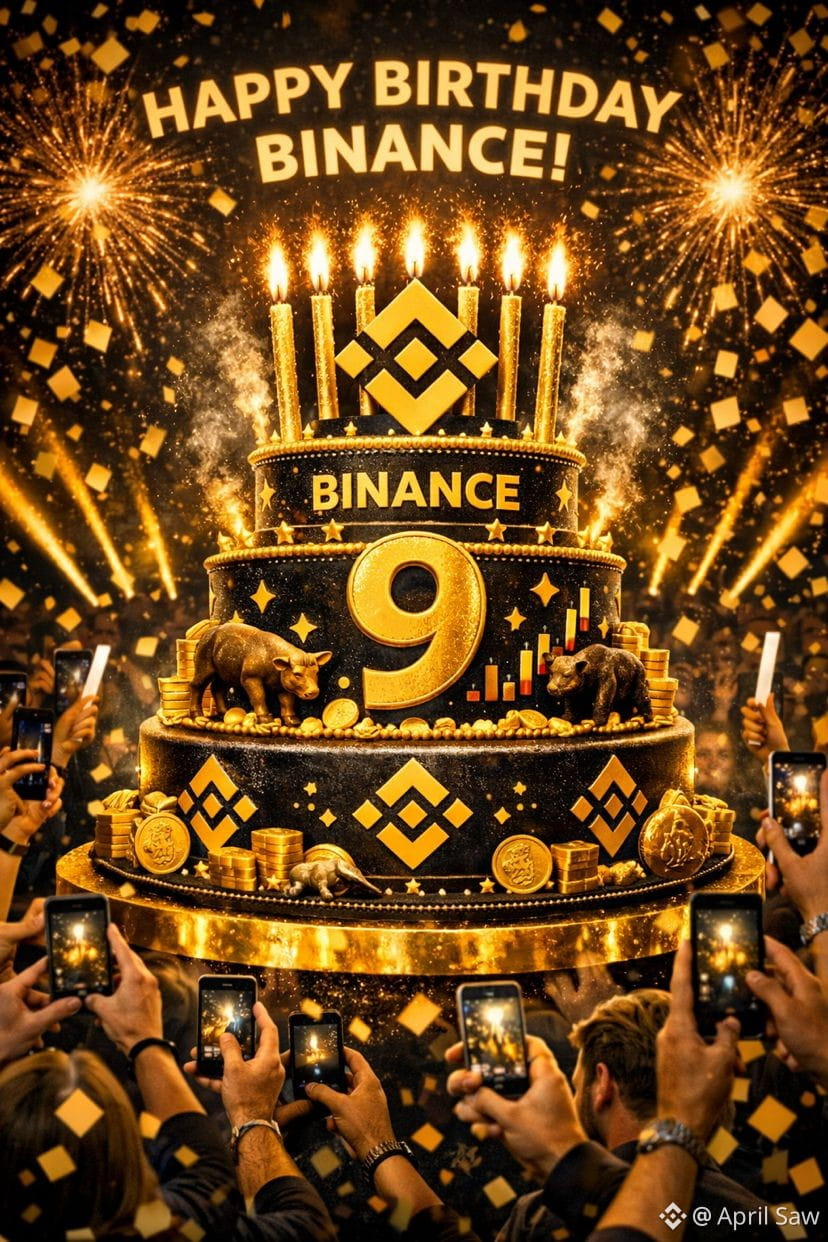
🎉🎉🎉バイナンスの素晴らしい9年間!🌍💛 この旅の一員でいられて誇りに思います。グローバルな暗号資産コミュニティをつなぎ、成長するためのツールを届けてくれてありがとうございます。お誕生日おめでとう!
💛 #BinanceTurns9
#BinanceSquareFamily
#BinanceSquareTG
🎉🎉🎉バイナンスの素晴らしい9年間!🌍💛 この旅の一員でいられて誇りに思います。グローバルな暗号資産コミュニティをつなぎ、成長するためのツールを届けてくれてありがとうございます。お誕生日おめでとう!
💛 #BinanceTurns9
#BinanceSquareFamily
#BinanceSquareTG
💛 #BinanceTurns9
#BinanceSquareFamily
#BinanceSquareTG
1
1
685
·
--
“Binance 9周年おめでとう!🎉
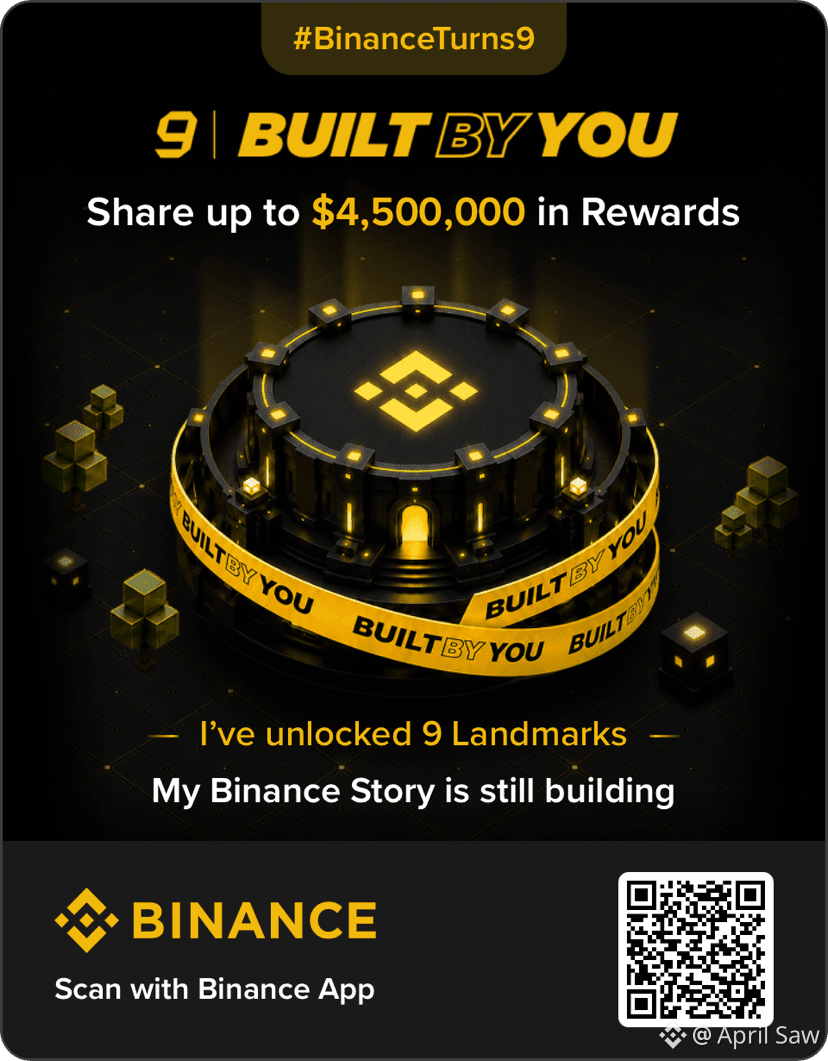
🎂🎂🎂9つのキャンドルが輝き、イノベーション、レジリエンス、そしてグローバルなコミュニティを象徴しています。小さな始まりから何百万もの人々を力づけるまで、あなたの歩みは暗号資産の未来を照らします。成長が続き、無限の可能性が広がり、そして成功の次の10年も迎えられますように。次章に乾杯!🥳🥳🥳
#BinanceTurns9
#BinanceSquareFamily
“Binance 9周年おめでとう!🎉
🎂🎂🎂9つのキャンドルが輝き、イノベーション、レジリエンス、そしてグローバルなコミュニティを象徴しています。小さな始まりから何百万もの人々を力づけるまで、あなたの歩みは暗号資産の未来を照らします。成長が続き、無限の可能性が広がり、そして成功の次の10年も迎えられますように。次章に乾杯!🥳🥳🥳
#BinanceTurns9
#BinanceSquareFamily
🎂🎂🎂9つのキャンドルが輝き、イノベーション、レジリエンス、そしてグローバルなコミュニティを象徴しています。小さな始まりから何百万もの人々を力づけるまで、あなたの歩みは暗号資産の未来を照らします。成長が続き、無限の可能性が広がり、そして成功の次の10年も迎えられますように。次章に乾杯!🥳🥳🥳
#BinanceTurns9
#BinanceSquareFamily
1
1
54
·
--
#grvt @grvt_io
GRVTトークンは現在取引できず、Binance上でライブ価格が表示されていません。GRVTトークン生成イベント(TGE)および公式なトークン上場は2026年7月21日に予定されています。現時点ではスポット市場でまだ稼働していませんが、BinanceはGRVTトークンによる報酬を提供する「Grvt Wallet Booster Campaign」を開始しています。プレマーケットおよびオンチェーンの活動からの見積もりでは、上場前のバリュエーションはおよそ0.26〜0.30ドルの水準とされていますが、公式で検証済みのスポット価格が確定するのは、7月21日の取引開始後になります。
#grvt @grvt_io
GRVTトークンは現在取引できず、Binance上でライブ価格が表示されていません。GRVTトークン生成イベント(TGE)および公式なトークン上場は2026年7月21日に予定されています。現時点ではスポット市場でまだ稼働していませんが、BinanceはGRVTトークンによる報酬を提供する「Grvt Wallet Booster Campaign」を開始しています。プレマーケットおよびオンチェーンの活動からの見積もりでは、上場前のバリュエーションはおよそ0.26〜0.30ドルの水準とされていますが、公式で検証済みのスポット価格が確定するのは、7月21日の取引開始後になります。
GRVTトークンは現在取引できず、Binance上でライブ価格が表示されていません。GRVTトークン生成イベント(TGE)および公式なトークン上場は2026年7月21日に予定されています。現時点ではスポット市場でまだ稼働していませんが、BinanceはGRVTトークンによる報酬を提供する「Grvt Wallet Booster Campaign」を開始しています。プレマーケットおよびオンチェーンの活動からの見積もりでは、上場前のバリュエーションはおよそ0.26〜0.30ドルの水準とされていますが、公式で検証済みのスポット価格が確定するのは、7月21日の取引開始後になります。
117
·
--
#grvt @grvt_io
GRVT(「Gravity」と発音)は、zkSync network上に構築されたハイブリッド型の分散型パーペチュアル・コントラクト取引所(Perp DEX)です。独占的なBinance Web3ウォレットのプロモーションキャンペーンや、間近に迫ったトークンローンチなどの戦略的コラボレーションにより、Binance上で大きな注目を集めています。
GRVTのユニークな点は?
GRVTは、自らを「RegDeFi」(規制された分散型金融)プロトコルだと位置付けています。分散型取引所のセキュリティとセルフカストディを、従来型の中央集権取引所のような高速なユーザー体験と融合させています。
#grvt @grvt_io
GRVT(「Gravity」と発音)は、zkSync network上に構築されたハイブリッド型の分散型パーペチュアル・コントラクト取引所(Perp DEX)です。独占的なBinance Web3ウォレットのプロモーションキャンペーンや、間近に迫ったトークンローンチなどの戦略的コラボレーションにより、Binance上で大きな注目を集めています。
GRVTのユニークな点は?
GRVTは、自らを「RegDeFi」(規制された分散型金融)プロトコルだと位置付けています。分散型取引所のセキュリティとセルフカストディを、従来型の中央集権取引所のような高速なユーザー体験と融合させています。
GRVT(「Gravity」と発音)は、zkSync network上に構築されたハイブリッド型の分散型パーペチュアル・コントラクト取引所(Perp DEX)です。独占的なBinance Web3ウォレットのプロモーションキャンペーンや、間近に迫ったトークンローンチなどの戦略的コラボレーションにより、Binance上で大きな注目を集めています。
GRVTのユニークな点は?
GRVTは、自らを「RegDeFi」(規制された分散型金融)プロトコルだと位置付けています。分散型取引所のセキュリティとセルフカストディを、従来型の中央集権取引所のような高速なユーザー体験と融合させています。
104
·
--
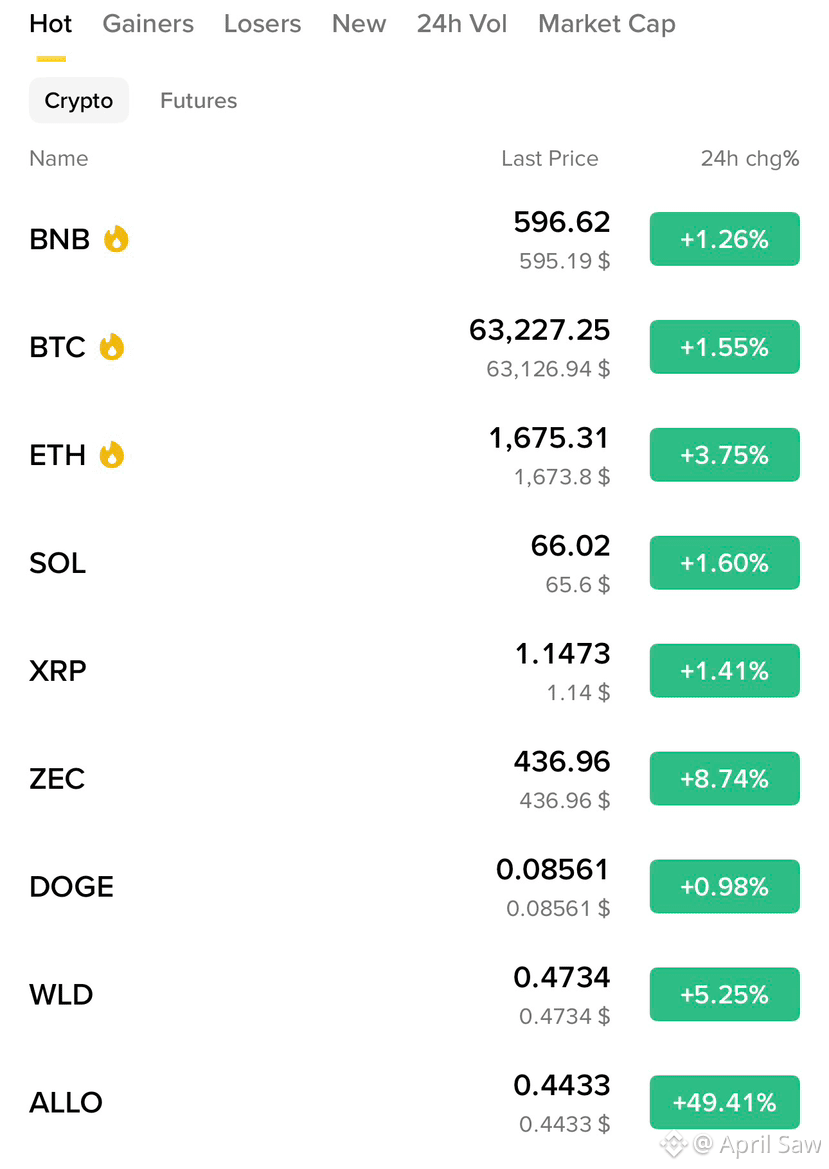
💹市場が再びグリーンになりました。💹
‼️SL/LQを避けてTPを取りましょう。
🍀皆さん、頑張ってください。🍀
#BinanceSquareFamily
#GoodLuck
#Good_Profitable_Margin
💹市場が再びグリーンになりました。💹
‼️SL/LQを避けてTPを取りましょう。
🍀皆さん、頑張ってください。🍀
#BinanceSquareFamily
#GoodLuck
#Good_Profitable_Margin
‼️SL/LQを避けてTPを取りましょう。
🍀皆さん、頑張ってください。🍀
#BinanceSquareFamily
#GoodLuck
#Good_Profitable_Margin
686
2
29
686
·
--
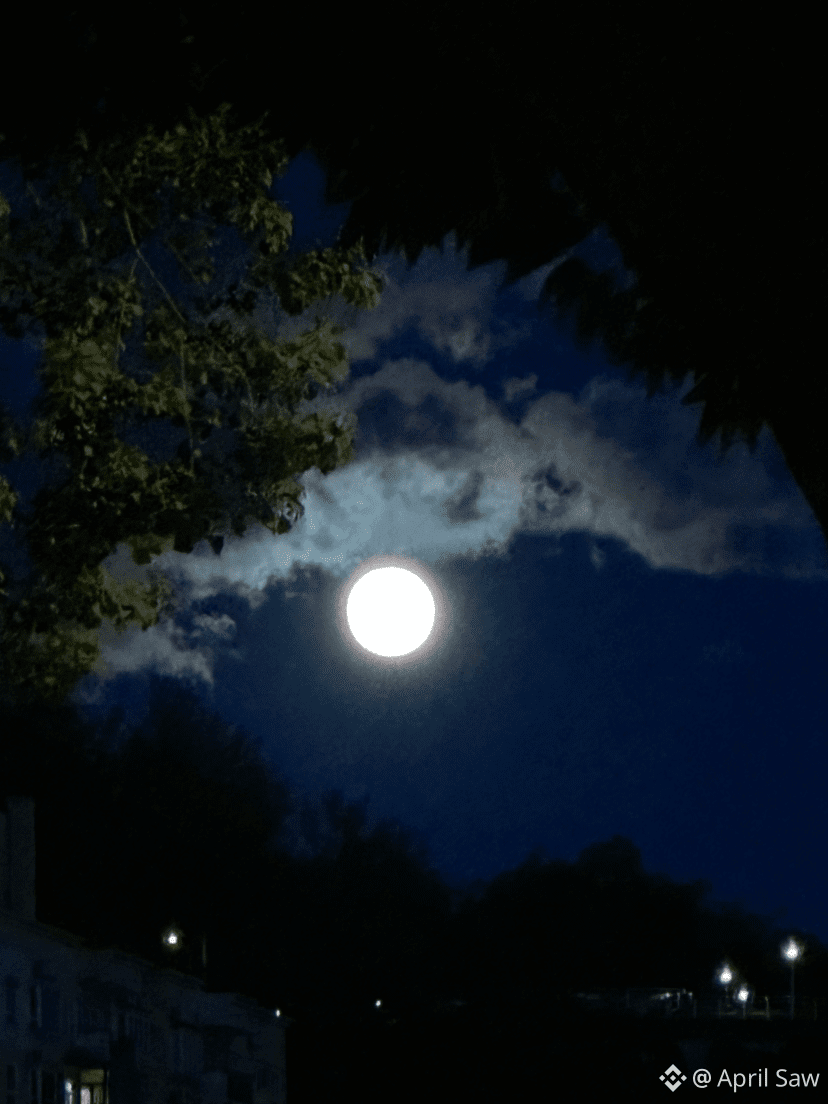
🌸日曜日が戻ってきて、今日はお休み。
より良い明日のために眠ります。🌻
😴みんな、おやすみなさい。🤞🤞🤞
🍀毎日が幸運でありますように🍀
🌸日曜日が戻ってきて、今日はお休み。
より良い明日のために眠ります。🌻
😴みんな、おやすみなさい。🤞🤞🤞
🍀毎日が幸運でありますように🍀
より良い明日のために眠ります。🌻
😴みんな、おやすみなさい。🤞🤞🤞
🍀毎日が幸運でありますように🍀
959
3
48
959
·
--
📈📉 ここに半日も座って、価格が上がったり下がったりするのを眺めてる。これから待っているエントリーは、誰かのテイクプロフィットか、清算(リクイデーション)かもしれない。とにかく、良い一日を。🌸🍀🌸
#BinanceSquareFamily
#BTC🔥🔥🔥🔥🔥
📈📉 ここに半日も座って、価格が上がったり下がったりするのを眺めてる。これから待っているエントリーは、誰かのテイクプロフィットか、清算(リクイデーション)かもしれない。とにかく、良い一日を。🌸🍀🌸
#BinanceSquareFamily
#BTC🔥🔥🔥🔥🔥
#BinanceSquareFamily
#BTC🔥🔥🔥🔥🔥
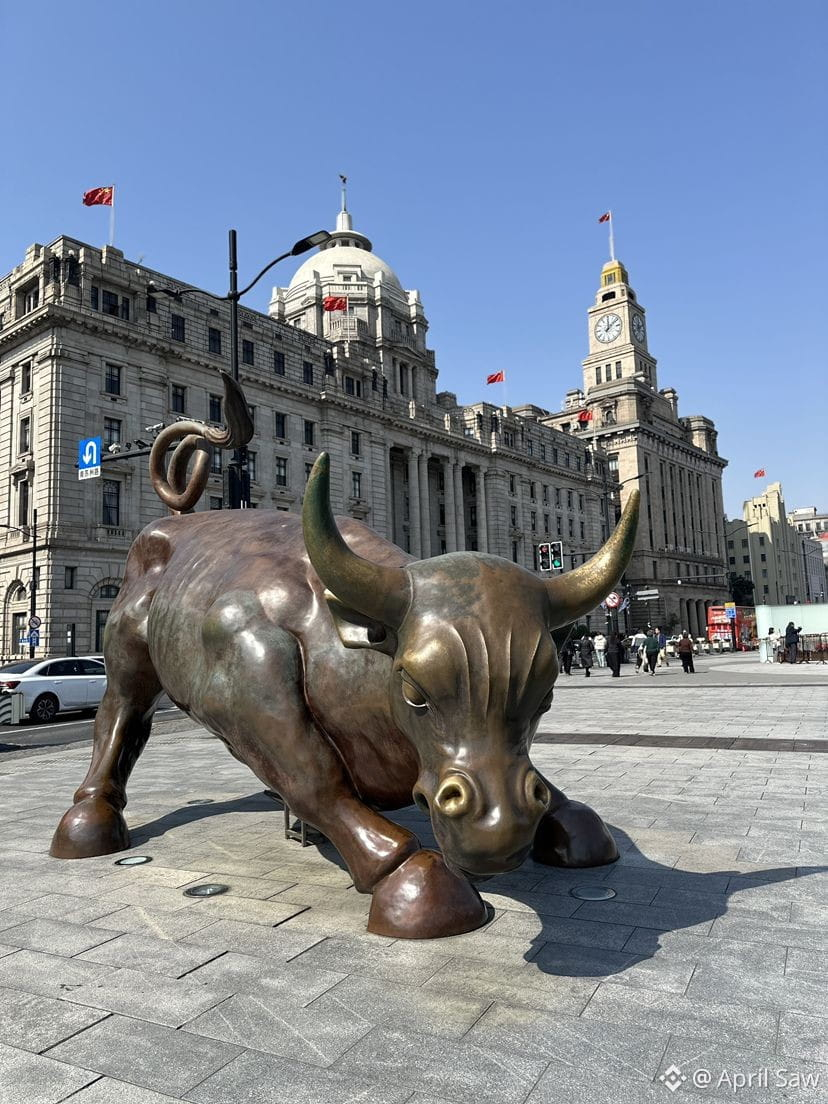

Be Happy 😊
送り主:April Saw
71
44
265
·
--
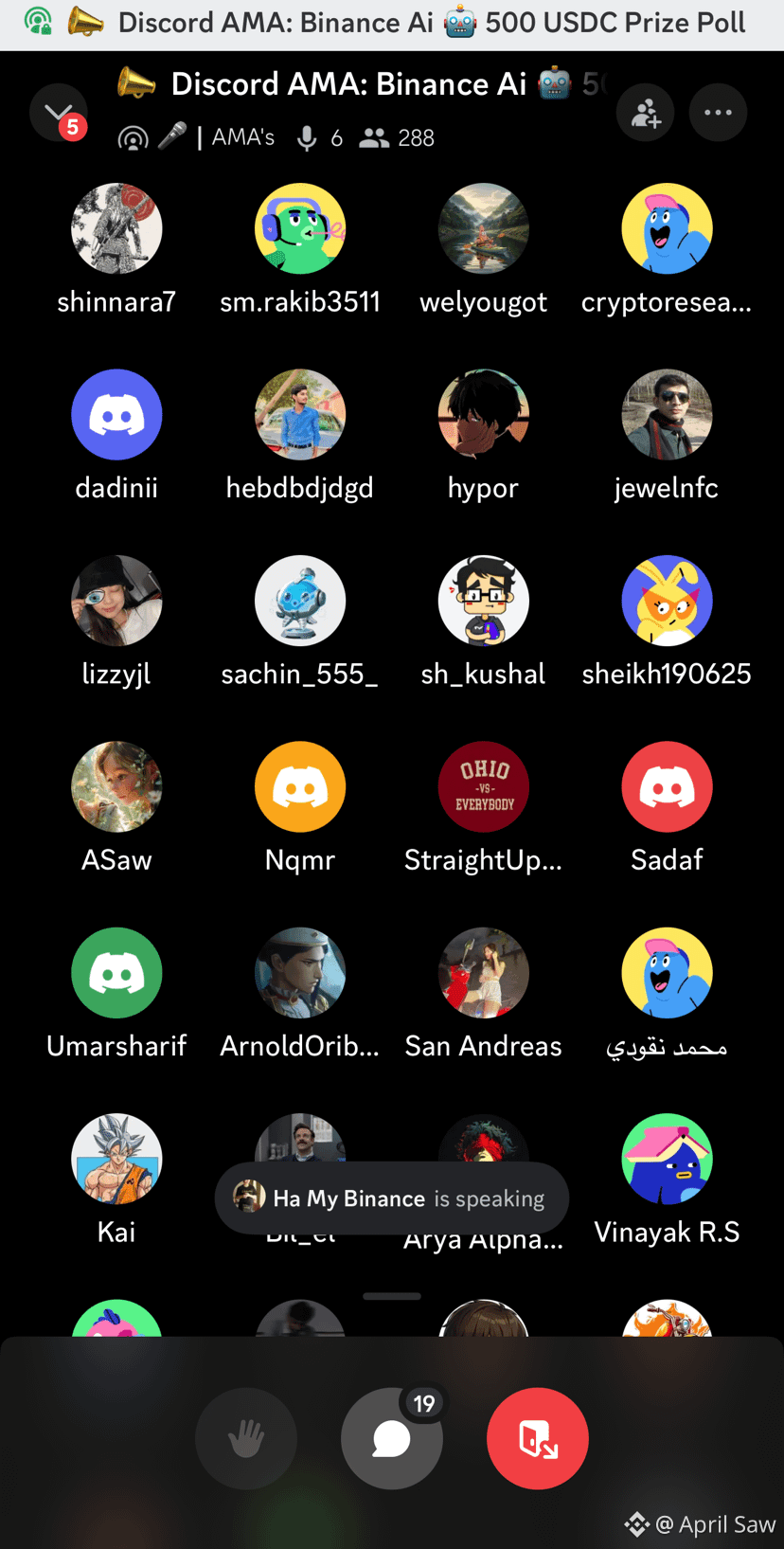
✅ディスコードのライブAMAに参加してきたばかりで、盛りだくさんのインサイトがありました! 🎙️
✍️ 今夜学んだことを簡単にまとめますね:
🌸ロードマップの更新:チームは2026年第2四半期に[Insert Feature/Project Name, e.g., Mobile App Development]を優先しています。
🔐キーポイント:彼らは[Insert Topic, e.g., security/bottlenecks]に関する懸念に対処し、[Insert Metric, e.g., transaction fees/latency]を減らす方法を強調しました。
🎧コミュニティの焦点:ユーザーのフィードバックに基づいて行動していることが明らかで、日々のエンゲージメントを高めるために[Insert Action, e.g., improve UI/launch Daily Challenges]を目指しています。
🔮未来のビジョン:主な焦点は、単なる[Current Status]から[Future Goal]になることです。
😇全体的に、進む方向に非常に楽観的です。見逃した方は、ぜひディスコードで録画をチェックしてください!
🤝https://discord.com/invite/binanceofficial
#AMA
#DiscordLive
#Web3
#DevelopmentUpdate
#BinanceAi
✅ディスコードのライブAMAに参加してきたばかりで、盛りだくさんのインサイトがありました! 🎙️
✍️ 今夜学んだことを簡単にまとめますね:
🌸ロードマップの更新:チームは2026年第2四半期に[Insert Feature/Project Name, e.g., Mobile App Development]を優先しています。
🔐キーポイント:彼らは[Insert Topic, e.g., security/bottlenecks]に関する懸念に対処し、[Insert Metric, e.g., transaction fees/latency]を減らす方法を強調しました。
🎧コミュニティの焦点:ユーザーのフィードバックに基づいて行動していることが明らかで、日々のエンゲージメントを高めるために[Insert Action, e.g., improve UI/launch Daily Challenges]を目指しています。
🔮未来のビジョン:主な焦点は、単なる[Current Status]から[Future Goal]になることです。
😇全体的に、進む方向に非常に楽観的です。見逃した方は、ぜひディスコードで録画をチェックしてください!
🤝https://discord.com/invite/binanceofficial
#AMA
#DiscordLive
#Web3
#DevelopmentUpdate
#BinanceAi
✍️ 今夜学んだことを簡単にまとめますね:
🌸ロードマップの更新:チームは2026年第2四半期に[Insert Feature/Project Name, e.g., Mobile App Development]を優先しています。
🔐キーポイント:彼らは[Insert Topic, e.g., security/bottlenecks]に関する懸念に対処し、[Insert Metric, e.g., transaction fees/latency]を減らす方法を強調しました。
🎧コミュニティの焦点:ユーザーのフィードバックに基づいて行動していることが明らかで、日々のエンゲージメントを高めるために[Insert Action, e.g., improve UI/launch Daily Challenges]を目指しています。
🔮未来のビジョン:主な焦点は、単なる[Current Status]から[Future Goal]になることです。
😇全体的に、進む方向に非常に楽観的です。見逃した方は、ぜひディスコードで録画をチェックしてください!
🤝https://discord.com/invite/binanceofficial
#AMA
#DiscordLive
#Web3
#DevelopmentUpdate
#BinanceAi
1
5
124
ログインして、さらにコンテンツを読む
厳選トピックで世界の暗号資産トレーダーの仲間入り
⚡️ 暗号資産に関する最新かつ有益な情報が見つかります。
💬 世界最大の暗号資産取引所から信頼されています。
👍 認証を受けたクリエイターから、有益なインサイトを得られます。
メール / 電話番号
トレンドトピック
US10YearYieldNears5.3%
閲覧回数 3,451
121人が討論中
#US10YearYieldNears5.3%
📊 債券利回りが複数年の高値を更新!
米10年国債利回りが5.3%に近づくことで、世界の金融市場で大きな注目材料になっています。利回りの上昇は、インフレ、経済成長、政府の借入に関する見通しが変化していることを反映しています。
🌍 今回の状況が特に興味深いのは、暗号資産(クリプト)のセンチメントへの影響です。債券利回りが高まると、リスクの高い資産への需要が減る可能性がある一方で、継続的な機関投資家の関心がクリプト市場に一定の支えを提供するかもしれません。
₿ 重要な問いはこうです。伝統的な金融市場で借入コストが上昇する中で、ビットコインはその強さを維持できるのか?
💡 ときには、市場が発する最大のサインはクリプト市場の外側からもたらされます。
#Bitcoin #CryptoMarket #US10YearYield #TreasuryYields #BTC $BTC
PALASH5
·いいね:0件
·閲覧回数 2.5k
BitcoinETFsTake$6.34BillionInQ3
閲覧回数 248
16人が討論中
KoreaProposesTokenizingStocksAndBonds
閲覧回数 24,979
375人が討論中