
Sahil_crypto1
297 投稿

Sahil_crypto1
報告
ユーザーをブロック
取引を発注
高頻度トレーダー
1.9年
24 フォロー
121 フォロワー
455 いいね
投稿
ポートフォリオ
すべて
ライブ
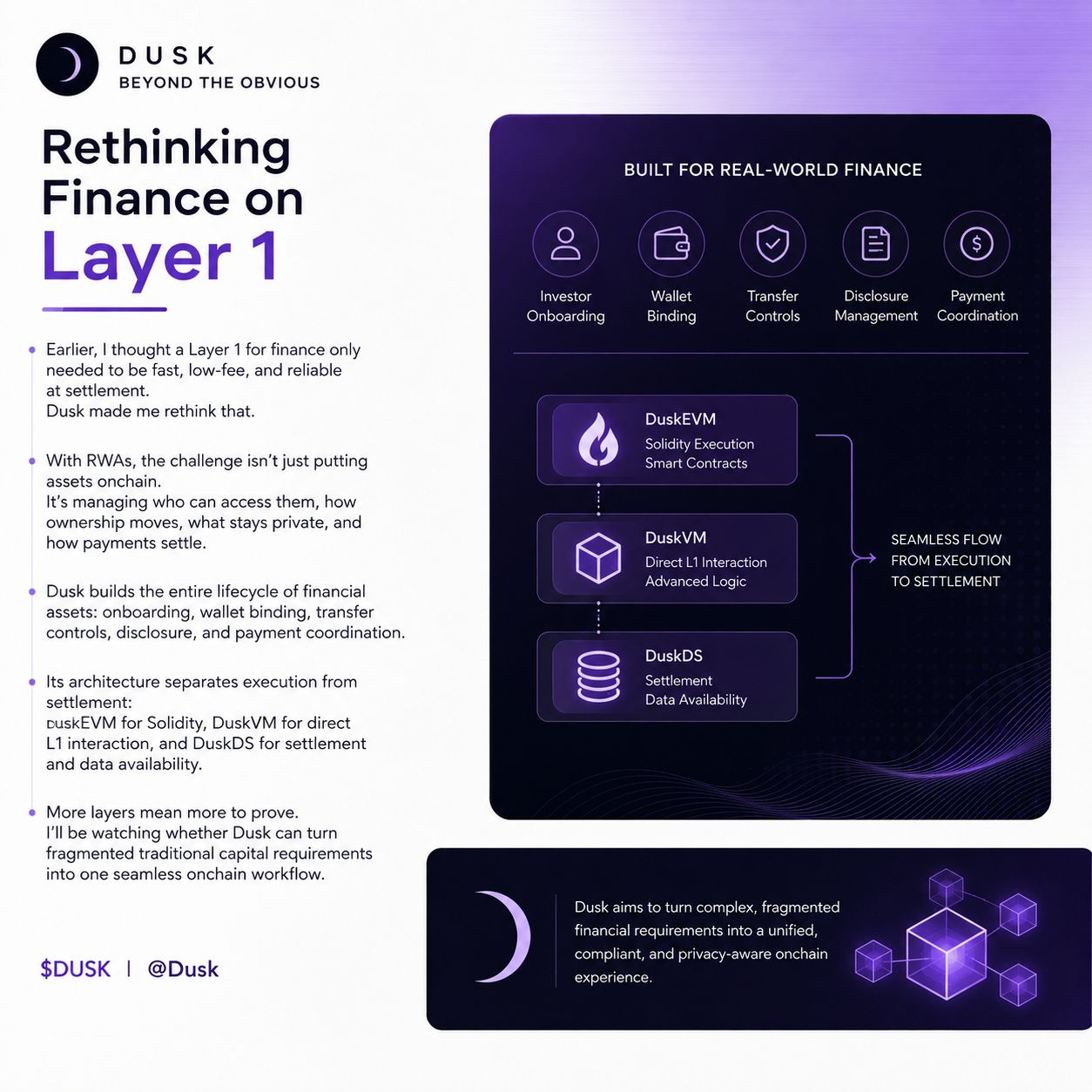
#dusk $DUSK @Dusk_Foundation 以前は、金融のレイヤー1には主にスピード、低手数料、そして信頼できる決済が必要だと思っていました。Duskは、その考えを改めさせてくれました。
RWAの場合、難しいのは単に資産をオンチェーンに載せることだけではありません。誰がそれらにアクセスできるのか、所有権がどのように移転されるのか、何が非公開のまま維持されるのか、そして支払いがどのように決済されるのかを管理することが重要なのです。
だからこそ、私はDuskに興味を持っています。Duskのアーキテクチャは、実行、アプリケーション、決済、データ可用性を中心にして、DuskEVM、DuskVM、DuskDSをつなぎ合わせています。
この複雑さが実際の採用につながるのか、私はまだ見守っていますが、より大きな疑問は魅力的です:
Duskは、分断された従来の金融要件を、1つのシームレスなオンチェーンの業務フローへと変えられるのでしょうか?
$DUSK @Dusk_Foundation
{spot}(DUSKUSDT)
#dusk $DUSK @Dusk 以前は、金融のレイヤー1には主にスピード、低手数料、そして信頼できる決済が必要だと思っていました。Duskは、その考えを改めさせてくれました。
RWAの場合、難しいのは単に資産をオンチェーンに載せることだけではありません。誰がそれらにアクセスできるのか、所有権がどのように移転されるのか、何が非公開のまま維持されるのか、そして支払いがどのように決済されるのかを管理することが重要なのです。
だからこそ、私はDuskに興味を持っています。Duskのアーキテクチャは、実行、アプリケーション、決済、データ可用性を中心にして、DuskEVM、DuskVM、DuskDSをつなぎ合わせています。
この複雑さが実際の採用につながるのか、私はまだ見守っていますが、より大きな疑問は魅力的です:
Duskは、分断された従来の金融要件を、1つのシームレスなオンチェーンの業務フローへと変えられるのでしょうか?
$DUSK @Dusk
RWAの場合、難しいのは単に資産をオンチェーンに載せることだけではありません。誰がそれらにアクセスできるのか、所有権がどのように移転されるのか、何が非公開のまま維持されるのか、そして支払いがどのように決済されるのかを管理することが重要なのです。
だからこそ、私はDuskに興味を持っています。Duskのアーキテクチャは、実行、アプリケーション、決済、データ可用性を中心にして、DuskEVM、DuskVM、DuskDSをつなぎ合わせています。
この複雑さが実際の採用につながるのか、私はまだ見守っていますが、より大きな疑問は魅力的です:
Duskは、分断された従来の金融要件を、1つのシームレスなオンチェーンの業務フローへと変えられるのでしょうか?
$DUSK @Dusk
69
$BTC ビットコインは、市場全体で強気の勢いが高まっていることで、再び興味深く見えてきています。買い手が現在の水準を守り続け、レジスタンスが突破されるなら、次の目標として$73,000ゾーンを注目しています。
$73Kに向かう動きは、BTCへの新たな注目を呼び込み、全体の市場心理をより強める可能性があります。もちろん、ビットコインは両方向に素早く動くことがあるため、確認とリスク管理は引き続き重要です。
当面は、出来高、勢い、そして重要なレジスタンス付近でのBTCの反応を見ています。あまり攻めすぎずに判断するためです。
ビットコインは、私が特に注視しているチャートの一つです。🚀
#Bitcoin #BTC #Crypto $BTC
{spot}(BTCUSDT)
$BTC ビットコインは、市場全体で強気の勢いが高まっていることで、再び興味深く見えてきています。買い手が現在の水準を守り続け、レジスタンスが突破されるなら、次の目標として$73,000ゾーンを注目しています。
$73Kに向かう動きは、BTCへの新たな注目を呼び込み、全体の市場心理をより強める可能性があります。もちろん、ビットコインは両方向に素早く動くことがあるため、確認とリスク管理は引き続き重要です。
当面は、出来高、勢い、そして重要なレジスタンス付近でのBTCの反応を見ています。あまり攻めすぎずに判断するためです。
ビットコインは、私が特に注視しているチャートの一つです。🚀
#Bitcoin #BTC #Crypto $BTC
$73Kに向かう動きは、BTCへの新たな注目を呼び込み、全体の市場心理をより強める可能性があります。もちろん、ビットコインは両方向に素早く動くことがあるため、確認とリスク管理は引き続き重要です。
当面は、出来高、勢い、そして重要なレジスタンス付近でのBTCの反応を見ています。あまり攻めすぎずに判断するためです。
ビットコインは、私が特に注視しているチャートの一つです。🚀
#Bitcoin #BTC #Crypto $BTC
1
65
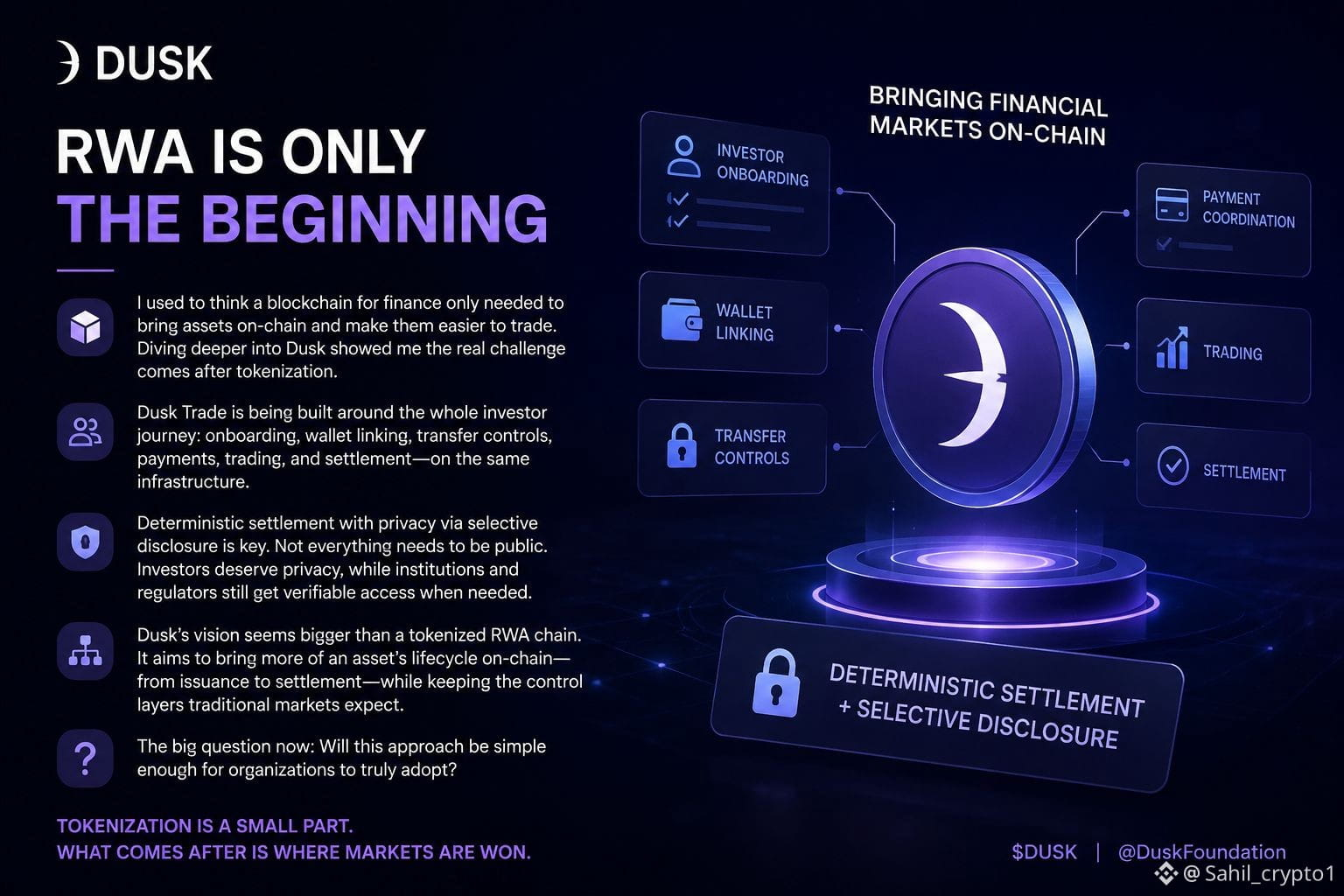
#dusk $DUSK @Dusk_Foundation 以前は、金融のためのブロックチェーンに必要なのは、2つのことをうまくやることだけだと思っていました。すなわち、実世界の資産をオンチェーンに取り込み、そしてそれらをより取引しやすくすることです。
しかし、Duskを深掘りすることで、RWA(実世界資産)という物語の見方が変わりました。
トークン化はあくまで始まりに過ぎません。資産がオンチェーン上に存在した後に立ちはだかる、より大きな課題があります。投資家のオンボーディング、ウォレットの連携、移転コントロール、支払いの調整、取引、そして決済——これらがすべて、相互に連携して機能する必要があります。
だからこそ、私にとってDusk Tradeが興味深いのです。市場(トークン化された資産の別のマーケットプレイスを作ること)を増やすだけではなく、より広い野心を感じます。Duskは、選択的開示と決定論的決済を組み合わせながら、資産ライフサイクルのより多くの部分を支えるインフラを構築しようとしています。
私はかつて、ブロックチェーンの透明性が高いほど常に良いのだと考えていました。でも金融市場は、それが必ずしも正しいとは限らない理由を私に示しました。投資家にはプライバシーが必要な場合があります。一方で、機関投資家や規制当局は、必要なときに情報を確実に検証できる信頼性の高い手段を今なお求めています。
そのため、私はDuskを「別の『トークン化RWAチェーン』」というより、従来の金融ワークフローをオンチェーンに持ち込もうとする取り組みとして捉え始めています。そこから、市場が依存しているコントロールを取り除くことはしないのです。
私にとって今の本当の問いは、技術が良さそうかどうかではありません。
その全体の仕組みが、組織にとって実際に使えるほどシンプルに感じられるかどうかです。{spot}(DUSKUSDT)
#dusk $DUSK @Dusk 以前は、金融のためのブロックチェーンに必要なのは、2つのことをうまくやることだけだと思っていました。すなわち、実世界の資産をオンチェーンに取り込み、そしてそれらをより取引しやすくすることです。
しかし、Duskを深掘りすることで、RWA(実世界資産)という物語の見方が変わりました。
トークン化はあくまで始まりに過ぎません。資産がオンチェーン上に存在した後に立ちはだかる、より大きな課題があります。投資家のオンボーディング、ウォレットの連携、移転コントロール、支払いの調整、取引、そして決済——これらがすべて、相互に連携して機能する必要があります。
だからこそ、私にとってDusk Tradeが興味深いのです。市場(トークン化された資産の別のマーケットプレイスを作ること)を増やすだけではなく、より広い野心を感じます。Duskは、選択的開示と決定論的決済を組み合わせながら、資産ライフサイクルのより多くの部分を支えるインフラを構築しようとしています。
私はかつて、ブロックチェーンの透明性が高いほど常に良いのだと考えていました。でも金融市場は、それが必ずしも正しいとは限らない理由を私に示しました。投資家にはプライバシーが必要な場合があります。一方で、機関投資家や規制当局は、必要なときに情報を確実に検証できる信頼性の高い手段を今なお求めています。
そのため、私はDuskを「別の『トークン化RWAチェーン』」というより、従来の金融ワークフローをオンチェーンに持ち込もうとする取り組みとして捉え始めています。そこから、市場が依存しているコントロールを取り除くことはしないのです。
私にとって今の本当の問いは、技術が良さそうかどうかではありません。
その全体の仕組みが、組織にとって実際に使えるほどシンプルに感じられるかどうかです。
しかし、Duskを深掘りすることで、RWA(実世界資産)という物語の見方が変わりました。
トークン化はあくまで始まりに過ぎません。資産がオンチェーン上に存在した後に立ちはだかる、より大きな課題があります。投資家のオンボーディング、ウォレットの連携、移転コントロール、支払いの調整、取引、そして決済——これらがすべて、相互に連携して機能する必要があります。
だからこそ、私にとってDusk Tradeが興味深いのです。市場(トークン化された資産の別のマーケットプレイスを作ること)を増やすだけではなく、より広い野心を感じます。Duskは、選択的開示と決定論的決済を組み合わせながら、資産ライフサイクルのより多くの部分を支えるインフラを構築しようとしています。
私はかつて、ブロックチェーンの透明性が高いほど常に良いのだと考えていました。でも金融市場は、それが必ずしも正しいとは限らない理由を私に示しました。投資家にはプライバシーが必要な場合があります。一方で、機関投資家や規制当局は、必要なときに情報を確実に検証できる信頼性の高い手段を今なお求めています。
そのため、私はDuskを「別の『トークン化RWAチェーン』」というより、従来の金融ワークフローをオンチェーンに持ち込もうとする取り組みとして捉え始めています。そこから、市場が依存しているコントロールを取り除くことはしないのです。
私にとって今の本当の問いは、技術が良さそうかどうかではありません。
その全体の仕組みが、組織にとって実際に使えるほどシンプルに感じられるかどうかです。
1
63
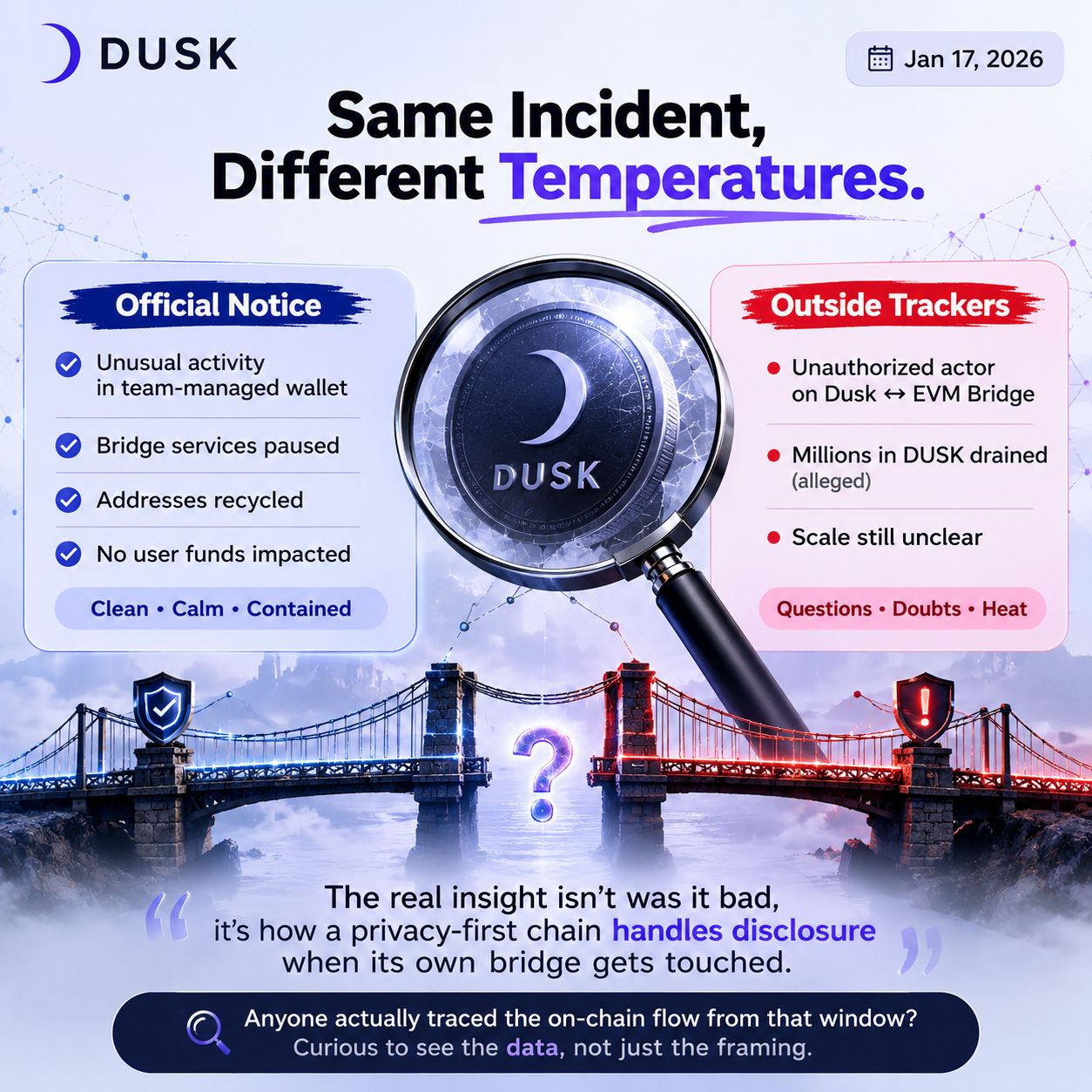
#dusk $DUSK @Dusk_Foundation 私は何度もダスクの1月のインシデント通知に戻ってしまい、その文言のほうがエクスプロイトよりも目立っていた。
公式には:異常な活動、チーム管理のウォレット、ブリッジサービスの停止、アドレスのリサイクル、ユーザー資金への影響なし。
しかし、外部のトラッカーはダスクからEVMへのブリッジを通じてDUSKが数百万ドル分奪われたと説明していた。
同じインシデントでも、気温がまるで違う。
その隔たりは重要だ。私が最終的な数字を知っているからではない――知っているわけではないが――開示もまたセキュリティの一部だからだ。
もし誰かがそのウィンドウからオンチェーンのフローを実際に追跡したのなら、本当に見てみたい。あなたが見つけたものを。
{spot}(DUSKUSDT)
#dusk $DUSK @Dusk 私は何度もダスクの1月のインシデント通知に戻ってしまい、その文言のほうがエクスプロイトよりも目立っていた。
公式には:異常な活動、チーム管理のウォレット、ブリッジサービスの停止、アドレスのリサイクル、ユーザー資金への影響なし。
しかし、外部のトラッカーはダスクからEVMへのブリッジを通じてDUSKが数百万ドル分奪われたと説明していた。
同じインシデントでも、気温がまるで違う。
その隔たりは重要だ。私が最終的な数字を知っているからではない――知っているわけではないが――開示もまたセキュリティの一部だからだ。
もし誰かがそのウィンドウからオンチェーンのフローを実際に追跡したのなら、本当に見てみたい。あなたが見つけたものを。
公式には:異常な活動、チーム管理のウォレット、ブリッジサービスの停止、アドレスのリサイクル、ユーザー資金への影響なし。
しかし、外部のトラッカーはダスクからEVMへのブリッジを通じてDUSKが数百万ドル分奪われたと説明していた。
同じインシデントでも、気温がまるで違う。
その隔たりは重要だ。私が最終的な数字を知っているからではない――知っているわけではないが――開示もまたセキュリティの一部だからだ。
もし誰かがそのウィンドウからオンチェーンのフローを実際に追跡したのなら、本当に見てみたい。あなたが見つけたものを。
1
76
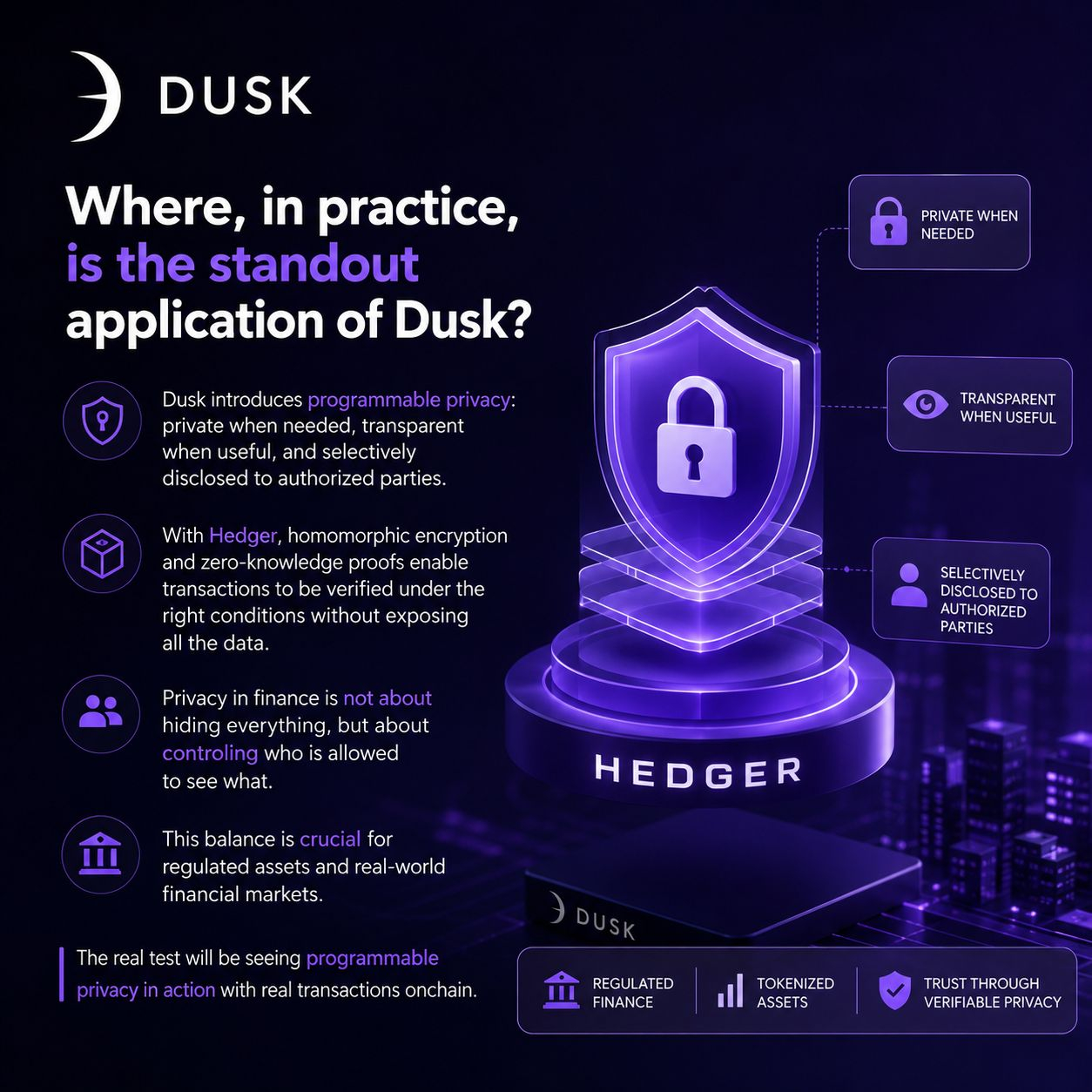
Duskともっと時間を過ごし、そしてある問いが何度も頭に戻ってきました。「そのプライバシーモデルは実際にどこで役に立つのか?」
かつて私は、金融の透明性は信頼につながると思っていました。誰もがデータを見られるなら、検証はもっと簡単になるはずだと考えていたのです。ですが、規制された金融はその方程式を変えます。
Duskの「プログラマブルなプライバシー」という考え方は、より現実的に感じます。センシティブな情報は非公開に保ちながら、権限を持つ当事者には、必要なものだけを検証できるようにする。
そこでHedgerに注目しました。ホモモルフィック暗号やゼロ知識証明は、単に取引を隠すためのものではありません。より大きな目的は、金融活動を機密のままにしつつ、適切な条件のもとでは検証可能にする仕組みを作ることです。
そうなると、プライバシーは「何でもかくすもの」というより「誰が何を見ることを許されるかを制御するもの」のように感じられます。
トークン化された資産や規制された市場では、この違いはとても大きな意味を持つかもしれません。
とはいえ、私はまだ注意深く見ています。本当の試験は、紙の上でどれほど説得力のあるアーキテクチャに見えるかではなく、Duskがオンチェーン上の実際の金融活動をどう扱うかにかかっています。
#dusk @Dusk_Foundation $DUSK
{spot}(DUSKUSDT)
Duskともっと時間を過ごし、そしてある問いが何度も頭に戻ってきました。「そのプライバシーモデルは実際にどこで役に立つのか?」
かつて私は、金融の透明性は信頼につながると思っていました。誰もがデータを見られるなら、検証はもっと簡単になるはずだと考えていたのです。ですが、規制された金融はその方程式を変えます。
Duskの「プログラマブルなプライバシー」という考え方は、より現実的に感じます。センシティブな情報は非公開に保ちながら、権限を持つ当事者には、必要なものだけを検証できるようにする。
そこでHedgerに注目しました。ホモモルフィック暗号やゼロ知識証明は、単に取引を隠すためのものではありません。より大きな目的は、金融活動を機密のままにしつつ、適切な条件のもとでは検証可能にする仕組みを作ることです。
そうなると、プライバシーは「何でもかくすもの」というより「誰が何を見ることを許されるかを制御するもの」のように感じられます。
トークン化された資産や規制された市場では、この違いはとても大きな意味を持つかもしれません。
とはいえ、私はまだ注意深く見ています。本当の試験は、紙の上でどれほど説得力のあるアーキテクチャに見えるかではなく、Duskがオンチェーン上の実際の金融活動をどう扱うかにかかっています。
#dusk @Dusk $DUSK
かつて私は、金融の透明性は信頼につながると思っていました。誰もがデータを見られるなら、検証はもっと簡単になるはずだと考えていたのです。ですが、規制された金融はその方程式を変えます。
Duskの「プログラマブルなプライバシー」という考え方は、より現実的に感じます。センシティブな情報は非公開に保ちながら、権限を持つ当事者には、必要なものだけを検証できるようにする。
そこでHedgerに注目しました。ホモモルフィック暗号やゼロ知識証明は、単に取引を隠すためのものではありません。より大きな目的は、金融活動を機密のままにしつつ、適切な条件のもとでは検証可能にする仕組みを作ることです。
そうなると、プライバシーは「何でもかくすもの」というより「誰が何を見ることを許されるかを制御するもの」のように感じられます。
トークン化された資産や規制された市場では、この違いはとても大きな意味を持つかもしれません。
とはいえ、私はまだ注意深く見ています。本当の試験は、紙の上でどれほど説得力のあるアーキテクチャに見えるかではなく、Duskがオンチェーン上の実際の金融活動をどう扱うかにかかっています。
#dusk @Dusk $DUSK
1
72
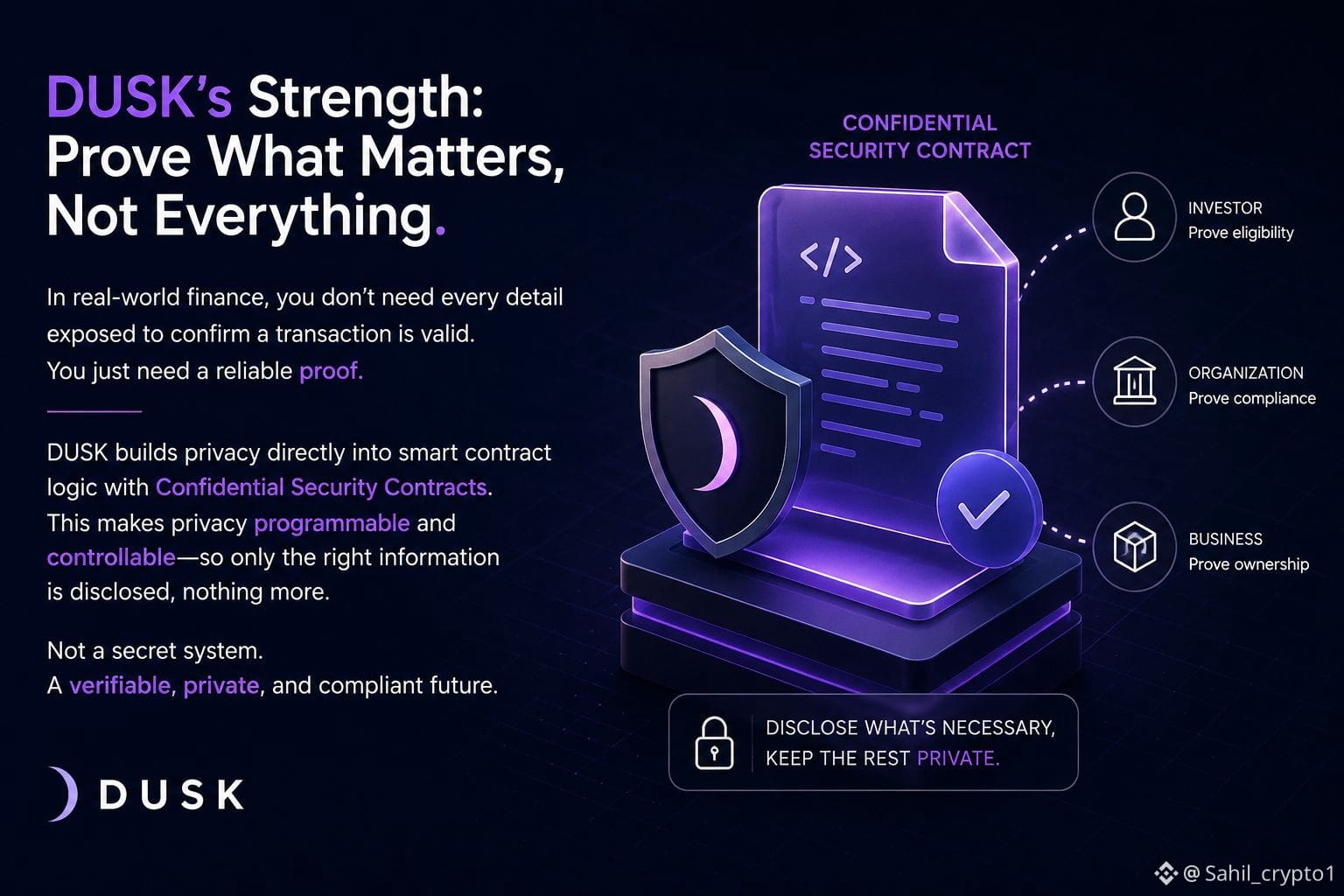
#dusk $DUSK DUSKを深掘りするほど、そのプライバシーモデルにはますます納得がいきます。
現実世界の金融では、取引が有効であることを証明するために、すべての細部を公開する必要はありません。投資家は適格性を証明する必要があるかもしれませんし、企業は所有権を確認する必要があるかもしれません。そして、機関は規制への準拠を示す必要があるかもしれません。
そこで私の注目を集めたのがDUSKです。その考え方は、プライバシーを後付けの要素としてではなく、スマートコントラクトのロジックの一部として扱っています。
もしかすると、ブロックチェーンのプライバシーの未来は、すべてを見えなくすることではないのかもしれません。つまり、開示をプログラム可能にすることです。証明に必要なことを正確に証明しつつ、不必要な情報は非公開のままにします。
それは、規制された金融活動をオンチェーンへ取り込むための、より現実的な道筋になり得ます。@Dusk_Foundation $DUSK
{spot}(DUSKUSDT)
#dusk $DUSK DUSKを深掘りするほど、そのプライバシーモデルにはますます納得がいきます。
現実世界の金融では、取引が有効であることを証明するために、すべての細部を公開する必要はありません。投資家は適格性を証明する必要があるかもしれませんし、企業は所有権を確認する必要があるかもしれません。そして、機関は規制への準拠を示す必要があるかもしれません。
そこで私の注目を集めたのがDUSKです。その考え方は、プライバシーを後付けの要素としてではなく、スマートコントラクトのロジックの一部として扱っています。
もしかすると、ブロックチェーンのプライバシーの未来は、すべてを見えなくすることではないのかもしれません。つまり、開示をプログラム可能にすることです。証明に必要なことを正確に証明しつつ、不必要な情報は非公開のままにします。
それは、規制された金融活動をオンチェーンへ取り込むための、より現実的な道筋になり得ます。@Dusk $DUSK
現実世界の金融では、取引が有効であることを証明するために、すべての細部を公開する必要はありません。投資家は適格性を証明する必要があるかもしれませんし、企業は所有権を確認する必要があるかもしれません。そして、機関は規制への準拠を示す必要があるかもしれません。
そこで私の注目を集めたのがDUSKです。その考え方は、プライバシーを後付けの要素としてではなく、スマートコントラクトのロジックの一部として扱っています。
もしかすると、ブロックチェーンのプライバシーの未来は、すべてを見えなくすることではないのかもしれません。つまり、開示をプログラム可能にすることです。証明に必要なことを正確に証明しつつ、不必要な情報は非公開のままにします。
それは、規制された金融活動をオンチェーンへ取り込むための、より現実的な道筋になり得ます。@Dusk $DUSK
2
73
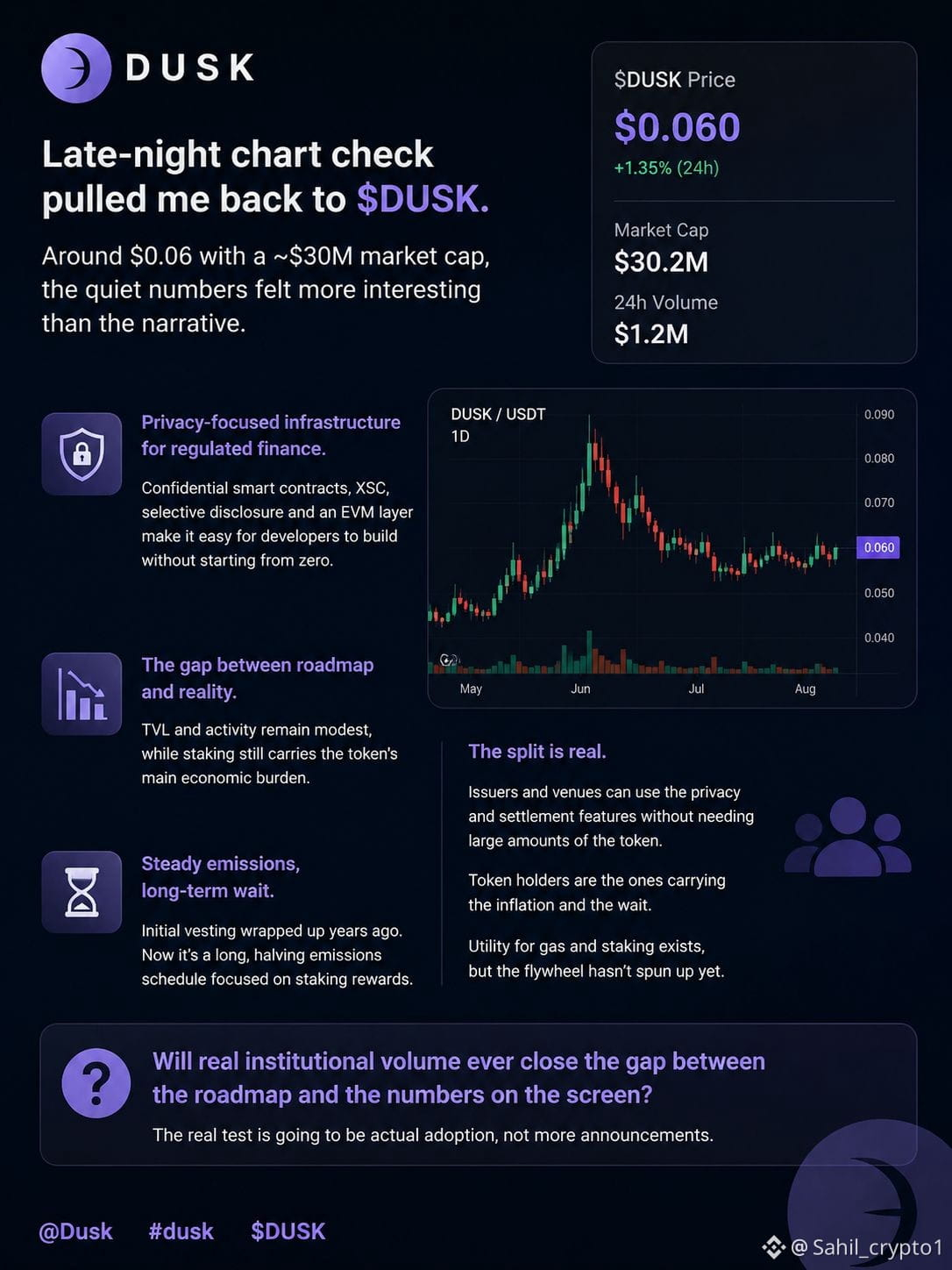
深夜のチャート確認で $DUSK に引き戻された。$0.06前後で時価総額が約$30M、静かな数字のほうが物語よりも興味深く感じた。
@Dusk_Foundation は、規制下の金融向けにプライバシー重視のインフラを構築している。機密スマートコントラクト、XSC、選択的開示、そしてEVMレイヤーだ。
技術ストーリーは筋が通っている。いま注目しているのは、ロードマップと実際の利用のギャップだ。TVLとアクティビティは控えめなまま。一方でステーキングは、トークンの主要な経済的負担をまだ担っている。
本当に重要なのは実機関の取引量だ。それが出てくるまで、$DUSK は数字が追いつくのを待っている“物語”のようにまだ感じる。
#dusk $ACE
{spot}(ACEUSDT)
$CYS
{future}(CYSUSDT)
{spot}(DUSKUSDT)
深夜のチャート確認で $DUSK に引き戻された。$0.06前後で時価総額が約$30M、静かな数字のほうが物語よりも興味深く感じた。
@Dusk は、規制下の金融向けにプライバシー重視のインフラを構築している。機密スマートコントラクト、XSC、選択的開示、そしてEVMレイヤーだ。
技術ストーリーは筋が通っている。いま注目しているのは、ロードマップと実際の利用のギャップだ。TVLとアクティビティは控えめなまま。一方でステーキングは、トークンの主要な経済的負担をまだ担っている。
本当に重要なのは実機関の取引量だ。それが出てくるまで、$DUSK は数字が追いつくのを待っている“物語”のようにまだ感じる。
#dusk $ACE
$CYS
@Dusk は、規制下の金融向けにプライバシー重視のインフラを構築している。機密スマートコントラクト、XSC、選択的開示、そしてEVMレイヤーだ。
技術ストーリーは筋が通っている。いま注目しているのは、ロードマップと実際の利用のギャップだ。TVLとアクティビティは控えめなまま。一方でステーキングは、トークンの主要な経済的負担をまだ担っている。
本当に重要なのは実機関の取引量だ。それが出てくるまで、$DUSK は数字が追いつくのを待っている“物語”のようにまだ感じる。
#dusk $ACE
$CYS
1
1
81
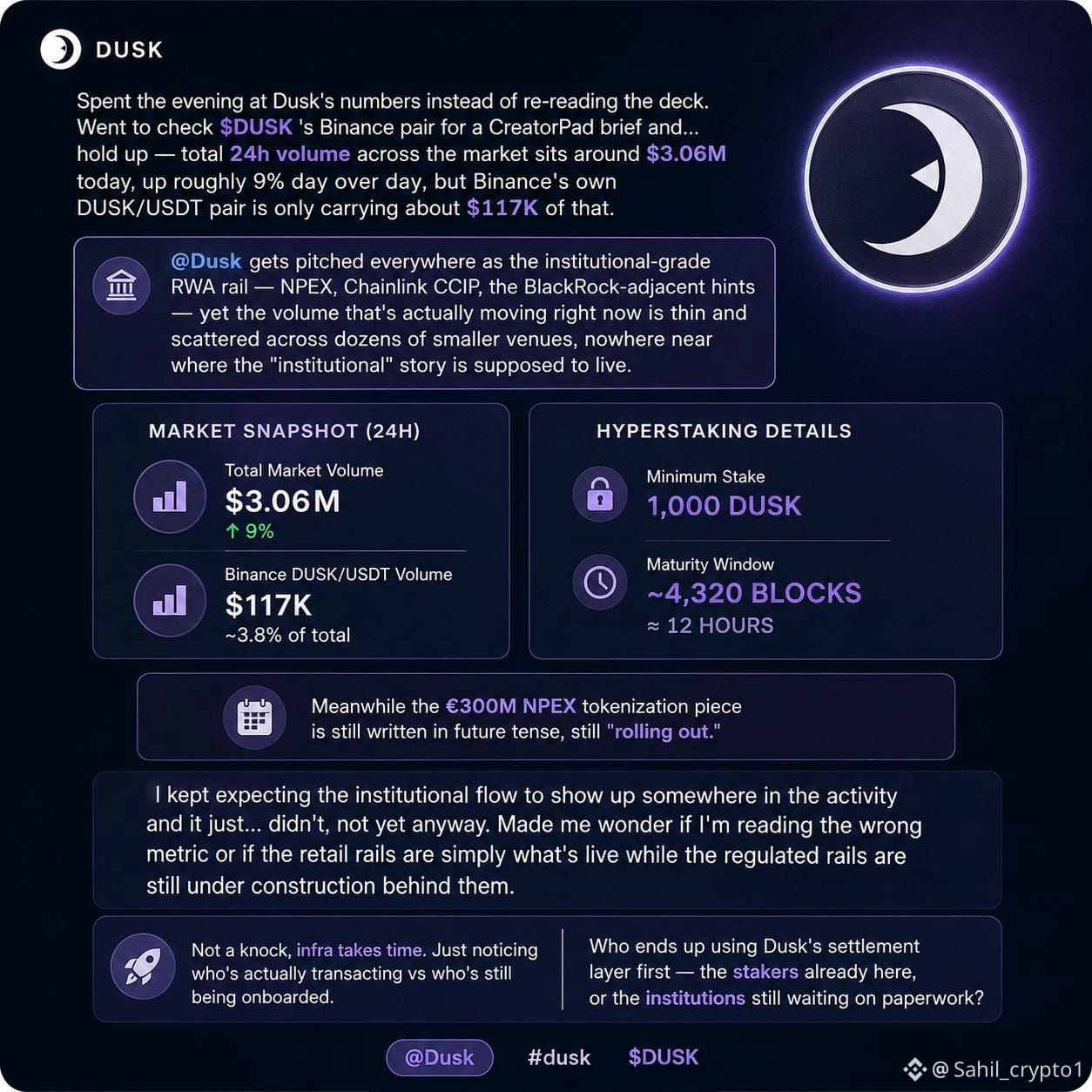
普段のロードマップ見出しの代わりに、$DUSK 個の数字を掘り返す時間を少し取った。
24時間の市場出来高は約$3Mだが、BinanceのDUSK/USDTペアはその流れのほんの一部にすぎない。機関投資家向けのRWAインフラを前提にしたプロジェクトであるだけに、そのギャップが気になった。
Even Hyperstakingもかなり身近:最低1,000 DUSK、そして成熟までの目安は約12時間。
そこで残る疑問は1つ。Duskの小売向けの動きは、今日稼働している部分にすぎず、より大きな機関向けのレールはまだ構築中なのだろうか?
悲観的というわけではない——実際の活動がどこに現れているかを見ているだけ。
誰が先にそこに到達するのか:既存のステーカーか、それとも機関投資家か?
@Dusk_Foundation #dusk $DUSK
{spot}(DUSKUSDT)
普段のロードマップ見出しの代わりに、$DUSK 個の数字を掘り返す時間を少し取った。
24時間の市場出来高は約$3Mだが、BinanceのDUSK/USDTペアはその流れのほんの一部にすぎない。機関投資家向けのRWAインフラを前提にしたプロジェクトであるだけに、そのギャップが気になった。
Even Hyperstakingもかなり身近:最低1,000 DUSK、そして成熟までの目安は約12時間。
そこで残る疑問は1つ。Duskの小売向けの動きは、今日稼働している部分にすぎず、より大きな機関向けのレールはまだ構築中なのだろうか?
悲観的というわけではない——実際の活動がどこに現れているかを見ているだけ。
誰が先にそこに到達するのか:既存のステーカーか、それとも機関投資家か?
@Dusk #dusk $DUSK
24時間の市場出来高は約$3Mだが、BinanceのDUSK/USDTペアはその流れのほんの一部にすぎない。機関投資家向けのRWAインフラを前提にしたプロジェクトであるだけに、そのギャップが気になった。
Even Hyperstakingもかなり身近:最低1,000 DUSK、そして成熟までの目安は約12時間。
そこで残る疑問は1つ。Duskの小売向けの動きは、今日稼働している部分にすぎず、より大きな機関向けのレールはまだ構築中なのだろうか?
悲観的というわけではない——実際の活動がどこに現れているかを見ているだけ。
誰が先にそこに到達するのか:既存のステーカーか、それとも機関投資家か?
@Dusk #dusk $DUSK
1
69
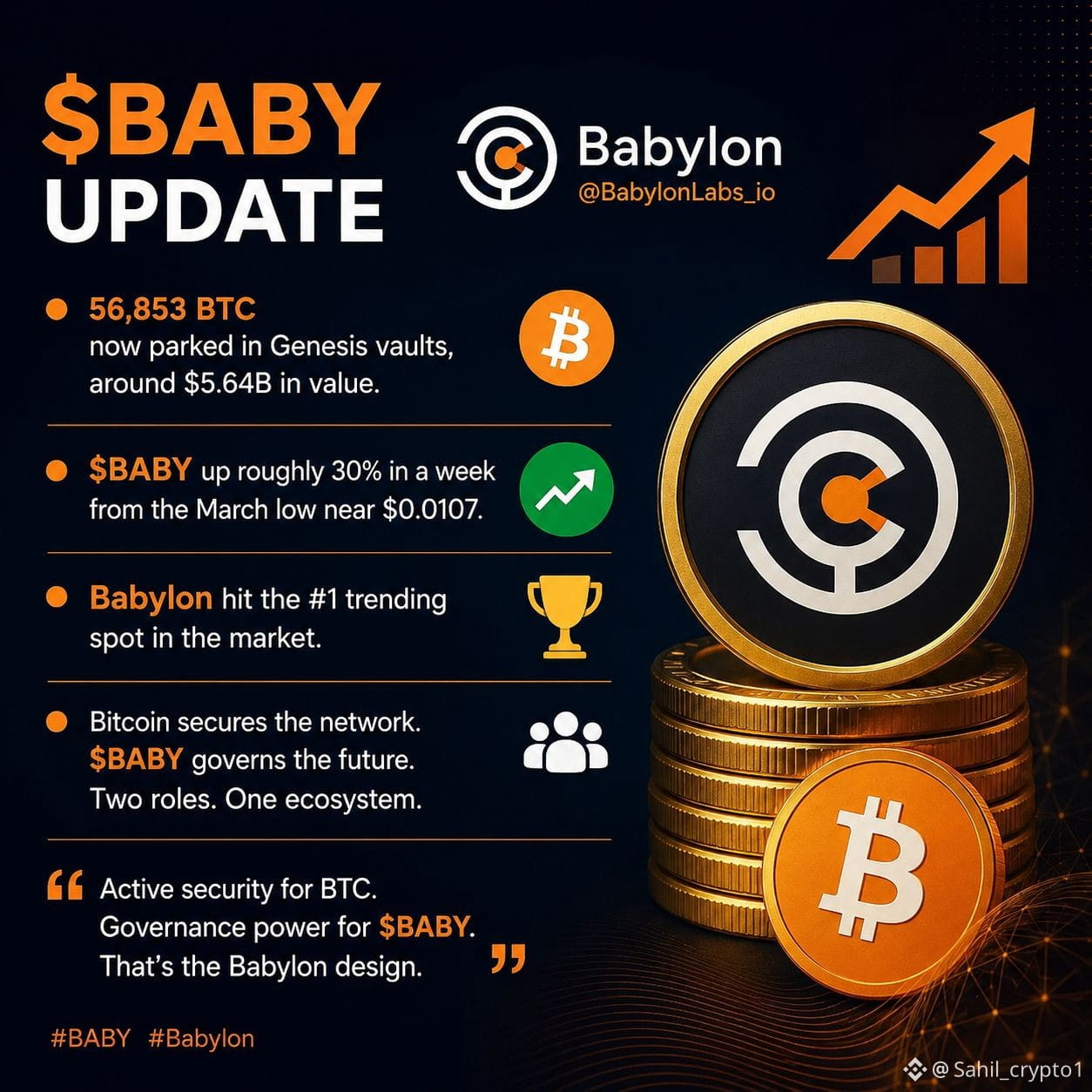
@babylonlabs_io todayに注目していたところ、価格チャート以外で際立つ詳細が1つありました。現在、約56,853 BTCがGenesisの保管庫にステークされています。一方で、$BABY は最近の安値から強く回復しています。
読み進めるほど、ビットコインの役割はガバナンスではなくセキュリティだと気づきました。BTC保有者はネットワークを確保し、報酬を得ていますが、プロトコルのアップグレード、パラメータの変更、そしてガバナンス判断は、委任を通じて$BABY 保有者の手に委ねられます。
責任の分離としては興味深い構成です。ビットコインは経済的なセキュリティを提供し、BABYが意思決定の権限を担います。この設計はガバナンスを効率的に保つかもしれませんが、同時に、セキュリティを提供している資産がプロトコルの将来を直接形作ることはできない、ということも意味します。
BTCのステーカーが、より強いガバナンスの役割を得ることはあるのか。それとも、この2層モデルは恒久的に維持されるつもりなのか、気になります。
#Baby $BTC
{spot}(BTCUSDT)
{spot}(BABYUSDT)
@BabylonLabs_io todayに注目していたところ、価格チャート以外で際立つ詳細が1つありました。現在、約56,853 BTCがGenesisの保管庫にステークされています。一方で、$BABY は最近の安値から強く回復しています。
読み進めるほど、ビットコインの役割はガバナンスではなくセキュリティだと気づきました。BTC保有者はネットワークを確保し、報酬を得ていますが、プロトコルのアップグレード、パラメータの変更、そしてガバナンス判断は、委任を通じて$BABY 保有者の手に委ねられます。
責任の分離としては興味深い構成です。ビットコインは経済的なセキュリティを提供し、BABYが意思決定の権限を担います。この設計はガバナンスを効率的に保つかもしれませんが、同時に、セキュリティを提供している資産がプロトコルの将来を直接形作ることはできない、ということも意味します。
BTCのステーカーが、より強いガバナンスの役割を得ることはあるのか。それとも、この2層モデルは恒久的に維持されるつもりなのか、気になります。
#Baby $BTC
読み進めるほど、ビットコインの役割はガバナンスではなくセキュリティだと気づきました。BTC保有者はネットワークを確保し、報酬を得ていますが、プロトコルのアップグレード、パラメータの変更、そしてガバナンス判断は、委任を通じて$BABY 保有者の手に委ねられます。
責任の分離としては興味深い構成です。ビットコインは経済的なセキュリティを提供し、BABYが意思決定の権限を担います。この設計はガバナンスを効率的に保つかもしれませんが、同時に、セキュリティを提供している資産がプロトコルの将来を直接形作ることはできない、ということも意味します。
BTCのステーカーが、より強いガバナンスの役割を得ることはあるのか。それとも、この2層モデルは恒久的に維持されるつもりなのか、気になります。
#Baby $BTC
2
97
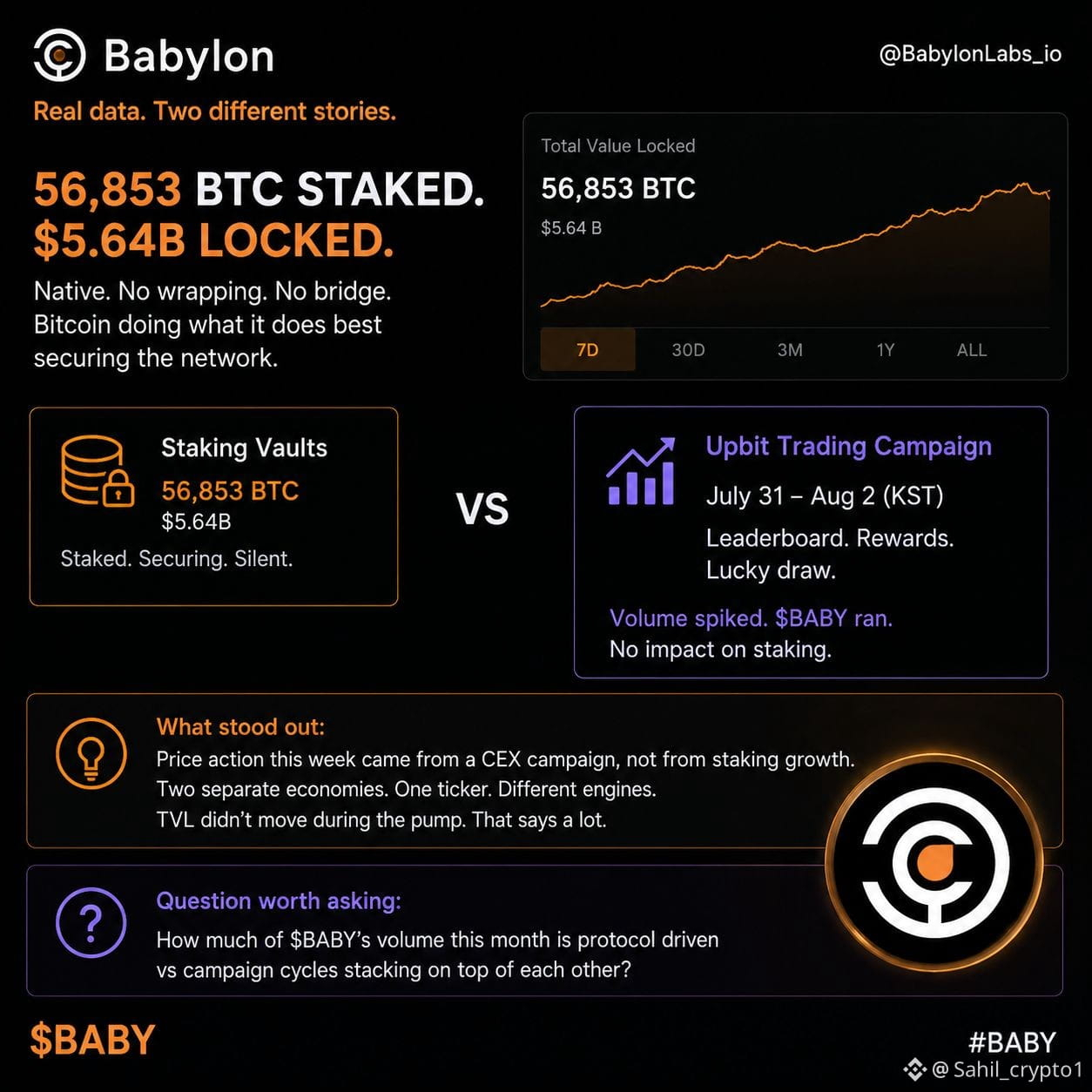
@babylonlabs_io の周辺で起きていることを、プロトコル内部で実際に起きていることと照らし合わせるのに少し時間を費やしたところ、対比が興味深いものだった。
一方では、ビットコインのステーキングは驚くほど安定していた。56K BTC以上がBabylonのネイティブ・ステーキング・システムにロックされたままであり、長期参加者が資本を移すことに急いでいないことを示していた。
他方で、今週の盛り上がりの大部分はUpbitの取引キャンペーンによるもののようだった。取引活動の増加、リーダーボードでの競争、報酬インセンティブが注意を$BABY へ向けたが、オンチェーンのステーキング活動は実質的に変わらなかった。
それは、価格モメンタムとプロトコル導入が必ずしも同じ方向に動くわけではないことを思い出させてくれた。市場は取引所のインセンティブに反応することがある一方で、基盤となるネットワークはバックグラウンドで静かにその仕事を続けている。
両方の指標を並べて見てみると、価格だけを追うよりも、より完全な物語が見えてくるかもしれない。
#BABY $BTC $BABY
{future}(BABYUSDT)
{spot}(BTCUSDT)
@BabylonLabs_io の周辺で起きていることを、プロトコル内部で実際に起きていることと照らし合わせるのに少し時間を費やしたところ、対比が興味深いものだった。
一方では、ビットコインのステーキングは驚くほど安定していた。56K BTC以上がBabylonのネイティブ・ステーキング・システムにロックされたままであり、長期参加者が資本を移すことに急いでいないことを示していた。
他方で、今週の盛り上がりの大部分はUpbitの取引キャンペーンによるもののようだった。取引活動の増加、リーダーボードでの競争、報酬インセンティブが注意を$BABY へ向けたが、オンチェーンのステーキング活動は実質的に変わらなかった。
それは、価格モメンタムとプロトコル導入が必ずしも同じ方向に動くわけではないことを思い出させてくれた。市場は取引所のインセンティブに反応することがある一方で、基盤となるネットワークはバックグラウンドで静かにその仕事を続けている。
両方の指標を並べて見てみると、価格だけを追うよりも、より完全な物語が見えてくるかもしれない。
#BABY $BTC $BABY
一方では、ビットコインのステーキングは驚くほど安定していた。56K BTC以上がBabylonのネイティブ・ステーキング・システムにロックされたままであり、長期参加者が資本を移すことに急いでいないことを示していた。
他方で、今週の盛り上がりの大部分はUpbitの取引キャンペーンによるもののようだった。取引活動の増加、リーダーボードでの競争、報酬インセンティブが注意を$BABY へ向けたが、オンチェーンのステーキング活動は実質的に変わらなかった。
それは、価格モメンタムとプロトコル導入が必ずしも同じ方向に動くわけではないことを思い出させてくれた。市場は取引所のインセンティブに反応することがある一方で、基盤となるネットワークはバックグラウンドで静かにその仕事を続けている。
両方の指標を並べて見てみると、価格だけを追うよりも、より完全な物語が見えてくるかもしれない。
#BABY $BTC $BABY
5
2
95
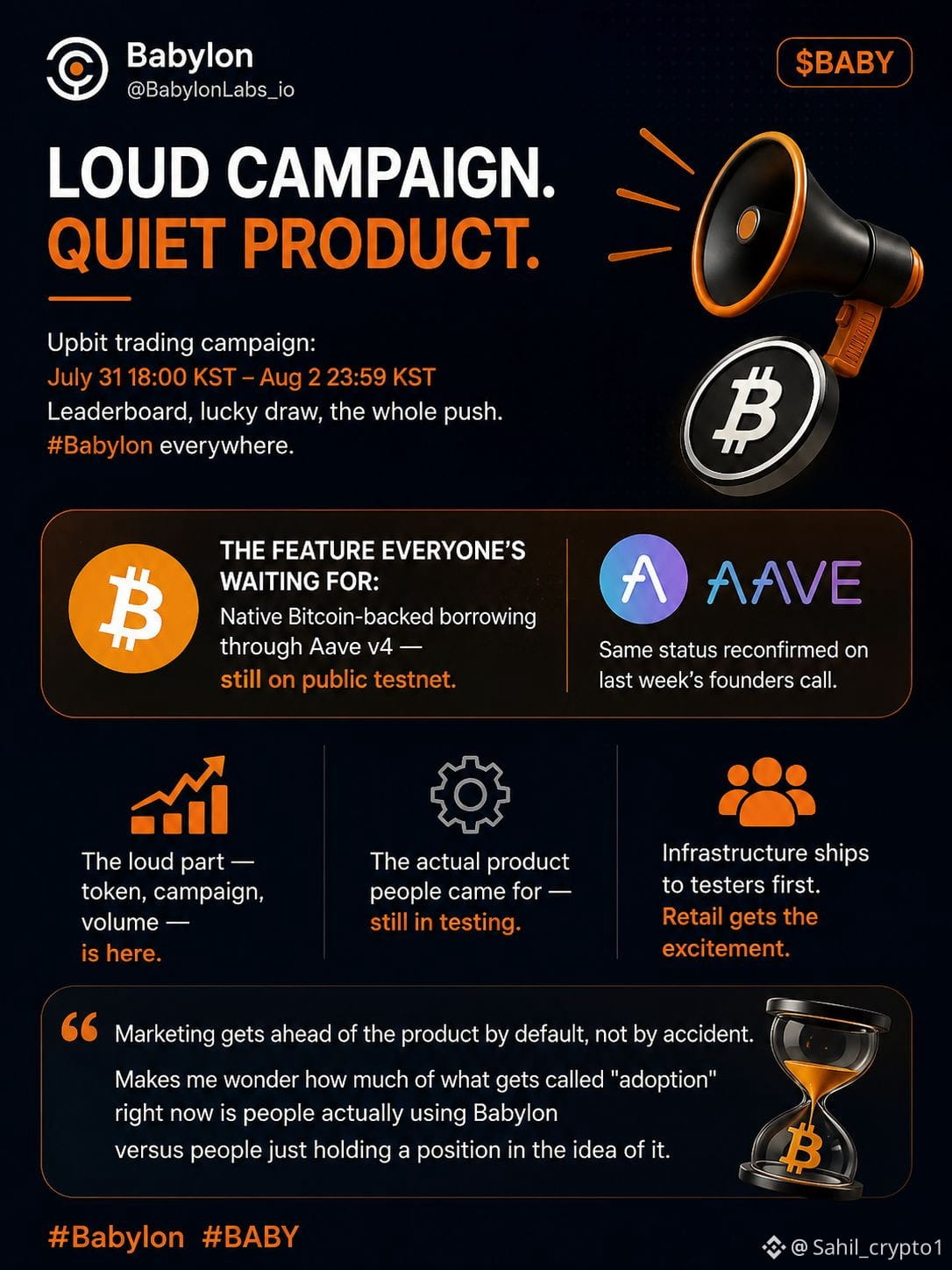
🚨最近のキャンペーンの話題で@babylonlabs_io を見たあと、$BABY のチャートを開きました。そして値動きだけで止まらず、さらに深掘りすることにしました。
このトレーディング・キャンペーンは多くの注目を集めましたが、私がより関心を持ったのは、Babylonが強調し続けている次の点です。すなわち、自分のビットコインを担保としてネイティブのまま使いながら、管理(カストディ)を手放さないこと。最新の更新を確認したところ、その借入フローはメインネットではなく、Aave v4の統合を通じてパブリック・テストネット上でまだ利用可能でした。
それはがっかりではありませんでした。むしろ、クリプトのプロジェクトが通常どう進化していくかを思い出させてくれたのです。コミュニティのキャンペーン、取引所の動き、トークンの売買といったものは、看板となるプロダクトが一般ユーザーに届くより先に広がりがちです。開発者はフィードバックを集め、想定外のケースを修正し、インフラを堅牢にしていきます。市場はその間にも、将来の可能性を取引しているのです。
そこには面白いギャップがあります。価格は期待を反映しますが、採用はプロダクトが稼働した後に実際に使う人がいるかに左右されます。この2つが常に同じ方向に動くとは限りません。
これからはキャンペーンの数字を追うよりも、ネイティブのビットコイン担保による借入が本番環境に到達するその瞬間を注視します。そこまで来れば、熱狂の先にどれほどの需要があるのか、よりはっきりした見通しが得られるはずです。
#Babylon #BABY $BTC
{spot}(BABYUSDT)
{spot}(BTCUSDT)
🚨最近のキャンペーンの話題で@BabylonLabs_io を見たあと、$BABY のチャートを開きました。そして値動きだけで止まらず、さらに深掘りすることにしました。
このトレーディング・キャンペーンは多くの注目を集めましたが、私がより関心を持ったのは、Babylonが強調し続けている次の点です。すなわち、自分のビットコインを担保としてネイティブのまま使いながら、管理(カストディ)を手放さないこと。最新の更新を確認したところ、その借入フローはメインネットではなく、Aave v4の統合を通じてパブリック・テストネット上でまだ利用可能でした。
それはがっかりではありませんでした。むしろ、クリプトのプロジェクトが通常どう進化していくかを思い出させてくれたのです。コミュニティのキャンペーン、取引所の動き、トークンの売買といったものは、看板となるプロダクトが一般ユーザーに届くより先に広がりがちです。開発者はフィードバックを集め、想定外のケースを修正し、インフラを堅牢にしていきます。市場はその間にも、将来の可能性を取引しているのです。
そこには面白いギャップがあります。価格は期待を反映しますが、採用はプロダクトが稼働した後に実際に使う人がいるかに左右されます。この2つが常に同じ方向に動くとは限りません。
これからはキャンペーンの数字を追うよりも、ネイティブのビットコイン担保による借入が本番環境に到達するその瞬間を注視します。そこまで来れば、熱狂の先にどれほどの需要があるのか、よりはっきりした見通しが得られるはずです。
#Babylon #BABY $BTC
このトレーディング・キャンペーンは多くの注目を集めましたが、私がより関心を持ったのは、Babylonが強調し続けている次の点です。すなわち、自分のビットコインを担保としてネイティブのまま使いながら、管理(カストディ)を手放さないこと。最新の更新を確認したところ、その借入フローはメインネットではなく、Aave v4の統合を通じてパブリック・テストネット上でまだ利用可能でした。
それはがっかりではありませんでした。むしろ、クリプトのプロジェクトが通常どう進化していくかを思い出させてくれたのです。コミュニティのキャンペーン、取引所の動き、トークンの売買といったものは、看板となるプロダクトが一般ユーザーに届くより先に広がりがちです。開発者はフィードバックを集め、想定外のケースを修正し、インフラを堅牢にしていきます。市場はその間にも、将来の可能性を取引しているのです。
そこには面白いギャップがあります。価格は期待を反映しますが、採用はプロダクトが稼働した後に実際に使う人がいるかに左右されます。この2つが常に同じ方向に動くとは限りません。
これからはキャンペーンの数字を追うよりも、ネイティブのビットコイン担保による借入が本番環境に到達するその瞬間を注視します。そこまで来れば、熱狂の先にどれほどの需要があるのか、よりはっきりした見通しが得られるはずです。
#Babylon #BABY $BTC
2
1
113
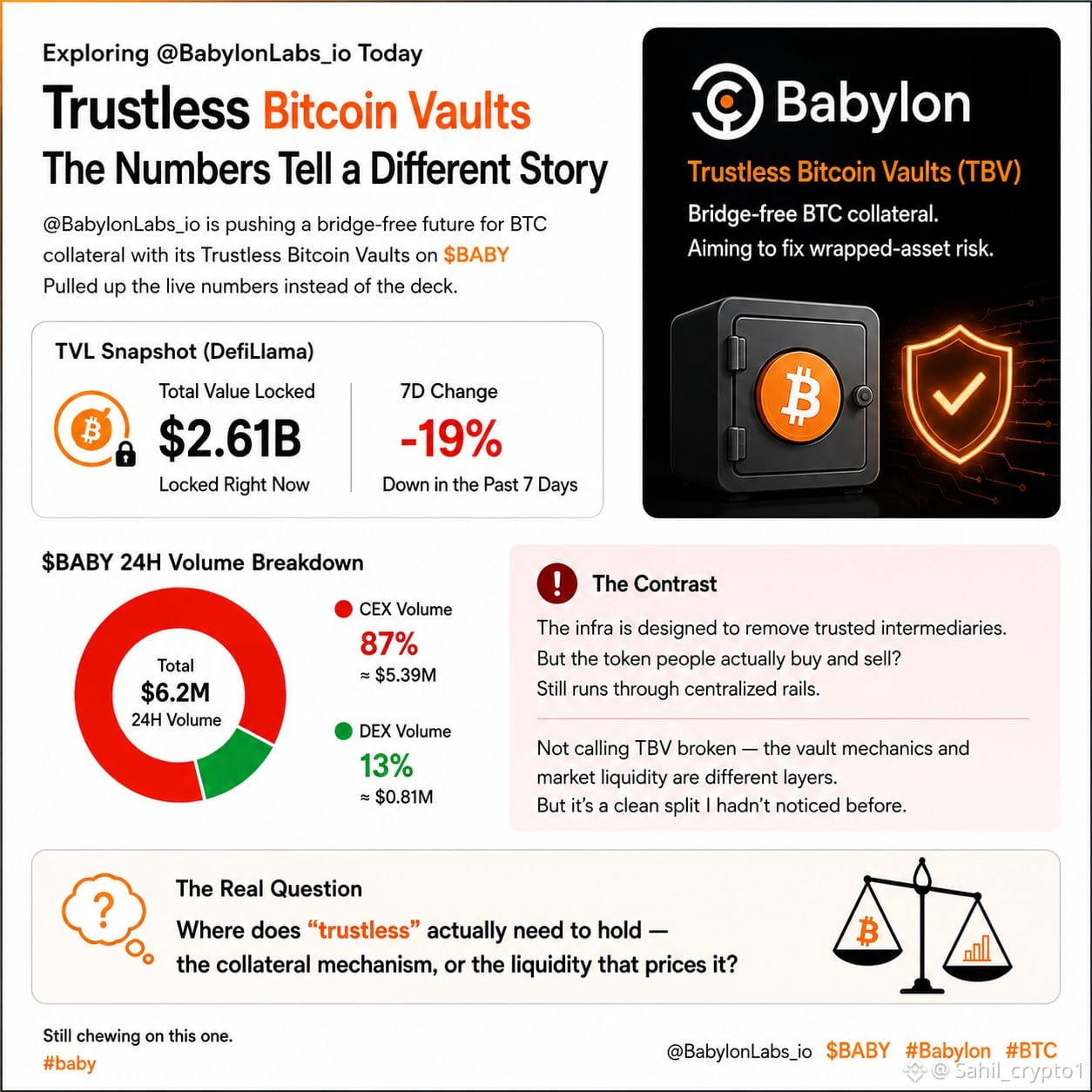
今日は@babylonlabs_io を少し探索していて、あることがずっと私を引き戻してきました。誰もが「ラストレス(trustless)」なビットコイン・ボールトを語ります。そうすれば、ラップド・アセットに頼らずにBTCをネイティブのまま保持できるからです。しかし市場は別の物語を語っています。
このプロトコルはビットコインをブリッジ不要の未来へ押し進めている一方で、ほとんどの$BABY tradingは依然として中央集権的な取引所を通じて行われています。この対比は興味深い。非中央集権のインフラがあるからといって、自動的に非中央集権の流動性が生まれるわけではありません。
そこで気づいたのは、「trustless(信頼不要)」は単一のチェックボックスではないということです。担保は信頼を最小化できても、トークンの価格発見は依然として従来型の取引所フローに依存しうる。たぶんそれが、今のエコシステムの姿なのだと思います。あるいは、それがバビロンが次に解決すべき課題なのかもしれません。
エコシステムが成長するにつれて、このバランスがどう変わるのか気になります。
#Baby #Babylon $BTC
{future}(BABYUSDT)
{spot}(BTCUSDT)
今日は@BabylonLabs_io を少し探索していて、あることがずっと私を引き戻してきました。誰もが「ラストレス(trustless)」なビットコイン・ボールトを語ります。そうすれば、ラップド・アセットに頼らずにBTCをネイティブのまま保持できるからです。しかし市場は別の物語を語っています。
このプロトコルはビットコインをブリッジ不要の未来へ押し進めている一方で、ほとんどの$BABY tradingは依然として中央集権的な取引所を通じて行われています。この対比は興味深い。非中央集権のインフラがあるからといって、自動的に非中央集権の流動性が生まれるわけではありません。
そこで気づいたのは、「trustless(信頼不要)」は単一のチェックボックスではないということです。担保は信頼を最小化できても、トークンの価格発見は依然として従来型の取引所フローに依存しうる。たぶんそれが、今のエコシステムの姿なのだと思います。あるいは、それがバビロンが次に解決すべき課題なのかもしれません。
エコシステムが成長するにつれて、このバランスがどう変わるのか気になります。
#Baby #Babylon $BTC
このプロトコルはビットコインをブリッジ不要の未来へ押し進めている一方で、ほとんどの$BABY tradingは依然として中央集権的な取引所を通じて行われています。この対比は興味深い。非中央集権のインフラがあるからといって、自動的に非中央集権の流動性が生まれるわけではありません。
そこで気づいたのは、「trustless(信頼不要)」は単一のチェックボックスではないということです。担保は信頼を最小化できても、トークンの価格発見は依然として従来型の取引所フローに依存しうる。たぶんそれが、今のエコシステムの姿なのだと思います。あるいは、それがバビロンが次に解決すべき課題なのかもしれません。
エコシステムが成長するにつれて、このバランスがどう変わるのか気になります。
#Baby #Babylon $BTC
2
1
80
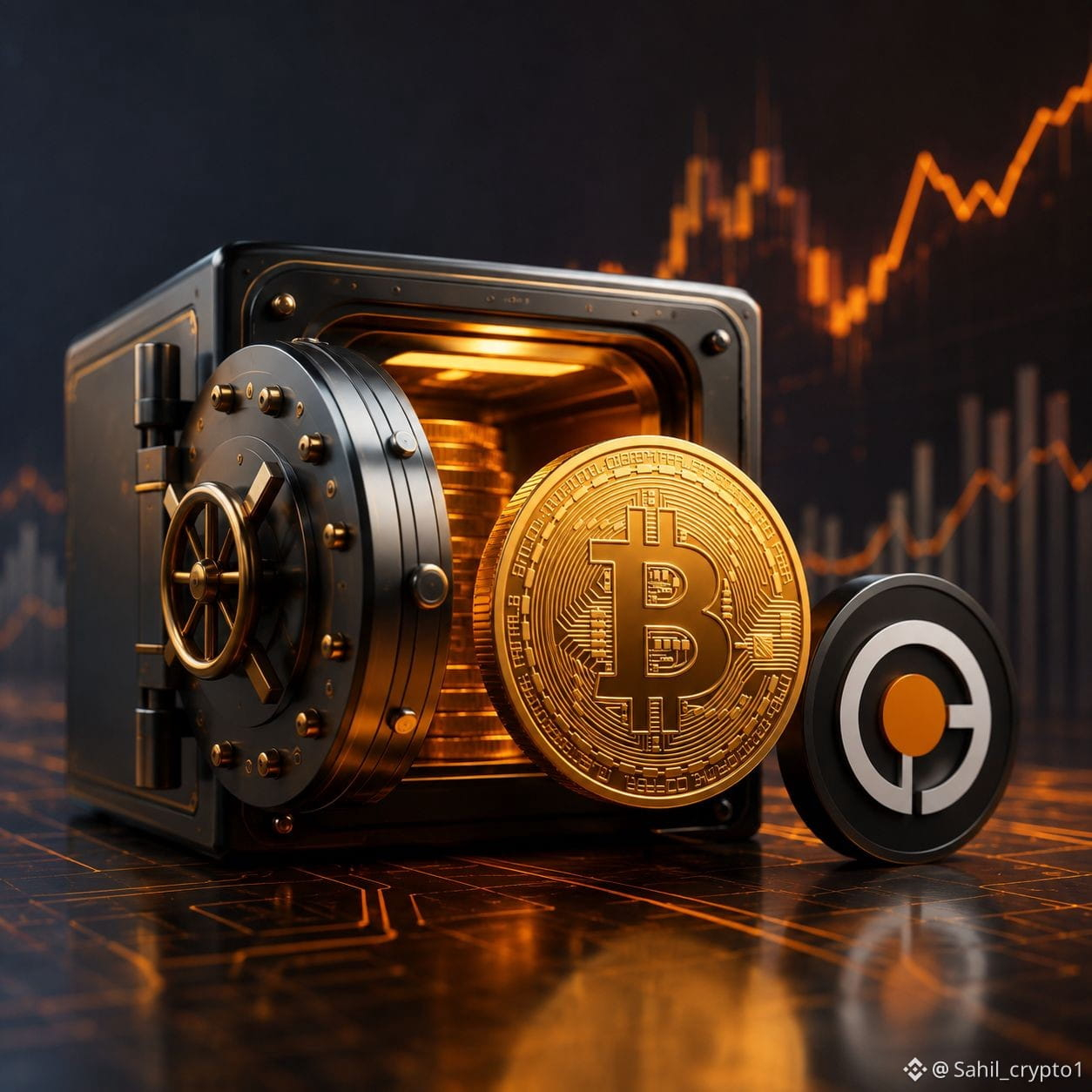
今日は@babylonlabs_io のドキュメントを掘り下げているうちに、ある点がずっと気になって引き戻されました。Trustless Vaultを通じてロックされたビットコインは、別の場所で生産的な担保として使われている一方で、ビットコインネットワーク上ではネイティブのまま残ります。これは技術的にも実にエレガントです。
次に市場を確認しました。$BABY は、エコシステムがBTCで確保に役立っている数十億ドル規模と比べると、相変わらず比較的小さな評価のまま取引されています。その対比は見過ごしにくいです。
インフラが意図どおりに正確に稼働していても、市場がその価値を認識するまでには時間がかかることがあります。そのギャップが縮まるかどうかは、物語だけでなく、導入状況、借入需要、そして実際のプロトコル活動に左右される可能性が高いです。
当面は、価格よりもファンダメンタルズを見ています。
#BABY #Bitcoin $BTC
{spot}(BTCUSDT)
{spot}(BABYUSDT)
今日は@BabylonLabs_io のドキュメントを掘り下げているうちに、ある点がずっと気になって引き戻されました。Trustless Vaultを通じてロックされたビットコインは、別の場所で生産的な担保として使われている一方で、ビットコインネットワーク上ではネイティブのまま残ります。これは技術的にも実にエレガントです。
次に市場を確認しました。$BABY は、エコシステムがBTCで確保に役立っている数十億ドル規模と比べると、相変わらず比較的小さな評価のまま取引されています。その対比は見過ごしにくいです。
インフラが意図どおりに正確に稼働していても、市場がその価値を認識するまでには時間がかかることがあります。そのギャップが縮まるかどうかは、物語だけでなく、導入状況、借入需要、そして実際のプロトコル活動に左右される可能性が高いです。
当面は、価格よりもファンダメンタルズを見ています。
#BABY #Bitcoin $BTC
次に市場を確認しました。$BABY は、エコシステムがBTCで確保に役立っている数十億ドル規模と比べると、相変わらず比較的小さな評価のまま取引されています。その対比は見過ごしにくいです。
インフラが意図どおりに正確に稼働していても、市場がその価値を認識するまでには時間がかかることがあります。そのギャップが縮まるかどうかは、物語だけでなく、導入状況、借入需要、そして実際のプロトコル活動に左右される可能性が高いです。
当面は、価格よりもファンダメンタルズを見ています。
#BABY #Bitcoin $BTC
3
1
112
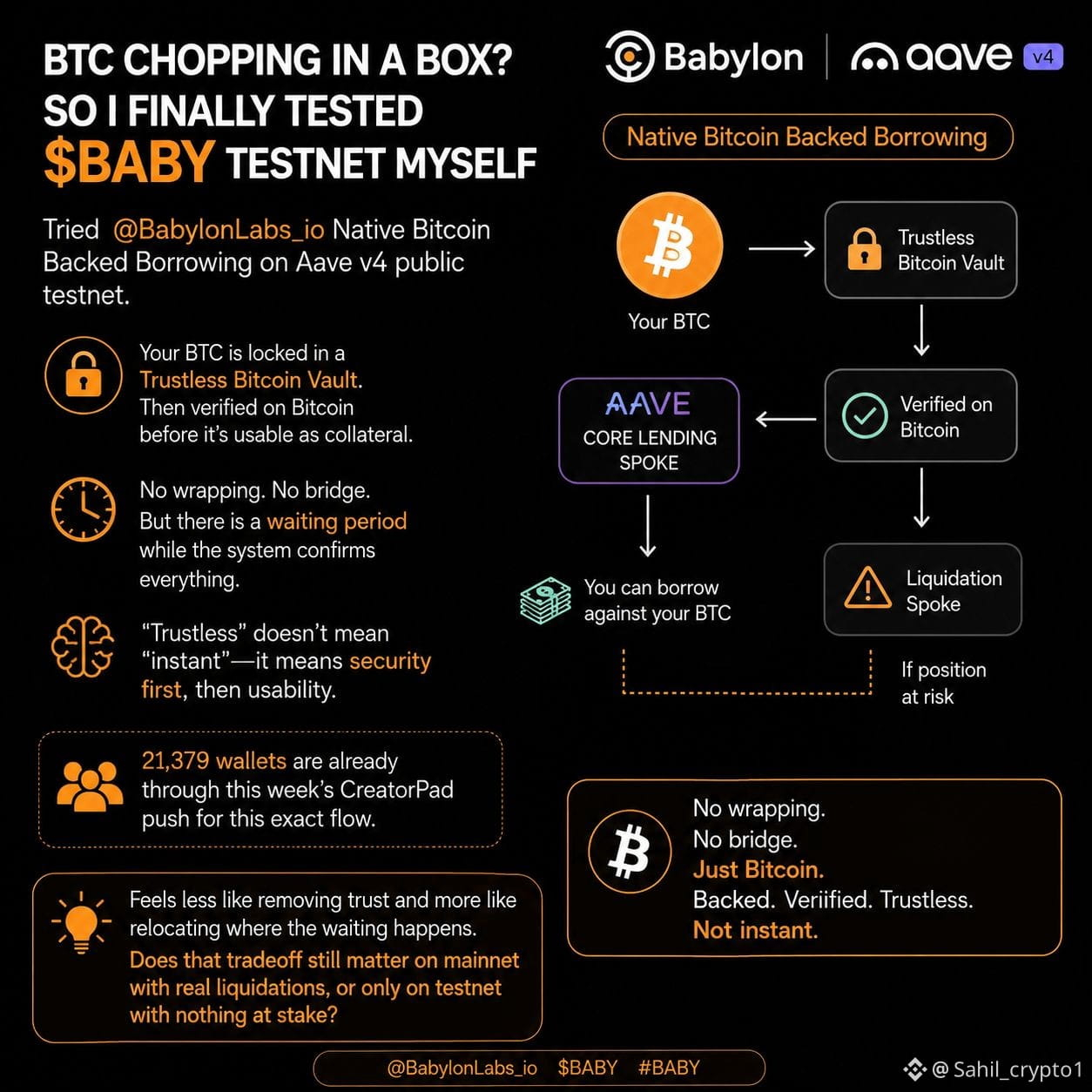
BTCは数日ほとんど動いていなかったので、ついにチャートを見るのをやめて、自分でBabylonのネイティブ・ビットコイン担保借入フローを試してみました。
まず目についたのは、"トラストレス"が"即時"を意味するわけではない、という点です。
あなたのBTCはトラストレス・ビットコイン・ボールトの中でロックされ、その後ビットコイン上で検証されて、担保として利用可能になります。ラッピングもブリッジもありません。しかし、プロトコルがすべてを確認するための待機期間はあります。
その遅延を見て、ふと思いました。摩擦をなくすことが目的なのではなく、より強いセキュリティへと摩擦のありかを移しているのかもしれません。
メインネットの流動性、借入限度、そして実際の清算が稼働したときに、どんな感触になるのか気になります。
@babylonlabs_io o #BABY $BABY
{spot}(BABYUSDT)
$BTC
{spot}(BTCUSDT)
BTCは数日ほとんど動いていなかったので、ついにチャートを見るのをやめて、自分でBabylonのネイティブ・ビットコイン担保借入フローを試してみました。
まず目についたのは、"トラストレス"が"即時"を意味するわけではない、という点です。
あなたのBTCはトラストレス・ビットコイン・ボールトの中でロックされ、その後ビットコイン上で検証されて、担保として利用可能になります。ラッピングもブリッジもありません。しかし、プロトコルがすべてを確認するための待機期間はあります。
その遅延を見て、ふと思いました。摩擦をなくすことが目的なのではなく、より強いセキュリティへと摩擦のありかを移しているのかもしれません。
メインネットの流動性、借入限度、そして実際の清算が稼働したときに、どんな感触になるのか気になります。
@BabylonLabs_io o #BABY $BABY
$BTC
まず目についたのは、"トラストレス"が"即時"を意味するわけではない、という点です。
あなたのBTCはトラストレス・ビットコイン・ボールトの中でロックされ、その後ビットコイン上で検証されて、担保として利用可能になります。ラッピングもブリッジもありません。しかし、プロトコルがすべてを確認するための待機期間はあります。
その遅延を見て、ふと思いました。摩擦をなくすことが目的なのではなく、より強いセキュリティへと摩擦のありかを移しているのかもしれません。
メインネットの流動性、借入限度、そして実際の清算が稼働したときに、どんな感触になるのか気になります。
@BabylonLabs_io o #BABY $BABY
$BTC
5
1
76
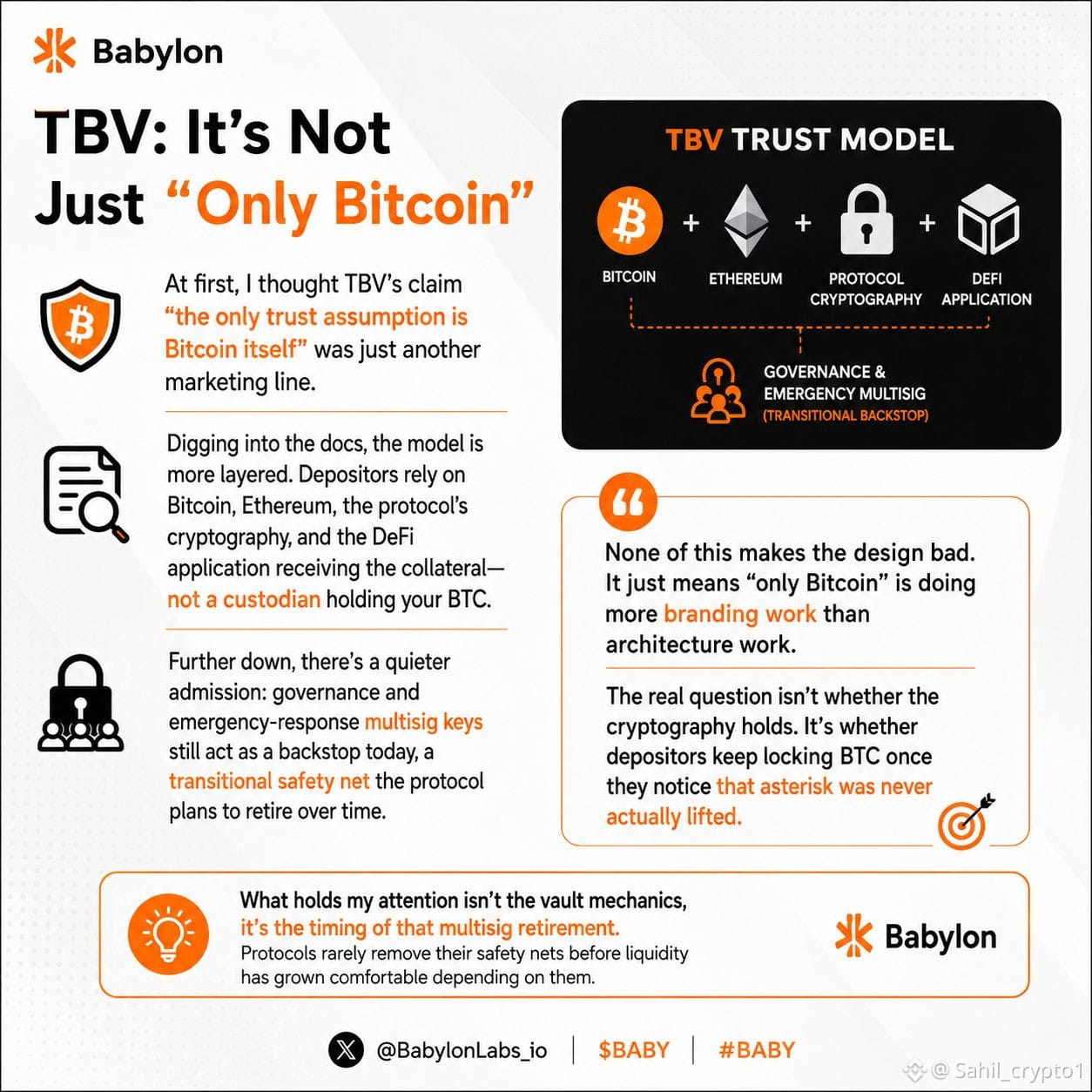
見出しは単純だと思ってTBVに入ってみたんだ。「ビットコインを信じて、それ以外はない」。でも深く読んでみると、モデルはもっと微妙で複雑だ。預金者は、カストディアンではなくビットコイン、イーサリアム、プロトコルの暗号技術、そして送られた先のDeFiアプリに依存している。これは大きな変化だけれど、話はそれだけじゃない。
私の目を引いたのは、ガバナンスと緊急時のマルチシグだ。ドキュメントでは、それは一時的なセーフガードで、システムが成熟するにつれて最終的に取り除かれるものとして示されている。これは欠陥というより、注視すべき重要なマイルストーンに見える。
私にとって最大のシグナルは、TVLだけではないだろう。そうしたフォールバックの統制が消え、プロトコルが長期的な設計意図どおりに動き始めるその瞬間こそが、本当に信頼モデルが試されるときだ。
@babylonlabs_io $BABY #BABY $BTC $ETH
見出しは単純だと思ってTBVに入ってみたんだ。「ビットコインを信じて、それ以外はない」。でも深く読んでみると、モデルはもっと微妙で複雑だ。預金者は、カストディアンではなくビットコイン、イーサリアム、プロトコルの暗号技術、そして送られた先のDeFiアプリに依存している。これは大きな変化だけれど、話はそれだけじゃない。
私の目を引いたのは、ガバナンスと緊急時のマルチシグだ。ドキュメントでは、それは一時的なセーフガードで、システムが成熟するにつれて最終的に取り除かれるものとして示されている。これは欠陥というより、注視すべき重要なマイルストーンに見える。
私にとって最大のシグナルは、TVLだけではないだろう。そうしたフォールバックの統制が消え、プロトコルが長期的な設計意図どおりに動き始めるその瞬間こそが、本当に信頼モデルが試されるときだ。
@BabylonLabs_io $BABY #BABY $BTC $ETH
私の目を引いたのは、ガバナンスと緊急時のマルチシグだ。ドキュメントでは、それは一時的なセーフガードで、システムが成熟するにつれて最終的に取り除かれるものとして示されている。これは欠陥というより、注視すべき重要なマイルストーンに見える。
私にとって最大のシグナルは、TVLだけではないだろう。そうしたフォールバックの統制が消え、プロトコルが長期的な設計意図どおりに動き始めるその瞬間こそが、本当に信頼モデルが試されるときだ。
@BabylonLabs_io $BABY #BABY $BTC $ETH
4
1
111
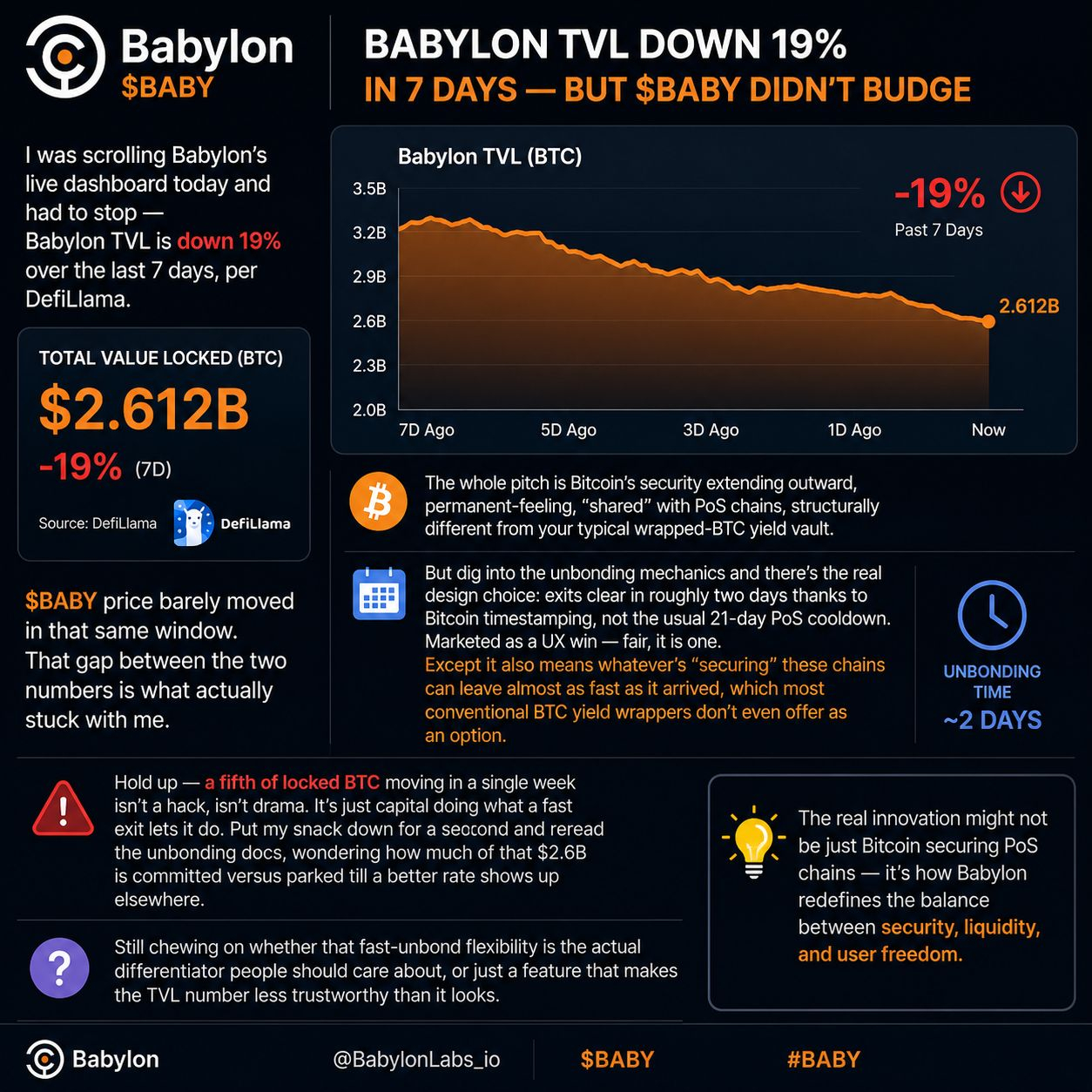
バビロンのダッシュボードを開き、いつもの落ち着いた数字を見ようとしたのに、ある指標が手を止めさせました。ここ1週間で、バビロンのBTC TVLは急激に落ち込んだ一方で、$BABY はほとんど反応していません。そのズレは、価格そのものよりも興味深く感じます。
読み進めるほど、バビロンの高速なアンボンディングの変更によって、TVLの解釈が変わるのだと気づきました。多くのPoSネットワークで一般的な長い待機期間ではなく、退出にかかるのが約2日程度なら、資本はかなり速く回転できます。柔軟性が高まるのは素晴らしい反面、TVLが長期的な確信というよりは短期的な機会を反映している可能性も意味します。
TVLが下がっているからといって、それが必ずしも弱さを示すとは限りません。利回りやインセンティブがより良い場所へ流動性が移動しているだけ、ということもあります。重要なのは、参加者がこれほど低い手離れで退出できる状況でも、ビットコインのセキュリティが十分に強靭さを保てるかどうかです。
私は、真のイノベーションは「ビットコインでPoSチェーンを担保すること」だけではなく、バビロンがセキュリティ、流動性、そしてユーザーの自由のバランスをどう再定義しているかにあるのではないかと思い始めています。
@babylonlabs_io #Baby $BABY
{spot}(BABYUSDT)
バビロンのダッシュボードを開き、いつもの落ち着いた数字を見ようとしたのに、ある指標が手を止めさせました。ここ1週間で、バビロンのBTC TVLは急激に落ち込んだ一方で、$BABY はほとんど反応していません。そのズレは、価格そのものよりも興味深く感じます。
読み進めるほど、バビロンの高速なアンボンディングの変更によって、TVLの解釈が変わるのだと気づきました。多くのPoSネットワークで一般的な長い待機期間ではなく、退出にかかるのが約2日程度なら、資本はかなり速く回転できます。柔軟性が高まるのは素晴らしい反面、TVLが長期的な確信というよりは短期的な機会を反映している可能性も意味します。
TVLが下がっているからといって、それが必ずしも弱さを示すとは限りません。利回りやインセンティブがより良い場所へ流動性が移動しているだけ、ということもあります。重要なのは、参加者がこれほど低い手離れで退出できる状況でも、ビットコインのセキュリティが十分に強靭さを保てるかどうかです。
私は、真のイノベーションは「ビットコインでPoSチェーンを担保すること」だけではなく、バビロンがセキュリティ、流動性、そしてユーザーの自由のバランスをどう再定義しているかにあるのではないかと思い始めています。
@BabylonLabs_io #Baby $BABY
読み進めるほど、バビロンの高速なアンボンディングの変更によって、TVLの解釈が変わるのだと気づきました。多くのPoSネットワークで一般的な長い待機期間ではなく、退出にかかるのが約2日程度なら、資本はかなり速く回転できます。柔軟性が高まるのは素晴らしい反面、TVLが長期的な確信というよりは短期的な機会を反映している可能性も意味します。
TVLが下がっているからといって、それが必ずしも弱さを示すとは限りません。利回りやインセンティブがより良い場所へ流動性が移動しているだけ、ということもあります。重要なのは、参加者がこれほど低い手離れで退出できる状況でも、ビットコインのセキュリティが十分に強靭さを保てるかどうかです。
私は、真のイノベーションは「ビットコインでPoSチェーンを担保すること」だけではなく、バビロンがセキュリティ、流動性、そしてユーザーの自由のバランスをどう再定義しているかにあるのではないかと思い始めています。
@BabylonLabs_io #Baby $BABY
1
2
80
🚀私は自分に何度も問いかけました。@BabylonLabs_io は一体何なのだろう、と。
最初は、ただの別のステーキング・エコシステムだと思っていました。TVLが増えて、報酬が増えて、比較するための数字が増えるだけ。
でも、コミュニティの中で時間を過ごしてみて。
目立ったのはチャートや市場の話ではありませんでした。お互いのために人がどう現れているか――それでした。会話はビットコインから日常の出来事へ、技術的な質問から、なぜか全員が笑顔になるような偶然の瞬間へと自然に流れていきました。
暗号資産は、うるさく感じることがあります。価格は動き、センチメントは反転し、タイムラインは次のトレンドを追いかける。でも、強いコミュニティがあれば、熱が冷めてもなお「残る理由」が生まれます。
それが、私が見ているバビロンです。人々が一緒に学び、小さな勝利を祝え、そして「この空間にはグリーンのローソク足以上のものがある」と互いに思い出させてくれる場所。
時には、最大の価値はウォレットの中のトークンではありません。
それは、どんなサイクルも一緒にそばに立ってくれる人たちです。
💚 @babylonlabs_io #BABY $BABY $VANRY $DEXE
{future}(DEXEUSDT)
{spot}(VANRYUSDT)
{spot}(BABYUSDT)
🚀私は自分に何度も問いかけました。@BabylonLabs_io は一体何なのだろう、と。
最初は、ただの別のステーキング・エコシステムだと思っていました。TVLが増えて、報酬が増えて、比較するための数字が増えるだけ。
でも、コミュニティの中で時間を過ごしてみて。
目立ったのはチャートや市場の話ではありませんでした。お互いのために人がどう現れているか――それでした。会話はビットコインから日常の出来事へ、技術的な質問から、なぜか全員が笑顔になるような偶然の瞬間へと自然に流れていきました。
暗号資産は、うるさく感じることがあります。価格は動き、センチメントは反転し、タイムラインは次のトレンドを追いかける。でも、強いコミュニティがあれば、熱が冷めてもなお「残る理由」が生まれます。
それが、私が見ているバビロンです。人々が一緒に学び、小さな勝利を祝え、そして「この空間にはグリーンのローソク足以上のものがある」と互いに思い出させてくれる場所。
時には、最大の価値はウォレットの中のトークンではありません。
それは、どんなサイクルも一緒にそばに立ってくれる人たちです。
💚 @BabylonLabs_io #BABY $BABY $VANRY $DEXE
最初は、ただの別のステーキング・エコシステムだと思っていました。TVLが増えて、報酬が増えて、比較するための数字が増えるだけ。
でも、コミュニティの中で時間を過ごしてみて。
目立ったのはチャートや市場の話ではありませんでした。お互いのために人がどう現れているか――それでした。会話はビットコインから日常の出来事へ、技術的な質問から、なぜか全員が笑顔になるような偶然の瞬間へと自然に流れていきました。
暗号資産は、うるさく感じることがあります。価格は動き、センチメントは反転し、タイムラインは次のトレンドを追いかける。でも、強いコミュニティがあれば、熱が冷めてもなお「残る理由」が生まれます。
それが、私が見ているバビロンです。人々が一緒に学び、小さな勝利を祝え、そして「この空間にはグリーンのローソク足以上のものがある」と互いに思い出させてくれる場所。
時には、最大の価値はウォレットの中のトークンではありません。
それは、どんなサイクルも一緒にそばに立ってくれる人たちです。
💚 @BabylonLabs_io #BABY $BABY $VANRY $DEXE
1
2
297
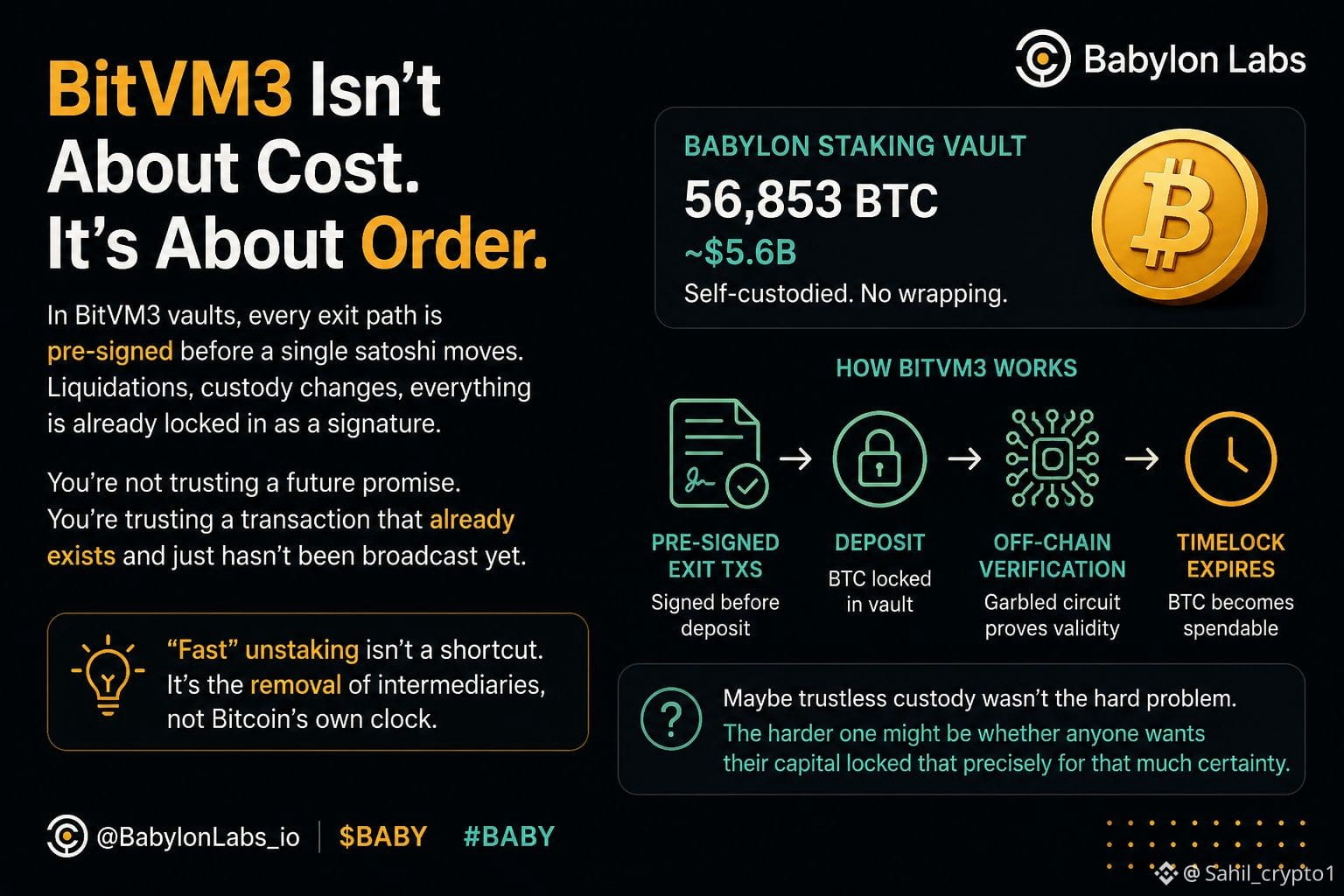
@babylonlabs_io I 当初は、バビロンの「高速アンステーキング」がBTCをより早く利用可能にすることだと考えていました。よく見てみると、注目すべきは待機期間の短さではなく、不必要な信頼の排除です。
バビロンは引き続き、ビットコインのネイティブなアンボンディング(アンステーク解除)のタイムラインに従います。変わるのは、その“後”に何が起きるかです。取り戻す前に、追加の請求(クレーム)トランザクション、カストディアンの承認、または仲介者は必要ありません。アンボンディング期間が終われば、あなたのBTCは単に再び支払いに使える状態になります。
この違いは重要です。「高速」とは、ビットコインのセキュリティモデルを迂回することを意味しません。つまり、アンボンディング後に多くのBTCラッパーが追加して導入する“追加の層”を取り除くことです。バビロンのステーキングシステムには56,853 BTC超が担保されており、この設計上の選択は見出し自体よりも重要に感じられます。
#baby $BTC $BABY
{future}(BABYUSDT)
{spot}(BTCUSDT)
@BabylonLabs_io I 当初は、バビロンの「高速アンステーキング」がBTCをより早く利用可能にすることだと考えていました。よく見てみると、注目すべきは待機期間の短さではなく、不必要な信頼の排除です。
バビロンは引き続き、ビットコインのネイティブなアンボンディング(アンステーク解除)のタイムラインに従います。変わるのは、その“後”に何が起きるかです。取り戻す前に、追加の請求(クレーム)トランザクション、カストディアンの承認、または仲介者は必要ありません。アンボンディング期間が終われば、あなたのBTCは単に再び支払いに使える状態になります。
この違いは重要です。「高速」とは、ビットコインのセキュリティモデルを迂回することを意味しません。つまり、アンボンディング後に多くのBTCラッパーが追加して導入する“追加の層”を取り除くことです。バビロンのステーキングシステムには56,853 BTC超が担保されており、この設計上の選択は見出し自体よりも重要に感じられます。
#baby $BTC $BABY
バビロンは引き続き、ビットコインのネイティブなアンボンディング(アンステーク解除)のタイムラインに従います。変わるのは、その“後”に何が起きるかです。取り戻す前に、追加の請求(クレーム)トランザクション、カストディアンの承認、または仲介者は必要ありません。アンボンディング期間が終われば、あなたのBTCは単に再び支払いに使える状態になります。
この違いは重要です。「高速」とは、ビットコインのセキュリティモデルを迂回することを意味しません。つまり、アンボンディング後に多くのBTCラッパーが追加して導入する“追加の層”を取り除くことです。バビロンのステーキングシステムには56,853 BTC超が担保されており、この設計上の選択は見出し自体よりも重要に感じられます。
#baby $BTC $BABY
4
2
101
🚀@BabylonLabs_ioを調べているうちに、見出しの数字以上に際立った一点がありました。
56,853 BTC以上がステークされていることから、ラップやブリッジをせずにネイティブのビットコイン・ステーキングに強い需要があることが証明されています。ですが、より興味深いのはプロトコルが「退出(exit)」をどう扱うかです。
BABYステーキングは、約2日という高速なアンボンディング(解除)を提供します。これは一見すると印象的です。とはいえ注意点があります。これはBABYの委任(delegation)に対してのみ適用されます。ビットコインのタイムロックで確保されたBTCは、それ独自の決済プロセスに従い、Babylonのバリデータ・エポックとは独立して動きます。
この違いが重要なのは、2つのアセットが2つの異なるセキュリティモデルのもとで動いているからです。誤解を招くわけではありませんが、ステーキング体験を比較する際に多くの人が見落としがちな重要なニュアンスです。
さらに、スラッシング(罰金)設計にも時間をかけて読み込みました。ダブルサイニング(二重署名)では5%の部分スラッシュが発生し、残りのステークは返還されます。また、すべてのイベントはオンチェーンに記録されます。この仕組みはバランスが取れていて、過度に懲罰的にならずに説明責任を優先する感触があります。
最大の学びは、TVLや「高速なアンボンディング」という主張ではありませんでした。Babylonを理解するということは、ビットコインのセキュリティ保証と、BABYのステーキング・メカニクスの切り離しを理解することだと気づいたことでした。
そこに、真の設計上のトレードオフが見えてきます。
$BABY #Baby #Bitcoin $BTC @babylonlabs_io
{spot}(BTCUSDT)
{spot}(BABYUSDT)
🚀@BabylonLabs_ioを調べているうちに、見出しの数字以上に際立った一点がありました。
56,853 BTC以上がステークされていることから、ラップやブリッジをせずにネイティブのビットコイン・ステーキングに強い需要があることが証明されています。ですが、より興味深いのはプロトコルが「退出(exit)」をどう扱うかです。
BABYステーキングは、約2日という高速なアンボンディング(解除)を提供します。これは一見すると印象的です。とはいえ注意点があります。これはBABYの委任(delegation)に対してのみ適用されます。ビットコインのタイムロックで確保されたBTCは、それ独自の決済プロセスに従い、Babylonのバリデータ・エポックとは独立して動きます。
この違いが重要なのは、2つのアセットが2つの異なるセキュリティモデルのもとで動いているからです。誤解を招くわけではありませんが、ステーキング体験を比較する際に多くの人が見落としがちな重要なニュアンスです。
さらに、スラッシング(罰金)設計にも時間をかけて読み込みました。ダブルサイニング(二重署名)では5%の部分スラッシュが発生し、残りのステークは返還されます。また、すべてのイベントはオンチェーンに記録されます。この仕組みはバランスが取れていて、過度に懲罰的にならずに説明責任を優先する感触があります。
最大の学びは、TVLや「高速なアンボンディング」という主張ではありませんでした。Babylonを理解するということは、ビットコインのセキュリティ保証と、BABYのステーキング・メカニクスの切り離しを理解することだと気づいたことでした。
そこに、真の設計上のトレードオフが見えてきます。
$BABY #Baby #Bitcoin $BTC @BabylonLabs_io
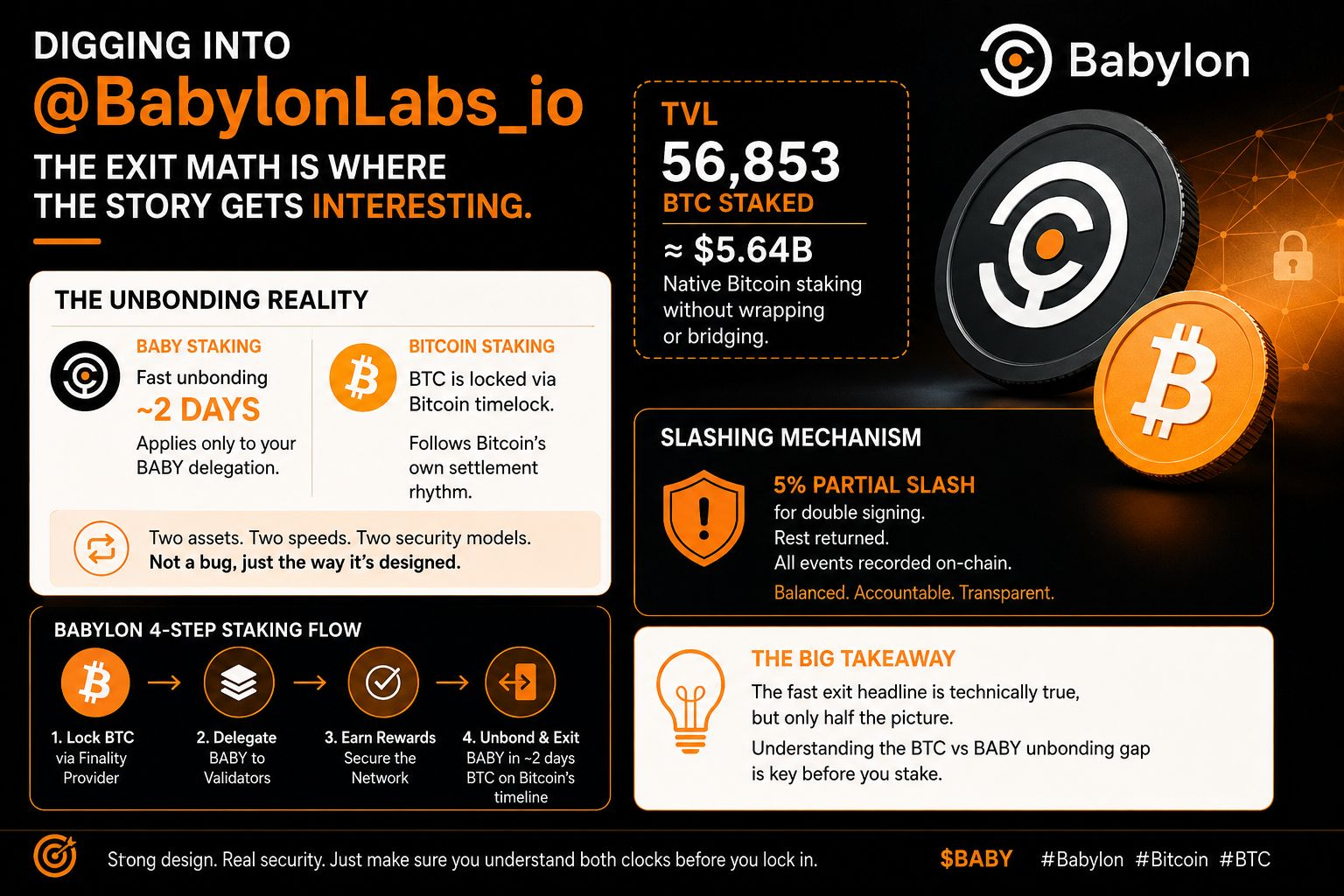
56,853 BTC以上がステークされていることから、ラップやブリッジをせずにネイティブのビットコイン・ステーキングに強い需要があることが証明されています。ですが、より興味深いのはプロトコルが「退出(exit)」をどう扱うかです。
BABYステーキングは、約2日という高速なアンボンディング(解除)を提供します。これは一見すると印象的です。とはいえ注意点があります。これはBABYの委任(delegation)に対してのみ適用されます。ビットコインのタイムロックで確保されたBTCは、それ独自の決済プロセスに従い、Babylonのバリデータ・エポックとは独立して動きます。
この違いが重要なのは、2つのアセットが2つの異なるセキュリティモデルのもとで動いているからです。誤解を招くわけではありませんが、ステーキング体験を比較する際に多くの人が見落としがちな重要なニュアンスです。
さらに、スラッシング(罰金)設計にも時間をかけて読み込みました。ダブルサイニング(二重署名)では5%の部分スラッシュが発生し、残りのステークは返還されます。また、すべてのイベントはオンチェーンに記録されます。この仕組みはバランスが取れていて、過度に懲罰的にならずに説明責任を優先する感触があります。
最大の学びは、TVLや「高速なアンボンディング」という主張ではありませんでした。Babylonを理解するということは、ビットコインのセキュリティ保証と、BABYのステーキング・メカニクスの切り離しを理解することだと気づいたことでした。
そこに、真の設計上のトレードオフが見えてきます。
$BABY #Baby #Bitcoin $BTC @BabylonLabs_io
2
1
87
ログインして、さらにコンテンツを読む
厳選トピックで世界の暗号資産トレーダーの仲間入り
⚡️ 暗号資産に関する最新かつ有益な情報が見つかります。
💬 世界最大の暗号資産取引所から信頼されています。
👍 認証を受けたクリエイターから、有益なインサイトを得られます。
メール / 電話番号
トレンドトピック
SECReceivesGrayscaleLitecoinTrustETFFiling
閲覧回数 57,720
1,132人が討論中
#secreceivesgrayscalelitecointrustetffiling
SEC、グレースケールのライトコインETF申請を受理:LTCがまた注目を浴びる 🚨
市場は静かに動いていたところに、別のライトコインの見出しが飛び込んできました。傍観しているトレーダーにとって、立ち止まってこう考えたくなるような申請です――機関投資家のアクセスは、いよいよ近づいてきているのでしょうか?
グレースケールのライトコイン・トラストは、提案されている移行とNYSE Arcaの上場プロセスに関連する最近の申請により、ETF構造に向けてさらに一歩進みました。SECの記録には、グレースケールのライトコイン提案をめぐる過去の手続きが示されており、最新の申請活動によってこのストーリーは引き続き生きています。
重要なのは、申請は承認ではないという点です。投資家は、規制の進展と、すぐにETFがローンチされるといった期待を切り分けて考えるべきです。
私の見解:より大きなテーマは「アクセスのしやすさ」です。ETFの形になれば、暗号資産を直接保有するのではなく、規制された市場商品を好む従来型の投資家にとって、LTCへのエクスポージャーがより簡単になる可能性があります。
ライトコインは現在、Binanceで約$53.69で取引されています。資産の24時間の値動きは小さめです。これにより、単なるヘッドライン主導の価格反応を追うよりも、規制の展開のほうが興味深いものになります。
真の試練は次に来ます。規制上の判断、市場の需要、流動性、そして機関投資家の関心が、書類の後に本当に続くかどうかです。
申請は扉を開けるかもしれませんが、開いた後に何が起きるかは需要が決めます。
❓グレースケールのライトコインETFは、LTCの機関投資家による需要を実質的に変え得ると思いますか?
免責事項:本内容は情報提供のみを目的としており、投資助言ではありません。暗号資産は価格変動が大きく、規制の結果は不確実です。
#Litecoin #CryptoETF #GrowWithSAC $LTC $ETH $SOL
#SECReceivesGrayscaleLitecoinTrustETFFiling
Sienna Leo-你真棒-带我走
·いいね:2件
·閲覧回数 2k
ClarityActFacesProceduralVoteSept15
閲覧回数 179,026
2,031人が討論中
US10YearTreasuryYieldNears5%
閲覧回数 60,953
1,113人が討論中