
Blockchain Matrix
13.1k 投稿

Blockchain Matrix
報告
ユーザーをブロック
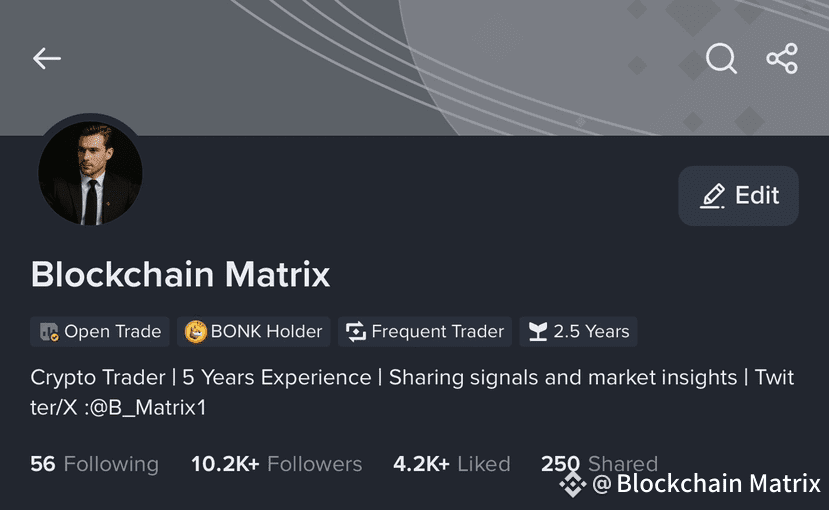
Crypto Trader | 5 Years Experience | Sharing signals and market insights | Twitter/X :@B_Matrix1
取引を発注
高頻度トレーダー
3.5年
110 フォロー
17.2K+ フォロワー
17.2K+ いいね
投稿
ポートフォリオ
すべて
引用
ライブ
PINNED
10K フォロワー強 – ありがとうバイナンスファミリー!
バイナンスで10,000人以上のフォロワーに到達することは、単なるマイルストーンではなく、コミュニティの成果です。すべての取引アイデア、すべての分析、すべての議論は、あなたのサポートとエンゲージメントによって支えられています。
この旅はまだ始まったばかりです — より大きなシグナル、より深い分析、より強力な市場洞察があなたのもとにやってきます。
共に構築し、取引し、成長していきましょう。🚀
#Binance
#CryptoCommunity
#Milestone
#Write2Earn
10K フォロワー強 – ありがとうバイナンスファミリー!
バイナンスで10,000人以上のフォロワーに到達することは、単なるマイルストーンではなく、コミュニティの成果です。すべての取引アイデア、すべての分析、すべての議論は、あなたのサポートとエンゲージメントによって支えられています。
この旅はまだ始まったばかりです — より大きなシグナル、より深い分析、より強力な市場洞察があなたのもとにやってきます。
共に構築し、取引し、成長していきましょう。🚀
#Binance
#CryptoCommunity
#Milestone
#Write2Earn
バイナンスで10,000人以上のフォロワーに到達することは、単なるマイルストーンではなく、コミュニティの成果です。すべての取引アイデア、すべての分析、すべての議論は、あなたのサポートとエンゲージメントによって支えられています。
この旅はまだ始まったばかりです — より大きなシグナル、より深い分析、より強力な市場洞察があなたのもとにやってきます。
共に構築し、取引し、成長していきましょう。🚀
#Binance
#CryptoCommunity
#Milestone
#Write2Earn

11
7
37
176
·
--
ブリッシュ
翻訳参照
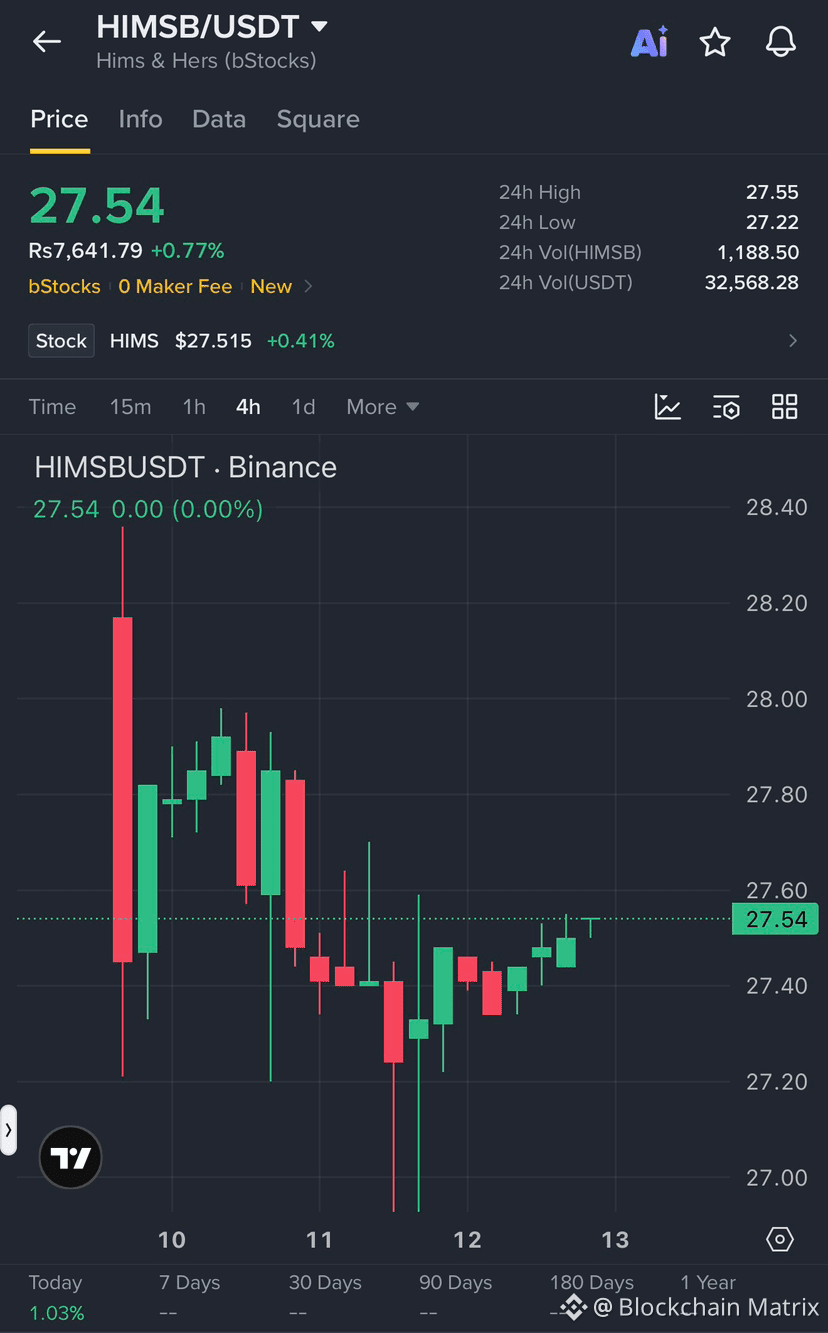
$HIMSB /USDT — Bullish Setup🔥💥
$HIMSB is quietly building momentum on the 4H chart. Price is holding above the recent support zone and pushing toward the 27.55 resistance.
Entry: 27.50–27.60
TP1: 27.80
TP2: 28.00
TP3: 28.20
Stop Loss: 27.20
A clean breakout and 4H close above 27.60 could open the door for the next leg higher.
Bullish above 27.20 | Breakout > 27.60
#HIMSB #HIMS #Binance #Crypto #Trading
$HIMSB /USDT — Bullish Setup🔥💥
$HIMSB is quietly building momentum on the 4H chart. Price is holding above the recent support zone and pushing toward the 27.55 resistance.
Entry: 27.50–27.60
TP1: 27.80
TP2: 28.00
TP3: 28.20
Stop Loss: 27.20
A clean breakout and 4H close above 27.60 could open the door for the next leg higher.
Bullish above 27.20 | Breakout > 27.60
#HIMSB #HIMS #Binance #Crypto #Trading
$HIMSB is quietly building momentum on the 4H chart. Price is holding above the recent support zone and pushing toward the 27.55 resistance.
Entry: 27.50–27.60
TP1: 27.80
TP2: 28.00
TP3: 28.20
Stop Loss: 27.20
A clean breakout and 4H close above 27.60 could open the door for the next leg higher.
Bullish above 27.20 | Breakout > 27.60
#HIMSB #HIMS #Binance #Crypto #Trading
78
·
--
ブリッシュ
#MatrixFamily 注意深く聞いてください…
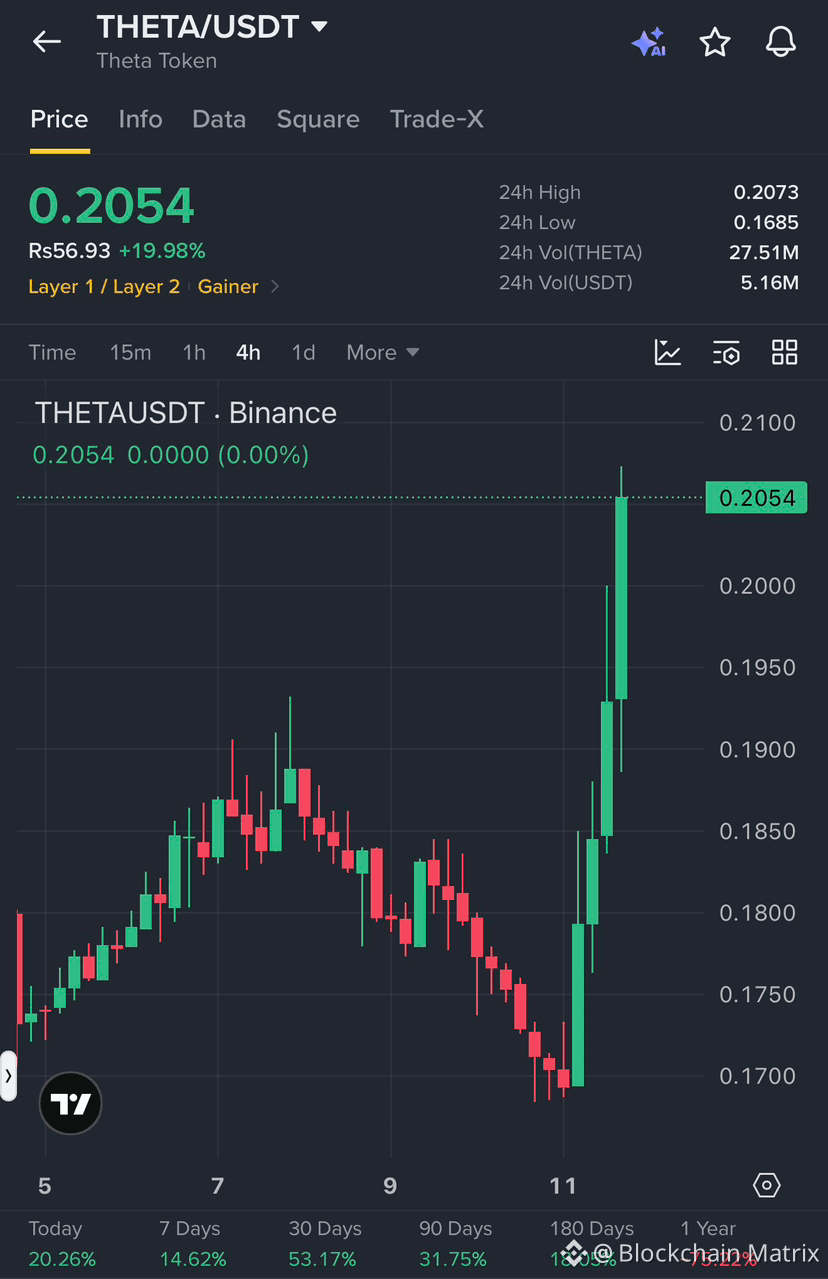
$THETA は $0.17 のエリアから強力なブレイクアウトを果たした後、強い強気モメンタムを示しています。
エントリー: $0.2020–$0.2050
目標: $0.2120 / $0.2200 / $0.2300
ストップロス: $0.1930
4Hチャートでは、連続する大きな緑のローソク足と、直前のレジスタンス・ゾーンを明確に上抜けていることで、強い買い圧が見られます。$0.1930 が維持される限り、強気の構造は有効です。
賢く取引し、リスクを管理してください。
{spot}(THETAUSDT)
#MatrixFamily 注意深く聞いてください…
$THETA は $0.17 のエリアから強力なブレイクアウトを果たした後、強い強気モメンタムを示しています。
エントリー: $0.2020–$0.2050
目標: $0.2120 / $0.2200 / $0.2300
ストップロス: $0.1930
4Hチャートでは、連続する大きな緑のローソク足と、直前のレジスタンス・ゾーンを明確に上抜けていることで、強い買い圧が見られます。$0.1930 が維持される限り、強気の構造は有効です。
賢く取引し、リスクを管理してください。
$THETA は $0.17 のエリアから強力なブレイクアウトを果たした後、強い強気モメンタムを示しています。
エントリー: $0.2020–$0.2050
目標: $0.2120 / $0.2200 / $0.2300
ストップロス: $0.1930
4Hチャートでは、連続する大きな緑のローソク足と、直前のレジスタンス・ゾーンを明確に上抜けていることで、強い買い圧が見られます。$0.1930 が維持される限り、強気の構造は有効です。
賢く取引し、リスクを管理してください。
1
154

$BNB /USDT ロング取引シグナル🔥💥
エントリー:709–713
TP1:720
TP2:730
TP3:740
SL:700
テクニカル分析:BNBは、急激な4Hの下落の後、703–710付近の強いサポートゾーンをテストしています。最新の強気のローソク足は、24H安値の703.62からのリバウンドの可能性を示しています。720を回復できれば、730–740への道が開けるかもしれません。
マーケット見通し:700–704が維持される間は、短期的な強気のリカバリー(反発)シナリオです。700を下回るブレイクが起きると、ロングの想定は無効となり、さらなる下落を示唆します。
#BNB #BNBUSDT #CryptoTrading #LongSignal #Binance
$BNB /USDT ロング取引シグナル🔥💥
エントリー:709–713
TP1:720
TP2:730
TP3:740
SL:700
テクニカル分析:BNBは、急激な4Hの下落の後、703–710付近の強いサポートゾーンをテストしています。最新の強気のローソク足は、24H安値の703.62からのリバウンドの可能性を示しています。720を回復できれば、730–740への道が開けるかもしれません。
マーケット見通し:700–704が維持される間は、短期的な強気のリカバリー(反発)シナリオです。700を下回るブレイクが起きると、ロングの想定は無効となり、さらなる下落を示唆します。
#BNB #BNBUSDT #CryptoTrading #LongSignal #Binance
エントリー:709–713
TP1:720
TP2:730
TP3:740
SL:700
テクニカル分析:BNBは、急激な4Hの下落の後、703–710付近の強いサポートゾーンをテストしています。最新の強気のローソク足は、24H安値の703.62からのリバウンドの可能性を示しています。720を回復できれば、730–740への道が開けるかもしれません。
マーケット見通し:700–704が維持される間は、短期的な強気のリカバリー(反発)シナリオです。700を下回るブレイクが起きると、ロングの想定は無効となり、さらなる下落を示唆します。
#BNB #BNBUSDT #CryptoTrading #LongSignal #Binance

25
·
--
ブリッシュ
#MatrixFamily 注意して聞いてください…
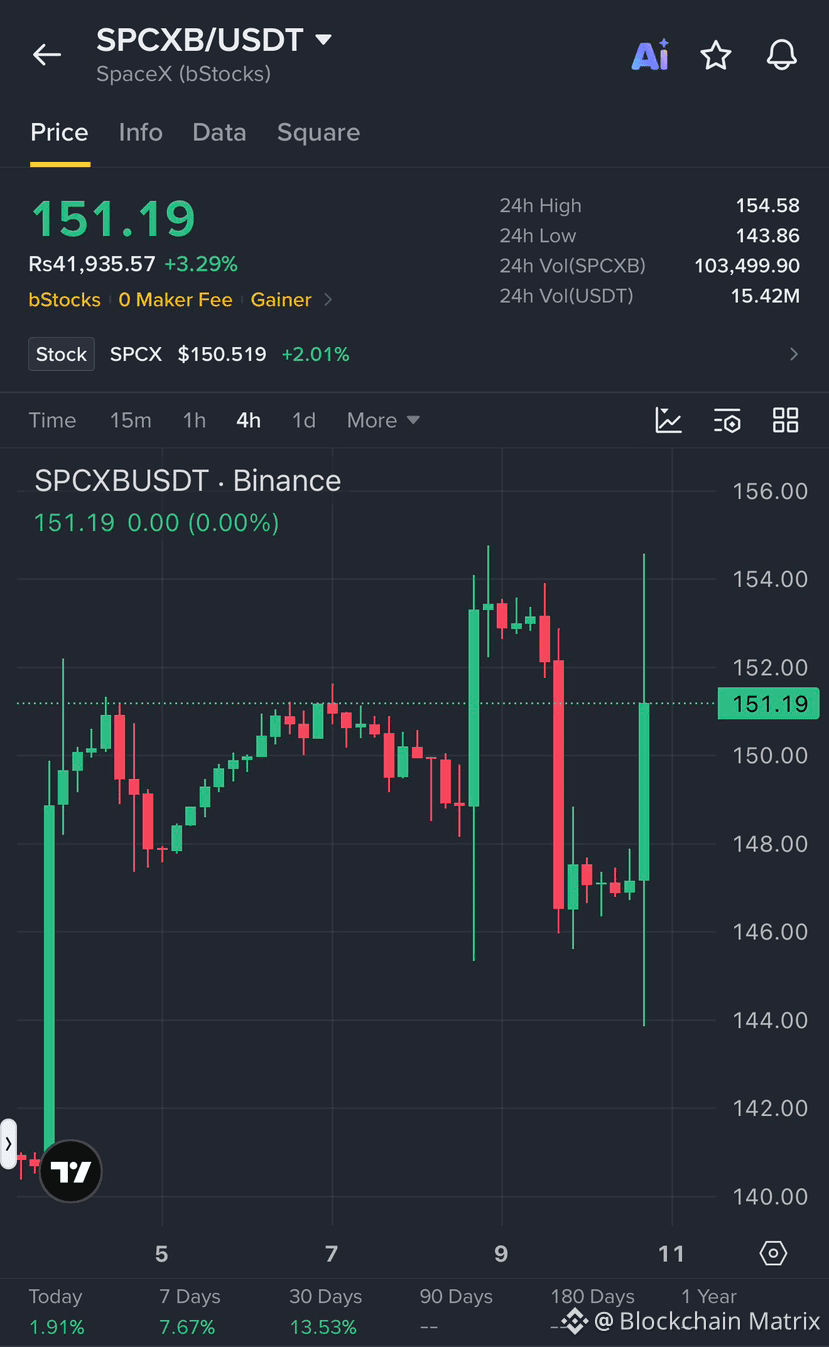
$SPCXB は、146~148のサポート帯を維持した後、150を上回るところまで押し戻し、強いブル(強気)リバーサルを示しています。
エントリー:150.50 ~ 151.50
目標:153.00 ~ 154.50 ~ 156.00
損切り(ストップロス):147.80
急激なリカバリーの陽線は強い買い圧力を示しています。もし$SPCXB が150を上で維持するなら、次の値動きでは153~156のレジスタンス帯を狙えます。確認を待ち、突然の急騰に追いかけないでください。
賢く取引し、リスクを管理しましょう。
{spot}(SPCXBUSDT)
#MatrixFamily 注意して聞いてください…
$SPCXB は、146~148のサポート帯を維持した後、150を上回るところまで押し戻し、強いブル(強気)リバーサルを示しています。
エントリー:150.50 ~ 151.50
目標:153.00 ~ 154.50 ~ 156.00
損切り(ストップロス):147.80
急激なリカバリーの陽線は強い買い圧力を示しています。もし$SPCXB が150を上で維持するなら、次の値動きでは153~156のレジスタンス帯を狙えます。確認を待ち、突然の急騰に追いかけないでください。
賢く取引し、リスクを管理しましょう。
$SPCXB は、146~148のサポート帯を維持した後、150を上回るところまで押し戻し、強いブル(強気)リバーサルを示しています。
エントリー:150.50 ~ 151.50
目標:153.00 ~ 154.50 ~ 156.00
損切り(ストップロス):147.80
急激なリカバリーの陽線は強い買い圧力を示しています。もし$SPCXB が150を上で維持するなら、次の値動きでは153~156のレジスタンス帯を狙えます。確認を待ち、突然の急騰に追いかけないでください。
賢く取引し、リスクを管理しましょう。
77
·
--
ブリッシュ
#MatrixFamily 私の言うことをよく聞いてください…
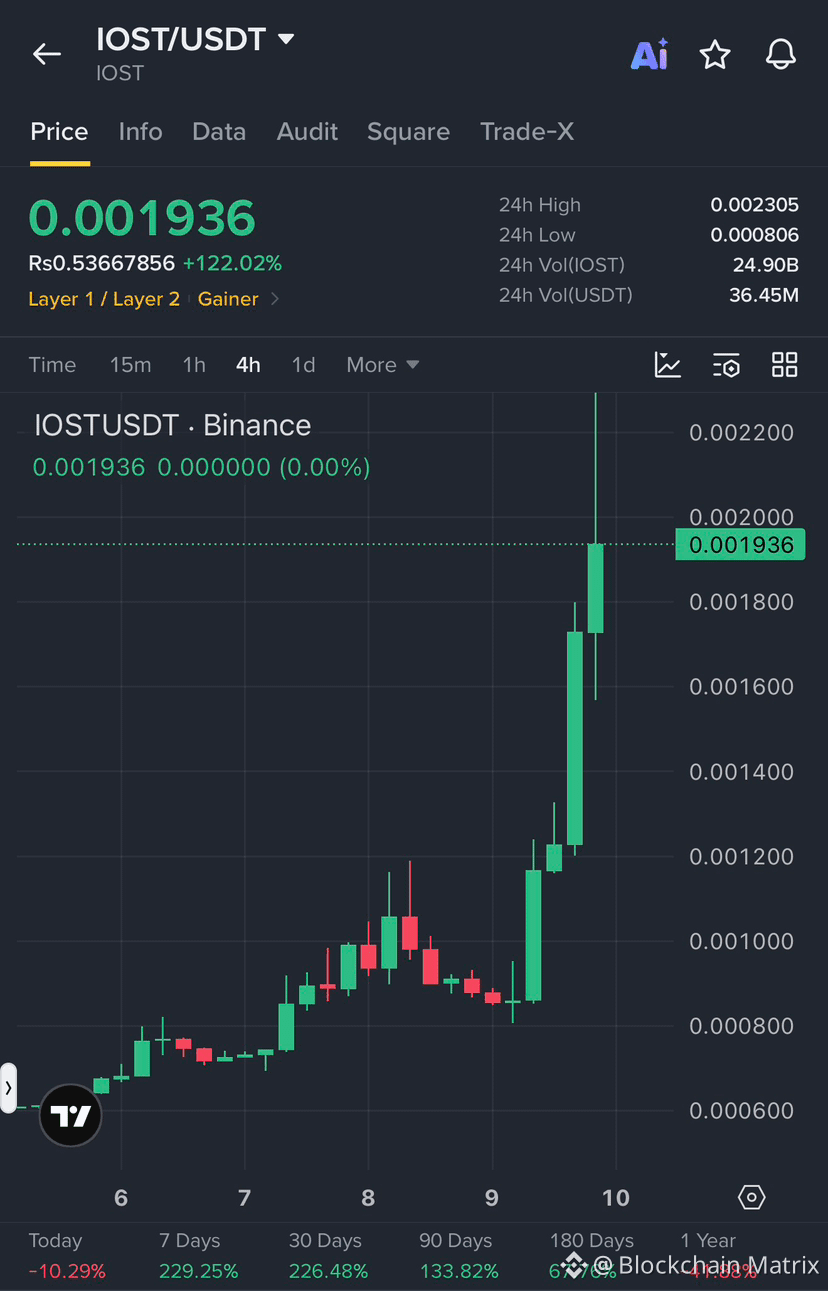
$IOST は、大きなブレイクアウトの後に強い上昇モメンタムを見せており、強い買い圧がかかっています。
エントリー:0.00190 – 0.00195
目標:0.00210 – 0.00230 – 0.00250
損切り:0.00170
価格はブレイクアウト・ゾーン付近を維持しているため、成功したリテストが次のレジスタンス水準へ向かう道を開く可能性があります。急に価格が跳ね上がった場合は追いかけず、きれいな確認を待ちましょう。
賢く取引し、リスク管理を徹底してください。
{spot}(IOSTUSDT)
#MatrixFamily 私の言うことをよく聞いてください…
$IOST は、大きなブレイクアウトの後に強い上昇モメンタムを見せており、強い買い圧がかかっています。
エントリー:0.00190 – 0.00195
目標:0.00210 – 0.00230 – 0.00250
損切り:0.00170
価格はブレイクアウト・ゾーン付近を維持しているため、成功したリテストが次のレジスタンス水準へ向かう道を開く可能性があります。急に価格が跳ね上がった場合は追いかけず、きれいな確認を待ちましょう。
賢く取引し、リスク管理を徹底してください。
$IOST は、大きなブレイクアウトの後に強い上昇モメンタムを見せており、強い買い圧がかかっています。
エントリー:0.00190 – 0.00195
目標:0.00210 – 0.00230 – 0.00250
損切り:0.00170
価格はブレイクアウト・ゾーン付近を維持しているため、成功したリテストが次のレジスタンス水準へ向かう道を開く可能性があります。急に価格が跳ね上がった場合は追いかけず、きれいな確認を待ちましょう。
賢く取引し、リスク管理を徹底してください。
291
·
--
ブリッシュ
#MatrixFamily 注意深く聞いてください…
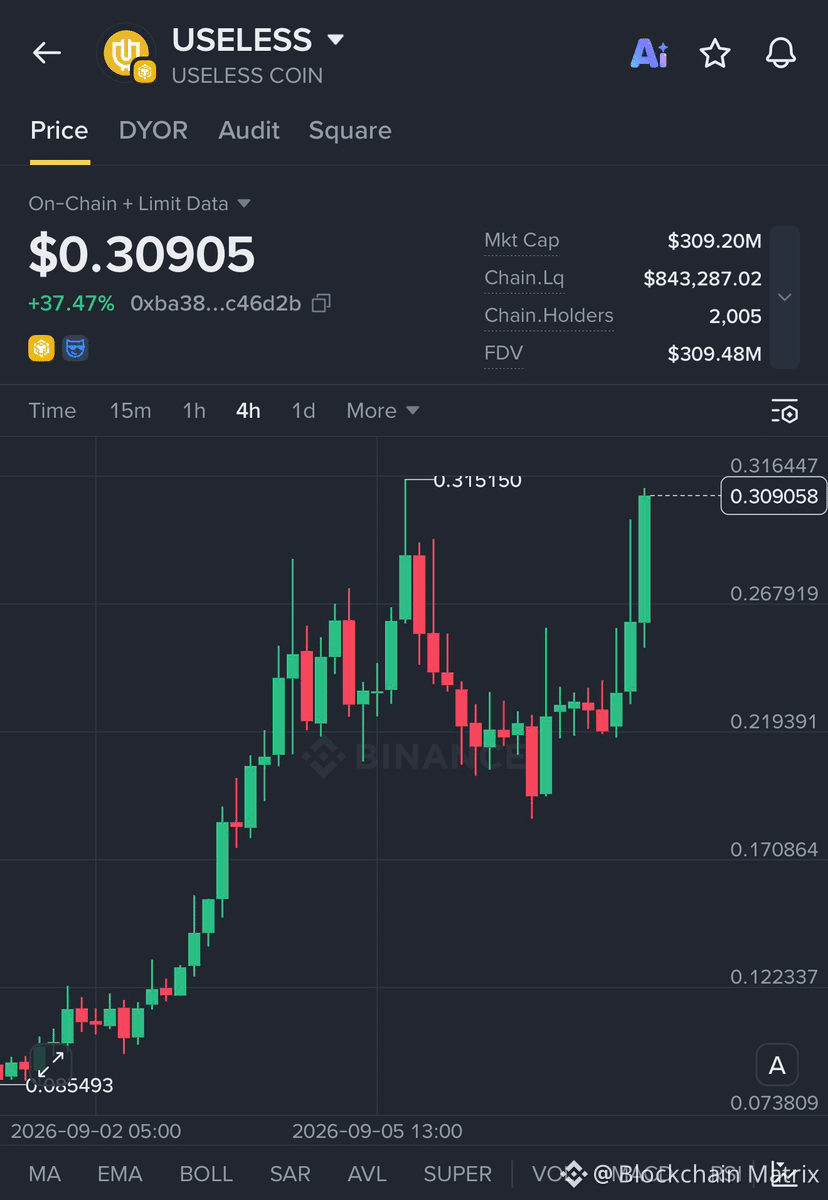
$USELESS が巨大なブレイクアウトを起こし、買い手が強く押し上げています
$USELESS は4Hチャートで強力な動きを見せ、$0.22のコンソリデーション・ゾーンからブレイクアウトして、過去の高値付近である約$0.315へと上昇しています。モメンタムは明確に強気ですが、価格は現在主要なレジスタンスの近くにあるため、急騰を追いかけるよりもリテストの方が良いエントリーになります。
トレード設定
エントリー: $0.285 – $0.305
目標(ターゲット):
TP1: $0.315
TP2: $0.335
TP3: $0.360
TP4: $0.400
損切り(ストップロス): $0.265
注目すべきメインの水準は $0.315 です。レジスタンスを上回るクリーンな4H終値が出れば、$0.335および$0.360に向けたさらなる継続の動きが確認できる可能性があります。
もし価格が $0.265 を割り込むと、ブレイクアウトの構造が弱まり、設定は見直すべきです。
リテストが来るのを待ち、リスクを適切に管理しましょう。
{future}(USELESSUSDT)
#MatrixFamily 注意深く聞いてください…
$USELESS が巨大なブレイクアウトを起こし、買い手が強く押し上げています
$USELESS は4Hチャートで強力な動きを見せ、$0.22のコンソリデーション・ゾーンからブレイクアウトして、過去の高値付近である約$0.315へと上昇しています。モメンタムは明確に強気ですが、価格は現在主要なレジスタンスの近くにあるため、急騰を追いかけるよりもリテストの方が良いエントリーになります。
トレード設定
エントリー: $0.285 – $0.305
目標(ターゲット):
TP1: $0.315
TP2: $0.335
TP3: $0.360
TP4: $0.400
損切り(ストップロス): $0.265
注目すべきメインの水準は $0.315 です。レジスタンスを上回るクリーンな4H終値が出れば、$0.335および$0.360に向けたさらなる継続の動きが確認できる可能性があります。
もし価格が $0.265 を割り込むと、ブレイクアウトの構造が弱まり、設定は見直すべきです。
リテストが来るのを待ち、リスクを適切に管理しましょう。
$USELESS が巨大なブレイクアウトを起こし、買い手が強く押し上げています
$USELESS は4Hチャートで強力な動きを見せ、$0.22のコンソリデーション・ゾーンからブレイクアウトして、過去の高値付近である約$0.315へと上昇しています。モメンタムは明確に強気ですが、価格は現在主要なレジスタンスの近くにあるため、急騰を追いかけるよりもリテストの方が良いエントリーになります。
トレード設定
エントリー: $0.285 – $0.305
目標(ターゲット):
TP1: $0.315
TP2: $0.335
TP3: $0.360
TP4: $0.400
損切り(ストップロス): $0.265
注目すべきメインの水準は $0.315 です。レジスタンスを上回るクリーンな4H終値が出れば、$0.335および$0.360に向けたさらなる継続の動きが確認できる可能性があります。
もし価格が $0.265 を割り込むと、ブレイクアウトの構造が弱まり、設定は見直すべきです。
リテストが来るのを待ち、リスクを適切に管理しましょう。
144
·
--
ブリッシュ
#MatrixFamily よく聞いてください…
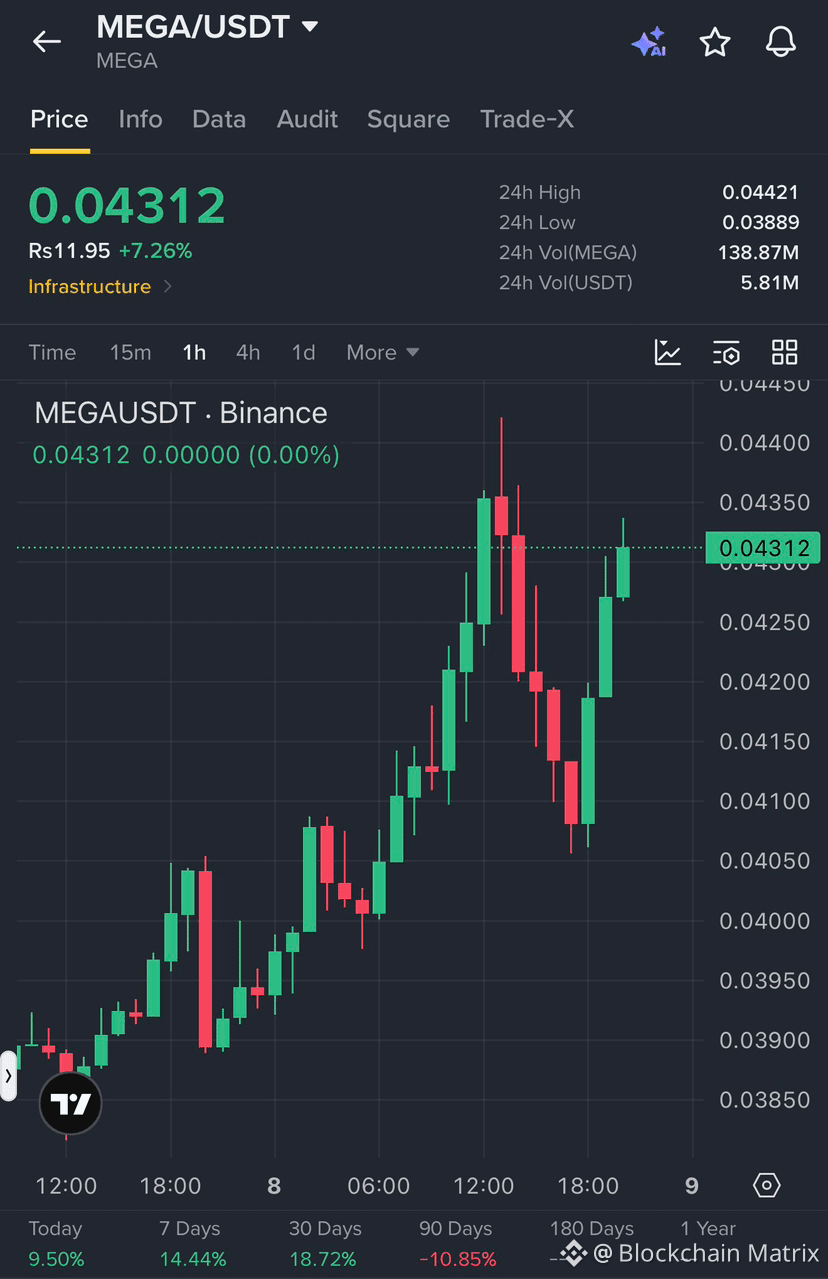
$MEGA はサポートから強く跳ね返っており、買い手が再び主導権を取り戻しています
$MEGA は、$0.0440のエリアから引き戻された後、1Hチャートで強い回復を見せています。価格は $0.0405〜$0.0410 のゾーンを防衛し、その後、強い勢いで $0.0430 を上抜けました。
取引セットアップ
エントリー: $0.04270 – $0.04315
目標:
TP1: $0.04360
TP2: $0.04420
TP3: $0.04500
TP4: $0.04600
損切り: $0.04180
注目すべき重要な水準は $0.04350〜$0.04420 です。$0.04420 を明確に上抜けると、$0.04500 そしてそれ以上に向かう道が開けます。
$MEGA が $0.04180 を失うと、強気のセットアップは無効になります。リスク管理を適切に行い、追いかけるのではなく確定を待ってください。
{spot}(MEGAUSDT)
#MatrixFamily よく聞いてください…
$MEGA はサポートから強く跳ね返っており、買い手が再び主導権を取り戻しています
$MEGA は、$0.0440のエリアから引き戻された後、1Hチャートで強い回復を見せています。価格は $0.0405〜$0.0410 のゾーンを防衛し、その後、強い勢いで $0.0430 を上抜けました。
取引セットアップ
エントリー: $0.04270 – $0.04315
目標:
TP1: $0.04360
TP2: $0.04420
TP3: $0.04500
TP4: $0.04600
損切り: $0.04180
注目すべき重要な水準は $0.04350〜$0.04420 です。$0.04420 を明確に上抜けると、$0.04500 そしてそれ以上に向かう道が開けます。
$MEGA が $0.04180 を失うと、強気のセットアップは無効になります。リスク管理を適切に行い、追いかけるのではなく確定を待ってください。
$MEGA はサポートから強く跳ね返っており、買い手が再び主導権を取り戻しています
$MEGA は、$0.0440のエリアから引き戻された後、1Hチャートで強い回復を見せています。価格は $0.0405〜$0.0410 のゾーンを防衛し、その後、強い勢いで $0.0430 を上抜けました。
取引セットアップ
エントリー: $0.04270 – $0.04315
目標:
TP1: $0.04360
TP2: $0.04420
TP3: $0.04500
TP4: $0.04600
損切り: $0.04180
注目すべき重要な水準は $0.04350〜$0.04420 です。$0.04420 を明確に上抜けると、$0.04500 そしてそれ以上に向かう道が開けます。
$MEGA が $0.04180 を失うと、強気のセットアップは無効になります。リスク管理を適切に行い、追いかけるのではなく確定を待ってください。
100
#MatrixFamily 注意深く聞いてください…
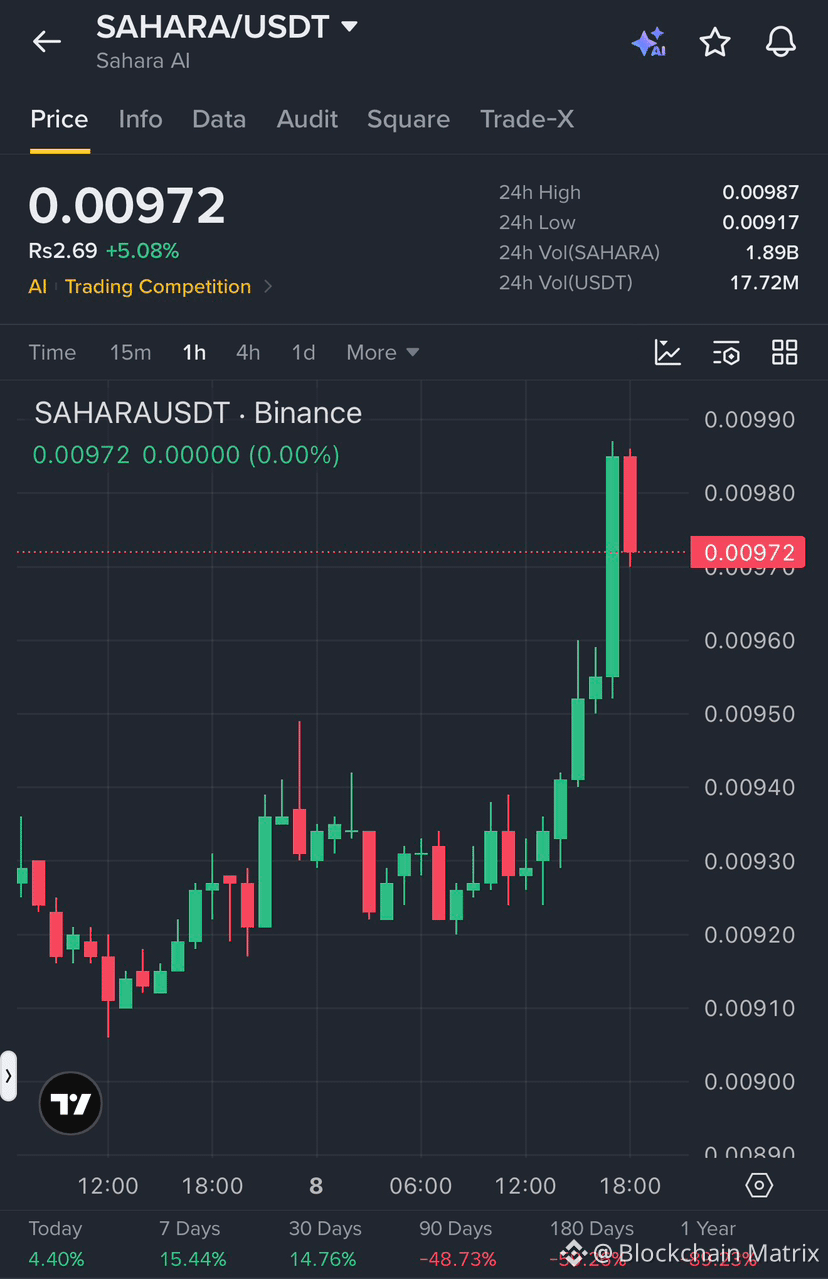
$SAHARA 強いブレイクアウトが起きましたが、現在は価格が$0.00985〜$0.00990のレジスタンス帯付近で拒否(リジェクト)されています。
ショートエントリー:$0.00970〜$0.00985
ストップロス:$0.00992
テイクプロフィット1:$0.00960
テイクプロフィット2:$0.00950
テイクプロフィット3:$0.00940
最終ターゲット:$0.00930
$SAHARA が$0.00985を取り戻せず、$0.00960を下回ってブレイクした場合、押し戻しは下方向のターゲットへ向かって加速する可能性があります。
価格が$0.00990を下回っている間、このショートのセットアップは有効です。
{spot}(SAHARAUSDT)
#MatrixFamily 注意深く聞いてください…
$SAHARA 強いブレイクアウトが起きましたが、現在は価格が$0.00985〜$0.00990のレジスタンス帯付近で拒否(リジェクト)されています。
ショートエントリー:$0.00970〜$0.00985
ストップロス:$0.00992
テイクプロフィット1:$0.00960
テイクプロフィット2:$0.00950
テイクプロフィット3:$0.00940
最終ターゲット:$0.00930
$SAHARA が$0.00985を取り戻せず、$0.00960を下回ってブレイクした場合、押し戻しは下方向のターゲットへ向かって加速する可能性があります。
価格が$0.00990を下回っている間、このショートのセットアップは有効です。
$SAHARA 強いブレイクアウトが起きましたが、現在は価格が$0.00985〜$0.00990のレジスタンス帯付近で拒否(リジェクト)されています。
ショートエントリー:$0.00970〜$0.00985
ストップロス:$0.00992
テイクプロフィット1:$0.00960
テイクプロフィット2:$0.00950
テイクプロフィット3:$0.00940
最終ターゲット:$0.00930
$SAHARA が$0.00985を取り戻せず、$0.00960を下回ってブレイクした場合、押し戻しは下方向のターゲットへ向かって加速する可能性があります。
価格が$0.00990を下回っている間、このショートのセットアップは有効です。
1
150
·
--
ブリッシュ
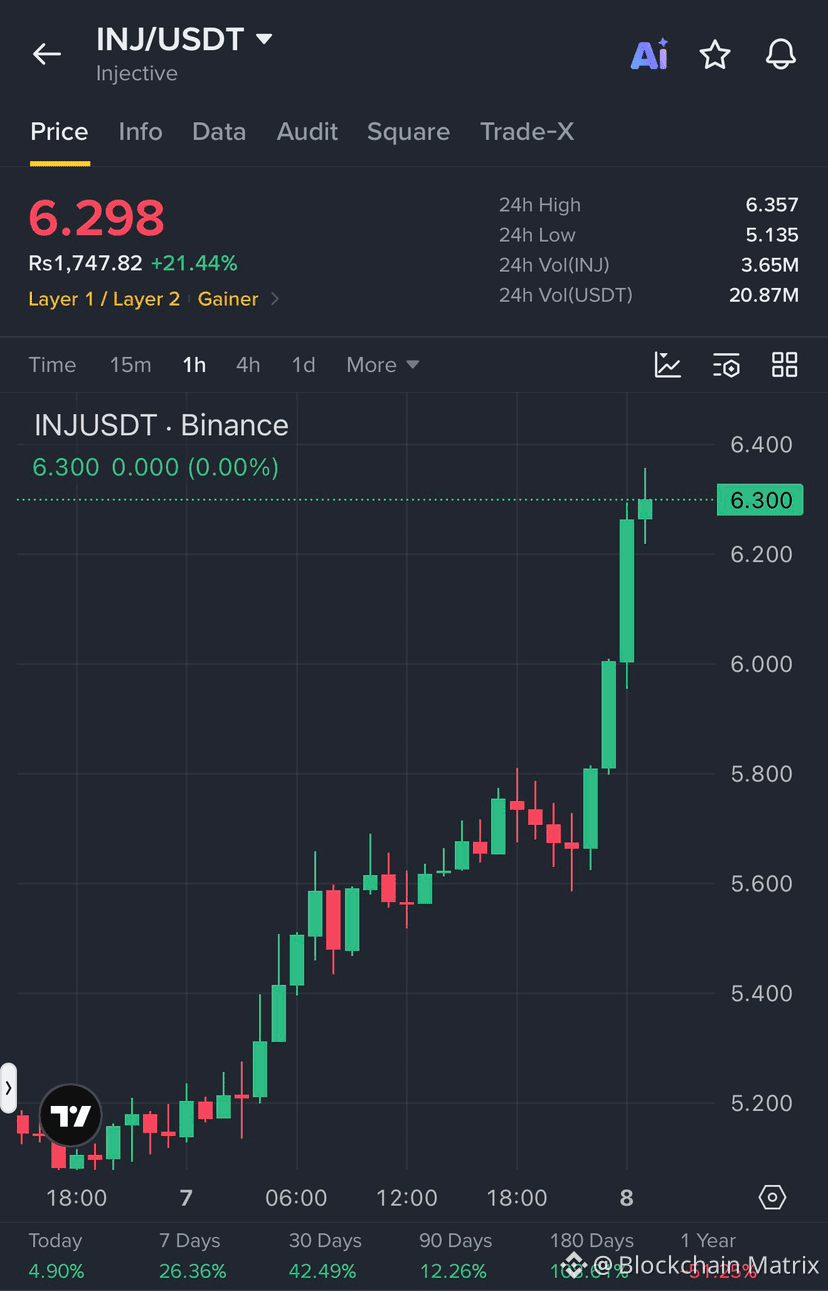
$INJ /USDT ロング トレード シグナル 🚀
6.00を上回る強い勢いと、連続したより高い高値による強気のブレイクアウトです。価格は6.30付近を維持しており、買い手の強さが継続していることを示しています。
📈 取引セットアップ
エントリー: 6.298
TP1: 6.450
TP2: 6.650
TP3: 6.850
SL: 6.080
価格が6.00を上回っている間は強気です。6.35を継続的に上抜けると、もう一段上方向への上昇局面が引き起こされる可能性があります。
#INJ #Crypto #LongSignal #Altcoins #Trading
$INJ /USDT ロング トレード シグナル 🚀
6.00を上回る強い勢いと、連続したより高い高値による強気のブレイクアウトです。価格は6.30付近を維持しており、買い手の強さが継続していることを示しています。
📈 取引セットアップ
エントリー: 6.298
TP1: 6.450
TP2: 6.650
TP3: 6.850
SL: 6.080
価格が6.00を上回っている間は強気です。6.35を継続的に上抜けると、もう一段上方向への上昇局面が引き起こされる可能性があります。
#INJ #Crypto #LongSignal #Altcoins #Trading
6.00を上回る強い勢いと、連続したより高い高値による強気のブレイクアウトです。価格は6.30付近を維持しており、買い手の強さが継続していることを示しています。
📈 取引セットアップ
エントリー: 6.298
TP1: 6.450
TP2: 6.650
TP3: 6.850
SL: 6.080
価格が6.00を上回っている間は強気です。6.35を継続的に上抜けると、もう一段上方向への上昇局面が引き起こされる可能性があります。
#INJ #Crypto #LongSignal #Altcoins #Trading
89
·
--
ブリッシュ
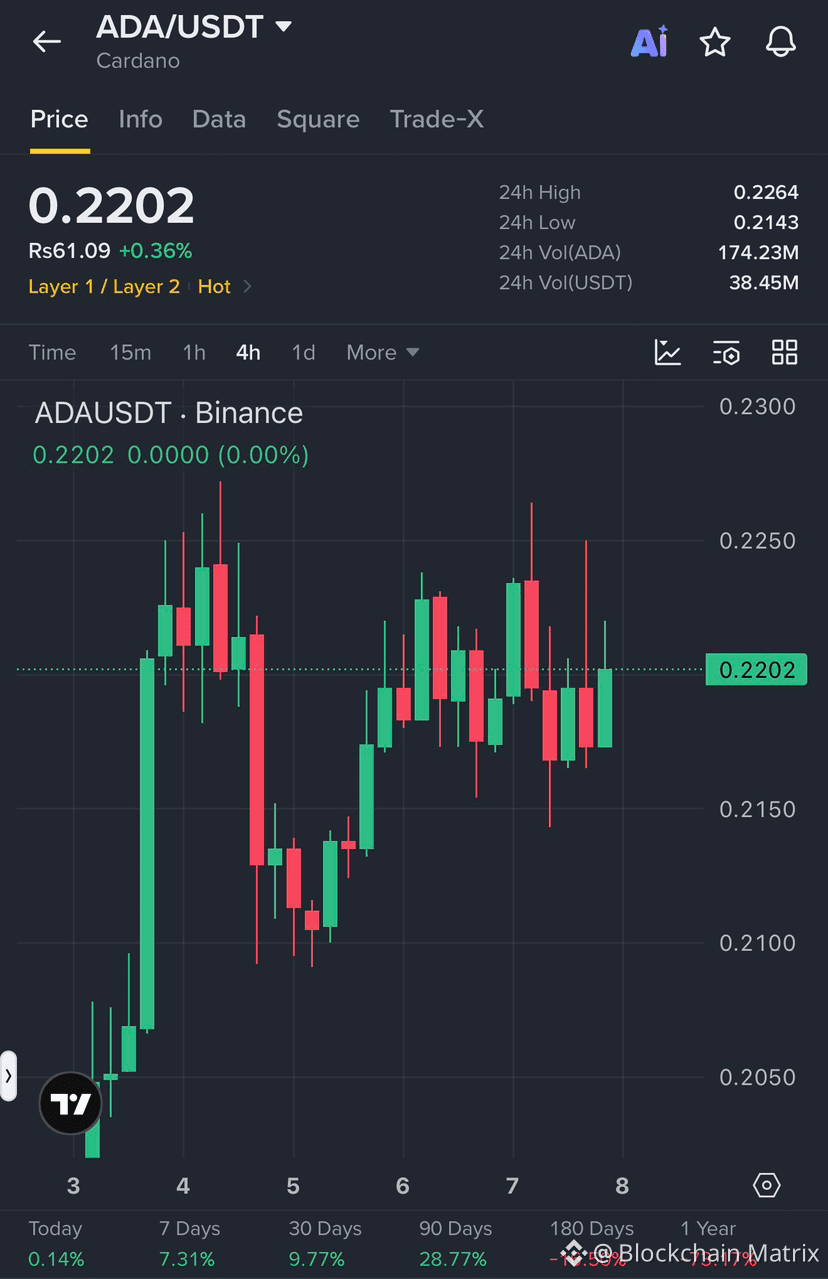
$ADA /USDT ロング・トレード・シグナル 🚀
$ADA は $0.216〜$0.218 のサポートゾーンを維持しており、買い手が直近の安値を防衛しています。$0.2205 を上回る継続的な値動きがあれば、価格は $0.225〜$0.230 のレジスタンス帯へ向かう可能性があります。
取引セットアップ:
🟢 エントリー: $0.2190〜$0.2205
🎯 TP1: $0.2235
🎯 TP2: $0.2260
🎯 TP3: $0.2300
🛑 SL: $0.2140
$0.2140 を下抜けると、強気のセットアップは無効となり、価格が $0.2100 へ向かう可能性があります。
#ADA #Cardano #Crypto #Trading #Altcoins
$ADA /USDT ロング・トレード・シグナル 🚀
$ADA は $0.216〜$0.218 のサポートゾーンを維持しており、買い手が直近の安値を防衛しています。$0.2205 を上回る継続的な値動きがあれば、価格は $0.225〜$0.230 のレジスタンス帯へ向かう可能性があります。
取引セットアップ:
🟢 エントリー: $0.2190〜$0.2205
🎯 TP1: $0.2235
🎯 TP2: $0.2260
🎯 TP3: $0.2300
🛑 SL: $0.2140
$0.2140 を下抜けると、強気のセットアップは無効となり、価格が $0.2100 へ向かう可能性があります。
#ADA #Cardano #Crypto #Trading #Altcoins
$ADA は $0.216〜$0.218 のサポートゾーンを維持しており、買い手が直近の安値を防衛しています。$0.2205 を上回る継続的な値動きがあれば、価格は $0.225〜$0.230 のレジスタンス帯へ向かう可能性があります。
取引セットアップ:
🟢 エントリー: $0.2190〜$0.2205
🎯 TP1: $0.2235
🎯 TP2: $0.2260
🎯 TP3: $0.2300
🛑 SL: $0.2140
$0.2140 を下抜けると、強気のセットアップは無効となり、価格が $0.2100 へ向かう可能性があります。
#ADA #Cardano #Crypto #Trading #Altcoins
52
·
--
ブリッシュ
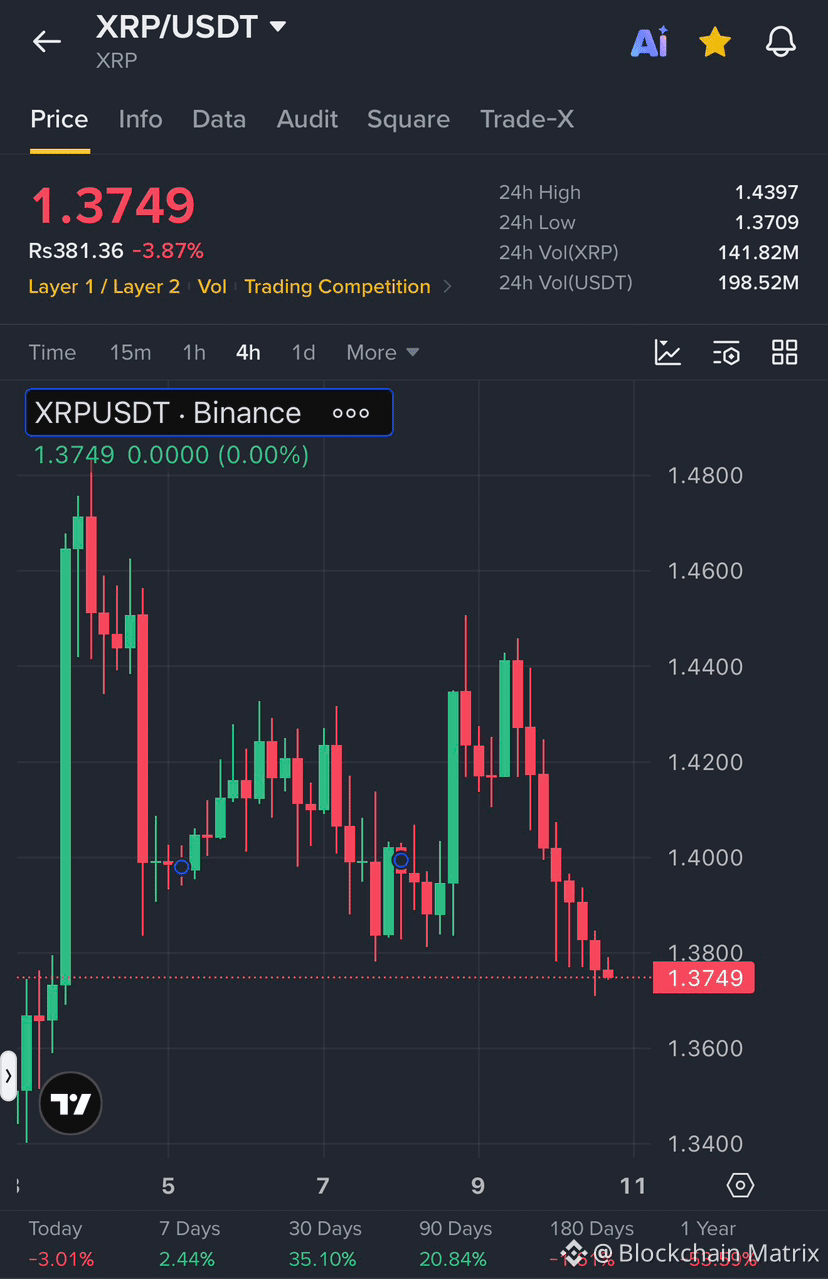
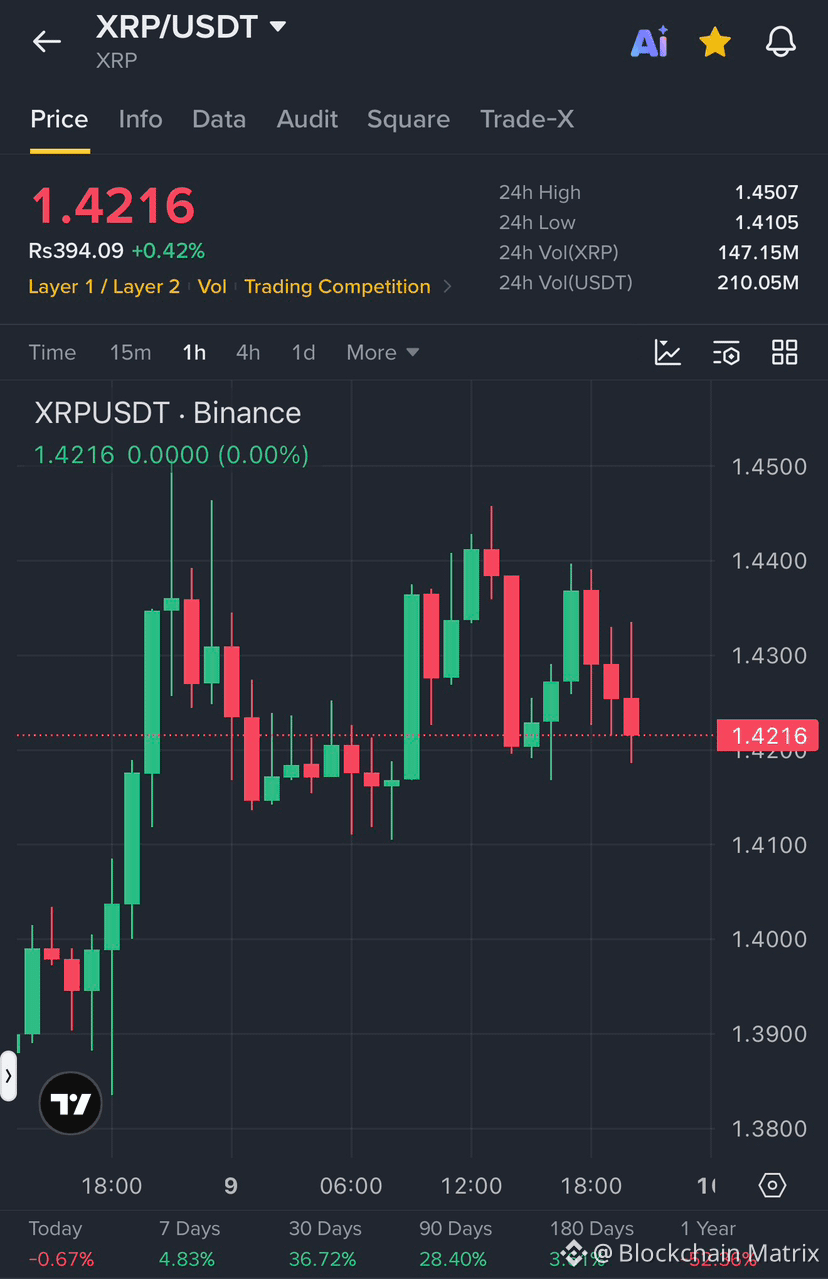
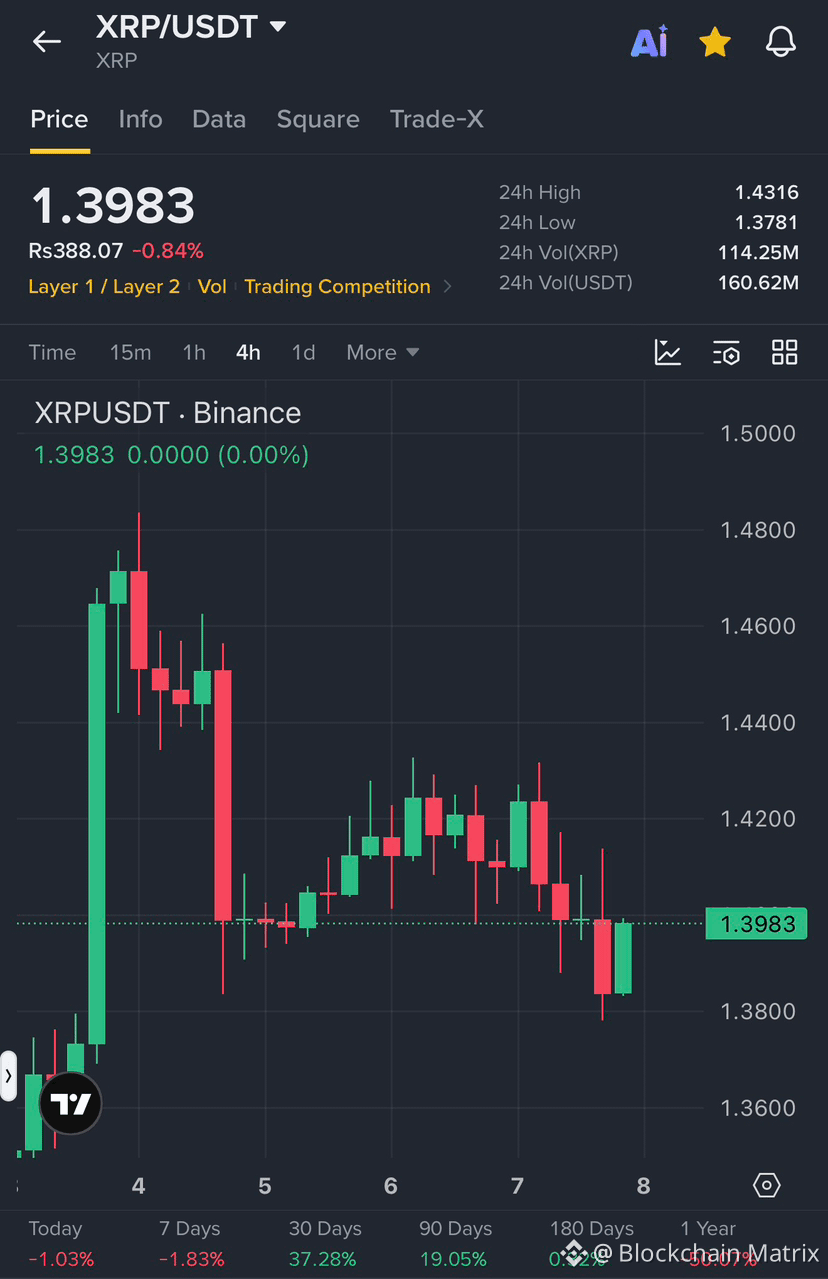
$XRP /USDT ロング取引シグナル 🚀
$XRP は1.38のサポートゾーンから跳ね返っており、強気の反転の可能性を示しています。1.39の上を維持できれば、価格は1.42のレジスタンスエリアへ向かう可能性があります。
📈 取引セットアップ
エントリー: 1.3983
TP1: 1.4200
TP2: 1.4400
TP3: 1.4600
SL: 1.3750
短期的には1.38の上で強気。1.42を上抜けると、上方向の動きが強まる可能性があります。
#XRP #Crypto #LongSignal #Altcoins #Trading
$XRP /USDT ロング取引シグナル 🚀
$XRP は1.38のサポートゾーンから跳ね返っており、強気の反転の可能性を示しています。1.39の上を維持できれば、価格は1.42のレジスタンスエリアへ向かう可能性があります。
📈 取引セットアップ
エントリー: 1.3983
TP1: 1.4200
TP2: 1.4400
TP3: 1.4600
SL: 1.3750
短期的には1.38の上で強気。1.42を上抜けると、上方向の動きが強まる可能性があります。
#XRP #Crypto #LongSignal #Altcoins #Trading
$XRP は1.38のサポートゾーンから跳ね返っており、強気の反転の可能性を示しています。1.39の上を維持できれば、価格は1.42のレジスタンスエリアへ向かう可能性があります。
📈 取引セットアップ
エントリー: 1.3983
TP1: 1.4200
TP2: 1.4400
TP3: 1.4600
SL: 1.3750
短期的には1.38の上で強気。1.42を上抜けると、上方向の動きが強まる可能性があります。
#XRP #Crypto #LongSignal #Altcoins #Trading
1
55
ログインして、さらにコンテンツを読む
厳選トピックで世界の暗号資産トレーダーの仲間入り
⚡️ 暗号資産に関する最新かつ有益な情報が見つかります。
💬 世界最大の暗号資産取引所から信頼されています。
👍 認証を受けたクリエイターから、有益なインサイトを得られます。
メール / 電話番号