

RS_SHANTO
5.7k 投稿
RS_SHANTO
報告
ユーザーをブロック
RS MARKET WATCH (All Articles) Insights Analysis Trade Setups X_@rsshantoBP-19FF87639D8B
取引を発注

BNBホルダー
超高頻度トレーダー
2.1年
122 フォロー
16.5K+ フォロワー
7.3K+ いいね
投稿
ポートフォリオ
すべて
引用
動画
ライブ
·
--
bPayは、Binance Squareから始まるBNB Smart Chainのプロジェクトです。
売りはシンプルです。Squareのアカウントを確認し、bPayについて公開で投稿すると、彼らがトークン取引の課税から資金提供されたBNBのタスク報酬を審査します。彼らが使っているスローガンは「Pay everyone」です。
私が見ている点:
ネットワーク:BNB Smart Chain
利用されているサイト:https://bpays.fun
サイトに記載されている税率:3% 買い / 3% 売り
完全なコントラクトアドレス(CA):
0xb13003bf44de426dd2a3aae3df9c3400de0a7777
私のコード:
BP-19FF87639D8B
これは投資助言ではありません。投稿は確実な支払いを保証するものではありません。やり取りする前に、コントラクト、サイト、そして任意のウォレットを自分自身で必ず確認してください。
#bPay #BNBChain #BinanceSquare
bPayは、Binance Squareから始まるBNB Smart Chainのプロジェクトです。
売りはシンプルです。Squareのアカウントを確認し、bPayについて公開で投稿すると、彼らがトークン取引の課税から資金提供されたBNBのタスク報酬を審査します。彼らが使っているスローガンは「Pay everyone」です。
私が見ている点:
ネットワーク:BNB Smart Chain
利用されているサイト:https://bpays.fun
サイトに記載されている税率:3% 買い / 3% 売り
完全なコントラクトアドレス(CA):
0xb13003bf44de426dd2a3aae3df9c3400de0a7777
私のコード:
BP-19FF87639D8B
これは投資助言ではありません。投稿は確実な支払いを保証するものではありません。やり取りする前に、コントラクト、サイト、そして任意のウォレットを自分自身で必ず確認してください。
#bPay #BNBChain #BinanceSquare
売りはシンプルです。Squareのアカウントを確認し、bPayについて公開で投稿すると、彼らがトークン取引の課税から資金提供されたBNBのタスク報酬を審査します。彼らが使っているスローガンは「Pay everyone」です。
私が見ている点:
ネットワーク:BNB Smart Chain
利用されているサイト:https://bpays.fun
サイトに記載されている税率:3% 買い / 3% 売り
完全なコントラクトアドレス(CA):
0xb13003bf44de426dd2a3aae3df9c3400de0a7777
私のコード:
BP-19FF87639D8B
これは投資助言ではありません。投稿は確実な支払いを保証するものではありません。やり取りする前に、コントラクト、サイト、そして任意のウォレットを自分自身で必ず確認してください。
#bPay #BNBChain #BinanceSquare
86
·
--
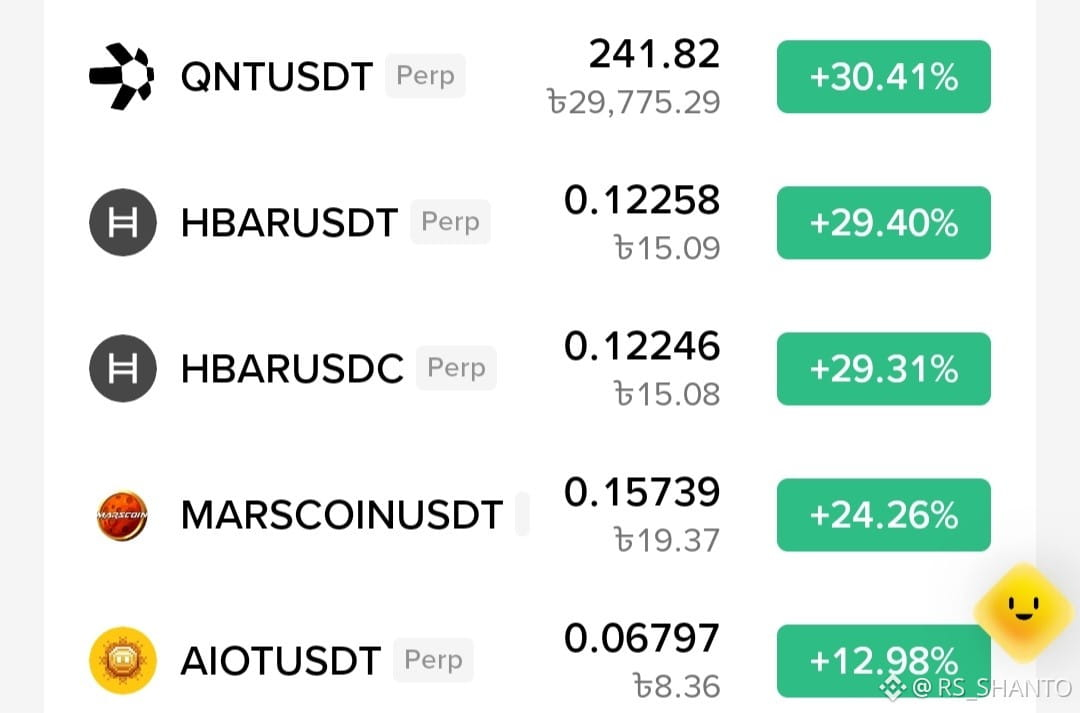
Binanceを2秒開いたら、画面が光り始めた🟢
QNT: +30%
HBAR: +29%
MARSCOINでさえ「今日は火星に行くぞ」って言ってるじゃん +24%
一方でAIOTは+13%で、さも当然みたいにのんびり入ってきて「置いてかれるのは嫌だったんだよね」って感じ。
これはバブル(ラリー)じゃない。
これはグループ課題で、なぜかみんなちゃんと提出したんだよね。😭📈
みんなのポートフォリオも、今日“課題を思い出した”みたいに目を覚ました?
$QNT $HBAR $MARSCOIN
{future}(MARSCOINUSDT)
{future}(HBARUSDT)
{future}(QNTUSDT)
#Crypto #Binance #Altseason
Binanceを2秒開いたら、画面が光り始めた🟢
QNT: +30%
HBAR: +29%
MARSCOINでさえ「今日は火星に行くぞ」って言ってるじゃん +24%
一方でAIOTは+13%で、さも当然みたいにのんびり入ってきて「置いてかれるのは嫌だったんだよね」って感じ。
これはバブル(ラリー)じゃない。
これはグループ課題で、なぜかみんなちゃんと提出したんだよね。😭📈
みんなのポートフォリオも、今日“課題を思い出した”みたいに目を覚ました?
$QNT $HBAR $MARSCOIN
#Crypto #Binance #Altseason
QNT: +30%
HBAR: +29%
MARSCOINでさえ「今日は火星に行くぞ」って言ってるじゃん +24%
一方でAIOTは+13%で、さも当然みたいにのんびり入ってきて「置いてかれるのは嫌だったんだよね」って感じ。
これはバブル(ラリー)じゃない。
これはグループ課題で、なぜかみんなちゃんと提出したんだよね。😭📈
みんなのポートフォリオも、今日“課題を思い出した”みたいに目を覚ました?
$QNT $HBAR $MARSCOIN
#Crypto #Binance #Altseason
396
·
--
市場は全面安。でもこのボードは違う。
ミーム銘柄は下落。
パンプ系も下落。
それでも、緑をつけているパーペチュアル銘柄がいくつかある。
目立っているのはTAKE。
0.095。プラス61。
SAGAがまた戻ってきた。0.051。プラス36。
このティッカー、リストから消えない。
その後は少し落ち着く。
NIL、プラス23。
FIGHT、プラス19。
RAYSOL、プラス18。
市場のほかの銘柄が下落する中で、これらだけが上がり続けているなら、新たなシーズンの始まりではなく、たいていは流動性が薄いだけ。
プラス60のTAKEを今から追いかけるつもりはない。
押し目のSAGAだけは、注目してもいいと思う。
赤いカテゴリーの下落が続けば、この緑もあっという間に消えるかもしれない。
投資助言ではありません。ポジションは小さく。
$TAKE $NIL $RAYSOL
{future}(RAYSOLUSDT)
{future}(NILUSDT)
{future}(TAKEUSDT)
このボード、どう動く?
市場は全面安。でもこのボードは違う。
ミーム銘柄は下落。
パンプ系も下落。
それでも、緑をつけているパーペチュアル銘柄がいくつかある。
目立っているのはTAKE。
0.095。プラス61。
SAGAがまた戻ってきた。0.051。プラス36。
このティッカー、リストから消えない。
その後は少し落ち着く。
NIL、プラス23。
FIGHT、プラス19。
RAYSOL、プラス18。
市場のほかの銘柄が下落する中で、これらだけが上がり続けているなら、新たなシーズンの始まりではなく、たいていは流動性が薄いだけ。
プラス60のTAKEを今から追いかけるつもりはない。
押し目のSAGAだけは、注目してもいいと思う。
赤いカテゴリーの下落が続けば、この緑もあっという間に消えるかもしれない。
投資助言ではありません。ポジションは小さく。
$TAKE $NIL $RAYSOL
このボード、どう動く?
ミーム銘柄は下落。
パンプ系も下落。
それでも、緑をつけているパーペチュアル銘柄がいくつかある。
目立っているのはTAKE。
0.095。プラス61。
SAGAがまた戻ってきた。0.051。プラス36。
このティッカー、リストから消えない。
その後は少し落ち着く。
NIL、プラス23。
FIGHT、プラス19。
RAYSOL、プラス18。
市場のほかの銘柄が下落する中で、これらだけが上がり続けているなら、新たなシーズンの始まりではなく、たいていは流動性が薄いだけ。
プラス60のTAKEを今から追いかけるつもりはない。
押し目のSAGAだけは、注目してもいいと思う。
赤いカテゴリーの下落が続けば、この緑もあっという間に消えるかもしれない。
投資助言ではありません。ポジションは小さく。
$TAKE $NIL $RAYSOL
このボード、どう動く?
Wait for a pullback
35%
Ride $TAKE from here
40%
Fade $TAKE / $SAGA
10%
Watch $SAGA on a dip
15%
20 投票 • 投票は終了しました
941
·
--
同じ映画。新しいロウソク。
AKE がトップへ戻る。
0.038。プラス85。
これは死にそうで死なない。
そのすぐ後ろに G。プラス76。
そして、もう分かっている名前たち。
BR もまだ続行。0.96。プラス43。
F プラス42。
STRK プラス40。
AKE と BR がボードを何度も刷り直しているなら、それはもう新しい発想ではない。
それはフォローの動き。あるいは遅れて入る資金。
プラス85 は買わない。
最初の赤い時間を誰が握っているか見たい。
STRK は最初の2つよりピエロっぽくない。
でもまだ追いかけではない。
NFA。サイズ小。
(個人的な意見として、3つのトークンなら撃てると思う。$G $F $STRK
{future}(STRKUSDT)
{future}(FUSDT)
{future}(GUSDT)
このボードでの手は何?)
同じ映画。新しいロウソク。
AKE がトップへ戻る。
0.038。プラス85。
これは死にそうで死なない。
そのすぐ後ろに G。プラス76。
そして、もう分かっている名前たち。
BR もまだ続行。0.96。プラス43。
F プラス42。
STRK プラス40。
AKE と BR がボードを何度も刷り直しているなら、それはもう新しい発想ではない。
それはフォローの動き。あるいは遅れて入る資金。
プラス85 は買わない。
最初の赤い時間を誰が握っているか見たい。
STRK は最初の2つよりピエロっぽくない。
でもまだ追いかけではない。
NFA。サイズ小。
(個人的な意見として、3つのトークンなら撃てると思う。$G $F $STRK
このボードでの手は何?)
AKE がトップへ戻る。
0.038。プラス85。
これは死にそうで死なない。
そのすぐ後ろに G。プラス76。
そして、もう分かっている名前たち。
BR もまだ続行。0.96。プラス43。
F プラス42。
STRK プラス40。
AKE と BR がボードを何度も刷り直しているなら、それはもう新しい発想ではない。
それはフォローの動き。あるいは遅れて入る資金。
プラス85 は買わない。
最初の赤い時間を誰が握っているか見たい。
STRK は最初の2つよりピエロっぽくない。
でもまだ追いかけではない。
NFA。サイズ小。
(個人的な意見として、3つのトークンなら撃てると思う。$G $F $STRK
このボードでの手は何?)
Wait for a pullback
33%
Ride $AKE from here
17%
Fade $AKE and $BR
13%
Watch $STRK / $F
37%
30 投票 • 投票は終了しました
2
4.8k
·
--
テープが2本。1日。AVAとONEの両方が怒って目覚めた。
ONEは、ハーモニーがL1をサンセットさせてトークンをイーサリアムへ移行する計画を実行した後に目覚めた。8月のミント悪用の後、この出来事は「生きるか死ぬか」のイベントとして市場に扱われた。価格は0.0006ドル台半ばから0.0011〜0.0013ドルのゾーンへ急騰し、出来高が爆発した。静かな蓄積ではない。これはスクイーズ+ヘッドライン取引だ。RSIはすでに過熱気味。この上昇は移行ヘッドラインで走り続ける可能性はあるが、エアドロップの詳細に失望したり、単に利益確定するだけで、1セッションで全部返すこともあり得る。
AVAは別物だ。トラベラは実際の旅行プロダクトで、ロイヤルティ/ステーキングのループ、バイバック、そして新しめのAI予約というナラティブがある。価格は出来高の急増とともに0.15ドル台半ばから0.25〜0.28ドルへ跳ね上がった。ONEと同じく買われ過ぎっぽさはあるが、「また注目を浴びたユーティリティトークン」という、よりクリアな“感触”がある。
同じ取引だと言っているわけではない。ONEはイベント主導で荒い。AVAは実使用が下にあるミッドキャップのバウンス寄り。どちらも、24時間のうちに「後から入るロング」と「鋭いショート」が同時に引き寄せられるタイプのローソク足を出した。
トレードのセットアップ(助言ではない/小さめのサイズで。外したら高リスクのゴミみたいな銘柄になる):
ONE
バイアス:短期は押し目ロングのみ。追いかけない
注目ゾーン:0.00090〜0.00100ドル
無効化/ストップ:0.00063ドル未満を明確に割ってホールド(今日のパニック安値ゾーン)
目標:まず0.00140ドル、移行の話題が熱いままなら0.00185ドル
このスパイク後に0.00090ドルを維持できなければ、今回の動きは単なるスクイーズだっただけかもしれない。思い入れで抱きかかえるな。
AVA
バイアス:押し目買い。FOMOで青い(上昇)ローソク足に飛びつかない
注目ゾーン:0.18〜0.21ドル
無効化/ストップ:日足終値で0.155ドルを再度下回る
目標:0.30ドル、出来高が本物のままなら次は0.38ドル
最初の押しが入ったときに0.20ドルのあたりを維持できないなら、これはただの1日限りの観光客ポンプだっただけ。
現実でのやり方:この熱狂の後に最初の“見たくない赤いローソク足”を待って、それから小さくスターターを入れる。寄付したい気持ちがあるなら別だが、レバレッジは不要。実際のカタリストがないと、そしてどちらもウィックで買った人はちゃんと罰する。
DYOR。NFA
$AVA $ONE
{future}(ONEUSDT)
{spot}(AVAUSDT)
テープが2本。1日。AVAとONEの両方が怒って目覚めた。
ONEは、ハーモニーがL1をサンセットさせてトークンをイーサリアムへ移行する計画を実行した後に目覚めた。8月のミント悪用の後、この出来事は「生きるか死ぬか」のイベントとして市場に扱われた。価格は0.0006ドル台半ばから0.0011〜0.0013ドルのゾーンへ急騰し、出来高が爆発した。静かな蓄積ではない。これはスクイーズ+ヘッドライン取引だ。RSIはすでに過熱気味。この上昇は移行ヘッドラインで走り続ける可能性はあるが、エアドロップの詳細に失望したり、単に利益確定するだけで、1セッションで全部返すこともあり得る。
AVAは別物だ。トラベラは実際の旅行プロダクトで、ロイヤルティ/ステーキングのループ、バイバック、そして新しめのAI予約というナラティブがある。価格は出来高の急増とともに0.15ドル台半ばから0.25〜0.28ドルへ跳ね上がった。ONEと同じく買われ過ぎっぽさはあるが、「また注目を浴びたユーティリティトークン」という、よりクリアな“感触”がある。
同じ取引だと言っているわけではない。ONEはイベント主導で荒い。AVAは実使用が下にあるミッドキャップのバウンス寄り。どちらも、24時間のうちに「後から入るロング」と「鋭いショート」が同時に引き寄せられるタイプのローソク足を出した。
トレードのセットアップ(助言ではない/小さめのサイズで。外したら高リスクのゴミみたいな銘柄になる):
ONE
バイアス:短期は押し目ロングのみ。追いかけない
注目ゾーン:0.00090〜0.00100ドル
無効化/ストップ:0.00063ドル未満を明確に割ってホールド(今日のパニック安値ゾーン)
目標:まず0.00140ドル、移行の話題が熱いままなら0.00185ドル
このスパイク後に0.00090ドルを維持できなければ、今回の動きは単なるスクイーズだっただけかもしれない。思い入れで抱きかかえるな。
AVA
バイアス:押し目買い。FOMOで青い(上昇)ローソク足に飛びつかない
注目ゾーン:0.18〜0.21ドル
無効化/ストップ:日足終値で0.155ドルを再度下回る
目標:0.30ドル、出来高が本物のままなら次は0.38ドル
最初の押しが入ったときに0.20ドルのあたりを維持できないなら、これはただの1日限りの観光客ポンプだっただけ。
現実でのやり方:この熱狂の後に最初の“見たくない赤いローソク足”を待って、それから小さくスターターを入れる。寄付したい気持ちがあるなら別だが、レバレッジは不要。実際のカタリストがないと、そしてどちらもウィックで買った人はちゃんと罰する。
DYOR。NFA
$AVA $ONE
ONEは、ハーモニーがL1をサンセットさせてトークンをイーサリアムへ移行する計画を実行した後に目覚めた。8月のミント悪用の後、この出来事は「生きるか死ぬか」のイベントとして市場に扱われた。価格は0.0006ドル台半ばから0.0011〜0.0013ドルのゾーンへ急騰し、出来高が爆発した。静かな蓄積ではない。これはスクイーズ+ヘッドライン取引だ。RSIはすでに過熱気味。この上昇は移行ヘッドラインで走り続ける可能性はあるが、エアドロップの詳細に失望したり、単に利益確定するだけで、1セッションで全部返すこともあり得る。
AVAは別物だ。トラベラは実際の旅行プロダクトで、ロイヤルティ/ステーキングのループ、バイバック、そして新しめのAI予約というナラティブがある。価格は出来高の急増とともに0.15ドル台半ばから0.25〜0.28ドルへ跳ね上がった。ONEと同じく買われ過ぎっぽさはあるが、「また注目を浴びたユーティリティトークン」という、よりクリアな“感触”がある。
同じ取引だと言っているわけではない。ONEはイベント主導で荒い。AVAは実使用が下にあるミッドキャップのバウンス寄り。どちらも、24時間のうちに「後から入るロング」と「鋭いショート」が同時に引き寄せられるタイプのローソク足を出した。
トレードのセットアップ(助言ではない/小さめのサイズで。外したら高リスクのゴミみたいな銘柄になる):
ONE
バイアス:短期は押し目ロングのみ。追いかけない
注目ゾーン:0.00090〜0.00100ドル
無効化/ストップ:0.00063ドル未満を明確に割ってホールド(今日のパニック安値ゾーン)
目標:まず0.00140ドル、移行の話題が熱いままなら0.00185ドル
このスパイク後に0.00090ドルを維持できなければ、今回の動きは単なるスクイーズだっただけかもしれない。思い入れで抱きかかえるな。
AVA
バイアス:押し目買い。FOMOで青い(上昇)ローソク足に飛びつかない
注目ゾーン:0.18〜0.21ドル
無効化/ストップ:日足終値で0.155ドルを再度下回る
目標:0.30ドル、出来高が本物のままなら次は0.38ドル
最初の押しが入ったときに0.20ドルのあたりを維持できないなら、これはただの1日限りの観光客ポンプだっただけ。
現実でのやり方:この熱狂の後に最初の“見たくない赤いローソク足”を待って、それから小さくスターターを入れる。寄付したい気持ちがあるなら別だが、レバレッジは不要。実際のカタリストがないと、そしてどちらもウィックで買った人はちゃんと罰する。
DYOR。NFA
$AVA $ONE
1
296
·
--
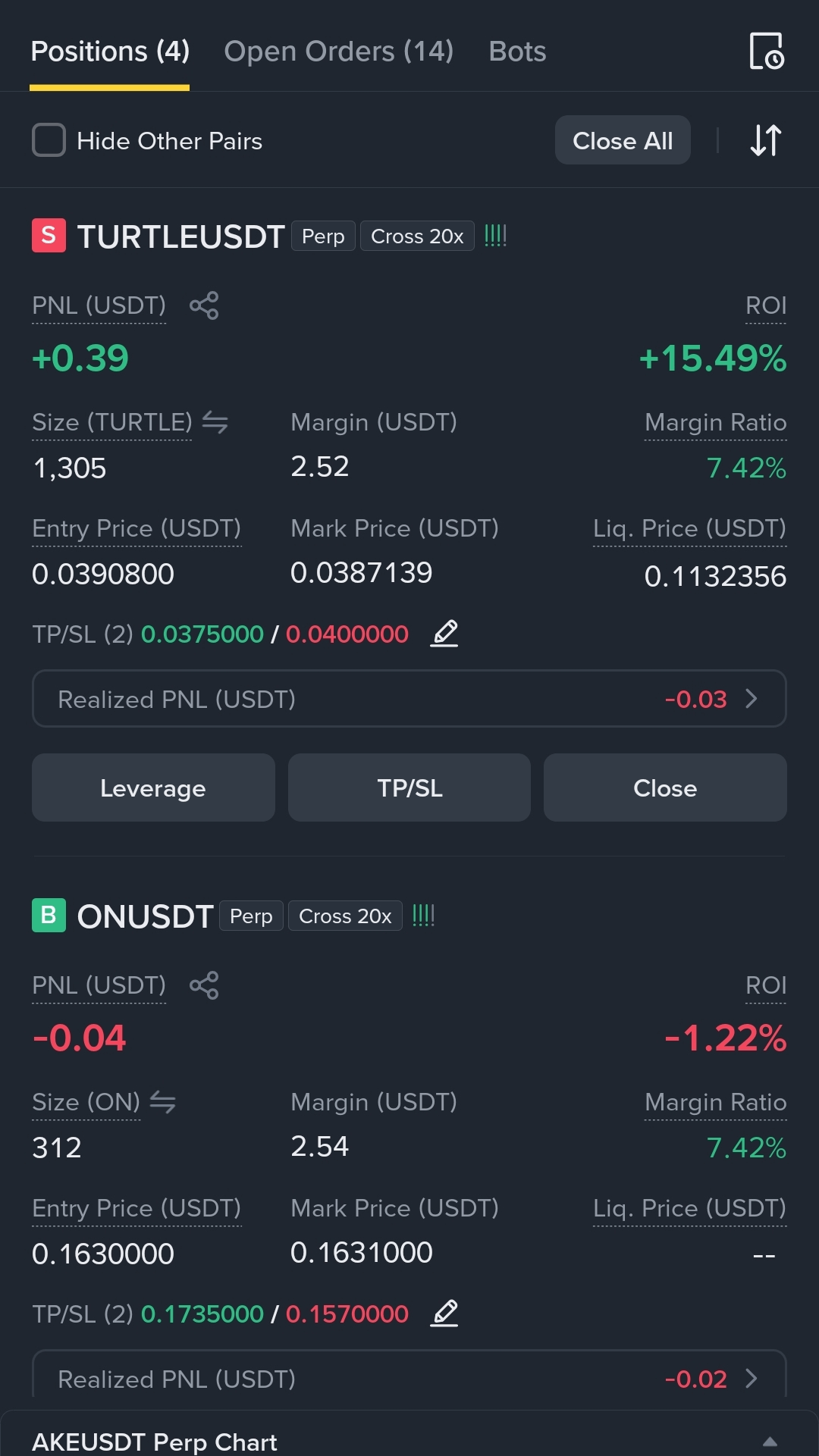
他の2人の姉妹は夜に投稿しなかったし、私は投稿を見なかったから、あまり取引する気分じゃなかったんだ 🤣 @Rasul_Likhy @btc_fahmi
@ridhi_sharma0318 たとえあなたのシグナルに基づいて2、3回取引したとしてもね。姉妹よ、残りの分はまだ入力されてないよ;それらは指値注文を入れておいた。
嘘だと思わないで、姉妹 🤣🤗 私は大きな取引をするよ。
$TURTLE $ON
{future}(ONUSDT)
{future}(TURTLEUSDT)
他の2人の姉妹は夜に投稿しなかったし、私は投稿を見なかったから、あまり取引する気分じゃなかったんだ 🤣 @Aesthetic_Meow @BTC_Fahmi
@Ridhi Sharma たとえあなたのシグナルに基づいて2、3回取引したとしてもね。姉妹よ、残りの分はまだ入力されてないよ;それらは指値注文を入れておいた。
嘘だと思わないで、姉妹 🤣🤗 私は大きな取引をするよ。
$TURTLE $ON
@Ridhi Sharma たとえあなたのシグナルに基づいて2、3回取引したとしてもね。姉妹よ、残りの分はまだ入力されてないよ;それらは指値注文を入れておいた。
嘘だと思わないで、姉妹 🤣🤗 私は大きな取引をするよ。
$TURTLE $ON
16
2
568
ログインして、さらにコンテンツを読む
厳選トピックで世界の暗号資産トレーダーの仲間入り
⚡️ 暗号資産に関する最新かつ有益な情報が見つかります。
💬 世界最大の暗号資産取引所から信頼されています。
👍 認証を受けたクリエイターから、有益なインサイトを得られます。
メール / 電話番号
トレンドトピック
FedMinutesFocusOnOctoberPause
閲覧回数 66,373
851人が討論中
最新の米連邦準備制度理事会(FRB)の会合議事録が厳しく注視されており、市場は10月の利上げ休止の可能性を示す手がかりを必死に探しています。この注目は、FRBの政策が暗号資産市場に大きな影響を及ぼすことを浮き彫りにしています。金利の上昇は、流動性やデジタル通貨のようなリスクの高い資産に対する投資家の意欲を低下させることが多いためです。トレーダーやアナリストは、市場心理や主要な暗号資産の価格変動に影響を与えうるシグナルを探して、あらゆる言葉を細かく分析しています。参加者が正式な発表に先んじてポジションを調整するなか、発表への期待そのものが相場の変動性を高めています。
免責事項:これは投資助言ではありません。必ずご自身で調査を行ってください。
#FedMinutesFocusOnOctoberPause $BTC $ETH
Luong Nguyen Ba
·いいね:1件
·閲覧回数 4k
BinanceLaunchesBinanceIntelligence
閲覧回数 1M
6,124人が討論中
EvernorthDelaysNasdaqDebutToOct12
閲覧回数 3,208
154人が討論中