
The Market Updates
6.6k 投稿

The Market Updates
報告
ユーザーをブロック
Crypto Trader Since 2007.
5 フォロー
12.2K+ フォロワー
19.2K+ いいね
投稿
すべて
引用
動画
翻訳参照
BREAKING: 🇺🇸 Senate Democrats meet tonight to write a counterproposal to the Crypto Clarity Act.
The vote is in less than 24 hours.
BREAKING: 🇺🇸 Senate Democrats meet tonight to write a counterproposal to the Crypto Clarity Act.
The vote is in less than 24 hours.
The vote is in less than 24 hours.
35
翻訳参照
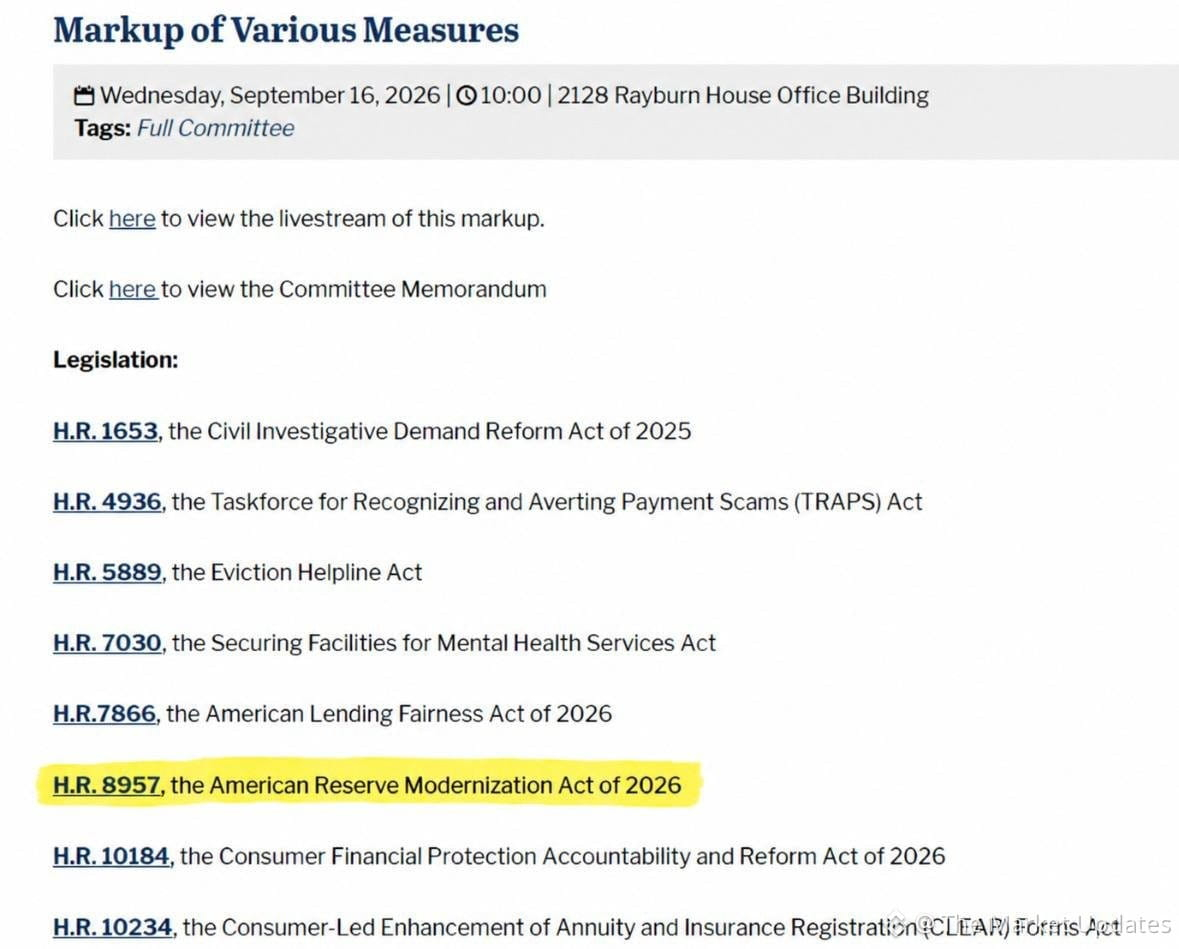
BREAKING: 🇺🇸 House Financial Services Committee will vote on the Strategic Bitcoin Reserve Bill this Wednesday at 10am ET.
This week's keeps getting more important for the crypto holders.
BREAKING: 🇺🇸 House Financial Services Committee will vote on the Strategic Bitcoin Reserve Bill this Wednesday at 10am ET.
This week's keeps getting more important for the crypto holders.
This week's keeps getting more important for the crypto holders.
40
翻訳参照
THE NEXT 24 HOURS COULD DEFINE THE FUTURE OF CRYPTO
The Senate votes on the CLARITY Act on Tuesday, September 15 at 2:15 PM ET.
Here's what you need to know:
1. It would create clear federal rules for crypto and give the CFTC more power over digital assets.
2. It needs 60 votes just to move forward. This isn't the final vote.
3. Republicans hold 53 seats, so they need at least 7 Democrats to cross over.
4. As of Friday, they were still short, with talks going all weekend.
5. Sen. Lummis added over 120 provisions Democrats asked for to win their support.
6. A new "circuit breaker" lets regulators step in if stablecoins drain community banks.
7. President Trump agreed to most of the ethics rules, including forcing officials to sell crypto or use a blind trust.
8. The House already passed its version 294-134 in July 2025.
9. If it passes, the bill moves to a final vote, then needs identical approval from both chambers before reaching President Trump.
10. If it fails, it's not dead, but with midterms coming, time is running out.
Tuesday could be the most important day for crypto regulation in history.
THE NEXT 24 HOURS COULD DEFINE THE FUTURE OF CRYPTO
The Senate votes on the CLARITY Act on Tuesday, September 15 at 2:15 PM ET.
Here's what you need to know:
1. It would create clear federal rules for crypto and give the CFTC more power over digital assets.
2. It needs 60 votes just to move forward. This isn't the final vote.
3. Republicans hold 53 seats, so they need at least 7 Democrats to cross over.
4. As of Friday, they were still short, with talks going all weekend.
5. Sen. Lummis added over 120 provisions Democrats asked for to win their support.
6. A new "circuit breaker" lets regulators step in if stablecoins drain community banks.
7. President Trump agreed to most of the ethics rules, including forcing officials to sell crypto or use a blind trust.
8. The House already passed its version 294-134 in July 2025.
9. If it passes, the bill moves to a final vote, then needs identical approval from both chambers before reaching President Trump.
10. If it fails, it's not dead, but with midterms coming, time is running out.
Tuesday could be the most important day for crypto regulation in history.
The Senate votes on the CLARITY Act on Tuesday, September 15 at 2:15 PM ET.
Here's what you need to know:
1. It would create clear federal rules for crypto and give the CFTC more power over digital assets.
2. It needs 60 votes just to move forward. This isn't the final vote.
3. Republicans hold 53 seats, so they need at least 7 Democrats to cross over.
4. As of Friday, they were still short, with talks going all weekend.
5. Sen. Lummis added over 120 provisions Democrats asked for to win their support.
6. A new "circuit breaker" lets regulators step in if stablecoins drain community banks.
7. President Trump agreed to most of the ethics rules, including forcing officials to sell crypto or use a blind trust.
8. The House already passed its version 294-134 in July 2025.
9. If it passes, the bill moves to a final vote, then needs identical approval from both chambers before reaching President Trump.
10. If it fails, it's not dead, but with midterms coming, time is running out.
Tuesday could be the most important day for crypto regulation in history.
35
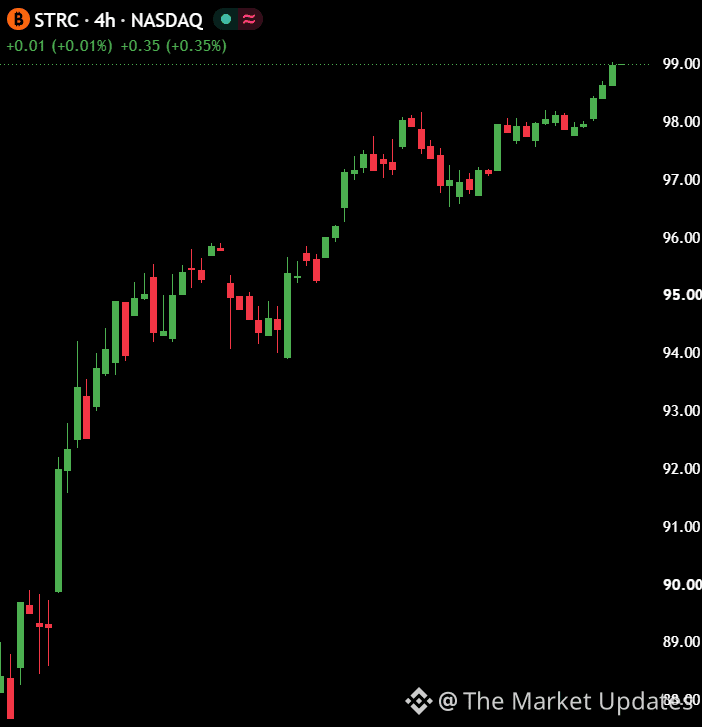
🔥強気:
$STRCが2026年5月以来初めて$99に到達しました。
$100を取り返したら、Strategyはビットコインを買い始めます。
🔥強気:
$STRCが2026年5月以来初めて$99に到達しました。
$100を取り返したら、Strategyはビットコインを買い始めます。
$STRCが2026年5月以来初めて$99に到達しました。
$100を取り返したら、Strategyはビットコインを買い始めます。
1.7k
翻訳参照
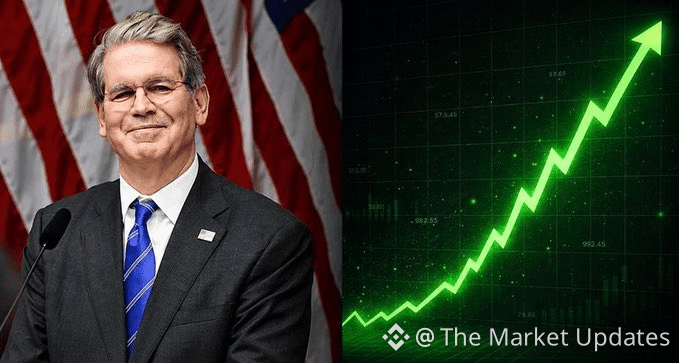
BREAKING: 🇺🇸 Treasury Secretary Scott Bessent says CLARITY is essential for America to dominate crypto.
LET’S GET IT DONE TOMORROW.
BREAKING: 🇺🇸 Treasury Secretary Scott Bessent says CLARITY is essential for America to dominate crypto.
LET’S GET IT DONE TOMORROW.
LET’S GET IT DONE TOMORROW.
30
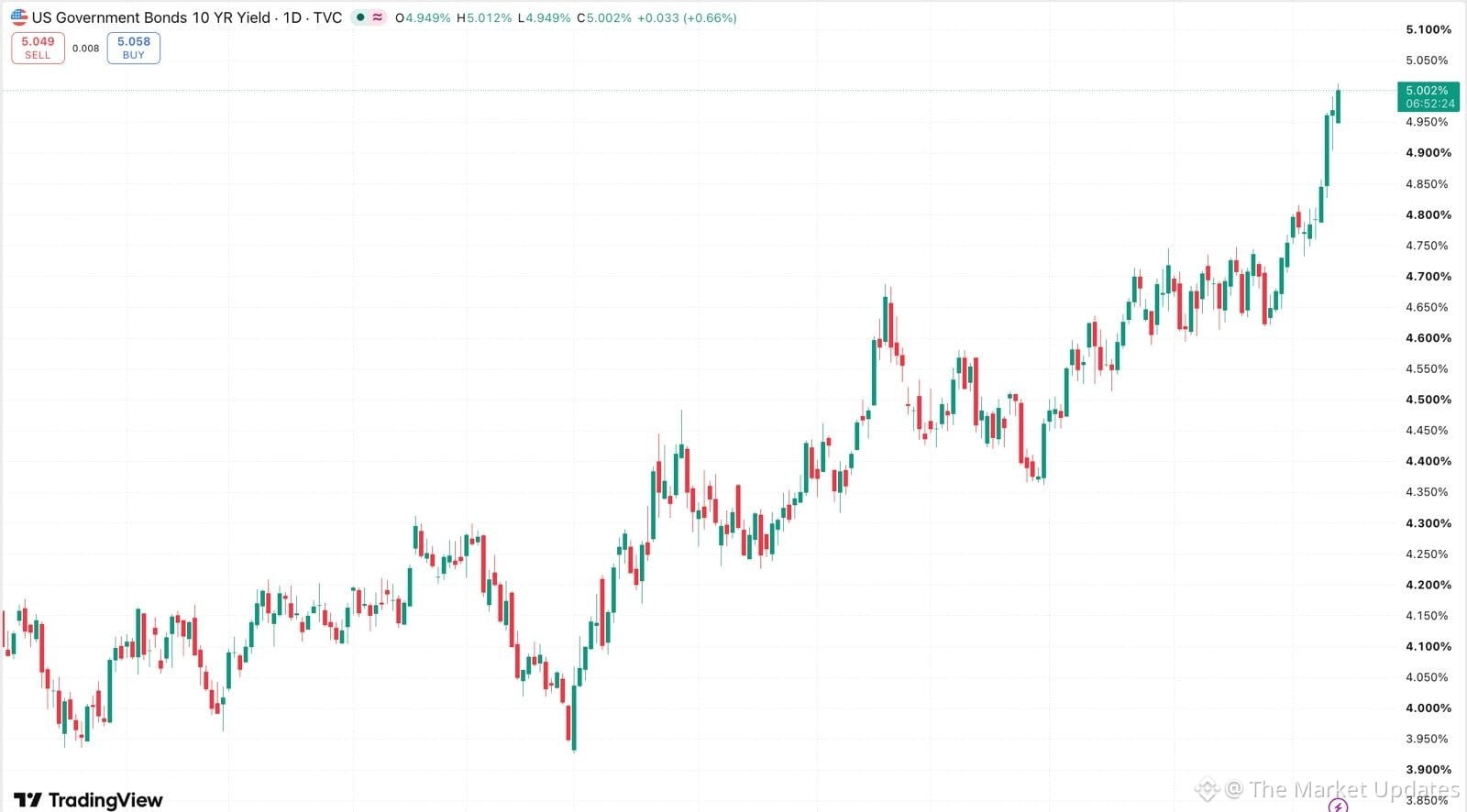
🇺🇸 10年米国債が2023年10月以来初めて5%を突破し、その後アメリカの住宅ローン金利も7%超まで追随しました。
これは住宅価格、借り換え、そして政治的な頭痛の種を決める金利です。要するに、30年ローンのコストがそれらとともに上がった、ということです。
理由:8月のインフレが熱いこと、ホルムズ海峡と紅海からの高い原油価格、重い国債の供給、そして市場が今週のFRBの追加利上げを織り込み始めていること(会合は水曜日に終了)。
FRBは住宅ローン金利を直接は決めません。主にその役割を担っているのは10年物です。
10年債の5%は心理的な節目であり法律ではありませんが、米国がここ約3年で見た最高の長期金利水準です。
🇺🇸 10年米国債が2023年10月以来初めて5%を突破し、その後アメリカの住宅ローン金利も7%超まで追随しました。
これは住宅価格、借り換え、そして政治的な頭痛の種を決める金利です。要するに、30年ローンのコストがそれらとともに上がった、ということです。
理由:8月のインフレが熱いこと、ホルムズ海峡と紅海からの高い原油価格、重い国債の供給、そして市場が今週のFRBの追加利上げを織り込み始めていること(会合は水曜日に終了)。
FRBは住宅ローン金利を直接は決めません。主にその役割を担っているのは10年物です。
10年債の5%は心理的な節目であり法律ではありませんが、米国がここ約3年で見た最高の長期金利水準です。
これは住宅価格、借り換え、そして政治的な頭痛の種を決める金利です。要するに、30年ローンのコストがそれらとともに上がった、ということです。
理由:8月のインフレが熱いこと、ホルムズ海峡と紅海からの高い原油価格、重い国債の供給、そして市場が今週のFRBの追加利上げを織り込み始めていること(会合は水曜日に終了)。
FRBは住宅ローン金利を直接は決めません。主にその役割を担っているのは10年物です。
10年債の5%は心理的な節目であり法律ではありませんが、米国がここ約3年で見た最高の長期金利水準です。
194
翻訳参照
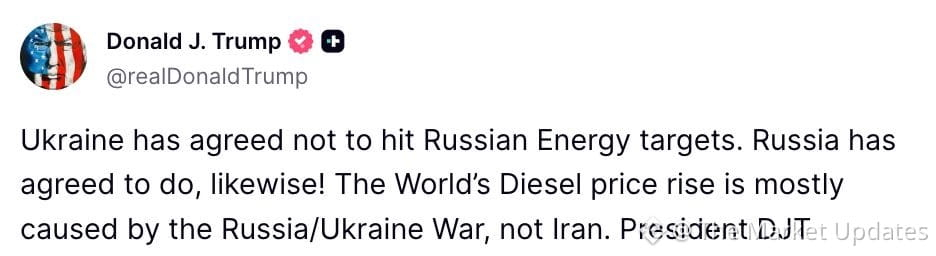
🇺🇸🇷🇺🇺🇦 Trump says Ukraine and Russia have agreed to stop hitting each other’s energy infrastructure.
He also blames the diesel surge “mostly” on the Russia-Ukraine war, not Iran.
If Russian refinery damage and export disruptions ease, diesel should respond fast. If it doesn’t, Hormuz and the Red Sea are doing more of the work than Trump says.
🇺🇸🇷🇺🇺🇦 Trump says Ukraine and Russia have agreed to stop hitting each other’s energy infrastructure.
He also blames the diesel surge “mostly” on the Russia-Ukraine war, not Iran.
If Russian refinery damage and export disruptions ease, diesel should respond fast. If it doesn’t, Hormuz and the Red Sea are doing more of the work than Trump says.
He also blames the diesel surge “mostly” on the Russia-Ukraine war, not Iran.
If Russian refinery damage and export disruptions ease, diesel should respond fast. If it doesn’t, Hormuz and the Red Sea are doing more of the work than Trump says.
43
翻訳参照
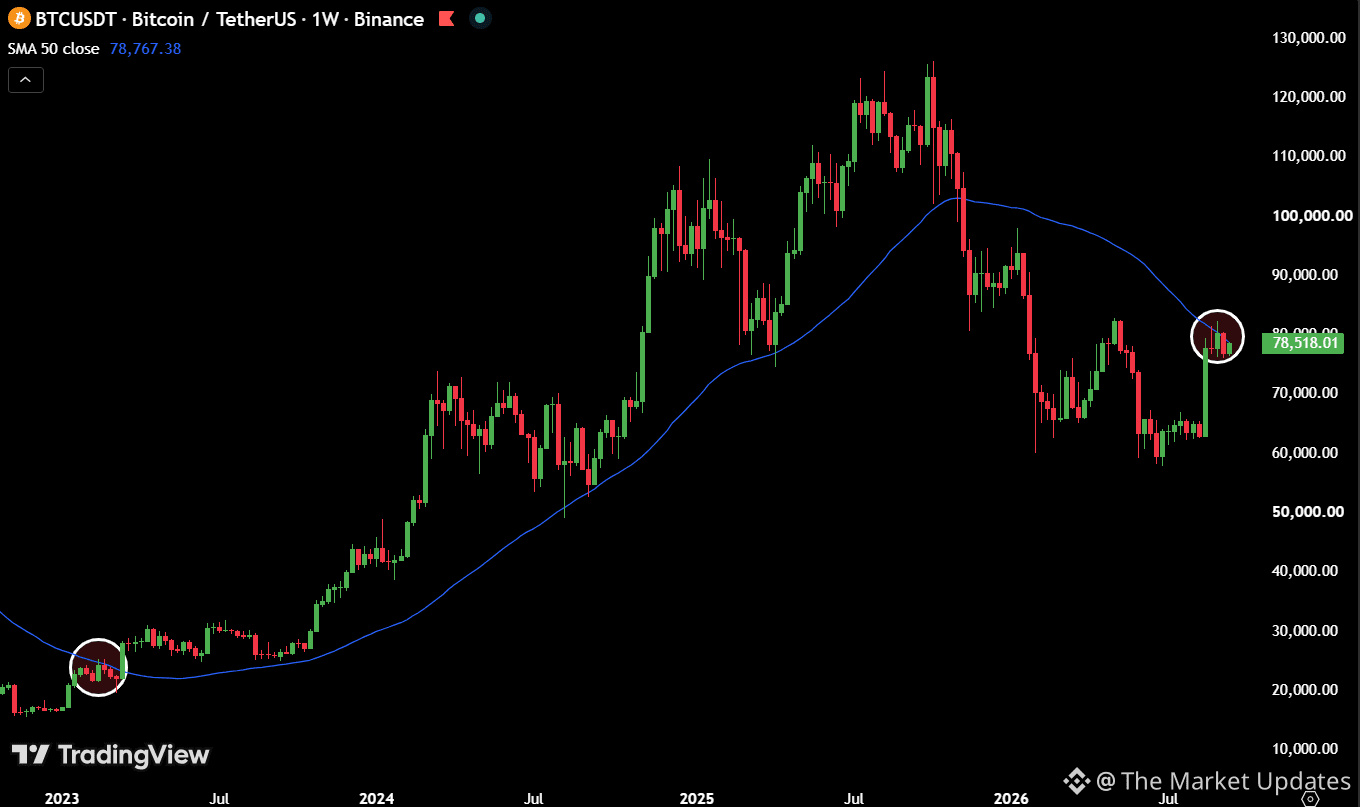
Once $BTC breaks above 50W MA, the real bull run will start.
Once $BTC breaks above 50W MA, the real bull run will start.
109
翻訳参照
This week… 🤔
Scenario 1:
Clarity Act ✅
Fed Holds Rates ✅
Bitcoin -> $100K
Scenario 2:
Clarity Act ✅
Fed Holds Rates ❌
Bitcoin -> $90K
Scenario 3:
Clarity Act ❌
Fed Holds Rates ✅
Bitcoin -> $80K
Scenario 4:
Clarity Act ❌
Fed Holds Rates ❌
Bitcoin -> $70K
This week… 🤔
Scenario 1:
Clarity Act ✅
Fed Holds Rates ✅
Bitcoin -> $100K
Scenario 2:
Clarity Act ✅
Fed Holds Rates ❌
Bitcoin -> $90K
Scenario 3:
Clarity Act ❌
Fed Holds Rates ✅
Bitcoin -> $80K
Scenario 4:
Clarity Act ❌
Fed Holds Rates ❌
Bitcoin -> $70K
Scenario 1:
Clarity Act ✅
Fed Holds Rates ✅
Bitcoin -> $100K
Scenario 2:
Clarity Act ✅
Fed Holds Rates ❌
Bitcoin -> $90K
Scenario 3:
Clarity Act ❌
Fed Holds Rates ✅
Bitcoin -> $80K
Scenario 4:
Clarity Act ❌
Fed Holds Rates ❌
Bitcoin -> $70K
58
確認済み
🚨🇺🇸🇸🇦 サウジアラビアの重要な東西パイプラインが、金曜のドローン攻撃を受けてSHUT(停止)されたままのため、世界的な供給ショックへの懸念が一段と強まっています。
• 被害:世界の石油供給の4%が突然リスクにさらされる。修復見積もりは数日から6週間まで幅。
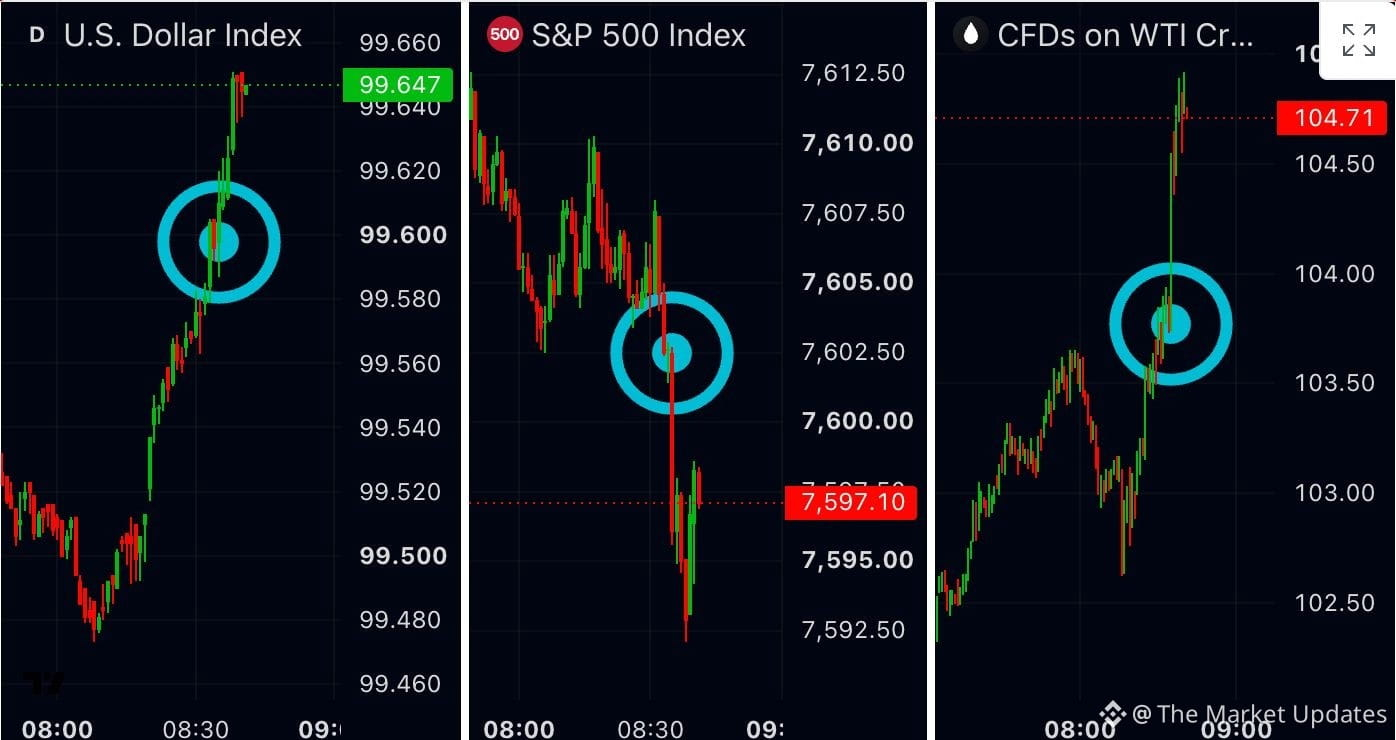
• 市場反応:WTIが$104をテスト、ブレントは$108を超えて急騰。
• マクロへの波及:S&P 500が下落する中、ドルが堅調に推移。
ホルムズ海峡がすでに滞っている状況で、世界のエネルギー逼迫は一気に加速しました…
出典:Financial Juice
🚨🇺🇸🇸🇦 サウジアラビアの重要な東西パイプラインが、金曜のドローン攻撃を受けてSHUT(停止)されたままのため、世界的な供給ショックへの懸念が一段と強まっています。
• 被害:世界の石油供給の4%が突然リスクにさらされる。修復見積もりは数日から6週間まで幅。
• 市場反応:WTIが$104をテスト、ブレントは$108を超えて急騰。
• マクロへの波及:S&P 500が下落する中、ドルが堅調に推移。
ホルムズ海峡がすでに滞っている状況で、世界のエネルギー逼迫は一気に加速しました…
出典:Financial Juice
• 被害:世界の石油供給の4%が突然リスクにさらされる。修復見積もりは数日から6週間まで幅。
• 市場反応:WTIが$104をテスト、ブレントは$108を超えて急騰。
• マクロへの波及:S&P 500が下落する中、ドルが堅調に推移。
ホルムズ海峡がすでに滞っている状況で、世界のエネルギー逼迫は一気に加速しました…
出典:Financial Juice
1
625
翻訳参照
BREAKING: 🇺🇸 Senator Lummis says it’s “now or never” for the CLARITY Act.
CLARITY. MUST. PASS. TOMORROW.
BREAKING: 🇺🇸 Senator Lummis says it’s “now or never” for the CLARITY Act.
CLARITY. MUST. PASS. TOMORROW.
CLARITY. MUST. PASS. TOMORROW.
89
翻訳参照
🚨JUST IN:
Tom Lee's BitMine bought $68 million worth of $ETH.
BitMine has now bought ETH for 63 consecutive weeks.
🚨JUST IN:
Tom Lee's BitMine bought $68 million worth of $ETH.
BitMine has now bought ETH for 63 consecutive weeks.
Tom Lee's BitMine bought $68 million worth of $ETH.
BitMine has now bought ETH for 63 consecutive weeks.
64
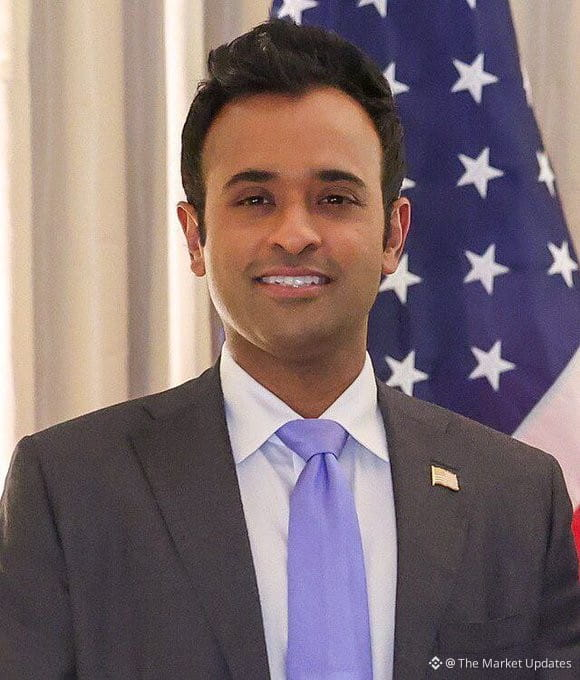
緊急速報:🇺🇸 ビベック・ラマスワミの「Strive」は先週、3,600万ドル相当のビットコインを購入した。
現在、保有額は19.4億ドル相当の25,000 BTCだ。
緊急速報:🇺🇸 ビベック・ラマスワミの「Strive」は先週、3,600万ドル相当のビットコインを購入した。
現在、保有額は19.4億ドル相当の25,000 BTCだ。
現在、保有額は19.4億ドル相当の25,000 BTCだ。
100
翻訳参照
BREAKING: 🇦🇪 Avalanche will power the UAE’s national digital identity infrastructure, used by 12 Million+ people through UAE PASS.
This is massive for crypto adoption.
BREAKING: 🇦🇪 Avalanche will power the UAE’s national digital identity infrastructure, used by 12 Million+ people through UAE PASS.
This is massive for crypto adoption.
This is massive for crypto adoption.
100
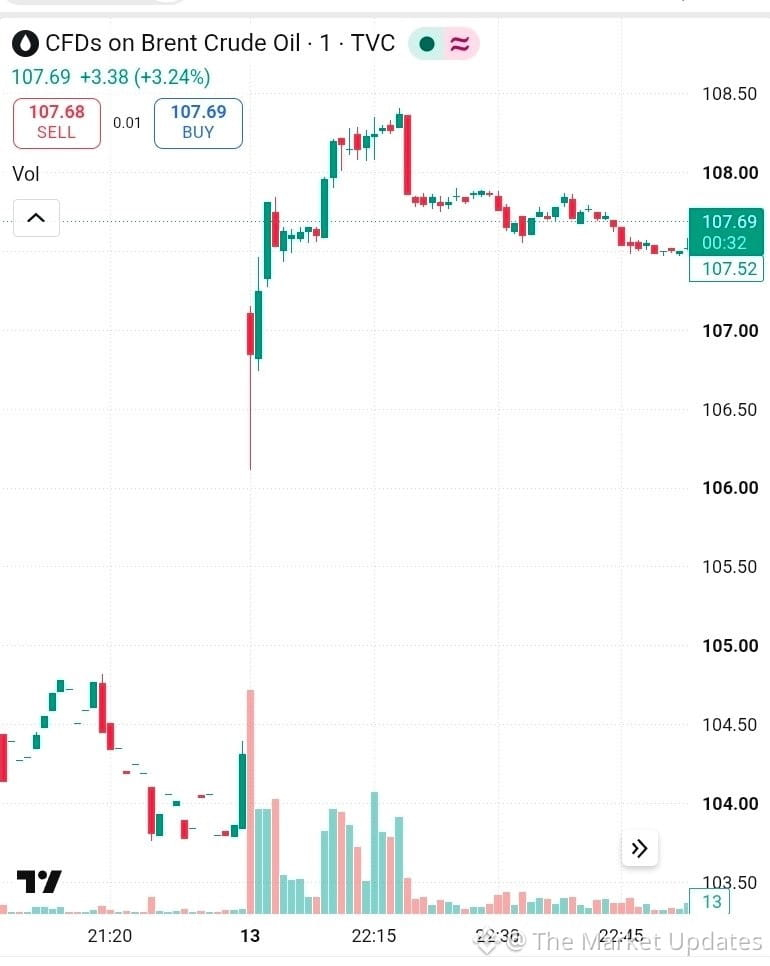
🚨 ブレントがちょうど4ドル高く始まった。
今回は見出しの急騰(スパイク)ではない。週末の再評価だ。
金曜: 約104ドル
日曜の寄り付き: 約108ドル
市場は、ヤンブーの爆発、東西パイプラインの停止、さらにそこに備蓄されている原油がカバーできるのはせいぜい5〜7日で、修理には数週間かかりうるという報道を、2日間で消化する時間があった。
同時に、湾岸諸国はオマーンでイランと協議し、暫定的なホルムズ合意(取り決め)について話している。
原油トレーダーは外交を見た。備蓄の計算も見た。そして備蓄の計算を選んだ。
いま大きな問題は金利だ。
生産者物価: 5.4%。
ディーゼル: 約6ドル/ガロン。
30年物米国債: 5.36%。
6か月前は戦争物語だった。
今は金融政策の物語になっている。ミサイルが飛び交う中で。
出所: ロイター、CME FedWatch
🚨 ブレントがちょうど4ドル高く始まった。
今回は見出しの急騰(スパイク)ではない。週末の再評価だ。
金曜: 約104ドル
日曜の寄り付き: 約108ドル
市場は、ヤンブーの爆発、東西パイプラインの停止、さらにそこに備蓄されている原油がカバーできるのはせいぜい5〜7日で、修理には数週間かかりうるという報道を、2日間で消化する時間があった。
同時に、湾岸諸国はオマーンでイランと協議し、暫定的なホルムズ合意(取り決め)について話している。
原油トレーダーは外交を見た。備蓄の計算も見た。そして備蓄の計算を選んだ。
いま大きな問題は金利だ。
生産者物価: 5.4%。
ディーゼル: 約6ドル/ガロン。
30年物米国債: 5.36%。
6か月前は戦争物語だった。
今は金融政策の物語になっている。ミサイルが飛び交う中で。
出所: ロイター、CME FedWatch
今回は見出しの急騰(スパイク)ではない。週末の再評価だ。
金曜: 約104ドル
日曜の寄り付き: 約108ドル
市場は、ヤンブーの爆発、東西パイプラインの停止、さらにそこに備蓄されている原油がカバーできるのはせいぜい5〜7日で、修理には数週間かかりうるという報道を、2日間で消化する時間があった。
同時に、湾岸諸国はオマーンでイランと協議し、暫定的なホルムズ合意(取り決め)について話している。
原油トレーダーは外交を見た。備蓄の計算も見た。そして備蓄の計算を選んだ。
いま大きな問題は金利だ。
生産者物価: 5.4%。
ディーゼル: 約6ドル/ガロン。
30年物米国債: 5.36%。
6か月前は戦争物語だった。
今は金融政策の物語になっている。ミサイルが飛び交う中で。
出所: ロイター、CME FedWatch
327
確認済み
緊急: 🇺🇸 9000億ドル Bernstein氏は、新たな倫理規定が「Crypto CLARITY Act(暗号資産の明確化法)」に対する民主党の支持を確保するのに十分かもしれないと述べました。
また同氏は「ポジティブなサプライズは、確実に織り込まれていない」とも語っています。
緊急: 🇺🇸 9000億ドル Bernstein氏は、新たな倫理規定が「Crypto CLARITY Act(暗号資産の明確化法)」に対する民主党の支持を確保するのに十分かもしれないと述べました。
また同氏は「ポジティブなサプライズは、確実に織り込まれていない」とも語っています。
また同氏は「ポジティブなサプライズは、確実に織り込まれていない」とも語っています。
407
今週は、今年暗号資産にとって最大の注目週です。
火曜日:
- 🇺🇸 暗号資産の明確化法(Crypto Clarity Act)に関する上院での採決。
水曜日:
- 🇺🇸 FOMC 利上げ(政策金利)決定。市場では利上げの確率が86%と織り込まれています。
- FRB議長ケヴィン・ウォーシュの記者会見。
金曜日:
- 🇯🇵 日銀の利上げ(政策金利)決定。
市場の高いボラティリティ(変動性)に備えてください。
今週は、今年暗号資産にとって最大の注目週です。
火曜日:
- 🇺🇸 暗号資産の明確化法(Crypto Clarity Act)に関する上院での採決。
水曜日:
- 🇺🇸 FOMC 利上げ(政策金利)決定。市場では利上げの確率が86%と織り込まれています。
- FRB議長ケヴィン・ウォーシュの記者会見。
金曜日:
- 🇯🇵 日銀の利上げ(政策金利)決定。
市場の高いボラティリティ(変動性)に備えてください。
火曜日:
- 🇺🇸 暗号資産の明確化法(Crypto Clarity Act)に関する上院での採決。
水曜日:
- 🇺🇸 FOMC 利上げ(政策金利)決定。市場では利上げの確率が86%と織り込まれています。
- FRB議長ケヴィン・ウォーシュの記者会見。
金曜日:
- 🇯🇵 日銀の利上げ(政策金利)決定。
市場の高いボラティリティ(変動性)に備えてください。
1
1.1k
·
--
ブリッシュ
翻訳参照
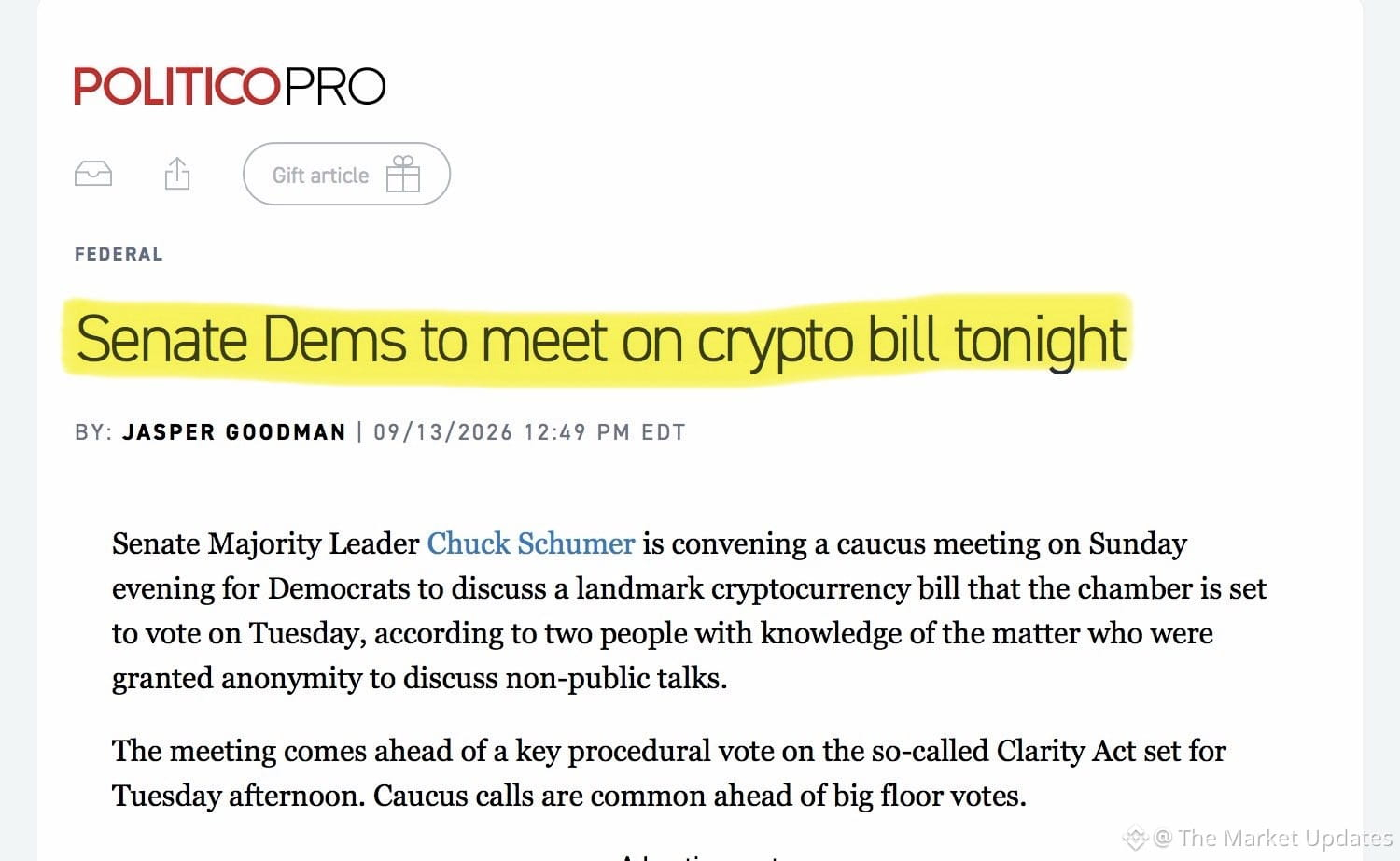
BREAKING: 🇺🇸 Senate Democrats will meet tonight to discuss the Crypto Clarity Act.
It is finally happening!!
BREAKING: 🇺🇸 Senate Democrats will meet tonight to discuss the Crypto Clarity Act.
It is finally happening!!
It is finally happening!!
91
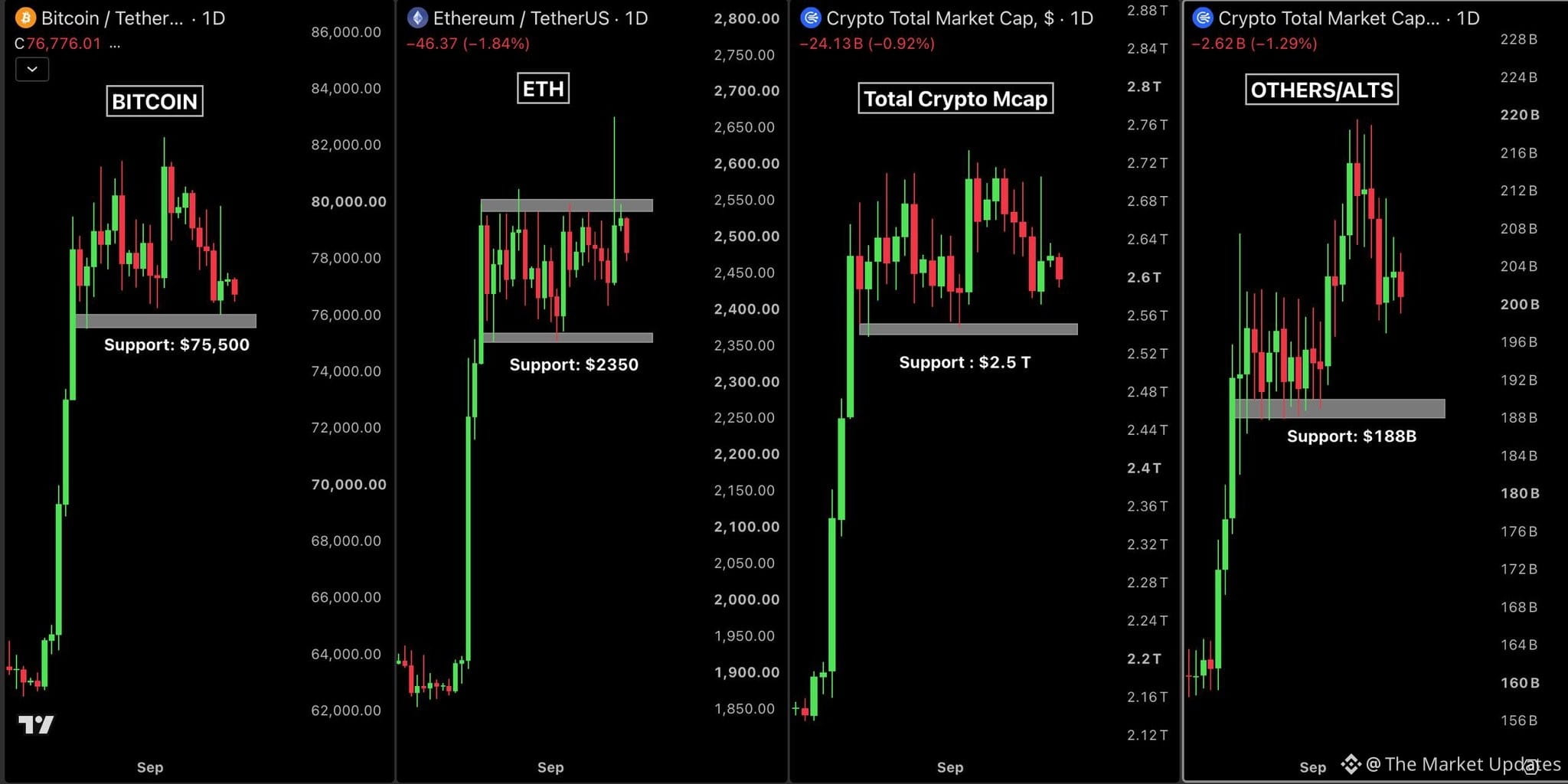
熱いCPI、熱いPPI、そして利上げ確率87%にもかかわらず、仮想通貨市場はレンジで取引されています。
強気の勢いを続けるために、これらのサポート水準を維持する必要があります。
ビットコイン:$75,500
ETH:$2,350
市場全体の時価総額:$2.5兆
アルトコイン市場:$1880億
熱いCPI、熱いPPI、そして利上げ確率87%にもかかわらず、仮想通貨市場はレンジで取引されています。
強気の勢いを続けるために、これらのサポート水準を維持する必要があります。
ビットコイン:$75,500
ETH:$2,350
市場全体の時価総額:$2.5兆
アルトコイン市場:$1880億
強気の勢いを続けるために、これらのサポート水準を維持する必要があります。
ビットコイン:$75,500
ETH:$2,350
市場全体の時価総額:$2.5兆
アルトコイン市場:$1880億
110
翻訳参照
Next week will be Huge for Crypto.
🇺🇸 President Trump met with advisers on Friday to review ethics language for the Clarity Act.
Sept 15 - Senate votes on Clarity Act.
Sept 16 - House Ways and Means Committee will hold a crypto tax markup, per Bloomberg.
Next week will be Huge for Crypto.
🇺🇸 President Trump met with advisers on Friday to review ethics language for the Clarity Act.
Sept 15 - Senate votes on Clarity Act.
Sept 16 - House Ways and Means Committee will hold a crypto tax markup, per Bloomberg.
🇺🇸 President Trump met with advisers on Friday to review ethics language for the Clarity Act.
Sept 15 - Senate votes on Clarity Act.
Sept 16 - House Ways and Means Committee will hold a crypto tax markup, per Bloomberg.
111
ログインして、さらにコンテンツを読む
厳選トピックで世界の暗号資産トレーダーの仲間入り
⚡️ 暗号資産に関する最新かつ有益な情報が見つかります。
💬 世界最大の暗号資産取引所から信頼されています。
👍 認証を受けたクリエイターから、有益なインサイトを得られます。
メール / 電話番号
トレンドトピック
BitcoinReboundsTo$79K
閲覧回数 3,764
65人が討論中
🚨 $BTC はさらに上昇しようとしています。
ビットコインは約 $78,804 で取引されており、先ほど $78K の水準を回復したことでおよそ 1.9% 上昇しています。次に注目すべきは、日中の高値である約 $78,905 です。
その水準を明確に上抜けると、$79K〜$80K へ向かう道が開ける可能性があります。もしBTCが跳ね返される場合、サポートは $78,300 あたりにあり、その次は $77,975 です。
強気筋には勢いがありますが、BTC は $78K を上回って維持する必要があります。
#Bitcoin #BTC #CryptoTrading #CryptoMarket #CryptoAnalysis
PulseON
·いいね:5件
·閲覧回数 4.8k
FedHikeOddsRiseTo89%
閲覧回数 58,955
928人が討論中
RLUSDSupplyHitsRecord$2.442B
閲覧回数 3,033
54人が討論中