

Crypto Ritz
2.5k 投稿

Crypto Ritz
報告
ユーザーをブロック
17 フォロー
284 フォロワー
1.7K+ いいね
投稿
すべて
引用
PINNED
·
--
#tetherfreezesusdtlinkedtoledgertheft
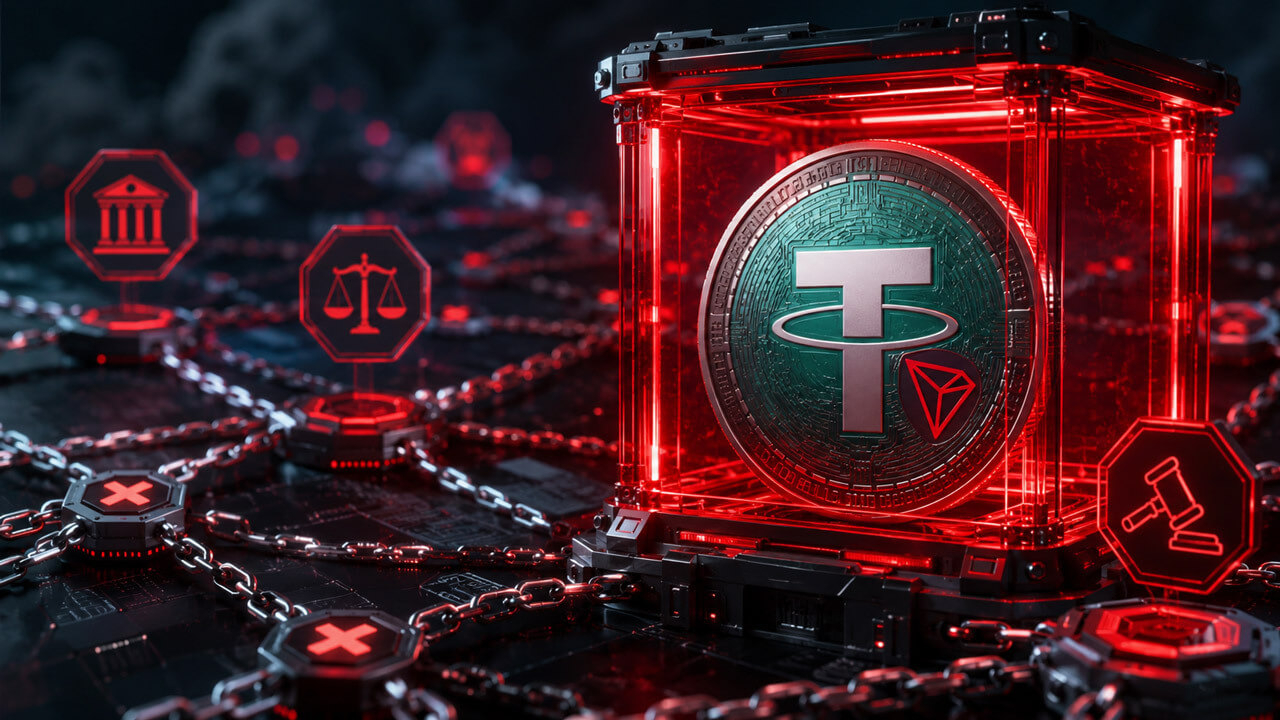
Tetherは、東南アジアの販売業者CryptoBilisが販売したLedgerハードウェアウォレットの侵害に関連する大規模なセキュリティ問題を受け、盗まれたUSDTステーブルコイン約9,000万ドル相当を凍結する措置に乗り出しました。$BTC $MAGIC $KAIA
{future}(BTCUSDT)
{future}(MAGICUSDT)
{future}(KAIAUSDT)
⚡ Tetherはすでに、盗まれたUSDTを保有する特定のアドレスをブラックリストに登録して凍結しました(500,000 USDTを保有するTronアドレスでの措置も確認されています)。
しかし、被害者が自動的に資金を取り戻せたわけではなく、ウォレットがどのように侵害されたのか、捜査当局も正確には確認していません。
⚠️ Ledgerは、現時点ではセットアップを開始しないよう顧客に助言しています。すでにセットアップを済ませている場合は、新しい復元フレーズを使って、残りの資産を検証済みの新しいハードウェアウォレットへただちに移すよう呼びかけています。
この事件は、暗号資産のセキュリティやサプライチェーンのリスク、そしてブロックチェーンをまたいで盗まれた資金をどれほど迅速に追跡できるのかについて、重大な疑問を投げかけています。
復元に必要な認証情報や署名プロセスが侵害されれば、ハードウェアウォレットであってもユーザーを守ることはできません⚠️
#Tether #USDT #CryptoSecurity
#tetherfreezesusdtlinkedtoledgertheft
Tetherは、東南アジアの販売業者CryptoBilisが販売したLedgerハードウェアウォレットの侵害に関連する大規模なセキュリティ問題を受け、盗まれたUSDTステーブルコイン約9,000万ドル相当を凍結する措置に乗り出しました。$BTC $MAGIC $KAIA
⚡ Tetherはすでに、盗まれたUSDTを保有する特定のアドレスをブラックリストに登録して凍結しました(500,000 USDTを保有するTronアドレスでの措置も確認されています)。
しかし、被害者が自動的に資金を取り戻せたわけではなく、ウォレットがどのように侵害されたのか、捜査当局も正確には確認していません。
⚠️ Ledgerは、現時点ではセットアップを開始しないよう顧客に助言しています。すでにセットアップを済ませている場合は、新しい復元フレーズを使って、残りの資産を検証済みの新しいハードウェアウォレットへただちに移すよう呼びかけています。
この事件は、暗号資産のセキュリティやサプライチェーンのリスク、そしてブロックチェーンをまたいで盗まれた資金をどれほど迅速に追跡できるのかについて、重大な疑問を投げかけています。
復元に必要な認証情報や署名プロセスが侵害されれば、ハードウェアウォレットであってもユーザーを守ることはできません⚠️
#Tether #USDT #CryptoSecurity
Tetherは、東南アジアの販売業者CryptoBilisが販売したLedgerハードウェアウォレットの侵害に関連する大規模なセキュリティ問題を受け、盗まれたUSDTステーブルコイン約9,000万ドル相当を凍結する措置に乗り出しました。$BTC $MAGIC $KAIA
⚡ Tetherはすでに、盗まれたUSDTを保有する特定のアドレスをブラックリストに登録して凍結しました(500,000 USDTを保有するTronアドレスでの措置も確認されています)。
しかし、被害者が自動的に資金を取り戻せたわけではなく、ウォレットがどのように侵害されたのか、捜査当局も正確には確認していません。
⚠️ Ledgerは、現時点ではセットアップを開始しないよう顧客に助言しています。すでにセットアップを済ませている場合は、新しい復元フレーズを使って、残りの資産を検証済みの新しいハードウェアウォレットへただちに移すよう呼びかけています。
この事件は、暗号資産のセキュリティやサプライチェーンのリスク、そしてブロックチェーンをまたいで盗まれた資金をどれほど迅速に追跡できるのかについて、重大な疑問を投げかけています。
復元に必要な認証情報や署名プロセスが侵害されれば、ハードウェアウォレットであってもユーザーを守ることはできません⚠️
#Tether #USDT #CryptoSecurity
4
2.5k
·
--
ブリッシュ
🔥速報—
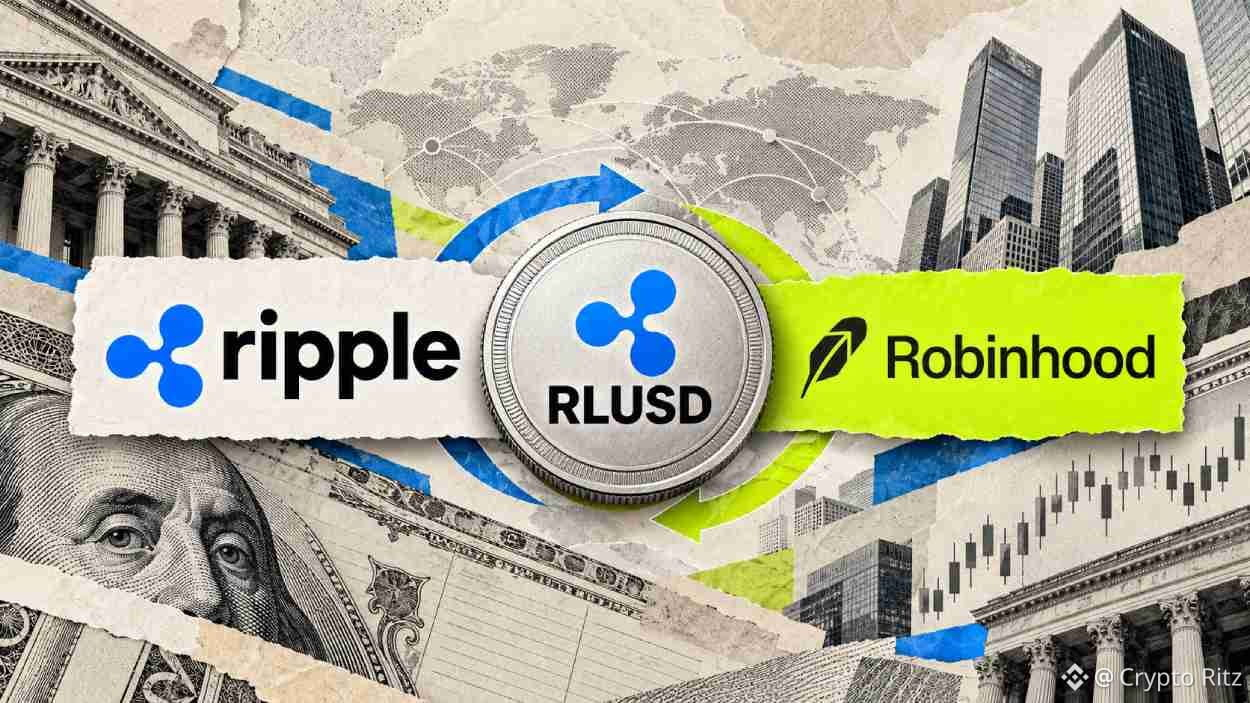
Ripple ($XRP ) と Robinhood ($HOOD ) は、ステーブルコイン、機関投資家向け市場、グローバルな財務管理にRippleのインフラを統合するための戦略的提携を正式に発表しました。$RLUSD
{future}(XRPUSDT)
{future}(HOODUSDT)
{spot}(RLUSDUSDT)
この動きにより、XRPを超えたRippleの有用性が大きく広がり、一般消費者向けフィンテックと機関投資家向けブロックチェーン活用の間に重要な架け橋が築かれます。
発表後、Robinhoodの株価は午前の取引で3%超上昇しました。
📈 エコシステムにとっては強気材料——では、XRP価格は反応するでしょうか?
🔥速報—
Ripple ($XRP ) と Robinhood ($HOOD ) は、ステーブルコイン、機関投資家向け市場、グローバルな財務管理にRippleのインフラを統合するための戦略的提携を正式に発表しました。$RLUSD
この動きにより、XRPを超えたRippleの有用性が大きく広がり、一般消費者向けフィンテックと機関投資家向けブロックチェーン活用の間に重要な架け橋が築かれます。
発表後、Robinhoodの株価は午前の取引で3%超上昇しました。
📈 エコシステムにとっては強気材料——では、XRP価格は反応するでしょうか?
Ripple ($XRP ) と Robinhood ($HOOD ) は、ステーブルコイン、機関投資家向け市場、グローバルな財務管理にRippleのインフラを統合するための戦略的提携を正式に発表しました。$RLUSD
この動きにより、XRPを超えたRippleの有用性が大きく広がり、一般消費者向けフィンテックと機関投資家向けブロックチェーン活用の間に重要な架け橋が築かれます。
発表後、Robinhoodの株価は午前の取引で3%超上昇しました。
📈 エコシステムにとっては強気材料——では、XRP価格は反応するでしょうか?
64
·
--
翻訳参照
🔥BREAKING:
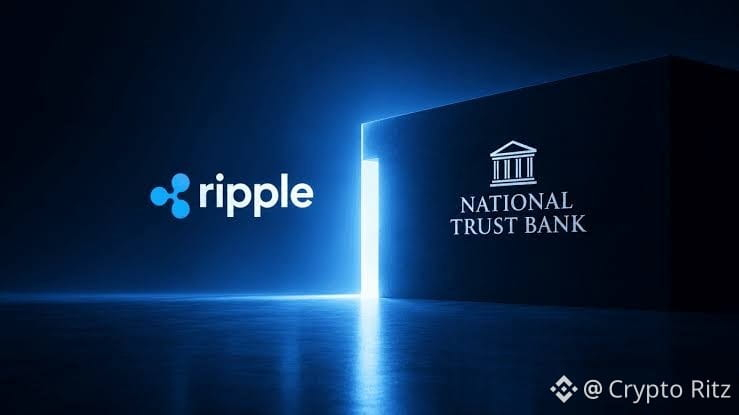
🇺🇸 Ripple $XRP officially received final approval from the U.S. Office of the Comptroller of the Currency (OCC) to establish Ripple National Trust Bank. $RLUSD
{spot}(RLUSDUSDT)
{future}(XRPUSDT)
This milestone converts Ripple's conditional charter granted in December 2025 into a full federal banking charter, placing the blockchain company under direct federal oversight. $HAEDAL
{future}(HAEDALUSDT)
#RippleWinsFullApprovalAsNationalTrustBank
🔥BREAKING:
🇺🇸 Ripple $XRP officially received final approval from the U.S. Office of the Comptroller of the Currency (OCC) to establish Ripple National Trust Bank. $RLUSD
This milestone converts Ripple's conditional charter granted in December 2025 into a full federal banking charter, placing the blockchain company under direct federal oversight. $HAEDAL
#RippleWinsFullApprovalAsNationalTrustBank
🇺🇸 Ripple $XRP officially received final approval from the U.S. Office of the Comptroller of the Currency (OCC) to establish Ripple National Trust Bank. $RLUSD
This milestone converts Ripple's conditional charter granted in December 2025 into a full federal banking charter, placing the blockchain company under direct federal oversight. $HAEDAL
#RippleWinsFullApprovalAsNationalTrustBank
7
·
--
本人確認中
翻訳参照
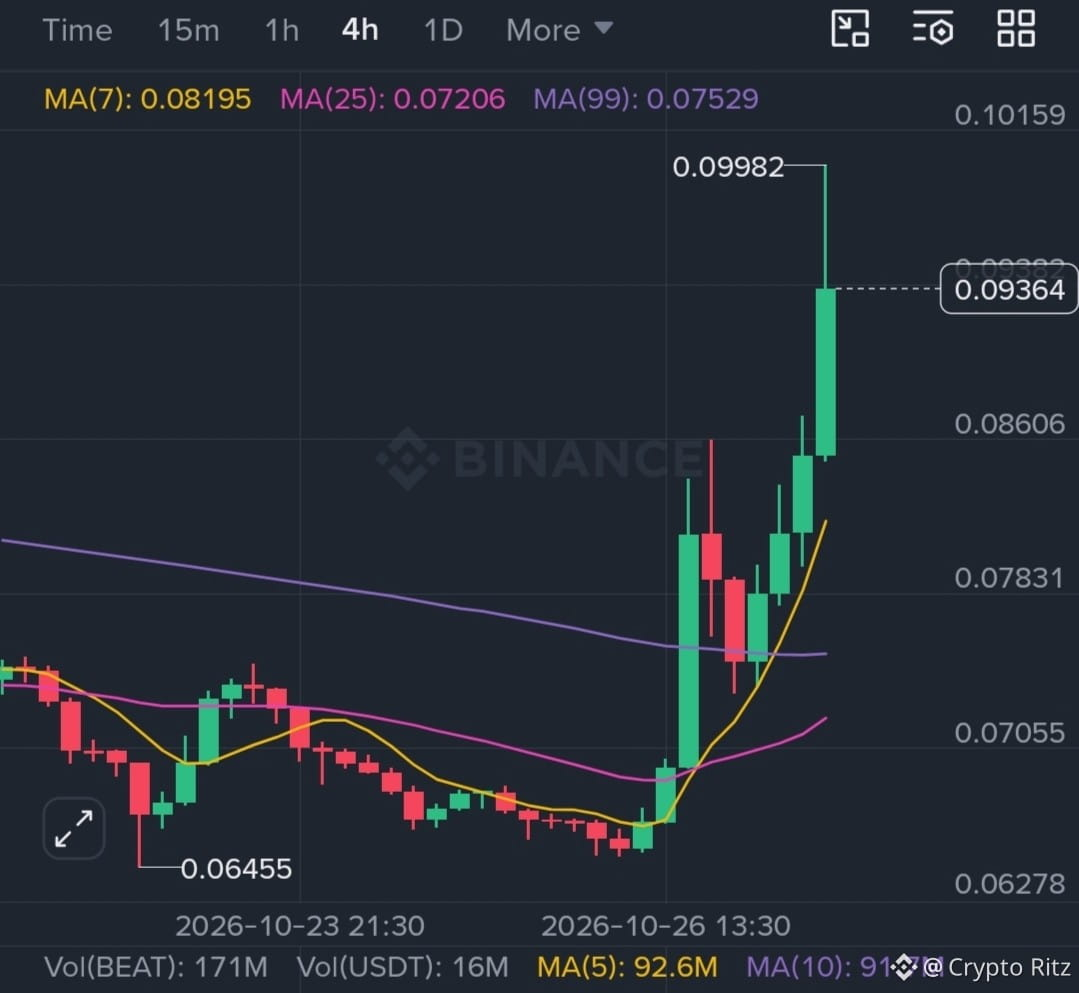
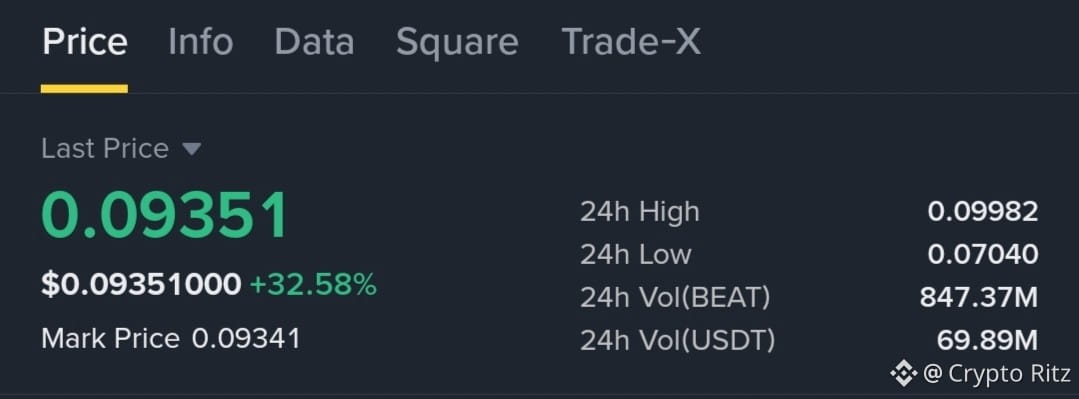
🔥BlackRock and Ondo Finance team up to bring portfolio strategies onchain!! $HUMA $BEAT $AIN
{future}(HUMAUSDT)
{future}(BEATUSDT)
{future}(AINUSDT)
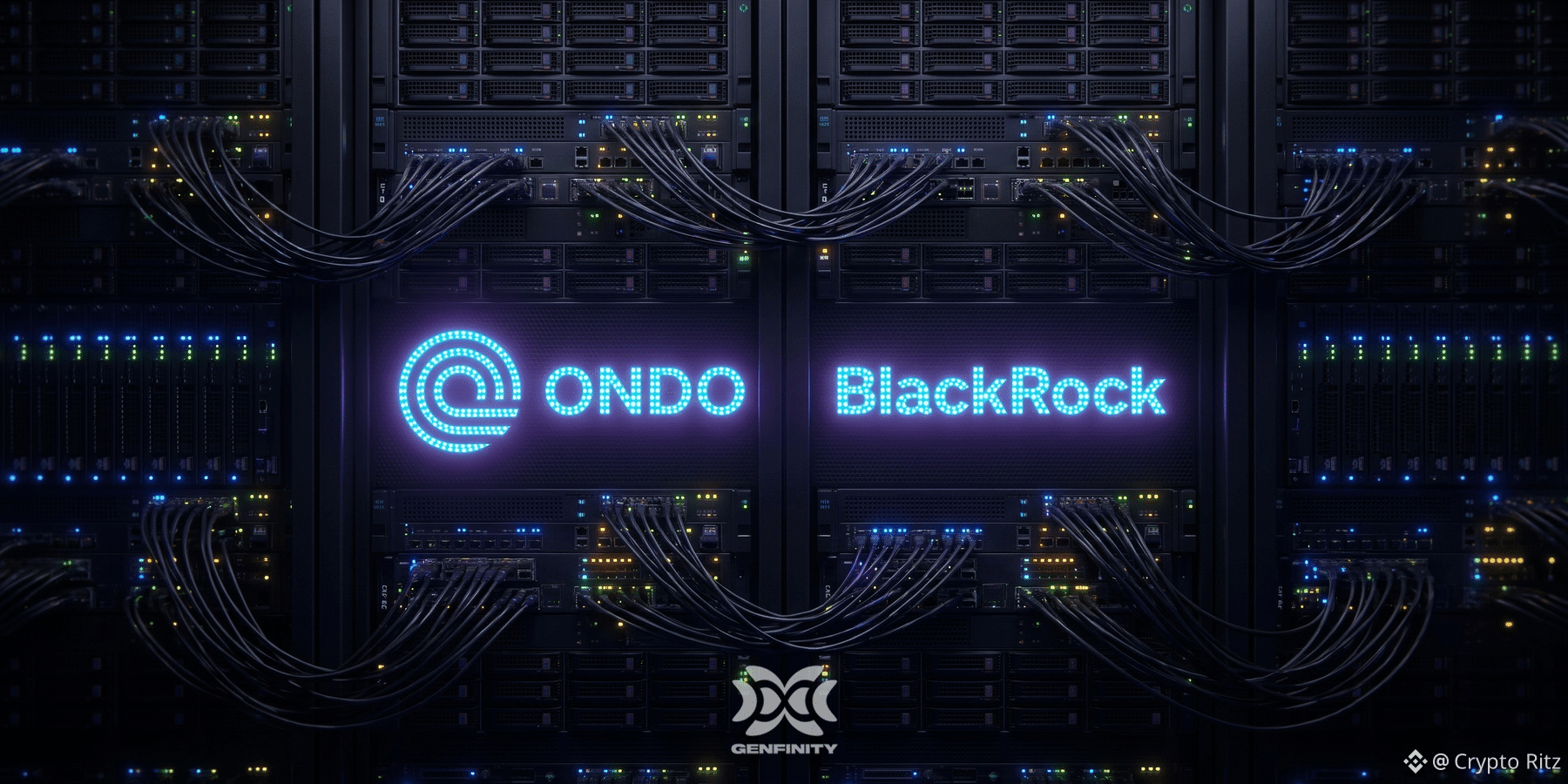
BlackRock and Ondo Finance have teamed up to launch Ondo Intelligent Portfolios, a new product category that marks a shift from tokenizing individual assets to tokenizing entire investment strategies.
Under this partnership, BlackRock provides non-discretionary model portfolio strategies tailored to Ondo’s specifications, while Ondo Finance acts as the manager, sponsor, and issuer of the resulting digital tokens on public blockchains.
🔥BlackRock and Ondo Finance team up to bring portfolio strategies onchain!! $HUMA $BEAT $AIN
BlackRock and Ondo Finance have teamed up to launch Ondo Intelligent Portfolios, a new product category that marks a shift from tokenizing individual assets to tokenizing entire investment strategies.
Under this partnership, BlackRock provides non-discretionary model portfolio strategies tailored to Ondo’s specifications, while Ondo Finance acts as the manager, sponsor, and issuer of the resulting digital tokens on public blockchains.
BlackRock and Ondo Finance have teamed up to launch Ondo Intelligent Portfolios, a new product category that marks a shift from tokenizing individual assets to tokenizing entire investment strategies.
Under this partnership, BlackRock provides non-discretionary model portfolio strategies tailored to Ondo’s specifications, while Ondo Finance acts as the manager, sponsor, and issuer of the resulting digital tokens on public blockchains.
697
·
--
ブリッシュ
209
·
--
🔥 市場にとって超大型の動き!!
#ThailandLaunchesWORPTStablecoinToQRPaymentApp が市場を熱くしている!! 🚀 $BTC $ETH $BNB
{future}(BTCUSDT)
{future}(ETHUSDT)
{future}(BNBUSDT)
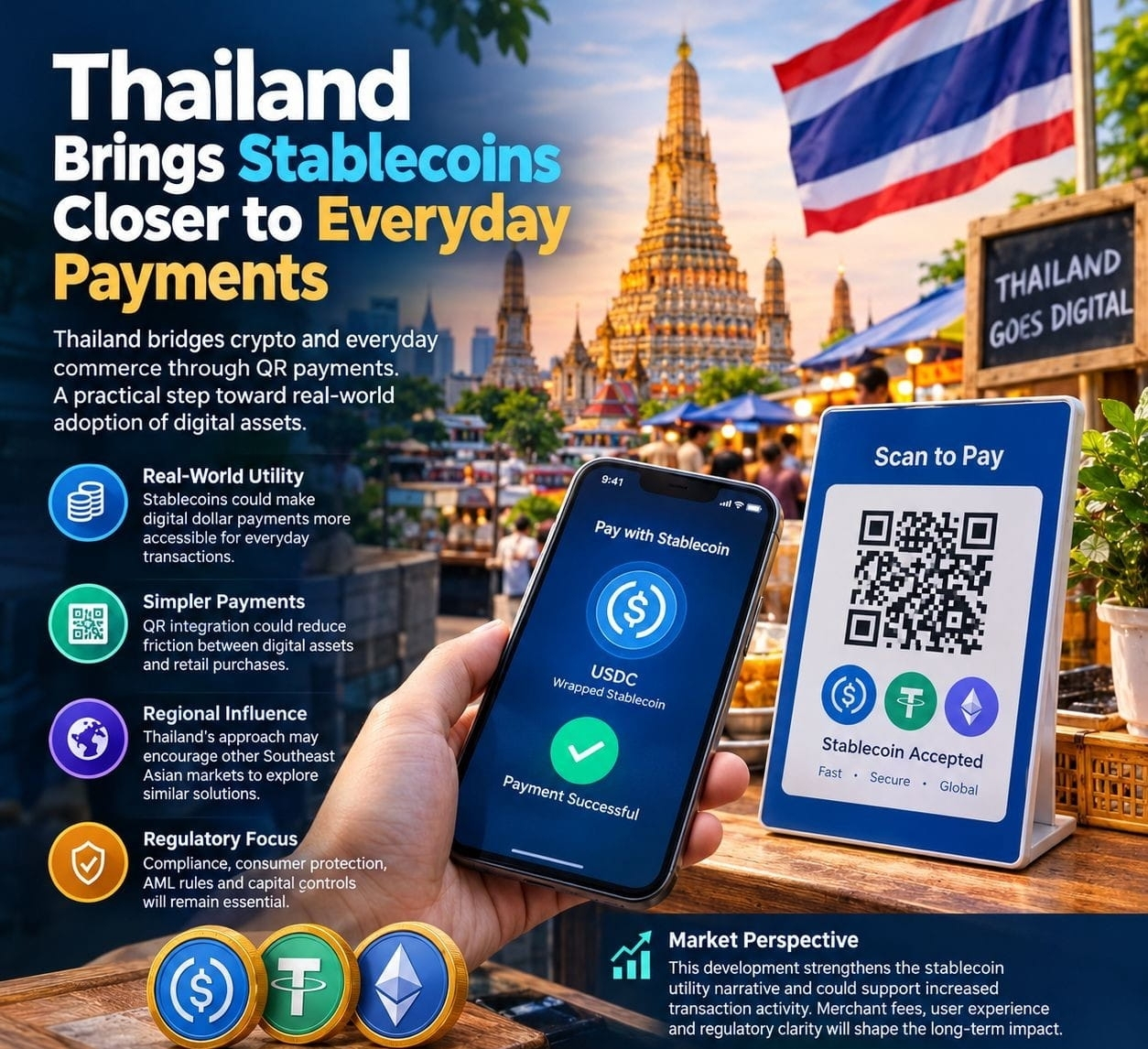
タイの規制サンドボックスのもとで公開された新しいデジタルウォレットアプリ WORPT は、ステーブルコインと日常の小売決済の間のギャップを埋めることで、大きな注目を集めています。
Waan Exchange と Wipay が共同開発したこのプロジェクトは、USDT の発行元である Tether、Visa、The Mall Group などの巨大パートナーと提携しています。
タイの地域経済は、ハイエンドのモールから屋台のフードカートに至るまで、至る所にあるキャッシュレスの PromptPay QR コードでほぼ完全に回っています。これまで外国人は、現地のタイ銀行口座がなければこのシステムを利用できませんでした。WORPT アプリは、リアルタイムの橋渡し役として機能することでこの問題を解決します。
このプロジェクトは、正式な本格展開イベントを 2026年11月に予定しています。これによりタイは、国家の決済インフラと Web3 の利便性を組み合わせる分野で、主要な先駆者として位置づけられています。
🔥 市場にとって超大型の動き!!
#ThailandLaunchesWORPTStablecoinToQRPaymentApp が市場を熱くしている!! 🚀 $BTC $ETH $BNB
タイの規制サンドボックスのもとで公開された新しいデジタルウォレットアプリ WORPT は、ステーブルコインと日常の小売決済の間のギャップを埋めることで、大きな注目を集めています。
Waan Exchange と Wipay が共同開発したこのプロジェクトは、USDT の発行元である Tether、Visa、The Mall Group などの巨大パートナーと提携しています。
タイの地域経済は、ハイエンドのモールから屋台のフードカートに至るまで、至る所にあるキャッシュレスの PromptPay QR コードでほぼ完全に回っています。これまで外国人は、現地のタイ銀行口座がなければこのシステムを利用できませんでした。WORPT アプリは、リアルタイムの橋渡し役として機能することでこの問題を解決します。
このプロジェクトは、正式な本格展開イベントを 2026年11月に予定しています。これによりタイは、国家の決済インフラと Web3 の利便性を組み合わせる分野で、主要な先駆者として位置づけられています。
#ThailandLaunchesWORPTStablecoinToQRPaymentApp が市場を熱くしている!! 🚀 $BTC $ETH $BNB
タイの規制サンドボックスのもとで公開された新しいデジタルウォレットアプリ WORPT は、ステーブルコインと日常の小売決済の間のギャップを埋めることで、大きな注目を集めています。
Waan Exchange と Wipay が共同開発したこのプロジェクトは、USDT の発行元である Tether、Visa、The Mall Group などの巨大パートナーと提携しています。
タイの地域経済は、ハイエンドのモールから屋台のフードカートに至るまで、至る所にあるキャッシュレスの PromptPay QR コードでほぼ完全に回っています。これまで外国人は、現地のタイ銀行口座がなければこのシステムを利用できませんでした。WORPT アプリは、リアルタイムの橋渡し役として機能することでこの問題を解決します。
このプロジェクトは、正式な本格展開イベントを 2026年11月に予定しています。これによりタイは、国家の決済インフラと Web3 の利便性を組み合わせる分野で、主要な先駆者として位置づけられています。
95
·
--
翻訳参照
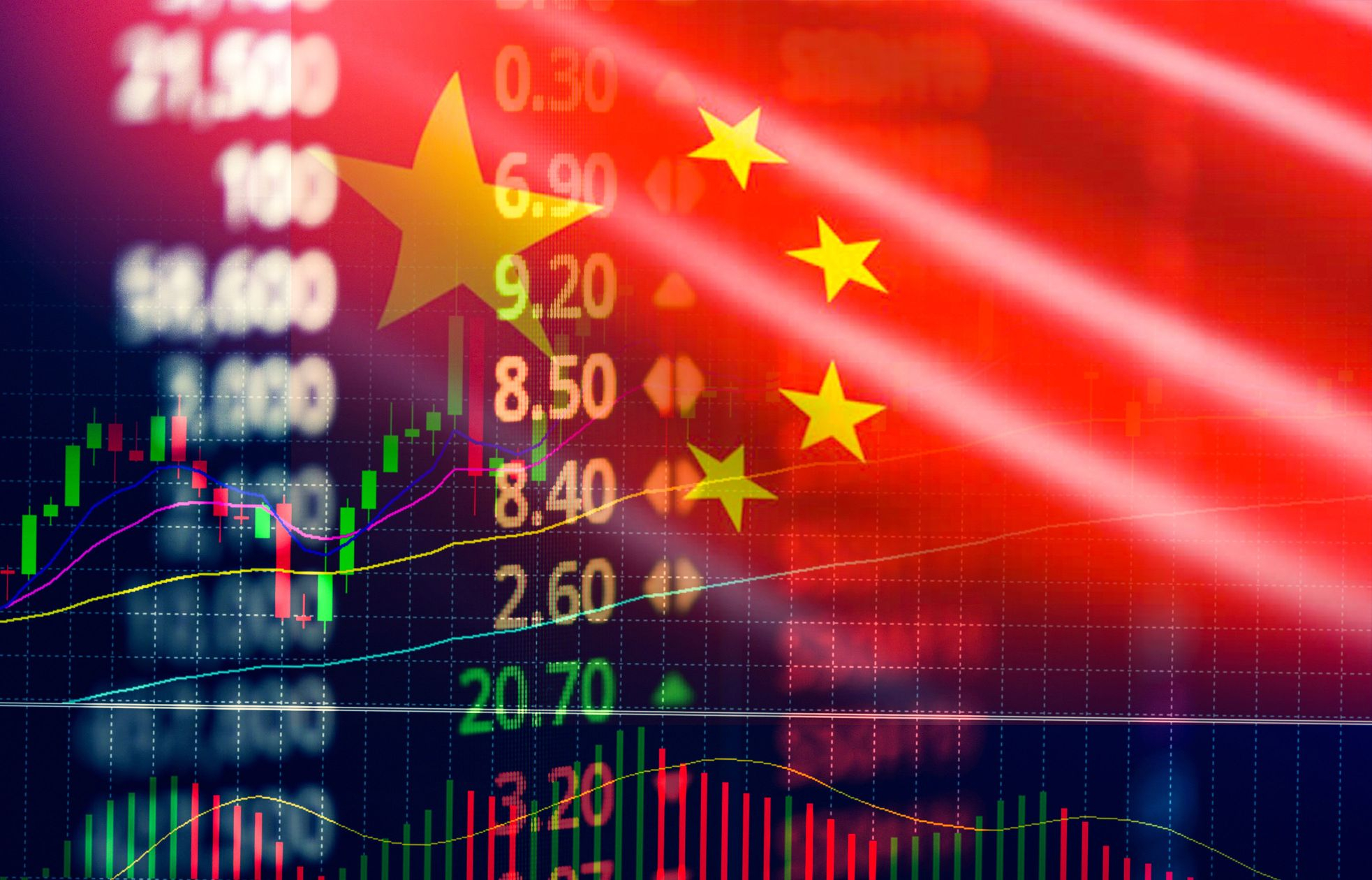
🔥The Chinese stock market is undergoing a severe correction, with more than $2.4 trillion wiped out since its May peak, culminating in the onshore benchmark CSI 300 Index sliding deep into bear market territory.
$HUMA $SYN $AIN
{future}(HUMAUSDT)
{future}(SYNUSDT)
{future}(AINUSDT)
🔥The Chinese stock market is undergoing a severe correction, with more than $2.4 trillion wiped out since its May peak, culminating in the onshore benchmark CSI 300 Index sliding deep into bear market territory.
$HUMA $SYN $AIN
$HUMA $SYN $AIN
291
·
--
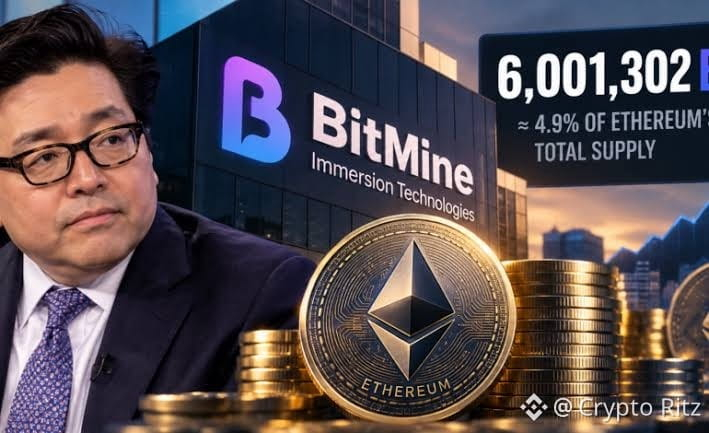
🔥 Bitmine ($BMNR )はさらに10,452 $ETH を購入し、保有するETHの総額は605万ETHに達しました。
{future}(BMNRUSDT)
{future}(ETHUSDT)
⚡ この節目により、同社はイーサリアムを保有する世界最大の企業としての地位を確固たるものにし、流通総量の4.95%を保有しています。$Q
{future}(QUSDT)
同社は2025年半ば以降、MicroStrategy式の積極的な戦略を実行し続けています。継続的に株式を発行してEtherを購入し、世界全体の供給量のちょうど5%を獲得することを目指しています。
4.95%を確保したBitmineは、目標まであと99%のところに到達しました。自ら定めた上限に達するには、あと約58,067 ETHが必要です。
🔥 Bitmine ($BMNR )はさらに10,452 $ETH を購入し、保有するETHの総額は605万ETHに達しました。
⚡ この節目により、同社はイーサリアムを保有する世界最大の企業としての地位を確固たるものにし、流通総量の4.95%を保有しています。$Q
同社は2025年半ば以降、MicroStrategy式の積極的な戦略を実行し続けています。継続的に株式を発行してEtherを購入し、世界全体の供給量のちょうど5%を獲得することを目指しています。
4.95%を確保したBitmineは、目標まであと99%のところに到達しました。自ら定めた上限に達するには、あと約58,067 ETHが必要です。
⚡ この節目により、同社はイーサリアムを保有する世界最大の企業としての地位を確固たるものにし、流通総量の4.95%を保有しています。$Q
同社は2025年半ば以降、MicroStrategy式の積極的な戦略を実行し続けています。継続的に株式を発行してEtherを購入し、世界全体の供給量のちょうど5%を獲得することを目指しています。
4.95%を確保したBitmineは、目標まであと99%のところに到達しました。自ら定めた上限に達するには、あと約58,067 ETHが必要です。
436
·
--
翻訳参照
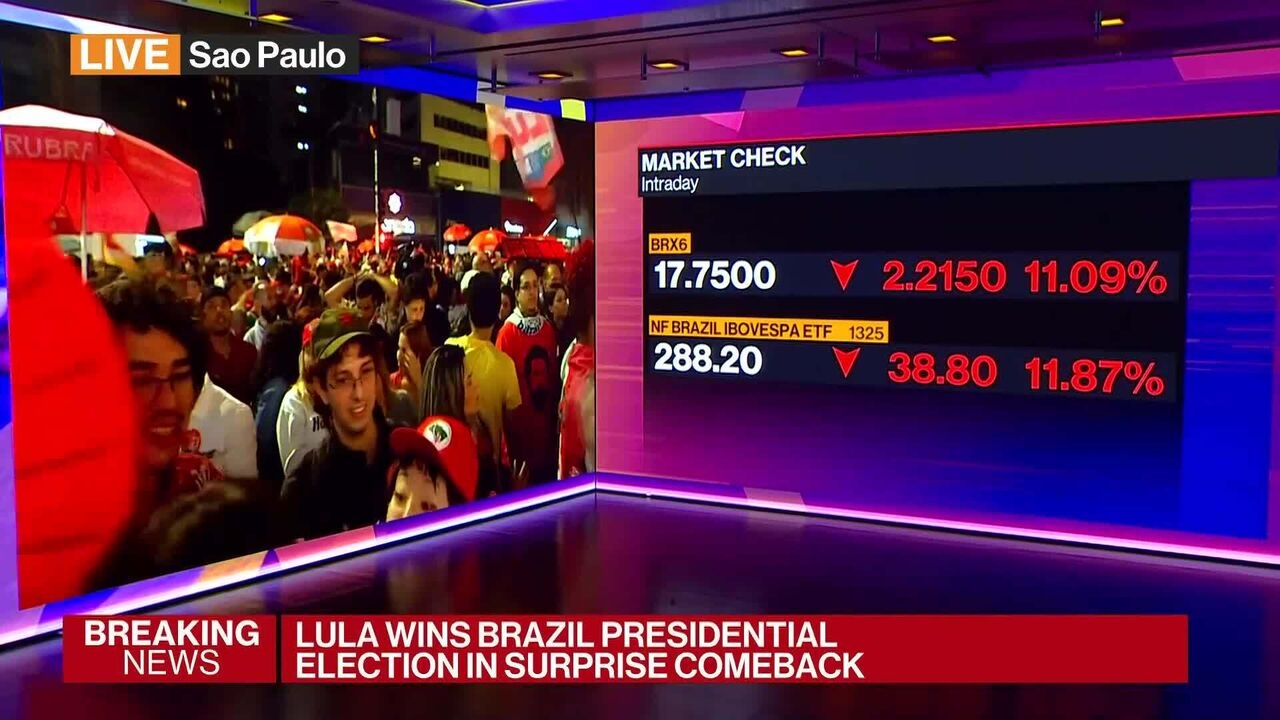
🔥BREAKING: Brazilian financial assets are facing a heavy sell-off, markets plunge 20% following President Lula da Silva’s historic and dramatic comeback victory 📉. $ERA $DODO $REZ
{future}(ERAUSDT)
{spot}(DODOUSDT)
{future}(REZUSDT)
The iShares MSCI Brazil ETF fell nearly 20% in overnight trading as Lula secured 51.8% of the vote.
Markets heavily anticipated tighter fiscal spending, corporate tax cuts, and a rapid decline in interest rates under a right-wing government.
🔥BREAKING: Brazilian financial assets are facing a heavy sell-off, markets plunge 20% following President Lula da Silva’s historic and dramatic comeback victory 📉. $ERA $DODO $REZ
The iShares MSCI Brazil ETF fell nearly 20% in overnight trading as Lula secured 51.8% of the vote.
Markets heavily anticipated tighter fiscal spending, corporate tax cuts, and a rapid decline in interest rates under a right-wing government.
The iShares MSCI Brazil ETF fell nearly 20% in overnight trading as Lula secured 51.8% of the vote.
Markets heavily anticipated tighter fiscal spending, corporate tax cuts, and a rapid decline in interest rates under a right-wing government.
339
·
--
翻訳参照
🔥The Monetary Authority of Singapore (MAS) announced that the Bank Negara Malaysia (BNM) and the Bank of Thailand (BOT) have joined its BLOOM initiative as policymaker members. $T $INIT $JCT
{future}(TUSDT)
{future}(INITUSDT)
{future}(JCTUSDT)
They are joined by global payment giants and digital asset firms, including Visa, Mastercard, and Ripple, to co-develop a unified framework for cross-border digital money.
Alongside the new central banks, nine industry giants—including Maybank, Circle, Coinbase, JPMorgan, and the World Bank Group—have entered the ecosystem, bringing the total number of participants to over 28.
🔥The Monetary Authority of Singapore (MAS) announced that the Bank Negara Malaysia (BNM) and the Bank of Thailand (BOT) have joined its BLOOM initiative as policymaker members. $T $INIT $JCT
They are joined by global payment giants and digital asset firms, including Visa, Mastercard, and Ripple, to co-develop a unified framework for cross-border digital money.
Alongside the new central banks, nine industry giants—including Maybank, Circle, Coinbase, JPMorgan, and the World Bank Group—have entered the ecosystem, bringing the total number of participants to over 28.
They are joined by global payment giants and digital asset firms, including Visa, Mastercard, and Ripple, to co-develop a unified framework for cross-border digital money.
Alongside the new central banks, nine industry giants—including Maybank, Circle, Coinbase, JPMorgan, and the World Bank Group—have entered the ecosystem, bringing the total number of participants to over 28.
449
·
--
翻訳参照
🔥Institutional conviction in cryptocurrency remains aggressively strong, they are still buying the dip. $BTC $ETH $SOL
{future}(BTCUSDT)
{future}(ETHUSDT)
{future}(SOLUSDT)
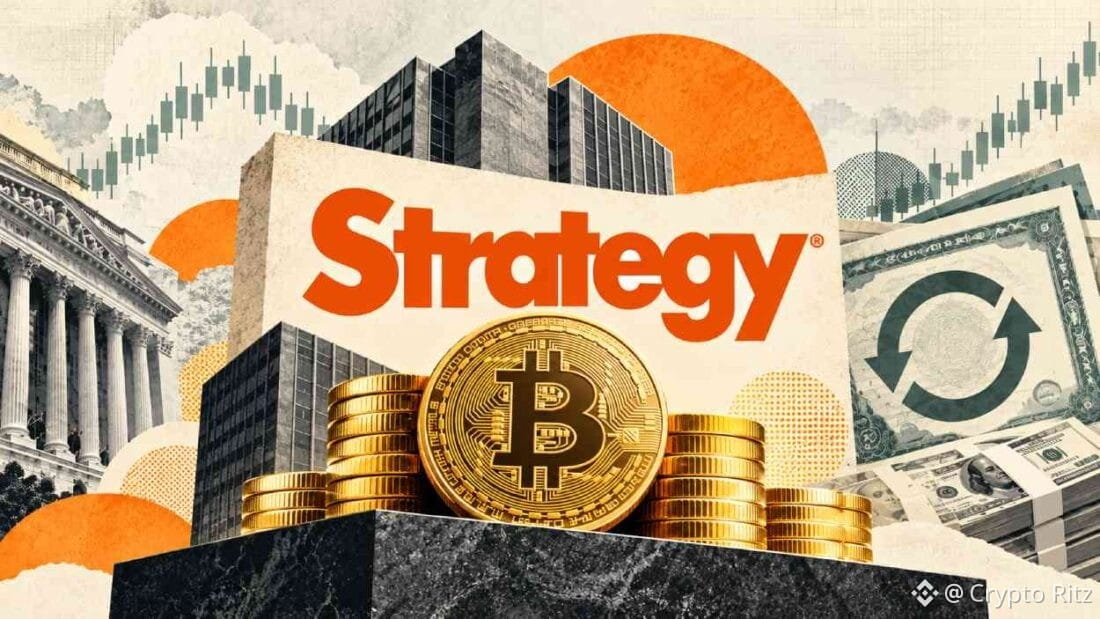
Strategy Inc. recently bought 267 BTC in one week, bringing its total holdings to 848,517 BTC.
Grant Cardone’s company also bought another 26 BTC near $80,000. Cardone recently stated he is looking at every option to ultimately acquire up to 25,000 BTC, viewing real estate as "demonetizing before our eyes."
🔥Institutional conviction in cryptocurrency remains aggressively strong, they are still buying the dip. $BTC $ETH $SOL
Strategy Inc. recently bought 267 BTC in one week, bringing its total holdings to 848,517 BTC.
Grant Cardone’s company also bought another 26 BTC near $80,000. Cardone recently stated he is looking at every option to ultimately acquire up to 25,000 BTC, viewing real estate as "demonetizing before our eyes."
Strategy Inc. recently bought 267 BTC in one week, bringing its total holdings to 848,517 BTC.
Grant Cardone’s company also bought another 26 BTC near $80,000. Cardone recently stated he is looking at every option to ultimately acquire up to 25,000 BTC, viewing real estate as "demonetizing before our eyes."
95
·
--
#EarningsSeason #BinancePick
Binance Pickに、大手テクノロジー企業や優良企業を対象とした新しい「決算予測」セクションが登場しました。
Microsoft ($MSFT )
{future}(MSFTUSDT)
Amazon ($AMZN )
{future}(AMZNUSDT)
Alphabet ($GOOGL )
{future}(GOOGLUSDT)
ユーザーは通常、これらの企業の決算報告が市場予想を上回るか下回るかを予測して参加し、プラットフォームの#EarningsSeason ハッシュタグを付けた投稿で、その分析根拠を共有します。
#EarningsSeason #BinancePick
Binance Pickに、大手テクノロジー企業や優良企業を対象とした新しい「決算予測」セクションが登場しました。
Microsoft ($MSFT )
Amazon ($AMZN )
Alphabet ($GOOGL )
ユーザーは通常、これらの企業の決算報告が市場予想を上回るか下回るかを予測して参加し、プラットフォームの#EarningsSeason ハッシュタグを付けた投稿で、その分析根拠を共有します。
Binance Pickに、大手テクノロジー企業や優良企業を対象とした新しい「決算予測」セクションが登場しました。
Microsoft ($MSFT )
Amazon ($AMZN )
Alphabet ($GOOGL )
ユーザーは通常、これらの企業の決算報告が市場予想を上回るか下回るかを予測して参加し、プラットフォームの#EarningsSeason ハッシュタグを付けた投稿で、その分析根拠を共有します。
456
·
--
⚠️ ハードウェアウォレットメーカーKeystoneのウェブサイトで、Shopify API連携を通じた第三者による不正アクセスが発生し、顧客の氏名、連絡先情報、配送先住所、注文の詳細が流出しました。$T $INIT $JCT
{future}(TUSDT)
{future}(INITUSDT)
{future}(JCTUSDT)
暗号資産の残高は安全です。秘密鍵、リカバリーフレーズ/シードフレーズ、ウォレットのパスワード、銀行口座や決済カードの詳細情報は流出していません。
今年に入ってから、ハードウェアウォレットに関するデータ漏えいはこれで4件目です。フィッシング詐欺には十分ご注意ください。
⚠️ ハードウェアウォレットメーカーKeystoneのウェブサイトで、Shopify API連携を通じた第三者による不正アクセスが発生し、顧客の氏名、連絡先情報、配送先住所、注文の詳細が流出しました。$T $INIT $JCT
暗号資産の残高は安全です。秘密鍵、リカバリーフレーズ/シードフレーズ、ウォレットのパスワード、銀行口座や決済カードの詳細情報は流出していません。
今年に入ってから、ハードウェアウォレットに関するデータ漏えいはこれで4件目です。フィッシング詐欺には十分ご注意ください。
暗号資産の残高は安全です。秘密鍵、リカバリーフレーズ/シードフレーズ、ウォレットのパスワード、銀行口座や決済カードの詳細情報は流出していません。
今年に入ってから、ハードウェアウォレットに関するデータ漏えいはこれで4件目です。フィッシング詐欺には十分ご注意ください。
1
671
·
--
🔥速報—
イスラエルの首相は、国際的な銀行制裁の可能性に対抗するため、ブロックチェーン技術を活用した緊急時対応計画の策定を指示した。🚀 $BMT $ERA $IRYS
{future}(BMTUSDT)
{future}(ERAUSDT)
{future}(IRYSUSDT)
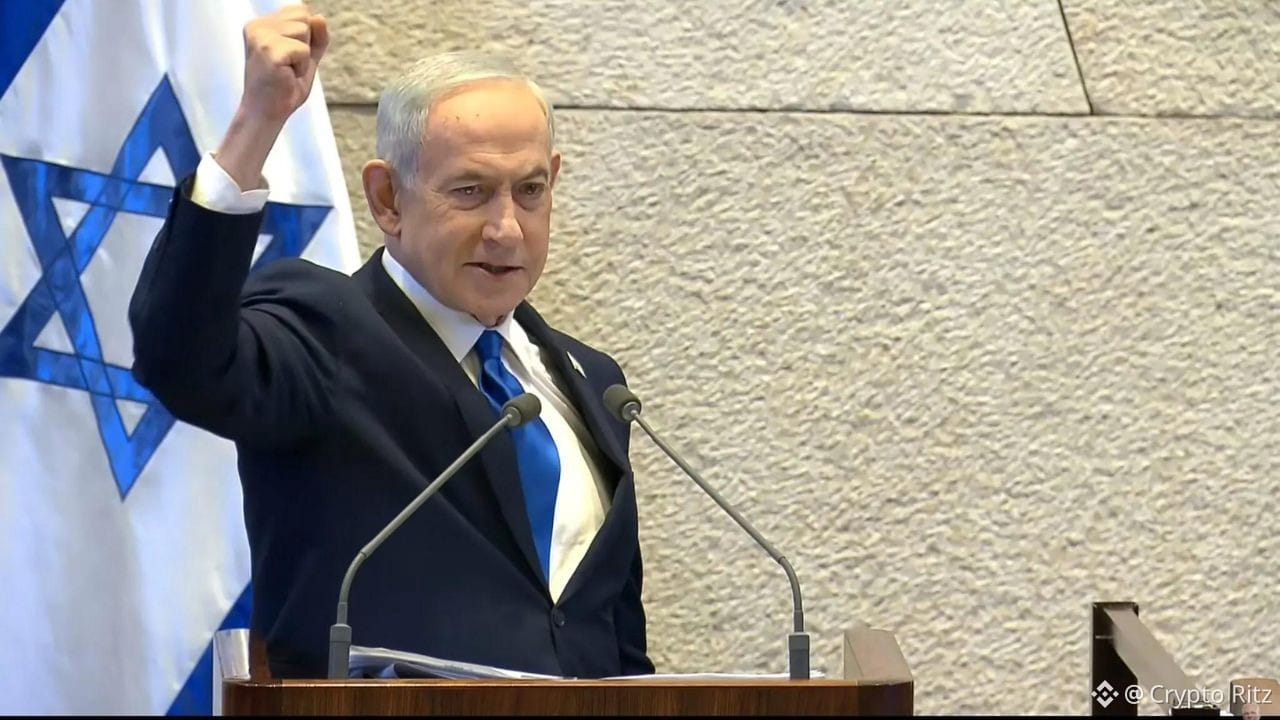
ネタニヤフ首相は、イスラエルは国内の商業銀行を標的とする可能性のある制限を回避するため、代替的な金融システムを準備しなければならないと述べた。また、国家的な暗号資産戦略を策定するタスクフォースを設置した📈。
導入が進めば、同国の金融インフラが再編され、主権デジタル資産の先例となる可能性がある。
🔥速報—
イスラエルの首相は、国際的な銀行制裁の可能性に対抗するため、ブロックチェーン技術を活用した緊急時対応計画の策定を指示した。🚀 $BMT $ERA $IRYS
ネタニヤフ首相は、イスラエルは国内の商業銀行を標的とする可能性のある制限を回避するため、代替的な金融システムを準備しなければならないと述べた。また、国家的な暗号資産戦略を策定するタスクフォースを設置した📈。
導入が進めば、同国の金融インフラが再編され、主権デジタル資産の先例となる可能性がある。
イスラエルの首相は、国際的な銀行制裁の可能性に対抗するため、ブロックチェーン技術を活用した緊急時対応計画の策定を指示した。🚀 $BMT $ERA $IRYS
ネタニヤフ首相は、イスラエルは国内の商業銀行を標的とする可能性のある制限を回避するため、代替的な金融システムを準備しなければならないと述べた。また、国家的な暗号資産戦略を策定するタスクフォースを設置した📈。
導入が進めば、同国の金融インフラが再編され、主権デジタル資産の先例となる可能性がある。
597
·
--
速報 🔥
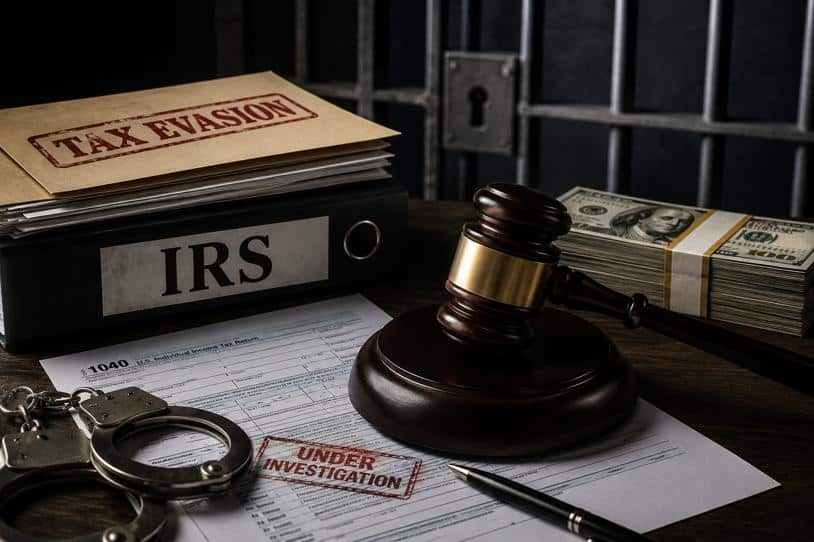
米国内国歳入庁(IRS)は、刑事自主開示プログラム(VDP)の抜本的な見直しを計画しています。罰則の軽減、納付方法の柔軟化、そして案件処理期間を大幅に短縮し、120日以内の処理を目指します。 $BMT $ERA $IRYS
{future}(BMTUSDT)
{future}(ERAUSDT)
{future}(IRYSUSDT)
これまで、故意の納税回避、隠匿した海外口座、または未申告の暗号資産について自ら申告し、「正直に話す」ことは、時間がかかり、法的な負担も大きい手続きでした。IRS刑事捜査部門の幹部による最近の発表からは、制度の大幅な見直しがうかがえます。
120日以内の処理を実現するため、IRSは今後、納税者が数か月にわたって情報を少しずつ提出する従来の多段階方式を認めない方針です。
参加して罰則の軽減を受けるには、納税者は必要書類をすべて整え、プログラムへの参加と同時に提出できるよう、修正申告書または未提出の申告書を準備しておく必要があります。
速報 🔥
米国内国歳入庁(IRS)は、刑事自主開示プログラム(VDP)の抜本的な見直しを計画しています。罰則の軽減、納付方法の柔軟化、そして案件処理期間を大幅に短縮し、120日以内の処理を目指します。 $BMT $ERA $IRYS
これまで、故意の納税回避、隠匿した海外口座、または未申告の暗号資産について自ら申告し、「正直に話す」ことは、時間がかかり、法的な負担も大きい手続きでした。IRS刑事捜査部門の幹部による最近の発表からは、制度の大幅な見直しがうかがえます。
120日以内の処理を実現するため、IRSは今後、納税者が数か月にわたって情報を少しずつ提出する従来の多段階方式を認めない方針です。
参加して罰則の軽減を受けるには、納税者は必要書類をすべて整え、プログラムへの参加と同時に提出できるよう、修正申告書または未提出の申告書を準備しておく必要があります。
米国内国歳入庁(IRS)は、刑事自主開示プログラム(VDP)の抜本的な見直しを計画しています。罰則の軽減、納付方法の柔軟化、そして案件処理期間を大幅に短縮し、120日以内の処理を目指します。 $BMT $ERA $IRYS
これまで、故意の納税回避、隠匿した海外口座、または未申告の暗号資産について自ら申告し、「正直に話す」ことは、時間がかかり、法的な負担も大きい手続きでした。IRS刑事捜査部門の幹部による最近の発表からは、制度の大幅な見直しがうかがえます。
120日以内の処理を実現するため、IRSは今後、納税者が数か月にわたって情報を少しずつ提出する従来の多段階方式を認めない方針です。
参加して罰則の軽減を受けるには、納税者は必要書類をすべて整え、プログラムへの参加と同時に提出できるよう、修正申告書または未提出の申告書を準備しておく必要があります。
899
·
--
本人確認中
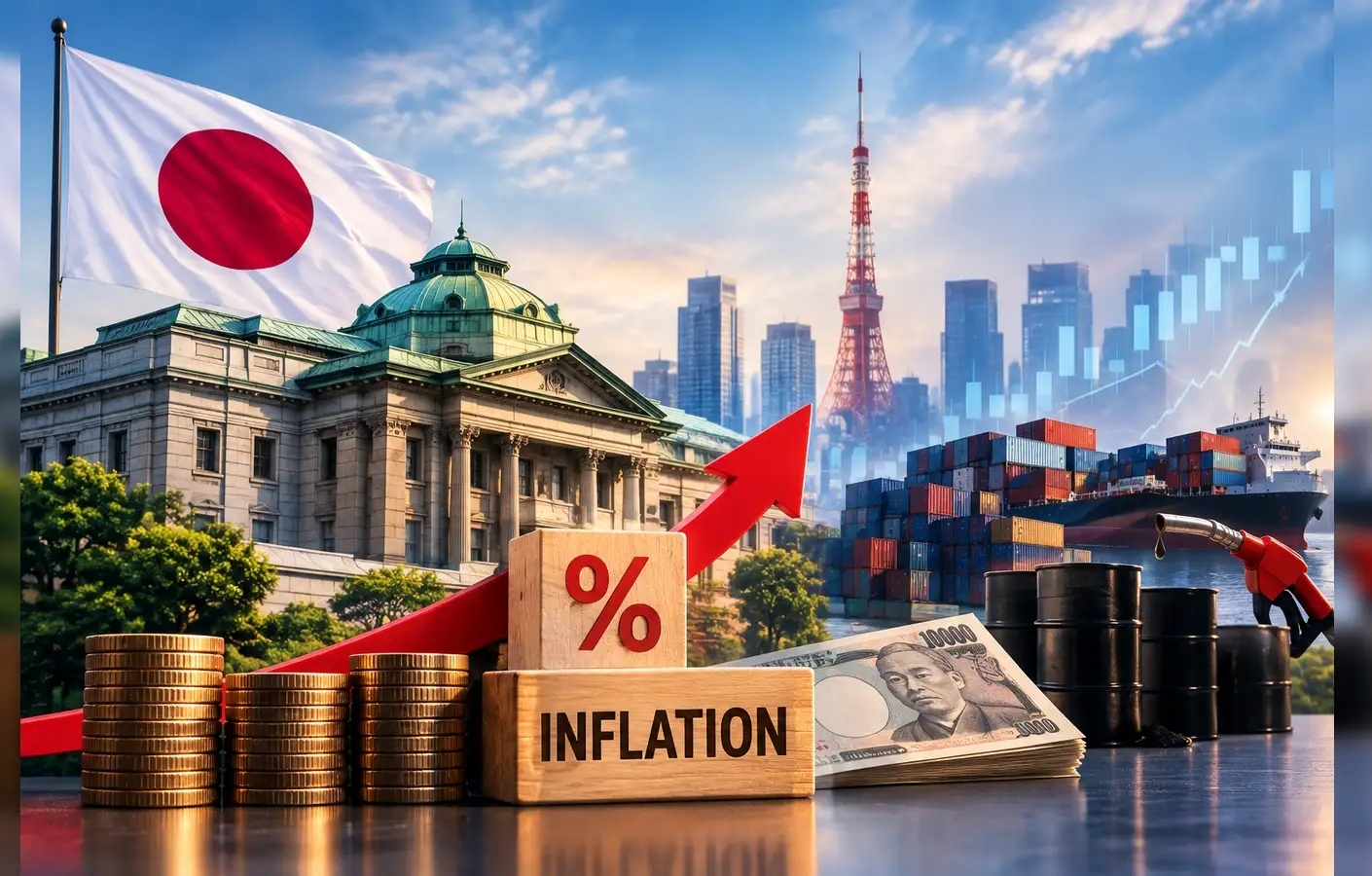
📈 9月の日本のCPIは前年同月比2.1%上昇し、9カ月ぶりに日銀の目標である2.0%を上回りました。$IRYS $SOPH $ARK
{future}(IRYSUSDT)
{future}(SOPHUSDT)
{future}(ARKUSDT)
この加速により、近い将来の利上げ観測が大きく強まり、エコノミストの多くは2026年12月に利上げが実施される可能性が高いと見ています。
コアCPIの上昇:9月は2.1%となり、8月の1.7%から上昇しました。
コアコアCPIの上昇:8月の1.9%から2.4%に上昇しました。
財・サービスのインフレ:財価格は2.8%上昇しました。特に、サービスインフレ率は1.2%から1.5%に上昇しました。
現在の金利状況:日銀は9月に政策金利の指標となる金利を31年ぶりの高水準となる1.25%に引き上げました。
12月の利上げ見通し:エコノミストの過半数は、日銀が12月にさらに利上げし、1.50%に引き上げると予想しています。
📈 9月の日本のCPIは前年同月比2.1%上昇し、9カ月ぶりに日銀の目標である2.0%を上回りました。$IRYS $SOPH $ARK
この加速により、近い将来の利上げ観測が大きく強まり、エコノミストの多くは2026年12月に利上げが実施される可能性が高いと見ています。
コアCPIの上昇:9月は2.1%となり、8月の1.7%から上昇しました。
コアコアCPIの上昇:8月の1.9%から2.4%に上昇しました。
財・サービスのインフレ:財価格は2.8%上昇しました。特に、サービスインフレ率は1.2%から1.5%に上昇しました。
現在の金利状況:日銀は9月に政策金利の指標となる金利を31年ぶりの高水準となる1.25%に引き上げました。
12月の利上げ見通し:エコノミストの過半数は、日銀が12月にさらに利上げし、1.50%に引き上げると予想しています。
この加速により、近い将来の利上げ観測が大きく強まり、エコノミストの多くは2026年12月に利上げが実施される可能性が高いと見ています。
コアCPIの上昇:9月は2.1%となり、8月の1.7%から上昇しました。
コアコアCPIの上昇:8月の1.9%から2.4%に上昇しました。
財・サービスのインフレ:財価格は2.8%上昇しました。特に、サービスインフレ率は1.2%から1.5%に上昇しました。
現在の金利状況:日銀は9月に政策金利の指標となる金利を31年ぶりの高水準となる1.25%に引き上げました。
12月の利上げ見通し:エコノミストの過半数は、日銀が12月にさらに利上げし、1.50%に引き上げると予想しています。
1
794
·
--
🔥速報—米国のスタートアップが画期的な成果を発表:実験室で合成した金が、商業規模で生産可能に。⁉️$XAU $XAUT $PAXG
{future}(XAUUSDT)
{future}(XAUTUSDT)
{future}(PAXGUSDT)
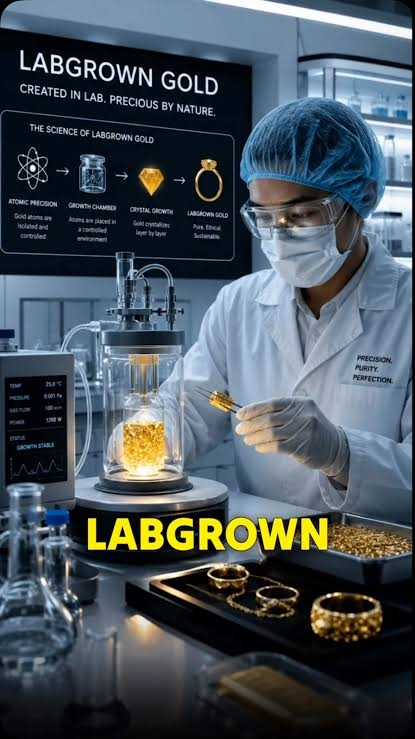
シリコンバレーの核融合スタートアップ、Marathon Fusionは、核融合反応で生じる高エネルギー中性子を照射し、水銀を安定した本物の金へ変換することに成功したと発表し、画期的な成果を主張しました。
同社によると、実験での変換率は、CERNが打ち立てた素粒子物理学の従来のベンチマークを10倍上回ったとのことです。
しかし、見出しで大きく取り上げられているものの、金はまだ商業規模や工業規模で生産されておらず、経済面・技術面で大きな障壁が残っています。
⚠️ 実験室で合成した金がすでに商業規模で生産可能だという主張は、誤解を招くものです。水銀を金に変えるプロセスが商業的に採算の取れる、または拡張可能なものになるまでには、まだ何年もかかります。
🔥速報—米国のスタートアップが画期的な成果を発表:実験室で合成した金が、商業規模で生産可能に。⁉️$XAU $XAUT $PAXG
シリコンバレーの核融合スタートアップ、Marathon Fusionは、核融合反応で生じる高エネルギー中性子を照射し、水銀を安定した本物の金へ変換することに成功したと発表し、画期的な成果を主張しました。
同社によると、実験での変換率は、CERNが打ち立てた素粒子物理学の従来のベンチマークを10倍上回ったとのことです。
しかし、見出しで大きく取り上げられているものの、金はまだ商業規模や工業規模で生産されておらず、経済面・技術面で大きな障壁が残っています。
⚠️ 実験室で合成した金がすでに商業規模で生産可能だという主張は、誤解を招くものです。水銀を金に変えるプロセスが商業的に採算の取れる、または拡張可能なものになるまでには、まだ何年もかかります。
シリコンバレーの核融合スタートアップ、Marathon Fusionは、核融合反応で生じる高エネルギー中性子を照射し、水銀を安定した本物の金へ変換することに成功したと発表し、画期的な成果を主張しました。
同社によると、実験での変換率は、CERNが打ち立てた素粒子物理学の従来のベンチマークを10倍上回ったとのことです。
しかし、見出しで大きく取り上げられているものの、金はまだ商業規模や工業規模で生産されておらず、経済面・技術面で大きな障壁が残っています。
⚠️ 実験室で合成した金がすでに商業規模で生産可能だという主張は、誤解を招くものです。水銀を金に変えるプロセスが商業的に採算の取れる、または拡張可能なものになるまでには、まだ何年もかかります。
271
·
--
本人確認中
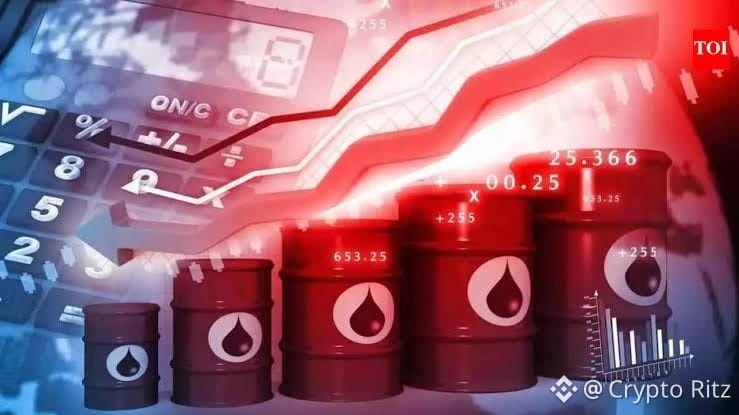
🔥 ブレント原油は5か月ぶりの高値に急騰し、1バレルあたり約112〜114ドルで取引されています 🚀。$CL $BZ
{future}(CLUSDT)
{future}(BZUSDT)
この突然の市場上昇は、西アジアでの地政学的紛争の激化、サウジアラビアのシャイバ油田、ダンマーム空港、ヤンブーへのフーシ派の攻撃、そして米国人職員への退避命令を受けて起きました。$BTR
{future}(BTRUSDT)
ゴールドマン・サックスは、ペルシャ湾全域での物理的な供給障害が物流を妨げ続ける場合、短期的に1バレル120ドルを超える上昇も十分にあり得ると警告しています。
投資家は、エネルギーへの投資集中を、世界的に工業用投入コストを押し上げる幅広い市場のインフレ圧力と釣り合わせることが推奨されます。
🔥 ブレント原油は5か月ぶりの高値に急騰し、1バレルあたり約112〜114ドルで取引されています 🚀。$CL $BZ
この突然の市場上昇は、西アジアでの地政学的紛争の激化、サウジアラビアのシャイバ油田、ダンマーム空港、ヤンブーへのフーシ派の攻撃、そして米国人職員への退避命令を受けて起きました。$BTR
ゴールドマン・サックスは、ペルシャ湾全域での物理的な供給障害が物流を妨げ続ける場合、短期的に1バレル120ドルを超える上昇も十分にあり得ると警告しています。
投資家は、エネルギーへの投資集中を、世界的に工業用投入コストを押し上げる幅広い市場のインフレ圧力と釣り合わせることが推奨されます。
この突然の市場上昇は、西アジアでの地政学的紛争の激化、サウジアラビアのシャイバ油田、ダンマーム空港、ヤンブーへのフーシ派の攻撃、そして米国人職員への退避命令を受けて起きました。$BTR
ゴールドマン・サックスは、ペルシャ湾全域での物理的な供給障害が物流を妨げ続ける場合、短期的に1バレル120ドルを超える上昇も十分にあり得ると警告しています。
投資家は、エネルギーへの投資集中を、世界的に工業用投入コストを押し上げる幅広い市場のインフレ圧力と釣り合わせることが推奨されます。
1
730
·
--
🔥 ベンチャー投資大手のアンドリーセン・ホロウィッツは、旗艦デジタル資産部門の名称をa16z Cryptoからa16z Frontierに変更しました。ブロックチェーン関連スタートアップへの投資を継続しながら、人工知能、ロボティクス、バイオテクノロジー、自律システムへと投資対象を広げます。$BMT $GTC $BTR
{future}(BMTUSDT)
{future}(GTCUSDT)
{future}(BTRUSDT)
同社は、暗号資産ネットワーク、ステーブルコイン、決済、政策提言への投資を今後も続けるとしています。
🔥 ベンチャー投資大手のアンドリーセン・ホロウィッツは、旗艦デジタル資産部門の名称をa16z Cryptoからa16z Frontierに変更しました。ブロックチェーン関連スタートアップへの投資を継続しながら、人工知能、ロボティクス、バイオテクノロジー、自律システムへと投資対象を広げます。$BMT $GTC $BTR
同社は、暗号資産ネットワーク、ステーブルコイン、決済、政策提言への投資を今後も続けるとしています。
同社は、暗号資産ネットワーク、ステーブルコイン、決済、政策提言への投資を今後も続けるとしています。

299
·
--
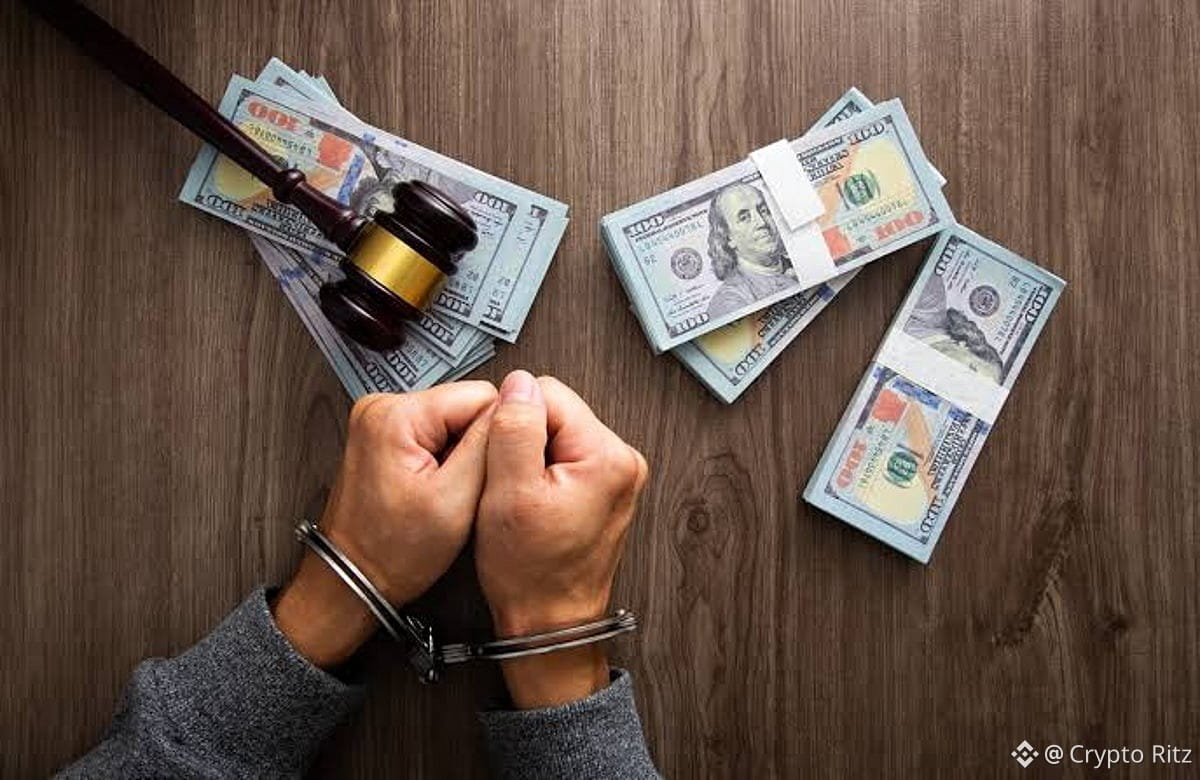
🔥 UAE内務省は、大規模な国際的デジタル詐欺取り締まり「ゴースト対決作戦」を成功裏に主導し、390億ドルを超える不正資金および暗号資産を特定しました。$BTR $BMT $GTC
{future}(BTRUSDT)
{future}(BMTUSDT)
{future}(GTCUSDT)
この作戦には、30か国の法執行機関、INTERPOL、GASA、そしてMetaやMastercardなどのテクノロジー企業13社が参加しました。
🔸司法手続きによる資産回収に向け、国境を越えた390億ドル超のデジタル資産の追跡を継続中。
🔸世界各地の詐欺拠点を29か所捜索し、容疑者960人超を逮捕。
🔸不正な銀行口座4,126件を凍結し、ソーシャルメディアアカウント570件以上を閉鎖、さらに1億2,371万件のサイバー詐欺未遂を阻止。
🔸リアルタイムの情報を共有してネットワークを可視化し、約15,500人の被害者に影響を及ぼす実態を明らかにしました。
🔥 UAE内務省は、大規模な国際的デジタル詐欺取り締まり「ゴースト対決作戦」を成功裏に主導し、390億ドルを超える不正資金および暗号資産を特定しました。$BTR $BMT $GTC
この作戦には、30か国の法執行機関、INTERPOL、GASA、そしてMetaやMastercardなどのテクノロジー企業13社が参加しました。
🔸司法手続きによる資産回収に向け、国境を越えた390億ドル超のデジタル資産の追跡を継続中。
🔸世界各地の詐欺拠点を29か所捜索し、容疑者960人超を逮捕。
🔸不正な銀行口座4,126件を凍結し、ソーシャルメディアアカウント570件以上を閉鎖、さらに1億2,371万件のサイバー詐欺未遂を阻止。
🔸リアルタイムの情報を共有してネットワークを可視化し、約15,500人の被害者に影響を及ぼす実態を明らかにしました。
この作戦には、30か国の法執行機関、INTERPOL、GASA、そしてMetaやMastercardなどのテクノロジー企業13社が参加しました。
🔸司法手続きによる資産回収に向け、国境を越えた390億ドル超のデジタル資産の追跡を継続中。
🔸世界各地の詐欺拠点を29か所捜索し、容疑者960人超を逮捕。
🔸不正な銀行口座4,126件を凍結し、ソーシャルメディアアカウント570件以上を閉鎖、さらに1億2,371万件のサイバー詐欺未遂を阻止。
🔸リアルタイムの情報を共有してネットワークを可視化し、約15,500人の被害者に影響を及ぼす実態を明らかにしました。
415
ログインして、さらにコンテンツを読む
厳選トピックで世界の暗号資産トレーダーの仲間入り
⚡️ 暗号資産に関する最新かつ有益な情報が見つかります。
💬 世界最大の暗号資産取引所から信頼されています。
👍 認証を受けたクリエイターから、有益なインサイトを得られます。
メール / 電話番号