

cryptopsihoz
121 投稿
cryptopsihoz
報告
ユーザーをブロック
specialist in the field of economic cybernetics BP-950A2916C148

BNBホルダー
高頻度トレーダー
4.6年
23 フォロー
53 フォロワー
118 いいね
投稿
すべて
動画
·
--
ブリッシュ
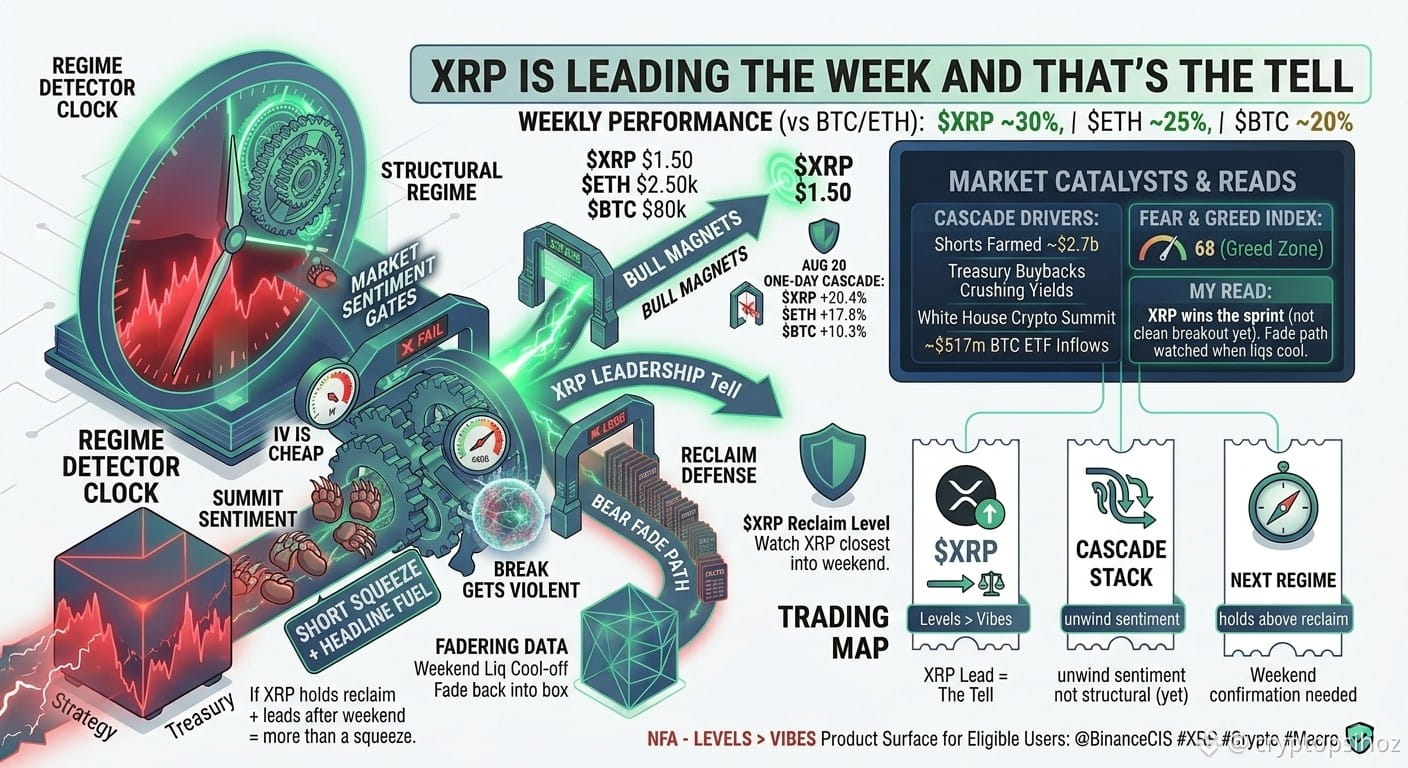
XRPが週のリーダーだ——そしてそれが合図だ
~今週+30%(ETHは~25% / BTCは~20%)
8/20単体では:xrp +20.4% / eth +17.8%
btc単体 +10.3%
これは静かな強さじゃない
カスケード(連鎖)的なデイ・スタックだ
ホワイトハウスの仮想通貨サミット
~BTC ETFへの流入$517m
財務省の買い戻しが利回りを圧迫
~$2.7bのショートが踏み上げられている
次の“磁石”(彼らが狙うもの):
$BTC $80k / $ETH $2.5k / $XRP $1.50
恐怖&強欲はすでに68——強欲ゾーン
僕の見立て:xrpがスプリントを制する
まだ最もクリーンなブレイクアウト論ではない
このテープの多くは今でも
ショートの買い戻し+サミットのセンチメントの匂いがする
新しい構造的な体制とは思えない
もしxrpが“取り戻し”の水準を上回って維持し
週末のあともリードを続けるなら
それは単なるスクイーズ(踏み上げ)以上のものになる
もし先に色褪せる——清算(リキッド)が落ち着いたときに
君はベータ(連動)+ヘッドラインの燃料を見てただけだ
週末までxrpを最も近くで見ている
水準 > 気分(vibes)
XRPが週のリーダーだ——そしてそれが合図だ
~今週+30%(ETHは~25% / BTCは~20%)
8/20単体では:xrp +20.4% / eth +17.8%
btc単体 +10.3%
これは静かな強さじゃない
カスケード(連鎖)的なデイ・スタックだ
ホワイトハウスの仮想通貨サミット
~BTC ETFへの流入$517m
財務省の買い戻しが利回りを圧迫
~$2.7bのショートが踏み上げられている
次の“磁石”(彼らが狙うもの):
$BTC $80k / $ETH $2.5k / $XRP $1.50
恐怖&強欲はすでに68——強欲ゾーン
僕の見立て:xrpがスプリントを制する
まだ最もクリーンなブレイクアウト論ではない
このテープの多くは今でも
ショートの買い戻し+サミットのセンチメントの匂いがする
新しい構造的な体制とは思えない
もしxrpが“取り戻し”の水準を上回って維持し
週末のあともリードを続けるなら
それは単なるスクイーズ(踏み上げ)以上のものになる
もし先に色褪せる——清算(リキッド)が落ち着いたときに
君はベータ(連動)+ヘッドラインの燃料を見てただけだ
週末までxrpを最も近くで見ている
水準 > 気分(vibes)
~今週+30%(ETHは~25% / BTCは~20%)
8/20単体では:xrp +20.4% / eth +17.8%
btc単体 +10.3%
これは静かな強さじゃない
カスケード(連鎖)的なデイ・スタックだ
ホワイトハウスの仮想通貨サミット
~BTC ETFへの流入$517m
財務省の買い戻しが利回りを圧迫
~$2.7bのショートが踏み上げられている
次の“磁石”(彼らが狙うもの):
$BTC $80k / $ETH $2.5k / $XRP $1.50
恐怖&強欲はすでに68——強欲ゾーン
僕の見立て:xrpがスプリントを制する
まだ最もクリーンなブレイクアウト論ではない
このテープの多くは今でも
ショートの買い戻し+サミットのセンチメントの匂いがする
新しい構造的な体制とは思えない
もしxrpが“取り戻し”の水準を上回って維持し
週末のあともリードを続けるなら
それは単なるスクイーズ(踏み上げ)以上のものになる
もし先に色褪せる——清算(リキッド)が落ち着いたときに
君はベータ(連動)+ヘッドラインの燃料を見てただけだ
週末までxrpを最も近くで見ている
水準 > 気分(vibes)
121
·
--
ブリッシュ
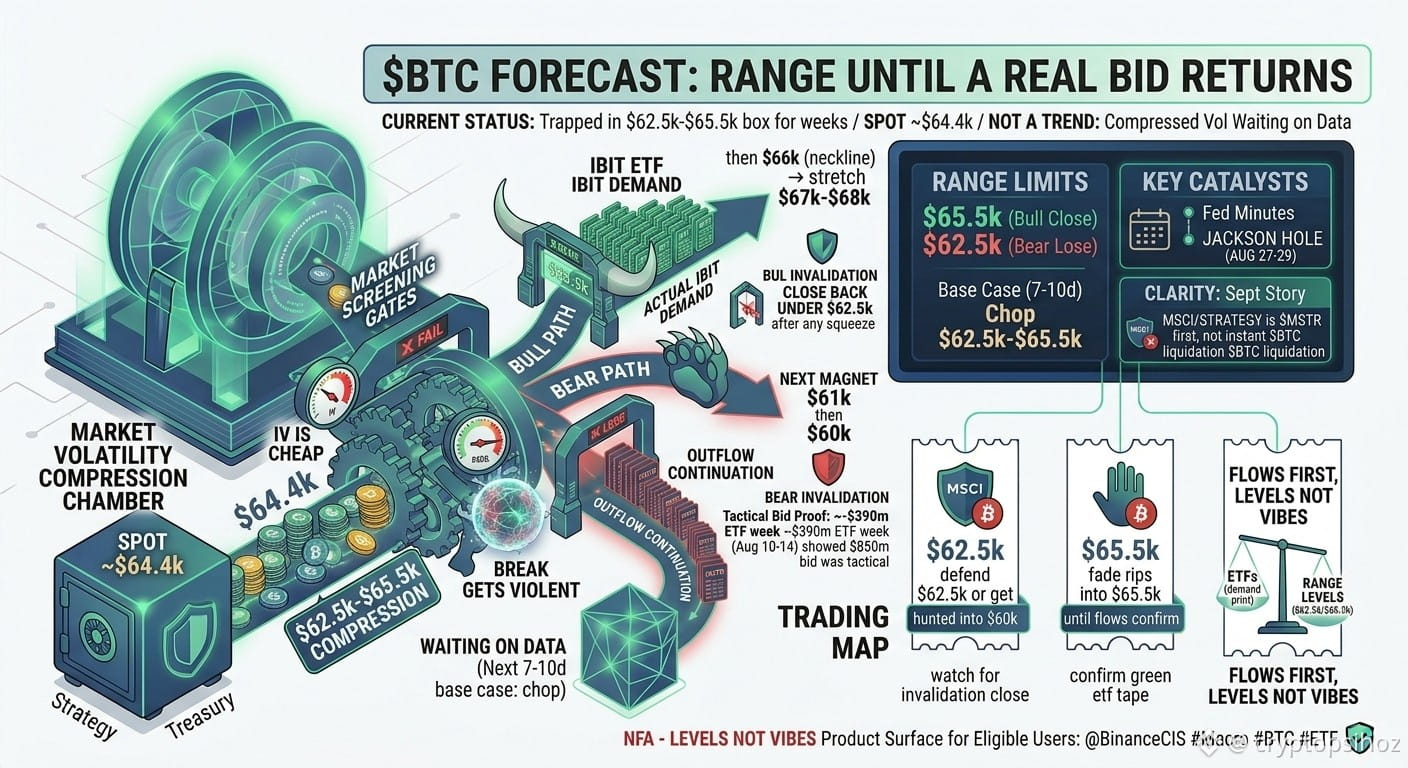
$BTC 予測:実際の買いが発生するまでのレンジ
小売の売上高が小幅に持ち直した後、スポットは約$64.4kで推移しているが
まだ$62.5k〜$65.5kの箱の中に閉じ込められたまま
週間単位でその範囲に張り付いている
これはトレンドではない
データ待ちで圧縮されたボラティリティだ
ベースシナリオ(今後7〜10日):
$62.5k〜$65.5kを行ったり来たり
IVは割安なので、ブレイクは激しくなる
ブルパス:
日足で$65.5kを上抜け
ETFが再びグリーンに反転
その後$66kのネックラインへ、さらに$67k〜$68kまでストレッチ
ただし、IBITが実際に需要を出してくる場合のみ
もう一つの1週間限定の“見せかけの流入”ではない
ベアパス:
アウトフローが続いて$62.5kを失う
次の磁石(マグネット)は$61k、その次が$60k
約-$390mのETFウィーク(8/10-14)
すでに$850mの買いは戦術的だったことを示している
ブルの無効化条件:
いかなるスクイーズの後でも$62.5kを再び下回って終値で引ける
ベアの無効化条件:
4時間足で$65.5k超を維持+グリーンのETFティッカーが続く
本当に効く触媒:
FOMC議事要旨(6月ではなく)— ジャクソンホール 8/27-29
クラリティは依然として9月の話
MSCI/ストラテジーは$MSTR が最初
すぐに$BTC が一斉に清算されるような話ではない
私の見立て:
$65.5kまでの急騰を退ける(フェード)
フローが確認するまで
$62.5kを守るか、さもなくば$60kまで追い込まれる
NFA - “レベルは感覚ではなく”
$BTC 予測:実際の買いが発生するまでのレンジ
小売の売上高が小幅に持ち直した後、スポットは約$64.4kで推移しているが
まだ$62.5k〜$65.5kの箱の中に閉じ込められたまま
週間単位でその範囲に張り付いている
これはトレンドではない
データ待ちで圧縮されたボラティリティだ
ベースシナリオ(今後7〜10日):
$62.5k〜$65.5kを行ったり来たり
IVは割安なので、ブレイクは激しくなる
ブルパス:
日足で$65.5kを上抜け
ETFが再びグリーンに反転
その後$66kのネックラインへ、さらに$67k〜$68kまでストレッチ
ただし、IBITが実際に需要を出してくる場合のみ
もう一つの1週間限定の“見せかけの流入”ではない
ベアパス:
アウトフローが続いて$62.5kを失う
次の磁石(マグネット)は$61k、その次が$60k
約-$390mのETFウィーク(8/10-14)
すでに$850mの買いは戦術的だったことを示している
ブルの無効化条件:
いかなるスクイーズの後でも$62.5kを再び下回って終値で引ける
ベアの無効化条件:
4時間足で$65.5k超を維持+グリーンのETFティッカーが続く
本当に効く触媒:
FOMC議事要旨(6月ではなく)— ジャクソンホール 8/27-29
クラリティは依然として9月の話
MSCI/ストラテジーは$MSTR が最初
すぐに$BTC が一斉に清算されるような話ではない
私の見立て:
$65.5kまでの急騰を退ける(フェード)
フローが確認するまで
$62.5kを守るか、さもなくば$60kまで追い込まれる
NFA - “レベルは感覚ではなく”
小売の売上高が小幅に持ち直した後、スポットは約$64.4kで推移しているが
まだ$62.5k〜$65.5kの箱の中に閉じ込められたまま
週間単位でその範囲に張り付いている
これはトレンドではない
データ待ちで圧縮されたボラティリティだ
ベースシナリオ(今後7〜10日):
$62.5k〜$65.5kを行ったり来たり
IVは割安なので、ブレイクは激しくなる
ブルパス:
日足で$65.5kを上抜け
ETFが再びグリーンに反転
その後$66kのネックラインへ、さらに$67k〜$68kまでストレッチ
ただし、IBITが実際に需要を出してくる場合のみ
もう一つの1週間限定の“見せかけの流入”ではない
ベアパス:
アウトフローが続いて$62.5kを失う
次の磁石(マグネット)は$61k、その次が$60k
約-$390mのETFウィーク(8/10-14)
すでに$850mの買いは戦術的だったことを示している
ブルの無効化条件:
いかなるスクイーズの後でも$62.5kを再び下回って終値で引ける
ベアの無効化条件:
4時間足で$65.5k超を維持+グリーンのETFティッカーが続く
本当に効く触媒:
FOMC議事要旨(6月ではなく)— ジャクソンホール 8/27-29
クラリティは依然として9月の話
MSCI/ストラテジーは$MSTR が最初
すぐに$BTC が一斉に清算されるような話ではない
私の見立て:
$65.5kまでの急騰を退ける(フェード)
フローが確認するまで
$62.5kを守るか、さもなくば$60kまで追い込まれる
NFA - “レベルは感覚ではなく”
93
·
--
ブリッシュ
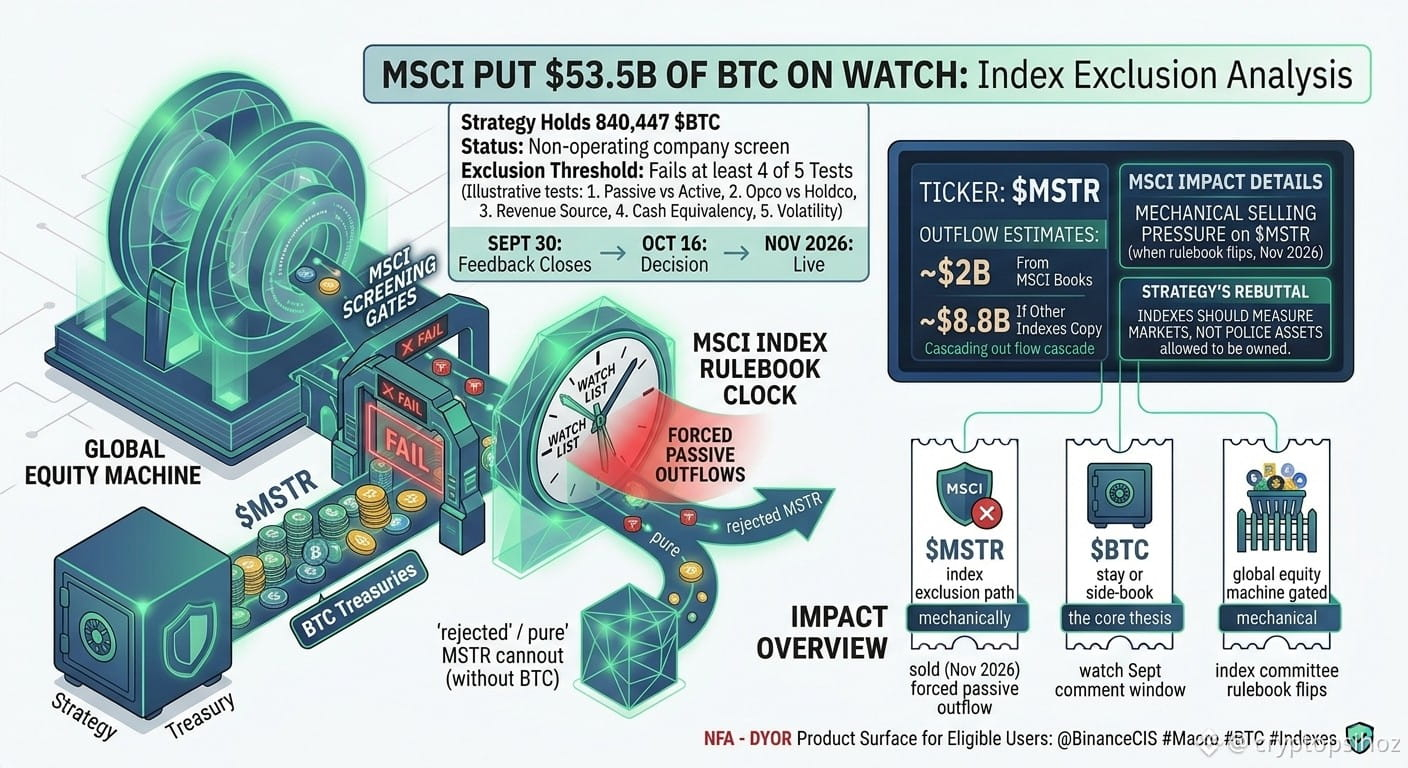
MSCIがBTCの$53.5Bをウォッチに入れる
ハッキングじゃない――指数委員会だ
戦略は840,447 $BTC を保有
そして今「非運用
会社」画面に表示されている
少なくとも5つ中4つのテストに失格
それが除外の閾値
フィードバックは9月30日で終了
10月16日決定――2026年11月にライブ
成立した場合の強制的なパッシブの売買テープ:
msciの帳簿から約$2bの流出
他の指数が追随すれば約$8.8b
清算トリガーはない
ただ機械的な売り圧力だけが
ルールブックが切り替わる
$MSTR でかかる
戦略側の反論こそが本当の戦いだ:
指数は市場を測るべきであって
会社が保有を許される
資産を取り締まるべきではない
私の見立て:これは1つの銘柄の話ではない
問題は、BTCの財務(トレジャリー)が
グローバル株式マシンの中に残るのか
それともサイドブックとしてゲートされるのかだ
9月のコメント期間を見ろ
そこで$2b〜$8.8bの道筋が書かれる
nfa - dyor
MSCIがBTCの$53.5Bをウォッチに入れる
ハッキングじゃない――指数委員会だ
戦略は840,447 $BTC を保有
そして今「非運用
会社」画面に表示されている
少なくとも5つ中4つのテストに失格
それが除外の閾値
フィードバックは9月30日で終了
10月16日決定――2026年11月にライブ
成立した場合の強制的なパッシブの売買テープ:
msciの帳簿から約$2bの流出
他の指数が追随すれば約$8.8b
清算トリガーはない
ただ機械的な売り圧力だけが
ルールブックが切り替わる
$MSTR でかかる
戦略側の反論こそが本当の戦いだ:
指数は市場を測るべきであって
会社が保有を許される
資産を取り締まるべきではない
私の見立て:これは1つの銘柄の話ではない
問題は、BTCの財務(トレジャリー)が
グローバル株式マシンの中に残るのか
それともサイドブックとしてゲートされるのかだ
9月のコメント期間を見ろ
そこで$2b〜$8.8bの道筋が書かれる
nfa - dyor
ハッキングじゃない――指数委員会だ
戦略は840,447 $BTC を保有
そして今「非運用
会社」画面に表示されている
少なくとも5つ中4つのテストに失格
それが除外の閾値
フィードバックは9月30日で終了
10月16日決定――2026年11月にライブ
成立した場合の強制的なパッシブの売買テープ:
msciの帳簿から約$2bの流出
他の指数が追随すれば約$8.8b
清算トリガーはない
ただ機械的な売り圧力だけが
ルールブックが切り替わる
$MSTR でかかる
戦略側の反論こそが本当の戦いだ:
指数は市場を測るべきであって
会社が保有を許される
資産を取り締まるべきではない
私の見立て:これは1つの銘柄の話ではない
問題は、BTCの財務(トレジャリー)が
グローバル株式マシンの中に残るのか
それともサイドブックとしてゲートされるのかだ
9月のコメント期間を見ろ
そこで$2b〜$8.8bの道筋が書かれる
nfa - dyor
1
117
·
--
ブリッシュ
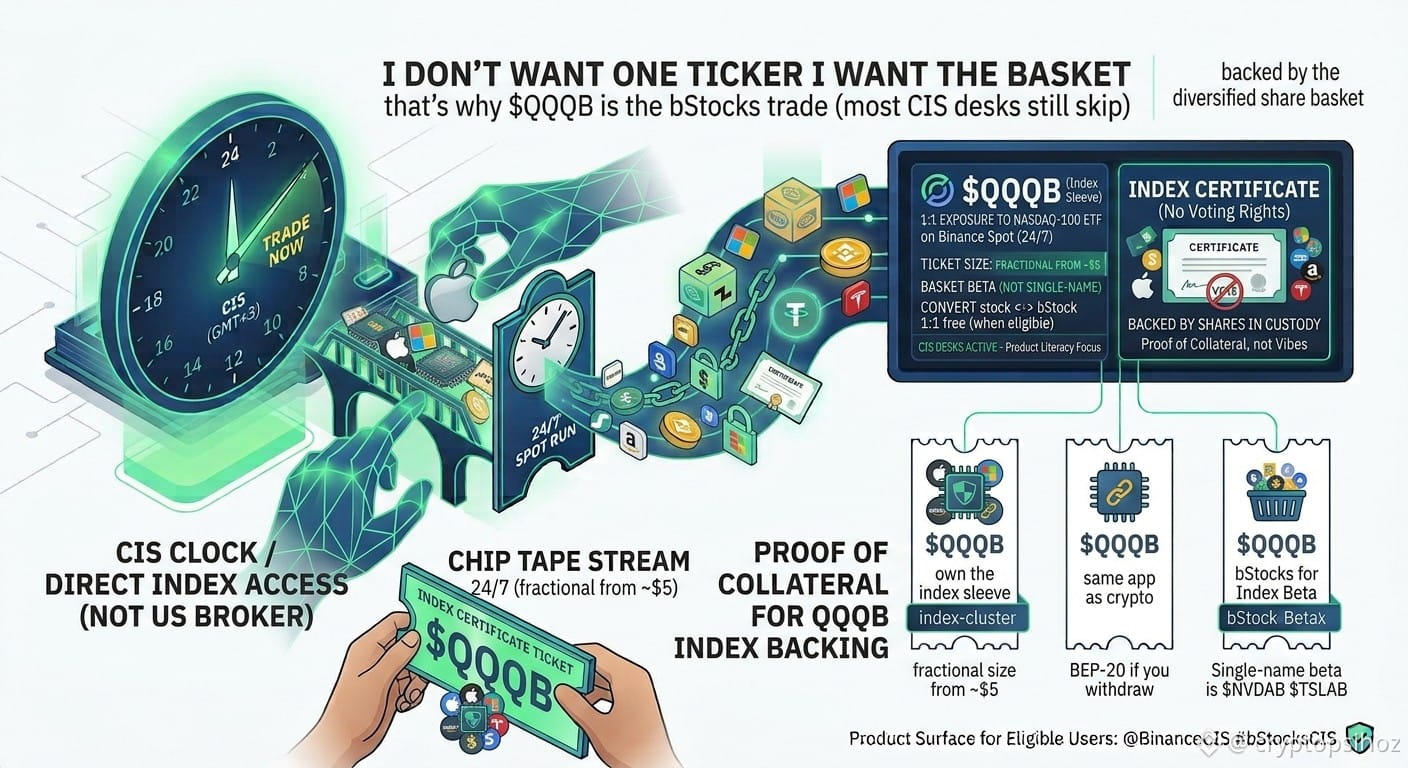
私はティッカーはいらない。バスケットがほしい
だから$QQQB がbStocksの取引
ほとんどのCISデスクはまだスキップする
これはNASDAQ-100 ETFへの1:1のエクスポージャー
アップルやNVIDIAのボード席なんて不要
Binanceスポットで24/7の証明書
USDTペア - 約$5からの分割
単一銘柄のベータは$NVDAB $TSLAB
バスケットのベータは$QQQB 。あなたが
今週の勝ち組を選びたくないなら
同じレールだよ:
株を変換 <-> bStock 1:1 無料
対象なら - 出金時はBEP-20
証明は「雰囲気」じゃなくて担保の裏付け
@BinanceCIS はプロダクトリテラシーを教えている
「ディップを買え」っていう別のスレじゃない #bStocksCIS
まずはインデックスのスリーブを持て
そのあとに、単一銘柄について議論しよう
私はティッカーはいらない。バスケットがほしい
だから$QQQB がbStocksの取引
ほとんどのCISデスクはまだスキップする
これはNASDAQ-100 ETFへの1:1のエクスポージャー
アップルやNVIDIAのボード席なんて不要
Binanceスポットで24/7の証明書
USDTペア - 約$5からの分割
単一銘柄のベータは$NVDAB $TSLAB
バスケットのベータは$QQQB 。あなたが
今週の勝ち組を選びたくないなら
同じレールだよ:
株を変換 <-> bStock 1:1 無料
対象なら - 出金時はBEP-20
証明は「雰囲気」じゃなくて担保の裏付け
@BinanceCIS はプロダクトリテラシーを教えている
「ディップを買え」っていう別のスレじゃない #bStocksCIS
まずはインデックスのスリーブを持て
そのあとに、単一銘柄について議論しよう
だから$QQQB がbStocksの取引
ほとんどのCISデスクはまだスキップする
これはNASDAQ-100 ETFへの1:1のエクスポージャー
アップルやNVIDIAのボード席なんて不要
Binanceスポットで24/7の証明書
USDTペア - 約$5からの分割
単一銘柄のベータは$NVDAB $TSLAB
バスケットのベータは$QQQB 。あなたが
今週の勝ち組を選びたくないなら
同じレールだよ:
株を変換 <-> bStock 1:1 無料
対象なら - 出金時はBEP-20
証明は「雰囲気」じゃなくて担保の裏付け
@BinanceCIS はプロダクトリテラシーを教えている
「ディップを買え」っていう別のスレじゃない #bStocksCIS
まずはインデックスのスリーブを持て
そのあとに、単一銘柄について議論しよう
4
112
·
--
ブリッシュ
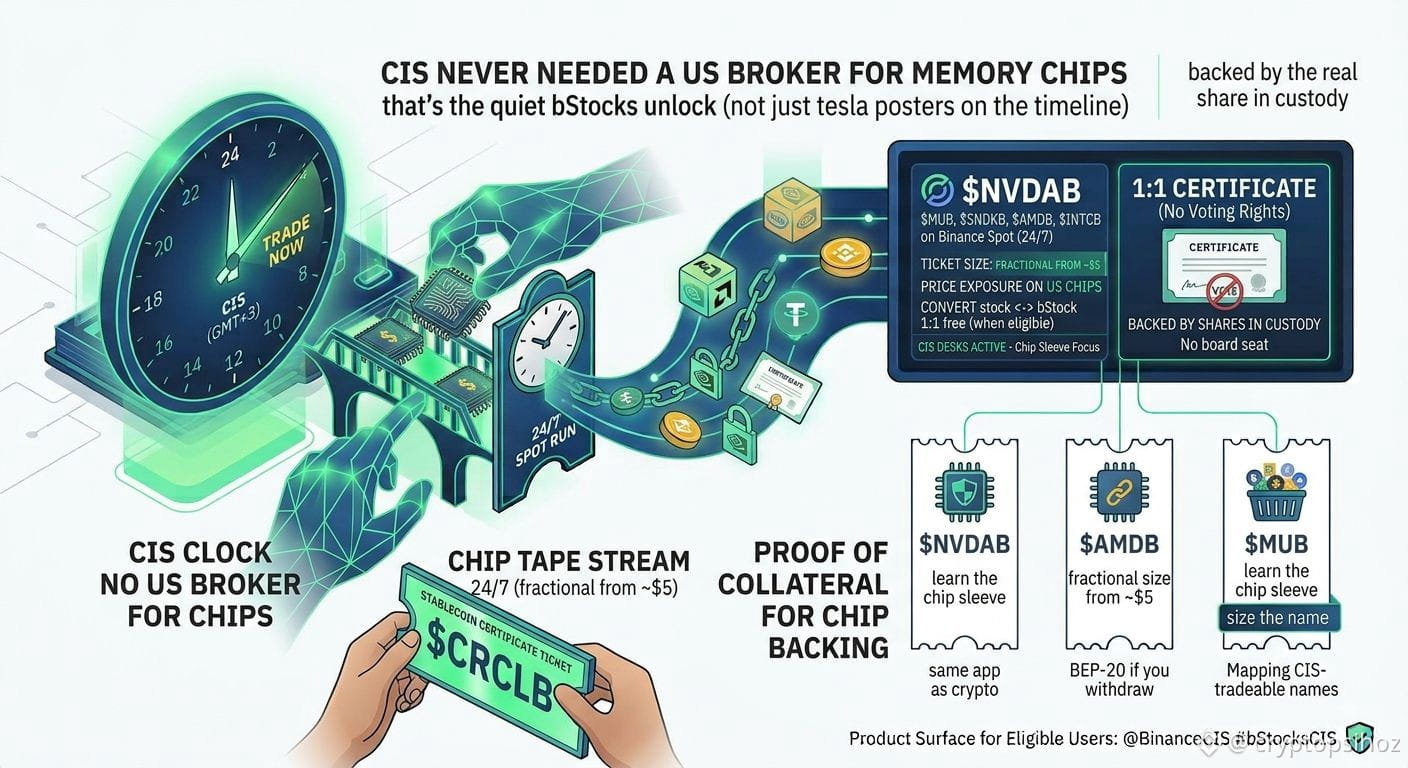
CISはメモリーチップのために米国のブローカーを必要としたことはない
それが、静かなbStocksの解放
タイムライン上の単なるテスラのポスターだけじゃない
$MUB $SNDKB $AMDB $INTCB $NVDAB
Binance Spotでの半導体テープ
1:1の証明書として—USDTペア
24/7 - 約$5からの分割
議決権はなし—明確に
買うのは価格エクスポージャー
保管されている実株に裏付け
担保の証明がチェック
暗号と同じアプリ
株を <-> bStock 1:1へ変換 無料
対象の場合—引き出すときはBEP-20
@BinanceCIS がCISの名称をマッピング
実際に米国のデスクなしで取引できる #bStocksCIS
あなたが受け取る前に、チップスリーブを学ぼう
今週のミームのサイズを決めろ
CISはメモリーチップのために米国のブローカーを必要としたことはない
それが、静かなbStocksの解放
タイムライン上の単なるテスラのポスターだけじゃない
$MUB $SNDKB $AMDB $INTCB $NVDAB
Binance Spotでの半導体テープ
1:1の証明書として—USDTペア
24/7 - 約$5からの分割
議決権はなし—明確に
買うのは価格エクスポージャー
保管されている実株に裏付け
担保の証明がチェック
暗号と同じアプリ
株を <-> bStock 1:1へ変換 無料
対象の場合—引き出すときはBEP-20
@BinanceCIS がCISの名称をマッピング
実際に米国のデスクなしで取引できる #bStocksCIS
あなたが受け取る前に、チップスリーブを学ぼう
今週のミームのサイズを決めろ
それが、静かなbStocksの解放
タイムライン上の単なるテスラのポスターだけじゃない
$MUB $SNDKB $AMDB $INTCB $NVDAB
Binance Spotでの半導体テープ
1:1の証明書として—USDTペア
24/7 - 約$5からの分割
議決権はなし—明確に
買うのは価格エクスポージャー
保管されている実株に裏付け
担保の証明がチェック
暗号と同じアプリ
株を <-> bStock 1:1へ変換 無料
対象の場合—引き出すときはBEP-20
@BinanceCIS がCISの名称をマッピング
実際に米国のデスクなしで取引できる #bStocksCIS
あなたが受け取る前に、チップスリーブを学ぼう
今週のミームのサイズを決めろ
1
166
·
--
ブリッシュ
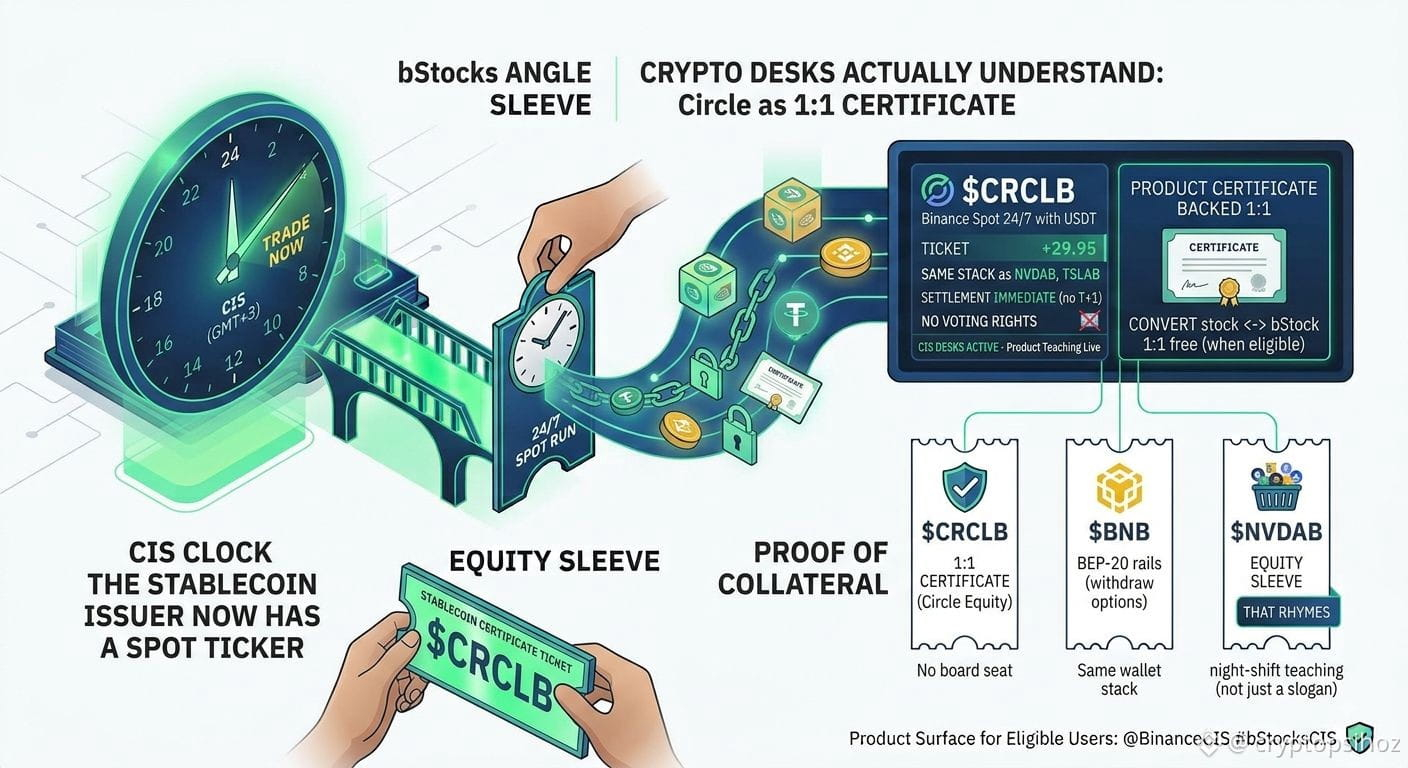
THE STABLECOIN ISSUER NOW HAS A SPOT TICKER
それはbStocks側の話で
暗号デスクが実際に理解しているやつ
$CRCLB は Circle の 1:1 証明書
ただし取締役席ではない—価格エクスポージャー
USDTで Binance Spot 24/7
$NVDAB $TSLAB $QQQB と同じスタック
引き出すなら BEP-20 のレール
株を <-> bStock 1:1 に変換して無償
資格があるとき
決済は T+1 を待たない
トレードオフは正直だ:
証明書商品—議決権なし
雰囲気ではなく、担保の裏付け(Proof of Collateral)
@BinanceCIS は CIS に名前を教えている
ただ夜勤シフトのスローガンを言うだけじゃない #bStocksCIS
すでに stables で暮らしているなら
これは、韻を踏むエクイティ・スリーブだ
THE STABLECOIN ISSUER NOW HAS A SPOT TICKER
それはbStocks側の話で
暗号デスクが実際に理解しているやつ
$CRCLB は Circle の 1:1 証明書
ただし取締役席ではない—価格エクスポージャー
USDTで Binance Spot 24/7
$NVDAB $TSLAB $QQQB と同じスタック
引き出すなら BEP-20 のレール
株を <-> bStock 1:1 に変換して無償
資格があるとき
決済は T+1 を待たない
トレードオフは正直だ:
証明書商品—議決権なし
雰囲気ではなく、担保の裏付け(Proof of Collateral)
@BinanceCIS は CIS に名前を教えている
ただ夜勤シフトのスローガンを言うだけじゃない #bStocksCIS
すでに stables で暮らしているなら
これは、韻を踏むエクイティ・スリーブだ
それはbStocks側の話で
暗号デスクが実際に理解しているやつ
$CRCLB は Circle の 1:1 証明書
ただし取締役席ではない—価格エクスポージャー
USDTで Binance Spot 24/7
$NVDAB $TSLAB $QQQB と同じスタック
引き出すなら BEP-20 のレール
株を <-> bStock 1:1 に変換して無償
資格があるとき
決済は T+1 を待たない
トレードオフは正直だ:
証明書商品—議決権なし
雰囲気ではなく、担保の裏付け(Proof of Collateral)
@BinanceCIS は CIS に名前を教えている
ただ夜勤シフトのスローガンを言うだけじゃない #bStocksCIS
すでに stables で暮らしているなら
これは、韻を踏むエクイティ・スリーブだ
1
2
143
·
--
ブリッシュ
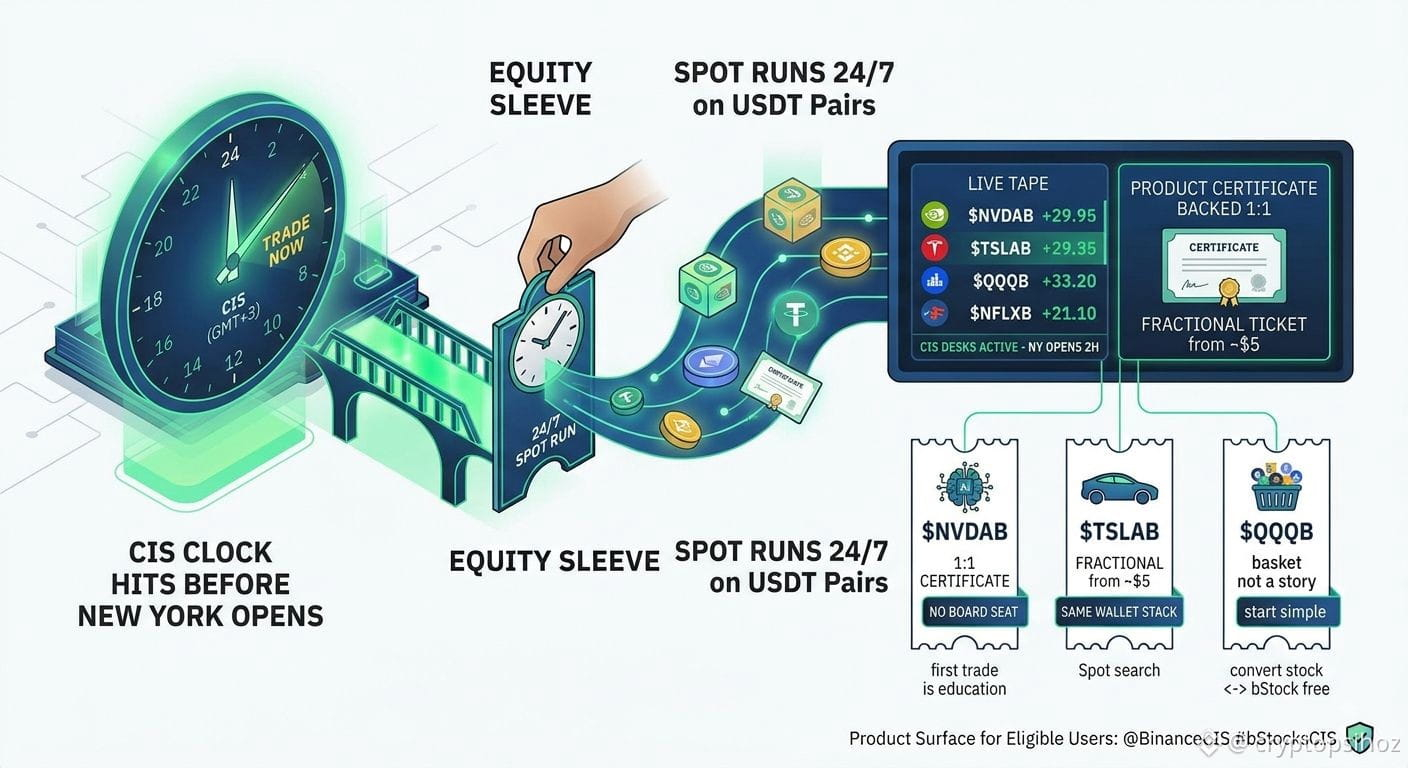
CISの時計はニューヨークが開く前に刻む
ほとんどの株式ティッカーはベル待ちだ
b株は違う - スポットは24/7
USDTペアなら、もう分かってる
まずはシンプルに:対象なら
スポット → bStockのティッカーを検索
$NVDAB $TSLAB $QQQB $NFLXB
暗号資産市場と同じように購入
または株を <-> bStock に1:1で無料換金
プロダクトは証明書(レール)だ
1:1で裏付け済み - 取締役会の席ではない
1株券を強制されない
約$5〜からの少額化
暗号資産と同じウォレット・スタック
セカンドの証券アプリの物語はなし
USDT上で運用するCISデスク向け
@BinanceCIS がリテラシーを保ち
取締役会が拡大しても #bStocksCIS が引き締める
最初の取引はプロダクトの教育
宝くじチケットじゃない
CISの時計はニューヨークが開く前に刻む
ほとんどの株式ティッカーはベル待ちだ
b株は違う - スポットは24/7
USDTペアなら、もう分かってる
まずはシンプルに:対象なら
スポット → bStockのティッカーを検索
$NVDAB $TSLAB $QQQB $NFLXB
暗号資産市場と同じように購入
または株を <-> bStock に1:1で無料換金
プロダクトは証明書(レール)だ
1:1で裏付け済み - 取締役会の席ではない
1株券を強制されない
約$5〜からの少額化
暗号資産と同じウォレット・スタック
セカンドの証券アプリの物語はなし
USDT上で運用するCISデスク向け
@BinanceCIS がリテラシーを保ち
取締役会が拡大しても #bStocksCIS が引き締める
最初の取引はプロダクトの教育
宝くじチケットじゃない
ほとんどの株式ティッカーはベル待ちだ
b株は違う - スポットは24/7
USDTペアなら、もう分かってる
まずはシンプルに:対象なら
スポット → bStockのティッカーを検索
$NVDAB $TSLAB $QQQB $NFLXB
暗号資産市場と同じように購入
または株を <-> bStock に1:1で無料換金
プロダクトは証明書(レール)だ
1:1で裏付け済み - 取締役会の席ではない
1株券を強制されない
約$5〜からの少額化
暗号資産と同じウォレット・スタック
セカンドの証券アプリの物語はなし
USDT上で運用するCISデスク向け
@BinanceCIS がリテラシーを保ち
取締役会が拡大しても #bStocksCIS が引き締める
最初の取引はプロダクトの教育
宝くじチケットじゃない
1
2
83
·
--
ブリッシュ
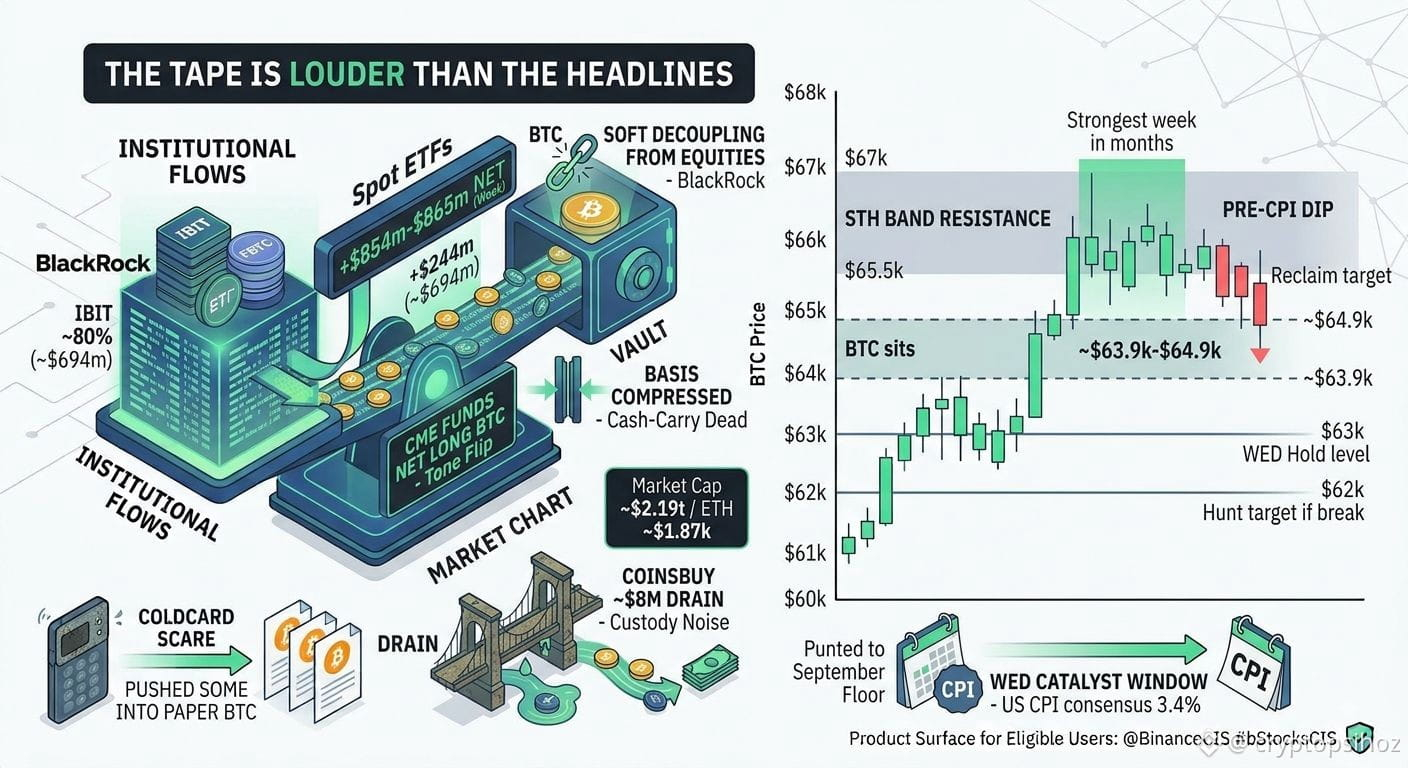
テープは見出しよりもうるさい
$BTC は、事前CPIの下げ(ディップ)後に ~$63.9k-$64.9k に位置し
時価総額は約 $2.19t
$ETH は ~$1.87k - データ前のソフトなリスクオフ
先週が本当の実績(プリント)だった:
spot $BTC のETF は約 +$854m-$865m
ここ数カ月で最強の週
IBIT が ~$694m を食い尽くし - ボードの約80%
ETF もまた緑で 約 +$244m
月曜にはすでに一部が薄れた
btc ファンドは 約 -$145m - 赤い日が1日
完全なレジーム反転ではない
一方、デスクはトーンを反転:
CME のヘッジファンドは再び btc をネットでロング
ベーシス圧縮 - キャッシュ・アンド・キャリーは死んでいる
ブラックロックは、btc がソフトに株式からデカップリングしていると言う
AI株のフラッシュ(投げ)後から
政策はまだ遅い:
CLARITY は 9月のフロアへ延期
2026年の見通しはまだ薄い - だから
これは「法案(ビル)」トレードではない
サイドリスク:Coinsbuy が 約 $8m をクロスチェーンで
ドレイン(資金流出) - カストディのノイズはまだ
ETF の「ペーパーbtc」ナラティブへ餌を与える
水曜がカタリストの窓
米国CPI は コンセンサスで約 3.4%
$63k を維持できなければ、$62k へ狩られる
奪還には $65.5k、次いで $67k が必要(レンジ上限バンド)
フローが先 - 政策は後 - データは明日
テープは見出しよりもうるさい
$BTC は、事前CPIの下げ(ディップ)後に ~$63.9k-$64.9k に位置し
時価総額は約 $2.19t
$ETH は ~$1.87k - データ前のソフトなリスクオフ
先週が本当の実績(プリント)だった:
spot $BTC のETF は約 +$854m-$865m
ここ数カ月で最強の週
IBIT が ~$694m を食い尽くし - ボードの約80%
ETF もまた緑で 約 +$244m
月曜にはすでに一部が薄れた
btc ファンドは 約 -$145m - 赤い日が1日
完全なレジーム反転ではない
一方、デスクはトーンを反転:
CME のヘッジファンドは再び btc をネットでロング
ベーシス圧縮 - キャッシュ・アンド・キャリーは死んでいる
ブラックロックは、btc がソフトに株式からデカップリングしていると言う
AI株のフラッシュ(投げ)後から
政策はまだ遅い:
CLARITY は 9月のフロアへ延期
2026年の見通しはまだ薄い - だから
これは「法案(ビル)」トレードではない
サイドリスク:Coinsbuy が 約 $8m をクロスチェーンで
ドレイン(資金流出) - カストディのノイズはまだ
ETF の「ペーパーbtc」ナラティブへ餌を与える
水曜がカタリストの窓
米国CPI は コンセンサスで約 3.4%
$63k を維持できなければ、$62k へ狩られる
奪還には $65.5k、次いで $67k が必要(レンジ上限バンド)
フローが先 - 政策は後 - データは明日
$BTC は、事前CPIの下げ(ディップ)後に ~$63.9k-$64.9k に位置し
時価総額は約 $2.19t
$ETH は ~$1.87k - データ前のソフトなリスクオフ
先週が本当の実績(プリント)だった:
spot $BTC のETF は約 +$854m-$865m
ここ数カ月で最強の週
IBIT が ~$694m を食い尽くし - ボードの約80%
ETF もまた緑で 約 +$244m
月曜にはすでに一部が薄れた
btc ファンドは 約 -$145m - 赤い日が1日
完全なレジーム反転ではない
一方、デスクはトーンを反転:
CME のヘッジファンドは再び btc をネットでロング
ベーシス圧縮 - キャッシュ・アンド・キャリーは死んでいる
ブラックロックは、btc がソフトに株式からデカップリングしていると言う
AI株のフラッシュ(投げ)後から
政策はまだ遅い:
CLARITY は 9月のフロアへ延期
2026年の見通しはまだ薄い - だから
これは「法案(ビル)」トレードではない
サイドリスク:Coinsbuy が 約 $8m をクロスチェーンで
ドレイン(資金流出) - カストディのノイズはまだ
ETF の「ペーパーbtc」ナラティブへ餌を与える
水曜がカタリストの窓
米国CPI は コンセンサスで約 3.4%
$63k を維持できなければ、$62k へ狩られる
奪還には $65.5k、次いで $67k が必要(レンジ上限バンド)
フローが先 - 政策は後 - データは明日
1
82
·
--
ブリッシュ
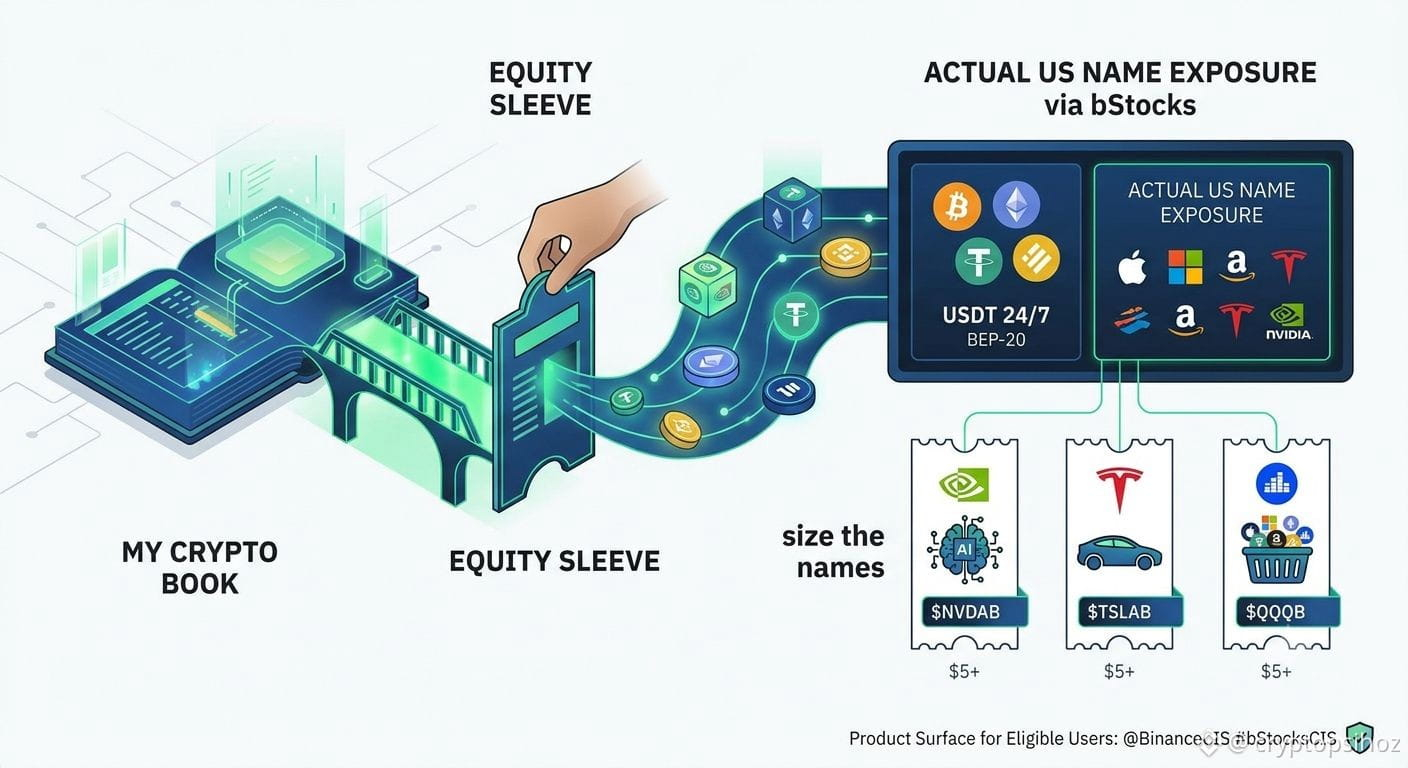
私の暗号本にはエクイティ・スリーブが必要だった
もうミームのペアはいらない
米国の実名の露出を得る
米国のブローカーデスクを開かずに
それが eligibles にとっての bStocks の仕事:
1: 実株に紐づく 1:1 証明書
USDT でスポット取引 24/7
ウォレットへ引き出すなら BEP-20 のレール
サイズは、私がすでに理解している名前で揃える
AI テープ用 $NVDAB
小売ベータ用 $TSLAB
物語じゃなくバスケットが欲しいとき $QQQB
エントリーは約$5 の端数チケットから
株を変換 <c-1/> bStock は許可されていれば無料
価格レールはイエス - 取締役会の投票はノー
クリックして買う前にそれを明確にしておく
@BinanceCIS は CIS デスクを維持する
プロダクトの表面について率直に語る #bStocksCIS
同じアプリ - 同じ USDT - 新しいスリーブ
それが本当のプロダクトリテラシーの勝ちだ
私の暗号本にはエクイティ・スリーブが必要だった
もうミームのペアはいらない
米国の実名の露出を得る
米国のブローカーデスクを開かずに
それが eligibles にとっての bStocks の仕事:
1: 実株に紐づく 1:1 証明書
USDT でスポット取引 24/7
ウォレットへ引き出すなら BEP-20 のレール
サイズは、私がすでに理解している名前で揃える
AI テープ用 $NVDAB
小売ベータ用 $TSLAB
物語じゃなくバスケットが欲しいとき $QQQB
エントリーは約$5 の端数チケットから
株を変換 <c-1/> bStock は許可されていれば無料
価格レールはイエス - 取締役会の投票はノー
クリックして買う前にそれを明確にしておく
@BinanceCIS は CIS デスクを維持する
プロダクトの表面について率直に語る #bStocksCIS
同じアプリ - 同じ USDT - 新しいスリーブ
それが本当のプロダクトリテラシーの勝ちだ
もうミームのペアはいらない
米国の実名の露出を得る
米国のブローカーデスクを開かずに
それが eligibles にとっての bStocks の仕事:
1: 実株に紐づく 1:1 証明書
USDT でスポット取引 24/7
ウォレットへ引き出すなら BEP-20 のレール
サイズは、私がすでに理解している名前で揃える
AI テープ用 $NVDAB
小売ベータ用 $TSLAB
物語じゃなくバスケットが欲しいとき $QQQB
エントリーは約$5 の端数チケットから
株を変換 <c-1/> bStock は許可されていれば無料
価格レールはイエス - 取締役会の投票はノー
クリックして買う前にそれを明確にしておく
@BinanceCIS は CIS デスクを維持する
プロダクトの表面について率直に語る #bStocksCIS
同じアプリ - 同じ USDT - 新しいスリーブ
それが本当のプロダクトリテラシーの勝ちだ
1
87
·
--
ブリッシュ
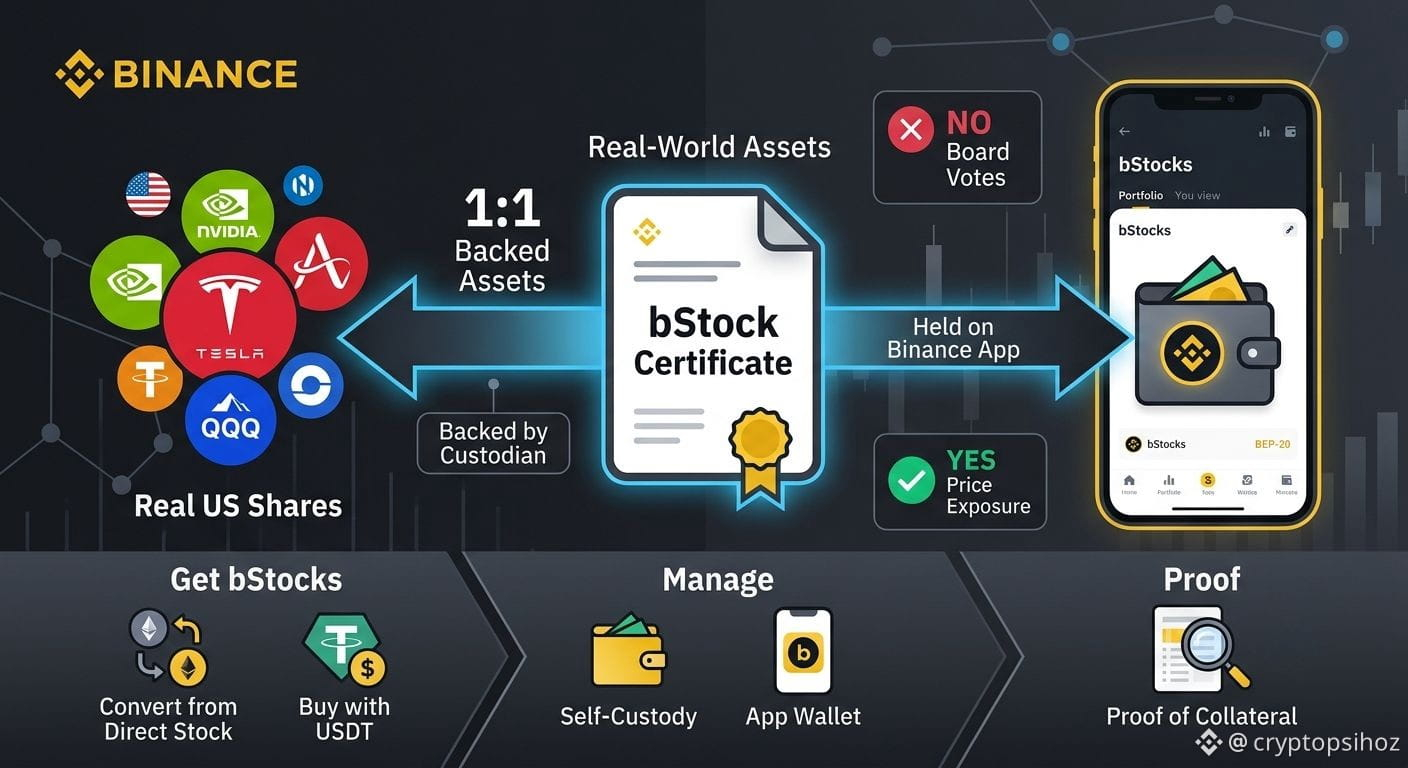
"これは本物の株じゃない" が間違った神話だ
bStocksは偽物のチャートじゃない
本物の米国株を保管業者が
1:1で保有して裏付けた証明書なんだ
あなたが得られないもの:取締役会の投票
あなたが得られるもの:価格エクスポージャー
クローズ後に稼働するSpotで
見落とされがちな対象者向けのループ:
Binanceで直接株を保有
1:1でbStockに変換して無料で
あるいは USDTで $NVDAB $TSLAB $QQQB を購入
同じアプリで - 2つ目のブローカーデスクは不要
BEP-20のレールならセルフカストディは
任意。担保証明(Proof of Collateral)が
盲信に対するチェックになる
@BinanceCIS がこの商品を掘り下げ続けている
だからCISは bStocks を
ただのミームティッカー扱いしない #bStocksCIS
まず証明書のレールを学んでから
実際に追跡している銘柄の規模を決めよう
#bStocksCIS
"これは本物の株じゃない" が間違った神話だ
bStocksは偽物のチャートじゃない
本物の米国株を保管業者が
1:1で保有して裏付けた証明書なんだ
あなたが得られないもの:取締役会の投票
あなたが得られるもの:価格エクスポージャー
クローズ後に稼働するSpotで
見落とされがちな対象者向けのループ:
Binanceで直接株を保有
1:1でbStockに変換して無料で
あるいは USDTで $NVDAB $TSLAB $QQQB を購入
同じアプリで - 2つ目のブローカーデスクは不要
BEP-20のレールならセルフカストディは
任意。担保証明(Proof of Collateral)が
盲信に対するチェックになる
@BinanceCIS がこの商品を掘り下げ続けている
だからCISは bStocks を
ただのミームティッカー扱いしない #bStocksCIS
まず証明書のレールを学んでから
実際に追跡している銘柄の規模を決めよう
#bStocksCIS
bStocksは偽物のチャートじゃない
本物の米国株を保管業者が
1:1で保有して裏付けた証明書なんだ
あなたが得られないもの:取締役会の投票
あなたが得られるもの:価格エクスポージャー
クローズ後に稼働するSpotで
見落とされがちな対象者向けのループ:
Binanceで直接株を保有
1:1でbStockに変換して無料で
あるいは USDTで $NVDAB $TSLAB $QQQB を購入
同じアプリで - 2つ目のブローカーデスクは不要
BEP-20のレールならセルフカストディは
任意。担保証明(Proof of Collateral)が
盲信に対するチェックになる
@BinanceCIS がこの商品を掘り下げ続けている
だからCISは bStocks を
ただのミームティッカー扱いしない #bStocksCIS
まず証明書のレールを学んでから
実際に追跡している銘柄の規模を決めよう
#bStocksCIS
1
131
·
--
ブリッシュ
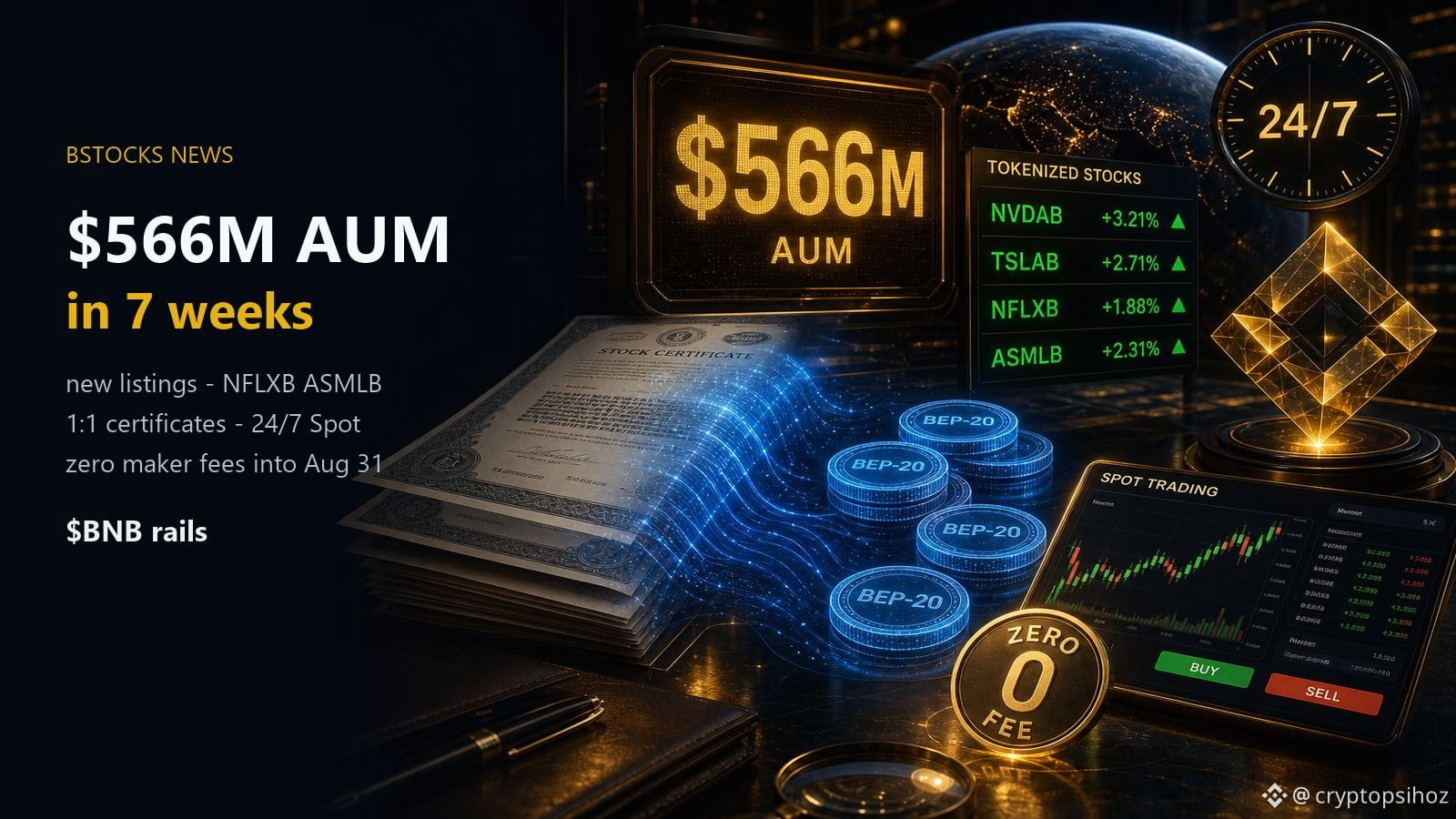
BSTOCKSはHALF A BILLION(5億ドル)相当をクリア
ローンチから約7週間で〜$566m
トークン化されたエクイティの未決残高
これはもう“パイロット”の数字じゃない
8月5日の新しいテープ:
SpotでさらにbStocksが追加 - $NFLXB $ASMLB
$SMCIB ほか、バッチの残り分
メーカー手数料は8月31日までゼロのまま
依然としてプロダクト・スタックはこれ:
1: 実際の米国エクスポージャーに裏付けられた1:1証明書
24/7 Spot - BEP-20のレール($BNB )
議決権のない株式 - 先に価格レール
新興国が土台
主要な株式利用者は米国外に多い
CISの営業時間がついにブックに合致
@BinanceCIS がこの波をカバー
ボードが広がるにつれて #bStocksCIS
ニュースがAUM
教訓はレール
サイズを決める前に適格性を確認
BSTOCKSはHALF A BILLION(5億ドル)相当をクリア
ローンチから約7週間で〜$566m
トークン化されたエクイティの未決残高
これはもう“パイロット”の数字じゃない
8月5日の新しいテープ:
SpotでさらにbStocksが追加 - $NFLXB $ASMLB
$SMCIB ほか、バッチの残り分
メーカー手数料は8月31日までゼロのまま
依然としてプロダクト・スタックはこれ:
1: 実際の米国エクスポージャーに裏付けられた1:1証明書
24/7 Spot - BEP-20のレール($BNB )
議決権のない株式 - 先に価格レール
新興国が土台
主要な株式利用者は米国外に多い
CISの営業時間がついにブックに合致
@BinanceCIS がこの波をカバー
ボードが広がるにつれて #bStocksCIS
ニュースがAUM
教訓はレール
サイズを決める前に適格性を確認
ローンチから約7週間で〜$566m
トークン化されたエクイティの未決残高
これはもう“パイロット”の数字じゃない
8月5日の新しいテープ:
SpotでさらにbStocksが追加 - $NFLXB $ASMLB
$SMCIB ほか、バッチの残り分
メーカー手数料は8月31日までゼロのまま
依然としてプロダクト・スタックはこれ:
1: 実際の米国エクスポージャーに裏付けられた1:1証明書
24/7 Spot - BEP-20のレール($BNB )
議決権のない株式 - 先に価格レール
新興国が土台
主要な株式利用者は米国外に多い
CISの営業時間がついにブックに合致
@BinanceCIS がこの波をカバー
ボードが広がるにつれて #bStocksCIS
ニュースがAUM
教訓はレール
サイズを決める前に適格性を確認
1
120
·
--
ブリッシュ
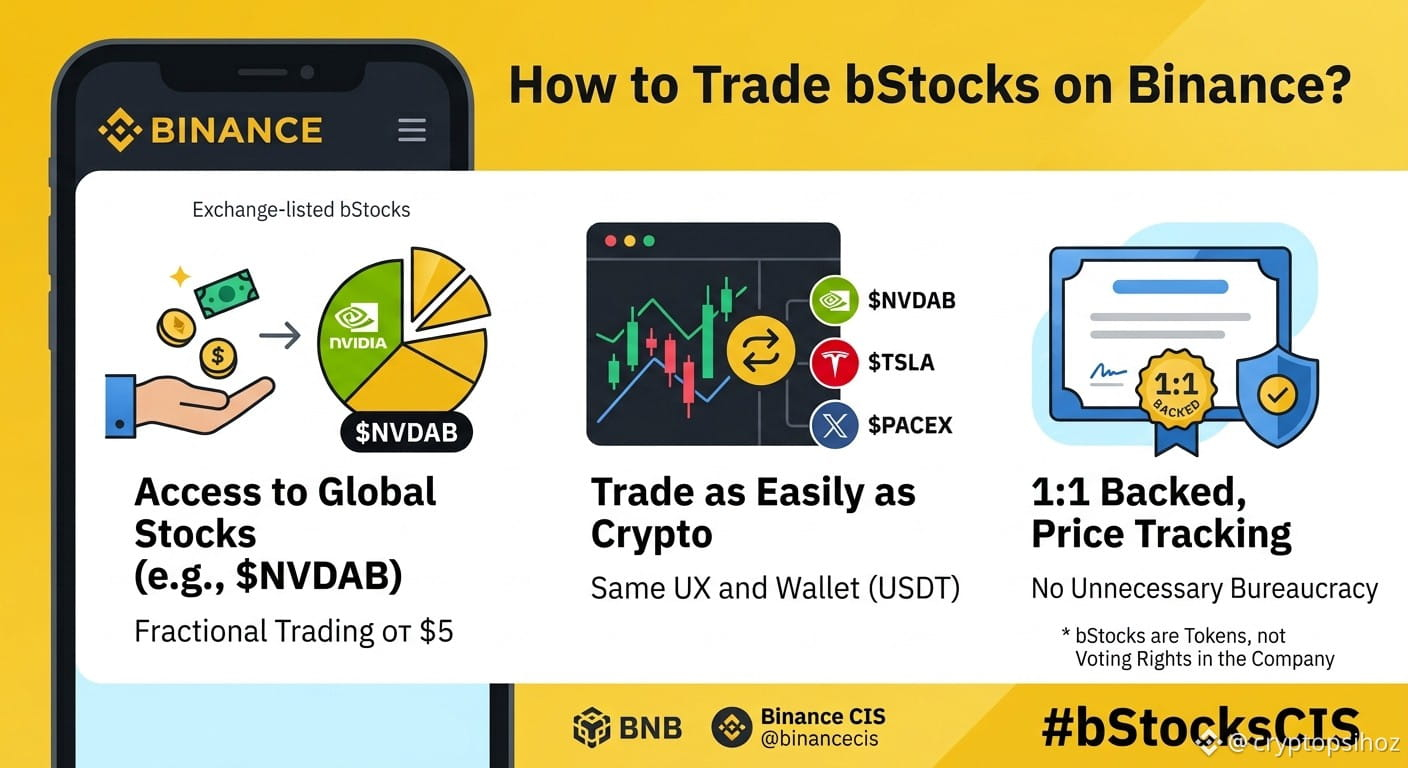
NVIDIAにフルのシェアは必要ない
それが、ほとんどの人が見落としているbStocksの解放ポイント
Binance上でトークン化された米国株式エクスポージャー
1:1で裏付けられた証明書として—投票権ではない
会社のボードルームで
約5ドルの端数チケットからのエントリー
同じUSDTウォレット—同じSpotのUX
適格者に対しては新たなブローカーの書類の追跡が増えない
bStockのペアを検索して取引する
どんな暗号資産市場のように—$NVDAB $TSLAB
$SPCXB が、実際に小口投資家が見る名称だ
最初の取引を開く
@BinanceCIS は、このプロダクトを強制している
CISデスク向けのリテラシーのために#bStocksCIS
袋(ポジション)を積む前にレールを学べ
オンチェーン上の価格エクスポージャー—所有権の権利
設計上、テーブルの上に置かれないようにする
NVIDIAにフルのシェアは必要ない
それが、ほとんどの人が見落としているbStocksの解放ポイント
Binance上でトークン化された米国株式エクスポージャー
1:1で裏付けられた証明書として—投票権ではない
会社のボードルームで
約5ドルの端数チケットからのエントリー
同じUSDTウォレット—同じSpotのUX
適格者に対しては新たなブローカーの書類の追跡が増えない
bStockのペアを検索して取引する
どんな暗号資産市場のように—$NVDAB $TSLAB
$SPCXB が、実際に小口投資家が見る名称だ
最初の取引を開く
@BinanceCIS は、このプロダクトを強制している
CISデスク向けのリテラシーのために#bStocksCIS
袋(ポジション)を積む前にレールを学べ
オンチェーン上の価格エクスポージャー—所有権の権利
設計上、テーブルの上に置かれないようにする
それが、ほとんどの人が見落としているbStocksの解放ポイント
Binance上でトークン化された米国株式エクスポージャー
1:1で裏付けられた証明書として—投票権ではない
会社のボードルームで
約5ドルの端数チケットからのエントリー
同じUSDTウォレット—同じSpotのUX
適格者に対しては新たなブローカーの書類の追跡が増えない
bStockのペアを検索して取引する
どんな暗号資産市場のように—$NVDAB $TSLAB
$SPCXB が、実際に小口投資家が見る名称だ
最初の取引を開く
@BinanceCIS は、このプロダクトを強制している
CISデスク向けのリテラシーのために#bStocksCIS
袋(ポジション)を積む前にレールを学べ
オンチェーン上の価格エクスポージャー—所有権の権利
設計上、テーブルの上に置かれないようにする
1
116
·
--
ブリッシュ
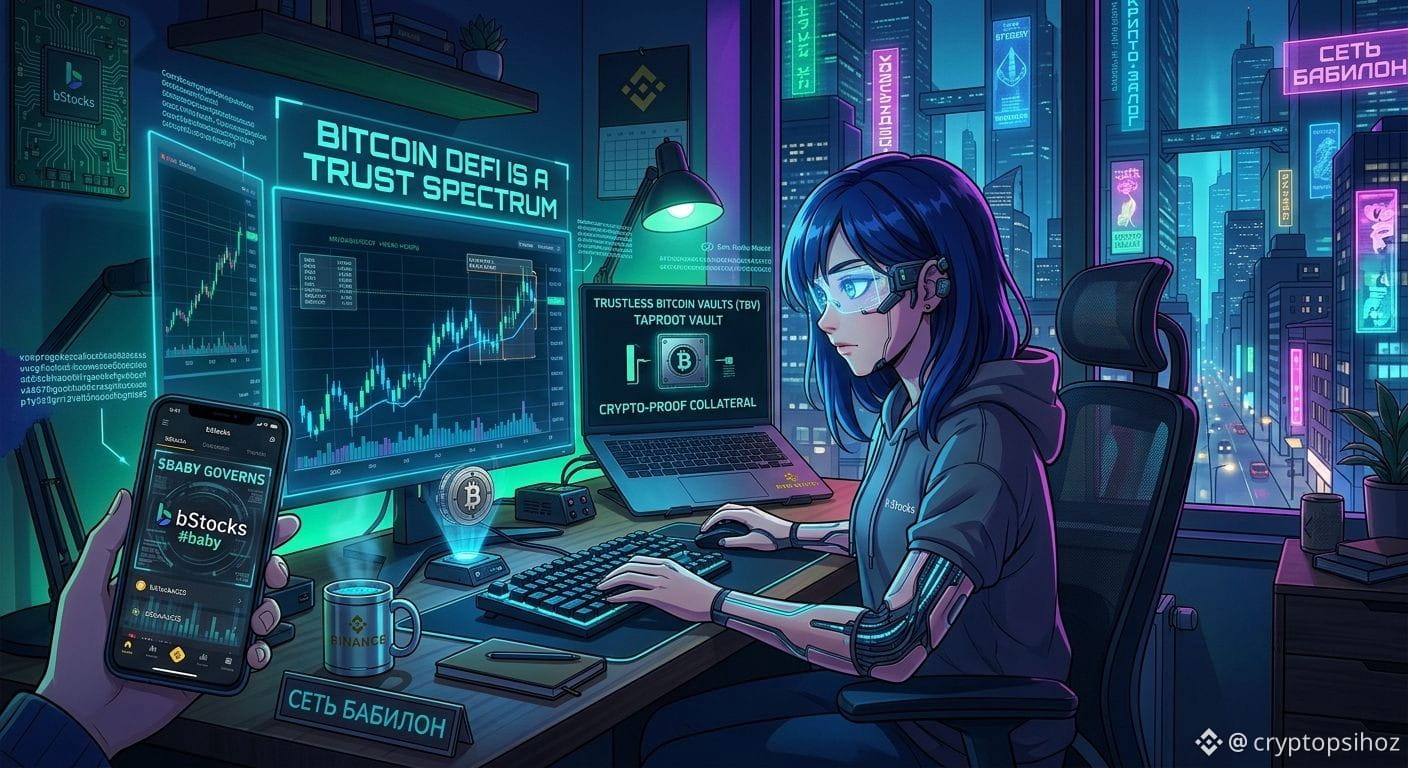
ビットコインのDeFiは「信頼スペクトラム」です
一部のプロダクトは、ブリッジを信頼することを求めます
マルチシグ、またはカストディアン(管理)ウォレット
@babylonlabs_io は、その反対側を目指します
Trustless Bitcoin Vaults(TBV)で
ネイティブBTCはビットコイン上に留まり
Taprootのヴォルトの中で保持されます
ホストチェーンのDeFiは
そのポジションを誰かがUTXOを保持しているかではなく
暗号で読み取ります
それでも、Aave v4でのアプリのリスクはあなたが選びます
借り入れが最初の実運用ループです
しかし、コインそのものを外部に預けて委託することはやめます
それが本当の再設計です:
「BTCを預けてくれ」ではなく
「担保がまだ自分のものだと証明してくれ」
$BABY が運用を司り、Babylonがそれを構築します
信頼を最小化した担保レール #baby
ビットコインのDeFiは「信頼スペクトラム」です
一部のプロダクトは、ブリッジを信頼することを求めます
マルチシグ、またはカストディアン(管理)ウォレット
@BabylonLabs_io は、その反対側を目指します
Trustless Bitcoin Vaults(TBV)で
ネイティブBTCはビットコイン上に留まり
Taprootのヴォルトの中で保持されます
ホストチェーンのDeFiは
そのポジションを誰かがUTXOを保持しているかではなく
暗号で読み取ります
それでも、Aave v4でのアプリのリスクはあなたが選びます
借り入れが最初の実運用ループです
しかし、コインそのものを外部に預けて委託することはやめます
それが本当の再設計です:
「BTCを預けてくれ」ではなく
「担保がまだ自分のものだと証明してくれ」
$BABY が運用を司り、Babylonがそれを構築します
信頼を最小化した担保レール #baby
一部のプロダクトは、ブリッジを信頼することを求めます
マルチシグ、またはカストディアン(管理)ウォレット
@BabylonLabs_io は、その反対側を目指します
Trustless Bitcoin Vaults(TBV)で
ネイティブBTCはビットコイン上に留まり
Taprootのヴォルトの中で保持されます
ホストチェーンのDeFiは
そのポジションを誰かがUTXOを保持しているかではなく
暗号で読み取ります
それでも、Aave v4でのアプリのリスクはあなたが選びます
借り入れが最初の実運用ループです
しかし、コインそのものを外部に預けて委託することはやめます
それが本当の再設計です:
「BTCを預けてくれ」ではなく
「担保がまだ自分のものだと証明してくれ」
$BABY が運用を司り、Babylonがそれを構築します
信頼を最小化した担保レール #baby
1
91
·
--
ブリッシュ
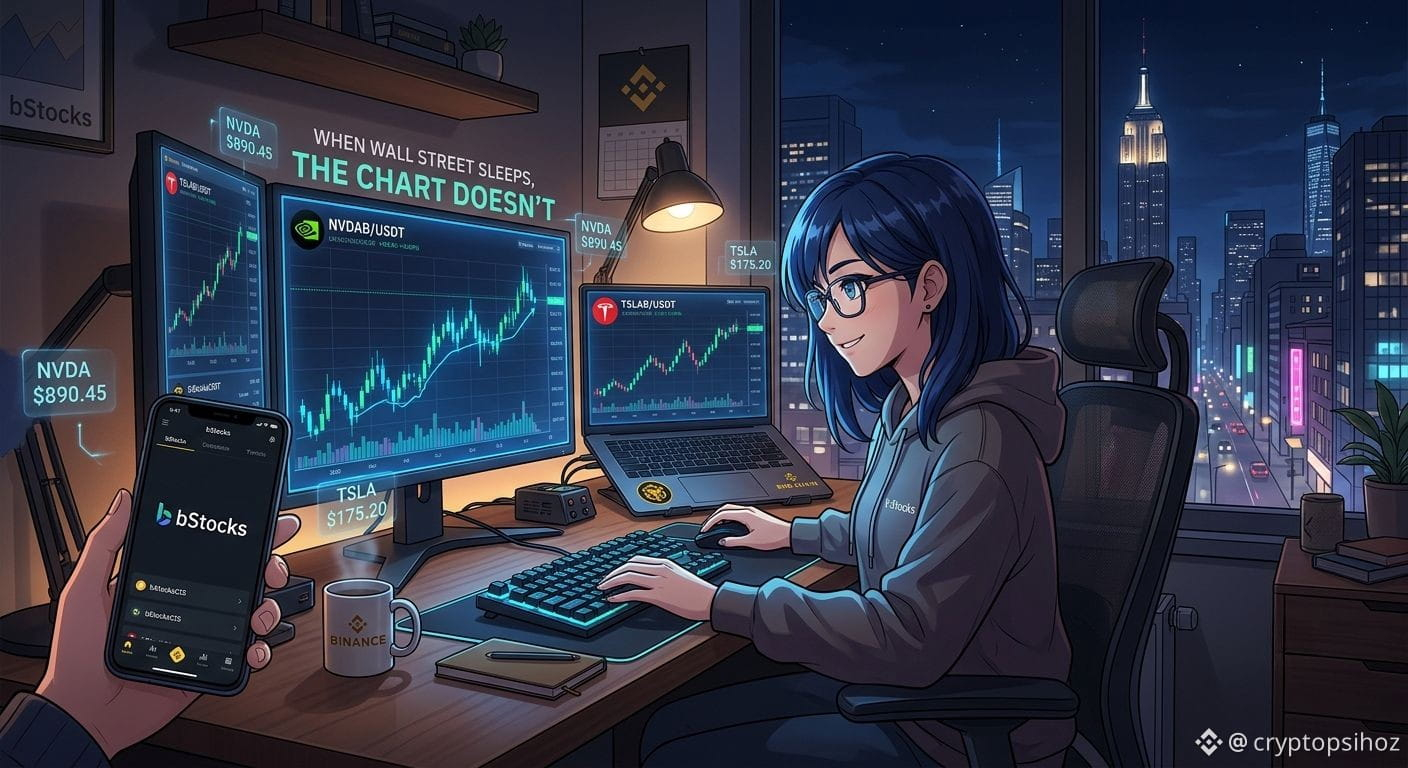
ウォール街が眠るとき、チャートは眠らない
b株は「偽物の株」ではありません
それは、保管業者が保有する
実在の米国株に対して1:1で裏付けられた
証明書です
Binance Spotで24/7取引可能
議決権はありません——そこは正直に
手に入るのは、取引所の「レール」上での価格エクスポージャー
始値のベルを待たないレールの上です
BNB Chain上でBEP-20として動作
USDTで購入、または株 <-\u003e bStock に変換
資格がある場合、ゼロの変換手数料で1:1
セルフカストディは任意であって強制ではありません
約$5からの端株(フラクショナル)で
あなたは$NVDAB
や $TSLAB の“1株まるごと”を用意する必要はありません
名義に入れて参加するために
CISの稼働時間がついに市場と一致
米国のオープンに対抗する代わりに
@BinanceCIS がこのプロダクトを推進しています
銘柄の羅列だけじゃなく、リテラシーを。 #bStocksCIS
Spotから開始——bStockペアを検索
規模を上げる前にプロダクトを学びましょう
$BNB
#bStocksCIS
ウォール街が眠るとき、チャートは眠らない
b株は「偽物の株」ではありません
それは、保管業者が保有する
実在の米国株に対して1:1で裏付けられた
証明書です
Binance Spotで24/7取引可能
議決権はありません——そこは正直に
手に入るのは、取引所の「レール」上での価格エクスポージャー
始値のベルを待たないレールの上です
BNB Chain上でBEP-20として動作
USDTで購入、または株 <-\u003e bStock に変換
資格がある場合、ゼロの変換手数料で1:1
セルフカストディは任意であって強制ではありません
約$5からの端株(フラクショナル)で
あなたは$NVDAB
や $TSLAB の“1株まるごと”を用意する必要はありません
名義に入れて参加するために
CISの稼働時間がついに市場と一致
米国のオープンに対抗する代わりに
@BinanceCIS がこのプロダクトを推進しています
銘柄の羅列だけじゃなく、リテラシーを。 #bStocksCIS
Spotから開始——bStockペアを検索
規模を上げる前にプロダクトを学びましょう
$BNB
#bStocksCIS
b株は「偽物の株」ではありません
それは、保管業者が保有する
実在の米国株に対して1:1で裏付けられた
証明書です
Binance Spotで24/7取引可能
議決権はありません——そこは正直に
手に入るのは、取引所の「レール」上での価格エクスポージャー
始値のベルを待たないレールの上です
BNB Chain上でBEP-20として動作
USDTで購入、または株 <-\u003e bStock に変換
資格がある場合、ゼロの変換手数料で1:1
セルフカストディは任意であって強制ではありません
約$5からの端株(フラクショナル)で
あなたは$NVDAB
や $TSLAB の“1株まるごと”を用意する必要はありません
名義に入れて参加するために
CISの稼働時間がついに市場と一致
米国のオープンに対抗する代わりに
@BinanceCIS がこのプロダクトを推進しています
銘柄の羅列だけじゃなく、リテラシーを。 #bStocksCIS
Spotから開始——bStockペアを検索
規模を上げる前にプロダクトを学びましょう
$BNB
#bStocksCIS
1
80
·
--
ブリッシュ
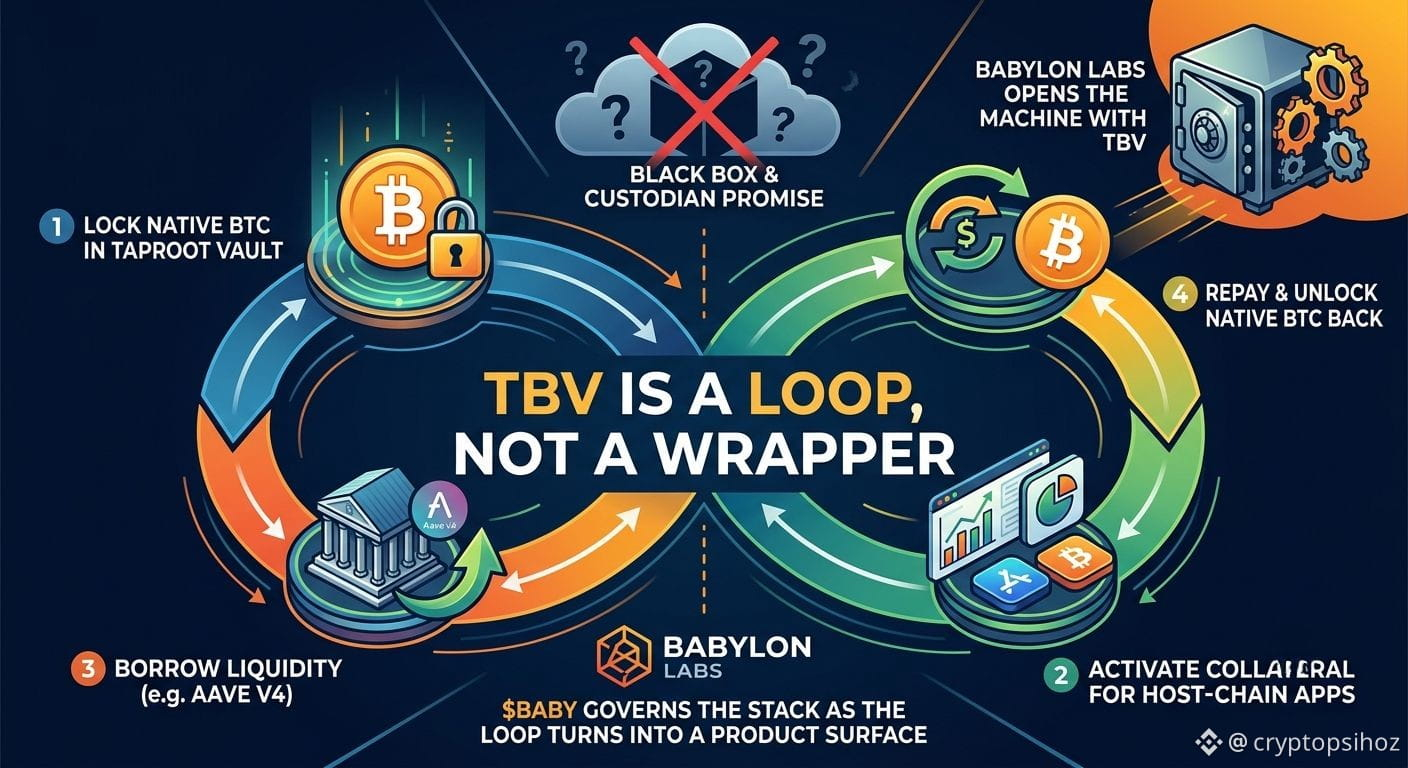
TBV はラッパーではなくループです
多くの BTC DeFi 製品は、その道筋を
ブラックボックスの中に隠し、
カストディアンが約束します
@babylonlabs_io o は機械を開きます。
Trustless Bitcoin Vaults (TBV)
4 つの正直なステップ:
1 Taproot ヴォールトにネイティブ BTC をロックする
2 ホストチェーンのアプリに対する担保を有効化する
3 流動性を借りる(最初の窓口:Aave v4)
4 返済する――すると同じ BTC をロック解除する
ラップされた IOU の芝居はなし
橋の委員会が損失を抱えることもなし
預託者はキーを手放さず、
ビットコインは利用可能な担保になります
$BABY がスタックを統治します。あのループが
実際のプロダクト表面 #baby へと変わるからです
TBV はラッパーではなくループです
多くの BTC DeFi 製品は、その道筋を
ブラックボックスの中に隠し、
カストディアンが約束します
@BabylonLabs_io o は機械を開きます。
Trustless Bitcoin Vaults (TBV)
4 つの正直なステップ:
1 Taproot ヴォールトにネイティブ BTC をロックする
2 ホストチェーンのアプリに対する担保を有効化する
3 流動性を借りる(最初の窓口:Aave v4)
4 返済する――すると同じ BTC をロック解除する
ラップされた IOU の芝居はなし
橋の委員会が損失を抱えることもなし
預託者はキーを手放さず、
ビットコインは利用可能な担保になります
$BABY がスタックを統治します。あのループが
実際のプロダクト表面 #baby へと変わるからです
多くの BTC DeFi 製品は、その道筋を
ブラックボックスの中に隠し、
カストディアンが約束します
@BabylonLabs_io o は機械を開きます。
Trustless Bitcoin Vaults (TBV)
4 つの正直なステップ:
1 Taproot ヴォールトにネイティブ BTC をロックする
2 ホストチェーンのアプリに対する担保を有効化する
3 流動性を借りる(最初の窓口:Aave v4)
4 返済する――すると同じ BTC をロック解除する
ラップされた IOU の芝居はなし
橋の委員会が損失を抱えることもなし
預託者はキーを手放さず、
ビットコインは利用可能な担保になります
$BABY がスタックを統治します。あのループが
実際のプロダクト表面 #baby へと変わるからです
1
91
·
--
ブリッシュ
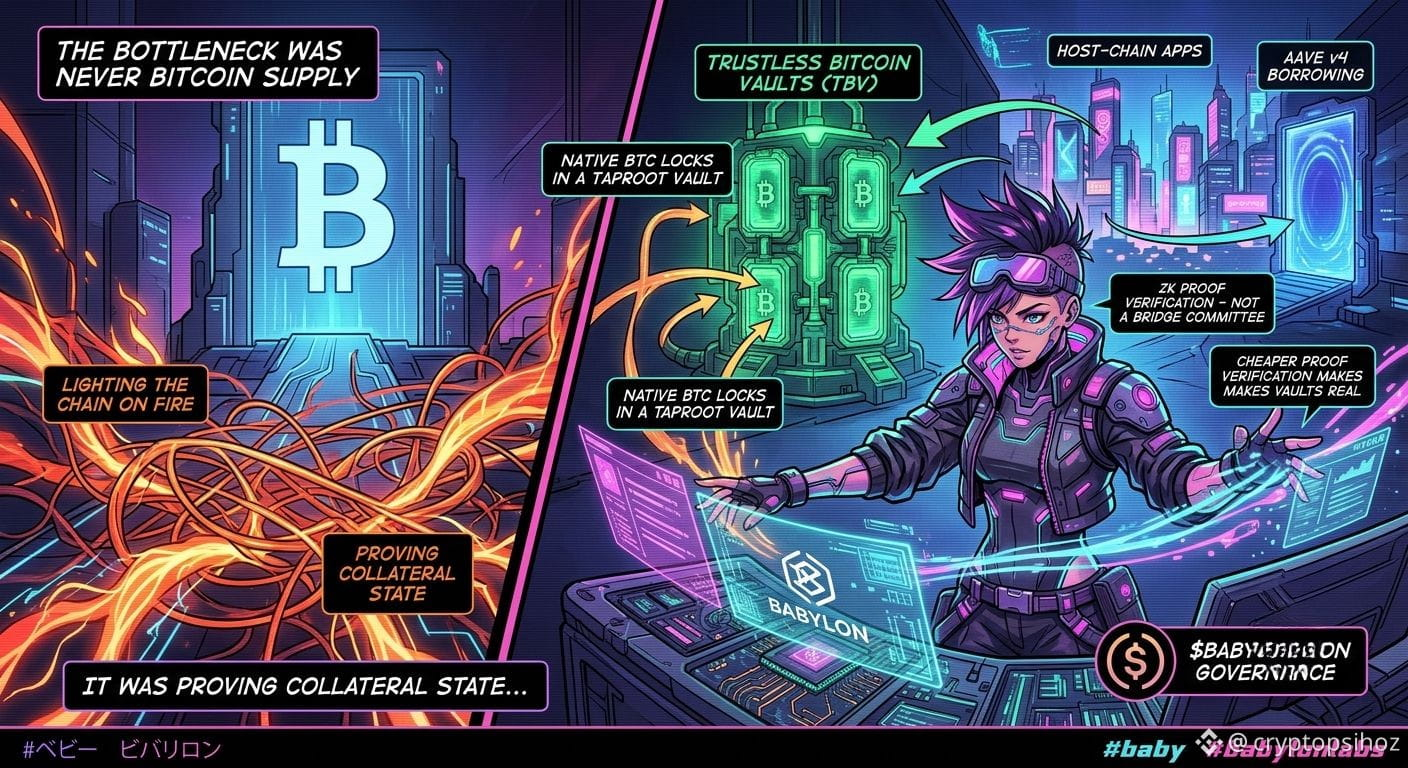
ボトルネックはビットコインの供給量ではなかった
問題は、ビットコイン上でコラテラル(担保)状態を証明することであり
チェーンに火をつけることなく
@babylonlabs_io o が、その道を
トラストレスなビットコイン・ボールト(TBV)へと切り開いた
ネイティブBTCはタップルートのボールトにロックされ
ホストチェーンのアプリは位置情報を
ブリッジ委員会があなたのコインを握っているのではなく
zk(ゼロ知識)による証明の検証で読み取る
より安価な証明検証が
ホワイトペーパー上のボールトを
実際に大規模運用できる製品へと変える
Aave v4 の借り入れは
そのレール上での最初の導入口だ
$BABY はガバナンス上に位置し、Babylon は
ラップ(ラップ税)のコストなしに
ネイティブのビットコイン担保を利用可能にする
#baby
ボトルネックはビットコインの供給量ではなかった
問題は、ビットコイン上でコラテラル(担保)状態を証明することであり
チェーンに火をつけることなく
@BabylonLabs_io o が、その道を
トラストレスなビットコイン・ボールト(TBV)へと切り開いた
ネイティブBTCはタップルートのボールトにロックされ
ホストチェーンのアプリは位置情報を
ブリッジ委員会があなたのコインを握っているのではなく
zk(ゼロ知識)による証明の検証で読み取る
より安価な証明検証が
ホワイトペーパー上のボールトを
実際に大規模運用できる製品へと変える
Aave v4 の借り入れは
そのレール上での最初の導入口だ
$BABY はガバナンス上に位置し、Babylon は
ラップ(ラップ税)のコストなしに
ネイティブのビットコイン担保を利用可能にする
#baby
問題は、ビットコイン上でコラテラル(担保)状態を証明することであり
チェーンに火をつけることなく
@BabylonLabs_io o が、その道を
トラストレスなビットコイン・ボールト(TBV)へと切り開いた
ネイティブBTCはタップルートのボールトにロックされ
ホストチェーンのアプリは位置情報を
ブリッジ委員会があなたのコインを握っているのではなく
zk(ゼロ知識)による証明の検証で読み取る
より安価な証明検証が
ホワイトペーパー上のボールトを
実際に大規模運用できる製品へと変える
Aave v4 の借り入れは
そのレール上での最初の導入口だ
$BABY はガバナンス上に位置し、Babylon は
ラップ(ラップ税)のコストなしに
ネイティブのビットコイン担保を利用可能にする
#baby
1
1
100
·
--
今週は暗号資産の話とは言えなかった
マクロ+政策+カストディを1本のテープにまとめて
$BTC は $62.4k-$66.9k で振られ、ロングを刈り取らせた
KOSPIのCBクラッシュで約-10%/-11% 、AIベータに直撃
$FET $NEAR $HYPE が先に来た
上院はCLARITYを棚上げ—8月8日の休会へ
FOMCは9対3の投票で3.50%-3.75%を維持
タカ派的な反対—9月利上げ観測が上昇
30年債利回りは約19年ぶり高水準付近
BTC ETF:7月は約+$172m / それでも年初来- $5.3b
金曜は約-$265m の流出—体制転換(レジーム・フリップ)なし
MSSE+MSOL は0.14%でステーキング
Coldcardのバグで約594 BTC(約$38m)を流出
自己カストディは依然としてファームウェアのリスクがある
次:ETFの発行—Clarity—$65.2k 対 $60k
今週は暗号資産の話とは言えなかった
マクロ+政策+カストディを1本のテープにまとめて
$BTC は $62.4k-$66.9k で振られ、ロングを刈り取らせた
KOSPIのCBクラッシュで約-10%/-11% 、AIベータに直撃
$FET $NEAR $HYPE が先に来た
上院はCLARITYを棚上げ—8月8日の休会へ
FOMCは9対3の投票で3.50%-3.75%を維持
タカ派的な反対—9月利上げ観測が上昇
30年債利回りは約19年ぶり高水準付近
BTC ETF:7月は約+$172m / それでも年初来- $5.3b
金曜は約-$265m の流出—体制転換(レジーム・フリップ)なし
MSSE+MSOL は0.14%でステーキング
Coldcardのバグで約594 BTC(約$38m)を流出
自己カストディは依然としてファームウェアのリスクがある
次:ETFの発行—Clarity—$65.2k 対 $60k
マクロ+政策+カストディを1本のテープにまとめて
$BTC は $62.4k-$66.9k で振られ、ロングを刈り取らせた
KOSPIのCBクラッシュで約-10%/-11% 、AIベータに直撃
$FET $NEAR $HYPE が先に来た
上院はCLARITYを棚上げ—8月8日の休会へ
FOMCは9対3の投票で3.50%-3.75%を維持
タカ派的な反対—9月利上げ観測が上昇
30年債利回りは約19年ぶり高水準付近
BTC ETF:7月は約+$172m / それでも年初来- $5.3b
金曜は約-$265m の流出—体制転換(レジーム・フリップ)なし
MSSE+MSOL は0.14%でステーキング
Coldcardのバグで約594 BTC(約$38m)を流出
自己カストディは依然としてファームウェアのリスクがある
次:ETFの発行—Clarity—$65.2k 対 $60k
2
308
·
--
ブリッシュ
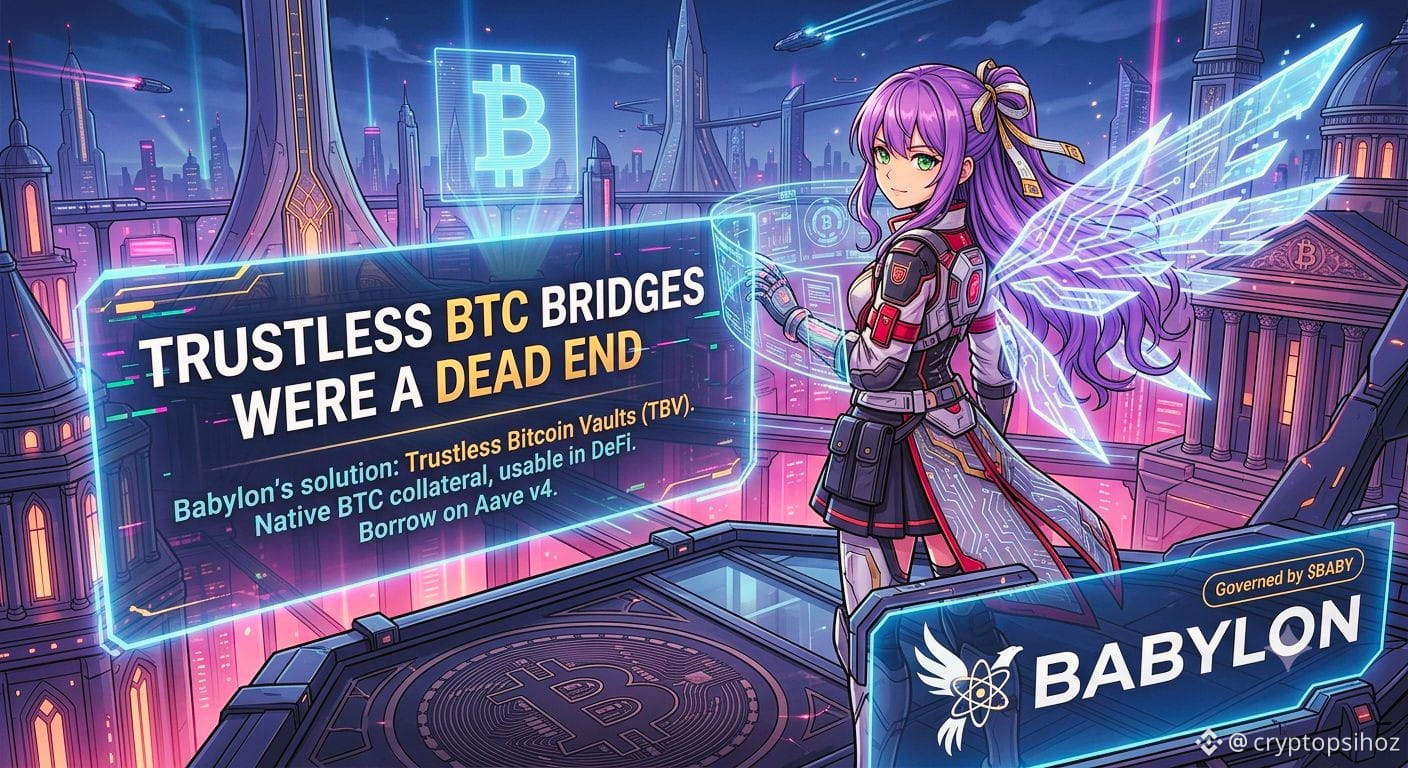
信頼不要のBTCブリッジは行き止まりだった
ビットコインにはコベナンツ(契約条項)がない
だから、純粋に信頼不要のブリッジ
は本来のプリミティブではなかった
@babylonlabs_io o はその壁を
Trustless Bitcoin Vaults(TBV)で
越えた
BTCをオフチェーンへ移す代わりに
タップルートの
ヴォルトにネイティブコインをロックする—
出金は、ホストチェーンの状態を
ビットコイン本体で照合した
zk証明が出揃ったときだけクリアされる
保管(カストディ)は預託者のまま
担保はラップの芝居なしで
DeFiで利用可能になる
Aave v4の借り入れは、その設計の
最初のライブな表面だ
$BABY がスタックを統治し、
Babylon が
ヴォルトをビットコインの失われた
担保レールへ変えていく #baby
信頼不要のBTCブリッジは行き止まりだった
ビットコインにはコベナンツ(契約条項)がない
だから、純粋に信頼不要のブリッジ
は本来のプリミティブではなかった
@BabylonLabs_io o はその壁を
Trustless Bitcoin Vaults(TBV)で
越えた
BTCをオフチェーンへ移す代わりに
タップルートの
ヴォルトにネイティブコインをロックする—
出金は、ホストチェーンの状態を
ビットコイン本体で照合した
zk証明が出揃ったときだけクリアされる
保管(カストディ)は預託者のまま
担保はラップの芝居なしで
DeFiで利用可能になる
Aave v4の借り入れは、その設計の
最初のライブな表面だ
$BABY がスタックを統治し、
Babylon が
ヴォルトをビットコインの失われた
担保レールへ変えていく #baby
ビットコインにはコベナンツ(契約条項)がない
だから、純粋に信頼不要のブリッジ
は本来のプリミティブではなかった
@BabylonLabs_io o はその壁を
Trustless Bitcoin Vaults(TBV)で
越えた
BTCをオフチェーンへ移す代わりに
タップルートの
ヴォルトにネイティブコインをロックする—
出金は、ホストチェーンの状態を
ビットコイン本体で照合した
zk証明が出揃ったときだけクリアされる
保管(カストディ)は預託者のまま
担保はラップの芝居なしで
DeFiで利用可能になる
Aave v4の借り入れは、その設計の
最初のライブな表面だ
$BABY がスタックを統治し、
Babylon が
ヴォルトをビットコインの失われた
担保レールへ変えていく #baby
1
2
101
·
--
ブリッシュ
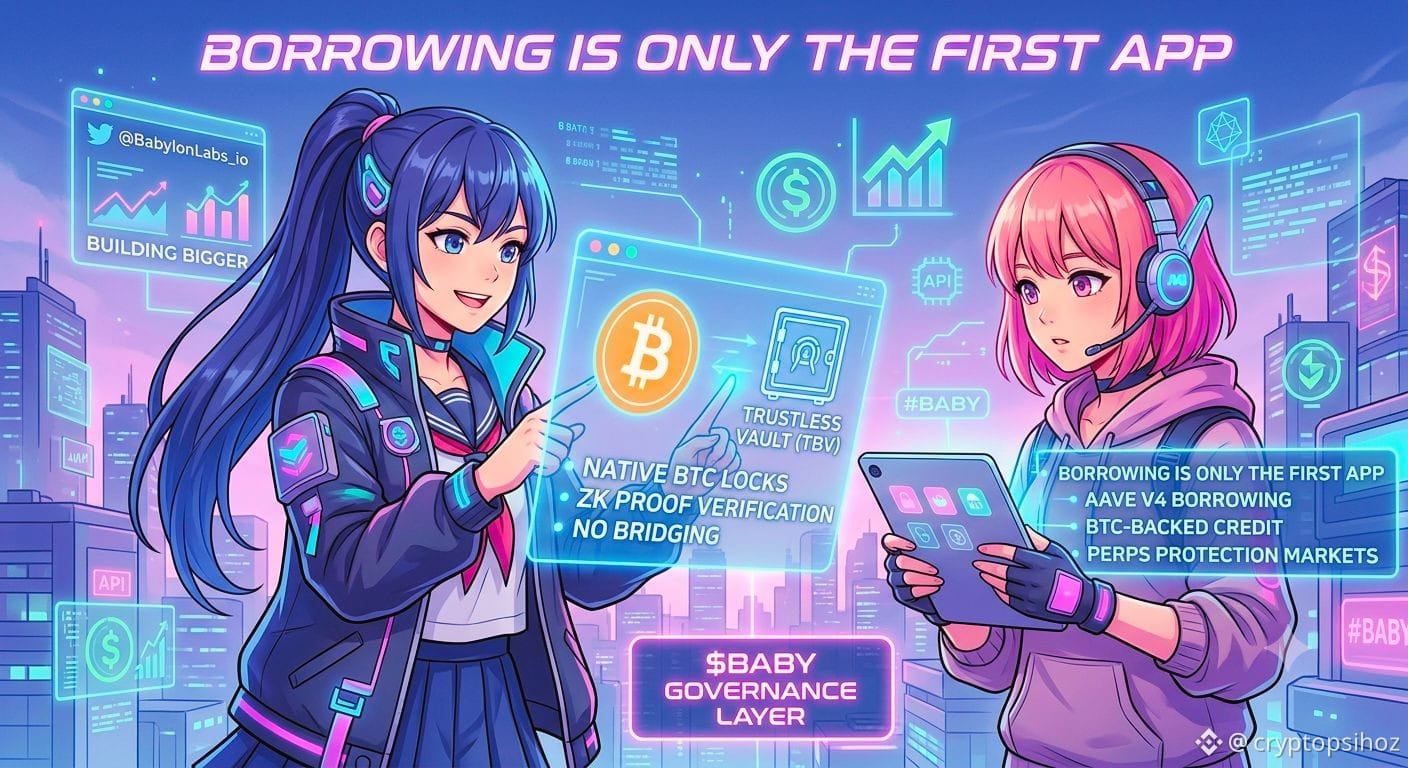
借り入れは最初の一歩にすぎません
多くの人は今もビットコインDeFiを、
「ラップして借りる(wrap once - lend once)-そして祈る(pray)」
という枠組みで捉えています
@babylonlabs_io ioは
Trustless Bitcoin Vaults
(TBV)で
より大きなものを構築しています
ネイティブBTCを預け入れると、
自己管理型(セルフカストディ)の
Taproot(タップルート)型バルートになります。ホストチェーンの
アプリは、コインをブリッジせずに、
zk(ゼロ知識)証明の検証によって
その担保を読み取れます
Aave v4の借り入れは、
最初の到達点にすぎず
限界ではありません
次のデザイン領域はより広い:
btc担保クレジット-ステーブル-パーペット
ネイティブ担保上の保護マーケット
$BABY はガバナンス層です。
Babylonがビットコインをオンチェーン
ファイナンス向けの再利用可能な
担保APIへと変えることで、
その基盤になります
#baby
借り入れは最初の一歩にすぎません
多くの人は今もビットコインDeFiを、
「ラップして借りる(wrap once - lend once)-そして祈る(pray)」
という枠組みで捉えています
@BabylonLabs_io ioは
Trustless Bitcoin Vaults
(TBV)で
より大きなものを構築しています
ネイティブBTCを預け入れると、
自己管理型(セルフカストディ)の
Taproot(タップルート)型バルートになります。ホストチェーンの
アプリは、コインをブリッジせずに、
zk(ゼロ知識)証明の検証によって
その担保を読み取れます
Aave v4の借り入れは、
最初の到達点にすぎず
限界ではありません
次のデザイン領域はより広い:
btc担保クレジット-ステーブル-パーペット
ネイティブ担保上の保護マーケット
$BABY はガバナンス層です。
Babylonがビットコインをオンチェーン
ファイナンス向けの再利用可能な
担保APIへと変えることで、
その基盤になります
#baby
多くの人は今もビットコインDeFiを、
「ラップして借りる(wrap once - lend once)-そして祈る(pray)」
という枠組みで捉えています
@BabylonLabs_io ioは
Trustless Bitcoin Vaults
(TBV)で
より大きなものを構築しています
ネイティブBTCを預け入れると、
自己管理型(セルフカストディ)の
Taproot(タップルート)型バルートになります。ホストチェーンの
アプリは、コインをブリッジせずに、
zk(ゼロ知識)証明の検証によって
その担保を読み取れます
Aave v4の借り入れは、
最初の到達点にすぎず
限界ではありません
次のデザイン領域はより広い:
btc担保クレジット-ステーブル-パーペット
ネイティブ担保上の保護マーケット
$BABY はガバナンス層です。
Babylonがビットコインをオンチェーン
ファイナンス向けの再利用可能な
担保APIへと変えることで、
その基盤になります
#baby
1
66
·
--
ブリッシュ
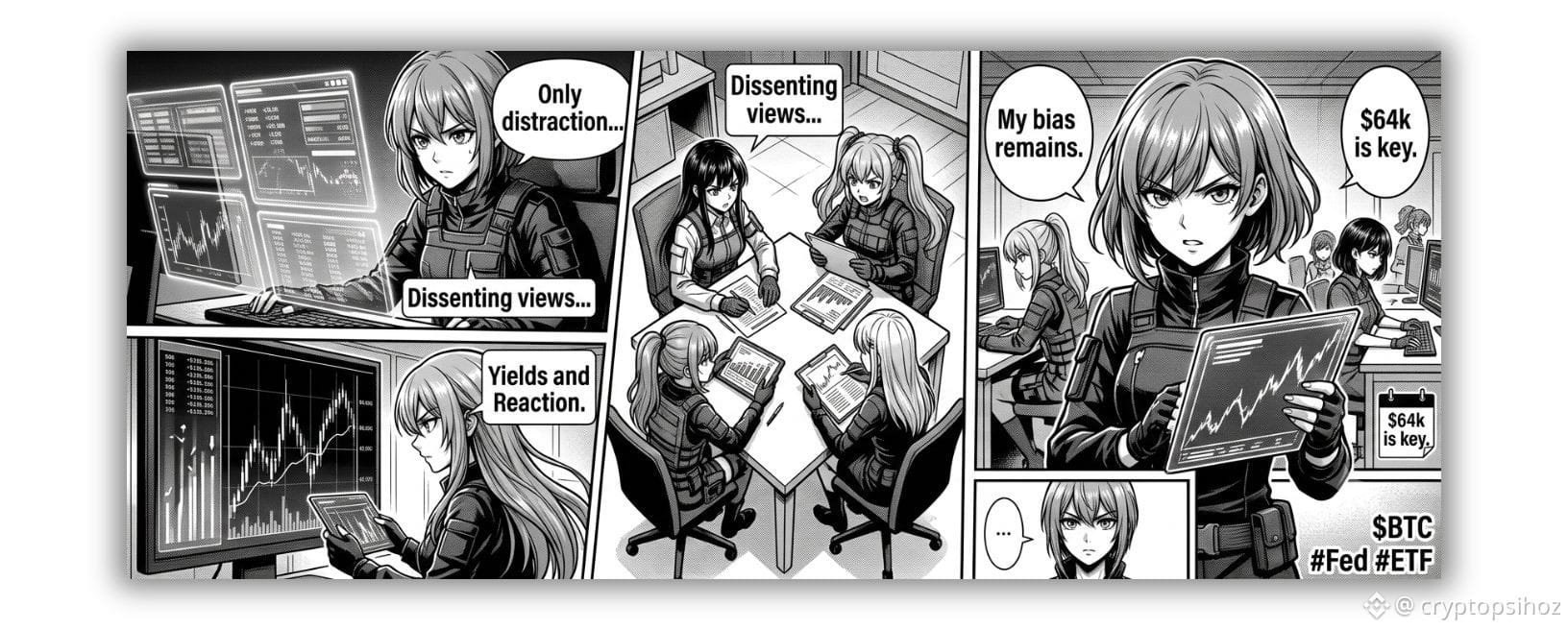
グリーンETFデーは気をそらすものだ
みんなスクショして+32.1百万ドル
「需要が戻ってきた」と言った
僕はスプリットブックを見た
IBIT +89.8m / FBTC -$43.1m
同じセッションだ - 確信ではない
ただの集中
本当の板はFRBだった
3.50%-3.75%で据え置き
でも9対3のタカ派的な反対
それで9月はよりタイトと価格づけ
利回りが先に動いた
$BTC が次に反応
今はその順序だ
だから - 緑の一本足の値動きでは
体制は反転しない
ただ、$64k以上で時間を買うだけ
僕の見立てはシンプルだ:
$64kを守るか、奪われるか
次のデータの山が来る前に
流動性が$62.5k〜$60kへ
PCE - 決算 - 9月FOMC
それが決める - 見出しではない
$BTC
グリーンETFデーは気をそらすものだ
みんなスクショして+32.1百万ドル
「需要が戻ってきた」と言った
僕はスプリットブックを見た
IBIT +89.8m / FBTC -$43.1m
同じセッションだ - 確信ではない
ただの集中
本当の板はFRBだった
3.50%-3.75%で据え置き
でも9対3のタカ派的な反対
それで9月はよりタイトと価格づけ
利回りが先に動いた
$BTC が次に反応
今はその順序だ
だから - 緑の一本足の値動きでは
体制は反転しない
ただ、$64k以上で時間を買うだけ
僕の見立てはシンプルだ:
$64kを守るか、奪われるか
次のデータの山が来る前に
流動性が$62.5k〜$60kへ
PCE - 決算 - 9月FOMC
それが決める - 見出しではない
$BTC
みんなスクショして+32.1百万ドル
「需要が戻ってきた」と言った
僕はスプリットブックを見た
IBIT +89.8m / FBTC -$43.1m
同じセッションだ - 確信ではない
ただの集中
本当の板はFRBだった
3.50%-3.75%で据え置き
でも9対3のタカ派的な反対
それで9月はよりタイトと価格づけ
利回りが先に動いた
$BTC が次に反応
今はその順序だ
だから - 緑の一本足の値動きでは
体制は反転しない
ただ、$64k以上で時間を買うだけ
僕の見立てはシンプルだ:
$64kを守るか、奪われるか
次のデータの山が来る前に
流動性が$62.5k〜$60kへ
PCE - 決算 - 9月FOMC
それが決める - 見出しではない
$BTC
1
76
ログインして、さらにコンテンツを読む
厳選トピックで世界の暗号資産トレーダーの仲間入り
⚡️ 暗号資産に関する最新かつ有益な情報が見つかります。
💬 世界最大の暗号資産取引所から信頼されています。
👍 認証を受けたクリエイターから、有益なインサイトを得られます。
メール / 電話番号