
Real R Crypto
3.1k 投稿

Real R Crypto
Content Creator | Crypto Influencer | Futures Trader | Binance ID : 45645276 | X : MdRealur 内容创作者 | 加密货币影响者 | 合约交易员
取引を発注
高頻度トレーダー
6.1年
1.1K+ フォロー
16.9K+ フォロワー
6.3K+ いいね
投稿
ポートフォリオ
すべて
引用
ライブ
PINNED
💸💸ギブアウェイ $BABY ギブアウェイ 💸💸
🧧 リワードをゲットしよう 🧧
3人のラッキーウィナーが$99 $B $TST をゲット🚀🔥
1. フォローしてね✅
2. 私の投稿をリポスト🔁
🧧 リワードをゲットしよう 🧧
3人のラッキーウィナーが$99 $B $TST をゲット🚀🔥
1. フォローしてね✅
2. 私の投稿をリポスト🔁
本当にバランスの取れた分析です。チャンスは大きいですが、期待できる成果とリスクの両方が話し合われているのを見るのは良いですね。

BUSHRA BNB
·
--
ブリッシュ@Bedrock #bedrock $BR
この前、ふと古い財布を見つけて、中に忘れられた現金が少し入っているのに気づきました。もちろんお金は安全に保管されていましたが、ただ……そこに置かれたままで、何もしていなかったんです。正直、その瞬間にビットコインのことが頭に浮かびました。
長い間、ビットコインの実践はとてもシンプルでした。買う、HODLする、そして待つ。で、案の定うまくいった。けれど今は、ETFがあり、機関投資家がいて、何十億ドルもの資金がこの領域に流れ込んでいる。だから会話も自然と変わってきている気がします。いま一番面白い問いは「ビットコインを買うこと」ではなく、「買ったあとに何が起きるのか」です。
まさにその考えが、私をBedrockの奥深い世界へ導いてくれました。BTCFiを深く掘るほど、生の利回りを追いかけることへの関心が薄れていって、代わりに資本効率への執着が強くなっていくんです。考えるとちょっと面白いですよね。ビットコインは暗号資産の“絶対的な王様”なのに、その富のかなりの部分が完全にアイドル状態で眠っている。
Bedrockがどう取り組んでいるのかを見て、すごくクールな可能性に気づきました。BTCを持ち続けるか、働かせるか——その二択を本当に迫られる必要がないとしたらどうでしょう?
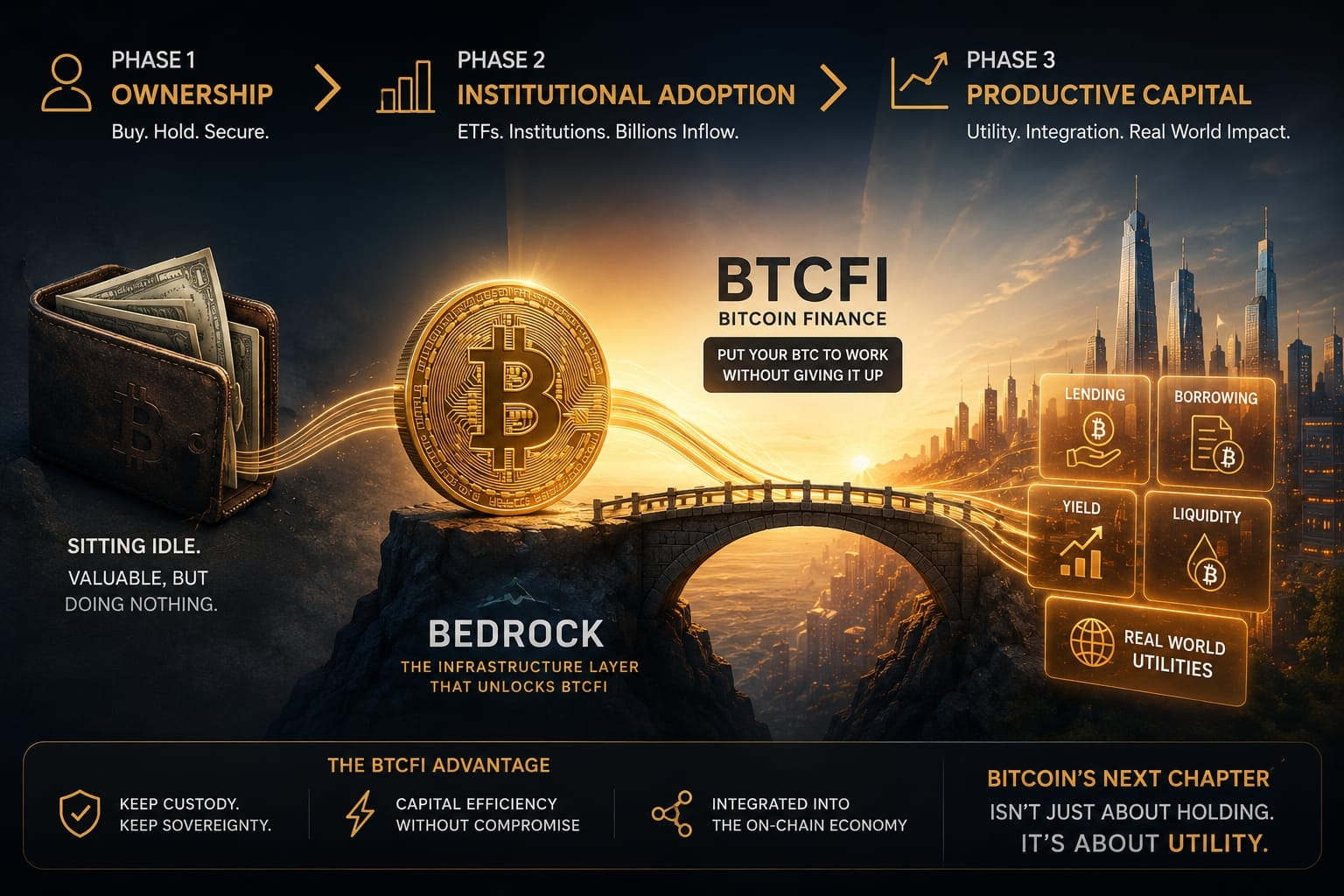
私の勘違いかもしれませんが、ビットコインの次の章は、保有者をさらに増やすことだけにあるとは思いません。すでにそれを持っている人たちに、実際の“ユーティリティ(実用性)”を与えることが中心になるはずです。
フェーズ1:所有
フェーズ2:機関の採用
フェーズ3:生産的な資本
そして、それが最終的にBedrockが私の目を引いた理由です。彼らはビットコインの本質を変えようとしていません。そうではなく、最初からビットコインが価値あるものとして成立してきたコアな特性を損なわずに、より広いオンチェーン経済の中へどう組み込めるかを考えているんです。
$BR
この前、ふと古い財布を見つけて、中に忘れられた現金が少し入っているのに気づきました。もちろんお金は安全に保管されていましたが、ただ……そこに置かれたままで、何もしていなかったんです。正直、その瞬間にビットコインのことが頭に浮かびました。
長い間、ビットコインの実践はとてもシンプルでした。買う、HODLする、そして待つ。で、案の定うまくいった。けれど今は、ETFがあり、機関投資家がいて、何十億ドルもの資金がこの領域に流れ込んでいる。だから会話も自然と変わってきている気がします。いま一番面白い問いは「ビットコインを買うこと」ではなく、「買ったあとに何が起きるのか」です。
まさにその考えが、私をBedrockの奥深い世界へ導いてくれました。BTCFiを深く掘るほど、生の利回りを追いかけることへの関心が薄れていって、代わりに資本効率への執着が強くなっていくんです。考えるとちょっと面白いですよね。ビットコインは暗号資産の“絶対的な王様”なのに、その富のかなりの部分が完全にアイドル状態で眠っている。
Bedrockがどう取り組んでいるのかを見て、すごくクールな可能性に気づきました。BTCを持ち続けるか、働かせるか——その二択を本当に迫られる必要がないとしたらどうでしょう?
私の勘違いかもしれませんが、ビットコインの次の章は、保有者をさらに増やすことだけにあるとは思いません。すでにそれを持っている人たちに、実際の“ユーティリティ(実用性)”を与えることが中心になるはずです。
フェーズ1:所有
フェーズ2:機関の採用
フェーズ3:生産的な資本
そして、それが最終的にBedrockが私の目を引いた理由です。彼らはビットコインの本質を変えようとしていません。そうではなく、最初からビットコインが価値あるものとして成立してきたコアな特性を損なわずに、より広いオンチェーン経済の中へどう組み込めるかを考えているんです。
$BR
本当にバランスの取れた分析です。チャンスは大きいですが、期待できる成果とリスクの両方が話し合われているのを見るのは良いですね。
BUSHRA BNB
·
--
ブリッシュ@Bedrock #bedrock $BR
私は、最高の暗号資産モデルは最もシンプルなものだとずっと思っていました。つまり、ウォレットを預けて利回りを得て、資本は基本的に“昼寝”しているだけだと受け入れる。ところが、Bedrockを調べてみたら考えが変わりました。
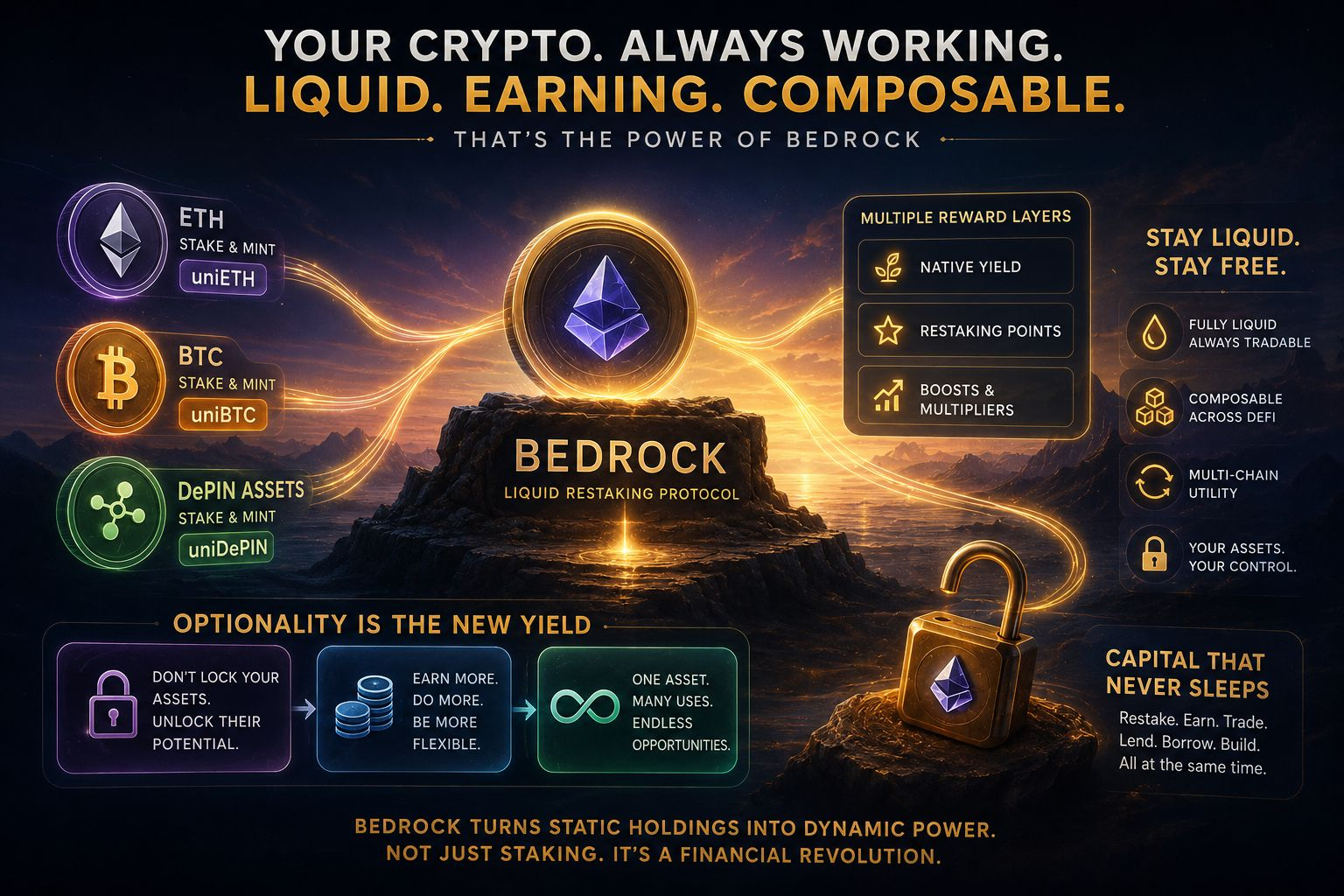
彼らは、ETH、BTC、そしてDePIN資産向けのリキッド・リステーキング・プロトコルを構築しています。発想は、uniETHやuniBTCのようなトークンをミントすることで、基礎となる資産は稼働し続ける一方で、あなたのポジションは完全に流動的なままである、ということです。
私の“ひらめき”はここです。彼らが提供している本当のプロダクトは「単なる“より多い利回り”」ではなく、「オプショナリティ(選択肢の幅)」だという点。考えてみてください。もしuniETHをミントするなら、$ETHを行き止まりの金庫に固定してしまう代わりに、ネイティブ報酬を受け取り続けられます。そして、その資産は取引可能なままで、DeFi全体で完全に組み合わせ(コンポーザブル)可能です。
彼らのドキュメントを掘り下げると、報酬レイヤーを積み重ねているのが分かります。たとえば、ネイティブな利回りに加えて、リステーキング・ポイントやブーストも上乗せされる形です。これは従来のステーキング・バルブ(固定型の金利受け取り用金庫)のようなものというより、同じ資本に対して複数の、しかも重なり合う請求権を持っているように感じます。
正直、これに人々が簡単に気づきにくいのではと思います。この分野全体はだいたいステーキング・コントラクトを見て、すぐに「APYはいくら?」と聞いてしまうんですよね。
もっと面白い問いは、「利回りを稼いでいる間に、私の暗号資産は他に何ができるのか?」です。BTC、ETH、そしてDePINに関しては、これは巨大なアーキテクチャの転換のように思えます。あるいは、私が気づいたのは、私たちがようやく“静的な資産保有”から、もっと流動的なものへ移行しつつあるということなのかもしれません。
$BR
私は、最高の暗号資産モデルは最もシンプルなものだとずっと思っていました。つまり、ウォレットを預けて利回りを得て、資本は基本的に“昼寝”しているだけだと受け入れる。ところが、Bedrockを調べてみたら考えが変わりました。
彼らは、ETH、BTC、そしてDePIN資産向けのリキッド・リステーキング・プロトコルを構築しています。発想は、uniETHやuniBTCのようなトークンをミントすることで、基礎となる資産は稼働し続ける一方で、あなたのポジションは完全に流動的なままである、ということです。
私の“ひらめき”はここです。彼らが提供している本当のプロダクトは「単なる“より多い利回り”」ではなく、「オプショナリティ(選択肢の幅)」だという点。考えてみてください。もしuniETHをミントするなら、$ETHを行き止まりの金庫に固定してしまう代わりに、ネイティブ報酬を受け取り続けられます。そして、その資産は取引可能なままで、DeFi全体で完全に組み合わせ(コンポーザブル)可能です。
彼らのドキュメントを掘り下げると、報酬レイヤーを積み重ねているのが分かります。たとえば、ネイティブな利回りに加えて、リステーキング・ポイントやブーストも上乗せされる形です。これは従来のステーキング・バルブ(固定型の金利受け取り用金庫)のようなものというより、同じ資本に対して複数の、しかも重なり合う請求権を持っているように感じます。
正直、これに人々が簡単に気づきにくいのではと思います。この分野全体はだいたいステーキング・コントラクトを見て、すぐに「APYはいくら?」と聞いてしまうんですよね。
もっと面白い問いは、「利回りを稼いでいる間に、私の暗号資産は他に何ができるのか?」です。BTC、ETH、そしてDePINに関しては、これは巨大なアーキテクチャの転換のように思えます。あるいは、私が気づいたのは、私たちがようやく“静的な資産保有”から、もっと流動的なものへ移行しつつあるということなのかもしれません。
$BR
請求 🧧

GREEN APPLE
·
--
ブリッシュ🧧プレゼント プレゼント🧧
🎁$20をゲット $BNB ごと🎁
#MRVLSoarsOnNVDATrillionDollarOutlook #BitcoinFearGaugeSurgesNearly20%
🎁$20をゲット $BNB ごと🎁
#MRVLSoarsOnNVDATrillionDollarOutlook #BitcoinFearGaugeSurgesNearly20%
行く
GREEN APPLE
·
--
ブリッシュ🧧プレゼント プレゼント🧧
🎁$20をゲット $BNB ごと🎁
#MRVLSoarsOnNVDATrillionDollarOutlook #BitcoinFearGaugeSurgesNearly20%
🎁$20をゲット $BNB ごと🎁
#MRVLSoarsOnNVDATrillionDollarOutlook #BitcoinFearGaugeSurgesNearly20%
主張 🧧
GREEN APPLE
·
--
ブリッシュ🧧プレゼント プレゼント🧧
🎁$20をゲット $BNB ごと🎁
#MRVLSoarsOnNVDATrillionDollarOutlook #BitcoinFearGaugeSurgesNearly20%
🎁$20をゲット $BNB ごと🎁
#MRVLSoarsOnNVDATrillionDollarOutlook #BitcoinFearGaugeSurgesNearly20%
主張 🧧
GREEN APPLE
·
--
ブリッシュ@Bedrock #bedrock $BR
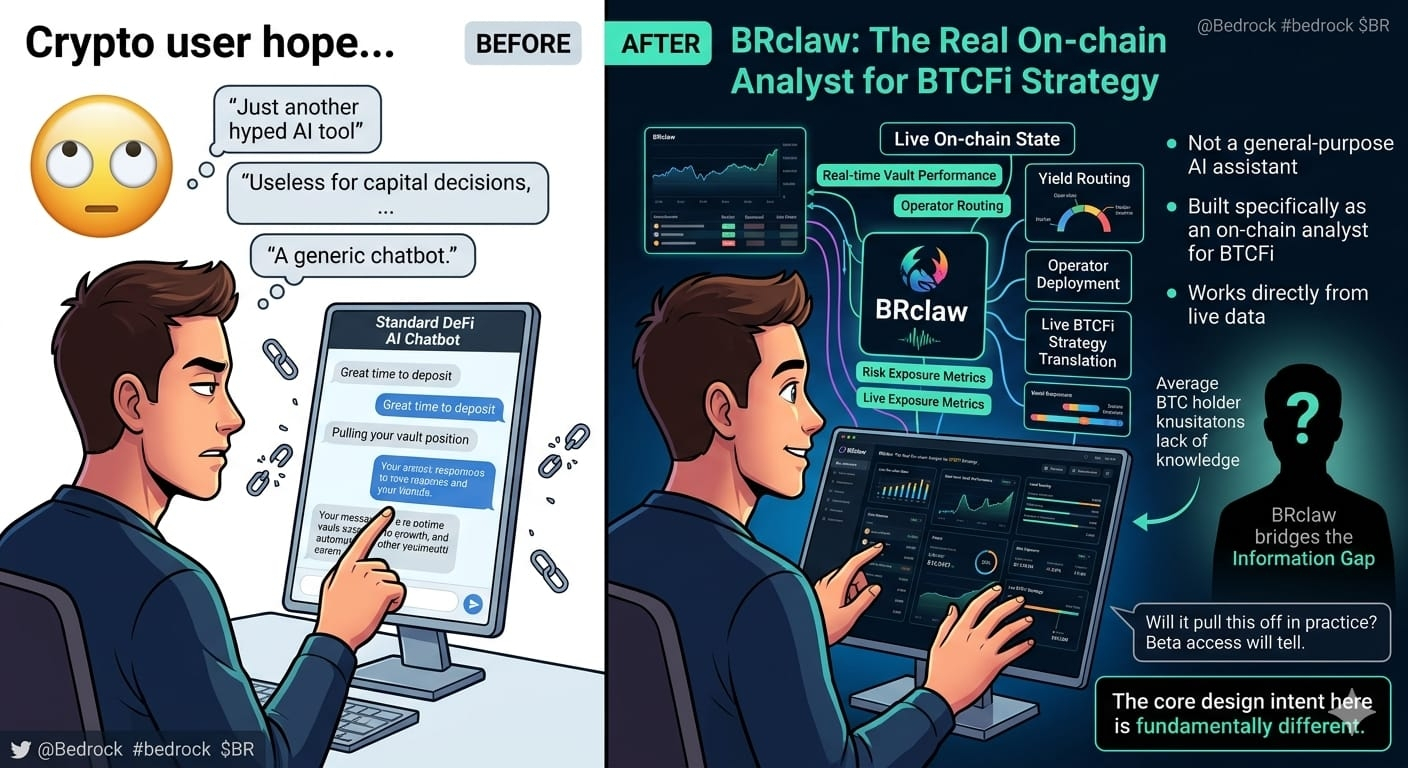
最初にBRclawの発表を見たとき、私の反応は大きなため息でした。 "また一般的なDeFi AIツールか。" これまでに十分見てきたので、もう反射的にそう感じてしまいます。通常は、あなたのボールトポジションを表示したり、ベーシストレードを定義したり、「今は入金するのに良い時ですか?」という質問にドキュメントからつなぎ合わせた自信満々の段落で返答するチャットボットに過ぎません。オンボーディングには便利ですが、実際の資本決定には役立ちません。発表をちゃんと読む前に、私はBRclawをそういうカテゴリーに入れました。
私の懐疑心が和らいだ理由は、BRclawが一般的なAIアシスタントを目指していないことです。これはBTCFi戦略のためのオンチェーンアナリストとして特別に構築されており、Bedrockのボールトの下で動いているライブデータを翻訳する明確な役割を持っています。これは全く異なるアーキテクチャの存在です。標準のチャットボットがFAQやブログのような静的なテキストから機能するのに対し、オンチェーンアナリストはライブ状態から直接機能し、リアルタイムのボールトパフォーマンス、利回りルーティング、オペレーターの展開、リスクエクスポージャー指標を追跡します。
正直に言いましょう:今、平均的なuniBTCホルダーにどの特定のボールトに資本が割り当てられているか、現在の利回りがどこで生成されているか、またそのリスクプロファイルが過去1週間でどのように進化したかを尋ねても、答えられないでしょう。たとえそのデータが公開されていても、ほとんどの小売ユーザーは生のオンチェーン状態を読み取る方法を知りません。BRclawの目的は、まさにその情報ギャップを埋めることです。
実際にこれを実現できるかは、見てみないとわかりません。それがただの派手なブランディングのチャットボットか、既存のダッシュボードメトリクスのラッパーに過ぎないことが判明したら、私は真っ先にそれを指摘します。しかし、ここでのコアデザインの意図は通常のAIの誇大宣伝とは根本的に異なり、それだけでも真剣に受け止める価値があります。
最初にBRclawの発表を見たとき、私の反応は大きなため息でした。 "また一般的なDeFi AIツールか。" これまでに十分見てきたので、もう反射的にそう感じてしまいます。通常は、あなたのボールトポジションを表示したり、ベーシストレードを定義したり、「今は入金するのに良い時ですか?」という質問にドキュメントからつなぎ合わせた自信満々の段落で返答するチャットボットに過ぎません。オンボーディングには便利ですが、実際の資本決定には役立ちません。発表をちゃんと読む前に、私はBRclawをそういうカテゴリーに入れました。
私の懐疑心が和らいだ理由は、BRclawが一般的なAIアシスタントを目指していないことです。これはBTCFi戦略のためのオンチェーンアナリストとして特別に構築されており、Bedrockのボールトの下で動いているライブデータを翻訳する明確な役割を持っています。これは全く異なるアーキテクチャの存在です。標準のチャットボットがFAQやブログのような静的なテキストから機能するのに対し、オンチェーンアナリストはライブ状態から直接機能し、リアルタイムのボールトパフォーマンス、利回りルーティング、オペレーターの展開、リスクエクスポージャー指標を追跡します。
正直に言いましょう:今、平均的なuniBTCホルダーにどの特定のボールトに資本が割り当てられているか、現在の利回りがどこで生成されているか、またそのリスクプロファイルが過去1週間でどのように進化したかを尋ねても、答えられないでしょう。たとえそのデータが公開されていても、ほとんどの小売ユーザーは生のオンチェーン状態を読み取る方法を知りません。BRclawの目的は、まさにその情報ギャップを埋めることです。
実際にこれを実現できるかは、見てみないとわかりません。それがただの派手なブランディングのチャットボットか、既存のダッシュボードメトリクスのラッパーに過ぎないことが判明したら、私は真っ先にそれを指摘します。しかし、ここでのコアデザインの意図は通常のAIの誇大宣伝とは根本的に異なり、それだけでも真剣に受け止める価値があります。
GO & Claim $20 🎁🧧
GREEN APPLE
·
--
ブリッシュ🧧プレゼント プレゼント🧧
🎁$20をゲット $BNB ごと🎁
#MRVLSoarsOnNVDATrillionDollarOutlook #BitcoinFearGaugeSurgesNearly20%
🎁$20をゲット $BNB ごと🎁
#MRVLSoarsOnNVDATrillionDollarOutlook #BitcoinFearGaugeSurgesNearly20%
天才
BUSHRA BNB
·
--
ブリッシュ@GeniusOfficial #genius $GENIUS
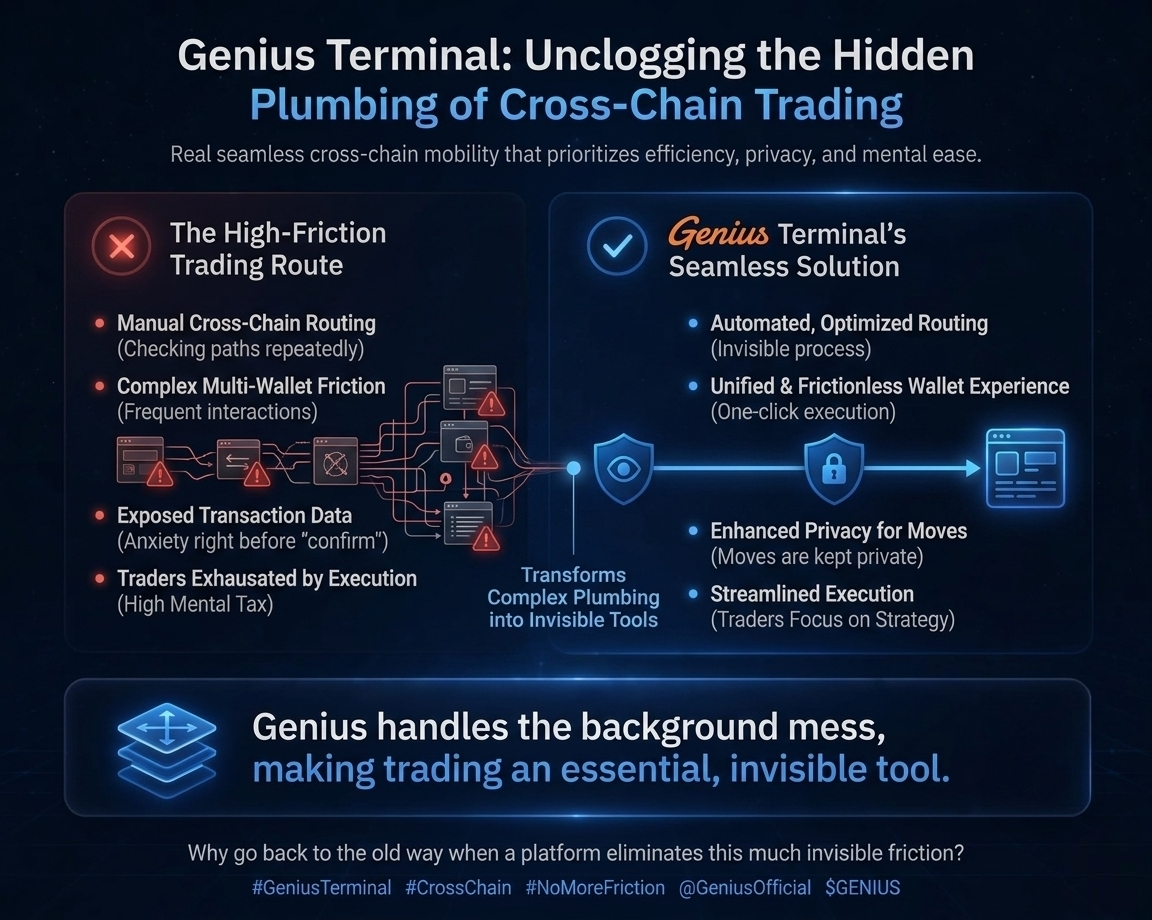
私が$GENIUS について実際に目を引かれたのは、派手な新しいDeFiのギミックなんかじゃないです。注目すべきは、誰もあまり語らない、面倒な裏方の部分に取り組んでいること。⚡
チェーンをまたいだ取引の大変さを想像してみてください。ルートを確認し続けること、ウォレットの操作による摩擦への対処、露出した動きが心配になること、そして「確認」を押す直前のあのこっそりした不安。天才(Genius)は、それを全部ただきれいなUIで覆うのではなく、取引のレイヤーとしてそのゴチャゴチャを取り除こうとしている感じがします。😎
正直、それが大事です。トレーダーが消耗するのは、悪いプレイだけが原因ではありません。実行するための摩擦そのものによって疲れ切ってしまうんです。DeFiにおける本当の隠れた税金は、いつもガス代とは限りません。ときには、メンタルの労力そのものです。
私は、Genius Terminalが体験全体をより混乱しにくく、よりプライベートに、そして要点にまっすぐ進むものにしようとしている様子を追ってきました。完璧ですか?完全に実証済みですか?いいえ。でも、他の誰も見過ごしがちなバックグラウンドの配管を、実際に直そうとしています。
もし彼らが本当に、トレーダーが市場をシームレスかつプライベートに移動できるようにできるなら、それは単なる「もう一つのターミナル」ではなくなります。あなたがただ頼りにする、必須で見えないツールになる。
ただ、$GENIUS の天井がどこまでなのか、まだよく分かりません。でも考えてしまいます。もしあるプラットフォームが、そのくらいの“見えない摩擦”を消せるなら、誰がわざわざ昔のやり方に戻りたいと思うのでしょう……?
#genius
私が$GENIUS について実際に目を引かれたのは、派手な新しいDeFiのギミックなんかじゃないです。注目すべきは、誰もあまり語らない、面倒な裏方の部分に取り組んでいること。⚡
チェーンをまたいだ取引の大変さを想像してみてください。ルートを確認し続けること、ウォレットの操作による摩擦への対処、露出した動きが心配になること、そして「確認」を押す直前のあのこっそりした不安。天才(Genius)は、それを全部ただきれいなUIで覆うのではなく、取引のレイヤーとしてそのゴチャゴチャを取り除こうとしている感じがします。😎
正直、それが大事です。トレーダーが消耗するのは、悪いプレイだけが原因ではありません。実行するための摩擦そのものによって疲れ切ってしまうんです。DeFiにおける本当の隠れた税金は、いつもガス代とは限りません。ときには、メンタルの労力そのものです。
私は、Genius Terminalが体験全体をより混乱しにくく、よりプライベートに、そして要点にまっすぐ進むものにしようとしている様子を追ってきました。完璧ですか?完全に実証済みですか?いいえ。でも、他の誰も見過ごしがちなバックグラウンドの配管を、実際に直そうとしています。
もし彼らが本当に、トレーダーが市場をシームレスかつプライベートに移動できるようにできるなら、それは単なる「もう一つのターミナル」ではなくなります。あなたがただ頼りにする、必須で見えないツールになる。
ただ、$GENIUS の天井がどこまでなのか、まだよく分かりません。でも考えてしまいます。もしあるプラットフォームが、そのくらいの“見えない摩擦”を消せるなら、誰がわざわざ昔のやり方に戻りたいと思うのでしょう……?
#genius
BR
BUSHRA BNB
·
--
ブリッシュ@Bedrock #bedrock $BR
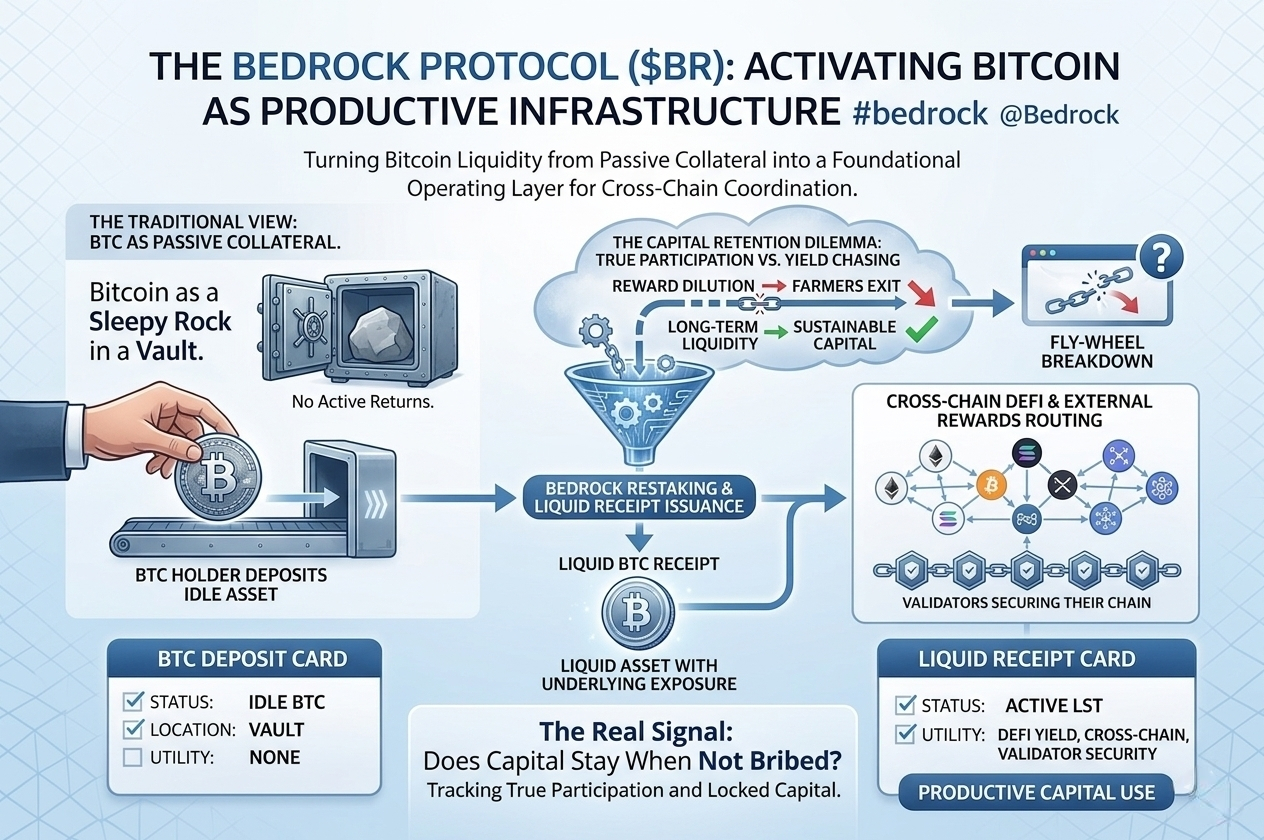
私のMizoです。ここ数サイクル前にビットコイン関連トークンが取引されているのを見ていたのを、まだ覚えています。そのとき「利回り」なんて誰も本当に気にしていないように感じました。世間の見方はシンプルで、BTCは担保であり、価値の保存であり、あるいは流動性の源ではあるかもしれない。でも、ネットワーク横断で積極的にリターンを生み出すものではない——そう思われていました。正直、そのまま変わらないと思っていました。ところが最近、状況はかなり違ってきています。
Bedrockについて私の目を引いたのは、単なる別の一般的な利回り商品を作っているわけではない点です。彼らはビットコインの流動性を、土台となるオペレーティング・レイヤーへと変えることに集中しています。これは大きな違いです。BTC保有者が、基礎となるエクスポージャーを維持したまま、ステークしたりリステークしたり、異なるシステムに資本をルーティングしたりできるなら、経済ゲーム全体が変わります。ビットコインは金庫の中で眠るだけの岩ではなく、生産的なインフラになります。
仕組みは、裏側を見ればかなり分かりやすいです。資産を預けると、流動性のあるレシート(受領証)を受け取り、それを外部の報酬システムに投入します。報酬は戻ってきて、バリデータはネットワークを確保する役割を果たし、そしてあなたの流動性は完全に流動性のまま保たれます。正直、ここで私が一番面白いと思っているのは利回りそのものではなく、「調整(コーディネーション)」です。
とはいえ、常に付きまとうのが定着(リテンション)の問題です。高利回りは必ず注目を集めますが、持続可能な参加には、資本が留まり続けるための本当の理由が必要です。報酬が下がったり、トークンのインセンティブが薄まってしまったり、人々が次のキラキラしたファームを追いかけ始めたりすると、あの回転装置(フライホイール)がすぐに崩れてしまいます。
私はまさに、ほとんどの市場がここでポイントを見誤っているのだと思います。本当のシグナルはAPYではありません。途方もない高額の支払いで賄われていないときでも、ビットコインの流動性が実際にシステム内に留まるかどうかです。トレーダーとして私は、派手な物語よりも、参加状況、ロックされる資本、そして供給の吸収(サプライの取り込み)にずっと注意を払っています。
物語は速く動きます。資本の行動が、いずれ真実を教えてくれます。
$BR
私のMizoです。ここ数サイクル前にビットコイン関連トークンが取引されているのを見ていたのを、まだ覚えています。そのとき「利回り」なんて誰も本当に気にしていないように感じました。世間の見方はシンプルで、BTCは担保であり、価値の保存であり、あるいは流動性の源ではあるかもしれない。でも、ネットワーク横断で積極的にリターンを生み出すものではない——そう思われていました。正直、そのまま変わらないと思っていました。ところが最近、状況はかなり違ってきています。
Bedrockについて私の目を引いたのは、単なる別の一般的な利回り商品を作っているわけではない点です。彼らはビットコインの流動性を、土台となるオペレーティング・レイヤーへと変えることに集中しています。これは大きな違いです。BTC保有者が、基礎となるエクスポージャーを維持したまま、ステークしたりリステークしたり、異なるシステムに資本をルーティングしたりできるなら、経済ゲーム全体が変わります。ビットコインは金庫の中で眠るだけの岩ではなく、生産的なインフラになります。
仕組みは、裏側を見ればかなり分かりやすいです。資産を預けると、流動性のあるレシート(受領証)を受け取り、それを外部の報酬システムに投入します。報酬は戻ってきて、バリデータはネットワークを確保する役割を果たし、そしてあなたの流動性は完全に流動性のまま保たれます。正直、ここで私が一番面白いと思っているのは利回りそのものではなく、「調整(コーディネーション)」です。
とはいえ、常に付きまとうのが定着(リテンション)の問題です。高利回りは必ず注目を集めますが、持続可能な参加には、資本が留まり続けるための本当の理由が必要です。報酬が下がったり、トークンのインセンティブが薄まってしまったり、人々が次のキラキラしたファームを追いかけ始めたりすると、あの回転装置(フライホイール)がすぐに崩れてしまいます。
私はまさに、ほとんどの市場がここでポイントを見誤っているのだと思います。本当のシグナルはAPYではありません。途方もない高額の支払いで賄われていないときでも、ビットコインの流動性が実際にシステム内に留まるかどうかです。トレーダーとして私は、派手な物語よりも、参加状況、ロックされる資本、そして供給の吸収(サプライの取り込み)にずっと注意を払っています。
物語は速く動きます。資本の行動が、いずれ真実を教えてくれます。
$BR
天才
BUSHRA BNB
·
--
ブリッシュ@GeniusOfficial #genius $GENIUS
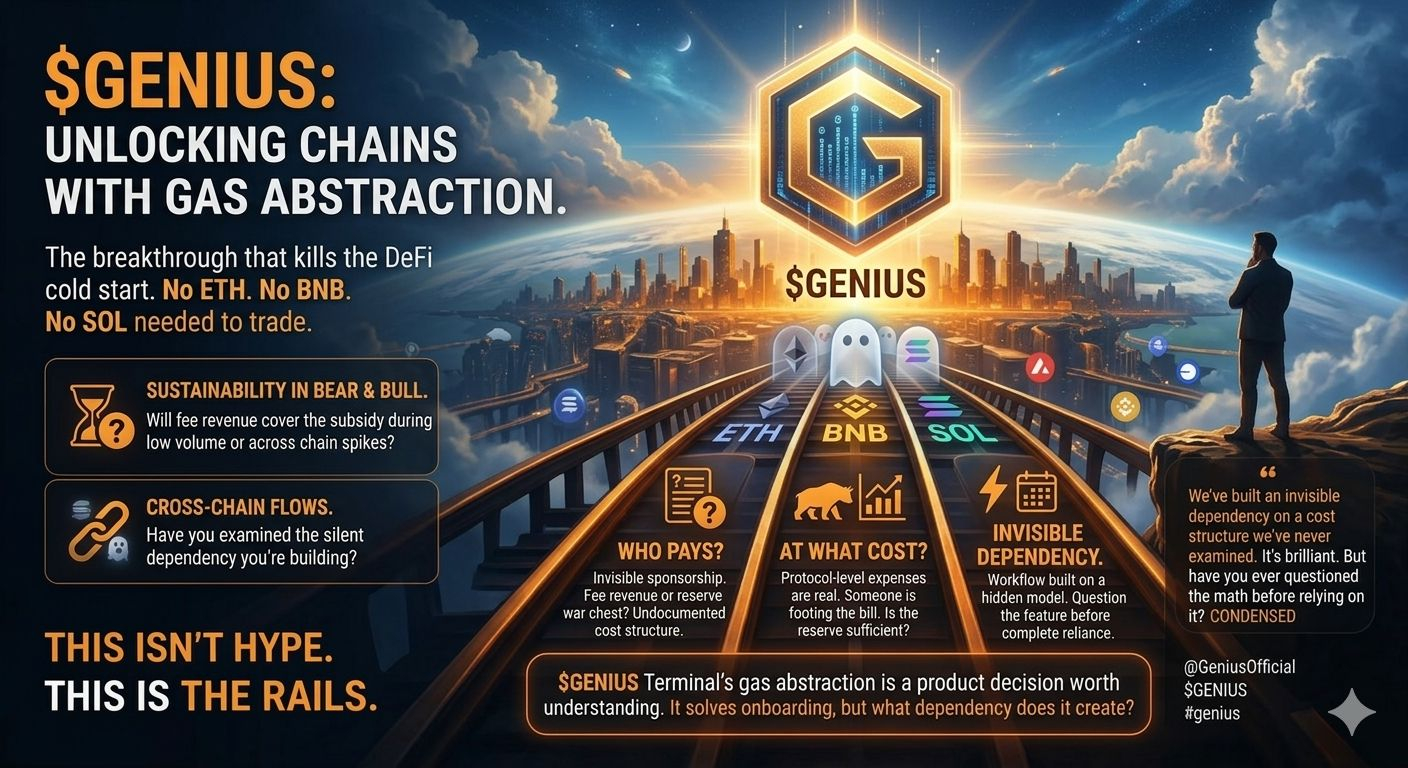
正直、ガス抽象化は、これまでのGenius Terminalの中でもおそらく最も過小評価されているムーブです。ですが、その実際のコスト構造については、疑問点が一番大きいのもまた事実です。
コンセプトは素晴らしいです。このプラットフォームがあなたのガス料金を代わりにカバーするだけ。
イーサリアムならETHは不要。😎
BNBチェーンならBNBは不要。⚡
ソラナならSOLは不要。💪
必要なのは、実際に取引したいトークンを保有することだけ。以上です。新規ユーザーのオンボーディングにとって、これは絶対にゲームチェンジャー。DeFiでみんなが経験している、あのイライラする「コールドスタート」問題が、まさに解決されます。新しいチェーンへブリッジしてみたら、ウォレットが完全に固まっていることに気づく。ネイティブトークンのわずか数セント分すら持っていないせいで、最初の取引に必要な支払いができないのです。何年もDeFiの普及をボトルネックしてきた、大きな醒めポイントです。
Genius Terminalは、その頭痛をまるごと消してくれます。到着して、取引するだけ。セットアップはゼロ。
ただ、考え続けてやまない疑問があります——一体誰がその費用を払っているのでしょうか?
ガス代は架空のものではなく、プロトコルレベルで発生する現実の、避けられないコストです。Geniusがあなたのトランザクションを後援するなら、誰かがその費用を負担しています。プラットフォームはそのコストを吸収しているはずで、取引手数料の収益からかもしれませんし、準備金のようなレザーブからかもしれません。しかし、どれほど持続可能なのか、あるいは計算が破綻したときに何が起きるのかについて、実際にはまだ“裏側”を開示していません。
もちろん、ボリュームが巨大な荒れ狂う強気相場なら、取引手数料がガスの補助を、苦労なく賄える可能性はあります。
では、残酷な低ボリュームの弱気相場ではどうなるのでしょうか?複数のチェーンで同時にガス価格がランダムに跳ね上がったら?
ガス・トークンを一切保持しなくて済むという利便性を前提に、クロスチェーン取引のワークフローを組んでしまっているなら、見えないビジネスモデルへの“静かな依存”も同時に作ってしまっていることになります。
素晴らしいプロダクト機能ではありますが、完全に頼り切る前に、確かに一度は疑ってみる価値があります。
$GENIUS #genius
正直、ガス抽象化は、これまでのGenius Terminalの中でもおそらく最も過小評価されているムーブです。ですが、その実際のコスト構造については、疑問点が一番大きいのもまた事実です。
コンセプトは素晴らしいです。このプラットフォームがあなたのガス料金を代わりにカバーするだけ。
イーサリアムならETHは不要。😎
BNBチェーンならBNBは不要。⚡
ソラナならSOLは不要。💪
必要なのは、実際に取引したいトークンを保有することだけ。以上です。新規ユーザーのオンボーディングにとって、これは絶対にゲームチェンジャー。DeFiでみんなが経験している、あのイライラする「コールドスタート」問題が、まさに解決されます。新しいチェーンへブリッジしてみたら、ウォレットが完全に固まっていることに気づく。ネイティブトークンのわずか数セント分すら持っていないせいで、最初の取引に必要な支払いができないのです。何年もDeFiの普及をボトルネックしてきた、大きな醒めポイントです。
Genius Terminalは、その頭痛をまるごと消してくれます。到着して、取引するだけ。セットアップはゼロ。
ただ、考え続けてやまない疑問があります——一体誰がその費用を払っているのでしょうか?
ガス代は架空のものではなく、プロトコルレベルで発生する現実の、避けられないコストです。Geniusがあなたのトランザクションを後援するなら、誰かがその費用を負担しています。プラットフォームはそのコストを吸収しているはずで、取引手数料の収益からかもしれませんし、準備金のようなレザーブからかもしれません。しかし、どれほど持続可能なのか、あるいは計算が破綻したときに何が起きるのかについて、実際にはまだ“裏側”を開示していません。
もちろん、ボリュームが巨大な荒れ狂う強気相場なら、取引手数料がガスの補助を、苦労なく賄える可能性はあります。
では、残酷な低ボリュームの弱気相場ではどうなるのでしょうか?複数のチェーンで同時にガス価格がランダムに跳ね上がったら?
ガス・トークンを一切保持しなくて済むという利便性を前提に、クロスチェーン取引のワークフローを組んでしまっているなら、見えないビジネスモデルへの“静かな依存”も同時に作ってしまっていることになります。
素晴らしいプロダクト機能ではありますが、完全に頼り切る前に、確かに一度は疑ってみる価値があります。
$GENIUS #genius
$BR 素晴らしいプロジェクト 👏
BUSHRA BNB
·
--
ブリッシュ@Bedrock #bedrock $BR
私がBedrock($BR )で特にすごいと思うのは、ただ単にリステーキングを1つの資産に貼り付けて終わり、という話ではない点です。本当の狙いはマルチアセット・リステーキングです。
考えてみてください。BTC、ETH、IOTX、そしてその他の保有資産を流動的なまま維持しつつ、それらをDeFiで稼働させられる。シンプルに聞こえるかもしれませんが、実際には資本の動き方を根本からひっくり返します。冷たいウォレットでポンプを祈りながら放置するのではなく、資産がオンチェーン上で能動的に参加するんです。
ただ、少し現実的に期待を調整しましょう。利回りの選択肢が増えるほど、リスクの露出も自動的に増えます。流動性は突然消えることがあり、利回りは圧縮される可能性がありますし、スマートコントラクトは常に潜在的な障害点です。さらに、トークンのアンロックが静かな売り圧力に変わることもあります。私は十分なマーケットサイクルを経験してきたので、素晴らしい仕組みでも勝てる取引を保証するわけではないと分かっています。✅
今のメタを完璧に捉えています。誰もが利回りを求める一方で、流動性を手放したくない人ばかりです。
パワーユーザー向け:仕組みを理解しているなら、これは非常に役立つツールです。
カジュアル層向け:これらの追加レイヤーは、追跡するのが大変に感じるかもしれません。
ナラティブはきれいですが、結局のところ市場は売り込みの内容なんて気にしません。関心があるのは、実際の流動性の厚み、実使用、そして最初の熱狂が冷めた後もプロトコルが信頼を維持できるかどうかです。😊
#Bedrock $BR
私がBedrock($BR )で特にすごいと思うのは、ただ単にリステーキングを1つの資産に貼り付けて終わり、という話ではない点です。本当の狙いはマルチアセット・リステーキングです。
考えてみてください。BTC、ETH、IOTX、そしてその他の保有資産を流動的なまま維持しつつ、それらをDeFiで稼働させられる。シンプルに聞こえるかもしれませんが、実際には資本の動き方を根本からひっくり返します。冷たいウォレットでポンプを祈りながら放置するのではなく、資産がオンチェーン上で能動的に参加するんです。
ただ、少し現実的に期待を調整しましょう。利回りの選択肢が増えるほど、リスクの露出も自動的に増えます。流動性は突然消えることがあり、利回りは圧縮される可能性がありますし、スマートコントラクトは常に潜在的な障害点です。さらに、トークンのアンロックが静かな売り圧力に変わることもあります。私は十分なマーケットサイクルを経験してきたので、素晴らしい仕組みでも勝てる取引を保証するわけではないと分かっています。✅
今のメタを完璧に捉えています。誰もが利回りを求める一方で、流動性を手放したくない人ばかりです。
パワーユーザー向け:仕組みを理解しているなら、これは非常に役立つツールです。
カジュアル層向け:これらの追加レイヤーは、追跡するのが大変に感じるかもしれません。
ナラティブはきれいですが、結局のところ市場は売り込みの内容なんて気にしません。関心があるのは、実際の流動性の厚み、実使用、そして最初の熱狂が冷めた後もプロトコルが信頼を維持できるかどうかです。😊
#Bedrock $BR

$GENIUS
BUSHRA BNB
·
--
ブリッシュ@GeniusOfficial #genius $GENIUS
私は自分のトレーディングの優位性はかなりしっかりしていると思っていました。 ところが、2つ目のスプレッドシートを走らせ始めたんです。
損益(PnL)を追跡するためじゃありません。摩擦を可視化するために作りました。 ネットワークの承認待ちで無駄になった分数。失敗して再提出が必要になった取引。複数ブリッジを経由するルートのうち、4分遅れで到着し、すでに消えてしまったセットアップにたどり着いたもの。私はそれらを90日間ずっと記録しました。
最終集計は飲み込むのがつらい結果でした。私は、悪い判断で失っていると思っていたほど資本を失っていなかったんです。失っていたのは、意思決定と実際の執行の間にある配管(仕組み)のところからじわじわと出血していました。
いちばん厄介なのは?この種の損失、体感できないことです。悪いトレードは痛くて、そこから学べます。 でもインフラの足かせは、「まあ、これがクリプトだよね」という雑音に紛れて薄れていく。誰もそれについて投稿しません。
だからこそ、@GeniusOfficial が取り組んでいる問題は、過小評価されすぎです。150以上のDEXと11のチェーンにまたがる統一された実行レイヤーがあれば、魔法みたいにアルファが増えるわけではありません。 ただ、あなたが下した“正しい判断”に対して、ネットワークが静かに課税してくるのを止めるだけです。
正直な懸念はあります。この規模で実行を標準化するのは、ものすごい巨大な獣を手なずけるような話だということです。 ルーティングアルゴリズムはホワイトペーパーではよく見えますが、実際の流動性ストレス下で最適化するとなると別の問題です。
でも、あの2つ目のスプレッドシートは嘘をつきません。損失の大半は、市場が反応するチャンスすらない前に起きていました。
みなさんは実際に、執行の遅延(execution drag)がどれくらいコストになっているのか切り分けて追跡したことはありますか?
私は自分のトレーディングの優位性はかなりしっかりしていると思っていました。 ところが、2つ目のスプレッドシートを走らせ始めたんです。
損益(PnL)を追跡するためじゃありません。摩擦を可視化するために作りました。 ネットワークの承認待ちで無駄になった分数。失敗して再提出が必要になった取引。複数ブリッジを経由するルートのうち、4分遅れで到着し、すでに消えてしまったセットアップにたどり着いたもの。私はそれらを90日間ずっと記録しました。
最終集計は飲み込むのがつらい結果でした。私は、悪い判断で失っていると思っていたほど資本を失っていなかったんです。失っていたのは、意思決定と実際の執行の間にある配管(仕組み)のところからじわじわと出血していました。
いちばん厄介なのは?この種の損失、体感できないことです。悪いトレードは痛くて、そこから学べます。 でもインフラの足かせは、「まあ、これがクリプトだよね」という雑音に紛れて薄れていく。誰もそれについて投稿しません。
だからこそ、@GeniusOfficial が取り組んでいる問題は、過小評価されすぎです。150以上のDEXと11のチェーンにまたがる統一された実行レイヤーがあれば、魔法みたいにアルファが増えるわけではありません。 ただ、あなたが下した“正しい判断”に対して、ネットワークが静かに課税してくるのを止めるだけです。
正直な懸念はあります。この規模で実行を標準化するのは、ものすごい巨大な獣を手なずけるような話だということです。 ルーティングアルゴリズムはホワイトペーパーではよく見えますが、実際の流動性ストレス下で最適化するとなると別の問題です。
でも、あの2つ目のスプレッドシートは嘘をつきません。損失の大半は、市場が反応するチャンスすらない前に起きていました。
みなさんは実際に、執行の遅延(execution drag)がどれくらいコストになっているのか切り分けて追跡したことはありますか?
行く

先生 C L O U D _x
·
--
🎁 無料$BTC リワードがライブ中 🔥
このチャンスを逃さず、今すぐリワードをゲットしよう 👇👇
1۔🧧CLICK ==> CLAIM🎁 👉🏻 BTC 👈🏻🎁
2۔🧧CLICK ==>CLAIM👉🏻Surprise Reward🎁
いいね ❤️ リポスト 🔁 と コメント 💬 して、今すぐリワードを受け取ろう 🟠
$ZBT $RIF
このチャンスを逃さず、今すぐリワードをゲットしよう 👇👇
1۔🧧CLICK ==> CLAIM🎁 👉🏻 BTC 👈🏻🎁
2۔🧧CLICK ==>CLAIM👉🏻Surprise Reward🎁
いいね ❤️ リポスト 🔁 と コメント 💬 して、今すぐリワードを受け取ろう 🟠
$ZBT $RIF


✅✅
引用されたコンテンツは削除されました
✅✅
引用されたコンテンツは削除されました
✅✅
引用されたコンテンツは削除されました
✅
四月 April
·
--
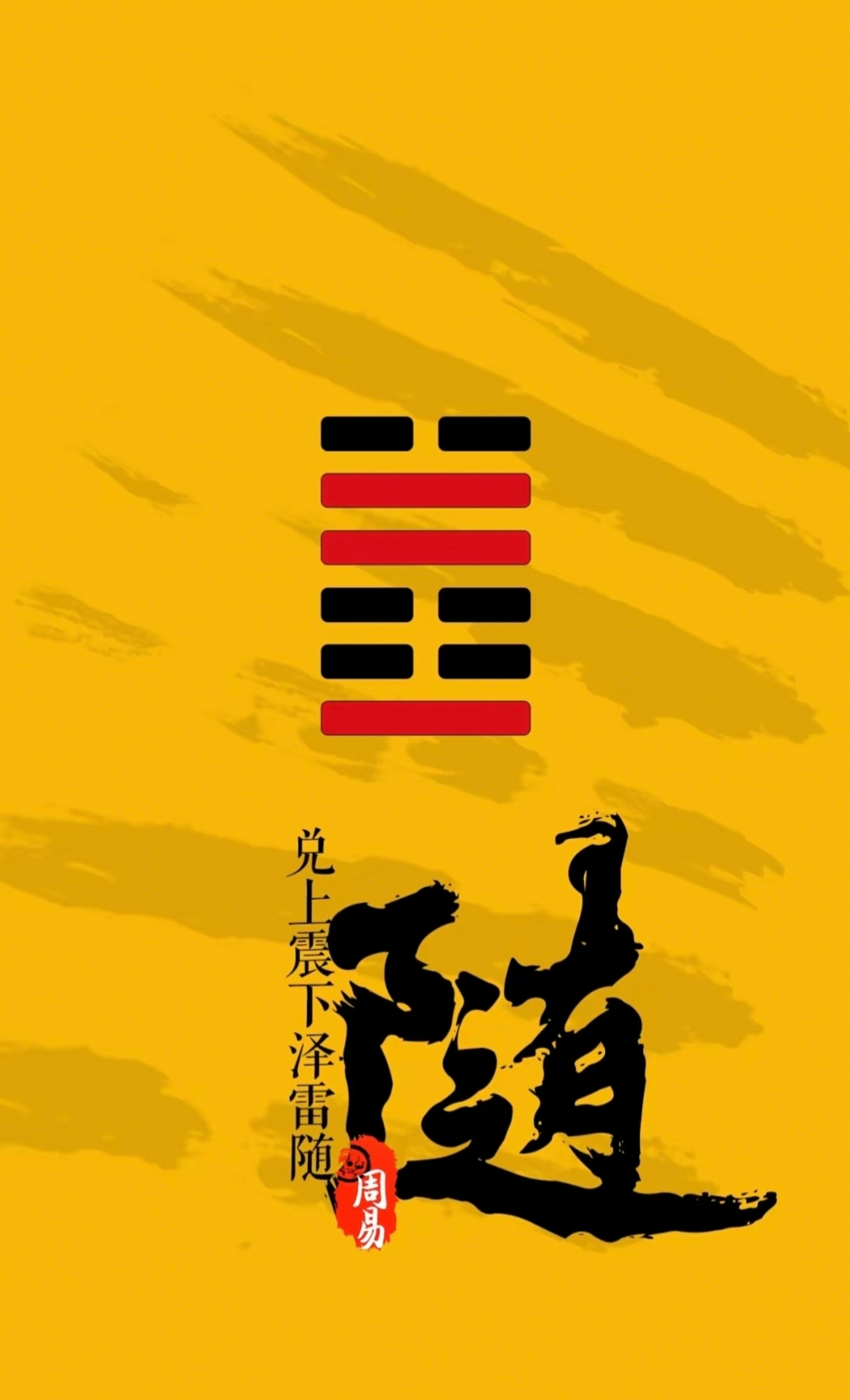
$📊 沢雷随·丁丑日双市速递
⚡️今日農暦3月17日、干支は丁丑。卦は「沢雷随」。〖象曰〗:泥の中を踏み歩くこの数年、押して車は崖に寄り眼前にあり。いまこそ再び力を使い、崖へよじ登って財の源を掴め。
卦主「随時変通」、動いて悦ぶ——この時は流れに順うのがよく、頑固に自分の意見を押し通すのは忌みる。
🟢【暗号資産 Crypto】BTCは現在$78,000-$79,000の範囲で整理。先週金曜に一度$79,500まで迫った後、小幅に押し戻した。資金面では継続的な買いが見られ、月曜の単日ETF純流入は6.3億ドル。オプション市場はやや慎重だが、現物の買いがずっと下支えしている。随卦は、市場のリズムに「随う」ことをあなたに告げる。8万ドルの節目に定着すれば新たなプラットフォームが開く。押し目が来れば、休むのはもっと高く跳ぶため。いま主力は暗に玉を集めており、押し目待ちの低位買いに備えている。
🔴【金 $XAU 】金価格は$4,600あたりで圧力を受けており、依然として50日移動平均線の下で足踏みしている。板面には強い買いが不足しており、リバウンドの勢いはかなり限られる。一方で、各方面の機関が珍しい「分化・輪動」の様相を演じている。Edgenの報道によれば、地政学的な衝突が緊張して以来、ビットコインとイーサリアムは20%超上昇したのに対し、金はむしろ14%下落。さらに$11億超がBTC現物ETFへ流れ込んでいるが、金市場では償還(リデンプション)圧力に直面している。これが「随」卦の精髓——資金はもはや昔のロジックに固着せず、最も「動く」方向を追う。伝統的なリスク回避資産の“持ち札”が緩み始めている。
📉【米株】引き続き分化した相場。テクノロジーは粘りがあり、ダウは関税と製造業コストの重しでまだ圧迫されている。マクロ面では、米連邦準備制度の高金利環境が続いており、市場は雇用統計(非農)データの指針待ち。リスク選好は残っているが、追いかけて買う(高値追い)なら慎重さが必要だ。
🔥 五行の「火」が旺んで鍛えられ、金水が養生息する——2026年丙午の火の馬年。五行は火で、上半期は火の勢いがビットコインを押し上げ、資金は潤うが、バブルの危機も同時に潜んでいる。下半期は土が金を生み、規制と価値回帰へ。今まさに、乱世で中核資産を厚く持ち、低レバで“寝て待つ”段階だ。震は雷であり、動きを意味する;兑は悦び——相場に合わせて舞い、ハイレバから距離を取り、平安で喜びを保て。
願わくは毘沙門天ならぬ財神がまず西南を照らし、次にあなたの口座残高を照らさん 📈
#卦象 $BANANAS31
⚡️今日農暦3月17日、干支は丁丑。卦は「沢雷随」。〖象曰〗:泥の中を踏み歩くこの数年、押して車は崖に寄り眼前にあり。いまこそ再び力を使い、崖へよじ登って財の源を掴め。
卦主「随時変通」、動いて悦ぶ——この時は流れに順うのがよく、頑固に自分の意見を押し通すのは忌みる。
🟢【暗号資産 Crypto】BTCは現在$78,000-$79,000の範囲で整理。先週金曜に一度$79,500まで迫った後、小幅に押し戻した。資金面では継続的な買いが見られ、月曜の単日ETF純流入は6.3億ドル。オプション市場はやや慎重だが、現物の買いがずっと下支えしている。随卦は、市場のリズムに「随う」ことをあなたに告げる。8万ドルの節目に定着すれば新たなプラットフォームが開く。押し目が来れば、休むのはもっと高く跳ぶため。いま主力は暗に玉を集めており、押し目待ちの低位買いに備えている。
🔴【金 $XAU 】金価格は$4,600あたりで圧力を受けており、依然として50日移動平均線の下で足踏みしている。板面には強い買いが不足しており、リバウンドの勢いはかなり限られる。一方で、各方面の機関が珍しい「分化・輪動」の様相を演じている。Edgenの報道によれば、地政学的な衝突が緊張して以来、ビットコインとイーサリアムは20%超上昇したのに対し、金はむしろ14%下落。さらに$11億超がBTC現物ETFへ流れ込んでいるが、金市場では償還(リデンプション)圧力に直面している。これが「随」卦の精髓——資金はもはや昔のロジックに固着せず、最も「動く」方向を追う。伝統的なリスク回避資産の“持ち札”が緩み始めている。
📉【米株】引き続き分化した相場。テクノロジーは粘りがあり、ダウは関税と製造業コストの重しでまだ圧迫されている。マクロ面では、米連邦準備制度の高金利環境が続いており、市場は雇用統計(非農)データの指針待ち。リスク選好は残っているが、追いかけて買う(高値追い)なら慎重さが必要だ。
🔥 五行の「火」が旺んで鍛えられ、金水が養生息する——2026年丙午の火の馬年。五行は火で、上半期は火の勢いがビットコインを押し上げ、資金は潤うが、バブルの危機も同時に潜んでいる。下半期は土が金を生み、規制と価値回帰へ。今まさに、乱世で中核資産を厚く持ち、低レバで“寝て待つ”段階だ。震は雷であり、動きを意味する;兑は悦び——相場に合わせて舞い、ハイレバから距離を取り、平安で喜びを保て。
願わくは毘沙門天ならぬ財神がまず西南を照らし、次にあなたの口座残高を照らさん 📈
#卦象 $BANANAS31
✅✅


AK鹰
·
--
ブリッシュ🎁🎁🧧報酬をゲット🧧🎁🎁
✨✨✨ビットコイン ビットコイン ビットコイン ビットコイン ビットコイン👇✨✨✨
✨✨✨ビットコイン ビットコイン ビットコイン ビットコイン ビットコイン👇✨✨✨
✅
BOSS BNB
·
--
MEGA GIVEAWAY🎁🎁🎁🎁
クリック=> GET🧧🧧BTC🧧🧧
クリック=> GET 🎁🧧BANANAS🧧🎁
クリック=> GET🧧🧧BTC🧧🧧
クリック=> GET 🎁🧧BANANAS🧧🎁

ログインして、さらにコンテンツを読む