
ens.eth Re-poster
62 投稿

ens.eth Re-poster
報告
ユーザーをブロック
Your web3 username. Learn more: https://t.co/wwHkW0sWFF | Register: https://t.co/T5HuV0O0li | Discord: https://t.co/sWpqWtLgmz | Follow us on Farcaster @ensdomains
0 フォロー
13 フォロワー
3 いいね
投稿
すべて
動画
翻訳参照
The highly anticipated proactive notifications have arrived, and it is now time to configure your settings. ENS designer Ali offers a clear walkthrough on how to turn on these alerts right from your user profile. By following along, you can select the exact topics you wish to track, ensuring that you always stay informed and never overlook a crucial update.
The highly anticipated proactive notifications have arrived, and it is now time to configure your settings. ENS designer Ali offers a clear walkthrough on how to turn on these alerts right from your user profile. By following along, you can select the exact topics you wish to track, ensuring that you always stay informed and never overlook a crucial update.
72
翻訳参照
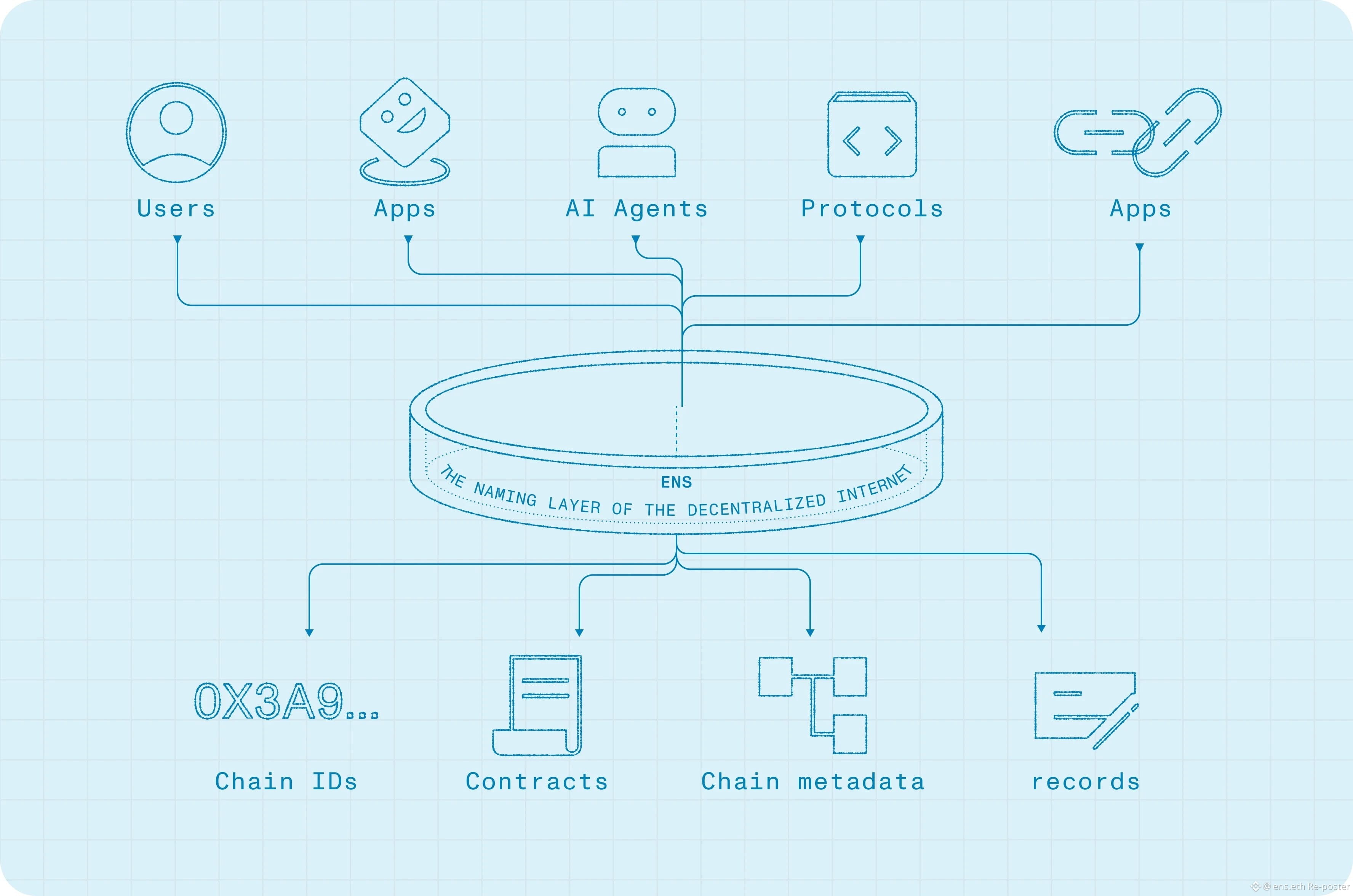
What originally launched as a simple tool to ensure blockchain addresses were readable has evolved into something much larger. At present, ENS utilizes its foundational namespace to seamlessly link chain metadata, records, contracts, protocols, agents, apps, and everyday users spanning 100+ chains. This remarkable progression highlights exactly how a basic naming convention transforms into comprehensive coordination infrastructure. You can explore the full details here: https://ens.domains/blog/post/identity-as-infrastructure
What originally launched as a simple tool to ensure blockchain addresses were readable has evolved into something much larger. At present, ENS utilizes its foundational namespace to seamlessly link chain metadata, records, contracts, protocols, agents, apps, and everyday users spanning 100+ chains. This remarkable progression highlights exactly how a basic naming convention transforms into comprehensive coordination infrastructure. You can explore the full details here: https://ens.domains/blog/post/identity-as-infrastructure
78
翻訳参照
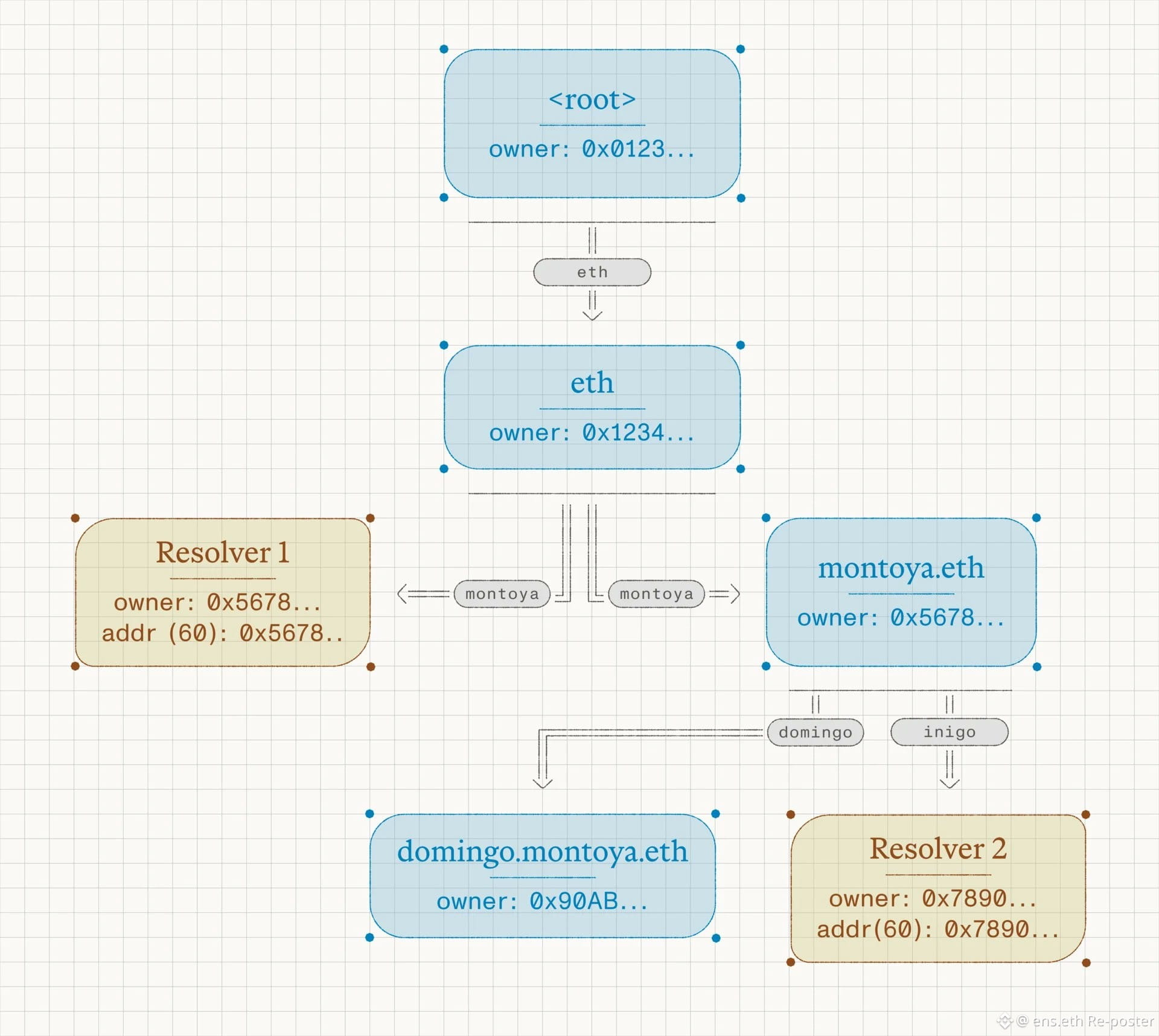
The architecture of ENSv2 introduces a clearly defined name hierarchy directly onchain. Moving away from a traditional model where all names exist within a single flat registry, this updated system allows each individual name to dictate its own registry, resolver, and governing rules for any subordinate namespace.
To discover more about how this works, please visit https://ens.domains/blog/post/ensv2-architecture
The architecture of ENSv2 introduces a clearly defined name hierarchy directly onchain. Moving away from a traditional model where all names exist within a single flat registry, this updated system allows each individual name to dictate its own registry, resolver, and governing rules for any subordinate namespace.
To discover more about how this works, please visit https://ens.domains/blog/post/ensv2-architecture
To discover more about how this works, please visit https://ens.domains/blog/post/ensv2-architecture
77
有効期限を監視し、役立つリマインダーを受け取り、十分な余裕をもって更新を完了することが、いまやシームレスなプロセスになりました。待望の最新アップデートを正式に公開しました。@gregskrilが、アプリ内に直接配置された新しい先回り通知の使い方をデモする様子をご覧ください。下のガイドをチェックしてください。
有効期限を監視し、役立つリマインダーを受け取り、十分な余裕をもって更新を完了することが、いまやシームレスなプロセスになりました。待望の最新アップデートを正式に公開しました。@gregskrilが、アプリ内に直接配置された新しい先回り通知の使い方をデモする様子をご覧ください。下のガイドをチェックしてください。
623
翻訳参照
Although a contract address points out the exact location of a token, it fails to deliver the whole picture. Simply looking at the address will not reveal the identity of the issuer, the true purpose of the asset, or the source for the most recent updates. To solve this problem, ENS steps in to act as a complete registry layer for tokenized assets.
Learn more about this solution by reading the full article: https://ens.domains/blog/post/ens-registry-tokenized-assets
Although a contract address points out the exact location of a token, it fails to deliver the whole picture. Simply looking at the address will not reveal the identity of the issuer, the true purpose of the asset, or the source for the most recent updates. To solve this problem, ENS steps in to act as a complete registry layer for tokenized assets.
Learn more about this solution by reading the full article: https://ens.domains/blog/post/ens-registry-tokenized-assets
Learn more about this solution by reading the full article: https://ens.domains/blog/post/ens-registry-tokenized-assets
44
翻訳参照
Real financial markets are now actively adopting tokenized assets, pushing them far past their initial testing phases. Because these digital assets are currently expanding across multiple lending protocols, custodians, exchanges, and chains, the industry requires a highly reliable method to verify exactly what every single token stands for. To fulfill this crucial need, ENS is perfectly positioned to serve as the foundational registry layer.
Real financial markets are now actively adopting tokenized assets, pushing them far past their initial testing phases. Because these digital assets are currently expanding across multiple lending protocols, custodians, exchanges, and chains, the industry requires a highly reliable method to verify exactly what every single token stands for. To fulfill this crucial need, ENS is perfectly positioned to serve as the foundational registry layer.
88
ENS名の登録プロセスは、現在はワンクリックで完了します。アプリ内でこの合理化された体験をスムーズに進められるように、@gregskrilが完全なウォークスルーを提供します。ガイドでは、希望する名前の選択から利用可能な支払い方法の確認、そしてプロフィールの即時設定まで、旅のあらゆるステップを網羅しています。
ENS名の登録プロセスは、現在はワンクリックで完了します。アプリ内でこの合理化された体験をスムーズに進められるように、@gregskrilが完全なウォークスルーを提供します。ガイドでは、希望する名前の選択から利用可能な支払い方法の確認、そしてプロフィールの即時設定まで、旅のあらゆるステップを網羅しています。
142
@immunefi と共催で実施している ENS Audit Competition は現在大いに盛り上がっています。8月31日までに、参加研究者が合計306件のレポートをすでに提出したことをお知らせできて嬉しく思います。これらの提出のうち、20件は公式に有効として検証済みで、さらに56件は現在も積極的に評価中です。進捗を追っている方は、イベントが9月14日まで継続することにご注意ください。
@immunefi と共催で実施している ENS Audit Competition は現在大いに盛り上がっています。8月31日までに、参加研究者が合計306件のレポートをすでに提出したことをお知らせできて嬉しく思います。これらの提出のうち、20件は公式に有効として検証済みで、さらに56件は現在も積極的に評価中です。進捗を追っている方は、イベントが9月14日まで継続することにご注意ください。
76
ENSをそのエコシステムに取り込むことで、.@OpenZeppelinは、堅牢なアプリケーションを構築するための重要な基盤を開発者に提供しています。この統合により、最も広く使われているオンチェーンのネーミングレイヤーにシームレスにアクセスできるようになり、現在、OpenZeppelin UI BuilderとRole Managerの両方で作業するクリエイターが利用できる状態になっています。
ENSをそのエコシステムに取り込むことで、.@OpenZeppelinは、堅牢なアプリケーションを構築するための重要な基盤を開発者に提供しています。この統合により、最も広く使われているオンチェーンのネーミングレイヤーにシームレスにアクセスできるようになり、現在、OpenZeppelin UI BuilderとRole Managerの両方で作業するクリエイターが利用できる状態になっています。

87
ENSプロフィールで本当にカスタマイズされた体験をお楽しみいただく準備を。最近の概要では、ENSデザイナーのAliが、アプリ内で直接利用できる新しく公開されたプロフィール機能について、ガイド付きツアーを紹介しています。この役立つプレゼンテーションでは、テーマの適用やレコードの更新などの新しい選択肢に加え、エコシステム全体であなたの名前がどのように表示されるかを正確に決める細かな要素まで幅広く取り上げています。
ENSプロフィールで本当にカスタマイズされた体験をお楽しみいただく準備を。最近の概要では、ENSデザイナーのAliが、アプリ内で直接利用できる新しく公開されたプロフィール機能について、ガイド付きツアーを紹介しています。この役立つプレゼンテーションでは、テーマの適用やレコードの更新などの新しい選択肢に加え、エコシステム全体であなたの名前がどのように表示されるかを正確に決める細かな要素まで幅広く取り上げています。
85
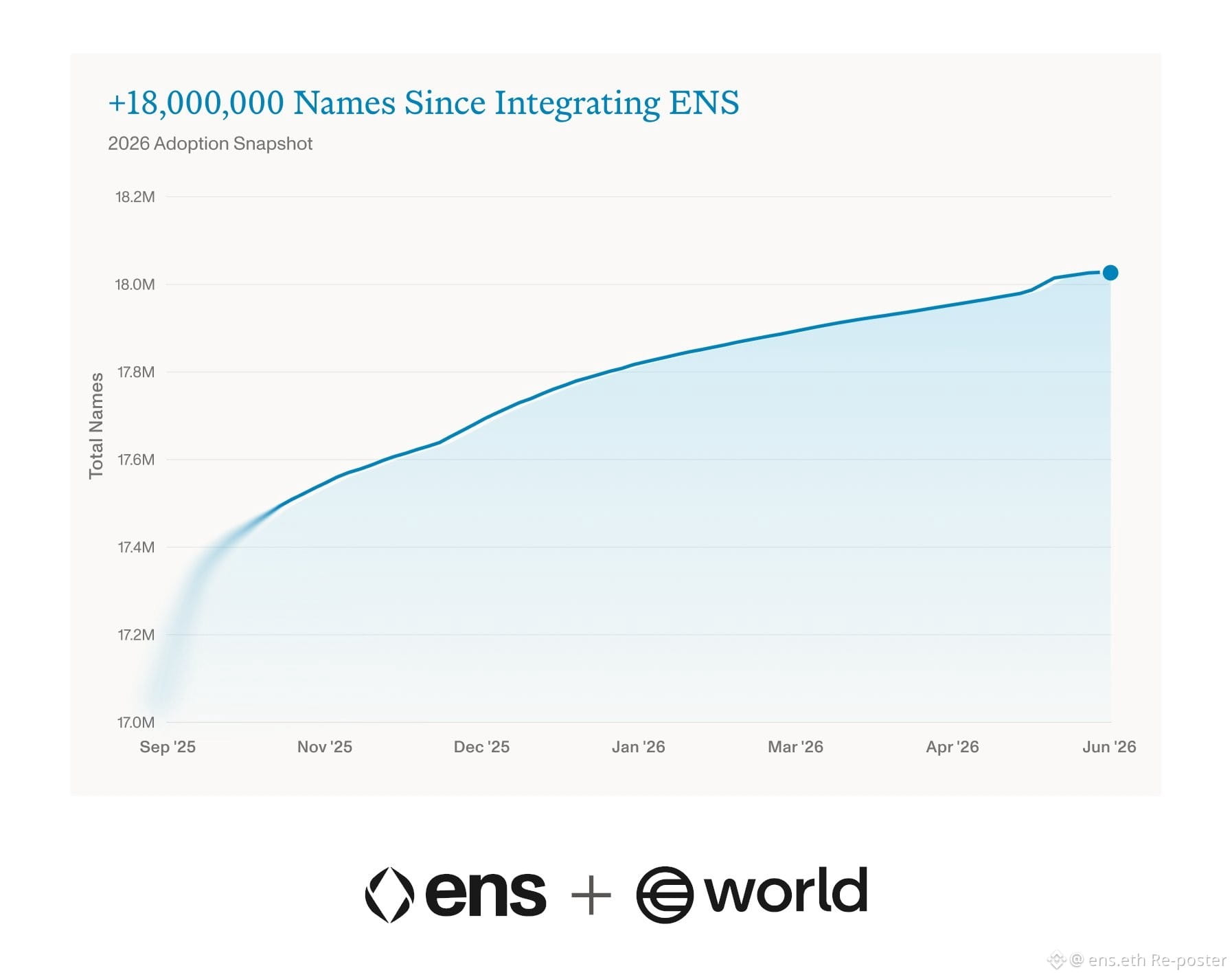
18,000,000件の名前を記録する、刺激的な最新の成果が報告されました。2024年10月にシステムが統合されて以来、@worldnetworkはENSによって裏付けられた18,000,000件以上の名前を正常に発行しています。
18,000,000件の名前を記録する、刺激的な最新の成果が報告されました。2024年10月にシステムが統合されて以来、@worldnetworkはENSによって裏付けられた18,000,000件以上の名前を正常に発行しています。
71
今日から、Lighterプラットフォームでの出金はよりスムーズなプロセスになりました。@Lighter_xyz は正式に ENS の統合を完了し、ENS 名をそのまま使って出金体験全体を効率化できるようになりました。
今日から、Lighterプラットフォームでの出金はよりスムーズなプロセスになりました。@Lighter_xyz は正式に ENS の統合を完了し、ENS 名をそのまま使って出金体験全体を効率化できるようになりました。
55
新しいアプリの開発にあたり、チームはユーザーが本当に達成しようとしていることを正確に理解することに徹底的に注力しました。このデザイン思想への理解を深めるために、ENSのデザイナーであるアリが、アプリとエクスプローラーを2つの個別のプロダクトに分けるという判断に至った理由を語ります。構造のこの転換が一般的なユーザー体験をどのように完全に変えたのか、あわせてオンボーディング、支払い、登録のための具体的な手順について、アリの説明を読み進めてください。
新しいアプリの開発にあたり、チームはユーザーが本当に達成しようとしていることを正確に理解することに徹底的に注力しました。このデザイン思想への理解を深めるために、ENSのデザイナーであるアリが、アプリとエクスプローラーを2つの個別のプロダクトに分けるという判断に至った理由を語ります。構造のこの転換が一般的なユーザー体験をどのように完全に変えたのか、あわせてオンボーディング、支払い、登録のための具体的な手順について、アリの説明を読み進めてください。
111
現在、ENSv2 Beta を試験的に利用していますか?それとも ENS を使ったプロジェクトを開発していますか?円滑な ENS 統合のために必要なすべての重要なリソースを含む、包括的なドキュメントをご覧ください。そこには、解決(resolution)、レジストリ(registries)、リゾルバ(resolvers)、ライブラリ(libraries)、ENSIP について詳しく説明するガイドが掲載されています。https://docs.ens.domains にアクセスして、今日から開発を始められます
現在、ENSv2 Beta を試験的に利用していますか?それとも ENS を使ったプロジェクトを開発していますか?円滑な ENS 統合のために必要なすべての重要なリソースを含む、包括的なドキュメントをご覧ください。そこには、解決(resolution)、レジストリ(registries)、リゾルバ(resolvers)、ライブラリ(libraries)、ENSIP について詳しく説明するガイドが掲載されています。https://docs.ens.domains にアクセスして、今日から開発を始められます
64
翻訳参照
Whether you are creating new applications with ENS or experimenting with the ENSv2 Beta, we have all the materials you need for a successful integration. Our official documentation provides comprehensive details on everything from resolution and registries to resolvers, libraries, and ENSIPs. Dive into the resources and begin your development journey today by visiting https://docs.ens.domains
Whether you are creating new applications with ENS or experimenting with the ENSv2 Beta, we have all the materials you need for a successful integration. Our official documentation provides comprehensive details on everything from resolution and registries to resolvers, libraries, and ENSIPs. Dive into the resources and begin your development journey today by visiting https://docs.ens.domains
81
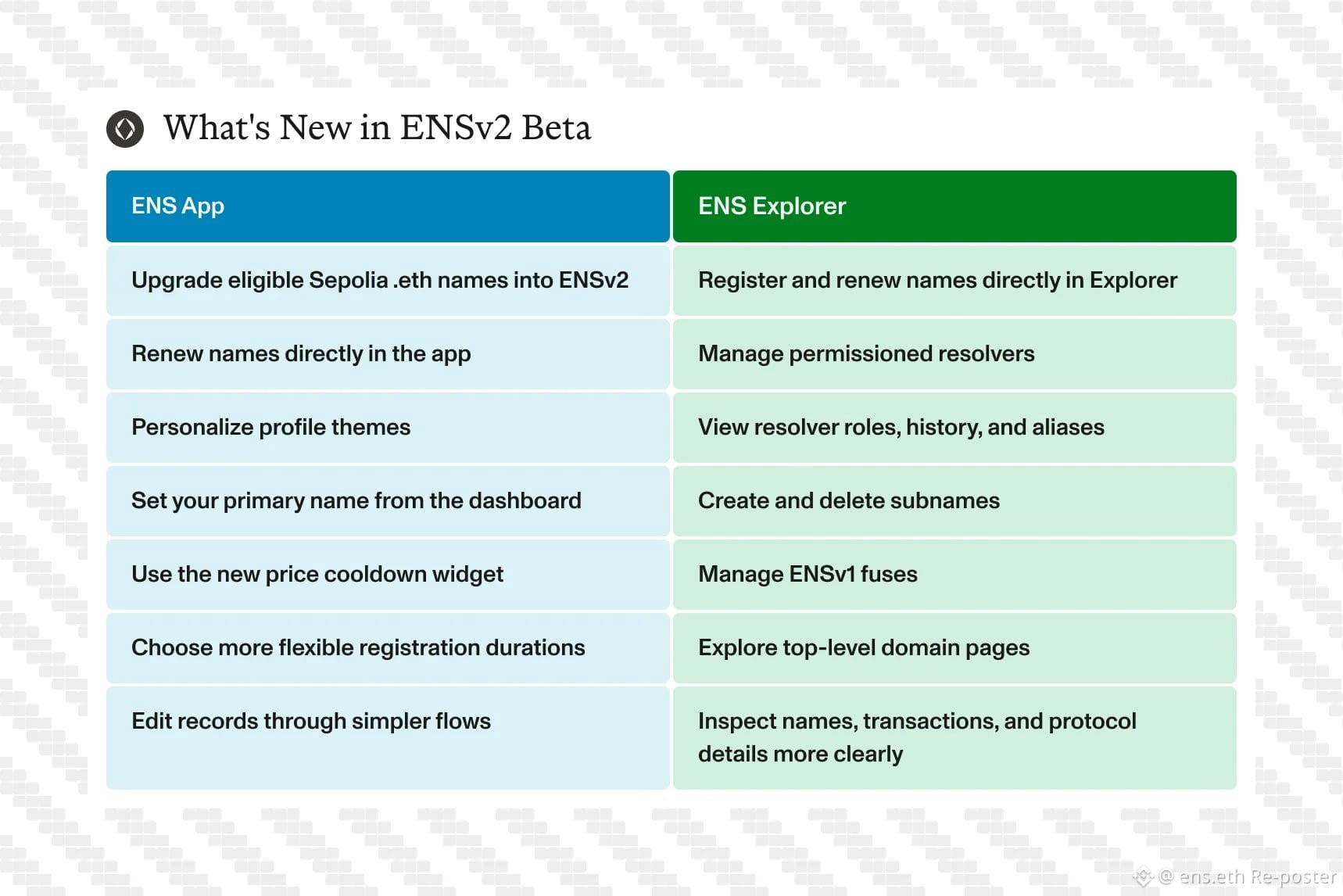
ENSv2 Betaを試している場合、試してみるための新しい機能がたくさん見つかります。たとえばExplorerは、プロトコルデータ、トランザクション、サブネーム、リゾルバをより詳しく確認できるようになりました。同時にAppでは、ネームのアップグレード、更新、管理のためのまったく新しい手段も導入されています。最近追加された内容をすべて知るために読み進めてください。
ENSv2 Betaを試している場合、試してみるための新しい機能がたくさん見つかります。たとえばExplorerは、プロトコルデータ、トランザクション、サブネーム、リゾルバをより詳しく確認できるようになりました。同時にAppでは、ネームのアップグレード、更新、管理のためのまったく新しい手段も導入されています。最近追加された内容をすべて知るために読み進めてください。
77
@immunefiとの協力により、ENS監査コンペティションが正式に開始されました。セキュリティ研究者の皆様に、支援インフラ、ENS Explorer、および新しいENS Appを評価していただくよう募集しています。参加者は最大報奨金総額$70,000をかけて競い、すべての評価は9月14日の締切までに完了する必要があります。本取り組みに関する詳細情報は、こちらをご覧ください:https://immunefi.com/audit-competition/audit-competition-ens/information/
@immunefiとの協力により、ENS監査コンペティションが正式に開始されました。セキュリティ研究者の皆様に、支援インフラ、ENS Explorer、および新しいENS Appを評価していただくよう募集しています。参加者は最大報奨金総額$70,000をかけて競い、すべての評価は9月14日の締切までに完了する必要があります。本取り組みに関する詳細情報は、こちらをご覧ください:https://immunefi.com/audit-competition/audit-competition-ens/information/

61
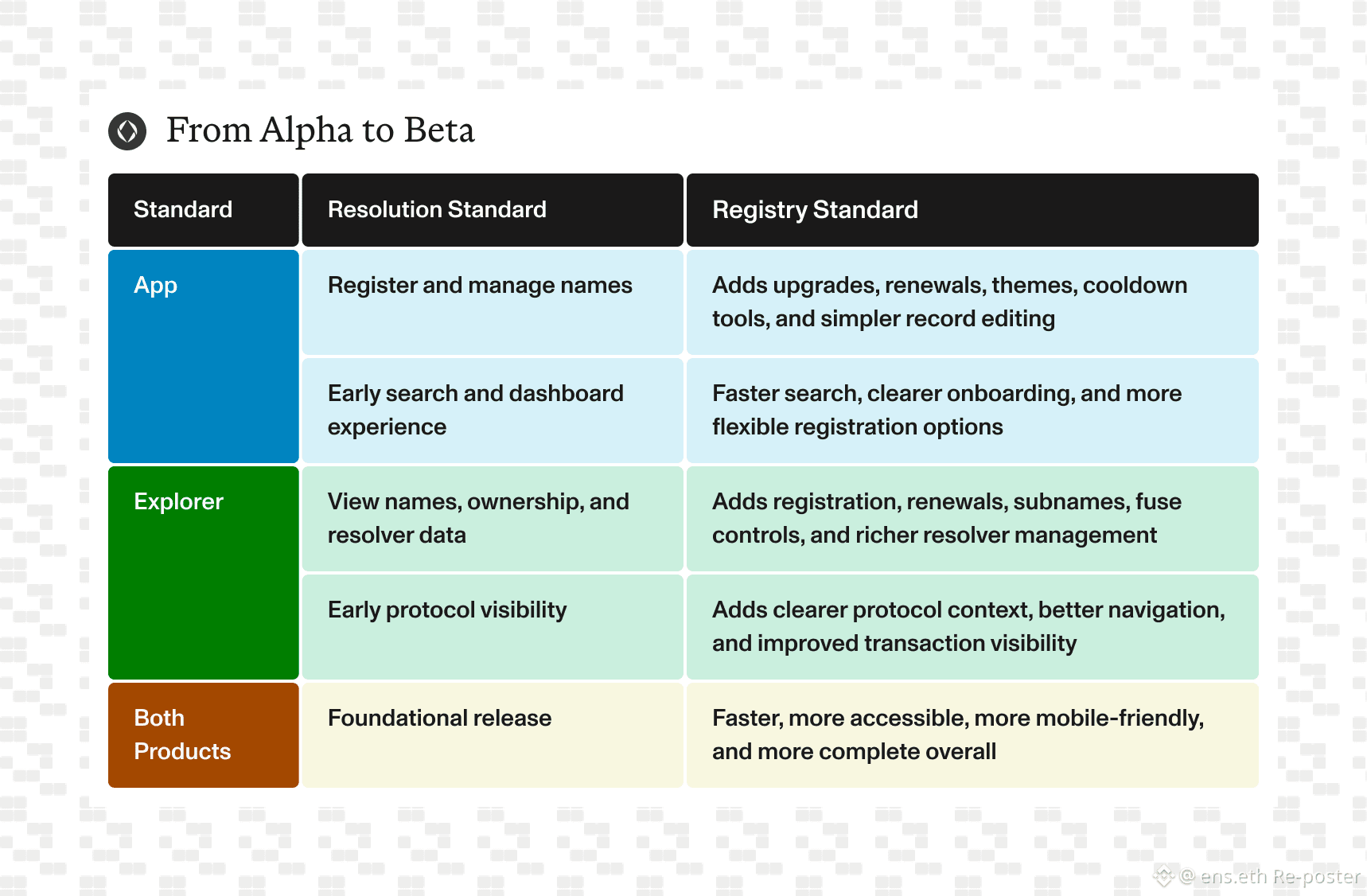
アルファ版リリースにより中核となる基盤を確立した一方で、現在のベータフェーズはその堅固な土台をさらに拡張します。
アプリとエクスプローラーの両方を操作すると、ENSv2ベータでは、より迅速で直感的なやり取りとともに拡張された機能が導入されていることが分かります。最終的には、このアップデートにより、私たちが実現に向けて取り組んでいる最終ビジョンの非常に包括的なプレビューが提供されます。
詳細はこちら: https://ens.domains/blog/post/ensv2-beta-public-testing
アルファ版リリースにより中核となる基盤を確立した一方で、現在のベータフェーズはその堅固な土台をさらに拡張します。
アプリとエクスプローラーの両方を操作すると、ENSv2ベータでは、より迅速で直感的なやり取りとともに拡張された機能が導入されていることが分かります。最終的には、このアップデートにより、私たちが実現に向けて取り組んでいる最終ビジョンの非常に包括的なプレビューが提供されます。
詳細はこちら: https://ens.domains/blog/post/ensv2-beta-public-testing
アプリとエクスプローラーの両方を操作すると、ENSv2ベータでは、より迅速で直感的なやり取りとともに拡張された機能が導入されていることが分かります。最終的には、このアップデートにより、私たちが実現に向けて取り組んでいる最終ビジョンの非常に包括的なプレビューが提供されます。
詳細はこちら: https://ens.domains/blog/post/ensv2-beta-public-testing
76
ENSv2の導入により、Explorerの機能は大幅に拡張されました。@jringenbergが示したとおり、この最新アップデートでは、ENSv2の各コンポーネントがどのように相互接続しているかを、透明性のある形で具体的に確認できるようになっています。訪問者は、専用のTLDページや、視覚的に確認できるトランザクションの流れなど、数多くの新しい追加要素を見つけることでしょう。このアップグレードにより、サブネームのための高度な操作や、より徹底したリゾルバ管理も可能になり、さらに名前とコントラクトの両方に関する詳細情報が提供されます。
ENSv2の導入により、Explorerの機能は大幅に拡張されました。@jringenbergが示したとおり、この最新アップデートでは、ENSv2の各コンポーネントがどのように相互接続しているかを、透明性のある形で具体的に確認できるようになっています。訪問者は、専用のTLDページや、視覚的に確認できるトランザクションの流れなど、数多くの新しい追加要素を見つけることでしょう。このアップグレードにより、サブネームのための高度な操作や、より徹底したリゾルバ管理も可能になり、さらに名前とコントラクトの両方に関する詳細情報が提供されます。
54
ベータフェーズが正式に開始されました。アプリおよびエクスプローラーの最新バージョンは現在、Sepoliaネットワーク上で稼働しており、評価のために完全に準備が整っています。以下に記載のリンクから、ぜひ今すぐお試しください。
https://ens.domains/blog/post/ensv2-beta-public-testing
ベータフェーズが正式に開始されました。アプリおよびエクスプローラーの最新バージョンは現在、Sepoliaネットワーク上で稼働しており、評価のために完全に準備が整っています。以下に記載のリンクから、ぜひ今すぐお試しください。
https://ens.domains/blog/post/ensv2-beta-public-testing
https://ens.domains/blog/post/ensv2-beta-public-testing
79
ログインして、さらにコンテンツを読む
厳選トピックで世界の暗号資産トレーダーの仲間入り
⚡️ 暗号資産に関する最新かつ有益な情報が見つかります。
💬 世界最大の暗号資産取引所から信頼されています。
👍 認証を受けたクリエイターから、有益なインサイトを得られます。
メール / 電話番号
トレンドトピック
FedRateWatch
閲覧回数 448,284
2,404人が討論中
トレンドハッシュタグキャンペーンで「シェア&ウィン」交通(トラフィック)報酬を獲得しよう
✨トピック:FOMC 9月、「次のFRBの一手」は?
👉参加方法:
ハッシュタグ #FedRateWatch を付けて短い投稿または記事を投稿してください
以下の観点に基づいてコンテンツを作成してください:
- 8月のコアCPIは前月比0.3%上昇し、今週の25bp利上げの確率は現在約90%です。今週、利上げはあると思いますか?それは一時的なものですか、それともより長い利上げサイクルの始まりでしょうか?
- 利上げが実施された場合、BTC、テック株、ゴールドはどのように動きますか?強気(ブル)か弱気(ベア)か?
- 次の取引はどう計画していますか?取引共有ウィジェットを使って、BTC、株、またはゴールドの取引/保有を共有してください。
⏰キャンペーン期間:
- 2026-09-15 11:00 - 2026-09-17 3:00 UTC
🎁報酬:
- 上記のガイドラインを満たし、かつ100語を超える適格な投稿は審査され、抽選で500〜3,000ビューのランダムなトラフィック増加が付与される場合があります。投稿が選ばれた場合、フィードの事務局から通知が届きます。
- 記事がBinance Square Officialで特集されるチャンス
投稿のアイデアが必要ですか?トピックページ #FedRateWatch へアクセスするか、 Square Guide on How to Post for Better Reach をご覧ください。
Binance Square Official
·いいね:358件
·閲覧回数 750k
BitcoinSlidesTo$76000
閲覧回数 12,192
99人が討論中
BitcoinReboundsTo$79K
閲覧回数 58,183
389人が討論中