

Quiiii
10k 投稿

Quiiii
報告
ユーザーをブロック
BP-3F6455724CB3
32 フォロー
4.4K+ フォロワー
32.1K+ いいね
投稿
すべて
引用
動画
ライブ
PINNED
·
--
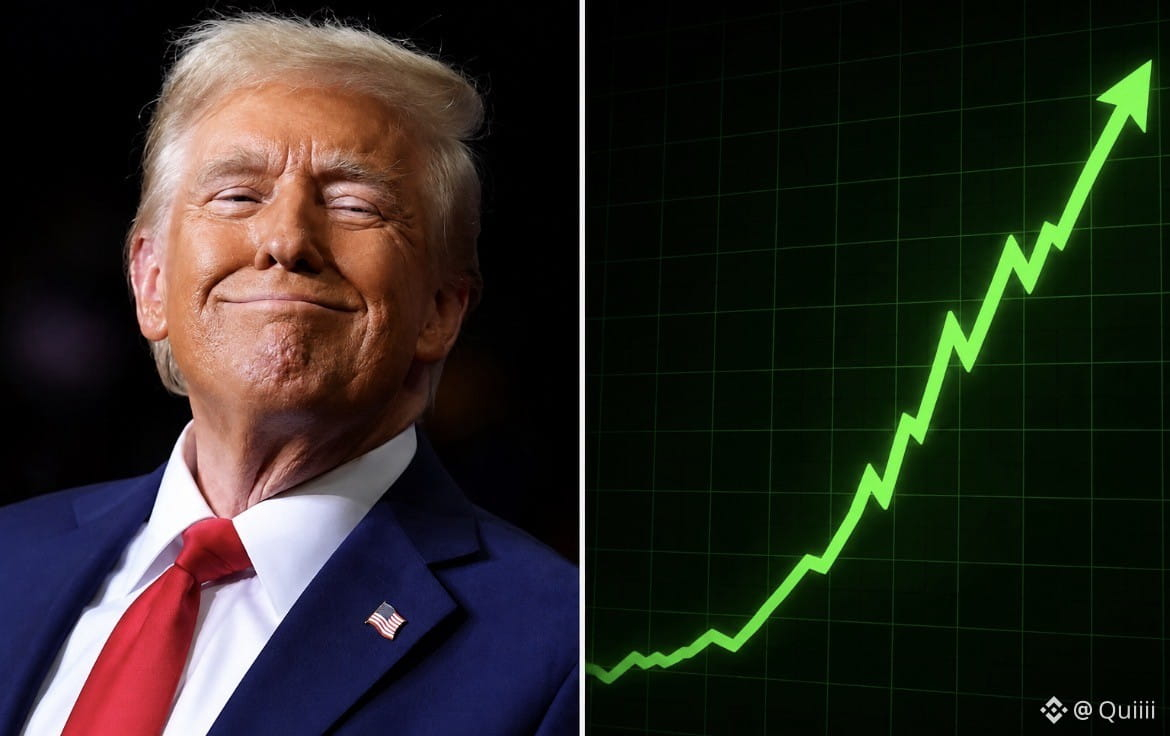
これは正気じゃない
トランプ大統領は6月に1051件の株取引を開示し、2つの大統領職を通算して総計25,000件超となった。
最後の4人の大統領が【合計】で行ったのはたった29件の取引だった。
これは正気じゃない
トランプ大統領は6月に1051件の株取引を開示し、2つの大統領職を通算して総計25,000件超となった。
最後の4人の大統領が【合計】で行ったのはたった29件の取引だった。
トランプ大統領は6月に1051件の株取引を開示し、2つの大統領職を通算して総計25,000件超となった。
最後の4人の大統領が【合計】で行ったのはたった29件の取引だった。
12
5
90
148.1k
PINNED
·
--
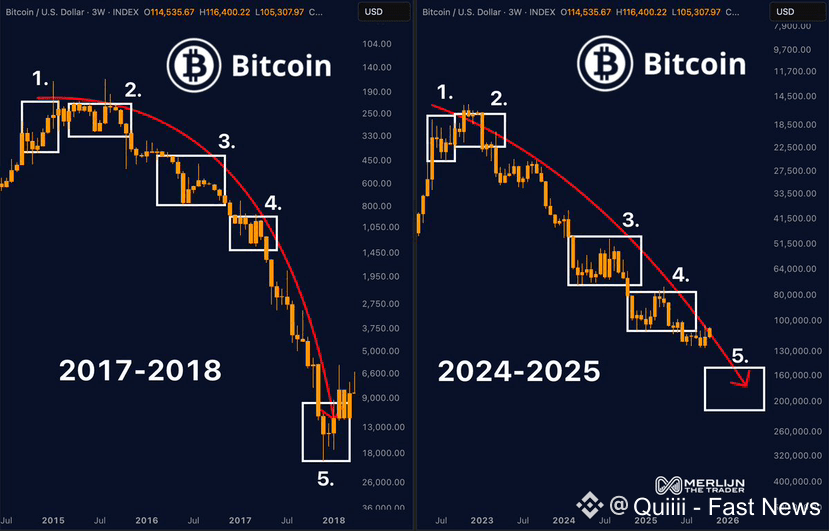
ビットコインは2017年のクラッシュセットアップを繰り返している
同じ5つのフェーズ。
同じブローフ・オフ・トップ。
同じ感情的な曲線。
すべての段階が展開されている。
フェーズ5: 最大の痛みに備えよ
これは投降ではない。
それは隠れた発射台である。
備えよ。生き残れ。蓄積せよ。 $BTC
{future}(BTCUSDT)
$ETH
{future}(ETHUSDT)
ビットコインは2017年のクラッシュセットアップを繰り返している
同じ5つのフェーズ。
同じブローフ・オフ・トップ。
同じ感情的な曲線。
すべての段階が展開されている。
フェーズ5: 最大の痛みに備えよ
これは投降ではない。
それは隠れた発射台である。
備えよ。生き残れ。蓄積せよ。 $BTC
$ETH
同じ5つのフェーズ。
同じブローフ・オフ・トップ。
同じ感情的な曲線。
すべての段階が展開されている。
フェーズ5: 最大の痛みに備えよ
これは投降ではない。
それは隠れた発射台である。
備えよ。生き残れ。蓄積せよ。 $BTC
$ETH
87
49
131
229.7k
·
--
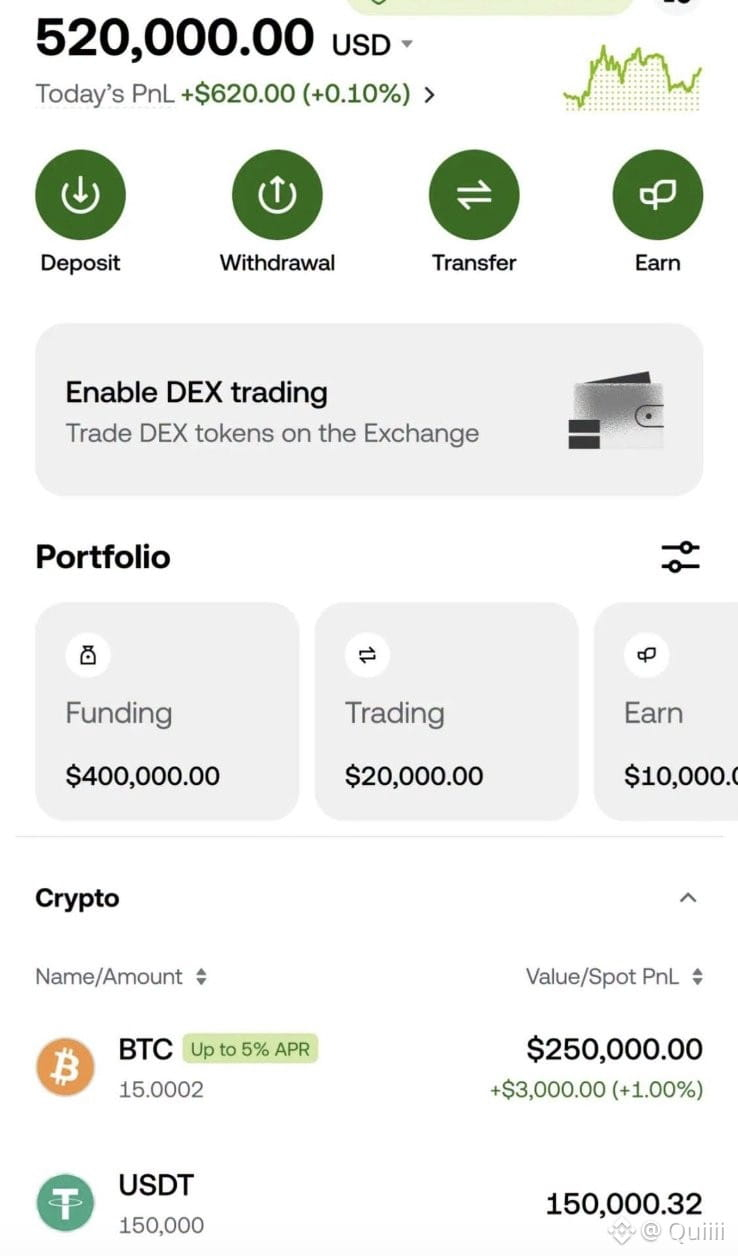
日本の金持ち女性の口座 そのまま
本当にお金持ちなのに、さらに賢いなんて、きっと
BTCを保有するだけで、まだ150K$ のステーブルコインDCAビットコインもある
こんな感じで金持ちにならないなら、損すぎるでしょみんな :(((
日本の金持ち女性の口座 そのまま
本当にお金持ちなのに、さらに賢いなんて、きっと
BTCを保有するだけで、まだ150K$ のステーブルコインDCAビットコインもある
こんな感じで金持ちにならないなら、損すぎるでしょみんな :(((
本当にお金持ちなのに、さらに賢いなんて、きっと
BTCを保有するだけで、まだ150K$ のステーブルコインDCAビットコインもある
こんな感じで金持ちにならないなら、損すぎるでしょみんな :(((
12
1
7
29.4k
·
--
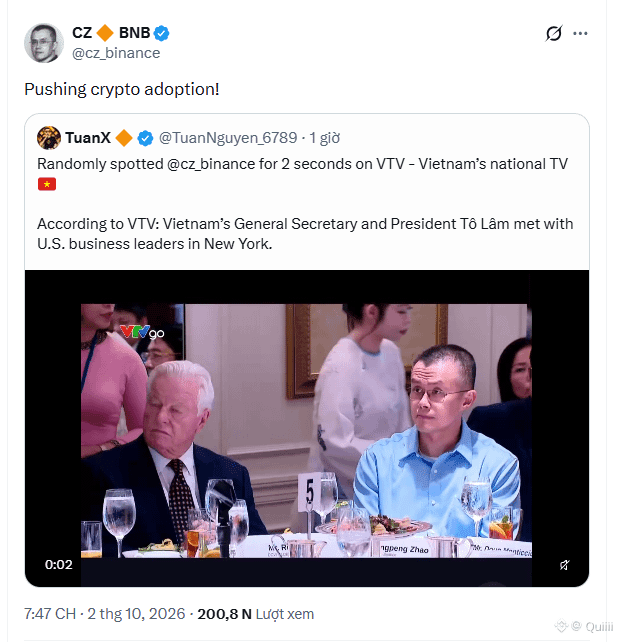
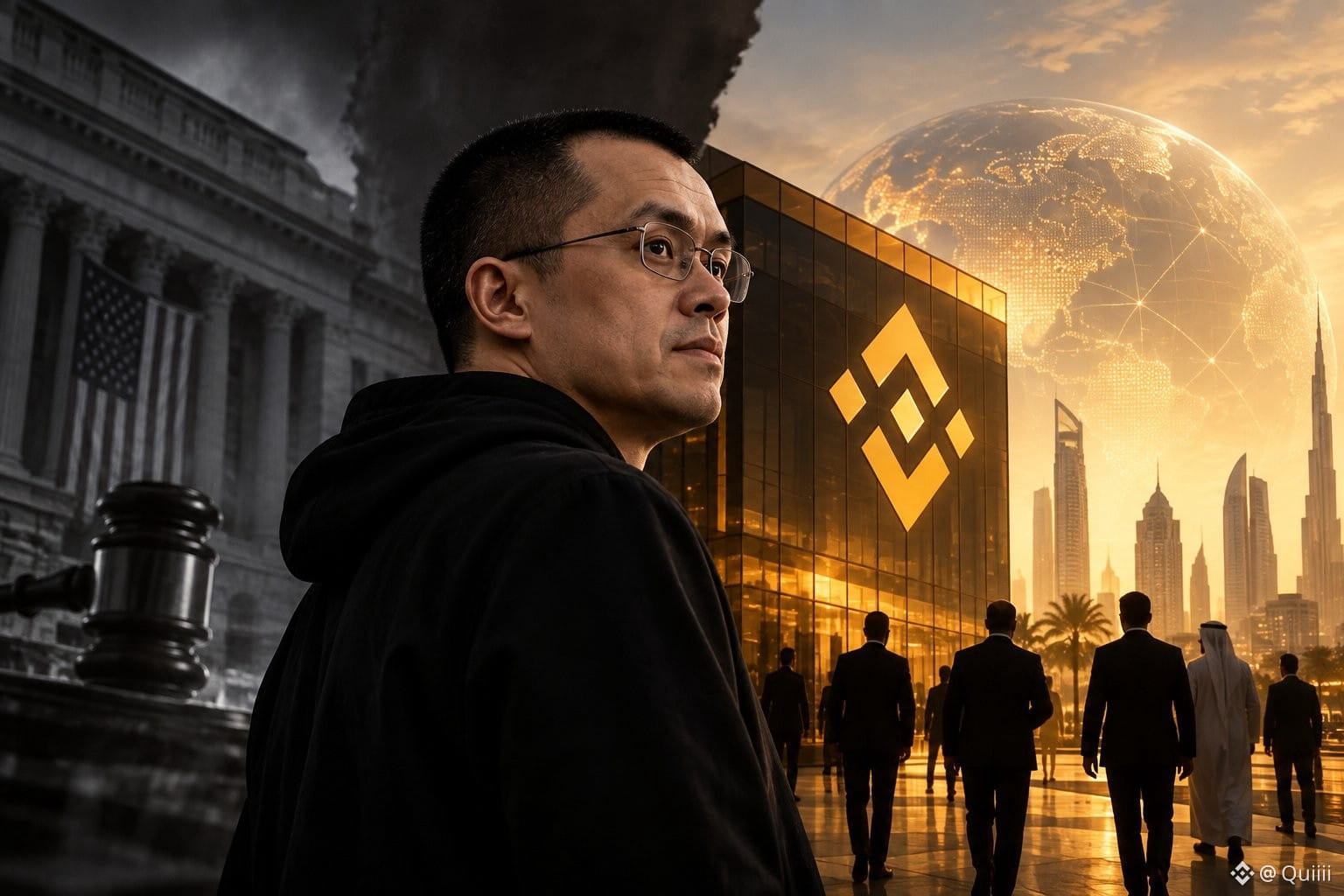
で、終わりだ——一番叫んだのはあの人だ。
@TuanNguyen_6789
またCZが投稿を引用してきた。今の支払いでXを受けて、ガッツリ飲み込むじゃないか、兄弟よ……:v
Justin Sunのところに行ってRTももらえたら、月100万円は軽くいけるじゃん:v
で、終わりだ——一番叫んだのはあの人だ。
@TuanNguyen_6789
またCZが投稿を引用してきた。今の支払いでXを受けて、ガッツリ飲み込むじゃないか、兄弟よ……:v
Justin Sunのところに行ってRTももらえたら、月100万円は軽くいけるじゃん:v
@TuanNguyen_6789
またCZが投稿を引用してきた。今の支払いでXを受けて、ガッツリ飲み込むじゃないか、兄弟よ……:v
Justin Sunのところに行ってRTももらえたら、月100万円は軽くいけるじゃん:v
3.1k
·
--
【緊急】Mastercardが新たに発表されたOpen USDステーブルコインを決済・決済(清算)に統合。
$OUSDの準備金はBlackRock、BNY、Lead Bankに保管されています。
これはとてつもなく大きいです!
【緊急】Mastercardが新たに発表されたOpen USDステーブルコインを決済・決済(清算)に統合。
$OUSDの準備金はBlackRock、BNY、Lead Bankに保管されています。
これはとてつもなく大きいです!
$OUSDの準備金はBlackRock、BNY、Lead Bankに保管されています。
これはとてつもなく大きいです!


74
·
--
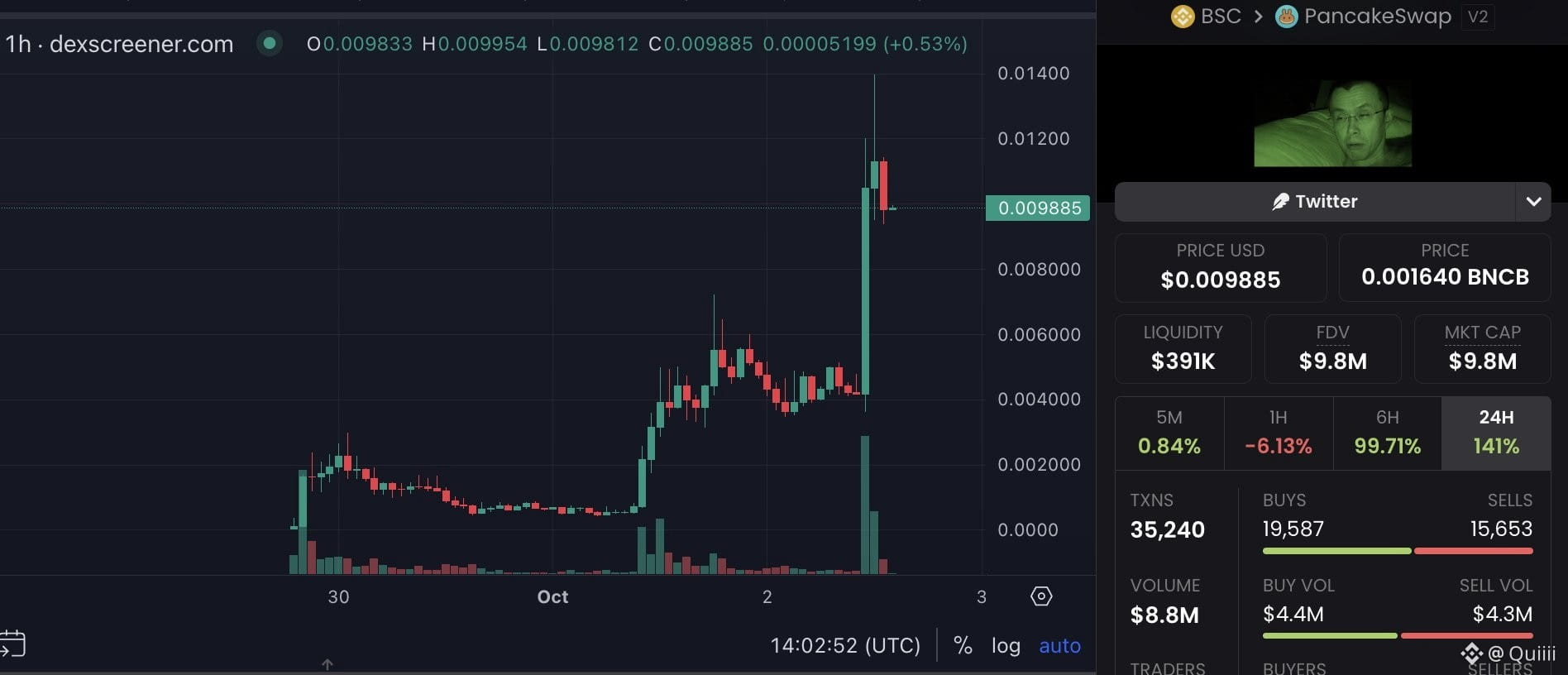
\n@cz_binance
が眠っている写真で、緑がかった色調
時価総額が1,000万ドルに到達
これは本当に想像をはるかに超えていて、C Zさんは知っていましたか?
\n@cz_binance
が眠っている写真で、緑がかった色調
時価総額が1,000万ドルに到達
これは本当に想像をはるかに超えていて、C Zさんは知っていましたか?
が眠っている写真で、緑がかった色調
時価総額が1,000万ドルに到達
これは本当に想像をはるかに超えていて、C Zさんは知っていましたか?

1.5k
·
--
CZはこれまで数多くの機会にベトナムの指導者たちと関わり、何度も同国を訪れてきました。
ベトナムは暗号資産に友好的な国で、多くの憧れの人々からなる大きなコミュニティがあります、
@justinsuntron
しかし、ジャスティン・サンはこれまで一度もベトナムを訪れたことがないようです。
あなたに会えるのを楽しみにしています。…を代表して
CZはこれまで数多くの機会にベトナムの指導者たちと関わり、何度も同国を訪れてきました。
ベトナムは暗号資産に友好的な国で、多くの憧れの人々からなる大きなコミュニティがあります、
@justinsuntron
しかし、ジャスティン・サンはこれまで一度もベトナムを訪れたことがないようです。
あなたに会えるのを楽しみにしています。…を代表して
ベトナムは暗号資産に友好的な国で、多くの憧れの人々からなる大きなコミュニティがあります、
@justinsuntron
しかし、ジャスティン・サンはこれまで一度もベトナムを訪れたことがないようです。
あなたに会えるのを楽しみにしています。…を代表して

2
2
2.5k
·
--
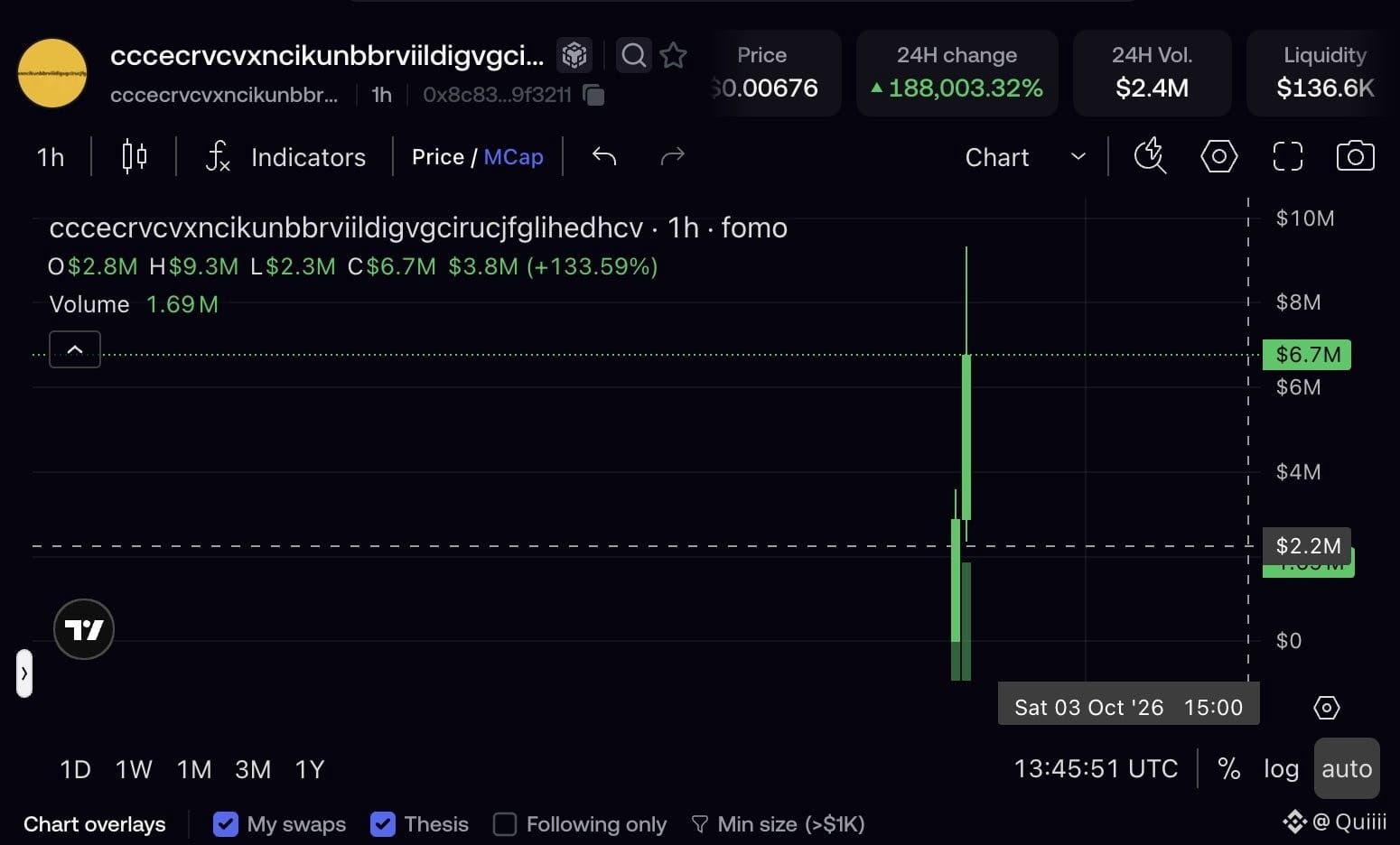
Binanceが長ったらしい文字列を貼り付けた
でも、メメコインは開発者が1時間で10M作ったって話だし、マジで信じられない
誰かもう拾った人いるのかな?
それにしてもこの価格は…もういいや =)) そこに突っ込んで先物じゃないのに追いかけて、結局お金を失うやつだぞ、みんな :((( だから気をつけて、流動性を潰すようなことはしないでね
記事…
Binanceが長ったらしい文字列を貼り付けた
でも、メメコインは開発者が1時間で10M作ったって話だし、マジで信じられない
誰かもう拾った人いるのかな?
それにしてもこの価格は…もういいや =)) そこに突っ込んで先物じゃないのに追いかけて、結局お金を失うやつだぞ、みんな :((( だから気をつけて、流動性を潰すようなことはしないでね
記事…
でも、メメコインは開発者が1時間で10M作ったって話だし、マジで信じられない
誰かもう拾った人いるのかな?
それにしてもこの価格は…もういいや =)) そこに突っ込んで先物じゃないのに追いかけて、結局お金を失うやつだぞ、みんな :((( だから気をつけて、流動性を潰すようなことはしないでね
記事…
2.6k
·
--
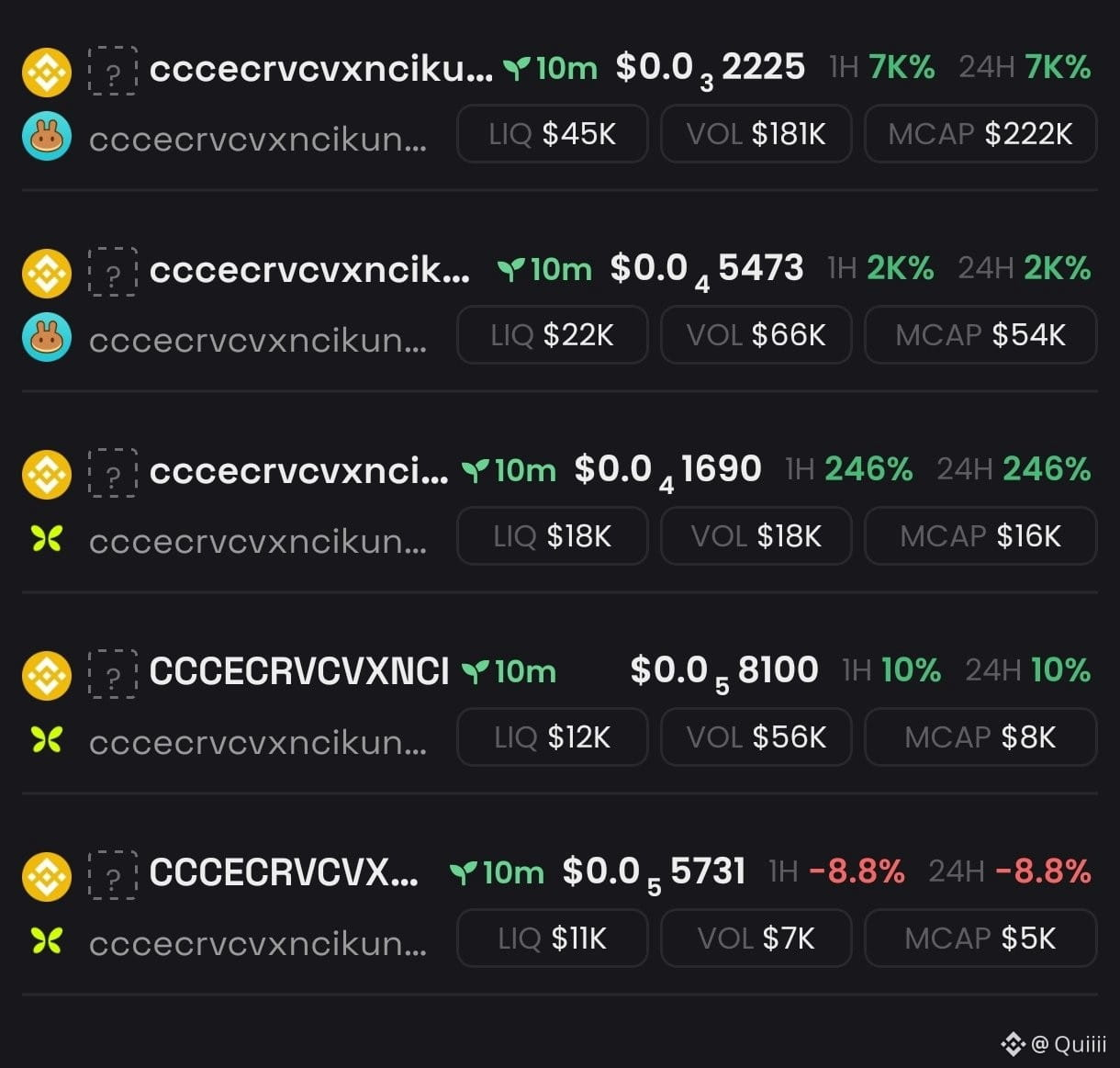
ばかばかしい
Binanceのただのつまらないツイートにも、まさかミームまであるの?
仮想通貨コミュニティってミーム狂いすぎだと思う。
みんな、ちゃんとしたネタでも探してみてよ。ちょっと調べてさ。俺はもう知らんけど。
ばかばかしい
Binanceのただのつまらないツイートにも、まさかミームまであるの?
仮想通貨コミュニティってミーム狂いすぎだと思う。
みんな、ちゃんとしたネタでも探してみてよ。ちょっと調べてさ。俺はもう知らんけど。
Binanceのただのつまらないツイートにも、まさかミームまであるの?
仮想通貨コミュニティってミーム狂いすぎだと思う。
みんな、ちゃんとしたネタでも探してみてよ。ちょっと調べてさ。俺はもう知らんけど。
659
·
--
クオック・プッグが「貧乏を装う(貧乏ネタ)」の件について語った
最近の投稿で、クオック・プッグは初めて、自分が大富豪だと言われながらも「貧乏を装う」ようにしている、あるいはお金のためにYouTubeをやっているのだというコメントについて言及した。
クオックは、プログラミングの仕事を辞めた後は、主な仕事がコンテンツ作りであり、収入は視聴回数に直結していると説明した。もし本当に大富豪なら、毎日撮影のために外出して多くの場所へ移動し、さらに危険で汚い場所や、食事環境があまり良くない場所にまで行って、ただコンテンツのためだけにそこへ赴くことは難しいはずだと彼は言う。
また、自分は大富豪の家庭に生まれたのではない、何度も困難に直面してきた、学生時代から肉体労働の仕事をたくさんしてきたと、これまで何度も自分の経歴を語ってきたことも改めて触れた。
以前、クオック・プッグはジョニー・ダンと、Diamond Boyz Coin(DBZ)に関連する騒動にも巻き込まれていた。この件は、双方がこのコインと関係する問題や両者の関係について異なる見解を示したことで、SNS上で大きな議論を呼んだ。
その騒動の後も、クオック・プッグの新たな発信は注目を集め続けており、とりわけ、彼が選んでいる仕事、収入、そして生活のあり方にまつわる話題を中心に広がっている。
クオック・プッグが「貧乏を装う(貧乏ネタ)」の件について語った
最近の投稿で、クオック・プッグは初めて、自分が大富豪だと言われながらも「貧乏を装う」ようにしている、あるいはお金のためにYouTubeをやっているのだというコメントについて言及した。
クオックは、プログラミングの仕事を辞めた後は、主な仕事がコンテンツ作りであり、収入は視聴回数に直結していると説明した。もし本当に大富豪なら、毎日撮影のために外出して多くの場所へ移動し、さらに危険で汚い場所や、食事環境があまり良くない場所にまで行って、ただコンテンツのためだけにそこへ赴くことは難しいはずだと彼は言う。
また、自分は大富豪の家庭に生まれたのではない、何度も困難に直面してきた、学生時代から肉体労働の仕事をたくさんしてきたと、これまで何度も自分の経歴を語ってきたことも改めて触れた。
以前、クオック・プッグはジョニー・ダンと、Diamond Boyz Coin(DBZ)に関連する騒動にも巻き込まれていた。この件は、双方がこのコインと関係する問題や両者の関係について異なる見解を示したことで、SNS上で大きな議論を呼んだ。
その騒動の後も、クオック・プッグの新たな発信は注目を集め続けており、とりわけ、彼が選んでいる仕事、収入、そして生活のあり方にまつわる話題を中心に広がっている。
最近の投稿で、クオック・プッグは初めて、自分が大富豪だと言われながらも「貧乏を装う」ようにしている、あるいはお金のためにYouTubeをやっているのだというコメントについて言及した。
クオックは、プログラミングの仕事を辞めた後は、主な仕事がコンテンツ作りであり、収入は視聴回数に直結していると説明した。もし本当に大富豪なら、毎日撮影のために外出して多くの場所へ移動し、さらに危険で汚い場所や、食事環境があまり良くない場所にまで行って、ただコンテンツのためだけにそこへ赴くことは難しいはずだと彼は言う。
また、自分は大富豪の家庭に生まれたのではない、何度も困難に直面してきた、学生時代から肉体労働の仕事をたくさんしてきたと、これまで何度も自分の経歴を語ってきたことも改めて触れた。
以前、クオック・プッグはジョニー・ダンと、Diamond Boyz Coin(DBZ)に関連する騒動にも巻き込まれていた。この件は、双方がこのコインと関係する問題や両者の関係について異なる見解を示したことで、SNS上で大きな議論を呼んだ。
その騒動の後も、クオック・プッグの新たな発信は注目を集め続けており、とりわけ、彼が選んでいる仕事、収入、そして生活のあり方にまつわる話題を中心に広がっている。

2.7k
·
--
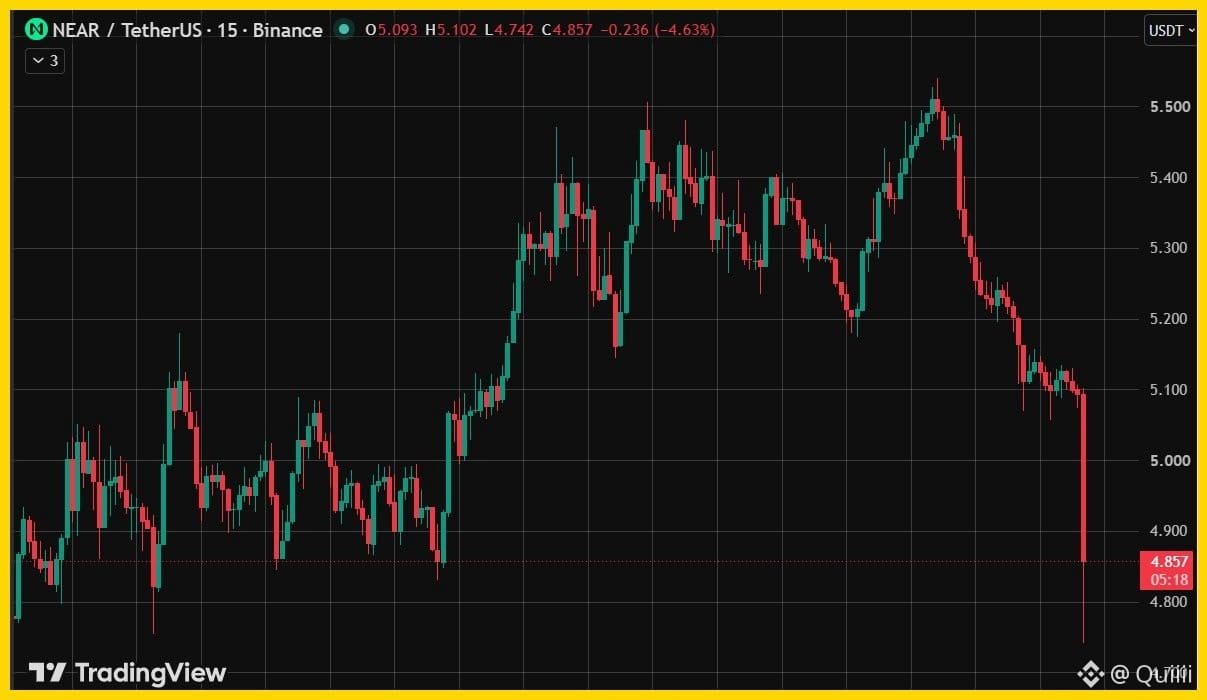
NEAR Intentsがハッキングされ、損害は$3.8Mを超える
脆弱性はOmniの入金/出金インフラと、スマートコントラクト間の相互作用の不具合に起因する。チームはすでに修正を完了しており、失われた資産の全額を補償することを約束している。コアサービスの復旧は1時間以内を見込む。
活動
NEAR Intentsがハッキングされ、損害は$3.8Mを超える
脆弱性はOmniの入金/出金インフラと、スマートコントラクト間の相互作用の不具合に起因する。チームはすでに修正を完了しており、失われた資産の全額を補償することを約束している。コアサービスの復旧は1時間以内を見込む。
活動
脆弱性はOmniの入金/出金インフラと、スマートコントラクト間の相互作用の不具合に起因する。チームはすでに修正を完了しており、失われた資産の全額を補償することを約束している。コアサービスの復旧は1時間以内を見込む。
活動
289
·
--
アルトコインの次の3か月は、ヤバいことになりそうです。
2020年と同じブレイクアウト。2023年と同じブレイクアウト。
でも今回は、質を選んでください。
ミームのカジノは家(胴元)だけをリッチにする。みんなは全員やられます。
アルトコインの次の3か月は、ヤバいことになりそうです。
2020年と同じブレイクアウト。2023年と同じブレイクアウト。
でも今回は、質を選んでください。
ミームのカジノは家(胴元)だけをリッチにする。みんなは全員やられます。
2020年と同じブレイクアウト。2023年と同じブレイクアウト。
でも今回は、質を選んでください。
ミームのカジノは家(胴元)だけをリッチにする。みんなは全員やられます。
149
·
--
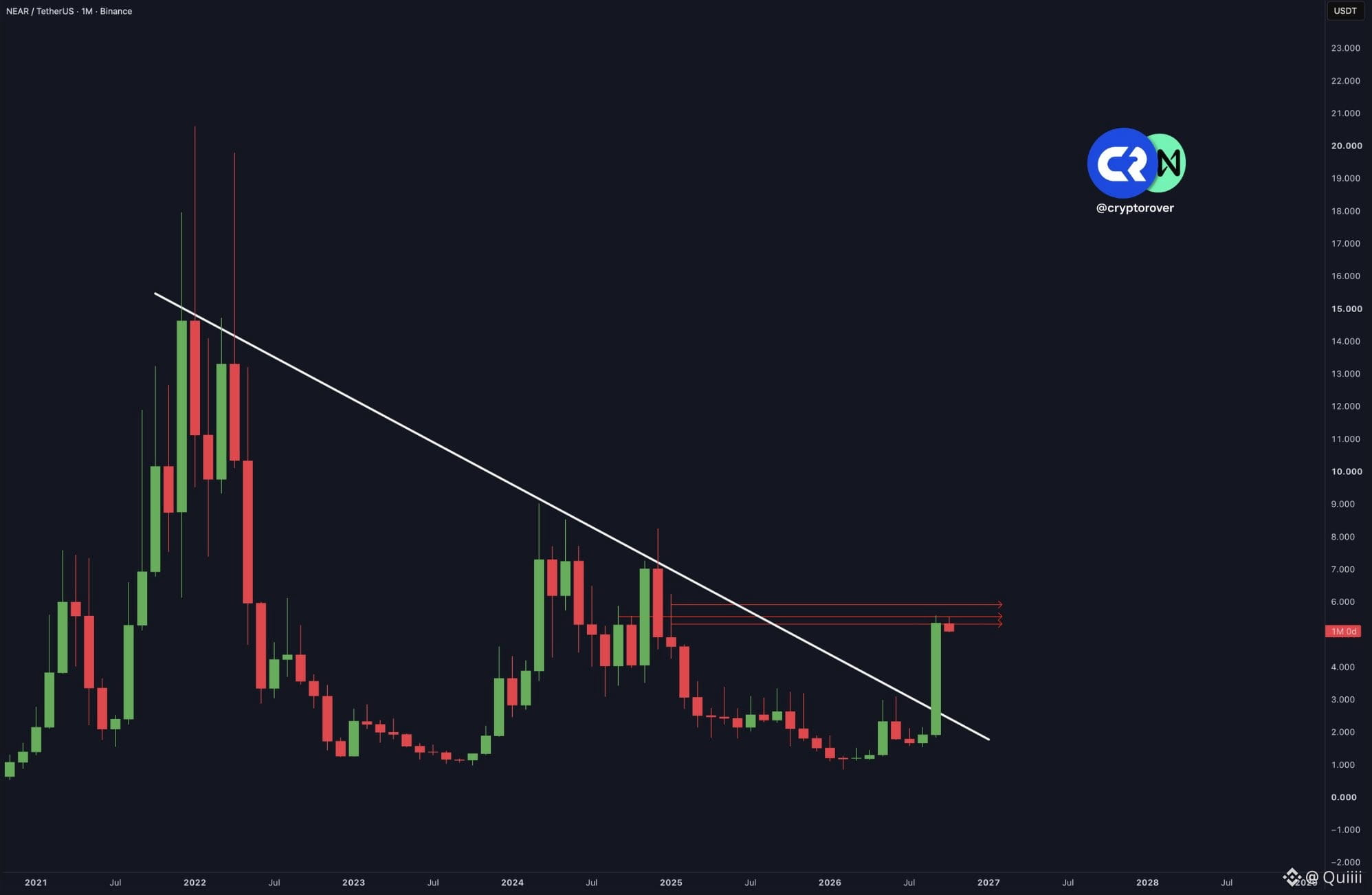
$NEAR HOLDERSへの警告!
$NEAR は、5年に及ぶ下落トレンドからの月次足ブレイクアウトを直近で確認しました。
これから事態はかなりヤバくなります。
$NEAR HOLDERSへの警告!
$NEAR は、5年に及ぶ下落トレンドからの月次足ブレイクアウトを直近で確認しました。
これから事態はかなりヤバくなります。
$NEAR は、5年に及ぶ下落トレンドからの月次足ブレイクアウトを直近で確認しました。
これから事態はかなりヤバくなります。
515
·
--
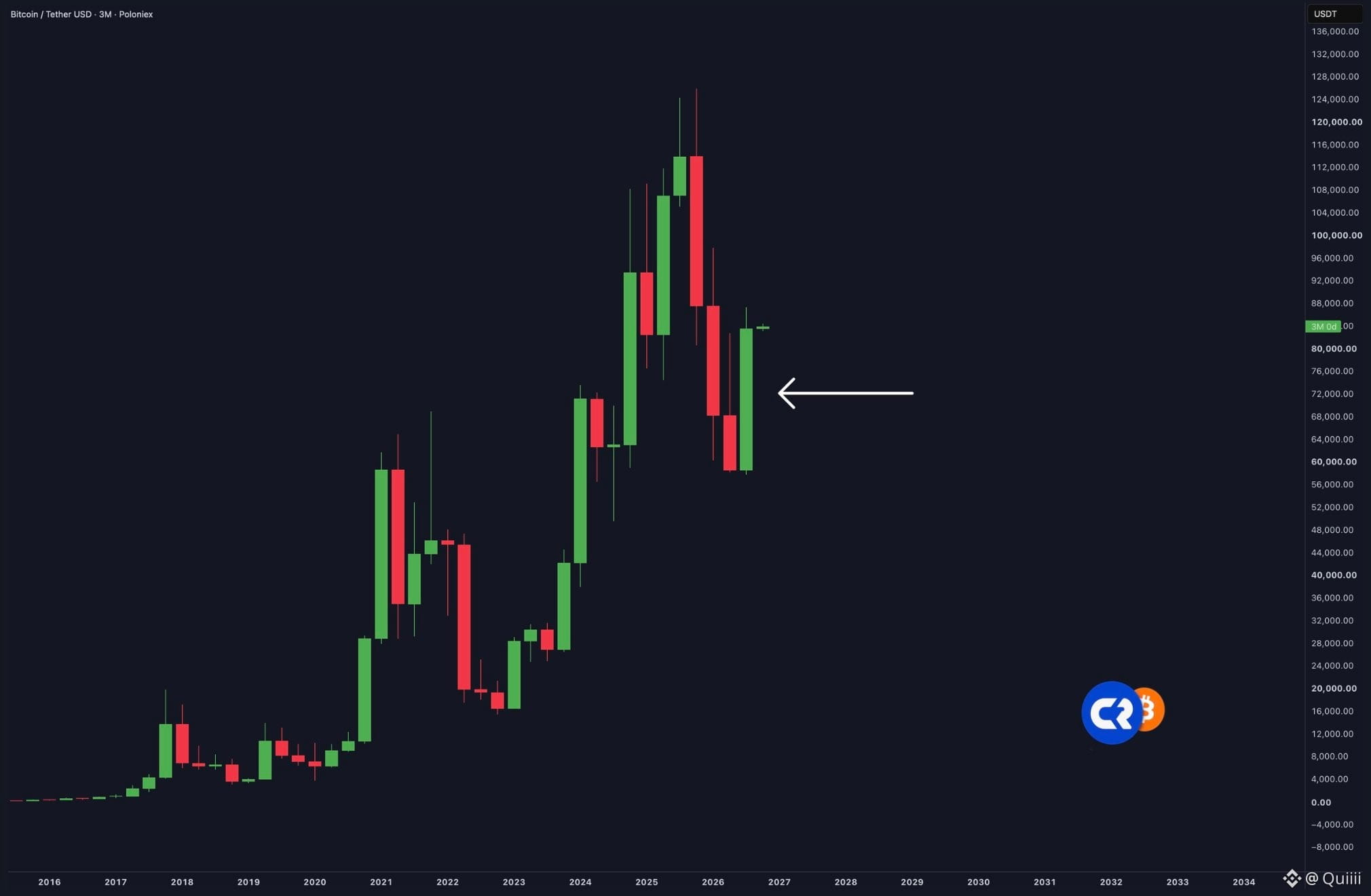
たった1四半期の上昇で、ほぼ6か月分の苦しみが帳消しにされました。
ビットコインは再び強気相場らしい動きをしています。
たった1四半期の上昇で、ほぼ6か月分の苦しみが帳消しにされました。
ビットコインは再び強気相場らしい動きをしています。
ビットコインは再び強気相場らしい動きをしています。
37
·
--
親しみのこもったリマインダー:
ビットコインは強気相場(ブル・マーケット)です。
あなたは押し目のたびに買い続けます。
親しみのこもったリマインダー:
ビットコインは強気相場(ブル・マーケット)です。
あなたは押し目のたびに買い続けます。
ビットコインは強気相場(ブル・マーケット)です。
あなたは押し目のたびに買い続けます。
18
·
--
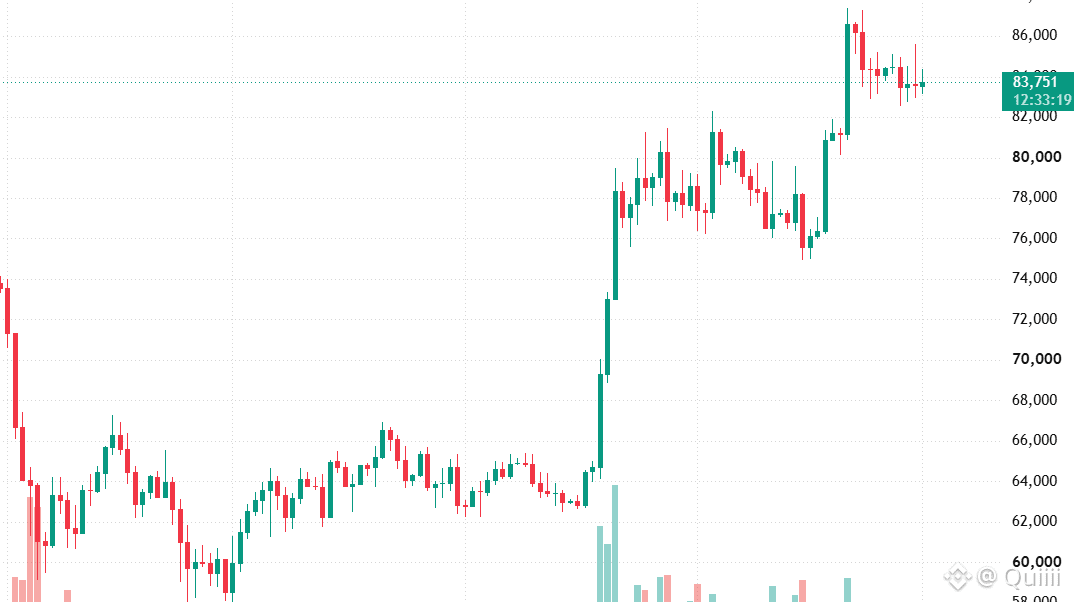
PCEが10年債利回りを約5,3%に保つ見通しで、ビットコインは上昇の勢いを削ぐ
8月のPCEが予想を下回ったことで、ビットコインは0,4%上昇し、83.700ドルを上回りました。これにより、10月にFRBが利上げする可能性に対する圧力が軽減されました。
一方で、10年債利回りは依然として5,28%前後で推移しており…
PCEが10年債利回りを約5,3%に保つ見通しで、ビットコインは上昇の勢いを削ぐ
8月のPCEが予想を下回ったことで、ビットコインは0,4%上昇し、83.700ドルを上回りました。これにより、10月にFRBが利上げする可能性に対する圧力が軽減されました。
一方で、10年債利回りは依然として5,28%前後で推移しており…
8月のPCEが予想を下回ったことで、ビットコインは0,4%上昇し、83.700ドルを上回りました。これにより、10月にFRBが利上げする可能性に対する圧力が軽減されました。
一方で、10年債利回りは依然として5,28%前後で推移しており…
32
·
--
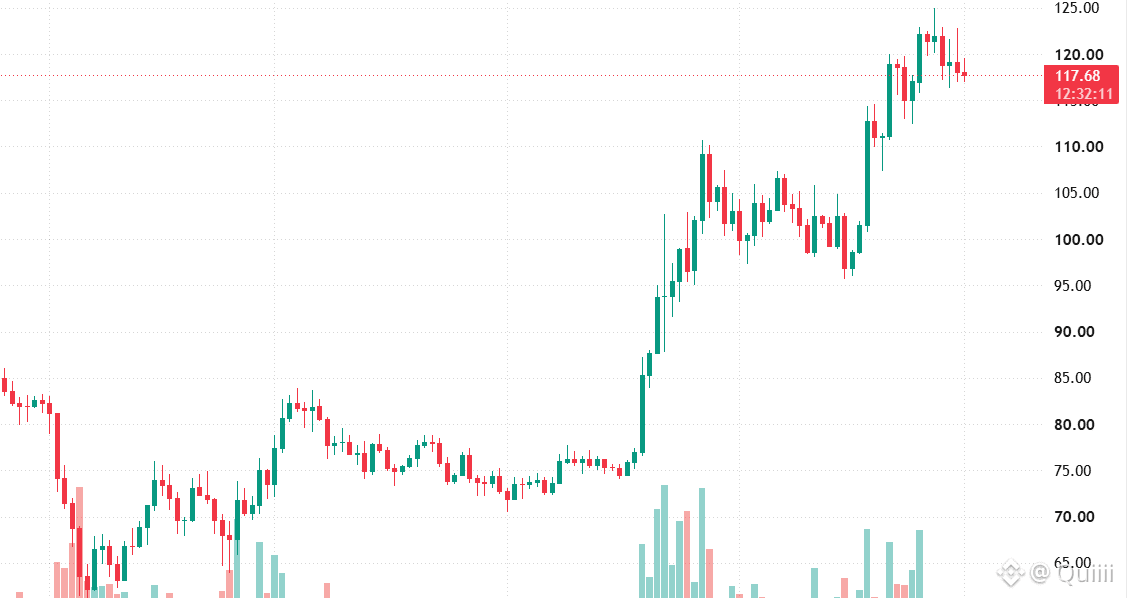
9月30日に受け入れとなる11.1百万米ドルのネット・フロー流出を記録するSOLスポットETF
SOLスポットETFは9/30にネットの資金流出が11.1百万米ドルだったと記録した。
Fidelity FSOLはなおも純流入2.77百万米ドルを吸収し、累計を234百万米ドルに引き上げている一方、Bitwise…
9月30日に受け入れとなる11.1百万米ドルのネット・フロー流出を記録するSOLスポットETF
SOLスポットETFは9/30にネットの資金流出が11.1百万米ドルだったと記録した。
Fidelity FSOLはなおも純流入2.77百万米ドルを吸収し、累計を234百万米ドルに引き上げている一方、Bitwise…
SOLスポットETFは9/30にネットの資金流出が11.1百万米ドルだったと記録した。
Fidelity FSOLはなおも純流入2.77百万米ドルを吸収し、累計を234百万米ドルに引き上げている一方、Bitwise…
403
·
--
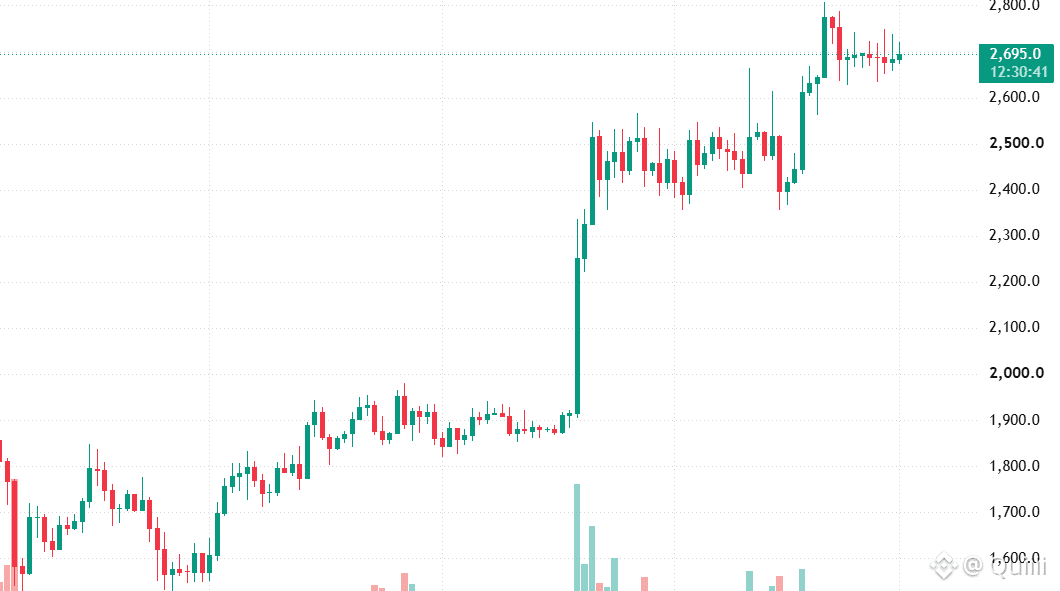
トム・リー氏は、ビットマインのイーサリアム保有がビットマインの供給量の約7%に相当すると語った
ビットマインの会長トム・リー氏によると、同社の現在のイーサリアム(DAT)プラットフォームはETH供給量の7%を保有しており、このサイクル中に15%まで増える可能性があるという。
ChainCatcherによれば、リー氏は…
トム・リー氏は、ビットマインのイーサリアム保有がビットマインの供給量の約7%に相当すると語った
ビットマインの会長トム・リー氏によると、同社の現在のイーサリアム(DAT)プラットフォームはETH供給量の7%を保有しており、このサイクル中に15%まで増える可能性があるという。
ChainCatcherによれば、リー氏は…
ビットマインの会長トム・リー氏によると、同社の現在のイーサリアム(DAT)プラットフォームはETH供給量の7%を保有しており、このサイクル中に15%まで増える可能性があるという。
ChainCatcherによれば、リー氏は…
183
·
--
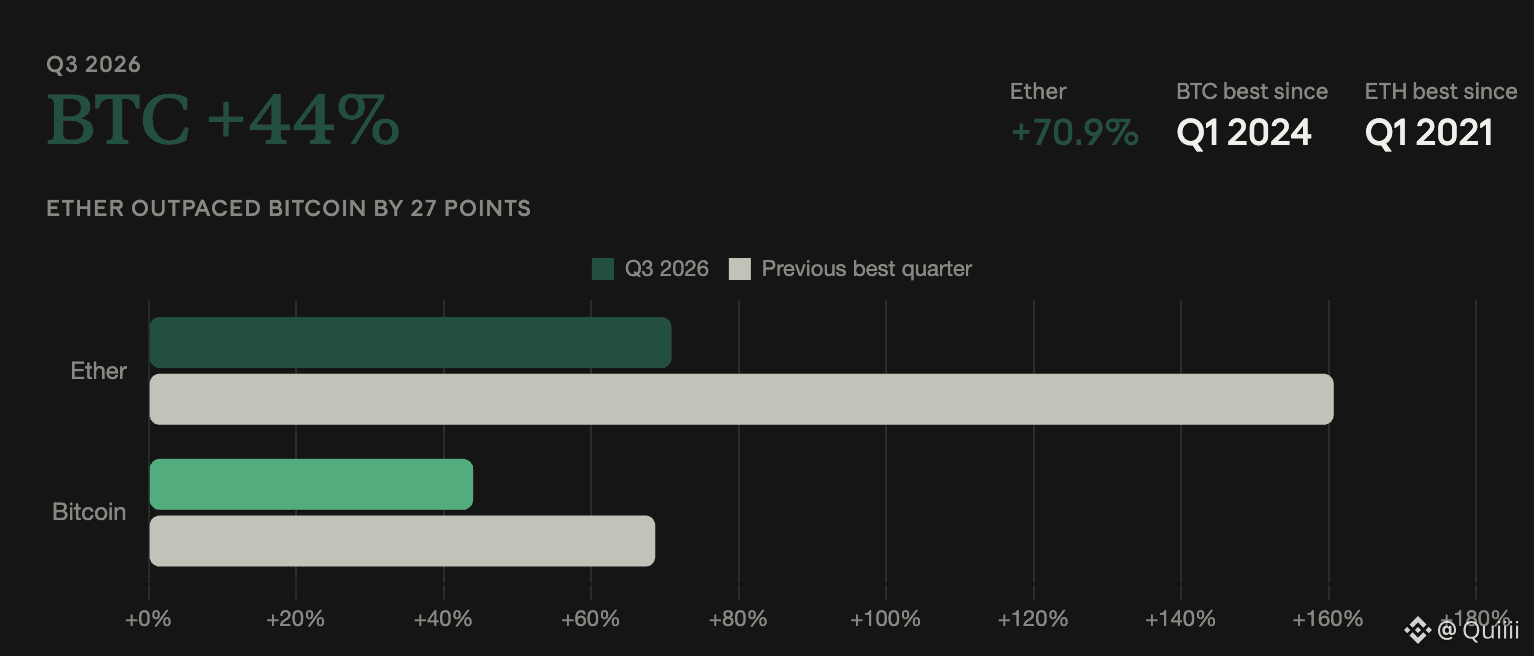
2024年上半期から最高の四半期成績:ビットコインが終了
ビットコインは第3四半期(Q3)を約44%上昇で終える見通しで、Q1/2024以来で最高の四半期です。
イーサリアムは70.9%まで上昇し、2021年Q1以来で最も強く、ビットコインを約27ポイント上回りました。
この上昇トレンドには…資金の流れの兆候も伴っています…
2024年上半期から最高の四半期成績:ビットコインが終了
ビットコインは第3四半期(Q3)を約44%上昇で終える見通しで、Q1/2024以来で最高の四半期です。
イーサリアムは70.9%まで上昇し、2021年Q1以来で最も強く、ビットコインを約27ポイント上回りました。
この上昇トレンドには…資金の流れの兆候も伴っています…
ビットコインは第3四半期(Q3)を約44%上昇で終える見通しで、Q1/2024以来で最高の四半期です。
イーサリアムは70.9%まで上昇し、2021年Q1以来で最も強く、ビットコインを約27ポイント上回りました。
この上昇トレンドには…資金の流れの兆候も伴っています…
639
ログインして、さらにコンテンツを読む
厳選トピックで世界の暗号資産トレーダーの仲間入り
⚡️ 暗号資産に関する最新かつ有益な情報が見つかります。
💬 世界最大の暗号資産取引所から信頼されています。
👍 認証を受けたクリエイターから、有益なインサイトを得られます。
メール / 電話番号
トレンドトピック
BitcoinParesGainsAfterRallyTo$86.5K
閲覧回数 7
23人が討論中
$BTCがちょうど86kドルのナイフエッジ上にいます。強気派はその水準を守るために1,436 BTCを積み上げ、弱気派は86.5kドルに壁を作るように1,008 BTCを投入しています。これは純粋な清算燃料です——この戦いで負けた側は容赦なく核攻撃を食らいます。
短期のスキャルプ(小刻み)領域。もし強気派が出来高を伴って$86.5kを上抜けるなら、$88kへ急速に走る可能性が高いです。弱気派が踏みとどまって下に押し込むなら、次の目的地は$84kで、ロング勢は一掃(フラッシュ)されます。
テープを注意深く監視してください。どちらかが壊滅させられる寸前で、この動きはどちらに転んでも暴力的になります。
AI Market Brief
·いいね:3件
·閲覧回数 3.3k
CerebrasSinksNearly20%OnReportNvidiaToPowerOpenAI
閲覧回数 1,102
68人が討論中
SECProposesCryptoCustodyRules
閲覧回数 20,667
215人が討論中