
Kenric F0 Square
210 投稿

Kenric F0 Square
報告
ユーザーをブロック
Turning market noise into clear signals.
Crypto news • Data • Narrative breakdown
Helping F0 survive the cycle.
45 フォロー
1.3K+ フォロワー
508 いいね
投稿
すべて
引用
ライブ
この画像を覚えていますか?
価格が動き始めたようです。皆さん、頑張ってください!🚀
この画像を覚えていますか?
価格が動き始めたようです。皆さん、頑張ってください!🚀
価格が動き始めたようです。皆さん、頑張ってください!🚀
Kenric F0 Square
·
--
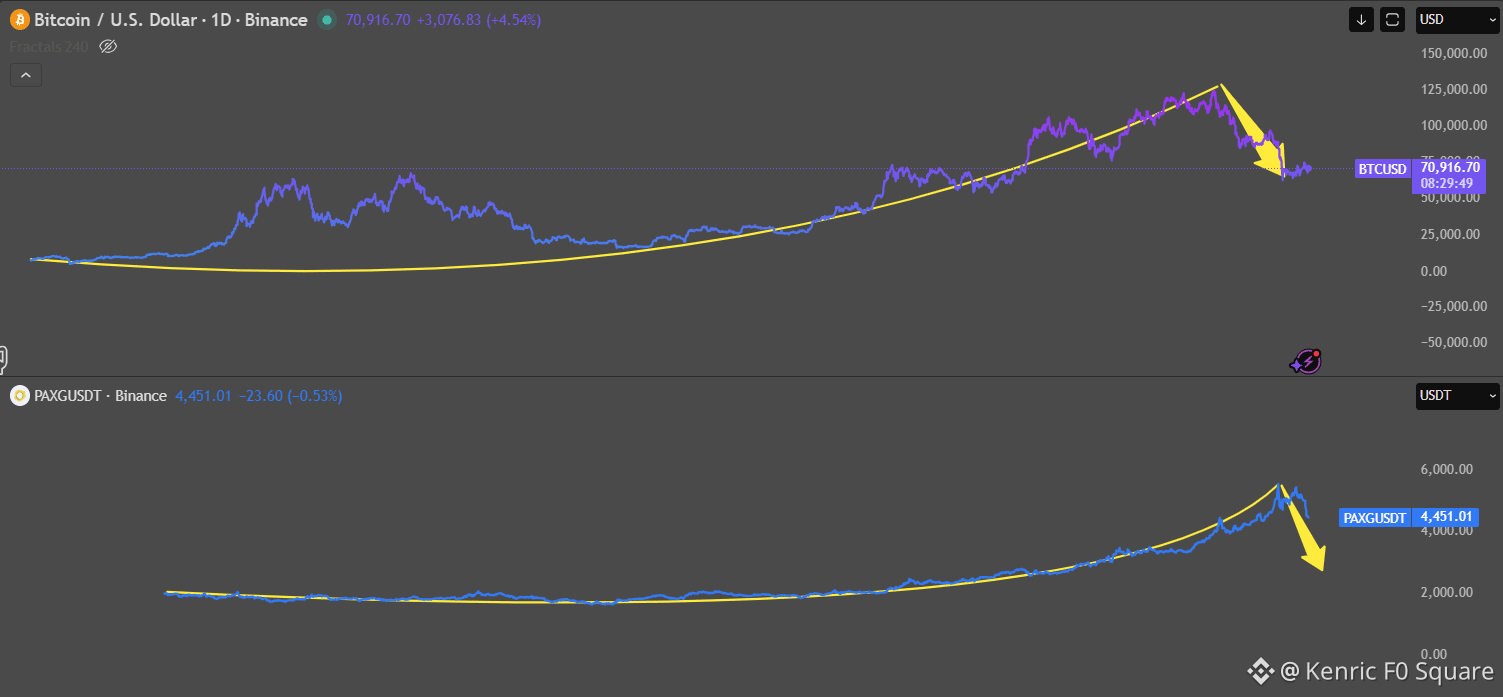
興味深い仮説があります:ビットコインは実際に金の前に進んでいるかもしれません。
最近のいくつかのサイクルでは、ビットコインは世界の流動性とリスク感情の変化に早く反応する傾向があります。そして、その後しばらくして金が大きな動きを始めます。
この考えが正しければ、多くの人が好まないシナリオがあります:
最近のBTC修正は、単なるオープニングアクトに過ぎないかもしれません… まだ金は完全にそれを反映していません。
言い換えれば、ビットコインがすでに引き締まった流動性環境を織り込んでいる場合、金はまだ$2,000ゾーンに戻る余地があるかもしれません。
あなたはこれについてどう思いますか? 🤔
#bitcoin #XAU #Macro #CryptoMarket
最近のいくつかのサイクルでは、ビットコインは世界の流動性とリスク感情の変化に早く反応する傾向があります。そして、その後しばらくして金が大きな動きを始めます。
この考えが正しければ、多くの人が好まないシナリオがあります:
最近のBTC修正は、単なるオープニングアクトに過ぎないかもしれません… まだ金は完全にそれを反映していません。
言い換えれば、ビットコインがすでに引き締まった流動性環境を織り込んでいる場合、金はまだ$2,000ゾーンに戻る余地があるかもしれません。
あなたはこれについてどう思いますか? 🤔
#bitcoin #XAU #Macro #CryptoMarket
2
74
記事
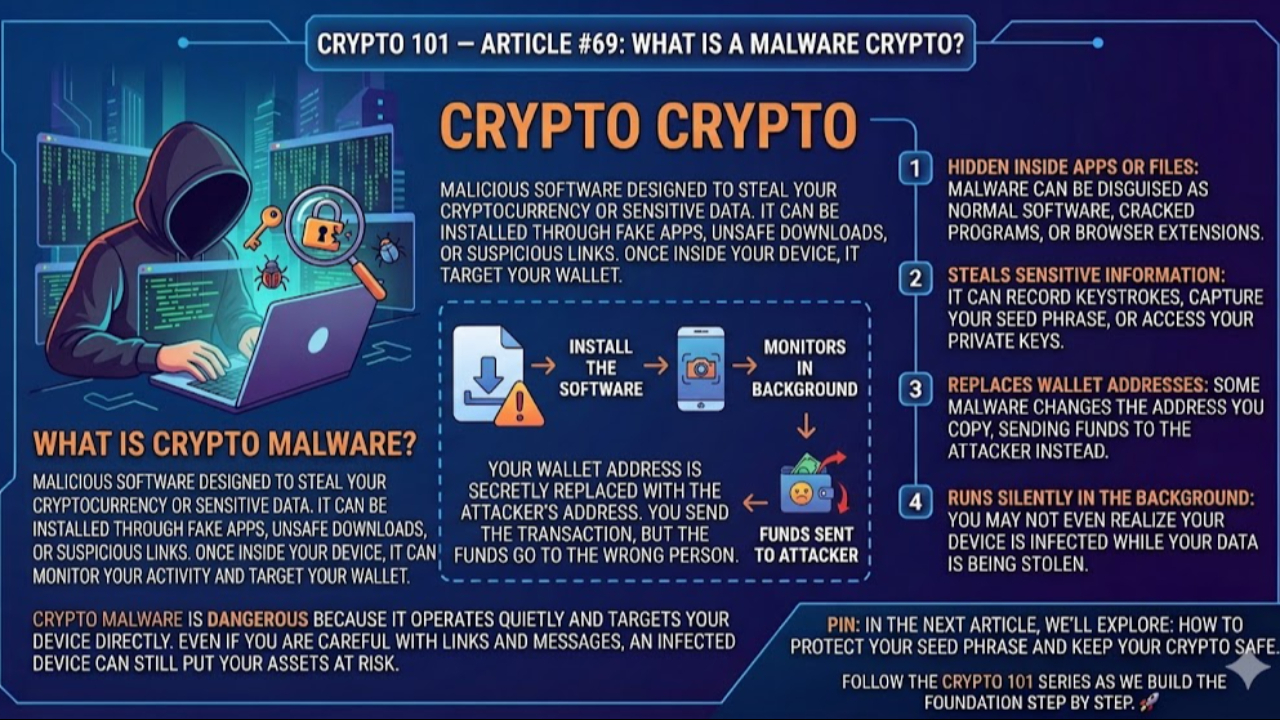
CRYPTO 101 — ARTICLE #69: マルウェアクリプトとは何ですか?📚 暗号がより人気になるにつれて、攻撃者は資金を盗むためにより高度な手法を使用しています。
最も危険な脅威の1つはマルウェアです。
フィッシングとは異なり、直接あなたを欺くのではなく、マルウェアはあなたが気づかないうちに静かにあなたのデバイスに感染することがあります。
クリプトマルウェアは、あなたの暗号通貨や機密データを盗むために設計された悪意のあるソフトウェアです。
偽のアプリ、安全でないダウンロード、または疑わしいリンクを通じてインストールされる可能性があります。
デバイス内に侵入すると、あなたの活動を監視し、あなたのウォレットを狙うことができます。
クリプトマルウェアの背後にある重要なアイデアはここにあります。
CRYPTO 101 — ARTICLE #69: マルウェアクリプトとは何ですか?
📚 暗号がより人気になるにつれて、攻撃者は資金を盗むためにより高度な手法を使用しています。
最も危険な脅威の1つはマルウェアです。
フィッシングとは異なり、直接あなたを欺くのではなく、マルウェアはあなたが気づかないうちに静かにあなたのデバイスに感染することがあります。
クリプトマルウェアは、あなたの暗号通貨や機密データを盗むために設計された悪意のあるソフトウェアです。
偽のアプリ、安全でないダウンロード、または疑わしいリンクを通じてインストールされる可能性があります。
デバイス内に侵入すると、あなたの活動を監視し、あなたのウォレットを狙うことができます。
クリプトマルウェアの背後にある重要なアイデアはここにあります。
最も危険な脅威の1つはマルウェアです。
フィッシングとは異なり、直接あなたを欺くのではなく、マルウェアはあなたが気づかないうちに静かにあなたのデバイスに感染することがあります。
クリプトマルウェアは、あなたの暗号通貨や機密データを盗むために設計された悪意のあるソフトウェアです。
偽のアプリ、安全でないダウンロード、または疑わしいリンクを通じてインストールされる可能性があります。
デバイス内に侵入すると、あなたの活動を監視し、あなたのウォレットを狙うことができます。
クリプトマルウェアの背後にある重要なアイデアはここにあります。
1
3
176
記事
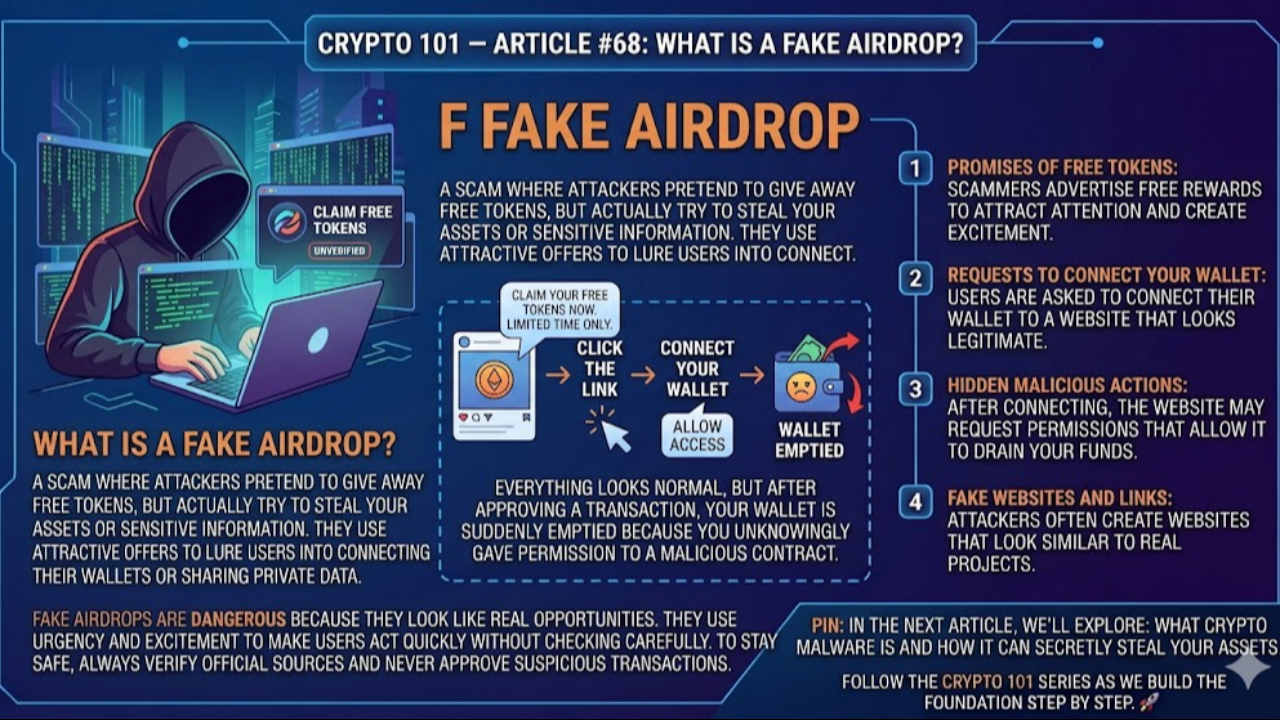
CRYPTO 101 — ARTICLE #68: 偽のエアドロップとは?📚 エアドロップは、暗号プロジェクトがユーザーに無料のトークンを配布する一般的な方法です。
しかし、詐欺師はしばしばこのアイデアを利用して人々を騙します。
これは偽のエアドロップとして知られています。
偽のエアドロップは、攻撃者が無料のトークンを配布するふりをして、実際にはあなたの資産や機密情報を盗もうとする詐欺です。
彼らは魅力的なオファーを使用して、ユーザーを財布に接続させたり、個人データを共有させたりします。
偽のエアドロップの背後にある主なアイデアはこちらです。
1️⃣ 無料トークンの約束
詐欺師は注目を集め、興奮を生み出すために無料の報酬を宣伝します。
CRYPTO 101 — ARTICLE #68: 偽のエアドロップとは?
📚 エアドロップは、暗号プロジェクトがユーザーに無料のトークンを配布する一般的な方法です。
しかし、詐欺師はしばしばこのアイデアを利用して人々を騙します。
これは偽のエアドロップとして知られています。
偽のエアドロップは、攻撃者が無料のトークンを配布するふりをして、実際にはあなたの資産や機密情報を盗もうとする詐欺です。
彼らは魅力的なオファーを使用して、ユーザーを財布に接続させたり、個人データを共有させたりします。
偽のエアドロップの背後にある主なアイデアはこちらです。
1️⃣ 無料トークンの約束
詐欺師は注目を集め、興奮を生み出すために無料の報酬を宣伝します。
しかし、詐欺師はしばしばこのアイデアを利用して人々を騙します。
これは偽のエアドロップとして知られています。
偽のエアドロップは、攻撃者が無料のトークンを配布するふりをして、実際にはあなたの資産や機密情報を盗もうとする詐欺です。
彼らは魅力的なオファーを使用して、ユーザーを財布に接続させたり、個人データを共有させたりします。
偽のエアドロップの背後にある主なアイデアはこちらです。
1️⃣ 無料トークンの約束
詐欺師は注目を集め、興奮を生み出すために無料の報酬を宣伝します。
1
3
134
記事
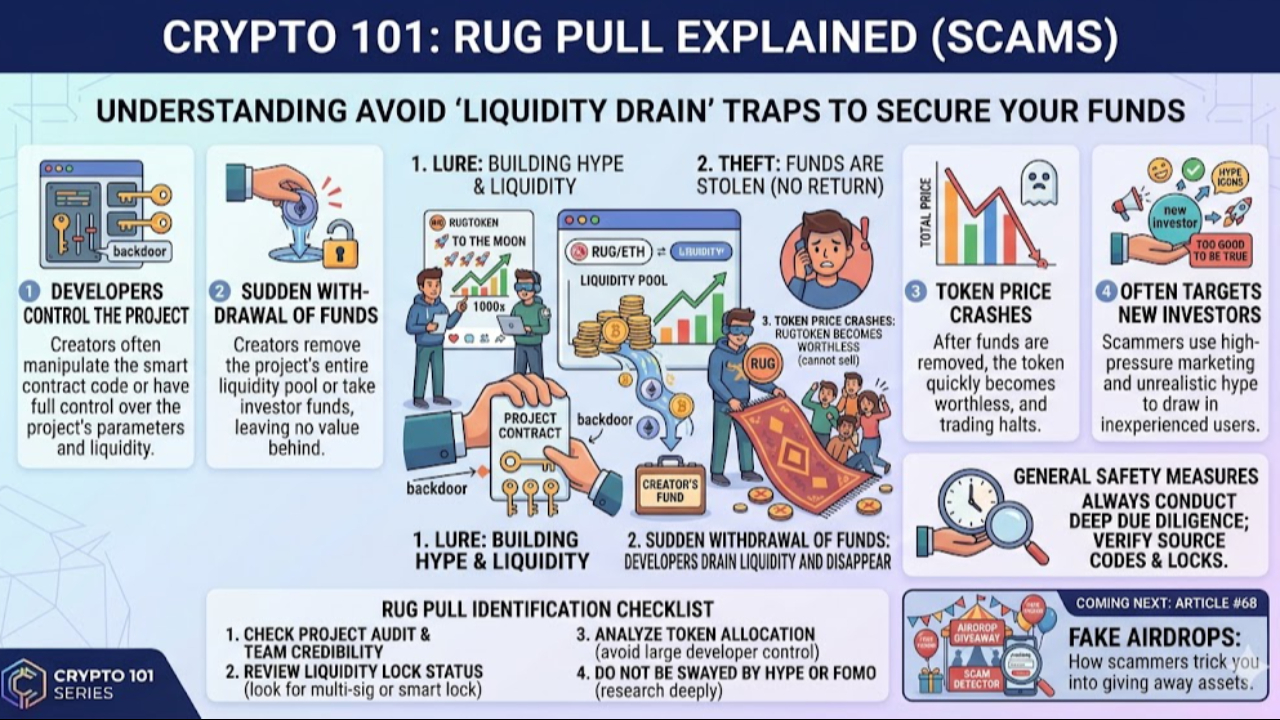
CRYPTO 101 — ARTICLE #67: ラグプルとは何ですか?📚 前回の記事では、一般的な暗号詐欺について学びました。
最もよく知られている危険なタイプの一つは、ラグプルと呼ばれています。
この種の詐欺は、新しい暗号プロジェクト、とりわけ分散型金融でよく発生します。
ラグプルは、プロジェクトの作成者が突然すべての資金を引き出して消えてしまうときに発生します。
投資家は価値のないトークンを持たされます。
「ラグプル」という名前は、誰かの下から予期せずにラグを引き抜くという考えから来ています。
ここでは、ラグプルの背後にある重要なアイデアを紹介します。
CRYPTO 101 — ARTICLE #67: ラグプルとは何ですか?
📚 前回の記事では、一般的な暗号詐欺について学びました。
最もよく知られている危険なタイプの一つは、ラグプルと呼ばれています。
この種の詐欺は、新しい暗号プロジェクト、とりわけ分散型金融でよく発生します。
ラグプルは、プロジェクトの作成者が突然すべての資金を引き出して消えてしまうときに発生します。
投資家は価値のないトークンを持たされます。
「ラグプル」という名前は、誰かの下から予期せずにラグを引き抜くという考えから来ています。
ここでは、ラグプルの背後にある重要なアイデアを紹介します。
最もよく知られている危険なタイプの一つは、ラグプルと呼ばれています。
この種の詐欺は、新しい暗号プロジェクト、とりわけ分散型金融でよく発生します。
ラグプルは、プロジェクトの作成者が突然すべての資金を引き出して消えてしまうときに発生します。
投資家は価値のないトークンを持たされます。
「ラグプル」という名前は、誰かの下から予期せずにラグを引き抜くという考えから来ています。
ここでは、ラグプルの背後にある重要なアイデアを紹介します。
1
4
382
記事
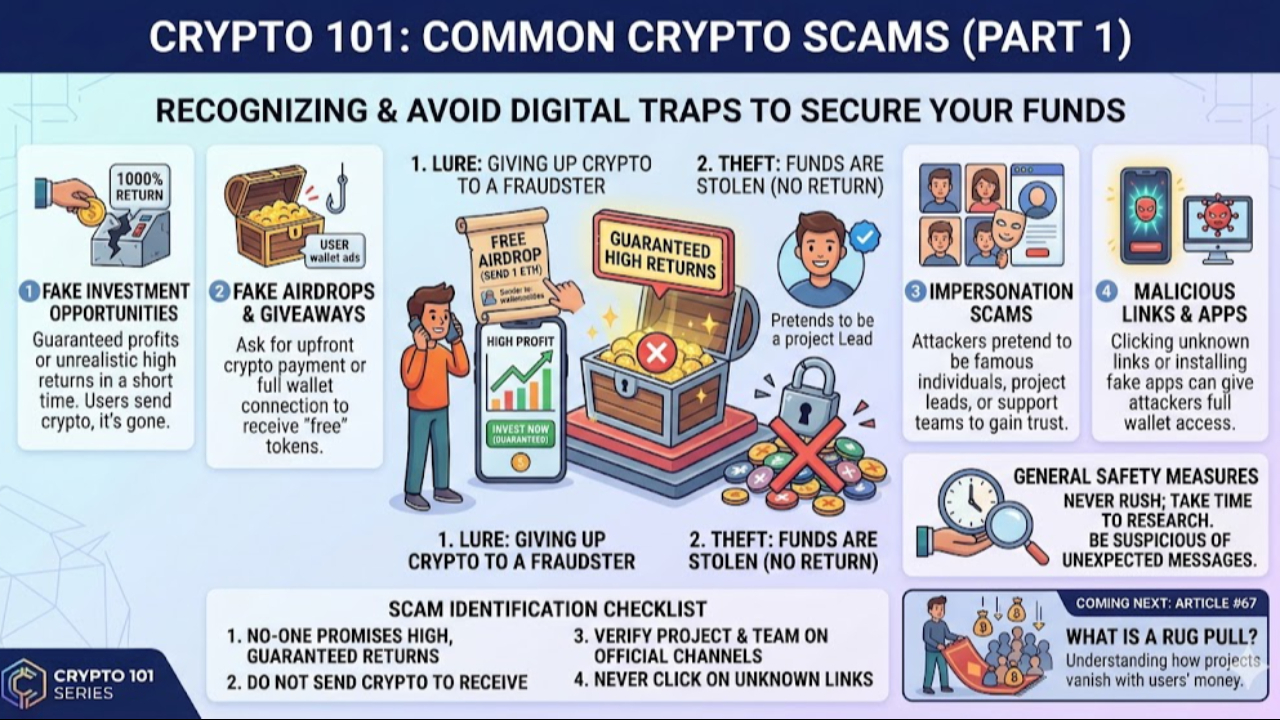
CRYPTO 101 — ARTICLE #66: 人気のある暗号詐欺📚 CRYPTO 101 — ARTICLE #66: 人気のある暗号詐欺
暗号がより人気になるにつれて、詐欺もますます一般的になっています。
ブロックチェーン上の取引は不可逆的であるため、一度資金を失うと回復が非常に困難です。
そのため、一般的な暗号詐欺を理解することが非常に重要です。
暗号詐欺は、システムの仕組みに不慣れな初心者をターゲットにすることが多いです。
彼らはしばしば高い利益を約束したり、ユーザーを欺くために偽の機会を作り出したりします。
ここでは、暗号における最も一般的な詐欺の種類をいくつか紹介します。
CRYPTO 101 — ARTICLE #66: 人気のある暗号詐欺
📚 CRYPTO 101 — ARTICLE #66: 人気のある暗号詐欺
暗号がより人気になるにつれて、詐欺もますます一般的になっています。
ブロックチェーン上の取引は不可逆的であるため、一度資金を失うと回復が非常に困難です。
そのため、一般的な暗号詐欺を理解することが非常に重要です。
暗号詐欺は、システムの仕組みに不慣れな初心者をターゲットにすることが多いです。
彼らはしばしば高い利益を約束したり、ユーザーを欺くために偽の機会を作り出したりします。
ここでは、暗号における最も一般的な詐欺の種類をいくつか紹介します。
暗号がより人気になるにつれて、詐欺もますます一般的になっています。
ブロックチェーン上の取引は不可逆的であるため、一度資金を失うと回復が非常に困難です。
そのため、一般的な暗号詐欺を理解することが非常に重要です。
暗号詐欺は、システムの仕組みに不慣れな初心者をターゲットにすることが多いです。
彼らはしばしば高い利益を約束したり、ユーザーを欺くために偽の機会を作り出したりします。
ここでは、暗号における最も一般的な詐欺の種類をいくつか紹介します。
1
157
記事
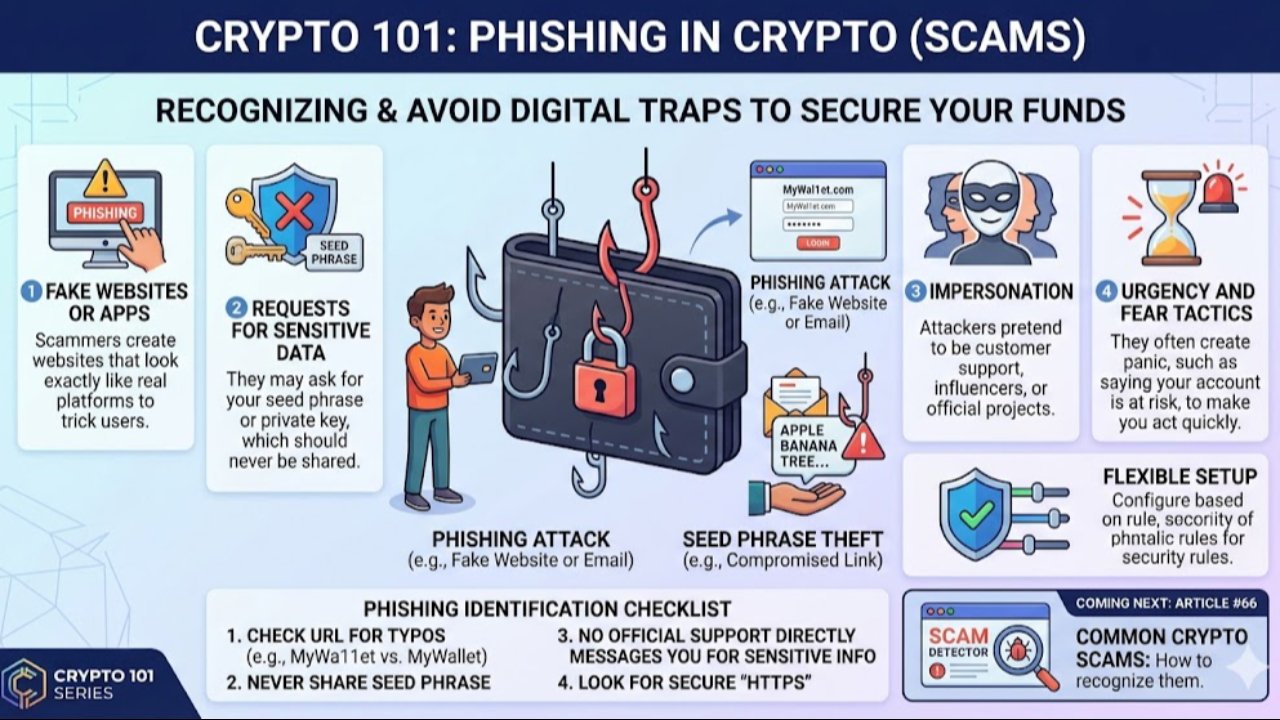
CRYPTO 101 — ARTICLE #65: 暗号におけるフィッシングとは?📚 より多くの人々が暗号空間に入るにつれて、セキュリティリスクも増加します。
最も一般的で危険な脅威の一つはフィッシングです。
多くの初心者は、複雑なハッキングのためではなく、騙されて資金を失います。
フィッシングは、詐欺師があなたを騙して機密情報を渡させようとする攻撃の一種です。
これにはあなたのプライベートキー、シードフレーズ、またはログイン情報が含まれる可能性があります。
攻撃者はしばしば信頼できるプラットフォーム、ウォレット、またはサポートチームを装ってあなたの信頼を得ようとします。
ここでは、暗号におけるフィッシングの背後にある重要なアイデアを紹介します。
CRYPTO 101 — ARTICLE #65: 暗号におけるフィッシングとは?
📚 より多くの人々が暗号空間に入るにつれて、セキュリティリスクも増加します。
最も一般的で危険な脅威の一つはフィッシングです。
多くの初心者は、複雑なハッキングのためではなく、騙されて資金を失います。
フィッシングは、詐欺師があなたを騙して機密情報を渡させようとする攻撃の一種です。
これにはあなたのプライベートキー、シードフレーズ、またはログイン情報が含まれる可能性があります。
攻撃者はしばしば信頼できるプラットフォーム、ウォレット、またはサポートチームを装ってあなたの信頼を得ようとします。
ここでは、暗号におけるフィッシングの背後にある重要なアイデアを紹介します。
最も一般的で危険な脅威の一つはフィッシングです。
多くの初心者は、複雑なハッキングのためではなく、騙されて資金を失います。
フィッシングは、詐欺師があなたを騙して機密情報を渡させようとする攻撃の一種です。
これにはあなたのプライベートキー、シードフレーズ、またはログイン情報が含まれる可能性があります。
攻撃者はしばしば信頼できるプラットフォーム、ウォレット、またはサポートチームを装ってあなたの信頼を得ようとします。
ここでは、暗号におけるフィッシングの背後にある重要なアイデアを紹介します。
5
172
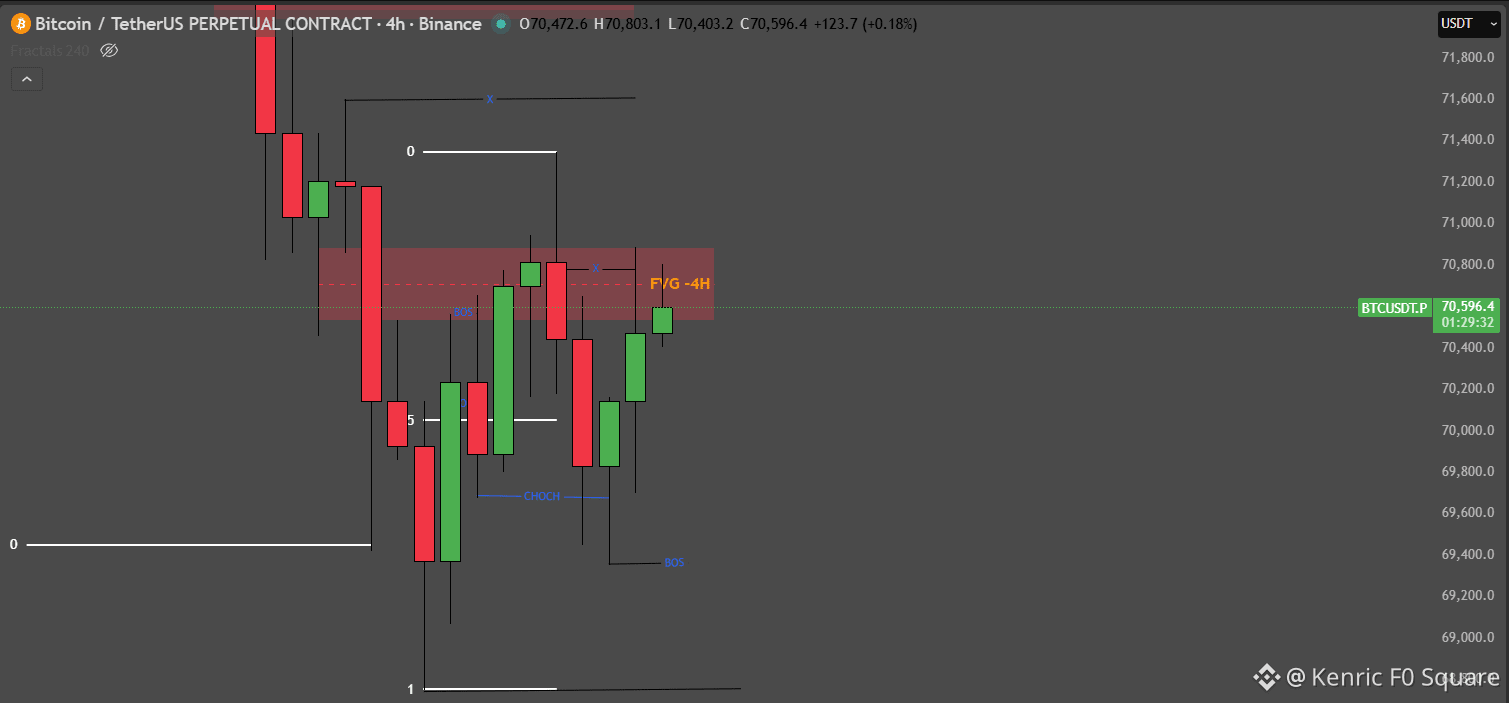
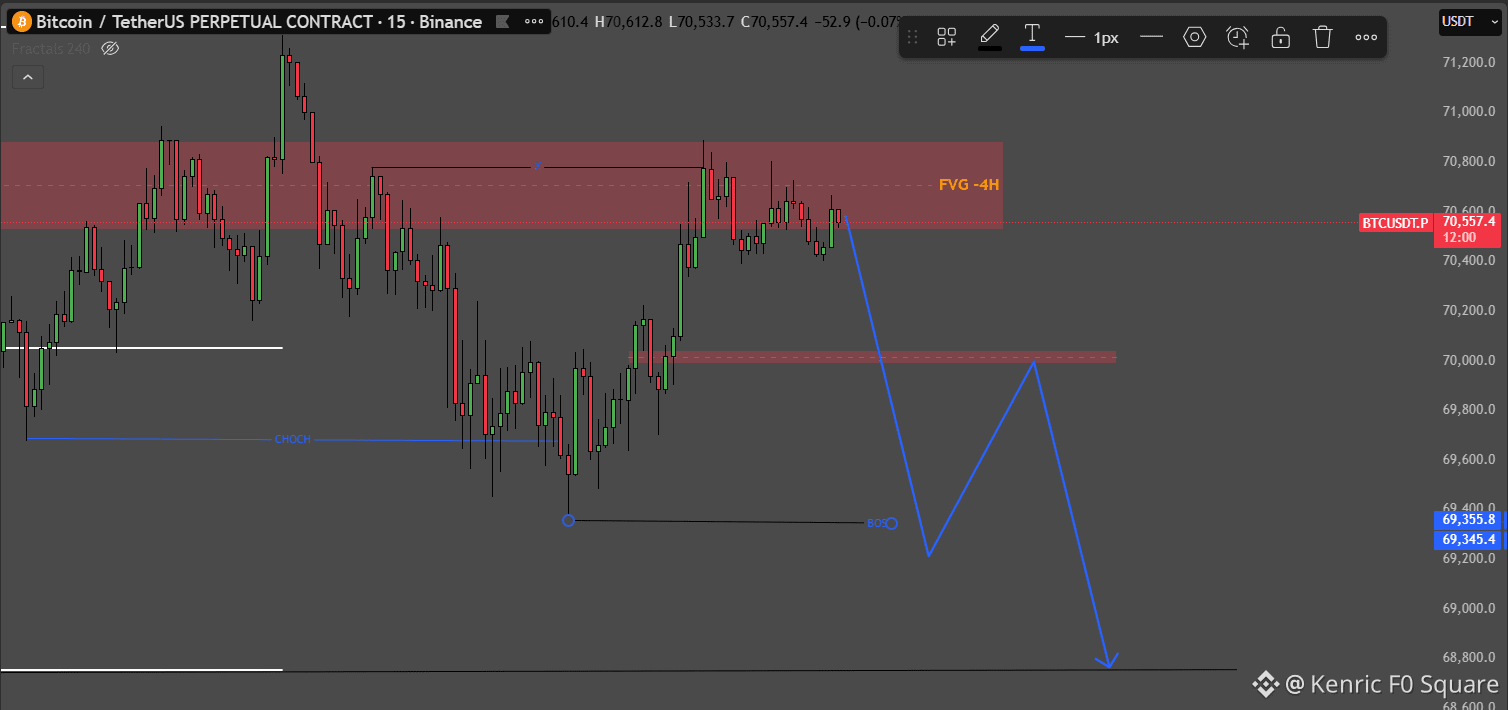
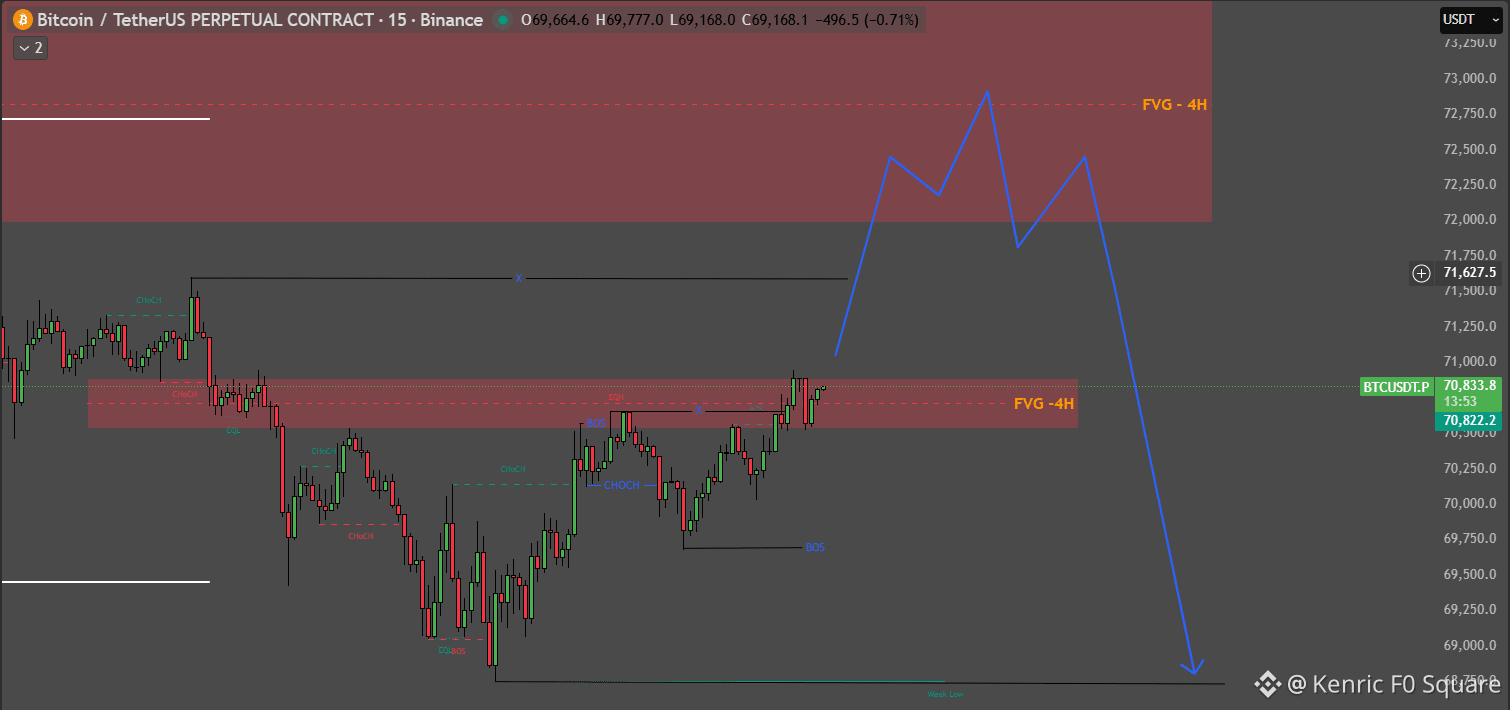
H4時間足では、価格はFVGゾーンで反発しましたので、このゾーンはまだ有効です。
15分足では、価格がCHOCHを形成し、流動性をスイープしました。
価格が下落してBOSを形成し、FVGゾーンに戻るのを待ってから、SELLエントリーポイントを探してください。
H4時間足では、価格はFVGゾーンで反発しましたので、このゾーンはまだ有効です。
15分足では、価格がCHOCHを形成し、流動性をスイープしました。
価格が下落してBOSを形成し、FVGゾーンに戻るのを待ってから、SELLエントリーポイントを探してください。
15分足では、価格がCHOCHを形成し、流動性をスイープしました。
価格が下落してBOSを形成し、FVGゾーンに戻るのを待ってから、SELLエントリーポイントを探してください。
Kenric F0 Square
·
--
BTC取引: 上部FVGゾーンで売りの機会を探す
市場構造は変化し、価格が69,765で弱気のBOSを形成するために戻らず、代わりに真っ直ぐ上昇しました
提案された戦略:
POI: 72,000〜73,000の周辺の4H FVGゾーン - 反転の可能性があるエリア。
エントリー: 制限なし; 価格がFVGに入るのを待ち、小さい時間枠(15分)でCHOCHを待ちます。
ターゲット: 反転が確認された場合、約68,750の弱い低点に向かいます。
市場構造は変化し、価格が69,765で弱気のBOSを形成するために戻らず、代わりに真っ直ぐ上昇しました
提案された戦略:
POI: 72,000〜73,000の周辺の4H FVGゾーン - 反転の可能性があるエリア。
エントリー: 制限なし; 価格がFVGに入るのを待ち、小さい時間枠(15分)でCHOCHを待ちます。
ターゲット: 反転が確認された場合、約68,750の弱い低点に向かいます。
3
1
3
37
記事
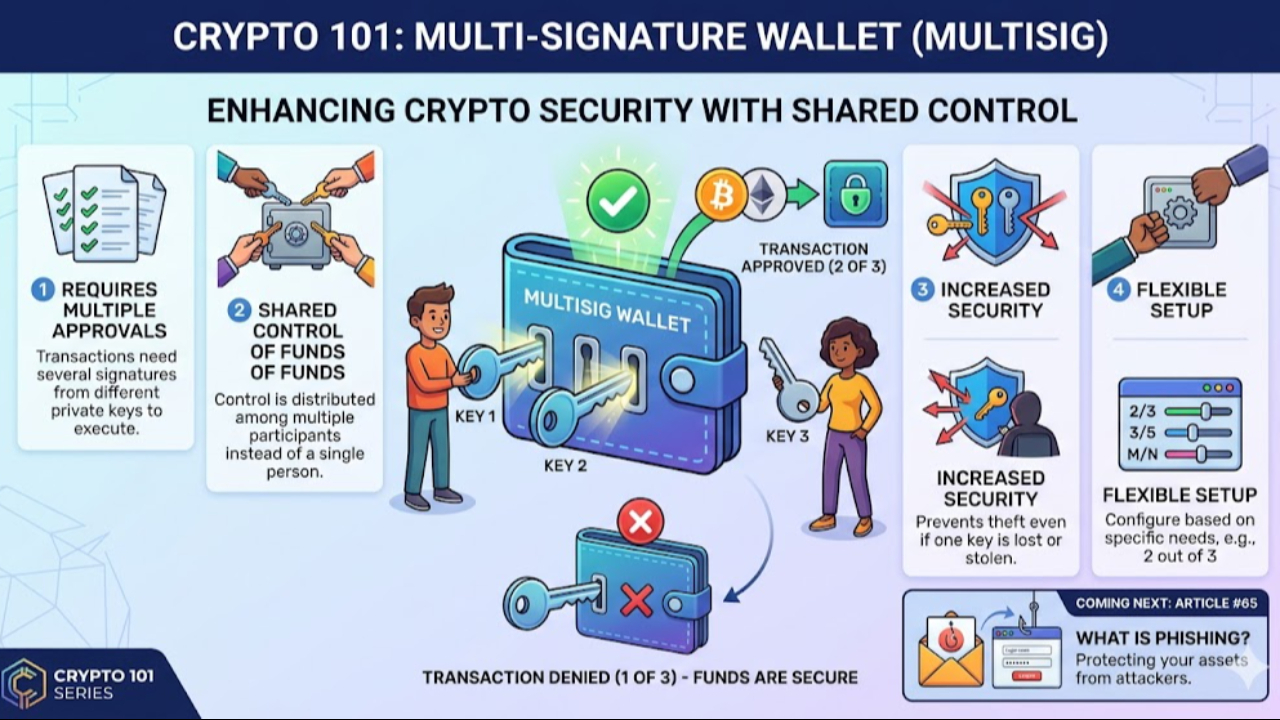
CRYPTO 101 — ARTICLE #64: マルチ署名ウォレットとは何ですか?📚 仮想通貨を保護する際に、単一のプライベートキーに頼るのはリスクがあります。
そのキーが失われたり盗まれたりした場合、資金は永遠に失われる可能性があります。
セキュリティを向上させるために、マルチ署名ウォレットという概念があります。
マルチ署名ウォレットは、しばしばマルチシグウォレットと呼ばれ、取引を承認するために複数のキーを必要とします。
1人が完全にコントロールするのではなく、資金を移動する前に複数の参加者が同意する必要があります。
これは追加の保護層を追加します。
マルチ署名ウォレットの背後にある主要なアイデアは次のとおりです。
CRYPTO 101 — ARTICLE #64: マルチ署名ウォレットとは何ですか?
📚 仮想通貨を保護する際に、単一のプライベートキーに頼るのはリスクがあります。
そのキーが失われたり盗まれたりした場合、資金は永遠に失われる可能性があります。
セキュリティを向上させるために、マルチ署名ウォレットという概念があります。
マルチ署名ウォレットは、しばしばマルチシグウォレットと呼ばれ、取引を承認するために複数のキーを必要とします。
1人が完全にコントロールするのではなく、資金を移動する前に複数の参加者が同意する必要があります。
これは追加の保護層を追加します。
マルチ署名ウォレットの背後にある主要なアイデアは次のとおりです。
そのキーが失われたり盗まれたりした場合、資金は永遠に失われる可能性があります。
セキュリティを向上させるために、マルチ署名ウォレットという概念があります。
マルチ署名ウォレットは、しばしばマルチシグウォレットと呼ばれ、取引を承認するために複数のキーを必要とします。
1人が完全にコントロールするのではなく、資金を移動する前に複数の参加者が同意する必要があります。
これは追加の保護層を追加します。
マルチ署名ウォレットの背後にある主要なアイデアは次のとおりです。
6
120
記事
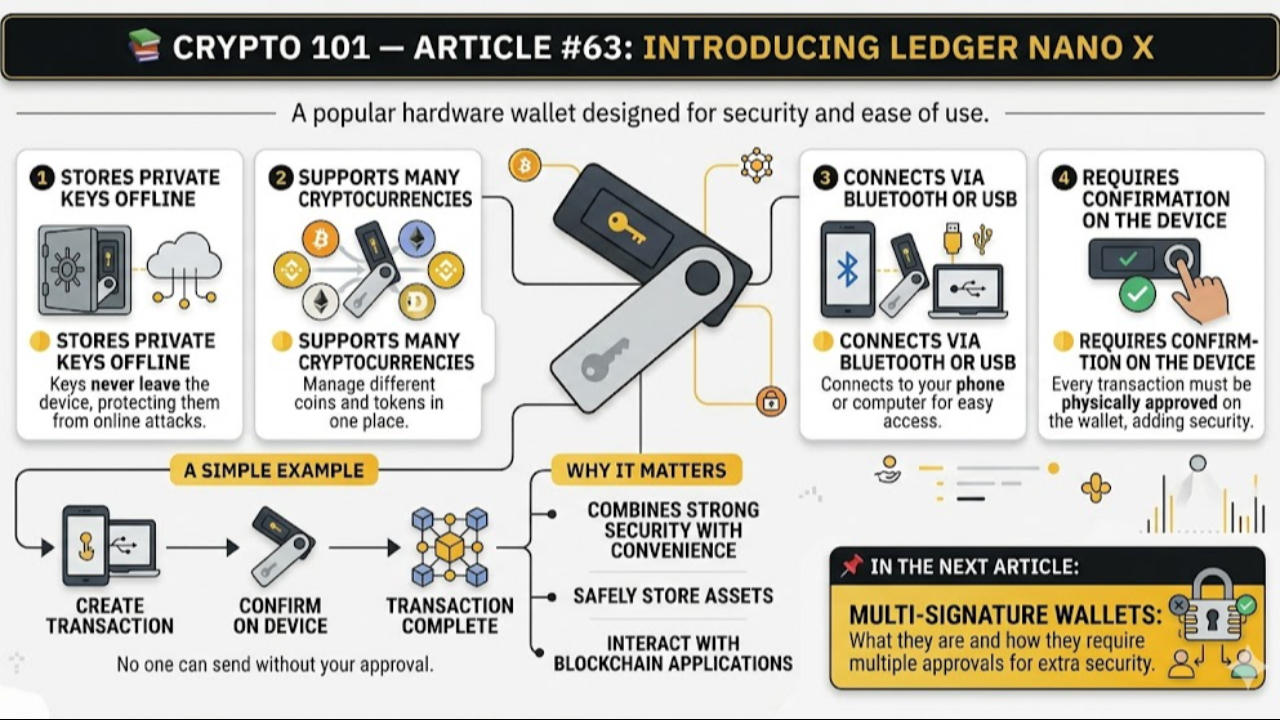
CRYPTO 101 — ARTICLE #63: Ledger Nano Xの紹介📚 前回の記事で学んだように、ハードウェアウォレットは暗号通貨を保存する最も安全な方法の一つです。
今日最も人気のあるハードウェアウォレットの中には、Ledger Nano Xがあります。
それは、暗号を安全に保ちながら、使いやすさを兼ね備えています。
Ledger Nano Xは、あなたのプライベートキーをオフラインで保存する物理デバイスです。
電話やコンピュータに接続しても、あなたのキーはデバイス内で保護されたままです。
これにより、オンラインウォレットに暗号を保存するよりもはるかに安全になります。
このデバイスは多くの異なる暗号通貨をサポートしており、複数の資産を保有するユーザーに適しています。
CRYPTO 101 — ARTICLE #63: Ledger Nano Xの紹介
📚 前回の記事で学んだように、ハードウェアウォレットは暗号通貨を保存する最も安全な方法の一つです。
今日最も人気のあるハードウェアウォレットの中には、Ledger Nano Xがあります。
それは、暗号を安全に保ちながら、使いやすさを兼ね備えています。
Ledger Nano Xは、あなたのプライベートキーをオフラインで保存する物理デバイスです。
電話やコンピュータに接続しても、あなたのキーはデバイス内で保護されたままです。
これにより、オンラインウォレットに暗号を保存するよりもはるかに安全になります。
このデバイスは多くの異なる暗号通貨をサポートしており、複数の資産を保有するユーザーに適しています。
今日最も人気のあるハードウェアウォレットの中には、Ledger Nano Xがあります。
それは、暗号を安全に保ちながら、使いやすさを兼ね備えています。
Ledger Nano Xは、あなたのプライベートキーをオフラインで保存する物理デバイスです。
電話やコンピュータに接続しても、あなたのキーはデバイス内で保護されたままです。
これにより、オンラインウォレットに暗号を保存するよりもはるかに安全になります。
このデバイスは多くの異なる暗号通貨をサポートしており、複数の資産を保有するユーザーに適しています。
4
234
記事
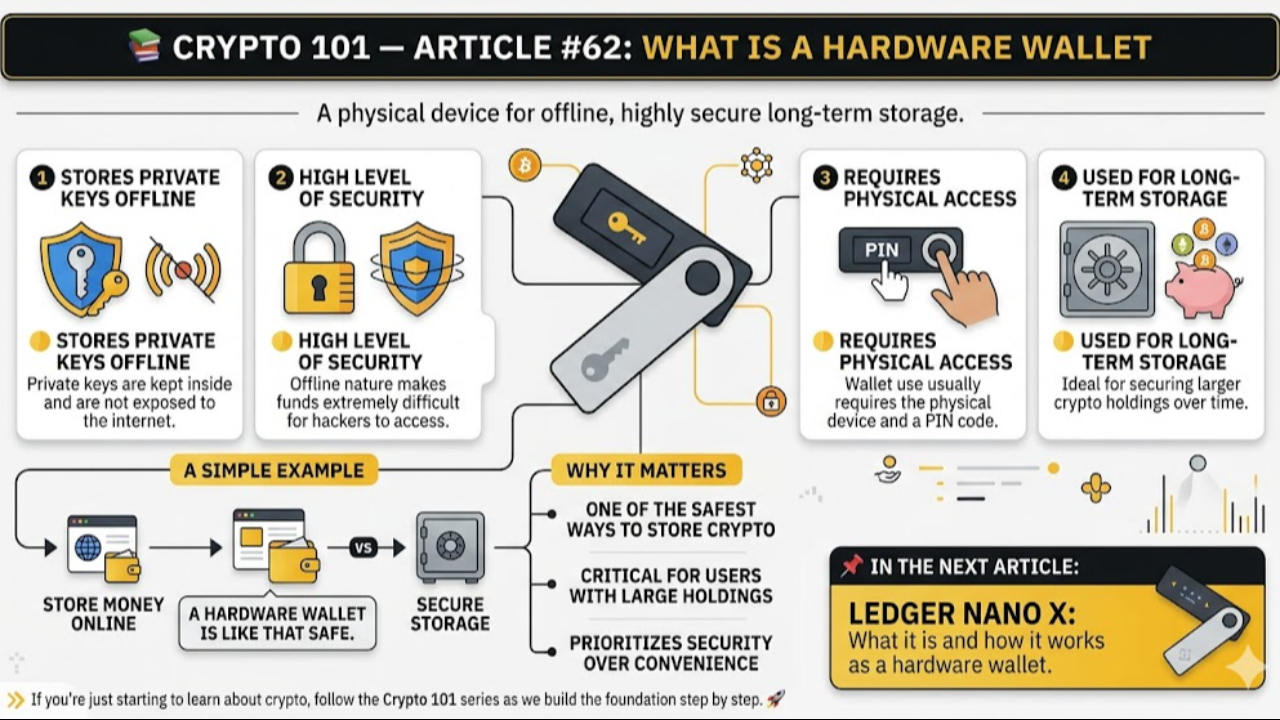
CRYPTO 101 — ARTICLE #62: ハードウェイレットとは何ですか📚 CRYPTO 101 — ARTICLE #62: Ví cứngは何ですか
暗号通貨を使用する際、セキュリティは最も重要な懸念事項の一つです。
オンライン財布は便利ですが、常にインターネットに接続されています。
これにより、ハッキングやマルウェアのリスクが生じます。
この問題を解決するために、多くのユーザーがハードウェイレットを使用することを選択します。
ハードウェイレット、別名コールドウォレットは、オフラインで秘密鍵を保存するための物理デバイスです。
インターネットに接続されていないため、オンライン攻撃からはるかに安全です。
CRYPTO 101 — ARTICLE #62: ハードウェイレットとは何ですか
📚 CRYPTO 101 — ARTICLE #62: Ví cứngは何ですか
暗号通貨を使用する際、セキュリティは最も重要な懸念事項の一つです。
オンライン財布は便利ですが、常にインターネットに接続されています。
これにより、ハッキングやマルウェアのリスクが生じます。
この問題を解決するために、多くのユーザーがハードウェイレットを使用することを選択します。
ハードウェイレット、別名コールドウォレットは、オフラインで秘密鍵を保存するための物理デバイスです。
インターネットに接続されていないため、オンライン攻撃からはるかに安全です。
暗号通貨を使用する際、セキュリティは最も重要な懸念事項の一つです。
オンライン財布は便利ですが、常にインターネットに接続されています。
これにより、ハッキングやマルウェアのリスクが生じます。
この問題を解決するために、多くのユーザーがハードウェイレットを使用することを選択します。
ハードウェイレット、別名コールドウォレットは、オフラインで秘密鍵を保存するための物理デバイスです。
インターネットに接続されていないため、オンライン攻撃からはるかに安全です。
2
102
記事
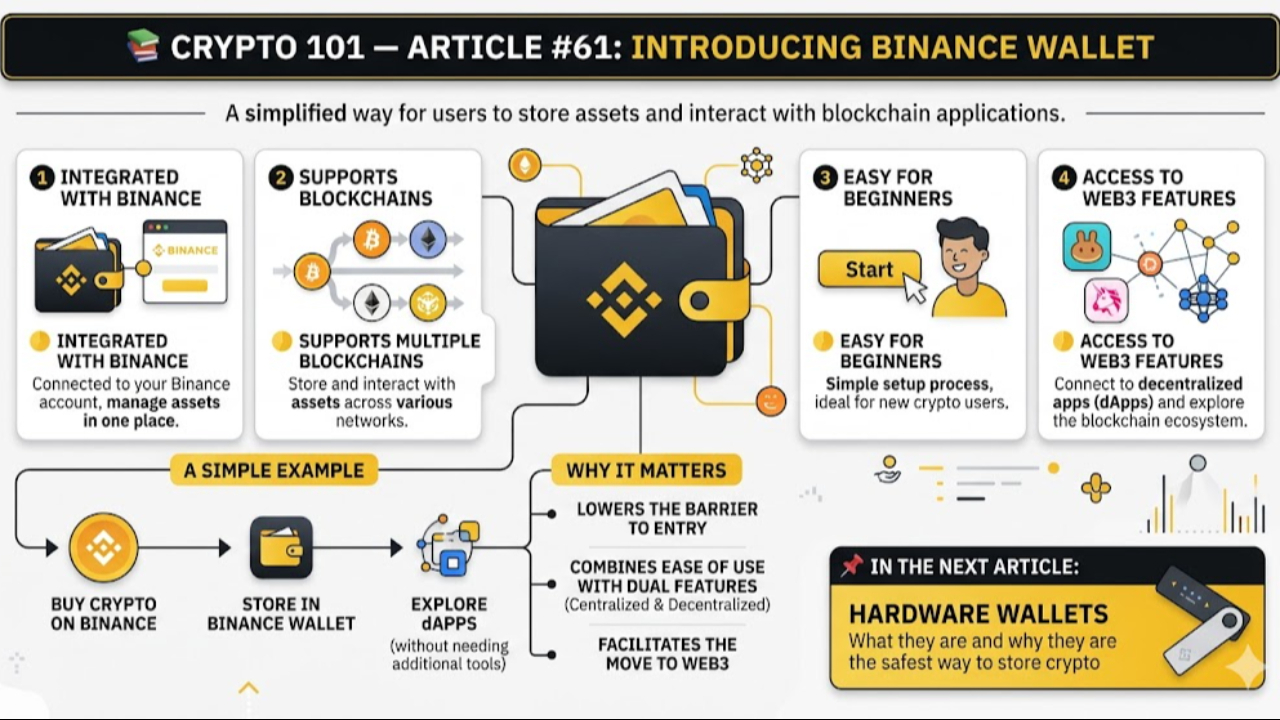
CRYPTO 101 — 記事 #61: Binance Walletを紹介📚 暗号の世界に入ると、多くのユーザーは資産を保存し、ブロックチェーンアプリケーションとやり取りするための簡単な方法を探します。
人気のあるオプションの一つはBinance Walletです。
Binance Walletは、Binanceによって開発された暗号ウォレットです。
これは、ユーザーがBinanceエコシステム内で直接暗号通貨を保存、管理、使用するのを助けるように設計されています。
手動設定を必要とする従来のウォレットとは異なり、Binance WalletはしばしばBinanceプラットフォームに統合されており、初心者がすぐに始めるのを簡単にします。
それはまたWeb3機能をサポートすることができ、ユーザーが分散型アプリケーションとやり取りすることを可能にします。
CRYPTO 101 — 記事 #61: Binance Walletを紹介
📚 暗号の世界に入ると、多くのユーザーは資産を保存し、ブロックチェーンアプリケーションとやり取りするための簡単な方法を探します。
人気のあるオプションの一つはBinance Walletです。
Binance Walletは、Binanceによって開発された暗号ウォレットです。
これは、ユーザーがBinanceエコシステム内で直接暗号通貨を保存、管理、使用するのを助けるように設計されています。
手動設定を必要とする従来のウォレットとは異なり、Binance WalletはしばしばBinanceプラットフォームに統合されており、初心者がすぐに始めるのを簡単にします。
それはまたWeb3機能をサポートすることができ、ユーザーが分散型アプリケーションとやり取りすることを可能にします。
人気のあるオプションの一つはBinance Walletです。
Binance Walletは、Binanceによって開発された暗号ウォレットです。
これは、ユーザーがBinanceエコシステム内で直接暗号通貨を保存、管理、使用するのを助けるように設計されています。
手動設定を必要とする従来のウォレットとは異なり、Binance WalletはしばしばBinanceプラットフォームに統合されており、初心者がすぐに始めるのを簡単にします。
それはまたWeb3機能をサポートすることができ、ユーザーが分散型アプリケーションとやり取りすることを可能にします。
1
67
記事
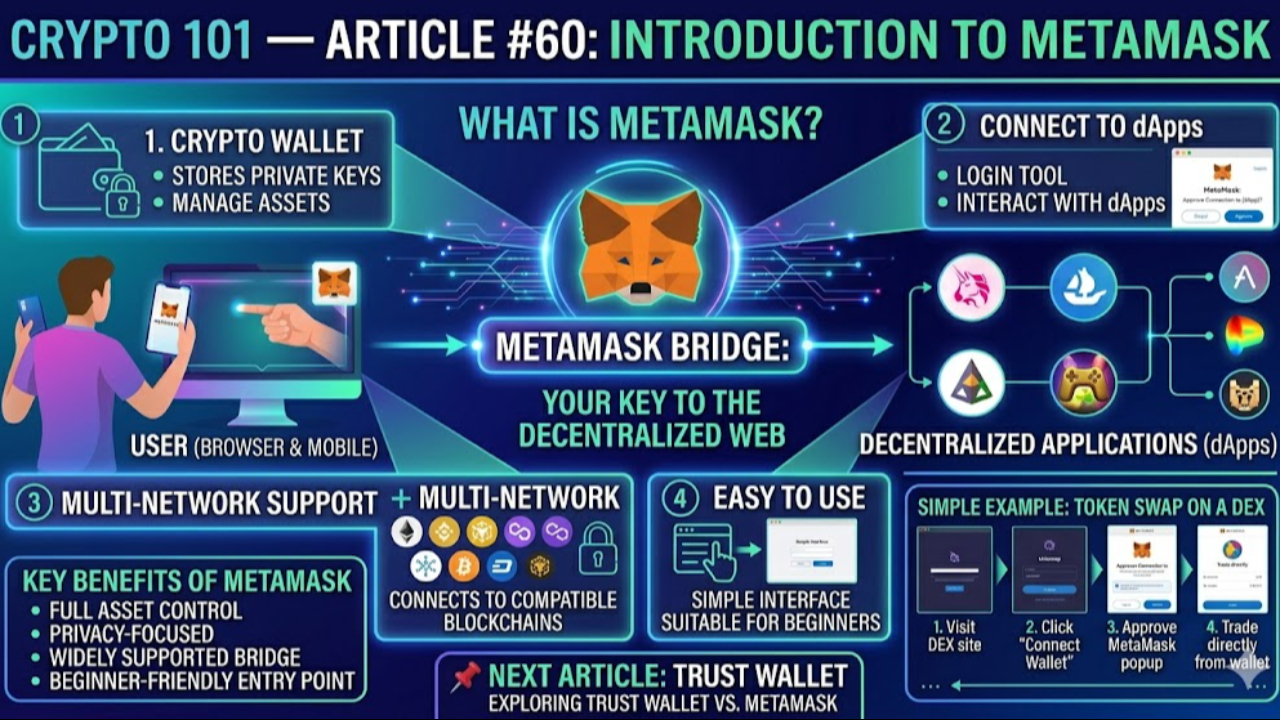
CRYPTO 101 — ARTICLE #60: MetaMaskの紹介📚 暗号を使い始めるときは、ブロックチェーンアプリケーションと対話するためのウォレットが必要です。
今日最も人気のあるウォレットの一つがMetaMaskです。
MetaMaskは、ユーザーが資産を保存し、分散型アプリケーションに接続できる暗号ウォレットです。
それは暗号の世界で広く使用されており、特にEthereumエコシステムとの対話において重要です。
MetaMaskは、ブラウザ拡張機能またはモバイルアプリとしてインストールできます。
それは、あなたとブロックチェーンの間の橋として機能します。
MetaMaskを使用すると、暗号を送受信し、ウェブサイトに接続し、デバイスから直接分散型アプリを使用できます。
CRYPTO 101 — ARTICLE #60: MetaMaskの紹介
📚 暗号を使い始めるときは、ブロックチェーンアプリケーションと対話するためのウォレットが必要です。
今日最も人気のあるウォレットの一つがMetaMaskです。
MetaMaskは、ユーザーが資産を保存し、分散型アプリケーションに接続できる暗号ウォレットです。
それは暗号の世界で広く使用されており、特にEthereumエコシステムとの対話において重要です。
MetaMaskは、ブラウザ拡張機能またはモバイルアプリとしてインストールできます。
それは、あなたとブロックチェーンの間の橋として機能します。
MetaMaskを使用すると、暗号を送受信し、ウェブサイトに接続し、デバイスから直接分散型アプリを使用できます。
今日最も人気のあるウォレットの一つがMetaMaskです。
MetaMaskは、ユーザーが資産を保存し、分散型アプリケーションに接続できる暗号ウォレットです。
それは暗号の世界で広く使用されており、特にEthereumエコシステムとの対話において重要です。
MetaMaskは、ブラウザ拡張機能またはモバイルアプリとしてインストールできます。
それは、あなたとブロックチェーンの間の橋として機能します。
MetaMaskを使用すると、暗号を送受信し、ウェブサイトに接続し、デバイスから直接分散型アプリを使用できます。
3
96
BTC取引: 上部FVGゾーンで売りの機会を探す
市場構造は変化し、価格が69,765で弱気のBOSを形成するために戻らず、代わりに真っ直ぐ上昇しました
提案された戦略:
POI: 72,000〜73,000の周辺の4H FVGゾーン - 反転の可能性があるエリア。
エントリー: 制限なし; 価格がFVGに入るのを待ち、小さい時間枠(15分)でCHOCHを待ちます。
ターゲット: 反転が確認された場合、約68,750の弱い低点に向かいます。
BTC取引: 上部FVGゾーンで売りの機会を探す
市場構造は変化し、価格が69,765で弱気のBOSを形成するために戻らず、代わりに真っ直ぐ上昇しました
提案された戦略:
POI: 72,000〜73,000の周辺の4H FVGゾーン - 反転の可能性があるエリア。
エントリー: 制限なし; 価格がFVGに入るのを待ち、小さい時間枠(15分)でCHOCHを待ちます。
ターゲット: 反転が確認された場合、約68,750の弱い低点に向かいます。
市場構造は変化し、価格が69,765で弱気のBOSを形成するために戻らず、代わりに真っ直ぐ上昇しました
提案された戦略:
POI: 72,000〜73,000の周辺の4H FVGゾーン - 反転の可能性があるエリア。
エントリー: 制限なし; 価格がFVGに入るのを待ち、小さい時間枠(15分)でCHOCHを待ちます。
ターゲット: 反転が確認された場合、約68,750の弱い低点に向かいます。
1
2
23
記事
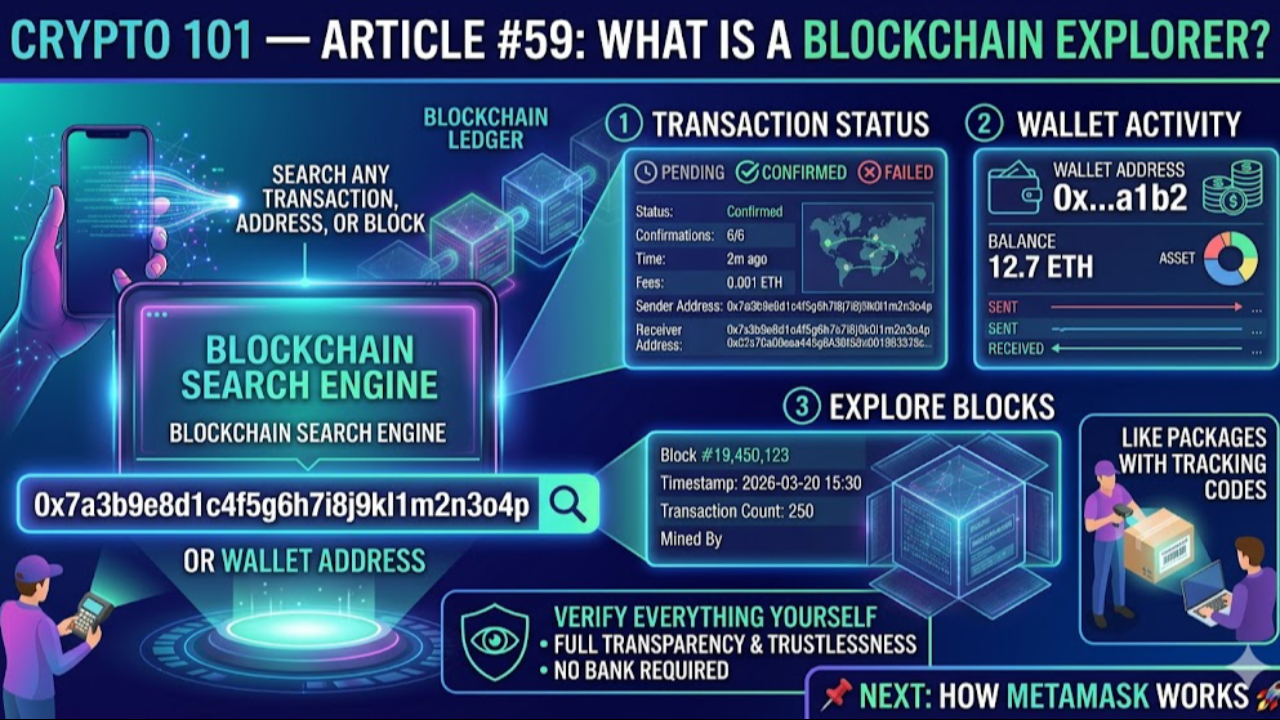
CRYPTO 101 — 記事 #59: ブロックチェーンエクスプローラーとは?📚 仮想通貨を使用する際、すべてはブロックチェーン上で発生します。
すべての取引、ウォレットの残高、ブロックは公開に記録されています。
しかし、ブロックチェーン自体は通常のユーザーには読みづらいです。
これがブロックチェーンエクスプローラーが重要な理由です。
ブロックチェーンエクスプローラーは、ブロックチェーン上のデータを表示および検索するためのツールです。
それは検索エンジンのように機能しますが、ウェブサイトを検索する代わりに、ブロックチェーンデータを検索します。
エクスプローラーを使用すると、取引を追跡し、ウォレットの残高を確認し、ネットワーク上で何がリアルタイムで起こっているかを見ることができます。
CRYPTO 101 — 記事 #59: ブロックチェーンエクスプローラーとは?
📚 仮想通貨を使用する際、すべてはブロックチェーン上で発生します。
すべての取引、ウォレットの残高、ブロックは公開に記録されています。
しかし、ブロックチェーン自体は通常のユーザーには読みづらいです。
これがブロックチェーンエクスプローラーが重要な理由です。
ブロックチェーンエクスプローラーは、ブロックチェーン上のデータを表示および検索するためのツールです。
それは検索エンジンのように機能しますが、ウェブサイトを検索する代わりに、ブロックチェーンデータを検索します。
エクスプローラーを使用すると、取引を追跡し、ウォレットの残高を確認し、ネットワーク上で何がリアルタイムで起こっているかを見ることができます。
すべての取引、ウォレットの残高、ブロックは公開に記録されています。
しかし、ブロックチェーン自体は通常のユーザーには読みづらいです。
これがブロックチェーンエクスプローラーが重要な理由です。
ブロックチェーンエクスプローラーは、ブロックチェーン上のデータを表示および検索するためのツールです。
それは検索エンジンのように機能しますが、ウェブサイトを検索する代わりに、ブロックチェーンデータを検索します。
エクスプローラーを使用すると、取引を追跡し、ウォレットの残高を確認し、ネットワーク上で何がリアルタイムで起こっているかを見ることができます。
1
1
69
記事
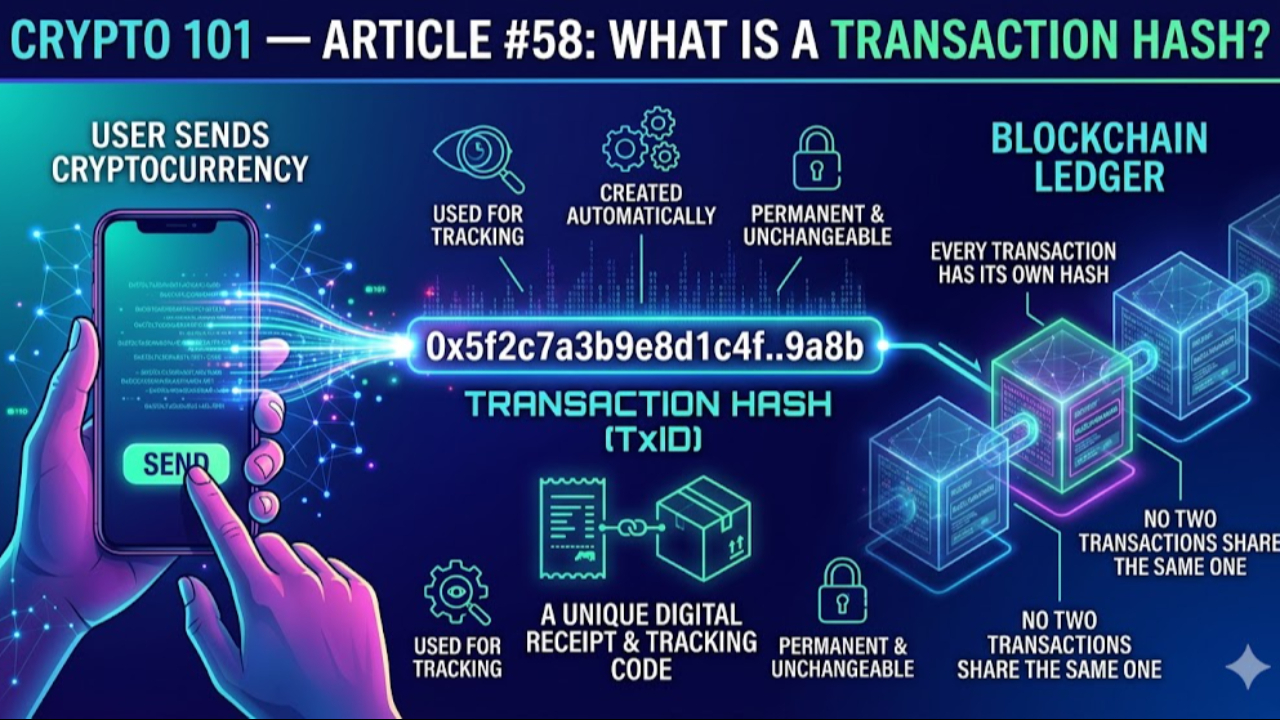
CRYPTO 101 — ARTICLE #58: 取引ハッシュとは?📚 CRYPTO 101 — ARTICLE #58: 取引ハッシュとは何か
暗号通貨を送受信すると、すべての取引がブロックチェーンに記録されます。
しかし、数千または数百万の他の取引の中から特定の取引をどのように追跡するのでしょうか?
ここで取引ハッシュが重要になります。
取引ハッシュは、ブロックチェーン上の特定の取引を識別する一意の文字列です。
これはデジタルレシートまたは追跡コードのように機能します。
すべての取引には独自のハッシュがあり、2つの取引が同じものを共有することはありません。
CRYPTO 101 — ARTICLE #58: 取引ハッシュとは?
📚 CRYPTO 101 — ARTICLE #58: 取引ハッシュとは何か
暗号通貨を送受信すると、すべての取引がブロックチェーンに記録されます。
しかし、数千または数百万の他の取引の中から特定の取引をどのように追跡するのでしょうか?
ここで取引ハッシュが重要になります。
取引ハッシュは、ブロックチェーン上の特定の取引を識別する一意の文字列です。
これはデジタルレシートまたは追跡コードのように機能します。
すべての取引には独自のハッシュがあり、2つの取引が同じものを共有することはありません。
暗号通貨を送受信すると、すべての取引がブロックチェーンに記録されます。
しかし、数千または数百万の他の取引の中から特定の取引をどのように追跡するのでしょうか?
ここで取引ハッシュが重要になります。
取引ハッシュは、ブロックチェーン上の特定の取引を識別する一意の文字列です。
これはデジタルレシートまたは追跡コードのように機能します。
すべての取引には独自のハッシュがあり、2つの取引が同じものを共有することはありません。
1
101
ログインして、さらにコンテンツを読む
厳選トピックで世界の暗号資産トレーダーの仲間入り
⚡️ 暗号資産に関する最新かつ有益な情報が見つかります。
💬 世界最大の暗号資産取引所から信頼されています。
👍 認証を受けたクリエイターから、有益なインサイトを得られます。
メール / 電話番号
トレンドトピック
FedRateWatch
閲覧回数 58,915
330人が討論中
トレンドハッシュタグキャンペーンで「シェア&ウィン」交通(トラフィック)報酬を獲得しよう
✨トピック:FOMC 9月、「次のFRBの一手」は?
👉参加方法:
ハッシュタグ #FedRateWatch を付けて短い投稿または記事を投稿してください
以下の観点に基づいてコンテンツを作成してください:
- 8月のコアCPIは前月比0.3%上昇し、今週の25bp利上げの確率は現在約90%です。今週、利上げはあると思いますか?それは一時的なものですか、それともより長い利上げサイクルの始まりでしょうか?
- 利上げが実施された場合、BTC、テック株、ゴールドはどのように動きますか?強気(ブル)か弱気(ベア)か?
- 次の取引はどう計画していますか?取引共有ウィジェットを使って、BTC、株、またはゴールドの取引/保有を共有してください。
⏰キャンペーン期間:
- 2026-09-15 11:00 - 2026-09-17 3:00 UTC
🎁報酬:
- 上記のガイドラインを満たし、かつ100語を超える適格な投稿は審査され、抽選で500〜3,000ビューのランダムなトラフィック増加が付与される場合があります。投稿が選ばれた場合、フィードの事務局から通知が届きます。
- 記事がBinance Square Officialで特集されるチャンス
投稿のアイデアが必要ですか?トピックページ #FedRateWatch へアクセスするか、 Square Guide on How to Post for Better Reach をご覧ください。
Binance Square Official
·いいね:94件
·閲覧回数 151.8k
BitcoinReboundsTo$79K
閲覧回数 36,880
295人が討論中
BessentEndorsesFinalClarityActDraft
閲覧回数 5,039
173人が討論中