

PRO Crypto Tech
6.9k 投稿

PRO Crypto Tech
 厳選トピック確認済+
報告
ユーザーをブロック
X - @ProCryptoTech | i Share My thoughts only. NFA

Creator of the Year

Creator Awards 2024

Level 2 Creator
30 フォロー
110.5K+ フォロワー
222.6K+ いいね
5 バッジ
投稿
すべて
引用
動画
PINNED
今日、Binance Exchange から Creator Of The Year 2023 賞を受賞しました 🔶🧡
これは私たち全員にとって大きな名誉であり、達成感です 🏆
応援ありがとうございます 🙏♥️🤝
今日、Binance Exchange から Creator Of The Year 2023 賞を受賞しました 🔶🧡
これは私たち全員にとって大きな名誉であり、達成感です 🏆
応援ありがとうございます 🙏♥️🤝
これは私たち全員にとって大きな名誉であり、達成感です 🏆
応援ありがとうございます 🙏♥️🤝


243
50
766
91.5k
暗号資産トレーダーの99%は、押し目買いのやり方を間違えています。
ローソク足が赤くなると🩸パニック買いし、その後さらに価格が40%下落するのを見届ける。
心当たりはありますか?
押し目買いは、価格が下がったときに「買い」をクリックするだけではありません。
。
これはスキルです。そして、ほとんどの人はその方法を学ばないままです。
この投稿では、いつ押し目を買うべきかを具体的に解説します。落ちてくるナイフをつかむのをやめて、チャンスをつかみましょう。
まず、「押し目」とは何でしょう?
押し目とは、全体的な上昇トレンドの中で一時的に価格が下落することです。
重要なキーワードは「一時的」です。
下落がすべて押し目とは限りません。本格的な弱気相場の始まりである場合もあります。
その違いを見極めるのがあなたの役目です。
プロのように押し目買いをする方法はこちら:
1️⃣ 下落が止まるのを待つ
価格が下がったというだけで買ってはいけません。
反転の確認を待ちましょう。陽線の確定、サポートからの反発、出来高の増加などです。
ここで辛抱すれば、早まって買うのを防げます。
2️⃣ 重要なサポート水準を確認する
押し目買いに適した強いゾーンは次のとおりです:
∙ 以前のレジスタンスがサポートに転じた水準
∙ 200日移動平均線
∙ フィボナッチ・リトレースメントの水準(0.382、0.5、0.618)
価格がこれらのゾーンに達し、さらに反転のサインが出たら、そこがエントリーポイントです。
3️⃣ 時間足を長くしてチャートを見る
1時間足での押し目が、日足では下降トレンドかもしれません。
必ず長い時間足でも確認しましょう。上位時間足のトレンドがまだ強気なら、押し目はあなたの味方です。
4️⃣ 一度に全額を投入しない
買いを2〜3回に分けましょう。
最初のサポートで30%、さらに下落したら40%、反発を確認してから30%を買います。
こうすれば、1本のローソク足にすべてを賭けず、賢く買い増して平均取得価格を調整できます。
押し目買いをしてはいけない危険信号:
🚩 ニュースが原因の暴落(ハッキング、規制、プロジェクトの持ち逃げ)
🚩 サポートで出来高が増えるのではなく、急増しながら価格が下落している
🚩 ビットコインが本格的な崩壊局面にある
🚩 プロジェクトのファンダメンタルズが変化している
押し目に見えても、崩壊の始まりにすぎないことがあります。
違いを見極めましょう。
これをマスターすれば、強気相場で大きな成果を得られるでしょう。🚀
さらに役立つアルファ情報はこちら:@ProCryptoTech 💓
暗号資産トレーダーの99%は、押し目買いのやり方を間違えています。
ローソク足が赤くなると🩸パニック買いし、その後さらに価格が40%下落するのを見届ける。
心当たりはありますか?
押し目買いは、価格が下がったときに「買い」をクリックするだけではありません。
。
これはスキルです。そして、ほとんどの人はその方法を学ばないままです。
この投稿では、いつ押し目を買うべきかを具体的に解説します。落ちてくるナイフをつかむのをやめて、チャンスをつかみましょう。
まず、「押し目」とは何でしょう?
押し目とは、全体的な上昇トレンドの中で一時的に価格が下落することです。
重要なキーワードは「一時的」です。
下落がすべて押し目とは限りません。本格的な弱気相場の始まりである場合もあります。
その違いを見極めるのがあなたの役目です。
プロのように押し目買いをする方法はこちら:
1️⃣ 下落が止まるのを待つ
価格が下がったというだけで買ってはいけません。
反転の確認を待ちましょう。陽線の確定、サポートからの反発、出来高の増加などです。
ここで辛抱すれば、早まって買うのを防げます。
2️⃣ 重要なサポート水準を確認する
押し目買いに適した強いゾーンは次のとおりです:
∙ 以前のレジスタンスがサポートに転じた水準
∙ 200日移動平均線
∙ フィボナッチ・リトレースメントの水準(0.382、0.5、0.618)
価格がこれらのゾーンに達し、さらに反転のサインが出たら、そこがエントリーポイントです。
3️⃣ 時間足を長くしてチャートを見る
1時間足での押し目が、日足では下降トレンドかもしれません。
必ず長い時間足でも確認しましょう。上位時間足のトレンドがまだ強気なら、押し目はあなたの味方です。
4️⃣ 一度に全額を投入しない
買いを2〜3回に分けましょう。
最初のサポートで30%、さらに下落したら40%、反発を確認してから30%を買います。
こうすれば、1本のローソク足にすべてを賭けず、賢く買い増して平均取得価格を調整できます。
押し目買いをしてはいけない危険信号:
🚩 ニュースが原因の暴落(ハッキング、規制、プロジェクトの持ち逃げ)
🚩 サポートで出来高が増えるのではなく、急増しながら価格が下落している
🚩 ビットコインが本格的な崩壊局面にある
🚩 プロジェクトのファンダメンタルズが変化している
押し目に見えても、崩壊の始まりにすぎないことがあります。
違いを見極めましょう。
これをマスターすれば、強気相場で大きな成果を得られるでしょう。🚀
さらに役立つアルファ情報はこちら:@PRO Crypto Tech 💓
ローソク足が赤くなると🩸パニック買いし、その後さらに価格が40%下落するのを見届ける。
心当たりはありますか?
押し目買いは、価格が下がったときに「買い」をクリックするだけではありません。
。
これはスキルです。そして、ほとんどの人はその方法を学ばないままです。
この投稿では、いつ押し目を買うべきかを具体的に解説します。落ちてくるナイフをつかむのをやめて、チャンスをつかみましょう。
まず、「押し目」とは何でしょう?
押し目とは、全体的な上昇トレンドの中で一時的に価格が下落することです。
重要なキーワードは「一時的」です。
下落がすべて押し目とは限りません。本格的な弱気相場の始まりである場合もあります。
その違いを見極めるのがあなたの役目です。
プロのように押し目買いをする方法はこちら:
1️⃣ 下落が止まるのを待つ
価格が下がったというだけで買ってはいけません。
反転の確認を待ちましょう。陽線の確定、サポートからの反発、出来高の増加などです。
ここで辛抱すれば、早まって買うのを防げます。
2️⃣ 重要なサポート水準を確認する
押し目買いに適した強いゾーンは次のとおりです:
∙ 以前のレジスタンスがサポートに転じた水準
∙ 200日移動平均線
∙ フィボナッチ・リトレースメントの水準(0.382、0.5、0.618)
価格がこれらのゾーンに達し、さらに反転のサインが出たら、そこがエントリーポイントです。
3️⃣ 時間足を長くしてチャートを見る
1時間足での押し目が、日足では下降トレンドかもしれません。
必ず長い時間足でも確認しましょう。上位時間足のトレンドがまだ強気なら、押し目はあなたの味方です。
4️⃣ 一度に全額を投入しない
買いを2〜3回に分けましょう。
最初のサポートで30%、さらに下落したら40%、反発を確認してから30%を買います。
こうすれば、1本のローソク足にすべてを賭けず、賢く買い増して平均取得価格を調整できます。
押し目買いをしてはいけない危険信号:
🚩 ニュースが原因の暴落(ハッキング、規制、プロジェクトの持ち逃げ)
🚩 サポートで出来高が増えるのではなく、急増しながら価格が下落している
🚩 ビットコインが本格的な崩壊局面にある
🚩 プロジェクトのファンダメンタルズが変化している
押し目に見えても、崩壊の始まりにすぎないことがあります。
違いを見極めましょう。
これをマスターすれば、強気相場で大きな成果を得られるでしょう。🚀
さらに役立つアルファ情報はこちら:@PRO Crypto Tech 💓
2
2
618
·
--
ブリッシュ
みんな、こんにちは…!!!! 🫷🏻 今日はみんなの力を貸してほしいです 🙏
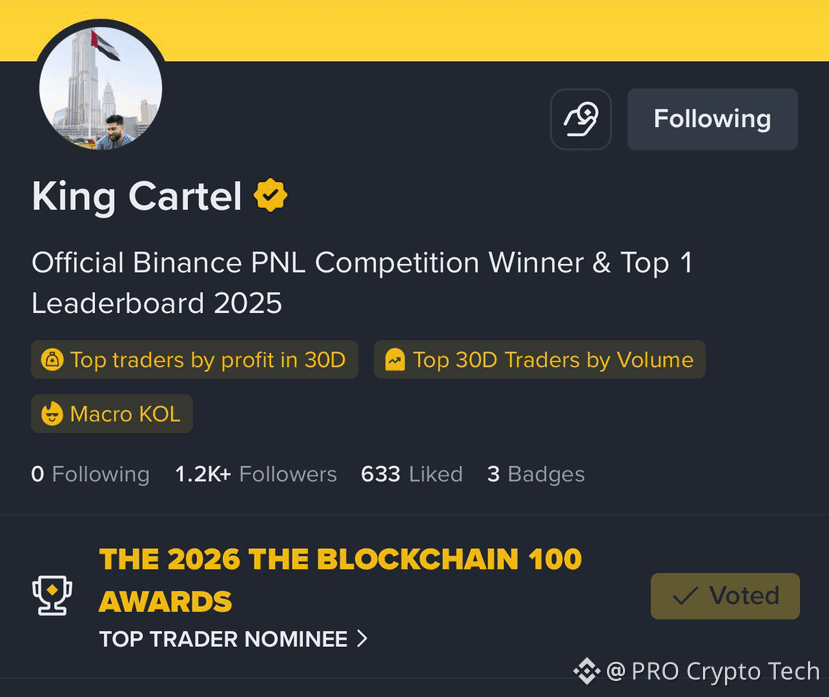
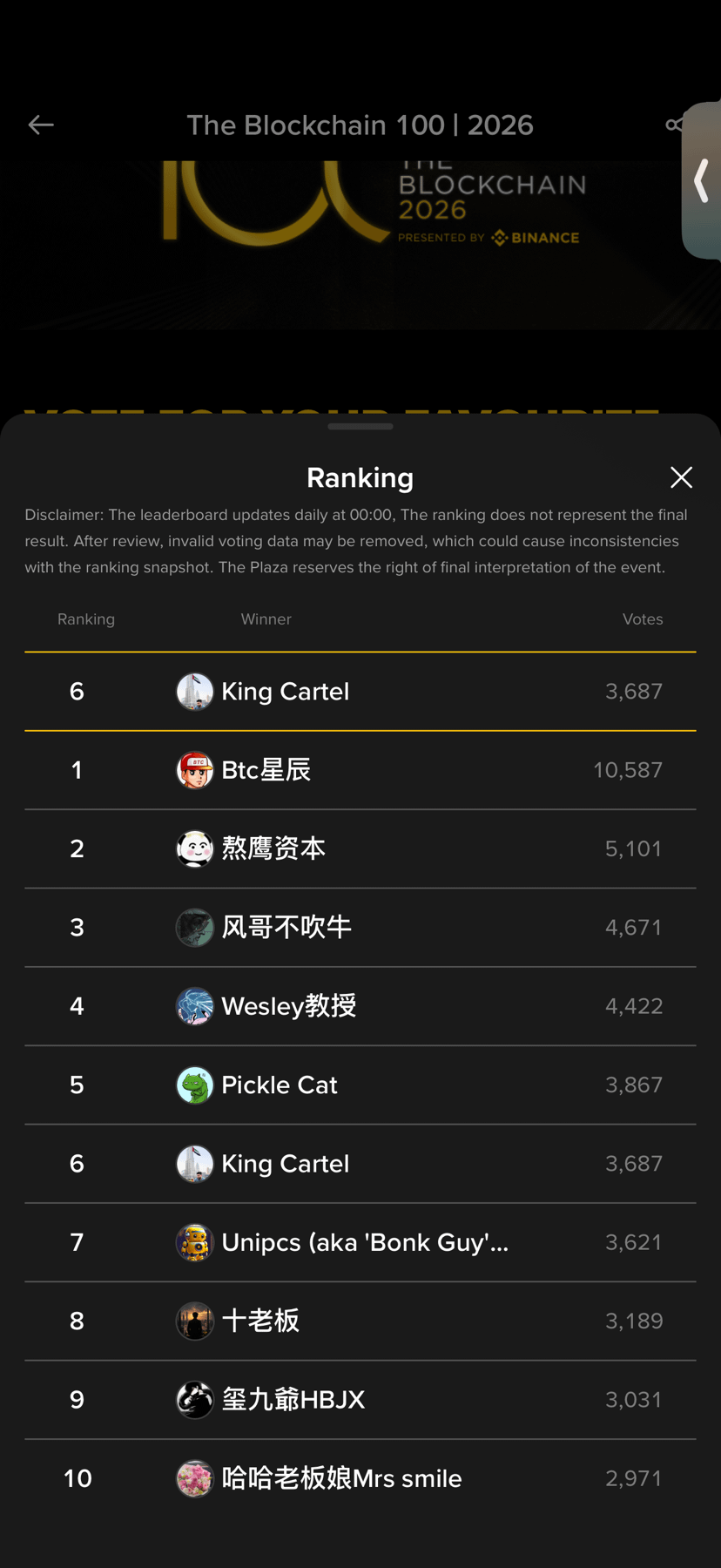
友人であり、大好きなトレーダーの@KingCartel 👑が、現在Binance Blockchain 100 Awardsの投票でトップ10に入っています!🔥
コミュニティの力を見せて 💪 明日までにトップ5に押し上げましょう!🚀
こちらからプロフィールを開いて 👉 @KingCartel &投票ボタンをクリック 🗳️
一票一票が大切です。今すぐ投票して、友達にもシェアしてください!🗳️💛
彼をフォローして、最高の人から学びましょう。そうすれば、あなたも利益を出せるトレーダーへの道を歩めます 📈
#Binance #BlockchainAwards
みんな、こんにちは…!!!! 🫷🏻 今日はみんなの力を貸してほしいです 🙏
友人であり、大好きなトレーダーの@King Cartel 👑が、現在Binance Blockchain 100 Awardsの投票でトップ10に入っています!🔥
コミュニティの力を見せて 💪 明日までにトップ5に押し上げましょう!🚀
こちらからプロフィールを開いて 👉 @King Cartel &投票ボタンをクリック 🗳️
一票一票が大切です。今すぐ投票して、友達にもシェアしてください!🗳️💛
彼をフォローして、最高の人から学びましょう。そうすれば、あなたも利益を出せるトレーダーへの道を歩めます 📈
#Binance #BlockchainAwards
友人であり、大好きなトレーダーの@King Cartel 👑が、現在Binance Blockchain 100 Awardsの投票でトップ10に入っています!🔥
コミュニティの力を見せて 💪 明日までにトップ5に押し上げましょう!🚀
こちらからプロフィールを開いて 👉 @King Cartel &投票ボタンをクリック 🗳️
一票一票が大切です。今すぐ投票して、友達にもシェアしてください!🗳️💛
彼をフォローして、最高の人から学びましょう。そうすれば、あなたも利益を出せるトレーダーへの道を歩めます 📈
#Binance #BlockchainAwards
1
1
904
まもなくトップ5 🚀🚀🚀
まもなくトップ5 🚀🚀🚀

King Cartel
·
--
世界ランキングトップ6
現在1位を読み込み中
Vote Here for Best Trader of the Year
現在1位を読み込み中
Vote Here for Best Trader of the Year
1
1
2
599
·
--
ブリッシュ
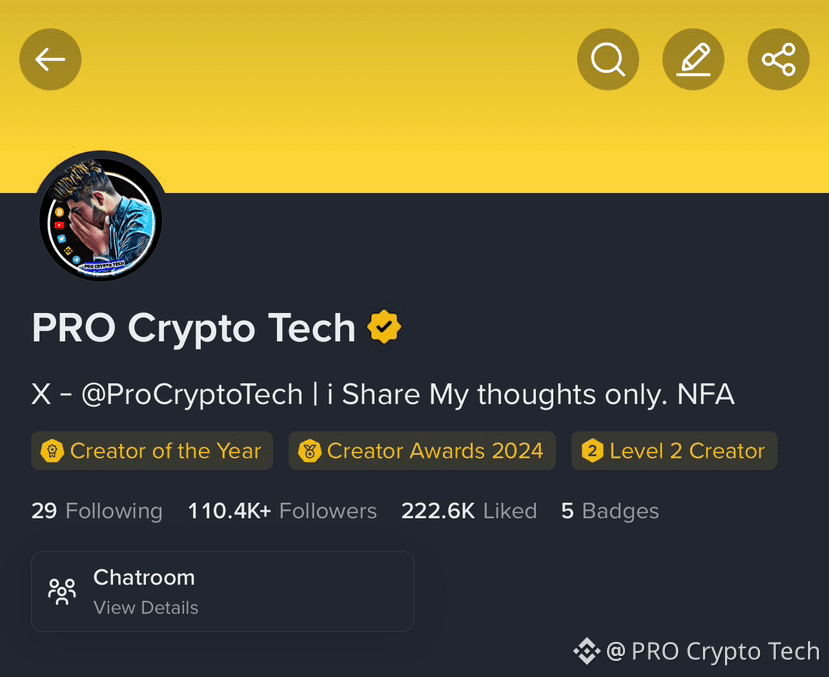
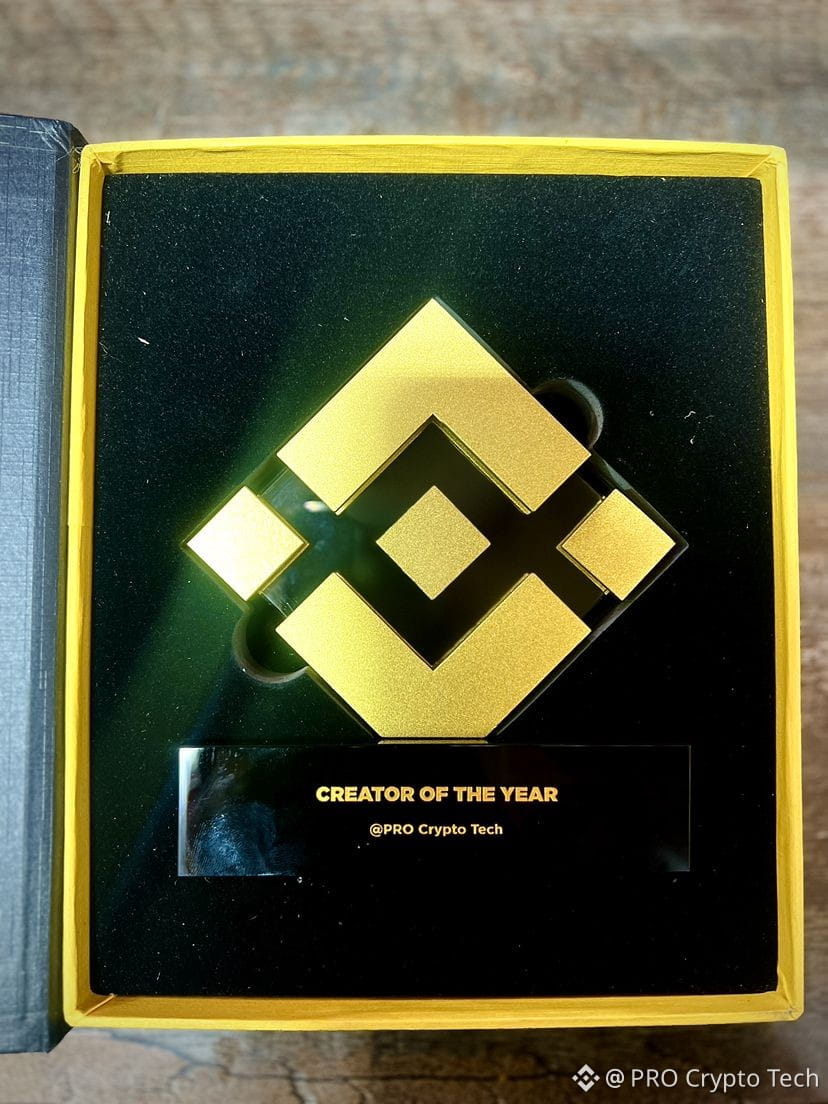
2023年と2024年にクリエイター・オブ・ザ・イヤー賞を受賞しました 🏆
いくつかの問題があって、2025年のコンテストには参加していません。2026年のコンテストにも、まだ参加できていません 😕🫣
もっと強くなって戻ってきます 💪
2023年と2024年にクリエイター・オブ・ザ・イヤー賞を受賞しました 🏆
いくつかの問題があって、2025年のコンテストには参加していません。2026年のコンテストにも、まだ参加できていません 😕🫣
もっと強くなって戻ってきます 💪
いくつかの問題があって、2025年のコンテストには参加していません。2026年のコンテストにも、まだ参加できていません 😕🫣
もっと強くなって戻ってきます 💪
26
1
38
14.6k
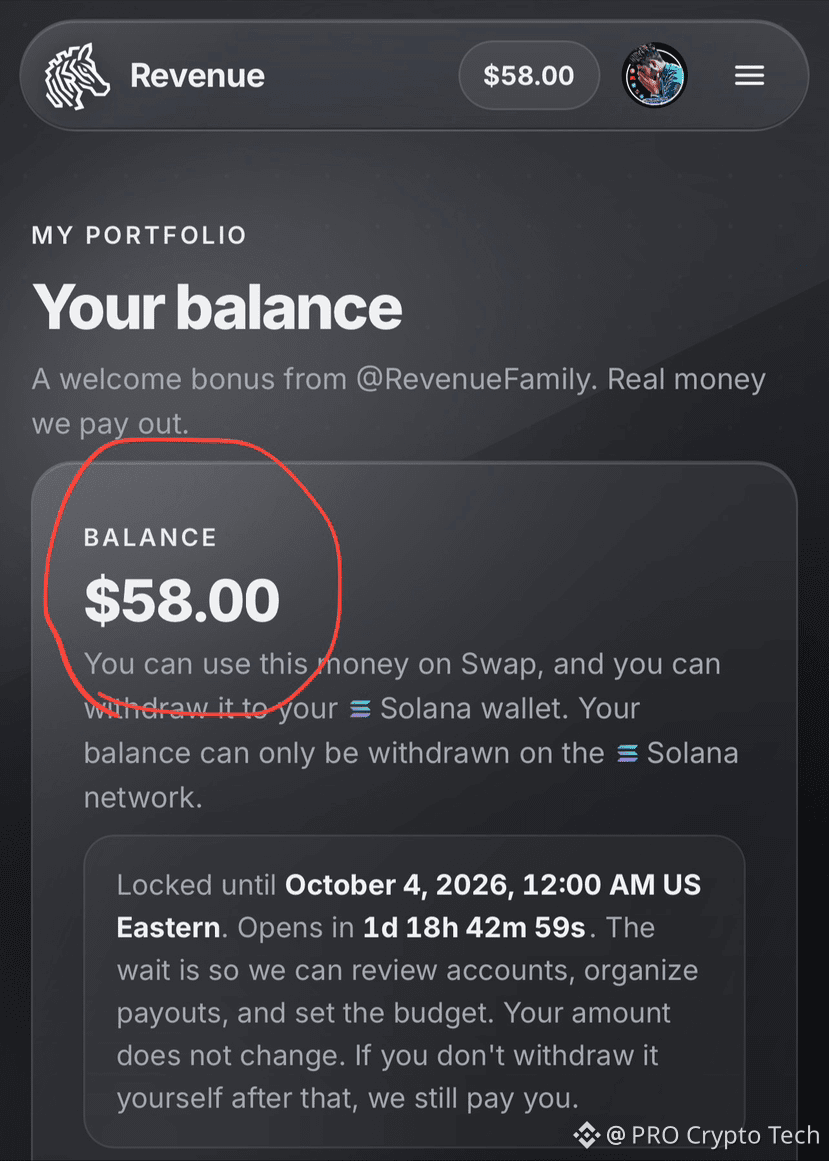
私はちょうど私の58$ Freeエアドロップを獲得しました&これも獲得できますよお…💸
このエアドロップは残りあと1日!急いで、たった1分で簡単なタスクを完了して無料USDCを今すぐ受け取ろう
エアドロップの詳細を私のチャットグループで共有しました
無料のPROアーミーチャットグループをチェックして、今すぐエアドロップに参加 ✅
簡単な無料のお金を見逃さないで 🔶🚀
私はちょうど私の58$ Freeエアドロップを獲得しました&これも獲得できますよお…💸
このエアドロップは残りあと1日!急いで、たった1分で簡単なタスクを完了して無料USDCを今すぐ受け取ろう
エアドロップの詳細を私のチャットグループで共有しました
無料のPROアーミーチャットグループをチェックして、今すぐエアドロップに参加 ✅
簡単な無料のお金を見逃さないで 🔶🚀
このエアドロップは残りあと1日!急いで、たった1分で簡単なタスクを完了して無料USDCを今すぐ受け取ろう
エアドロップの詳細を私のチャットグループで共有しました
無料のPROアーミーチャットグループをチェックして、今すぐエアドロップに参加 ✅
簡単な無料のお金を見逃さないで 🔶🚀
8
9
2.1k
·
--
ブリッシュ
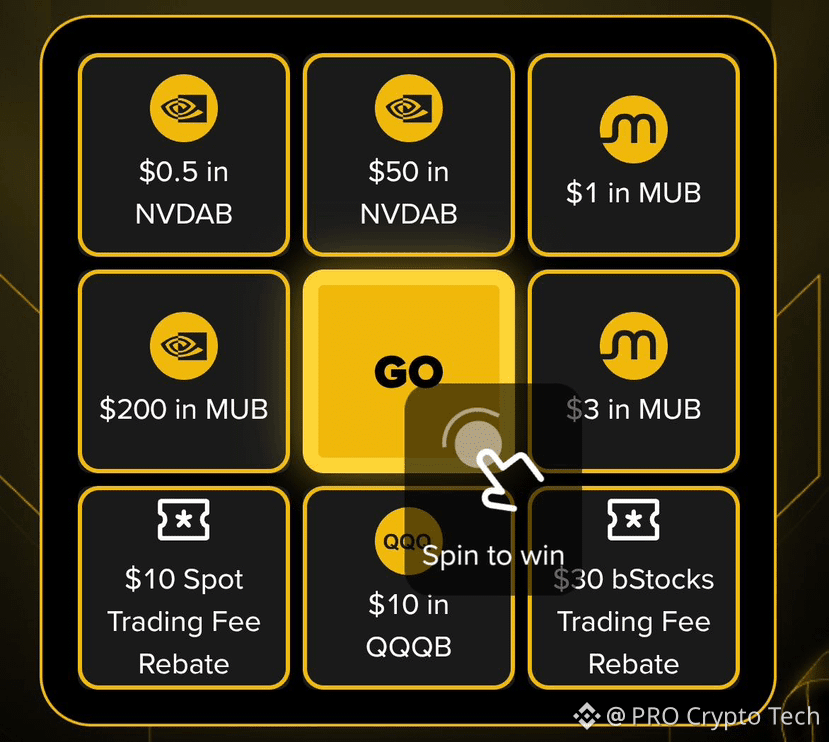
🏷️ Binance の新スピンオファーが公開中! 0.5$ から 200$ の無料を獲得 💸🚀
オファーリンク:👇
[Campaign Link](https://www.binance.com/activity/chance/StocksWelcomeRewards?ref=PRO11) 👈
「Stocks(株式)」へ進み、$5以上の任意の株を購入
スピンを獲得(挑戦)運試し DONE
🏷️ Binance の新スピンオファーが公開中! 0.5$ から 200$ の無料を獲得 💸🚀
オファーリンク:👇
Campaign Link 👈
「Stocks(株式)」へ進み、$5以上の任意の株を購入
スピンを獲得(挑戦)運試し DONE
オファーリンク:👇
Campaign Link 👈
「Stocks(株式)」へ進み、$5以上の任意の株を購入
スピンを獲得(挑戦)運試し DONE
1
4
1.1k
·
--
ブリッシュ
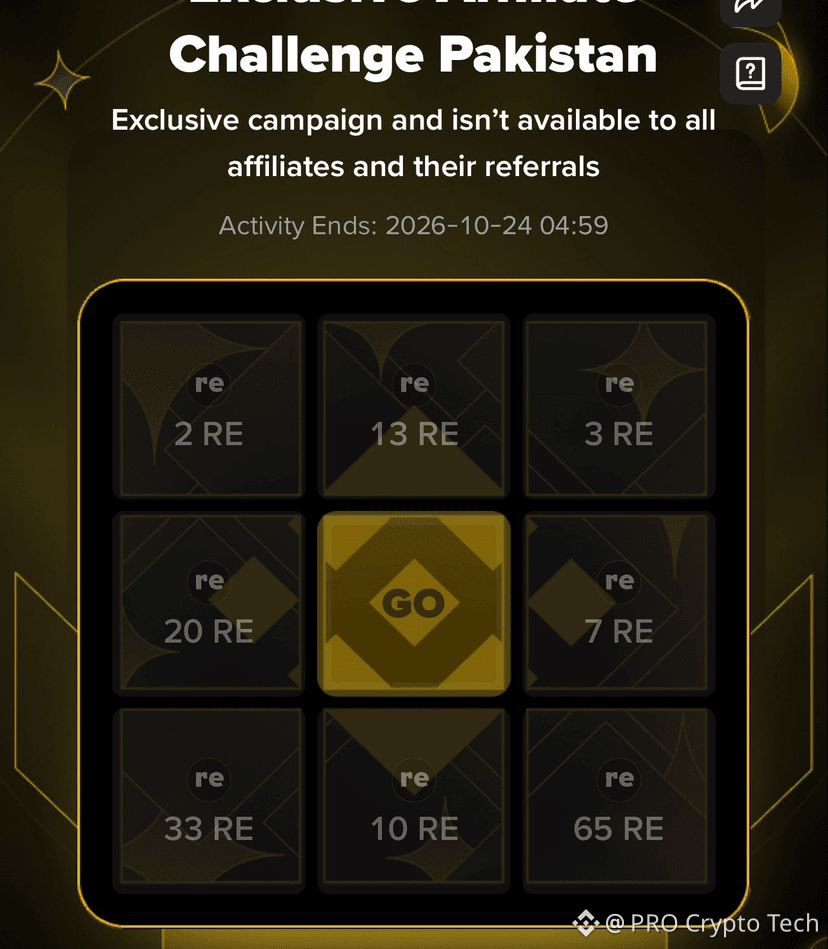
パキスタン 🇵🇰 の #Binance 人向けの良いエアドロップ
Binance で 10$ から 100$ を獲得 💸🎁🧧
シンプルな手順 👇
このリンクで新規アカウントを作成 👉 [Signup Link](https://www.binance.com/activity/chance/ExclusiveSeptemberCampaignforPK?ref=PRO11)
KYC を完了してスピンページへ ⚡️
スピンタスクを完了して無料スピンを獲得
スピンして無料報酬を獲得 🫰🚀
このオファーはパキスタンの新規ユーザーのみ対象です
パキスタン 🇵🇰 の #Binance 人向けの良いエアドロップ
Binance で 10$ から 100$ を獲得 💸🎁🧧
シンプルな手順 👇
このリンクで新規アカウントを作成 👉 Signup Link
KYC を完了してスピンページへ ⚡️
スピンタスクを完了して無料スピンを獲得
スピンして無料報酬を獲得 🫰🚀
このオファーはパキスタンの新規ユーザーのみ対象です
Binance で 10$ から 100$ を獲得 💸🎁🧧
シンプルな手順 👇
このリンクで新規アカウントを作成 👉 Signup Link
KYC を完了してスピンページへ ⚡️
スピンタスクを完了して無料スピンを獲得
スピンして無料報酬を獲得 🫰🚀
このオファーはパキスタンの新規ユーザーのみ対象です
2
1.1k
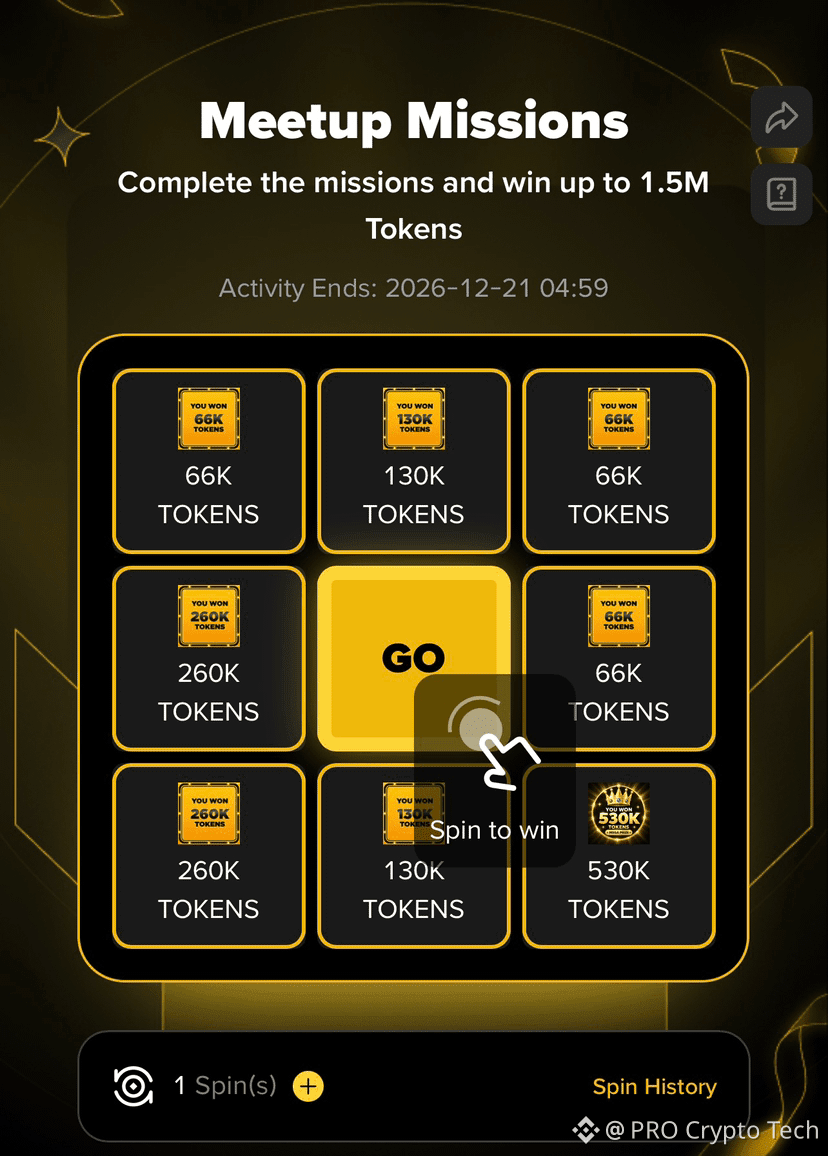
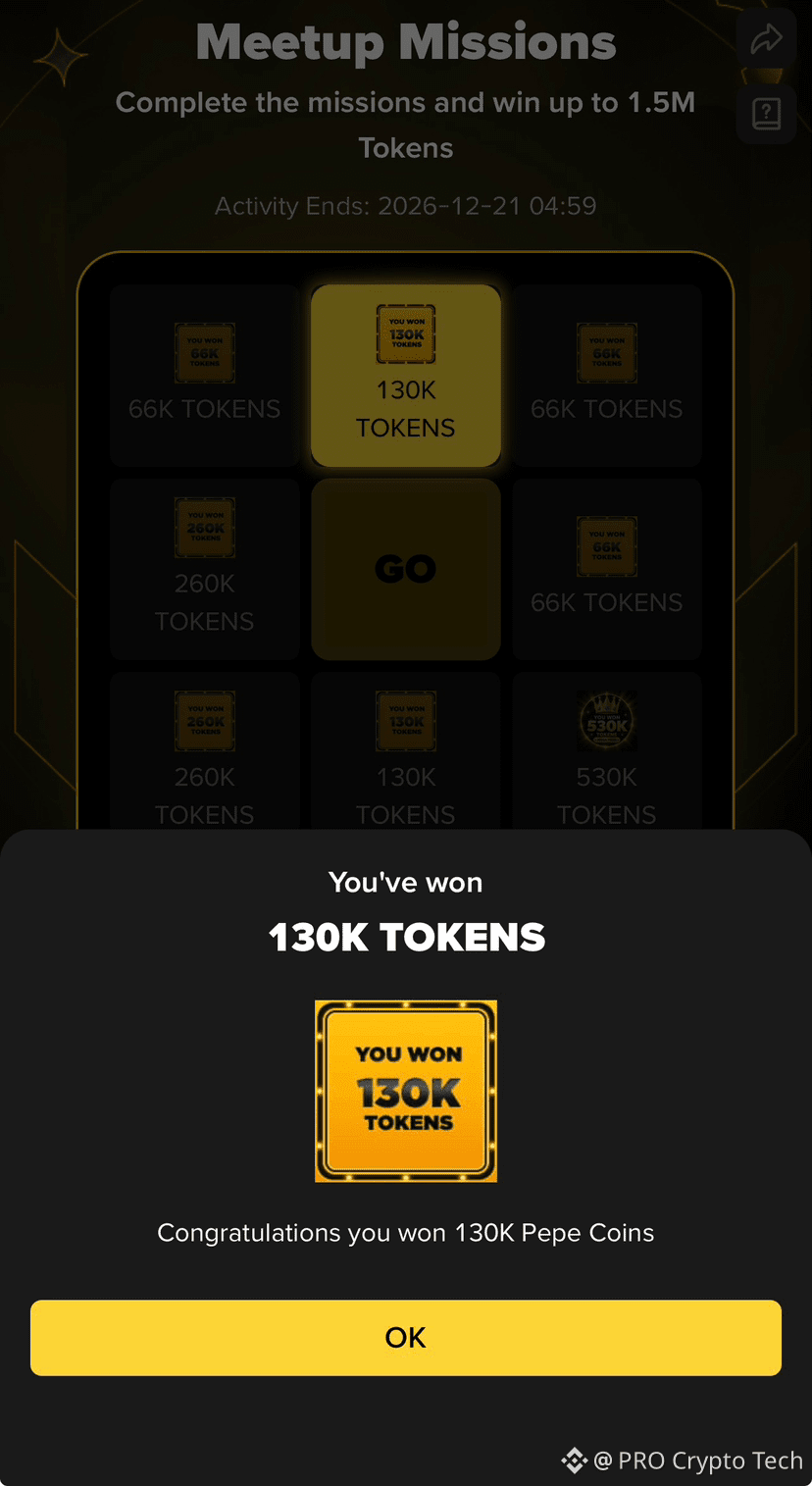
Binance x New Spin イベント — 65k - 500k PEPE トークンを獲得 — すべてのユーザー向け
▶️ イベントリンク :- 👉👉 [Offer Link](https://www.binance.com/activity/chance/meetup-missions?ref=458120350) 👈👈
➡️ 登録 & 変換 5$
➡️ 申請 & スピン
➡️ 完了
Binance x New Spin イベント — 65k - 500k PEPE トークンを獲得 — すべてのユーザー向け
▶️ イベントリンク :- 👉👉 Offer Link 👈👈
➡️ 登録 & 変換 5$
➡️ 申請 & スピン
➡️ 完了
▶️ イベントリンク :- 👉👉 Offer Link 👈👈
➡️ 登録 & 変換 5$
➡️ 申請 & スピン
➡️ 完了
5
3
1.2k
8
1
8
6.1k
·
--
ブリッシュ
図1枚($1~$9)✅
図2枚($10~$99)✅
図3枚($100~$999)✅
図4枚($1,000~$9,999)✅
図5枚($10,000~$99,999)✅
図6枚($100,000~$999,999)⏳
図7枚($1,000,000~$9,999,999)⏳
あなたは??
図1枚($1~$9)✅
図2枚($10~$99)✅
図3枚($100~$999)✅
図4枚($1,000~$9,999)✅
図5枚($10,000~$99,999)✅
図6枚($100,000~$999,999)⏳
図7枚($1,000,000~$9,999,999)⏳
あなたは??
図2枚($10~$99)✅
図3枚($100~$999)✅
図4枚($1,000~$9,999)✅
図5枚($10,000~$99,999)✅
図6枚($100,000~$999,999)⏳
図7枚($1,000,000~$9,999,999)⏳
あなたは??
3
4
3.3k
6
3.5k
ログインして、さらにコンテンツを読む
厳選トピックで世界の暗号資産トレーダーの仲間入り
⚡️ 暗号資産に関する最新かつ有益な情報が見つかります。
💬 世界最大の暗号資産取引所から信頼されています。
👍 認証を受けたクリエイターから、有益なインサイトを得られます。
メール / 電話番号