
浩宇BNB
3k 投稿

浩宇BNB
報告
ユーザーをブロック
Be Polite 🙏
2.1K+ フォロー
10.1K+ フォロワー
5.5K+ いいね
投稿
すべて
引用
ライブ


·
--
翻訳参照
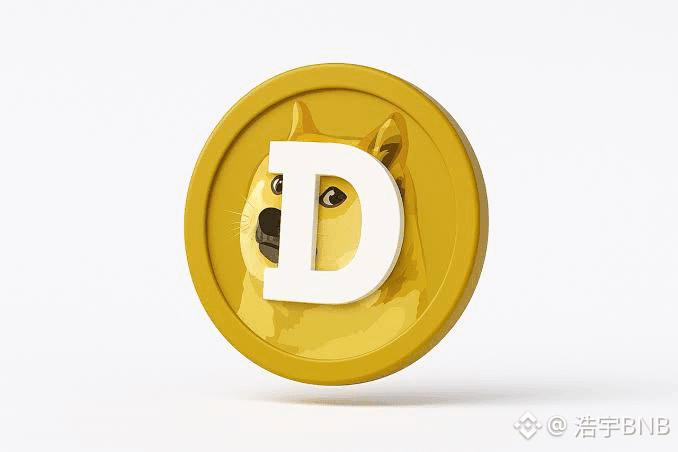
🚨 THE DOGECOIN MEME IS ABOUT TO BECOME REALITY. 🌕🚀
DOGE-1 is scheduled to launch aboard a SpaceX Falcon 9, sending a Dogecoin-funded satellite toward lunar orbit.
But this isn’t simply another “DOGE to the moon” headline.
The mission, developed by Geometric Energy Corporation and funded in DOGE, represents a rare bridge between crypto culture and a real-world commercial space project.
If successfully executed, DOGE-1 could become one of Dogecoin’s strongest cultural milestones—turning a meme that dominated crypto for years into an actual lunar mission.
DOGE started as a joke.
Now the joke is going to the Moon. 🌕
The real question: What happens to the narrative if DOGE-1 succeeds? 😎
$DOGE
{spot}(DOGEUSDT)
🚨 THE DOGECOIN MEME IS ABOUT TO BECOME REALITY. 🌕🚀
DOGE-1 is scheduled to launch aboard a SpaceX Falcon 9, sending a Dogecoin-funded satellite toward lunar orbit.
But this isn’t simply another “DOGE to the moon” headline.
The mission, developed by Geometric Energy Corporation and funded in DOGE, represents a rare bridge between crypto culture and a real-world commercial space project.
If successfully executed, DOGE-1 could become one of Dogecoin’s strongest cultural milestones—turning a meme that dominated crypto for years into an actual lunar mission.
DOGE started as a joke.
Now the joke is going to the Moon. 🌕
The real question: What happens to the narrative if DOGE-1 succeeds? 😎
$DOGE
DOGE-1 is scheduled to launch aboard a SpaceX Falcon 9, sending a Dogecoin-funded satellite toward lunar orbit.
But this isn’t simply another “DOGE to the moon” headline.
The mission, developed by Geometric Energy Corporation and funded in DOGE, represents a rare bridge between crypto culture and a real-world commercial space project.
If successfully executed, DOGE-1 could become one of Dogecoin’s strongest cultural milestones—turning a meme that dominated crypto for years into an actual lunar mission.
DOGE started as a joke.
Now the joke is going to the Moon. 🌕
The real question: What happens to the narrative if DOGE-1 succeeds? 😎
$DOGE
414
1
30
414
·
--
翻訳参照
🚨 LITECOIN MAY BE WAKING UP — AND THE MARKET ISN’T PAYING ATTENTION.
While traders chase the newest narratives, an OG crypto network is quietly processing serious user activity.
⚡ 281,000+ daily active addresses on average in 2026
🔥 Recent peak: ~330,000 addresses/day
That’s not a random one-day spike. If elevated activity persists, it suggests Litecoin is experiencing a meaningful increase in network participation.
But here’s the key:
High activity ≠ automatically bullish price action.
The real confirmation comes from whether active addresses translate into rising transaction demand, capital flows, liquidity and sustained user retention.
If those metrics start aligning, LTC could become one of the most overlooked legacy-crypto narratives of this cycle.
👀 Is Litecoin quietly preparing for a comeback?
$LTC
{spot}(LTCUSDT)
🚨 LITECOIN MAY BE WAKING UP — AND THE MARKET ISN’T PAYING ATTENTION.
While traders chase the newest narratives, an OG crypto network is quietly processing serious user activity.
⚡ 281,000+ daily active addresses on average in 2026
🔥 Recent peak: ~330,000 addresses/day
That’s not a random one-day spike. If elevated activity persists, it suggests Litecoin is experiencing a meaningful increase in network participation.
But here’s the key:
High activity ≠ automatically bullish price action.
The real confirmation comes from whether active addresses translate into rising transaction demand, capital flows, liquidity and sustained user retention.
If those metrics start aligning, LTC could become one of the most overlooked legacy-crypto narratives of this cycle.
👀 Is Litecoin quietly preparing for a comeback?
$LTC
While traders chase the newest narratives, an OG crypto network is quietly processing serious user activity.
⚡ 281,000+ daily active addresses on average in 2026
🔥 Recent peak: ~330,000 addresses/day
That’s not a random one-day spike. If elevated activity persists, it suggests Litecoin is experiencing a meaningful increase in network participation.
But here’s the key:
High activity ≠ automatically bullish price action.
The real confirmation comes from whether active addresses translate into rising transaction demand, capital flows, liquidity and sustained user retention.
If those metrics start aligning, LTC could become one of the most overlooked legacy-crypto narratives of this cycle.
👀 Is Litecoin quietly preparing for a comeback?
$LTC
2
1
218
·
--
翻訳参照
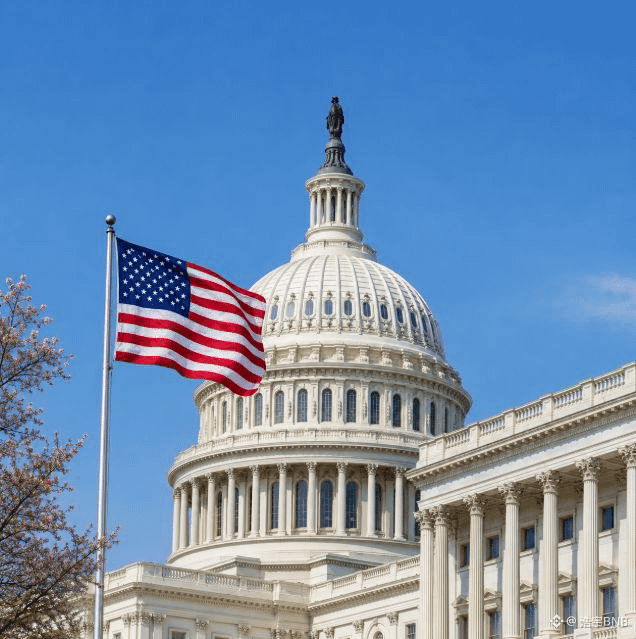
🇺🇸 CLARITY ACT ENTERS ITS DECISIVE MOMENT
The latest Senate Republican draft is less about rewriting crypto policy—and more about building the coalition needed to pass it.
The strategic shift is clear: Republicans are conceding ground where Democratic support is essential while preserving the bill’s broader market-structure framework.
DeFi: BRCA protections are being narrowed, signaling that Congress wants innovation safeguards without creating a blanket escape from AML and enforcement rules.
Stablecoins: The proposed “circuit breaker” addresses a systemic concern—whether yield-bearing stablecoins could accelerate deposit migration from community banks.
Agriculture: Stronger guardrails around vertical integration and affiliate trading indicate Congress is treating digital commodities as part of broader market-structure reform.
Ethics: The reported 80% agreement could be the most politically important concession, potentially removing a major obstacle to Democratic votes.
But the key variable remains unchanged: 60 votes.
If Tuesday’s cloture vote succeeds, CLARITY moves from political negotiation toward implementation risk—where the real fight over SEC/CFTC jurisdiction, DeFi classification and stablecoin economics begins.
This is no longer simply a crypto bill.
It is a test of whether Washington can establish a durable regulatory architecture for the next phase of digital-asset markets.😎
$BTC
{spot}(BTCUSDT)
$SPCX
{future}(SPCXUSDT)
$XRP
{spot}(XRPUSDT)
🇺🇸 CLARITY ACT ENTERS ITS DECISIVE MOMENT
The latest Senate Republican draft is less about rewriting crypto policy—and more about building the coalition needed to pass it.
The strategic shift is clear: Republicans are conceding ground where Democratic support is essential while preserving the bill’s broader market-structure framework.
DeFi: BRCA protections are being narrowed, signaling that Congress wants innovation safeguards without creating a blanket escape from AML and enforcement rules.
Stablecoins: The proposed “circuit breaker” addresses a systemic concern—whether yield-bearing stablecoins could accelerate deposit migration from community banks.
Agriculture: Stronger guardrails around vertical integration and affiliate trading indicate Congress is treating digital commodities as part of broader market-structure reform.
Ethics: The reported 80% agreement could be the most politically important concession, potentially removing a major obstacle to Democratic votes.
But the key variable remains unchanged: 60 votes.
If Tuesday’s cloture vote succeeds, CLARITY moves from political negotiation toward implementation risk—where the real fight over SEC/CFTC jurisdiction, DeFi classification and stablecoin economics begins.
This is no longer simply a crypto bill.
It is a test of whether Washington can establish a durable regulatory architecture for the next phase of digital-asset markets.😎
$BTC
$SPCX
$XRP
The latest Senate Republican draft is less about rewriting crypto policy—and more about building the coalition needed to pass it.
The strategic shift is clear: Republicans are conceding ground where Democratic support is essential while preserving the bill’s broader market-structure framework.
DeFi: BRCA protections are being narrowed, signaling that Congress wants innovation safeguards without creating a blanket escape from AML and enforcement rules.
Stablecoins: The proposed “circuit breaker” addresses a systemic concern—whether yield-bearing stablecoins could accelerate deposit migration from community banks.
Agriculture: Stronger guardrails around vertical integration and affiliate trading indicate Congress is treating digital commodities as part of broader market-structure reform.
Ethics: The reported 80% agreement could be the most politically important concession, potentially removing a major obstacle to Democratic votes.
But the key variable remains unchanged: 60 votes.
If Tuesday’s cloture vote succeeds, CLARITY moves from political negotiation toward implementation risk—where the real fight over SEC/CFTC jurisdiction, DeFi classification and stablecoin economics begins.
This is no longer simply a crypto bill.
It is a test of whether Washington can establish a durable regulatory architecture for the next phase of digital-asset markets.😎
$BTC
$SPCX
$XRP
1
164
·
--
🚀 スペースAIは現実に一歩近づきました。
イーロン・マスクは、2027年にスペースXが「Starmind(スター マインド)」構想のもとで、NVIDIA搭載のAIコンピュータを軌道上へ打ち上げることについて「非常に確信している」と述べています。
大きなポイントは、単にGPUを宇宙に置くことではありません。地上のエネルギーや立地の制約を回避しつつ、大規模な衛星コンピュート能力への需要を生み出し得る、まったく新しい計算基盤を構築することです。
$NVDA にとっては、これは新しいハードウェア市場を開く可能性があります。$SPCX にとっては、AI+宇宙という論旨がさらに強まります。
AIレースは地球から離れつつあるかもしれません。🌎➡️🛰️
$SPCX
{future}(SPCXUSDT)
🚀 スペースAIは現実に一歩近づきました。
イーロン・マスクは、2027年にスペースXが「Starmind(スター マインド)」構想のもとで、NVIDIA搭載のAIコンピュータを軌道上へ打ち上げることについて「非常に確信している」と述べています。
大きなポイントは、単にGPUを宇宙に置くことではありません。地上のエネルギーや立地の制約を回避しつつ、大規模な衛星コンピュート能力への需要を生み出し得る、まったく新しい計算基盤を構築することです。
$NVDA にとっては、これは新しいハードウェア市場を開く可能性があります。$SPCX にとっては、AI+宇宙という論旨がさらに強まります。
AIレースは地球から離れつつあるかもしれません。🌎➡️🛰️
$SPCX
イーロン・マスクは、2027年にスペースXが「Starmind(スター マインド)」構想のもとで、NVIDIA搭載のAIコンピュータを軌道上へ打ち上げることについて「非常に確信している」と述べています。
大きなポイントは、単にGPUを宇宙に置くことではありません。地上のエネルギーや立地の制約を回避しつつ、大規模な衛星コンピュート能力への需要を生み出し得る、まったく新しい計算基盤を構築することです。
$NVDA にとっては、これは新しいハードウェア市場を開く可能性があります。$SPCX にとっては、AI+宇宙という論旨がさらに強まります。
AIレースは地球から離れつつあるかもしれません。🌎➡️🛰️
$SPCX

1
257
·
--
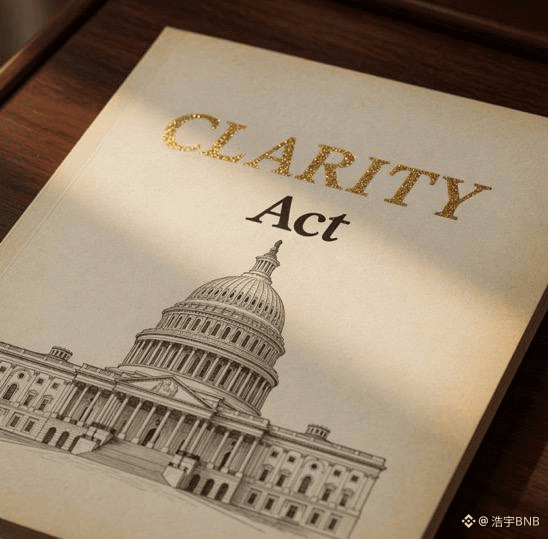
🚨 次の暗号資産の“カタリスト”はここにある? 🇺🇸🔥
来週はデジタル資産にとって大きな転機になり得ます。
9月15日:上院の「CLARITY法案」の手続き投票が、米国が包括的な暗号資産規制に近づくかどうかを左右する可能性があります。
なぜ市場にとって重要? 規制の明確化=不確実性の低下。 不確実性が下がれば、機関投資家、銀行、大手企業がデジタル資産により多くの資本を投入しやすくなることがあります。
政治的な膠着状態が破れれば、物語は「規制リスク」から「米国での暗号資産採用」へとシフトするかもしれません。
それはラリー(上昇)を保証しませんが、強力な強気相場のカタリストになり得ます。 🚀
$LSK
{spot}(LSKUSDT)
$ARK
{spot}(ARKUSDT)
$CVC
{spot}(CVCUSDT)
🚨 次の暗号資産の“カタリスト”はここにある? 🇺🇸🔥
来週はデジタル資産にとって大きな転機になり得ます。
9月15日:上院の「CLARITY法案」の手続き投票が、米国が包括的な暗号資産規制に近づくかどうかを左右する可能性があります。
なぜ市場にとって重要? 規制の明確化=不確実性の低下。 不確実性が下がれば、機関投資家、銀行、大手企業がデジタル資産により多くの資本を投入しやすくなることがあります。
政治的な膠着状態が破れれば、物語は「規制リスク」から「米国での暗号資産採用」へとシフトするかもしれません。
それはラリー(上昇)を保証しませんが、強力な強気相場のカタリストになり得ます。 🚀
$LSK
$ARK
$CVC
来週はデジタル資産にとって大きな転機になり得ます。
9月15日:上院の「CLARITY法案」の手続き投票が、米国が包括的な暗号資産規制に近づくかどうかを左右する可能性があります。
なぜ市場にとって重要? 規制の明確化=不確実性の低下。 不確実性が下がれば、機関投資家、銀行、大手企業がデジタル資産により多くの資本を投入しやすくなることがあります。
政治的な膠着状態が破れれば、物語は「規制リスク」から「米国での暗号資産採用」へとシフトするかもしれません。
それはラリー(上昇)を保証しませんが、強力な強気相場のカタリストになり得ます。 🚀
$LSK
$ARK
$CVC
451
24
451
·
--
🚨 暗号に強気のシグナル 🇺🇸🔥
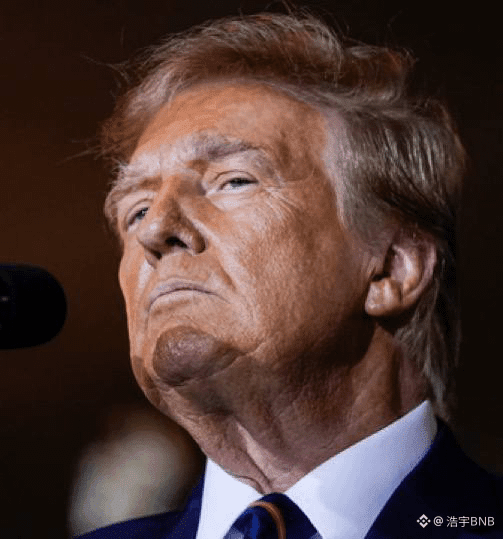
トランプ氏は金曜、CLARITY法案の倫理規定について協議するため顧問らと会談したと報じられており、交渉はいま、9月15日に向けた重要な上院での採決に近づいています。
そう、政治的な戦いは激しい――しかし、だからこそこの瞬間が重要なのです。
議員が妥協に到達し、法案が前進すれば、米国はデジタル資産に対するより明確な規制枠組みに一歩近づく可能性があります。そうなれば、機関投資家の資金が動きやすくなり、事業者の信頼が高まり、暗号の普及が加速するかもしれません。
市場は規制の明確さにより活気づきます。
CLARITYが可決されれば、これは次の米国における暗号の拡大に向けた大きな起爆剤になり得ます。🚀
$BTC
{spot}(BTCUSDT)
$AAPL.US
{stock_us}(AAPL.US)
$MEME
{spot}(MEMEUSDT)
🚨 暗号に強気のシグナル 🇺🇸🔥
トランプ氏は金曜、CLARITY法案の倫理規定について協議するため顧問らと会談したと報じられており、交渉はいま、9月15日に向けた重要な上院での採決に近づいています。
そう、政治的な戦いは激しい――しかし、だからこそこの瞬間が重要なのです。
議員が妥協に到達し、法案が前進すれば、米国はデジタル資産に対するより明確な規制枠組みに一歩近づく可能性があります。そうなれば、機関投資家の資金が動きやすくなり、事業者の信頼が高まり、暗号の普及が加速するかもしれません。
市場は規制の明確さにより活気づきます。
CLARITYが可決されれば、これは次の米国における暗号の拡大に向けた大きな起爆剤になり得ます。🚀
$BTC
$AAPL.US
$MEME
トランプ氏は金曜、CLARITY法案の倫理規定について協議するため顧問らと会談したと報じられており、交渉はいま、9月15日に向けた重要な上院での採決に近づいています。
そう、政治的な戦いは激しい――しかし、だからこそこの瞬間が重要なのです。
議員が妥協に到達し、法案が前進すれば、米国はデジタル資産に対するより明確な規制枠組みに一歩近づく可能性があります。そうなれば、機関投資家の資金が動きやすくなり、事業者の信頼が高まり、暗号の普及が加速するかもしれません。
市場は規制の明確さにより活気づきます。
CLARITYが可決されれば、これは次の米国における暗号の拡大に向けた大きな起爆剤になり得ます。🚀
$BTC
$AAPL.US
$MEME
4
1.5k
·
--
🚨 ビットコイン「ゴールデンクロス」:強気のブレイクアウトか?それとも誤信号か? 📈
ビットコインは公式に新たなテクニカル局面へ進入しました。50日移動平均が200日移動平均を上抜け、ゴールデンクロスが形成されたのです。
一見すると強気材料です。しかし経験豊富なトレーダーなら、クロスそのものは始まりに過ぎず——確認ではないことを知っています。
真の焦点は、BTCが重要なレジスタンスの上で勢いを維持できるか、高値を切り上げる形で週足の安値を構築できるか、そして強い現物需要を引き寄せられるかどうかです。
これらの条件が揃うなら、このゴールデンクロスは、より大規模なトレンド転換の土台になり得ます。ですが値動きがついてこなければ、過去の記録が示す通り、このシグナルはすぐに“強気の罠”へと変わる可能性があります。
指標がシグナルを出す。
値動きが確認する。
私たちはビットコインの次の大きな拡大の始まりを見ているのか——それとも別のフェイクアウトか? 👀🚀
$BTC
{spot}(BTCUSDT)
$DOGS
{spot}(DOGSUSDT)
$APU
{alpha}(10x594daad7d77592a2b97b725a7ad59d7e188b5bfa)
🚨 ビットコイン「ゴールデンクロス」:強気のブレイクアウトか?それとも誤信号か? 📈
ビットコインは公式に新たなテクニカル局面へ進入しました。50日移動平均が200日移動平均を上抜け、ゴールデンクロスが形成されたのです。
一見すると強気材料です。しかし経験豊富なトレーダーなら、クロスそのものは始まりに過ぎず——確認ではないことを知っています。
真の焦点は、BTCが重要なレジスタンスの上で勢いを維持できるか、高値を切り上げる形で週足の安値を構築できるか、そして強い現物需要を引き寄せられるかどうかです。
これらの条件が揃うなら、このゴールデンクロスは、より大規模なトレンド転換の土台になり得ます。ですが値動きがついてこなければ、過去の記録が示す通り、このシグナルはすぐに“強気の罠”へと変わる可能性があります。
指標がシグナルを出す。
値動きが確認する。
私たちはビットコインの次の大きな拡大の始まりを見ているのか——それとも別のフェイクアウトか? 👀🚀
$BTC
$DOGS
$APU
ビットコインは公式に新たなテクニカル局面へ進入しました。50日移動平均が200日移動平均を上抜け、ゴールデンクロスが形成されたのです。
一見すると強気材料です。しかし経験豊富なトレーダーなら、クロスそのものは始まりに過ぎず——確認ではないことを知っています。
真の焦点は、BTCが重要なレジスタンスの上で勢いを維持できるか、高値を切り上げる形で週足の安値を構築できるか、そして強い現物需要を引き寄せられるかどうかです。
これらの条件が揃うなら、このゴールデンクロスは、より大規模なトレンド転換の土台になり得ます。ですが値動きがついてこなければ、過去の記録が示す通り、このシグナルはすぐに“強気の罠”へと変わる可能性があります。
指標がシグナルを出す。
値動きが確認する。
私たちはビットコインの次の大きな拡大の始まりを見ているのか——それとも別のフェイクアウトか? 👀🚀
$BTC
$DOGS
$APU
1
137
·
--
一部該当
🚨 ソラナが突如オーバードライブに突入。
ソラナはついに週次10億件の取引を突破し、新たな史上最高値(ATH)を更新しました。🔥
これは単なるマイルストーンではありません。オンチェーンでの活動がどれだけ強烈にスケールしているかを示しています。
低手数料 + 圧倒的な処理能力 + 伸び続けるDeFi、決済、ステーブルコイン、そして取引活動 = 強力な導入の加速装置(アダプション・フライホイール)。
市場はSOLの価格に注目しているかもしれません。
しかし、より大きなシグナルはネットワーク利用です。😎
$SOL
{spot}(SOLUSDT)
🚨 ソラナが突如オーバードライブに突入。
ソラナはついに週次10億件の取引を突破し、新たな史上最高値(ATH)を更新しました。🔥
これは単なるマイルストーンではありません。オンチェーンでの活動がどれだけ強烈にスケールしているかを示しています。
低手数料 + 圧倒的な処理能力 + 伸び続けるDeFi、決済、ステーブルコイン、そして取引活動 = 強力な導入の加速装置(アダプション・フライホイール)。
市場はSOLの価格に注目しているかもしれません。
しかし、より大きなシグナルはネットワーク利用です。😎
$SOL
ソラナはついに週次10億件の取引を突破し、新たな史上最高値(ATH)を更新しました。🔥
これは単なるマイルストーンではありません。オンチェーンでの活動がどれだけ強烈にスケールしているかを示しています。
低手数料 + 圧倒的な処理能力 + 伸び続けるDeFi、決済、ステーブルコイン、そして取引活動 = 強力な導入の加速装置(アダプション・フライホイール)。
市場はSOLの価格に注目しているかもしれません。
しかし、より大きなシグナルはネットワーク利用です。😎
$SOL

519
31
519
·
--
🇨🇦 カナダが銀行にブロックチェーンの「許可」を出した 🚨
カナダの銀行規制当局OSFIは、トークン化された預金は、ブロックチェーン上で表現されていても、銀行預金として扱えることを明確にしました。
なぜ重要なのでしょう? 👇
これにより、従来の銀行が新しい法的な資産区分をまったく作らずに、預金をオンチェーン上で移動できる可能性があります。結果として、プログラム可能なお金、より速い決済、効率的なデジタル決済が実現し得ます。
しかし本当のシグナルは規制です。ブロックチェーンは、既存の金融システムにますます統合されつつあり、そこから外側に位置付けられているわけではありません。
🏦 銀行 + ⛓️ ブロックチェーン = 追うべき大きなトレンド。
トークン化の競争が現実になってきています。 🔥
$BTC
{spot}(BTCUSDT)
$ETH
{spot}(ETHUSDT)
$ZEC
{spot}(ZECUSDT)
🇨🇦 カナダが銀行にブロックチェーンの「許可」を出した 🚨
カナダの銀行規制当局OSFIは、トークン化された預金は、ブロックチェーン上で表現されていても、銀行預金として扱えることを明確にしました。
なぜ重要なのでしょう? 👇
これにより、従来の銀行が新しい法的な資産区分をまったく作らずに、預金をオンチェーン上で移動できる可能性があります。結果として、プログラム可能なお金、より速い決済、効率的なデジタル決済が実現し得ます。
しかし本当のシグナルは規制です。ブロックチェーンは、既存の金融システムにますます統合されつつあり、そこから外側に位置付けられているわけではありません。
🏦 銀行 + ⛓️ ブロックチェーン = 追うべき大きなトレンド。
トークン化の競争が現実になってきています。 🔥
$BTC
$ETH
$ZEC
カナダの銀行規制当局OSFIは、トークン化された預金は、ブロックチェーン上で表現されていても、銀行預金として扱えることを明確にしました。
なぜ重要なのでしょう? 👇
これにより、従来の銀行が新しい法的な資産区分をまったく作らずに、預金をオンチェーン上で移動できる可能性があります。結果として、プログラム可能なお金、より速い決済、効率的なデジタル決済が実現し得ます。
しかし本当のシグナルは規制です。ブロックチェーンは、既存の金融システムにますます統合されつつあり、そこから外側に位置付けられているわけではありません。
🏦 銀行 + ⛓️ ブロックチェーン = 追うべき大きなトレンド。
トークン化の競争が現実になってきています。 🔥
$BTC
$ETH
$ZEC
1
112
·
--
🚨 米国のインフレがついに暗号資産に警告を発した
🇺🇸 CPIは3.4%で張り付いたまま——ただし、見出しは本当の話ではありません。
月次インフレは0.4%に加速し、物価圧力はまだ生きていることを示しています。
なぜ暗号資産トレーダーは気にすべき?👇
🔥 粘着質なインフレ = 「高止まりが続く」リスク\
💵 強いドルはBTCに圧力\
📉 締まった流動性はアルトコインに最も打撃\
🚀 しかし、FRBがハト派へ転じれば強力な暗号資産ラリーが解き放たれる可能性
次のBTCの値動きは、CPIそのものよりも—FRBの反応次第かもしれません。
CPI → FRB → 金利(Yields)→ ドル → BTCを監視。😎
$BTC
{spot}(BTCUSDT)
$XMR
{future}(XMRUSDT)
🚨 米国のインフレがついに暗号資産に警告を発した
🇺🇸 CPIは3.4%で張り付いたまま——ただし、見出しは本当の話ではありません。
月次インフレは0.4%に加速し、物価圧力はまだ生きていることを示しています。
なぜ暗号資産トレーダーは気にすべき?👇
🔥 粘着質なインフレ = 「高止まりが続く」リスク\
💵 強いドルはBTCに圧力\
📉 締まった流動性はアルトコインに最も打撃\
🚀 しかし、FRBがハト派へ転じれば強力な暗号資産ラリーが解き放たれる可能性
次のBTCの値動きは、CPIそのものよりも—FRBの反応次第かもしれません。
CPI → FRB → 金利(Yields)→ ドル → BTCを監視。😎
$BTC
$XMR
🇺🇸 CPIは3.4%で張り付いたまま——ただし、見出しは本当の話ではありません。
月次インフレは0.4%に加速し、物価圧力はまだ生きていることを示しています。
なぜ暗号資産トレーダーは気にすべき?👇
🔥 粘着質なインフレ = 「高止まりが続く」リスク\
💵 強いドルはBTCに圧力\
📉 締まった流動性はアルトコインに最も打撃\
🚀 しかし、FRBがハト派へ転じれば強力な暗号資産ラリーが解き放たれる可能性
次のBTCの値動きは、CPIそのものよりも—FRBの反応次第かもしれません。
CPI → FRB → 金利(Yields)→ ドル → BTCを監視。😎
$BTC
$XMR
2
188
·
--
🇺🇸 明確化法(CLARITY Act)は、米国の暗号資産市場にとって大きな転機になり得ます。
ホワイトハウスの暗号資産顧問パトリック・ウィット氏は、上院において共和党・民主党の双方に対し、CLARITY Actを前進させることを支持するよう促しました。
重要日:2026年9月15日
重要な点として、この採決だけで法案がそのまま法律として成立するわけではありません。代わりに、それは、同法案を上院で正式に前進させられるかどうかを決める手続き上のステップです。
最終的に成立した場合、CLARITY Actはデジタル資産に関するより明確な規制枠組みを確立し、SECとCFTCの管轄に関する不確実性を減らす可能性があります。
暗号資産にとっては、規制の明確化が機関投資家の信頼を高め、イノベーションや資本の流入につながる可能性があります。
9月15日は、米国の暗号資産規制にとって重要な節目になり得ます。😎
$ETH
{spot}(ETHUSDT)
$BTC
{spot}(BTCUSDT)
$ZEC
{spot}(ZECUSDT)
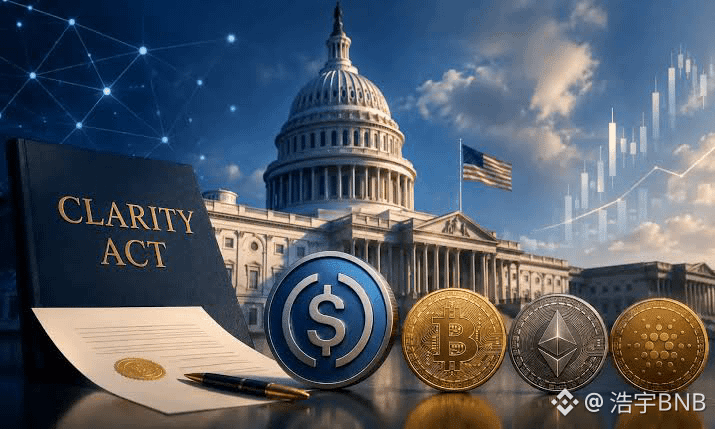
🇺🇸 明確化法(CLARITY Act)は、米国の暗号資産市場にとって大きな転機になり得ます。
ホワイトハウスの暗号資産顧問パトリック・ウィット氏は、上院において共和党・民主党の双方に対し、CLARITY Actを前進させることを支持するよう促しました。
重要日:2026年9月15日
重要な点として、この採決だけで法案がそのまま法律として成立するわけではありません。代わりに、それは、同法案を上院で正式に前進させられるかどうかを決める手続き上のステップです。
最終的に成立した場合、CLARITY Actはデジタル資産に関するより明確な規制枠組みを確立し、SECとCFTCの管轄に関する不確実性を減らす可能性があります。
暗号資産にとっては、規制の明確化が機関投資家の信頼を高め、イノベーションや資本の流入につながる可能性があります。
9月15日は、米国の暗号資産規制にとって重要な節目になり得ます。😎
$ETH
$BTC
$ZEC
ホワイトハウスの暗号資産顧問パトリック・ウィット氏は、上院において共和党・民主党の双方に対し、CLARITY Actを前進させることを支持するよう促しました。
重要日:2026年9月15日
重要な点として、この採決だけで法案がそのまま法律として成立するわけではありません。代わりに、それは、同法案を上院で正式に前進させられるかどうかを決める手続き上のステップです。
最終的に成立した場合、CLARITY Actはデジタル資産に関するより明確な規制枠組みを確立し、SECとCFTCの管轄に関する不確実性を減らす可能性があります。
暗号資産にとっては、規制の明確化が機関投資家の信頼を高め、イノベーションや資本の流入につながる可能性があります。
9月15日は、米国の暗号資産規制にとって重要な節目になり得ます。😎
$ETH
$BTC
$ZEC
835
22
835
·
--
最高のエントリーは、上限や下限を当てることから生まれることはめったにありません。ボラティリティが到来する前に、自分のレベルを把握していることから生まれます。
私は、次のような下げ余地(ディップゾーン)を注視しています:
NBIS $200
PLTR $160
SPCX $140
BE $237
SNOW $280
NET $260
MU $940
SNDK $1,500
TSLA $320。
これらは価格予測ではありません。市場がさらに深い押し目をもたらした場合に、リスク/リターンの魅力が大きく高まる可能性があるゾーンです。
本当の優位性は準備にあります。感情が支配する前に、バリュエーション、流動性、そして確信度を定義しましょう。もし価格がこれらの水準に到達しなければ、それで問題ありません。ですが、恐怖がチャンスを生むのなら、計画はすでに書かれています。
幸手(忍耐)もまた、ポジションです。😎
$SNDKB
{spot}(SNDKBUSDT)
$TSLAB
{spot}(TSLABUSDT)
$SPCXB
{spot}(SPCXBUSDT)
最高のエントリーは、上限や下限を当てることから生まれることはめったにありません。ボラティリティが到来する前に、自分のレベルを把握していることから生まれます。
私は、次のような下げ余地(ディップゾーン)を注視しています:
NBIS $200
PLTR $160
SPCX $140
BE $237
SNOW $280
NET $260
MU $940
SNDK $1,500
TSLA $320。
これらは価格予測ではありません。市場がさらに深い押し目をもたらした場合に、リスク/リターンの魅力が大きく高まる可能性があるゾーンです。
本当の優位性は準備にあります。感情が支配する前に、バリュエーション、流動性、そして確信度を定義しましょう。もし価格がこれらの水準に到達しなければ、それで問題ありません。ですが、恐怖がチャンスを生むのなら、計画はすでに書かれています。
幸手(忍耐)もまた、ポジションです。😎
$SNDKB
$TSLAB
$SPCXB
私は、次のような下げ余地(ディップゾーン)を注視しています:
NBIS $200
PLTR $160
SPCX $140
BE $237
SNOW $280
NET $260
MU $940
SNDK $1,500
TSLA $320。
これらは価格予測ではありません。市場がさらに深い押し目をもたらした場合に、リスク/リターンの魅力が大きく高まる可能性があるゾーンです。
本当の優位性は準備にあります。感情が支配する前に、バリュエーション、流動性、そして確信度を定義しましょう。もし価格がこれらの水準に到達しなければ、それで問題ありません。ですが、恐怖がチャンスを生むのなら、計画はすでに書かれています。
幸手(忍耐)もまた、ポジションです。😎
$SNDKB
$TSLAB
$SPCXB
11
9
983
·
--
🇺🇸 トランプの5,000ドル「配当」:実際に分かっていること
ドナルド・トランプは、11月の中間選挙で共和党が上下両院の支配を維持すれば、すべての成人アメリカ国民に5,000ドルの配当を支給すると約束しています。
トランプ氏は、この資金は米国内で使う必要があると言いました。ただし現状では、これは承認済みの政府支給制度ではなく、政治的な公約です。資金がどのように賄われるのか、またどのように実施されるのかについては説明されていません。
潜在的な受給者は2億人超のため、総額は1兆ドルを超える可能性があります。暗号資産投資家にとっての主要な疑問は、こうした支出が経済の流動性、インフレ期待、そして最終的なリスク選好を高めることにつながるのかどうかです。😎
$BTC
{spot}(BTCUSDT)
$ETH
{spot}(ETHUSDT)
$APU
{alpha}(10x594daad7d77592a2b97b725a7ad59d7e188b5bfa)
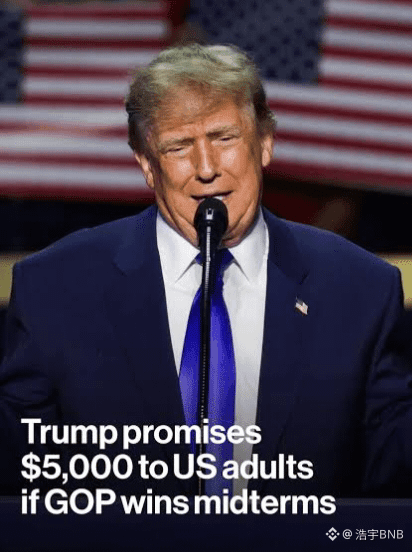
🇺🇸 トランプの5,000ドル「配当」:実際に分かっていること
ドナルド・トランプは、11月の中間選挙で共和党が上下両院の支配を維持すれば、すべての成人アメリカ国民に5,000ドルの配当を支給すると約束しています。
トランプ氏は、この資金は米国内で使う必要があると言いました。ただし現状では、これは承認済みの政府支給制度ではなく、政治的な公約です。資金がどのように賄われるのか、またどのように実施されるのかについては説明されていません。
潜在的な受給者は2億人超のため、総額は1兆ドルを超える可能性があります。暗号資産投資家にとっての主要な疑問は、こうした支出が経済の流動性、インフレ期待、そして最終的なリスク選好を高めることにつながるのかどうかです。😎
$BTC
$ETH
$APU
ドナルド・トランプは、11月の中間選挙で共和党が上下両院の支配を維持すれば、すべての成人アメリカ国民に5,000ドルの配当を支給すると約束しています。
トランプ氏は、この資金は米国内で使う必要があると言いました。ただし現状では、これは承認済みの政府支給制度ではなく、政治的な公約です。資金がどのように賄われるのか、またどのように実施されるのかについては説明されていません。
潜在的な受給者は2億人超のため、総額は1兆ドルを超える可能性があります。暗号資産投資家にとっての主要な疑問は、こうした支出が経済の流動性、インフレ期待、そして最終的なリスク選好を高めることにつながるのかどうかです。😎
$BTC
$ETH
$APU
4
247
·
--
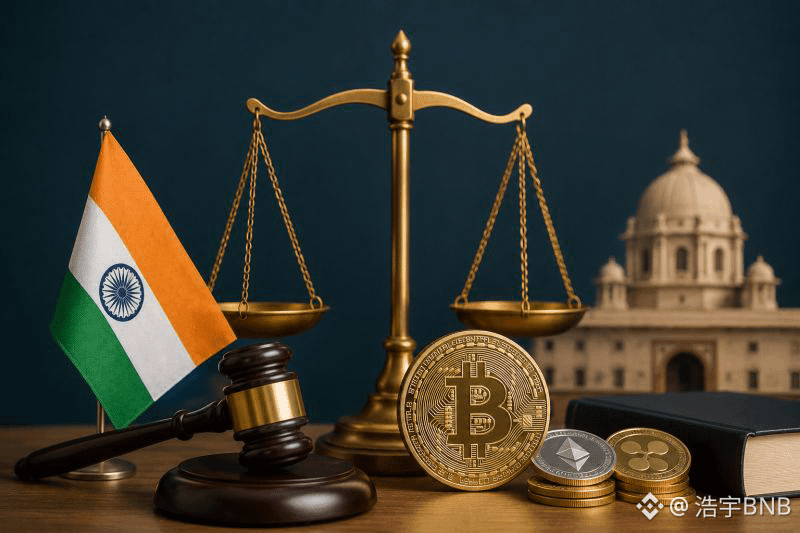
🚨 インドの暗号資産規制:9月16日が重要な理由 🇮🇳
インドの暗号資産(クリプト)業界は、9月16日に向けて重要な政策協議が行われようとしています。財務省が、国のデジタル資産を規制するための同国の方針について議論するため、議会の委員会に出席する見通しです。
重要な論点は、単に「合法か違法か」という問いを超えています。
🔹 暗号資産を監督すべき規制当局はどこか
🔹 資産は機能とリスクで分類すべきか
🔹 インドで稼働する海外取引所を、コンプライアンス規則の対象にどう組み込むべきか
投資家にとって、これはインドの次の規制枠組みがどちらへ向かうのかを示すシグナルになり得ます。
⚠️ これは新しい暗号資産法の発表ではありませんが、委員会での議論はインドの規制ロードマップに関する貴重な手がかりを与える可能性があります。
9月16日は、インドの暗号資産市場にとって重要な日付になるかもしれません。 🇮🇳🔥
$BTC
{spot}(BTCUSDT)
$XRP
{spot}(XRPUSDT)
$XMR
{future}(XMRUSDT)
🚨 インドの暗号資産規制:9月16日が重要な理由 🇮🇳
インドの暗号資産(クリプト)業界は、9月16日に向けて重要な政策協議が行われようとしています。財務省が、国のデジタル資産を規制するための同国の方針について議論するため、議会の委員会に出席する見通しです。
重要な論点は、単に「合法か違法か」という問いを超えています。
🔹 暗号資産を監督すべき規制当局はどこか
🔹 資産は機能とリスクで分類すべきか
🔹 インドで稼働する海外取引所を、コンプライアンス規則の対象にどう組み込むべきか
投資家にとって、これはインドの次の規制枠組みがどちらへ向かうのかを示すシグナルになり得ます。
⚠️ これは新しい暗号資産法の発表ではありませんが、委員会での議論はインドの規制ロードマップに関する貴重な手がかりを与える可能性があります。
9月16日は、インドの暗号資産市場にとって重要な日付になるかもしれません。 🇮🇳🔥
$BTC
$XRP
$XMR
インドの暗号資産(クリプト)業界は、9月16日に向けて重要な政策協議が行われようとしています。財務省が、国のデジタル資産を規制するための同国の方針について議論するため、議会の委員会に出席する見通しです。
重要な論点は、単に「合法か違法か」という問いを超えています。
🔹 暗号資産を監督すべき規制当局はどこか
🔹 資産は機能とリスクで分類すべきか
🔹 インドで稼働する海外取引所を、コンプライアンス規則の対象にどう組み込むべきか
投資家にとって、これはインドの次の規制枠組みがどちらへ向かうのかを示すシグナルになり得ます。
⚠️ これは新しい暗号資産法の発表ではありませんが、委員会での議論はインドの規制ロードマップに関する貴重な手がかりを与える可能性があります。
9月16日は、インドの暗号資産市場にとって重要な日付になるかもしれません。 🇮🇳🔥
$BTC
$XRP
$XMR
3
263
·
--
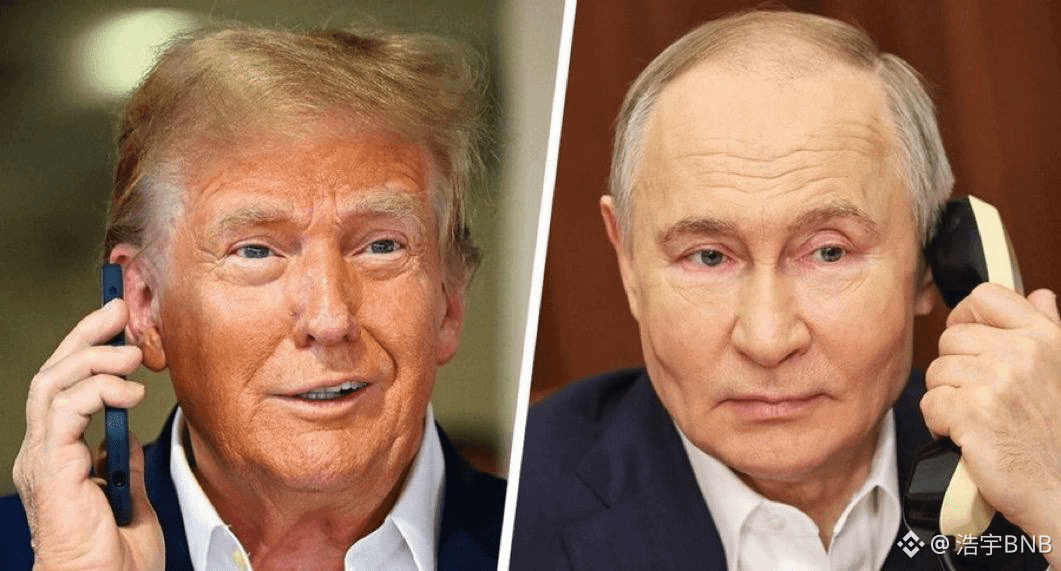
🚨プーチン–トランプ通話:言葉 vs. 現実 🇷🇺🇺🇸
プーチンとトランプは報じられるところによると約1時間通話し、プーチンは「ロシアにはヨーロッパを攻撃する計画はない」と述べた。
しかし、ここからが面白い。👀
ほぼ同じタイミングで、ロシアのドローンがルーマニア上空を飛行したとの報道が出てきた。🇷🇴
この対照が、ヨーロッパ全域で新たな疑問を呼んでいる。軍事的な出来事が懸念を高め続ける中で、外交上の保証だけで十分なのだろうか?
グローバル市場にとっては、地政学的緊張が重要だ。急なエスカレーションはリスクオフ志向を引き起こし、通貨の変動や暗号資産への圧力につながり得る。
🔥 本当の物語は、通話で約束されたことではない。次に何が起きるかだ。😎
$BTC
{spot}(BTCUSDT)
$USELESS
{future}(USELESSUSDT)
$ZEC
{spot}(ZECUSDT)
🚨プーチン–トランプ通話:言葉 vs. 現実 🇷🇺🇺🇸
プーチンとトランプは報じられるところによると約1時間通話し、プーチンは「ロシアにはヨーロッパを攻撃する計画はない」と述べた。
しかし、ここからが面白い。👀
ほぼ同じタイミングで、ロシアのドローンがルーマニア上空を飛行したとの報道が出てきた。🇷🇴
この対照が、ヨーロッパ全域で新たな疑問を呼んでいる。軍事的な出来事が懸念を高め続ける中で、外交上の保証だけで十分なのだろうか?
グローバル市場にとっては、地政学的緊張が重要だ。急なエスカレーションはリスクオフ志向を引き起こし、通貨の変動や暗号資産への圧力につながり得る。
🔥 本当の物語は、通話で約束されたことではない。次に何が起きるかだ。😎
$BTC
$USELESS
$ZEC
プーチンとトランプは報じられるところによると約1時間通話し、プーチンは「ロシアにはヨーロッパを攻撃する計画はない」と述べた。
しかし、ここからが面白い。👀
ほぼ同じタイミングで、ロシアのドローンがルーマニア上空を飛行したとの報道が出てきた。🇷🇴
この対照が、ヨーロッパ全域で新たな疑問を呼んでいる。軍事的な出来事が懸念を高め続ける中で、外交上の保証だけで十分なのだろうか?
グローバル市場にとっては、地政学的緊張が重要だ。急なエスカレーションはリスクオフ志向を引き起こし、通貨の変動や暗号資産への圧力につながり得る。
🔥 本当の物語は、通話で約束されたことではない。次に何が起きるかだ。😎
$BTC
$USELESS
$ZEC
532
4
34
532
·
--
#XRP 暗号市場の流れに従うことを拒んでいるようです✓
暗号市場は下押しされていますが、XRPは驚くほど強い動きを見せています。
主要な複数の暗号資産が再燃した売り圧力の下で苦戦する中、XRPは週次の上昇を何とか維持しており、大型デジタル資産の中でも最も強いパフォーマーの一つとなっています。
その粘り強さがトレーダーの注目を集めています。
XRPの最近の勢いは力強い月間ラリーの後に現れており、今回の下押しはトレンド転換というよりは調整(コンソリデーション)である可能性を示唆しています。そこで最大の問いは次の通りです。XRPは重要なサポートを維持し、さらに上方向へもう一段の動きを起こせるでしょうか?
XRPの強気派にとっては、次のブレイクアウトは爆発的になり得ます。😎
$XRP
{spot}(XRPUSDT)
#XRP 暗号市場の流れに従うことを拒んでいるようです✓
暗号市場は下押しされていますが、XRPは驚くほど強い動きを見せています。
主要な複数の暗号資産が再燃した売り圧力の下で苦戦する中、XRPは週次の上昇を何とか維持しており、大型デジタル資産の中でも最も強いパフォーマーの一つとなっています。
その粘り強さがトレーダーの注目を集めています。
XRPの最近の勢いは力強い月間ラリーの後に現れており、今回の下押しはトレンド転換というよりは調整(コンソリデーション)である可能性を示唆しています。そこで最大の問いは次の通りです。XRPは重要なサポートを維持し、さらに上方向へもう一段の動きを起こせるでしょうか?
XRPの強気派にとっては、次のブレイクアウトは爆発的になり得ます。😎
$XRP
暗号市場は下押しされていますが、XRPは驚くほど強い動きを見せています。
主要な複数の暗号資産が再燃した売り圧力の下で苦戦する中、XRPは週次の上昇を何とか維持しており、大型デジタル資産の中でも最も強いパフォーマーの一つとなっています。
その粘り強さがトレーダーの注目を集めています。
XRPの最近の勢いは力強い月間ラリーの後に現れており、今回の下押しはトレンド転換というよりは調整(コンソリデーション)である可能性を示唆しています。そこで最大の問いは次の通りです。XRPは重要なサポートを維持し、さらに上方向へもう一段の動きを起こせるでしょうか?
XRPの強気派にとっては、次のブレイクアウトは爆発的になり得ます。😎
$XRP

3
263
·
--
🚨 インドが新しい暗号資産の支払いレールを発見 🇮🇳
インドの暗号資産ユーザーは、海外のフィンテック・プラットフォームを通じてデジタル資産をギフトカードやバウチャーに交換できるようになり、暗号資産残高を現実の購買力へと変えられるようになりました。
もっと大きな話題はバウチャーではなく、暗号資産のユーティリティを支えるインフラが形成されていることです。アクセスが広がるにつれ、暗号資産は投機的な投資であるだけでなく、ますます「支払いに使える資産」として機能する可能性があります。インドの暗号資産導入ストーリーは、見出しが示すよりも速いペースで進化しているかもしれません。 🔥
$BTC
{spot}(BTCUSDT)
$ETH
{spot}(ETHUSDT)
$XRP
{spot}(XRPUSDT)
🚨 インドが新しい暗号資産の支払いレールを発見 🇮🇳
インドの暗号資産ユーザーは、海外のフィンテック・プラットフォームを通じてデジタル資産をギフトカードやバウチャーに交換できるようになり、暗号資産残高を現実の購買力へと変えられるようになりました。
もっと大きな話題はバウチャーではなく、暗号資産のユーティリティを支えるインフラが形成されていることです。アクセスが広がるにつれ、暗号資産は投機的な投資であるだけでなく、ますます「支払いに使える資産」として機能する可能性があります。インドの暗号資産導入ストーリーは、見出しが示すよりも速いペースで進化しているかもしれません。 🔥
$BTC
$ETH
$XRP
インドの暗号資産ユーザーは、海外のフィンテック・プラットフォームを通じてデジタル資産をギフトカードやバウチャーに交換できるようになり、暗号資産残高を現実の購買力へと変えられるようになりました。
もっと大きな話題はバウチャーではなく、暗号資産のユーティリティを支えるインフラが形成されていることです。アクセスが広がるにつれ、暗号資産は投機的な投資であるだけでなく、ますます「支払いに使える資産」として機能する可能性があります。インドの暗号資産導入ストーリーは、見出しが示すよりも速いペースで進化しているかもしれません。 🔥
$BTC
$ETH
$XRP

578
1
41
578
·
--
🚨 ドバイは不動産をXRP台帳に載せようとしている
ドバイの不動産トークン化は、単なる話題から規制されたインフラへと移行しています。ドバイ土地局は、トークン化された不動産のセカンダリー取引を有効化し、その取引をXRP Ledgerに記録しています。重要なブレイクスルーは、単に建物をオンチェーンに載せることではありません。共有(分割)所有、透明な決済、そして従来は流動性が低かった資産に対する潜在的な流動性を生み出すことです。導入が拡大すれば、XRPLは、グローバルなトークン化RWA(現実世界資産)経済のための意味のあるインフラになり得ます。😎
$XRP
{spot}(XRPUSDT)
🚨 ドバイは不動産をXRP台帳に載せようとしている
ドバイの不動産トークン化は、単なる話題から規制されたインフラへと移行しています。ドバイ土地局は、トークン化された不動産のセカンダリー取引を有効化し、その取引をXRP Ledgerに記録しています。重要なブレイクスルーは、単に建物をオンチェーンに載せることではありません。共有(分割)所有、透明な決済、そして従来は流動性が低かった資産に対する潜在的な流動性を生み出すことです。導入が拡大すれば、XRPLは、グローバルなトークン化RWA(現実世界資産)経済のための意味のあるインフラになり得ます。😎
$XRP
ドバイの不動産トークン化は、単なる話題から規制されたインフラへと移行しています。ドバイ土地局は、トークン化された不動産のセカンダリー取引を有効化し、その取引をXRP Ledgerに記録しています。重要なブレイクスルーは、単に建物をオンチェーンに載せることではありません。共有(分割)所有、透明な決済、そして従来は流動性が低かった資産に対する潜在的な流動性を生み出すことです。導入が拡大すれば、XRPLは、グローバルなトークン化RWA(現実世界資産)経済のための意味のあるインフラになり得ます。😎
$XRP

3
182
·
--
暗号資産と中央銀行 🏢🌐
リップルのCEOブラッド・ガーリングハウスの主張は、グローバル金融におけるより深い変化を浮き彫りにしています。価値はもはや、物理的な資産のように動く必要がないのです。ブロックチェーン・ネットワークは国境を越えてほぼ瞬時に、24時間365日決済を可能にし、コルレス銀行や仲介業者、断片化した流動性への依存を減らせます。
本当のチャンスは中央銀行を置き換えることではなく、決済インフラをアップグレードすることです。ステーブルコイン、トークン化された資産、相互運用可能な台帳によって、準備金をよりモバイルに、透明で、プログラム可能にすることができるかもしれません。最大の課題は規制、流動性、サイバーセキュリティ、そして機関投資家の信頼が引き続き残る点です。これらの障壁が導入とともに成熟すれば、暗号資産はグローバルな金融インフラの戦略的なレイヤーになり得るでしょう。😎
$XRP
{spot}(XRPUSDT)
暗号資産と中央銀行 🏢🌐
リップルのCEOブラッド・ガーリングハウスの主張は、グローバル金融におけるより深い変化を浮き彫りにしています。価値はもはや、物理的な資産のように動く必要がないのです。ブロックチェーン・ネットワークは国境を越えてほぼ瞬時に、24時間365日決済を可能にし、コルレス銀行や仲介業者、断片化した流動性への依存を減らせます。
本当のチャンスは中央銀行を置き換えることではなく、決済インフラをアップグレードすることです。ステーブルコイン、トークン化された資産、相互運用可能な台帳によって、準備金をよりモバイルに、透明で、プログラム可能にすることができるかもしれません。最大の課題は規制、流動性、サイバーセキュリティ、そして機関投資家の信頼が引き続き残る点です。これらの障壁が導入とともに成熟すれば、暗号資産はグローバルな金融インフラの戦略的なレイヤーになり得るでしょう。😎
$XRP
リップルのCEOブラッド・ガーリングハウスの主張は、グローバル金融におけるより深い変化を浮き彫りにしています。価値はもはや、物理的な資産のように動く必要がないのです。ブロックチェーン・ネットワークは国境を越えてほぼ瞬時に、24時間365日決済を可能にし、コルレス銀行や仲介業者、断片化した流動性への依存を減らせます。
本当のチャンスは中央銀行を置き換えることではなく、決済インフラをアップグレードすることです。ステーブルコイン、トークン化された資産、相互運用可能な台帳によって、準備金をよりモバイルに、透明で、プログラム可能にすることができるかもしれません。最大の課題は規制、流動性、サイバーセキュリティ、そして機関投資家の信頼が引き続き残る点です。これらの障壁が導入とともに成熟すれば、暗号資産はグローバルな金融インフラの戦略的なレイヤーになり得るでしょう。😎
$XRP

3
149
ログインして、さらにコンテンツを読む
厳選トピックで世界の暗号資産トレーダーの仲間入り
⚡️ 暗号資産に関する最新かつ有益な情報が見つかります。
💬 世界最大の暗号資産取引所から信頼されています。
👍 認証を受けたクリエイターから、有益なインサイトを得られます。
メール / 電話番号
トレンドトピック
BitcoinReboundsTo$79K
閲覧回数 14,786
141人が討論中
🚨 $BTC はさらに上昇しようとしています。
ビットコインは約 $78,804 で取引されており、先ほど $78K の水準を回復したことでおよそ 1.9% 上昇しています。次に注目すべきは、日中の高値である約 $78,905 です。
その水準を明確に上抜けると、$79K〜$80K へ向かう道が開ける可能性があります。もしBTCが跳ね返される場合、サポートは $78,300 あたりにあり、その次は $77,975 です。
強気筋には勢いがありますが、BTC は $78K を上回って維持する必要があります。
#Bitcoin #BTC #CryptoTrading #CryptoMarket #CryptoAnalysis
PulseON
·いいね:15件
·閲覧回数 14.4k
SouthKoreaCryptoTaxDelayPetitionTops50000
閲覧回数 1,216
68人が討論中
SolanaTransactionV1GoesLiveOnMainnet
閲覧回数 675
43人が討論中