
Petrex Tips
138 投稿

Petrex Tips
報告
ユーザーをブロック
Crypto enthusiasts ||
21 フォロー
73 フォロワー
161 いいね
投稿
すべて
引用
·
--
ブリッシュ
翻訳参照
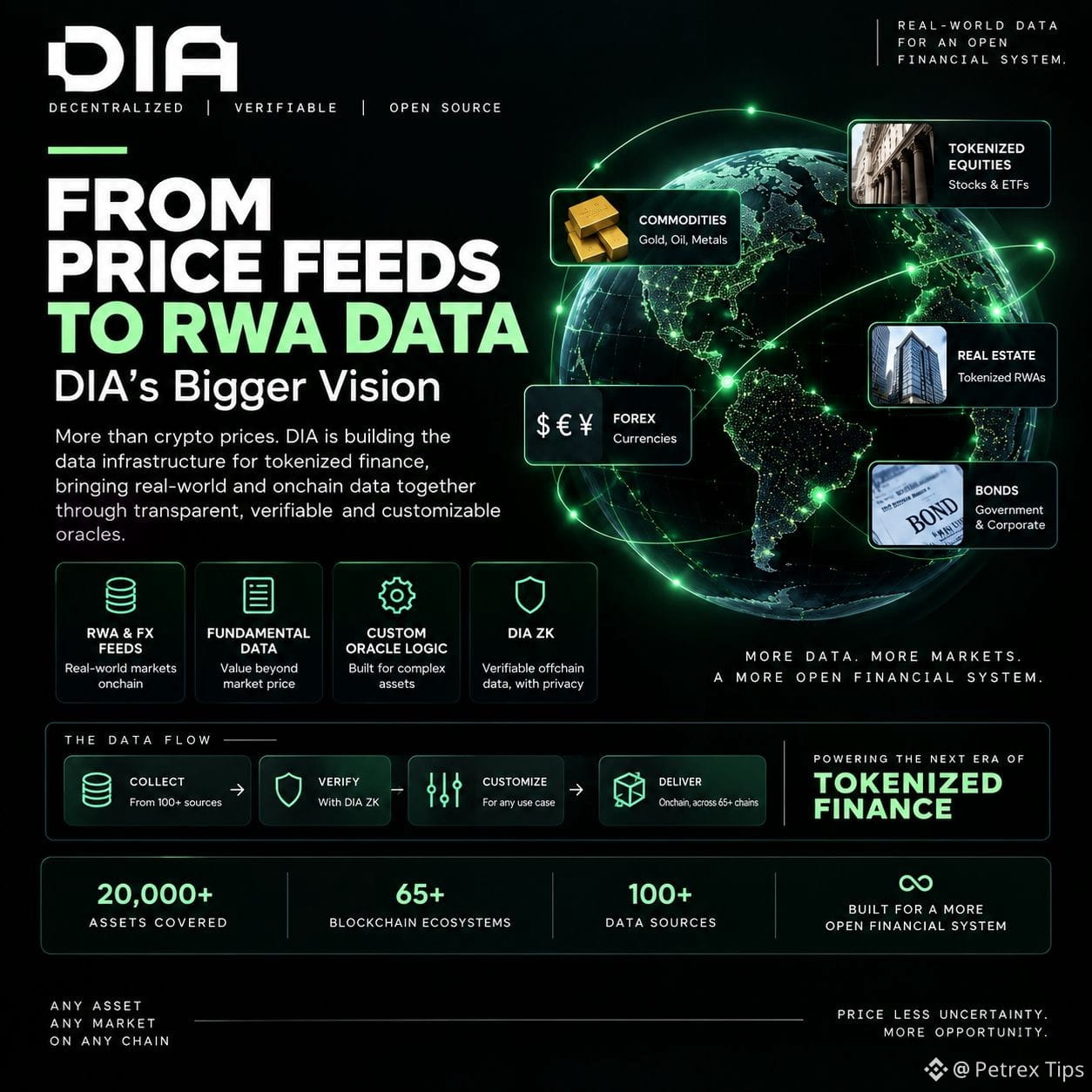
from price feeds to RWA data: DIA’s bigger vision
for years, blockchain oracles have largely been associated with one job: bringing crypto prices onchain.
but tokenized finance creates a much bigger data problem.
as RWAs, tokenized equities, commodities, FX markets and institutional financial products move onchain, protocols need more than the latest market price. they need reliable data about reserves, NAV, collateral, yields, valuations and other information that often originates outside the blockchain.
this is where @DIAdata_org is expanding the oracle thesis.
DIA is building infrastructure for RWA and FX feeds, fundamental valuation, customizable oracle logic, and DIA ZK for making offchain information verifiable onchain without necessarily exposing the underlying data.
the important shift is from simply asking:
“what is this asset trading at?”
to asking:
“what actually determines this asset’s value, and can that information be verified?”
that distinction becomes increasingly important as more complex financial assets move onchain.
the bigger vision for $DIA isn't just providing price feeds.
it’s becoming part of the data layer that tokenized finance can be built on.
from price feeds to RWA data: DIA’s bigger vision
for years, blockchain oracles have largely been associated with one job: bringing crypto prices onchain.
but tokenized finance creates a much bigger data problem.
as RWAs, tokenized equities, commodities, FX markets and institutional financial products move onchain, protocols need more than the latest market price. they need reliable data about reserves, NAV, collateral, yields, valuations and other information that often originates outside the blockchain.
this is where @DIAdata_org is expanding the oracle thesis.
DIA is building infrastructure for RWA and FX feeds, fundamental valuation, customizable oracle logic, and DIA ZK for making offchain information verifiable onchain without necessarily exposing the underlying data.
the important shift is from simply asking:
“what is this asset trading at?”
to asking:
“what actually determines this asset’s value, and can that information be verified?”
that distinction becomes increasingly important as more complex financial assets move onchain.
the bigger vision for $DIA isn't just providing price feeds.
it’s becoming part of the data layer that tokenized finance can be built on.
for years, blockchain oracles have largely been associated with one job: bringing crypto prices onchain.
but tokenized finance creates a much bigger data problem.
as RWAs, tokenized equities, commodities, FX markets and institutional financial products move onchain, protocols need more than the latest market price. they need reliable data about reserves, NAV, collateral, yields, valuations and other information that often originates outside the blockchain.
this is where @DIAdata_org is expanding the oracle thesis.
DIA is building infrastructure for RWA and FX feeds, fundamental valuation, customizable oracle logic, and DIA ZK for making offchain information verifiable onchain without necessarily exposing the underlying data.
the important shift is from simply asking:
“what is this asset trading at?”
to asking:
“what actually determines this asset’s value, and can that information be verified?”
that distinction becomes increasingly important as more complex financial assets move onchain.
the bigger vision for $DIA isn't just providing price feeds.
it’s becoming part of the data layer that tokenized finance can be built on.
85
·
--
ブリッシュ
翻訳参照
DIA’s Fundamental Feeds show why not every asset should be priced from market trades alone.
for assets like VUSD and sVUSD, DIA derives their value from the mechanisms that actually determine what they’re worth rather than relying on thin market liquidity.
the bigger thesis is simple: as onchain finance becomes more complex, oracle infrastructure needs to understand how an asset gets its value, not just its last traded price.
DIA’s Fundamental Feeds show why not every asset should be priced from market trades alone.
for assets like VUSD and sVUSD, DIA derives their value from the mechanisms that actually determine what they’re worth rather than relying on thin market liquidity.
the bigger thesis is simple: as onchain finance becomes more complex, oracle infrastructure needs to understand how an asset gets its value, not just its last traded price.
for assets like VUSD and sVUSD, DIA derives their value from the mechanisms that actually determine what they’re worth rather than relying on thin market liquidity.
the bigger thesis is simple: as onchain finance becomes more complex, oracle infrastructure needs to understand how an asset gets its value, not just its last traded price.
102
·
--
ブリッシュ
翻訳参照
one overlooked oracle risk is who controls the price.
with a fixed-rate oracle, an issuer-controlled multisig can leave an asset priced at its old value even after losses occur.
that means DeFi protocols could allow users to borrow against collateral worth less than the oracle reports.
this is why DIA’s approach to transparent, independently verifiable data matters.
an oracle shouldn’t just report a price.
the price itself needs to be trustworthy.
one overlooked oracle risk is who controls the price.
with a fixed-rate oracle, an issuer-controlled multisig can leave an asset priced at its old value even after losses occur.
that means DeFi protocols could allow users to borrow against collateral worth less than the oracle reports.
this is why DIA’s approach to transparent, independently verifiable data matters.
an oracle shouldn’t just report a price.
the price itself needs to be trustworthy.
with a fixed-rate oracle, an issuer-controlled multisig can leave an asset priced at its old value even after losses occur.
that means DeFi protocols could allow users to borrow against collateral worth less than the oracle reports.
this is why DIA’s approach to transparent, independently verifiable data matters.
an oracle shouldn’t just report a price.
the price itself needs to be trustworthy.
125
·
--
ブリッシュ
翻訳参照
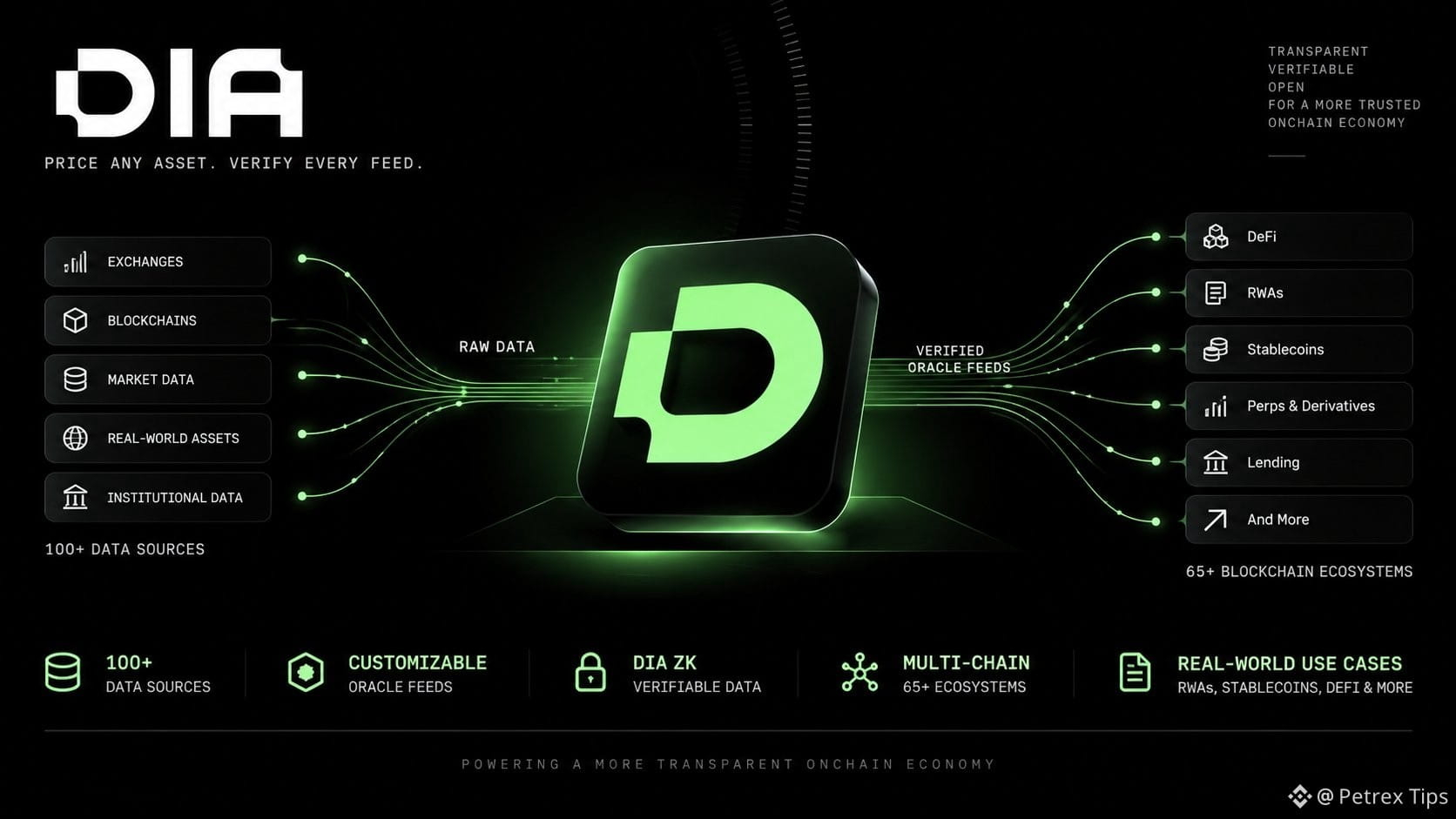
DIA is building a multi-chain data infrastructure layer for onchain finance.
It collects market data from 100+ sources, transforms it into customizable oracle feeds, and delivers it across 65+ blockchain ecosystems. DIA ZK adds cryptographic verification, allowing data to be proven rather than simply trusted.
The bigger idea goes beyond price feeds: collect → verify → customize → deliver data onchain, providing the infrastructure needed by DeFi, RWAs, stablecoins, lending and perps.
DIA is building a multi-chain data infrastructure layer for onchain finance.
It collects market data from 100+ sources, transforms it into customizable oracle feeds, and delivers it across 65+ blockchain ecosystems. DIA ZK adds cryptographic verification, allowing data to be proven rather than simply trusted.
The bigger idea goes beyond price feeds: collect → verify → customize → deliver data onchain, providing the infrastructure needed by DeFi, RWAs, stablecoins, lending and perps.
It collects market data from 100+ sources, transforms it into customizable oracle feeds, and delivers it across 65+ blockchain ecosystems. DIA ZK adds cryptographic verification, allowing data to be proven rather than simply trusted.
The bigger idea goes beyond price feeds: collect → verify → customize → deliver data onchain, providing the infrastructure needed by DeFi, RWAs, stablecoins, lending and perps.
107
·
--
ブリッシュ
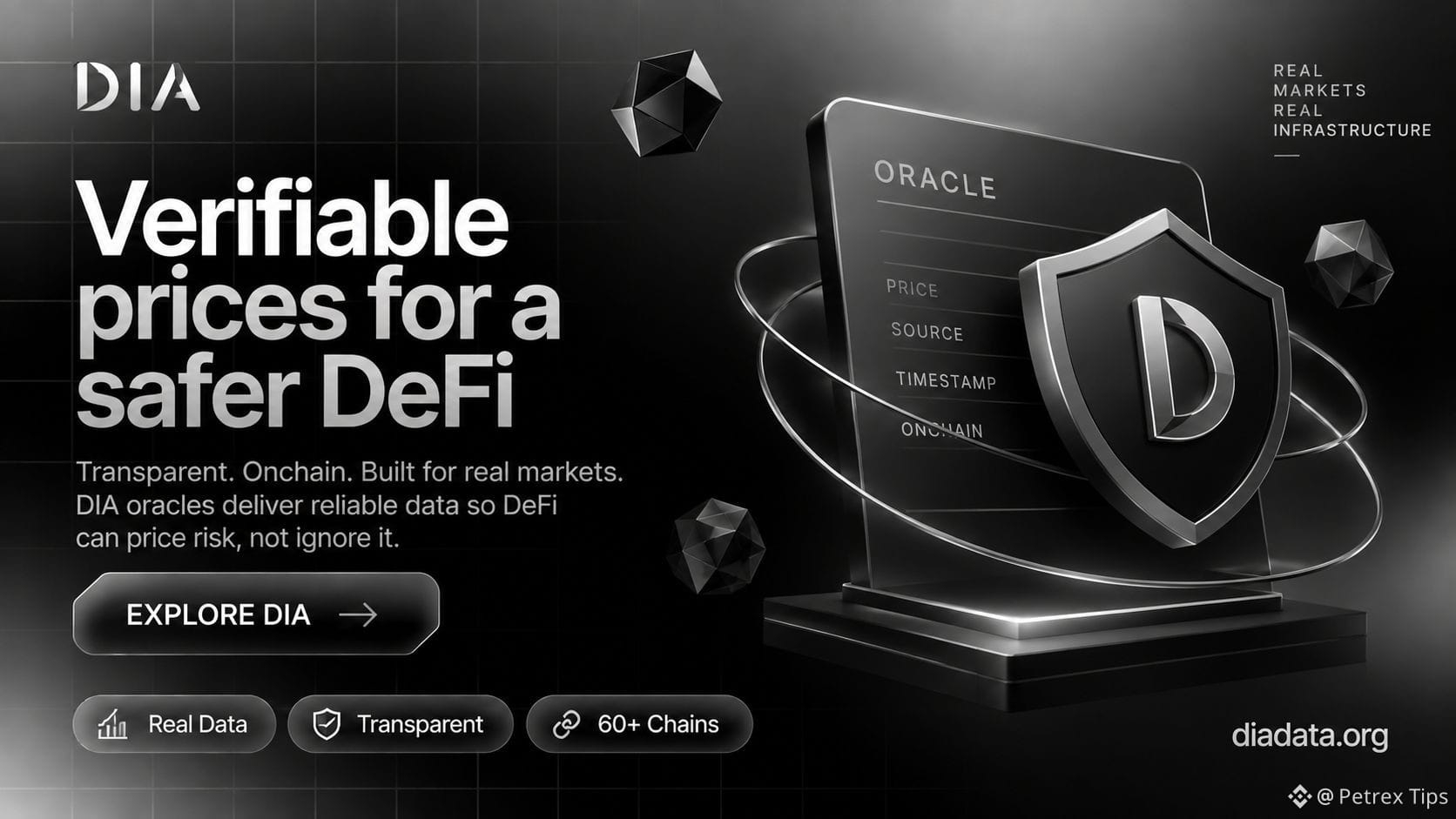
DeFiにおける最大級のリスクの一つは、単に悪い価格だけではありません。重要なのは、その価格を誰が管理しているかです。
固定レートのオラクルでは、フィードを管理するマルチシグが、ある資産が損失を被った後に更新できなくなると、DeFiプロトコルは損なわれた担保を何も起きなかったかのように扱い続けることができます。その結果、実態を反映しない評価額に対して借り入れが行われてしまう可能性があります。
だからこそ、オラクル設計が重要です。
DIAは別のアプローチを採用しています。データは直接取得され、Lasernetに送信され、不可解な価格設定プロセスに依存するのではなく、透明で監査可能なスマートコントラクトを通じてオンチェーンで処理されます。(diadata.org)
特に貸付市場においては、検証可能な価格は単なるデータ基盤の優位性にとどまらず、リスク管理レイヤーの一部です。
#Dia
DeFiにおける最大級のリスクの一つは、単に悪い価格だけではありません。重要なのは、その価格を誰が管理しているかです。
固定レートのオラクルでは、フィードを管理するマルチシグが、ある資産が損失を被った後に更新できなくなると、DeFiプロトコルは損なわれた担保を何も起きなかったかのように扱い続けることができます。その結果、実態を反映しない評価額に対して借り入れが行われてしまう可能性があります。
だからこそ、オラクル設計が重要です。
DIAは別のアプローチを採用しています。データは直接取得され、Lasernetに送信され、不可解な価格設定プロセスに依存するのではなく、透明で監査可能なスマートコントラクトを通じてオンチェーンで処理されます。(diadata.org)
特に貸付市場においては、検証可能な価格は単なるデータ基盤の優位性にとどまらず、リスク管理レイヤーの一部です。
#Dia
固定レートのオラクルでは、フィードを管理するマルチシグが、ある資産が損失を被った後に更新できなくなると、DeFiプロトコルは損なわれた担保を何も起きなかったかのように扱い続けることができます。その結果、実態を反映しない評価額に対して借り入れが行われてしまう可能性があります。
だからこそ、オラクル設計が重要です。
DIAは別のアプローチを採用しています。データは直接取得され、Lasernetに送信され、不可解な価格設定プロセスに依存するのではなく、透明で監査可能なスマートコントラクトを通じてオンチェーンで処理されます。(diadata.org)
特に貸付市場においては、検証可能な価格は単なるデータ基盤の優位性にとどまらず、リスク管理レイヤーの一部です。
#Dia
117
·
--
ブリッシュ
翻訳参照
this is a smart move because good infrastructure still has a developer experience problem if integrating it requires constantly digging through documentation.
connecting DIA Docs to MCP-enabled LLMs reduces that friction. developers can move from “how does this work?” to “how do i implement this?” much faster without leaving their AI workflow.
the bigger opportunity imo is making oracle infrastructure increasingly AI-native, where AI agents can understand the documentation and help developers build around verifiable onchain data more efficiently.
this is a smart move because good infrastructure still has a developer experience problem if integrating it requires constantly digging through documentation.
connecting DIA Docs to MCP-enabled LLMs reduces that friction. developers can move from “how does this work?” to “how do i implement this?” much faster without leaving their AI workflow.
the bigger opportunity imo is making oracle infrastructure increasingly AI-native, where AI agents can understand the documentation and help developers build around verifiable onchain data more efficiently.
connecting DIA Docs to MCP-enabled LLMs reduces that friction. developers can move from “how does this work?” to “how do i implement this?” much faster without leaving their AI workflow.
the bigger opportunity imo is making oracle infrastructure increasingly AI-native, where AI agents can understand the documentation and help developers build around verifiable onchain data more efficiently.
123
·
--
ブリッシュ
翻訳参照
one interesting thing about oracle pricing is that market price isn't always the right price.
Vetro has two assets, VUSD and sVUSD, and DIA prices each based on what actually determines its value.
VUSD is backed by a basket of USDC, USDT and frxUSD, so DIA's fundamental feed calculates its value from the treasury reserves relative to supply, capped at its $1 target.
sVUSD is different. it's an ERC-4626 yield vault, so DIA reads its price per share directly from the vault contract using total underlying assets relative to total shares. its value increases as yield is distributed.
why does this matter?
both assets trade in relatively thin markets. using the last few trades to determine their value could produce a price that doesn't accurately represent what's backing them. that's particularly important for sVUSD because it has a 7-day withdrawal cooldown.
DIA's approach is basically:
price the asset from what fundamentally gives it value, not simply from where it last traded.
for DeFi lending and collateral, that's an important distinction between market pricing and fundamental pricing.
one interesting thing about oracle pricing is that market price isn't always the right price.
Vetro has two assets, VUSD and sVUSD, and DIA prices each based on what actually determines its value.
VUSD is backed by a basket of USDC, USDT and frxUSD, so DIA's fundamental feed calculates its value from the treasury reserves relative to supply, capped at its $1 target.
sVUSD is different. it's an ERC-4626 yield vault, so DIA reads its price per share directly from the vault contract using total underlying assets relative to total shares. its value increases as yield is distributed.
why does this matter?
both assets trade in relatively thin markets. using the last few trades to determine their value could produce a price that doesn't accurately represent what's backing them. that's particularly important for sVUSD because it has a 7-day withdrawal cooldown.
DIA's approach is basically:
price the asset from what fundamentally gives it value, not simply from where it last traded.
for DeFi lending and collateral, that's an important distinction between market pricing and fundamental pricing.
Vetro has two assets, VUSD and sVUSD, and DIA prices each based on what actually determines its value.
VUSD is backed by a basket of USDC, USDT and frxUSD, so DIA's fundamental feed calculates its value from the treasury reserves relative to supply, capped at its $1 target.
sVUSD is different. it's an ERC-4626 yield vault, so DIA reads its price per share directly from the vault contract using total underlying assets relative to total shares. its value increases as yield is distributed.
why does this matter?
both assets trade in relatively thin markets. using the last few trades to determine their value could produce a price that doesn't accurately represent what's backing them. that's particularly important for sVUSD because it has a 7-day withdrawal cooldown.
DIA's approach is basically:
price the asset from what fundamentally gives it value, not simply from where it last traded.
for DeFi lending and collateral, that's an important distinction between market pricing and fundamental pricing.
104
·
--
ブリッシュ
翻訳参照
the tweet is strong overall, but one thing i’d improve is specificity.
it explains what DIA provides for RWAs, but not enough about why verifiability becomes difficult with RWAs in particular. unlike crypto-native assets, a lot of RWA information originates offchain, so putting that data onchain doesn’t automatically make the underlying information trustworthy.
adding a concrete example—such as proving a tokenized fund’s NAV or verifying that reserves actually back a stablecoin—would make the argument more tangible.
also, “better assets need better data” sounds good, but “better assets” is slightly vague. something like “as more assets move onchain, the infrastructure verifying their data becomes just as important as the tokenization itself” would reinforce the main thesis more clearly.
the tweet is strong overall, but one thing i’d improve is specificity.
it explains what DIA provides for RWAs, but not enough about why verifiability becomes difficult with RWAs in particular. unlike crypto-native assets, a lot of RWA information originates offchain, so putting that data onchain doesn’t automatically make the underlying information trustworthy.
adding a concrete example—such as proving a tokenized fund’s NAV or verifying that reserves actually back a stablecoin—would make the argument more tangible.
also, “better assets need better data” sounds good, but “better assets” is slightly vague. something like “as more assets move onchain, the infrastructure verifying their data becomes just as important as the tokenization itself” would reinforce the main thesis more clearly.
it explains what DIA provides for RWAs, but not enough about why verifiability becomes difficult with RWAs in particular. unlike crypto-native assets, a lot of RWA information originates offchain, so putting that data onchain doesn’t automatically make the underlying information trustworthy.
adding a concrete example—such as proving a tokenized fund’s NAV or verifying that reserves actually back a stablecoin—would make the argument more tangible.
also, “better assets need better data” sounds good, but “better assets” is slightly vague. something like “as more assets move onchain, the infrastructure verifying their data becomes just as important as the tokenization itself” would reinforce the main thesis more clearly.
62
·
--
ブリッシュ
翻訳参照
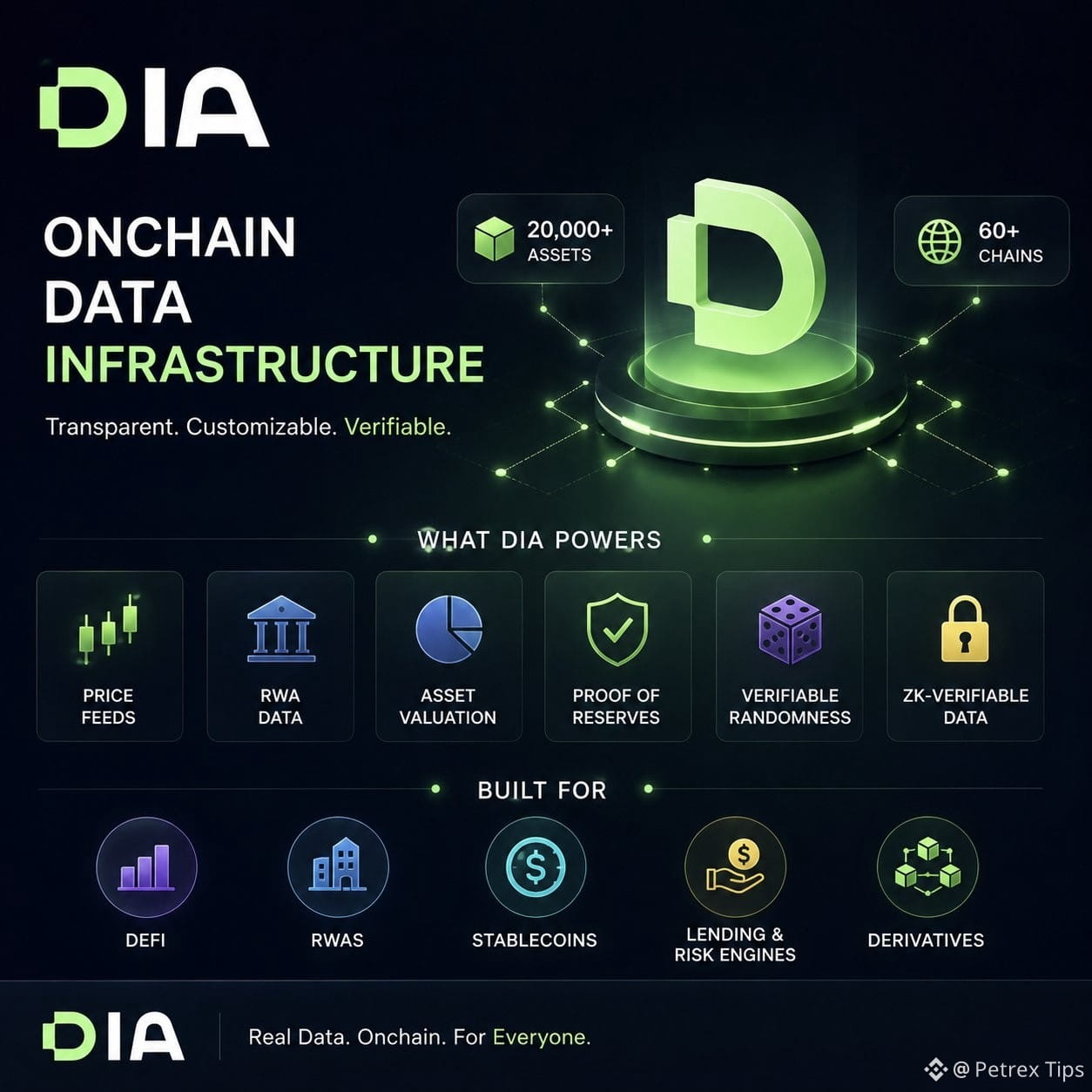
this is the part of DIA i think is easy to underestimate.
as onchain finance expands beyond crypto-native assets into RWAs, stablecoins and more complex financial products, the demand for reliable data expands with it.
the opportunity isn't just providing another price feed.
it's becoming the data infrastructure that applications can build around, customize and verify.
this is the part of DIA i think is easy to underestimate.
as onchain finance expands beyond crypto-native assets into RWAs, stablecoins and more complex financial products, the demand for reliable data expands with it.
the opportunity isn't just providing another price feed.
it's becoming the data infrastructure that applications can build around, customize and verify.
as onchain finance expands beyond crypto-native assets into RWAs, stablecoins and more complex financial products, the demand for reliable data expands with it.
the opportunity isn't just providing another price feed.
it's becoming the data infrastructure that applications can build around, customize and verify.
99
·
--
ブリッシュ
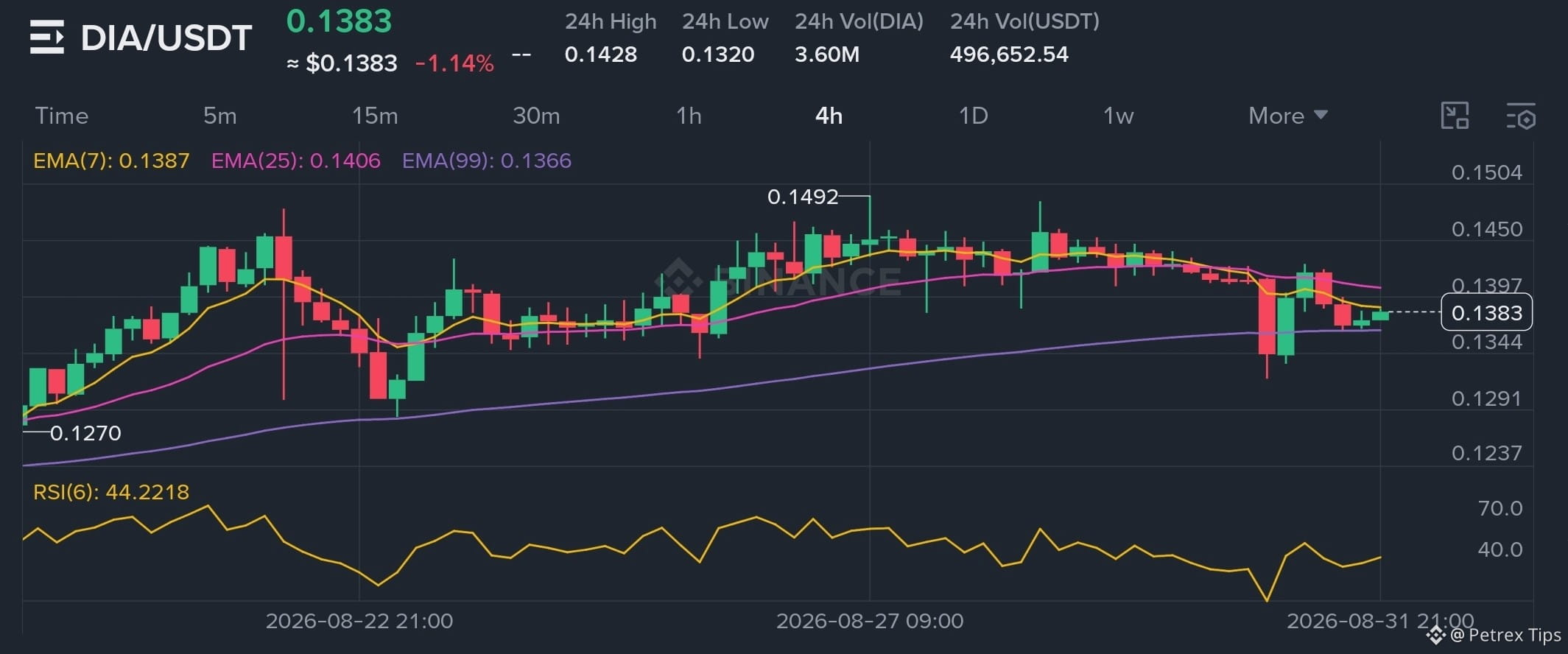
今年の最終四半期に、市場がどちらへ向かうのか気になります。
$DIA、$HYPE、$SOLに注目しています。
$DIAについて短いアップデートです。
DIAは21EMAと50EMAの上で取引を継続しており、短期の構造は強気を維持しています。
サポートはおよそ$0.134 → $0.128、レジスタンスは$0.149 → $0.155です。
RSIはおよそ55で、中立〜強気のモメンタムを示唆しています。
$0.155を上抜けるクリーンなブレイクが起きれば、$0.20 → $0.24に向かう動きにつながる可能性があります。$0.128を下回ると、現在のセットアップは弱まります。
現時点では、強気バイアスはなお維持されていると思います。
NAFA
今年の最終四半期に、市場がどちらへ向かうのか気になります。
$DIA、$HYPE、$SOLに注目しています。
$DIAについて短いアップデートです。
DIAは21EMAと50EMAの上で取引を継続しており、短期の構造は強気を維持しています。
サポートはおよそ$0.134 → $0.128、レジスタンスは$0.149 → $0.155です。
RSIはおよそ55で、中立〜強気のモメンタムを示唆しています。
$0.155を上抜けるクリーンなブレイクが起きれば、$0.20 → $0.24に向かう動きにつながる可能性があります。$0.128を下回ると、現在のセットアップは弱まります。
現時点では、強気バイアスはなお維持されていると思います。
NAFA
$DIA、$HYPE、$SOLに注目しています。
$DIAについて短いアップデートです。
DIAは21EMAと50EMAの上で取引を継続しており、短期の構造は強気を維持しています。
サポートはおよそ$0.134 → $0.128、レジスタンスは$0.149 → $0.155です。
RSIはおよそ55で、中立〜強気のモメンタムを示唆しています。
$0.155を上抜けるクリーンなブレイクが起きれば、$0.20 → $0.24に向かう動きにつながる可能性があります。$0.128を下回ると、現在のセットアップは弱まります。
現時点では、強気バイアスはなお維持されていると思います。
NAFA
1
190
·
--
翻訳参照
Why does fundamental valuation matter?
Not every asset has a liquid market.
A tokenized Treasury might represent government securities but have almost no secondary trading.
A fund token might represent a portfolio whose NAV is calculated from its underlying holdings.
A liquid staking token might derive its value from the amount of ETH redeemable through its protocol.
In these cases, looking at the last trade alone tells an incomplete story.
@DIAdata_org Value looks underneath the token.
$DIA
Why does fundamental valuation matter?
Not every asset has a liquid market.
A tokenized Treasury might represent government securities but have almost no secondary trading.
A fund token might represent a portfolio whose NAV is calculated from its underlying holdings.
A liquid staking token might derive its value from the amount of ETH redeemable through its protocol.
In these cases, looking at the last trade alone tells an incomplete story.
@DIAdata_org Value looks underneath the token.
$DIA
Not every asset has a liquid market.
A tokenized Treasury might represent government securities but have almost no secondary trading.
A fund token might represent a portfolio whose NAV is calculated from its underlying holdings.
A liquid staking token might derive its value from the amount of ETH redeemable through its protocol.
In these cases, looking at the last trade alone tells an incomplete story.
@DIAdata_org Value looks underneath the token.
$DIA
84
·
--
ブリッシュ
翻訳参照
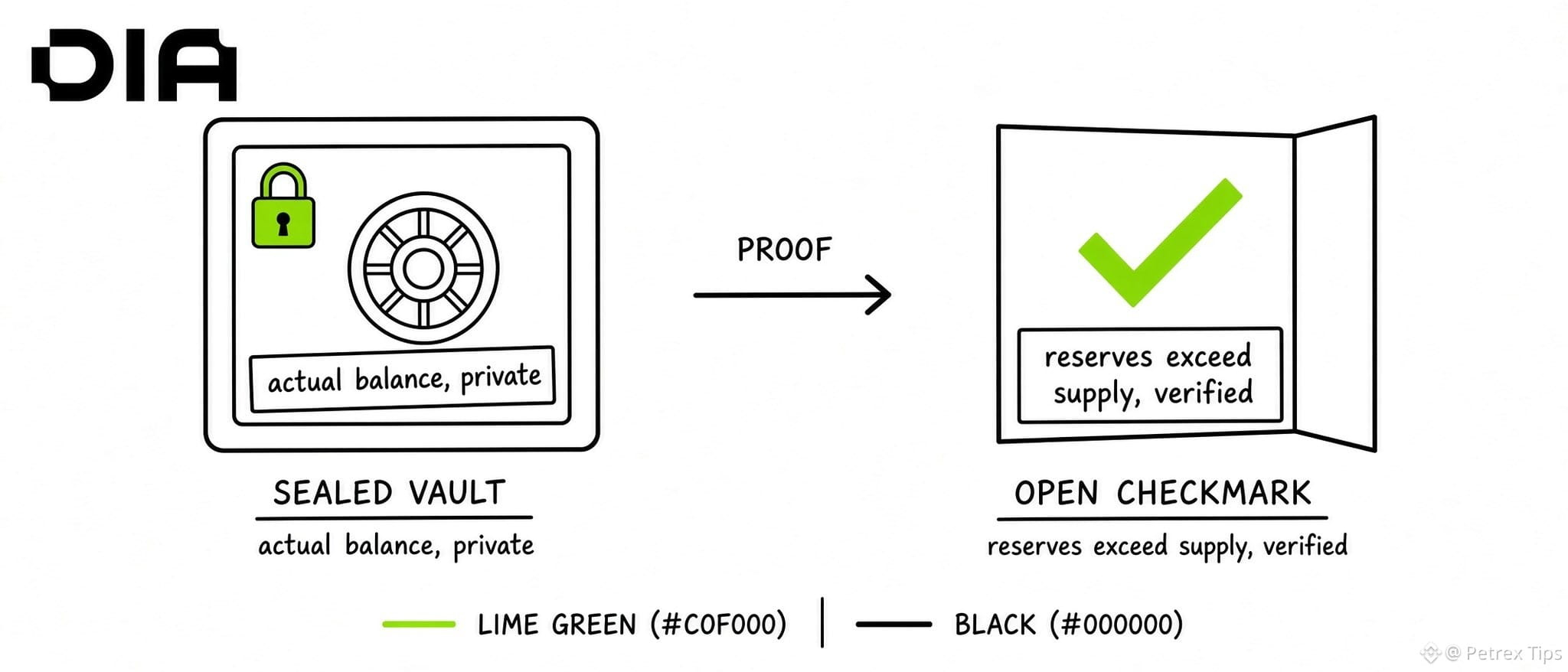
proving reserves doesn't have to mean exposing everything behind them.
DIA ZK can prove what actually matters, like reserves being greater than supply, without revealing the underlying balances.
the proof is verified onchain rather than depending solely on the word of a single verification provider.
for institutions, privacy-preserving proof of reserves could make transparency much easier to adopt without sacrificing sensitive financial information.
#bitcoin
proving reserves doesn't have to mean exposing everything behind them.
DIA ZK can prove what actually matters, like reserves being greater than supply, without revealing the underlying balances.
the proof is verified onchain rather than depending solely on the word of a single verification provider.
for institutions, privacy-preserving proof of reserves could make transparency much easier to adopt without sacrificing sensitive financial information.
#bitcoin
DIA ZK can prove what actually matters, like reserves being greater than supply, without revealing the underlying balances.
the proof is verified onchain rather than depending solely on the word of a single verification provider.
for institutions, privacy-preserving proof of reserves could make transparency much easier to adopt without sacrificing sensitive financial information.
#bitcoin
94
·
--
ブリッシュ
翻訳参照
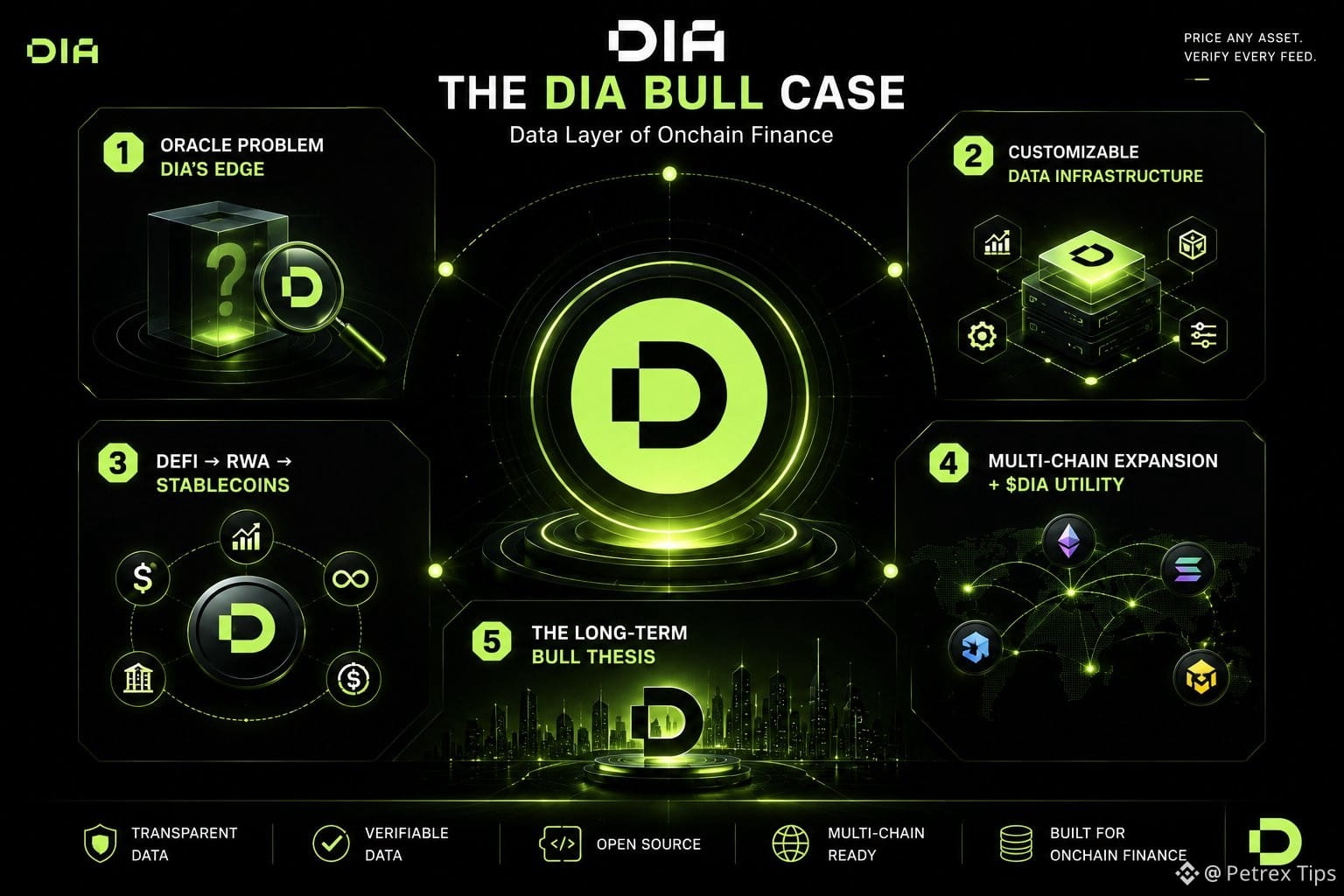
i think the strongest part of this bull case is that it looks beyond DIA as simply another price oracle.
the bigger opportunity is becoming a data infrastructure layer for onchain finance. as DeFi expands into stablecoins, RWAs, tokenized assets and more complex financial products, the type of data these applications need becomes broader and more specialized.
that makes DIA's focus on transparent sourcing, customizable oracle infrastructure and multichain delivery particularly interesting.
if onchain finance keeps growing, the demand won't just be for more data. it will be for data that applications can actually trace, verify and customize around their own requirements.
that's where i think the DIA thesis becomes much bigger than price feeds.
i think the strongest part of this bull case is that it looks beyond DIA as simply another price oracle.
the bigger opportunity is becoming a data infrastructure layer for onchain finance. as DeFi expands into stablecoins, RWAs, tokenized assets and more complex financial products, the type of data these applications need becomes broader and more specialized.
that makes DIA's focus on transparent sourcing, customizable oracle infrastructure and multichain delivery particularly interesting.
if onchain finance keeps growing, the demand won't just be for more data. it will be for data that applications can actually trace, verify and customize around their own requirements.
that's where i think the DIA thesis becomes much bigger than price feeds.
the bigger opportunity is becoming a data infrastructure layer for onchain finance. as DeFi expands into stablecoins, RWAs, tokenized assets and more complex financial products, the type of data these applications need becomes broader and more specialized.
that makes DIA's focus on transparent sourcing, customizable oracle infrastructure and multichain delivery particularly interesting.
if onchain finance keeps growing, the demand won't just be for more data. it will be for data that applications can actually trace, verify and customize around their own requirements.
that's where i think the DIA thesis becomes much bigger than price feeds.
81
·
--
ブリッシュ
価格フィードは、1つのチェーン上にとどまっていてはオラクル基盤としてあまり役に立ちません。
DIAがLasernet上でフィードを計算したとしても、そのデータは、プロトコルが実際に構築されているネットワーク――Ethereum、Base、Arbitrumを含む――へ到達する必要があります。
Spectraがそのクロスチェーン配信を担います。
価格フィードは、1つのチェーン上にとどまっていてはオラクル基盤としてあまり役に立ちません。
DIAがLasernet上でフィードを計算したとしても、そのデータは、プロトコルが実際に構築されているネットワーク――Ethereum、Base、Arbitrumを含む――へ到達する必要があります。
Spectraがそのクロスチェーン配信を担います。
DIAがLasernet上でフィードを計算したとしても、そのデータは、プロトコルが実際に構築されているネットワーク――Ethereum、Base、Arbitrumを含む――へ到達する必要があります。
Spectraがそのクロスチェーン配信を担います。
155
·
--
ブリッシュ
翻訳参照
why is $DIA worth paying attention to?
here are 5 reasons:
1. transparent data
DIA sources first-party data from 100+ sources instead of depending on opaque data feeds.
2. infrastructure built for DeFi
lending markets, perps, stablecoins, vaults, RWAs and tokenized assets all depend on reliable data.
3. multichain infrastructure
DIA already supports 250+ dApps across 60+ blockchain networks.
4. more than traditional price feeds
DIA is expanding into fundamental data, Proof of Reserves and DIA ZK, bringing verifiable offchain data onchain.
5. growing ecosystem adoption
integrations with TeQoin, Folks Finance and ST0x show DIA's infrastructure expanding further across DeFi and tokenized assets.
the bigger picture is simple:
DeFi can't scale on unreliable data.
DIA is building the verifiable data infrastructure underneath it.
why is $DIA worth paying attention to?
here are 5 reasons:
1. transparent data
DIA sources first-party data from 100+ sources instead of depending on opaque data feeds.
2. infrastructure built for DeFi
lending markets, perps, stablecoins, vaults, RWAs and tokenized assets all depend on reliable data.
3. multichain infrastructure
DIA already supports 250+ dApps across 60+ blockchain networks.
4. more than traditional price feeds
DIA is expanding into fundamental data, Proof of Reserves and DIA ZK, bringing verifiable offchain data onchain.
5. growing ecosystem adoption
integrations with TeQoin, Folks Finance and ST0x show DIA's infrastructure expanding further across DeFi and tokenized assets.
the bigger picture is simple:
DeFi can't scale on unreliable data.
DIA is building the verifiable data infrastructure underneath it.
here are 5 reasons:
1. transparent data
DIA sources first-party data from 100+ sources instead of depending on opaque data feeds.
2. infrastructure built for DeFi
lending markets, perps, stablecoins, vaults, RWAs and tokenized assets all depend on reliable data.
3. multichain infrastructure
DIA already supports 250+ dApps across 60+ blockchain networks.
4. more than traditional price feeds
DIA is expanding into fundamental data, Proof of Reserves and DIA ZK, bringing verifiable offchain data onchain.
5. growing ecosystem adoption
integrations with TeQoin, Folks Finance and ST0x show DIA's infrastructure expanding further across DeFi and tokenized assets.
the bigger picture is simple:
DeFi can't scale on unreliable data.
DIA is building the verifiable data infrastructure underneath it.
93
·
--
ブリッシュ
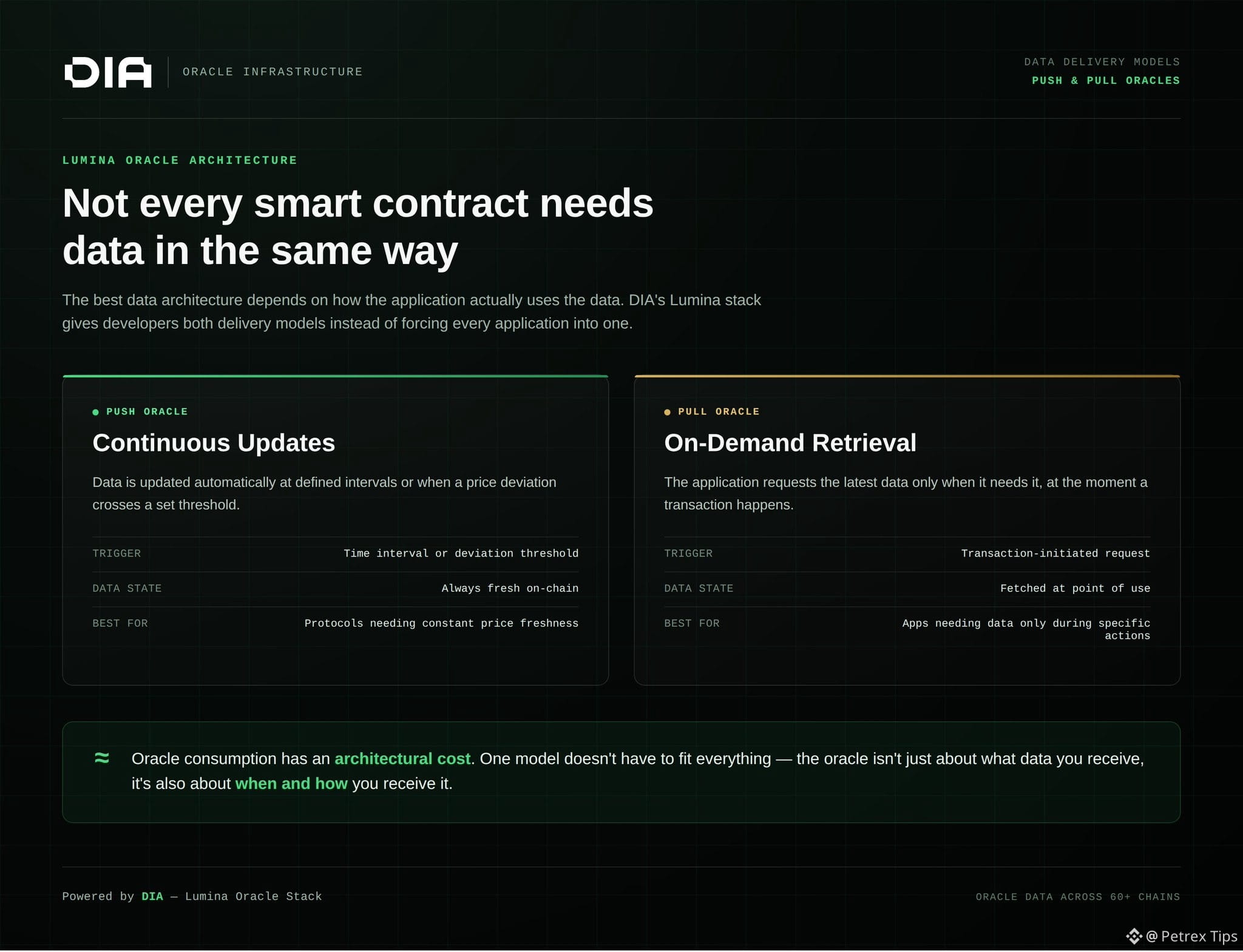
すべてのアプリケーションがオラクルデータを同じ方法で配信する必要はありません。
DIAは2つのモデルを提供します。
pushオラクルは、設定された間隔ごと、または定義された価格の乖離に達したときに、自動的にデータを更新します。
pullオラクルは、アプリケーションが要求したときだけ最新データを提供します。
違いは重要です。データ配信にはアーキテクチャ上のコストが伴うためです。常に新しい価格を必要とするプロトコルはpushの更新の恩恵を受ける可能性があります。一方、特定の取引のためにのみデータが必要なアプリケーションは、pullオラクルを利用できます。
要点はシンプルです。オラクル基盤は万能型であるべきではありません。
DIAのLuminaスタックは、開発者に対して「どのデータを使うか」だけでなく、「そのデータがいつ、どのようにアプリケーションへ届くか」についても柔軟性を提供します。
すべてのアプリケーションがオラクルデータを同じ方法で配信する必要はありません。
DIAは2つのモデルを提供します。
pushオラクルは、設定された間隔ごと、または定義された価格の乖離に達したときに、自動的にデータを更新します。
pullオラクルは、アプリケーションが要求したときだけ最新データを提供します。
違いは重要です。データ配信にはアーキテクチャ上のコストが伴うためです。常に新しい価格を必要とするプロトコルはpushの更新の恩恵を受ける可能性があります。一方、特定の取引のためにのみデータが必要なアプリケーションは、pullオラクルを利用できます。
要点はシンプルです。オラクル基盤は万能型であるべきではありません。
DIAのLuminaスタックは、開発者に対して「どのデータを使うか」だけでなく、「そのデータがいつ、どのようにアプリケーションへ届くか」についても柔軟性を提供します。
DIAは2つのモデルを提供します。
pushオラクルは、設定された間隔ごと、または定義された価格の乖離に達したときに、自動的にデータを更新します。
pullオラクルは、アプリケーションが要求したときだけ最新データを提供します。
違いは重要です。データ配信にはアーキテクチャ上のコストが伴うためです。常に新しい価格を必要とするプロトコルはpushの更新の恩恵を受ける可能性があります。一方、特定の取引のためにのみデータが必要なアプリケーションは、pullオラクルを利用できます。
要点はシンプルです。オラクル基盤は万能型であるべきではありません。
DIAのLuminaスタックは、開発者に対して「どのデータを使うか」だけでなく、「そのデータがいつ、どのようにアプリケーションへ届くか」についても柔軟性を提供します。
326
·
--
ブリッシュ
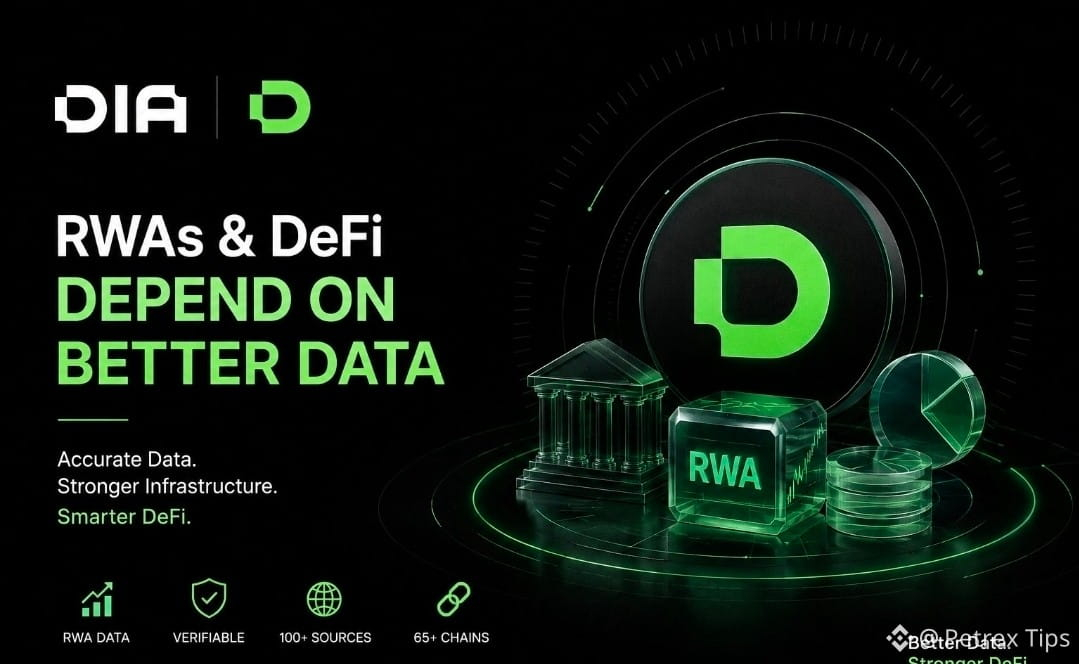
DeFiの次のフェーズは、流動性をさらに増やすことだけではありません。
それに加えて、すべてが動くためのデータを改善することでもあります。
レンディング市場、ステーブルコイン、パーペチュアル、バルツ、トークン化された資産はすべて、価格、担保価値、NAV(純資産価額)、準備金、そして市場状況などの外部情報に依存しています。
そのデータが信頼できない場合、それを利用するアプリケーションも同じリスクを引き継ぎます。
ここで@DIAdata_orgが登場します。
DIAは、データを一次情報から取得し、透明なパイプラインで処理し、そのうえでオンチェーンへ届ける検証可能なオラクル基盤を構築しています。
そしてデータレイヤーは、以下の領域で拡大を続けています:
• 暗号資産の価格フィード
• RWAデータ
• ファンダメンタル・フィード
• 準備金の証明
• フェアバリュー(適正価値)価格
• 検証可能なZKデータ
• ランダムネス
DeFiがより多くの資産、チェーン、そして現実世界の市場へ拡大するにつれて、信頼できるデータ基盤の重要性はさらに高まります。
信頼不要の実行には、信頼できるデータがまだ必要です。
それがDIAが担う役割です。
BTCReaches$80000
DeFiの次のフェーズは、流動性をさらに増やすことだけではありません。
それに加えて、すべてが動くためのデータを改善することでもあります。
レンディング市場、ステーブルコイン、パーペチュアル、バルツ、トークン化された資産はすべて、価格、担保価値、NAV(純資産価額)、準備金、そして市場状況などの外部情報に依存しています。
そのデータが信頼できない場合、それを利用するアプリケーションも同じリスクを引き継ぎます。
ここで@DIAdata_orgが登場します。
DIAは、データを一次情報から取得し、透明なパイプラインで処理し、そのうえでオンチェーンへ届ける検証可能なオラクル基盤を構築しています。
そしてデータレイヤーは、以下の領域で拡大を続けています:
• 暗号資産の価格フィード
• RWAデータ
• ファンダメンタル・フィード
• 準備金の証明
• フェアバリュー(適正価値)価格
• 検証可能なZKデータ
• ランダムネス
DeFiがより多くの資産、チェーン、そして現実世界の市場へ拡大するにつれて、信頼できるデータ基盤の重要性はさらに高まります。
信頼不要の実行には、信頼できるデータがまだ必要です。
それがDIAが担う役割です。
BTCReaches$80000
それに加えて、すべてが動くためのデータを改善することでもあります。
レンディング市場、ステーブルコイン、パーペチュアル、バルツ、トークン化された資産はすべて、価格、担保価値、NAV(純資産価額)、準備金、そして市場状況などの外部情報に依存しています。
そのデータが信頼できない場合、それを利用するアプリケーションも同じリスクを引き継ぎます。
ここで@DIAdata_orgが登場します。
DIAは、データを一次情報から取得し、透明なパイプラインで処理し、そのうえでオンチェーンへ届ける検証可能なオラクル基盤を構築しています。
そしてデータレイヤーは、以下の領域で拡大を続けています:
• 暗号資産の価格フィード
• RWAデータ
• ファンダメンタル・フィード
• 準備金の証明
• フェアバリュー(適正価値)価格
• 検証可能なZKデータ
• ランダムネス
DeFiがより多くの資産、チェーン、そして現実世界の市場へ拡大するにつれて、信頼できるデータ基盤の重要性はさらに高まります。
信頼不要の実行には、信頼できるデータがまだ必要です。
それがDIAが担う役割です。
BTCReaches$80000
136
·
--
ブリッシュ
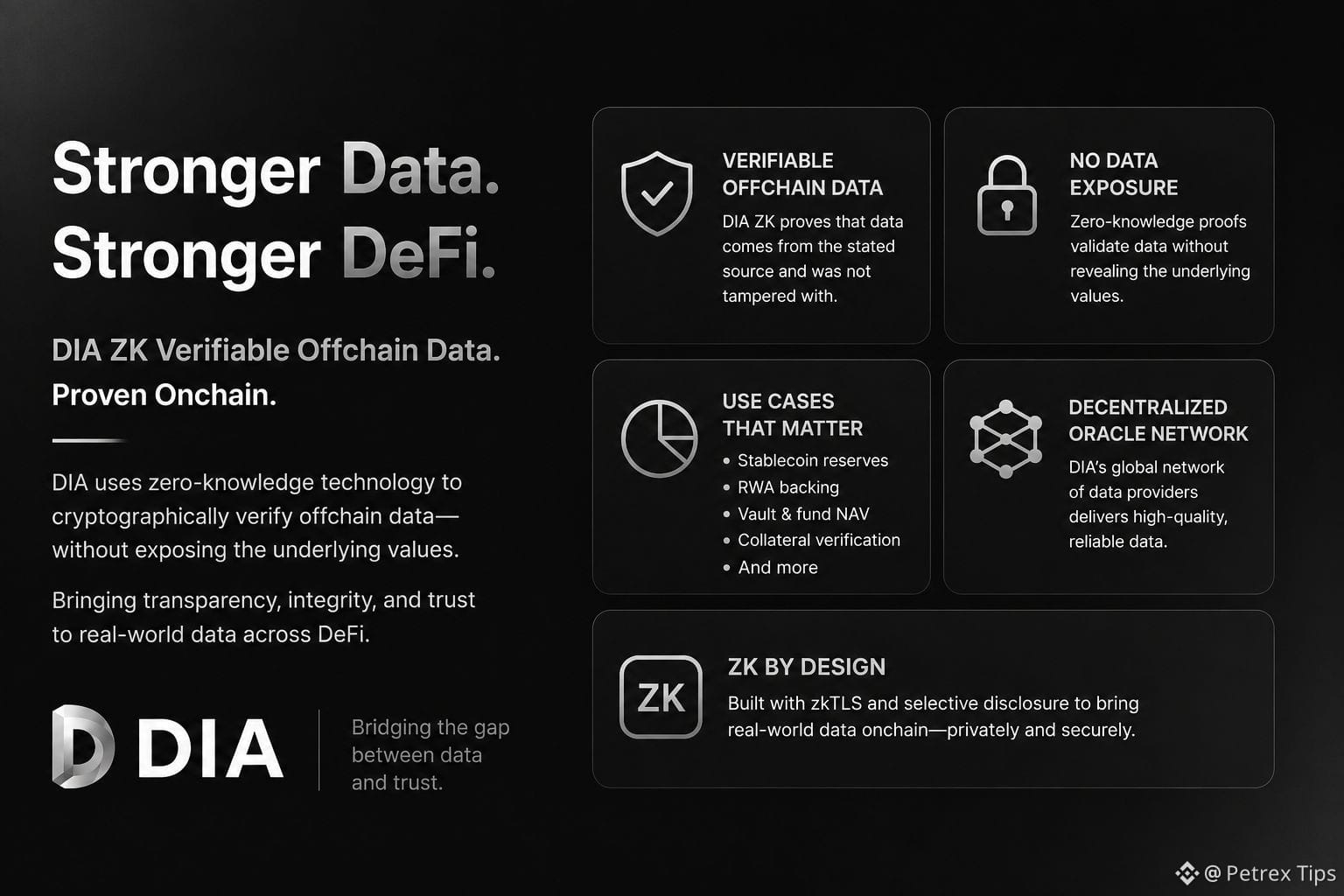
多くのDeFi資産はオンチェーン上に存在しますが、それらを裏付ける情報は存在しないのが現状です。
ステーブルコインの準備金、RWAの裏付け、ファンドのNAV、そしてバウチャルトークンの担保はすべてオフチェーンに置くことができ、その結果、プロトコルは独立して検証できない情報に依存することになります。
@DIAdata_org ZKは、そのギャップを埋めるために構築されています。
zkTLSを用いることで、DIA ZKはオフチェーンデータが指定された送信元から来たこと、さらにオンチェーンのアプリケーションに到達する前に改ざんされていないことを暗号学的に証明できます。
セレクティブ・ディスクロージャー(選択的開示)により、基になる数値を公開することなく条件を検証することも可能になります。
たとえば、ステーブルコインの準備金残高の正確な金額を開示する代わりに、準備金が発行量を上回っていることを単に証明できます。同じモデルは、担保比率、トレジャリー残高、NAV、流動性の閾値にも適用できます。
これにより、ステーブルコイン、RWA、バウチャー、貸借市場、デリバティブは、ソースが認証された、プライバシーを保護しつつ、オンチェーンで検証可能な方法でオフチェーンデータを活用できます。
要するに、DIA ZKの考え方は「すべてを明かさずに重要なことを証明する」というものです。
多くのDeFi資産はオンチェーン上に存在しますが、それらを裏付ける情報は存在しないのが現状です。
ステーブルコインの準備金、RWAの裏付け、ファンドのNAV、そしてバウチャルトークンの担保はすべてオフチェーンに置くことができ、その結果、プロトコルは独立して検証できない情報に依存することになります。
@DIAdata_org ZKは、そのギャップを埋めるために構築されています。
zkTLSを用いることで、DIA ZKはオフチェーンデータが指定された送信元から来たこと、さらにオンチェーンのアプリケーションに到達する前に改ざんされていないことを暗号学的に証明できます。
セレクティブ・ディスクロージャー(選択的開示)により、基になる数値を公開することなく条件を検証することも可能になります。
たとえば、ステーブルコインの準備金残高の正確な金額を開示する代わりに、準備金が発行量を上回っていることを単に証明できます。同じモデルは、担保比率、トレジャリー残高、NAV、流動性の閾値にも適用できます。
これにより、ステーブルコイン、RWA、バウチャー、貸借市場、デリバティブは、ソースが認証された、プライバシーを保護しつつ、オンチェーンで検証可能な方法でオフチェーンデータを活用できます。
要するに、DIA ZKの考え方は「すべてを明かさずに重要なことを証明する」というものです。
ステーブルコインの準備金、RWAの裏付け、ファンドのNAV、そしてバウチャルトークンの担保はすべてオフチェーンに置くことができ、その結果、プロトコルは独立して検証できない情報に依存することになります。
@DIAdata_org ZKは、そのギャップを埋めるために構築されています。
zkTLSを用いることで、DIA ZKはオフチェーンデータが指定された送信元から来たこと、さらにオンチェーンのアプリケーションに到達する前に改ざんされていないことを暗号学的に証明できます。
セレクティブ・ディスクロージャー(選択的開示)により、基になる数値を公開することなく条件を検証することも可能になります。
たとえば、ステーブルコインの準備金残高の正確な金額を開示する代わりに、準備金が発行量を上回っていることを単に証明できます。同じモデルは、担保比率、トレジャリー残高、NAV、流動性の閾値にも適用できます。
これにより、ステーブルコイン、RWA、バウチャー、貸借市場、デリバティブは、ソースが認証された、プライバシーを保護しつつ、オンチェーンで検証可能な方法でオフチェーンデータを活用できます。
要するに、DIA ZKの考え方は「すべてを明かさずに重要なことを証明する」というものです。
1
99
·
--
ブリッシュ
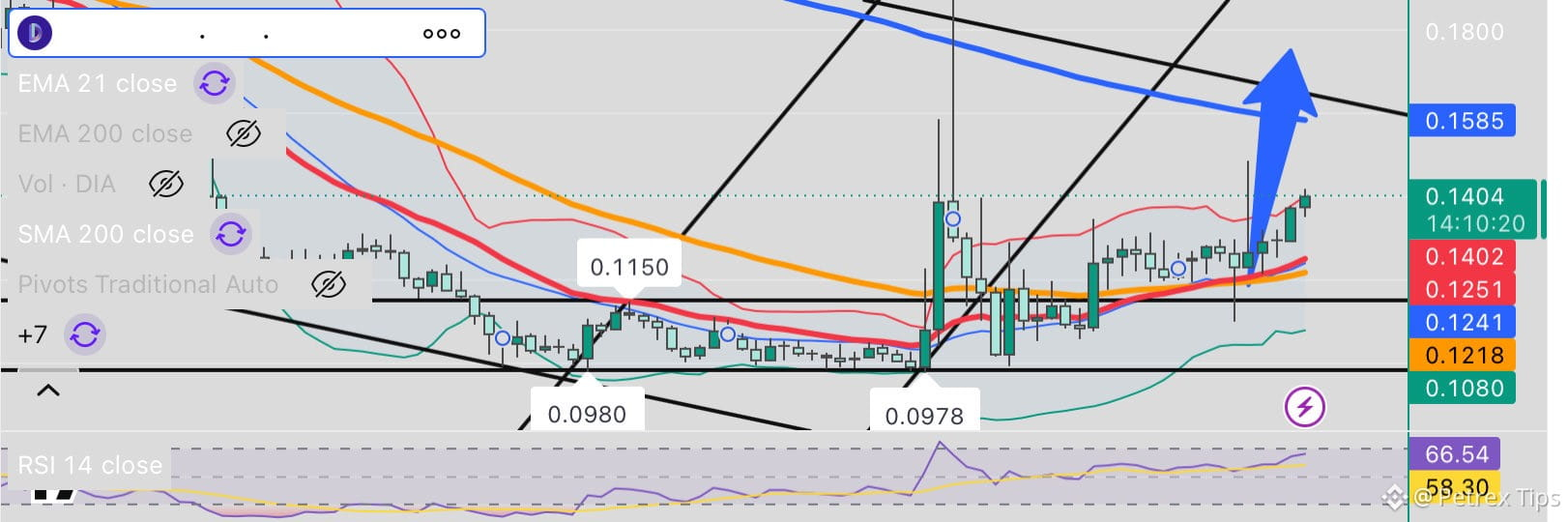
今週ここまで市場はかなり強気の動きです。
いくつか気になるトークンがあります。$DIA と $HYPE は今週すでに 40% 以上を記録していて、さらに上昇中です。
$HYPE は $55 から簡単に $70 以上まで上がり、強気なコミュニティと最近の統合を背景に、次は $80 が見えてきています。
そして $DIA は今月ずっと着実に上昇しています。先にあった弱気相場の中でも、@DIAdata_org のコミュニティのセンチメントは終始強気でした。
今日は DIA を手に入れるべきですが、いつも通り、これは金融アドバイスではありません。
慎重に取引してね 💯
今週ここまで市場はかなり強気の動きです。
いくつか気になるトークンがあります。$DIA と $HYPE は今週すでに 40% 以上を記録していて、さらに上昇中です。
$HYPE は $55 から簡単に $70 以上まで上がり、強気なコミュニティと最近の統合を背景に、次は $80 が見えてきています。
そして $DIA は今月ずっと着実に上昇しています。先にあった弱気相場の中でも、@DIAdata_org のコミュニティのセンチメントは終始強気でした。
今日は DIA を手に入れるべきですが、いつも通り、これは金融アドバイスではありません。
慎重に取引してね 💯
いくつか気になるトークンがあります。$DIA と $HYPE は今週すでに 40% 以上を記録していて、さらに上昇中です。
$HYPE は $55 から簡単に $70 以上まで上がり、強気なコミュニティと最近の統合を背景に、次は $80 が見えてきています。
そして $DIA は今月ずっと着実に上昇しています。先にあった弱気相場の中でも、@DIAdata_org のコミュニティのセンチメントは終始強気でした。
今日は DIA を手に入れるべきですが、いつも通り、これは金融アドバイスではありません。
慎重に取引してね 💯
224
·
--
ブリッシュ
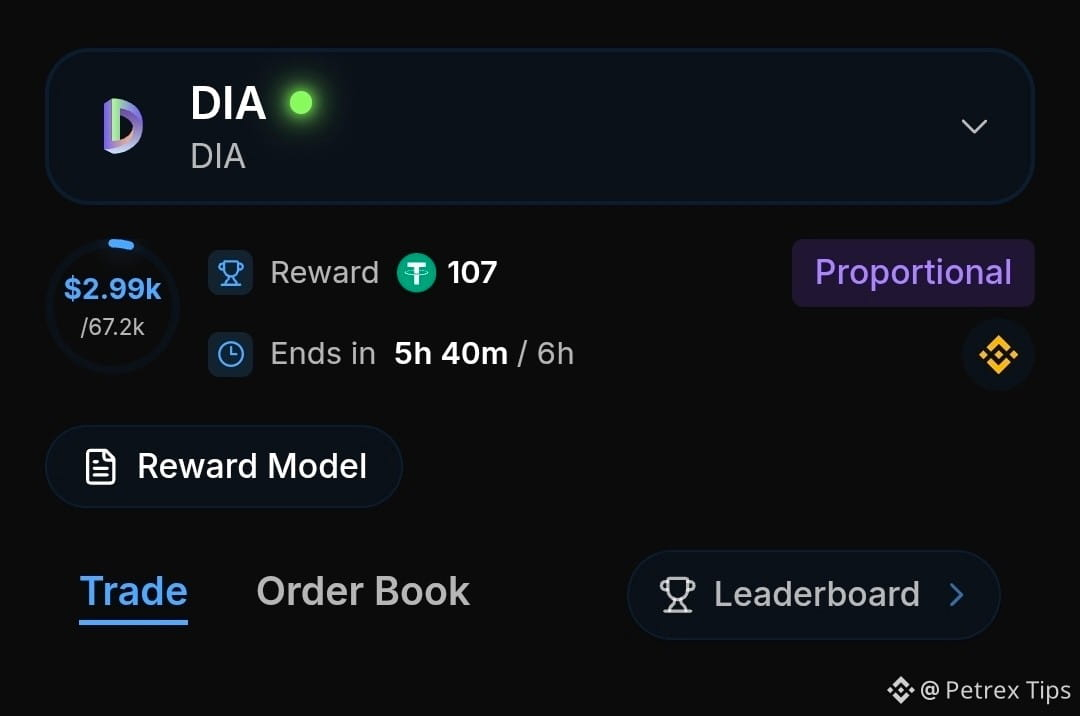
私たちは@cedehubの$DIA Trading Competitionのちょうど半分まで公式に来ました!
📊 参加トレーダー1,000人以上
💸 $DIAの取引で$5.16M+
🏆 賞金$12,000
まだ半分だけ。勝ち取るべき報酬として残り$12kがあります
コンペに参加👇
私たちは@cedehubの$DIA Trading Competitionのちょうど半分まで公式に来ました!
📊 参加トレーダー1,000人以上
💸 $DIAの取引で$5.16M+
🏆 賞金$12,000
まだ半分だけ。勝ち取るべき報酬として残り$12kがあります
コンペに参加👇
📊 参加トレーダー1,000人以上
💸 $DIAの取引で$5.16M+
🏆 賞金$12,000
まだ半分だけ。勝ち取るべき報酬として残り$12kがあります
コンペに参加👇
98
ログインして、さらにコンテンツを読む
厳選トピックで世界の暗号資産トレーダーの仲間入り
⚡️ 暗号資産に関する最新かつ有益な情報が見つかります。
💬 世界最大の暗号資産取引所から信頼されています。
👍 認証を受けたクリエイターから、有益なインサイトを得られます。
メール / 電話番号
トレンドトピック
SECReceivesGrayscaleLitecoinTrustETFFiling
閲覧回数 11,813
256人が討論中
💎 投資家の関心がライトコインに集まる
グレイスケールのETF申請により、$LTCはより大きな話題の中心に入りました。現物取引を行う人にとって、このような出来事は、エントリーする前に強固な資産を見極めて学ぶべきだという注意喚起になります。
#secreceivesgrayscalelitecointrustetffiling
CryptoMahibaloch
·いいね:1件
·閲覧回数 908
ClarityActFacesProceduralVoteSept15
閲覧回数 103,975
1,222人が討論中
US10YearTreasuryYieldNears5%
閲覧回数 36,265
630人が討論中