

OroCryptoTrends
8.9k 投稿

OroCryptoTrends
 厳選トピック確認済+
報告
ユーザーをブロック
OroCryptoTrends | Crypto Insights: Real-time crypto news, market analysis, Web3, DeFi & emerging trends. Research-driven, actionable insights. No hype.
取引を発注
高頻度トレーダー
3.2年
3.2K+ フォロー
51.2K+ フォロワー
49.2K+ いいね
投稿
ポートフォリオ
すべて
引用
動画
ライブ
$XRP 興味深いXRPの物語は、アップグレードそのものではないかもしれません。重要なのは、実際に誰かが作られているものを使っているかどうかです。
XRPLは、機関投資家や金融用途にとってより実用的なネットワークにするための機能へと向かっています。Confidential Transfers(秘密転送)は、監査やコンプライアンスのための仕組みを維持しつつ、トークン残高や送金額を秘匿できます。バッチ取引は複数の取引をまとめて、同時に実行する(または同時に失敗する)ことが可能です。また、リップルはすでにXRPとRLUSDを使ったAIエージェントの支払い向けのツール群を導入しています。
それは大きな話に聞こえます。でも、まだその下にある難しい問いがあると思います。
これがどれくらい現実の経済活動につながるのか?
プロトコルが、より高いプライバシー、より良い取引の調整、より優れたAIツールを備えたとしても、それだけでXRPに対する継続的な需要が自動的に生まれるわけではありません。そこはぼかしたくない部分です。
もし機関が実際にトークン化された資産を導入し、秘密転送を使い、XRPLで取引を決済し、意味のある活動が生まれるなら、インフラの物語はずっと強くなります。
ただし、アップグレードが利用可能になったことと、普及(アドプション)には同じ意味はありません。
だから私は、別の短期的なXRPの価格目標よりも、実装、取引活動、流動性、そして実際の統合状況をより注意深く見ています。
技術はますます能力を高めています。あとは市場が「それを使う理由がある」ことを証明する番です。
$XRP 興味深いXRPの物語は、アップグレードそのものではないかもしれません。重要なのは、実際に誰かが作られているものを使っているかどうかです。
XRPLは、機関投資家や金融用途にとってより実用的なネットワークにするための機能へと向かっています。Confidential Transfers(秘密転送)は、監査やコンプライアンスのための仕組みを維持しつつ、トークン残高や送金額を秘匿できます。バッチ取引は複数の取引をまとめて、同時に実行する(または同時に失敗する)ことが可能です。また、リップルはすでにXRPとRLUSDを使ったAIエージェントの支払い向けのツール群を導入しています。
それは大きな話に聞こえます。でも、まだその下にある難しい問いがあると思います。
これがどれくらい現実の経済活動につながるのか?
プロトコルが、より高いプライバシー、より良い取引の調整、より優れたAIツールを備えたとしても、それだけでXRPに対する継続的な需要が自動的に生まれるわけではありません。そこはぼかしたくない部分です。
もし機関が実際にトークン化された資産を導入し、秘密転送を使い、XRPLで取引を決済し、意味のある活動が生まれるなら、インフラの物語はずっと強くなります。
ただし、アップグレードが利用可能になったことと、普及(アドプション)には同じ意味はありません。
だから私は、別の短期的なXRPの価格目標よりも、実装、取引活動、流動性、そして実際の統合状況をより注意深く見ています。
技術はますます能力を高めています。あとは市場が「それを使う理由がある」ことを証明する番です。
XRPLは、機関投資家や金融用途にとってより実用的なネットワークにするための機能へと向かっています。Confidential Transfers(秘密転送)は、監査やコンプライアンスのための仕組みを維持しつつ、トークン残高や送金額を秘匿できます。バッチ取引は複数の取引をまとめて、同時に実行する(または同時に失敗する)ことが可能です。また、リップルはすでにXRPとRLUSDを使ったAIエージェントの支払い向けのツール群を導入しています。
それは大きな話に聞こえます。でも、まだその下にある難しい問いがあると思います。
これがどれくらい現実の経済活動につながるのか?
プロトコルが、より高いプライバシー、より良い取引の調整、より優れたAIツールを備えたとしても、それだけでXRPに対する継続的な需要が自動的に生まれるわけではありません。そこはぼかしたくない部分です。
もし機関が実際にトークン化された資産を導入し、秘密転送を使い、XRPLで取引を決済し、意味のある活動が生まれるなら、インフラの物語はずっと強くなります。
ただし、アップグレードが利用可能になったことと、普及(アドプション)には同じ意味はありません。
だから私は、別の短期的なXRPの価格目標よりも、実装、取引活動、流動性、そして実際の統合状況をより注意深く見ています。
技術はますます能力を高めています。あとは市場が「それを使う理由がある」ことを証明する番です。
785
トランプは「SI」をソーシャルメディアの合言葉から、米国政府の正式な用語へと変えた。
9月29日、ホワイトハウスは行政府に対し、「Artificial Intelligence(人工知能)」や「AI」の代わりに「Super Intelligence(超知能)」と「SI」を使うよう命じた。続いて今日、トランプは新たな「Super Intelligence Force(超知能部隊)」を発表し、DNI(国家情報長官)局のジェイ・クレイトン所長を含む複数の関係者が、その立ち上げを主導するとした。
この部分は事実だ。
私がより注目しているのは、こうした政治的な物語が暗号(クリプト)と衝突したときに何が起きるかだ。
というのも、すでにあるトークンが「SI」というティッカーで取引されている場合、社会的な注目が見出し → ティッカー認識 → 投機へと飛び移るのは非常に簡単だからだ。
ただし待ってほしい——それは基礎的価値(ファンダメンタル)と同じことではない。
政府が用語を変更したからといって、無関係なトークンに対して自動的に採用が生まれ、収益が増え、利用者が増え、あるいは技術的な実用性が生まれるわけではない。実際、大統領令(現時点の執行命令)では「SI」は、既存の連邦AI定義によってすでにカバーされている技術の範囲として定義されている。
だから私は、2つのことを分けて考えるべきだと思う。
政策の物語は、AI業界にとって非常に大きな意味を持つかもしれない。
一方で、クリプトのティッカー反応はまったく別の伝達メカニズムだ。
この区別が重要なのは、物語(ナラティブ)はファンダメンタルが追いつくよりずっと前に市場を動かし得るからだ。
それでも、これが実際に何を変えるのかをまだ掴めていない。
トランプは「SI」をソーシャルメディアの合言葉から、米国政府の正式な用語へと変えた。
9月29日、ホワイトハウスは行政府に対し、「Artificial Intelligence(人工知能)」や「AI」の代わりに「Super Intelligence(超知能)」と「SI」を使うよう命じた。続いて今日、トランプは新たな「Super Intelligence Force(超知能部隊)」を発表し、DNI(国家情報長官)局のジェイ・クレイトン所長を含む複数の関係者が、その立ち上げを主導するとした。
この部分は事実だ。
私がより注目しているのは、こうした政治的な物語が暗号(クリプト)と衝突したときに何が起きるかだ。
というのも、すでにあるトークンが「SI」というティッカーで取引されている場合、社会的な注目が見出し → ティッカー認識 → 投機へと飛び移るのは非常に簡単だからだ。
ただし待ってほしい——それは基礎的価値(ファンダメンタル)と同じことではない。
政府が用語を変更したからといって、無関係なトークンに対して自動的に採用が生まれ、収益が増え、利用者が増え、あるいは技術的な実用性が生まれるわけではない。実際、大統領令(現時点の執行命令)では「SI」は、既存の連邦AI定義によってすでにカバーされている技術の範囲として定義されている。
だから私は、2つのことを分けて考えるべきだと思う。
政策の物語は、AI業界にとって非常に大きな意味を持つかもしれない。
一方で、クリプトのティッカー反応はまったく別の伝達メカニズムだ。
この区別が重要なのは、物語(ナラティブ)はファンダメンタルが追いつくよりずっと前に市場を動かし得るからだ。
それでも、これが実際に何を変えるのかをまだ掴めていない。
9月29日、ホワイトハウスは行政府に対し、「Artificial Intelligence(人工知能)」や「AI」の代わりに「Super Intelligence(超知能)」と「SI」を使うよう命じた。続いて今日、トランプは新たな「Super Intelligence Force(超知能部隊)」を発表し、DNI(国家情報長官)局のジェイ・クレイトン所長を含む複数の関係者が、その立ち上げを主導するとした。
この部分は事実だ。
私がより注目しているのは、こうした政治的な物語が暗号(クリプト)と衝突したときに何が起きるかだ。
というのも、すでにあるトークンが「SI」というティッカーで取引されている場合、社会的な注目が見出し → ティッカー認識 → 投機へと飛び移るのは非常に簡単だからだ。
ただし待ってほしい——それは基礎的価値(ファンダメンタル)と同じことではない。
政府が用語を変更したからといって、無関係なトークンに対して自動的に採用が生まれ、収益が増え、利用者が増え、あるいは技術的な実用性が生まれるわけではない。実際、大統領令(現時点の執行命令)では「SI」は、既存の連邦AI定義によってすでにカバーされている技術の範囲として定義されている。
だから私は、2つのことを分けて考えるべきだと思う。
政策の物語は、AI業界にとって非常に大きな意味を持つかもしれない。
一方で、クリプトのティッカー反応はまったく別の伝達メカニズムだ。
この区別が重要なのは、物語(ナラティブ)はファンダメンタルが追いつくよりずっと前に市場を動かし得るからだ。
それでも、これが実際に何を変えるのかをまだ掴めていない。
1
1
668
本人確認中
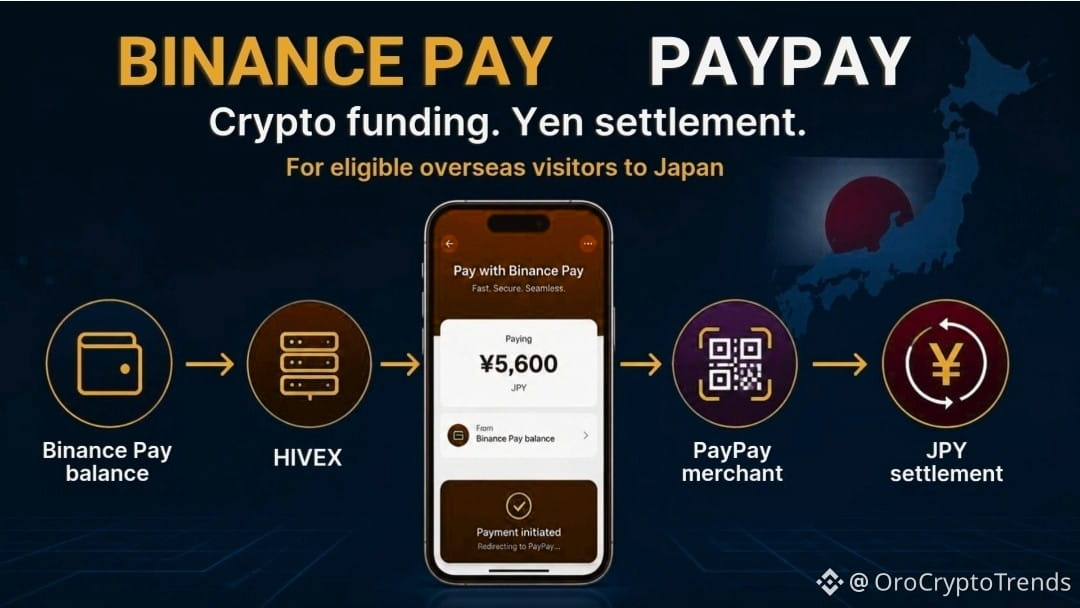
PayPayは暗号資産を受け付けていません。……そして、それこそが本当に面白いポイントです。
日本を訪れるBinance Payユーザーは、TBCASoftのHIVEXネットワークを介して、PayPay対応の加盟店で支払いできるようになりました。加盟店は日本円を受け取り、来訪者はBinance Payで支払います。
最初は、これはただの「暗号資産による決済が広がっている」という見出しに過ぎないのだと思いました。
でも—たぶん、それは適切な見方ではありません。
より面白いのは、変わらない部分です。
加盟店が、突然ウォレットやトークン、ブロックチェーンの決済を理解する必要はありません。店舗側が覚えなければならない新しい暗号資産の決済システムはありません。加盟店側の決済インフラはこれまでどおり馴染みのまま、Binance Payは実質的に、取引の裏側に加わる別の資金調達ルートになります。
この違いが重要です。
暗号資産決済のための一つの可能な道筋として、「加盟店に決済スタックを作り直させない。暗号資産ユーザーを、すでに人々が使っている仕組みに接続する」という方針を示唆しています。
ただし、埋もれさせてはいけない制約もあります。今回のローンチは、日本の対象となる海外の来訪者を対象としています。日本国内の居住者には利用できません。つまり現時点では、国内での暗号資産の普及というより、国境をまたぐ旅行者向けの決済の話が中心です。
私が本当に注目しているのは、このアーキテクチャが他の市場でも、確立された決済ネットワークに接続され続けるかどうかです。
そこから、さらに面白くなる可能性があります。
それでも、結局これが何を変えるのかをまだ把握しきれていません。
PayPayは暗号資産を受け付けていません。……そして、それこそが本当に面白いポイントです。
日本を訪れるBinance Payユーザーは、TBCASoftのHIVEXネットワークを介して、PayPay対応の加盟店で支払いできるようになりました。加盟店は日本円を受け取り、来訪者はBinance Payで支払います。
最初は、これはただの「暗号資産による決済が広がっている」という見出しに過ぎないのだと思いました。
でも—たぶん、それは適切な見方ではありません。
より面白いのは、変わらない部分です。
加盟店が、突然ウォレットやトークン、ブロックチェーンの決済を理解する必要はありません。店舗側が覚えなければならない新しい暗号資産の決済システムはありません。加盟店側の決済インフラはこれまでどおり馴染みのまま、Binance Payは実質的に、取引の裏側に加わる別の資金調達ルートになります。
この違いが重要です。
暗号資産決済のための一つの可能な道筋として、「加盟店に決済スタックを作り直させない。暗号資産ユーザーを、すでに人々が使っている仕組みに接続する」という方針を示唆しています。
ただし、埋もれさせてはいけない制約もあります。今回のローンチは、日本の対象となる海外の来訪者を対象としています。日本国内の居住者には利用できません。つまり現時点では、国内での暗号資産の普及というより、国境をまたぐ旅行者向けの決済の話が中心です。
私が本当に注目しているのは、このアーキテクチャが他の市場でも、確立された決済ネットワークに接続され続けるかどうかです。
そこから、さらに面白くなる可能性があります。
それでも、結局これが何を変えるのかをまだ把握しきれていません。
日本を訪れるBinance Payユーザーは、TBCASoftのHIVEXネットワークを介して、PayPay対応の加盟店で支払いできるようになりました。加盟店は日本円を受け取り、来訪者はBinance Payで支払います。
最初は、これはただの「暗号資産による決済が広がっている」という見出しに過ぎないのだと思いました。
でも—たぶん、それは適切な見方ではありません。
より面白いのは、変わらない部分です。
加盟店が、突然ウォレットやトークン、ブロックチェーンの決済を理解する必要はありません。店舗側が覚えなければならない新しい暗号資産の決済システムはありません。加盟店側の決済インフラはこれまでどおり馴染みのまま、Binance Payは実質的に、取引の裏側に加わる別の資金調達ルートになります。
この違いが重要です。
暗号資産決済のための一つの可能な道筋として、「加盟店に決済スタックを作り直させない。暗号資産ユーザーを、すでに人々が使っている仕組みに接続する」という方針を示唆しています。
ただし、埋もれさせてはいけない制約もあります。今回のローンチは、日本の対象となる海外の来訪者を対象としています。日本国内の居住者には利用できません。つまり現時点では、国内での暗号資産の普及というより、国境をまたぐ旅行者向けの決済の話が中心です。
私が本当に注目しているのは、このアーキテクチャが他の市場でも、確立された決済ネットワークに接続され続けるかどうかです。
そこから、さらに面白くなる可能性があります。
それでも、結局これが何を変えるのかをまだ把握しきれていません。
1
996
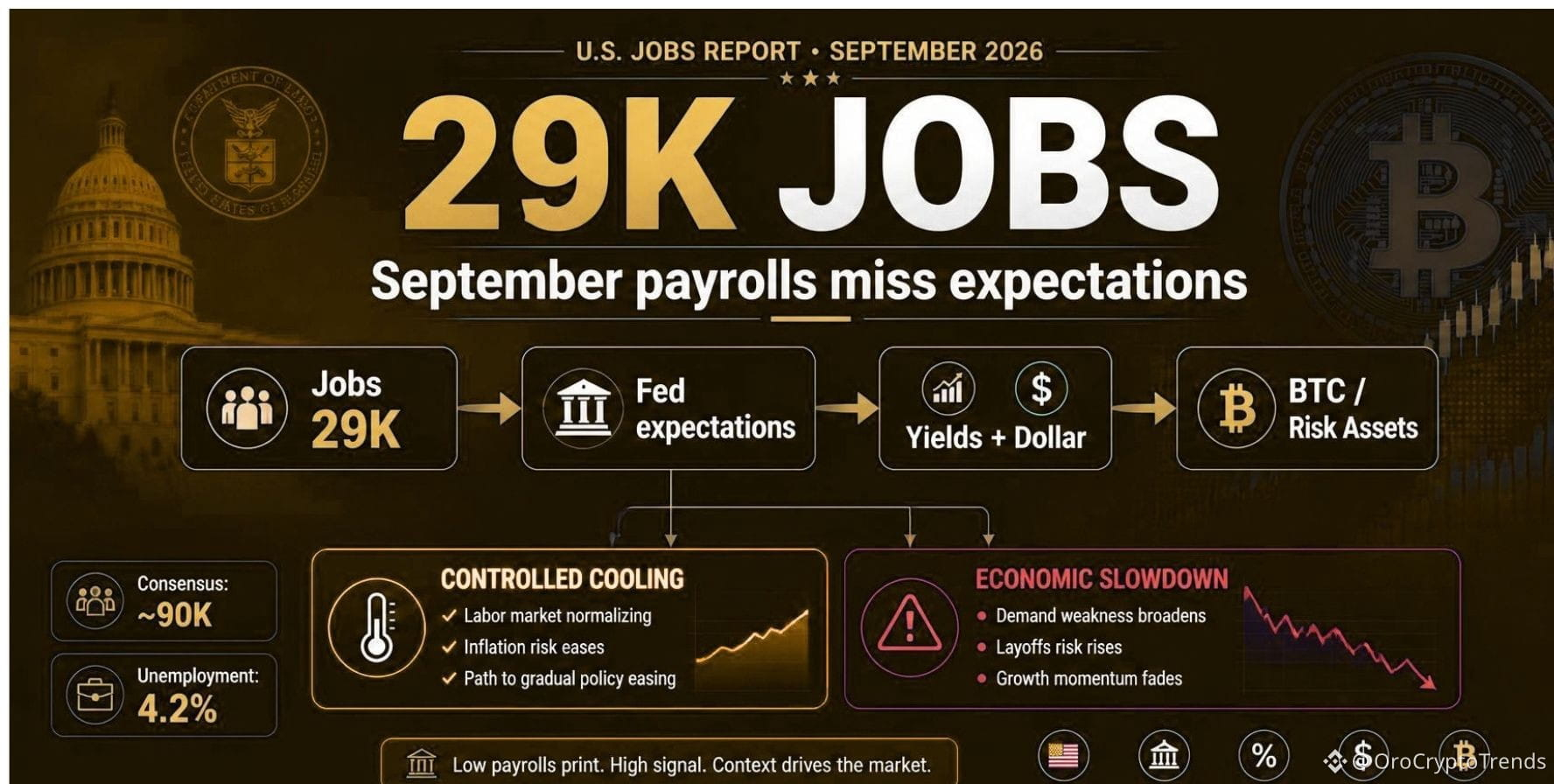
#NFPWatch 29Kの仕事。会話の内容を変えるのは、この数字です。
9月の米国雇用統計の結果は、約9万Kという市場予想を大幅に下回り、失業率は4.1%から4.2%へ上昇しました。
暗号資産に関して重要なのは、「弱い雇用=強気のビットコイン」というだけではないと思います。あまりに単純すぎます。
より大きな伝播のメカニズムは金利です。
景気を支える労働市場が緩むと、FRBがさらなる引き締めを続ける圧力が弱まり、国債利回りやドルが下がってリスク資産に相対的に追い風となり得ます。ロイターによると、データを受けて10月の利上げ確率が大幅に低い方向へ市場が動き、株式が上昇し、国債利回りが下落しました。
しかし、ここには矛盾があります。
雇用の弱さが金利に敏感な資産にとってプラスになるのは、それが「管理された冷え込み」として受け止められる場合に限ります。労働市場が急速に悪化し始めると、「より引き締めの緩いFRB」から「景気減速」へと物語が切り替わる可能性があります。
この違いはビットコインにとって重要です。
だから私は、雇用統計の見出しだけを取引シグナルとして扱うのではなく、利回り、ドル、そしてBTCの反応を見ています。
それでも、これが実際に何を変えるのかをまだ突き止めようとしているところです。
#NFPWatch 29Kの仕事。会話の内容を変えるのは、この数字です。
9月の米国雇用統計の結果は、約9万Kという市場予想を大幅に下回り、失業率は4.1%から4.2%へ上昇しました。
暗号資産に関して重要なのは、「弱い雇用=強気のビットコイン」というだけではないと思います。あまりに単純すぎます。
より大きな伝播のメカニズムは金利です。
景気を支える労働市場が緩むと、FRBがさらなる引き締めを続ける圧力が弱まり、国債利回りやドルが下がってリスク資産に相対的に追い風となり得ます。ロイターによると、データを受けて10月の利上げ確率が大幅に低い方向へ市場が動き、株式が上昇し、国債利回りが下落しました。
しかし、ここには矛盾があります。
雇用の弱さが金利に敏感な資産にとってプラスになるのは、それが「管理された冷え込み」として受け止められる場合に限ります。労働市場が急速に悪化し始めると、「より引き締めの緩いFRB」から「景気減速」へと物語が切り替わる可能性があります。
この違いはビットコインにとって重要です。
だから私は、雇用統計の見出しだけを取引シグナルとして扱うのではなく、利回り、ドル、そしてBTCの反応を見ています。
それでも、これが実際に何を変えるのかをまだ突き止めようとしているところです。
9月の米国雇用統計の結果は、約9万Kという市場予想を大幅に下回り、失業率は4.1%から4.2%へ上昇しました。
暗号資産に関して重要なのは、「弱い雇用=強気のビットコイン」というだけではないと思います。あまりに単純すぎます。
より大きな伝播のメカニズムは金利です。
景気を支える労働市場が緩むと、FRBがさらなる引き締めを続ける圧力が弱まり、国債利回りやドルが下がってリスク資産に相対的に追い風となり得ます。ロイターによると、データを受けて10月の利上げ確率が大幅に低い方向へ市場が動き、株式が上昇し、国債利回りが下落しました。
しかし、ここには矛盾があります。
雇用の弱さが金利に敏感な資産にとってプラスになるのは、それが「管理された冷え込み」として受け止められる場合に限ります。労働市場が急速に悪化し始めると、「より引き締めの緩いFRB」から「景気減速」へと物語が切り替わる可能性があります。
この違いはビットコインにとって重要です。
だから私は、雇用統計の見出しだけを取引シグナルとして扱うのではなく、利回り、ドル、そしてBTCの反応を見ています。
それでも、これが実際に何を変えるのかをまだ突き止めようとしているところです。
3
2k
$NEAR $3.8MがNEAR Intentsから消失──そして肝心なのは、失敗が起きた場所だ。
NEAR Intentsは本日、Omniの入金・出金インフラおよびスマートコントラクトに関するバグにより、約380万ドルの損失が発生したと発表した。チームは脆弱性は修正済みで、影響を受けたユーザーには全額補償されるという。修正が完了するまで、複数のネットワークにまたがる入金と出金も一時停止された。
私が注目しているのは、これは単純な「ブロックチェーンがハッキングされた」という話には見えない点だ。報告された弱点は、チェーン間で資産をつなぐインフラまわりにある。
この違いは重要だ。
クロスチェーンの仕組みは、基本的に“信頼のパイプライン”だ。追加のブリッジ、カストディ層、決済メカニズム、あるいはコントラクト同士のやり取りが増えるほど、すべての前提が成り立っていなければならない場所も増える。片側で監視がしっかりできていても、誰も想定していなかった形で2つのコンポーネントが相互作用したときに痛手を負うことがある。
そして正直、それこそがこの件から得られるより大きな教訓だろう。
NEAR Intentsは、つい数日前に別の大規模な不正フローの大半を止める能力を示したばかりだった。ところが今度は、自分たちのインフラが被害を受けてしまった。
チームはユーザーが元通りになると言っているが、補償は“約束”であって、まだ完了した返金ではない。
だから私は、エクスプロイト自体と同じくらい回復プロセスを注意深く見ている。
それでも、これが実際に何を変えるのか、まだ掴み切れていない。
$NEAR $3.8MがNEAR Intentsから消失──そして肝心なのは、失敗が起きた場所だ。
NEAR Intentsは本日、Omniの入金・出金インフラおよびスマートコントラクトに関するバグにより、約380万ドルの損失が発生したと発表した。チームは脆弱性は修正済みで、影響を受けたユーザーには全額補償されるという。修正が完了するまで、複数のネットワークにまたがる入金と出金も一時停止された。
私が注目しているのは、これは単純な「ブロックチェーンがハッキングされた」という話には見えない点だ。報告された弱点は、チェーン間で資産をつなぐインフラまわりにある。
この違いは重要だ。
クロスチェーンの仕組みは、基本的に“信頼のパイプライン”だ。追加のブリッジ、カストディ層、決済メカニズム、あるいはコントラクト同士のやり取りが増えるほど、すべての前提が成り立っていなければならない場所も増える。片側で監視がしっかりできていても、誰も想定していなかった形で2つのコンポーネントが相互作用したときに痛手を負うことがある。
そして正直、それこそがこの件から得られるより大きな教訓だろう。
NEAR Intentsは、つい数日前に別の大規模な不正フローの大半を止める能力を示したばかりだった。ところが今度は、自分たちのインフラが被害を受けてしまった。
チームはユーザーが元通りになると言っているが、補償は“約束”であって、まだ完了した返金ではない。
だから私は、エクスプロイト自体と同じくらい回復プロセスを注意深く見ている。
それでも、これが実際に何を変えるのか、まだ掴み切れていない。
NEAR Intentsは本日、Omniの入金・出金インフラおよびスマートコントラクトに関するバグにより、約380万ドルの損失が発生したと発表した。チームは脆弱性は修正済みで、影響を受けたユーザーには全額補償されるという。修正が完了するまで、複数のネットワークにまたがる入金と出金も一時停止された。
私が注目しているのは、これは単純な「ブロックチェーンがハッキングされた」という話には見えない点だ。報告された弱点は、チェーン間で資産をつなぐインフラまわりにある。
この違いは重要だ。
クロスチェーンの仕組みは、基本的に“信頼のパイプライン”だ。追加のブリッジ、カストディ層、決済メカニズム、あるいはコントラクト同士のやり取りが増えるほど、すべての前提が成り立っていなければならない場所も増える。片側で監視がしっかりできていても、誰も想定していなかった形で2つのコンポーネントが相互作用したときに痛手を負うことがある。
そして正直、それこそがこの件から得られるより大きな教訓だろう。
NEAR Intentsは、つい数日前に別の大規模な不正フローの大半を止める能力を示したばかりだった。ところが今度は、自分たちのインフラが被害を受けてしまった。
チームはユーザーが元通りになると言っているが、補償は“約束”であって、まだ完了した返金ではない。
だから私は、エクスプロイト自体と同じくらい回復プロセスを注意深く見ている。
それでも、これが実際に何を変えるのか、まだ掴み切れていない。
2
995
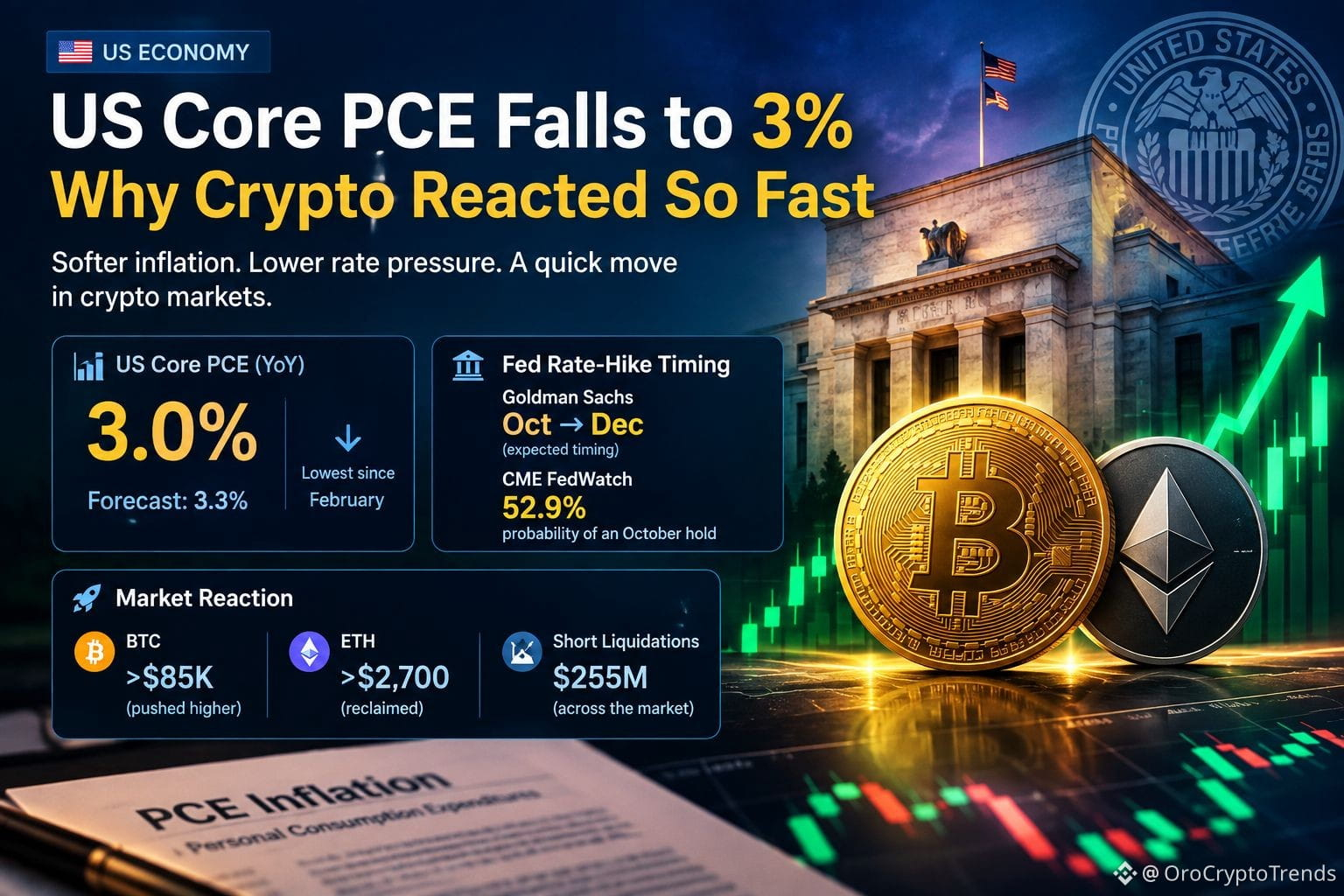
$BTC US コアPCEが3.0%まで下落──そして暗号資産は即座に反応した。
市場予想は3.3%だったため、より弱いインフレ指標が直ちに金利見通しの物語を変えた。ゴールドマン・サックスは、報道によるとFF金利の引き上げ時期の見通しを10月から12月へ前倒しした。一方、CMEのFedWatchでは10月据え置きの確率が52.9%と示されている。
そしてBTCは待たなかった。BTCは85,000ドル超まで押し上げ、ETHは2,700ドルを取り戻した。暗号資産のショート約2.55億ドルが清算された。
ただ、ここからが見どころだ。
弱いPCEの結果が出たからといって、FRBが近いうちに急激にハト派へ傾くと自動的に意味するわけではない。インフレはまだFRBの2%目標を上回っており、月次の1指標だけではマクロの全体像は変わらない。
とはいえ、市場は絶対的な数字だけでなく、見通し(期待)を取引している。トレーダーが近い将来の利上げ回数を織り込み始めれば、流動性に敏感な資産である暗号資産は素早く反応し得る。
待って──より良い捉え方は、「インフレが解決した」というよりも別のものかもしれない。
重要なのは、直近の金利圧力をめぐる物語が弱まったことだ。
この違いは大きい。次のインフレ指標と雇用市場データがその傾向を裏付けるなら、この動きにはさらに伸びる余地が出てくるかもしれない。もしそうでなければ、今日の反応は同じくらい素早く薄れていく可能性がある。
$BTC US コアPCEが3.0%まで下落──そして暗号資産は即座に反応した。
市場予想は3.3%だったため、より弱いインフレ指標が直ちに金利見通しの物語を変えた。ゴールドマン・サックスは、報道によるとFF金利の引き上げ時期の見通しを10月から12月へ前倒しした。一方、CMEのFedWatchでは10月据え置きの確率が52.9%と示されている。
そしてBTCは待たなかった。BTCは85,000ドル超まで押し上げ、ETHは2,700ドルを取り戻した。暗号資産のショート約2.55億ドルが清算された。
ただ、ここからが見どころだ。
弱いPCEの結果が出たからといって、FRBが近いうちに急激にハト派へ傾くと自動的に意味するわけではない。インフレはまだFRBの2%目標を上回っており、月次の1指標だけではマクロの全体像は変わらない。
とはいえ、市場は絶対的な数字だけでなく、見通し(期待)を取引している。トレーダーが近い将来の利上げ回数を織り込み始めれば、流動性に敏感な資産である暗号資産は素早く反応し得る。
待って──より良い捉え方は、「インフレが解決した」というよりも別のものかもしれない。
重要なのは、直近の金利圧力をめぐる物語が弱まったことだ。
この違いは大きい。次のインフレ指標と雇用市場データがその傾向を裏付けるなら、この動きにはさらに伸びる余地が出てくるかもしれない。もしそうでなければ、今日の反応は同じくらい素早く薄れていく可能性がある。
市場予想は3.3%だったため、より弱いインフレ指標が直ちに金利見通しの物語を変えた。ゴールドマン・サックスは、報道によるとFF金利の引き上げ時期の見通しを10月から12月へ前倒しした。一方、CMEのFedWatchでは10月据え置きの確率が52.9%と示されている。
そしてBTCは待たなかった。BTCは85,000ドル超まで押し上げ、ETHは2,700ドルを取り戻した。暗号資産のショート約2.55億ドルが清算された。
ただ、ここからが見どころだ。
弱いPCEの結果が出たからといって、FRBが近いうちに急激にハト派へ傾くと自動的に意味するわけではない。インフレはまだFRBの2%目標を上回っており、月次の1指標だけではマクロの全体像は変わらない。
とはいえ、市場は絶対的な数字だけでなく、見通し(期待)を取引している。トレーダーが近い将来の利上げ回数を織り込み始めれば、流動性に敏感な資産である暗号資産は素早く反応し得る。
待って──より良い捉え方は、「インフレが解決した」というよりも別のものかもしれない。
重要なのは、直近の金利圧力をめぐる物語が弱まったことだ。
この違いは大きい。次のインフレ指標と雇用市場データがその傾向を裏付けるなら、この動きにはさらに伸びる余地が出てくるかもしれない。もしそうでなければ、今日の反応は同じくらい素早く薄れていく可能性がある。
1.3k
$BTC $3.55Bが先週、デジタル資産の投資商品に流入しました。これは2026年で最大の週次流入で――そしてビットコインがそのうち$2.52Bを獲得しています。
正直なところ、この話は見出しが思わせる以上に面白いです。
私が注目しているのは、数字の大きさだけではありません。お金がどこへ向かっているかです。ビットコインは週次合計の約71%を占め、一方でイーサリアムも$702Mを引き込みました。デジタル資産の投資商品全体のAUM(運用資産残高)は、約$173Bまで増加しています。
これは、仮想通貨が退屈になる局面でも、機関投資家の需要が消えていないことを示しています。需要はまだそこにありますが、私たちが普段「強いフロー」と結びつけがちな個人向けの熱狂ではなく、規制された投資商品を通じて現れている、ということです。
ただし、ここで待ってください――$3.55Bが自動的に次の上昇局面を保証するわけではないと思います。
週次のフローは強力な裏付けになり得ますが、それでも「一時点のスナップショット」にすぎません。より大きな問いは、需要の最初の勢いが落ちた後も、この配分水準が維持されるかどうかです。
これから私が見ていくのは、機関投資家が戻ってきたかどうかではなく、彼らが(その後も)戻ってき続けるかどうかです。
それでも、これがより広範な配分トレンドの始まりなのか、それとも単に非常に強い一週間にすぎないのか、まだ見極め中です。
$BTC $3.55Bが先週、デジタル資産の投資商品に流入しました。これは2026年で最大の週次流入で――そしてビットコインがそのうち$2.52Bを獲得しています。
正直なところ、この話は見出しが思わせる以上に面白いです。
私が注目しているのは、数字の大きさだけではありません。お金がどこへ向かっているかです。ビットコインは週次合計の約71%を占め、一方でイーサリアムも$702Mを引き込みました。デジタル資産の投資商品全体のAUM(運用資産残高)は、約$173Bまで増加しています。
これは、仮想通貨が退屈になる局面でも、機関投資家の需要が消えていないことを示しています。需要はまだそこにありますが、私たちが普段「強いフロー」と結びつけがちな個人向けの熱狂ではなく、規制された投資商品を通じて現れている、ということです。
ただし、ここで待ってください――$3.55Bが自動的に次の上昇局面を保証するわけではないと思います。
週次のフローは強力な裏付けになり得ますが、それでも「一時点のスナップショット」にすぎません。より大きな問いは、需要の最初の勢いが落ちた後も、この配分水準が維持されるかどうかです。
これから私が見ていくのは、機関投資家が戻ってきたかどうかではなく、彼らが(その後も)戻ってき続けるかどうかです。
それでも、これがより広範な配分トレンドの始まりなのか、それとも単に非常に強い一週間にすぎないのか、まだ見極め中です。
正直なところ、この話は見出しが思わせる以上に面白いです。
私が注目しているのは、数字の大きさだけではありません。お金がどこへ向かっているかです。ビットコインは週次合計の約71%を占め、一方でイーサリアムも$702Mを引き込みました。デジタル資産の投資商品全体のAUM(運用資産残高)は、約$173Bまで増加しています。
これは、仮想通貨が退屈になる局面でも、機関投資家の需要が消えていないことを示しています。需要はまだそこにありますが、私たちが普段「強いフロー」と結びつけがちな個人向けの熱狂ではなく、規制された投資商品を通じて現れている、ということです。
ただし、ここで待ってください――$3.55Bが自動的に次の上昇局面を保証するわけではないと思います。
週次のフローは強力な裏付けになり得ますが、それでも「一時点のスナップショット」にすぎません。より大きな問いは、需要の最初の勢いが落ちた後も、この配分水準が維持されるかどうかです。
これから私が見ていくのは、機関投資家が戻ってきたかどうかではなく、彼らが(その後も)戻ってき続けるかどうかです。
それでも、これがより広範な配分トレンドの始まりなのか、それとも単に非常に強い一週間にすぎないのか、まだ見極め中です。
370
本人確認中
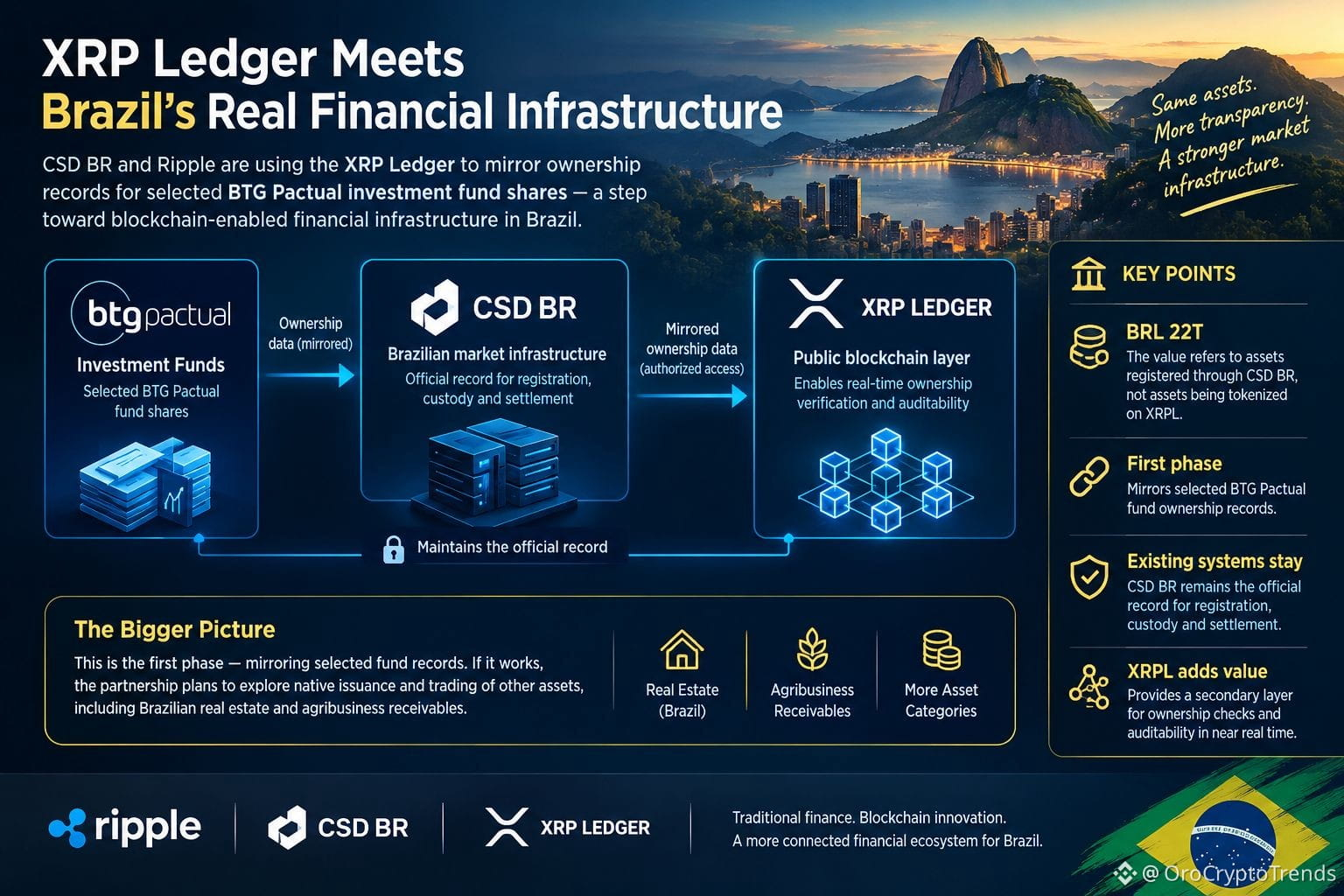
$XRP ブラジルは、別のトークン化デモよりもはるかに面白いユースケースとしてXRPレジャーを活用し始めました。
CSD BRは、登録資産がBRL 22兆超の規制対象のブラジル市場インフラ運営企業で、現在、特定のBTGパクタル投資ファンドの持分について、XRPLを用いて所有権の記録をミラーリングしています。
ただし、待ってください――BRL 22Tという数字には文脈が必要です。その全額がNOTでXRPLに移されるわけではありません。
CSD BRの既存システムは、登録・保管・決済の公式な記録として引き続き機能します。XRPLは、認可された機関が所有権データを確認し、変更内容をほぼリアルタイムで監査できるようにする「二次レイヤー」として追加されます。
率直に言って、この違いはむしろ面白さを増していると思います。
ここでの本当の実験は、「パブリック・ブロックチェーンが、重要な金融インフラの隣に存在できるのか」、そして「機関が、すでに信頼しているシステムを捨て去らなければならない状況を生まないのか」という点です。
それは「すべてをオンチェーンにする」という採用経路とはまったく別物です。
そして、ミラーリングのフェーズがうまくいけば、提携はブラジルの不動産や農業ビジネスの売掛債権を含む他の資産のネイティブ発行・取引の可能性も検討する計画だと述べています。
だから私は、見出しよりもインフラ層の動きに注目しています。
大きな疑問は、XRPLが資産をトークン化できるかどうかではありません。規制対象の機関が、レジャーの役割を拡大し続けるのに十分な運用上の価値を見いだせるかどうかです。
とはいえ、これが実際に何を変えるのか、まだ把握しきれていません。
$XRP ブラジルは、別のトークン化デモよりもはるかに面白いユースケースとしてXRPレジャーを活用し始めました。
CSD BRは、登録資産がBRL 22兆超の規制対象のブラジル市場インフラ運営企業で、現在、特定のBTGパクタル投資ファンドの持分について、XRPLを用いて所有権の記録をミラーリングしています。
ただし、待ってください――BRL 22Tという数字には文脈が必要です。その全額がNOTでXRPLに移されるわけではありません。
CSD BRの既存システムは、登録・保管・決済の公式な記録として引き続き機能します。XRPLは、認可された機関が所有権データを確認し、変更内容をほぼリアルタイムで監査できるようにする「二次レイヤー」として追加されます。
率直に言って、この違いはむしろ面白さを増していると思います。
ここでの本当の実験は、「パブリック・ブロックチェーンが、重要な金融インフラの隣に存在できるのか」、そして「機関が、すでに信頼しているシステムを捨て去らなければならない状況を生まないのか」という点です。
それは「すべてをオンチェーンにする」という採用経路とはまったく別物です。
そして、ミラーリングのフェーズがうまくいけば、提携はブラジルの不動産や農業ビジネスの売掛債権を含む他の資産のネイティブ発行・取引の可能性も検討する計画だと述べています。
だから私は、見出しよりもインフラ層の動きに注目しています。
大きな疑問は、XRPLが資産をトークン化できるかどうかではありません。規制対象の機関が、レジャーの役割を拡大し続けるのに十分な運用上の価値を見いだせるかどうかです。
とはいえ、これが実際に何を変えるのか、まだ把握しきれていません。
CSD BRは、登録資産がBRL 22兆超の規制対象のブラジル市場インフラ運営企業で、現在、特定のBTGパクタル投資ファンドの持分について、XRPLを用いて所有権の記録をミラーリングしています。
ただし、待ってください――BRL 22Tという数字には文脈が必要です。その全額がNOTでXRPLに移されるわけではありません。
CSD BRの既存システムは、登録・保管・決済の公式な記録として引き続き機能します。XRPLは、認可された機関が所有権データを確認し、変更内容をほぼリアルタイムで監査できるようにする「二次レイヤー」として追加されます。
率直に言って、この違いはむしろ面白さを増していると思います。
ここでの本当の実験は、「パブリック・ブロックチェーンが、重要な金融インフラの隣に存在できるのか」、そして「機関が、すでに信頼しているシステムを捨て去らなければならない状況を生まないのか」という点です。
それは「すべてをオンチェーンにする」という採用経路とはまったく別物です。
そして、ミラーリングのフェーズがうまくいけば、提携はブラジルの不動産や農業ビジネスの売掛債権を含む他の資産のネイティブ発行・取引の可能性も検討する計画だと述べています。
だから私は、見出しよりもインフラ層の動きに注目しています。
大きな疑問は、XRPLが資産をトークン化できるかどうかではありません。規制対象の機関が、レジャーの役割を拡大し続けるのに十分な運用上の価値を見いだせるかどうかです。
とはいえ、これが実際に何を変えるのか、まだ把握しきれていません。
1
5
2k
本人確認中
$BNB CZは「もうすぐ....」と投稿し、突然、人々がそれを「BNB szn」の始まりだと呼び始めた。
もしかするとね。でも、もっと面白いのはそのミームの周りで起きていることだと思う。
CZはまた、オンチェーンで動く米国の株式をトークン化したコンテンツに言及しつつ、強気のBNBチェーン関連の投稿も共有した。BNBチェーンによれば、6月までにエコシステム内でトークン化された株式およびETFが709件以上あり、累計のトークン化株式の取引量は50億ドル超だったという。これは実際のインフラの動きであって、ただのミームではない。
そして次に、企業側の話。
CEA Industriesは9月29日にBNB Standard Corporationとして正式に改称したが、NasdaqのティッカーはBNCのままにしている。同社によれば、新しい社名について約5,800件のコミュニティ投票が行われ、BNB Standardが約47%を獲得した。
この組み合わせが、私の注目を引くポイントだ。エコシステムの拡大、トークン化された資産、そしてBNBトレジャリーを中心に明確に事業を組み立てている公開企業。
ただ、待って—もしかすると私はミームに重みを与えすぎているのかもしれない。
「もうすぐ....」は、CZがBNBがすぐに上昇する確定的なシグナルを出したわけではない。Bonk Guyはそう解釈したが、市場はまだその物語を検証していく必要がある。
私にとって本当の問いは、こうした触媒が“単発の物語”ではなく、継続的な利用や資金フローに結びつくのかどうかだ。
それが実際に何を変えるのか、まだ調べ中だ。
$BNB CZは「もうすぐ....」と投稿し、突然、人々がそれを「BNB szn」の始まりだと呼び始めた。
もしかするとね。でも、もっと面白いのはそのミームの周りで起きていることだと思う。
CZはまた、オンチェーンで動く米国の株式をトークン化したコンテンツに言及しつつ、強気のBNBチェーン関連の投稿も共有した。BNBチェーンによれば、6月までにエコシステム内でトークン化された株式およびETFが709件以上あり、累計のトークン化株式の取引量は50億ドル超だったという。これは実際のインフラの動きであって、ただのミームではない。
そして次に、企業側の話。
CEA Industriesは9月29日にBNB Standard Corporationとして正式に改称したが、NasdaqのティッカーはBNCのままにしている。同社によれば、新しい社名について約5,800件のコミュニティ投票が行われ、BNB Standardが約47%を獲得した。
この組み合わせが、私の注目を引くポイントだ。エコシステムの拡大、トークン化された資産、そしてBNBトレジャリーを中心に明確に事業を組み立てている公開企業。
ただ、待って—もしかすると私はミームに重みを与えすぎているのかもしれない。
「もうすぐ....」は、CZがBNBがすぐに上昇する確定的なシグナルを出したわけではない。Bonk Guyはそう解釈したが、市場はまだその物語を検証していく必要がある。
私にとって本当の問いは、こうした触媒が“単発の物語”ではなく、継続的な利用や資金フローに結びつくのかどうかだ。
それが実際に何を変えるのか、まだ調べ中だ。
もしかするとね。でも、もっと面白いのはそのミームの周りで起きていることだと思う。
CZはまた、オンチェーンで動く米国の株式をトークン化したコンテンツに言及しつつ、強気のBNBチェーン関連の投稿も共有した。BNBチェーンによれば、6月までにエコシステム内でトークン化された株式およびETFが709件以上あり、累計のトークン化株式の取引量は50億ドル超だったという。これは実際のインフラの動きであって、ただのミームではない。
そして次に、企業側の話。
CEA Industriesは9月29日にBNB Standard Corporationとして正式に改称したが、NasdaqのティッカーはBNCのままにしている。同社によれば、新しい社名について約5,800件のコミュニティ投票が行われ、BNB Standardが約47%を獲得した。
この組み合わせが、私の注目を引くポイントだ。エコシステムの拡大、トークン化された資産、そしてBNBトレジャリーを中心に明確に事業を組み立てている公開企業。
ただ、待って—もしかすると私はミームに重みを与えすぎているのかもしれない。
「もうすぐ....」は、CZがBNBがすぐに上昇する確定的なシグナルを出したわけではない。Bonk Guyはそう解釈したが、市場はまだその物語を検証していく必要がある。
私にとって本当の問いは、こうした触媒が“単発の物語”ではなく、継続的な利用や資金フローに結びつくのかどうかだ。
それが実際に何を変えるのか、まだ調べ中だ。
3
3
4k
9月30日は、見出しが聞こえるほどではないものの、英国の暗号資産にとってより大きな日です。
FCAの新たな認可ウィンドウが本日開き、関連するセービング条項を使いたい場合、申請期限は2027年2月28日までです。より広範な制度は2027年10月25日に施行される予定です。
私の注意を引くのは、単に「さらなる暗号資産規制が来る」ということだけではありません。
認可が、実際の運用インフラの一部になりつつある点です。
取引プラットフォーム、ディーリングやアレンジ、保全、ステーキング、適格なステーブルコイン発行の認定などの活動が、新しい枠組みに組み込まれていきます。そして、既存の登録が自動的に新しい権限へ切り替わるわけではありません。
これは経済性を変えます。
英国で暗号資産ビジネスを運営する企業は、今後ますます、コンプライアンス、統制、カストディ、報告を「ビジネスの周辺にあるもの」ではなく、製品そのものの一部として扱う必要が出てきます。
そしてここには、実際のトレードオフがあります。
より高い基準は、消費者保護と市場の健全性を強化し得ます。ですが、その基準を満たすコストは、英国の利用者に対して経済的にサービスを提供できる企業の範囲にも影響し得ます。
ですから、これが暗号資産にとって「強気/弱気」なのかには、私はあまり関心がありません。
より興味深いのは、規制がインフラ・スタックの一部になると、どのビジネスモデルがまだ成り立つのかという点です。
それが実際に何を変えるのか、まだ突き止めようとしているところです。
9月30日は、見出しが聞こえるほどではないものの、英国の暗号資産にとってより大きな日です。
FCAの新たな認可ウィンドウが本日開き、関連するセービング条項を使いたい場合、申請期限は2027年2月28日までです。より広範な制度は2027年10月25日に施行される予定です。
私の注意を引くのは、単に「さらなる暗号資産規制が来る」ということだけではありません。
認可が、実際の運用インフラの一部になりつつある点です。
取引プラットフォーム、ディーリングやアレンジ、保全、ステーキング、適格なステーブルコイン発行の認定などの活動が、新しい枠組みに組み込まれていきます。そして、既存の登録が自動的に新しい権限へ切り替わるわけではありません。
これは経済性を変えます。
英国で暗号資産ビジネスを運営する企業は、今後ますます、コンプライアンス、統制、カストディ、報告を「ビジネスの周辺にあるもの」ではなく、製品そのものの一部として扱う必要が出てきます。
そしてここには、実際のトレードオフがあります。
より高い基準は、消費者保護と市場の健全性を強化し得ます。ですが、その基準を満たすコストは、英国の利用者に対して経済的にサービスを提供できる企業の範囲にも影響し得ます。
ですから、これが暗号資産にとって「強気/弱気」なのかには、私はあまり関心がありません。
より興味深いのは、規制がインフラ・スタックの一部になると、どのビジネスモデルがまだ成り立つのかという点です。
それが実際に何を変えるのか、まだ突き止めようとしているところです。
FCAの新たな認可ウィンドウが本日開き、関連するセービング条項を使いたい場合、申請期限は2027年2月28日までです。より広範な制度は2027年10月25日に施行される予定です。
私の注意を引くのは、単に「さらなる暗号資産規制が来る」ということだけではありません。
認可が、実際の運用インフラの一部になりつつある点です。
取引プラットフォーム、ディーリングやアレンジ、保全、ステーキング、適格なステーブルコイン発行の認定などの活動が、新しい枠組みに組み込まれていきます。そして、既存の登録が自動的に新しい権限へ切り替わるわけではありません。
これは経済性を変えます。
英国で暗号資産ビジネスを運営する企業は、今後ますます、コンプライアンス、統制、カストディ、報告を「ビジネスの周辺にあるもの」ではなく、製品そのものの一部として扱う必要が出てきます。
そしてここには、実際のトレードオフがあります。
より高い基準は、消費者保護と市場の健全性を強化し得ます。ですが、その基準を満たすコストは、英国の利用者に対して経済的にサービスを提供できる企業の範囲にも影響し得ます。
ですから、これが暗号資産にとって「強気/弱気」なのかには、私はあまり関心がありません。
より興味深いのは、規制がインフラ・スタックの一部になると、どのビジネスモデルがまだ成り立つのかという点です。
それが実際に何を変えるのか、まだ突き止めようとしているところです。

1
2.4k
英国は新たな暗号資産の認可制度への扉を今まさに開いたところです。
9月30日から、企業は英国の新しい暗号資産フレームワークに基づき、FCA(英国金融行為監督機構)へ認可申請を開始できます。申請期間は2027年2月28日までであり、制度全体の施行は2027年10月25日に予定されています。
私が注目しているのは、「暗号資産規制」という見出しだけではありません。
英国で暗号資産ビジネスを運営するのに、実際に何が求められるようになるのかが変わる点です。
FCAによれば、新制度は、暗号資産取引プラットフォーム、ディーリングおよび手配(arranging)、保護(safeguarding)、ステーキング(staking)の取り決め、適格なステーブルコインの発行を含む活動を対象としています。既存の登録も、新たな権限へ自動的に単純に移行されるわけではありません。
これは重要です。規制が、企業が準備するための「もの」から、市場のインフラへと次第に組み込まれていく「もの」へと移行しているからです。
ただし、ここにはトレードオフもあります。
より高い基準は、消費者保護や市場の健全性を高め得ますが、認可にかかる費用と複雑さによって、実際に英国の利用者へサービスを提供できる企業の顔ぶれが変わる可能性もあります。
ですから私は、これが暗号資産にとって「強気材料」か「弱気材料」かどうかには、あまり関心がありません。
より大きな問いは、コンプライアンスが運営のスタックの一部になると、どのビジネスモデルがなお経済的に成り立つのか、ということです。
それでも、これが実際に何を変えるのか、まだつかみきれていません。
英国は新たな暗号資産の認可制度への扉を今まさに開いたところです。
9月30日から、企業は英国の新しい暗号資産フレームワークに基づき、FCA(英国金融行為監督機構)へ認可申請を開始できます。申請期間は2027年2月28日までであり、制度全体の施行は2027年10月25日に予定されています。
私が注目しているのは、「暗号資産規制」という見出しだけではありません。
英国で暗号資産ビジネスを運営するのに、実際に何が求められるようになるのかが変わる点です。
FCAによれば、新制度は、暗号資産取引プラットフォーム、ディーリングおよび手配(arranging)、保護(safeguarding)、ステーキング(staking)の取り決め、適格なステーブルコインの発行を含む活動を対象としています。既存の登録も、新たな権限へ自動的に単純に移行されるわけではありません。
これは重要です。規制が、企業が準備するための「もの」から、市場のインフラへと次第に組み込まれていく「もの」へと移行しているからです。
ただし、ここにはトレードオフもあります。
より高い基準は、消費者保護や市場の健全性を高め得ますが、認可にかかる費用と複雑さによって、実際に英国の利用者へサービスを提供できる企業の顔ぶれが変わる可能性もあります。
ですから私は、これが暗号資産にとって「強気材料」か「弱気材料」かどうかには、あまり関心がありません。
より大きな問いは、コンプライアンスが運営のスタックの一部になると、どのビジネスモデルがなお経済的に成り立つのか、ということです。
それでも、これが実際に何を変えるのか、まだつかみきれていません。
9月30日から、企業は英国の新しい暗号資産フレームワークに基づき、FCA(英国金融行為監督機構)へ認可申請を開始できます。申請期間は2027年2月28日までであり、制度全体の施行は2027年10月25日に予定されています。
私が注目しているのは、「暗号資産規制」という見出しだけではありません。
英国で暗号資産ビジネスを運営するのに、実際に何が求められるようになるのかが変わる点です。
FCAによれば、新制度は、暗号資産取引プラットフォーム、ディーリングおよび手配(arranging)、保護(safeguarding)、ステーキング(staking)の取り決め、適格なステーブルコインの発行を含む活動を対象としています。既存の登録も、新たな権限へ自動的に単純に移行されるわけではありません。
これは重要です。規制が、企業が準備するための「もの」から、市場のインフラへと次第に組み込まれていく「もの」へと移行しているからです。
ただし、ここにはトレードオフもあります。
より高い基準は、消費者保護や市場の健全性を高め得ますが、認可にかかる費用と複雑さによって、実際に英国の利用者へサービスを提供できる企業の顔ぶれが変わる可能性もあります。
ですから私は、これが暗号資産にとって「強気材料」か「弱気材料」かどうかには、あまり関心がありません。
より大きな問いは、コンプライアンスが運営のスタックの一部になると、どのビジネスモデルがなお経済的に成り立つのか、ということです。
それでも、これが実際に何を変えるのか、まだつかみきれていません。
1
2.3k
$AMD.US
AMDは「1兆ドル」を超えた。私は、バリュエーションの節目そのものは、実はそれほど面白い部分ではないと思う。
重要なのは、投資家がこれからAMDに対していくら支払う意思があるのかだ。
市場はますます、AMDを「CPUとGPUを販売する企業」以上の存在として扱うようになっている。いまやAIへのエクスポージャーは、アクセラレータからデータセンターのシステム、推論需要、大手顧客との関係にまで広がり、さらにはそれらのシステムを取り巻くソフトウェアやインテリジェンスの層へと、ますます踏み込んでいる。
そして、まさにそこが、この論旨がより面白くなるところだ。
AMDは、より多くのチップを売るだけでなく、AIインフラのスタック全体をより取り込もうとしている。空間インテリジェンスやフィジカルAIといった領域への拡大は、計算需要が次にどこへ広がり得るかという、より大きな戦略を示唆している。
ただし、落とし穴がある。
1兆ドルというバリュエーションは、実行のハードルを引き上げる。強いAI需要だけでは不十分だ。AMDは、評価に織り込まれた期待に応えるために、持続的な売上成長、マージンの改善、アクセラレータの採用、そして盤石なハイパースケーラー(大手クラウド事業者)との関係の維持が、まだ必要になる。
だから私は、見出しそのものではなく、見出しの背後にあるファンダメンタルズを見ている。
次のフェーズは本質的に、AMDがAI需要を持続可能な経済的価値へ転換できるかどうかにかかっている。
この物語で最も重要だと私は思うのは、その部分だ。
$AMD.US
AMDは「1兆ドル」を超えた。私は、バリュエーションの節目そのものは、実はそれほど面白い部分ではないと思う。
重要なのは、投資家がこれからAMDに対していくら支払う意思があるのかだ。
市場はますます、AMDを「CPUとGPUを販売する企業」以上の存在として扱うようになっている。いまやAIへのエクスポージャーは、アクセラレータからデータセンターのシステム、推論需要、大手顧客との関係にまで広がり、さらにはそれらのシステムを取り巻くソフトウェアやインテリジェンスの層へと、ますます踏み込んでいる。
そして、まさにそこが、この論旨がより面白くなるところだ。
AMDは、より多くのチップを売るだけでなく、AIインフラのスタック全体をより取り込もうとしている。空間インテリジェンスやフィジカルAIといった領域への拡大は、計算需要が次にどこへ広がり得るかという、より大きな戦略を示唆している。
ただし、落とし穴がある。
1兆ドルというバリュエーションは、実行のハードルを引き上げる。強いAI需要だけでは不十分だ。AMDは、評価に織り込まれた期待に応えるために、持続的な売上成長、マージンの改善、アクセラレータの採用、そして盤石なハイパースケーラー(大手クラウド事業者)との関係の維持が、まだ必要になる。
だから私は、見出しそのものではなく、見出しの背後にあるファンダメンタルズを見ている。
次のフェーズは本質的に、AMDがAI需要を持続可能な経済的価値へ転換できるかどうかにかかっている。
この物語で最も重要だと私は思うのは、その部分だ。
AMDは「1兆ドル」を超えた。私は、バリュエーションの節目そのものは、実はそれほど面白い部分ではないと思う。
重要なのは、投資家がこれからAMDに対していくら支払う意思があるのかだ。
市場はますます、AMDを「CPUとGPUを販売する企業」以上の存在として扱うようになっている。いまやAIへのエクスポージャーは、アクセラレータからデータセンターのシステム、推論需要、大手顧客との関係にまで広がり、さらにはそれらのシステムを取り巻くソフトウェアやインテリジェンスの層へと、ますます踏み込んでいる。
そして、まさにそこが、この論旨がより面白くなるところだ。
AMDは、より多くのチップを売るだけでなく、AIインフラのスタック全体をより取り込もうとしている。空間インテリジェンスやフィジカルAIといった領域への拡大は、計算需要が次にどこへ広がり得るかという、より大きな戦略を示唆している。
ただし、落とし穴がある。
1兆ドルというバリュエーションは、実行のハードルを引き上げる。強いAI需要だけでは不十分だ。AMDは、評価に織り込まれた期待に応えるために、持続的な売上成長、マージンの改善、アクセラレータの採用、そして盤石なハイパースケーラー(大手クラウド事業者)との関係の維持が、まだ必要になる。
だから私は、見出しそのものではなく、見出しの背後にあるファンダメンタルズを見ている。
次のフェーズは本質的に、AMDがAI需要を持続可能な経済的価値へ転換できるかどうかにかかっている。
この物語で最も重要だと私は思うのは、その部分だ。
464
#EarningsSeason
マイクロンは粗利率86%を達成できるのか――そしてそれがMU(?)にとって十分なのか?
僕が9月30日に予定されているマイクロンのFY2026第4四半期決算に向けて、最も注目しているのはそこです。
マイクロン自身のガイダンスはすでに非常に大きい内容です。売上高は500億ドル±10億ドル、粗利率はおよそ86%、そして非GAAP EPSは31±1ドル。
そして正直、86%は達成可能だと思います。
でも、おそらく本当の問いはそこではありません。
第3四半期ではすでに非GAAP粗利率84.9%を出しているので、86%への一歩が「突飛な飛躍」というわけではありません。より大きな問題は、その先で何が起きるかです。マイクロンは、第4四半期のマージン見通しが、価格上昇率の伸びが一定程度緩やかになることを前提にしていると述べています。
となると、FY2027の見通しが非常に重要になります。
マイクロンが第4四半期を上回ったとしても、今後の価格設定やマージン、あるいは供給(キャパシティ)について慎重なトーンが出た場合、市場は見出しの「上振れ」よりも、文末の内容に意識が向くかもしれません。
そしてもう一つ、興味深い点があります。マイクロンはすでにHBM4を主力顧客に向けて高ボリュームで出荷しており、HBM4Eの量産は2027年に見込まれています。さらに同社は、クリーンルームの能力を拡張して長期的な需要に備えるため、FY2027の四半期ごとの設備投資(capex)は第4四半期の水準を上回る見通しだともしています。
だから、ファンダメンタルズについては前向きに見ていますが、株価が自動的に追随することを前提にするのには、あまり安心できません。
本当の試金石は、こうしたマージンが持続可能な収益構造になっていくのか――それとも、メモリーサイクルの中での一時的な特異点に過ぎないのか、です。
それを数字の後に確認できるかが、僕の聞き所になります。
とはいえ、これが実際に何を変えるのか、まだうまく掴めていません。
#EarningsSeason
マイクロンは粗利率86%を達成できるのか――そしてそれがMU(?)にとって十分なのか?
僕が9月30日に予定されているマイクロンのFY2026第4四半期決算に向けて、最も注目しているのはそこです。
マイクロン自身のガイダンスはすでに非常に大きい内容です。売上高は500億ドル±10億ドル、粗利率はおよそ86%、そして非GAAP EPSは31±1ドル。
そして正直、86%は達成可能だと思います。
でも、おそらく本当の問いはそこではありません。
第3四半期ではすでに非GAAP粗利率84.9%を出しているので、86%への一歩が「突飛な飛躍」というわけではありません。より大きな問題は、その先で何が起きるかです。マイクロンは、第4四半期のマージン見通しが、価格上昇率の伸びが一定程度緩やかになることを前提にしていると述べています。
となると、FY2027の見通しが非常に重要になります。
マイクロンが第4四半期を上回ったとしても、今後の価格設定やマージン、あるいは供給(キャパシティ)について慎重なトーンが出た場合、市場は見出しの「上振れ」よりも、文末の内容に意識が向くかもしれません。
そしてもう一つ、興味深い点があります。マイクロンはすでにHBM4を主力顧客に向けて高ボリュームで出荷しており、HBM4Eの量産は2027年に見込まれています。さらに同社は、クリーンルームの能力を拡張して長期的な需要に備えるため、FY2027の四半期ごとの設備投資(capex)は第4四半期の水準を上回る見通しだともしています。
だから、ファンダメンタルズについては前向きに見ていますが、株価が自動的に追随することを前提にするのには、あまり安心できません。
本当の試金石は、こうしたマージンが持続可能な収益構造になっていくのか――それとも、メモリーサイクルの中での一時的な特異点に過ぎないのか、です。
それを数字の後に確認できるかが、僕の聞き所になります。
とはいえ、これが実際に何を変えるのか、まだうまく掴めていません。
マイクロンは粗利率86%を達成できるのか――そしてそれがMU(?)にとって十分なのか?
僕が9月30日に予定されているマイクロンのFY2026第4四半期決算に向けて、最も注目しているのはそこです。
マイクロン自身のガイダンスはすでに非常に大きい内容です。売上高は500億ドル±10億ドル、粗利率はおよそ86%、そして非GAAP EPSは31±1ドル。
そして正直、86%は達成可能だと思います。
でも、おそらく本当の問いはそこではありません。
第3四半期ではすでに非GAAP粗利率84.9%を出しているので、86%への一歩が「突飛な飛躍」というわけではありません。より大きな問題は、その先で何が起きるかです。マイクロンは、第4四半期のマージン見通しが、価格上昇率の伸びが一定程度緩やかになることを前提にしていると述べています。
となると、FY2027の見通しが非常に重要になります。
マイクロンが第4四半期を上回ったとしても、今後の価格設定やマージン、あるいは供給(キャパシティ)について慎重なトーンが出た場合、市場は見出しの「上振れ」よりも、文末の内容に意識が向くかもしれません。
そしてもう一つ、興味深い点があります。マイクロンはすでにHBM4を主力顧客に向けて高ボリュームで出荷しており、HBM4Eの量産は2027年に見込まれています。さらに同社は、クリーンルームの能力を拡張して長期的な需要に備えるため、FY2027の四半期ごとの設備投資(capex)は第4四半期の水準を上回る見通しだともしています。
だから、ファンダメンタルズについては前向きに見ていますが、株価が自動的に追随することを前提にするのには、あまり安心できません。
本当の試金石は、こうしたマージンが持続可能な収益構造になっていくのか――それとも、メモリーサイクルの中での一時的な特異点に過ぎないのか、です。
それを数字の後に確認できるかが、僕の聞き所になります。
とはいえ、これが実際に何を変えるのか、まだうまく掴めていません。
375
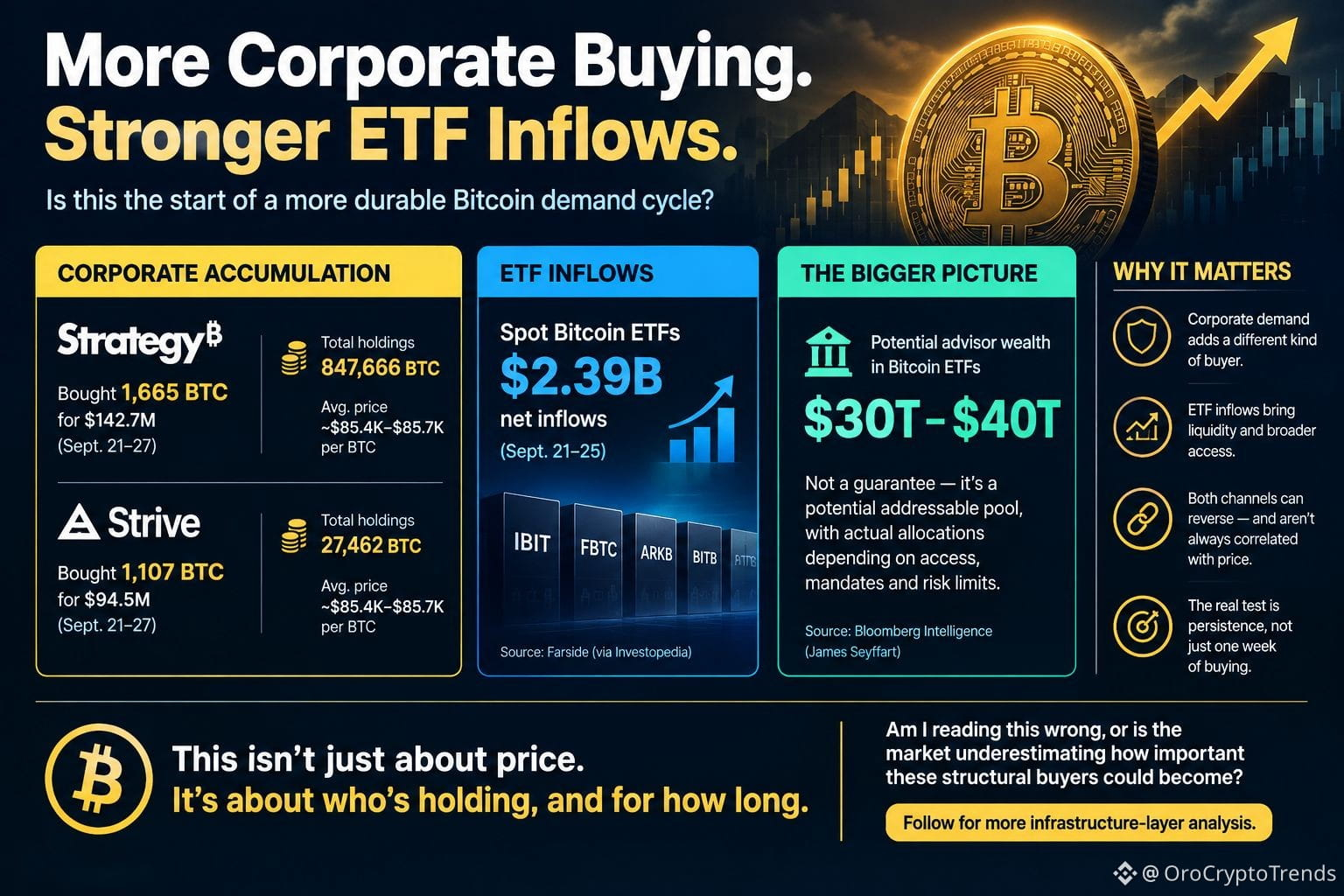
$BTC ストラテジーはさらに1,665 BTCを買い増しました。
私はこの部分に注目しています。
ストラテジーは9月21日〜27日にかけて1億4,270万ドルを投じ、ビットコイン保有高を847,666 BTCにしました。Striveは9,450万ドルでさらに1,107 BTCを追加し、保有スタックは27,462 BTCになっています。どちらの買いも、1 BTCあたり約85.4K〜85.7Kドルの水準でした。
しかし、より大きなシグナルは「法人による蓄積」と「ETF需要」の組み合わせだと思います。
Investopediaが引用したFarsideデータによれば、スポット・ビットコインETFは9月21日〜25日にかけて純流入が約24億ドルありました。
一方で、Bloomberg Intelligenceのジェームズ・セイファートは、ビットコインETFの外に大きく残っている、アドバイザー管理の資産が約30T〜40Tに上る点を指摘しています。これは「明日ビットコインを買うために40Tドルが待機している」という話ではなく、対応可能な資金プールであり、実際の配分はアクセス、マンデート、そしてリスク制限に依存します。
この違いが重要です。
これは単に「機関が買っているからBTCが上がる」という話ではありません。企業のトレジャリー需要は株式発行によって賄える一方で、ETFの資金フローは、流入したのと同じくらいの速さで反転し得ます。面白いのは、これらのチャネルが異なる市場環境の中でも、継続して供給を吸収し続けるかどうかです。
私が見ているシグナルはそこです——1週間の買いだけではなく、継続性。
私の読み方が違うのか、それとも市場はこうした構造的買い手がどれほど重要になり得るかを過小評価しているのか?
$BTC
$BTC ストラテジーはさらに1,665 BTCを買い増しました。
私はこの部分に注目しています。
ストラテジーは9月21日〜27日にかけて1億4,270万ドルを投じ、ビットコイン保有高を847,666 BTCにしました。Striveは9,450万ドルでさらに1,107 BTCを追加し、保有スタックは27,462 BTCになっています。どちらの買いも、1 BTCあたり約85.4K〜85.7Kドルの水準でした。
しかし、より大きなシグナルは「法人による蓄積」と「ETF需要」の組み合わせだと思います。
Investopediaが引用したFarsideデータによれば、スポット・ビットコインETFは9月21日〜25日にかけて純流入が約24億ドルありました。
一方で、Bloomberg Intelligenceのジェームズ・セイファートは、ビットコインETFの外に大きく残っている、アドバイザー管理の資産が約30T〜40Tに上る点を指摘しています。これは「明日ビットコインを買うために40Tドルが待機している」という話ではなく、対応可能な資金プールであり、実際の配分はアクセス、マンデート、そしてリスク制限に依存します。
この違いが重要です。
これは単に「機関が買っているからBTCが上がる」という話ではありません。企業のトレジャリー需要は株式発行によって賄える一方で、ETFの資金フローは、流入したのと同じくらいの速さで反転し得ます。面白いのは、これらのチャネルが異なる市場環境の中でも、継続して供給を吸収し続けるかどうかです。
私が見ているシグナルはそこです——1週間の買いだけではなく、継続性。
私の読み方が違うのか、それとも市場はこうした構造的買い手がどれほど重要になり得るかを過小評価しているのか?
$BTC
私はこの部分に注目しています。
ストラテジーは9月21日〜27日にかけて1億4,270万ドルを投じ、ビットコイン保有高を847,666 BTCにしました。Striveは9,450万ドルでさらに1,107 BTCを追加し、保有スタックは27,462 BTCになっています。どちらの買いも、1 BTCあたり約85.4K〜85.7Kドルの水準でした。
しかし、より大きなシグナルは「法人による蓄積」と「ETF需要」の組み合わせだと思います。
Investopediaが引用したFarsideデータによれば、スポット・ビットコインETFは9月21日〜25日にかけて純流入が約24億ドルありました。
一方で、Bloomberg Intelligenceのジェームズ・セイファートは、ビットコインETFの外に大きく残っている、アドバイザー管理の資産が約30T〜40Tに上る点を指摘しています。これは「明日ビットコインを買うために40Tドルが待機している」という話ではなく、対応可能な資金プールであり、実際の配分はアクセス、マンデート、そしてリスク制限に依存します。
この違いが重要です。
これは単に「機関が買っているからBTCが上がる」という話ではありません。企業のトレジャリー需要は株式発行によって賄える一方で、ETFの資金フローは、流入したのと同じくらいの速さで反転し得ます。面白いのは、これらのチャネルが異なる市場環境の中でも、継続して供給を吸収し続けるかどうかです。
私が見ているシグナルはそこです——1週間の買いだけではなく、継続性。
私の読み方が違うのか、それとも市場はこうした構造的買い手がどれほど重要になり得るかを過小評価しているのか?
$BTC
4
2.3k
本人確認中
$QNT QNT は、通常の暗号資産の物語の流れではもう動いていません。そこが私の注目しているポイントです。
面白いのは、単に Quant が注目を集めていることではありません。インフラがどこに現れているのか、そこです。
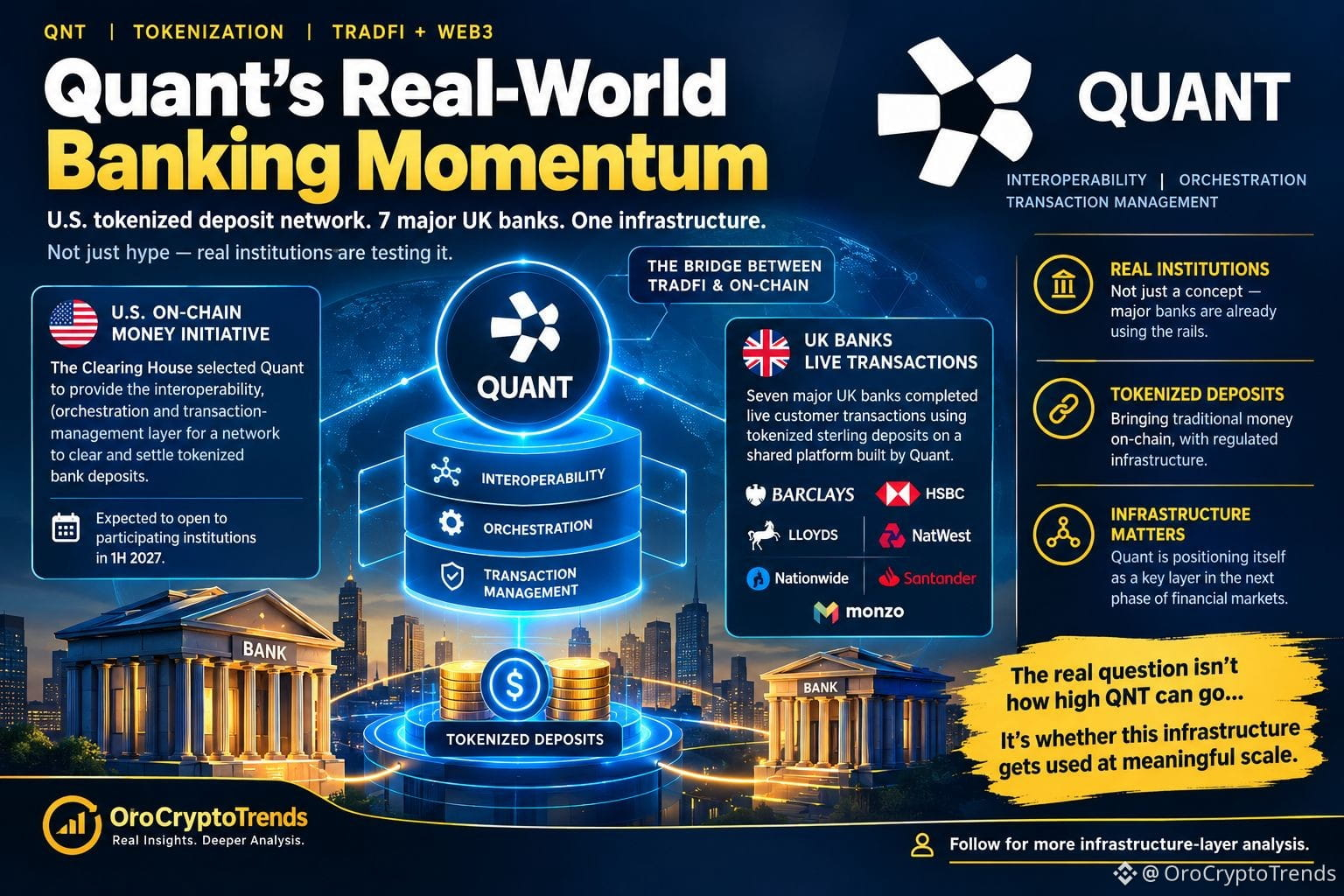
9 月 24 日、The Clearing House は、トークン化された銀行預金を清算・決済することを目的とした米国の On-Chain Money Initiative において、相互運用性、オーケストレーション、取引管理のレイヤーを提供するために Quant を選定しました。
このネットワークは 2027 年前半に、参加する機関に対して公開される見込みです。
The Clearing House
そして次が英国です。
バークレイズ、HSBC、ロイズ、ナットウエスト、Nationwide、サンタンデール、Monzo を含む主要 7 行が、Quant が構築した共通プラットフォーム上で、トークン化されたポンド預金を使って実際の顧客取引を完了しました。
これで、私は QNT の物語の見方が変わります。
これは、QNT のトークン価値が今後も上がり続けることの証明ではありません。さらに、すべてのトークン化プロジェクトが自動的に QNT への需要を生むわけでもありません。
ただし、より具体的なことは示しています。Quant が、規制された資金がオンチェーンで動くために試されている「配管(インフラ)」の一部になりつつある、ということです。
待って—たぶん、ここがより良いストーリーです。
問いは「QNT はどこまで上がれるのか?」ではありません。
このインフラが、意味のある規模で使われるのかどうかです。
それが実際に何を変えるのか、まだ整理しきれていません。
$QNT QNT は、通常の暗号資産の物語の流れではもう動いていません。そこが私の注目しているポイントです。
面白いのは、単に Quant が注目を集めていることではありません。インフラがどこに現れているのか、そこです。
9 月 24 日、The Clearing House は、トークン化された銀行預金を清算・決済することを目的とした米国の On-Chain Money Initiative において、相互運用性、オーケストレーション、取引管理のレイヤーを提供するために Quant を選定しました。
このネットワークは 2027 年前半に、参加する機関に対して公開される見込みです。
The Clearing House
そして次が英国です。
バークレイズ、HSBC、ロイズ、ナットウエスト、Nationwide、サンタンデール、Monzo を含む主要 7 行が、Quant が構築した共通プラットフォーム上で、トークン化されたポンド預金を使って実際の顧客取引を完了しました。
これで、私は QNT の物語の見方が変わります。
これは、QNT のトークン価値が今後も上がり続けることの証明ではありません。さらに、すべてのトークン化プロジェクトが自動的に QNT への需要を生むわけでもありません。
ただし、より具体的なことは示しています。Quant が、規制された資金がオンチェーンで動くために試されている「配管(インフラ)」の一部になりつつある、ということです。
待って—たぶん、ここがより良いストーリーです。
問いは「QNT はどこまで上がれるのか?」ではありません。
このインフラが、意味のある規模で使われるのかどうかです。
それが実際に何を変えるのか、まだ整理しきれていません。
面白いのは、単に Quant が注目を集めていることではありません。インフラがどこに現れているのか、そこです。
9 月 24 日、The Clearing House は、トークン化された銀行預金を清算・決済することを目的とした米国の On-Chain Money Initiative において、相互運用性、オーケストレーション、取引管理のレイヤーを提供するために Quant を選定しました。
このネットワークは 2027 年前半に、参加する機関に対して公開される見込みです。
The Clearing House
そして次が英国です。
バークレイズ、HSBC、ロイズ、ナットウエスト、Nationwide、サンタンデール、Monzo を含む主要 7 行が、Quant が構築した共通プラットフォーム上で、トークン化されたポンド預金を使って実際の顧客取引を完了しました。
これで、私は QNT の物語の見方が変わります。
これは、QNT のトークン価値が今後も上がり続けることの証明ではありません。さらに、すべてのトークン化プロジェクトが自動的に QNT への需要を生むわけでもありません。
ただし、より具体的なことは示しています。Quant が、規制された資金がオンチェーンで動くために試されている「配管(インフラ)」の一部になりつつある、ということです。
待って—たぶん、ここがより良いストーリーです。
問いは「QNT はどこまで上がれるのか?」ではありません。
このインフラが、意味のある規模で使われるのかどうかです。
それが実際に何を変えるのか、まだ整理しきれていません。
7
2.5k
本人確認中
Binance Walletが暗号資産の「面倒くさい部分」を大幅に解消しました。
これで、BNB Smart Chain、Ethereum、Solana、TRON上のガス代をUSDTで直接支払えるようになりました。つまり、USDTは持っているのに、なぜかBNB、ETH、SOL、TRXが取引に必要な分だけゼロ…と気づいてしまう代わりに、ガス代の支払い自体をUSDTで行えます。
正直、これは小さなウォレット機能に見えます。でも私はそう思いません。
ガストークンによる手間は、退屈なUXの問題の一つで、オンチェーンアプリの利用を静かに止めてしまいます。移したい資産は持っていても、ネットワークのネイティブトークンがごく少量足りないだけで詰まってしまうことがあるのです。
その結果、不要な手順が増えます。ガストークンを買う、移す、正しいネットワークを選ぶ、待つ、それから元の取引をもう一度試す。
このステップをなくすことで、ウォレットは「別々のブロックチェーンごとのルールの寄せ集め」ではなく、「一つのシステム」として使いやすく感じられるようになります。
面白いのは、このアプローチがより多くのネットワークに広がったときに何が起きるかです。Binanceの今回の発表では、対応している4つのネットワークは確認できますが、追加ネットワークの展開スケジュールは示されていません。
その点を私は注目しています。
これは単なるより良いウォレットUXなのでしょうか、それとも平均的なユーザーからブロックチェーンの複雑さを隠す方向への大きな転換なのでしょうか?
Binance Walletが暗号資産の「面倒くさい部分」を大幅に解消しました。
これで、BNB Smart Chain、Ethereum、Solana、TRON上のガス代をUSDTで直接支払えるようになりました。つまり、USDTは持っているのに、なぜかBNB、ETH、SOL、TRXが取引に必要な分だけゼロ…と気づいてしまう代わりに、ガス代の支払い自体をUSDTで行えます。
正直、これは小さなウォレット機能に見えます。でも私はそう思いません。
ガストークンによる手間は、退屈なUXの問題の一つで、オンチェーンアプリの利用を静かに止めてしまいます。移したい資産は持っていても、ネットワークのネイティブトークンがごく少量足りないだけで詰まってしまうことがあるのです。
その結果、不要な手順が増えます。ガストークンを買う、移す、正しいネットワークを選ぶ、待つ、それから元の取引をもう一度試す。
このステップをなくすことで、ウォレットは「別々のブロックチェーンごとのルールの寄せ集め」ではなく、「一つのシステム」として使いやすく感じられるようになります。
面白いのは、このアプローチがより多くのネットワークに広がったときに何が起きるかです。Binanceの今回の発表では、対応している4つのネットワークは確認できますが、追加ネットワークの展開スケジュールは示されていません。
その点を私は注目しています。
これは単なるより良いウォレットUXなのでしょうか、それとも平均的なユーザーからブロックチェーンの複雑さを隠す方向への大きな転換なのでしょうか?
これで、BNB Smart Chain、Ethereum、Solana、TRON上のガス代をUSDTで直接支払えるようになりました。つまり、USDTは持っているのに、なぜかBNB、ETH、SOL、TRXが取引に必要な分だけゼロ…と気づいてしまう代わりに、ガス代の支払い自体をUSDTで行えます。
正直、これは小さなウォレット機能に見えます。でも私はそう思いません。
ガストークンによる手間は、退屈なUXの問題の一つで、オンチェーンアプリの利用を静かに止めてしまいます。移したい資産は持っていても、ネットワークのネイティブトークンがごく少量足りないだけで詰まってしまうことがあるのです。
その結果、不要な手順が増えます。ガストークンを買う、移す、正しいネットワークを選ぶ、待つ、それから元の取引をもう一度試す。
このステップをなくすことで、ウォレットは「別々のブロックチェーンごとのルールの寄せ集め」ではなく、「一つのシステム」として使いやすく感じられるようになります。
面白いのは、このアプローチがより多くのネットワークに広がったときに何が起きるかです。Binanceの今回の発表では、対応している4つのネットワークは確認できますが、追加ネットワークの展開スケジュールは示されていません。
その点を私は注目しています。
これは単なるより良いウォレットUXなのでしょうか、それとも平均的なユーザーからブロックチェーンの複雑さを隠す方向への大きな転換なのでしょうか?
2
629
$BTC $2.39Bが先週、米国のスポット・ビットコインETFに流入しました。ただし面白いのは見出しではありません。
お金が到着した後に何が起きたかです。
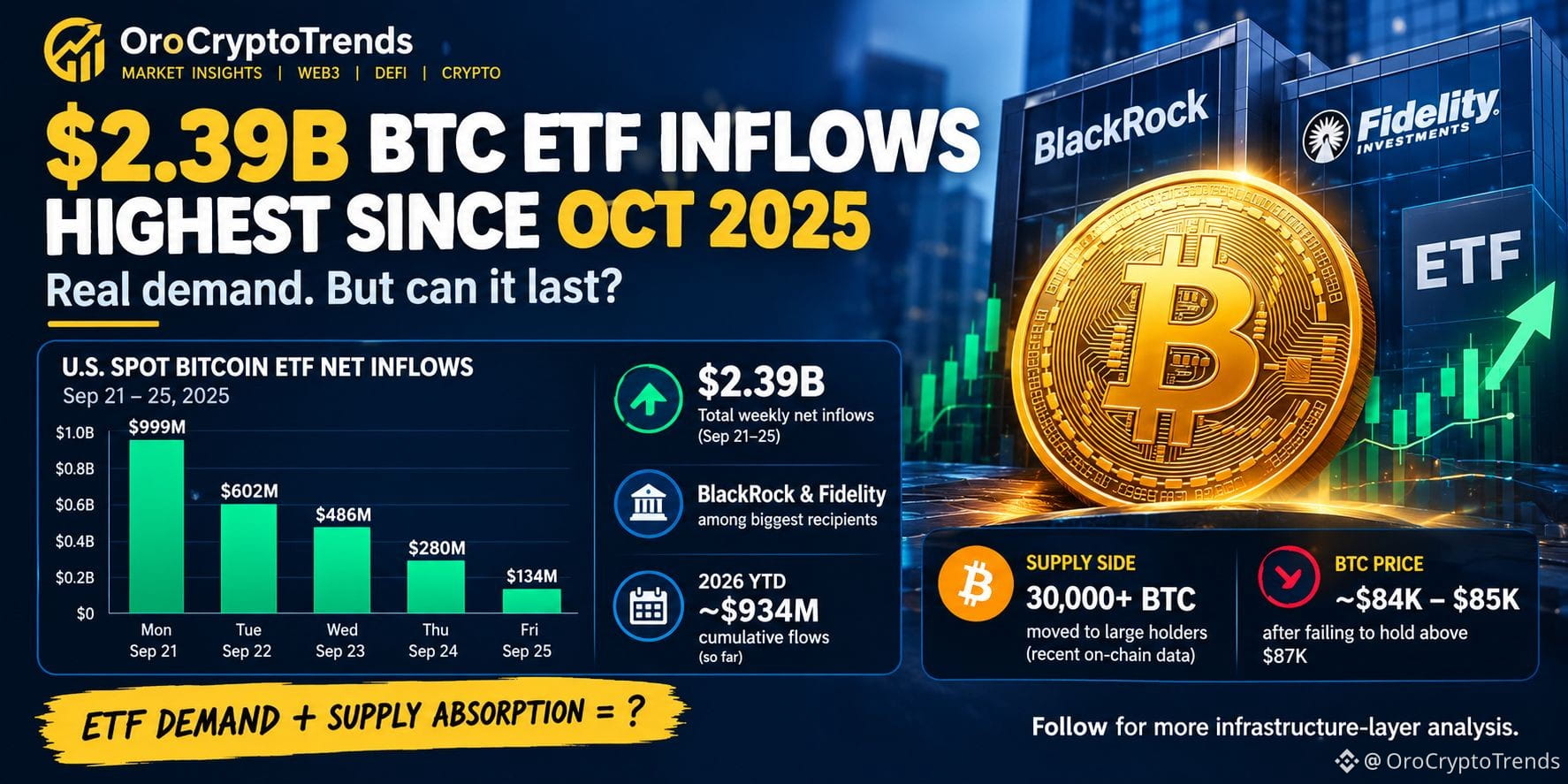
9月21日〜25日の週は、純流入が約$2.39Bで、2025年10月以来の最強の週次結果となりました。ブラックロックのIBITやフィデリティのFBTCは、受け取った金額が特に大きい銘柄の一つです。これは「クリプト・ツイッターが盛り上がっているだけ」ではなく、規制された商品を通じた本当の需要です。
とはいえ、私はまだこれを「クリーンな機関投資家の蓄積トレンド」とは呼ぶ準備ができていません。
注目すべきは資金のフローの順序です。月曜日にはほぼ$999Mが流入しましたが、金曜日には日次の流入が約$134Mまで落ち込みました。資金はまだ入ってきていましたが、週の後半にかけてその勢いは劇的に冷えました。
そしてここから、供給のストーリーが興味深くなります。
オンチェーンのレポートを分けて見ると、最近の価格の弱さの間に、30,000BTC超が大口保有者の手に移ったことを示唆しています。一方でBTCは、$87Kを上回る動きを維持できず、$84K台の中間あたりにとどまっていました。
つまり、私が見ているのは単純な「ETFの流入=強気」という話ではありません。
それは、BTCが$86K〜$87Kのレジスタンス帯の下に位置している間に、ETF需要が供給を吸収し続けるかどうかです。
もしフローが強いままで、その供給が吸収され続けるなら、構造は変わります。
一方で、流入が弱まるのに売り手が高値を守り続けるなら、これはより大きなものの始まりというより、非常に大きな一週間のポジショニングだったという結果になるかもしれません。
結局のところ、これが実際に何を変えるのか、まだ見極めようとしているところです。
$BTC $2.39Bが先週、米国のスポット・ビットコインETFに流入しました。ただし面白いのは見出しではありません。
お金が到着した後に何が起きたかです。
9月21日〜25日の週は、純流入が約$2.39Bで、2025年10月以来の最強の週次結果となりました。ブラックロックのIBITやフィデリティのFBTCは、受け取った金額が特に大きい銘柄の一つです。これは「クリプト・ツイッターが盛り上がっているだけ」ではなく、規制された商品を通じた本当の需要です。
とはいえ、私はまだこれを「クリーンな機関投資家の蓄積トレンド」とは呼ぶ準備ができていません。
注目すべきは資金のフローの順序です。月曜日にはほぼ$999Mが流入しましたが、金曜日には日次の流入が約$134Mまで落ち込みました。資金はまだ入ってきていましたが、週の後半にかけてその勢いは劇的に冷えました。
そしてここから、供給のストーリーが興味深くなります。
オンチェーンのレポートを分けて見ると、最近の価格の弱さの間に、30,000BTC超が大口保有者の手に移ったことを示唆しています。一方でBTCは、$87Kを上回る動きを維持できず、$84K台の中間あたりにとどまっていました。
つまり、私が見ているのは単純な「ETFの流入=強気」という話ではありません。
それは、BTCが$86K〜$87Kのレジスタンス帯の下に位置している間に、ETF需要が供給を吸収し続けるかどうかです。
もしフローが強いままで、その供給が吸収され続けるなら、構造は変わります。
一方で、流入が弱まるのに売り手が高値を守り続けるなら、これはより大きなものの始まりというより、非常に大きな一週間のポジショニングだったという結果になるかもしれません。
結局のところ、これが実際に何を変えるのか、まだ見極めようとしているところです。
お金が到着した後に何が起きたかです。
9月21日〜25日の週は、純流入が約$2.39Bで、2025年10月以来の最強の週次結果となりました。ブラックロックのIBITやフィデリティのFBTCは、受け取った金額が特に大きい銘柄の一つです。これは「クリプト・ツイッターが盛り上がっているだけ」ではなく、規制された商品を通じた本当の需要です。
とはいえ、私はまだこれを「クリーンな機関投資家の蓄積トレンド」とは呼ぶ準備ができていません。
注目すべきは資金のフローの順序です。月曜日にはほぼ$999Mが流入しましたが、金曜日には日次の流入が約$134Mまで落ち込みました。資金はまだ入ってきていましたが、週の後半にかけてその勢いは劇的に冷えました。
そしてここから、供給のストーリーが興味深くなります。
オンチェーンのレポートを分けて見ると、最近の価格の弱さの間に、30,000BTC超が大口保有者の手に移ったことを示唆しています。一方でBTCは、$87Kを上回る動きを維持できず、$84K台の中間あたりにとどまっていました。
つまり、私が見ているのは単純な「ETFの流入=強気」という話ではありません。
それは、BTCが$86K〜$87Kのレジスタンス帯の下に位置している間に、ETF需要が供給を吸収し続けるかどうかです。
もしフローが強いままで、その供給が吸収され続けるなら、構造は変わります。
一方で、流入が弱まるのに売り手が高値を守り続けるなら、これはより大きなものの始まりというより、非常に大きな一週間のポジショニングだったという結果になるかもしれません。
結局のところ、これが実際に何を変えるのか、まだ見極めようとしているところです。
2
3k
本人確認中
$QNT QNT は、実世界での大きな追い風(カタリスト)を手に入れたばかりだが、面白いのは値動きのスパイクではない。
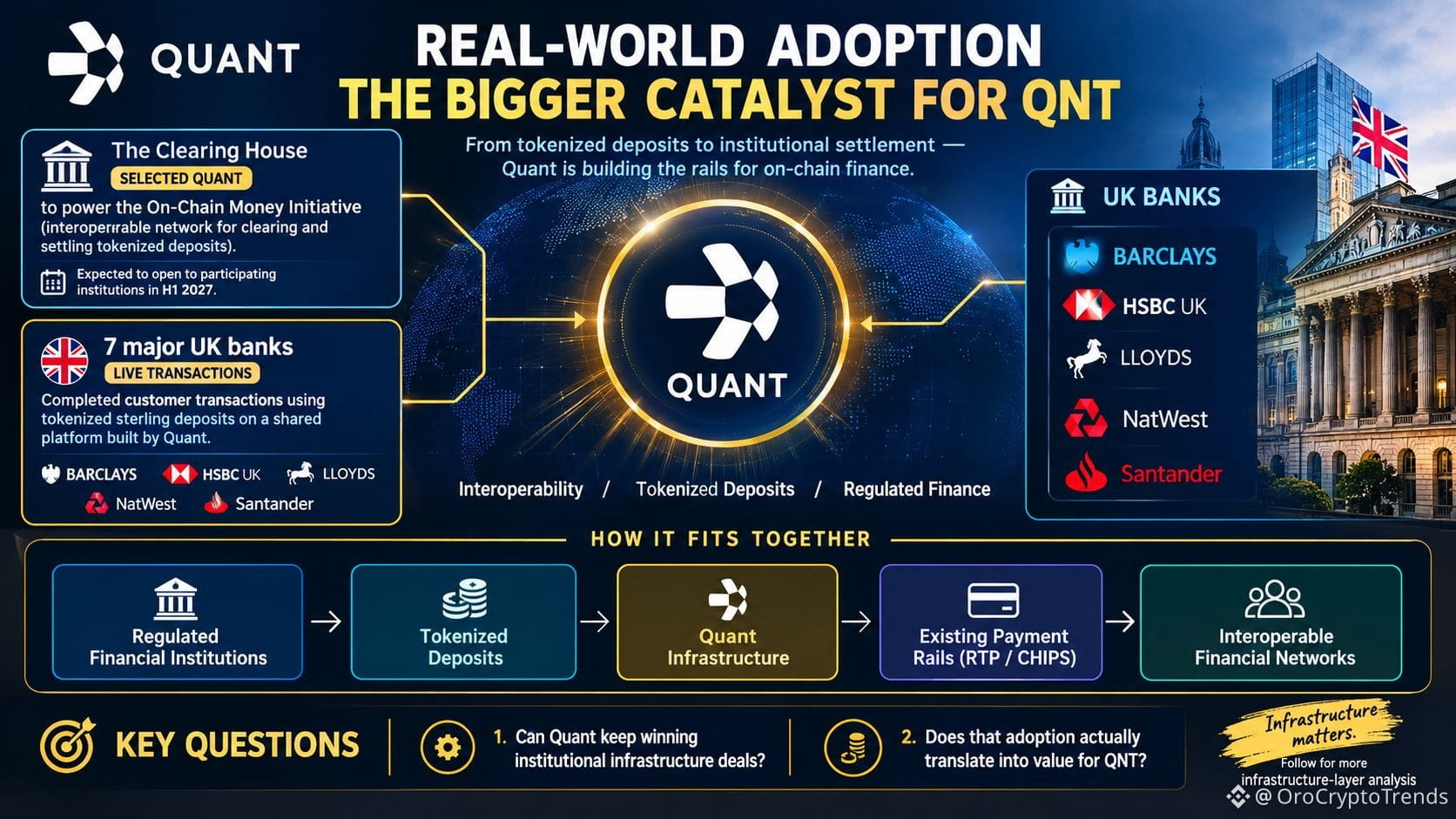
清算機構(The Clearing House)は、トークン化された預金の決済・清算を行う相互運用可能なネットワークである On-Chain Money Initiative のために Quant を採用した。同ネットワークは、2027年上半期に参加する金融機関に向けて公開される見込みだ。
そしてこれは、単発の出来事ではない。
バルクレイズ、HSBC UK、ロイズ、ナットウエスト、サンタンデールを含む英国の主要7行が、Quant が構築した共通プラットフォーム上で、トークン化されたスターリング預金を使ったライブの顧客取引をすでに完了している。
私がより注目しているのは、インフラ層だ。
これは単に「オンチェーン」なものを別の銀行が出している、という話ではない。Quant は、規制された金融機関、トークン化された預金、そして RTP や CHIPS のような既存の決済インフラの間に位置している。ミーム主導のポンプよりはずっと退屈な話だが、より重要になり得る。
ただし、重要な区別がある。
Quant の技術が採用されても、これらのネットワークを流れるすべての1ドルが自動的に QNT への直接需要を生むわけではない。会社のインフラ事業と、トークンの経済性は同一視すべきではない。
だから私は、別々の2つの問いを見ている。Quant は機関向けのインフラ案件で勝ち続けられるのか。そして、その採用は実際に QNT の価値につながるのか。
この区別は重要だ。
それが実際に何を変えるのか、まだ整理しきれていない。
#Write2Earn
$QNT QNT は、実世界での大きな追い風(カタリスト)を手に入れたばかりだが、面白いのは値動きのスパイクではない。
清算機構(The Clearing House)は、トークン化された預金の決済・清算を行う相互運用可能なネットワークである On-Chain Money Initiative のために Quant を採用した。同ネットワークは、2027年上半期に参加する金融機関に向けて公開される見込みだ。
そしてこれは、単発の出来事ではない。
バルクレイズ、HSBC UK、ロイズ、ナットウエスト、サンタンデールを含む英国の主要7行が、Quant が構築した共通プラットフォーム上で、トークン化されたスターリング預金を使ったライブの顧客取引をすでに完了している。
私がより注目しているのは、インフラ層だ。
これは単に「オンチェーン」なものを別の銀行が出している、という話ではない。Quant は、規制された金融機関、トークン化された預金、そして RTP や CHIPS のような既存の決済インフラの間に位置している。ミーム主導のポンプよりはずっと退屈な話だが、より重要になり得る。
ただし、重要な区別がある。
Quant の技術が採用されても、これらのネットワークを流れるすべての1ドルが自動的に QNT への直接需要を生むわけではない。会社のインフラ事業と、トークンの経済性は同一視すべきではない。
だから私は、別々の2つの問いを見ている。Quant は機関向けのインフラ案件で勝ち続けられるのか。そして、その採用は実際に QNT の価値につながるのか。
この区別は重要だ。
それが実際に何を変えるのか、まだ整理しきれていない。
#Write2Earn
清算機構(The Clearing House)は、トークン化された預金の決済・清算を行う相互運用可能なネットワークである On-Chain Money Initiative のために Quant を採用した。同ネットワークは、2027年上半期に参加する金融機関に向けて公開される見込みだ。
そしてこれは、単発の出来事ではない。
バルクレイズ、HSBC UK、ロイズ、ナットウエスト、サンタンデールを含む英国の主要7行が、Quant が構築した共通プラットフォーム上で、トークン化されたスターリング預金を使ったライブの顧客取引をすでに完了している。
私がより注目しているのは、インフラ層だ。
これは単に「オンチェーン」なものを別の銀行が出している、という話ではない。Quant は、規制された金融機関、トークン化された預金、そして RTP や CHIPS のような既存の決済インフラの間に位置している。ミーム主導のポンプよりはずっと退屈な話だが、より重要になり得る。
ただし、重要な区別がある。
Quant の技術が採用されても、これらのネットワークを流れるすべての1ドルが自動的に QNT への直接需要を生むわけではない。会社のインフラ事業と、トークンの経済性は同一視すべきではない。
だから私は、別々の2つの問いを見ている。Quant は機関向けのインフラ案件で勝ち続けられるのか。そして、その採用は実際に QNT の価値につながるのか。
この区別は重要だ。
それが実際に何を変えるのか、まだ整理しきれていない。
#Write2Earn
2
1.1k
本人確認中
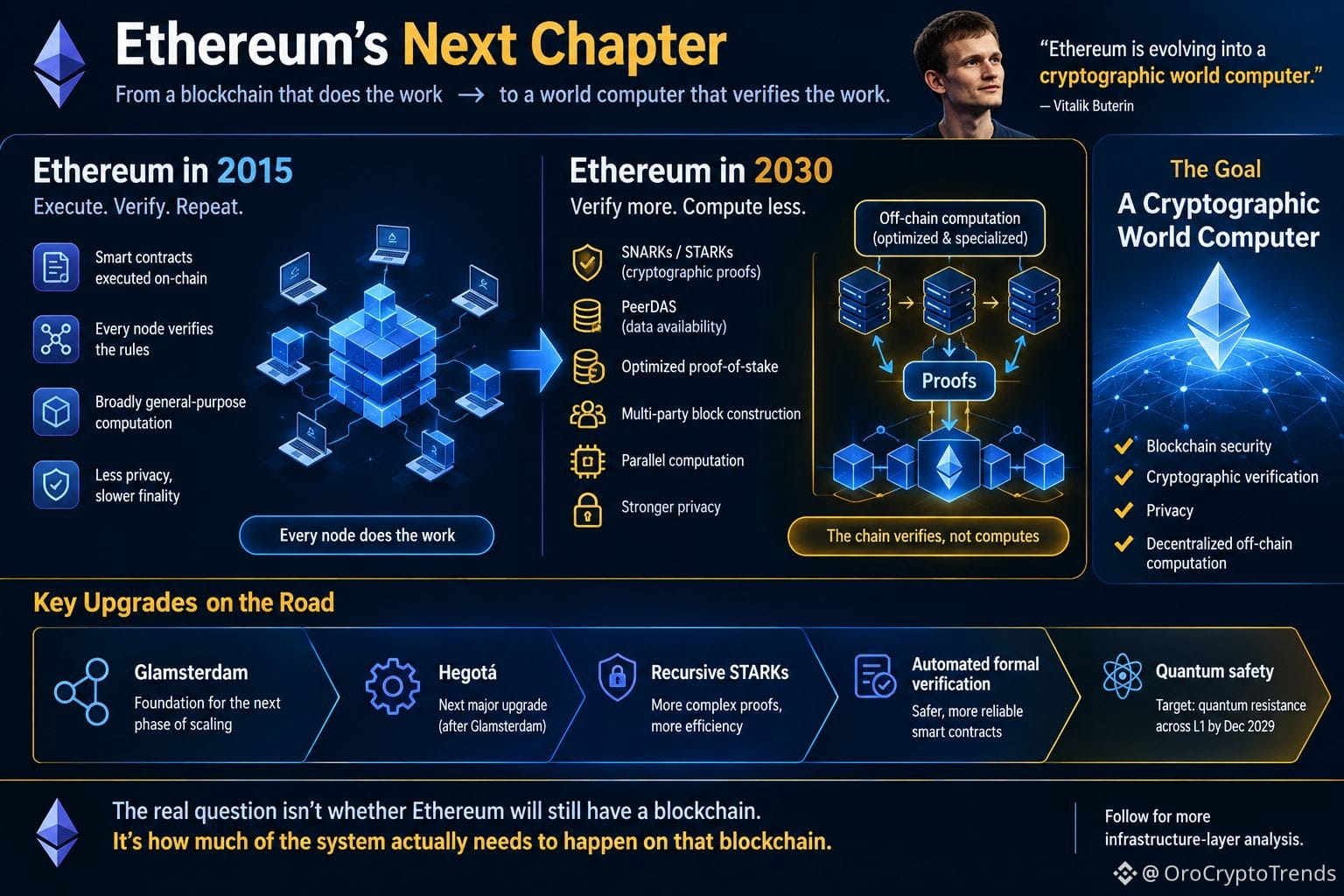
$ETH イーサリアムは、より速いブロックチェーンよりもずっと奇妙な何かへ向かって進んでいる可能性があります。
ヴィタリック・ブテリンの最新の見立てでは、イーサリアムは「暗号学的なワールドコンピュータ」へ進化しており、チェーン自体は計算をあまり行わず、検証により重点を置く——ということです。
この違いは重要です。
2015年のイーサリアムのモデルは比較的シンプルでした。オンチェーンでスマートコントラクトを実行し、すべてのノードがルールを検証し、システムは幅広い汎用性を持つ、というものです。ここで示されている2030年方向性は異なります。SNARKs/STARKs、並列化された計算、より強いプライバシー、多者によるブロック構築、軽量な検証、そして暗号学的証明が検証のためにチェーンへ持ち戻される前に、チェーン外でより多くの作業が行われる——という形です。
その結果、イーサリアムのスケーリング問題は、ますます別の枠組みで捉え直されつつあります。
「どうすればすべてのノードにより多くの計算をさせられるのか?」
ではなく、「すべてのノードにその計算をすべて実行させることなく、ネットワークにより多くの計算を検証させるにはどうすればいいのか?」
これは、はるかに大きなアーキテクチャ上の転換です。
ただ、トレードオフは興味深いです。汎用的な計算には依然として相当なオーバーヘッドがある一方、特化した計算は劇的に安くできる可能性があります。イーサリアム自身のロードマップも、より速いファイナリティ、プライバシー、ポスト量子セキュリティに大きな重点を置いており、財団は2029年12月までにL1全体で量子耐性を目標にしています。
また、Hegotáは現在、Glamsterdamの次の主要アップグレードとして範囲が検討されており、より長期の暗号学的移行に備える複数の提案が進められています。
興味深いのは、「イーサリアムにブロックチェーンが残るかどうか」ではありません。
問題は、そのシステムのうち実際にどれだけの処理が、そのブロックチェーン上で行われる必要があるのか、ということです。
$ETH イーサリアムは、より速いブロックチェーンよりもずっと奇妙な何かへ向かって進んでいる可能性があります。
ヴィタリック・ブテリンの最新の見立てでは、イーサリアムは「暗号学的なワールドコンピュータ」へ進化しており、チェーン自体は計算をあまり行わず、検証により重点を置く——ということです。
この違いは重要です。
2015年のイーサリアムのモデルは比較的シンプルでした。オンチェーンでスマートコントラクトを実行し、すべてのノードがルールを検証し、システムは幅広い汎用性を持つ、というものです。ここで示されている2030年方向性は異なります。SNARKs/STARKs、並列化された計算、より強いプライバシー、多者によるブロック構築、軽量な検証、そして暗号学的証明が検証のためにチェーンへ持ち戻される前に、チェーン外でより多くの作業が行われる——という形です。
その結果、イーサリアムのスケーリング問題は、ますます別の枠組みで捉え直されつつあります。
「どうすればすべてのノードにより多くの計算をさせられるのか?」
ではなく、「すべてのノードにその計算をすべて実行させることなく、ネットワークにより多くの計算を検証させるにはどうすればいいのか?」
これは、はるかに大きなアーキテクチャ上の転換です。
ただ、トレードオフは興味深いです。汎用的な計算には依然として相当なオーバーヘッドがある一方、特化した計算は劇的に安くできる可能性があります。イーサリアム自身のロードマップも、より速いファイナリティ、プライバシー、ポスト量子セキュリティに大きな重点を置いており、財団は2029年12月までにL1全体で量子耐性を目標にしています。
また、Hegotáは現在、Glamsterdamの次の主要アップグレードとして範囲が検討されており、より長期の暗号学的移行に備える複数の提案が進められています。
興味深いのは、「イーサリアムにブロックチェーンが残るかどうか」ではありません。
問題は、そのシステムのうち実際にどれだけの処理が、そのブロックチェーン上で行われる必要があるのか、ということです。
ヴィタリック・ブテリンの最新の見立てでは、イーサリアムは「暗号学的なワールドコンピュータ」へ進化しており、チェーン自体は計算をあまり行わず、検証により重点を置く——ということです。
この違いは重要です。
2015年のイーサリアムのモデルは比較的シンプルでした。オンチェーンでスマートコントラクトを実行し、すべてのノードがルールを検証し、システムは幅広い汎用性を持つ、というものです。ここで示されている2030年方向性は異なります。SNARKs/STARKs、並列化された計算、より強いプライバシー、多者によるブロック構築、軽量な検証、そして暗号学的証明が検証のためにチェーンへ持ち戻される前に、チェーン外でより多くの作業が行われる——という形です。
その結果、イーサリアムのスケーリング問題は、ますます別の枠組みで捉え直されつつあります。
「どうすればすべてのノードにより多くの計算をさせられるのか?」
ではなく、「すべてのノードにその計算をすべて実行させることなく、ネットワークにより多くの計算を検証させるにはどうすればいいのか?」
これは、はるかに大きなアーキテクチャ上の転換です。
ただ、トレードオフは興味深いです。汎用的な計算には依然として相当なオーバーヘッドがある一方、特化した計算は劇的に安くできる可能性があります。イーサリアム自身のロードマップも、より速いファイナリティ、プライバシー、ポスト量子セキュリティに大きな重点を置いており、財団は2029年12月までにL1全体で量子耐性を目標にしています。
また、Hegotáは現在、Glamsterdamの次の主要アップグレードとして範囲が検討されており、より長期の暗号学的移行に備える複数の提案が進められています。
興味深いのは、「イーサリアムにブロックチェーンが残るかどうか」ではありません。
問題は、そのシステムのうち実際にどれだけの処理が、そのブロックチェーン上で行われる必要があるのか、ということです。
1
523
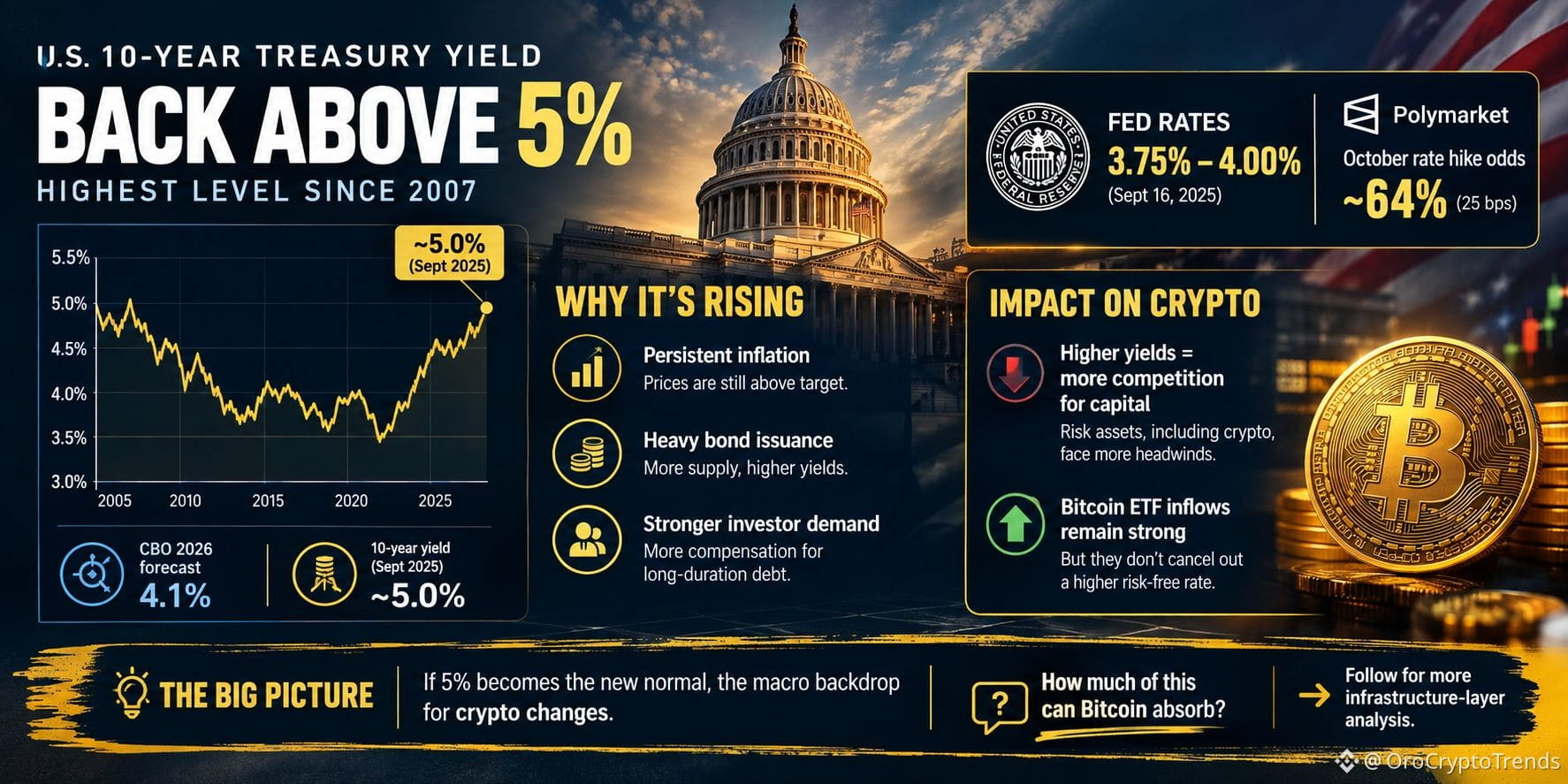
$BTC 10年国債利回りが再び5%前後に戻っている——そして暗号資産はそれを無視すべきではありません。
私の注意を引いたのは、数字そのものだけではありません。資本コストについて、債券市場が何を語っているかです。
10年物は9月に一時5%を超えました。到達水準は、2000年代半ば以来見られていません。同時に、CBO(米議会予算局)の2026年見通しは4.1%にとどまっています。この差は重要です。
そして圧力は一つの要因から来ているわけではありません。インフレは依然として高止まりしており、国債の供給は重く、投資家は長期の債務を保有する見返りとして、より大きな補償を求めています。さらにFRBは9月16日に目標レンジを3.75%〜4.00%へ引き上げました。一方、予測市場では10月にさらに25bp(0.25%ポイント)利上げが行われることを織り込む、意味のある確率が示されています。
ここで、私が思うのは暗号資産の物語が単純化されすぎているという点です。
強いビットコインETFの資金流入が需要を支えることはあっても、より高い無リスク金利を相殺することはできません。資本が米国債で大幅に多く稼げるのであれば、投機的な資産はその資本を巡ってより厳しい競争を強いられます。
だから今は、注目すべきはヘッドラインのFRBの決定よりも、利回りの動きのほうだと見ています。
もし5%が一時的な急騰ではなく新しい標準になるなら、暗号資産にとってのマクロ環境は変わります。
それでも、このビットコインがどれくらい吸収できるのか、まだ見極めようとしているところです。
#Write2Earn
$BTC 10年国債利回りが再び5%前後に戻っている——そして暗号資産はそれを無視すべきではありません。
私の注意を引いたのは、数字そのものだけではありません。資本コストについて、債券市場が何を語っているかです。
10年物は9月に一時5%を超えました。到達水準は、2000年代半ば以来見られていません。同時に、CBO(米議会予算局)の2026年見通しは4.1%にとどまっています。この差は重要です。
そして圧力は一つの要因から来ているわけではありません。インフレは依然として高止まりしており、国債の供給は重く、投資家は長期の債務を保有する見返りとして、より大きな補償を求めています。さらにFRBは9月16日に目標レンジを3.75%〜4.00%へ引き上げました。一方、予測市場では10月にさらに25bp(0.25%ポイント)利上げが行われることを織り込む、意味のある確率が示されています。
ここで、私が思うのは暗号資産の物語が単純化されすぎているという点です。
強いビットコインETFの資金流入が需要を支えることはあっても、より高い無リスク金利を相殺することはできません。資本が米国債で大幅に多く稼げるのであれば、投機的な資産はその資本を巡ってより厳しい競争を強いられます。
だから今は、注目すべきはヘッドラインのFRBの決定よりも、利回りの動きのほうだと見ています。
もし5%が一時的な急騰ではなく新しい標準になるなら、暗号資産にとってのマクロ環境は変わります。
それでも、このビットコインがどれくらい吸収できるのか、まだ見極めようとしているところです。
#Write2Earn
私の注意を引いたのは、数字そのものだけではありません。資本コストについて、債券市場が何を語っているかです。
10年物は9月に一時5%を超えました。到達水準は、2000年代半ば以来見られていません。同時に、CBO(米議会予算局)の2026年見通しは4.1%にとどまっています。この差は重要です。
そして圧力は一つの要因から来ているわけではありません。インフレは依然として高止まりしており、国債の供給は重く、投資家は長期の債務を保有する見返りとして、より大きな補償を求めています。さらにFRBは9月16日に目標レンジを3.75%〜4.00%へ引き上げました。一方、予測市場では10月にさらに25bp(0.25%ポイント)利上げが行われることを織り込む、意味のある確率が示されています。
ここで、私が思うのは暗号資産の物語が単純化されすぎているという点です。
強いビットコインETFの資金流入が需要を支えることはあっても、より高い無リスク金利を相殺することはできません。資本が米国債で大幅に多く稼げるのであれば、投機的な資産はその資本を巡ってより厳しい競争を強いられます。
だから今は、注目すべきはヘッドラインのFRBの決定よりも、利回りの動きのほうだと見ています。
もし5%が一時的な急騰ではなく新しい標準になるなら、暗号資産にとってのマクロ環境は変わります。
それでも、このビットコインがどれくらい吸収できるのか、まだ見極めようとしているところです。
#Write2Earn
1
5.3k
ログインして、さらにコンテンツを読む
厳選トピックで世界の暗号資産トレーダーの仲間入り
⚡️ 暗号資産に関する最新かつ有益な情報が見つかります。
💬 世界最大の暗号資産取引所から信頼されています。
👍 認証を受けたクリエイターから、有益なインサイトを得られます。
メール / 電話番号
トレンドトピック
EthStakingExitQueueHits2026High
閲覧回数 237
76人が討論中
📊$ETH ステーキング退出キュー — 2026年の最高水準
ピーク:約851,000 ETH(2026年10月2日)
現在:依然として約786,000 ETHが待機中
待ち時間:約14日
価値:20億ドル超
急増の主な要因は、ステーキングインフラのセキュリティインシデントを受け、MetaMaskが予防措置としてバリデーターを退出させたことに関連しているとみられます。CCoinDesk+1
重要なのは、退出キューにある851K ETHが、ただちに851K ETH売却されることを意味するわけではないという点です。Ethereumはバリデーターの退出を制限しているため、ETHは徐々に流動化します。
#EthStakingExitQueueHits2026High
Mr_Trader524
·いいね:1件
·閲覧回数 47
FedOctoberHoldOdds82.3%
閲覧回数 202
46人が討論中
Nikkei225Jumps2.5%ToThreeMonthHigh
閲覧回数 28,313
480人が討論中