Binance Square

BlockChain Akuma

In the cryptic corners of the cryptoverse, I delve into the language of blockchains & tokens, deciphering the code that unlocks a new world of finance. Join me.
取引を発注
低高頻度トレーダー
2年
0 フォロー
142 フォロワー
43 いいね
21 共有
投稿
ポートフォリオ
·
--
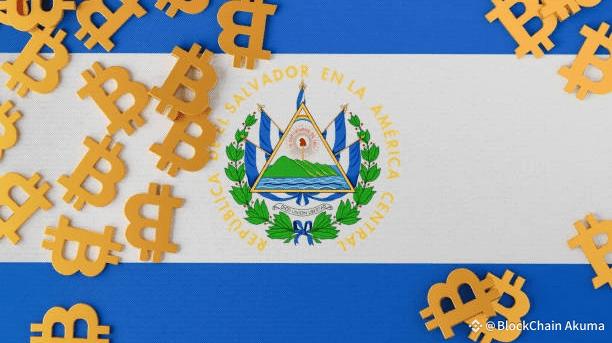
ビットコインの休止後、エルサルバドルが金保有を拡大ビットコイン戦略の転換の中でエルサルバドルが金準備を強化 エルサルバドルは5000万ドルの金購入を通じて金融戦略を再構築しており、中央準備銀行(BCR)が35年ぶりの主要な金購入を実施した。これは、ビットコインの保有を控えめにしている状況下での戦略的転換を示している。2025年9月4日に発表されたこの購入により、13,999トロイオンスが追加され、準備金は58,105オンスに増加し、価値は2億7400万ドルに達した。しかし、同国は9月7日の「ビットコインデー」に象徴的な21BTCの購入を通じて、暗号資産への取り組みを再確認。これにより、ビットコインの保有量は6,313BTCに達し、価値は7億100万ドルとなった。ビットコインは11万1,300ドルで安定し、金価格は年初来16%上昇し、1オンスあたり3,600ドルに達している。ナイビ・ブケレ大統領がデジタル資産の上昇益と伝統的な安定性を組み合わせた二資産型財産管理を実施している。ビットコインを法定通貨として導入してから4年が経過した今、エルサルバドルは新たな準備資産モデルを模索しているのか、それとも暗号資産の変動リスクをヘッジしているのか。公式発表と市場の感情をもとに、この前例のない進化を解き明かす。

ビットコインの休止後、エルサルバドルが金保有を拡大

ビットコイン戦略の転換の中でエルサルバドルが金準備を強化
エルサルバドルは5000万ドルの金購入を通じて金融戦略を再構築しており、中央準備銀行(BCR)が35年ぶりの主要な金購入を実施した。これは、ビットコインの保有を控えめにしている状況下での戦略的転換を示している。2025年9月4日に発表されたこの購入により、13,999トロイオンスが追加され、準備金は58,105オンスに増加し、価値は2億7400万ドルに達した。しかし、同国は9月7日の「ビットコインデー」に象徴的な21BTCの購入を通じて、暗号資産への取り組みを再確認。これにより、ビットコインの保有量は6,313BTCに達し、価値は7億100万ドルとなった。ビットコインは11万1,300ドルで安定し、金価格は年初来16%上昇し、1オンスあたり3,600ドルに達している。ナイビ・ブケレ大統領がデジタル資産の上昇益と伝統的な安定性を組み合わせた二資産型財産管理を実施している。ビットコインを法定通貨として導入してから4年が経過した今、エルサルバドルは新たな準備資産モデルを模索しているのか、それとも暗号資産の変動リスクをヘッジしているのか。公式発表と市場の感情をもとに、この前例のない進化を解き明かす。
MYXファイナンスがアルトコインの急騰で20億ドルを突破分散型金融の不安定な劇場の中で、MYXファイナンスの爆発的な上昇と競うストーリーはほとんどありません。BNBスマートチェーンをベースにした永久的なDEXであるMYXは、そのネイティブトークンMYXを20億1200万ドルの時価総額に押し上げ、より広範なアルトコインの回復の中で際立っています。16.87ドルで取引されており、20.6%のデイリーゲインと驚異的な1,308%の週間上昇を記録しており、MYXはDeFiイノベーションの高リスクな賭けを象徴しています—独自のマッチングプールによるゼロスリッページトレード、最大50倍のレバレッジ、クロスチェーンの野望を持っています。しかし、ロックされた総価値(TVL)が3200万ドルと控えめで、シビル攻撃や市場操作のささやきが渦巻く中、このラリーはMANTRAのOMのような過去のバブルの幽霊を呼び起こします。ビットコインが111,300ドルで安定する中、MYXはアルトシーズンの先駆者なのか、それとも経験豊富なトレーダーへの警告の物語なのか?チェーンデータとコミュニティの脈動に基づいて、私たちはこの狂乱を解剖します。

MYXファイナンスがアルトコインの急騰で20億ドルを突破

分散型金融の不安定な劇場の中で、MYXファイナンスの爆発的な上昇と競うストーリーはほとんどありません。BNBスマートチェーンをベースにした永久的なDEXであるMYXは、そのネイティブトークンMYXを20億1200万ドルの時価総額に押し上げ、より広範なアルトコインの回復の中で際立っています。16.87ドルで取引されており、20.6%のデイリーゲインと驚異的な1,308%の週間上昇を記録しており、MYXはDeFiイノベーションの高リスクな賭けを象徴しています—独自のマッチングプールによるゼロスリッページトレード、最大50倍のレバレッジ、クロスチェーンの野望を持っています。しかし、ロックされた総価値(TVL)が3200万ドルと控えめで、シビル攻撃や市場操作のささやきが渦巻く中、このラリーはMANTRAのOMのような過去のバブルの幽霊を呼び起こします。ビットコインが111,300ドルで安定する中、MYXはアルトシーズンの先駆者なのか、それとも経験豊富なトレーダーへの警告の物語なのか?チェーンデータとコミュニティの脈動に基づいて、私たちはこの狂乱を解剖します。
ホワイトハウス、財務省報告のための新しい議会のmandateで戦略的ビットコイン準備金を前進させる米国の戦略的ビットコイン準備金に向けて動きが高まっており、9月5日に下院歳入委員会によって進められた新しい議会法案は、財務省に90日以内に運営、保管、セキュリティ、連邦デジタル資産の会計に関する詳細な枠組みを提出することを要求しています。2025年3月6日のトランプ大統領の執行命令に基づき、押収された資産から約200,000 BTCを使用して準備金を設立したこの開発は、納税者のコストなしに予算中立の拡張の可能性を示唆しています。このニュースの中でビットコインは約$111,300で安定しており、2.2兆ドルを超える市場キャップにおいて慎重な楽観主義を反映しています。デジタルゴールドで国家の金庫を強化するようなもので、これは主権の採用を加速させる可能性があります。最新の情報と検証された洞察をお届けします。

ホワイトハウス、財務省報告のための新しい議会のmandateで戦略的ビットコイン準備金を前進させる

米国の戦略的ビットコイン準備金に向けて動きが高まっており、9月5日に下院歳入委員会によって進められた新しい議会法案は、財務省に90日以内に運営、保管、セキュリティ、連邦デジタル資産の会計に関する詳細な枠組みを提出することを要求しています。2025年3月6日のトランプ大統領の執行命令に基づき、押収された資産から約200,000 BTCを使用して準備金を設立したこの開発は、納税者のコストなしに予算中立の拡張の可能性を示唆しています。このニュースの中でビットコインは約$111,300で安定しており、2.2兆ドルを超える市場キャップにおいて慎重な楽観主義を反映しています。デジタルゴールドで国家の金庫を強化するようなもので、これは主権の採用を加速させる可能性があります。最新の情報と検証された洞察をお届けします。
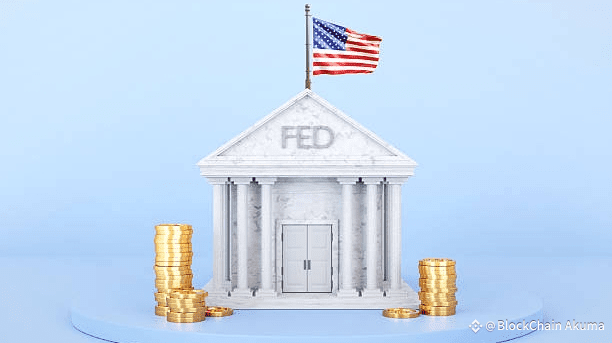
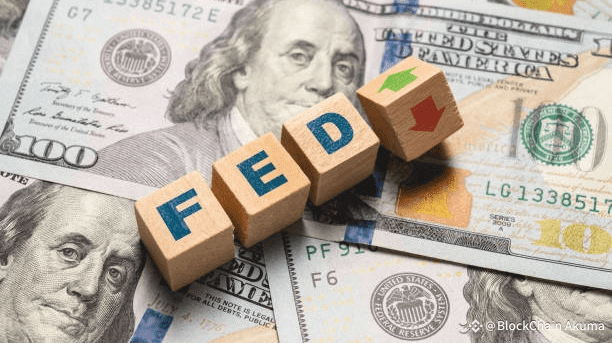
連邦準備制度の大規模な暗号ルールの揺さぶりが取引所とDeFiに波を送る連邦準備制度の新しい暗号監視ルールの驚くべき発表は、ウォール街と分散型金融(DeFi)宇宙の両方を揺るがし、取引所は調整を急ぎ、政策立案者からDiscordチャンネルまでの議論の熱狂を引き起こしています。 アメリカの暗号政策におけるパラダイム転換 連邦準備制度の発表の中心には、銀行、保管業者、および決済機関が暗号とどのように相互作用するかを厳しくする包括的な枠組みがあります。初めて、米ドルに関わるデジタル資産サービスプロバイダーは、従来の金融仲介機関が規制される方法に似た、統一されたコンプライアンスルールブックの下に置かれます。

連邦準備制度の大規模な暗号ルールの揺さぶりが取引所とDeFiに波を送る

連邦準備制度の新しい暗号監視ルールの驚くべき発表は、ウォール街と分散型金融(DeFi)宇宙の両方を揺るがし、取引所は調整を急ぎ、政策立案者からDiscordチャンネルまでの議論の熱狂を引き起こしています。
アメリカの暗号政策におけるパラダイム転換
連邦準備制度の発表の中心には、銀行、保管業者、および決済機関が暗号とどのように相互作用するかを厳しくする包括的な枠組みがあります。初めて、米ドルに関わるデジタル資産サービスプロバイダーは、従来の金融仲介機関が規制される方法に似た、統一されたコンプライアンスルールブックの下に置かれます。
KAITOトークンは、エアドロップ後の売却圧力にもかかわらず75%上昇KAITOはエアドロップ後の最初の24時間で75%の成長を遂げ、$1.87に達し、時価総額は4億5300万ドルを超えました。 アントニー・サッサノのような暗号インフルエンサーが彼らの配分を売却し、売却圧力とトークン配分についての議論を引き起こしました。 オンチェーン調査により、全供給量の43.3%が内部関係者に割り当てられていることが明らかになり、プロジェクトの長期的な持続可能性に対する懸念を引き起こしました。 Kaito Token (KAITO)は、エアドロップ後24時間以内に75%の価値の増加を見込み、約$1.87に達し、時価総額は4億5300万ドルを超えました。この急増は、著名な暗号インフルエンサーが迅速に彼らの配分を売却したにもかかわらず発生し、トークンの価値の持続可能性に懸念を呼び起こしました。

KAITOトークンは、エアドロップ後の売却圧力にもかかわらず75%上昇

KAITOはエアドロップ後の最初の24時間で75%の成長を遂げ、$1.87に達し、時価総額は4億5300万ドルを超えました。
アントニー・サッサノのような暗号インフルエンサーが彼らの配分を売却し、売却圧力とトークン配分についての議論を引き起こしました。
オンチェーン調査により、全供給量の43.3%が内部関係者に割り当てられていることが明らかになり、プロジェクトの長期的な持続可能性に対する懸念を引き起こしました。

Kaito Token (KAITO)は、エアドロップ後24時間以内に75%の価値の増加を見込み、約$1.87に達し、時価総額は4億5300万ドルを超えました。この急増は、著名な暗号インフルエンサーが迅速に彼らの配分を売却したにもかかわらず発生し、トークンの価値の持続可能性に懸念を呼び起こしました。
元Bybit給与マネージャーが570万ドルの暗号強盗で10年近い懲役を宣告されるホ・カイシンが暗号通貨の世界での計算された裏切りの結果に直面する中、貪欲と欺瞞の大胆な物語が展開します。 ホ・カイシンの事件は、デジタル通貨と迅速な金銭が供給と需要を支配する時代において、財務違反を犯した後に人々が払う倫理的決定と個人的な代償を示しています。ホは、Bybitの従業員として働いている間に給与管理スキルを学び、給与システムの詐欺を通じて570万ドルを個人口座に移動させる巨大な詐欺計画を実行しました。シンガポールの裁判所は、ホ・カイシンに対して、貪欲と贅沢な欲望を利用して盗みを犯したため、9年半の懲役を言い渡しました。

元Bybit給与マネージャーが570万ドルの暗号強盗で10年近い懲役を宣告される

ホ・カイシンが暗号通貨の世界での計算された裏切りの結果に直面する中、貪欲と欺瞞の大胆な物語が展開します。

ホ・カイシンの事件は、デジタル通貨と迅速な金銭が供給と需要を支配する時代において、財務違反を犯した後に人々が払う倫理的決定と個人的な代償を示しています。ホは、Bybitの従業員として働いている間に給与管理スキルを学び、給与システムの詐欺を通じて570万ドルを個人口座に移動させる巨大な詐欺計画を実行しました。シンガポールの裁判所は、ホ・カイシンに対して、貪欲と贅沢な欲望を利用して盗みを犯したため、9年半の懲役を言い渡しました。
暗号通貨プロジェクトの成功におけるコミュニティの役割革新と投機の瀬戸際に立ち、コミュニティが暗号通貨の成功の中心的な構成要素である場所です。ここで見る数字や取引は現実ですが、この現象は数字や取引の上に築かれているのではなく、熱心な支持者から開発者、投資家までを統一する共有ビジョンと集合的精神の具現化です。このデジタル時代において、暗号通貨におけるコミュニティという用語は、アイデアを支え、市場の変動に対するレジリエンスを生み出す繁栄するエコシステムの背骨そのものです。

暗号通貨プロジェクトの成功におけるコミュニティの役割

革新と投機の瀬戸際に立ち、コミュニティが暗号通貨の成功の中心的な構成要素である場所です。ここで見る数字や取引は現実ですが、この現象は数字や取引の上に築かれているのではなく、熱心な支持者から開発者、投資家までを統一する共有ビジョンと集合的精神の具現化です。このデジタル時代において、暗号通貨におけるコミュニティという用語は、アイデアを支え、市場の変動に対するレジリエンスを生み出す繁栄するエコシステムの背骨そのものです。
強固な暗号通貨ポートフォリオの構築: リスク管理と分散戦略お金の時代を超越するために再発明が必要ないのに、どうやって車輪を再発明するのでしょうか? デジタル通貨が目新しいものから現代の金融の中心となる時代に入ると、投資家にとっての疑問は、暗号通貨とは何かということではなく (ほとんどすべての人が答えられます)、ポートフォリオ構築の技術を学ぶことです。高いリターンには、一夜にしてひっくり返るリスクが伴います。それが高いリターンの魅力です。つまり、初心者でもベテランでも、すべての暗号通貨投資家は、リスク管理と投資の多様性に基づいて、強力な暗号通貨ポートフォリオを組み立てるための特別に構造化された方法を採用する必要があります。

強固な暗号通貨ポートフォリオの構築: リスク管理と分散戦略

お金の時代を超越するために再発明が必要ないのに、どうやって車輪を再発明するのでしょうか? デジタル通貨が目新しいものから現代の金融の中心となる時代に入ると、投資家にとっての疑問は、暗号通貨とは何かということではなく (ほとんどすべての人が答えられます)、ポートフォリオ構築の技術を学ぶことです。高いリターンには、一夜にしてひっくり返るリスクが伴います。それが高いリターンの魅力です。つまり、初心者でもベテランでも、すべての暗号通貨投資家は、リスク管理と投資の多様性に基づいて、強力な暗号通貨ポートフォリオを組み立てるための特別に構造化された方法を採用する必要があります。
暗号コンプライアンス: 実践者向けハンドブック暗号通貨が金融の世界を完全に変え続けると、規制のグレーゾーンの問題など、この分野の企業が取り組む課題に焦点を当てることが重要になります。環境が継続的に複雑化しているため、違反の認識だけでなく、違反に対抗するための予防措置も必要です。このプロセスにはスピードが必要です。法律や規制が変更されるたびに、リスクを軽減するか、競争上の優位性を獲得する可能性が高くなるためです。この記事は、規制に関する国際的な視点を提供し、コンプライアンスのベストプラクティスを実施し、規制が拡大する世界で事業を展開しようとしている企業向けの戦略を概説した優れた参考資料です。

暗号コンプライアンス: 実践者向けハンドブック

暗号通貨が金融の世界を完全に変え続けると、規制のグレーゾーンの問題など、この分野の企業が取り組む課題に焦点を当てることが重要になります。環境が継続的に複雑化しているため、違反の認識だけでなく、違反に対抗するための予防措置も必要です。このプロセスにはスピードが必要です。法律や規制が変更されるたびに、リスクを軽減するか、競争上の優位性を獲得する可能性が高くなるためです。この記事は、規制に関する国際的な視点を提供し、コンプライアンスのベストプラクティスを実施し、規制が拡大する世界で事業を展開しようとしている企業向けの戦略を概説した優れた参考資料です。
暗号通貨取引をマスターする: ファンダメンタル分析、テクニカル分析、アルゴリズム取引急速に変化する暗号通貨市場での取引は、わずか数秒で何百万ドルも失ったり、勝ったりすることもある芸術です。しかし、犠牲を払う覚悟のある人は、その見返りを得ることができます。ここでは、暗号通貨取引の範囲と、成功しないトレーダーを成功させる戦略、ツール、方法についても見ていきます。 テクニカル分析: チャートで現実を理解する テクニカル分析は、トレーダーの武器の中で最も強力なものの 1 つです。暗号通貨業界ではボラティリティが当たり前ですが、過去の価格例やパターンがどのようなものかを知ってスキルを身に付けることで、経験豊富なトレーダーは、エントリー ポイントとエグジット ポイントをある程度判断できます。

暗号通貨取引をマスターする: ファンダメンタル分析、テクニカル分析、アルゴリズム取引

急速に変化する暗号通貨市場での取引は、わずか数秒で何百万ドルも失ったり、勝ったりすることもある芸術です。しかし、犠牲を払う覚悟のある人は、その見返りを得ることができます。ここでは、暗号通貨取引の範囲と、成功しないトレーダーを成功させる戦略、ツール、方法についても見ていきます。

テクニカル分析: チャートで現実を理解する
テクニカル分析は、トレーダーの武器の中で最も強力なものの 1 つです。暗号通貨業界ではボラティリティが当たり前ですが、過去の価格例やパターンがどのようなものかを知ってスキルを身に付けることで、経験豊富なトレーダーは、エントリー ポイントとエグジット ポイントをある程度判断できます。
暗号経済学 101: トークノミクス、インセンティブ、ネットワーク効果を理解する急速に発展している暗号通貨の世界では、「トークノミクス」という表現がプロジェクトの実現可能性と成功の基盤として生まれました。トークノミクスは「トークン」と「エコノミクス」を組み合わせたもので、デジタル通貨やブロックチェーンプロジェクトを支える金融システムを指します。トークンの流通、利用、管理が組み込まれており、これらはすべて、ユーザーの行動や環境全体の強さを形成する上で重要な役割を果たします。この記事では、これらの複雑な概念をわかりやすく説明し、トークノミクスがプロジェクトの成功にどのように影響するかを徹底的に理解し、投資家、開発者、愛好家にとって価値のある知識を提供することを目的としています。

暗号経済学 101: トークノミクス、インセンティブ、ネットワーク効果を理解する

急速に発展している暗号通貨の世界では、「トークノミクス」という表現がプロジェクトの実現可能性と成功の基盤として生まれました。トークノミクスは「トークン」と「エコノミクス」を組み合わせたもので、デジタル通貨やブロックチェーンプロジェクトを支える金融システムを指します。トークンの流通、利用、管理が組み込まれており、これらはすべて、ユーザーの行動や環境全体の強さを形成する上で重要な役割を果たします。この記事では、これらの複雑な概念をわかりやすく説明し、トークノミクスがプロジェクトの成功にどのように影響するかを徹底的に理解し、投資家、開発者、愛好家にとって価値のある知識を提供することを目的としています。
分散化の謎を解く: ブロックチェーン技術とその影響を深く掘り下げる急速な技術進歩が特徴的なこの時代において、ブロックチェーン技術は、業界を再構築し、デジタル時代の信頼の本質を再定義することを約束する驚異的な力と見なされています。最も一般的にはビットコインやイーサリアムなどの暗号通貨に関連付けられていますが、ロックダウンの影響は金融分野をはるかに超えています。この記事の目的は、ブロックチェーン、コンセンサス、スマート コントラクト、および代替手段の基礎を探り、読者にこれらの革新的な技術の包括的な理解を提供することです。

分散化の謎を解く: ブロックチェーン技術とその影響を深く掘り下げる

急速な技術進歩が特徴的なこの時代において、ブロックチェーン技術は、業界を再構築し、デジタル時代の信頼の本質を再定義することを約束する驚異的な力と見なされています。最も一般的にはビットコインやイーサリアムなどの暗号通貨に関連付けられていますが、ロックダウンの影響は金融分野をはるかに超えています。この記事の目的は、ブロックチェーン、コンセンサス、スマート コントラクト、および代替手段の基礎を探り、読者にこれらの革新的な技術の包括的な理解を提供することです。
ステーブルコイン:新しいゴールドスタンダード?お金の再発明。デジタル資産が金融を再定義しています。準備はできていますか? デジタル通貨は現金のルールを変えてきています。ドルやユーロなどの法定通貨と連動するステーブルコイン、あるいは暗号資産は、投資家や金融機関、さらには中央当局の関心を引いています。高いインフレ、地政学的緊張、市場の変動性が特徴的な不確実な時代を迎える世界経済において、次の安全資産としてステーブルコインが登場できるでしょうか?

ステーブルコイン:新しいゴールドスタンダード?

お金の再発明。デジタル資産が金融を再定義しています。準備はできていますか?
デジタル通貨は現金のルールを変えてきています。ドルやユーロなどの法定通貨と連動するステーブルコイン、あるいは暗号資産は、投資家や金融機関、さらには中央当局の関心を引いています。高いインフレ、地政学的緊張、市場の変動性が特徴的な不確実な時代を迎える世界経済において、次の安全資産としてステーブルコインが登場できるでしょうか?
大衆のための暗号通貨: ユーザーフレンドリーなアプリが DeFi の黄金時代を導くか?分散型金融(DeFi)は、従来の仲介業者に頼ることなく個人が自分の金融運命をコントロールできる未来を約束し、暗号通貨愛好家や金融イノベーターたちの心を掴んでいます。しかし、DeFiプロトコルが複雑になるにつれ、テクノロジーの技術的な複雑さと一般ユーザーのニーズとの間のギャップを埋めるという新たな課題が浮上しました。そこで、DeFi体験を簡素化し、大衆が利用できるようにすることを目的とした、ユーザーフレンドリーなDeFiアプリが登場しました。問題は、これらのイノベーションがDeFiを主流へと押し上げ、分散型金融の黄金時代を先導するきっかけとなるかどうかです。

大衆のための暗号通貨: ユーザーフレンドリーなアプリが DeFi の黄金時代を導くか?

分散型金融(DeFi)は、従来の仲介業者に頼ることなく個人が自分の金融運命をコントロールできる未来を約束し、暗号通貨愛好家や金融イノベーターたちの心を掴んでいます。しかし、DeFiプロトコルが複雑になるにつれ、テクノロジーの技術的な複雑さと一般ユーザーのニーズとの間のギャップを埋めるという新たな課題が浮上しました。そこで、DeFi体験を簡素化し、大衆が利用できるようにすることを目的とした、ユーザーフレンドリーなDeFiアプリが登場しました。問題は、これらのイノベーションがDeFiを主流へと押し上げ、分散型金融の黄金時代を先導するきっかけとなるかどうかです。
ピカソからピクセルへ:NFTによる部分所有はアート界を革命するか?アート界は、しばしば富裕層の専門領域と見なされてきたが、ここにきて画期的な変化が起きている。非代替性トークン(NFT)は、所有権とアート投資の新しいあり方を提示する破壊的な存在として台頭している。高価な美術品の部分所有を可能にするNFTは、アート市場へのアクセスを民主化し、より広範な投資家が参加できるようにしている。この記事では、このような変化がもたらす影響について探り、NFTがデジタル時代における知的財産権と所有権の概念をどのように再定義するかを考察する。

ピカソからピクセルへ:NFTによる部分所有はアート界を革命するか?

アート界は、しばしば富裕層の専門領域と見なされてきたが、ここにきて画期的な変化が起きている。非代替性トークン(NFT)は、所有権とアート投資の新しいあり方を提示する破壊的な存在として台頭している。高価な美術品の部分所有を可能にするNFTは、アート市場へのアクセスを民主化し、より広範な投資家が参加できるようにしている。この記事では、このような変化がもたらす影響について探り、NFTがデジタル時代における知的財産権と所有権の概念をどのように再定義するかを考察する。
仮想通貨で給与を?仮想通貨給与の可能性を探る急速に進化する金融環境において、仮想通貨で給与を受け取るという概念が注目を集めつつあります。より多くの企業がデジタル資産の可能性を模索する中で、次の疑問が浮かび上がります:仮想通貨給与は一般的な現実になるのか、それとも多くの労働者にとって手の届かない未来の概念のままに終わるのか? 仮想通貨給与の魅力 仮想通貨給与という概念は、雇用主と従業員の両方に大きな魅力を持っています。企業にとっては、仮想通貨での給与支払いを提供することで、テクノロジーに詳しい人材を獲得する上で競争優位性を得られ、報酬に対する前向きなアプローチを示すことができます。従業員にとっては、取引の高速化、グローバルなカバー範囲、新しい資産クラスの成長に参加する機会といった利点が魅力です。

仮想通貨で給与を?仮想通貨給与の可能性を探る

急速に進化する金融環境において、仮想通貨で給与を受け取るという概念が注目を集めつつあります。より多くの企業がデジタル資産の可能性を模索する中で、次の疑問が浮かび上がります:仮想通貨給与は一般的な現実になるのか、それとも多くの労働者にとって手の届かない未来の概念のままに終わるのか?

仮想通貨給与の魅力
仮想通貨給与という概念は、雇用主と従業員の両方に大きな魅力を持っています。企業にとっては、仮想通貨での給与支払いを提供することで、テクノロジーに詳しい人材を獲得する上で競争優位性を得られ、報酬に対する前向きなアプローチを示すことができます。従業員にとっては、取引の高速化、グローバルなカバー範囲、新しい資産クラスの成長に参加する機会といった利点が魅力です。
翻訳参照
From Diamonds to Decentralization: Will Crypto Become the New Luxury Investment?In the ever-evolving world of luxury, where exclusivity and status are paramount, a new frontier is emerging - one where digital assets reign supreme. Cryptocurrencies, once relegated to the fringes of finance, are now making their mark on the luxury market, challenging traditional notions of wealth and value. As more high-end brands embrace the power of decentralized finance, the question arises: will crypto become the new luxury investment of choice? The rise of crypto millionaires has been nothing short of meteoric. In 2024, a new class of wealthy individuals has emerged, thanks to savvy investments in digital currencies like Bitcoin and Ethereum. These self-made crypto moguls, often young and tech-savvy, are shaking up the luxury landscape with their unique spending habits and investment strategies. One of the most notable shifts is the growing preference for luxury real estate over flashy cars. According to a recent report by Luxury Lifestyle Magazine, crypto millionaires are increasingly swapping their sports cars for high-end properties, drawn to the stability and long-term value of real estate investments. This trend reflects a more mature and diversified approach to wealth management, with crypto investors seeking to mitigate risk and secure their assets for the future. The appeal of crypto as a luxury investment extends beyond real estate. Luxury brands are taking note of this shift and adapting their business models accordingly. In 2023, Ferrari made headlines when it announced that it would accept cryptocurrency as a form of payment for its exclusive vehicles. This move not only caters to the preferences of crypto-savvy consumers but also signals a broader acceptance of digital currencies in the luxury market. The implications of Ferrari's decision are far-reaching. As more luxury brands follow suit, the integration of cryptocurrency into the high-end market could reshape consumer behavior and investment strategies. Investors are now presented with a unique opportunity to diversify their portfolios by investing in companies that embrace digital currencies, potentially benefiting from the growth of this emerging trend. However, the adoption of crypto in the luxury market is not without its challenges. Volatility remains a significant concern, as the value of cryptocurrencies can fluctuate dramatically in short periods. To mitigate this risk, some luxury brands, like Ferrari, have opted to instantly convert crypto payments into traditional currencies. This strategy helps to stabilize revenue streams and minimize exposure to the inherent volatility of digital assets. Another potential hurdle is regulatory uncertainty. As cryptocurrencies gain mainstream acceptance, governments and financial institutions are grappling with how to regulate this new asset class. The lack of clear guidelines and the potential for increased scrutiny could slow the adoption of crypto in the luxury market. However, as more countries develop regulatory frameworks for digital currencies, this uncertainty is expected to diminish over time. Despite these challenges, the allure of crypto as a luxury investment continues to grow. Cryptocurrencies are increasingly seen as valuable stores of wealth, similar to traditional luxury assets like diamonds and fine art. The decentralized nature of digital currencies appeals to those seeking to protect their assets from economic instability and government interference. Moreover, the integration of blockchain technology into luxury goods offers new opportunities for authentication and provenance tracking. By embedding digital certificates into luxury items, brands can ensure the authenticity and ownership history of their products, reducing the risk of counterfeiting and enhancing consumer trust. As the luxury market embraces the power of decentralization, a new generation of crypto-savvy consumers is emerging. These individuals, often younger and more technologically inclined, are drawn to the exclusivity and innovation offered by luxury brands that incorporate digital currencies and blockchain technology into their business models. The rise of non-fungible tokens (NFTs) in the luxury space is a prime example of this trend. NFTs, which are unique digital assets stored on a blockchain, are being used by luxury brands to create exclusive virtual experiences and limited-edition digital collectibles. These offerings not only appeal to crypto enthusiasts but also provide a new avenue for luxury brands to engage with their customers in the digital realm. One company at the forefront of this movement is 5thScape, a pioneering project in the virtual reality (VR) and augmented reality (AR) space that integrates blockchain technology to enhance user experiences. By developing state-of-the-art VR headsets and immersive VR games, 5thScape aims to create a new frontier for luxury entertainment, where digital experiences are as valuable as physical ones. Another promising project is DarkLume, a digital luxury metaverse that combines virtual experiences with social engagement, allowing users to live their best digital lives. The DLUME coin, which powers the DarkLume VR platform, grants access to exclusive content and experiences, positioning it as a potential game-changer in the world of crypto-based luxury. As the luxury market continues to evolve, it's clear that cryptocurrencies and blockchain technology will play an increasingly important role in shaping the future of this industry. From the integration of digital currencies into payment systems to the creation of unique virtual experiences, luxury brands are embracing the power of decentralization to stay ahead of the curve and appeal to a new generation of consumers. However, the success of crypto as a luxury investment will ultimately depend on its ability to maintain value and stability over time. As with any asset class, there are risks involved, and investors must carefully consider their strategies and diversify their portfolios accordingly. Despite these challenges, the future of crypto in the luxury market looks bright. As more high-end brands embrace the power of decentralized finance and blockchain technology, the potential for growth and innovation is limitless. Whether you're a seasoned investor or a crypto enthusiast, the rise of luxury crypto investments is a trend worth watching in the years to come.

From Diamonds to Decentralization: Will Crypto Become the New Luxury Investment?

In the ever-evolving world of luxury, where exclusivity and status are paramount, a new frontier is emerging - one where digital assets reign supreme. Cryptocurrencies, once relegated to the fringes of finance, are now making their mark on the luxury market, challenging traditional notions of wealth and value. As more high-end brands embrace the power of decentralized finance, the question arises: will crypto become the new luxury investment of choice?

The rise of crypto millionaires has been nothing short of meteoric. In 2024, a new class of wealthy individuals has emerged, thanks to savvy investments in digital currencies like Bitcoin and Ethereum. These self-made crypto moguls, often young and tech-savvy, are shaking up the luxury landscape with their unique spending habits and investment strategies.

One of the most notable shifts is the growing preference for luxury real estate over flashy cars. According to a recent report by Luxury Lifestyle Magazine, crypto millionaires are increasingly swapping their sports cars for high-end properties, drawn to the stability and long-term value of real estate investments. This trend reflects a more mature and diversified approach to wealth management, with crypto investors seeking to mitigate risk and secure their assets for the future.

The appeal of crypto as a luxury investment extends beyond real estate. Luxury brands are taking note of this shift and adapting their business models accordingly. In 2023, Ferrari made headlines when it announced that it would accept cryptocurrency as a form of payment for its exclusive vehicles. This move not only caters to the preferences of crypto-savvy consumers but also signals a broader acceptance of digital currencies in the luxury market.

The implications of Ferrari's decision are far-reaching. As more luxury brands follow suit, the integration of cryptocurrency into the high-end market could reshape consumer behavior and investment strategies.

Investors are now presented with a unique opportunity to diversify their portfolios by investing in companies that embrace digital currencies, potentially benefiting from the growth of this emerging trend.

However, the adoption of crypto in the luxury market is not without its challenges. Volatility remains a significant concern, as the value of cryptocurrencies can fluctuate dramatically in short periods. To mitigate this risk, some luxury brands, like Ferrari, have opted to instantly convert crypto payments into traditional currencies. This strategy helps to stabilize revenue streams and minimize exposure to the inherent volatility of digital assets.

Another potential hurdle is regulatory uncertainty. As cryptocurrencies gain mainstream acceptance, governments and financial institutions are grappling with how to regulate this new asset class. The lack of clear guidelines and the potential for increased scrutiny could slow the adoption of crypto in the luxury market. However, as more countries develop regulatory frameworks for digital currencies, this uncertainty is expected to diminish over time.

Despite these challenges, the allure of crypto as a luxury investment continues to grow. Cryptocurrencies are increasingly seen as valuable stores of wealth, similar to traditional luxury assets like diamonds and fine art. The decentralized nature of digital currencies appeals to those seeking to protect their assets from economic instability and government interference.

Moreover, the integration of blockchain technology into luxury goods offers new opportunities for authentication and provenance tracking. By embedding digital certificates into luxury items, brands can ensure the authenticity and ownership history of their products, reducing the risk of counterfeiting and enhancing consumer trust.

As the luxury market embraces the power of decentralization, a new generation of crypto-savvy consumers is emerging. These individuals, often younger and more technologically inclined, are drawn to the exclusivity and innovation offered by luxury brands that incorporate digital currencies and blockchain technology into their business models.

The rise of non-fungible tokens (NFTs) in the luxury space is a prime example of this trend. NFTs, which are unique digital assets stored on a blockchain, are being used by luxury brands to create exclusive virtual experiences and limited-edition digital collectibles. These offerings not only appeal to crypto enthusiasts but also provide a new avenue for luxury brands to engage with their customers in the digital realm.

One company at the forefront of this movement is 5thScape, a pioneering project in the virtual reality (VR) and augmented reality (AR) space that integrates blockchain technology to enhance user experiences. By developing state-of-the-art VR headsets and immersive VR games, 5thScape aims to create a new frontier for luxury entertainment, where digital experiences are as valuable as physical ones.

Another promising project is DarkLume, a digital luxury metaverse that combines virtual experiences with social engagement, allowing users to live their best digital lives. The DLUME coin, which powers the DarkLume VR platform, grants access to exclusive content and experiences, positioning it as a potential game-changer in the world of crypto-based luxury.

As the luxury market continues to evolve, it's clear that cryptocurrencies and blockchain technology will play an increasingly important role in shaping the future of this industry. From the integration of digital currencies into payment systems to the creation of unique virtual experiences, luxury brands are embracing the power of decentralization to stay ahead of the curve and appeal to a new generation of consumers.

However, the success of crypto as a luxury investment will ultimately depend on its ability to maintain value and stability over time. As with any asset class, there are risks involved, and investors must carefully consider their strategies and diversify their portfolios accordingly.

Despite these challenges, the future of crypto in the luxury market looks bright. As more high-end brands embrace the power of decentralized finance and blockchain technology, the potential for growth and innovation is limitless. Whether you're a seasoned investor or a crypto enthusiast, the rise of luxury crypto investments is a trend worth watching in the years to come.
翻訳参照
Cryptocurrency and Central Banks: The Great Digital Power Struggle In the fast-moving world of finance, a silent revolution is happening - a digital currency rivalry between cryptocurrencies and central banks. With decentralized digital currencies on the rise, central banks are hard at work to prepare their own versions - central bank digital currency (CBDC) so as not to lose out of control over money issuance. Cryptocurrencies, including the fiery pioneer Bitcoin, have become the disrupter of the decade, shattering the rigid walls of the old-school financial world. Based on innovative blockchain technology, these easy-to-invest digital assets have brought about a provocative image of a future decentralized, state-free financial system unreachable to withering fiat money. However, the phenomenon of cryptocurrencies has also brought on a faithful following of IT-minded visionaries, activists, and investors who rely on digital alternatives to traditional money to outstand inflation and achieve financial autonomy. As cryptocurrencies grace an increasingly established part of the global financial landscape, central banks have been forced to take a closer look at the broader implications of digital currency. The Rise of Central Bank Digital Currencies In light of the expansion of cryptocurrencies, central banks worldwide have looked into CBDCs (central bank digital currencies), lines up with their public currency. These central-bank issued digital currencies (CBDCs) are designed to have the key advantages of blockchain technology while supporting control by the governments that maintain high-quality monetary supplies. The motivations behind the CBDC push are manifold. Central banks see CBDCs as a way to modernize payment systems, improve financial inclusion, and enhance the efficiency of cross-border transactions. Additionally, they view CBDCs as a means to counter the perceived threats posed by cryptocurrencies, such as the potential for illicit activities and the erosion of monetary policy effectiveness. According to the Bank for International Settlements, as of early 2023, over 60% of central banks worldwide were conducting experiments and proofs of concept for CBDCs, with 14% having already launched pilot projects. The scope and design of these CBDC initiatives vary, with some central banks exploring token-based models while others focus on account-based systems. The Uneasy Coexistence of Crypto and CBDCs As central banks race to develop their own digital currencies, the relationship between cryptocurrencies and CBDCs has become increasingly complex. On the one hand, the rise of CBDCs could be seen as a direct challenge to the autonomy and decentralization that cryptocurrencies have championed. “Central banks are essentially trying to co-opt the benefits of cryptocurrencies, such as speed and efficiency, while maintaining their control over the monetary system,” explains Dr. Liam Huang, a professor of finance at the University of Cambridge. “This creates an inherent tension, as many cryptocurrency enthusiasts are drawn to the idea of a decentralized, government-free financial system.” However, some experts believe that cryptocurrencies and CBDCs can coexist, with each serving a distinct purpose in the evolving digital finance landscape. “CBDCs and cryptocurrencies are not necessarily mutually exclusive,” says Dr. Sophia Anwar, a senior economist at the International Monetary Fund. “They can complement each other, with CBDCs providing a stable, government-backed digital currency for everyday transactions, while cryptocurrencies continue to serve as speculative investment vehicles and alternative payment methods.” The Challenges Ahead As central banks and governments continue to grapple with the rise of cryptocurrencies, several key challenges have emerged: Regulatory Uncertainty One of the primary hurdles facing the cryptocurrency industry is the lack of clear and consistent regulatory frameworks. Governments around the world have taken vastly different approaches, ranging from outright bans to embracing cryptocurrencies as a legitimate asset class. This regulatory uncertainty has created a challenging environment for crypto businesses and investors. “Regulators are struggling to keep up with the rapid pace of innovation in the crypto space,” says Mustafa Syed, a fintech expert and the author of “Cryptocurrencies and Central Bank Digital Currencies (CBDC).” “Without clear guidelines and a harmonized global approach, the future of cryptocurrencies remains uncertain.” Financial Stability Concerns Central banks are also concerned about the potential risks that cryptocurrencies pose to financial stability. The highly volatile nature of crypto assets and their growing integration with traditional financial systems have raised fears of systemic shocks. “If cryptocurrencies were to become more widely adopted, it could lead to a significant reduction in the volume of bank deposits, which would undermine the effectiveness of monetary policy and the central bank’s ability to influence interest rates,” warns Dr. Anwar. “This is a key reason why central banks are so keen to develop their own digital currencies.” Privacy and Anonymity Another area of contention is the issue of privacy and anonymity. Cryptocurrencies, with their decentralized nature and pseudonymous transactions, have been associated with illicit activities, such as money laundering and tax evasion. Central banks and governments are grappling with how to balance the need for financial transparency with the desire for individual privacy. “There’s a delicate balance to strike,” says Dr. Huang. “Central banks want to maintain control and visibility over the monetary system, but they also need to respect the privacy concerns of citizens. The design of CBDCs will be crucial in determining how this trade-off is managed.” The Future of Digital Currencies As the battle for digital dominance continues, the future of cryptocurrencies and CBDCs remains uncertain. While central banks are making significant strides in developing their own digital currencies, the resilience and adaptability of the crypto ecosystem suggest that it is unlikely to be completely subsumed by traditional financial systems. “Cryptocurrencies have proven to be a disruptive force, and they’re not going away anytime soon,” says Mustafa Syed. “Even if CBDCs become more prevalent, I believe cryptocurrencies will continue to play a role, perhaps as speculative investment vehicles or alternative payment methods. The key will be finding a way for these two digital currency models to coexist and complement each other.” Ultimately, the fate of the great digital power struggle will be determined by a complex interaction of technology innovation, regulatory frameworks, and shifting consumer and business preferences. As the digital finance ecosystem evolves, one thing is certain: the war for the future of money is far from done.

Cryptocurrency and Central Banks: The Great Digital Power Struggle

In the fast-moving world of finance, a silent revolution is happening - a digital currency rivalry between cryptocurrencies and central banks. With decentralized digital currencies on the rise, central banks are hard at work to prepare their own versions - central bank digital currency (CBDC) so as not to lose out of control over money issuance.
Cryptocurrencies, including the fiery pioneer Bitcoin, have become the disrupter of the decade, shattering the rigid walls of the old-school financial world. Based on innovative blockchain technology, these easy-to-invest digital assets have brought about a provocative image of a future decentralized, state-free financial system unreachable to withering fiat money. However, the phenomenon of cryptocurrencies has also brought on a faithful following of IT-minded visionaries, activists, and investors who rely on digital alternatives to traditional money to outstand inflation and achieve financial autonomy. As cryptocurrencies grace an increasingly established part of the global financial landscape, central banks have been forced to take a closer look at the broader implications of digital currency.
The Rise of Central Bank Digital Currencies
In light of the expansion of cryptocurrencies, central banks worldwide have looked into CBDCs (central bank digital currencies), lines up with their public currency. These central-bank issued digital currencies (CBDCs) are designed to have the key advantages of blockchain technology while supporting control by the governments that maintain high-quality monetary supplies.
The motivations behind the CBDC push are manifold. Central banks see CBDCs as a way to modernize payment systems, improve financial inclusion, and enhance the efficiency of cross-border transactions. Additionally, they view CBDCs as a means to counter the perceived threats posed by cryptocurrencies, such as the potential for illicit activities and the erosion of monetary policy effectiveness.

According to the Bank for International Settlements, as of early 2023, over 60% of central banks worldwide were conducting experiments and proofs of concept for CBDCs, with 14% having already launched pilot projects. The scope and design of these CBDC initiatives vary, with some central banks exploring token-based models while others focus on account-based systems.

The Uneasy Coexistence of Crypto and CBDCs
As central banks race to develop their own digital currencies, the relationship between cryptocurrencies and CBDCs has become increasingly complex. On the one hand, the rise of CBDCs could be seen as a direct challenge to the autonomy and decentralization that cryptocurrencies have championed.

“Central banks are essentially trying to co-opt the benefits of cryptocurrencies, such as speed and efficiency, while maintaining their control over the monetary system,” explains Dr. Liam Huang, a professor of finance at the University of Cambridge. “This creates an inherent tension, as many cryptocurrency enthusiasts are drawn to the idea of a decentralized, government-free financial system.”

However, some experts believe that cryptocurrencies and CBDCs can coexist, with each serving a distinct purpose in the evolving digital finance landscape. “CBDCs and cryptocurrencies are not necessarily mutually exclusive,” says Dr. Sophia Anwar, a senior economist at the International Monetary Fund. “They can complement each other, with CBDCs providing a stable, government-backed digital currency for everyday transactions, while cryptocurrencies continue to serve as speculative investment vehicles and alternative payment methods.”

The Challenges Ahead
As central banks and governments continue to grapple with the rise of cryptocurrencies, several key challenges have emerged:

Regulatory Uncertainty

One of the primary hurdles facing the cryptocurrency industry is the lack of clear and consistent regulatory frameworks. Governments around the world have taken vastly different approaches, ranging from outright bans to embracing cryptocurrencies as a legitimate asset class. This regulatory uncertainty has created a challenging environment for crypto businesses and investors.

“Regulators are struggling to keep up with the rapid pace of innovation in the crypto space,” says Mustafa Syed, a fintech expert and the author of “Cryptocurrencies and Central Bank Digital Currencies (CBDC).” “Without clear guidelines and a harmonized global approach, the future of cryptocurrencies remains uncertain.”

Financial Stability Concerns

Central banks are also concerned about the potential risks that cryptocurrencies pose to financial stability. The highly volatile nature of crypto assets and their growing integration with traditional financial systems have raised fears of systemic shocks.

“If cryptocurrencies were to become more widely adopted, it could lead to a significant reduction in the volume of bank deposits, which would undermine the effectiveness of monetary policy and the central bank’s ability to influence interest rates,” warns Dr. Anwar. “This is a key reason why central banks are so keen to develop their own digital currencies.”

Privacy and Anonymity

Another area of contention is the issue of privacy and anonymity. Cryptocurrencies, with their decentralized nature and pseudonymous transactions, have been associated with illicit activities, such as money laundering and tax evasion. Central banks and governments are grappling with how to balance the need for financial transparency with the desire for individual privacy.

“There’s a delicate balance to strike,” says Dr. Huang. “Central banks want to maintain control and visibility over the monetary system, but they also need to respect the privacy concerns of citizens. The design of CBDCs will be crucial in determining how this trade-off is managed.”

The Future of Digital Currencies

As the battle for digital dominance continues, the future of cryptocurrencies and CBDCs remains uncertain. While central banks are making significant strides in developing their own digital currencies, the resilience and adaptability of the crypto ecosystem suggest that it is unlikely to be completely subsumed by traditional financial systems.

“Cryptocurrencies have proven to be a disruptive force, and they’re not going away anytime soon,” says Mustafa Syed. “Even if CBDCs become more prevalent, I believe cryptocurrencies will continue to play a role, perhaps as speculative investment vehicles or alternative payment methods. The key will be finding a way for these two digital currency models to coexist and complement each other.”

Ultimately, the fate of the great digital power struggle will be determined by a complex interaction of technology innovation, regulatory frameworks, and shifting consumer and business preferences. As the digital finance ecosystem evolves, one thing is certain: the war for the future of money is far from done.
翻訳参照
Not Coin: A Flash in the Pan or a Sign of Things to Come? Unveiling the Next Telegram TitansThe meteoric blockbuster of Not Coin on Telegram has left many wondering: was it a one-off fluke, or a glimpse into the future of decentralized finance (DeFi)? This tweet dives deep into the ever-evolving world of Telegram projects, exploring the potential for the next breakout success stories, some that might even surpass Not Coin. A Glimpse into the Future of Telegram-Based DeFi Telegram, a messaging app known for its focus on privacy, has emerged as an unexpected breeding ground for DeFi innovation. Unlike traditional DeFi platforms built on blockchains, Telegram projects leverage the app’s messaging capabilities to create tokenized communities with unique financial instruments. In the ever-evolving world of decentralized finance (DeFi), a new player has emerged from the depths of Telegram, captivating the crypto community with its meteoric rise and innovative approach. Not Coin, a Telegram-based GameFi token, has defied expectations and shattered records, leaving many to wonder: is this a one-off success story or a harbinger of things to come? The Not Coin phenomenon began in January 2024, when the project launched its official release and within a short span, amassed over 5 million players, a testament to its addictive gameplay and seamless integration with the Telegram platform. The game’s simple premise – tap a virtual coin to earn cryptocurrency – struck a chord with both crypto enthusiasts and newcomers alike, ultimately attracting a staggering 35 million players worldwide. The magic of Not Coin lies in its ability to onboard the next generation of crypto users through familiar channels. By leveraging the vast user base of Telegram, which boasts over 900 million global users, Not Coin has positioned itself as a gateway to the world of DeFi. As Sasha Plotvinov, founder of Open Builders and developer of Not Coin, aptly stated, “It has been fantastic months. We are extremely proud that the viral growth of Not Coin has introduced millions of people to cryptocurrencies and the TON ecosystem.” The success of Not Coin has not gone unnoticed. In the wake of its launch, the token surged from $0.005 to over $0.026 in just a few weeks, showcasing the immense investor confidence in its potential. Despite a recent dip in trading volume, Not Coin still ranks 7th in trading volume, surpassing established players like Solana (SOL) and Binance Coin (BNB). This dominance suggests that the underlying buying pressure remains strong, and the token could be poised for further gains in the near future. However, the question remains: can Not Coin maintain its momentum and serve as a blueprint for future Telegram-based DeFi projects? The answer lies in the platform’s ability to evolve and adapt to the changing needs of its user base. As Not Coin transitions from its initial play-to-earn model to an explore-to-earn approach, it is incentivizing players to delve deeper into the TON ecosystem and engage with various DeFi applications. By offering rewards for exploring decentralized finance, Not Coin is not only retaining its existing user base but also attracting new users who are eager to learn and participate in the growing DeFi landscape. The potential for Telegram-based DeFi projects to disrupt the traditional financial landscape is further highlighted by the recent integration of Tether’s USDT and Tether Gold (XAUt) on the TON blockchain. With over 200 million USDT already issued on TON and the ability to send the currency through Telegram, the stage is set for a new era of seamless and accessible DeFi. Moreover, the success of Not Coin has sparked a new craze in the world of social clicking games. Hamster Kombat, a game similar in concept to Not Coin, has already gained traction and is currently playable. This trend suggests that Telegram-based DeFi projects have the potential to become the next big thing in the crypto space, offering a unique blend of entertainment and financial opportunities. The meteoric rise of Telegram-based projects like Not Coin and Hamster Kombat has captivated the crypto community, hinting at the immense potential of decentralized finance (DeFi) on social media platforms. While Not Coin has already made waves, there are several other promising projects that are poised to follow in its footsteps. One such project is Blum, a Telegram-based DeFi platform with it’s unique approach to yield farming attracting a growing user base, with the project boasting over 1 million active users as of June 2024. By leveraging the power of Telegram’s user base, Blum has been able to onboard a diverse range of investors, from seasoned crypto enthusiasts to newcomers looking to dip their toes into the world of DeFi. Another project that has garnered significant attention is Memefi, a Telegram-based decentralized exchange (DEX) that specializes in meme tokens. Memefi’s user-friendly interface and focus on community-driven projects have made it a popular destination for crypto traders seeking to capitalize on the latest trends. PixelTap, has also emerged as a promising player in the Telegram DeFi ecosystem. These projects, along with others like Hamster Kombat, are demonstrating the immense potential of Telegram-based DeFi. By leveraging the platform’s vast user base and the power of decentralized technologies, these projects are able to offer innovative financial services and products that cater to a wide range of crypto enthusiasts. However, as with any emerging technology, there are challenges that Telegram-based DeFi projects must overcome. One of the primary concerns is the potential for scams and fraudulent activities, which can undermine the trust and credibility of the entire ecosystem. To mitigate these risks, projects must prioritize security, transparency, and regulatory compliance, ensuring that users can engage with DeFi applications with confidence. Another challenge lies in the scalability and interoperability of Telegram-based DeFi projects. As the user base grows and the demand for DeFi applications increases, projects must be able to handle the influx of transactions without compromising speed or efficiency. Additionally, the ability to seamlessly integrate with other blockchain networks and financial systems will be crucial for the long-term success of these projects. Despite these challenges, the future of Telegram-based DeFi looks promising. Projects like Not Coin have demonstrated the potential to onboard millions of users to the world of decentralized finance, and as the ecosystem matures, we can expect to see more innovative and user-friendly applications emerge. As the crypto community eagerly awaits the next big thing in Telegram-based DeFi, it’s clear that projects like Not Coin have paved the way for a new era of financial innovation. By leveraging the power of social media, gamification, and decentralized finance, these projects have the potential to transform the way we think about money and investing. However, it’s important to note that the success of these projects is not guaranteed. As with any investment, there are risks involved, and it’s crucial for users to conduct thorough research and due diligence before engaging with any DeFi application. In conclusion, the rise of Not Coin has undoubtedly shaken up the world of DeFi, and it has opened up new possibilities for Telegram-based projects to thrive. As the ecosystem continues to evolve and mature, we can expect to see more innovative and user-friendly applications emerge, each with the potential to disrupt traditional financial systems and bring decentralized finance to the masses. Whether Not Coin is a flash in the pan or a sign of things to come remains to be seen, but one thing is certain: the future of Telegram-based DeFi is bright, and the possibilities are endless. “The coming years will be crucial in determining whether Telegram DeFi becomes a breeding ground for scams or a launchpad for the next generation of financial products.” Haven’t dived in yet? Limited spots for early crypto adopters. Click to see if you qualify. 🐹 Hamster Kombat Link: https://t.me/hAmster_kombat_bot/start?startapp=kentId5691110157 Blum Links: t.me/BlumCryptoBot/app?startapp=ref_vJNa55HuVH t.me/BlumCryptoBot/app?startapp=ref_ZwhSK7LK01 t.me/BlumCryptoBot/app?startapp=ref_SYFxyqkt5y t.me/BlumCryptoBot/app?startapp=ref_95nunwaa1C t.me/BlumCryptoBot/app?startapp=ref_ESCOihReMA t.me/BlumCryptoBot/app?startapp=ref_nlPG9AXeCO t.me/BlumCryptoBot/app?startapp=ref_l4EPeiaavY Memefi Link: https://t.me/memeficoinbot?start=r_5127d1dfc3 PixelTap Link: https://t.me/pixelversexyzbot?start=5691110157

Not Coin: A Flash in the Pan or a Sign of Things to Come? Unveiling the Next Telegram Titans

The meteoric blockbuster of Not Coin on Telegram has left many wondering: was it a one-off fluke, or a glimpse into the future of decentralized finance (DeFi)? This tweet dives deep into the ever-evolving world of Telegram projects, exploring the potential for the next breakout success stories, some that might even surpass Not Coin.

A Glimpse into the Future of Telegram-Based DeFi

Telegram, a messaging app known for its focus on privacy, has emerged as an unexpected breeding ground for DeFi innovation. Unlike traditional DeFi platforms built on blockchains, Telegram projects leverage the app’s messaging capabilities to create tokenized communities with unique financial instruments.

In the ever-evolving world of decentralized finance (DeFi), a new player has emerged from the depths of Telegram, captivating the crypto community with its meteoric rise and innovative approach. Not Coin, a Telegram-based GameFi token, has defied expectations and shattered records, leaving many to wonder: is this a one-off success story or a harbinger of things to come?

The Not Coin phenomenon began in January 2024, when the project launched its official release and within a short span, amassed over 5 million players, a testament to its addictive gameplay and seamless integration with the Telegram platform. The game’s simple premise – tap a virtual coin to earn cryptocurrency – struck a chord with both crypto enthusiasts and newcomers alike, ultimately attracting a staggering 35 million players worldwide.

The magic of Not Coin lies in its ability to onboard the next generation of crypto users through familiar channels. By leveraging the vast user base of Telegram, which boasts over 900 million global users, Not Coin has positioned itself as a gateway to the world of DeFi. As Sasha Plotvinov, founder of Open Builders and developer of Not Coin, aptly stated, “It has been fantastic months. We are extremely proud that the viral growth of Not Coin has introduced millions of people to cryptocurrencies and the TON ecosystem.”

The success of Not Coin has not gone unnoticed. In the wake of its launch, the token surged from $0.005 to over $0.026 in just a few weeks, showcasing the immense investor confidence in its potential. Despite a recent dip in trading volume, Not Coin still ranks 7th in trading volume, surpassing established players like Solana (SOL) and Binance Coin (BNB). This dominance suggests that the underlying buying pressure remains strong, and the token could be poised for further gains in the near future.

However, the question remains: can Not Coin maintain its momentum and serve as a blueprint for future Telegram-based DeFi projects? The answer lies in the platform’s ability to evolve and adapt to the changing needs of its user base.

As Not Coin transitions from its initial play-to-earn model to an explore-to-earn approach, it is incentivizing players to delve deeper into the TON ecosystem and engage with various DeFi applications. By offering rewards for exploring decentralized finance, Not Coin is not only retaining its existing user base but also attracting new users who are eager to learn and participate in the growing DeFi landscape.

The potential for Telegram-based DeFi projects to disrupt the traditional financial landscape is further highlighted by the recent integration of Tether’s USDT and Tether Gold (XAUt) on the TON blockchain. With over 200 million USDT already issued on TON and the ability to send the currency through Telegram, the stage is set for a new era of seamless and accessible DeFi.

Moreover, the success of Not Coin has sparked a new craze in the world of social clicking games. Hamster Kombat, a game similar in concept to Not Coin, has already gained traction and is currently playable. This trend suggests that Telegram-based DeFi projects have the potential to become the next big thing in the crypto space, offering a unique blend of entertainment and financial opportunities.

The meteoric rise of Telegram-based projects like Not Coin and Hamster Kombat has captivated the crypto community, hinting at the immense potential of decentralized finance (DeFi) on social media platforms. While Not Coin has already made waves, there are several other promising projects that are poised to follow in its footsteps.

One such project is Blum, a Telegram-based DeFi platform with it’s unique approach to yield farming attracting a growing user base, with the project boasting over 1 million active users as of June 2024. By leveraging the power of Telegram’s user base, Blum has been able to onboard a diverse range of investors, from seasoned crypto enthusiasts to newcomers looking to dip their toes into the world of DeFi.

Another project that has garnered significant attention is Memefi, a Telegram-based decentralized exchange (DEX) that specializes in meme tokens. Memefi’s user-friendly interface and focus on community-driven projects have made it a popular destination for crypto traders seeking to capitalize on the latest trends.

PixelTap, has also emerged as a promising player in the Telegram DeFi ecosystem. These projects, along with others like Hamster Kombat, are demonstrating the immense potential of Telegram-based DeFi. By leveraging the platform’s vast user base and the power of decentralized technologies, these projects are able to offer innovative financial services and products that cater to a wide range of crypto enthusiasts.

However, as with any emerging technology, there are challenges that Telegram-based DeFi projects must overcome. One of the primary concerns is the potential for scams and fraudulent activities, which can undermine the trust and credibility of the entire ecosystem. To mitigate these risks, projects must prioritize security, transparency, and regulatory compliance, ensuring that users can engage with DeFi applications with confidence.

Another challenge lies in the scalability and interoperability of Telegram-based DeFi projects. As the user base grows and the demand for DeFi applications increases, projects must be able to handle the influx of transactions without compromising speed or efficiency. Additionally, the ability to seamlessly integrate with other blockchain networks and financial systems will be crucial for the long-term success of these projects.

Despite these challenges, the future of Telegram-based DeFi looks promising. Projects like Not Coin have demonstrated the potential to onboard millions of users to the world of decentralized finance, and as the ecosystem matures, we can expect to see more innovative and user-friendly applications emerge.

As the crypto community eagerly awaits the next big thing in Telegram-based DeFi, it’s clear that projects like Not Coin have paved the way for a new era of financial innovation. By leveraging the power of social media, gamification, and decentralized finance, these projects have the potential to transform the way we think about money and investing.

However, it’s important to note that the success of these projects is not guaranteed. As with any investment, there are risks involved, and it’s crucial for users to conduct thorough research and due diligence before engaging with any DeFi application.

In conclusion, the rise of Not Coin has undoubtedly shaken up the world of DeFi, and it has opened up new possibilities for Telegram-based projects to thrive. As the ecosystem continues to evolve and mature, we can expect to see more innovative and user-friendly applications emerge, each with the potential to disrupt traditional financial systems and bring decentralized finance to the masses. Whether Not Coin is a flash in the pan or a sign of things to come remains to be seen, but one thing is certain: the future of Telegram-based DeFi is bright, and the possibilities are endless.

“The coming years will be crucial in determining whether Telegram DeFi becomes a breeding ground for scams or a launchpad for the next generation of financial products.”

Haven’t dived in yet? Limited spots for early crypto adopters. Click to see if you qualify.

🐹 Hamster Kombat Link: https://t.me/hAmster_kombat_bot/start?startapp=kentId5691110157

Blum Links: t.me/BlumCryptoBot/app?startapp=ref_vJNa55HuVH

t.me/BlumCryptoBot/app?startapp=ref_ZwhSK7LK01

t.me/BlumCryptoBot/app?startapp=ref_SYFxyqkt5y

t.me/BlumCryptoBot/app?startapp=ref_95nunwaa1C

t.me/BlumCryptoBot/app?startapp=ref_ESCOihReMA

t.me/BlumCryptoBot/app?startapp=ref_nlPG9AXeCO

t.me/BlumCryptoBot/app?startapp=ref_l4EPeiaavY

Memefi Link: https://t.me/memeficoinbot?start=r_5127d1dfc3

PixelTap Link: https://t.me/pixelversexyzbot?start=5691110157
金融のゲーム化: プレイして稼ぐことがゲームの未来か?暗号通貨のピクセル化された遊び場: プレイして稼ぐゲームの台頭 ビデオゲームをプレイすることが単なる娯楽ではなく、潜在的な収入源となる世界を想像してみてください。これが、ゲームとブロックチェーン技術の交差点で急速に成長しているトレンドである、Play-to-Earn (P2E) ゲームが約束するものです。P2E ゲームは、暗号通貨と非代替トークン (NFT) を活用して仮想経済を作り出し、プレイヤーはデジタルの土地区画、武器、または独自のアバターなどのゲーム内資産を獲得できます。所有権を検証し、安全な取引を促進するブロックチェーン技術の能力により、これらの資産は現実世界の価値を持ちます。ゲームをプレイしたり、クエストを完了したり、他のプレイヤーと戦ったりすることで、ユーザーはこれらの暗号資産を獲得でき、それを暗号通貨取引所で取引して利益を得ることができます。

金融のゲーム化: プレイして稼ぐことがゲームの未来か?

暗号通貨のピクセル化された遊び場: プレイして稼ぐゲームの台頭
ビデオゲームをプレイすることが単なる娯楽ではなく、潜在的な収入源となる世界を想像してみてください。これが、ゲームとブロックチェーン技術の交差点で急速に成長しているトレンドである、Play-to-Earn (P2E) ゲームが約束するものです。P2E ゲームは、暗号通貨と非代替トークン (NFT) を活用して仮想経済を作り出し、プレイヤーはデジタルの土地区画、武器、または独自のアバターなどのゲーム内資産を獲得できます。所有権を検証し、安全な取引を促進するブロックチェーン技術の能力により、これらの資産は現実世界の価値を持ちます。ゲームをプレイしたり、クエストを完了したり、他のプレイヤーと戦ったりすることで、ユーザーはこれらの暗号資産を獲得でき、それを暗号通貨取引所で取引して利益を得ることができます。
さらにコンテンツを探すには、ログインしてください
暗号資産関連最新ニュース総まとめ
⚡️ 暗号資産に関する最新のディスカッションに参加
💬 お気に入りのクリエイターと交流
👍 興味のあるコンテンツがきっと見つかります
メール / 電話番号
サイトマップ
Cookieの設定
プラットフォーム利用規約