
OlivetreesReal
767 投稿

OlivetreesReal
Crypto writer | Market insights, Trends, Simple Breakdowns. Making crypto easier to understand — one post at a time
高頻度トレーダー
6.3年
65 フォロー
188 フォロワー
900 いいね
投稿
すべて
引用
ライブ
PINNED

PINNED

OneWif_G
·
--
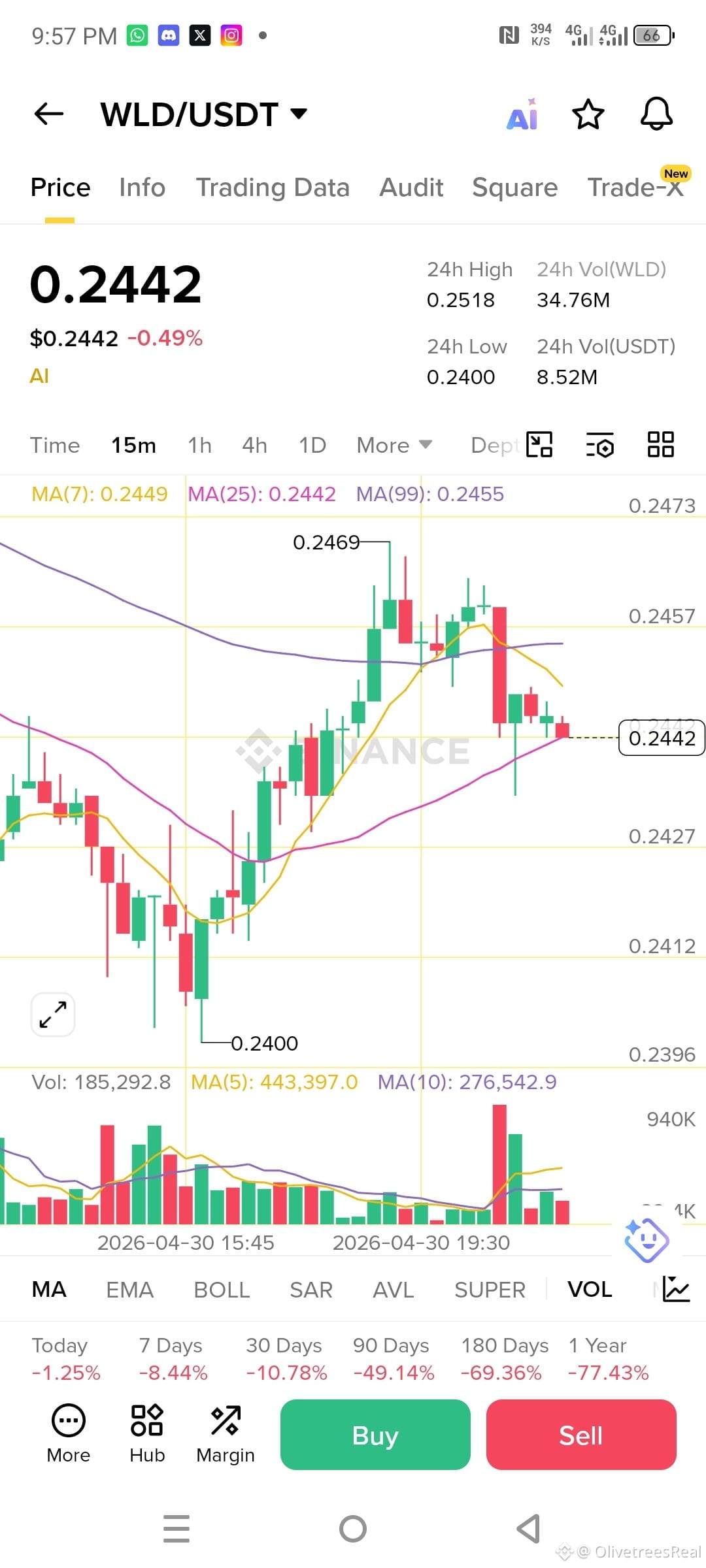
ブリッシュ何日もかけて@BabylonLabs_io のいくつかの領域を解剖していて、ずっとこの問いを考え続けています。つまり、「新しいブロックチェーンが、自前で何年もかけて構築する代わりに、ビットコインの経済的な強さを借りることができたらどうなるのか?」ということです。
それがBitcoin Supercharged Networks(BSNs)の考え方です。
BSNsは、レイヤー1、レイヤー2、ロールアップであり、Babylon @BabylonLabs_io を通じてステークされたビットコインにブロック最終性(finality)をアンカーできます。
インフレ的なネイティブトークンに大きく依存してセキュリティをブートストラップするのではなく、これらのネットワークは初日からビットコインの巨大な経済的ウェイトを活用できます。
このようにして構想が実現する
ビットコイン保有者は、時間制約のあるTaprootスクリプトを使ってビットコイン上で$BTC を直接ステークできます。ラッピング不要。ブリッジ不要。BTCを別のチェーンへ移す必要もありません。
同時に、Finality ProvidersがPoSネットワーク上のトランザクションを確実にするために支援します。EOTSを含むBabylonの暗号メカニズムは、不正な署名を行った場合に、委任されたBTCのスラッシングによって罰せられるよう設計されています。
つまり、このモデルは双方向のメリットを生み出します。
-BSNsはより強固な経済的セキュリティを得る
-ビットコイン保有者は、そのセキュリティ提供に協力することで報酬を得る
私の理論はシンプルです。
仮にビットコインが暗号資産の中でも最強クラスの経済的基盤をすでに持っているのに、なぜゼロから新しいセキュリティシステムを作る必要があるのでしょうか?
BSNsは、ブロックチェーンのセキュリティの次の進化形になり得るでしょうか。つまり、新しいネットワークがそれを再現しようとするのではなく、ビットコインの強さを借りる形で。
ところで、昨日(Lido DAO)私が話したときに、あなたも$LDO に短期のポジションを取ったことを同じように願っています。
#baby $BABY
それがBitcoin Supercharged Networks(BSNs)の考え方です。
BSNsは、レイヤー1、レイヤー2、ロールアップであり、Babylon @BabylonLabs_io を通じてステークされたビットコインにブロック最終性(finality)をアンカーできます。
インフレ的なネイティブトークンに大きく依存してセキュリティをブートストラップするのではなく、これらのネットワークは初日からビットコインの巨大な経済的ウェイトを活用できます。
このようにして構想が実現する
ビットコイン保有者は、時間制約のあるTaprootスクリプトを使ってビットコイン上で$BTC を直接ステークできます。ラッピング不要。ブリッジ不要。BTCを別のチェーンへ移す必要もありません。
同時に、Finality ProvidersがPoSネットワーク上のトランザクションを確実にするために支援します。EOTSを含むBabylonの暗号メカニズムは、不正な署名を行った場合に、委任されたBTCのスラッシングによって罰せられるよう設計されています。
つまり、このモデルは双方向のメリットを生み出します。
-BSNsはより強固な経済的セキュリティを得る
-ビットコイン保有者は、そのセキュリティ提供に協力することで報酬を得る
私の理論はシンプルです。
仮にビットコインが暗号資産の中でも最強クラスの経済的基盤をすでに持っているのに、なぜゼロから新しいセキュリティシステムを作る必要があるのでしょうか?
BSNsは、ブロックチェーンのセキュリティの次の進化形になり得るでしょうか。つまり、新しいネットワークがそれを再現しようとするのではなく、ビットコインの強さを借りる形で。
ところで、昨日(Lido DAO)私が話したときに、あなたも$LDO に短期のポジションを取ったことを同じように願っています。
#baby $BABY
OneWif_G
·
--
ブリッシュビットコインのステーキングはシンプルに聞こえるけれど、1つ質問すると急に難しくなります。では、ビットコインを変えずに実際にどう動かすのでしょうか?
そこがBabylonのアーキテクチャの面白いところです。
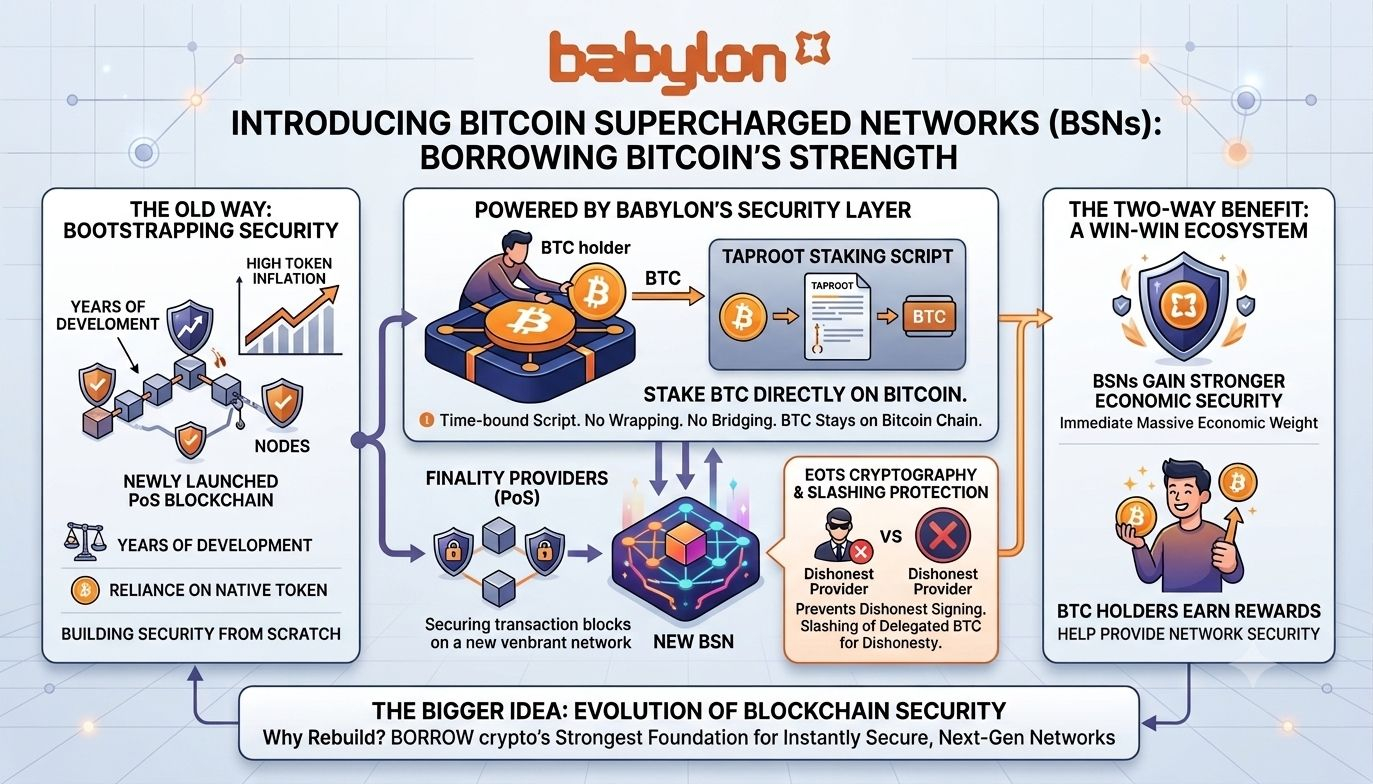
大きな役割を担うのは3つの要素:Taproot(タップルート)、タイムロック、そしてFinality Providers(ファイナリティ・プロバイダー)です。
TaprootはBabylon @BabylonLabs_io で、ビットコインのスクリプト機能をより効率的に活用するのに役立ちます。タイムロックは、ステークされたBTCがどのように使われ、いつ引き出せるかという条件を導入し、ステーキングに必要なセキュリティ保証を作り出すのに役立ちます。さらに、Finality ProvidersはProof-of-Stakeチェーンと連携して、追加の経済的セキュリティを提供することに貢献します。
これらのメカニズムを組み合わせることで、ビットコイン自体がスマートコントラクト・チェーンになる必要なく、ビットコインのネイティブな能力と、より広いPoSの経済圏との橋渡しが実現されます。
そして、それが大きな物語です。
市場のナラティブが変わると、$LAB や $GIGGLE のようなトークンが突然注目を集めることはありますが、Babylon @BabylonLabs_io が取り組んでいるのは、もっと地味で本質的なことです。ビットコイン資本をより有用にするためのインフラです。
面白いのは、「ビットコインが生産的になれるかどうか」ではありません。
「この技術が、ビットコインを“ただ保有する資産”という枠をどこまで超えられるか」です。
Babylonのような技術インフラは、次のハッキング(半減)で最も重要なビットコインの物語の1つになり得るのでしょうか?
#baby $BABY
そこがBabylonのアーキテクチャの面白いところです。
大きな役割を担うのは3つの要素:Taproot(タップルート)、タイムロック、そしてFinality Providers(ファイナリティ・プロバイダー)です。
TaprootはBabylon @BabylonLabs_io で、ビットコインのスクリプト機能をより効率的に活用するのに役立ちます。タイムロックは、ステークされたBTCがどのように使われ、いつ引き出せるかという条件を導入し、ステーキングに必要なセキュリティ保証を作り出すのに役立ちます。さらに、Finality ProvidersはProof-of-Stakeチェーンと連携して、追加の経済的セキュリティを提供することに貢献します。
これらのメカニズムを組み合わせることで、ビットコイン自体がスマートコントラクト・チェーンになる必要なく、ビットコインのネイティブな能力と、より広いPoSの経済圏との橋渡しが実現されます。
そして、それが大きな物語です。
市場のナラティブが変わると、$LAB や $GIGGLE のようなトークンが突然注目を集めることはありますが、Babylon @BabylonLabs_io が取り組んでいるのは、もっと地味で本質的なことです。ビットコイン資本をより有用にするためのインフラです。
面白いのは、「ビットコインが生産的になれるかどうか」ではありません。
「この技術が、ビットコインを“ただ保有する資産”という枠をどこまで超えられるか」です。
Babylonのような技術インフラは、次のハッキング(半減)で最も重要なビットコインの物語の1つになり得るのでしょうか?
#baby $BABY
OneWif_G
·
--
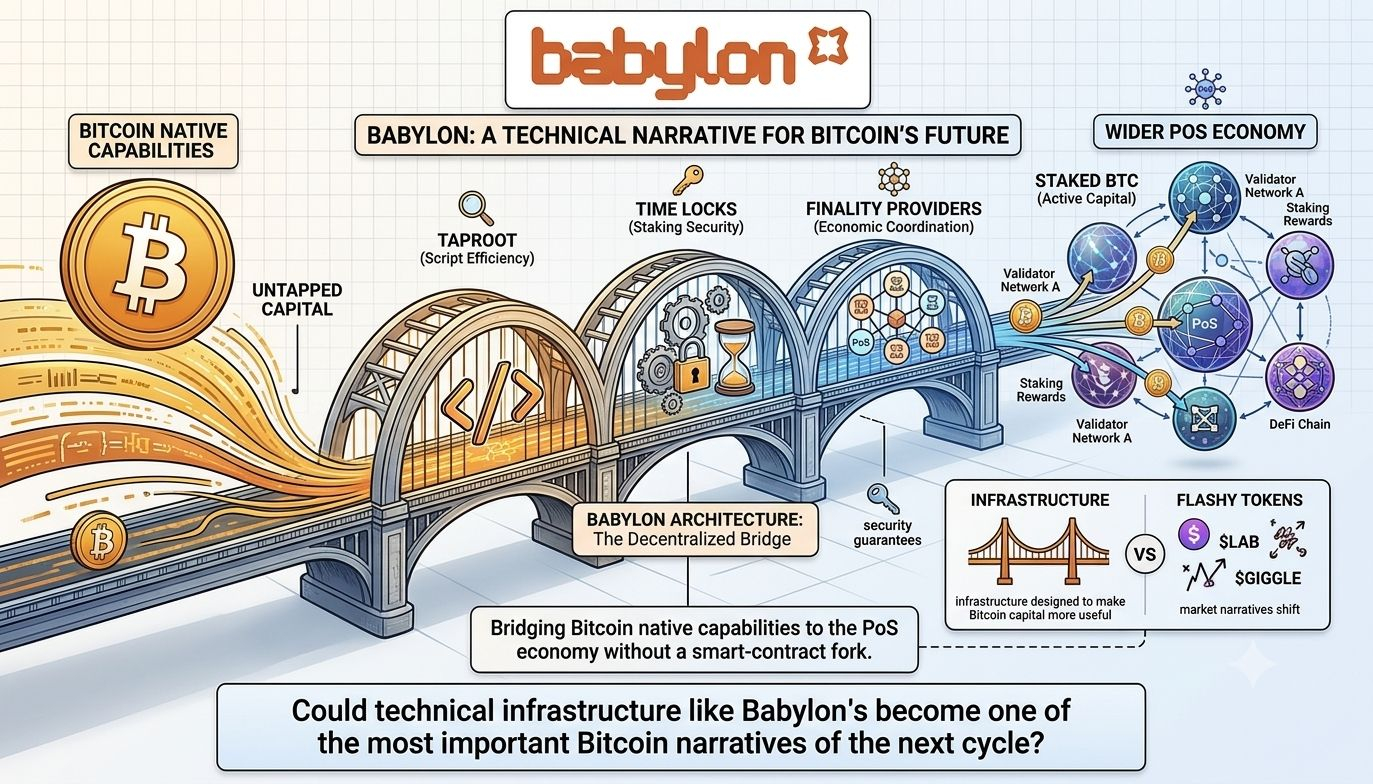
ブリッシュ$BLESS 資本がいかに迅速に物語を追いかけるかを示してくれました。では、ビットコインの巨大な資本基盤が生産性を持つようになったらどうなるでしょう?
昨日の$BLESS 上昇は、トレーダーが魅力的な物語を早い段階で見つけると、流動性がいかに素早く動けるかを改めて思い出させる出来事でした。
しかし私は、この週末の熱狂や煽りの先を見据えたいと思います。
ビットコインは暗号市場全体の価値の莫大な量を保持していますが、その多くの資本は、ステーキングやDeFiによって資本が参加できる手段がより多く生み出されているイーサリアムやソラナのようなエコシステムと比べると、比較的非活発なままです。
ですが、Babylon @BabylonLabs_io によって状況は一変します:
ビットコインを単にウォレットに置かれているだけの資産として扱うのではなく、Babylon @BabylonLabs_io は、BTCにより能動的な経済的役割を与える手段としてビットコインのステーキングを探求し続けながら、その資産をビットコイン・ネットワークにネイティブなまま維持します。
これは、「突然燃え上がる次のトークン」を追いかけるのとはまったく違う提案です。
BLESSは、トレーダーが物語や激しいクジラの動きを見つければ急騰し得ます。ですが、ビットコイン自体がこの新しい経済的物語の一部として完全に機能するようになったら、$Babyトークンはどうなるでしょう?
次の爆発的なトークンを追いかけたいですか?それとも、ビットコインが次世代の暗号インフラのための生産的な資本になっていくのを見たいですか?
#baby $BABY
昨日の$BLESS 上昇は、トレーダーが魅力的な物語を早い段階で見つけると、流動性がいかに素早く動けるかを改めて思い出させる出来事でした。
しかし私は、この週末の熱狂や煽りの先を見据えたいと思います。
ビットコインは暗号市場全体の価値の莫大な量を保持していますが、その多くの資本は、ステーキングやDeFiによって資本が参加できる手段がより多く生み出されているイーサリアムやソラナのようなエコシステムと比べると、比較的非活発なままです。
ですが、Babylon @BabylonLabs_io によって状況は一変します:
ビットコインを単にウォレットに置かれているだけの資産として扱うのではなく、Babylon @BabylonLabs_io は、BTCにより能動的な経済的役割を与える手段としてビットコインのステーキングを探求し続けながら、その資産をビットコイン・ネットワークにネイティブなまま維持します。
これは、「突然燃え上がる次のトークン」を追いかけるのとはまったく違う提案です。
BLESSは、トレーダーが物語や激しいクジラの動きを見つければ急騰し得ます。ですが、ビットコイン自体がこの新しい経済的物語の一部として完全に機能するようになったら、$Babyトークンはどうなるでしょう?
次の爆発的なトークンを追いかけたいですか?それとも、ビットコインが次世代の暗号インフラのための生産的な資本になっていくのを見たいですか?
#baby $BABY
OneWif_G
·
--
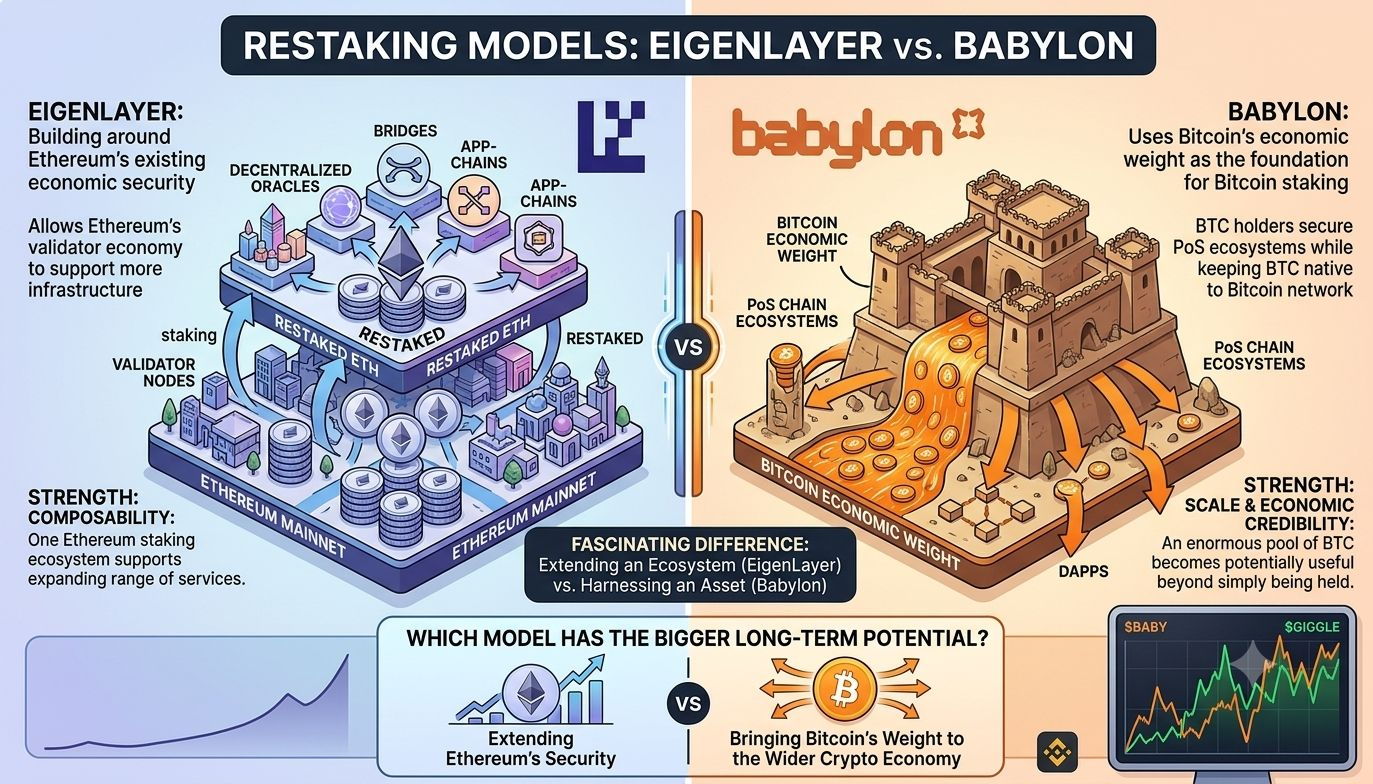
ブリッシュビットコインのリステーキングとイーサリアムのリステーキングは、名前がよく似ています。しかしバビロンとイーグンレイヤーは、実際にはまったく異なるセキュリティモデルを構築しています。
イーグンレイヤーは、イーサリアムの既存の経済的セキュリティを土台にしています。$ETH すでにステークされている資産をリステークすることで、追加のサービスを支えるためのセキュリティに活用でき、イーサリアムのバリデータ経済が、すべての新しいプロトコルが最初からセキュリティを立ち上げる必要なく、より多くのインフラを支えられるようになります。
一方バビロンは、別の方向からこの問題に取り組みます。
イーサリアムのステーキング経済を拡張するのではなく、バビロン @BabylonLabs_io はビットコインの経済的な重みを、ビットコインのステーキングの基盤として使います。BTC保有者は、ビットコインをビットコインネットワーク上のままネイティブに保ちながら、プルーフ・オブ・ステークのエコシステムを支えることに参加できます。
その違いはとても興味深いです。
イーグンレイヤーの強みは「合成可能性(コンポーザビリティ)」です。1つのイーサリアムのステーキングエコシステムが、拡大していくさまざまなサービスを支えられます。
バビロンの強みは、ビットコインのスケールと経済的な信頼性です。莫大なBTCのプールが、単に保有されるだけでなく、それ以上に活用されうるようになります。
では、長期的なポテンシャルがより大きいのはどちらでしょうか。イーサリアムのセキュリティを拡張することか、それともビットコインの経済的重みをより広い暗号資産経済に取り込むことか。
その一方で、今週末は $BABY と $GIGGLE のどちらもチャート上で大きく値動きしていました。少なくともどちらかは、私がやったようにBinanceで取引しましたか?
#baby @BabylonLabs_io
イーグンレイヤーは、イーサリアムの既存の経済的セキュリティを土台にしています。$ETH すでにステークされている資産をリステークすることで、追加のサービスを支えるためのセキュリティに活用でき、イーサリアムのバリデータ経済が、すべての新しいプロトコルが最初からセキュリティを立ち上げる必要なく、より多くのインフラを支えられるようになります。
一方バビロンは、別の方向からこの問題に取り組みます。
イーサリアムのステーキング経済を拡張するのではなく、バビロン @BabylonLabs_io はビットコインの経済的な重みを、ビットコインのステーキングの基盤として使います。BTC保有者は、ビットコインをビットコインネットワーク上のままネイティブに保ちながら、プルーフ・オブ・ステークのエコシステムを支えることに参加できます。
その違いはとても興味深いです。
イーグンレイヤーの強みは「合成可能性(コンポーザビリティ)」です。1つのイーサリアムのステーキングエコシステムが、拡大していくさまざまなサービスを支えられます。
バビロンの強みは、ビットコインのスケールと経済的な信頼性です。莫大なBTCのプールが、単に保有されるだけでなく、それ以上に活用されうるようになります。
では、長期的なポテンシャルがより大きいのはどちらでしょうか。イーサリアムのセキュリティを拡張することか、それともビットコインの経済的重みをより広い暗号資産経済に取り込むことか。
その一方で、今週末は $BABY と $GIGGLE のどちらもチャート上で大きく値動きしていました。少なくともどちらかは、私がやったようにBinanceで取引しましたか?
#baby @BabylonLabs_io
OneWif_G
·
--
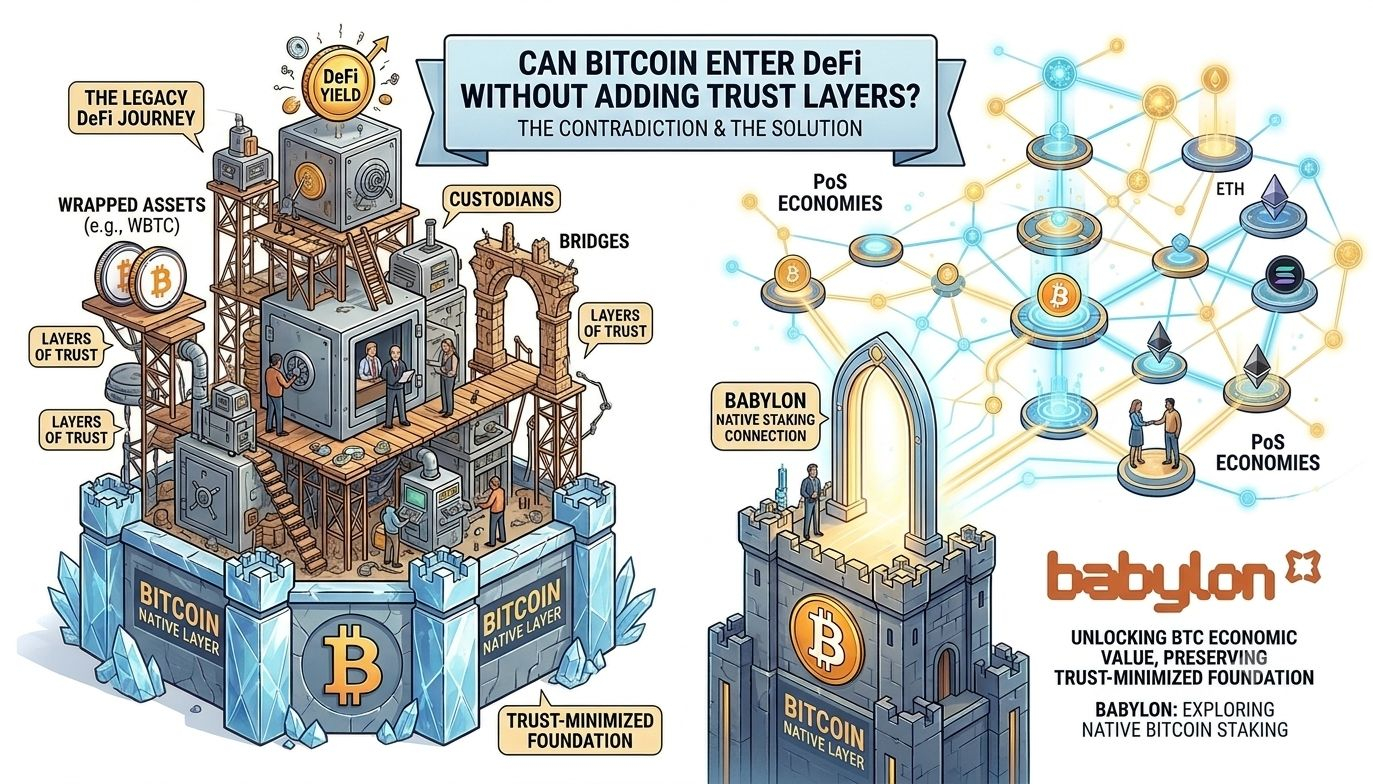
ブリッシュビットコインは信頼の必要性を排除するために作られました。では、なぜBTCをDeFiで運用すると、しばしばそれに新たな層が追加されるのでしょうか?
それは、単に資産を保有するだけではないビットコインの歩みにおける最大級の矛盾のひとつです。
$BTC を多数のDeFiエコシステムで活用するために、ユーザーはこれまで、ラップドアセット、ブリッジ、カストディアン、またはその他のインフラのような仕組みに頼ってきました。どのアプローチも、ビットコインがネイティブのネットワーク上にとどまっている場合には存在しない、追加の前提を生み出し得ます。
そして、そこでBabylon @BabylonLabs_io が興味深くなります。
ビットコインを、別の環境へ移さなければ役に立たない資産として扱うのではなく、Babylonは、BTCをより広範なプルーフ・オブ・ステーク(PoS)の経済圏と結び付ける手段として、ネイティブなビットコイン・ステーキングを探っています。
大きな発想は、単にビットコインから報酬を得ることではありません。
それは、資産の価値を生んだ「信頼を最小化した」土台をそのまま維持しながら、ビットコインの計り知れない経済的価値を解き放つ方法を見つけることです。
$ETH とSolanaは、どれほど生産的な資本がブロックチェーンのエコシステムを強化し得るかを示してきました。ビットコインにはその資本があります。問題は、その資本が、その独自の性質を犠牲にすることなく参加するにはどうすればよいのか、という点です。
信頼を取り除くために設計された、その信頼の前提そのものを持ち込まずに、ビットコインはDeFiに入れるのでしょうか?
#baby $BABY @BabylonLabs_io
それは、単に資産を保有するだけではないビットコインの歩みにおける最大級の矛盾のひとつです。
$BTC を多数のDeFiエコシステムで活用するために、ユーザーはこれまで、ラップドアセット、ブリッジ、カストディアン、またはその他のインフラのような仕組みに頼ってきました。どのアプローチも、ビットコインがネイティブのネットワーク上にとどまっている場合には存在しない、追加の前提を生み出し得ます。
そして、そこでBabylon @BabylonLabs_io が興味深くなります。
ビットコインを、別の環境へ移さなければ役に立たない資産として扱うのではなく、Babylonは、BTCをより広範なプルーフ・オブ・ステーク(PoS)の経済圏と結び付ける手段として、ネイティブなビットコイン・ステーキングを探っています。
大きな発想は、単にビットコインから報酬を得ることではありません。
それは、資産の価値を生んだ「信頼を最小化した」土台をそのまま維持しながら、ビットコインの計り知れない経済的価値を解き放つ方法を見つけることです。
$ETH とSolanaは、どれほど生産的な資本がブロックチェーンのエコシステムを強化し得るかを示してきました。ビットコインにはその資本があります。問題は、その資本が、その独自の性質を犠牲にすることなく参加するにはどうすればよいのか、という点です。
信頼を取り除くために設計された、その信頼の前提そのものを持ち込まずに、ビットコインはDeFiに入れるのでしょうか?
#baby $BABY @BabylonLabs_io
OneWif_G
·
--
ブリッシュ$BABY 火災発生。今日、$LAB よりさらに10%超の増加。
OneWif_G
·
--
ブリッシュビットコインの最大の役割は、世界のお金になることだけではないとしたら……。 しかし、暗号資産のセキュリティレイヤーになることだとしたら?
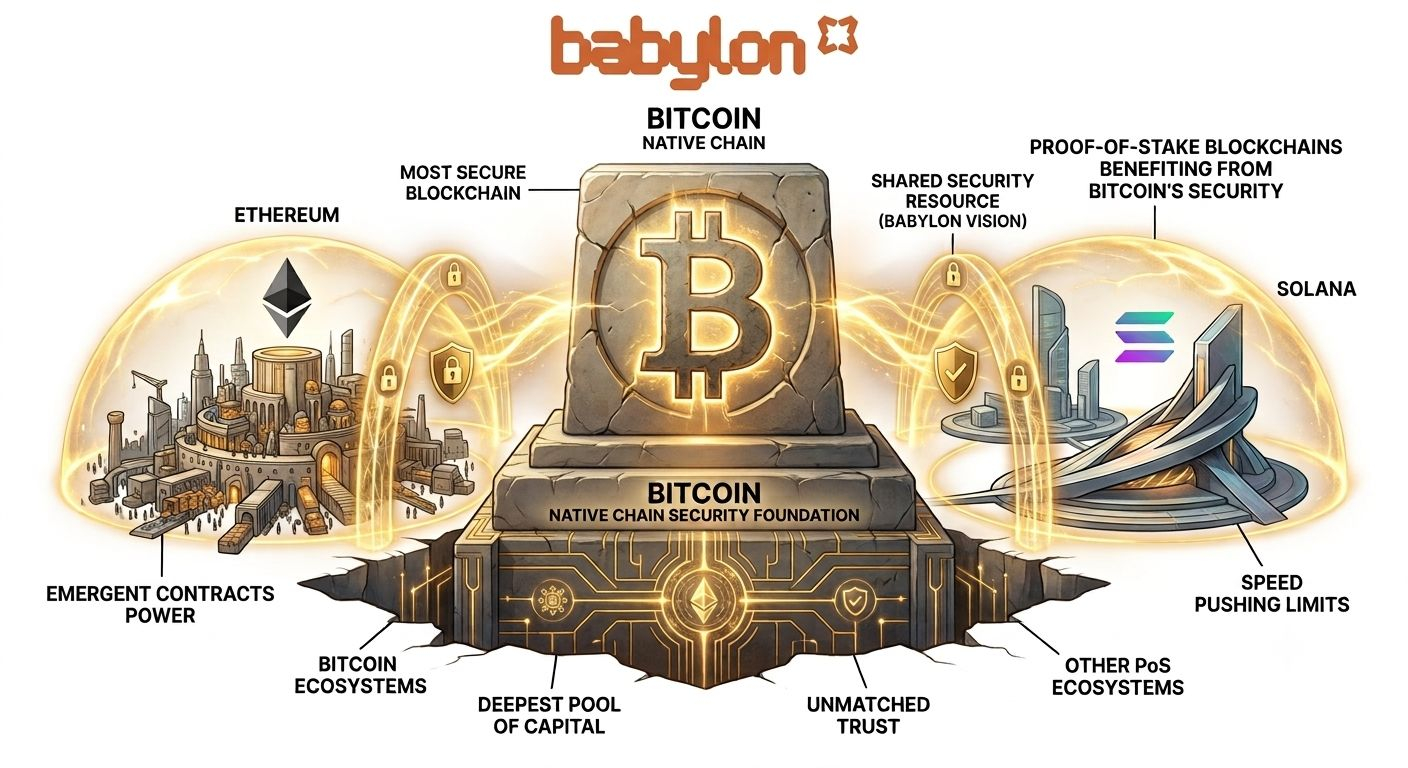
$ETH スマートコントラクトを支え、Solanaは速度の限界を押し広げています。しかし、信頼とセキュリティに関しては、ビットコインはいまだに別格の存在です。
ビットコインはこれまでに構築された中で最も安全なブロックチェーンであり、暗号資産界最大のネットワークと最も厚い資本基盤に支えられています。それでも、そのセキュリティの大部分はビットコインネットワーク自体を守ることにしか使われておらず、他のエコシステムはそれぞれ独自にゼロからセキュリティを築き続けています。
Babylon @BabylonLabs_io は、未来をまったく違う形で見ています。
ビットコイン保有者に資産をブリッジしたりラップしたりすることを求めるのではなく、その$BTC のセキュリティをProof-of-Stakeブロックチェーン向けの共有資源にしようとしているのです。
Ethereum、Solana、その他のPoSエコシステムのようなネットワークが、ビットコインの比類ないセキュリティの恩恵を受けつつ、ビットコイン自体は一度も元のチェーンを離れない姿を想像してみてください。
この構想が成功すれば、ビットコインは単なるデジタルゴールドではなくなるでしょう。暗号資産経済全体のセキュリティ基盤となり、次世代のブロックチェーン革新を静かに守る存在になり得るのです。
ビットコインは価値の保存手段以上の存在になる運命にあるのでしょうか、それともその役割はそこまでにとどまるべきなのでしょうか?
#baby $BABY @BabylonLabs_io
$ETH スマートコントラクトを支え、Solanaは速度の限界を押し広げています。しかし、信頼とセキュリティに関しては、ビットコインはいまだに別格の存在です。
ビットコインはこれまでに構築された中で最も安全なブロックチェーンであり、暗号資産界最大のネットワークと最も厚い資本基盤に支えられています。それでも、そのセキュリティの大部分はビットコインネットワーク自体を守ることにしか使われておらず、他のエコシステムはそれぞれ独自にゼロからセキュリティを築き続けています。
Babylon @BabylonLabs_io は、未来をまったく違う形で見ています。
ビットコイン保有者に資産をブリッジしたりラップしたりすることを求めるのではなく、その$BTC のセキュリティをProof-of-Stakeブロックチェーン向けの共有資源にしようとしているのです。
Ethereum、Solana、その他のPoSエコシステムのようなネットワークが、ビットコインの比類ないセキュリティの恩恵を受けつつ、ビットコイン自体は一度も元のチェーンを離れない姿を想像してみてください。
この構想が成功すれば、ビットコインは単なるデジタルゴールドではなくなるでしょう。暗号資産経済全体のセキュリティ基盤となり、次世代のブロックチェーン革新を静かに守る存在になり得るのです。
ビットコインは価値の保存手段以上の存在になる運命にあるのでしょうか、それともその役割はそこまでにとどまるべきなのでしょうか?
#baby $BABY @BabylonLabs_io
OneWif_G
·
--
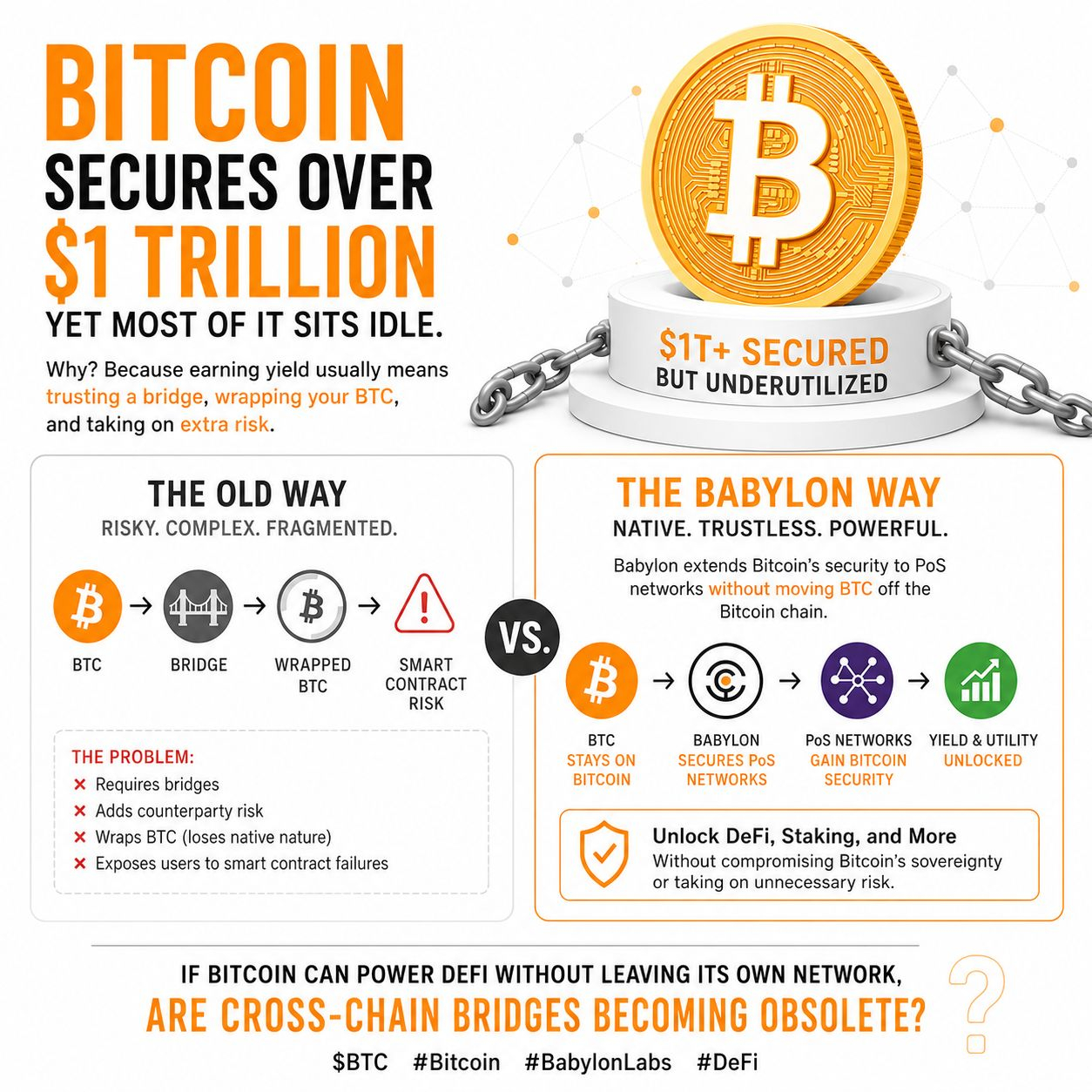
ブリッシュビットコインは1Tドル超の価値を確保しているのに、その大部分はアイドル状態です。なぜ? 収益(イールド)を得ようとすると、通常はブリッジへの信頼が必要になり、$BTC をラップして追加のリスクを負うことになるからです。
Babylon @BabylonLabs_io はその方程式を変えます。$BTC をビットコインのチェーンから移すことなく、ビットコインのセキュリティをPoSネットワークへ拡張し、価値の源である「ビットコインらしさ」を保ちながらユーティリティを解放します。
ビットコインが自分のネットワークから出ることなく、DeFiに電力を供給できるなら、クロスチェーン・ブリッジは時代遅れになっていくのでしょうか?
#baby $BABY @BabylonLabs_io
Babylon @BabylonLabs_io はその方程式を変えます。$BTC をビットコインのチェーンから移すことなく、ビットコインのセキュリティをPoSネットワークへ拡張し、価値の源である「ビットコインらしさ」を保ちながらユーティリティを解放します。
ビットコインが自分のネットワークから出ることなく、DeFiに電力を供給できるなら、クロスチェーン・ブリッジは時代遅れになっていくのでしょうか?
#baby $BABY @BabylonLabs_io
OneWif_G
·
--
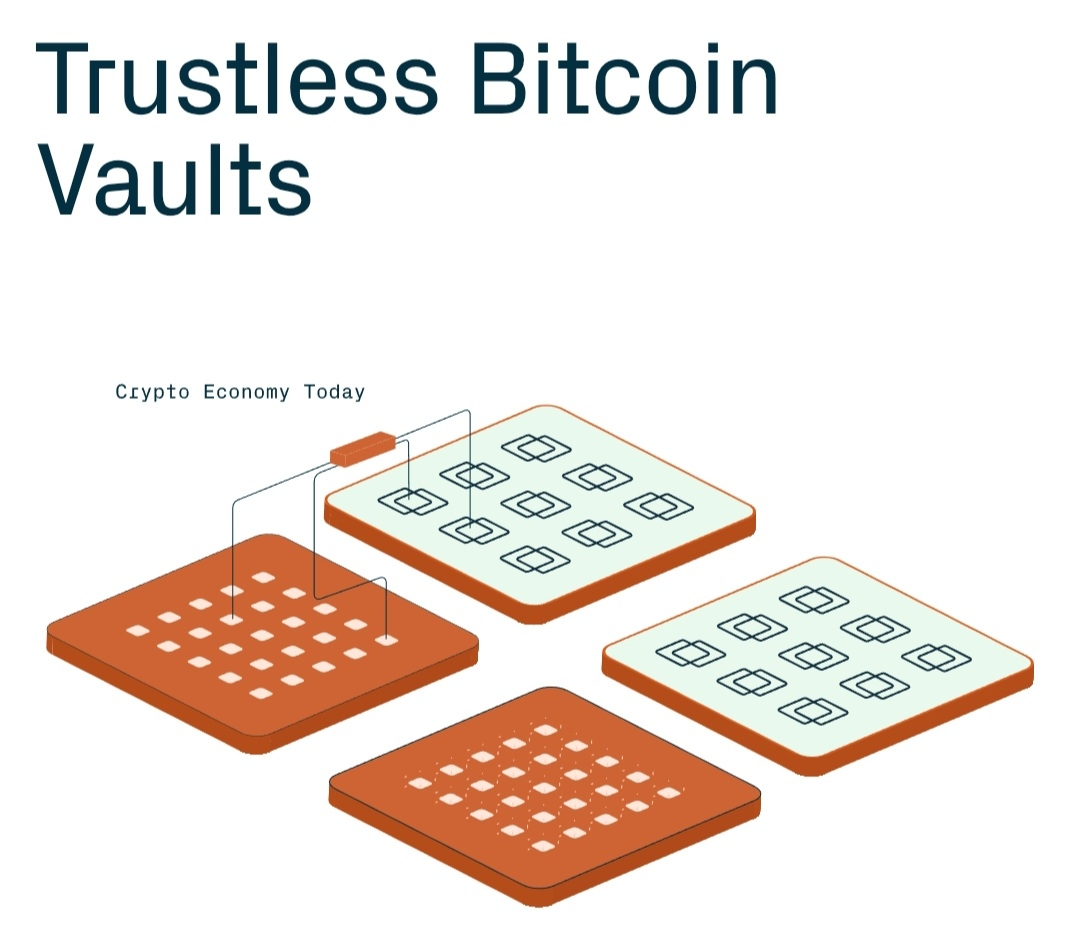
ブリッシュこれは、Babylon @BabylonLabs_io 上で Trustless Bitcoin Vaults + Aave v4 がどのように動作するか、まさにその通りです
1. NATIVE をデポジット $BTC
-Trustless Bitcoin Vault に BTC をロックします。
2. 担保をアクティベート
-担保状態が
Ethereum 上で検証可能になります。
3. 流動性を借り入れ
-Aave v4 でステーブルコインにアクセスします。
4. いつでも返済
-返済後に BTC のロックを解除します。
#baby $BABY
今日、ぜひ試してみてください。
1. NATIVE をデポジット $BTC
-Trustless Bitcoin Vault に BTC をロックします。
2. 担保をアクティベート
-担保状態が
Ethereum 上で検証可能になります。
3. 流動性を借り入れ
-Aave v4 でステーブルコインにアクセスします。
4. いつでも返済
-返済後に BTC のロックを解除します。
#baby $BABY
今日、ぜひ試してみてください。





ログインして、さらにコンテンツを読む