

Dà Zǔ 大祖
2.3k 投稿

Dà Zǔ 大祖
報告
ユーザーをブロック
Crypto Trade Signals 📈 | BTC ETH SOL XRP | Futures Long & Short Setups | Market Structure & Smart Money Analysis
取引を発注
超高頻度トレーダー
2.5年
350 フォロー
4.7K+ フォロワー
1.7K+ いいね
投稿
ポートフォリオ
すべて
引用
動画
ライブ
·
--
なぜDuskは、既存のスマートコントラクトモデルに単に頼るのではなく、自社の金融向けコントラクト標準を構築しているのでしょうか?
最初は答えはシンプルだと思いました。もしDuskが金融アプリケーションを望むなら、開発者はより高いプライバシーを備えたスマートコントラクトを用意すればよい、というわけです。
しかし「機密セキュリティコントラクト(Confidential Security Contract)」というアイデアを見ていると、もっと深い問いがあるように感じます。
金融資産は、典型的なDeFiトークンのように振る舞うとは限りません。所有、移転、権限、そして取引の詳細には、公開台帳上で誰にでも見えるべきではない情報が含まれることがあります。
それは、「有用なスマートコントラクト」が果たすべきことを変えてしまいます。
DuskのXSCアプローチで面白いのは、機密性がアプリケーションの周辺に追加されるものとして扱われていない点です。それ自体がコントラクトのモデルの一部になっています。
つまりXSCは、別のスマートコントラクト標準を作ることにとどまらず、プライバシーと検証が共に機能しなければならないとき、金融コントラクトがどのような形であるべきかを定義することに近いのではないでしょうか。そこが、私が注目して見たいところです。
規制対象の資産がオンチェーンに乗ってくる場合、既存のDeFiコントラクトのパターンをそのまま複製するだけでは不十分かもしれません。より大きな課題は、金融市場がすでに抱えている制約に沿ってコントラクトを設計することになる可能性があります。
まだ気になる点がひとつあります。XSCは、開発者が実際に使いたいと思える実用的な標準になり得るのか、それともDuskの金融エコシステム向けの、主に専門的なソリューションのままで終わってしまうのか。
XSCが最も重要になり得るのは、何でしょうか?👀
#dusk $DUSK @Dusk_Foundation
なぜDuskは、既存のスマートコントラクトモデルに単に頼るのではなく、自社の金融向けコントラクト標準を構築しているのでしょうか?
最初は答えはシンプルだと思いました。もしDuskが金融アプリケーションを望むなら、開発者はより高いプライバシーを備えたスマートコントラクトを用意すればよい、というわけです。
しかし「機密セキュリティコントラクト(Confidential Security Contract)」というアイデアを見ていると、もっと深い問いがあるように感じます。
金融資産は、典型的なDeFiトークンのように振る舞うとは限りません。所有、移転、権限、そして取引の詳細には、公開台帳上で誰にでも見えるべきではない情報が含まれることがあります。
それは、「有用なスマートコントラクト」が果たすべきことを変えてしまいます。
DuskのXSCアプローチで面白いのは、機密性がアプリケーションの周辺に追加されるものとして扱われていない点です。それ自体がコントラクトのモデルの一部になっています。
つまりXSCは、別のスマートコントラクト標準を作ることにとどまらず、プライバシーと検証が共に機能しなければならないとき、金融コントラクトがどのような形であるべきかを定義することに近いのではないでしょうか。そこが、私が注目して見たいところです。
規制対象の資産がオンチェーンに乗ってくる場合、既存のDeFiコントラクトのパターンをそのまま複製するだけでは不十分かもしれません。より大きな課題は、金融市場がすでに抱えている制約に沿ってコントラクトを設計することになる可能性があります。
まだ気になる点がひとつあります。XSCは、開発者が実際に使いたいと思える実用的な標準になり得るのか、それともDuskの金融エコシステム向けの、主に専門的なソリューションのままで終わってしまうのか。
XSCが最も重要になり得るのは、何でしょうか?👀
#dusk $DUSK @Dusk
最初は答えはシンプルだと思いました。もしDuskが金融アプリケーションを望むなら、開発者はより高いプライバシーを備えたスマートコントラクトを用意すればよい、というわけです。
しかし「機密セキュリティコントラクト(Confidential Security Contract)」というアイデアを見ていると、もっと深い問いがあるように感じます。
金融資産は、典型的なDeFiトークンのように振る舞うとは限りません。所有、移転、権限、そして取引の詳細には、公開台帳上で誰にでも見えるべきではない情報が含まれることがあります。
それは、「有用なスマートコントラクト」が果たすべきことを変えてしまいます。
DuskのXSCアプローチで面白いのは、機密性がアプリケーションの周辺に追加されるものとして扱われていない点です。それ自体がコントラクトのモデルの一部になっています。
つまりXSCは、別のスマートコントラクト標準を作ることにとどまらず、プライバシーと検証が共に機能しなければならないとき、金融コントラクトがどのような形であるべきかを定義することに近いのではないでしょうか。そこが、私が注目して見たいところです。
規制対象の資産がオンチェーンに乗ってくる場合、既存のDeFiコントラクトのパターンをそのまま複製するだけでは不十分かもしれません。より大きな課題は、金融市場がすでに抱えている制約に沿ってコントラクトを設計することになる可能性があります。
まだ気になる点がひとつあります。XSCは、開発者が実際に使いたいと思える実用的な標準になり得るのか、それともDuskの金融エコシステム向けの、主に専門的なソリューションのままで終わってしまうのか。
XSCが最も重要になり得るのは、何でしょうか?👀
#dusk $DUSK @Dusk
🔐 Privacy
0%
🏦 Finance
100%
⚙️ Compliance
0%
🚀 Adoption
0%
1 投票 • 投票は終了しました
11
2
100
·
--
以前はプライバシーは主に暗号資産(クリプト)の語りとして存在するものだと思っていました。
ただ、Duskをよりよく見ると、それでは本質を見誤っている気がします。
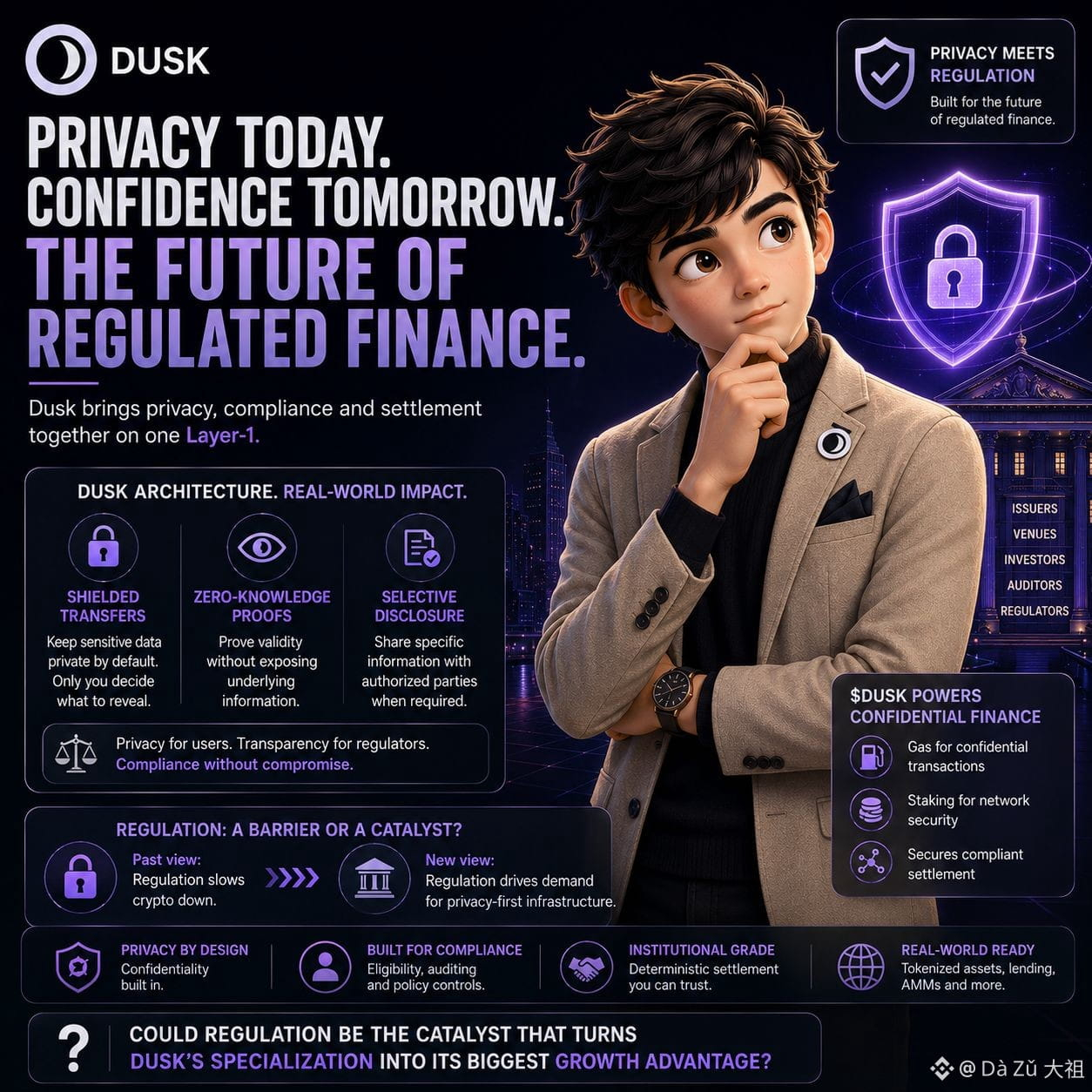
規制された金融の世界では、すべての残高・ポジション・取引を公開台帳に載せることは、運用上の問題を生む可能性があります。投資家には機密性が必要ですが、一方で発行体、取引の場(ベニュー)、監査人には、特定の情報へのアクセスがなお必要です。
Duskの面白いところは、秘匿(シールド)された送金、ゼロ知識証明、そしてセレクティブ・ディスクロージャー(選択的開示)を組み合わせることで、機微なデータを非公開のまま保ちつつ、認可された当事者が必要な証拠を得られるようにしている点です。
そしてこれは、私の規制に対する考え方を変えます。
規制は通常、暗号資産の動きを遅くするものとして語られがちです。Duskの場合、その要件の一部は、むしろプライバシーを前提にしたインフラ、資格(エリジビリティ)管理、そしてコンプライアンスに適合した決済のための需要を生む可能性があります。
しかし、適切なアーキテクチャを持つことは、市場で勝つことと同じではありません。
私の見立てでは、Duskの強みは単に「プライベート・ブロックチェーン」であることではありません。規制された市場が実際にどのように機能するかに、プライバシーを両立させようとしている点にあります。
規制が、Duskの専門性を最大の成長優位へと変えるきっかけになり得るでしょうか?
#dusk $DUSK @Dusk_Foundation
$PIVX $HEMI
以前はプライバシーは主に暗号資産(クリプト)の語りとして存在するものだと思っていました。
ただ、Duskをよりよく見ると、それでは本質を見誤っている気がします。
規制された金融の世界では、すべての残高・ポジション・取引を公開台帳に載せることは、運用上の問題を生む可能性があります。投資家には機密性が必要ですが、一方で発行体、取引の場(ベニュー)、監査人には、特定の情報へのアクセスがなお必要です。
Duskの面白いところは、秘匿(シールド)された送金、ゼロ知識証明、そしてセレクティブ・ディスクロージャー(選択的開示)を組み合わせることで、機微なデータを非公開のまま保ちつつ、認可された当事者が必要な証拠を得られるようにしている点です。
そしてこれは、私の規制に対する考え方を変えます。
規制は通常、暗号資産の動きを遅くするものとして語られがちです。Duskの場合、その要件の一部は、むしろプライバシーを前提にしたインフラ、資格(エリジビリティ)管理、そしてコンプライアンスに適合した決済のための需要を生む可能性があります。
しかし、適切なアーキテクチャを持つことは、市場で勝つことと同じではありません。
私の見立てでは、Duskの強みは単に「プライベート・ブロックチェーン」であることではありません。規制された市場が実際にどのように機能するかに、プライバシーを両立させようとしている点にあります。
規制が、Duskの専門性を最大の成長優位へと変えるきっかけになり得るでしょうか?
#dusk $DUSK @Dusk
$PIVX $HEMI
ただ、Duskをよりよく見ると、それでは本質を見誤っている気がします。
規制された金融の世界では、すべての残高・ポジション・取引を公開台帳に載せることは、運用上の問題を生む可能性があります。投資家には機密性が必要ですが、一方で発行体、取引の場(ベニュー)、監査人には、特定の情報へのアクセスがなお必要です。
Duskの面白いところは、秘匿(シールド)された送金、ゼロ知識証明、そしてセレクティブ・ディスクロージャー(選択的開示)を組み合わせることで、機微なデータを非公開のまま保ちつつ、認可された当事者が必要な証拠を得られるようにしている点です。
そしてこれは、私の規制に対する考え方を変えます。
規制は通常、暗号資産の動きを遅くするものとして語られがちです。Duskの場合、その要件の一部は、むしろプライバシーを前提にしたインフラ、資格(エリジビリティ)管理、そしてコンプライアンスに適合した決済のための需要を生む可能性があります。
しかし、適切なアーキテクチャを持つことは、市場で勝つことと同じではありません。
私の見立てでは、Duskの強みは単に「プライベート・ブロックチェーン」であることではありません。規制された市場が実際にどのように機能するかに、プライバシーを両立させようとしている点にあります。
規制が、Duskの専門性を最大の成長優位へと変えるきっかけになり得るでしょうか?
#dusk $DUSK @Dusk
$PIVX $HEMI
1
100
·
--
私は「$DUSK 」という1つの疑問に立ち返り続けました。すなわち、特定のL1が開発者にとって最大級の障壁の1つを取り除くと、何が起きるのか?
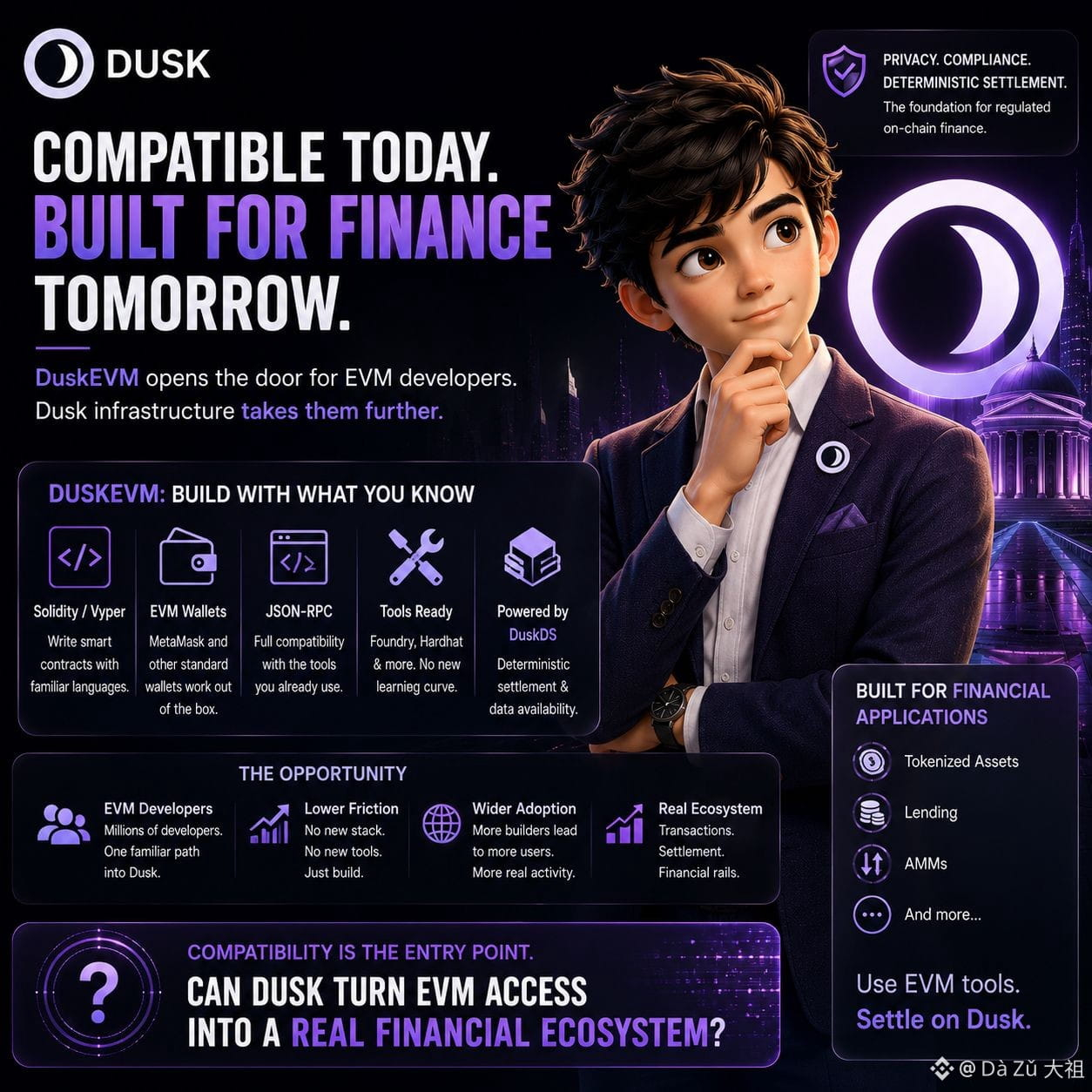
Dusk EVMは、ビルダーにとってネットワークへの馴染みのあるルートを提供します。Solidity/Vyper、標準的なEVMウォレット、JSON RPC、そしてFoundryやHardhatのようなツールです。その下では、Dusk DSが決済とデータ可用性を担います。
これは、開発者がDuskの金融インフラを試すためだけにEVMスタックを捨てる必要がない、という点で重要です。
そしてこれは、単にもう1つ別のジェネリックなdAppsの波を呼び込むことだけではありません。Duskは特に、トークン化された資産、貸し借り(レンディング)、AMM、その他の金融アプリケーションを挙げています。これらはEVMのツールを使いながら、Duskを通じて決済できます。
しかし、互換性は入口にすぎません。
真の試練は、そうした馴染みのあるツールが、開発者による実際の構築、ユーザーによる実際の利用、そしてネットワーク上での実際の取引決済につながるかどうかです。
私の見立てでは、DuskEVMはDuskの開発者獲得の導線を大きく広げ得ます。ただし、より大きな疑問は、EVMの互換性がそのアクセスを本物の金融エコシステムへと変えられるかどうかです。
既存のEVMの世界がそのレール上に構築しやすくすることで、Duskは特化型のL1以上になれるのでしょうか?
#dusk @Dusk_Foundation
$CYS $COW
私は「$DUSK 」という1つの疑問に立ち返り続けました。すなわち、特定のL1が開発者にとって最大級の障壁の1つを取り除くと、何が起きるのか?
Dusk EVMは、ビルダーにとってネットワークへの馴染みのあるルートを提供します。Solidity/Vyper、標準的なEVMウォレット、JSON RPC、そしてFoundryやHardhatのようなツールです。その下では、Dusk DSが決済とデータ可用性を担います。
これは、開発者がDuskの金融インフラを試すためだけにEVMスタックを捨てる必要がない、という点で重要です。
そしてこれは、単にもう1つ別のジェネリックなdAppsの波を呼び込むことだけではありません。Duskは特に、トークン化された資産、貸し借り(レンディング)、AMM、その他の金融アプリケーションを挙げています。これらはEVMのツールを使いながら、Duskを通じて決済できます。
しかし、互換性は入口にすぎません。
真の試練は、そうした馴染みのあるツールが、開発者による実際の構築、ユーザーによる実際の利用、そしてネットワーク上での実際の取引決済につながるかどうかです。
私の見立てでは、DuskEVMはDuskの開発者獲得の導線を大きく広げ得ます。ただし、より大きな疑問は、EVMの互換性がそのアクセスを本物の金融エコシステムへと変えられるかどうかです。
既存のEVMの世界がそのレール上に構築しやすくすることで、Duskは特化型のL1以上になれるのでしょうか?
#dusk @Dusk
$CYS $COW
Dusk EVMは、ビルダーにとってネットワークへの馴染みのあるルートを提供します。Solidity/Vyper、標準的なEVMウォレット、JSON RPC、そしてFoundryやHardhatのようなツールです。その下では、Dusk DSが決済とデータ可用性を担います。
これは、開発者がDuskの金融インフラを試すためだけにEVMスタックを捨てる必要がない、という点で重要です。
そしてこれは、単にもう1つ別のジェネリックなdAppsの波を呼び込むことだけではありません。Duskは特に、トークン化された資産、貸し借り(レンディング)、AMM、その他の金融アプリケーションを挙げています。これらはEVMのツールを使いながら、Duskを通じて決済できます。
しかし、互換性は入口にすぎません。
真の試練は、そうした馴染みのあるツールが、開発者による実際の構築、ユーザーによる実際の利用、そしてネットワーク上での実際の取引決済につながるかどうかです。
私の見立てでは、DuskEVMはDuskの開発者獲得の導線を大きく広げ得ます。ただし、より大きな疑問は、EVMの互換性がそのアクセスを本物の金融エコシステムへと変えられるかどうかです。
既存のEVMの世界がそのレール上に構築しやすくすることで、Duskは特化型のL1以上になれるのでしょうか?
#dusk @Dusk
$CYS $COW
2
1
94
·
--
私にとって、Duskはようやくバリデーターの役割が理にかなっていると感じさせてくれました。
ほとんどのチェーンでは、バリデーター=ブロック製造者です。永遠に同じ仕事。
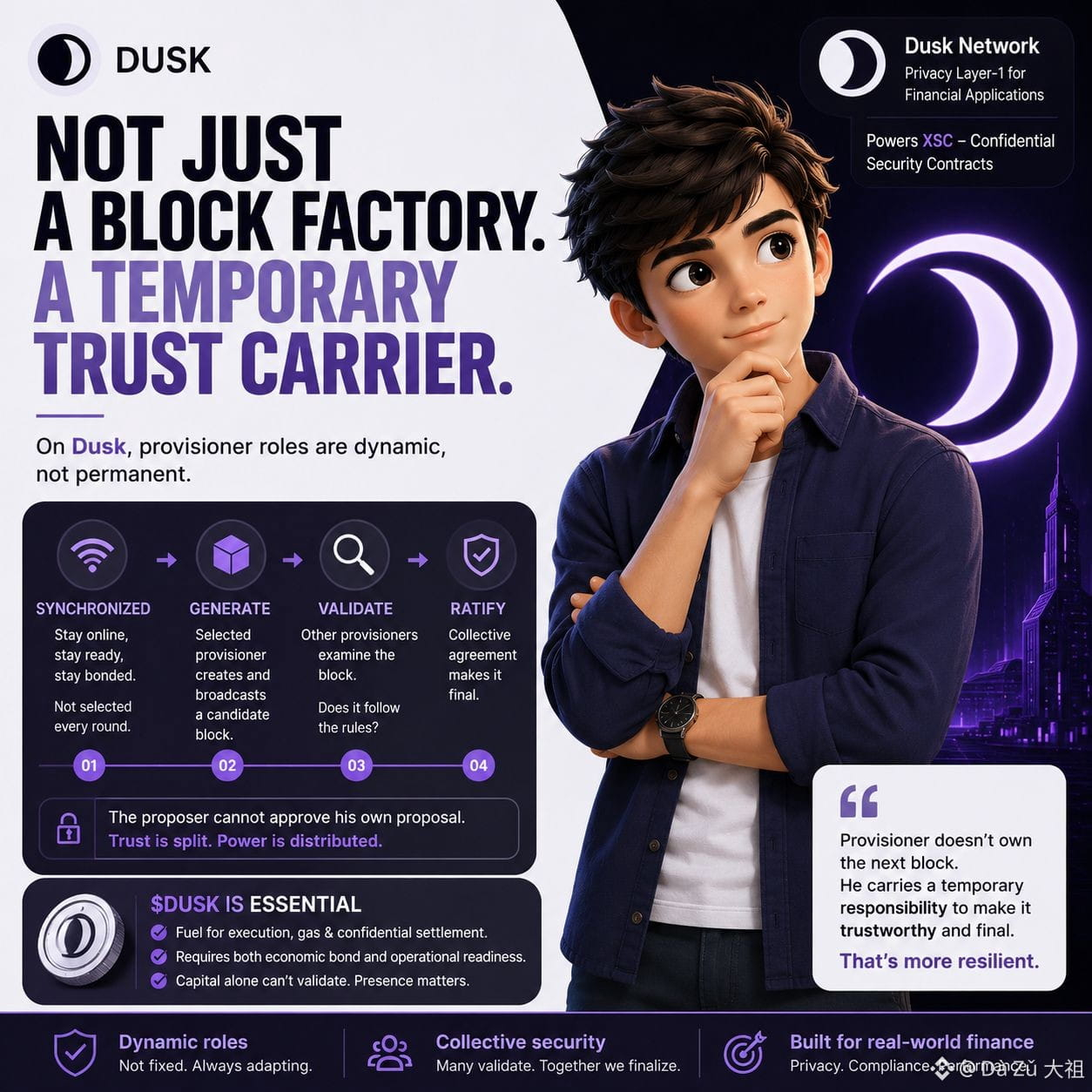
しかしDuskでは、プロビジョナーは1つの恒久的な仕事に固定されません。同期を保つためだけにラウンドを丸ごと費やし、ノードを稼働させ、いつでも準備しておくかもしれません。次のラウンドでプロトコルが、次のブロックの確定を助けるためにあなたを選びます。
この変化は重要です。
生成者は一時的です。選ばれれば候補ブロックを作成してブロードキャストしますが、それはあなたが履歴を決めるという意味ではありません。他のプロビジョナーがそれを精査します。――それがルールに従っているか?それがバリデーションです。――それが最終であると合意できるか?それが承認(ラティフィケーション)です。
私はこの分離が好きです。提案する人は、自分の提案を承認することは許されません。信頼は分割されます。
だから $DUSK は、ここでは受動的なステーキング資産ではありません。Duskは金融アプリ向けのプライバシー・レイヤー1であり、機密スマートコントラクトのためのXSC標準を支えています。そして、経済的に拘束された参加者であると同時に、運用面で準備ができている参加者が必要です。資本だけでは検証できず、適切なタイミングでブロードキャストもできません。
要するに、プロビジョナーは次のブロックを所有していません。信頼でき、最終であることにするための一時的な責任を担うだけです。それって、よりレジリエントではありませんか?
#dusk @Dusk_Foundation
$VELVET $AKE
私にとって、Duskはようやくバリデーターの役割が理にかなっていると感じさせてくれました。
ほとんどのチェーンでは、バリデーター=ブロック製造者です。永遠に同じ仕事。
しかしDuskでは、プロビジョナーは1つの恒久的な仕事に固定されません。同期を保つためだけにラウンドを丸ごと費やし、ノードを稼働させ、いつでも準備しておくかもしれません。次のラウンドでプロトコルが、次のブロックの確定を助けるためにあなたを選びます。
この変化は重要です。
生成者は一時的です。選ばれれば候補ブロックを作成してブロードキャストしますが、それはあなたが履歴を決めるという意味ではありません。他のプロビジョナーがそれを精査します。――それがルールに従っているか?それがバリデーションです。――それが最終であると合意できるか?それが承認(ラティフィケーション)です。
私はこの分離が好きです。提案する人は、自分の提案を承認することは許されません。信頼は分割されます。
だから $DUSK は、ここでは受動的なステーキング資産ではありません。Duskは金融アプリ向けのプライバシー・レイヤー1であり、機密スマートコントラクトのためのXSC標準を支えています。そして、経済的に拘束された参加者であると同時に、運用面で準備ができている参加者が必要です。資本だけでは検証できず、適切なタイミングでブロードキャストもできません。
要するに、プロビジョナーは次のブロックを所有していません。信頼でき、最終であることにするための一時的な責任を担うだけです。それって、よりレジリエントではありませんか?
#dusk @Dusk
$VELVET $AKE
ほとんどのチェーンでは、バリデーター=ブロック製造者です。永遠に同じ仕事。
しかしDuskでは、プロビジョナーは1つの恒久的な仕事に固定されません。同期を保つためだけにラウンドを丸ごと費やし、ノードを稼働させ、いつでも準備しておくかもしれません。次のラウンドでプロトコルが、次のブロックの確定を助けるためにあなたを選びます。
この変化は重要です。
生成者は一時的です。選ばれれば候補ブロックを作成してブロードキャストしますが、それはあなたが履歴を決めるという意味ではありません。他のプロビジョナーがそれを精査します。――それがルールに従っているか?それがバリデーションです。――それが最終であると合意できるか?それが承認(ラティフィケーション)です。
私はこの分離が好きです。提案する人は、自分の提案を承認することは許されません。信頼は分割されます。
だから $DUSK は、ここでは受動的なステーキング資産ではありません。Duskは金融アプリ向けのプライバシー・レイヤー1であり、機密スマートコントラクトのためのXSC標準を支えています。そして、経済的に拘束された参加者であると同時に、運用面で準備ができている参加者が必要です。資本だけでは検証できず、適切なタイミングでブロードキャストもできません。
要するに、プロビジョナーは次のブロックを所有していません。信頼でき、最終であることにするための一時的な責任を担うだけです。それって、よりレジリエントではありませんか?
#dusk @Dusk
$VELVET $AKE
3
365
·
--
なぜオンチェーンにおけるプライバシーが金融にとって重要なのか、ずっと自分に問い続けていました。
ほとんどのチェーンは完全に透明です。DeFiに熱中する人たちには最高ですが、債券をトークン化するような企業にとっては最悪です。機関は、自分たちの残高やポジションを競合に見られたくないのです。
そこで私が「なるほど」と思ったのが Dusk Network でした。🫣
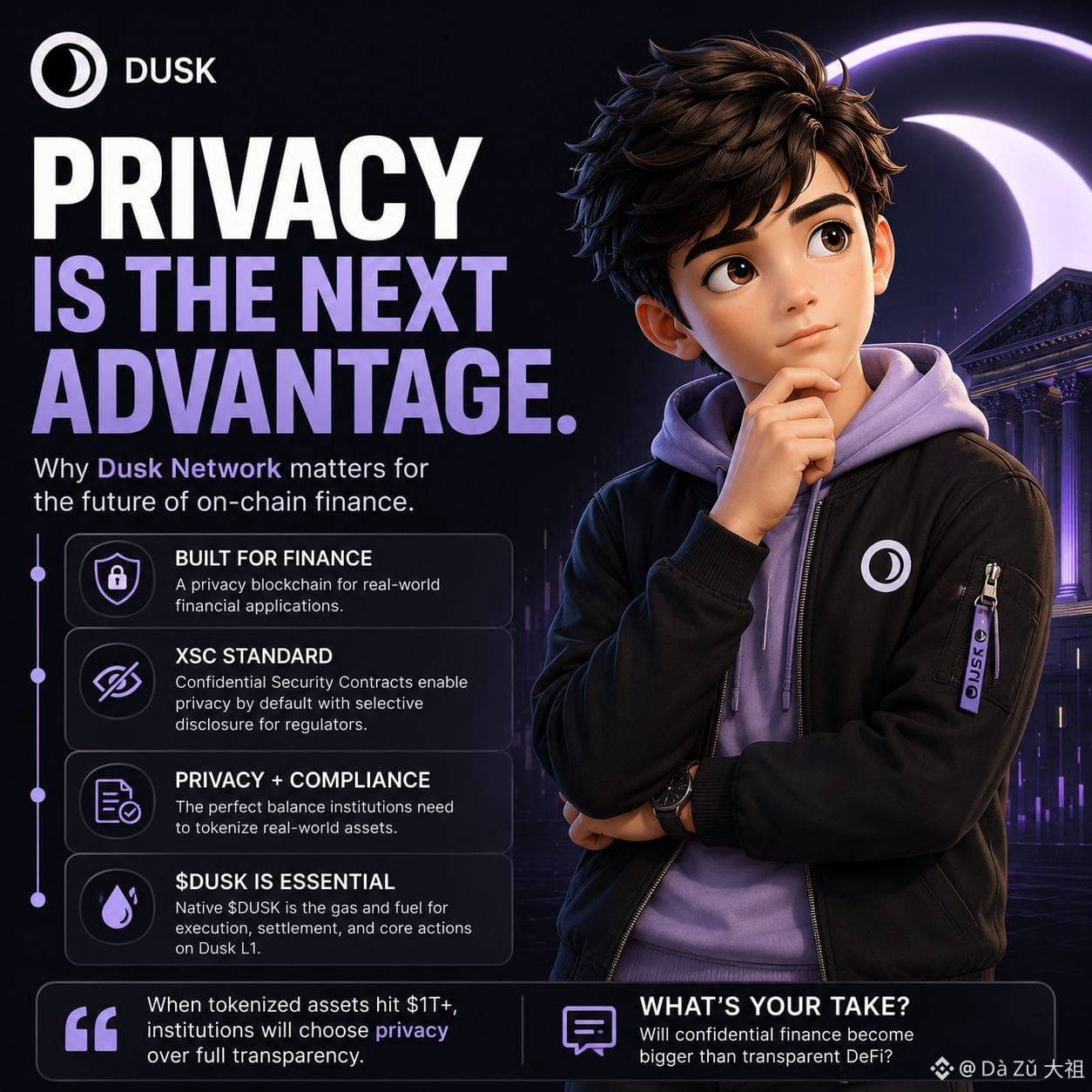
Duskは、自社を金融アプリケーション向けのプライバシーブロックチェーンとして打ち出しています。これはレイヤー1のブロックチェーンで、Confidential Security Contract(XSC)標準を動かし、機密スマートコントラクトにも対応しています。
XSCは賢い仕組みです。取引をデフォルトでプライベートに保ちながら、必要なときには規制当局に対して選択的な開示を可能にします。つまり、プライバシーとコンプライアンスを同時に手に入れられる。これが現実世界の資産を止めている“ギャップ”です。
そして $DUSK が、その中心にいます。単なる追加の報酬トークンではありません。実行のための燃料、ガス、そして機密の決済のためのものです。他チェーン上の DUSK のバージョンでも価格が同じになるかもしれませんが、Dusk L1 上のネイティブ DUSK だけが、プロトコル自身のコア・アクションに対して認識されます。
私にとって、それは「上場されているトークン」と「実際に必要とされるトークン」の違いです。
トークン化された資産が1兆を超えてくる頃には、機関は完全な透明性よりもプライバシーを選ぶと思います。あなたはこの変化をどう見ていますか?
機密性のある金融は、透明なDeFiよりも大きくなると思いますか?
#dusk @Dusk_Foundation $SNXXB $COTI
なぜオンチェーンにおけるプライバシーが金融にとって重要なのか、ずっと自分に問い続けていました。
ほとんどのチェーンは完全に透明です。DeFiに熱中する人たちには最高ですが、債券をトークン化するような企業にとっては最悪です。機関は、自分たちの残高やポジションを競合に見られたくないのです。
そこで私が「なるほど」と思ったのが Dusk Network でした。🫣
Duskは、自社を金融アプリケーション向けのプライバシーブロックチェーンとして打ち出しています。これはレイヤー1のブロックチェーンで、Confidential Security Contract(XSC)標準を動かし、機密スマートコントラクトにも対応しています。
XSCは賢い仕組みです。取引をデフォルトでプライベートに保ちながら、必要なときには規制当局に対して選択的な開示を可能にします。つまり、プライバシーとコンプライアンスを同時に手に入れられる。これが現実世界の資産を止めている“ギャップ”です。
そして $DUSK が、その中心にいます。単なる追加の報酬トークンではありません。実行のための燃料、ガス、そして機密の決済のためのものです。他チェーン上の DUSK のバージョンでも価格が同じになるかもしれませんが、Dusk L1 上のネイティブ DUSK だけが、プロトコル自身のコア・アクションに対して認識されます。
私にとって、それは「上場されているトークン」と「実際に必要とされるトークン」の違いです。
トークン化された資産が1兆を超えてくる頃には、機関は完全な透明性よりもプライバシーを選ぶと思います。あなたはこの変化をどう見ていますか?
機密性のある金融は、透明なDeFiよりも大きくなると思いますか?
#dusk @Dusk $SNXXB $COTI
ほとんどのチェーンは完全に透明です。DeFiに熱中する人たちには最高ですが、債券をトークン化するような企業にとっては最悪です。機関は、自分たちの残高やポジションを競合に見られたくないのです。
そこで私が「なるほど」と思ったのが Dusk Network でした。🫣
Duskは、自社を金融アプリケーション向けのプライバシーブロックチェーンとして打ち出しています。これはレイヤー1のブロックチェーンで、Confidential Security Contract(XSC)標準を動かし、機密スマートコントラクトにも対応しています。
XSCは賢い仕組みです。取引をデフォルトでプライベートに保ちながら、必要なときには規制当局に対して選択的な開示を可能にします。つまり、プライバシーとコンプライアンスを同時に手に入れられる。これが現実世界の資産を止めている“ギャップ”です。
そして $DUSK が、その中心にいます。単なる追加の報酬トークンではありません。実行のための燃料、ガス、そして機密の決済のためのものです。他チェーン上の DUSK のバージョンでも価格が同じになるかもしれませんが、Dusk L1 上のネイティブ DUSK だけが、プロトコル自身のコア・アクションに対して認識されます。
私にとって、それは「上場されているトークン」と「実際に必要とされるトークン」の違いです。
トークン化された資産が1兆を超えてくる頃には、機関は完全な透明性よりもプライバシーを選ぶと思います。あなたはこの変化をどう見ていますか?
機密性のある金融は、透明なDeFiよりも大きくなると思いますか?
#dusk @Dusk $SNXXB $COTI
2
1
95
·
--
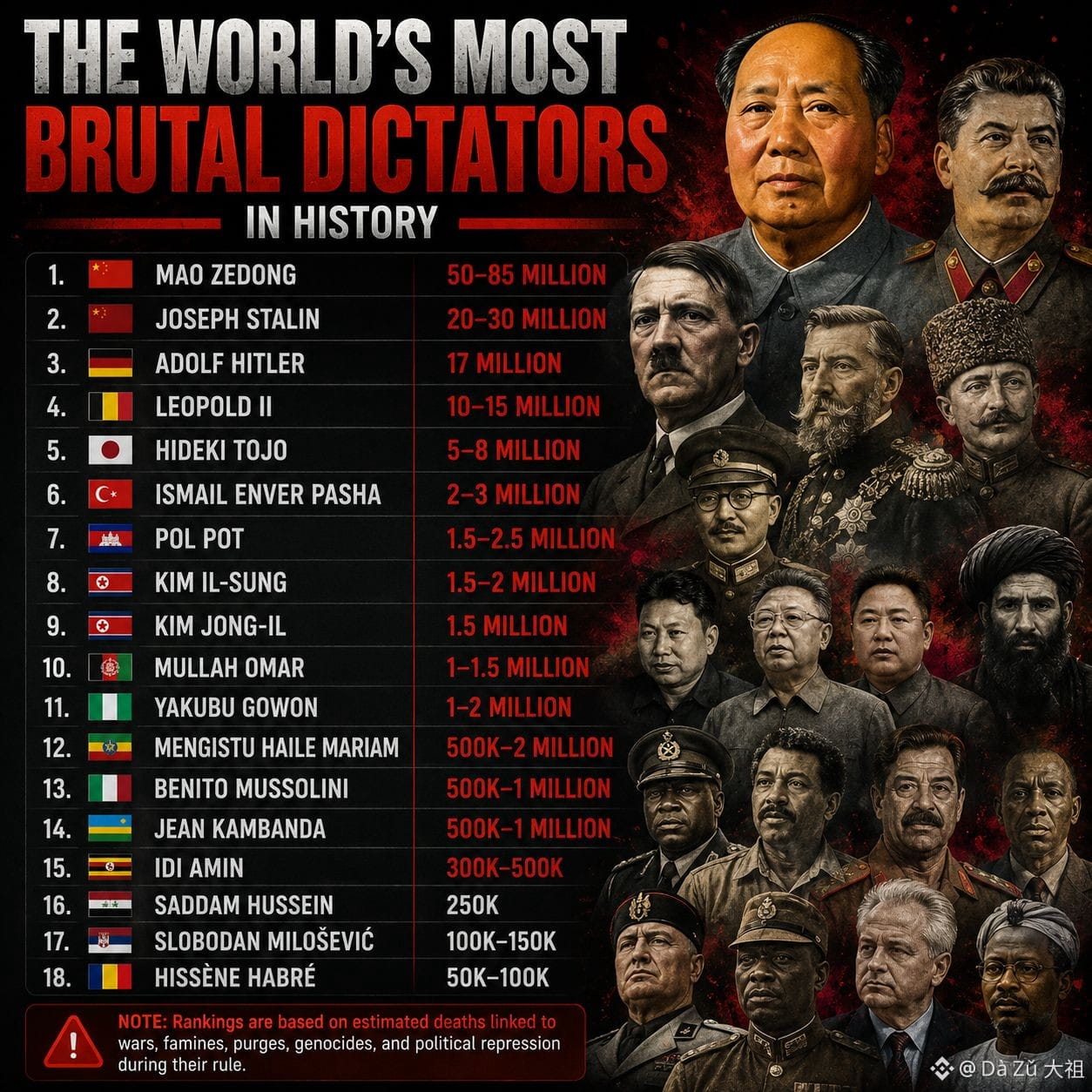
史上最も残虐な独裁者たち
1.
🇨🇳
毛沢東 - 5000万〜8500万人
2.
🇷🇺
ヨシフ・スターリン - 2000万〜3000万人
3.
🇩🇪
アドルフ・ヒトラー - 1700万人
4.
🇧🇪
レオポルド2世 - 1000万〜1500万人
5.
🇯🇵
東条英機 - 500万〜800万人
6.
🇹🇷
イスマイル・エンヴェル・パシャ - 200万〜300万人
7.
🇰🇭
ポル・ポト - 150万〜250万人
8.
🇰🇵
金日成 - 150万〜200万人
9.
🇰🇵
金正日 - 150万人
10.
🇦🇫
ムラー・オマル - 100万〜150万人
11.
🇳🇬
ヤクブ・ゴウォン - 100万〜200万人
12.
🇪🇹
メンギスツ・ハイレ・マリアム - 50万〜200万人
13.
🇮🇹
ベニート・ムッソリーニ - 50万〜100万人
14.
🇷🇼
ジャン・カンバンダ - 50万〜100万人
15.
🇺🇬
イディ・アミン - 30万〜50万人
16.
🇮🇶
サダム・フセイン - 25万人
17.
🇷🇸
スロボダン・ミロシェヴィチ - 10万〜15万人
18.
🇹🇩
イドリス・デビ(イスセーン・ハブレ) - 5万人〜10万人
注:ランキングは、統治期間中の戦争、飢饉、粛清、ジェノサイド、そして政治的弾圧に関連すると推定される死者数に基づいています。
$1000CAT #BIP110ForkSignalingExpectedThisWeekend #VIXFallsToJanuaryLow #IraqOilExportsFall75% #IraqOilExportsFall75% #ThuneFilesClarityActClotureMotion
史上最も残虐な独裁者たち
1.
🇨🇳
毛沢東 - 5000万〜8500万人
2.
🇷🇺
ヨシフ・スターリン - 2000万〜3000万人
3.
🇩🇪
アドルフ・ヒトラー - 1700万人
4.
🇧🇪
レオポルド2世 - 1000万〜1500万人
5.
🇯🇵
東条英機 - 500万〜800万人
6.
🇹🇷
イスマイル・エンヴェル・パシャ - 200万〜300万人
7.
🇰🇭
ポル・ポト - 150万〜250万人
8.
🇰🇵
金日成 - 150万〜200万人
9.
🇰🇵
金正日 - 150万人
10.
🇦🇫
ムラー・オマル - 100万〜150万人
11.
🇳🇬
ヤクブ・ゴウォン - 100万〜200万人
12.
🇪🇹
メンギスツ・ハイレ・マリアム - 50万〜200万人
13.
🇮🇹
ベニート・ムッソリーニ - 50万〜100万人
14.
🇷🇼
ジャン・カンバンダ - 50万〜100万人
15.
🇺🇬
イディ・アミン - 30万〜50万人
16.
🇮🇶
サダム・フセイン - 25万人
17.
🇷🇸
スロボダン・ミロシェヴィチ - 10万〜15万人
18.
🇹🇩
イドリス・デビ(イスセーン・ハブレ) - 5万人〜10万人
注:ランキングは、統治期間中の戦争、飢饉、粛清、ジェノサイド、そして政治的弾圧に関連すると推定される死者数に基づいています。
$1000CAT #BIP110ForkSignalingExpectedThisWeekend #VIXFallsToJanuaryLow #IraqOilExportsFall75% #IraqOilExportsFall75% #ThuneFilesClarityActClotureMotion
1.
🇨🇳
毛沢東 - 5000万〜8500万人
2.
🇷🇺
ヨシフ・スターリン - 2000万〜3000万人
3.
🇩🇪
アドルフ・ヒトラー - 1700万人
4.
🇧🇪
レオポルド2世 - 1000万〜1500万人
5.
🇯🇵
東条英機 - 500万〜800万人
6.
🇹🇷
イスマイル・エンヴェル・パシャ - 200万〜300万人
7.
🇰🇭
ポル・ポト - 150万〜250万人
8.
🇰🇵
金日成 - 150万〜200万人
9.
🇰🇵
金正日 - 150万人
10.
🇦🇫
ムラー・オマル - 100万〜150万人
11.
🇳🇬
ヤクブ・ゴウォン - 100万〜200万人
12.
🇪🇹
メンギスツ・ハイレ・マリアム - 50万〜200万人
13.
🇮🇹
ベニート・ムッソリーニ - 50万〜100万人
14.
🇷🇼
ジャン・カンバンダ - 50万〜100万人
15.
🇺🇬
イディ・アミン - 30万〜50万人
16.
🇮🇶
サダム・フセイン - 25万人
17.
🇷🇸
スロボダン・ミロシェヴィチ - 10万〜15万人
18.
🇹🇩
イドリス・デビ(イスセーン・ハブレ) - 5万人〜10万人
注:ランキングは、統治期間中の戦争、飢饉、粛清、ジェノサイド、そして政治的弾圧に関連すると推定される死者数に基づいています。
$1000CAT #BIP110ForkSignalingExpectedThisWeekend #VIXFallsToJanuaryLow #IraqOilExportsFall75% #IraqOilExportsFall75% #ThuneFilesClarityActClotureMotion
1
1
143
·
--
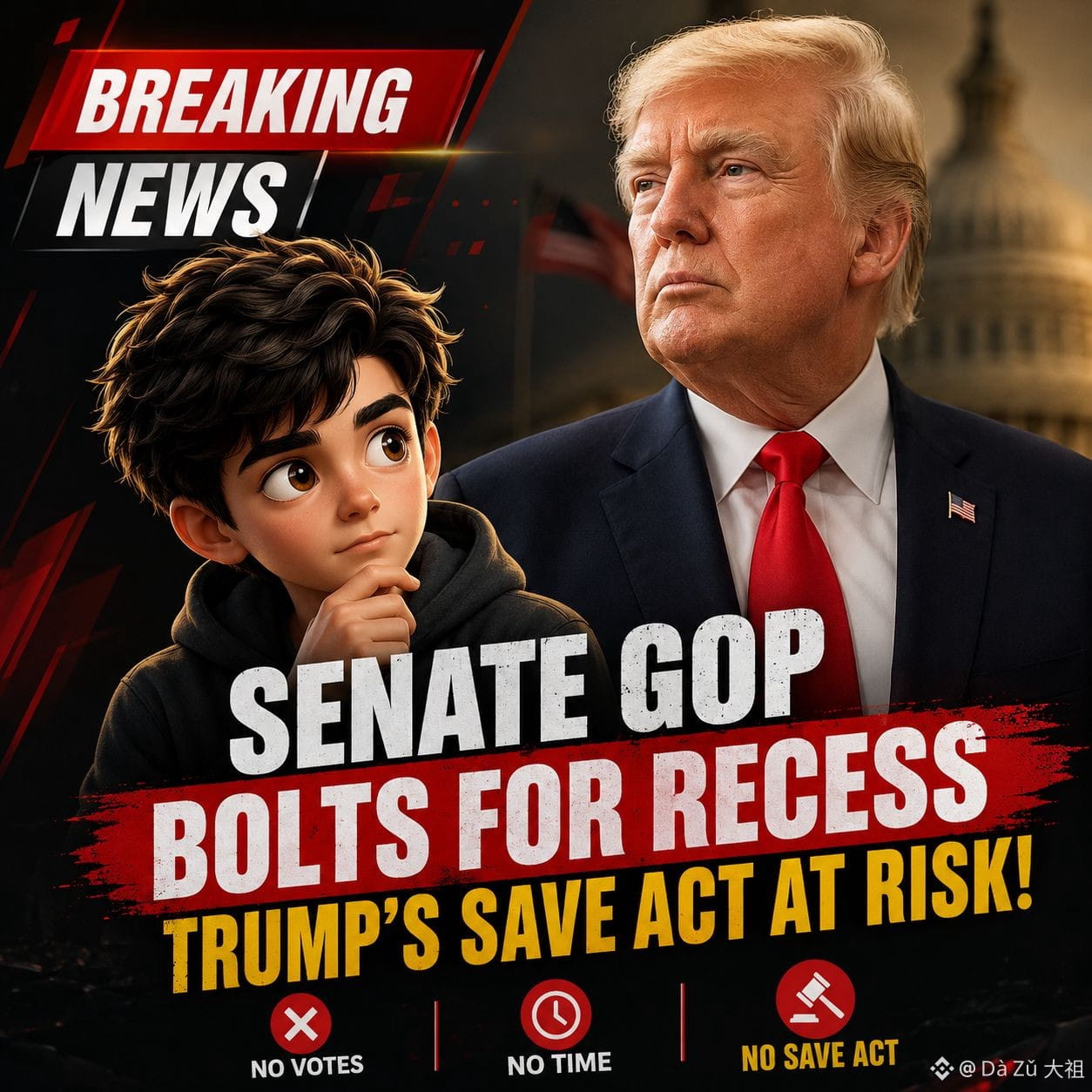
【緊急】上院がトランプの「最重要法案」を見捨てて去り、街を離れた
トランプ自身の政党が、最大の計画を潰して休暇に入った。
上院共和党は、トランプが数週間にわたり要求していた「SAVE(米国を救う)法」- 選挙の不正を防ぐための有権者の信頼に関する法案- を可決せずに、8月の休会のためワシントンを離れてしまった。
何が本当には起きたのか:
1. 約束:上院議員マイク・リーのような強硬派は、SAVEが可決されるまで「退席を阻止する」と約束した。結果は?スーツケースは全員分、全部パッキング済み。フライトも全員分予約済み。彼らはみな去った。
2. 遅延:この法案は、最短でも9月中旬まで死文化した。しかも状況はさらに悪い。10月にさらに1か月の休会が来ており、中間選挙が行われる時期の直前だ。時間がない。
3. 1500億ドルのどんでん返し:共和党はまた、1500億ドルの予算調整(reconciliation)採決も棚上げした。なぜ?トランプ自身が介入したからだ。失敗することを恐れた。計画全体は、予算調整を使ってフィリバスターを回避し、SAVEを通すことだった。だが、今はどちらの取り組みも宙ぶらりん。
つまり今は――SAVE法なし、予算採決なし、そしてDCに上院なし。
これは、失敗する採決を避ける賢明な判断なのか。それとも上院はトランプのアジェンダを裏切ったのか?
SAVE America(SAVE)法は9月に可決されるのか、それとも完全に終わりなのか?
可決されると思うならYES、終わりだと思うならNOとコメントして。
$TUT $RE $1000CAT
#VIXFallsToJanuaryLow #BIP110ForkSignalingExpectedThisWeekend #ThuneFilesClarityActClotureMotion #FedSplitOnRateHikesDeepens
【緊急】上院がトランプの「最重要法案」を見捨てて去り、街を離れた
トランプ自身の政党が、最大の計画を潰して休暇に入った。
上院共和党は、トランプが数週間にわたり要求していた「SAVE(米国を救う)法」- 選挙の不正を防ぐための有権者の信頼に関する法案- を可決せずに、8月の休会のためワシントンを離れてしまった。
何が本当には起きたのか:
1. 約束:上院議員マイク・リーのような強硬派は、SAVEが可決されるまで「退席を阻止する」と約束した。結果は?スーツケースは全員分、全部パッキング済み。フライトも全員分予約済み。彼らはみな去った。
2. 遅延:この法案は、最短でも9月中旬まで死文化した。しかも状況はさらに悪い。10月にさらに1か月の休会が来ており、中間選挙が行われる時期の直前だ。時間がない。
3. 1500億ドルのどんでん返し:共和党はまた、1500億ドルの予算調整(reconciliation)採決も棚上げした。なぜ?トランプ自身が介入したからだ。失敗することを恐れた。計画全体は、予算調整を使ってフィリバスターを回避し、SAVEを通すことだった。だが、今はどちらの取り組みも宙ぶらりん。
つまり今は――SAVE法なし、予算採決なし、そしてDCに上院なし。
これは、失敗する採決を避ける賢明な判断なのか。それとも上院はトランプのアジェンダを裏切ったのか?
SAVE America(SAVE)法は9月に可決されるのか、それとも完全に終わりなのか?
可決されると思うならYES、終わりだと思うならNOとコメントして。
$TUT $RE $1000CAT
#VIXFallsToJanuaryLow #BIP110ForkSignalingExpectedThisWeekend #ThuneFilesClarityActClotureMotion #FedSplitOnRateHikesDeepens
トランプ自身の政党が、最大の計画を潰して休暇に入った。
上院共和党は、トランプが数週間にわたり要求していた「SAVE(米国を救う)法」- 選挙の不正を防ぐための有権者の信頼に関する法案- を可決せずに、8月の休会のためワシントンを離れてしまった。
何が本当には起きたのか:
1. 約束:上院議員マイク・リーのような強硬派は、SAVEが可決されるまで「退席を阻止する」と約束した。結果は?スーツケースは全員分、全部パッキング済み。フライトも全員分予約済み。彼らはみな去った。
2. 遅延:この法案は、最短でも9月中旬まで死文化した。しかも状況はさらに悪い。10月にさらに1か月の休会が来ており、中間選挙が行われる時期の直前だ。時間がない。
3. 1500億ドルのどんでん返し:共和党はまた、1500億ドルの予算調整(reconciliation)採決も棚上げした。なぜ?トランプ自身が介入したからだ。失敗することを恐れた。計画全体は、予算調整を使ってフィリバスターを回避し、SAVEを通すことだった。だが、今はどちらの取り組みも宙ぶらりん。
つまり今は――SAVE法なし、予算採決なし、そしてDCに上院なし。
これは、失敗する採決を避ける賢明な判断なのか。それとも上院はトランプのアジェンダを裏切ったのか?
SAVE America(SAVE)法は9月に可決されるのか、それとも完全に終わりなのか?
可決されると思うならYES、終わりだと思うならNOとコメントして。
$TUT $RE $1000CAT
#VIXFallsToJanuaryLow #BIP110ForkSignalingExpectedThisWeekend #ThuneFilesClarityActClotureMotion #FedSplitOnRateHikesDeepens
1
365
·
--
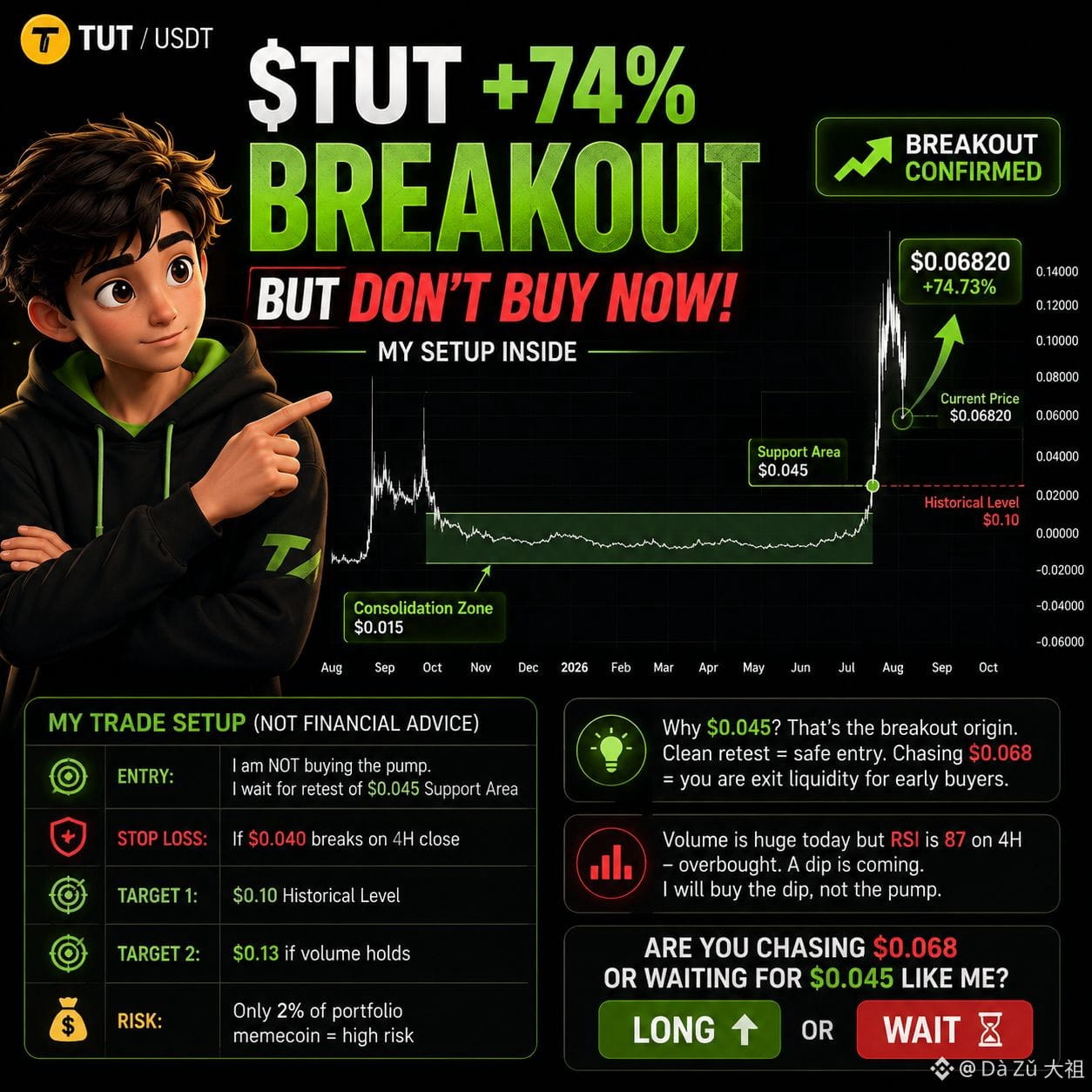
$TUT +74% ブレイクアウト - でも今は買うな!僕のセットアップの中身
やめろ!追いかけるな!TUTは9か月のスリープ後に+74%を急騰させた。
このチャートを見て:$0.015で9か月間のレンジが続き、今
$0.06820までブレイクアウトが確定。
90%は今買って、罠にかかる。僕の計画はこれ:
取引セットアップ(投資助言ではありません):
エントリー:僕はポンプは買わない。$0.045のサポートエリアにリテストが来るのを待つ。
損切り:4Hの終値で$0.040を割ったら
目標1:$0.10(過去の水準)
目標2:出来高が維持されるなら$0.13
リスク:ポートフォリオのたった2%のみ(メムコインはハイリスク)
なぜ$0.045?ブレイクアウトの起点だから。クリーンなリテスト=安全なエントリー。$0.068を追いかけるのは、初期の買い手のための出口流動性になってしまう。
今日の出来高は非常に大きいけど、4HのRSIは87。買われすぎだ。下落が来る。
ポンプじゃなくて、下げを買う。
$0.068を追いかける?それとも僕みたいに$0.045を待つ?コメントして
LONGかWAITか
$RE $MMT
#BIP110ForkSignalingExpectedThisWeekend #VIXFallsToJanuaryLow #IraqOilExportsFall75%
$TUT +74% ブレイクアウト - でも今は買うな!僕のセットアップの中身
やめろ!追いかけるな!TUTは9か月のスリープ後に+74%を急騰させた。
このチャートを見て:$0.015で9か月間のレンジが続き、今
$0.06820までブレイクアウトが確定。
90%は今買って、罠にかかる。僕の計画はこれ:
取引セットアップ(投資助言ではありません):
エントリー:僕はポンプは買わない。$0.045のサポートエリアにリテストが来るのを待つ。
損切り:4Hの終値で$0.040を割ったら
目標1:$0.10(過去の水準)
目標2:出来高が維持されるなら$0.13
リスク:ポートフォリオのたった2%のみ(メムコインはハイリスク)
なぜ$0.045?ブレイクアウトの起点だから。クリーンなリテスト=安全なエントリー。$0.068を追いかけるのは、初期の買い手のための出口流動性になってしまう。
今日の出来高は非常に大きいけど、4HのRSIは87。買われすぎだ。下落が来る。
ポンプじゃなくて、下げを買う。
$0.068を追いかける?それとも僕みたいに$0.045を待つ?コメントして
LONGかWAITか
$RE $MMT
#BIP110ForkSignalingExpectedThisWeekend #VIXFallsToJanuaryLow #IraqOilExportsFall75%
やめろ!追いかけるな!TUTは9か月のスリープ後に+74%を急騰させた。
このチャートを見て:$0.015で9か月間のレンジが続き、今
$0.06820までブレイクアウトが確定。
90%は今買って、罠にかかる。僕の計画はこれ:
取引セットアップ(投資助言ではありません):
エントリー:僕はポンプは買わない。$0.045のサポートエリアにリテストが来るのを待つ。
損切り:4Hの終値で$0.040を割ったら
目標1:$0.10(過去の水準)
目標2:出来高が維持されるなら$0.13
リスク:ポートフォリオのたった2%のみ(メムコインはハイリスク)
なぜ$0.045?ブレイクアウトの起点だから。クリーンなリテスト=安全なエントリー。$0.068を追いかけるのは、初期の買い手のための出口流動性になってしまう。
今日の出来高は非常に大きいけど、4HのRSIは87。買われすぎだ。下落が来る。
ポンプじゃなくて、下げを買う。
$0.068を追いかける?それとも僕みたいに$0.045を待つ?コメントして
LONGかWAITか
$RE $MMT
#BIP110ForkSignalingExpectedThisWeekend #VIXFallsToJanuaryLow #IraqOilExportsFall75%
296
·
--
ブリッシュ
正直、今週の数値を追っている最中に気づかされました。数十億ドルもの資金がBabylonのバルト(vaults)へ流れ込む様子は相当ぶっ飛んでいますが、真の会話はTVLのマウントではありません。沈黙したガバナンスのギャップの話です。私たちは、ようやく数千のBTCがサイドラインから動き出し、強力な経済的担保として機能し、利回りのためのファイナリティ・プロバイダーを確保していることを盛んに称えています。ですが、そのデータを追うことで、二重資産モデルにおける奇妙な矛盾に気づかされました。あなたの基盤となるビットコインは、生のセキュリティの土台を提供する一方で、プロトコルのパラメータに対する投票権も、何ら主体的な裁量も持っていません。実際の意思決定の権限はすべて、ネイティブの$BABY トークン・エコシステムの中に厳密に閉じ込められています。これは、資本がすべて重労働を背負い、プロトコルの舵取りは完全に他人の手に委ねられる――そんな大きな設計上のトレードオフのように感じます。そこで長期的に気になってしまいます。ステーキングされたBTCは将来、本当に発言権を得るのでしょうか?それとも、私たちは永久に利回りの効用とプロトコル・ガバナンスを切り離したままになるのでしょうか?二重資産トークノミクスがどう進化すべきか、あなたの考えを聞かせてください!👇
@babylonlabs_io #baby
Babylonにおけるステーキング済みビットコインは、プロトコルの投票権を持つべきでしょうか?
正直、今週の数値を追っている最中に気づかされました。数十億ドルもの資金がBabylonのバルト(vaults)へ流れ込む様子は相当ぶっ飛んでいますが、真の会話はTVLのマウントではありません。沈黙したガバナンスのギャップの話です。私たちは、ようやく数千のBTCがサイドラインから動き出し、強力な経済的担保として機能し、利回りのためのファイナリティ・プロバイダーを確保していることを盛んに称えています。ですが、そのデータを追うことで、二重資産モデルにおける奇妙な矛盾に気づかされました。あなたの基盤となるビットコインは、生のセキュリティの土台を提供する一方で、プロトコルのパラメータに対する投票権も、何ら主体的な裁量も持っていません。実際の意思決定の権限はすべて、ネイティブの$BABY トークン・エコシステムの中に厳密に閉じ込められています。これは、資本がすべて重労働を背負い、プロトコルの舵取りは完全に他人の手に委ねられる――そんな大きな設計上のトレードオフのように感じます。そこで長期的に気になってしまいます。ステーキングされたBTCは将来、本当に発言権を得るのでしょうか?それとも、私たちは永久に利回りの効用とプロトコル・ガバナンスを切り離したままになるのでしょうか?二重資産トークノミクスがどう進化すべきか、あなたの考えを聞かせてください!👇
@BabylonLabs_io #baby
Babylonにおけるステーキング済みビットコインは、プロトコルの投票権を持つべきでしょうか?
@BabylonLabs_io #baby
Babylonにおけるステーキング済みビットコインは、プロトコルの投票権を持つべきでしょうか?
BTC
0%
BABY
0%
BOTH
0%
0 投票 • 投票は終了しました
3
1
160
·
--
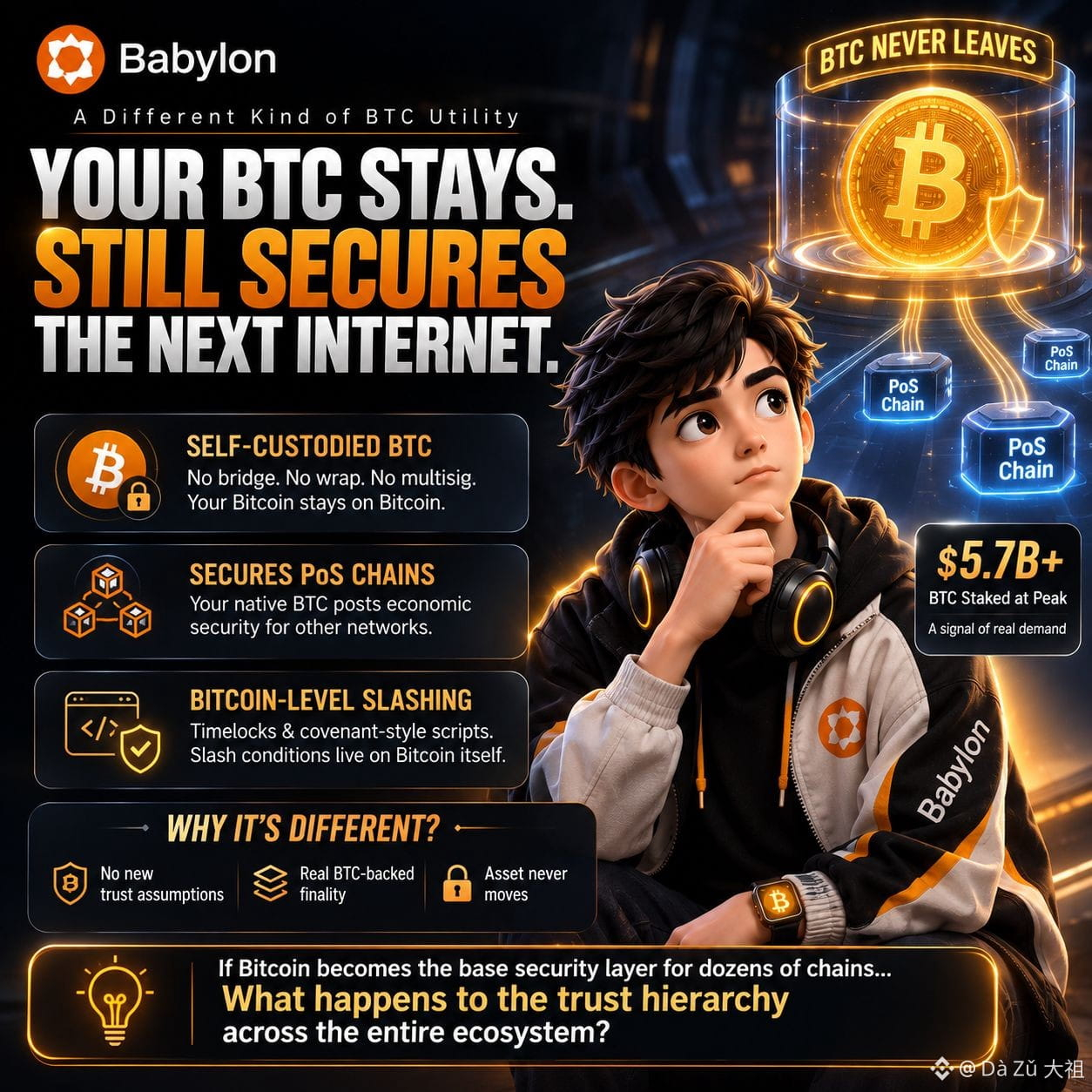
今日はバビロンの論文をもう一度読み直していました。ピッチデックではなく、実際の仕組みです。$BABY は、BTC保有者にブリッジ、ラップ、またはマルチシグへの鍵の委譲を求めていません。BTCをまったく同じ場所に、オンチェーンで、セルフカストディのまま置いたままにしておき、その同じBTCが PoS チェーンの経済的セキュリティとして機能します。資産は一度も動きません。信頼の前提は一切拡張されません。これは本当に別物の設計です。ほとんどの「DeFi における BTC」ストーリーでは、まずトークン化してからブリッジを信頼する必要があります。バビロンはそのレイヤーを完全にスキップしています――スラッシュ条件は、タイムロックやコベナント風のスクリプトを通じて、ビットコイン自身の上に存在します。PoSチェーンは、実際のBTC担保によるファイナリティを得ます。ステーカーは、その間ずっと保管(カストディ)を維持します。ピーク時のステークBTCが$5.7Bだったのは、単なる「数字が上がる」ではありませんでした。保有者が、BTCをラップせずにネイティブのまま使うことを望んでいた、というシグナルだったのです。その欲求は消えません――適切なレールを探しているだけです。私がずっと考えている問いはこれです。もしビットコインが数十のPoSチェーンの基盤セキュリティ層になるなら、エコシステム全体の信頼階層はどうなるのか? まだ、この件の二次的な影響について思考を続けています。
#baby @babylonlabs_io
$HOME $HYPER
#USToCancelIranAttackSubjectToDeal #GoldTradesAbove$4000 #BitcoinMiningDifficultyFalls14%FromYearHigh #SECPausesQBTCBitcoinOptionsApproval
今日はバビロンの論文をもう一度読み直していました。ピッチデックではなく、実際の仕組みです。$BABY は、BTC保有者にブリッジ、ラップ、またはマルチシグへの鍵の委譲を求めていません。BTCをまったく同じ場所に、オンチェーンで、セルフカストディのまま置いたままにしておき、その同じBTCが PoS チェーンの経済的セキュリティとして機能します。資産は一度も動きません。信頼の前提は一切拡張されません。これは本当に別物の設計です。ほとんどの「DeFi における BTC」ストーリーでは、まずトークン化してからブリッジを信頼する必要があります。バビロンはそのレイヤーを完全にスキップしています――スラッシュ条件は、タイムロックやコベナント風のスクリプトを通じて、ビットコイン自身の上に存在します。PoSチェーンは、実際のBTC担保によるファイナリティを得ます。ステーカーは、その間ずっと保管(カストディ)を維持します。ピーク時のステークBTCが$5.7Bだったのは、単なる「数字が上がる」ではありませんでした。保有者が、BTCをラップせずにネイティブのまま使うことを望んでいた、というシグナルだったのです。その欲求は消えません――適切なレールを探しているだけです。私がずっと考えている問いはこれです。もしビットコインが数十のPoSチェーンの基盤セキュリティ層になるなら、エコシステム全体の信頼階層はどうなるのか? まだ、この件の二次的な影響について思考を続けています。
#baby @BabylonLabs_io
$HOME $HYPER
#USToCancelIranAttackSubjectToDeal #GoldTradesAbove$4000 #BitcoinMiningDifficultyFalls14%FromYearHigh #SECPausesQBTCBitcoinOptionsApproval
#baby @BabylonLabs_io
$HOME $HYPER
#USToCancelIranAttackSubjectToDeal #GoldTradesAbove$4000 #BitcoinMiningDifficultyFalls14%FromYearHigh #SECPausesQBTCBitcoinOptionsApproval
2
1
145
·
--
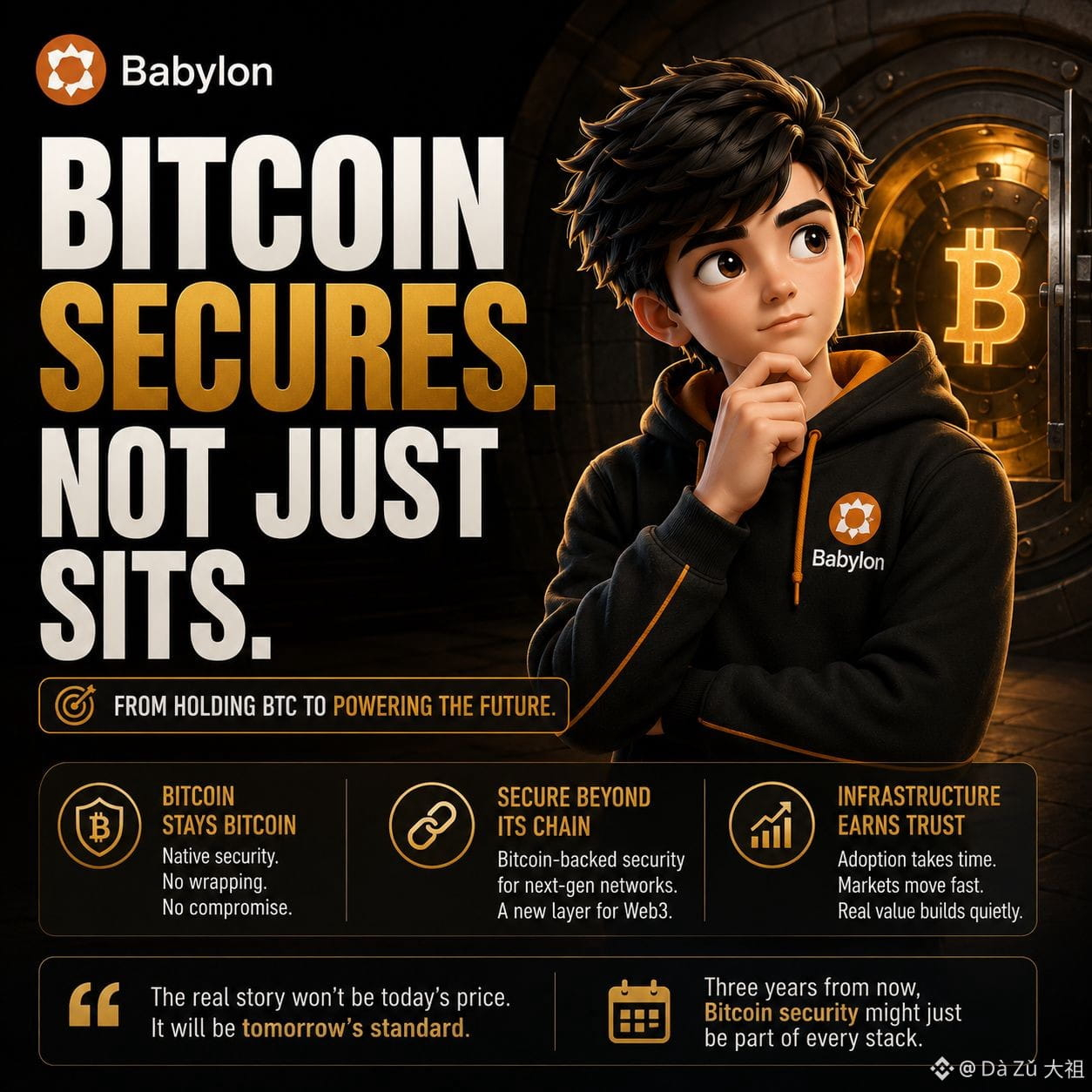
ビットコインは、暗号資産の中で最も難攻不落のお金になれることを、何年もかけて証明してきました。
いま面白いのは、ビットコインが価値を持つかどうかではありません。自分自身のセキュリティモデルを手放すことなく、ビットコインが有用になれるかどうかです。だから私は今日、Babylonのドキュメントを読むことにしました。注目したのは、設計そのものがエンジニアリング的に優れているからではありません。それよりも、大きな転換を考えさせられたからです。もしビットコインが、自分のチェーンに留まりながら他のネットワークの安全性を支えることができるなら、会話の焦点は「BTCを保有すること」から「BTCを仕事に活かすこと」へと変わります。
Babylonが標準になるかどうかは、今日のトークン価格よりもずっと大きな要因に左右されます。それは、ビットコインを裏付けとするセキュリティを「実験」として扱うのではなく、開発者がそれを中心に作り続けるかどうかにかかっています。インフラは、信頼を得るまで通常ゆっくりと時間をかけます。
市場の動きは、導入のスピードより速いことがよくあります。真の物語は、今日の価格チャートではないかもしれません。3年後に、新しいチェーンが単に「ビットコインのセキュリティがスタックの一部である」ことを前提にしているかどうか、それがポイントかもしれません。私が注目しているのは、その流れです。
#baby $BABY @babylonlabs_io
$IDOL $BTW
ビットコインは、暗号資産の中で最も難攻不落のお金になれることを、何年もかけて証明してきました。
いま面白いのは、ビットコインが価値を持つかどうかではありません。自分自身のセキュリティモデルを手放すことなく、ビットコインが有用になれるかどうかです。だから私は今日、Babylonのドキュメントを読むことにしました。注目したのは、設計そのものがエンジニアリング的に優れているからではありません。それよりも、大きな転換を考えさせられたからです。もしビットコインが、自分のチェーンに留まりながら他のネットワークの安全性を支えることができるなら、会話の焦点は「BTCを保有すること」から「BTCを仕事に活かすこと」へと変わります。
Babylonが標準になるかどうかは、今日のトークン価格よりもずっと大きな要因に左右されます。それは、ビットコインを裏付けとするセキュリティを「実験」として扱うのではなく、開発者がそれを中心に作り続けるかどうかにかかっています。インフラは、信頼を得るまで通常ゆっくりと時間をかけます。
市場の動きは、導入のスピードより速いことがよくあります。真の物語は、今日の価格チャートではないかもしれません。3年後に、新しいチェーンが単に「ビットコインのセキュリティがスタックの一部である」ことを前提にしているかどうか、それがポイントかもしれません。私が注目しているのは、その流れです。
#baby $BABY @BabylonLabs_io
$IDOL $BTW
いま面白いのは、ビットコインが価値を持つかどうかではありません。自分自身のセキュリティモデルを手放すことなく、ビットコインが有用になれるかどうかです。だから私は今日、Babylonのドキュメントを読むことにしました。注目したのは、設計そのものがエンジニアリング的に優れているからではありません。それよりも、大きな転換を考えさせられたからです。もしビットコインが、自分のチェーンに留まりながら他のネットワークの安全性を支えることができるなら、会話の焦点は「BTCを保有すること」から「BTCを仕事に活かすこと」へと変わります。
Babylonが標準になるかどうかは、今日のトークン価格よりもずっと大きな要因に左右されます。それは、ビットコインを裏付けとするセキュリティを「実験」として扱うのではなく、開発者がそれを中心に作り続けるかどうかにかかっています。インフラは、信頼を得るまで通常ゆっくりと時間をかけます。
市場の動きは、導入のスピードより速いことがよくあります。真の物語は、今日の価格チャートではないかもしれません。3年後に、新しいチェーンが単に「ビットコインのセキュリティがスタックの一部である」ことを前提にしているかどうか、それがポイントかもしれません。私が注目しているのは、その流れです。
#baby $BABY @BabylonLabs_io
$IDOL $BTW
1
1
83
·
--
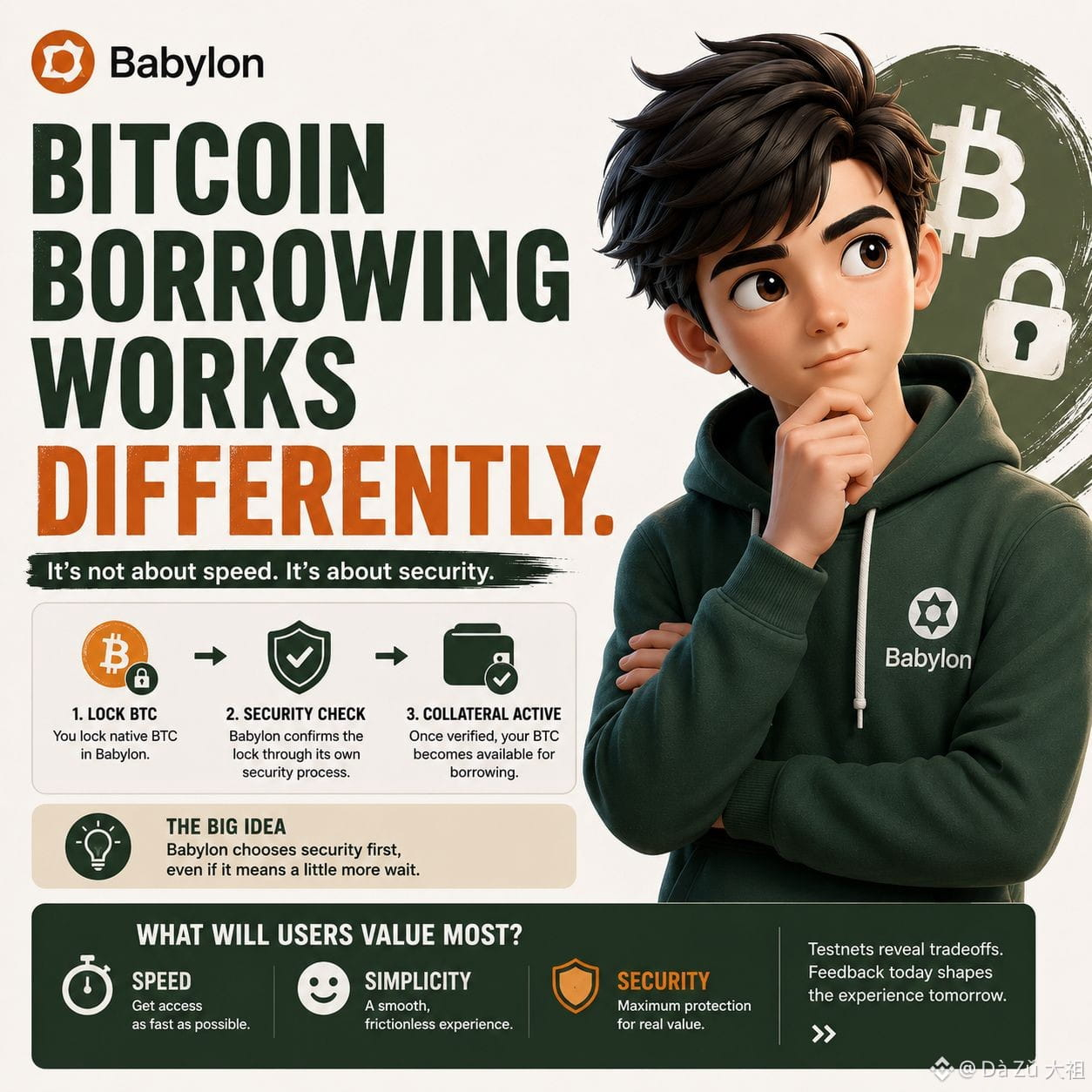
Babylon Native Bitcoin Backed Borrowing テストネットを探索していて気づいたのは、ビットコインが貸付について考える際に求める発想がどれほど独特かという点です。多くの DeFi プロダクトでは、担保を預けた後にどれだけ早く借りられるかで体験を判断することがよくあります。Babylon の設計は、まず別のことを優先しているように見えます。すなわち、担保が貸付システムに利用可能になる前に、ビットコインのロックがその独自のセキュリティ手順によって認識されていることを確認することです。この設計の選択は、万人に好まれるわけではありません。待ち時間の増加を重視する人もいれば、ラップドアセットに頼らずにビットコインをネイティブのまま保つための、妥当なトレードオフだと捉える人もいるでしょう。
私にとって興味深いのは、そのフローが速く感じるか遅く感じるかではありません。実際に価値がかかっている状況で、よりスムーズな体験と引き換えに、より強いセキュリティ前提を受け入れる意思がユーザーにあるかどうかです。
テストネットは、本番導入が始まる前にこれらのトレードオフを明らかにしてくれるので有用です。この段階でのユーザーフィードバックは、根底にある技術そのものと同じくらい重要になる可能性があります。
もしネイティブ BTC の借入がより一般的になったら、ユーザーは何を最も価値あるものとして重視すると思いますか:スピード、シンプルさ、それともセキュリティ?
#baby $BABY @babylonlabs_io
$1000RATS $KOMA
Babylon Native Bitcoin Backed Borrowing テストネットを探索していて気づいたのは、ビットコインが貸付について考える際に求める発想がどれほど独特かという点です。多くの DeFi プロダクトでは、担保を預けた後にどれだけ早く借りられるかで体験を判断することがよくあります。Babylon の設計は、まず別のことを優先しているように見えます。すなわち、担保が貸付システムに利用可能になる前に、ビットコインのロックがその独自のセキュリティ手順によって認識されていることを確認することです。この設計の選択は、万人に好まれるわけではありません。待ち時間の増加を重視する人もいれば、ラップドアセットに頼らずにビットコインをネイティブのまま保つための、妥当なトレードオフだと捉える人もいるでしょう。
私にとって興味深いのは、そのフローが速く感じるか遅く感じるかではありません。実際に価値がかかっている状況で、よりスムーズな体験と引き換えに、より強いセキュリティ前提を受け入れる意思がユーザーにあるかどうかです。
テストネットは、本番導入が始まる前にこれらのトレードオフを明らかにしてくれるので有用です。この段階でのユーザーフィードバックは、根底にある技術そのものと同じくらい重要になる可能性があります。
もしネイティブ BTC の借入がより一般的になったら、ユーザーは何を最も価値あるものとして重視すると思いますか:スピード、シンプルさ、それともセキュリティ?
#baby $BABY @BabylonLabs_io
$1000RATS $KOMA
私にとって興味深いのは、そのフローが速く感じるか遅く感じるかではありません。実際に価値がかかっている状況で、よりスムーズな体験と引き換えに、より強いセキュリティ前提を受け入れる意思がユーザーにあるかどうかです。
テストネットは、本番導入が始まる前にこれらのトレードオフを明らかにしてくれるので有用です。この段階でのユーザーフィードバックは、根底にある技術そのものと同じくらい重要になる可能性があります。
もしネイティブ BTC の借入がより一般的になったら、ユーザーは何を最も価値あるものとして重視すると思いますか:スピード、シンプルさ、それともセキュリティ?
#baby $BABY @BabylonLabs_io
$1000RATS $KOMA
3
2
286
·
--
私が最近特に注意し始めたのは、プロトコルの「宛先」と、その現在のアーキテクチャの違いです。
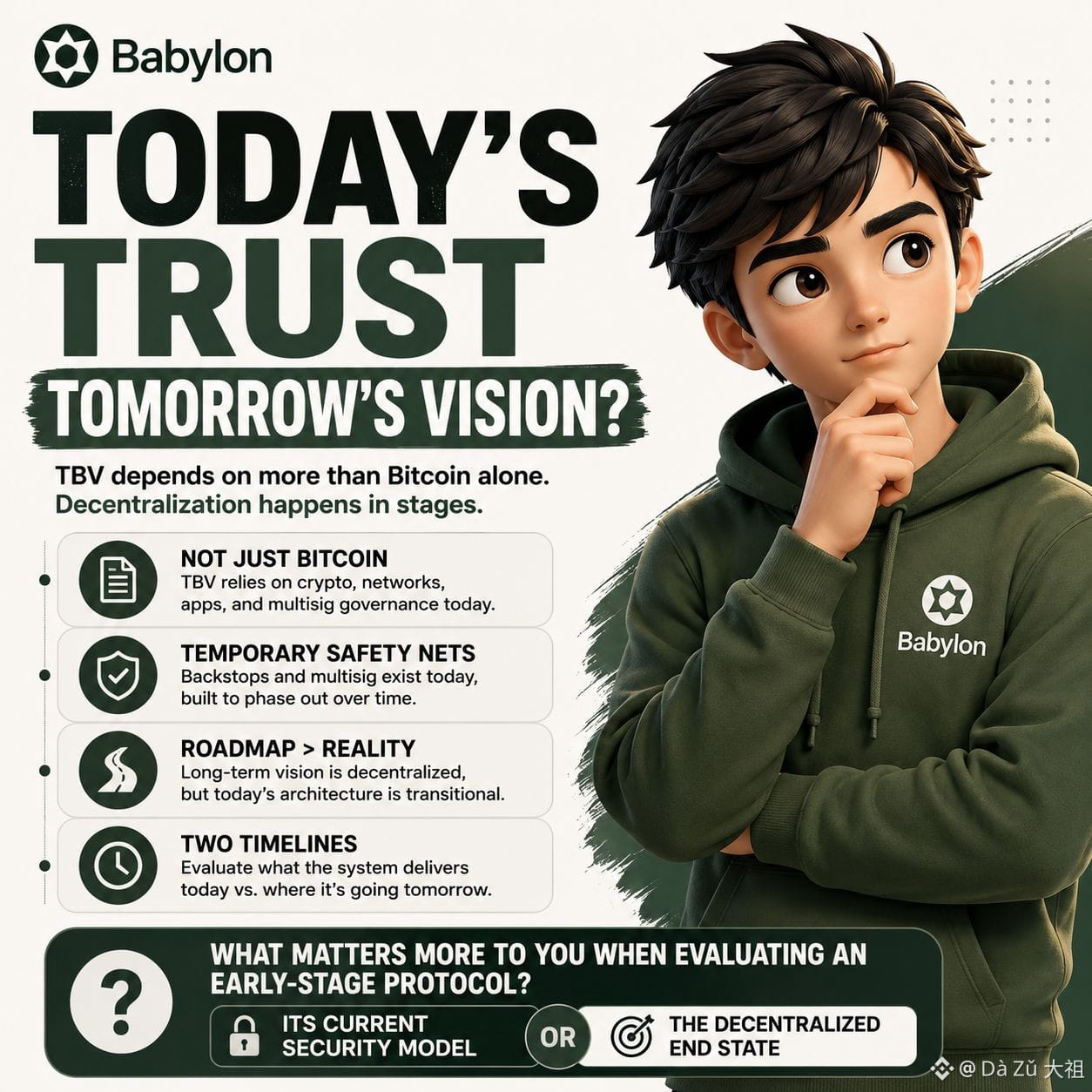
TBVはしばしばビットコイン・ネイティブな信頼という観点で語られますが、ドキュメントには、今日でも複数の運用レイヤーが連携して初めて機能する仕組みが描かれています。これは自動的にプロトコルを弱いものにするわけではありません。分散化は多くの場合、一度にすべてではなく段階的に実現されるからです。
私が最も興味深いのは、暫定的なガバナンス保護が存在するかどうかではありません。むしろそれがどう伝えられているかです。ユーザーはしばしば最初に長期的なビジョンを聞き、その一方でドキュメントでは移行期の設計がはるかに詳細に説明されています。
これは暗号資産全体でよく見られるパターンです。チームは信頼の最小化に向けて構築しますが、インフラ、流動性、そしてネットワーク参加が成熟するまでの間、運用上の安全策が残ることが多いのです。ロードマップは高度に分散化された未来を指し示していても、今日の実装には運用リスクを減らすための仕組みがまだ含まれている場合があります。
そのため、プロトコルは2つの別々のタイムラインで評価されるべきだと私は考えます。つまり「今日のアーキテクチャが提供するもの」と「明日のロードマップが目指すもの」です。これらを混ぜてしまうと、どちらの側も意図していない期待が生まれ得ます。
さらに興味深い議論は、TBVがより強い信頼最小化へ向かっているかどうかではありません。むしろ、ユーザーが「現在存在している信頼の前提」が何か、そして「プロトコルが時間をかけて取り除きたいと考えている信頼の前提」が何かを、はっきり理解できているかどうかです。
初期段階のプロトコルを評価するとき、あなたにとってより重要なのはどちらですか? その現在のセキュリティモデル、それともそれが目指している分散化された到達点?
#baby $BABY @babylonlabs_io
$ESP $RE
私が最近特に注意し始めたのは、プロトコルの「宛先」と、その現在のアーキテクチャの違いです。
TBVはしばしばビットコイン・ネイティブな信頼という観点で語られますが、ドキュメントには、今日でも複数の運用レイヤーが連携して初めて機能する仕組みが描かれています。これは自動的にプロトコルを弱いものにするわけではありません。分散化は多くの場合、一度にすべてではなく段階的に実現されるからです。
私が最も興味深いのは、暫定的なガバナンス保護が存在するかどうかではありません。むしろそれがどう伝えられているかです。ユーザーはしばしば最初に長期的なビジョンを聞き、その一方でドキュメントでは移行期の設計がはるかに詳細に説明されています。
これは暗号資産全体でよく見られるパターンです。チームは信頼の最小化に向けて構築しますが、インフラ、流動性、そしてネットワーク参加が成熟するまでの間、運用上の安全策が残ることが多いのです。ロードマップは高度に分散化された未来を指し示していても、今日の実装には運用リスクを減らすための仕組みがまだ含まれている場合があります。
そのため、プロトコルは2つの別々のタイムラインで評価されるべきだと私は考えます。つまり「今日のアーキテクチャが提供するもの」と「明日のロードマップが目指すもの」です。これらを混ぜてしまうと、どちらの側も意図していない期待が生まれ得ます。
さらに興味深い議論は、TBVがより強い信頼最小化へ向かっているかどうかではありません。むしろ、ユーザーが「現在存在している信頼の前提」が何か、そして「プロトコルが時間をかけて取り除きたいと考えている信頼の前提」が何かを、はっきり理解できているかどうかです。
初期段階のプロトコルを評価するとき、あなたにとってより重要なのはどちらですか? その現在のセキュリティモデル、それともそれが目指している分散化された到達点?
#baby $BABY @BabylonLabs_io
$ESP $RE
TBVはしばしばビットコイン・ネイティブな信頼という観点で語られますが、ドキュメントには、今日でも複数の運用レイヤーが連携して初めて機能する仕組みが描かれています。これは自動的にプロトコルを弱いものにするわけではありません。分散化は多くの場合、一度にすべてではなく段階的に実現されるからです。
私が最も興味深いのは、暫定的なガバナンス保護が存在するかどうかではありません。むしろそれがどう伝えられているかです。ユーザーはしばしば最初に長期的なビジョンを聞き、その一方でドキュメントでは移行期の設計がはるかに詳細に説明されています。
これは暗号資産全体でよく見られるパターンです。チームは信頼の最小化に向けて構築しますが、インフラ、流動性、そしてネットワーク参加が成熟するまでの間、運用上の安全策が残ることが多いのです。ロードマップは高度に分散化された未来を指し示していても、今日の実装には運用リスクを減らすための仕組みがまだ含まれている場合があります。
そのため、プロトコルは2つの別々のタイムラインで評価されるべきだと私は考えます。つまり「今日のアーキテクチャが提供するもの」と「明日のロードマップが目指すもの」です。これらを混ぜてしまうと、どちらの側も意図していない期待が生まれ得ます。
さらに興味深い議論は、TBVがより強い信頼最小化へ向かっているかどうかではありません。むしろ、ユーザーが「現在存在している信頼の前提」が何か、そして「プロトコルが時間をかけて取り除きたいと考えている信頼の前提」が何かを、はっきり理解できているかどうかです。
初期段階のプロトコルを評価するとき、あなたにとってより重要なのはどちらですか? その現在のセキュリティモデル、それともそれが目指している分散化された到達点?
#baby $BABY @BabylonLabs_io
$ESP $RE
5
2
227
·
--
エアドロップを受け取れなかった。なのに、あのエコシステムで一番価値のある人物であることに変わりはない。
知り合いがいる。自分が知っている多くの人よりも、ずっと前からクリプトにいる。うるさくはない。あまり投稿もしない。自分が信じるプロトコルを、稼ぐための見返りが何もない時でも、黙々と使い続けている。
エアドロップが始まったとき、彼は最上位ティアの資格を満たせなかった。
正直、気の毒に思った。あれほど長い時間、あの静かな一貫性があっても、報酬の大きい部分は、数週間だけテストネットを必死に掘って、受け取った瞬間に消え去ったウォレットに渡ってしまった。
それが引っかかった。だから調べ始めた。
そして分かったことは、さらにもっと腹が立つ内容だった。
最大の割り当てを掴んだウォレットは、最も忠実だったわけではない。忠実に見せるのが一番上手かっただけだ。重要なタイミングに合わせて活動が一気に膨れ上がり、そこから何もない。プロトコルは分かっていない。プロトコルが測っていたのは信念ではなく行動だからだ。
一方で、友人のウォレットは?ティアは小さめ。報酬も小さめ。けれども活動している。取引もしている。掘るものがなく、誰も注目していない退屈な月々もずっとそこにある。
そして、ほとんどの報酬システムが作られるときの厳しい現実がある。
「来続けたこと」に対して誰かを報酬することはできる。そこはデータだから簡単だ。だけど、「何も得にならないのに、なぜその人が留まり続けたのか」を教える数式を作ることはできない。静かな信念に番号を振ることなんてできない。
そして、その“穴”が、毎回毎回、悪用される。
だから僕が行きついては戻ってしまう問いは、エアドロップに勝ったのが誰か、ではない。
報酬が消えた今も、ここに残っているのは誰なのか。そして、私たちが作るシステムは、その違いをいつか学べるのか——そこだ。
#baby $BABY @babylonlabs_io
$EUL $FLOW
エアドロップを受け取れなかった。なのに、あのエコシステムで一番価値のある人物であることに変わりはない。
知り合いがいる。自分が知っている多くの人よりも、ずっと前からクリプトにいる。うるさくはない。あまり投稿もしない。自分が信じるプロトコルを、稼ぐための見返りが何もない時でも、黙々と使い続けている。
エアドロップが始まったとき、彼は最上位ティアの資格を満たせなかった。
正直、気の毒に思った。あれほど長い時間、あの静かな一貫性があっても、報酬の大きい部分は、数週間だけテストネットを必死に掘って、受け取った瞬間に消え去ったウォレットに渡ってしまった。
それが引っかかった。だから調べ始めた。
そして分かったことは、さらにもっと腹が立つ内容だった。
最大の割り当てを掴んだウォレットは、最も忠実だったわけではない。忠実に見せるのが一番上手かっただけだ。重要なタイミングに合わせて活動が一気に膨れ上がり、そこから何もない。プロトコルは分かっていない。プロトコルが測っていたのは信念ではなく行動だからだ。
一方で、友人のウォレットは?ティアは小さめ。報酬も小さめ。けれども活動している。取引もしている。掘るものがなく、誰も注目していない退屈な月々もずっとそこにある。
そして、ほとんどの報酬システムが作られるときの厳しい現実がある。
「来続けたこと」に対して誰かを報酬することはできる。そこはデータだから簡単だ。だけど、「何も得にならないのに、なぜその人が留まり続けたのか」を教える数式を作ることはできない。静かな信念に番号を振ることなんてできない。
そして、その“穴”が、毎回毎回、悪用される。
だから僕が行きついては戻ってしまう問いは、エアドロップに勝ったのが誰か、ではない。
報酬が消えた今も、ここに残っているのは誰なのか。そして、私たちが作るシステムは、その違いをいつか学べるのか——そこだ。
#baby $BABY @BabylonLabs_io
$EUL $FLOW
知り合いがいる。自分が知っている多くの人よりも、ずっと前からクリプトにいる。うるさくはない。あまり投稿もしない。自分が信じるプロトコルを、稼ぐための見返りが何もない時でも、黙々と使い続けている。
エアドロップが始まったとき、彼は最上位ティアの資格を満たせなかった。
正直、気の毒に思った。あれほど長い時間、あの静かな一貫性があっても、報酬の大きい部分は、数週間だけテストネットを必死に掘って、受け取った瞬間に消え去ったウォレットに渡ってしまった。
それが引っかかった。だから調べ始めた。
そして分かったことは、さらにもっと腹が立つ内容だった。
最大の割り当てを掴んだウォレットは、最も忠実だったわけではない。忠実に見せるのが一番上手かっただけだ。重要なタイミングに合わせて活動が一気に膨れ上がり、そこから何もない。プロトコルは分かっていない。プロトコルが測っていたのは信念ではなく行動だからだ。
一方で、友人のウォレットは?ティアは小さめ。報酬も小さめ。けれども活動している。取引もしている。掘るものがなく、誰も注目していない退屈な月々もずっとそこにある。
そして、ほとんどの報酬システムが作られるときの厳しい現実がある。
「来続けたこと」に対して誰かを報酬することはできる。そこはデータだから簡単だ。だけど、「何も得にならないのに、なぜその人が留まり続けたのか」を教える数式を作ることはできない。静かな信念に番号を振ることなんてできない。
そして、その“穴”が、毎回毎回、悪用される。
だから僕が行きついては戻ってしまう問いは、エアドロップに勝ったのが誰か、ではない。
報酬が消えた今も、ここに残っているのは誰なのか。そして、私たちが作るシステムは、その違いをいつか学べるのか——そこだ。
#baby $BABY @BabylonLabs_io
$EUL $FLOW

3
2
81
·
--
深掘りがしたかったわけじゃない。午前2時に退屈で、財布を開いて、BABYの保有分を見つめてたら、オンチェーンのガス使用量やガバナンス投票、セキュリティのロックをつい突っつき始めた。これはただの暇つぶしの好奇心だって自分に言い聞かせた。――でも違った。
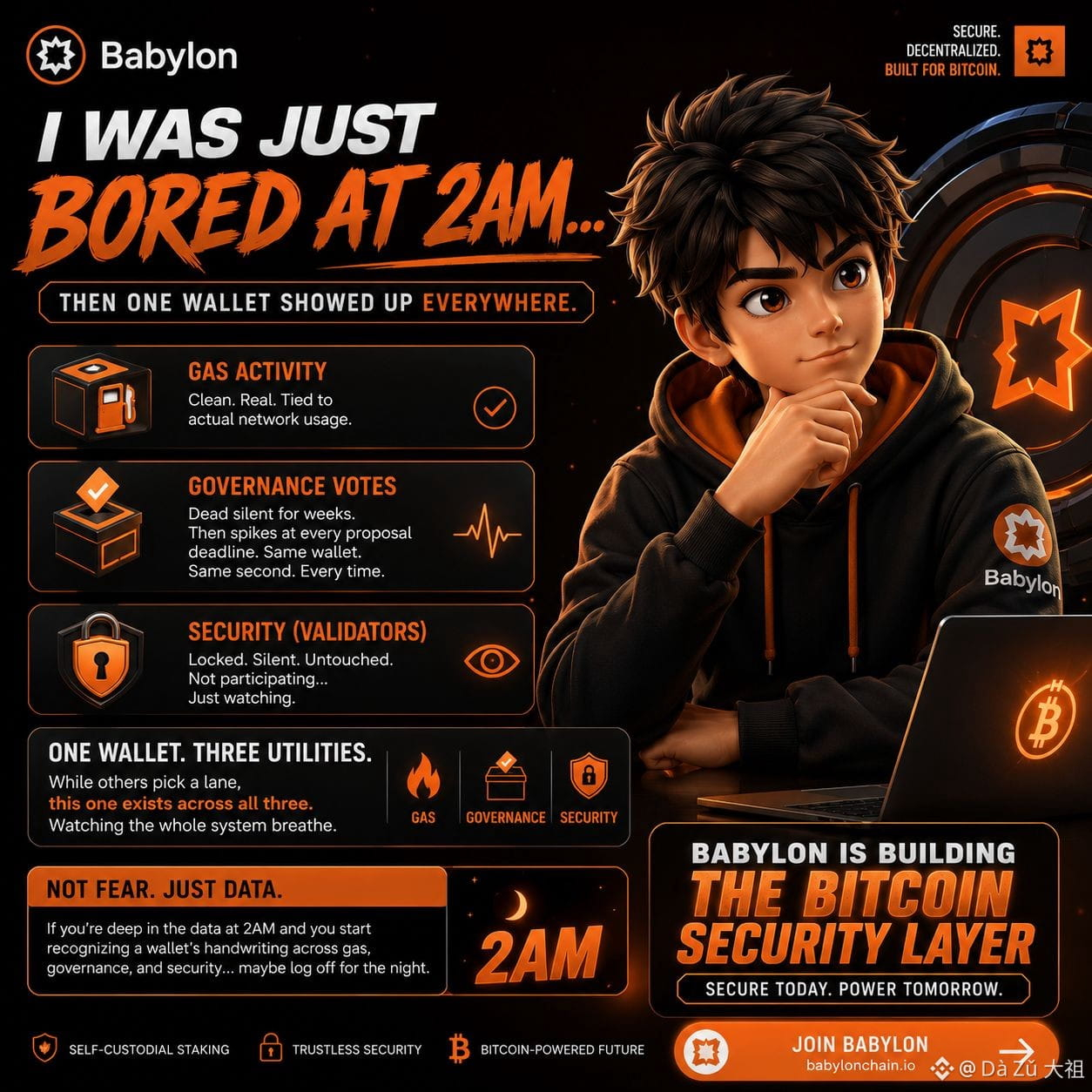
最初に確認したのはガス活動。きれいで機械的で、実際のネットワーク使用にまっすぐ結びついてる。変なところは何もない。安全そうだと思った。次にガバナンスを開いたら、ここで妙なことが起きた。数週間ほとんど活動がなくて、完全に無音。それが、あるこのウォレットだけが、すべての提案の締め切りの瞬間にぴたりと跳ね上がった。まるで時計みたいに。まるで人が投票してるんじゃなくて、合図があれば起き上がるように、スケジュールされた何かみたいだった。俺は午前2時のまま座って、タイムスタンプが完璧に揃うのを見てた。締め切りが3回続けて、同じウォレットで、同じ“秒単位”の精度。肌がぞわっとした。
次にセキュリティのバリデータや、ロックされてるトークンも確認した。するとやっぱり、あの同じウォレットがそこにも出てきた。ロックされていて、無言で、ガスでもガバナンスのノイズでも汚されず、参加してるというより“見ている”みたいにそこに座ってる。ユーティリティが3つあって、このアドレスはほぼ誰にもなく、全部に触れていた。他の人たちはそれぞれ担当の通り道を選んだ。こいつだけは選ばない。3つのどこにでも存在して、ただ静かにそこに“ある”。
ノートPCを閉じて、その夜は本当に眠りが浅かった。たぶんただのボット、あるいはトレジャリー用のウォレットで、退屈で説明のつくものなんだろうって自分に言った。たぶん。でも、そのパターンはまだ俺の中で妙なままだ。ほとんどのウォレットは、人間が1つの用途に張り付いてそこから動かない。けど――これは、まるでシステムが息をするのを見ているみたいに動く。
とにかく。売り煽りでも恐怖を煽るでもない。ただ――もし午前2時にデータ漬けになって、ガス・ガバナンス・セキュリティにまたがって“あるウォレットの筆跡”を、いろんな部屋で何度も会う人みたいだって感じ始めたなら……今夜はログオフしたほうがいい。以上です。BABY ❤️
#baby $BABY @babylonlabs_io
$AKE $NIL
#EtherApproaches$2000 #OilDropsAbout6% #CrudeBrieflyFallsBelow$90 #BrentCrudeFallsAbout6%
深掘りがしたかったわけじゃない。午前2時に退屈で、財布を開いて、BABYの保有分を見つめてたら、オンチェーンのガス使用量やガバナンス投票、セキュリティのロックをつい突っつき始めた。これはただの暇つぶしの好奇心だって自分に言い聞かせた。――でも違った。
最初に確認したのはガス活動。きれいで機械的で、実際のネットワーク使用にまっすぐ結びついてる。変なところは何もない。安全そうだと思った。次にガバナンスを開いたら、ここで妙なことが起きた。数週間ほとんど活動がなくて、完全に無音。それが、あるこのウォレットだけが、すべての提案の締め切りの瞬間にぴたりと跳ね上がった。まるで時計みたいに。まるで人が投票してるんじゃなくて、合図があれば起き上がるように、スケジュールされた何かみたいだった。俺は午前2時のまま座って、タイムスタンプが完璧に揃うのを見てた。締め切りが3回続けて、同じウォレットで、同じ“秒単位”の精度。肌がぞわっとした。
次にセキュリティのバリデータや、ロックされてるトークンも確認した。するとやっぱり、あの同じウォレットがそこにも出てきた。ロックされていて、無言で、ガスでもガバナンスのノイズでも汚されず、参加してるというより“見ている”みたいにそこに座ってる。ユーティリティが3つあって、このアドレスはほぼ誰にもなく、全部に触れていた。他の人たちはそれぞれ担当の通り道を選んだ。こいつだけは選ばない。3つのどこにでも存在して、ただ静かにそこに“ある”。
ノートPCを閉じて、その夜は本当に眠りが浅かった。たぶんただのボット、あるいはトレジャリー用のウォレットで、退屈で説明のつくものなんだろうって自分に言った。たぶん。でも、そのパターンはまだ俺の中で妙なままだ。ほとんどのウォレットは、人間が1つの用途に張り付いてそこから動かない。けど――これは、まるでシステムが息をするのを見ているみたいに動く。
とにかく。売り煽りでも恐怖を煽るでもない。ただ――もし午前2時にデータ漬けになって、ガス・ガバナンス・セキュリティにまたがって“あるウォレットの筆跡”を、いろんな部屋で何度も会う人みたいだって感じ始めたなら……今夜はログオフしたほうがいい。以上です。BABY ❤️
#baby $BABY @BabylonLabs_io
$AKE $NIL
#EtherApproaches$2000 #OilDropsAbout6% #CrudeBrieflyFallsBelow$90 #BrentCrudeFallsAbout6%
最初に確認したのはガス活動。きれいで機械的で、実際のネットワーク使用にまっすぐ結びついてる。変なところは何もない。安全そうだと思った。次にガバナンスを開いたら、ここで妙なことが起きた。数週間ほとんど活動がなくて、完全に無音。それが、あるこのウォレットだけが、すべての提案の締め切りの瞬間にぴたりと跳ね上がった。まるで時計みたいに。まるで人が投票してるんじゃなくて、合図があれば起き上がるように、スケジュールされた何かみたいだった。俺は午前2時のまま座って、タイムスタンプが完璧に揃うのを見てた。締め切りが3回続けて、同じウォレットで、同じ“秒単位”の精度。肌がぞわっとした。
次にセキュリティのバリデータや、ロックされてるトークンも確認した。するとやっぱり、あの同じウォレットがそこにも出てきた。ロックされていて、無言で、ガスでもガバナンスのノイズでも汚されず、参加してるというより“見ている”みたいにそこに座ってる。ユーティリティが3つあって、このアドレスはほぼ誰にもなく、全部に触れていた。他の人たちはそれぞれ担当の通り道を選んだ。こいつだけは選ばない。3つのどこにでも存在して、ただ静かにそこに“ある”。
ノートPCを閉じて、その夜は本当に眠りが浅かった。たぶんただのボット、あるいはトレジャリー用のウォレットで、退屈で説明のつくものなんだろうって自分に言った。たぶん。でも、そのパターンはまだ俺の中で妙なままだ。ほとんどのウォレットは、人間が1つの用途に張り付いてそこから動かない。けど――これは、まるでシステムが息をするのを見ているみたいに動く。
とにかく。売り煽りでも恐怖を煽るでもない。ただ――もし午前2時にデータ漬けになって、ガス・ガバナンス・セキュリティにまたがって“あるウォレットの筆跡”を、いろんな部屋で何度も会う人みたいだって感じ始めたなら……今夜はログオフしたほうがいい。以上です。BABY ❤️
#baby $BABY @BabylonLabs_io
$AKE $NIL
#EtherApproaches$2000 #OilDropsAbout6% #CrudeBrieflyFallsBelow$90 #BrentCrudeFallsAbout6%
24
18
261
·
--
★ ビットコインに必要なのはスマートコントラクトだった。
★ それが、ずっと私の前提だった。
★ 私は、あまり疑うことなくそれを信じていた。
➤ プログラマビリティがないということは、置いていかれることを意味する。
➤ 複雑さが増えるほど、利用価値も増える。
➤ 論理は、問い直すにはあまりにも当然のように感じられた。
➤ しかし私は一度も真剣に、「ビットコインが別のシステムに入ったら何が起きるのか」を考えたことがなかった。
✴︎ ブリッジ
✴︎ ラップされたトークン
✴︎ リース(貸出)プロトコル。
♥︎ BTCは同じように見えるかもしれない。
♥︎ だがセキュリティモデルは、今や別の誰かのものだ。
♥︎ それが自分のチェーンを離れた瞬間に、前提は切り替わる。
♥︎ それが必ずしも致命的というわけではない。だが中立でもない。
@babylonlabs_io に注目する価値があったのは、機能一覧ではなかった。別の出発点となる問いだった。ビットコインをもっと複雑にするにはどうするか、ではない。ビットコインが根本的に別のシステムになる必要がなくても、既存の経済的セキュリティが他のシステムにとって有用になり得るのか。
他のチェーンからビットコインが借りられるのは何か、ではない。
⚡︎ だが、
⚡︎ ビットコインがすでに持っていて、他のチェーンが本当に必要としているものは何か。
⚡︎ その捉え直しは微妙だ。
⚡︎ しかし、あなたが評価しているものを根本から変えてしまう。
📌 私は、これがバビロンをリスクフリーにするとは言っていない。
✘ 複雑さを避けることが、自動的により良い設計を意味するわけではない。
✘ ただし、根底にある前提は、私が想像していたよりも退けにくい。
➤ たぶん、ビットコインの未来にとってもっと面白い問いは、「まだ欠けているのは何か」ではない。
➤ たぶん、それは「ビットコインがすでにうまくやっていることが、私たちがこれまで求めてきた以上のことを、できるのかどうか」だ。
あなたは、ビットコインの価値は「これからなり得るもの」から生まれると思う? それとも「これまで一貫して変わることを拒んできたもの」から生まれると思う?
#baby $BABY
#BitMartToWindDownByJan2027 #SHIBSurges36% #CentralBanksWeighResponseAsOilNears$100 #USPausesIranStrikesSecondNight
$EUL $DIA
ビットコインの未来は—?
★ ビットコインに必要なのはスマートコントラクトだった。
★ それが、ずっと私の前提だった。
★ 私は、あまり疑うことなくそれを信じていた。
➤ プログラマビリティがないということは、置いていかれることを意味する。
➤ 複雑さが増えるほど、利用価値も増える。
➤ 論理は、問い直すにはあまりにも当然のように感じられた。
➤ しかし私は一度も真剣に、「ビットコインが別のシステムに入ったら何が起きるのか」を考えたことがなかった。
✴︎ ブリッジ
✴︎ ラップされたトークン
✴︎ リース(貸出)プロトコル。
♥︎ BTCは同じように見えるかもしれない。
♥︎ だがセキュリティモデルは、今や別の誰かのものだ。
♥︎ それが自分のチェーンを離れた瞬間に、前提は切り替わる。
♥︎ それが必ずしも致命的というわけではない。だが中立でもない。
@BabylonLabs_io に注目する価値があったのは、機能一覧ではなかった。別の出発点となる問いだった。ビットコインをもっと複雑にするにはどうするか、ではない。ビットコインが根本的に別のシステムになる必要がなくても、既存の経済的セキュリティが他のシステムにとって有用になり得るのか。
他のチェーンからビットコインが借りられるのは何か、ではない。
⚡︎ だが、
⚡︎ ビットコインがすでに持っていて、他のチェーンが本当に必要としているものは何か。
⚡︎ その捉え直しは微妙だ。
⚡︎ しかし、あなたが評価しているものを根本から変えてしまう。
📌 私は、これがバビロンをリスクフリーにするとは言っていない。
✘ 複雑さを避けることが、自動的により良い設計を意味するわけではない。
✘ ただし、根底にある前提は、私が想像していたよりも退けにくい。
➤ たぶん、ビットコインの未来にとってもっと面白い問いは、「まだ欠けているのは何か」ではない。
➤ たぶん、それは「ビットコインがすでにうまくやっていることが、私たちがこれまで求めてきた以上のことを、できるのかどうか」だ。
あなたは、ビットコインの価値は「これからなり得るもの」から生まれると思う? それとも「これまで一貫して変わることを拒んできたもの」から生まれると思う?
#baby $BABY
#BitMartToWindDownByJan2027 #SHIBSurges36% #CentralBanksWeighResponseAsOilNears$100 #USPausesIranStrikesSecondNight
$EUL $DIA
ビットコインの未来は—?
★ それが、ずっと私の前提だった。
★ 私は、あまり疑うことなくそれを信じていた。
➤ プログラマビリティがないということは、置いていかれることを意味する。
➤ 複雑さが増えるほど、利用価値も増える。
➤ 論理は、問い直すにはあまりにも当然のように感じられた。
➤ しかし私は一度も真剣に、「ビットコインが別のシステムに入ったら何が起きるのか」を考えたことがなかった。
✴︎ ブリッジ
✴︎ ラップされたトークン
✴︎ リース(貸出)プロトコル。
♥︎ BTCは同じように見えるかもしれない。
♥︎ だがセキュリティモデルは、今や別の誰かのものだ。
♥︎ それが自分のチェーンを離れた瞬間に、前提は切り替わる。
♥︎ それが必ずしも致命的というわけではない。だが中立でもない。
@BabylonLabs_io に注目する価値があったのは、機能一覧ではなかった。別の出発点となる問いだった。ビットコインをもっと複雑にするにはどうするか、ではない。ビットコインが根本的に別のシステムになる必要がなくても、既存の経済的セキュリティが他のシステムにとって有用になり得るのか。
他のチェーンからビットコインが借りられるのは何か、ではない。
⚡︎ だが、
⚡︎ ビットコインがすでに持っていて、他のチェーンが本当に必要としているものは何か。
⚡︎ その捉え直しは微妙だ。
⚡︎ しかし、あなたが評価しているものを根本から変えてしまう。
📌 私は、これがバビロンをリスクフリーにするとは言っていない。
✘ 複雑さを避けることが、自動的により良い設計を意味するわけではない。
✘ ただし、根底にある前提は、私が想像していたよりも退けにくい。
➤ たぶん、ビットコインの未来にとってもっと面白い問いは、「まだ欠けているのは何か」ではない。
➤ たぶん、それは「ビットコインがすでにうまくやっていることが、私たちがこれまで求めてきた以上のことを、できるのかどうか」だ。
あなたは、ビットコインの価値は「これからなり得るもの」から生まれると思う? それとも「これまで一貫して変わることを拒んできたもの」から生まれると思う?
#baby $BABY
#BitMartToWindDownByJan2027 #SHIBSurges36% #CentralBanksWeighResponseAsOilNears$100 #USPausesIranStrikesSecondNight
$EUL $DIA
ビットコインの未来は—?
🔴 Smart contracts
0%
⚫ Staying unchanged
0%
🟢 Protocols around it
100%
🔵 More programmability
0%
1 投票 • 投票は終了しました
27
13
241
·
--
本人確認中
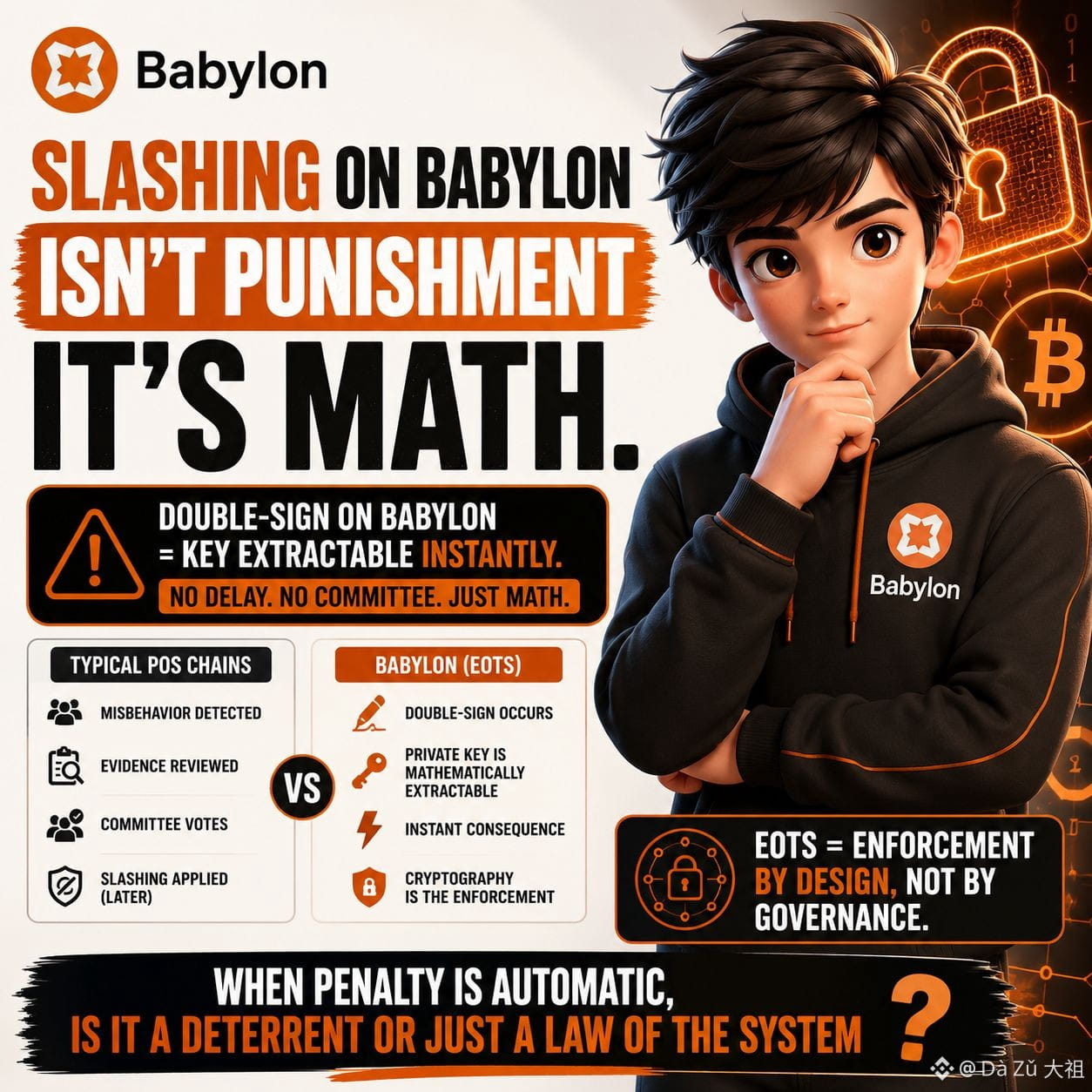
私は、バビロンでのスラッシングは多くのプルーフ・オブ・ステーク(PoS)チェーンで行われるのと同じように機能するのだと考えていました。つまり、誤動作が検出され処理された後に、ペナルティが事後的に適用されるという形です。しかし、EOTS(仮想的な同一性証明の仕組み)が実際にどう機能するかを詳しく見ると、その前提は崩れます。最終性提供者が二重署名した場合、後になって処罰のために秘密鍵がフラグ立てされるのではなく、2つ目の署名が存在した瞬間に、数学的に秘密鍵を抽出できてしまうのです。証拠を精査する委員会など存在せず、不正行為と結果の間に遅延もありません。執行の仕組みは、暗号そのものです。私は、バビロンのドキュメントを、典型的なPoSチェーンで通常説明されるスラッシングのあり方と突き合わせて追跡しました。違いは単なる速度ではなく、構造にあります。多くのスラッシングは、コードを執行手段として身にまとった社会的なプロセスです。ところがバビロンのそれは、誤った行動を取った瞬間に発動する罠のように近い。だからこそ、私は以前考えもしなかったことを問い直すことになりました。
罰が、証拠に関するバリデータ集合の投票ではなく、数学によって自動的に起きるのだとしたら、それは依然として抑止力として機能しているのでしょうか。それとも、罰というより、重力に近いシステムの物理的性質になってしまったのでしょうか?
#baby $BABY @babylonlabs_io
$RE $LA
私は、バビロンでのスラッシングは多くのプルーフ・オブ・ステーク(PoS)チェーンで行われるのと同じように機能するのだと考えていました。つまり、誤動作が検出され処理された後に、ペナルティが事後的に適用されるという形です。しかし、EOTS(仮想的な同一性証明の仕組み)が実際にどう機能するかを詳しく見ると、その前提は崩れます。最終性提供者が二重署名した場合、後になって処罰のために秘密鍵がフラグ立てされるのではなく、2つ目の署名が存在した瞬間に、数学的に秘密鍵を抽出できてしまうのです。証拠を精査する委員会など存在せず、不正行為と結果の間に遅延もありません。執行の仕組みは、暗号そのものです。私は、バビロンのドキュメントを、典型的なPoSチェーンで通常説明されるスラッシングのあり方と突き合わせて追跡しました。違いは単なる速度ではなく、構造にあります。多くのスラッシングは、コードを執行手段として身にまとった社会的なプロセスです。ところがバビロンのそれは、誤った行動を取った瞬間に発動する罠のように近い。だからこそ、私は以前考えもしなかったことを問い直すことになりました。
罰が、証拠に関するバリデータ集合の投票ではなく、数学によって自動的に起きるのだとしたら、それは依然として抑止力として機能しているのでしょうか。それとも、罰というより、重力に近いシステムの物理的性質になってしまったのでしょうか?
#baby $BABY @BabylonLabs_io
$RE $LA
罰が、証拠に関するバリデータ集合の投票ではなく、数学によって自動的に起きるのだとしたら、それは依然として抑止力として機能しているのでしょうか。それとも、罰というより、重力に近いシステムの物理的性質になってしまったのでしょうか?
#baby $BABY @BabylonLabs_io
$RE $LA
24
15
169
·
--
みんながAIエージェントを盛り上げている。でも、誰が止められるのかは誰も聞いていない
毎週のように、「AIエージェント」が自律的にあなたのウォレットを取引し、交換し、管理できるという新しいものが登場します。誰もが聞かない退屈な問いがあります。それは、「あなたが許可していないことをしてしまったら、何がそれを止めるのか?」です。今のところ答えはたいてい「コードを信じろ」ですが、それはセキュリティモデルではなく、ただの希望です。
私の主張は、暗号資産におけるAIの語り口は順序が逆だということです。業界はエージェントを賢くすることに夢中ですが、本当に埋めるべきギャップは、行動する前に説明責任を持たせることであって、損害が起きた後に監査することではありません。
ここで、ニュートン・プロトコルの本来の機能が、ブランディングよりも重要になります。これは、オートメーションの波に乗った別のAIコインではありません。これは「許可のためのレイヤー」です。利用限度、コンプライアンスチェック、不正行為のルールなどを、取引が実行される前に強制します。事後にポストモーテムのスレッドで見直すのではなく、実行前にです。
面白くない。だからこそポイントがあります。機関投資家は、システムが賢いからといって、自律システムに本当の資本を渡すわけではありません。監査の記録があり、エージェントが物理的に破れないルールがあるときに渡すのです。
だから、AIエージェントの誇大宣伝サイクルの中で誰も向き合いたがらない本当の問いがこれです。今日、あなたは自律ボットに実際に自分のウォレットを触らせますか?それとも、まだ失敗していないだけだと信じているだけですか?
@NewtonProtocol #Newt $NEWT
$SYN $TOWNS
#BinanceTurns9 #SilverDown52%FromJanuaryRecordHigh #KospiStagesVShapedIntradayRebound #USMemoryStocksRisePremarket
みんながAIエージェントを盛り上げている。でも、誰が止められるのかは誰も聞いていない
毎週のように、「AIエージェント」が自律的にあなたのウォレットを取引し、交換し、管理できるという新しいものが登場します。誰もが聞かない退屈な問いがあります。それは、「あなたが許可していないことをしてしまったら、何がそれを止めるのか?」です。今のところ答えはたいてい「コードを信じろ」ですが、それはセキュリティモデルではなく、ただの希望です。
私の主張は、暗号資産におけるAIの語り口は順序が逆だということです。業界はエージェントを賢くすることに夢中ですが、本当に埋めるべきギャップは、行動する前に説明責任を持たせることであって、損害が起きた後に監査することではありません。
ここで、ニュートン・プロトコルの本来の機能が、ブランディングよりも重要になります。これは、オートメーションの波に乗った別のAIコインではありません。これは「許可のためのレイヤー」です。利用限度、コンプライアンスチェック、不正行為のルールなどを、取引が実行される前に強制します。事後にポストモーテムのスレッドで見直すのではなく、実行前にです。
面白くない。だからこそポイントがあります。機関投資家は、システムが賢いからといって、自律システムに本当の資本を渡すわけではありません。監査の記録があり、エージェントが物理的に破れないルールがあるときに渡すのです。
だから、AIエージェントの誇大宣伝サイクルの中で誰も向き合いたがらない本当の問いがこれです。今日、あなたは自律ボットに実際に自分のウォレットを触らせますか?それとも、まだ失敗していないだけだと信じているだけですか?
@NewtonProtocol #Newt $NEWT
$SYN $TOWNS
#BinanceTurns9 #SilverDown52%FromJanuaryRecordHigh #KospiStagesVShapedIntradayRebound #USMemoryStocksRisePremarket
毎週のように、「AIエージェント」が自律的にあなたのウォレットを取引し、交換し、管理できるという新しいものが登場します。誰もが聞かない退屈な問いがあります。それは、「あなたが許可していないことをしてしまったら、何がそれを止めるのか?」です。今のところ答えはたいてい「コードを信じろ」ですが、それはセキュリティモデルではなく、ただの希望です。
私の主張は、暗号資産におけるAIの語り口は順序が逆だということです。業界はエージェントを賢くすることに夢中ですが、本当に埋めるべきギャップは、行動する前に説明責任を持たせることであって、損害が起きた後に監査することではありません。
ここで、ニュートン・プロトコルの本来の機能が、ブランディングよりも重要になります。これは、オートメーションの波に乗った別のAIコインではありません。これは「許可のためのレイヤー」です。利用限度、コンプライアンスチェック、不正行為のルールなどを、取引が実行される前に強制します。事後にポストモーテムのスレッドで見直すのではなく、実行前にです。
面白くない。だからこそポイントがあります。機関投資家は、システムが賢いからといって、自律システムに本当の資本を渡すわけではありません。監査の記録があり、エージェントが物理的に破れないルールがあるときに渡すのです。
だから、AIエージェントの誇大宣伝サイクルの中で誰も向き合いたがらない本当の問いがこれです。今日、あなたは自律ボットに実際に自分のウォレットを触らせますか?それとも、まだ失敗していないだけだと信じているだけですか?
@NewtonProtocol #Newt $NEWT
$SYN $TOWNS
#BinanceTurns9 #SilverDown52%FromJanuaryRecordHigh #KospiStagesVShapedIntradayRebound #USMemoryStocksRisePremarket

17
6
182
·
--
記事
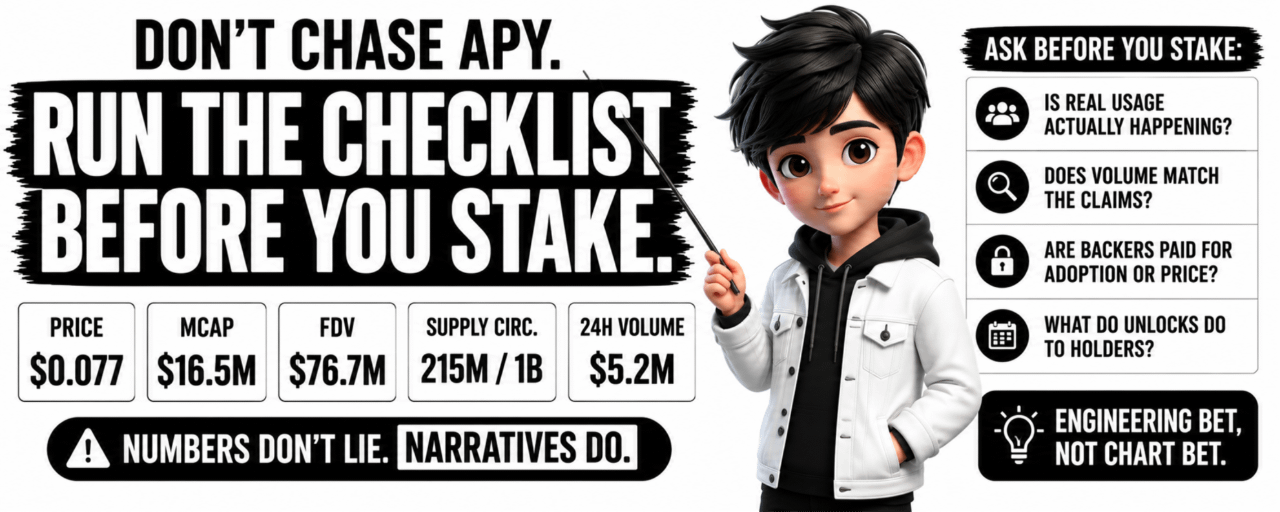
偽の90% APYが、ニュートンプロトコルの本当の数字の読み方を教えてくれた話ある日、毎朝チェックしてたDEXがあったんだ。まだステーキングがタダでもらえるお金だと思ってた頃ね。ある日、画面上部にバナーが出てきて、鮮やかな緑で「90% APY」と表示されてた。しかも、1週間前には聞いたこともないトークンだった。俺は利回りがどこから来てるのかを調べなかったし、プールの深さも確認しなかった。コントラクトも開かなかった。数字が大きすぎて、素通りできなかったからステークしただけ。するとその「深さ」ってのは、同じ流動性をぐるぐる回してAPY計算がそれっぽく見えるようにしてた“3つのウォレット”のことだった。式は嘘をついてない。排出量を減っていくプールで割れば、いつだって大きな数字が出る。ただ、俺がプールそのものだったとは気づかなかった。
偽の90% APYが、ニュートンプロトコルの本当の数字の読み方を教えてくれた話
ある日、毎朝チェックしてたDEXがあったんだ。まだステーキングがタダでもらえるお金だと思ってた頃ね。ある日、画面上部にバナーが出てきて、鮮やかな緑で「90% APY」と表示されてた。しかも、1週間前には聞いたこともないトークンだった。俺は利回りがどこから来てるのかを調べなかったし、プールの深さも確認しなかった。コントラクトも開かなかった。数字が大きすぎて、素通りできなかったからステークしただけ。するとその「深さ」ってのは、同じ流動性をぐるぐる回してAPY計算がそれっぽく見えるようにしてた“3つのウォレット”のことだった。式は嘘をついてない。排出量を減っていくプールで割れば、いつだって大きな数字が出る。ただ、俺がプールそのものだったとは気づかなかった。
8
3
108
·
--
自分の沈黙を信じられない新ネットワーク
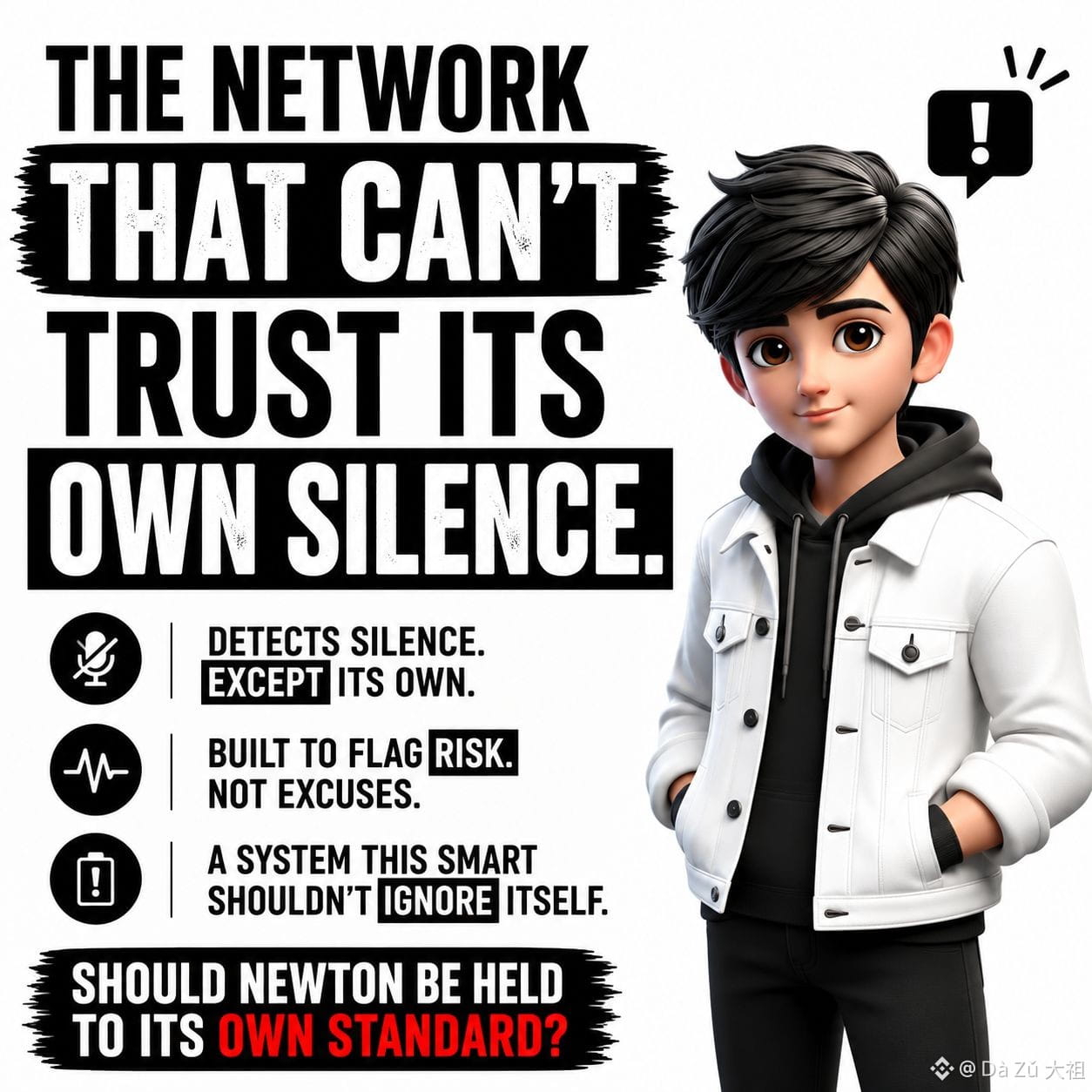
プロトコルがローンチするのを十分な年月見てきたからこそ、型が分かってしまいます。つまり、大きなロードマップ、強気の第1四半期の勢い、そして誰も口にしないまま始まる、ゆっくりしたフェードアウト。だからNewton Protocolを掘り下げた瞬間、この皮肉が即座に胸に刺さりました。これは、沈黙を不信に扱うよう設計されたシステム――取引を止めるウォレットという形で、そのリズムを自分自身で崩し、即座にフラグが立つパターンです。Newtonの価値提案の全体は、不規則さを「無視すべきもの」ではなく、「行動に値する情報」として扱うことにあります。率直な見解として、この検知ロジックは本当に鋭いエンジニアリングです。「リスクとしての静けさ」をこれほど精密にモデル化しているプロトコルは多くありません。
ただ、引っかかって仕方ない点があります。Newtonは、そのレンズをあらゆるウォレットに適用するのに、自分自身のロードマップには適用していないように見えることです。2025年の約束は声高でした。実行の後追いは、明らかにそれより静かになっていて、しかも、そのドリフトを疑わしいウォレットと同じように扱う社内の仕組みはないようです。例えるなら、自分のバッテリーを一度も点検しない煙感知器です。これは他人の家には役に立つのに、自分のことには盲目です。
私はこれを悪意だと言いたいわけではありません。チームが停滞するのは、普通に起こり得る理由があるからです。でも、「言われないものを捕まえる」ことに基づくプロトコルなら、自分が沈黙しているときには、はずれようのない論理として、まず最初に気づくべきではないでしょうか。
それで、Newton Protocolは自分自身の基準に照らして評価されるべきなのでしょうか?
#Newt $NEWT @NewtonProtocol
$DODOX $KITE
自分の沈黙を信じられない新ネットワーク
プロトコルがローンチするのを十分な年月見てきたからこそ、型が分かってしまいます。つまり、大きなロードマップ、強気の第1四半期の勢い、そして誰も口にしないまま始まる、ゆっくりしたフェードアウト。だからNewton Protocolを掘り下げた瞬間、この皮肉が即座に胸に刺さりました。これは、沈黙を不信に扱うよう設計されたシステム――取引を止めるウォレットという形で、そのリズムを自分自身で崩し、即座にフラグが立つパターンです。Newtonの価値提案の全体は、不規則さを「無視すべきもの」ではなく、「行動に値する情報」として扱うことにあります。率直な見解として、この検知ロジックは本当に鋭いエンジニアリングです。「リスクとしての静けさ」をこれほど精密にモデル化しているプロトコルは多くありません。
ただ、引っかかって仕方ない点があります。Newtonは、そのレンズをあらゆるウォレットに適用するのに、自分自身のロードマップには適用していないように見えることです。2025年の約束は声高でした。実行の後追いは、明らかにそれより静かになっていて、しかも、そのドリフトを疑わしいウォレットと同じように扱う社内の仕組みはないようです。例えるなら、自分のバッテリーを一度も点検しない煙感知器です。これは他人の家には役に立つのに、自分のことには盲目です。
私はこれを悪意だと言いたいわけではありません。チームが停滞するのは、普通に起こり得る理由があるからです。でも、「言われないものを捕まえる」ことに基づくプロトコルなら、自分が沈黙しているときには、はずれようのない論理として、まず最初に気づくべきではないでしょうか。
それで、Newton Protocolは自分自身の基準に照らして評価されるべきなのでしょうか?
#Newt $NEWT @NewtonProtocol
$DODOX $KITE
プロトコルがローンチするのを十分な年月見てきたからこそ、型が分かってしまいます。つまり、大きなロードマップ、強気の第1四半期の勢い、そして誰も口にしないまま始まる、ゆっくりしたフェードアウト。だからNewton Protocolを掘り下げた瞬間、この皮肉が即座に胸に刺さりました。これは、沈黙を不信に扱うよう設計されたシステム――取引を止めるウォレットという形で、そのリズムを自分自身で崩し、即座にフラグが立つパターンです。Newtonの価値提案の全体は、不規則さを「無視すべきもの」ではなく、「行動に値する情報」として扱うことにあります。率直な見解として、この検知ロジックは本当に鋭いエンジニアリングです。「リスクとしての静けさ」をこれほど精密にモデル化しているプロトコルは多くありません。
ただ、引っかかって仕方ない点があります。Newtonは、そのレンズをあらゆるウォレットに適用するのに、自分自身のロードマップには適用していないように見えることです。2025年の約束は声高でした。実行の後追いは、明らかにそれより静かになっていて、しかも、そのドリフトを疑わしいウォレットと同じように扱う社内の仕組みはないようです。例えるなら、自分のバッテリーを一度も点検しない煙感知器です。これは他人の家には役に立つのに、自分のことには盲目です。
私はこれを悪意だと言いたいわけではありません。チームが停滞するのは、普通に起こり得る理由があるからです。でも、「言われないものを捕まえる」ことに基づくプロトコルなら、自分が沈黙しているときには、はずれようのない論理として、まず最初に気づくべきではないでしょうか。
それで、Newton Protocolは自分自身の基準に照らして評価されるべきなのでしょうか?
#Newt $NEWT @NewtonProtocol
$DODOX $KITE
6
1
145
ログインして、さらにコンテンツを読む
厳選トピックで世界の暗号資産トレーダーの仲間入り
⚡️ 暗号資産に関する最新かつ有益な情報が見つかります。
💬 世界最大の暗号資産取引所から信頼されています。
👍 認証を受けたクリエイターから、有益なインサイトを得られます。
メール / 電話番号