
VeronX143
2.8k 投稿

VeronX143
I’m loyal to one soul only, even if that soul was never truly mine.💔 X A/C - Shubhamsin5224
取引を発注
超高頻度トレーダー
2年
282 フォロー
16.2K+ フォロワー
8.6K+ いいね
投稿
ポートフォリオ
すべて
引用
ライブ

翻訳参照

Sara_ k
·
--
$PONS $XRP $SUI
.
.
claim 🎁🧧🧧🧧🧧🧧
.
claim 2 🧧🧧🧧🧧🧧🧧
.
.
.
claim 🎁🧧🧧🧧🧧🧧
.
claim 2 🧧🧧🧧🧧🧧🧧
.

翻訳参照

Ahli Hidaya
·
--
ブリッシュ🚨 Bitcoin Short-Term Holders Lock In Profits as $88K Resistance Nears! 📉
The market is showing heightened activity as Bitcoin edges closer to the $88,000 threshold. According to recent on-chain data, short-term holders have transferred a massive 47,600 BTC in realized profits directly to exchanges.
💡 Key Takeaways:
Profit-Taking Pressure: The influx of coins to exchanges indicates that short-term investors are eager to lock in gains near current price levels.
Key Resistance: As $88,000 approaches, this heavy selling pressure could spark short-term volatility or a local consolidation phase.
What to Watch: Keep a close eye on exchange inflows and order book depth to gauge whether bulls can absorb this supply or if a deeper cool-down is ahead.
Manage your risk carefully and trade smart! 📊
#Bitcoin #BTC #CryptoNews #BinanceSquare #Trading$BTC $ETH
#dyor
The market is showing heightened activity as Bitcoin edges closer to the $88,000 threshold. According to recent on-chain data, short-term holders have transferred a massive 47,600 BTC in realized profits directly to exchanges.
💡 Key Takeaways:
Profit-Taking Pressure: The influx of coins to exchanges indicates that short-term investors are eager to lock in gains near current price levels.
Key Resistance: As $88,000 approaches, this heavy selling pressure could spark short-term volatility or a local consolidation phase.
What to Watch: Keep a close eye on exchange inflows and order book depth to gauge whether bulls can absorb this supply or if a deeper cool-down is ahead.
Manage your risk carefully and trade smart! 📊
#Bitcoin #BTC #CryptoNews #BinanceSquare #Trading$BTC $ETH
#dyor

翻訳参照

@Elena神话MUA
が発言中[ライブ] 🎙️ いくつかの現物を持っておいて契約(先物)にするのが確実だ
リスナー数:899人
翻訳参照

生蚝哥Oyster
·
--
暗号ニュースレポート:2026年9月22日、ビットコインは一時約87,300ドルまで上昇し、8か月ぶりの高値を更新した。その後、85,000~86,500ドルのレンジまで下落し、週次では約10%~13%上昇した。米国の現物ビットコインETFは1日で約10億ドルの純流入となり、さらにショートの清算(踏み上げ)が8億ドル超に達したことも重なって、世界の暗号資産の時価総額は再び3兆ドルを上回った。Strategyも約950枚のBTCを追加保有している。
今回の反発は主にETF資金の回流と、ショートの強制決済によって押し上げられている。短期のセンチメントは明確に改善しているが、ビットコインは依然として過去最高値から30%以上低いままで、ファンダメンタルズに根本的な変化はない。規制の不確実性やマクロの金利環境は依然として潜在的なリスクだ。個人的には、このような急騰は新たなブル相場の到来を示す確証というより、段階的な修復局面と捉える傾向がある。本当に持続可能な上昇には、継続的な現物の買いフローと、より明確な政策の実装を確認する必要がある。短期の値動きは引き続き大きくなる見込みのため、慎重な姿勢をおすすめする。
今回の反発は主にETF資金の回流と、ショートの強制決済によって押し上げられている。短期のセンチメントは明確に改善しているが、ビットコインは依然として過去最高値から30%以上低いままで、ファンダメンタルズに根本的な変化はない。規制の不確実性やマクロの金利環境は依然として潜在的なリスクだ。個人的には、このような急騰は新たなブル相場の到来を示す確証というより、段階的な修復局面と捉える傾向がある。本当に持続可能な上昇には、継続的な現物の買いフローと、より明確な政策の実装を確認する必要がある。短期の値動きは引き続き大きくなる見込みのため、慎重な姿勢をおすすめする。

翻訳参照

@大丽7613
が発言中[ライブ] 🎙️ 実弾取引を一緒に、BNB
リスナー数:6.7k人
翻訳参照

king Gulfam
·
--
ブリッシュ#futuertradingsinglan
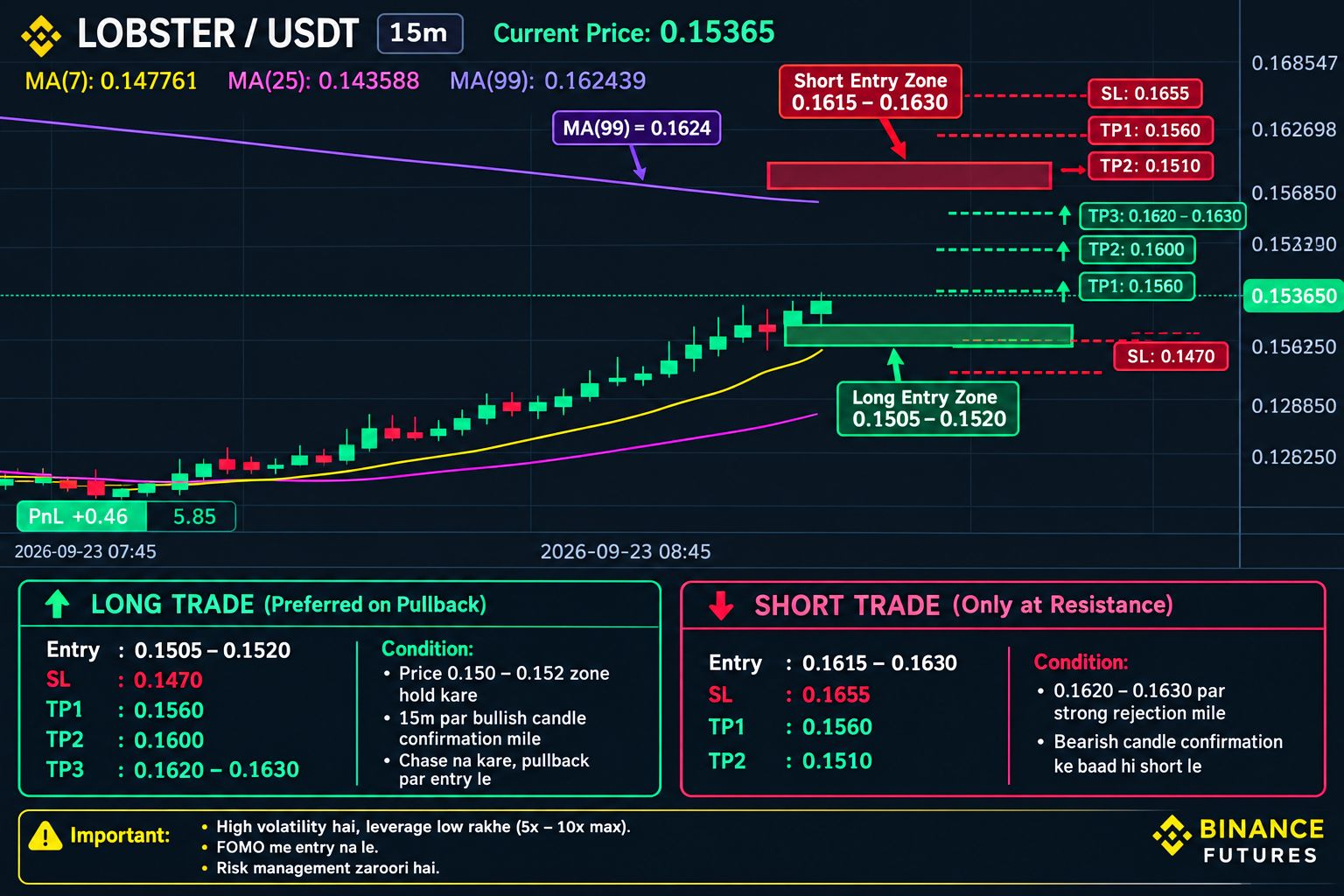
@龙虾 /USDT
🟢 トレード設定 — ロング
エントリー: 0.1505 – 0.1520
SL: 0.1470
TP1: 0.1560
TP2: 0.1600
TP3: 0.1620–0.1630
条件: 0.150–0.152のゾーンまでの押し目後、そのゾーンが維持され、強気の15分足(15mキャンドル)が形成されたらエントリーする。
🔴 ショート設定
今は直接ショートしない。もし0.1620–0.1630のゾーンで強い反発(リジェクション)が出た場合:
ショート・エントリー: 0.1615–0.1630
SL: 0.1655
TP1: 0.1560
TP2: 0.1510
現在のマーケットデータではLOBSTERはかなり高ボラティリティです;直近24時間のレンジも非常に広かったため、レバレッジは低く保つことが重要です。 �
$龙虾
$MUBARAK
$KERNEL
@龙虾 /USDT
🟢 トレード設定 — ロング
エントリー: 0.1505 – 0.1520
SL: 0.1470
TP1: 0.1560
TP2: 0.1600
TP3: 0.1620–0.1630
条件: 0.150–0.152のゾーンまでの押し目後、そのゾーンが維持され、強気の15分足(15mキャンドル)が形成されたらエントリーする。
🔴 ショート設定
今は直接ショートしない。もし0.1620–0.1630のゾーンで強い反発(リジェクション)が出た場合:
ショート・エントリー: 0.1615–0.1630
SL: 0.1655
TP1: 0.1560
TP2: 0.1510
現在のマーケットデータではLOBSTERはかなり高ボラティリティです;直近24時間のレンジも非常に広かったため、レバレッジは低く保つことが重要です。 �
$龙虾
$MUBARAK
$KERNEL
翻訳参照

Bilverse
·
--
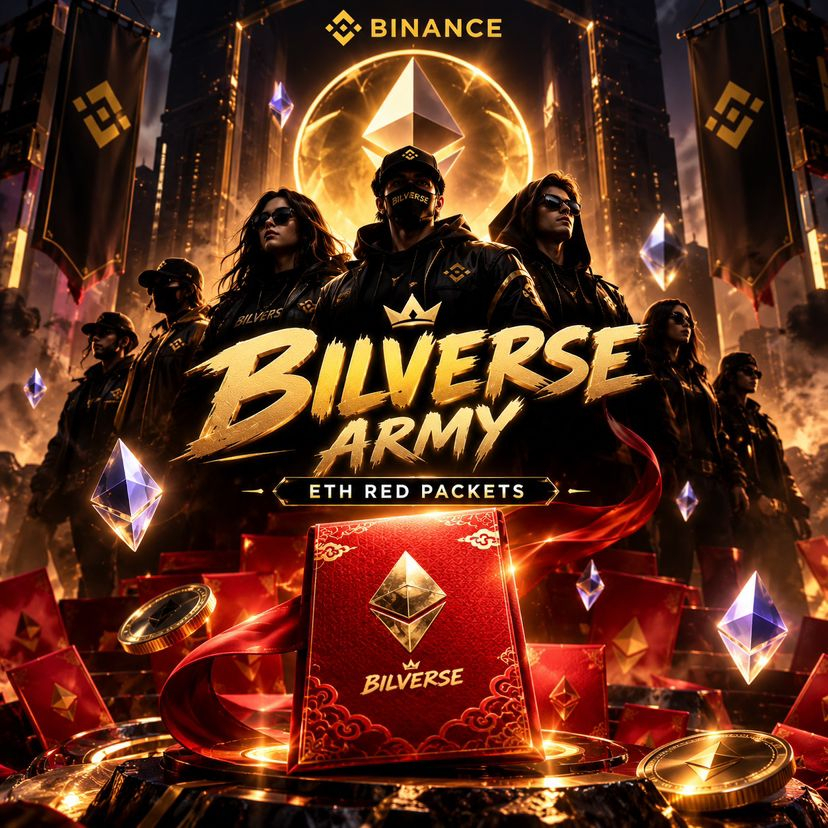
🚀 今シーズン最大級の$ETH DROPが公開中!💎🔥
今日、あなたのウォレットに無料のイーサリアムを直送してほしい人いますか? 余計な話なし、難しい手順なし——ただコミュニティへの純粋な報酬です。💰✨
止まらない#Bilverse Armyをお祝いしよう。スポットを確保するにはたった5秒でOKです:
1️⃣ フォロー:@Bilverse 👥のフォローボタンを押す
2️⃣ コメント:「ETH」を下のコメント欄に投稿👇
3️⃣ タグ:人生でクリプトの勝ちが必要な友達にタグを!🫂
💡 傍観してる場合?
クリプト報酬は誰かを待ちません。飛び込んで、友達も一緒に連れてきて、Web3で最も成長中のコミュニティでミッションに参加しよう。
🎯 簡単エントリー
💎 報酬が本物で待ってる
🌎 1つのコミュニティ、1つのミッション
今すぐ参加して、エネルギーを広げて、一緒に勝とう!🚀🔥
#ETH #CryptoGiveaway #RedPacketMission
今日、あなたのウォレットに無料のイーサリアムを直送してほしい人いますか? 余計な話なし、難しい手順なし——ただコミュニティへの純粋な報酬です。💰✨
止まらない#Bilverse Armyをお祝いしよう。スポットを確保するにはたった5秒でOKです:
1️⃣ フォロー:@Bilverse 👥のフォローボタンを押す
2️⃣ コメント:「ETH」を下のコメント欄に投稿👇
3️⃣ タグ:人生でクリプトの勝ちが必要な友達にタグを!🫂
💡 傍観してる場合?
クリプト報酬は誰かを待ちません。飛び込んで、友達も一緒に連れてきて、Web3で最も成長中のコミュニティでミッションに参加しよう。
🎯 簡単エントリー
💎 報酬が本物で待ってる
🌎 1つのコミュニティ、1つのミッション
今すぐ参加して、エネルギーを広げて、一緒に勝とう!🚀🔥
#ETH #CryptoGiveaway #RedPacketMission
翻訳参照

BLOCK Rayne
·
--
🎁🎁赤い封筒を受け取るために今日中に返信してください 🎁🎁$SOL
🌹THSを共有して広めるのを手伝ってくれてありがとうございます🌹
🌹THSを共有して広めるのを手伝ってくれてありがとうございます🌹

翻訳参照

慢就是快Mike
·
--
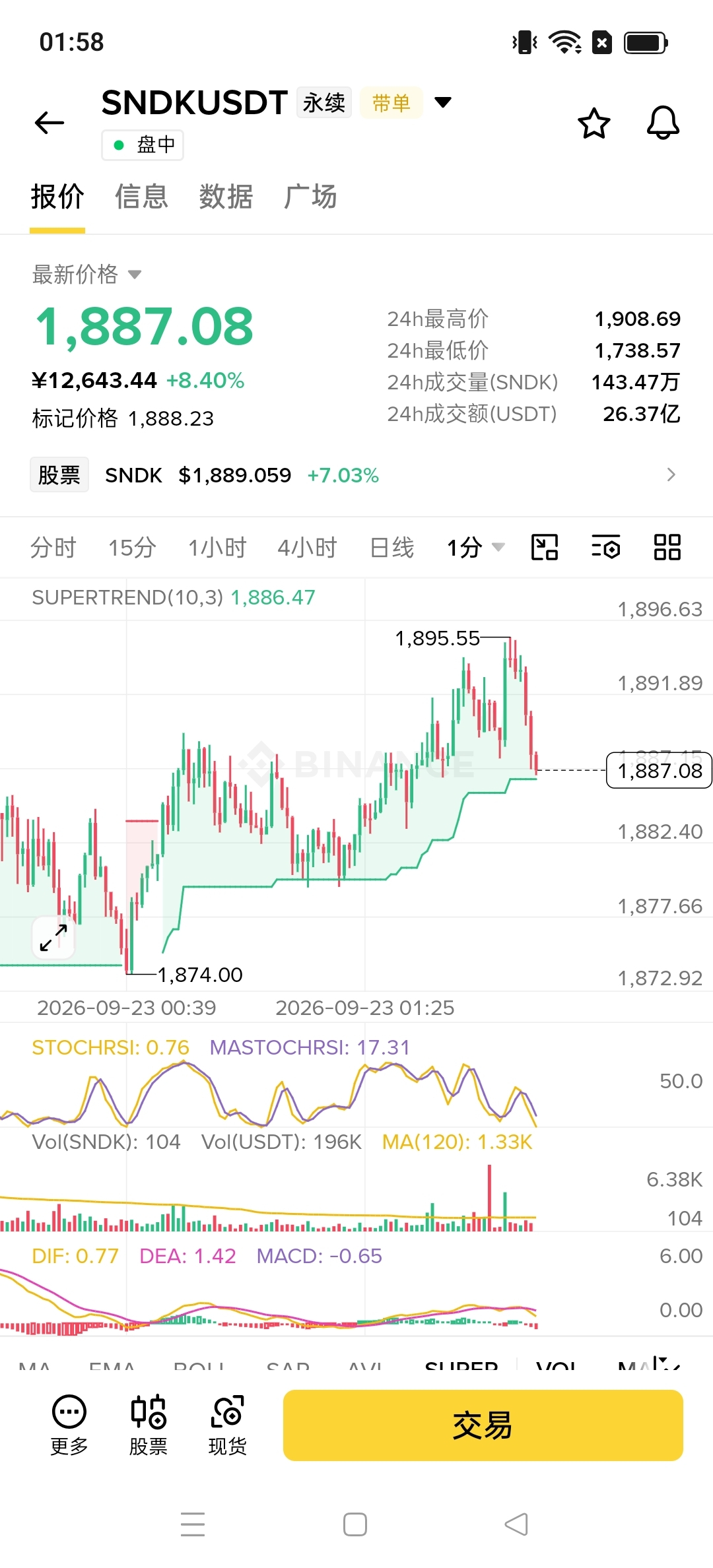
$SNDK ロスンブラット証券は新規カバレッジで「買い」の評価、追随目標価格は2400。長期的には行き得るが、短期的には難しい。こんなに上がったなら、必ず調整が入るはず。空(売り)で完了!コメントには大きな紅包!!

翻訳参照

白鲨观点马来西亚
·
--
朝起きてニュースを見たら、『明確法案』が上院で可決されなかった。
予想外、でも筋は通っている。
実はこの法案に注目している人ならみんな知っている。与野党は多くの重要な論点でずっと折り合いがつかない——利害の対立、ステーブルコインの規制、マネーロンダリング対策……。揉めにもめて、もうほぼ2年だ。今回の投票失敗は、つまり政治的な駆け引きの結果で、暗号資産業界そのものとは大して関係がない。
でも市場はそんな事情を気にしない。そんな消息が出た瞬間、BTCとETHがそろって急落し、Coinbaseの株価は10ポイント下がった。さまざまな怪しげな連中がまた出てきて、弱気相場だ、暴落だ、規制が仮想通貨界を潰しに来るぞ、と毎回ポジティブでない材料が出たときとまったく同じことを言い始めた。私は、別に慌てる必要はないと思う。
まず、これは否決ではない。単に手続き上の投票が通らなかっただけで、今後修正して再投票できる。次に、この法案がダメになっても、空が落ちてくることはない。仮想通貨界は、規制が不確実な環境の中で生きてきたのは初日じゃない。長年こんな調子でやってきて、結局ずっと乗り切ってきたじゃないか?
さらに、仮想通貨界の長期的な流れに本当に影響するのは、いつもある特定の法案や特定の政策ではなく、技術そのものの発展と、人々のそれに対する需要だ。使うべき人は結局使うし、買うべき人は結局買う。短期の感情による値動きは、あとで見ればただの小さな波にすぎない。
もちろん、短期で避けるべきリスクは避けるべきだ。
保有比率が重いなら少し減らし、レバレッジが高いなら少し下げて、
市場にムキにならないこと。
午後4時にチャットで、この法案はいったい何なのか、そして今後の相場にどんな影響があるのかを話します。興味のある方はぜひ来てください。
$BTC $ETH #BinanceSquare #加密监管 #行情分析📈 📈
予想外、でも筋は通っている。
実はこの法案に注目している人ならみんな知っている。与野党は多くの重要な論点でずっと折り合いがつかない——利害の対立、ステーブルコインの規制、マネーロンダリング対策……。揉めにもめて、もうほぼ2年だ。今回の投票失敗は、つまり政治的な駆け引きの結果で、暗号資産業界そのものとは大して関係がない。
でも市場はそんな事情を気にしない。そんな消息が出た瞬間、BTCとETHがそろって急落し、Coinbaseの株価は10ポイント下がった。さまざまな怪しげな連中がまた出てきて、弱気相場だ、暴落だ、規制が仮想通貨界を潰しに来るぞ、と毎回ポジティブでない材料が出たときとまったく同じことを言い始めた。私は、別に慌てる必要はないと思う。
まず、これは否決ではない。単に手続き上の投票が通らなかっただけで、今後修正して再投票できる。次に、この法案がダメになっても、空が落ちてくることはない。仮想通貨界は、規制が不確実な環境の中で生きてきたのは初日じゃない。長年こんな調子でやってきて、結局ずっと乗り切ってきたじゃないか?
さらに、仮想通貨界の長期的な流れに本当に影響するのは、いつもある特定の法案や特定の政策ではなく、技術そのものの発展と、人々のそれに対する需要だ。使うべき人は結局使うし、買うべき人は結局買う。短期の感情による値動きは、あとで見ればただの小さな波にすぎない。
もちろん、短期で避けるべきリスクは避けるべきだ。
保有比率が重いなら少し減らし、レバレッジが高いなら少し下げて、
市場にムキにならないこと。
午後4時にチャットで、この法案はいったい何なのか、そして今後の相場にどんな影響があるのかを話します。興味のある方はぜひ来てください。
$BTC $ETH #BinanceSquare #加密监管 #行情分析📈 📈

翻訳参照

易琳Ten
·
--
#BTC 🚀
空売りしている兄弟たちよ、ひとつだけ聞く:
この相場はまだ“強気相場”じゃないのか? いったい何が“強気相場”の条件なんだ?
ビットコインが一気に上抜けして、みんなが「10万」「20万」だと口にし始めるのを待たないと、あなたたちは強気相場が来たと認めないのか?
市場は、あなたの疑いのせいで上昇を止めたりはしない。 あなたの確信があっても、上昇が永遠に続くわけでもない。
トレンドを尊重し、リスクを畏れよ。
空売りしている兄弟たちよ、ひとつだけ聞く:
この相場はまだ“強気相場”じゃないのか? いったい何が“強気相場”の条件なんだ?
ビットコインが一気に上抜けして、みんなが「10万」「20万」だと口にし始めるのを待たないと、あなたたちは強気相場が来たと認めないのか?
市場は、あなたの疑いのせいで上昇を止めたりはしない。 あなたの確信があっても、上昇が永遠に続くわけでもない。
トレンドを尊重し、リスクを畏れよ。

翻訳参照
灼见
·
--
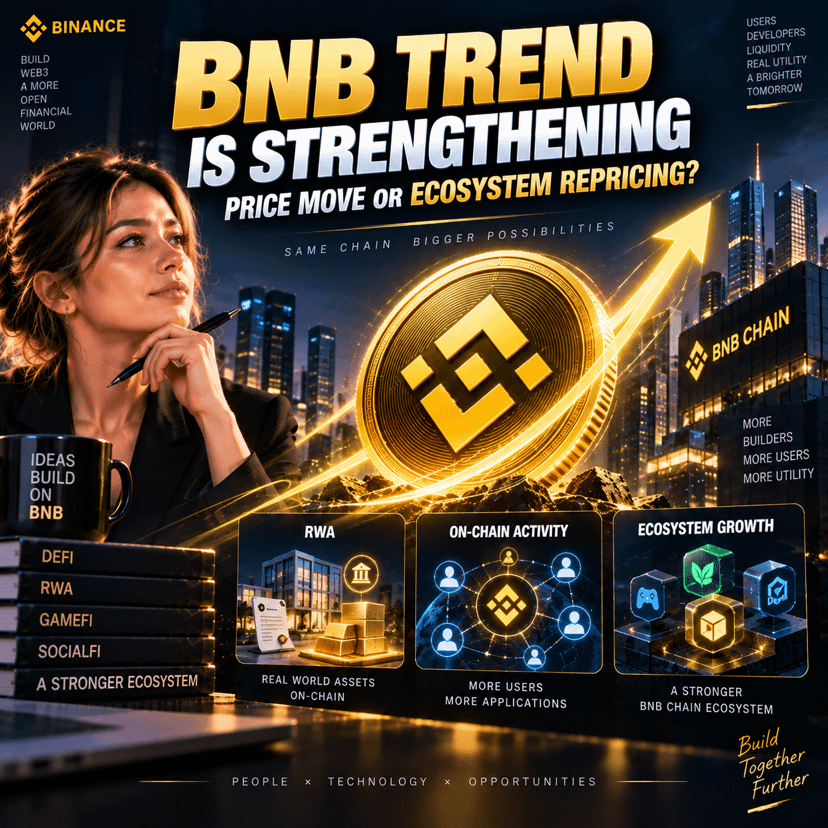
ブリッシュ🚨 BNBは静かに強くなっていますが、本当に注目すべきなのは「どれだけ上がったか」ではないかもしれません。
それは——市場が $BNB のエコシステム価値を再評価し始めていることです。
最近の明確な変化のひとつは:
🟡 BNBのトレンドが継続して強化
🔥 BNBチェーンのオンチェーン活発度が回復
🌐 DeFi、RWAなどのアプリが引き続き拡大
👥 ユーザー、資金、開発者が再び集まりつつある
つまり今の問題は、次のことではありません:
「BNBはまだ上がれるのか?」
ではなく:
これは単なる値動きなのか、それともエコシステムの再評価なのか?
もし感情(ムード)主導の上昇なら、熱は冷めていくでしょう。
しかし、オンチェーン活発度、資金、アプリの成長が続くなら、$BNB の今回のトレンドは想像以上に注目に値するかもしれません。
これからは、次の3つのシグナルだけに注目します:
オンチェーン活発度 → 資金流入 → エコシステム成長。
👇 あなたはどう思いますか?
短期相場 🔴 / エコシステム再評価 🟢?
#BTC #ETH #BNB
それは——市場が $BNB のエコシステム価値を再評価し始めていることです。
最近の明確な変化のひとつは:
🟡 BNBのトレンドが継続して強化
🔥 BNBチェーンのオンチェーン活発度が回復
🌐 DeFi、RWAなどのアプリが引き続き拡大
👥 ユーザー、資金、開発者が再び集まりつつある
つまり今の問題は、次のことではありません:
「BNBはまだ上がれるのか?」
ではなく:
これは単なる値動きなのか、それともエコシステムの再評価なのか?
もし感情(ムード)主導の上昇なら、熱は冷めていくでしょう。
しかし、オンチェーン活発度、資金、アプリの成長が続くなら、$BNB の今回のトレンドは想像以上に注目に値するかもしれません。
これからは、次の3つのシグナルだけに注目します:
オンチェーン活発度 → 資金流入 → エコシステム成長。
👇 あなたはどう思いますか?
短期相場 🔴 / エコシステム再評価 🟢?
#BTC #ETH #BNB
翻訳参照

静心1688
·
--
💥返信に注目して返信で红包を受け取ろう🧧🧧🧧
#Strategy增持950枚BTC
#Strategy增持950枚BTC

翻訳参照

光明社区-阿波罗
·
--
今日はLUCiCの誕生日!🎂🎂
二年の歳月、風雨をともに。
これほど幸運なことはありません、私たちはLUCiCに出会い、共に歩んできました。
一路、風雨を乗り越え、共に心を寄せて守り続けます。
真心を胸に、あたたかさと決意のひとつひとつを大切に感謝します。
そしてこれからも、
手を取り合い、初心を忘れずに。
さらなる高みへと励み進み、万丈の栄光をともに目指しましょう。
二年の歳月、風雨をともに。
これほど幸運なことはありません、私たちはLUCiCに出会い、共に歩んできました。
一路、風雨を乗り越え、共に心を寄せて守り続けます。
真心を胸に、あたたかさと決意のひとつひとつを大切に感謝します。
そしてこれからも、
手を取り合い、初心を忘れずに。
さらなる高みへと励み進み、万丈の栄光をともに目指しましょう。

翻訳参照

分析师尤斯1688
·
--
🎁 ギフトを受け取ろう 🎁
🧧🧧🧧🧧🧧
🧧🧧🧧🧧🧧
🧧🧧🧧🧧🧧
🧧🧧🧧🧧🧧
翻訳参照

帮帮Bonnie
·
--
ブリッシュ落ち着いて困難を乗り越え、得失を淡々と受け止める。恨みも執着もない。
Cross hardships with composure, view gains and losses indifferently. No resentment, no obsession.
#AI股持续上涨还有哪些投资机会
$CRCL
Cross hardships with composure, view gains and losses indifferently. No resentment, no obsession.
#AI股持续上涨还有哪些投资机会
$CRCL

翻訳参照
Fabi_4043
·
--
素晴らしい一週間を 🎁🎁
$BNB
#BOJRaisesRatesTo31YearHigh
$BNB
#BOJRaisesRatesTo31YearHigh

翻訳参照

Nayeem 承认我
·
--
💰 How to Earn $USDC a Day in Crypto - Without Investment
Want to start earning crypto without putting in your own money? 👀
Beginners can explore FREE opportunities such as: ⤵️
🎁Binance campaigns & rewards
📚Learn & Earn programs when available
🎯Community events and tasks
🤝Referral rewards when eligible
📈Building useful crypto content and sharing knowledge
⚠️Important: $USDC per day is NOT guaranteed.
Rewards, eligibility and campaigns can change, and you should avoid anyone promising guaranteed daily income.
Start with learning, stay consistent, and never pay someone just to "unlock" an earning opportunity.🚀🚀🚀
#Binance #BinanceSquar #CryptoBeginners
#freecrypto #learnAndEarn
$NVDAB
Want to start earning crypto without putting in your own money? 👀
Beginners can explore FREE opportunities such as: ⤵️
🎁Binance campaigns & rewards
📚Learn & Earn programs when available
🎯Community events and tasks
🤝Referral rewards when eligible
📈Building useful crypto content and sharing knowledge
⚠️Important: $USDC per day is NOT guaranteed.
Rewards, eligibility and campaigns can change, and you should avoid anyone promising guaranteed daily income.
Start with learning, stay consistent, and never pay someone just to "unlock" an earning opportunity.🚀🚀🚀
#Binance #BinanceSquar #CryptoBeginners
#freecrypto #learnAndEarn
$NVDAB
翻訳参照

Muzamil Abbas⁷⁵ 穆扎米尔_阿巴斯
·
--
ブリッシュ$SOL
SOL GIVEAWAY IS LIVE 🎁
今日はコミュニティの幸運なメンバー1人に向けて、SOLを$50分プレゼントします!💜
参加したい?とても簡単です 👇
✅ フォロー: @muzamil_abbas
❤️ この投稿にいいね
🔁 この投稿をリポスト
💬 下に「1」をコメント
🎁 以上!参加完了です
SOLのエネルギーをタイムラインに送り込みましょう!⚡️🌎
みなさん頑張ってください!🍀
$50のSOLを受け取るのは誰?👀🔥
#MuzammilAbbas⁷⁵穆扎米拉巴斯 #SolanaStrong
$BNB
$TAO
SOL GIVEAWAY IS LIVE 🎁
今日はコミュニティの幸運なメンバー1人に向けて、SOLを$50分プレゼントします!💜
参加したい?とても簡単です 👇
✅ フォロー: @muzamil_abbas
❤️ この投稿にいいね
🔁 この投稿をリポスト
💬 下に「1」をコメント
🎁 以上!参加完了です
SOLのエネルギーをタイムラインに送り込みましょう!⚡️🌎
みなさん頑張ってください!🍀
$50のSOLを受け取るのは誰?👀🔥
#MuzammilAbbas⁷⁵穆扎米拉巴斯 #SolanaStrong
$BNB
$TAO

ログインして、さらにコンテンツを読む