
Nola Womble
828 投稿
Nola Womble
報告
ユーザーをブロック
💛 Crypto girl | HODL & Staking
- Saving in crypto
- Long-term mindset
- Making my assets work through staking
- Sharing my crypto journey
34 フォロー
50 フォロワー
88 いいね
投稿
ポートフォリオ
すべて
動画
·
--
翻訳参照
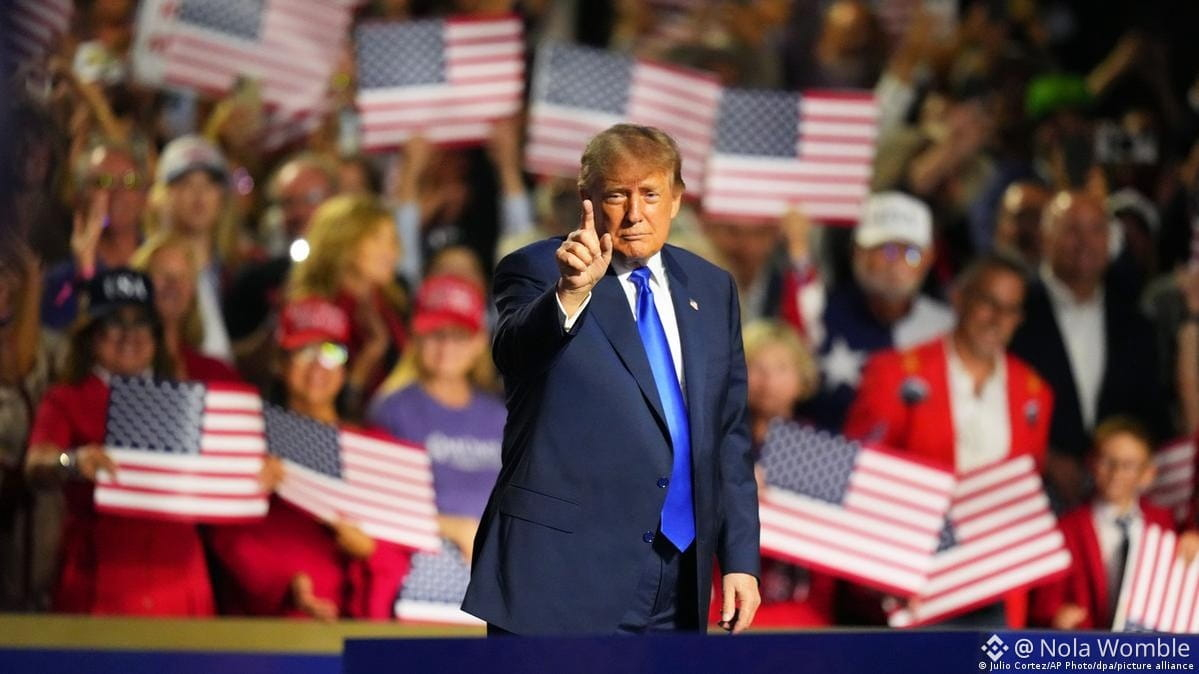
BITCOIN POSTS AN AVERAGE 63% GAIN FOLLOWING U.S. MIDTERM ELECTIONS. WILL HISTORY REPEAT ITSELF IN 2026?
Could U.S. midterm elections exert a stronger influence on Bitcoin's price action than commonly assumed?
According to CryptoQuant analysts, following every U.S. midterm election cycle since 2010, $BTC has delivered positive returns over the subsequent 12-month period, registering a median gain of approximately +63%.
Historical Performance Across Election Cycles
2014 Cycle: $BTC appreciated by 36.8% over the subsequent 12 months.
2018 Cycle: BTC gained 45.8% over the same holding period.
2022 Cycle: BTC surged by 80.8% over the following year.
The empirical data highlights a clear structural pattern: following each of the last three midterm election cycles, Bitcoin entered a sustained upward trajectory.
The Outlook for 2026
With the U.S. midterm elections concluded on November 3, 2026, these historical statistical metrics are drawing renewed institutional focus from market participants assessing long-term strategic entry points.
However, CryptoQuant highlights a critical confounding variable: the post-election rallies may correlate less with political outcomes and more with Bitcoin’s halving cycle dynamics.
Given that halving events occurred in 2012, 2016, and 2020, the historical midterm election windows closely coincided with post-halving supply squeeze expansion phases.
In 2026, Bitcoin’s macro market structure and price trajectory have diverged significantly from previous four-year cycles. Consequently, extrapolating past performance directly into current market conditions presents notable forecasting risk.
While this historical seasonality remains a valuable reference point, execution strategy should avoid indiscriminate positioning based solely on electoral timelines. Instead, focus should remain on tracking net spot Bitcoin ETF inflows, whale wallet activity, and broader global macro liquidity dynamics.
If historical cycle patterns hold, the next 12 months could deliver a highly compelling phase for $BTC price discovery.
#newscrypto #Elections
53
·
--
翻訳参照
THEY FLED AFGHANISTAN, LOSING ALMOST EVERYTHING. BUT BITCOIN HELPED THEM START OVER
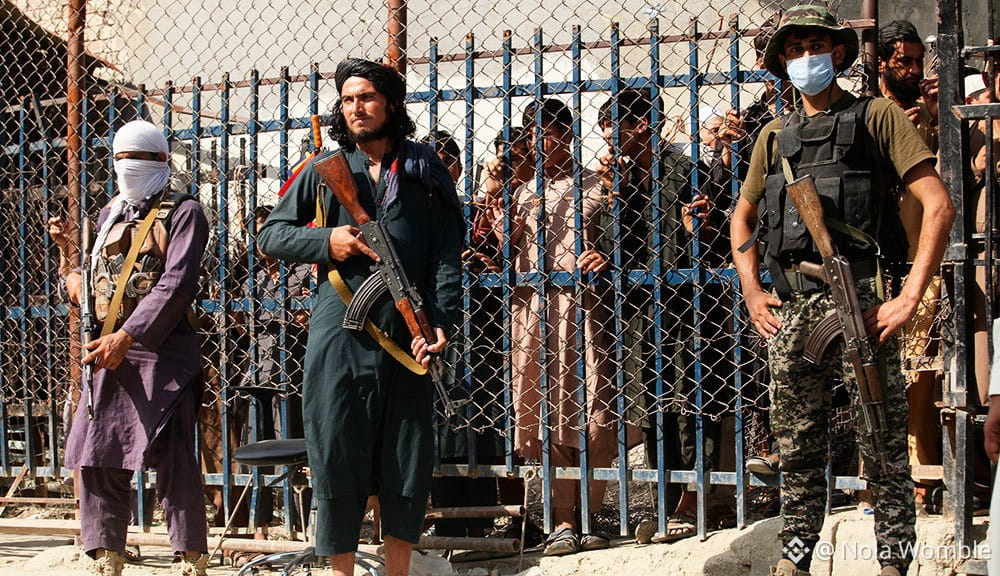
In 2021, following the Taliban takeover of Afghanistan, thousands of citizens faced a critical choice: remain in the country or attempt to flee, leaving behind their homes, employment, and established lives.
However, a group of women possessed an unconventional financial primitive - $BTC .
The Entrepreneur Who Shifted the Paradigm
Roya Mahboob, an Afghan tech entrepreneur, founded the Digital Citizen Fund - an initiative focused on expanding digital literacy and computer education for young women.
Many of her employees were structurally locked out of the traditional banking system, unable to open personal accounts independently. In many instances, their earnings remained controlled by male relatives, while cross-border remittance rails were either prohibitively expensive or entirely inaccessible.
Recognizing these structural frictions, Mahboob implemented an alternative solution in the early 2010s: she began training women to set up self-custodial crypto wallets and disbursed a portion of their compensation in $BTC .
Portable Capital across Borders
Following the collapse of Kabul, several former employees leveraged their non-custodial wallets to transport their capital internationally and provide liquidity for their families.
According to published reports on the project, one former team member successfully relocated to Germany, preserving complete access to her asset balance using a seed phrase - a cryptographic recovery key stored independently of any central intermediary.
While she arrived in a new jurisdiction stripped of legacy banking access, her digital assets served as vital startup capital to reconstruct her life.
#story #bitcoin #Taliban
118
·
--
翻訳参照
Today's Top Gainers
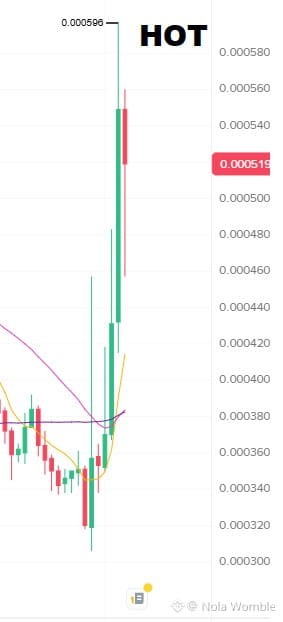
Holo $HOT Linked to the Holochain ecosystem - an infrastructure framework for distributed applications that operate without relying on a traditional blockchain model or a single global consensus mechanism.
Long:
Entry Zone: 0.000520 - 0.000540 USDT
Stop-Loss: 0.000508 USDT
Take-Profit Targets:
TP1: 0.000570 USDT
TP2: 0.000590 USDT
TP3: 0.000620 USDT
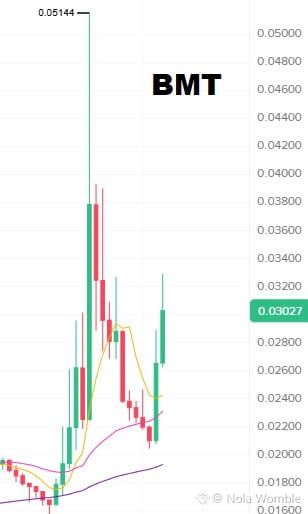
Bubblemaps $BMT Visualizes connections between cryptocurrency wallets, assisting market participants in identifying token concentration, linked addresses, and suspicious asset distribution. BMT surged sharply alongside a volume spike; however, there is no compelling fundamental driver backing the move, increasing the probability of a sharp profit-taking pullback.
Long:
Entry Zone: 0.0300 - 0.0305 USDT
Stop-Loss: 0.0288 USDT
Take-Profit Targets:
TP1: 0.0320 USDT
TP2: 0.0340 USDT
TP3: 0.0370 USDT
$SHAZB A tokenized asset linked to the economic performance of SharonAI equity. It does not represent a standard cryptocurrency project nor direct legal ownership of corporate shares. Conversion terms, holder rights, and asset availability remain governed by bStocks protocol rules.
#pump #TopTokens #HOT #signals
342
·
--
彼は11年間、ビットコインにアクセスできなかった。人工知能が取り戻す手助けをした!
想像してみてください。1コイン250米ドルで$BTC を購入したものの、ウォレットのパスワードを忘れてしまい、資金を取り戻そうと何年も試みたのに成功しなかったとします。
ところが、人工知能が解決策を見つけたのです!
何が起きたのか
2026年5月、AnthropicのClaudeを使って古い暗号資産ウォレットへのアクセスを復旧したと主張するユーザーの話が、オンラインで話題になりました。
そのウォレットには5 $BTC が入っており、1コイン約80,000米ドルの価格を基にすると、約400,000米ドル相当でした。
所有者によると、古いコンピューターに保存されていたファイルをAIにアップロードしたとのことです。Claudeは、パスワード変更前に作成されたウォレットのバックアップファイルを特定するのを支援しました。以前に復元していたシードフレーズとこのバックアップを組み合わせることで、ユーザーは資金へのアクセスを取り戻せました。人工知能はすでに、大規模なデータセットの分析、プロセスの自動化、パターンの検出を支援しています。しかし、金銭的な利益を保証するものではなく、安全な秘密鍵の保管や管理に取って代わるものでもありません。
#story #bitcoin #AI #cloudeai
1
585
·
--
翻訳参照
Today's Top Gainers
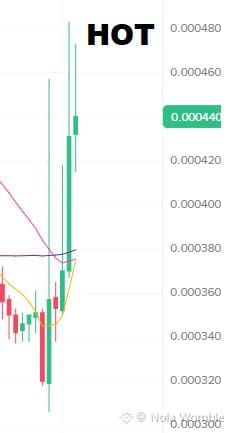
Holo $HOT A project focused on distributed application hosting. Its core framework enables users to supply peer-to-peer computing power and data storage for decentralized applications, bypassing reliance on centralized cloud infrastructure.
Short:
Entry Zone: 0.000458 - 0.000480 USDT
Stop-Loss: 0.000495 USDT
Take-Profit Targets:
TP1: 0.000438 USDT
TP2: 0.000416 USDT
TP3: 0.000386 USDT
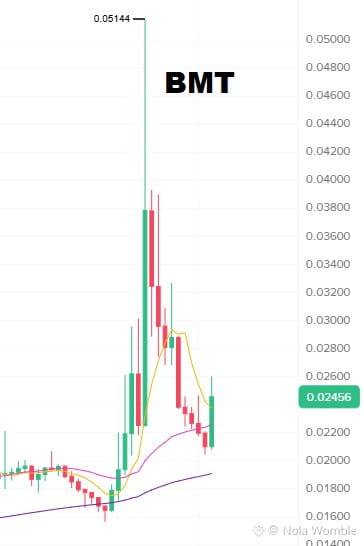
Bubblemaps $BMT An analytics platform that visualizes on-chain wallet clustering, helping market participants identify token concentration, asset flows, and potentially connected entity groups. The BMT token functions as the native utility asset powering platform analytics features and governance.
Short:
Entry Zone: 0.0245 - 0.0255 USDT
Stop-Loss: 0.0270 USDT
Take-Profit Targets:
TP1: 0.0235 USDT
TP2: 0.0225 USDT
TP3: 0.0220 USDT
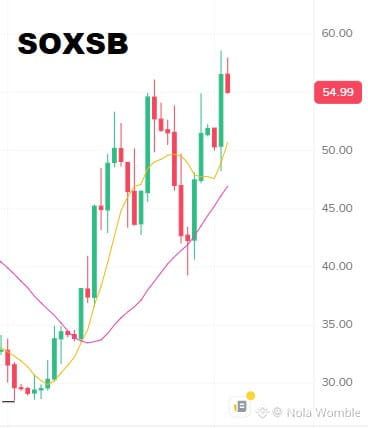
$SOXSB A tokenized instrument offering synthetic exposure to the Direxion Daily Semiconductor Bear 3X Shares (SOXS). It is engineered to track ~3x the inverse daily performance of the underlying semiconductor benchmark index. Trading Mechanics: A LONG position on SOXSB represents a bearish play on the semiconductor equity market, whereas a SHORT on SOXSB represents a bullish outlook. As a tokenized traditional equity asset rather than a native cryptocurrency, traders must account for underlying equity market hours and potential tracking drift/divergence.
Short (SOXSB):
Entry Zone: 53.00 - 56.50 USDT
Stop-Loss: 60.00 USDT
Take-Profit Targets:
TP1: 51.50 USDT
TP2: 50.00 USDT
TP3: 48.00 USDT
#pump #TopTokens #signals #HOT #BMT
393
·
--
デジタル作品を6,930万米ドルで売却。NFTセクターに関連するトークンとは?
2007年、デジタルアーティストのBeepleは、毎日新しい作品を1点ずつ制作し始めました。彼は13年以上にわたってこの規律ある制作を続け、最終的に現代デジタルアート史における最も重要な物語のひとつを生み出しました。
2021年3月、彼の複合作品『Everydays: The First 5000 Days』は、クリスティーズのオークションで6,930万米ドルで落札されました。
この出来事は文化的な影響にとどまらず、パブリックブロックチェーンによってデジタル資産の新たな市場と、検証可能なデジタル所有権がどのように実現したかを浮き彫りにしました。
NFTエコシステムの主要トークン
$ETH (イーサリアム):Beepleの記念碑的なNFTは、イーサリアムブロックチェーン上でミントされました。ETHはネットワークの取引手数料(ガス)の主要通貨であり、より広範なNFTインフラの基盤となる決済資産として機能します。
RARI(Rarible):RaribleのNFTマーケットプレイス・エコシステムに関連するガバナンストークンです。デジタルコレクティブルのミント、出品、取引を目的とする分散型プラットフォームの分野を代表しています。
$APE (ApeCoin):Yuga Labsのエコシステムと主流のWeb3カルチャーに関連するユーティリティ兼ガバナンストークンです。これは、Beeple個人の売却とは独立した、デジタル資産市場における消費者・コミュニティの独自のセグメントを表しています。
投資機会はあるのでしょうか?
Beepleの取引は、デジタルアートが最高水準の評価額を獲得し得ることを示しました。しかし、注目を集めた個別の売却があったからといって、すべてのNFTや関連セクターのトークンが継続的な価格上昇を経験するとは限りません。
この市場を分析する際は、基盤となる中核インフラとしてのETHをまず考慮する必要があります。一方、RARIや$APE のようなアプリケーション層の資産については、実際のプラットフォーム取引量、プロジェクトの活動状況、より広範な市場リスクに焦点を当て、個別にファンダメンタルズを評価する必要があります。
#nft #FOMO #BeepleArt #Ethereum

1
280
·
--
翻訳参照
Today's Top Gainers
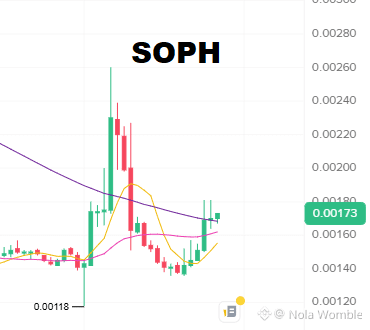
Sophon $SOPH Develops Web3 applications targeted at mainstream users, incorporating consumer financial services and gaming mechanics. Following a strategic pivot, the project has sharpened its focus on applications within the Base ecosystem. While ecosystem adoption may drive demand for SOPH, it does not guarantee sustained price appreciation.
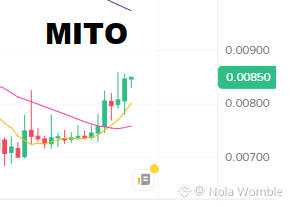
Mitosis $MITO A DeFi protocol designed to optimize cross-chain liquidity and yield generation from staked assets. The MITO token serves as the ecosystem's native utility asset for protocol economics and governance.
Short:
Entry Zone: 0.00830 - 0.00850 USDT
Stop-Loss: 0.00886 USDT
Take-Profit Targets:
TP1: 0.00720 USDT
TP2: 0.00688 USDT
TP3: 0.00595 USDT
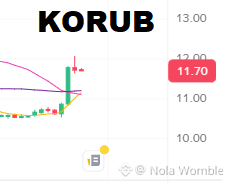
$KORUB A tokenized product linked to the South Korea Bull 3X ETF, designed to provide roughly triple the daily performance of the underlying South Korean equity index.
Short:
Entry Zone: 11.65 - 11.90 USDT
Stop-Loss: 12.30 USDT
Take-Profit Targets:
TP1: 11.10 USDT
TP2: 10.60 USDT
TP3: 9.90 USDT
#pump #TopTokens #SOPH #signals
413
·
--
翻訳参照
HE RECEIVED 10,000 BITCOIN AND SPENT THEM ON TRAVEL. WHY HAS HE NO REGRETS?
When discussions turn to the famous "Bitcoin pizza" trade, the focus usually falls on Laszlo Hanyecz - the developer who paid 10,000 $BTC for two pizzas back in 2010.
However, there is another side to the transaction: 19-year-old Jeremy Sturdivant, the student who fulfilled the order and accepted the coins.
🍕 The Transaction That Made Crypto History
In May 2010, Laszlo posted an offer on a crypto forum: 10,000 BTC to anyone who would order and deliver two pizzas to his home.
Jeremy accepted, paid for the order using his credit card, and received the Bitcoin in return. At the time, the aggregate value of the 10,000 $BTC was approximately 41 USD.
For Jeremy, this was not a multi-decade investment play; it was a simple peer-to-peer transaction between two early adopters of an experimental technology.
Where Did the Millions Go?
Jeremy subsequently explained that he spent the received $BTC on retail goods and a road trip across the United States. He did not hold the coins in anticipation of future price appreciation.
At Bitcoin's peak in 2025, those 10,000 BTC would have been valued at over 1.2 billion USD.
Yet, a critical point remains: there is no rational premise to assume Jeremy would have held the asset to present day. By his own account, the funds were fully utilized long before Bitcoin became a high-value store of wealth.
Jeremy treated Bitcoin precisely as it was designed: as a digital currency and medium of exchange intended for real-world transactions.
While modern market participants view BTC predominantly as a long-term asset to hold ("HODL"), during the genesis of cryptocurrency, no market participant could predict its future adoption scale.
#HODL #bitcoin #story

91
·
--
本日の値上がり上位
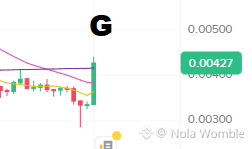
Gravity $G A Web3アプリケーションの拡張とクロスチェーン相互運用性を実現するために設計されたレイヤー1ブロックチェーン。Gトークンは、取引手数料の支払い、ステーキング、ガバナンスへの参加に使用されます。Gは過去最高値を大きく下回ったままであり、1日の反発だけでは長期的なトレンド転換を確認するには不十分です。
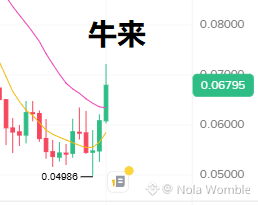
Niu Lai $牛来 A BNB Chain上のミームトークン。インフラプロジェクトのような基本価値評価モデルはなく、価格変動は主にコミュニティの関心、投機的需要、流動性、大口保有者の動向によって左右されます。
戦術的ショート:
エントリーゾーン:0.0680 - 0.0710 USDT
ストップロス:0.0740 USDT
利確目標:
TP1:0.0630 USDT
TP2:0.0590 USDT
TP3:0.0545 USDT
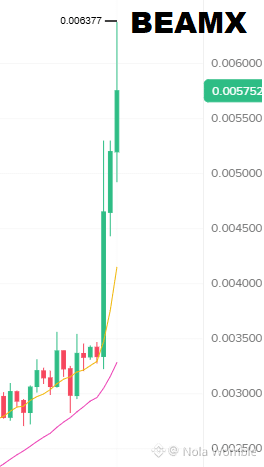
Beam $BEAMX A 開発者がWeb3ゲームやアプリケーションを構築できるゲーム向けブロックチェーンエコシステム。BEAMトークンは、ネットワーク手数料とエコシステム内の取引に使用されます。10月下旬の力強い上昇を経て、価格は依然として不安定であり、より一層の注意が必要です。
戦術的ショート:
エントリーゾーン:0.00565 - 0.00575 USDT
ストップロス:0.00592 USDT
利確目標:
TP1:0.00515 USDT
TP2:0.00495 USDT
TP3:0.00470 USDT
#pump #TopTokens #signals #BEAMX #short
701
·
--
彼らは家と車を売り、$BTC に全財産を賭けた。彼らに何が起きたのか。
2017年、オランダ出身のディディ・タイフットゥは、妻のロメインと3人の娘とともに、多くの人から狂気の沙汰だと言われる決断をしました。
一家は自宅や車、私物の大半を売り払い、純資産のかなりの部分をビットコインに投じました。
なぜ彼らはそこまでしたのでしょうか?
ディディは、暗号資産が金融システムを根本から変えると信じていました。住宅ローンや所有物、継続的な出費に縛られる従来の暮らしを追い求めるのではなく、一家は世界を旅し、経済的自立を目指す道を選びました。
彼らは遊牧民のような暮らしへと移行し、暗号資産が使える場所では、$BTC などのデジタル資産で日々の出費を支払いました。
一攫千金ではなく、価格変動に翻弄された旅
暗号資産市場は、何度も急騰と急落を繰り返しました。一家は極端な市場変動に対応し、厳格な保管体制を整え、まったく型破りな金融エコシステムの中を歩んでいかなければなりませんでした。
ディディは、保有するビットコインの一部を、複数の国に分散したコールドストレージの保管庫で管理していると公に語っています。これは、彼らのセキュリティ体制の中核をなすものです。
重要なポイント
彼らは単に$BTC の値上がりに賭けたのではありません。持ち物を最小限に抑え、行動の自由を最大限に高め、市場リスクを受け入れるという、生き方そのものを根本から変えたのです。
彼らの旅は「ビットコイン・ファミリー」として世界中のメディアで取り上げられ、その後、複数回にわたるドキュメンタリーシリーズでも紹介されました。
あなたなら、ビットコインのために従来型の資産をすべて手放せますか?それとも、暗号資産は分散投資ポートフォリオの一部にとどめるべきでしょうか?
#story #bitcoin #BitcoinFamily

192
·
--
翻訳参照
Today's Top Gainers
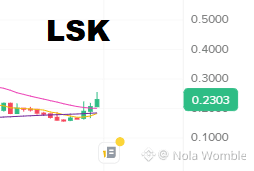
Lisk $LSK A project building infrastructure for Web3 applications, focusing on emerging markets. Following its migration to an Ethereum Layer 2 solution, Lisk utilizes OP Stack technology. The LSK token is tied to ecosystem governance and economy.
Tactical Short:
Entry Zone: 0.240 - 0.247 USDT
Stop-Loss: 0.257 USDT
Take-Profit Targets:
TP1: 0.225 USDT
TP2: 0.210 USDT
TP3: 0.197 USDT
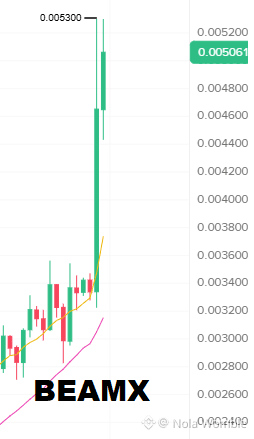
Beam $BEAMX A blockchain ecosystem for Web3 gaming. The BEAM token is used for network gas fees, in-game transactions, and ecosystem interactions. The trend is strong, but the rally is overheated.
Tactical Short:
Entry Zone: 0.00518 - 0.00540 USDT
Stop-Loss: 0.00565 USDT
Take-Profit Targets:
TP1: 0.00485 USDT
TP2: 0.00450 USDT
TP3: 0.00423 USDT
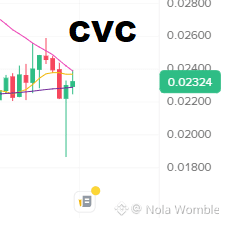
Civic $CVC Develops digital identity verification and fraud prevention tools. Its solutions enable applications to verify specific user credentials without requiring full re-identification. The CVC token is utilized within the ecosystem for interactions between identity service participants.
Tactical Short:
Entry Zone: 0.0235 - 0.0238 USDT
Stop-Loss: 0.0243 USDT
Take-Profit Targets:
TP1: 0.0229 USDT
TP2: 0.0223 USDT
TP3: 0.0215 USDT
#pump #TopTokens #signals #LSK
378
·
--
暗号資産市場に衝撃:バイナンスのハッキングで投資家の信頼が揺らぎ、ビットコインが下落
ビットコイン$BTC は78,000米ドルを下回り、イーサリアム、$XRP 、そして$SOL も連れ安となりました。市場のパニックを引き起こした主な要因の一つは、バイナンスで発生した注目度の高いセキュリティ侵害でした。
これまでの主な動向:
推定損失:損害総額は現在、約63億米ドルと推定されています。
資産の凍結:取引所とステーブルコイン発行元の連携により、約30億米ドル相当の資産が凍結されました。
継続中の調査:侵害の全容と残存資金の状況を特定するため、調査が続いています。
ロイターによると、調査は現在も進行中で、市場ではボラティリティの高まりと急激な価格下落が見られています。取引所への信頼が揺らぐ危機は、暗号資産の終わりを意味するものではありませんが、資産の安全な保管が、資産の選択と同じくらい重要であることを改めて示しています。
#news #Binance
1
259
·
--
翻訳参照
30 TRILLION USD ON THE BLOCKCHAIN! WALL STREET USHERS IN A NEW ERA OF CRYPTO
One of the largest infrastructure providers in the US financial market has taken a major step toward stock market tokenization!
On October 28, the DTCC - the clearing and depository organization settling security transactions in the US market - launched a tokenization service for US stocks, ETFs, and government bonds.
The scale is massive: at launch, the service covers 34 securities with a combined market capitalization of approximately 30 trillion USD.
Twenty financial institutions are participating in the initiative, including JPMorgan, Citi, Morgan Stanley, and Bank of America.
Why Is This Important for the Crypto Market?
24/7 Mobility: Tokenized assets can transfer between registered wallets around the clock.
Traditional Infrastructure Migration: Blockchain is steadily evolving into the underlying infrastructure for traditional finance, not just cryptocurrencies.
Enhanced Liquidity & Settlement Speed: Moving forward, tokenization stands to broaden access to capital market instruments while streamlining settlement cycles.
Which Projects Deserve Attention?
$XLM Stellar is actively developing core infrastructure for tokenized asset issuance and transfers.
$LINK Chainlink connects public and private blockchains with external real-world financial data and legacy banking systems.
$ONDO A protocol dedicated specifically to the tokenization of real-world financial assets (RWA).
#dump #BuyTheDip #Binance
386
·
--
翻訳参照
Today's Top Gainers
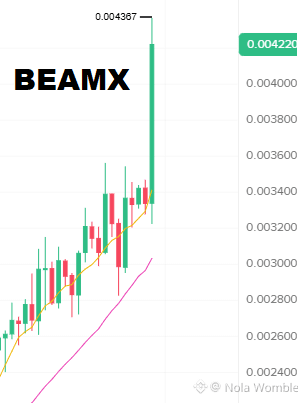
Beam $BEAMX A gaming blockchain ecosystem. The BEAM token is used to pay for transactions, purchase in-game assets, stake, and participate in governance.
Tactical Short:
Entry Zone: 0.00415 - 0.00425 USDT
Stop-Loss: 0.00442 USDT
Take-Profit Targets:
TP1: 0.00390 USDT
TP2: 0.00365 USDT
TP3: 0.00335 USDT
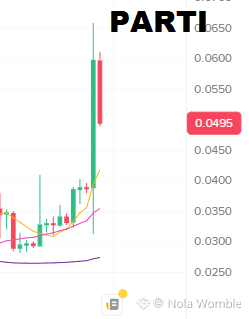
Particle Network $PARTI Developing Universal Accounts - a technology that allows users to interact with assets across different blockchains through a single account, eliminating the need to manually switch between networks. PARTI is used to pay for network operations, staking, governance, and cross-chain settlements. Following a vertical rally, the risk of a correction is elevated. With the price having already pulled back from 0.0659 USDT, buying at market after such a move would not be advisable.
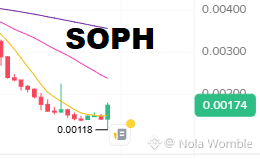
Sophon $SOPH Shifted its strategy: instead of maintaining its own Layer 2 network, the team focused on building applications on the Base network. Plans include financial services, gaming mechanics, and AI applications. The project also announced plans to use a portion of application revenues to buy back and burn SOPH. Note that these are team plans rather than a guarantee of future token demand.
Tactical Short:
Entry Zone: 0.00175 USDT
Stop-Loss: 0.00190 USDT
Take-Profit Targets:
TP1: 0.00168 USD
TP2: 0.00159 USD
TP3: 0.00148 USD
#pump #TopTokens #BEAMX #signals #TradingSignals
497
·
--
翻訳参照
JPMORGAN BRINGS BANKING DEPOSIT TOKENS TO ETHEREUM! CRYPTO INTEGRATES WITH TRADITIONAL FINANCE
Ethereum $ETH receives another major signal from Wall Street!
JPMorgan has expanded the usage of its bank deposit token, JPM Coin, onto the public Ethereum blockchain. This allows institutional clients to execute digital settlements using public blockchain infrastructure.
Why Is This Important?
Accelerated Settlements: Tokenized bank deposits can significantly increase the speed of interbank settlements and cross-border financial transactions.
Growing Institutional Adoption: Wall Street is increasingly leveraging blockchain technology beyond cryptocurrency trading, integrating it directly into core financial operations.
Tailwinds for $ETH : As enterprise-grade solutions scale, demand for Ethereum's underlying network infrastructure is expected to rise.
#Ethereum #news #ETH #JPMorgan #WallStreetNews

100
·
--
翻訳参照
All Assets Moving On-Chain: Which Tokenized Equities Warrant Attention?
Coinbase CEO Brian Armstrong stated: "All asset classes are moving on-chain. Tokenized equities and stablecoins are expanding rapidly, and this is only the beginning."
Behind this trend lies a large-scale transformation of the financial market. Blockchain technology allows traditional real-world assets (RWAs) to be represented as digital tokens, simplifying transferability and potentially widening investment access.
3 Tokenized Equities Worth Watching:
$NVDAB - NVIDIA: A direct play on AI infrastructure development, GPU manufacturing, and surging demand for high-performance computing power.
$TSLAB - Tesla: Delivers price exposure to a company integrating electric vehicles, robotics, and artificial intelligence.
$AAPLB - Apple: A more mature technology business anchored by strong brand equity, a vast device ecosystem, and high-margin recurring services revenue.
Out of this trio, NVIDIA appears particularly compelling for investors positioning for sustained AI tailwinds.
#stocks #NVIDIA #Apple #news
84
·
--
Anthropic、評価額2兆ドルでIPO準備中:AIバブルか、新時代の幕開けか?
Claude AIモデルを開発したAnthropicが、11月後半に株式公開を予定していると報じられています。目標とする時価総額は約2兆ドルで、実現すれば世界有数の価値を持つテクノロジー企業となります。
成長の規模は目覚ましいものです。同社の売上高は、3年前の4,100万ドルから、2026年上半期には報道によると160億ドルに増加しました。
しかし、その一方で、2兆ドルという評価額には重大な疑問も生じます。人工知能に対する市場の期待は、先走りすぎているのでしょうか?
これは暗号資産市場にとって何を意味するのでしょうか?IPOが成功すればAIトークンへの関心が高まる可能性はありますが、その成長が保証されるわけではありません。期待が過大だったと判明すれば、調整によってハイリスク資産セクター全体に影響が及ぶ可能性もあります。
評価額2兆ドルでAnthropic $ANTHROPIC に投資しますか?それとも、AI市場はすでに過熱していると思いますか?
#AI #Antropic #IPO
173
·
--
今週、XRPは主役の座を奪えるか?リップルに注目!
ビットコインが80,000 USDT付近を維持し、イーサリアムが2,300 USDTを試すなか、XRPにも注目すべき材料が浮上しています。Ripple Swell 2026と$XRP Ledger Apexカンファレンスが合同で、10月27日から29日までニューヨーク市で開催されます。
投資家の注目を集める主な要因:
機関投資家向け金融と普及拡大:市場参加者は、グローバルな決済システム、国境を越えた決済、現実資産(RWA)のトークン化における$XRP Ledgerの統合について、新たな進展を待ち望んでいます。
エコシステムとインフラの成長:企業向け金融サービスでオンチェーンインフラの導入が進むなか、ネットワークの実用性が広がり、機関投資家の関心が高まり続けています。
マクロリスクと市場相関:$XRP はデジタル資産市場全体のセンチメントとの相関が依然として高く、下落リスクが残っています。10月28日の米連邦準備制度理事会(FRB)による金利決定を控え、あらゆる通貨ペアでボラティリティが急上昇する可能性があります。
今週、XRPは上振れサプライズをもたらすと思いますか?それとも、ビットコインが引き続き市場全体の方向性を左右するでしょうか?
#Ripple #news #InvestSmart
114
ログインして、さらにコンテンツを読む
厳選トピックで世界の暗号資産トレーダーの仲間入り
⚡️ 暗号資産に関する最新かつ有益な情報が見つかります。
💬 世界最大の暗号資産取引所から信頼されています。
👍 認証を受けたクリエイターから、有益なインサイトを得られます。
メール / 電話番号