

N O A A
8.5k 投稿

N O A A
 厳選トピック確認済
報告
ユーザーをブロック
Living between charts and chains
166 フォロー
35.9K+ フォロワー
32.4K+ いいね
投稿
すべて
引用
動画
ライブ
·
--
翻訳参照
Have you voted for @Crypto_Eagles yet? 💛
If not, go cast your vote and show your support.
Let’s make it count! Who’s voting for Crypto Eagle? 👇
#CryptoEagle #Binance #CryptoInfluencer
Have you voted for @Crypto Eagles yet? 💛
If not, go cast your vote and show your support.
Let’s make it count! Who’s voting for Crypto Eagle? 👇
#CryptoEagle #Binance #CryptoInfluencer
If not, go cast your vote and show your support.
Let’s make it count! Who’s voting for Crypto Eagle? 👇
#CryptoEagle #Binance #CryptoInfluencer

7
1
51
·
--
翻訳参照
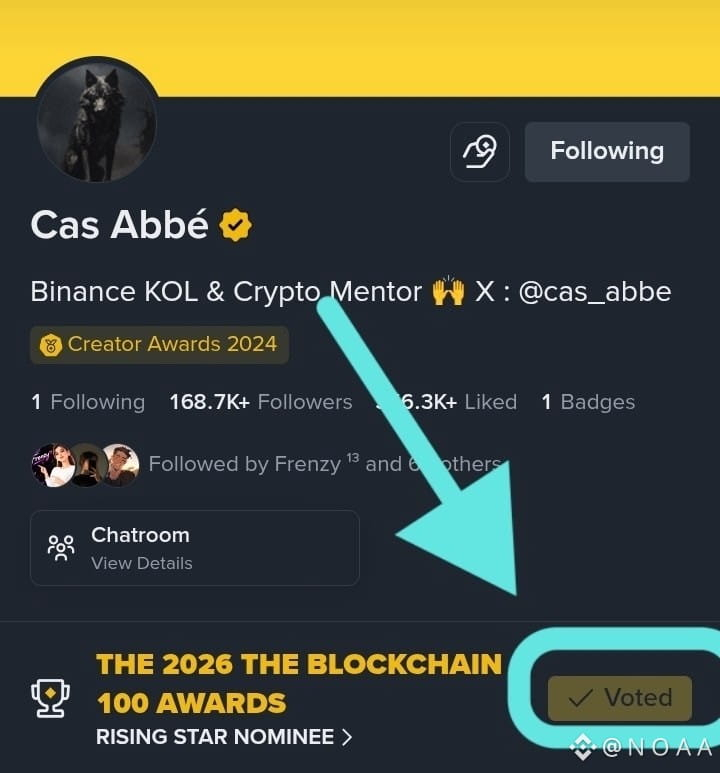
I’m supporting @Cas_Abb 💛 Who’s with me?
Let’s appreciate the creators who keep showing up and putting in the work. Every bit of support matters. 🫶
👇🏻 Nominate CAS and claim your red packet 🎁
#Blockchain100 #CAS #Binance #RisingStar
I’m supporting @Cas Abbé 💛 Who’s with me?
Let’s appreciate the creators who keep showing up and putting in the work. Every bit of support matters. 🫶
👇🏻 Nominate CAS and claim your red packet 🎁
#Blockchain100 #CAS #Binance #RisingStar
Let’s appreciate the creators who keep showing up and putting in the work. Every bit of support matters. 🫶
👇🏻 Nominate CAS and claim your red packet 🎁
#Blockchain100 #CAS #Binance #RisingStar
8
2
49
·
--
翻訳参照
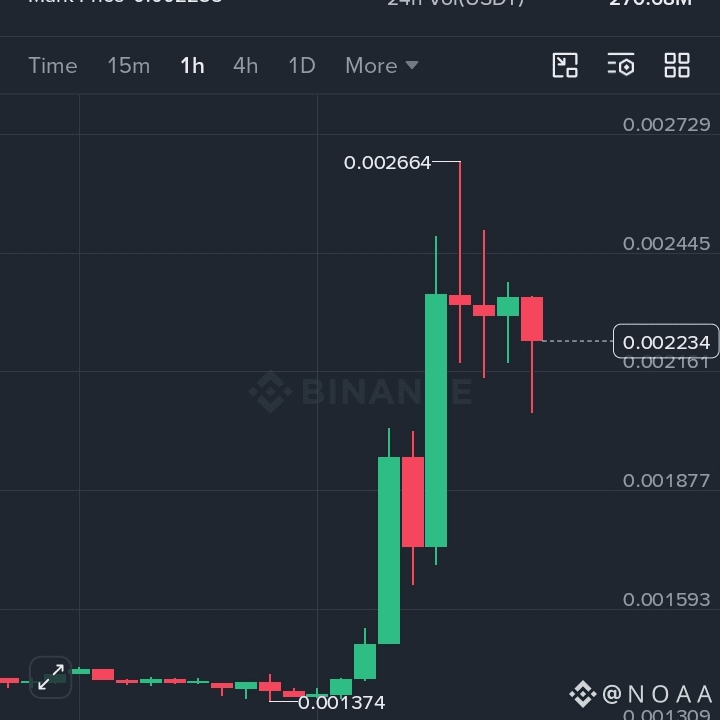
$DOOD is making a serious move
Price just broke out of a long consolidation with a massive volume spike.
Now bulls need to prove they can hold these gains.
Key level to watch: $0.00216.
Will $DOOD continue its rally or are sellers about to step in?
{future}(DOODUSDT)
#DOOD
$DOOD is making a serious move
Price just broke out of a long consolidation with a massive volume spike.
Now bulls need to prove they can hold these gains.
Key level to watch: $0.00216.
Will $DOOD continue its rally or are sellers about to step in?
#DOOD
Price just broke out of a long consolidation with a massive volume spike.
Now bulls need to prove they can hold these gains.
Key level to watch: $0.00216.
Will $DOOD continue its rally or are sellers about to step in?
#DOOD
101
·
--
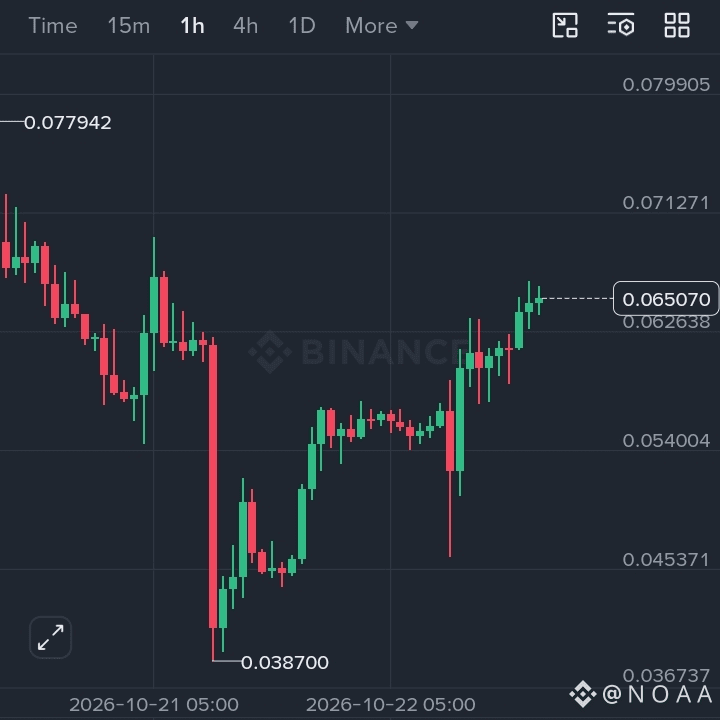
$AGT は勢いよく上昇していますが、0.0663ドルのレジスタンスを注意深く見ています。
0.0387ドルから順調に回復し、現在は高値を試しています。レジスタンスを明確に上抜け、その水準を維持できれば、もう一段上昇する可能性があります。
反落した場合、この動きの後だけに、押し戻されても不思議ではありません。
ローソク足を追いかけるのは禁物です。価格の動きを確認しましょう。
$AGT は勢いよく上昇していますが、0.0663ドルのレジスタンスを注意深く見ています。
0.0387ドルから順調に回復し、現在は高値を試しています。レジスタンスを明確に上抜け、その水準を維持できれば、もう一段上昇する可能性があります。
反落した場合、この動きの後だけに、押し戻されても不思議ではありません。
ローソク足を追いかけるのは禁物です。価格の動きを確認しましょう。
0.0387ドルから順調に回復し、現在は高値を試しています。レジスタンスを明確に上抜け、その水準を維持できれば、もう一段上昇する可能性があります。
反落した場合、この動きの後だけに、押し戻されても不思議ではありません。
ローソク足を追いかけるのは禁物です。価格の動きを確認しましょう。
117
·
--
Kiteの興味深いところは、AIエージェントが支払いを行うことだけではありません。資金への無制限なアクセスを与えずに、それを実現できる点です。
Kite Agent Passportでは、チャージ済みのウォレットとパスキーで承認する支払いセッションを使用します。予算、取引上限、有効期限は事前に設定できます。
有料APIへのプログラムによる支払いにx402を利用すれば、エージェントはサービス料金を支払い、必要なデータを取得し、タスクを自動で完了できる可能性があります。
あとは、実際に普及するかどうかです。開発者は人々が本当に使うプロダクトを作れるのか。そしてKiteは、こうした支払いを安全で信頼できるものにできるのでしょうか。
Kiteについて、今後注目していきたいのはそこです。
#KiteBBW $KITE @GoKiteAI
{spot}(KITEUSDT)
Kiteの興味深いところは、AIエージェントが支払いを行うことだけではありません。資金への無制限なアクセスを与えずに、それを実現できる点です。
Kite Agent Passportでは、チャージ済みのウォレットとパスキーで承認する支払いセッションを使用します。予算、取引上限、有効期限は事前に設定できます。
有料APIへのプログラムによる支払いにx402を利用すれば、エージェントはサービス料金を支払い、必要なデータを取得し、タスクを自動で完了できる可能性があります。
あとは、実際に普及するかどうかです。開発者は人々が本当に使うプロダクトを作れるのか。そしてKiteは、こうした支払いを安全で信頼できるものにできるのでしょうか。
Kiteについて、今後注目していきたいのはそこです。
#KiteBBW $KITE @KITE AI 中文
Kite Agent Passportでは、チャージ済みのウォレットとパスキーで承認する支払いセッションを使用します。予算、取引上限、有効期限は事前に設定できます。
有料APIへのプログラムによる支払いにx402を利用すれば、エージェントはサービス料金を支払い、必要なデータを取得し、タスクを自動で完了できる可能性があります。
あとは、実際に普及するかどうかです。開発者は人々が本当に使うプロダクトを作れるのか。そしてKiteは、こうした支払いを安全で信頼できるものにできるのでしょうか。
Kiteについて、今後注目していきたいのはそこです。
#KiteBBW $KITE @KITE AI 中文

11
11
184
·
--
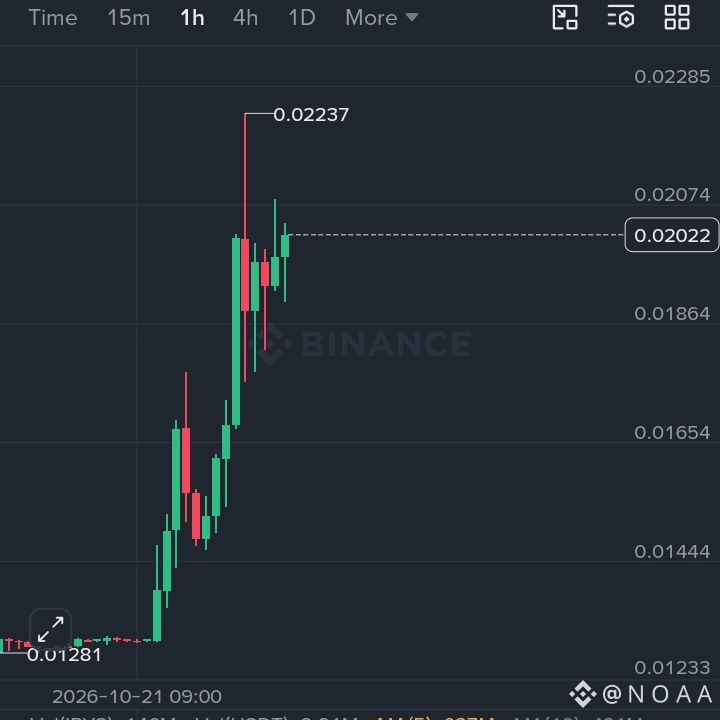
$IRYS は急速に動いています
24時間で57%超上昇し、価格は一時 $0.02237 に達した後、現在は約 $0.0202 です。
これほど力強く上昇した後、直近の高値を更新するでしょうか。それとも、さらに大きく反落するでしょうか?
次の動きを注視しています。
#IRYS
$IRYS は急速に動いています
24時間で57%超上昇し、価格は一時 $0.02237 に達した後、現在は約 $0.0202 です。
これほど力強く上昇した後、直近の高値を更新するでしょうか。それとも、さらに大きく反落するでしょうか?
次の動きを注視しています。
#IRYS
24時間で57%超上昇し、価格は一時 $0.02237 に達した後、現在は約 $0.0202 です。
これほど力強く上昇した後、直近の高値を更新するでしょうか。それとも、さらに大きく反落するでしょうか?
次の動きを注視しています。
#IRYS
4
101
·
--
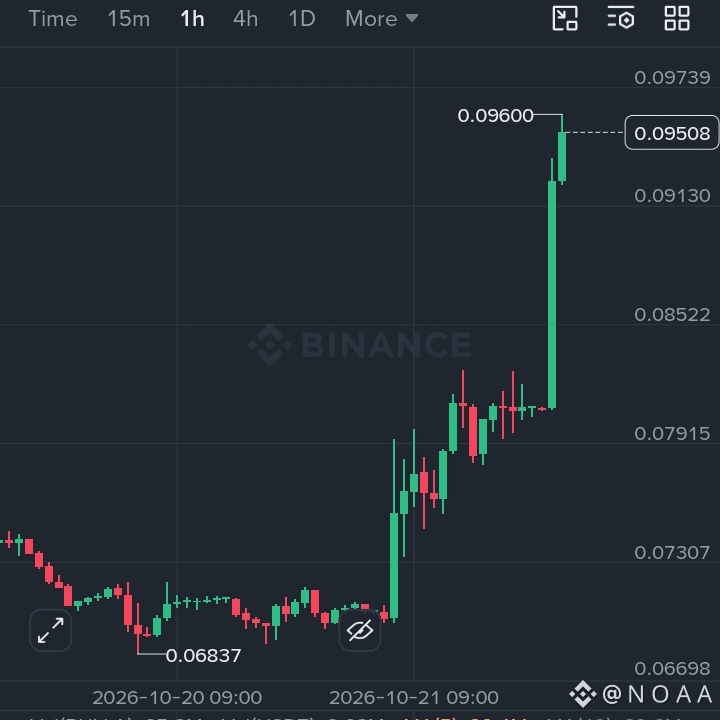
$BULLA は大きく動き始めています。
力強いブレイクアウトと出来高の増加を受け、24時間で36%上昇し、0.096ドルに迫っています。
この勢いは見逃せませんが、強気派はさらに押し上げられるでしょうか? それとも利益確定売りが始まるでしょうか?
この銘柄の動きを注意深く見守っています。
#BULLA
{future}(BULLAUSDT)
$BULLA は大きく動き始めています。
力強いブレイクアウトと出来高の増加を受け、24時間で36%上昇し、0.096ドルに迫っています。
この勢いは見逃せませんが、強気派はさらに押し上げられるでしょうか? それとも利益確定売りが始まるでしょうか?
この銘柄の動きを注意深く見守っています。
#BULLA
力強いブレイクアウトと出来高の増加を受け、24時間で36%上昇し、0.096ドルに迫っています。
この勢いは見逃せませんが、強気派はさらに押し上げられるでしょうか? それとも利益確定売りが始まるでしょうか?
この銘柄の動きを注意深く見守っています。
#BULLA
2
124
·
--
ブラックロックが下落リスクを抑える仕組みを備えたビットコインETFを検討しているのは興味深いです。投資家にとって、リスクをある程度管理しながらBTCに投資する新たな方法となる可能性があります。今後の展開に注目です。
ブラックロックが下落リスクを抑える仕組みを備えたビットコインETFを検討しているのは興味深いです。投資家にとって、リスクをある程度管理しながらBTCに投資する新たな方法となる可能性があります。今後の展開に注目です。
1
108
·
--
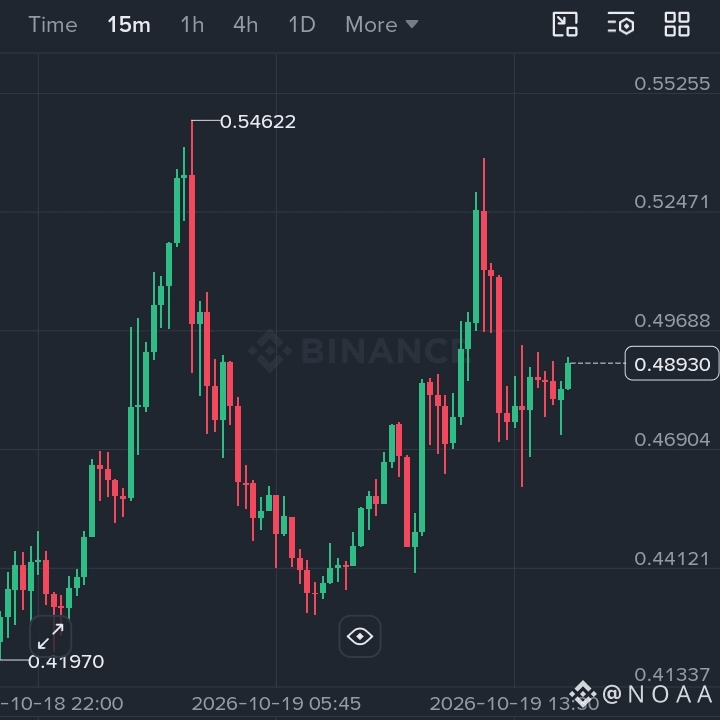
$BR は、力強い回復の後、勢いをつけようとしています。
価格は0.489ドル付近を維持しており、まず注目したい上値抵抗線は0.497ドルです。明確に上抜ければ、0.525ドルを目指す展開も考えられます。
0.469ドルを下回ると、このシナリオは弱まります。
次の動きを注意深く見守っています。
投資助言ではありません。ご自身で調査してください。
$BR は、力強い回復の後、勢いをつけようとしています。
価格は0.489ドル付近を維持しており、まず注目したい上値抵抗線は0.497ドルです。明確に上抜ければ、0.525ドルを目指す展開も考えられます。
0.469ドルを下回ると、このシナリオは弱まります。
次の動きを注意深く見守っています。
投資助言ではありません。ご自身で調査してください。
価格は0.489ドル付近を維持しており、まず注目したい上値抵抗線は0.497ドルです。明確に上抜ければ、0.525ドルを目指す展開も考えられます。
0.469ドルを下回ると、このシナリオは弱まります。
次の動きを注意深く見守っています。
投資助言ではありません。ご自身で調査してください。
1
96
·
--
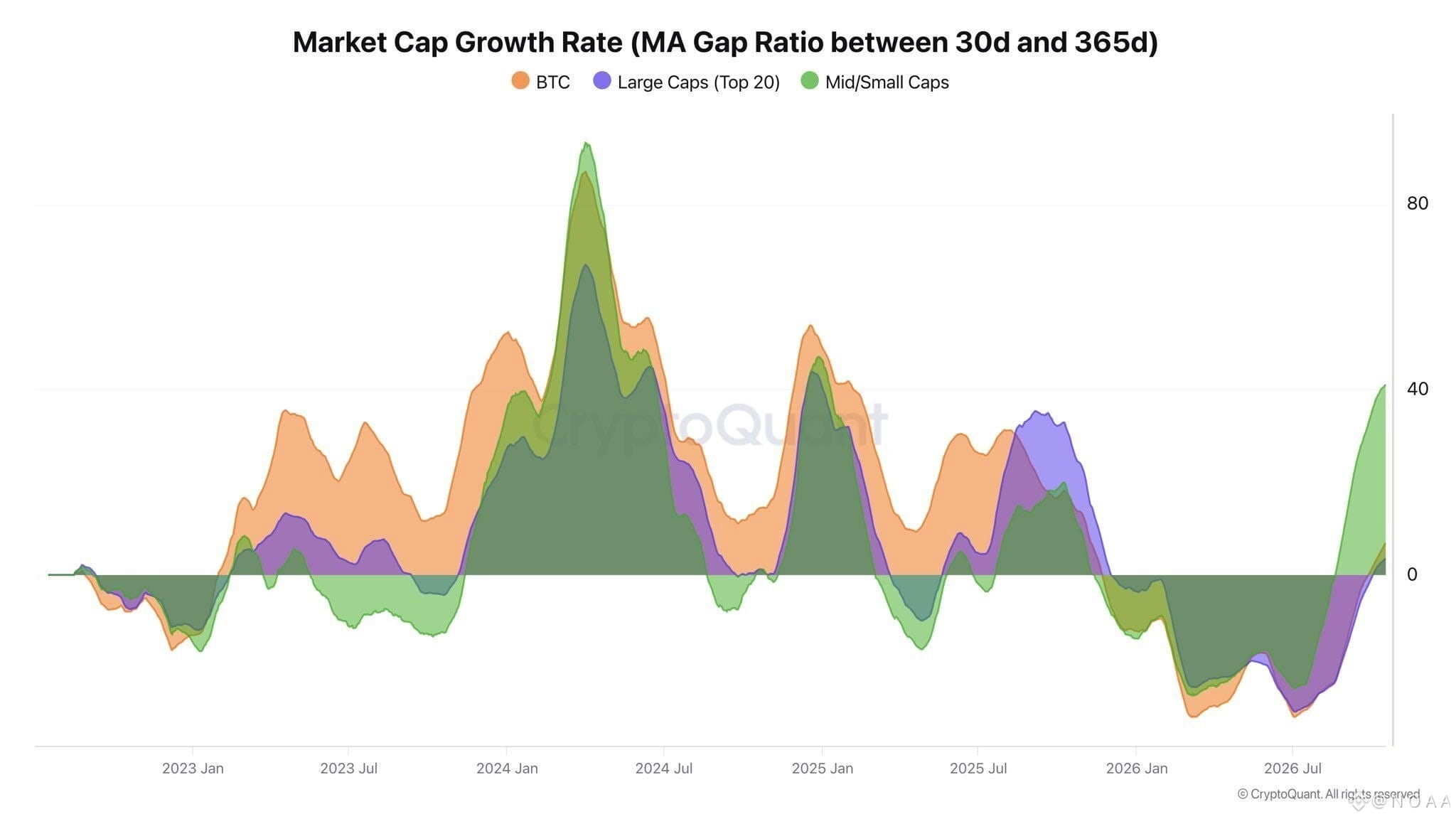
小型・中型の暗号資産が追い上げを見せ始めており、8月下旬以降、ビットコインを上回る成長を遂げています。
BTCの7%に対して41%の成長は、かなり大きな差です。
この勢いが続けば、注目すべき興味深い変化となるかもしれません。
$BTC
{future}(BTCUSDT)
小型・中型の暗号資産が追い上げを見せ始めており、8月下旬以降、ビットコインを上回る成長を遂げています。
BTCの7%に対して41%の成長は、かなり大きな差です。
この勢いが続けば、注目すべき興味深い変化となるかもしれません。
$BTC
BTCの7%に対して41%の成長は、かなり大きな差です。
この勢いが続けば、注目すべき興味深い変化となるかもしれません。
$BTC
92
·
--
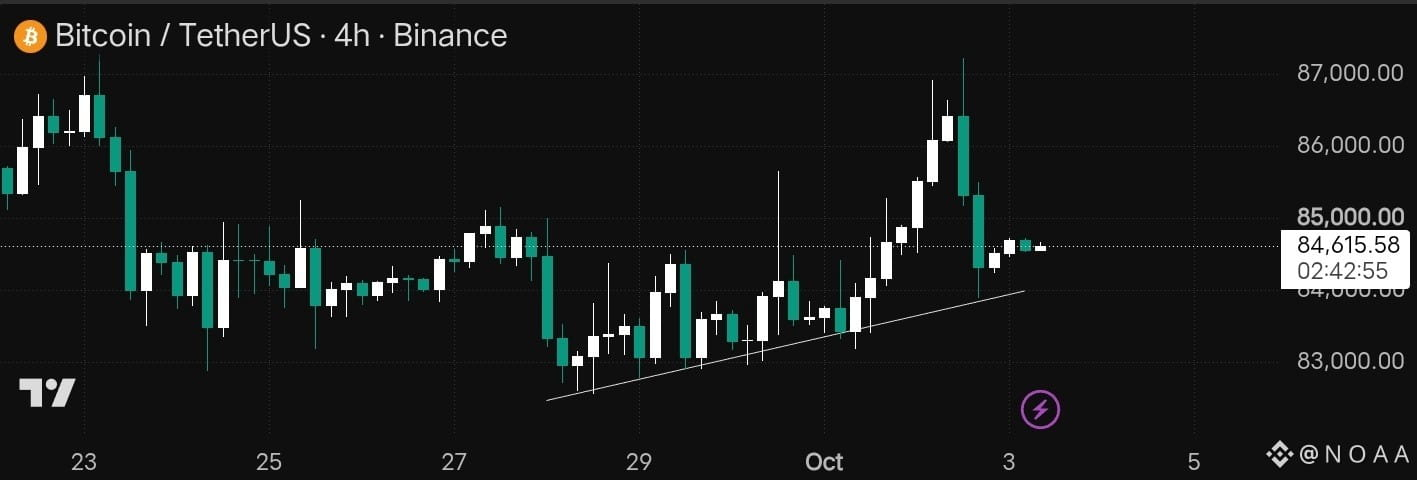
$BTC は、$87K付近での拒否の後にクールダウンしています。
価格は約$84.6Kで推移しており、上昇トレンドラインが依然としてサポートになっています。👀
現在の重要ゾーンは$84K〜$84.5Kです。
維持する→$86K〜$87Kへ向けてもう一度試す動きがあり得ます。失う→より深い押し目が起こり得ます。
ここでの反応を見ています。
$BTC は、$87K付近での拒否の後にクールダウンしています。
価格は約$84.6Kで推移しており、上昇トレンドラインが依然としてサポートになっています。👀
現在の重要ゾーンは$84K〜$84.5Kです。
維持する→$86K〜$87Kへ向けてもう一度試す動きがあり得ます。失う→より深い押し目が起こり得ます。
ここでの反応を見ています。
価格は約$84.6Kで推移しており、上昇トレンドラインが依然としてサポートになっています。👀
現在の重要ゾーンは$84K〜$84.5Kです。
維持する→$86K〜$87Kへ向けてもう一度試す動きがあり得ます。失う→より深い押し目が起こり得ます。
ここでの反応を見ています。
1
1
145
·
--
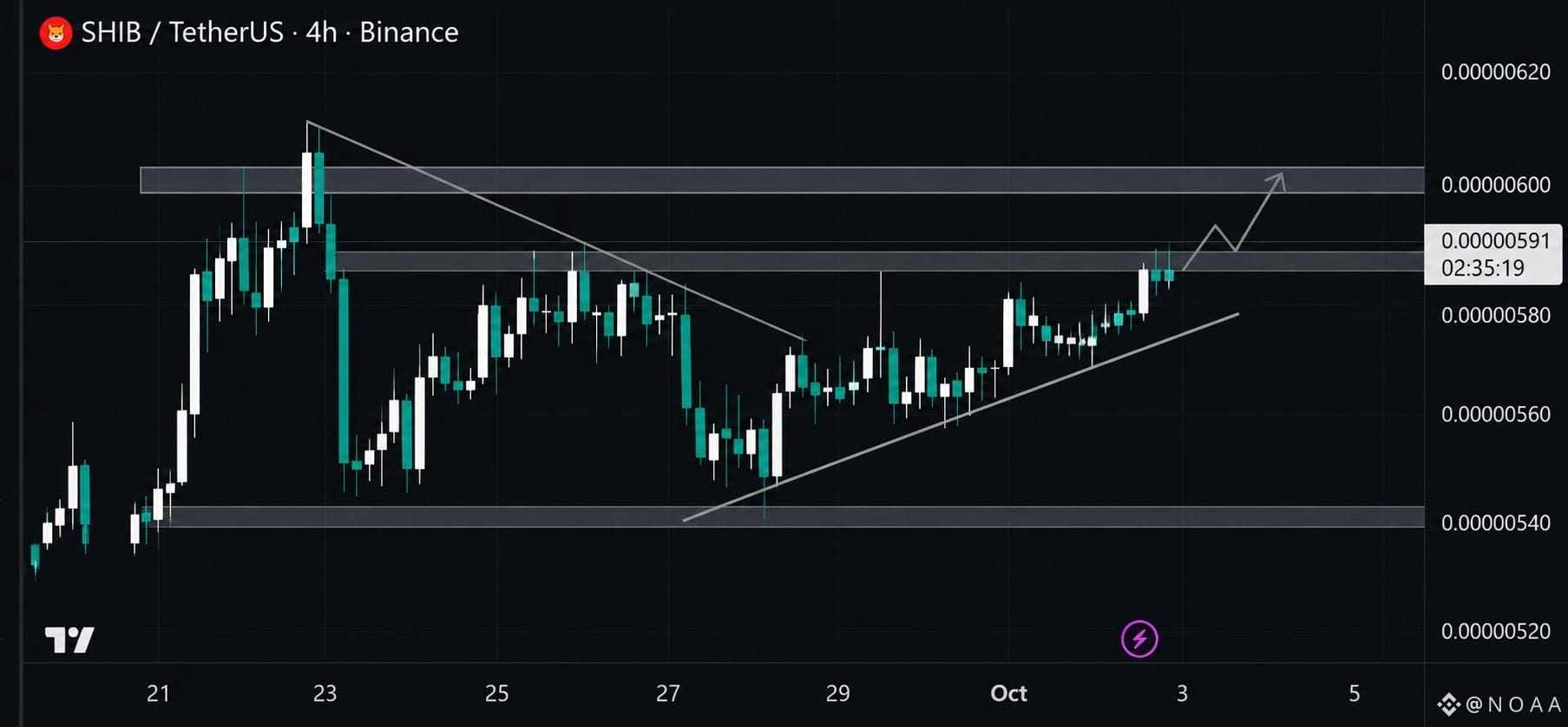
$SHIB は重要なブレイクアウトゾーンに接近しています。
価格は上昇トレンドラインを尊重し続けながら、直近のレジスタンスに押し付けられています。
6.0を上抜ける確定ブレイクが起これば、6.2への道が開かれる可能性があります。
上昇する構造が維持される限り、この仕掛けは建設的なままです。
{spot}(SHIBUSDT)
$SHIB は重要なブレイクアウトゾーンに接近しています。
価格は上昇トレンドラインを尊重し続けながら、直近のレジスタンスに押し付けられています。
6.0を上抜ける確定ブレイクが起これば、6.2への道が開かれる可能性があります。
上昇する構造が維持される限り、この仕掛けは建設的なままです。
価格は上昇トレンドラインを尊重し続けながら、直近のレジスタンスに押し付けられています。
6.0を上抜ける確定ブレイクが起これば、6.2への道が開かれる可能性があります。
上昇する構造が維持される限り、この仕掛けは建設的なままです。
163
·
--
ビットコインがまた上昇し始めており、その動きにはいくつかの要因があります。
最大のきっかけは、米国のマクロ環境の見方が変わってきたことです。
最新のインフレデータは予想よりも弱い結果となり、10月にもう一段のFRB利上げが行われるとの見込みを下げました。そのことでリスク資産に少し呼吸の余地が生まれています。
また、米国債利回りも直近の高値から後退しており、より広範な流動性環境の改善につながっています。
さらに、ポジショニングもあります。
ビットコインが85Kドルを再び上抜けたことで、ショートの清算が波のように発生し、過去24時間で暗号資産のショートポジション約102百万ドルが清算されました。
この強制的な買いが、動きにさらなる勢いを与えています。
$BTC #BTC #EthereumFoundationLaunchesZkAPIOnMainnet #EvernorthPlansNasdaqListingOct8
{future}(BTCUSDT)
ビットコインがまた上昇し始めており、その動きにはいくつかの要因があります。
最大のきっかけは、米国のマクロ環境の見方が変わってきたことです。
最新のインフレデータは予想よりも弱い結果となり、10月にもう一段のFRB利上げが行われるとの見込みを下げました。そのことでリスク資産に少し呼吸の余地が生まれています。
また、米国債利回りも直近の高値から後退しており、より広範な流動性環境の改善につながっています。
さらに、ポジショニングもあります。
ビットコインが85Kドルを再び上抜けたことで、ショートの清算が波のように発生し、過去24時間で暗号資産のショートポジション約102百万ドルが清算されました。
この強制的な買いが、動きにさらなる勢いを与えています。
$BTC #BTC #EthereumFoundationLaunchesZkAPIOnMainnet #EvernorthPlansNasdaqListingOct8
最大のきっかけは、米国のマクロ環境の見方が変わってきたことです。
最新のインフレデータは予想よりも弱い結果となり、10月にもう一段のFRB利上げが行われるとの見込みを下げました。そのことでリスク資産に少し呼吸の余地が生まれています。
また、米国債利回りも直近の高値から後退しており、より広範な流動性環境の改善につながっています。
さらに、ポジショニングもあります。
ビットコインが85Kドルを再び上抜けたことで、ショートの清算が波のように発生し、過去24時間で暗号資産のショートポジション約102百万ドルが清算されました。
この強制的な買いが、動きにさらなる勢いを与えています。
$BTC #BTC #EthereumFoundationLaunchesZkAPIOnMainnet #EvernorthPlansNasdaqListingOct8
1
3
225
·
--
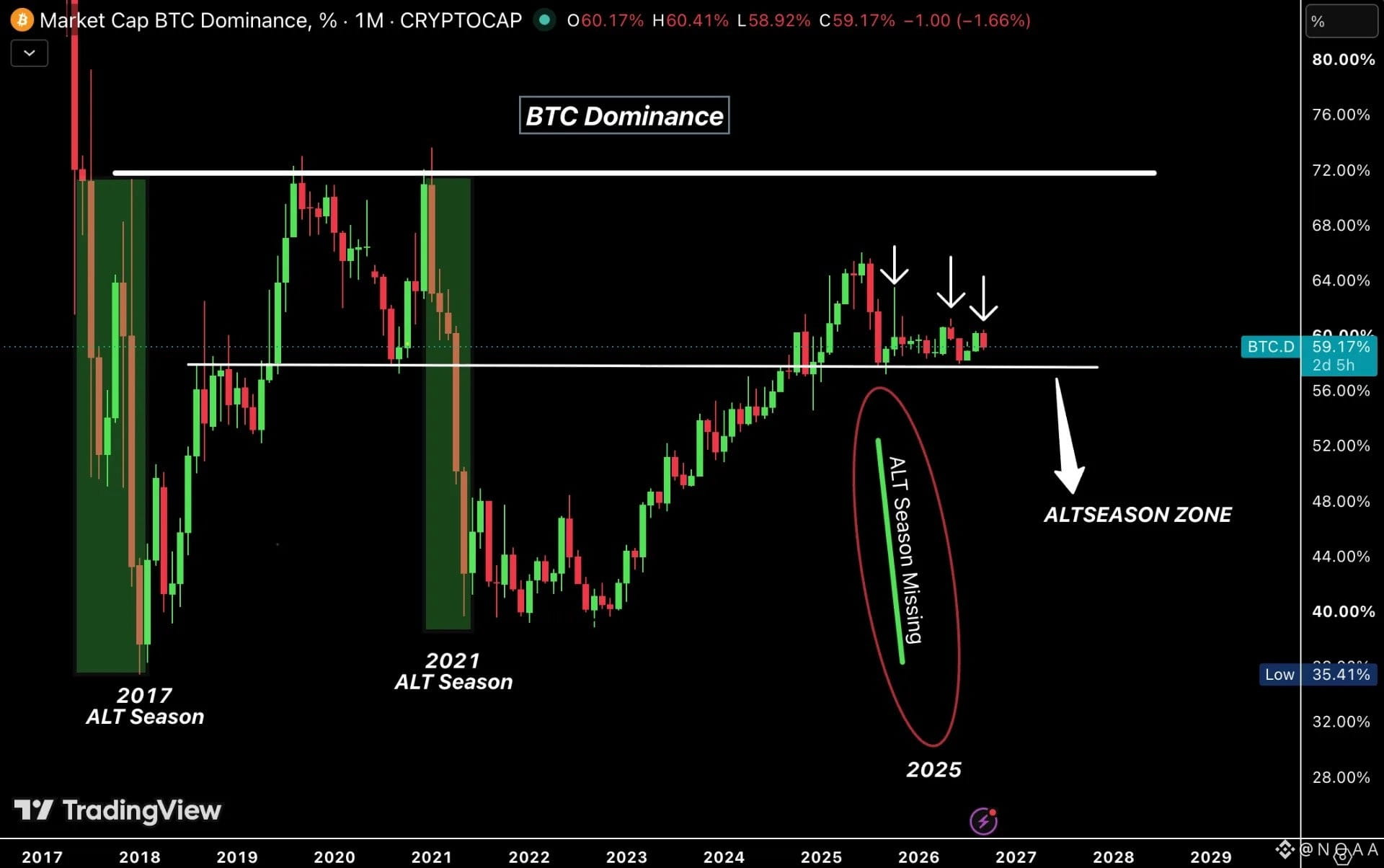
これは次のメジャーなアルトシーズンが始まるかどうかを決めるレベルになるかもしれません。
BTCドミナンスはほぼ1年にわたって値固めを続けています。2017年や2021年とは違い、2025年には主要なドミナンス崩れは見られませんでした。
現在、BTC.Dは安値更新ではなくより低い高値を作っており、重要なサポートは57.8%です。
57.8%を下抜け → ついにアルトシーズンが本格化する可能性。
維持して61%を奪還 → BTCが先導を続ける一方で、アルトは遅れやすいかもしれません。
BTC.Dはどちらにブレイクすると予想していますか?
これは次のメジャーなアルトシーズンが始まるかどうかを決めるレベルになるかもしれません。
BTCドミナンスはほぼ1年にわたって値固めを続けています。2017年や2021年とは違い、2025年には主要なドミナンス崩れは見られませんでした。
現在、BTC.Dは安値更新ではなくより低い高値を作っており、重要なサポートは57.8%です。
57.8%を下抜け → ついにアルトシーズンが本格化する可能性。
維持して61%を奪還 → BTCが先導を続ける一方で、アルトは遅れやすいかもしれません。
BTC.Dはどちらにブレイクすると予想していますか?
BTCドミナンスはほぼ1年にわたって値固めを続けています。2017年や2021年とは違い、2025年には主要なドミナンス崩れは見られませんでした。
現在、BTC.Dは安値更新ではなくより低い高値を作っており、重要なサポートは57.8%です。
57.8%を下抜け → ついにアルトシーズンが本格化する可能性。
維持して61%を奪還 → BTCが先導を続ける一方で、アルトは遅れやすいかもしれません。
BTC.Dはどちらにブレイクすると予想していますか?
1
102
·
--
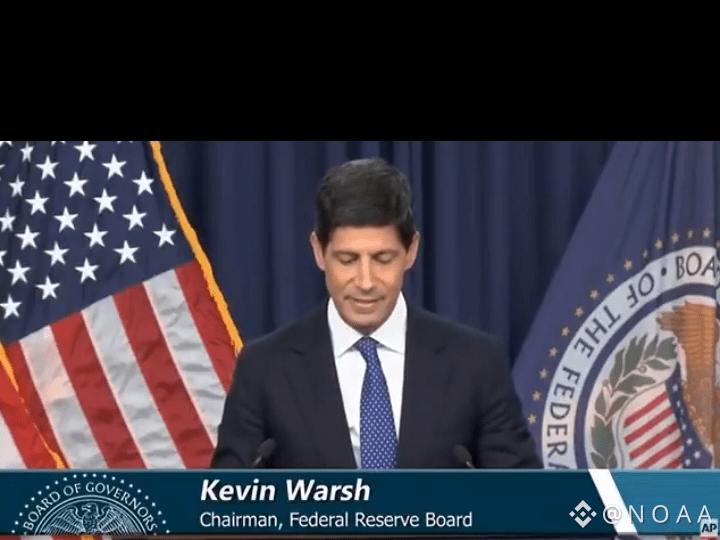
4時間。30分。
FRBのお気に入りのインフレ指標が、そろそろ下落しそうです。
コアPCEは前年比3.4%と見込まれ、前回の3.3%から上昇。
10月のFRB判断はすでに微妙な綱渡りだっただけに、この結果が市場を揺さぶり得ます。
熱い数字=値動きの急増に注意。👀
準備はできていますか?
4時間。30分。
FRBのお気に入りのインフレ指標が、そろそろ下落しそうです。
コアPCEは前年比3.4%と見込まれ、前回の3.3%から上昇。
10月のFRB判断はすでに微妙な綱渡りだっただけに、この結果が市場を揺さぶり得ます。
熱い数字=値動きの急増に注意。👀
準備はできていますか?
FRBのお気に入りのインフレ指標が、そろそろ下落しそうです。
コアPCEは前年比3.4%と見込まれ、前回の3.3%から上昇。
10月のFRB判断はすでに微妙な綱渡りだっただけに、この結果が市場を揺さぶり得ます。
熱い数字=値動きの急増に注意。👀
準備はできていますか?
1
114
·
--
立ち止まってしまう日もある。
すべてを疑ってしまう日もある。
それでも、前に進もう。
今日、すべてを理解できている必要はない。必要なのは、次の一歩を踏み出すことだけだ。
一貫して続けよう。焦らずに待とう。あなたの番はやってくる。
$NVDA.US $AAPL.US $GOOGL.US
立ち止まってしまう日もある。
すべてを疑ってしまう日もある。
それでも、前に進もう。
今日、すべてを理解できている必要はない。必要なのは、次の一歩を踏み出すことだけだ。
一貫して続けよう。焦らずに待とう。あなたの番はやってくる。
$NVDA.US $AAPL.US $GOOGL.US
すべてを疑ってしまう日もある。
それでも、前に進もう。
今日、すべてを理解できている必要はない。必要なのは、次の一歩を踏み出すことだけだ。
一貫して続けよう。焦らずに待とう。あなたの番はやってくる。
$NVDA.US $AAPL.US $GOOGL.US

1
170
·
--
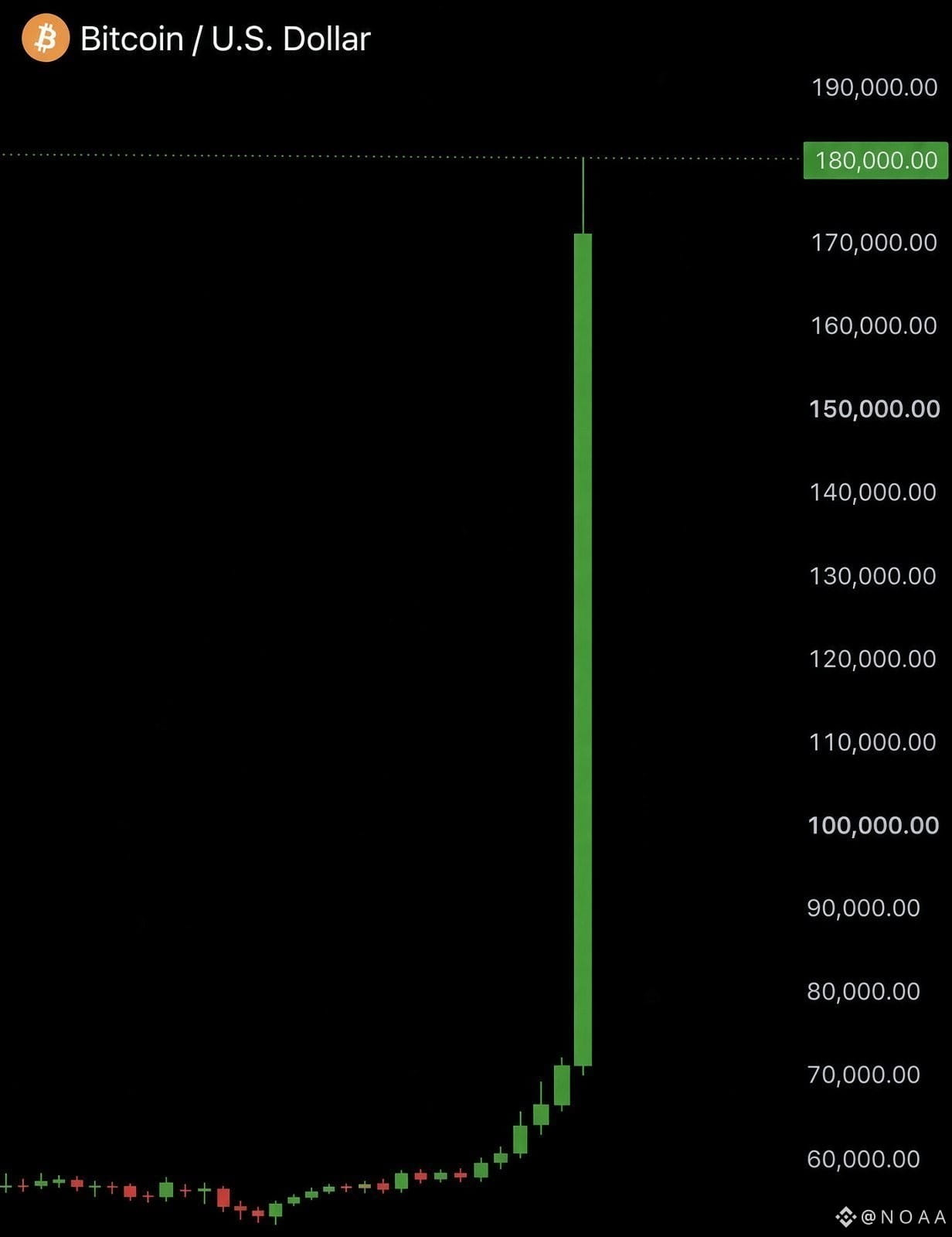
トム・リーは、暗号資産の強気相場が正式に始まったと語っています——そして今回のサイクルは、これまでのものよりも大きくなる可能性があると。👀
もし彼の言うことが本当なら、私たちは今まさに序盤の段階を見ているだけかもしれません。
次に来ることに、準備はできていますか?
トム・リーは、暗号資産の強気相場が正式に始まったと語っています——そして今回のサイクルは、これまでのものよりも大きくなる可能性があると。👀
もし彼の言うことが本当なら、私たちは今まさに序盤の段階を見ているだけかもしれません。
次に来ることに、準備はできていますか?
もし彼の言うことが本当なら、私たちは今まさに序盤の段階を見ているだけかもしれません。
次に来ることに、準備はできていますか?

151
·
--
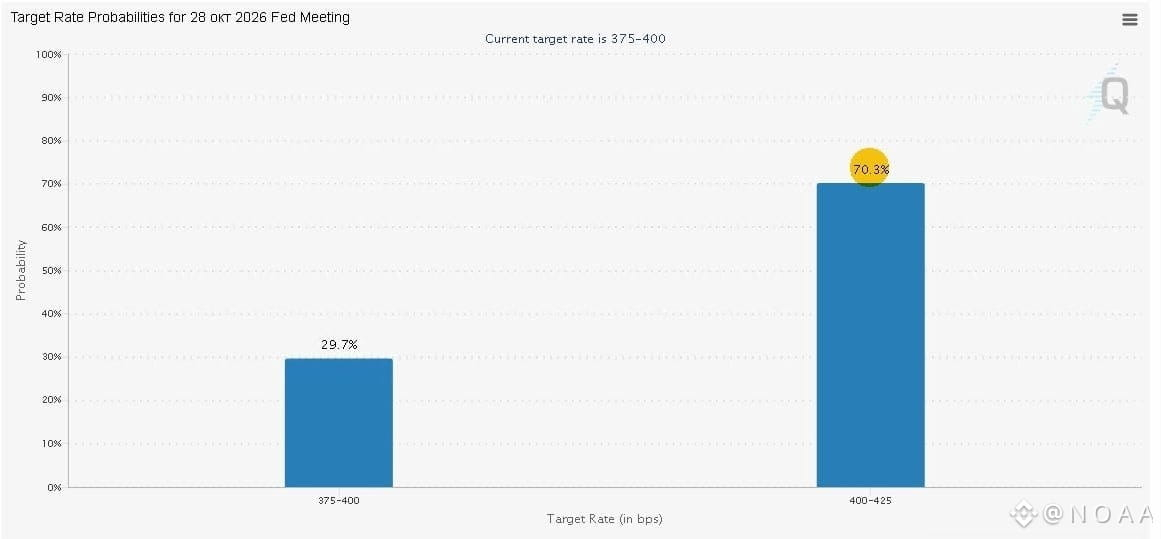
CME FedWatchによると、市場は現在、10月28日の会合でFRBが利上げする確率を70%超と織り込んでいます。
興味深いのは、FRBがこれまで、米国の選挙を前に10月に利上げするのを避けてきたことです。
今回は、トレーダーがまったく異なるシナリオを織り込んでいます。
CME FedWatchによると、市場は現在、10月28日の会合でFRBが利上げする確率を70%超と織り込んでいます。
興味深いのは、FRBがこれまで、米国の選挙を前に10月に利上げするのを避けてきたことです。
今回は、トレーダーがまったく異なるシナリオを織り込んでいます。
興味深いのは、FRBがこれまで、米国の選挙を前に10月に利上げするのを避けてきたことです。
今回は、トレーダーがまったく異なるシナリオを織り込んでいます。
1
126
·
--
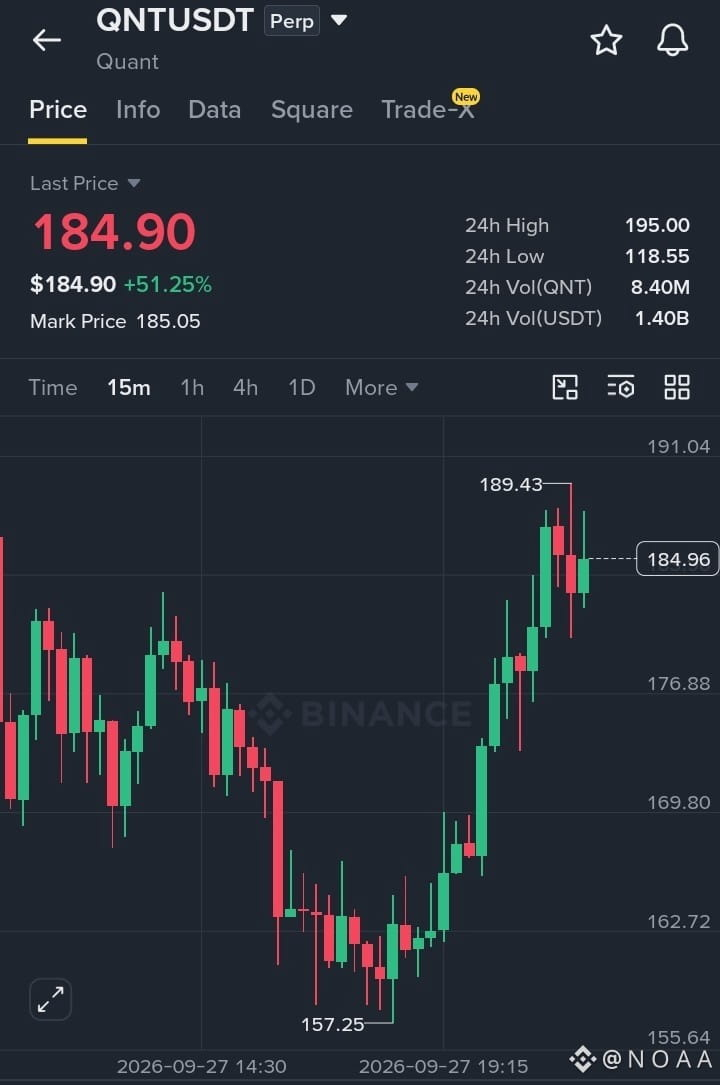
$QNT 強い勢いを保って$157.25から跳ね返った後
価格は現在、$189.4のレジスタンス直下で推移(調整)しています。
$189.4を明確に上抜けると$195に向かう可能性があり、一方で注目すべき主要なサポートは$176.8です。
この状況がどう展開するか見ていきましょう
$QNT 強い勢いを保って$157.25から跳ね返った後
価格は現在、$189.4のレジスタンス直下で推移(調整)しています。
$189.4を明確に上抜けると$195に向かう可能性があり、一方で注目すべき主要なサポートは$176.8です。
この状況がどう展開するか見ていきましょう
価格は現在、$189.4のレジスタンス直下で推移(調整)しています。
$189.4を明確に上抜けると$195に向かう可能性があり、一方で注目すべき主要なサポートは$176.8です。
この状況がどう展開するか見ていきましょう
2
114
·
--
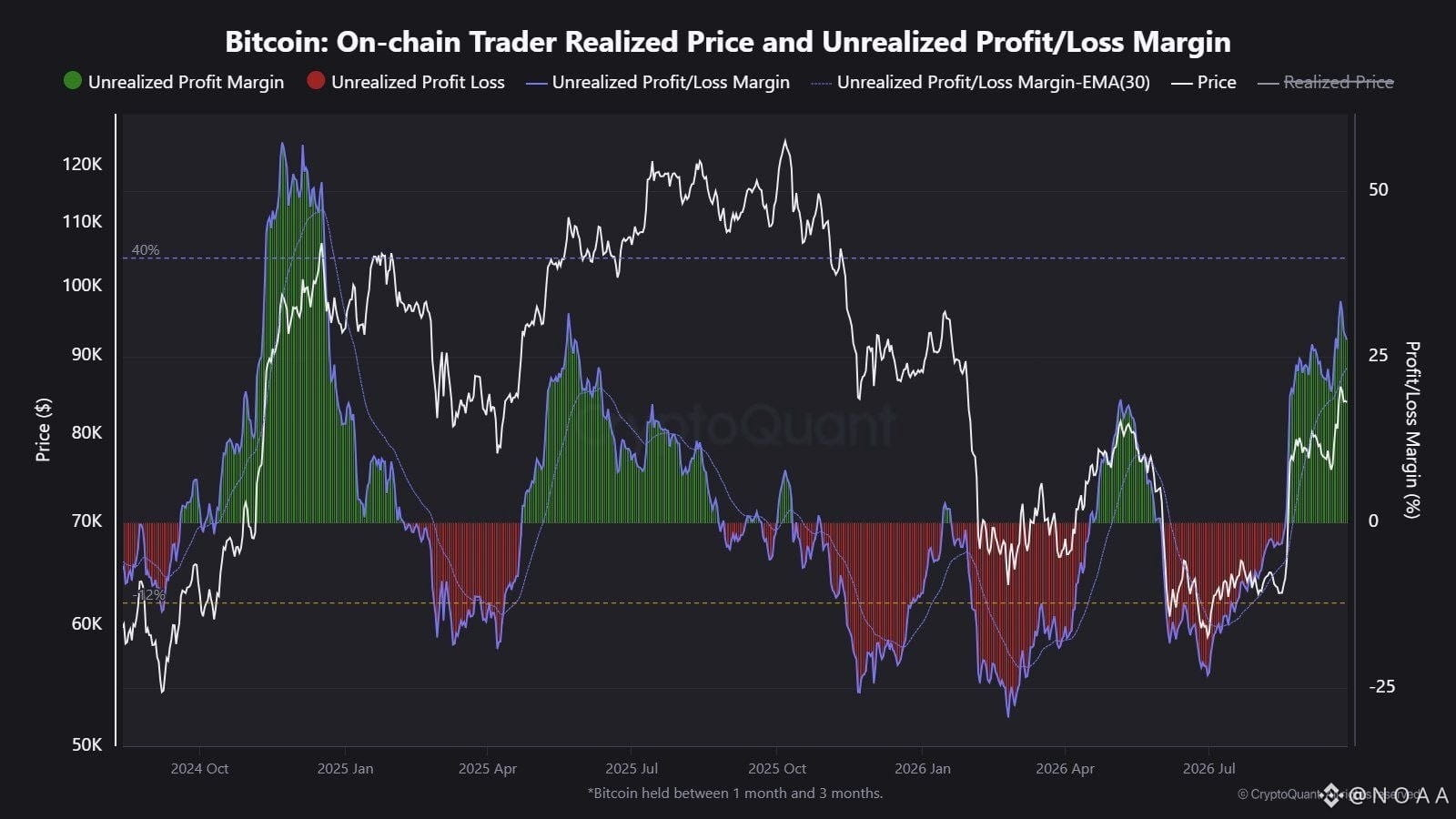
$BTC 0.1 USDTを保有
$BTC 市場の中で面白い変化👀
短期保有者が再び利益を見え始めている一方で、価格は実現価格の上で維持されています。
モメンタムが静かに高まっています。
では、より大きな疑問は次のとおりです。この動きはセンチメントが過熱するまでどこまで伸び得るのでしょうか?
{future}(BTCUSDT)
$BTC 市場の中で面白い変化👀
短期保有者が再び利益を見え始めている一方で、価格は実現価格の上で維持されています。
モメンタムが静かに高まっています。
では、より大きな疑問は次のとおりです。この動きはセンチメントが過熱するまでどこまで伸び得るのでしょうか?
短期保有者が再び利益を見え始めている一方で、価格は実現価格の上で維持されています。
モメンタムが静かに高まっています。
では、より大きな疑問は次のとおりです。この動きはセンチメントが過熱するまでどこまで伸び得るのでしょうか?
2
109
ログインして、さらにコンテンツを読む
厳選トピックで世界の暗号資産トレーダーの仲間入り
⚡️ 暗号資産に関する最新かつ有益な情報が見つかります。
💬 世界最大の暗号資産取引所から信頼されています。
👍 認証を受けたクリエイターから、有益なインサイトを得られます。
メール / 電話番号