
njs-btc
4.9k 投稿

njs-btc
 厳選トピック確認済
取引を発注
高頻度トレーダー
2年
1.0K+ フォロー
36.7K+ フォロワー
51.1K+ いいね
投稿
ポートフォリオ
すべて
引用
動画
引用されたコンテンツは削除されました
引用されたコンテンツは削除されました

独领风骚必暴富
·
--
2026.9.8早BTC/ETH/SNDK/XAG分析
今日SNDKが先陣を切って1800+を達成した。先週下半期の“骚哥”が語っていた、SNDKに1800へ衝撃を与え、2000+を試しに行くニーズに合致している。まずは第1目標の1800+が達成されたので、継続性は今夜の北米オープン次第だ;
昨晩はカップを投げるようにXAGのロングを今夜まで持ち越せ。利確・減倉を厳守して保護戦略を徹底すること;
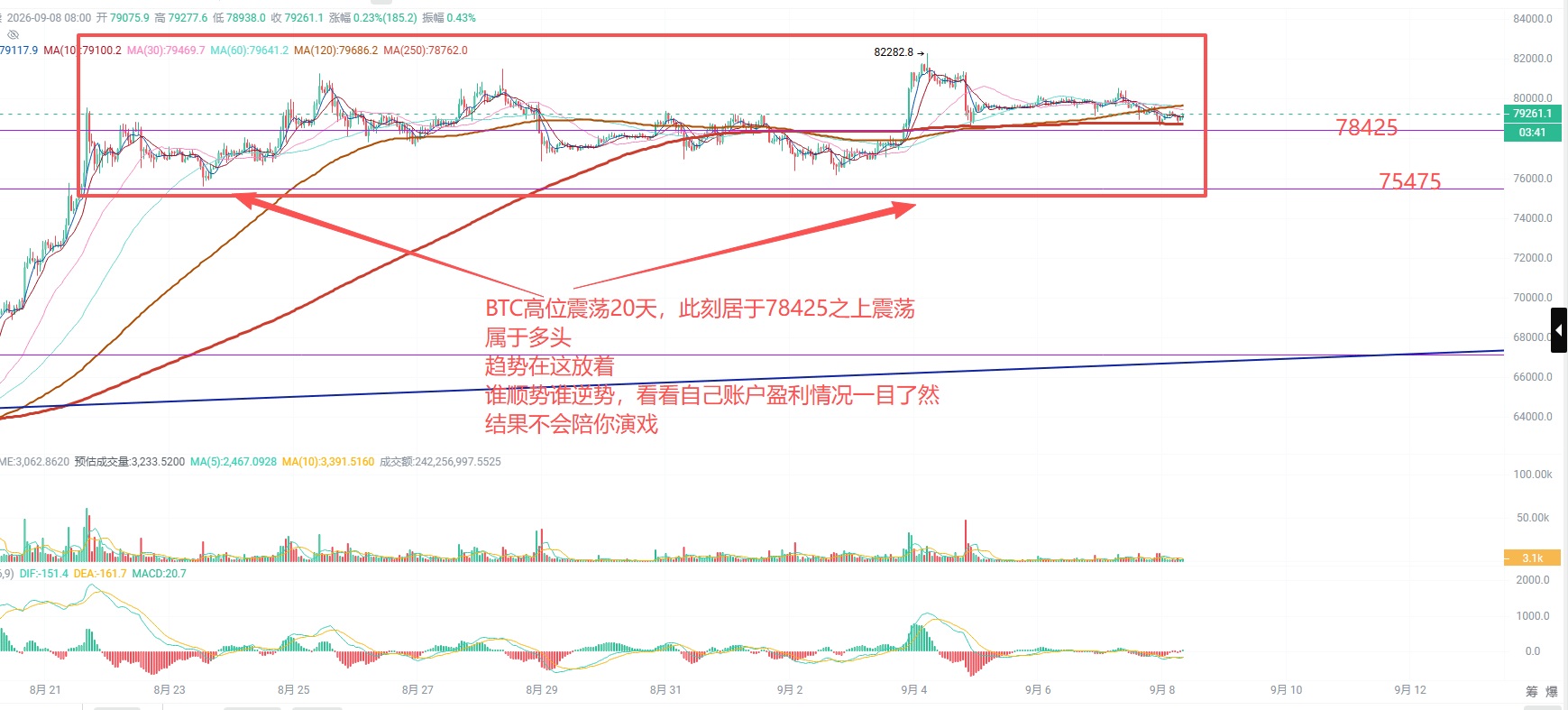
BTCの支・阻のポイント:87550/85165/75475/78425/71500
BTCは昨晩の安値が78636で、78425はヒットせず、また78000もブレイクしていない。買い・売りは往来のボックス(レンジ)主体で、トレンド破壊のシグナルはない;
ETHの支・阻のポイント:2750//2525/2400/2225/2100
狭いレンジの値動きが主。大玉(大BTC)のトレンドに追随して操作すればよい;
XAGは昨晩の66ロングを今夜まで持ち越せ。67にヒットすれば150%の収益を狙える。日(捏)側で機会があれば、30-40%の底値ロットを減らして損益トントンに戻す損切り設定で、直接0リスク。ヒットしなければ、夜の時間帯にかけて様子見し、夜間の勢いを見ろ;
SNDKは朝の1本の陽Kで直接1800+。今夜の北米オープン時点では、現状は強気トレンド。ひとまずショートはしない;
※操作の提案は一切の投資根拠にならない:チャンスがあるなら特に、空売り(空のポジション)で待っていた分は手を出すべき。利確・損切りの計画を立てて、やるべきことをやるだけ。迷ってためらうほど、ますます混乱する。トレンドが出てきたら、やるべきは順張りだ!
#Zcash周涨45%创2016年来新高
今日SNDKが先陣を切って1800+を達成した。先週下半期の“骚哥”が語っていた、SNDKに1800へ衝撃を与え、2000+を試しに行くニーズに合致している。まずは第1目標の1800+が達成されたので、継続性は今夜の北米オープン次第だ;
昨晩はカップを投げるようにXAGのロングを今夜まで持ち越せ。利確・減倉を厳守して保護戦略を徹底すること;
BTCの支・阻のポイント:87550/85165/75475/78425/71500
BTCは昨晩の安値が78636で、78425はヒットせず、また78000もブレイクしていない。買い・売りは往来のボックス(レンジ)主体で、トレンド破壊のシグナルはない;
ETHの支・阻のポイント:2750//2525/2400/2225/2100
狭いレンジの値動きが主。大玉(大BTC)のトレンドに追随して操作すればよい;
XAGは昨晩の66ロングを今夜まで持ち越せ。67にヒットすれば150%の収益を狙える。日(捏)側で機会があれば、30-40%の底値ロットを減らして損益トントンに戻す損切り設定で、直接0リスク。ヒットしなければ、夜の時間帯にかけて様子見し、夜間の勢いを見ろ;
SNDKは朝の1本の陽Kで直接1800+。今夜の北米オープン時点では、現状は強気トレンド。ひとまずショートはしない;
※操作の提案は一切の投資根拠にならない:チャンスがあるなら特に、空売り(空のポジション)で待っていた分は手を出すべき。利確・損切りの計画を立てて、やるべきことをやるだけ。迷ってためらうほど、ますます混乱する。トレンドが出てきたら、やるべきは順張りだ!
#Zcash周涨45%创2016年来新高
独领风骚必暴富
·
--
2026.9.6 週末の総括と振り返り、成長への必由の道
今週の取引は合計5件で、すべて利益状態でした。月曜のSNDKは1515でロング、火曜のXAUは4363でロング、BTCは76700でロング、水曜夜の小さな鼻のtreeは0.418でロング。損益どちらかで、まだ損切りには触れておらず、現在は利確状態です。持ちたくなければそのまま利確してOKです;木曜夜のHYPEは83.68でロング、金曜に一部利確後、84の底値ポジションは建値で少し利益を取って離脱;
先週から持ち越したwifも現在は利益状態です。いつもの通り、ポジションが大きければ減らし、ポジションが小さければ少し持って少なくとも1本の陽線を待つ;
BTCの支持・抵抗は87550/85165/75475/78425/71500
今週火曜に76700でロングした後、ポジションを全部減らしたあとの底値ポジションは、建値損切りを厳格に設定してしっかり持っていればよい;
78800/77000/75475のいくつかの重要ポイントは、月曜夜まで引き続き注目し、もう一度ロングを狙うチャンスを見る;
ETHの支持・抵抗は2750//2525/2400/2225/2100
ETHは2380/2343/2285に注目。月曜夜までに初めてタッチした場合、それぞれ1回ロングを狙うチャンスとして見てよい;
XAG戦略は引き続きそのまま指値注文を置き、エントリーを待てばよい;
SNDKは月曜の米株市場が休場。来週、再び1800を上抜ければ2000はほぼ二番天井となり、その時はAIもまた連れて動くはず;
操作上の提案は、いかなる投資判断の根拠にもなりません:昨夜伝えた通り、MAA30/MA60のゴールデンクロス位置で横ばいしている古参の主力、MA120を抜けたばかりの古参の主力、そしてMA250に触れて現在MA120付近で3日ほどもみ合っているものを積極的に探すこと。このような形はすべてチャンスです!有効な損切り、巨大な利確余地、すべてこれに当たります!
#BTC触及80000美元
今週の取引は合計5件で、すべて利益状態でした。月曜のSNDKは1515でロング、火曜のXAUは4363でロング、BTCは76700でロング、水曜夜の小さな鼻のtreeは0.418でロング。損益どちらかで、まだ損切りには触れておらず、現在は利確状態です。持ちたくなければそのまま利確してOKです;木曜夜のHYPEは83.68でロング、金曜に一部利確後、84の底値ポジションは建値で少し利益を取って離脱;
先週から持ち越したwifも現在は利益状態です。いつもの通り、ポジションが大きければ減らし、ポジションが小さければ少し持って少なくとも1本の陽線を待つ;
BTCの支持・抵抗は87550/85165/75475/78425/71500
今週火曜に76700でロングした後、ポジションを全部減らしたあとの底値ポジションは、建値損切りを厳格に設定してしっかり持っていればよい;
78800/77000/75475のいくつかの重要ポイントは、月曜夜まで引き続き注目し、もう一度ロングを狙うチャンスを見る;
ETHの支持・抵抗は2750//2525/2400/2225/2100
ETHは2380/2343/2285に注目。月曜夜までに初めてタッチした場合、それぞれ1回ロングを狙うチャンスとして見てよい;
XAG戦略は引き続きそのまま指値注文を置き、エントリーを待てばよい;
SNDKは月曜の米株市場が休場。来週、再び1800を上抜ければ2000はほぼ二番天井となり、その時はAIもまた連れて動くはず;
操作上の提案は、いかなる投資判断の根拠にもなりません:昨夜伝えた通り、MAA30/MA60のゴールデンクロス位置で横ばいしている古参の主力、MA120を抜けたばかりの古参の主力、そしてMA250に触れて現在MA120付近で3日ほどもみ合っているものを積極的に探すこと。このような形はすべてチャンスです!有効な損切り、巨大な利確余地、すべてこれに当たります!
#BTC触及80000美元

janu-bnb
·
--
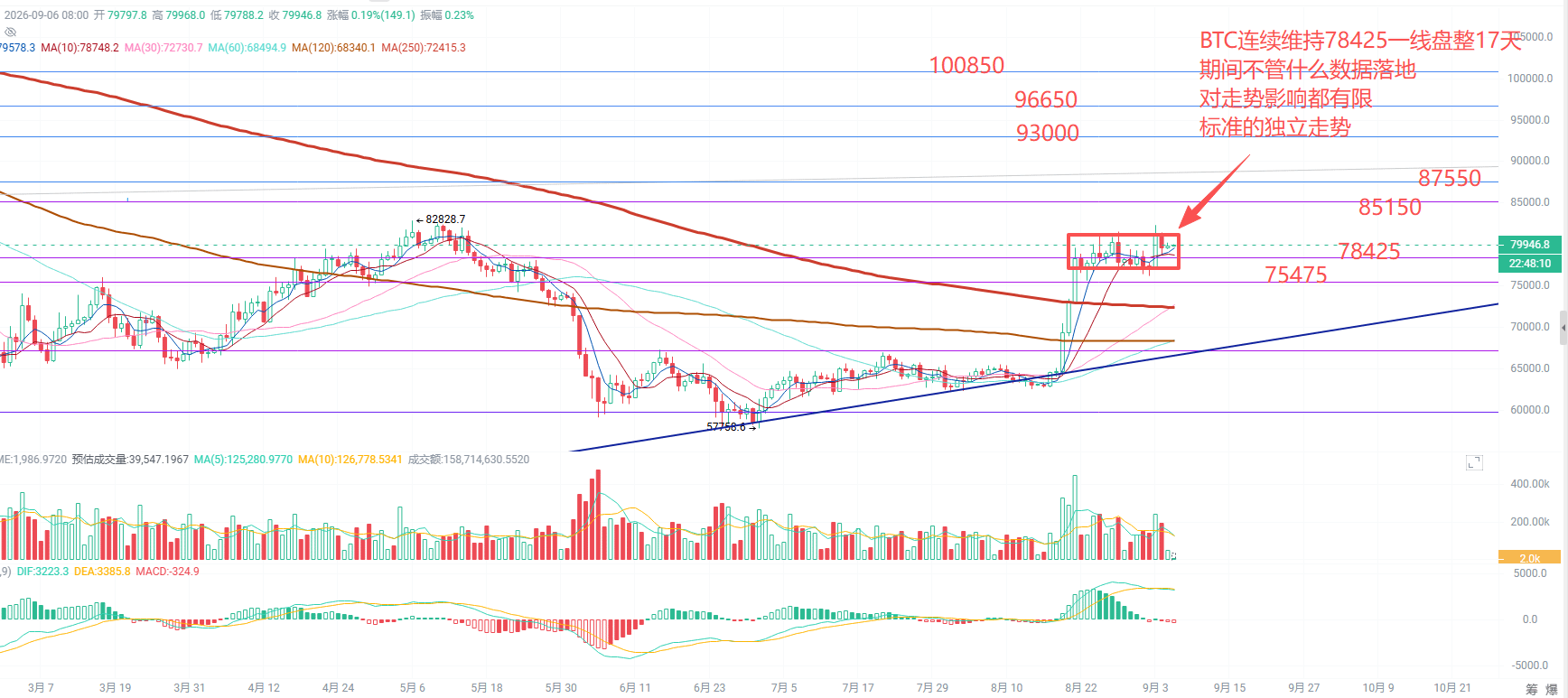
📚✨ ハッピー教師の日! 💛
教師はただ授業を教えるだけではなく、心を育て、自信を築き、私たちにもっと大きな夢を描くよう प्रेरします。
@Binance Academy で暗号資産を学ぼう
@独领风骚必暴富 でKOLと取引しよう
絶えず進化し続ける世界において、知識は最も価値のある資産です。🌱
ブロックチェーンがイノベーションとコミュニティを通じてより強い未来を築くように、教師は知識を分かち合い、世代を導き、人々が成長する力を与えることで、より良い未来を築いています。⛓️
最初の授業から最大の夢まで、すべての成果の背後には教師がいます。🙏
学び。成長。構築。 вдох。
それこそが、偉大な教師の本当の遺産です。💛
好奇心を知識へ、知識を可能性へと変えてくれるすべての教師に、ハッピー教師の日を。🌍🚀
#HappyTeachersDay #Binance #BNBChain #Crypto #Web3 #Education
教師はただ授業を教えるだけではなく、心を育て、自信を築き、私たちにもっと大きな夢を描くよう प्रेरします。
@Binance Academy で暗号資産を学ぼう
@独领风骚必暴富 でKOLと取引しよう
絶えず進化し続ける世界において、知識は最も価値のある資産です。🌱
ブロックチェーンがイノベーションとコミュニティを通じてより強い未来を築くように、教師は知識を分かち合い、世代を導き、人々が成長する力を与えることで、より良い未来を築いています。⛓️
最初の授業から最大の夢まで、すべての成果の背後には教師がいます。🙏
学び。成長。構築。 вдох。
それこそが、偉大な教師の本当の遺産です。💛
好奇心を知識へ、知識を可能性へと変えてくれるすべての教師に、ハッピー教師の日を。🌍🚀
#HappyTeachersDay #Binance #BNBChain #Crypto #Web3 #Education

引用されたコンテンツは削除されました
janu-bnb
·
--
🦚✨ スリ・クリシュナ生誕祭おめでとうございます!💛
主クリシュナが、あなたの旅に知恵、平和、勇気、そして繁栄を満たし、あらゆる困難が機会へと変わるよう祈ります。🙏
💛 クリシュナの英知 × バイナンスの革新
📈 焦らずに。集中して。作り続けよう。
🚀 信念を持ち続け、旅を信じ、未来を受け入れよう!
🌟 「信仰があるところに道はある。」
🦚 ジャイ・シュリー・クリシュナ!💛
#KrishnaJanmashtami #Binance
主クリシュナが、あなたの旅に知恵、平和、勇気、そして繁栄を満たし、あらゆる困難が機会へと変わるよう祈ります。🙏
💛 クリシュナの英知 × バイナンスの革新
📈 焦らずに。集中して。作り続けよう。
🚀 信念を持ち続け、旅を信じ、未来を受け入れよう!
🌟 「信仰があるところに道はある。」
🦚 ジャイ・シュリー・クリシュナ!💛
#KrishnaJanmashtami #Binance
独领风骚必暴富
·
--
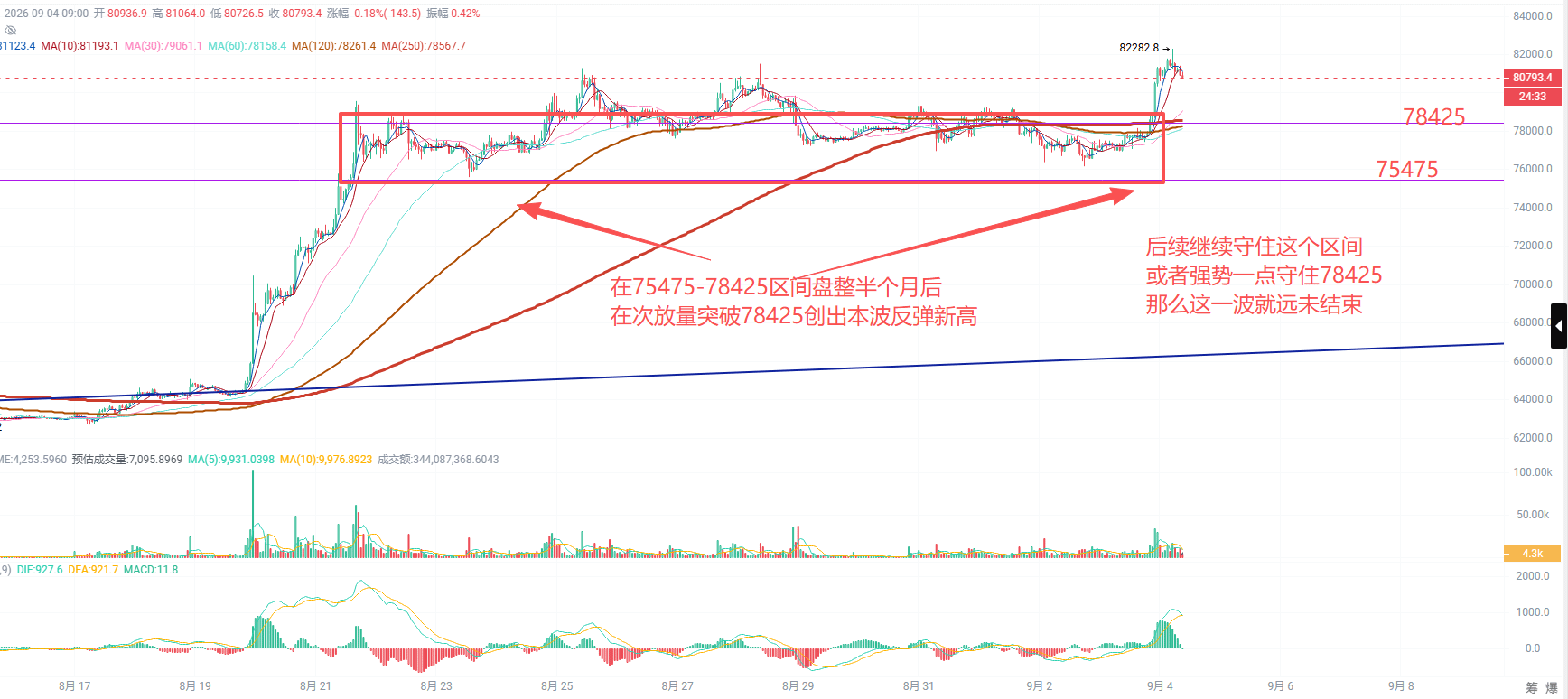
2026.9.4 早い歴史の上で今日、第一波の“本当の歴史級”となる暴落が起きました
この夜、市場は5.57億ドルをかすめ取り、98644人が破産してゼロに。人数は微減なのに金額は増えていて、昨日話した通り、ポジションの玉(チップ)が段階的に集中し、リバランスは最後の時間帯へ。ボラティリティが増え、しかも大きくなるほど、その後の相場が継続しやすくなります;
BTC 支え・抵抗ライン 87550/85165/75475/78425/71500
昨日は76600近辺へのリテストのチャンスをくれませんでした。夜のうちにいきなり5000ドル分を一気に上げ、いまは80800近辺で揉み合い。昨夜寝る前の価格からずっと同じで、清算(爆死)金額の面では、多くの人が爆発してしまった(損切り・清算された)ようです;
一昨日の76700でのロングを持っていた仲間は、少しだけ救われています;
昨日、78425-80000のレンジで書いた内容はとても詳細で、“指値は置かせない”形でした。出来高を伴う下落のシグナルがないのでショートは不可。だから誰がその場でショートしたなら、いまはそのまま含み損を抱えています;
ETH 支え・抵抗ライン 2750/2400/2225/2100
大口(BTC)の値動きに追随;
XAUは連続反発で4515まで触れた後、いま1h/2hは再びma250を回収中。今夜の大きな雇用統計(非農)データは、さらに突っ込むのか、それともブレイク後に一度押し目(戻り)を入れるのか——結果が出るまで静かに待つだけです。今日の日中は断固としてXAUはやりません;
SNDKは安定していて、小さな値動きで上がったり下がったり。小さなチャンスは少し遊べます;
※この操作提案は投資の根拠にはなりません:いつも“最安で買って最高で売る”なんてことばかり幻想しないでください。1つのトレンドで腹(ボリューム)ぶんの魚を食べられたら、それだけで天下無敵です;今夜の大きな非農は、市場への影響が最大となるのは“ひとひねり”くらい。その日足(日K)のトレンドは変えられないはずです!
#SEC新规拟吸引加密企业回流美国
この夜、市場は5.57億ドルをかすめ取り、98644人が破産してゼロに。人数は微減なのに金額は増えていて、昨日話した通り、ポジションの玉(チップ)が段階的に集中し、リバランスは最後の時間帯へ。ボラティリティが増え、しかも大きくなるほど、その後の相場が継続しやすくなります;
BTC 支え・抵抗ライン 87550/85165/75475/78425/71500
昨日は76600近辺へのリテストのチャンスをくれませんでした。夜のうちにいきなり5000ドル分を一気に上げ、いまは80800近辺で揉み合い。昨夜寝る前の価格からずっと同じで、清算(爆死)金額の面では、多くの人が爆発してしまった(損切り・清算された)ようです;
一昨日の76700でのロングを持っていた仲間は、少しだけ救われています;
昨日、78425-80000のレンジで書いた内容はとても詳細で、“指値は置かせない”形でした。出来高を伴う下落のシグナルがないのでショートは不可。だから誰がその場でショートしたなら、いまはそのまま含み損を抱えています;
ETH 支え・抵抗ライン 2750/2400/2225/2100
大口(BTC)の値動きに追随;
XAUは連続反発で4515まで触れた後、いま1h/2hは再びma250を回収中。今夜の大きな雇用統計(非農)データは、さらに突っ込むのか、それともブレイク後に一度押し目(戻り)を入れるのか——結果が出るまで静かに待つだけです。今日の日中は断固としてXAUはやりません;
SNDKは安定していて、小さな値動きで上がったり下がったり。小さなチャンスは少し遊べます;
※この操作提案は投資の根拠にはなりません:いつも“最安で買って最高で売る”なんてことばかり幻想しないでください。1つのトレンドで腹(ボリューム)ぶんの魚を食べられたら、それだけで天下無敵です;今夜の大きな非農は、市場への影響が最大となるのは“ひとひねり”くらい。その日足(日K)のトレンドは変えられないはずです!
#SEC新规拟吸引加密企业回流美国

Arif-BNB
·
--
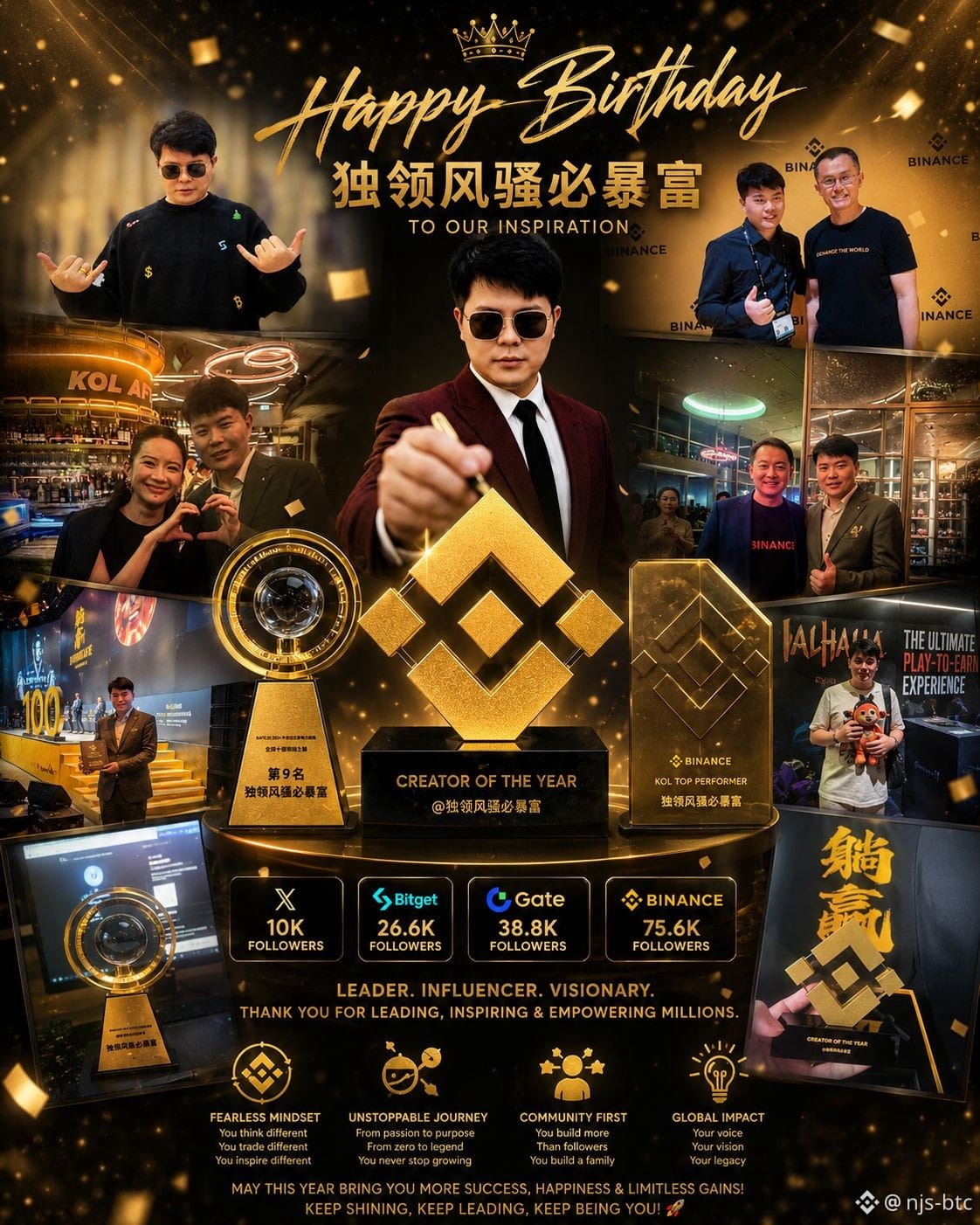
最幸せな誕生日 @独领风骚必暴富
私はあなたのライブ配信に参加して、あなたからもっと多くを学びました。私の友人 @njs-btc は私に仮想通貨を勧めてくれて、彼もあなたから学んだと言っていました。彼は私に、この仮想通貨に毎日少し時間をかければ、もっと稼げるようになると話しました。
私は KOL #骚哥HOPE からこれほど強いサポートを受けられたことを、信じられないほど幸運に感じています。私の Binance の旅は今日まで続いており、すべて彼のおかげです。彼は私に革新することを促し、仮想通貨の分野に入るように動機づけてくれます。なぜなら仮想通貨こそが未来だからです。📈📉
彼は金属、仮想通貨、株式市場の取引で、ほぼ 10+ 年の経験があります。さらに #BinanceSquare では 7+ 年間、最優秀分析の専門家として活躍し、年 24-25 における最優秀トレーダー賞を受賞しています。🏆。
私はあなたのライブ配信に参加して、あなたからもっと多くを学びました。私の友人 @njs-btc は私に仮想通貨を勧めてくれて、彼もあなたから学んだと言っていました。彼は私に、この仮想通貨に毎日少し時間をかければ、もっと稼げるようになると話しました。
私は KOL #骚哥HOPE からこれほど強いサポートを受けられたことを、信じられないほど幸運に感じています。私の Binance の旅は今日まで続いており、すべて彼のおかげです。彼は私に革新することを促し、仮想通貨の分野に入るように動機づけてくれます。なぜなら仮想通貨こそが未来だからです。📈📉
彼は金属、仮想通貨、株式市場の取引で、ほぼ 10+ 年の経験があります。さらに #BinanceSquare では 7+ 年間、最優秀分析の専門家として活躍し、年 24-25 における最優秀トレーダー賞を受賞しています。🏆。

janu-bnb
·
--
ブリッシュ🎂🔥 LEGEND(伝説)のあなたへお誕生日おめでとう - @独领风骚必暴富 ! 🏆👑
今日は誕生日を祝うだけじゃない。TRADER(トレーダー)、LEADER(リーダー)、MENTOR(メンター)そしてTRUE COMMUNITY ICON(真のコミュニティの象徴)を称える日なんだ。🚀
🏆 最優秀トレーダー賞の受賞者
📈 チャートと相場の動きを見抜く達人
🧠 ボラティリティをチャンスに変える頭脳
🔥 すべての投稿で何千人もの人を鼓舞するKOL
ねえ、君の成功は利益だけの話じゃないよ。それは、毎日コミュニティに分かち合っている規律、継続、勇気、そして知識の積み重ねなんだ。💛
チャートを読むところからコミュニティを導くところまで、君が本当に「#CarryWang 」を意味する存在だと示してくれた。👑
この特別な日に、君へ願うのは:
💰 もっと大きな利益
📈 さらに伝説級の取引
🏆 もっと多くの受賞
🔥 さらなる影響力
🚀 終わりのないチャンス
❤️ そしてチャートの向こうにある幸せ!
トレードを続けよう。勝ち続けよう。人を鼓舞し続けよう。
最高の章はまだこれからだ! 🫡🔥
🎉 誕生日おめでとう、BRO!(相棒)
見えるすべてのろうそくがGREEN(グリーン)のろうそく🟢📈でありますように。そして毎年、次のATH(史上最高値)にもっと近づきますように! 🚀
#HappyBirthdayKOL #骚哥HOPE
今日は誕生日を祝うだけじゃない。TRADER(トレーダー)、LEADER(リーダー)、MENTOR(メンター)そしてTRUE COMMUNITY ICON(真のコミュニティの象徴)を称える日なんだ。🚀
🏆 最優秀トレーダー賞の受賞者
📈 チャートと相場の動きを見抜く達人
🧠 ボラティリティをチャンスに変える頭脳
🔥 すべての投稿で何千人もの人を鼓舞するKOL
ねえ、君の成功は利益だけの話じゃないよ。それは、毎日コミュニティに分かち合っている規律、継続、勇気、そして知識の積み重ねなんだ。💛
チャートを読むところからコミュニティを導くところまで、君が本当に「#CarryWang 」を意味する存在だと示してくれた。👑
この特別な日に、君へ願うのは:
💰 もっと大きな利益
📈 さらに伝説級の取引
🏆 もっと多くの受賞
🔥 さらなる影響力
🚀 終わりのないチャンス
❤️ そしてチャートの向こうにある幸せ!
トレードを続けよう。勝ち続けよう。人を鼓舞し続けよう。
最高の章はまだこれからだ! 🫡🔥
🎉 誕生日おめでとう、BRO!(相棒)
見えるすべてのろうそくがGREEN(グリーン)のろうそく🟢📈でありますように。そして毎年、次のATH(史上最高値)にもっと近づきますように! 🚀
#HappyBirthdayKOL #骚哥HOPE

独领风骚必暴富
·
--
玩美株、バイナンスに参加、騒哥を見逃すな
弱気相場では給料の使い道をきちんと決めて、騒哥と一緒に着実に堅実に前進しよう。強気相場では一緒に果実を摘もう!
騒哥バイナンス限定招待リンク:
https://www.bsmkweb.cc/join?ref=SAOGE331
(ブラウザにコピーして新規ユーザー登録し、現物と先物(各1件)の取引を完了すると、騒哥専用チャットに入って限定特典を受け取れます)
騒哥バイナンスコード:SAOGE331
騒哥は毎週月曜〜金曜にライブ配信で、米株、ゴールド、ビットコインのうちどれの値動きが良いかをその場で即決し、杯を叩き落とす。条件がある方はぜひ騒哥の配信を観て一緒に杯を叩き落として;3年以上連続で杯を叩き落とし続ける。
米株を10年以上追跡し、“狗庄”を手玉に取る一手を持ってる——覚えておいて、騒哥本人だ。
#学习改变成长行动收获
弱気相場では給料の使い道をきちんと決めて、騒哥と一緒に着実に堅実に前進しよう。強気相場では一緒に果実を摘もう!
騒哥バイナンス限定招待リンク:
https://www.bsmkweb.cc/join?ref=SAOGE331
(ブラウザにコピーして新規ユーザー登録し、現物と先物(各1件)の取引を完了すると、騒哥専用チャットに入って限定特典を受け取れます)
騒哥バイナンスコード:SAOGE331
騒哥は毎週月曜〜金曜にライブ配信で、米株、ゴールド、ビットコインのうちどれの値動きが良いかをその場で即決し、杯を叩き落とす。条件がある方はぜひ騒哥の配信を観て一緒に杯を叩き落として;3年以上連続で杯を叩き落とし続ける。
米株を10年以上追跡し、“狗庄”を手玉に取る一手を持ってる——覚えておいて、騒哥本人だ。
#学习改变成长行动收获
独领风骚必暴富
·
--
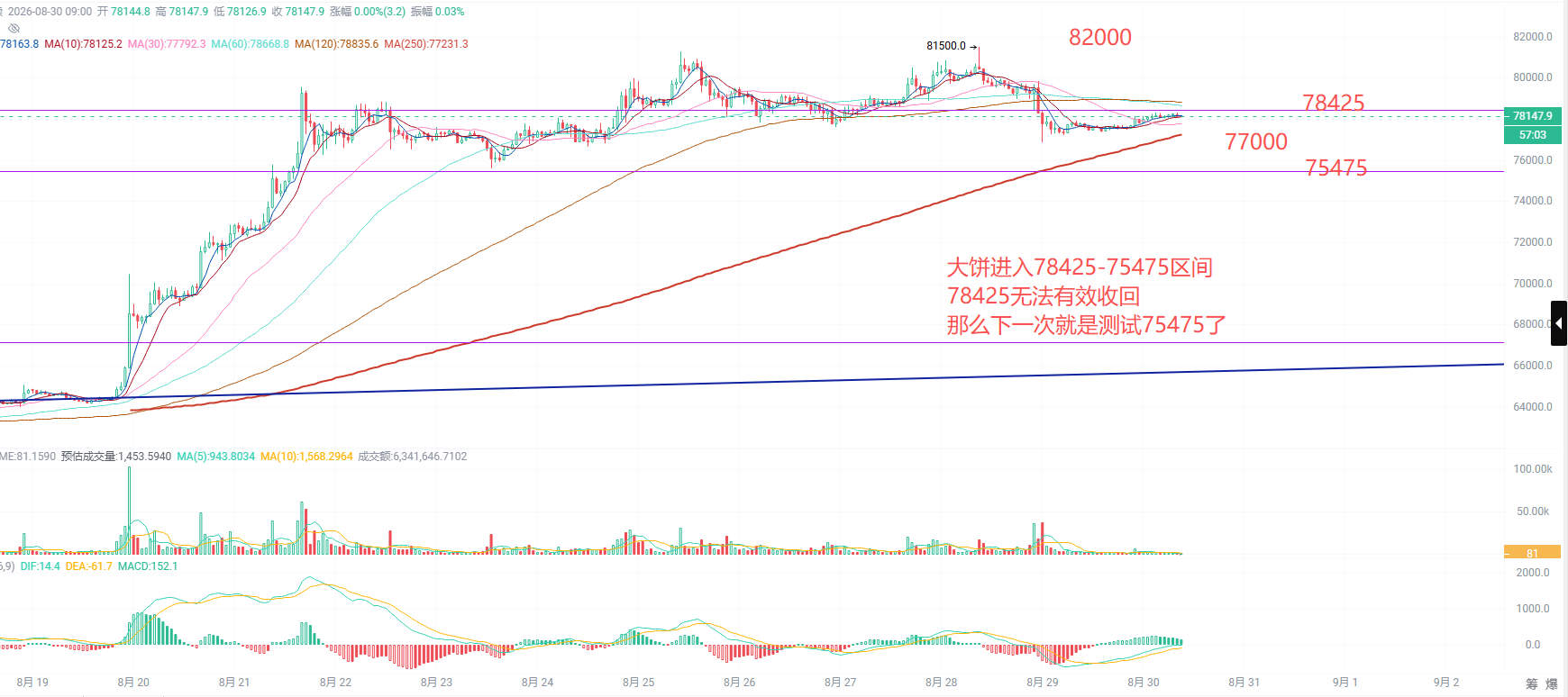
2026.8.30週末まとめて解析します
今月の最終日から数えて2日前、週足の終値が近づいています。この2日間で市場は結局下方向へテストを行い、新たな一波の調整に入ります;
BTCのレジスタンスは87550/85165/75475/78425/71500
BTCは78425をブレイクして下方向へテスト中。中段のトレンドライン77000を下回り、最安値は76853でした。いまは78200付近まで戻していますが、まだ78425は回収できていません。月曜は79000/80300に上抜けの需要があるか注目してください。そこでショートの機会を検討できます;
ETHのレジスタンスは2750/2400/2225/2100
一瞬2406まで突き刺さりましたが、いまは2460付近まで戻しています。2515-2530は抵抗帯です;
XAUはヴォーシュ(ウォッシュ)の発言に押さえられ、インフレ期待が温まり、利上げ確率がわずかに上昇。その直後、ドル建ての金は150+と急落しました
市場に時間を与えて消化させましょう
米株も基本的に横ばいで、チャンスは多くないです!
※本操作提案は投資の根拠にはなりません:先週の急騰のあと、今週はすぐに落ち着きました。先週のムードに振り回されたプレイヤーが、もしFOMOしすぎるなら、今週も結局マイナスになりがちです!
いま手元に、先行(先頭)ロットで含み損のあるポジションがあるなら、ポジション量をコントロールしてください。焦ってナンピンしないでください。たとえばwif。大きな仕上げ(大玉のビット大饼)がいつ落ち着くかを見てから、ナンピンを判断しましょう。ポジション量こそがあなたの生命線です!
#比特币现货ETF结束9日净流入
今月の最終日から数えて2日前、週足の終値が近づいています。この2日間で市場は結局下方向へテストを行い、新たな一波の調整に入ります;
BTCのレジスタンスは87550/85165/75475/78425/71500
BTCは78425をブレイクして下方向へテスト中。中段のトレンドライン77000を下回り、最安値は76853でした。いまは78200付近まで戻していますが、まだ78425は回収できていません。月曜は79000/80300に上抜けの需要があるか注目してください。そこでショートの機会を検討できます;
ETHのレジスタンスは2750/2400/2225/2100
一瞬2406まで突き刺さりましたが、いまは2460付近まで戻しています。2515-2530は抵抗帯です;
XAUはヴォーシュ(ウォッシュ)の発言に押さえられ、インフレ期待が温まり、利上げ確率がわずかに上昇。その直後、ドル建ての金は150+と急落しました
市場に時間を与えて消化させましょう
米株も基本的に横ばいで、チャンスは多くないです!
※本操作提案は投資の根拠にはなりません:先週の急騰のあと、今週はすぐに落ち着きました。先週のムードに振り回されたプレイヤーが、もしFOMOしすぎるなら、今週も結局マイナスになりがちです!
いま手元に、先行(先頭)ロットで含み損のあるポジションがあるなら、ポジション量をコントロールしてください。焦ってナンピンしないでください。たとえばwif。大きな仕上げ(大玉のビット大饼)がいつ落ち着くかを見てから、ナンピンを判断しましょう。ポジション量こそがあなたの生命線です!
#比特币现货ETF结束9日净流入
独领风骚必暴富
·
--
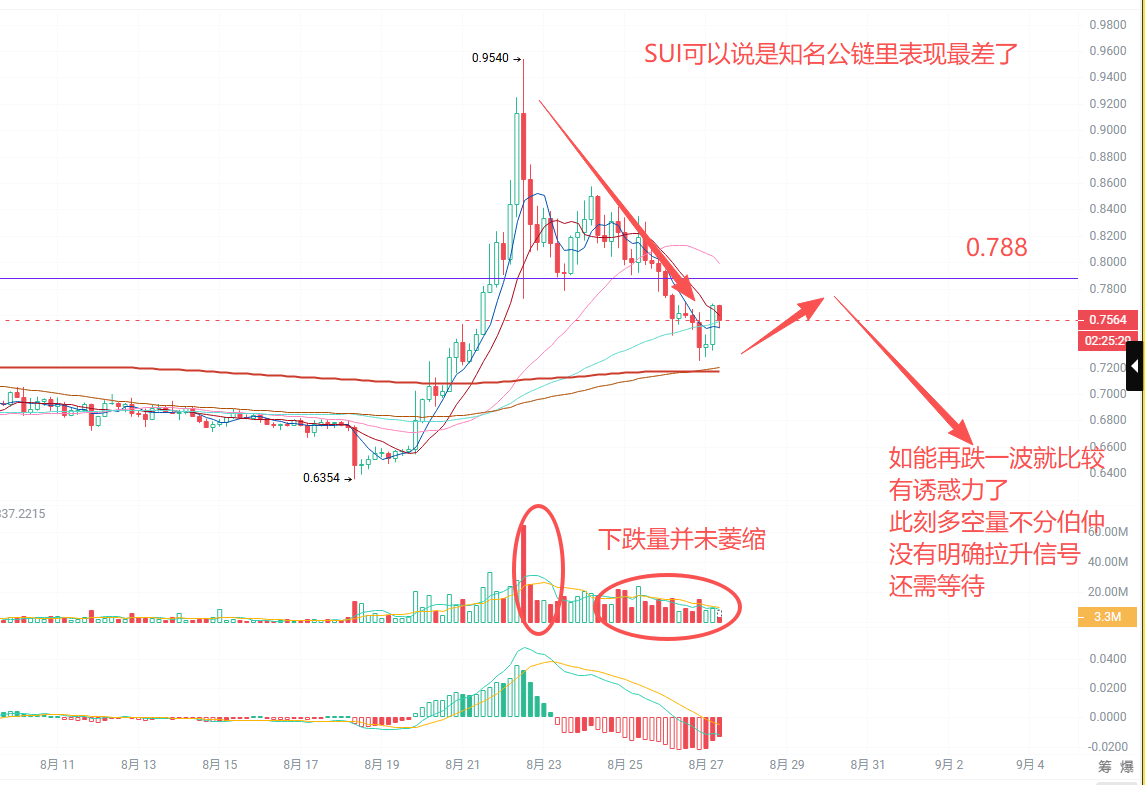
SUIは、知名なパブリックチェーンの中では最も成績が悪いと言える。
SUIの現在の値動きは下落しているが、出来高は縮んでおらず、買い方と売り方が膠着している。0.7〜0.71まで下がれば、かなり攻めの良いチャンスエリアになる。
0.675まで下がれば、さらに魅力的だ。
SUIが悪いと言いたいわけではないが、正直なところ、パフォーマンスがかなり弱い。主力が弱いような感じがする。
SUIの現在の値動きは下落しているが、出来高は縮んでおらず、買い方と売り方が膠着している。0.7〜0.71まで下がれば、かなり攻めの良いチャンスエリアになる。
0.675まで下がれば、さらに魅力的だ。
SUIが悪いと言いたいわけではないが、正直なところ、パフォーマンスがかなり弱い。主力が弱いような感じがする。
独领风骚必暴富
·
--
2026.8.26日内BTC/ETH/XAU/SNDK分析
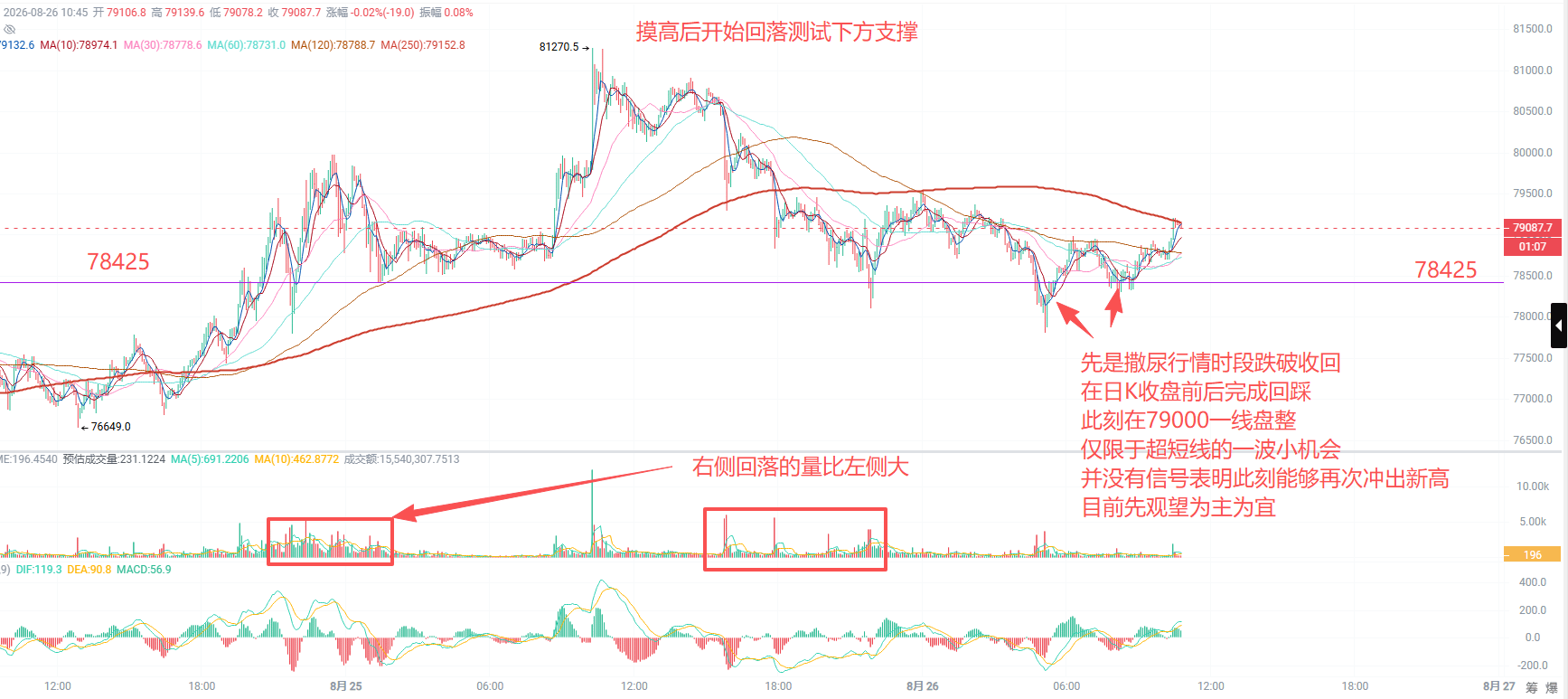
今週の市場はやや停滞しており、次はもみ合いを繰り返しながらサポートを何度もテストする展開です。BTCは昨日の日中78,425ラインで、もう一度ロングを取れます。夜間は1,000ドルの値幅が出た時点で利確(あるいは損益トントンのための撤退)を提示し、深夜に再度78,425に触れても今回はやりません。二枚目(2枚目のポジション)は撤単しました。理由は、手元にすでに1枚目の大きなビットコイン・ロングがあって防御(ヘッジ)が効いているため、二枚目を外したのです。ですが、いま見ると大きなビットコインは78,425をいったん下抜けた後に回収し、深夜に次の押し目でサポート確認ができました。現在はリバウンドして79,000+まで到達しており、価格自体はほぼ動いていませんが、超短期の小さなロング(上方向)シグナルが一波出ています。
二枚目の最安値は2,414。昨日の二枚目の最初のエントリー位置(2,425)を撤していない人は、その一波を取りにいけます。撤した人は、改めて新しいチャンスを探してください。
昨日の動画解析で扱った小さなロングのXAG(銀)も、ちゃんと利益が取れました。
SNDKは昨夜1,510で初回ロングを持ちました。リバウンドの強さを見て、損切りの条件に触れない限りは、夜間まで効果を見て持ち続けます。夜間に1回目の目標利確まで上げられない場合は、損益トントンのチャンスがあるかどうかを見て、まずは一度離脱するのも検討します。
BTC 支阻位(抵抗): 87,550 / 85,165 / 75,475 / 78,425 / 71,500
昨日は高値をつけた後、日中および深夜に何度も上限トレンドライン(上部バンド)78,425をテストしました。今日は引き続き、この位置の攻防(維持/崩れ)に注目してください。
ETH 支阻位(抵抗): 2,750 / 2,400 / 2,225 / 2,100
大きなビットコインの動きに合わせて、同じようにロングを取るだけでOKです。
XAU/XAG 昨日の動画ではXAGを詳しく説明しました。68あたりでロング、67で損切り。68.5/69などの小さな目標で利確していけば十分です。
SNDK は 1,425 と 1,580 のラインを注目してください。
※操作提案は、いかなる投資助言としても成立しません:今週の市場は主に指標の修復がテーマです。チャンスがあれば倉庫量(ポジション量)をコントロールして対応するだけで大丈夫です。過去1か月は、初回エントリーをした当日に利益が出ないケースを何度も経験しましたが、トレンドが変わらない限り、少し忍耐が必要です。
#BTC触及80000美元
今週の市場はやや停滞しており、次はもみ合いを繰り返しながらサポートを何度もテストする展開です。BTCは昨日の日中78,425ラインで、もう一度ロングを取れます。夜間は1,000ドルの値幅が出た時点で利確(あるいは損益トントンのための撤退)を提示し、深夜に再度78,425に触れても今回はやりません。二枚目(2枚目のポジション)は撤単しました。理由は、手元にすでに1枚目の大きなビットコイン・ロングがあって防御(ヘッジ)が効いているため、二枚目を外したのです。ですが、いま見ると大きなビットコインは78,425をいったん下抜けた後に回収し、深夜に次の押し目でサポート確認ができました。現在はリバウンドして79,000+まで到達しており、価格自体はほぼ動いていませんが、超短期の小さなロング(上方向)シグナルが一波出ています。
二枚目の最安値は2,414。昨日の二枚目の最初のエントリー位置(2,425)を撤していない人は、その一波を取りにいけます。撤した人は、改めて新しいチャンスを探してください。
昨日の動画解析で扱った小さなロングのXAG(銀)も、ちゃんと利益が取れました。
SNDKは昨夜1,510で初回ロングを持ちました。リバウンドの強さを見て、損切りの条件に触れない限りは、夜間まで効果を見て持ち続けます。夜間に1回目の目標利確まで上げられない場合は、損益トントンのチャンスがあるかどうかを見て、まずは一度離脱するのも検討します。
BTC 支阻位(抵抗): 87,550 / 85,165 / 75,475 / 78,425 / 71,500
昨日は高値をつけた後、日中および深夜に何度も上限トレンドライン(上部バンド)78,425をテストしました。今日は引き続き、この位置の攻防(維持/崩れ)に注目してください。
ETH 支阻位(抵抗): 2,750 / 2,400 / 2,225 / 2,100
大きなビットコインの動きに合わせて、同じようにロングを取るだけでOKです。
XAU/XAG 昨日の動画ではXAGを詳しく説明しました。68あたりでロング、67で損切り。68.5/69などの小さな目標で利確していけば十分です。
SNDK は 1,425 と 1,580 のラインを注目してください。
※操作提案は、いかなる投資助言としても成立しません:今週の市場は主に指標の修復がテーマです。チャンスがあれば倉庫量(ポジション量)をコントロールして対応するだけで大丈夫です。過去1か月は、初回エントリーをした当日に利益が出ないケースを何度も経験しましたが、トレンドが変わらない限り、少し忍耐が必要です。
#BTC触及80000美元
独领风骚必暴富
·
--
2026.8.24BTC/ETH/XAU/米国株 日中解析
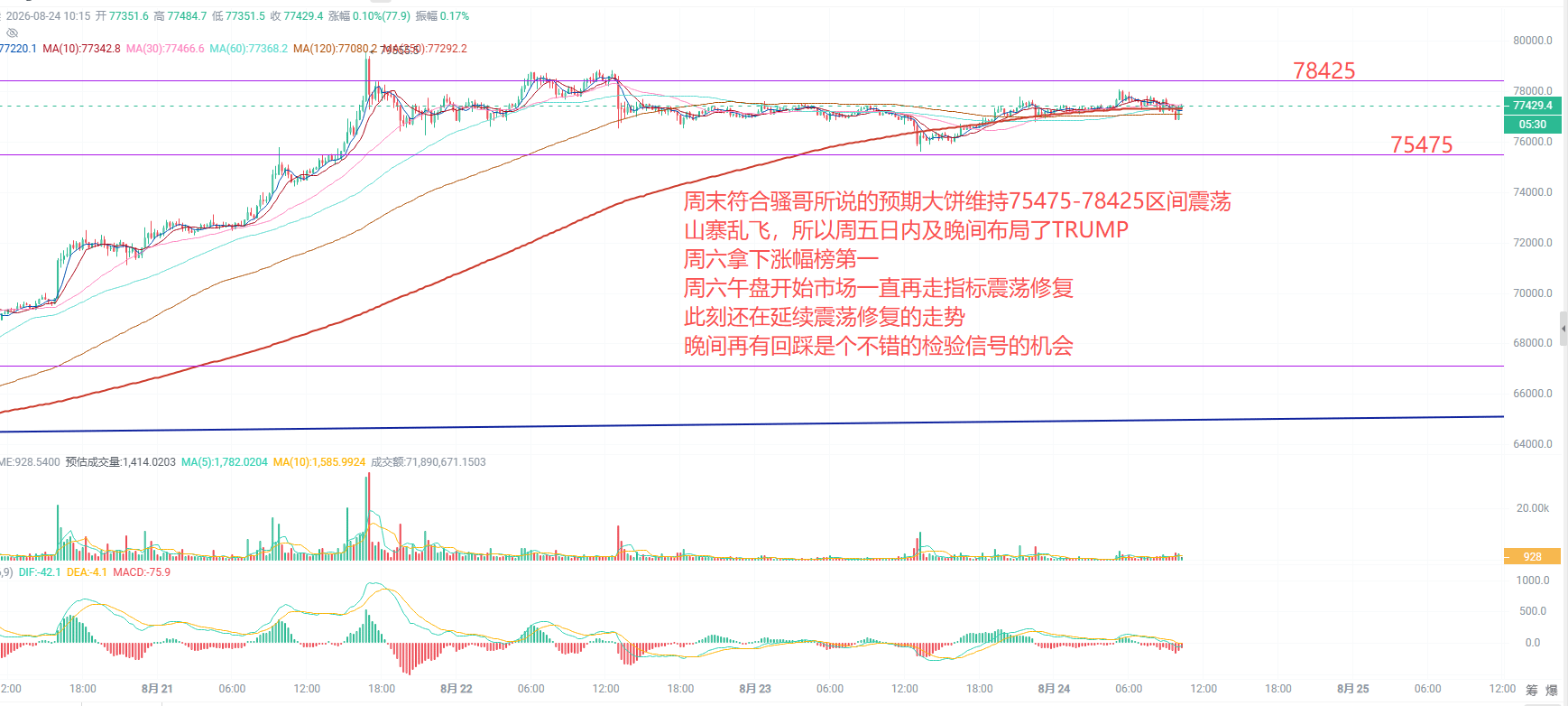
新しい週、新しい相場の仕込みが進行中。BTCの週末の最安値は75588で、サオ哥が言っていたテスト75475ラインの需要を満たしました。現在は77400付近まで戻って揉み合い、重要レンジである75475-78425の範囲内に位置しており、買い/売りは一時的に拮抗した状態です;
XAUは現在4700を目指してさらに上昇を続け、連日で本反発の高値を更新中。いまのゴールドは、ゆっくりと上を探りに行く動きがメインです。大きな供給が出るまでは、上値を摸くのが主旋律。そのため、押し目でロングを取るなら損切りは必須。空(ショート)については、現時点では特にシグナルはありません。ただしコスパ(投資妙味)はすでに比較的高い水準のため、今週は追いかけて買い増ししない可能性があります。今夜の値動きを見て、美国株の状況を確認し、米国株とWeb3のどちらをより多く手掛けるかを決めましょう!
BTC 支阻位:75475/78425/71500/67135
昨日提示した見立ては、5分足/15分足でいったん押して75475ラインの需要をテストし、その後はリバウンド。現在の値動きは予想どおりで、上で述べた通りです。BTCは現在のところ、1h/2h/4hはいまだに強気トレンド。5分足/15分足はひとまず揉み合い(震蕩)の需要です。今週は、レンジを破る動きが出るかどうかを見ていきましょう;
ETH 支阻位:2750/2400/2225/2100
大きな餅(BTC)の動きに追随するだけでOKです;
米国株の提案:今夜は北米の値動きを見て、今後の戦略を決めるのが良いです。日中は様子見が無難!
操作提案は一切、投資の根拠を構成しません:先週の市場はとても好調で、戦略は大当たりの総取りのような収益でした。みんな興奮しています。こういう時ほど冷静さが重要です。誰がより冷静でいられるかが、次の収益チャンスを見つけられます。逃して悔いを残して自分を証明したい、だからといって恐れて焦るほど、相場が急襲してくるのに無理やり勝手な裁量で1回、あるいは複数回取引して「自分は取引の天才だ」と証明しようとする。そのやり方だと、今週はかなり厳しい結果になるでしょう!
#金价逼近三个月高位
新しい週、新しい相場の仕込みが進行中。BTCの週末の最安値は75588で、サオ哥が言っていたテスト75475ラインの需要を満たしました。現在は77400付近まで戻って揉み合い、重要レンジである75475-78425の範囲内に位置しており、買い/売りは一時的に拮抗した状態です;
XAUは現在4700を目指してさらに上昇を続け、連日で本反発の高値を更新中。いまのゴールドは、ゆっくりと上を探りに行く動きがメインです。大きな供給が出るまでは、上値を摸くのが主旋律。そのため、押し目でロングを取るなら損切りは必須。空(ショート)については、現時点では特にシグナルはありません。ただしコスパ(投資妙味)はすでに比較的高い水準のため、今週は追いかけて買い増ししない可能性があります。今夜の値動きを見て、美国株の状況を確認し、米国株とWeb3のどちらをより多く手掛けるかを決めましょう!
BTC 支阻位:75475/78425/71500/67135
昨日提示した見立ては、5分足/15分足でいったん押して75475ラインの需要をテストし、その後はリバウンド。現在の値動きは予想どおりで、上で述べた通りです。BTCは現在のところ、1h/2h/4hはいまだに強気トレンド。5分足/15分足はひとまず揉み合い(震蕩)の需要です。今週は、レンジを破る動きが出るかどうかを見ていきましょう;
ETH 支阻位:2750/2400/2225/2100
大きな餅(BTC)の動きに追随するだけでOKです;
米国株の提案:今夜は北米の値動きを見て、今後の戦略を決めるのが良いです。日中は様子見が無難!
操作提案は一切、投資の根拠を構成しません:先週の市場はとても好調で、戦略は大当たりの総取りのような収益でした。みんな興奮しています。こういう時ほど冷静さが重要です。誰がより冷静でいられるかが、次の収益チャンスを見つけられます。逃して悔いを残して自分を証明したい、だからといって恐れて焦るほど、相場が急襲してくるのに無理やり勝手な裁量で1回、あるいは複数回取引して「自分は取引の天才だ」と証明しようとする。そのやり方だと、今週はかなり厳しい結果になるでしょう!
#金价逼近三个月高位
独领风骚必暴富
·
--
完美株、上バイナンス、騒哥を見極めろ
弱気相場では給料の使い道をきちんと段取りして、騒哥と一緒に着実に堅実に前進。強気相場では一緒に実りを摘もう!
騒哥バイナンス専用招待リンク:
https://www.bsmkweb.cc/join?ref=SAOGE331
(ブラウザにコピーして新規登録し、現物先物の取引をそれぞれ1回完了すると、騒哥専用チャットに入って専用特典を受け取れます)
騒哥バイナンスコード:SAOGE331
騒哥は毎週月曜から金曜まで、美株・ゴールド・大きいビット(大饼)の3つのうち、どれの値動きが良いかを見て、その場でカップを叩き割って決める。条件がある人はぜひ騒哥の配信を見て一緒にカップを叩き割ろう;3年以上連続でカップを叩き割り続ける。
米株を10年以上追跡し、あくどい市場の主を手中にしている。覚えておけ——騒哥本人だ。
#学习改变成长行动收获
弱気相場では給料の使い道をきちんと段取りして、騒哥と一緒に着実に堅実に前進。強気相場では一緒に実りを摘もう!
騒哥バイナンス専用招待リンク:
https://www.bsmkweb.cc/join?ref=SAOGE331
(ブラウザにコピーして新規登録し、現物先物の取引をそれぞれ1回完了すると、騒哥専用チャットに入って専用特典を受け取れます)
騒哥バイナンスコード:SAOGE331
騒哥は毎週月曜から金曜まで、美株・ゴールド・大きいビット(大饼)の3つのうち、どれの値動きが良いかを見て、その場でカップを叩き割って決める。条件がある人はぜひ騒哥の配信を見て一緒にカップを叩き割ろう;3年以上連続でカップを叩き割り続ける。
米株を10年以上追跡し、あくどい市場の主を手中にしている。覚えておけ——騒哥本人だ。
#学习改变成长行动收获
独领风骚必暴富
·
--
あの“そう家軍”(しきんぐん)はもう食い終わってる。誰が得して誰が損してるかは誰でも分かる。チャンスをやっても、お前じゃ使いこなせないんだよ!
@那情Cm 毎晩ライブを聞いてるけど、あまり話さない古参
ずっと「そう兄」のライブを聞いてるの、もう2年くらいになるのかな
認めざるを得ない。落ち着いて考え始めたら、ますます老獪な犬みたいに安定してきた
今年は4月末〜5月初めに現物先物(スポット&先物)を一回やって
6月末〜7月初めの買い増し(底値拾い)から今まで、また良い上昇余地を手に入れてきた
@那情Cm 毎晩ライブを聞いてるけど、あまり話さない古参
ずっと「そう兄」のライブを聞いてるの、もう2年くらいになるのかな
認めざるを得ない。落ち着いて考え始めたら、ますます老獪な犬みたいに安定してきた
今年は4月末〜5月初めに現物先物(スポット&先物)を一回やって
6月末〜7月初めの買い増し(底値拾い)から今まで、また良い上昇余地を手に入れてきた

独领风骚必暴富
·
--
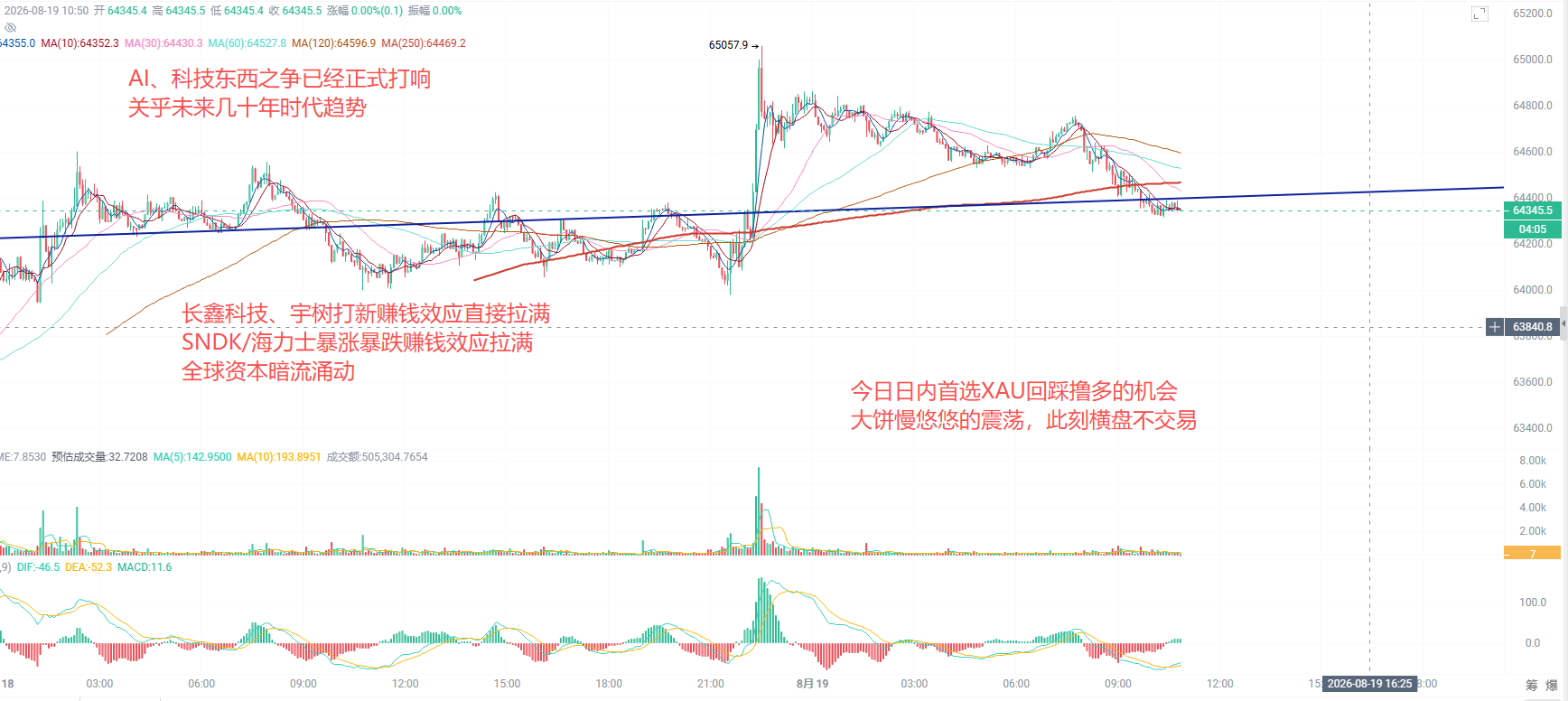
2026.8.19日次解析BTC/ETH/XAU/SNDK宇樹がまたAI新概念で一発勝ち47万!
米株が急落、XAUは底堅く、BTCは65000まで戻し。米株は正式に“ゴールドweb3”のヘッジ役になりました。大量のweb3ユーザーにとって、いよいよ三つ巴で流動性を奪い合う時代に突入です!
BTCのレジスタンス(支阻位):67135/63450/61050/59800
63450/62600のロング先頭ポジションは持ったまま。最高値はすでに65057まで上昇しており、確実に300%超の利回り;
ETHのレジスタンス:2000/1835/1775/1725
大きいビットコインの値動きに追随して、そのまま取るだけでOK;
XAUは今日の値動きが良好で、1h/2hではすでに小さなリバウンド需要が出ています。早朝の安値までの押し目なら、一度ロングで仕掛けて効果を見てみるのもアリです;
SNDKは昨晩、ストレージ関連セクターとともに崩れましたが、AIの今後の相場がストレージにまで及ぶとは限りません。TSLAとSPCXの合併、そして本日“科創板(スタートアップ向け市場)”に上場した宇樹科技(宇樹テクノロジー)。一口(1ティック)で超47万の利益です!新しいAI相場の方向性を切り開きました;
※本内容は投資の根拠を一切構成しません:下半期は引き続きAIセクターへの注目を強め、取引チャンスは多々あります。今日の第一候補はXAUの押し目でロングを取る機会。大饼(ビットコイン)のロング先頭ポジションは保護をかけて持ち続ければOKです!
#比特币永续合约资金费率创20个月新高
米株が急落、XAUは底堅く、BTCは65000まで戻し。米株は正式に“ゴールドweb3”のヘッジ役になりました。大量のweb3ユーザーにとって、いよいよ三つ巴で流動性を奪い合う時代に突入です!
BTCのレジスタンス(支阻位):67135/63450/61050/59800
63450/62600のロング先頭ポジションは持ったまま。最高値はすでに65057まで上昇しており、確実に300%超の利回り;
ETHのレジスタンス:2000/1835/1775/1725
大きいビットコインの値動きに追随して、そのまま取るだけでOK;
XAUは今日の値動きが良好で、1h/2hではすでに小さなリバウンド需要が出ています。早朝の安値までの押し目なら、一度ロングで仕掛けて効果を見てみるのもアリです;
SNDKは昨晩、ストレージ関連セクターとともに崩れましたが、AIの今後の相場がストレージにまで及ぶとは限りません。TSLAとSPCXの合併、そして本日“科創板(スタートアップ向け市場)”に上場した宇樹科技(宇樹テクノロジー)。一口(1ティック)で超47万の利益です!新しいAI相場の方向性を切り開きました;
※本内容は投資の根拠を一切構成しません:下半期は引き続きAIセクターへの注目を強め、取引チャンスは多々あります。今日の第一候補はXAUの押し目でロングを取る機会。大饼(ビットコイン)のロング先頭ポジションは保護をかけて持ち続ければOKです!
#比特币永续合约资金费率创20个月新高
ログインして、さらにコンテンツを読む