
CryptoDeon
15.3k 投稿

CryptoDeon
報告
ユーザーをブロック
Exploring and sharing new insights Daily | Investor and Trader | X (Twitter): @CryptoDeonX
取引を発注

DUSKホルダー
超高頻度トレーダー
2.1年
334 フォロー
3.8K+ フォロワー
18.2K+ いいね
投稿
ポートフォリオ
すべて
引用
ライブ
·
--
Duskのステーキングがどのように扱われているかを調べるほど、ある非対称性が際立ってきました――入るのは設計上ゆっくりだが、出るのは違うのです。
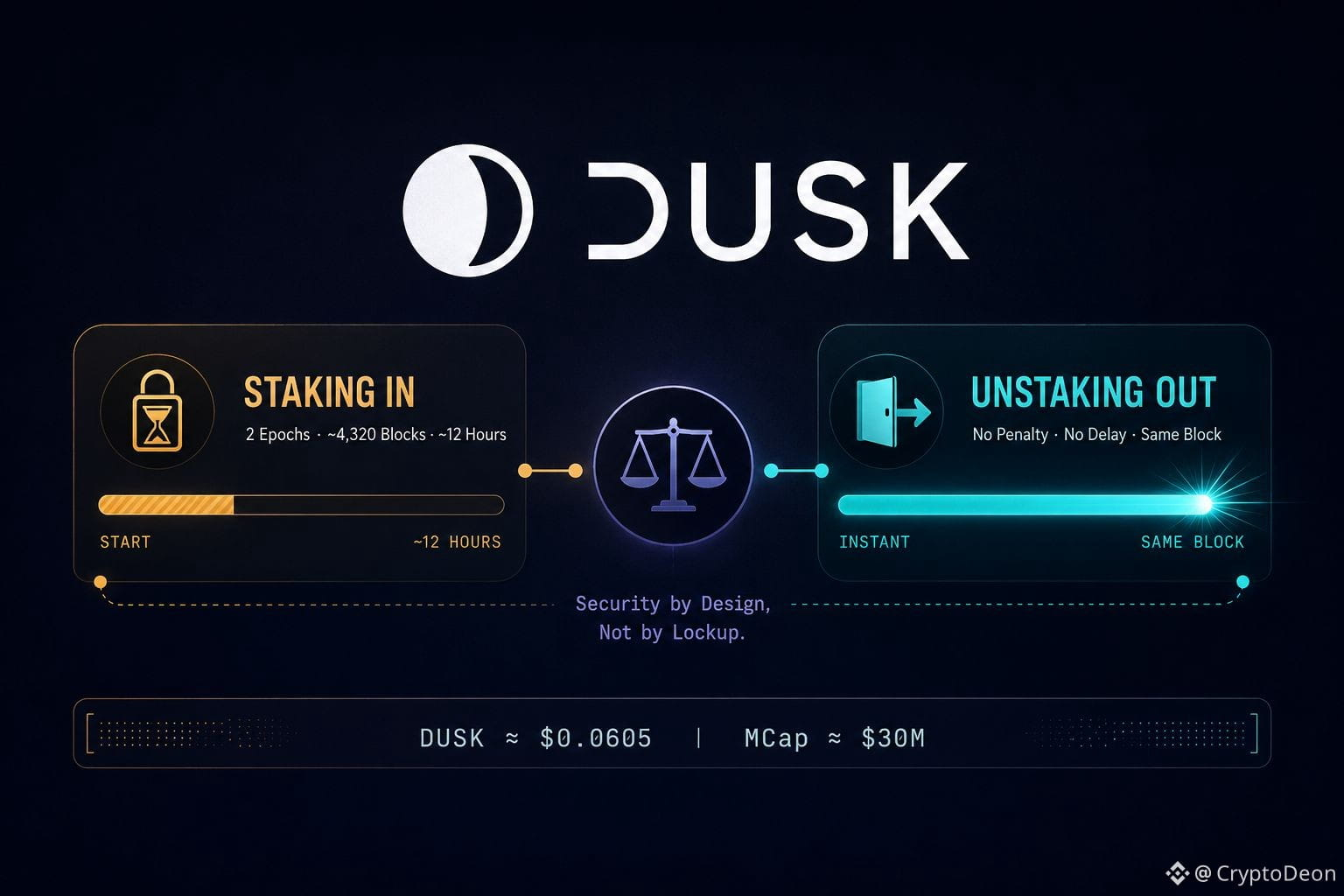
新しいステークは、満期(maturity)期間として2エポック、つまりおよそ4,320ブロック、約12時間待つ必要があります。選定の対象になって、報酬を得始めるのはその後です。ところがアンステークにはペナルティも待機期間も一切ありません。決めた瞬間に、同じブロックでも可能なら、フルのステークを引き出せます。
これは私の予想とは真逆でした。私が見てきた多くのチェーンでは、ネットワークを守るために「退出側」を保護します――ロックアップ、クールダウン、素早い離脱に罰を与えるアンボンド期間などです。突然の大量離脱はセキュリティを脅かしかねないからです。Duskは「参入側」を保護しています。満期ウィンドウが存在するのは、悪意ある行為者が機微なタイミングの直前にステークして、委員会(committee)に選ばれ、そのまま姿を消す――といったことを防ぐためです。操作が最も安く済む“その待ち時間”を強制するのです。あなたが誠実で能動的な参加者である限り、プロトコルは、主張を裏付けるためだけに資本を拘束する理由を見出しません。
小さな設計上の選択ですが、Duskが実際に最適化しようとしているものを示しています。最大ロックアップでも、TVLの見せかけでもありません。システムを“ゲームする”行為が本当に安く済んでしまう唯一の窓を閉じつつ、それ以外は可能な限り柔軟に保つ――そういうことです。
DUSKは今日約$0.0710で、時価総額はおよそ$30M。こうした仕組みの詳細が短期の価格にほとんど動きを与えることはない一方で、長期的にインフラ運用を引き受けようとする人が誰になるのかを、静かに形作っています。
このような非対称なロックアップ――参入は厳格、退出は無料――は、双方に一律でクールダウンを適用する場合よりも、実際に“ゲーム”を抑止できるのでしょうか?それとも、リスクを単にシステムの別の場所へ移すだけなのでしょうか?
$DUSK #dusk #BinanceSquare @Dusk_Foundation
Duskのステーキングがどのように扱われているかを調べるほど、ある非対称性が際立ってきました――入るのは設計上ゆっくりだが、出るのは違うのです。
新しいステークは、満期(maturity)期間として2エポック、つまりおよそ4,320ブロック、約12時間待つ必要があります。選定の対象になって、報酬を得始めるのはその後です。ところがアンステークにはペナルティも待機期間も一切ありません。決めた瞬間に、同じブロックでも可能なら、フルのステークを引き出せます。
これは私の予想とは真逆でした。私が見てきた多くのチェーンでは、ネットワークを守るために「退出側」を保護します――ロックアップ、クールダウン、素早い離脱に罰を与えるアンボンド期間などです。突然の大量離脱はセキュリティを脅かしかねないからです。Duskは「参入側」を保護しています。満期ウィンドウが存在するのは、悪意ある行為者が機微なタイミングの直前にステークして、委員会(committee)に選ばれ、そのまま姿を消す――といったことを防ぐためです。操作が最も安く済む“その待ち時間”を強制するのです。あなたが誠実で能動的な参加者である限り、プロトコルは、主張を裏付けるためだけに資本を拘束する理由を見出しません。
小さな設計上の選択ですが、Duskが実際に最適化しようとしているものを示しています。最大ロックアップでも、TVLの見せかけでもありません。システムを“ゲームする”行為が本当に安く済んでしまう唯一の窓を閉じつつ、それ以外は可能な限り柔軟に保つ――そういうことです。
DUSKは今日約$0.0710で、時価総額はおよそ$30M。こうした仕組みの詳細が短期の価格にほとんど動きを与えることはない一方で、長期的にインフラ運用を引き受けようとする人が誰になるのかを、静かに形作っています。
このような非対称なロックアップ――参入は厳格、退出は無料――は、双方に一律でクールダウンを適用する場合よりも、実際に“ゲーム”を抑止できるのでしょうか?それとも、リスクを単にシステムの別の場所へ移すだけなのでしょうか?
$DUSK #dusk #BinanceSquare @Dusk
新しいステークは、満期(maturity)期間として2エポック、つまりおよそ4,320ブロック、約12時間待つ必要があります。選定の対象になって、報酬を得始めるのはその後です。ところがアンステークにはペナルティも待機期間も一切ありません。決めた瞬間に、同じブロックでも可能なら、フルのステークを引き出せます。
これは私の予想とは真逆でした。私が見てきた多くのチェーンでは、ネットワークを守るために「退出側」を保護します――ロックアップ、クールダウン、素早い離脱に罰を与えるアンボンド期間などです。突然の大量離脱はセキュリティを脅かしかねないからです。Duskは「参入側」を保護しています。満期ウィンドウが存在するのは、悪意ある行為者が機微なタイミングの直前にステークして、委員会(committee)に選ばれ、そのまま姿を消す――といったことを防ぐためです。操作が最も安く済む“その待ち時間”を強制するのです。あなたが誠実で能動的な参加者である限り、プロトコルは、主張を裏付けるためだけに資本を拘束する理由を見出しません。
小さな設計上の選択ですが、Duskが実際に最適化しようとしているものを示しています。最大ロックアップでも、TVLの見せかけでもありません。システムを“ゲームする”行為が本当に安く済んでしまう唯一の窓を閉じつつ、それ以外は可能な限り柔軟に保つ――そういうことです。
DUSKは今日約$0.0710で、時価総額はおよそ$30M。こうした仕組みの詳細が短期の価格にほとんど動きを与えることはない一方で、長期的にインフラ運用を引き受けようとする人が誰になるのかを、静かに形作っています。
このような非対称なロックアップ――参入は厳格、退出は無料――は、双方に一律でクールダウンを適用する場合よりも、実際に“ゲーム”を抑止できるのでしょうか?それとも、リスクを単にシステムの別の場所へ移すだけなのでしょうか?
$DUSK #dusk #BinanceSquare @Dusk
2
3
313
·
--
Duskの数字の読み方について、別の方法を考えていました。
増えていく持分、取引の増加、あるいはトークン化された資産の増加は、それぞれ単体では前向きに見えることがあります。しかし、それらのどれも単独では、ネットワーク需要が実際に強くなっているのかどうかは教えてくれません。
重要なのは、活動と経済のあいだで何が起きているのかという問いです。
もしDuskがさらにアプリケーションを追加したら、より確定した取引や手数料を支払う活動が増えるのでしょうか? 取引件数が増えているのが、既存ユーザーがより活発になっているからなのか、それとも少数のコントラクトがほとんどのトラフィックを生み出しているからなのか――それを切り分ける必要があります。
また、発表された資産と、実際にオンチェーン上で発行・転送・決済されている資産も分けて考えたいです。
その違いは重要です。
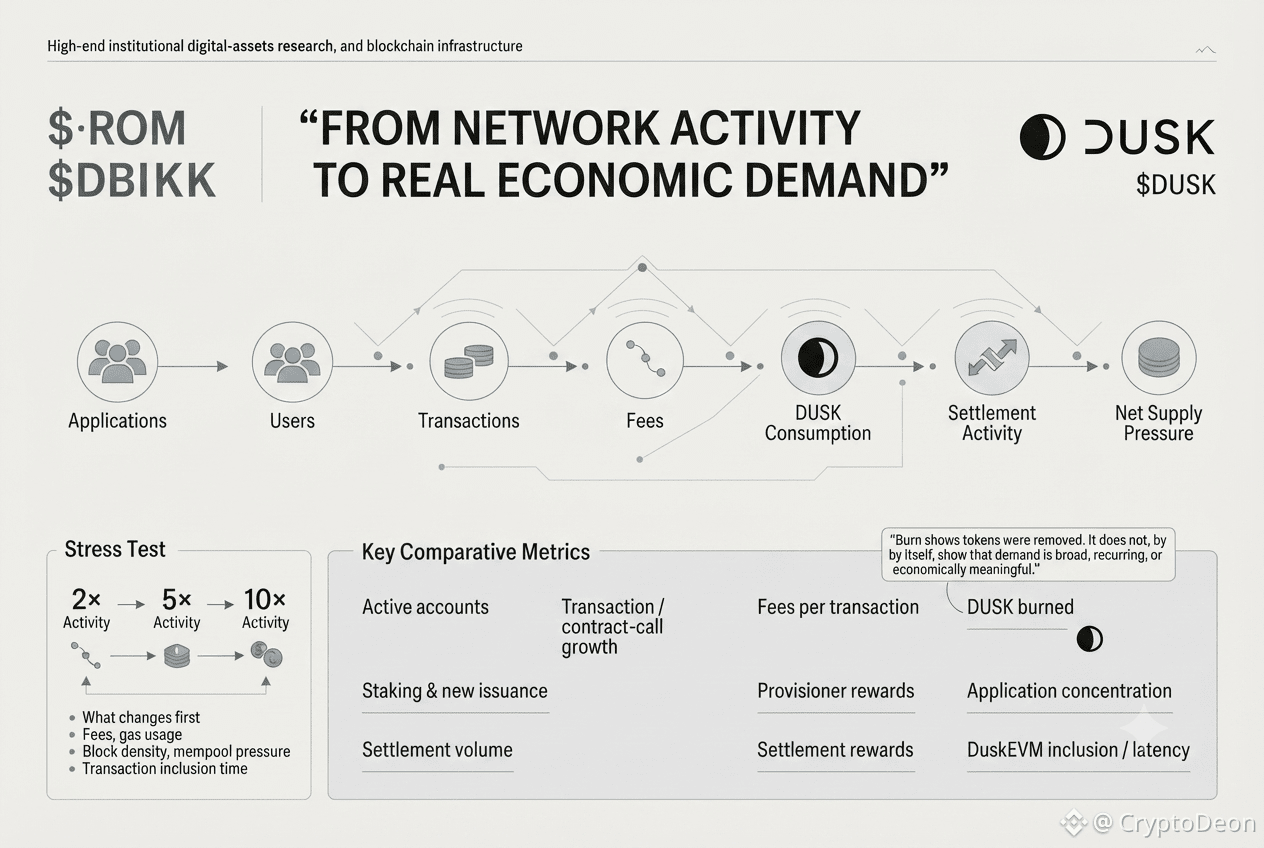
私にとって、より役に立つダッシュボードは次のように結びつけるものです:
• アクティブなアカウント
• 取引およびコントラクト呼び出しの成長
• 取引あたりの手数料
• DUSKバーン
• ステーキングと新規発行
• バリデータ/プロビジョナーの報酬
• 決済(セトル)ボリューム
• アプリケーション別の集中度
• DuskEVMのブロックおよびインクルージョン指標
そして、そのシステムに対してストレステストを行います。
活動が2倍になったとき、ネットワークは通常どおり吸収できるでしょうか?
5倍になったとき、手数料やレイテンシはどこで変化し始めますか?
10倍になったとき、キャパシティが制約になりますか?
これらのシナリオは、単一の「毎日のバーン数」よりもはるかに多くを教えてくれます。
バーンはトークンが削除されたことを確認します。しかし、基盤となる活動が幅広いものなのか、継続的(リカーリング)なのか、あるいは経済的に意味のあるものなのかは分かりません。
だからこそ、次に注目すべきだと思うDuskのポイントはそこです。
@Dusk_Foundation $DUSK #dusk
Duskの数字の読み方について、別の方法を考えていました。
増えていく持分、取引の増加、あるいはトークン化された資産の増加は、それぞれ単体では前向きに見えることがあります。しかし、それらのどれも単独では、ネットワーク需要が実際に強くなっているのかどうかは教えてくれません。
重要なのは、活動と経済のあいだで何が起きているのかという問いです。
もしDuskがさらにアプリケーションを追加したら、より確定した取引や手数料を支払う活動が増えるのでしょうか? 取引件数が増えているのが、既存ユーザーがより活発になっているからなのか、それとも少数のコントラクトがほとんどのトラフィックを生み出しているからなのか――それを切り分ける必要があります。
また、発表された資産と、実際にオンチェーン上で発行・転送・決済されている資産も分けて考えたいです。
その違いは重要です。
私にとって、より役に立つダッシュボードは次のように結びつけるものです:
• アクティブなアカウント
• 取引およびコントラクト呼び出しの成長
• 取引あたりの手数料
• DUSKバーン
• ステーキングと新規発行
• バリデータ/プロビジョナーの報酬
• 決済(セトル)ボリューム
• アプリケーション別の集中度
• DuskEVMのブロックおよびインクルージョン指標
そして、そのシステムに対してストレステストを行います。
活動が2倍になったとき、ネットワークは通常どおり吸収できるでしょうか?
5倍になったとき、手数料やレイテンシはどこで変化し始めますか?
10倍になったとき、キャパシティが制約になりますか?
これらのシナリオは、単一の「毎日のバーン数」よりもはるかに多くを教えてくれます。
バーンはトークンが削除されたことを確認します。しかし、基盤となる活動が幅広いものなのか、継続的(リカーリング)なのか、あるいは経済的に意味のあるものなのかは分かりません。
だからこそ、次に注目すべきだと思うDuskのポイントはそこです。
@Dusk $DUSK #dusk
増えていく持分、取引の増加、あるいはトークン化された資産の増加は、それぞれ単体では前向きに見えることがあります。しかし、それらのどれも単独では、ネットワーク需要が実際に強くなっているのかどうかは教えてくれません。
重要なのは、活動と経済のあいだで何が起きているのかという問いです。
もしDuskがさらにアプリケーションを追加したら、より確定した取引や手数料を支払う活動が増えるのでしょうか? 取引件数が増えているのが、既存ユーザーがより活発になっているからなのか、それとも少数のコントラクトがほとんどのトラフィックを生み出しているからなのか――それを切り分ける必要があります。
また、発表された資産と、実際にオンチェーン上で発行・転送・決済されている資産も分けて考えたいです。
その違いは重要です。
私にとって、より役に立つダッシュボードは次のように結びつけるものです:
• アクティブなアカウント
• 取引およびコントラクト呼び出しの成長
• 取引あたりの手数料
• DUSKバーン
• ステーキングと新規発行
• バリデータ/プロビジョナーの報酬
• 決済(セトル)ボリューム
• アプリケーション別の集中度
• DuskEVMのブロックおよびインクルージョン指標
そして、そのシステムに対してストレステストを行います。
活動が2倍になったとき、ネットワークは通常どおり吸収できるでしょうか?
5倍になったとき、手数料やレイテンシはどこで変化し始めますか?
10倍になったとき、キャパシティが制約になりますか?
これらのシナリオは、単一の「毎日のバーン数」よりもはるかに多くを教えてくれます。
バーンはトークンが削除されたことを確認します。しかし、基盤となる活動が幅広いものなのか、継続的(リカーリング)なのか、あるいは経済的に意味のあるものなのかは分かりません。
だからこそ、次に注目すべきだと思うDuskのポイントはそこです。
@Dusk $DUSK #dusk
6
8
189
·
--
小額の家主がいて、小切手での家賃の支払いは拒否されました——現金のみ、書類の残らない形で。『もめごとを避けるためだ』と言っていました。うまくいっていましたが、ある入居者が『払った』と主張したのに実際には払っておらず、照合できる手段が何もありませんでした。記録がないことは、双方にとって不利です。
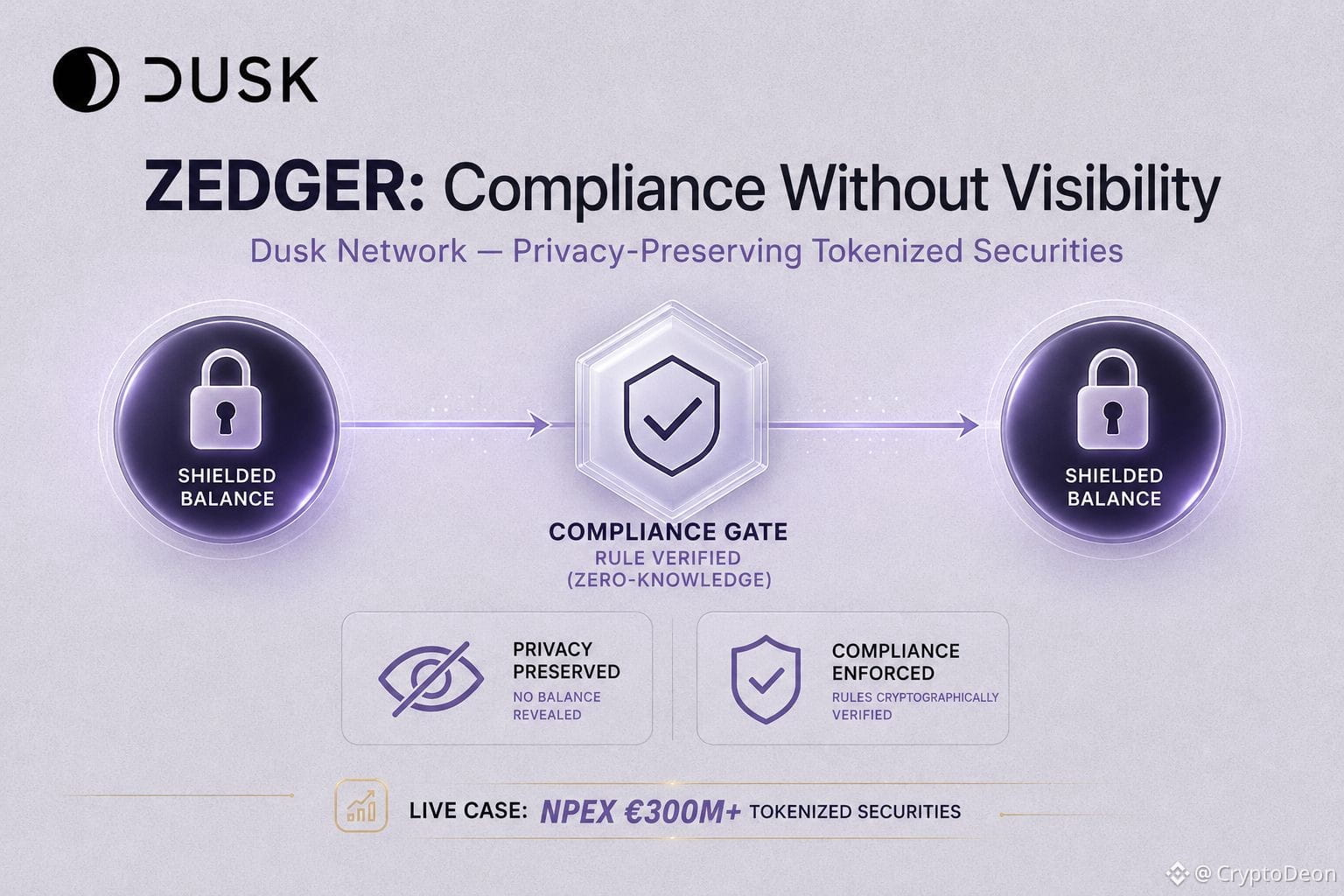
それで、トークン化された証券に関するDuskのモデルであるZedgerについて読んだときに思い当たりました。多くの「準拠(compliant)」な標準は、家主の都合の良い形でルールを扱います——すべてが見えるようにして、争いは閲覧によって解決するか、あるいは隠して、発行者の言葉を信じるか、です。Zedgerは、移転が起こる前に、そのルールを暗号によって強制します。資産が保有上限を設ける、事前に承認された投資家のみを要求する、あるいは誰かを1つの口座に制限するといった条件は、そのチェック自体が移転の中に組み込まれており——通るか通らないかが決まるだけで、残高はその間ずっと隠されたままです。誰もあなたの保有状況を見る必要はありません。ルールを破っていないことを確認するのに、あなたの保有情報を開示する必要がないのです。数学が彼らのために確かにします。
それが、家主の問題への現実的な答えです——可視化する代わりに、検証可能です。
ただ、私があまり確信できない点もあります。この仕組みは移転レベルのルール——上限、適格性、口座制限——だけを扱います。ルールそのものの外側にある、意図や詐欺をめぐる争いまでは解決しません。『実際に払ったのか』という争いが依然として、何らかの外部記録を必要とするのと同じです。
DUSKは今日およそ$0.0605で、市場規模は約$30M。Zedgerの実際の利用事例が、NPEXの€300M超のトークン化証券を通じて稼働しており——まだ市場がそのインフラを十分に再評価していない状況です。
プロトコル・レベルでのコンプライアンス強制は、規制当局が提起し得るすべての争いを塞げるのでしょうか?それとも、結局いつもコードの外側に、人間の判断が必要になるのでしょうか?
$DUSK #dusk #BinanceSquare @Dusk_Foundation
小額の家主がいて、小切手での家賃の支払いは拒否されました——現金のみ、書類の残らない形で。『もめごとを避けるためだ』と言っていました。うまくいっていましたが、ある入居者が『払った』と主張したのに実際には払っておらず、照合できる手段が何もありませんでした。記録がないことは、双方にとって不利です。
それで、トークン化された証券に関するDuskのモデルであるZedgerについて読んだときに思い当たりました。多くの「準拠(compliant)」な標準は、家主の都合の良い形でルールを扱います——すべてが見えるようにして、争いは閲覧によって解決するか、あるいは隠して、発行者の言葉を信じるか、です。Zedgerは、移転が起こる前に、そのルールを暗号によって強制します。資産が保有上限を設ける、事前に承認された投資家のみを要求する、あるいは誰かを1つの口座に制限するといった条件は、そのチェック自体が移転の中に組み込まれており——通るか通らないかが決まるだけで、残高はその間ずっと隠されたままです。誰もあなたの保有状況を見る必要はありません。ルールを破っていないことを確認するのに、あなたの保有情報を開示する必要がないのです。数学が彼らのために確かにします。
それが、家主の問題への現実的な答えです——可視化する代わりに、検証可能です。
ただ、私があまり確信できない点もあります。この仕組みは移転レベルのルール——上限、適格性、口座制限——だけを扱います。ルールそのものの外側にある、意図や詐欺をめぐる争いまでは解決しません。『実際に払ったのか』という争いが依然として、何らかの外部記録を必要とするのと同じです。
DUSKは今日およそ$0.0605で、市場規模は約$30M。Zedgerの実際の利用事例が、NPEXの€300M超のトークン化証券を通じて稼働しており——まだ市場がそのインフラを十分に再評価していない状況です。
プロトコル・レベルでのコンプライアンス強制は、規制当局が提起し得るすべての争いを塞げるのでしょうか?それとも、結局いつもコードの外側に、人間の判断が必要になるのでしょうか?
$DUSK #dusk #BinanceSquare @Dusk
それで、トークン化された証券に関するDuskのモデルであるZedgerについて読んだときに思い当たりました。多くの「準拠(compliant)」な標準は、家主の都合の良い形でルールを扱います——すべてが見えるようにして、争いは閲覧によって解決するか、あるいは隠して、発行者の言葉を信じるか、です。Zedgerは、移転が起こる前に、そのルールを暗号によって強制します。資産が保有上限を設ける、事前に承認された投資家のみを要求する、あるいは誰かを1つの口座に制限するといった条件は、そのチェック自体が移転の中に組み込まれており——通るか通らないかが決まるだけで、残高はその間ずっと隠されたままです。誰もあなたの保有状況を見る必要はありません。ルールを破っていないことを確認するのに、あなたの保有情報を開示する必要がないのです。数学が彼らのために確かにします。
それが、家主の問題への現実的な答えです——可視化する代わりに、検証可能です。
ただ、私があまり確信できない点もあります。この仕組みは移転レベルのルール——上限、適格性、口座制限——だけを扱います。ルールそのものの外側にある、意図や詐欺をめぐる争いまでは解決しません。『実際に払ったのか』という争いが依然として、何らかの外部記録を必要とするのと同じです。
DUSKは今日およそ$0.0605で、市場規模は約$30M。Zedgerの実際の利用事例が、NPEXの€300M超のトークン化証券を通じて稼働しており——まだ市場がそのインフラを十分に再評価していない状況です。
プロトコル・レベルでのコンプライアンス強制は、規制当局が提起し得るすべての争いを塞げるのでしょうか?それとも、結局いつもコードの外側に、人間の判断が必要になるのでしょうか?
$DUSK #dusk #BinanceSquare @Dusk
10
10
201
·
--
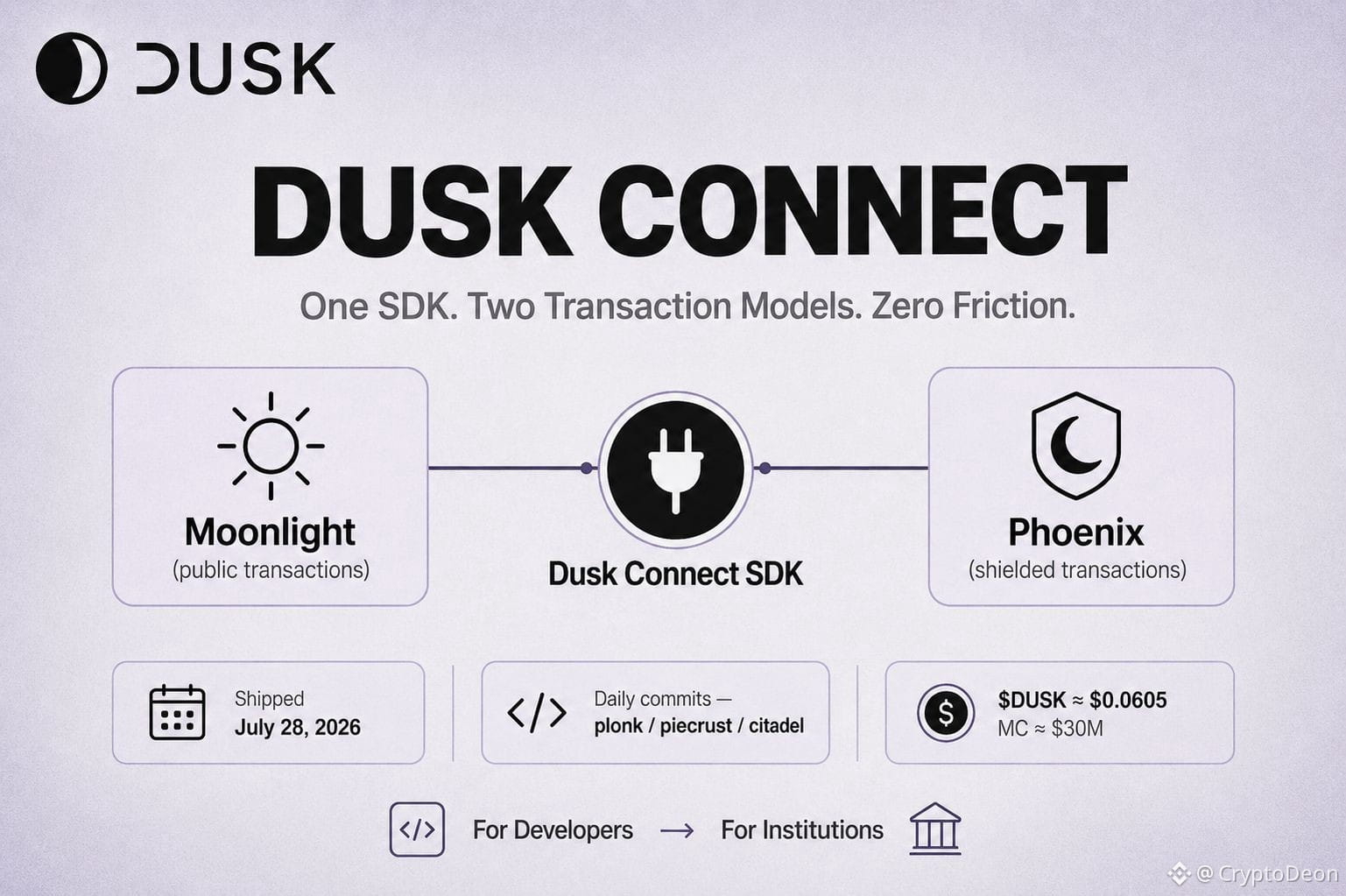
今日、Creatorpadで掘り進めていて、フィードの一番小さな見出しを見逃しそうになった。——7月28日に「Dusk Connect」と呼ばれるものをDuskが出したらしい。プロトコルのアップグレードでも、新しいプライバシーのプリミティブでもない。ただ、ウォレット接続用のSDKだ。最初の反応は「なるほど、普通の開発者向けツールだね」って感じで、ほとんど流してしまいそうだった。
でも、それが実際に何を取り除くのかを考えた。新しいトランザクション・モデルを持つあらゆるチェーン——そしてDuskには2つあり(MoonlightとPhoenixが並走している)——は、ウォレットを自分のアプリに差し込むだけで済ませたい開発者にとって生活を難しくする。通常、それはカスタムの統合作業が必要になり、標準でないドキュメントを読み、シールドと公開のフローを手作業で別々に扱わなければならない。軽量なSDKはそれを「これをimportして、この関数を呼ぶ」へと圧縮する。退屈だ。でも、退屈であることがまさに外部開発者がここで実際に作るかどうかを決める。中核チームや助成の受領者だけで、最初から全部自前でやり続ける状態に留まるのか、それとも外へ広がるのか。
ここから大きな絵につながるポイントがある。Duskが機関(institution)に提案しているのは、決定論的ファイナリティ、選択的開示、規制に対応した決済——すべて本物で、それぞれ差別化されている。だが、それを誰がビルドできるかがプロトコルを書いた15人のエンジニアに限られてしまうなら、何も意味がない。NPEXとDuskTradeは、金融サイドに機関需要が存在することを示している。Dusk Connectのようなツール類は、その“地味なもう半分”だ。6週間のオンボーディング曲線なしに、独立開発者でもDusk上で実際に出荷(ship)できることを証明している。
ついでにGitHubの活動も確認した——今週の時点でも、コアリポジトリ(plonk, piecrust, citadel)で日次のコミットがまだ入っている。つまり、SDKを出して終わり、というチームではない。DUSK自体は約$0.0605で、時価総額は約$30M。ここではまだ、SDKもコミット活動も目立った指標の変化を起こしていないトークンだ。
率直に気になっている——この手の開発者向けツールは、どのチェーンに本当の第三者ビルダーが生まれるかを実際に予測できるのだろうか?それとも、見た目ほど相関は強くないのだろうか?
$DUSK #dusk @Dusk_Foundation
今日、Creatorpadで掘り進めていて、フィードの一番小さな見出しを見逃しそうになった。——7月28日に「Dusk Connect」と呼ばれるものをDuskが出したらしい。プロトコルのアップグレードでも、新しいプライバシーのプリミティブでもない。ただ、ウォレット接続用のSDKだ。最初の反応は「なるほど、普通の開発者向けツールだね」って感じで、ほとんど流してしまいそうだった。
でも、それが実際に何を取り除くのかを考えた。新しいトランザクション・モデルを持つあらゆるチェーン——そしてDuskには2つあり(MoonlightとPhoenixが並走している)——は、ウォレットを自分のアプリに差し込むだけで済ませたい開発者にとって生活を難しくする。通常、それはカスタムの統合作業が必要になり、標準でないドキュメントを読み、シールドと公開のフローを手作業で別々に扱わなければならない。軽量なSDKはそれを「これをimportして、この関数を呼ぶ」へと圧縮する。退屈だ。でも、退屈であることがまさに外部開発者がここで実際に作るかどうかを決める。中核チームや助成の受領者だけで、最初から全部自前でやり続ける状態に留まるのか、それとも外へ広がるのか。
ここから大きな絵につながるポイントがある。Duskが機関(institution)に提案しているのは、決定論的ファイナリティ、選択的開示、規制に対応した決済——すべて本物で、それぞれ差別化されている。だが、それを誰がビルドできるかがプロトコルを書いた15人のエンジニアに限られてしまうなら、何も意味がない。NPEXとDuskTradeは、金融サイドに機関需要が存在することを示している。Dusk Connectのようなツール類は、その“地味なもう半分”だ。6週間のオンボーディング曲線なしに、独立開発者でもDusk上で実際に出荷(ship)できることを証明している。
ついでにGitHubの活動も確認した——今週の時点でも、コアリポジトリ(plonk, piecrust, citadel)で日次のコミットがまだ入っている。つまり、SDKを出して終わり、というチームではない。DUSK自体は約$0.0605で、時価総額は約$30M。ここではまだ、SDKもコミット活動も目立った指標の変化を起こしていないトークンだ。
率直に気になっている——この手の開発者向けツールは、どのチェーンに本当の第三者ビルダーが生まれるかを実際に予測できるのだろうか?それとも、見た目ほど相関は強くないのだろうか?
$DUSK #dusk @Dusk
でも、それが実際に何を取り除くのかを考えた。新しいトランザクション・モデルを持つあらゆるチェーン——そしてDuskには2つあり(MoonlightとPhoenixが並走している)——は、ウォレットを自分のアプリに差し込むだけで済ませたい開発者にとって生活を難しくする。通常、それはカスタムの統合作業が必要になり、標準でないドキュメントを読み、シールドと公開のフローを手作業で別々に扱わなければならない。軽量なSDKはそれを「これをimportして、この関数を呼ぶ」へと圧縮する。退屈だ。でも、退屈であることがまさに外部開発者がここで実際に作るかどうかを決める。中核チームや助成の受領者だけで、最初から全部自前でやり続ける状態に留まるのか、それとも外へ広がるのか。
ここから大きな絵につながるポイントがある。Duskが機関(institution)に提案しているのは、決定論的ファイナリティ、選択的開示、規制に対応した決済——すべて本物で、それぞれ差別化されている。だが、それを誰がビルドできるかがプロトコルを書いた15人のエンジニアに限られてしまうなら、何も意味がない。NPEXとDuskTradeは、金融サイドに機関需要が存在することを示している。Dusk Connectのようなツール類は、その“地味なもう半分”だ。6週間のオンボーディング曲線なしに、独立開発者でもDusk上で実際に出荷(ship)できることを証明している。
ついでにGitHubの活動も確認した——今週の時点でも、コアリポジトリ(plonk, piecrust, citadel)で日次のコミットがまだ入っている。つまり、SDKを出して終わり、というチームではない。DUSK自体は約$0.0605で、時価総額は約$30M。ここではまだ、SDKもコミット活動も目立った指標の変化を起こしていないトークンだ。
率直に気になっている——この手の開発者向けツールは、どのチェーンに本当の第三者ビルダーが生まれるかを実際に予測できるのだろうか?それとも、見た目ほど相関は強くないのだろうか?
$DUSK #dusk @Dusk
5
6
235
·
--
Duskは「オンチェーン上の規制対象資産」を自明の価値であるかのように、同じことを繰り返し言います。私は、その売り込み文句ではなく、それを正当化する実際の摩擦(フリクション)を見つけたかった。
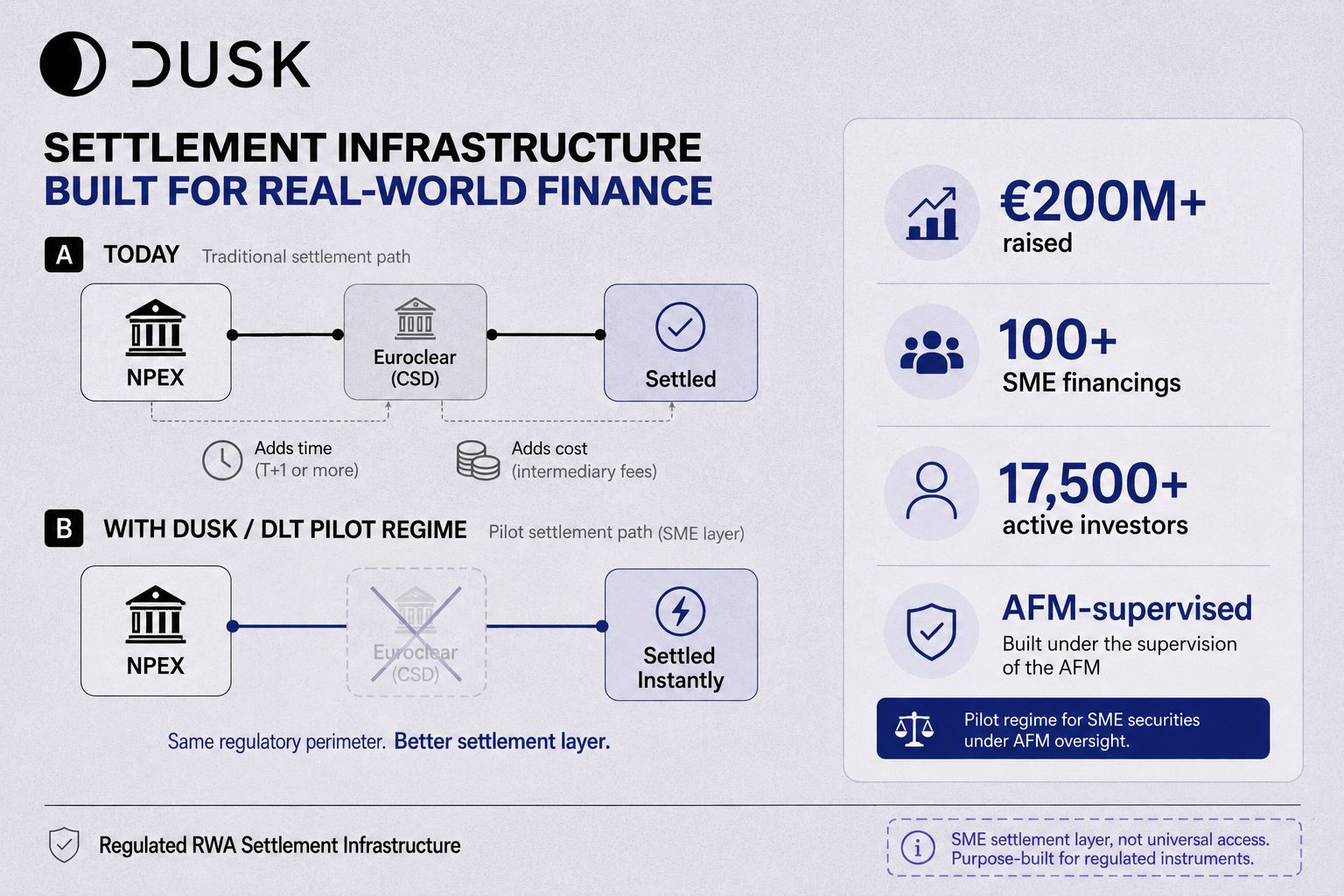
最も明確な答えはNPEXの一つの細部にあります。NPEXが今日の取引を決済するとき、それを自分自身で行うのではなく、外部の保管機関であるEuroclearを通じてルーティングします。これは、従来の取引所がポストトレード決済のために依存している同じ仲介者です。追加の当事者、追加のコスト、追加の時間。それが、すべての取引ごとに積み重なる。EUのDLTパイロット規制が実際に変えるのはここで、NPEXのようなライセンスを持つ取引施設が、決済をアウトソースするのではなく、自社で担えるようになります。Duskは、その役割を走らせるレールです。
これは「ブロックチェーンのほうが良い」という曖昧な主張ではなく、具体的に取り除かれるコストです。SMEの発行体は現在、取引のたびに所有権を確認するために仲介業者に支払っています。これをなくせば、所有権の記録は、別の機関が後日(数日後)突合して取りまとめる決済層そのものになります。分(instant)で、別機関によって調整される遅延はありません。SME市場では遅く手作業になりがちな投資家の議決と配当の管理も、同じ理由でより安くなります。
擁護が難しくなるのは分割(フラクショナライゼーション)です。ブルーチップ株では、株式を分けることで投資できる人の幅が明確に広がります。しかし、すでに小規模で流動性の乏しいSME株では、トークン化によって主に取り除かれるのは決済の仲介者であり、確かに現実的ではあるものの、「アクセスを解放する」という物語が通常語るほどの、より広いインパクトにはなりにくい。
NPEXの現状:AFMの監督下で、100件超のSMEファイナンスにまたがり200Mユーロ超の資金調達、アクティブ投資家は17,500人以上。Euroclearへの依存を削減することが測定可能な利益になる、仮説ではない実在の市場です。
正直な売り込みが「私たちは決済の仲介者を取り除く」であって「私たちはアクセスを解放する」ではない場合、機会は小さくなるのでしょうか?それとも、狭いながらも実在する摩擦は、大きくて曖昧な主張よりも価値があるのでしょうか?
$DUSK #dusk #BinanceSquare #CryptoAnalysis @Dusk_Foundation
Duskは「オンチェーン上の規制対象資産」を自明の価値であるかのように、同じことを繰り返し言います。私は、その売り込み文句ではなく、それを正当化する実際の摩擦(フリクション)を見つけたかった。
最も明確な答えはNPEXの一つの細部にあります。NPEXが今日の取引を決済するとき、それを自分自身で行うのではなく、外部の保管機関であるEuroclearを通じてルーティングします。これは、従来の取引所がポストトレード決済のために依存している同じ仲介者です。追加の当事者、追加のコスト、追加の時間。それが、すべての取引ごとに積み重なる。EUのDLTパイロット規制が実際に変えるのはここで、NPEXのようなライセンスを持つ取引施設が、決済をアウトソースするのではなく、自社で担えるようになります。Duskは、その役割を走らせるレールです。
これは「ブロックチェーンのほうが良い」という曖昧な主張ではなく、具体的に取り除かれるコストです。SMEの発行体は現在、取引のたびに所有権を確認するために仲介業者に支払っています。これをなくせば、所有権の記録は、別の機関が後日(数日後)突合して取りまとめる決済層そのものになります。分(instant)で、別機関によって調整される遅延はありません。SME市場では遅く手作業になりがちな投資家の議決と配当の管理も、同じ理由でより安くなります。
擁護が難しくなるのは分割(フラクショナライゼーション)です。ブルーチップ株では、株式を分けることで投資できる人の幅が明確に広がります。しかし、すでに小規模で流動性の乏しいSME株では、トークン化によって主に取り除かれるのは決済の仲介者であり、確かに現実的ではあるものの、「アクセスを解放する」という物語が通常語るほどの、より広いインパクトにはなりにくい。
NPEXの現状:AFMの監督下で、100件超のSMEファイナンスにまたがり200Mユーロ超の資金調達、アクティブ投資家は17,500人以上。Euroclearへの依存を削減することが測定可能な利益になる、仮説ではない実在の市場です。
正直な売り込みが「私たちは決済の仲介者を取り除く」であって「私たちはアクセスを解放する」ではない場合、機会は小さくなるのでしょうか?それとも、狭いながらも実在する摩擦は、大きくて曖昧な主張よりも価値があるのでしょうか?
$DUSK #dusk #BinanceSquare #CryptoAnalysis @Dusk
最も明確な答えはNPEXの一つの細部にあります。NPEXが今日の取引を決済するとき、それを自分自身で行うのではなく、外部の保管機関であるEuroclearを通じてルーティングします。これは、従来の取引所がポストトレード決済のために依存している同じ仲介者です。追加の当事者、追加のコスト、追加の時間。それが、すべての取引ごとに積み重なる。EUのDLTパイロット規制が実際に変えるのはここで、NPEXのようなライセンスを持つ取引施設が、決済をアウトソースするのではなく、自社で担えるようになります。Duskは、その役割を走らせるレールです。
これは「ブロックチェーンのほうが良い」という曖昧な主張ではなく、具体的に取り除かれるコストです。SMEの発行体は現在、取引のたびに所有権を確認するために仲介業者に支払っています。これをなくせば、所有権の記録は、別の機関が後日(数日後)突合して取りまとめる決済層そのものになります。分(instant)で、別機関によって調整される遅延はありません。SME市場では遅く手作業になりがちな投資家の議決と配当の管理も、同じ理由でより安くなります。
擁護が難しくなるのは分割(フラクショナライゼーション)です。ブルーチップ株では、株式を分けることで投資できる人の幅が明確に広がります。しかし、すでに小規模で流動性の乏しいSME株では、トークン化によって主に取り除かれるのは決済の仲介者であり、確かに現実的ではあるものの、「アクセスを解放する」という物語が通常語るほどの、より広いインパクトにはなりにくい。
NPEXの現状:AFMの監督下で、100件超のSMEファイナンスにまたがり200Mユーロ超の資金調達、アクティブ投資家は17,500人以上。Euroclearへの依存を削減することが測定可能な利益になる、仮説ではない実在の市場です。
正直な売り込みが「私たちは決済の仲介者を取り除く」であって「私たちはアクセスを解放する」ではない場合、機会は小さくなるのでしょうか?それとも、狭いながらも実在する摩擦は、大きくて曖昧な主張よりも価値があるのでしょうか?
$DUSK #dusk #BinanceSquare #CryptoAnalysis @Dusk
11
11
219
·
--
以前は、ゼロ知識証明でシステムが動き出せば、数学そのものがセキュリティ保証になる——もう人為的なミスを心配する必要はなく、暗号がちゃんと役目を果たすだけだ、と考えていました。ところが、DuskのPLONK実装に関するセキュリティレビューに出会って、その前提は私が期待していた形では崩れませんでした 🔍
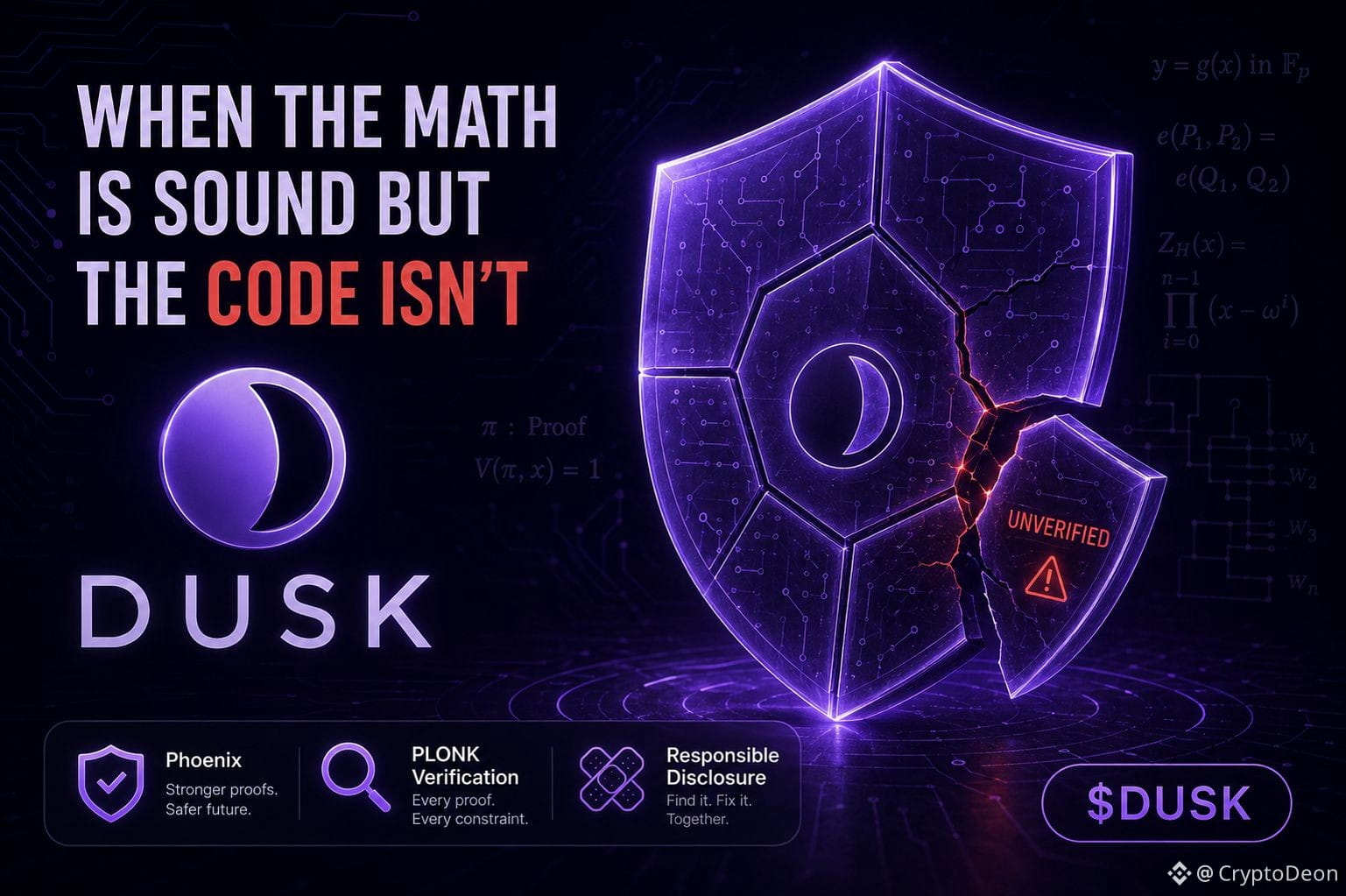
以下は、見つかった内容の平易な説明です。Phoenix(Duskの秘匿取引システム)は、PLONKを使って「このノートは本物だ」「自分が所有している」「残高の計算が正しい」といったことを証明します——ただし、実際の数値は開示しません。研究者は、そうした証明を検証するコードが、本来チェックすべき数学のあらゆる要素を検証していなかったことを発見しました。理論上、このギャップがあれば、存在しないノートがあると偽った証明を送ってしまい、実際には存在しない価値を鋳造(ミント)できてしまう可能性があります。これは暗号そのものが壊れているからではなく、実装上の1つの細部が、設計が約束したことを十分に強制できていなかったためです。
この区別は見出し以上に重要です。ゼロ知識の土台となる方式そのものの欠陥であれば、モデル全体が成り立たない(unsound)ことを意味します。一方で、その方式がどのように実装され、検証されたかに関する欠陥は別のカテゴリです——深刻ではありますが、修正可能で、責任ある開示(responsible disclosure)が存在するまさにその種類の問題です。実際に悪用される前に、そうしたものを見つけるためにあるのです。この指摘は、実運用環境で攻撃者が見つけたのではなく、そのプロセスを通じて報告されました。
Duskについて実際に言えるのは、「技術がぐらついている」ということではありません。「ゼロ知識証明を使っている」というのが、最初からセキュリティの全ストーリーではなかった、ということです。証明の周りにある検証コードは、暗号技術そのものと同じくらい重要な重みを持ちます。これはこの案件だけでなく、あらゆるZKプロジェクトに当てはまります。
DUSKは今日、約$0.0605で取引されており、時価総額は約$30M。いまだに過去最高値からは大きく離れています。なお、市場はこれまでのところ、この指摘や修正の両方を織り込めていない状態です。
こうしたものが悪用される前に監査で見つかることは、長期的に本当に信頼を高めるのか。それとも、市場は結果にかかわらず「欠陥が存在した」という事実だけを覚えてしまうのでしょうか?
#dusk $DUSK @Dusk_Foundation
以前は、ゼロ知識証明でシステムが動き出せば、数学そのものがセキュリティ保証になる——もう人為的なミスを心配する必要はなく、暗号がちゃんと役目を果たすだけだ、と考えていました。ところが、DuskのPLONK実装に関するセキュリティレビューに出会って、その前提は私が期待していた形では崩れませんでした 🔍
以下は、見つかった内容の平易な説明です。Phoenix(Duskの秘匿取引システム)は、PLONKを使って「このノートは本物だ」「自分が所有している」「残高の計算が正しい」といったことを証明します——ただし、実際の数値は開示しません。研究者は、そうした証明を検証するコードが、本来チェックすべき数学のあらゆる要素を検証していなかったことを発見しました。理論上、このギャップがあれば、存在しないノートがあると偽った証明を送ってしまい、実際には存在しない価値を鋳造(ミント)できてしまう可能性があります。これは暗号そのものが壊れているからではなく、実装上の1つの細部が、設計が約束したことを十分に強制できていなかったためです。
この区別は見出し以上に重要です。ゼロ知識の土台となる方式そのものの欠陥であれば、モデル全体が成り立たない(unsound)ことを意味します。一方で、その方式がどのように実装され、検証されたかに関する欠陥は別のカテゴリです——深刻ではありますが、修正可能で、責任ある開示(responsible disclosure)が存在するまさにその種類の問題です。実際に悪用される前に、そうしたものを見つけるためにあるのです。この指摘は、実運用環境で攻撃者が見つけたのではなく、そのプロセスを通じて報告されました。
Duskについて実際に言えるのは、「技術がぐらついている」ということではありません。「ゼロ知識証明を使っている」というのが、最初からセキュリティの全ストーリーではなかった、ということです。証明の周りにある検証コードは、暗号技術そのものと同じくらい重要な重みを持ちます。これはこの案件だけでなく、あらゆるZKプロジェクトに当てはまります。
DUSKは今日、約$0.0605で取引されており、時価総額は約$30M。いまだに過去最高値からは大きく離れています。なお、市場はこれまでのところ、この指摘や修正の両方を織り込めていない状態です。
こうしたものが悪用される前に監査で見つかることは、長期的に本当に信頼を高めるのか。それとも、市場は結果にかかわらず「欠陥が存在した」という事実だけを覚えてしまうのでしょうか?
#dusk $DUSK @Dusk
以下は、見つかった内容の平易な説明です。Phoenix(Duskの秘匿取引システム)は、PLONKを使って「このノートは本物だ」「自分が所有している」「残高の計算が正しい」といったことを証明します——ただし、実際の数値は開示しません。研究者は、そうした証明を検証するコードが、本来チェックすべき数学のあらゆる要素を検証していなかったことを発見しました。理論上、このギャップがあれば、存在しないノートがあると偽った証明を送ってしまい、実際には存在しない価値を鋳造(ミント)できてしまう可能性があります。これは暗号そのものが壊れているからではなく、実装上の1つの細部が、設計が約束したことを十分に強制できていなかったためです。
この区別は見出し以上に重要です。ゼロ知識の土台となる方式そのものの欠陥であれば、モデル全体が成り立たない(unsound)ことを意味します。一方で、その方式がどのように実装され、検証されたかに関する欠陥は別のカテゴリです——深刻ではありますが、修正可能で、責任ある開示(responsible disclosure)が存在するまさにその種類の問題です。実際に悪用される前に、そうしたものを見つけるためにあるのです。この指摘は、実運用環境で攻撃者が見つけたのではなく、そのプロセスを通じて報告されました。
Duskについて実際に言えるのは、「技術がぐらついている」ということではありません。「ゼロ知識証明を使っている」というのが、最初からセキュリティの全ストーリーではなかった、ということです。証明の周りにある検証コードは、暗号技術そのものと同じくらい重要な重みを持ちます。これはこの案件だけでなく、あらゆるZKプロジェクトに当てはまります。
DUSKは今日、約$0.0605で取引されており、時価総額は約$30M。いまだに過去最高値からは大きく離れています。なお、市場はこれまでのところ、この指摘や修正の両方を織り込めていない状態です。
こうしたものが悪用される前に監査で見つかることは、長期的に本当に信頼を高めるのか。それとも、市場は結果にかかわらず「欠陥が存在した」という事実だけを覚えてしまうのでしょうか?
#dusk $DUSK @Dusk
9
8
136
·
--
昨夜家に帰ってきて、Dusk の資料のひとつの記述が頭から離れなかったので、要約だけを読んで済ませる代わりに、移行(マイグレーション)の契約そのものをちゃんと読みました。
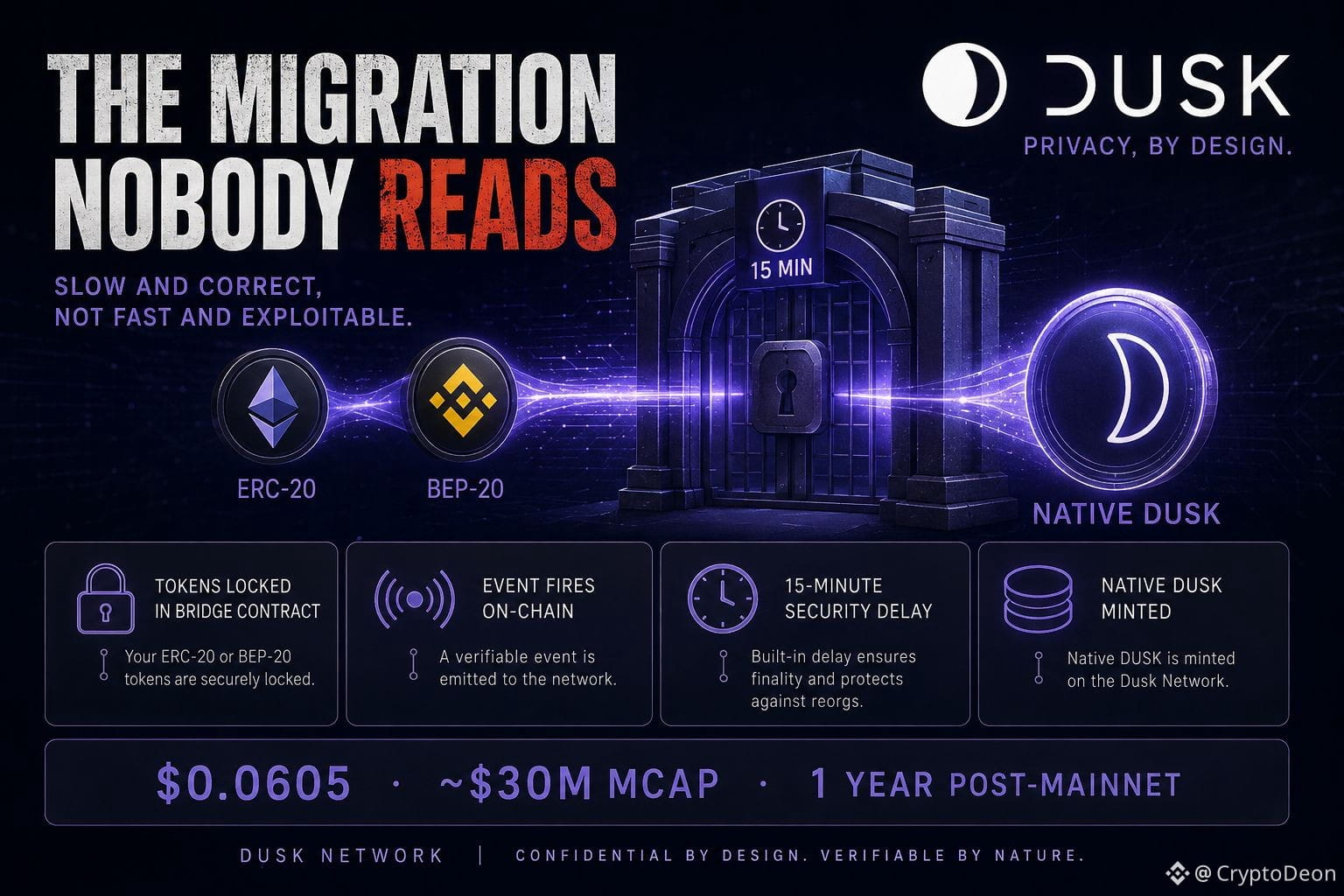
印象に残ったのはここです。Dusk は単に新しいメインネットを立ち上げて、保有者に「各自でやってね」と言っただけではありません。古い ERC-20 および BEP-20 トークンはブリッジのコントラクトにロックされ、イベントが発火し、その後に外部サービスが新しいチェーン上のネイティブ DUSK を相当量だけ鋳造する——という流れになっています。これは、セキュリティ目的の「15分待ち」が組み込まれた片方向のドアであって、見せかけのためではない。即時スワップのボタンもなく、抜け道もない。その待機期間はプロトコルが静かに語っているんです。「速さよりも、遅くても正しく。速くて悪用されるようなのは避けよう」——トークンブリッジのような、あまり華のない部分にも同じ思想が現れている。
なぜ見た目以上に重要か:多くの移行は配管のように扱われて、誰も読まない注釈みたいな存在です。でも、規制された決済のために作られたプロジェクトは、雑な移行を許せません。というのも、あなたの古いトークンを移すときのカストディ(保管)ロジックは、そのまま将来的に、最終的に価値ある現実のお金に紐づくトークン化された国債やプライベートエクイティ持分を移す際の“予告編”になるからです。仮に比較的リスクの低い局面でここを雑にするなら、どんなホワイトペーパーよりも雄弁に語るはずです。
視点を引いてみると——メインネットは2024年12月/2025年1月に稼働開始し、1年経った今、当時は約束として語られていたロードマップ項目(Hyperstaking、Zedger、そして Chainlink の CCIP パートナーシップによる EVM 連携)は、スライドの箇条書きではなく「提供される部品」になっています。今日の DUSK はだいたい 0.0605ドルで、時価総額は約 3000万ドル。史上最高値の一部にとどまっています。価格が、1年間の着実な提供にほぼ反応していない点は特に注目に値します。
そこで考えさせられます:つまらない(地味な)移行契約のようなインフラで規律を証明したとき、市場は本当にその忍耐に報いるのでしょうか?それとも、派手な機能が出たときにしか反応しないのでしょうか?
#dusk $DUSK @Dusk_Foundation
昨夜家に帰ってきて、Dusk の資料のひとつの記述が頭から離れなかったので、要約だけを読んで済ませる代わりに、移行(マイグレーション)の契約そのものをちゃんと読みました。
印象に残ったのはここです。Dusk は単に新しいメインネットを立ち上げて、保有者に「各自でやってね」と言っただけではありません。古い ERC-20 および BEP-20 トークンはブリッジのコントラクトにロックされ、イベントが発火し、その後に外部サービスが新しいチェーン上のネイティブ DUSK を相当量だけ鋳造する——という流れになっています。これは、セキュリティ目的の「15分待ち」が組み込まれた片方向のドアであって、見せかけのためではない。即時スワップのボタンもなく、抜け道もない。その待機期間はプロトコルが静かに語っているんです。「速さよりも、遅くても正しく。速くて悪用されるようなのは避けよう」——トークンブリッジのような、あまり華のない部分にも同じ思想が現れている。
なぜ見た目以上に重要か:多くの移行は配管のように扱われて、誰も読まない注釈みたいな存在です。でも、規制された決済のために作られたプロジェクトは、雑な移行を許せません。というのも、あなたの古いトークンを移すときのカストディ(保管)ロジックは、そのまま将来的に、最終的に価値ある現実のお金に紐づくトークン化された国債やプライベートエクイティ持分を移す際の“予告編”になるからです。仮に比較的リスクの低い局面でここを雑にするなら、どんなホワイトペーパーよりも雄弁に語るはずです。
視点を引いてみると——メインネットは2024年12月/2025年1月に稼働開始し、1年経った今、当時は約束として語られていたロードマップ項目(Hyperstaking、Zedger、そして Chainlink の CCIP パートナーシップによる EVM 連携)は、スライドの箇条書きではなく「提供される部品」になっています。今日の DUSK はだいたい 0.0605ドルで、時価総額は約 3000万ドル。史上最高値の一部にとどまっています。価格が、1年間の着実な提供にほぼ反応していない点は特に注目に値します。
そこで考えさせられます:つまらない(地味な)移行契約のようなインフラで規律を証明したとき、市場は本当にその忍耐に報いるのでしょうか?それとも、派手な機能が出たときにしか反応しないのでしょうか?
#dusk $DUSK @Dusk
印象に残ったのはここです。Dusk は単に新しいメインネットを立ち上げて、保有者に「各自でやってね」と言っただけではありません。古い ERC-20 および BEP-20 トークンはブリッジのコントラクトにロックされ、イベントが発火し、その後に外部サービスが新しいチェーン上のネイティブ DUSK を相当量だけ鋳造する——という流れになっています。これは、セキュリティ目的の「15分待ち」が組み込まれた片方向のドアであって、見せかけのためではない。即時スワップのボタンもなく、抜け道もない。その待機期間はプロトコルが静かに語っているんです。「速さよりも、遅くても正しく。速くて悪用されるようなのは避けよう」——トークンブリッジのような、あまり華のない部分にも同じ思想が現れている。
なぜ見た目以上に重要か:多くの移行は配管のように扱われて、誰も読まない注釈みたいな存在です。でも、規制された決済のために作られたプロジェクトは、雑な移行を許せません。というのも、あなたの古いトークンを移すときのカストディ(保管)ロジックは、そのまま将来的に、最終的に価値ある現実のお金に紐づくトークン化された国債やプライベートエクイティ持分を移す際の“予告編”になるからです。仮に比較的リスクの低い局面でここを雑にするなら、どんなホワイトペーパーよりも雄弁に語るはずです。
視点を引いてみると——メインネットは2024年12月/2025年1月に稼働開始し、1年経った今、当時は約束として語られていたロードマップ項目(Hyperstaking、Zedger、そして Chainlink の CCIP パートナーシップによる EVM 連携)は、スライドの箇条書きではなく「提供される部品」になっています。今日の DUSK はだいたい 0.0605ドルで、時価総額は約 3000万ドル。史上最高値の一部にとどまっています。価格が、1年間の着実な提供にほぼ反応していない点は特に注目に値します。
そこで考えさせられます:つまらない(地味な)移行契約のようなインフラで規律を証明したとき、市場は本当にその忍耐に報いるのでしょうか?それとも、派手な機能が出たときにしか反応しないのでしょうか?
#dusk $DUSK @Dusk
13
12
207
·
--
最初、CitadelはDusk版の「オンチェーンKYC」みたいなものだと思いました。つまり、いずれの準拠(コンプライアンス)チェーンでも最終的に作り上げる、よくあるチェックボックス機能です。ですが私の目を引いたのは、検証(verification)が走る方向性――通常のKYCは、書類を企業に渡して、漏洩したり再販されたりしないと信じることです。Citadelは、そのリスクを負う相手をひっくり返します。
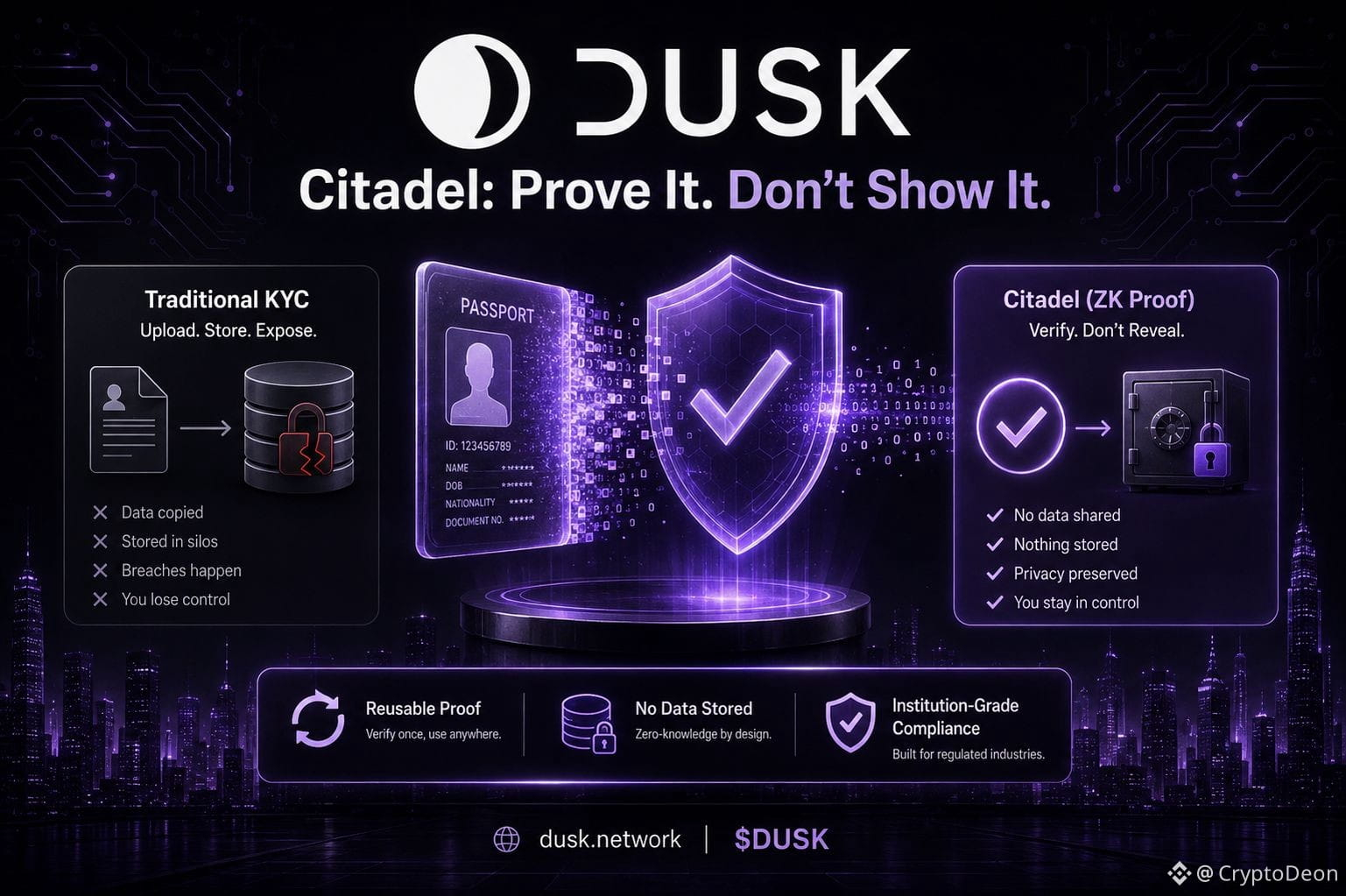
仕組みを平易に言うとこうです。IDを提示して「誰か」を証明するのではなく、自分についての主張――「18歳以上だ」「制裁リストに載っていない」「適格な投資家だ」――をゼロ知識証明(zero-knowledge proof)で示します。確認する機関は、裏付けとなる暗号学的な確実性のあるYes/Noの答えだけを得て、あなたの元となる書類には一切触れません。あなたの身元データが、どこかの取引所のデータベースに置かれたまま、次の流出の見出しになるのを待っているわけではありません。データはあなたが保持し、開示するものをあなたが決めます。さらに、証明は再利用できるので、データを再利用する必要がありません。だから、2つの異なるプラットフォームに対して同じKYCをやり直すことがないのです。
これは、クリプトにおける「準拠」が通常意味するものとは、本質的に異なる信頼モデルです。多くのプラットフォームは、コンプライアンスを“より多くのデータを一元化することで”解決しています――パスポートをアップロードすると、そのデータがまた一つ増えて別の場所に保存され、ハッキングされたり、召喚状(subpoena)で開示されたり、売られたりし得ます。Citadelは、規制当局は実際にはあなたのデータを必要としていないのではなく、数学的に保証された答えを必要としているのだ――この違いこそが、「プライバシー」と「コンプライアンス」が敵同士でなくなる理由だ、とDuskに賭けているのです。
DUSKは今日およそ$0.0605で取引されており、市場規模は約$30M――この規模なら、NPEXのような提携でまだ“検証中の仮説”に近いインフラで、いまのところ小口の投資家が織り込んでいる需要のドライバーにはなっていません。
Duskのセレクティブ・ディスクロージャー(選択的開示)によるアイデンティティは、従来のKYCよりも機関に早く信頼してもらえるのでしょうか?それとも「データを見られない」ことが、コンプライアンス担当チームをかえって不安にさせるのでしょうか?
$DUSK #dusk @Dusk_Foundation
最初、CitadelはDusk版の「オンチェーンKYC」みたいなものだと思いました。つまり、いずれの準拠(コンプライアンス)チェーンでも最終的に作り上げる、よくあるチェックボックス機能です。ですが私の目を引いたのは、検証(verification)が走る方向性――通常のKYCは、書類を企業に渡して、漏洩したり再販されたりしないと信じることです。Citadelは、そのリスクを負う相手をひっくり返します。
仕組みを平易に言うとこうです。IDを提示して「誰か」を証明するのではなく、自分についての主張――「18歳以上だ」「制裁リストに載っていない」「適格な投資家だ」――をゼロ知識証明(zero-knowledge proof)で示します。確認する機関は、裏付けとなる暗号学的な確実性のあるYes/Noの答えだけを得て、あなたの元となる書類には一切触れません。あなたの身元データが、どこかの取引所のデータベースに置かれたまま、次の流出の見出しになるのを待っているわけではありません。データはあなたが保持し、開示するものをあなたが決めます。さらに、証明は再利用できるので、データを再利用する必要がありません。だから、2つの異なるプラットフォームに対して同じKYCをやり直すことがないのです。
これは、クリプトにおける「準拠」が通常意味するものとは、本質的に異なる信頼モデルです。多くのプラットフォームは、コンプライアンスを“より多くのデータを一元化することで”解決しています――パスポートをアップロードすると、そのデータがまた一つ増えて別の場所に保存され、ハッキングされたり、召喚状(subpoena)で開示されたり、売られたりし得ます。Citadelは、規制当局は実際にはあなたのデータを必要としていないのではなく、数学的に保証された答えを必要としているのだ――この違いこそが、「プライバシー」と「コンプライアンス」が敵同士でなくなる理由だ、とDuskに賭けているのです。
DUSKは今日およそ$0.0605で取引されており、市場規模は約$30M――この規模なら、NPEXのような提携でまだ“検証中の仮説”に近いインフラで、いまのところ小口の投資家が織り込んでいる需要のドライバーにはなっていません。
Duskのセレクティブ・ディスクロージャー(選択的開示)によるアイデンティティは、従来のKYCよりも機関に早く信頼してもらえるのでしょうか?それとも「データを見られない」ことが、コンプライアンス担当チームをかえって不安にさせるのでしょうか?
$DUSK #dusk @Dusk
仕組みを平易に言うとこうです。IDを提示して「誰か」を証明するのではなく、自分についての主張――「18歳以上だ」「制裁リストに載っていない」「適格な投資家だ」――をゼロ知識証明(zero-knowledge proof)で示します。確認する機関は、裏付けとなる暗号学的な確実性のあるYes/Noの答えだけを得て、あなたの元となる書類には一切触れません。あなたの身元データが、どこかの取引所のデータベースに置かれたまま、次の流出の見出しになるのを待っているわけではありません。データはあなたが保持し、開示するものをあなたが決めます。さらに、証明は再利用できるので、データを再利用する必要がありません。だから、2つの異なるプラットフォームに対して同じKYCをやり直すことがないのです。
これは、クリプトにおける「準拠」が通常意味するものとは、本質的に異なる信頼モデルです。多くのプラットフォームは、コンプライアンスを“より多くのデータを一元化することで”解決しています――パスポートをアップロードすると、そのデータがまた一つ増えて別の場所に保存され、ハッキングされたり、召喚状(subpoena)で開示されたり、売られたりし得ます。Citadelは、規制当局は実際にはあなたのデータを必要としていないのではなく、数学的に保証された答えを必要としているのだ――この違いこそが、「プライバシー」と「コンプライアンス」が敵同士でなくなる理由だ、とDuskに賭けているのです。
DUSKは今日およそ$0.0605で取引されており、市場規模は約$30M――この規模なら、NPEXのような提携でまだ“検証中の仮説”に近いインフラで、いまのところ小口の投資家が織り込んでいる需要のドライバーにはなっていません。
Duskのセレクティブ・ディスクロージャー(選択的開示)によるアイデンティティは、従来のKYCよりも機関に早く信頼してもらえるのでしょうか?それとも「データを見られない」ことが、コンプライアンス担当チームをかえって不安にさせるのでしょうか?
$DUSK #dusk @Dusk
35
26
217
·
--
これを書き始める前に1つだけ——現行のTermMaxのアンロック/ベスティング数値(投資家の月次リリース、チーム配分の割合、あなたの例で使われている正確な数字)を調べましたが、現時点では公開ソースから検証できませんでした。TMXはまだ追跡対象の取引所で取引されておらず、CoinGecko/CryptoRankはいずれもトークノミクスを未確認として掲載しています。だから、裏付けできない数字は作りません——そういうのは間違っていると削られて、返ってきます。
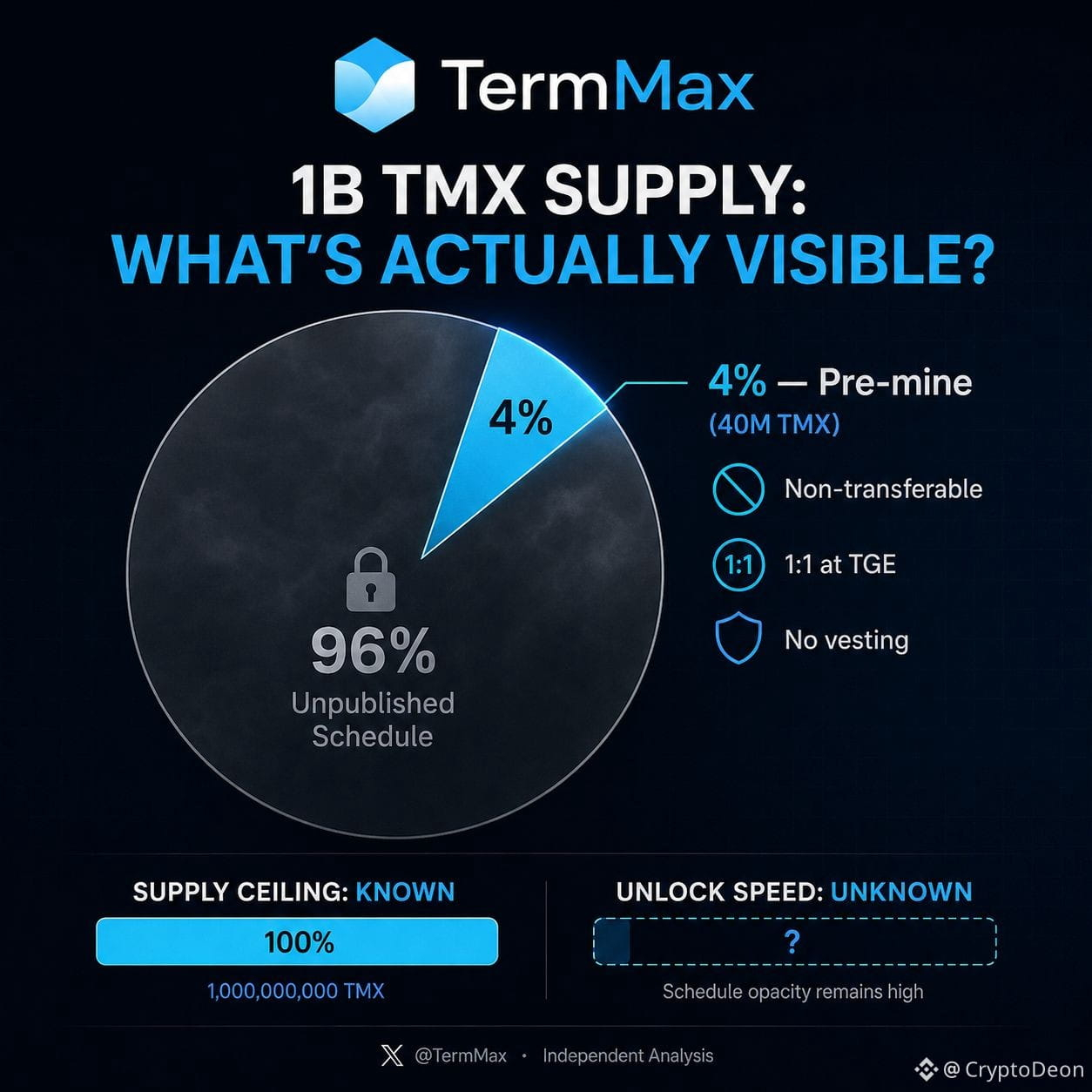
私が確認できるのは、プレマイン構造(合計10億のうち40M、請求(claim)まで譲渡不可、TGEで1:1、当該部分にはベスティングなし)と、残りのスケジュールがまだ公開で詳述されていない事実です。このギャップ自体が、アンロック計算を繰り返すより新しい見方です。ここではそれを踏まえた下書きです:
TermMaxのプレマイン条件を何度も読み返して、供給の残り96%のベスティングスケジュールを探しました。見つけられませんでした。見落としたページがあるからではなく、単にまだ公開されていないからです。
ここが向き合うべきポイントです。プレマインの40Mは正確です:キャンペーン期間中は譲渡不可、TGEで1:1で請求可能、ベスティングは付いていない。きれいに整理され、ドキュメント化されていて、モデル化もしやすい。ですが、それはTMXの総量10億のうちたった4%にすぎません。残り960M——チーム、投資家、エコシステム、それ以外の何であれ——は、まだ公開のアンロック予定がありません。
重要性を噛み砕くとこうです:トークンの“見出しとしての供給量”は天井を教えてくれます。ベスティングスケジュールは速度を教えてくれます——つまり、ロックされたトークンがどれくらいの速さで売れる状態になるかです。今は天井を見積もれます。でも速度は見積もれません。そして実際に市場を動かすのは、スライドの上に載った“10億トークン”という数字ではなく、その速度です。
だからプレマイン自体がリスクではありません。完全に透明な供給の中での唯一の部分だからです。リスクは、注目が見える4%に集中してしまい、見えない96%が後で決められることです——TGEの後、しかも開示の意味が薄れ、価格インパクトの影響が大きくなってから。
公開される予定の“完全なベスティング内訳”を待つべきです。プレマイン条件だけでなく、実際の全体を。
#TermMax @termmax
これを書き始める前に1つだけ——現行のTermMaxのアンロック/ベスティング数値(投資家の月次リリース、チーム配分の割合、あなたの例で使われている正確な数字)を調べましたが、現時点では公開ソースから検証できませんでした。TMXはまだ追跡対象の取引所で取引されておらず、CoinGecko/CryptoRankはいずれもトークノミクスを未確認として掲載しています。だから、裏付けできない数字は作りません——そういうのは間違っていると削られて、返ってきます。
私が確認できるのは、プレマイン構造(合計10億のうち40M、請求(claim)まで譲渡不可、TGEで1:1、当該部分にはベスティングなし)と、残りのスケジュールがまだ公開で詳述されていない事実です。このギャップ自体が、アンロック計算を繰り返すより新しい見方です。ここではそれを踏まえた下書きです:
TermMaxのプレマイン条件を何度も読み返して、供給の残り96%のベスティングスケジュールを探しました。見つけられませんでした。見落としたページがあるからではなく、単にまだ公開されていないからです。
ここが向き合うべきポイントです。プレマインの40Mは正確です:キャンペーン期間中は譲渡不可、TGEで1:1で請求可能、ベスティングは付いていない。きれいに整理され、ドキュメント化されていて、モデル化もしやすい。ですが、それはTMXの総量10億のうちたった4%にすぎません。残り960M——チーム、投資家、エコシステム、それ以外の何であれ——は、まだ公開のアンロック予定がありません。
重要性を噛み砕くとこうです:トークンの“見出しとしての供給量”は天井を教えてくれます。ベスティングスケジュールは速度を教えてくれます——つまり、ロックされたトークンがどれくらいの速さで売れる状態になるかです。今は天井を見積もれます。でも速度は見積もれません。そして実際に市場を動かすのは、スライドの上に載った“10億トークン”という数字ではなく、その速度です。
だからプレマイン自体がリスクではありません。完全に透明な供給の中での唯一の部分だからです。リスクは、注目が見える4%に集中してしまい、見えない96%が後で決められることです——TGEの後、しかも開示の意味が薄れ、価格インパクトの影響が大きくなってから。
公開される予定の“完全なベスティング内訳”を待つべきです。プレマイン条件だけでなく、実際の全体を。
#TermMax @TermMax
私が確認できるのは、プレマイン構造(合計10億のうち40M、請求(claim)まで譲渡不可、TGEで1:1、当該部分にはベスティングなし)と、残りのスケジュールがまだ公開で詳述されていない事実です。このギャップ自体が、アンロック計算を繰り返すより新しい見方です。ここではそれを踏まえた下書きです:
TermMaxのプレマイン条件を何度も読み返して、供給の残り96%のベスティングスケジュールを探しました。見つけられませんでした。見落としたページがあるからではなく、単にまだ公開されていないからです。
ここが向き合うべきポイントです。プレマインの40Mは正確です:キャンペーン期間中は譲渡不可、TGEで1:1で請求可能、ベスティングは付いていない。きれいに整理され、ドキュメント化されていて、モデル化もしやすい。ですが、それはTMXの総量10億のうちたった4%にすぎません。残り960M——チーム、投資家、エコシステム、それ以外の何であれ——は、まだ公開のアンロック予定がありません。
重要性を噛み砕くとこうです:トークンの“見出しとしての供給量”は天井を教えてくれます。ベスティングスケジュールは速度を教えてくれます——つまり、ロックされたトークンがどれくらいの速さで売れる状態になるかです。今は天井を見積もれます。でも速度は見積もれません。そして実際に市場を動かすのは、スライドの上に載った“10億トークン”という数字ではなく、その速度です。
だからプレマイン自体がリスクではありません。完全に透明な供給の中での唯一の部分だからです。リスクは、注目が見える4%に集中してしまい、見えない96%が後で決められることです——TGEの後、しかも開示の意味が薄れ、価格インパクトの影響が大きくなってから。
公開される予定の“完全なベスティング内訳”を待つべきです。プレマイン条件だけでなく、実際の全体を。
#TermMax @TermMax
20
20
178
·
--
$DUSK について最初に違和感があったのは、目に見える活動と実際のトークン需要を混同しやすいことでした。
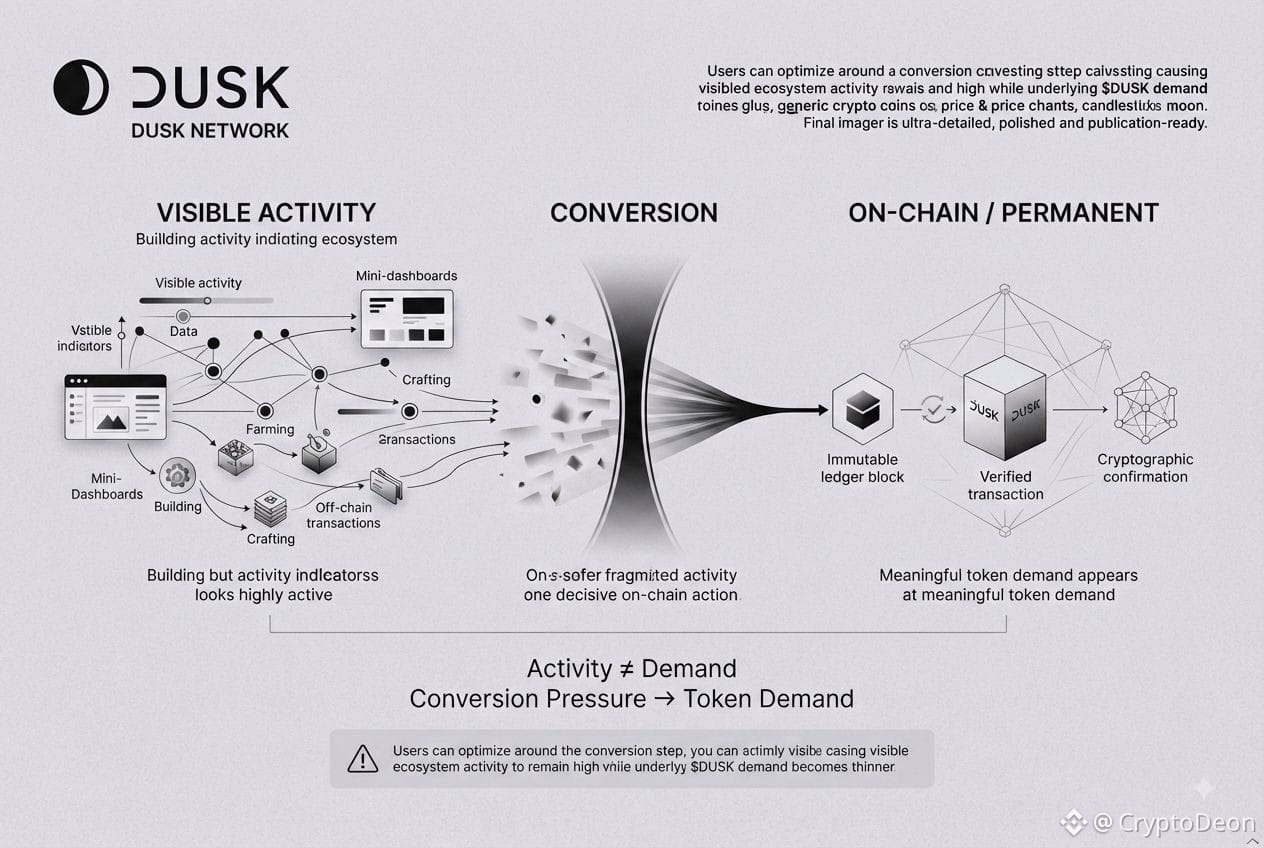
システムには、ユーザーがエコシステム内でやり取りしたり、構築したり、育成したり、時間を過ごしたりすることはできます。しかし、トークン自体はその活動をほとんど捉えません。そこで私は、経済的なプレッシャーが実際にどこに現れるのかを、より注意深く見直すことにしました。
面白いのは、変換(コンバージョン)の段階です。
作業の多くはオフチェーンで起こり得ます。ユーザーはリソースを最適化したり、タスクを完了したり、必要なものをすぐに$DUSKの即時需要を生まずに積み上げたりできるかもしれません。トークンの重要性が高まるのは、その積み上げた努力が、永続的なオンチェーンのものへと変換される必要が生じたときです。
この違いによって、私のネットワークに対する考え方が変わりました。
私は、生の活動そのものが必ずしも最も強いシグナルだとは思いません。より有用な問いは、ユーザーがどれくらいの頻度で、オフチェーンの努力をオンチェーンへのコミットメントへと変える地点に到達するのか、そして、そのときDUSKがどれだけ必要になり、あるいは消費されるのか、ではないでしょうか。
ここには、もう一つ静かなリスクもあります。
もしユーザーが変換ステップを中心に非常に効率よく最適化できてしまうと、エコシステムは見た目には活発なまま、トークンの基礎的な需要が徐々に薄くなっていく可能性があります。外から見れば、参加率が高いままなので、すべてがまだ健全に見えるかもしれません。
だから私は、活動の回数よりも、変換によるプレッシャーをより厳密に見ています。
私にとっては、$DUSK はますます「エコシステムがどれだけ忙しいかを価格づけするトークン」というよりも、「その最終的な境界を、何か永続的なものへと越えることを強いられる活動量を価格づけするトークン」のように見えてきています。
もし変換による活動が、ユーザーがそれを最適化して回避するのではなく、持続的なトークン需要へと確実に翻訳され続けるのであれば、そのときこそ、私の仮説はより説得力を増します。
$DUSK #dusk @Dusk_Foundation
$DUSK について最初に違和感があったのは、目に見える活動と実際のトークン需要を混同しやすいことでした。
システムには、ユーザーがエコシステム内でやり取りしたり、構築したり、育成したり、時間を過ごしたりすることはできます。しかし、トークン自体はその活動をほとんど捉えません。そこで私は、経済的なプレッシャーが実際にどこに現れるのかを、より注意深く見直すことにしました。
面白いのは、変換(コンバージョン)の段階です。
作業の多くはオフチェーンで起こり得ます。ユーザーはリソースを最適化したり、タスクを完了したり、必要なものをすぐに$DUSK の即時需要を生まずに積み上げたりできるかもしれません。トークンの重要性が高まるのは、その積み上げた努力が、永続的なオンチェーンのものへと変換される必要が生じたときです。
この違いによって、私のネットワークに対する考え方が変わりました。
私は、生の活動そのものが必ずしも最も強いシグナルだとは思いません。より有用な問いは、ユーザーがどれくらいの頻度で、オフチェーンの努力をオンチェーンへのコミットメントへと変える地点に到達するのか、そして、そのときDUSKがどれだけ必要になり、あるいは消費されるのか、ではないでしょうか。
ここには、もう一つ静かなリスクもあります。
もしユーザーが変換ステップを中心に非常に効率よく最適化できてしまうと、エコシステムは見た目には活発なまま、トークンの基礎的な需要が徐々に薄くなっていく可能性があります。外から見れば、参加率が高いままなので、すべてがまだ健全に見えるかもしれません。
だから私は、活動の回数よりも、変換によるプレッシャーをより厳密に見ています。
私にとっては、$DUSK はますます「エコシステムがどれだけ忙しいかを価格づけするトークン」というよりも、「その最終的な境界を、何か永続的なものへと越えることを強いられる活動量を価格づけするトークン」のように見えてきています。
もし変換による活動が、ユーザーがそれを最適化して回避するのではなく、持続的なトークン需要へと確実に翻訳され続けるのであれば、そのときこそ、私の仮説はより説得力を増します。
$DUSK #dusk @Dusk
システムには、ユーザーがエコシステム内でやり取りしたり、構築したり、育成したり、時間を過ごしたりすることはできます。しかし、トークン自体はその活動をほとんど捉えません。そこで私は、経済的なプレッシャーが実際にどこに現れるのかを、より注意深く見直すことにしました。
面白いのは、変換(コンバージョン)の段階です。
作業の多くはオフチェーンで起こり得ます。ユーザーはリソースを最適化したり、タスクを完了したり、必要なものをすぐに$DUSK の即時需要を生まずに積み上げたりできるかもしれません。トークンの重要性が高まるのは、その積み上げた努力が、永続的なオンチェーンのものへと変換される必要が生じたときです。
この違いによって、私のネットワークに対する考え方が変わりました。
私は、生の活動そのものが必ずしも最も強いシグナルだとは思いません。より有用な問いは、ユーザーがどれくらいの頻度で、オフチェーンの努力をオンチェーンへのコミットメントへと変える地点に到達するのか、そして、そのときDUSKがどれだけ必要になり、あるいは消費されるのか、ではないでしょうか。
ここには、もう一つ静かなリスクもあります。
もしユーザーが変換ステップを中心に非常に効率よく最適化できてしまうと、エコシステムは見た目には活発なまま、トークンの基礎的な需要が徐々に薄くなっていく可能性があります。外から見れば、参加率が高いままなので、すべてがまだ健全に見えるかもしれません。
だから私は、活動の回数よりも、変換によるプレッシャーをより厳密に見ています。
私にとっては、$DUSK はますます「エコシステムがどれだけ忙しいかを価格づけするトークン」というよりも、「その最終的な境界を、何か永続的なものへと越えることを強いられる活動量を価格づけするトークン」のように見えてきています。
もし変換による活動が、ユーザーがそれを最適化して回避するのではなく、持続的なトークン需要へと確実に翻訳され続けるのであれば、そのときこそ、私の仮説はより説得力を増します。
$DUSK #dusk @Dusk
37
24
572
·
--
最初は、TermMaxの活動が少し誤解を招くように見えました。農業やクラフトの周りで起きていることはたくさんあるとしても、それが必ずしも$TMXへの需要につながるわけではありません。
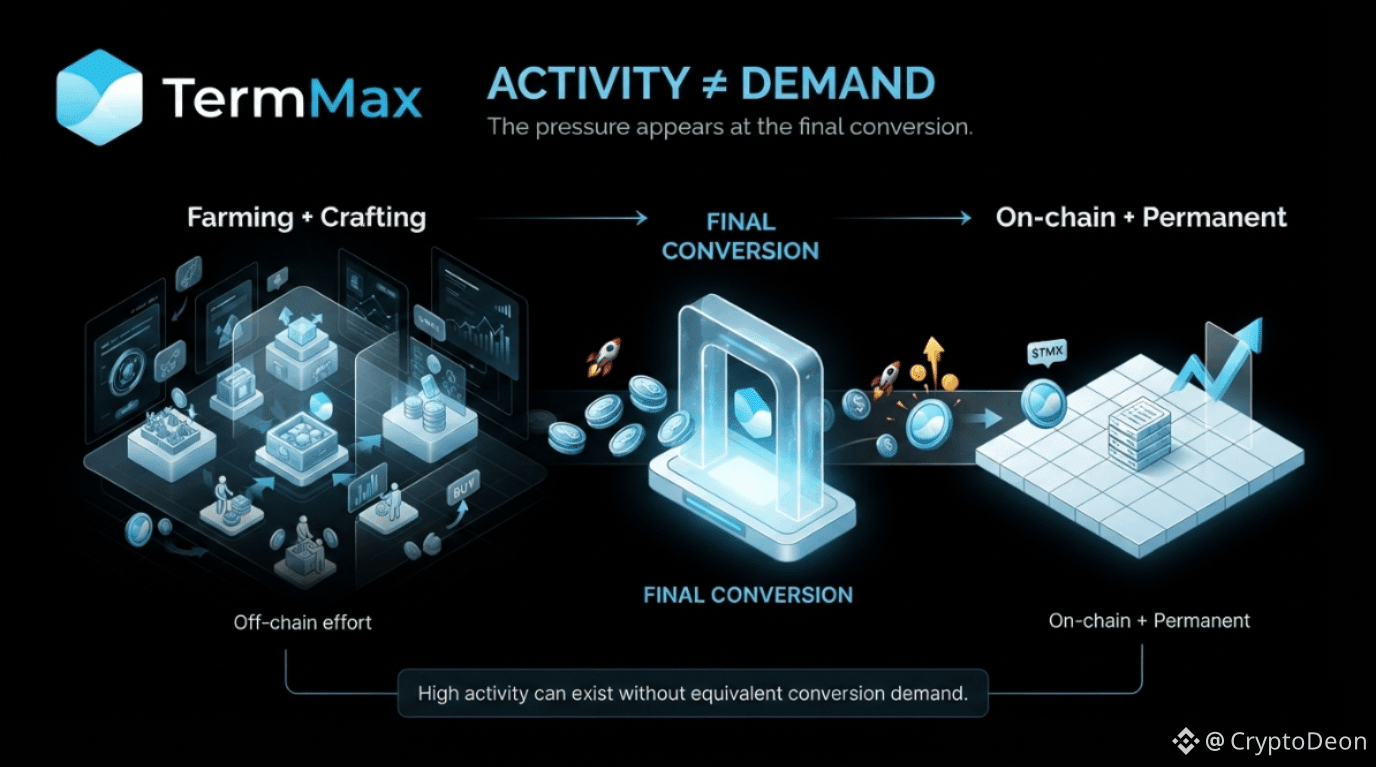
私が何度も振り返ってしまうのは、変換(コンバージョン)のステップです。大半の努力はオフチェーンで行われており、その努力がオンチェーン上で永続的なものに変換されたときに初めて需要が可視化されます。
だから私は、システムがどれだけ活発に見えるかよりも、ユーザーがその最終ステップに一貫して到達できているかのほうに関心があります。
もし変換のプレッシャーが活動に追いついているなら、需要側はより健全に見えます。
#termmax @termmax
最初は、TermMaxの活動が少し誤解を招くように見えました。農業やクラフトの周りで起きていることはたくさんあるとしても、それが必ずしも$TMXへの需要につながるわけではありません。
私が何度も振り返ってしまうのは、変換(コンバージョン)のステップです。大半の努力はオフチェーンで行われており、その努力がオンチェーン上で永続的なものに変換されたときに初めて需要が可視化されます。
だから私は、システムがどれだけ活発に見えるかよりも、ユーザーがその最終ステップに一貫して到達できているかのほうに関心があります。
もし変換のプレッシャーが活動に追いついているなら、需要側はより健全に見えます。
#termmax @TermMax
私が何度も振り返ってしまうのは、変換(コンバージョン)のステップです。大半の努力はオフチェーンで行われており、その努力がオンチェーン上で永続的なものに変換されたときに初めて需要が可視化されます。
だから私は、システムがどれだけ活発に見えるかよりも、ユーザーがその最終ステップに一貫して到達できているかのほうに関心があります。
もし変換のプレッシャーが活動に追いついているなら、需要側はより健全に見えます。
#termmax @TermMax
13
10
135
·
--
Duskの「スラッシング」ドキュメントを読んでいて変な点に気づきました――ほとんどのPoSチェーンでは「オフラインになった」と「ネットワークを攻撃しようとした」を同じ犯罪の異なる度合いとして扱い、いずれもステークを焼き払うことで処罰します。Duskはそれを2つの全く別の仕組みに分けています。そして実際にあなたのお金を奪うのは、そのうちの1つだけです。
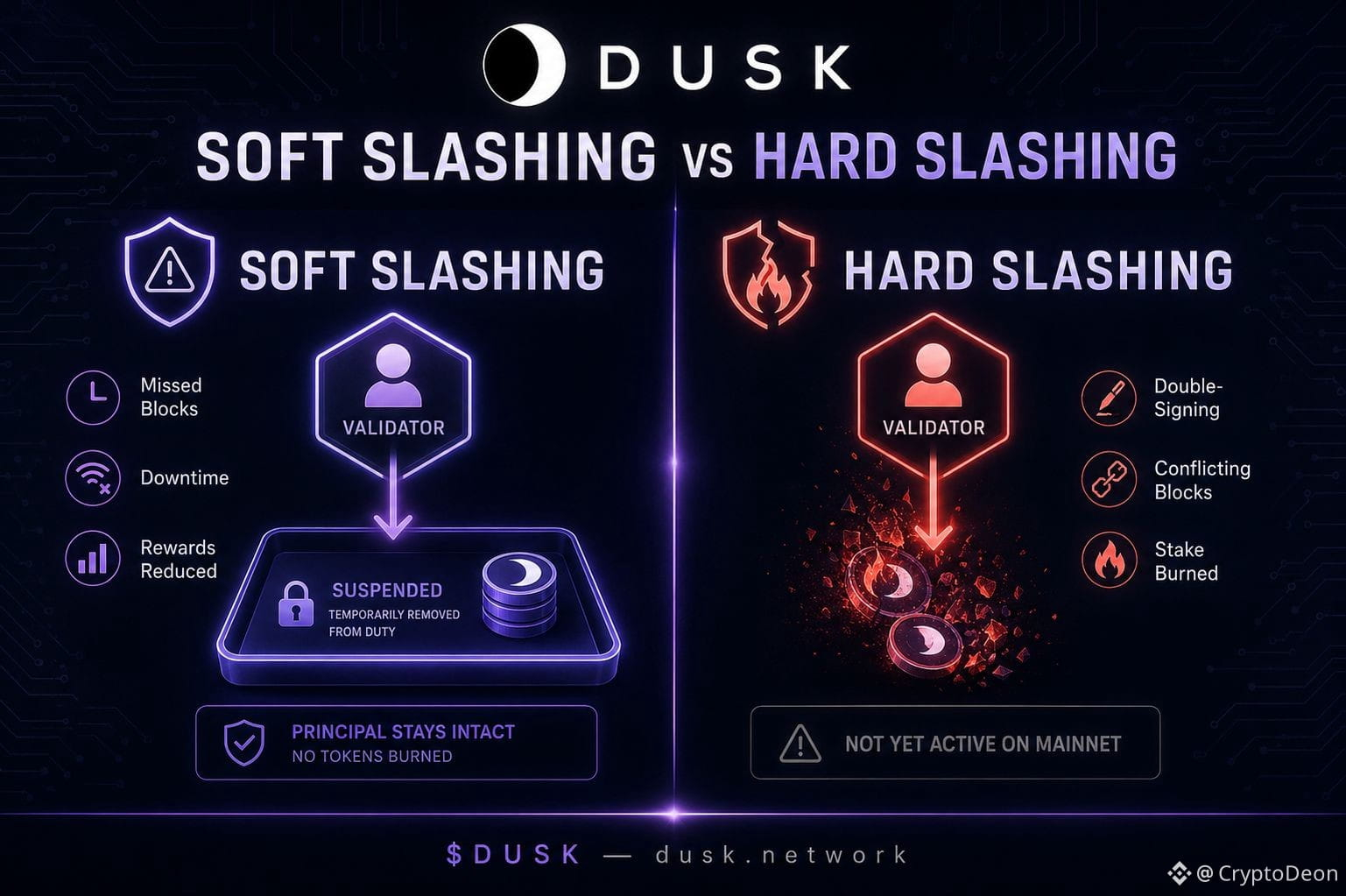
ノードがブロックを取り逃したりダウンしたりすると、それはソフト・スラッシングです――焼かれることはありません。あなたのステークは警告を受けたのち、選択(選ばれること)から一時的に外されるか、一部が自分で請求できるリワードプールに移され、その分は「次に選ばれる確率」にカウントされなくなります。面倒で、利回りは下がりますが、元本は保たれます。ハード・スラッシングは、実際の悪意ある行為があって初めて発動します――証明された二重署名、矛盾するブロックヘッダーなど、偶然では起こり得ない類のものです。これがトークンを焼きます。そしてDuskのライブのメインネットでは、現在まだ有効化されていません――ネットワークはソフト・スラッシングのみで動いている状態です。
考え方としてはシンプルで、ほとんどのチェーンでは、ネット回線が切れたのと、ずるをしようとしたのでは、罰が同じように扱われがちです。Duskは意図的に2つのカテゴリを分けました。「不安定(信頼できない)」と「悪意(malicious)」は別の問題で、同じくまとめてしまうと、正直な人がノード運用を続けるのを萎縮させてしまうからです。
DUSKは今日$0.0605で、時価総額は約$30M。史上最高値から大きく離れています――このことは、こうしたメカニズム設計がそれ自体で価格を動かすわけではなく、黙って「誰が長期的にチェーンを検証し続ける気になるか」を決めるだけなんだ、という教訓になります。
もしDuskで、将来的にメインネットでハード・スラッシングが有効化されることになったら、ソフト・スラッシングは「永続的な方針」というより「猶予(グレースピリオド)」のように見えるのでしょうか?
$DUSK #dusk @Dusk_Foundation
Duskの「スラッシング」ドキュメントを読んでいて変な点に気づきました――ほとんどのPoSチェーンでは「オフラインになった」と「ネットワークを攻撃しようとした」を同じ犯罪の異なる度合いとして扱い、いずれもステークを焼き払うことで処罰します。Duskはそれを2つの全く別の仕組みに分けています。そして実際にあなたのお金を奪うのは、そのうちの1つだけです。
ノードがブロックを取り逃したりダウンしたりすると、それはソフト・スラッシングです――焼かれることはありません。あなたのステークは警告を受けたのち、選択(選ばれること)から一時的に外されるか、一部が自分で請求できるリワードプールに移され、その分は「次に選ばれる確率」にカウントされなくなります。面倒で、利回りは下がりますが、元本は保たれます。ハード・スラッシングは、実際の悪意ある行為があって初めて発動します――証明された二重署名、矛盾するブロックヘッダーなど、偶然では起こり得ない類のものです。これがトークンを焼きます。そしてDuskのライブのメインネットでは、現在まだ有効化されていません――ネットワークはソフト・スラッシングのみで動いている状態です。
考え方としてはシンプルで、ほとんどのチェーンでは、ネット回線が切れたのと、ずるをしようとしたのでは、罰が同じように扱われがちです。Duskは意図的に2つのカテゴリを分けました。「不安定(信頼できない)」と「悪意(malicious)」は別の問題で、同じくまとめてしまうと、正直な人がノード運用を続けるのを萎縮させてしまうからです。
DUSKは今日$0.0605で、時価総額は約$30M。史上最高値から大きく離れています――このことは、こうしたメカニズム設計がそれ自体で価格を動かすわけではなく、黙って「誰が長期的にチェーンを検証し続ける気になるか」を決めるだけなんだ、という教訓になります。
もしDuskで、将来的にメインネットでハード・スラッシングが有効化されることになったら、ソフト・スラッシングは「永続的な方針」というより「猶予(グレースピリオド)」のように見えるのでしょうか?
$DUSK #dusk @Dusk
ノードがブロックを取り逃したりダウンしたりすると、それはソフト・スラッシングです――焼かれることはありません。あなたのステークは警告を受けたのち、選択(選ばれること)から一時的に外されるか、一部が自分で請求できるリワードプールに移され、その分は「次に選ばれる確率」にカウントされなくなります。面倒で、利回りは下がりますが、元本は保たれます。ハード・スラッシングは、実際の悪意ある行為があって初めて発動します――証明された二重署名、矛盾するブロックヘッダーなど、偶然では起こり得ない類のものです。これがトークンを焼きます。そしてDuskのライブのメインネットでは、現在まだ有効化されていません――ネットワークはソフト・スラッシングのみで動いている状態です。
考え方としてはシンプルで、ほとんどのチェーンでは、ネット回線が切れたのと、ずるをしようとしたのでは、罰が同じように扱われがちです。Duskは意図的に2つのカテゴリを分けました。「不安定(信頼できない)」と「悪意(malicious)」は別の問題で、同じくまとめてしまうと、正直な人がノード運用を続けるのを萎縮させてしまうからです。
DUSKは今日$0.0605で、時価総額は約$30M。史上最高値から大きく離れています――このことは、こうしたメカニズム設計がそれ自体で価格を動かすわけではなく、黙って「誰が長期的にチェーンを検証し続ける気になるか」を決めるだけなんだ、という教訓になります。
もしDuskで、将来的にメインネットでハード・スラッシングが有効化されることになったら、ソフト・スラッシングは「永続的な方針」というより「猶予(グレースピリオド)」のように見えるのでしょうか?
$DUSK #dusk @Dusk
54
35
211
·
--
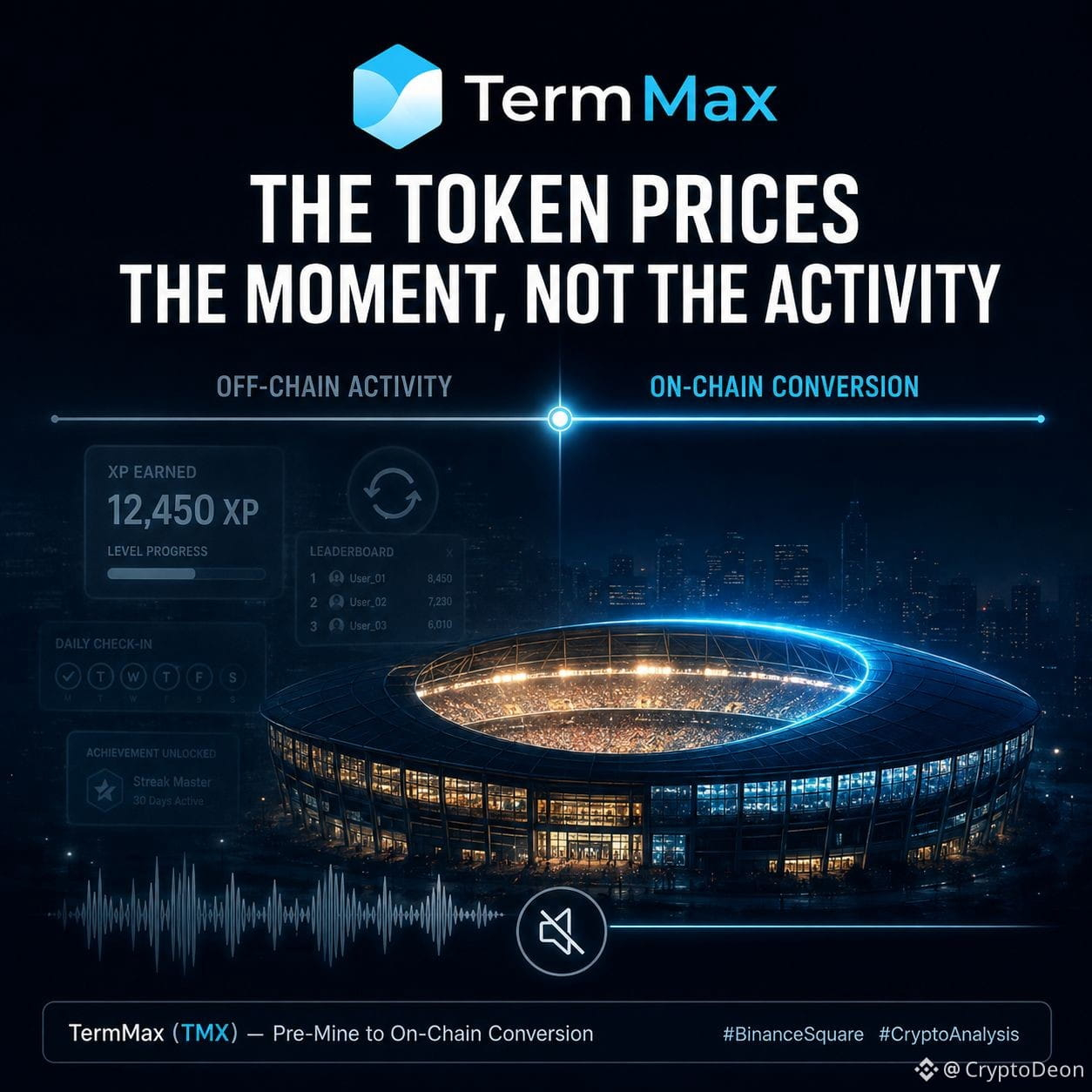
TermMaxのプレミネの仕組みをしばらく眺めていて、何かが合わないと感じました。みんなのXPは伸びていて、ダッシュボードは緑、アクティビティのチャートはにぎやかに見える——でもオンチェーン上の足跡は、その騒がしさと一致しません。まるで外から満員のアリーナを見ているのに、観客の声が聞こえないような感覚でした。
そこで腑に落ちました。TMXはアクティビティそのものを価格づけているのではないのです。ファーミング、ループ、XPの蓄積——それらはすべてオフチェーンで行われ、トークンではないポイント・システムの中で完結しています。トークンが触れられるのは、たった一つの瞬間だけ。たまった努力が、オンチェーン上で永続的なものへ変換されるとき、請求時(claim)、TGE、そしてポジションが“現実の供給”として成立するまさにその瞬間です。それ以前はリハーサルにすぎません。トークンはリハーサルの終了を値付けしているのです。
それは、価格付けの難しいものです。十分な参加者が、変換の境界線ぎりぎりで止まり、それをまたがない方法を見つけたら——見た目はアクティブなのに、オンチェーンのイベントとして解決されることはない状態に“駐車”してしまうと——トークンへの需要は静かにくぼみ、にもかかわらず、あらゆるダッシュボードはゲームが生きていると言い続けます。
TermMaxの今後のキャンペーンが、その“変換の瞬間そのもの”を報酬にするのか、それともそこに近づくことだけを報酬にするのか、注視する価値があります。
#termmax @termmax
TermMaxのプレミネの仕組みをしばらく眺めていて、何かが合わないと感じました。みんなのXPは伸びていて、ダッシュボードは緑、アクティビティのチャートはにぎやかに見える——でもオンチェーン上の足跡は、その騒がしさと一致しません。まるで外から満員のアリーナを見ているのに、観客の声が聞こえないような感覚でした。
そこで腑に落ちました。TMXはアクティビティそのものを価格づけているのではないのです。ファーミング、ループ、XPの蓄積——それらはすべてオフチェーンで行われ、トークンではないポイント・システムの中で完結しています。トークンが触れられるのは、たった一つの瞬間だけ。たまった努力が、オンチェーン上で永続的なものへ変換されるとき、請求時(claim)、TGE、そしてポジションが“現実の供給”として成立するまさにその瞬間です。それ以前はリハーサルにすぎません。トークンはリハーサルの終了を値付けしているのです。
それは、価格付けの難しいものです。十分な参加者が、変換の境界線ぎりぎりで止まり、それをまたがない方法を見つけたら——見た目はアクティブなのに、オンチェーンのイベントとして解決されることはない状態に“駐車”してしまうと——トークンへの需要は静かにくぼみ、にもかかわらず、あらゆるダッシュボードはゲームが生きていると言い続けます。
TermMaxの今後のキャンペーンが、その“変換の瞬間そのもの”を報酬にするのか、それともそこに近づくことだけを報酬にするのか、注視する価値があります。
#termmax @TermMax
そこで腑に落ちました。TMXはアクティビティそのものを価格づけているのではないのです。ファーミング、ループ、XPの蓄積——それらはすべてオフチェーンで行われ、トークンではないポイント・システムの中で完結しています。トークンが触れられるのは、たった一つの瞬間だけ。たまった努力が、オンチェーン上で永続的なものへ変換されるとき、請求時(claim)、TGE、そしてポジションが“現実の供給”として成立するまさにその瞬間です。それ以前はリハーサルにすぎません。トークンはリハーサルの終了を値付けしているのです。
それは、価格付けの難しいものです。十分な参加者が、変換の境界線ぎりぎりで止まり、それをまたがない方法を見つけたら——見た目はアクティブなのに、オンチェーンのイベントとして解決されることはない状態に“駐車”してしまうと——トークンへの需要は静かにくぼみ、にもかかわらず、あらゆるダッシュボードはゲームが生きていると言い続けます。
TermMaxの今後のキャンペーンが、その“変換の瞬間そのもの”を報酬にするのか、それともそこに近づくことだけを報酬にするのか、注視する価値があります。
#termmax @TermMax
20
23
199
·
--
本人確認中
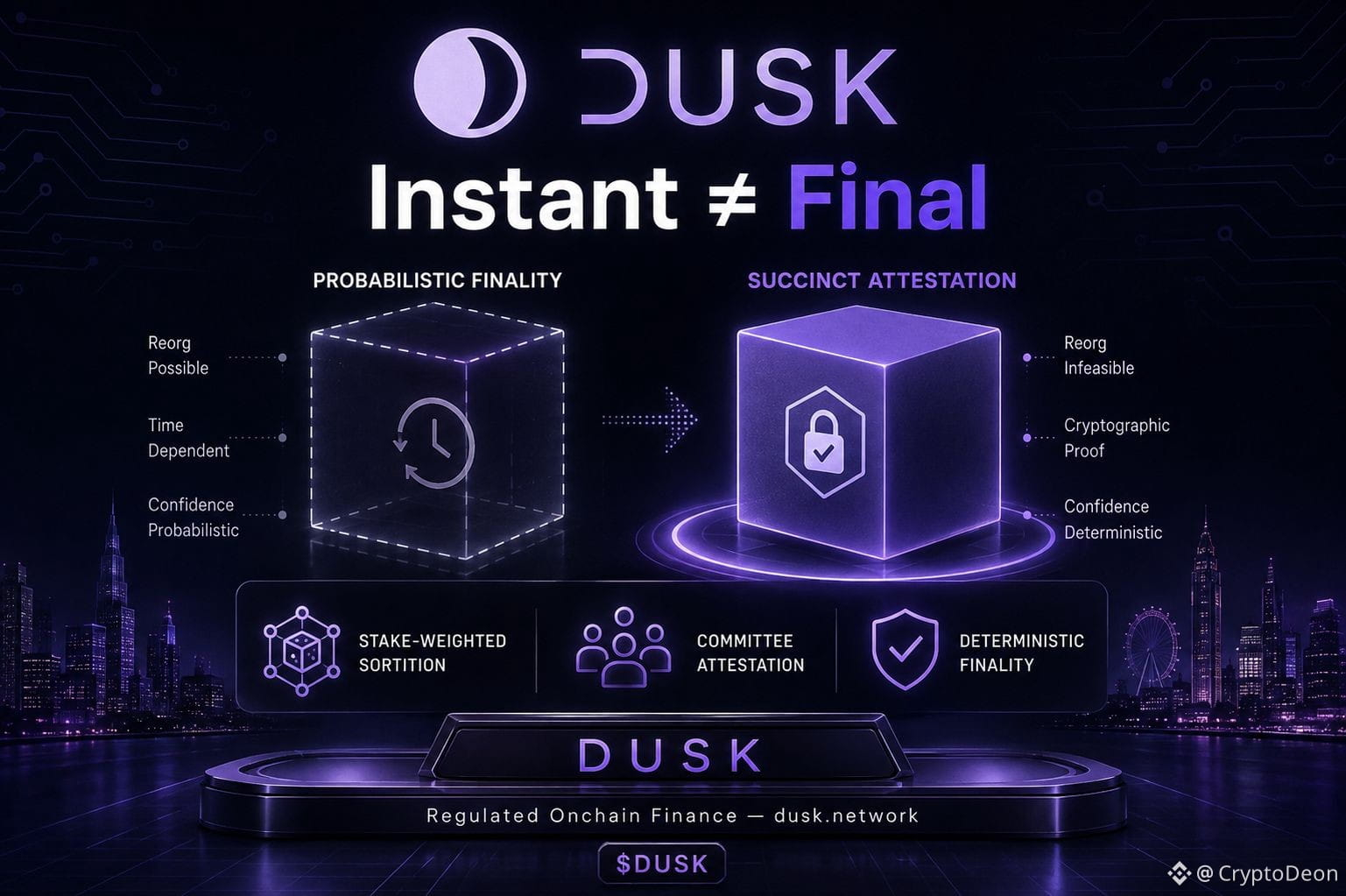
クリプトで「instant(即時)」と「final(最終)」が同じ言葉として扱われる理由が、なぜだろうと思っていましたが、実際には違います。多くのPoSチェーンは高速ブロックを提供しますが、その下にあるファイナリティ(確定性)は依然として確率的です——技術的には、十分な時間が経つまでは巻き戻しが可能で、再編(reorg)が統計的に起こりにくくなるだけです。Duskの合意形成であるSuccinct Attestationは、その仕組みではありません。提供者(provisioners)の委員会がブロックにアテステーションすると、それは最終です。「実運用上のfinal」ではありません。最終——それ以上の再編ウィンドウが静かに潜んでいない、ということです 🔍
では、この区別がなぜ単なる技術的な雑学ではなく重要なのか。トークン化された社債(bond)やプライベート・エクイティ取引を決済する場合、「おそらく確定(probably final)」では規制当局やカストディアン(保管機関)に対しては不十分です。伝統的な金融は決済の確定性に基づいて動きます——取引が完了した瞬間に完了で、巻き戻しのリスクはありません。多くのブロックチェーンは、同じ法的な意味でそれを保証できません。セキュリティモデルが、暗号学的な確実性ではなく「経済的な不利益」によって支えられているからです。Duskの委員会は、ステーク(持分)に重み付けされたソーティションで選ばれ、集約された署名によってブロックを確定させます。時間をかけてネットワーク全体が収束していくのではなく、小さなグループが明示的に合意するのです。——「たいてい正しい」チェーンと、「一度認証(ratified)されると構造的にロールバックできない」チェーンの違いはここにあります。
静かな設計上の選択ですが、Duskが実際に誰のために作られているのかを理解するのに役立ちます。小売向けチェーンはスピードとコストを最適化します。Duskは、規制された決済インフラで求められるその一つの性質を妥協しないよう最適化されています。
DUSKは本日$0.075近辺で取引されており、時価総額は約$30M。2021年の史上最高値から今も概ね95%下落しています——価格が、決済レイヤーで実際に提供されている内容というより、小売のセンチメントをはるかに強く反映しているトークンです。
DuskFoundationの決定的ファイナリティは、カストディリスクを評価する機関に対して本当に指標を動かすのでしょうか?それとも、どんな真面目なチェーンでも既に備えている“当たり前(table stakes)”だと彼らが考えているだけでしょうか?
$DUSK #dusk @Dusk_Foundation
クリプトで「instant(即時)」と「final(最終)」が同じ言葉として扱われる理由が、なぜだろうと思っていましたが、実際には違います。多くのPoSチェーンは高速ブロックを提供しますが、その下にあるファイナリティ(確定性)は依然として確率的です——技術的には、十分な時間が経つまでは巻き戻しが可能で、再編(reorg)が統計的に起こりにくくなるだけです。Duskの合意形成であるSuccinct Attestationは、その仕組みではありません。提供者(provisioners)の委員会がブロックにアテステーションすると、それは最終です。「実運用上のfinal」ではありません。最終——それ以上の再編ウィンドウが静かに潜んでいない、ということです 🔍
では、この区別がなぜ単なる技術的な雑学ではなく重要なのか。トークン化された社債(bond)やプライベート・エクイティ取引を決済する場合、「おそらく確定(probably final)」では規制当局やカストディアン(保管機関)に対しては不十分です。伝統的な金融は決済の確定性に基づいて動きます——取引が完了した瞬間に完了で、巻き戻しのリスクはありません。多くのブロックチェーンは、同じ法的な意味でそれを保証できません。セキュリティモデルが、暗号学的な確実性ではなく「経済的な不利益」によって支えられているからです。Duskの委員会は、ステーク(持分)に重み付けされたソーティションで選ばれ、集約された署名によってブロックを確定させます。時間をかけてネットワーク全体が収束していくのではなく、小さなグループが明示的に合意するのです。——「たいてい正しい」チェーンと、「一度認証(ratified)されると構造的にロールバックできない」チェーンの違いはここにあります。
静かな設計上の選択ですが、Duskが実際に誰のために作られているのかを理解するのに役立ちます。小売向けチェーンはスピードとコストを最適化します。Duskは、規制された決済インフラで求められるその一つの性質を妥協しないよう最適化されています。
DUSKは本日$0.075近辺で取引されており、時価総額は約$30M。2021年の史上最高値から今も概ね95%下落しています——価格が、決済レイヤーで実際に提供されている内容というより、小売のセンチメントをはるかに強く反映しているトークンです。
DuskFoundationの決定的ファイナリティは、カストディリスクを評価する機関に対して本当に指標を動かすのでしょうか?それとも、どんな真面目なチェーンでも既に備えている“当たり前(table stakes)”だと彼らが考えているだけでしょうか?
$DUSK #dusk @Dusk
では、この区別がなぜ単なる技術的な雑学ではなく重要なのか。トークン化された社債(bond)やプライベート・エクイティ取引を決済する場合、「おそらく確定(probably final)」では規制当局やカストディアン(保管機関)に対しては不十分です。伝統的な金融は決済の確定性に基づいて動きます——取引が完了した瞬間に完了で、巻き戻しのリスクはありません。多くのブロックチェーンは、同じ法的な意味でそれを保証できません。セキュリティモデルが、暗号学的な確実性ではなく「経済的な不利益」によって支えられているからです。Duskの委員会は、ステーク(持分)に重み付けされたソーティションで選ばれ、集約された署名によってブロックを確定させます。時間をかけてネットワーク全体が収束していくのではなく、小さなグループが明示的に合意するのです。——「たいてい正しい」チェーンと、「一度認証(ratified)されると構造的にロールバックできない」チェーンの違いはここにあります。
静かな設計上の選択ですが、Duskが実際に誰のために作られているのかを理解するのに役立ちます。小売向けチェーンはスピードとコストを最適化します。Duskは、規制された決済インフラで求められるその一つの性質を妥協しないよう最適化されています。
DUSKは本日$0.075近辺で取引されており、時価総額は約$30M。2021年の史上最高値から今も概ね95%下落しています——価格が、決済レイヤーで実際に提供されている内容というより、小売のセンチメントをはるかに強く反映しているトークンです。
DuskFoundationの決定的ファイナリティは、カストディリスクを評価する機関に対して本当に指標を動かすのでしょうか?それとも、どんな真面目なチェーンでも既に備えている“当たり前(table stakes)”だと彼らが考えているだけでしょうか?
$DUSK #dusk @Dusk
37
26
186
·
--
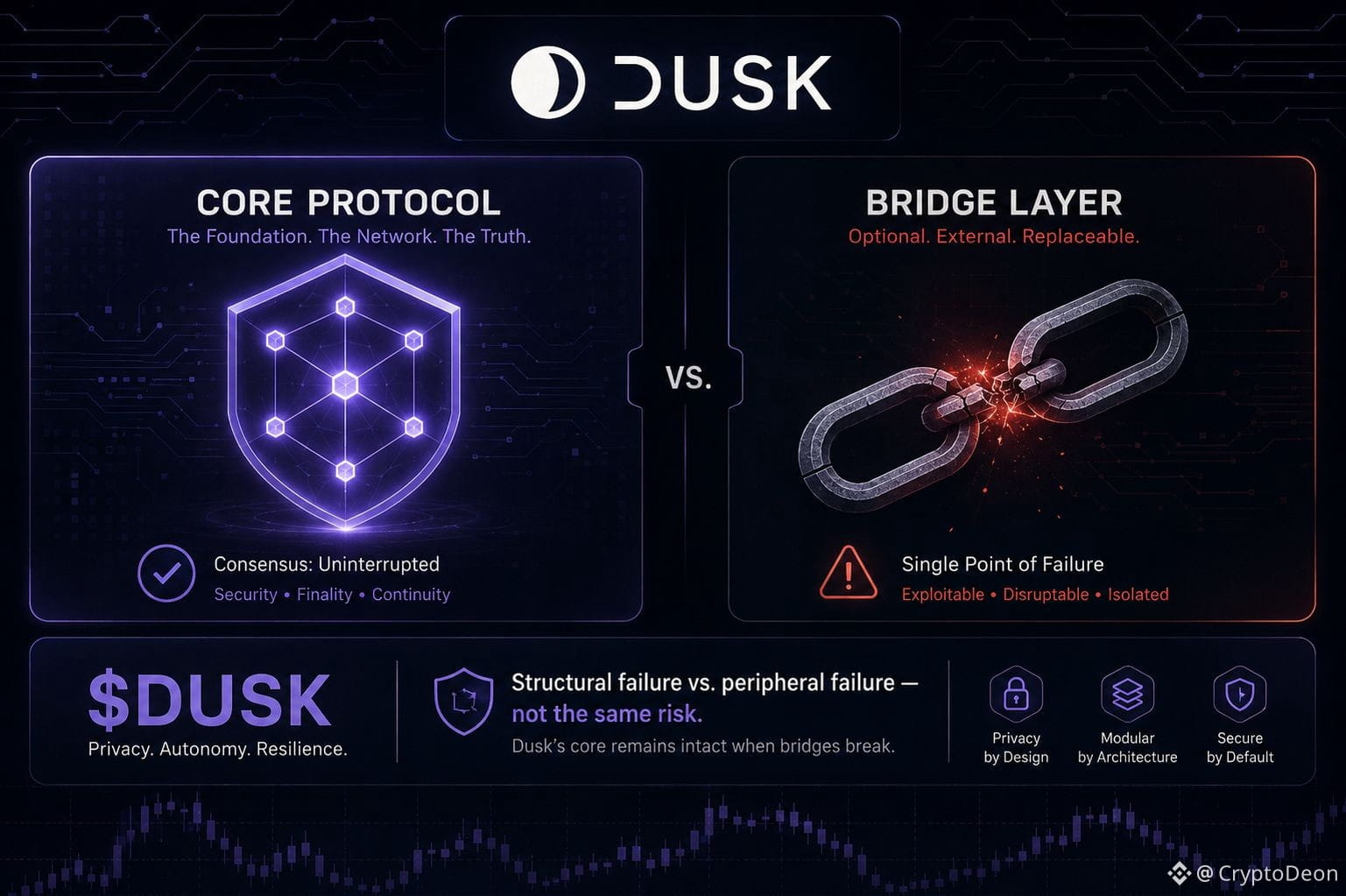
少し前に見出しを見たんだ――「黄昏ブリッジのエクスプロイト、数百万ドルを盗まれる」――そして、ある意味で違和感を覚えた。実在しないからじゃない。むしろその同じ日、中核プロトコルは問題なく決済を積み重ねていたからだ。攻撃者はチェーンには手を触れていない。代わりに、侵害された署名ウォレットを抱える軽量ブリッジをショートカット的に突いた 🔍
この違いは、聞こえる以上に重要だ。多くの人はすべてのハックをひとつの箱にまとめてしまう。「プロジェクトがハックされた」と。だけど、本当の違いはある。チェーンのコンセンサスと暗号が失敗するのか、それとも、それを取り巻く周辺サービスが失敗するのか。Duskの対応がそれを裏づけている――ブリッジを“パッチする”のではなく、最初から作り直した。コンポーネントを分離し、取引ライフサイクルを明示し、ホットウォレットに置かれる部分の露出を減らした。これが「中核が侵害された」状況でやる選択じゃない。中核が持ちこたえていて、弱いドアをひとつ取り除くときにやる選択なんだ。
なぜこれが大きな論点に効いてくるのか。機関投資家は「悪いことは一度も起きなかったのか」とは聞かない。「どこで正確に起きたのか、構造的な問題なのか」を聞く。ゼロ知識証明システムとコンセンサスを、エクスプロイトの間も無傷で保つ決済レイヤーは、基盤レイヤー自体が侵害された場合とは別のリスクプロファイルになる。小売向けには見出しが同じに見えてもね。
DUSKは今日約0.0605ドルで取引されており、時価総額は約3,000万ドル。過去最高値の1.17ドルにはまだ大きく届かず、出来高も薄いので、この種のニュースはどちらの方向にもテープをほとんど動かしていない。これはそれ自体がシグナルだ――市場はこれを中核の失敗として価格づけてはいないが、まだ十分な確信も織り込めていない。
あなたはどこに着地する? エクスプロイトをブリッジに隔離したことで、機関投資家との信頼は実際に再構築されるのか。それとも、どこに断層があったかに関わらず、一度の出来事が天井を決めてしまうのか。
$DUSK #dusk @Dusk_Foundation
少し前に見出しを見たんだ――「黄昏ブリッジのエクスプロイト、数百万ドルを盗まれる」――そして、ある意味で違和感を覚えた。実在しないからじゃない。むしろその同じ日、中核プロトコルは問題なく決済を積み重ねていたからだ。攻撃者はチェーンには手を触れていない。代わりに、侵害された署名ウォレットを抱える軽量ブリッジをショートカット的に突いた 🔍
この違いは、聞こえる以上に重要だ。多くの人はすべてのハックをひとつの箱にまとめてしまう。「プロジェクトがハックされた」と。だけど、本当の違いはある。チェーンのコンセンサスと暗号が失敗するのか、それとも、それを取り巻く周辺サービスが失敗するのか。Duskの対応がそれを裏づけている――ブリッジを“パッチする”のではなく、最初から作り直した。コンポーネントを分離し、取引ライフサイクルを明示し、ホットウォレットに置かれる部分の露出を減らした。これが「中核が侵害された」状況でやる選択じゃない。中核が持ちこたえていて、弱いドアをひとつ取り除くときにやる選択なんだ。
なぜこれが大きな論点に効いてくるのか。機関投資家は「悪いことは一度も起きなかったのか」とは聞かない。「どこで正確に起きたのか、構造的な問題なのか」を聞く。ゼロ知識証明システムとコンセンサスを、エクスプロイトの間も無傷で保つ決済レイヤーは、基盤レイヤー自体が侵害された場合とは別のリスクプロファイルになる。小売向けには見出しが同じに見えてもね。
DUSKは今日約0.0605ドルで取引されており、時価総額は約3,000万ドル。過去最高値の1.17ドルにはまだ大きく届かず、出来高も薄いので、この種のニュースはどちらの方向にもテープをほとんど動かしていない。これはそれ自体がシグナルだ――市場はこれを中核の失敗として価格づけてはいないが、まだ十分な確信も織り込めていない。
あなたはどこに着地する? エクスプロイトをブリッジに隔離したことで、機関投資家との信頼は実際に再構築されるのか。それとも、どこに断層があったかに関わらず、一度の出来事が天井を決めてしまうのか。
$DUSK #dusk @Dusk
この違いは、聞こえる以上に重要だ。多くの人はすべてのハックをひとつの箱にまとめてしまう。「プロジェクトがハックされた」と。だけど、本当の違いはある。チェーンのコンセンサスと暗号が失敗するのか、それとも、それを取り巻く周辺サービスが失敗するのか。Duskの対応がそれを裏づけている――ブリッジを“パッチする”のではなく、最初から作り直した。コンポーネントを分離し、取引ライフサイクルを明示し、ホットウォレットに置かれる部分の露出を減らした。これが「中核が侵害された」状況でやる選択じゃない。中核が持ちこたえていて、弱いドアをひとつ取り除くときにやる選択なんだ。
なぜこれが大きな論点に効いてくるのか。機関投資家は「悪いことは一度も起きなかったのか」とは聞かない。「どこで正確に起きたのか、構造的な問題なのか」を聞く。ゼロ知識証明システムとコンセンサスを、エクスプロイトの間も無傷で保つ決済レイヤーは、基盤レイヤー自体が侵害された場合とは別のリスクプロファイルになる。小売向けには見出しが同じに見えてもね。
DUSKは今日約0.0605ドルで取引されており、時価総額は約3,000万ドル。過去最高値の1.17ドルにはまだ大きく届かず、出来高も薄いので、この種のニュースはどちらの方向にもテープをほとんど動かしていない。これはそれ自体がシグナルだ――市場はこれを中核の失敗として価格づけてはいないが、まだ十分な確信も織り込めていない。
あなたはどこに着地する? エクスプロイトをブリッジに隔離したことで、機関投資家との信頼は実際に再構築されるのか。それとも、どこに断層があったかに関わらず、一度の出来事が天井を決めてしまうのか。
$DUSK #dusk @Dusk
38
26
383
·
--
本人確認中
今日ずっとDUSKのチャートを眺めながら、「なぜ『規制されたRWAインフラ』という物語が時価総額3,000万ドルで0.0605ドルで取引されているのに、ATH(史上最高値)は1.17ドルなのか?」と不思議に思っていました。そこで、実際にその下で何が作られているのかを確認したところ、価格とロードマップがまったく別の物語を語っていることに気づきました 🧐
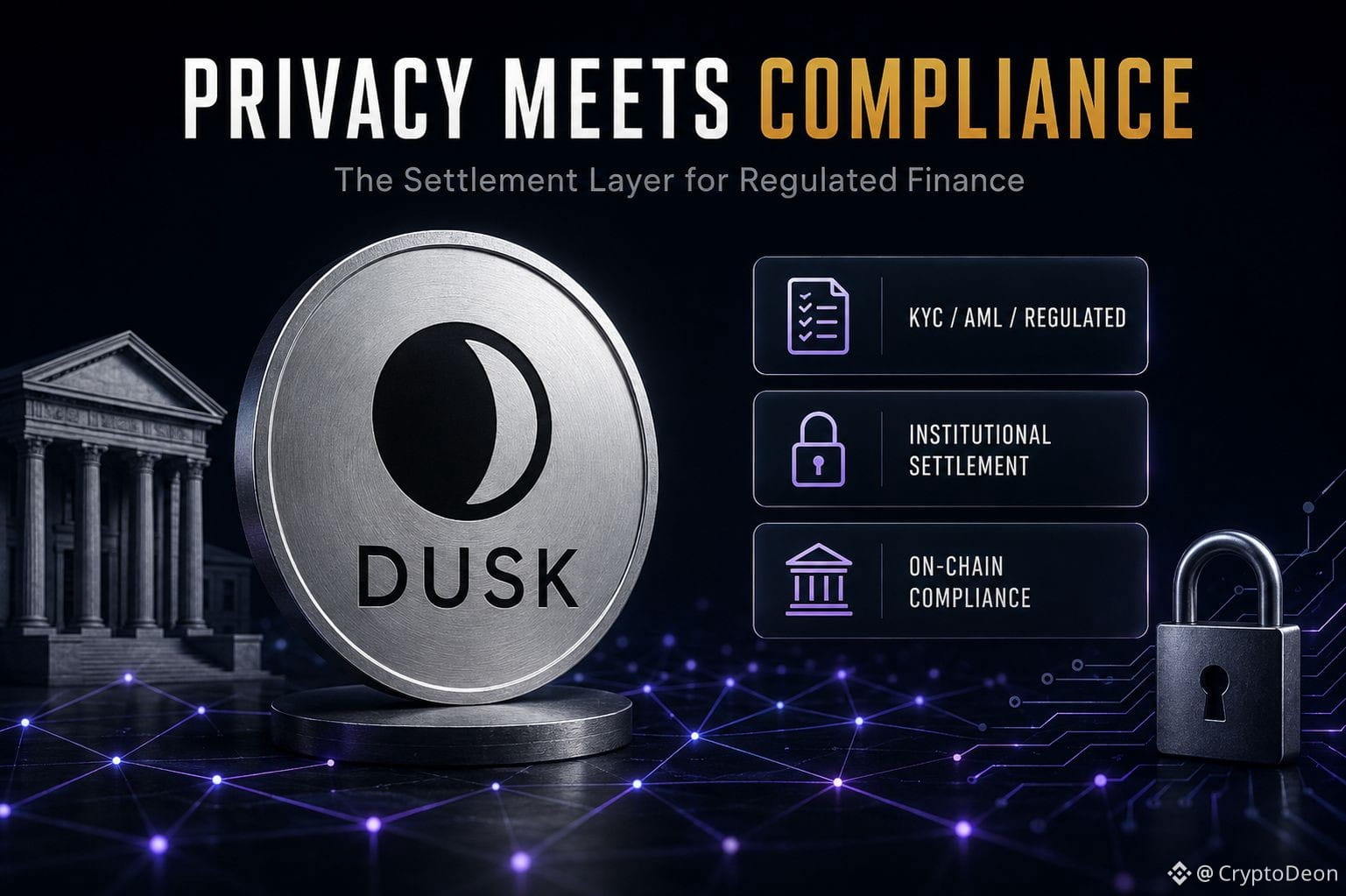
多くの人が見落とすポイントがこちらです。Duskは、すべてを隠すことに特化したプライバシーコインになろうとしているわけでも、何も隠さない公開チェーンになろうとしているわけでもありません。狙っているのは、規制対象の金融のための決済レイヤーです。つまり、トークン化された有価証券、プライベート・エクイティ、機関投資家向けのカストディ——ここでは、プライバシーと監査可能性を「選択」ではなく「法律によって」両立させる必要があります。だからこそ、パートナーの構成がこうなっています。NPEX(オランダの規制された取引所)がオンチェーン上で本物の証券発行を担い、QuantozがMiCA準拠のユーロステーブルコイン(EURQ)を提供し、DuskEVMがSolidity互換性をもたらすことで、開発者が新しいスタックを学ばなくても準拠したコントラクトをデプロイできます。
ただし落とし穴はタイミングです。流通量は最大10億の半分未満なので、長期の希薄化(ダイリューション)はまだ先にあります。日次出来高は時価総額3,000万ドルに対しておおむね320万ドルあたりで推移していて、RWA導入のヘッドラインがまだ価格に大きく影響するほどではありません。DEXのように小売が見える形で機関の決済出来高が表れていないからです。インフラが規制対象の事業者によって本当に「使われて」いっていても、取引所チャートで小売トレーダーが見ているのと同じ形ではその利用が反映されないため、トークンが横ばいに漂うことは起こり得ます。
だから本当の問いは、「Duskが本物を作っているのか?」ではありません。次のアンロック・サイクルがフロート(流通分)を試すより先に、「規制されたRWAレール」が小売が実際に見て取れる需要シグナルを生み出すのか、という点です。
あなたはどこに着地しそうですか? こうしたインフラには、目に見える小売の出来高が必要なのでしょうか。それとも機関の採用こそが別種の確かな証明なのでしょうか?
$DUSK #dusk @Dusk_Foundation
今日ずっとDUSKのチャートを眺めながら、「なぜ『規制されたRWAインフラ』という物語が時価総額3,000万ドルで0.0605ドルで取引されているのに、ATH(史上最高値)は1.17ドルなのか?」と不思議に思っていました。そこで、実際にその下で何が作られているのかを確認したところ、価格とロードマップがまったく別の物語を語っていることに気づきました 🧐
多くの人が見落とすポイントがこちらです。Duskは、すべてを隠すことに特化したプライバシーコインになろうとしているわけでも、何も隠さない公開チェーンになろうとしているわけでもありません。狙っているのは、規制対象の金融のための決済レイヤーです。つまり、トークン化された有価証券、プライベート・エクイティ、機関投資家向けのカストディ——ここでは、プライバシーと監査可能性を「選択」ではなく「法律によって」両立させる必要があります。だからこそ、パートナーの構成がこうなっています。NPEX(オランダの規制された取引所)がオンチェーン上で本物の証券発行を担い、QuantozがMiCA準拠のユーロステーブルコイン(EURQ)を提供し、DuskEVMがSolidity互換性をもたらすことで、開発者が新しいスタックを学ばなくても準拠したコントラクトをデプロイできます。
ただし落とし穴はタイミングです。流通量は最大10億の半分未満なので、長期の希薄化(ダイリューション)はまだ先にあります。日次出来高は時価総額3,000万ドルに対しておおむね320万ドルあたりで推移していて、RWA導入のヘッドラインがまだ価格に大きく影響するほどではありません。DEXのように小売が見える形で機関の決済出来高が表れていないからです。インフラが規制対象の事業者によって本当に「使われて」いっていても、取引所チャートで小売トレーダーが見ているのと同じ形ではその利用が反映されないため、トークンが横ばいに漂うことは起こり得ます。
だから本当の問いは、「Duskが本物を作っているのか?」ではありません。次のアンロック・サイクルがフロート(流通分)を試すより先に、「規制されたRWAレール」が小売が実際に見て取れる需要シグナルを生み出すのか、という点です。
あなたはどこに着地しそうですか? こうしたインフラには、目に見える小売の出来高が必要なのでしょうか。それとも機関の採用こそが別種の確かな証明なのでしょうか?
$DUSK #dusk @Dusk
多くの人が見落とすポイントがこちらです。Duskは、すべてを隠すことに特化したプライバシーコインになろうとしているわけでも、何も隠さない公開チェーンになろうとしているわけでもありません。狙っているのは、規制対象の金融のための決済レイヤーです。つまり、トークン化された有価証券、プライベート・エクイティ、機関投資家向けのカストディ——ここでは、プライバシーと監査可能性を「選択」ではなく「法律によって」両立させる必要があります。だからこそ、パートナーの構成がこうなっています。NPEX(オランダの規制された取引所)がオンチェーン上で本物の証券発行を担い、QuantozがMiCA準拠のユーロステーブルコイン(EURQ)を提供し、DuskEVMがSolidity互換性をもたらすことで、開発者が新しいスタックを学ばなくても準拠したコントラクトをデプロイできます。
ただし落とし穴はタイミングです。流通量は最大10億の半分未満なので、長期の希薄化(ダイリューション)はまだ先にあります。日次出来高は時価総額3,000万ドルに対しておおむね320万ドルあたりで推移していて、RWA導入のヘッドラインがまだ価格に大きく影響するほどではありません。DEXのように小売が見える形で機関の決済出来高が表れていないからです。インフラが規制対象の事業者によって本当に「使われて」いっていても、取引所チャートで小売トレーダーが見ているのと同じ形ではその利用が反映されないため、トークンが横ばいに漂うことは起こり得ます。
だから本当の問いは、「Duskが本物を作っているのか?」ではありません。次のアンロック・サイクルがフロート(流通分)を試すより先に、「規制されたRWAレール」が小売が実際に見て取れる需要シグナルを生み出すのか、という点です。
あなたはどこに着地しそうですか? こうしたインフラには、目に見える小売の出来高が必要なのでしょうか。それとも機関の採用こそが別種の確かな証明なのでしょうか?
$DUSK #dusk @Dusk
55
39
312
·
--
$DUSK のライブゲームを見てみた。スクリーンショットはぎっしりに見え、ミントカウンターは上がり続け、"activity"のチャートは全体的に緑。トークンはほとんど動かなかった。なぜそれが矛盾ではないのかを理解するのに少し時間がかかった。
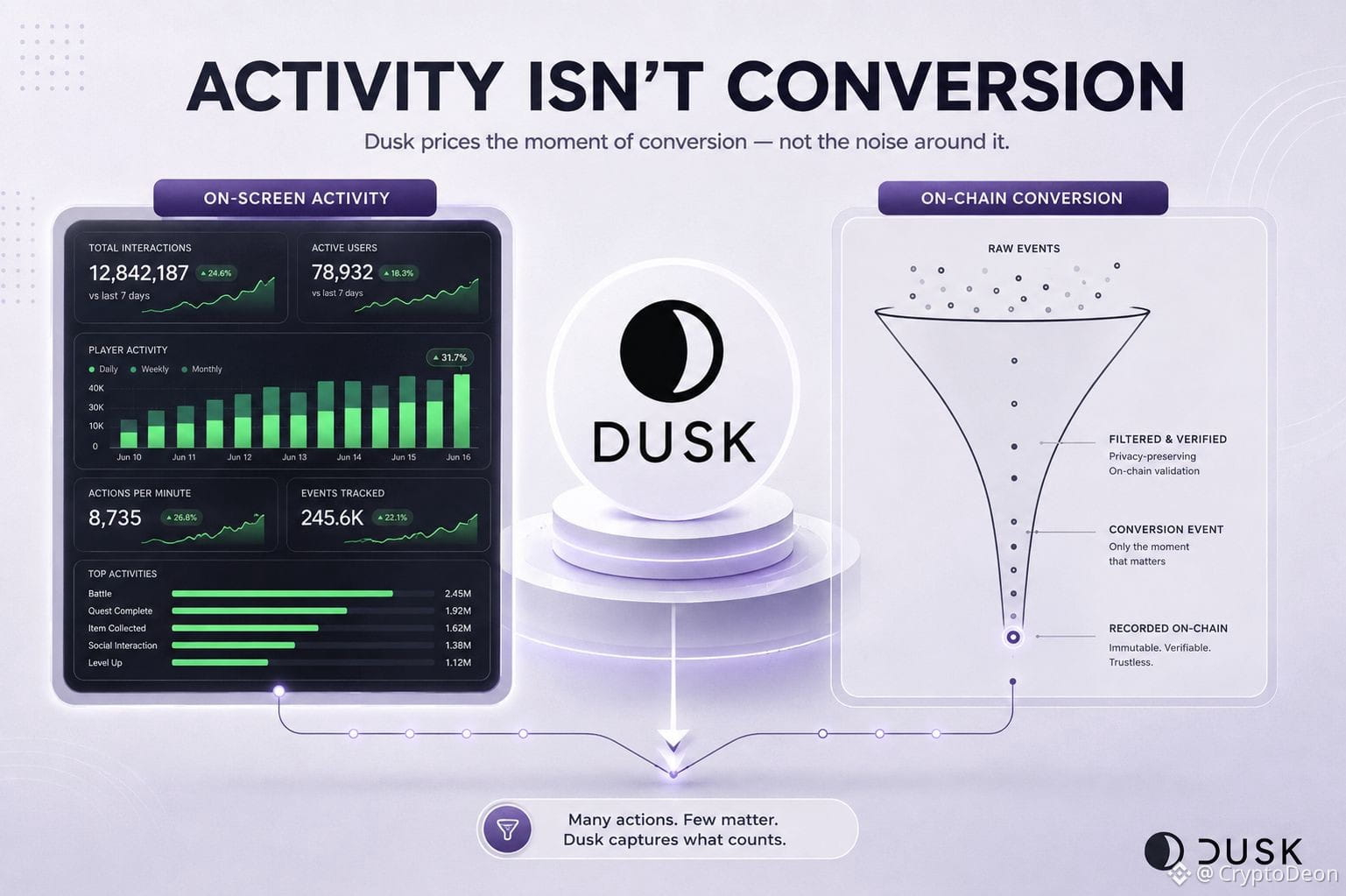
実際にプレイヤーがやっていることの大半は、チェーンには触れない。ファーミング、クラフト、周回——どれも横で進んでいて、DUSKからは見えない。トークンが登場するのは、1つの狭いタイミングだけだ。つまり、誰かがオフチェーンの結果を「恒久化する価値がある」と判断した瞬間、オンチェーンに変換すると決めたとき。それはゲームが生きている実感を測る指標ではない。むしろ、その特定の瞬間に、変換のために払う価値があると判断した人の数を測っている。
だから、ゲームは見た目の派手さは維持しつつ、プレイヤーにその一手を避けるよう静かに訓練することができる——変換をまとめて行い、手数料のタイミングに合わせ、割に合わないものは飛ばす。アクティビティは保たれる。変換への圧力はじわじわ薄れる。そして$DUSK onlyは「2つ目」のものしか価格付けしないため、最初に表示されていたものが誤解を招くものであっても、気づかれるまで何週間もトークンが漂うことがある。
アクティブなプレイヤーあたりの変換頻度が落ちてきているのに、アクティビティのチャートが緑のままなら、それこそがダッシュボードより信じるべきギャップだ。
$DUSK #dusk #BinanceSquare @Dusk_Foundation
$DUSK のライブゲームを見てみた。スクリーンショットはぎっしりに見え、ミントカウンターは上がり続け、"activity"のチャートは全体的に緑。トークンはほとんど動かなかった。なぜそれが矛盾ではないのかを理解するのに少し時間がかかった。
実際にプレイヤーがやっていることの大半は、チェーンには触れない。ファーミング、クラフト、周回——どれも横で進んでいて、DUSKからは見えない。トークンが登場するのは、1つの狭いタイミングだけだ。つまり、誰かがオフチェーンの結果を「恒久化する価値がある」と判断した瞬間、オンチェーンに変換すると決めたとき。それはゲームが生きている実感を測る指標ではない。むしろ、その特定の瞬間に、変換のために払う価値があると判断した人の数を測っている。
だから、ゲームは見た目の派手さは維持しつつ、プレイヤーにその一手を避けるよう静かに訓練することができる——変換をまとめて行い、手数料のタイミングに合わせ、割に合わないものは飛ばす。アクティビティは保たれる。変換への圧力はじわじわ薄れる。そして$DUSK onlyは「2つ目」のものしか価格付けしないため、最初に表示されていたものが誤解を招くものであっても、気づかれるまで何週間もトークンが漂うことがある。
アクティブなプレイヤーあたりの変換頻度が落ちてきているのに、アクティビティのチャートが緑のままなら、それこそがダッシュボードより信じるべきギャップだ。
$DUSK #dusk #BinanceSquare @Dusk
実際にプレイヤーがやっていることの大半は、チェーンには触れない。ファーミング、クラフト、周回——どれも横で進んでいて、DUSKからは見えない。トークンが登場するのは、1つの狭いタイミングだけだ。つまり、誰かがオフチェーンの結果を「恒久化する価値がある」と判断した瞬間、オンチェーンに変換すると決めたとき。それはゲームが生きている実感を測る指標ではない。むしろ、その特定の瞬間に、変換のために払う価値があると判断した人の数を測っている。
だから、ゲームは見た目の派手さは維持しつつ、プレイヤーにその一手を避けるよう静かに訓練することができる——変換をまとめて行い、手数料のタイミングに合わせ、割に合わないものは飛ばす。アクティビティは保たれる。変換への圧力はじわじわ薄れる。そして$DUSK onlyは「2つ目」のものしか価格付けしないため、最初に表示されていたものが誤解を招くものであっても、気づかれるまで何週間もトークンが漂うことがある。
アクティブなプレイヤーあたりの変換頻度が落ちてきているのに、アクティビティのチャートが緑のままなら、それこそがダッシュボードより信じるべきギャップだ。
$DUSK #dusk #BinanceSquare @Dusk
60
41
542
·
--
バビロンの現行の統治(ガバナンス)に関する議論について、私は違う方向からずっと考えてしまっていた。
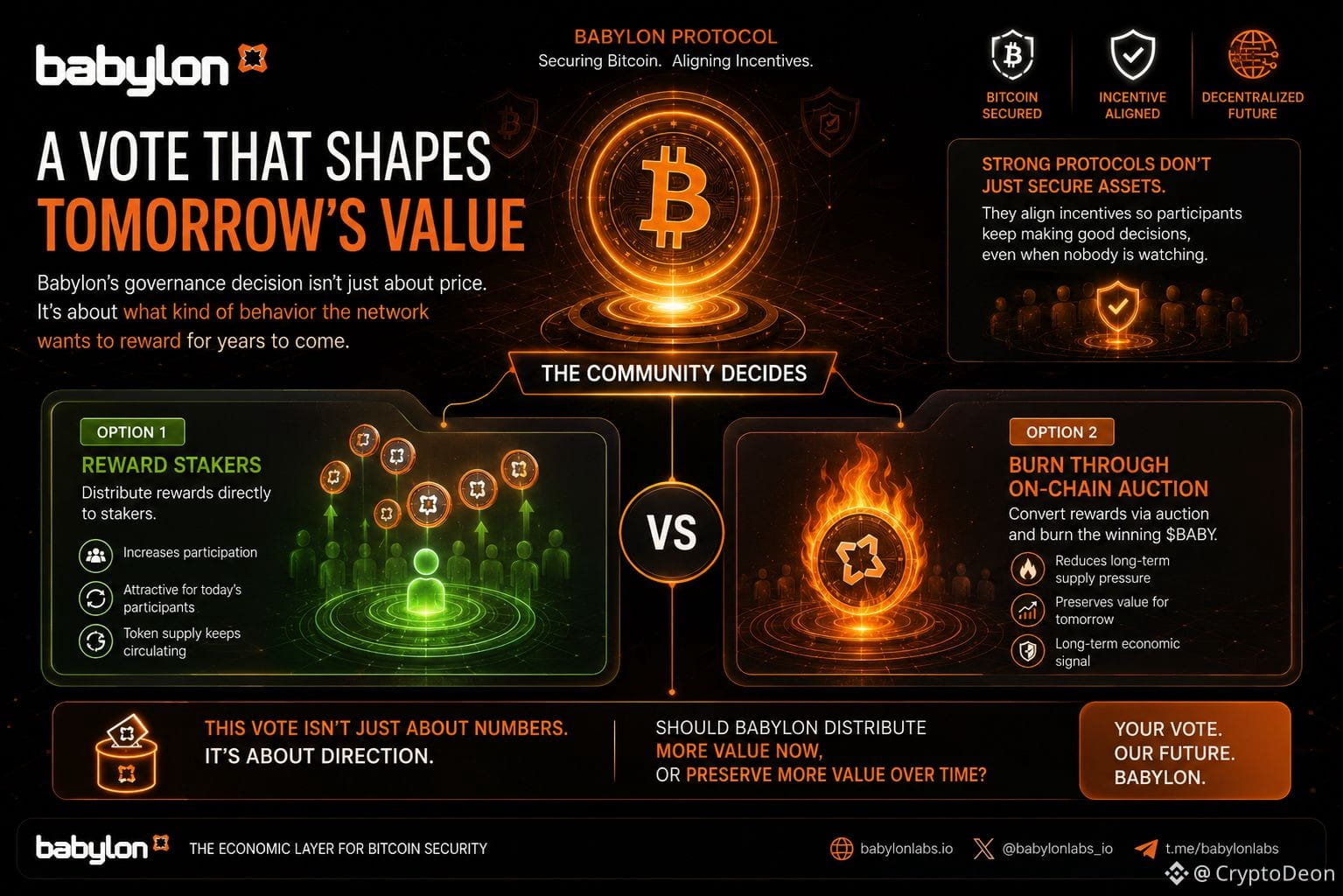
明白な論点は、BSNの報酬をBABYステーカーに分配すべきか、それともオンチェーンオークションを通じて変換し、燃やすべきかだ。
それは重要だ。
しかし、より興味深いのは、人々が報酬フローに慣れてしまった後に、プロトコルがどんな期待を生み出すのかという点だと思う。
報酬は単なる経済的な移転ではない。
時間とともに、それはユーザーの行動の一部になっていく。
参加者が、新たな価値の源泉が毎回そのまま直接分配として届くことを当然視するようになると、将来のガバナンス判断はますます難しくなる。なぜなら、その期待を変えることが「何かを取り上げる」ことに見えてしまうからだ。
一方で、価値をバーン(燃焼)メカニズム経由にする方法は、参加者をすぐには報酬として報いたりしない。代わりに、トークンの長期的な供給のダイナミクスを変える。それはネットワークにとって別の形で有益になり得るが、その一方でユーザーに「次の分配」の先を考えることを求める。
どちらのアプローチも、明らかに正しいわけではない。
一方は、見えるインセンティブを優先する。
もう一方は、構造的なインセンティブを優先する。
だから、この提案は本当にBSNの報酬の話ではないと思う。
それは、バビロンがガバナンスを、参加者の期待を最適化する方向にするのか……それとも長期的な経済行動を最適化する方向にするのか、を決めることだ。
それらは常に同じではない。
#baby $BABY @babylonlabs_io
バビロンの現行の統治(ガバナンス)に関する議論について、私は違う方向からずっと考えてしまっていた。
明白な論点は、BSNの報酬をBABYステーカーに分配すべきか、それともオンチェーンオークションを通じて変換し、燃やすべきかだ。
それは重要だ。
しかし、より興味深いのは、人々が報酬フローに慣れてしまった後に、プロトコルがどんな期待を生み出すのかという点だと思う。
報酬は単なる経済的な移転ではない。
時間とともに、それはユーザーの行動の一部になっていく。
参加者が、新たな価値の源泉が毎回そのまま直接分配として届くことを当然視するようになると、将来のガバナンス判断はますます難しくなる。なぜなら、その期待を変えることが「何かを取り上げる」ことに見えてしまうからだ。
一方で、価値をバーン(燃焼)メカニズム経由にする方法は、参加者をすぐには報酬として報いたりしない。代わりに、トークンの長期的な供給のダイナミクスを変える。それはネットワークにとって別の形で有益になり得るが、その一方でユーザーに「次の分配」の先を考えることを求める。
どちらのアプローチも、明らかに正しいわけではない。
一方は、見えるインセンティブを優先する。
もう一方は、構造的なインセンティブを優先する。
だから、この提案は本当にBSNの報酬の話ではないと思う。
それは、バビロンがガバナンスを、参加者の期待を最適化する方向にするのか……それとも長期的な経済行動を最適化する方向にするのか、を決めることだ。
それらは常に同じではない。
#baby $BABY @BabylonLabs_io
明白な論点は、BSNの報酬をBABYステーカーに分配すべきか、それともオンチェーンオークションを通じて変換し、燃やすべきかだ。
それは重要だ。
しかし、より興味深いのは、人々が報酬フローに慣れてしまった後に、プロトコルがどんな期待を生み出すのかという点だと思う。
報酬は単なる経済的な移転ではない。
時間とともに、それはユーザーの行動の一部になっていく。
参加者が、新たな価値の源泉が毎回そのまま直接分配として届くことを当然視するようになると、将来のガバナンス判断はますます難しくなる。なぜなら、その期待を変えることが「何かを取り上げる」ことに見えてしまうからだ。
一方で、価値をバーン(燃焼)メカニズム経由にする方法は、参加者をすぐには報酬として報いたりしない。代わりに、トークンの長期的な供給のダイナミクスを変える。それはネットワークにとって別の形で有益になり得るが、その一方でユーザーに「次の分配」の先を考えることを求める。
どちらのアプローチも、明らかに正しいわけではない。
一方は、見えるインセンティブを優先する。
もう一方は、構造的なインセンティブを優先する。
だから、この提案は本当にBSNの報酬の話ではないと思う。
それは、バビロンがガバナンスを、参加者の期待を最適化する方向にするのか……それとも長期的な経済行動を最適化する方向にするのか、を決めることだ。
それらは常に同じではない。
#baby $BABY @BabylonLabs_io
51
36
589
·
--
今日、バビロンのボリューム分配を別の観点で見ました——単なる比率だけでなく、新しい供給がそれにぶつかったときに何が起きるかです。
いま、$BABY runsは集中型(CEX)のボリュームで約1,145万ドル相当、DEXでは約295万ドル相当で、分散型の実行は全ボリュームの約21%にとどまっています。このギャップ自体は新しい話ではありません。新しいのは「タイミング」です。
8月10日に、バビロンは136.11M BABYトークンをアンロックします。価値は約143万ドルで、総供給の1.2%に相当します。割合としては小さいです。しかし、実際のオンチェーン流動性に照らしてみると話は別です——143万ドルは、いまDEXを通じて1日に取引される額のほぼ半分に近いのです。
このあたりの前提を、最近の方にも簡単に共有します。CEXボリュームは、BinanceやOKXのようなプラットフォーム上で取引されます。そこでは取引所がカストディを持ち、注文を内部で照合します。一方、DEXボリュームはスマートコントラクトを通じてオンチェーンで決済され、カストディ人は介在しません。DEXのボリュームがCEXに比べて薄い場合、価格発見の多くは、そのトークンの主張が組み立てられている「信頼不要のレール」ではなく、集中型の場に依存します。
つまり、本当の試金石はバビロンが供給の1.2%を吸収できるかではありません。分散型のプールが自力でそれを吸収できるのか、それとも価格を適正に保つためにCEXの注文板が必要なのか——そこが問われています。DEXプールがバランスを保つためにCEXの裁定(アービトラージ)に寄りかかるなら、アンロック後の動きも結局は集中型レイヤーを通って走ることになります。ただし、間接的に、というだけです。
私は8月10日の後の日々でDEXの深さ(depth)を見ています。価格のローソク足ではなく。
#baby $BABY @babylonlabs_io
今日、バビロンのボリューム分配を別の観点で見ました——単なる比率だけでなく、新しい供給がそれにぶつかったときに何が起きるかです。
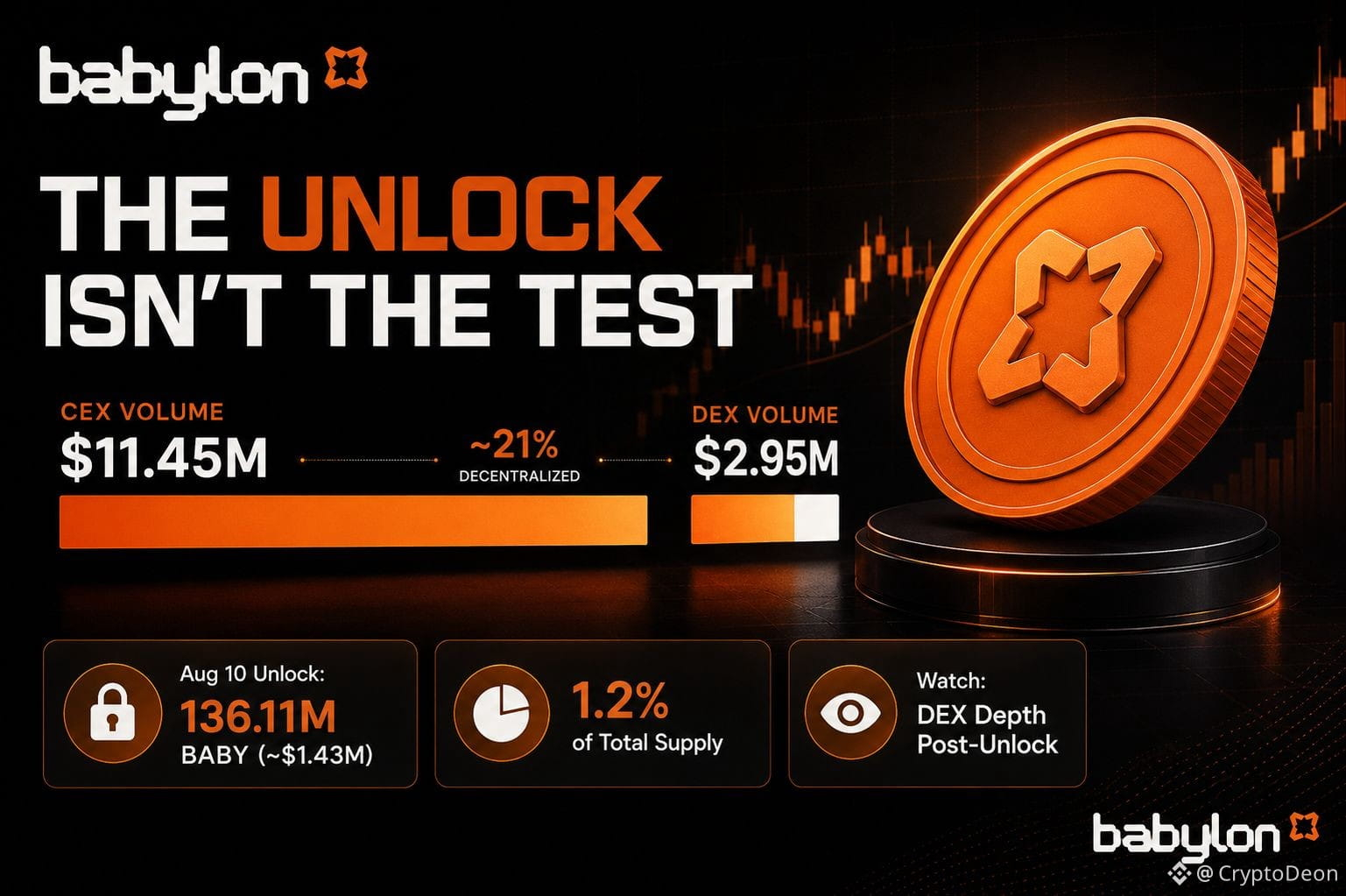
いま、$BABY runsは集中型(CEX)のボリュームで約1,145万ドル相当、DEXでは約295万ドル相当で、分散型の実行は全ボリュームの約21%にとどまっています。このギャップ自体は新しい話ではありません。新しいのは「タイミング」です。
8月10日に、バビロンは136.11M BABYトークンをアンロックします。価値は約143万ドルで、総供給の1.2%に相当します。割合としては小さいです。しかし、実際のオンチェーン流動性に照らしてみると話は別です——143万ドルは、いまDEXを通じて1日に取引される額のほぼ半分に近いのです。
このあたりの前提を、最近の方にも簡単に共有します。CEXボリュームは、BinanceやOKXのようなプラットフォーム上で取引されます。そこでは取引所がカストディを持ち、注文を内部で照合します。一方、DEXボリュームはスマートコントラクトを通じてオンチェーンで決済され、カストディ人は介在しません。DEXのボリュームがCEXに比べて薄い場合、価格発見の多くは、そのトークンの主張が組み立てられている「信頼不要のレール」ではなく、集中型の場に依存します。
つまり、本当の試金石はバビロンが供給の1.2%を吸収できるかではありません。分散型のプールが自力でそれを吸収できるのか、それとも価格を適正に保つためにCEXの注文板が必要なのか——そこが問われています。DEXプールがバランスを保つためにCEXの裁定(アービトラージ)に寄りかかるなら、アンロック後の動きも結局は集中型レイヤーを通って走ることになります。ただし、間接的に、というだけです。
私は8月10日の後の日々でDEXの深さ(depth)を見ています。価格のローソク足ではなく。
#baby $BABY @BabylonLabs_io
いま、$BABY runsは集中型(CEX)のボリュームで約1,145万ドル相当、DEXでは約295万ドル相当で、分散型の実行は全ボリュームの約21%にとどまっています。このギャップ自体は新しい話ではありません。新しいのは「タイミング」です。
8月10日に、バビロンは136.11M BABYトークンをアンロックします。価値は約143万ドルで、総供給の1.2%に相当します。割合としては小さいです。しかし、実際のオンチェーン流動性に照らしてみると話は別です——143万ドルは、いまDEXを通じて1日に取引される額のほぼ半分に近いのです。
このあたりの前提を、最近の方にも簡単に共有します。CEXボリュームは、BinanceやOKXのようなプラットフォーム上で取引されます。そこでは取引所がカストディを持ち、注文を内部で照合します。一方、DEXボリュームはスマートコントラクトを通じてオンチェーンで決済され、カストディ人は介在しません。DEXのボリュームがCEXに比べて薄い場合、価格発見の多くは、そのトークンの主張が組み立てられている「信頼不要のレール」ではなく、集中型の場に依存します。
つまり、本当の試金石はバビロンが供給の1.2%を吸収できるかではありません。分散型のプールが自力でそれを吸収できるのか、それとも価格を適正に保つためにCEXの注文板が必要なのか——そこが問われています。DEXプールがバランスを保つためにCEXの裁定(アービトラージ)に寄りかかるなら、アンロック後の動きも結局は集中型レイヤーを通って走ることになります。ただし、間接的に、というだけです。
私は8月10日の後の日々でDEXの深さ(depth)を見ています。価格のローソク足ではなく。
#baby $BABY @BabylonLabs_io
67
45
389
·
--
本人確認中
一般論で済ませず、実際のガバナンス数値を引っ張ってきた—刷新した切り口で、預金を障壁にする発想とは別の入口:
$BABY governanceのうち、実際にほどいて理解すべき部分は預金ではなく、何もしないとどうなるかです。
標準の提案デポジットは50,000 BABY。迅速ルートでは、通常の3日枠ではなく、同日あたりの投票にするために200,000 BABYが必要です。今日の価格が約$0.01269なので、標準で約$635、迅速で約$2,540。紙の上で聞こえるほどのプルトクラート(寡頭支配)的な壁というよりは、トークンが高値から冷めたことでかなり縮んだ、やや控えめな手数料のようなものです。定足数はステーク供給の33.4%、承認の閾値は50%。
ただ、ほとんどの結果を実際に決めるメカニズムはここです:BABYを保有して投票しない場合、あなたの代わりにバリデータの投票が自動的に継承されます。先に投票すれば、それはあなたのものになります。黙っていれば、あなたの声はバリデータがすでに決めた内容に“なってしまう”。Babylon自身のガバナンスガイドもこれを明確に指摘しており、ステーカーには「デフォルトでバリデータの意見に乗ってしまわないよう、すべてについて具体的に投票しなさい」としています。
だから本当の問いは「少額保有者は提案できるか」ではありません。むしろ「自分の沈黙が、現れなかった瞬間から他人によって投じられる“すでに一票になっている”ものだと、どれだけの人が気づいているか」です。昨年通ったインフレ抑制(デフレ)・バーン提案は、検証にちょうど良いテストケースです。実際のステーカー出席率が、バリデータ継承投票なのか、あるいは単に口座を直接確認したのか—それを見に行く価値があります。
過去の提案について、「ステーカーが直接投票した」ものと「バリデータから継承された」ものに分けた出席(turnout)数は出ていますか?それとも、そもそもその内訳は今のエクスプローラーには表示されていないのでしょうか?
#baby $BABY @babylonlabs_io
一般論で済ませず、実際のガバナンス数値を引っ張ってきた—刷新した切り口で、預金を障壁にする発想とは別の入口:
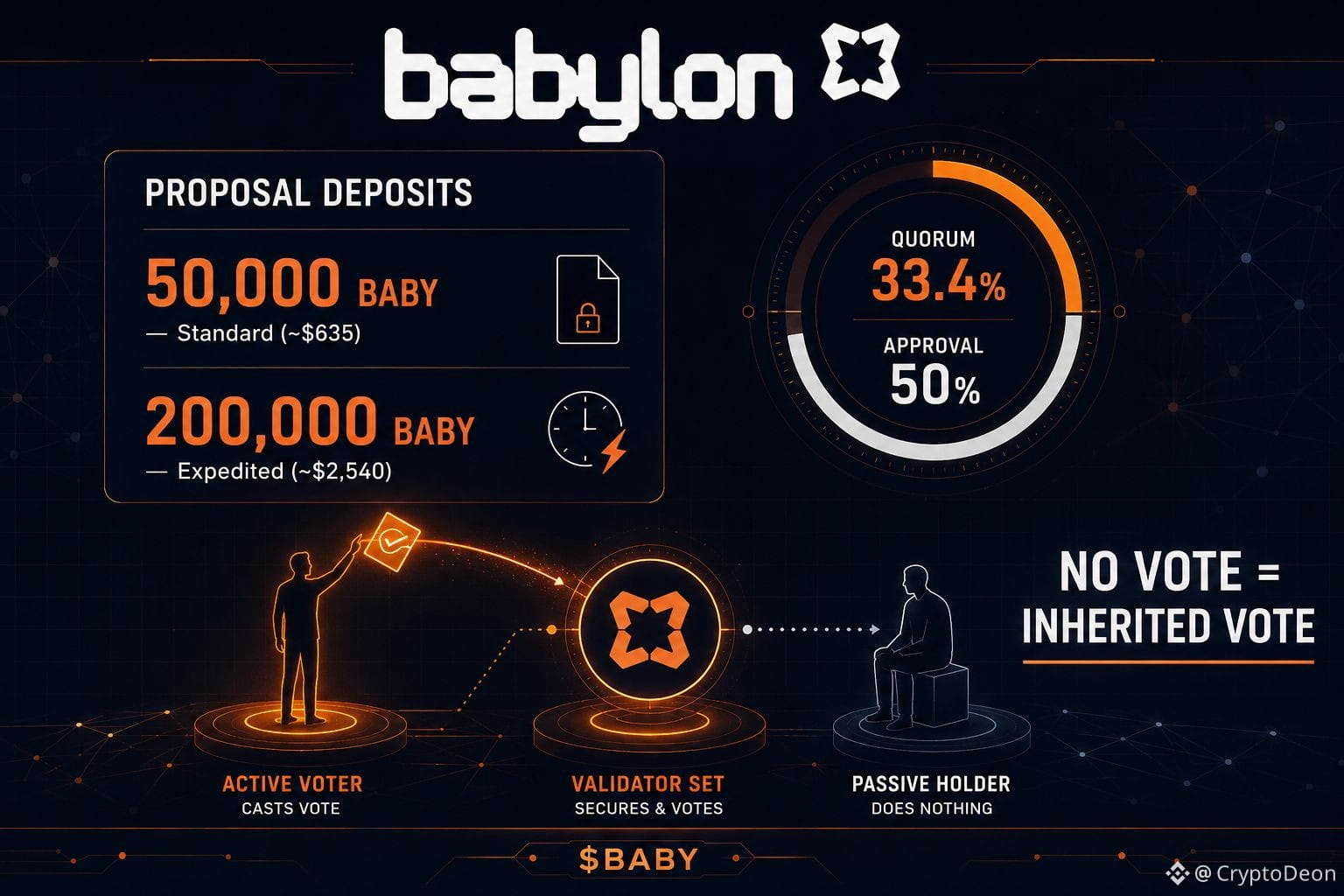
$BABY governanceのうち、実際にほどいて理解すべき部分は預金ではなく、何もしないとどうなるかです。
標準の提案デポジットは50,000 BABY。迅速ルートでは、通常の3日枠ではなく、同日あたりの投票にするために200,000 BABYが必要です。今日の価格が約$0.01269なので、標準で約$635、迅速で約$2,540。紙の上で聞こえるほどのプルトクラート(寡頭支配)的な壁というよりは、トークンが高値から冷めたことでかなり縮んだ、やや控えめな手数料のようなものです。定足数はステーク供給の33.4%、承認の閾値は50%。
ただ、ほとんどの結果を実際に決めるメカニズムはここです:BABYを保有して投票しない場合、あなたの代わりにバリデータの投票が自動的に継承されます。先に投票すれば、それはあなたのものになります。黙っていれば、あなたの声はバリデータがすでに決めた内容に“なってしまう”。Babylon自身のガバナンスガイドもこれを明確に指摘しており、ステーカーには「デフォルトでバリデータの意見に乗ってしまわないよう、すべてについて具体的に投票しなさい」としています。
だから本当の問いは「少額保有者は提案できるか」ではありません。むしろ「自分の沈黙が、現れなかった瞬間から他人によって投じられる“すでに一票になっている”ものだと、どれだけの人が気づいているか」です。昨年通ったインフレ抑制(デフレ)・バーン提案は、検証にちょうど良いテストケースです。実際のステーカー出席率が、バリデータ継承投票なのか、あるいは単に口座を直接確認したのか—それを見に行く価値があります。
過去の提案について、「ステーカーが直接投票した」ものと「バリデータから継承された」ものに分けた出席(turnout)数は出ていますか?それとも、そもそもその内訳は今のエクスプローラーには表示されていないのでしょうか?
#baby $BABY @BabylonLabs_io
$BABY governanceのうち、実際にほどいて理解すべき部分は預金ではなく、何もしないとどうなるかです。
標準の提案デポジットは50,000 BABY。迅速ルートでは、通常の3日枠ではなく、同日あたりの投票にするために200,000 BABYが必要です。今日の価格が約$0.01269なので、標準で約$635、迅速で約$2,540。紙の上で聞こえるほどのプルトクラート(寡頭支配)的な壁というよりは、トークンが高値から冷めたことでかなり縮んだ、やや控えめな手数料のようなものです。定足数はステーク供給の33.4%、承認の閾値は50%。
ただ、ほとんどの結果を実際に決めるメカニズムはここです:BABYを保有して投票しない場合、あなたの代わりにバリデータの投票が自動的に継承されます。先に投票すれば、それはあなたのものになります。黙っていれば、あなたの声はバリデータがすでに決めた内容に“なってしまう”。Babylon自身のガバナンスガイドもこれを明確に指摘しており、ステーカーには「デフォルトでバリデータの意見に乗ってしまわないよう、すべてについて具体的に投票しなさい」としています。
だから本当の問いは「少額保有者は提案できるか」ではありません。むしろ「自分の沈黙が、現れなかった瞬間から他人によって投じられる“すでに一票になっている”ものだと、どれだけの人が気づいているか」です。昨年通ったインフレ抑制(デフレ)・バーン提案は、検証にちょうど良いテストケースです。実際のステーカー出席率が、バリデータ継承投票なのか、あるいは単に口座を直接確認したのか—それを見に行く価値があります。
過去の提案について、「ステーカーが直接投票した」ものと「バリデータから継承された」ものに分けた出席(turnout)数は出ていますか?それとも、そもそもその内訳は今のエクスプローラーには表示されていないのでしょうか?
#baby $BABY @BabylonLabs_io
58
32
445
ログインして、さらにコンテンツを読む
厳選トピックで世界の暗号資産トレーダーの仲間入り
⚡️ 暗号資産に関する最新かつ有益な情報が見つかります。
💬 世界最大の暗号資産取引所から信頼されています。
👍 認証を受けたクリエイターから、有益なインサイトを得られます。
メール / 電話番号
トレンドトピック
NEARRisesNearly80%InAWeek
閲覧回数 41,764
943人が討論中
#nearrisesnearly80%inaweek $NEARは直近7日で+80%達成、でも誰も「なぜ」を話してない 🚀
$2.20 → $4.29に上昇。市場全体が+6%しか上がっていない中で。
本当の要因:
→ near $30Bのインテント・ボリューム
→ Hyperliquidでのコンフィデンシャル・パーペチュアルズ(Perps)ローンチ
→ TVLが$190Mに回復 + アクティブウォレット52K
$2.30で見ていたのに何もしなかった。学びを得た。
あなたは保有中?それとも傍観してまだ見てる? 👀
$NEAR #NEARProtocol #CryptoNews
True News
·いいね:2件
·閲覧回数 791
MultiversXPlansHardForkRecovery
閲覧回数 35,136
714人が討論中
CircleLaunchesInstitutionalBTCBackedBorrowing
閲覧回数 33,436
785人が討論中