

Nayeemhossainprodip
21 投稿

Nayeemhossainprodip
報告
ユーザーをブロック
"Delivering daily crypto news, market-moving updates, and macro context for traders and investors. Focused on accuracy, clarity, and cutting through the noise."
11 フォロー
0 フォロワー
0 いいね
投稿
本人確認中
記事
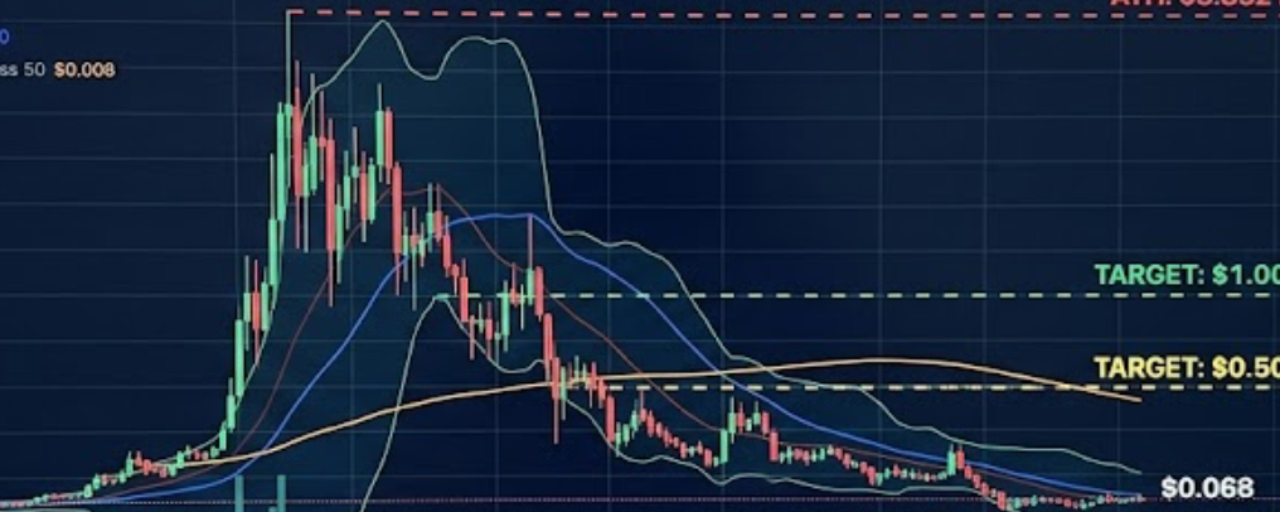
マーケット・アップデート:$SIREN の現状にあるリアル「大きな動き」や、$SIREN (BNBチェーンベースのAIエージェント・トークン)に向けて1ドルを目指す可能性に関する、最近のソーシャルメディア上の投機は、トレーダー間で大きな話題を呼んでいます。とはいえ、投資家は誇大宣伝の熱に浮かされるのではなく、2026年7月3日時点の現在のオンチェーンデータと、当該資産の過去の実績を確認することが重要です。
最近の価格変動と構造的リスク$SIREN
2026年初頭の3.60ドル超でのピークに続き、$SIREN 極端なボラティリティを経験しています。2026年6月中旬、トークンは、流通供給の90%以上を保有していると報じられる主要クジラアドレスが大規模な売りを開始した際、96%の急落を喫しました。
マーケット・アップデート:$SIREN の現状にあるリアル
「大きな動き」や、$SIREN (BNBチェーンベースのAIエージェント・トークン)に向けて1ドルを目指す可能性に関する、最近のソーシャルメディア上の投機は、トレーダー間で大きな話題を呼んでいます。とはいえ、投資家は誇大宣伝の熱に浮かされるのではなく、2026年7月3日時点の現在のオンチェーンデータと、当該資産の過去の実績を確認することが重要です。
最近の価格変動と構造的リスク$SIREN
2026年初頭の3.60ドル超でのピークに続き、$SIREN 極端なボラティリティを経験しています。2026年6月中旬、トークンは、流通供給の90%以上を保有していると報じられる主要クジラアドレスが大規模な売りを開始した際、96%の急落を喫しました。
最近の価格変動と構造的リスク$SIREN
2026年初頭の3.60ドル超でのピークに続き、$SIREN 極端なボラティリティを経験しています。2026年6月中旬、トークンは、流通供給の90%以上を保有していると報じられる主要クジラアドレスが大規模な売りを開始した際、96%の急落を喫しました。
1
438
市場アップデート:2026年6月のNVIDIA(NVDA)株式分析2026年6月26日の市場終了時点で、NVIDIA(NVDA)株は$192.53で取引されており、前のセッションから$3.21(-1.64%)下落しました。
NVIDIA インベスター・リレーションズ 最近の変動にもかかわらず、NVIDIAはAIインフラとデータセンター向けハードウェアにおける圧倒的な地位によって支えられ、世界のテクノロジー分野における中核的プレーヤーであり続けています。
Simply Wall St 主要マーケット指標(2026年6月26日現在) 最終価格: $192.53
Investing.com 当日中の価格レンジ: $191.22 – $195.55
NVIDIA インベスター・リレーションズ 52週レンジ: $151.49 – $236.54
市場アップデート:2026年6月のNVIDIA(NVDA)株式分析
2026年6月26日の市場終了時点で、NVIDIA(NVDA)株は$192.53で取引されており、前のセッションから$3.21(-1.64%)下落しました。
NVIDIA インベスター・リレーションズ 最近の変動にもかかわらず、NVIDIAはAIインフラとデータセンター向けハードウェアにおける圧倒的な地位によって支えられ、世界のテクノロジー分野における中核的プレーヤーであり続けています。
Simply Wall St 主要マーケット指標(2026年6月26日現在) 最終価格: $192.53
Investing.com 当日中の価格レンジ: $191.22 – $195.55
NVIDIA インベスター・リレーションズ 52週レンジ: $151.49 – $236.54
NVIDIA インベスター・リレーションズ 最近の変動にもかかわらず、NVIDIAはAIインフラとデータセンター向けハードウェアにおける圧倒的な地位によって支えられ、世界のテクノロジー分野における中核的プレーヤーであり続けています。
Simply Wall St 主要マーケット指標(2026年6月26日現在) 最終価格: $192.53
Investing.com 当日中の価格レンジ: $191.22 – $195.55
NVIDIA インベスター・リレーションズ 52週レンジ: $151.49 – $236.54
17
本人確認中

記事
韓国の技術大手、史上最大級の1,000兆ウォン投資に向けて準備ソウル—大統領府はこれを「国家の未来にとっての歴史的成果」と評しており、サムスン電子とSKハイニックスは今月の月曜午後2時、青瓦台(チョンワデ)での注目度の高いブリーフィングにおいて、大規模かつ長期の投資計画を発表する見通しだ。
大統領イ・ジェミョンが主宰する今回のイベントは、均衡ある地域発展を促すため政府が掲げる野心的な「3大メガプロジェクト」を軸に展開される。これらの取り組みは、通商・科学・運輸・エネルギー各省の連携によって推進されている。
韓国の技術大手、史上最大級の1,000兆ウォン投資に向けて準備
ソウル—大統領府はこれを「国家の未来にとっての歴史的成果」と評しており、サムスン電子とSKハイニックスは今月の月曜午後2時、青瓦台(チョンワデ)での注目度の高いブリーフィングにおいて、大規模かつ長期の投資計画を発表する見通しだ。
大統領イ・ジェミョンが主宰する今回のイベントは、均衡ある地域発展を促すため政府が掲げる野心的な「3大メガプロジェクト」を軸に展開される。これらの取り組みは、通商・科学・運輸・エネルギー各省の連携によって推進されている。
大統領イ・ジェミョンが主宰する今回のイベントは、均衡ある地域発展を促すため政府が掲げる野心的な「3大メガプロジェクト」を軸に展開される。これらの取り組みは、通商・科学・運輸・エネルギー各省の連携によって推進されている。
380
誇大宣伝の先へ:機関のリバランスが暗号資産の景観をどう変えているか暗号資産市場は現在、深い構造的変化の期間を進行中です。2026年6月の締めくくりに向けて、物語は「デジタル・ゴールド」から、より冷徹な現実へと移っています。すなわち、市場は現在、機関投資家の資金再配分によって振り回される“おもちゃ”になっているのです。個人投資家はしばしば、値動きを説明するために「ファンダメンタル」を裏付けるニュースのきっかけを探しますが、最近のボラティリティは、グローバル指数の機械的な動き、セクターローテーション、そして機関投資家による強制的な清算によって引き起こされています。$ETH >「ラッセル効果」と機関の重力 半期にわたるラッセル米国指数の組み替え(取引高が3340億ドル超に到達)で記録的な取引量が発生したことは、デジタル資産が今や伝統的な金融の仕組みに深く組み込まれていることを強く思い起こさせます。従来の指数がリバランスされると、大量の資本がセクターの内外へと強制的に回転させられます。
誇大宣伝の先へ:機関のリバランスが暗号資産の景観をどう変えているか
暗号資産市場は現在、深い構造的変化の期間を進行中です。2026年6月の締めくくりに向けて、物語は「デジタル・ゴールド」から、より冷徹な現実へと移っています。すなわち、市場は現在、機関投資家の資金再配分によって振り回される“おもちゃ”になっているのです。個人投資家はしばしば、値動きを説明するために「ファンダメンタル」を裏付けるニュースのきっかけを探しますが、最近のボラティリティは、グローバル指数の機械的な動き、セクターローテーション、そして機関投資家による強制的な清算によって引き起こされています。$ETH >「ラッセル効果」と機関の重力 半期にわたるラッセル米国指数の組み替え(取引高が3340億ドル超に到達)で記録的な取引量が発生したことは、デジタル資産が今や伝統的な金融の仕組みに深く組み込まれていることを強く思い起こさせます。従来の指数がリバランスされると、大量の資本がセクターの内外へと強制的に回転させられます。
93
制度的なパワーバランスの不均衡:なぜ個人投資家は消耗戦で負けてしまうのか制度的なパワーバランスの不均衡:なぜ個人投資家は消耗戦で負けてしまうのか
総時価総額が基準の2.1Tドルから2.05%下落した直近の出来事は、単なる「フラッシュ・クラッシュ」ではありませんでした。それは、機関投資家によるリバランスが平均的な個人投資家をさらし、無防備で、そして最終的に戦列から外してしまうことを、臨床的に示したものです。$BTC
ブラックロックのような巨大な機関が、わずか1セッションでイーサリアムを1億6400万ドル売却すると、市場は単に「調整」するだけでは済みません。壊れてしまうのです。トム・リーのような著名な声が大規模な買いで介入しようとしても、個人投資家の反応が一丸となっても、機関の分配が放つ重力の大きさの前に押し潰されがちです。
制度的なパワーバランスの不均衡:なぜ個人投資家は消耗戦で負けてしまうのか
制度的なパワーバランスの不均衡:なぜ個人投資家は消耗戦で負けてしまうのか
総時価総額が基準の2.1Tドルから2.05%下落した直近の出来事は、単なる「フラッシュ・クラッシュ」ではありませんでした。それは、機関投資家によるリバランスが平均的な個人投資家をさらし、無防備で、そして最終的に戦列から外してしまうことを、臨床的に示したものです。$BTC
ブラックロックのような巨大な機関が、わずか1セッションでイーサリアムを1億6400万ドル売却すると、市場は単に「調整」するだけでは済みません。壊れてしまうのです。トム・リーのような著名な声が大規模な買いで介入しようとしても、個人投資家の反応が一丸となっても、機関の分配が放つ重力の大きさの前に押し潰されがちです。
総時価総額が基準の2.1Tドルから2.05%下落した直近の出来事は、単なる「フラッシュ・クラッシュ」ではありませんでした。それは、機関投資家によるリバランスが平均的な個人投資家をさらし、無防備で、そして最終的に戦列から外してしまうことを、臨床的に示したものです。$BTC
ブラックロックのような巨大な機関が、わずか1セッションでイーサリアムを1億6400万ドル売却すると、市場は単に「調整」するだけでは済みません。壊れてしまうのです。トム・リーのような著名な声が大規模な買いで介入しようとしても、個人投資家の反応が一丸となっても、機関の分配が放つ重力の大きさの前に押し潰されがちです。
112
市場インサイト:なぜ仮想通貨は現在のマクロ環境でハイベータのリスク資産になったのか
デジタル資産の世界は現在、厳しいリカバリー局面(是正局面)を進んでいます。主要な暗号資産が数か月ぶりの安値をつける中、多くの人が「デジタルゴールド」という物語を疑い始めています。結論は?暗号資産は現在、世界の流動性に対するハイベータの指標(プロキシ)として振る舞っています。
米国の個人消費支出(PCE)インフレ指標が4.1%(3年ぶりの高水準)に着地したことが、投資家のムードを慎重な楽観から攻めのリスクオフへ切り替えるきっかけとなりました。
マクロ相関トラップ
なぜ暗号資産が、より広範な市場と足並みをそろえて売られたのかが気になる方は、S&P 500との88%の相関を見れば十分です。
粘着的なインフレと金融引き締めの環境下では、デジタル資産は独立したヘッジとしての役割を失っています。代わりに、伝統的なリスク資産の値動きを増幅する「ハイベータ」な資産クラスとして機能しているのです。FRBによる追加利上げの確率が高まるにつれ、投機的な乗り物から資金が急速に流出しており、暗号資産はその“脱出”の最前線にあります。
今回の下落の構造
今回の市場下落は、センチメントだけが原因ではありません。3つの収束する圧力によってもたらされた、構造的な崩壊でした。
機関投資家の解約:明確な需要の変化が観測されています。4.1%のPCE指標の後、米国のスポット・ビットコインETFは、6月上旬以来で最大の単日流出を記録し、数億ドル規模の資金がこれらのプロダクトから流出しました。これにより運用会社は、裏にある保有銘柄を売却せざるを得なくなり、下向きの圧力を増幅するフィードバックループが生まれます。
「構造的逆風」とされる噂:市場の信頼は脆いです。大手のグローバル取引所による大規模なディストリビューション(分配・放出)が行われているのではないか、という報道—それが裏付けのあるものでも投機的なものでも—投資家の確信を揺さぶり、小口の取引参加者の期待を冷まし、流動性を薄くしてきました。
#CryptoMarketAlert #macroeconomic #bitcoin #Ethereum #PCE
市場インサイト:なぜ仮想通貨は現在のマクロ環境でハイベータのリスク資産になったのか
デジタル資産の世界は現在、厳しいリカバリー局面(是正局面)を進んでいます。主要な暗号資産が数か月ぶりの安値をつける中、多くの人が「デジタルゴールド」という物語を疑い始めています。結論は?暗号資産は現在、世界の流動性に対するハイベータの指標(プロキシ)として振る舞っています。
米国の個人消費支出(PCE)インフレ指標が4.1%(3年ぶりの高水準)に着地したことが、投資家のムードを慎重な楽観から攻めのリスクオフへ切り替えるきっかけとなりました。
マクロ相関トラップ
なぜ暗号資産が、より広範な市場と足並みをそろえて売られたのかが気になる方は、S&P 500との88%の相関を見れば十分です。
粘着的なインフレと金融引き締めの環境下では、デジタル資産は独立したヘッジとしての役割を失っています。代わりに、伝統的なリスク資産の値動きを増幅する「ハイベータ」な資産クラスとして機能しているのです。FRBによる追加利上げの確率が高まるにつれ、投機的な乗り物から資金が急速に流出しており、暗号資産はその“脱出”の最前線にあります。
今回の下落の構造
今回の市場下落は、センチメントだけが原因ではありません。3つの収束する圧力によってもたらされた、構造的な崩壊でした。
機関投資家の解約:明確な需要の変化が観測されています。4.1%のPCE指標の後、米国のスポット・ビットコインETFは、6月上旬以来で最大の単日流出を記録し、数億ドル規模の資金がこれらのプロダクトから流出しました。これにより運用会社は、裏にある保有銘柄を売却せざるを得なくなり、下向きの圧力を増幅するフィードバックループが生まれます。
「構造的逆風」とされる噂:市場の信頼は脆いです。大手のグローバル取引所による大規模なディストリビューション(分配・放出)が行われているのではないか、という報道—それが裏付けのあるものでも投機的なものでも—投資家の確信を揺さぶり、小口の取引参加者の期待を冷まし、流動性を薄くしてきました。
#CryptoMarketAlert #macroeconomic #bitcoin #Ethereum #PCE
デジタル資産の世界は現在、厳しいリカバリー局面(是正局面)を進んでいます。主要な暗号資産が数か月ぶりの安値をつける中、多くの人が「デジタルゴールド」という物語を疑い始めています。結論は?暗号資産は現在、世界の流動性に対するハイベータの指標(プロキシ)として振る舞っています。
米国の個人消費支出(PCE)インフレ指標が4.1%(3年ぶりの高水準)に着地したことが、投資家のムードを慎重な楽観から攻めのリスクオフへ切り替えるきっかけとなりました。
マクロ相関トラップ
なぜ暗号資産が、より広範な市場と足並みをそろえて売られたのかが気になる方は、S&P 500との88%の相関を見れば十分です。
粘着的なインフレと金融引き締めの環境下では、デジタル資産は独立したヘッジとしての役割を失っています。代わりに、伝統的なリスク資産の値動きを増幅する「ハイベータ」な資産クラスとして機能しているのです。FRBによる追加利上げの確率が高まるにつれ、投機的な乗り物から資金が急速に流出しており、暗号資産はその“脱出”の最前線にあります。
今回の下落の構造
今回の市場下落は、センチメントだけが原因ではありません。3つの収束する圧力によってもたらされた、構造的な崩壊でした。
機関投資家の解約:明確な需要の変化が観測されています。4.1%のPCE指標の後、米国のスポット・ビットコインETFは、6月上旬以来で最大の単日流出を記録し、数億ドル規模の資金がこれらのプロダクトから流出しました。これにより運用会社は、裏にある保有銘柄を売却せざるを得なくなり、下向きの圧力を増幅するフィードバックループが生まれます。
「構造的逆風」とされる噂:市場の信頼は脆いです。大手のグローバル取引所による大規模なディストリビューション(分配・放出)が行われているのではないか、という報道—それが裏付けのあるものでも投機的なものでも—投資家の確信を揺さぶり、小口の取引参加者の期待を冷まし、流動性を薄くしてきました。
#CryptoMarketAlert #macroeconomic #bitcoin #Ethereum #PCE
95
Centralized & Ecosystem Utility Tokens. Hyperliquid (HYPE)$HYPE
Forbes
時価総額: 約160億ドル
内訳: 高性能な分散型パーペチュアルおよびスポット取引のために明確に最適化されたブレイクアウト向けネイティブチェーン・トークンで、収益連動のユーティリティにより巨額の市場出来高を取り込む。$HYPE
{future}(HYPEUSDT)
Centralized & Ecosystem Utility Tokens. Hyperliquid (HYPE)$HYPE
Forbes
時価総額: 約160億ドル
内訳: 高性能な分散型パーペチュアルおよびスポット取引のために明確に最適化されたブレイクアウト向けネイティブチェーン・トークンで、収益連動のユーティリティにより巨額の市場出来高を取り込む。$HYPE
Forbes
時価総額: 約160億ドル
内訳: 高性能な分散型パーペチュアルおよびスポット取引のために明確に最適化されたブレイクアウト向けネイティブチェーン・トークンで、収益連動のユーティリティにより巨額の市場出来高を取り込む。$HYPE

59
ミームコイン(投機的な資産)
実体となる技術的な基盤的ユーティリティがほとんど、または全くないにもかかわらず、バイラルなインターネット文化とコミュニティの勢いだけで数十億ドル規模の評価額がつく資産。
1. ドージコイン(DOGE)$DOGE
{spot}(DOGEUSDT)
ZebPay
時価総額:約129億ドル
内訳:投機的ミームコインの“歴史的顔”。スマートコントラクトはありませんが、大規模なコミュニティ基盤と、ときおり見られる著名人の支援によってトップ10圏にとどまっています。#TradebStocks
ミームコイン(投機的な資産)
実体となる技術的な基盤的ユーティリティがほとんど、または全くないにもかかわらず、バイラルなインターネット文化とコミュニティの勢いだけで数十億ドル規模の評価額がつく資産。
1. ドージコイン(DOGE)$DOGE
ZebPay
時価総額:約129億ドル
内訳:投機的ミームコインの“歴史的顔”。スマートコントラクトはありませんが、大規模なコミュニティ基盤と、ときおり見られる著名人の支援によってトップ10圏にとどまっています。#TradebStocks
実体となる技術的な基盤的ユーティリティがほとんど、または全くないにもかかわらず、バイラルなインターネット文化とコミュニティの勢いだけで数十億ドル規模の評価額がつく資産。
1. ドージコイン(DOGE)$DOGE
ZebPay
時価総額:約129億ドル
内訳:投機的ミームコインの“歴史的顔”。スマートコントラクトはありませんが、大規模なコミュニティ基盤と、ときおり見られる著名人の支援によってトップ10圏にとどまっています。#TradebStocks

24
支払い・決済ネットワーク。 TRON $TRX
{spot}(TRXUSDT)
Corporate Finance Institute
時価総額:約300億ドル
内訳:極めて高いスケーラビリティを備え、取引コストがほぼゼロであるため、日々の小口の米ドル建てUSDT送金において、知らないうちに世界最大のホストとなったネットワーク。$TRX
支払い・決済ネットワーク。 TRON $TRX
Corporate Finance Institute
時価総額:約300億ドル
内訳:極めて高いスケーラビリティを備え、取引コストがほぼゼロであるため、日々の小口の米ドル建てUSDT送金において、知らないうちに世界最大のホストとなったネットワーク。$TRX
Corporate Finance Institute
時価総額:約300億ドル
内訳:極めて高いスケーラビリティを備え、取引コストがほぼゼロであるため、日々の小口の米ドル建てUSDT送金において、知らないうちに世界最大のホストとなったネットワーク。$TRX
17
決済および決済ネットワーク
ブロックチェーンは、国際取引を迅速かつ安価に決済するために、最初から明確に設計されています。多くの場合、従来の銀行システムを対象としています。
6. XRP ($XRP
{spot}(XRPUSDT)
XRP)
時価総額:約650億ドル
内訳:Rippleによって作成され、従来のSWIFTの銀行システムに代わる、より速くより安価な方法として、機関向けの国境を越えた送金決済を促進することを目的としています。$XRP
決済および決済ネットワーク
ブロックチェーンは、国際取引を迅速かつ安価に決済するために、最初から明確に設計されています。多くの場合、従来の銀行システムを対象としています。
6. XRP ($XRP
XRP)
時価総額:約650億ドル
内訳:Rippleによって作成され、従来のSWIFTの銀行システムに代わる、より速くより安価な方法として、機関向けの国境を越えた送金決済を促進することを目的としています。$XRP
ブロックチェーンは、国際取引を迅速かつ安価に決済するために、最初から明確に設計されています。多くの場合、従来の銀行システムを対象としています。
6. XRP ($XRP
XRP)
時価総額:約650億ドル
内訳:Rippleによって作成され、従来のSWIFTの銀行システムに代わる、より速くより安価な方法として、機関向けの国境を越えた送金決済を促進することを目的としています。$XRP
45
中央集権型&エコシステム・ユーティリティ・トークン
特定のプラットフォームやネイティブの取引エコシステムに構造的に結び付いたトークン。ユーザーに手数料割引、または直接的なプロトコルのユーティリティを提供する。
Forbes
1. BNB($BNB
{spot}(BNBUSDT)
BNB)
ビットコイン財団
時価総額:〜760億ドル
内訳:当初はバイナンス取引所での取引手数料を割引するために作られましたが、現在はBNBスマートチェーンのエコシステムを動かしています。その価値は、本質的にバイナンスの市場支配力と結び付いています。中央集権型&エコシステム・ユーティリティ・トークン
特定のプラットフォームやネイティブの取引エコシステムに構造的に結び付いたトークン。ユーザーに手数料割引、または直接的なプロトコルのユーティリティを提供する。
$BNB
中央集権型&エコシステム・ユーティリティ・トークン
特定のプラットフォームやネイティブの取引エコシステムに構造的に結び付いたトークン。ユーザーに手数料割引、または直接的なプロトコルのユーティリティを提供する。
Forbes
1. BNB($BNB
BNB)
ビットコイン財団
時価総額:〜760億ドル
内訳:当初はバイナンス取引所での取引手数料を割引するために作られましたが、現在はBNBスマートチェーンのエコシステムを動かしています。その価値は、本質的にバイナンスの市場支配力と結び付いています。中央集権型&エコシステム・ユーティリティ・トークン
特定のプラットフォームやネイティブの取引エコシステムに構造的に結び付いたトークン。ユーザーに手数料割引、または直接的なプロトコルのユーティリティを提供する。
$BNB
特定のプラットフォームやネイティブの取引エコシステムに構造的に結び付いたトークン。ユーザーに手数料割引、または直接的なプロトコルのユーティリティを提供する。
Forbes
1. BNB($BNB
BNB)
ビットコイン財団
時価総額:〜760億ドル
内訳:当初はバイナンス取引所での取引手数料を割引するために作られましたが、現在はBNBスマートチェーンのエコシステムを動かしています。その価値は、本質的にバイナンスの市場支配力と結び付いています。中央集権型&エコシステム・ユーティリティ・トークン
特定のプラットフォームやネイティブの取引エコシステムに構造的に結び付いたトークン。ユーザーに手数料割引、または直接的なプロトコルのユーティリティを提供する。
$BNB
48
フィアット連動型ステーブルコイン
これらの資産は価値が変動しません。市場の流動性と取引の安定した基盤を提供するため、米ドルに対して数理的または中央で1:1に連動するよう設定されています。
1. テザー($USDT USDT)
コーポレート・ファイナンス・インスティテュート
時価総額:約1,860億ドル
内訳:世界で最も広く使われているステーブルコインであり、取引所をまたいだ暗号資産の取引ペアにおける主要な流動性のバックボーンとして機能しています。
2. USDC($USDC
{spot}(USDCUSDT)
USDC)
コーポレート・ファイナンス・インスティテュート
時価総額:約730億ドル
内訳:サークルが管理する規制対象の、米国中心のステーブルコイン。透明で、ドル準備の監査に基づいて裏付けられているため、企業や機関投資家の財務部門に強く選好されています。
フィアット連動型ステーブルコイン
これらの資産は価値が変動しません。市場の流動性と取引の安定した基盤を提供するため、米ドルに対して数理的または中央で1:1に連動するよう設定されています。
1. テザー($USDT USDT)
コーポレート・ファイナンス・インスティテュート
時価総額:約1,860億ドル
内訳:世界で最も広く使われているステーブルコインであり、取引所をまたいだ暗号資産の取引ペアにおける主要な流動性のバックボーンとして機能しています。
2. USDC($USDC
USDC)
コーポレート・ファイナンス・インスティテュート
時価総額:約730億ドル
内訳:サークルが管理する規制対象の、米国中心のステーブルコイン。透明で、ドル準備の監査に基づいて裏付けられているため、企業や機関投資家の財務部門に強く選好されています。
これらの資産は価値が変動しません。市場の流動性と取引の安定した基盤を提供するため、米ドルに対して数理的または中央で1:1に連動するよう設定されています。
1. テザー($USDT USDT)
コーポレート・ファイナンス・インスティテュート
時価総額:約1,860億ドル
内訳:世界で最も広く使われているステーブルコインであり、取引所をまたいだ暗号資産の取引ペアにおける主要な流動性のバックボーンとして機能しています。
2. USDC($USDC
USDC)
コーポレート・ファイナンス・インスティテュート
時価総額:約730億ドル
内訳:サークルが管理する規制対象の、米国中心のステーブルコイン。透明で、ドル準備の監査に基づいて裏付けられているため、企業や機関投資家の財務部門に強く選好されています。
30
スマートコントラクト・プラットフォーム(レイヤー1)
これらは分散型のOSのように機能し、開発者がアプリケーションを構築したり、トークンを発行したり、分散型金融(DeFi)プロトコルを稼働させたりできるようにします。
1. イーサリアム($ETH
{spot}(ETHUSDT)
ETH)
フォーブス
時価総額:約1,900億ドル
内訳:DeFiとNFTの揺るぎない王者です。巨大な機関投資家の支援がある一方で、ネットワークが混雑するピーク時には高額な「ガス」(取引)手数料に苦しむことがしばしばあります。
コインレジャー
2. ソラナ($SOL
{spot}(SOLUSDT)
SOL)
ゼブペイ
時価総額:約410億ドル
ブロックピット
内訳:極めて高速で超低コストを実現するために設計された、高スループットのプラットフォームです。独自のProof-of-History(証明書による履歴)メカニズムに大きく依存しており、個人向けのミームトークン取引や、スピード重視の消費者向けアプリを支配しています。
スマートコントラクト・プラットフォーム(レイヤー1)
これらは分散型のOSのように機能し、開発者がアプリケーションを構築したり、トークンを発行したり、分散型金融(DeFi)プロトコルを稼働させたりできるようにします。
1. イーサリアム($ETH
ETH)
フォーブス
時価総額:約1,900億ドル
内訳:DeFiとNFTの揺るぎない王者です。巨大な機関投資家の支援がある一方で、ネットワークが混雑するピーク時には高額な「ガス」(取引)手数料に苦しむことがしばしばあります。
コインレジャー
2. ソラナ($SOL
SOL)
ゼブペイ
時価総額:約410億ドル
ブロックピット
内訳:極めて高速で超低コストを実現するために設計された、高スループットのプラットフォームです。独自のProof-of-History(証明書による履歴)メカニズムに大きく依存しており、個人向けのミームトークン取引や、スピード重視の消費者向けアプリを支配しています。
これらは分散型のOSのように機能し、開発者がアプリケーションを構築したり、トークンを発行したり、分散型金融(DeFi)プロトコルを稼働させたりできるようにします。
1. イーサリアム($ETH
ETH)
フォーブス
時価総額:約1,900億ドル
内訳:DeFiとNFTの揺るぎない王者です。巨大な機関投資家の支援がある一方で、ネットワークが混雑するピーク時には高額な「ガス」(取引)手数料に苦しむことがしばしばあります。
コインレジャー
2. ソラナ($SOL
SOL)
ゼブペイ
時価総額:約410億ドル
ブロックピット
内訳:極めて高速で超低コストを実現するために設計された、高スループットのプラットフォームです。独自のProof-of-History(証明書による履歴)メカニズムに大きく依存しており、個人向けのミームトークン取引や、スピード重視の消費者向けアプリを支配しています。
56
価値の保管 / デジタル・ゴールド
これらの資産は主に、代替的なマクロ投資、または検閲に強いネイティブな資産保全手段として機能します。
1. ビットコイン($BTC
{spot}(BTCUSDT)
BTC)
コーポレート・ファイナンス・インスティテュート
時価総額:~1.20兆ドル
フォーブス
内訳:元来の最大の暗号資産です。エネルギー集約型のプルーフ・オブ・ワーク(PoW)コンセンサス・モデルを採用しています。取引通貨というより、供給量が2,100万枚にまで厳格に上限設定された「デジタル・ゴールド」のように振る舞います。$BTC
価値の保管 / デジタル・ゴールド
これらの資産は主に、代替的なマクロ投資、または検閲に強いネイティブな資産保全手段として機能します。
1. ビットコイン($BTC
BTC)
コーポレート・ファイナンス・インスティテュート
時価総額:~1.20兆ドル
フォーブス
内訳:元来の最大の暗号資産です。エネルギー集約型のプルーフ・オブ・ワーク(PoW)コンセンサス・モデルを採用しています。取引通貨というより、供給量が2,100万枚にまで厳格に上限設定された「デジタル・ゴールド」のように振る舞います。$BTC
これらの資産は主に、代替的なマクロ投資、または検閲に強いネイティブな資産保全手段として機能します。
1. ビットコイン($BTC
BTC)
コーポレート・ファイナンス・インスティテュート
時価総額:~1.20兆ドル
フォーブス
内訳:元来の最大の暗号資産です。エネルギー集約型のプルーフ・オブ・ワーク(PoW)コンセンサス・モデルを採用しています。取引通貨というより、供給量が2,100万枚にまで厳格に上限設定された「デジタル・ゴールド」のように振る舞います。$BTC
69
転換点の追跡:市場の現実 vs. 小売のホピウム
Bitcoin($BTC
{spot}(BTCUSDT)
)は、そのコアとなるディストリビューション・ゾーンを明確に突破しました。市場が $60,000 のような主要な心理的節目を下回ると、その衝撃はコミュニティ全体に波紋を広げます。しかし戦術的トレーダーにとっては、支配的なトレンドがどこへ向かっているのかを裏付けデータで示すだけのことです。
www.ig.com
チャート上で、より高い時間軸の現実と、それを見えにくくしようとする短期のリバウンドとの間に、戦線ははっきり引かれています。
[マクロの視点] [戦術的な実行] 降下トレンド・チャンネル 日中スキャルピング ───────────────────── ───────────────── • 安値切り下げ&高値切り下げで固定 • 安全にリリーフ・バウンスを取る • 長期リスクは構造的に高い • ストップは厳格に。落ちてくるナイフを掴みに行かない • 賢い資金は構造的転換を待つ • 目標:短期EMA/ローカル・レジスタンス $BTCC.ETF
{etf_us}(BTCC.ETF)
マクロ解説:構造的転換を受け入れる
チャートは嘘をつきません。連続する安値切り下げと高値切り下げの中に閉じ込められた市場は、一貫したディストリビューション(配分)圧力を受けている資産です。ここで絶対的な底を当てに行くのは、連鎖するトレンドに賭けるのと数学的に同じことです。
市場が、安値切り下げのパターンを崩すのに十分な強さの蓄積ブロックを形成するまでは、上位足での大局的な「最も抵抗の少ない道」は下向きに傾いたままです。
中核の実行ルール:機敏な短期のバウンス取引を、頑固な希望から長期の「持ち続ける袋(バッグ)」に変えないでください。マクロトレンドが下向きなら、コア資本を攻撃的に守りましょう。
転換点の追跡:市場の現実 vs. 小売のホピウム
Bitcoin($BTC
)は、そのコアとなるディストリビューション・ゾーンを明確に突破しました。市場が $60,000 のような主要な心理的節目を下回ると、その衝撃はコミュニティ全体に波紋を広げます。しかし戦術的トレーダーにとっては、支配的なトレンドがどこへ向かっているのかを裏付けデータで示すだけのことです。
www.ig.com
チャート上で、より高い時間軸の現実と、それを見えにくくしようとする短期のリバウンドとの間に、戦線ははっきり引かれています。
[マクロの視点] [戦術的な実行] 降下トレンド・チャンネル 日中スキャルピング ───────────────────── ───────────────── • 安値切り下げ&高値切り下げで固定 • 安全にリリーフ・バウンスを取る • 長期リスクは構造的に高い • ストップは厳格に。落ちてくるナイフを掴みに行かない • 賢い資金は構造的転換を待つ • 目標:短期EMA/ローカル・レジスタンス $BTCC.ETF
マクロ解説:構造的転換を受け入れる
チャートは嘘をつきません。連続する安値切り下げと高値切り下げの中に閉じ込められた市場は、一貫したディストリビューション(配分)圧力を受けている資産です。ここで絶対的な底を当てに行くのは、連鎖するトレンドに賭けるのと数学的に同じことです。
市場が、安値切り下げのパターンを崩すのに十分な強さの蓄積ブロックを形成するまでは、上位足での大局的な「最も抵抗の少ない道」は下向きに傾いたままです。
中核の実行ルール:機敏な短期のバウンス取引を、頑固な希望から長期の「持ち続ける袋(バッグ)」に変えないでください。マクロトレンドが下向きなら、コア資本を攻撃的に守りましょう。
Bitcoin($BTC
)は、そのコアとなるディストリビューション・ゾーンを明確に突破しました。市場が $60,000 のような主要な心理的節目を下回ると、その衝撃はコミュニティ全体に波紋を広げます。しかし戦術的トレーダーにとっては、支配的なトレンドがどこへ向かっているのかを裏付けデータで示すだけのことです。
www.ig.com
チャート上で、より高い時間軸の現実と、それを見えにくくしようとする短期のリバウンドとの間に、戦線ははっきり引かれています。
[マクロの視点] [戦術的な実行] 降下トレンド・チャンネル 日中スキャルピング ───────────────────── ───────────────── • 安値切り下げ&高値切り下げで固定 • 安全にリリーフ・バウンスを取る • 長期リスクは構造的に高い • ストップは厳格に。落ちてくるナイフを掴みに行かない • 賢い資金は構造的転換を待つ • 目標:短期EMA/ローカル・レジスタンス $BTCC.ETF
マクロ解説:構造的転換を受け入れる
チャートは嘘をつきません。連続する安値切り下げと高値切り下げの中に閉じ込められた市場は、一貫したディストリビューション(配分)圧力を受けている資産です。ここで絶対的な底を当てに行くのは、連鎖するトレンドに賭けるのと数学的に同じことです。
市場が、安値切り下げのパターンを崩すのに十分な強さの蓄積ブロックを形成するまでは、上位足での大局的な「最も抵抗の少ない道」は下向きに傾いたままです。
中核の実行ルール:機敏な短期のバウンス取引を、頑固な希望から長期の「持ち続ける袋(バッグ)」に変えないでください。マクロトレンドが下向きなら、コア資本を攻撃的に守りましょう。
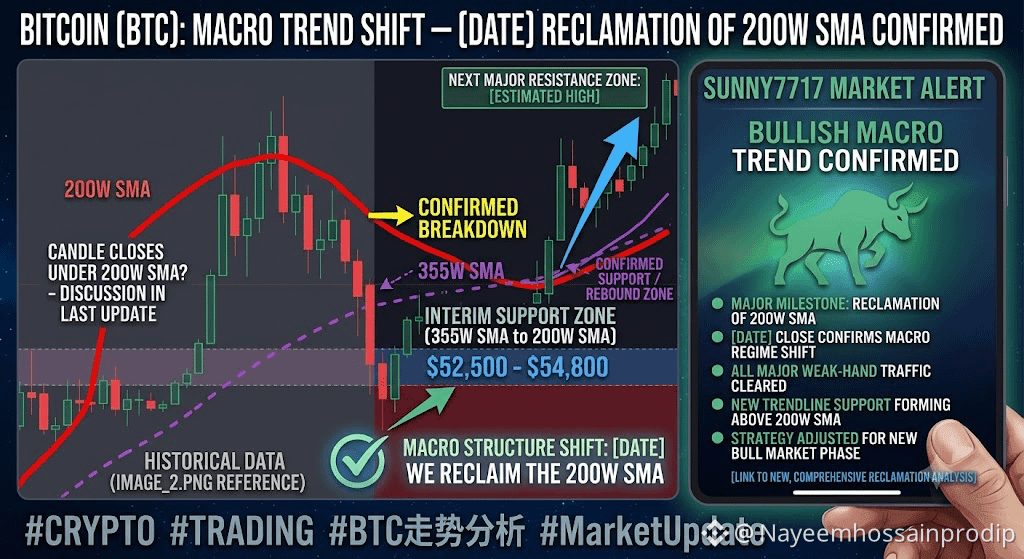
64
ビットコイン、6万ドル割れで崩壊:底打ちを呼ぶにはまだ早すぎる
ビットコイン($BTC
{spot}(BTCUSDT)
BTC)は昨日、明確な心理的・技術的な節目を割り込み、数カ月ぶりに6万ドルの水準を下回る形で終値を記録した。マクロのトレンドを追う市場観測者にとって、これは単なるいつもの下げではなく、決定的な構造的な転換だった。
技術的には、126,000ドルの史上最高値以降、「新たな安値」と「新たな高値(切り下げ)」が公式に確定し、現在の弱気局面をしっかりと固定した。
$126k トップ \ \ 安値更新(Lower High) \ / \ / V 安値(Lower Low) \ \---> [昨日:6万ドルを終値で下回り] 🚨 新たな安値
下落トレンドを尊重:底打ちを当てる必要はない
この構造的な崩れは、鍛えられた(規律のある)トレーダーにとっては驚くことではない。この明確な下落トレンドにビットコインが入って以来、指針は一貫して変わっていない。マクロ構造が弱気のままである限り、さらなる下方向への値動きを想定しなければならない。
ビットコインのサイクルの「正確な底」を“ヒーローコール”したくなるのは人間の性だが、今それをやるのはテープ(値動きの実データ)に逆らうことになる。
このレジームの黄金律:トレンドラインが切り下がる高値を出している限り、決定的な市場の底を当てにいく必要はまったくない。$BTC
弱気の構造だからといって、手をこまねいてトレードを完全に止めるべきだろうか? もちろん違う。最も強烈なベアマーケットでも、急でボラティリティの高い反発(救援ラリー)は起きる。今回の複数カ月にわたる下落の過程でも、短期的な反発は数多くあり、それを活かすチャンスはあった。身軽に動けるなら、積極的にトレードを続けることも可能だ。ただし、短期の反発をマクロのトレンド反転と混同することこそが、個人投資家を罠にかける典型だ。
現在の見取り図:今日のローソク足がすべて
注目は今、買い手が反撃を成立させるだけの燃料をまだ持っているかを確認するため、今日のデイリー(当日)の終値に集中している。
ビットコインが6万ドルを終値で下回った場合
ビットコインが6万ドルを取り返す場合(6万ドル~6万1千ドル+)
・ブレイクダウンが確定する。
・6万ドルがサポートから、硬い上値のレジスタンスに反転する。
・より広い市場は依然として魅力が薄く、本質的にリスクが高い。
ビットコイン、6万ドル割れで崩壊:底打ちを呼ぶにはまだ早すぎる
ビットコイン($BTC
BTC)は昨日、明確な心理的・技術的な節目を割り込み、数カ月ぶりに6万ドルの水準を下回る形で終値を記録した。マクロのトレンドを追う市場観測者にとって、これは単なるいつもの下げではなく、決定的な構造的な転換だった。
技術的には、126,000ドルの史上最高値以降、「新たな安値」と「新たな高値(切り下げ)」が公式に確定し、現在の弱気局面をしっかりと固定した。
$126k トップ \ \ 安値更新(Lower High) \ / \ / V 安値(Lower Low) \ \---> [昨日:6万ドルを終値で下回り] 🚨 新たな安値
下落トレンドを尊重:底打ちを当てる必要はない
この構造的な崩れは、鍛えられた(規律のある)トレーダーにとっては驚くことではない。この明確な下落トレンドにビットコインが入って以来、指針は一貫して変わっていない。マクロ構造が弱気のままである限り、さらなる下方向への値動きを想定しなければならない。
ビットコインのサイクルの「正確な底」を“ヒーローコール”したくなるのは人間の性だが、今それをやるのはテープ(値動きの実データ)に逆らうことになる。
このレジームの黄金律:トレンドラインが切り下がる高値を出している限り、決定的な市場の底を当てにいく必要はまったくない。$BTC
弱気の構造だからといって、手をこまねいてトレードを完全に止めるべきだろうか? もちろん違う。最も強烈なベアマーケットでも、急でボラティリティの高い反発(救援ラリー)は起きる。今回の複数カ月にわたる下落の過程でも、短期的な反発は数多くあり、それを活かすチャンスはあった。身軽に動けるなら、積極的にトレードを続けることも可能だ。ただし、短期の反発をマクロのトレンド反転と混同することこそが、個人投資家を罠にかける典型だ。
現在の見取り図:今日のローソク足がすべて
注目は今、買い手が反撃を成立させるだけの燃料をまだ持っているかを確認するため、今日のデイリー(当日)の終値に集中している。
ビットコインが6万ドルを終値で下回った場合
ビットコインが6万ドルを取り返す場合(6万ドル~6万1千ドル+)
・ブレイクダウンが確定する。
・6万ドルがサポートから、硬い上値のレジスタンスに反転する。
・より広い市場は依然として魅力が薄く、本質的にリスクが高い。
ビットコイン($BTC
BTC)は昨日、明確な心理的・技術的な節目を割り込み、数カ月ぶりに6万ドルの水準を下回る形で終値を記録した。マクロのトレンドを追う市場観測者にとって、これは単なるいつもの下げではなく、決定的な構造的な転換だった。
技術的には、126,000ドルの史上最高値以降、「新たな安値」と「新たな高値(切り下げ)」が公式に確定し、現在の弱気局面をしっかりと固定した。
$126k トップ \ \ 安値更新(Lower High) \ / \ / V 安値(Lower Low) \ \---> [昨日:6万ドルを終値で下回り] 🚨 新たな安値
下落トレンドを尊重:底打ちを当てる必要はない
この構造的な崩れは、鍛えられた(規律のある)トレーダーにとっては驚くことではない。この明確な下落トレンドにビットコインが入って以来、指針は一貫して変わっていない。マクロ構造が弱気のままである限り、さらなる下方向への値動きを想定しなければならない。
ビットコインのサイクルの「正確な底」を“ヒーローコール”したくなるのは人間の性だが、今それをやるのはテープ(値動きの実データ)に逆らうことになる。
このレジームの黄金律:トレンドラインが切り下がる高値を出している限り、決定的な市場の底を当てにいく必要はまったくない。$BTC
弱気の構造だからといって、手をこまねいてトレードを完全に止めるべきだろうか? もちろん違う。最も強烈なベアマーケットでも、急でボラティリティの高い反発(救援ラリー)は起きる。今回の複数カ月にわたる下落の過程でも、短期的な反発は数多くあり、それを活かすチャンスはあった。身軽に動けるなら、積極的にトレードを続けることも可能だ。ただし、短期の反発をマクロのトレンド反転と混同することこそが、個人投資家を罠にかける典型だ。
現在の見取り図:今日のローソク足がすべて
注目は今、買い手が反撃を成立させるだけの燃料をまだ持っているかを確認するため、今日のデイリー(当日)の終値に集中している。
ビットコインが6万ドルを終値で下回った場合
ビットコインが6万ドルを取り返す場合(6万ドル~6万1千ドル+)
・ブレイクダウンが確定する。
・6万ドルがサポートから、硬い上値のレジスタンスに反転する。
・より広い市場は依然として魅力が薄く、本質的にリスクが高い。
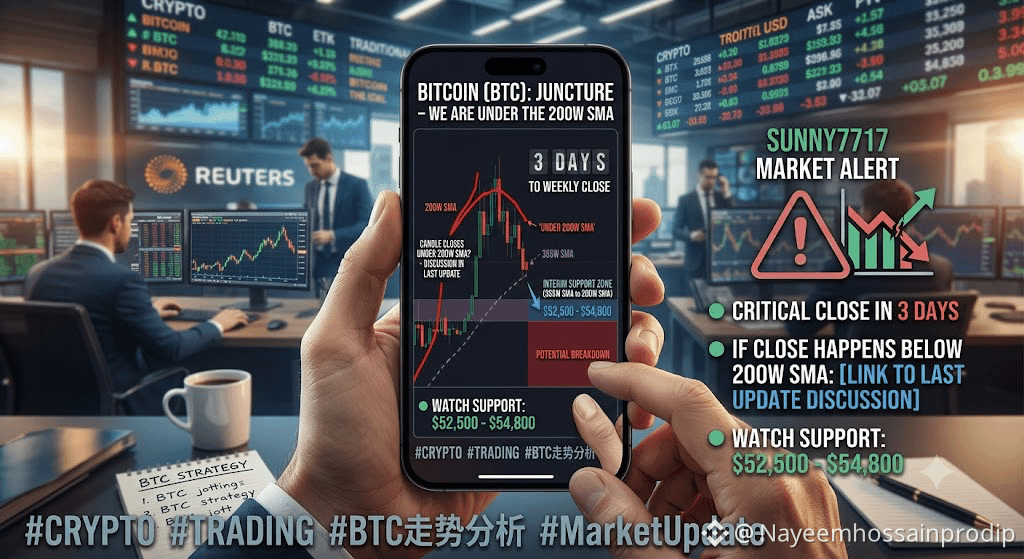
60
究極のクッション:中間的な支えを見つける
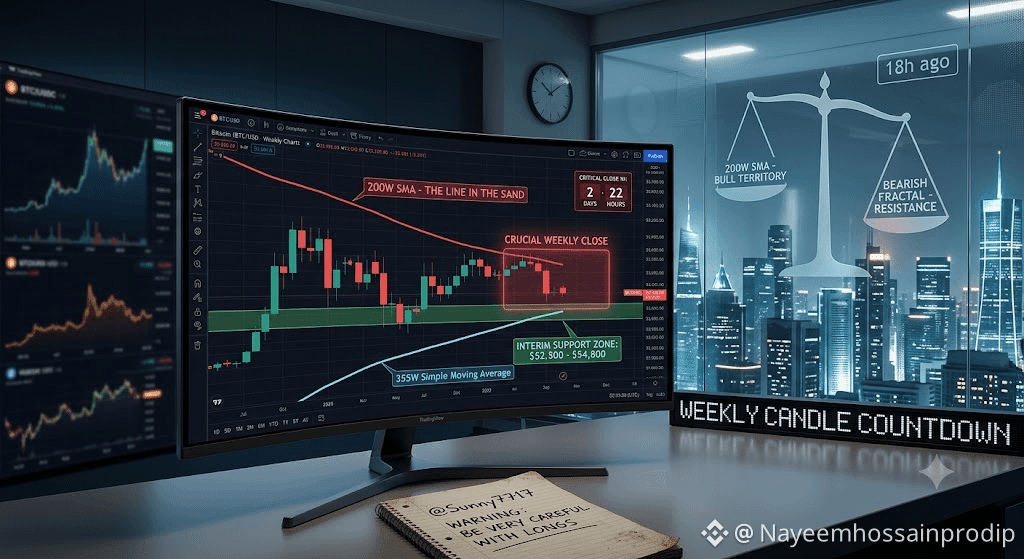
強気(ブル)がローソク足が確定するまでに200W SMAを取り戻せなかった場合、市場は自然に次の論理的な蓄積ゾーンを探しにいきます。
ブレイクダウン時に注目すべき主なターゲットは、355週SMAと200週SMAの間に位置するポケットです。
Binance
主要サポート目標:$52,500 – $54,800
Binance $NVDAB
{spot}(NVDABUSDT)
このレンジは、重要な歴史的な蓄積ブロックを表しています。ビットコインが下落を続けるなら、このエリアは、機関投資家の買い板(bid wall)や長期保有者が価格を安定させようとする、いわば一時的なクッションとして非常に期待されています。$BTC
{future}(BTCUSDT)
究極のクッション:中間的な支えを見つける
強気(ブル)がローソク足が確定するまでに200W SMAを取り戻せなかった場合、市場は自然に次の論理的な蓄積ゾーンを探しにいきます。
ブレイクダウン時に注目すべき主なターゲットは、355週SMAと200週SMAの間に位置するポケットです。
Binance
主要サポート目標:$52,500 – $54,800
Binance $NVDAB
このレンジは、重要な歴史的な蓄積ブロックを表しています。ビットコインが下落を続けるなら、このエリアは、機関投資家の買い板(bid wall)や長期保有者が価格を安定させようとする、いわば一時的なクッションとして非常に期待されています。$BTC
強気(ブル)がローソク足が確定するまでに200W SMAを取り戻せなかった場合、市場は自然に次の論理的な蓄積ゾーンを探しにいきます。
ブレイクダウン時に注目すべき主なターゲットは、355週SMAと200週SMAの間に位置するポケットです。
Binance
主要サポート目標:$52,500 – $54,800
Binance $NVDAB
このレンジは、重要な歴史的な蓄積ブロックを表しています。ビットコインが下落を続けるなら、このエリアは、機関投資家の買い板(bid wall)や長期保有者が価格を安定させようとする、いわば一時的なクッションとして非常に期待されています。$BTC
92
·
--
ブリッシュ
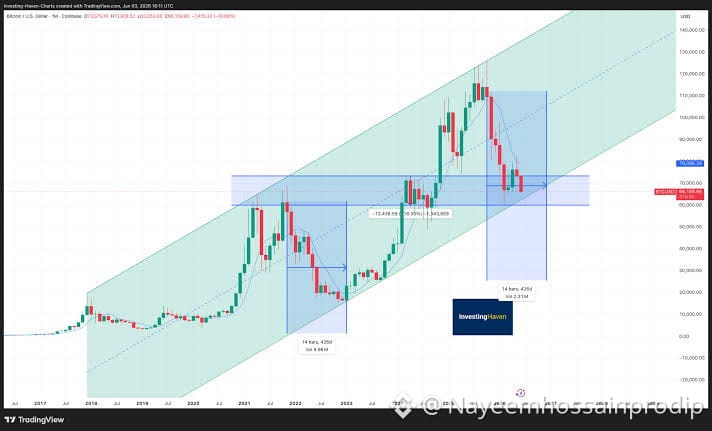
これは、たくさんのトレーダーがふるい落とされる局面そのもの——そして多くの人が、最高のチャンスが現れる直前に諦めてしまうところです。
ここでの真実はこうです:正しいマインドセットを持っているなら、これは市場で最も報われる局面であることが多い、ということ。$BTC
📉 $BTC で $58K〜$60K
{future}(BTCUSDT)
DCA(ドルコスト平均法)で積み増しを始めるのに、堅実なゾーンになり得ます
📉 価格が$52Kまたは$42Kまで押し戻した場合の追加買い
ポイントは完璧な底を当てることではありません——トレーダーではなく投資家のように考えることです。徐々に積み増してください。短期のノイズを無視しましょう。長期の全体像に集中してください。
$200Kでお会いしましょう $BTC 🚀
※金融助言ではありません——DYOR(自己調査)し、自分でリスク管理をしてください。
これは、たくさんのトレーダーがふるい落とされる局面そのもの——そして多くの人が、最高のチャンスが現れる直前に諦めてしまうところです。
ここでの真実はこうです:正しいマインドセットを持っているなら、これは市場で最も報われる局面であることが多い、ということ。$BTC
📉 $BTC で $58K〜$60K
DCA(ドルコスト平均法)で積み増しを始めるのに、堅実なゾーンになり得ます
📉 価格が$52Kまたは$42Kまで押し戻した場合の追加買い
ポイントは完璧な底を当てることではありません——トレーダーではなく投資家のように考えることです。徐々に積み増してください。短期のノイズを無視しましょう。長期の全体像に集中してください。
$200Kでお会いしましょう $BTC 🚀
※金融助言ではありません——DYOR(自己調査)し、自分でリスク管理をしてください。
ここでの真実はこうです:正しいマインドセットを持っているなら、これは市場で最も報われる局面であることが多い、ということ。$BTC
📉 $BTC で $58K〜$60K
DCA(ドルコスト平均法)で積み増しを始めるのに、堅実なゾーンになり得ます
📉 価格が$52Kまたは$42Kまで押し戻した場合の追加買い
ポイントは完璧な底を当てることではありません——トレーダーではなく投資家のように考えることです。徐々に積み増してください。短期のノイズを無視しましょう。長期の全体像に集中してください。
$200Kでお会いしましょう $BTC 🚀
※金融助言ではありません——DYOR(自己調査)し、自分でリスク管理をしてください。
58
ログインして、さらにコンテンツを読む
厳選トピックで世界の暗号資産トレーダーの仲間入り
⚡️ 暗号資産に関する最新かつ有益な情報が見つかります。
💬 世界最大の暗号資産取引所から信頼されています。
👍 認証を受けたクリエイターから、有益なインサイトを得られます。
メール / 電話番号
トレンドトピック
UKFCAWinsCourtOrderToRecover851400Pounds
閲覧回数 3,951
300人が討論中
🚨 暗号資産の規制が新たな段階に突入:彼らはルールを書くだけじゃない――お金を取り戻している。
英国のFCA(金融行為監督機構)は、裁判所の裏付けを得た別の資産回収を確保し、不正な金融および暗号資産関連活動に対する、より広範な取締りの強化を裏付けています。
そして同時に起きていることを見ると:
🇬🇧 FCA → 執行+資産回収
🇺🇸 SEC → 機能的な暗号資産に対するより明確なルール
🇺🇸 FRB → GENIUS法の下での正式なステーブルコイン監督
この組み合わせが重要です。
規制当局はもはや、「暗号資産を金融システムの中に入れてよいのか」を議論している段階ではありません。
彼らはますます、誰がアクセスできるのか、どんなルールに従うのか、そしてそのルールが破られたときに何が起きるのかを決めています。
次の暗号資産サイクルは、「規制 vs イノベーション」ではないかもしれません。
それは、基準を満たせる人たちの“規制された暗号資産” vs、基準を満たせないすべての人――かもしれません。 👀
$COIN $CRCL $BTC
#ukfcawinscourtordertorecover851400pounds #ChainlinkLaunchesCCIP2WithEnterpriseVerification #GoldFallsTo$4144 #QNTFallsOver40%FromMorningHigh #USDTAdds845900HoldersInPast7Days
KimHotbae
·いいね:1件
·閲覧回数 2.4k
ChainlinkLaunchesCCIP2WithEnterpriseVerification
閲覧回数 14,577
574人が討論中
GoldFallsTo$4144
閲覧回数 6,571
107人が討論中