

ParvezMayar
12.1k 投稿

ParvezMayar
 厳選トピック確認済+
報告
ユーザーをブロック
Crypto enthusiast | Exploring, sharing, and earning | Let’s grow together!🤝 | X @Next_GemHunter

Traders League Badge Expert
取引を発注
超高頻度トレーダー
3年
332 フォロー
47.0K+ フォロワー
91.1K+ いいね
1 バッジ
投稿
ポートフォリオ
すべて
引用
動画
ライブ
·
--
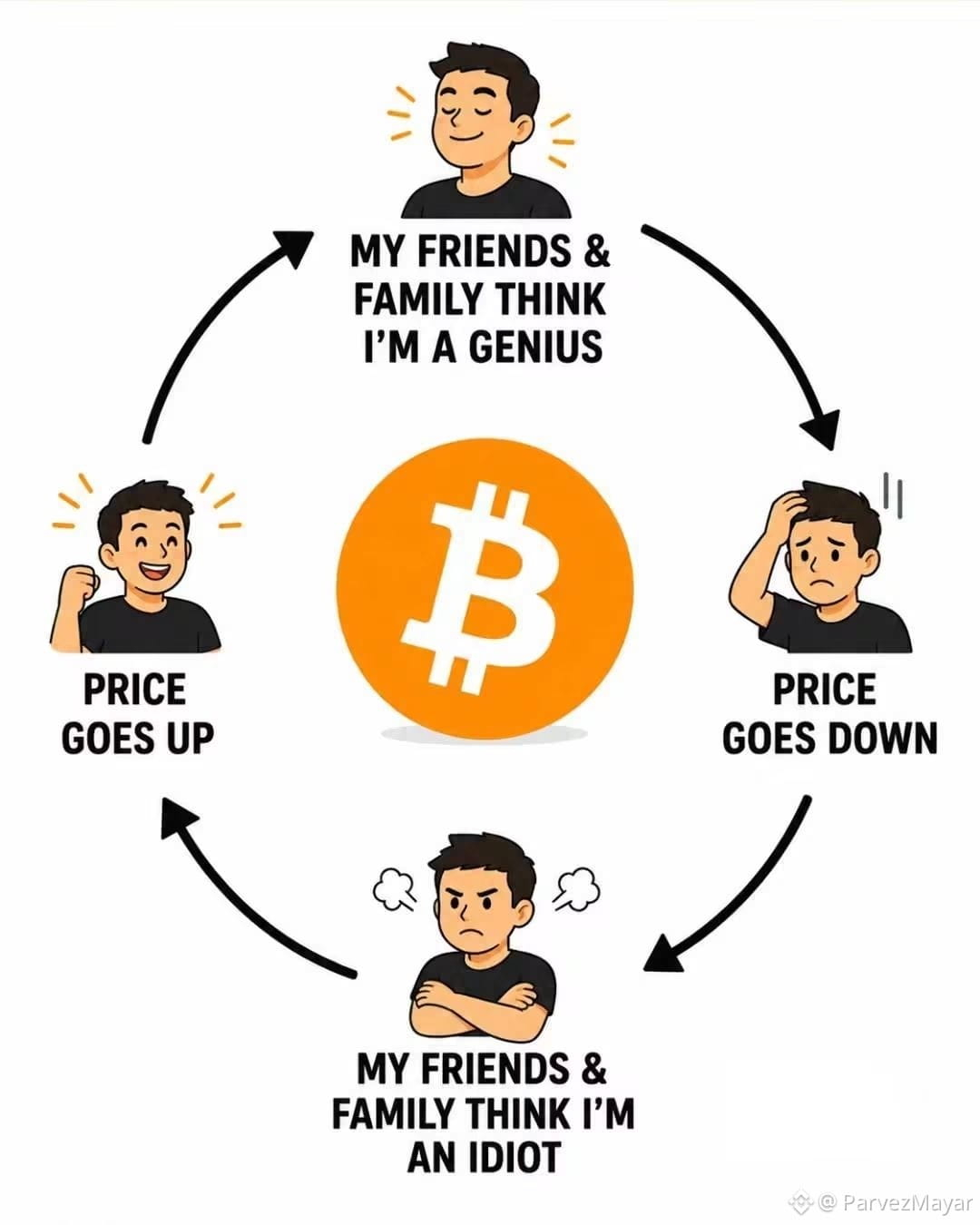
10月がGREENで始まることを期待してたのに...市場のほうは別の計画だった 😭
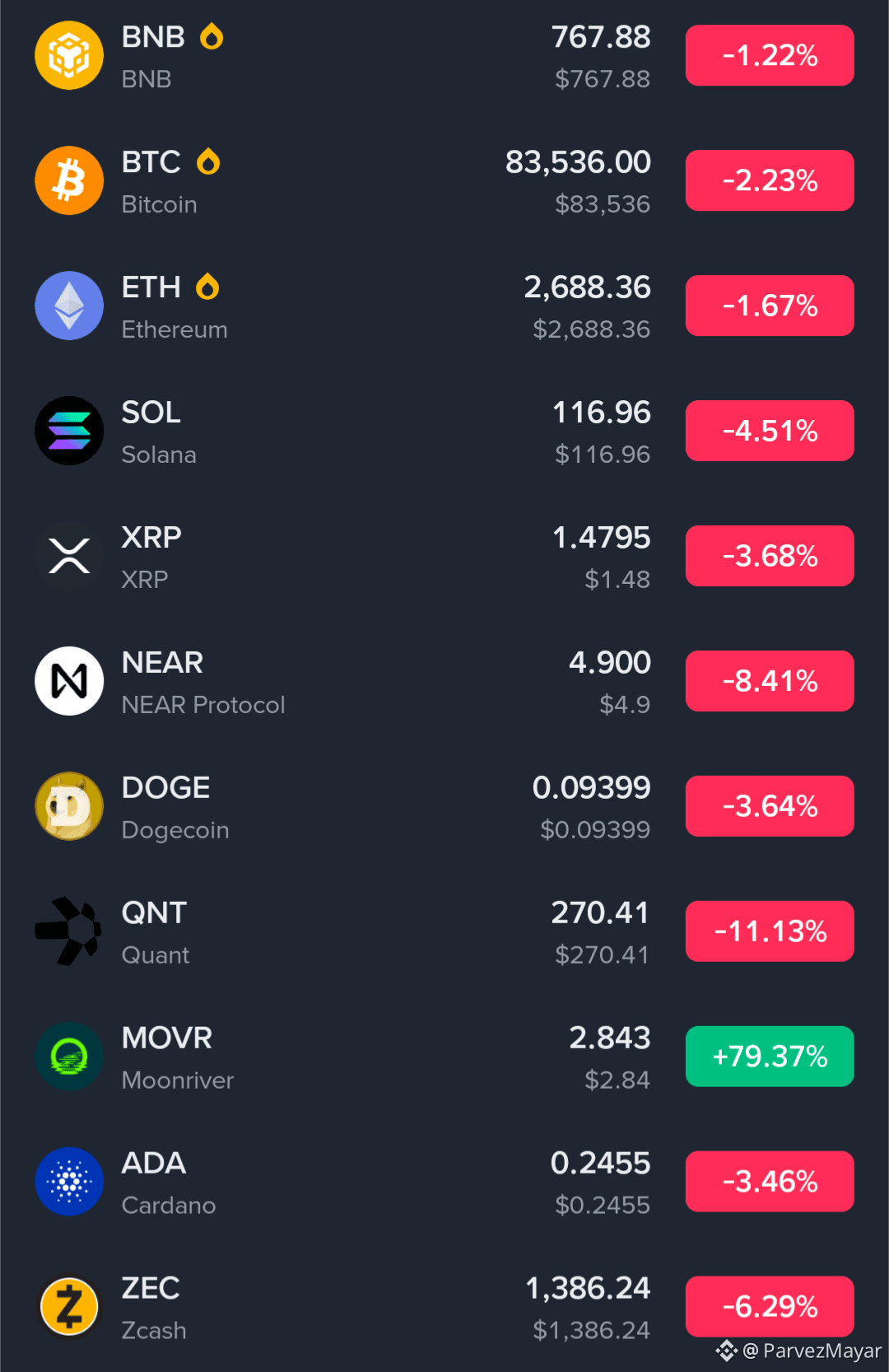
$BTC だいたい$83.5K付近、$ZEC $1,400未満、$NEAR -8% と $QNT -11%...
その一方で、なぜか $MOVR は +79% でいて、別の市場のものみたいに見える 😂
自分が欲しかったUPTOBERのスタートじゃない...でもまだ1日目。焦らず、追いかけず...この揉み合いがどこに落ち着くか見よう 👀
10月がGREENで始まることを期待してたのに...市場のほうは別の計画だった 😭
$BTC だいたい$83.5K付近、$ZEC $1,400未満、$NEAR -8% と $QNT -11%...
その一方で、なぜか $MOVR は +79% でいて、別の市場のものみたいに見える 😂
自分が欲しかったUPTOBERのスタートじゃない...でもまだ1日目。焦らず、追いかけず...この揉み合いがどこに落ち着くか見よう 👀
$BTC だいたい$83.5K付近、$ZEC $1,400未満、$NEAR -8% と $QNT -11%...
その一方で、なぜか $MOVR は +79% でいて、別の市場のものみたいに見える 😂
自分が欲しかったUPTOBERのスタートじゃない...でもまだ1日目。焦らず、追いかけず...この揉み合いがどこに落ち着くか見よう 👀
6
2.9k
·
--
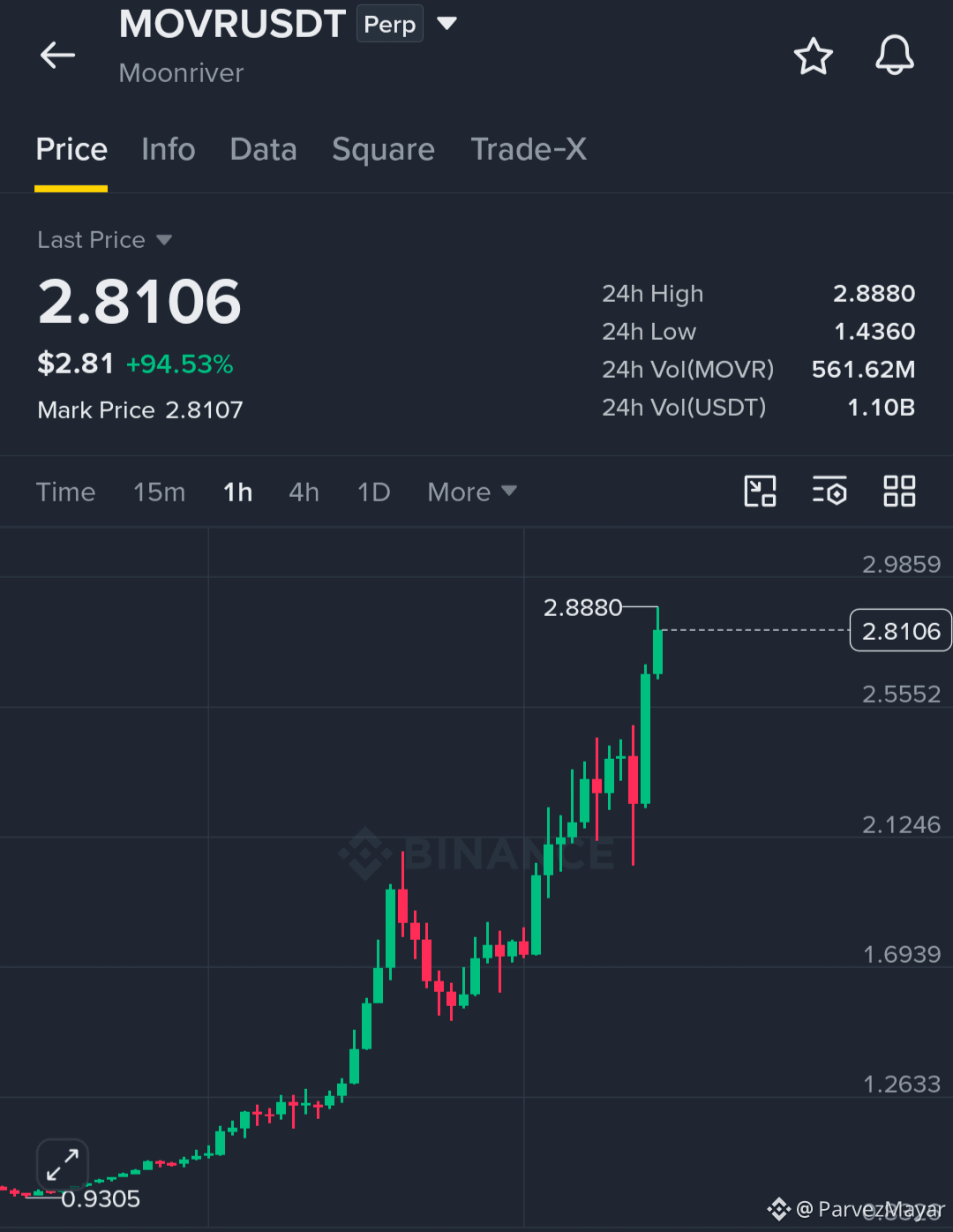
わお… $MOVR は減速しておらず、過去24時間でさらに+100%の上昇 🔥
次は$3.5+を見ていますか ❓
わお… $MOVR は減速しておらず、過去24時間でさらに+100%の上昇 🔥
次は$3.5+を見ていますか ❓
次は$3.5+を見ていますか ❓
1
11
5.8k
·
--
ブリッシュ
$NEAR 1.2K USDT(30日間の取引)
今日のマーケットは、ほぼすべてを見せてくれました… グリーンの希望、突然のレッドキャンドル、ポンプと押し目 😁
でも、まだ目立つコインがいくつかあります…
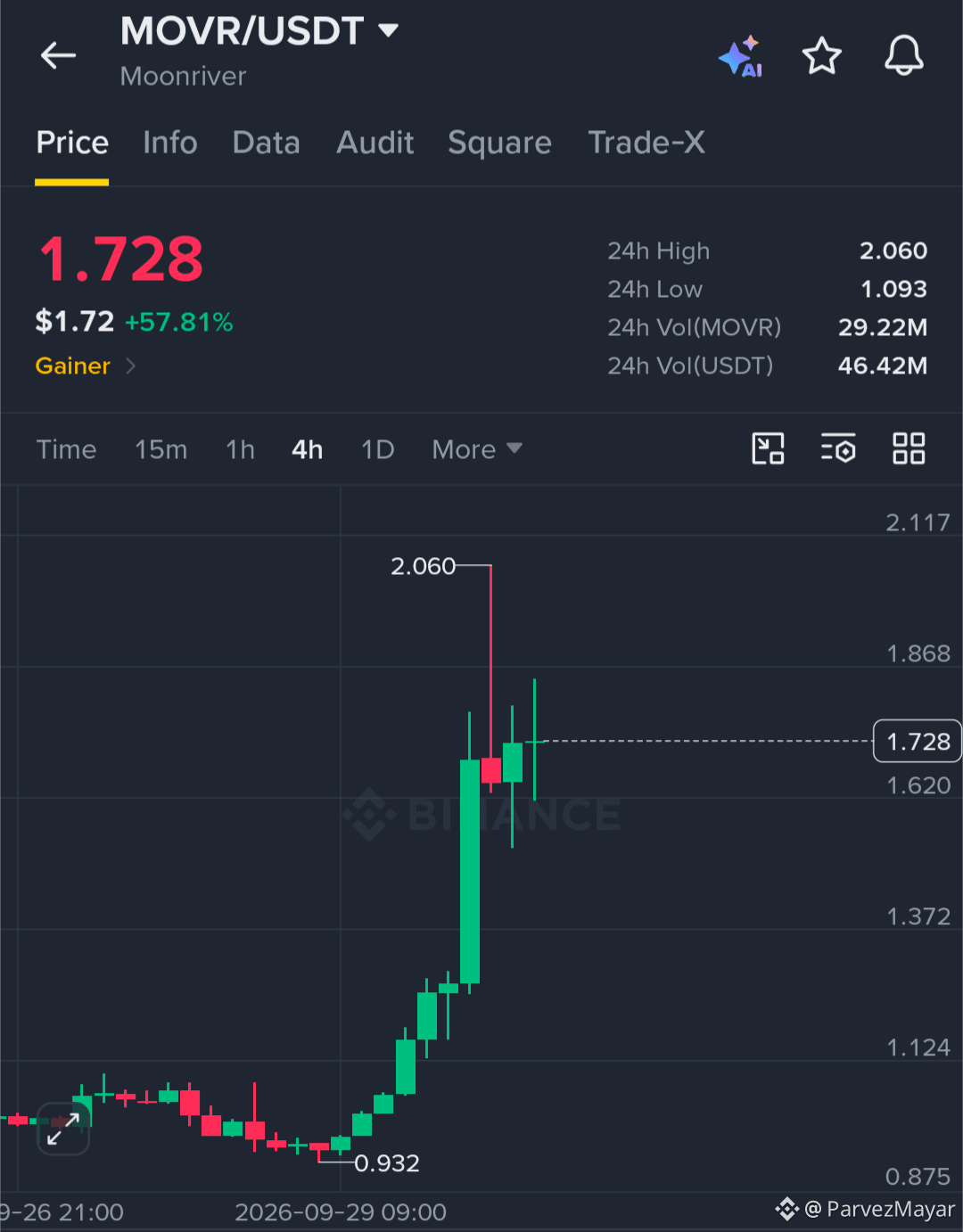
$MOVR はまだ1.70ドル以上を維持していて、ほぼ+58%の上昇… とんでもない動きですが、このようなポンプの後に追いかけるのはリスキーです。
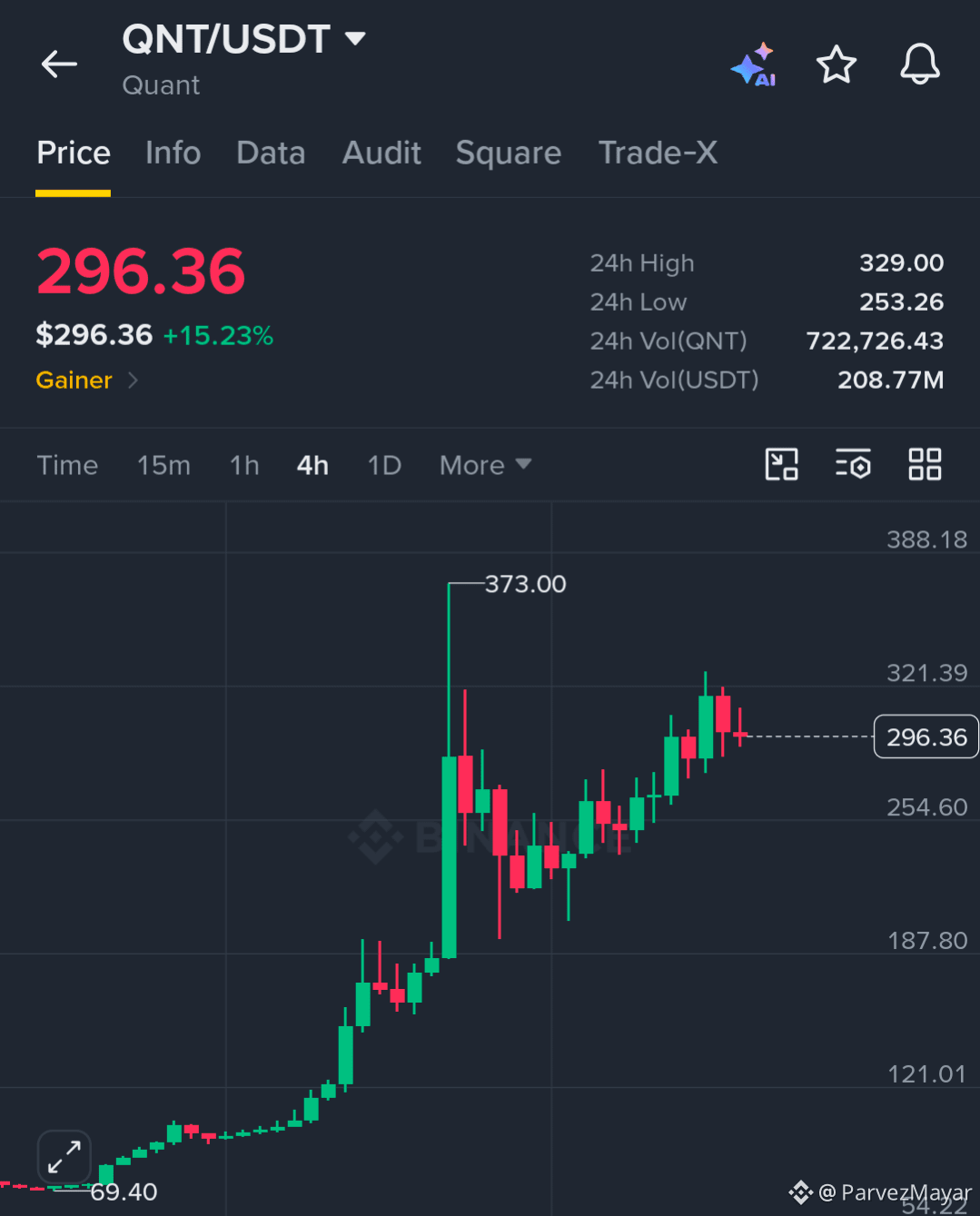
$QNT はあのボラティリティの後でも約$300を維持しています 💪🏻 発行数が限られていることが、ここで私が一番惹かれている最大の要因です… ただし、これもまたかなり激しく動いています。
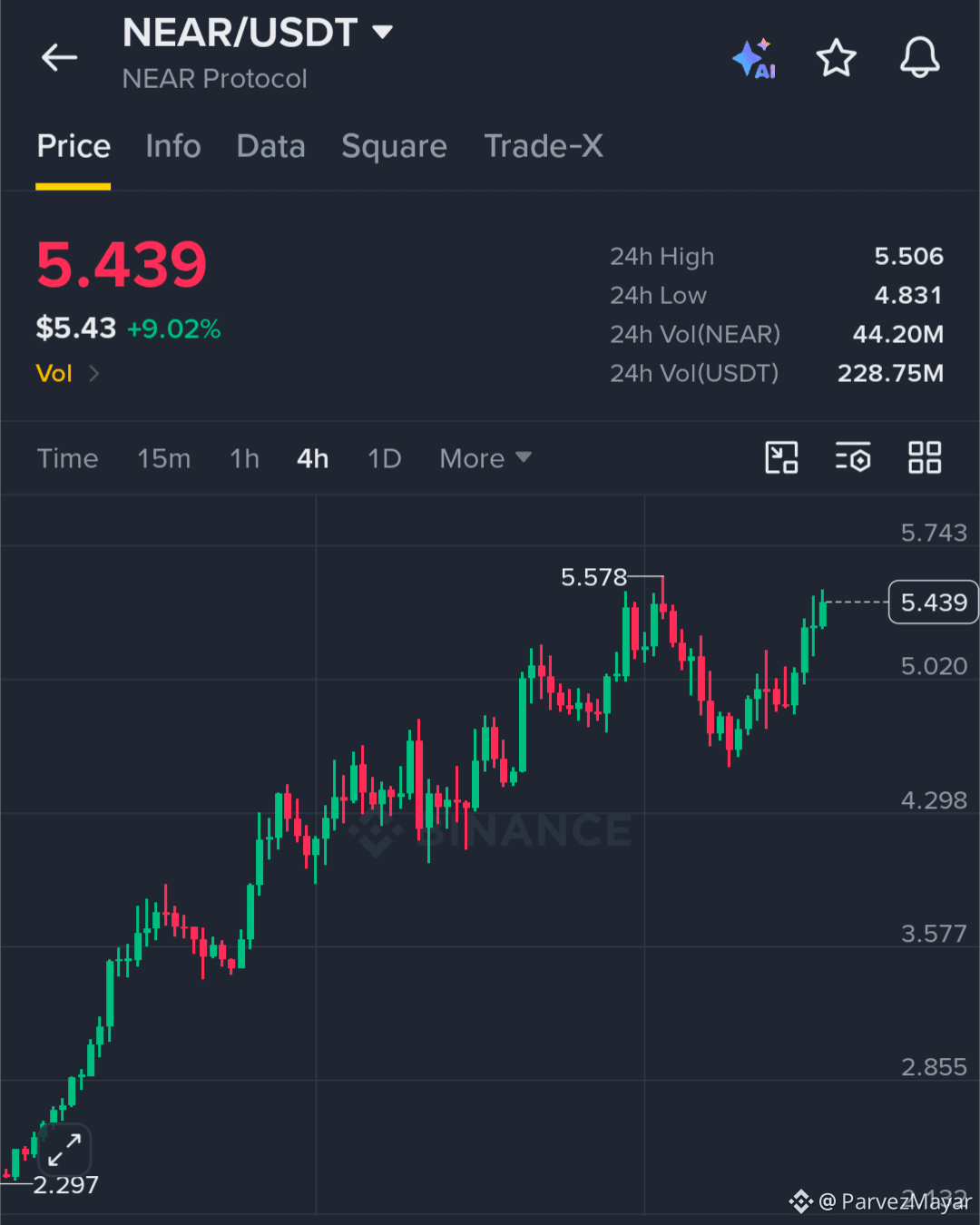
そして $NEAR … おそらく今の私にとっては最強の1つ 🔥
この2日間、マーケットはいろいろ試してきました… メジャーでも揺さぶられたのに、NEARは$5以上をキープし続けていて、そしてまた今は約$5.40で+9%。
アルトコイン・シーズン・インデックスが60超… 10月が来ています。
強気相場かどうかに関わらず、みんなが「アルトシーズンだ」って言い始める前にポジションを取りたい 😁
押し目で良いコインを買うこと… そして縦に伸びるグリーンキャンドルを待ってから追いかけないで。
今日のマーケットは、ほぼすべてを見せてくれました… グリーンの希望、突然のレッドキャンドル、ポンプと押し目 😁
でも、まだ目立つコインがいくつかあります…
$MOVR はまだ1.70ドル以上を維持していて、ほぼ+58%の上昇… とんでもない動きですが、このようなポンプの後に追いかけるのはリスキーです。
$QNT はあのボラティリティの後でも約$300を維持しています 💪🏻 発行数が限られていることが、ここで私が一番惹かれている最大の要因です… ただし、これもまたかなり激しく動いています。
そして $NEAR … おそらく今の私にとっては最強の1つ 🔥
この2日間、マーケットはいろいろ試してきました… メジャーでも揺さぶられたのに、NEARは$5以上をキープし続けていて、そしてまた今は約$5.40で+9%。
アルトコイン・シーズン・インデックスが60超… 10月が来ています。
強気相場かどうかに関わらず、みんなが「アルトシーズンだ」って言い始める前にポジションを取りたい 😁
押し目で良いコインを買うこと… そして縦に伸びるグリーンキャンドルを待ってから追いかけないで。
でも、まだ目立つコインがいくつかあります…
$MOVR はまだ1.70ドル以上を維持していて、ほぼ+58%の上昇… とんでもない動きですが、このようなポンプの後に追いかけるのはリスキーです。
$QNT はあのボラティリティの後でも約$300を維持しています 💪🏻 発行数が限られていることが、ここで私が一番惹かれている最大の要因です… ただし、これもまたかなり激しく動いています。
そして $NEAR … おそらく今の私にとっては最強の1つ 🔥
この2日間、マーケットはいろいろ試してきました… メジャーでも揺さぶられたのに、NEARは$5以上をキープし続けていて、そしてまた今は約$5.40で+9%。
アルトコイン・シーズン・インデックスが60超… 10月が来ています。
強気相場かどうかに関わらず、みんなが「アルトシーズンだ」って言い始める前にポジションを取りたい 😁
押し目で良いコインを買うこと… そして縦に伸びるグリーンキャンドルを待ってから追いかけないで。
1
6
3.3k
·
--
ブリッシュ
#altcoinseasonindexholdsabove60for5days そろそろ…アルトシーズンがゆっくり近づいてきてる 👀
CZもGREENについて匂わせたけど、あなたはもう早めにポジション取ってる?それとも、すべてのアルトがポンプし始めるのを待ってる段階? 😁
正直に言うと、今は主に3つのコインに興味がある...
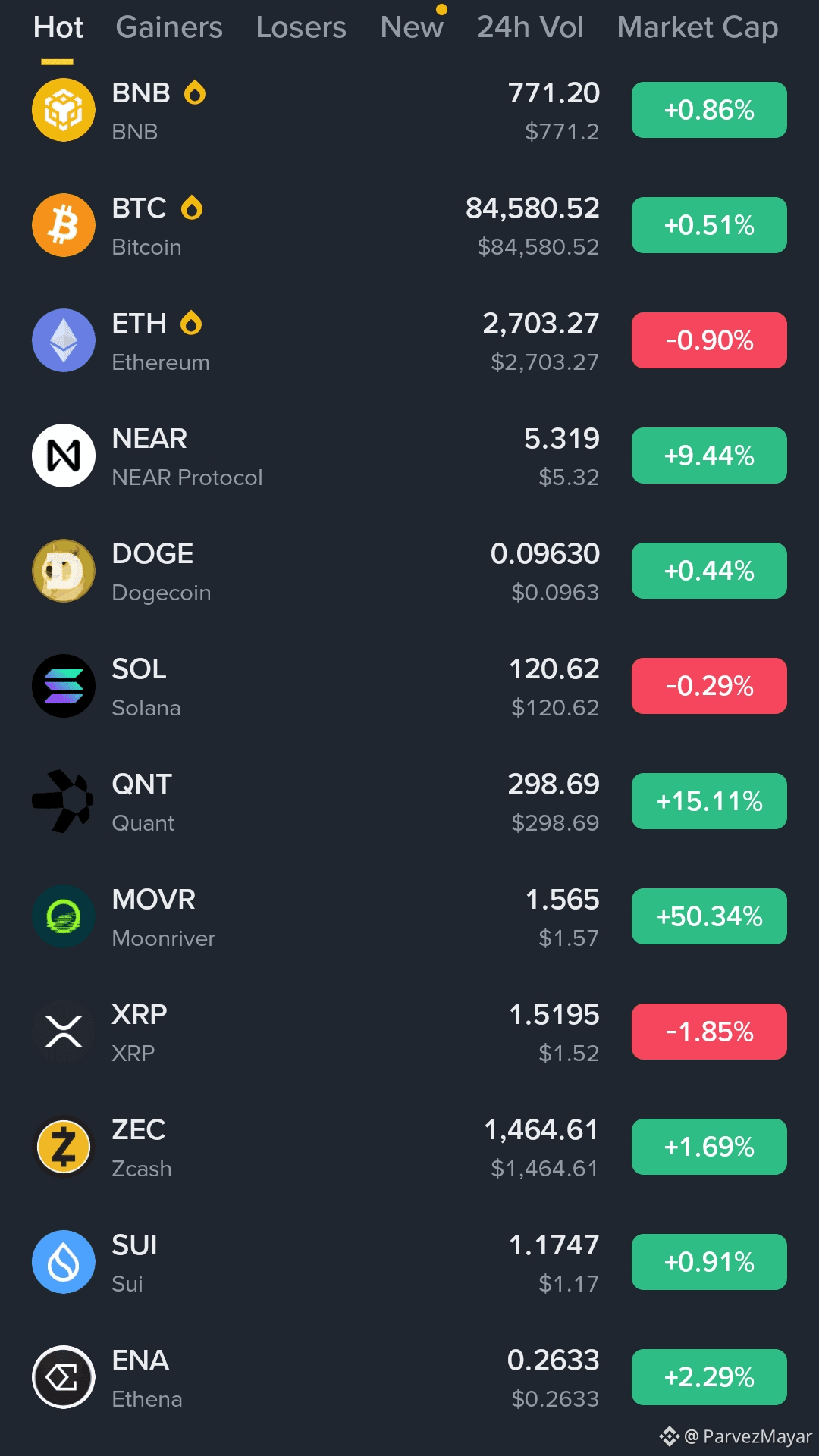
$QNT 約$300... ここで一番気に入ってるのは、上限が14.6Mに限定されていること。
$ZEC 約$1,460... その大きな上昇の後でも、勢いが戻ってくれば$2,000+は十分あり得ると思ってる 💪🏻
そして$NEAR 約$5.30... これは以前の$20超のATHから、$1未満までずっと下がったのに、ついにまた息を吹き返し始めた。
アルトシーズンが明らかになってから待って、+50%のローソクを追いかけないで 😆
早めに仕込んで...押し目でDCAして、市場があなたに来るのを待とう。
#UPTOBER もうすぐそこ 🔥
#altcoinseasonindexholdsabove60for5days そろそろ…アルトシーズンがゆっくり近づいてきてる 👀
CZもGREENについて匂わせたけど、あなたはもう早めにポジション取ってる?それとも、すべてのアルトがポンプし始めるのを待ってる段階? 😁
正直に言うと、今は主に3つのコインに興味がある...
$QNT 約$300... ここで一番気に入ってるのは、上限が14.6Mに限定されていること。
$ZEC 約$1,460... その大きな上昇の後でも、勢いが戻ってくれば$2,000+は十分あり得ると思ってる 💪🏻
そして$NEAR 約$5.30... これは以前の$20超のATHから、$1未満までずっと下がったのに、ついにまた息を吹き返し始めた。
アルトシーズンが明らかになってから待って、+50%のローソクを追いかけないで 😆
早めに仕込んで...押し目でDCAして、市場があなたに来るのを待とう。
#UPTOBER もうすぐそこ 🔥
CZもGREENについて匂わせたけど、あなたはもう早めにポジション取ってる?それとも、すべてのアルトがポンプし始めるのを待ってる段階? 😁
正直に言うと、今は主に3つのコインに興味がある...
$QNT 約$300... ここで一番気に入ってるのは、上限が14.6Mに限定されていること。
$ZEC 約$1,460... その大きな上昇の後でも、勢いが戻ってくれば$2,000+は十分あり得ると思ってる 💪🏻
そして$NEAR 約$5.30... これは以前の$20超のATHから、$1未満までずっと下がったのに、ついにまた息を吹き返し始めた。
アルトシーズンが明らかになってから待って、+50%のローソクを追いかけないで 😆
早めに仕込んで...押し目でDCAして、市場があなたに来るのを待とう。
#UPTOBER もうすぐそこ 🔥
3
9
6.1k
ログインして、さらにコンテンツを読む
厳選トピックで世界の暗号資産トレーダーの仲間入り
⚡️ 暗号資産に関する最新かつ有益な情報が見つかります。
💬 世界最大の暗号資産取引所から信頼されています。
👍 認証を受けたクリエイターから、有益なインサイトを得られます。
メール / 電話番号