

Nexiz Crypto
652 投稿
Nexiz Crypto
報告
ユーザーをブロック
取引を発注
高頻度トレーダー
5.3年
180 フォロー
137 フォロワー
412 いいね
投稿
ポートフォリオ
すべて
引用
PINNED
·
--
ブリッシュ
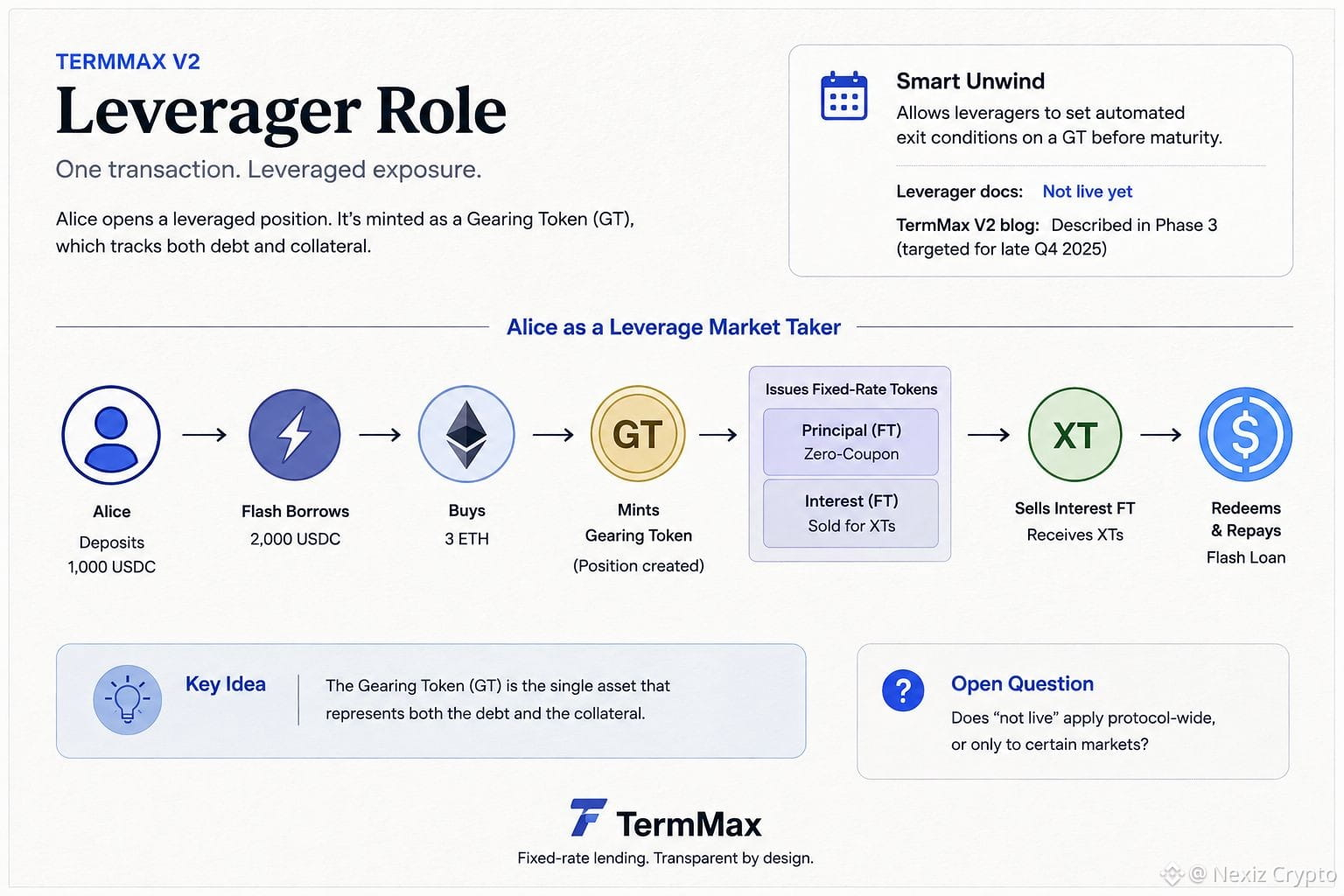
TermMaxのLeveragerロールのドキュメントを読んでいたとき、1つの詳細が目に留まりました。レバレッジされたポジションは単純な残高として追跡されるのではなく、それ自体が独立したアセットとして鋳造される——Gearing Token(GT)です。
これは単なる担保のラッパーだと思っていましたが、仕組みはそれよりも自己完結的です。AliceがUSDCを1,000デポジットし、さらにフラッシュボローで2,000を借り入れて3ETHを購入し、それをGTにロックします。するとGTはFixed-Rate Tokensを発行し、それが元本と利息に分かれます。利息の部分はXTsとして販売され、そのXTsと元本を合算すると、フラッシュローン返済に十分なUSDCが償還として得られます。1回の取引で完結し、手動でのループ処理は不要です。
ここでGTがそもそも存在する理由が腑に落ちました。GTはポジションの両面——債務と担保——を同時に記録する唯一のオブジェクトだからです。
公式のTermMax V2発表を確認したところ、共有しておく価値のある点に気づきました。V2のブログ記事ではSmart Unwindについて説明されており、レバレッジャーが満期前にGTへ自動の終了条件を設定できるようになります。しかし、Leveragerのドキュメントページでは、V2のより広範なロールアウト後でさえ、この機能がまだ稼働していないと明確に記載されています。段階的なローンチのための妥当なトレードオフではありますが、未稼働がプロトコル全体に適用されるのか、それとも特定のマーケットのみに適用されるのかという未解決の疑問が残ります。
#termmax @termmax
TermMaxのLeveragerロールのドキュメントを読んでいたとき、1つの詳細が目に留まりました。レバレッジされたポジションは単純な残高として追跡されるのではなく、それ自体が独立したアセットとして鋳造される——Gearing Token(GT)です。
これは単なる担保のラッパーだと思っていましたが、仕組みはそれよりも自己完結的です。AliceがUSDCを1,000デポジットし、さらにフラッシュボローで2,000を借り入れて3ETHを購入し、それをGTにロックします。するとGTはFixed-Rate Tokensを発行し、それが元本と利息に分かれます。利息の部分はXTsとして販売され、そのXTsと元本を合算すると、フラッシュローン返済に十分なUSDCが償還として得られます。1回の取引で完結し、手動でのループ処理は不要です。
ここでGTがそもそも存在する理由が腑に落ちました。GTはポジションの両面——債務と担保——を同時に記録する唯一のオブジェクトだからです。
公式のTermMax V2発表を確認したところ、共有しておく価値のある点に気づきました。V2のブログ記事ではSmart Unwindについて説明されており、レバレッジャーが満期前にGTへ自動の終了条件を設定できるようになります。しかし、Leveragerのドキュメントページでは、V2のより広範なロールアウト後でさえ、この機能がまだ稼働していないと明確に記載されています。段階的なローンチのための妥当なトレードオフではありますが、未稼働がプロトコル全体に適用されるのか、それとも特定のマーケットのみに適用されるのかという未解決の疑問が残ります。
#termmax @TermMax
これは単なる担保のラッパーだと思っていましたが、仕組みはそれよりも自己完結的です。AliceがUSDCを1,000デポジットし、さらにフラッシュボローで2,000を借り入れて3ETHを購入し、それをGTにロックします。するとGTはFixed-Rate Tokensを発行し、それが元本と利息に分かれます。利息の部分はXTsとして販売され、そのXTsと元本を合算すると、フラッシュローン返済に十分なUSDCが償還として得られます。1回の取引で完結し、手動でのループ処理は不要です。
ここでGTがそもそも存在する理由が腑に落ちました。GTはポジションの両面——債務と担保——を同時に記録する唯一のオブジェクトだからです。
公式のTermMax V2発表を確認したところ、共有しておく価値のある点に気づきました。V2のブログ記事ではSmart Unwindについて説明されており、レバレッジャーが満期前にGTへ自動の終了条件を設定できるようになります。しかし、Leveragerのドキュメントページでは、V2のより広範なロールアウト後でさえ、この機能がまだ稼働していないと明確に記載されています。段階的なローンチのための妥当なトレードオフではありますが、未稼働がプロトコル全体に適用されるのか、それとも特定のマーケットのみに適用されるのかという未解決の疑問が残ります。
#termmax @TermMax
18
13
161
·
--
ブリッシュ
私はDuskのChainlink提携に関する発表を読み進めていて、いつものCCIP統合の話が出てくると予想していましたが、技術的な文言が出る前にまず目を引く一点がありました。それは、この提携の相手が暗号資産ネイティブのプラットフォームではないということです。NPEX——完全に規制されたオランダの証券取引所です。
私は、これはいつものブリッジとデータフィードの物語だろうと思ったので、公式ページを直接確認しました。目を引いた段落には、NPEXの実際の実績が次のように述べられていました。NPEXは、規制された市場活動の強力なレガシーを持っています。オランダ金融市場監督当局(AFM)の監督下にあるオランダの証券取引所として、NPEXは100社以上のSMEに対して2億ユーロ超の資金調達を促進し、さらに17,500人以上のアクティブ投資家のネットワークをつないでいます。
そのとき、なぜここでChainlinkが重要なのかが腑に落ちました。Duskは単にチェーン同士をつなぐだけでなく、すでに規制された取引所をオンチェーン決済につなげているのです。CCIPは相互運用性のレイヤーとなり、Chainlink DataLinkとData Streamsは、NPEXの公式な市場データをオンチェーンで伝えるために配置されます。これは、多くのDeFiオラクルが作られているのとは別の種類の課題です。
私を驚かせたのは、その見せ方でした。Duskはプライバシー保護を掲げていますが、この統合は透明性と検証済みデータに大きく依存しています。これは矛盾というより、トレードオフです。取引レイヤーでは機密性を確保し、データレイヤーでは検証可能性を担保することで、機関投資家はプライバシーを完全に手放すことなくコンプライアンスを得られる、というわけです。
私はまだ、このモデルが1つの取引所を超えてスケールできるのか、それともNPEXが、Duskが他の追随を得るために必要としている「実証事例」なのかを検討中です。
あなたはどう思いますか?公正なバランスだと思いますか、それともまだ早すぎて判断できませんか?#dusk $DUSK @Dusk_Foundation
私はDuskのChainlink提携に関する発表を読み進めていて、いつものCCIP統合の話が出てくると予想していましたが、技術的な文言が出る前にまず目を引く一点がありました。それは、この提携の相手が暗号資産ネイティブのプラットフォームではないということです。NPEX——完全に規制されたオランダの証券取引所です。
私は、これはいつものブリッジとデータフィードの物語だろうと思ったので、公式ページを直接確認しました。目を引いた段落には、NPEXの実際の実績が次のように述べられていました。NPEXは、規制された市場活動の強力なレガシーを持っています。オランダ金融市場監督当局(AFM)の監督下にあるオランダの証券取引所として、NPEXは100社以上のSMEに対して2億ユーロ超の資金調達を促進し、さらに17,500人以上のアクティブ投資家のネットワークをつないでいます。
そのとき、なぜここでChainlinkが重要なのかが腑に落ちました。Duskは単にチェーン同士をつなぐだけでなく、すでに規制された取引所をオンチェーン決済につなげているのです。CCIPは相互運用性のレイヤーとなり、Chainlink DataLinkとData Streamsは、NPEXの公式な市場データをオンチェーンで伝えるために配置されます。これは、多くのDeFiオラクルが作られているのとは別の種類の課題です。
私を驚かせたのは、その見せ方でした。Duskはプライバシー保護を掲げていますが、この統合は透明性と検証済みデータに大きく依存しています。これは矛盾というより、トレードオフです。取引レイヤーでは機密性を確保し、データレイヤーでは検証可能性を担保することで、機関投資家はプライバシーを完全に手放すことなくコンプライアンスを得られる、というわけです。
私はまだ、このモデルが1つの取引所を超えてスケールできるのか、それともNPEXが、Duskが他の追随を得るために必要としている「実証事例」なのかを検討中です。
あなたはどう思いますか?公正なバランスだと思いますか、それともまだ早すぎて判断できませんか?#dusk $DUSK @Dusk
私は、これはいつものブリッジとデータフィードの物語だろうと思ったので、公式ページを直接確認しました。目を引いた段落には、NPEXの実際の実績が次のように述べられていました。NPEXは、規制された市場活動の強力なレガシーを持っています。オランダ金融市場監督当局(AFM)の監督下にあるオランダの証券取引所として、NPEXは100社以上のSMEに対して2億ユーロ超の資金調達を促進し、さらに17,500人以上のアクティブ投資家のネットワークをつないでいます。
そのとき、なぜここでChainlinkが重要なのかが腑に落ちました。Duskは単にチェーン同士をつなぐだけでなく、すでに規制された取引所をオンチェーン決済につなげているのです。CCIPは相互運用性のレイヤーとなり、Chainlink DataLinkとData Streamsは、NPEXの公式な市場データをオンチェーンで伝えるために配置されます。これは、多くのDeFiオラクルが作られているのとは別の種類の課題です。
私を驚かせたのは、その見せ方でした。Duskはプライバシー保護を掲げていますが、この統合は透明性と検証済みデータに大きく依存しています。これは矛盾というより、トレードオフです。取引レイヤーでは機密性を確保し、データレイヤーでは検証可能性を担保することで、機関投資家はプライバシーを完全に手放すことなくコンプライアンスを得られる、というわけです。
私はまだ、このモデルが1つの取引所を超えてスケールできるのか、それともNPEXが、Duskが他の追随を得るために必要としている「実証事例」なのかを検討中です。
あなたはどう思いますか?公正なバランスだと思いますか、それともまだ早すぎて判断できませんか?#dusk $DUSK @Dusk
Fair Balance
100%
Too Early
0%
Need More Data
0%
2 投票 • 投票は終了しました
5
3
14
·
--
ブリッシュ
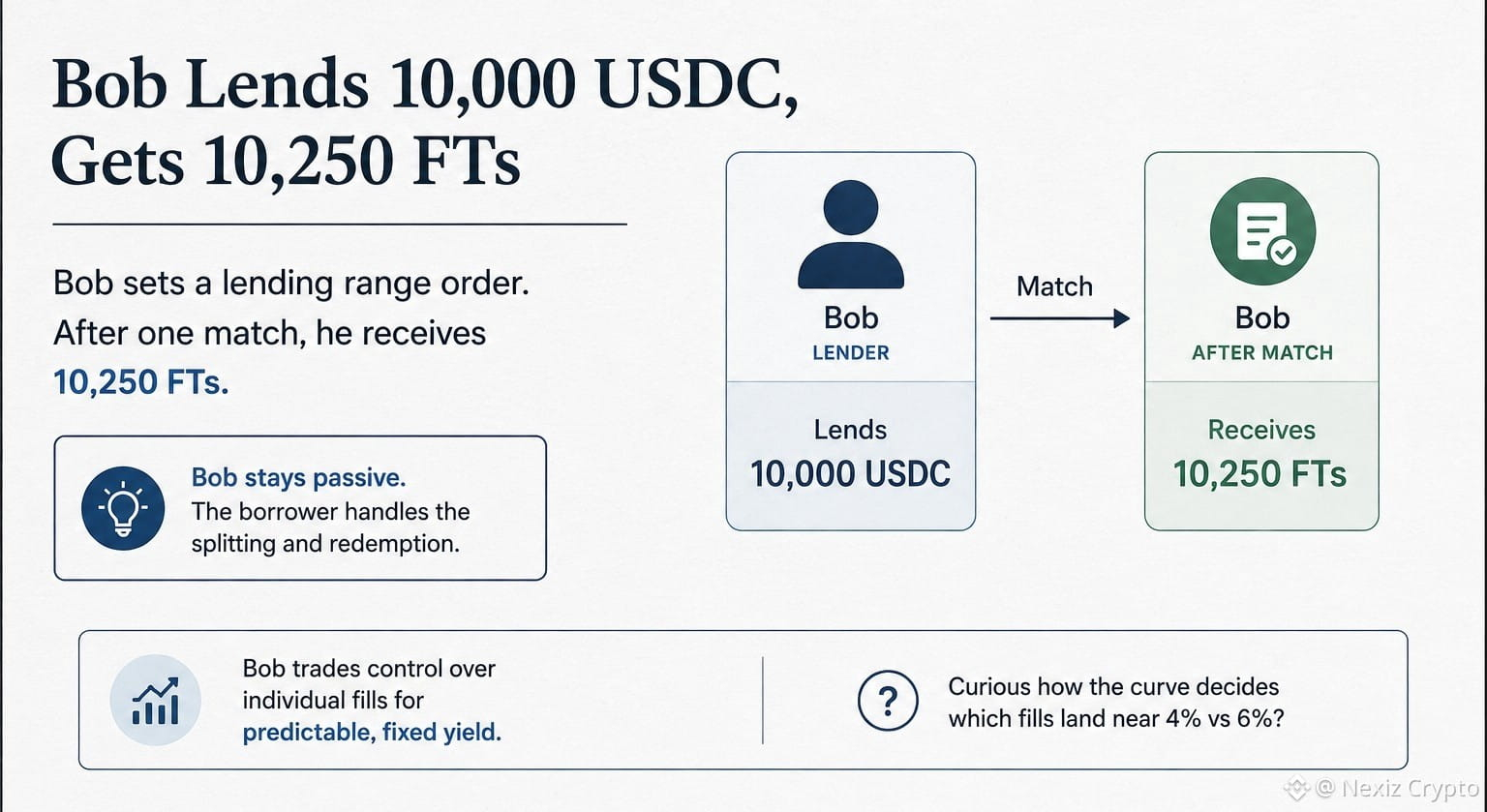
貸付レンジのオーダーセッターに関する章を読んでいたところ、ある細部が目に留まりました。例では、ボブが10,000 USDCを貸し付けていて、たった1回のマッチの後ですでに10,250 FTsを保有しているのです。最初の推測は、追加の250はまだ確定していない何らかの想定利回りで、実際に得たものではないということでした。
仕組みをもう一度確認してみると、それは違いました。配置(プレースメント)の時点で、システムはボブの全額に等しい元本FTsを鋳造し、これをXTsとペアにして、オーダーに割り当てます。マッチング時に変わるのは、利息部分だけです。借り手は発行したFTsを元本と利息に分け、利息FTsをXTsと引き換えにボブのオーダーへ売却し、そのXTsに加えて自分の元本FTsを使って償還します。ボブはXTには一切触れず、受け取るのは利息FTsのみです。
驚いたのは、分割や償還を行うのが貸し手ではなく借り手だという点でした。ボブは価格カーブを設定した後は受け身のままで、個々の約定(フィル)の価格設定に対するコントロールを、固定で予測可能な利回りと引き換えにしています。
それでも、カーブがどの約定を4%近辺にして、どれを6%近辺にするのかが気になります。
#termmax @termmax
貸付レンジのオーダーセッターに関する章を読んでいたところ、ある細部が目に留まりました。例では、ボブが10,000 USDCを貸し付けていて、たった1回のマッチの後ですでに10,250 FTsを保有しているのです。最初の推測は、追加の250はまだ確定していない何らかの想定利回りで、実際に得たものではないということでした。
仕組みをもう一度確認してみると、それは違いました。配置(プレースメント)の時点で、システムはボブの全額に等しい元本FTsを鋳造し、これをXTsとペアにして、オーダーに割り当てます。マッチング時に変わるのは、利息部分だけです。借り手は発行したFTsを元本と利息に分け、利息FTsをXTsと引き換えにボブのオーダーへ売却し、そのXTsに加えて自分の元本FTsを使って償還します。ボブはXTには一切触れず、受け取るのは利息FTsのみです。
驚いたのは、分割や償還を行うのが貸し手ではなく借り手だという点でした。ボブは価格カーブを設定した後は受け身のままで、個々の約定(フィル)の価格設定に対するコントロールを、固定で予測可能な利回りと引き換えにしています。
それでも、カーブがどの約定を4%近辺にして、どれを6%近辺にするのかが気になります。
#termmax @TermMax
仕組みをもう一度確認してみると、それは違いました。配置(プレースメント)の時点で、システムはボブの全額に等しい元本FTsを鋳造し、これをXTsとペアにして、オーダーに割り当てます。マッチング時に変わるのは、利息部分だけです。借り手は発行したFTsを元本と利息に分け、利息FTsをXTsと引き換えにボブのオーダーへ売却し、そのXTsに加えて自分の元本FTsを使って償還します。ボブはXTには一切触れず、受け取るのは利息FTsのみです。
驚いたのは、分割や償還を行うのが貸し手ではなく借り手だという点でした。ボブは価格カーブを設定した後は受け身のままで、個々の約定(フィル)の価格設定に対するコントロールを、固定で予測可能な利回りと引き換えにしています。
それでも、カーブがどの約定を4%近辺にして、どれを6%近辺にするのかが気になります。
#termmax @TermMax
18
7
99
·
--
ブリッシュ
本人確認中
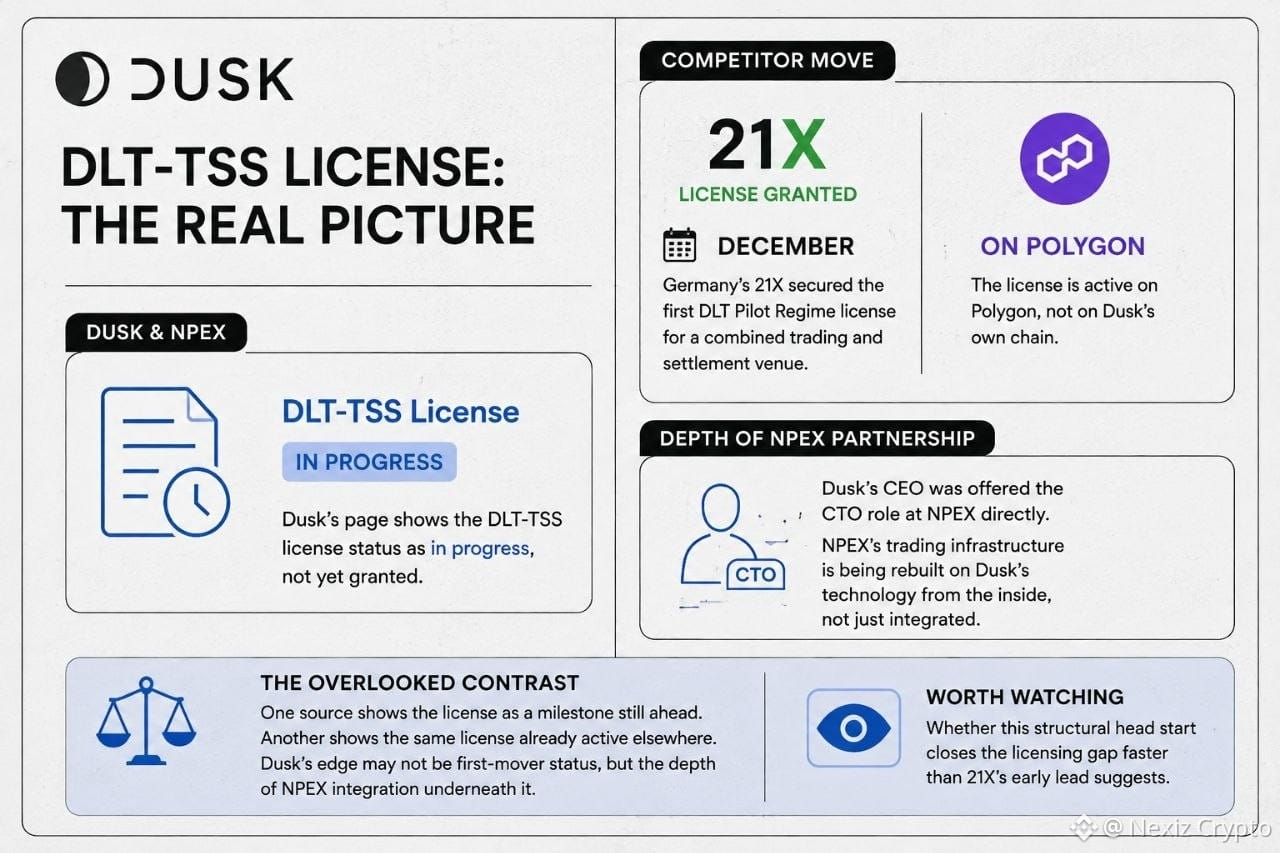
私はNPEXパートナーシップに関するDuskのページを読んでいて、ある点が目に留まりました。DLT-TSSライセンスは「進行中」のままで、付与されていないのです。私はそれは単なる通常の規制上の遅れ、つまりEUでの届出に伴う一般的な待機期間だろうと思いました。しかし調べてみると、想像以上に具体的なタイミングでした。ドイツの21Xはすでに12月に、複合的な取引・決済の拠点向けの最初のDLTパイロット制度ライセンスを確保しており、それをPolygon上で実現しています。Dusk自身のチェーンではありません。つまり、DuskとNPEXが追っているはずの正確なライセンスは、すでに別の場所で存在していて、Duskが管理しているインフラではないのです。さらに驚いたのは、NPEXの関係が実際にどれほど深いかという点でした。過去のインタビューでDuskのCEOは、NPEXから直接CTOの役職を提示されたことに言及していました。つまり、NPEX自身の取引インフラがパートナーとして単に統合されるのではなく、内部からDuskの技術を使って作り直されているということです。見落とされがちな対比はそこにあります。公式情報の一つは、DLT-TSSをまだ先にあるマイルストーンだと位置づけています。別の資料では、競合他社がまさにその同一のライセンスで、しかもまったく別のチェーン上ですでに運用していることが示されています。両者を合わせて読むと、Duskの優位性はライセンス自体における先行者メリットではなく、その下にあるNPEXの統合の深さだ、ということが示唆されます。
その構造的な先行スタートが、21Xの初期優位が示すよりも早く、ライセンシングのギャップを埋められるかどうか、注目に値します。
#dusk $DUSK @Dusk_Foundation
私はNPEXパートナーシップに関するDuskのページを読んでいて、ある点が目に留まりました。DLT-TSSライセンスは「進行中」のままで、付与されていないのです。私はそれは単なる通常の規制上の遅れ、つまりEUでの届出に伴う一般的な待機期間だろうと思いました。しかし調べてみると、想像以上に具体的なタイミングでした。ドイツの21Xはすでに12月に、複合的な取引・決済の拠点向けの最初のDLTパイロット制度ライセンスを確保しており、それをPolygon上で実現しています。Dusk自身のチェーンではありません。つまり、DuskとNPEXが追っているはずの正確なライセンスは、すでに別の場所で存在していて、Duskが管理しているインフラではないのです。さらに驚いたのは、NPEXの関係が実際にどれほど深いかという点でした。過去のインタビューでDuskのCEOは、NPEXから直接CTOの役職を提示されたことに言及していました。つまり、NPEX自身の取引インフラがパートナーとして単に統合されるのではなく、内部からDuskの技術を使って作り直されているということです。見落とされがちな対比はそこにあります。公式情報の一つは、DLT-TSSをまだ先にあるマイルストーンだと位置づけています。別の資料では、競合他社がまさにその同一のライセンスで、しかもまったく別のチェーン上ですでに運用していることが示されています。両者を合わせて読むと、Duskの優位性はライセンス自体における先行者メリットではなく、その下にあるNPEXの統合の深さだ、ということが示唆されます。
その構造的な先行スタートが、21Xの初期優位が示すよりも早く、ライセンシングのギャップを埋められるかどうか、注目に値します。
#dusk $DUSK @Dusk
その構造的な先行スタートが、21Xの初期優位が示すよりも早く、ライセンシングのギャップを埋められるかどうか、注目に値します。
#dusk $DUSK @Dusk
7
7
10
·
--
ブリッシュ
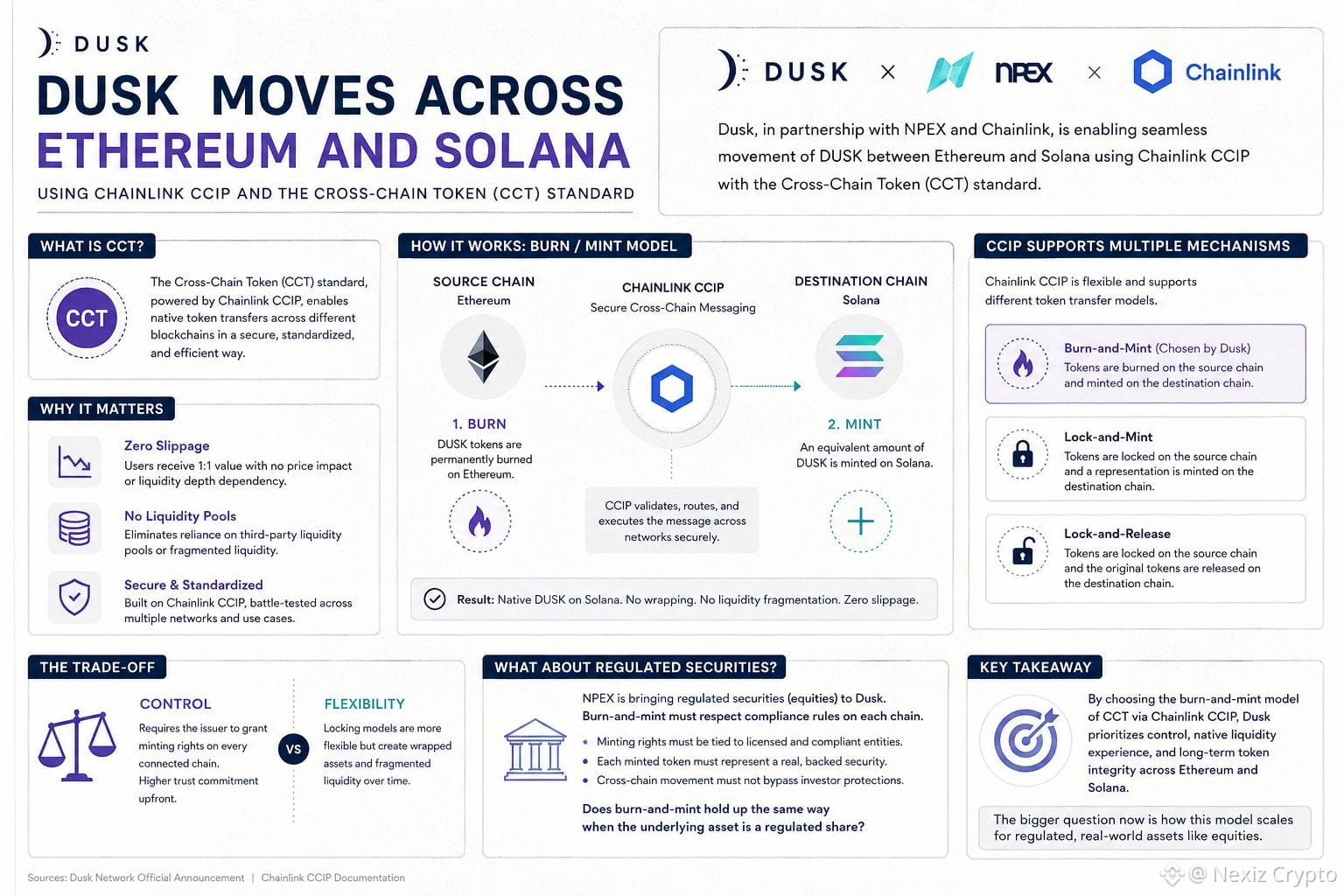
私はDuskの、NPEXとChainlinkとの提携に関する発表を読んでいて、ある点がすぐに目に留まりました。DUSKが「Cross-Chain Token standard(CCT)」と呼ばれるものを使って、EthereumとSolanaの間を移動させるという部分です。私はそれが単なる別のブリッジ機構、つまりトークンをラップして、もう一方の側に流動性が現れることを期待するタイプのものだと思っていました。
しかし公式発表を確認すると、用語がそれ以上に具体的でした。Duskは明確に「burn/mint model(焼却/鋳造モデル)」を挙げ、それを第三者の流動性プールへの依存を完全に取り除くものだと説明していました。そのとき、彼らが売り文句として「ゼロスリッページ」を技術的な注記ではなく重要なポイントとして強調していた理由が腑に落ちました。驚いたのは、Chainlink自身のCCIPドキュメントと比較してみると、そこにはいくつかの可能なメカニズムが列挙されていることです。burn-and-mint、lock-and-mint、lock-and-release などが挙げられています。DuskはCCIPを単に一般的に採用したのではなく、トークンが送信元チェーンで破棄され、受信先チェーンで再作成されるという、ロックしてラップ版として表すのではない、特定の構成を選んでいました。
その選択の裏にあるトレードオフは、制御性と柔軟性の対立にあるように見えます。burn-and-mintでは、発行体が接続された各チェーンでミント権限を付与する必要があり、最初に求められる信頼の度合いがより大きい一方で、ラップ資産が時間とともに生み出す流動性の断片化という問題を回避できます。
私は現在、NPEXの規制対象となる証券という観点で、それが具体的に何を意味するのかを検討中です。株式には、一般的なトークンにはないコンプライアンス上の制約があるからです。では、基礎となる資産が通貨ではなく規制された株式である場合でも、burn-and-mintは同じように成立するのでしょうか?#dusk $DUSK @Dusk_Foundation
私はDuskの、NPEXとChainlinkとの提携に関する発表を読んでいて、ある点がすぐに目に留まりました。DUSKが「Cross-Chain Token standard(CCT)」と呼ばれるものを使って、EthereumとSolanaの間を移動させるという部分です。私はそれが単なる別のブリッジ機構、つまりトークンをラップして、もう一方の側に流動性が現れることを期待するタイプのものだと思っていました。
しかし公式発表を確認すると、用語がそれ以上に具体的でした。Duskは明確に「burn/mint model(焼却/鋳造モデル)」を挙げ、それを第三者の流動性プールへの依存を完全に取り除くものだと説明していました。そのとき、彼らが売り文句として「ゼロスリッページ」を技術的な注記ではなく重要なポイントとして強調していた理由が腑に落ちました。驚いたのは、Chainlink自身のCCIPドキュメントと比較してみると、そこにはいくつかの可能なメカニズムが列挙されていることです。burn-and-mint、lock-and-mint、lock-and-release などが挙げられています。DuskはCCIPを単に一般的に採用したのではなく、トークンが送信元チェーンで破棄され、受信先チェーンで再作成されるという、ロックしてラップ版として表すのではない、特定の構成を選んでいました。
その選択の裏にあるトレードオフは、制御性と柔軟性の対立にあるように見えます。burn-and-mintでは、発行体が接続された各チェーンでミント権限を付与する必要があり、最初に求められる信頼の度合いがより大きい一方で、ラップ資産が時間とともに生み出す流動性の断片化という問題を回避できます。
私は現在、NPEXの規制対象となる証券という観点で、それが具体的に何を意味するのかを検討中です。株式には、一般的なトークンにはないコンプライアンス上の制約があるからです。では、基礎となる資産が通貨ではなく規制された株式である場合でも、burn-and-mintは同じように成立するのでしょうか?#dusk $DUSK @Dusk
しかし公式発表を確認すると、用語がそれ以上に具体的でした。Duskは明確に「burn/mint model(焼却/鋳造モデル)」を挙げ、それを第三者の流動性プールへの依存を完全に取り除くものだと説明していました。そのとき、彼らが売り文句として「ゼロスリッページ」を技術的な注記ではなく重要なポイントとして強調していた理由が腑に落ちました。驚いたのは、Chainlink自身のCCIPドキュメントと比較してみると、そこにはいくつかの可能なメカニズムが列挙されていることです。burn-and-mint、lock-and-mint、lock-and-release などが挙げられています。DuskはCCIPを単に一般的に採用したのではなく、トークンが送信元チェーンで破棄され、受信先チェーンで再作成されるという、ロックしてラップ版として表すのではない、特定の構成を選んでいました。
その選択の裏にあるトレードオフは、制御性と柔軟性の対立にあるように見えます。burn-and-mintでは、発行体が接続された各チェーンでミント権限を付与する必要があり、最初に求められる信頼の度合いがより大きい一方で、ラップ資産が時間とともに生み出す流動性の断片化という問題を回避できます。
私は現在、NPEXの規制対象となる証券という観点で、それが具体的に何を意味するのかを検討中です。株式には、一般的なトークンにはないコンプライアンス上の制約があるからです。では、基礎となる資産が通貨ではなく規制された株式である場合でも、burn-and-mintは同じように成立するのでしょうか?#dusk $DUSK @Dusk
3
3
83
·
--
ブリッシュ
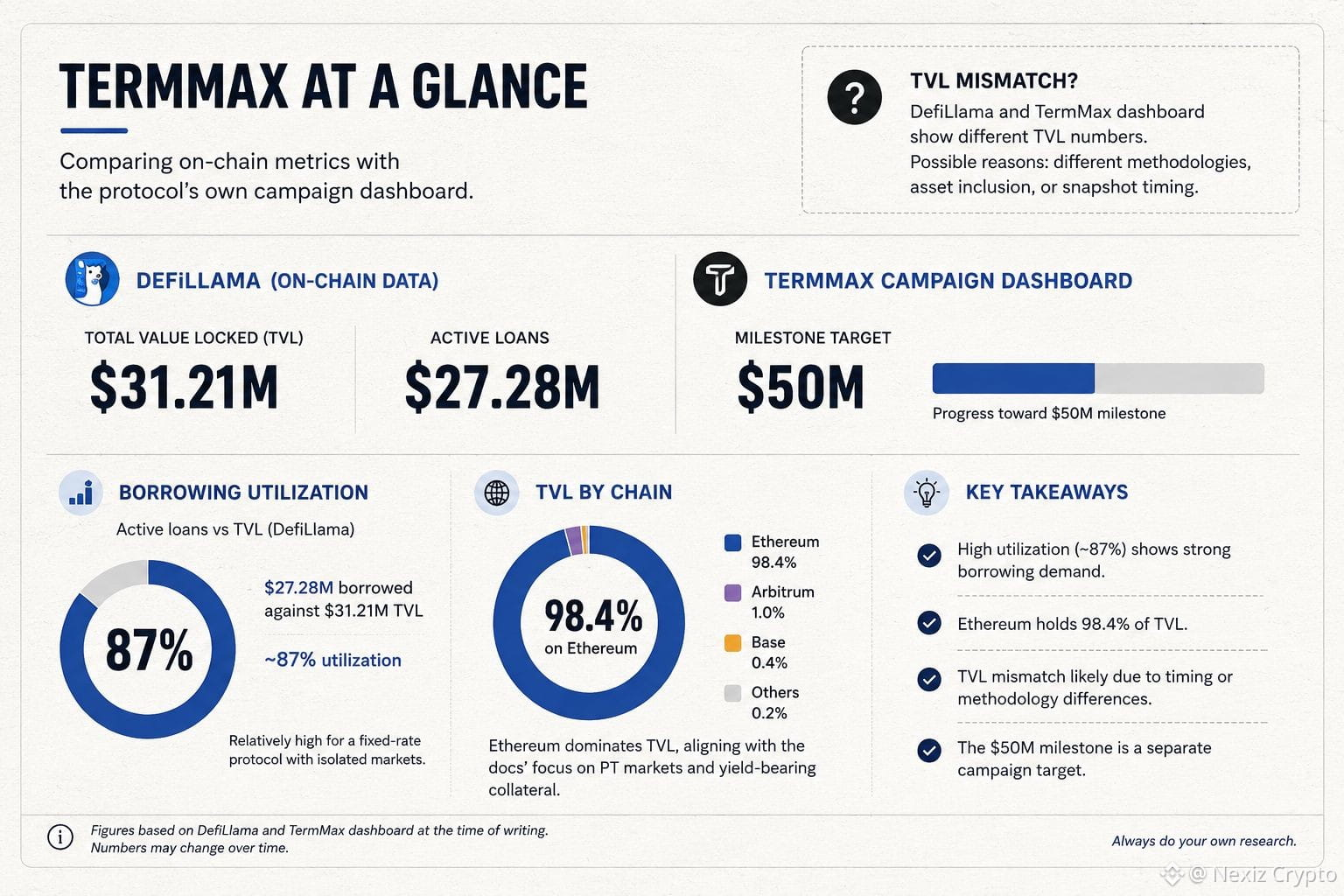
今日は TermMax の数字を確認していたのですが、すぐに気になった点が1つありました。
DefiLlama では TVL が $31.21M、アクティブなローンが $27.28M と表示されている一方で、プロトコルのキャンペーンダッシュボードでは、別の $50M のマイルストーンに向けた進捗が追跡されています。
出所が2つ、数字も2つ。
しかし、より興味深かったのは借入側の情報でした。
TVL が $31.21M のうち $27.28M が借り入れに充てられているため、利用率はおよそ 87% にあります。これは、共有型の流動性プールではなく、分離された市場を前提にした固定金利型プロトコルとしてはかなり高めです。
もう1つの興味深い統計として、プロトコルの TVL の 98.4% が現在 Ethereum 上にあるようです。これは、ドキュメントが PT 市場や利回りを生む担保に焦点を当てている点と整合的に見えます。
ただ、TVL の差はタイミングや計測方法の違いによるものだと思いますが、まだ気になっています。
この不一致について、公式な説明を見つけた方はいらっしゃいますか?
#termmax @termmax
今日は TermMax の数字を確認していたのですが、すぐに気になった点が1つありました。
DefiLlama では TVL が $31.21M、アクティブなローンが $27.28M と表示されている一方で、プロトコルのキャンペーンダッシュボードでは、別の $50M のマイルストーンに向けた進捗が追跡されています。
出所が2つ、数字も2つ。
しかし、より興味深かったのは借入側の情報でした。
TVL が $31.21M のうち $27.28M が借り入れに充てられているため、利用率はおよそ 87% にあります。これは、共有型の流動性プールではなく、分離された市場を前提にした固定金利型プロトコルとしてはかなり高めです。
もう1つの興味深い統計として、プロトコルの TVL の 98.4% が現在 Ethereum 上にあるようです。これは、ドキュメントが PT 市場や利回りを生む担保に焦点を当てている点と整合的に見えます。
ただ、TVL の差はタイミングや計測方法の違いによるものだと思いますが、まだ気になっています。
この不一致について、公式な説明を見つけた方はいらっしゃいますか?
#termmax @TermMax
DefiLlama では TVL が $31.21M、アクティブなローンが $27.28M と表示されている一方で、プロトコルのキャンペーンダッシュボードでは、別の $50M のマイルストーンに向けた進捗が追跡されています。
出所が2つ、数字も2つ。
しかし、より興味深かったのは借入側の情報でした。
TVL が $31.21M のうち $27.28M が借り入れに充てられているため、利用率はおよそ 87% にあります。これは、共有型の流動性プールではなく、分離された市場を前提にした固定金利型プロトコルとしてはかなり高めです。
もう1つの興味深い統計として、プロトコルの TVL の 98.4% が現在 Ethereum 上にあるようです。これは、ドキュメントが PT 市場や利回りを生む担保に焦点を当てている点と整合的に見えます。
ただ、TVL の差はタイミングや計測方法の違いによるものだと思いますが、まだ気になっています。
この不一致について、公式な説明を見つけた方はいらっしゃいますか?
#termmax @TermMax
8
4
78
·
--
ブリッシュ
夜遅くにDuskのノードのドキュメントを読みふけっていて、半分くらいは気もそぞろだった。アーカイブノードのセクションは、ほとんどそのまま飛ばしてしまうところだった。
退屈だと思っていた。古いブロックをしまっておくための保管箱みたいなものだと。面白い要素なんてない。
でも、ある一行が僕を止めた。
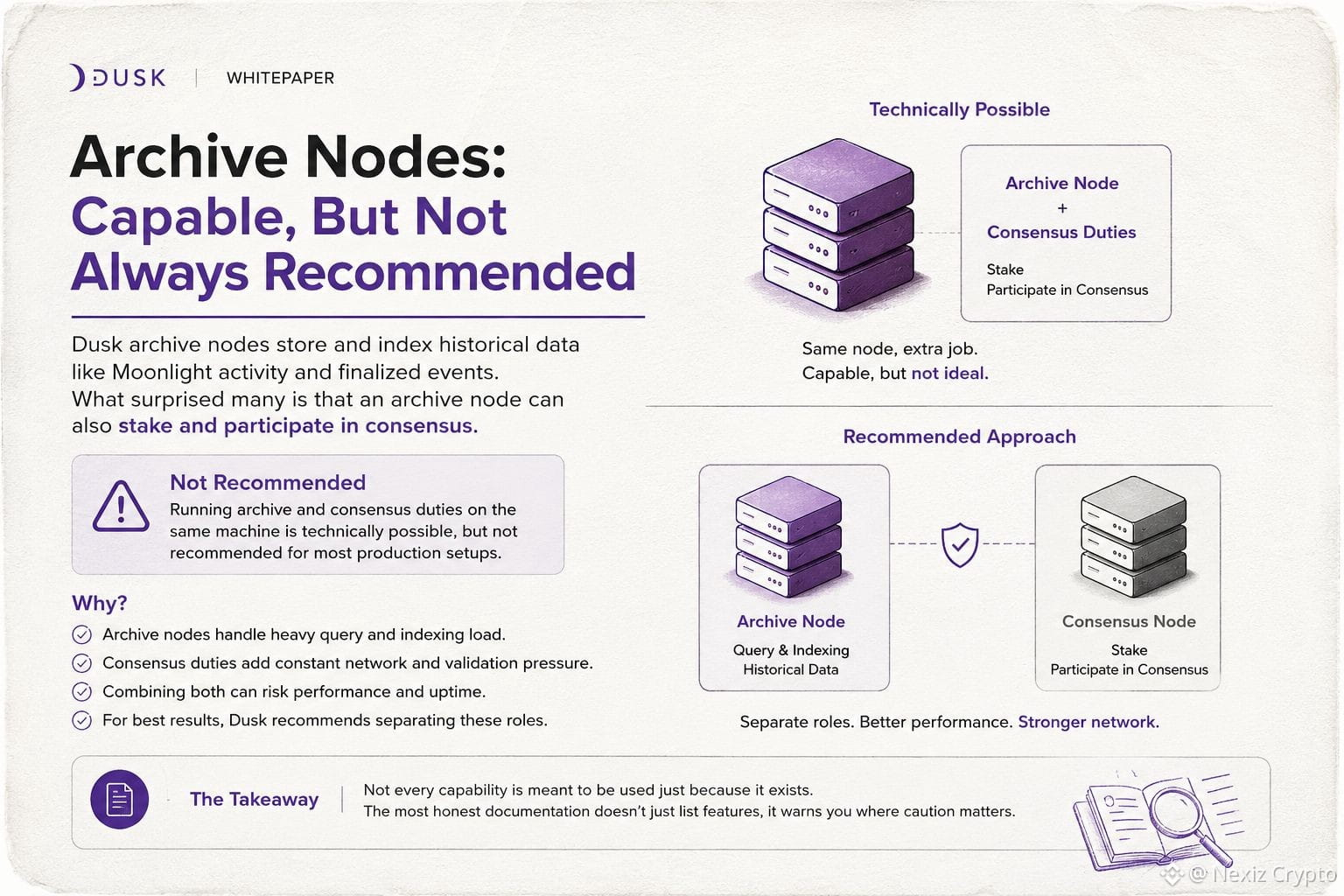
アーカイブノードは、ステークもできて、コンセンサスにも参加できる。同じノードで、追加の仕事ができる。
――待って、何? てっきりアーカイブノードはバックグラウンドで静かに座っているだけだと思っていた。続きを読んで、もっと詳しい説明があるはずだと期待した。すると、ドキュメントには「これは実際にはあまりおすすめされない」とも書かれているのを見つけた。そこで一瞬混乱した。本当にやってほしくないことなのに、なぜわざわざ言及するんだろう?
その瞬間、腑に落ちた。
これはルールじゃない。警告ラベルみたいなものだ。ノードは両方の仕事をできるが、同時に両方をやるのは1台のマシンにとってかなり負担が大きい。たとえば、夜間の見回りも頼まれた司書みたいなものだ。技術的には可能。でもたぶん疲れる。あの小さな違いが、僕のこれらのノードに対する見方を変えた。能力のすべては、それが存在するからといって使うためにあるわけじゃない。ドキュメントの中で一番正直なことが、機能そのものではなく、それを扱うときは気をつけてねと静かに伝える注記であることもある。
それで、何人のノード運用者がその一行を読んで、ただ…無視したんだろうって思う。
#dusk $DUSK @Dusk_Foundation
{spot}(DUSKUSDT)
夜遅くにDuskのノードのドキュメントを読みふけっていて、半分くらいは気もそぞろだった。アーカイブノードのセクションは、ほとんどそのまま飛ばしてしまうところだった。
退屈だと思っていた。古いブロックをしまっておくための保管箱みたいなものだと。面白い要素なんてない。
でも、ある一行が僕を止めた。
アーカイブノードは、ステークもできて、コンセンサスにも参加できる。同じノードで、追加の仕事ができる。
――待って、何? てっきりアーカイブノードはバックグラウンドで静かに座っているだけだと思っていた。続きを読んで、もっと詳しい説明があるはずだと期待した。すると、ドキュメントには「これは実際にはあまりおすすめされない」とも書かれているのを見つけた。そこで一瞬混乱した。本当にやってほしくないことなのに、なぜわざわざ言及するんだろう?
その瞬間、腑に落ちた。
これはルールじゃない。警告ラベルみたいなものだ。ノードは両方の仕事をできるが、同時に両方をやるのは1台のマシンにとってかなり負担が大きい。たとえば、夜間の見回りも頼まれた司書みたいなものだ。技術的には可能。でもたぶん疲れる。あの小さな違いが、僕のこれらのノードに対する見方を変えた。能力のすべては、それが存在するからといって使うためにあるわけじゃない。ドキュメントの中で一番正直なことが、機能そのものではなく、それを扱うときは気をつけてねと静かに伝える注記であることもある。
それで、何人のノード運用者がその一行を読んで、ただ…無視したんだろうって思う。
#dusk $DUSK @Dusk
退屈だと思っていた。古いブロックをしまっておくための保管箱みたいなものだと。面白い要素なんてない。
でも、ある一行が僕を止めた。
アーカイブノードは、ステークもできて、コンセンサスにも参加できる。同じノードで、追加の仕事ができる。
――待って、何? てっきりアーカイブノードはバックグラウンドで静かに座っているだけだと思っていた。続きを読んで、もっと詳しい説明があるはずだと期待した。すると、ドキュメントには「これは実際にはあまりおすすめされない」とも書かれているのを見つけた。そこで一瞬混乱した。本当にやってほしくないことなのに、なぜわざわざ言及するんだろう?
その瞬間、腑に落ちた。
これはルールじゃない。警告ラベルみたいなものだ。ノードは両方の仕事をできるが、同時に両方をやるのは1台のマシンにとってかなり負担が大きい。たとえば、夜間の見回りも頼まれた司書みたいなものだ。技術的には可能。でもたぶん疲れる。あの小さな違いが、僕のこれらのノードに対する見方を変えた。能力のすべては、それが存在するからといって使うためにあるわけじゃない。ドキュメントの中で一番正直なことが、機能そのものではなく、それを扱うときは気をつけてねと静かに伝える注記であることもある。
それで、何人のノード運用者がその一行を読んで、ただ…無視したんだろうって思う。
#dusk $DUSK @Dusk
8
4
80
·
--
ブリッシュ
私は TermMax のドキュメントを読みながら、「Fixed-Rate Token(固定金利トークン)」が実際に何を意味するのか理解しようとしていました。そこで、レートそのものはプロトコルによって固定され、市場が開いた時点で一度設定されるのだろうと想像したのですが、その前提はトークン化の最初のページには通用しませんでした。
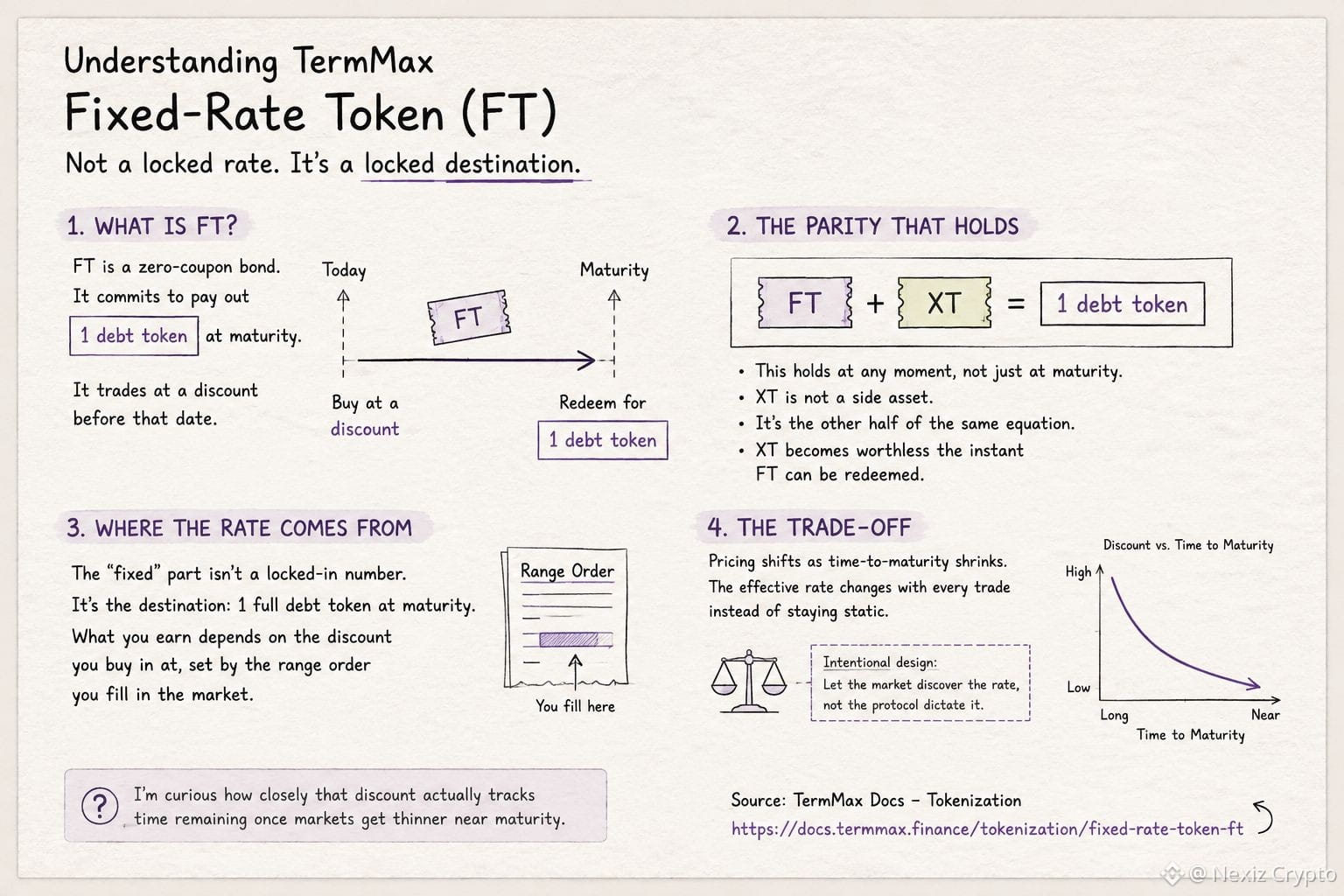
ドキュメントでは FT(固定金利トークン)をゼロクーポン債として説明しています。満期時に債務トークンを 1 つ支払うことを約束する一方で、その日までの前には割引価格で取引されます。つまり「fixed(固定)」という部分は、ロックされた数値ではなく、満期において保証される行き先——債務トークン 1 つ——のことです。貸し手が実際に得る収益は、どのレンジ注文に引っかかって約定したかによって決まる「その割引価格」で買ったかどうかに依存します。そこで初めて腑に落ちました。驚いたのは、その土台にあるパリティ条件です。任意の瞬間において、1 FT と 1 XT を合わせると 1 債務トークンになる(決済時だけではなく、その間ずっと成立する)というものです。XT は単なる脇役のサイド資産ではありません。同じ方程式のもう片方であり、FT が満期で償還できる瞬間に価値がゼロになります。トレードオフは、満期までの時間が縮むほど価格が動くことです。そのため、静的なままではなく、取引のたびに実効金利が変化します。これは意図的に見えます。プロトコルが最初からレートを決め打ちするのではなく、市場にレートを発見させるようにしているのです。
市場が満期に近づいて薄くなるにつれて、実際の割引が残り時間をどの程度正確に追跡するのか、気になります。#termmax @termmax
私は TermMax のドキュメントを読みながら、「Fixed-Rate Token(固定金利トークン)」が実際に何を意味するのか理解しようとしていました。そこで、レートそのものはプロトコルによって固定され、市場が開いた時点で一度設定されるのだろうと想像したのですが、その前提はトークン化の最初のページには通用しませんでした。
ドキュメントでは FT(固定金利トークン)をゼロクーポン債として説明しています。満期時に債務トークンを 1 つ支払うことを約束する一方で、その日までの前には割引価格で取引されます。つまり「fixed(固定)」という部分は、ロックされた数値ではなく、満期において保証される行き先——債務トークン 1 つ——のことです。貸し手が実際に得る収益は、どのレンジ注文に引っかかって約定したかによって決まる「その割引価格」で買ったかどうかに依存します。そこで初めて腑に落ちました。驚いたのは、その土台にあるパリティ条件です。任意の瞬間において、1 FT と 1 XT を合わせると 1 債務トークンになる(決済時だけではなく、その間ずっと成立する)というものです。XT は単なる脇役のサイド資産ではありません。同じ方程式のもう片方であり、FT が満期で償還できる瞬間に価値がゼロになります。トレードオフは、満期までの時間が縮むほど価格が動くことです。そのため、静的なままではなく、取引のたびに実効金利が変化します。これは意図的に見えます。プロトコルが最初からレートを決め打ちするのではなく、市場にレートを発見させるようにしているのです。
市場が満期に近づいて薄くなるにつれて、実際の割引が残り時間をどの程度正確に追跡するのか、気になります。#termmax @TermMax
ドキュメントでは FT(固定金利トークン)をゼロクーポン債として説明しています。満期時に債務トークンを 1 つ支払うことを約束する一方で、その日までの前には割引価格で取引されます。つまり「fixed(固定)」という部分は、ロックされた数値ではなく、満期において保証される行き先——債務トークン 1 つ——のことです。貸し手が実際に得る収益は、どのレンジ注文に引っかかって約定したかによって決まる「その割引価格」で買ったかどうかに依存します。そこで初めて腑に落ちました。驚いたのは、その土台にあるパリティ条件です。任意の瞬間において、1 FT と 1 XT を合わせると 1 債務トークンになる(決済時だけではなく、その間ずっと成立する)というものです。XT は単なる脇役のサイド資産ではありません。同じ方程式のもう片方であり、FT が満期で償還できる瞬間に価値がゼロになります。トレードオフは、満期までの時間が縮むほど価格が動くことです。そのため、静的なままではなく、取引のたびに実効金利が変化します。これは意図的に見えます。プロトコルが最初からレートを決め打ちするのではなく、市場にレートを発見させるようにしているのです。
市場が満期に近づいて薄くなるにつれて、実際の割引が残り時間をどの程度正確に追跡するのか、気になります。#termmax @TermMax
8
5
98
·
--
ブリッシュ
一部該当
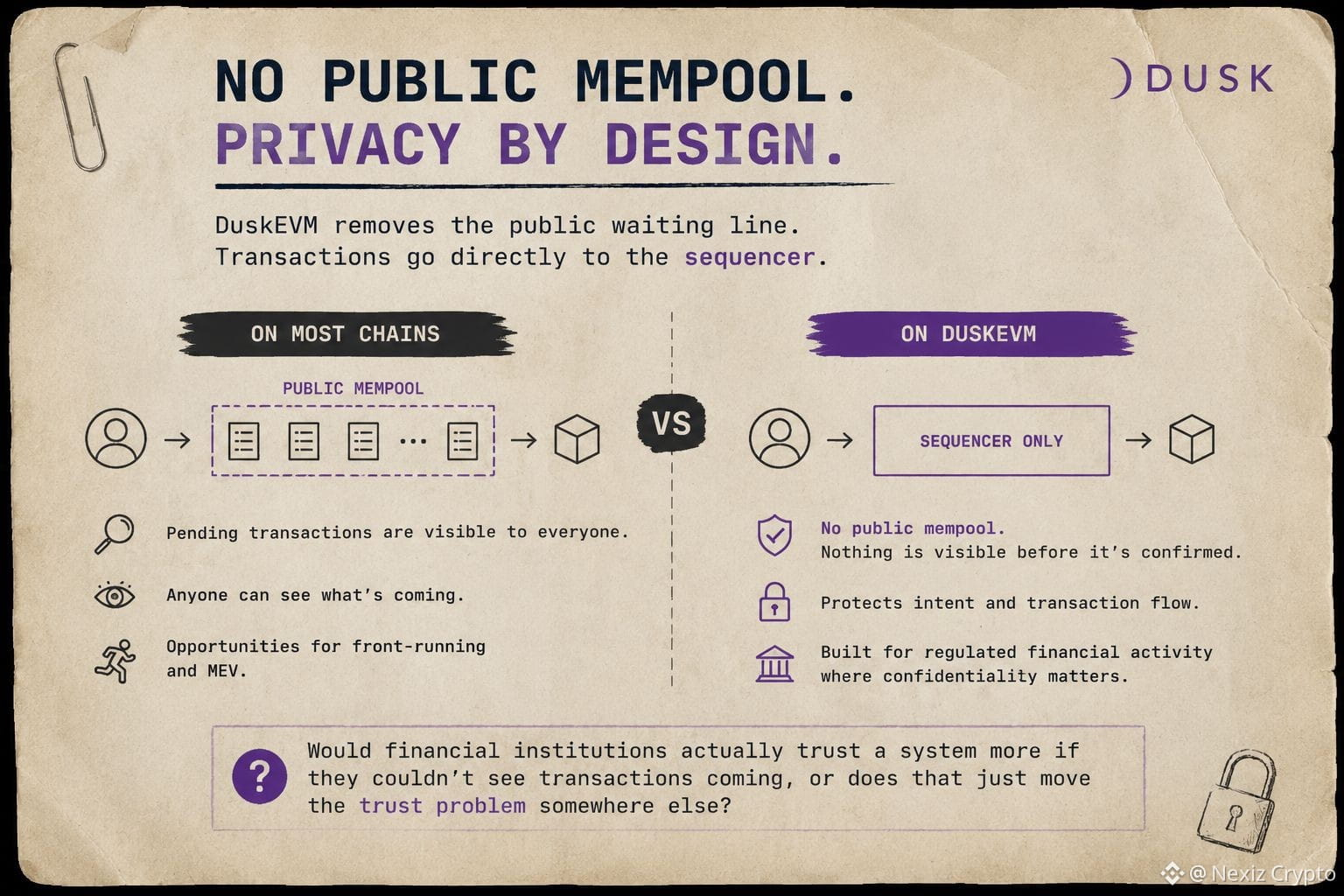
私は、すべてのブロックチェーンが裏側では基本的に同じ仕組みで動いているのだと思っていました。トランザクションが送信され、順番待ちをして、何かが確定される前には誰もがその行列を見られる。私はずっと、そういうものだと疑いませんでした。ところが、Duskのドキュメントを読んで、それが引っかかり始めました。DuskEVMには、そもそも見える順番待ちの行列がありません。トランザクションはそのまま通過し、何が起きようとしているのかが公開されることなく、実際に起きます。そこで腑に落ちました。ほとんどのチェーンでは、保留中のトランザクションを誰もが見られる状態にすることは、透明性のために普通のこと、むしろ良いことだと見なされています。しかしそれは同時に、注意深く見ている人なら誰でも、取引が来るのを先読みして先に行動できるということでもあります。日常的な送金であれば、そこまで大きな問題にはなりません。でも、規制のある金融活動では、それは現実のリスクです。だからこれは、単なる技術的な近道というわけではありません。むしろ「透明性を引き換えに保護を得る」という、意図的な選択に見えます。金融機関は、行列を監視することよりも、決済される前に自分たちの活動が露出しないことを重視するからです。私が繰り返し考え続けているのは、ここで「プライバシー」が意味するものがどう変わるのか、という点です。すべてを隠すことが目的ではありません。トランザクションが本物になる前に、その意図をブロードキャストしないことが重要なのです。もし金融機関が、取引が来るのが見えなければ、もっと信頼できるシステムだと本当に思うのでしょうか?それとも、信頼の問題が別の場所に移るだけなのでしょうか?#dusk $DUSK @Dusk_Foundation
{spot}(DUSKUSDT)
私は、すべてのブロックチェーンが裏側では基本的に同じ仕組みで動いているのだと思っていました。トランザクションが送信され、順番待ちをして、何かが確定される前には誰もがその行列を見られる。私はずっと、そういうものだと疑いませんでした。ところが、Duskのドキュメントを読んで、それが引っかかり始めました。DuskEVMには、そもそも見える順番待ちの行列がありません。トランザクションはそのまま通過し、何が起きようとしているのかが公開されることなく、実際に起きます。そこで腑に落ちました。ほとんどのチェーンでは、保留中のトランザクションを誰もが見られる状態にすることは、透明性のために普通のこと、むしろ良いことだと見なされています。しかしそれは同時に、注意深く見ている人なら誰でも、取引が来るのを先読みして先に行動できるということでもあります。日常的な送金であれば、そこまで大きな問題にはなりません。でも、規制のある金融活動では、それは現実のリスクです。だからこれは、単なる技術的な近道というわけではありません。むしろ「透明性を引き換えに保護を得る」という、意図的な選択に見えます。金融機関は、行列を監視することよりも、決済される前に自分たちの活動が露出しないことを重視するからです。私が繰り返し考え続けているのは、ここで「プライバシー」が意味するものがどう変わるのか、という点です。すべてを隠すことが目的ではありません。トランザクションが本物になる前に、その意図をブロードキャストしないことが重要なのです。もし金融機関が、取引が来るのが見えなければ、もっと信頼できるシステムだと本当に思うのでしょうか?それとも、信頼の問題が別の場所に移るだけなのでしょうか?#dusk $DUSK @Dusk
5
3
96
·
--
ブリッシュ
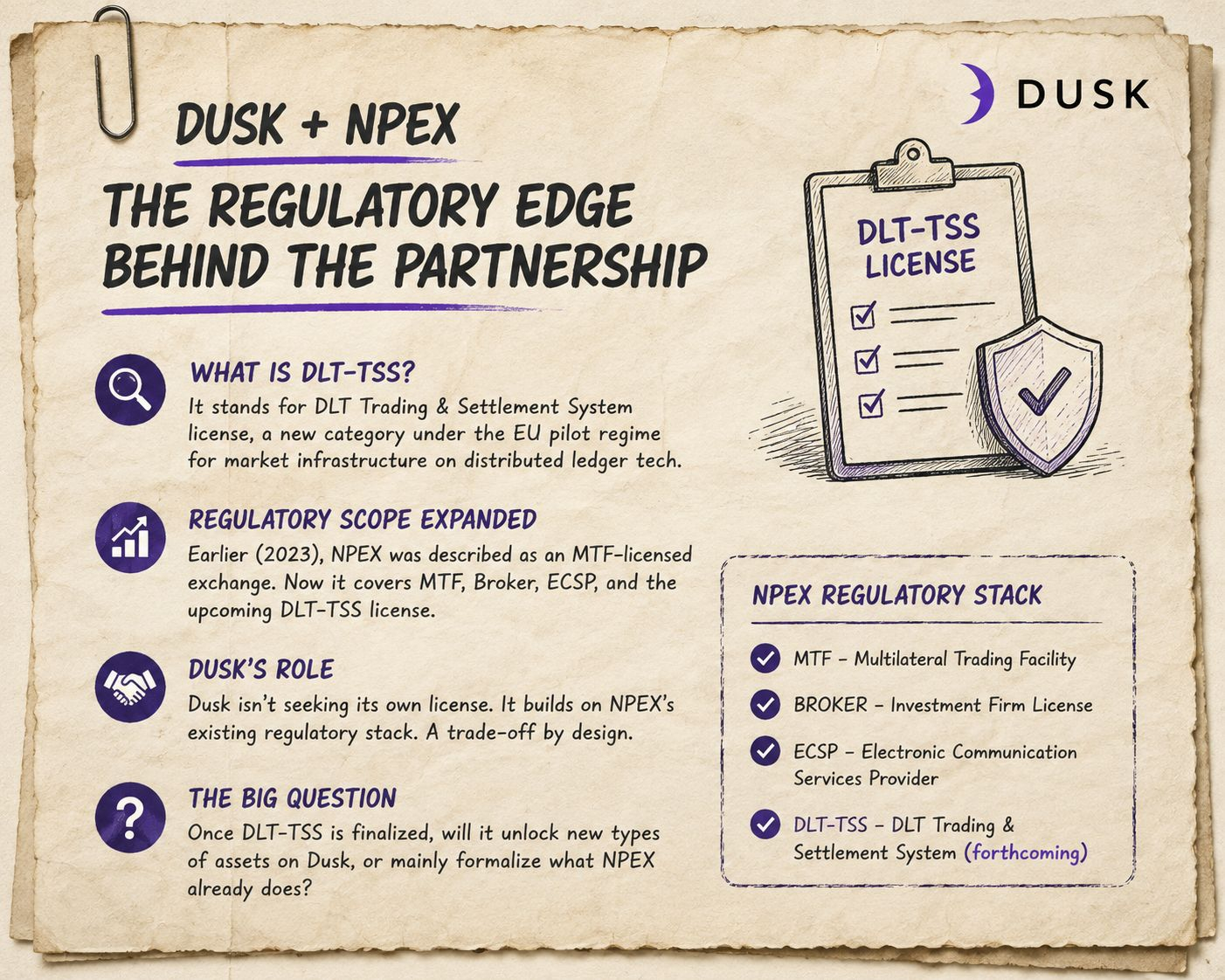
DuskのNPEXパートナーシップに関するページを読んでいたところ、「"DLT-TSS"」というライセンスに言及しているのが目に留まりました。この用語はブロックチェーンの文脈では初めて見かけたので、Dusk内部の用語だと思っていました。
公式ページを確認すると、それは実際の規制上のカテゴリであり、DLT Trading and Settlement System(分散台帳技術で運用される市場インフラのためのEUパイロット制度ルールに基づく、より新しい指定の一つ)に該当するライセンスでした。
驚いたのは、そのページをDuskの以前のNPEX発表と比較したことです。元の2023年のリリースでは、NPEXは単にMTFライセンスの取引所として説明されていました。より最近の「Regulatory Edge(規制面のエッジ)」ページには、MTF、ブローカー、ECSP、そして将来のDLT-TSSまで、より充実したスタックが記載されています。同じ提供元の2つの公式資料の間で見られる範囲の変化は、矛盾ではなく、パートナーシップの規制上のカバーが最初から固定されていたというより、時間とともに拡大していったことを示すサインです。
ここで慎重に読むと、Duskは自社のライセンスを主張しているというより、スタック全体にわたるNPEXの既存の規制上の立ち位置を引き継いでいる、ということになります。これは意図したトレードオフです。スタンドアロンの枠組みによるコンプライアンスの物語ではなく、NPEXのライセンス進捗にDuskのコンプライアンスの説明を結び付けるのです。
そして実際の疑問が残ります。DLT-TSSが確定したら、それによってDuskで決済できる資産の種類が変わるのでしょうか。それとも、主にNPEXがすでに行っていることを形式化するだけなのでしょうか?
#dusk $DUSK @Dusk_Foundation
DuskのNPEXパートナーシップに関するページを読んでいたところ、「"DLT-TSS"」というライセンスに言及しているのが目に留まりました。この用語はブロックチェーンの文脈では初めて見かけたので、Dusk内部の用語だと思っていました。
公式ページを確認すると、それは実際の規制上のカテゴリであり、DLT Trading and Settlement System(分散台帳技術で運用される市場インフラのためのEUパイロット制度ルールに基づく、より新しい指定の一つ)に該当するライセンスでした。
驚いたのは、そのページをDuskの以前のNPEX発表と比較したことです。元の2023年のリリースでは、NPEXは単にMTFライセンスの取引所として説明されていました。より最近の「Regulatory Edge(規制面のエッジ)」ページには、MTF、ブローカー、ECSP、そして将来のDLT-TSSまで、より充実したスタックが記載されています。同じ提供元の2つの公式資料の間で見られる範囲の変化は、矛盾ではなく、パートナーシップの規制上のカバーが最初から固定されていたというより、時間とともに拡大していったことを示すサインです。
ここで慎重に読むと、Duskは自社のライセンスを主張しているというより、スタック全体にわたるNPEXの既存の規制上の立ち位置を引き継いでいる、ということになります。これは意図したトレードオフです。スタンドアロンの枠組みによるコンプライアンスの物語ではなく、NPEXのライセンス進捗にDuskのコンプライアンスの説明を結び付けるのです。
そして実際の疑問が残ります。DLT-TSSが確定したら、それによってDuskで決済できる資産の種類が変わるのでしょうか。それとも、主にNPEXがすでに行っていることを形式化するだけなのでしょうか?
#dusk $DUSK @Dusk
公式ページを確認すると、それは実際の規制上のカテゴリであり、DLT Trading and Settlement System(分散台帳技術で運用される市場インフラのためのEUパイロット制度ルールに基づく、より新しい指定の一つ)に該当するライセンスでした。
驚いたのは、そのページをDuskの以前のNPEX発表と比較したことです。元の2023年のリリースでは、NPEXは単にMTFライセンスの取引所として説明されていました。より最近の「Regulatory Edge(規制面のエッジ)」ページには、MTF、ブローカー、ECSP、そして将来のDLT-TSSまで、より充実したスタックが記載されています。同じ提供元の2つの公式資料の間で見られる範囲の変化は、矛盾ではなく、パートナーシップの規制上のカバーが最初から固定されていたというより、時間とともに拡大していったことを示すサインです。
ここで慎重に読むと、Duskは自社のライセンスを主張しているというより、スタック全体にわたるNPEXの既存の規制上の立ち位置を引き継いでいる、ということになります。これは意図したトレードオフです。スタンドアロンの枠組みによるコンプライアンスの物語ではなく、NPEXのライセンス進捗にDuskのコンプライアンスの説明を結び付けるのです。
そして実際の疑問が残ります。DLT-TSSが確定したら、それによってDuskで決済できる資産の種類が変わるのでしょうか。それとも、主にNPEXがすでに行っていることを形式化するだけなのでしょうか?
#dusk $DUSK @Dusk
5
2
95
·
--
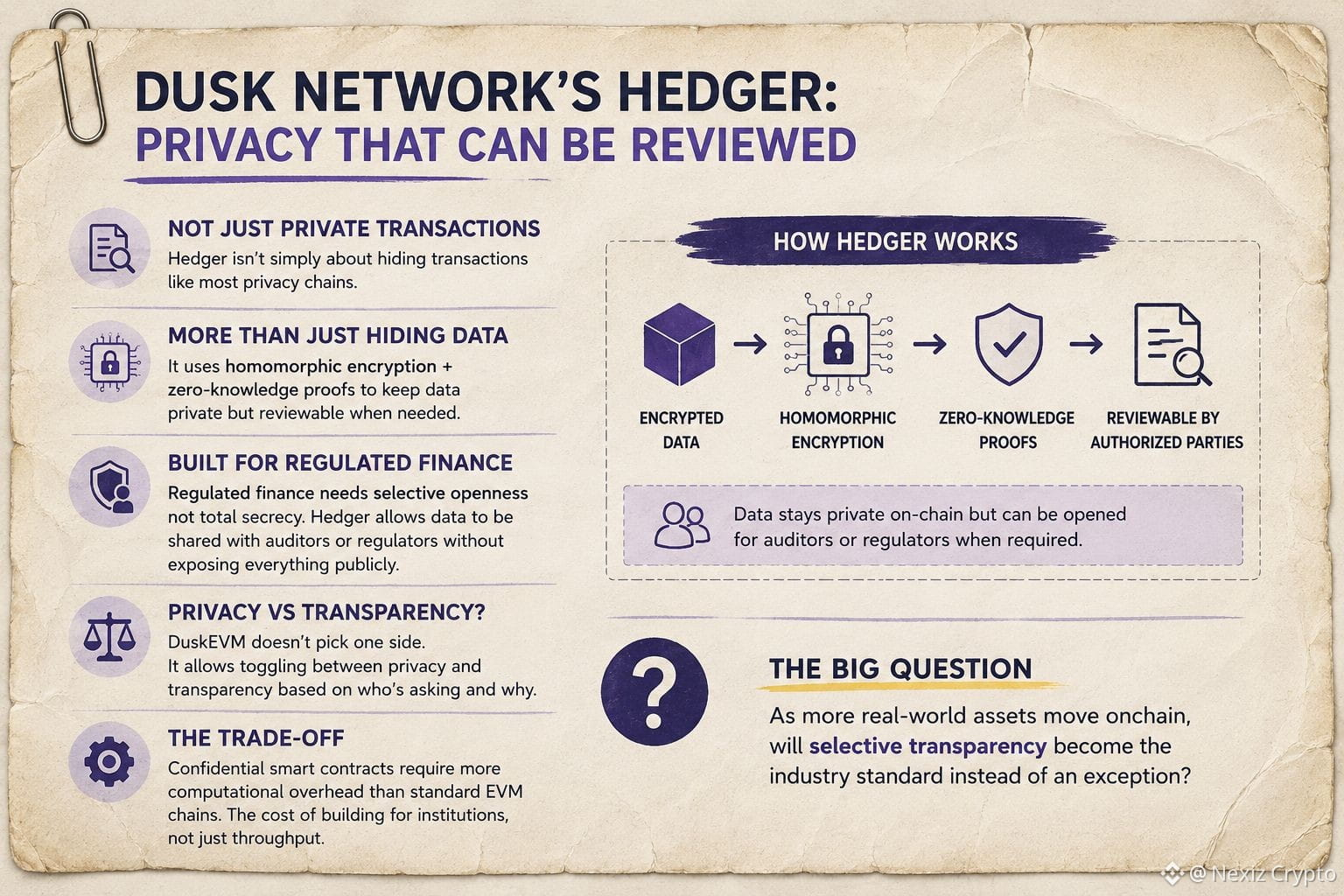
Dusk Network のいくつかのアップデートを読んでいたところ、ある詳細が気になりました。彼らは Hedger というものを構築していて、それは今後の EVM レイヤー向けのプライバシーモジュールとして説明されています。
私の最初の推測は、これが「プライベート・トランザクション」を意味しているだけだろうというものでした。多くのプライバシーチェーンが打ち出しているのと同じような売り文句です。しかし公式ドキュメントを確認すると、それはそれよりももっと具体的な内容でした。Hedger は同型暗号化とゼロ知識証明を併用しますが、目的は単にデータを隠すことだけではありません。隠されたデータを、必要なときにレビュー可能にすることが狙いなのです。そこで腑に落ちました。
規制のある金融は、実際には完全な秘匿性を必要としていません。必要なのは、すべてをパブリックチェーンに公開することなく、監査人や規制当局のために選択的に開示できるプライバシーです。驚いたのは、これによって「プライバシー対透明性」という議論の見取り図がまるごと組み替えられる点でした。どちらか一方を選ぶのではなく、DuskEVM は、誰が求めていて、なぜ求めているのかに応じて、それらを切り替えることを前提に作られているようです。
ここには注目すべきトレードオフがあります。コンフィデンシャルな Solidity 風のワークフローをサポートするには、標準的な EVM チェーンよりも計算オーバーヘッドが増えるはずです。というのも、証明や暗号化された状態の検証は「無料」ではないからです。純粋なスループットよりも、機関向けに設計するための代償がそこにある可能性が高いです。
それでも、率直に疑問が残ります。現実世界の資産がどんどん onchain に移っていくにつれて、「選択的な透明性」は、例外的なケースではなく、実際の業界標準になっていくのでしょうか?
#dusk $DUSK @Dusk_Foundation
Dusk Network のいくつかのアップデートを読んでいたところ、ある詳細が気になりました。彼らは Hedger というものを構築していて、それは今後の EVM レイヤー向けのプライバシーモジュールとして説明されています。
私の最初の推測は、これが「プライベート・トランザクション」を意味しているだけだろうというものでした。多くのプライバシーチェーンが打ち出しているのと同じような売り文句です。しかし公式ドキュメントを確認すると、それはそれよりももっと具体的な内容でした。Hedger は同型暗号化とゼロ知識証明を併用しますが、目的は単にデータを隠すことだけではありません。隠されたデータを、必要なときにレビュー可能にすることが狙いなのです。そこで腑に落ちました。
規制のある金融は、実際には完全な秘匿性を必要としていません。必要なのは、すべてをパブリックチェーンに公開することなく、監査人や規制当局のために選択的に開示できるプライバシーです。驚いたのは、これによって「プライバシー対透明性」という議論の見取り図がまるごと組み替えられる点でした。どちらか一方を選ぶのではなく、DuskEVM は、誰が求めていて、なぜ求めているのかに応じて、それらを切り替えることを前提に作られているようです。
ここには注目すべきトレードオフがあります。コンフィデンシャルな Solidity 風のワークフローをサポートするには、標準的な EVM チェーンよりも計算オーバーヘッドが増えるはずです。というのも、証明や暗号化された状態の検証は「無料」ではないからです。純粋なスループットよりも、機関向けに設計するための代償がそこにある可能性が高いです。
それでも、率直に疑問が残ります。現実世界の資産がどんどん onchain に移っていくにつれて、「選択的な透明性」は、例外的なケースではなく、実際の業界標準になっていくのでしょうか?
#dusk $DUSK @Dusk
私の最初の推測は、これが「プライベート・トランザクション」を意味しているだけだろうというものでした。多くのプライバシーチェーンが打ち出しているのと同じような売り文句です。しかし公式ドキュメントを確認すると、それはそれよりももっと具体的な内容でした。Hedger は同型暗号化とゼロ知識証明を併用しますが、目的は単にデータを隠すことだけではありません。隠されたデータを、必要なときにレビュー可能にすることが狙いなのです。そこで腑に落ちました。
規制のある金融は、実際には完全な秘匿性を必要としていません。必要なのは、すべてをパブリックチェーンに公開することなく、監査人や規制当局のために選択的に開示できるプライバシーです。驚いたのは、これによって「プライバシー対透明性」という議論の見取り図がまるごと組み替えられる点でした。どちらか一方を選ぶのではなく、DuskEVM は、誰が求めていて、なぜ求めているのかに応じて、それらを切り替えることを前提に作られているようです。
ここには注目すべきトレードオフがあります。コンフィデンシャルな Solidity 風のワークフローをサポートするには、標準的な EVM チェーンよりも計算オーバーヘッドが増えるはずです。というのも、証明や暗号化された状態の検証は「無料」ではないからです。純粋なスループットよりも、機関向けに設計するための代償がそこにある可能性が高いです。
それでも、率直に疑問が残ります。現実世界の資産がどんどん onchain に移っていくにつれて、「選択的な透明性」は、例外的なケースではなく、実際の業界標準になっていくのでしょうか?
#dusk $DUSK @Dusk
1
75
·
--
ブリッシュ
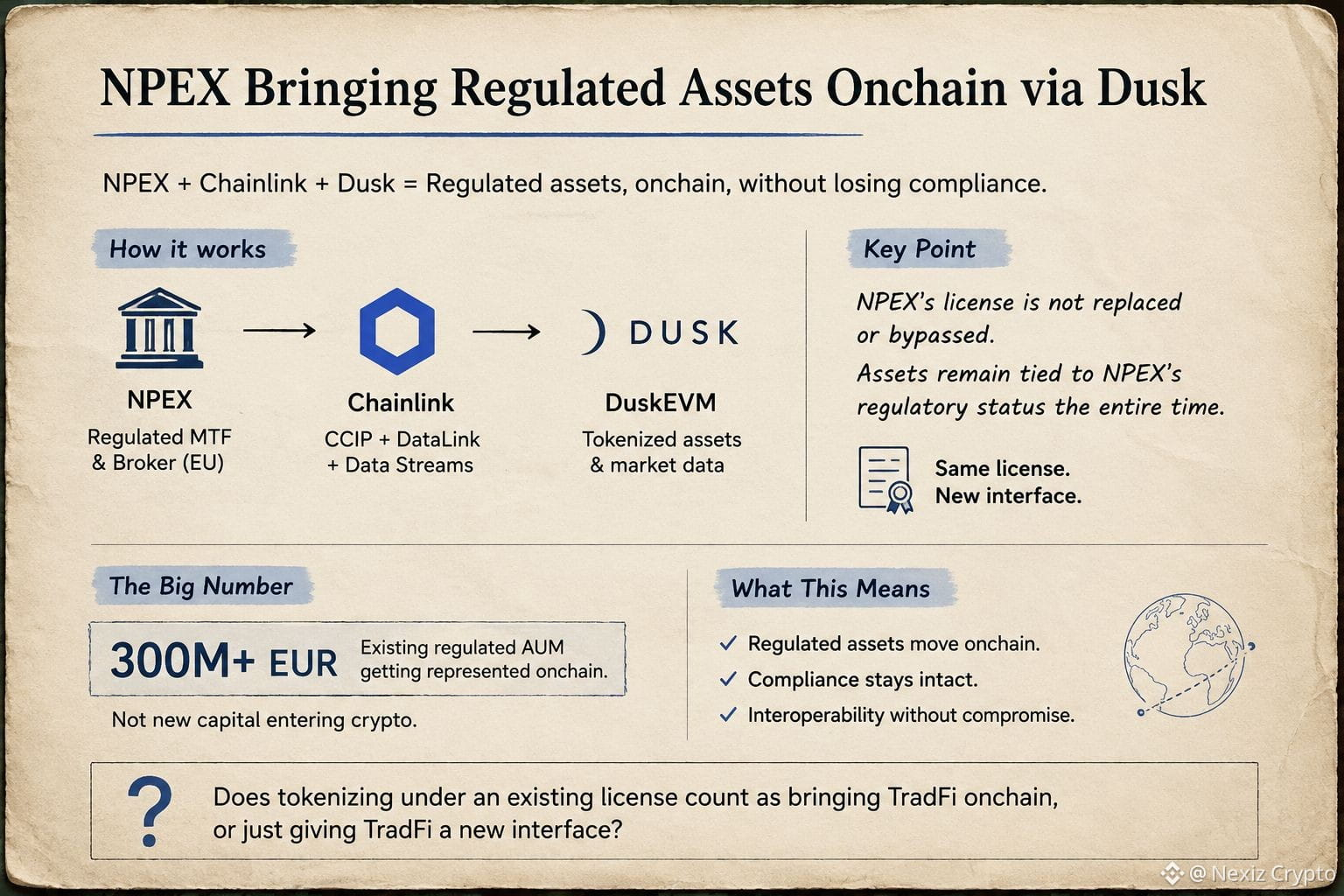
私はNPEXが単純なトークン移行によってDuskへ資産を持ち込んでいるのだと考えていました。
違います。
NPEXはすでに、MTFおよびブローカーとしてライセンスされた規制済みのオランダの取引所です。
実際に起きていることは次の通りです。Chainlink CCIPが、NPEXがDuskEVM上で発行する資産の相互運用性レイヤーになります。DataLinkが取引所データをオンチェーンに持ち込みます。Data Streamsがマーケットフィードを扱います。
このどこにも、NPEXのライセンスが置き換えられたり、迂回されたりする要素はありません。
資産はその間ずっと、NPEXの既存の規制ステータスに結びついたままです。Chainlinkの役割は、その規制済みデータをコンプライアンスを壊さずにチェーン間で移動できるようにすることにすぎません。
ひとつだけ注目すべき点がありました。しばしば引用される300M+ EURは、新たに暗号資産へ流入する資本ではありません。既存の規制済みAUMがオンチェーン上で表現されるだけであり、常にそうだったのと同じライセンスのもとで引き続き管理されています。
では、既存のライセンスのもとでトークン化することは、TradFiをオンチェーンに持ち込むことに当たるのでしょうか。それとも、TradFiに新しいインターフェースを与えるだけなのでしょうか。 #dusk $DUSK @Dusk_Foundation
私はNPEXが単純なトークン移行によってDuskへ資産を持ち込んでいるのだと考えていました。
違います。
NPEXはすでに、MTFおよびブローカーとしてライセンスされた規制済みのオランダの取引所です。
実際に起きていることは次の通りです。Chainlink CCIPが、NPEXがDuskEVM上で発行する資産の相互運用性レイヤーになります。DataLinkが取引所データをオンチェーンに持ち込みます。Data Streamsがマーケットフィードを扱います。
このどこにも、NPEXのライセンスが置き換えられたり、迂回されたりする要素はありません。
資産はその間ずっと、NPEXの既存の規制ステータスに結びついたままです。Chainlinkの役割は、その規制済みデータをコンプライアンスを壊さずにチェーン間で移動できるようにすることにすぎません。
ひとつだけ注目すべき点がありました。しばしば引用される300M+ EURは、新たに暗号資産へ流入する資本ではありません。既存の規制済みAUMがオンチェーン上で表現されるだけであり、常にそうだったのと同じライセンスのもとで引き続き管理されています。
では、既存のライセンスのもとでトークン化することは、TradFiをオンチェーンに持ち込むことに当たるのでしょうか。それとも、TradFiに新しいインターフェースを与えるだけなのでしょうか。 #dusk $DUSK @Dusk
違います。
NPEXはすでに、MTFおよびブローカーとしてライセンスされた規制済みのオランダの取引所です。
実際に起きていることは次の通りです。Chainlink CCIPが、NPEXがDuskEVM上で発行する資産の相互運用性レイヤーになります。DataLinkが取引所データをオンチェーンに持ち込みます。Data Streamsがマーケットフィードを扱います。
このどこにも、NPEXのライセンスが置き換えられたり、迂回されたりする要素はありません。
資産はその間ずっと、NPEXの既存の規制ステータスに結びついたままです。Chainlinkの役割は、その規制済みデータをコンプライアンスを壊さずにチェーン間で移動できるようにすることにすぎません。
ひとつだけ注目すべき点がありました。しばしば引用される300M+ EURは、新たに暗号資産へ流入する資本ではありません。既存の規制済みAUMがオンチェーン上で表現されるだけであり、常にそうだったのと同じライセンスのもとで引き続き管理されています。
では、既存のライセンスのもとでトークン化することは、TradFiをオンチェーンに持ち込むことに当たるのでしょうか。それとも、TradFiに新しいインターフェースを与えるだけなのでしょうか。 #dusk $DUSK @Dusk
2
4
88
·
--
ブリッシュ
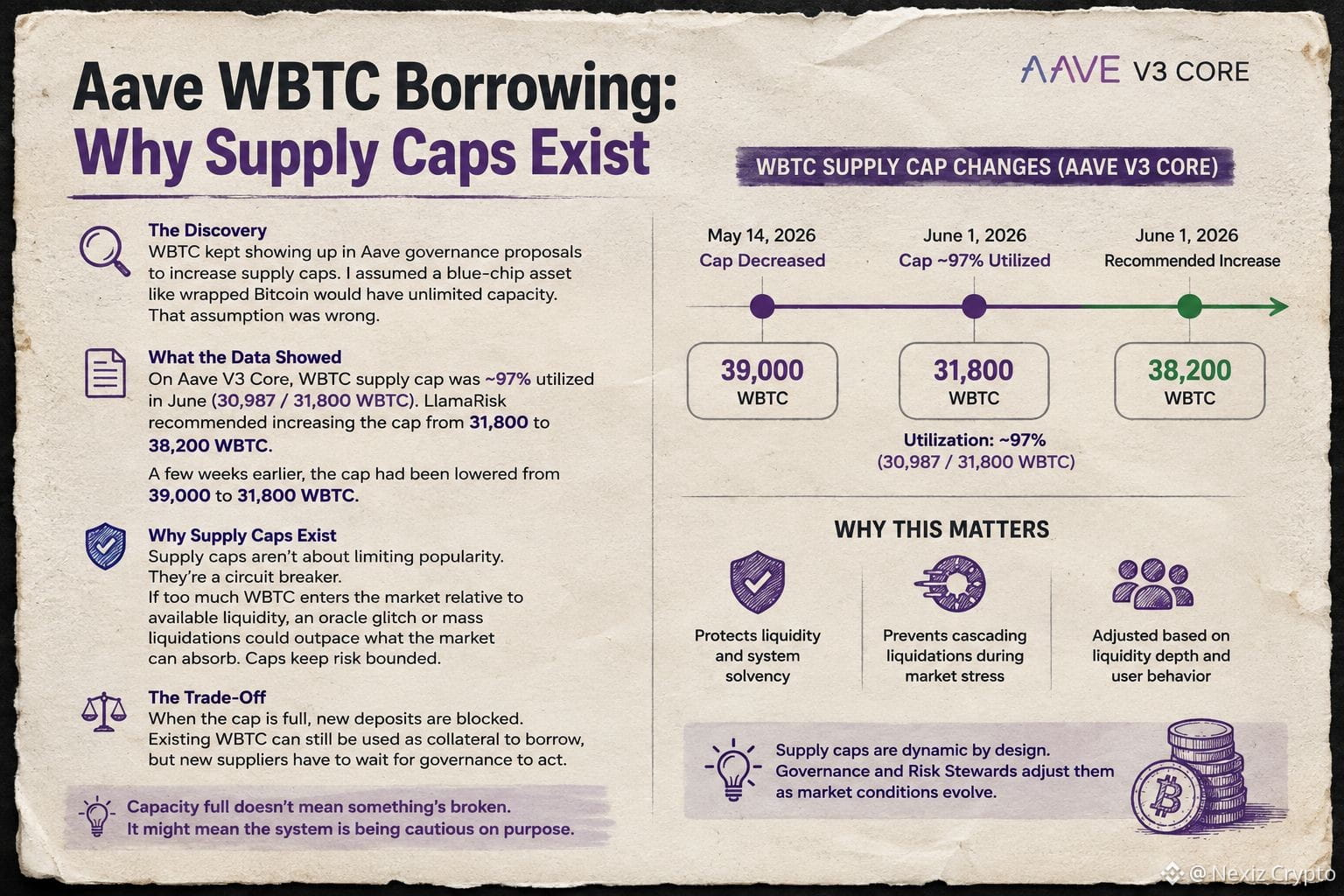
私はAaveのガバナンスフォーラムを読んでいて、変なことに気づきました。WBTCが「supply cap increase(供給上限の引き上げ)」の提案に、月ごとにずっと出てきていたのです。ラップド・ビットコインのようなブルーチップ資産なら、預け入れや借り入れに対して無制限の余地があるのだろうと思い込みました。
しかし、その前提は成り立っていませんでした。
Aaveの実際のRisk Steward(リスク管理担当)の投稿を確認すると、Aave V3 Core上でのWBTC供給上限は6月時点でおおよそ97%の利用率になっており、LlamaRiskが31,800から38,200WBTCへ引き上げることを推奨していました。さらに数週間前には、同じ上限が39,000から31,800へ引き下げられていました。
驚いたのは、そのやり取りが往復している点です。これは一度設定して忘れるような固定値ではなく、流動性の厚みや観測されるユーザー行動に基づいて、ほぼ継続的に調整されます。そこで腑に落ちたのは、供給上限は人気を抑えるためにあるのではなく、ブレーカー(遮断装置)として機能するということです。チェーン上の利用可能な流動性に対してWBTCが過剰に積み上がりすぎると、オラクルの不具合や清算(リキディエーション)の急増によって、市場が実際に吸収できる量を上回ってしまう可能性があります。
供給を上限で制限することで、需要が強い状況でもそのリスクを一定範囲に収められます。ただしトレードオフは現実に存在します。上限が埋まった場合、担保としてWBTCを借り入れに使いたい保有者は、ガバナンスが動くまで待つしかありません。
「capacity full(容量満杯)」という状態が、何かがおかしいことを意味していると考える人がどれくらいいるのだろうと思ってしまいます。実際には、意図的に慎重な運用が行われているだけかもしれないからです。
#baby $BABY @babylonlabs_io
私はAaveのガバナンスフォーラムを読んでいて、変なことに気づきました。WBTCが「supply cap increase(供給上限の引き上げ)」の提案に、月ごとにずっと出てきていたのです。ラップド・ビットコインのようなブルーチップ資産なら、預け入れや借り入れに対して無制限の余地があるのだろうと思い込みました。
しかし、その前提は成り立っていませんでした。
Aaveの実際のRisk Steward(リスク管理担当)の投稿を確認すると、Aave V3 Core上でのWBTC供給上限は6月時点でおおよそ97%の利用率になっており、LlamaRiskが31,800から38,200WBTCへ引き上げることを推奨していました。さらに数週間前には、同じ上限が39,000から31,800へ引き下げられていました。
驚いたのは、そのやり取りが往復している点です。これは一度設定して忘れるような固定値ではなく、流動性の厚みや観測されるユーザー行動に基づいて、ほぼ継続的に調整されます。そこで腑に落ちたのは、供給上限は人気を抑えるためにあるのではなく、ブレーカー(遮断装置)として機能するということです。チェーン上の利用可能な流動性に対してWBTCが過剰に積み上がりすぎると、オラクルの不具合や清算(リキディエーション)の急増によって、市場が実際に吸収できる量を上回ってしまう可能性があります。
供給を上限で制限することで、需要が強い状況でもそのリスクを一定範囲に収められます。ただしトレードオフは現実に存在します。上限が埋まった場合、担保としてWBTCを借り入れに使いたい保有者は、ガバナンスが動くまで待つしかありません。
「capacity full(容量満杯)」という状態が、何かがおかしいことを意味していると考える人がどれくらいいるのだろうと思ってしまいます。実際には、意図的に慎重な運用が行われているだけかもしれないからです。
#baby $BABY @BabylonLabs_io
しかし、その前提は成り立っていませんでした。
Aaveの実際のRisk Steward(リスク管理担当)の投稿を確認すると、Aave V3 Core上でのWBTC供給上限は6月時点でおおよそ97%の利用率になっており、LlamaRiskが31,800から38,200WBTCへ引き上げることを推奨していました。さらに数週間前には、同じ上限が39,000から31,800へ引き下げられていました。
驚いたのは、そのやり取りが往復している点です。これは一度設定して忘れるような固定値ではなく、流動性の厚みや観測されるユーザー行動に基づいて、ほぼ継続的に調整されます。そこで腑に落ちたのは、供給上限は人気を抑えるためにあるのではなく、ブレーカー(遮断装置)として機能するということです。チェーン上の利用可能な流動性に対してWBTCが過剰に積み上がりすぎると、オラクルの不具合や清算(リキディエーション)の急増によって、市場が実際に吸収できる量を上回ってしまう可能性があります。
供給を上限で制限することで、需要が強い状況でもそのリスクを一定範囲に収められます。ただしトレードオフは現実に存在します。上限が埋まった場合、担保としてWBTCを借り入れに使いたい保有者は、ガバナンスが動くまで待つしかありません。
「capacity full(容量満杯)」という状態が、何かがおかしいことを意味していると考える人がどれくらいいるのだろうと思ってしまいます。実際には、意図的に慎重な運用が行われているだけかもしれないからです。
#baby $BABY @BabylonLabs_io
2
3
106
·
--
ブリッシュ
@babylonlabs_io Aaveの提案で、ネイティブBTCの貸付が前提だと考えたので「WBTCは選択肢から外れている」と思い込んでいました。
ところが違いました。
確認のため、Aaveのガバナンスフォーラムにあるtemp checkを見ました。
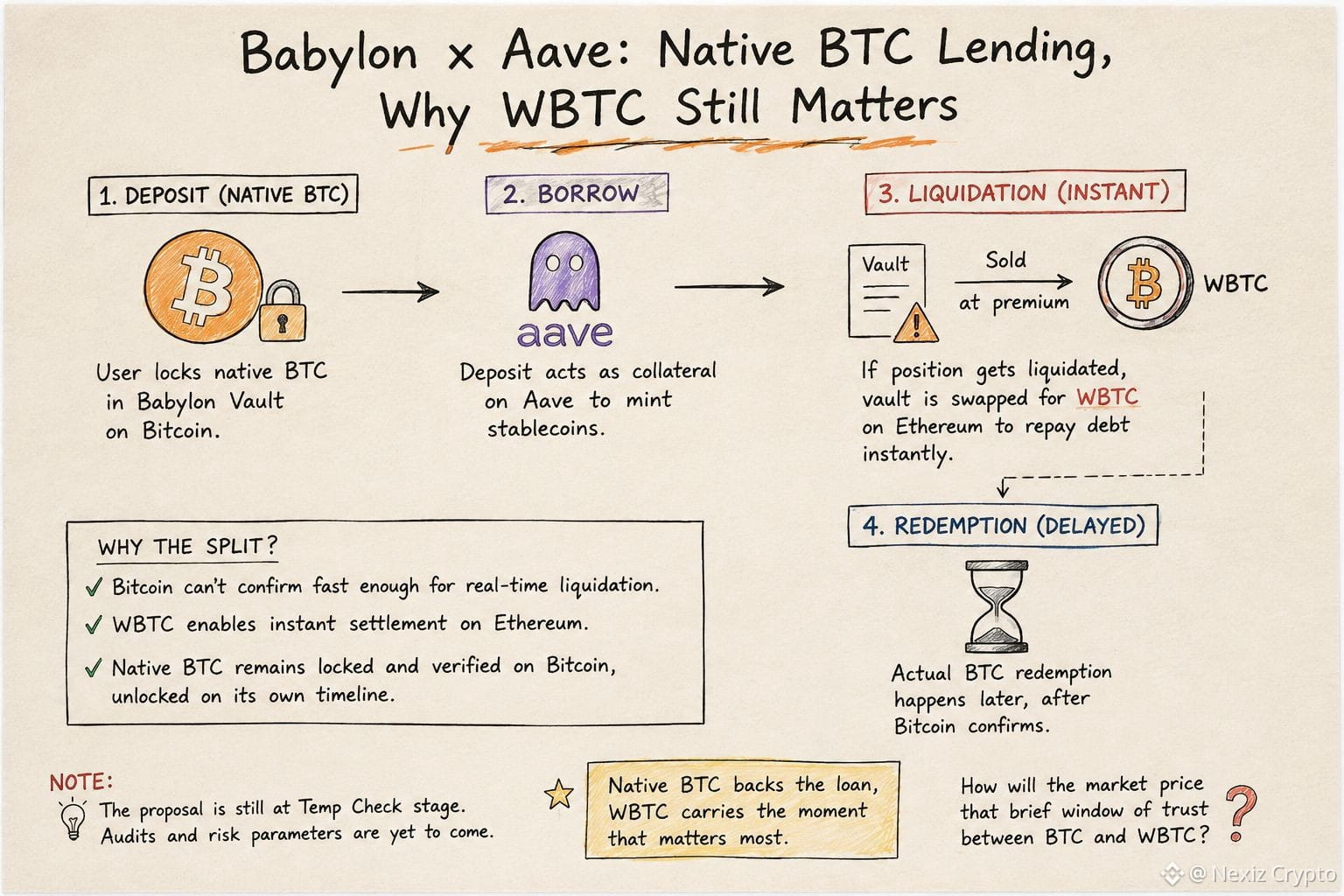
預金はネイティブBTCを直接ビットコインにロックします。ですが、清算ではそのBTCには一切触れません。
ポジションが清算されると、清算業者が少しのプレミアムを上乗せして、担保となるバリュートをWBTCにスワップします。これがイーサリアム上の債務の決済を行います。実際のビットコインの償還は、その後に別途行われます。
これで腑に落ちました。
この分離は、ビットコインが清算がリアルタイムで発生するのに十分な速さで確定できないからです。WBTCがあれば、イーサリアム上では決済を即時に行えます。一方で、遅い(検証された)BTCの解除は、それぞれ独自のタイムラインで進みます。
だから、本当のトレードオフは「ネイティブBTCかラップBTCか」ではありません。
ネイティブBTCが融資の裏付けにはなるものの、重要なのはそれでもなお「清算」の瞬間をWBTCが担う、という点です。
この提案はまだ初期段階で、監査やリスクパラメータが確定する前のtemp check段階にあります。
BTCとWBTCがお互いを信頼する必要がある、その短い期間を、市場がどう価格づけするのか気になります。#baby $BABY
@BabylonLabs_io Aaveの提案で、ネイティブBTCの貸付が前提だと考えたので「WBTCは選択肢から外れている」と思い込んでいました。
ところが違いました。
確認のため、Aaveのガバナンスフォーラムにあるtemp checkを見ました。
預金はネイティブBTCを直接ビットコインにロックします。ですが、清算ではそのBTCには一切触れません。
ポジションが清算されると、清算業者が少しのプレミアムを上乗せして、担保となるバリュートをWBTCにスワップします。これがイーサリアム上の債務の決済を行います。実際のビットコインの償還は、その後に別途行われます。
これで腑に落ちました。
この分離は、ビットコインが清算がリアルタイムで発生するのに十分な速さで確定できないからです。WBTCがあれば、イーサリアム上では決済を即時に行えます。一方で、遅い(検証された)BTCの解除は、それぞれ独自のタイムラインで進みます。
だから、本当のトレードオフは「ネイティブBTCかラップBTCか」ではありません。
ネイティブBTCが融資の裏付けにはなるものの、重要なのはそれでもなお「清算」の瞬間をWBTCが担う、という点です。
この提案はまだ初期段階で、監査やリスクパラメータが確定する前のtemp check段階にあります。
BTCとWBTCがお互いを信頼する必要がある、その短い期間を、市場がどう価格づけするのか気になります。#baby $BABY
ところが違いました。
確認のため、Aaveのガバナンスフォーラムにあるtemp checkを見ました。
預金はネイティブBTCを直接ビットコインにロックします。ですが、清算ではそのBTCには一切触れません。
ポジションが清算されると、清算業者が少しのプレミアムを上乗せして、担保となるバリュートをWBTCにスワップします。これがイーサリアム上の債務の決済を行います。実際のビットコインの償還は、その後に別途行われます。
これで腑に落ちました。
この分離は、ビットコインが清算がリアルタイムで発生するのに十分な速さで確定できないからです。WBTCがあれば、イーサリアム上では決済を即時に行えます。一方で、遅い(検証された)BTCの解除は、それぞれ独自のタイムラインで進みます。
だから、本当のトレードオフは「ネイティブBTCかラップBTCか」ではありません。
ネイティブBTCが融資の裏付けにはなるものの、重要なのはそれでもなお「清算」の瞬間をWBTCが担う、という点です。
この提案はまだ初期段階で、監査やリスクパラメータが確定する前のtemp check段階にあります。
BTCとWBTCがお互いを信頼する必要がある、その短い期間を、市場がどう価格づけするのか気になります。#baby $BABY
4
2
110
·
--
ブリッシュ
本人確認中
私は、共同ステーキングの報酬には、何らかの最低ステーク額がないと実質的なメリットは得られないのだろうと思い込んでいました。これは多くの段階型(ティア制)の報酬システムでよくある仕組みです。
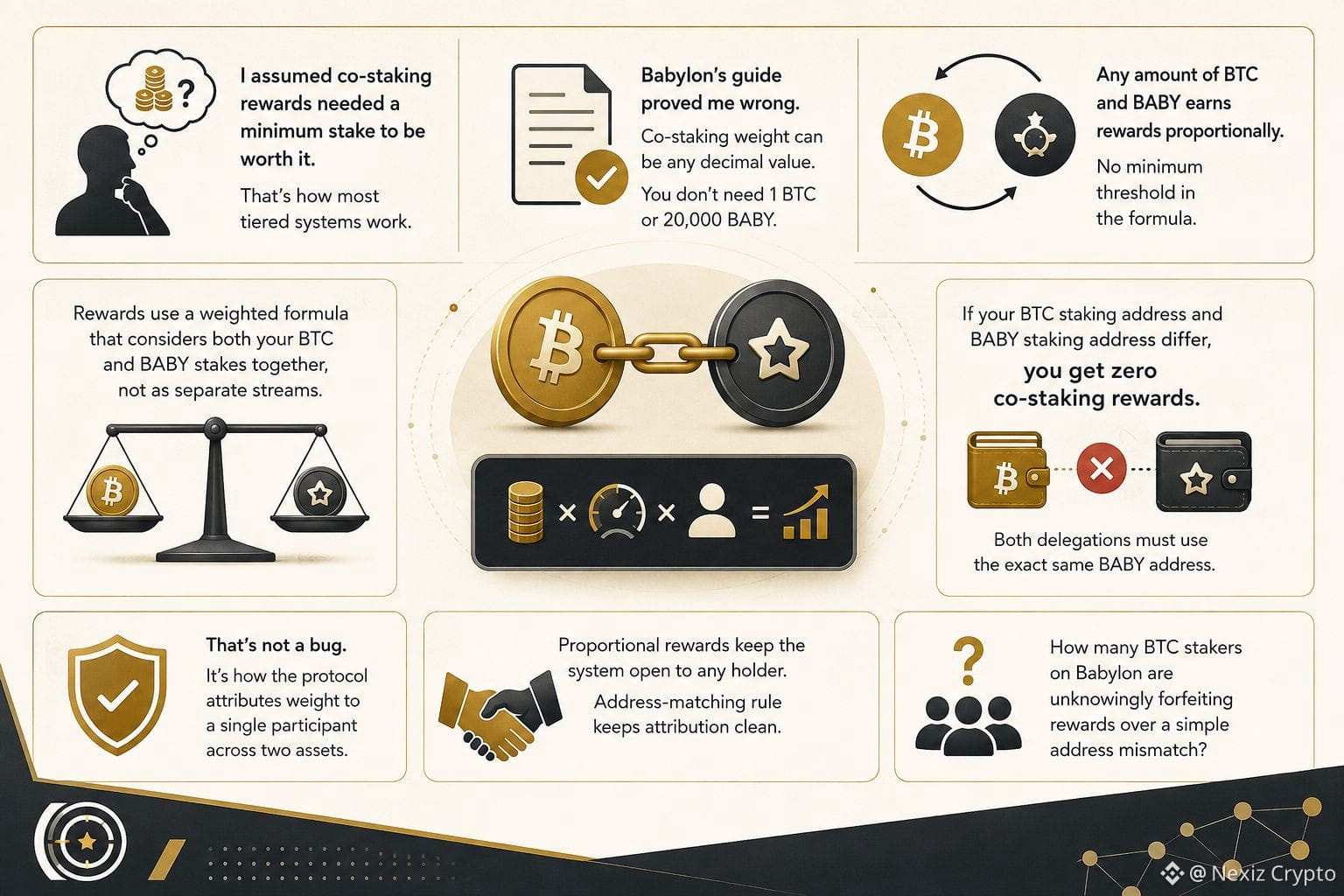
しかし、Babylonの公式な共同ステーキングガイドを確認したところ、その前提は誤りだと分かりました。ドキュメントには、共同ステーキングの重みは小数値でもよいこと、そして報酬を得るために最低でも1 BTCや20,000 BABYを用意する必要はないと明確に記載されています。これは「迷信」として直接言及されており、BTCおよびBABYはいずれも任意の量で報酬が比例して付与される一方で、計算式には最低しきい値が組み込まれていません。
私を驚かせたのは、その柔軟性の下にあるリンク(紐付け)メカニズムが意外なほど厳密だという点でした。報酬は、BTCとBABYのステークを合わせて考慮する「加重された計算式」で算出され、BTCとBABYを別々の報酬ストリームとして扱うのではありません。また、多くの人が見落としがちな重要な要件もあります。BTCのステーキングアドレスとBABYのステーキングアドレスが異なる場合、共同ステーキング報酬はゼロになります。そのため、両方の委任(デリゲーション)は、まったく同じBABYアドレスを使用する必要があります。これは不具合ではありません。2種類の異なる資産にまたがる参加者に対して、プロトコルが重みを付与する方法なのです。得られるトレードオフは理にかなっています。比例配分によりどの保有者にも門戸が開かれますが、アドレス一致ルールにより帰属(アトリビューション)がきれいに保たれるからです。
とはいえ、ここで現実的な疑問が生まれます。Babylon上でBTCをステークしている人のうち、単純なアドレス不一致によって、気づかないうちに報酬を放棄している人がどれくらいいるのでしょうか?
#baby $BABY @babylonlabs_io
私は、共同ステーキングの報酬には、何らかの最低ステーク額がないと実質的なメリットは得られないのだろうと思い込んでいました。これは多くの段階型(ティア制)の報酬システムでよくある仕組みです。
しかし、Babylonの公式な共同ステーキングガイドを確認したところ、その前提は誤りだと分かりました。ドキュメントには、共同ステーキングの重みは小数値でもよいこと、そして報酬を得るために最低でも1 BTCや20,000 BABYを用意する必要はないと明確に記載されています。これは「迷信」として直接言及されており、BTCおよびBABYはいずれも任意の量で報酬が比例して付与される一方で、計算式には最低しきい値が組み込まれていません。
私を驚かせたのは、その柔軟性の下にあるリンク(紐付け)メカニズムが意外なほど厳密だという点でした。報酬は、BTCとBABYのステークを合わせて考慮する「加重された計算式」で算出され、BTCとBABYを別々の報酬ストリームとして扱うのではありません。また、多くの人が見落としがちな重要な要件もあります。BTCのステーキングアドレスとBABYのステーキングアドレスが異なる場合、共同ステーキング報酬はゼロになります。そのため、両方の委任(デリゲーション)は、まったく同じBABYアドレスを使用する必要があります。これは不具合ではありません。2種類の異なる資産にまたがる参加者に対して、プロトコルが重みを付与する方法なのです。得られるトレードオフは理にかなっています。比例配分によりどの保有者にも門戸が開かれますが、アドレス一致ルールにより帰属(アトリビューション)がきれいに保たれるからです。
とはいえ、ここで現実的な疑問が生まれます。Babylon上でBTCをステークしている人のうち、単純なアドレス不一致によって、気づかないうちに報酬を放棄している人がどれくらいいるのでしょうか?
#baby $BABY @BabylonLabs_io
しかし、Babylonの公式な共同ステーキングガイドを確認したところ、その前提は誤りだと分かりました。ドキュメントには、共同ステーキングの重みは小数値でもよいこと、そして報酬を得るために最低でも1 BTCや20,000 BABYを用意する必要はないと明確に記載されています。これは「迷信」として直接言及されており、BTCおよびBABYはいずれも任意の量で報酬が比例して付与される一方で、計算式には最低しきい値が組み込まれていません。
私を驚かせたのは、その柔軟性の下にあるリンク(紐付け)メカニズムが意外なほど厳密だという点でした。報酬は、BTCとBABYのステークを合わせて考慮する「加重された計算式」で算出され、BTCとBABYを別々の報酬ストリームとして扱うのではありません。また、多くの人が見落としがちな重要な要件もあります。BTCのステーキングアドレスとBABYのステーキングアドレスが異なる場合、共同ステーキング報酬はゼロになります。そのため、両方の委任(デリゲーション)は、まったく同じBABYアドレスを使用する必要があります。これは不具合ではありません。2種類の異なる資産にまたがる参加者に対して、プロトコルが重みを付与する方法なのです。得られるトレードオフは理にかなっています。比例配分によりどの保有者にも門戸が開かれますが、アドレス一致ルールにより帰属(アトリビューション)がきれいに保たれるからです。
とはいえ、ここで現実的な疑問が生まれます。Babylon上でBTCをステークしている人のうち、単純なアドレス不一致によって、気づかないうちに報酬を放棄している人がどれくらいいるのでしょうか?
#baby $BABY @BabylonLabs_io
11
4
130
·
--
ブリッシュ
本人確認中
先週、トークンのアンロック・カレンダーを調べていたら、バビロン(Babylon)の名前が何度も出てきたので調べてみました。
最初の想定はよくある話でした。つまり、チーム・トークンが小口(リテール)に向けて投下されるというパターンです。ですが、数字がどうもしっくりきませんでした。BABYの流通供給量は合計およそ100億のうち約40億で、解放はおよそ37%です。トークンの取引価格は$0.011〜0.013あたり、時価総額は$45〜50Mのレンジ。そこで、実際のスケジュールを確認するためにドキュメントを見に行きました。そこで腑に落ちたのは、Babylonが「単一のクリフ(急な一括解放)+投下」のモデルを使っていないということです。初期投資家、チーム、アドバイザーのすべてが同じ構造で、1年間のクリフの後、さらに35回の月次リリース(各回1/36ずつ)が始まります。これが2026年5月から2029年4月まで続きます。驚いたのは、そのばらまきがかなり意図的に設計されている点でした。3年の直線的なドリップ(少しずつ放出)なら、どの月も市場にドカンと資金が流れ込むことはありません。トレードオフは、希薄化が本質的に止まらないことです。一発のショックではなく、価格に対するじわじわした“課税”のようにずっと続きます。さらにもう一層あります。BABYにはステーキング報酬のための年間5.5%のインフレがあり、これは部分的に、BSNの報酬オークションでトークンをバーンすることで相殺されています。つまり、供給が解放されるだけでなく、同時に発行(ミント)され、さらに一部はバーンされているわけです。考えさせられます。こうした長くて予測可能なドリップは、大きなクリフよりも投資家の行動を変えるのでしょうか?
#baby $BABY @babylonlabs_io
先週、トークンのアンロック・カレンダーを調べていたら、バビロン(Babylon)の名前が何度も出てきたので調べてみました。
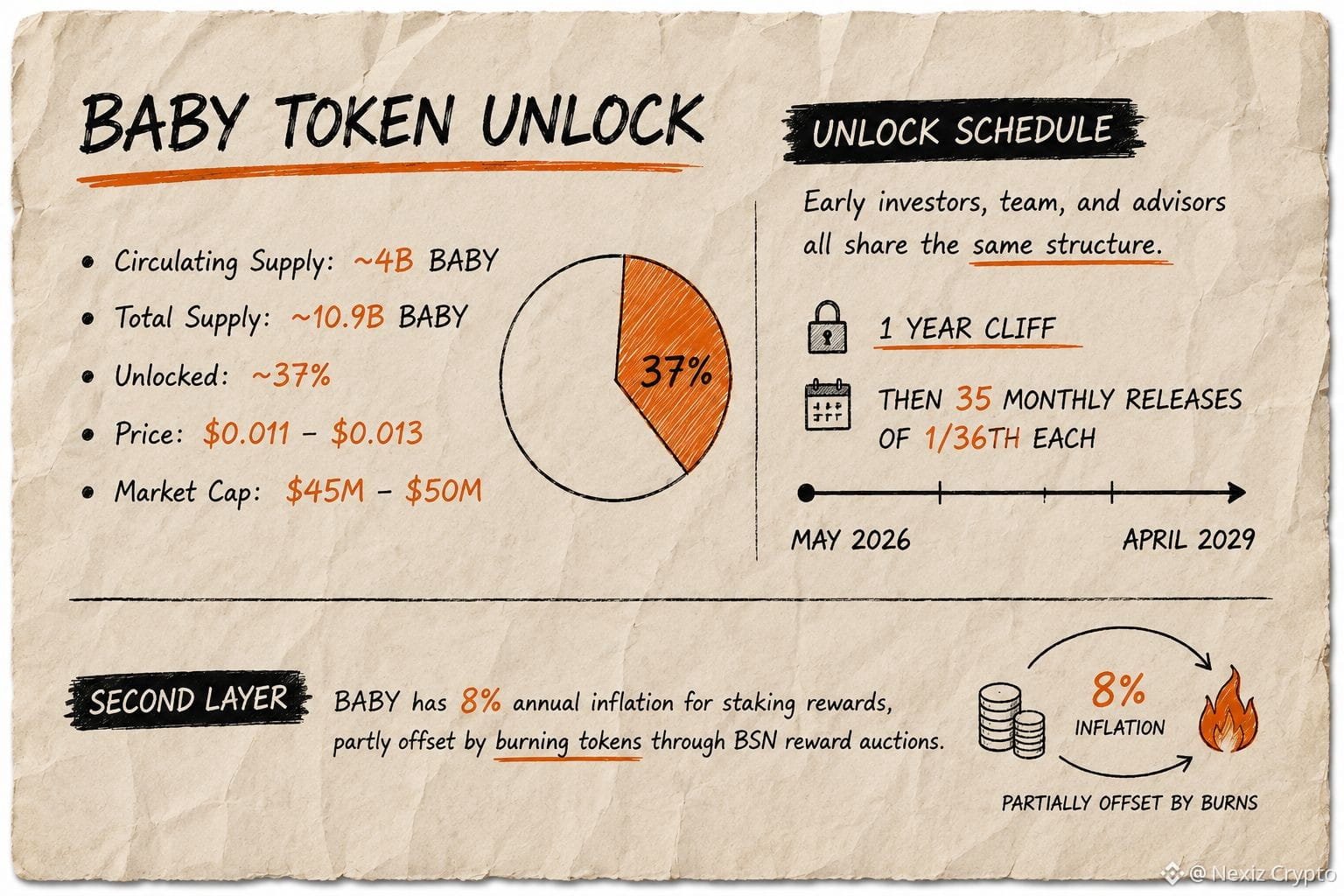
最初の想定はよくある話でした。つまり、チーム・トークンが小口(リテール)に向けて投下されるというパターンです。ですが、数字がどうもしっくりきませんでした。BABYの流通供給量は合計およそ100億のうち約40億で、解放はおよそ37%です。トークンの取引価格は$0.011〜0.013あたり、時価総額は$45〜50Mのレンジ。そこで、実際のスケジュールを確認するためにドキュメントを見に行きました。そこで腑に落ちたのは、Babylonが「単一のクリフ(急な一括解放)+投下」のモデルを使っていないということです。初期投資家、チーム、アドバイザーのすべてが同じ構造で、1年間のクリフの後、さらに35回の月次リリース(各回1/36ずつ)が始まります。これが2026年5月から2029年4月まで続きます。驚いたのは、そのばらまきがかなり意図的に設計されている点でした。3年の直線的なドリップ(少しずつ放出)なら、どの月も市場にドカンと資金が流れ込むことはありません。トレードオフは、希薄化が本質的に止まらないことです。一発のショックではなく、価格に対するじわじわした“課税”のようにずっと続きます。さらにもう一層あります。BABYにはステーキング報酬のための年間5.5%のインフレがあり、これは部分的に、BSNの報酬オークションでトークンをバーンすることで相殺されています。つまり、供給が解放されるだけでなく、同時に発行(ミント)され、さらに一部はバーンされているわけです。考えさせられます。こうした長くて予測可能なドリップは、大きなクリフよりも投資家の行動を変えるのでしょうか?
#baby $BABY @BabylonLabs_io
最初の想定はよくある話でした。つまり、チーム・トークンが小口(リテール)に向けて投下されるというパターンです。ですが、数字がどうもしっくりきませんでした。BABYの流通供給量は合計およそ100億のうち約40億で、解放はおよそ37%です。トークンの取引価格は$0.011〜0.013あたり、時価総額は$45〜50Mのレンジ。そこで、実際のスケジュールを確認するためにドキュメントを見に行きました。そこで腑に落ちたのは、Babylonが「単一のクリフ(急な一括解放)+投下」のモデルを使っていないということです。初期投資家、チーム、アドバイザーのすべてが同じ構造で、1年間のクリフの後、さらに35回の月次リリース(各回1/36ずつ)が始まります。これが2026年5月から2029年4月まで続きます。驚いたのは、そのばらまきがかなり意図的に設計されている点でした。3年の直線的なドリップ(少しずつ放出)なら、どの月も市場にドカンと資金が流れ込むことはありません。トレードオフは、希薄化が本質的に止まらないことです。一発のショックではなく、価格に対するじわじわした“課税”のようにずっと続きます。さらにもう一層あります。BABYにはステーキング報酬のための年間5.5%のインフレがあり、これは部分的に、BSNの報酬オークションでトークンをバーンすることで相殺されています。つまり、供給が解放されるだけでなく、同時に発行(ミント)され、さらに一部はバーンされているわけです。考えさせられます。こうした長くて予測可能なドリップは、大きなクリフよりも投資家の行動を変えるのでしょうか?
#baby $BABY @BabylonLabs_io
2
97
·
--
ブリッシュ
本人確認中
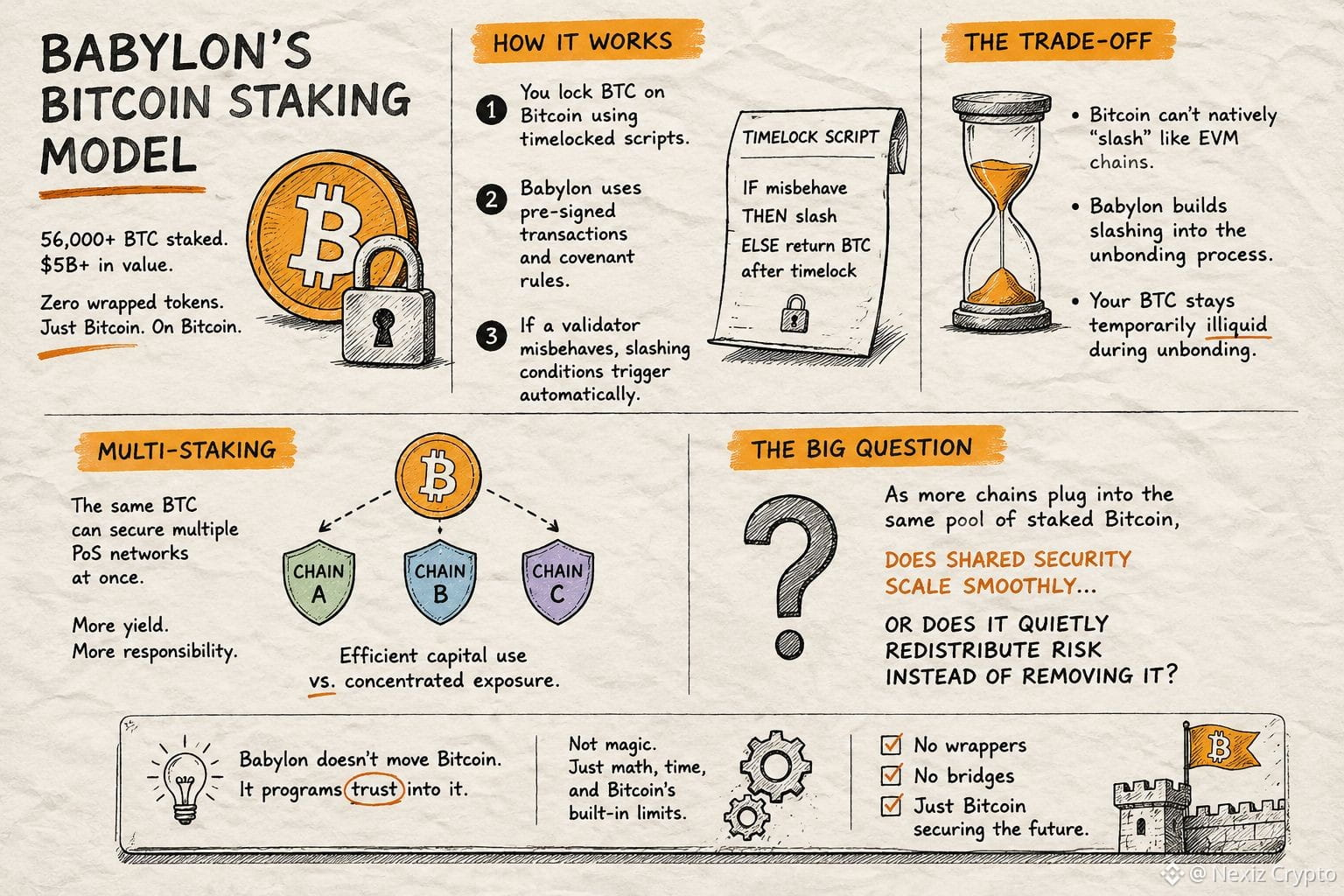
バビロンの最近の数字を読んでいて、ある1点が目にとまりました。プロトコルが約56,000 BTCのステークを超えたのです。価値にしておよそ50億ドル以上。しかも、ラップされたトークンは一切使われていません。私はこれまで「Bitcoin DeFi」と称するプロジェクトが似たような数字を掲げるのをたくさん見てきたので、結局は、マーケティングが少し良いだけの別のカストディ(保管)型のラッパーだと決めつけていました。
ですが、その前提はドキュメントを読むのに5分もかかりませんでした。
バビロンのステーキングモデルでは、コインをどこかに移すのではなく、タイムロック付きスクリプトによってBTCをビットコイン・チェーン上にロックし続けます。あなたのBTCの代わりに橋(ブリッジ)や合成資産が立つわけではありません。私が驚いたのは、セキュリティの仕組みがスマートコントラクトというより、ビットコインのスクリプト上の制約にどれほど依存しているかでした。代わりにバビロンは、事前署名されたトランザクションと、バリデータが不正行為をしたときにだけ発動する“コベナント(誓約)型”のルールを使います。
そこで、ようやく本当のトレードオフが腑に落ちました。ビットコインはEVMチェーンのように、バリデータのステークをネイティブに「スラッシュ(没収)」できません。だからバビロンは、アンボンド(解除)プロセスの中にスラッシングの条件を組み込んでいます。巧妙ではありますが、その結果として、アンボンド中はBTCが一時的に流動性を失います。セキュリティ保証が、そのタイムバッファに依存しているからです。
さらに、新しいマルチステーキング設計もあります。同じBTCで複数のプルーフ・オブ・ステーク(PoS)ネットワークを同時に保護できるのです。利回りは増える一方で、あなたのステークに影響しうるバリデータの数も増えます。効率的な資本運用と、集中したエクスポージャーが相反するような緊張関係——それが「欠陥」ではなく、意図的な賭けなのだと感じました。
結局、私は1つの疑問に何度も戻ってしまいます。より多くのチェーンが同じステーク済みビットコインのプールに接続されるにつれて、共有セキュリティは滑らかにスケールしていくのか。それとも、静かにリスクを再配分するだけなのか?
#baby $BABY @babylonlabs_io
バビロンの最近の数字を読んでいて、ある1点が目にとまりました。プロトコルが約56,000 BTCのステークを超えたのです。価値にしておよそ50億ドル以上。しかも、ラップされたトークンは一切使われていません。私はこれまで「Bitcoin DeFi」と称するプロジェクトが似たような数字を掲げるのをたくさん見てきたので、結局は、マーケティングが少し良いだけの別のカストディ(保管)型のラッパーだと決めつけていました。
ですが、その前提はドキュメントを読むのに5分もかかりませんでした。
バビロンのステーキングモデルでは、コインをどこかに移すのではなく、タイムロック付きスクリプトによってBTCをビットコイン・チェーン上にロックし続けます。あなたのBTCの代わりに橋(ブリッジ)や合成資産が立つわけではありません。私が驚いたのは、セキュリティの仕組みがスマートコントラクトというより、ビットコインのスクリプト上の制約にどれほど依存しているかでした。代わりにバビロンは、事前署名されたトランザクションと、バリデータが不正行為をしたときにだけ発動する“コベナント(誓約)型”のルールを使います。
そこで、ようやく本当のトレードオフが腑に落ちました。ビットコインはEVMチェーンのように、バリデータのステークをネイティブに「スラッシュ(没収)」できません。だからバビロンは、アンボンド(解除)プロセスの中にスラッシングの条件を組み込んでいます。巧妙ではありますが、その結果として、アンボンド中はBTCが一時的に流動性を失います。セキュリティ保証が、そのタイムバッファに依存しているからです。
さらに、新しいマルチステーキング設計もあります。同じBTCで複数のプルーフ・オブ・ステーク(PoS)ネットワークを同時に保護できるのです。利回りは増える一方で、あなたのステークに影響しうるバリデータの数も増えます。効率的な資本運用と、集中したエクスポージャーが相反するような緊張関係——それが「欠陥」ではなく、意図的な賭けなのだと感じました。
結局、私は1つの疑問に何度も戻ってしまいます。より多くのチェーンが同じステーク済みビットコインのプールに接続されるにつれて、共有セキュリティは滑らかにスケールしていくのか。それとも、静かにリスクを再配分するだけなのか?
#baby $BABY @BabylonLabs_io
ですが、その前提はドキュメントを読むのに5分もかかりませんでした。
バビロンのステーキングモデルでは、コインをどこかに移すのではなく、タイムロック付きスクリプトによってBTCをビットコイン・チェーン上にロックし続けます。あなたのBTCの代わりに橋(ブリッジ)や合成資産が立つわけではありません。私が驚いたのは、セキュリティの仕組みがスマートコントラクトというより、ビットコインのスクリプト上の制約にどれほど依存しているかでした。代わりにバビロンは、事前署名されたトランザクションと、バリデータが不正行為をしたときにだけ発動する“コベナント(誓約)型”のルールを使います。
そこで、ようやく本当のトレードオフが腑に落ちました。ビットコインはEVMチェーンのように、バリデータのステークをネイティブに「スラッシュ(没収)」できません。だからバビロンは、アンボンド(解除)プロセスの中にスラッシングの条件を組み込んでいます。巧妙ではありますが、その結果として、アンボンド中はBTCが一時的に流動性を失います。セキュリティ保証が、そのタイムバッファに依存しているからです。
さらに、新しいマルチステーキング設計もあります。同じBTCで複数のプルーフ・オブ・ステーク(PoS)ネットワークを同時に保護できるのです。利回りは増える一方で、あなたのステークに影響しうるバリデータの数も増えます。効率的な資本運用と、集中したエクスポージャーが相反するような緊張関係——それが「欠陥」ではなく、意図的な賭けなのだと感じました。
結局、私は1つの疑問に何度も戻ってしまいます。より多くのチェーンが同じステーク済みビットコインのプールに接続されるにつれて、共有セキュリティは滑らかにスケールしていくのか。それとも、静かにリスクを再配分するだけなのか?
#baby $BABY @BabylonLabs_io
2
1
105
·
--
ブリッシュ
担保(カバナント)委員会は、望めばステーカーのビットコインを凍結できるのだと私は思っていました。しかし、ステーカー自身の署名がなければ、1サトシたりとも移動できません。
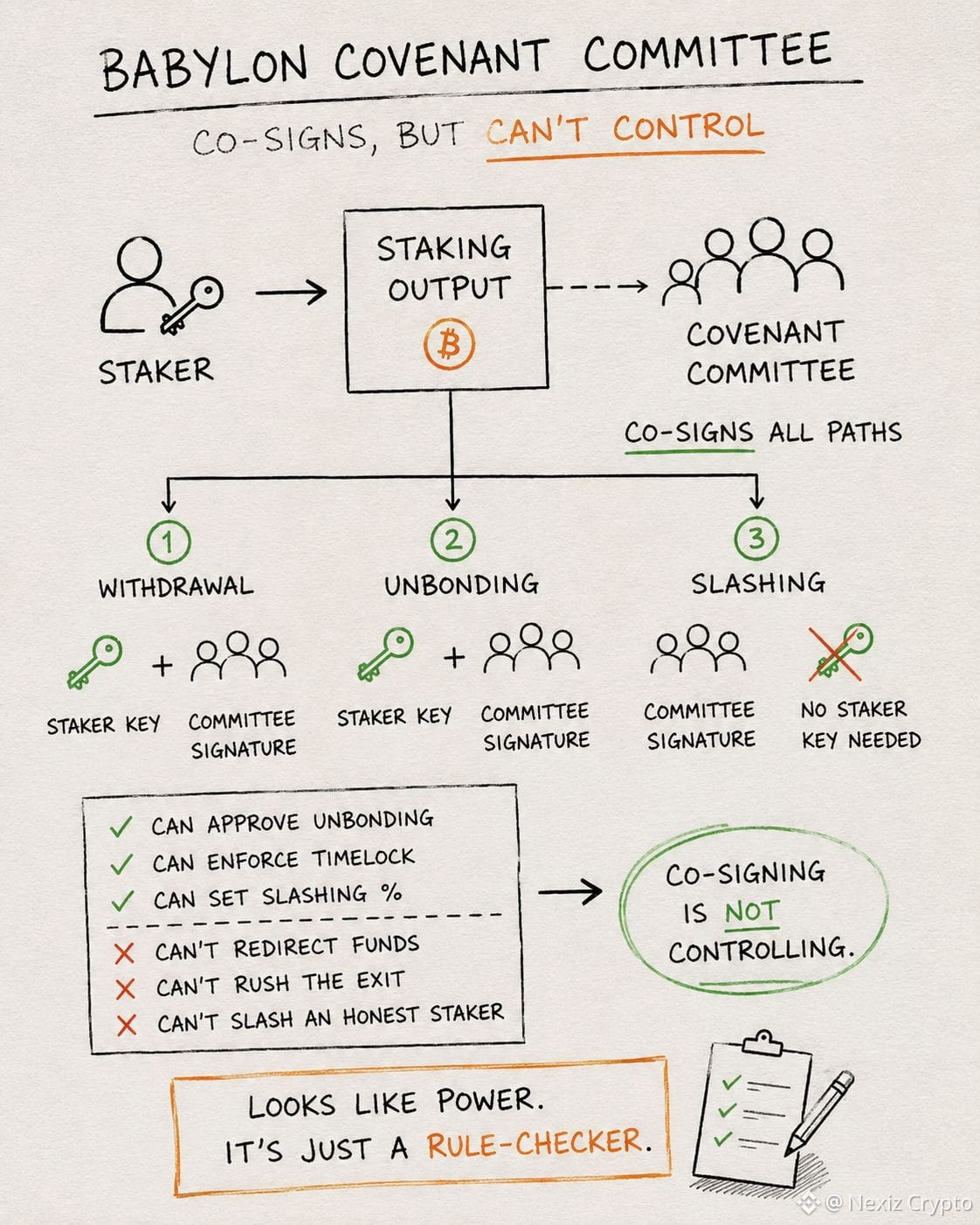
Babylonのすべてのステーキング出力には、使い道として次の3通りがあります。引き出し、アンボンディング(解除)、スラッシングです。担保委員会はこの3つすべてに共同署名します。
ですが、共同署名することは「支配する」こととは同じではありません。スラッシング(不正行為をしたファイナリティ提供者へのもの)を除くあらゆる経路で、ステーカーの鍵が必要です。それがなければ、委員会の署名は何の効力も持ちません。
つまり、委員会はアンボンディングの申請を承認できます。タイムロックとスラッシング割合を執行することもできます。けれども、資金を別の先へ振り向けたり、退場(退出)を急がせたり、正当なステーカーをスラッシュしたりすることはできません。なぜなら、そのような経路を成立させて支出可能にする「唯一の鍵」を、委員会が決して保持していないからです。
すべての取引に共同署名が必要なグループは、外から見ると強力に見えます。よく見てみると、それは単なるルール検査係であって、検査しているルールを破る手段はありません。
#baby $BABY @babylonlabs_io
担保(カバナント)委員会は、望めばステーカーのビットコインを凍結できるのだと私は思っていました。しかし、ステーカー自身の署名がなければ、1サトシたりとも移動できません。
Babylonのすべてのステーキング出力には、使い道として次の3通りがあります。引き出し、アンボンディング(解除)、スラッシングです。担保委員会はこの3つすべてに共同署名します。
ですが、共同署名することは「支配する」こととは同じではありません。スラッシング(不正行為をしたファイナリティ提供者へのもの)を除くあらゆる経路で、ステーカーの鍵が必要です。それがなければ、委員会の署名は何の効力も持ちません。
つまり、委員会はアンボンディングの申請を承認できます。タイムロックとスラッシング割合を執行することもできます。けれども、資金を別の先へ振り向けたり、退場(退出)を急がせたり、正当なステーカーをスラッシュしたりすることはできません。なぜなら、そのような経路を成立させて支出可能にする「唯一の鍵」を、委員会が決して保持していないからです。
すべての取引に共同署名が必要なグループは、外から見ると強力に見えます。よく見てみると、それは単なるルール検査係であって、検査しているルールを破る手段はありません。
#baby $BABY @BabylonLabs_io
Babylonのすべてのステーキング出力には、使い道として次の3通りがあります。引き出し、アンボンディング(解除)、スラッシングです。担保委員会はこの3つすべてに共同署名します。
ですが、共同署名することは「支配する」こととは同じではありません。スラッシング(不正行為をしたファイナリティ提供者へのもの)を除くあらゆる経路で、ステーカーの鍵が必要です。それがなければ、委員会の署名は何の効力も持ちません。
つまり、委員会はアンボンディングの申請を承認できます。タイムロックとスラッシング割合を執行することもできます。けれども、資金を別の先へ振り向けたり、退場(退出)を急がせたり、正当なステーカーをスラッシュしたりすることはできません。なぜなら、そのような経路を成立させて支出可能にする「唯一の鍵」を、委員会が決して保持していないからです。
すべての取引に共同署名が必要なグループは、外から見ると強力に見えます。よく見てみると、それは単なるルール検査係であって、検査しているルールを破る手段はありません。
#baby $BABY @BabylonLabs_io
2
1
82
·
--
ブリッシュ
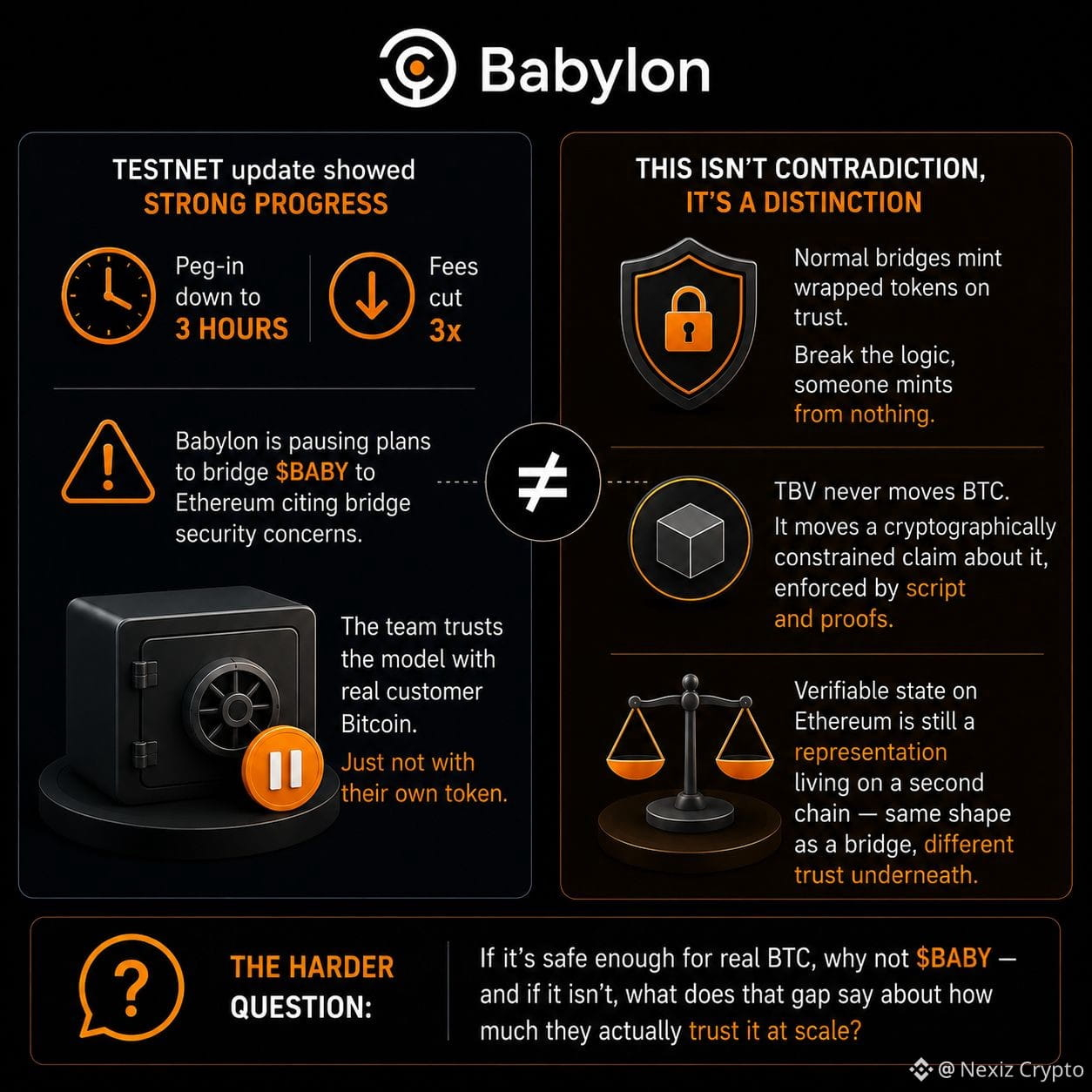
TBVテストネットのアップデートを読んでいて、ざっと目を通していたら——ペッグインが3時間まで短縮され、手数料も3分の1に。堅実な進展です。
すると、ある1行が引っかかりました。バビロンが、自分たちのBABYトークンをイーサリアムへブリッジする計画を一時停止しており、ブリッジのセキュリティ懸念を挙げているのです。
「ブリッジの問題は解決した」と謳うプロトコルのくせに、変ですね。
でも矛盾ではなく、違いなんです。通常のブリッジは、信頼に基づいてラップトークンを発行します。ロジックを壊せば、「誰かが無から」発行することになります。TBVはそもそもBTC自体を動かしません。BTCに関する暗号学的に制約された主張を動かすだけで、それはスクリプトと証明によって強制され、バリデータの言葉ではありません。
つまり、チームは実際の顧客のビットコインにはそのモデルを信頼しています。ただし、自分たちのトークンにはまだ信頼していない。
それは、多くのローンチが認めるより正直だと思います。ですが、より難しい問いがそのまま残ります。つまり、「イーサリアム上の検証可能な状態」は、機能的には、結局は別チェーン上で生きている表現だ、ということ。ブリッジが作り出すのと同じ形をしているのに、下にある信頼の前提は異なる。
本物のBTCなら十分安全なのに、なぜBABYはだめなのか——そして、そうでないなら、そのギャップは、実際にそれを規模の大きさでどれだけ信頼しているのか、何を示しているのでしょうか。
#baby $BABY @babylonlabs_io
TBVテストネットのアップデートを読んでいて、ざっと目を通していたら——ペッグインが3時間まで短縮され、手数料も3分の1に。堅実な進展です。
すると、ある1行が引っかかりました。バビロンが、自分たちのBABYトークンをイーサリアムへブリッジする計画を一時停止しており、ブリッジのセキュリティ懸念を挙げているのです。
「ブリッジの問題は解決した」と謳うプロトコルのくせに、変ですね。
でも矛盾ではなく、違いなんです。通常のブリッジは、信頼に基づいてラップトークンを発行します。ロジックを壊せば、「誰かが無から」発行することになります。TBVはそもそもBTC自体を動かしません。BTCに関する暗号学的に制約された主張を動かすだけで、それはスクリプトと証明によって強制され、バリデータの言葉ではありません。
つまり、チームは実際の顧客のビットコインにはそのモデルを信頼しています。ただし、自分たちのトークンにはまだ信頼していない。
それは、多くのローンチが認めるより正直だと思います。ですが、より難しい問いがそのまま残ります。つまり、「イーサリアム上の検証可能な状態」は、機能的には、結局は別チェーン上で生きている表現だ、ということ。ブリッジが作り出すのと同じ形をしているのに、下にある信頼の前提は異なる。
本物のBTCなら十分安全なのに、なぜBABYはだめなのか——そして、そうでないなら、そのギャップは、実際にそれを規模の大きさでどれだけ信頼しているのか、何を示しているのでしょうか。
#baby $BABY @BabylonLabs_io
すると、ある1行が引っかかりました。バビロンが、自分たちのBABYトークンをイーサリアムへブリッジする計画を一時停止しており、ブリッジのセキュリティ懸念を挙げているのです。
「ブリッジの問題は解決した」と謳うプロトコルのくせに、変ですね。
でも矛盾ではなく、違いなんです。通常のブリッジは、信頼に基づいてラップトークンを発行します。ロジックを壊せば、「誰かが無から」発行することになります。TBVはそもそもBTC自体を動かしません。BTCに関する暗号学的に制約された主張を動かすだけで、それはスクリプトと証明によって強制され、バリデータの言葉ではありません。
つまり、チームは実際の顧客のビットコインにはそのモデルを信頼しています。ただし、自分たちのトークンにはまだ信頼していない。
それは、多くのローンチが認めるより正直だと思います。ですが、より難しい問いがそのまま残ります。つまり、「イーサリアム上の検証可能な状態」は、機能的には、結局は別チェーン上で生きている表現だ、ということ。ブリッジが作り出すのと同じ形をしているのに、下にある信頼の前提は異なる。
本物のBTCなら十分安全なのに、なぜBABYはだめなのか——そして、そうでないなら、そのギャップは、実際にそれを規模の大きさでどれだけ信頼しているのか、何を示しているのでしょうか。
#baby $BABY @BabylonLabs_io
6
2
95
·
--
ブリッシュ
バビロンのAave統合について友人に説明していて、考えなしに「ラップは一切なし、永遠に」と言ってしまった。
相手は1つだけ質問した。もしBTCがビットコインから一度も出ないなら、イーサリアム上で動くAaveはいったいどうやってそれを見られるのか?私は本当の答えを持っていなかった。だから、みんなが共有している要約ではなく、提案そのものに戻ることにした。
賢い仕組みがあるはずだと思った。たとえば、Aaveがチェーンをまたいでビットコインを直接読み取るようなことだ。
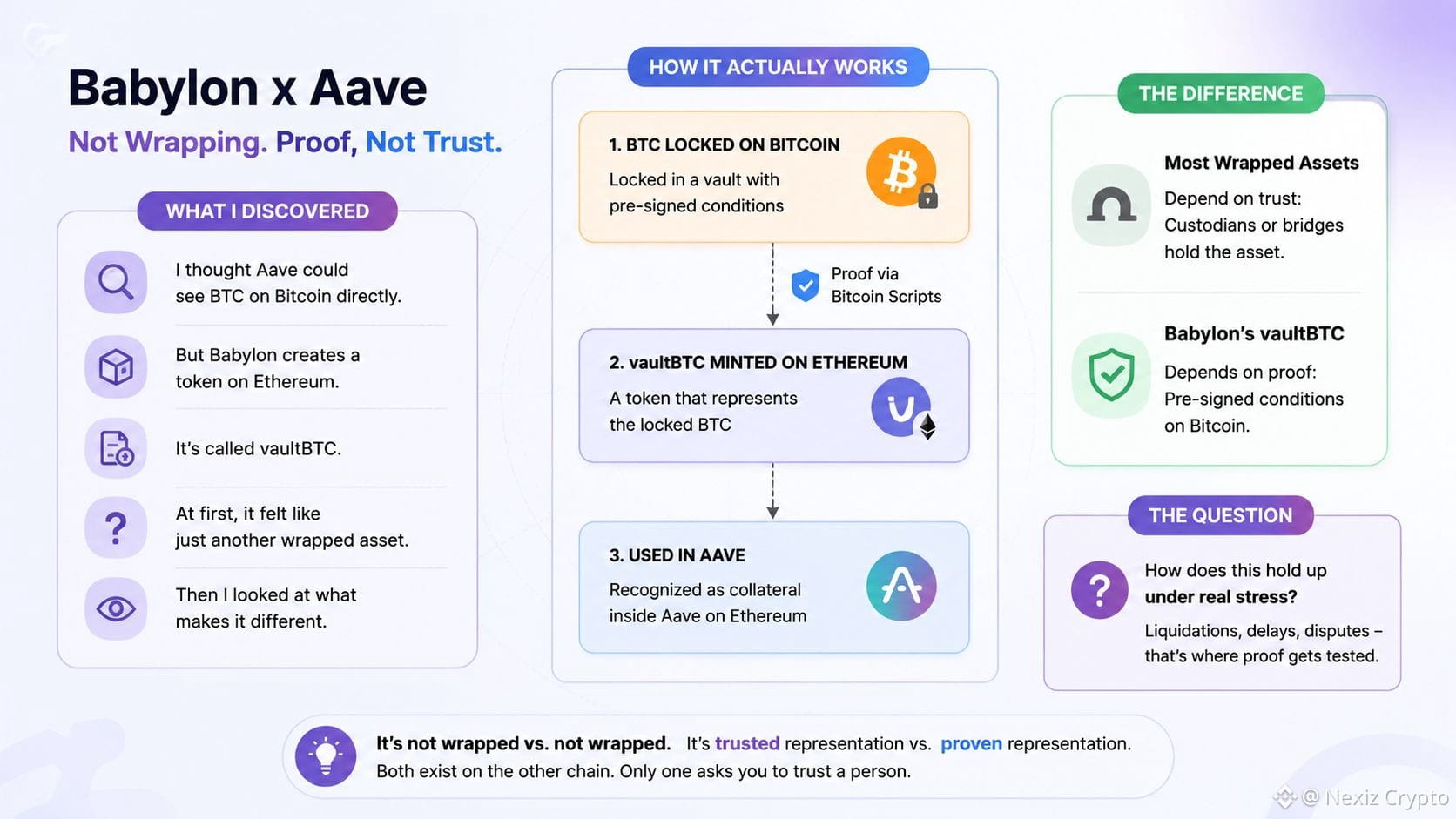
でも違った。見つかったのは「トークン」だった。バビロンの設計では、ビットコイン上でロックされたBTCに相当するものとして、イーサリアム上にvaultBTCと呼ばれるものを作る。
そこで一度立ち止まった。別チェーン上でロックされた資産の代わりになるトークンというのは、見たことが何度もある形だ。最初の直感は、結局それって、もっと良い名前を付けただけのラップじゃないのか?
それから実際にそのトークンを支えているものを、もっと注意深く見た。
ほとんどのラップ資産は、誰かに信頼を求める。カストディアンやブリッジのような、実物の資産がそこで待っているという「誰かの言葉」だ。
vaultBTCは、その信頼を「証明」で置き換えようとしている。ビットコイン本体に対する事前署名済みの条件を使うので、トークンの正当性は人の言葉ではなく暗号に由来する。そこでようやく腑に落ちた。肝心な問いは「ラップするのか、しないのか」ではない。
「信頼に基づく表現か、証明に基づく表現か」だ。どちらも、もう一つのチェーン側に何かを存在させる必要はある。ただ、人ではなく数学を信じることになるのは片方だけ。
そう見えた瞬間に、「ラップなし」は単なる主張ではなく、単純化として感じられるようになった。精神としては正しいが、本当に重要な1つの詳細を飛ばしている。私がまだ分からないのは、その証明がプレッシャー下でどれだけ耐えるかだ。落ち着いた市場なら簡単だ。遅れて清算される場合や、vaultが本当にvaultBTCが主張する内容と一致しているのかで争いが起きたときにこそ、「証明」と「信頼」が実際に差を見せるはずだ。
私は、その瞬間がどこかですでに起きていて、ただ気づくほど大きく騒がれていないだけではないかと、ずっと考えている。
ここにいる誰か、vaultBTCが実際にそういう形でテストされたのを見たことはある?
#baby $BABY @babylonlabs_io
バビロンのAave統合について友人に説明していて、考えなしに「ラップは一切なし、永遠に」と言ってしまった。
相手は1つだけ質問した。もしBTCがビットコインから一度も出ないなら、イーサリアム上で動くAaveはいったいどうやってそれを見られるのか?私は本当の答えを持っていなかった。だから、みんなが共有している要約ではなく、提案そのものに戻ることにした。
賢い仕組みがあるはずだと思った。たとえば、Aaveがチェーンをまたいでビットコインを直接読み取るようなことだ。
でも違った。見つかったのは「トークン」だった。バビロンの設計では、ビットコイン上でロックされたBTCに相当するものとして、イーサリアム上にvaultBTCと呼ばれるものを作る。
そこで一度立ち止まった。別チェーン上でロックされた資産の代わりになるトークンというのは、見たことが何度もある形だ。最初の直感は、結局それって、もっと良い名前を付けただけのラップじゃないのか?
それから実際にそのトークンを支えているものを、もっと注意深く見た。
ほとんどのラップ資産は、誰かに信頼を求める。カストディアンやブリッジのような、実物の資産がそこで待っているという「誰かの言葉」だ。
vaultBTCは、その信頼を「証明」で置き換えようとしている。ビットコイン本体に対する事前署名済みの条件を使うので、トークンの正当性は人の言葉ではなく暗号に由来する。そこでようやく腑に落ちた。肝心な問いは「ラップするのか、しないのか」ではない。
「信頼に基づく表現か、証明に基づく表現か」だ。どちらも、もう一つのチェーン側に何かを存在させる必要はある。ただ、人ではなく数学を信じることになるのは片方だけ。
そう見えた瞬間に、「ラップなし」は単なる主張ではなく、単純化として感じられるようになった。精神としては正しいが、本当に重要な1つの詳細を飛ばしている。私がまだ分からないのは、その証明がプレッシャー下でどれだけ耐えるかだ。落ち着いた市場なら簡単だ。遅れて清算される場合や、vaultが本当にvaultBTCが主張する内容と一致しているのかで争いが起きたときにこそ、「証明」と「信頼」が実際に差を見せるはずだ。
私は、その瞬間がどこかですでに起きていて、ただ気づくほど大きく騒がれていないだけではないかと、ずっと考えている。
ここにいる誰か、vaultBTCが実際にそういう形でテストされたのを見たことはある?
#baby $BABY @BabylonLabs_io
相手は1つだけ質問した。もしBTCがビットコインから一度も出ないなら、イーサリアム上で動くAaveはいったいどうやってそれを見られるのか?私は本当の答えを持っていなかった。だから、みんなが共有している要約ではなく、提案そのものに戻ることにした。
賢い仕組みがあるはずだと思った。たとえば、Aaveがチェーンをまたいでビットコインを直接読み取るようなことだ。
でも違った。見つかったのは「トークン」だった。バビロンの設計では、ビットコイン上でロックされたBTCに相当するものとして、イーサリアム上にvaultBTCと呼ばれるものを作る。
そこで一度立ち止まった。別チェーン上でロックされた資産の代わりになるトークンというのは、見たことが何度もある形だ。最初の直感は、結局それって、もっと良い名前を付けただけのラップじゃないのか?
それから実際にそのトークンを支えているものを、もっと注意深く見た。
ほとんどのラップ資産は、誰かに信頼を求める。カストディアンやブリッジのような、実物の資産がそこで待っているという「誰かの言葉」だ。
vaultBTCは、その信頼を「証明」で置き換えようとしている。ビットコイン本体に対する事前署名済みの条件を使うので、トークンの正当性は人の言葉ではなく暗号に由来する。そこでようやく腑に落ちた。肝心な問いは「ラップするのか、しないのか」ではない。
「信頼に基づく表現か、証明に基づく表現か」だ。どちらも、もう一つのチェーン側に何かを存在させる必要はある。ただ、人ではなく数学を信じることになるのは片方だけ。
そう見えた瞬間に、「ラップなし」は単なる主張ではなく、単純化として感じられるようになった。精神としては正しいが、本当に重要な1つの詳細を飛ばしている。私がまだ分からないのは、その証明がプレッシャー下でどれだけ耐えるかだ。落ち着いた市場なら簡単だ。遅れて清算される場合や、vaultが本当にvaultBTCが主張する内容と一致しているのかで争いが起きたときにこそ、「証明」と「信頼」が実際に差を見せるはずだ。
私は、その瞬間がどこかですでに起きていて、ただ気づくほど大きく騒がれていないだけではないかと、ずっと考えている。
ここにいる誰か、vaultBTCが実際にそういう形でテストされたのを見たことはある?
#baby $BABY @BabylonLabs_io
9
1
73
ログインして、さらにコンテンツを読む
厳選トピックで世界の暗号資産トレーダーの仲間入り
⚡️ 暗号資産に関する最新かつ有益な情報が見つかります。
💬 世界最大の暗号資産取引所から信頼されています。
👍 認証を受けたクリエイターから、有益なインサイトを得られます。
メール / 電話番号
トレンドトピック
FedMinutesFocusOnOctoberPause
閲覧回数 52,316
745人が討論中
#fedminutesfocusonoctoberpause
🚨 10月のFRB利上げ確率が21.6%に急落… $BTC は反応する? 👀
FRBは市場に、もう一つ重要な手がかりを与えようとしています。
投資家は本日のFOMC議事要旨を待っています。最大の疑問は、10月に再び利上げがあるのか、それとも一時停止となるのかです。
現時点で、10月に25ベーシスポイントの利上げが行われる確率は、わずか21.6%まで低下しました。
これは予想の大きな変化です。
しかし、興味深いのはここからです… 👀
FRBは9月に金利を3.75%~4.00%に引き上げましたが、雇用統計の最近の弱さとインフレの鈍化により、すぐに再利上げが行われる可能性は低くなっています。
そして、暗号資産にとってこれは重要です。
FRBが利上げを一時停止すれば、金融環境への圧力が和らぎ、リスク選好が改善する可能性があります。
それはBTCにとって追い風になるかもしれません。
ただし、注意点もあります…
ドルと米国債利回りが上昇するなか、ビットコインはすでに圧力を受けています。
そのため、今夜の議事要旨が相場変動の引き金になる可能性があります。
ハト派のFRB → 流動性への期待 → 強気のBTCシナリオ?
タカ派のFRB → 高金利への懸念 → リスク資産へのさらなる圧力?
本当の疑問はこうです。
10月はビットコイン強気派が待ち望んでいた利上げ一時停止となるのでしょうか…それともFRBが再び市場を驚かせるのでしょうか? 👀
BTC、FRBの政策見通し、米国債利回りを注意深く見守りましょう。
#FederalReserve #Fed #Crypto #InterestRates
$ETH
$SOL
Shae Cassler Sw9r
·いいね:23件
·閲覧回数 46k
BinanceLaunchesBinanceIntelligence
閲覧回数 992,602
6,004人が討論中
EvernorthDelaysNasdaqDebutToOct12
閲覧回数 2,096
106人が討論中