

News Crypto IN
21 投稿
News Crypto IN
報告
ユーザーをブロック
Research potential projects, and get the latest news from me about cryptocurrency
BP-EAF9097F5A81
3 フォロー
49 フォロワー
23 いいね
投稿
すべて
引用
翻訳参照
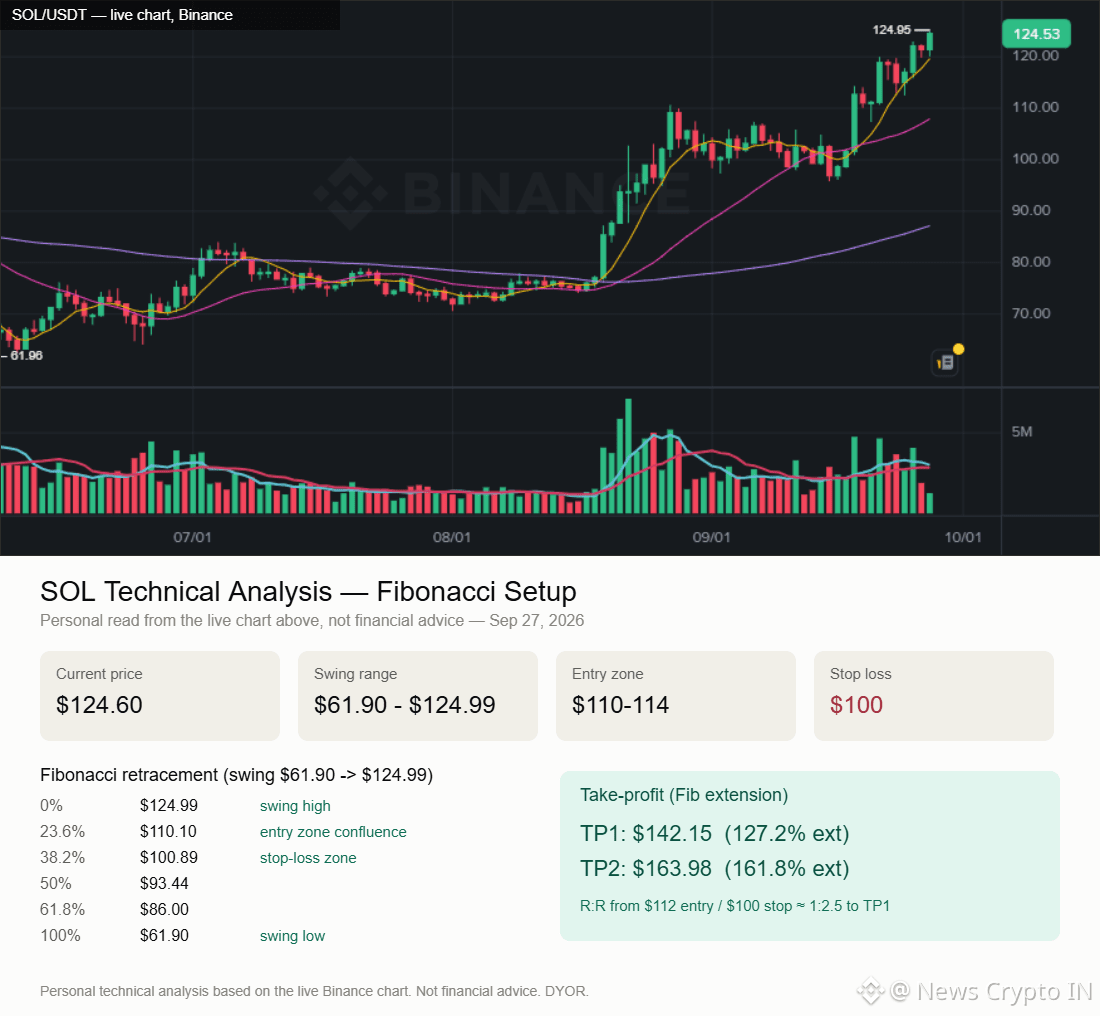
$SOL Technical Analysis — Fibonacci setup (personal read from live chart, NFA)
Swing range $61.90 -> $124.99. Watching $110-114 entry zone (23.6% fib confluence). Stop below $100 (38.2% fib). Targets: $142 / $164 (fib extensions). R:R ~ 1:2.5 to TP1.
My own technical opinion based on the live chart -- not a signal. DYOR.
#SOL #Solana #TechnicalAnalysis #Fibonacci #DYOR
$SOL Technical Analysis — Fibonacci setup (personal read from live chart, NFA)
Swing range $61.90 -> $124.99. Watching $110-114 entry zone (23.6% fib confluence). Stop below $100 (38.2% fib). Targets: $142 / $164 (fib extensions). R:R ~ 1:2.5 to TP1.
My own technical opinion based on the live chart -- not a signal. DYOR.
#SOL #Solana #TechnicalAnalysis #Fibonacci #DYOR
Swing range $61.90 -> $124.99. Watching $110-114 entry zone (23.6% fib confluence). Stop below $100 (38.2% fib). Targets: $142 / $164 (fib extensions). R:R ~ 1:2.5 to TP1.
My own technical opinion based on the live chart -- not a signal. DYOR.
#SOL #Solana #TechnicalAnalysis #Fibonacci #DYOR
1
167
翻訳参照
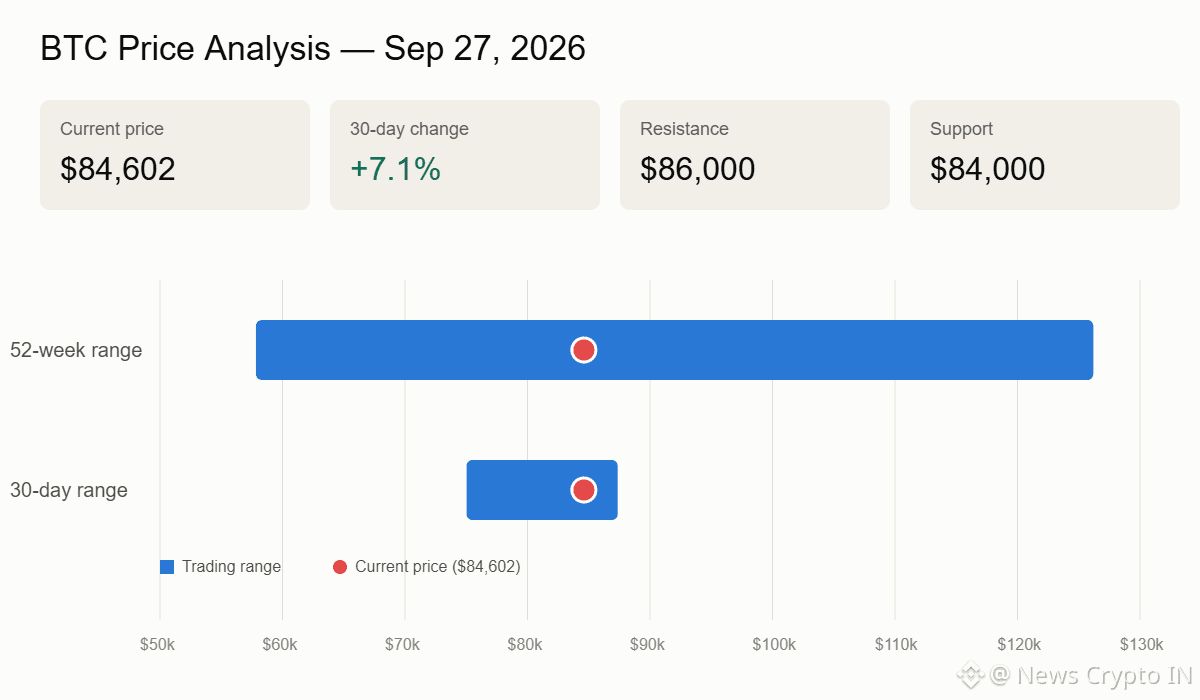
BTC is up 7.1% in 30 days, sitting at $84,602 — but that number hides more than it shows. It's still $41,500 below its own ATH from less than a year ago. "Recovery" and "new bull run" are not the same chart pattern, even when they produce the same green candle today.
$86K resistance has held twice this month. Until it breaks with volume, this is range-bound consolidation, not a breakout — no matter how the headlines frame the +7% number in isolation.
#BTC #Bitcoin #CryptoMarket
BTC is up 7.1% in 30 days, sitting at $84,602 — but that number hides more than it shows. It's still $41,500 below its own ATH from less than a year ago. "Recovery" and "new bull run" are not the same chart pattern, even when they produce the same green candle today.
$86K resistance has held twice this month. Until it breaks with volume, this is range-bound consolidation, not a breakout — no matter how the headlines frame the +7% number in isolation.
#BTC #Bitcoin #CryptoMarket
$86K resistance has held twice this month. Until it breaks with volume, this is range-bound consolidation, not a breakout — no matter how the headlines frame the +7% number in isolation.
#BTC #Bitcoin #CryptoMarket
1
41
翻訳参照
Over $721 million was stolen from DeFi protocols in H1 2026 that had a completed security audit. Not "no audit." Not "sketchy anonymous team." Audited. The badge everyone tells you to check for before depositing.
A study covering 135 DeFi hacks this year found 67.6% happened outside the actual scope of what got audited. "Audited" almost never means "the whole protocol, forever." It means "this specific code, at this specific version, on this specific date." Add a feature next month, integrate a new bridge, tweak the liquidation logic — and you're now running unaudited code with an audited badge still on your website.
The Euler Finance case is the cleanest example: the exploit succeeded not because of a coding bug, but because of economic logic in the donation and liquidation mechanics. No line-by-line code review catches that. The code was correct. The design assumption was wrong.
Meanwhile $1.3B has been drained from DeFi in 2026 so far, and Chainalysis attributes roughly 76% of hack losses this year to state-backed groups, mostly Lazarus — not random script kiddies. These aren't people probing for typos in Solidity. They're well-funded teams studying validator infrastructure, RPC endpoints, and governance mechanisms, the stuff audits don't even look at.
"Audited" is a marketing word doing the job of a security guarantee it was never built for. Not saying skip protocols with audits. Saying: an audit tells you less than the badge implies, and knowing that is worth more than the badge itself.
Next time a project leads with "audited by [firm]" — do you know what that audit actually covered, or are you just trusting the checkmark?
#DeFi #Security #CryptoHacks #SmartContracts
Over $721 million was stolen from DeFi protocols in H1 2026 that had a completed security audit. Not "no audit." Not "sketchy anonymous team." Audited. The badge everyone tells you to check for before depositing.
A study covering 135 DeFi hacks this year found 67.6% happened outside the actual scope of what got audited. "Audited" almost never means "the whole protocol, forever." It means "this specific code, at this specific version, on this specific date." Add a feature next month, integrate a new bridge, tweak the liquidation logic — and you're now running unaudited code with an audited badge still on your website.
The Euler Finance case is the cleanest example: the exploit succeeded not because of a coding bug, but because of economic logic in the donation and liquidation mechanics. No line-by-line code review catches that. The code was correct. The design assumption was wrong.
Meanwhile $1.3B has been drained from DeFi in 2026 so far, and Chainalysis attributes roughly 76% of hack losses this year to state-backed groups, mostly Lazarus — not random script kiddies. These aren't people probing for typos in Solidity. They're well-funded teams studying validator infrastructure, RPC endpoints, and governance mechanisms, the stuff audits don't even look at.
"Audited" is a marketing word doing the job of a security guarantee it was never built for. Not saying skip protocols with audits. Saying: an audit tells you less than the badge implies, and knowing that is worth more than the badge itself.
Next time a project leads with "audited by [firm]" — do you know what that audit actually covered, or are you just trusting the checkmark?
#DeFi #Security #CryptoHacks #SmartContracts
A study covering 135 DeFi hacks this year found 67.6% happened outside the actual scope of what got audited. "Audited" almost never means "the whole protocol, forever." It means "this specific code, at this specific version, on this specific date." Add a feature next month, integrate a new bridge, tweak the liquidation logic — and you're now running unaudited code with an audited badge still on your website.
The Euler Finance case is the cleanest example: the exploit succeeded not because of a coding bug, but because of economic logic in the donation and liquidation mechanics. No line-by-line code review catches that. The code was correct. The design assumption was wrong.
Meanwhile $1.3B has been drained from DeFi in 2026 so far, and Chainalysis attributes roughly 76% of hack losses this year to state-backed groups, mostly Lazarus — not random script kiddies. These aren't people probing for typos in Solidity. They're well-funded teams studying validator infrastructure, RPC endpoints, and governance mechanisms, the stuff audits don't even look at.
"Audited" is a marketing word doing the job of a security guarantee it was never built for. Not saying skip protocols with audits. Saying: an audit tells you less than the badge implies, and knowing that is worth more than the badge itself.
Next time a project leads with "audited by [firm]" — do you know what that audit actually covered, or are you just trusting the checkmark?
#DeFi #Security #CryptoHacks #SmartContracts
1
42
翻訳参照
There's a list floating around with 200+ crypto influencers and their price sheet for paid promotion. $50 to $60,000 per post, depending on reach. Of the 160+ who took the deal? Fewer than 5 disclosed it was an ad.
Read that again. Not "some didn't disclose." Fewer than five out of over a hundred and sixty.
This isn't a gray area. The FTC Endorsement Guides require disclosure. Jake Paul got fined $400K for exactly this with Justin Sun. Kim Kardashian got hit by the SEC for the same thing with EthereumMax. The law is clear, the precedent is clear, and somehow the entire influencer economy in this space still runs on "forgetting" to mention who's paying them.
Here's why this matters more than a gotcha thread: every time you see a "I've been researching this project for weeks and I'm really bullish" post from someone with 200K followers, you have no way of knowing if that's their genuine conviction or a $15,000 invoice. The rug pulls that follow — like the $143M CR7 collapse — don't happen because retail is dumb. They happen because the people retail trusts for signal are structurally incentivized to lie about why they're posting.
The uncomfortable part: this platform runs on creators too. The instinct to assume "at least the person I follow is being real with me" is exactly the assumption this leak just gutted, at scale, industry-wide.
Not naming names — the leak already did that. Just asking: next time someone's "personal take" conveniently aligns with a token launch, do you check who's paying, or do you just trust the vibes?
#CryptoInfluencers #Transparency #DYOR #CryptoNews
There's a list floating around with 200+ crypto influencers and their price sheet for paid promotion. $50 to $60,000 per post, depending on reach. Of the 160+ who took the deal? Fewer than 5 disclosed it was an ad.
Read that again. Not "some didn't disclose." Fewer than five out of over a hundred and sixty.
This isn't a gray area. The FTC Endorsement Guides require disclosure. Jake Paul got fined $400K for exactly this with Justin Sun. Kim Kardashian got hit by the SEC for the same thing with EthereumMax. The law is clear, the precedent is clear, and somehow the entire influencer economy in this space still runs on "forgetting" to mention who's paying them.
Here's why this matters more than a gotcha thread: every time you see a "I've been researching this project for weeks and I'm really bullish" post from someone with 200K followers, you have no way of knowing if that's their genuine conviction or a $15,000 invoice. The rug pulls that follow — like the $143M CR7 collapse — don't happen because retail is dumb. They happen because the people retail trusts for signal are structurally incentivized to lie about why they're posting.
The uncomfortable part: this platform runs on creators too. The instinct to assume "at least the person I follow is being real with me" is exactly the assumption this leak just gutted, at scale, industry-wide.
Not naming names — the leak already did that. Just asking: next time someone's "personal take" conveniently aligns with a token launch, do you check who's paying, or do you just trust the vibes?
#CryptoInfluencers #Transparency #DYOR #CryptoNews
Read that again. Not "some didn't disclose." Fewer than five out of over a hundred and sixty.
This isn't a gray area. The FTC Endorsement Guides require disclosure. Jake Paul got fined $400K for exactly this with Justin Sun. Kim Kardashian got hit by the SEC for the same thing with EthereumMax. The law is clear, the precedent is clear, and somehow the entire influencer economy in this space still runs on "forgetting" to mention who's paying them.
Here's why this matters more than a gotcha thread: every time you see a "I've been researching this project for weeks and I'm really bullish" post from someone with 200K followers, you have no way of knowing if that's their genuine conviction or a $15,000 invoice. The rug pulls that follow — like the $143M CR7 collapse — don't happen because retail is dumb. They happen because the people retail trusts for signal are structurally incentivized to lie about why they're posting.
The uncomfortable part: this platform runs on creators too. The instinct to assume "at least the person I follow is being real with me" is exactly the assumption this leak just gutted, at scale, industry-wide.
Not naming names — the leak already did that. Just asking: next time someone's "personal take" conveniently aligns with a token launch, do you check who's paying, or do you just trust the vibes?
#CryptoInfluencers #Transparency #DYOR #CryptoNews
1
50
翻訳参照
Everyone's celebrating the GENIUS Act as "crypto finally got regulatory clarity." Nobody's asking who that clarity is actually built for.
Here's the math: a stablecoin issuer under $200M in circulation now faces roughly $15M/year in compliance costs — AML systems, audit functions, sanctions programs, on-chain enforcement. Their gross reserve income at current Treasury yields? About $7.5M/year. That's a business that loses money by design the moment it complies.
Compliance costs are fixed, not proportional. A $500M issuer and a $50B issuer pay roughly the same compliance bill. Circle and Coinbase absorb that easily. Everyone below them gets priced out or acquired.
This isn't accidental. This is what "regulatory clarity" produces every time it's written this way: not more competition, but consolidation into 2-3 well-capitalized incumbents who helped write the framework. Circle's USDC already added $2B in Q1 2026 on "institutional demand for regulated assets" while Tether's USDT contracted $3B — its first quarterly decline since 2022.
Nobody's forcing you to pick a side here. Just notice the pattern: every time an industry gets "protected" by compliance requirements this expensive, the companies celebrating loudest in the press release are the ones who can already afford the bill. The ones getting quietly acquired by Q3 aren't writing op-eds about it.
If you hold stablecoins: do you know which one of yours can actually survive this math, or are you just holding whichever one was liquid when you needed it?
#Stablecoin #GENIUSAct #CryptoRegulation #USDT #USDC
Everyone's celebrating the GENIUS Act as "crypto finally got regulatory clarity." Nobody's asking who that clarity is actually built for.
Here's the math: a stablecoin issuer under $200M in circulation now faces roughly $15M/year in compliance costs — AML systems, audit functions, sanctions programs, on-chain enforcement. Their gross reserve income at current Treasury yields? About $7.5M/year. That's a business that loses money by design the moment it complies.
Compliance costs are fixed, not proportional. A $500M issuer and a $50B issuer pay roughly the same compliance bill. Circle and Coinbase absorb that easily. Everyone below them gets priced out or acquired.
This isn't accidental. This is what "regulatory clarity" produces every time it's written this way: not more competition, but consolidation into 2-3 well-capitalized incumbents who helped write the framework. Circle's USDC already added $2B in Q1 2026 on "institutional demand for regulated assets" while Tether's USDT contracted $3B — its first quarterly decline since 2022.
Nobody's forcing you to pick a side here. Just notice the pattern: every time an industry gets "protected" by compliance requirements this expensive, the companies celebrating loudest in the press release are the ones who can already afford the bill. The ones getting quietly acquired by Q3 aren't writing op-eds about it.
If you hold stablecoins: do you know which one of yours can actually survive this math, or are you just holding whichever one was liquid when you needed it?
#Stablecoin #GENIUSAct #CryptoRegulation #USDT #USDC
Here's the math: a stablecoin issuer under $200M in circulation now faces roughly $15M/year in compliance costs — AML systems, audit functions, sanctions programs, on-chain enforcement. Their gross reserve income at current Treasury yields? About $7.5M/year. That's a business that loses money by design the moment it complies.
Compliance costs are fixed, not proportional. A $500M issuer and a $50B issuer pay roughly the same compliance bill. Circle and Coinbase absorb that easily. Everyone below them gets priced out or acquired.
This isn't accidental. This is what "regulatory clarity" produces every time it's written this way: not more competition, but consolidation into 2-3 well-capitalized incumbents who helped write the framework. Circle's USDC already added $2B in Q1 2026 on "institutional demand for regulated assets" while Tether's USDT contracted $3B — its first quarterly decline since 2022.
Nobody's forcing you to pick a side here. Just notice the pattern: every time an industry gets "protected" by compliance requirements this expensive, the companies celebrating loudest in the press release are the ones who can already afford the bill. The ones getting quietly acquired by Q3 aren't writing op-eds about it.
If you hold stablecoins: do you know which one of yours can actually survive this math, or are you just holding whichever one was liquid when you needed it?
#Stablecoin #GENIUSAct #CryptoRegulation #USDT #USDC
2
1.6k
翻訳参照
Today's #1 gainer across the entire crypto market isn't Bitcoin, isn't an AI token, isn't some institutional tokenization play. It's Lil' Shrub (SHRUB), up 805.7% in 24 hours.
What is it? A memecoin themed after a hedgehog. Specifically, Elon Musk's pet hedgehog, after Shivon Zilis (Neuralink exec, mother of several of Musk's kids) posted a photo of it on X. Someone turned that photo into a token days later. 0% tax, "100% burned liquidity," zero utility, zero product.
This is the entire playbook, every time: a public figure posts something unrelated to crypto → someone launches a token off it within hours → early buyers pump it on a low-liquidity chain → it shows up on every "top gainers" list → new buyers see +805% and ape in at the top → volume dries up → chart round-trips to zero.
The token isn't "worth" 805% more. The float is thin enough that a few coordinated buys move the price 8x. That's not price discovery, that's illiquidity doing what illiquidity does.
Meanwhile it also trades under the ticker SHRUB on multiple different chains with different contract addresses — so half the people buying "the pump" may not even be buying the same token as the chart they're looking at.
This isn't a warning to never touch memecoins. It's a question: when a coin's entire thesis is "a celebrity's pet got photographed," what exactly do you think you own the day after the timeline moves on?
#Memecoin #SHRUB #CryptoMarket #DYOR
Today's #1 gainer across the entire crypto market isn't Bitcoin, isn't an AI token, isn't some institutional tokenization play. It's Lil' Shrub (SHRUB), up 805.7% in 24 hours.
What is it? A memecoin themed after a hedgehog. Specifically, Elon Musk's pet hedgehog, after Shivon Zilis (Neuralink exec, mother of several of Musk's kids) posted a photo of it on X. Someone turned that photo into a token days later. 0% tax, "100% burned liquidity," zero utility, zero product.
This is the entire playbook, every time: a public figure posts something unrelated to crypto → someone launches a token off it within hours → early buyers pump it on a low-liquidity chain → it shows up on every "top gainers" list → new buyers see +805% and ape in at the top → volume dries up → chart round-trips to zero.
The token isn't "worth" 805% more. The float is thin enough that a few coordinated buys move the price 8x. That's not price discovery, that's illiquidity doing what illiquidity does.
Meanwhile it also trades under the ticker SHRUB on multiple different chains with different contract addresses — so half the people buying "the pump" may not even be buying the same token as the chart they're looking at.
This isn't a warning to never touch memecoins. It's a question: when a coin's entire thesis is "a celebrity's pet got photographed," what exactly do you think you own the day after the timeline moves on?
#Memecoin #SHRUB #CryptoMarket #DYOR
What is it? A memecoin themed after a hedgehog. Specifically, Elon Musk's pet hedgehog, after Shivon Zilis (Neuralink exec, mother of several of Musk's kids) posted a photo of it on X. Someone turned that photo into a token days later. 0% tax, "100% burned liquidity," zero utility, zero product.
This is the entire playbook, every time: a public figure posts something unrelated to crypto → someone launches a token off it within hours → early buyers pump it on a low-liquidity chain → it shows up on every "top gainers" list → new buyers see +805% and ape in at the top → volume dries up → chart round-trips to zero.
The token isn't "worth" 805% more. The float is thin enough that a few coordinated buys move the price 8x. That's not price discovery, that's illiquidity doing what illiquidity does.
Meanwhile it also trades under the ticker SHRUB on multiple different chains with different contract addresses — so half the people buying "the pump" may not even be buying the same token as the chart they're looking at.
This isn't a warning to never touch memecoins. It's a question: when a coin's entire thesis is "a celebrity's pet got photographed," what exactly do you think you own the day after the timeline moves on?
#Memecoin #SHRUB #CryptoMarket #DYOR
1
21
AIは史上最大のインフラ・ブームを迎えています。Nvidiaの売上は3年間で270億ドルから2150億ドルへ伸び、来年はさらに4100億ドルに達すると見込まれています。実需要、実キャッシュフロー、実顧客です。
AIのクリプト・トークン?ラリーのど真ん中は逃しました。AI + ブロックチェーン」系のトークンが何百とあるこの全セクターの時価総額は、およそ250億ドル。これは総額2.86兆ドルある暗号資産市場の0.87%にすぎません。そして市場全体に対して相対的に縮小していて、成長していないのです。
誰も説明したがらないギャップはこれです:「AIコイン」がほしい人に都合のいい“AI”ではなく、Nvidiaの株価は出荷済みのGPU、署名済みの契約、そして監査可能な四半期売上によって裏付けられています。ほとんどのAIクリプト・トークンは、「AIでトークノミクスを最適化する」または「AIでNFTを生成する」といった主張のあるホワイトペーパーで支えられていますが、それは“それがなくても同じように存在してしまうトークン”に、単なるマーケティングのタグを後付けしただけです。
CoinMarketCap自身の調査責任者は、はっきりこう言い切りました。「AIタグは無料だが、市場は“実際に何かをしていること”を証明したものに対して課金し始めている」と。これ、FUD(根拠のない恐怖)ではありません。資本が本来やるべきことをそのままやっているだけです――キャッシュフローにつながるインフラを、雰囲気やロードマップの類から切り分けている。
次のフェーズは「AIトークンがゼロになる」ではありません。統合です。実際の利用を示せる数十件のプロジェクトが生き残り、残りは静かに重要性を失っていきます。その一方で、彼らのTwitterアカウントは引き続き「AIは未来だ」というチャートを投稿し続ける。
もし今「AIコイン」を保有しているなら質問です。そのプロジェクトはAIによって収益を生み出していますか?それともピッチデックにAIと書いているだけですか?
#AI #CryptoAI #AIBubble #Altcoins
AIは史上最大のインフラ・ブームを迎えています。Nvidiaの売上は3年間で270億ドルから2150億ドルへ伸び、来年はさらに4100億ドルに達すると見込まれています。実需要、実キャッシュフロー、実顧客です。
AIのクリプト・トークン?ラリーのど真ん中は逃しました。AI + ブロックチェーン」系のトークンが何百とあるこの全セクターの時価総額は、およそ250億ドル。これは総額2.86兆ドルある暗号資産市場の0.87%にすぎません。そして市場全体に対して相対的に縮小していて、成長していないのです。
誰も説明したがらないギャップはこれです:「AIコイン」がほしい人に都合のいい“AI”ではなく、Nvidiaの株価は出荷済みのGPU、署名済みの契約、そして監査可能な四半期売上によって裏付けられています。ほとんどのAIクリプト・トークンは、「AIでトークノミクスを最適化する」または「AIでNFTを生成する」といった主張のあるホワイトペーパーで支えられていますが、それは“それがなくても同じように存在してしまうトークン”に、単なるマーケティングのタグを後付けしただけです。
CoinMarketCap自身の調査責任者は、はっきりこう言い切りました。「AIタグは無料だが、市場は“実際に何かをしていること”を証明したものに対して課金し始めている」と。これ、FUD(根拠のない恐怖)ではありません。資本が本来やるべきことをそのままやっているだけです――キャッシュフローにつながるインフラを、雰囲気やロードマップの類から切り分けている。
次のフェーズは「AIトークンがゼロになる」ではありません。統合です。実際の利用を示せる数十件のプロジェクトが生き残り、残りは静かに重要性を失っていきます。その一方で、彼らのTwitterアカウントは引き続き「AIは未来だ」というチャートを投稿し続ける。
もし今「AIコイン」を保有しているなら質問です。そのプロジェクトはAIによって収益を生み出していますか?それともピッチデックにAIと書いているだけですか?
#AI #CryptoAI #AIBubble #Altcoins
AIのクリプト・トークン?ラリーのど真ん中は逃しました。AI + ブロックチェーン」系のトークンが何百とあるこの全セクターの時価総額は、およそ250億ドル。これは総額2.86兆ドルある暗号資産市場の0.87%にすぎません。そして市場全体に対して相対的に縮小していて、成長していないのです。
誰も説明したがらないギャップはこれです:「AIコイン」がほしい人に都合のいい“AI”ではなく、Nvidiaの株価は出荷済みのGPU、署名済みの契約、そして監査可能な四半期売上によって裏付けられています。ほとんどのAIクリプト・トークンは、「AIでトークノミクスを最適化する」または「AIでNFTを生成する」といった主張のあるホワイトペーパーで支えられていますが、それは“それがなくても同じように存在してしまうトークン”に、単なるマーケティングのタグを後付けしただけです。
CoinMarketCap自身の調査責任者は、はっきりこう言い切りました。「AIタグは無料だが、市場は“実際に何かをしていること”を証明したものに対して課金し始めている」と。これ、FUD(根拠のない恐怖)ではありません。資本が本来やるべきことをそのままやっているだけです――キャッシュフローにつながるインフラを、雰囲気やロードマップの類から切り分けている。
次のフェーズは「AIトークンがゼロになる」ではありません。統合です。実際の利用を示せる数十件のプロジェクトが生き残り、残りは静かに重要性を失っていきます。その一方で、彼らのTwitterアカウントは引き続き「AIは未来だ」というチャートを投稿し続ける。
もし今「AIコイン」を保有しているなら質問です。そのプロジェクトはAIによって収益を生み出していますか?それともピッチデックにAIと書いているだけですか?
#AI #CryptoAI #AIBubble #Altcoins
1
30
今日みんなのタイムライン、ずっと「月行き」してるみたいだね。QNT +72%、SOON +47%、THORChain と Wormhole はどちらもプラス。これって強気相場の始まりって感じ、だよね?
総時価総額は $2.87T から $2.89T に動いた。+0.45%です。時価総額の 50%+ を左右するのはビットコインで、これは +0.69%。VeChain は -5.63%。Aerodrome は -3.46%。
これが「暗号資産が上がってる」系の見出しが必ず使う手口:10,000+ の銘柄のうち上位 3〜5 銘柄だけを選んで、残り 9,995 が何も起きなかった、あるいはじわじわ下げていたことは無視して、それを「市場の動き」だと言う。統計的には、どの日でも 10,000 銘柄の母集団なら 40〜70% の何かが上がっていることになる。これはシグナルじゃない。大きなサンプルがそういうふうに見えるだけ。
QNT の上昇には本物のきっかけがある(The Clearing House が銀行のトークン化パイロットでそれを選定)。SOON の 47% の値動きは——投稿してる大半の人は、なぜ起きたかを「🚀🚀🚀」って打つ前に説明できなかったはず。
Fear & Greed は 47、Neutral(中立)。熱狂でも、パニックでもない。今日の「市場」は何もドラマチックなことをしていない。上がっているのは一握りのトークンだけ。それらは別の事実で、混同すると、CTフィードが全市場を生き生きしたものに見せてしまうせいで、個人投資家が他人のポンプの頂点を掴んでしまう。
いまあなたのフィードで緑になってるものなら何でも飛びつく前に:その資産はトークンの理由で動いてる?それとも、それをずっと投稿してる 3 つのアカウントのせい?
#CryptoMarket #BTC #AltcoinSeason #DYOR
今日みんなのタイムライン、ずっと「月行き」してるみたいだね。QNT +72%、SOON +47%、THORChain と Wormhole はどちらもプラス。これって強気相場の始まりって感じ、だよね?
総時価総額は $2.87T から $2.89T に動いた。+0.45%です。時価総額の 50%+ を左右するのはビットコインで、これは +0.69%。VeChain は -5.63%。Aerodrome は -3.46%。
これが「暗号資産が上がってる」系の見出しが必ず使う手口:10,000+ の銘柄のうち上位 3〜5 銘柄だけを選んで、残り 9,995 が何も起きなかった、あるいはじわじわ下げていたことは無視して、それを「市場の動き」だと言う。統計的には、どの日でも 10,000 銘柄の母集団なら 40〜70% の何かが上がっていることになる。これはシグナルじゃない。大きなサンプルがそういうふうに見えるだけ。
QNT の上昇には本物のきっかけがある(The Clearing House が銀行のトークン化パイロットでそれを選定)。SOON の 47% の値動きは——投稿してる大半の人は、なぜ起きたかを「🚀🚀🚀」って打つ前に説明できなかったはず。
Fear & Greed は 47、Neutral(中立)。熱狂でも、パニックでもない。今日の「市場」は何もドラマチックなことをしていない。上がっているのは一握りのトークンだけ。それらは別の事実で、混同すると、CTフィードが全市場を生き生きしたものに見せてしまうせいで、個人投資家が他人のポンプの頂点を掴んでしまう。
いまあなたのフィードで緑になってるものなら何でも飛びつく前に:その資産はトークンの理由で動いてる?それとも、それをずっと投稿してる 3 つのアカウントのせい?
#CryptoMarket #BTC #AltcoinSeason #DYOR
総時価総額は $2.87T から $2.89T に動いた。+0.45%です。時価総額の 50%+ を左右するのはビットコインで、これは +0.69%。VeChain は -5.63%。Aerodrome は -3.46%。
これが「暗号資産が上がってる」系の見出しが必ず使う手口:10,000+ の銘柄のうち上位 3〜5 銘柄だけを選んで、残り 9,995 が何も起きなかった、あるいはじわじわ下げていたことは無視して、それを「市場の動き」だと言う。統計的には、どの日でも 10,000 銘柄の母集団なら 40〜70% の何かが上がっていることになる。これはシグナルじゃない。大きなサンプルがそういうふうに見えるだけ。
QNT の上昇には本物のきっかけがある(The Clearing House が銀行のトークン化パイロットでそれを選定)。SOON の 47% の値動きは——投稿してる大半の人は、なぜ起きたかを「🚀🚀🚀」って打つ前に説明できなかったはず。
Fear & Greed は 47、Neutral(中立)。熱狂でも、パニックでもない。今日の「市場」は何もドラマチックなことをしていない。上がっているのは一握りのトークンだけ。それらは別の事実で、混同すると、CTフィードが全市場を生き生きしたものに見せてしまうせいで、個人投資家が他人のポンプの頂点を掴んでしまう。
いまあなたのフィードで緑になってるものなら何でも飛びつく前に:その資産はトークンの理由で動いてる?それとも、それをずっと投稿してる 3 つのアカウントのせい?
#CryptoMarket #BTC #AltcoinSeason #DYOR
1
396
翻訳参照
Exploring bPay on BNB Chain — an independent community onboarding project for on-chain users.
Contract address: 0xb13003bf44de426dd2a3aae3df9c3400de0a7777
Campaign code: BP-EAF9097F5A81
DYOR and never share your private key or seed phrase. bPay is not an official Binance product and is not affiliated with Binance.
#BSC #BNBChain #bPay
Exploring bPay on BNB Chain — an independent community onboarding project for on-chain users.
Contract address: 0xb13003bf44de426dd2a3aae3df9c3400de0a7777
Campaign code: BP-EAF9097F5A81
DYOR and never share your private key or seed phrase. bPay is not an official Binance product and is not affiliated with Binance.
#BSC #BNBChain #bPay
Contract address: 0xb13003bf44de426dd2a3aae3df9c3400de0a7777
Campaign code: BP-EAF9097F5A81
DYOR and never share your private key or seed phrase. bPay is not an official Binance product and is not affiliated with Binance.
#BSC #BNBChain #bPay
1
48
本人確認中
$QNT たった1日で約70%急騰。銀行が来る。だが、TOKENのために来るのか?
実際に起きたことはこうだ:RTPとCHIPSの裏方で、1日$2T+を動かす組織であるクリアリング・ハウスが、オンチェーン・マネー・イニシアティブの推進のためにQuantを選びました。25の米国銀行が、預金をトークン化し、対象はH1 2027のローンチ。
これは本物だ。「Discordサーバーとの“提携”」なんかじゃない。Quantは認める。
そして、タイムライン上の誰も口にしたくない“気まずい部分”がこちら:
→ 銀行はOverledgerをライセンスする。使うのにQNTを保有する必要はない。
→ トークンにはQuantの企業収益に対する直接的な請求権がない。
→ TCHの取引量が増えた=測定可能なQNT需要が証明された、とはならない。このつながりはこれまで明確に示されていない。
じゃあ、いま値付けされているのは何か? プラットフォームの勝利だ。人々が買っているのは何? トークンだ。
それは同じ資産ではない。
加えて、注目すべき点:
• サービス開始は2027年。存在していない将来のフローのために、今あなたは支払っている。
• このポンプの後でも、QNTは$427のATHを大きく下回っている。この物語は何年も「起きるはずだ」と言われ続けてきた。
• 四半期末のアルトコイン・ローテーション中に124%の出来高急増でブレイクアウト――まさに遅れて買った人がイグジット・リクイディティ(逃げ場の流動性)になる局面だ。
私はテーゼが死んだと言っているわけじゃない。機関投資家によるトークン化は、暗号が持つ最も筋の良いユースケースの一つだと思う。けれど「銀行が会社のソフトを採用」し「トークンは永遠に上がる」は、市場が橋を確認せずに何度も飛びついてしまう大きな飛躍だと言っている。
QNTを保有しているなら、1文で説明してほしい:25の銀行が預金を決済することが、あなたのトークンに買い圧力を生む仕組みはどうなっている?
できないなら、あなたは一体何を保有している?
#QNT #Quant #Tokenization #RWA #CryptoMarket
$QNT たった1日で約70%急騰。銀行が来る。だが、TOKENのために来るのか?
実際に起きたことはこうだ:RTPとCHIPSの裏方で、1日$2T+を動かす組織であるクリアリング・ハウスが、オンチェーン・マネー・イニシアティブの推進のためにQuantを選びました。25の米国銀行が、預金をトークン化し、対象はH1 2027のローンチ。
これは本物だ。「Discordサーバーとの“提携”」なんかじゃない。Quantは認める。
そして、タイムライン上の誰も口にしたくない“気まずい部分”がこちら:
→ 銀行はOverledgerをライセンスする。使うのにQNTを保有する必要はない。
→ トークンにはQuantの企業収益に対する直接的な請求権がない。
→ TCHの取引量が増えた=測定可能なQNT需要が証明された、とはならない。このつながりはこれまで明確に示されていない。
じゃあ、いま値付けされているのは何か? プラットフォームの勝利だ。人々が買っているのは何? トークンだ。
それは同じ資産ではない。
加えて、注目すべき点:
• サービス開始は2027年。存在していない将来のフローのために、今あなたは支払っている。
• このポンプの後でも、QNTは$427のATHを大きく下回っている。この物語は何年も「起きるはずだ」と言われ続けてきた。
• 四半期末のアルトコイン・ローテーション中に124%の出来高急増でブレイクアウト――まさに遅れて買った人がイグジット・リクイディティ(逃げ場の流動性)になる局面だ。
私はテーゼが死んだと言っているわけじゃない。機関投資家によるトークン化は、暗号が持つ最も筋の良いユースケースの一つだと思う。けれど「銀行が会社のソフトを採用」し「トークンは永遠に上がる」は、市場が橋を確認せずに何度も飛びついてしまう大きな飛躍だと言っている。
QNTを保有しているなら、1文で説明してほしい:25の銀行が預金を決済することが、あなたのトークンに買い圧力を生む仕組みはどうなっている?
できないなら、あなたは一体何を保有している?
#QNT #Quant #Tokenization #RWA #CryptoMarket
実際に起きたことはこうだ:RTPとCHIPSの裏方で、1日$2T+を動かす組織であるクリアリング・ハウスが、オンチェーン・マネー・イニシアティブの推進のためにQuantを選びました。25の米国銀行が、預金をトークン化し、対象はH1 2027のローンチ。
これは本物だ。「Discordサーバーとの“提携”」なんかじゃない。Quantは認める。
そして、タイムライン上の誰も口にしたくない“気まずい部分”がこちら:
→ 銀行はOverledgerをライセンスする。使うのにQNTを保有する必要はない。
→ トークンにはQuantの企業収益に対する直接的な請求権がない。
→ TCHの取引量が増えた=測定可能なQNT需要が証明された、とはならない。このつながりはこれまで明確に示されていない。
じゃあ、いま値付けされているのは何か? プラットフォームの勝利だ。人々が買っているのは何? トークンだ。
それは同じ資産ではない。
加えて、注目すべき点:
• サービス開始は2027年。存在していない将来のフローのために、今あなたは支払っている。
• このポンプの後でも、QNTは$427のATHを大きく下回っている。この物語は何年も「起きるはずだ」と言われ続けてきた。
• 四半期末のアルトコイン・ローテーション中に124%の出来高急増でブレイクアウト――まさに遅れて買った人がイグジット・リクイディティ(逃げ場の流動性)になる局面だ。
私はテーゼが死んだと言っているわけじゃない。機関投資家によるトークン化は、暗号が持つ最も筋の良いユースケースの一つだと思う。けれど「銀行が会社のソフトを採用」し「トークンは永遠に上がる」は、市場が橋を確認せずに何度も飛びついてしまう大きな飛躍だと言っている。
QNTを保有しているなら、1文で説明してほしい:25の銀行が預金を決済することが、あなたのトークンに買い圧力を生む仕組みはどうなっている?
できないなら、あなたは一体何を保有している?
#QNT #Quant #Tokenization #RWA #CryptoMarket
2
1.5k
バイナンスは、インサイダー取引でウォレットチームの社員を停止処分にした——トークンのローンチに先立って、過去のBNBチェーンでの役職から得た内情を使ってTGE前に買い、直後に投げ売りしたというものだ。内部告発者4人が、それを報告して10万ドルの報奨金を分配した。バイナンスはその件はきちんと対処した。だが、注視すべきはそこではない。🔍
RAVEトークンは数日で10,800%急騰したかと思えば、その後98%急落し、60億ドル($6B)相当の価値が吹き飛んだ。オンチェーン調査のザックXBTによれば、供給の約90%が3つのチームと紐づいたウォレットに集中していたという。バイナンスとBitgetはともに正式な調査を開始したが、これは公に起きることがほとんどない。投資家はそれを「すでに何かが壊れていた」確証として受け取り、“安心材料”とは見なさなかった。
気になるのは、なぜ取引所がこの種の問題を“個人がすでに清算され尽くした後”に発見し続けるのか、という点だ。公式に誰も一言も言う前に、強制清算はすでに4400万ドル($44M)発生していた。上場プロセスはフィルターのはずだ。だが最近は、そのフィルターが問題を拾えるのは、チャートがすでに崩れた後に限られているように見える。
一方でバイナンスは今月ICX、SCRT、STORJを上場廃止し、AVA、GNS、SCR、TOWNSには「モニタリング」タグを付けた——意図どおりに機能している、技術的には。とはいえ、モニタリングタグやクラッシュ後の調査は“予防”ではなく“事後対応”だ。インセンティブ構造は、ボリュームと引き換えに迅速な上場を報いる一方で、「ポンプを逃した」という形で遅い上場を罰する。差分を食らうのは個人投資家だ。
上場済みのトークンを取引するなと言っているわけではない。ただ聞きたい。取引所が、すでに上場されているトークンについて調査を発表する場合、実際に守られるのは誰なのか——清算されてしまったユーザーか、それとも取引所自身の責任(負債)か?
#Binance #BNB #CryptoRegulation #TokenListing
バイナンスは、インサイダー取引でウォレットチームの社員を停止処分にした——トークンのローンチに先立って、過去のBNBチェーンでの役職から得た内情を使ってTGE前に買い、直後に投げ売りしたというものだ。内部告発者4人が、それを報告して10万ドルの報奨金を分配した。バイナンスはその件はきちんと対処した。だが、注視すべきはそこではない。🔍
RAVEトークンは数日で10,800%急騰したかと思えば、その後98%急落し、60億ドル($6B)相当の価値が吹き飛んだ。オンチェーン調査のザックXBTによれば、供給の約90%が3つのチームと紐づいたウォレットに集中していたという。バイナンスとBitgetはともに正式な調査を開始したが、これは公に起きることがほとんどない。投資家はそれを「すでに何かが壊れていた」確証として受け取り、“安心材料”とは見なさなかった。
気になるのは、なぜ取引所がこの種の問題を“個人がすでに清算され尽くした後”に発見し続けるのか、という点だ。公式に誰も一言も言う前に、強制清算はすでに4400万ドル($44M)発生していた。上場プロセスはフィルターのはずだ。だが最近は、そのフィルターが問題を拾えるのは、チャートがすでに崩れた後に限られているように見える。
一方でバイナンスは今月ICX、SCRT、STORJを上場廃止し、AVA、GNS、SCR、TOWNSには「モニタリング」タグを付けた——意図どおりに機能している、技術的には。とはいえ、モニタリングタグやクラッシュ後の調査は“予防”ではなく“事後対応”だ。インセンティブ構造は、ボリュームと引き換えに迅速な上場を報いる一方で、「ポンプを逃した」という形で遅い上場を罰する。差分を食らうのは個人投資家だ。
上場済みのトークンを取引するなと言っているわけではない。ただ聞きたい。取引所が、すでに上場されているトークンについて調査を発表する場合、実際に守られるのは誰なのか——清算されてしまったユーザーか、それとも取引所自身の責任(負債)か?
#Binance #BNB #CryptoRegulation #TokenListing
RAVEトークンは数日で10,800%急騰したかと思えば、その後98%急落し、60億ドル($6B)相当の価値が吹き飛んだ。オンチェーン調査のザックXBTによれば、供給の約90%が3つのチームと紐づいたウォレットに集中していたという。バイナンスとBitgetはともに正式な調査を開始したが、これは公に起きることがほとんどない。投資家はそれを「すでに何かが壊れていた」確証として受け取り、“安心材料”とは見なさなかった。
気になるのは、なぜ取引所がこの種の問題を“個人がすでに清算され尽くした後”に発見し続けるのか、という点だ。公式に誰も一言も言う前に、強制清算はすでに4400万ドル($44M)発生していた。上場プロセスはフィルターのはずだ。だが最近は、そのフィルターが問題を拾えるのは、チャートがすでに崩れた後に限られているように見える。
一方でバイナンスは今月ICX、SCRT、STORJを上場廃止し、AVA、GNS、SCR、TOWNSには「モニタリング」タグを付けた——意図どおりに機能している、技術的には。とはいえ、モニタリングタグやクラッシュ後の調査は“予防”ではなく“事後対応”だ。インセンティブ構造は、ボリュームと引き換えに迅速な上場を報いる一方で、「ポンプを逃した」という形で遅い上場を罰する。差分を食らうのは個人投資家だ。
上場済みのトークンを取引するなと言っているわけではない。ただ聞きたい。取引所が、すでに上場されているトークンについて調査を発表する場合、実際に守られるのは誰なのか——清算されてしまったユーザーか、それとも取引所自身の責任(負債)か?
#Binance #BNB #CryptoRegulation #TokenListing
1
427
·
--
ブリッシュ
モジュラーブロックチェーン:実際のソリューションそれとも新しい物語?
モジュラー・ブロックチェーンの物語はますます賑やかになってきています。ロールアップ、DAレイヤー、共有セキュリティ、分離された実行レイヤー。
技術的には、このアプローチは理にかなっています:非中央集権を犠牲にすることなくスケーラビリティ。しかし、一般のユーザーにとって、彼らは本当に裏でのアーキテクチャに興味があるのでしょうか?
それとも、これは次のハイプサイクルを始めるための物語のシフトに過ぎないのでしょうか?
Web3はしばしば高レベルのインフラストラクチャの議論にとらわれがちですが、ユーザーが本当に望んでいるのは:安価で、迅速で、安全です。
モジュラー性は本当に革命的なのでしょうか、それとも単なるきれいに包装された複雑さなのでしょうか?
モジュラーブロックチェーン:実際のソリューションそれとも新しい物語?
モジュラー・ブロックチェーンの物語はますます賑やかになってきています。ロールアップ、DAレイヤー、共有セキュリティ、分離された実行レイヤー。
技術的には、このアプローチは理にかなっています:非中央集権を犠牲にすることなくスケーラビリティ。しかし、一般のユーザーにとって、彼らは本当に裏でのアーキテクチャに興味があるのでしょうか?
それとも、これは次のハイプサイクルを始めるための物語のシフトに過ぎないのでしょうか?
Web3はしばしば高レベルのインフラストラクチャの議論にとらわれがちですが、ユーザーが本当に望んでいるのは:安価で、迅速で、安全です。
モジュラー性は本当に革命的なのでしょうか、それとも単なるきれいに包装された複雑さなのでしょうか?
モジュラー・ブロックチェーンの物語はますます賑やかになってきています。ロールアップ、DAレイヤー、共有セキュリティ、分離された実行レイヤー。
技術的には、このアプローチは理にかなっています:非中央集権を犠牲にすることなくスケーラビリティ。しかし、一般のユーザーにとって、彼らは本当に裏でのアーキテクチャに興味があるのでしょうか?
それとも、これは次のハイプサイクルを始めるための物語のシフトに過ぎないのでしょうか?
Web3はしばしば高レベルのインフラストラクチャの議論にとらわれがちですが、ユーザーが本当に望んでいるのは:安価で、迅速で、安全です。
モジュラー性は本当に革命的なのでしょうか、それとも単なるきれいに包装された複雑さなのでしょうか?
1
173
·
--
ブリッシュ
エアドロップハンター: エコシステムの貢献者か、ネットワークの負担か?
エアドロップハンターの現象はますます大規模になっています。何千ものウォレットが作成され、さまざまなチェーンへのブリッジング、報酬のためのポイントファーミングが行われています。
一方で、彼らはオンチェーンの活動を増加させ、流動性のブートストラップを助けています。
他方で、それは本当に「ユーザーの採用」であるのでしょうか?
もし大多数のユーザーがインセンティブのためだけに来て、トークンの上場後に去るなら、それは健康的な成長なのでしょうか?
いくつかのプロジェクトは、シビル検出とより選択的なレトロアクティブ報酬を導入し始めています。しかし、質問は変わりません: Web3はコミュニティを構築しているのか、それとも単に報酬のハンターを構築しているのか?
もしあなたが創業者なら、10,000人のインセンティブユーザーと1,000人のオーガニックユーザーのどちらを選びますか?
エアドロップハンター: エコシステムの貢献者か、ネットワークの負担か?
エアドロップハンターの現象はますます大規模になっています。何千ものウォレットが作成され、さまざまなチェーンへのブリッジング、報酬のためのポイントファーミングが行われています。
一方で、彼らはオンチェーンの活動を増加させ、流動性のブートストラップを助けています。
他方で、それは本当に「ユーザーの採用」であるのでしょうか?
もし大多数のユーザーがインセンティブのためだけに来て、トークンの上場後に去るなら、それは健康的な成長なのでしょうか?
いくつかのプロジェクトは、シビル検出とより選択的なレトロアクティブ報酬を導入し始めています。しかし、質問は変わりません: Web3はコミュニティを構築しているのか、それとも単に報酬のハンターを構築しているのか?
もしあなたが創業者なら、10,000人のインセンティブユーザーと1,000人のオーガニックユーザーのどちらを選びますか?
エアドロップハンターの現象はますます大規模になっています。何千ものウォレットが作成され、さまざまなチェーンへのブリッジング、報酬のためのポイントファーミングが行われています。
一方で、彼らはオンチェーンの活動を増加させ、流動性のブートストラップを助けています。
他方で、それは本当に「ユーザーの採用」であるのでしょうか?
もし大多数のユーザーがインセンティブのためだけに来て、トークンの上場後に去るなら、それは健康的な成長なのでしょうか?
いくつかのプロジェクトは、シビル検出とより選択的なレトロアクティブ報酬を導入し始めています。しかし、質問は変わりません: Web3はコミュニティを構築しているのか、それとも単に報酬のハンターを構築しているのか?
もしあなたが創業者なら、10,000人のインセンティブユーザーと1,000人のオーガニックユーザーのどちらを選びますか?
2
119
·
--
ブリッシュ
Web3はトークンにあまりにも焦点を当てすぎているのではないか、製品ではなく?
2020年以降、私たちはほぼ毎週新しいトークンの爆発を目の当たりにしています。しかし、問題はこうです:Web3は本当に必要とされる製品を構築しているのか、それとも単にホワイトペーパーで魅力的に見えるトークンメカニズムを作っているだけなのか?
多くのプロジェクトが「ユーティリティトークン」と主張していますが、実際にはトークンは資金調達と投機の手段として機能しています。技術的に堅実なdAppでさえ、価格のハイプなしでは生き残るのが難しいのです。
皮肉なことに、Web2のスタートアップはトークンなしで成功できる一方で、Web3はしばしば緑のチャートなしでは生き残れません。
そろそろWeb3が基本に戻る時期かもしれません:問題-解決の適合、ではなくトークン-市場の適合。
あなたはどう思いますか、トークンはWeb3の基盤なのか、それとも最大の気を散らす要因なのか?
#BTC #BNB #ETH #ニュース #TrumpNewTariffs #TokenizedRealEstate
{spot}(BTCUSDT)
{spot}(BNBUSDT)
Web3はトークンにあまりにも焦点を当てすぎているのではないか、製品ではなく?
2020年以降、私たちはほぼ毎週新しいトークンの爆発を目の当たりにしています。しかし、問題はこうです:Web3は本当に必要とされる製品を構築しているのか、それとも単にホワイトペーパーで魅力的に見えるトークンメカニズムを作っているだけなのか?
多くのプロジェクトが「ユーティリティトークン」と主張していますが、実際にはトークンは資金調達と投機の手段として機能しています。技術的に堅実なdAppでさえ、価格のハイプなしでは生き残るのが難しいのです。
皮肉なことに、Web2のスタートアップはトークンなしで成功できる一方で、Web3はしばしば緑のチャートなしでは生き残れません。
そろそろWeb3が基本に戻る時期かもしれません:問題-解決の適合、ではなくトークン-市場の適合。
あなたはどう思いますか、トークンはWeb3の基盤なのか、それとも最大の気を散らす要因なのか?
#BTC #BNB #ETH #ニュース #TrumpNewTariffs #TokenizedRealEstate
2020年以降、私たちはほぼ毎週新しいトークンの爆発を目の当たりにしています。しかし、問題はこうです:Web3は本当に必要とされる製品を構築しているのか、それとも単にホワイトペーパーで魅力的に見えるトークンメカニズムを作っているだけなのか?
多くのプロジェクトが「ユーティリティトークン」と主張していますが、実際にはトークンは資金調達と投機の手段として機能しています。技術的に堅実なdAppでさえ、価格のハイプなしでは生き残るのが難しいのです。
皮肉なことに、Web2のスタートアップはトークンなしで成功できる一方で、Web3はしばしば緑のチャートなしでは生き残れません。
そろそろWeb3が基本に戻る時期かもしれません:問題-解決の適合、ではなくトークン-市場の適合。
あなたはどう思いますか、トークンはWeb3の基盤なのか、それとも最大の気を散らす要因なのか?
#BTC #BNB #ETH #ニュース #TrumpNewTariffs #TokenizedRealEstate
1
123


·
--
ブリッシュ
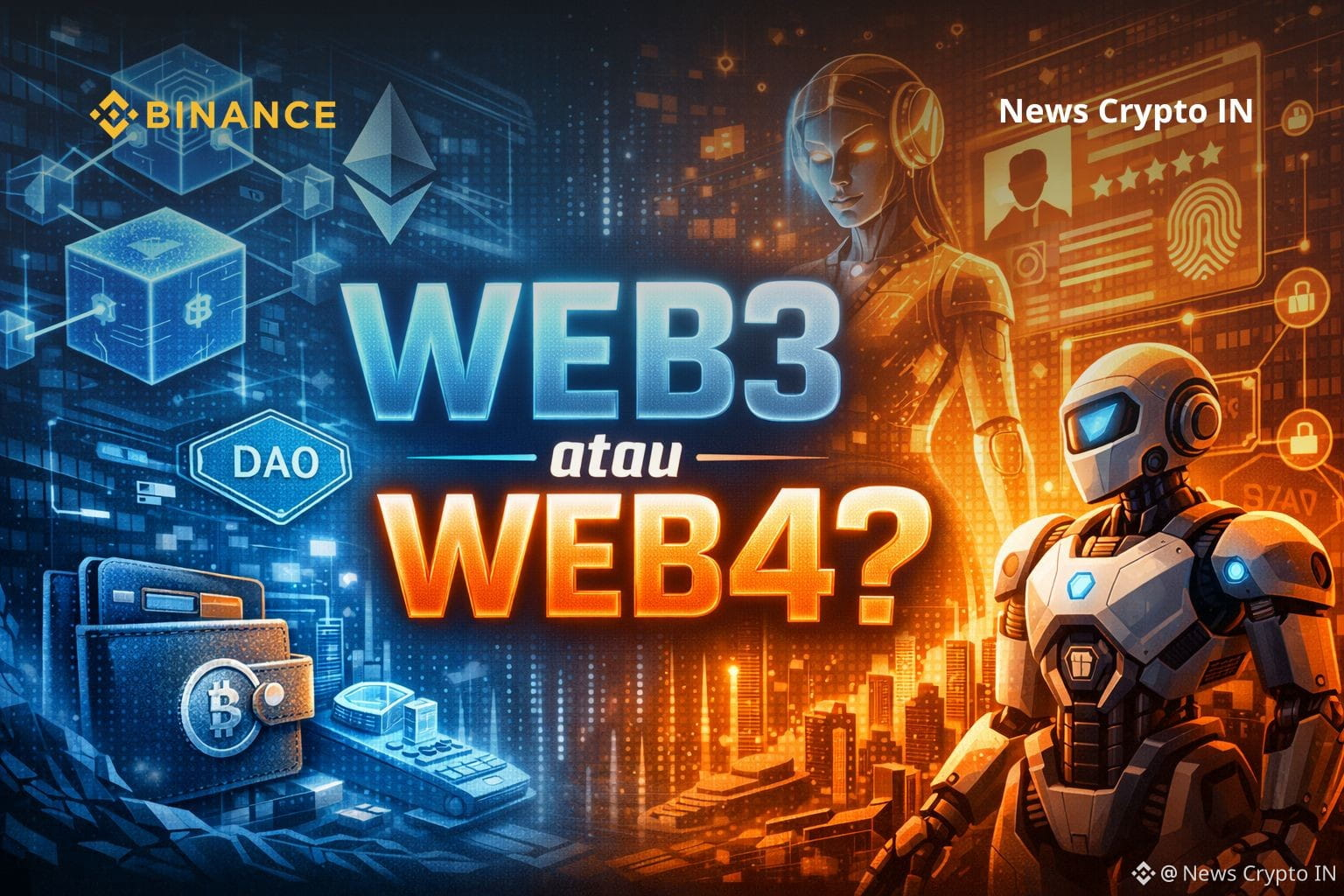
Web4: 真の進化か、それとも単なる新しいナラティブか?
Web1 = 読む。
Web2 = 読む & 書く。
Web3 = 読む、書く & 所有する。
そして新しい用語が登場しました: Web4。
まだ公式な定義はありませんが、多くの人がWeb4をAI + ブロックチェーン + アイデンティティ + 自律エージェントの統合として、シームレスなエコシステムの中で言及しています。Web3が所有権に焦点を当てているのに対し、Web4はスマートな自律性に焦点を当てるとされています。
想像してみてください:
- 自動DeFi戦略を管理するAIエージェントを持つウォレット
- 機械学習に基づくガバナンスアシスタントを持つDAO
- 市場状況に適応するスマートコントラクト
- 単なるアドレスではなく、評判 & スキルの証明となるデジタルアイデンティティ
ここでUXはよりシンプルになります。ユーザーはRPC、ガス料金、またはブリッジを理解する必要がありません。すべてエージェントが処理します。
しかし、ここから議論が始まります。
もしAIが私たちのウォレットを管理するなら、それはまだ自己保管と呼べるのでしょうか?
もしAIモデルが集中型なら、Web4は本当に分散化されているのでしょうか?
もしエージェントが自分で取引や投票を行えるなら、失敗した時の責任は誰が負うのでしょうか?
一部の人はWeb4はAIトレンドの再ブランド化に過ぎないと言います。自然な進化であり、革命ではありません。
しかし、これがインターネットの新しいフェーズであると信じる人もいます: 私たちが制御するインターネットから、私たちが意思決定を行うのを助けるインターネットへ。
その影響は大きいです:
- 開発者はスマートコントラクト + AI統合を理解する必要があります
- 投資家は自律エージェントを経済的な行為者として見るようになります
- コミュニティは「所有権」の意味を再定義する必要があります
質問は:
Web4は本当にインターネットの次の章なのでしょうか?
それとも私たちはまだWeb3を完了していないのに、新しいナラティブを探しているのでしょうか?
Web4 = 進化…それとも幻想?
皆さんはどう思いますか?Web4についての意見をぜひ教えてください。👌
Web4: 真の進化か、それとも単なる新しいナラティブか?
Web1 = 読む。
Web2 = 読む & 書く。
Web3 = 読む、書く & 所有する。
そして新しい用語が登場しました: Web4。
まだ公式な定義はありませんが、多くの人がWeb4をAI + ブロックチェーン + アイデンティティ + 自律エージェントの統合として、シームレスなエコシステムの中で言及しています。Web3が所有権に焦点を当てているのに対し、Web4はスマートな自律性に焦点を当てるとされています。
想像してみてください:
- 自動DeFi戦略を管理するAIエージェントを持つウォレット
- 機械学習に基づくガバナンスアシスタントを持つDAO
- 市場状況に適応するスマートコントラクト
- 単なるアドレスではなく、評判 & スキルの証明となるデジタルアイデンティティ
ここでUXはよりシンプルになります。ユーザーはRPC、ガス料金、またはブリッジを理解する必要がありません。すべてエージェントが処理します。
しかし、ここから議論が始まります。
もしAIが私たちのウォレットを管理するなら、それはまだ自己保管と呼べるのでしょうか?
もしAIモデルが集中型なら、Web4は本当に分散化されているのでしょうか?
もしエージェントが自分で取引や投票を行えるなら、失敗した時の責任は誰が負うのでしょうか?
一部の人はWeb4はAIトレンドの再ブランド化に過ぎないと言います。自然な進化であり、革命ではありません。
しかし、これがインターネットの新しいフェーズであると信じる人もいます: 私たちが制御するインターネットから、私たちが意思決定を行うのを助けるインターネットへ。
その影響は大きいです:
- 開発者はスマートコントラクト + AI統合を理解する必要があります
- 投資家は自律エージェントを経済的な行為者として見るようになります
- コミュニティは「所有権」の意味を再定義する必要があります
質問は:
Web4は本当にインターネットの次の章なのでしょうか?
それとも私たちはまだWeb3を完了していないのに、新しいナラティブを探しているのでしょうか?
Web4 = 進化…それとも幻想?
皆さんはどう思いますか?Web4についての意見をぜひ教えてください。👌
Web1 = 読む。
Web2 = 読む & 書く。
Web3 = 読む、書く & 所有する。
そして新しい用語が登場しました: Web4。
まだ公式な定義はありませんが、多くの人がWeb4をAI + ブロックチェーン + アイデンティティ + 自律エージェントの統合として、シームレスなエコシステムの中で言及しています。Web3が所有権に焦点を当てているのに対し、Web4はスマートな自律性に焦点を当てるとされています。
想像してみてください:
- 自動DeFi戦略を管理するAIエージェントを持つウォレット
- 機械学習に基づくガバナンスアシスタントを持つDAO
- 市場状況に適応するスマートコントラクト
- 単なるアドレスではなく、評判 & スキルの証明となるデジタルアイデンティティ
ここでUXはよりシンプルになります。ユーザーはRPC、ガス料金、またはブリッジを理解する必要がありません。すべてエージェントが処理します。
しかし、ここから議論が始まります。
もしAIが私たちのウォレットを管理するなら、それはまだ自己保管と呼べるのでしょうか?
もしAIモデルが集中型なら、Web4は本当に分散化されているのでしょうか?
もしエージェントが自分で取引や投票を行えるなら、失敗した時の責任は誰が負うのでしょうか?
一部の人はWeb4はAIトレンドの再ブランド化に過ぎないと言います。自然な進化であり、革命ではありません。
しかし、これがインターネットの新しいフェーズであると信じる人もいます: 私たちが制御するインターネットから、私たちが意思決定を行うのを助けるインターネットへ。
その影響は大きいです:
- 開発者はスマートコントラクト + AI統合を理解する必要があります
- 投資家は自律エージェントを経済的な行為者として見るようになります
- コミュニティは「所有権」の意味を再定義する必要があります
質問は:
Web4は本当にインターネットの次の章なのでしょうか?
それとも私たちはまだWeb3を完了していないのに、新しいナラティブを探しているのでしょうか?
Web4 = 進化…それとも幻想?
皆さんはどう思いますか?Web4についての意見をぜひ教えてください。👌
2
137
カエモンについてみんなで確認してみましょう。
カエモンについてみんなで確認してみましょう。
News Crypto IN
·
--
KAEMON 次のWeb3ストリームで稼ぐ?
1. Kaemon.xyzの主な機能
ライブストリーミングとDeFiの出会い
インストリームDeFi:クリエイターと視聴者は、ライブストリーム内で直接分散型金融ツール(ステーキング、チップ、トークン報酬)とインタラクションできます。
放送と視聴の両方をサポートし、収益化をシームレスにします。
AI駆動のインタラクティビティ
インテリジェントなAI拡張を利用してライブストリーム体験をカスタマイズし、パーソナライズされたインタラクションを作成し、リアルタイムでコンテンツを適応させます。
Polygon zkEVM上に構築されています
セキュリティ、スケーラビリティ、低ガスコストを保証します。オンストリームでのトランザクションは迅速かつ手頃で、スムーズなユーザーエクスペリエンスに不可欠です kaemon.xyz。
ライブストリーミングとDeFiの出会い
インストリームDeFi:クリエイターと視聴者は、ライブストリーム内で直接分散型金融ツール(ステーキング、チップ、トークン報酬)とインタラクションできます。
放送と視聴の両方をサポートし、収益化をシームレスにします。
AI駆動のインタラクティビティ
インテリジェントなAI拡張を利用してライブストリーム体験をカスタマイズし、パーソナライズされたインタラクションを作成し、リアルタイムでコンテンツを適応させます。
Polygon zkEVM上に構築されています
セキュリティ、スケーラビリティ、低ガスコストを保証します。オンストリームでのトランザクションは迅速かつ手頃で、スムーズなユーザーエクスペリエンスに不可欠です kaemon.xyz。
1
1.7k
記事
KAEMON 次のWeb3ストリームで稼ぐ?1. Kaemon.xyzの主な機能
ライブストリーミングとDeFiの出会い
インストリームDeFi:クリエイターと視聴者は、ライブストリーム内で直接分散型金融ツール(ステーキング、チップ、トークン報酬)とインタラクションできます。
放送と視聴の両方をサポートし、収益化をシームレスにします。
AI駆動のインタラクティビティ
インテリジェントなAI拡張を利用してライブストリーム体験をカスタマイズし、パーソナライズされたインタラクションを作成し、リアルタイムでコンテンツを適応させます。
Polygon zkEVM上に構築されています
セキュリティ、スケーラビリティ、低ガスコストを保証します。オンストリームでのトランザクションは迅速かつ手頃で、スムーズなユーザーエクスペリエンスに不可欠です kaemon.xyz。
KAEMON 次のWeb3ストリームで稼ぐ?
1. Kaemon.xyzの主な機能
ライブストリーミングとDeFiの出会い
インストリームDeFi:クリエイターと視聴者は、ライブストリーム内で直接分散型金融ツール(ステーキング、チップ、トークン報酬)とインタラクションできます。
放送と視聴の両方をサポートし、収益化をシームレスにします。
AI駆動のインタラクティビティ
インテリジェントなAI拡張を利用してライブストリーム体験をカスタマイズし、パーソナライズされたインタラクションを作成し、リアルタイムでコンテンツを適応させます。
Polygon zkEVM上に構築されています
セキュリティ、スケーラビリティ、低ガスコストを保証します。オンストリームでのトランザクションは迅速かつ手頃で、スムーズなユーザーエクスペリエンスに不可欠です kaemon.xyz。
ライブストリーミングとDeFiの出会い
インストリームDeFi:クリエイターと視聴者は、ライブストリーム内で直接分散型金融ツール(ステーキング、チップ、トークン報酬)とインタラクションできます。
放送と視聴の両方をサポートし、収益化をシームレスにします。
AI駆動のインタラクティビティ
インテリジェントなAI拡張を利用してライブストリーム体験をカスタマイズし、パーソナライズされたインタラクションを作成し、リアルタイムでコンテンツを適応させます。
Polygon zkEVM上に構築されています
セキュリティ、スケーラビリティ、低ガスコストを保証します。オンストリームでのトランザクションは迅速かつ手頃で、スムーズなユーザーエクスペリエンスに不可欠です kaemon.xyz。
1
1
823
ログインして、さらにコンテンツを読む
厳選トピックで世界の暗号資産トレーダーの仲間入り
⚡️ 暗号資産に関する最新かつ有益な情報が見つかります。
💬 世界最大の暗号資産取引所から信頼されています。
👍 認証を受けたクリエイターから、有益なインサイトを得られます。
メール / 電話番号
トレンドトピック
BitgetHackerMoves$83MStolenXRP
閲覧回数 6,161
65人が討論中
2026年9月24日、Bitgetは大規模なセキュリティ侵害を受け、報道によれば約$387M〜$390M相当の資産が盗まれた。
盗まれた資金の大部分は$XRP だった。
当時約1.57億〜1.6億ドル相当の約103M $XRPが、攻撃者が管理する5つのウォレットへ移されていた。
9月26日までに、そのうち3つのウォレットから既に約54M XRP(8,300万ドル)が移されていた。
それぞれ約20M XRPを保有していた2つのウォレットはほぼ完全に空にされ、別のウォレットは約5.8M XRPまで減っていた。
その結果、当時約7,500万ドル相当の約49M XRPが、元のウォレットにまだ残っていた。
送金はさらに深夜にかけても加速し、資金が新しいウォレットに分散された。報道によっては、XRPの一部がその後THORChainを通じてビットコインへ送られたとも言われている。
資金が引き続き動くため、私はこの状況をしっかり注視している。
#BitgetHackerMoves$83MStolenXRP
jujucrypt
·いいね:7件
·閲覧回数 11.4k
SOLSpotETFWeeklyInflow$188M
閲覧回数 2,759
58人が討論中
DogecoinETFsPostBiggestWeekSinceLaunch
閲覧回数 2,071
130人が討論中