

Channel13Crypto
1.6k 投稿

Channel13Crypto
報告
ユーザーをブロック
60 フォロー
5.8K+ フォロワー
2.9K+ いいね
投稿
すべて
引用
動画
速報ニュース
🇵🇰 🇺🇸 🇮🇷 パキスタンがアメリカとイランの間で正式な平和協定が締結され、正式な署名は6月19日にスイスで行われることを発表しました。
#SaylorHintsStrategyBitcoinBuy
#HToken210PctBouncePostExploit
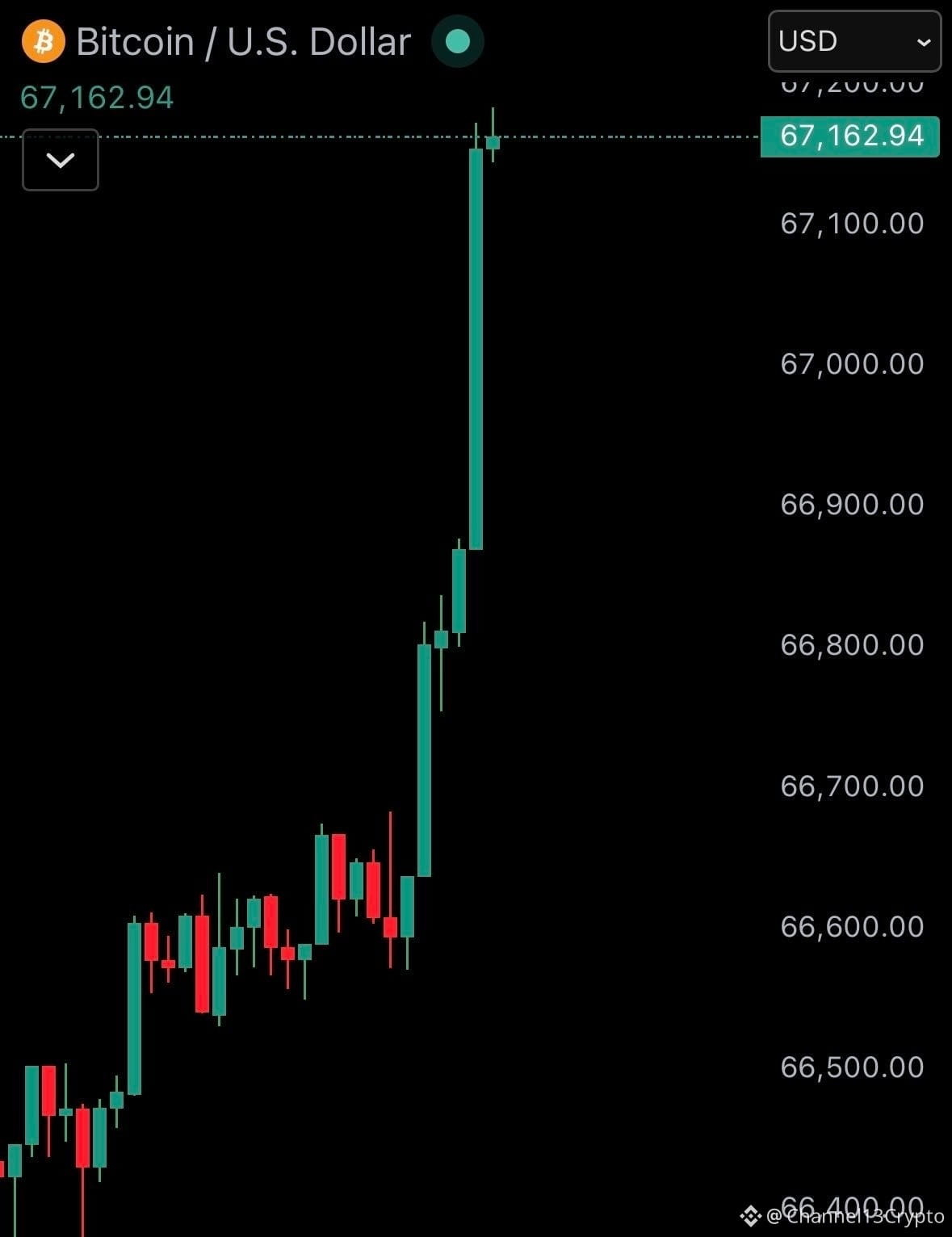
ビットコインが$64Kに反発
ビットコインが$64に反発
速報ニュース
🇵🇰 🇺🇸 🇮🇷 パキスタンがアメリカとイランの間で正式な平和協定が締結され、正式な署名は6月19日にスイスで行われることを発表しました。
#SaylorHintsStrategyBitcoinBuy
#HToken210PctBouncePostExploit
ビットコインが$64Kに反発
ビットコインが$64に反発
🇵🇰 🇺🇸 🇮🇷 パキスタンがアメリカとイランの間で正式な平和協定が締結され、正式な署名は6月19日にスイスで行われることを発表しました。
#SaylorHintsStrategyBitcoinBuy
#HToken210PctBouncePostExploit
ビットコインが$64Kに反発
ビットコインが$64に反発
122
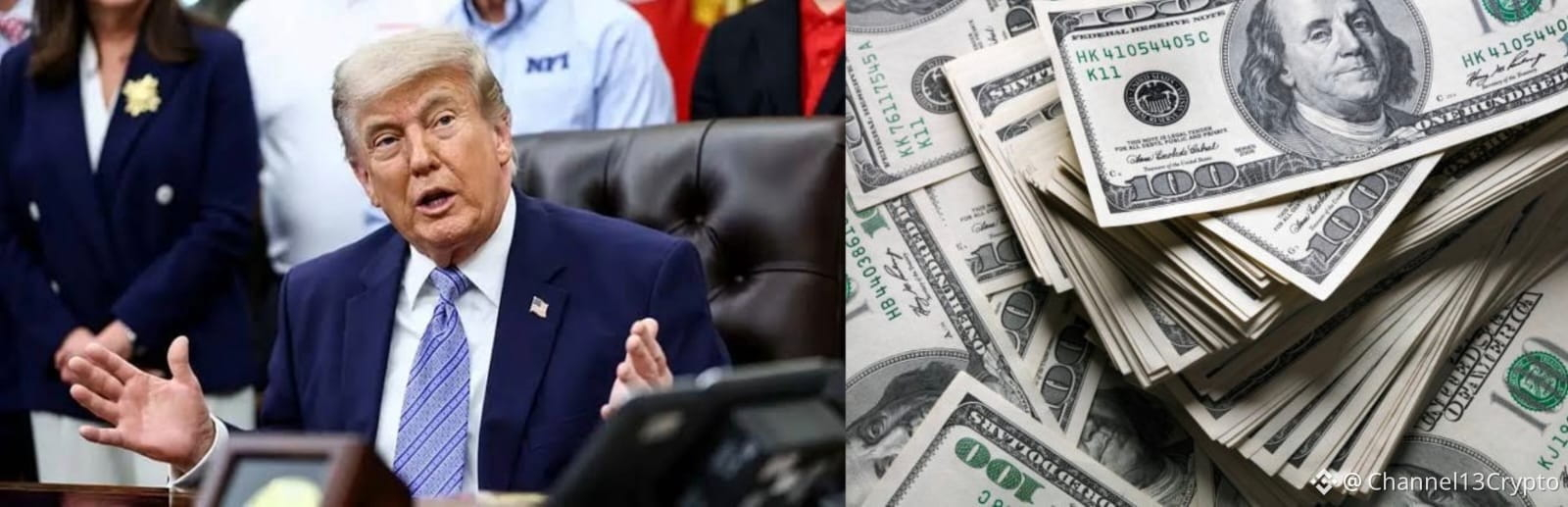
🇺🇸 ドナルド・トランプは、潜在的な平和合意の一環として🇮🇷イランに3000億ドルの投資パッケージを提供する準備ができていると報じられています。
#GENIUSBinanceHODLer #BitcoinAhr999Below0.45 #BitcoinAhr999Below0.45
🇺🇸 ドナルド・トランプは、潜在的な平和合意の一環として🇮🇷イランに3000億ドルの投資パッケージを提供する準備ができていると報じられています。
#GENIUSBinanceHODLer #BitcoinAhr999Below0.45 #BitcoinAhr999Below0.45
#GENIUSBinanceHODLer #BitcoinAhr999Below0.45 #BitcoinAhr999Below0.45
1
157
2
136
Pixels (PIXEL)は、ソーシャルインタラクション、クリエイティビティ、ブロックチェーンを活用した所有権を組み合わせて、Web3ゲーム体験を再定義しています。Ronin Network上に構築されたこのゲームは、プレイヤーがゲーム内資産を真に所有できるシームレスで低コストな環境を提供します。
Pixelsは、単なる農業シミュレーターではなく、生きた呼吸するオープンワールドエコシステムです。プレイヤーは土地を耕し、資源を集め、アイテムを作成し、広大な風景を探索しながら、グローバルなコミュニティとインタラクションを行います。このソーシャルレイヤーが他のゲームと差別化されるポイントです。コラボレーション、トレード、共有の進行が、すべてのアクションを意味のあるものにし、つながりを感じさせます。
$PIXEL トークンは、ゲーム内経済を支え、プレイヤーがゲームプレイや参加を通じて報酬を得ることを可能にします。従来のゲームでは、費やした時間が実際の価値に変わることはほとんどありませんが、Pixelsでは、プレイヤーが努力と戦略を通じてデジタル資産を築くことができます。
#pixel $PIXEL
Pixels (PIXEL)は、ソーシャルインタラクション、クリエイティビティ、ブロックチェーンを活用した所有権を組み合わせて、Web3ゲーム体験を再定義しています。Ronin Network上に構築されたこのゲームは、プレイヤーがゲーム内資産を真に所有できるシームレスで低コストな環境を提供します。
Pixelsは、単なる農業シミュレーターではなく、生きた呼吸するオープンワールドエコシステムです。プレイヤーは土地を耕し、資源を集め、アイテムを作成し、広大な風景を探索しながら、グローバルなコミュニティとインタラクションを行います。このソーシャルレイヤーが他のゲームと差別化されるポイントです。コラボレーション、トレード、共有の進行が、すべてのアクションを意味のあるものにし、つながりを感じさせます。
$PIXEL トークンは、ゲーム内経済を支え、プレイヤーがゲームプレイや参加を通じて報酬を得ることを可能にします。従来のゲームでは、費やした時間が実際の価値に変わることはほとんどありませんが、Pixelsでは、プレイヤーが努力と戦略を通じてデジタル資産を築くことができます。
#pixel $PIXEL
Pixelsは、単なる農業シミュレーターではなく、生きた呼吸するオープンワールドエコシステムです。プレイヤーは土地を耕し、資源を集め、アイテムを作成し、広大な風景を探索しながら、グローバルなコミュニティとインタラクションを行います。このソーシャルレイヤーが他のゲームと差別化されるポイントです。コラボレーション、トレード、共有の進行が、すべてのアクションを意味のあるものにし、つながりを感じさせます。
$PIXEL トークンは、ゲーム内経済を支え、プレイヤーがゲームプレイや参加を通じて報酬を得ることを可能にします。従来のゲームでは、費やした時間が実際の価値に変わることはほとんどありませんが、Pixelsでは、プレイヤーが努力と戦略を通じてデジタル資産を築くことができます。
#pixel $PIXEL
151
Pixels (PIXEL): ソーシャルWeb3ゲームの新時代Pixels (PIXEL)は、Web3ゲームの世界での新鮮で魅力的な進化を表しており、カジュアルなゲームプレイの魅力とブロックチェーン技術の力を融合させています。Ronin Network上に構築されたこのゲームは、プレイヤーに農業、探検、創造性を中心にした活気あるオープンワールド体験を提供します。従来のゲームが純粋にエンターテインメントに焦点を当てるのとは異なり、Pixelsはプレイヤーが自分のゲーム内活動から真に所有し、利益を得ることを可能にする社会的および経済的なレイヤーを導入しています。
Pixelsのコアは、アクセスしやすく楽しめるように設計されています。ゲームプレイは、作物を植えたり、資源を集めたり、アイテムを作成したり、動的な環境と相互作用したりするという、馴染みのあるメカニクスに基づいています。このシンプルさは、経験豊富なゲーマーにも新参者にも魅力的です。しかし、このカジュアルな表面の下には、Web3インフラストラクチャによって支えられたより深いシステムが存在し、すべてのアクションが実際のデジタル所有権と価値創造に寄与することができます。
Pixels (PIXEL): ソーシャルWeb3ゲームの新時代
Pixels (PIXEL)は、Web3ゲームの世界での新鮮で魅力的な進化を表しており、カジュアルなゲームプレイの魅力とブロックチェーン技術の力を融合させています。Ronin Network上に構築されたこのゲームは、プレイヤーに農業、探検、創造性を中心にした活気あるオープンワールド体験を提供します。従来のゲームが純粋にエンターテインメントに焦点を当てるのとは異なり、Pixelsはプレイヤーが自分のゲーム内活動から真に所有し、利益を得ることを可能にする社会的および経済的なレイヤーを導入しています。
Pixelsのコアは、アクセスしやすく楽しめるように設計されています。ゲームプレイは、作物を植えたり、資源を集めたり、アイテムを作成したり、動的な環境と相互作用したりするという、馴染みのあるメカニクスに基づいています。このシンプルさは、経験豊富なゲーマーにも新参者にも魅力的です。しかし、このカジュアルな表面の下には、Web3インフラストラクチャによって支えられたより深いシステムが存在し、すべてのアクションが実際のデジタル所有権と価値創造に寄与することができます。
Pixelsのコアは、アクセスしやすく楽しめるように設計されています。ゲームプレイは、作物を植えたり、資源を集めたり、アイテムを作成したり、動的な環境と相互作用したりするという、馴染みのあるメカニクスに基づいています。このシンプルさは、経験豊富なゲーマーにも新参者にも魅力的です。しかし、このカジュアルな表面の下には、Web3インフラストラクチャによって支えられたより深いシステムが存在し、すべてのアクションが実際のデジタル所有権と価値創造に寄与することができます。
98
ピクセル (PIXEL): ソーシャルWeb3ゲームの新時代
ピクセル (PIXEL) は、カジュアルなゲームプレイの魅力とブロックチェーン技術の力を融合させた、Web3ゲームの新しく魅力的な進化を代表しています。ローニンネットワーク上で構築されており、プレイヤーに農業、探検、クリエイティビティを中心とした活気あるオープンワールド体験を提供します。従来のゲームが純粋にエンターテインメントに焦点を当てるのに対し、ピクセルはプレイヤーがゲーム内活動から真に所有し、利益を得ることを可能にする社会的および経済的要素を導入しています。
ピクセルのコアは、アクセスしやすく楽しむことができるように設計されています。ゲームプレイは作物を植えたり、資源を集めたり、アイテムをクラフトしたり、ダイナミックな環境とインタラクションしたりするような、馴染みのあるメカニクスに基づいています。このシンプルさが、経験豊富なゲーマーと新参者の両方に魅力を持たせています。しかし、このカジュアルな表面の下には、すべてのアクションがリアルなデジタル所有権と価値創造に寄与できるWeb3インフラストラクチャによって支えられた、より深いシステムが存在します。
#pixel $PIXEL
ピクセル (PIXEL): ソーシャルWeb3ゲームの新時代
ピクセル (PIXEL) は、カジュアルなゲームプレイの魅力とブロックチェーン技術の力を融合させた、Web3ゲームの新しく魅力的な進化を代表しています。ローニンネットワーク上で構築されており、プレイヤーに農業、探検、クリエイティビティを中心とした活気あるオープンワールド体験を提供します。従来のゲームが純粋にエンターテインメントに焦点を当てるのに対し、ピクセルはプレイヤーがゲーム内活動から真に所有し、利益を得ることを可能にする社会的および経済的要素を導入しています。
ピクセルのコアは、アクセスしやすく楽しむことができるように設計されています。ゲームプレイは作物を植えたり、資源を集めたり、アイテムをクラフトしたり、ダイナミックな環境とインタラクションしたりするような、馴染みのあるメカニクスに基づいています。このシンプルさが、経験豊富なゲーマーと新参者の両方に魅力を持たせています。しかし、このカジュアルな表面の下には、すべてのアクションがリアルなデジタル所有権と価値創造に寄与できるWeb3インフラストラクチャによって支えられた、より深いシステムが存在します。
#pixel $PIXEL
ピクセル (PIXEL) は、カジュアルなゲームプレイの魅力とブロックチェーン技術の力を融合させた、Web3ゲームの新しく魅力的な進化を代表しています。ローニンネットワーク上で構築されており、プレイヤーに農業、探検、クリエイティビティを中心とした活気あるオープンワールド体験を提供します。従来のゲームが純粋にエンターテインメントに焦点を当てるのに対し、ピクセルはプレイヤーがゲーム内活動から真に所有し、利益を得ることを可能にする社会的および経済的要素を導入しています。
ピクセルのコアは、アクセスしやすく楽しむことができるように設計されています。ゲームプレイは作物を植えたり、資源を集めたり、アイテムをクラフトしたり、ダイナミックな環境とインタラクションしたりするような、馴染みのあるメカニクスに基づいています。このシンプルさが、経験豊富なゲーマーと新参者の両方に魅力を持たせています。しかし、このカジュアルな表面の下には、すべてのアクションがリアルなデジタル所有権と価値創造に寄与できるWeb3インフラストラクチャによって支えられた、より深いシステムが存在します。
#pixel $PIXEL
1
1
133
·
--
ブリッシュ
🔴速報
トランプ大統領がイランとの合意を最終化するためにイスラマバードを訪問する予定です。
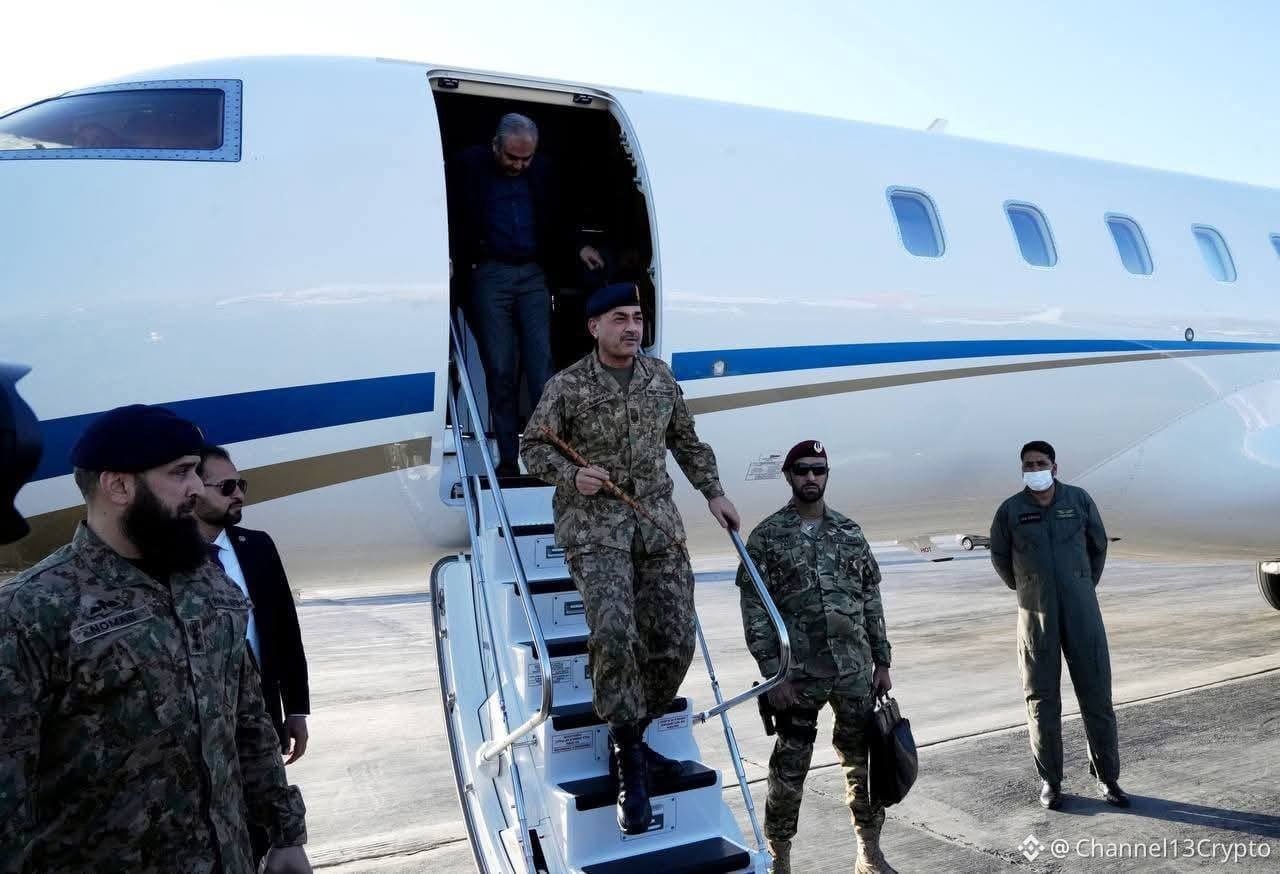
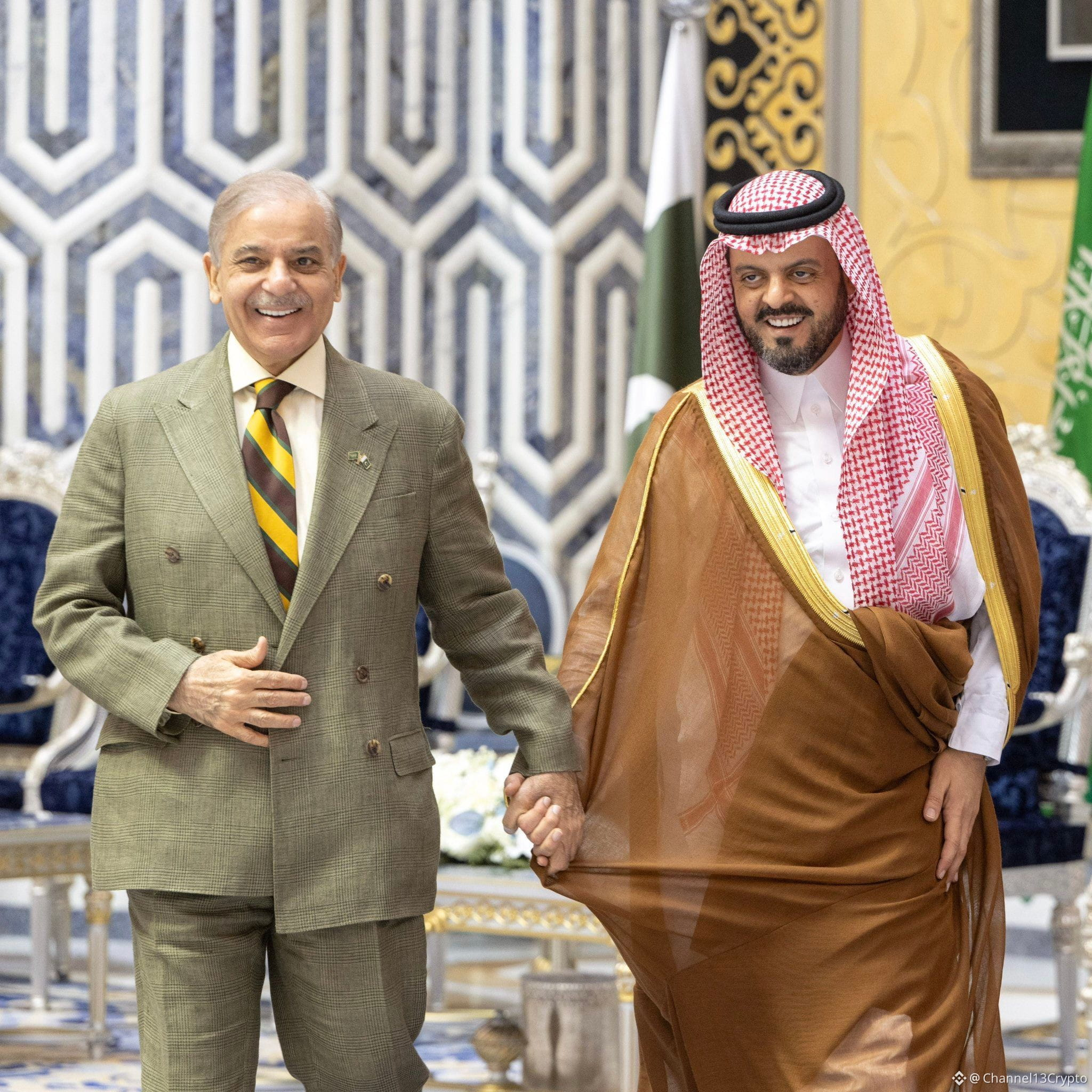
パキスタン軍の司令官がテヘランに到着し、シャーバズ・シャリーフ首相がサウジアラビアを訪問しました。
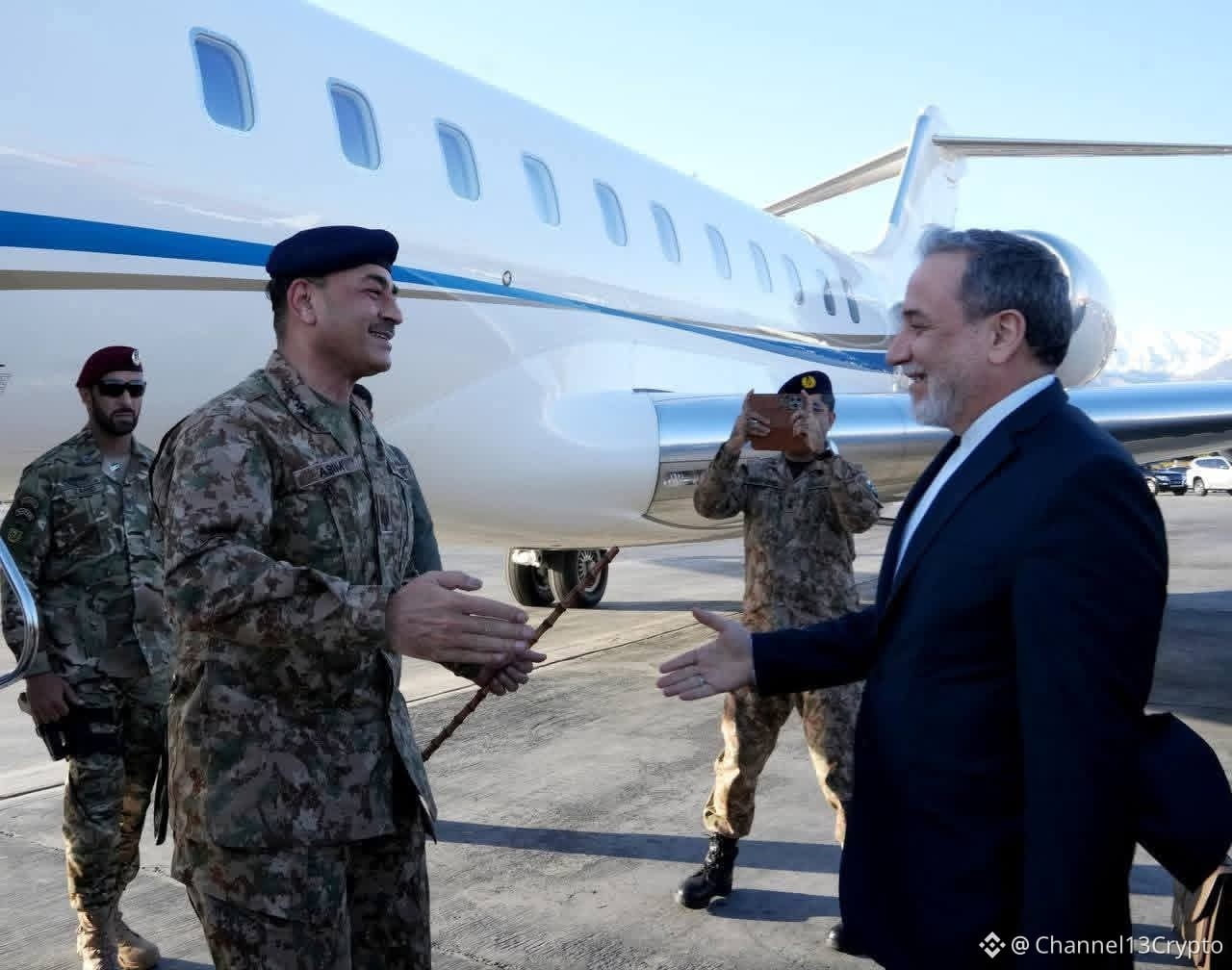
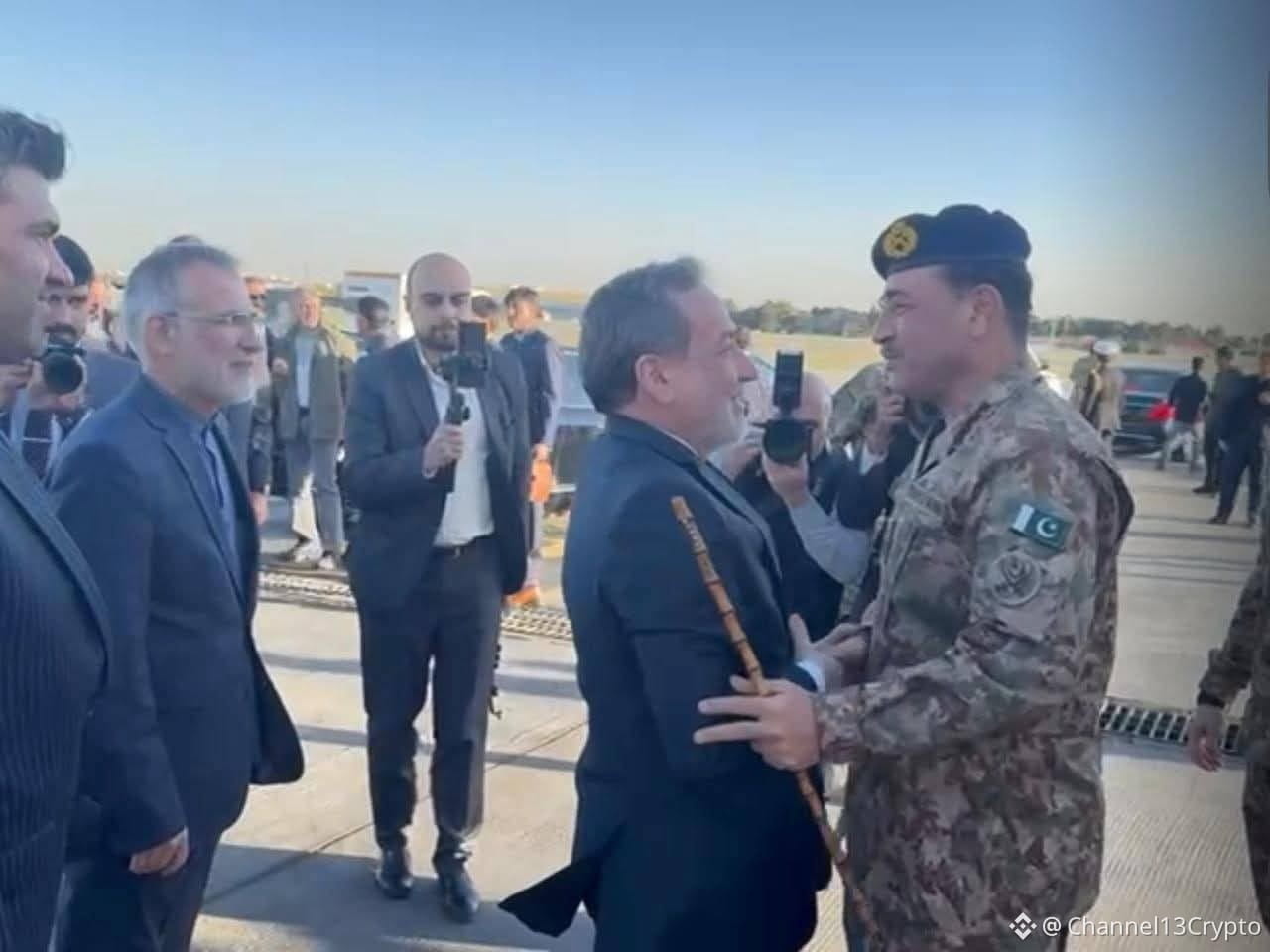
パキスタンの陸軍参謀長アシム・ムニールは、イランとアメリカの間で停滞している交渉を再開することを目的とした高官外交任務の一環としてテヘランに到着しました。この訪問は、イスラマバードで行われた以前の会談が最終合意を生まなかった後に行われており、特にイランの核プログラムと地域の安全保障問題に関する重要な対立を埋めるために、パキスタンが中心的な仲介役を果たすことになっています。一方、元アメリカ大統領ドナルド・トランプは、合意が近日中に達成される可能性があると楽観的な姿勢を示し、さらなる交渉が数日以内にパキスタンで行われる可能性があることを示唆しています。トランプが合意を最終化するためにパキスタンを訪れる可能性についての憶測が高まっていますが、まだ公式な確認はされていません。しかし、外交の勢いは、仲介努力が強化される中で突破口となる合意が近づいていることを示唆しています。
#GoldmanSachsFilesforBitcoinIncomeETF
#KevinWarshDisclosedCryptoInvestments #CryptoMarketRebounds
#Write2Earn
$BTC $ETH $BNB
🔴速報
トランプ大統領がイランとの合意を最終化するためにイスラマバードを訪問する予定です。
パキスタン軍の司令官がテヘランに到着し、シャーバズ・シャリーフ首相がサウジアラビアを訪問しました。
パキスタンの陸軍参謀長アシム・ムニールは、イランとアメリカの間で停滞している交渉を再開することを目的とした高官外交任務の一環としてテヘランに到着しました。この訪問は、イスラマバードで行われた以前の会談が最終合意を生まなかった後に行われており、特にイランの核プログラムと地域の安全保障問題に関する重要な対立を埋めるために、パキスタンが中心的な仲介役を果たすことになっています。一方、元アメリカ大統領ドナルド・トランプは、合意が近日中に達成される可能性があると楽観的な姿勢を示し、さらなる交渉が数日以内にパキスタンで行われる可能性があることを示唆しています。トランプが合意を最終化するためにパキスタンを訪れる可能性についての憶測が高まっていますが、まだ公式な確認はされていません。しかし、外交の勢いは、仲介努力が強化される中で突破口となる合意が近づいていることを示唆しています。
#GoldmanSachsFilesforBitcoinIncomeETF
#KevinWarshDisclosedCryptoInvestments #CryptoMarketRebounds
#Write2Earn
$BTC $ETH $BNB
トランプ大統領がイランとの合意を最終化するためにイスラマバードを訪問する予定です。
パキスタン軍の司令官がテヘランに到着し、シャーバズ・シャリーフ首相がサウジアラビアを訪問しました。
パキスタンの陸軍参謀長アシム・ムニールは、イランとアメリカの間で停滞している交渉を再開することを目的とした高官外交任務の一環としてテヘランに到着しました。この訪問は、イスラマバードで行われた以前の会談が最終合意を生まなかった後に行われており、特にイランの核プログラムと地域の安全保障問題に関する重要な対立を埋めるために、パキスタンが中心的な仲介役を果たすことになっています。一方、元アメリカ大統領ドナルド・トランプは、合意が近日中に達成される可能性があると楽観的な姿勢を示し、さらなる交渉が数日以内にパキスタンで行われる可能性があることを示唆しています。トランプが合意を最終化するためにパキスタンを訪れる可能性についての憶測が高まっていますが、まだ公式な確認はされていません。しかし、外交の勢いは、仲介努力が強化される中で突破口となる合意が近づいていることを示唆しています。
#GoldmanSachsFilesforBitcoinIncomeETF
#KevinWarshDisclosedCryptoInvestments #CryptoMarketRebounds
#Write2Earn
$BTC $ETH $BNB
3
1
443
🇺🇸🇵🇰🇮🇷 バックチャネル外交が強化され、パキスタンが再びワシントンとテヘランの間のギャップを埋めています!
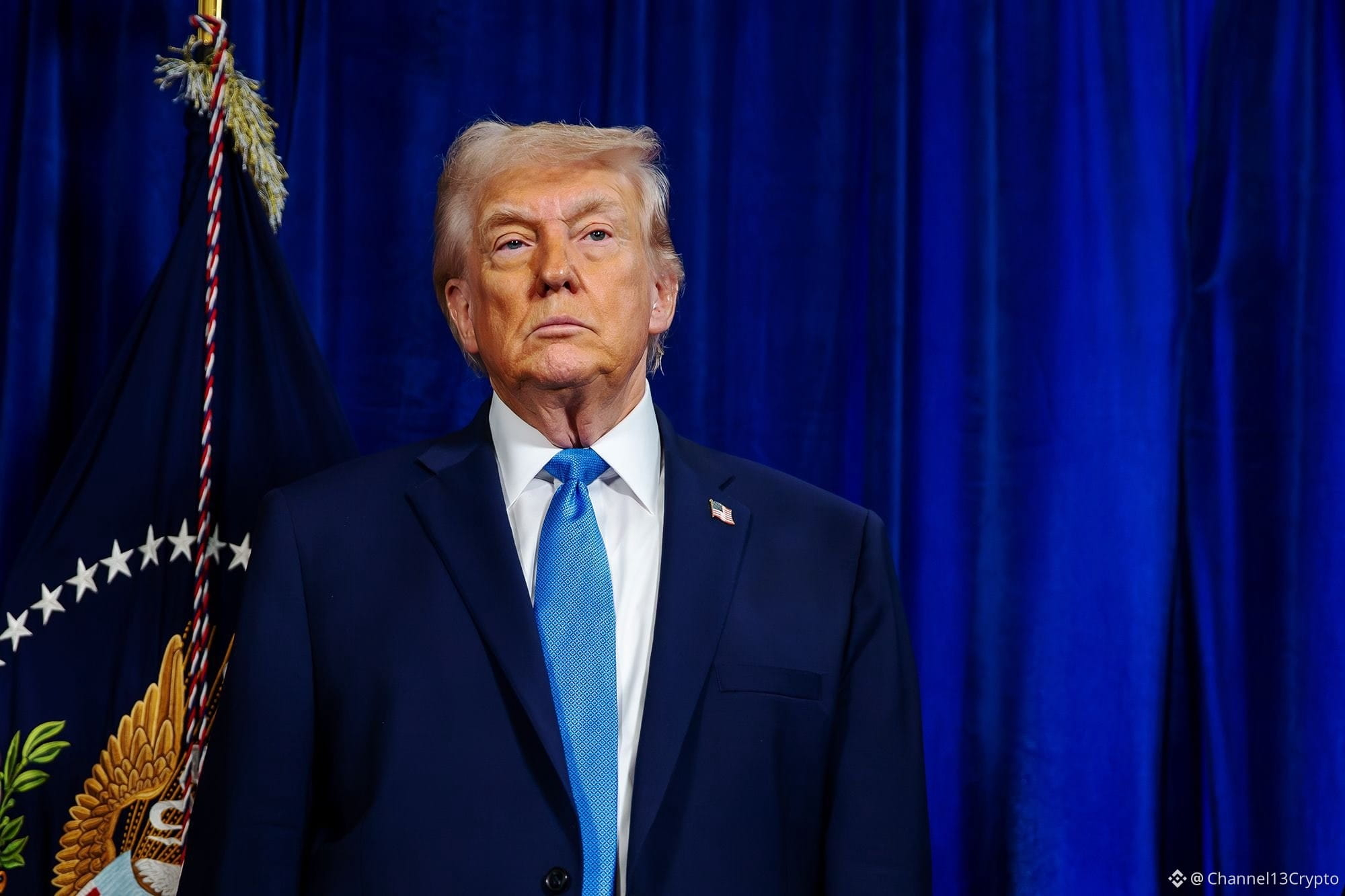
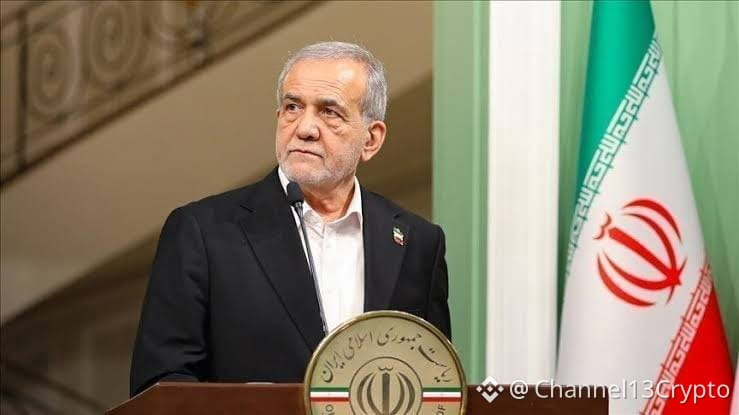
情報筋によれば、ラウンド2では歴史的な対面が実現する可能性があります:トランプ大統領がイランのペゼシュキアン大統領と会談し、核合意を締結するためです。
#USDCFreezeDebate #USMilitaryToBlockadeStraitOfHormuz
#Write2Earn
$BTC
🇺🇸🇵🇰🇮🇷 バックチャネル外交が強化され、パキスタンが再びワシントンとテヘランの間のギャップを埋めています!
情報筋によれば、ラウンド2では歴史的な対面が実現する可能性があります:トランプ大統領がイランのペゼシュキアン大統領と会談し、核合意を締結するためです。
#USDCFreezeDebate #USMilitaryToBlockadeStraitOfHormuz
#Write2Earn
$BTC
情報筋によれば、ラウンド2では歴史的な対面が実現する可能性があります:トランプ大統領がイランのペゼシュキアン大統領と会談し、核合意を締結するためです。
#USDCFreezeDebate #USMilitaryToBlockadeStraitOfHormuz
#Write2Earn
$BTC
231
速報:次の米国とイランの会談は、木曜日にイスラマバードで再開される可能性があります。
$BTC $ETH
#USDCFreezeDebate #USMilitaryToBlockadeStraitOfHormuz #JustinSunVsWLFI #Write2Earn
速報:次の米国とイランの会談は、木曜日にイスラマバードで再開される可能性があります。
$BTC $ETH
#USDCFreezeDebate #USMilitaryToBlockadeStraitOfHormuz #JustinSunVsWLFI #Write2Earn
$BTC $ETH
#USDCFreezeDebate #USMilitaryToBlockadeStraitOfHormuz #JustinSunVsWLFI #Write2Earn
131
🇺🇸🇮🇷米国とイランの対話は失敗していない、両者は多くの点で合意している!次の会議はすぐに。
イラン外務省の報道官は、イラン、パキスタン、地域の「他の友人」との接触と協議を続けると述べた:
#US-IranTalksFailToReachAgreement #SamAltmanSpeaksOutAfterAllegedAttack #HighestCPISince2022 #IranIsraelConflict
$BTC
🇺🇸🇮🇷米国とイランの対話は失敗していない、両者は多くの点で合意している!次の会議はすぐに。
イラン外務省の報道官は、イラン、パキスタン、地域の「他の友人」との接触と協議を続けると述べた:
#US-IranTalksFailToReachAgreement #SamAltmanSpeaksOutAfterAllegedAttack #HighestCPISince2022 #IranIsraelConflict
$BTC
イラン外務省の報道官は、イラン、パキスタン、地域の「他の友人」との接触と協議を続けると述べた:
#US-IranTalksFailToReachAgreement #SamAltmanSpeaksOutAfterAllegedAttack #HighestCPISince2022 #IranIsraelConflict
$BTC
138
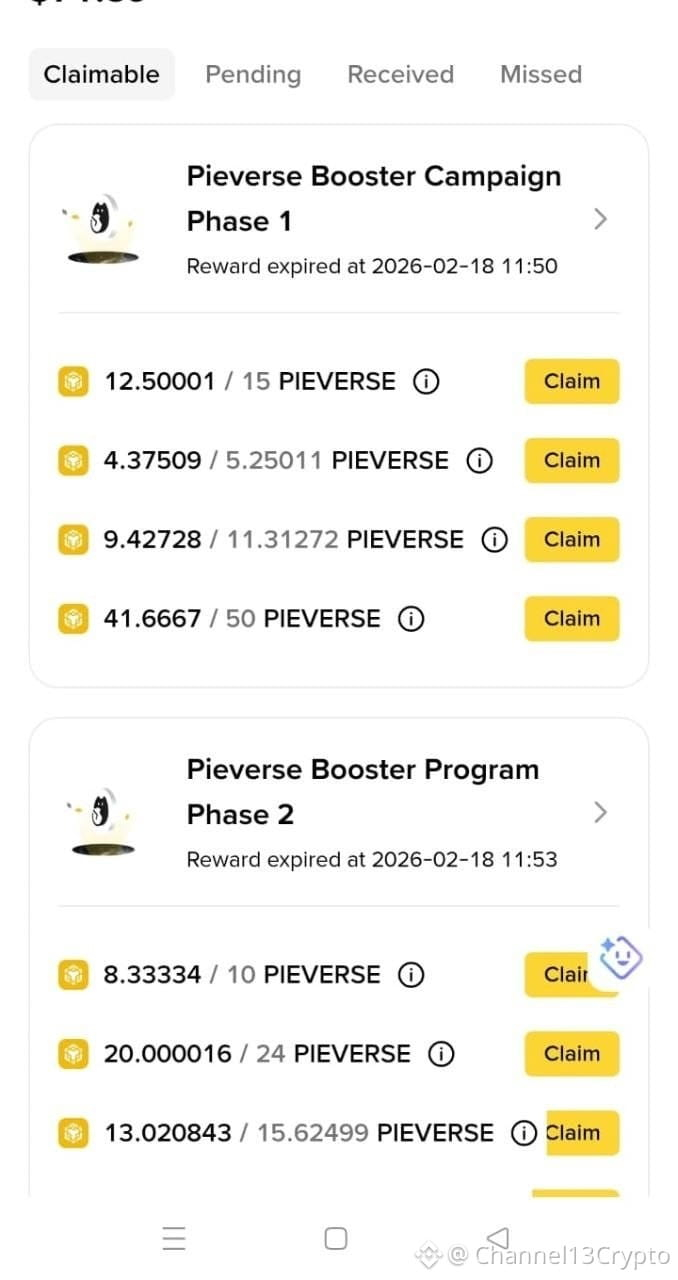
🪙 PIEVERSE 最後の配布が完了しました。
バイナンスのベストプロジェクト 3 ウォレット!
毎月参加者は pieverse から $30-$120 を受け取ります!
私たちはバイナンスのスポットで pieverse を見たいです!
あなたがとても恋しいです 😘
#pieverseToMoon #PieverseToken
@pieverse $PIEVERSE
🪙 PIEVERSE 最後の配布が完了しました。
バイナンスのベストプロジェクト 3 ウォレット!
毎月参加者は pieverse から $30-$120 を受け取ります!
私たちはバイナンスのスポットで pieverse を見たいです!
あなたがとても恋しいです 😘
#pieverseToMoon #PieverseToken
@Pieverse $PIEVERSE
バイナンスのベストプロジェクト 3 ウォレット!
毎月参加者は pieverse から $30-$120 を受け取ります!
私たちはバイナンスのスポットで pieverse を見たいです!
あなたがとても恋しいです 😘
#pieverseToMoon #PieverseToken
@Pieverse $PIEVERSE
2
2
365
·
--
ブリッシュ
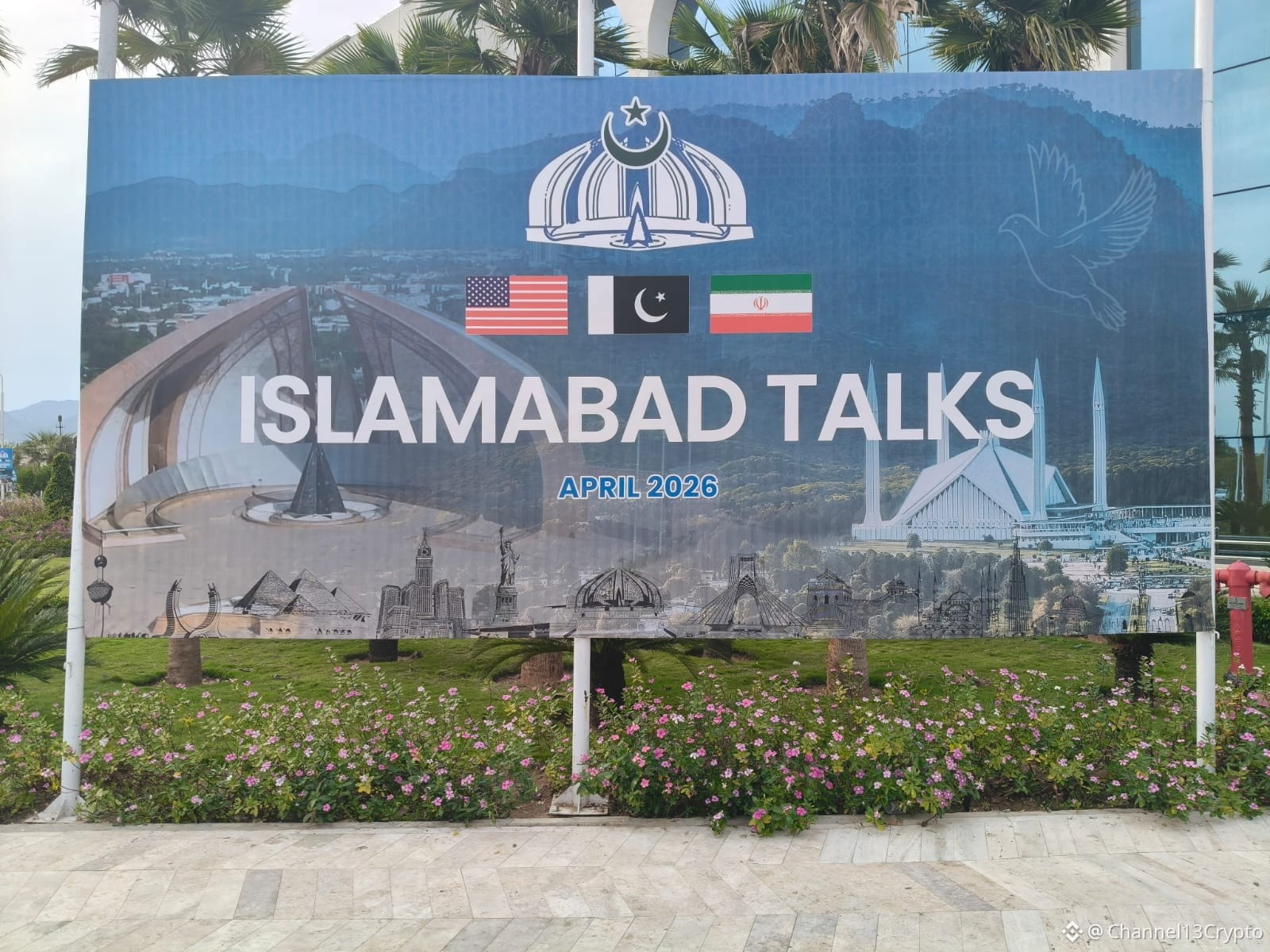
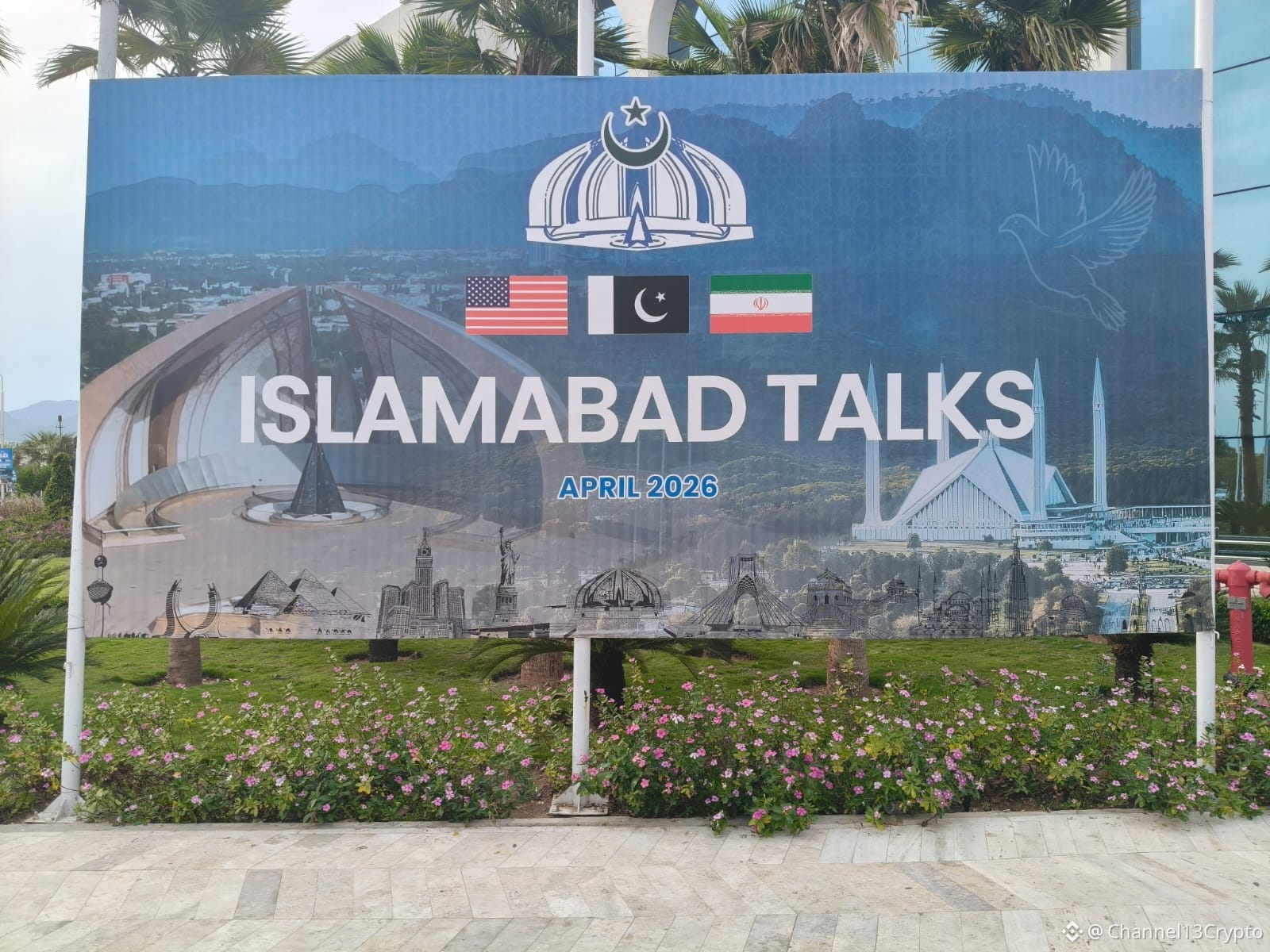
🔴🇵🇰イスラマバード会談:イランとアメリカの初回ラウンドが終了、今日別のセッションが予定されています
パキスタンが仲介したアメリカとイランの交渉の重要な段階が完了しました。
イランのニュース機関によると、会談は日曜日のパキスタン現地時間午前3時12分に終了しました。
この段階では、両国の代表団の間で対面での会議が行われ、その後、技術専門家のチームも文書の草案を交換しました。
#SamAltmanSpeaksOutAfterAllegedAttack #HighestCPISince2022 #freedomofmoney
#Write2Earn
$BTC
🔴🇵🇰イスラマバード会談:イランとアメリカの初回ラウンドが終了、今日別のセッションが予定されています
パキスタンが仲介したアメリカとイランの交渉の重要な段階が完了しました。
イランのニュース機関によると、会談は日曜日のパキスタン現地時間午前3時12分に終了しました。
この段階では、両国の代表団の間で対面での会議が行われ、その後、技術専門家のチームも文書の草案を交換しました。
#SamAltmanSpeaksOutAfterAllegedAttack #HighestCPISince2022 #freedomofmoney
#Write2Earn
$BTC
パキスタンが仲介したアメリカとイランの交渉の重要な段階が完了しました。
イランのニュース機関によると、会談は日曜日のパキスタン現地時間午前3時12分に終了しました。
この段階では、両国の代表団の間で対面での会議が行われ、その後、技術専門家のチームも文書の草案を交換しました。
#SamAltmanSpeaksOutAfterAllegedAttack #HighestCPISince2022 #freedomofmoney
#Write2Earn
$BTC
1
103
🔴 緊急速報!
交渉はまだ続いています!イランとアメリカの平和協定に関する良いニュースが来ています。
パキスタンはホルムズ海峡の航行を規制するための提案を出しました。
#SamAltmanSpeaksOutAfterAllegedAttack #HighestCPISince2022 #Write2Earn
$BTC
🔴 緊急速報!
交渉はまだ続いています!イランとアメリカの平和協定に関する良いニュースが来ています。
パキスタンはホルムズ海峡の航行を規制するための提案を出しました。
#SamAltmanSpeaksOutAfterAllegedAttack #HighestCPISince2022 #Write2Earn
$BTC
交渉はまだ続いています!イランとアメリカの平和協定に関する良いニュースが来ています。
パキスタンはホルムズ海峡の航行を規制するための提案を出しました。
#SamAltmanSpeaksOutAfterAllegedAttack #HighestCPISince2022 #Write2Earn
$BTC
120
·
--
ブリッシュ
📢 速報
パキスタンの情報筋はCNNに対し、イスラマバードで行われたアメリカとイランの会議は全体的にかなり前向きだったが、ホルムズ海峡の支配に関する問題では行き詰まりが続いていると伝えています。
取引完了後、ビットコインは$80Kに達するのか 👍
#SamAltmanSpeaksOutAfterAllegedAttack #HighestCPISince2022 #Write2Earn
$BTC
📢 速報
パキスタンの情報筋はCNNに対し、イスラマバードで行われたアメリカとイランの会議は全体的にかなり前向きだったが、ホルムズ海峡の支配に関する問題では行き詰まりが続いていると伝えています。
取引完了後、ビットコインは$80Kに達するのか 👍
#SamAltmanSpeaksOutAfterAllegedAttack #HighestCPISince2022 #Write2Earn
$BTC
パキスタンの情報筋はCNNに対し、イスラマバードで行われたアメリカとイランの会議は全体的にかなり前向きだったが、ホルムズ海峡の支配に関する問題では行き詰まりが続いていると伝えています。
取引完了後、ビットコインは$80Kに達するのか 👍
#SamAltmanSpeaksOutAfterAllegedAttack #HighestCPISince2022 #Write2Earn
$BTC
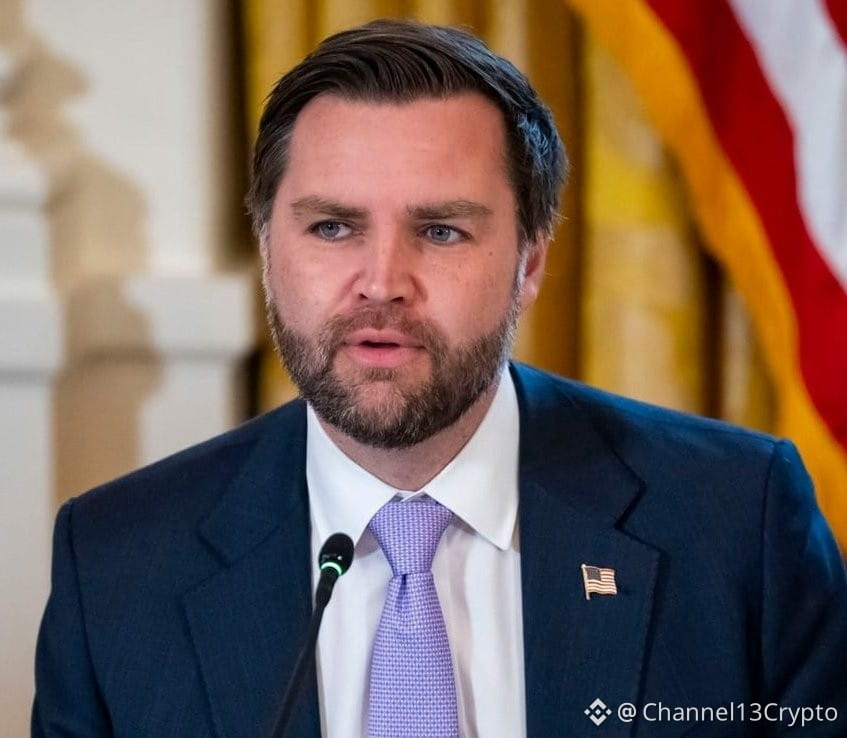
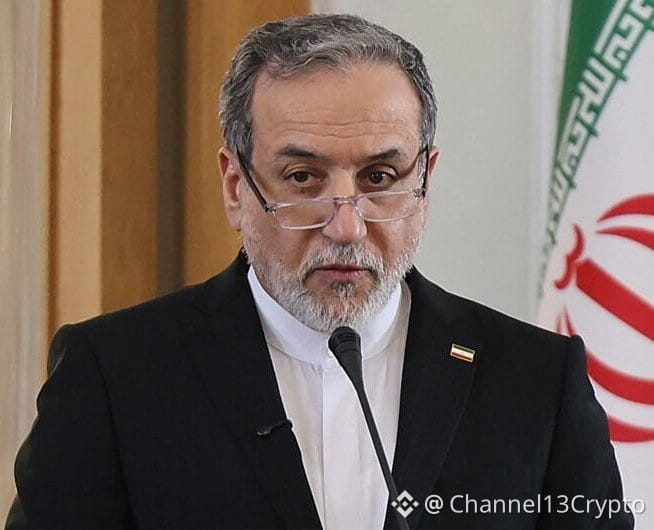
1
195
🇮🇷イランはアメリカとの平和会談のために4つの「赤い線」を正式に提出しました🇺🇸
1- ホルムズ海峡に対する権限。
2- 戦争賠償金の支払い!
3- 凍結されたすべてのイランの金融資産の凍結解除。
4- 包括的な地域停戦の確保。
#BinanceWalletLaunchesPredictionMarkets
#freedomofmoney #IranHormuzCryptoFees #IranUSTalks
#writetoearn
$BTC $BNB
🇮🇷イランはアメリカとの平和会談のために4つの「赤い線」を正式に提出しました🇺🇸
1- ホルムズ海峡に対する権限。
2- 戦争賠償金の支払い!
3- 凍結されたすべてのイランの金融資産の凍結解除。
4- 包括的な地域停戦の確保。
#BinanceWalletLaunchesPredictionMarkets
#freedomofmoney #IranHormuzCryptoFees #IranUSTalks
#writetoearn
$BTC $BNB
1- ホルムズ海峡に対する権限。
2- 戦争賠償金の支払い!
3- 凍結されたすべてのイランの金融資産の凍結解除。
4- 包括的な地域停戦の確保。
#BinanceWalletLaunchesPredictionMarkets
#freedomofmoney #IranHormuzCryptoFees #IranUSTalks
#writetoearn
$BTC $BNB
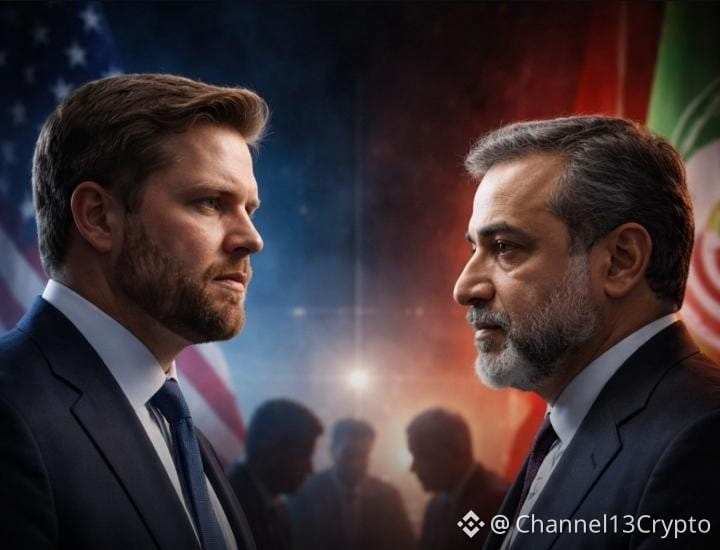
100
💹良いニュースが間もなく到来!
永久的な停戦?
ビットコインは成功した交渉の後に$80Kに達するのか???
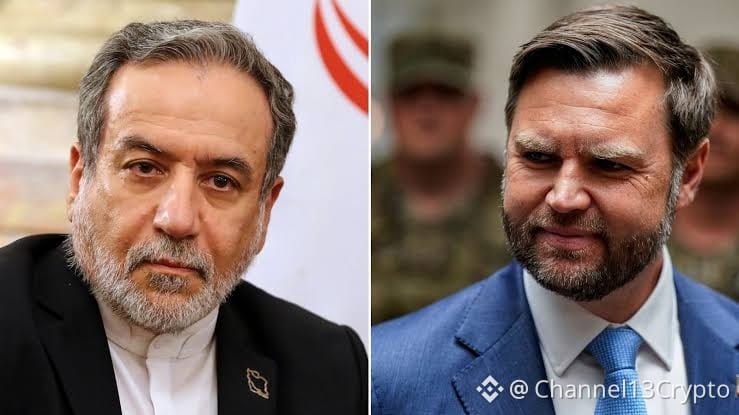
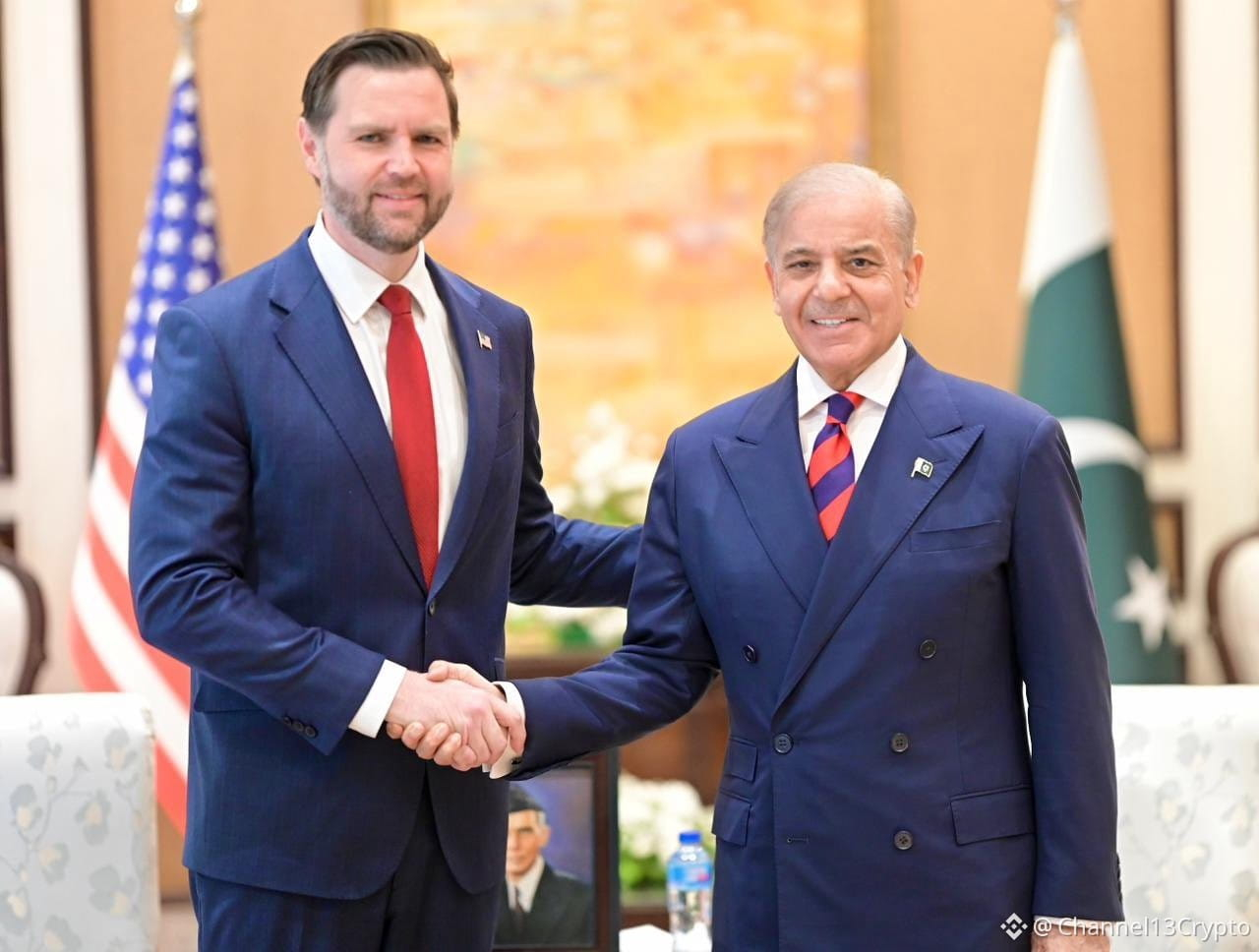
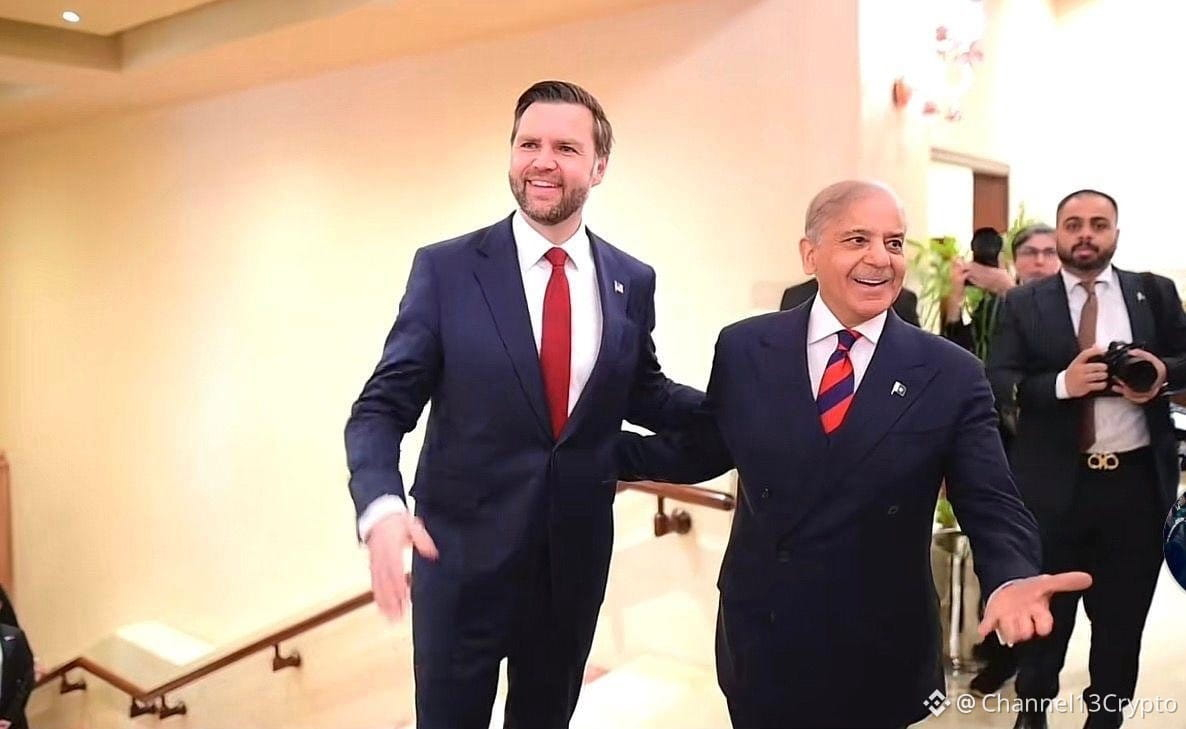
パキスタンの首都イスラマバードで、首相シェバズ・シャリフが米国副大統領JDバンスとの高レベル会議を開催するという歴史的で重要な瞬間が展開されました。パキスタンが重要な平和対話において中心的な役割を果たしている時に、この関与はパキスタンの国際舞台での重要性の高まりを強調し、地域の平和と安定を促進するための架け橋としての戦略的な位置を際立たせています。この会議は、パキスタンの外交的影響力と主要な利害関係者間の対話を促進する能力の相互認識を反映しています。議論が進むにつれて、このような協力的な取り組みが意味のある長期的な解決策に寄与し、国際平和を促進する責任ある積極的なパートナーとしてのパキスタンの役割を強化するという強い楽観感があります。
#SamAltmanSpeaksOutAfterAllegedAttack #HighestCPISince2022 #CZonTBPNInterview #Write2Earn
$BTC $ETH
💹良いニュースが間もなく到来!
永久的な停戦?
ビットコインは成功した交渉の後に$80Kに達するのか???
パキスタンの首都イスラマバードで、首相シェバズ・シャリフが米国副大統領JDバンスとの高レベル会議を開催するという歴史的で重要な瞬間が展開されました。パキスタンが重要な平和対話において中心的な役割を果たしている時に、この関与はパキスタンの国際舞台での重要性の高まりを強調し、地域の平和と安定を促進するための架け橋としての戦略的な位置を際立たせています。この会議は、パキスタンの外交的影響力と主要な利害関係者間の対話を促進する能力の相互認識を反映しています。議論が進むにつれて、このような協力的な取り組みが意味のある長期的な解決策に寄与し、国際平和を促進する責任ある積極的なパートナーとしてのパキスタンの役割を強化するという強い楽観感があります。
#SamAltmanSpeaksOutAfterAllegedAttack #HighestCPISince2022 #CZonTBPNInterview #Write2Earn
$BTC $ETH
永久的な停戦?
ビットコインは成功した交渉の後に$80Kに達するのか???
パキスタンの首都イスラマバードで、首相シェバズ・シャリフが米国副大統領JDバンスとの高レベル会議を開催するという歴史的で重要な瞬間が展開されました。パキスタンが重要な平和対話において中心的な役割を果たしている時に、この関与はパキスタンの国際舞台での重要性の高まりを強調し、地域の平和と安定を促進するための架け橋としての戦略的な位置を際立たせています。この会議は、パキスタンの外交的影響力と主要な利害関係者間の対話を促進する能力の相互認識を反映しています。議論が進むにつれて、このような協力的な取り組みが意味のある長期的な解決策に寄与し、国際平和を促進する責任ある積極的なパートナーとしてのパキスタンの役割を強化するという強い楽観感があります。
#SamAltmanSpeaksOutAfterAllegedAttack #HighestCPISince2022 #CZonTBPNInterview #Write2Earn
$BTC $ETH
149
ログインして、さらにコンテンツを読む
厳選トピックで世界の暗号資産トレーダーの仲間入り
⚡️ 暗号資産に関する最新かつ有益な情報が見つかります。
💬 世界最大の暗号資産取引所から信頼されています。
👍 認証を受けたクリエイターから、有益なインサイトを得られます。
メール / 電話番号
トレンドトピック
ADAGains10%Above$0.27
閲覧回数 2,337
90人が討論中
$ADA レジスタンスを突破し、$0.274超で値固め!無期限先物のテクニカル分析
無期限先物のADA/USDTペアは、24時間で+12%を超える上昇を記録し、日中高値の$0.2768に到達しました。取引高は4億8,500万USDT超(18億4,000万ADA)です。
チャートの主要水準と指標:
4時間足では、直前の保ち合いレンジ($0.232~$0.251)を明確に上抜け、$0.246に位置するMA(99)からも大きく離れました。ただし、RSI(6)は89.69、StochRSIは99.26となっており、上昇の勢いが過熱圏に入ったことを示しています。この水準では、利益確定や横ばいの調整が起こりやすくなります。
短期足では、価格は$0.2744のMA(7)付近で収束しており、$0.2728のMA(25)が最初の動的サポートとして機能しています。
この水準を割り込まない限り、目先の上昇基調は維持されます。建玉も4億8,400万で堅調です。これは、高値圏で十分な支えと信頼があることを示しており、買い手不足で価格がドミノのように急落するのを防いでいます。
$0.29~$0.30のレンジに向けて上昇を続けるには、$0.270~$0.272を新たなサポートとして維持する必要があります。日足指標の過熱感によって調整が進む場合、健全な押し目の目安は4時間足のMA(25)付近、$0.251あたりです。
コメントであなたのエントリー価格を教えてください!
#ADAGains10%Above$0.27
ALØNDRACRYPTØ1
·いいね:5件
·閲覧回数 2.9k
ETHUp70%InQ3ButLiquidityFalls
閲覧回数 28,873
431人が討論中
EthStakingExitQueueHits2026High
閲覧回数 11,251
390人が討論中