
Signal Scout
1.1k 投稿

Signal Scout
報告
ユーザーをブロック
Exploring crypto markets | 🧠 Learning | 📊 Analyzing | 📈 Growing — every single day
251 フォロー
466 フォロワー
598 いいね
投稿
すべて
引用
動画
·
--
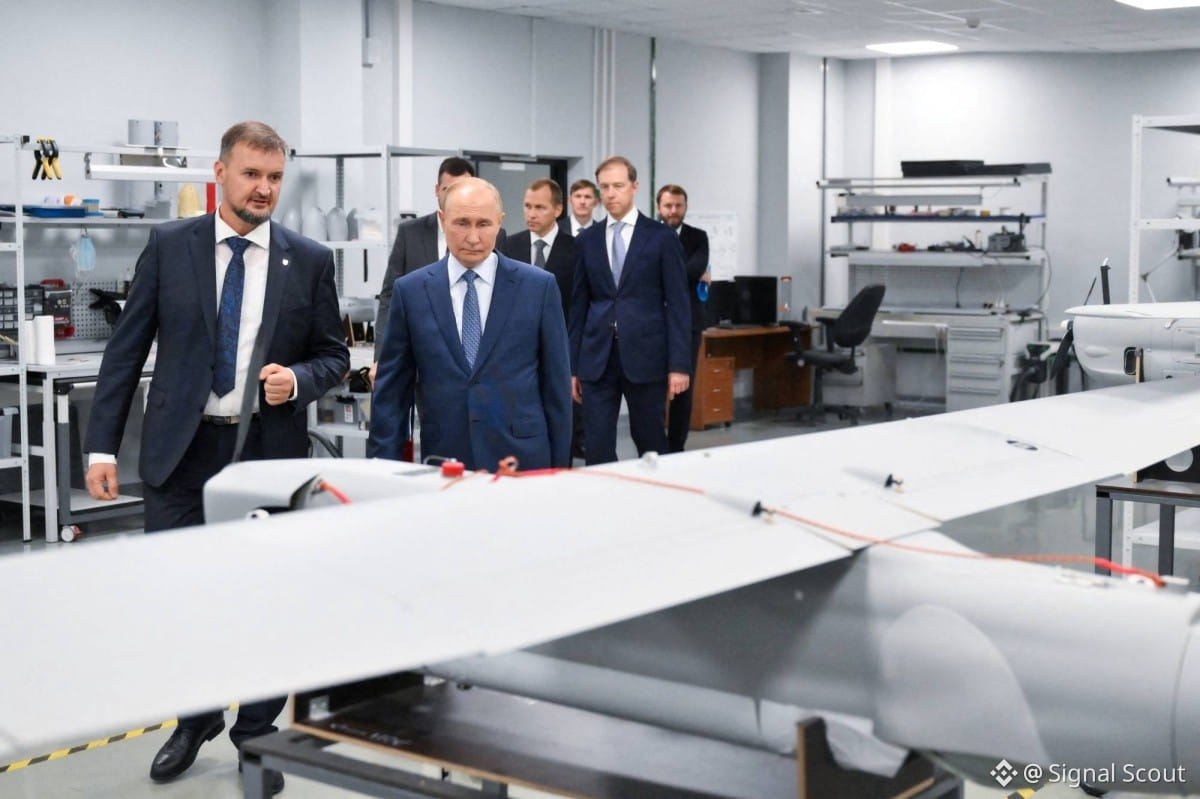
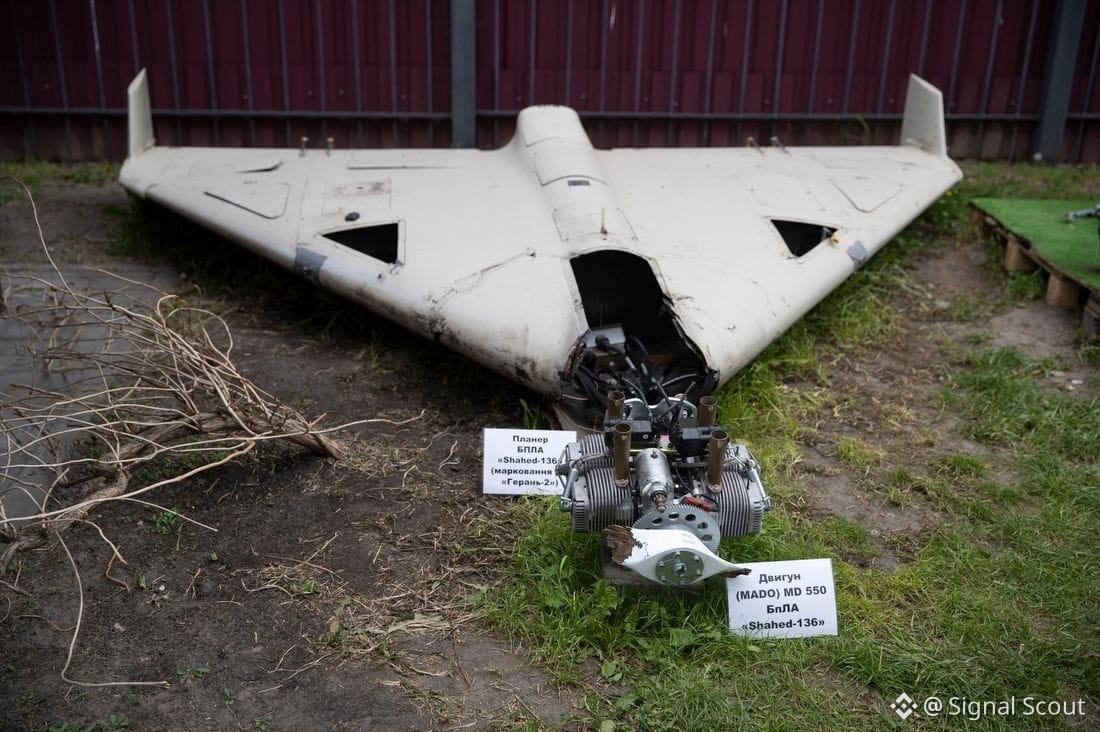
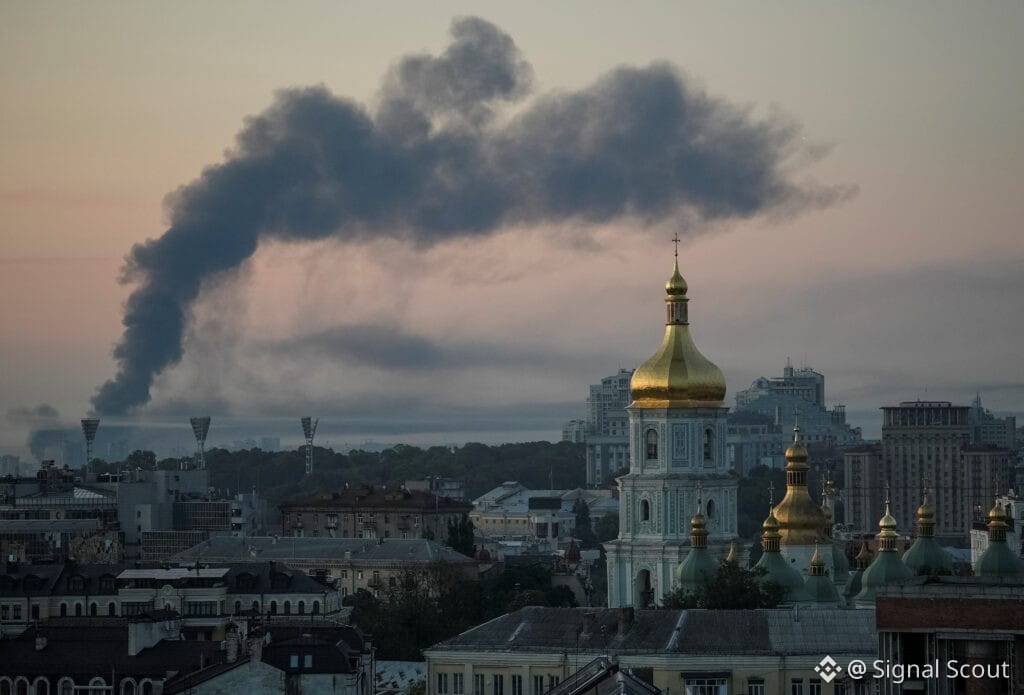
🇷🇺🇺🇦 ロシアは“貧乏人の巡航ミサイル”の作り方を編み出した。費用は中古車と同じくらいだ。
ウクライナは、遅い「シャヘド」型のドローンを撃墜する方法を身につけるのに何年も、巨額の費用も費やした。
それが機能し始めたのとほぼ同時に、モスクワはジェラニウム(Geran-5)を投入してきた。ジェット推進で、ミサイルのような形をしていて、しかも旧来の対ドローン手順が通用しないほどの速度がある。
そしてそれが、別の問題を生む。計算だ。
かかるのは約10万ドルで、新しい「バンデロール」巡航ミサイルと同程度。米国のトマホークは200万ドル超で、NATOは安価なものを止めるためにパトリオットの迎撃ミサイルや戦闘機に投資している。
しかし、西側がより警戒すべきなのは“速度”だ。
ロシアは古い設計をベースに微調整し、それを実戦で試し、2年以内に量産ラインから流し始める。NATOは、良いアイデアを工場に投入するのに10年かかり得る。
さらに、その多くが中国製のジェットエンジンや航法装置で組み立てられている。ウクライナによれば、制裁にもかかわらず、それらの民生転用部品の供給は途切れていないという。
ここで“決定打”だ。キエフはロシアのジェット動力ドローンプログラムについて何年も情報を掴んでいたのに、それでも彼らが数百機単位で到着した時には何も準備できていなかった。
出典:WSJ/執筆:Daniyal
$TRUMP
{spot}(TRUMPUSDT)
$TRUST
{future}(TRUSTUSDT)
$T
{spot}(TUSDT)
🇷🇺🇺🇦 ロシアは“貧乏人の巡航ミサイル”の作り方を編み出した。費用は中古車と同じくらいだ。
ウクライナは、遅い「シャヘド」型のドローンを撃墜する方法を身につけるのに何年も、巨額の費用も費やした。
それが機能し始めたのとほぼ同時に、モスクワはジェラニウム(Geran-5)を投入してきた。ジェット推進で、ミサイルのような形をしていて、しかも旧来の対ドローン手順が通用しないほどの速度がある。
そしてそれが、別の問題を生む。計算だ。
かかるのは約10万ドルで、新しい「バンデロール」巡航ミサイルと同程度。米国のトマホークは200万ドル超で、NATOは安価なものを止めるためにパトリオットの迎撃ミサイルや戦闘機に投資している。
しかし、西側がより警戒すべきなのは“速度”だ。
ロシアは古い設計をベースに微調整し、それを実戦で試し、2年以内に量産ラインから流し始める。NATOは、良いアイデアを工場に投入するのに10年かかり得る。
さらに、その多くが中国製のジェットエンジンや航法装置で組み立てられている。ウクライナによれば、制裁にもかかわらず、それらの民生転用部品の供給は途切れていないという。
ここで“決定打”だ。キエフはロシアのジェット動力ドローンプログラムについて何年も情報を掴んでいたのに、それでも彼らが数百機単位で到着した時には何も準備できていなかった。
出典:WSJ/執筆:Daniyal
$TRUMP
$TRUST
$T
ウクライナは、遅い「シャヘド」型のドローンを撃墜する方法を身につけるのに何年も、巨額の費用も費やした。
それが機能し始めたのとほぼ同時に、モスクワはジェラニウム(Geran-5)を投入してきた。ジェット推進で、ミサイルのような形をしていて、しかも旧来の対ドローン手順が通用しないほどの速度がある。
そしてそれが、別の問題を生む。計算だ。
かかるのは約10万ドルで、新しい「バンデロール」巡航ミサイルと同程度。米国のトマホークは200万ドル超で、NATOは安価なものを止めるためにパトリオットの迎撃ミサイルや戦闘機に投資している。
しかし、西側がより警戒すべきなのは“速度”だ。
ロシアは古い設計をベースに微調整し、それを実戦で試し、2年以内に量産ラインから流し始める。NATOは、良いアイデアを工場に投入するのに10年かかり得る。
さらに、その多くが中国製のジェットエンジンや航法装置で組み立てられている。ウクライナによれば、制裁にもかかわらず、それらの民生転用部品の供給は途切れていないという。
ここで“決定打”だ。キエフはロシアのジェット動力ドローンプログラムについて何年も情報を掴んでいたのに、それでも彼らが数百機単位で到着した時には何も準備できていなかった。
出典:WSJ/執筆:Daniyal
$TRUMP
$TRUST
$T
261
·
--
翻訳参照
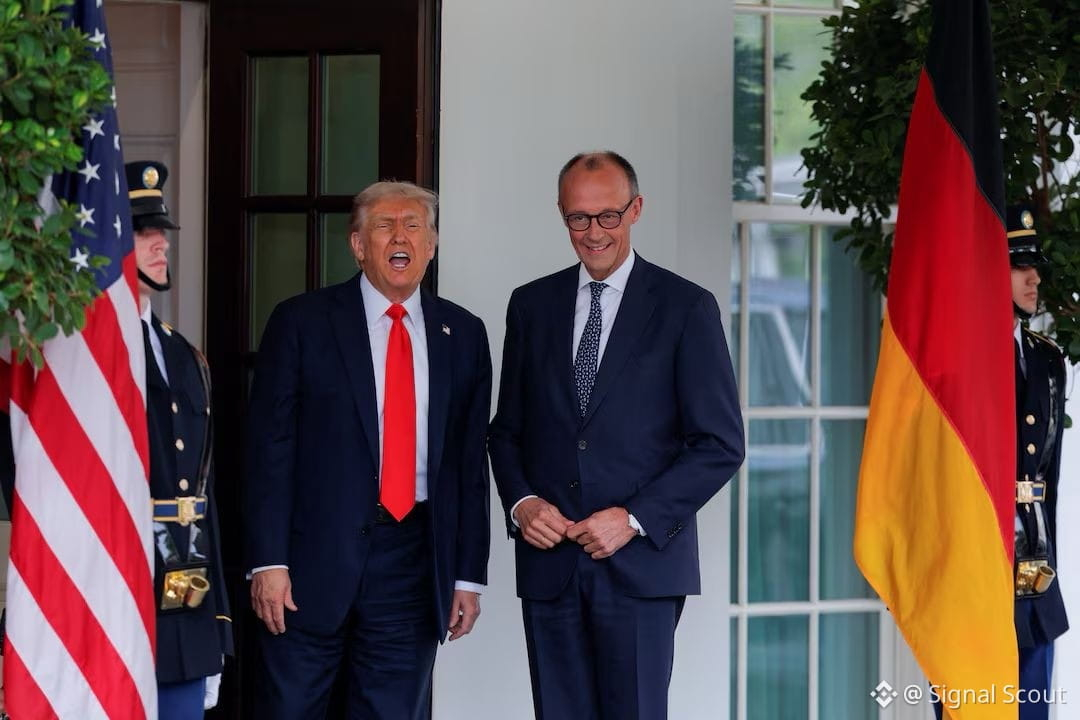
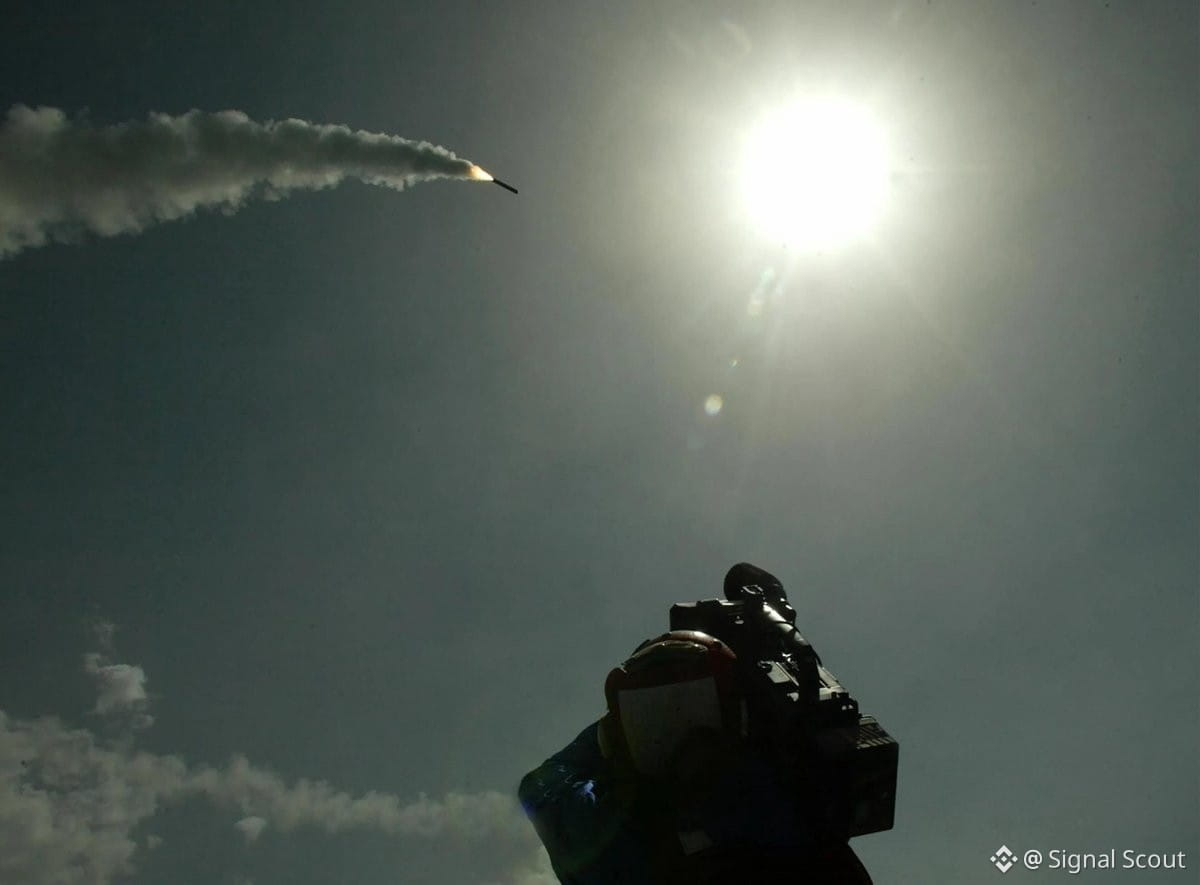
🇩🇪🇺🇸 Trump pulled U.S. Tomahawks out of Germany’s plans, so Berlin decided to buy its own.
Germany is now setting aside nearly €3.4 billion for Tomahawk cruise missiles and the mobile Typhon launchers that fire them.
And this would be a pretty big jump.
Germany currently has no ground-launched weapon capable of striking deep inside Russia. Tomahawks would give it roughly 2,500 kilometers of range.
The interesting part is how Germany got here.
Biden originally agreed to station U.S.-controlled Tomahawks in Germany from 2026. Trump scrapped that plan, leaving Berlin without the capability it was expecting.
So Germany went back to Washington with a different idea: sell us the missiles instead.
Trump and Chancellor Friedrich Merz agreed in principle in July, and Berlin now wants the Bundeswehr operating its own Tomahawks by the end of the decade.
But Germany wants more than the missiles.
It is also pushing to get German companies into the Tomahawk supply chain, potentially helping build them while the U.S. keeps control of the sensitive technology.
Basically, Trump killed Germany’s plan to rely on U.S. Tomahawks and may have pushed Berlin toward owning them itself.
Source: POLITICO / Writer: Daniyal
$LSK
{spot}(LSKUSDT)
$ILV
{spot}(ILVUSDT)
$LAB
{future}(LABUSDT)
🇩🇪🇺🇸 Trump pulled U.S. Tomahawks out of Germany’s plans, so Berlin decided to buy its own.
Germany is now setting aside nearly €3.4 billion for Tomahawk cruise missiles and the mobile Typhon launchers that fire them.
And this would be a pretty big jump.
Germany currently has no ground-launched weapon capable of striking deep inside Russia. Tomahawks would give it roughly 2,500 kilometers of range.
The interesting part is how Germany got here.
Biden originally agreed to station U.S.-controlled Tomahawks in Germany from 2026. Trump scrapped that plan, leaving Berlin without the capability it was expecting.
So Germany went back to Washington with a different idea: sell us the missiles instead.
Trump and Chancellor Friedrich Merz agreed in principle in July, and Berlin now wants the Bundeswehr operating its own Tomahawks by the end of the decade.
But Germany wants more than the missiles.
It is also pushing to get German companies into the Tomahawk supply chain, potentially helping build them while the U.S. keeps control of the sensitive technology.
Basically, Trump killed Germany’s plan to rely on U.S. Tomahawks and may have pushed Berlin toward owning them itself.
Source: POLITICO / Writer: Daniyal
$LSK
$ILV
$LAB
Germany is now setting aside nearly €3.4 billion for Tomahawk cruise missiles and the mobile Typhon launchers that fire them.
And this would be a pretty big jump.
Germany currently has no ground-launched weapon capable of striking deep inside Russia. Tomahawks would give it roughly 2,500 kilometers of range.
The interesting part is how Germany got here.
Biden originally agreed to station U.S.-controlled Tomahawks in Germany from 2026. Trump scrapped that plan, leaving Berlin without the capability it was expecting.
So Germany went back to Washington with a different idea: sell us the missiles instead.
Trump and Chancellor Friedrich Merz agreed in principle in July, and Berlin now wants the Bundeswehr operating its own Tomahawks by the end of the decade.
But Germany wants more than the missiles.
It is also pushing to get German companies into the Tomahawk supply chain, potentially helping build them while the U.S. keeps control of the sensitive technology.
Basically, Trump killed Germany’s plan to rely on U.S. Tomahawks and may have pushed Berlin toward owning them itself.
Source: POLITICO / Writer: Daniyal
$LSK
$ILV
$LAB
9
·
--
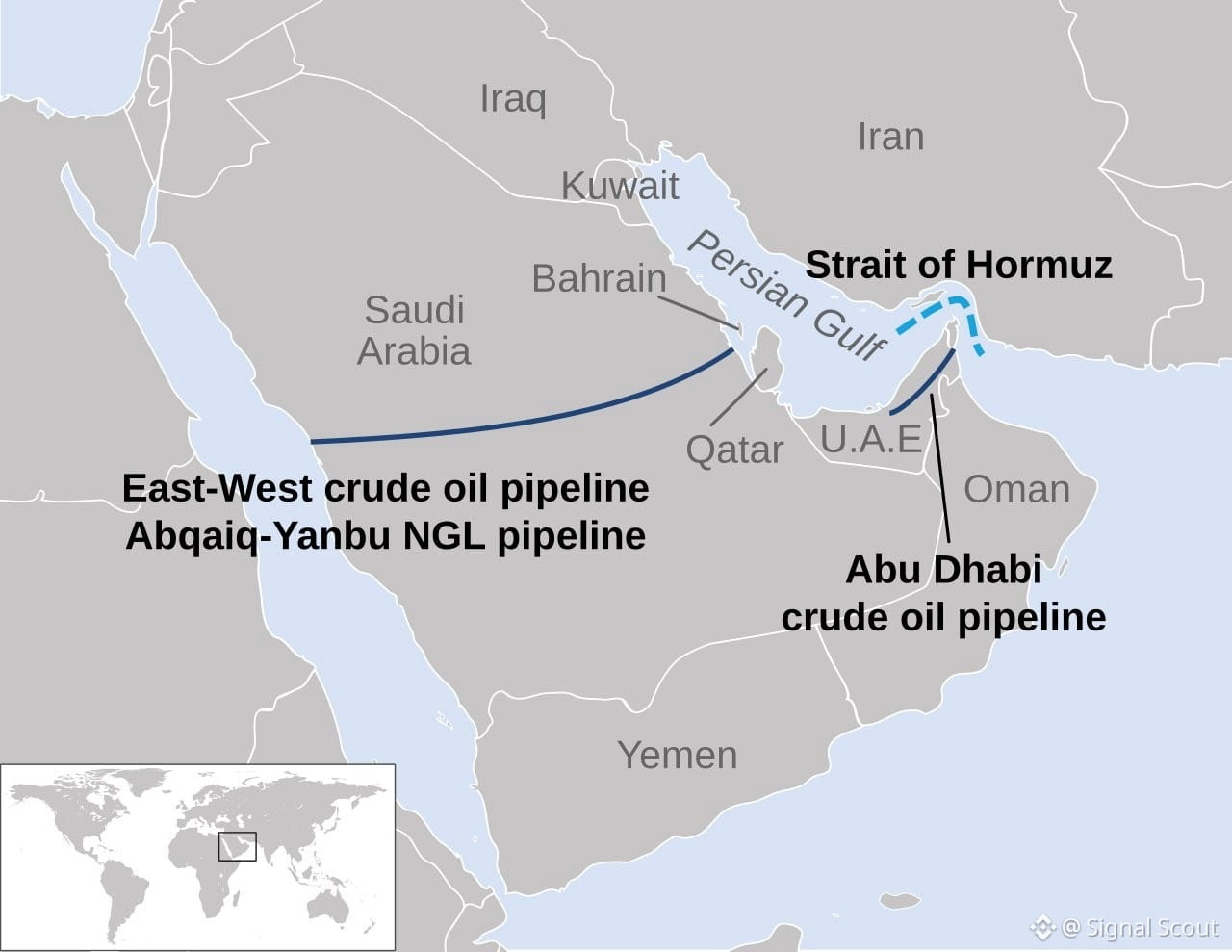
🚨🇸🇦🇮🇷 サウジアラビアが東西パイプラインを【DAYS】以内に再稼働しなければ、輸出用の原油が尽きてしまう...
つまり、世界の供給の4%が失われる。
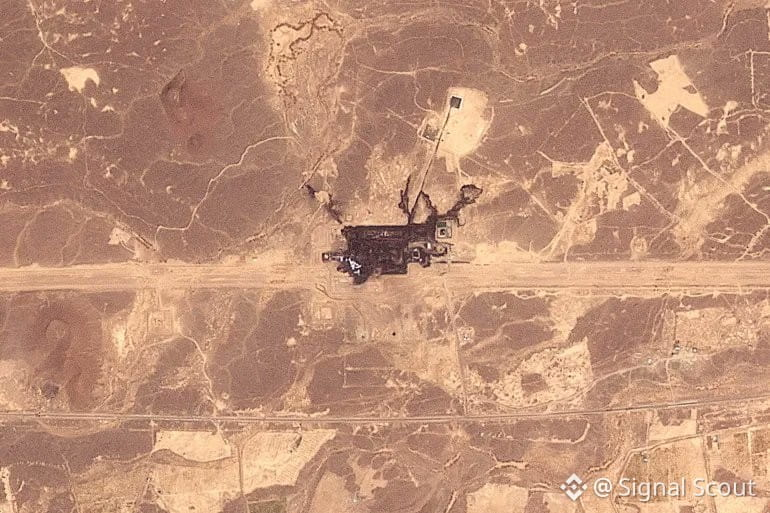
イラク領土からのドローン攻撃により、サウジは金曜に重要なパイプラインを停止せざるを得なくなった。
関係筋によると、修理には5〜6週間かかる可能性があるが、別の見方では、修理を進めながら(部分的に)より早く復旧し、原油のポンプ送出を再開できると考えている。
実は、ホルムズの問題は私たちのトラブルの始まりにすぎなかった...
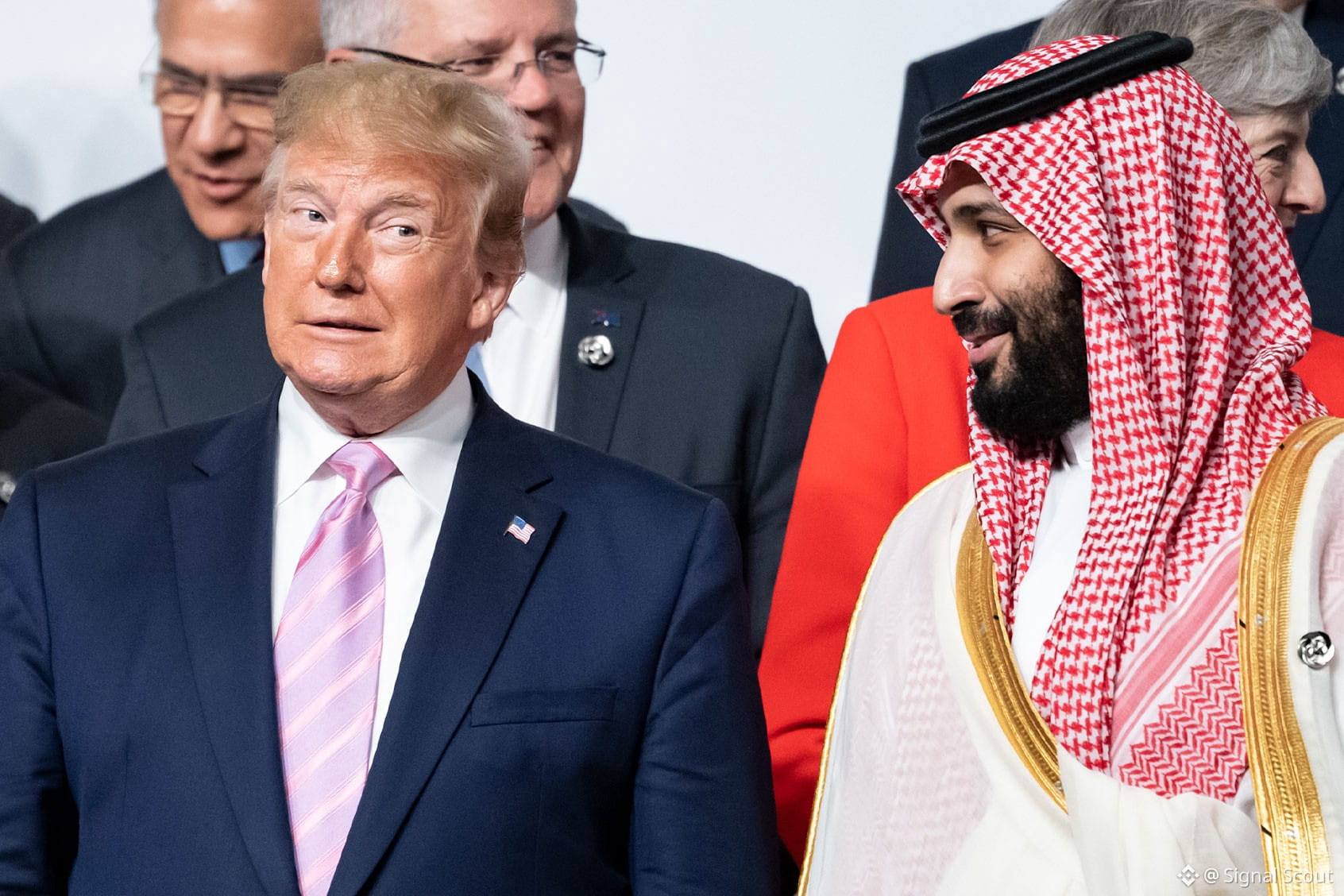
もしベネズエラでのトランプの勝利(マドゥロを追放し、その後の原油取引) がなかったら、中間選挙に臨むアメリカ人にとっては、もっとずっと最悪な事態になっていたかもしれない...
出典:ロイター / 執筆:マイケル
$GAS
{spot}(GASUSDT)
$TRUMP
{spot}(TRUMPUSDT)
🚨🇸🇦🇮🇷 サウジアラビアが東西パイプラインを【DAYS】以内に再稼働しなければ、輸出用の原油が尽きてしまう...
つまり、世界の供給の4%が失われる。
イラク領土からのドローン攻撃により、サウジは金曜に重要なパイプラインを停止せざるを得なくなった。
関係筋によると、修理には5〜6週間かかる可能性があるが、別の見方では、修理を進めながら(部分的に)より早く復旧し、原油のポンプ送出を再開できると考えている。
実は、ホルムズの問題は私たちのトラブルの始まりにすぎなかった...
もしベネズエラでのトランプの勝利(マドゥロを追放し、その後の原油取引) がなかったら、中間選挙に臨むアメリカ人にとっては、もっとずっと最悪な事態になっていたかもしれない...
出典:ロイター / 執筆:マイケル
$GAS
$TRUMP
つまり、世界の供給の4%が失われる。
イラク領土からのドローン攻撃により、サウジは金曜に重要なパイプラインを停止せざるを得なくなった。
関係筋によると、修理には5〜6週間かかる可能性があるが、別の見方では、修理を進めながら(部分的に)より早く復旧し、原油のポンプ送出を再開できると考えている。
実は、ホルムズの問題は私たちのトラブルの始まりにすぎなかった...
もしベネズエラでのトランプの勝利(マドゥロを追放し、その後の原油取引) がなかったら、中間選挙に臨むアメリカ人にとっては、もっとずっと最悪な事態になっていたかもしれない...
出典:ロイター / 執筆:マイケル
$GAS
$TRUMP
219
·
--
翻訳参照
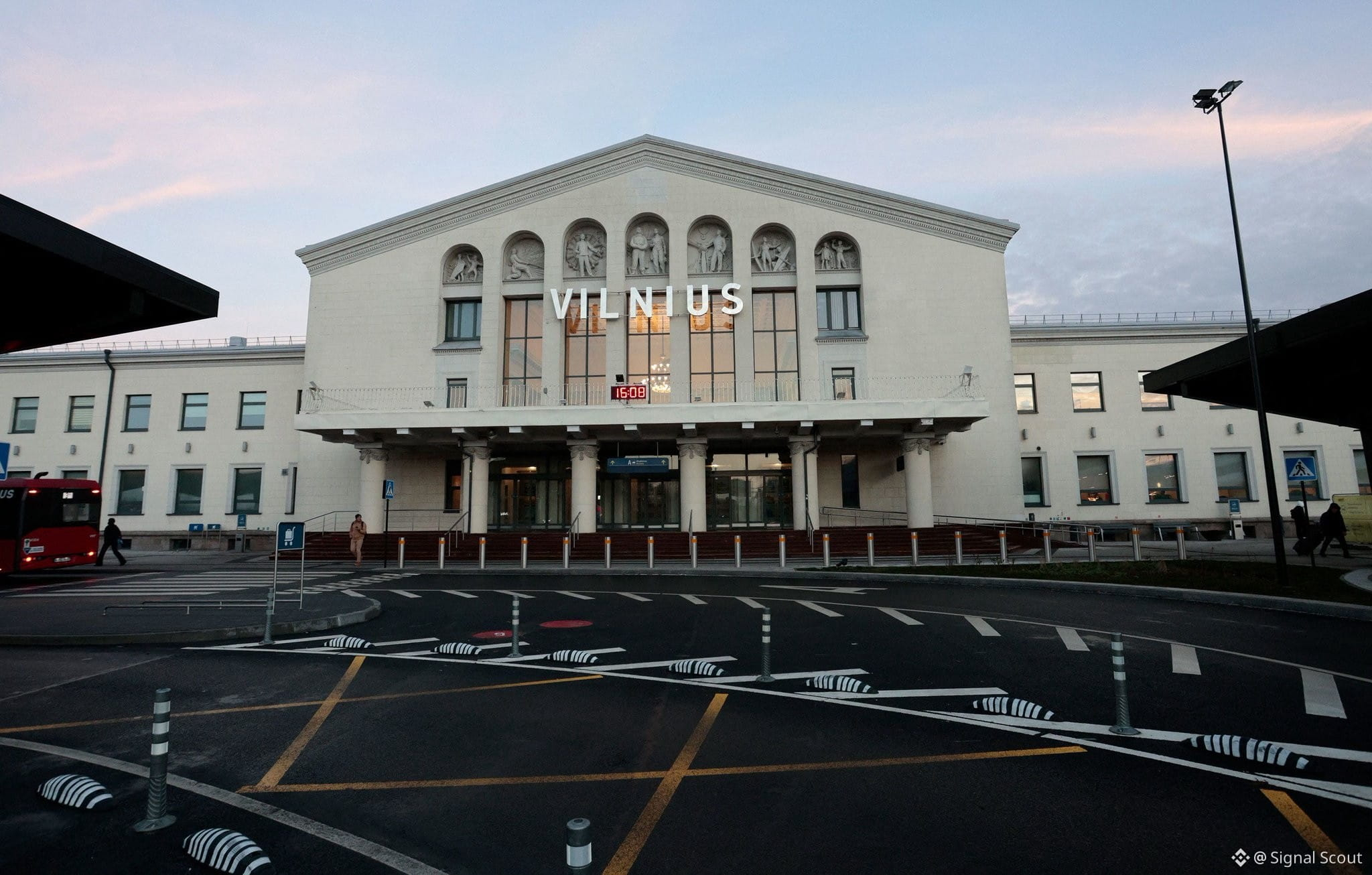
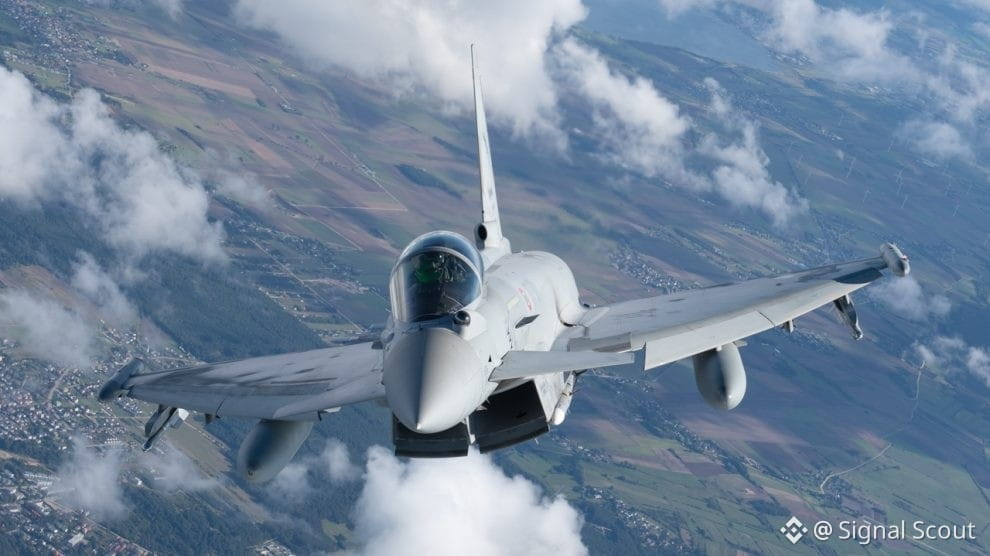
🚨🇱🇹 Lithuania CLOSED Vilnius Airport earlier today, in response to a possible drone... it turned out to be birds.
NATO even summoned jets to the location, before authorities realized the alleged "drones" had feathers.
The Baltic states are seeing ghosts... 😂
Source: Reuters / Writer: Michael
$STX
{spot}(STXUSDT)
$JST
{spot}(JSTUSDT)
$H
{future}(HUSDT)
🚨🇱🇹 Lithuania CLOSED Vilnius Airport earlier today, in response to a possible drone... it turned out to be birds.
NATO even summoned jets to the location, before authorities realized the alleged "drones" had feathers.
The Baltic states are seeing ghosts... 😂
Source: Reuters / Writer: Michael
$STX
$JST
$H
NATO even summoned jets to the location, before authorities realized the alleged "drones" had feathers.
The Baltic states are seeing ghosts... 😂
Source: Reuters / Writer: Michael
$STX
$JST
$H

2
·
--
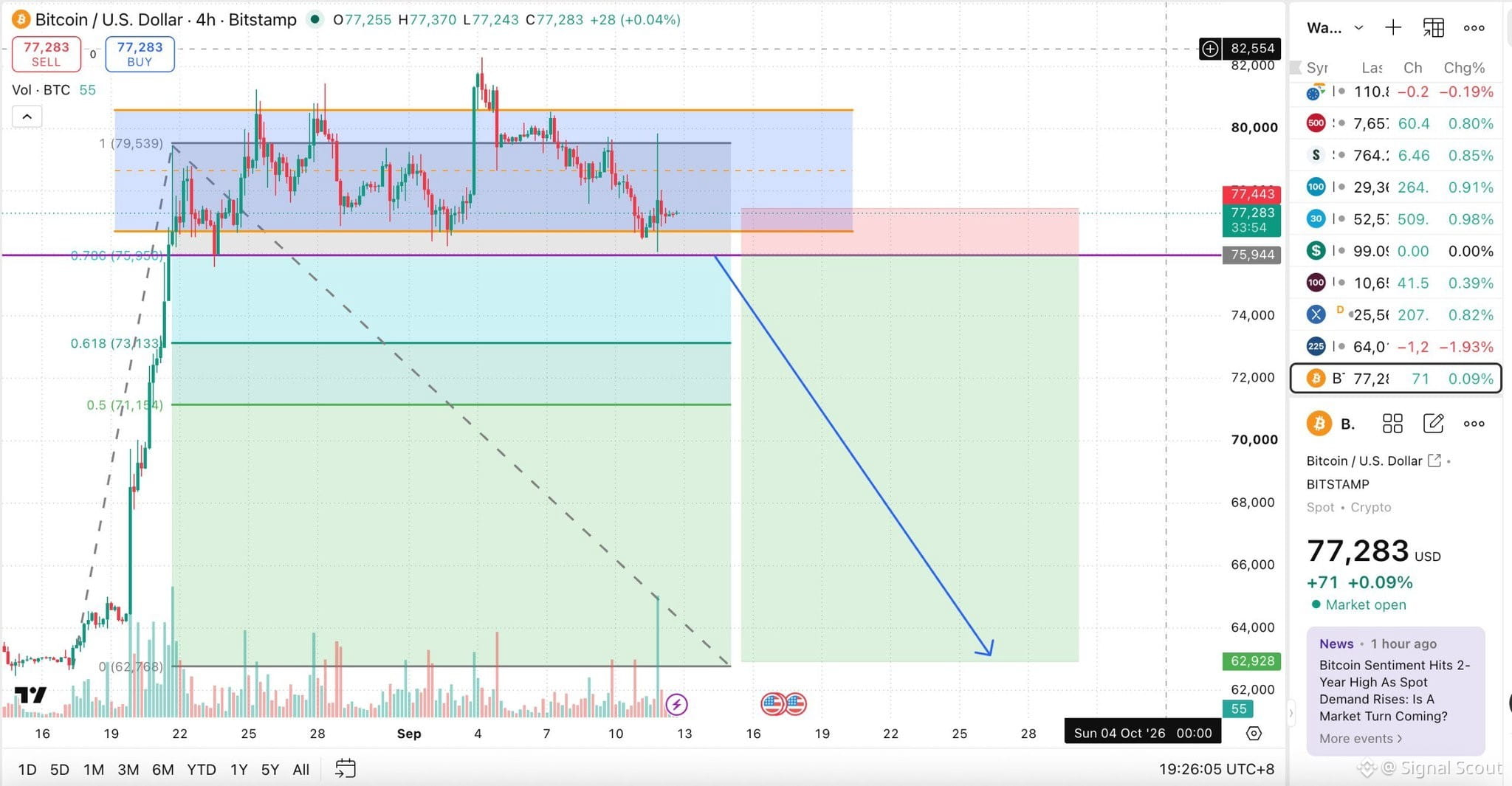
🚨 $BTC はまだチャネル内で取引されており、注目すべき重要な水準は $76,000 です。
$76,000 を割り、かつ BTC がその下に留まる場合、下値の目標は以下です:
• 最初に $73,000
• 次に $71,200
• その次に $67,000
• より深い目標として $62,000
$62K の目標は、元のリスクに基づく大規模な 1:18 のセットアップになります。
一方で、$73K と $71.2K は、想定される $1K の値動きにより、スキャルピングの長期チャンスを提供し得ます。
{spot}(BTCUSDT)
🚨 $BTC はまだチャネル内で取引されており、注目すべき重要な水準は $76,000 です。
$76,000 を割り、かつ BTC がその下に留まる場合、下値の目標は以下です:
• 最初に $73,000
• 次に $71,200
• その次に $67,000
• より深い目標として $62,000
$62K の目標は、元のリスクに基づく大規模な 1:18 のセットアップになります。
一方で、$73K と $71.2K は、想定される $1K の値動きにより、スキャルピングの長期チャンスを提供し得ます。
$76,000 を割り、かつ BTC がその下に留まる場合、下値の目標は以下です:
• 最初に $73,000
• 次に $71,200
• その次に $67,000
• より深い目標として $62,000
$62K の目標は、元のリスクに基づく大規模な 1:18 のセットアップになります。
一方で、$73K と $71.2K は、想定される $1K の値動きにより、スキャルピングの長期チャンスを提供し得ます。
59
·
--
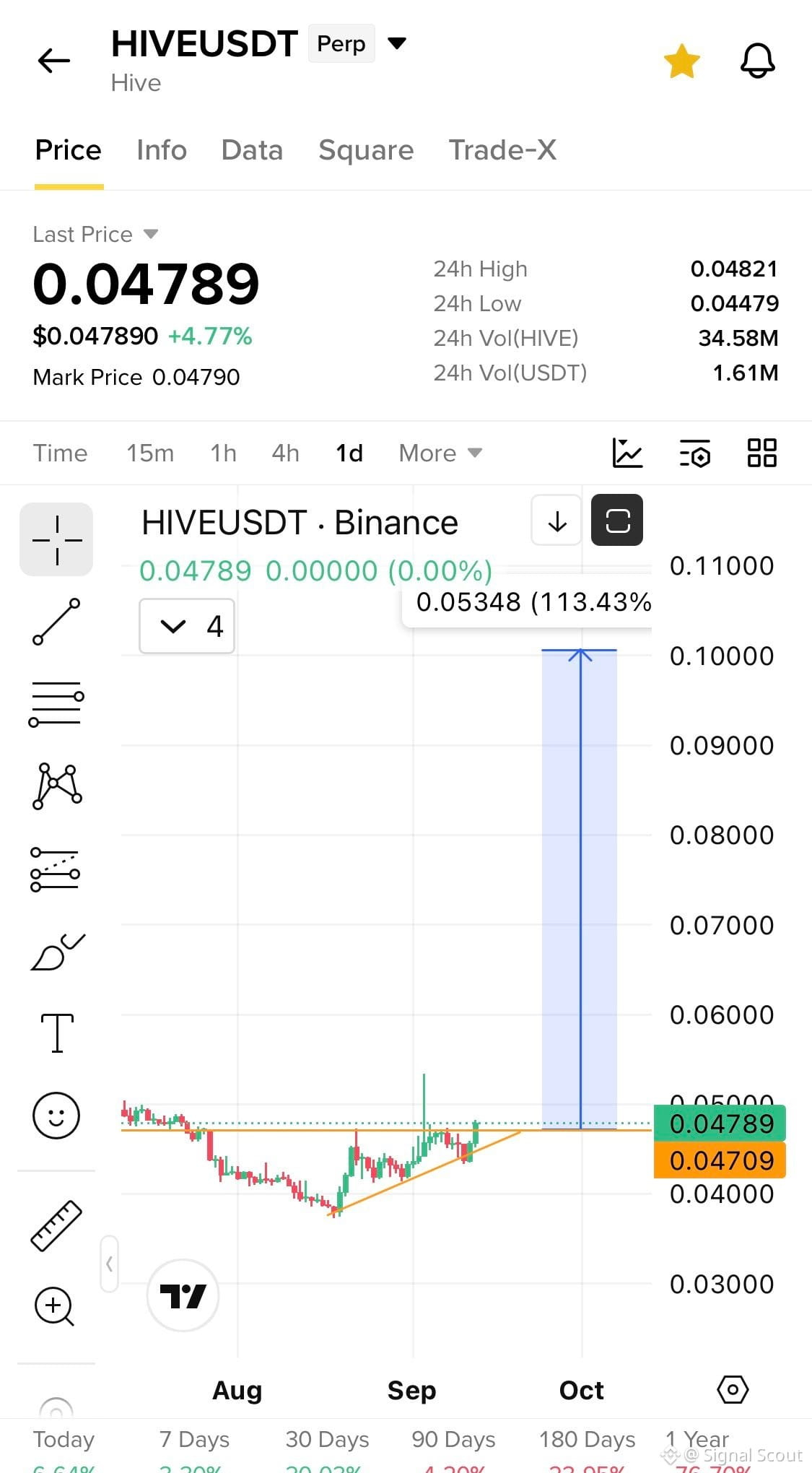
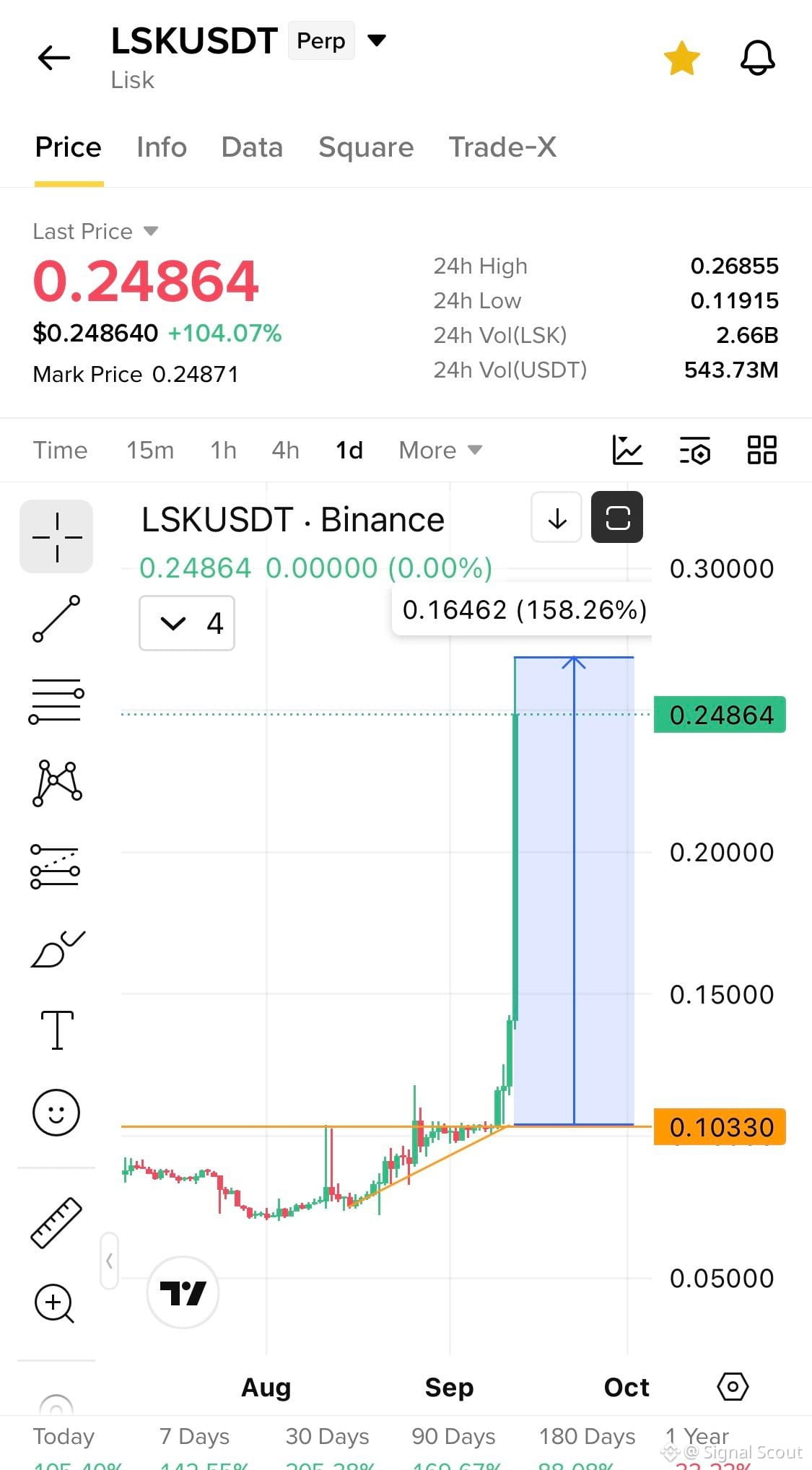
$HIVE same $LSK
Copy in narrative and chart
Krean layer1/2 narrative
And chart same breaking out
{spot}(HIVEUSDT)
{spot}(LSKUSDT)
$HIVE same $LSK
Copy in narrative and chart
Krean layer1/2 narrative
And chart same breaking out
Copy in narrative and chart
Krean layer1/2 narrative
And chart same breaking out
144
·
--
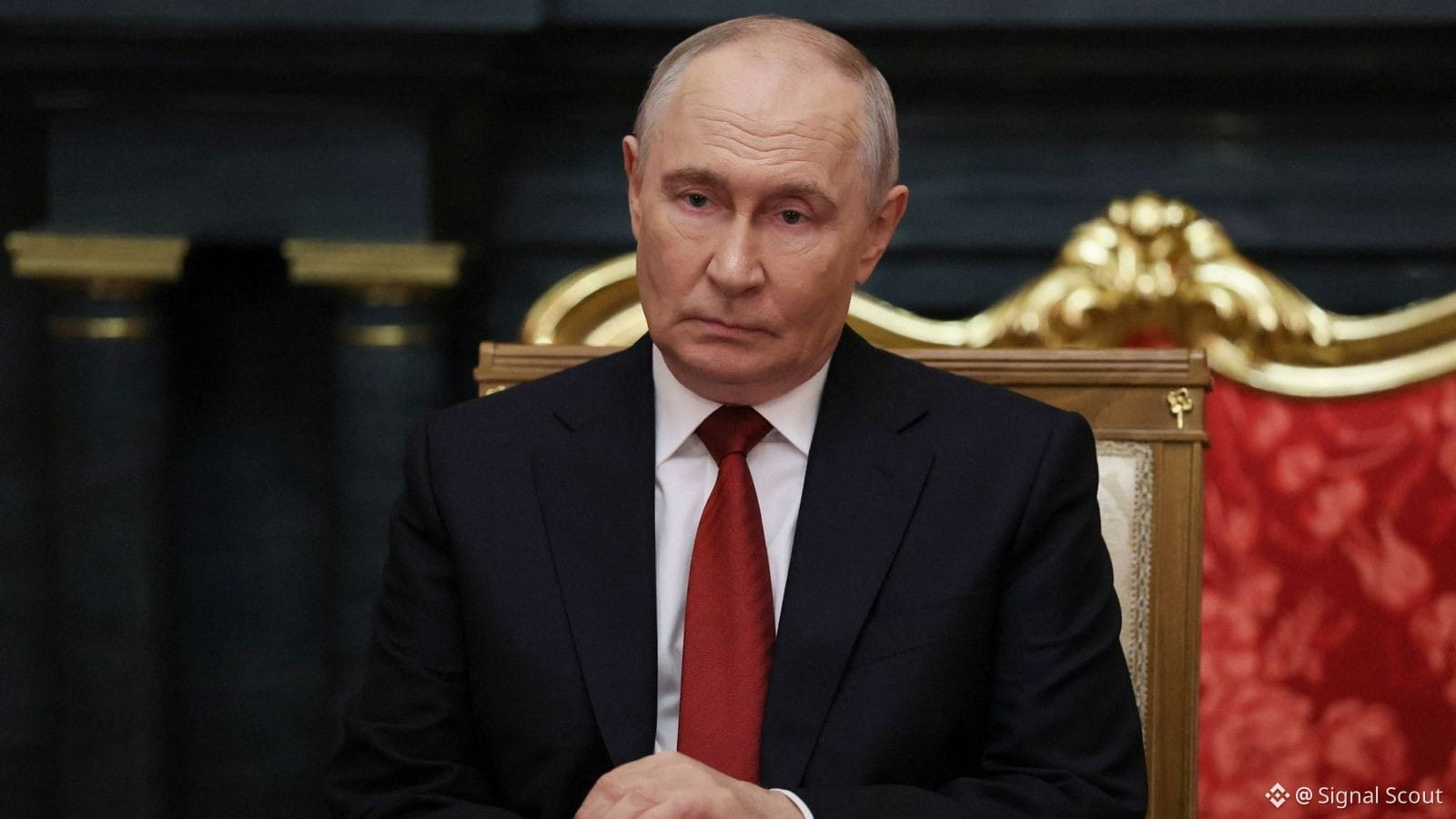
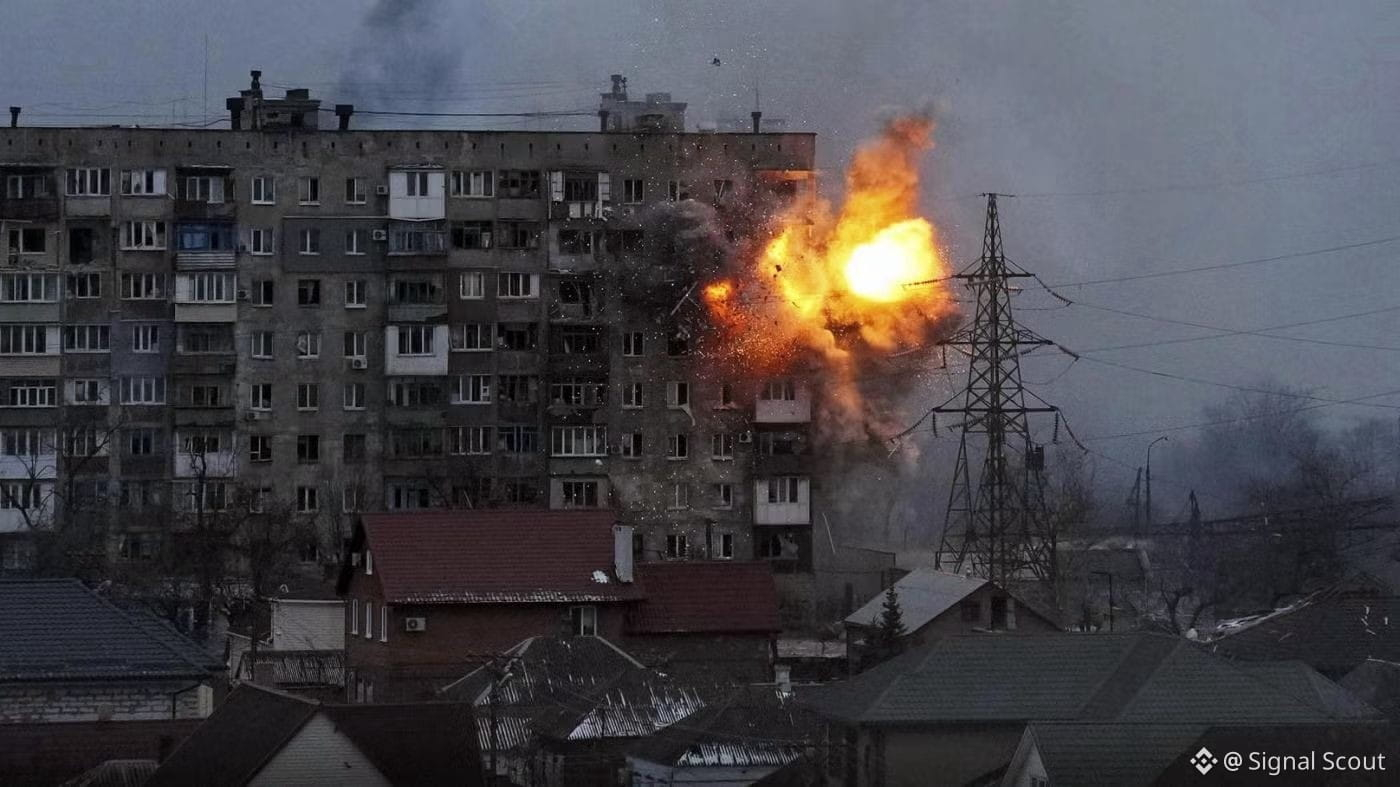
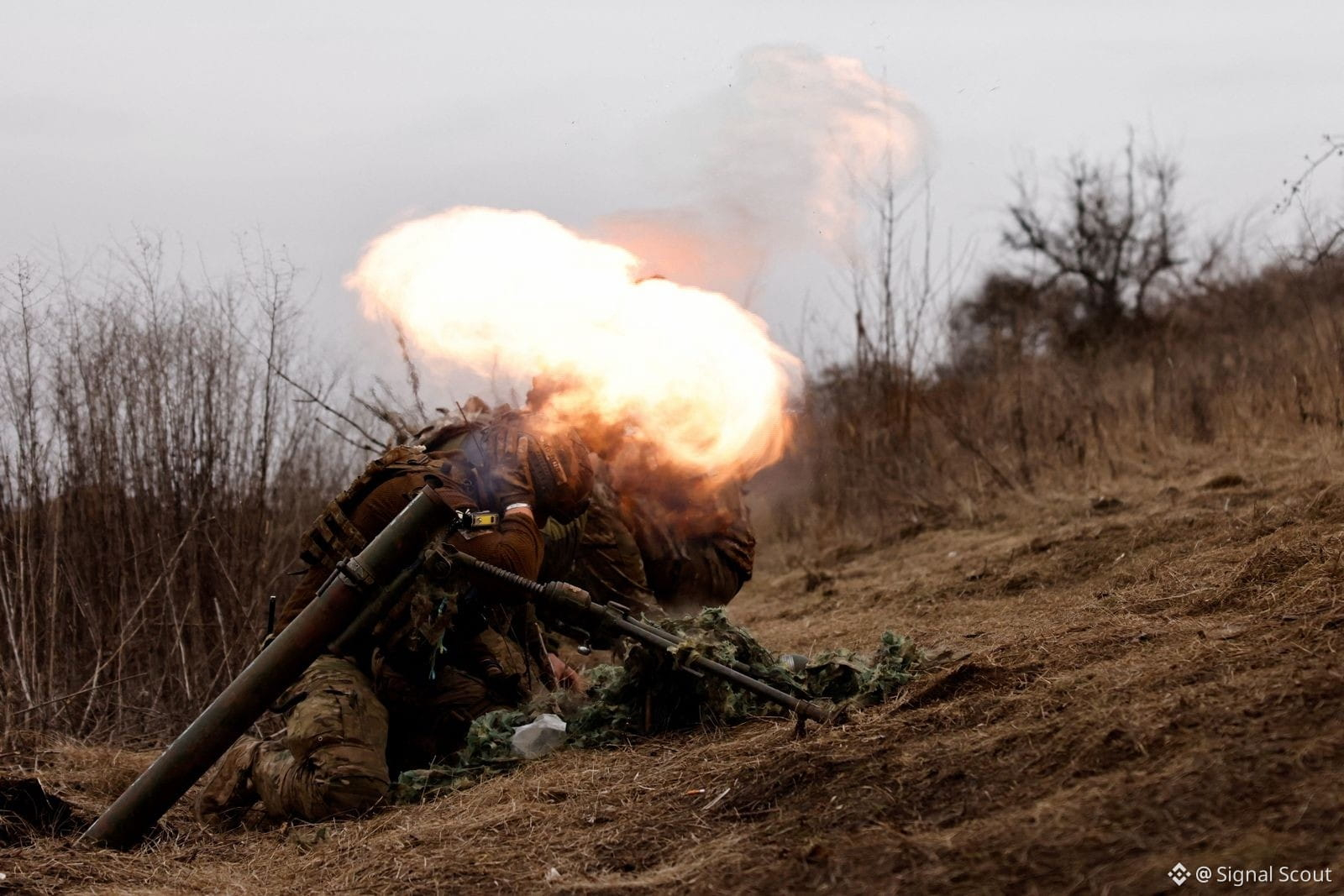
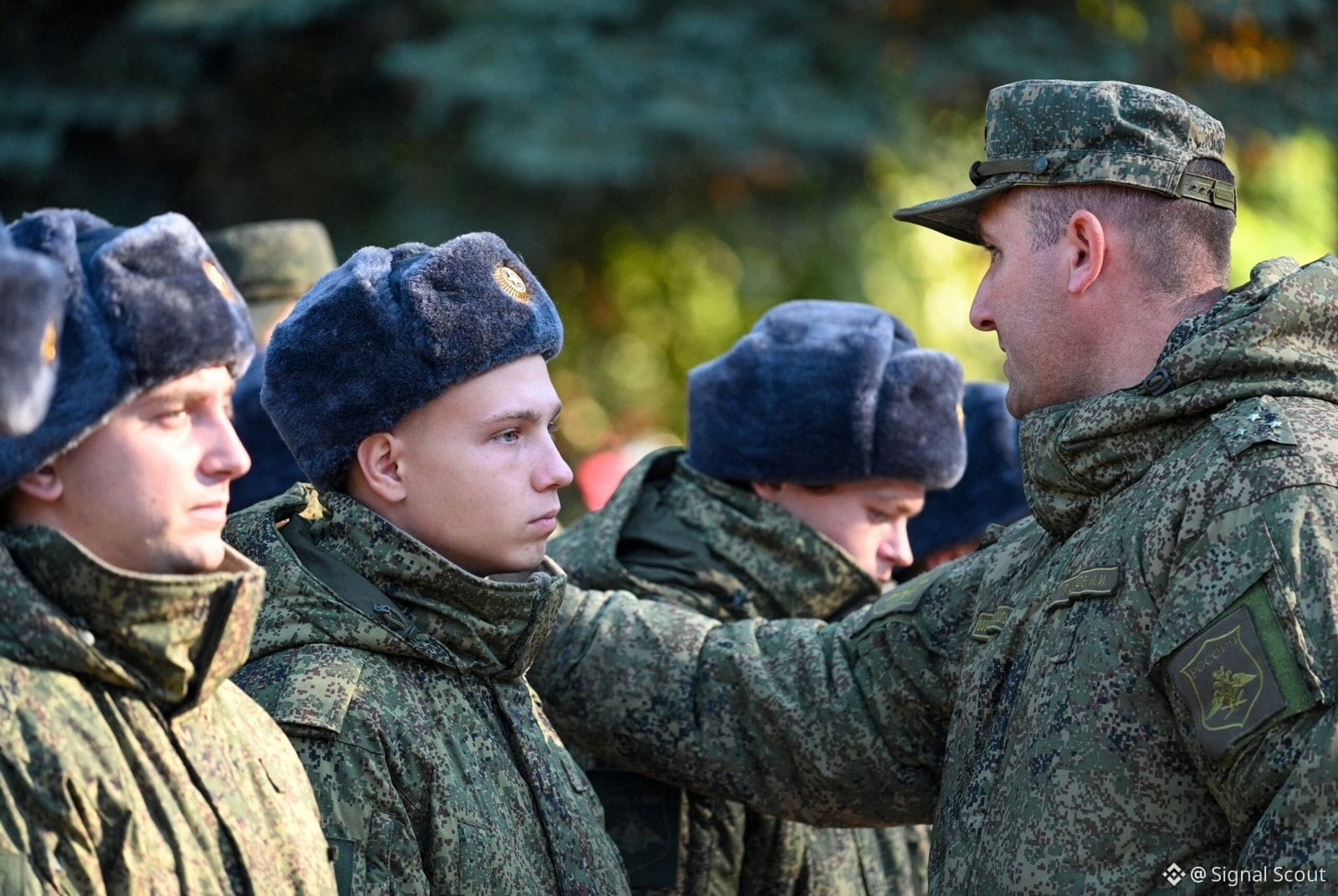
🇷🇺🇺🇦 プーチンの戦争は、もはやロシアが第二次世界大戦のいずれかで戦った期間を超えています……
ウクライナに対するロシアの本格的侵攻から、すでに1,660日が経過しました。
そして人的被害は甚大です。
イギリスの軍事情報機関は、ロシア兵50万人が死亡したと推定しており、負傷者を含む総死傷者数は約150万人にのぼります。
その損失の大半は2023年1月以降に発生しました。
また、イギリスの軍のトップによれば、その間にロシアがウクライナの領土を得たのは、わずかさらに2%にとどまったとのことです。
経済的な圧力も積み上がっており、成長は鈍化し、消費者需要は弱く、そして高止まりするインフレが頑として続いています。
しかし、それでも西側の当局者たちは、プーチンがウクライナをモスクワの支配下に取り戻すことを主な目的としている点を変えた兆しは見えていないと見ています。
地図上での動きがほとんどないのに、あまりにも多くの命とお金が費やされている――それは信じがたい量です。
出典:Sky News/執筆:Daniyal
$ETC
{spot}(ETCUSDT)
{spot}(POLUSDT)
$POL
$JTO
{spot}(JTOUSDT)
🇷🇺🇺🇦 プーチンの戦争は、もはやロシアが第二次世界大戦のいずれかで戦った期間を超えています……
ウクライナに対するロシアの本格的侵攻から、すでに1,660日が経過しました。
そして人的被害は甚大です。
イギリスの軍事情報機関は、ロシア兵50万人が死亡したと推定しており、負傷者を含む総死傷者数は約150万人にのぼります。
その損失の大半は2023年1月以降に発生しました。
また、イギリスの軍のトップによれば、その間にロシアがウクライナの領土を得たのは、わずかさらに2%にとどまったとのことです。
経済的な圧力も積み上がっており、成長は鈍化し、消費者需要は弱く、そして高止まりするインフレが頑として続いています。
しかし、それでも西側の当局者たちは、プーチンがウクライナをモスクワの支配下に取り戻すことを主な目的としている点を変えた兆しは見えていないと見ています。
地図上での動きがほとんどないのに、あまりにも多くの命とお金が費やされている――それは信じがたい量です。
出典:Sky News/執筆:Daniyal
$ETC
$POL
$JTO
ウクライナに対するロシアの本格的侵攻から、すでに1,660日が経過しました。
そして人的被害は甚大です。
イギリスの軍事情報機関は、ロシア兵50万人が死亡したと推定しており、負傷者を含む総死傷者数は約150万人にのぼります。
その損失の大半は2023年1月以降に発生しました。
また、イギリスの軍のトップによれば、その間にロシアがウクライナの領土を得たのは、わずかさらに2%にとどまったとのことです。
経済的な圧力も積み上がっており、成長は鈍化し、消費者需要は弱く、そして高止まりするインフレが頑として続いています。
しかし、それでも西側の当局者たちは、プーチンがウクライナをモスクワの支配下に取り戻すことを主な目的としている点を変えた兆しは見えていないと見ています。
地図上での動きがほとんどないのに、あまりにも多くの命とお金が費やされている――それは信じがたい量です。
出典:Sky News/執筆:Daniyal
$ETC
$POL
$JTO
238
·
--
翻訳参照
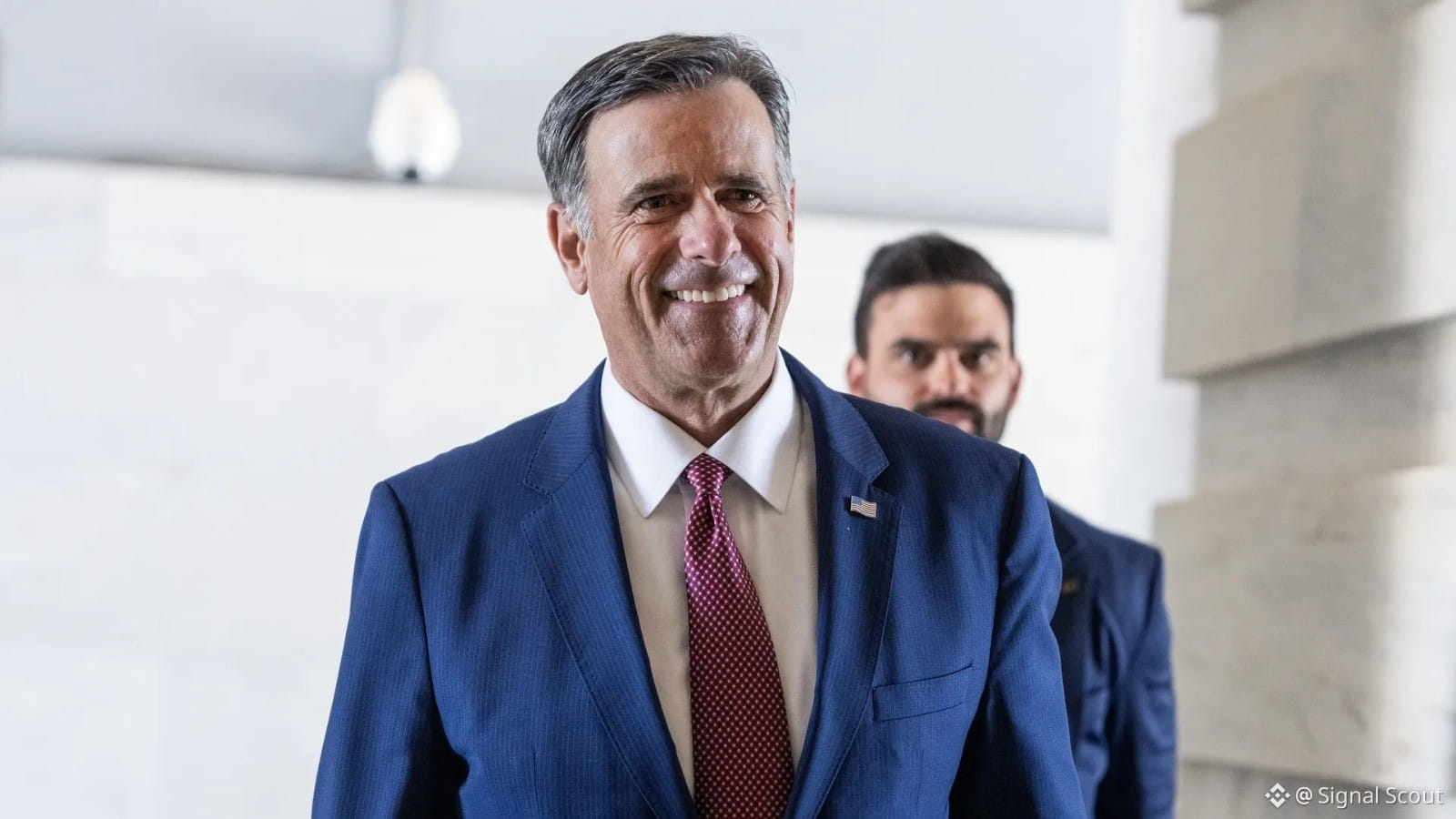
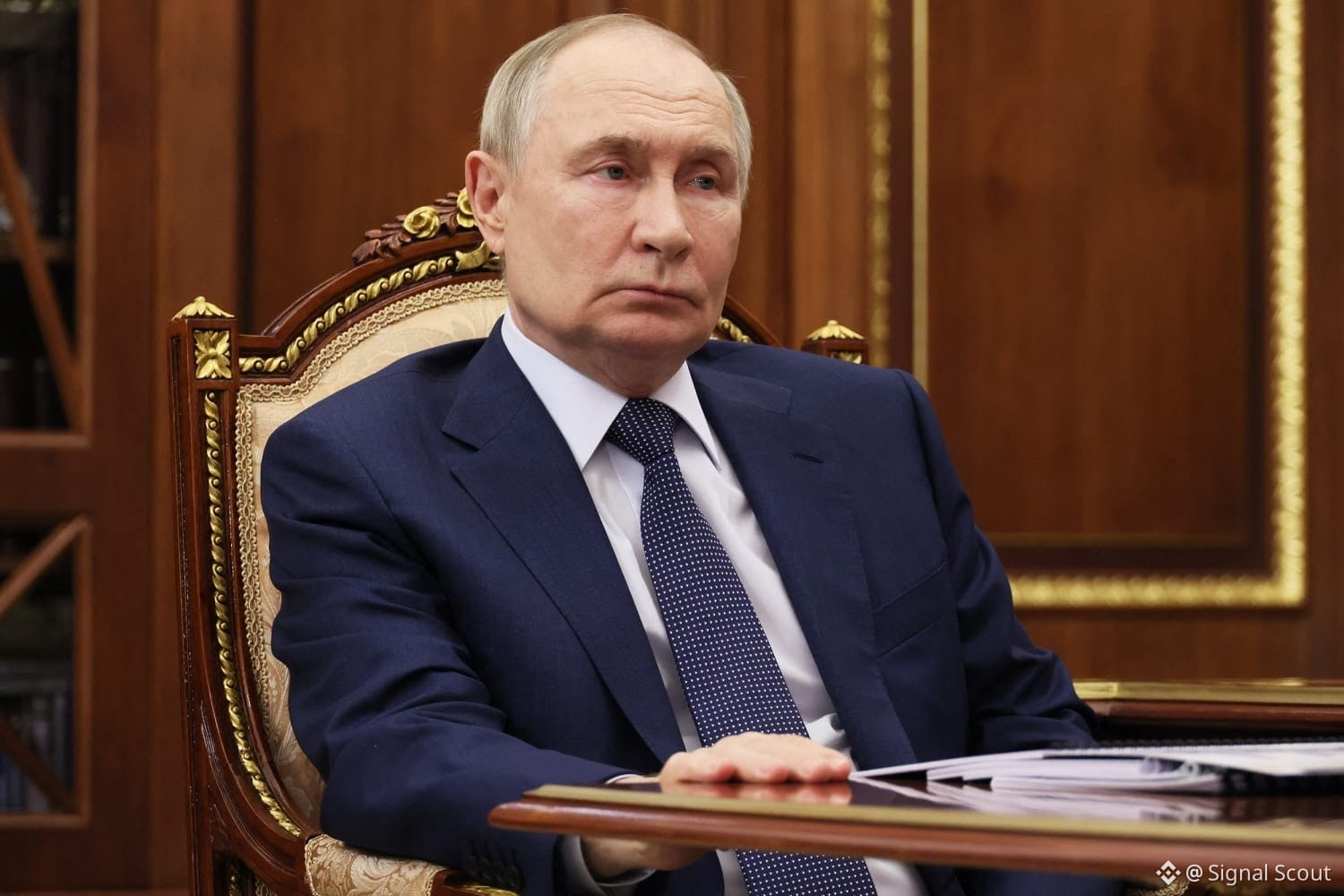
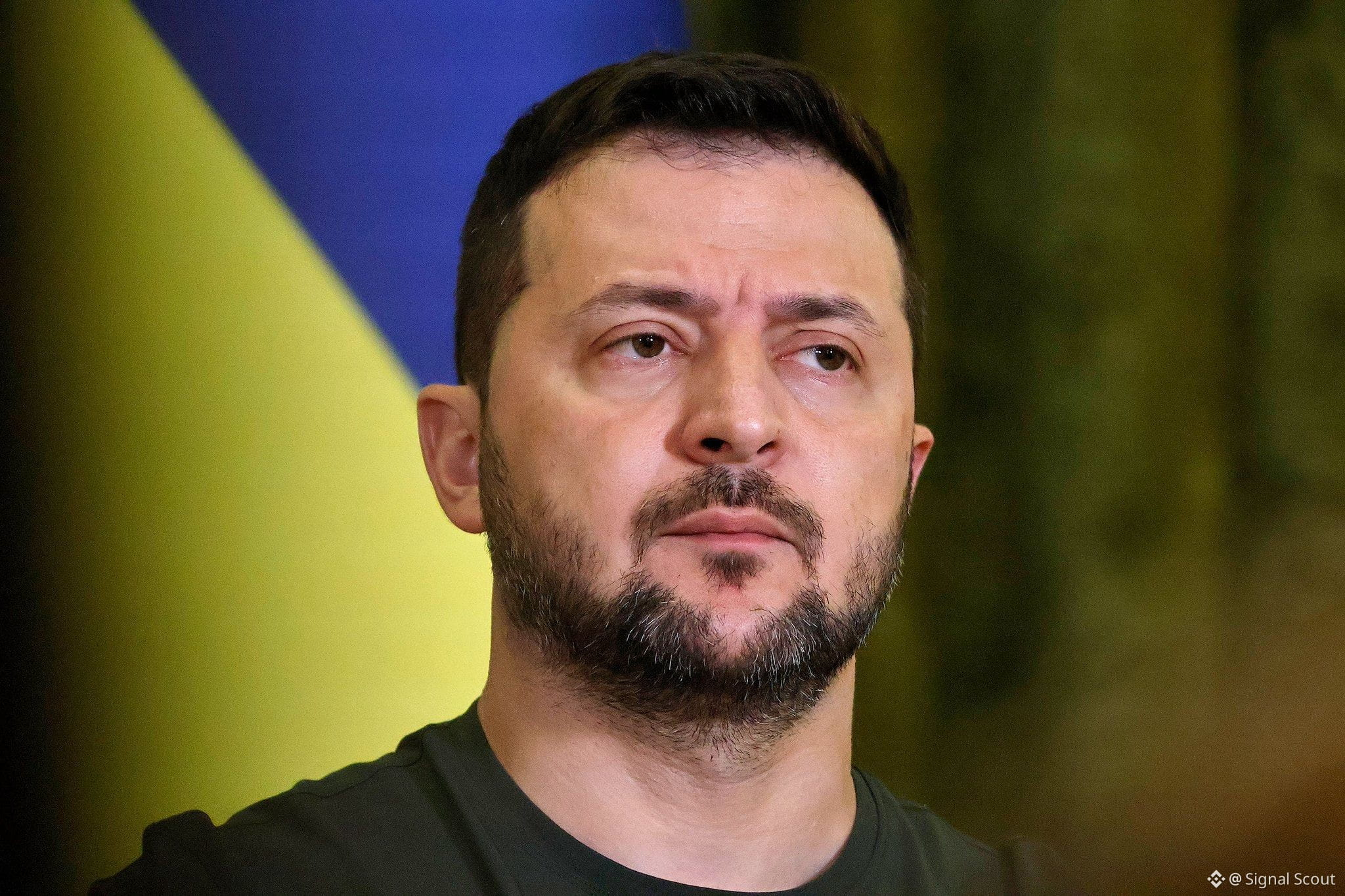
🚨🇺🇸🇺🇦🇷🇺 Washington is plugging the CIA director into the Russia-Ukraine talks...
U.S. officials have informed Europe that Ratcliffe is being lined up for a bigger role, to revive a dead peace track after 4.5 years of war.
The White House is also looking at cutting back Witkoff and Kushner, reportedly...
Source: Financial Times / Writer: Samuel
$AKE
{future}(AKEUSDT)
$BE
{future}(BEUSDT)
$IQ
{spot}(IQUSDT)
🚨🇺🇸🇺🇦🇷🇺 Washington is plugging the CIA director into the Russia-Ukraine talks...
U.S. officials have informed Europe that Ratcliffe is being lined up for a bigger role, to revive a dead peace track after 4.5 years of war.
The White House is also looking at cutting back Witkoff and Kushner, reportedly...
Source: Financial Times / Writer: Samuel
$AKE
$BE
$IQ
U.S. officials have informed Europe that Ratcliffe is being lined up for a bigger role, to revive a dead peace track after 4.5 years of war.
The White House is also looking at cutting back Witkoff and Kushner, reportedly...
Source: Financial Times / Writer: Samuel
$AKE
$BE
$IQ
21
·
--
翻訳参照
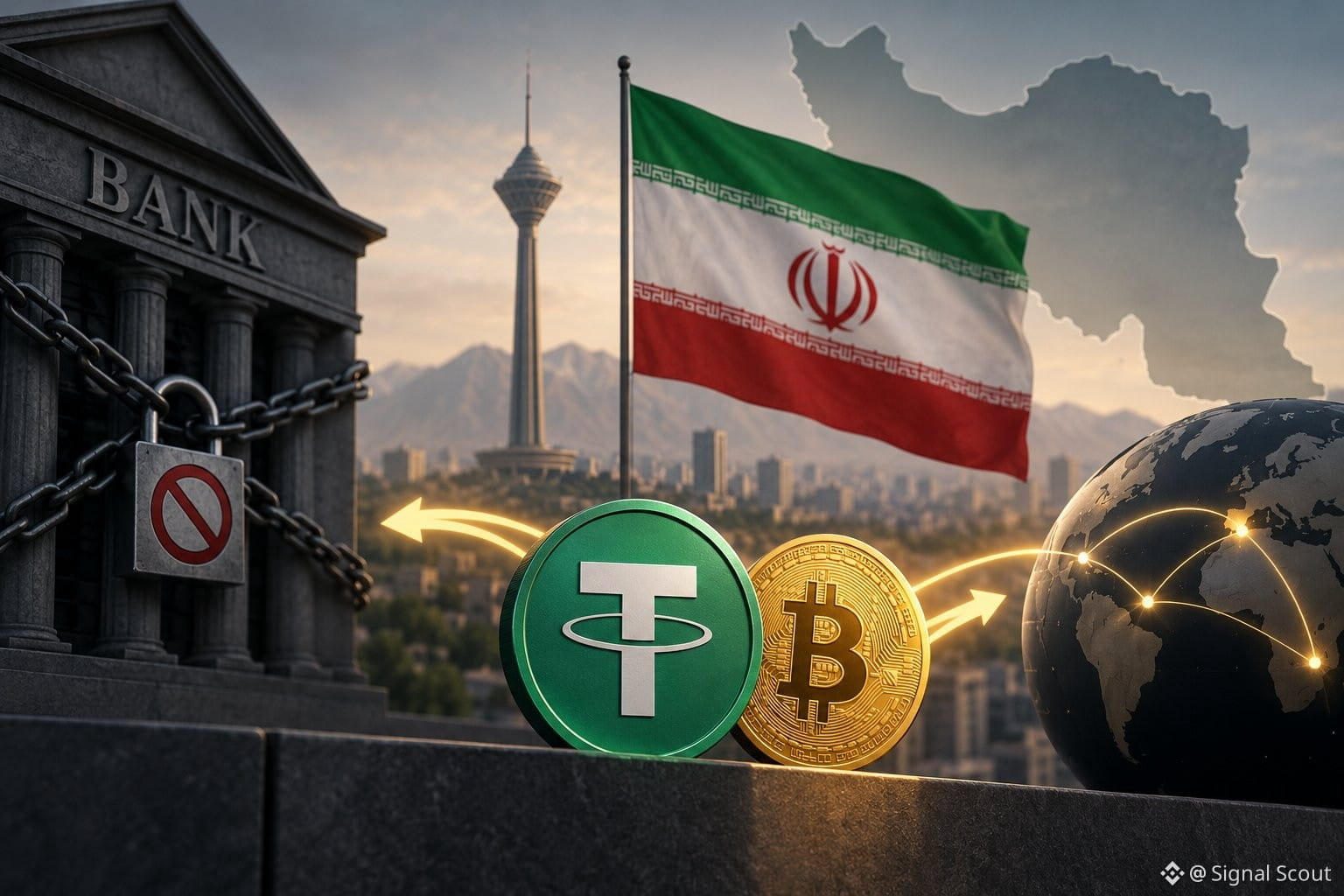
🇮🇷 IRAN IS QUIETLY TURNING TO CRYPTO AS ITS BANKING SYSTEM GETS CUT OFF.
This is no longer just about people holding Bitcoin.
Iran is reportedly becoming increasingly comfortable using $USDT and $BTC for actual cross-border business.
Fresh Financial Times reporting says Iran’s central bank has eased some foreign-exchange restrictions, with businesses increasingly using crypto to move money across borders and bring overseas funds back into the country.
And the scale is hard to ignore.
Around $10 BILLION in crypto activity flowed through Iran in 2025, according to TRM Labs.
That includes incoming and outgoing flows, showing how deeply crypto has entered the country’s financial system.
Iran’s largest crypto exchange alone reportedly handled more than 50% of the country’s digital-asset inflows in 2025, according to the U.S. Treasury.
And USDT is particularly important here.
Why?
Because it gives businesses access to a dollar-linked asset without relying entirely on traditional banking rails.
That becomes extremely valuable when access to global banks is restricted.
But there’s a catch.
USDT isn't fully censorship-resistant.
Once a wallet is identified and sanctioned, the issuer can freeze the funds.
Hundreds of millions of dollars in Iran-linked USDT have already been frozen or identified by authorities.
So a very different financial system is emerging:
Banks get restricted.
Crypto becomes the alternative rail.
Stablecoins provide dollar exposure.
Blockchains move the money.
And regulators try to follow it.
That’s the bigger story.
Crypto isn't just being used as an investment asset in countries with restricted banking access.
It's increasingly becoming part of the financial infrastructure itself.👀
{spot}(BTCUSDT)
$USDT
🇮🇷 IRAN IS QUIETLY TURNING TO CRYPTO AS ITS BANKING SYSTEM GETS CUT OFF.
This is no longer just about people holding Bitcoin.
Iran is reportedly becoming increasingly comfortable using $USDT and $BTC for actual cross-border business.
Fresh Financial Times reporting says Iran’s central bank has eased some foreign-exchange restrictions, with businesses increasingly using crypto to move money across borders and bring overseas funds back into the country.
And the scale is hard to ignore.
Around $10 BILLION in crypto activity flowed through Iran in 2025, according to TRM Labs.
That includes incoming and outgoing flows, showing how deeply crypto has entered the country’s financial system.
Iran’s largest crypto exchange alone reportedly handled more than 50% of the country’s digital-asset inflows in 2025, according to the U.S. Treasury.
And USDT is particularly important here.
Why?
Because it gives businesses access to a dollar-linked asset without relying entirely on traditional banking rails.
That becomes extremely valuable when access to global banks is restricted.
But there’s a catch.
USDT isn't fully censorship-resistant.
Once a wallet is identified and sanctioned, the issuer can freeze the funds.
Hundreds of millions of dollars in Iran-linked USDT have already been frozen or identified by authorities.
So a very different financial system is emerging:
Banks get restricted.
Crypto becomes the alternative rail.
Stablecoins provide dollar exposure.
Blockchains move the money.
And regulators try to follow it.
That’s the bigger story.
Crypto isn't just being used as an investment asset in countries with restricted banking access.
It's increasingly becoming part of the financial infrastructure itself.👀
$USDT
This is no longer just about people holding Bitcoin.
Iran is reportedly becoming increasingly comfortable using $USDT and $BTC for actual cross-border business.
Fresh Financial Times reporting says Iran’s central bank has eased some foreign-exchange restrictions, with businesses increasingly using crypto to move money across borders and bring overseas funds back into the country.
And the scale is hard to ignore.
Around $10 BILLION in crypto activity flowed through Iran in 2025, according to TRM Labs.
That includes incoming and outgoing flows, showing how deeply crypto has entered the country’s financial system.
Iran’s largest crypto exchange alone reportedly handled more than 50% of the country’s digital-asset inflows in 2025, according to the U.S. Treasury.
And USDT is particularly important here.
Why?
Because it gives businesses access to a dollar-linked asset without relying entirely on traditional banking rails.
That becomes extremely valuable when access to global banks is restricted.
But there’s a catch.
USDT isn't fully censorship-resistant.
Once a wallet is identified and sanctioned, the issuer can freeze the funds.
Hundreds of millions of dollars in Iran-linked USDT have already been frozen or identified by authorities.
So a very different financial system is emerging:
Banks get restricted.
Crypto becomes the alternative rail.
Stablecoins provide dollar exposure.
Blockchains move the money.
And regulators try to follow it.
That’s the bigger story.
Crypto isn't just being used as an investment asset in countries with restricted banking access.
It's increasingly becoming part of the financial infrastructure itself.👀
$USDT
46
·
--
翻訳参照
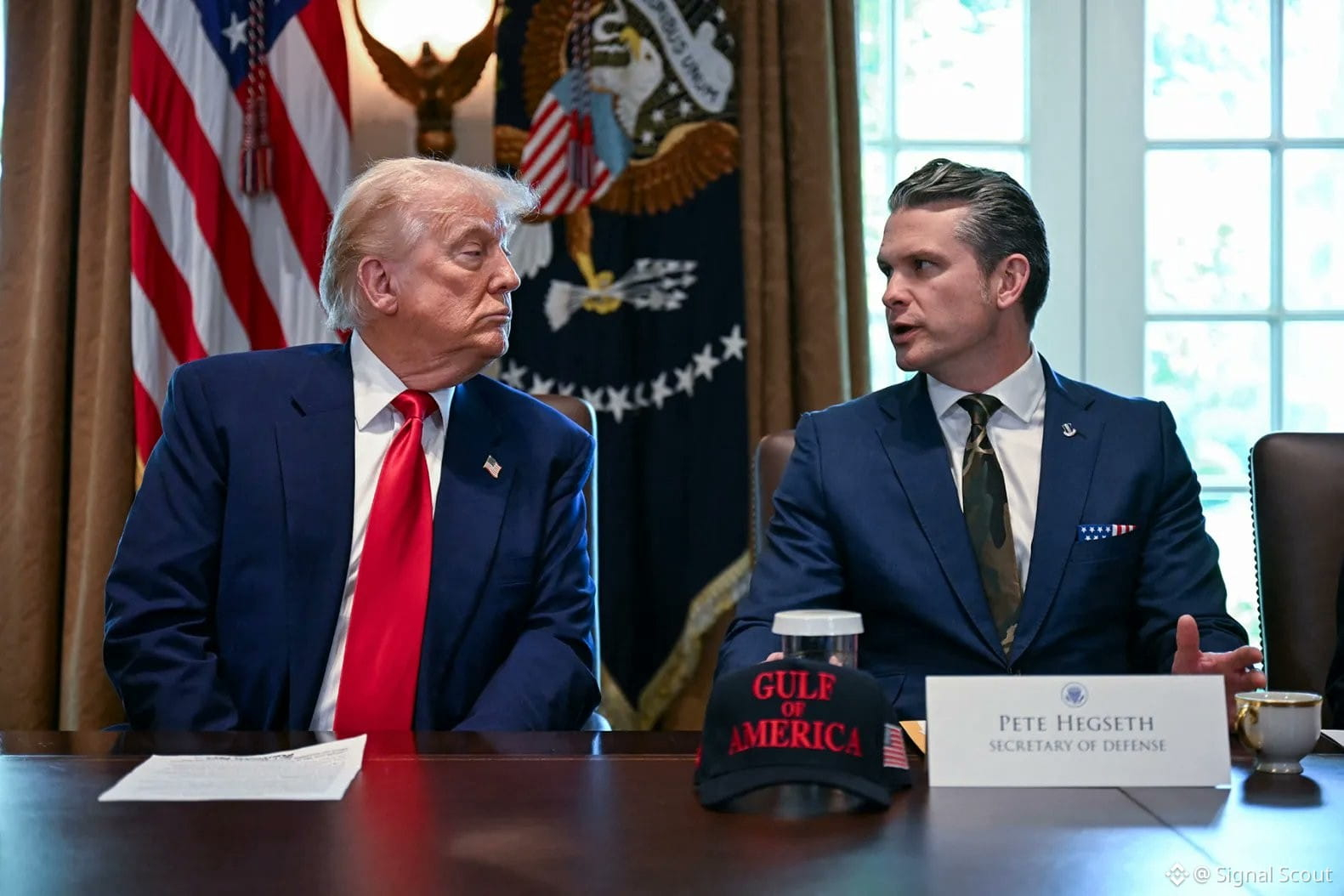
🇺🇸🇮🇷 Washington is already talking about shrinking its footprint in the Middle East when the Iran war ends...
Military and intelligence officials say the conversation is quiet and unofficial: fewer people, fewer bases, maybe some jobs done from home, fly-ins for missions.
18 U.S. troops are dead. Iran has hit American sites all across the Gulf, and some of those facilities may simply never be rebuilt.
There are still about 50,000 troops in the region, plus carriers and destroyers.
Trump doesn't have the patience for endless deployments, and America has promised to leave this region for 25 years...
Is it finally time?
Source: CNN / Writer: Samuel
$LAB
{future}(LABUSDT)
$AKE
{future}(AKEUSDT)
$GAS
{spot}(GASUSDT)
🇺🇸🇮🇷 Washington is already talking about shrinking its footprint in the Middle East when the Iran war ends...
Military and intelligence officials say the conversation is quiet and unofficial: fewer people, fewer bases, maybe some jobs done from home, fly-ins for missions.
18 U.S. troops are dead. Iran has hit American sites all across the Gulf, and some of those facilities may simply never be rebuilt.
There are still about 50,000 troops in the region, plus carriers and destroyers.
Trump doesn't have the patience for endless deployments, and America has promised to leave this region for 25 years...
Is it finally time?
Source: CNN / Writer: Samuel
$LAB
$AKE
$GAS
Military and intelligence officials say the conversation is quiet and unofficial: fewer people, fewer bases, maybe some jobs done from home, fly-ins for missions.
18 U.S. troops are dead. Iran has hit American sites all across the Gulf, and some of those facilities may simply never be rebuilt.
There are still about 50,000 troops in the region, plus carriers and destroyers.
Trump doesn't have the patience for endless deployments, and America has promised to leave this region for 25 years...
Is it finally time?
Source: CNN / Writer: Samuel
$LAB
$AKE
$GAS


49
·
--
ブリッシュ
翻訳参照
BULLISH: Crypto stocks are RALLYING as Bitcoin breaks above $81,000, erasing $BTC price losses from the past five days.
The push higher was partly fueled by the U.S. Treasury’s plan to expand long-term bond buybacks, injecting fresh liquidity into markets, weakening the dollar and boosting risk assets.
🟢 BMNR +13.18%
🟢 MARA +11.94%
🟢 COIN +10.96%
🟢 MSTR +10.31%
🟢 SBET +5.80%
{spot}(BTCUSDT)
BULLISH: Crypto stocks are RALLYING as Bitcoin breaks above $81,000, erasing $BTC price losses from the past five days.
The push higher was partly fueled by the U.S. Treasury’s plan to expand long-term bond buybacks, injecting fresh liquidity into markets, weakening the dollar and boosting risk assets.
🟢 BMNR +13.18%
🟢 MARA +11.94%
🟢 COIN +10.96%
🟢 MSTR +10.31%
🟢 SBET +5.80%
The push higher was partly fueled by the U.S. Treasury’s plan to expand long-term bond buybacks, injecting fresh liquidity into markets, weakening the dollar and boosting risk assets.
🟢 BMNR +13.18%
🟢 MARA +11.94%
🟢 COIN +10.96%
🟢 MSTR +10.31%
🟢 SBET +5.80%


118
·
--
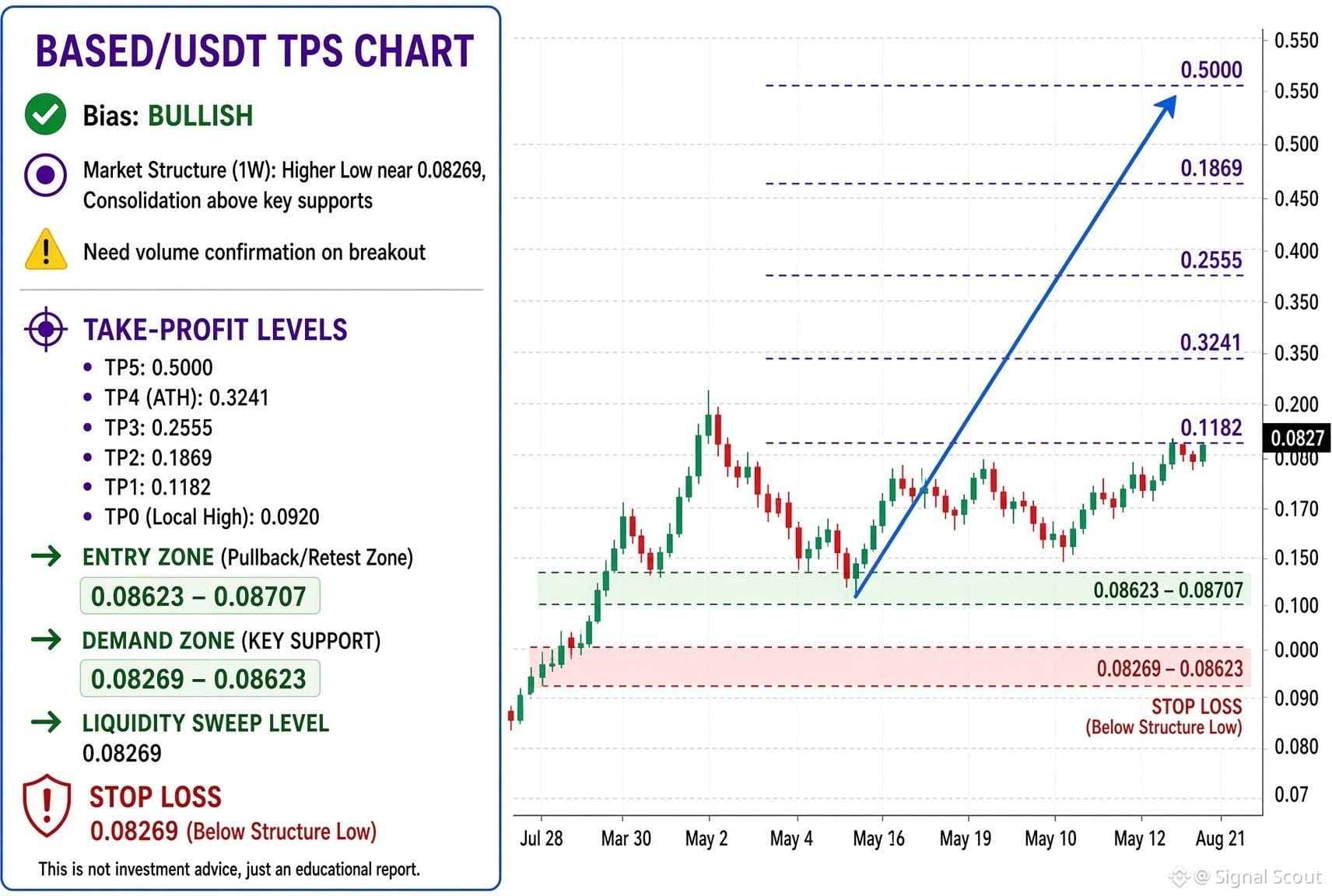
$BASED ポンプ期待...
BASED シーズンはもうすぐです。すべてのコインにはそれぞれの時間があります:そろそろ BASED がポンプする時です 💪
ポンプが遅ければ遅いほど、ポンプはより強く、より高くなります。忍耐は美徳です。今のあなたには、これから来る BASED の巨大なポンプを楽しむために必要です 💪
BASED のポンプは十分に早く来ます 🚀✈️
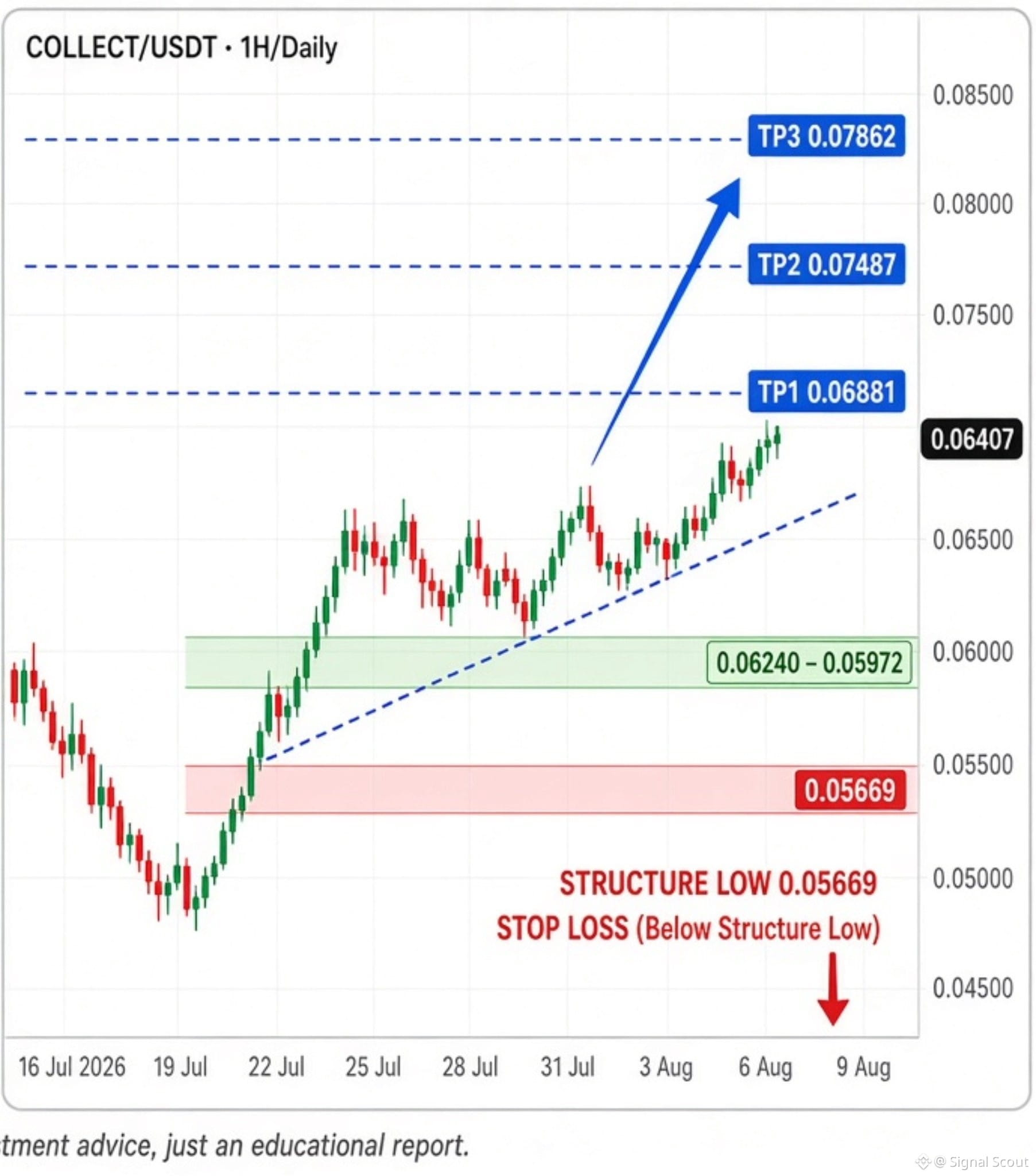
$COLLECT ポンプ期待.. ここから良いポンプが来ることを期待しています 🚀✈️
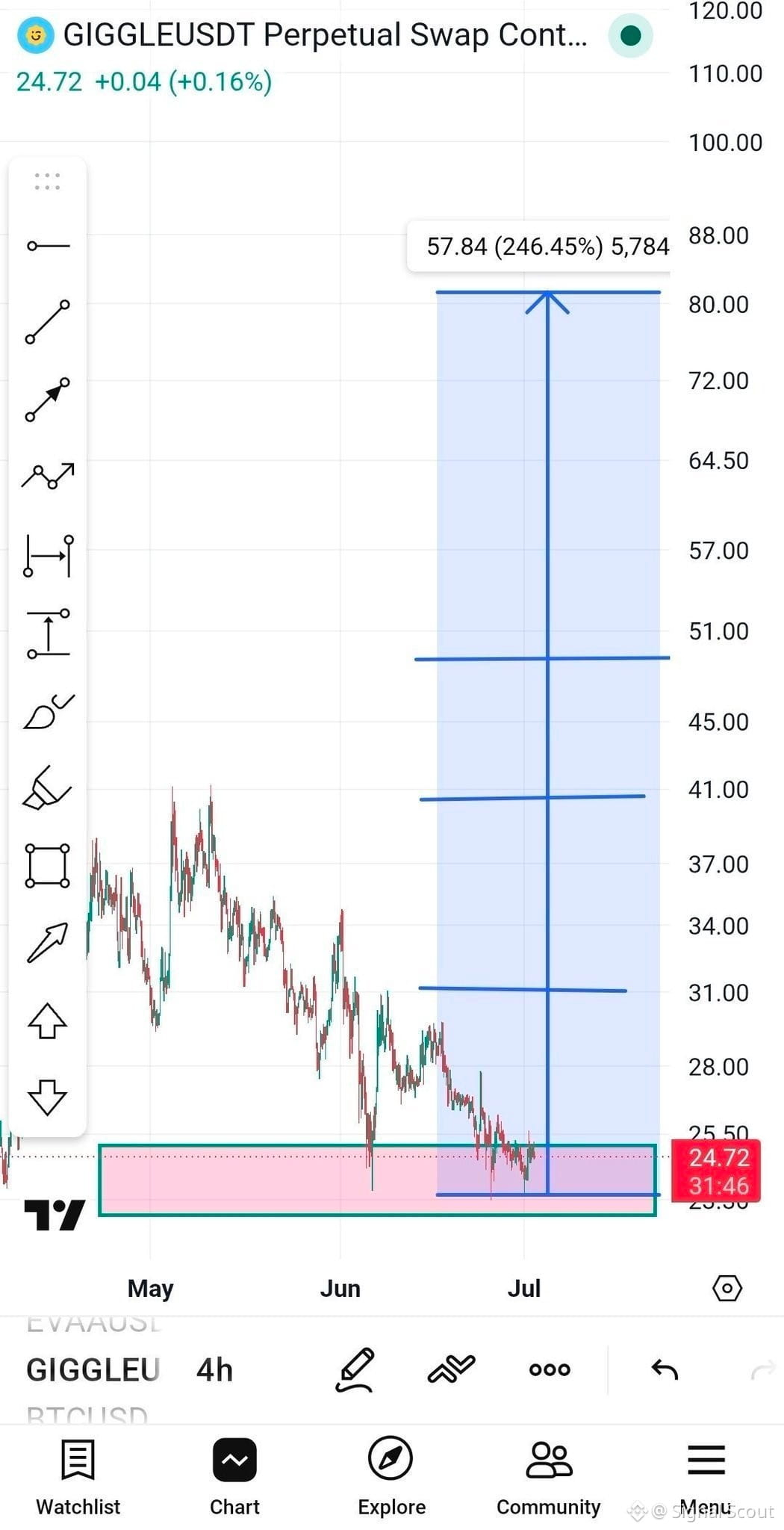
$GIGGLE ポンプ期待 ✈️🚀
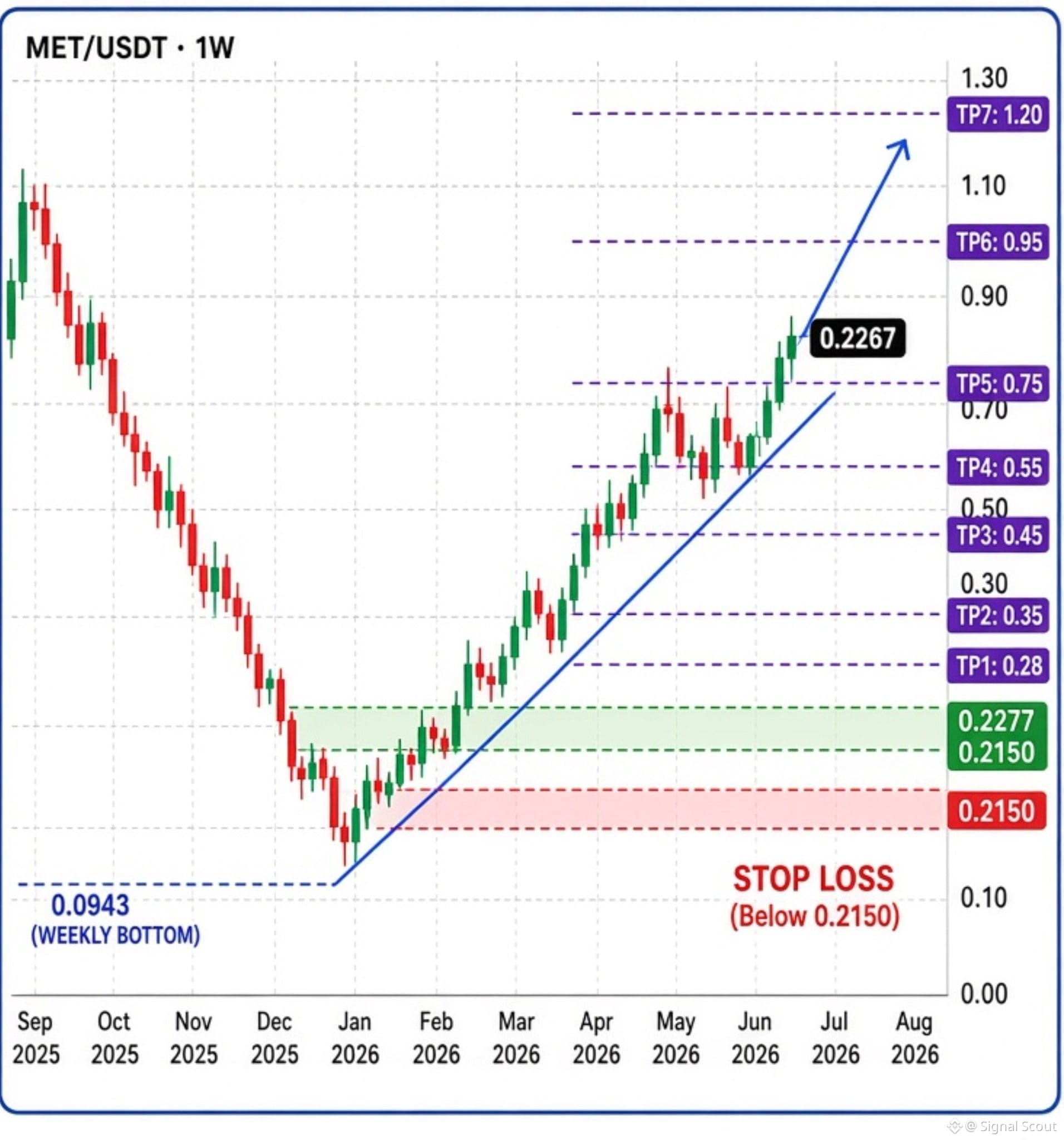
$MET ポンプ期待 🚀✈️
$BICO ポンプ期待 🚀✈️
$HOLO ポンプ期待 🚀✈️
$PROM ポンプ期待 🚀✈️
{future}(BASEDUSDT)
{spot}(GIGGLEUSDT)
{future}(COLLECTUSDT)
$BASED ポンプ期待...
BASED シーズンはもうすぐです。すべてのコインにはそれぞれの時間があります:そろそろ BASED がポンプする時です 💪
ポンプが遅ければ遅いほど、ポンプはより強く、より高くなります。忍耐は美徳です。今のあなたには、これから来る BASED の巨大なポンプを楽しむために必要です 💪
BASED のポンプは十分に早く来ます 🚀✈️
$COLLECT ポンプ期待.. ここから良いポンプが来ることを期待しています 🚀✈️
$GIGGLE ポンプ期待 ✈️🚀
$MET ポンプ期待 🚀✈️
$BICO ポンプ期待 🚀✈️
$HOLO ポンプ期待 🚀✈️
$PROM ポンプ期待 🚀✈️
BASED シーズンはもうすぐです。すべてのコインにはそれぞれの時間があります:そろそろ BASED がポンプする時です 💪
ポンプが遅ければ遅いほど、ポンプはより強く、より高くなります。忍耐は美徳です。今のあなたには、これから来る BASED の巨大なポンプを楽しむために必要です 💪
BASED のポンプは十分に早く来ます 🚀✈️
$COLLECT ポンプ期待.. ここから良いポンプが来ることを期待しています 🚀✈️
$GIGGLE ポンプ期待 ✈️🚀
$MET ポンプ期待 🚀✈️
$BICO ポンプ期待 🚀✈️
$HOLO ポンプ期待 🚀✈️
$PROM ポンプ期待 🚀✈️
787
·
--
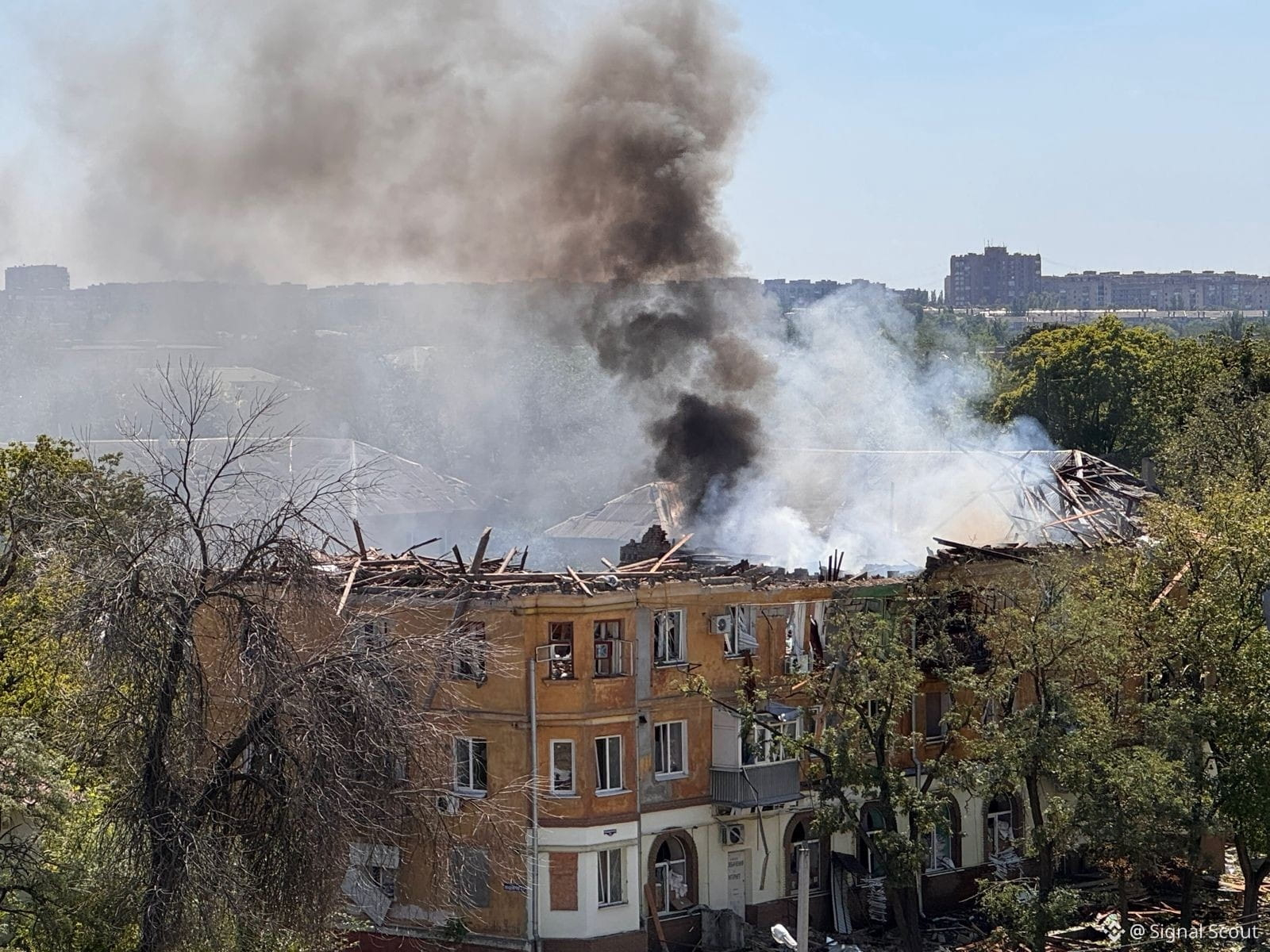
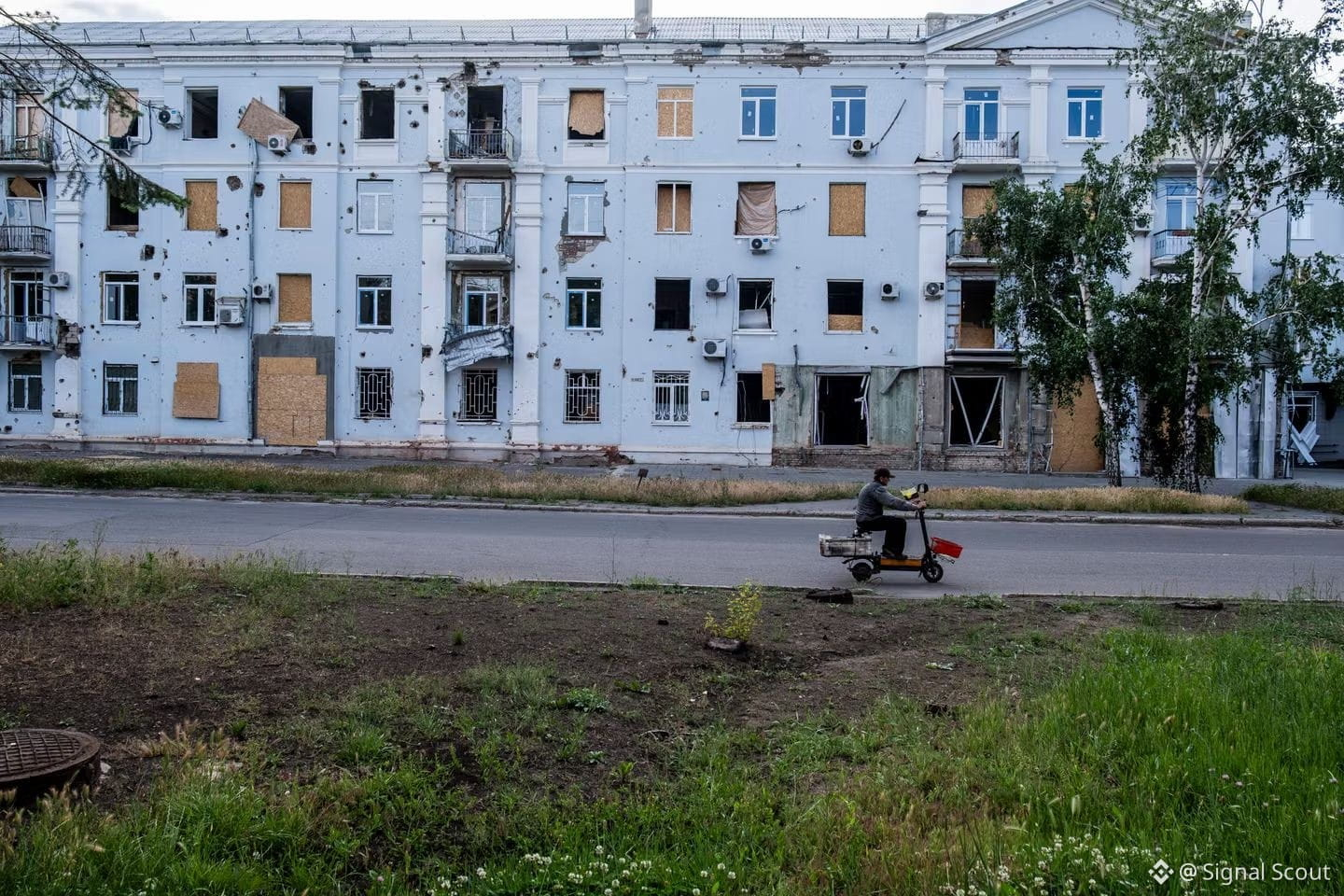
🇺🇦🇷🇺 ウクライナは、ロシアがスロビアンスクに危険なほど接近する中、指揮官を再編している...
ロシア軍は現在、ある地域では同市まで7〜10kmしか離れておらず、砲撃がすでに届く距離だ。
人々は日々の攻撃の中、退避を促されている。
ウクライナは、ドネツク戦線の重要区間の指揮に、アンドリー・ビレツキーやアゾフの指揮官デニス・プロコペンコを含む、よく知られた司令官の一部を投入している。
狙いはかなりシンプルだ。ロシアの前進を止め、前線の運用を整え、必要な場所へ部隊と資源を最優先で振り向けること。
そして、さらなる圧力が迫っている...
ウクライナの情報機関は、ロシアが2026年にさらに30万人の兵力を動員する可能性があり、さらに翌年にも30万人追加する可能性があると見ている。ただし、プーチンはまだその判断を下していない。
あるウクライナの将軍は、これが「今年と来年の主戦場」になる可能性があると言っている。
出典: hromadske / 執筆: Daniyal
$CATI
{spot}(CATIUSDT)
$SC
{spot}(SCUSDT)
$CAP
{future}(CAPUSDT)
🇺🇦🇷🇺 ウクライナは、ロシアがスロビアンスクに危険なほど接近する中、指揮官を再編している...
ロシア軍は現在、ある地域では同市まで7〜10kmしか離れておらず、砲撃がすでに届く距離だ。
人々は日々の攻撃の中、退避を促されている。
ウクライナは、ドネツク戦線の重要区間の指揮に、アンドリー・ビレツキーやアゾフの指揮官デニス・プロコペンコを含む、よく知られた司令官の一部を投入している。
狙いはかなりシンプルだ。ロシアの前進を止め、前線の運用を整え、必要な場所へ部隊と資源を最優先で振り向けること。
そして、さらなる圧力が迫っている...
ウクライナの情報機関は、ロシアが2026年にさらに30万人の兵力を動員する可能性があり、さらに翌年にも30万人追加する可能性があると見ている。ただし、プーチンはまだその判断を下していない。
あるウクライナの将軍は、これが「今年と来年の主戦場」になる可能性があると言っている。
出典: hromadske / 執筆: Daniyal
$CATI
$SC
$CAP
ロシア軍は現在、ある地域では同市まで7〜10kmしか離れておらず、砲撃がすでに届く距離だ。
人々は日々の攻撃の中、退避を促されている。
ウクライナは、ドネツク戦線の重要区間の指揮に、アンドリー・ビレツキーやアゾフの指揮官デニス・プロコペンコを含む、よく知られた司令官の一部を投入している。
狙いはかなりシンプルだ。ロシアの前進を止め、前線の運用を整え、必要な場所へ部隊と資源を最優先で振り向けること。
そして、さらなる圧力が迫っている...
ウクライナの情報機関は、ロシアが2026年にさらに30万人の兵力を動員する可能性があり、さらに翌年にも30万人追加する可能性があると見ている。ただし、プーチンはまだその判断を下していない。
あるウクライナの将軍は、これが「今年と来年の主戦場」になる可能性があると言っている。
出典: hromadske / 執筆: Daniyal
$CATI
$SC
$CAP


366
·
--
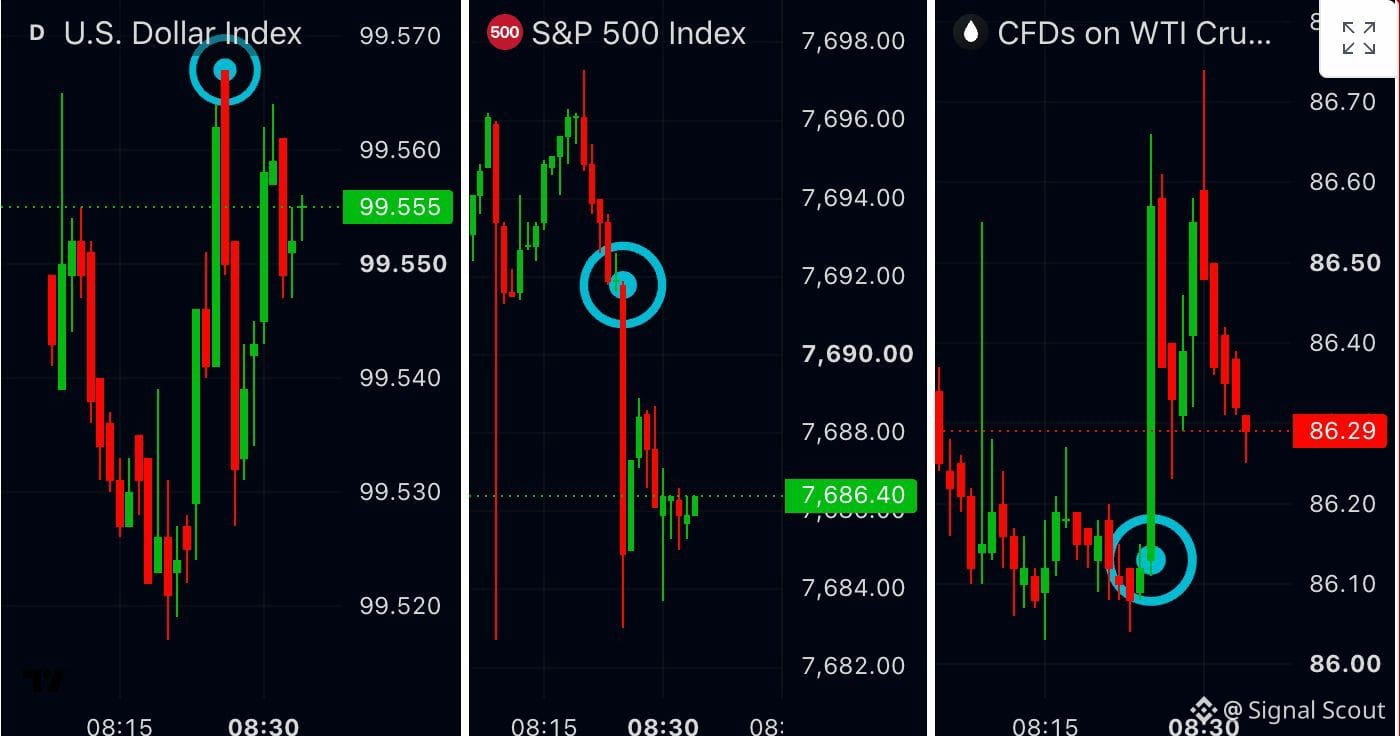
🚨🇺🇸🇮🇷 BREAKING: トランプがフォックス・ニュースに対し、アメリカ軍がヨルダンで受けた昨夜の攻撃への報復として、米国がイランを攻撃すると語った。
「われわれは強く叩く。対応がある。」
着弾した瞬間が分かる。ドルが跳ね上がり、S&Pは下落し、原油は高騰した。
教科書どおりの戦争反応で、ミサイルすらまだ飛んでいない。
そして、この戦争における「対応」のたびに、米国はさらに深く巻き込まれてきた。今回も違いはないだろう。
出典: Fox News / 執筆: Daniyal
$TRUMP
{spot}(TRUMPUSDT)
🚨🇺🇸🇮🇷 BREAKING: トランプがフォックス・ニュースに対し、アメリカ軍がヨルダンで受けた昨夜の攻撃への報復として、米国がイランを攻撃すると語った。
「われわれは強く叩く。対応がある。」
着弾した瞬間が分かる。ドルが跳ね上がり、S&Pは下落し、原油は高騰した。
教科書どおりの戦争反応で、ミサイルすらまだ飛んでいない。
そして、この戦争における「対応」のたびに、米国はさらに深く巻き込まれてきた。今回も違いはないだろう。
出典: Fox News / 執筆: Daniyal
$TRUMP
「われわれは強く叩く。対応がある。」
着弾した瞬間が分かる。ドルが跳ね上がり、S&Pは下落し、原油は高騰した。
教科書どおりの戦争反応で、ミサイルすらまだ飛んでいない。
そして、この戦争における「対応」のたびに、米国はさらに深く巻き込まれてきた。今回も違いはないだろう。
出典: Fox News / 執筆: Daniyal
$TRUMP
77
·
--
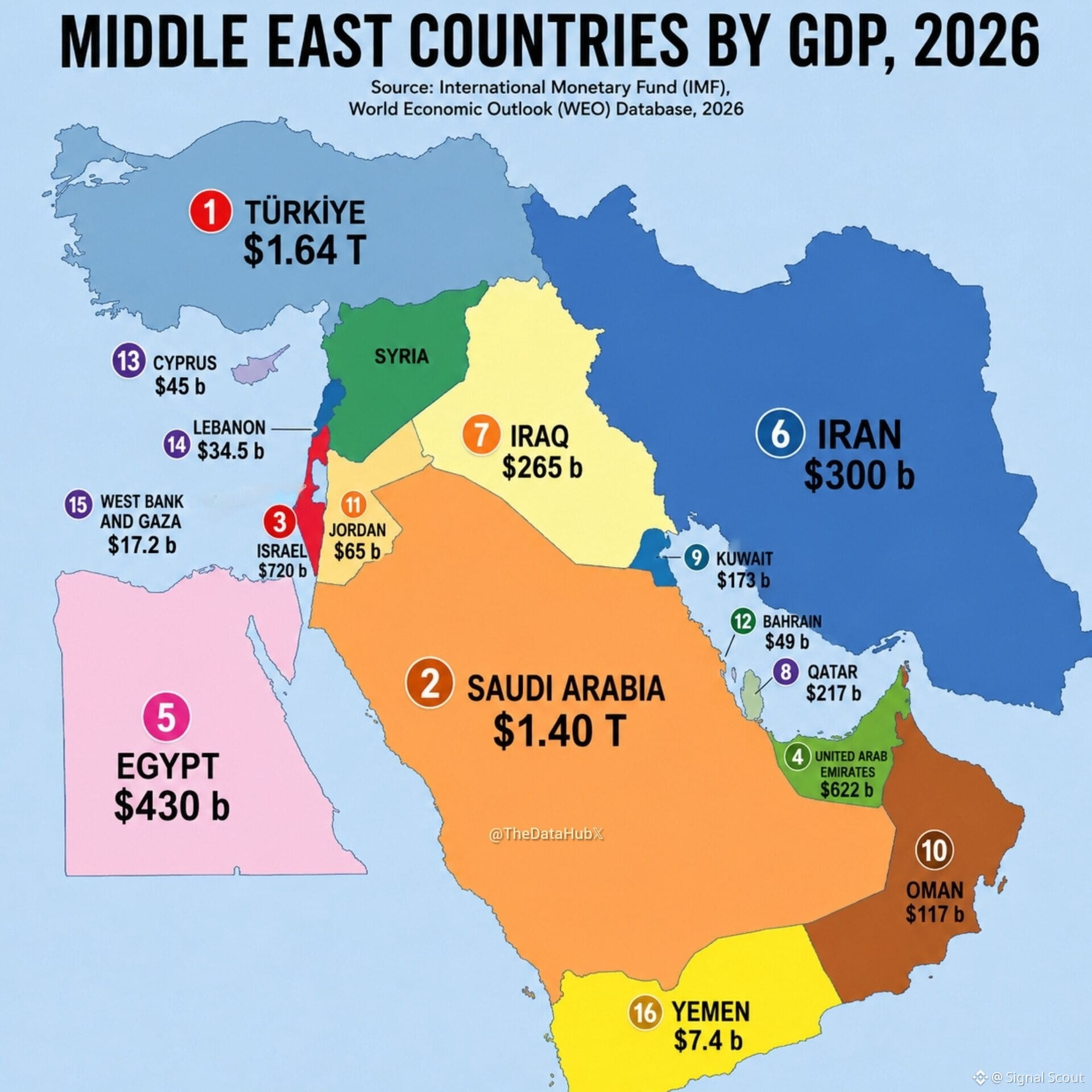
中東諸国のGDP別(2026年)
1. 🇹🇷 トルコ - 1.64兆ドル
2. 🇸🇦 サウジアラビア - 1.40兆ドル
3. 🇮🇱 イスラエル - 7200億ドル
4. 🇦🇪 アラブ首長国連邦 - 6220億ドル
5. 🇪🇬 エジプト - 4300億ドル
6. 🇮🇷 イラン - 3000億ドル
7. 🇮🇶 イラク - 2650億ドル
8. 🇶🇦 カタール - 2170億ドル
9. 🇰🇼 クウェート - 1730億ドル
10. 🇴🇲 オマーン - 1170億ドル
11. 🇯🇴 ヨルダン - 650億ドル
12. 🇧🇭 バーレーン - 490億ドル
13. 🇨🇾 キプロス - 450億ドル
14. 🇱🇧 レバノン - 345億ドル
15. 🇵🇸 西岸地区およびガザ - 172億ドル
16. 🇾🇪 イエメン - 74億ドル
出所:国際通貨基金(IMF)世界経済見通し(WEO)
$GAS
{spot}(GASUSDT)
$KII
{alpha}(560xeec6574eabba52bac3f0277f2cd5ac7e67197886)
$EDU
{spot}(EDUUSDT)
中東諸国のGDP別(2026年)
1. 🇹🇷 トルコ - 1.64兆ドル
2. 🇸🇦 サウジアラビア - 1.40兆ドル
3. 🇮🇱 イスラエル - 7200億ドル
4. 🇦🇪 アラブ首長国連邦 - 6220億ドル
5. 🇪🇬 エジプト - 4300億ドル
6. 🇮🇷 イラン - 3000億ドル
7. 🇮🇶 イラク - 2650億ドル
8. 🇶🇦 カタール - 2170億ドル
9. 🇰🇼 クウェート - 1730億ドル
10. 🇴🇲 オマーン - 1170億ドル
11. 🇯🇴 ヨルダン - 650億ドル
12. 🇧🇭 バーレーン - 490億ドル
13. 🇨🇾 キプロス - 450億ドル
14. 🇱🇧 レバノン - 345億ドル
15. 🇵🇸 西岸地区およびガザ - 172億ドル
16. 🇾🇪 イエメン - 74億ドル
出所:国際通貨基金(IMF)世界経済見通し(WEO)
$GAS
$KII
$EDU
1. 🇹🇷 トルコ - 1.64兆ドル
2. 🇸🇦 サウジアラビア - 1.40兆ドル
3. 🇮🇱 イスラエル - 7200億ドル
4. 🇦🇪 アラブ首長国連邦 - 6220億ドル
5. 🇪🇬 エジプト - 4300億ドル
6. 🇮🇷 イラン - 3000億ドル
7. 🇮🇶 イラク - 2650億ドル
8. 🇶🇦 カタール - 2170億ドル
9. 🇰🇼 クウェート - 1730億ドル
10. 🇴🇲 オマーン - 1170億ドル
11. 🇯🇴 ヨルダン - 650億ドル
12. 🇧🇭 バーレーン - 490億ドル
13. 🇨🇾 キプロス - 450億ドル
14. 🇱🇧 レバノン - 345億ドル
15. 🇵🇸 西岸地区およびガザ - 172億ドル
16. 🇾🇪 イエメン - 74億ドル
出所:国際通貨基金(IMF)世界経済見通し(WEO)
$GAS
$KII
$EDU
9
·
--

記事
世界の資産トップ100 💰1. 🏠 不動産 - $448.08 兆
2. 🛢️ 原油 - $144.66 兆
3. 💵 国債 - $117.03 兆
4. 🇨🇳 中国元 - $53.06 兆
5. 🪙 金 - $30.34 兆
6. 🇺🇸 アメリカドル - $23.16 兆
7. 🇪🇺 ユーロ - $19.15 兆
8. 🧱 銅 - $19.04 兆
9. 🔥 天然ガス - $9.43 兆
10. 🇯🇵 日本円 - $8.14 兆
11. 🇺🇸 NVIDIA - $5.25 兆
12. 🇺🇸 Apple - $4.67 兆
13. 🇬🇧 英ポンド - $4.41 兆
14. 🇺🇸 アルファベット - $4.24 兆
世界の資産トップ100 💰
1. 🏠 不動産 - $448.08 兆
2. 🛢️ 原油 - $144.66 兆
3. 💵 国債 - $117.03 兆
4. 🇨🇳 中国元 - $53.06 兆
5. 🪙 金 - $30.34 兆
6. 🇺🇸 アメリカドル - $23.16 兆
7. 🇪🇺 ユーロ - $19.15 兆
8. 🧱 銅 - $19.04 兆
9. 🔥 天然ガス - $9.43 兆
10. 🇯🇵 日本円 - $8.14 兆
11. 🇺🇸 NVIDIA - $5.25 兆
12. 🇺🇸 Apple - $4.67 兆
13. 🇬🇧 英ポンド - $4.41 兆
14. 🇺🇸 アルファベット - $4.24 兆
2. 🛢️ 原油 - $144.66 兆
3. 💵 国債 - $117.03 兆
4. 🇨🇳 中国元 - $53.06 兆
5. 🪙 金 - $30.34 兆
6. 🇺🇸 アメリカドル - $23.16 兆
7. 🇪🇺 ユーロ - $19.15 兆
8. 🧱 銅 - $19.04 兆
9. 🔥 天然ガス - $9.43 兆
10. 🇯🇵 日本円 - $8.14 兆
11. 🇺🇸 NVIDIA - $5.25 兆
12. 🇺🇸 Apple - $4.67 兆
13. 🇬🇧 英ポンド - $4.41 兆
14. 🇺🇸 アルファベット - $4.24 兆
11
·
--
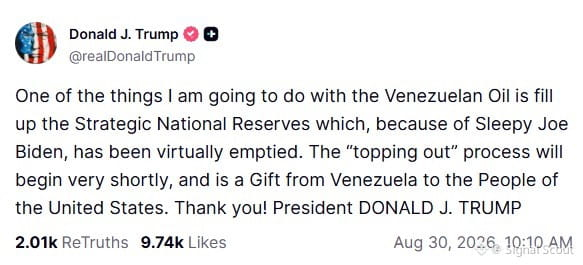
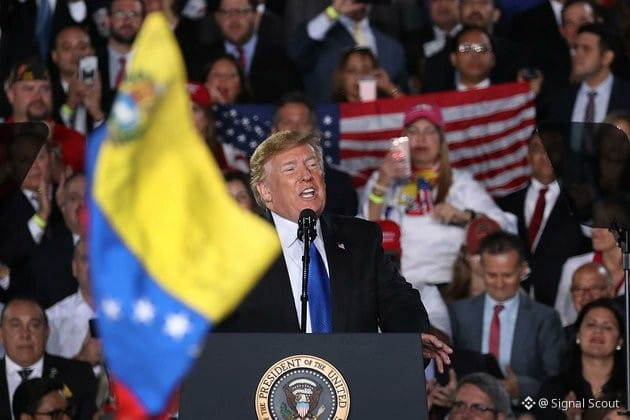
🇺🇲🇻🇪 トランプはベネズエラの石油を使ってアメリカの戦略石油備蓄を補充することについて語っています…
「ベネズエラの石油でやろうとしていることのひとつは、戦略国家備蓄を満たすことです…『満たし切る(topping out)』作業はごく近いうちに始まります。それは、ベネズエラからアメリカ合衆国の人々への贈り物です。」
トランプはその石油を「贈り物」と呼ぶかもしれませんが、実際には米政府、業界のオペレーター、そしてベネズエラの暫定政権によって交渉された100年の商業リースとジョイントベンチャーの取り決めです。
この取引は、贈り物というより、1月にニコラス・マドゥロをめぐって米軍が拘束した後の戦略的な取引です。
しかし、ベネズエラにも恩恵があります。というのも、この取引によって国内に約1,000億ドル規模の民間投資が流入する見通しだからです。
いずれにせよ、ホワイトハウスは、今回の動きが、買い手側の負担(ガソリンスタンドでの支払い)を軽減することを期待しています。これは、11月の中間選挙が間近に迫る中で、GOPにとって大きな痛点となっています…
出典:Truth Social、PBS、ABC/執筆:Marie
$PEPE
{spot}(PEPEUSDT)
$SHIB
{spot}(SHIBUSDT)
$ADA
{spot}(ADAUSDT)
🇺🇲🇻🇪 トランプはベネズエラの石油を使ってアメリカの戦略石油備蓄を補充することについて語っています…
「ベネズエラの石油でやろうとしていることのひとつは、戦略国家備蓄を満たすことです…『満たし切る(topping out)』作業はごく近いうちに始まります。それは、ベネズエラからアメリカ合衆国の人々への贈り物です。」
トランプはその石油を「贈り物」と呼ぶかもしれませんが、実際には米政府、業界のオペレーター、そしてベネズエラの暫定政権によって交渉された100年の商業リースとジョイントベンチャーの取り決めです。
この取引は、贈り物というより、1月にニコラス・マドゥロをめぐって米軍が拘束した後の戦略的な取引です。
しかし、ベネズエラにも恩恵があります。というのも、この取引によって国内に約1,000億ドル規模の民間投資が流入する見通しだからです。
いずれにせよ、ホワイトハウスは、今回の動きが、買い手側の負担(ガソリンスタンドでの支払い)を軽減することを期待しています。これは、11月の中間選挙が間近に迫る中で、GOPにとって大きな痛点となっています…
出典:Truth Social、PBS、ABC/執筆:Marie
$PEPE
$SHIB
$ADA
「ベネズエラの石油でやろうとしていることのひとつは、戦略国家備蓄を満たすことです…『満たし切る(topping out)』作業はごく近いうちに始まります。それは、ベネズエラからアメリカ合衆国の人々への贈り物です。」
トランプはその石油を「贈り物」と呼ぶかもしれませんが、実際には米政府、業界のオペレーター、そしてベネズエラの暫定政権によって交渉された100年の商業リースとジョイントベンチャーの取り決めです。
この取引は、贈り物というより、1月にニコラス・マドゥロをめぐって米軍が拘束した後の戦略的な取引です。
しかし、ベネズエラにも恩恵があります。というのも、この取引によって国内に約1,000億ドル規模の民間投資が流入する見通しだからです。
いずれにせよ、ホワイトハウスは、今回の動きが、買い手側の負担(ガソリンスタンドでの支払い)を軽減することを期待しています。これは、11月の中間選挙が間近に迫る中で、GOPにとって大きな痛点となっています…
出典:Truth Social、PBS、ABC/執筆:Marie
$PEPE
$SHIB
$ADA
116
·
--
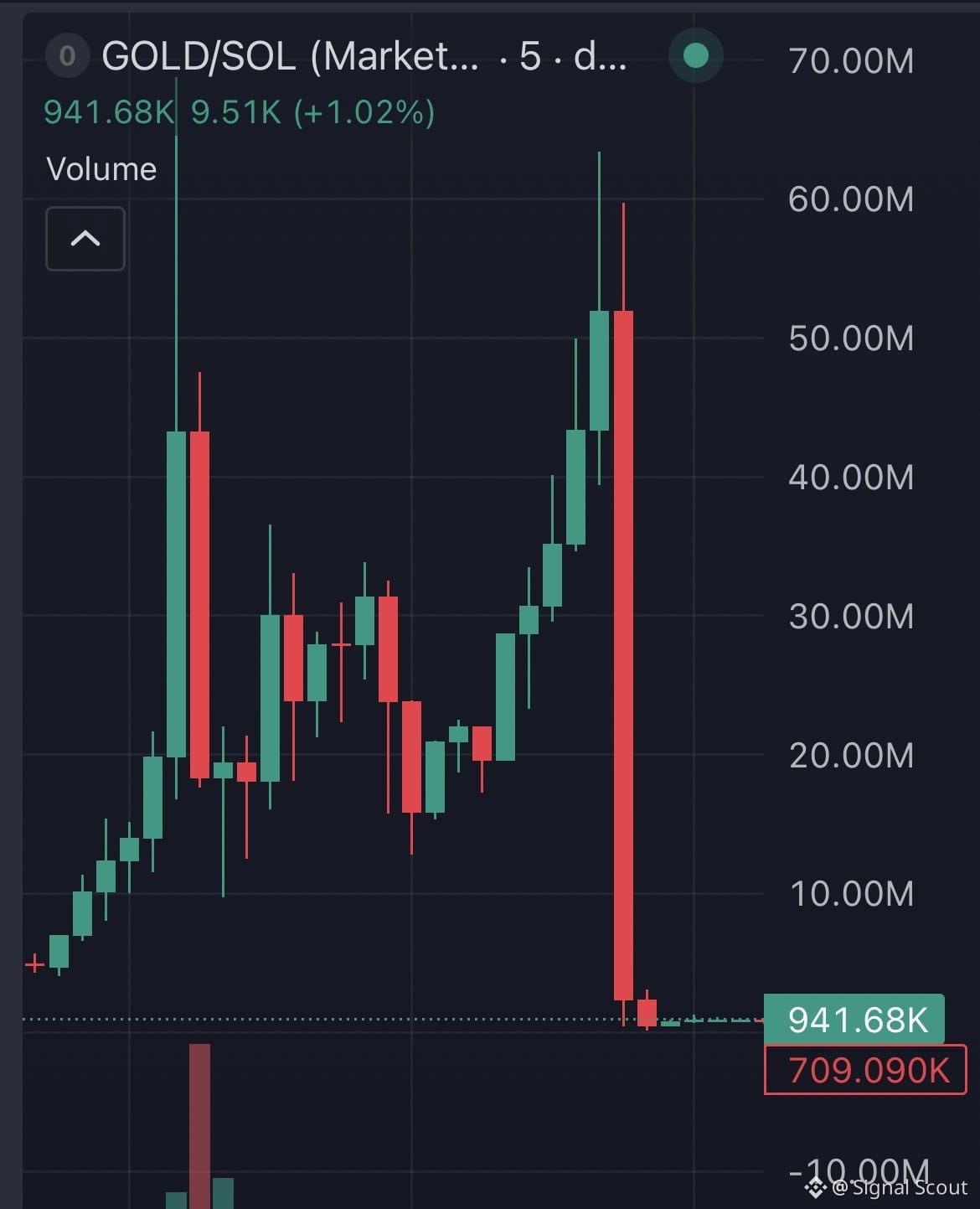
⚠️ 警告: トランプ関連アカウントが「Trump Digital Gold」の“ラグプル”を宣伝するためにHACKされたようです。
「realtrumpcoins1」で、公式トランプアカウントにフォローされており、トランプ・オーガニゼーションのマーチャンダイズ・パートナーとしてリンクされているアカウントにて、$GOLDを宣伝する投稿がありました。
その後、$Goldは時価総額で約$60MまでEXPLODEし、投稿が削除される前に、lookonchainが指摘したように、$60Mからわずか$600Kへと1本のローソク足で急落(下落)しました。
チームは手数料として$1Million+を稼ぎ、保有していたトークンバンドルの82.5%を全て売却し、さらに$317Kの利益を確定させました。
$GOLD.US
{stock_us}(GOLD.US)
⚠️ 警告: トランプ関連アカウントが「Trump Digital Gold」の“ラグプル”を宣伝するためにHACKされたようです。
「realtrumpcoins1」で、公式トランプアカウントにフォローされており、トランプ・オーガニゼーションのマーチャンダイズ・パートナーとしてリンクされているアカウントにて、$GOLDを宣伝する投稿がありました。
その後、$Goldは時価総額で約$60MまでEXPLODEし、投稿が削除される前に、lookonchainが指摘したように、$60Mからわずか$600Kへと1本のローソク足で急落(下落)しました。
チームは手数料として$1Million+を稼ぎ、保有していたトークンバンドルの82.5%を全て売却し、さらに$317Kの利益を確定させました。
$GOLD.US
「realtrumpcoins1」で、公式トランプアカウントにフォローされており、トランプ・オーガニゼーションのマーチャンダイズ・パートナーとしてリンクされているアカウントにて、$GOLDを宣伝する投稿がありました。
その後、$Goldは時価総額で約$60MまでEXPLODEし、投稿が削除される前に、lookonchainが指摘したように、$60Mからわずか$600Kへと1本のローソク足で急落(下落)しました。
チームは手数料として$1Million+を稼ぎ、保有していたトークンバンドルの82.5%を全て売却し、さらに$317Kの利益を確定させました。
$GOLD.US

59
ログインして、さらにコンテンツを読む
厳選トピックで世界の暗号資産トレーダーの仲間入り
⚡️ 暗号資産に関する最新かつ有益な情報が見つかります。
💬 世界最大の暗号資産取引所から信頼されています。
👍 認証を受けたクリエイターから、有益なインサイトを得られます。
メール / 電話番号
トレンドトピック
DotPlotSignalsOneMoreHikeIn2026
閲覧回数 3,096
109人が討論中
💥$TRUMP — 物語はいよいよ複雑になってきています。💥
トランプ大統領は、共和党が議会を掌握し続けるなら、米国の成人1人あたり5,000ドルの「トランプ配当」を出すとまだ投げかけています。これは議会の承認が必要で、かかる費用は1兆ドルを大きく上回る可能性もあります。
しかしここでひねりがきます。マクロ環境が一段と引き締まってきたのです。
FRBはすでに利上げを25bp行い、誘導目標レンジを3.75%〜4.00%に引き上げました。そして最新のドット・プロットは、2026年にもう1回利上げする見通しを示しています。市場は、より高い利回り、より強いドル、そして流動性の引き締まりへの対応を迫られています。
同時に、上院はCLARITY法案の前進を失敗させました。その結果、米国の暗号資産規制は宙に浮いたままで、政治的なつながりのあるトークンが再び注目を浴びています。
つまり、$TRUMP をめぐる状況は、三つ巴の物語になりつつあります。
💥財政刺激 → リスク資産にとって強気の可能性
💥高金利 → 流動性にとって弱気
💥CLARITY法案の頓挫 → 規制面の不確実性の上昇
なお、いいえ、現在は配当をTRUMPまたはその他の暗号資産で支払うと発表された計画はありません。
ですがトレーダーが、配当の物語をトランプ関連トークンと結びつけ始めれば、憶測は非常に素早く再燃するかもしれません。
$TRUMP は、政治・流動性・規制の交差点に位置しています――ボラティリティが爆発しがちなまさにその場所です。👀
#dotplotsignalsonemorehikein2026 #FedRateWatch #FedHikes25BpsUSStocksClose #ZcashRises6% #CryptoVCFundingRebounds$5.6BInQ2
KimHotbae
·いいね:1件
·閲覧回数 1.3k
FedHikes25BpsUSStocksClose
閲覧回数 6,475
134人が討論中
AaveToLaunchRWAMarketOnAvalanche
閲覧回数 320
34人が討論中