

MMSZ CRYPTO MINING COMMUNITY
768 投稿
MMSZ CRYPTO MINING COMMUNITY
報告
ユーザーをブロック
🚀 MMSZ Crypto Mining Community: Connect, learn & share mining tips, market updates & strategies. Mine smarter, earn better, grow together!
17 フォロー
121 フォロワー
1.3K+ いいね
投稿
すべて
引用
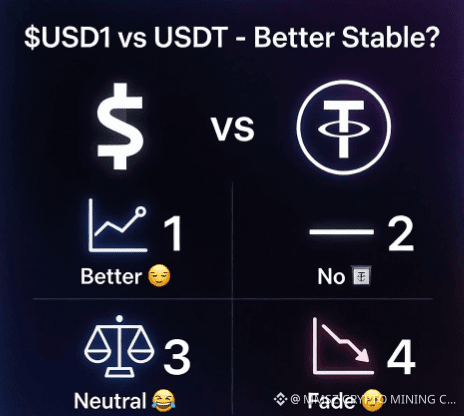
🚨 $USD1 vs USDT — ステーブルコインの戦争が始まる ⚔️💰
新たな挑戦者がアリーナに登場しました…
USD1 World Liberty Financial) は真剣なボリュームを推進しています — そして今、大きな質問は:
👉 実際に巨人たちと競争できるのか?
🧠 何が起こっているのか?
最近の市場の変化は示しています:
• ステーブルコインはもはや取引だけのものではない
• 彼らはコアの財務資産になりつつある
• 機関が注目している 👀
⚔️ $USD1 USDT/USDC
🟢 $USD1 e チャレンジャー)
• 現金 + 米国債で裏付けられている
• DeFi + 企業金融のために設計されている
• ボリュームと注目の急成長
• 強力な物語 = 機関の採用
🟡 USDT / USDC (王たち)
• すべての市場での深い流動性
• クラッシュでのバトルテスト 🧱
• 取引所と機関に信頼されている
⚠️ リスクゾーン
USD1 は新しくて未検証
• 中央集権の懸念
• 初期段階のボラティリティ
• 物語駆動のモメンタム
📊 大局
これは「どちらが優れているか」ではありません
👉 長期的な信頼と流動性を獲得するのは誰かです
最初は取引がありました…
次は財務の採用…
その次 → 完全な金融システム統合 🌐
🗳️ コミュニティ投票
1️⃣ より良いヘッジ — USD1 🚀
2️⃣ USDT/USDC に留まる 🧱
3️⃣ 中立 — もっと選択肢が強気 📈
4️⃣ フェードする — ハイプだけ ❌
💬 あなたの選択をコメント + 「ヘッジ」または「スキップ」
⚠️ スマートマネーは ONE ステーブルコインに依存しません…
彼らは分散します。
{spot}(USDCUSDT)
{spot}(WLFIUSDT)
{spot}(USD1USDT)
#mmszcryptominingcommunity #crypto #BinanceSquare #DigitalAssets #blockchain
🚨 $USD1 vs USDT — ステーブルコインの戦争が始まる ⚔️💰
新たな挑戦者がアリーナに登場しました…
USD1 World Liberty Financial) は真剣なボリュームを推進しています — そして今、大きな質問は:
👉 実際に巨人たちと競争できるのか?
🧠 何が起こっているのか?
最近の市場の変化は示しています:
• ステーブルコインはもはや取引だけのものではない
• 彼らはコアの財務資産になりつつある
• 機関が注目している 👀
⚔️ $USD1 USDT/USDC
🟢 $USD1 e チャレンジャー)
• 現金 + 米国債で裏付けられている
• DeFi + 企業金融のために設計されている
• ボリュームと注目の急成長
• 強力な物語 = 機関の採用
🟡 USDT / USDC (王たち)
• すべての市場での深い流動性
• クラッシュでのバトルテスト 🧱
• 取引所と機関に信頼されている
⚠️ リスクゾーン
USD1 は新しくて未検証
• 中央集権の懸念
• 初期段階のボラティリティ
• 物語駆動のモメンタム
📊 大局
これは「どちらが優れているか」ではありません
👉 長期的な信頼と流動性を獲得するのは誰かです
最初は取引がありました…
次は財務の採用…
その次 → 完全な金融システム統合 🌐
🗳️ コミュニティ投票
1️⃣ より良いヘッジ — USD1 🚀
2️⃣ USDT/USDC に留まる 🧱
3️⃣ 中立 — もっと選択肢が強気 📈
4️⃣ フェードする — ハイプだけ ❌
💬 あなたの選択をコメント + 「ヘッジ」または「スキップ」
⚠️ スマートマネーは ONE ステーブルコインに依存しません…
彼らは分散します。
#mmszcryptominingcommunity #crypto #BinanceSquare #DigitalAssets #blockchain
新たな挑戦者がアリーナに登場しました…
USD1 World Liberty Financial) は真剣なボリュームを推進しています — そして今、大きな質問は:
👉 実際に巨人たちと競争できるのか?
🧠 何が起こっているのか?
最近の市場の変化は示しています:
• ステーブルコインはもはや取引だけのものではない
• 彼らはコアの財務資産になりつつある
• 機関が注目している 👀
⚔️ $USD1 USDT/USDC
🟢 $USD1 e チャレンジャー)
• 現金 + 米国債で裏付けられている
• DeFi + 企業金融のために設計されている
• ボリュームと注目の急成長
• 強力な物語 = 機関の採用
🟡 USDT / USDC (王たち)
• すべての市場での深い流動性
• クラッシュでのバトルテスト 🧱
• 取引所と機関に信頼されている
⚠️ リスクゾーン
USD1 は新しくて未検証
• 中央集権の懸念
• 初期段階のボラティリティ
• 物語駆動のモメンタム
📊 大局
これは「どちらが優れているか」ではありません
👉 長期的な信頼と流動性を獲得するのは誰かです
最初は取引がありました…
次は財務の採用…
その次 → 完全な金融システム統合 🌐
🗳️ コミュニティ投票
1️⃣ より良いヘッジ — USD1 🚀
2️⃣ USDT/USDC に留まる 🧱
3️⃣ 中立 — もっと選択肢が強気 📈
4️⃣ フェードする — ハイプだけ ❌
💬 あなたの選択をコメント + 「ヘッジ」または「スキップ」
⚠️ スマートマネーは ONE ステーブルコインに依存しません…
彼らは分散します。
#mmszcryptominingcommunity #crypto #BinanceSquare #DigitalAssets #blockchain
116
🚨 ステーブルコインが正式に企業の財務に入ります 💰⚡
リップルによる新しい調査は、機関がデジタル資産をどのように見るかにおける大きな変化を明らかにしています:
👉 70%のファイナンスリーダーは、今や暗号通貨を必須と考えています — 任意ではありません。
これはもはや投機ではありません…それはインフラです。
この変化を促進しているのは何ですか?
• ステーブルコイン = より早いキャッシュフロー → 即時決済、24時間365日の流動性
• 運転資本の効率化 → 銀行の遅延なし、国境を越えた摩擦なし
• コスト削減 → 仲介者が少なく、取引手数料が低い
誰がリードしていますか?
🚀 フィンテック企業は急速に動いています — ステーブルコインを財務運営に積極的に統合しています
🏦 銀行は異なるアプローチを取っています — 直接的な使用の代わりに保管とトークン化に焦点を当てています
より大きな視点 👇
ステーブルコインは静かにトラディショナルファイナンスと暗号の橋になりつつあります
最初の支払い…
次に財務…
その次 → 大規模な金融インフラ。
これが採用が実際にどのように行われるかです — 誇大広告ではなく、ユーティリティです。
⚠️ このトレンドを見逃さないでください。企業のお金がオンチェーンで流れ始めています。
$XRP
{spot}(XRPUSDT)
#mmszcryptominingcommunity #CryptoAdoption #Tokenization #Finance #CryptoNews
🚨 ステーブルコインが正式に企業の財務に入ります 💰⚡
リップルによる新しい調査は、機関がデジタル資産をどのように見るかにおける大きな変化を明らかにしています:
👉 70%のファイナンスリーダーは、今や暗号通貨を必須と考えています — 任意ではありません。
これはもはや投機ではありません…それはインフラです。
この変化を促進しているのは何ですか?
• ステーブルコイン = より早いキャッシュフロー → 即時決済、24時間365日の流動性
• 運転資本の効率化 → 銀行の遅延なし、国境を越えた摩擦なし
• コスト削減 → 仲介者が少なく、取引手数料が低い
誰がリードしていますか?
🚀 フィンテック企業は急速に動いています — ステーブルコインを財務運営に積極的に統合しています
🏦 銀行は異なるアプローチを取っています — 直接的な使用の代わりに保管とトークン化に焦点を当てています
より大きな視点 👇
ステーブルコインは静かにトラディショナルファイナンスと暗号の橋になりつつあります
最初の支払い…
次に財務…
その次 → 大規模な金融インフラ。
これが採用が実際にどのように行われるかです — 誇大広告ではなく、ユーティリティです。
⚠️ このトレンドを見逃さないでください。企業のお金がオンチェーンで流れ始めています。
$XRP
#mmszcryptominingcommunity #CryptoAdoption #Tokenization #Finance #CryptoNews
リップルによる新しい調査は、機関がデジタル資産をどのように見るかにおける大きな変化を明らかにしています:
👉 70%のファイナンスリーダーは、今や暗号通貨を必須と考えています — 任意ではありません。
これはもはや投機ではありません…それはインフラです。
この変化を促進しているのは何ですか?
• ステーブルコイン = より早いキャッシュフロー → 即時決済、24時間365日の流動性
• 運転資本の効率化 → 銀行の遅延なし、国境を越えた摩擦なし
• コスト削減 → 仲介者が少なく、取引手数料が低い
誰がリードしていますか?
🚀 フィンテック企業は急速に動いています — ステーブルコインを財務運営に積極的に統合しています
🏦 銀行は異なるアプローチを取っています — 直接的な使用の代わりに保管とトークン化に焦点を当てています
より大きな視点 👇
ステーブルコインは静かにトラディショナルファイナンスと暗号の橋になりつつあります
最初の支払い…
次に財務…
その次 → 大規模な金融インフラ。
これが採用が実際にどのように行われるかです — 誇大広告ではなく、ユーティリティです。
⚠️ このトレンドを見逃さないでください。企業のお金がオンチェーンで流れ始めています。
$XRP
#mmszcryptominingcommunity #CryptoAdoption #Tokenization #Finance #CryptoNews
1
261
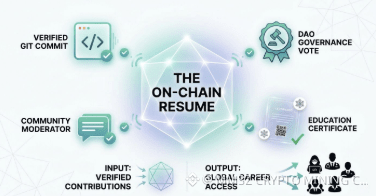
S.I.G.N. (Sign Protocolによって提供)は、1つの暗号システムの下でお金、アイデンティティ、および資本を統合するために設計された主権デジタルインフラです。
これは、アクションが生のデータを公開するのではなく、暗号証明を使用して検証される不変の証拠層を使用します。
これにより効率が向上し、詐欺が減少し、プログラム可能な金融システムが可能になりますが、重要なトレードオフも発生します。
アイデンティティとお金をリンクさせることにより、システムは匿名性を低下させ、取引に対する潜在的な機関の可視性と制御を高めます。
したがって、鍵となる質問は技術的なものだけではありません。
これは効率的なデジタルガバナンスの未来なのか、それとも真の非中央集権と金融プライバシーからの一歩遠ざかることなのか?
#sign @SignOfficial $SIGN #mmszcryptominingcommunity #SignDigitalSovereignInfra
{spot}(SIGNUSDT)
S.I.G.N. (Sign Protocolによって提供)は、1つの暗号システムの下でお金、アイデンティティ、および資本を統合するために設計された主権デジタルインフラです。
これは、アクションが生のデータを公開するのではなく、暗号証明を使用して検証される不変の証拠層を使用します。
これにより効率が向上し、詐欺が減少し、プログラム可能な金融システムが可能になりますが、重要なトレードオフも発生します。
アイデンティティとお金をリンクさせることにより、システムは匿名性を低下させ、取引に対する潜在的な機関の可視性と制御を高めます。
したがって、鍵となる質問は技術的なものだけではありません。
これは効率的なデジタルガバナンスの未来なのか、それとも真の非中央集権と金融プライバシーからの一歩遠ざかることなのか?
#sign @SignOfficial $SIGN #mmszcryptominingcommunity #SignDigitalSovereignInfra
これは、アクションが生のデータを公開するのではなく、暗号証明を使用して検証される不変の証拠層を使用します。
これにより効率が向上し、詐欺が減少し、プログラム可能な金融システムが可能になりますが、重要なトレードオフも発生します。
アイデンティティとお金をリンクさせることにより、システムは匿名性を低下させ、取引に対する潜在的な機関の可視性と制御を高めます。
したがって、鍵となる質問は技術的なものだけではありません。
これは効率的なデジタルガバナンスの未来なのか、それとも真の非中央集権と金融プライバシーからの一歩遠ざかることなのか?
#sign @SignOfficial $SIGN #mmszcryptominingcommunity #SignDigitalSovereignInfra
2
47
Web3の最終ボス: S.I.G.N.プロトコルの主権アーキテクチャはどれほど安全か?私たちはWeb3の新しいフェーズに入っています...
DeFiでもなく、NFTでもなく、L2戦争でもありません。
👉 これは主権インフラストラクチャ対すべてです
このシフトの中心にはSign Protocolがあります🔐
🧠 S.I.G.N.が本当に構築しているもの
S.I.G.N.アーキテクチャの核心は、次のようになろうとしています:
デジタル主権のためのフルスタック「信頼レイヤー」
Sign Protocolによって動かされ、以下を組み合わせています:
🪪 デジタルアイデンティティシステム
🧾 検証可能な資格情報と証明
💸 プログラム可能な価値の分配
🔐 ゼロ知識プライバシーレイヤー
Web3の最終ボス: S.I.G.N.プロトコルの主権アーキテクチャはどれほど安全か?
私たちはWeb3の新しいフェーズに入っています...
DeFiでもなく、NFTでもなく、L2戦争でもありません。
👉 これは主権インフラストラクチャ対すべてです
このシフトの中心にはSign Protocolがあります🔐
🧠 S.I.G.N.が本当に構築しているもの
S.I.G.N.アーキテクチャの核心は、次のようになろうとしています:
デジタル主権のためのフルスタック「信頼レイヤー」
Sign Protocolによって動かされ、以下を組み合わせています:
🪪 デジタルアイデンティティシステム
🧾 検証可能な資格情報と証明
💸 プログラム可能な価値の分配
🔐 ゼロ知識プライバシーレイヤー
DeFiでもなく、NFTでもなく、L2戦争でもありません。
👉 これは主権インフラストラクチャ対すべてです
このシフトの中心にはSign Protocolがあります🔐
🧠 S.I.G.N.が本当に構築しているもの
S.I.G.N.アーキテクチャの核心は、次のようになろうとしています:
デジタル主権のためのフルスタック「信頼レイヤー」
Sign Protocolによって動かされ、以下を組み合わせています:
🪪 デジタルアイデンティティシステム
🧾 検証可能な資格情報と証明
💸 プログラム可能な価値の分配
🔐 ゼロ知識プライバシーレイヤー
38
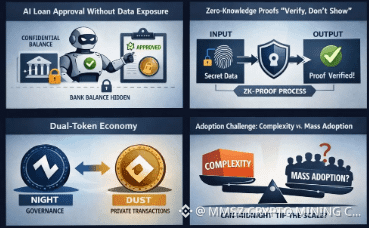
🚨 銀行残高を見せることなく… ローンの承認を得ることを想像してみてください。
それはサイエンスフィクションではありません — それが@MidnightNetwork ($NIGHT) 🔐の核心的なアイデアです。
Cardanoに裏打ちされたプライバシーチェーンとして構築されたMidnightは、脚本をひっくり返します:
👉 「確認せよ、明らかにするな」
🧠 技術:
🔹 ゼロ知識証明(ZKP)
スマートコントラクトは、データを公開することなく確認できます。
🔹 デュアルトークンシステム
$NIGHT → ガバナンスレイヤー
$DUST → プライベートトランザクションの燃料
⚠️ しかし、ここに落とし穴があります…
強力な技術にも摩擦があります:
❌ カスタムプログラミング言語
❌ 複雑なデュアルトークン設計
❌ 開発者にとって急な学習曲線
👉 プライバシーは解決されました… しかし、採用はされていません。
📊 本当の戦いは技術ではなく — ユーザーです。
Midnightは技術的に準備が整っているかもしれませんが、本当の質問は:
👉 開発者とユーザーはこのレベルの複雑さに準備ができていますか?
なぜなら、暗号の世界では、最高の技術が常に勝つわけではありません…
最も使いやすいものが勝つのです。
$NIGHT @MidnightNetwork
{spot}(NIGHTUSDT)
#night #Cardano #mmszcryptominingcommunity #blockchain #SignDigitalSovereignInfra
🚨 銀行残高を見せることなく… ローンの承認を得ることを想像してみてください。
それはサイエンスフィクションではありません — それが@MidnightNetwork ($NIGHT ) 🔐の核心的なアイデアです。
Cardanoに裏打ちされたプライバシーチェーンとして構築されたMidnightは、脚本をひっくり返します:
👉 「確認せよ、明らかにするな」
🧠 技術:
🔹 ゼロ知識証明(ZKP)
スマートコントラクトは、データを公開することなく確認できます。
🔹 デュアルトークンシステム
$NIGHT → ガバナンスレイヤー
$DUST → プライベートトランザクションの燃料
⚠️ しかし、ここに落とし穴があります…
強力な技術にも摩擦があります:
❌ カスタムプログラミング言語
❌ 複雑なデュアルトークン設計
❌ 開発者にとって急な学習曲線
👉 プライバシーは解決されました… しかし、採用はされていません。
📊 本当の戦いは技術ではなく — ユーザーです。
Midnightは技術的に準備が整っているかもしれませんが、本当の質問は:
👉 開発者とユーザーはこのレベルの複雑さに準備ができていますか?
なぜなら、暗号の世界では、最高の技術が常に勝つわけではありません…
最も使いやすいものが勝つのです。
$NIGHT @MidnightNetwork
#night #Cardano #mmszcryptominingcommunity #blockchain #SignDigitalSovereignInfra
それはサイエンスフィクションではありません — それが@MidnightNetwork ($NIGHT ) 🔐の核心的なアイデアです。
Cardanoに裏打ちされたプライバシーチェーンとして構築されたMidnightは、脚本をひっくり返します:
👉 「確認せよ、明らかにするな」
🧠 技術:
🔹 ゼロ知識証明(ZKP)
スマートコントラクトは、データを公開することなく確認できます。
🔹 デュアルトークンシステム
$NIGHT → ガバナンスレイヤー
$DUST → プライベートトランザクションの燃料
⚠️ しかし、ここに落とし穴があります…
強力な技術にも摩擦があります:
❌ カスタムプログラミング言語
❌ 複雑なデュアルトークン設計
❌ 開発者にとって急な学習曲線
👉 プライバシーは解決されました… しかし、採用はされていません。
📊 本当の戦いは技術ではなく — ユーザーです。
Midnightは技術的に準備が整っているかもしれませんが、本当の質問は:
👉 開発者とユーザーはこのレベルの複雑さに準備ができていますか?
なぜなら、暗号の世界では、最高の技術が常に勝つわけではありません…
最も使いやすいものが勝つのです。
$NIGHT @MidnightNetwork
#night #Cardano #mmszcryptominingcommunity #blockchain #SignDigitalSovereignInfra
1
52
🚨 ブレイキング: グローバルエネルギーシステムが直接的な打撃を受けた 😱🔥
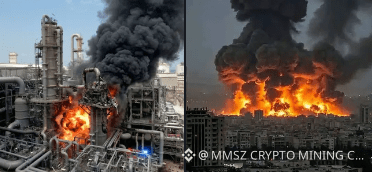
イランがラース・ラファン工業都市 🇶🇦 に攻撃を開始したと報じられています —
earth上で最大のLNG輸出ハブです。
これはただの見出しではありません…
これはエネルギー戦争です。
💥 現時点での知識:
• 施設で爆発と火災が報告されています
• 重要なインフラが損傷する可能性があります
• エネルギー市場に急激な衝撃
⚠️ なぜこれが大規模なのか:
👉 ラース・ラファンは世界のLNGの約20%を供給しています
👉 世界中の電力、暖房、産業に供給
👉 アジアとヨーロッパのエネルギー需要の重要なライフライン
💡 簡単に言うと:
グローバルエネルギーの主要な動脈が打撃を受けました。
🔥 市場への影響(すでに始まっています):
• ガス価格が急上昇 📈
• 供給ショックの恐れが高まる
• エネルギー依存経済が危険にさらされている
💣 ズームアウト — これはエスカレーションです:
最初 → イランのガス田が標的にされた
今 → カタールの最大の輸出ハブが打撃を受けた
もはや局所的な衝突ではありません…
完全なエネルギー混乱のサイクルに変わりつつあります
📉 次は何が来る?
市場は今、以下を価格に織り込んでいます:
• 中東の不安定性が長期化
• 世界的なエネルギー不足
• インフレスパイクラウンド2
• 暗号通貨と株式の極端なボラティリティ
💡 結論:
エネルギーの流れが途絶えると… すべてが再価格設定されます。
石油 → ガス → インフレ → 流動性 → 暗号通貨
すべてがつながっています。
💬 大きな質問:
これはグローバルエネルギー危機の引き金になるのか… それとも供給がパニックが広がる前に回復するのか?
#breakingnews #IranIsraelConflict #mmszcryptominingcommunity #Inflation #Geopolitics
$AIN $XNY $LYN
{future}(LYNUSDT)
{future}(XNYUSDT)
{future}(AINUSDT)
🚨 ブレイキング: グローバルエネルギーシステムが直接的な打撃を受けた 😱🔥
イランがラース・ラファン工業都市 🇶🇦 に攻撃を開始したと報じられています —
earth上で最大のLNG輸出ハブです。
これはただの見出しではありません…
これはエネルギー戦争です。
💥 現時点での知識:
• 施設で爆発と火災が報告されています
• 重要なインフラが損傷する可能性があります
• エネルギー市場に急激な衝撃
⚠️ なぜこれが大規模なのか:
👉 ラース・ラファンは世界のLNGの約20%を供給しています
👉 世界中の電力、暖房、産業に供給
👉 アジアとヨーロッパのエネルギー需要の重要なライフライン
💡 簡単に言うと:
グローバルエネルギーの主要な動脈が打撃を受けました。
🔥 市場への影響(すでに始まっています):
• ガス価格が急上昇 📈
• 供給ショックの恐れが高まる
• エネルギー依存経済が危険にさらされている
💣 ズームアウト — これはエスカレーションです:
最初 → イランのガス田が標的にされた
今 → カタールの最大の輸出ハブが打撃を受けた
もはや局所的な衝突ではありません…
完全なエネルギー混乱のサイクルに変わりつつあります
📉 次は何が来る?
市場は今、以下を価格に織り込んでいます:
• 中東の不安定性が長期化
• 世界的なエネルギー不足
• インフレスパイクラウンド2
• 暗号通貨と株式の極端なボラティリティ
💡 結論:
エネルギーの流れが途絶えると… すべてが再価格設定されます。
石油 → ガス → インフレ → 流動性 → 暗号通貨
すべてがつながっています。
💬 大きな質問:
これはグローバルエネルギー危機の引き金になるのか… それとも供給がパニックが広がる前に回復するのか?
#breakingnews #IranIsraelConflict #mmszcryptominingcommunity #Inflation #Geopolitics
$AIN $XNY $LYN
イランがラース・ラファン工業都市 🇶🇦 に攻撃を開始したと報じられています —
earth上で最大のLNG輸出ハブです。
これはただの見出しではありません…
これはエネルギー戦争です。
💥 現時点での知識:
• 施設で爆発と火災が報告されています
• 重要なインフラが損傷する可能性があります
• エネルギー市場に急激な衝撃
⚠️ なぜこれが大規模なのか:
👉 ラース・ラファンは世界のLNGの約20%を供給しています
👉 世界中の電力、暖房、産業に供給
👉 アジアとヨーロッパのエネルギー需要の重要なライフライン
💡 簡単に言うと:
グローバルエネルギーの主要な動脈が打撃を受けました。
🔥 市場への影響(すでに始まっています):
• ガス価格が急上昇 📈
• 供給ショックの恐れが高まる
• エネルギー依存経済が危険にさらされている
💣 ズームアウト — これはエスカレーションです:
最初 → イランのガス田が標的にされた
今 → カタールの最大の輸出ハブが打撃を受けた
もはや局所的な衝突ではありません…
完全なエネルギー混乱のサイクルに変わりつつあります
📉 次は何が来る?
市場は今、以下を価格に織り込んでいます:
• 中東の不安定性が長期化
• 世界的なエネルギー不足
• インフレスパイクラウンド2
• 暗号通貨と株式の極端なボラティリティ
💡 結論:
エネルギーの流れが途絶えると… すべてが再価格設定されます。
石油 → ガス → インフレ → 流動性 → 暗号通貨
すべてがつながっています。
💬 大きな質問:
これはグローバルエネルギー危機の引き金になるのか… それとも供給がパニックが広がる前に回復するのか?
#breakingnews #IranIsraelConflict #mmszcryptominingcommunity #Inflation #Geopolitics
$AIN $XNY $LYN
2
504
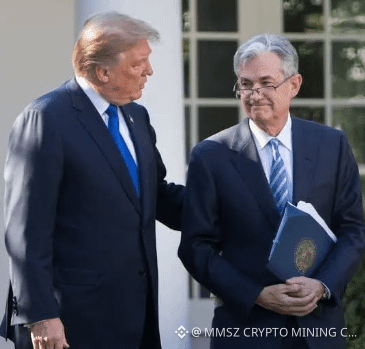
🚨 ブレイキング: ドナルド・トランプ対ジェローム・パウエル – FEDの対決が激化 😳🔥
「今すぐ金利を下げろ。」
「私は去らない。」
緊張が公に…市場は注意深く見守っています。
💥 何が起こっているか:
ドナルド・トランプは即時の金利引き下げを強く求めており、Fedに流動性を注入して経済を早急に支援するよう呼びかけています。
しかし、ジェローム・パウエルは引き下がりません。
👉 緊急の金利引き下げはなし
👉 プレッシャーの下での政策変更はなし
👉 退くことはなし
⚖️ なぜこれが重要なのか:
これは単なる政治ではなく、金融支配を巡る戦いです。
📉 金利引き下げ =
• 借り入れが安くなる
• 流動性が増える
• リスク資産 🚀 (暗号通貨、株式)
📈 金利を保持 =
• 厳しい金融条件
• インフレ制御の優先順位
• 流動性の流れが遅くなる
🔥 市場への影響:
• 暗号通貨トレーダーは流動性のシグナルを注意深く見ています
• 株式はFedのトーンに敏感です
• ドルの強さは高止まりする可能性があります
💡 本当のシグナル:
Fedは政治的圧力に対して独立性を示しており、それは意味します:
🚫 「簡単なお金」はなし(まだ)
⏳ 高金利が長く続く?
💬 大きな質問:
Fedは最終的に方針を転換するのか…それとも市場は金利が高止まりする期間を過小評価しているのか?
$BTC $ETH $XRP
{spot}(XRPUSDT)
{spot}(ETHUSDT)
{spot}(BTCUSDT)
#Fed #TRUMP #Inflation #liquidity #mmszcryptominingcommunity
🚨 ブレイキング: ドナルド・トランプ対ジェローム・パウエル – FEDの対決が激化 😳🔥
「今すぐ金利を下げろ。」
「私は去らない。」
緊張が公に…市場は注意深く見守っています。
💥 何が起こっているか:
ドナルド・トランプは即時の金利引き下げを強く求めており、Fedに流動性を注入して経済を早急に支援するよう呼びかけています。
しかし、ジェローム・パウエルは引き下がりません。
👉 緊急の金利引き下げはなし
👉 プレッシャーの下での政策変更はなし
👉 退くことはなし
⚖️ なぜこれが重要なのか:
これは単なる政治ではなく、金融支配を巡る戦いです。
📉 金利引き下げ =
• 借り入れが安くなる
• 流動性が増える
• リスク資産 🚀 (暗号通貨、株式)
📈 金利を保持 =
• 厳しい金融条件
• インフレ制御の優先順位
• 流動性の流れが遅くなる
🔥 市場への影響:
• 暗号通貨トレーダーは流動性のシグナルを注意深く見ています
• 株式はFedのトーンに敏感です
• ドルの強さは高止まりする可能性があります
💡 本当のシグナル:
Fedは政治的圧力に対して独立性を示しており、それは意味します:
🚫 「簡単なお金」はなし(まだ)
⏳ 高金利が長く続く?
💬 大きな質問:
Fedは最終的に方針を転換するのか…それとも市場は金利が高止まりする期間を過小評価しているのか?
$BTC $ETH $XRP
#Fed #TRUMP #Inflation #liquidity #mmszcryptominingcommunity
「今すぐ金利を下げろ。」
「私は去らない。」
緊張が公に…市場は注意深く見守っています。
💥 何が起こっているか:
ドナルド・トランプは即時の金利引き下げを強く求めており、Fedに流動性を注入して経済を早急に支援するよう呼びかけています。
しかし、ジェローム・パウエルは引き下がりません。
👉 緊急の金利引き下げはなし
👉 プレッシャーの下での政策変更はなし
👉 退くことはなし
⚖️ なぜこれが重要なのか:
これは単なる政治ではなく、金融支配を巡る戦いです。
📉 金利引き下げ =
• 借り入れが安くなる
• 流動性が増える
• リスク資産 🚀 (暗号通貨、株式)
📈 金利を保持 =
• 厳しい金融条件
• インフレ制御の優先順位
• 流動性の流れが遅くなる
🔥 市場への影響:
• 暗号通貨トレーダーは流動性のシグナルを注意深く見ています
• 株式はFedのトーンに敏感です
• ドルの強さは高止まりする可能性があります
💡 本当のシグナル:
Fedは政治的圧力に対して独立性を示しており、それは意味します:
🚫 「簡単なお金」はなし(まだ)
⏳ 高金利が長く続く?
💬 大きな質問:
Fedは最終的に方針を転換するのか…それとも市場は金利が高止まりする期間を過小評価しているのか?
$BTC $ETH $XRP
#Fed #TRUMP #Inflation #liquidity #mmszcryptominingcommunity
2
296
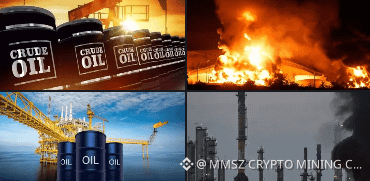
🚨 緊急速報:石油市場のショック – 世界的なエネルギー危機の恐れが高まる 😱🔥
市場は重大な地政学的触媒に襲われました…そして石油は即座に反応しました。
イスラエルによるイランの最大のガス田(南パース)への攻撃の後、世界のエネルギー市場は緊張しており、価格は急上昇しています。
📊 何が起こったのか:
• ブレント原油は$108.66に急上昇 🚀
• WTIは$98.65に急騰 📈
• 石油価格は数時間で約5%上昇
⚠️ なぜこれが重要なのか:
これは単なる価格の動きではありません — システムリスクのイベントです。
• 南パース = 世界最大のガス田
• 世界のエネルギー市場のための重要な供給拠点
• いかなる混乱も = 世界的な波及効果
💣 エスカレーションの恐れが急速に高まる:
イランのIRGCはすでに警告しています:
➡️ カタール、サウジアラビア、UAEの石油・ガス施設が次の標的になる可能性があります
そして、事態はさらに悪化します…
🔥 ラス・ラッファン(カタール)での爆発が確認されました
🚀 ミサイルの関与の可能性
⚔️ 復讐サイクルが現在進行中
📉 市場が織り込んでいること:
• 中東の長期的な紛争
• サプライチェーンの混乱
• 生産停止の可能性
• エネルギー駆動のインフレ急騰
💡 結論:
これはもはや単なる地政学ではありません — これは世界的な流動性 + インフレの触媒であり、揺るがす可能性があります:
👉 暗号通貨
👉 株式
👉 商品
賢明な資金は注意深く見守っています。ボラティリティはちょうど始まったばかりです。
💬 私たちは完全なエネルギー危機に突入しようとしているのか、それともこれは一時的な急騰なのか?
$THE $C $RESOLV
{spot}(RESOLVUSDT)
{spot}(CUSDT)
{spot}(THEUSDT)
#mmszcryptominingcommunity #MiddleEast #Geopolitics #Inflation #breakingnews
🚨 緊急速報:石油市場のショック – 世界的なエネルギー危機の恐れが高まる 😱🔥
市場は重大な地政学的触媒に襲われました…そして石油は即座に反応しました。
イスラエルによるイランの最大のガス田(南パース)への攻撃の後、世界のエネルギー市場は緊張しており、価格は急上昇しています。
📊 何が起こったのか:
• ブレント原油は$108.66に急上昇 🚀
• WTIは$98.65に急騰 📈
• 石油価格は数時間で約5%上昇
⚠️ なぜこれが重要なのか:
これは単なる価格の動きではありません — システムリスクのイベントです。
• 南パース = 世界最大のガス田
• 世界のエネルギー市場のための重要な供給拠点
• いかなる混乱も = 世界的な波及効果
💣 エスカレーションの恐れが急速に高まる:
イランのIRGCはすでに警告しています:
➡️ カタール、サウジアラビア、UAEの石油・ガス施設が次の標的になる可能性があります
そして、事態はさらに悪化します…
🔥 ラス・ラッファン(カタール)での爆発が確認されました
🚀 ミサイルの関与の可能性
⚔️ 復讐サイクルが現在進行中
📉 市場が織り込んでいること:
• 中東の長期的な紛争
• サプライチェーンの混乱
• 生産停止の可能性
• エネルギー駆動のインフレ急騰
💡 結論:
これはもはや単なる地政学ではありません — これは世界的な流動性 + インフレの触媒であり、揺るがす可能性があります:
👉 暗号通貨
👉 株式
👉 商品
賢明な資金は注意深く見守っています。ボラティリティはちょうど始まったばかりです。
💬 私たちは完全なエネルギー危機に突入しようとしているのか、それともこれは一時的な急騰なのか?
$THE $C $RESOLV
#mmszcryptominingcommunity #MiddleEast #Geopolitics #Inflation #breakingnews
市場は重大な地政学的触媒に襲われました…そして石油は即座に反応しました。
イスラエルによるイランの最大のガス田(南パース)への攻撃の後、世界のエネルギー市場は緊張しており、価格は急上昇しています。
📊 何が起こったのか:
• ブレント原油は$108.66に急上昇 🚀
• WTIは$98.65に急騰 📈
• 石油価格は数時間で約5%上昇
⚠️ なぜこれが重要なのか:
これは単なる価格の動きではありません — システムリスクのイベントです。
• 南パース = 世界最大のガス田
• 世界のエネルギー市場のための重要な供給拠点
• いかなる混乱も = 世界的な波及効果
💣 エスカレーションの恐れが急速に高まる:
イランのIRGCはすでに警告しています:
➡️ カタール、サウジアラビア、UAEの石油・ガス施設が次の標的になる可能性があります
そして、事態はさらに悪化します…
🔥 ラス・ラッファン(カタール)での爆発が確認されました
🚀 ミサイルの関与の可能性
⚔️ 復讐サイクルが現在進行中
📉 市場が織り込んでいること:
• 中東の長期的な紛争
• サプライチェーンの混乱
• 生産停止の可能性
• エネルギー駆動のインフレ急騰
💡 結論:
これはもはや単なる地政学ではありません — これは世界的な流動性 + インフレの触媒であり、揺るがす可能性があります:
👉 暗号通貨
👉 株式
👉 商品
賢明な資金は注意深く見守っています。ボラティリティはちょうど始まったばかりです。
💬 私たちは完全なエネルギー危機に突入しようとしているのか、それともこれは一時的な急騰なのか?
$THE $C $RESOLV
#mmszcryptominingcommunity #MiddleEast #Geopolitics #Inflation #breakingnews
1
490
🚨 ブレイキング: $10B AI ジョイントベンチャーが進行中 🤖💰
グローバルなAI競争が加速しています。
OpenAIは、TPG、ベインキャピタル、アドベントインターナショナル、ブルックフィールドアセットマネジメントを含む主要なプライベートエクイティファームと、世界中でAI製品を配信することに焦点を当てた$10Bのジョイントベンチャーを立ち上げるための高度な話し合いを行っていると報じられています。
📊 議論されている内容:
• 約$10Bの価値のある新しいAI配信ジョイントベンチャー
• プライベートエクイティファームが$4Bのエクイティコミットメントを検討中
• 先進的なAIツールへの企業アクセスの拡大
• グローバルなインフラとAI導入のスケーリング
⚡ これが重要な理由
この動きは、AIサービスのグローバル展開を劇的に加速させ、先進的なAIツールをビジネス、政府、企業に大規模に提供することができます。
単にAIモデルを構築するのではなく、配信とインフラに焦点を移しています — 大規模採用の本当のエンジンです。
💡 大局観
AI競争はもはや、最も賢いモデルを構築することだけではありません。
それは、AIのためのグローバルな配信ネットワークを制御することに関するものです。
そして、この取引が成立すれば、OpenAIは世界で最大のAI拡張プラットフォームの1つを手に入れる可能性があります。
💬 コミュニティへの質問:
私たちは、インターネットの初期のような「AIインフラブーム」に突入しているのでしょうか?
$CFG $EWY $TAO
{spot}(TAOUSDT)
{future}(EWYUSDT)
{spot}(CFGUSDT)
#OpenAI #artificialintelligence #technews #INNOVATION #mmszcryptominingcommunity
🚨 ブレイキング: $10B AI ジョイントベンチャーが進行中 🤖💰
グローバルなAI競争が加速しています。
OpenAIは、TPG、ベインキャピタル、アドベントインターナショナル、ブルックフィールドアセットマネジメントを含む主要なプライベートエクイティファームと、世界中でAI製品を配信することに焦点を当てた$10Bのジョイントベンチャーを立ち上げるための高度な話し合いを行っていると報じられています。
📊 議論されている内容:
• 約$10Bの価値のある新しいAI配信ジョイントベンチャー
• プライベートエクイティファームが$4Bのエクイティコミットメントを検討中
• 先進的なAIツールへの企業アクセスの拡大
• グローバルなインフラとAI導入のスケーリング
⚡ これが重要な理由
この動きは、AIサービスのグローバル展開を劇的に加速させ、先進的なAIツールをビジネス、政府、企業に大規模に提供することができます。
単にAIモデルを構築するのではなく、配信とインフラに焦点を移しています — 大規模採用の本当のエンジンです。
💡 大局観
AI競争はもはや、最も賢いモデルを構築することだけではありません。
それは、AIのためのグローバルな配信ネットワークを制御することに関するものです。
そして、この取引が成立すれば、OpenAIは世界で最大のAI拡張プラットフォームの1つを手に入れる可能性があります。
💬 コミュニティへの質問:
私たちは、インターネットの初期のような「AIインフラブーム」に突入しているのでしょうか?
$CFG $EWY $TAO
#OpenAI #artificialintelligence #technews #INNOVATION #mmszcryptominingcommunity
グローバルなAI競争が加速しています。
OpenAIは、TPG、ベインキャピタル、アドベントインターナショナル、ブルックフィールドアセットマネジメントを含む主要なプライベートエクイティファームと、世界中でAI製品を配信することに焦点を当てた$10Bのジョイントベンチャーを立ち上げるための高度な話し合いを行っていると報じられています。
📊 議論されている内容:
• 約$10Bの価値のある新しいAI配信ジョイントベンチャー
• プライベートエクイティファームが$4Bのエクイティコミットメントを検討中
• 先進的なAIツールへの企業アクセスの拡大
• グローバルなインフラとAI導入のスケーリング
⚡ これが重要な理由
この動きは、AIサービスのグローバル展開を劇的に加速させ、先進的なAIツールをビジネス、政府、企業に大規模に提供することができます。
単にAIモデルを構築するのではなく、配信とインフラに焦点を移しています — 大規模採用の本当のエンジンです。
💡 大局観
AI競争はもはや、最も賢いモデルを構築することだけではありません。
それは、AIのためのグローバルな配信ネットワークを制御することに関するものです。
そして、この取引が成立すれば、OpenAIは世界で最大のAI拡張プラットフォームの1つを手に入れる可能性があります。
💬 コミュニティへの質問:
私たちは、インターネットの初期のような「AIインフラブーム」に突入しているのでしょうか?
$CFG $EWY $TAO
#OpenAI #artificialintelligence #technews #INNOVATION #mmszcryptominingcommunity
496
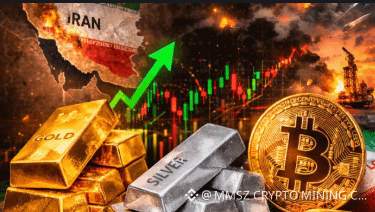
🚨 イラン戦争ショック: 金は急騰した… しかしビットコインは異なる反応を示した 🪙⚡
地政学的危機が発生すると、市場は投資家が真に信頼しているものを明らかにします。
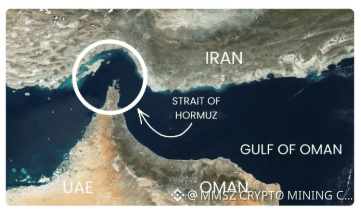
2026年のイラン紛争は、ホルムズ海峡を脅かす緊張により、世界的な不安を引き起こしました。この海峡は、世界の石油供給のほぼ20%が通過する重要なルートです。
エネルギーの恐怖は金融市場を揺るがし、投資家は安全資産に殺到しました。
しかし、ビットコインと金の反応は、非常に異なる2つの物語を語りました。
📊 市場の反応
🟡 金:
• 投資家が安定性を求めたため、即座に急騰
• 世界的な安全資産としての長年の評判を強化
🟠 ビットコイン:
• クリーンな安全資産のラリーの代わりにボラティリティを経験
• 一部の投資家はリスク資産と見なしており、危機のヘッジとはしていませんでした
⚠️ なぜこの乖離が生じたのか?
さまざまな要因が異なる反応を説明します:
• 流動性のニーズ: 危機の際、投資家は他のリスクをカバーするために流動資産(暗号を含む)を売却することがよくあります
• 市場の成熟度: 金は数千年の信頼がありますが、ビットコインはまだ進化中です
• 機関投資家の行動: 大規模なファンドは地政学的ショックが発生した際に伝統的なヘッジを優先します
💡 より大きな議論
ビットコインはデジタルゴールドなのか、それとも依然として高ベータのリスク資産なのか?
イラン戦争のショックは、ビットコインが認知を得ている一方で、デフォルトの危機ヘッジとして金を完全に置き換えてはいないことを示しました — 少なくとも今のところは。
しかし、採用、機関フロー、マクロトレンドは、今後数年でその物語を再形成する可能性があります。
📉📈 最後の考え:
すべてのグローバル危機は、ビットコインの安全資産の理論に対するストレステストとなります。
問題は、ビットコインが金に挑戦するかどうかではありません…
それは市場が最終的に同じように扱うのはいつかです。
$BTC $XAU $XAG
{future}(XAGUSDT)
{future}(XAUUSDT)
{spot}(BTCUSDT)
#mmszcryptominingcommunity #GOLD #TrumpSaysIranWarWillEndVerySoon #Geopolitics #CryptoAnalysis
🚨 イラン戦争ショック: 金は急騰した… しかしビットコインは異なる反応を示した 🪙⚡
地政学的危機が発生すると、市場は投資家が真に信頼しているものを明らかにします。
2026年のイラン紛争は、ホルムズ海峡を脅かす緊張により、世界的な不安を引き起こしました。この海峡は、世界の石油供給のほぼ20%が通過する重要なルートです。
エネルギーの恐怖は金融市場を揺るがし、投資家は安全資産に殺到しました。
しかし、ビットコインと金の反応は、非常に異なる2つの物語を語りました。
📊 市場の反応
🟡 金:
• 投資家が安定性を求めたため、即座に急騰
• 世界的な安全資産としての長年の評判を強化
🟠 ビットコイン:
• クリーンな安全資産のラリーの代わりにボラティリティを経験
• 一部の投資家はリスク資産と見なしており、危機のヘッジとはしていませんでした
⚠️ なぜこの乖離が生じたのか?
さまざまな要因が異なる反応を説明します:
• 流動性のニーズ: 危機の際、投資家は他のリスクをカバーするために流動資産(暗号を含む)を売却することがよくあります
• 市場の成熟度: 金は数千年の信頼がありますが、ビットコインはまだ進化中です
• 機関投資家の行動: 大規模なファンドは地政学的ショックが発生した際に伝統的なヘッジを優先します
💡 より大きな議論
ビットコインはデジタルゴールドなのか、それとも依然として高ベータのリスク資産なのか?
イラン戦争のショックは、ビットコインが認知を得ている一方で、デフォルトの危機ヘッジとして金を完全に置き換えてはいないことを示しました — 少なくとも今のところは。
しかし、採用、機関フロー、マクロトレンドは、今後数年でその物語を再形成する可能性があります。
📉📈 最後の考え:
すべてのグローバル危機は、ビットコインの安全資産の理論に対するストレステストとなります。
問題は、ビットコインが金に挑戦するかどうかではありません…
それは市場が最終的に同じように扱うのはいつかです。
$BTC $XAU $XAG
#mmszcryptominingcommunity #GOLD #TrumpSaysIranWarWillEndVerySoon #Geopolitics #CryptoAnalysis
地政学的危機が発生すると、市場は投資家が真に信頼しているものを明らかにします。
2026年のイラン紛争は、ホルムズ海峡を脅かす緊張により、世界的な不安を引き起こしました。この海峡は、世界の石油供給のほぼ20%が通過する重要なルートです。
エネルギーの恐怖は金融市場を揺るがし、投資家は安全資産に殺到しました。
しかし、ビットコインと金の反応は、非常に異なる2つの物語を語りました。
📊 市場の反応
🟡 金:
• 投資家が安定性を求めたため、即座に急騰
• 世界的な安全資産としての長年の評判を強化
🟠 ビットコイン:
• クリーンな安全資産のラリーの代わりにボラティリティを経験
• 一部の投資家はリスク資産と見なしており、危機のヘッジとはしていませんでした
⚠️ なぜこの乖離が生じたのか?
さまざまな要因が異なる反応を説明します:
• 流動性のニーズ: 危機の際、投資家は他のリスクをカバーするために流動資産(暗号を含む)を売却することがよくあります
• 市場の成熟度: 金は数千年の信頼がありますが、ビットコインはまだ進化中です
• 機関投資家の行動: 大規模なファンドは地政学的ショックが発生した際に伝統的なヘッジを優先します
💡 より大きな議論
ビットコインはデジタルゴールドなのか、それとも依然として高ベータのリスク資産なのか?
イラン戦争のショックは、ビットコインが認知を得ている一方で、デフォルトの危機ヘッジとして金を完全に置き換えてはいないことを示しました — 少なくとも今のところは。
しかし、採用、機関フロー、マクロトレンドは、今後数年でその物語を再形成する可能性があります。
📉📈 最後の考え:
すべてのグローバル危機は、ビットコインの安全資産の理論に対するストレステストとなります。
問題は、ビットコインが金に挑戦するかどうかではありません…
それは市場が最終的に同じように扱うのはいつかです。
$BTC $XAU $XAG
#mmszcryptominingcommunity #GOLD #TrumpSaysIranWarWillEndVerySoon #Geopolitics #CryptoAnalysis
315
·
--
ブリッシュ
🚨 大手銀行がステーブルコインに進出! 🏦💰
伝統的な金融と暗号通貨の境界線が日々薄くなっています。
韓国のハナ金融グループは、グローバル銀行の巨人スタンダードチャータードと提携し、ステーブルコインとデジタル資産の取り組みを探ることを正式に発表しました。この動きは、ブロックチェーン金融の未来に対する機関の信頼が高まっていることを示しています。
🔥 このパートナーシップが重要な理由:
• 銀行は積極的にステーブルコインのインフラを探求しています
• デジタル資産サービスとトークン化された金融への拡大
• 韓国でのハナの強い存在感とスタンダードチャータードのグローバルな金融ネットワークを組み合わせる
💡 これが暗号通貨にとって意味すること
ステーブルコインは、伝統的な銀行とブロックチェーンの間の架け橋として急速に成長しています。主要な機関がこの領域に参入することで、私たちはすぐに銀行が支えるデジタル通貨やブロックチェーンを活用した新しいグローバル決済システムを見ることができるかもしれません。
機関の採用はもはや憶測ではありません…
👉 すでに起こっています。
⚡ 全体像:
銀行は迅速に動くことはありませんが、動くときは大きく動きます。このパートナーシップは、主流の暗号通貨採用とデジタル金融の未来に向けたもう一つのステップになるかもしれません。
💬 あなたはどう思いますか?
銀行はステーブルコイン市場を支配するのか、それとも暗号ネイティブプロジェクトが先行し続けるのか?
$BTC $ETH
{spot}(ETHUSDT)
{spot}(BTCUSDT)
#mmszcryptominingcommunity #CryptoAdoption #DigitalAssets #CryptoNews #cryptofuture
🚨 大手銀行がステーブルコインに進出! 🏦💰
伝統的な金融と暗号通貨の境界線が日々薄くなっています。
韓国のハナ金融グループは、グローバル銀行の巨人スタンダードチャータードと提携し、ステーブルコインとデジタル資産の取り組みを探ることを正式に発表しました。この動きは、ブロックチェーン金融の未来に対する機関の信頼が高まっていることを示しています。
🔥 このパートナーシップが重要な理由:
• 銀行は積極的にステーブルコインのインフラを探求しています
• デジタル資産サービスとトークン化された金融への拡大
• 韓国でのハナの強い存在感とスタンダードチャータードのグローバルな金融ネットワークを組み合わせる
💡 これが暗号通貨にとって意味すること
ステーブルコインは、伝統的な銀行とブロックチェーンの間の架け橋として急速に成長しています。主要な機関がこの領域に参入することで、私たちはすぐに銀行が支えるデジタル通貨やブロックチェーンを活用した新しいグローバル決済システムを見ることができるかもしれません。
機関の採用はもはや憶測ではありません…
👉 すでに起こっています。
⚡ 全体像:
銀行は迅速に動くことはありませんが、動くときは大きく動きます。このパートナーシップは、主流の暗号通貨採用とデジタル金融の未来に向けたもう一つのステップになるかもしれません。
💬 あなたはどう思いますか?
銀行はステーブルコイン市場を支配するのか、それとも暗号ネイティブプロジェクトが先行し続けるのか?
$BTC $ETH
#mmszcryptominingcommunity #CryptoAdoption #DigitalAssets #CryptoNews #cryptofuture
伝統的な金融と暗号通貨の境界線が日々薄くなっています。
韓国のハナ金融グループは、グローバル銀行の巨人スタンダードチャータードと提携し、ステーブルコインとデジタル資産の取り組みを探ることを正式に発表しました。この動きは、ブロックチェーン金融の未来に対する機関の信頼が高まっていることを示しています。
🔥 このパートナーシップが重要な理由:
• 銀行は積極的にステーブルコインのインフラを探求しています
• デジタル資産サービスとトークン化された金融への拡大
• 韓国でのハナの強い存在感とスタンダードチャータードのグローバルな金融ネットワークを組み合わせる
💡 これが暗号通貨にとって意味すること
ステーブルコインは、伝統的な銀行とブロックチェーンの間の架け橋として急速に成長しています。主要な機関がこの領域に参入することで、私たちはすぐに銀行が支えるデジタル通貨やブロックチェーンを活用した新しいグローバル決済システムを見ることができるかもしれません。
機関の採用はもはや憶測ではありません…
👉 すでに起こっています。
⚡ 全体像:
銀行は迅速に動くことはありませんが、動くときは大きく動きます。このパートナーシップは、主流の暗号通貨採用とデジタル金融の未来に向けたもう一つのステップになるかもしれません。
💬 あなたはどう思いますか?
銀行はステーブルコイン市場を支配するのか、それとも暗号ネイティブプロジェクトが先行し続けるのか?
$BTC $ETH
#mmszcryptominingcommunity #CryptoAdoption #DigitalAssets #CryptoNews #cryptofuture

1
90
🚨 AIエージェントはトレンドになっている — しかし古いセキュリティリスクが戻ってきた 🤖⚠️
AIエージェントは急速にテクノロジーの次の大きなトレンドになりつつあり、自動化、よりスマートなワークフロー、そして強力なデジタルアシスタントを約束しています。しかし、すべての新興技術と同様に、新しい機会は古いセキュリティの問題も引き起こします。
最近、中国の国家コンピュータネットワーク緊急対応技術チーム/調整センター(CNCERT/CC)は、ますます人気を集めているAIエージェントサービスOpenClawに関連する潜在的なセキュリティリスクについて警告を発しました。
🔍 懸念は何ですか?
報告によると、OpenClawのようなAIエージェントプラットフォームは、適切に保護されていない場合、いくつかのリスクをもたらす可能性があります:
• 接続されたサービスやAPIからのデータ漏洩
• 不適切に保護された統合を通じた不正アクセス
• AIの挙動を操作する悪意のあるプロンプトインジェクション
• エージェントが意図しない行動を行う自動化の悪用
⚠️ これはなぜ重要か
AIエージェントはしばしば複数のシステム、データソース、そして自動化されたアクションにアクセスします。攻撃者が脆弱性を悪用すると、従来のソフトウェアの悪用よりもはるかに広範なアクセスを得る可能性があります。
簡単に言えば:
👉 AIエージェントが強力であればあるほど、セキュリティの責任は大きくなります。
🌍 大きな視点
AIエージェントがビジネス、金融、デジタルインフラに広く統合されるにつれて、サイバーセキュリティはAIの革新と同じくらい重要になります。
競争はもはや誰が最も賢いAIを構築するかだけではなく、誰が最も安全なAIを構築するかについても重要です。
💬 コミュニティへの質問:
AIエージェントは生産性を変革するのか、それともセキュリティリスクがその採用を遅らせるのか?
$AI $XAI $PORTAL
{spot}(PORTALUSDT)
{spot}(XAIUSDT)
{spot}(AIUSDT)
#AI #artificialintelligence #CyberSecurity #mmszcryptominingcommunity #technews
🚨 AIエージェントはトレンドになっている — しかし古いセキュリティリスクが戻ってきた 🤖⚠️
AIエージェントは急速にテクノロジーの次の大きなトレンドになりつつあり、自動化、よりスマートなワークフロー、そして強力なデジタルアシスタントを約束しています。しかし、すべての新興技術と同様に、新しい機会は古いセキュリティの問題も引き起こします。
最近、中国の国家コンピュータネットワーク緊急対応技術チーム/調整センター(CNCERT/CC)は、ますます人気を集めているAIエージェントサービスOpenClawに関連する潜在的なセキュリティリスクについて警告を発しました。
🔍 懸念は何ですか?
報告によると、OpenClawのようなAIエージェントプラットフォームは、適切に保護されていない場合、いくつかのリスクをもたらす可能性があります:
• 接続されたサービスやAPIからのデータ漏洩
• 不適切に保護された統合を通じた不正アクセス
• AIの挙動を操作する悪意のあるプロンプトインジェクション
• エージェントが意図しない行動を行う自動化の悪用
⚠️ これはなぜ重要か
AIエージェントはしばしば複数のシステム、データソース、そして自動化されたアクションにアクセスします。攻撃者が脆弱性を悪用すると、従来のソフトウェアの悪用よりもはるかに広範なアクセスを得る可能性があります。
簡単に言えば:
👉 AIエージェントが強力であればあるほど、セキュリティの責任は大きくなります。
🌍 大きな視点
AIエージェントがビジネス、金融、デジタルインフラに広く統合されるにつれて、サイバーセキュリティはAIの革新と同じくらい重要になります。
競争はもはや誰が最も賢いAIを構築するかだけではなく、誰が最も安全なAIを構築するかについても重要です。
💬 コミュニティへの質問:
AIエージェントは生産性を変革するのか、それともセキュリティリスクがその採用を遅らせるのか?
$AI $XAI $PORTAL
#AI #artificialintelligence #CyberSecurity #mmszcryptominingcommunity #technews
AIエージェントは急速にテクノロジーの次の大きなトレンドになりつつあり、自動化、よりスマートなワークフロー、そして強力なデジタルアシスタントを約束しています。しかし、すべての新興技術と同様に、新しい機会は古いセキュリティの問題も引き起こします。
最近、中国の国家コンピュータネットワーク緊急対応技術チーム/調整センター(CNCERT/CC)は、ますます人気を集めているAIエージェントサービスOpenClawに関連する潜在的なセキュリティリスクについて警告を発しました。
🔍 懸念は何ですか?
報告によると、OpenClawのようなAIエージェントプラットフォームは、適切に保護されていない場合、いくつかのリスクをもたらす可能性があります:
• 接続されたサービスやAPIからのデータ漏洩
• 不適切に保護された統合を通じた不正アクセス
• AIの挙動を操作する悪意のあるプロンプトインジェクション
• エージェントが意図しない行動を行う自動化の悪用
⚠️ これはなぜ重要か
AIエージェントはしばしば複数のシステム、データソース、そして自動化されたアクションにアクセスします。攻撃者が脆弱性を悪用すると、従来のソフトウェアの悪用よりもはるかに広範なアクセスを得る可能性があります。
簡単に言えば:
👉 AIエージェントが強力であればあるほど、セキュリティの責任は大きくなります。
🌍 大きな視点
AIエージェントがビジネス、金融、デジタルインフラに広く統合されるにつれて、サイバーセキュリティはAIの革新と同じくらい重要になります。
競争はもはや誰が最も賢いAIを構築するかだけではなく、誰が最も安全なAIを構築するかについても重要です。
💬 コミュニティへの質問:
AIエージェントは生産性を変革するのか、それともセキュリティリスクがその採用を遅らせるのか?
$AI $XAI $PORTAL
#AI #artificialintelligence #CyberSecurity #mmszcryptominingcommunity #technews

1
375
·
--
ブリッシュ
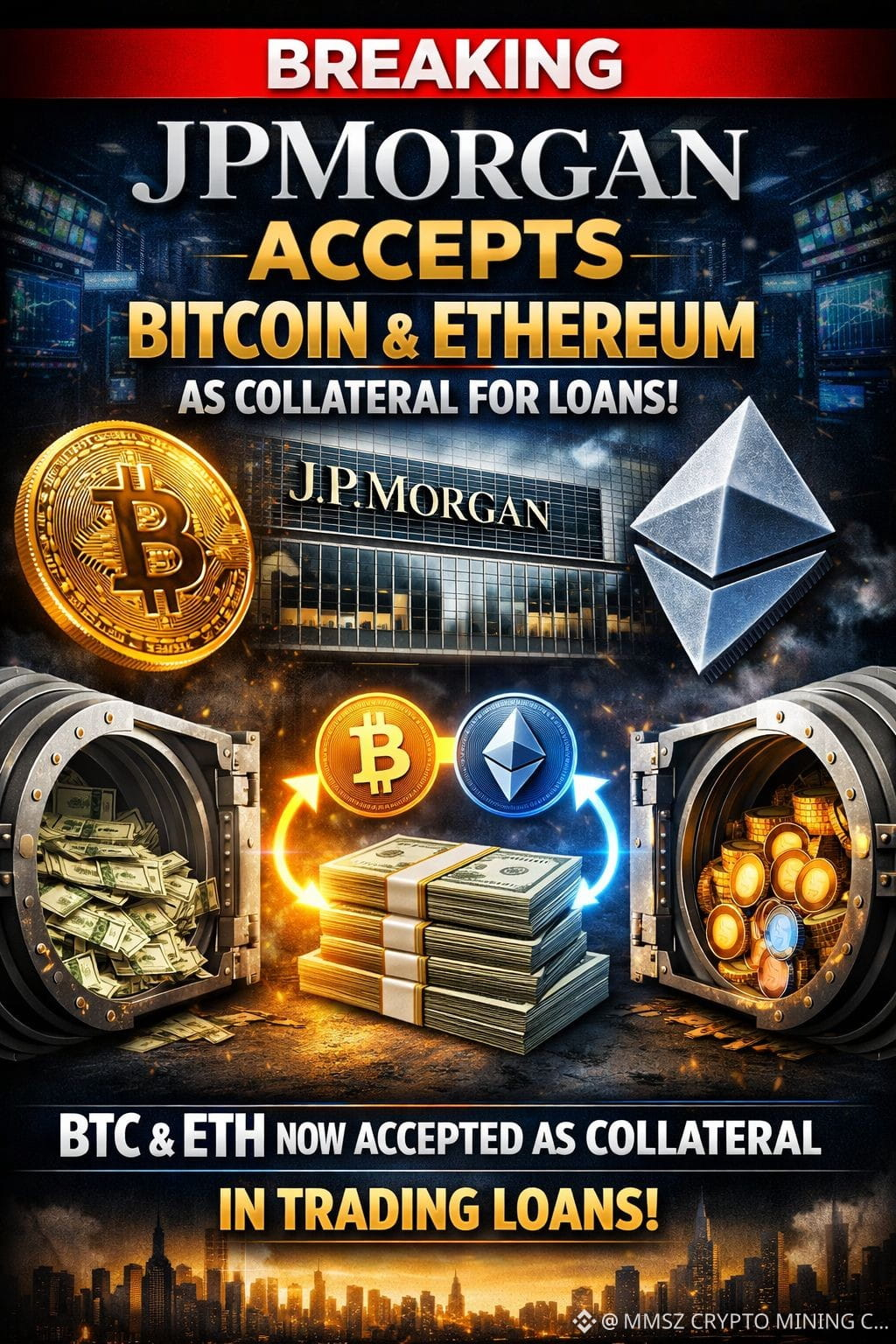
🚨 速報: JPMorganがビットコインとイーサリアムをローン担保として受け入れ始める 🏦🔥
機関投資家による暗号資産の採用の重要なシグナルとして、JPMorgan Chaseは特定のクライアントが暗号資産をローンの担保として提供することを許可しているとの報道があります。
CNBCが共有した報告によると、銀行は現在次のものを受け入れています:
• ビットコイン ($BTC)
• イーサリアム ($ETH)
取引業務の一部で担保として。
しかし、情報源によると、このプログラムは現在限られており、まだ初期段階にあると言われています。
📊 背後で何が起こっているか
• JPMorganはすでに数ヶ月間、暗号ETFを担保として受け入れてきました
• 現在、銀行は直接的な暗号担保を模索しているとのことです
• この機能は現在、機関投資家の取引クライアントに焦点を当てています
この変化は、大手銀行がどのようにデジタル資産を伝統的な金融インフラに徐々に統合しているかを示しています。
💡 これが暗号にとって重要な理由
もし大手銀行が暗号資産を担保として受け入れ始めれば、それは:
• BTCとETHへの機関投資家の需要を増加させる可能性があります
• 暗号資産の役割を認められた金融資産として強化します
• 大規模投資家のための流動性オプションを拡大します
つい最近まで、大手銀行は暗号資産に対して公然と懐疑的でしたが、今ではそれを基にした金融商品を構築し始めています。
時には、旅は本当に…
暗号懐疑者 → 暗号担保へ。🤯
🔥 このトレンドが続けば、伝統的な金融と暗号の境界線は消え続けるでしょう。
$BTC $ETH
{spot}(ETHUSDT)
{spot}(BTCUSDT)
#mmszcryptominingcommunity #JPMorgan #CryptoAdoption #BTCReclaims70k #CryptoMarket
🚨 速報: JPMorganがビットコインとイーサリアムをローン担保として受け入れ始める 🏦🔥
機関投資家による暗号資産の採用の重要なシグナルとして、JPMorgan Chaseは特定のクライアントが暗号資産をローンの担保として提供することを許可しているとの報道があります。
CNBCが共有した報告によると、銀行は現在次のものを受け入れています:
• ビットコイン ($BTC )
• イーサリアム ($ETH )
取引業務の一部で担保として。
しかし、情報源によると、このプログラムは現在限られており、まだ初期段階にあると言われています。
📊 背後で何が起こっているか
• JPMorganはすでに数ヶ月間、暗号ETFを担保として受け入れてきました
• 現在、銀行は直接的な暗号担保を模索しているとのことです
• この機能は現在、機関投資家の取引クライアントに焦点を当てています
この変化は、大手銀行がどのようにデジタル資産を伝統的な金融インフラに徐々に統合しているかを示しています。
💡 これが暗号にとって重要な理由
もし大手銀行が暗号資産を担保として受け入れ始めれば、それは:
• BTCとETHへの機関投資家の需要を増加させる可能性があります
• 暗号資産の役割を認められた金融資産として強化します
• 大規模投資家のための流動性オプションを拡大します
つい最近まで、大手銀行は暗号資産に対して公然と懐疑的でしたが、今ではそれを基にした金融商品を構築し始めています。
時には、旅は本当に…
暗号懐疑者 → 暗号担保へ。🤯
🔥 このトレンドが続けば、伝統的な金融と暗号の境界線は消え続けるでしょう。
$BTC $ETH
#mmszcryptominingcommunity #JPMorgan #CryptoAdoption #BTCReclaims70k #CryptoMarket
機関投資家による暗号資産の採用の重要なシグナルとして、JPMorgan Chaseは特定のクライアントが暗号資産をローンの担保として提供することを許可しているとの報道があります。
CNBCが共有した報告によると、銀行は現在次のものを受け入れています:
• ビットコイン ($BTC )
• イーサリアム ($ETH )
取引業務の一部で担保として。
しかし、情報源によると、このプログラムは現在限られており、まだ初期段階にあると言われています。
📊 背後で何が起こっているか
• JPMorganはすでに数ヶ月間、暗号ETFを担保として受け入れてきました
• 現在、銀行は直接的な暗号担保を模索しているとのことです
• この機能は現在、機関投資家の取引クライアントに焦点を当てています
この変化は、大手銀行がどのようにデジタル資産を伝統的な金融インフラに徐々に統合しているかを示しています。
💡 これが暗号にとって重要な理由
もし大手銀行が暗号資産を担保として受け入れ始めれば、それは:
• BTCとETHへの機関投資家の需要を増加させる可能性があります
• 暗号資産の役割を認められた金融資産として強化します
• 大規模投資家のための流動性オプションを拡大します
つい最近まで、大手銀行は暗号資産に対して公然と懐疑的でしたが、今ではそれを基にした金融商品を構築し始めています。
時には、旅は本当に…
暗号懐疑者 → 暗号担保へ。🤯
🔥 このトレンドが続けば、伝統的な金融と暗号の境界線は消え続けるでしょう。
$BTC $ETH
#mmszcryptominingcommunity #JPMorgan #CryptoAdoption #BTCReclaims70k #CryptoMarket
1
179
🚀 $XRP 長期価格予測: 2026 → 2029の潜在的展望
市場は、支払い、採用、機関投資の関心が高まる中、XRPにますます注目しています。
もし今日1,000ドルを投資した場合、いくつかの予測によると、2026年までに市場の状況に応じて投資が大幅に成長する可能性があります。
現在の技術的予測に基づく予想展望は以下の通りです 👇
📊 短期予測 (2026)
予測が実現した場合:
• 潜在的利益: ~$1,591.79
• 推定ROI: ~159%
• 保有期間の推定: ~138日
市場サイクルが続く場合、強い強気の勢いを反映するでしょう。
📈 XRP価格予測
🔹 2026年予測
最低価格: $1.41
平均価格: $2.80
最高価格: $3.79
🔹 2027年予測
最低価格: $3.03
平均価格: $4.24
最高価格: $4.33
🔹 2028年予測
最低価格: $6.92
平均価格: $7.17
最高価格: $8.59
🔹 2029年予測
最低価格: $10.23
平均価格: $10.52
最高価格: $12.26
💡 XRPが注目されている理由
• 国境を越えた支払いへの関心の高まり
• 機関投資の関心の拡大
• 強力なコミュニティのサポートと流動性
• より広範な暗号サイクルに対する投機の増加
採用が続き、暗号市場が別の主要なブル相場に入る場合、XRPは注意深く見るべき資産の一つになる可能性があります。
⚠️ リマインダー:
価格予測は投機的であり、市場サイクル、規制、採用に大きく依存します。
🔥 次のブルランのためにXRPを保持していますか?
$XRP
{spot}(XRPUSDT)
#mmszcryptominingcommunity #XRPCommunity #CryptoInvesting #blockchain #cryptofuture
🚀 $XRP 長期価格予測: 2026 → 2029の潜在的展望
市場は、支払い、採用、機関投資の関心が高まる中、XRPにますます注目しています。
もし今日1,000ドルを投資した場合、いくつかの予測によると、2026年までに市場の状況に応じて投資が大幅に成長する可能性があります。
現在の技術的予測に基づく予想展望は以下の通りです 👇
📊 短期予測 (2026)
予測が実現した場合:
• 潜在的利益: ~$1,591.79
• 推定ROI: ~159%
• 保有期間の推定: ~138日
市場サイクルが続く場合、強い強気の勢いを反映するでしょう。
📈 XRP価格予測
🔹 2026年予測
最低価格: $1.41
平均価格: $2.80
最高価格: $3.79
🔹 2027年予測
最低価格: $3.03
平均価格: $4.24
最高価格: $4.33
🔹 2028年予測
最低価格: $6.92
平均価格: $7.17
最高価格: $8.59
🔹 2029年予測
最低価格: $10.23
平均価格: $10.52
最高価格: $12.26
💡 XRPが注目されている理由
• 国境を越えた支払いへの関心の高まり
• 機関投資の関心の拡大
• 強力なコミュニティのサポートと流動性
• より広範な暗号サイクルに対する投機の増加
採用が続き、暗号市場が別の主要なブル相場に入る場合、XRPは注意深く見るべき資産の一つになる可能性があります。
⚠️ リマインダー:
価格予測は投機的であり、市場サイクル、規制、採用に大きく依存します。
🔥 次のブルランのためにXRPを保持していますか?
$XRP
#mmszcryptominingcommunity #XRPCommunity #CryptoInvesting #blockchain #cryptofuture
市場は、支払い、採用、機関投資の関心が高まる中、XRPにますます注目しています。
もし今日1,000ドルを投資した場合、いくつかの予測によると、2026年までに市場の状況に応じて投資が大幅に成長する可能性があります。
現在の技術的予測に基づく予想展望は以下の通りです 👇
📊 短期予測 (2026)
予測が実現した場合:
• 潜在的利益: ~$1,591.79
• 推定ROI: ~159%
• 保有期間の推定: ~138日
市場サイクルが続く場合、強い強気の勢いを反映するでしょう。
📈 XRP価格予測
🔹 2026年予測
最低価格: $1.41
平均価格: $2.80
最高価格: $3.79
🔹 2027年予測
最低価格: $3.03
平均価格: $4.24
最高価格: $4.33
🔹 2028年予測
最低価格: $6.92
平均価格: $7.17
最高価格: $8.59
🔹 2029年予測
最低価格: $10.23
平均価格: $10.52
最高価格: $12.26
💡 XRPが注目されている理由
• 国境を越えた支払いへの関心の高まり
• 機関投資の関心の拡大
• 強力なコミュニティのサポートと流動性
• より広範な暗号サイクルに対する投機の増加
採用が続き、暗号市場が別の主要なブル相場に入る場合、XRPは注意深く見るべき資産の一つになる可能性があります。
⚠️ リマインダー:
価格予測は投機的であり、市場サイクル、規制、採用に大きく依存します。
🔥 次のブルランのためにXRPを保持していますか?
$XRP
#mmszcryptominingcommunity #XRPCommunity #CryptoInvesting #blockchain #cryptofuture
113
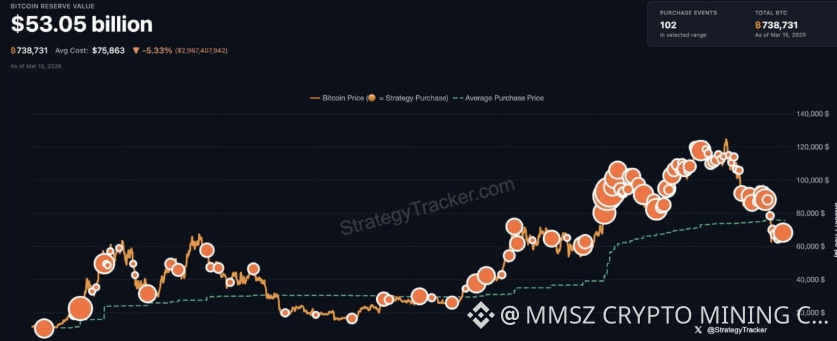
🚨 別のビットコイン購入が迫っていますか? ストラテジーは新たなBTCの蓄積を示唆しています
マイケル・セイラーは別のビットコイントラッカーを投稿しましたが、歴史的にこのシグナルはしばしばストラテジーからの新しいBTC購入の発表に先行してきました。
過去6年間で、ストラテジーは世界で最も積極的なビットコイン蓄積者の一つに成長しました。
彼らが行ったことの規模はここにあります 👇
📊 ストラテジーのビットコイン購入マシン
100件以上の個別BTC購入
推定平均蓄積は1日あたり約355 BTC
ビットコインに数十億が投入されました
短期的な市場のボラティリティに関係なく購入を続けています
この一貫した蓄積戦略により、ストラテジーは世界で最も大きな企業のビットコイン保有者になりました。
💡 トラッカーが重要な理由
セイラーが「セイラートラッカー」を投稿すると、市場はしばしばもう一つのBTC購入の発表が近いというヒントとして解釈します。トレーダーはこれらの投稿を注意深く観察しています。なぜなら、これらはしばしば数百万ドル、あるいは数十億ドルの購入に先行するからです。
📈 大局的な視点
ストラテジーのアプローチはシンプルです:
ビットコインを長期的な国庫資産として蓄積し、取引ではなくデジタル資本として扱います。
このパターンが続く場合、もう一つの購入発表がすぐそこにあるかもしれません。
本当の疑問は:
今回はどれだけのBTCを追加するのでしょうか?
$BTC
{spot}(BTCUSDT)
#bitcoin #MichaelSaylor #mmszcryptominingcommunity #CryptoMarket #BTCUpdate
🚨 別のビットコイン購入が迫っていますか? ストラテジーは新たなBTCの蓄積を示唆しています
マイケル・セイラーは別のビットコイントラッカーを投稿しましたが、歴史的にこのシグナルはしばしばストラテジーからの新しいBTC購入の発表に先行してきました。
過去6年間で、ストラテジーは世界で最も積極的なビットコイン蓄積者の一つに成長しました。
彼らが行ったことの規模はここにあります 👇
📊 ストラテジーのビットコイン購入マシン
100件以上の個別BTC購入
推定平均蓄積は1日あたり約355 BTC
ビットコインに数十億が投入されました
短期的な市場のボラティリティに関係なく購入を続けています
この一貫した蓄積戦略により、ストラテジーは世界で最も大きな企業のビットコイン保有者になりました。
💡 トラッカーが重要な理由
セイラーが「セイラートラッカー」を投稿すると、市場はしばしばもう一つのBTC購入の発表が近いというヒントとして解釈します。トレーダーはこれらの投稿を注意深く観察しています。なぜなら、これらはしばしば数百万ドル、あるいは数十億ドルの購入に先行するからです。
📈 大局的な視点
ストラテジーのアプローチはシンプルです:
ビットコインを長期的な国庫資産として蓄積し、取引ではなくデジタル資本として扱います。
このパターンが続く場合、もう一つの購入発表がすぐそこにあるかもしれません。
本当の疑問は:
今回はどれだけのBTCを追加するのでしょうか?
$BTC
#bitcoin #MichaelSaylor #mmszcryptominingcommunity #CryptoMarket #BTCUpdate
マイケル・セイラーは別のビットコイントラッカーを投稿しましたが、歴史的にこのシグナルはしばしばストラテジーからの新しいBTC購入の発表に先行してきました。
過去6年間で、ストラテジーは世界で最も積極的なビットコイン蓄積者の一つに成長しました。
彼らが行ったことの規模はここにあります 👇
📊 ストラテジーのビットコイン購入マシン
100件以上の個別BTC購入
推定平均蓄積は1日あたり約355 BTC
ビットコインに数十億が投入されました
短期的な市場のボラティリティに関係なく購入を続けています
この一貫した蓄積戦略により、ストラテジーは世界で最も大きな企業のビットコイン保有者になりました。
💡 トラッカーが重要な理由
セイラーが「セイラートラッカー」を投稿すると、市場はしばしばもう一つのBTC購入の発表が近いというヒントとして解釈します。トレーダーはこれらの投稿を注意深く観察しています。なぜなら、これらはしばしば数百万ドル、あるいは数十億ドルの購入に先行するからです。
📈 大局的な視点
ストラテジーのアプローチはシンプルです:
ビットコインを長期的な国庫資産として蓄積し、取引ではなくデジタル資本として扱います。
このパターンが続く場合、もう一つの購入発表がすぐそこにあるかもしれません。
本当の疑問は:
今回はどれだけのBTCを追加するのでしょうか?
$BTC
#bitcoin #MichaelSaylor #mmszcryptominingcommunity #CryptoMarket #BTCUpdate
48
🚨 速報: グローバルアルミニウム供給ショック 📈⚠️
金属市場に大きな混乱が起きています。
🇧🇭 アルミニウム・バーレーン(ALBA) — 世界最大の単一サイトアルミニウム精錬所 — が約19%の生産能力を停止したと報じられています。
理由:
船舶がホルムズ海峡を通過するのに苦労しており、大量のアルミニウムが地域から出られません。
これは急速に深刻な供給ショックに変わっています。
📊 これが重要な理由:
• 中東は世界のアルミニウムの約9%を生産しています
• 現在、500万トン以上の金属が封鎖の背後に留まっていると報じられています
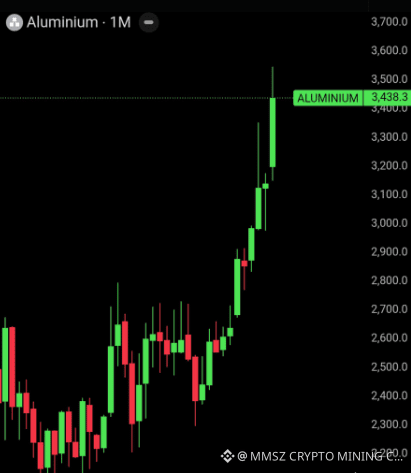
• アルミニウム価格は供給の厳しさに反応して4年ぶりの高値に急騰しています
産業用金属は物流の混乱に非常に敏感であり、ホルムズは世界で最も重要な航行の chokepoint の一つです。
⚠️ 市場への影響:
もし輸送の混乱が続くなら、世界の製造コストが上昇し、自動車や建設、電子機器など、あらゆるものに影響を与える可能性があります。
このような供給ショックはしばしばより広い市場に波及し、商品、株式、さらには暗号のセンチメントにおけるボラティリティを高めます。
🔥 マクロおよび暗号市場の最新情報をフォローしてください。
📢 あなたの取引コミュニティと共有してください。
$XAG $XAU
{future}(XAUUSDT)
{future}(XAGUSDT)
#mmszcryptominingcommunity #commodities #StraitOfHormuz #GlobalMarkets #Geopolitics
🚨 速報: グローバルアルミニウム供給ショック 📈⚠️
金属市場に大きな混乱が起きています。
🇧🇭 アルミニウム・バーレーン(ALBA) — 世界最大の単一サイトアルミニウム精錬所 — が約19%の生産能力を停止したと報じられています。
理由:
船舶がホルムズ海峡を通過するのに苦労しており、大量のアルミニウムが地域から出られません。
これは急速に深刻な供給ショックに変わっています。
📊 これが重要な理由:
• 中東は世界のアルミニウムの約9%を生産しています
• 現在、500万トン以上の金属が封鎖の背後に留まっていると報じられています
• アルミニウム価格は供給の厳しさに反応して4年ぶりの高値に急騰しています
産業用金属は物流の混乱に非常に敏感であり、ホルムズは世界で最も重要な航行の chokepoint の一つです。
⚠️ 市場への影響:
もし輸送の混乱が続くなら、世界の製造コストが上昇し、自動車や建設、電子機器など、あらゆるものに影響を与える可能性があります。
このような供給ショックはしばしばより広い市場に波及し、商品、株式、さらには暗号のセンチメントにおけるボラティリティを高めます。
🔥 マクロおよび暗号市場の最新情報をフォローしてください。
📢 あなたの取引コミュニティと共有してください。
$XAG $XAU
#mmszcryptominingcommunity #commodities #StraitOfHormuz #GlobalMarkets #Geopolitics
金属市場に大きな混乱が起きています。
🇧🇭 アルミニウム・バーレーン(ALBA) — 世界最大の単一サイトアルミニウム精錬所 — が約19%の生産能力を停止したと報じられています。
理由:
船舶がホルムズ海峡を通過するのに苦労しており、大量のアルミニウムが地域から出られません。
これは急速に深刻な供給ショックに変わっています。
📊 これが重要な理由:
• 中東は世界のアルミニウムの約9%を生産しています
• 現在、500万トン以上の金属が封鎖の背後に留まっていると報じられています
• アルミニウム価格は供給の厳しさに反応して4年ぶりの高値に急騰しています
産業用金属は物流の混乱に非常に敏感であり、ホルムズは世界で最も重要な航行の chokepoint の一つです。
⚠️ 市場への影響:
もし輸送の混乱が続くなら、世界の製造コストが上昇し、自動車や建設、電子機器など、あらゆるものに影響を与える可能性があります。
このような供給ショックはしばしばより広い市場に波及し、商品、株式、さらには暗号のセンチメントにおけるボラティリティを高めます。
🔥 マクロおよび暗号市場の最新情報をフォローしてください。
📢 あなたの取引コミュニティと共有してください。
$XAG $XAU
#mmszcryptominingcommunity #commodities #StraitOfHormuz #GlobalMarkets #Geopolitics
22
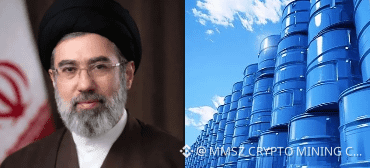
🚨 JUST IN: イランの石油輸出は戦争にもかかわらず強いまま 🛢️⚡
CBSニュースによると、🇮🇷 イランは戦争の最初の9日間で1日あたり100万バレル以上の石油を輸出しました。
はい — 地域の緊張と対立が高まっているにもかかわらず、イランの石油の流れは驚くほど強いペースで続いています。
📊 これが世界市場にとって重要な理由:
• イランは世界のエネルギー市場における重要な供給者です
• 輸出の継続は即時の石油供給ショックを防ぐのに役立ちます
• しかし、状況は地政学的リスクを非常に高く保っています
中東は世界のエネルギー供給の大規模なシェアを占めており、何らかの混乱 — またはこのような予期しない強靭さ — は石油価格、株式、さらには暗号市場を迅速に動かす可能性があります。
⚠️ 重要なポイント:
戦争はイランの石油機械を止めていません。1日あたり100万バレル以上が依然として世界市場に流入していることは、トレーダーが無視できない大きなシグナルです。
市場はエネルギーの流れがマクロ感情を決定することが多いため、注意深く見守っています。
👀 注意を怠らないでください — 地政学とエネルギー供給は、世界の資産に突然のボラティリティを引き起こす可能性があります。
🔥 リアルタイムのマクロおよび暗号の更新をフォローしてください。
📢 取引コミュニティと共有してください。
#iran #OilMarket #Geopolitics #mmszcryptominingcommunity #BreakingNews
🚨 JUST IN: イランの石油輸出は戦争にもかかわらず強いまま 🛢️⚡
CBSニュースによると、🇮🇷 イランは戦争の最初の9日間で1日あたり100万バレル以上の石油を輸出しました。
はい — 地域の緊張と対立が高まっているにもかかわらず、イランの石油の流れは驚くほど強いペースで続いています。
📊 これが世界市場にとって重要な理由:
• イランは世界のエネルギー市場における重要な供給者です
• 輸出の継続は即時の石油供給ショックを防ぐのに役立ちます
• しかし、状況は地政学的リスクを非常に高く保っています
中東は世界のエネルギー供給の大規模なシェアを占めており、何らかの混乱 — またはこのような予期しない強靭さ — は石油価格、株式、さらには暗号市場を迅速に動かす可能性があります。
⚠️ 重要なポイント:
戦争はイランの石油機械を止めていません。1日あたり100万バレル以上が依然として世界市場に流入していることは、トレーダーが無視できない大きなシグナルです。
市場はエネルギーの流れがマクロ感情を決定することが多いため、注意深く見守っています。
👀 注意を怠らないでください — 地政学とエネルギー供給は、世界の資産に突然のボラティリティを引き起こす可能性があります。
🔥 リアルタイムのマクロおよび暗号の更新をフォローしてください。
📢 取引コミュニティと共有してください。
#iran #OilMarket #Geopolitics #mmszcryptominingcommunity #BreakingNews
CBSニュースによると、🇮🇷 イランは戦争の最初の9日間で1日あたり100万バレル以上の石油を輸出しました。
はい — 地域の緊張と対立が高まっているにもかかわらず、イランの石油の流れは驚くほど強いペースで続いています。
📊 これが世界市場にとって重要な理由:
• イランは世界のエネルギー市場における重要な供給者です
• 輸出の継続は即時の石油供給ショックを防ぐのに役立ちます
• しかし、状況は地政学的リスクを非常に高く保っています
中東は世界のエネルギー供給の大規模なシェアを占めており、何らかの混乱 — またはこのような予期しない強靭さ — は石油価格、株式、さらには暗号市場を迅速に動かす可能性があります。
⚠️ 重要なポイント:
戦争はイランの石油機械を止めていません。1日あたり100万バレル以上が依然として世界市場に流入していることは、トレーダーが無視できない大きなシグナルです。
市場はエネルギーの流れがマクロ感情を決定することが多いため、注意深く見守っています。
👀 注意を怠らないでください — 地政学とエネルギー供給は、世界の資産に突然のボラティリティを引き起こす可能性があります。
🔥 リアルタイムのマクロおよび暗号の更新をフォローしてください。
📢 取引コミュニティと共有してください。
#iran #OilMarket #Geopolitics #mmszcryptominingcommunity #BreakingNews
10
🚨 大規模市場警報 🚨
明日、大きなことが起こるかもしれません。
🇺🇸 米国連邦準備制度は、金融システムに$6.7 BILLIONの流動性を注入することが期待されています — トレーダーはそれが何を意味するかを知っています。
新たな流動性が市場に入ると、感情が非常に速く変わることがよくあります。株式や暗号資産のようなリスク資産は、資本がシステムに戻り始めると最初に反応する傾向があります。
📊 これが重要な理由:
• 流動性注入は短期的な市場の勢いを高める可能性があります
• 現金の流入が資産全体でのボラティリティを引き起こすかもしれません
• 暗号市場はしばしば流動性の変化に速く反応します
歴史的に、このような瞬間はトレーダーが潜在的な勢いに備えてポジションを再調整する中で、$BTCや広範な市場に急激な動きを引き起こしてきました。
⚡ すべてのトレーダーが理解しているルール:
流動性は市場を動かします。
明日は予期しないボラティリティ — そして機会をもたらすかもしれません。
👀 賢いトレーダーはチャートを注意深く見守るでしょう。
🔥 リアルタイムの市場洞察をフォローしてください。
📢 あなたのトレーディングクルーと共有してください。
#PCEMarketWatch #OilPricesSlide #FederalReserve #mmszcryptominingcommunity #CryptoNews
{spot}(BTCUSDT)
🚨 大規模市場警報 🚨
明日、大きなことが起こるかもしれません。
🇺🇸 米国連邦準備制度は、金融システムに$6.7 BILLIONの流動性を注入することが期待されています — トレーダーはそれが何を意味するかを知っています。
新たな流動性が市場に入ると、感情が非常に速く変わることがよくあります。株式や暗号資産のようなリスク資産は、資本がシステムに戻り始めると最初に反応する傾向があります。
📊 これが重要な理由:
• 流動性注入は短期的な市場の勢いを高める可能性があります
• 現金の流入が資産全体でのボラティリティを引き起こすかもしれません
• 暗号市場はしばしば流動性の変化に速く反応します
歴史的に、このような瞬間はトレーダーが潜在的な勢いに備えてポジションを再調整する中で、$BTCや広範な市場に急激な動きを引き起こしてきました。
⚡ すべてのトレーダーが理解しているルール:
流動性は市場を動かします。
明日は予期しないボラティリティ — そして機会をもたらすかもしれません。
👀 賢いトレーダーはチャートを注意深く見守るでしょう。
🔥 リアルタイムの市場洞察をフォローしてください。
📢 あなたのトレーディングクルーと共有してください。
#PCEMarketWatch #OilPricesSlide #FederalReserve #mmszcryptominingcommunity #CryptoNews
明日、大きなことが起こるかもしれません。
🇺🇸 米国連邦準備制度は、金融システムに$6.7 BILLIONの流動性を注入することが期待されています — トレーダーはそれが何を意味するかを知っています。
新たな流動性が市場に入ると、感情が非常に速く変わることがよくあります。株式や暗号資産のようなリスク資産は、資本がシステムに戻り始めると最初に反応する傾向があります。
📊 これが重要な理由:
• 流動性注入は短期的な市場の勢いを高める可能性があります
• 現金の流入が資産全体でのボラティリティを引き起こすかもしれません
• 暗号市場はしばしば流動性の変化に速く反応します
歴史的に、このような瞬間はトレーダーが潜在的な勢いに備えてポジションを再調整する中で、$BTCや広範な市場に急激な動きを引き起こしてきました。
⚡ すべてのトレーダーが理解しているルール:
流動性は市場を動かします。
明日は予期しないボラティリティ — そして機会をもたらすかもしれません。
👀 賢いトレーダーはチャートを注意深く見守るでしょう。
🔥 リアルタイムの市場洞察をフォローしてください。
📢 あなたのトレーディングクルーと共有してください。
#PCEMarketWatch #OilPricesSlide #FederalReserve #mmszcryptominingcommunity #CryptoNews
1
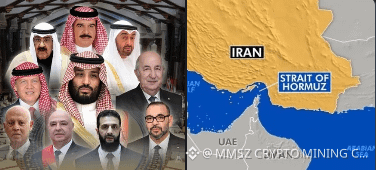
🚨 緊急速報: イランはホルムズ海峡へのアクセスを制限 🌍🛢️
イランの外務大臣アッバス・アラグチは、ホルムズ海峡がほとんどの国際的な航行には開かれているが、アメリカ、イスラエル、またはその親しい同盟国の船舶には開かれていないと発表しました。 🇮🇷🇺🇸🇮🇱
これはテヘランからの重要な地政学的シグナルです。
ホルムズ海峡は地球上で最も重要なエネルギーの喉元の一つであり、毎日世界の石油輸送の約20%を扱っています。 いかなる制限も、エネルギーと金融市場に衝撃波を送ります。
🔎 イランが示していること:
• 海峡は完全には閉じられていない — 世界貿易は依然として流れることができる
• しかし、アメリカおよびイスラエルに関連する船舶はブロックされる可能性がある
• イランは敵に圧力をかけ続けながら、完全な世界的石油封鎖を避けようとしている
⚠️ これが重要な理由:
• 石油供給リスクはエネルギー価格の変動を引き起こす可能性がある
• 船舶保険会社やタンカーオペレーターはこの地域を避けるかもしれない
• エスカレーションは世界の市場や暗号資産の感情に影響を与える可能性がある
ホルムズ周辺で緊張がさらに高まった場合、その波及効果は石油、株式、デジタル資産に同時に影響を与える可能性があります。
トレーダーはこれを注意深く見守るべきです — 地政学的ショックはしばしば予期しない市場の触媒となります。
$XAN
{future}(XANUSDT)
$COS
{spot}(COSUSDT)
$C
{spot}(CUSDT)
#mmszcryptominingcommunity #StraitOfHormuz #Geopolitics #GlobalMarkets #breakingnews
🚨 緊急速報: イランはホルムズ海峡へのアクセスを制限 🌍🛢️
イランの外務大臣アッバス・アラグチは、ホルムズ海峡がほとんどの国際的な航行には開かれているが、アメリカ、イスラエル、またはその親しい同盟国の船舶には開かれていないと発表しました。 🇮🇷🇺🇸🇮🇱
これはテヘランからの重要な地政学的シグナルです。
ホルムズ海峡は地球上で最も重要なエネルギーの喉元の一つであり、毎日世界の石油輸送の約20%を扱っています。 いかなる制限も、エネルギーと金融市場に衝撃波を送ります。
🔎 イランが示していること:
• 海峡は完全には閉じられていない — 世界貿易は依然として流れることができる
• しかし、アメリカおよびイスラエルに関連する船舶はブロックされる可能性がある
• イランは敵に圧力をかけ続けながら、完全な世界的石油封鎖を避けようとしている
⚠️ これが重要な理由:
• 石油供給リスクはエネルギー価格の変動を引き起こす可能性がある
• 船舶保険会社やタンカーオペレーターはこの地域を避けるかもしれない
• エスカレーションは世界の市場や暗号資産の感情に影響を与える可能性がある
ホルムズ周辺で緊張がさらに高まった場合、その波及効果は石油、株式、デジタル資産に同時に影響を与える可能性があります。
トレーダーはこれを注意深く見守るべきです — 地政学的ショックはしばしば予期しない市場の触媒となります。
$XAN
$COS
$C
#mmszcryptominingcommunity #StraitOfHormuz #Geopolitics #GlobalMarkets #breakingnews
イランの外務大臣アッバス・アラグチは、ホルムズ海峡がほとんどの国際的な航行には開かれているが、アメリカ、イスラエル、またはその親しい同盟国の船舶には開かれていないと発表しました。 🇮🇷🇺🇸🇮🇱
これはテヘランからの重要な地政学的シグナルです。
ホルムズ海峡は地球上で最も重要なエネルギーの喉元の一つであり、毎日世界の石油輸送の約20%を扱っています。 いかなる制限も、エネルギーと金融市場に衝撃波を送ります。
🔎 イランが示していること:
• 海峡は完全には閉じられていない — 世界貿易は依然として流れることができる
• しかし、アメリカおよびイスラエルに関連する船舶はブロックされる可能性がある
• イランは敵に圧力をかけ続けながら、完全な世界的石油封鎖を避けようとしている
⚠️ これが重要な理由:
• 石油供給リスクはエネルギー価格の変動を引き起こす可能性がある
• 船舶保険会社やタンカーオペレーターはこの地域を避けるかもしれない
• エスカレーションは世界の市場や暗号資産の感情に影響を与える可能性がある
ホルムズ周辺で緊張がさらに高まった場合、その波及効果は石油、株式、デジタル資産に同時に影響を与える可能性があります。
トレーダーはこれを注意深く見守るべきです — 地政学的ショックはしばしば予期しない市場の触媒となります。
$XAN
$COS
$C
#mmszcryptominingcommunity #StraitOfHormuz #Geopolitics #GlobalMarkets #breakingnews
76
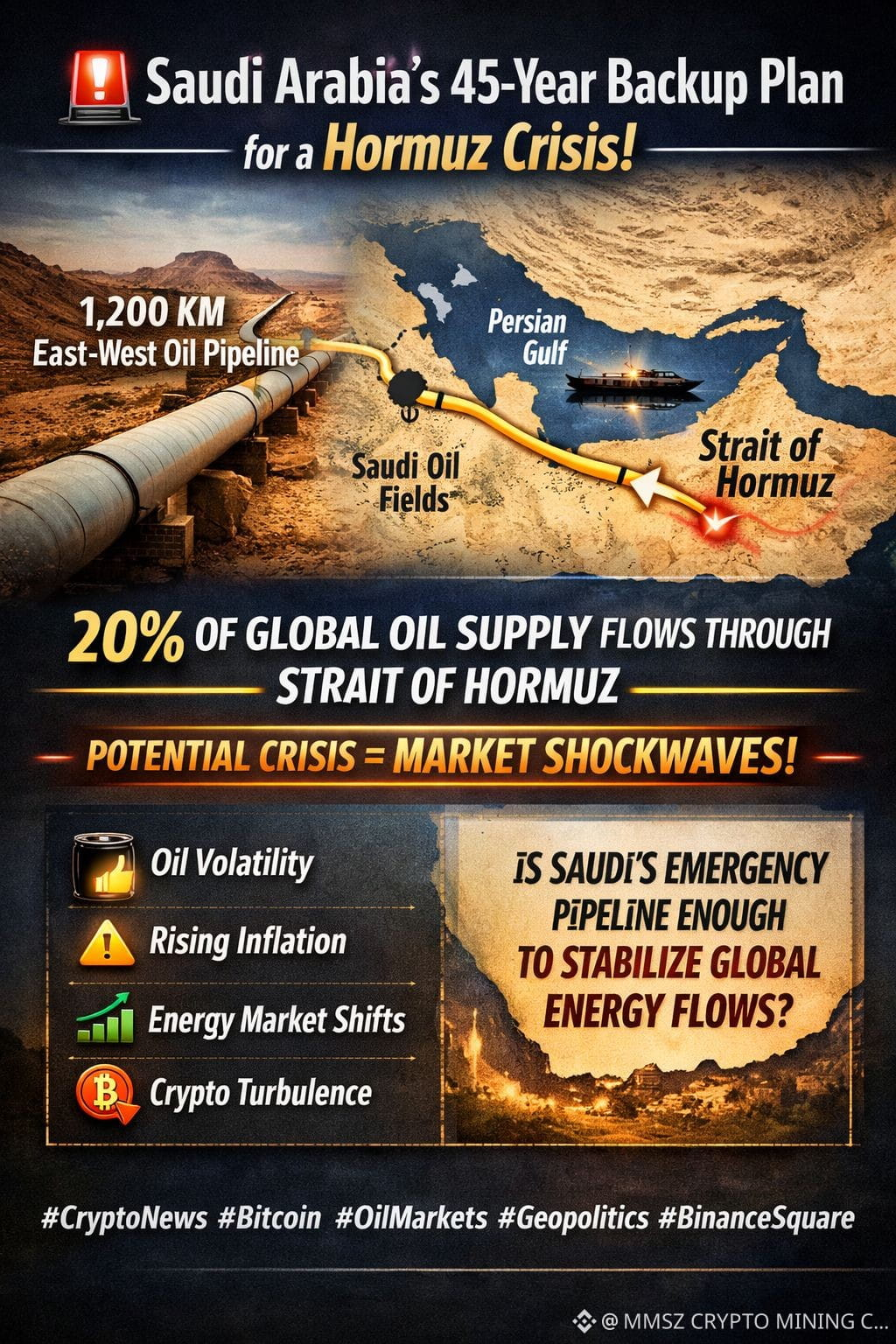
🚨 突報: サウジアラビアのホルムズ危機に対する45年間のバックアッププラン
世界がホルムズ海峡の潜在的な閉鎖を心配する中、サウジアラビアは数十年前にこのシナリオに備えていました。
約45年前、王国は東部の油田から紅海まで延びる1,200 KMの石油パイプラインを建設しました。このパイプラインは「東西原油パイプライン」として知られ、紛争中に海峡が閉塞した場合にホルムズを完全に迂回するように設計されています。
💡 これはなぜ重要か:
ホルムズ海峡は世界の石油供給の約20%を扱っており、地球上で最も重要なエネルギーの要所となっています。ここでの混乱は、世界の市場、エネルギー価格、インフレーションに衝撃を与える可能性があります。
しかし、サウジアラビアの戦略的なパイプラインは、石油を紅海のヤンブ港に直接流すことを可能にし、地政学的危機の間でも輸出を維持します。
📊 市場への影響:
• 緊張が高まれば石油のボラティリティが急上昇する可能性があります
• エネルギー市場は迅速に引き締まる可能性があります
• インフレーション期待が急増する可能性があります
• リスク資産(暗号を含む)はボラティリティの増加が見込まれます
歴史は、地政学とエネルギー供給ショックがしばしば金融市場に波及することを示しています。賢いトレーダーたちは注意深く見守っています。
⚠️ 大きな疑問:
もし緊張がさらに高まれば、この数十年前のバックアッププランは世界のエネルギー供給を安定させるのに十分でしょうか?
$XAU $XAG $BTC
{spot}(BTCUSDT)
{future}(XAGUSDT)
{future}(XAUUSDT)
#CryptoNews #Geopolitics #MiddleEast #mmszcryptominingcommunity #MarketWatch
🚨 突報: サウジアラビアのホルムズ危機に対する45年間のバックアッププラン
世界がホルムズ海峡の潜在的な閉鎖を心配する中、サウジアラビアは数十年前にこのシナリオに備えていました。
約45年前、王国は東部の油田から紅海まで延びる1,200 KMの石油パイプラインを建設しました。このパイプラインは「東西原油パイプライン」として知られ、紛争中に海峡が閉塞した場合にホルムズを完全に迂回するように設計されています。
💡 これはなぜ重要か:
ホルムズ海峡は世界の石油供給の約20%を扱っており、地球上で最も重要なエネルギーの要所となっています。ここでの混乱は、世界の市場、エネルギー価格、インフレーションに衝撃を与える可能性があります。
しかし、サウジアラビアの戦略的なパイプラインは、石油を紅海のヤンブ港に直接流すことを可能にし、地政学的危機の間でも輸出を維持します。
📊 市場への影響:
• 緊張が高まれば石油のボラティリティが急上昇する可能性があります
• エネルギー市場は迅速に引き締まる可能性があります
• インフレーション期待が急増する可能性があります
• リスク資産(暗号を含む)はボラティリティの増加が見込まれます
歴史は、地政学とエネルギー供給ショックがしばしば金融市場に波及することを示しています。賢いトレーダーたちは注意深く見守っています。
⚠️ 大きな疑問:
もし緊張がさらに高まれば、この数十年前のバックアッププランは世界のエネルギー供給を安定させるのに十分でしょうか?
$XAU $XAG $BTC
#CryptoNews #Geopolitics #MiddleEast #mmszcryptominingcommunity #MarketWatch
世界がホルムズ海峡の潜在的な閉鎖を心配する中、サウジアラビアは数十年前にこのシナリオに備えていました。
約45年前、王国は東部の油田から紅海まで延びる1,200 KMの石油パイプラインを建設しました。このパイプラインは「東西原油パイプライン」として知られ、紛争中に海峡が閉塞した場合にホルムズを完全に迂回するように設計されています。
💡 これはなぜ重要か:
ホルムズ海峡は世界の石油供給の約20%を扱っており、地球上で最も重要なエネルギーの要所となっています。ここでの混乱は、世界の市場、エネルギー価格、インフレーションに衝撃を与える可能性があります。
しかし、サウジアラビアの戦略的なパイプラインは、石油を紅海のヤンブ港に直接流すことを可能にし、地政学的危機の間でも輸出を維持します。
📊 市場への影響:
• 緊張が高まれば石油のボラティリティが急上昇する可能性があります
• エネルギー市場は迅速に引き締まる可能性があります
• インフレーション期待が急増する可能性があります
• リスク資産(暗号を含む)はボラティリティの増加が見込まれます
歴史は、地政学とエネルギー供給ショックがしばしば金融市場に波及することを示しています。賢いトレーダーたちは注意深く見守っています。
⚠️ 大きな疑問:
もし緊張がさらに高まれば、この数十年前のバックアッププランは世界のエネルギー供給を安定させるのに十分でしょうか?
$XAU $XAG $BTC
#CryptoNews #Geopolitics #MiddleEast #mmszcryptominingcommunity #MarketWatch
138
ログインして、さらにコンテンツを読む
厳選トピックで世界の暗号資産トレーダーの仲間入り
⚡️ 暗号資産に関する最新かつ有益な情報が見つかります。
💬 世界最大の暗号資産取引所から信頼されています。
👍 認証を受けたクリエイターから、有益なインサイトを得られます。
メール / 電話番号