

Karl Crypto
548 投稿

Karl Crypto
報告
ユーザーをブロック
Pro Crypto Trader - BitNode Calls - Web3 | Crypto Analyst | CFA 🇦🇺
60 フォロー
1.3K+ フォロワー
1.4K+ いいね
投稿
すべて
引用
動画
·
--
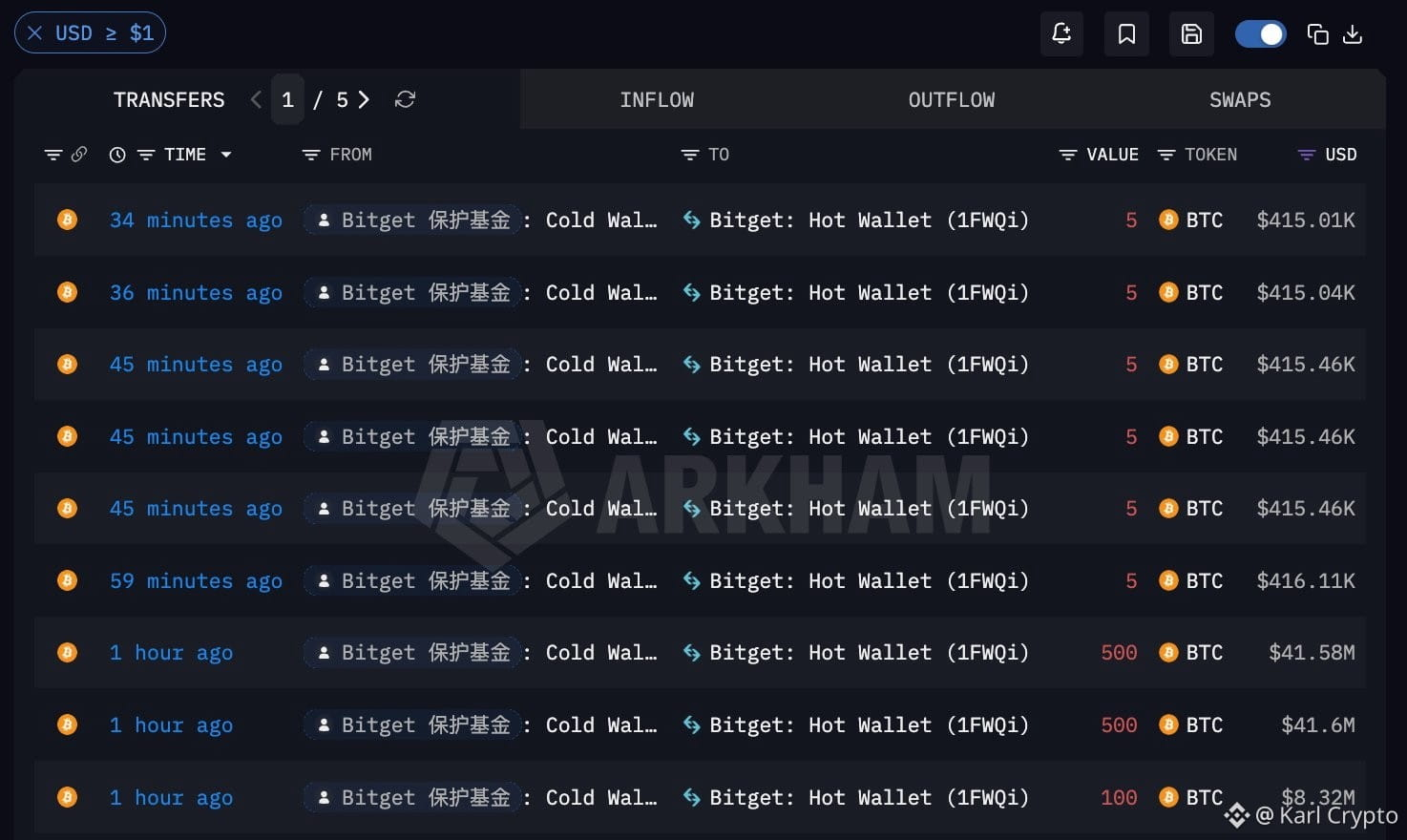
Bitget $BTC 出金データ更新👇
▶︎ 3000件以上の出金取引
▶︎ 累計 約2700 BTCを出金
▶︎ 5500 BTCの保護基金から2432.1 BTCが流出
#BitwiseFilesFinalNEARSpotETFProspectus $BTC
{spot}(BTCUSDT)
Bitget $BTC 出金データ更新👇
▶︎ 3000件以上の出金取引
▶︎ 累計 約2700 BTCを出金
▶︎ 5500 BTCの保護基金から2432.1 BTCが流出
#BitwiseFilesFinalNEARSpotETFProspectus $BTC
▶︎ 3000件以上の出金取引
▶︎ 累計 約2700 BTCを出金
▶︎ 5500 BTCの保護基金から2432.1 BTCが流出
#BitwiseFilesFinalNEARSpotETFProspectus $BTC
130
·
--
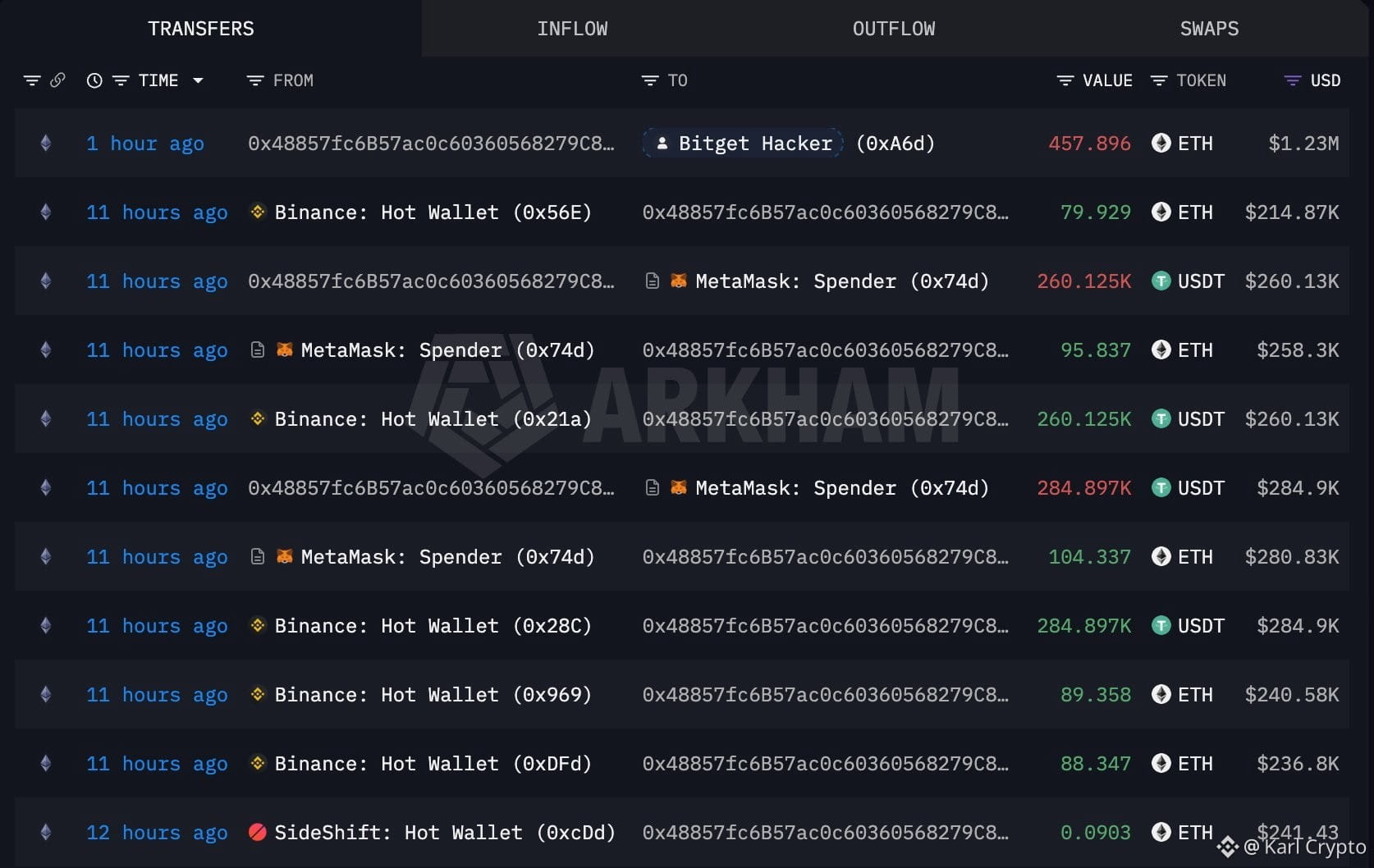
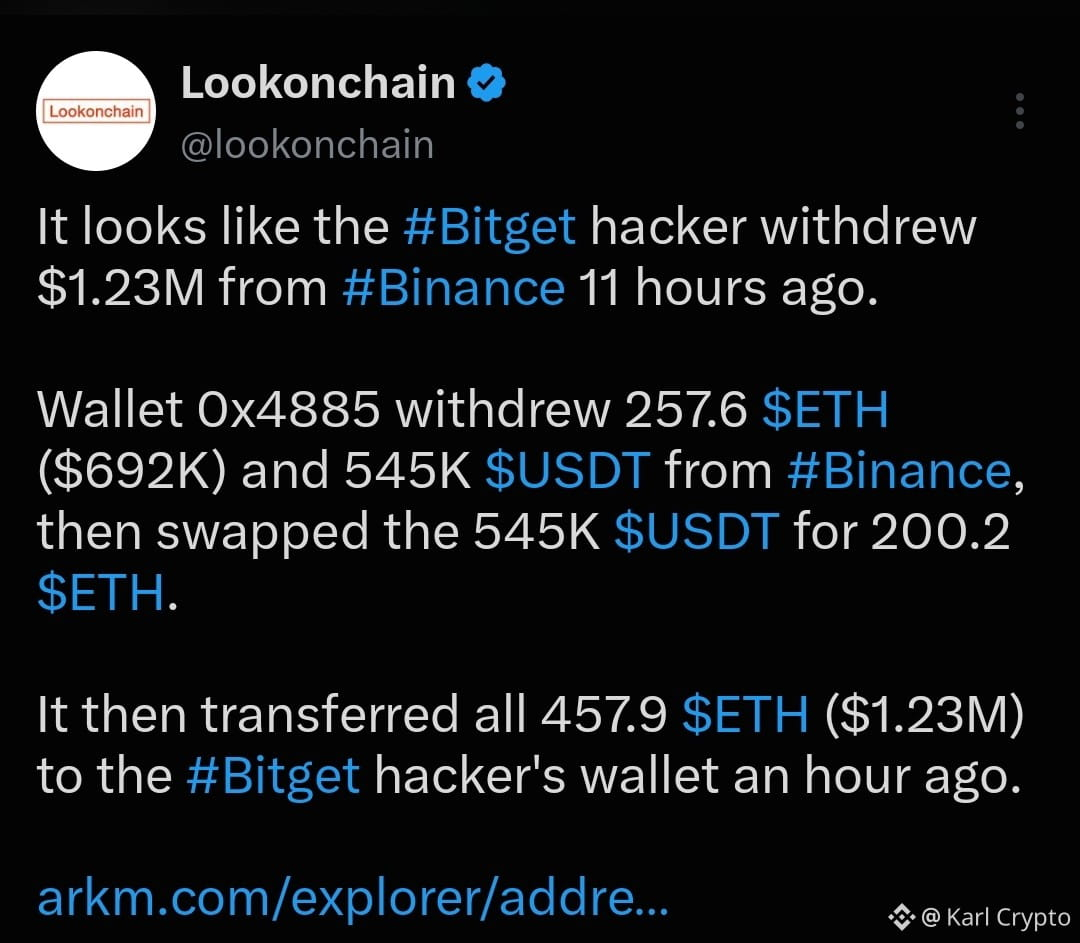
Bitgetはこのハックでより大きな収益を得るべきで、ByBitのときのようなことにはならないはずです。すべてをスムーズに扱ってくれた、すごくプロフェッショナルなチームでしたが、Bitgetはより多くの混乱を生み出しており、これをやったことでコミュニティにさらにパニックが広がっています。
#HackerAlert
Bitgetはこのハックでより大きな収益を得るべきで、ByBitのときのようなことにはならないはずです。すべてをスムーズに扱ってくれた、すごくプロフェッショナルなチームでしたが、Bitgetはより多くの混乱を生み出しており、これをやったことでコミュニティにさらにパニックが広がっています。
#HackerAlert
#HackerAlert


Binance News
·
--
暗号取引所Bitget、ハックで3億5,200万ドルが影響を受けたと発表
CoinDeskによると、木曜にシステム侵害が発生し、Bitgetは約3億5,160万ドルが影響を受けたと、CEOのグレイシー・チェンがソーシャルメディア投稿で述べた。Xへの投稿でチェンは、Bitgetのコールドウォレットとユーザー資金は安全であり、「ホットウォレットの一部から不正な送金があった」ことがあったとし、取引所の「ユーザー保護基金」は4億6,400万ドル超を保有していると付け加えた。「コールドウォレットは引き続き完全に安全です。Bitgetは3層のウォレット・アーキテクチャを運用しており、今回の侵害で影響を受けたのはホットウォレットおよびウォームウォレットの層の一部にとどまりました」と彼女は述べた。入金と取引はオンラインのままだが、Bitgetはセキュリティーの見直し完了まで出金を「一時的に」停止しており、チェンは24時間以内にインシデント報告書を提出すると約束した。
114
·
--
BinanceのbStocksとは何ですか?bStocksは、対象となる実在の株式へのエクスポージャーを提供する、ブロックチェーンベースのデジタルトークンです。従来の金融市場とブロックチェーン技術を組み合わせることで、株式関連の商品をデジタル形式でより利用しやすくしています。
𝗧𝗼𝗸𝗲𝗻𝗶𝘇𝗲𝗱 𝗦𝘁𝗼𝗰𝗸𝘀(トークン化された株式)とは何ですか?
• 対象となる実在の株式に連動するデジタルトークン。
• ブロックチェーンネットワーク上に構築されています。
• 対象となる株式の価値を追跡するよう設計されています。
𝗯𝗦𝘁𝗼𝗰𝗸𝘀はどのように機能しますか?
BinanceのbStocksとは何ですか?
bStocksは、対象となる実在の株式へのエクスポージャーを提供する、ブロックチェーンベースのデジタルトークンです。従来の金融市場とブロックチェーン技術を組み合わせることで、株式関連の商品をデジタル形式でより利用しやすくしています。
𝗧𝗼𝗸𝗲𝗻𝗶𝘇𝗲𝗱 𝗦𝘁𝗼𝗰𝗸𝘀(トークン化された株式)とは何ですか?
• 対象となる実在の株式に連動するデジタルトークン。
• ブロックチェーンネットワーク上に構築されています。
• 対象となる株式の価値を追跡するよう設計されています。
𝗯𝗦𝘁𝗼𝗰𝗸𝘀はどのように機能しますか?
𝗧𝗼𝗸𝗲𝗻𝗶𝘇𝗲𝗱 𝗦𝘁𝗼𝗰𝗸𝘀(トークン化された株式)とは何ですか?
• 対象となる実在の株式に連動するデジタルトークン。
• ブロックチェーンネットワーク上に構築されています。
• 対象となる株式の価値を追跡するよう設計されています。
𝗯𝗦𝘁𝗼𝗰𝗸𝘀はどのように機能しますか?
113
·
--
🚨 警告:Microsoftは、新しい暗号クリッパー型マルウェアを検知しました。このマルウェアはこっそりとあなたのクリップボードを監視し、コピーしたウォレットアドレスを攻撃者が管理するものに置き換えます。これにより、ユーザーが気づかないうちに暗号資金をハッカーへ直接送ってしまう可能性があります。
🔐 安全に保つ方法:
送金前に必ずウォレットアドレスを再確認する
取引にはハードウェアウォレットを使用する
アンチウイルスとシステムを常に最新の状態に保つ
不明なソフトウェアやクラックをダウンロードしない
信頼できる暗号セキュリティツールを使用する
注意を怠らないでください—小さなミスが取り返しのつかない損失につながり得ます。
$BTC
{spot}(BTCUSDT)
🚨 警告:Microsoftは、新しい暗号クリッパー型マルウェアを検知しました。このマルウェアはこっそりとあなたのクリップボードを監視し、コピーしたウォレットアドレスを攻撃者が管理するものに置き換えます。これにより、ユーザーが気づかないうちに暗号資金をハッカーへ直接送ってしまう可能性があります。
🔐 安全に保つ方法:
送金前に必ずウォレットアドレスを再確認する
取引にはハードウェアウォレットを使用する
アンチウイルスとシステムを常に最新の状態に保つ
不明なソフトウェアやクラックをダウンロードしない
信頼できる暗号セキュリティツールを使用する
注意を怠らないでください—小さなミスが取り返しのつかない損失につながり得ます。
$BTC
🔐 安全に保つ方法:
送金前に必ずウォレットアドレスを再確認する
取引にはハードウェアウォレットを使用する
アンチウイルスとシステムを常に最新の状態に保つ
不明なソフトウェアやクラックをダウンロードしない
信頼できる暗号セキュリティツールを使用する
注意を怠らないでください—小さなミスが取り返しのつかない損失につながり得ます。
$BTC
103
·
--
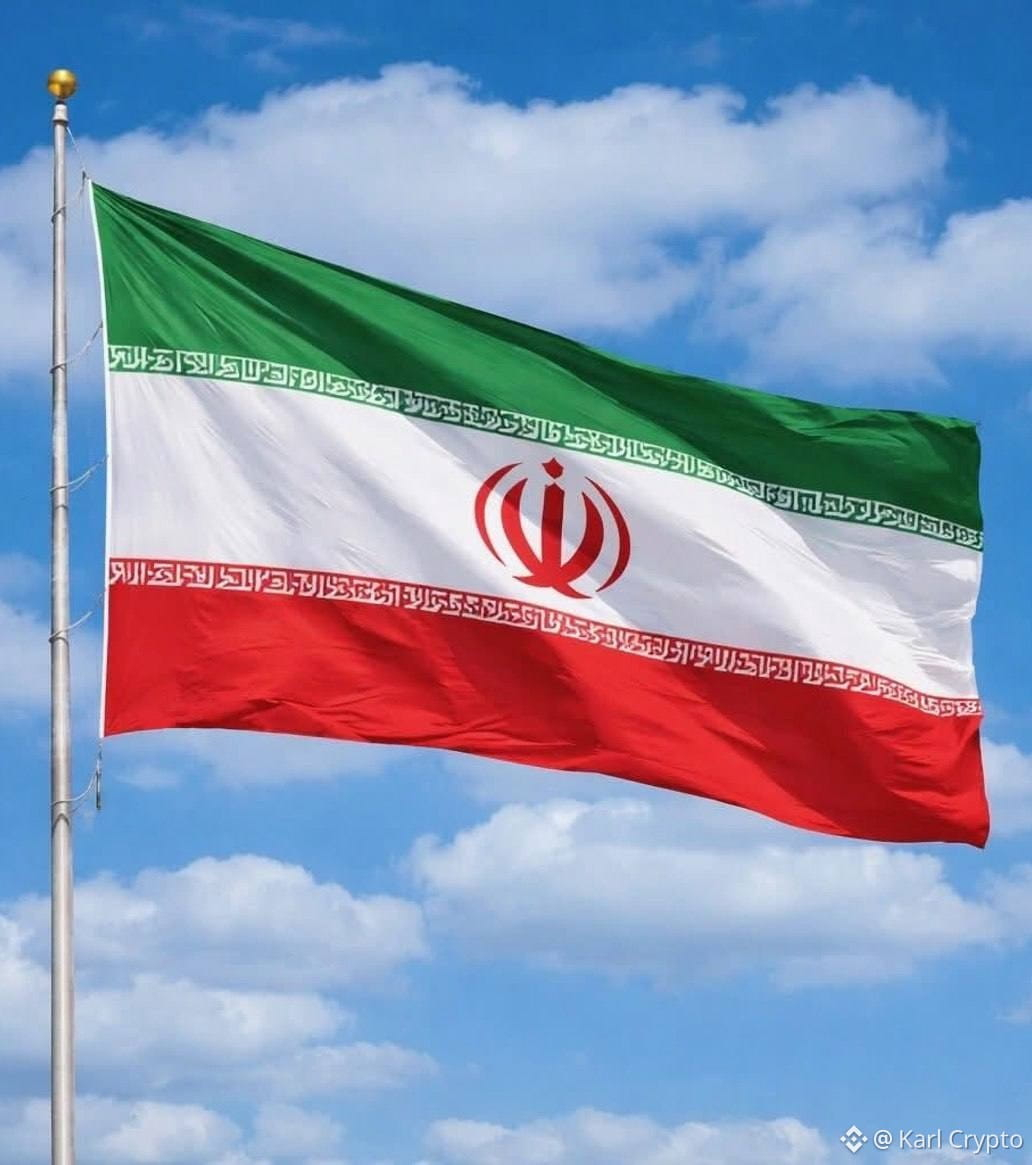
🚨 アップデート: 米国はイランが即座に石油販売を再開し、トランプ・イラン平和合意の一環として銀行、輸送、保険の制裁を免除することを許可するとのことです。\n#BinanceExplorers $SPCXB \n{spot}(SPCXBUSDT)
🚨 アップデート: 米国はイランが即座に石油販売を再開し、トランプ・イラン平和合意の一環として銀行、輸送、保険の制裁を免除することを許可するとのことです。\n#BinanceExplorers $SPCXB \n
109
·
--
ブリッシュ
速報 💥
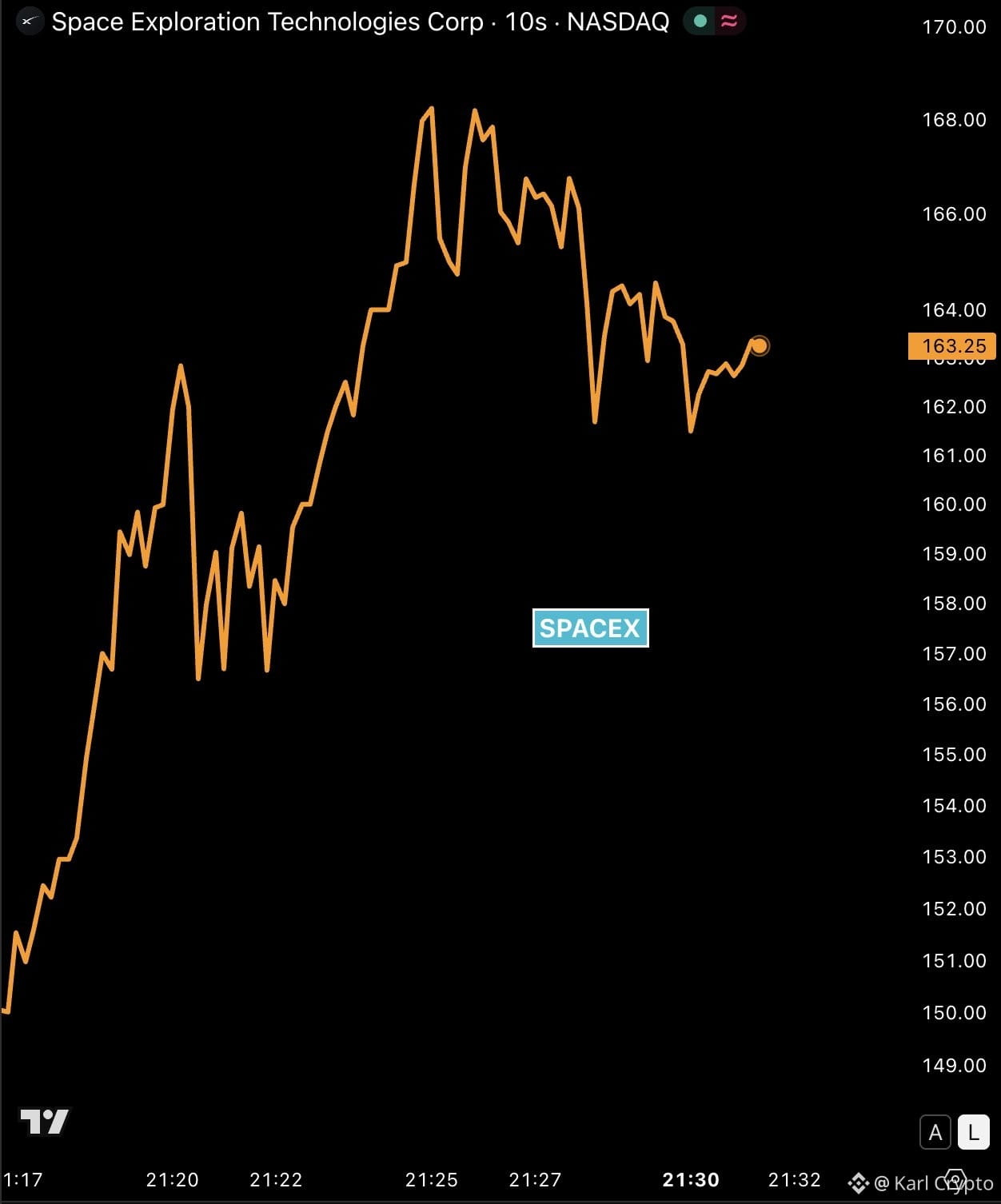
SpaceX $SPCX は、初日の取引で2兆ドルの評価を受けました。$SPCX
{future}(SPCXUSDT)
速報 💥
SpaceX $SPCX は、初日の取引で2兆ドルの評価を受けました。$SPCX
SpaceX $SPCX は、初日の取引で2兆ドルの評価を受けました。$SPCX
97
·
--
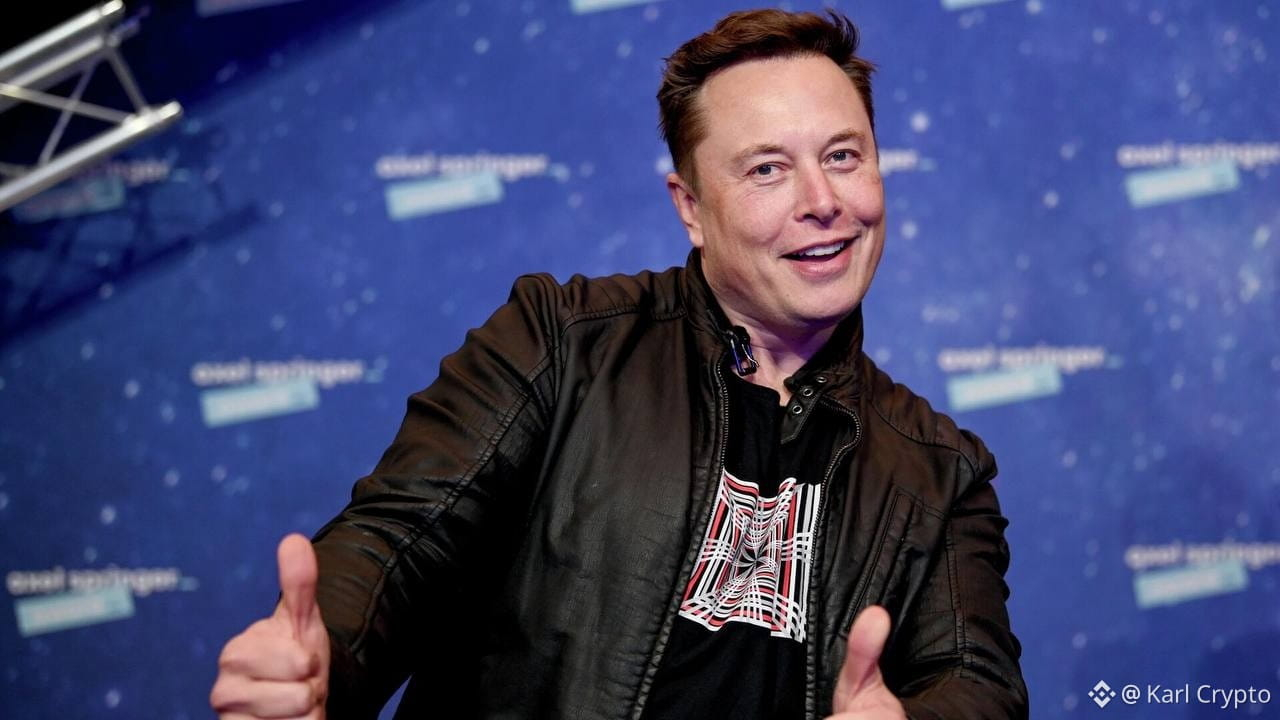
イーロン・マスクが世界初のトリリオネアに🔥
スペースXの成功したIPOに続き、彼の宇宙ビジネスがAIプロジェクトと合併したことで、イーロン・マスクは正式に1兆ドルの純資産を超えました。
$SPCX
{future}(SPCXUSDT)
#SpaceXIPOUSStocksOpenHigher
イーロン・マスクが世界初のトリリオネアに🔥
スペースXの成功したIPOに続き、彼の宇宙ビジネスがAIプロジェクトと合併したことで、イーロン・マスクは正式に1兆ドルの純資産を超えました。
$SPCX
#SpaceXIPOUSStocksOpenHigher
スペースXの成功したIPOに続き、彼の宇宙ビジネスがAIプロジェクトと合併したことで、イーロン・マスクは正式に1兆ドルの純資産を超えました。
$SPCX
#SpaceXIPOUSStocksOpenHigher
1
659
·
--
弱気相場
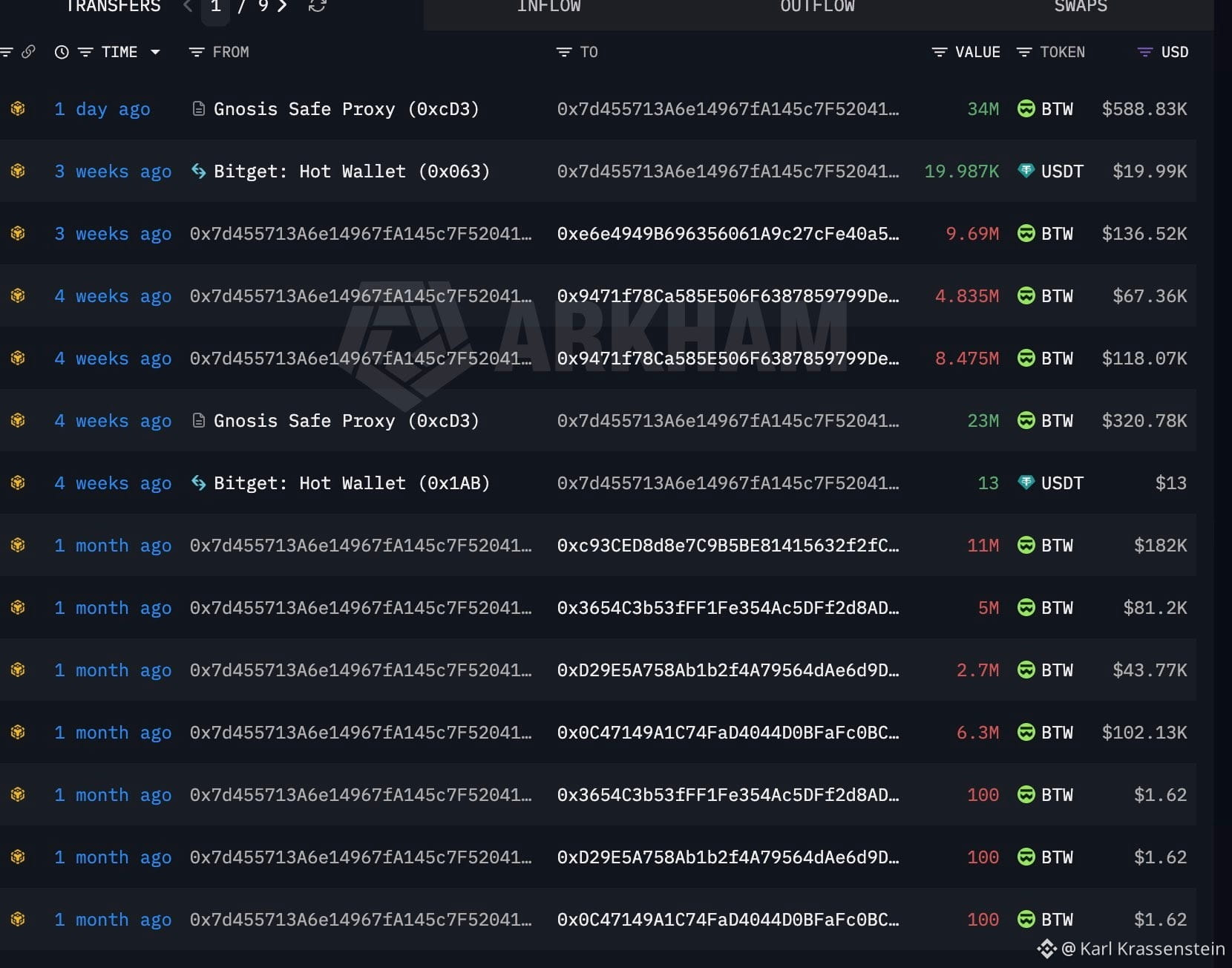
Genosisウォレットが34M $BTW を、過去1ヶ月間トークンを受け取っていたウォレットに送信し、その後新しいウォレットに分配しています。
私の言葉を覚えておいてください。このトークンは$LABのように操作される高い可能性があります。ただし、今のところはここからは離れます。彼らは少し高くポンプするかもしれません。
$BTW
{future}(BTWUSDT)
#CPIWatch
Genosisウォレットが34M $BTW を、過去1ヶ月間トークンを受け取っていたウォレットに送信し、その後新しいウォレットに分配しています。
私の言葉を覚えておいてください。このトークンは$LABのように操作される高い可能性があります。ただし、今のところはここからは離れます。彼らは少し高くポンプするかもしれません。
$BTW
#CPIWatch
私の言葉を覚えておいてください。このトークンは$LABのように操作される高い可能性があります。ただし、今のところはここからは離れます。彼らは少し高くポンプするかもしれません。
$BTW
#CPIWatch
642
·
--
🖥 ソロマイナーがビットコインブロック951771を発見し、4-6 TH/sの家庭用デバイスで$231,000を獲得しました。
何百万TH/sの採掘ファームと競争している中での勝利です。
野火に庭用ホースを持って行って勝った🚶♀️
$BTC
{spot}(BTCUSDT)
#BinanceRollsOutTradingInUSStocks
🖥 ソロマイナーがビットコインブロック951771を発見し、4-6 TH/sの家庭用デバイスで$231,000を獲得しました。
何百万TH/sの採掘ファームと競争している中での勝利です。
野火に庭用ホースを持って行って勝った🚶♀️
$BTC
#BinanceRollsOutTradingInUSStocks
何百万TH/sの採掘ファームと競争している中での勝利です。
野火に庭用ホースを持って行って勝った🚶♀️
$BTC
#BinanceRollsOutTradingInUSStocks
92
·
--
🏦💰⚡ Ondo Financeが$2.5BのTVLを達成 — 最大のトークン化証券プロバイダー!
🔹 グローバルマーケット部門だけで$1.17BのTVLを達成 — トークン化された株式とETFが200以上、MetaMaskスワップで24/7取引可能 📊🚀
🔹 USDYとOUSGの利息を生む財務トークンが従来のステーブルコインを上回る — 銀行のカウンターパーティリスクなしで実質的な利回り 💥🔥
🔹 Ondo Chainが機関投資家向けのトークン化資産管理を開始 — 従来の金融がブロックチェーンに移行 🌐⚡
🔹 MetaMask統合によりトークン化された米国株がDeFiウォレットに登場 — TradFiの障壁が日々崩壊中 🤖💸
ウォール街がオンチェーン化する中、あなたの貯金口座は0%の利息 👀💰
#BinanceSquareTalks $CHIP
{spot}(CHIPUSDT)
$LAB
{future}(LABUSDT)
$GENIUS
{spot}(GENIUSUSDT)
🏦💰⚡ Ondo Financeが$2.5BのTVLを達成 — 最大のトークン化証券プロバイダー!
🔹 グローバルマーケット部門だけで$1.17BのTVLを達成 — トークン化された株式とETFが200以上、MetaMaskスワップで24/7取引可能 📊🚀
🔹 USDYとOUSGの利息を生む財務トークンが従来のステーブルコインを上回る — 銀行のカウンターパーティリスクなしで実質的な利回り 💥🔥
🔹 Ondo Chainが機関投資家向けのトークン化資産管理を開始 — 従来の金融がブロックチェーンに移行 🌐⚡
🔹 MetaMask統合によりトークン化された米国株がDeFiウォレットに登場 — TradFiの障壁が日々崩壊中 🤖💸
ウォール街がオンチェーン化する中、あなたの貯金口座は0%の利息 👀💰
#BinanceSquareTalks $CHIP
$LAB
$GENIUS
🔹 グローバルマーケット部門だけで$1.17BのTVLを達成 — トークン化された株式とETFが200以上、MetaMaskスワップで24/7取引可能 📊🚀
🔹 USDYとOUSGの利息を生む財務トークンが従来のステーブルコインを上回る — 銀行のカウンターパーティリスクなしで実質的な利回り 💥🔥
🔹 Ondo Chainが機関投資家向けのトークン化資産管理を開始 — 従来の金融がブロックチェーンに移行 🌐⚡
🔹 MetaMask統合によりトークン化された米国株がDeFiウォレットに登場 — TradFiの障壁が日々崩壊中 🤖💸
ウォール街がオンチェーン化する中、あなたの貯金口座は0%の利息 👀💰
#BinanceSquareTalks $CHIP
$LAB
$GENIUS
529
·
--
🚀💰⚡ マスクのテスラ+スペースXの合併 = 世界第5位の法人ビットコイン財務!
🔹 CNBCはテスラとスペースXの内部合併の議論を報告 — 従業員は「最終的に実現する」と期待している 🤝💥
🔹 合わせて30,221 BTCの保有で、現在の75Kドルの価格で33億ドル相当 — マイクロストラテジーとマイニング大手に次ぐ 📊🔥
🔹 テスラは11,509 BTCを保有 + スペースXは最近のIPO申請の開示から18,712 BTCを所有 🏦⚡
🔹 スペースXが来月、xAIの合併後に1.25兆ドルの評価でナスダックに上場予定 — マスクの帝国拡大が加速中 🌐💸
クマたちはレクトされている間に、マスクはあなたの友達がまだ知らないビットコインの帝国を築いている 👀💰
#BinanceSquareTalks $CHIP
{spot}(CHIPUSDT)
$GENIUS
{spot}(GENIUSUSDT)
🚀💰⚡ マスクのテスラ+スペースXの合併 = 世界第5位の法人ビットコイン財務!
🔹 CNBCはテスラとスペースXの内部合併の議論を報告 — 従業員は「最終的に実現する」と期待している 🤝💥
🔹 合わせて30,221 BTCの保有で、現在の75Kドルの価格で33億ドル相当 — マイクロストラテジーとマイニング大手に次ぐ 📊🔥
🔹 テスラは11,509 BTCを保有 + スペースXは最近のIPO申請の開示から18,712 BTCを所有 🏦⚡
🔹 スペースXが来月、xAIの合併後に1.25兆ドルの評価でナスダックに上場予定 — マスクの帝国拡大が加速中 🌐💸
クマたちはレクトされている間に、マスクはあなたの友達がまだ知らないビットコインの帝国を築いている 👀💰
#BinanceSquareTalks $CHIP
$GENIUS
🔹 CNBCはテスラとスペースXの内部合併の議論を報告 — 従業員は「最終的に実現する」と期待している 🤝💥
🔹 合わせて30,221 BTCの保有で、現在の75Kドルの価格で33億ドル相当 — マイクロストラテジーとマイニング大手に次ぐ 📊🔥
🔹 テスラは11,509 BTCを保有 + スペースXは最近のIPO申請の開示から18,712 BTCを所有 🏦⚡
🔹 スペースXが来月、xAIの合併後に1.25兆ドルの評価でナスダックに上場予定 — マスクの帝国拡大が加速中 🌐💸
クマたちはレクトされている間に、マスクはあなたの友達がまだ知らないビットコインの帝国を築いている 👀💰
#BinanceSquareTalks $CHIP
$GENIUS
125
·
--
🚨⚡ スCOOP: CASH APPが6000万人のユーザーにステーブルコイン決済を展開
💥 BlockのCash Appが今週静かにステーブルコイン機能を開始 - 25%のユーザーがすでにアクセス可能! 📊
🔥 ブレイキング詳細:
🔹 週末までに全6000万人のユーザーに展開予定
🔹 ジャック・ドーシーのリーダーシップにおける前例のないイデオロギーの変化 🎯
🔹 ビットコインマキシマリストのCEOが非-BTCブロックチェーンネットワークを受け入れる
🔹 プラットフォームのデジタルフィアット通貨の取り扱いが永遠に変わる
🔹 ステーブルコイン市場が今週3220億ドルの記録を達成! 💰
⚡ ビットコインオンリーからステーブルコインへ - これは大規模なクリプトのメインストリーム採用だ!
ドーシーの方向転換についてどう思う? 🤔
$CHIP
{spot}(CHIPUSDT)
$GENIUS
{spot}(GENIUSUSDT)
#BinanceSquareTalks
🚨⚡ スCOOP: CASH APPが6000万人のユーザーにステーブルコイン決済を展開
💥 BlockのCash Appが今週静かにステーブルコイン機能を開始 - 25%のユーザーがすでにアクセス可能! 📊
🔥 ブレイキング詳細:
🔹 週末までに全6000万人のユーザーに展開予定
🔹 ジャック・ドーシーのリーダーシップにおける前例のないイデオロギーの変化 🎯
🔹 ビットコインマキシマリストのCEOが非-BTCブロックチェーンネットワークを受け入れる
🔹 プラットフォームのデジタルフィアット通貨の取り扱いが永遠に変わる
🔹 ステーブルコイン市場が今週3220億ドルの記録を達成! 💰
⚡ ビットコインオンリーからステーブルコインへ - これは大規模なクリプトのメインストリーム採用だ!
ドーシーの方向転換についてどう思う? 🤔
$CHIP
$GENIUS
#BinanceSquareTalks
💥 BlockのCash Appが今週静かにステーブルコイン機能を開始 - 25%のユーザーがすでにアクセス可能! 📊
🔥 ブレイキング詳細:
🔹 週末までに全6000万人のユーザーに展開予定
🔹 ジャック・ドーシーのリーダーシップにおける前例のないイデオロギーの変化 🎯
🔹 ビットコインマキシマリストのCEOが非-BTCブロックチェーンネットワークを受け入れる
🔹 プラットフォームのデジタルフィアット通貨の取り扱いが永遠に変わる
🔹 ステーブルコイン市場が今週3220億ドルの記録を達成! 💰
⚡ ビットコインオンリーからステーブルコインへ - これは大規模なクリプトのメインストリーム採用だ!
ドーシーの方向転換についてどう思う? 🤔
$CHIP
$GENIUS
#BinanceSquareTalks
297
·
--
インドネシア、オンライン賭博への取り締まりの中でポリマーケットをブロック
インドネシアは、当局が予測プラットフォームを国内法の下でオンライン賭博と分類した後、ポリマーケットをブロックしました。
この全国的なブロックは、ブラジルやアルゼンチンを含む他の国の規制と一致しており、規制当局は予測市場が無許可の賭博業務に該当するかどうかを厳しく監視しています。
#BinanceSquareTalks
インドネシア、オンライン賭博への取り締まりの中でポリマーケットをブロック
インドネシアは、当局が予測プラットフォームを国内法の下でオンライン賭博と分類した後、ポリマーケットをブロックしました。
この全国的なブロックは、ブラジルやアルゼンチンを含む他の国の規制と一致しており、規制当局は予測市場が無許可の賭博業務に該当するかどうかを厳しく監視しています。
#BinanceSquareTalks
インドネシアは、当局が予測プラットフォームを国内法の下でオンライン賭博と分類した後、ポリマーケットをブロックしました。
この全国的なブロックは、ブラジルやアルゼンチンを含む他の国の規制と一致しており、規制当局は予測市場が無許可の賭博業務に該当するかどうかを厳しく監視しています。
#BinanceSquareTalks
11
·
--
📣 #BTC アップデート: スクリプトに従って実行中
テープは正確にマッピングされた通りに印刷されています。マスタープランに変更なし。
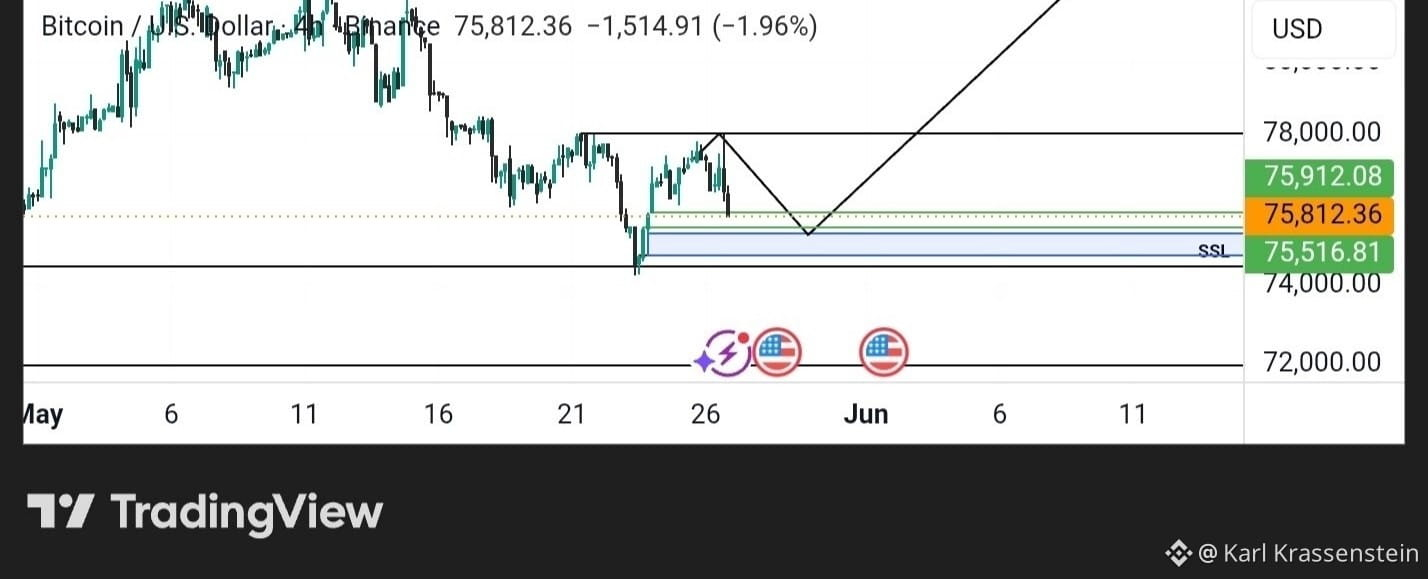
昨日の予想通り、価格はローカルハイのあたりで地元のレジスタンスを見つけ、現在はH4 FVGに向けてのマイナーなLTFリテストを始めています。
テクニカルリアリティ:
圧縮: 現在、価格は$76.9kでコンソリデーション中。この横ばいの動きは、今週の蓄積フェーズにおいて完全に正常で予想された動きです。
リテストターゲット: アルゴリズムは、$75.5k – $74.9kのFVG需要ボックス内に確実な高値を確立するために引き戻しています。
目標: このマイナーな修正は、リテールを退屈させ、真の事前FOMC拡大が来週始まる前に早期ブレイクアウトのショートを捕まえるために設計されています。
静かなレンジは#cryptoとトップ#altcoinsにおいてあなたの最良の蓄積ウィンドウです。
じっとしていて、デイリーノイズでオーバートレードせず、ブループリントを成熟させましょう。次のターゲット: $84k+。
$BTC
{spot}(BTCUSDT)
📣 #BTC アップデート: スクリプトに従って実行中
テープは正確にマッピングされた通りに印刷されています。マスタープランに変更なし。
昨日の予想通り、価格はローカルハイのあたりで地元のレジスタンスを見つけ、現在はH4 FVGに向けてのマイナーなLTFリテストを始めています。
テクニカルリアリティ:
圧縮: 現在、価格は$76.9kでコンソリデーション中。この横ばいの動きは、今週の蓄積フェーズにおいて完全に正常で予想された動きです。
リテストターゲット: アルゴリズムは、$75.5k – $74.9kのFVG需要ボックス内に確実な高値を確立するために引き戻しています。
目標: このマイナーな修正は、リテールを退屈させ、真の事前FOMC拡大が来週始まる前に早期ブレイクアウトのショートを捕まえるために設計されています。
静かなレンジは#cryptoとトップ#altcoinsにおいてあなたの最良の蓄積ウィンドウです。
じっとしていて、デイリーノイズでオーバートレードせず、ブループリントを成熟させましょう。次のターゲット: $84k+。
$BTC
テープは正確にマッピングされた通りに印刷されています。マスタープランに変更なし。
昨日の予想通り、価格はローカルハイのあたりで地元のレジスタンスを見つけ、現在はH4 FVGに向けてのマイナーなLTFリテストを始めています。
テクニカルリアリティ:
圧縮: 現在、価格は$76.9kでコンソリデーション中。この横ばいの動きは、今週の蓄積フェーズにおいて完全に正常で予想された動きです。
リテストターゲット: アルゴリズムは、$75.5k – $74.9kのFVG需要ボックス内に確実な高値を確立するために引き戻しています。
目標: このマイナーな修正は、リテールを退屈させ、真の事前FOMC拡大が来週始まる前に早期ブレイクアウトのショートを捕まえるために設計されています。
静かなレンジは#cryptoとトップ#altcoinsにおいてあなたの最良の蓄積ウィンドウです。
じっとしていて、デイリーノイズでオーバートレードせず、ブループリントを成熟させましょう。次のターゲット: $84k+。
$BTC
136
·
--
記事
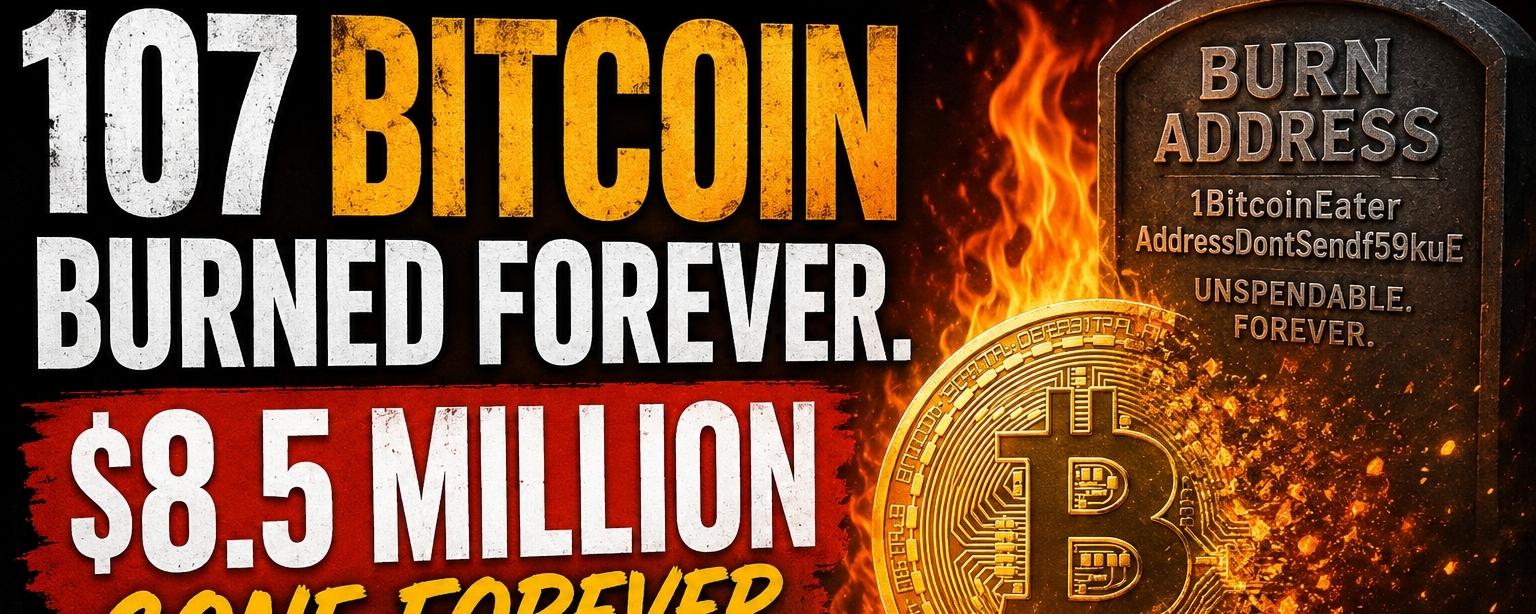
誰かが107ビットコインをバーンアドレスに送った 🤯誰かが107ビットコイン、約850万ドルをバーンアドレスに送った。永遠に消えた。
バーンアドレスは誰も所有せず、誰もアクセスできないウォレットだ。一度ビットコインが送られると、永久に消失する。元に戻すボタンはない。回復も不可能。それは単に存在しなくなる。
これがミスだったのか、何かの声明だったのか、それとも全く別の何かだったのかは誰にもわからない。しかし、850万ドルのビットコインが永久に流通から去った。
誰かは鍵を失うことで眠れない夜を過ごす。でもこの人はお金が必要なかったみたい。
誰かが107ビットコインをバーンアドレスに送った 🤯
誰かが107ビットコイン、約850万ドルをバーンアドレスに送った。永遠に消えた。
バーンアドレスは誰も所有せず、誰もアクセスできないウォレットだ。一度ビットコインが送られると、永久に消失する。元に戻すボタンはない。回復も不可能。それは単に存在しなくなる。
これがミスだったのか、何かの声明だったのか、それとも全く別の何かだったのかは誰にもわからない。しかし、850万ドルのビットコインが永久に流通から去った。
誰かは鍵を失うことで眠れない夜を過ごす。でもこの人はお金が必要なかったみたい。
バーンアドレスは誰も所有せず、誰もアクセスできないウォレットだ。一度ビットコインが送られると、永久に消失する。元に戻すボタンはない。回復も不可能。それは単に存在しなくなる。
これがミスだったのか、何かの声明だったのか、それとも全く別の何かだったのかは誰にもわからない。しかし、850万ドルのビットコインが永久に流通から去った。
誰かは鍵を失うことで眠れない夜を過ごす。でもこの人はお金が必要なかったみたい。
38
·
--
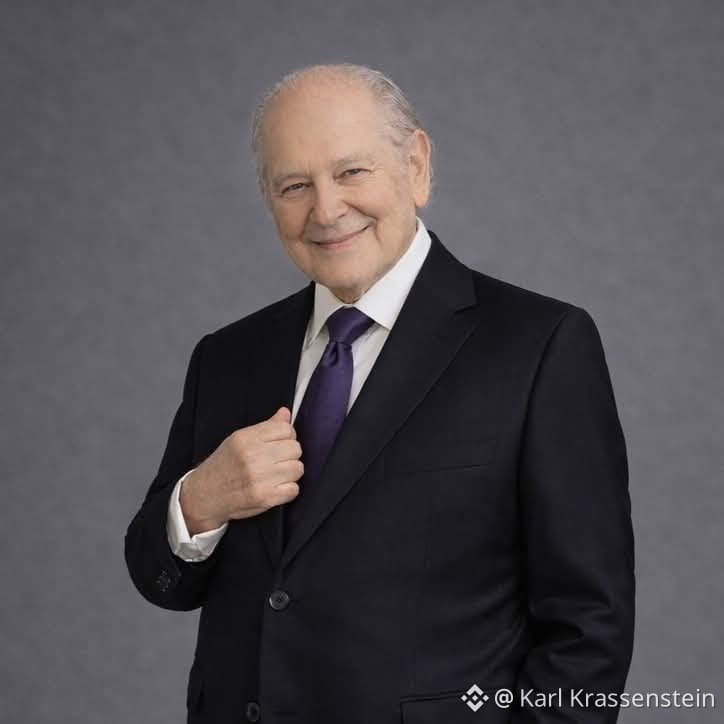
1976年、Appleの共同創設者ロナルド・ウェインは、ビジネスが失敗することを恐れてAppleの10%の持ち分を800ドルで売却しました。
その持ち分は現在4540億ドルの価値があります。
ウェインは当時41歳で、すでに一度失敗したビジネスを経験していました。彼は責任を負いたくなかったのです。彼は800ドルを受け取り、立ち去りました。
ジョブズとウォズニアックは、歴史上最も価値のある企業を築き上げました。
ウェインは数十年にわたりネバダで静かに暮らし、報告によれば、切手やコインを売って生計を立てていたそうです。彼はその決断を後悔していないと語っています。
$4540億で$BTC
{spot}(BTCUSDT)
#BinanceSquareTalks
1976年、Appleの共同創設者ロナルド・ウェインは、ビジネスが失敗することを恐れてAppleの10%の持ち分を800ドルで売却しました。
その持ち分は現在4540億ドルの価値があります。
ウェインは当時41歳で、すでに一度失敗したビジネスを経験していました。彼は責任を負いたくなかったのです。彼は800ドルを受け取り、立ち去りました。
ジョブズとウォズニアックは、歴史上最も価値のある企業を築き上げました。
ウェインは数十年にわたりネバダで静かに暮らし、報告によれば、切手やコインを売って生計を立てていたそうです。彼はその決断を後悔していないと語っています。
$4540億で$BTC
#BinanceSquareTalks
その持ち分は現在4540億ドルの価値があります。
ウェインは当時41歳で、すでに一度失敗したビジネスを経験していました。彼は責任を負いたくなかったのです。彼は800ドルを受け取り、立ち去りました。
ジョブズとウォズニアックは、歴史上最も価値のある企業を築き上げました。
ウェインは数十年にわたりネバダで静かに暮らし、報告によれば、切手やコインを売って生計を立てていたそうです。彼はその決断を後悔していないと語っています。
$4540億で$BTC
#BinanceSquareTalks
1.1k
·
--
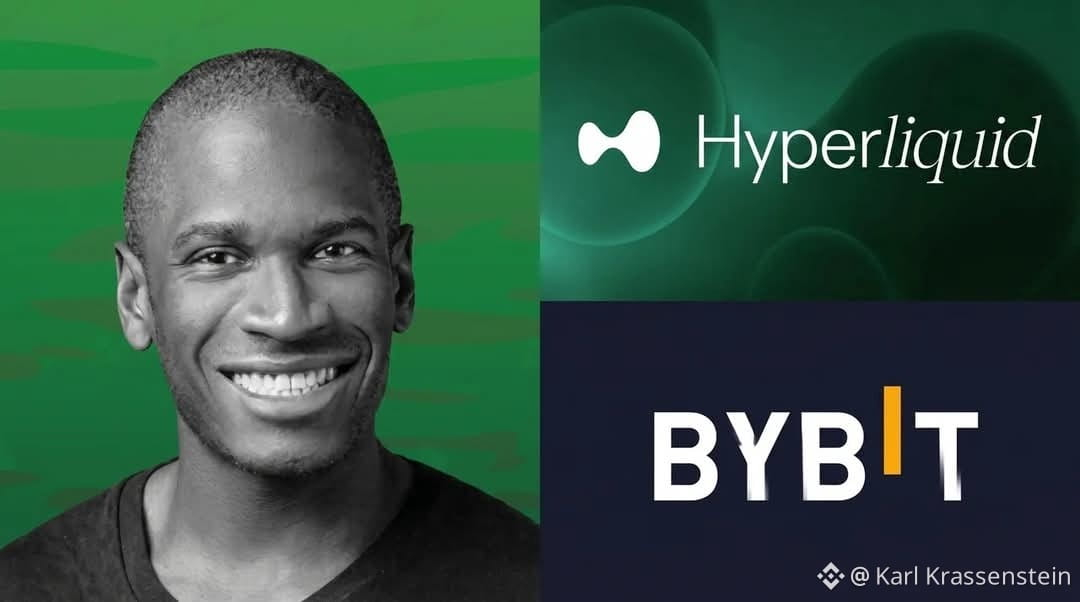
アーサー・ヘイズが公開で$HYPE が$150に到達するだろうと予想した。その後、彼にリンクされたウォレットが$6.3百万相当のHYPEを真っ直ぐにBybitに移動させた。
そのタイミングは無視できない。
オンチェーンデータによると、そのウォレットは約$6.33百万相当の115,453 $HYPE トークンをBybitに入金した。同じトークンはちょうど1ヶ月前に$39.58で引き出されており、そのウォレットは約$1.76百万の利益を抱えている。
彼は$150を予想した。その後、彼のバッグを取引所に移動させた。それをどう考えるかはあなた次第。
#Hyperliquid $HYPE
{future}(HYPEUSDT)
アーサー・ヘイズが公開で$HYPE が$150に到達するだろうと予想した。その後、彼にリンクされたウォレットが$6.3百万相当のHYPEを真っ直ぐにBybitに移動させた。
そのタイミングは無視できない。
オンチェーンデータによると、そのウォレットは約$6.33百万相当の115,453 $HYPE トークンをBybitに入金した。同じトークンはちょうど1ヶ月前に$39.58で引き出されており、そのウォレットは約$1.76百万の利益を抱えている。
彼は$150を予想した。その後、彼のバッグを取引所に移動させた。それをどう考えるかはあなた次第。
#Hyperliquid $HYPE
そのタイミングは無視できない。
オンチェーンデータによると、そのウォレットは約$6.33百万相当の115,453 $HYPE トークンをBybitに入金した。同じトークンはちょうど1ヶ月前に$39.58で引き出されており、そのウォレットは約$1.76百万の利益を抱えている。
彼は$150を予想した。その後、彼のバッグを取引所に移動させた。それをどう考えるかはあなた次第。
#Hyperliquid $HYPE
73
ログインして、さらにコンテンツを読む
厳選トピックで世界の暗号資産トレーダーの仲間入り
⚡️ 暗号資産に関する最新かつ有益な情報が見つかります。
💬 世界最大の暗号資産取引所から信頼されています。
👍 認証を受けたクリエイターから、有益なインサイトを得られます。
メール / 電話番号