
MHD333
118 投稿

MHD333
報告
ユーザーをブロック
50 フォロー
58 フォロワー
116 いいね
投稿
すべて
引用
·
--
#dusk $DUSK @Dusk_Foundation
🚨Web3へ橋渡しするには、単なる基本的なスピード以上のものが必要です。絶対的な取引機密性と、厳格な規制遵守を同時に実現することが求められます。
🚀@Duskは、機関投資家向けの実世界資産(RWA)トークン化とコンプライアンスに対応した分散型金融のために設計された専用のレイヤー1プロトコルです。ゼロ知識暗号、簡潔なアテステーション(証明)によるコンセンサス、そしてネイティブのzkVMを搭載し、ネットワークは、規制要件を損なうことなく、機微な取引データを公開することもなく、監査可能な“デフォルトON”のプライバシーを提供します。
🚀プライバシー重視でコンプライアンスに準拠したブロックチェーンの機関導入が加速する中で、$DUSK は、オンチェーン上の安全な資本市場の未来を切り開き続けています。
#dusk
#dusk $DUSK @Dusk
🚨Web3へ橋渡しするには、単なる基本的なスピード以上のものが必要です。絶対的な取引機密性と、厳格な規制遵守を同時に実現することが求められます。
🚀@Duskは、機関投資家向けの実世界資産(RWA)トークン化とコンプライアンスに対応した分散型金融のために設計された専用のレイヤー1プロトコルです。ゼロ知識暗号、簡潔なアテステーション(証明)によるコンセンサス、そしてネイティブのzkVMを搭載し、ネットワークは、規制要件を損なうことなく、機微な取引データを公開することもなく、監査可能な“デフォルトON”のプライバシーを提供します。
🚀プライバシー重視でコンプライアンスに準拠したブロックチェーンの機関導入が加速する中で、$DUSK は、オンチェーン上の安全な資本市場の未来を切り開き続けています。
#dusk
🚨Web3へ橋渡しするには、単なる基本的なスピード以上のものが必要です。絶対的な取引機密性と、厳格な規制遵守を同時に実現することが求められます。
🚀@Duskは、機関投資家向けの実世界資産(RWA)トークン化とコンプライアンスに対応した分散型金融のために設計された専用のレイヤー1プロトコルです。ゼロ知識暗号、簡潔なアテステーション(証明)によるコンセンサス、そしてネイティブのzkVMを搭載し、ネットワークは、規制要件を損なうことなく、機微な取引データを公開することもなく、監査可能な“デフォルトON”のプライバシーを提供します。
🚀プライバシー重視でコンプライアンスに準拠したブロックチェーンの機関導入が加速する中で、$DUSK は、オンチェーン上の安全な資本市場の未来を切り開き続けています。
#dusk
71
·
--
ブリッシュ
$BTC 7 USDTを保有
🚨最近の暗号資産市場のラリー――ビットコインが$71,000を超えて急騰し、主要アルトコインでも市場全体が上昇した――は、いくつかの重要なマクロ経済イベント、規制の変化、市場メカニズムの組み合わせによって押し上げられました:
🎯 米国債ロングデータ買い戻し:米国財務省は、長期債の買い戻しを20億ドルから40億ドルに倍増すると発表しました。これにより国債利回りが低下し、米ドルが弱含みとなり、暗号資産のようなリスクの高い資産への流動性と投資家の意欲が高まりました。
🎯 巨大なショートの清算($2.7Bのスクイーズ):記録的なショート・スクイーズが発生しました。1時間の間に10億ドル超のショートポジションが清算され、その結果として強制的な買いが発生し、価格が急速に押し上げられました。
🎯 ホワイトハウスでの暗号資産トーク & 法的進展:CLARITY Actを後押しするため、ホワイトハウスで主要な暗号資産企業幹部を交えたハイレベルの協議が行われました。さらにSECは、新たな提案ガイドライン(「Regulation Crypto Assets」)を導入し、機関投資家の参入に向けたより明確なルールを示しました。
🎯 機関投資家のETF流入 & クジラの蓄積:米国の現物ETFに大きな機関資金が流入しました(単一日でBTC ETFが5億1700万ドル、ETH ETFが1億8900万ドル)。一方で、大型の暗号資産クジラはここ数週間でビットコインを約30億ドル分蓄積しています。#USGovernment #coinbase #BTC $BTC
🚨最近の暗号資産市場のラリー――ビットコインが$71,000を超えて急騰し、主要アルトコインでも市場全体が上昇した――は、いくつかの重要なマクロ経済イベント、規制の変化、市場メカニズムの組み合わせによって押し上げられました:
🎯 米国債ロングデータ買い戻し:米国財務省は、長期債の買い戻しを20億ドルから40億ドルに倍増すると発表しました。これにより国債利回りが低下し、米ドルが弱含みとなり、暗号資産のようなリスクの高い資産への流動性と投資家の意欲が高まりました。
🎯 巨大なショートの清算($2.7Bのスクイーズ):記録的なショート・スクイーズが発生しました。1時間の間に10億ドル超のショートポジションが清算され、その結果として強制的な買いが発生し、価格が急速に押し上げられました。
🎯 ホワイトハウスでの暗号資産トーク & 法的進展:CLARITY Actを後押しするため、ホワイトハウスで主要な暗号資産企業幹部を交えたハイレベルの協議が行われました。さらにSECは、新たな提案ガイドライン(「Regulation Crypto Assets」)を導入し、機関投資家の参入に向けたより明確なルールを示しました。
🎯 機関投資家のETF流入 & クジラの蓄積:米国の現物ETFに大きな機関資金が流入しました(単一日でBTC ETFが5億1700万ドル、ETH ETFが1億8900万ドル)。一方で、大型の暗号資産クジラはここ数週間でビットコインを約30億ドル分蓄積しています。#USGovernment #coinbase #BTC $BTC
🎯 米国債ロングデータ買い戻し:米国財務省は、長期債の買い戻しを20億ドルから40億ドルに倍増すると発表しました。これにより国債利回りが低下し、米ドルが弱含みとなり、暗号資産のようなリスクの高い資産への流動性と投資家の意欲が高まりました。
🎯 巨大なショートの清算($2.7Bのスクイーズ):記録的なショート・スクイーズが発生しました。1時間の間に10億ドル超のショートポジションが清算され、その結果として強制的な買いが発生し、価格が急速に押し上げられました。
🎯 ホワイトハウスでの暗号資産トーク & 法的進展:CLARITY Actを後押しするため、ホワイトハウスで主要な暗号資産企業幹部を交えたハイレベルの協議が行われました。さらにSECは、新たな提案ガイドライン(「Regulation Crypto Assets」)を導入し、機関投資家の参入に向けたより明確なルールを示しました。
🎯 機関投資家のETF流入 & クジラの蓄積:米国の現物ETFに大きな機関資金が流入しました(単一日でBTC ETFが5億1700万ドル、ETH ETFが1億8900万ドル)。一方で、大型の暗号資産クジラはここ数週間でビットコインを約30億ドル分蓄積しています。#USGovernment #coinbase #BTC $BTC
77
·
--
#dusk $DUSK @Dusk_Foundation .
🚀 TradFi と DeFi をブリッジする機関投資家向けのプライバシー
実世界資産(RWA)のトークン化が Web3 の中で勢いを増す一方で、機関投資家の導入には大きなボトルネックが残っています。すなわち、パブリック・ブロックチェーンの透明性と、厳格な規制上の機密性を両立させることです。
まさにその課題こそが @Dusk が得意とするところです。
規制対象の金融市場のために特化して設計されたプライバシー最優先の Layer-1 として、@Dusk はネイティブのゼロ知識証明(ZKP)と Piecrust VM を活用し、機密性が高く、準拠した、かつコスト効率の良いスマートコントラクトを可能にします。取引ポジションが完全に公開されてしまう標準的なパブリックチェーンとは異なり、また、コンプライアンス規則を破ってしまうような不透明なプライバシープロトコルとも違い、$DUSK は選択的な監査可能性を提供します。金融機関が機密性の高い残高や取引のメタデータを安全に保ちながら、証券をトークン化できるようにするのです。
NPEX のような証券取引所パートナーと連携して規制対象証券をトークン化するなどの実世界での導入や、即時決済の能力を通じて、$DUSK はグローバル金融の次世代を支える基盤インフラを築いています。
プライバシーに準拠した資産トークン化の未来は、いまこの瞬間 #dusk で起きています! 🌐✨
#dusk $DUSK @Dusk .
🚀 TradFi と DeFi をブリッジする機関投資家向けのプライバシー
実世界資産(RWA)のトークン化が Web3 の中で勢いを増す一方で、機関投資家の導入には大きなボトルネックが残っています。すなわち、パブリック・ブロックチェーンの透明性と、厳格な規制上の機密性を両立させることです。
まさにその課題こそが @Dusk が得意とするところです。
規制対象の金融市場のために特化して設計されたプライバシー最優先の Layer-1 として、@Dusk はネイティブのゼロ知識証明(ZKP)と Piecrust VM を活用し、機密性が高く、準拠した、かつコスト効率の良いスマートコントラクトを可能にします。取引ポジションが完全に公開されてしまう標準的なパブリックチェーンとは異なり、また、コンプライアンス規則を破ってしまうような不透明なプライバシープロトコルとも違い、$DUSK は選択的な監査可能性を提供します。金融機関が機密性の高い残高や取引のメタデータを安全に保ちながら、証券をトークン化できるようにするのです。
NPEX のような証券取引所パートナーと連携して規制対象証券をトークン化するなどの実世界での導入や、即時決済の能力を通じて、$DUSK はグローバル金融の次世代を支える基盤インフラを築いています。
プライバシーに準拠した資産トークン化の未来は、いまこの瞬間 #dusk で起きています! 🌐✨
🚀 TradFi と DeFi をブリッジする機関投資家向けのプライバシー
実世界資産(RWA)のトークン化が Web3 の中で勢いを増す一方で、機関投資家の導入には大きなボトルネックが残っています。すなわち、パブリック・ブロックチェーンの透明性と、厳格な規制上の機密性を両立させることです。
まさにその課題こそが @Dusk が得意とするところです。
規制対象の金融市場のために特化して設計されたプライバシー最優先の Layer-1 として、@Dusk はネイティブのゼロ知識証明(ZKP)と Piecrust VM を活用し、機密性が高く、準拠した、かつコスト効率の良いスマートコントラクトを可能にします。取引ポジションが完全に公開されてしまう標準的なパブリックチェーンとは異なり、また、コンプライアンス規則を破ってしまうような不透明なプライバシープロトコルとも違い、$DUSK は選択的な監査可能性を提供します。金融機関が機密性の高い残高や取引のメタデータを安全に保ちながら、証券をトークン化できるようにするのです。
NPEX のような証券取引所パートナーと連携して規制対象証券をトークン化するなどの実世界での導入や、即時決済の能力を通じて、$DUSK はグローバル金融の次世代を支える基盤インフラを築いています。
プライバシーに準拠した資産トークン化の未来は、いまこの瞬間 #dusk で起きています! 🌐✨
70
·
--
弱気相場
$#dusk $DUSK
📢 有料パートナーシップ
従来型の金融とWeb3をつなぐには、単なる基本的な透明性以上のものが必要です。厳格な規制遵守と、機関レベルのプライバシーを両立させることが求められます。$DUSK
{spot}(DUSKUSDT)
$#dusk $DUSK
📢 有料パートナーシップ
従来型の金融とWeb3をつなぐには、単なる基本的な透明性以上のものが必要です。厳格な規制遵守と、機関レベルのプライバシーを両立させることが求められます。$DUSK
📢 有料パートナーシップ
従来型の金融とWeb3をつなぐには、単なる基本的な透明性以上のものが必要です。厳格な規制遵守と、機関レベルのプライバシーを両立させることが求められます。$DUSK
56
·
--
機関投資家向けの金融をWeb3インフラと統合するには、厳格なプライバシーと規制コンプライアンスが必要です機関投資家向けの金融をWeb3インフラと統合するには、厳格なプライバシーと規制コンプライアンスが必要です。@Duskは、目的に合わせて設計されたレイヤー1アーキテクチャにより、この課題に直接取り組みます。
$DUSK <t-2/enables 既定で、現実世界資産(RWA)のトークン化を可能にします。ゼロ知識証明(ZKPs)とシタデルのデジタルアイデンティティ・プロトコルを基盤に、@Duskは、MiCAなどの世界的な基準に準拠しつつ取引のプライバシーを維持できるようにします。
主要な構造的ハイライトには以下が含まれます:
機関投資家向けの金融をWeb3インフラと統合するには、厳格なプライバシーと規制コンプライアンスが必要です
機関投資家向けの金融をWeb3インフラと統合するには、厳格なプライバシーと規制コンプライアンスが必要です。@Duskは、目的に合わせて設計されたレイヤー1アーキテクチャにより、この課題に直接取り組みます。
$DUSK <t-2/enables 既定で、現実世界資産(RWA)のトークン化を可能にします。ゼロ知識証明(ZKPs)とシタデルのデジタルアイデンティティ・プロトコルを基盤に、@Duskは、MiCAなどの世界的な基準に準拠しつつ取引のプライバシーを維持できるようにします。
主要な構造的ハイライトには以下が含まれます:
$DUSK <t-2/enables 既定で、現実世界資産(RWA)のトークン化を可能にします。ゼロ知識証明(ZKPs)とシタデルのデジタルアイデンティティ・プロトコルを基盤に、@Duskは、MiCAなどの世界的な基準に準拠しつつ取引のプライバシーを維持できるようにします。
主要な構造的ハイライトには以下が含まれます:
59
·
--
🛑機関投資家のためのインスティテューショナル・ファイナンスをWeb3インフラと統合するには、厳格なプライバシーと規制遵守が必要です。@Duskは、目的に合わせて設計されたLayer 1アーキテクチャにより、この課題に正面から取り組みます。
$DUSK は、デフォルトで準拠した現実世界資産(RWA)のトークン化を可能にします。Zero-Knowledge Proofs(ZKP)と、CitadelのデジタルIDプロトコルにより強化された@Duskは、MiCAなどのグローバル基準に適合したまま、取引の秘匿性を維持できます。
⭐️主な構造的ハイライトは以下のとおりです:
• デュアルモード・台帳:秘匿(Phoenix)と公開(Moonlight)の取引間のスムーズな移行を可能にします。
• 簡潔なアテステーション・コンセンサス:機関投資家の取引に必要な、決定的で高速な決済ファイナリティを提供します。
• DuskEVM:機密性のあるスマートコントラクト実行を可能にするネイティブEVM互換。
資産のトークン化が従来の金融システムへと広がる中で、@Duskは、プライベートで監査に備えたWeb3インフラのための基盤レイヤーを提供します。
#dusk $DUSK
{spot}(DUSKUSDT)
🛑機関投資家のためのインスティテューショナル・ファイナンスをWeb3インフラと統合するには、厳格なプライバシーと規制遵守が必要です。@Duskは、目的に合わせて設計されたLayer 1アーキテクチャにより、この課題に正面から取り組みます。
$DUSK は、デフォルトで準拠した現実世界資産(RWA)のトークン化を可能にします。Zero-Knowledge Proofs(ZKP)と、CitadelのデジタルIDプロトコルにより強化された@Duskは、MiCAなどのグローバル基準に適合したまま、取引の秘匿性を維持できます。
⭐️主な構造的ハイライトは以下のとおりです:
• デュアルモード・台帳:秘匿(Phoenix)と公開(Moonlight)の取引間のスムーズな移行を可能にします。
• 簡潔なアテステーション・コンセンサス:機関投資家の取引に必要な、決定的で高速な決済ファイナリティを提供します。
• DuskEVM:機密性のあるスマートコントラクト実行を可能にするネイティブEVM互換。
資産のトークン化が従来の金融システムへと広がる中で、@Duskは、プライベートで監査に備えたWeb3インフラのための基盤レイヤーを提供します。
#dusk $DUSK
$DUSK は、デフォルトで準拠した現実世界資産(RWA)のトークン化を可能にします。Zero-Knowledge Proofs(ZKP)と、CitadelのデジタルIDプロトコルにより強化された@Duskは、MiCAなどのグローバル基準に適合したまま、取引の秘匿性を維持できます。
⭐️主な構造的ハイライトは以下のとおりです:
• デュアルモード・台帳:秘匿(Phoenix)と公開(Moonlight)の取引間のスムーズな移行を可能にします。
• 簡潔なアテステーション・コンセンサス:機関投資家の取引に必要な、決定的で高速な決済ファイナリティを提供します。
• DuskEVM:機密性のあるスマートコントラクト実行を可能にするネイティブEVM互換。
資産のトークン化が従来の金融システムへと広がる中で、@Duskは、プライベートで監査に備えたWeb3インフラのための基盤レイヤーを提供します。
#dusk $DUSK
86
·
--
ブリッシュ
#dusk $DUSK
🚀 TradFi と DeFi を機関投資家向けのプライバシーでブリッジする
実世界資産(RWA)のトークン化が Web3 を中心に勢いを増す一方で、機関投資家の導入はいまだ大きなボトルネックに直面しています。つまり、パブリック・ブロックチェーンの透明性と、厳格な規制上の機密保持とのバランスを取ることです。
まさにその領域で @Dusk が輝きます。
規制対象の金融市場のために、プライバシー重視の Layer-1 として設計された @Dusk は、ネイティブのゼロ知識証明(ZKP)と Piecrust VM を活用し、機密性を備えたコンプライアンス対応かつコスト効率の高いスマートコントラクトを可能にします。取引ポジションが完全に公開される標準的なパブリックチェーンや、コンプライアンス要件を破ってしまうような秘匿プロトコルとは異なり、$DUSK は選択的な監査可能性を提供します。これにより、金融機関は機密性の高い残高や取引メタデータを安全に保ちながら証券をトークン化できます。
NPEX のような証券取引所パートナーと提携して規制対象の証券をトークン化するなど、実世界での導入や即時決済機能により、$DUSK はグローバル・ファイナンスの次世代に向けた中核インフラを築いています。
プライバシーに準拠した資産トークン化の未来は、今この瞬間に #dusk で起きています
#dusk $DUSK
🚀 TradFi と DeFi を機関投資家向けのプライバシーでブリッジする
実世界資産(RWA)のトークン化が Web3 を中心に勢いを増す一方で、機関投資家の導入はいまだ大きなボトルネックに直面しています。つまり、パブリック・ブロックチェーンの透明性と、厳格な規制上の機密保持とのバランスを取ることです。
まさにその領域で @Dusk が輝きます。
規制対象の金融市場のために、プライバシー重視の Layer-1 として設計された @Dusk は、ネイティブのゼロ知識証明(ZKP)と Piecrust VM を活用し、機密性を備えたコンプライアンス対応かつコスト効率の高いスマートコントラクトを可能にします。取引ポジションが完全に公開される標準的なパブリックチェーンや、コンプライアンス要件を破ってしまうような秘匿プロトコルとは異なり、$DUSK は選択的な監査可能性を提供します。これにより、金融機関は機密性の高い残高や取引メタデータを安全に保ちながら証券をトークン化できます。
NPEX のような証券取引所パートナーと提携して規制対象の証券をトークン化するなど、実世界での導入や即時決済機能により、$DUSK はグローバル・ファイナンスの次世代に向けた中核インフラを築いています。
プライバシーに準拠した資産トークン化の未来は、今この瞬間に #dusk で起きています
🚀 TradFi と DeFi を機関投資家向けのプライバシーでブリッジする
実世界資産(RWA)のトークン化が Web3 を中心に勢いを増す一方で、機関投資家の導入はいまだ大きなボトルネックに直面しています。つまり、パブリック・ブロックチェーンの透明性と、厳格な規制上の機密保持とのバランスを取ることです。
まさにその領域で @Dusk が輝きます。
規制対象の金融市場のために、プライバシー重視の Layer-1 として設計された @Dusk は、ネイティブのゼロ知識証明(ZKP)と Piecrust VM を活用し、機密性を備えたコンプライアンス対応かつコスト効率の高いスマートコントラクトを可能にします。取引ポジションが完全に公開される標準的なパブリックチェーンや、コンプライアンス要件を破ってしまうような秘匿プロトコルとは異なり、$DUSK は選択的な監査可能性を提供します。これにより、金融機関は機密性の高い残高や取引メタデータを安全に保ちながら証券をトークン化できます。
NPEX のような証券取引所パートナーと提携して規制対象の証券をトークン化するなど、実世界での導入や即時決済機能により、$DUSK はグローバル・ファイナンスの次世代に向けた中核インフラを築いています。
プライバシーに準拠した資産トークン化の未来は、今この瞬間に #dusk で起きています
57
·
--
ブリッシュ
#dusk $DUSK
🚀 TradFi と DeFi を機関レベルのプライバシーで橋渡し
♦️現実世界資産(RWA)のトークン化が Web3 で勢いを増す一方で、機関投資家の導入には依然として大きなボトルネックがあります。すなわち、パブリック・ブロックチェーンの透明性と、厳格な規制上の機密性を両立することです。
♦️まさにそこに @Dusk が輝きます。
♦️規制対象の金融市場向けに特化して設計された、プライバシー重視の Layer-1 ブロックチェーンとして、@Dusk はネイティブのゼロ知識証明(ZKPs)と Piecrust VM を活用し、機密性があり、コンプライアンスに適合し、かつコスト効率の高いスマートコントラクトを実現します。売買ポジションが完全に公開される一般的なパブリックチェーンや、コンプライアンス規則を破ってしまうような不透明なプライバシープロトコルとは異なり、$DUSK は選択的な監査可能性を提供します。金融機関が、機微な残高および取引メタデータを安全に保ったまま証券をトークン化できるようにします。
♦️証券取引所パートナー(NPEX など)と連携して規制済み証券をトークン化するなどの実社会での導入や、即時決済機能により、$DUSK は次世代のグローバル金融のための中核インフラを構築しています。
♦️プライバシーに準拠した資産トークン化の未来は、今この瞬間 #dusk で起きています。
{spot}(DUSKUSDT)
#dusk $DUSK
🚀 TradFi と DeFi を機関レベルのプライバシーで橋渡し
♦️現実世界資産(RWA)のトークン化が Web3 で勢いを増す一方で、機関投資家の導入には依然として大きなボトルネックがあります。すなわち、パブリック・ブロックチェーンの透明性と、厳格な規制上の機密性を両立することです。
♦️まさにそこに @Dusk が輝きます。
♦️規制対象の金融市場向けに特化して設計された、プライバシー重視の Layer-1 ブロックチェーンとして、@Dusk はネイティブのゼロ知識証明(ZKPs)と Piecrust VM を活用し、機密性があり、コンプライアンスに適合し、かつコスト効率の高いスマートコントラクトを実現します。売買ポジションが完全に公開される一般的なパブリックチェーンや、コンプライアンス規則を破ってしまうような不透明なプライバシープロトコルとは異なり、$DUSK は選択的な監査可能性を提供します。金融機関が、機微な残高および取引メタデータを安全に保ったまま証券をトークン化できるようにします。
♦️証券取引所パートナー(NPEX など)と連携して規制済み証券をトークン化するなどの実社会での導入や、即時決済機能により、$DUSK は次世代のグローバル金融のための中核インフラを構築しています。
♦️プライバシーに準拠した資産トークン化の未来は、今この瞬間 #dusk で起きています。
🚀 TradFi と DeFi を機関レベルのプライバシーで橋渡し
♦️現実世界資産(RWA)のトークン化が Web3 で勢いを増す一方で、機関投資家の導入には依然として大きなボトルネックがあります。すなわち、パブリック・ブロックチェーンの透明性と、厳格な規制上の機密性を両立することです。
♦️まさにそこに @Dusk が輝きます。
♦️規制対象の金融市場向けに特化して設計された、プライバシー重視の Layer-1 ブロックチェーンとして、@Dusk はネイティブのゼロ知識証明(ZKPs)と Piecrust VM を活用し、機密性があり、コンプライアンスに適合し、かつコスト効率の高いスマートコントラクトを実現します。売買ポジションが完全に公開される一般的なパブリックチェーンや、コンプライアンス規則を破ってしまうような不透明なプライバシープロトコルとは異なり、$DUSK は選択的な監査可能性を提供します。金融機関が、機微な残高および取引メタデータを安全に保ったまま証券をトークン化できるようにします。
♦️証券取引所パートナー(NPEX など)と連携して規制済み証券をトークン化するなどの実社会での導入や、即時決済機能により、$DUSK は次世代のグローバル金融のための中核インフラを構築しています。
♦️プライバシーに準拠した資産トークン化の未来は、今この瞬間 #dusk で起きています。
72
·
--
ブリッシュ
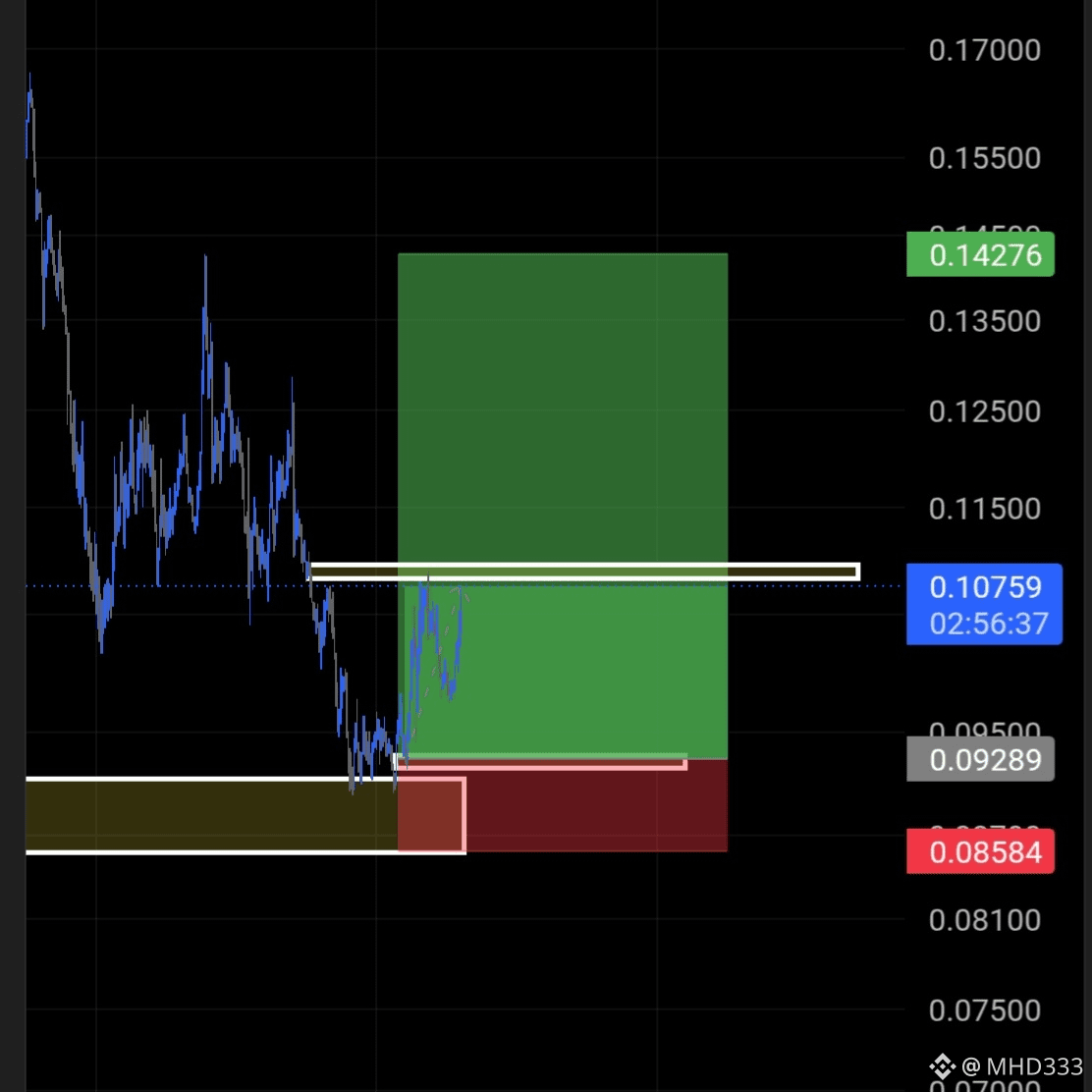
🚀 KITE/USDT テクニカル分析&短期戦略 🚀$KITE
概要:
KITE/USDTは現在、$0.09〜$0.10のゾーンで取引されています。RSIは中立付近(45〜50)で推移しており、値動きは主要移動平均線を下回る短期のレンジ(もみ合い)を示しています。
📊 主要テクニカルレベル:
主要サポート:$0.090〜$0.098
主要レジスタンス:$0.108〜$0.120
🎯 取引プラン:
📥 エントリーゾーン:$0.093〜$0.098(押し目で分割して積み増し)
🎯 目標1(短期):$0.108(約8%〜10%の利益)
🎯 目標2(中期):$0.120(約20%〜22%の利益)
🚀 目標3(ブレイクアウト):$0.135
🛑 ストップロス:$0.088(ローソク足が $KITE #AI
{spot}(KITEUSDT) の下で終値確定した場合は撤退)
🚀 KITE/USDT テクニカル分析&短期戦略 🚀$KITE
概要:
KITE/USDTは現在、$0.09〜$0.10のゾーンで取引されています。RSIは中立付近(45〜50)で推移しており、値動きは主要移動平均線を下回る短期のレンジ(もみ合い)を示しています。
📊 主要テクニカルレベル:
主要サポート:$0.090〜$0.098
主要レジスタンス:$0.108〜$0.120
🎯 取引プラン:
📥 エントリーゾーン:$0.093〜$0.098(押し目で分割して積み増し)
🎯 目標1(短期):$0.108(約8%〜10%の利益)
🎯 目標2(中期):$0.120(約20%〜22%の利益)
🚀 目標3(ブレイクアウト):$0.135
🛑 ストップロス:$0.088(ローソク足が $KITE #AI の下で終値確定した場合は撤退)
概要:
KITE/USDTは現在、$0.09〜$0.10のゾーンで取引されています。RSIは中立付近(45〜50)で推移しており、値動きは主要移動平均線を下回る短期のレンジ(もみ合い)を示しています。
📊 主要テクニカルレベル:
主要サポート:$0.090〜$0.098
主要レジスタンス:$0.108〜$0.120
🎯 取引プラン:
📥 エントリーゾーン:$0.093〜$0.098(押し目で分割して積み増し)
🎯 目標1(短期):$0.108(約8%〜10%の利益)
🎯 目標2(中期):$0.120(約20%〜22%の利益)
🚀 目標3(ブレイクアウト):$0.135
🛑 ストップロス:$0.088(ローソク足が $KITE #AI の下で終値確定した場合は撤退)
87
·
--
ブリッシュ
📢教育&BTCFiフォーカス
🌟従来のBTCFiは、ラップトトークンやサードパーティのカストディ(管理)に大きく依存しており、中央集権的なブリッジに伴うリスクがありました。 @BabylonLabs_io のTrustless Bitcoin Vaults(TBV)により、ネイティブのBTCを、ブリッジをビットコインのレイヤーから外すことなく、またセルフカストディを手放すことなく、DeFiプロトコル上の担保として直接利用できるようになりました。これは、$BABY エコシステムの成長にとってゲームチェンジャーです!#baby
$BABY
{spot}(BABYUSDT)
📢教育&BTCFiフォーカス
🌟従来のBTCFiは、ラップトトークンやサードパーティのカストディ(管理)に大きく依存しており、中央集権的なブリッジに伴うリスクがありました。 @BabylonLabs_io のTrustless Bitcoin Vaults(TBV)により、ネイティブのBTCを、ブリッジをビットコインのレイヤーから外すことなく、またセルフカストディを手放すことなく、DeFiプロトコル上の担保として直接利用できるようになりました。これは、$BABY エコシステムの成長にとってゲームチェンジャーです!#baby
$BABY
🌟従来のBTCFiは、ラップトトークンやサードパーティのカストディ(管理)に大きく依存しており、中央集権的なブリッジに伴うリスクがありました。 @BabylonLabs_io のTrustless Bitcoin Vaults(TBV)により、ネイティブのBTCを、ブリッジをビットコインのレイヤーから外すことなく、またセルフカストディを手放すことなく、DeFiプロトコル上の担保として直接利用できるようになりました。これは、$BABY エコシステムの成長にとってゲームチェンジャーです!#baby
$BABY
73
·
--
弱気相場
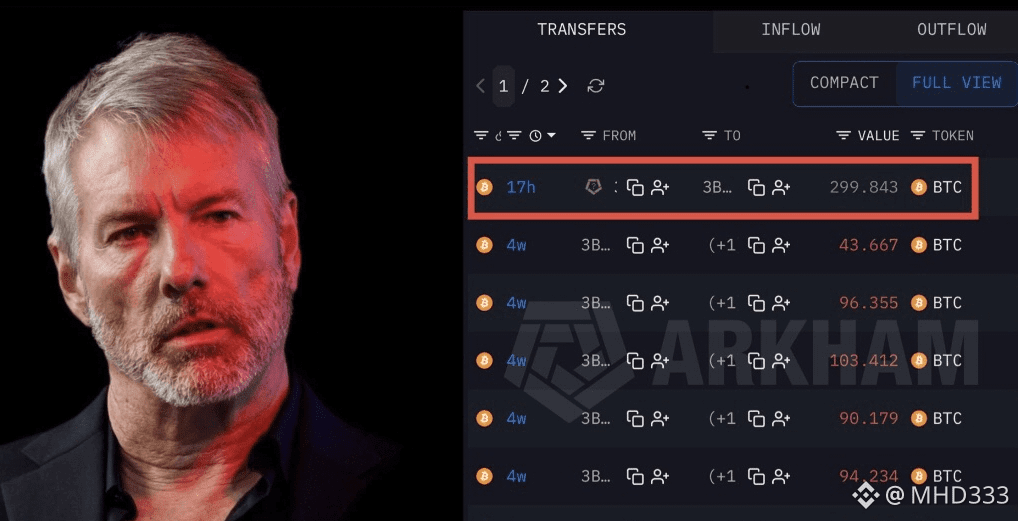
🚨マイケル・セイラーの戦略が $BTC を新しいウォレットに 1,891万ドル移しました。
彼らは先月も同じことをして、その後ビットコインを2億1600万ドル分投げ売りしました。
セイラーはまた売っているのでしょうか? $BTC #MicroStrategy
🚨マイケル・セイラーの戦略が $BTC を新しいウォレットに 1,891万ドル移しました。
彼らは先月も同じことをして、その後ビットコインを2億1600万ドル分投げ売りしました。
セイラーはまた売っているのでしょうか? $BTC #MicroStrategy
彼らは先月も同じことをして、その後ビットコインを2億1600万ドル分投げ売りしました。
セイラーはまた売っているのでしょうか? $BTC #MicroStrategy
95
·
--
ブリッシュ
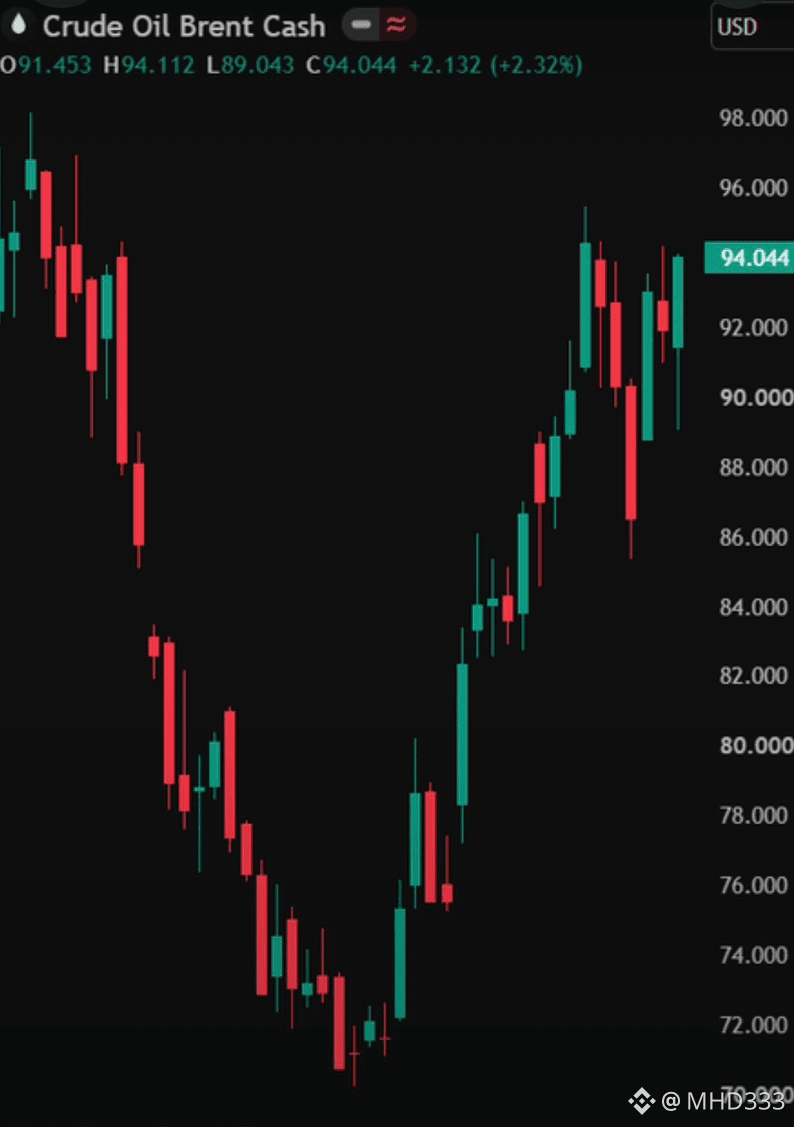
🚨ブレント原油が94ドルを上回って急騰し、5週間で7月の安値68ドルから約38%上昇しています。
これは、イランが「ホルムズ海峡は閉鎖のままになる」と述べたことによるもので、海峡を「完全に再開」するための枠組みが到達したというトランプの主張と真っ向から矛盾しています。$BZ #OilMarket
🚨ブレント原油が94ドルを上回って急騰し、5週間で7月の安値68ドルから約38%上昇しています。
これは、イランが「ホルムズ海峡は閉鎖のままになる」と述べたことによるもので、海峡を「完全に再開」するための枠組みが到達したというトランプの主張と真っ向から矛盾しています。$BZ #OilMarket
これは、イランが「ホルムズ海峡は閉鎖のままになる」と述べたことによるもので、海峡を「完全に再開」するための枠組みが到達したというトランプの主張と真っ向から矛盾しています。$BZ #OilMarket

65
·
--
ブリッシュ
#baby $BABY
♦️ラップド・ビットコイン・リスクの終焉
BTCをネイティブに使えるなら、なぜブリッジ(橋渡し)やラップ(ラップド化)が必要なのでしょうか?Trustless Bitcoin Vaults(TBV)により、@BabylonLabs_io はビットコインをビットコインL1ネットワーク上で直接担保として機能させます。暗号学的なゼロ知識証明とTaproot UTXOによって支えられ、中央集権的なカストディ(預託)や危険なクロスチェーン・ブリッジに頼ることなく、本当のセルフカストディを維持できます。$BABY が、眠っている巨額の資本を解き放とうとしています!#baby #Babylon $BABY
{spot}(BABYUSDT)
#baby $BABY
♦️ラップド・ビットコイン・リスクの終焉
BTCをネイティブに使えるなら、なぜブリッジ(橋渡し)やラップ(ラップド化)が必要なのでしょうか?Trustless Bitcoin Vaults(TBV)により、@BabylonLabs_io はビットコインをビットコインL1ネットワーク上で直接担保として機能させます。暗号学的なゼロ知識証明とTaproot UTXOによって支えられ、中央集権的なカストディ(預託)や危険なクロスチェーン・ブリッジに頼ることなく、本当のセルフカストディを維持できます。$BABY が、眠っている巨額の資本を解き放とうとしています!#baby #Babylon $BABY
♦️ラップド・ビットコイン・リスクの終焉
BTCをネイティブに使えるなら、なぜブリッジ(橋渡し)やラップ(ラップド化)が必要なのでしょうか?Trustless Bitcoin Vaults(TBV)により、@BabylonLabs_io はビットコインをビットコインL1ネットワーク上で直接担保として機能させます。暗号学的なゼロ知識証明とTaproot UTXOによって支えられ、中央集権的なカストディ(預託)や危険なクロスチェーン・ブリッジに頼ることなく、本当のセルフカストディを維持できます。$BABY が、眠っている巨額の資本を解き放とうとしています!#baby #Babylon $BABY
79
·
--
ブリッシュ
🚨暗号資産にとってこれは重大です
トランプ大統領は倫理規定に同意し、現在、民主党に対して共和党と協力して「Clarity Act(明確化法案)」を「最終局面まで進める」よう促しています。
この法案が可決されれば、市場に数兆ドルが流れ込みます。$BTC #TrumpCrypto MHD33#
🚨暗号資産にとってこれは重大です
トランプ大統領は倫理規定に同意し、現在、民主党に対して共和党と協力して「Clarity Act(明確化法案)」を「最終局面まで進める」よう促しています。
この法案が可決されれば、市場に数兆ドルが流れ込みます。$BTC #TrumpCrypto MHD33#
トランプ大統領は倫理規定に同意し、現在、民主党に対して共和党と協力して「Clarity Act(明確化法案)」を「最終局面まで進める」よう促しています。
この法案が可決されれば、市場に数兆ドルが流れ込みます。$BTC #TrumpCrypto MHD33#
63
·
--
♦️AIオートメーションとオンチェーンのガードレールに注目
Web3におけるAIエージェントをめぐる物語は急速に広がっていますが、検証可能なガードレールなしでオートメーションを実行すると、大きなセキュリティ課題が生じます。有効なトランザクションだけでは不十分で、それらは完全に承認されている必要があります。Newton Mainnet Beta は、ポリシー駆動のトランザクション承認を導入することで、この問題を解決するために必要なインフラを構築しています。
Trusted Execution Environments(TEEs)とゼロ知識証明を組み合わせることで、開発者はオンチェーン上で正確な支出制限と運用権限を直接強制できます。これにより、自律型エージェントに明確な境界を与えつつ、分散化を犠牲にしません。この基盤となるセキュリティ層こそ、スケーラブルな自動取引に必要なものです。
@NewtonProtocol(https://www.binance.com/en/square/profile/newtonprotocol) と $NEWT のユーティリティに向けた楽しみなマイルストーンが待っています。 #Newt$NEWT # Newt#BinanceTurns9 MHD33#
♦️AIオートメーションとオンチェーンのガードレールに注目
Web3におけるAIエージェントをめぐる物語は急速に広がっていますが、検証可能なガードレールなしでオートメーションを実行すると、大きなセキュリティ課題が生じます。有効なトランザクションだけでは不十分で、それらは完全に承認されている必要があります。Newton Mainnet Beta は、ポリシー駆動のトランザクション承認を導入することで、この問題を解決するために必要なインフラを構築しています。
Trusted Execution Environments(TEEs)とゼロ知識証明を組み合わせることで、開発者はオンチェーン上で正確な支出制限と運用権限を直接強制できます。これにより、自律型エージェントに明確な境界を与えつつ、分散化を犠牲にしません。この基盤となるセキュリティ層こそ、スケーラブルな自動取引に必要なものです。
@NewtonProtocol(https://www.binance.com/en/square/profile/newtonprotocol) と $NEWT のユーティリティに向けた楽しみなマイルストーンが待っています。 #Newt$NEWT # Newt#BinanceTurns9 MHD33#
Web3におけるAIエージェントをめぐる物語は急速に広がっていますが、検証可能なガードレールなしでオートメーションを実行すると、大きなセキュリティ課題が生じます。有効なトランザクションだけでは不十分で、それらは完全に承認されている必要があります。Newton Mainnet Beta は、ポリシー駆動のトランザクション承認を導入することで、この問題を解決するために必要なインフラを構築しています。
Trusted Execution Environments(TEEs)とゼロ知識証明を組み合わせることで、開発者はオンチェーン上で正確な支出制限と運用権限を直接強制できます。これにより、自律型エージェントに明確な境界を与えつつ、分散化を犠牲にしません。この基盤となるセキュリティ層こそ、スケーラブルな自動取引に必要なものです。
@NewtonProtocol(https://www.binance.com/en/square/profile/newtonprotocol) と $NEWT のユーティリティに向けた楽しみなマイルストーンが待っています。 #Newt$NEWT # Newt#BinanceTurns9 MHD33#
59
·
--
🚨AIエージェントの境界とインテント駆動オートメーションのアーキテクチャ上の崩壊♦️現在、私たちは、手作業のユーザー主導によるオンチェーン実行から、自律的で意図(インテント)ベースのシステムへと大規模な産業転換が起きているのを目の当たりにしています。AIを搭載した取引エージェント、自動化されたリスク管理者、アルゴリズムによる流動性ファーマーの導入は、これまでにない資本効率を約束する一方で、大規模なセキュリティ脆弱性も同時に持ち込みます。ソフトウェアエージェントを使って複雑な金融ワークフローを、厳格で決定論的な境界なしに実行することは、システミック・リスク(連鎖的な危機)への招待状です。分散型の環境では、盲目的な信頼は存在できません。
🚨AIエージェントの境界とインテント駆動オートメーションのアーキテクチャ上の崩壊
♦️現在、私たちは、手作業のユーザー主導によるオンチェーン実行から、自律的で意図(インテント)ベースのシステムへと大規模な産業転換が起きているのを目の当たりにしています。AIを搭載した取引エージェント、自動化されたリスク管理者、アルゴリズムによる流動性ファーマーの導入は、これまでにない資本効率を約束する一方で、大規模なセキュリティ脆弱性も同時に持ち込みます。ソフトウェアエージェントを使って複雑な金融ワークフローを、厳格で決定論的な境界なしに実行することは、システミック・リスク(連鎖的な危機)への招待状です。分散型の環境では、盲目的な信頼は存在できません。
72
·
--
🚨中央集権的なコンプライアンスから「Compliance-as-Code」への転換を深掘りする
🚨分析的でインフラに焦点を当てた記事レイアウト。
Web3のスケーリングをめぐる物語は長らく、スループットやガス最適化に支配されてきました。しかし、まったく別の構造的なボトルネックが姿を現しています。それが「コンプライアンスと認可(オーソリゼーション)のギャップ」です。分散型金融(DeFi)が、機関投資家の資産や現実世界の資産(RWA)のトークン化とより深く統合されていく中で、取引の妥当性だけをもって実行の十分な指標とすることはもはや不十分になっています。取引は、標準的なネットワーク規則に従って暗号学的に有効であったとしても、機関のパラメータに照らすと、完全に認可されていない、またはコンプライアンスに適合していない可能性があります。
🚨中央集権的なコンプライアンスから「Compliance-as-Code」への転換を深掘りする
🚨分析的でインフラに焦点を当てた記事レイアウト。
Web3のスケーリングをめぐる物語は長らく、スループットやガス最適化に支配されてきました。しかし、まったく別の構造的なボトルネックが姿を現しています。それが「コンプライアンスと認可(オーソリゼーション)のギャップ」です。分散型金融(DeFi)が、機関投資家の資産や現実世界の資産(RWA)のトークン化とより深く統合されていく中で、取引の妥当性だけをもって実行の十分な指標とすることはもはや不十分になっています。取引は、標準的なネットワーク規則に従って暗号学的に有効であったとしても、機関のパラメータに照らすと、完全に認可されていない、またはコンプライアンスに適合していない可能性があります。
Web3のスケーリングをめぐる物語は長らく、スループットやガス最適化に支配されてきました。しかし、まったく別の構造的なボトルネックが姿を現しています。それが「コンプライアンスと認可(オーソリゼーション)のギャップ」です。分散型金融(DeFi)が、機関投資家の資産や現実世界の資産(RWA)のトークン化とより深く統合されていく中で、取引の妥当性だけをもって実行の十分な指標とすることはもはや不十分になっています。取引は、標準的なネットワーク規則に従って暗号学的に有効であったとしても、機関のパラメータに照らすと、完全に認可されていない、またはコンプライアンスに適合していない可能性があります。
60
·
--
#newt $NEWT
♦️AIオートメーションに注目&オンチェーン・ガードレール
🌟Web3におけるAIエージェントを巡る物語は急速に広がっていますが、検証可能なガードレールなしにオートメーションを実行すると、大きなセキュリティ課題が生じます。有効な取引であるだけでは不十分で、完全に認可されている必要があります。Newton Mainnet Betaは、ポリシー駆動型のトランザクション認可を導入することで、この問題を解決するために必要なインフラを構築しています。Trusted Execution Environments(TEEs)とゼロ知識証明を組み合わせることで、開発者はチェーン上で直接、正確な支出上限と運用権限を強制できます。これにより、分散性を損なうことなく、自律エージェントに明確な境界線を提供します。この基盤となるセキュリティレイヤーこそが、スケーラブルな自動取引に必要なものです。@NewtonProtocol(https://www.binance.com/en/square/profile/newtonprotocol)と $NEWT のユーティリティに、今後のわくわくするマイルストーンが待っています。 #Newt $NEWT #TRUMP
{spot}(NEWTUSDT)
#newt $NEWT
♦️AIオートメーションに注目&オンチェーン・ガードレール
🌟Web3におけるAIエージェントを巡る物語は急速に広がっていますが、検証可能なガードレールなしにオートメーションを実行すると、大きなセキュリティ課題が生じます。有効な取引であるだけでは不十分で、完全に認可されている必要があります。Newton Mainnet Betaは、ポリシー駆動型のトランザクション認可を導入することで、この問題を解決するために必要なインフラを構築しています。Trusted Execution Environments(TEEs)とゼロ知識証明を組み合わせることで、開発者はチェーン上で直接、正確な支出上限と運用権限を強制できます。これにより、分散性を損なうことなく、自律エージェントに明確な境界線を提供します。この基盤となるセキュリティレイヤーこそが、スケーラブルな自動取引に必要なものです。@NewtonProtocol(https://www.binance.com/en/square/profile/newtonprotocol)と $NEWT のユーティリティに、今後のわくわくするマイルストーンが待っています。 #Newt $NEWT #TRUMP
♦️AIオートメーションに注目&オンチェーン・ガードレール
🌟Web3におけるAIエージェントを巡る物語は急速に広がっていますが、検証可能なガードレールなしにオートメーションを実行すると、大きなセキュリティ課題が生じます。有効な取引であるだけでは不十分で、完全に認可されている必要があります。Newton Mainnet Betaは、ポリシー駆動型のトランザクション認可を導入することで、この問題を解決するために必要なインフラを構築しています。Trusted Execution Environments(TEEs)とゼロ知識証明を組み合わせることで、開発者はチェーン上で直接、正確な支出上限と運用権限を強制できます。これにより、分散性を損なうことなく、自律エージェントに明確な境界線を提供します。この基盤となるセキュリティレイヤーこそが、スケーラブルな自動取引に必要なものです。@NewtonProtocol(https://www.binance.com/en/square/profile/newtonprotocol)と $NEWT のユーティリティに、今後のわくわくするマイルストーンが待っています。 #Newt $NEWT #TRUMP
128
·
--
記事
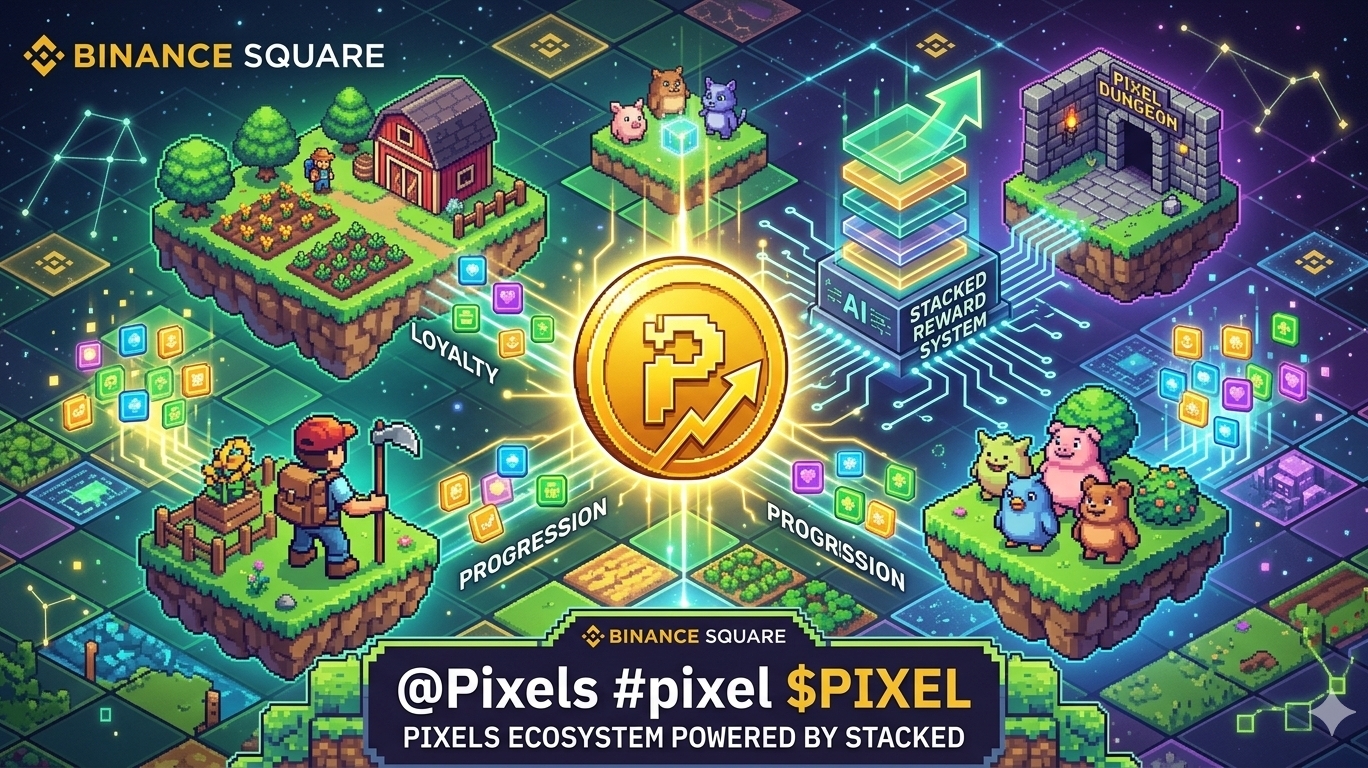
## Pixelsの進化:2026年にWeb3ゲームを再定義する「スタック」エコシステム
2026年が深まるにつれ## Pixelsの進化:2026年にWeb3ゲームを再定義する「スタック」エコシステム
2026年が深まるにつれ、Web3ゲームの風景は投機的な「クリックして稼ぐ」モデルから持続可能なゲームプレイ優先の経済へとシフトしています。この進化の最前線には、革新的な**スタックエコシステム**を通じてマルチゲームのパワーハウスに成長した**@Pixels**があります。
### 農業から産業拡張へ
**チャプター3:産業拡張**の展開により、Pixelsはソーシャル農業RPGとしての起源をはるかに超えました。プレイヤーはもはやテラビラで作物を収穫するだけではなく、複雑なサプライチェーンを管理し、高リスクのギルドトレードに参加しています。**スタック**報酬インフラの統合はゲームチェンジャーです。このAI駆動エンジンにより、外部スタジオがPixels経済に接続でき、プレイヤーの努力が複数のタイトルで報われる統一ネットワークが構築されています。
## Pixelsの進化:2026年にWeb3ゲームを再定義する「スタック」エコシステム 2026年が深まるにつれ
## Pixelsの進化:2026年にWeb3ゲームを再定義する「スタック」エコシステム
2026年が深まるにつれ、Web3ゲームの風景は投機的な「クリックして稼ぐ」モデルから持続可能なゲームプレイ優先の経済へとシフトしています。この進化の最前線には、革新的な**スタックエコシステム**を通じてマルチゲームのパワーハウスに成長した**@Pixels**があります。
### 農業から産業拡張へ
**チャプター3:産業拡張**の展開により、Pixelsはソーシャル農業RPGとしての起源をはるかに超えました。プレイヤーはもはやテラビラで作物を収穫するだけではなく、複雑なサプライチェーンを管理し、高リスクのギルドトレードに参加しています。**スタック**報酬インフラの統合はゲームチェンジャーです。このAI駆動エンジンにより、外部スタジオがPixels経済に接続でき、プレイヤーの努力が複数のタイトルで報われる統一ネットワークが構築されています。
2026年が深まるにつれ、Web3ゲームの風景は投機的な「クリックして稼ぐ」モデルから持続可能なゲームプレイ優先の経済へとシフトしています。この進化の最前線には、革新的な**スタックエコシステム**を通じてマルチゲームのパワーハウスに成長した**@Pixels**があります。
### 農業から産業拡張へ
**チャプター3:産業拡張**の展開により、Pixelsはソーシャル農業RPGとしての起源をはるかに超えました。プレイヤーはもはやテラビラで作物を収穫するだけではなく、複雑なサプライチェーンを管理し、高リスクのギルドトレードに参加しています。**スタック**報酬インフラの統合はゲームチェンジャーです。このAI駆動エンジンにより、外部スタジオがPixels経済に接続でき、プレイヤーの努力が複数のタイトルで報われる統一ネットワークが構築されています。
25
ログインして、さらにコンテンツを読む
厳選トピックで世界の暗号資産トレーダーの仲間入り
⚡️ 暗号資産に関する最新かつ有益な情報が見つかります。
💬 世界最大の暗号資産取引所から信頼されています。
👍 認証を受けたクリエイターから、有益なインサイトを得られます。
メール / 電話番号
トレンドトピック
BitcoinCrosses$78000
閲覧回数 971
71人が討論中
$BTC 至急 最新情報 🚨 大きなチャンス‼️短期下落📉に備えよう
BTCは予想通りリバウンドしています。さらに、今回のリバウンドは78,000まで伸びる可能性があるため、エントリーは最大78,000まで拡大できます。
ストップロス:79,200
目標 🎯
TP1:77,150
TP2:76,450
TP3:75,750
TP4:75,000
$SOL と $ETH はビットコインに追随します。そして予測通り投げ売り(ダンプ)へ 🔥
常にDYOR(自己調査)して、1回の取引に全額を入れないでください
ここでショート 👇
#SECReceivesGrayscaleLitecoinTrustETFFiling #ClarityActFacesProceduralVoteSept15 #US10YearTreasuryYieldNears5%
Panda Traders
·いいね:14件
·閲覧回数 5.8k
AvalancheIntegratesIntoUAEPassDigitalVault
閲覧回数 987
75人が討論中
UKSeeksViewsOnTokenizingGold
閲覧回数 475
41人が討論中