

Haseeb Ghiffari
1.3k 投稿
Haseeb Ghiffari
報告
ユーザーをブロック
98 フォロー
16.7K+ フォロワー
1.5K+ いいね
投稿
すべて
引用
ライブ
PINNED
·
--
ブリッシュ
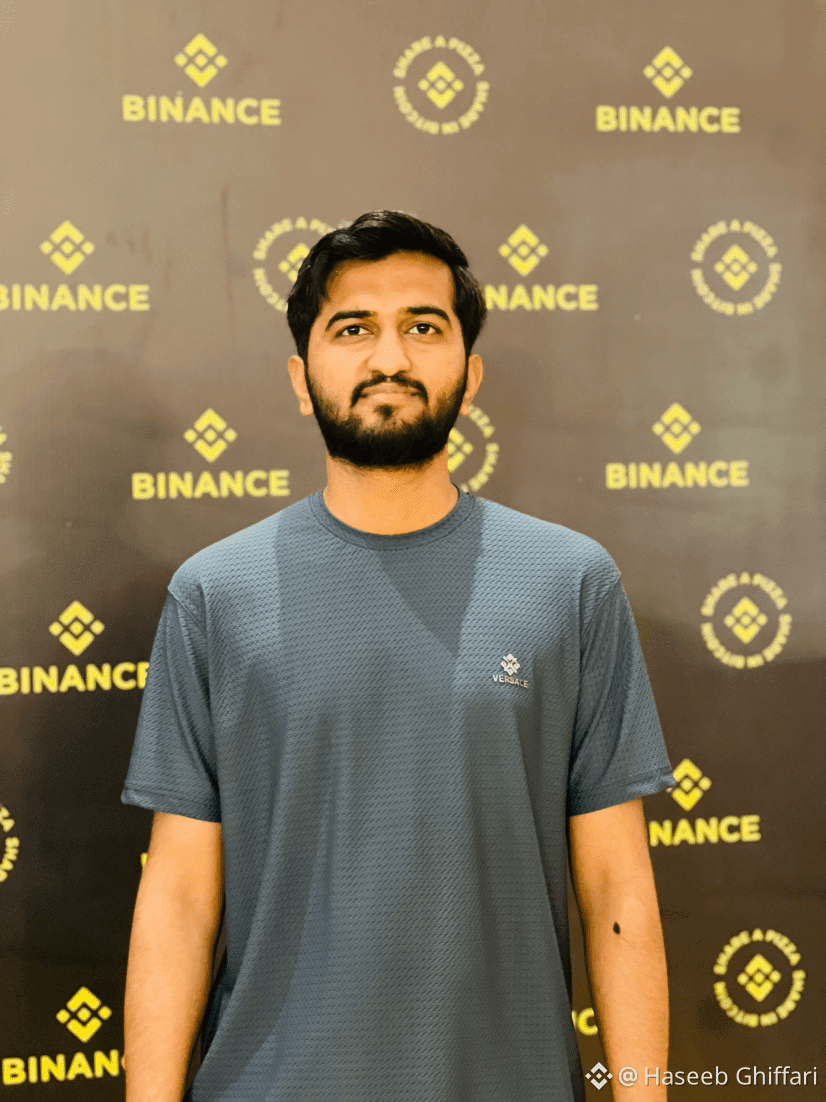
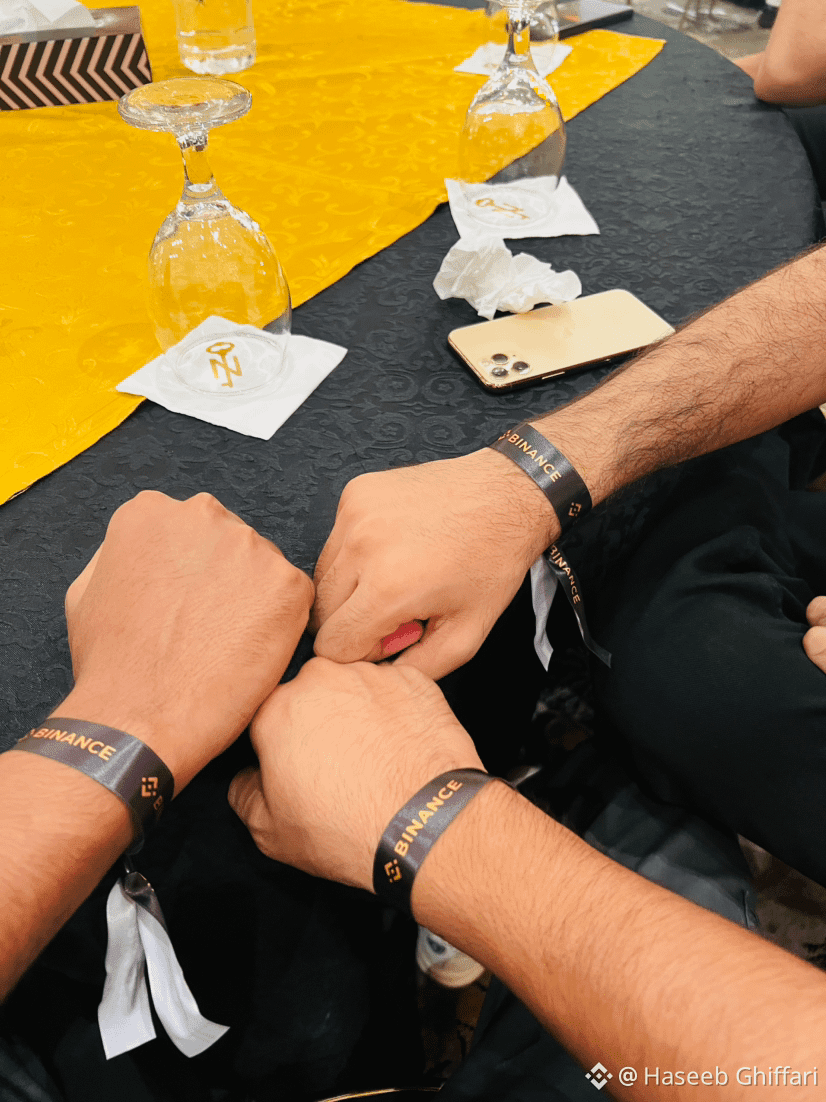
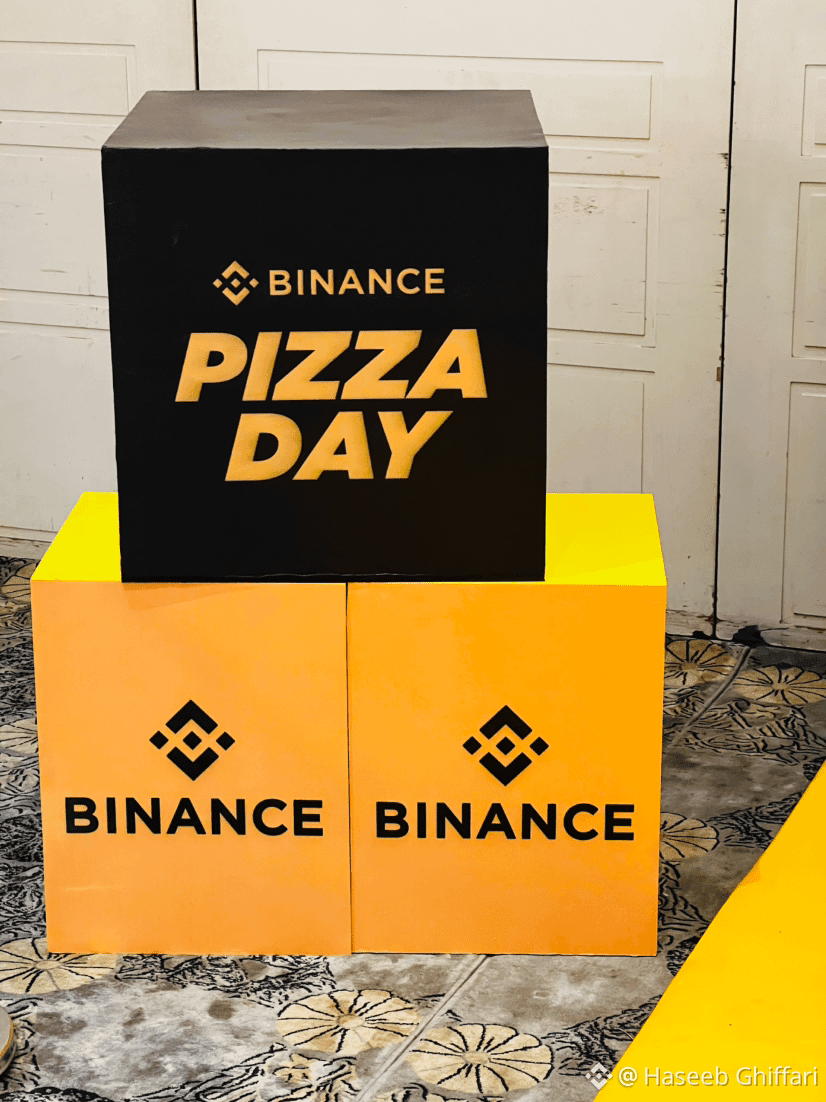
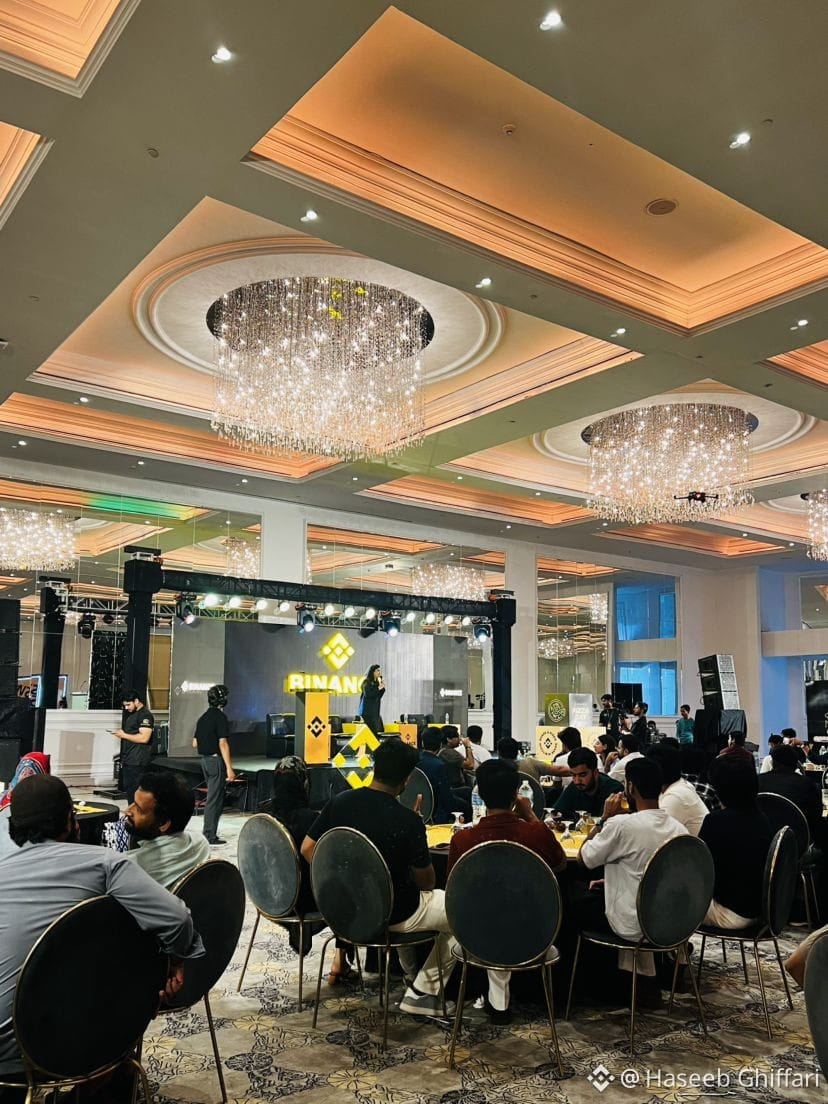
バイナンスピザデーがラホールで開催され、私もそこにいました 🇵🇰
コミュニティに会い、ストーリーを聞き、信念を感じました。これが私たちがここにいる理由です。
16年前、ある男がピザに10,000 $BTC を支払いました。今日、私たちは彼を伝説のように祝います。正当に。
まだここにいます。まだ構築中です。まだ信じています。🧡
#BinancePizzaDay #BinancePizza #Binancepakistan #communitymeetup
バイナンスピザデーがラホールで開催され、私もそこにいました 🇵🇰
コミュニティに会い、ストーリーを聞き、信念を感じました。これが私たちがここにいる理由です。
16年前、ある男がピザに10,000 $BTC を支払いました。今日、私たちは彼を伝説のように祝います。正当に。
まだここにいます。まだ構築中です。まだ信じています。🧡
#BinancePizzaDay #BinancePizza #Binancepakistan #communitymeetup
コミュニティに会い、ストーリーを聞き、信念を感じました。これが私たちがここにいる理由です。
16年前、ある男がピザに10,000 $BTC を支払いました。今日、私たちは彼を伝説のように祝います。正当に。
まだここにいます。まだ構築中です。まだ信じています。🧡
#BinancePizzaDay #BinancePizza #Binancepakistan #communitymeetup
8
12
188
·
--
ブリッシュ
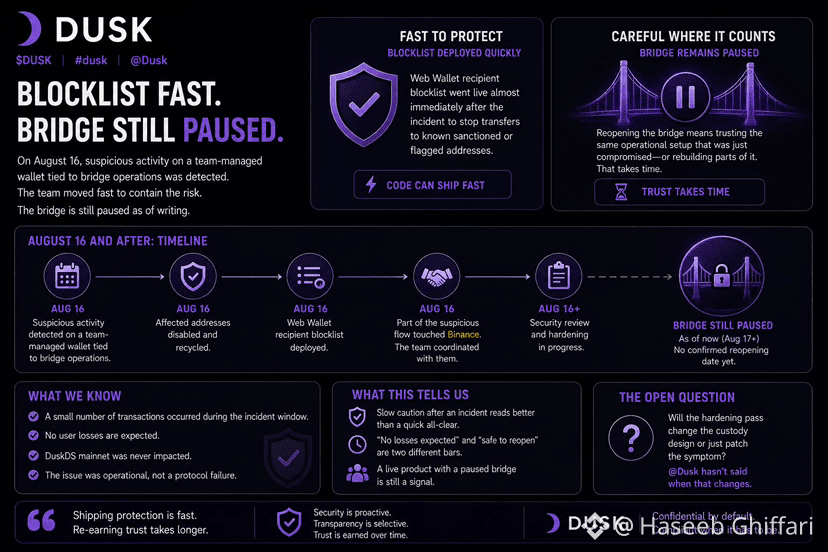
最近のダスクの動きの中で妙なことに気づいた。Webウォレットの受信者ブロックリストが、8月16日の件の直後ほぼ即座に公開されたのに、ブリッジ自体は1週間半以上も停止したままなんだ。その“間”こそが、ずっと引っかかっていた。
ブロックリストを出すのは速い。コードだからね。ブリッジを再開するとなると、直前に侵害されたのと同じ運用セットアップを信じることになるか、あるいはその一部を作り直す必要があって、パッチノートより時間がかかる。$DUSK は、インシデント期間中に少数のトランザクションがフラグ付きになったものの、ユーザー損失は見込まれていないと言っていた。私はそれを信じているが、「損失は見込まれない」と「安全に再開できる」は、社内では明らかに別の基準だ。
些細なことかもしれない。でも、想像していた以上に、#dusk のプロセスに対して安心感が増した。インシデント後の慎重な“時間をかけた注意”は、素早い“全クリ”よりも、私には納得できる。
とはいえ、1週間以上止まっているブリッジを抱えたままの稼働プロダクト――それ自体が、別種のシグナルだ。@Dusk_Foundation は、その状態がいつ変わるのかはまだ言っていない。
最近のダスクの動きの中で妙なことに気づいた。Webウォレットの受信者ブロックリストが、8月16日の件の直後ほぼ即座に公開されたのに、ブリッジ自体は1週間半以上も停止したままなんだ。その“間”こそが、ずっと引っかかっていた。
ブロックリストを出すのは速い。コードだからね。ブリッジを再開するとなると、直前に侵害されたのと同じ運用セットアップを信じることになるか、あるいはその一部を作り直す必要があって、パッチノートより時間がかかる。$DUSK は、インシデント期間中に少数のトランザクションがフラグ付きになったものの、ユーザー損失は見込まれていないと言っていた。私はそれを信じているが、「損失は見込まれない」と「安全に再開できる」は、社内では明らかに別の基準だ。
些細なことかもしれない。でも、想像していた以上に、#dusk のプロセスに対して安心感が増した。インシデント後の慎重な“時間をかけた注意”は、素早い“全クリ”よりも、私には納得できる。
とはいえ、1週間以上止まっているブリッジを抱えたままの稼働プロダクト――それ自体が、別種のシグナルだ。@Dusk は、その状態がいつ変わるのかはまだ言っていない。
ブロックリストを出すのは速い。コードだからね。ブリッジを再開するとなると、直前に侵害されたのと同じ運用セットアップを信じることになるか、あるいはその一部を作り直す必要があって、パッチノートより時間がかかる。$DUSK は、インシデント期間中に少数のトランザクションがフラグ付きになったものの、ユーザー損失は見込まれていないと言っていた。私はそれを信じているが、「損失は見込まれない」と「安全に再開できる」は、社内では明らかに別の基準だ。
些細なことかもしれない。でも、想像していた以上に、#dusk のプロセスに対して安心感が増した。インシデント後の慎重な“時間をかけた注意”は、素早い“全クリ”よりも、私には納得できる。
とはいえ、1週間以上止まっているブリッジを抱えたままの稼働プロダクト――それ自体が、別種のシグナルだ。@Dusk は、その状態がいつ変わるのかはまだ言っていない。
4
101
·
--
ブリッシュ
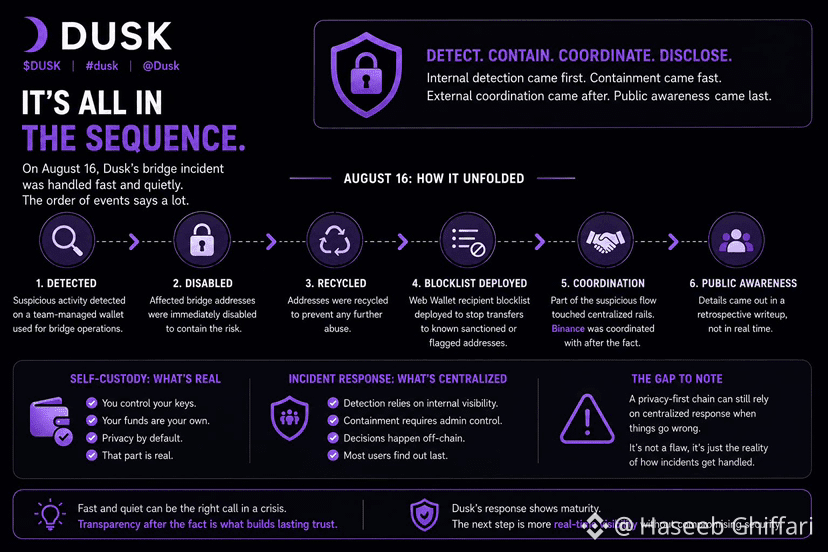
CreatorPad向けのDuskタスクに少し時間を使ったんだけど、その後もずっと噛み続けていたのは技術そのものじゃなくて、順序(シーケンス)だった。8月16日には、ブリッジのアドレスがフラグ付けされ、無効化され、ほとんどのユーザーが異常に気づく前にリサイクルされていた。ブロックリストも作られた。Binanceが巻き込まれたのは、怪しいフローの一部が彼らのプラットフォームに触れた後だった。
つまり順番はこう:まず社内で検知し、次に社内で封じ込め、その後に外部と連携。一般ユーザーは(あるいはまったく)最後に知った。
それが必ずしも悪いわけではない。封じ込め前にブリッジ事故がトレンドになってほしくはない。でも、$DUSK 周りの「自己管理(セルフカストディ)」という主張の捉え方は変わった。自己管理は、あなたのお金に関しては確かに現実的だ。とはいえ、脅威への対応は実際には依然としてかなり中央集権的だ。管理者レベルの可視性を持つ誰かが、誰よりも先にこれを見ていた。
別に批判というわけじゃない。プライバシーを掲げる説明と、実際のインシデント対応がどう動くのか、そのギャップを指摘しているだけだ。
#dusk @Dusk_Foundation
CreatorPad向けのDuskタスクに少し時間を使ったんだけど、その後もずっと噛み続けていたのは技術そのものじゃなくて、順序(シーケンス)だった。8月16日には、ブリッジのアドレスがフラグ付けされ、無効化され、ほとんどのユーザーが異常に気づく前にリサイクルされていた。ブロックリストも作られた。Binanceが巻き込まれたのは、怪しいフローの一部が彼らのプラットフォームに触れた後だった。
つまり順番はこう:まず社内で検知し、次に社内で封じ込め、その後に外部と連携。一般ユーザーは(あるいはまったく)最後に知った。
それが必ずしも悪いわけではない。封じ込め前にブリッジ事故がトレンドになってほしくはない。でも、$DUSK 周りの「自己管理(セルフカストディ)」という主張の捉え方は変わった。自己管理は、あなたのお金に関しては確かに現実的だ。とはいえ、脅威への対応は実際には依然としてかなり中央集権的だ。管理者レベルの可視性を持つ誰かが、誰よりも先にこれを見ていた。
別に批判というわけじゃない。プライバシーを掲げる説明と、実際のインシデント対応がどう動くのか、そのギャップを指摘しているだけだ。
#dusk @Dusk
つまり順番はこう:まず社内で検知し、次に社内で封じ込め、その後に外部と連携。一般ユーザーは(あるいはまったく)最後に知った。
それが必ずしも悪いわけではない。封じ込め前にブリッジ事故がトレンドになってほしくはない。でも、$DUSK 周りの「自己管理(セルフカストディ)」という主張の捉え方は変わった。自己管理は、あなたのお金に関しては確かに現実的だ。とはいえ、脅威への対応は実際には依然としてかなり中央集権的だ。管理者レベルの可視性を持つ誰かが、誰よりも先にこれを見ていた。
別に批判というわけじゃない。プライバシーを掲げる説明と、実際のインシデント対応がどう動くのか、そのギャップを指摘しているだけだ。
#dusk @Dusk
4
121
·
--
ブリッシュ
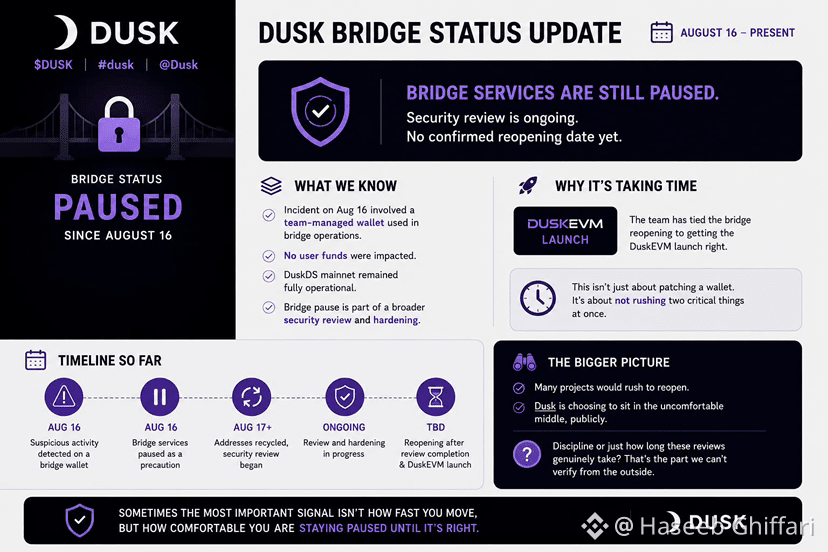
今週も@Dusk_Foundation のブリッジ状況を確認しましたが、やはり閉鎖のままです。前回と同じメッセージで、セキュリティレビューは継続中で、まだ確定した再開日がありません。現時点では、事件そのものよりも、この事実のほうがより興味深いポイントです。
$DUSK のコアチェーンは止まっていなかった——その点は早い段階で明確でした。不明なのは、このような「一時的」な停止が実際にどれほど一時的なのか、そしてそれがより大きなローンチ(この場合はDuskEVM)と結びついている点です。チームは、ブリッジの再開をそのローンチの成功にも連動させると明確に示していました。つまり、タイムラインは単なるウォレットの修正だけではなく、同時に2つのことを急がないためのものでもあるわけです。
私はすぐにパッチを当てて再開する話だと思って入ってきました。ところが見ているのは、多くのプロジェクトが許容できないほど長い期間、公開の場で「居心地の悪い中間状態」に留まることを選んでいるチームです。
それが規律なのか、それともこれらのレビューが本当にどれくらいかかるのか、まだ判断できていません。外からは検証できないのが、その点ですね。
#dusk
今週も@Dusk のブリッジ状況を確認しましたが、やはり閉鎖のままです。前回と同じメッセージで、セキュリティレビューは継続中で、まだ確定した再開日がありません。現時点では、事件そのものよりも、この事実のほうがより興味深いポイントです。
$DUSK のコアチェーンは止まっていなかった——その点は早い段階で明確でした。不明なのは、このような「一時的」な停止が実際にどれほど一時的なのか、そしてそれがより大きなローンチ(この場合はDuskEVM)と結びついている点です。チームは、ブリッジの再開をそのローンチの成功にも連動させると明確に示していました。つまり、タイムラインは単なるウォレットの修正だけではなく、同時に2つのことを急がないためのものでもあるわけです。
私はすぐにパッチを当てて再開する話だと思って入ってきました。ところが見ているのは、多くのプロジェクトが許容できないほど長い期間、公開の場で「居心地の悪い中間状態」に留まることを選んでいるチームです。
それが規律なのか、それともこれらのレビューが本当にどれくらいかかるのか、まだ判断できていません。外からは検証できないのが、その点ですね。
#dusk
$DUSK のコアチェーンは止まっていなかった——その点は早い段階で明確でした。不明なのは、このような「一時的」な停止が実際にどれほど一時的なのか、そしてそれがより大きなローンチ(この場合はDuskEVM)と結びついている点です。チームは、ブリッジの再開をそのローンチの成功にも連動させると明確に示していました。つまり、タイムラインは単なるウォレットの修正だけではなく、同時に2つのことを急がないためのものでもあるわけです。
私はすぐにパッチを当てて再開する話だと思って入ってきました。ところが見ているのは、多くのプロジェクトが許容できないほど長い期間、公開の場で「居心地の悪い中間状態」に留まることを選んでいるチームです。
それが規律なのか、それともこれらのレビューが本当にどれくらいかかるのか、まだ判断できていません。外からは検証できないのが、その点ですね。
#dusk
4
94
·
--
ブリッシュ
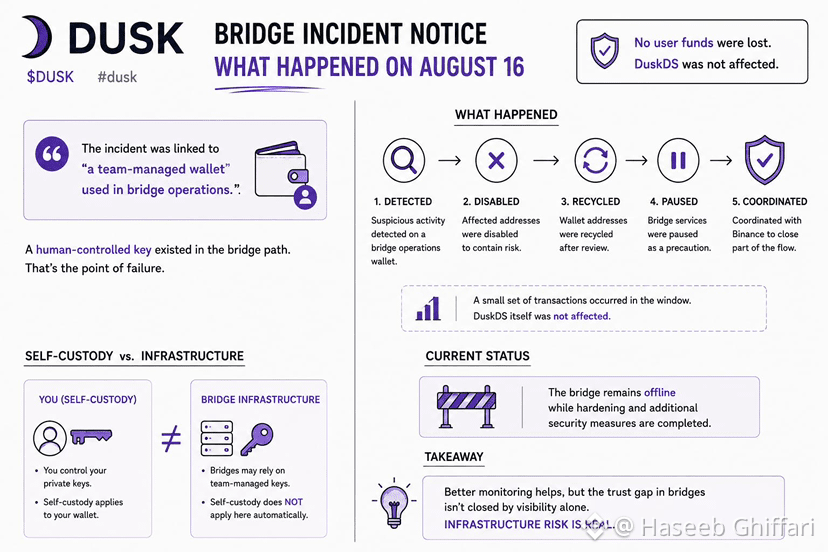
CreatorPad向けに書くことを探していて、$DUSK について調べるつもりが、ロードマップのページではなく、8月16日付の@Dusk_Foundation ブリッジ・インシデント通知にたどり着きました。私の目を引いた文言はこうです。「ブリッジ運用で使用される、チーム管理型ウォレット。」分散化され、コンプライアンスに沿い、自主保管(セルフカストディ)を前提としたメッセージングにこれほど強く依存しているプロジェクトにおいて、これはかなり率直な告白で、ブリッジ経路のどこかに人が管理する鍵が存在することを示唆しています。
彼らの説明によれば、壊滅的な事態は起きていません。アドレスは無効化され再利用され、ブリッジのサービスは停止し、問題期間中に少数の取引が発生し、さらにBinanceとの連携によってフローの一部が遮断されました。DuskDS自体には手が入っていません。
私にとって変わったのは重大さではなく、捉え方(フレーミング)です。私は「セルフカストディ」を、スタック全体に当てはまるものとして扱っていました。これはユーザーのウォレットには当てはまりますが、ユーザーに代わってチェーン間で資産を移動させるインフラには自動的には当てはまりません。そしてこの区別は、多くのユーザー、私を含めて、つい見落としてしまいます。
ブリッジは、強化(ハードニング)を終えるまで引き続きオフラインです。より良い監視によってそのギャップが埋まるのかは分かりません。
#dusk @Dusk_Foundation
CreatorPad向けに書くことを探していて、$DUSK について調べるつもりが、ロードマップのページではなく、8月16日付の@Dusk ブリッジ・インシデント通知にたどり着きました。私の目を引いた文言はこうです。「ブリッジ運用で使用される、チーム管理型ウォレット。」分散化され、コンプライアンスに沿い、自主保管(セルフカストディ)を前提としたメッセージングにこれほど強く依存しているプロジェクトにおいて、これはかなり率直な告白で、ブリッジ経路のどこかに人が管理する鍵が存在することを示唆しています。
彼らの説明によれば、壊滅的な事態は起きていません。アドレスは無効化され再利用され、ブリッジのサービスは停止し、問題期間中に少数の取引が発生し、さらにBinanceとの連携によってフローの一部が遮断されました。DuskDS自体には手が入っていません。
私にとって変わったのは重大さではなく、捉え方(フレーミング)です。私は「セルフカストディ」を、スタック全体に当てはまるものとして扱っていました。これはユーザーのウォレットには当てはまりますが、ユーザーに代わってチェーン間で資産を移動させるインフラには自動的には当てはまりません。そしてこの区別は、多くのユーザー、私を含めて、つい見落としてしまいます。
ブリッジは、強化(ハードニング)を終えるまで引き続きオフラインです。より良い監視によってそのギャップが埋まるのかは分かりません。
#dusk @Dusk
彼らの説明によれば、壊滅的な事態は起きていません。アドレスは無効化され再利用され、ブリッジのサービスは停止し、問題期間中に少数の取引が発生し、さらにBinanceとの連携によってフローの一部が遮断されました。DuskDS自体には手が入っていません。
私にとって変わったのは重大さではなく、捉え方(フレーミング)です。私は「セルフカストディ」を、スタック全体に当てはまるものとして扱っていました。これはユーザーのウォレットには当てはまりますが、ユーザーに代わってチェーン間で資産を移動させるインフラには自動的には当てはまりません。そしてこの区別は、多くのユーザー、私を含めて、つい見落としてしまいます。
ブリッジは、強化(ハードニング)を終えるまで引き続きオフラインです。より良い監視によってそのギャップが埋まるのかは分かりません。
#dusk @Dusk
5
126
·
--
ブリッシュ
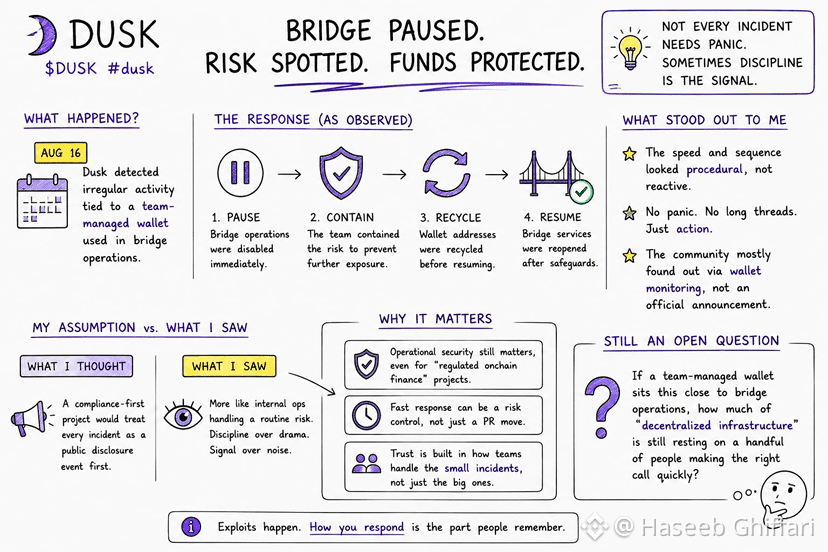
ブリッジ送金が確認されていないことに気づいて調べに入った。Duskチームは、自分たちが管理するウォレットに紐づく不正なアクティビティを見つけた後、8月16日にブリッジ運用を停止し、その後アドレスを再利用してから再開していた。$DUSK #dusk @Dusk_Foundation
私を考えさせたのは、どこにでもあるようなエクスプロイトの試みそのものではなく、外から見たときの対応の速さだった。停止して、封じて、再利用して、再開する。慌てず、長々としたポストモーテムのスレッドもない。ほとんど手順書のようだ。
コンプライアンスに注力したプロジェクトなら、すべてのインシデントをまず開示イベントとして扱うはずだと思っていた。けれど、実際には定常的なリスク対応の社内オペレーションのように見え、コミュニティが知ったのは告知ではなく、ウォレットの監視を通じて後からだった。
それが規律なのか、それとも規模が小さくて大きな対応を要しなかっただけなのかは分からない。いずれにせよ、「規制されたオンチェーン・ファイナンス」プロジェクトとして想像していたのとは別のリズムだ。
ブリッジ送金が確認されていないことに気づいて調べに入った。Duskチームは、自分たちが管理するウォレットに紐づく不正なアクティビティを見つけた後、8月16日にブリッジ運用を停止し、その後アドレスを再利用してから再開していた。$DUSK #dusk @Dusk
私を考えさせたのは、どこにでもあるようなエクスプロイトの試みそのものではなく、外から見たときの対応の速さだった。停止して、封じて、再利用して、再開する。慌てず、長々としたポストモーテムのスレッドもない。ほとんど手順書のようだ。
コンプライアンスに注力したプロジェクトなら、すべてのインシデントをまず開示イベントとして扱うはずだと思っていた。けれど、実際には定常的なリスク対応の社内オペレーションのように見え、コミュニティが知ったのは告知ではなく、ウォレットの監視を通じて後からだった。
それが規律なのか、それとも規模が小さくて大きな対応を要しなかっただけなのかは分からない。いずれにせよ、「規制されたオンチェーン・ファイナンス」プロジェクトとして想像していたのとは別のリズムだ。
私を考えさせたのは、どこにでもあるようなエクスプロイトの試みそのものではなく、外から見たときの対応の速さだった。停止して、封じて、再利用して、再開する。慌てず、長々としたポストモーテムのスレッドもない。ほとんど手順書のようだ。
コンプライアンスに注力したプロジェクトなら、すべてのインシデントをまず開示イベントとして扱うはずだと思っていた。けれど、実際には定常的なリスク対応の社内オペレーションのように見え、コミュニティが知ったのは告知ではなく、ウォレットの監視を通じて後からだった。
それが規律なのか、それとも規模が小さくて大きな対応を要しなかっただけなのかは分からない。いずれにせよ、「規制されたオンチェーン・ファイナンス」プロジェクトとして想像していたのとは別のリズムだ。
3
5
220
·
--
ブリッシュ
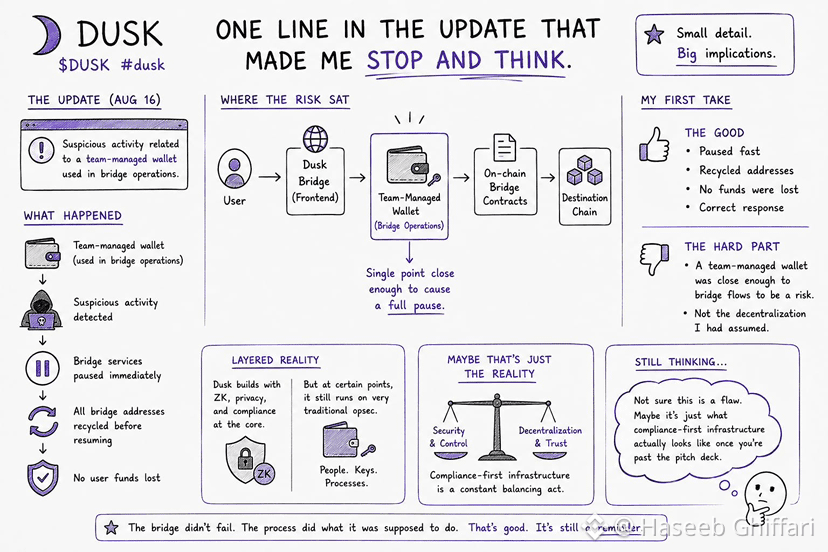
CreatorPadのタスク($DUSK )を実行したあと、些細なところで行き詰まってしまいました。@Dusk_Foundation 8月16日のブリッジ停止についてのアップデートで、不審なアクティビティは「ブリッジ運用で使用されるチーム管理ウォレット」に結びついていたと述べていました。#dusk
Duskがコンプライアンスや機関レベルのインフラについてどれだけ語っているかを考えると、そのブリッジは、そういう単一の障害点からはさらに切り離されているはずだと思っていました。ですが違いました。チームが管理するウォレットがブリッジのフローにかなり近い位置にあり、その侵害を試みられたことで、完全な停止を余儀なくされました。
反応は複雑でした。1つは、素早く停止してアドレスを再利用(リサイクル)するのは正しい判断で、資金は失われていないこと。もう1つは、「規制されたオンチェーン・ファイナンス」であっても、裏にZKの仕組みがどれだけあっても、一定のポイントでは依然として非常に伝統的な運用上のセキュリティに左右されるという再確認になったことです。
欠陥というほどではないのかもしれません。たぶん、コンプライアンス重視のインフラが、ピッチデックの先に進んだ後に実際にどう見えるのか、その姿をただ示しているだけです。まだ考え中です。
CreatorPadのタスク($DUSK )を実行したあと、些細なところで行き詰まってしまいました。@Dusk 8月16日のブリッジ停止についてのアップデートで、不審なアクティビティは「ブリッジ運用で使用されるチーム管理ウォレット」に結びついていたと述べていました。#dusk
Duskがコンプライアンスや機関レベルのインフラについてどれだけ語っているかを考えると、そのブリッジは、そういう単一の障害点からはさらに切り離されているはずだと思っていました。ですが違いました。チームが管理するウォレットがブリッジのフローにかなり近い位置にあり、その侵害を試みられたことで、完全な停止を余儀なくされました。
反応は複雑でした。1つは、素早く停止してアドレスを再利用(リサイクル)するのは正しい判断で、資金は失われていないこと。もう1つは、「規制されたオンチェーン・ファイナンス」であっても、裏にZKの仕組みがどれだけあっても、一定のポイントでは依然として非常に伝統的な運用上のセキュリティに左右されるという再確認になったことです。
欠陥というほどではないのかもしれません。たぶん、コンプライアンス重視のインフラが、ピッチデックの先に進んだ後に実際にどう見えるのか、その姿をただ示しているだけです。まだ考え中です。
Duskがコンプライアンスや機関レベルのインフラについてどれだけ語っているかを考えると、そのブリッジは、そういう単一の障害点からはさらに切り離されているはずだと思っていました。ですが違いました。チームが管理するウォレットがブリッジのフローにかなり近い位置にあり、その侵害を試みられたことで、完全な停止を余儀なくされました。
反応は複雑でした。1つは、素早く停止してアドレスを再利用(リサイクル)するのは正しい判断で、資金は失われていないこと。もう1つは、「規制されたオンチェーン・ファイナンス」であっても、裏にZKの仕組みがどれだけあっても、一定のポイントでは依然として非常に伝統的な運用上のセキュリティに左右されるという再確認になったことです。
欠陥というほどではないのかもしれません。たぶん、コンプライアンス重視のインフラが、ピッチデックの先に進んだ後に実際にどう見えるのか、その姿をただ示しているだけです。まだ考え中です。
4
164
·
--
ブリッシュ
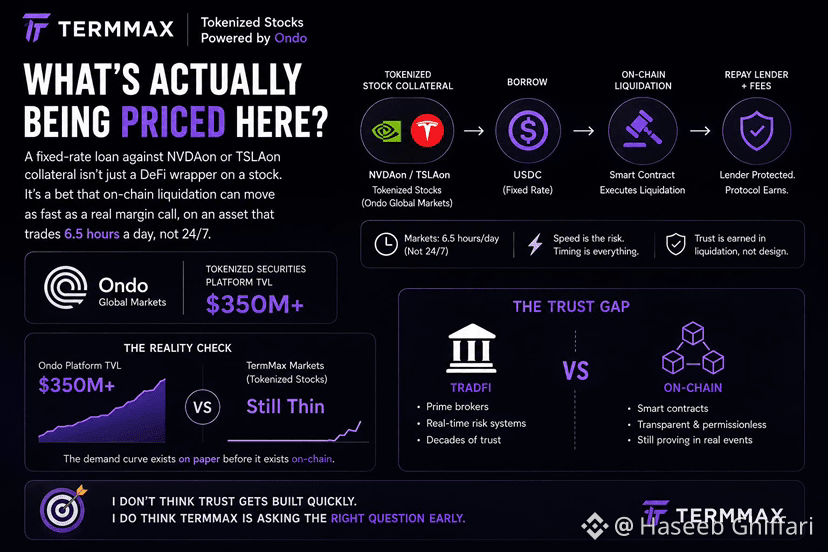
私はTermMaxのトークン化株式インテグレーションを、Ondo Global Marketsと組み合わせた形で見直し、今回さらに難しい問いを自分に投げかけました。実際にここで「何が」値付けされているのはどれなのか?
NVDAonまたはTSLAonを担保にした固定金利のローンは、単なる株のDeFiラッパーではありません。オンチェーンの清算が、実際のマージンコールと同じくらい素早く起こり得るという賭けであり、またその担保となる資産は1日24/7ではなく、1日6.5時間取引されるだけです。
Ondoのトークン化セキュリティ・プラットフォームはTVLが3.5億ドル超です。これはそれなりに大きく聞こえる一方で、TermMax自身の市場の中での利用が、中核のUSDCループに比べてまだ薄いことに気づきます。
そのギャップは、需要曲線がオンチェーンで成立する前に、紙の上ではすでに存在していることを示唆しています。機関投資家は金利の確実性を求めています。ただ、スマートコントラクトがプライムブローカーのように株式の清算を取り扱えることに、まだ十分に確信しきれていないのです。
私は、その信頼がすぐに築かれるとは思いません。けれど、TermMaxが早い段階で正しい問いを投げかけていることは確かだと思います。
#TermMax @termmax
私はTermMaxのトークン化株式インテグレーションを、Ondo Global Marketsと組み合わせた形で見直し、今回さらに難しい問いを自分に投げかけました。実際にここで「何が」値付けされているのはどれなのか?
NVDAonまたはTSLAonを担保にした固定金利のローンは、単なる株のDeFiラッパーではありません。オンチェーンの清算が、実際のマージンコールと同じくらい素早く起こり得るという賭けであり、またその担保となる資産は1日24/7ではなく、1日6.5時間取引されるだけです。
Ondoのトークン化セキュリティ・プラットフォームはTVLが3.5億ドル超です。これはそれなりに大きく聞こえる一方で、TermMax自身の市場の中での利用が、中核のUSDCループに比べてまだ薄いことに気づきます。
そのギャップは、需要曲線がオンチェーンで成立する前に、紙の上ではすでに存在していることを示唆しています。機関投資家は金利の確実性を求めています。ただ、スマートコントラクトがプライムブローカーのように株式の清算を取り扱えることに、まだ十分に確信しきれていないのです。
私は、その信頼がすぐに築かれるとは思いません。けれど、TermMaxが早い段階で正しい問いを投げかけていることは確かだと思います。
#TermMax @TermMax
NVDAonまたはTSLAonを担保にした固定金利のローンは、単なる株のDeFiラッパーではありません。オンチェーンの清算が、実際のマージンコールと同じくらい素早く起こり得るという賭けであり、またその担保となる資産は1日24/7ではなく、1日6.5時間取引されるだけです。
Ondoのトークン化セキュリティ・プラットフォームはTVLが3.5億ドル超です。これはそれなりに大きく聞こえる一方で、TermMax自身の市場の中での利用が、中核のUSDCループに比べてまだ薄いことに気づきます。
そのギャップは、需要曲線がオンチェーンで成立する前に、紙の上ではすでに存在していることを示唆しています。機関投資家は金利の確実性を求めています。ただ、スマートコントラクトがプライムブローカーのように株式の清算を取り扱えることに、まだ十分に確信しきれていないのです。
私は、その信頼がすぐに築かれるとは思いません。けれど、TermMaxが早い段階で正しい問いを投げかけていることは確かだと思います。
#TermMax @TermMax
5
279
·
--
ブリッシュ
#dusk $DUSK @Dusk_Foundation
「売り文句が“規制に配慮した”ことから始まるプロジェクトには、なんとなくずっと疑いを持ってきた。たいていは出荷が遅くなり、分散化も弱くなるからだ。
でもDuskは、その前提を見直させてくれている。
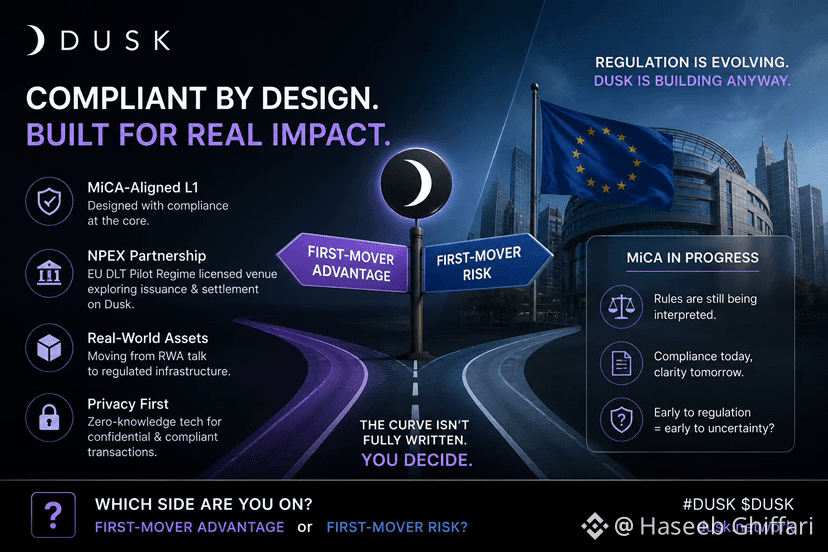
MiCAに整合したL1としてフラグを立てられるのは、単なるコンプライアンスのチェックボックスではない。NPEXとの関係のような事柄に直結していて、しかもEUのDLTパイロット・レジームのライセンス施設が、Duskのインフラ上で発行と決済を実際に検討している。これは机上のRWA(現実資産)トークじゃない。規制された市場が、実際のレールを試しているんだ。
ただ、私がずっと抱え続けているのはこの緊張感。規制の“先”にいるということは、まだ半分書かれた状態のルールに向けて作ることでもある。MiCA自体も、EU内でケースごとに解釈が進められている。
それでもDuskは、いち早く潮流を読み取っているのか? それとも“想定と違って曲がっていくなら”最初に露出してしまうだけなのか?
本当にどちらとも言い切れない。でも「設計から準拠(compliant by design)」という言葉が、デフォルトの懐疑心ではなく好奇心を引き起こしたのは初めてだ。
あなたはどちら側?先行者の優位か、それとも先行者リスクか?
#dusk $DUSK @Dusk
「売り文句が“規制に配慮した”ことから始まるプロジェクトには、なんとなくずっと疑いを持ってきた。たいていは出荷が遅くなり、分散化も弱くなるからだ。
でもDuskは、その前提を見直させてくれている。
MiCAに整合したL1としてフラグを立てられるのは、単なるコンプライアンスのチェックボックスではない。NPEXとの関係のような事柄に直結していて、しかもEUのDLTパイロット・レジームのライセンス施設が、Duskのインフラ上で発行と決済を実際に検討している。これは机上のRWA(現実資産)トークじゃない。規制された市場が、実際のレールを試しているんだ。
ただ、私がずっと抱え続けているのはこの緊張感。規制の“先”にいるということは、まだ半分書かれた状態のルールに向けて作ることでもある。MiCA自体も、EU内でケースごとに解釈が進められている。
それでもDuskは、いち早く潮流を読み取っているのか? それとも“想定と違って曲がっていくなら”最初に露出してしまうだけなのか?
本当にどちらとも言い切れない。でも「設計から準拠(compliant by design)」という言葉が、デフォルトの懐疑心ではなく好奇心を引き起こしたのは初めてだ。
あなたはどちら側?先行者の優位か、それとも先行者リスクか?
「売り文句が“規制に配慮した”ことから始まるプロジェクトには、なんとなくずっと疑いを持ってきた。たいていは出荷が遅くなり、分散化も弱くなるからだ。
でもDuskは、その前提を見直させてくれている。
MiCAに整合したL1としてフラグを立てられるのは、単なるコンプライアンスのチェックボックスではない。NPEXとの関係のような事柄に直結していて、しかもEUのDLTパイロット・レジームのライセンス施設が、Duskのインフラ上で発行と決済を実際に検討している。これは机上のRWA(現実資産)トークじゃない。規制された市場が、実際のレールを試しているんだ。
ただ、私がずっと抱え続けているのはこの緊張感。規制の“先”にいるということは、まだ半分書かれた状態のルールに向けて作ることでもある。MiCA自体も、EU内でケースごとに解釈が進められている。
それでもDuskは、いち早く潮流を読み取っているのか? それとも“想定と違って曲がっていくなら”最初に露出してしまうだけなのか?
本当にどちらとも言い切れない。でも「設計から準拠(compliant by design)」という言葉が、デフォルトの懐疑心ではなく好奇心を引き起こしたのは初めてだ。
あなたはどちら側?先行者の優位か、それとも先行者リスクか?
3
4
154
·
--
ブリッシュ
#dusk $DUSK @Dusk_Foundation
プライバシーとEVMは、通常同じ文に入るものではありません。ほとんどのプライバシーチェーンは、イーサリアムのツール類を完全に置き去りにするよう求めています。だからこそ、Hedger Alphaがドキュメントを読むのを止めさせ、2回も読み直させてくれました。
これは、ZKだけではなく、ゼロ知識証明と同型暗号を組み合わせたものです。多くのDeFiのプライバシーシステムは、こちらに寄りがちです。同型暗号(HE)なら、暗号化された値のまま計算を実行できます。ZKは、その計算が正しく行われたことを証明します。これにより、残高や金額は隠されたままですが、取引は依然として検証可能です。
私が何度も立ち戻るのは「アルファ("alpha")」というラベルです。これは今まさにDuskEVMのテストネットで稼働しており、検証できる、つまり机上の空論ではありません。規制された金融を軸にしたチェーンにとって、「プライベート」と「隠されたもの」の違いは、聞こえる以上に重要です。
まだ初期段階。まだテストネット。でも、EVM互換レイヤー上で機密取引が、こんなに早く動いているのを見るとは思いませんでした。
実際の取引量が乗ってきたとき、どう耐えられるのか気になります
#dusk $DUSK @Dusk
プライバシーとEVMは、通常同じ文に入るものではありません。ほとんどのプライバシーチェーンは、イーサリアムのツール類を完全に置き去りにするよう求めています。だからこそ、Hedger Alphaがドキュメントを読むのを止めさせ、2回も読み直させてくれました。
これは、ZKだけではなく、ゼロ知識証明と同型暗号を組み合わせたものです。多くのDeFiのプライバシーシステムは、こちらに寄りがちです。同型暗号(HE)なら、暗号化された値のまま計算を実行できます。ZKは、その計算が正しく行われたことを証明します。これにより、残高や金額は隠されたままですが、取引は依然として検証可能です。
私が何度も立ち戻るのは「アルファ("alpha")」というラベルです。これは今まさにDuskEVMのテストネットで稼働しており、検証できる、つまり机上の空論ではありません。規制された金融を軸にしたチェーンにとって、「プライベート」と「隠されたもの」の違いは、聞こえる以上に重要です。
まだ初期段階。まだテストネット。でも、EVM互換レイヤー上で機密取引が、こんなに早く動いているのを見るとは思いませんでした。
実際の取引量が乗ってきたとき、どう耐えられるのか気になります
プライバシーとEVMは、通常同じ文に入るものではありません。ほとんどのプライバシーチェーンは、イーサリアムのツール類を完全に置き去りにするよう求めています。だからこそ、Hedger Alphaがドキュメントを読むのを止めさせ、2回も読み直させてくれました。
これは、ZKだけではなく、ゼロ知識証明と同型暗号を組み合わせたものです。多くのDeFiのプライバシーシステムは、こちらに寄りがちです。同型暗号(HE)なら、暗号化された値のまま計算を実行できます。ZKは、その計算が正しく行われたことを証明します。これにより、残高や金額は隠されたままですが、取引は依然として検証可能です。
私が何度も立ち戻るのは「アルファ("alpha")」というラベルです。これは今まさにDuskEVMのテストネットで稼働しており、検証できる、つまり机上の空論ではありません。規制された金融を軸にしたチェーンにとって、「プライベート」と「隠されたもの」の違いは、聞こえる以上に重要です。
まだ初期段階。まだテストネット。でも、EVM互換レイヤー上で機密取引が、こんなに早く動いているのを見るとは思いませんでした。
実際の取引量が乗ってきたとき、どう耐えられるのか気になります
Solid approach
0%
Too early to tell
50%
Overengineered
50%
2 投票 • 投票は終了しました
2
4
100
·
--
ブリッシュ
@termmax の絶妙なタイミング。TGEのホワイトペーパーが投下される一方で、同じ期間にTVLは30日で約7%下落し、およそ$31Mまで落ち込んでいます。
通常、プロトコルは成長指標が上向きの状態でTGEに臨もうとします。今回のローンチは、基盤となる利用のカーブが逆方向に曲がっている最中に、トークン経済設計を打ち出しているのです。
とはいえ、それが即座に弱気を意味するわけではありません。固定金利の貸付はモメンタム型のプロダクトではなく、TVLは自然に満期が繰り越されることで呼吸し、レートスプレッドの変化で変動します。景気のマクロ環境が不安定な局面での下振れは、ユーザーが確信を失ったことと同義ではありません。
それでも、トークンローンチの見え方は重要です。訴求は「固定金利DeFiのためのインフラ」です。インフラには粘着性のある資本が必要であり、インセンティブ層が稼働する直前に資本が回転して抜けてしまうようなものでは困ります。
ホワイトペーパーの数字を読む前に、次の30日間のTVLを見たいです。
#termmax
TVLの下落を説明できる要因は何でしょうか?
@TermMax の絶妙なタイミング。TGEのホワイトペーパーが投下される一方で、同じ期間にTVLは30日で約7%下落し、およそ$31Mまで落ち込んでいます。
通常、プロトコルは成長指標が上向きの状態でTGEに臨もうとします。今回のローンチは、基盤となる利用のカーブが逆方向に曲がっている最中に、トークン経済設計を打ち出しているのです。
とはいえ、それが即座に弱気を意味するわけではありません。固定金利の貸付はモメンタム型のプロダクトではなく、TVLは自然に満期が繰り越されることで呼吸し、レートスプレッドの変化で変動します。景気のマクロ環境が不安定な局面での下振れは、ユーザーが確信を失ったことと同義ではありません。
それでも、トークンローンチの見え方は重要です。訴求は「固定金利DeFiのためのインフラ」です。インフラには粘着性のある資本が必要であり、インセンティブ層が稼働する直前に資本が回転して抜けてしまうようなものでは困ります。
ホワイトペーパーの数字を読む前に、次の30日間のTVLを見たいです。
#termmax
TVLの下落を説明できる要因は何でしょうか?
通常、プロトコルは成長指標が上向きの状態でTGEに臨もうとします。今回のローンチは、基盤となる利用のカーブが逆方向に曲がっている最中に、トークン経済設計を打ち出しているのです。
とはいえ、それが即座に弱気を意味するわけではありません。固定金利の貸付はモメンタム型のプロダクトではなく、TVLは自然に満期が繰り越されることで呼吸し、レートスプレッドの変化で変動します。景気のマクロ環境が不安定な局面での下振れは、ユーザーが確信を失ったことと同義ではありません。
それでも、トークンローンチの見え方は重要です。訴求は「固定金利DeFiのためのインフラ」です。インフラには粘着性のある資本が必要であり、インセンティブ層が稼働する直前に資本が回転して抜けてしまうようなものでは困ります。
ホワイトペーパーの数字を読む前に、次の30日間のTVLを見たいです。
#termmax
TVLの下落を説明できる要因は何でしょうか?
Normal maturity cycle
50%
Users derisking early
50%
Just macro conditions
0%
2 投票 • 投票は終了しました
2
6
99
·
--
ブリッシュ
#dusk $DUSK @Dusk_Foundation DuskEVMのウォークスルーでHedgerをほぼ見落としてしまったが、その後戻って2回読み直した。
みんなこれを「プライバシー保護型EVM」と呼んでいるけど、Hedgerは実際にはプライバシー部分である同型暗号化とZK証明をDuskEVMに組み合わせて重ねたものだ。EVMそのものに内蔵されているわけではない。
それは意味のあるほど違う主張だ。EVM層は単なるSolidityのツール群で、プライバシーは別途後付けされる。
「プライバシー保護」と言っているのが、ここではアーキテクチャ以上にブランディングの仕事をしているのでは、と思ってしまう。間違っていると言いたいわけじゃないが、「ひとつのもの」に見せかけた積み重ね型のシステムだ。
機密の実行を必要とするビルダーにとっては、デフォルトではなく追加の統合ステップになる。これが最初からプライバシー・ネイティブなチェーンのように動くと決めつける前に、知っておく価値がある。
それが賢いモジュール設計なのか、それとも柔軟性を装って摩擦を増やしているのか、まだ意見を形成中だ。
#dusk $DUSK @Dusk DuskEVMのウォークスルーでHedgerをほぼ見落としてしまったが、その後戻って2回読み直した。
みんなこれを「プライバシー保護型EVM」と呼んでいるけど、Hedgerは実際にはプライバシー部分である同型暗号化とZK証明をDuskEVMに組み合わせて重ねたものだ。EVMそのものに内蔵されているわけではない。
それは意味のあるほど違う主張だ。EVM層は単なるSolidityのツール群で、プライバシーは別途後付けされる。
「プライバシー保護」と言っているのが、ここではアーキテクチャ以上にブランディングの仕事をしているのでは、と思ってしまう。間違っていると言いたいわけじゃないが、「ひとつのもの」に見せかけた積み重ね型のシステムだ。
機密の実行を必要とするビルダーにとっては、デフォルトではなく追加の統合ステップになる。これが最初からプライバシー・ネイティブなチェーンのように動くと決めつける前に、知っておく価値がある。
それが賢いモジュール設計なのか、それとも柔軟性を装って摩擦を増やしているのか、まだ意見を形成中だ。
みんなこれを「プライバシー保護型EVM」と呼んでいるけど、Hedgerは実際にはプライバシー部分である同型暗号化とZK証明をDuskEVMに組み合わせて重ねたものだ。EVMそのものに内蔵されているわけではない。
それは意味のあるほど違う主張だ。EVM層は単なるSolidityのツール群で、プライバシーは別途後付けされる。
「プライバシー保護」と言っているのが、ここではアーキテクチャ以上にブランディングの仕事をしているのでは、と思ってしまう。間違っていると言いたいわけじゃないが、「ひとつのもの」に見せかけた積み重ね型のシステムだ。
機密の実行を必要とするビルダーにとっては、デフォルトではなく追加の統合ステップになる。これが最初からプライバシー・ネイティブなチェーンのように動くと決めつける前に、知っておく価値がある。
それが賢いモジュール設計なのか、それとも柔軟性を装って摩擦を増やしているのか、まだ意見を形成中だ。
Modular privacy is smarter
100%
Bolted-on privacy add friction
0%
Need to see it live first
0%
1 投票 • 投票は終了しました
1
4
166
·
--
ブリッシュ
すべてのサイクルで、誰も解けなかった問題を解く百のプロトコルが生まれる。TermMaxのローンチは、どこか違うと感じる——ただし、そうは言いたくない。これまでにも自分は「違う」と思って外してきたからだ。
変動金利は、バグではないと言って人々が慣れようとしたものだが、それは市場が毎サイクル、毎回、開き直る傷でもある。貸し手は予測不能な利回りで焼かれる。借り手は予測不能なコストで焼かれる。それを直すことは、目的のための巧妙なエンジニアリングではない。
市場がずっとぶつかり続けている何かに対処しているのであって、市場がトークンの正当化のために発明した何かに対処しているわけではない。とはいえ、私の注意を本当に引いたのは準備金(reserves)の証明アプローチだった。Post-FTX以降は誰もが、支払い(ウォレット)アドレスを支払能力の証明だとして指差したが、それは銀行カードの写真を見せて「自分は財務的に安定している」と証明するのと、だいたい同じだ。
ZK証明は仕組みが違う。単一のポジションを開示せずに、土台となる数学が健全であることを検証する。これは本物の証明であり、パフォーマンスの話ではない。
このすべてが、トークンローンチのノイズの中で採用が生き残ることを保証するわけではない。メインネットでの承認は、勝利のラップではなくマイルストーンだ。私は興味がある。ただ、まだ確信はしていない。
#TermMax @termmax
すべてのサイクルで、誰も解けなかった問題を解く百のプロトコルが生まれる。TermMaxのローンチは、どこか違うと感じる——ただし、そうは言いたくない。これまでにも自分は「違う」と思って外してきたからだ。
変動金利は、バグではないと言って人々が慣れようとしたものだが、それは市場が毎サイクル、毎回、開き直る傷でもある。貸し手は予測不能な利回りで焼かれる。借り手は予測不能なコストで焼かれる。それを直すことは、目的のための巧妙なエンジニアリングではない。
市場がずっとぶつかり続けている何かに対処しているのであって、市場がトークンの正当化のために発明した何かに対処しているわけではない。とはいえ、私の注意を本当に引いたのは準備金(reserves)の証明アプローチだった。Post-FTX以降は誰もが、支払い(ウォレット)アドレスを支払能力の証明だとして指差したが、それは銀行カードの写真を見せて「自分は財務的に安定している」と証明するのと、だいたい同じだ。
ZK証明は仕組みが違う。単一のポジションを開示せずに、土台となる数学が健全であることを検証する。これは本物の証明であり、パフォーマンスの話ではない。
このすべてが、トークンローンチのノイズの中で採用が生き残ることを保証するわけではない。メインネットでの承認は、勝利のラップではなくマイルストーンだ。私は興味がある。ただ、まだ確信はしていない。
#TermMax @TermMax
変動金利は、バグではないと言って人々が慣れようとしたものだが、それは市場が毎サイクル、毎回、開き直る傷でもある。貸し手は予測不能な利回りで焼かれる。借り手は予測不能なコストで焼かれる。それを直すことは、目的のための巧妙なエンジニアリングではない。
市場がずっとぶつかり続けている何かに対処しているのであって、市場がトークンの正当化のために発明した何かに対処しているわけではない。とはいえ、私の注意を本当に引いたのは準備金(reserves)の証明アプローチだった。Post-FTX以降は誰もが、支払い(ウォレット)アドレスを支払能力の証明だとして指差したが、それは銀行カードの写真を見せて「自分は財務的に安定している」と証明するのと、だいたい同じだ。
ZK証明は仕組みが違う。単一のポジションを開示せずに、土台となる数学が健全であることを検証する。これは本物の証明であり、パフォーマンスの話ではない。
このすべてが、トークンローンチのノイズの中で採用が生き残ることを保証するわけではない。メインネットでの承認は、勝利のラップではなくマイルストーンだ。私は興味がある。ただ、まだ確信はしていない。
#TermMax @TermMax
Real fix, not hype
0%
Adoption is the real test
0%
ZK proof earns my trust
100%
2 投票 • 投票は終了しました
1
5
116
·
--
ブリッシュ
#dusk $DUSK @Dusk_Foundation
私は、機密トランザクションとEVM互換性は相反するものだと常に思っていました。データを隠すのか、プログラム可能にするのか、どちらかを選べと。
しかし、DuskEVMテストネットで稼働開始したHedger Alphaを見て、その考えを見直すことになりました。これは、残高や送金額を秘匿するために同型暗号化とゼロ知識証明を併用しつつ、トランザクションのロジック自体は完全にEVM互換のままです。
面白いのは、金額が隠されていることではありません。プライバシーチェーンの多くはそれを実現しています。重要なのは、計算が「開発者がすでに作り方を知っている環境」で行われていて、何か新しい暗号のパラダイムを学ぶ必要なく、そのまま出荷できる点です。
とはいえ、私はまだ慎重です。テストネット上のAlphaソフトウェアは、本番レベルの機密DeFiが実際の価値を扱うのとは別物です。同型暗号化は計算コストが高く、現実の負荷下でこれがスケールすることはまだ誰も実証できていません。
新しいEVMチェーンで、隠された残高を信頼できますか?
#dusk $DUSK @Dusk
私は、機密トランザクションとEVM互換性は相反するものだと常に思っていました。データを隠すのか、プログラム可能にするのか、どちらかを選べと。
しかし、DuskEVMテストネットで稼働開始したHedger Alphaを見て、その考えを見直すことになりました。これは、残高や送金額を秘匿するために同型暗号化とゼロ知識証明を併用しつつ、トランザクションのロジック自体は完全にEVM互換のままです。
面白いのは、金額が隠されていることではありません。プライバシーチェーンの多くはそれを実現しています。重要なのは、計算が「開発者がすでに作り方を知っている環境」で行われていて、何か新しい暗号のパラダイムを学ぶ必要なく、そのまま出荷できる点です。
とはいえ、私はまだ慎重です。テストネット上のAlphaソフトウェアは、本番レベルの機密DeFiが実際の価値を扱うのとは別物です。同型暗号化は計算コストが高く、現実の負荷下でこれがスケールすることはまだ誰も実証できていません。
新しいEVMチェーンで、隠された残高を信頼できますか?
私は、機密トランザクションとEVM互換性は相反するものだと常に思っていました。データを隠すのか、プログラム可能にするのか、どちらかを選べと。
しかし、DuskEVMテストネットで稼働開始したHedger Alphaを見て、その考えを見直すことになりました。これは、残高や送金額を秘匿するために同型暗号化とゼロ知識証明を併用しつつ、トランザクションのロジック自体は完全にEVM互換のままです。
面白いのは、金額が隠されていることではありません。プライバシーチェーンの多くはそれを実現しています。重要なのは、計算が「開発者がすでに作り方を知っている環境」で行われていて、何か新しい暗号のパラダイムを学ぶ必要なく、そのまま出荷できる点です。
とはいえ、私はまだ慎重です。テストネット上のAlphaソフトウェアは、本番レベルの機密DeFiが実際の価値を扱うのとは別物です。同型暗号化は計算コストが高く、現実の負荷下でこれがスケールすることはまだ誰も実証できていません。
新しいEVMチェーンで、隠された残高を信頼できますか?
Yes, if audited well
50%
No, too early to trust
50%
2 投票 • 投票は終了しました
2
4
138
·
--
ブリッシュ
すべてのサイクルで、市場が彼らのために作り出した問題を解くための数十本ものプロトコルが生まれます。TermMaxはそれをしていません。だからメインネット発表の先まで読み続けました。
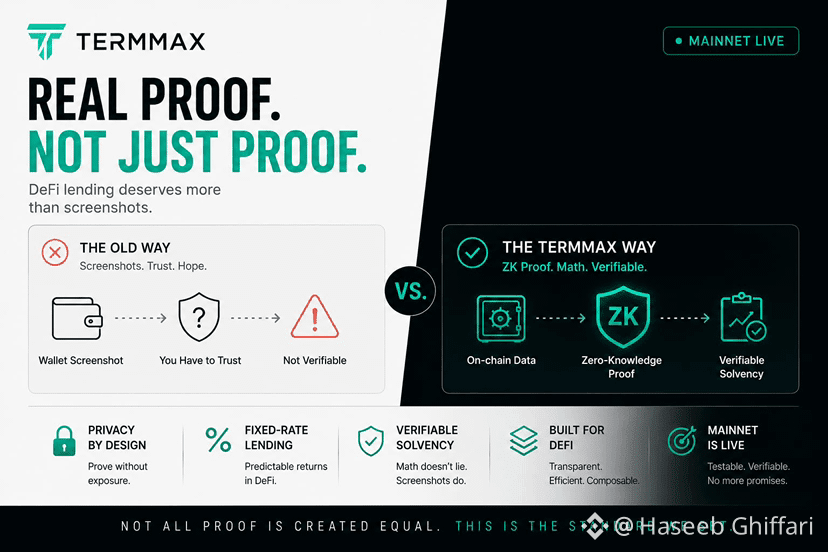
実際に追っている問題は、古くて退屈なものです。DeFiの貸借では、スクリーンショットを信じてくれと頼まずに支払い能力(ソルベンシー)を証明できる人がいません。FTXの後、「準備金の証明(proof of reserves)」はウォレットアドレスになり、そして祈りになりました。自分の銀行残高の写真を見せる代わりに明細書を提示する――そんな、暗号版の話です。
TermMaxのZKアプローチは、口座そのものを公開せずに、基礎となる数式が成り立つことを証明します。これは本当の解決であって、単なるブランド変更ではありません。私は、固定金利の貸借プロトコルが安定性を約束しながら、実際にボラティリティが現れた最初の瞬間に崩れたのを何度も見てきました。
ここに書かれていることは、この件が他と違うことを保証してはくれません。メインネットは稼働中で、主張は今テスト可能です。そして、テスト可能であることは、多くのプロジェクトが提供できていない以上の価値があります。繰り返される失敗に、ついに答えがあると信じたい。ですが、まだそこには至っていません。
#TermMax @termmax
すべてのサイクルで、市場が彼らのために作り出した問題を解くための数十本ものプロトコルが生まれます。TermMaxはそれをしていません。だからメインネット発表の先まで読み続けました。
実際に追っている問題は、古くて退屈なものです。DeFiの貸借では、スクリーンショットを信じてくれと頼まずに支払い能力(ソルベンシー)を証明できる人がいません。FTXの後、「準備金の証明(proof of reserves)」はウォレットアドレスになり、そして祈りになりました。自分の銀行残高の写真を見せる代わりに明細書を提示する――そんな、暗号版の話です。
TermMaxのZKアプローチは、口座そのものを公開せずに、基礎となる数式が成り立つことを証明します。これは本当の解決であって、単なるブランド変更ではありません。私は、固定金利の貸借プロトコルが安定性を約束しながら、実際にボラティリティが現れた最初の瞬間に崩れたのを何度も見てきました。
ここに書かれていることは、この件が他と違うことを保証してはくれません。メインネットは稼働中で、主張は今テスト可能です。そして、テスト可能であることは、多くのプロジェクトが提供できていない以上の価値があります。繰り返される失敗に、ついに答えがあると信じたい。ですが、まだそこには至っていません。
#TermMax @TermMax
実際に追っている問題は、古くて退屈なものです。DeFiの貸借では、スクリーンショットを信じてくれと頼まずに支払い能力(ソルベンシー)を証明できる人がいません。FTXの後、「準備金の証明(proof of reserves)」はウォレットアドレスになり、そして祈りになりました。自分の銀行残高の写真を見せる代わりに明細書を提示する――そんな、暗号版の話です。
TermMaxのZKアプローチは、口座そのものを公開せずに、基礎となる数式が成り立つことを証明します。これは本当の解決であって、単なるブランド変更ではありません。私は、固定金利の貸借プロトコルが安定性を約束しながら、実際にボラティリティが現れた最初の瞬間に崩れたのを何度も見てきました。
ここに書かれていることは、この件が他と違うことを保証してはくれません。メインネットは稼働中で、主張は今テスト可能です。そして、テスト可能であることは、多くのプロジェクトが提供できていない以上の価値があります。繰り返される失敗に、ついに答えがあると信じたい。ですが、まだそこには至っていません。
#TermMax @TermMax
4
90
·
--
ブリッシュ
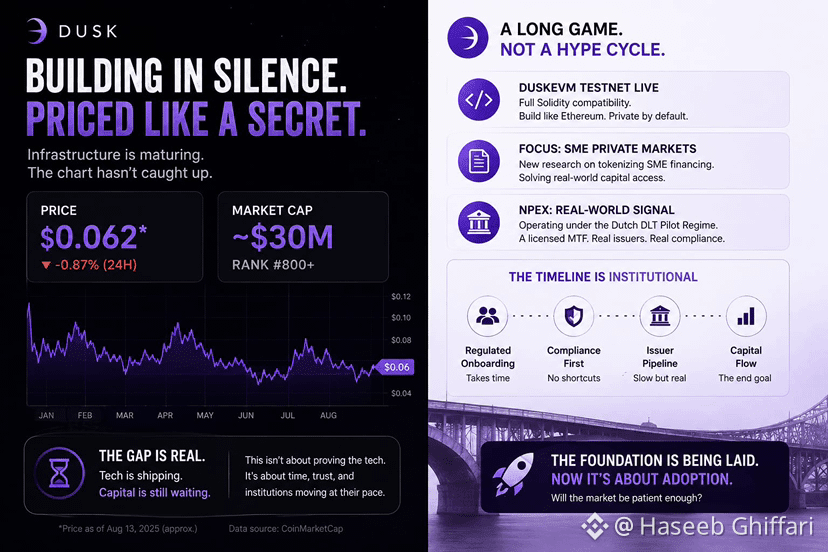
少し時間を置いてDUSKをもう一度確認したのですが、裏側であれだけ出荷が進んでいる割に、想像していたほど数値は動いていませんでした。だいたい0.06セント前後で、時価総額は3,000万近辺をうろついています。DuskEVMはテストネットで稼働していて、Solidity互換性もほぼ整っている。そしてDuskはNPEXの取り組みに紐づく、SME(中小企業)向けのプライベート市場をトークン化する新しい取り組みも出していました。
でも、それらはチャートには反映されていません。そこが私がずっと引っかかっているポイントです。「インフラが成熟している」という状況と、「資本が実際にそこを通って流れている」状況のギャップは、今年は大きく埋まっていません。NPEXは依然として彼らが持つ最も強い実信号で、しかも設計としてゆっくり進む規制下のパイプラインです。MTF(多角的取引施設)は、発行体を一晩でオンボードしません。
つまり問題は、技術がもう機能するのかどうかではありません。本当に機関投資家レベルのタイムラインに市場が耐えて待つ意思があるのか、それとも、すでにチャンスを逃したチェーンのようにDUSKを値付けし続けるのか、ということです。これが決着したとは思えませんし、半年間の開発が結論を左右するとも確信が持てません。
#dusk $DUSK @Dusk_Foundation
少し時間を置いてDUSKをもう一度確認したのですが、裏側であれだけ出荷が進んでいる割に、想像していたほど数値は動いていませんでした。だいたい0.06セント前後で、時価総額は3,000万近辺をうろついています。DuskEVMはテストネットで稼働していて、Solidity互換性もほぼ整っている。そしてDuskはNPEXの取り組みに紐づく、SME(中小企業)向けのプライベート市場をトークン化する新しい取り組みも出していました。
でも、それらはチャートには反映されていません。そこが私がずっと引っかかっているポイントです。「インフラが成熟している」という状況と、「資本が実際にそこを通って流れている」状況のギャップは、今年は大きく埋まっていません。NPEXは依然として彼らが持つ最も強い実信号で、しかも設計としてゆっくり進む規制下のパイプラインです。MTF(多角的取引施設)は、発行体を一晩でオンボードしません。
つまり問題は、技術がもう機能するのかどうかではありません。本当に機関投資家レベルのタイムラインに市場が耐えて待つ意思があるのか、それとも、すでにチャンスを逃したチェーンのようにDUSKを値付けし続けるのか、ということです。これが決着したとは思えませんし、半年間の開発が結論を左右するとも確信が持てません。
#dusk $DUSK @Dusk
でも、それらはチャートには反映されていません。そこが私がずっと引っかかっているポイントです。「インフラが成熟している」という状況と、「資本が実際にそこを通って流れている」状況のギャップは、今年は大きく埋まっていません。NPEXは依然として彼らが持つ最も強い実信号で、しかも設計としてゆっくり進む規制下のパイプラインです。MTF(多角的取引施設)は、発行体を一晩でオンボードしません。
つまり問題は、技術がもう機能するのかどうかではありません。本当に機関投資家レベルのタイムラインに市場が耐えて待つ意思があるのか、それとも、すでにチャンスを逃したチェーンのようにDUSKを値付けし続けるのか、ということです。これが決着したとは思えませんし、半年間の開発が結論を左右するとも確信が持てません。
#dusk $DUSK @Dusk
4
5
116
·
--
ブリッシュ
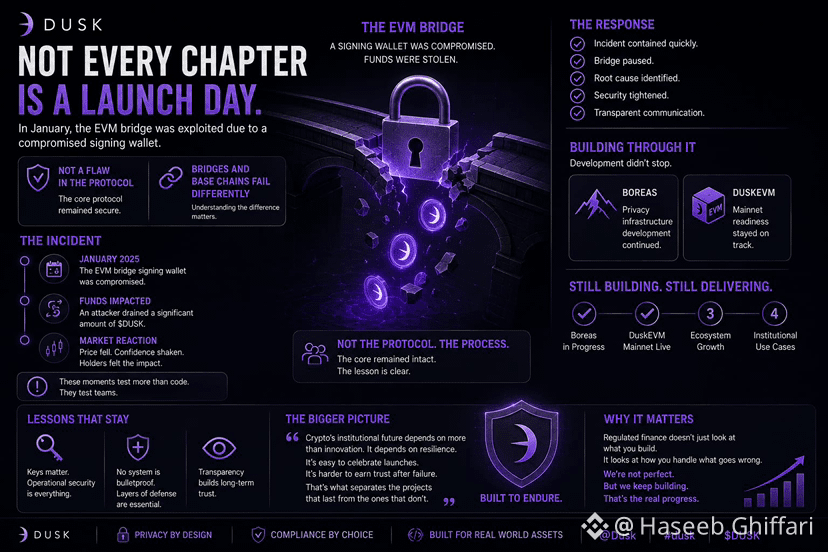
今年の各Dusk投稿がすべてメインネットのローンチに関するものになるわけではありません。1月にEVMブリッジが攻撃を受けました。侵害された署名ウォレットによって、誰かが多額のDUSKを持ち去ったのです。
これはコア・プロトコルの欠陥ではなく、そしてその区別は実は重要だと思います。ブリッジやベースチェーンは、まったく異なる理由で失敗します。ただし、このような違いが持ち手の皆さんの視線の先にある価格チャートが望ましくない方向へ動く状況で、正しい形で伝わることはまれです。
私の印象に残ったのは、暗号業界における「機関投資家向け」という売り文句の多くが、まさにこうした出来事に真正面から突き当たってしまうことです。ゼロ知識証明や選択的開示を作り込んでも、管理ミスのある鍵のような、ありふれたことが原因で資金を失うことはあり得ます。Duskはその間も開発を続けました。BoreasやDuskEVMの準備も止まりませんでした。
しかし、規制のある金融の物語は、醜い瞬間にも耐えなければなりません。ローンチ当日の出来事だけが対象ではありません。私は、成功をどう発表するかよりも、失敗にどう対応するかに関心があります。
@Dusk_Foundation #dusk $DUSK
今年の各Dusk投稿がすべてメインネットのローンチに関するものになるわけではありません。1月にEVMブリッジが攻撃を受けました。侵害された署名ウォレットによって、誰かが多額のDUSKを持ち去ったのです。
これはコア・プロトコルの欠陥ではなく、そしてその区別は実は重要だと思います。ブリッジやベースチェーンは、まったく異なる理由で失敗します。ただし、このような違いが持ち手の皆さんの視線の先にある価格チャートが望ましくない方向へ動く状況で、正しい形で伝わることはまれです。
私の印象に残ったのは、暗号業界における「機関投資家向け」という売り文句の多くが、まさにこうした出来事に真正面から突き当たってしまうことです。ゼロ知識証明や選択的開示を作り込んでも、管理ミスのある鍵のような、ありふれたことが原因で資金を失うことはあり得ます。Duskはその間も開発を続けました。BoreasやDuskEVMの準備も止まりませんでした。
しかし、規制のある金融の物語は、醜い瞬間にも耐えなければなりません。ローンチ当日の出来事だけが対象ではありません。私は、成功をどう発表するかよりも、失敗にどう対応するかに関心があります。
@Dusk #dusk $DUSK
これはコア・プロトコルの欠陥ではなく、そしてその区別は実は重要だと思います。ブリッジやベースチェーンは、まったく異なる理由で失敗します。ただし、このような違いが持ち手の皆さんの視線の先にある価格チャートが望ましくない方向へ動く状況で、正しい形で伝わることはまれです。
私の印象に残ったのは、暗号業界における「機関投資家向け」という売り文句の多くが、まさにこうした出来事に真正面から突き当たってしまうことです。ゼロ知識証明や選択的開示を作り込んでも、管理ミスのある鍵のような、ありふれたことが原因で資金を失うことはあり得ます。Duskはその間も開発を続けました。BoreasやDuskEVMの準備も止まりませんでした。
しかし、規制のある金融の物語は、醜い瞬間にも耐えなければなりません。ローンチ当日の出来事だけが対象ではありません。私は、成功をどう発表するかよりも、失敗にどう対応するかに関心があります。
@Dusk #dusk $DUSK
4
4
187
·
--
ブリッシュ
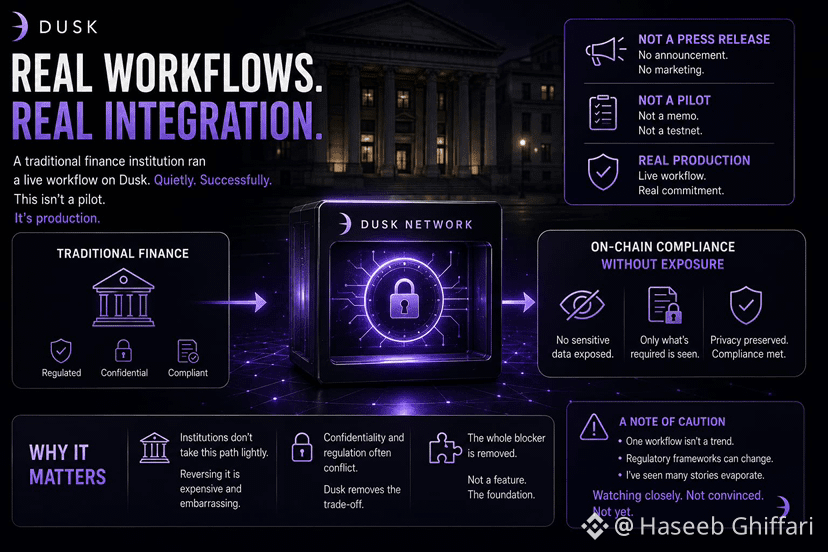
伝統的な金融機関が、Dusk上でライブのワークフローを実行しました。パイロットの告知ではありません。回覧メモでもありません。実際の本番プロセスが、ひっそりとオンチェーンで進められたのです。聞こえ方以上に、この違いは重要です。
プレスリリースはマーケティングで、プロダクションのワークフローは約束です。機関が軽々しくは行いません。いったん始めれば、戻すのは高くつき、恥ずかしさも伴うからです。ここでのDuskの中核メカニズムは、露出なしでのオンチェーン・コンプライアンスです。これは、ほとんどの仮想通貨の専門用語よりも説明しやすい。たとえば、見知らぬ人にバッグの中身をベルト上で検査させることなく、空港の保安検査を通過するようなものです。
権限を持つ側が、必要なものを検証します。ほかの誰も何も見ません。規制と守秘義務の両方に縛られている機関にとって、それは「あると嬉しい」類ではなく、まさに最大の障壁が取り除かれる、ということです。
私は「機関による採用」が題材の話が、見出しだけで盛り上がってすぐ消えていくのを見すぎています。だから、この件は見出しだけで浮かれられません。これは見出しではありませんでした。とはいえ、ワークフローが一つあるだけでトレンドになるわけではなく、規制の枠組みはプロジェクトの一晩のうちにでも変わりえます。今は、気が進まないのに注意を向けています。その注意が正当なのかどうかは、正直まだ分かりません。
@Dusk_Foundation $DUSK #dusk
伝統的な金融機関が、Dusk上でライブのワークフローを実行しました。パイロットの告知ではありません。回覧メモでもありません。実際の本番プロセスが、ひっそりとオンチェーンで進められたのです。聞こえ方以上に、この違いは重要です。
プレスリリースはマーケティングで、プロダクションのワークフローは約束です。機関が軽々しくは行いません。いったん始めれば、戻すのは高くつき、恥ずかしさも伴うからです。ここでのDuskの中核メカニズムは、露出なしでのオンチェーン・コンプライアンスです。これは、ほとんどの仮想通貨の専門用語よりも説明しやすい。たとえば、見知らぬ人にバッグの中身をベルト上で検査させることなく、空港の保安検査を通過するようなものです。
権限を持つ側が、必要なものを検証します。ほかの誰も何も見ません。規制と守秘義務の両方に縛られている機関にとって、それは「あると嬉しい」類ではなく、まさに最大の障壁が取り除かれる、ということです。
私は「機関による採用」が題材の話が、見出しだけで盛り上がってすぐ消えていくのを見すぎています。だから、この件は見出しだけで浮かれられません。これは見出しではありませんでした。とはいえ、ワークフローが一つあるだけでトレンドになるわけではなく、規制の枠組みはプロジェクトの一晩のうちにでも変わりえます。今は、気が進まないのに注意を向けています。その注意が正当なのかどうかは、正直まだ分かりません。
@Dusk $DUSK #dusk
プレスリリースはマーケティングで、プロダクションのワークフローは約束です。機関が軽々しくは行いません。いったん始めれば、戻すのは高くつき、恥ずかしさも伴うからです。ここでのDuskの中核メカニズムは、露出なしでのオンチェーン・コンプライアンスです。これは、ほとんどの仮想通貨の専門用語よりも説明しやすい。たとえば、見知らぬ人にバッグの中身をベルト上で検査させることなく、空港の保安検査を通過するようなものです。
権限を持つ側が、必要なものを検証します。ほかの誰も何も見ません。規制と守秘義務の両方に縛られている機関にとって、それは「あると嬉しい」類ではなく、まさに最大の障壁が取り除かれる、ということです。
私は「機関による採用」が題材の話が、見出しだけで盛り上がってすぐ消えていくのを見すぎています。だから、この件は見出しだけで浮かれられません。これは見出しではありませんでした。とはいえ、ワークフローが一つあるだけでトレンドになるわけではなく、規制の枠組みはプロジェクトの一晩のうちにでも変わりえます。今は、気が進まないのに注意を向けています。その注意が正当なのかどうかは、正直まだ分かりません。
@Dusk $DUSK #dusk
2
4
220
·
--
ブリッシュ
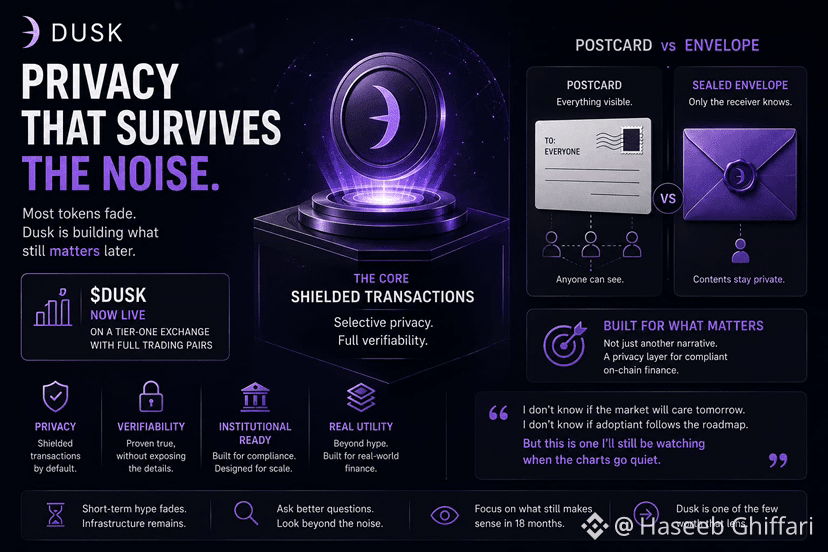
約束してくるのに、規制当局には触れられずに済むはずだと言って何も実現していないプライバシーコインに、もううんざりしている。だから、$DUSKのティア1上場で、フルペアに至るまで全部揃ったのは、ノイズが報われる市場では、結局ただの追加ノイズにしか思えないはずだった。
でも、完全にはそうならなかった。Dusk Foundationの核となる発想は、シールド(秘匿)された取引だ。いちばん簡単に言うなら、はがきと封筒の両方が届けられるのに、封筒だけが、その間に誰かが扱ったとしても中身を他人に見られないように守る、ということだ。
ほとんどのブロックチェーンが埋められないのは、このギャップだ。公開台帳は、設計としてはがきに近い。Duskは、配送システムを壊さずに封筒を作ろうとしている。これは、聞こえる以上に難しい問題で、しかも「静かに」失敗してきたチームは少なくない。
私は、これが現実の規制上の摩擦に耐えられるとは確信していない。市場が“インフラのプレイ”を“物語のプレイ”より報いるとも思えないし、歴史的にもそうはなっていない。ただ、この案件の根拠は、多くの根拠が圧力のもとで崩れるよりも長く持ちこたえる。こういうのは珍しいから、見続ける価値がある。
@Dusk_Foundation $DUSK #dusk
約束してくるのに、規制当局には触れられずに済むはずだと言って何も実現していないプライバシーコインに、もううんざりしている。だから、$DUSK のティア1上場で、フルペアに至るまで全部揃ったのは、ノイズが報われる市場では、結局ただの追加ノイズにしか思えないはずだった。
でも、完全にはそうならなかった。Dusk Foundationの核となる発想は、シールド(秘匿)された取引だ。いちばん簡単に言うなら、はがきと封筒の両方が届けられるのに、封筒だけが、その間に誰かが扱ったとしても中身を他人に見られないように守る、ということだ。
ほとんどのブロックチェーンが埋められないのは、このギャップだ。公開台帳は、設計としてはがきに近い。Duskは、配送システムを壊さずに封筒を作ろうとしている。これは、聞こえる以上に難しい問題で、しかも「静かに」失敗してきたチームは少なくない。
私は、これが現実の規制上の摩擦に耐えられるとは確信していない。市場が“インフラのプレイ”を“物語のプレイ”より報いるとも思えないし、歴史的にもそうはなっていない。ただ、この案件の根拠は、多くの根拠が圧力のもとで崩れるよりも長く持ちこたえる。こういうのは珍しいから、見続ける価値がある。
@Dusk $DUSK #dusk
でも、完全にはそうならなかった。Dusk Foundationの核となる発想は、シールド(秘匿)された取引だ。いちばん簡単に言うなら、はがきと封筒の両方が届けられるのに、封筒だけが、その間に誰かが扱ったとしても中身を他人に見られないように守る、ということだ。
ほとんどのブロックチェーンが埋められないのは、このギャップだ。公開台帳は、設計としてはがきに近い。Duskは、配送システムを壊さずに封筒を作ろうとしている。これは、聞こえる以上に難しい問題で、しかも「静かに」失敗してきたチームは少なくない。
私は、これが現実の規制上の摩擦に耐えられるとは確信していない。市場が“インフラのプレイ”を“物語のプレイ”より報いるとも思えないし、歴史的にもそうはなっていない。ただ、この案件の根拠は、多くの根拠が圧力のもとで崩れるよりも長く持ちこたえる。こういうのは珍しいから、見続ける価値がある。
@Dusk $DUSK #dusk
3
4
87
·
--
ブリッシュ
理由を知る前にバビロン財団の数字を見た。Aave V3に$2M、V4に$1M——それを読む限り、資金の分散(トレジャリー・ダイバーシフィケーション)に見える。
でも違う。Kelp DAOのエクスプロイトでrsETH市場が揺さぶられ、Aaveも巻き込まれて下がった後の、業界全体で$303M規模のパッチ作業の一部なんだ。バビロンが“直撃”を受けたプロトコルだったわけではない。逆に、どうせ払うことになるプロトコルの一つであることを選んだだけ。
僕がずっと反芻しているのはこの部分だ。BTCのセキュリティ・プロジェクトが、誰かのエクスプロイト後始末に資本を投じるのは、技術的な判断じゃない。評判に賭けている。DeFiの“悪い週”において信頼できるカウンターパーティーとして見られることは、使われずに置かれた$3Mよりも重要なんだ。要するに、方針のない保険。
短期的にBABYにとっては追い風だよ、異論はない。でも、一度踏み込んだ財団は、次も踏み込むことが期待されがちだ。これが前例になるのか、それとも一度きりの善意で終わるのかを見ている。
#baby $BABY @babylonlabs_io
理由を知る前にバビロン財団の数字を見た。Aave V3に$2M、V4に$1M——それを読む限り、資金の分散(トレジャリー・ダイバーシフィケーション)に見える。
でも違う。Kelp DAOのエクスプロイトでrsETH市場が揺さぶられ、Aaveも巻き込まれて下がった後の、業界全体で$303M規模のパッチ作業の一部なんだ。バビロンが“直撃”を受けたプロトコルだったわけではない。逆に、どうせ払うことになるプロトコルの一つであることを選んだだけ。
僕がずっと反芻しているのはこの部分だ。BTCのセキュリティ・プロジェクトが、誰かのエクスプロイト後始末に資本を投じるのは、技術的な判断じゃない。評判に賭けている。DeFiの“悪い週”において信頼できるカウンターパーティーとして見られることは、使われずに置かれた$3Mよりも重要なんだ。要するに、方針のない保険。
短期的にBABYにとっては追い風だよ、異論はない。でも、一度踏み込んだ財団は、次も踏み込むことが期待されがちだ。これが前例になるのか、それとも一度きりの善意で終わるのかを見ている。
#baby $BABY @BabylonLabs_io
でも違う。Kelp DAOのエクスプロイトでrsETH市場が揺さぶられ、Aaveも巻き込まれて下がった後の、業界全体で$303M規模のパッチ作業の一部なんだ。バビロンが“直撃”を受けたプロトコルだったわけではない。逆に、どうせ払うことになるプロトコルの一つであることを選んだだけ。
僕がずっと反芻しているのはこの部分だ。BTCのセキュリティ・プロジェクトが、誰かのエクスプロイト後始末に資本を投じるのは、技術的な判断じゃない。評判に賭けている。DeFiの“悪い週”において信頼できるカウンターパーティーとして見られることは、使われずに置かれた$3Mよりも重要なんだ。要するに、方針のない保険。
短期的にBABYにとっては追い風だよ、異論はない。でも、一度踏み込んだ財団は、次も踏み込むことが期待されがちだ。これが前例になるのか、それとも一度きりの善意で終わるのかを見ている。
#baby $BABY @BabylonLabs_io
10
9
242
ログインして、さらにコンテンツを読む
厳選トピックで世界の暗号資産トレーダーの仲間入り
⚡️ 暗号資産に関する最新かつ有益な情報が見つかります。
💬 世界最大の暗号資産取引所から信頼されています。
👍 認証を受けたクリエイターから、有益なインサイトを得られます。
メール / 電話番号
トレンドトピック
BinanceLaunchesBinanceIntelligence
閲覧回数 197,245
1,776人が討論中
BINANCEが取引にAIを導入
Binanceから、かなり注目すべきアップデートが発表されました。
ユーザーは普通の言葉で取引のアイデアを説明するだけで、Binance AI Proが完全な戦略を自動で作成してくれます。
コードは不要です。
戦略を実行する前には、ユーザーによる確認が必要です。また、実際の取引を行う各戦略は専用のサブアカウントで運用され、AIが勝手に資金を移動することはできません。
戦略のプレビューは無料です。
実際に取引を行う場合、Premiumプランは月額19.99 USDCになる見込みで、10月後半から提供が開始されます。
メイが最も興味深いと思ったのは、Binanceが取引ボットの構築をずっと手軽にしていることです。
これまでは戦略を自動化するには、たいていコードの知識が必要でした。今は、システムに何をさせたいか説明するだけです。
ただし、AIはあくまでAIです。生成された戦略が、利益を生むとは限りません。
AIがトレーディングにより深く関わり始めるなかで、これは今後とても注目すべきトレンドになるとメイは考えています。
暗号資産の注目すべき変化をもっと知りたい方は、メイをフォローしてくださいね。#binancelaunchesbinanceintelligence #TinFed #TheoDõiFOMC #ETHUp70%InQ3ButLiquidityFalls $BTC $ETH $BNB
Mây Làm Crypto
·いいね:28件
·閲覧回数 37.6k
StriveBuys2000BTCFor$169M
閲覧回数 8,697
88人が討論中
EvernorthXRPTreasuryCompletesSPACMerger
閲覧回数 108,916
1,075人が討論中