

The killer trader
6.4k 投稿

The killer trader
報告
ユーザーをブロック
❕BNB HOLDER❕CRYPTO ANALYST❕Future trading master ❕

BTCホルダー
超高頻度トレーダー
2.1年
1.5K+ フォロー
8.2K+ フォロワー
1.2K+ いいね
投稿
すべて
引用
ライブ
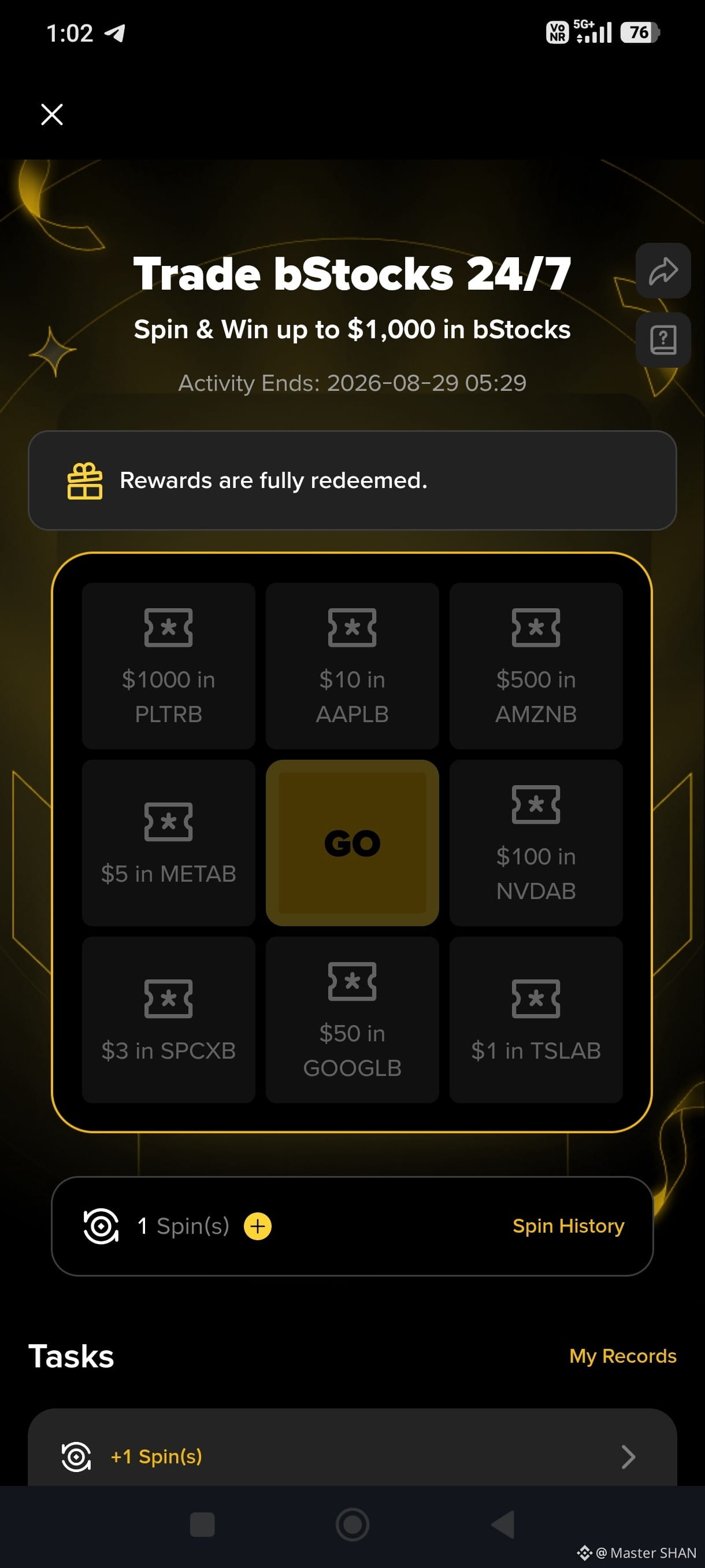
Faaaaaaa🤣🤣🤣🤣🤣🤣
totally sc*mキャンペーン。
1か月分の報酬が1日で引き換えられます 🤣🤣🤣🤣🤣
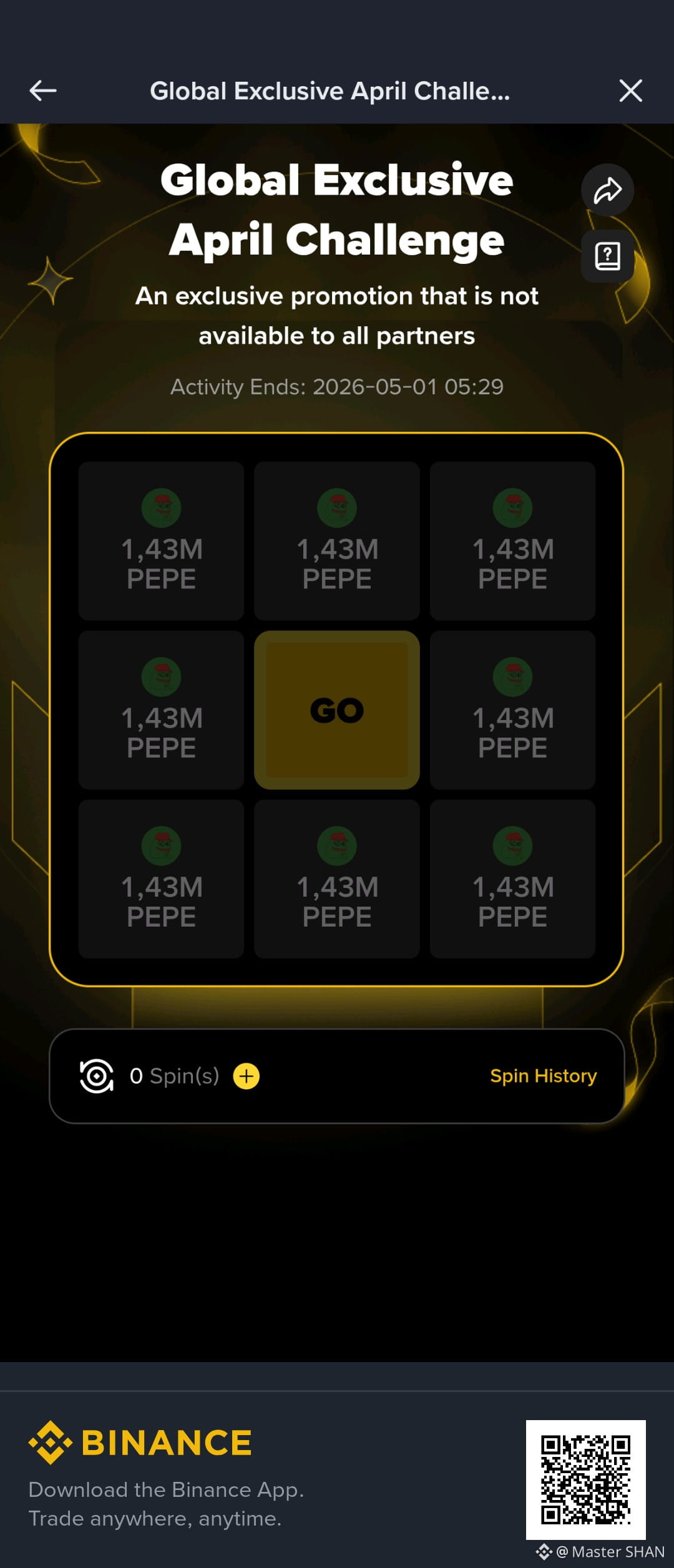
Faaaaaaa🤣🤣🤣🤣🤣🤣
totally sc*mキャンペーン。
1か月分の報酬が1日で引き換えられます 🤣🤣🤣🤣🤣
totally sc*mキャンペーン。
1か月分の報酬が1日で引き換えられます 🤣🤣🤣🤣🤣
6
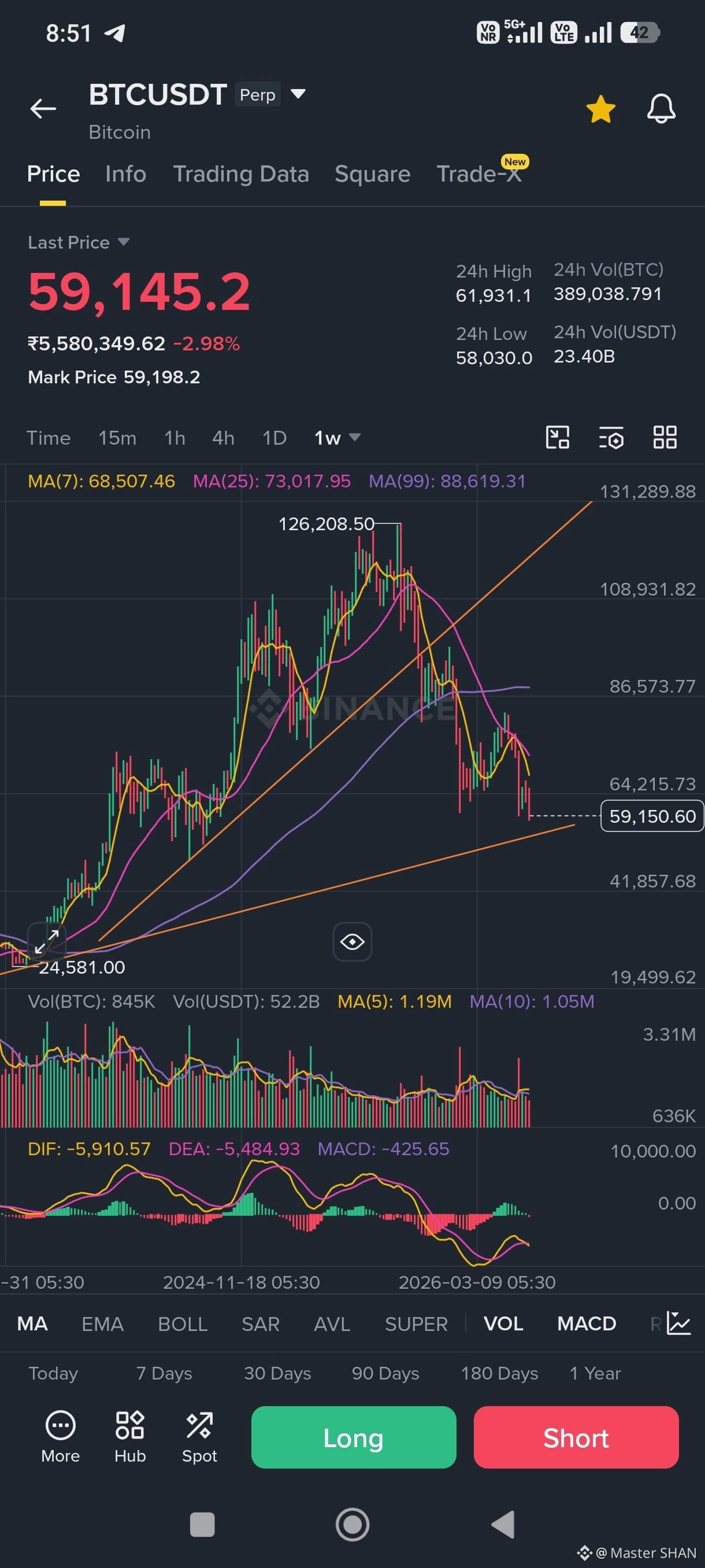
シャトシの時間はもう終わりだと思う
シャトシは休んで安らかに眠れ ⚰️🪦
シャトシに「Bitcoin」の名前を「shitcoin(シットコイン)」に変えるよう依頼しています
シャトシの時間はもう終わりだと思う
シャトシは休んで安らかに眠れ ⚰️🪦
シャトシに「Bitcoin」の名前を「shitcoin(シットコイン)」に変えるよう依頼しています
シャトシは休んで安らかに眠れ ⚰️🪦
シャトシに「Bitcoin」の名前を「shitcoin(シットコイン)」に変えるよう依頼しています
127
121
サインの力は、メッセージを迅速かつ明確に、そして多くの言葉を使わずに伝える能力にあります。サインは、人々の行動、決定、理解に瞬時に影響を与えることができます。小さなシンボルやジェスチャーでも、強い意味を持ち、人々を正しい方向に導くことができます。
サインの最大の力の一つはコミュニケーションです。サインは人々が情報を瞬時に理解するのを助けます。例えば、道路の停止標識は、運転者に即座に停止するように伝え、事故を防ぎ、皆を安全に保つのに役立ちます。公共の場では、サインが人々を出口、トイレ、または重要な場所に導き、生活をより整理されたものにし、容易にします。
サインのもう一つの力は、意識と安全です。警告サインは、火災のリスク、滑りやすい床、または工事区域などの危険について人々に警告します。これらのサインのおかげで、人々はより注意深くなり、危害を避けることができます。このようにして、サインは命を守り、社会の秩序を維持します。
サインはまた、感情やアイデアを表現する力を持っています。親指を立てるジェスチャー 👍、手を振るジェスチャー 👋、または笑顔 🙂 は、言葉を使わずに感情を示すサインです。これらのシンプルなサインは、人々が互いに繋がり、社会生活での理解を築くのを助けます。
学習と知識において、サインは非常に強力です。数学、科学、技術などの分野で使用されるシンボルは、複雑なアイデアを理解しやすくします。例えば、+、−、または= などのシンボルは、数字や計算を迅速に説明するのに役立ちます。これらのサインがなければ、学習はより困難で時間がかかるものになります。
現代のデジタル世界では、サインはアイデンティティとアクセスにとって重要です。人々がウェブサイトやアプリにサインインまたはサインアップする際、ユーザー名やパスワードのようなデジタルサインを使用します。これらのサインは個人情報を保護し、ユーザーが安全にオンラインサービスにアクセスできるようにします。
@SignOfficial
#signdigitalsovereigninfra
$SIGN
サインの力は、メッセージを迅速かつ明確に、そして多くの言葉を使わずに伝える能力にあります。サインは、人々の行動、決定、理解に瞬時に影響を与えることができます。小さなシンボルやジェスチャーでも、強い意味を持ち、人々を正しい方向に導くことができます。
サインの最大の力の一つはコミュニケーションです。サインは人々が情報を瞬時に理解するのを助けます。例えば、道路の停止標識は、運転者に即座に停止するように伝え、事故を防ぎ、皆を安全に保つのに役立ちます。公共の場では、サインが人々を出口、トイレ、または重要な場所に導き、生活をより整理されたものにし、容易にします。
サインのもう一つの力は、意識と安全です。警告サインは、火災のリスク、滑りやすい床、または工事区域などの危険について人々に警告します。これらのサインのおかげで、人々はより注意深くなり、危害を避けることができます。このようにして、サインは命を守り、社会の秩序を維持します。
サインはまた、感情やアイデアを表現する力を持っています。親指を立てるジェスチャー 👍、手を振るジェスチャー 👋、または笑顔 🙂 は、言葉を使わずに感情を示すサインです。これらのシンプルなサインは、人々が互いに繋がり、社会生活での理解を築くのを助けます。
学習と知識において、サインは非常に強力です。数学、科学、技術などの分野で使用されるシンボルは、複雑なアイデアを理解しやすくします。例えば、+、−、または= などのシンボルは、数字や計算を迅速に説明するのに役立ちます。これらのサインがなければ、学習はより困難で時間がかかるものになります。
現代のデジタル世界では、サインはアイデンティティとアクセスにとって重要です。人々がウェブサイトやアプリにサインインまたはサインアップする際、ユーザー名やパスワードのようなデジタルサインを使用します。これらのサインは個人情報を保護し、ユーザーが安全にオンラインサービスにアクセスできるようにします。
@SignOfficial
#signdigitalsovereigninfra
$SIGN
サインの最大の力の一つはコミュニケーションです。サインは人々が情報を瞬時に理解するのを助けます。例えば、道路の停止標識は、運転者に即座に停止するように伝え、事故を防ぎ、皆を安全に保つのに役立ちます。公共の場では、サインが人々を出口、トイレ、または重要な場所に導き、生活をより整理されたものにし、容易にします。
サインのもう一つの力は、意識と安全です。警告サインは、火災のリスク、滑りやすい床、または工事区域などの危険について人々に警告します。これらのサインのおかげで、人々はより注意深くなり、危害を避けることができます。このようにして、サインは命を守り、社会の秩序を維持します。
サインはまた、感情やアイデアを表現する力を持っています。親指を立てるジェスチャー 👍、手を振るジェスチャー 👋、または笑顔 🙂 は、言葉を使わずに感情を示すサインです。これらのシンプルなサインは、人々が互いに繋がり、社会生活での理解を築くのを助けます。
学習と知識において、サインは非常に強力です。数学、科学、技術などの分野で使用されるシンボルは、複雑なアイデアを理解しやすくします。例えば、+、−、または= などのシンボルは、数字や計算を迅速に説明するのに役立ちます。これらのサインがなければ、学習はより困難で時間がかかるものになります。
現代のデジタル世界では、サインはアイデンティティとアクセスにとって重要です。人々がウェブサイトやアプリにサインインまたはサインアップする際、ユーザー名やパスワードのようなデジタルサインを使用します。これらのサインは個人情報を保護し、ユーザーが安全にオンラインサービスにアクセスできるようにします。
@SignOfficial
#signdigitalsovereigninfra
$SIGN
1
82
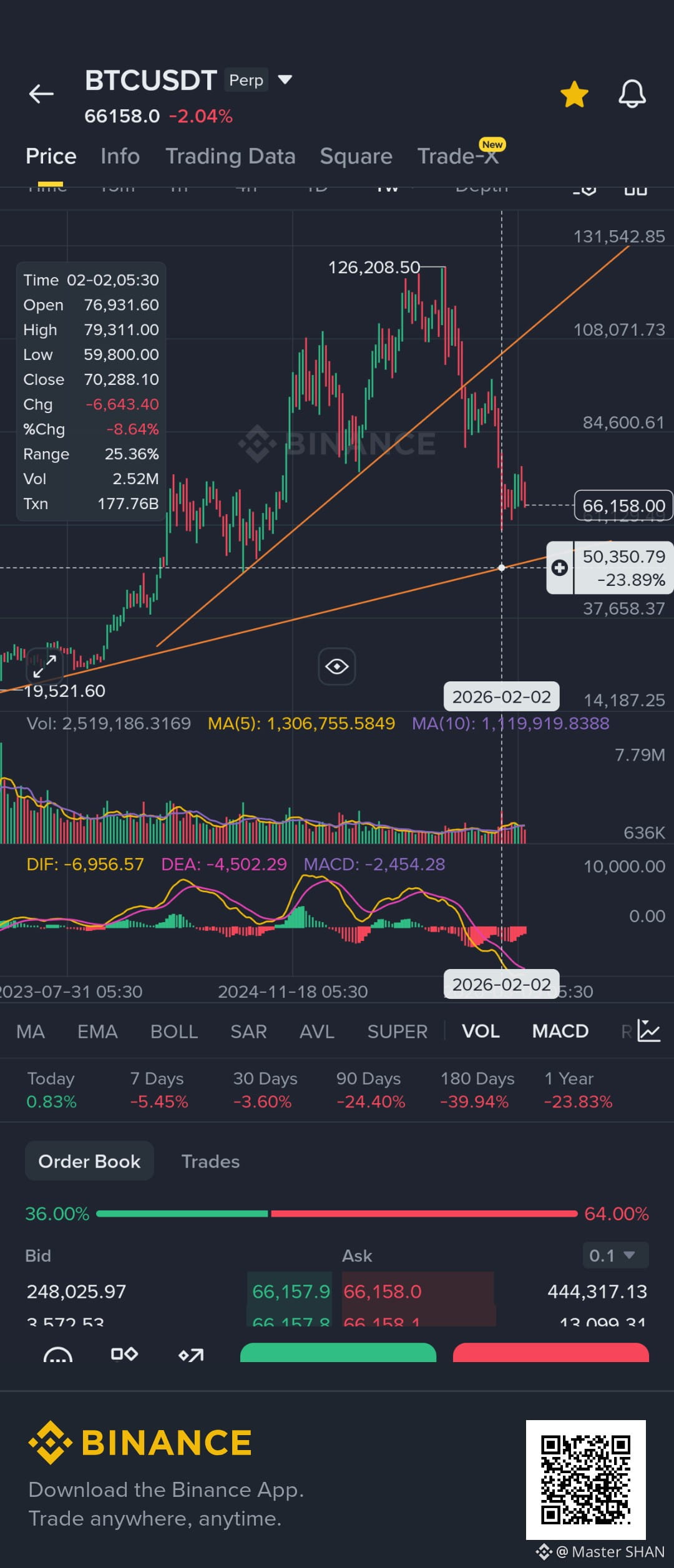
ここからIF $BTC が下がると51まで下がります。すべてのトレーダーに警告します。
$ETH $BNB
ここからIF $BTC が下がると51まで下がります。すべてのトレーダーに警告します。
$ETH $BNB
$ETH $BNB
4
133
🎙️ 一緒にBTC、ETH、BNB、Hawkの市場の変化について話しましょう!Hawkはエコシステムのバランスを維持し、自由の理念を広め、世界中に影響を与えています!
終了
04 時間 03 分 03 秒
5k
33
129
サインインを理解することは、すでに作成したウェブサイトやアプリで自分のアカウントに入ることを意味します。これは、サインアップの後に行うステップです。簡単に言えば、サインインはシステムがあなたを認識し、あなたの個人アカウント、情報、およびサービスにアクセスすることを許可する方法です。
例えば、アプリで既にアカウントを作成したと想像してください。再度アプリを開くと、メールアドレス、ユーザー名、または電話番号とパスワードの入力を求められます。これらの詳細を正しく入力すると、システムはそれらを確認し、本当にあなたであることを確認します。その後、アカウントに入ることが許可されます。このプロセスはサインインと呼ばれます。
誰かにこう説明できます:サインインは、鍵を使って自分の家に入ることに似ています。家はあなたのものでありながら、ドアを開けるためには鍵が必要です。同じように、あなたのアカウントはあなたのものでありますが、それにアクセスするためにはログイン情報が必要です。これらの詳細は、他の人からアカウントを安全に保つのに役立ちます。
サインインは個人情報を保護するために重要です。多くのアプリやウェブサイトは、メッセージ、写真、文書、または支払いの詳細などを保存します。誰でもサインインなしにアカウントを開くことができたら、それは安全ではありません。だからこそ、プラットフォームは毎回ログイン情報を求めるか、時にはあなたの個人デバイスでサインインを維持します。
要するに、サインインは、自分のログイン情報を使用して既存のアカウントに入るプロセスであると他の人に説明できます。そうすれば、システムはあなたが誰であるかを知り、あなたの個人空間にアクセスを許可します。それはアカウントを安全かつ整理された状態に保つためのシンプルだが重要なステップです。
#signdigitalsovereigninfra $SIGN
@SignOfficial
サインインを理解することは、すでに作成したウェブサイトやアプリで自分のアカウントに入ることを意味します。これは、サインアップの後に行うステップです。簡単に言えば、サインインはシステムがあなたを認識し、あなたの個人アカウント、情報、およびサービスにアクセスすることを許可する方法です。
例えば、アプリで既にアカウントを作成したと想像してください。再度アプリを開くと、メールアドレス、ユーザー名、または電話番号とパスワードの入力を求められます。これらの詳細を正しく入力すると、システムはそれらを確認し、本当にあなたであることを確認します。その後、アカウントに入ることが許可されます。このプロセスはサインインと呼ばれます。
誰かにこう説明できます:サインインは、鍵を使って自分の家に入ることに似ています。家はあなたのものでありながら、ドアを開けるためには鍵が必要です。同じように、あなたのアカウントはあなたのものでありますが、それにアクセスするためにはログイン情報が必要です。これらの詳細は、他の人からアカウントを安全に保つのに役立ちます。
サインインは個人情報を保護するために重要です。多くのアプリやウェブサイトは、メッセージ、写真、文書、または支払いの詳細などを保存します。誰でもサインインなしにアカウントを開くことができたら、それは安全ではありません。だからこそ、プラットフォームは毎回ログイン情報を求めるか、時にはあなたの個人デバイスでサインインを維持します。
要するに、サインインは、自分のログイン情報を使用して既存のアカウントに入るプロセスであると他の人に説明できます。そうすれば、システムはあなたが誰であるかを知り、あなたの個人空間にアクセスを許可します。それはアカウントを安全かつ整理された状態に保つためのシンプルだが重要なステップです。
#signdigitalsovereigninfra $SIGN
@SignOfficial
例えば、アプリで既にアカウントを作成したと想像してください。再度アプリを開くと、メールアドレス、ユーザー名、または電話番号とパスワードの入力を求められます。これらの詳細を正しく入力すると、システムはそれらを確認し、本当にあなたであることを確認します。その後、アカウントに入ることが許可されます。このプロセスはサインインと呼ばれます。
誰かにこう説明できます:サインインは、鍵を使って自分の家に入ることに似ています。家はあなたのものでありながら、ドアを開けるためには鍵が必要です。同じように、あなたのアカウントはあなたのものでありますが、それにアクセスするためにはログイン情報が必要です。これらの詳細は、他の人からアカウントを安全に保つのに役立ちます。
サインインは個人情報を保護するために重要です。多くのアプリやウェブサイトは、メッセージ、写真、文書、または支払いの詳細などを保存します。誰でもサインインなしにアカウントを開くことができたら、それは安全ではありません。だからこそ、プラットフォームは毎回ログイン情報を求めるか、時にはあなたの個人デバイスでサインインを維持します。
要するに、サインインは、自分のログイン情報を使用して既存のアカウントに入るプロセスであると他の人に説明できます。そうすれば、システムはあなたが誰であるかを知り、あなたの個人空間にアクセスを許可します。それはアカウントを安全かつ整理された状態に保つためのシンプルだが重要なステップです。
#signdigitalsovereigninfra $SIGN
@SignOfficial
12
記事
サインとサインアップについて話すサインアップについて話すとき、私たちは新しいアカウントを作成することでウェブサイト、アプリ、またはオンラインサービスに参加することを意味します。簡単な人間の言葉で言うと、サインアップは、システムに自分を紹介して、誰であるかを知ってもらい、その機能を利用できるようにすることです。クラブ、学校、または図書館に参加するときと同じように、まず自分の名前といくつかの基本的な詳細を登録します。その後、メンバーになり、その場所が提供するものにアクセスできます。インターネット上のサインアッププロセスは、非常に似たように機能します。
サインアップの最初のステップは、通常、誰かがウェブサイトを訪れたり、アプリを開いたりすることから始まります。メインページには、しばしば「サインアップ」、「登録」、または「アカウントを作成」と書かれたボタンがあります。このボタンは新しいユーザーが参加するための招待です。それをクリックすると、基本的な情報を求めるフォームが表示されます。この情報は、プラットフォームがユーザーのユニークなアイデンティティを作成するのに役立ちます。
サインとサインアップについて話す
サインアップについて話すとき、私たちは新しいアカウントを作成することでウェブサイト、アプリ、またはオンラインサービスに参加することを意味します。簡単な人間の言葉で言うと、サインアップは、システムに自分を紹介して、誰であるかを知ってもらい、その機能を利用できるようにすることです。クラブ、学校、または図書館に参加するときと同じように、まず自分の名前といくつかの基本的な詳細を登録します。その後、メンバーになり、その場所が提供するものにアクセスできます。インターネット上のサインアッププロセスは、非常に似たように機能します。
サインアップの最初のステップは、通常、誰かがウェブサイトを訪れたり、アプリを開いたりすることから始まります。メインページには、しばしば「サインアップ」、「登録」、または「アカウントを作成」と書かれたボタンがあります。このボタンは新しいユーザーが参加するための招待です。それをクリックすると、基本的な情報を求めるフォームが表示されます。この情報は、プラットフォームがユーザーのユニークなアイデンティティを作成するのに役立ちます。
サインアップの最初のステップは、通常、誰かがウェブサイトを訪れたり、アプリを開いたりすることから始まります。メインページには、しばしば「サインアップ」、「登録」、または「アカウントを作成」と書かれたボタンがあります。このボタンは新しいユーザーが参加するための招待です。それをクリックすると、基本的な情報を求めるフォームが表示されます。この情報は、プラットフォームがユーザーのユニークなアイデンティティを作成するのに役立ちます。
24
記事
あなたは私たちが毎日サインとサインネットワークを使用していることを知っていますサインネットワークは、異なるサイン、シンボル、信号が接続されて、情報を整理された方法で伝達するシステムです。人間は自然にサインに依存して、周囲の世界を理解します。単純なジェスチャーや視覚的シンボルからデジタルアイコンや信号まで、サインは人々がアイデアを迅速かつ明確に交換するのを助けます。これらのサインが構造化された形で一緒に機能するとき、私たちはそれをサインネットワークと呼びます。このネットワークは、人々が長い説明を常に必要とせずにメッセージを解釈するのを助けます。
あなたは私たちが毎日サインとサインネットワークを使用していることを知っています
サインネットワークは、異なるサイン、シンボル、信号が接続されて、情報を整理された方法で伝達するシステムです。人間は自然にサインに依存して、周囲の世界を理解します。単純なジェスチャーや視覚的シンボルからデジタルアイコンや信号まで、サインは人々がアイデアを迅速かつ明確に交換するのを助けます。これらのサインが構造化された形で一緒に機能するとき、私たちはそれをサインネットワークと呼びます。このネットワークは、人々が長い説明を常に必要とせずにメッセージを解釈するのを助けます。
2
76
サインネットワークは、異なるサイン、シンボル、または信号が接続されて情報と意味を共有するシステムとして理解できます。人間は毎日サインを使って、長い文を使わずにアイデア、感情、指示を伝えます。サインネットワークでは、各サインは小さなメッセージのように機能し、これらのメッセージが一緒にリンクされると、より大きなコミュニケーションの流れが生まれます。
例えば、道路標識はシンプルですが強力なサインネットワークを形成します。停止標識、速度制限標識、方向標識は、ドライバーを導き、道路を安全に保つために一緒に機能します。各サインには特定の意味がありますが、全体のネットワークは人々がスムーズに移動し、混乱を避けるのを助けます。デジタルの世界では、サインネットワークは、アイコン、シンボル、通知が情報を迅速に導くウェブサイト、アプリ、オンラインプラットフォームにも存在することができます。
#signdigitalsovereigninfra $SIGN
@SignOfficial
サインネットワークは、異なるサイン、シンボル、または信号が接続されて情報と意味を共有するシステムとして理解できます。人間は毎日サインを使って、長い文を使わずにアイデア、感情、指示を伝えます。サインネットワークでは、各サインは小さなメッセージのように機能し、これらのメッセージが一緒にリンクされると、より大きなコミュニケーションの流れが生まれます。
例えば、道路標識はシンプルですが強力なサインネットワークを形成します。停止標識、速度制限標識、方向標識は、ドライバーを導き、道路を安全に保つために一緒に機能します。各サインには特定の意味がありますが、全体のネットワークは人々がスムーズに移動し、混乱を避けるのを助けます。デジタルの世界では、サインネットワークは、アイコン、シンボル、通知が情報を迅速に導くウェブサイト、アプリ、オンラインプラットフォームにも存在することができます。
#signdigitalsovereigninfra $SIGN
@SignOfficial
例えば、道路標識はシンプルですが強力なサインネットワークを形成します。停止標識、速度制限標識、方向標識は、ドライバーを導き、道路を安全に保つために一緒に機能します。各サインには特定の意味がありますが、全体のネットワークは人々がスムーズに移動し、混乱を避けるのを助けます。デジタルの世界では、サインネットワークは、アイコン、シンボル、通知が情報を迅速に導くウェブサイト、アプリ、オンラインプラットフォームにも存在することができます。
#signdigitalsovereigninfra $SIGN
@SignOfficial
1
30
記事
サイン エントリーサインとは、意味を表すものやメッセージを伝達するものです。それは、情報を迅速に理解するためのシンボル、言葉、ジェスチャー、音、画像、または物体であることができます。サインは、人間生活の不可欠な部分であり、コミュニケーションをより簡単で整理されたものにします。古代から現代のデジタル世界に至るまで、サインは人々がアイデアを共有し、感情を表現し、行動を導くのを助けてきました。
日常生活では、私たちは常にサインを使用し、目にします。道路の交通標識は最も一般的な例の一つです。それらはドライバーや歩行者に、止まる、行く、減速する、または曲がるタイミングを知らせます。これらの標識がなければ、道路は混沌とし危険なものになるでしょう。同様に、病院、学校、空港、ショッピングセンターなどの公共の場所でも、異なる場所への案内のためにサインが使用されています。これらのサインは時間を節約し、混乱を減少させます。
サイン エントリー
サインとは、意味を表すものやメッセージを伝達するものです。それは、情報を迅速に理解するためのシンボル、言葉、ジェスチャー、音、画像、または物体であることができます。サインは、人間生活の不可欠な部分であり、コミュニケーションをより簡単で整理されたものにします。古代から現代のデジタル世界に至るまで、サインは人々がアイデアを共有し、感情を表現し、行動を導くのを助けてきました。
日常生活では、私たちは常にサインを使用し、目にします。道路の交通標識は最も一般的な例の一つです。それらはドライバーや歩行者に、止まる、行く、減速する、または曲がるタイミングを知らせます。これらの標識がなければ、道路は混沌とし危険なものになるでしょう。同様に、病院、学校、空港、ショッピングセンターなどの公共の場所でも、異なる場所への案内のためにサインが使用されています。これらのサインは時間を節約し、混乱を減少させます。
日常生活では、私たちは常にサインを使用し、目にします。道路の交通標識は最も一般的な例の一つです。それらはドライバーや歩行者に、止まる、行く、減速する、または曲がるタイミングを知らせます。これらの標識がなければ、道路は混沌とし危険なものになるでしょう。同様に、病院、学校、空港、ショッピングセンターなどの公共の場所でも、異なる場所への案内のためにサインが使用されています。これらのサインは時間を節約し、混乱を減少させます。
4
149
#signdigitalsovereigninfra $SIGN
サインとは、意味を表すまたは伝達するものです。それは言葉、記号、ジェスチャー、音、または人々が長い説明なしでメッセージを理解するのを助けるオブジェクトです。サインは日常生活で、情報を迅速かつ明確に共有するために使用されます。例えば、交通標識はドライバーや歩行者を案内し、電話やコンピュータの記号はユーザーが機能を簡単に理解するのを助けます。
コミュニケーションにおいて、サインはアイデアを理解と結びつける重要な役割を果たします。サムズアップのようなシンプルなサインは承認を示すことができ、一方で赤い信号は人々に停止するよう警告することができます。言語において、文字や単語も音や意味を表すサインです。サインがなければ、コミュニケーションは遅くなり、より混乱することになります。
@SignOfficial サインは文化や技術においても重要です。異なる社会は、伝統、感情、または指示を表現するためにユニークなサインを使用することがあります。デジタルの世界では、アイコン、絵文字、記号は、オンラインで迅速にコミュニケーションを助ける現代のサインとして機能します。
全体的に、サインはコミュニケーションをより簡単に、迅速に、そして効果的にします。彼らは人々がアイデアを共有し、指示を与え、感情を表現するのを助けるシンプルな方法で、多くの人々が理解できるようにします。たとえ異なる言語を話していても。
#signdigitalsovereigninfra $SIGN
サインとは、意味を表すまたは伝達するものです。それは言葉、記号、ジェスチャー、音、または人々が長い説明なしでメッセージを理解するのを助けるオブジェクトです。サインは日常生活で、情報を迅速かつ明確に共有するために使用されます。例えば、交通標識はドライバーや歩行者を案内し、電話やコンピュータの記号はユーザーが機能を簡単に理解するのを助けます。
コミュニケーションにおいて、サインはアイデアを理解と結びつける重要な役割を果たします。サムズアップのようなシンプルなサインは承認を示すことができ、一方で赤い信号は人々に停止するよう警告することができます。言語において、文字や単語も音や意味を表すサインです。サインがなければ、コミュニケーションは遅くなり、より混乱することになります。
@SignOfficial サインは文化や技術においても重要です。異なる社会は、伝統、感情、または指示を表現するためにユニークなサインを使用することがあります。デジタルの世界では、アイコン、絵文字、記号は、オンラインで迅速にコミュニケーションを助ける現代のサインとして機能します。
全体的に、サインはコミュニケーションをより簡単に、迅速に、そして効果的にします。彼らは人々がアイデアを共有し、指示を与え、感情を表現するのを助けるシンプルな方法で、多くの人々が理解できるようにします。たとえ異なる言語を話していても。
サインとは、意味を表すまたは伝達するものです。それは言葉、記号、ジェスチャー、音、または人々が長い説明なしでメッセージを理解するのを助けるオブジェクトです。サインは日常生活で、情報を迅速かつ明確に共有するために使用されます。例えば、交通標識はドライバーや歩行者を案内し、電話やコンピュータの記号はユーザーが機能を簡単に理解するのを助けます。
コミュニケーションにおいて、サインはアイデアを理解と結びつける重要な役割を果たします。サムズアップのようなシンプルなサインは承認を示すことができ、一方で赤い信号は人々に停止するよう警告することができます。言語において、文字や単語も音や意味を表すサインです。サインがなければ、コミュニケーションは遅くなり、より混乱することになります。
@SignOfficial サインは文化や技術においても重要です。異なる社会は、伝統、感情、または指示を表現するためにユニークなサインを使用することがあります。デジタルの世界では、アイコン、絵文字、記号は、オンラインで迅速にコミュニケーションを助ける現代のサインとして機能します。
全体的に、サインはコミュニケーションをより簡単に、迅速に、そして効果的にします。彼らは人々がアイデアを共有し、指示を与え、感情を表現するのを助けるシンプルな方法で、多くの人々が理解できるようにします。たとえ異なる言語を話していても。
93

記事
サイントークンについて@SignOfficial $SIGN, <t-14/>#SignDigitalSovereignInfra . $SIGN トークンは、2025年4月28日にバイナンスでスポット上場を果たし、その後も強固な地位を確立しています。現在の時価総額は9295万ドルで、価格はまだ0.047周辺をうろうろしており、ここ21日間は市場で良好な取引量が見られています。長期的に購入することができます。なぜなら、上場後ほとんどのトークンは価格と取引量が大幅に減少し、徐々に価格が消えてしまうからです。しかし、これはサイントークンには当てはまりません。サイントークンは市場での地位をうまく維持しており、このまま続けば、将来的に良いランクと良い価格に達することが期待できます。また、その作業の進捗も良好で、現在市場でのランクは199位です。総供給量は100億です。さて、ログはトークンにどれだけの関心が寄せられているか見てみましょう。
サイントークンについて
@SignOfficial $SIGN , <t-14/>#SignDigitalSovereignInfra . $SIGN トークンは、2025年4月28日にバイナンスでスポット上場を果たし、その後も強固な地位を確立しています。現在の時価総額は9295万ドルで、価格はまだ0.047周辺をうろうろしており、ここ21日間は市場で良好な取引量が見られています。長期的に購入することができます。なぜなら、上場後ほとんどのトークンは価格と取引量が大幅に減少し、徐々に価格が消えてしまうからです。しかし、これはサイントークンには当てはまりません。サイントークンは市場での地位をうまく維持しており、このまま続けば、将来的に良いランクと良い価格に達することが期待できます。また、その作業の進捗も良好で、現在市場でのランクは199位です。総供給量は100億です。さて、ログはトークンにどれだけの関心が寄せられているか見てみましょう。
1
85
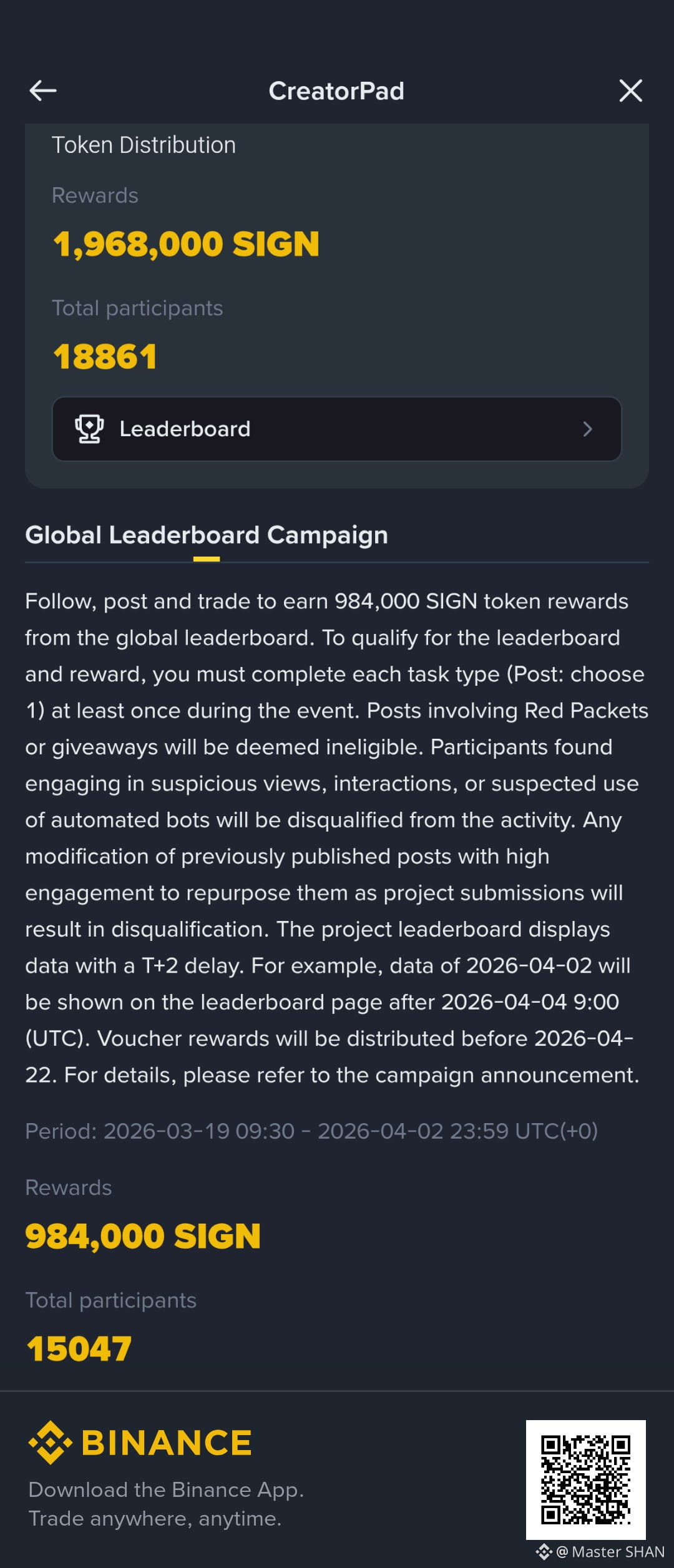
@SignOfficial 皆さん、新しいサイントークンのキャンペーンが始まりました。公式サイトからサイントークンを確認できるトップ10の人を見て、私が今どうなっているかを見てください。Fatima Tarikhのような認証されたコンテンツクリエイターは素晴らしいです。彼らの投稿を見れば、どのようなタイプのコンテンツを投稿しているかを学ぶことができます。彼らの投稿から学び、自分自身のコンセプトを投稿すれば、より多くの視聴を得るチャンスがあります。視聴が増えることで、キャンペーンで上位に立つチャンスやポイントを獲得するチャンスも増えます。ですので、何か理解できないことがあれば、彼らの投稿から学び、彼らの投稿をコピーしたり、ペーストしたりしないでください。ただ彼らのコンセプトを見て、自分自身の方法で何かを投稿してください。そして、彼のニッチに入ってくる取引は、将来的にも取引できるので、毎日5ポイントを獲得でき、残高もあまり減少しません。最低限の手数料がかかりますが、翻訳手数料もあります。しかし、彼には多くのフォロワーがいるため、フォロワーが多いことで彼の投稿も多くの視聴を得ています。ですので、皆さんはできるだけフォロワーを増やすために努力してください。フォロワーを増やした後、認証されたクリエイターになれば、コンテンツに参加することで簡単にトップ100に入れるようになります。
#signdigitalsovereigninfra $SIGN
@SignOfficial 皆さん、新しいサイントークンのキャンペーンが始まりました。公式サイトからサイントークンを確認できるトップ10の人を見て、私が今どうなっているかを見てください。Fatima Tarikhのような認証されたコンテンツクリエイターは素晴らしいです。彼らの投稿を見れば、どのようなタイプのコンテンツを投稿しているかを学ぶことができます。彼らの投稿から学び、自分自身のコンセプトを投稿すれば、より多くの視聴を得るチャンスがあります。視聴が増えることで、キャンペーンで上位に立つチャンスやポイントを獲得するチャンスも増えます。ですので、何か理解できないことがあれば、彼らの投稿から学び、彼らの投稿をコピーしたり、ペーストしたりしないでください。ただ彼らのコンセプトを見て、自分自身の方法で何かを投稿してください。そして、彼のニッチに入ってくる取引は、将来的にも取引できるので、毎日5ポイントを獲得でき、残高もあまり減少しません。最低限の手数料がかかりますが、翻訳手数料もあります。しかし、彼には多くのフォロワーがいるため、フォロワーが多いことで彼の投稿も多くの視聴を得ています。ですので、皆さんはできるだけフォロワーを増やすために努力してください。フォロワーを増やした後、認証されたクリエイターになれば、コンテンツに参加することで簡単にトップ100に入れるようになります。
#signdigitalsovereigninfra $SIGN
#signdigitalsovereigninfra $SIGN
86
記事
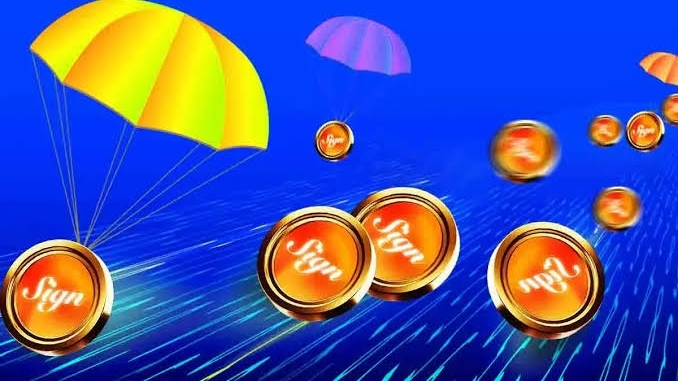
Signに注目@SignOfficial Signデジタルトークンは、ブロックチェーン技術を使用して作成されたデジタル資産の一種です。それは、特定のデジタルプラットフォームやオンラインエコシステム内での価値、アクセス、または参加を表します。現代のデジタル世界では、Signデジタルトークンのようなトークンは、人々が分散型環境で相互作用し、取引し、プロジェクトを支援するのに役立つため、ますます重要になっています。
ブロックチェーン技術は、Signデジタルトークンの基盤です。ブロックチェーンは、安全で透明性のあるデジタル台帳で、トークンを使用して行われたすべての取引を記録します。これは、一度取引が記録されると、それを簡単に変更または削除することができないことを意味します。このシステムのおかげで、ユーザーは自分の取引が安全で確認済みであると信頼でき、銀行や金融機関のような中央当局を必要としません。
Signに注目
@SignOfficial Signデジタルトークンは、ブロックチェーン技術を使用して作成されたデジタル資産の一種です。それは、特定のデジタルプラットフォームやオンラインエコシステム内での価値、アクセス、または参加を表します。現代のデジタル世界では、Signデジタルトークンのようなトークンは、人々が分散型環境で相互作用し、取引し、プロジェクトを支援するのに役立つため、ますます重要になっています。
ブロックチェーン技術は、Signデジタルトークンの基盤です。ブロックチェーンは、安全で透明性のあるデジタル台帳で、トークンを使用して行われたすべての取引を記録します。これは、一度取引が記録されると、それを簡単に変更または削除することができないことを意味します。このシステムのおかげで、ユーザーは自分の取引が安全で確認済みであると信頼でき、銀行や金融機関のような中央当局を必要としません。
ブロックチェーン技術は、Signデジタルトークンの基盤です。ブロックチェーンは、安全で透明性のあるデジタル台帳で、トークンを使用して行われたすべての取引を記録します。これは、一度取引が記録されると、それを簡単に変更または削除することができないことを意味します。このシステムのおかげで、ユーザーは自分の取引が安全で確認済みであると信頼でき、銀行や金融機関のような中央当局を必要としません。
1
1
71
記事
サインを見る$SIGN デジタルトークンは、ブロックチェーン技術を使用して作成されたデジタル資産の一種です。それは、特定のデジタルプラットフォームまたはオンラインエコシステム内での価値、アクセス、または参加を表します。現代のデジタル世界では、Signデジタルトークンのようなトークンは、人々が分散型環境で相互作用し、取引し、プロジェクトを支援するのに役立つため、ますます重要になっています。
ブロックチェーン技術は、#SignDigitalSovereignln トークンの基盤です。ブロックチェーンは、トークンで行われるすべての取引を記録する安全で透明なデジタル台帳です。これは、一度取引が記録されると、それを簡単に変更したり削除したりできないことを意味します。このシステムのおかげで、ユーザーは銀行や金融機関などの中央当局を必要とせずに、取引が安全で確認されていることを信頼できます。
サインを見る
$SIGN デジタルトークンは、ブロックチェーン技術を使用して作成されたデジタル資産の一種です。それは、特定のデジタルプラットフォームまたはオンラインエコシステム内での価値、アクセス、または参加を表します。現代のデジタル世界では、Signデジタルトークンのようなトークンは、人々が分散型環境で相互作用し、取引し、プロジェクトを支援するのに役立つため、ますます重要になっています。
ブロックチェーン技術は、#SignDigitalSovereignln トークンの基盤です。ブロックチェーンは、トークンで行われるすべての取引を記録する安全で透明なデジタル台帳です。これは、一度取引が記録されると、それを簡単に変更したり削除したりできないことを意味します。このシステムのおかげで、ユーザーは銀行や金融機関などの中央当局を必要とせずに、取引が安全で確認されていることを信頼できます。
ブロックチェーン技術は、#SignDigitalSovereignln トークンの基盤です。ブロックチェーンは、トークンで行われるすべての取引を記録する安全で透明なデジタル台帳です。これは、一度取引が記録されると、それを簡単に変更したり削除したりできないことを意味します。このシステムのおかげで、ユーザーは銀行や金融機関などの中央当局を必要とせずに、取引が安全で確認されていることを信頼できます。
69
#signdigitalsovereigninfra $SIGN
@SignOfficial
サインデジタルトークンは、オンラインプラットフォーム内で価値、アイデンティティ、またはアクセスを表すために使用されるブロックチェーンベースのデジタル資産です。それは分散型技術で機能し、取引はブロックチェーンと呼ばれる安全な公共台帳に記録されます。サインデジタルトークンは、支払い、報酬、プロジェクトでの投票、またはデジタル契約の検証に使用できます。多くの現代のデジタルエコシステムは、強力なコミュニティを構築し、透明な取引を支援するために、そのようなトークンを作成します。ブロックチェーン技術は安全で透明であるため、ユーザーは中央集権的な権威に依存せずにシステムを信頼できます。デジタルファイナンスとWeb3が成長し続ける中で、サインデジタルトークンはオンラインサービスにおいてますます重要になる可能性があります。
#signdigitalsovereigninfra $SIGN
@SignOfficial
サインデジタルトークンは、オンラインプラットフォーム内で価値、アイデンティティ、またはアクセスを表すために使用されるブロックチェーンベースのデジタル資産です。それは分散型技術で機能し、取引はブロックチェーンと呼ばれる安全な公共台帳に記録されます。サインデジタルトークンは、支払い、報酬、プロジェクトでの投票、またはデジタル契約の検証に使用できます。多くの現代のデジタルエコシステムは、強力なコミュニティを構築し、透明な取引を支援するために、そのようなトークンを作成します。ブロックチェーン技術は安全で透明であるため、ユーザーは中央集権的な権威に依存せずにシステムを信頼できます。デジタルファイナンスとWeb3が成長し続ける中で、サインデジタルトークンはオンラインサービスにおいてますます重要になる可能性があります。
@SignOfficial
サインデジタルトークンは、オンラインプラットフォーム内で価値、アイデンティティ、またはアクセスを表すために使用されるブロックチェーンベースのデジタル資産です。それは分散型技術で機能し、取引はブロックチェーンと呼ばれる安全な公共台帳に記録されます。サインデジタルトークンは、支払い、報酬、プロジェクトでの投票、またはデジタル契約の検証に使用できます。多くの現代のデジタルエコシステムは、強力なコミュニティを構築し、透明な取引を支援するために、そのようなトークンを作成します。ブロックチェーン技術は安全で透明であるため、ユーザーは中央集権的な権威に依存せずにシステムを信頼できます。デジタルファイナンスとWeb3が成長し続ける中で、サインデジタルトークンはオンラインサービスにおいてますます重要になる可能性があります。
34
ミッドナイトトークンに大きな目をロードマップは慎重な計画を示しています。彼らは開発、アップデート、統合のための明確なフェーズを持っています。バイナンスは流動性と取引に焦点を当てている取引所です。これにより、参加する場合は、安全で信頼できるプラットフォームでトークンを取引または管理できることが保証されます。ロードマップはまた、段階的な成長、新機能の慎重なテスト、およびネットワークがスケールする際に強さを保つことを強調しています。
リスクは、すべての暗号プロジェクトと同様に存在します。市場のボラティリティや技術的な課題は現実のものです。強力なプライバシーとセキュリティプロトコルがあっても、予期しない問題が発生する可能性があります。ミッドナイトネットワークはこれらのリスクについて透明性を持っており、それが彼らのプロセスを信頼しやすくしています。彼らはオープンにコミュニケーションを取り、人々が思慮深い決定を下すために必要な情報を提供しています。ミッドナイトネットワークの機能は彼らのビジョンを示しています。ネットワークはプライベートで効率的、そして実用的です。彼らはプライバシーと使いやすさが容易にアクセスできるようにするためのツールを開発者やユーザーのために構築しています。あなたは、あなたの権利とデータを尊重する分散型アプリに参加できます。それは誇大広告のための派手さではなく、長期的に役立つものです。
ミッドナイトトークンに大きな目を
ロードマップは慎重な計画を示しています。彼らは開発、アップデート、統合のための明確なフェーズを持っています。バイナンスは流動性と取引に焦点を当てている取引所です。これにより、参加する場合は、安全で信頼できるプラットフォームでトークンを取引または管理できることが保証されます。ロードマップはまた、段階的な成長、新機能の慎重なテスト、およびネットワークがスケールする際に強さを保つことを強調しています。
リスクは、すべての暗号プロジェクトと同様に存在します。市場のボラティリティや技術的な課題は現実のものです。強力なプライバシーとセキュリティプロトコルがあっても、予期しない問題が発生する可能性があります。ミッドナイトネットワークはこれらのリスクについて透明性を持っており、それが彼らのプロセスを信頼しやすくしています。彼らはオープンにコミュニケーションを取り、人々が思慮深い決定を下すために必要な情報を提供しています。ミッドナイトネットワークの機能は彼らのビジョンを示しています。ネットワークはプライベートで効率的、そして実用的です。彼らはプライバシーと使いやすさが容易にアクセスできるようにするためのツールを開発者やユーザーのために構築しています。あなたは、あなたの権利とデータを尊重する分散型アプリに参加できます。それは誇大広告のための派手さではなく、長期的に役立つものです。
リスクは、すべての暗号プロジェクトと同様に存在します。市場のボラティリティや技術的な課題は現実のものです。強力なプライバシーとセキュリティプロトコルがあっても、予期しない問題が発生する可能性があります。ミッドナイトネットワークはこれらのリスクについて透明性を持っており、それが彼らのプロセスを信頼しやすくしています。彼らはオープンにコミュニケーションを取り、人々が思慮深い決定を下すために必要な情報を提供しています。ミッドナイトネットワークの機能は彼らのビジョンを示しています。ネットワークはプライベートで効率的、そして実用的です。彼らはプライバシーと使いやすさが容易にアクセスできるようにするためのツールを開発者やユーザーのために構築しています。あなたは、あなたの権利とデータを尊重する分散型アプリに参加できます。それは誇大広告のための派手さではなく、長期的に役立つものです。
26
#night $NIGHT 私を引き付けるのは、つながりの感覚です。@MidnightNetwork ミッドナイトネットワークは、プライバシー、参加、認識についてのものです。それは、あなたの努力が重要であると感じさせてくれます。人々がリーダーボードを上昇するのを見るのは興奮することであり、それはエンゲージメントが本当の価値を持っている証拠です。ネットワークは参加者一人一人で強化され、あなたはその成長の一部であると感じます。
参加を考えているなら、それをただのトークンとして扱わないでください。あなたの行動が重要であるコミュニティの一部になる機会と見なしてください。挑戦に参加し、リーダーボードを登り、あなたの努力がネットワークとともに成長するのを見てください。ミッドナイトネットワークは単なるトークンを提供しているのではなく、人々、技術、プライバシーが一緒になる場所を提供しています。
ランクを上昇させることは単なるスローガンではありません。それは約束です。あなたが関わるなら、もし
#night $NIGHT 私を引き付けるのは、つながりの感覚です。@MidnightNetwork ミッドナイトネットワークは、プライバシー、参加、認識についてのものです。それは、あなたの努力が重要であると感じさせてくれます。人々がリーダーボードを上昇するのを見るのは興奮することであり、それはエンゲージメントが本当の価値を持っている証拠です。ネットワークは参加者一人一人で強化され、あなたはその成長の一部であると感じます。
参加を考えているなら、それをただのトークンとして扱わないでください。あなたの行動が重要であるコミュニティの一部になる機会と見なしてください。挑戦に参加し、リーダーボードを登り、あなたの努力がネットワークとともに成長するのを見てください。ミッドナイトネットワークは単なるトークンを提供しているのではなく、人々、技術、プライバシーが一緒になる場所を提供しています。
ランクを上昇させることは単なるスローガンではありません。それは約束です。あなたが関わるなら、もし
参加を考えているなら、それをただのトークンとして扱わないでください。あなたの行動が重要であるコミュニティの一部になる機会と見なしてください。挑戦に参加し、リーダーボードを登り、あなたの努力がネットワークとともに成長するのを見てください。ミッドナイトネットワークは単なるトークンを提供しているのではなく、人々、技術、プライバシーが一緒になる場所を提供しています。
ランクを上昇させることは単なるスローガンではありません。それは約束です。あなたが関わるなら、もし
28
ログインして、さらにコンテンツを読む
厳選トピックで世界の暗号資産トレーダーの仲間入り
⚡️ 暗号資産に関する最新かつ有益な情報が見つかります。
💬 世界最大の暗号資産取引所から信頼されています。
👍 認証を受けたクリエイターから、有益なインサイトを得られます。
メール / 電話番号