

Mason Lee
7.3k 投稿

Mason Lee
 厳選トピック確認済+
報告
ユーザーをブロック
Influencer | Content Creator |Ambassador | Degen | #Binance KOL | DM for Collab
取引を発注
超高頻度トレーダー
1.9年
126 フォロー
33.4K+ フォロワー
20.8K+ いいね
投稿
ポートフォリオ
すべて
引用
ライブ
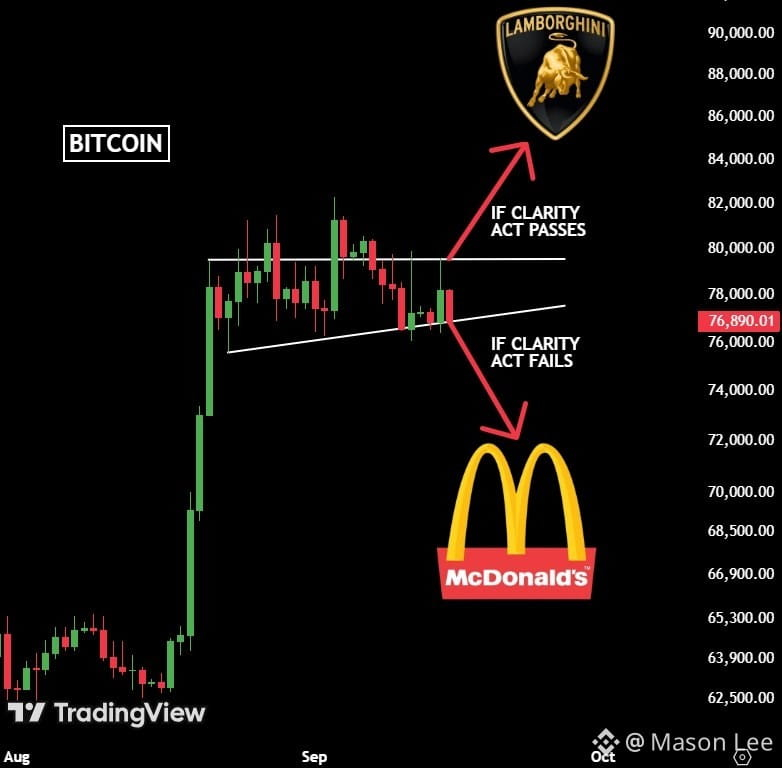
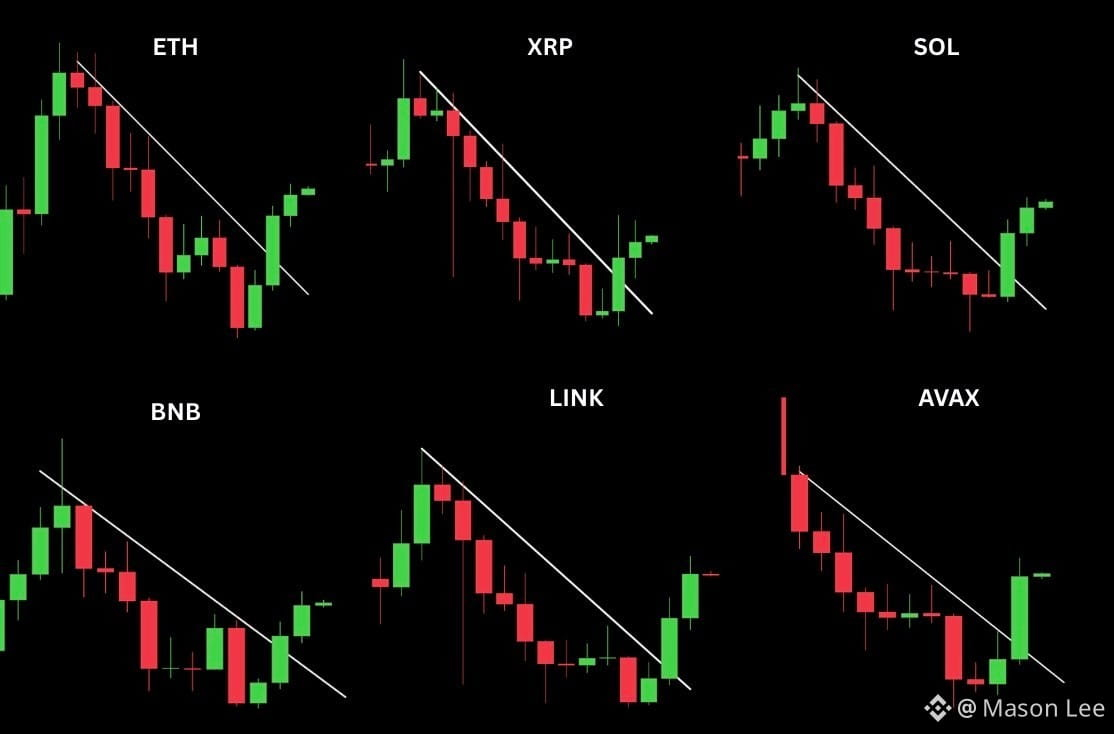

·
--
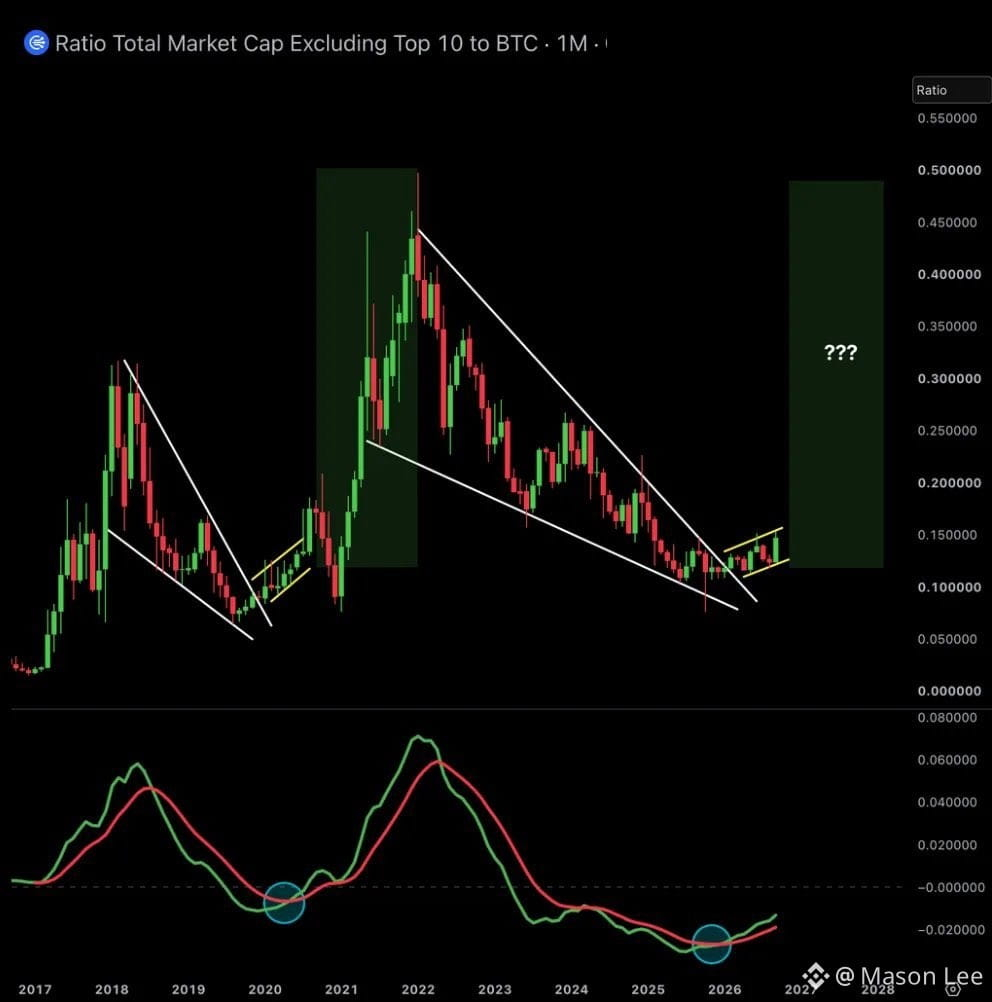
アルトコインは、注目に値する種類の構造を静かに構築している可能性があります。
OTHERS/BTCの月足チャートでは、目立つ変化が見られます:
→ 長期の下降トレンドが崩れたように見える
→ より高い構造が形成され始めている
→ モメンタムが上向きに転じた
→ このセットアップは、過去の主要なアルトコイン拡大局面の初期段階に似ている
確実なものではありませんが、この構造が維持され続けるなら、アルトコインにとって次の局面は非常に面白くなるかもしれません。
#Altcoins #Crypto #Bitcoin #Altseason #CryptoMarket
{spot}(BTCUSDT)
アルトコインは、注目に値する種類の構造を静かに構築している可能性があります。
OTHERS/BTCの月足チャートでは、目立つ変化が見られます:
→ 長期の下降トレンドが崩れたように見える
→ より高い構造が形成され始めている
→ モメンタムが上向きに転じた
→ このセットアップは、過去の主要なアルトコイン拡大局面の初期段階に似ている
確実なものではありませんが、この構造が維持され続けるなら、アルトコインにとって次の局面は非常に面白くなるかもしれません。
#Altcoins #Crypto #Bitcoin #Altseason #CryptoMarket
OTHERS/BTCの月足チャートでは、目立つ変化が見られます:
→ 長期の下降トレンドが崩れたように見える
→ より高い構造が形成され始めている
→ モメンタムが上向きに転じた
→ このセットアップは、過去の主要なアルトコイン拡大局面の初期段階に似ている
確実なものではありませんが、この構造が維持され続けるなら、アルトコインにとって次の局面は非常に面白くなるかもしれません。
#Altcoins #Crypto #Bitcoin #Altseason #CryptoMarket
195
·
--
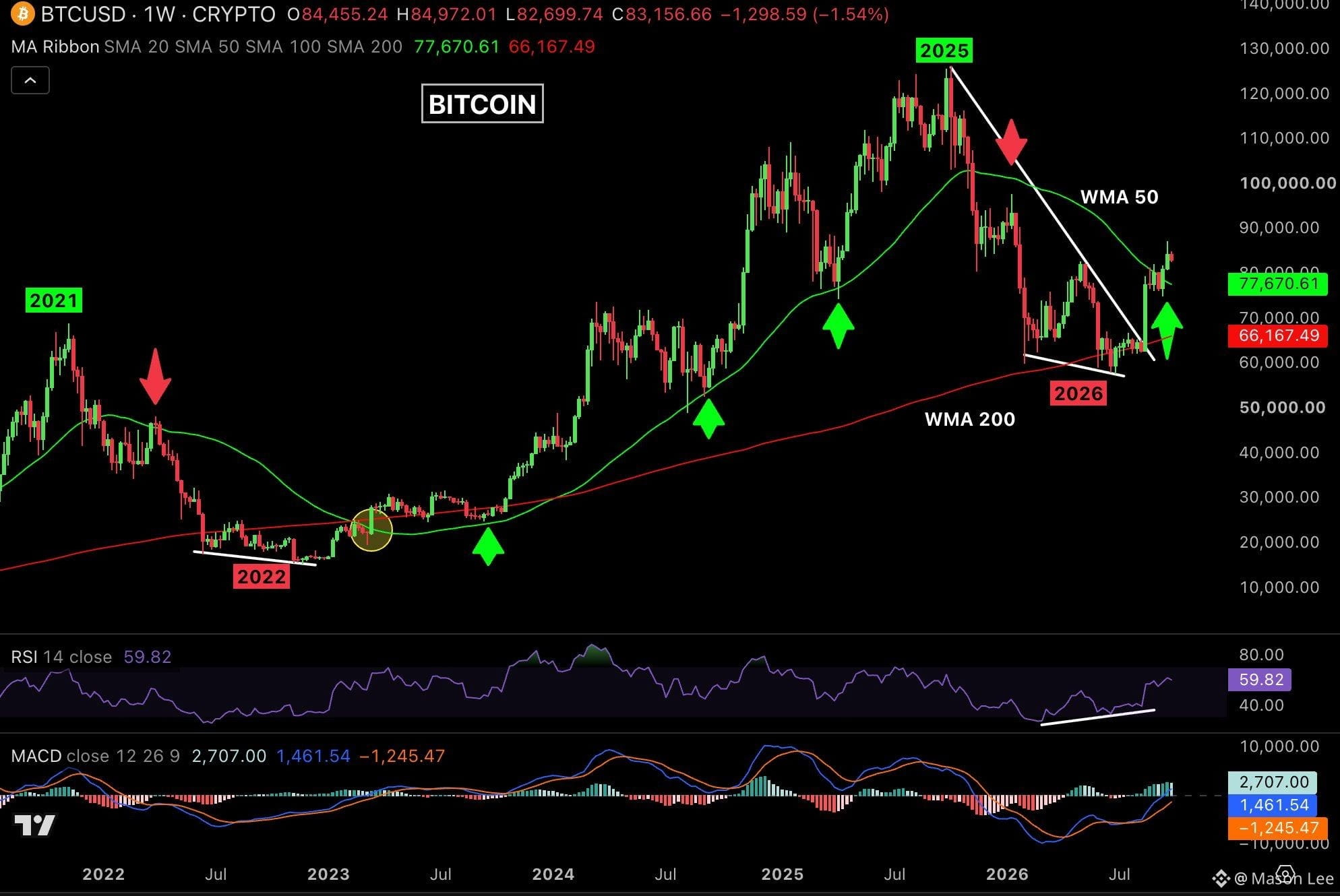
$BTC 今週の構造が面白い展開になってきています
ビットコインはWMA 50(約77.7Kドル)を再び上回り、WMA 200(約66.2Kドル)よりも十分に上で堅調に推移しています。
チャートでは次の点も示されています: • RSIが60近辺
• MACDのモメンタムがプラスに転じている
• 主要な週次移動平均を取り戻している
• 2026年の安値からの明確な回復
より大きな疑問は、BTCが回復したかどうかではありません。
この回復が、持続的な週次トレンドへ発展できるかどうかです。
私にとっては、77K〜78Kドルが引き続き重要な注目ポイントです。決定的な下落は構造を弱め得ますが、その上での継続的な受け入れがあれば、強気の見立てはテクニカル的に維持されます。
週足の終値を見てください。まず構造、次に予測です。
#Bitcoin #btcupdates #BitcoinAnalysis
$BTC 今週の構造が面白い展開になってきています
ビットコインはWMA 50(約77.7Kドル)を再び上回り、WMA 200(約66.2Kドル)よりも十分に上で堅調に推移しています。
チャートでは次の点も示されています: • RSIが60近辺
• MACDのモメンタムがプラスに転じている
• 主要な週次移動平均を取り戻している
• 2026年の安値からの明確な回復
より大きな疑問は、BTCが回復したかどうかではありません。
この回復が、持続的な週次トレンドへ発展できるかどうかです。
私にとっては、77K〜78Kドルが引き続き重要な注目ポイントです。決定的な下落は構造を弱め得ますが、その上での継続的な受け入れがあれば、強気の見立てはテクニカル的に維持されます。
週足の終値を見てください。まず構造、次に予測です。
#Bitcoin #btcupdates #BitcoinAnalysis
ビットコインはWMA 50(約77.7Kドル)を再び上回り、WMA 200(約66.2Kドル)よりも十分に上で堅調に推移しています。
チャートでは次の点も示されています: • RSIが60近辺
• MACDのモメンタムがプラスに転じている
• 主要な週次移動平均を取り戻している
• 2026年の安値からの明確な回復
より大きな疑問は、BTCが回復したかどうかではありません。
この回復が、持続的な週次トレンドへ発展できるかどうかです。
私にとっては、77K〜78Kドルが引き続き重要な注目ポイントです。決定的な下落は構造を弱め得ますが、その上での継続的な受け入れがあれば、強気の見立てはテクニカル的に維持されます。
週足の終値を見てください。まず構造、次に予測です。
#Bitcoin #btcupdates #BitcoinAnalysis
161
·
--
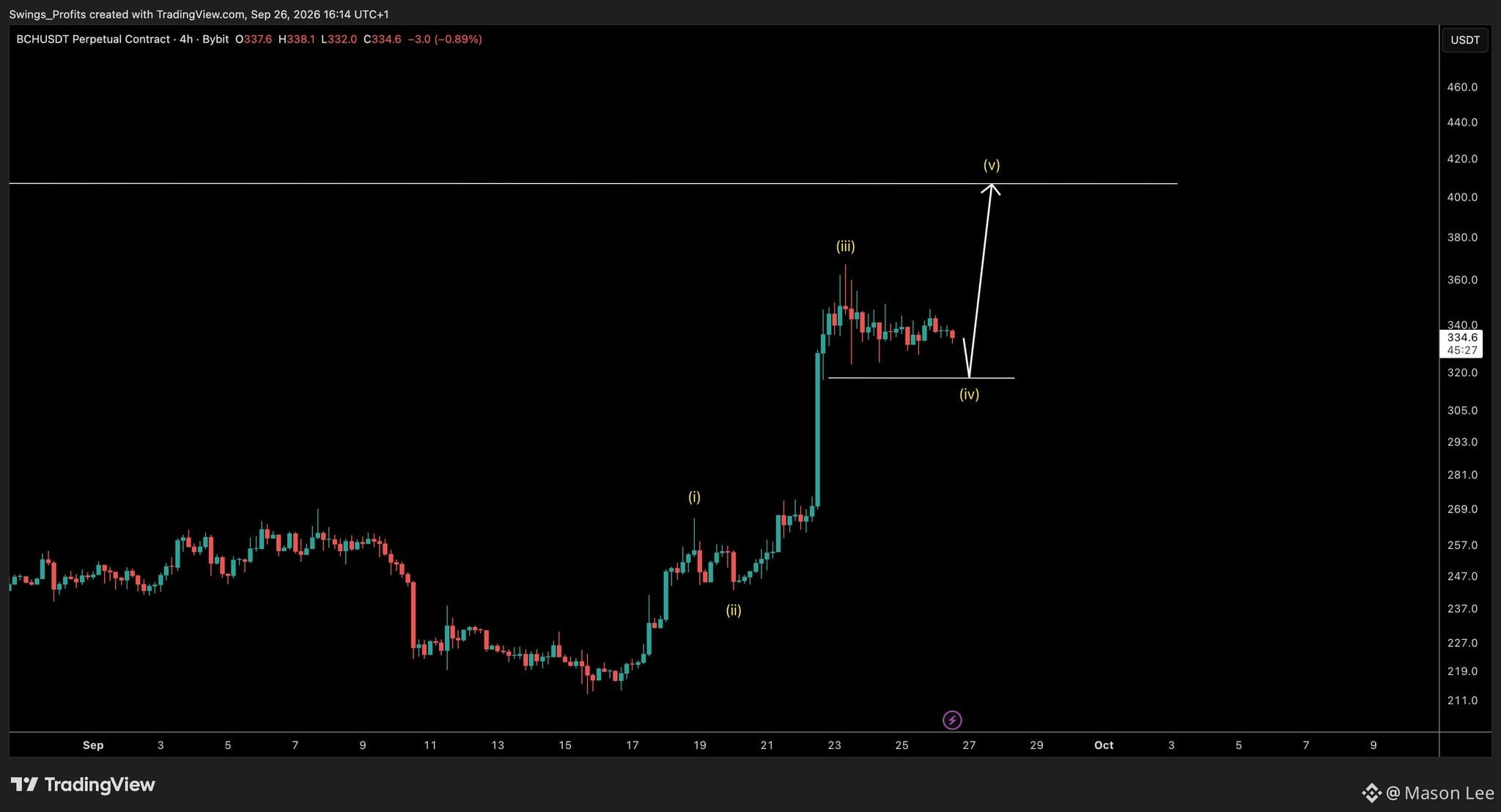
$BCH
全体像が、よりはっきりしてきました。
ズームアウトすると、構造がずっと明確になります。BCHはより大きなウェーブカウントを処理しているようで、ウェーブ(iv)が$320付近に収束しています。
この水準が維持されれば、次の足は$400〜$410のゾーンを狙う可能性があります。
重要な水準: 約$320
きれいに維持されれば構造は保たれます。決定的な下抜けは、この見立てを弱めるでしょう。
チャートに基づく分析。各自で調べてください(DYOR)。
#BCH #BitcoinCash #Crypto #CryptoTrading #Altcoins
$BCH
全体像が、よりはっきりしてきました。
ズームアウトすると、構造がずっと明確になります。BCHはより大きなウェーブカウントを処理しているようで、ウェーブ(iv)が$320付近に収束しています。
この水準が維持されれば、次の足は$400〜$410のゾーンを狙う可能性があります。
重要な水準: 約$320
きれいに維持されれば構造は保たれます。決定的な下抜けは、この見立てを弱めるでしょう。
チャートに基づく分析。各自で調べてください(DYOR)。
#BCH #BitcoinCash #Crypto #CryptoTrading #Altcoins
全体像が、よりはっきりしてきました。
ズームアウトすると、構造がずっと明確になります。BCHはより大きなウェーブカウントを処理しているようで、ウェーブ(iv)が$320付近に収束しています。
この水準が維持されれば、次の足は$400〜$410のゾーンを狙う可能性があります。
重要な水準: 約$320
きれいに維持されれば構造は保たれます。決定的な下抜けは、この見立てを弱めるでしょう。
チャートに基づく分析。各自で調べてください(DYOR)。
#BCH #BitcoinCash #Crypto #CryptoTrading #Altcoins
275
·
--
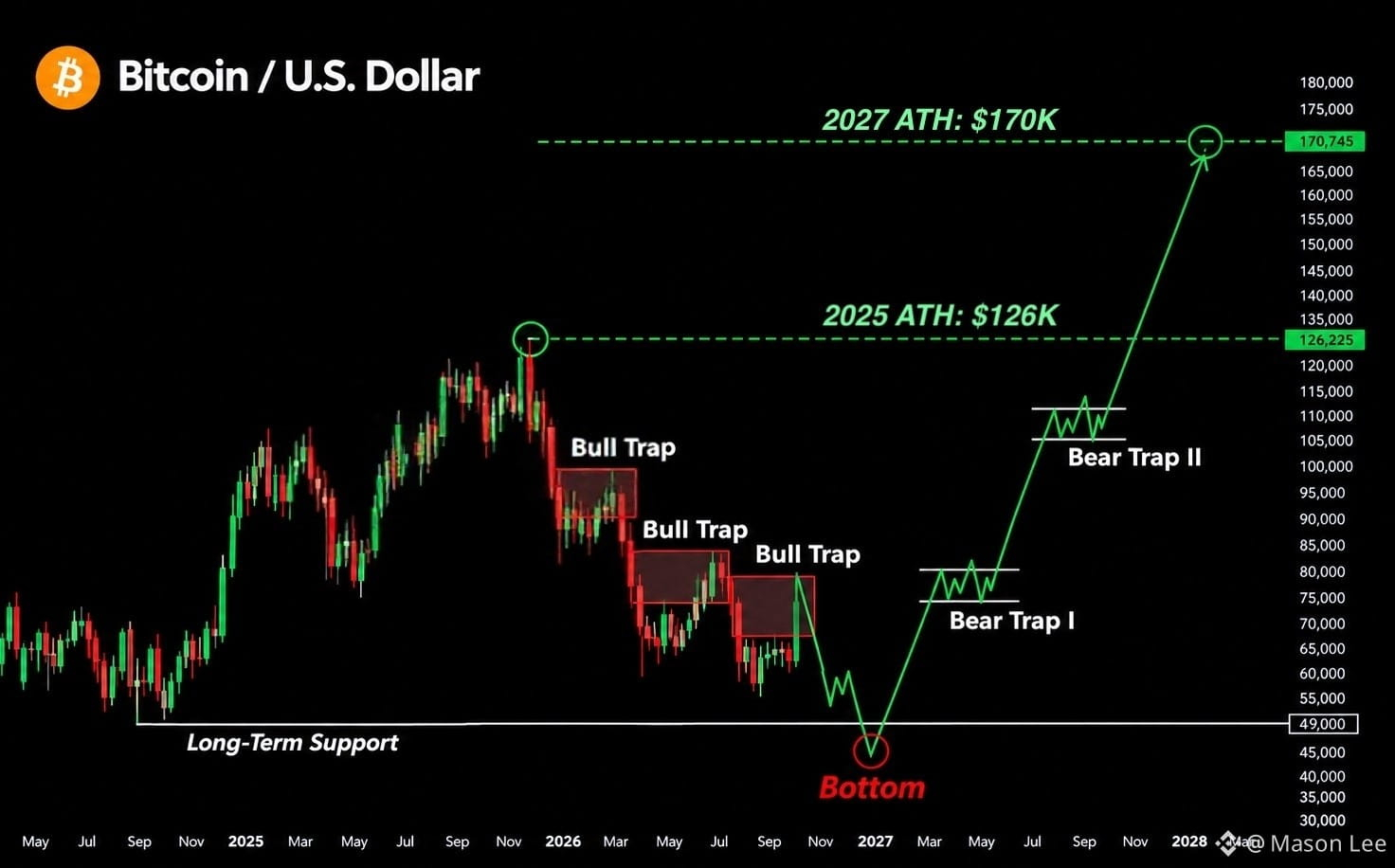
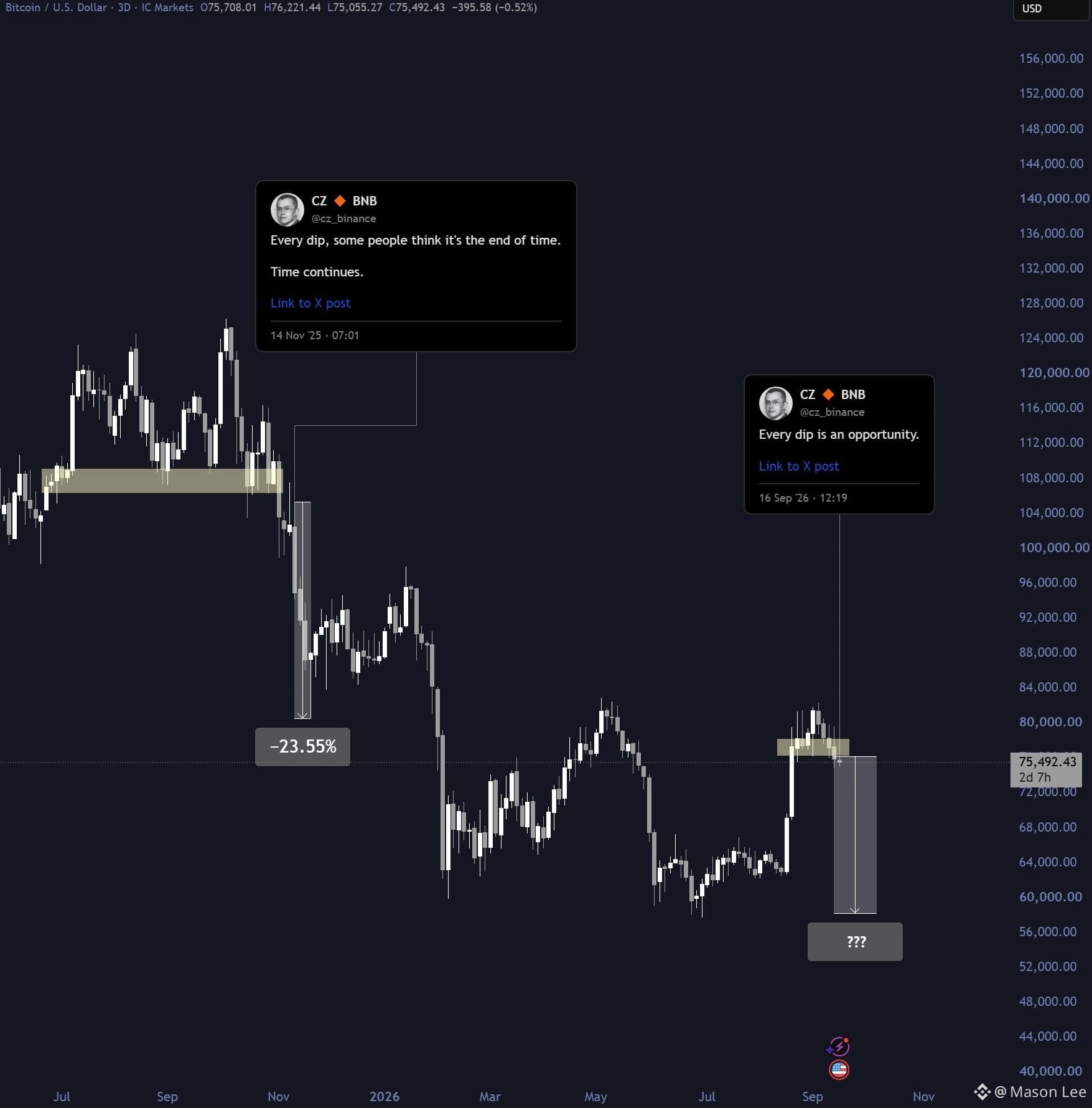
🚨 警告:ビットコインの「最終的な強気トラップ」が形成されつつあるかもしれません
チャートは、次の大きな動きの前に$BTC がもう一度投げ(シェイクアウト)を見せる可能性があることを示唆しています。
$45K–$49K → 期待される底値ゾーン
$75K–$80K → ベアトラップI
$105K–$115K → ベアトラップII
$126K → これまでの最高値(ATH)
$170K → 予測される2027年の目標
本当の疑問は、トラップが拡大(上昇)の前に弱い手(弱気な保有者)をあぶり出すために設計されているのかどうかです。
常にDYORをしてください。
#BTC #Bitcoin #Crypto #BTCBreaks80K #SOLJumpsAbout10%
{spot}(BTCUSDT)
🚨 警告:ビットコインの「最終的な強気トラップ」が形成されつつあるかもしれません
チャートは、次の大きな動きの前に$BTC がもう一度投げ(シェイクアウト)を見せる可能性があることを示唆しています。
$45K–$49K → 期待される底値ゾーン
$75K–$80K → ベアトラップI
$105K–$115K → ベアトラップII
$126K → これまでの最高値(ATH)
$170K → 予測される2027年の目標
本当の疑問は、トラップが拡大(上昇)の前に弱い手(弱気な保有者)をあぶり出すために設計されているのかどうかです。
常にDYORをしてください。
#BTC #Bitcoin #Crypto #BTCBreaks80K #SOLJumpsAbout10%
チャートは、次の大きな動きの前に$BTC がもう一度投げ(シェイクアウト)を見せる可能性があることを示唆しています。
$45K–$49K → 期待される底値ゾーン
$75K–$80K → ベアトラップI
$105K–$115K → ベアトラップII
$126K → これまでの最高値(ATH)
$170K → 予測される2027年の目標
本当の疑問は、トラップが拡大(上昇)の前に弱い手(弱気な保有者)をあぶり出すために設計されているのかどうかです。
常にDYORをしてください。
#BTC #Bitcoin #Crypto #BTCBreaks80K #SOLJumpsAbout10%
1
2
1.4k
·
--
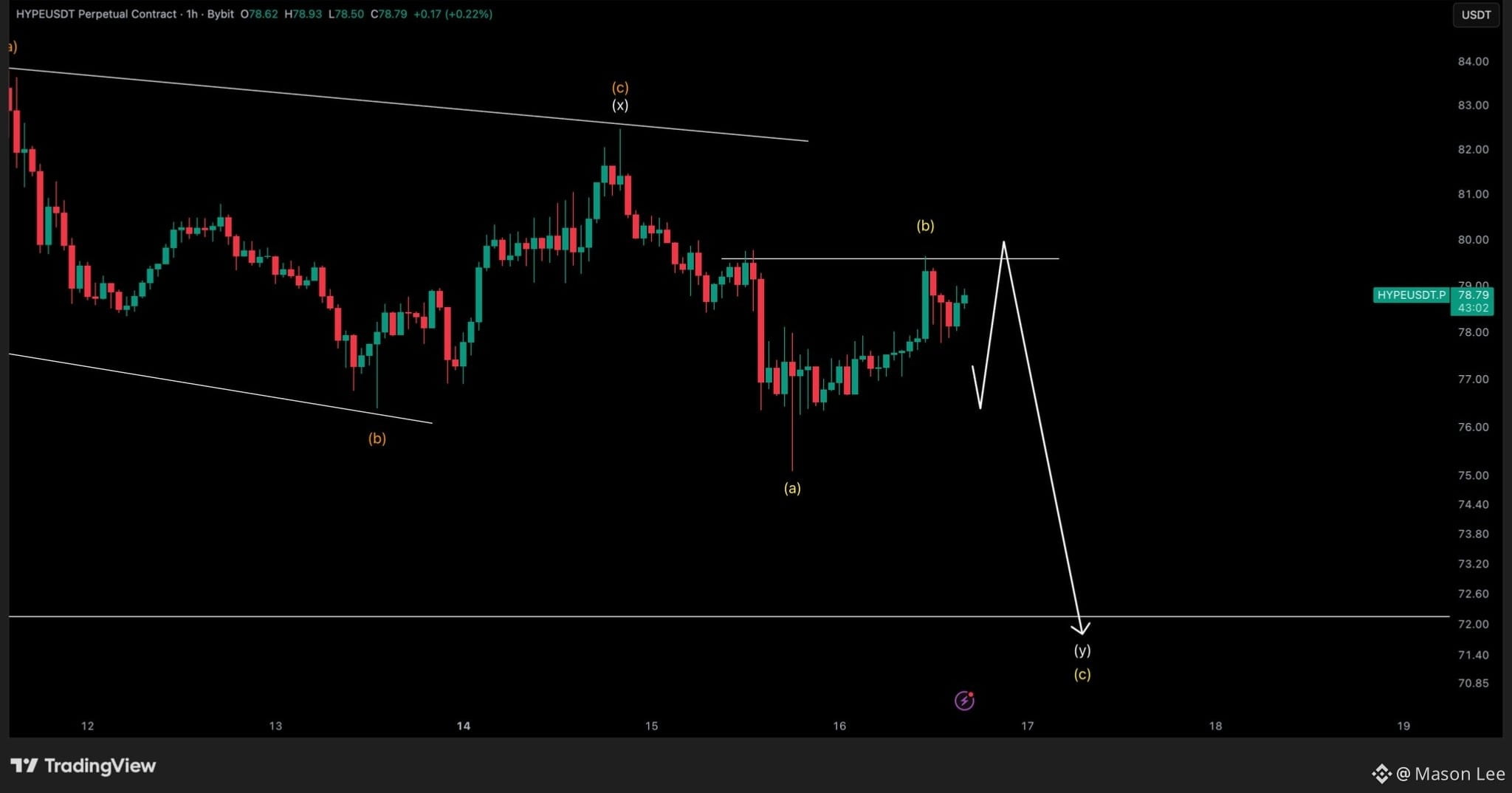
$HYPE
本格的な拡大が始まる前に、もう1回のフラッシュが起こる可能性もあります。
次の下落に備えて、約76〜77ドルのあたりを見ています。そこが維持されて、構造が再び上向きに転じるなら、より大きな上昇の動きが続くかもしれません。
追いかけずに忍耐。
#HYPE #FedRateWatch #ZcashRises6% #XRPSinks10% #CircleOpensArcMainnet
$HYPE
本格的な拡大が始まる前に、もう1回のフラッシュが起こる可能性もあります。
次の下落に備えて、約76〜77ドルのあたりを見ています。そこが維持されて、構造が再び上向きに転じるなら、より大きな上昇の動きが続くかもしれません。
追いかけずに忍耐。
#HYPE #FedRateWatch #ZcashRises6% #XRPSinks10% #CircleOpensArcMainnet
本格的な拡大が始まる前に、もう1回のフラッシュが起こる可能性もあります。
次の下落に備えて、約76〜77ドルのあたりを見ています。そこが維持されて、構造が再び上向きに転じるなら、より大きな上昇の動きが続くかもしれません。
追いかけずに忍耐。
#HYPE #FedRateWatch #ZcashRises6% #XRPSinks10% #CircleOpensArcMainnet
311
·
--
$BTC
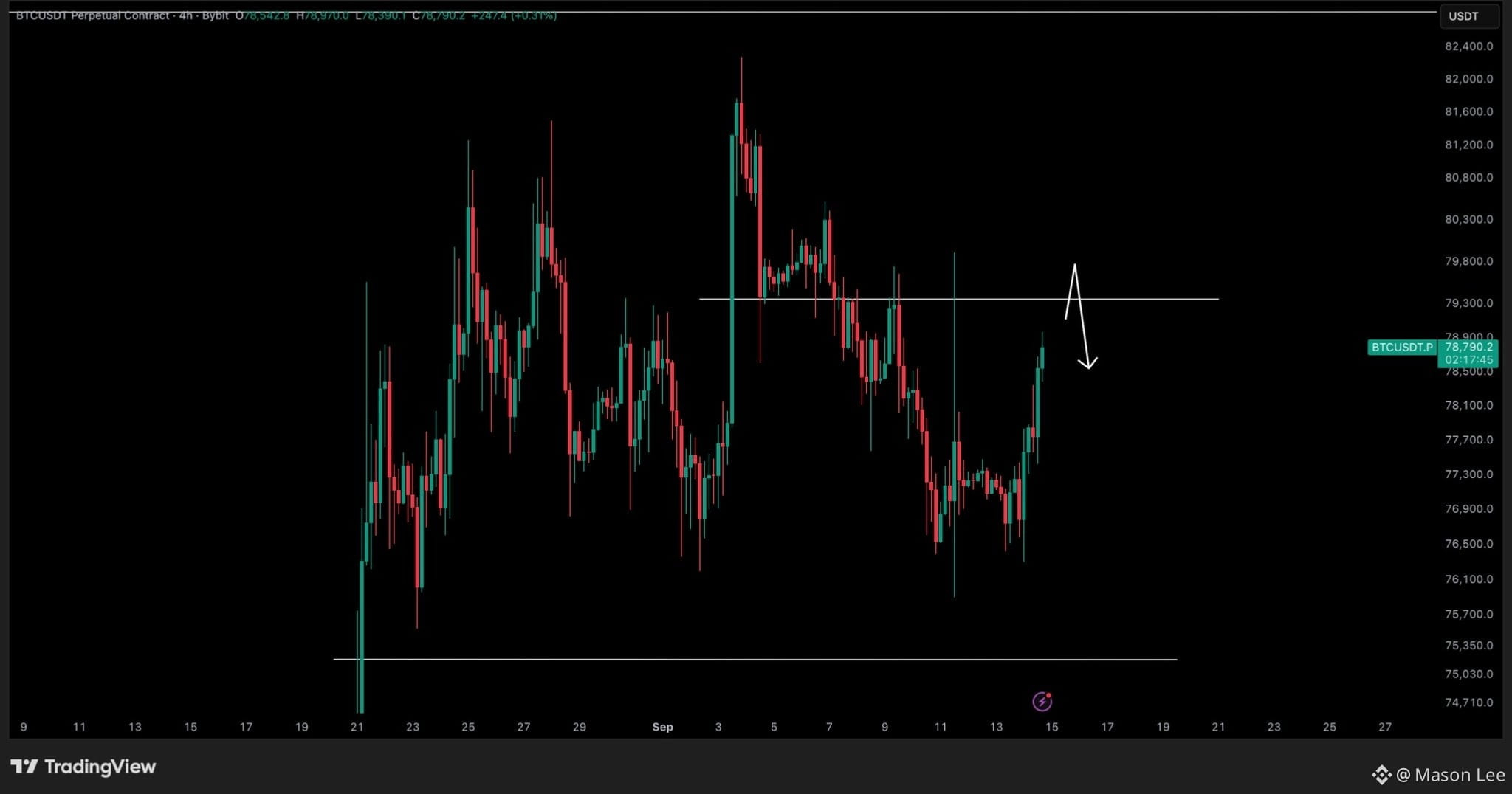
ビットコインが約79.3Kドル周辺の重要な供給ゾーンへ向けて押し戻そうとしています。
ここではこの動きを追いかけません。
方針はシンプルです。価格にそのゾーンをテストさせ、反応を確認し、その上で次のセットアップをそこから取ります。
そのゾーン上での受け入れ(ブレイク)が起これば、構造が変わる可能性があります。拒否されれば、よりクリーンなショート側の機会が得られます。
まずは忍耐。次に実行。
常にDYOR。
#BTC #FedHikeOddsRiseTo89% #AvalancheIntegratesIntoUAEPassDigitalVault #UKSeeksViewsOnTokenizingGold #AnthropicCEOCallsForAISlowdown
$BTC
ビットコインが約79.3Kドル周辺の重要な供給ゾーンへ向けて押し戻そうとしています。
ここではこの動きを追いかけません。
方針はシンプルです。価格にそのゾーンをテストさせ、反応を確認し、その上で次のセットアップをそこから取ります。
そのゾーン上での受け入れ(ブレイク)が起これば、構造が変わる可能性があります。拒否されれば、よりクリーンなショート側の機会が得られます。
まずは忍耐。次に実行。
常にDYOR。
#BTC #FedHikeOddsRiseTo89% #AvalancheIntegratesIntoUAEPassDigitalVault #UKSeeksViewsOnTokenizingGold #AnthropicCEOCallsForAISlowdown
ビットコインが約79.3Kドル周辺の重要な供給ゾーンへ向けて押し戻そうとしています。
ここではこの動きを追いかけません。
方針はシンプルです。価格にそのゾーンをテストさせ、反応を確認し、その上で次のセットアップをそこから取ります。
そのゾーン上での受け入れ(ブレイク)が起これば、構造が変わる可能性があります。拒否されれば、よりクリーンなショート側の機会が得られます。
まずは忍耐。次に実行。
常にDYOR。
#BTC #FedHikeOddsRiseTo89% #AvalancheIntegratesIntoUAEPassDigitalVault #UKSeeksViewsOnTokenizingGold #AnthropicCEOCallsForAISlowdown
1
134
·
--
$ZEC
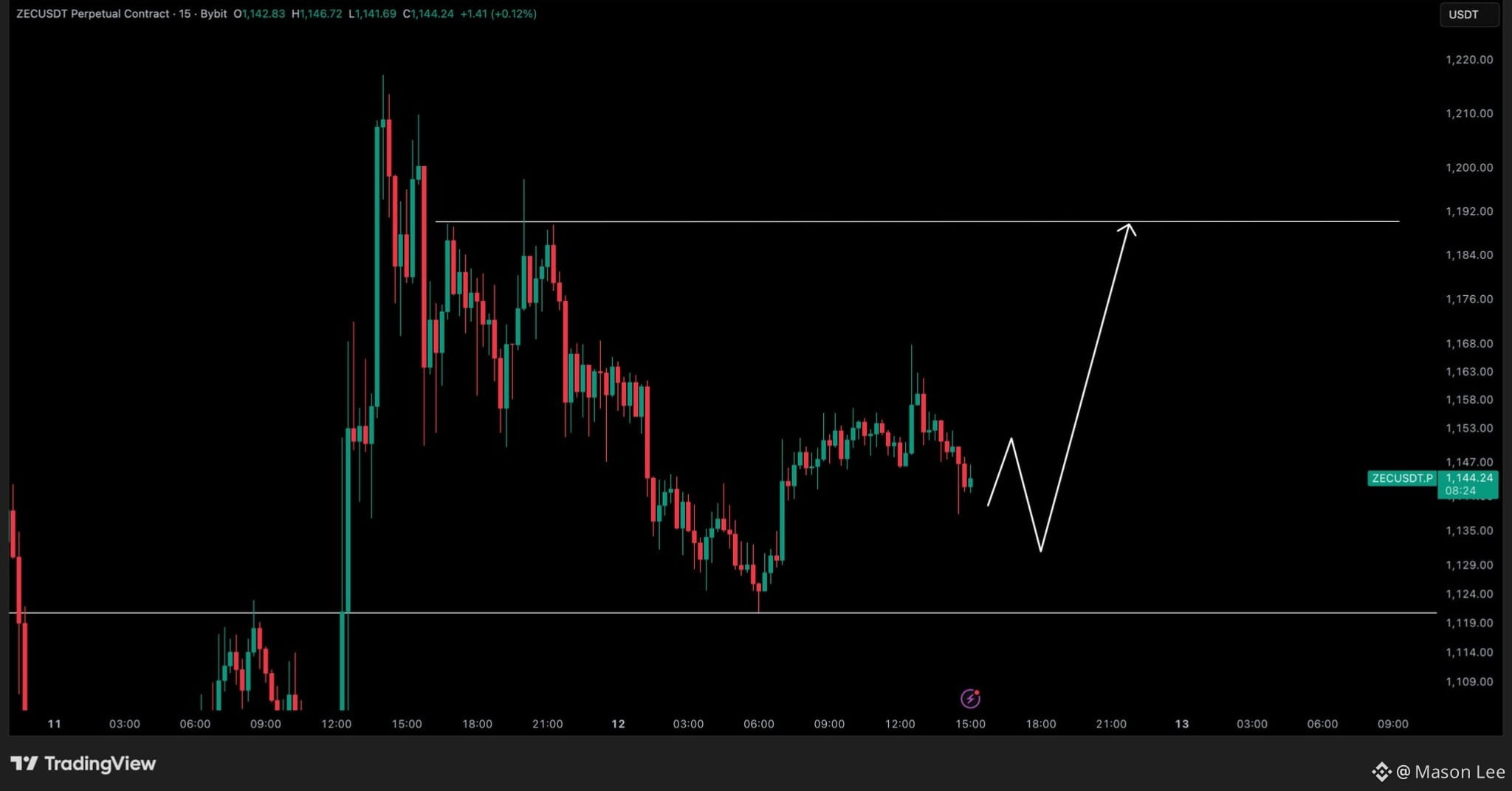
より高値を更新しようとして失敗したため、いったん押し戻しているので、ここでは冷静に待ちます。
ポイントは、ZECが現在の構造を維持できるか、そして次の値動きに向けて十分な強さを作れるかです。
サポートが維持されれば、上値の注目レベルとして$1,192を見ています。
まだエントリーはしていません。無理に取りに行くのではなく、確認を待っています。
DYOR.
#ZEC #Write2Earn #Market_Update
$ZEC
より高値を更新しようとして失敗したため、いったん押し戻しているので、ここでは冷静に待ちます。
ポイントは、ZECが現在の構造を維持できるか、そして次の値動きに向けて十分な強さを作れるかです。
サポートが維持されれば、上値の注目レベルとして$1,192を見ています。
まだエントリーはしていません。無理に取りに行くのではなく、確認を待っています。
DYOR.
#ZEC #Write2Earn #Market_Update
より高値を更新しようとして失敗したため、いったん押し戻しているので、ここでは冷静に待ちます。
ポイントは、ZECが現在の構造を維持できるか、そして次の値動きに向けて十分な強さを作れるかです。
サポートが維持されれば、上値の注目レベルとして$1,192を見ています。
まだエントリーはしていません。無理に取りに行くのではなく、確認を待っています。
DYOR.
#ZEC #Write2Earn #Market_Update
164
·
--
$BTC
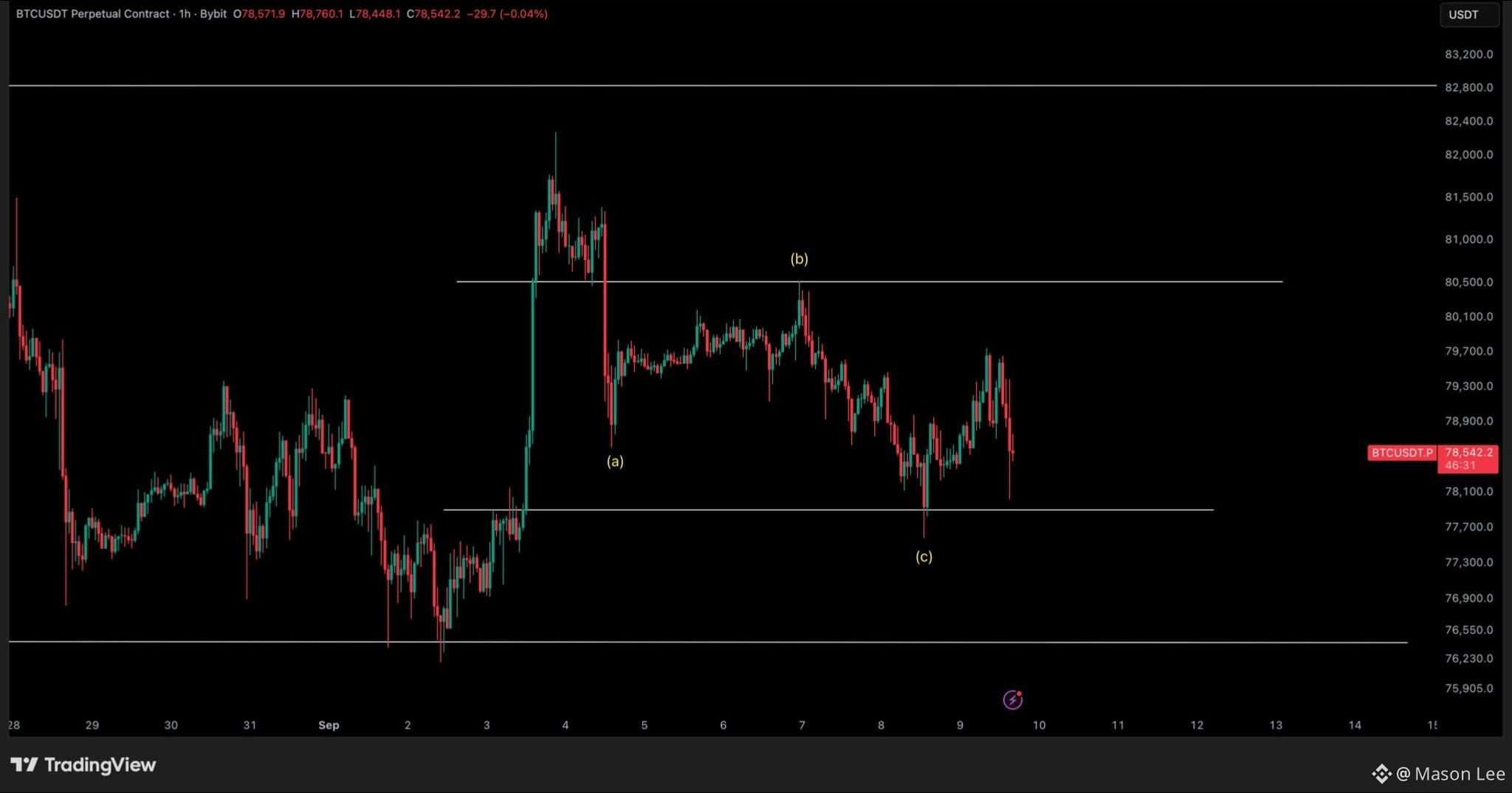
強気の構造はまだ維持されています。
現在、価格は重要な77.8Kドルのサポートゾーンの上を保っており、一方で80.5Kドルは依然として主要なレジスタンスです。
ここでは追いかけません。サポート付近で明確な反応が出るのを待つか、80.5Kドルを上回る確定ブレイクを確認してからエントリーします。
忍耐 > FOMO。
#BTC #crypto #USADPWeeklyEmploymentRises12000 #RippleLobbiesToAdvanceCLARITYActVote #OilRisesToHighestSinceJuly
$BTC
強気の構造はまだ維持されています。
現在、価格は重要な77.8Kドルのサポートゾーンの上を保っており、一方で80.5Kドルは依然として主要なレジスタンスです。
ここでは追いかけません。サポート付近で明確な反応が出るのを待つか、80.5Kドルを上回る確定ブレイクを確認してからエントリーします。
忍耐 > FOMO。
#BTC #crypto #USADPWeeklyEmploymentRises12000 #RippleLobbiesToAdvanceCLARITYActVote #OilRisesToHighestSinceJuly
強気の構造はまだ維持されています。
現在、価格は重要な77.8Kドルのサポートゾーンの上を保っており、一方で80.5Kドルは依然として主要なレジスタンスです。
ここでは追いかけません。サポート付近で明確な反応が出るのを待つか、80.5Kドルを上回る確定ブレイクを確認してからエントリーします。
忍耐 > FOMO。
#BTC #crypto #USADPWeeklyEmploymentRises12000 #RippleLobbiesToAdvanceCLARITYActVote #OilRisesToHighestSinceJuly
113
·
--
$IOST
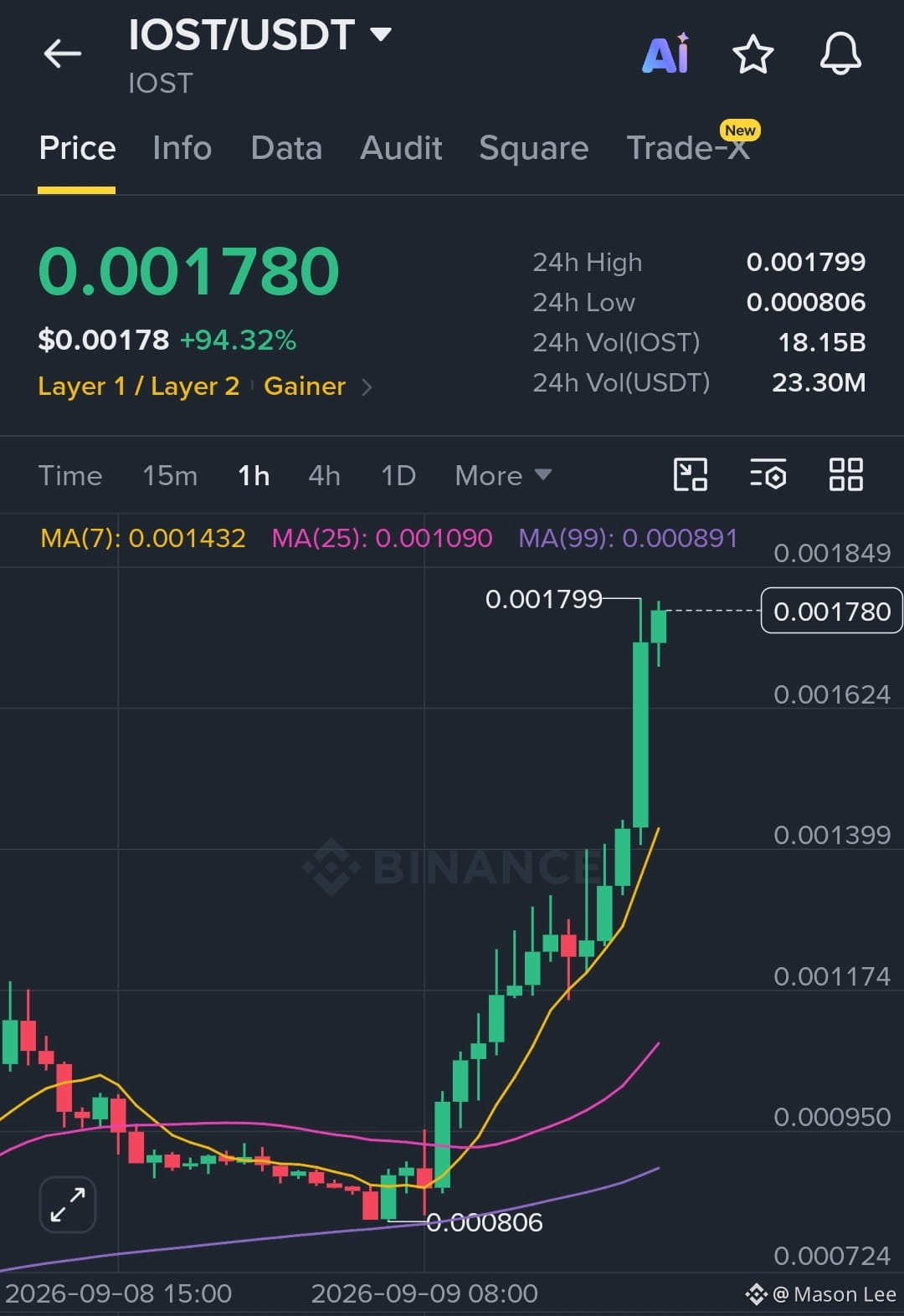
0.000726から放物線状の急騰。現在は0.001799を押し付け中。MAは積み上がっており、価格は3つすべての上にあります。上抜けで継続が発動し、リジェクション(拒否)なら0.001624を再テストします。勢いは極端—厳格なストップが不可欠。
エントリーゾーン:0.001780 ~ 0.001781
TP1:0.001799
TP2:0.001900
TP3:0.002050
ストップロス:0.001600
#IOST #CryptoUpdate
$IOST
0.000726から放物線状の急騰。現在は0.001799を押し付け中。MAは積み上がっており、価格は3つすべての上にあります。上抜けで継続が発動し、リジェクション(拒否)なら0.001624を再テストします。勢いは極端—厳格なストップが不可欠。
エントリーゾーン:0.001780 ~ 0.001781
TP1:0.001799
TP2:0.001900
TP3:0.002050
ストップロス:0.001600
#IOST #CryptoUpdate
0.000726から放物線状の急騰。現在は0.001799を押し付け中。MAは積み上がっており、価格は3つすべての上にあります。上抜けで継続が発動し、リジェクション(拒否)なら0.001624を再テストします。勢いは極端—厳格なストップが不可欠。
エントリーゾーン:0.001780 ~ 0.001781
TP1:0.001799
TP2:0.001900
TP3:0.002050
ストップロス:0.001600
#IOST #CryptoUpdate
1
261
·
--
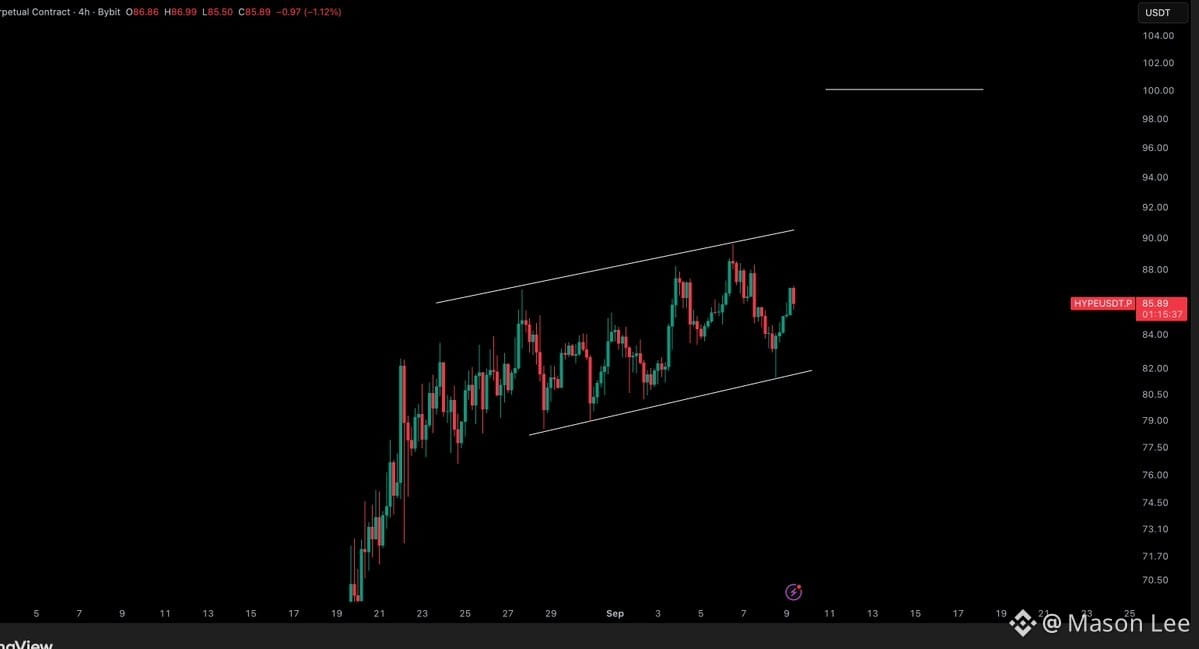
$HYPE は、$82–83を防衛した後、興味深い4Hの構造を維持しています。
価格は$85.9前後で、上昇チャネルはまだ保たれています。重要なテストは$89–90のレジスタンスです。
私が良いと思う点 • 高値更新(切り上げ)が維持されている
• $82–83のサポートが踏ん張っている
• 直近の下げからの力強い回復
私が良くないと思う点 • 売買高(ボリューム)が冷えてきている
• $89–90が引き続き上値のレジスタンス
• $82を失うと構造が損なわれる可能性
条件付きロング
エントリー: $84.5–86
SL: $81.5
TP1: $89.5
TP2: $92
TP3: $100
$85.25のエントリーからだと、リスクは約4.4%で、TP2はおよそ1.6R、TP3は約3.9Rです。
レジスタンスを追いかけるよりも、再テストで買いたいです。
$HYPE はついに$90を上抜けして、チャネルを継続できるでしょうか?
#CryptoTrading #HYPE #RippleLobbiesToAdvanceCLARITYActVote #ChinaAugustCPIRises0.8%YoY #USStrikesTargetsNearHormuzAndJask
$HYPE は、$82–83を防衛した後、興味深い4Hの構造を維持しています。
価格は$85.9前後で、上昇チャネルはまだ保たれています。重要なテストは$89–90のレジスタンスです。
私が良いと思う点 • 高値更新(切り上げ)が維持されている
• $82–83のサポートが踏ん張っている
• 直近の下げからの力強い回復
私が良くないと思う点 • 売買高(ボリューム)が冷えてきている
• $89–90が引き続き上値のレジスタンス
• $82を失うと構造が損なわれる可能性
条件付きロング
エントリー: $84.5–86
SL: $81.5
TP1: $89.5
TP2: $92
TP3: $100
$85.25のエントリーからだと、リスクは約4.4%で、TP2はおよそ1.6R、TP3は約3.9Rです。
レジスタンスを追いかけるよりも、再テストで買いたいです。
$HYPE はついに$90を上抜けして、チャネルを継続できるでしょうか?
#CryptoTrading #HYPE #RippleLobbiesToAdvanceCLARITYActVote #ChinaAugustCPIRises0.8%YoY #USStrikesTargetsNearHormuzAndJask
価格は$85.9前後で、上昇チャネルはまだ保たれています。重要なテストは$89–90のレジスタンスです。
私が良いと思う点 • 高値更新(切り上げ)が維持されている
• $82–83のサポートが踏ん張っている
• 直近の下げからの力強い回復
私が良くないと思う点 • 売買高(ボリューム)が冷えてきている
• $89–90が引き続き上値のレジスタンス
• $82を失うと構造が損なわれる可能性
条件付きロング
エントリー: $84.5–86
SL: $81.5
TP1: $89.5
TP2: $92
TP3: $100
$85.25のエントリーからだと、リスクは約4.4%で、TP2はおよそ1.6R、TP3は約3.9Rです。
レジスタンスを追いかけるよりも、再テストで買いたいです。
$HYPE はついに$90を上抜けして、チャネルを継続できるでしょうか?
#CryptoTrading #HYPE #RippleLobbiesToAdvanceCLARITYActVote #ChinaAugustCPIRises0.8%YoY #USStrikesTargetsNearHormuzAndJask
106
·
--
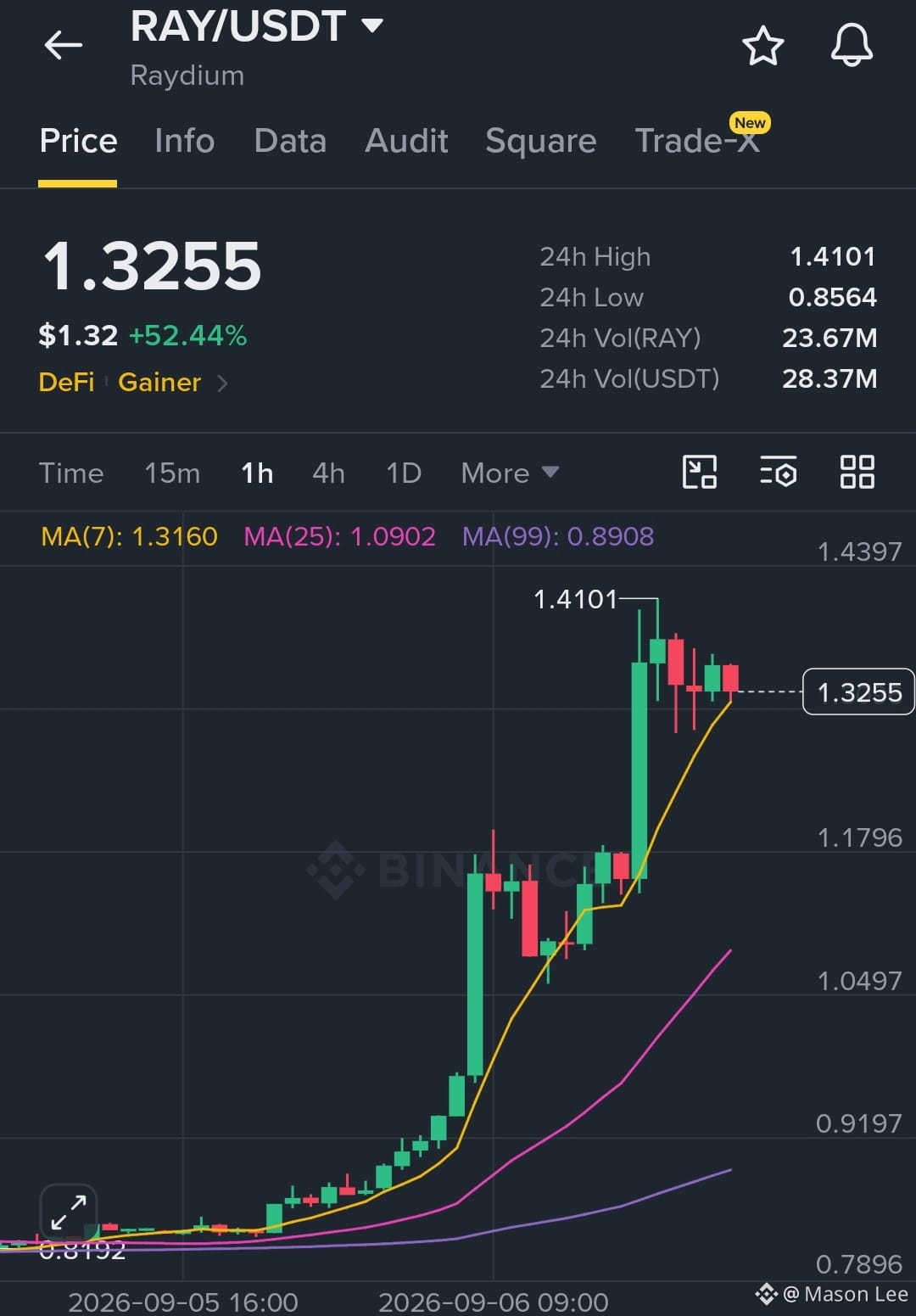
$RAY は、価格の急激な拡大の後に力強いブレイクアウト構造を示しています。
トレンドは依然として明確に強気で、価格は短期・中期・長期の移動平均を上回って推移しています。モメンタムは強いものの、値動きはやや行き過ぎつつあり、より健全な継続のためには保ち合いが重要になっています。
$1.30–$1.32は、構造を見極めるうえで注目すべき重要な水準です。
#RAY #Crypto #Web3 #MarketUpdate #CryptoUpdate
$RAY は、価格の急激な拡大の後に力強いブレイクアウト構造を示しています。
トレンドは依然として明確に強気で、価格は短期・中期・長期の移動平均を上回って推移しています。モメンタムは強いものの、値動きはやや行き過ぎつつあり、より健全な継続のためには保ち合いが重要になっています。
$1.30–$1.32は、構造を見極めるうえで注目すべき重要な水準です。
#RAY #Crypto #Web3 #MarketUpdate #CryptoUpdate
トレンドは依然として明確に強気で、価格は短期・中期・長期の移動平均を上回って推移しています。モメンタムは強いものの、値動きはやや行き過ぎつつあり、より健全な継続のためには保ち合いが重要になっています。
$1.30–$1.32は、構造を見極めるうえで注目すべき重要な水準です。
#RAY #Crypto #Web3 #MarketUpdate #CryptoUpdate
257



·
--
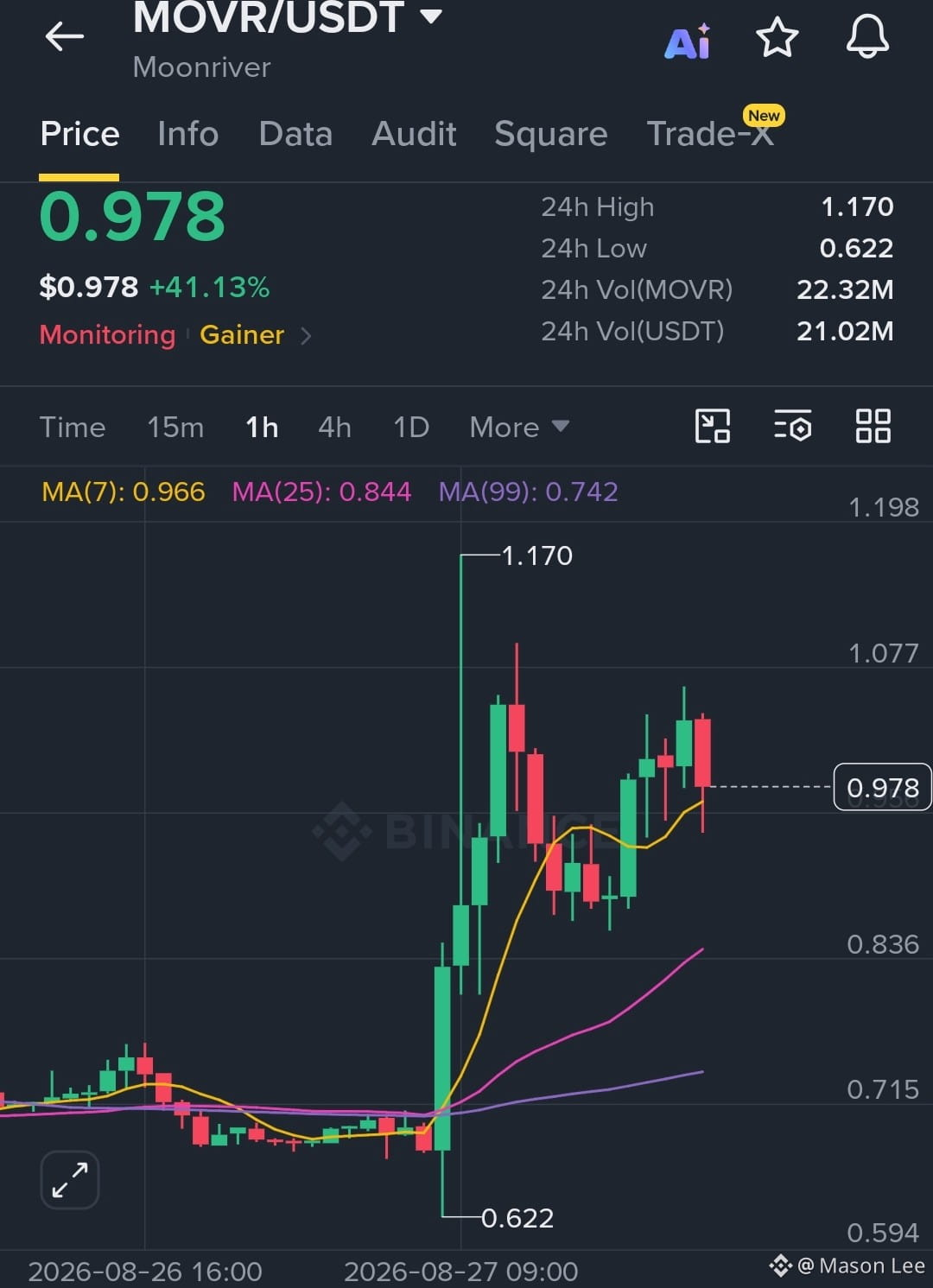
$MOVR just showed why you don’t fade strength too early.
$0.62から$1.17へ1回の動きで上昇し、その後はブレイクアウトのエリアを下回ってすべてを返すのではなく、価格がその上で構築を始めました。
次に重要な水準は:
→ $0.98 サポート
→ $1.07 レジスタンス
→ $1.17 ブレイクアウトの目標
モメンタムは強いです。次の動きを価格が確認するのを待ちましょう。
常にDYOR。
#MOVR #Crypto #Altcoins #CryptoTrading #Binance
$MOVR just showed why you don’t fade strength too early.
$0.62から$1.17へ1回の動きで上昇し、その後はブレイクアウトのエリアを下回ってすべてを返すのではなく、価格がその上で構築を始めました。
次に重要な水準は:
→ $0.98 サポート
→ $1.07 レジスタンス
→ $1.17 ブレイクアウトの目標
モメンタムは強いです。次の動きを価格が確認するのを待ちましょう。
常にDYOR。
#MOVR #Crypto #Altcoins #CryptoTrading #Binance
$0.62から$1.17へ1回の動きで上昇し、その後はブレイクアウトのエリアを下回ってすべてを返すのではなく、価格がその上で構築を始めました。
次に重要な水準は:
→ $0.98 サポート
→ $1.07 レジスタンス
→ $1.17 ブレイクアウトの目標
モメンタムは強いです。次の動きを価格が確認するのを待ちましょう。
常にDYOR。
#MOVR #Crypto #Altcoins #CryptoTrading #Binance
220
·
--
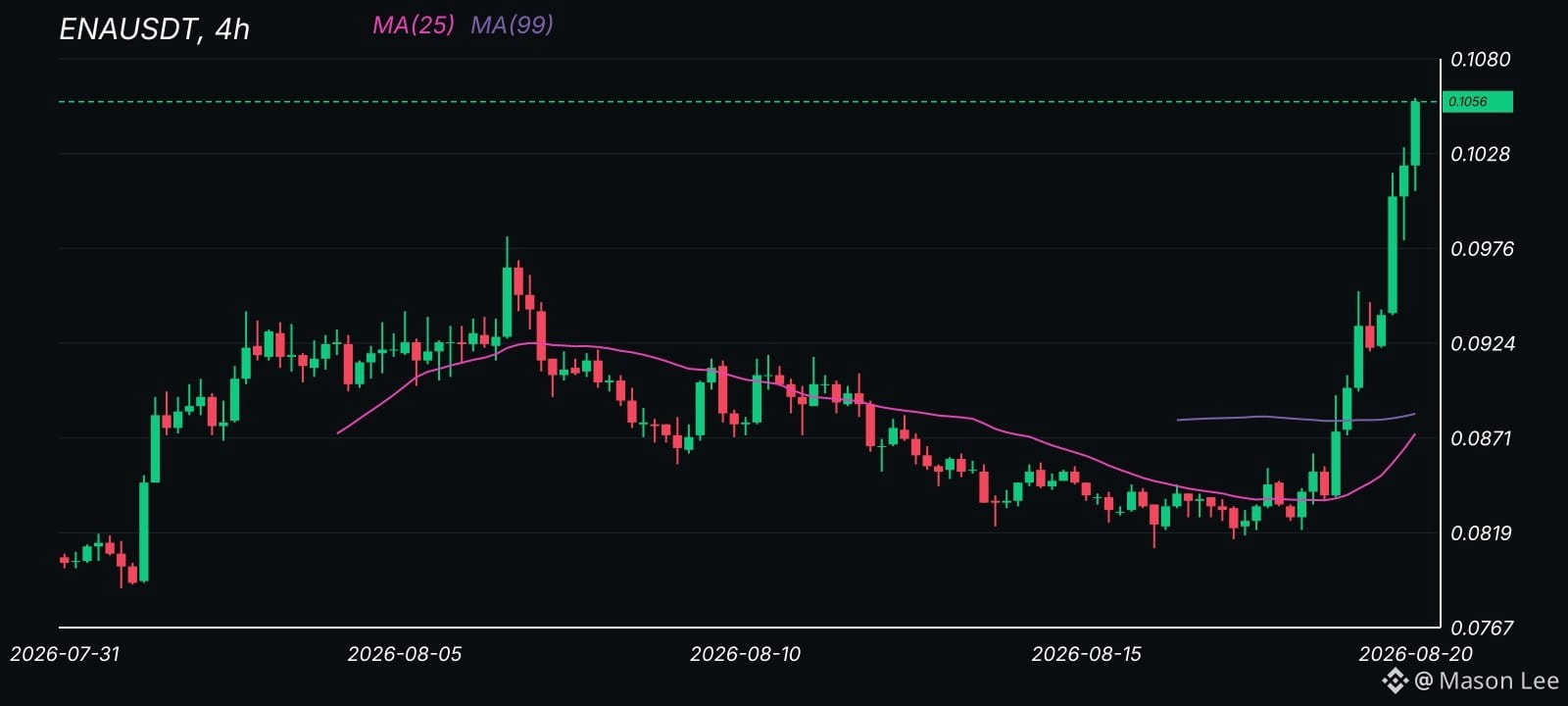
$ENA
0.0767から切り上げて、現在0.1080をプレス中。両方のMAを上回っており、強いモメンタム。上抜けで継続が発動;拒否(リジェクション)の後に0.1028を再テスト。ブルが主導権を握っています。
エントリーゾーン:0.1060 ~ 0.1065
TP1:0.1080
TP2:0.1110
TP3:0.1150
ストップロス:0.1020
#ENA #Write2Earn
$ENA
0.0767から切り上げて、現在0.1080をプレス中。両方のMAを上回っており、強いモメンタム。上抜けで継続が発動;拒否(リジェクション)の後に0.1028を再テスト。ブルが主導権を握っています。
エントリーゾーン:0.1060 ~ 0.1065
TP1:0.1080
TP2:0.1110
TP3:0.1150
ストップロス:0.1020
#ENA #Write2Earn
0.0767から切り上げて、現在0.1080をプレス中。両方のMAを上回っており、強いモメンタム。上抜けで継続が発動;拒否(リジェクション)の後に0.1028を再テスト。ブルが主導権を握っています。
エントリーゾーン:0.1060 ~ 0.1065
TP1:0.1080
TP2:0.1110
TP3:0.1150
ストップロス:0.1020
#ENA #Write2Earn
450
ログインして、さらにコンテンツを読む
厳選トピックで世界の暗号資産トレーダーの仲間入り
⚡️ 暗号資産に関する最新かつ有益な情報が見つかります。
💬 世界最大の暗号資産取引所から信頼されています。
👍 認証を受けたクリエイターから、有益なインサイトを得られます。
メール / 電話番号
トレンドトピック
BinanceLaunchesBinanceIntelligence
閲覧回数 43,801
589人が討論中
🚨 BINANCEが取引所にAIを直接導入——個人投資家の取引のあり方が変わるかもしれない。
Binanceは、Binanceエコシステムに組み込まれた新たなAIレイヤー「Binance Intelligence」を正式にローンチしました。3つのプロダクトで構成されています。
日常的に利用するユーザー向けのBinance AI、
自動売買のワークフロー向けのBinance AI Pro、
金融エージェントを開発する開発者向けのAgent OSです。
トレーダーが注目すべきポイントは?
Binance AIは、市場の概要、スマートアラート、損益の振り返り、パーソナライズされた情報を提示できます。一方、AI Proは、平易な言葉で書いた取引アイデアを、視覚的な戦略ワークフローに変換するよう設計されています。
つまり、今後の取引所間の競争は、
手数料の安さ対流動性の深さ、
ではなくなるかもしれません。
競争の焦点は、
トレーダーに最も優れたAI執行レイヤーを提供できるのはどこか、
になる可能性があります。
Binance Intelligenceが実際にユーザーの利用増、自動化戦略の拡大、取引頻度の上昇を促すなら、まずは$BNBに注目です。
AIの普及 ↑
→ Binanceの利用拡大 ↑
→ 取引活動の活発化 ↑
→ エコシステムの追い風が強まる。
今注目したい材料は、
グローバル展開 + AI Proのローンチ + 測定可能なユーザー普及です。
AIが市場で何が起きているかを伝えるだけでなく……
……取引そのものの構築まで支援するようになったら?
そのとき、これは単なるチャットボットの登場より、はるかに大きな話になります。👀
#binancelaunchesbinanceintelligence #EvernorthXRPTreasuryCompletesSPACMerger #ADAGains10%Above$0.27 #ETHUp70%InQ3ButLiquidityFalls #EthStakingExitQueueHits2026High
KimHotbae
·いいね:20件
·閲覧回数 25.1k
EvernorthXRPTreasuryCompletesSPACMerger
閲覧回数 38,231
414人が討論中
ADAGains10%Above$0.27
閲覧回数 31,966
214人が討論中