

masfivau
86 投稿

masfivau
報告
ユーザーをブロック
取引を発注
低高頻度トレーダー
2.1年
15 フォロー
62 フォロワー
52 いいね
投稿
ポートフォリオ
·
--
翻訳参照
It seems you're referring to Bitcoin (BTC), the leading cryptocurrency by market capitalization. If you have specific questions or topics you want to discuss regarding Bitcoin—such as its price movements, market trends, technology, investment strategies, or anything else—please let me know! I'm here to help!
$BTC
$BTC
1
82
·
--
弱気相場
ハッシュタグ #AltcoinETFsPostponed は、ビットコイン以外の暗号通貨であるオルトコインに焦点を当てた上場投資信託(ETF)の承認における遅延や障害を指している可能性があります。暗号通貨市場は、投資家が従来の投資手段を通じてデジタル資産へのエクスポージャーを得る手段としてETFに対する関心が高まっています。
オルトコインETFの延期に寄与する可能性のあるいくつかの要因があります:
1. 規制の監視:米国証券取引委員会(SEC)などの規制機関は、市場操作、投資家保護、暗号市場全体のボラティリティに関する懸念から、暗号通貨を含むETFの承認に慎重です。
2. 市場状況:暗号通貨市場の全体的な状態は、ETFの承認に影響を与える可能性があります。市場が大きなボラティリティや下降を経験している場合、規制当局は新しいファンドの承認に対してより慎重になるかもしれません。
3. 申請プロセス:ETFの承認プロセスは長期化し、複雑になる可能性があり、規制機関からの複数回のレビューやフィードバックを含みます。このプロセスの任意の段階で遅延が発生する可能性があります。
4. 投資家の需要:オルトコインETFに対する関心は considerableですが、規制当局は承認を与える前に、より堅牢な需要とインフラが整っていることを望むかもしれません。
5. 法的およびコンプライアンスの問題:ETFがすべての関連法令および規制に準拠していることを確認することは、基礎資産に関する疑問がある場合、特に遅延を引き起こす可能性があります。
延期された特定のオルトコインETFに興味がある場合や、これらの遅延の影響についてもっと知りたい場合は、お知らせください!
#AltcoinETFsPostponed
1
404
·
--
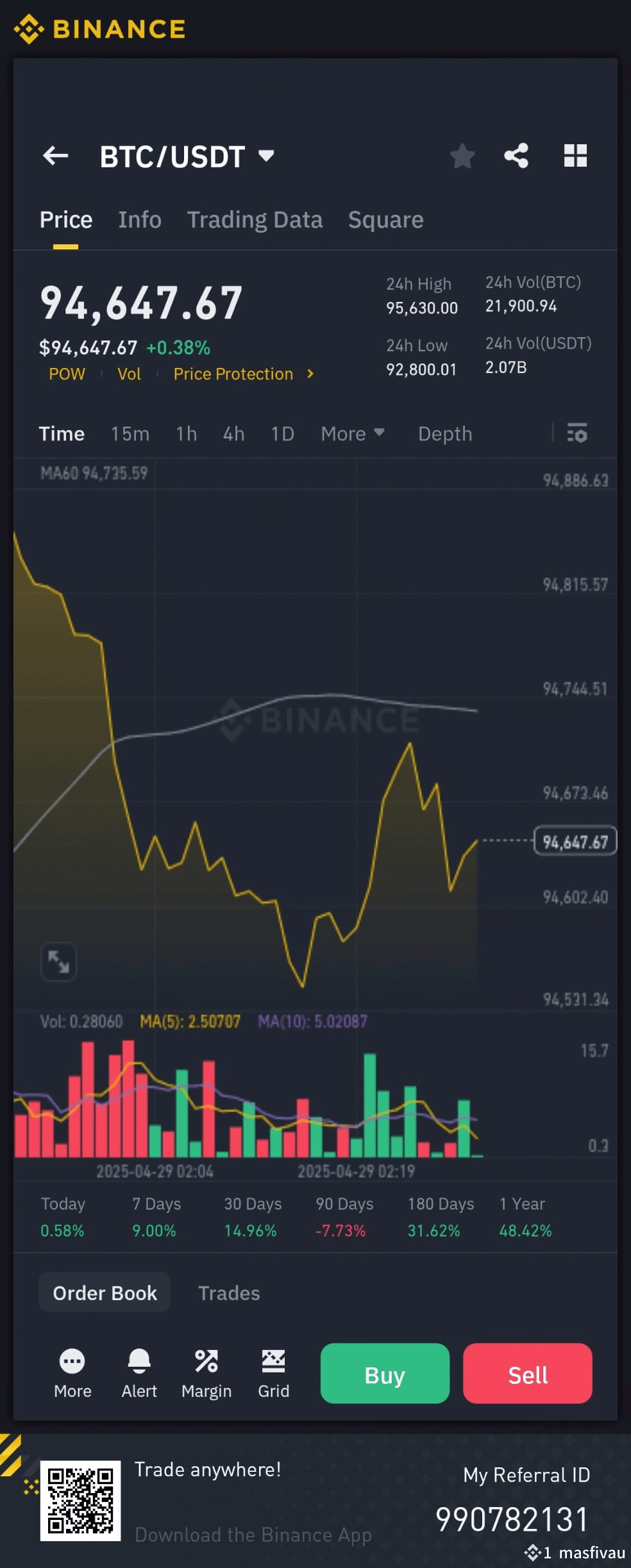
ビットコイン (BTC) は、2009年にサトシ・ナカモトという仮名を使用している匿名の個人またはグループによって作成された最初で最も有名な暗号通貨です。これは、中央集権的な権限を必要とせずに、安全で透明な取引を可能にするブロックチェーン技術を使用した分散型ネットワークで運営されています。
ビットコインに関する特定の質問、たとえば現在の価格、市場の動向、技術、または投資戦略について気になることがあれば、遠慮なくお尋ねください!
$BTC
ビットコイン (BTC) は、2009年にサトシ・ナカモトという仮名を使用している匿名の個人またはグループによって作成された最初で最も有名な暗号通貨です。これは、中央集権的な権限を必要とせずに、安全で透明な取引を可能にするブロックチェーン技術を使用した分散型ネットワークで運営されています。
ビットコインに関する特定の質問、たとえば現在の価格、市場の動向、技術、または投資戦略について気になることがあれば、遠慮なくお尋ねください!
$BTC
ビットコインに関する特定の質問、たとえば現在の価格、市場の動向、技術、または投資戦略について気になることがあれば、遠慮なくお尋ねください!
$BTC
1
395
·
--
ブリッシュ
あなたはイーサリアム(ETH)を参照しているようです。これは人気のある暗号通貨です。イーサリアムについて話し合いたい場合、以下のトピックをカバーできます:
1. 現在の価格動向:ETHの最近の価格の動きを分析します。
2. 市場のセンチメント:市場のセンチメントがイーサリアムの価格にどのように影響を与えているかを理解します。
3. ユースケース:暗号通貨以上のイーサリアムのさまざまなアプリケーションを探ります。例えば、スマートコントラクトや分散型アプリケーション(dApps)などです。
4. 将来の展望:イーサリアムの潜在的な将来の発展について話し合います。例えば、スケーラビリティやエネルギー効率への影響を含むイーサリアム2.0のアップグレードなどです。
5. 投資戦略:ドルコスト平均法やホールディング戦略を含む、イーサリアムへの投資に関するヒントです。
どの特定の情報や議論に興味があるか教えてください!
$ETH
1
310
·
--
$TRX は、ブロックチェーン技術を使用して自由でグローバルなデジタルコンテンツエンターテインメントシステムを構築することを目指す、ブロックチェーンベースの分散型プラットフォームTRONのティッカーシンボルです。TRONは、開発者がそのプラットフォーム上で分散型アプリケーション(dApps)を作成および展開することを可能にします。TRONネットワークのネイティブ暗号通貨はTRX(トロニックス)と呼ばれています。
TRONは2017年にジャスティン・サンによって設立され、ブロックチェーンおよびエンターテインメント業界内での野心的な目標とパートナーシップのために注目を集めています。このプラットフォームはスマートコントラクトをサポートし、高スループット、スケーラビリティ、および可用性を提供することを目的としています。
TRXまたはTRONに関して具体的な質問や議論したいトピックがあれば、お気軽にお尋ねください!
$TRX
TRONは2017年にジャスティン・サンによって設立され、ブロックチェーンおよびエンターテインメント業界内での野心的な目標とパートナーシップのために注目を集めています。このプラットフォームはスマートコントラクトをサポートし、高スループット、スケーラビリティ、および可用性を提供することを目的としています。
TRXまたはTRONに関して具体的な質問や議論したいトピックがあれば、お気軽にお尋ねください!
$TRX
1
223
·
--
「#MarketRebound」という用語は、株式、暗号通貨、商品などの金融市場が、下降または弱気の感情の期間の後に回復する状況を指すことが一般的です。この回復は、以下のようなさまざまな要因によって引き起こされる可能性があります。
▎市場回復に寄与する要因
1. ポジティブな経済データ:予想を上回る経済成長、雇用率、消費者支出を示す報告は、投資家の信頼を高めることができます。
2. 金融政策の変更:中央銀行による金利の引き下げや量的緩和の実施などの行動は、市場活動を刺激し、投資を促すことができます。
3. 企業の収益報告:主要企業からの予想以上の収益は、市場の感情を高め、株価の回復をもたらすことができます。
4. 地政学的安定:地政学的緊張の低下や紛争の解決は、投資家の信頼を高めることができます。
5. 市場の感情:投資家の感情が恐れから楽観に変わると、買い活動を引き起こし、回復につながることがあります。
6. テクニカル指標:トレーダーは、マーケットトレンドの潜在的な反転を示唆するテクニカルシグナル(サポートレベルなど)を探すことがよくあります。
7. 政府の刺激策:刺激策やインフラ支出などの財政政策は、経済や市場にブーストを提供することができます。
▎市場回復の意味
• 投資家戦略:回復は、投資家が株式へのエクスポージャーを増やすか、新しい市場状況に基づいて資金を再配分することで戦略を調整するきっかけになるかもしれません。
• 市場のボラティリティ:回復は、トレーダーがニュースや変化する感情に反応するため、ボラティリティを伴うことがあります。
• セクターのパフォーマンス:異なるセクターは、経済状況や投資家の関心に基づいて、回復に対して異なる反応を示すことがあります。
▎情報を得る方法
市場回復を効果的に追跡するには、以下を考慮してください:
• 財務ニュース:信頼できる財務ニュースソースをフォローし、経済指標や市場分析の最新情報を入手してください。
#MarketRebound
1
368
·
--
ストップロス戦略は、特定の価格レベルに達したときにポジションを自動的に閉じることでリスクを管理するための必須ツールです。効果的なストップロス戦略を実施することで、資本を保護し、潜在的な損失を最小限に抑えることができます。以下は一般的なストップロス戦略です:
▎1. 固定ストップロス
この戦略は、受け入れ可能な固定の損失額に基づいて、あらかじめ決められた価格レベルでストップロスを設定することを含みます。例えば、株を100ドルで購入し、95ドルに固定ストップロスを設定する場合、1株あたり5ドルのリスクを取ることになります。
▎2. パーセンテージベースのストップロス
このアプローチでは、ストップロスがエントリープライスの下の特定のパーセンテージに設定されます。例えば、100ドルで取引を開始し、ストップロスを5%に設定すると、ストップロスは95ドルになります。この方法は、資産のボラティリティに基づいて柔軟性を持たせることができます。
▎3. ボラティリティベースのストップロス
この戦略は、資産のボラティリティを使用してストップロスレベルを決定します。トレーダーは、平均真の範囲(ATR)などの指標を使用してストップロスレベルを設定することがよくあります。例えば、ATRが2ドルの場合、エントリープライスの下でATRの1.5倍のストップロスを設定することができます。
▎4. サポートとレジスタンスレベル
トレーダーは、ロングポジションの場合はサポートレベルの直下に、ショートポジションの場合はレジスタンスレベルの直上にストップロス注文を出すことがよくあります。この戦略は、資産が反転する可能性のある重要な価格レベルを特定するためにテクニカル分析に依存しています。
▎5. トレーリングストップロス
トレーリングストップロスは、市場価格と共に移動します。利益を確保しながら、取引があなたの有利に動く余地を残すことができます。例えば、2ドルのトレーリングストップロスを設定すると、価格が上昇するにつれて上方に調整されますが、価格が下落した場合は固定されたままになります。
▎6. 時間ベースのストップロス
この戦略は、価格の動きに関係なく特定の期間後にポジションを閉じることを含みます。トレンドフォロー戦略や不確実な市場状況でのエクスポージャーを制限したい場合に役立ちます。
#StopLossStrategies
2
361
·
--
翻訳参照
Bitcoin (BTC) is a decentralized digital currency that was created in 2009 by an anonymous person or group of people using the pseudonym Satoshi Nakamoto. It allows for peer-to-peer transactions over the internet without the need for a central authority or intermediary, such as a bank.
Here are some key features of Bitcoin:
1. Decentralization: Bitcoin operates on a decentralized network of computers (nodes) that validate and record transactions on a public ledger called the blockchain.
2. Limited Supply: There will only ever be 21 million Bitcoins in existence, which creates scarcity and is designed to prevent inflation.
3. Security: Transactions are secured through cryptography, and the decentralized nature of the network makes it resistant to censorship and fraud.
4. Anonymity: While Bitcoin transactions are recorded on a public ledger, the identities of the users are pseudonymous, meaning that addresses do not directly reveal the identity of the user.
5. Volatility: The price of Bitcoin can be highly volatile, influenced by factors such as market demand, regulatory news, technological developments, and macroeconomic trends.
Bitcoin has gained significant popularity as both a digital currency and an investment asset, often referred to as "digital gold." If you have specific questions about Bitcoin or want to know more about its current status, feel free to ask!
$BTC
1
232
·
--
翻訳参照
Ethereum (ETH) is a decentralized blockchain platform that enables the creation of smart contracts and decentralized applications (dApps). It features its own cryptocurrency, Ether (ETH), which is used to facilitate transactions on the network and pay for computational services.
Here are some key points about Ethereum:
1. Smart Contracts: Ethereum allows developers to create self-executing contracts with the terms of the agreement directly written into code. This eliminates the need for intermediaries.
2. Decentralized Applications (dApps): Developers can build dApps on the Ethereum platform, which run on a peer-to-peer network rather than being hosted on centralized servers.
3. Ethereum 2.0: Ethereum has been transitioning from a proof-of-work (PoW) consensus mechanism to proof-of-stake (PoS) with the Ethereum 2.0 upgrade. This aims to improve scalability, security, and energy efficiency.
4. DeFi and NFTs: Ethereum is a major platform for decentralized finance (DeFi) applications and non-fungible tokens (NFTs), enabling new financial systems and digital ownership models.
5. Gas Fees: Transactions on the Ethereum network require gas fees, which are paid in ETH. These fees can vary based on network demand.
If you have specific questions about Ethereum or need information on a particular aspect, feel free to ask!
$ETH
1
177
·
--
翻訳参照
It looks like you're referring to Bitcoin (BTC). How can I assist you with it? Are you looking for information on its price, market trends, technology, or something else?
$BTC
It looks like you're referring to Bitcoin (BTC). How can I assist you with it? Are you looking for information on its price, market trends, technology, or something else?
$BTC
$BTC
1
286
·
--
BNBBNBコインの概要
BNB(バイナンスコイン)は、バイナンスエコシステムのネイティブ暗号通貨であり、2017年にEthereumブロックチェーン上のERC-20トークンとして最初に立ち上げられました。それ以降、独自のブロックチェーンであるバイナンスチェーンに移行し、後にスマートコントラクトや分散型アプリケーション(dApps)をサポートするバイナンススマートチェーン(BSC)に移行しました。
▎BNBの主な特徴
1. ユーティリティトークン: BNBは主に、バイナンス取引所での取引手数料を割引価格で支払うために使用されます。これにより、ユーザーはBNBを保有し使用するインセンティブが与えられます。
BNB
BNBコインの概要
BNB(バイナンスコイン)は、バイナンスエコシステムのネイティブ暗号通貨であり、2017年にEthereumブロックチェーン上のERC-20トークンとして最初に立ち上げられました。それ以降、独自のブロックチェーンであるバイナンスチェーンに移行し、後にスマートコントラクトや分散型アプリケーション(dApps)をサポートするバイナンススマートチェーン(BSC)に移行しました。
▎BNBの主な特徴
1. ユーティリティトークン: BNBは主に、バイナンス取引所での取引手数料を割引価格で支払うために使用されます。これにより、ユーザーはBNBを保有し使用するインセンティブが与えられます。
BNB(バイナンスコイン)は、バイナンスエコシステムのネイティブ暗号通貨であり、2017年にEthereumブロックチェーン上のERC-20トークンとして最初に立ち上げられました。それ以降、独自のブロックチェーンであるバイナンスチェーンに移行し、後にスマートコントラクトや分散型アプリケーション(dApps)をサポートするバイナンススマートチェーン(BSC)に移行しました。
▎BNBの主な特徴
1. ユーティリティトークン: BNBは主に、バイナンス取引所での取引手数料を割引価格で支払うために使用されます。これにより、ユーザーはBNBを保有し使用するインセンティブが与えられます。
1
131
·
--
翻訳参照
BNB, or Binance Coin, is the native cryptocurrency of the Binance exchange, one of the largest cryptocurrency exchanges in the world. Originally created as a utility token to pay for trading fees on the Binance platform, BNB has evolved over time and is now used for various purposes within the Binance ecosystem and beyond.
▎Key Points About BNB:
1. Utility: BNB can be used to pay for trading fees on Binance at a discounted rate. It is also accepted for transaction fees on Binance Smart Chain (BSC) and for various services within the Binance ecosystem.
2. Binance Smart Chain: BNB is the native asset of Binance Smart Chain, a blockchain platform that enables developers to build decentralized applications (dApps) and issue tokens.
3. Token Burn: Binance periodically conducts token burns, where a portion of BNB is permanently removed from circulation. This is intended to reduce supply and potentially increase the value of the remaining tokens.
4. Use Cases: Beyond trading fee discounts, BNB can be used for various purposes, including participating in token sales on Binance Launchpad, making payments, and more.
5. Market Performance: Like other cryptocurrencies, BNB's price can be highly volatile and influenced by market trends, regulatory news, and developments within the Binance ecosystem.
6. Investment Considerations: As with any cryptocurrency investment, it's essential to conduct thorough research and consider the risks involved before investing in BNB or any other digital asset.
If you have specific questions about BNB, its use cases, or its current market status, feel free to ask!
$BNB
1
210
·
--
あなたは成功したトレーダーや「リードトレーダー」の取引をフォローする個人を指す取引戦略またはソーシャルトレーディングの概念を参照しているようです。このアプローチは、自分で市場を分析する時間や専門知識がない人々にとって有益です。
取引戦略、ソーシャルトレーディングプラットフォーム、またはリードトレーダーをフォローすることに関連する具体的な質問があれば、気軽に聞いてください!
#FollowTheLeadTrader
あなたは成功したトレーダーや「リードトレーダー」の取引をフォローする個人を指す取引戦略またはソーシャルトレーディングの概念を参照しているようです。このアプローチは、自分で市場を分析する時間や専門知識がない人々にとって有益です。
取引戦略、ソーシャルトレーディングプラットフォーム、またはリードトレーダーをフォローすることに関連する具体的な質問があれば、気軽に聞いてください!
#FollowTheLeadTrader
取引戦略、ソーシャルトレーディングプラットフォーム、またはリードトレーダーをフォローすることに関連する具体的な質問があれば、気軽に聞いてください!
#FollowTheLeadTrader
1
245
·
--
翻訳参照
In the fast-paced world of crypto trading, having the right tools and strategies is key to success. Binance, one of the world's top cryptocurrency exchanges, makes trading easy, secure, and efficient for everyone!
Why Choose Binance?
✅ Powerful Trading Tools – Set stop-loss & take-profit orders, use margin trading, and automate your strategy.
🔒 Top-Notch Security – Enjoy two-factor authentication, withdrawal whitelisting, and cold storage protection.
🎯 User-Friendly Interface – Simple, intuitive, and easy to navigate for beginners & pros alike.
Smart Trading Tips!
📢 Stay Updated – Use Binance’s news feed to track market trends.
💰 Diversify Wisely – Reduce risk by investing in multiple cryptocurrencies.
⚡ Leverage Advanced Tools – Automate trades to maximize profits & minimize losses.
Start Trading Smarter Today!
Join Binance and take your trading to the next level! 🚀
#BinanceTradeSmarter
1
60
·
--
翻訳参照
$BTC
Bitcoin is the first decentralized cryptocurrency. Based on a free-market ideology, bitcoin was invented in 2008 by Satoshi Nakamoto, an unknown entity. Use of bitcoin as a currency began in 2009, with the release of its open-source implementation. In 2021, El Salvador adopted it as legal tender.
Bitcoin is the first decentralized cryptocurrency. Based on a free-market ideology, bitcoin was invented in 2008 by Satoshi Nakamoto, an unknown entity. Use of bitcoin as a currency began in 2009, with the release of its open-source implementation. In 2021, El Salvador adopted it as legal tender.
1
61
·
--
翻訳参照
#CryptoMarketWatch
A U.S. bitcoin reserve may sound a bit far-fetched, but countries around the world have already been stockpiling stranger things — such as helium, maple syrup and cheese.
These strategic reserves have been key to protecting the markets for specific resources that matter a lot to these countries. And late Thursday, President Donald Trump signed an executive order establishing a strategic bitcoin reserve and a separate digital-asset stockpile for cryptocurrencies other than bitcoin, the night before his first White House crypto summit on Friday.
1
88
·
--
#USCryptoReserve
REVERSEトークンは、取引のパーセンテージを資金提供する炭素除去に変換するためにリフレクションを使用します。最初は、資金は既存のプロジェクトに使用されますが、時間が経つにつれて、海藻再森林化や食品、飼料、肥料プロジェクトなどの革新的なソリューションに資金提供される予定です。これにより、炭素除去の現在のコストが削減され、支出したドルあたりの気候変動へのポジティブな影響が増加します。
REVERSEトークン (RVRS) コミュニティ
#USCryptoReserve
REVERSEトークンは、取引のパーセンテージを資金提供する炭素除去に変換するためにリフレクションを使用します。最初は、資金は既存のプロジェクトに使用されますが、時間が経つにつれて、海藻再森林化や食品、飼料、肥料プロジェクトなどの革新的なソリューションに資金提供される予定です。これにより、炭素除去の現在のコストが削減され、支出したドルあたりの気候変動へのポジティブな影響が増加します。
REVERSEトークン (RVRS) コミュニティ
REVERSEトークンは、取引のパーセンテージを資金提供する炭素除去に変換するためにリフレクションを使用します。最初は、資金は既存のプロジェクトに使用されますが、時間が経つにつれて、海藻再森林化や食品、飼料、肥料プロジェクトなどの革新的なソリューションに資金提供される予定です。これにより、炭素除去の現在のコストが削減され、支出したドルあたりの気候変動へのポジティブな影響が増加します。
REVERSEトークン (RVRS) コミュニティ
13
334
ログインして、さらにコンテンツを読む
厳選トピックで世界の暗号資産トレーダーの仲間入り
⚡️ 暗号資産に関する最新かつ有益な情報が見つかります。
💬 世界最大の暗号資産取引所から信頼されています。
👍 認証を受けたクリエイターから、有益なインサイトを得られます。
メール / 電話番号