

OceanSappy
24 投稿

OceanSappy
報告
ユーザーをブロック
Swimming the investment tides, Blockchain passionate, Web3 enthusiast, DeFi analyst, hustler by Day, trader by night.
5 フォロー
37 フォロワー
54 いいね
投稿
·
--
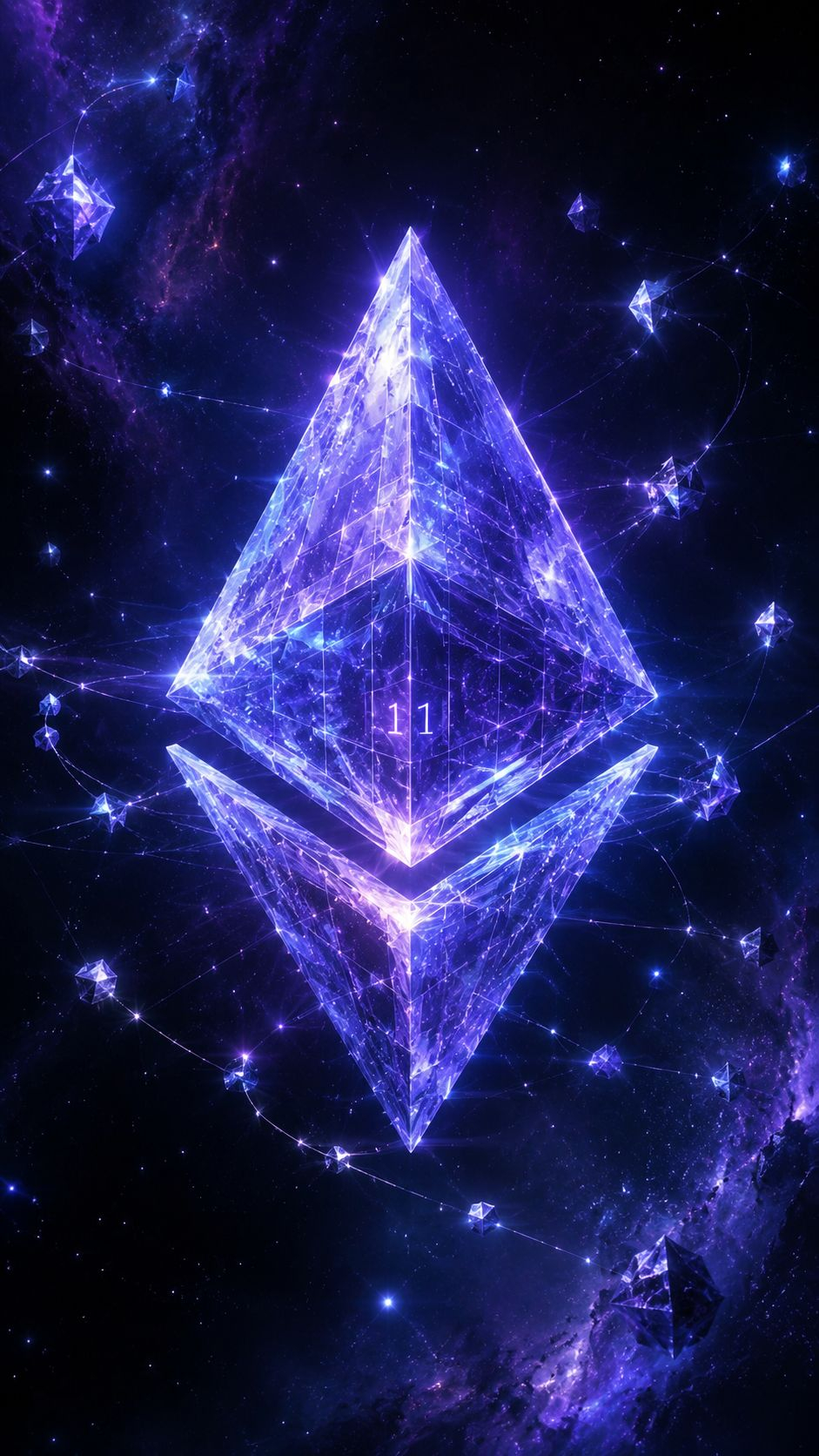
11年前、小さなチームが、誰にも止められないコードを人々が実行できるブロックチェーンを立ち上げました。$ETH
{spot}(ETHUSDT)
懐疑論者は「それは解決すべき問題を探している解決策だ」と呼びました。遅すぎる。高すぎる。複雑すぎて、暗号学者や趣味の人たちというニッチの外で本当に意味を持つことはないだろう、と。
そして11年後、その「ニッチな実験」は、これまで存在していなかったグローバルな金融システムの決済レイヤーとして、静かに定着していきました。何千億ドルものステーブルコインが日々そこを行き来しています。分散型融資、トークン化された資産、オンチェーンでの保有——基盤レイヤーが「先に許可を取らずに誰でも作れる」状態を提供していたからこそ、こうした産業が丸ごと築かれたのです。
振り返って最も際立つのは、トークン価格でも見出しでもなく、飛行中にエンジンを作り直すことへの覚悟です。プルーフ・オブ・ワークからプルーフ・オブ・ステークへ移行したのは単なる注釈ではなく、稼働中の、何十億ドル規模のネットワークがこれまでに実行した中でも最重要級の技術的移行のひとつでした。急いでではなく、段階的かつ慎重に行われました。基盤で支配を集中させるのではなく、つながったネットワークのエコシステムを通じて外へ拡張していく——それはスピードより忍耐を選ぶ賭けでした。派手ではない戦略ですが、たいてい正しい。
これらが簡単に起きたわけではありません。壊れているところを直すために、多くの人が現れ続けたからです。次に来るものについて議論し、退屈で、華やかさのないインフラをつくり続けたからです。それは流行らないのに、止まることなく稼働し続けるものです。
11年というのは、まだ「実験的」と呼ぶ人には奇妙な年齢です。そこに実際に構築したことがない人たちにはそう見え、「基盤(ファウンデーショナル)」だと分かっている人たちにはそう呼ばれます。
四半期ごとの見出しではなく、長期のプロジェクトとしてブロックチェーンを扱ったビルダーたちに、乾杯。
Happy 11yrs #Ethereum 🎂
11年前、小さなチームが、誰にも止められないコードを人々が実行できるブロックチェーンを立ち上げました。$ETH
懐疑論者は「それは解決すべき問題を探している解決策だ」と呼びました。遅すぎる。高すぎる。複雑すぎて、暗号学者や趣味の人たちというニッチの外で本当に意味を持つことはないだろう、と。
そして11年後、その「ニッチな実験」は、これまで存在していなかったグローバルな金融システムの決済レイヤーとして、静かに定着していきました。何千億ドルものステーブルコインが日々そこを行き来しています。分散型融資、トークン化された資産、オンチェーンでの保有——基盤レイヤーが「先に許可を取らずに誰でも作れる」状態を提供していたからこそ、こうした産業が丸ごと築かれたのです。
振り返って最も際立つのは、トークン価格でも見出しでもなく、飛行中にエンジンを作り直すことへの覚悟です。プルーフ・オブ・ワークからプルーフ・オブ・ステークへ移行したのは単なる注釈ではなく、稼働中の、何十億ドル規模のネットワークがこれまでに実行した中でも最重要級の技術的移行のひとつでした。急いでではなく、段階的かつ慎重に行われました。基盤で支配を集中させるのではなく、つながったネットワークのエコシステムを通じて外へ拡張していく——それはスピードより忍耐を選ぶ賭けでした。派手ではない戦略ですが、たいてい正しい。
これらが簡単に起きたわけではありません。壊れているところを直すために、多くの人が現れ続けたからです。次に来るものについて議論し、退屈で、華やかさのないインフラをつくり続けたからです。それは流行らないのに、止まることなく稼働し続けるものです。
11年というのは、まだ「実験的」と呼ぶ人には奇妙な年齢です。そこに実際に構築したことがない人たちにはそう見え、「基盤(ファウンデーショナル)」だと分かっている人たちにはそう呼ばれます。
四半期ごとの見出しではなく、長期のプロジェクトとしてブロックチェーンを扱ったビルダーたちに、乾杯。
Happy 11yrs #Ethereum 🎂
懐疑論者は「それは解決すべき問題を探している解決策だ」と呼びました。遅すぎる。高すぎる。複雑すぎて、暗号学者や趣味の人たちというニッチの外で本当に意味を持つことはないだろう、と。
そして11年後、その「ニッチな実験」は、これまで存在していなかったグローバルな金融システムの決済レイヤーとして、静かに定着していきました。何千億ドルものステーブルコインが日々そこを行き来しています。分散型融資、トークン化された資産、オンチェーンでの保有——基盤レイヤーが「先に許可を取らずに誰でも作れる」状態を提供していたからこそ、こうした産業が丸ごと築かれたのです。
振り返って最も際立つのは、トークン価格でも見出しでもなく、飛行中にエンジンを作り直すことへの覚悟です。プルーフ・オブ・ワークからプルーフ・オブ・ステークへ移行したのは単なる注釈ではなく、稼働中の、何十億ドル規模のネットワークがこれまでに実行した中でも最重要級の技術的移行のひとつでした。急いでではなく、段階的かつ慎重に行われました。基盤で支配を集中させるのではなく、つながったネットワークのエコシステムを通じて外へ拡張していく——それはスピードより忍耐を選ぶ賭けでした。派手ではない戦略ですが、たいてい正しい。
これらが簡単に起きたわけではありません。壊れているところを直すために、多くの人が現れ続けたからです。次に来るものについて議論し、退屈で、華やかさのないインフラをつくり続けたからです。それは流行らないのに、止まることなく稼働し続けるものです。
11年というのは、まだ「実験的」と呼ぶ人には奇妙な年齢です。そこに実際に構築したことがない人たちにはそう見え、「基盤(ファウンデーショナル)」だと分かっている人たちにはそう呼ばれます。
四半期ごとの見出しではなく、長期のプロジェクトとしてブロックチェーンを扱ったビルダーたちに、乾杯。
Happy 11yrs #Ethereum 🎂
81

·
--
ドバイはブロックチェーン・インフラに本腰を入れている。2026年6月16日、ドバイ・マルチ・コモディティーズ・センター(DMCC)は、ステーブルコインUSDTの発行元であるテザー(Tether)と、ブロックチェーン導入を加速するための戦略的覚書(MoU)を締結した。これにより、トークン化やステーブルコインを用いた決済を、現実の取引システム全体に広げていく。
今回の提携は、次の3つの実務分野に焦点を当てている。
教育&導入:DMCCの26,000社超の企業向けに、ブロックチェーンの研修およびアドバイザリー・プログラムを提供
トークン化のパイロット:現実の資産およびコモディティのトークン化、ならびにブロックチェーンに基づく決済・清算システム
エコシステム拡大:ハッカソンなどを通じてDMCCクリプト・センター(すでに750社超)を強化し、テザーとの統合をより深める
これが重要なのは、DMCCが単なる暗号資産のハブではなく、主要なグローバル・コモディティの取引拠点だからだ。ドバイは、特にコモディティや貿易金融の領域で、物理的な取引フローとブロックチェーンによる決済のレールを実質的に結びつけている。
テザーにとっても、この取り組みは、USDTを単なる取引用のステーブルコインではなく、グローバルな決済インフラとして位置づけるというより広い戦略に合致する。先進的なスタンスを持つ管轄地域(国・地域)との提携を通じて進めている。
大きな流れとして、ドバイはトークン化された現実世界の資産とデジタル取引インフラの主要拠点になるための推進を加速している。そこでは、ステーブルコインとブロックチェーンの仕組みが、従来の金融・コモディティ市場の「内側」に直接組み込まれるのだ。市場の外側に付随する存在ではなくなる。
ネットのシグナル:これは、ブロックチェーンが投機から取引インフラへ移行していくためのもう一歩であり、ドバイはその転換を早期に捉えようとしている。
常にDYOR。投資助言ではありません。
#Tether
ドバイはブロックチェーン・インフラに本腰を入れている。2026年6月16日、ドバイ・マルチ・コモディティーズ・センター(DMCC)は、ステーブルコインUSDTの発行元であるテザー(Tether)と、ブロックチェーン導入を加速するための戦略的覚書(MoU)を締結した。これにより、トークン化やステーブルコインを用いた決済を、現実の取引システム全体に広げていく。
今回の提携は、次の3つの実務分野に焦点を当てている。
教育&導入:DMCCの26,000社超の企業向けに、ブロックチェーンの研修およびアドバイザリー・プログラムを提供
トークン化のパイロット:現実の資産およびコモディティのトークン化、ならびにブロックチェーンに基づく決済・清算システム
エコシステム拡大:ハッカソンなどを通じてDMCCクリプト・センター(すでに750社超)を強化し、テザーとの統合をより深める
これが重要なのは、DMCCが単なる暗号資産のハブではなく、主要なグローバル・コモディティの取引拠点だからだ。ドバイは、特にコモディティや貿易金融の領域で、物理的な取引フローとブロックチェーンによる決済のレールを実質的に結びつけている。
テザーにとっても、この取り組みは、USDTを単なる取引用のステーブルコインではなく、グローバルな決済インフラとして位置づけるというより広い戦略に合致する。先進的なスタンスを持つ管轄地域(国・地域)との提携を通じて進めている。
大きな流れとして、ドバイはトークン化された現実世界の資産とデジタル取引インフラの主要拠点になるための推進を加速している。そこでは、ステーブルコインとブロックチェーンの仕組みが、従来の金融・コモディティ市場の「内側」に直接組み込まれるのだ。市場の外側に付随する存在ではなくなる。
ネットのシグナル:これは、ブロックチェーンが投機から取引インフラへ移行していくためのもう一歩であり、ドバイはその転換を早期に捉えようとしている。
常にDYOR。投資助言ではありません。
#Tether
今回の提携は、次の3つの実務分野に焦点を当てている。
教育&導入:DMCCの26,000社超の企業向けに、ブロックチェーンの研修およびアドバイザリー・プログラムを提供
トークン化のパイロット:現実の資産およびコモディティのトークン化、ならびにブロックチェーンに基づく決済・清算システム
エコシステム拡大:ハッカソンなどを通じてDMCCクリプト・センター(すでに750社超)を強化し、テザーとの統合をより深める
これが重要なのは、DMCCが単なる暗号資産のハブではなく、主要なグローバル・コモディティの取引拠点だからだ。ドバイは、特にコモディティや貿易金融の領域で、物理的な取引フローとブロックチェーンによる決済のレールを実質的に結びつけている。
テザーにとっても、この取り組みは、USDTを単なる取引用のステーブルコインではなく、グローバルな決済インフラとして位置づけるというより広い戦略に合致する。先進的なスタンスを持つ管轄地域(国・地域)との提携を通じて進めている。
大きな流れとして、ドバイはトークン化された現実世界の資産とデジタル取引インフラの主要拠点になるための推進を加速している。そこでは、ステーブルコインとブロックチェーンの仕組みが、従来の金融・コモディティ市場の「内側」に直接組み込まれるのだ。市場の外側に付随する存在ではなくなる。
ネットのシグナル:これは、ブロックチェーンが投機から取引インフラへ移行していくためのもう一歩であり、ドバイはその転換を早期に捉えようとしている。
常にDYOR。投資助言ではありません。
#Tether
54
·
--
本人確認中
記事
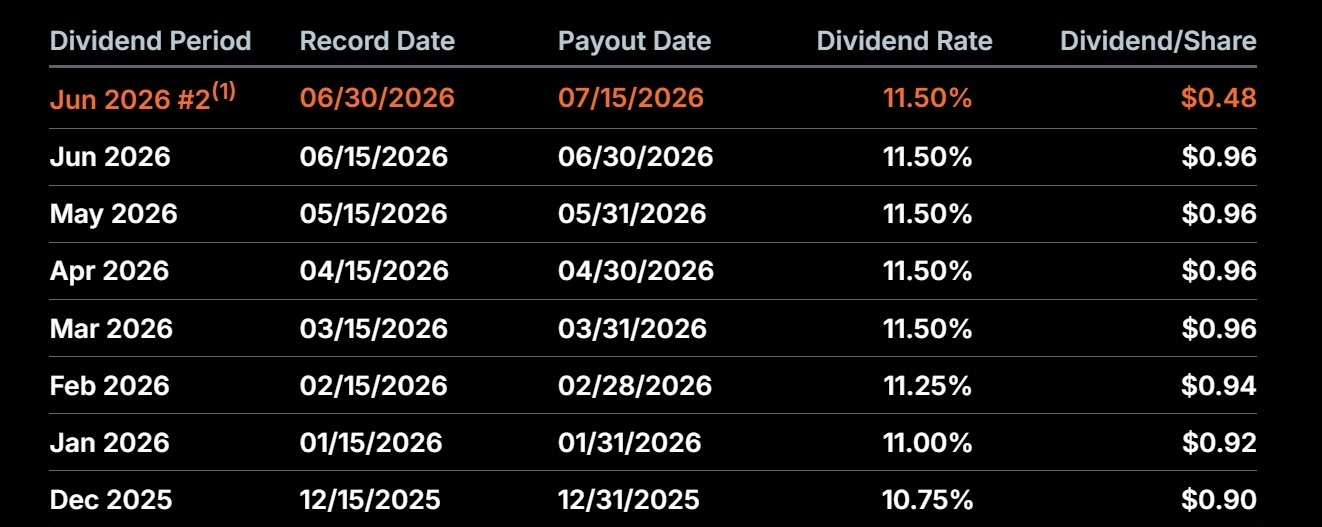
マイクロストラテジーの配当🚨 速報:戦略($MSTR)は、変動利率のシリーズA無期限ストレッチ優先株($STRC)に対する半月ごとの配当を正式に導入しました。これは、マイケル・セイラーのビットコイン・トレジャリー運用プランがさらに進化したことを示すものです。
投資家の皆さまが把握すべき内容はこちら👇
📌 $STRCに関する重要な変更点:
• 株主は、戦略の2026年6月8日の年次総会でこの変更を承認しました。
• 第1回の半月ごとの記録日:2026年6月30日。
• 第1回の半年毎ではない半月払い:2026年7月15日。
• 配当頻度が、月1回から月2回へ倍増。
マイクロストラテジーの配当
🚨 速報:戦略($MSTR)は、変動利率のシリーズA無期限ストレッチ優先株($STRC)に対する半月ごとの配当を正式に導入しました。これは、マイケル・セイラーのビットコイン・トレジャリー運用プランがさらに進化したことを示すものです。
投資家の皆さまが把握すべき内容はこちら👇
📌 $STRCに関する重要な変更点:
• 株主は、戦略の2026年6月8日の年次総会でこの変更を承認しました。
• 第1回の半月ごとの記録日:2026年6月30日。
• 第1回の半年毎ではない半月払い:2026年7月15日。
• 配当頻度が、月1回から月2回へ倍増。
投資家の皆さまが把握すべき内容はこちら👇
📌 $STRCに関する重要な変更点:
• 株主は、戦略の2026年6月8日の年次総会でこの変更を承認しました。
• 第1回の半月ごとの記録日:2026年6月30日。
• 第1回の半年毎ではない半月払い:2026年7月15日。
• 配当頻度が、月1回から月2回へ倍増。
172
·
--
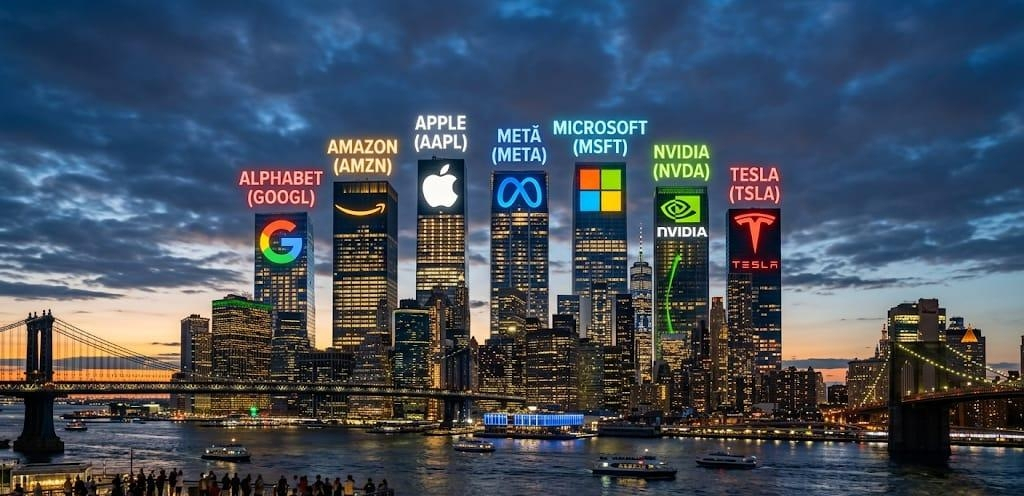
壮大なセブンが現在S&P 500の総ウェイトの30%超を占めるまでになったことを踏まえると、もともと幅広い分散を提供するために設計されたパッシブ指数投資は、意図せず「7つのテクノロジー企業への集中ベット」になってしまったのではないでしょうか。そして、そう信じている3億人超の個人投資家にとって、これは何を意味するのでしょうか?
それでも壮大なセブンについてです。世代ごとの支配的なメガキャップ銘柄は、やがて必ずその座を奪われます。IBM、GE、コダック、ノキア、シアーズなどは、かつては不動の存在だと考えられていました。では、今日の壮大なセブンのうち、2040年のリストから欠けることになるのは誰で、そしてそれらを滅ぼすものは何でしょうか?
#MyStocksQuestion
壮大なセブンが現在S&P 500の総ウェイトの30%超を占めるまでになったことを踏まえると、もともと幅広い分散を提供するために設計されたパッシブ指数投資は、意図せず「7つのテクノロジー企業への集中ベット」になってしまったのではないでしょうか。そして、そう信じている3億人超の個人投資家にとって、これは何を意味するのでしょうか?
それでも壮大なセブンについてです。世代ごとの支配的なメガキャップ銘柄は、やがて必ずその座を奪われます。IBM、GE、コダック、ノキア、シアーズなどは、かつては不動の存在だと考えられていました。では、今日の壮大なセブンのうち、2040年のリストから欠けることになるのは誰で、そしてそれらを滅ぼすものは何でしょうか?
#MyStocksQuestion
それでも壮大なセブンについてです。世代ごとの支配的なメガキャップ銘柄は、やがて必ずその座を奪われます。IBM、GE、コダック、ノキア、シアーズなどは、かつては不動の存在だと考えられていました。では、今日の壮大なセブンのうち、2040年のリストから欠けることになるのは誰で、そしてそれらを滅ぼすものは何でしょうか?
#MyStocksQuestion
231
·
--
記事
UniswapとSecuritizeがBlackRockのBUIDLファンドのDeFi流動性を解放伝統的金融(TradFi)と分散型金融(DeFi)との統合が深まることを示す画期的な動きとして、Uniswap LabsはSecuritizeとの戦略的パートナーシップを発表し、BlackRockのUSD Institutional Digital Liquidity Fund(BUIDL)のオンチェーン取引を可能にしました。このコラボレーションにより、ホワイトリストに登録された投資家はUniswapXを介してBUIDL株をUSDCに交換できるようになり、規制された金融商品と分散型プロトコルを結ぶ重要なステップとなります。blog.uniswap.org
UniswapとSecuritizeがBlackRockのBUIDLファンドのDeFi流動性を解放
伝統的金融(TradFi)と分散型金融(DeFi)との統合が深まることを示す画期的な動きとして、Uniswap LabsはSecuritizeとの戦略的パートナーシップを発表し、BlackRockのUSD Institutional Digital Liquidity Fund(BUIDL)のオンチェーン取引を可能にしました。このコラボレーションにより、ホワイトリストに登録された投資家はUniswapXを介してBUIDL株をUSDCに交換できるようになり、規制された金融商品と分散型プロトコルを結ぶ重要なステップとなります。blog.uniswap.org
3
183
·
--
記事
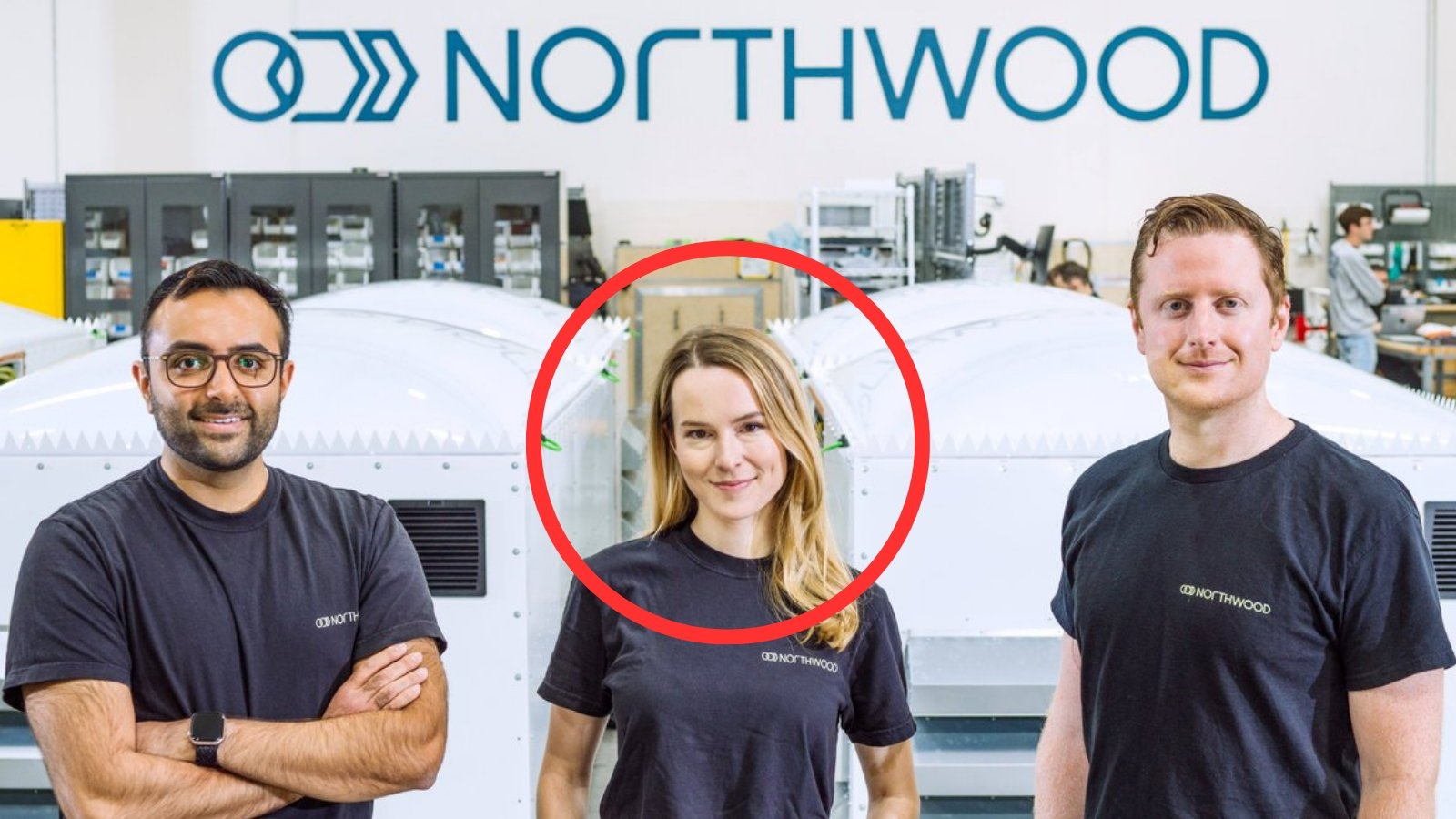
$100M+ シードラウンド。元ディズニーチャンネルのスターが$100M以上を調達し、$49.8Mの米国宇宙軍契約を獲得して、宇宙経済を再構築する可能性のある衛星インフラを構築しました。
彼女の名前:ブリジット・メンドラー。
ほとんどの人は彼女を『グッドラック・チャーリー』のテディ・ダンカンとして覚えています — 音楽キャリア、ツアー、2010年代初頭のメインストリームの名声。
彼女は完全にハリウッドから離れました。
その後のことは公に文書化されています:
• MITの修士号
• 博士課程への入学
• ハーバード法科大学院卒業
• 米国連邦通信委員会(FCC)での役割、衛星および通信政策に取り組んでいます。
$100M+ シードラウンド。
元ディズニーチャンネルのスターが$100M以上を調達し、$49.8Mの米国宇宙軍契約を獲得して、宇宙経済を再構築する可能性のある衛星インフラを構築しました。
彼女の名前:ブリジット・メンドラー。
ほとんどの人は彼女を『グッドラック・チャーリー』のテディ・ダンカンとして覚えています — 音楽キャリア、ツアー、2010年代初頭のメインストリームの名声。
彼女は完全にハリウッドから離れました。
その後のことは公に文書化されています:
• MITの修士号
• 博士課程への入学
• ハーバード法科大学院卒業
• 米国連邦通信委員会(FCC)での役割、衛星および通信政策に取り組んでいます。
彼女の名前:ブリジット・メンドラー。
ほとんどの人は彼女を『グッドラック・チャーリー』のテディ・ダンカンとして覚えています — 音楽キャリア、ツアー、2010年代初頭のメインストリームの名声。
彼女は完全にハリウッドから離れました。
その後のことは公に文書化されています:
• MITの修士号
• 博士課程への入学
• ハーバード法科大学院卒業
• 米国連邦通信委員会(FCC)での役割、衛星および通信政策に取り組んでいます。
17
·
--

記事
イーロン・マスクが彼の最大のビジョンの2つを1つに統合しました。
2026年2月2日、SpaceXはxAIを買収し、1.25兆ドルの価値を持つ合併企業を創出しました。これにより、世界で最も価値のある民間企業となりました。
これは単なる企業合併ではありません。これは次のものの戦略的融合です:
🚀 宇宙インフラ
🤖 人工知能
🛰️ 衛星ネットワーク
☀️ 宇宙におけるエネルギー生成
論理は大胆ですが明確です:AIの未来は地球上の物理的制限に達しています。データセンターは大規模な電力と冷却を必要とし、陸上インフラは実際の経済的および環境的負担なしに迅速にスケールできません。
イーロン・マスクが彼の最大のビジョンの2つを1つに統合しました。
2026年2月2日、SpaceXはxAIを買収し、1.25兆ドルの価値を持つ合併企業を創出しました。これにより、世界で最も価値のある民間企業となりました。
これは単なる企業合併ではありません。これは次のものの戦略的融合です:
🚀 宇宙インフラ
🤖 人工知能
🛰️ 衛星ネットワーク
☀️ 宇宙におけるエネルギー生成
論理は大胆ですが明確です:AIの未来は地球上の物理的制限に達しています。データセンターは大規模な電力と冷却を必要とし、陸上インフラは実際の経済的および環境的負担なしに迅速にスケールできません。
これは単なる企業合併ではありません。これは次のものの戦略的融合です:
🚀 宇宙インフラ
🤖 人工知能
🛰️ 衛星ネットワーク
☀️ 宇宙におけるエネルギー生成
論理は大胆ですが明確です:AIの未来は地球上の物理的制限に達しています。データセンターは大規模な電力と冷却を必要とし、陸上インフラは実際の経済的および環境的負担なしに迅速にスケールできません。
35
·
--
記事
サウジアラビアがグローバル投資家に株式ポジションを開放サウジアラビアは真のグローバル金融ハブになるための重要な一歩を踏み出しました。
2026年2月1日から、タダウル証券取引所はグローバル投資家に完全に開放されます。資本市場庁は、適格外国投資家(QFI)制度を廃止し、外国の機関および個人がサウジ上場株式に直接投資できるようになりました。特別な承認も、複雑な適格ルールも、間接的なスワップ構造も必要ありません。
これは大きな変化です。
以前は、アクセスには高いAUMのしきい値、規制の審査、間接的なエクスポージャー経路が必要でした。今、グローバル投資家はライセンスを持つ地元のブローカーを通じてサウジ株を直接取引でき、完全な所有権、投票権、配当アクセスが得られます。
サウジアラビアがグローバル投資家に株式ポジションを開放
サウジアラビアは真のグローバル金融ハブになるための重要な一歩を踏み出しました。
2026年2月1日から、タダウル証券取引所はグローバル投資家に完全に開放されます。資本市場庁は、適格外国投資家(QFI)制度を廃止し、外国の機関および個人がサウジ上場株式に直接投資できるようになりました。特別な承認も、複雑な適格ルールも、間接的なスワップ構造も必要ありません。
これは大きな変化です。
以前は、アクセスには高いAUMのしきい値、規制の審査、間接的なエクスポージャー経路が必要でした。今、グローバル投資家はライセンスを持つ地元のブローカーを通じてサウジ株を直接取引でき、完全な所有権、投票権、配当アクセスが得られます。
2026年2月1日から、タダウル証券取引所はグローバル投資家に完全に開放されます。資本市場庁は、適格外国投資家(QFI)制度を廃止し、外国の機関および個人がサウジ上場株式に直接投資できるようになりました。特別な承認も、複雑な適格ルールも、間接的なスワップ構造も必要ありません。
これは大きな変化です。
以前は、アクセスには高いAUMのしきい値、規制の審査、間接的なエクスポージャー経路が必要でした。今、グローバル投資家はライセンスを持つ地元のブローカーを通じてサウジ株を直接取引でき、完全な所有権、投票権、配当アクセスが得られます。
2
252
·
--
記事
SEC – CFTCの調和:暗号時代における米国の金融リーダーシップ今日は2026年1月29日、米国証券取引委員会(SEC)と商品先物取引委員会(CFTC)が「SEC – CFTCの調和:暗号時代における米国の金融リーダーシップ」という非常に期待されている共同イベントを開催します。このセッションは、ワシントンD.C.にあるCFTC本部で開催され、午後2時から午後3時(ET)まで行われ、一般視聴者向けにライブストリーミングされます(フィードについてはSECのウェブサイトを確認してください)。元々1月27日に予定されていたこのイベントは日程が変更され、SECの議長ポール・S・アトキンズとCFTCの議長マイケル・S・セリグがファイヤーサイドチャット形式で登壇します。モデレーターはエレノア・テレット(「Crypto in America」の共同創設者兼ホスト)がディスカッションを進行します。
SEC – CFTCの調和:暗号時代における米国の金融リーダーシップ
今日は2026年1月29日、米国証券取引委員会(SEC)と商品先物取引委員会(CFTC)が「SEC – CFTCの調和:暗号時代における米国の金融リーダーシップ」という非常に期待されている共同イベントを開催します。このセッションは、ワシントンD.C.にあるCFTC本部で開催され、午後2時から午後3時(ET)まで行われ、一般視聴者向けにライブストリーミングされます(フィードについてはSECのウェブサイトを確認してください)。元々1月27日に予定されていたこのイベントは日程が変更され、SECの議長ポール・S・アトキンズとCFTCの議長マイケル・S・セリグがファイヤーサイドチャット形式で登壇します。モデレーターはエレノア・テレット(「Crypto in America」の共同創設者兼ホスト)がディスカッションを進行します。
22
·
--

記事
フィデリティ・インベストメンツ、自社のステーブルコインを発表予定:FIDDは、伝統的な金融と暗号通貨の収束における画期的な発展として、ブロックチェーンの領域に登場します。
フィデリティ・インベストメンツは、世界最大の資産運用会社の一つで、6兆ドル以上の資産を管理していますが、自社のUSDペッグのステーブルコイン「フィデリティデジタルドル(FIDD)」を導入する計画を発表しました。この発表は2026年1月28日に、暗号ニュースアウトレット「Watcher.Guru」を通じて(旧Twitter)表面化し、デジタル資産コミュニティ全体で広範な議論を引き起こしました。
フィデリティ・インベストメンツ、自社のステーブルコインを発表予定:
FIDDは、伝統的な金融と暗号通貨の収束における画期的な発展として、ブロックチェーンの領域に登場します。
フィデリティ・インベストメンツは、世界最大の資産運用会社の一つで、6兆ドル以上の資産を管理していますが、自社のUSDペッグのステーブルコイン「フィデリティデジタルドル(FIDD)」を導入する計画を発表しました。この発表は2026年1月28日に、暗号ニュースアウトレット「Watcher.Guru」を通じて(旧Twitter)表面化し、デジタル資産コミュニティ全体で広範な議論を引き起こしました。
フィデリティ・インベストメンツは、世界最大の資産運用会社の一つで、6兆ドル以上の資産を管理していますが、自社のUSDペッグのステーブルコイン「フィデリティデジタルドル(FIDD)」を導入する計画を発表しました。この発表は2026年1月28日に、暗号ニュースアウトレット「Watcher.Guru」を通じて(旧Twitter)表面化し、デジタル資産コミュニティ全体で広範な議論を引き起こしました。
3
72
·
--

記事
アマゾンの人員削減アマゾンは、急速に進化するテクノロジーの風景を反映した重要な動きとして、AI競争の激化の中で16,000の企業解雇を発表しました。
アマゾンは約16,000人の企業従業員を解雇する計画を発表しました。この発表は2026年1月28日に行われ、同社にとってわずか3ヶ月で2回目の大規模な人員削減となります。これは2025年10月に約14,000のポジションが削減されたことに続くもので、主にアマゾンウェブサービス(AWS)、小売業務、プライムビデオ、人事(ピープルエクスペリエンスとテクノロジー)などの部門に影響を与える約30,000の役割が合計されます。
アマゾンの人員削減
アマゾンは、急速に進化するテクノロジーの風景を反映した重要な動きとして、AI競争の激化の中で16,000の企業解雇を発表しました。
アマゾンは約16,000人の企業従業員を解雇する計画を発表しました。この発表は2026年1月28日に行われ、同社にとってわずか3ヶ月で2回目の大規模な人員削減となります。これは2025年10月に約14,000のポジションが削減されたことに続くもので、主にアマゾンウェブサービス(AWS)、小売業務、プライムビデオ、人事(ピープルエクスペリエンスとテクノロジー)などの部門に影響を与える約30,000の役割が合計されます。
アマゾンは約16,000人の企業従業員を解雇する計画を発表しました。この発表は2026年1月28日に行われ、同社にとってわずか3ヶ月で2回目の大規模な人員削減となります。これは2025年10月に約14,000のポジションが削減されたことに続くもので、主にアマゾンウェブサービス(AWS)、小売業務、プライムビデオ、人事(ピープルエクスペリエンスとテクノロジー)などの部門に影響を与える約30,000の役割が合計されます。
2
109
·
--
PLASMA 📶#plasma $XPL
Rainは、ステーブルコインカードの発行とインフラに焦点を当てたプラットフォームであり、グローバルなステーブルコイン決済のために構築された高性能なレイヤー1ブロックチェーンであるPlasmaと統合しています。このパートナーシップは2026年1月初旬に発表され、Plasma上の開発者とパートナーがRainを介して自社ブランドのカードを発行できるようにします。
ユーザーは、世界中の150万人以上のVisaを受け入れる商人で、特にPlasma上でUSDTなどのステーブルコインを使うことができます。Plasmaは、手数料ゼロの送金をコアな利点として強調し、オンチェーン資産を実用的な日常の支出に変換し、これによりRainのマルチチェーンアプローチに一致し、エコシステム全体のビルダーをサポートし、1つのネットワークに縛られることはありません。
PLASMA 📶
#plasma $XPL
Rainは、ステーブルコインカードの発行とインフラに焦点を当てたプラットフォームであり、グローバルなステーブルコイン決済のために構築された高性能なレイヤー1ブロックチェーンであるPlasmaと統合しています。このパートナーシップは2026年1月初旬に発表され、Plasma上の開発者とパートナーがRainを介して自社ブランドのカードを発行できるようにします。
ユーザーは、世界中の150万人以上のVisaを受け入れる商人で、特にPlasma上でUSDTなどのステーブルコインを使うことができます。Plasmaは、手数料ゼロの送金をコアな利点として強調し、オンチェーン資産を実用的な日常の支出に変換し、これによりRainのマルチチェーンアプローチに一致し、エコシステム全体のビルダーをサポートし、1つのネットワークに縛られることはありません。
Rainは、ステーブルコインカードの発行とインフラに焦点を当てたプラットフォームであり、グローバルなステーブルコイン決済のために構築された高性能なレイヤー1ブロックチェーンであるPlasmaと統合しています。このパートナーシップは2026年1月初旬に発表され、Plasma上の開発者とパートナーがRainを介して自社ブランドのカードを発行できるようにします。
ユーザーは、世界中の150万人以上のVisaを受け入れる商人で、特にPlasma上でUSDTなどのステーブルコインを使うことができます。Plasmaは、手数料ゼロの送金をコアな利点として強調し、オンチェーン資産を実用的な日常の支出に変換し、これによりRainのマルチチェーンアプローチに一致し、エコシステム全体のビルダーをサポートし、1つのネットワークに縛られることはありません。
1
20
·
--

記事
PLASMAエコシステムの成長#plasma$XPL
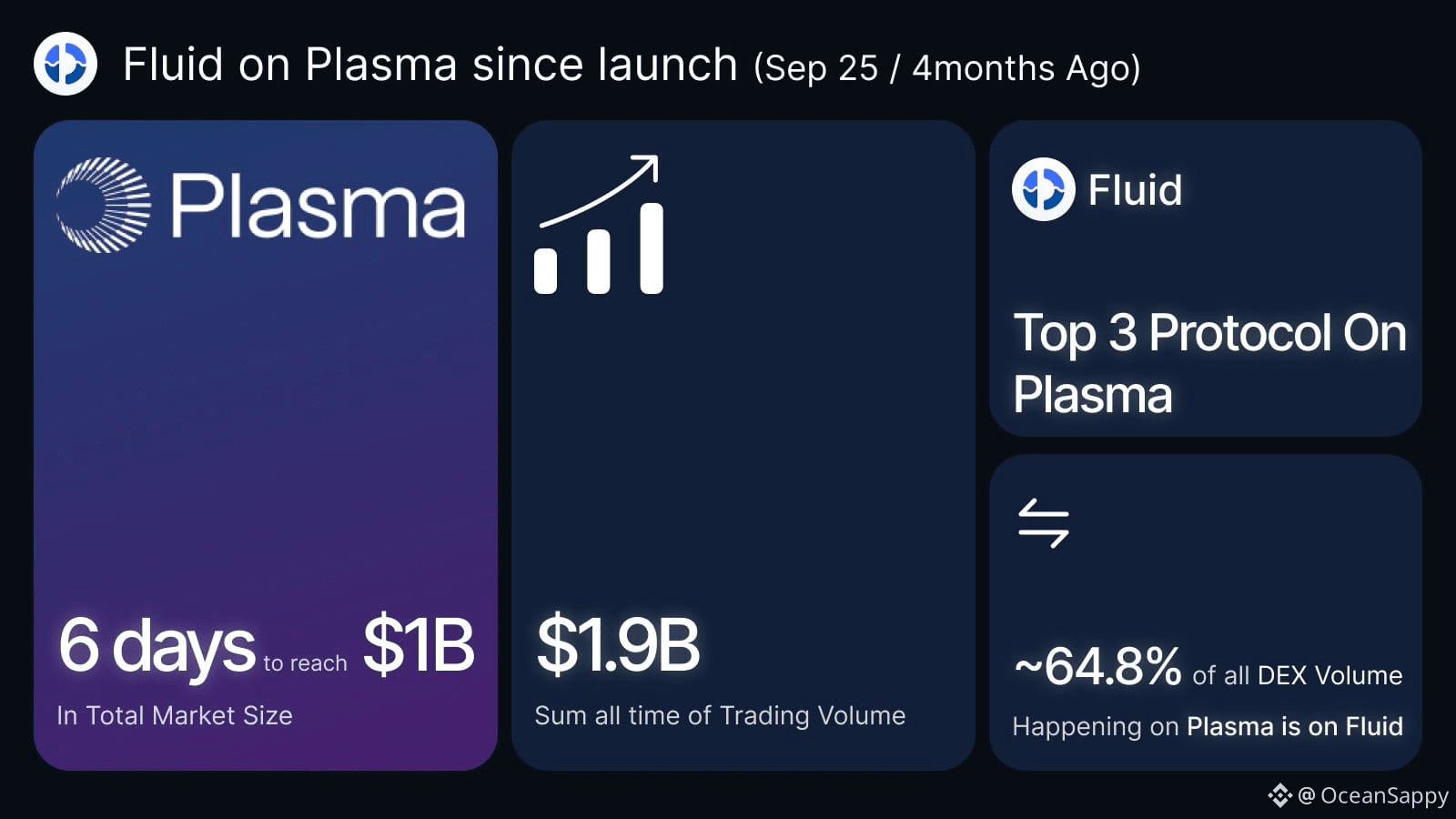
FluidのDEXは、9月25日のローンチから4ヶ月後に累計取引高が19億ドルに達し、わずか6日で10億ドルを突破し、チェーンのDEX活動の64.8%を占めました。
流動性の最大限の資本効率を考慮して、流動性はEVM互換のLayer 1 Plasma上で急成長しており、低手数料でのステーブルコインに焦点を当てた支払いに対する魅力を強調しています。
PLASMAエコシステムの成長
#plasma$XPL
FluidのDEXは、9月25日のローンチから4ヶ月後に累計取引高が19億ドルに達し、わずか6日で10億ドルを突破し、チェーンのDEX活動の64.8%を占めました。
流動性の最大限の資本効率を考慮して、流動性はEVM互換のLayer 1 Plasma上で急成長しており、低手数料でのステーブルコインに焦点を当てた支払いに対する魅力を強調しています。
FluidのDEXは、9月25日のローンチから4ヶ月後に累計取引高が19億ドルに達し、わずか6日で10億ドルを突破し、チェーンのDEX活動の64.8%を占めました。
流動性の最大限の資本効率を考慮して、流動性はEVM互換のLayer 1 Plasma上で急成長しており、低手数料でのステーブルコインに焦点を当てた支払いに対する魅力を強調しています。
26
·
--

記事
銀行振込を使用して P2P 経由で Binance で USDT を購入するステップ 1: Binance アカウントにログインするまず、Binance アプリを開くか、Binance の Web サイトにアクセスします。メールアドレスとパスワードを使用してアカウントにログインします。ステップ 2: P2P 取引プラットフォームにアクセスするアプリを使用している場合は、下部にある「取引」タブをタップし、「P2P」を選択します。 Web サイトの場合は、上部メニューの「取引」の上にカーソルを置き、ドロップダウンから「P2P 取引」を選択します。ステップ 3: 販売者を選択するP2P 取引プラットフォームでは、USDT を販売している販売者のリストが表示されます。取引制限、価格、支払い方法などのオファーを注意深く確認してください。支払い方法として銀行振込を受け入れる販売者を選択することが重要です。
銀行振込を使用して P2P 経由で Binance で USDT を購入する
ステップ 1: Binance アカウントにログインするまず、Binance アプリを開くか、Binance の Web サイトにアクセスします。メールアドレスとパスワードを使用してアカウントにログインします。ステップ 2: P2P 取引プラットフォームにアクセスするアプリを使用している場合は、下部にある「取引」タブをタップし、「P2P」を選択します。 Web サイトの場合は、上部メニューの「取引」の上にカーソルを置き、ドロップダウンから「P2P 取引」を選択します。ステップ 3: 販売者を選択するP2P 取引プラットフォームでは、USDT を販売している販売者のリストが表示されます。取引制限、価格、支払い方法などのオファーを注意深く確認してください。支払い方法として銀行振込を受け入れる販売者を選択することが重要です。
7
107
·
--

記事
未来を明らかにする: 来るべき Web3 およびプロフェッショナル ネットワーキング時代に対する Morfyus の予測Morfyus は、ブロックチェーン テクノロジーとプロフェッショナル ネットワーキングの急速に進化する領域のリーダーであり、AI、ブロックチェーン、進歩的なアプローチを組み合わせて、プロフェッショナルな人間関係とキャリアの成長に革命をもたらします。来るべき Web3 とプロフェッショナル ネットワーキングの時代に関する Morfyus の予測の徹底的な検証は、「Exusing the Future」で紹介されています。Morfyus は、プロフェッショナル ネットワーキングとブロックチェーン テクノロジの急速に発展している分野で先頭に立ち、AI、ブロックチェーン、進歩的な考え方を融合することで、プロフェッショナルなつながりとキャリアの向上に革命をもたらします。
未来を明らかにする: 来るべき Web3 およびプロフェッショナル ネットワーキング時代に対する Morfyus の予測
Morfyus は、ブロックチェーン テクノロジーとプロフェッショナル ネットワーキングの急速に進化する領域のリーダーであり、AI、ブロックチェーン、進歩的なアプローチを組み合わせて、プロフェッショナルな人間関係とキャリアの成長に革命をもたらします。来るべき Web3 とプロフェッショナル ネットワーキングの時代に関する Morfyus の予測の徹底的な検証は、「Exusing the Future」で紹介されています。Morfyus は、プロフェッショナル ネットワーキングとブロックチェーン テクノロジの急速に発展している分野で先頭に立ち、AI、ブロックチェーン、進歩的な考え方を融合することで、プロフェッショナルなつながりとキャリアの向上に革命をもたらします。
8
120
·
--

記事
ナイジェリアの通貨ジレンマ:外国為替事情とその影響を分析するアフリカの経済大国ナイジェリアが直面している困難な為替シナリオは、企業や投資家に不安を与えている。より多くの投資を呼び込むために通貨制度を改革するという大統領の公約の結果、ナイラは大幅に下落し、闇市場で割引価格で取引され続けているが、これはひとえにドルが不足しているためである。石油への依存と経済危機:ナイジェリアは、外貨収入の90%以上を原油に大きく依存しているため、原油価格の変動の影響を非常に受けやすい。中央銀行は、2014年に始まった経済圧力を受けて、2017年に二重金利制度を導入した。政府取引の場合は1つの金利が米ドルに固定され、投資家と輸出業者の場合はナフェックスとして知られる市場で決定される金利が適用された。が紹介されました。流動性を高めてドルの流入を呼び込むことが目的であったにもかかわらず、システムが失敗したため、現在は通貨の地下市場が存在している。
ナイジェリアの通貨ジレンマ:外国為替事情とその影響を分析する
アフリカの経済大国ナイジェリアが直面している困難な為替シナリオは、企業や投資家に不安を与えている。より多くの投資を呼び込むために通貨制度を改革するという大統領の公約の結果、ナイラは大幅に下落し、闇市場で割引価格で取引され続けているが、これはひとえにドルが不足しているためである。石油への依存と経済危機:ナイジェリアは、外貨収入の90%以上を原油に大きく依存しているため、原油価格の変動の影響を非常に受けやすい。中央銀行は、2014年に始まった経済圧力を受けて、2017年に二重金利制度を導入した。政府取引の場合は1つの金利が米ドルに固定され、投資家と輸出業者の場合はナフェックスとして知られる市場で決定される金利が適用された。が紹介されました。流動性を高めてドルの流入を呼び込むことが目的であったにもかかわらず、システムが失敗したため、現在は通貨の地下市場が存在している。
6
347
·
--

記事
2023 年の Zilliqa の顕著な業績を振り返る2023 年は #Zilliqa にとって重要な年となり、テクノロジーの大幅な進歩、戦略的提携、エコシステムの拡大が特徴でした。ダイナミックなブロックチェーン業界の課題を克服するコミュニティの回復力と革新的な精神は明らかでした。 Zilliqa の傑出した業績の包括的なレビューは次のとおりです。1. Zilliqa グループの形成:- Zilliqa Group は、持続可能な成長のための強固な枠組みを提供するために設立されました。- この企業構造は、ブロックチェーンで強化されたゲーム体験に焦点を当てた先駆的な Web3 エンターテイメント会社である Roll1ng Thund3rz のようなベンチャー企業を育成します。
2023 年の Zilliqa の顕著な業績を振り返る
2023 年は #Zilliqa にとって重要な年となり、テクノロジーの大幅な進歩、戦略的提携、エコシステムの拡大が特徴でした。ダイナミックなブロックチェーン業界の課題を克服するコミュニティの回復力と革新的な精神は明らかでした。 Zilliqa の傑出した業績の包括的なレビューは次のとおりです。1. Zilliqa グループの形成:- Zilliqa Group は、持続可能な成長のための強固な枠組みを提供するために設立されました。- この企業構造は、ブロックチェーンで強化されたゲーム体験に焦点を当てた先駆的な Web3 エンターテイメント会社である Roll1ng Thund3rz のようなベンチャー企業を育成します。
2
14
2.5k
·
--
ブリッシュ
未来を明らかにする: Web3 とプロフェッショナル ネットワーキングの次の時代に対する Morfyus の見通しの詳細な探求
Morfyus は、プロフェッショナル ネットワーキングとブロックチェーン テクノロジの急速に変化する分野の先駆者であり、AI、ブロックチェーン、および先進的な方法論を融合して、プロフェッショナルなつながりとキャリア アップを変革します。
未来を明らかにする: 来るべき Web3 およびプロフェッショナル ネットワーキング時代に対する Morfyus の予測の包括的な分析
Morfyus は、ブロックチェーン テクノロジーとプロフェッショナル ネットワーキングの急速に進化する領域のリーダーであり、AI、ブロックチェーン、進歩的なアプローチを組み合わせて、プロフェッショナルな人間関係とキャリアの成長に革命をもたらします。
モーフィアスをさらに詳しく調べる
Morfyus は、Web 3 テクノロジーに基づいて、専門的な評判を築き、才能をトークン化する独自の ID ソリューションを提供します。 Morfyus は才能を認めるだけでなく、それを伸ばします。ゲーミフィケーションのアプローチの導入により、キャリアアップの時には恐ろしいルートが楽しい経験に変わります。プロフェッショナルのあらゆる行動は成功への一歩であり、その成果は信頼できるデジタル認証情報として保存されます。 Morfyus 氏によると、未来の職場ではスキルが評価されるだけでなく、称賛されるようになるでしょう。
インスピレーションの起源と源:
Morfyus の起源は、KPMG での問題解決から、foodpanda でテクノロジーを使用して食品企業の販売を支援するようになった創設者の経験に遡る可能性があります。最終的に、創設者はこのテクノロジーを、アジアの複数の国でギグワーカーを雇用するための強力なツールに変えました。パンデミックによって引き起こされた地震の混乱と、Web 3 テクノロジーの発展により、Morfyus は道を切り開かれました。 Morfyus は当初、ギグ ワーカーにゲーム テスターやゲーマーなどのポジションを配置することを目的として設計されていましたが、その後、世界の IT 業界全体に適用されるまでに成長しました。 #Write2Earn
未来を明らかにする: Web3 とプロフェッショナル ネットワーキングの次の時代に対する Morfyus の見通しの詳細な探求
Morfyus は、プロフェッショナル ネットワーキングとブロックチェーン テクノロジの急速に変化する分野の先駆者であり、AI、ブロックチェーン、および先進的な方法論を融合して、プロフェッショナルなつながりとキャリア アップを変革します。
未来を明らかにする: 来るべき Web3 およびプロフェッショナル ネットワーキング時代に対する Morfyus の予測の包括的な分析
Morfyus は、ブロックチェーン テクノロジーとプロフェッショナル ネットワーキングの急速に進化する領域のリーダーであり、AI、ブロックチェーン、進歩的なアプローチを組み合わせて、プロフェッショナルな人間関係とキャリアの成長に革命をもたらします。
モーフィアスをさらに詳しく調べる
Morfyus は、Web 3 テクノロジーに基づいて、専門的な評判を築き、才能をトークン化する独自の ID ソリューションを提供します。 Morfyus は才能を認めるだけでなく、それを伸ばします。ゲーミフィケーションのアプローチの導入により、キャリアアップの時には恐ろしいルートが楽しい経験に変わります。プロフェッショナルのあらゆる行動は成功への一歩であり、その成果は信頼できるデジタル認証情報として保存されます。 Morfyus 氏によると、未来の職場ではスキルが評価されるだけでなく、称賛されるようになるでしょう。
インスピレーションの起源と源:
Morfyus の起源は、KPMG での問題解決から、foodpanda でテクノロジーを使用して食品企業の販売を支援するようになった創設者の経験に遡る可能性があります。最終的に、創設者はこのテクノロジーを、アジアの複数の国でギグワーカーを雇用するための強力なツールに変えました。パンデミックによって引き起こされた地震の混乱と、Web 3 テクノロジーの発展により、Morfyus は道を切り開かれました。 Morfyus は当初、ギグ ワーカーにゲーム テスターやゲーマーなどのポジションを配置することを目的として設計されていましたが、その後、世界の IT 業界全体に適用されるまでに成長しました。 #Write2Earn
Morfyus は、プロフェッショナル ネットワーキングとブロックチェーン テクノロジの急速に変化する分野の先駆者であり、AI、ブロックチェーン、および先進的な方法論を融合して、プロフェッショナルなつながりとキャリア アップを変革します。
未来を明らかにする: 来るべき Web3 およびプロフェッショナル ネットワーキング時代に対する Morfyus の予測の包括的な分析
Morfyus は、ブロックチェーン テクノロジーとプロフェッショナル ネットワーキングの急速に進化する領域のリーダーであり、AI、ブロックチェーン、進歩的なアプローチを組み合わせて、プロフェッショナルな人間関係とキャリアの成長に革命をもたらします。
モーフィアスをさらに詳しく調べる
Morfyus は、Web 3 テクノロジーに基づいて、専門的な評判を築き、才能をトークン化する独自の ID ソリューションを提供します。 Morfyus は才能を認めるだけでなく、それを伸ばします。ゲーミフィケーションのアプローチの導入により、キャリアアップの時には恐ろしいルートが楽しい経験に変わります。プロフェッショナルのあらゆる行動は成功への一歩であり、その成果は信頼できるデジタル認証情報として保存されます。 Morfyus 氏によると、未来の職場ではスキルが評価されるだけでなく、称賛されるようになるでしょう。
インスピレーションの起源と源:
Morfyus の起源は、KPMG での問題解決から、foodpanda でテクノロジーを使用して食品企業の販売を支援するようになった創設者の経験に遡る可能性があります。最終的に、創設者はこのテクノロジーを、アジアの複数の国でギグワーカーを雇用するための強力なツールに変えました。パンデミックによって引き起こされた地震の混乱と、Web 3 テクノロジーの発展により、Morfyus は道を切り開かれました。 Morfyus は当初、ギグ ワーカーにゲーム テスターやゲーマーなどのポジションを配置することを目的として設計されていましたが、その後、世界の IT 業界全体に適用されるまでに成長しました。 #Write2Earn

7
163
ログインして、さらにコンテンツを読む
厳選トピックで世界の暗号資産トレーダーの仲間入り
⚡️ 暗号資産に関する最新かつ有益な情報が見つかります。
💬 世界最大の暗号資産取引所から信頼されています。
👍 認証を受けたクリエイターから、有益なインサイトを得られます。
メール / 電話番号
トレンドトピック
FedMinutesFocusOnOctoberPause
閲覧回数 199,106
1,385人が討論中
🚨 警戒レベル引き上げ ‼️ 次の1時間は無闇に取引しないでください 🚨
皆さん、FOMC議事要旨の発表まで1時間を切りました。
今日すでに大きなボラティリティが見られたことを考えると、発表直前に誰にも無謀な高レバレッジポジションを取ってほしくありません。
私が注目している大きな反応は、ゴールド(XAU)、シルバー(XAG)、BTC、ETHです。さらにSOLのような銘柄や、レバレッジの高い時価総額が中小規模のアルトコインは、BTCの値動きを増幅させる可能性があります。
今夜は特にゴールドとシルバーに注意が必要です。市場はすでに米ドルと米国債利回りに反応しており、両方の貴金属はFRB議事要旨の発表を前に大きな圧力を受けています。
簡単に言うと、
📉タカ派的なFOMC議事要旨 → 米ドル・利回りが上昇する可能性 → BTC、暗号資産、ゴールド、シルバーに下押し圧力
📈ハト派的なFOMC議事要旨 → 米ドル・利回りが落ち着く可能性 → BTC、ゴールド、シルバー、リスク資産が大きく反発する可能性があります。
そして、最初のローソク足が罠になることもあるので忘れないでください。一度急騰してすぐに急落し、両方向で清算が起きてから、本当の方向性が見えてくることもあります。
今はポジションを守り、不要なレバレッジを減らし、最初の値動きにFOMOで飛び乗らないようにしてください。
今夜はまず$XAU 、$XAG 、$BTC を注視しています。これらの動きを見れば、市場がFRBの発表をどう受け止めているか、すぐに分かるでしょう。
時間どおりに皆さんに最新情報をお知らせします。
@Panda Traders をフォローして、今すぐ通知をオンにしてください。
#FedMinutesFocusOnOctoberPause
Panda Traders
·いいね:19件
·閲覧回数 4.2k
BinanceLaunchesBinanceIntelligence
閲覧回数 1.1M
6,575人が討論中
EvernorthDelaysNasdaqDebutToOct12
閲覧回数 17,292
320人が討論中