
Maherbro
124 投稿

Maherbro
報告
ユーザーをブロック
取引を発注
高頻度トレーダー
4.8年
5 フォロー
15 フォロワー
87 いいね
投稿
ポートフォリオ
すべて
引用
動画
·
--
ブリッシュ
翻訳参照
🚗 TSLA Market Update
$
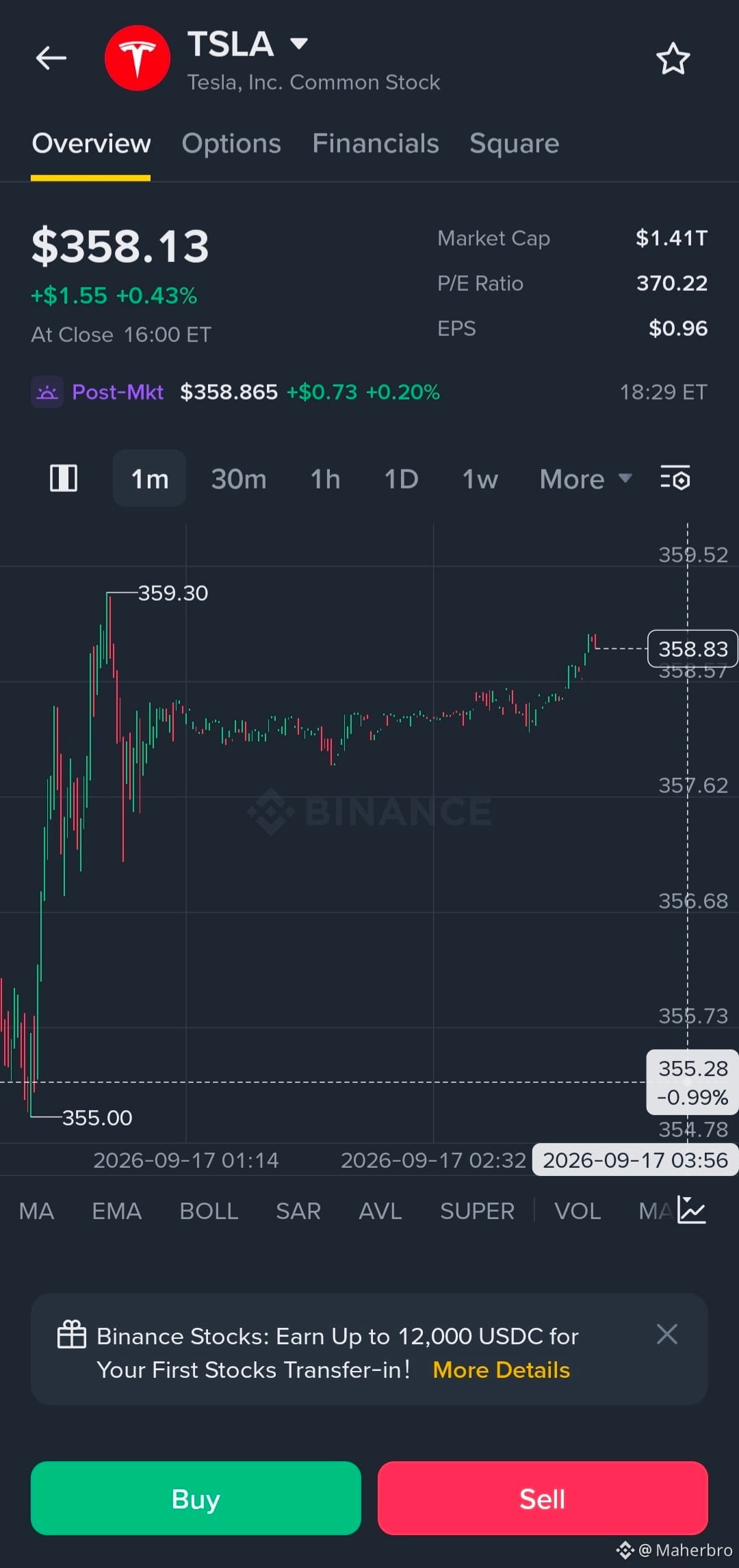
Tesla (TSLA) is showing positive momentum, trading around $358.13, with post-market near $358.87.
📈 Resistance: $359.30–$359.50
📉 Support: $357.60 → $356.70
A break above $359.50 could attract further buying, while rejection may bring a pullback toward support.
💬 Bullish or Bearish on TSLA?
👉 Follow for daily US stock & market updates.
#TSLA #Tesla #Stocks #NASDAQ #StockMarket #Trading #USStocks #MarketUpdate
🚗 TSLA Market Update
$
Tesla (TSLA) is showing positive momentum, trading around $358.13, with post-market near $358.87.
📈 Resistance: $359.30–$359.50
📉 Support: $357.60 → $356.70
A break above $359.50 could attract further buying, while rejection may bring a pullback toward support.
💬 Bullish or Bearish on TSLA?
👉 Follow for daily US stock & market updates.
#TSLA #Tesla #Stocks #NASDAQ #StockMarket #Trading #USStocks #MarketUpdate
$
Tesla (TSLA) is showing positive momentum, trading around $358.13, with post-market near $358.87.
📈 Resistance: $359.30–$359.50
📉 Support: $357.60 → $356.70
A break above $359.50 could attract further buying, while rejection may bring a pullback toward support.
💬 Bullish or Bearish on TSLA?
👉 Follow for daily US stock & market updates.
#TSLA #Tesla #Stocks #NASDAQ #StockMarket #Trading #USStocks #MarketUpdate
29
·
--
#FedRateWatch
🟡 ゴールド(XAUUSDT)— クイックアップデート
{stock_us}(GOLD.US)
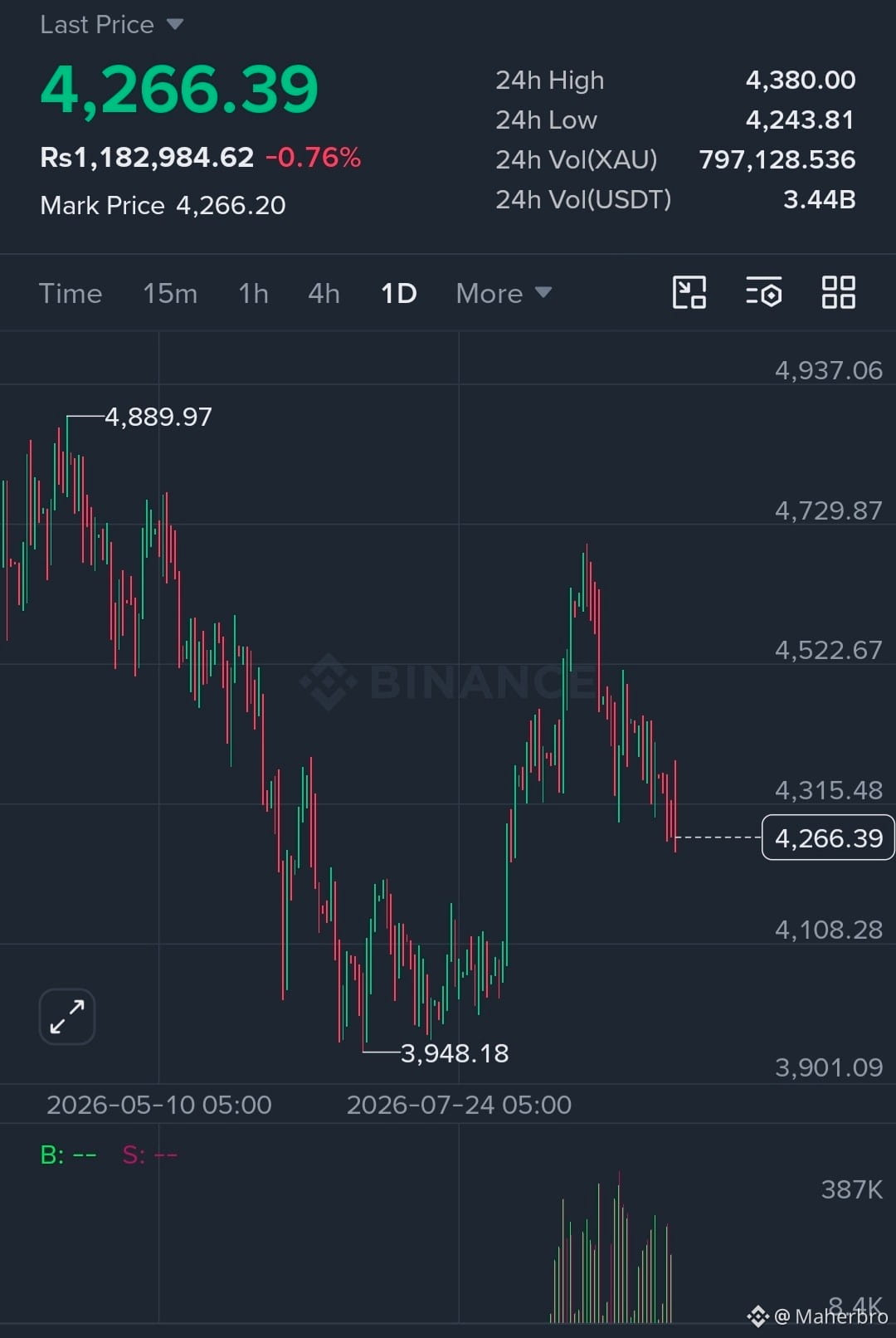
ゴールドは$4,266付近で取引されており、最近のFRB主導のボラティリティの後も短期的な弱さ(圧力)がまだ見えています。
📉 レジスタンス:$4,315〜$4,370
📈 サポート:$4,240〜$4,215
$4,370を上抜けると、より強い回復を示す可能性があります。一方で$4,215を下抜けると、さらなる下落が起こり得ます。
⚠️ 確認を待ち、リスク管理を行いましょう。
👉 毎日のゴールド&シルバーのマーケット更新をフォロー
💬 ゴールドは強気?弱気?
#Gold #XAUUSDT #GoldTrading #Binance #XAUUSD #GoldPrice #Trading #MarketUpdate
#FedRateWatch
🟡 ゴールド(XAUUSDT)— クイックアップデート
ゴールドは$4,266付近で取引されており、最近のFRB主導のボラティリティの後も短期的な弱さ(圧力)がまだ見えています。
📉 レジスタンス:$4,315〜$4,370
📈 サポート:$4,240〜$4,215
$4,370を上抜けると、より強い回復を示す可能性があります。一方で$4,215を下抜けると、さらなる下落が起こり得ます。
⚠️ 確認を待ち、リスク管理を行いましょう。
👉 毎日のゴールド&シルバーのマーケット更新をフォロー
💬 ゴールドは強気?弱気?
#Gold #XAUUSDT #GoldTrading #Binance #XAUUSD #GoldPrice #Trading #MarketUpdate
🟡 ゴールド(XAUUSDT)— クイックアップデート
ゴールドは$4,266付近で取引されており、最近のFRB主導のボラティリティの後も短期的な弱さ(圧力)がまだ見えています。
📉 レジスタンス:$4,315〜$4,370
📈 サポート:$4,240〜$4,215
$4,370を上抜けると、より強い回復を示す可能性があります。一方で$4,215を下抜けると、さらなる下落が起こり得ます。
⚠️ 確認を待ち、リスク管理を行いましょう。
👉 毎日のゴールド&シルバーのマーケット更新をフォロー
💬 ゴールドは強気?弱気?
#Gold #XAUUSDT #GoldTrading #Binance #XAUUSD #GoldPrice #Trading #MarketUpdate
54
·
--
#FedRateWatch
🇺🇸 米連邦準備制度(FRB)利上げ — ライブ市場アップデート
FRBは9月16日に25bp(0.25%)利上げし、FF(連邦フェンド)金利の誘導目標レンジを3.75%〜4.00%としました。
この決定は、インフレがFRBの2%目標を依然として上回っている一方で、FRBが経済状況を引き続き評価していることを背景にしています。
金(XAUUSD)については、高金利環境がUSD(米ドル)や米国債利回りを下支えし、短期的に金には圧力となり得ます。ただし、実際の価格の方向性は、今後の経済指標や市場の期待によっても左右されます。
BinanceのXAUUSDT投稿向けに:重要なポイントは、FRBの政策が金の主要なボラティリティ要因であり続けるということです。トレーダーは、チャート上のテクニカル水準に加えて、USD、米国債利回り、そして今後予定される米国の経済指標を注視しましょう。
#FedRateWatch
🇺🇸 米連邦準備制度(FRB)利上げ — ライブ市場アップデート
FRBは9月16日に25bp(0.25%)利上げし、FF(連邦フェンド)金利の誘導目標レンジを3.75%〜4.00%としました。
この決定は、インフレがFRBの2%目標を依然として上回っている一方で、FRBが経済状況を引き続き評価していることを背景にしています。
金(XAUUSD)については、高金利環境がUSD(米ドル)や米国債利回りを下支えし、短期的に金には圧力となり得ます。ただし、実際の価格の方向性は、今後の経済指標や市場の期待によっても左右されます。
BinanceのXAUUSDT投稿向けに:重要なポイントは、FRBの政策が金の主要なボラティリティ要因であり続けるということです。トレーダーは、チャート上のテクニカル水準に加えて、USD、米国債利回り、そして今後予定される米国の経済指標を注視しましょう。
🇺🇸 米連邦準備制度(FRB)利上げ — ライブ市場アップデート
FRBは9月16日に25bp(0.25%)利上げし、FF(連邦フェンド)金利の誘導目標レンジを3.75%〜4.00%としました。
この決定は、インフレがFRBの2%目標を依然として上回っている一方で、FRBが経済状況を引き続き評価していることを背景にしています。
金(XAUUSD)については、高金利環境がUSD(米ドル)や米国債利回りを下支えし、短期的に金には圧力となり得ます。ただし、実際の価格の方向性は、今後の経済指標や市場の期待によっても左右されます。
BinanceのXAUUSDT投稿向けに:重要なポイントは、FRBの政策が金の主要なボラティリティ要因であり続けるということです。トレーダーは、チャート上のテクニカル水準に加えて、USD、米国債利回り、そして今後予定される米国の経済指標を注視しましょう。
299
·
--
🟡 金(XAUUSDT)— 市場アップデート
米連邦準備制度(Fed)の最新利上げ決定を受けて、金は高いボラティリティを見せています。Fedは25bp(0.25%)引き上げましたが、当初はより強いドルが金に圧力をかけました。スポット金は一時$4,240まで下落した後、持ち直しました。
📊 チャートからのテクニカル見通し:
現在のチャート水準: 約$4,266
🟢 サポート:$4,240〜$4,215
🔴 レジスタンス:$4,315〜$4,370
🔴 主要レジスタンス:$4,400〜$4,450
市場構造:金が$4,370を下回っている間は、短期的な下押し圧力が残ります。$4,370を上回る確定的なブレイクが起これば、回復が強まり得ます。一方で$4,215を下回るブレイクは、下方向のリスクを高めます。
⚠️ 要点:Fedの政策、ドルの強さ、米国債利回りが引き続き金の主要なドライバーであるため、ボラティリティは高止まりする可能性があります。
👉 毎日の金、銀 そして市場アップデートをフォローしてください。
💬 次に金はどこへ向かうと思いますか — $4,400 それとも $4,200?
#XAUUSD❤️ USDT #Gold #GoldTrading #XAUUSD USD #GoldPrice #Trading #MarketAnalysis #Forex #CryptoTrading
🟡 金(XAUUSDT)— 市場アップデート
米連邦準備制度(Fed)の最新利上げ決定を受けて、金は高いボラティリティを見せています。Fedは25bp(0.25%)引き上げましたが、当初はより強いドルが金に圧力をかけました。スポット金は一時$4,240まで下落した後、持ち直しました。
📊 チャートからのテクニカル見通し:
現在のチャート水準: 約$4,266
🟢 サポート:$4,240〜$4,215
🔴 レジスタンス:$4,315〜$4,370
🔴 主要レジスタンス:$4,400〜$4,450
市場構造:金が$4,370を下回っている間は、短期的な下押し圧力が残ります。$4,370を上回る確定的なブレイクが起これば、回復が強まり得ます。一方で$4,215を下回るブレイクは、下方向のリスクを高めます。
⚠️ 要点:Fedの政策、ドルの強さ、米国債利回りが引き続き金の主要なドライバーであるため、ボラティリティは高止まりする可能性があります。
👉 毎日の金、銀 そして市場アップデートをフォローしてください。
💬 次に金はどこへ向かうと思いますか — $4,400 それとも $4,200?
#XAUUSD❤️ USDT #Gold #GoldTrading #XAUUSD USD #GoldPrice #Trading #MarketAnalysis #Forex #CryptoTrading
米連邦準備制度(Fed)の最新利上げ決定を受けて、金は高いボラティリティを見せています。Fedは25bp(0.25%)引き上げましたが、当初はより強いドルが金に圧力をかけました。スポット金は一時$4,240まで下落した後、持ち直しました。
📊 チャートからのテクニカル見通し:
現在のチャート水準: 約$4,266
🟢 サポート:$4,240〜$4,215
🔴 レジスタンス:$4,315〜$4,370
🔴 主要レジスタンス:$4,400〜$4,450
市場構造:金が$4,370を下回っている間は、短期的な下押し圧力が残ります。$4,370を上回る確定的なブレイクが起これば、回復が強まり得ます。一方で$4,215を下回るブレイクは、下方向のリスクを高めます。
⚠️ 要点:Fedの政策、ドルの強さ、米国債利回りが引き続き金の主要なドライバーであるため、ボラティリティは高止まりする可能性があります。
👉 毎日の金、銀 そして市場アップデートをフォローしてください。
💬 次に金はどこへ向かうと思いますか — $4,400 それとも $4,200?
#XAUUSD❤️ USDT #Gold #GoldTrading #XAUUSD USD #GoldPrice #Trading #MarketAnalysis #Forex #CryptoTrading
232
·
--
ブリッシュ
翻訳参照
🟡 GOLD / XAUUSDT — LIVE MARKET UPDATE
Gold is holding near $4,435 after a strong rebound from the $4,300 zone. 📈
$XAU
🔹 Current: ~$4,435
🔹 Immediate Resistance: $4,445–$4,460
🔹 Major Resistance: $4,472
🔹 Support: $4,430 → $4,400
🔹 Major Support: $4,366
📊 Market Bias: Cautiously Bullish
Gold is supported by a weaker USD and falling Treasury yields, but bulls still need a clear breakout above $4,460–$4,472 to confirm further upside.
🎯 Bullish scenario: Break & hold above $4,472 → $4,530 → $4,580
⚠️ Bearish scenario: Rejection from $4,460–$4,472 → $4,400 → $4,366
🔥 Key Event: US NFP Jobs Report tomorrow could trigger major volatility in Gold.
👉 Follow for daily Gold & Silver analysis.
💬 Are you LONG or SHORT on Gold? Comment below!
#XAUUSDT #Gold #GoldTrading #Binance #XAUUSD #GoldPrice #Trading #MarketAnalysis #Forex #CryptoTrading
🟡 GOLD / XAUUSDT — LIVE MARKET UPDATE
Gold is holding near $4,435 after a strong rebound from the $4,300 zone. 📈
$XAU
🔹 Current: ~$4,435
🔹 Immediate Resistance: $4,445–$4,460
🔹 Major Resistance: $4,472
🔹 Support: $4,430 → $4,400
🔹 Major Support: $4,366
📊 Market Bias: Cautiously Bullish
Gold is supported by a weaker USD and falling Treasury yields, but bulls still need a clear breakout above $4,460–$4,472 to confirm further upside.
🎯 Bullish scenario: Break & hold above $4,472 → $4,530 → $4,580
⚠️ Bearish scenario: Rejection from $4,460–$4,472 → $4,400 → $4,366
🔥 Key Event: US NFP Jobs Report tomorrow could trigger major volatility in Gold.
👉 Follow for daily Gold & Silver analysis.
💬 Are you LONG or SHORT on Gold? Comment below!
#XAUUSDT #Gold #GoldTrading #Binance #XAUUSD #GoldPrice #Trading #MarketAnalysis #Forex #CryptoTrading
Gold is holding near $4,435 after a strong rebound from the $4,300 zone. 📈
$XAU
🔹 Current: ~$4,435
🔹 Immediate Resistance: $4,445–$4,460
🔹 Major Resistance: $4,472
🔹 Support: $4,430 → $4,400
🔹 Major Support: $4,366
📊 Market Bias: Cautiously Bullish
Gold is supported by a weaker USD and falling Treasury yields, but bulls still need a clear breakout above $4,460–$4,472 to confirm further upside.
🎯 Bullish scenario: Break & hold above $4,472 → $4,530 → $4,580
⚠️ Bearish scenario: Rejection from $4,460–$4,472 → $4,400 → $4,366
🔥 Key Event: US NFP Jobs Report tomorrow could trigger major volatility in Gold.
👉 Follow for daily Gold & Silver analysis.
💬 Are you LONG or SHORT on Gold? Comment below!
#XAUUSDT #Gold #GoldTrading #Binance #XAUUSD #GoldPrice #Trading #MarketAnalysis #Forex #CryptoTrading
125
·
--
翻訳参照
🟡 XAUUSDT Market Update
$
Gold is trading around $4,396 (+1.65%) after a strong bounce from the $4,288 area.
📊 Technical Analysis:
🔴 Price is below MA7: $4,425 → short-term pressure
🔴 MA25: $4,477 → major resistance
🟢 MA99: $4,253 → key support
Resistance: $4,414 → $4,477
Support: $4,288 → $4,253
Outlook: A break above $4,414 could open the way toward $4,477. If price loses $4,288, downside pressure may increase toward $4,253.
⚠️ Wait for confirmation before entering. Manage your risk.
👉 Follow for daily Gold & Silver market updates.
💬 Bullish or Bearish on Gold? Comment below!
#XAUUSDT #Gold #GoldTrading #Binance #CryptoTrading #Trading #GoldPrice #MarketAnalysis
🟡 XAUUSDT Market Update
$
Gold is trading around $4,396 (+1.65%) after a strong bounce from the $4,288 area.
📊 Technical Analysis:
🔴 Price is below MA7: $4,425 → short-term pressure
🔴 MA25: $4,477 → major resistance
🟢 MA99: $4,253 → key support
Resistance: $4,414 → $4,477
Support: $4,288 → $4,253
Outlook: A break above $4,414 could open the way toward $4,477. If price loses $4,288, downside pressure may increase toward $4,253.
⚠️ Wait for confirmation before entering. Manage your risk.
👉 Follow for daily Gold & Silver market updates.
💬 Bullish or Bearish on Gold? Comment below!
#XAUUSDT #Gold #GoldTrading #Binance #CryptoTrading #Trading #GoldPrice #MarketAnalysis
$
Gold is trading around $4,396 (+1.65%) after a strong bounce from the $4,288 area.
📊 Technical Analysis:
🔴 Price is below MA7: $4,425 → short-term pressure
🔴 MA25: $4,477 → major resistance
🟢 MA99: $4,253 → key support
Resistance: $4,414 → $4,477
Support: $4,288 → $4,253
Outlook: A break above $4,414 could open the way toward $4,477. If price loses $4,288, downside pressure may increase toward $4,253.
⚠️ Wait for confirmation before entering. Manage your risk.
👉 Follow for daily Gold & Silver market updates.
💬 Bullish or Bearish on Gold? Comment below!
#XAUUSDT #Gold #GoldTrading #Binance #CryptoTrading #Trading #GoldPrice #MarketAnalysis
1
87
·
--
翻訳参照
$BTC
BTC
is trading at $65,924.01 right now, basically flat to slightly up over the last 24 hours at about +0.04%. The 24h range is $64,565.00 to $66,445.93, with the session open around $65,898.56.
Quick read:
Current price: $65,924.01
24h change: +0.04%
24h high: $66,445.93
24h low: $64,565.00
That suggests BTC is moving sideways today, with price holding near its 24h open rather than showing a strong breakout.
If you want, I can also give you a more trader-style BTC update with support/resistance, momentum, and a simple bullish/bearish scenario.
$BTC
BTC
is trading at $65,924.01 right now, basically flat to slightly up over the last 24 hours at about +0.04%. The 24h range is $64,565.00 to $66,445.93, with the session open around $65,898.56.
Quick read:
Current price: $65,924.01
24h change: +0.04%
24h high: $66,445.93
24h low: $64,565.00
That suggests BTC is moving sideways today, with price holding near its 24h open rather than showing a strong breakout.
If you want, I can also give you a more trader-style BTC update with support/resistance, momentum, and a simple bullish/bearish scenario.
BTC
is trading at $65,924.01 right now, basically flat to slightly up over the last 24 hours at about +0.04%. The 24h range is $64,565.00 to $66,445.93, with the session open around $65,898.56.
Quick read:
Current price: $65,924.01
24h change: +0.04%
24h high: $66,445.93
24h low: $64,565.00
That suggests BTC is moving sideways today, with price holding near its 24h open rather than showing a strong breakout.
If you want, I can also give you a more trader-style BTC update with support/resistance, momentum, and a simple bullish/bearish scenario.
82
·
--
🚨 SOL/USDT アップデート 🚨
$SOL
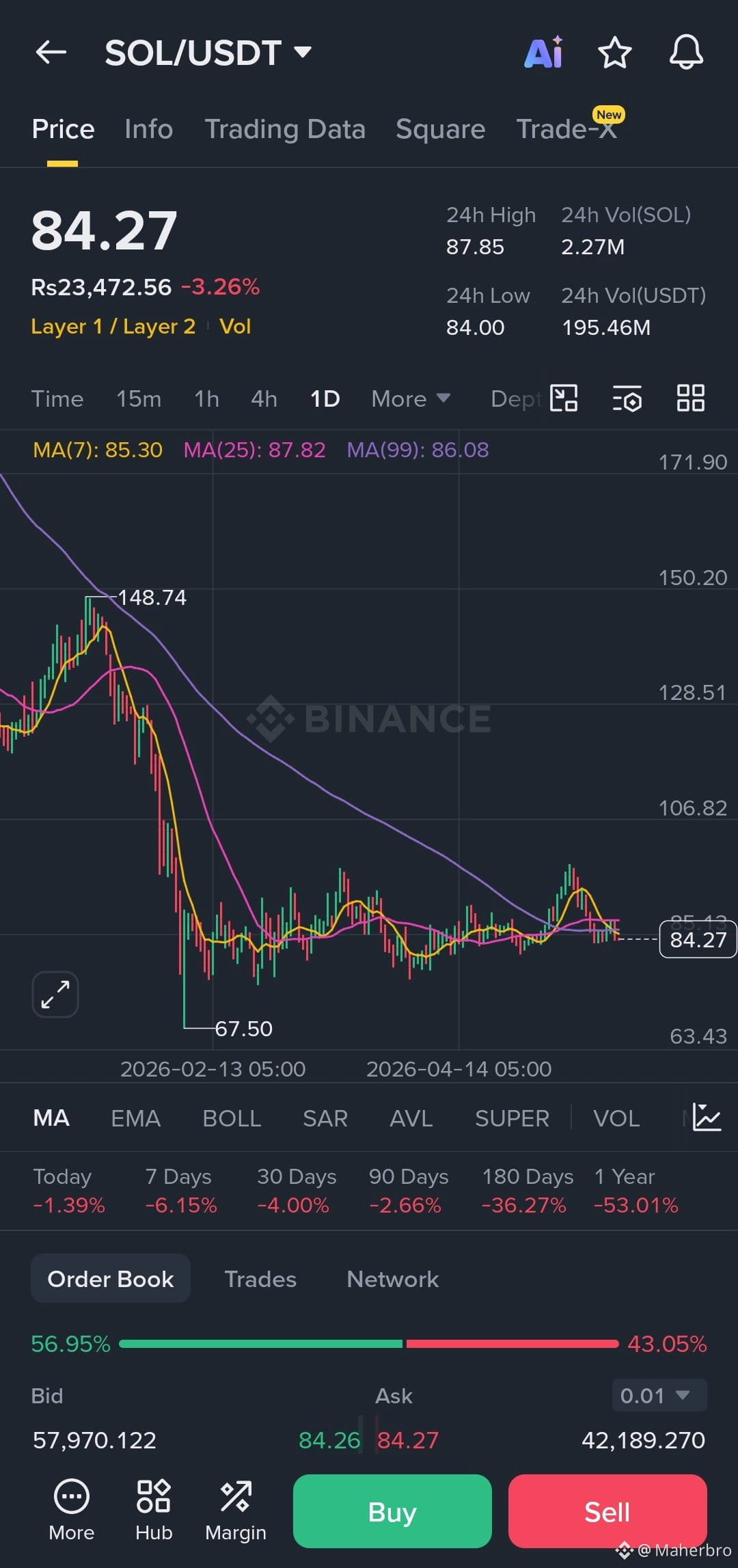
SOLは$148からの強い修正の後、約$84でホールド中 📉
マーケットは高い時間足でまだ弱く見えるが、バイヤーは$84-$67ゾーンのサポートを守っている。👀
📊 重要なレベル:
🔹 レジスタンス: $88 - $99
🔹 サポート: $84 - $67
⚡ 短期トレンドはベアだが、ボラティリティがクイックトレーディングのチャンスを生む可能性あり。
常にリスクを管理し、感情的なトレードを避けよう。💯
#SOL #Solana #Crypto #Binance #Trading #CryptoMarket #Altcoins #SOLUSDT
🚨 SOL/USDT アップデート 🚨
$SOL
SOLは$148からの強い修正の後、約$84でホールド中 📉
マーケットは高い時間足でまだ弱く見えるが、バイヤーは$84-$67ゾーンのサポートを守っている。👀
📊 重要なレベル:
🔹 レジスタンス: $88 - $99
🔹 サポート: $84 - $67
⚡ 短期トレンドはベアだが、ボラティリティがクイックトレーディングのチャンスを生む可能性あり。
常にリスクを管理し、感情的なトレードを避けよう。💯
#SOL #Solana #Crypto #Binance #Trading #CryptoMarket #Altcoins #SOLUSDT
$SOL
SOLは$148からの強い修正の後、約$84でホールド中 📉
マーケットは高い時間足でまだ弱く見えるが、バイヤーは$84-$67ゾーンのサポートを守っている。👀
📊 重要なレベル:
🔹 レジスタンス: $88 - $99
🔹 サポート: $84 - $67
⚡ 短期トレンドはベアだが、ボラティリティがクイックトレーディングのチャンスを生む可能性あり。
常にリスクを管理し、感情的なトレードを避けよう。💯
#SOL #Solana #Crypto #Binance #Trading #CryptoMarket #Altcoins #SOLUSDT
53
·
--
🚀 ZEC/USDTは燃えています! 🔥
$ZEC
{spot}(ZECUSDT)
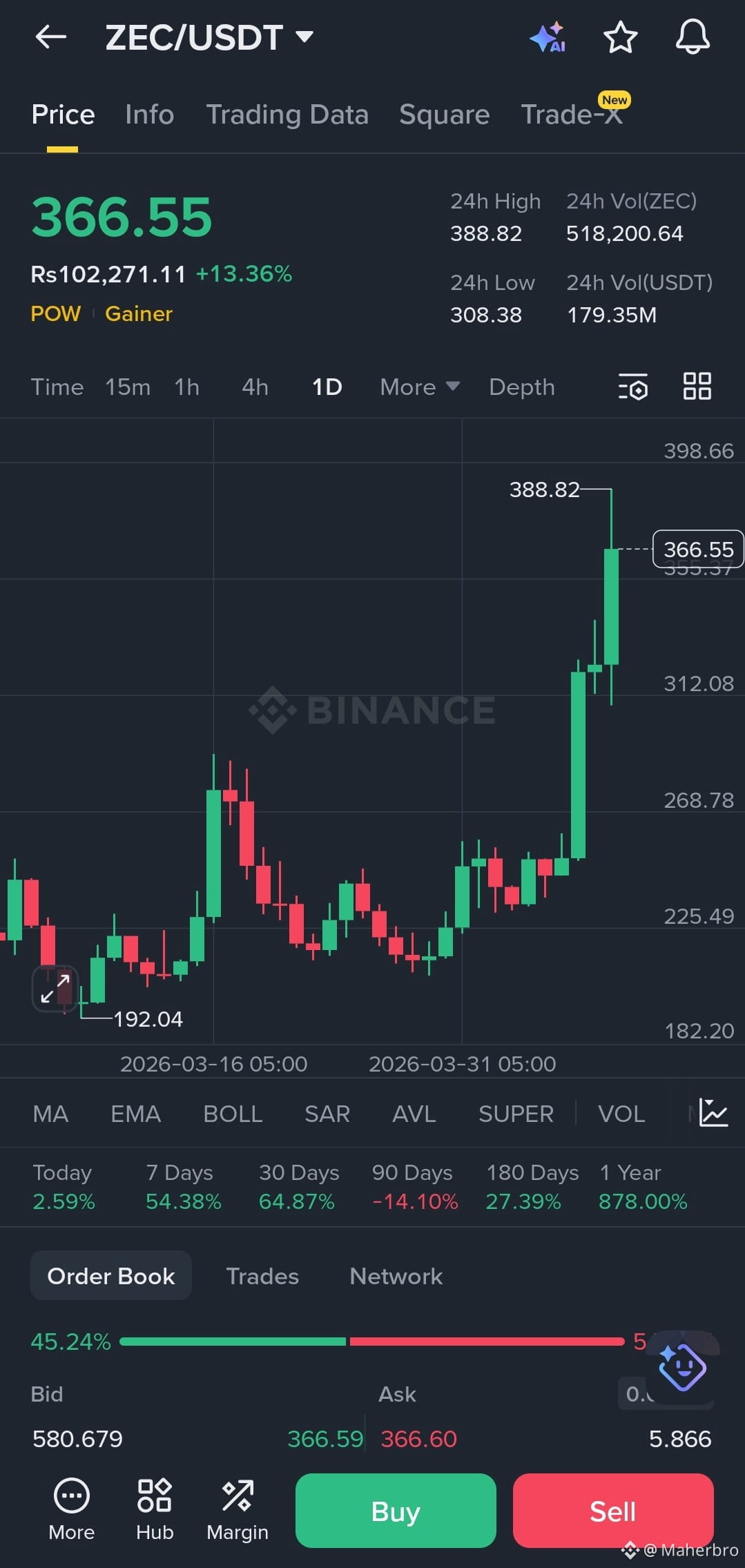
💰 現在の価格: $366.55
📈 24時間の変化: +13.36%
📊 24時間の高値: $388.82
⚡ 買い手がコントロールする中、Zcash (ZEC)で大きな強気の勢いがあります!
📉 $200の水準で統合した後、ZECは急上昇し、強いブレイクアウトエネルギーを示しています 💥
👀 次に注目すべきこと:
• $388を超えると → 潜在的な新高値 🚀
• $300周辺でのサポート → 重要な安全ゾーン
• ボリュームの急増が強いトレンドを確認します 📊
🔥 トレーダーはこの動きを注意深く見守っています — これはより大きなラリーの始まりに過ぎないのでしょうか?
💡 プロのヒント: 常にリスクを管理し、FOMOトレードを避けましょう。
👇 あなたはどう思いますか?
ZECは強気🐂それとも弱気🐻ですか?
#Binance #Crypto #ZEC #Zcash #Trading #BullRun #CryptoNews #Altcoins
🚀 ZEC/USDTは燃えています! 🔥
$ZEC
💰 現在の価格: $366.55
📈 24時間の変化: +13.36%
📊 24時間の高値: $388.82
⚡ 買い手がコントロールする中、Zcash (ZEC)で大きな強気の勢いがあります!
📉 $200の水準で統合した後、ZECは急上昇し、強いブレイクアウトエネルギーを示しています 💥
👀 次に注目すべきこと:
• $388を超えると → 潜在的な新高値 🚀
• $300周辺でのサポート → 重要な安全ゾーン
• ボリュームの急増が強いトレンドを確認します 📊
🔥 トレーダーはこの動きを注意深く見守っています — これはより大きなラリーの始まりに過ぎないのでしょうか?
💡 プロのヒント: 常にリスクを管理し、FOMOトレードを避けましょう。
👇 あなたはどう思いますか?
ZECは強気🐂それとも弱気🐻ですか?
#Binance #Crypto #ZEC #Zcash #Trading #BullRun #CryptoNews #Altcoins
$ZEC
💰 現在の価格: $366.55
📈 24時間の変化: +13.36%
📊 24時間の高値: $388.82
⚡ 買い手がコントロールする中、Zcash (ZEC)で大きな強気の勢いがあります!
📉 $200の水準で統合した後、ZECは急上昇し、強いブレイクアウトエネルギーを示しています 💥
👀 次に注目すべきこと:
• $388を超えると → 潜在的な新高値 🚀
• $300周辺でのサポート → 重要な安全ゾーン
• ボリュームの急増が強いトレンドを確認します 📊
🔥 トレーダーはこの動きを注意深く見守っています — これはより大きなラリーの始まりに過ぎないのでしょうか?
💡 プロのヒント: 常にリスクを管理し、FOMOトレードを避けましょう。
👇 あなたはどう思いますか?
ZECは強気🐂それとも弱気🐻ですか?
#Binance #Crypto #ZEC #Zcash #Trading #BullRun #CryptoNews #Altcoins
267
·
--
記事
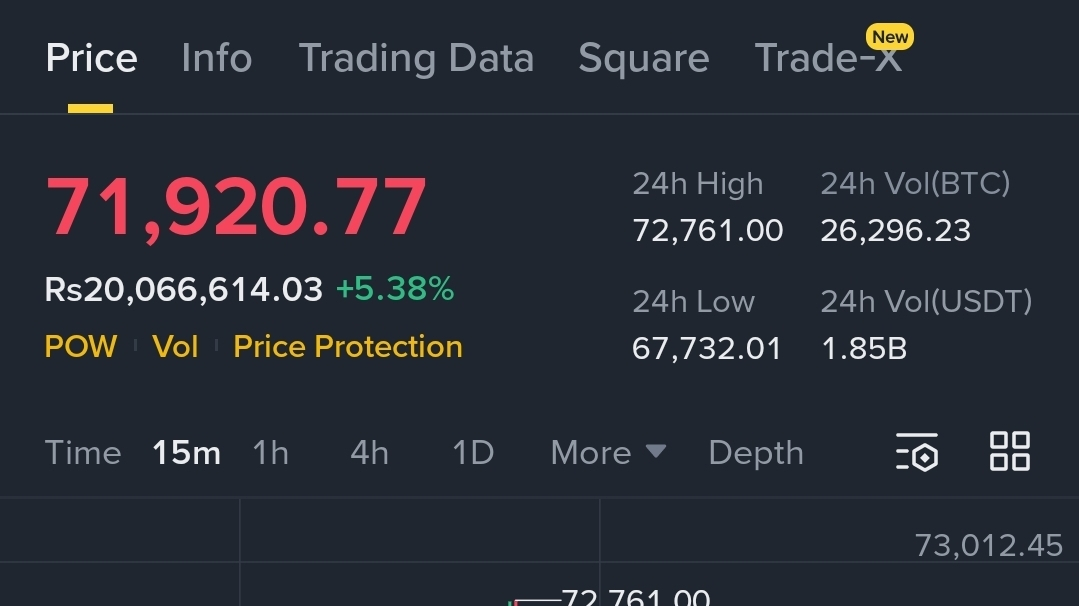
BTC分析 – 2026年4月8日📊 BTC分析 – 2026年4月8日
$BTC
ビットコインは見事に回復し、現在の取引価格は$71,920.77(+5.38%の24時間)です。
67,732ドルまで下落した後、買い手が積極的に介入し、価格を押し上げて$72,761にほぼ達しました。現在は高値近くで調整しています。
重要な観察:
1日タイムフレームでの強い強気キャンドル
24時間の取引量は堅実です
短期的なモメンタムは明らかに強気にシフトしています
可能なシナリオ:
強気: $72,761を突破し保持 → 次のターゲット $74K – $75K
BTC分析 – 2026年4月8日
📊 BTC分析 – 2026年4月8日
$BTC
ビットコインは見事に回復し、現在の取引価格は$71,920.77(+5.38%の24時間)です。
67,732ドルまで下落した後、買い手が積極的に介入し、価格を押し上げて$72,761にほぼ達しました。現在は高値近くで調整しています。
重要な観察:
1日タイムフレームでの強い強気キャンドル
24時間の取引量は堅実です
短期的なモメンタムは明らかに強気にシフトしています
可能なシナリオ:
強気: $72,761を突破し保持 → 次のターゲット $74K – $75K
$BTC
ビットコインは見事に回復し、現在の取引価格は$71,920.77(+5.38%の24時間)です。
67,732ドルまで下落した後、買い手が積極的に介入し、価格を押し上げて$72,761にほぼ達しました。現在は高値近くで調整しています。
重要な観察:
1日タイムフレームでの強い強気キャンドル
24時間の取引量は堅実です
短期的なモメンタムは明らかに強気にシフトしています
可能なシナリオ:
強気: $72,761を突破し保持 → 次のターゲット $74K – $75K
78
·
--
“知ってましたか? 👀
$STO
{spot}(STOUSDT)
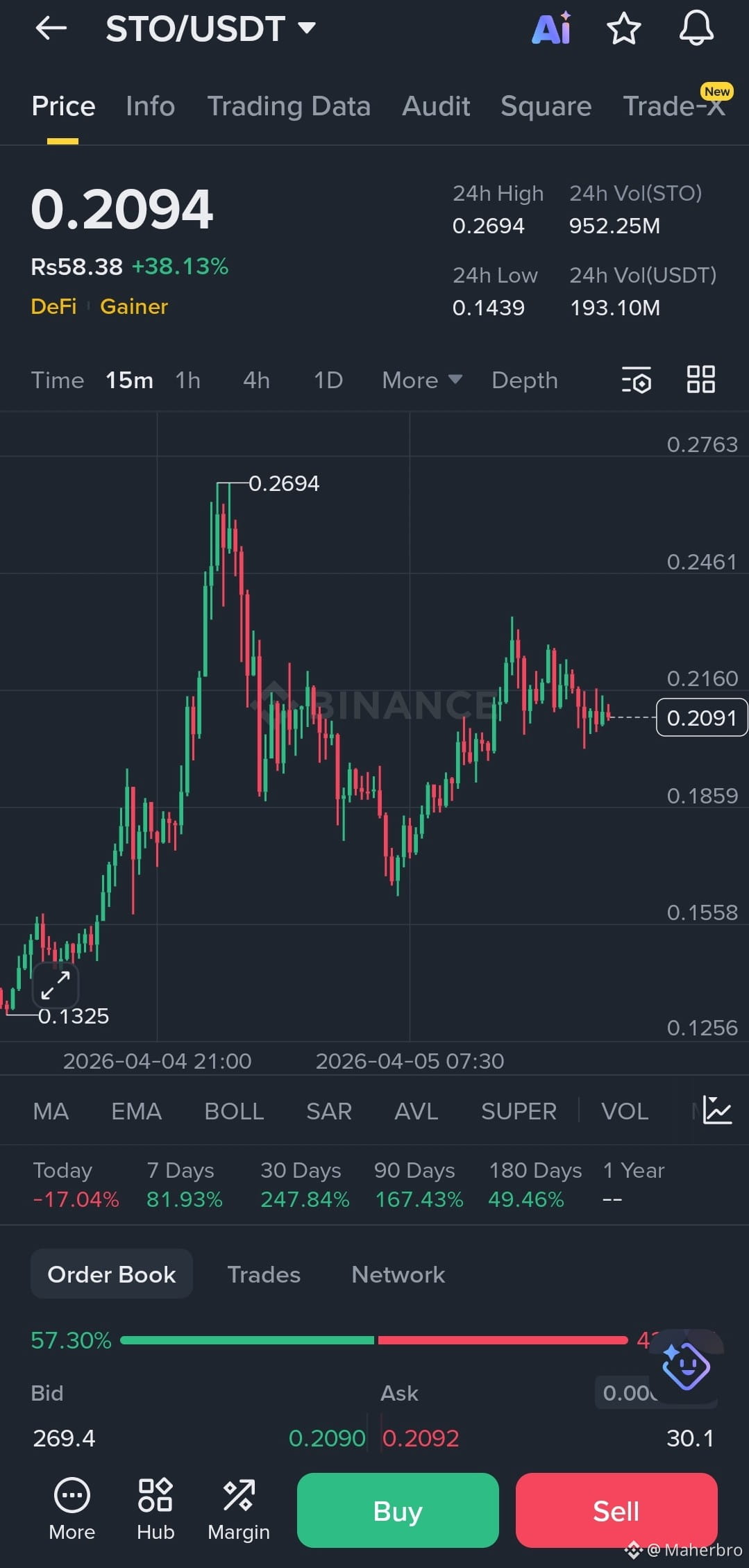
ステラは現在、急上昇しています! 🚀
短時間で38%以上上昇し、$0.26近くの高値を記録しました 💥
しかし、ここにひねりがあります…
急上昇の後、価格は$0.20周辺で統合を始めました ⚠️
これは一つのことを意味します:
大きな動きがすぐに来る — ブレイクアウト…またはプルバック! 📊
賢いトレーダーはこのレベルを注意深く見ています 👇”
ステラは巨大な動きをしました 📈
✔️ 38%の利益
✔️ $0.26での強い抵抗
✔️ $0.20近くでの統合
📊 次の動きは巨大になる可能性があります!
#クリプト #xlm #ステラ #暗号取引 #バイナンス #アルトコイン #取引のヒント #暗号ニュース #ショーツ #バイラル
“知ってましたか? 👀
$STO
ステラは現在、急上昇しています! 🚀
短時間で38%以上上昇し、$0.26近くの高値を記録しました 💥
しかし、ここにひねりがあります…
急上昇の後、価格は$0.20周辺で統合を始めました ⚠️
これは一つのことを意味します:
大きな動きがすぐに来る — ブレイクアウト…またはプルバック! 📊
賢いトレーダーはこのレベルを注意深く見ています 👇”
ステラは巨大な動きをしました 📈
✔️ 38%の利益
✔️ $0.26での強い抵抗
✔️ $0.20近くでの統合
📊 次の動きは巨大になる可能性があります!
#クリプト #xlm #ステラ #暗号取引 #バイナンス #アルトコイン #取引のヒント #暗号ニュース #ショーツ #バイラル
$STO
ステラは現在、急上昇しています! 🚀
短時間で38%以上上昇し、$0.26近くの高値を記録しました 💥
しかし、ここにひねりがあります…
急上昇の後、価格は$0.20周辺で統合を始めました ⚠️
これは一つのことを意味します:
大きな動きがすぐに来る — ブレイクアウト…またはプルバック! 📊
賢いトレーダーはこのレベルを注意深く見ています 👇”
ステラは巨大な動きをしました 📈
✔️ 38%の利益
✔️ $0.26での強い抵抗
✔️ $0.20近くでの統合
📊 次の動きは巨大になる可能性があります!
#クリプト #xlm #ステラ #暗号取引 #バイナンス #アルトコイン #取引のヒント #暗号ニュース #ショーツ #バイラル
224
·
--
🚀 HEMI/USDC が爆発しました!
$HEMI
{spot}(HEMIUSDT)
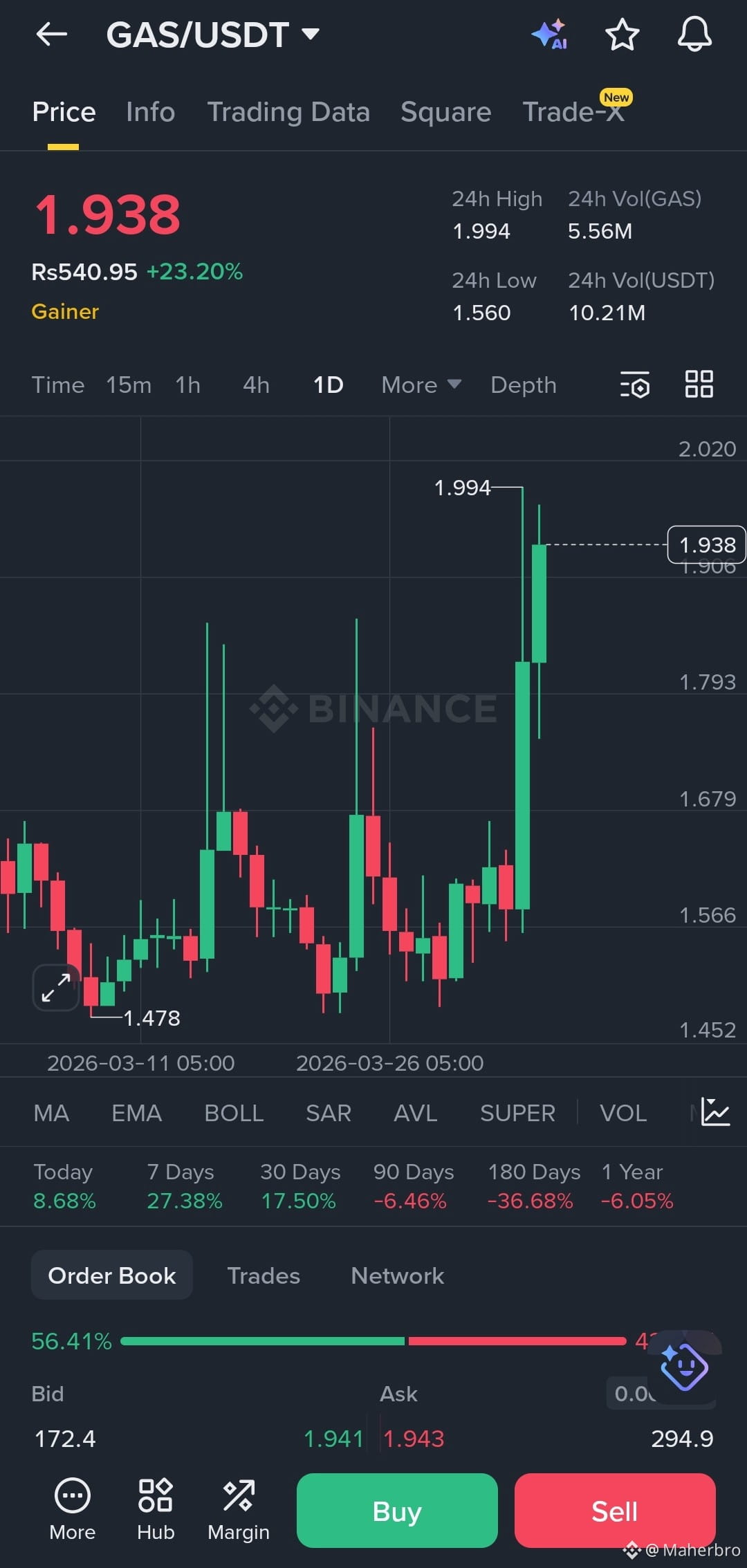
現在の価格: 0.00887 USDC (+27.44% in 24h)
0.00539 の安値から → 現在は 0.01090 に向かっています!
レイヤー 1 / レイヤー 2 のゲイナー 🔥
24時間の取引量: 264.68M HEMI
チャートは現在、その大きな緑のキャンドルで強気を叫んでいます。
あなたはこの HEMI の波に乗っていますか、それともまだ待っていますか? 👀
#HEMI #HEMIUSDC #Binance #Crypto #AltcoinSeason
@Binanc
🚀 HEMI/USDC が爆発しました!
$HEMI
現在の価格: 0.00887 USDC (+27.44% in 24h)
0.00539 の安値から → 現在は 0.01090 に向かっています!
レイヤー 1 / レイヤー 2 のゲイナー 🔥
24時間の取引量: 264.68M HEMI
チャートは現在、その大きな緑のキャンドルで強気を叫んでいます。
あなたはこの HEMI の波に乗っていますか、それともまだ待っていますか? 👀
#HEMI #HEMIUSDC #Binance #Crypto #AltcoinSeason
@Binanc
$HEMI
現在の価格: 0.00887 USDC (+27.44% in 24h)
0.00539 の安値から → 現在は 0.01090 に向かっています!
レイヤー 1 / レイヤー 2 のゲイナー 🔥
24時間の取引量: 264.68M HEMI
チャートは現在、その大きな緑のキャンドルで強気を叫んでいます。
あなたはこの HEMI の波に乗っていますか、それともまだ待っていますか? 👀
#HEMI #HEMIUSDC #Binance #Crypto #AltcoinSeason
@Binanc
105
·
--
🚀 HEMI/USDCは強い勢いを示しています! 🔥
$HEMI
{spot}(HEMIUSDT)
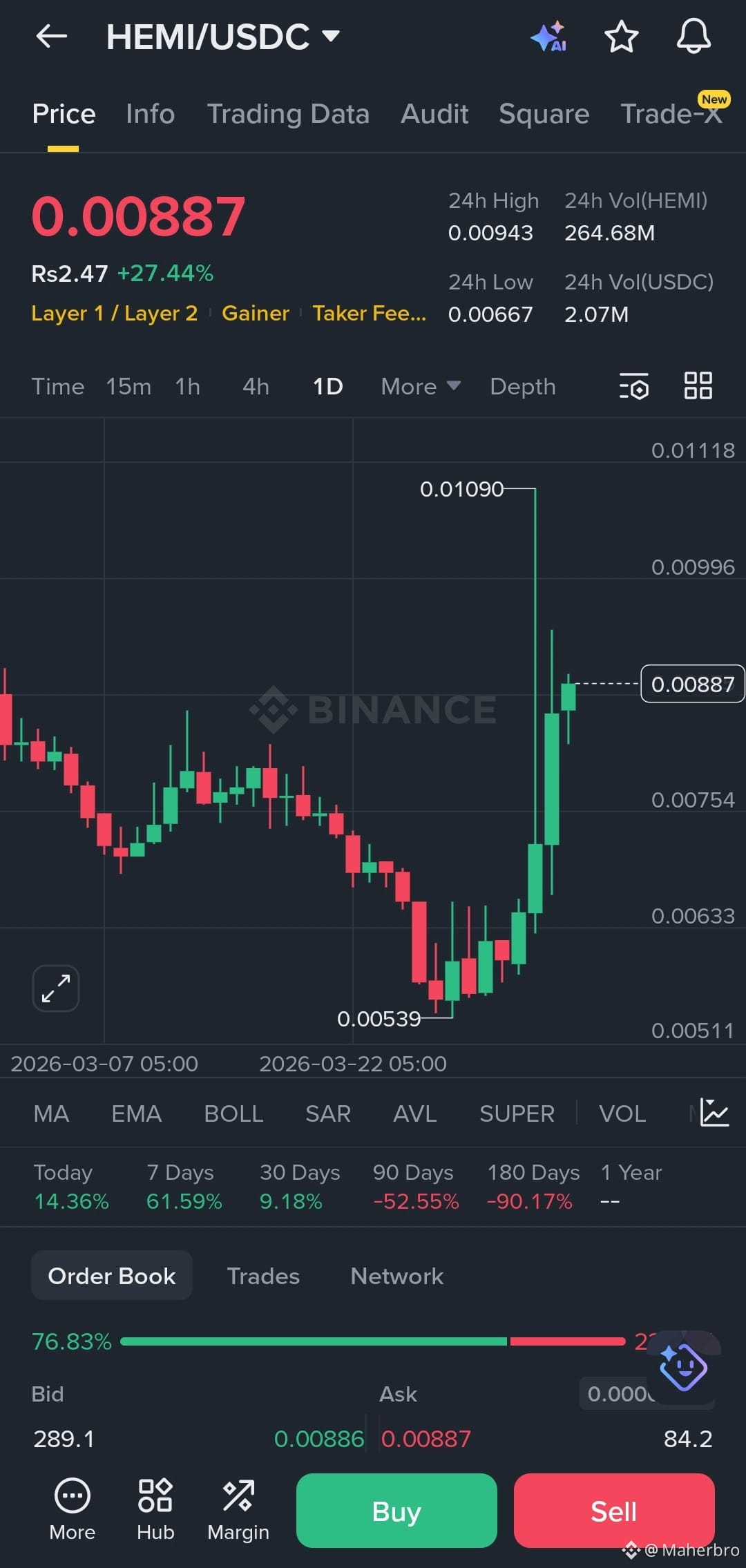
価格: 0.00887
📈 今日の上昇 +27.44%
💥 24時間高値: 0.00943
📊 ボリューム: 264M+ HEMI
0.0053近くで低値をつけた後、HEMIは鋭い強気の押し上げで力強い復活を遂げました ⚡
🔍 マーケットインサイト:
買い圧力は強い (76%+の入札)、トレーダーからの関心が高まっていることを示しています 👀
⚠️ 注意して見守るべき:
抵抗は0.0109近く — ブレイクアウトは別のラリーを引き起こす可能性があります 🚀
📢 スマートに取引:
✔️ FOMOを避ける
✔️ 利益を確保する
✔️ 常にリスク管理を使用する
#HEMI #暗号通貨 #アルトコイン #バイナンス #暗号取引 #強気 #スマート投資
🚀 HEMI/USDCは強い勢いを示しています! 🔥
$HEMI
価格: 0.00887
📈 今日の上昇 +27.44%
💥 24時間高値: 0.00943
📊 ボリューム: 264M+ HEMI
0.0053近くで低値をつけた後、HEMIは鋭い強気の押し上げで力強い復活を遂げました ⚡
🔍 マーケットインサイト:
買い圧力は強い (76%+の入札)、トレーダーからの関心が高まっていることを示しています 👀
⚠️ 注意して見守るべき:
抵抗は0.0109近く — ブレイクアウトは別のラリーを引き起こす可能性があります 🚀
📢 スマートに取引:
✔️ FOMOを避ける
✔️ 利益を確保する
✔️ 常にリスク管理を使用する
#HEMI #暗号通貨 #アルトコイン #バイナンス #暗号取引 #強気 #スマート投資
$HEMI
価格: 0.00887
📈 今日の上昇 +27.44%
💥 24時間高値: 0.00943
📊 ボリューム: 264M+ HEMI
0.0053近くで低値をつけた後、HEMIは鋭い強気の押し上げで力強い復活を遂げました ⚡
🔍 マーケットインサイト:
買い圧力は強い (76%+の入札)、トレーダーからの関心が高まっていることを示しています 👀
⚠️ 注意して見守るべき:
抵抗は0.0109近く — ブレイクアウトは別のラリーを引き起こす可能性があります 🚀
📢 スマートに取引:
✔️ FOMOを避ける
✔️ 利益を確保する
✔️ 常にリスク管理を使用する
#HEMI #暗号通貨 #アルトコイン #バイナンス #暗号取引 #強気 #スマート投資
66
·
--
🚀 今日のトップゲイナー (選択された2–3)
ONGUSDT: +43.5% — 取引量の大幅な増加と継続的な資本流入。
ONGBTC: +42.4% — 取引量の大幅な増加と継続的な資本流入。
DUSDT: +39.8% — 取引量の大幅な増加と継続的な資本流入。
$ONG
{spot}(ONGUSDT)
$D
{spot}(DUSDT)
🚀 今日のトップゲイナー (選択された2–3)
ONGUSDT: +43.5% — 取引量の大幅な増加と継続的な資本流入。
ONGBTC: +42.4% — 取引量の大幅な増加と継続的な資本流入。
DUSDT: +39.8% — 取引量の大幅な増加と継続的な資本流入。
$ONG
$D
ONGUSDT: +43.5% — 取引量の大幅な増加と継続的な資本流入。
ONGBTC: +42.4% — 取引量の大幅な増加と継続的な資本流入。
DUSDT: +39.8% — 取引量の大幅な増加と継続的な資本流入。
$ONG
$D
169
·
--
📈 主流資産のパフォーマンス (24時間)
BTC: -0.0% — 現在の価格: $66,827.14
ETH: -0.4% — 現在の価格: $2,051.26
SOL: +1.6% — 現在の価格: $80.32
$BTC
{spot}(BTCUSDT)
$ETH
{spot}(ETHUSDT)
$SOL
{spot}(SOLUSDT)
📈 主流資産のパフォーマンス (24時間)
BTC: -0.0% — 現在の価格: $66,827.14
ETH: -0.4% — 現在の価格: $2,051.26
SOL: +1.6% — 現在の価格: $80.32
$BTC
$ETH
$SOL
BTC: -0.0% — 現在の価格: $66,827.14
ETH: -0.4% — 現在の価格: $2,051.26
SOL: +1.6% — 現在の価格: $80.32
$BTC
$ETH
$SOL
35
·
--
📉 グレースケール、ビッテンソー信託のS-1修正を提出 グレースケールは、ビッテンソー(TAO)信託のS-1修正を提出し、機関投資家に対してビッテンソーのネイティブトークンであるTAOへのエクスポージャーを提供するための受動的に管理された製品を提供する動きを示しています。この発展は、TAOをさらに正当化し、投資コミュニティ内でのそのリーチを拡大する可能性があります。
$TAO
{spot}(TAOUSDT)
$BIO
{spot}(BIOUSDT)
📉 グレースケール、ビッテンソー信託のS-1修正を提出 グレースケールは、ビッテンソー(TAO)信託のS-1修正を提出し、機関投資家に対してビッテンソーのネイティブトークンであるTAOへのエクスポージャーを提供するための受動的に管理された製品を提供する動きを示しています。この発展は、TAOをさらに正当化し、投資コミュニティ内でのそのリーチを拡大する可能性があります。
$TAO
$BIO
$TAO
$BIO
195
·
--
⚡ ステーブルコイン取引が2026年2月にACHネットワークのボリュームを超える 2026年2月、ステーブルコイン取引は重要なマイルストーンに達し、月間ボリュームが72億ドルに達し、米国自動清算機関(ACH)ネットワークによって処理された68億ドルを超えました。これは、金融取引におけるステーブルコインの利用と採用の増加を示しています。
$BTC
{spot}(BTCUSDT)
$ETH
{spot}(ETHUSDT)
$BNB
{spot}(BNBUSDT)
⚡ ステーブルコイン取引が2026年2月にACHネットワークのボリュームを超える 2026年2月、ステーブルコイン取引は重要なマイルストーンに達し、月間ボリュームが72億ドルに達し、米国自動清算機関(ACH)ネットワークによって処理された68億ドルを超えました。これは、金融取引におけるステーブルコインの利用と採用の増加を示しています。
$BTC
$ETH
$BNB
$BTC
$ETH
$BNB
33
·
--
🔥 チャールズ・シュワブが投資プラットフォームで暗号通貨取引サービスを開始 チャールズ・シュワブは、投資プラットフォームで暗号通貨取引サービスを導入し、"シュワブ・クリプト"アカウントを通じてビットコインとイーサリアムの取引を提供します。この動きは、従来の投資家にとって主要な暗号通貨の主流採用とアクセスの増加を示しています。
$BTC
{spot}(BTCUSDT)
$ETH
{spot}(ETHUSDT)
🔥 チャールズ・シュワブが投資プラットフォームで暗号通貨取引サービスを開始 チャールズ・シュワブは、投資プラットフォームで暗号通貨取引サービスを導入し、"シュワブ・クリプト"アカウントを通じてビットコインとイーサリアムの取引を提供します。この動きは、従来の投資家にとって主要な暗号通貨の主流採用とアクセスの増加を示しています。
$BTC
$ETH
$BTC
$ETH
38
·
--
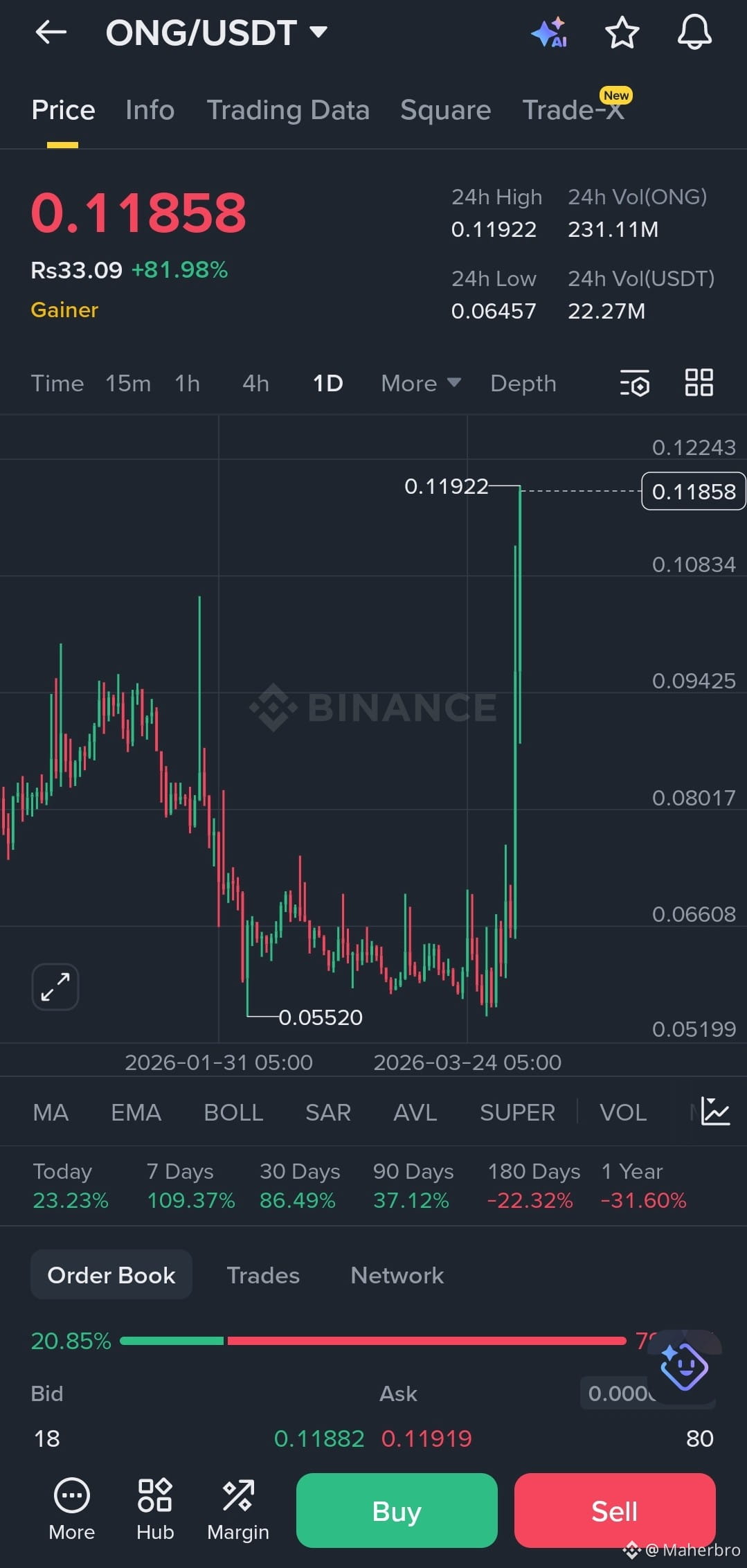
🚀 ONG/USDTは燃え上がっています!🔥
$ONG
{spot}(ONGUSDT)
価格は0.11858に達し、+81.98%の大幅な上昇を記録しました📈
💥 24時間高値: 0.11922
📊 取引量急増: 231M+ ONG
長い統合の後、このブレイクアウトは強いブルの勢いを示しています。トレーダーたちは注意深く見守っています — これは始まりに過ぎないのか、それとも急激なポンプなのか?🤔
⚡ キーインサイト:
0.055付近でサポートが形成され、現在の強い上昇は潜在的なトレンド転換を示唆しています。
📢 常に賢く取引しましょう:
✔️ ストップロスを設定する
✔️ ポンプを追わない
✔️ リスクを管理する
#ONG #Crypto #Binance #Altcoins #CryptoTrading #BullRun #InvestSmart
🚀 ONG/USDTは燃え上がっています!🔥
$ONG
価格は0.11858に達し、+81.98%の大幅な上昇を記録しました📈
💥 24時間高値: 0.11922
📊 取引量急増: 231M+ ONG
長い統合の後、このブレイクアウトは強いブルの勢いを示しています。トレーダーたちは注意深く見守っています — これは始まりに過ぎないのか、それとも急激なポンプなのか?🤔
⚡ キーインサイト:
0.055付近でサポートが形成され、現在の強い上昇は潜在的なトレンド転換を示唆しています。
📢 常に賢く取引しましょう:
✔️ ストップロスを設定する
✔️ ポンプを追わない
✔️ リスクを管理する
#ONG #Crypto #Binance #Altcoins #CryptoTrading #BullRun #InvestSmart
$ONG
価格は0.11858に達し、+81.98%の大幅な上昇を記録しました📈
💥 24時間高値: 0.11922
📊 取引量急増: 231M+ ONG
長い統合の後、このブレイクアウトは強いブルの勢いを示しています。トレーダーたちは注意深く見守っています — これは始まりに過ぎないのか、それとも急激なポンプなのか?🤔
⚡ キーインサイト:
0.055付近でサポートが形成され、現在の強い上昇は潜在的なトレンド転換を示唆しています。
📢 常に賢く取引しましょう:
✔️ ストップロスを設定する
✔️ ポンプを追わない
✔️ リスクを管理する
#ONG #Crypto #Binance #Altcoins #CryptoTrading #BullRun #InvestSmart
157

ログインして、さらにコンテンツを読む
厳選トピックで世界の暗号資産トレーダーの仲間入り
⚡️ 暗号資産に関する最新かつ有益な情報が見つかります。
💬 世界最大の暗号資産取引所から信頼されています。
👍 認証を受けたクリエイターから、有益なインサイトを得られます。
メール / 電話番号
トレンドトピック
MemeLaunchpads82%OfArcDayOneVolume
閲覧回数 99
12人が討論中
$BTC ビットコイン(BTC)— デシジョン・ゾーン!
BTCは現在、約76,527 USDTで取引されています。
注目すべき重要レベル:
サポート:$75K〜$73.5K
レジスタンス:$78K〜$80K
ブレイクアウト・ゾーン:$82K+
ビットコインは直近の下落(コレクション)後に回復の兆しを見せていますが、短期の勢いはまだ確認が必要です。
👀 重要な問い:
BTCは$80K→$82K+をブレイクするのか、それとも$75K〜$73.5Kのサポート・ゾーンに戻るのか?
ローソク足を追いかけないで。値動き+出来高+確認を見よう。
💬 あなたの見解は? BTCは$82Kか、$73Kが先か?
#Bitcoin #BTC #BTCUSDT #Binance #BinanceSquare #Crypto #CryptoTrading #Web3
#MemeLaunchpads82%OfArcDayOneVolume #Binance #FedSEPProjects2026RateAt4.1%
MrAwaisBilal
·いいね:0件
·閲覧回数 1
OstiumLoanDisputeHearingSetInNYFederalCourt
閲覧回数 1,604
64人が討論中
SKPoliceRefer18PolymarketUsersToProsecutors
閲覧回数 2,815
129人が討論中