
M-AbdulRehman24
74 投稿
M-AbdulRehman24
報告
ユーザーをブロック
Inshallah
取引を発注
低高頻度トレーダー
10.6か月
59 フォロー
93 フォロワー
45 いいね
投稿
ポートフォリオ
すべて
ライブ
翻訳参照
#robo $ROBO
As we move through 2026, the intersection of Artificial Intelligence (AI) and Blockchain has birthed a new heavyweight in the digital asset space: Fabric Protocol ($ROBO). Unlike the speculative "" of the past, $ROBO has emerged as a fundamental infrastructure play designed to bridge the gap between autonomous hardware and decentralized finance.
What is the Fabric Protocol ($ROBO)?
At its core, the Fabric Protocol aims to create a "Robot Economy." Historically, robots were merely siloed tools owned by corporations. Fabric changes this by giving machines:
On-chain Identities: Verifiable digital "passports" for robots.
Autonomous Wallets: Enabling machines to receive payments for labor and pay for their own overhead (like electricity or compute).
Programmable Labor Markets: A decentralized layer where humans and machines can contract work without intermediaries.
and Utility
The $ROBO token is the lifeblood of this ecosystem. With a total supply capped at 10 billion, its utility is strictly tied to network activity:
Network Fees: All transactions—from robot identity verification to task execution—are paid in $ROBO.
Work Bonds: To ensure reliability, robot operators must stake as a performance bond.
Governance: Holders can lock their tokens (becoming ) to vote on protocol upgrades and fee structures.
2026 Market Performance
The first quarter of 2026 has been a "breakout" era for the token. Following its listing on major exchanges like Binance and Coinbase in early March, the price saw a parabolic surge, hitting an all-time high of approximately $0.061 on March 2nd.
Metric Current Status (March 2026)
Circulating Supply ~2.23 Billion ROBO
Market Cap ~$90 Million
Volume Over $50 Million
Major Listings Binance, Coinbase, Kraken
The Road Ahead
While the current sentiment is "Neutral-Bullish" following a healthy correction from its highs, the project's long-term success hinges on real-world adoption. As embodied AI (robotics) continues to scale is positioned to be the primary currency for .
#robo $ROBO
As we move through 2026, the intersection of Artificial Intelligence (AI) and Blockchain has birthed a new heavyweight in the digital asset space: Fabric Protocol ($ROBO ). Unlike the speculative "" of the past, $ROBO has emerged as a fundamental infrastructure play designed to bridge the gap between autonomous hardware and decentralized finance.
What is the Fabric Protocol ($ROBO )?
At its core, the Fabric Protocol aims to create a "Robot Economy." Historically, robots were merely siloed tools owned by corporations. Fabric changes this by giving machines:
On-chain Identities: Verifiable digital "passports" for robots.
Autonomous Wallets: Enabling machines to receive payments for labor and pay for their own overhead (like electricity or compute).
Programmable Labor Markets: A decentralized layer where humans and machines can contract work without intermediaries.
and Utility
The $ROBO token is the lifeblood of this ecosystem. With a total supply capped at 10 billion, its utility is strictly tied to network activity:
Network Fees: All transactions—from robot identity verification to task execution—are paid in $ROBO .
Work Bonds: To ensure reliability, robot operators must stake as a performance bond.
Governance: Holders can lock their tokens (becoming ) to vote on protocol upgrades and fee structures.
2026 Market Performance
The first quarter of 2026 has been a "breakout" era for the token. Following its listing on major exchanges like Binance and Coinbase in early March, the price saw a parabolic surge, hitting an all-time high of approximately $0.061 on March 2nd.
Metric Current Status (March 2026)
Circulating Supply ~2.23 Billion ROBO
Market Cap ~$90 Million
Volume Over $50 Million
Major Listings Binance, Coinbase, Kraken
The Road Ahead
While the current sentiment is "Neutral-Bullish" following a healthy correction from its highs, the project's long-term success hinges on real-world adoption. As embodied AI (robotics) continues to scale is positioned to be the primary currency for .
As we move through 2026, the intersection of Artificial Intelligence (AI) and Blockchain has birthed a new heavyweight in the digital asset space: Fabric Protocol ($ROBO ). Unlike the speculative "" of the past, $ROBO has emerged as a fundamental infrastructure play designed to bridge the gap between autonomous hardware and decentralized finance.
What is the Fabric Protocol ($ROBO )?
At its core, the Fabric Protocol aims to create a "Robot Economy." Historically, robots were merely siloed tools owned by corporations. Fabric changes this by giving machines:
On-chain Identities: Verifiable digital "passports" for robots.
Autonomous Wallets: Enabling machines to receive payments for labor and pay for their own overhead (like electricity or compute).
Programmable Labor Markets: A decentralized layer where humans and machines can contract work without intermediaries.
and Utility
The $ROBO token is the lifeblood of this ecosystem. With a total supply capped at 10 billion, its utility is strictly tied to network activity:
Network Fees: All transactions—from robot identity verification to task execution—are paid in $ROBO .
Work Bonds: To ensure reliability, robot operators must stake as a performance bond.
Governance: Holders can lock their tokens (becoming ) to vote on protocol upgrades and fee structures.
2026 Market Performance
The first quarter of 2026 has been a "breakout" era for the token. Following its listing on major exchanges like Binance and Coinbase in early March, the price saw a parabolic surge, hitting an all-time high of approximately $0.061 on March 2nd.
Metric Current Status (March 2026)
Circulating Supply ~2.23 Billion ROBO
Market Cap ~$90 Million
Volume Over $50 Million
Major Listings Binance, Coinbase, Kraken
The Road Ahead
While the current sentiment is "Neutral-Bullish" following a healthy correction from its highs, the project's long-term success hinges on real-world adoption. As embodied AI (robotics) continues to scale is positioned to be the primary currency for .
17
@Dusk_Foundation #dusk $DUSK
ダスクネットワーク (DUSK) は、規制された金融市場向けに特別に設計されたプライバシー重視のレイヤー1ブロックチェーンです。それは、従来の金融 (TradFi) と分散型金融 (DeFi) のギャップを埋めることを目指しており、厳格な規制遵守を維持しながら、現実世界の資産 (RWAs) のトークン化を可能にします#ADPDataDisappoints #WarshFedPolicyOutlook #RiskAssetsMarketShock #BitcoinGoogleSearchesSurge
@Dusk #dusk $DUSK
ダスクネットワーク (DUSK) は、規制された金融市場向けに特別に設計されたプライバシー重視のレイヤー1ブロックチェーンです。それは、従来の金融 (TradFi) と分散型金融 (DeFi) のギャップを埋めることを目指しており、厳格な規制遵守を維持しながら、現実世界の資産 (RWAs) のトークン化を可能にします#ADPDataDisappoints #WarshFedPolicyOutlook #RiskAssetsMarketShock #BitcoinGoogleSearchesSurge
ダスクネットワーク (DUSK) は、規制された金融市場向けに特別に設計されたプライバシー重視のレイヤー1ブロックチェーンです。それは、従来の金融 (TradFi) と分散型金融 (DeFi) のギャップを埋めることを目指しており、厳格な規制遵守を維持しながら、現実世界の資産 (RWAs) のトークン化を可能にします#ADPDataDisappoints #WarshFedPolicyOutlook #RiskAssetsMarketShock #BitcoinGoogleSearchesSurge
42
ダスクネットワーク (DUSK)ダスクネットワーク (DUSK) は、規制された金融市場および実世界資産 (RWA) トークン化のために特別に設計されたユニークなレイヤー1ブロックチェーンです。標準的なブロックチェーンとは異なり、ダスクはプライバシーとコンプライアンスを重視し、ゼロ知識証明 (ZK-証明) を使用して、機関投資家向けのDeFi空間で重要なプレーヤーとなることを目指しています。
技術とファンダメンタル分析
コア技術: ダスクは、プライバシー機能を持つプルーフ・オブ・ステークと組み合わせた、分離されたビザンチン合意 (SBA) として知られるコンセンサスメカニズムを利用して、高速でプライベート、最終的な取引を可能にしています。
ダスクネットワーク (DUSK)
ダスクネットワーク (DUSK) は、規制された金融市場および実世界資産 (RWA) トークン化のために特別に設計されたユニークなレイヤー1ブロックチェーンです。標準的なブロックチェーンとは異なり、ダスクはプライバシーとコンプライアンスを重視し、ゼロ知識証明 (ZK-証明) を使用して、機関投資家向けのDeFi空間で重要なプレーヤーとなることを目指しています。
技術とファンダメンタル分析
コア技術: ダスクは、プライバシー機能を持つプルーフ・オブ・ステークと組み合わせた、分離されたビザンチン合意 (SBA) として知られるコンセンサスメカニズムを利用して、高速でプライベート、最終的な取引を可能にしています。
技術とファンダメンタル分析
コア技術: ダスクは、プライバシー機能を持つプルーフ・オブ・ステークと組み合わせた、分離されたビザンチン合意 (SBA) として知られるコンセンサスメカニズムを利用して、高速でプライベート、最終的な取引を可能にしています。
21
#dusk $DUSK @Dusk_Foundation
ダスクネットワーク (DUSK) は、規制された金融市場と実世界資産 (RWA) のトークン化のために特別に設計されたユニークなレイヤー1ブロックチェーンです。標準的なブロックチェーンとは異なり、ダスクはプライバシーとコンプライアンスをゼロ知識証明 (ZK-Proofs) の使用を通じて優先します。これにより、機関投資家向けのDeFi分野で重要なプレーヤーとなっています。
#JPMorganSaysBTCOverGold #RiskAssetsMarketShock #ADPWatch #WhenWillBTCRebound
#dusk $DUSK @Dusk
ダスクネットワーク (DUSK) は、規制された金融市場と実世界資産 (RWA) のトークン化のために特別に設計されたユニークなレイヤー1ブロックチェーンです。標準的なブロックチェーンとは異なり、ダスクはプライバシーとコンプライアンスをゼロ知識証明 (ZK-Proofs) の使用を通じて優先します。これにより、機関投資家向けのDeFi分野で重要なプレーヤーとなっています。
#JPMorganSaysBTCOverGold #RiskAssetsMarketShock #ADPWatch #WhenWillBTCRebound
ダスクネットワーク (DUSK) は、規制された金融市場と実世界資産 (RWA) のトークン化のために特別に設計されたユニークなレイヤー1ブロックチェーンです。標準的なブロックチェーンとは異なり、ダスクはプライバシーとコンプライアンスをゼロ知識証明 (ZK-Proofs) の使用を通じて優先します。これにより、機関投資家向けのDeFi分野で重要なプレーヤーとなっています。
#JPMorganSaysBTCOverGold #RiskAssetsMarketShock #ADPWatch #WhenWillBTCRebound
5
Walrus (WAL) 市場分析 - 2026年1月Walrus (WAL) は、Suiブロックチェーン上に構築された分散型ストレージおよびデータ可用性ネットワークであるWalrus Protocolのネイティブユーティリティおよびガバナンストークンです。Mysten Labsによって開発され、大規模な生データ「ブロブ」(AIデータセットやメディアなど)を保存するためのスケーラブルでコスト効果の高いソリューションを提供することを目的としています。これらは通常、直接オンチェーンで保持するには高価すぎます。
現在のパフォーマンスとインサイト:
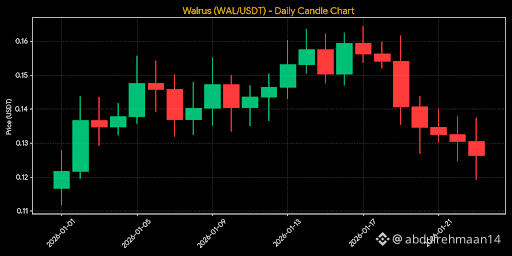
価格トレンド:WALは現在、約$0.1263で取引されており、下落修正を経験しています。これは、過去7日間でほぼ19%の大幅な減少を示しており、より広範な市場の慎重な「リスクオフ」感情を反映しています。
Walrus (WAL) 市場分析 - 2026年1月
Walrus (WAL) は、Suiブロックチェーン上に構築された分散型ストレージおよびデータ可用性ネットワークであるWalrus Protocolのネイティブユーティリティおよびガバナンストークンです。Mysten Labsによって開発され、大規模な生データ「ブロブ」(AIデータセットやメディアなど)を保存するためのスケーラブルでコスト効果の高いソリューションを提供することを目的としています。これらは通常、直接オンチェーンで保持するには高価すぎます。
現在のパフォーマンスとインサイト:
価格トレンド:WALは現在、約$0.1263で取引されており、下落修正を経験しています。これは、過去7日間でほぼ19%の大幅な減少を示しており、より広範な市場の慎重な「リスクオフ」感情を反映しています。
現在のパフォーマンスとインサイト:
価格トレンド:WALは現在、約$0.1263で取引されており、下落修正を経験しています。これは、過去7日間でほぼ19%の大幅な減少を示しており、より広範な市場の慎重な「リスクオフ」感情を反映しています。
1
1
#walrus $WAL
ワルラス(WAL)は、Suiブロックチェーン上に構築された分散ストレージおよびデータ可用性ネットワークであるワルラスプロトコルのネイティブユーティリティおよびガバナンストークンです。Mysten Labsによって開発され、大規模な生データ「ブロブ」(AIデータセットやメディアなど)を保存するためのスケーラブルでコスト効果の高いソリューションを提供することを目的としています。
#WEFDavos2026 #waleus
#walrus $WAL
ワルラス(WAL)は、Suiブロックチェーン上に構築された分散ストレージおよびデータ可用性ネットワークであるワルラスプロトコルのネイティブユーティリティおよびガバナンストークンです。Mysten Labsによって開発され、大規模な生データ「ブロブ」(AIデータセットやメディアなど)を保存するためのスケーラブルでコスト効果の高いソリューションを提供することを目的としています。
#WEFDavos2026 #waleus
ワルラス(WAL)は、Suiブロックチェーン上に構築された分散ストレージおよびデータ可用性ネットワークであるワルラスプロトコルのネイティブユーティリティおよびガバナンストークンです。Mysten Labsによって開発され、大規模な生データ「ブロブ」(AIデータセットやメディアなど)を保存するためのスケーラブルでコスト効果の高いソリューションを提供することを目的としています。
#WEFDavos2026 #waleus
1
6
#ETH $ETH
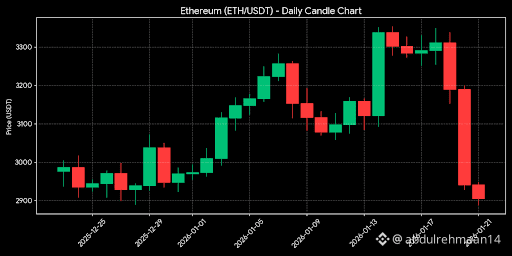
イーサリアムは現在、大きなボラティリティの時期を乗り越えています。1月中旬に約$3,337の地元のピークに達した後、価格は急激な修正フェーズに入り、現在は$2,905レベルで取引されています。
#WhoIsNextFedChair #TrumpTariffsOnEurope #GoldSilverAtRecordHighs #WriteToEarnUpgrade
#ETH $ETH
イーサリアムは現在、大きなボラティリティの時期を乗り越えています。1月中旬に約$3,337の地元のピークに達した後、価格は急激な修正フェーズに入り、現在は$2,905レベルで取引されています。
#WhoIsNextFedChair #TrumpTariffsOnEurope #GoldSilverAtRecordHighs #WriteToEarnUpgrade
イーサリアムは現在、大きなボラティリティの時期を乗り越えています。1月中旬に約$3,337の地元のピークに達した後、価格は急激な修正フェーズに入り、現在は$2,905レベルで取引されています。
#WhoIsNextFedChair #TrumpTariffsOnEurope #GoldSilverAtRecordHighs #WriteToEarnUpgrade
1
42
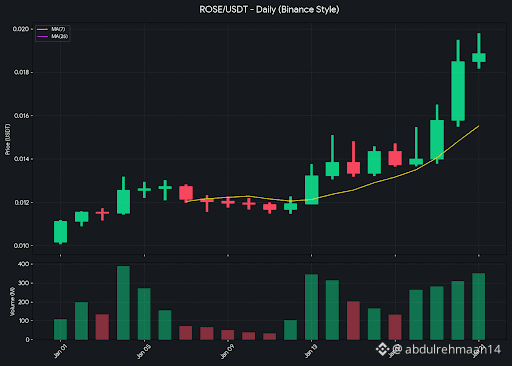
#ROSE $ROSE
オアシスネットワーク (ROSE) は、次世代のWeb3および人工知能 (AI) アプリケーションに対して、安全でスケーラブルな基盤を提供することを目的としたプライバシー重視のレイヤー1ブロックチェーンプラットフォームです。多くの従来のブロックチェーンとは異なり、オアシスはそのコンセンサスメカニズムを実行環境から分離し、高いスループット、低コスト、比類のないデータ機密性を実現しています。
#CPIWatch #GoldSilverAtRecordHighs #TrumpTariffsOnEurope #WhoIsNextFedChair
#ROSE $ROSE
オアシスネットワーク (ROSE) は、次世代のWeb3および人工知能 (AI) アプリケーションに対して、安全でスケーラブルな基盤を提供することを目的としたプライバシー重視のレイヤー1ブロックチェーンプラットフォームです。多くの従来のブロックチェーンとは異なり、オアシスはそのコンセンサスメカニズムを実行環境から分離し、高いスループット、低コスト、比類のないデータ機密性を実現しています。
#CPIWatch #GoldSilverAtRecordHighs #TrumpTariffsOnEurope #WhoIsNextFedChair
オアシスネットワーク (ROSE) は、次世代のWeb3および人工知能 (AI) アプリケーションに対して、安全でスケーラブルな基盤を提供することを目的としたプライバシー重視のレイヤー1ブロックチェーンプラットフォームです。多くの従来のブロックチェーンとは異なり、オアシスはそのコンセンサスメカニズムを実行環境から分離し、高いスループット、低コスト、比類のないデータ機密性を実現しています。
#CPIWatch #GoldSilverAtRecordHighs #TrumpTariffsOnEurope #WhoIsNextFedChair
1
9
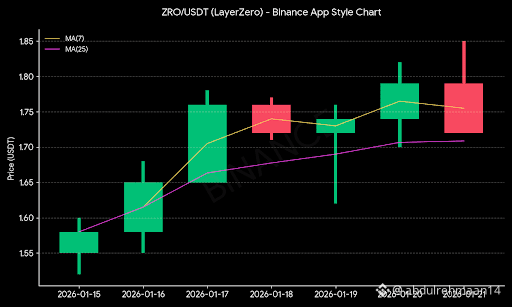
#ZRO $ZRO
LayerZero (ZRO) は、オムニチェーン相互運用性のために設計された著名な「レイヤー0」プロトコルです。従来のクロスチェーンブリッジは高リスクの仲介者として機能することが多いですが、LayerZeroは異なるブロックチェーン(Ethereum、Solana、Arbitrumなど)が直接かつ安全に通信できるメッセージングレイヤーを提供します。
#WhoIsNextFedChair #TrumpTariffsOnEurope #GoldSilverAtRecordHighs #CPIWatch
#ZRO $ZRO
LayerZero (ZRO) は、オムニチェーン相互運用性のために設計された著名な「レイヤー0」プロトコルです。従来のクロスチェーンブリッジは高リスクの仲介者として機能することが多いですが、LayerZeroは異なるブロックチェーン(Ethereum、Solana、Arbitrumなど)が直接かつ安全に通信できるメッセージングレイヤーを提供します。
#WhoIsNextFedChair #TrumpTariffsOnEurope #GoldSilverAtRecordHighs #CPIWatch
LayerZero (ZRO) は、オムニチェーン相互運用性のために設計された著名な「レイヤー0」プロトコルです。従来のクロスチェーンブリッジは高リスクの仲介者として機能することが多いですが、LayerZeroは異なるブロックチェーン(Ethereum、Solana、Arbitrumなど)が直接かつ安全に通信できるメッセージングレイヤーを提供します。
#WhoIsNextFedChair #TrumpTariffsOnEurope #GoldSilverAtRecordHighs #CPIWatch
1
31
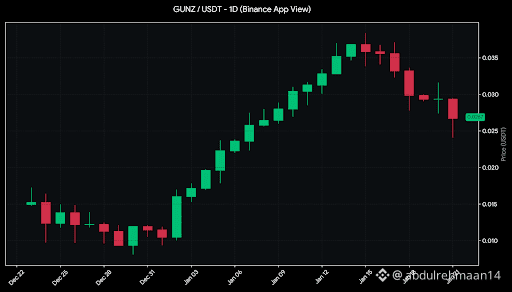
#GUN $GUN
GUNトークン(GUNZ)は、Gunzilla Gamesによって開発されたAvalanche上のLayer 1サブネットであるGUNZブロックチェーンのネイティブ暗号通貨です。それは、AAAサイバーパンクバトルロイヤルシューター「オフ・ザ・グリッド」(OTG)のゲーム経済のバックボーンとして機能します。
#WhoIsNextFedChair #TrumpTariffsOnEurope #BTC100kNext? #CPIWatch
#GUN $GUN
GUNトークン(GUNZ)は、Gunzilla Gamesによって開発されたAvalanche上のLayer 1サブネットであるGUNZブロックチェーンのネイティブ暗号通貨です。それは、AAAサイバーパンクバトルロイヤルシューター「オフ・ザ・グリッド」(OTG)のゲーム経済のバックボーンとして機能します。
#WhoIsNextFedChair #TrumpTariffsOnEurope #BTC100kNext? #CPIWatch
GUNトークン(GUNZ)は、Gunzilla Gamesによって開発されたAvalanche上のLayer 1サブネットであるGUNZブロックチェーンのネイティブ暗号通貨です。それは、AAAサイバーパンクバトルロイヤルシューター「オフ・ザ・グリッド」(OTG)のゲーム経済のバックボーンとして機能します。
#WhoIsNextFedChair #TrumpTariffsOnEurope #BTC100kNext? #CPIWatch
1
47
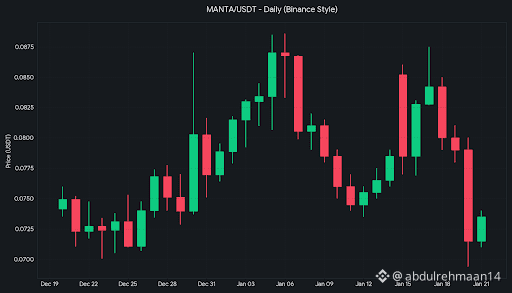
#MANTA $MANTA
マンタネットワーク (MANTA) は、ゼロ知識 (ZK) アプリケーションのためのモジュラーエコシステムで、主に2つのコンポーネントから構成されています: マンタパシフィック、イーサリアム上のモジュラーLayer 2、そしてマンタアトランティック、ポルカドット上の高速ZK Layer 1です。
#CPIWatch #WhoIsNextFedChair #TrumpTariffsOnEurope #トランプの欧州関税
#MANTA $MANTA
マンタネットワーク (MANTA) は、ゼロ知識 (ZK) アプリケーションのためのモジュラーエコシステムで、主に2つのコンポーネントから構成されています: マンタパシフィック、イーサリアム上のモジュラーLayer 2、そしてマンタアトランティック、ポルカドット上の高速ZK Layer 1です。
#CPIWatch #WhoIsNextFedChair #TrumpTariffsOnEurope #トランプの欧州関税
マンタネットワーク (MANTA) は、ゼロ知識 (ZK) アプリケーションのためのモジュラーエコシステムで、主に2つのコンポーネントから構成されています: マンタパシフィック、イーサリアム上のモジュラーLayer 2、そしてマンタアトランティック、ポルカドット上の高速ZK Layer 1です。
#CPIWatch #WhoIsNextFedChair #TrumpTariffsOnEurope #トランプの欧州関税
1
96
#SXT $SXT
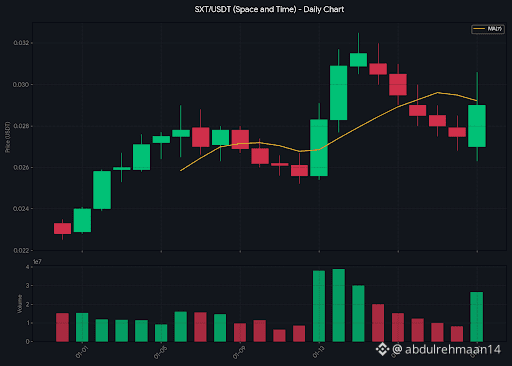
この分析は、分散型データプラットフォームであるSpace and Time (SXT)の概要と、その最近の市場パフォーマンスを示す技術的なローソク足チャートを提供します。
短期分析: Space and Time (SXT)
Space and Time (SXT)は、ゼロ知識(ZK)証明を使用してオンチェーンとオフチェーンデータのギャップを埋める分散型データウェアハウスです。これは、Web3エコシステムの「検証可能なコンピュートレイヤー」として位置付けられています。
#WriteToEarnUpgrade #CPIWatch #TrumpTariffsOnEurope #GoldSilverAtRecordHighs
#SXT $SXT
この分析は、分散型データプラットフォームであるSpace and Time (SXT)の概要と、その最近の市場パフォーマンスを示す技術的なローソク足チャートを提供します。
短期分析: Space and Time (SXT)
Space and Time (SXT)は、ゼロ知識(ZK)証明を使用してオンチェーンとオフチェーンデータのギャップを埋める分散型データウェアハウスです。これは、Web3エコシステムの「検証可能なコンピュートレイヤー」として位置付けられています。
#WriteToEarnUpgrade #CPIWatch #TrumpTariffsOnEurope #GoldSilverAtRecordHighs
この分析は、分散型データプラットフォームであるSpace and Time (SXT)の概要と、その最近の市場パフォーマンスを示す技術的なローソク足チャートを提供します。
短期分析: Space and Time (SXT)
Space and Time (SXT)は、ゼロ知識(ZK)証明を使用してオンチェーンとオフチェーンデータのギャップを埋める分散型データウェアハウスです。これは、Web3エコシステムの「検証可能なコンピュートレイヤー」として位置付けられています。
#WriteToEarnUpgrade #CPIWatch #TrumpTariffsOnEurope #GoldSilverAtRecordHighs
43
#DUSK $DUSK
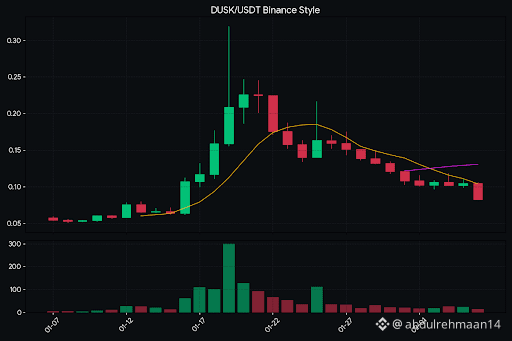
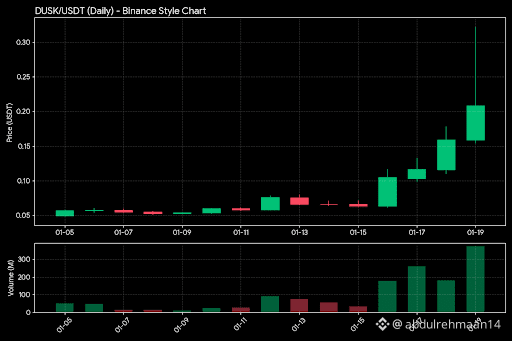
ダスクネットワーク (DUSK) は、プライバシーに焦点を当てたレイヤー1ブロックチェーンプラットフォームであり、プログラム可能で機密性が高く、準拠した実世界資産 (RWA) の発行のために特別に設計されています。以下は短い分析とBinanceスタイルのキャンドルスティックチャートです。
#CPIWatch #TrumpTariffsOnEurope #GoldSilverAtRecordHighs #WriteToEarnUpgrade
#DUSK $DUSK
ダスクネットワーク (DUSK) は、プライバシーに焦点を当てたレイヤー1ブロックチェーンプラットフォームであり、プログラム可能で機密性が高く、準拠した実世界資産 (RWA) の発行のために特別に設計されています。以下は短い分析とBinanceスタイルのキャンドルスティックチャートです。
#CPIWatch #TrumpTariffsOnEurope #GoldSilverAtRecordHighs #WriteToEarnUpgrade
ダスクネットワーク (DUSK) は、プライバシーに焦点を当てたレイヤー1ブロックチェーンプラットフォームであり、プログラム可能で機密性が高く、準拠した実世界資産 (RWA) の発行のために特別に設計されています。以下は短い分析とBinanceスタイルのキャンドルスティックチャートです。
#CPIWatch #TrumpTariffsOnEurope #GoldSilverAtRecordHighs #WriteToEarnUpgrade
10
#BTC $BTC
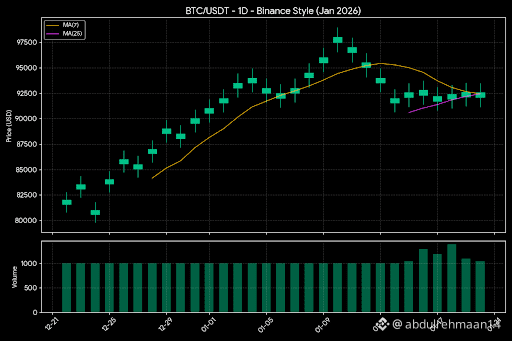
2026年1月のビットコイン(BTC)の現在の市場環境は、高リスクの統合と地政学的敏感性の期間を反映しています。年の初めに1月14日に価格が$98,000のマークに向かって上昇する強気の急騰で始まった後、主要な暗号通貨は顕著な反発に直面しており、現在は取引されています。
#USJobsData #BTC100kNext? #CPIWatch #WriteToEarnUpgrade
#BTC $BTC
2026年1月のビットコイン(BTC)の現在の市場環境は、高リスクの統合と地政学的敏感性の期間を反映しています。年の初めに1月14日に価格が$98,000のマークに向かって上昇する強気の急騰で始まった後、主要な暗号通貨は顕著な反発に直面しており、現在は取引されています。
#USJobsData #BTC100kNext? #CPIWatch #WriteToEarnUpgrade
2026年1月のビットコイン(BTC)の現在の市場環境は、高リスクの統合と地政学的敏感性の期間を反映しています。年の初めに1月14日に価格が$98,000のマークに向かって上昇する強気の急騰で始まった後、主要な暗号通貨は顕著な反発に直面しており、現在は取引されています。
#USJobsData #BTC100kNext? #CPIWatch #WriteToEarnUpgrade
3
#SAND $SAND
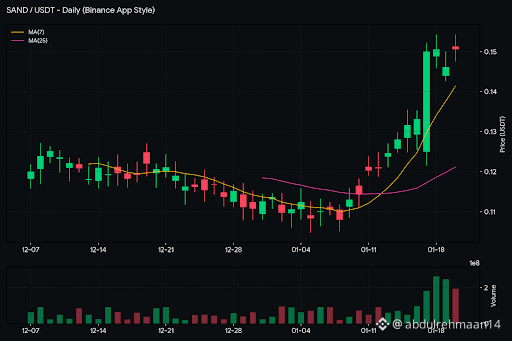
ザ・サンドボックス (SAND) は、2026年初頭に顕著な再興を示し、長期的な統合期間から脱却しました。以下は簡潔な分析と、バイナンスの取引インターフェースにスタイルを合わせたカスタムキャンドルチャートです。
#CPIWatch #BTC100kNext? #MarketRebound #WriteToEarnUpgrade
#SAND $SAND
ザ・サンドボックス (SAND) は、2026年初頭に顕著な再興を示し、長期的な統合期間から脱却しました。以下は簡潔な分析と、バイナンスの取引インターフェースにスタイルを合わせたカスタムキャンドルチャートです。
#CPIWatch #BTC100kNext? #MarketRebound #WriteToEarnUpgrade
ザ・サンドボックス (SAND) は、2026年初頭に顕著な再興を示し、長期的な統合期間から脱却しました。以下は簡潔な分析と、バイナンスの取引インターフェースにスタイルを合わせたカスタムキャンドルチャートです。
#CPIWatch #BTC100kNext? #MarketRebound #WriteToEarnUpgrade
37
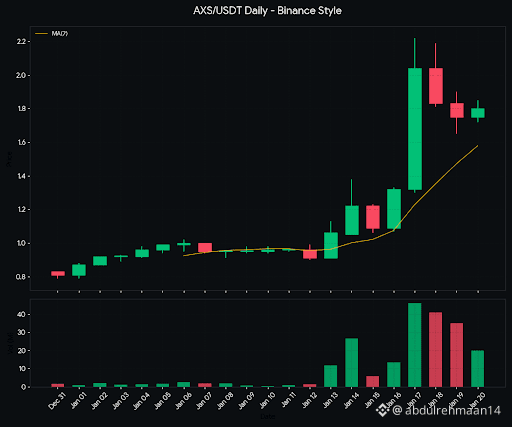
#AXS $AXS
2026年1月20日時点のAXS(Axie Infinity Shards)の分析は、重要なボラティリティの期間と、主要なGameFiトークンにとっての潜在的な構造的トレンドの変化を反映しています。
#CPIWatch #BTCVSGOLD #MarketRebound #BTC100kNext?
#AXS $AXS
2026年1月20日時点のAXS(Axie Infinity Shards)の分析は、重要なボラティリティの期間と、主要なGameFiトークンにとっての潜在的な構造的トレンドの変化を反映しています。
#CPIWatch #BTCVSGOLD #MarketRebound #BTC100kNext?
2026年1月20日時点のAXS(Axie Infinity Shards)の分析は、重要なボラティリティの期間と、主要なGameFiトークンにとっての潜在的な構造的トレンドの変化を反映しています。
#CPIWatch #BTCVSGOLD #MarketRebound #BTC100kNext?
74
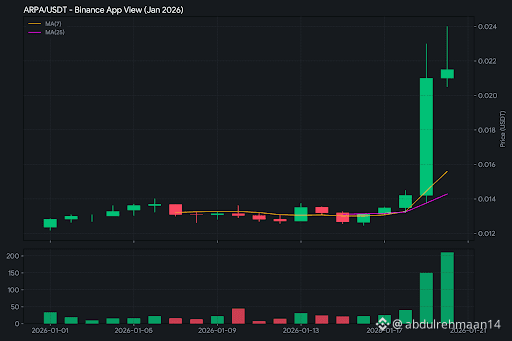
#ARPA $ARPA
ARPAネットワーク(以前のARPAチェーン)は、セキュアなマルチパーティ計算(MPC)を通じてプライバシー保護ソリューションに焦点を当てた分散型計算ネットワークです。以下は、2026年1月の短い分析とシミュレートされたバイナンススタイルのローソク足チャートです。#BTCVSGOLD #CPIWatch #BTCVSGOLD #MarketRebound
#ARPA $ARPA
ARPAネットワーク(以前のARPAチェーン)は、セキュアなマルチパーティ計算(MPC)を通じてプライバシー保護ソリューションに焦点を当てた分散型計算ネットワークです。以下は、2026年1月の短い分析とシミュレートされたバイナンススタイルのローソク足チャートです。#BTCVSGOLD #CPIWatch #BTCVSGOLD #MarketRebound
ARPAネットワーク(以前のARPAチェーン)は、セキュアなマルチパーティ計算(MPC)を通じてプライバシー保護ソリューションに焦点を当てた分散型計算ネットワークです。以下は、2026年1月の短い分析とシミュレートされたバイナンススタイルのローソク足チャートです。#BTCVSGOLD #CPIWatch #BTCVSGOLD #MarketRebound
7
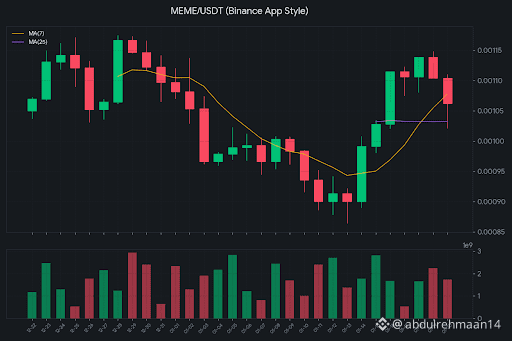
#MEME $MEME
Memecoin ($MEME)は、暗号通貨の分野におけるユニークなプロジェクトであり、世界的に人気のあるミームプラットフォーム9GAGが設立したWeb3ベンチャースタジオMemelandのネイティブエコシステムトークンとして機能しています。#CPIWatch #WriteToEarnUpgrade #USJobsData #WriteToEarnUpgrade
#MEME $MEME
Memecoin ($MEME )は、暗号通貨の分野におけるユニークなプロジェクトであり、世界的に人気のあるミームプラットフォーム9GAGが設立したWeb3ベンチャースタジオMemelandのネイティブエコシステムトークンとして機能しています。#CPIWatch #WriteToEarnUpgrade #USJobsData #WriteToEarnUpgrade
Memecoin ($MEME )は、暗号通貨の分野におけるユニークなプロジェクトであり、世界的に人気のあるミームプラットフォーム9GAGが設立したWeb3ベンチャースタジオMemelandのネイティブエコシステムトークンとして機能しています。#CPIWatch #WriteToEarnUpgrade #USJobsData #WriteToEarnUpgrade
97
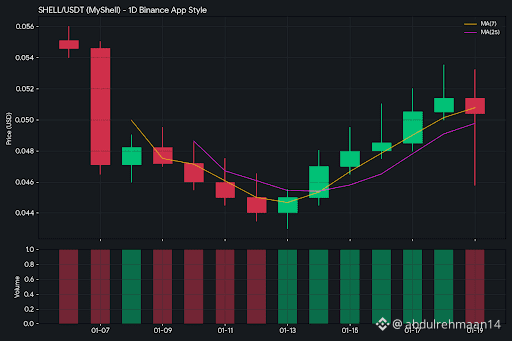
#SHELL $SHELL
これはMyShell(SHELL)の簡単な分析と市場概観です。MyShellは最近暗号通貨スペースで注目を集めている分散型AIプラットフォームです。
SHELL/USDTキャンドルチャート(バイナンススタイル)
以下のチャートは、過去2週間のSHELLの日々の価格動向を示しており、バイナンスのモバイルアプリに似たダークテーマのインターフェースを特徴としています。#CPIWatch #MarketRebound #StrategyBTCPurchase #WriteToEarnUpgrade
#SHELL $SHELL
これはMyShell(SHELL)の簡単な分析と市場概観です。MyShellは最近暗号通貨スペースで注目を集めている分散型AIプラットフォームです。
SHELL/USDTキャンドルチャート(バイナンススタイル)
以下のチャートは、過去2週間のSHELLの日々の価格動向を示しており、バイナンスのモバイルアプリに似たダークテーマのインターフェースを特徴としています。#CPIWatch #MarketRebound #StrategyBTCPurchase #WriteToEarnUpgrade
これはMyShell(SHELL)の簡単な分析と市場概観です。MyShellは最近暗号通貨スペースで注目を集めている分散型AIプラットフォームです。
SHELL/USDTキャンドルチャート(バイナンススタイル)
以下のチャートは、過去2週間のSHELLの日々の価格動向を示しており、バイナンスのモバイルアプリに似たダークテーマのインターフェースを特徴としています。#CPIWatch #MarketRebound #StrategyBTCPurchase #WriteToEarnUpgrade
5
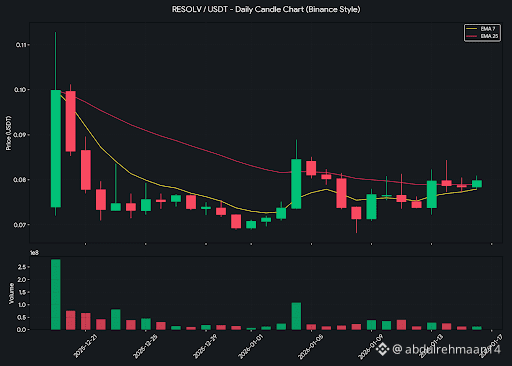
#RESILV $RESOLV
Resolv (RESOLV) は、Ethereum と Base 上に構築された分散型金融 (DeFi) プロジェクトである Resolv Labs プロトコルのガバナンスおよびユーティリティトークンです。このプロジェクトは、USR と呼ばれる「トゥルーデルタニュートラル」ステーブルコインを提供することで独自性を示しています。
#WriteToEarnUpgrade #MarketRebound #BTC100kNext? #CPIWatch
#RESILV $RESOLV
Resolv (RESOLV) は、Ethereum と Base 上に構築された分散型金融 (DeFi) プロジェクトである Resolv Labs プロトコルのガバナンスおよびユーティリティトークンです。このプロジェクトは、USR と呼ばれる「トゥルーデルタニュートラル」ステーブルコインを提供することで独自性を示しています。
#WriteToEarnUpgrade #MarketRebound #BTC100kNext? #CPIWatch
Resolv (RESOLV) は、Ethereum と Base 上に構築された分散型金融 (DeFi) プロジェクトである Resolv Labs プロトコルのガバナンスおよびユーティリティトークンです。このプロジェクトは、USR と呼ばれる「トゥルーデルタニュートラル」ステーブルコインを提供することで独自性を示しています。
#WriteToEarnUpgrade #MarketRebound #BTC100kNext? #CPIWatch
7
ログインして、さらにコンテンツを読む
厳選トピックで世界の暗号資産トレーダーの仲間入り
⚡️ 暗号資産に関する最新かつ有益な情報が見つかります。
💬 世界最大の暗号資産取引所から信頼されています。
👍 認証を受けたクリエイターから、有益なインサイトを得られます。
メール / 電話番号