
BulishMotive
3.6k 投稿

BulishMotive
報告
ユーザーをブロック
取引を発注
高頻度トレーダー
2.1年
28 フォロー
1.5K+ フォロワー
4.5K+ いいね
投稿
ポートフォリオ
すべて
引用
ライブ
·
--
ビットコイン$BTC が6万ドルを回復し、暗号資産市場が全面高となる中で2.4%上昇。$XRP は3.6%上昇、ソラナは2.8%、ドージコインは2.9%上昇しました。イーサリアムとBNBも値上がりする一方、BULLAは61.1%急騰し、$SSV Networkは55.1%上昇して、暗号資産の上昇率トップとなりました。📈
{future}(SSVUSDT)
ビットコイン$BTC が6万ドルを回復し、暗号資産市場が全面高となる中で2.4%上昇。$XRP は3.6%上昇、ソラナは2.8%、ドージコインは2.9%上昇しました。イーサリアムとBNBも値上がりする一方、BULLAは61.1%急騰し、$SSV Networkは55.1%上昇して、暗号資産の上昇率トップとなりました。📈
107
·
--
記事
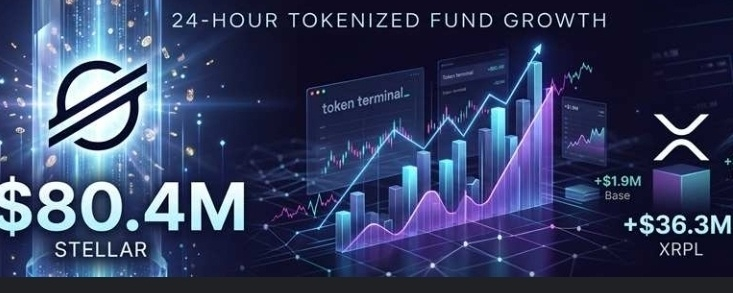
トークン化ファンドの成長でStellarがXRPとRobinhoodを上回るToken Terminalのデータによると、2026年11月26日までの24時間で、Stellarはトークン化ファンドの価値が8,040万ドル増加し、1日あたりの伸びで最も高い数字を記録しました。
$XRP Ledgerが3,630万ドルで続き、Robinhood Chainは360万ドルを加えました。Baseは190万ドルを記録し、Plume Networkは120万ドル増加しました。
この成長は、政府債、米国短期国債、マネー・マーケット・ファンドなど、トークン化された現実資産(RWA)を対象とするStellarのブロックチェーン基盤への機関投資家の関心が高まっていることを示しています。ただし、トークン化ファンドへの資金流入が、StellarのネイティブトークンであるXLMの直接購入を意味するとは限りません。
トークン化ファンドの成長でStellarがXRPとRobinhoodを上回る
Token Terminalのデータによると、2026年11月26日までの24時間で、Stellarはトークン化ファンドの価値が8,040万ドル増加し、1日あたりの伸びで最も高い数字を記録しました。
$XRP Ledgerが3,630万ドルで続き、Robinhood Chainは360万ドルを加えました。Baseは190万ドルを記録し、Plume Networkは120万ドル増加しました。
この成長は、政府債、米国短期国債、マネー・マーケット・ファンドなど、トークン化された現実資産(RWA)を対象とするStellarのブロックチェーン基盤への機関投資家の関心が高まっていることを示しています。ただし、トークン化ファンドへの資金流入が、StellarのネイティブトークンであるXLMの直接購入を意味するとは限りません。
$XRP Ledgerが3,630万ドルで続き、Robinhood Chainは360万ドルを加えました。Baseは190万ドルを記録し、Plume Networkは120万ドル増加しました。
この成長は、政府債、米国短期国債、マネー・マーケット・ファンドなど、トークン化された現実資産(RWA)を対象とするStellarのブロックチェーン基盤への機関投資家の関心が高まっていることを示しています。ただし、トークン化ファンドへの資金流入が、StellarのネイティブトークンであるXLMの直接購入を意味するとは限りません。
255
·
--
翻訳参照
North Korean-linked launderers are moving funds from the $6.3 billion Binance crypto hack through THORChain and coinjoin services to hide transaction trails. Chainalysis and Elliptic estimate over $600 million has passed through THORChain and another $342 million through coinjoin. Around $2.85 billion in stolen tokens remains frozen. TRM Labs estimates THORChain earned up to $1 million in fees. The FBI is increasing scrutiny as tracing and recovering the remaining funds becomes more challenging. Cashing out could take months or years.
North Korean-linked launderers are moving funds from the $6.3 billion Binance crypto hack through THORChain and coinjoin services to hide transaction trails. Chainalysis and Elliptic estimate over $600 million has passed through THORChain and another $342 million through coinjoin. Around $2.85 billion in stolen tokens remains frozen. TRM Labs estimates THORChain earned up to $1 million in fees. The FBI is increasing scrutiny as tracing and recovering the remaining funds becomes more challenging. Cashing out could take months or years.

5
·
--
記事
翻訳参照
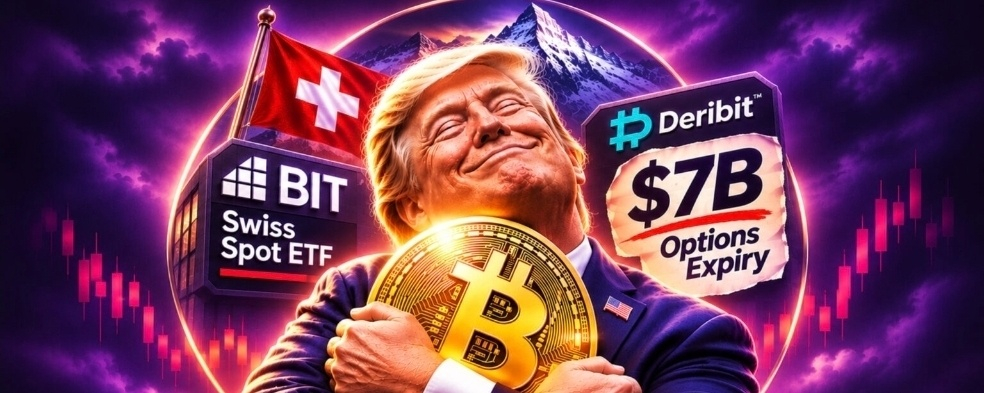
Bitcoin News: $7B Options Expiry, Swiss ETF Launch & US Strategic Reserve UpdateBitcoin faces a crucial market test on November 27 as nearly $7 billion in BTC options expire, alongside $600 million in Ethereum contracts. Traders are becoming increasingly bearish, with the put-call open interest ratio rising to 0.89 for Friday's expiry, compared with 0.55 in October. Bitcoin's implied volatility has also climbed from 38 to 55, signaling expectations of bigger price swings.
Key downside protection levels are concentrated around $60K, $58K, $50K and $40K as Bitcoin struggles near $59,000. Historical data shows $BTC closed higher after 7 of the past 12 monthly expiries, lower after 4, and unchanged once.
Meanwhile, Switzerland has launched its first spot Bitcoin ETF, BBIT, on the SIX Swiss Exchange, starting with 350 BTC and a 0.19% annual expense ratio.
In the US, the American Reserve Modernization Act has advanced and is now eligible for a House vote. The proposed legislation would prohibit the sale or disposal of Strategic Bitcoin Reserve holdings for at least 20 years.
Bitcoin Price Outlook: Watch options expiry, volatility, institutional adoption and US crypto policy for the next major market move.
Bitcoin News: $7B Options Expiry, Swiss ETF Launch & US Strategic Reserve Update
Bitcoin faces a crucial market test on November 27 as nearly $7 billion in BTC options expire, alongside $600 million in Ethereum contracts. Traders are becoming increasingly bearish, with the put-call open interest ratio rising to 0.89 for Friday's expiry, compared with 0.55 in October. Bitcoin's implied volatility has also climbed from 38 to 55, signaling expectations of bigger price swings.
Key downside protection levels are concentrated around $60K, $58K, $50K and $40K as Bitcoin struggles near $59,000. Historical data shows $BTC closed higher after 7 of the past 12 monthly expiries, lower after 4, and unchanged once.
Meanwhile, Switzerland has launched its first spot Bitcoin ETF, BBIT, on the SIX Swiss Exchange, starting with 350 BTC and a 0.19% annual expense ratio.
In the US, the American Reserve Modernization Act has advanced and is now eligible for a House vote. The proposed legislation would prohibit the sale or disposal of Strategic Bitcoin Reserve holdings for at least 20 years.
Bitcoin Price Outlook: Watch options expiry, volatility, institutional adoption and US crypto policy for the next major market move.
90
·
--
ビットコイン価格予測 – 2026年11月26日 📊
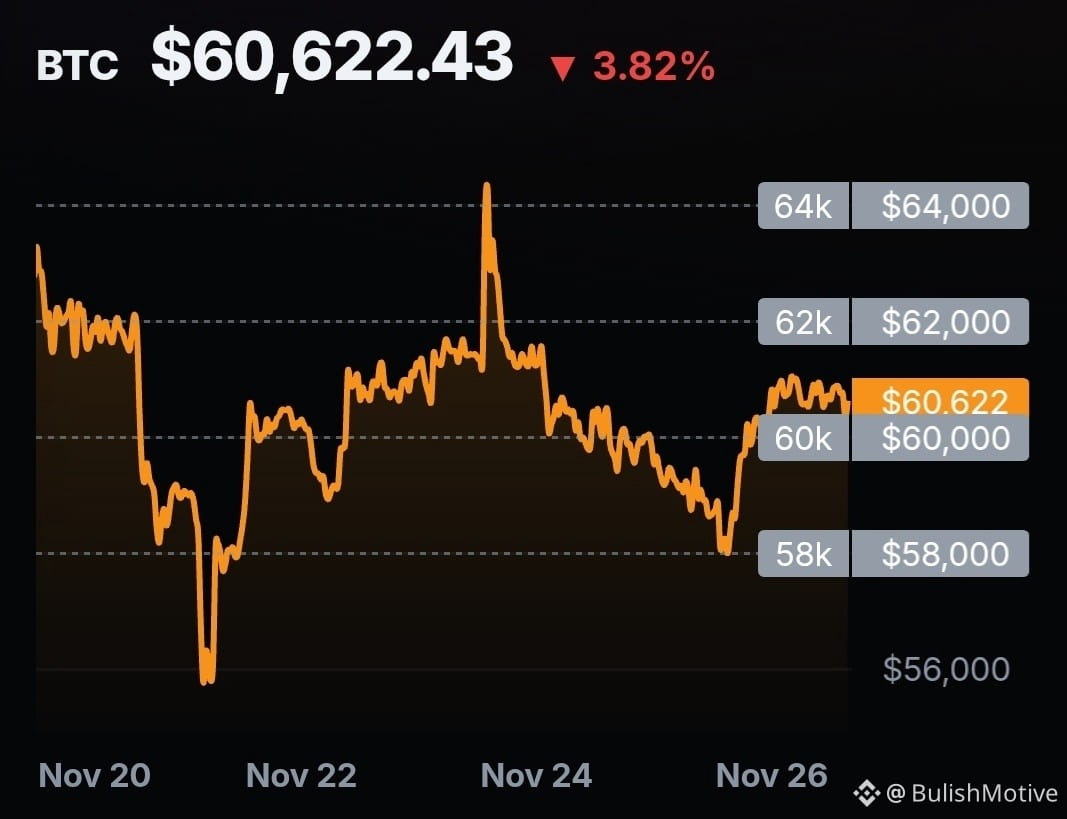
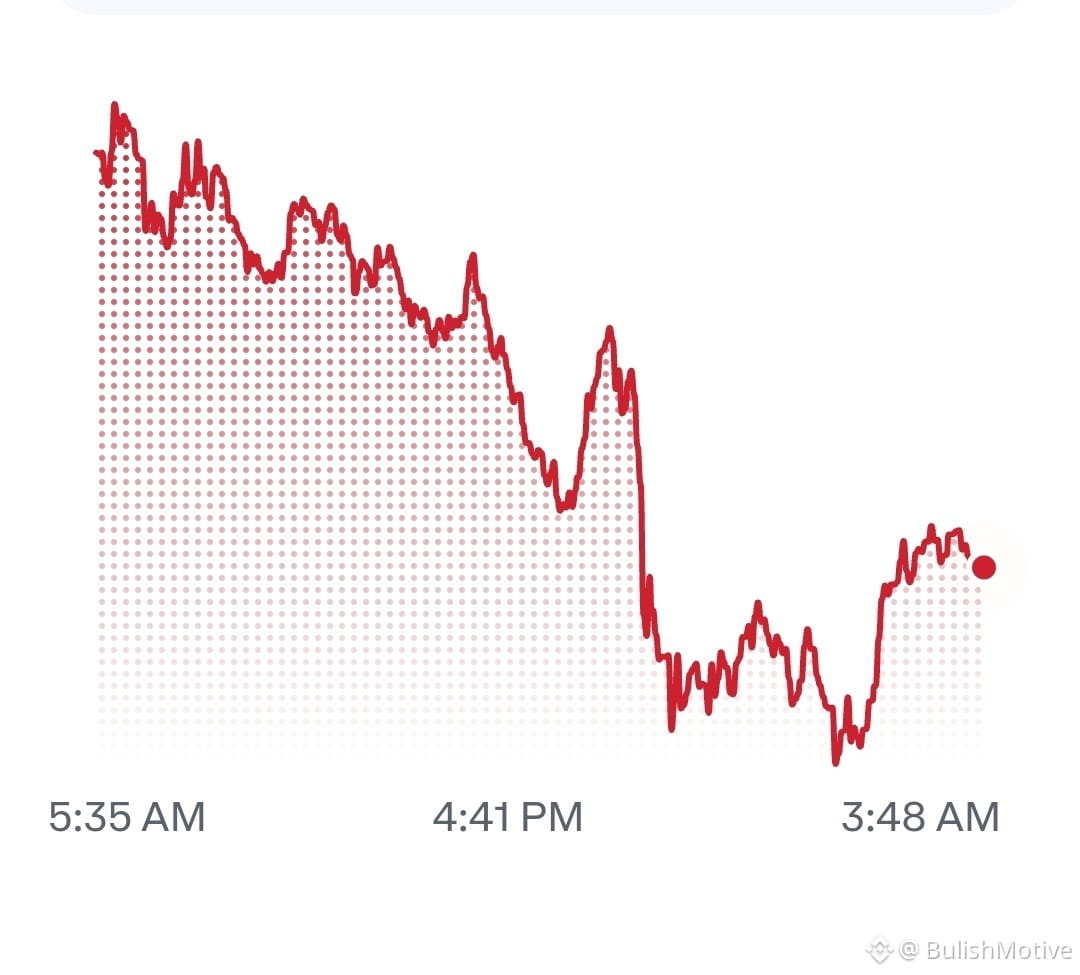
$BTC は約60,622ドルで取引されており、3.82%下落しています。Polymarketのトレーダーは、58,000ドル、60,000ドル、62,000ドル、64,000ドルなど、ビットコインの重要な価格水準に注目しています。現在の市場予測では、BTCが60,000ドルを上回る確率は97%ですが、62,000ドル以上となる確率はいずれも1%未満です。市場は11月26日午後12時(米国東部時間)におけるBinance BTC/USDTの1分足ローソクの終値を基準に決済されます。#Bitcoin #BTC #CryptoTrading #BTCUSDT
{future}(BTCUSDT)
ビットコイン価格予測 – 2026年11月26日 📊
$BTC は約60,622ドルで取引されており、3.82%下落しています。Polymarketのトレーダーは、58,000ドル、60,000ドル、62,000ドル、64,000ドルなど、ビットコインの重要な価格水準に注目しています。現在の市場予測では、BTCが60,000ドルを上回る確率は97%ですが、62,000ドル以上となる確率はいずれも1%未満です。市場は11月26日午後12時(米国東部時間)におけるBinance BTC/USDTの1分足ローソクの終値を基準に決済されます。#Bitcoin #BTC #CryptoTrading #BTCUSDT
$BTC は約60,622ドルで取引されており、3.82%下落しています。Polymarketのトレーダーは、58,000ドル、60,000ドル、62,000ドル、64,000ドルなど、ビットコインの重要な価格水準に注目しています。現在の市場予測では、BTCが60,000ドルを上回る確率は97%ですが、62,000ドル以上となる確率はいずれも1%未満です。市場は11月26日午後12時(米国東部時間)におけるBinance BTC/USDTの1分足ローソクの終値を基準に決済されます。#Bitcoin #BTC #CryptoTrading #BTCUSDT
96
·
--
$NEAR NEAR弱気のEMAセットアップ、暗号資産のショート取引シグナル、テクニカル分析、RSIモメンタム、エントリー目標、損切り、相場トレンドの最新情報。
$NEAR NEAR弱気のEMAセットアップ、暗号資産のショート取引シグナル、テクニカル分析、RSIモメンタム、エントリー目標、損切り、相場トレンドの最新情報。
218
·
--
翻訳参照
North Korea-Linked Hackers Launder $149M in Binance Bitcoin Through CoinJoinNorth Korea-linked hackers have reportedly laundered at least $149 million in stolen Bitcoin (BTC) from Binance through CoinJoin transactions, according to blockchain analytics firm Elliptic. Approximately 90% of the laundering activity occurred since Tuesday, raising concerns over cryptocurrency exchange security, Bitcoin theft, money laundering, AML compliance, and crypto regulation.
The incident could increase regulatory scrutiny of Bitcoin privacy tools and CoinJoin transactions, adding short-term bearish sentiment and regulatory risk to the BTC/USDT market. Further enforcement developments may influence cryptocurrency market confidence.
North Korea-Linked Hackers Launder $149M in Binance Bitcoin Through CoinJoin
North Korea-linked hackers have reportedly laundered at least $149 million in stolen Bitcoin (BTC) from Binance through CoinJoin transactions, according to blockchain analytics firm Elliptic. Approximately 90% of the laundering activity occurred since Tuesday, raising concerns over cryptocurrency exchange security, Bitcoin theft, money laundering, AML compliance, and crypto regulation.
The incident could increase regulatory scrutiny of Bitcoin privacy tools and CoinJoin transactions, adding short-term bearish sentiment and regulatory risk to the BTC/USDT market. Further enforcement developments may influence cryptocurrency market confidence.
The incident could increase regulatory scrutiny of Bitcoin privacy tools and CoinJoin transactions, adding short-term bearish sentiment and regulatory risk to the BTC/USDT market. Further enforcement developments may influence cryptocurrency market confidence.
10
·
--
ビットコインキャッシュ $BCH 本日のGBP価格 – 市場分析、ニュース&チャート
ビットコインキャッシュ(BCH)は、ビットコイン(BTC)のフォークとして2017年に誕生した、分散型のピアツーピア暗号資産です。日常的なデジタル決済を目的に設計されたBCHは、より高速な取引、低い手数料、そしてネットワーク容量の拡大を重視しています。
現在のBCH市場概要**
- 価格:£147.86 GBP
- 時価総額:£29.8億
- 24時間取引高:£1億2,535万
- 流通供給量:2,000万 BCH
- 最大供給量:2,100万 BCH
- 市場順位:#19
- 史上最高値:£7,261.59
ビットコインキャッシュの特徴とキーワード
ビットコインキャッシュのGBP価格、BCHの本日の価格、ビットコインキャッシュの時価総額、BCHのリアルタイムチャート、暗号資産ニュース、暗号資産市場の動向、ビットコインキャッシュの取引高、BCHの価格履歴、プルーフ・オブ・ワーク(PoW)、SHA-256マイニング、ピアツーピア決済、ブロックチェーン技術、デジタル通貨、暗号資産取引所、ビットコインキャッシュへの投資リスク。
{future}(BCHUSDT)
BCHの市場データは変動する可能性があります。暗号資産への投資には重大なリスクが伴います。この情報は教育目的のみであり、金融アドバイスではありません。
ビットコインキャッシュ $BCH 本日のGBP価格 – 市場分析、ニュース&チャート
ビットコインキャッシュ(BCH)は、ビットコイン(BTC)のフォークとして2017年に誕生した、分散型のピアツーピア暗号資産です。日常的なデジタル決済を目的に設計されたBCHは、より高速な取引、低い手数料、そしてネットワーク容量の拡大を重視しています。
現在のBCH市場概要**
- 価格:£147.86 GBP
- 時価総額:£29.8億
- 24時間取引高:£1億2,535万
- 流通供給量:2,000万 BCH
- 最大供給量:2,100万 BCH
- 市場順位:#19
- 史上最高値:£7,261.59
ビットコインキャッシュの特徴とキーワード
ビットコインキャッシュのGBP価格、BCHの本日の価格、ビットコインキャッシュの時価総額、BCHのリアルタイムチャート、暗号資産ニュース、暗号資産市場の動向、ビットコインキャッシュの取引高、BCHの価格履歴、プルーフ・オブ・ワーク(PoW)、SHA-256マイニング、ピアツーピア決済、ブロックチェーン技術、デジタル通貨、暗号資産取引所、ビットコインキャッシュへの投資リスク。
BCHの市場データは変動する可能性があります。暗号資産への投資には重大なリスクが伴います。この情報は教育目的のみであり、金融アドバイスではありません。
1
282
·
--
テクノロジーと銀行のシステム障害を受け、トランプ氏が米国民に冷静さを呼びかけ
ドナルド・トランプ米大統領は、JPMorgan Chase、Microsoft、FAAなどのサービスに影響を及ぼしたテクノロジーおよび銀行のシステム障害を受け、米国民に冷静さを保つよう呼びかけました。トランプ氏は、これらの事案は個別の技術的な不具合だと説明し、組織的なサイバー攻撃への懸念を否定しました。ジェイ・クレイトン情報長官とマルコ・ルビオ国務長官は、外国による干渉やシステム全体に及ぶサイバー脅威を示す証拠は見つかっていないと明らかにしました。障害は、ソフトウェアのバグ、ネットワークの更新、定期メンテナンスに関連していました。
$AAPLB
{spot}(AAPLBUSDT)
$MSFTB
{spot}(MSFTBUSDT)
$AMZNB
{spot}(AMZNBUSDT)
テクノロジーと銀行のシステム障害を受け、トランプ氏が米国民に冷静さを呼びかけ
ドナルド・トランプ米大統領は、JPMorgan Chase、Microsoft、FAAなどのサービスに影響を及ぼしたテクノロジーおよび銀行のシステム障害を受け、米国民に冷静さを保つよう呼びかけました。トランプ氏は、これらの事案は個別の技術的な不具合だと説明し、組織的なサイバー攻撃への懸念を否定しました。ジェイ・クレイトン情報長官とマルコ・ルビオ国務長官は、外国による干渉やシステム全体に及ぶサイバー脅威を示す証拠は見つかっていないと明らかにしました。障害は、ソフトウェアのバグ、ネットワークの更新、定期メンテナンスに関連していました。
$AAPLB
$MSFTB
$AMZNB
ドナルド・トランプ米大統領は、JPMorgan Chase、Microsoft、FAAなどのサービスに影響を及ぼしたテクノロジーおよび銀行のシステム障害を受け、米国民に冷静さを保つよう呼びかけました。トランプ氏は、これらの事案は個別の技術的な不具合だと説明し、組織的なサイバー攻撃への懸念を否定しました。ジェイ・クレイトン情報長官とマルコ・ルビオ国務長官は、外国による干渉やシステム全体に及ぶサイバー脅威を示す証拠は見つかっていないと明らかにしました。障害は、ソフトウェアのバグ、ネットワークの更新、定期メンテナンスに関連していました。
$AAPLB
$MSFTB
$AMZNB
86
·
--

記事
TaalasのAI企業買収を受け、AMD株が2.91%上昇Advanced Micro Devices(AMD)の株価は、AIチップメーカーTaalasの買収と四半期業績の過去最高を受け、2.91%上昇しました。この買収により、AMDのAI分野での能力とデータセンター事業の見通しが強化されます。株価が20日移動平均線と200日移動平均線を上回っていることは短期的な強さを示す一方、555.03ドルの抵抗線やテクニカル指標のまちまちな動きは、引き続き値動きが不安定になる可能性を示唆しています。アナリストは、今後5日間の予想株価レンジとして461.93~573.96ドルに注目しています。これは市場分析であり、投資助言ではありません。
$AMD
TaalasのAI企業買収を受け、AMD株が2.91%上昇
Advanced Micro Devices(AMD)の株価は、AIチップメーカーTaalasの買収と四半期業績の過去最高を受け、2.91%上昇しました。この買収により、AMDのAI分野での能力とデータセンター事業の見通しが強化されます。株価が20日移動平均線と200日移動平均線を上回っていることは短期的な強さを示す一方、555.03ドルの抵抗線やテクニカル指標のまちまちな動きは、引き続き値動きが不安定になる可能性を示唆しています。アナリストは、今後5日間の予想株価レンジとして461.93~573.96ドルに注目しています。これは市場分析であり、投資助言ではありません。
$AMD
$AMD
165
·
--
翻訳参照
Ricardo Salinas Pliego warns that Bitcoin’s difficult year for investors is not over, calling the current test more psychological than financial. He criticizes the traditional 60/40 portfolio and Mexico’s political leadership, pointing to 2030 as a major window for political change. He also praises El Salvador’s Bitcoin adoption, questions rising U.S. debt, and highlights global banking liquidity risks. $BTC
#Bitcoin #BTC #CryptoNews
#Bitcoin #BTC #CryptoNews
36
·
--
株式 | JPモルガン、百度の目標株価を135ドルに引き下げ
Jin10によると、JPモルガンは百度(NASDAQ: BIDU)の目標株価を145ドルから135ドルに引き下げました。この更新情報はBinance Newsが報じました。
$BIDU.US
株式 | JPモルガン、百度の目標株価を135ドルに引き下げ
Jin10によると、JPモルガンは百度(NASDAQ: BIDU)の目標株価を145ドルから135ドルに引き下げました。この更新情報はBinance Newsが報じました。
$BIDU.US
Jin10によると、JPモルガンは百度(NASDAQ: BIDU)の目標株価を145ドルから135ドルに引き下げました。この更新情報はBinance Newsが報じました。
$BIDU.US
47
·
--
Binanceのハッカーは、2週間の活動休止後、約6,300万ドル相当の34,279.66 ETHを新たに作成された3つのウォレットに移動しました。この送金は、過去最大となる63億ドルの暗号資産窃盗事件に関連しています。ブロックチェーン調査員は、新しいウォレットと取引所や資金洗浄サービスとのつながりを確認していません。FBIは北朝鮮のTraderTraitorグループを非難しました。捜査当局は27億ドル以上を凍結しましたが、犯人は依然として32億8,000万ドルを支配していると推定されています。
$ETH
Binanceのハッカーは、2週間の活動休止後、約6,300万ドル相当の34,279.66 ETHを新たに作成された3つのウォレットに移動しました。この送金は、過去最大となる63億ドルの暗号資産窃盗事件に関連しています。ブロックチェーン調査員は、新しいウォレットと取引所や資金洗浄サービスとのつながりを確認していません。FBIは北朝鮮のTraderTraitorグループを非難しました。捜査当局は27億ドル以上を凍結しましたが、犯人は依然として32億8,000万ドルを支配していると推定されています。
$ETH
$ETH
178
·
--
DraGun、取引ボットサービスを終了 出金期限は72時間
マルチチェーン対応の取引ボットDraGunは、すべての取引ボットサービスと関連機能を終了し、ユーザーに対して残りの資産を個人ウォレットに出金するよう、72時間の猶予を設けました。2023年10月17日にイーサリアム上でローンチした同プラットフォームは、市場シェアの低下、厳しい市場環境、取引活動の減少、運営上の課題、セキュリティリスクの高まりを理由に挙げています。今後、DraGunはデータサービスやその他のオンチェーンエコシステム事業に注力します。
$ETH
出典:Binance News
DraGun、取引ボットサービスを終了 出金期限は72時間
マルチチェーン対応の取引ボットDraGunは、すべての取引ボットサービスと関連機能を終了し、ユーザーに対して残りの資産を個人ウォレットに出金するよう、72時間の猶予を設けました。2023年10月17日にイーサリアム上でローンチした同プラットフォームは、市場シェアの低下、厳しい市場環境、取引活動の減少、運営上の課題、セキュリティリスクの高まりを理由に挙げています。今後、DraGunはデータサービスやその他のオンチェーンエコシステム事業に注力します。
$ETH
出典:Binance News
マルチチェーン対応の取引ボットDraGunは、すべての取引ボットサービスと関連機能を終了し、ユーザーに対して残りの資産を個人ウォレットに出金するよう、72時間の猶予を設けました。2023年10月17日にイーサリアム上でローンチした同プラットフォームは、市場シェアの低下、厳しい市場環境、取引活動の減少、運営上の課題、セキュリティリスクの高まりを理由に挙げています。今後、DraGunはデータサービスやその他のオンチェーンエコシステム事業に注力します。
$ETH
出典:Binance News
106
·
--
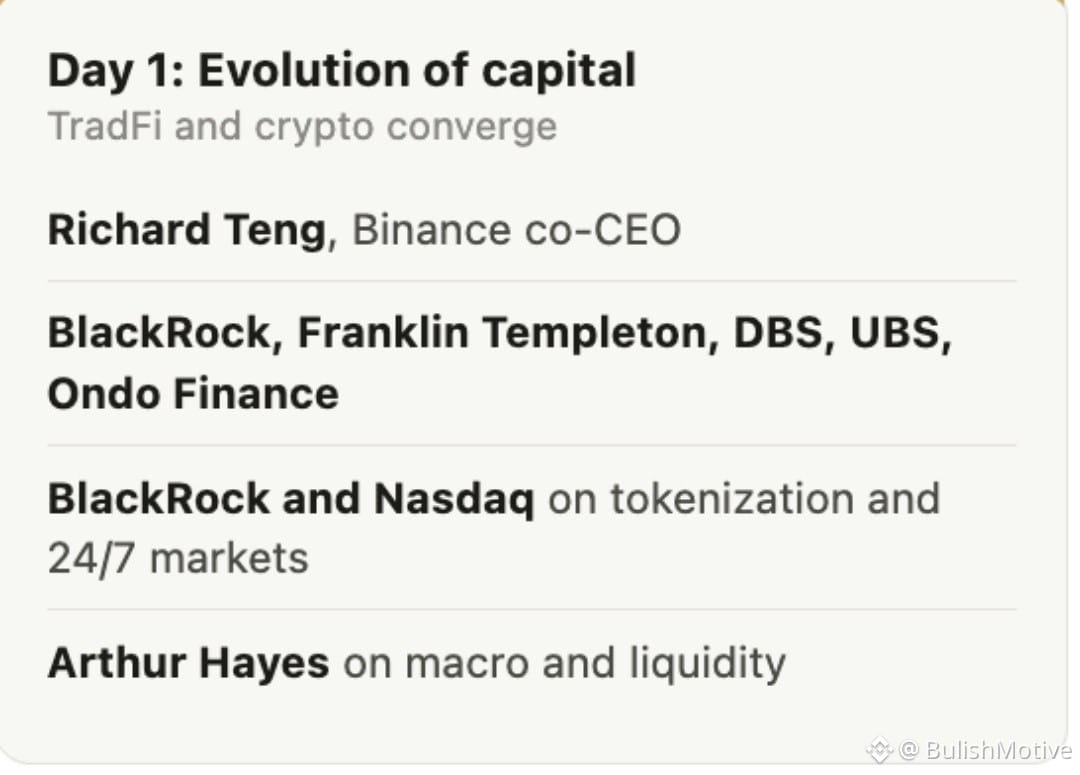
Binance Blockchain Week 2026は、11月28日から29日にかけてタイのバンコクで、「Evolve」をテーマに開催されます。登壇者には、BlackRock、Nasdaq、Visa、Tetherの幹部に加え、4か国の政府関係者が含まれます。主なトピックには、機関投資家による暗号資産の採用、トークン化、ステーブルコイン、AI搭載の金融、デジタル決済、DeFi、そして将来の資本市場が含まれます。Binanceはまた、米国株の提供とAI取引ツールを紹介し、デジタル金融の進化を示します。
Binance Blockchain Week 2026は、11月28日から29日にかけてタイのバンコクで、「Evolve」をテーマに開催されます。登壇者には、BlackRock、Nasdaq、Visa、Tetherの幹部に加え、4か国の政府関係者が含まれます。主なトピックには、機関投資家による暗号資産の採用、トークン化、ステーブルコイン、AI搭載の金融、デジタル決済、DeFi、そして将来の資本市場が含まれます。Binanceはまた、米国株の提供とAI取引ツールを紹介し、デジタル金融の進化を示します。
78
·
--
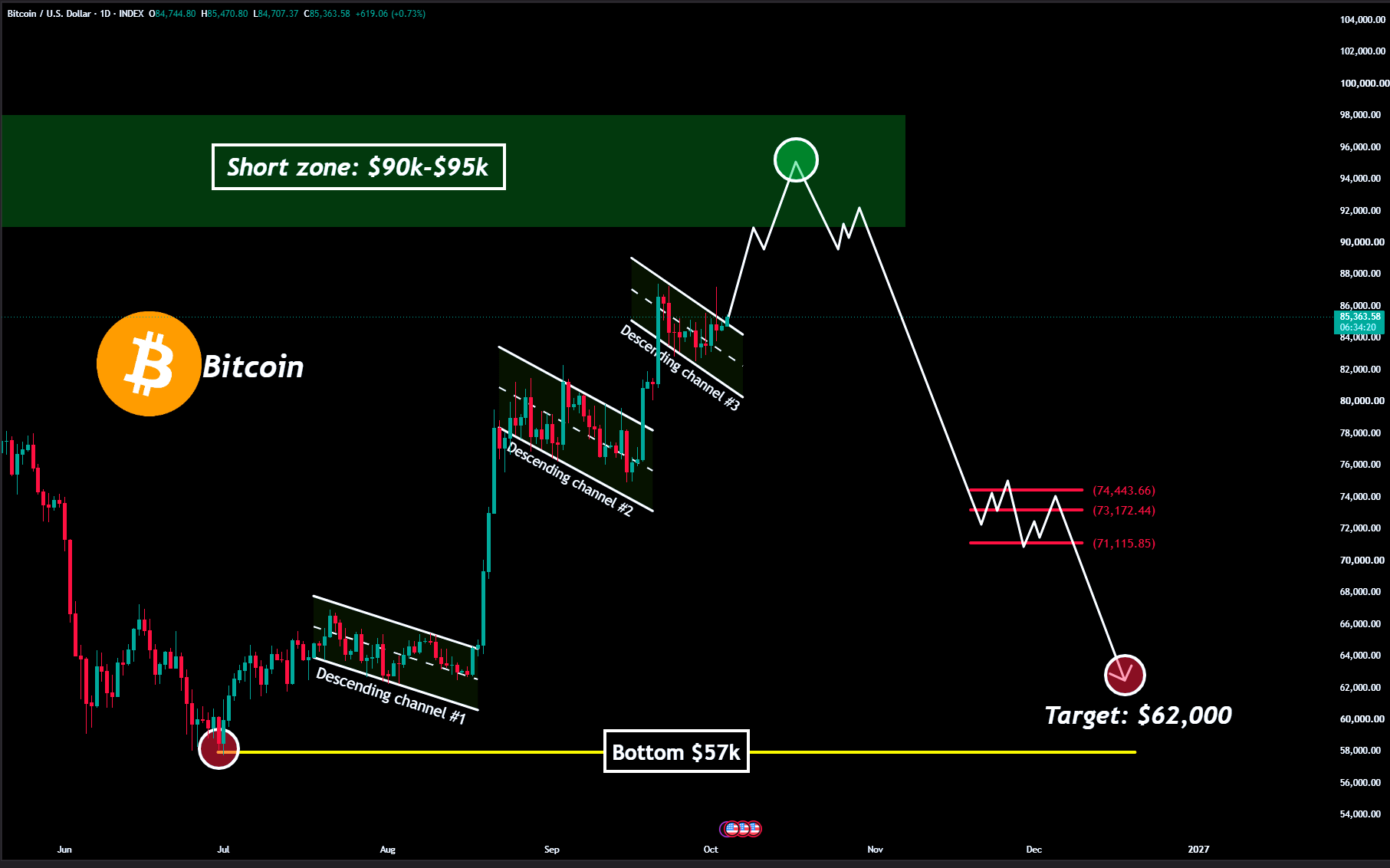
この投稿では、ビットコインは急落する前に、約8万5,000ドルから9万〜9万5,000ドル付近まで、なお上昇する可能性があると主張しています。筆者は、早まって空売りしたり、最後の上昇に飛び乗ったりしないよう警告し、その後、7万4,000ドル、さらには6万2,000ドルといった水準まで下落する可能性を見込んでいます。
これはテクニカル分析に基づく推測シナリオであり、確実な予測ではありません。暗号資産の値動きは、異なる展開を見せたり、急変したりする可能性があります。
$BTC
この投稿では、ビットコインは急落する前に、約8万5,000ドルから9万〜9万5,000ドル付近まで、なお上昇する可能性があると主張しています。筆者は、早まって空売りしたり、最後の上昇に飛び乗ったりしないよう警告し、その後、7万4,000ドル、さらには6万2,000ドルといった水準まで下落する可能性を見込んでいます。
これはテクニカル分析に基づく推測シナリオであり、確実な予測ではありません。暗号資産の値動きは、異なる展開を見せたり、急変したりする可能性があります。
$BTC
これはテクニカル分析に基づく推測シナリオであり、確実な予測ではありません。暗号資産の値動きは、異なる展開を見せたり、急変したりする可能性があります。
$BTC


Crypto_lens_
·
--
ブリッシュ🚨 まだビットコインをショートするな
これは来週の本当の清算が来る前に向けた、最後のポンプです。
このパターンは過去にも何度か見てきました。
やることはシンプルです:
$85K → $95K → $74K → $73K → $71K → $62K
最後のポンプを追いかけるな。
出口流動性になるな。
通知をオンにする。手遅れになる前にフォローしろ。
主要なアップデートはここで最初に全部投稿します。
$BTC
これは来週の本当の清算が来る前に向けた、最後のポンプです。
このパターンは過去にも何度か見てきました。
やることはシンプルです:
$85K → $95K → $74K → $73K → $71K → $62K
最後のポンプを追いかけるな。
出口流動性になるな。
通知をオンにする。手遅れになる前にフォローしろ。
主要なアップデートはここで最初に全部投稿します。
$BTC
111
·
--
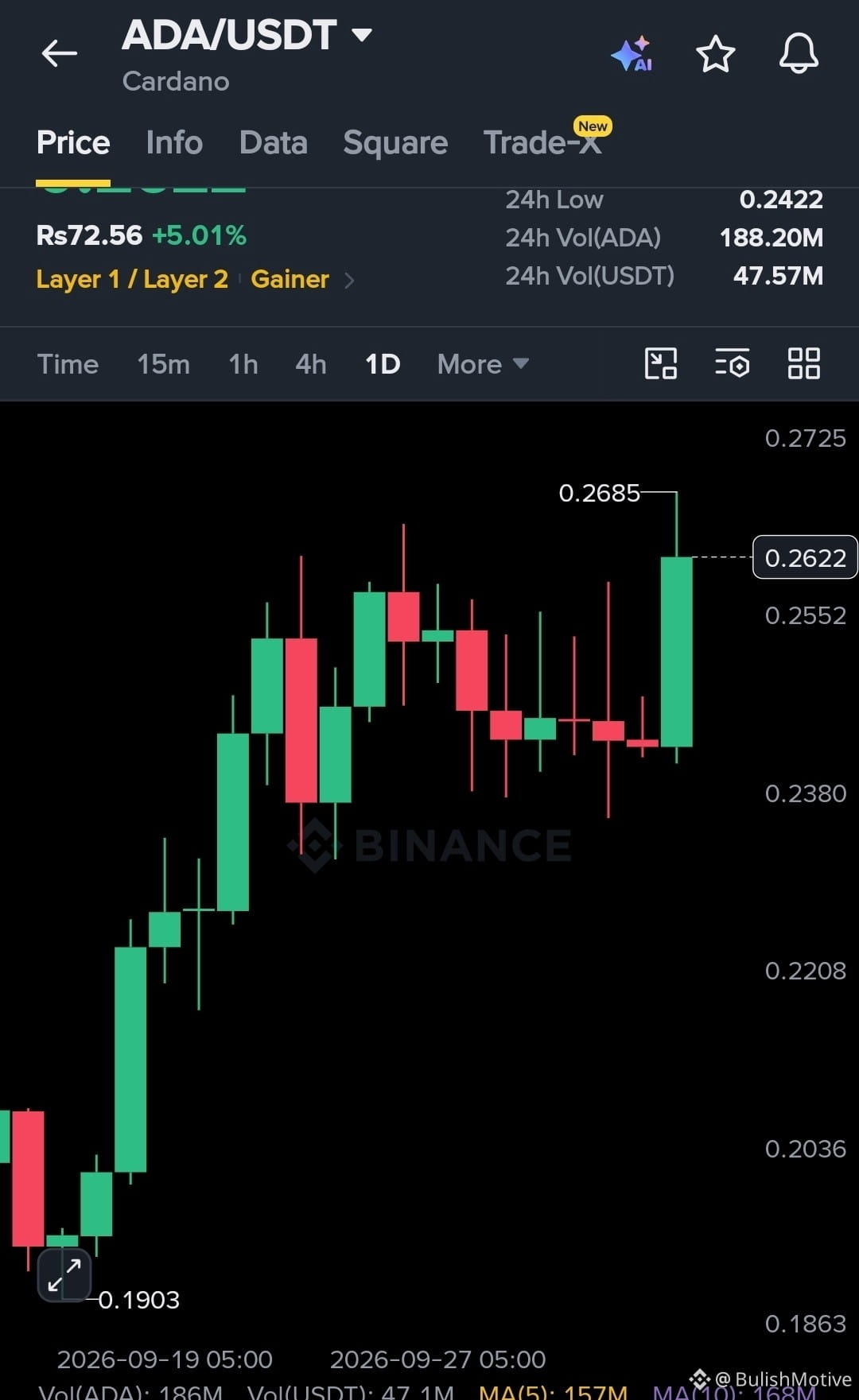
$ADA — 買い
エントリー: 0.2580–0.2620
TP1: 0.2685
TP2: 0.2725
TP3: 0.2800
SL: 0.2520
見通し: 0.2580を上回ると強気。
$ADA — 買い
エントリー: 0.2580–0.2620
TP1: 0.2685
TP2: 0.2725
TP3: 0.2800
SL: 0.2520
見通し: 0.2580を上回ると強気。
エントリー: 0.2580–0.2620
TP1: 0.2685
TP2: 0.2725
TP3: 0.2800
SL: 0.2520
見通し: 0.2580を上回ると強気。
184
·
--
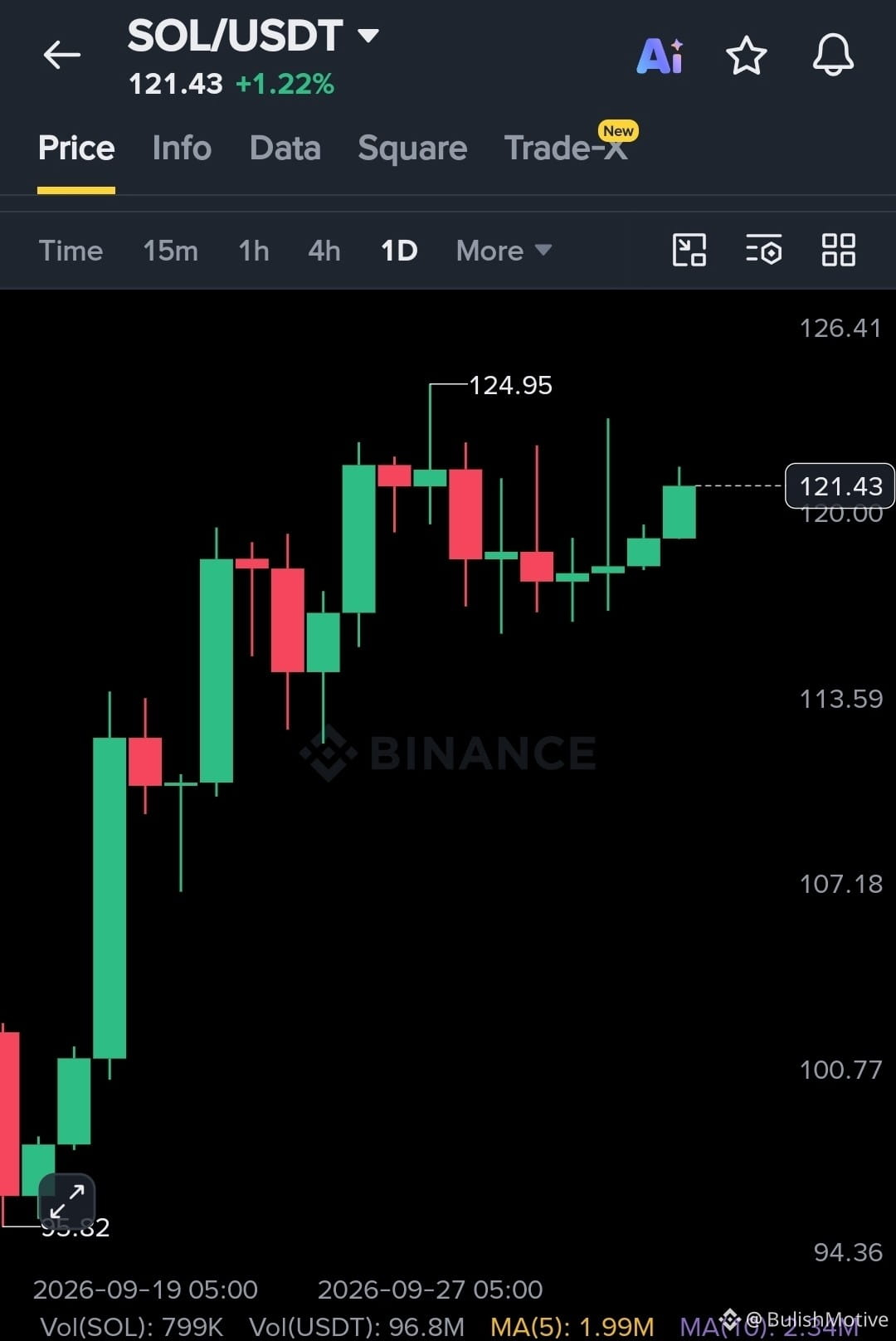
$SOL — 買いセットアップ
エントリー: 120.00–121.40
利確1: 122.50
利確2: 124.00
利確3: 124.95
損切り: 118.80
見通し: 価格が120.00を上回っている間は買い。
$SOL — 買いセットアップ
エントリー: 120.00–121.40
利確1: 122.50
利確2: 124.00
利確3: 124.95
損切り: 118.80
見通し: 価格が120.00を上回っている間は買い。
エントリー: 120.00–121.40
利確1: 122.50
利確2: 124.00
利確3: 124.95
損切り: 118.80
見通し: 価格が120.00を上回っている間は買い。
71
·
--
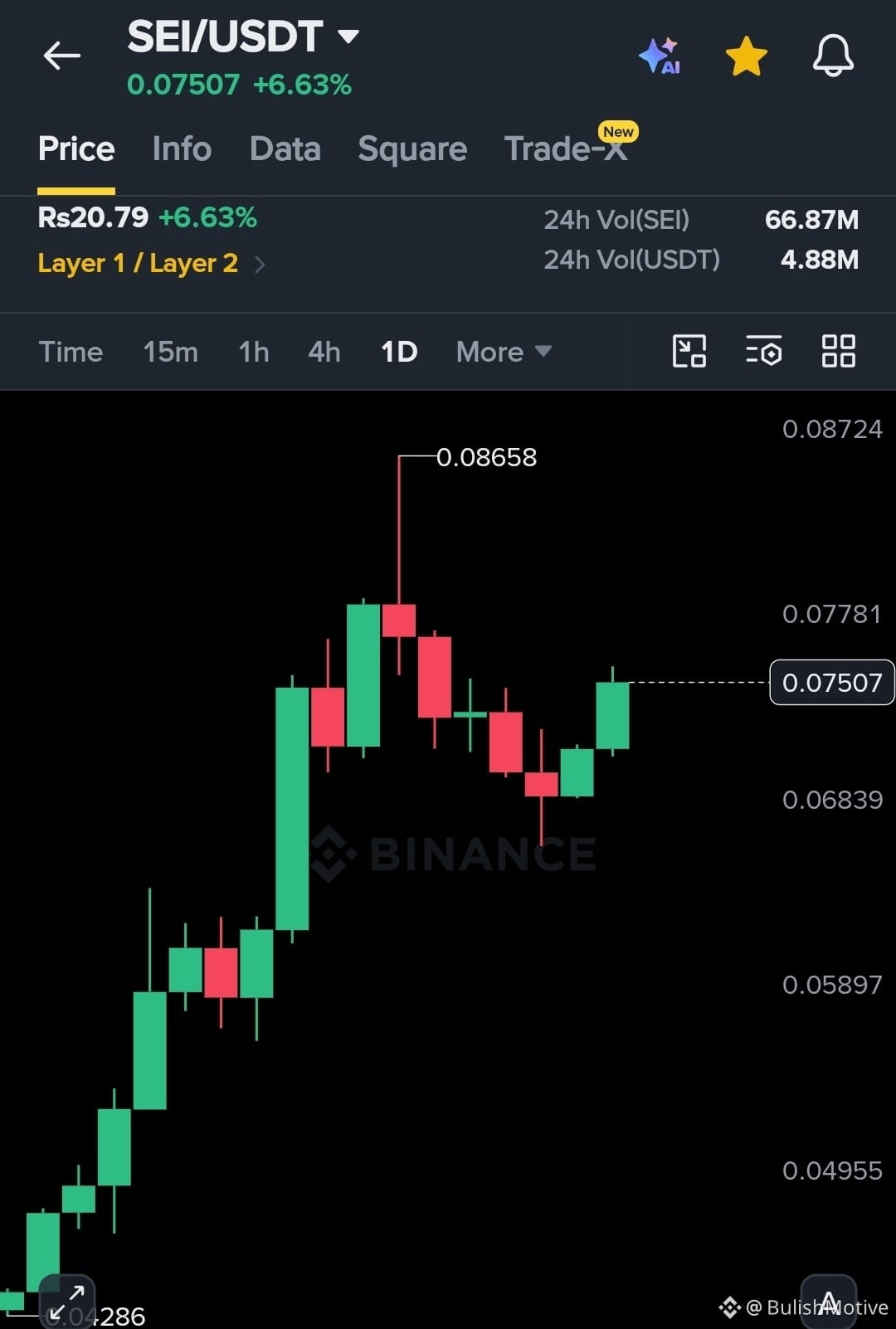
$SEI — 売りセットアップ
エントリー: 0.0750–0.0760
TP1: 0.0720
TP2: 0.0690
TP3: 0.0650
SL: 0.0785
バイアス: 0.0750のレジスタンスが反発したら売り。
$SEI — 売りセットアップ
エントリー: 0.0750–0.0760
TP1: 0.0720
TP2: 0.0690
TP3: 0.0650
SL: 0.0785
バイアス: 0.0750のレジスタンスが反発したら売り。
エントリー: 0.0750–0.0760
TP1: 0.0720
TP2: 0.0690
TP3: 0.0650
SL: 0.0785
バイアス: 0.0750のレジスタンスが反発したら売り。
262
·
--
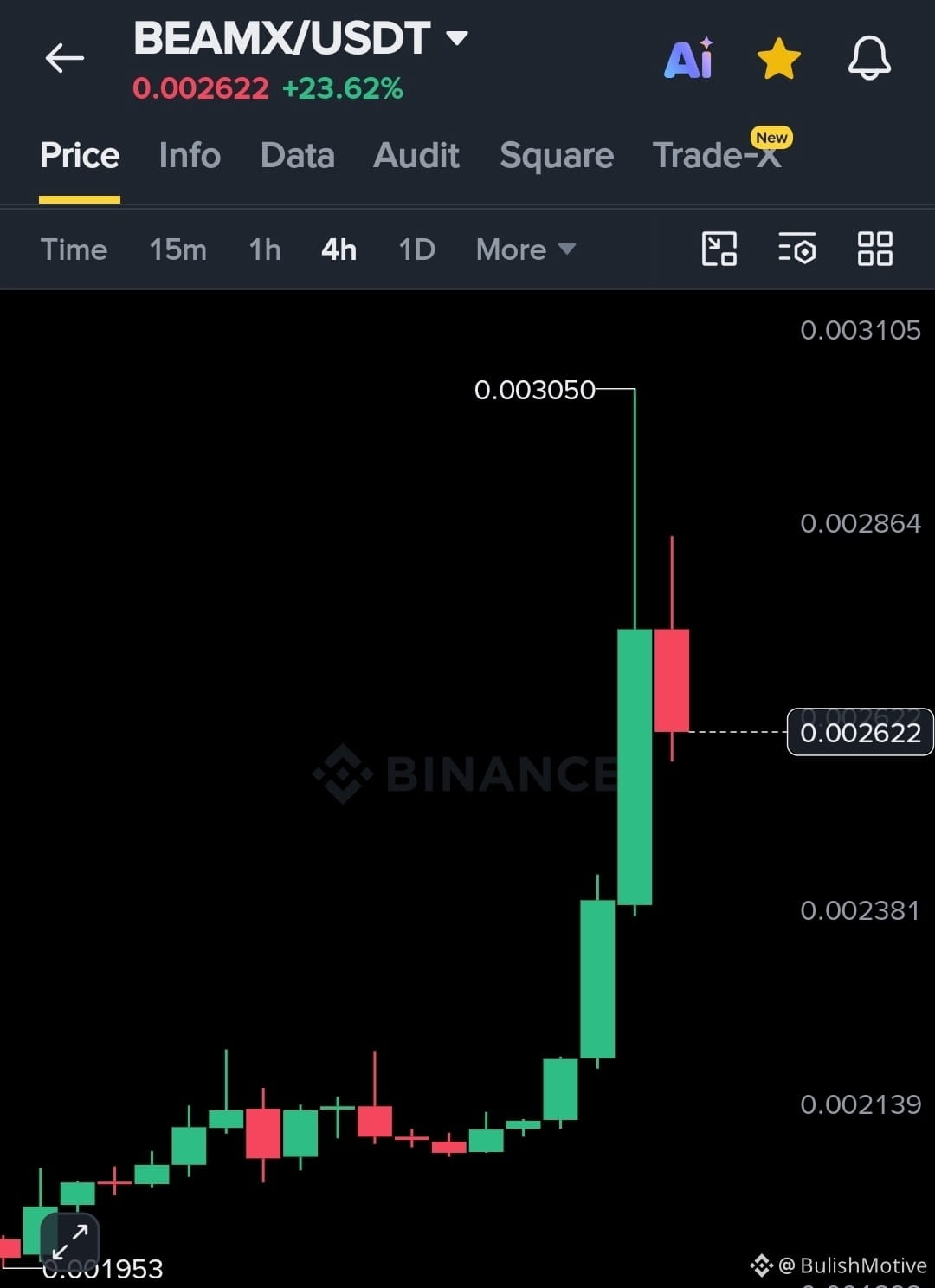
$BEAMX — 買いセットアップ
エントリー: 0.00255–0.00262
TP1: 0.00280
TP2: 0.00305
TP3: 0.00330
SL: 0.00238
見通し: 押し目買い。急騰を追いかけるのは避けましょう。
$BEAMX — 買いセットアップ
エントリー: 0.00255–0.00262
TP1: 0.00280
TP2: 0.00305
TP3: 0.00330
SL: 0.00238
見通し: 押し目買い。急騰を追いかけるのは避けましょう。
エントリー: 0.00255–0.00262
TP1: 0.00280
TP2: 0.00305
TP3: 0.00330
SL: 0.00238
見通し: 押し目買い。急騰を追いかけるのは避けましょう。
132
ログインして、さらにコンテンツを読む
厳選トピックで世界の暗号資産トレーダーの仲間入り
⚡️ 暗号資産に関する最新かつ有益な情報が見つかります。
💬 世界最大の暗号資産取引所から信頼されています。
👍 認証を受けたクリエイターから、有益なインサイトを得られます。
メール / 電話番号