Binance Square

LegendMZUAA

取引を発注
超高頻度トレーダー
2.9年
X @legend_mzuaa |Crypto enthusiast | DeFi explorer✨ | Sharing insights✨, signals📊 & market trends📈 | Building wealth one block at a time💵 | DYOR & stay ahead
127 フォロー
12.4K+ フォロワー
3.9K+ いいね
580 共有
すべてのコンテンツ
ポートフォリオ
PINNED
--
原文参照
Binance Squareで10Kに到達しました💛 最初の投稿からずっと支えてくれた素晴らしい友人@NextGemHunter と@KazeBNB に大きな愛を送ります、あなたのサポートは全てを意味します💛 フォローしてくれた皆さん、いいねをくれた皆さん、読んでくれた皆さん、コメントを残してくれた皆さん、本当にこの旅が生き生きと感じられる理由です。 成長し、学び、この空間を一緒に築いていきましょう🌌 #BinanceSquareFamily #LegendMZUAA
Binance Squareで10Kに到達しました💛
最初の投稿からずっと支えてくれた素晴らしい友人@ParvezMayar @Kaze BNB に大きな愛を送ります、あなたのサポートは全てを意味します💛
フォローしてくれた皆さん、いいねをくれた皆さん、読んでくれた皆さん、コメントを残してくれた皆さん、本当にこの旅が生き生きと感じられる理由です。
成長し、学び、この空間を一緒に築いていきましょう🌌

#BinanceSquareFamily #LegendMZUAA
翻訳
YGG: The Backbone Behind Player-Powered Digital EconomiesYield Guild Games, universally known as YGG, sits in a rare position within the Web3 landscape: a guild that behaves like an economy, a community that behaves like an organization, and a network of players that collectively operate as the engine behind multiple digital worlds. Its entire architecture is built around one core belief of the crypto ecosystem: digital ownership should give people the ability to participate, earn, and grow inside virtual economies the same way they do in physical ones. Instead of treating NFTs as collectibles or speculation pieces, YGG treats them as working assets. Characters are meant to be played with, land is meant to be used, and in-game tools are meant to produce value. The DAO doesn’t simply hold assets—it activates them. The players aren’t passive holders—they are contributors to a wider loop of value. And the DAO framework ties all these moving parts together so the guild grows with each new game, each new blockchain, and each new layer of economic activity. In the early days of blockchain gaming, entry into high-quality games was expensive. Premium characters, land, or equipment often cost more than most newcomers could justify spending. YGG stepped in with a different model: the guild would buy the NFTs, players would use them, and both the player and the DAO would share the output. This single shift turned the entire GameFi sector into something more accessible and more collaborative. Instead of gatekeeping, the guild became an on-ramp. Instead of exclusion, the guild pushed for inclusion. From that point onward, YGG evolved into a multi-layered structure powering digital economies across dozens of games and chains. The way it operates is subtle but extremely intentional. Its DAO manages the broad vision and treasury decisions. Its SubDAOs—the smaller, community-run branches—manage regional groups and game-specific strategies. Its vaults manage yield distribution through on-chain mechanics. And its players bring life to the whole system by actively using NFT assets each day, generating rewards that flow back into the guild’s expanding digital ecosystem. What makes YGG unique is that every one of these components reinforces the others. The guild doesn’t function like a fund, nor like a typical gaming clan. It operates more like a digital nation with its own economic engine, governance channels, and shared resource pool. At the center of this system lies NFT-based asset ownership. YGG evaluates games not just by popularity but by whether the assets create real economic utility. A sword that allows a player to access high-yield quests has value. A land plot that produces resources has value. A spaceship that lets a player enter a new zone has value. The DAO approaches each NFT as if it were a productive tool—similar to how a business treats machinery or land in the physical world. Once these assets are acquired, they don’t remain dormant. They immediately get deployed into gameplay through the guild’s players, who use them to earn rewards, craft items, explore virtual land, or compete in battles. The dynamic is simple: the player brings skill, time, and creativity; the guild brings assets, infrastructure, and community incentives. Together they generate value inside the game, which in turn strengthens the DAO’s treasury and expands its ability to enter new worlds or invest in new categories of NFTs. This is where YGG diverges from almost every other NFT-ownership group—it aims for circulation rather than accumulation, utility rather than speculation, and people-powered growth rather than passive holding. As the guild grew, it became clear that a single central DAO could not manage dozens of games, regions, and strategies effectively. This led to the rise of SubDAOs, which are smaller nodes inside the YGG ecosystem that function almost like local chapters. Some SubDAOs are game-driven, focusing on one title, understanding its meta deeply, and organizing players who specialize in that particular world. Others are regional, helping onboard local communities, holding events, interpreting cultural preferences, and amplifying participation where language or geography creates barriers. This decentralized approach strengthens YGG’s reach. It gives players leadership pathways. It distributes strategic thinking across smaller groups who understand their specific environments. SubDAOs also manage their own micro-economies, often making decisions about which NFTs to prioritize or how to structure community events. But all their activity still flows back into the parent DAO, not as a hierarchy, but as a shared economy. To tie these multi-layered activities into a unified financial system, YGG introduced vaults, which allow token holders to stake YGG and participate in the revenue generated by guild-owned assets. A vault isn’t just a staking pool, it’s the on-chain expression of the guild’s productivity. When a character NFT is used in a game, when virtual land produces resources, when SubDAOs unlock new reward pools, vaults help distribute part of that value to the community through automated mechanisms. Vaults also act as entry points for players who don’t own gaming NFTs themselves but still want exposure to the GameFi economy. By staking YGG, they tie themselves to the guild’s performance across games, chains, and seasons. It’s a Web3-native way of aligning incentives: the people who support the guild receive benefits sourced from its real activity, not artificial token emissions. Staking deepens that alignment even further. YGG’s staking model is built to encourage long-term participation, not short-term farming. Players who stake often receive enhanced access to assets, early entry into certain ecosystem events, or greater exposure to yield-producing activities across the guild. In effect, staking becomes a commitment mechanism—one that shows the guild who is here to build and who is here to extract. This fosters a healthier community dynamic, especially in a sector where many participants chase quick returns. Governance ties it all together. The YGG token doubles as a decision-making tool, letting holders influence treasury allocations, NFT purchases, partnerships, SubDAO support, and long-term strategic direction. Instead of a corporate board, the guild’s future is shaped by thousands of people holding YGG tokens. Proposals can come from any region or SubDAO, and because the DAO is fully on-chain, decision-making becomes transparent, traceable, and community-centered. Governance threads through every part of YGG—from its yield mechanics to its investment strategy—and ensures the guild evolves with the collective intelligence of its players. As the GameFi sector matured, YGG expanded its economic philosophy by blending yield farming with NFT utility. Traditional DeFi yield often comes from liquidity pools, lending platforms, or token emissions. YGG adds another dimension: yield generated through gameplay. The output from in-game activity—tokens, crafted items, marketplace fees, resource generation—feeds into the guild’s revenue streams. Stakers and participants then share in the value generated from real effort and real engagement within virtual worlds. This hybrid model merges DeFi mechanics with player-driven productivity, creating a more sustainable loop compared to typical emissions-based rewards. One of YGG’s most important contributions to Web3 gaming is breaking down the financial barriers that once limited participation. Premium NFT characters, rare equipment, and land plots were far out of reach for newcomers. By lending NFTs to players at no upfront cost, YGG provides access to blockchain games that would otherwise require significant capital. This changes the user profile entirely—Web3 gaming shifts from an investor-first concept to a player-first ecosystem. People join because they want to play, not because they can pay. This access-oriented philosophy also extends into the metaverse, where YGG acquires land and digital property across virtual worlds. These parcels can be used for community hubs, events, governance gatherings, or simply as productive land plots that generate resources. Owning land in multiple virtual worlds gives the guild a presence in the emerging digital geography of Web3, ensuring players have places to gather, collaborate, and explore. These metaverse assets work the same way game-specific NFTs do—they become tools for community activity, creativity, and yield. All of this is held together by player-driven economic loops. A player enters a game using a YGG-owned NFT. They complete quests, gather resources, win battles, or trade items. Their output creates value that flows back into the guild. The guild reinvests that value into new NFTs, new SubDAOs, and better rewards. Players use these new assets to create even more value. The cycle repeats, expanding with each iteration. It’s an economy defined not by speculation but by continuous user activity. Supporting all this requires multi-chain infrastructure. YGG spans ecosystems like Ethereum, Polygon, BNB Chain, and specialized gaming-focused networks, allowing the guild to reach a wide spectrum of games. Multi-chain expansion keeps YGG flexible as new Layer-1s or Layer-2s appear and as different games choose different blockchains for scalability or cost efficiency. This ensures that players are never limited by the technical boundaries of a single chain. Behind everything lies treasury management, the careful balancing act that determines which NFTs to purchase, which SubDAOs to support, and how to deploy assets across ecosystems. Treasury decisions shape the guild’s economic foundation. They decide which virtual lands hold long-term potential, which games have sustainable mechanics, and which chains provide the best cost-to-value ratio. This treasury isn’t static—it responds to market conditions, game evolution, and community proposals, ensuring that YGG can survive downturns and expand during opportunities. Connecting all these layers is the YGG Play Launchpad, the guild’s newest gateway for discovering Web3 games, completing quests, and accessing upcoming token launches. It extends the guild’s mission of building open access, giving players a structured path to explore the next generation of blockchain gaming experiences. YGG’s design isn’t simple, but its purpose is clear: build digital economies powered by real players, backed by real assets, coordinated through decentralized systems, and distributed across multiple blockchains. It turns the act of playing into an economic contribution, and the act of owning into an opportunity for shared growth. In the expanding universe of Web3, YGG has become one of the clearest examples of what happens when blockchain, gaming, and community ownership converge, not as hype, but as a living economy shaped by the people inside it. #YGGPlay $YGG @YieldGuildGames

YGG: The Backbone Behind Player-Powered Digital Economies

Yield Guild Games, universally known as YGG, sits in a rare position within the Web3 landscape: a guild that behaves like an economy, a community that behaves like an organization, and a network of players that collectively operate as the engine behind multiple digital worlds. Its entire architecture is built around one core belief of the crypto ecosystem: digital ownership should give people the ability to participate, earn, and grow inside virtual economies the same way they do in physical ones.
Instead of treating NFTs as collectibles or speculation pieces, YGG treats them as working assets.
Characters are meant to be played with, land is meant to be used, and in-game tools are meant to produce value. The DAO doesn’t simply hold assets—it activates them. The players aren’t passive holders—they are contributors to a wider loop of value. And the DAO framework ties all these moving parts together so the guild grows with each new game, each new blockchain, and each new layer of economic activity.
In the early days of blockchain gaming, entry into high-quality games was expensive. Premium characters, land, or equipment often cost more than most newcomers could justify spending. YGG stepped in with a different model: the guild would buy the NFTs, players would use them, and both the player and the DAO would share the output.
This single shift turned the entire GameFi sector into something more accessible and more collaborative. Instead of gatekeeping, the guild became an on-ramp. Instead of exclusion, the guild pushed for inclusion.
From that point onward, YGG evolved into a multi-layered structure powering digital economies across dozens of games and chains. The way it operates is subtle but extremely intentional. Its DAO manages the broad vision and treasury decisions. Its SubDAOs—the smaller, community-run branches—manage regional groups and game-specific strategies. Its vaults manage yield distribution through on-chain mechanics. And its players bring life to the whole system by actively using NFT assets each day, generating rewards that flow back into the guild’s expanding digital ecosystem.
What makes YGG unique is that every one of these components reinforces the others. The guild doesn’t function like a fund, nor like a typical gaming clan. It operates more like a digital nation with its own economic engine, governance channels, and shared resource pool.
At the center of this system lies NFT-based asset ownership. YGG evaluates games not just by popularity but by whether the assets create real economic utility.
A sword that allows a player to access high-yield quests has value. A land plot that produces resources has value. A spaceship that lets a player enter a new zone has value. The DAO approaches each NFT as if it were a productive tool—similar to how a business treats machinery or land in the physical world. Once these assets are acquired, they don’t remain dormant.
They immediately get deployed into gameplay through the guild’s players, who use them to earn rewards, craft items, explore virtual land, or compete in battles.
The dynamic is simple: the player brings skill, time, and creativity; the guild brings assets, infrastructure, and community incentives. Together they generate value inside the game, which in turn strengthens the DAO’s treasury and expands its ability to enter new worlds or invest in new categories of NFTs.
This is where YGG diverges from almost every other NFT-ownership group—it aims for circulation rather than accumulation, utility rather than speculation, and people-powered growth rather than passive holding.
As the guild grew, it became clear that a single central DAO could not manage dozens of games, regions, and strategies effectively. This led to the rise of SubDAOs, which are smaller nodes inside the YGG ecosystem that function almost like local chapters. Some SubDAOs are game-driven, focusing on one title, understanding its meta deeply, and organizing players who specialize in that particular world.
Others are regional, helping onboard local communities, holding events, interpreting cultural preferences, and amplifying participation where language or geography creates barriers.
This decentralized approach strengthens YGG’s reach. It gives players leadership pathways. It distributes strategic thinking across smaller groups who understand their specific environments. SubDAOs also manage their own micro-economies, often making decisions about which NFTs to prioritize or how to structure community events. But all their activity still flows back into the parent DAO, not as a hierarchy, but as a shared economy.
To tie these multi-layered activities into a unified financial system, YGG introduced vaults, which allow token holders to stake YGG and participate in the revenue generated by guild-owned assets. A vault isn’t just a staking pool, it’s the on-chain expression of the guild’s productivity.
When a character NFT is used in a game, when virtual land produces resources, when SubDAOs unlock new reward pools, vaults help distribute part of that value to the community through automated mechanisms.
Vaults also act as entry points for players who don’t own gaming NFTs themselves but still want exposure to the GameFi economy. By staking YGG, they tie themselves to the guild’s performance across games, chains, and seasons. It’s a Web3-native way of aligning incentives: the people who support the guild receive benefits sourced from its real activity, not artificial token emissions.
Staking deepens that alignment even further. YGG’s staking model is built to encourage long-term participation, not short-term farming.
Players who stake often receive enhanced access to assets, early entry into certain ecosystem events, or greater exposure to yield-producing activities across the guild. In effect, staking becomes a commitment mechanism—one that shows the guild who is here to build and who is here to extract. This fosters a healthier community dynamic, especially in a sector where many participants chase quick returns.
Governance ties it all together. The YGG token doubles as a decision-making tool, letting holders influence treasury allocations, NFT purchases, partnerships, SubDAO support, and long-term strategic direction. Instead of a corporate board, the guild’s future is shaped by thousands of people holding YGG tokens. Proposals can come from any region or SubDAO, and because the DAO is fully on-chain, decision-making becomes transparent, traceable, and community-centered.
Governance threads through every part of YGG—from its yield mechanics to its investment strategy—and ensures the guild evolves with the collective intelligence of its players.
As the GameFi sector matured, YGG expanded its economic philosophy by blending yield farming with NFT utility. Traditional DeFi yield often comes from liquidity pools, lending platforms, or token emissions.
YGG adds another dimension: yield generated through gameplay. The output from in-game activity—tokens, crafted items, marketplace fees, resource generation—feeds into the guild’s revenue streams. Stakers and participants then share in the value generated from real effort and real engagement within virtual worlds.
This hybrid model merges DeFi mechanics with player-driven productivity, creating a more sustainable loop compared to typical emissions-based rewards.
One of YGG’s most important contributions to Web3 gaming is breaking down the financial barriers that once limited participation. Premium NFT characters, rare equipment, and land plots were far out of reach for newcomers. By lending NFTs to players at no upfront cost, YGG provides access to blockchain games that would otherwise require significant capital. This changes the user profile entirely—Web3 gaming shifts from an investor-first concept to a player-first ecosystem. People join because they want to play, not because they can pay.
This access-oriented philosophy also extends into the metaverse, where YGG acquires land and digital property across virtual worlds.
These parcels can be used for community hubs, events, governance gatherings, or simply as productive land plots that generate resources. Owning land in multiple virtual worlds gives the guild a presence in the emerging digital geography of Web3, ensuring players have places to gather, collaborate, and explore. These metaverse assets work the same way game-specific NFTs do—they become tools for community activity, creativity, and yield.
All of this is held together by player-driven economic loops. A player enters a game using a YGG-owned NFT. They complete quests, gather resources, win battles, or trade items. Their output creates value that flows back into the guild.
The guild reinvests that value into new NFTs, new SubDAOs, and better rewards. Players use these new assets to create even more value. The cycle repeats, expanding with each iteration. It’s an economy defined not by speculation but by continuous user activity.
Supporting all this requires multi-chain infrastructure. YGG spans ecosystems like Ethereum, Polygon, BNB Chain, and specialized gaming-focused networks, allowing the guild to reach a wide spectrum of games. Multi-chain expansion keeps YGG flexible as new Layer-1s or Layer-2s appear and as different games choose different blockchains for scalability or cost efficiency. This ensures that players are never limited by the technical boundaries of a single chain.
Behind everything lies treasury management, the careful balancing act that determines which NFTs to purchase, which SubDAOs to support, and how to deploy assets across ecosystems.
Treasury decisions shape the guild’s economic foundation. They decide which virtual lands hold long-term potential, which games have sustainable mechanics, and which chains provide the best cost-to-value ratio. This treasury isn’t static—it responds to market conditions, game evolution, and community proposals, ensuring that YGG can survive downturns and expand during opportunities.
Connecting all these layers is the YGG Play Launchpad, the guild’s newest gateway for discovering Web3 games, completing quests, and accessing upcoming token launches. It extends the guild’s mission of building open access, giving players a structured path to explore the next generation of blockchain gaming experiences.
YGG’s design isn’t simple, but its purpose is clear: build digital economies powered by real players, backed by real assets, coordinated through decentralized systems, and distributed across multiple blockchains. It turns the act of playing into an economic contribution, and the act of owning into an opportunity for shared growth.
In the expanding universe of Web3, YGG has become one of the clearest examples of what happens when blockchain, gaming, and community ownership converge, not as hype, but as a living economy shaped by the people inside it.
#YGGPlay $YGG @Yield Guild Games
翻訳
Injective: The High-Performance Foundation for the Next Era of On-Chain Global Finance Modern blockchain infrastructure is reaching a turning point. As markets shift from experimentation toward institutional adoption, the requirements for decentralized systems are no longer theoretical. Networks must deliver the speed of traditional exchanges, the security expected of settlement systems, and the flexibility to integrate liquidity from multiple ecosystems. Injective stands out in this context because it was built not as a general-purpose chain, but as a high-performance Layer-1 engineered specifically for finance. It approaches blockchain design by asking a simple but demanding question: What does an on-chain financial system actually require? Every technical decision, from latency constraints to cross-chain architecture, follows from this premise. As a result, Injective has developed into a chain uniquely capable of supporting real-time trading, global settlement, tokenized assets, synthetic markets, and institutional-grade DeFi infrastructure. Today, as decentralized finance merges with tokenized global assets and cross-chain liquidity becomes central to market structure, Injective’s design choices are beginning to show their long-term importance. Its high throughput, ultra-low fees, and sub-second finality form a performance profile that resembles the demands of traditional financial systems. Its interoperability with Ethereum, Solana, and Cosmos positions it at the center of multi-chain liquidity flows. And its modular architecture gives builders the ability to develop sophisticated, high-value financial applications without reinventing fundamental infrastructure. Together, these components shape Injective into more than a fast blockchain, they position it as a settlement layer for global on-chain markets. A High-Performance Layer-1 Built for Real-Time Finance The clearest expression of Injective’s design philosophy is its execution environment. While many chains claim fast block times, few are able to sustain consistent high throughput, ultra-low fees, and sub-second finality under financial workloads. For real-time trading, these characteristics are not luxuries; they are prerequisites. Markets cannot tolerate uncertainty windows, unpredictable gas surges, or latency spikes. Injective’s architecture addresses these constraints directly. Its consensus model and networking layer are optimized to process large volumes of transactions without degrading execution quality. Sub-second finality ensures trades settle at the speed algorithms require. Ultra-low fees make high-frequency and multi-step strategies economically viable. And throughput capacity allows complex financial applications — derivatives, perpetual markets, structured products, and automated strategies — to operate continuously without clogging the system. This performance foundation becomes even more meaningful with Injective’s launch of its native EVM. For years, Ethereum’s development ecosystem has been the largest in Web3, but Solidity applications often hit performance ceilings on general-purpose chains. Injective’s native EVM brings that ecosystem into a high-performance environment without forcing teams to rewrite their applications. More than forty dApps and infrastructure providers are preparing to deploy through Injective’s MultiVM architecture, creating a development layer where teams can choose the environment that best fits their application logic. WASM-based execution and EVM-based execution coexist, giving developers a dual-VM ecosystem that retains consistency in performance and settlement standards. With MultiVM, Injective becomes a chain where the tools of Ethereum meet the speed of high-performance finance. Interoperability Linking Ethereum, Solana & Cosmos Into One Liquidity Network For markets to function efficiently, liquidity must be able to move freely. The early years of Web3 were defined by fragmentation, ecosystems thrived independently, but liquidity remained trapped behind bridges, wrapped assets, or incompatible smart contract environments. Injective takes the opposite approach by designing interoperability as a core layer-one function rather than a toolkit built on top. Injective integrates deeply with three of the most important ecosystems in Web3: Ethereum for liquidity and adoption, Solana for high-throughput trading culture, and Cosmos for modular interoperability and sovereign chain design. This gives Injective a reach that most chains do not have. Liquidity from these ecosystems does not feel foreign, it flows into Injective’s settlement environment with execution guarantees intact. In practice, this means an asset originating on Ethereum can be traded in a low-fee, high-speed environment. A Solana-native asset can participate in Injective-based markets without the latency penalties of external bridges. Cosmos zones can plug liquidity into Injective’s markets and gain access to deeper trading infrastructure. Liquidity unification is one of Injective’s most important advantages. It smooths price discovery, reduces slippage, and consolidates order flow across ecosystems. This is particularly valuable as tokenized global assets, from RWAs to synthetic indexes, require multi-chain liquidity to maintain stable pricing. Injective’s importance becomes clearer when viewed alongside the institutional activity forming around it. A publicly listed company on the New York Stock Exchange, Pineapple Financial, allocated $100M to INJ as part of its digital asset treasury, purchasing tokens directly from the open market. This is more than capital flow. It signals recognition that Injective’s interoperability and settlement architecture are relevant not just for Web3-native applications but for institutions seeking reliable multi-chain infrastructure. Modular Architecture That Reduces Development Complexity Traditional financial systems are modular by design. Exchanges, clearinghouses, custodians, and settlement systems all operate as coordinated but specialized components. Injective mirrors this structure through its modular architecture, giving developers access to a set of pre-built financial primitives that dramatically reduce the complexity of launching on-chain markets. On most blockchains, developers must reconstruct everything, matching logic, risk management, liquidity engines, and settlement pipelines, using generic smart contracts. Injective removes this burden. Its modular framework provides ready-to-use components for trading venues, money markets, synthetic asset platforms, and liquidity layers. Builders can focus on innovation rather than infrastructure. This modularity has another benefit: predictable performance. Financial applications have clear timing requirements, and a modular execution model reduces interference between unrelated workloads. A high-volume trading system does not disrupt a lending platform. A synthetic asset engine does not block swaps or governance actions. Each module operates within an optimized pipeline that aligns with Injective’s performance goals. Institutional interest reinforces the significance of this model. Injective’s progress toward a U.S. ETF introduces new pathways for capital to enter the ecosystem. For developers, this means building on top of a chain increasingly intertwined with regulated markets. For institutions and retail participants, it opens a compliant gateway into the INJ asset, deepening liquidity and participation without requiring users to manage on-chain complexity directly. INJ as the Economic Engine of a Secure, Scalable Financial Network Every high-performance blockchain requires a token model that maintains security, aligns incentives, and ensures long-term reliability. INJ serves this role on Injective through staking, governance, and the powering of all transactions. But its role extends beyond generic utility. Staking provides the economic base that secures Injective’s state transitions and keeps the network resistant to attack. Governance gives stakeholders control over upgrades, parameters, and the evolution of the MultiVM environment. And INJ-priced transactions maintain cost predictability, an essential requirement for financial systems that operate on recurrent or algorithmic execution. This economic model strengthens as Injective scales. More applications deploying through the native EVM increase network activity, which in turn expands staking participation and governance engagement. A growing pool of tokenized assets introduces new use cases for INJ as the backbone of market operations. Injective’s leadership in real-world asset tokenization adds a deeper layer of economic relevance. The chain has begun representing traditional assets, stocks, gold, foreign exchange, and more, directly on-chain in a financial environment capable of supporting their settlement needs. This pushes INJ into the role of an economic anchor for a multi-asset ecosystem, where traditional value structures coexist with native decentralized finance. Tokenizing global assets is not a marketing point, it is a structural shift in how financial products are stored, traded, and settled. INJ binds this ecosystem together by creating a coherent, unified economic system that supports both digital-native and traditional instruments. Injective as the On-Chain Hub for Tokenized Global Assets Tokenization is often framed as the next major wave of financial innovation, but few chains are genuinely capable of supporting it at scale. Injective is among the first to build the infrastructure required for institutional-grade tokenization: predictable latency, cross-chain liquidity, modular tooling, and strong economic alignment. This is why Injective has become one of the preferred environments for bringing global assets on-chain. Its infrastructure supports fully native, real-time representations of assets such as equities, commodities, and foreign exchange pairs. The chain is the first to tokenize new institutional-grade products including Digital Asset Treasuries and equities like Nvidia, assets that demand a high degree of technical reliability. With performance guarantees, multi-chain liquidity, and robust security, Injective stands at the intersection of traditional markets and decentralized infrastructure. It provides a home for tokenized instruments that require continuous trading, deep liquidity, and predictable settlement. As more assets migrate on-chain, from government bonds to corporate shares to diversified investment products, Injective’s role becomes clearer. It is not merely a fast Layer-1. It is a multi-asset settlement hub capable of supporting the global financial system as it transitions into Web3. The Architecture of a Global Financial Layer Injective’s design reflects a precise understanding of what on-chain finance requires: performance, interoperability, modularity, and economic alignment. High throughput, ultra-low fees, and sub-second finality create a real-time execution environment. Cross-chain connectivity with Ethereum, Solana, and Cosmos brings liquidity into a single trading surface. Modular development tools give builders a foundation for constructing sophisticated financial applications. And the INJ token anchors the security, governance, and economic functions that sustain the ecosystem. Add to this the emergence of tokenized global assets, institutional participation, and a MultiVM development landscape, and Injective begins to resemble more than a blockchain. It becomes a settlement layer for the next generation of financial markets, fast enough for real-time trading, flexible enough for multi-chain liquidity, and robust enough for institutional deployment. Injective isn’t simply adapting to where finance is headed. It is architecting the rails that will carry it there. #Injective $INJ @Injective

Injective: The High-Performance Foundation for the Next Era of On-Chain Global Finance

Modern blockchain infrastructure is reaching a turning point. As markets shift from experimentation toward institutional adoption, the requirements for decentralized systems are no longer theoretical. Networks must deliver the speed of traditional exchanges, the security expected of settlement systems, and the flexibility to integrate liquidity from multiple ecosystems. Injective stands out in this context because it was built not as a general-purpose chain, but as a high-performance Layer-1 engineered specifically for finance.
It approaches blockchain design by asking a simple but demanding question: What does an on-chain financial system actually require? Every technical decision, from latency constraints to cross-chain architecture, follows from this premise.
As a result, Injective has developed into a chain uniquely capable of supporting real-time trading, global settlement, tokenized assets, synthetic markets, and institutional-grade DeFi infrastructure.
Today, as decentralized finance merges with tokenized global assets and cross-chain liquidity becomes central to market structure, Injective’s design choices are beginning to show their long-term importance. Its high throughput, ultra-low fees, and sub-second finality form a performance profile that resembles the demands of traditional financial systems. Its interoperability with Ethereum, Solana, and Cosmos positions it at the center of multi-chain liquidity flows. And its modular architecture gives builders the ability to develop sophisticated, high-value financial applications without reinventing fundamental infrastructure.
Together, these components shape Injective into more than a fast blockchain, they position it as a settlement layer for global on-chain markets.
A High-Performance Layer-1 Built for Real-Time Finance
The clearest expression of Injective’s design philosophy is its execution environment. While many chains claim fast block times, few are able to sustain consistent high throughput, ultra-low fees, and sub-second finality under financial workloads.
For real-time trading, these characteristics are not luxuries; they are prerequisites. Markets cannot tolerate uncertainty windows, unpredictable gas surges, or latency spikes.
Injective’s architecture addresses these constraints directly. Its consensus model and networking layer are optimized to process large volumes of transactions without degrading execution quality. Sub-second finality ensures trades settle at the speed algorithms require. Ultra-low fees make high-frequency and multi-step strategies economically viable.
And throughput capacity allows complex financial applications — derivatives, perpetual markets, structured products, and automated strategies — to operate continuously without clogging the system.
This performance foundation becomes even more meaningful with Injective’s launch of its native EVM. For years, Ethereum’s development ecosystem has been the largest in Web3, but Solidity applications often hit performance ceilings on general-purpose chains. Injective’s native EVM brings that ecosystem into a high-performance environment without forcing teams to rewrite their applications.
More than forty dApps and infrastructure providers are preparing to deploy through Injective’s MultiVM architecture, creating a development layer where teams can choose the environment that best fits their application logic.
WASM-based execution and EVM-based execution coexist, giving developers a dual-VM ecosystem that retains consistency in performance and settlement standards. With MultiVM, Injective becomes a chain where the tools of Ethereum meet the speed of high-performance finance.
Interoperability Linking Ethereum, Solana & Cosmos Into One Liquidity Network
For markets to function efficiently, liquidity must be able to move freely. The early years of Web3 were defined by fragmentation, ecosystems thrived independently, but liquidity remained trapped behind bridges, wrapped assets, or incompatible smart contract environments.
Injective takes the opposite approach by designing interoperability as a core layer-one function rather than a toolkit built on top.
Injective integrates deeply with three of the most important ecosystems in Web3: Ethereum for liquidity and adoption, Solana for high-throughput trading culture, and Cosmos for modular interoperability and sovereign chain design. This gives Injective a reach that most chains do not have. Liquidity from these ecosystems does not feel foreign, it flows into Injective’s settlement environment with execution guarantees intact.
In practice, this means an asset originating on Ethereum can be traded in a low-fee, high-speed environment. A Solana-native asset can participate in Injective-based markets without the latency penalties of external bridges.
Cosmos zones can plug liquidity into Injective’s markets and gain access to deeper trading infrastructure.
Liquidity unification is one of Injective’s most important advantages. It smooths price discovery, reduces slippage, and consolidates order flow across ecosystems. This is particularly valuable as tokenized global assets, from RWAs to synthetic indexes, require multi-chain liquidity to maintain stable pricing.
Injective’s importance becomes clearer when viewed alongside the institutional activity forming around it.
A publicly listed company on the New York Stock Exchange, Pineapple Financial, allocated $100M to INJ as part of its digital asset treasury, purchasing tokens directly from the open market. This is more than capital flow. It signals recognition that Injective’s interoperability and settlement architecture are relevant not just for Web3-native applications but for institutions seeking reliable multi-chain infrastructure.
Modular Architecture That Reduces Development Complexity
Traditional financial systems are modular by design. Exchanges, clearinghouses, custodians, and settlement systems all operate as coordinated but specialized components.
Injective mirrors this structure through its modular architecture, giving developers access to a set of pre-built financial primitives that dramatically reduce the complexity of launching on-chain markets.
On most blockchains, developers must reconstruct everything, matching logic, risk management, liquidity engines, and settlement pipelines, using generic smart contracts.
Injective removes this burden. Its modular framework provides ready-to-use components for trading venues, money markets, synthetic asset platforms, and liquidity layers. Builders can focus on innovation rather than infrastructure.
This modularity has another benefit: predictable performance. Financial applications have clear timing requirements, and a modular execution model reduces interference between unrelated workloads. A high-volume trading system does not disrupt a lending platform. A synthetic asset engine does not block swaps or governance actions. Each module operates within an optimized pipeline that aligns with Injective’s performance goals.
Institutional interest reinforces the significance of this model. Injective’s progress toward a U.S. ETF introduces new pathways for capital to enter the ecosystem.
For developers, this means building on top of a chain increasingly intertwined with regulated markets. For institutions and retail participants, it opens a compliant gateway into the INJ asset, deepening liquidity and participation without requiring users to manage on-chain complexity directly.
INJ as the Economic Engine of a Secure, Scalable Financial Network
Every high-performance blockchain requires a token model that maintains security, aligns incentives, and ensures long-term reliability. INJ serves this role on Injective through staking, governance, and the powering of all transactions. But its role extends beyond generic utility.
Staking provides the economic base that secures Injective’s state transitions and keeps the network resistant to attack. Governance gives stakeholders control over upgrades, parameters, and the evolution of the MultiVM environment.
And INJ-priced transactions maintain cost predictability, an essential requirement for financial systems that operate on recurrent or algorithmic execution.
This economic model strengthens as Injective scales. More applications deploying through the native EVM increase network activity, which in turn expands staking participation and governance engagement. A growing pool of tokenized assets introduces new use cases for INJ as the backbone of market operations.
Injective’s leadership in real-world asset tokenization adds a deeper layer of economic relevance. The chain has begun representing traditional assets, stocks, gold, foreign exchange, and more, directly on-chain in a financial environment capable of supporting their settlement needs.
This pushes INJ into the role of an economic anchor for a multi-asset ecosystem, where traditional value structures coexist with native decentralized finance.
Tokenizing global assets is not a marketing point, it is a structural shift in how financial products are stored, traded, and settled. INJ binds this ecosystem together by creating a coherent, unified economic system that supports both digital-native and traditional instruments.
Injective as the On-Chain Hub for Tokenized Global Assets
Tokenization is often framed as the next major wave of financial innovation, but few chains are genuinely capable of supporting it at scale. Injective is among the first to build the infrastructure required for institutional-grade tokenization: predictable latency, cross-chain liquidity, modular tooling, and strong economic alignment.
This is why Injective has become one of the preferred environments for bringing global assets on-chain. Its infrastructure supports fully native, real-time representations of assets such as equities, commodities, and foreign exchange pairs.
The chain is the first to tokenize new institutional-grade products including Digital Asset Treasuries and equities like Nvidia, assets that demand a high degree of technical reliability.
With performance guarantees, multi-chain liquidity, and robust security, Injective stands at the intersection of traditional markets and decentralized infrastructure. It provides a home for tokenized instruments that require continuous trading, deep liquidity, and predictable settlement.
As more assets migrate on-chain, from government bonds to corporate shares to diversified investment products, Injective’s role becomes clearer. It is not merely a fast Layer-1. It is a multi-asset settlement hub capable of supporting the global financial system as it transitions into Web3.
The Architecture of a Global Financial Layer
Injective’s design reflects a precise understanding of what on-chain finance requires: performance, interoperability, modularity, and economic alignment. High throughput, ultra-low fees, and sub-second finality create a real-time execution environment. Cross-chain connectivity with Ethereum, Solana, and Cosmos brings liquidity into a single trading surface. Modular development tools give builders a foundation for constructing sophisticated financial applications. And the INJ token anchors the security, governance, and economic functions that sustain the ecosystem.
Add to this the emergence of tokenized global assets, institutional participation, and a MultiVM development landscape, and Injective begins to resemble more than a blockchain.
It becomes a settlement layer for the next generation of financial markets, fast enough for real-time trading, flexible enough for multi-chain liquidity, and robust enough for institutional deployment.
Injective isn’t simply adapting to where finance is headed. It is architecting the rails that will carry it there.
#Injective $INJ @Injective
翻訳
Even after the news of delisting $VOXEL isn't stopping 💪🏻.. That's some next level FOMO👀😶.. Trade safe and be safe guys🤍
Even after the news of delisting $VOXEL isn't stopping 💪🏻..

That's some next level FOMO👀😶..

Trade safe and be safe guys🤍
原文参照
ビットコインの7320億ドルの資本の波がWeb3時代の構造的変化を示唆しています ビットコインは、2022年の市場の底から新たに7320億ドルの資本を追加したと、GlassnodeとFanara Digitalの新しい報告書が伝えています。この発見は重要な瞬間に到達しました。BTCは7.5パーセントのデイリーラリーの後、93,000ドルのレベルを取り戻し、市場が新たなブレイクアウトに備えているのか、それともより深く成熟した機関採用のフェーズに入っているのかについての議論を再燃させています。 見出しの数字は驚異的です。2022年から2025年のサイクルは、これまでのすべてのビットコインサイクルを合わせたよりも多くの資本流入を引き寄せ、実現されたキャップをほぼ1.1兆ドルに押し上げました。実現されたキャップは、ブロックチェーン全体で実際にBTCに投資されたお金の総額を反映しており、市場キャップとは異なり、流動性が薄いことや投機的なウィックによって膨らませることはできません。

ビットコインの7320億ドルの資本の波がWeb3時代の構造的変化を示唆しています

ビットコインは、2022年の市場の底から新たに7320億ドルの資本を追加したと、GlassnodeとFanara Digitalの新しい報告書が伝えています。この発見は重要な瞬間に到達しました。BTCは7.5パーセントのデイリーラリーの後、93,000ドルのレベルを取り戻し、市場が新たなブレイクアウトに備えているのか、それともより深く成熟した機関採用のフェーズに入っているのかについての議論を再燃させています。
見出しの数字は驚異的です。2022年から2025年のサイクルは、これまでのすべてのビットコインサイクルを合わせたよりも多くの資本流入を引き寄せ、実現されたキャップをほぼ1.1兆ドルに押し上げました。実現されたキャップは、ブロックチェーン全体で実際にBTCに投資されたお金の総額を反映しており、市場キャップとは異なり、流動性が薄いことや投機的なウィックによって膨らませることはできません。
翻訳
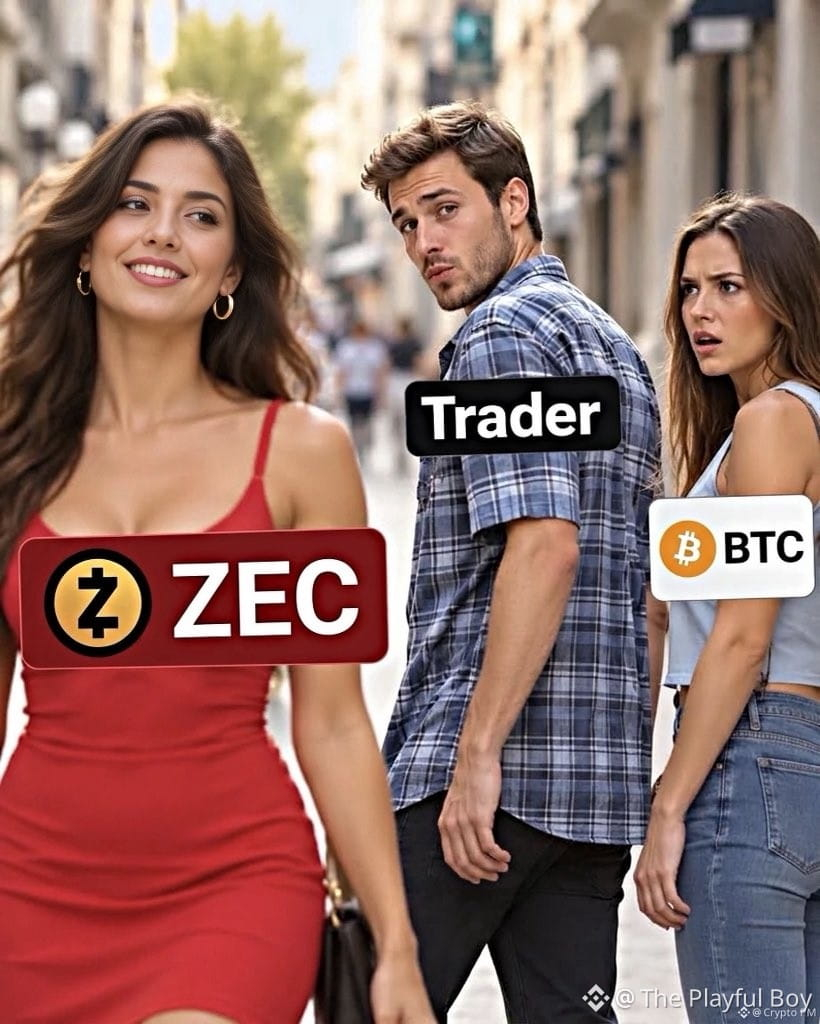
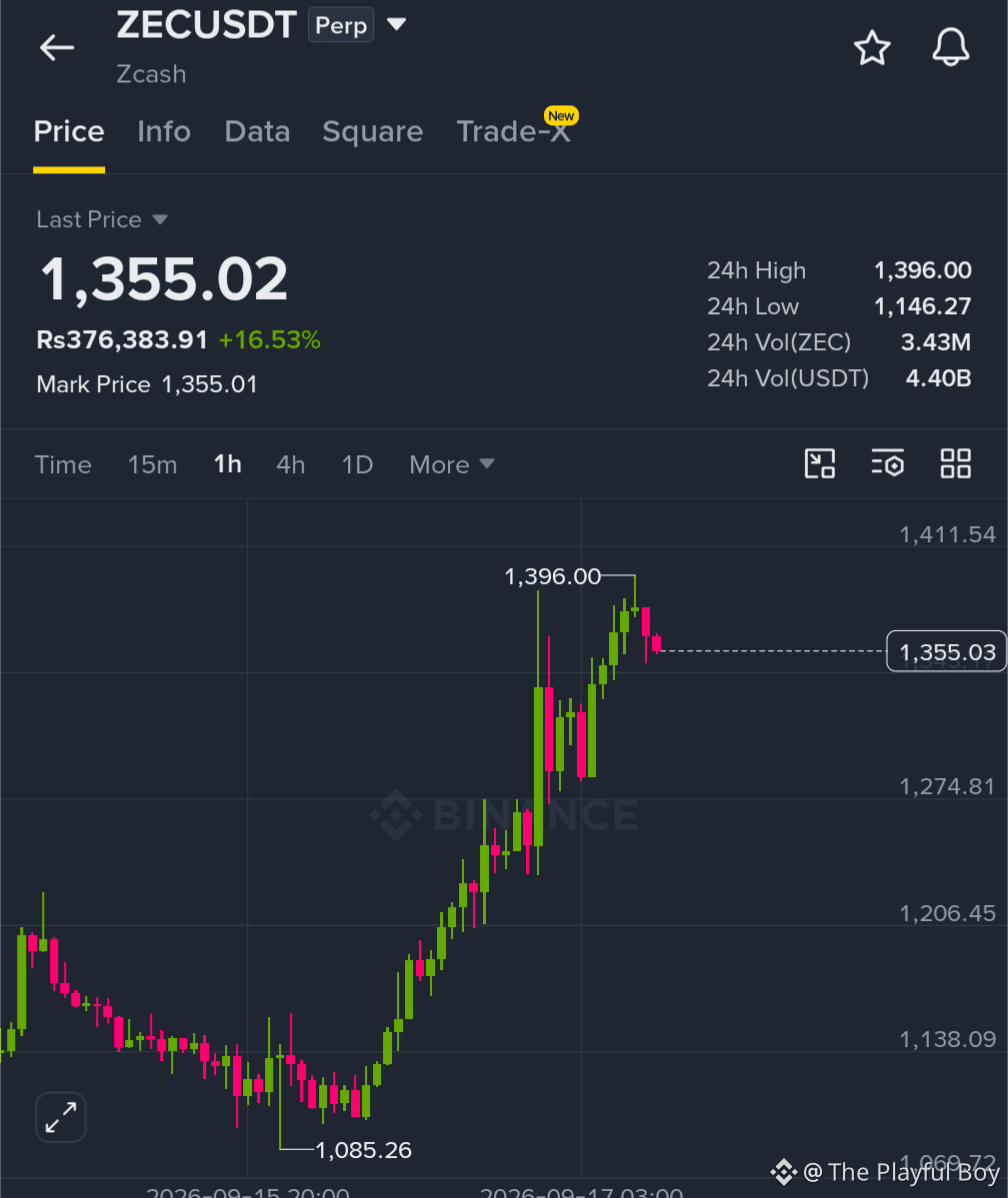
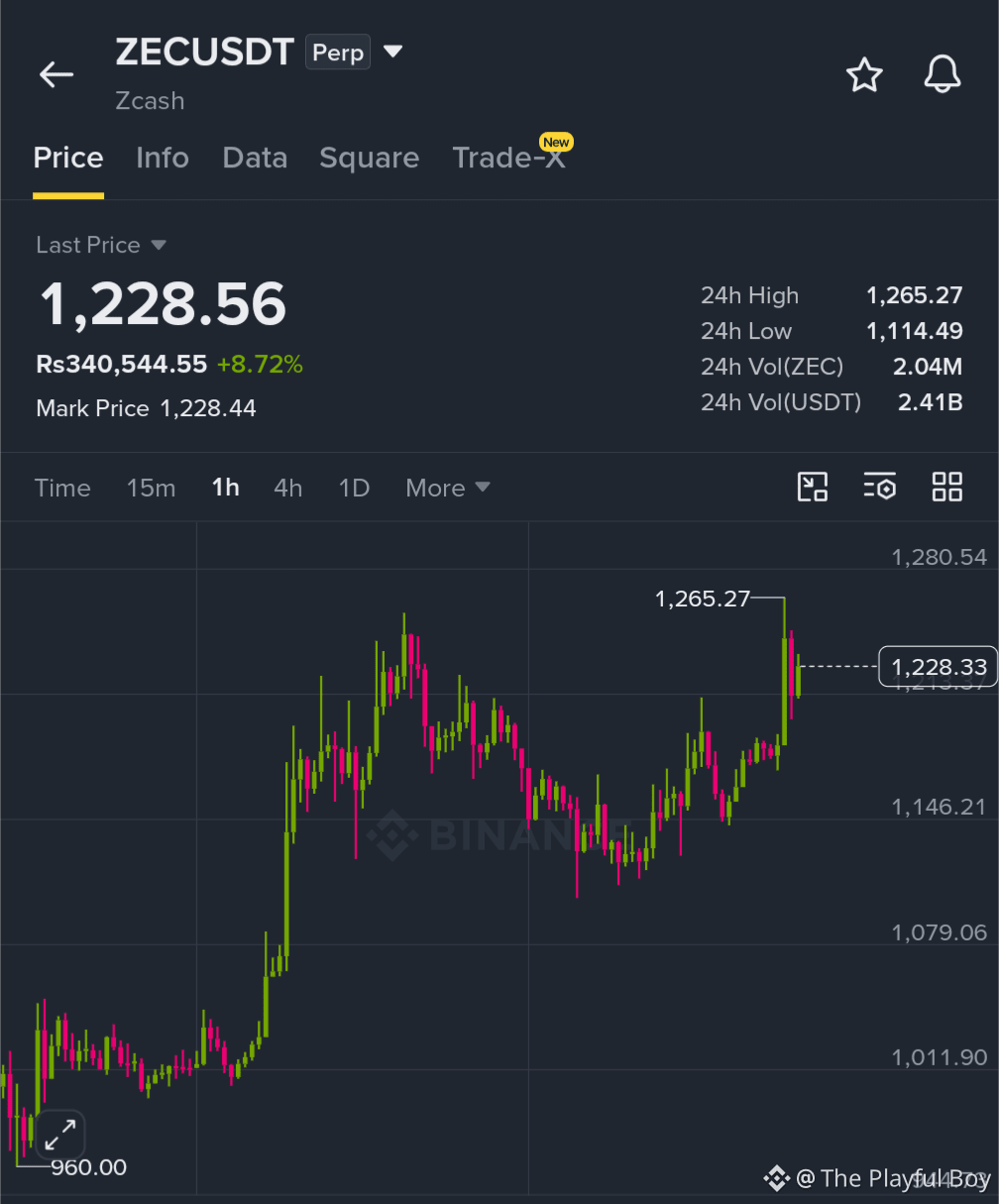
$ZEC is this the end for it 👀. Or does $ZEC has a chance of again regaining at least 700$?👀
翻訳
YGG: Where Game Assets Grow Into Living Yield Machines Yield Guild Games has created a model where yield farming and gaming assets no longer sit in separate corners of the Web3 world. Instead, they merge into a single system where NFTs are not only digital items but also contributors to on-chain yield. YGG’s ecosystem is built around this hybrid design, allowing the guild’s assets to generate value in two different ways: through gameplay and through decentralized finance mechanisms. This is possible because many NFTs in blockchain-based games hold real utility. A character NFT can compete, gather resources, or unlock advanced game modes. A land NFT can produce in-game items. When YGG acquires these assets and deploys them to its players, the activity they generate becomes an organic form of yield. The guild then pairs this with DeFi-style staking through its token and vault framework, making the output of gameplay accessible to token holders as well. It’s a layered system. The NFT works inside the game. The player turns that NFT’s capabilities into rewards. The DAO funnels part of that value back to the community through vaults or treasury-managed strategies. All of this happens on-chain, creating a transparent loop that blends the fun of gaming with the financial incentives of yield farming. For beginners entering Web3, it becomes an easier way to understand how blockchain assets can be both functional and economically active. Access Paths into Games Without High NFT Costs One of YGG’s biggest contributions to Web3 gaming is lowering the barrier to entry for premium blockchain games. Many high-quality GameFi titles require players to own specific NFTs—characters, weapons, spaceships, or land—to participate. These NFTs can be expensive, especially when a game is popular or when supply is limited. YGG helps by owning these assets collectively as a DAO and then lending them to players. Instead of asking someone to spend hundreds or thousands of dollars just to get started, the guild opens the door through its scholarship-style system. The player gets access to the game, uses the NFT for quests or battles, and earns rewards. A portion of those rewards flows back to the guild, but the player keeps the majority and gains entry into an otherwise closed economy. This creates a practical on-ramp for new users who want to explore blockchain games without facing steep upfront costs. It also ensures the NFTs owned by YGG are not idle. Every asset is actively used by someone, producing both utility and yield. By removing the financial barrier, YGG attracts players who contribute time and skill instead of capital, strengthening the diversity and reach of its ecosystem. Expanding Across Virtual Worlds and Metaverse Spaces YGG isn’t only involved in traditional games, it also has a presence across virtual worlds and metaverse platforms. These environments often function like open digital cities where land, buildings, and interactive spaces can be owned as NFTs. YGG acquires these assets in the same way it acquires in-game items, treating them as long-term pieces of digital infrastructure. Virtual land in metaverse spaces can generate its own form of activity-based value. It can be used for events, quests, community gatherings, or special experiences built by the guild. Players can collaborate, creators can build, and communities can socialize inside YGG-controlled areas. As the metaverse grows, owning strategic parcels of land becomes similar to owning property in a developing digital economy. What makes YGG’s approach effective is that it doesn’t treat these spaces as passive investments. The guild works to create meaningful activity around them, ensuring they contribute to the broader Web3 experience. In a world where virtual spaces increasingly mirror physical economic systems, these assets give YGG a footprint across multiple digital universes. Player-Generated Value Through Daily Activity A core aspect of YGG’s design is the idea that value isn’t created by the guild sitting on NFTs, it is created by players interacting with them. Every quest completed, every battle won, every crafted item, and every in-game task contributes to the value loop that keeps YGG running. Players earn tokens or rewards from the games they participate in, and part of those rewards cycle back into the guild. This creates a circular economy where effort becomes yield, and yield becomes fuel for the DAO’s next investments. It resembles a player-powered engine where the community drives the output, and the guild coordinates the distribution. Because players operate across many different games, genres, and platforms, the value streams are diverse. Some games reward tokens, others provide tradeable items, and some generate marketplace income. YGG aggregates all of them, creating a multi-source revenue framework that reinforces the sustainability of its ecosystem. This structure not only rewards individual players but also gives the DAO a real economic base that grows with participation rather than speculation. It is one of the clearest examples of how Web3 turns gameplay into a form of digital labor with transparent and shared benefits. Multi-Chain Support Enhancing the Gaming Catalog Web3 gaming does not live on a single blockchain, and YGG reflects this reality through multi-chain support. The guild interacts with games and assets across ecosystems such as Ethereum, Polygon, BNB Chain, and others that continue to emerge. Each chain has its strengths—Ethereum for high-value assets, Polygon for low-cost interactions, and new gaming chains offering fast throughput and low fees. By being chain-agnostic, YGG ensures that players have access to the widest possible range of games. It also spreads risk across multiple ecosystems, making the guild less dependent on the success of any single blockchain. This flexibility allows YGG to stay at the frontier of new gaming opportunities while preserving stability for its community. Multi-chain integration also benefits players directly. Someone familiar with Polygon games can explore Ethereum-based titles through the guild, gaining access to assets they may not have used otherwise. It builds a bridge across Web3, connecting diverse gaming landscapes under one unified guild identity. Treasury Management Built for Long-Term Stability Behind the scenes, YGG’s treasury acts like the financial core of the guild. It holds NFTs, tokens, and other digital assets that represent the collective property of the community. Treasury decisions are critical, because they determine which games to enter, which assets to acquire, and how SubDAOs receive support. YGG takes a structured approach to treasury allocation. Funds are distributed based on community-approved strategies, with considerations such as asset productivity, game longevity, community demand, and risk balance. SubDAOs often receive targeted funding to develop regional communities or expand into specific games, allowing the guild to scale without central bottlenecks. Sustainable treasury management ensures that the guild can continue operating even during market downturns. Because value comes from gameplay output rather than purely token speculation, YGG maintains a healthier long-term structure. Its treasury becomes a dynamic portfolio of digital property, actively used, actively managed, and constantly aligned with the DAO’s growth. #YGGPlay $YGG @YieldGuildGames

YGG: Where Game Assets Grow Into Living Yield Machines

Yield Guild Games has created a model where yield farming and gaming assets no longer sit in separate corners of the Web3 world. Instead, they merge into a single system where NFTs are not only digital items but also contributors to on-chain yield. YGG’s ecosystem is built around this hybrid design, allowing the guild’s assets to generate value in two different ways: through gameplay and through decentralized finance mechanisms.
This is possible because many NFTs in blockchain-based games hold real utility. A character NFT can compete, gather resources, or unlock advanced game modes.
A land NFT can produce in-game items. When YGG acquires these assets and deploys them to its players, the activity they generate becomes an organic form of yield. The guild then pairs this with DeFi-style staking through its token and vault framework, making the output of gameplay accessible to token holders as well.
It’s a layered system. The NFT works inside the game. The player turns that NFT’s capabilities into rewards. The DAO funnels part of that value back to the community through vaults or treasury-managed strategies. All of this happens on-chain, creating a transparent loop that blends the fun of gaming with the financial incentives of yield farming.
For beginners entering Web3, it becomes an easier way to understand how blockchain assets can be both functional and economically active.
Access Paths into Games Without High NFT Costs
One of YGG’s biggest contributions to Web3 gaming is lowering the barrier to entry for premium blockchain games. Many high-quality GameFi titles require players to own specific NFTs—characters, weapons, spaceships, or land—to participate. These NFTs can be expensive, especially when a game is popular or when supply is limited.
YGG helps by owning these assets collectively as a DAO and then lending them to players.
Instead of asking someone to spend hundreds or thousands of dollars just to get started, the guild opens the door through its scholarship-style system. The player gets access to the game, uses the NFT for quests or battles, and earns rewards. A portion of those rewards flows back to the guild, but the player keeps the majority and gains entry into an otherwise closed economy.
This creates a practical on-ramp for new users who want to explore blockchain games without facing steep upfront costs. It also ensures the NFTs owned by YGG are not idle. Every asset is actively used by someone, producing both utility and yield.
By removing the financial barrier, YGG attracts players who contribute time and skill instead of capital, strengthening the diversity and reach of its ecosystem.
Expanding Across Virtual Worlds and Metaverse Spaces
YGG isn’t only involved in traditional games, it also has a presence across virtual worlds and metaverse platforms.
These environments often function like open digital cities where land, buildings, and interactive spaces can be owned as NFTs. YGG acquires these assets in the same way it acquires in-game items, treating them as long-term pieces of digital infrastructure.
Virtual land in metaverse spaces can generate its own form of activity-based value. It can be used for events, quests, community gatherings, or special experiences built by the guild. Players can collaborate, creators can build, and communities can socialize inside YGG-controlled areas.
As the metaverse grows, owning strategic parcels of land becomes similar to owning property in a developing digital economy.
What makes YGG’s approach effective is that it doesn’t treat these spaces as passive investments. The guild works to create meaningful activity around them, ensuring they contribute to the broader Web3 experience. In a world where virtual spaces increasingly mirror physical economic systems, these assets give YGG a footprint across multiple digital universes.
Player-Generated Value Through Daily Activity
A core aspect of YGG’s design is the idea that value isn’t created by the guild sitting on NFTs, it is created by players interacting with them. Every quest completed, every battle won, every crafted item, and every in-game task contributes to the value loop that keeps YGG running.
Players earn tokens or rewards from the games they participate in, and part of those rewards cycle back into the guild. This creates a circular economy where effort becomes yield, and yield becomes fuel for the DAO’s next investments.
It resembles a player-powered engine where the community drives the output, and the guild coordinates the distribution.
Because players operate across many different games, genres, and platforms, the value streams are diverse.
Some games reward tokens, others provide tradeable items, and some generate marketplace income. YGG aggregates all of them, creating a multi-source revenue framework that reinforces the sustainability of its ecosystem.
This structure not only rewards individual players but also gives the DAO a real economic base that grows with participation rather than speculation. It is one of the clearest examples of how Web3 turns gameplay into a form of digital labor with transparent and shared benefits.
Multi-Chain Support Enhancing the Gaming Catalog
Web3 gaming does not live on a single blockchain, and YGG reflects this reality through multi-chain support. The guild interacts with games and assets across ecosystems such as Ethereum, Polygon, BNB Chain, and others that continue to emerge.
Each chain has its strengths—Ethereum for high-value assets, Polygon for low-cost interactions, and new gaming chains offering fast throughput and low fees.
By being chain-agnostic, YGG ensures that players have access to the widest possible range of games. It also spreads risk across multiple ecosystems, making the guild less dependent on the success of any single blockchain.
This flexibility allows YGG to stay at the frontier of new gaming opportunities while preserving stability for its community.
Multi-chain integration also benefits players directly. Someone familiar with Polygon games can explore Ethereum-based titles through the guild, gaining access to assets they may not have used otherwise. It builds a bridge across Web3, connecting diverse gaming landscapes under one unified guild identity.
Treasury Management Built for Long-Term Stability
Behind the scenes, YGG’s treasury acts like the financial core of the guild. It holds NFTs, tokens, and other digital assets that represent the collective property of the community. Treasury decisions are critical, because they determine which games to enter, which assets to acquire, and how SubDAOs receive support.
YGG takes a structured approach to treasury allocation. Funds are distributed based on community-approved strategies, with considerations such as asset productivity, game longevity, community demand, and risk balance.
SubDAOs often receive targeted funding to develop regional communities or expand into specific games, allowing the guild to scale without central bottlenecks.
Sustainable treasury management ensures that the guild can continue operating even during market downturns.
Because value comes from gameplay output rather than purely token speculation, YGG maintains a healthier long-term structure. Its treasury becomes a dynamic portfolio of digital property, actively used, actively managed, and constantly aligned with the DAO’s growth.
#YGGPlay $YGG @Yield Guild Games
翻訳
Injective as a High-Performance Layer-1 for Institutional Finance Injective stands out in an industry crowded with general-purpose blockchains because it has chosen a narrower but more demanding path: becoming a high-performance Layer-1 built specifically for finance. That single design choice shapes its architecture, execution model, and economic system. And now, as decentralized markets evolve beyond experimentation and toward institutional-grade infrastructure, Injective’s focus is beginning to look not only deliberate, but prescient. What makes Injective distinct is not just technical speed or compatibility. It is the combination of high throughput, ultra-low fees, and sub-second finality, an operational profile engineered for real-time trading and global settlement. Financial applications do not tolerate uncertainty. They require predictable latency, stable execution, and settlement guarantees that match the timing of traditional markets. Injective aligns its Layer-1 architecture with those constraints, making it one of the few networks ready to support advanced trading systems, liquidity engines, and institutional DeFi rails without degradation under load. These performance characteristics form the backbone of Injective’s finance-optimized identity, and they are becoming more consequential with the introduction of its native EVM. That expansion unlocks a second execution environment inside Injective’s MultiVM vision, allowing more than 40 upcoming dApps and infrastructure providers to deploy directly to the chain. For builders, the native EVM removes barriers that prevented Solidity-based teams from tapping into Injective’s speed. For the network, it expands the diversity of applications while preserving the deterministic performance needed for on-chain finance. A Modular Architecture Built for High-Value Financial Applications Performance alone isn’t enough to support institutional-grade DeFi. Markets require predictable infrastructure, development simplicity, and primitives that can be composed into sophisticated financial instruments. Injective approaches this challenge through a modular architecture that simplifies on-chain development without sacrificing performance or security. Injective’s modular framework functions like an organized toolbox. Builders do not need to rewrite collateral logic, liquidity engines, execution layers, or settlement systems. They can leverage pre-built financial components that behave consistently across the network. This structure lowers the complexity of launching trading venues, money markets, synthetic asset platforms, and other high-value decentralized finance applications. For experienced Web3 teams, modularity accelerates deployment cycles. For traditional developers entering blockchain for the first time, it reduces the learning curve. And for institutional players exploring on-chain rails, it creates a predictable foundation aligned with the compliance and workflow expectations of financial firms. This evolving infrastructure comes at a moment when Injective is moving closer to traditional finance than any point in its history. The roadmap includes an ETF on track for US listing, which would bring institutional and retail investors direct access to INJ through regulated market venues. That prospect changes the dynamic of Injective’s modular ecosystem. Instead of being a purely crypto-native environment, it becomes an intersection point where institutional capital, on-chain liquidity, and modular financial applications converge. INJ as the Economic Engine of a Secure, Scalable DeFi Environment Underneath Injective’s technical layers is an economic system designed to maintain long-term stability. The INJ token serves as the core driver of network security and governance, powering all transactions and coordinating activity across the Layer-1. Staking aligns validators around predictable performance and chain security. Governance allows participants to steer upgrades, parameter changes, and ecosystem evolution. Transactions priced in INJ maintain cost efficiency and discourage congestion. This economic foundation becomes more meaningful as Injective scales. Financial applications require environments where execution certainty is backed by strong economic incentives. INJ fulfills this role by creating a feedback loop between network activity, security, and decision-making. As more trading systems, liquidity layers, and institutional rails deploy on Injective, the importance of staking participation grows. Governance becomes a mechanism for aligning the chain’s priorities. And transaction fees anchor the cost model that developers rely on when architecting high-frequency or real-time strategies. These elements are amplified by Injective’s emerging leadership in real-world asset tokenization. The chain is pushing forward a new generation of tokenized assets, spanning U.S. equities, commodities, FX markets, and yield-bearing financial instruments. Asset types that once existed only on traditional exchanges or custodied markets are being represented on Injective at the protocol level. For the first time, tokenized stocks like Nvidia, tokenized gold, and other institutional-grade assets are available natively on a performant Layer-1 designed to support their settlement requirements. This RWA expansion is not a standalone initiative. It reinforces the entire economic design of the network. Each new asset class increases on-chain activity, which strengthens the staking environment. Each new use case adds value to governance, as participants shape the regulatory and economic rules surrounding tokenized assets. And each transaction deepens the network’s role as a settlement layer for global financial activity. Injective as the On-Chain Hub for Tokenized Global Assets The convergence of performance, modularity, and economic alignment positions Injective as a natural hub for tokenized global assets. As financial markets migrate to blockchains, settlement layers must support diverse instruments with varying liquidity profiles, risk structures, and regulatory constraints. Injective meets these requirements through its combination of speed, cost efficiency, and multi-asset interoperability. The chain’s architecture makes it possible to represent everything from equities to commodities to institutional treasuries in a fully on-chain form. These aren’t synthetic abstractions, they are mechanisms that map real-world value onto infrastructure capable of instant settlement, continuous trading, and transparent auditability. One of the most notable developments is Injective’s pioneering role in tokenizing Digital Asset Treasuries. These instruments represent a new category of institutional-grade assets that blend traditional finance with Web3 liquidity. By launching native representations of major stocks like Nvidia and other high-value assets, Injective demonstrates what a multi-asset blockchain environment can look like when performance and finance are foundational rather than optional. This growing catalog of tokenized assets shifts Injective from being a fast DeFi Layer-1 to being a global asset network. The chain becomes more than infrastructure; it becomes a settlement layer capable of supporting an increasingly complex universe of financial products. A Layer-1 Positioned for the Next Phase of On-Chain Finance As global finance continues to move toward decentralized infrastructure, the networks that thrive will be those built with timing constraints, liquidity demands, and institutional workflows in mind. Injective stands out because it meets these needs directly. High throughput, ultra-low fees, and sub-second finality provide the execution base. Modular architecture accelerates development and ensures predictable deployment. The INJ token anchors security and economic alignment. And the chain’s leadership in tokenizing real-world assets brings traditional value structures onto a modern settlement rail. With the native EVM launch expanding Injective’s MultiVM environment and institutional participation growing across treasury allocations and ETF pathways, the network is entering a new phase. It is evolving from a high-performance Layer-1 for DeFi into a broader financial settlement layer capable of supporting global assets at scale. #Injective $INJ @Injective

Injective as a High-Performance Layer-1 for Institutional Finance

Injective stands out in an industry crowded with general-purpose blockchains because it has chosen a narrower but more demanding path: becoming a high-performance Layer-1 built specifically for finance. That single design choice shapes its architecture, execution model, and economic system. And now, as decentralized markets evolve beyond experimentation and toward institutional-grade infrastructure, Injective’s focus is beginning to look not only deliberate, but prescient.
What makes Injective distinct is not just technical speed or compatibility. It is the combination of high throughput, ultra-low fees, and sub-second finality, an operational profile engineered for real-time trading and global settlement.
Financial applications do not tolerate uncertainty. They require predictable latency, stable execution, and settlement guarantees that match the timing of traditional markets. Injective aligns its Layer-1 architecture with those constraints, making it one of the few networks ready to support advanced trading systems, liquidity engines, and institutional DeFi rails without degradation under load.
These performance characteristics form the backbone of Injective’s finance-optimized identity, and they are becoming more consequential with the introduction of its native EVM.
That expansion unlocks a second execution environment inside Injective’s MultiVM vision, allowing more than 40 upcoming dApps and infrastructure providers to deploy directly to the chain. For builders, the native EVM removes barriers that prevented Solidity-based teams from tapping into Injective’s speed. For the network, it expands the diversity of applications while preserving the deterministic performance needed for on-chain finance.
A Modular Architecture Built for High-Value Financial Applications
Performance alone isn’t enough to support institutional-grade DeFi. Markets require predictable infrastructure, development simplicity, and primitives that can be composed into sophisticated financial instruments. Injective approaches this challenge through a modular architecture that simplifies on-chain development without sacrificing performance or security.
Injective’s modular framework functions like an organized toolbox. Builders do not need to rewrite collateral logic, liquidity engines, execution layers, or settlement systems. They can leverage pre-built financial components that behave consistently across the network.
This structure lowers the complexity of launching trading venues, money markets, synthetic asset platforms, and other high-value decentralized finance applications.
For experienced Web3 teams, modularity accelerates deployment cycles. For traditional developers entering blockchain for the first time, it reduces the learning curve. And for institutional players exploring on-chain rails, it creates a predictable foundation aligned with the compliance and workflow expectations of financial firms.
This evolving infrastructure comes at a moment when Injective is moving closer to traditional finance than any point in its history.
The roadmap includes an ETF on track for US listing, which would bring institutional and retail investors direct access to INJ through regulated market venues. That prospect changes the dynamic of Injective’s modular ecosystem. Instead of being a purely crypto-native environment, it becomes an intersection point where institutional capital, on-chain liquidity, and modular financial applications converge.
INJ as the Economic Engine of a Secure, Scalable DeFi Environment
Underneath Injective’s technical layers is an economic system designed to maintain long-term stability. The INJ token serves as the core driver of network security and governance, powering all transactions and coordinating activity across the Layer-1. Staking aligns validators around predictable performance and chain security.
Governance allows participants to steer upgrades, parameter changes, and ecosystem evolution. Transactions priced in INJ maintain cost efficiency and discourage congestion.
This economic foundation becomes more meaningful as Injective scales. Financial applications require environments where execution certainty is backed by strong economic incentives. INJ fulfills this role by creating a feedback loop between network activity, security, and decision-making. As more trading systems, liquidity layers, and institutional rails deploy on Injective, the importance of staking participation grows. Governance becomes a mechanism for aligning the chain’s priorities. And transaction fees anchor the cost model that developers rely on when architecting high-frequency or real-time strategies.
These elements are amplified by Injective’s emerging leadership in real-world asset tokenization. The chain is pushing forward a new generation of tokenized assets, spanning U.S. equities, commodities, FX markets, and yield-bearing financial instruments.
Asset types that once existed only on traditional exchanges or custodied markets are being represented on Injective at the protocol level. For the first time, tokenized stocks like Nvidia, tokenized gold, and other institutional-grade assets are available natively on a performant Layer-1 designed to support their settlement requirements.
This RWA expansion is not a standalone initiative. It reinforces the entire economic design of the network.
Each new asset class increases on-chain activity, which strengthens the staking environment. Each new use case adds value to governance, as participants shape the regulatory and economic rules surrounding tokenized assets. And each transaction deepens the network’s role as a settlement layer for global financial activity.
Injective as the On-Chain Hub for Tokenized Global Assets
The convergence of performance, modularity, and economic alignment positions Injective as a natural hub for tokenized global assets.
As financial markets migrate to blockchains, settlement layers must support diverse instruments with varying liquidity profiles, risk structures, and regulatory constraints. Injective meets these requirements through its combination of speed, cost efficiency, and multi-asset interoperability.
The chain’s architecture makes it possible to represent everything from equities to commodities to institutional treasuries in a fully on-chain form. These aren’t synthetic abstractions, they are mechanisms that map real-world value onto infrastructure capable of instant settlement, continuous trading, and transparent auditability.
One of the most notable developments is Injective’s pioneering role in tokenizing Digital Asset Treasuries. These instruments represent a new category of institutional-grade assets that blend traditional finance with Web3 liquidity.
By launching native representations of major stocks like Nvidia and other high-value assets, Injective demonstrates what a multi-asset blockchain environment can look like when performance and finance are foundational rather than optional.
This growing catalog of tokenized assets shifts Injective from being a fast DeFi Layer-1 to being a global asset network. The chain becomes more than infrastructure; it becomes a settlement layer capable of supporting an increasingly complex universe of financial products.
A Layer-1 Positioned for the Next Phase of On-Chain Finance
As global finance continues to move toward decentralized infrastructure, the networks that thrive will be those built with timing constraints, liquidity demands, and institutional workflows in mind. Injective stands out because it meets these needs directly.
High throughput, ultra-low fees, and sub-second finality provide the execution base. Modular architecture accelerates development and ensures predictable deployment. The INJ token anchors security and economic alignment. And the chain’s leadership in tokenizing real-world assets brings traditional value structures onto a modern settlement rail.
With the native EVM launch expanding Injective’s MultiVM environment and institutional participation growing across treasury allocations and ETF pathways, the network is entering a new phase. It is evolving from a high-performance Layer-1 for DeFi into a broader financial settlement layer capable of supporting global assets at scale.
#Injective $INJ @Injective
翻訳
YGG: The Guild That Turns NFTs Into Living Game Economies Yield Guild Games exists as a decentralized guild built to support, expand, and fuel the rising economy of NFT-based gaming worlds. Instead of treating blockchain games as isolated ecosystems, YGG acts like a connective network that invests in key game assets and opens them to a global community of players. Its structure as a DAO means decisions flow from the community outward, letting players and contributors influence how the guild allocates its treasury, which virtual worlds it enters, and how it develops long-term strategies. This approach allows YGG to operate without the rigid hierarchy of a traditional company. Everything revolves around the concept of shared ownership and shared participation. When the guild expands into new games or acquires key NFTs, the benefits don’t stay locked with a small central team, they extend across the entire network. The DAO essentially becomes an engine that transforms NFTs into productive, active elements of virtual economies, giving everyday players the ability to participate in worlds they might otherwise never access. YGG’s focus on helping people enter Web3 games removes one of the biggest barriers in the industry: high upfront costs for powerful or required assets. Instead of excluding players, the guild structure creates a circulating system where assets are purchased by the DAO, used in-game by players, and then fed back into the community through rewards, governance participation, and broader economic contribution. Asset Keys Unlocking Virtual Economies At the heart of YGG’s model is a simple idea: NFTs are not just art or collectibles, they are functional assets. Every character NFT, land parcel, weapon, or game item stored in the YGG treasury acts as a gateway into a virtual economy. These assets unlock content, earning opportunities, and in-game progression that players can’t access without ownership. This is where YGG’s investment approach becomes powerful. By building a diverse inventory of gaming-related NFTs across multiple titles, the guild creates a multi-world portfolio of usable digital property. Each NFT opens a door into a different gaming universe, letting YGG players participate without needing to buy those assets themselves. It’s a model that blends empowerment with practicality: players bring skill and time, while YGG provides the tools. The more the NFT portfolio grows, the more parallel economies YGG can tap into. Some assets generate yield directly, others provide strategic advantages inside competitive games, and many serve as foundational items that help players start earning within the game’s tokenomic loop. This is how YGG transforms NFTs into active, yield-producing digital units rather than speculative items sitting idle in wallets. SubDAOs Building Localized Digital Ecosystems To manage such a wide network of games and players, YGG relies on SubDAOs, independent, focused groups that operate like smaller guilds within the larger one. Each SubDAO concentrates on a specific game or region, allowing the community to grow in a more organic and player-driven way. SubDAOs manage everything from strategy and player coordination to asset usage and community onboarding. They know the meta, they understand the game economy, and they operate with autonomy while still contributing to the overall mission of YGG. This decentralization mirrors how real gaming communities naturally form: clusters of passionate players aligned around the worlds they love. Regional SubDAOs help YGG reach diverse audiences by localizing education, events, and onboarding. This strengthens global participation and ensures that the DAO stays connected to cultural and gameplay differences across countries. Game-specific SubDAOs, meanwhile, act as expert hubs, helping players optimize their in-game performance and making sure guild-owned NFTs are used efficiently. Together, these SubDAOs form a web of micro-economies operating under the shared YGG banner, each strengthening the resilience and scalability of the entire guild. Vaults Turning Gameplay Into On-Chain Yield One of YGG’s most important innovations is the creation of vaults, staking systems that tie the guild’s real in-game productivity to on-chain rewards. When users stake YGG tokens into a vault, they gain access to rewards sourced directly from the performance of guild-owned NFTs and SubDAO activities. This means the yield is not random, artificial, or inflated. It comes from actual gaming output and the utilization of assets across different virtual worlds. Vaults act as bridges between gameplay and blockchain rewards, turning Web3 gaming into a more transparent and sustainable cycle. For players, YGG vaults can unlock certain in-game benefits or early access to opportunities within partner games. For community members who aren’t active gamers, vaults provide a way to support the guild’s ecosystem while earning rewards linked to the performance of players inside these games. It’s a model that blends DeFi with GameFi, allowing a guild’s collective activity to be captured, shared, and redistributed through smart contracts. Staking That Strengthens Player Commitment Staking within YGG is more than a passive mechanism; it reinforces long-term involvement. By staking YGG tokens, players and community members align themselves more deeply with the guild’s direction. The longer they remain committed, the greater the potential benefits, whether through upgraded reward tiers, enhanced access, or participation rights tied to vault structures. This creates a positive loop for both sides. The guild gains stability and predictability as more tokens are staked, supporting the sustainability of its operations. Players and supporters gain deeper integration into the ecosystem, and the overall productivity of guild-owned NFTs increases as more committed players participate. Staking helps convert casual participants into long-term contributors, building a stronger and more resilient community around the guild’s mission. Governance as YGG’s Collective Steering Wheel The YGG token is not only used for staking, it’s also the backbone of the DAO’s governance system. Holding YGG grants the ability to vote on proposals that shape everything from treasury allocation to new game partnerships, SubDAO expansion, and changes in reward structures. This governance approach ensures that YGG remains community-driven rather than leader-driven. Decisions reflect the collective voice of players, stakeholders, and contributors. As Web3 gaming evolves, having a responsive and decentralized decision-making process becomes an advantage, letting YGG adapt to shifting market conditions and emerging opportunities with speed and transparency. Governance transforms the guild into an open framework where everyone can influence the future trajectory of the ecosystem, reinforcing the idea that YGG belongs to its community. Launchpad Opening New Worlds to Players YGG’s newest addition, the YGG Play Launchpad, expands the guild’s purpose even further. It gives players a way to discover Web3 games curated by the YGG ecosystem, complete quests, and gain access to emerging game tokens. This isn’t just another launchpad, it’s a discovery engine tailored for the growing universe of blockchain games. By bringing visibility, quests, and token access into one place, the launchpad strengthens YGG’s role as a gateway to the broader GameFi world. It helps new players find the right games, supports developers with engaged communities, and ties everything back into the guild’s mission of empowering Web3 participation. #YGGPlay $YGG @YieldGuildGames

YGG: The Guild That Turns NFTs Into Living Game Economies

Yield Guild Games exists as a decentralized guild built to support, expand, and fuel the rising economy of NFT-based gaming worlds. Instead of treating blockchain games as isolated ecosystems, YGG acts like a connective network that invests in key game assets and opens them to a global community of players. Its structure as a DAO means decisions flow from the community outward, letting players and contributors influence how the guild allocates its treasury, which virtual worlds it enters, and how it develops long-term strategies.
This approach allows YGG to operate without the rigid hierarchy of a traditional company. Everything revolves around the concept of shared ownership and shared participation. When the guild expands into new games or acquires key NFTs, the benefits don’t stay locked with a small central team, they extend across the entire network.
The DAO essentially becomes an engine that transforms NFTs into productive, active elements of virtual economies, giving everyday players the ability to participate in worlds they might otherwise never access.
YGG’s focus on helping people enter Web3 games removes one of the biggest barriers in the industry: high upfront costs for powerful or required assets. Instead of excluding players, the guild structure creates a circulating system where assets are purchased by the DAO, used in-game by players, and then fed back into the community through rewards, governance participation, and broader economic contribution.
Asset Keys Unlocking Virtual Economies
At the heart of YGG’s model is a simple idea: NFTs are not just art or collectibles, they are functional assets. Every character NFT, land parcel, weapon, or game item stored in the YGG treasury acts as a gateway into a virtual economy.
These assets unlock content, earning opportunities, and in-game progression that players can’t access without ownership.
This is where YGG’s investment approach becomes powerful. By building a diverse inventory of gaming-related NFTs across multiple titles, the guild creates a multi-world portfolio of usable digital property. Each NFT opens a door into a different gaming universe, letting YGG players participate without needing to buy those assets themselves. It’s a model that blends empowerment with practicality: players bring skill and time, while YGG provides the tools.
The more the NFT portfolio grows, the more parallel economies YGG can tap into. Some assets generate yield directly, others provide strategic advantages inside competitive games, and many serve as foundational items that help players start earning within the game’s tokenomic loop.
This is how YGG transforms NFTs into active, yield-producing digital units rather than speculative items sitting idle in wallets.
SubDAOs Building Localized Digital Ecosystems
To manage such a wide network of games and players, YGG relies on SubDAOs, independent, focused groups that operate like smaller guilds within the larger one. Each SubDAO concentrates on a specific game or region, allowing the community to grow in a more organic and player-driven way.
SubDAOs manage everything from strategy and player coordination to asset usage and community onboarding.
They know the meta, they understand the game economy, and they operate with autonomy while still contributing to the overall mission of YGG. This decentralization mirrors how real gaming communities naturally form: clusters of passionate players aligned around the worlds they love.
Regional SubDAOs help YGG reach diverse audiences by localizing education, events, and onboarding. This strengthens global participation and ensures that the DAO stays connected to cultural and gameplay differences across countries. Game-specific SubDAOs, meanwhile, act as expert hubs, helping players optimize their in-game performance and making sure guild-owned NFTs are used efficiently.
Together, these SubDAOs form a web of micro-economies operating under the shared YGG banner, each strengthening the resilience and scalability of the entire guild.
Vaults Turning Gameplay Into On-Chain Yield
One of YGG’s most important innovations is the creation of vaults, staking systems that tie the guild’s real in-game productivity to on-chain rewards. When users stake YGG tokens into a vault, they gain access to rewards sourced directly from the performance of guild-owned NFTs and SubDAO activities.
This means the yield is not random, artificial, or inflated. It comes from actual gaming output and the utilization of assets across different virtual worlds. Vaults act as bridges between gameplay and blockchain rewards, turning Web3 gaming into a more transparent and sustainable cycle.
For players, YGG vaults can unlock certain in-game benefits or early access to opportunities within partner games. For community members who aren’t active gamers, vaults provide a way to support the guild’s ecosystem while earning rewards linked to the performance of players inside these games. It’s a model that blends DeFi with GameFi, allowing a guild’s collective activity to be captured, shared, and redistributed through smart contracts.
Staking That Strengthens Player Commitment
Staking within YGG is more than a passive mechanism; it reinforces long-term involvement. By staking YGG tokens, players and community members align themselves more deeply with the guild’s direction.
The longer they remain committed, the greater the potential benefits, whether through upgraded reward tiers, enhanced access, or participation rights tied to vault structures.
This creates a positive loop for both sides. The guild gains stability and predictability as more tokens are staked, supporting the sustainability of its operations. Players and supporters gain deeper integration into the ecosystem, and the overall productivity of guild-owned NFTs increases as more committed players participate.
Staking helps convert casual participants into long-term contributors, building a stronger and more resilient community around the guild’s mission.
Governance as YGG’s Collective Steering Wheel
The YGG token is not only used for staking, it’s also the backbone of the DAO’s governance system. Holding YGG grants the ability to vote on proposals that shape everything from treasury allocation to new game partnerships, SubDAO expansion, and changes in reward structures.
This governance approach ensures that YGG remains community-driven rather than leader-driven. Decisions reflect the collective voice of players, stakeholders, and contributors.
As Web3 gaming evolves, having a responsive and decentralized decision-making process becomes an advantage, letting YGG adapt to shifting market conditions and emerging opportunities with speed and transparency.
Governance transforms the guild into an open framework where everyone can influence the future trajectory of the ecosystem, reinforcing the idea that YGG belongs to its community.
Launchpad Opening New Worlds to Players
YGG’s newest addition, the YGG Play Launchpad, expands the guild’s purpose even further. It gives players a way to discover Web3 games curated by the YGG ecosystem, complete quests, and gain access to emerging game tokens.
This isn’t just another launchpad, it’s a discovery engine tailored for the growing universe of blockchain games.
By bringing visibility, quests, and token access into one place, the launchpad strengthens YGG’s role as a gateway to the broader GameFi world. It helps new players find the right games, supports developers with engaged communities, and ties everything back into the guild’s mission of empowering Web3 participation.
#YGGPlay $YGG @Yield Guild Games
翻訳
Whole Market is Alive again👀🤍... These are some real gains For these big coins💪🏻
Whole Market is Alive again👀🤍...

These are some real gains For these big coins💪🏻
翻訳
How Injective Connects Ethereum, Solana & Cosmos Into One Liquidity NetworkInteroperability has become one of the defining challenges of modern blockchain infrastructure. Most networks can process transactions quickly or secure assets reliably, but very few can move liquidity between ecosystems with the consistency and predictability that financial applications demand. Injective approaches this differently. Instead of treating interoperability as a supplemental feature, it elevates cross-chain connectivity to a core architectural principle, one that reshapes how capital flows across Web3. Injective builds its ecosystem on the premise that value, once tokenized, should not be constrained by the chain it originates from. Liquidity on Ethereum, trading activity on Solana, or application logic on Cosmos should not exist in isolated environments. Markets only reach maturity when liquidity becomes mobile. This is why Injective’s interoperability across Ethereum, Solana, and Cosmos stands out. It does more than link blockchains; it unifies liquidity that traditional financial rails and disconnected Layer-1 networks cannot reach. The result is a settlement layer capable of interacting with multiple ecosystems without forcing users, traders, or institutions to navigate the fragmentation that has defined Web3’s early years. For developers and market participants, this changes the practical meaning of “cross-chain.” It stops being a manual or risky process and instead becomes an integrated financial function supported at the base-layer. A Cross-Chain Foundation Built for Real Financial Workflows Injective’s approach to connecting Ethereum, Solana, and Cosmos begins with an understanding of their differences. Ethereum provides deep liquidity and an unmatched catalog of decentralized applications. Solana brings parallel execution, fast block times, and a culture of high-throughput trading. Cosmos offers sovereign chain flexibility and an Inter-Blockchain Communication (IBC) model that favors modular design. Most networks choose one of these strengths. Injective chooses all three. This multi-ecosystem reach is not implemented through simple token bridges. Injective integrates cross-chain connectivity into its consensus layer and communication stack, allowing external liquidity sources to interact with Injective’s native markets in a way that preserves execution quality and financial integrity. Moving value across chains becomes closer to a settlement action than a speculative transfer. From a user perspective, it means access to broader liquidity and more trading opportunities without leaving the Injective environment. For builders, it means creating DeFi protocols that tap into liquidity from multiple ecosystems without rewriting architectures for each chain. And for institutions exploring Web3 infrastructure, it means a foundation that aligns with existing capital markets, where multiple venues feed into a unified settlement layer. Why Unified Liquidity Matters for Global Markets Liquidity fragmentation has been one of the biggest structural problems holding decentralized finance back. Even chains with large user bases struggle when their liquidity becomes trapped within isolated pools. This affects market efficiency, increases slippage, and raises systemic risk during periods of volatility. Injective’s cross-chain model addresses this by enabling liquidity from Ethereum, Solana, and Cosmos to coexist within a single financial environment. Instead of relying on wrapped assets that degrade over time or third-party bridges vulnerable to risk, Injective allows liquidity to flow into its Layer-1 with execution guarantees that financial markets require. This unified liquidity layer has several implications: It improves price discovery because deeper liquidity reduces volatility and tightens spreads. It supports more complex financial instruments that rely on stable settlement conditions. It gives traders and applications access to multi-chain depth without operational friction. It reduces reliance on centralized intermediaries by allowing capital to flow directly across chains. The more liquidity funnels into Injective from external ecosystems, the more robust the network becomes as a global settlement layer. Interoperability as a Strategic Advantage, Not a Technical Capability Most chains treat interoperability as a checkbox, something to demonstrate compatibility rather than something that fundamentally shapes user behavior. Injective’s design takes the opposite stance. Cross-chain connectivity is embedded deeply enough that markets begin to behave differently on Injective than on other Layer-1s. For example, liquidity on Ethereum can be accessed through Injective’s decentralized applications without forcing users to perform manual bridging steps. Solana-native assets can participate in Injective’s trading environment with low operational overhead. Cosmos-based chains connect through IBC with near-native performance. This is where Injective’s architecture demonstrates its financial orientation. In traditional markets, liquidity flows freely across venues because the infrastructure supporting those transfers is invisible to the end user. Injective aims to create that same experience in Web3, where a multi-chain network feels like a single financial surface rather than a patchwork of isolated chains. Institutional Validation: The $100M Pineapple Financial Allocation Institutional involvement often arrives gradually, but key moments can reveal shifting sentiment. One of those moments came when Pineapple Financial, a New York Stock Exchange–listed company, allocated a $100 million digital asset treasury to INJ. The company didn’t just stake or hold INJ; it actively accumulated INJ from the open market. This type of participation matters in two ways. First, it signals institutional recognition of Injective as infrastructure rather than purely a speculative asset. Allocating treasury resources to an L1 typically reflects confidence in its long-term utility, especially its alignment with financial workflows and cross-chain settlement. Second, the presence of institutional capital strengthens the liquidity environment itself. Treasury allocations contribute to staking participation, economic security, and overall asset stability. In a multi-chain liquidity context, this helps Injective operate as a dependable settlement foundation for traders, builders, and institutions exploring Web3 finance. The institutional footprint also reinforces Injective’s position as a chain where global assets can settle securely. As more organizations look for interoperable environments rather than isolated ecosystems, Injective’s architecture becomes increasingly relevant. How Developers Benefit from Cross-Chain Liquidity Out of the Box Interoperability is not only a liquidity advantage; it is also a development advantage. Building in an environment connected to Ethereum, Solana, and Cosmos means developers can: Access broader liquidity without designing custom bridging logic,Tap into proven applications and user bases from other ecosystems,Deploy cross-chain products more quickly because Injective handles settlement,Build multi-asset financial systems without fragmentation risk. This is especially relevant in a world transitioning toward cross-chain products: multi-chain yield markets, derivatives referencing external asset flows, synthetic assets backed by liquidity from multiple ecosystems, and execution models that rely on liquidity from more than one chain. Developers building on Injective gain access to a settlement layer naturally positioned between these ecosystems, not as an intermediary, but as a connective market. A Strategic Settlement Layer Built for the Next Phase of Web3 As Web3 infrastructure continues to mature, the networks that succeed will be the ones capable of moving liquidity seamlessly across ecosystems while offering reliable settlement. Injective’s interoperability with Ethereum, Solana, and Cosmos gives it a position few Layer-1s can claim: a multi-chain foundation capable of consolidating liquidity into a unified market. Its architecture doesn’t treat cross-chain activity as an afterthought, it treats it as the foundation of a global financial layer. With institutional involvement accelerating and cross-chain liquidity becoming a critical requirement for decentralized markets, Injective’s role becomes clearer: it is building the settlement environment where multi-chain value finally converges. #Injective $INJ @Injective

How Injective Connects Ethereum, Solana & Cosmos Into One Liquidity Network

Interoperability has become one of the defining challenges of modern blockchain infrastructure. Most networks can process transactions quickly or secure assets reliably, but very few can move liquidity between ecosystems with the consistency and predictability that financial applications demand. Injective approaches this differently. Instead of treating interoperability as a supplemental feature, it elevates cross-chain connectivity to a core architectural principle, one that reshapes how capital flows across Web3.
Injective builds its ecosystem on the premise that value, once tokenized, should not be constrained by the chain it originates from. Liquidity on Ethereum, trading activity on Solana, or application logic on Cosmos should not exist in isolated environments. Markets only reach maturity when liquidity becomes mobile.
This is why Injective’s interoperability across Ethereum, Solana, and Cosmos stands out. It does more than link blockchains; it unifies liquidity that traditional financial rails and disconnected Layer-1 networks cannot reach.
The result is a settlement layer capable of interacting with multiple ecosystems without forcing users, traders, or institutions to navigate the fragmentation that has defined Web3’s early years. For developers and market participants, this changes the practical meaning of “cross-chain.” It stops being a manual or risky process and instead becomes an integrated financial function supported at the base-layer.
A Cross-Chain Foundation Built for Real Financial Workflows
Injective’s approach to connecting Ethereum, Solana, and Cosmos begins with an understanding of their differences. Ethereum provides deep liquidity and an unmatched catalog of decentralized applications. Solana brings parallel execution, fast block times, and a culture of high-throughput trading.
Cosmos offers sovereign chain flexibility and an Inter-Blockchain Communication (IBC) model that favors modular design.
Most networks choose one of these strengths. Injective chooses all three.
This multi-ecosystem reach is not implemented through simple token bridges. Injective integrates cross-chain connectivity into its consensus layer and communication stack, allowing external liquidity sources to interact with Injective’s native markets in a way that preserves execution quality and financial integrity. Moving value across chains becomes closer to a settlement action than a speculative transfer.
From a user perspective, it means access to broader liquidity and more trading opportunities without leaving the Injective environment.
For builders, it means creating DeFi protocols that tap into liquidity from multiple ecosystems without rewriting architectures for each chain. And for institutions exploring Web3 infrastructure, it means a foundation that aligns with existing capital markets, where multiple venues feed into a unified settlement layer.
Why Unified Liquidity Matters for Global Markets
Liquidity fragmentation has been one of the biggest structural problems holding decentralized finance back. Even chains with large user bases struggle when their liquidity becomes trapped within isolated pools. This affects market efficiency, increases slippage, and raises systemic risk during periods of volatility.
Injective’s cross-chain model addresses this by enabling liquidity from Ethereum, Solana, and Cosmos to coexist within a single financial environment.
Instead of relying on wrapped assets that degrade over time or third-party bridges vulnerable to risk, Injective allows liquidity to flow into its Layer-1 with execution guarantees that financial markets require.
This unified liquidity layer has several implications:
It improves price discovery because deeper liquidity reduces volatility and tightens spreads.
It supports more complex financial instruments that rely on stable settlement conditions.
It gives traders and applications access to multi-chain depth without operational friction.
It reduces reliance on centralized intermediaries by allowing capital to flow directly across chains.
The more liquidity funnels into Injective from external ecosystems, the more robust the network becomes as a global settlement layer.
Interoperability as a Strategic Advantage, Not a Technical Capability
Most chains treat interoperability as a checkbox, something to demonstrate compatibility rather than something that fundamentally shapes user behavior. Injective’s design takes the opposite stance. Cross-chain connectivity is embedded deeply enough that markets begin to behave differently on Injective than on other Layer-1s.
For example, liquidity on Ethereum can be accessed through Injective’s decentralized applications without forcing users to perform manual bridging steps.
Solana-native assets can participate in Injective’s trading environment with low operational overhead. Cosmos-based chains connect through IBC with near-native performance.
This is where Injective’s architecture demonstrates its financial orientation. In traditional markets, liquidity flows freely across venues because the infrastructure supporting those transfers is invisible to the end user. Injective aims to create that same experience in Web3, where a multi-chain network feels like a single financial surface rather than a patchwork of isolated chains.
Institutional Validation: The $100M Pineapple Financial Allocation
Institutional involvement often arrives gradually, but key moments can reveal shifting sentiment. One of those moments came when Pineapple Financial, a New York Stock Exchange–listed company, allocated a $100 million digital asset treasury to INJ. The company didn’t just stake or hold INJ; it actively accumulated INJ from the open market.
This type of participation matters in two ways.
First, it signals institutional recognition of Injective as infrastructure rather than purely a speculative asset. Allocating treasury resources to an L1 typically reflects confidence in its long-term utility, especially its alignment with financial workflows and cross-chain settlement.
Second, the presence of institutional capital strengthens the liquidity environment itself. Treasury allocations contribute to staking participation, economic security, and overall asset stability. In a multi-chain liquidity context, this helps Injective operate as a dependable settlement foundation for traders, builders, and institutions exploring Web3 finance.
The institutional footprint also reinforces Injective’s position as a chain where global assets can settle securely. As more organizations look for interoperable environments rather than isolated ecosystems, Injective’s architecture becomes increasingly relevant.
How Developers Benefit from Cross-Chain Liquidity Out of the Box
Interoperability is not only a liquidity advantage; it is also a development advantage. Building in an environment connected to Ethereum, Solana, and Cosmos means developers can:
Access broader liquidity without designing custom bridging logic,Tap into proven applications and user bases from other ecosystems,Deploy cross-chain products more quickly because Injective handles settlement,Build multi-asset financial systems without fragmentation risk.
This is especially relevant in a world transitioning toward cross-chain products: multi-chain yield markets, derivatives referencing external asset flows, synthetic assets backed by liquidity from multiple ecosystems, and execution models that rely on liquidity from more than one chain.
Developers building on Injective gain access to a settlement layer naturally positioned between these ecosystems, not as an intermediary, but as a connective market.
A Strategic Settlement Layer Built for the Next Phase of Web3
As Web3 infrastructure continues to mature, the networks that succeed will be the ones capable of moving liquidity seamlessly across ecosystems while offering reliable settlement. Injective’s interoperability with Ethereum, Solana, and Cosmos gives it a position few Layer-1s can claim: a multi-chain foundation capable of consolidating liquidity into a unified market.
Its architecture doesn’t treat cross-chain activity as an afterthought, it treats it as the foundation of a global financial layer.
With institutional involvement accelerating and cross-chain liquidity becoming a critical requirement for decentralized markets, Injective’s role becomes clearer: it is building the settlement environment where multi-chain value finally converges.
#Injective $INJ @Injective
翻訳
$B is picking up heat quickly, sharp bounce, renewed momentum, and buyers stepping back in with confidence. The structure looks fresh and ready for continuation. Entry: 0.17 – 0.175 TP1: 0.19 TP2: 0.21 TP3: 0.23 SL: 0.16 A strong reclaim like this often sets the stage for a steady climb, as long as momentum holds.
$B is picking up heat quickly, sharp bounce, renewed momentum, and buyers stepping back in with confidence. The structure looks fresh and ready for continuation.

Entry: 0.17 – 0.175
TP1: 0.19
TP2: 0.21
TP3: 0.23
SL: 0.16

A strong reclaim like this often sets the stage for a steady climb, as long as momentum holds.
翻訳
New traders, remember: the market isn’t your enemy, your impatience is. If you can master waiting, you can master winning.🤍
Binance Angels
--
ブリッシュ
私たちは123Kの力があります。今、私たちはあなたの声を聞きたいです。
新しいトレーダーにどのような知恵を伝えますか?💛 そして、$500のUSDCを獲得しましょう。

🔸 @BinanceAngel のスクエアアカウントをフォロー
🔸 この投稿にいいねをして再投稿
🔸 新しいトレーダーにどのような知恵を伝えますか?💛 とコメント
🔸 アンケートに回答してください: Fill in Survey

上位50の回答が勝ちます。創造性が重要です。あなたの声で祝賀をリードしましょう。😇 #Binance
翻訳
Congratulations 🤍
Congratulations 🤍
Binance Angels
--
ブリッシュ
私たちは123Kの力があります。今、私たちはあなたの声を聞きたいです。
新しいトレーダーにどのような知恵を伝えますか?💛 そして、$500のUSDCを獲得しましょう。

🔸 @BinanceAngel のスクエアアカウントをフォロー
🔸 この投稿にいいねをして再投稿
🔸 新しいトレーダーにどのような知恵を伝えますか?💛 とコメント
🔸 アンケートに回答してください: Fill in Survey

上位50の回答が勝ちます。創造性が重要です。あなたの声で祝賀をリードしましょう。😇 #Binance
翻訳
$PIPPIN isn't stopping 🤯👀... Up 60+% in no time 👀💪🏻
$PIPPIN isn't stopping 🤯👀...

Up 60+% in no time 👀💪🏻
翻訳
5K
5K
BloomingByte
--
🧧🧧🧧 5K ありがとう、みんな🤍... みんなにもっと愛を🤍

もっとたくさん来るよ🤍🎀
原文参照
私はまだこの$ZEC トレードを保持していて、最終TPは少なくとも750ドルです+ ...💪🏻 あなたはどうですか??👀 #ZEC
私はまだこの$ZEC トレードを保持していて、最終TPは少なくとも750ドルです+ ...💪🏻

あなたはどうですか??👀

#ZEC
ZECUSDT
決済済み
損益
-165.66%
原文参照
$ZEC 月に行く💪🏻💪🏻...
$ZEC 月に行く💪🏻💪🏻...
ZECUSDT
決済済み
損益
-42.69USDT
原文参照
$ZEC この時間は$1000に直行👀💪🏻...
ZECUSDT
決済済み
損益
-42.69USDT
原文参照
$YALA この良い金額を作るために頑張ります ..👀💪🏻
YALAUSDT
決済済み
損益
-2.84%
さらにコンテンツを探すには、ログインしてください
暗号資産関連最新ニュース総まとめ
⚡️ 暗号資産に関する最新のディスカッションに参加
💬 お気に入りのクリエイターと交流
👍 興味のあるコンテンツがきっと見つかります
メール / 電話番号

最新ニュース

--
詳細確認
サイトマップ
Cookieの設定
プラットフォーム利用規約