
OdogwuMakaveli
56 投稿
OdogwuMakaveli
報告
ユーザーをブロック
Brand ambassador of $INJ || OrbitAI || Madala Chain
58 フォロー
97 フォロワー
124 いいね
投稿
すべて
引用
PINNED
TONKEEPER で TON ウォレット アドレスをコピーする方法
1. App Store または Play ストアにアクセスして Tonkeeper をダウンロードします。
2. アプリを開いてパスワードを作成し、キーフレーズを保存します。
3.#TONアイコンをクリックして待ちます
4. [受信] をクリックします
5. AM インターフェイスに [コピー] ボタンが表示されます。好きな場所にコピーして貼り付けます
おめでとうございます。これで#TON#Crypto ウォレット アドレスが手に入りました
以下の記事を確認してください
https://blog.ston.fi/exchange-notcoin-the-right-way/
https://blog.ston.fi/why-exchange-notcoin-for-another-cryptocurrency-and-is-it-worth-doing/
10
1.7k
·
--
ブリッシュ
翻訳参照
While most alt coins red
Put the words out there that $INJ is back up
While most alt coins red
Put the words out there that $INJ is back up
Put the words out there that $INJ is back up
216

記事
翻訳参照
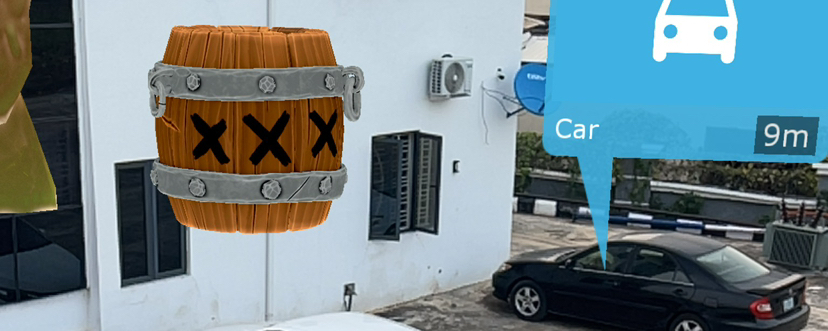
tagSpace: Turning Real Places into Interactive ExperiencestagSpace is building Spatial AI infrastructure that connects digital content directly to the physical world. Instead of keeping everything on screens, the platform lets users leave notes, tips, stories, and experiences anchored to real locations. When you open the app or web version and point your camera, you can discover what others have tagged nearby.
The project focuses on making Mixed Reality simple. Anyone can create and share location-based content without coding or complex 3D skills. Features like Layers allow users to switch between different types of information (cafés, nature spots, public amenities, or custom data) and see only what is relevant in their camera view. Recent updates also include Zones, World Tags, Quests, and the ability to customize avatars.
On the crypto side, $TAGAI powers the ecosystem and is available on Base. The team has also explored equity-backed tokens for longer-term participation. The app is live on iOS and Android, with a web beta available so users can start exploring without a full download.
By making places programmable and interactive, tagSpace aims to turn everyday locations into discovery layers for information, entertainment, and community content. For users interested in the intersection of AI, AR, and real-world engagement, it offers a practical way to both consume and contribute location-based experiences.
Download the app or try the web beta to see what has been tagged around you.
tagSpace: Turning Real Places into Interactive Experiences
tagSpace is building Spatial AI infrastructure that connects digital content directly to the physical world. Instead of keeping everything on screens, the platform lets users leave notes, tips, stories, and experiences anchored to real locations. When you open the app or web version and point your camera, you can discover what others have tagged nearby.
The project focuses on making Mixed Reality simple. Anyone can create and share location-based content without coding or complex 3D skills. Features like Layers allow users to switch between different types of information (cafés, nature spots, public amenities, or custom data) and see only what is relevant in their camera view. Recent updates also include Zones, World Tags, Quests, and the ability to customize avatars.
On the crypto side, $TAGAI powers the ecosystem and is available on Base. The team has also explored equity-backed tokens for longer-term participation. The app is live on iOS and Android, with a web beta available so users can start exploring without a full download.
By making places programmable and interactive, tagSpace aims to turn everyday locations into discovery layers for information, entertainment, and community content. For users interested in the intersection of AI, AR, and real-world engagement, it offers a practical way to both consume and contribute location-based experiences.
Download the app or try the web beta to see what has been tagged around you.
69
昨日、$INJが$8を下回ったのに、私は全然パニックにもならなかったし、動じもしなかった。
なぜかわかる?
$INJはいつも回復するから。
$8未満なら買いのチャンス。
すぐに$10で会おう 🤲🏻🥷
昨日、$INJが$8を下回ったのに、私は全然パニックにもならなかったし、動じもしなかった。
なぜかわかる?
$INJはいつも回復するから。
$8未満なら買いのチャンス。
すぐに$10で会おう 🤲🏻🥷
なぜかわかる?
$INJはいつも回復するから。
$8未満なら買いのチャンス。
すぐに$10で会おう 🤲🏻🥷
6
3
840
記事
翻訳参照
tagSpace and $TAGAI: Building the Spatial Intelligence Layer for the Real WorldThe internet still mostly lives on screens. Decisions, discoveries, and experiences happen in physical places like streets, venues, cities, and events. tagSpace is building the infrastructure that connects the two.
What is TagSpace?
tagSpace is Spatial Intelligence infrastructure. It delivers AI-curated digital experiences anchored to real-world locations, so the right content reaches the right place at the right time. Creators and businesses can publish location-based experiences in minutes with high precision and little technical overhead.
The platform’s AI prioritizes, ranks, and lays out content dynamically, turning venues, cities, and events into personalized, measurable layers.
The result is a global distribution layer for place-based experiences that can be measured and monetized.
What the Platform Does
tagSpace combines several technologies:
→ Artificial Intelligence: 3D generative AI, agentic content curation, AI voice chat, and predictive positioning that fuses sensors, SLAM, GPS, and spatial maps for high accuracy.
→ Spatial Computing: Mixed-reality engine with real-world occlusion and lighting, support for MR glasses, and tools that convert 2D web content into 4D spatial experiences.
→ DePIN elements: Open-source spatial content protocol, mobile edge compute, and decentralized peer-to-peer compute.
→ Blockchain: Cross-chain capabilities, Real-World Digital Assets (RWdA), locational smart contracts, location-based NFT marketplaces, and fractional revenue sharing.
The consumer app (available on iOS and Android, with early mixed-reality glasses prototypes) lets people explore spatial content left at real places. tagStudio gives creators and brands tools to publish. The system has moved from primarily enterprise use to broader public experiences, with new spatial content added regularly.
Let’s talk about the coin $TAGAI
$TAGAI: The Utility Token
$TAGAI is the native utility and governance token of the tagSpace ecosystem, live on Base CA: 0xa3c285b49fdc0a5498fddb629f975cb40aecabd4.
Total supply is fixed at 100 billion tokens.
It functions as the settlement layer for transactions, rewards, and value flows across the network. Core utility includes:
• Creators earn $TAGAI based on engagement their spatial content generates.
• Creators spend $TAGAI to boost visibility and reach (creating a flywheel where more engagement leads to more rewards).
• Support for incentives, in-app rewards, location-based NFTs, RWdA marketplaces, and fractional revenue sharing from experiences.
Tokenomics emphasize ecosystem growth, long-term alignment, and sustainable distribution. Allocations include a significant Community Fund (around 22%) for campaigns, rewards, and governance, and a large Treasury (around 26%) as an operational reserve. Initial circulating supply at launch was low (roughly 2.67%), with gradual unlocks.
The token has traded on platforms such as Aerodrome on Base. As of late October 2026, the project has noted ongoing weekly buybacks and continued development after a period of lower activity.
Why It TagSpace is important.
Most digital experiences remain screen-bound. tagSpace aims to make places themselves programmable and discoverable a spatial layer where content, brands, creators, and users interact in the physical world with ownership, moderation, privacy considerations, and measurable engagement built in.
It is still early in the broader spatial computing and AI-onchain narrative. The combination of an existing app, creator tools, enterprise history, AI + spatial stack, and a utility token positions it as infrastructure rather than a pure narrative play. Execution on creator adoption, real-world usage, and sustainable token utility will determine how far the layer extends.
For more, the official site is [tagspace.com](https://tagspace.com).
tagSpace and $TAGAI: Building the Spatial Intelligence Layer for the Real World
The internet still mostly lives on screens. Decisions, discoveries, and experiences happen in physical places like streets, venues, cities, and events. tagSpace is building the infrastructure that connects the two.
What is TagSpace?
tagSpace is Spatial Intelligence infrastructure. It delivers AI-curated digital experiences anchored to real-world locations, so the right content reaches the right place at the right time. Creators and businesses can publish location-based experiences in minutes with high precision and little technical overhead.
The platform’s AI prioritizes, ranks, and lays out content dynamically, turning venues, cities, and events into personalized, measurable layers.
The result is a global distribution layer for place-based experiences that can be measured and monetized.
What the Platform Does
tagSpace combines several technologies:
→ Artificial Intelligence: 3D generative AI, agentic content curation, AI voice chat, and predictive positioning that fuses sensors, SLAM, GPS, and spatial maps for high accuracy.
→ Spatial Computing: Mixed-reality engine with real-world occlusion and lighting, support for MR glasses, and tools that convert 2D web content into 4D spatial experiences.
→ DePIN elements: Open-source spatial content protocol, mobile edge compute, and decentralized peer-to-peer compute.
→ Blockchain: Cross-chain capabilities, Real-World Digital Assets (RWdA), locational smart contracts, location-based NFT marketplaces, and fractional revenue sharing.
The consumer app (available on iOS and Android, with early mixed-reality glasses prototypes) lets people explore spatial content left at real places. tagStudio gives creators and brands tools to publish. The system has moved from primarily enterprise use to broader public experiences, with new spatial content added regularly.
Let’s talk about the coin $TAGAI
$TAGAI: The Utility Token
$TAGAI is the native utility and governance token of the tagSpace ecosystem, live on Base CA: 0xa3c285b49fdc0a5498fddb629f975cb40aecabd4.
Total supply is fixed at 100 billion tokens.
It functions as the settlement layer for transactions, rewards, and value flows across the network. Core utility includes:
• Creators earn $TAGAI based on engagement their spatial content generates.
• Creators spend $TAGAI to boost visibility and reach (creating a flywheel where more engagement leads to more rewards).
• Support for incentives, in-app rewards, location-based NFTs, RWdA marketplaces, and fractional revenue sharing from experiences.
Tokenomics emphasize ecosystem growth, long-term alignment, and sustainable distribution. Allocations include a significant Community Fund (around 22%) for campaigns, rewards, and governance, and a large Treasury (around 26%) as an operational reserve. Initial circulating supply at launch was low (roughly 2.67%), with gradual unlocks.
The token has traded on platforms such as Aerodrome on Base. As of late October 2026, the project has noted ongoing weekly buybacks and continued development after a period of lower activity.
Why It TagSpace is important.
Most digital experiences remain screen-bound. tagSpace aims to make places themselves programmable and discoverable a spatial layer where content, brands, creators, and users interact in the physical world with ownership, moderation, privacy considerations, and measurable engagement built in.
It is still early in the broader spatial computing and AI-onchain narrative. The combination of an existing app, creator tools, enterprise history, AI + spatial stack, and a utility token positions it as infrastructure rather than a pure narrative play. Execution on creator adoption, real-world usage, and sustainable token utility will determine how far the layer extends.
For more, the official site is [tagspace.com](https://tagspace.com).
1
192
記事
翻訳参照
How to move $USDT from $TON to $Base using a cross-chain swap (STON.fi)Moving stablecoins between chains usually means picking a bridge, hoping it’s safe, or going through a centralized exchange. There’s a cleaner option for $USDT from $TON to $Base.
STON.fi lets you do a cross-chain swap in one flow. You stay in control of your wallets the whole time, and you receive native USDT on Base instead of a wrapped version.
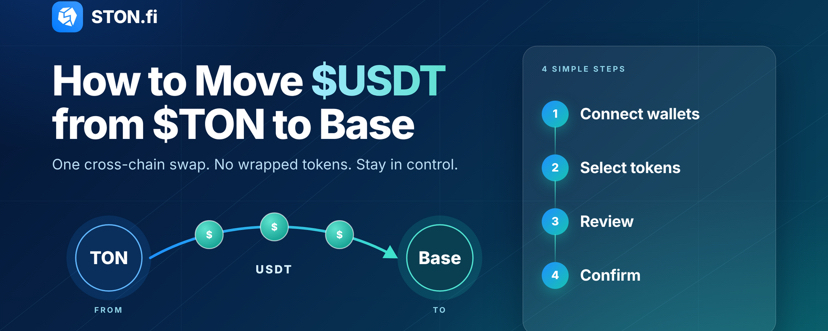
Here’s an instructional guide of how it works:
1. Connect a TON wallet (Tonkeeper or similar) and an EVM wallet (MetaMask, Coinbase Wallet, etc.).
2. Switch to the Cross-chain tab on STON.fi.
3. Select USDT on TON as the asset you’re sending and USDT (or USDC) on Base as the asset you want to receive.
4. Enter the amount, review the rate, fees, and minimum received.
5. Confirm the transaction in your TON wallet.
6. Wait for the swap to settle.
The funds arrive in your Base wallet.
The process uses Omniston under the hood. Both sides of the swap are locked in linked contracts, so either the full swap completes or your funds return. No separate bridge step and no wrapped token in the middle.
A few practical notes before you start:
• Keep a small amount of TON in your wallet for fees.
• Double-check the destination network and receiving address before confirming.
• Start with a small test amount if it’s your first time.
You can see the full step-by-step on the official page:
https://ston.fi/how-to-send-usdt-from-ton-to-base
For a broader look at how cross-chain swaps from TON to Base work, this page covers the flow:
https://ston.fi/cross-chain-swap-from-ton-to-base
If you want a simple explanation of what a decentralized exchange is before trying any of this, the What is DEX resource is a clear starting point:
That’s the easiest practical route.
One interface, native USDT on the other side, and no extra accounts required.
How to move $USDT from $TON to $Base using a cross-chain swap (STON.fi)
Moving stablecoins between chains usually means picking a bridge, hoping it’s safe, or going through a centralized exchange. There’s a cleaner option for $USDT from $TON to $Base.
STON.fi lets you do a cross-chain swap in one flow. You stay in control of your wallets the whole time, and you receive native USDT on Base instead of a wrapped version.
Here’s an instructional guide of how it works:
1. Connect a TON wallet (Tonkeeper or similar) and an EVM wallet (MetaMask, Coinbase Wallet, etc.).
2. Switch to the Cross-chain tab on STON.fi.
3. Select USDT on TON as the asset you’re sending and USDT (or USDC) on Base as the asset you want to receive.
4. Enter the amount, review the rate, fees, and minimum received.
5. Confirm the transaction in your TON wallet.
6. Wait for the swap to settle.
The funds arrive in your Base wallet.
The process uses Omniston under the hood. Both sides of the swap are locked in linked contracts, so either the full swap completes or your funds return. No separate bridge step and no wrapped token in the middle.
A few practical notes before you start:
• Keep a small amount of TON in your wallet for fees.
• Double-check the destination network and receiving address before confirming.
• Start with a small test amount if it’s your first time.
You can see the full step-by-step on the official page:
https://ston.fi/how-to-send-usdt-from-ton-to-base
For a broader look at how cross-chain swaps from TON to Base work, this page covers the flow:
https://ston.fi/cross-chain-swap-from-ton-to-base
If you want a simple explanation of what a decentralized exchange is before trying any of this, the What is DEX resource is a clear starting point:
That’s the easiest practical route.
One interface, native USDT on the other side, and no extra accounts required.
2
2
103
$INJをよく見たり、注意深く見ていると、$9のラインで2度も期待を持たせてきたことに気づくでしょう。2桁になるのも時間の問題です。
以前、$INJが53ドルになったのを一度見ました。またそうなると信じています。
$INJをよく見たり、注意深く見ていると、$9のラインで2度も期待を持たせてきたことに気づくでしょう。2桁になるのも時間の問題です。
以前、$INJが53ドルになったのを一度見ました。またそうなると信じています。
以前、$INJが53ドルになったのを一度見ました。またそうなると信じています。
1
336

2
263
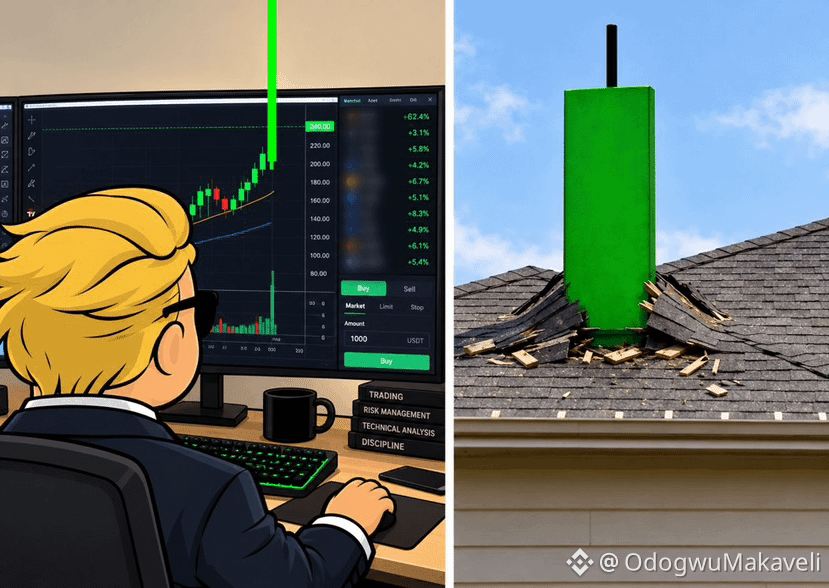
私が持っていたのは、たった1つの$INJ と夢だけだった
2026年ももう終わりで、$INJ が私の人生を永遠に変えた
私が持っていたのは、たった1つの$INJ と夢だけだった
2026年ももう終わりで、$INJ が私の人生を永遠に変えた
2026年ももう終わりで、$INJ が私の人生を永遠に変えた
1
321
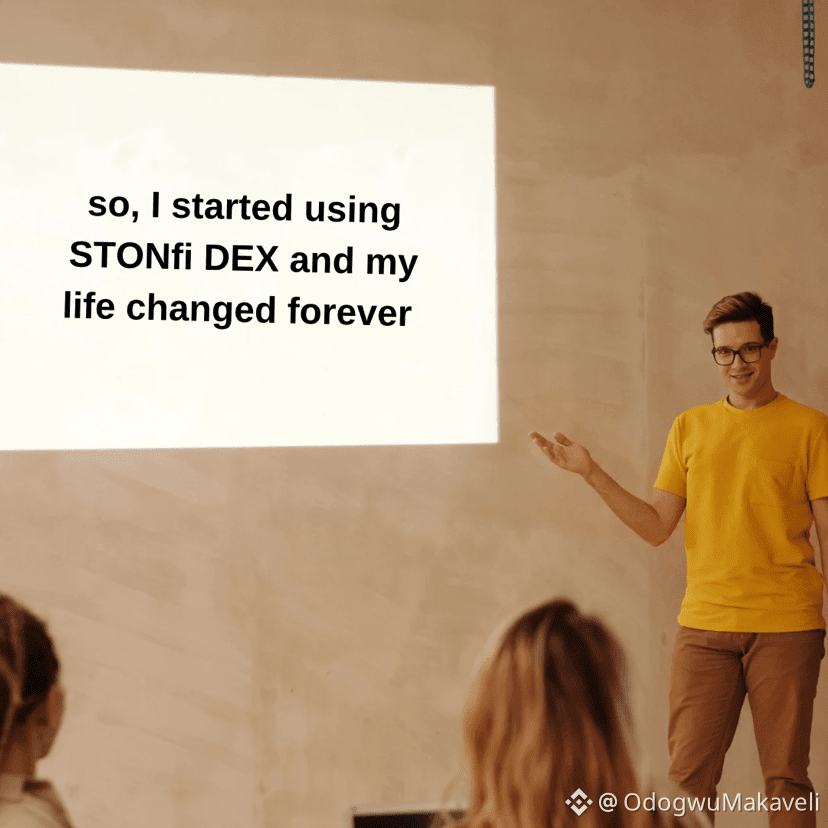
STON.fi: TONブロックチェーンのDeFi革命を推進するDEX
TONブロックチェーン上で最も強力な分散型取引所を探しているなら、STON.fi以外にありません。TONのためにネイティブに構築されたSTON.fiは、シームレスで迅速かつ手頃なトークンスワップのためのプラットフォームとして自らの地位を確立しており、ますます強力になっています。
一般的なDEXとは異なり、STON.fiはTONの独自のアーキテクチャに特化して設計されており、完全なJettonサポート、深いウォレット統合、ほぼゼロの取引手数料を提供しています。カジュアルなトレーダーでも真剣な流動性提供者でも、このプラットフォームは競合するブロックチェーンのどれにも匹敵するスムーズでプロフェッショナルな体験を提供します。
一貫して高いTVL、増加する取引量、そして流動性提供者に14,000ドル以上を支払った初のインパーマネントロス保護プログラムを含むコミュニティへの報酬の実績を持っています。
STON.fiは革新について言うだけではなく、それを実現しています。
最近のV2アップグレードでは、集中流動性とよりスマートなAMMメカニクスが導入され、TON DeFiスペースでの支配をさらに強固にしています。
そして、$TON がTelegramの9億ユーザーのブロックチェーンであるため、STON.fiは次のDeFi参加者の波を迎え入れるために完璧に位置付けられています。
TON DeFiの未来はSTON.fiを通じて進んでいきます。
あなたは参加しますか?
2
134
ロボはユーティリティ時代を取り戻します
ロボはユーティリティ時代を取り戻します

AlphaEminent
·
--
調整なしの実行は摩擦を生み出します。それが@Fabric Foundation 財団が解決しようとしているギャップです。
自動化されたオンチェーンインタラクションのためのプログラム可能なレイヤーを設計することで、エコシステムは断片的な活動ではなく構造化された参加を強調します。$ROBO はティッカー以上のものであり、$ROBO はネットワーク実行とインセンティブを調整するユーティリティメカニズムとして機能します。
耐久性はシステム設計から始まります。
#robo
自動化されたオンチェーンインタラクションのためのプログラム可能なレイヤーを設計することで、エコシステムは断片的な活動ではなく構造化された参加を強調します。$ROBO はティッカー以上のものであり、$ROBO はネットワーク実行とインセンティブを調整するユーティリティメカニズムとして機能します。
耐久性はシステム設計から始まります。
#robo
1
18
ミラが構築しているものは、ウェブ3への信頼を回復させるでしょう
ミラが構築しているものは、ウェブ3への信頼を回復させるでしょう

Gabrielcryptonite
·
--
ミラは、調整と信頼がシステムに組み込まれたWeb3ネットワークの構築に注力しています。
ユーザーが協力し、データを共有し、透明性を持って参加できるようにすることで、ミラネットワークは実際のユーティリティと長期的な整合性が成長を促進するエコシステムを作り出しています。$MIRA
@Mira - Trust Layer of AI #Mira
ユーザーが協力し、データを共有し、透明性を持って参加できるようにすることで、ミラネットワークは実際のユーティリティと長期的な整合性が成長を促進するエコシステムを作り出しています。$MIRA
@Mira - Trust Layer of AI #Mira
1
25
ミラはAIの信頼レイヤーを変更します
ミラはAIの信頼レイヤーを変更します
Gabrielcryptonite
·
--
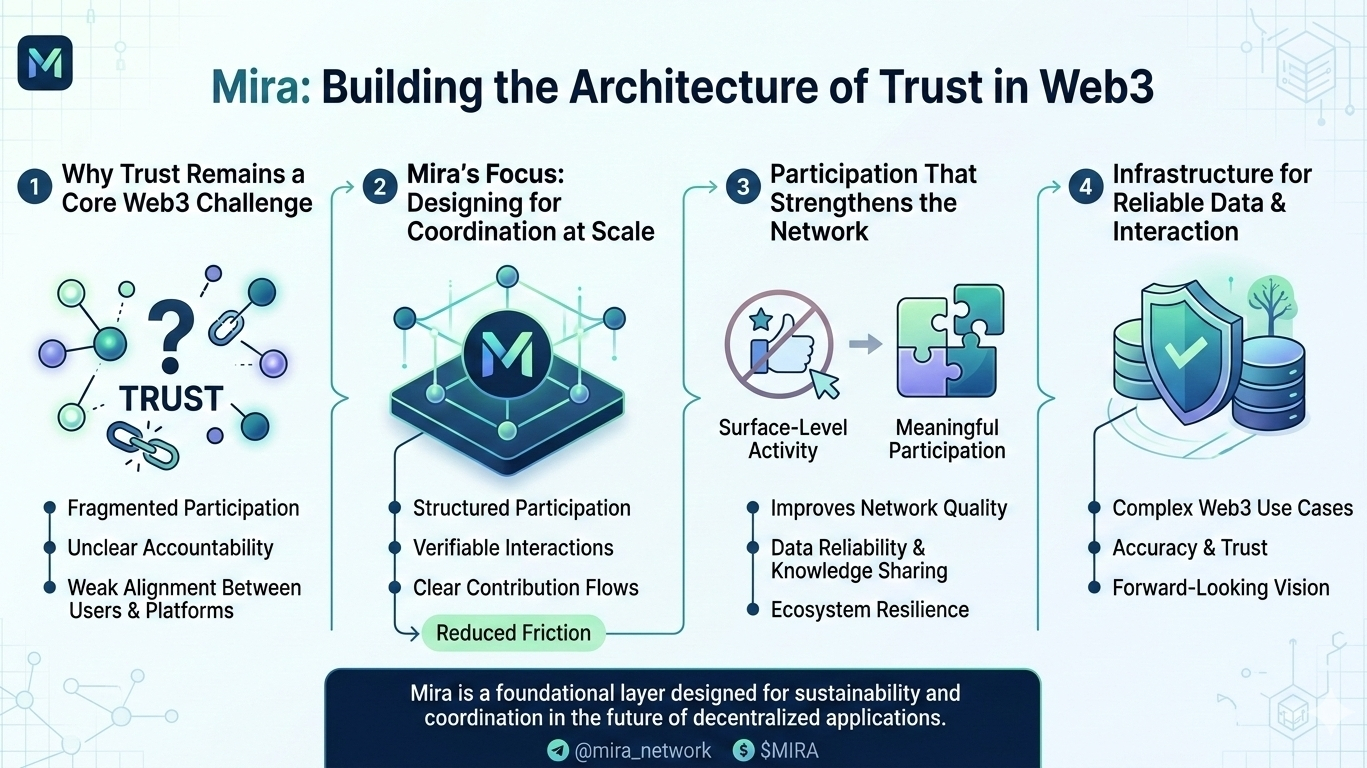
Web3ネットワークにおける信頼のMiraとアーキテクチャ。
信頼がWeb3の核心的な課題であり続ける理由
Web3における急速な革新にもかかわらず、信頼と調整は依然として困難な問題です。多くの分散型ネットワークは、断片化された参加、不明瞭な責任、ユーザーとプラットフォーム間の弱い整合性に苦しんでいます。Miraは、透明性と調整が後から追加されるのではなく、基盤に組み込まれたシステムを設計することでこれに対処します。
大規模な調整のためのデザイン
Miraは、分散化を犠牲にすることなく大規模なコラボレーションを可能にすることに焦点を当てています。そのインフラストラクチャは、構造化された参加、検証可能な相互作用、明確な貢献の流れをサポートします。これにより、ユーザーとビルダーは自律性を維持しながら効率的に調整でき、エコシステム全体の摩擦が軽減されます。
1
16
記事
ミラネットワーク($MIRA) — あなたが知らなかったAI検証層AIは強力ですが、嘘をつきます。幻覚、偽の出力、および信頼できない応答は、企業に数十億のコストをかけています。
@mira_network は、AIの出力を110以上の独立したモデルを通じてルーティングし、ブロックチェーンのバリデーターのように合意に達することでこれを修正しますが、AIの真実のためです。
数字は自らを語ります:日々処理されるトークンは30億以上、ユーザーは400万人以上、精度は96%、そしてフレームワークベンチャーズとアクセルによって支援された900万ドルの資金調達。
#Binance は、$MIRA をリストし、それをHODLerエアドロップに含めました。それが十分なことを示しています。
AIには信頼の層が必要です。ミラはそれを構築しています。
ミラネットワーク($MIRA) — あなたが知らなかったAI検証層
AIは強力ですが、嘘をつきます。幻覚、偽の出力、および信頼できない応答は、企業に数十億のコストをかけています。
@Mira - Trust Layer of AI は、AIの出力を110以上の独立したモデルを通じてルーティングし、ブロックチェーンのバリデーターのように合意に達することでこれを修正しますが、AIの真実のためです。
数字は自らを語ります:日々処理されるトークンは30億以上、ユーザーは400万人以上、精度は96%、そしてフレームワークベンチャーズとアクセルによって支援された900万ドルの資金調達。
#Binance は、$MIRA をリストし、それをHODLerエアドロップに含めました。それが十分なことを示しています。
AIには信頼の層が必要です。ミラはそれを構築しています。
@Mira - Trust Layer of AI は、AIの出力を110以上の独立したモデルを通じてルーティングし、ブロックチェーンのバリデーターのように合意に達することでこれを修正しますが、AIの真実のためです。
数字は自らを語ります:日々処理されるトークンは30億以上、ユーザーは400万人以上、精度は96%、そしてフレームワークベンチャーズとアクセルによって支援された900万ドルの資金調達。
#Binance は、$MIRA をリストし、それをHODLerエアドロップに含めました。それが十分なことを示しています。
AIには信頼の層が必要です。ミラはそれを構築しています。
6
5
9
47
Mira Network: AIの信頼レイヤーを構築する
人工知能は世界を変革していますが、実際に私たちはそれが言うことを信頼できるのでしょうか?それが@mira_network が解決している核心的な問題であり、AIの未来の中心にブロックチェーンを置く方法でそれを実現しています。
Mira Networkは、AIの最大の弱点の1つである幻想や信頼できない出力に対処するために構築された分散型検証プロトコルです。正しい結果を得るために単一のAIモデルに依存するのではなく、Miraは110以上の独立したAIモデルの分散ネットワークを通じて出力をルーティングします。これらのモデルは、出力が正確であるかどうかについて、ブロックチェーンのバリデーターが取引の有効性に合意するのと同じように合意に達します。その結果は、暗号的に検証可能で、常に人間の監視を必要としない信頼のないAIです。
Base(Ethereumのレイヤー2)上に構築されたMiraは、ビットコイン、イーサリアム、ソラナと互換性があり、スマートコントラクト、DApps、DAOガバナンスをサポートしています。このネットワークはすでに1日あたり30億トークン以上を処理し、400万人以上のユーザーにサービスを提供し、毎週1900万件のクエリを処理し、96%の検証精度を達成しています。
$MIRA #Mira
Mira Network: AIの信頼レイヤーを構築する
人工知能は世界を変革していますが、実際に私たちはそれが言うことを信頼できるのでしょうか?それが@Mira - Trust Layer of AI が解決している核心的な問題であり、AIの未来の中心にブロックチェーンを置く方法でそれを実現しています。
Mira Networkは、AIの最大の弱点の1つである幻想や信頼できない出力に対処するために構築された分散型検証プロトコルです。正しい結果を得るために単一のAIモデルに依存するのではなく、Miraは110以上の独立したAIモデルの分散ネットワークを通じて出力をルーティングします。これらのモデルは、出力が正確であるかどうかについて、ブロックチェーンのバリデーターが取引の有効性に合意するのと同じように合意に達します。その結果は、暗号的に検証可能で、常に人間の監視を必要としない信頼のないAIです。
Base(Ethereumのレイヤー2)上に構築されたMiraは、ビットコイン、イーサリアム、ソラナと互換性があり、スマートコントラクト、DApps、DAOガバナンスをサポートしています。このネットワークはすでに1日あたり30億トークン以上を処理し、400万人以上のユーザーにサービスを提供し、毎週1900万件のクエリを処理し、96%の検証精度を達成しています。
$MIRA #Mira
8
6
10
11
今回はSUTが引き継ぎます
今回はSUTが引き継ぎます

Bloomie
·
--
砂の中の線:分散化の約束を取り戻す
親愛なる暗号愛好家へ、
これはマーケティングチームによって洗練された企業からのメッセージではありません。これは信者からのメッセージです。あなたが今立っている場所に立った人々からのものです。
私たちは異なる金融システムの約束を信じていました。それは透明性、公平性、中央集権的な管理からの自由を基盤としたものでした。サトシ・ナカモトが世界にビットコインを紹介したとき、それは単なるコードではなく、革命でした。それは、金融がゲートキーパーなしで、偏見なしで、隠された権力のレバーなしで機能できるという証明でした。
これはマーケティングチームによって洗練された企業からのメッセージではありません。これは信者からのメッセージです。あなたが今立っている場所に立った人々からのものです。
私たちは異なる金融システムの約束を信じていました。それは透明性、公平性、中央集権的な管理からの自由を基盤としたものでした。サトシ・ナカモトが世界にビットコインを紹介したとき、それは単なるコードではなく、革命でした。それは、金融がゲートキーパーなしで、偏見なしで、隠された権力のレバーなしで機能できるという証明でした。
1
9
エネルギー分野のためにサニティが何を築いているのかを見るのは本当に魅力的です
エネルギー分野のためにサニティが何を築いているのかを見るのは本当に魅力的です
Bloomie
·
--
SANITY UNITED: WEB3における構造的ユーティリティの構築
投機と短期的な物語に駆動されることが多い業界において、Sanity Unitedは、構造、コンプライアンス意識、ユーティリティファーストのデザインを中核に据えて、異なる立ち位置を確保しています。
Sanity Unitedは、デジタルツール、AI駆動システム、Web3インフラストラクチャが抽象的な約束ではなく、実用的なサービスに融合するエコシステムを開発しています。トークンの速度に純粋に焦点を当てるのではなく、プロジェクトは測定可能な機能性と段階的な展開を強調しています。
ユーティリティファーストトークンモデル
Sanity Unitedは、デジタルツール、AI駆動システム、Web3インフラストラクチャが抽象的な約束ではなく、実用的なサービスに融合するエコシステムを開発しています。トークンの速度に純粋に焦点を当てるのではなく、プロジェクトは測定可能な機能性と段階的な展開を強調しています。
ユーティリティファーストトークンモデル

2
43
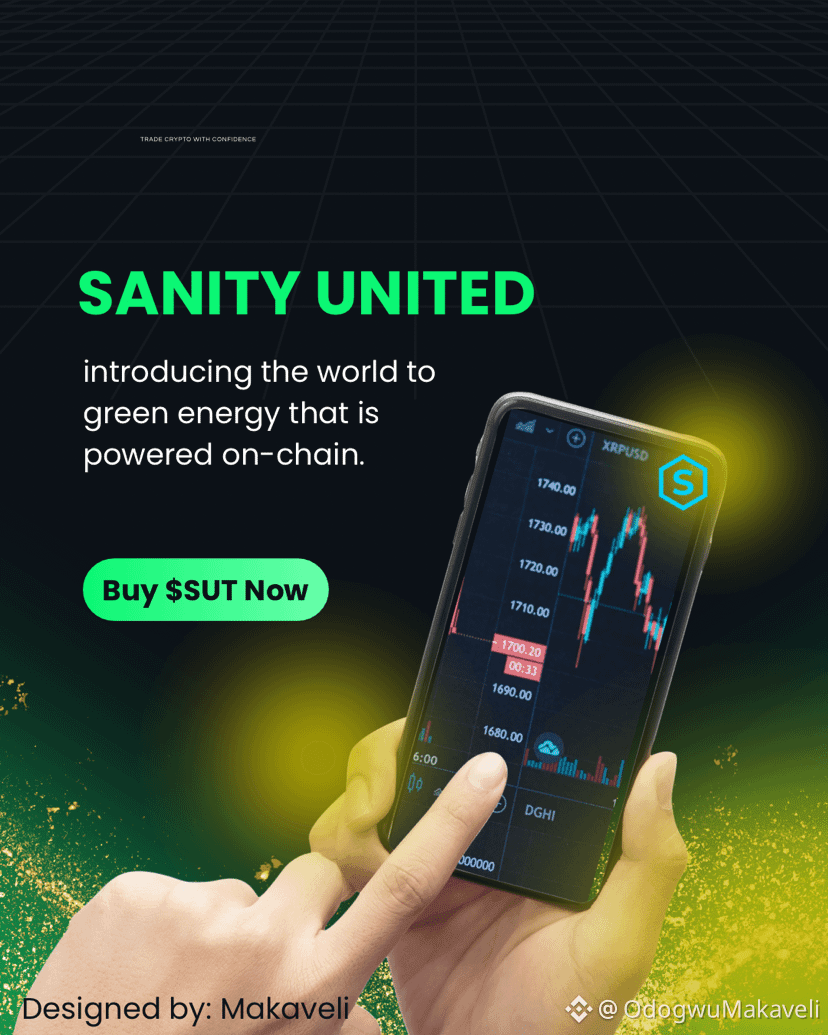
SANITY UNITED は静かに暗号通貨が欠けていたものを構築しています
みんながミームやハイプを追いかける中、@sanity_united は異なることをしています:それは本当に実在するインフラを構築しています。
$SUT を際立たせる要素は以下の通りです:
⚡ 100% 再生可能エネルギーによる運営
🚗 実際のサービスを提供するゼロエミッションのEVフリート
⛏️ 余剰のグリーンエネルギーのみを使用した持続可能な暗号通貨マイニング
🧠 リアルタイムで全てを管理するAI最適化
💰 GEMトークンファンドからの$25Mの機関投資のサポート
これは別の空虚な約束ではありません。実証実験は完了しています。配信はライブです。インフラは稼働しています。
市場はまだ追いついていません。しかし、機関投資家の資金はすでに入っています。
$SUT は、暗号通貨が実際に現実の問題を解決する時に起こることです。
DYOR → sanity.fund
$SUT #SanityUnited #GreenCrypto #BinanceSquare #CryptoGems
2
14
ログインして、さらにコンテンツを読む
厳選トピックで世界の暗号資産トレーダーの仲間入り
⚡️ 暗号資産に関する最新かつ有益な情報が見つかります。
💬 世界最大の暗号資産取引所から信頼されています。
👍 認証を受けたクリエイターから、有益なインサイトを得られます。
メール / 電話番号