

Lojii
1.8k 投稿

Lojii
 厳選トピック確認済+
報告
ユーザーをブロック
Extreme Sport Athlete ✨ Binance and Cmc Square Creator ✨ Content Creator ✨#Nft #Defi #Rwa

Level 1 Creator
取引を発注
高頻度トレーダー
5.8年
69 フォロー
82.4K+ フォロワー
25.3K+ いいね
1 バッジ
投稿
ポートフォリオ
すべて
引用
動画
PINNED
·
--
ブリッシュ
#altcoins 私たちは、おそらく少なくとも4年ぶりの最大のアルトコインシーズンを迎えているでしょう。そして、その素晴らしい点は?歴史を振り返ると、それはすぐに始まるでしょう。多くの人は、手遅れになって初めて気づくでしょう。TOTAL 2の次のターゲットは?
⚫️ターゲット1:1.27兆ドル
⚫️ターゲット2:1.71兆ドル
Total 2が1.27兆ドル付近の古い水平抵抗レベルを突破し、その水準を維持できれば、2021年の過去最高値である1.71兆ドル付近まで急速に上昇するでしょう。その上が真のアルトコインFOMOが始まる時です。この時点で、$BTC の優位性はすでに崩壊しつつあり、アルトコインが繁栄するのに最適な条件が整っています。
#BTC は、その時点ですでに 10 万ドルを超えており、暗号通貨市場全体が陶酔の段階にあるでしょう。愚かなお金が、まだ市場サイクルの初期段階だと思い込んで、この分野に参入し始めます。暗号通貨が本当に革命的であることに気づき始めると、彼らは非常に強気になります。
これが、本当のパラボリック ポンプが始まるときです!
アルトコインがわずか 1 か月で 10 倍になるのは普通のことです...
古い友人が突然暗号通貨のアドバイスを求めてあなたに連絡してくるのを目にするでしょう...
リスク認識は完全に消え去ります...
Coinbase は再びアプリ ストアで 1 位になります...
有名人が再び暗号通貨に関与します...
たとえば、$BTC が 100 万ドルなど、途方もない価格目標が見られるでしょう...
❗️やめてください❗️
今こそ市場から撤退するときです!チャートにこれらの警告サインが見られたら👇
⚫️高値と安値が下がる
⚫️トレンドライン/パターンが下向きに崩れる
⚫️RSI/MACDの弱気な乖離
⚫️大きなキャンドルの芯が上向きになる
⚫️弱気な包み込むキャンドル
⚫️価格が上昇するとともに出来高が減少
利益確定が必要です!週次または日次タイムフレームでこのような弱気なテクニカル指標が重なり合うほど、ピークを迎えている可能性が高くなります!
これらのサインを無視して、今回は違うと考えないでください!今後数か月は本当に人生を変えることになるでしょう。今は集中して、油断しないでください。
最高の時がまだ来ていません!🥂
#CryptoWatchMay2024
#altcoins 私たちは、おそらく少なくとも4年ぶりの最大のアルトコインシーズンを迎えているでしょう。そして、その素晴らしい点は?歴史を振り返ると、それはすぐに始まるでしょう。多くの人は、手遅れになって初めて気づくでしょう。TOTAL 2の次のターゲットは?
⚫️ターゲット1:1.27兆ドル
⚫️ターゲット2:1.71兆ドル
Total 2が1.27兆ドル付近の古い水平抵抗レベルを突破し、その水準を維持できれば、2021年の過去最高値である1.71兆ドル付近まで急速に上昇するでしょう。その上が真のアルトコインFOMOが始まる時です。この時点で、$BTC の優位性はすでに崩壊しつつあり、アルトコインが繁栄するのに最適な条件が整っています。
#BTC は、その時点ですでに 10 万ドルを超えており、暗号通貨市場全体が陶酔の段階にあるでしょう。愚かなお金が、まだ市場サイクルの初期段階だと思い込んで、この分野に参入し始めます。暗号通貨が本当に革命的であることに気づき始めると、彼らは非常に強気になります。
これが、本当のパラボリック ポンプが始まるときです!
アルトコインがわずか 1 か月で 10 倍になるのは普通のことです...
古い友人が突然暗号通貨のアドバイスを求めてあなたに連絡してくるのを目にするでしょう...
リスク認識は完全に消え去ります...
Coinbase は再びアプリ ストアで 1 位になります...
有名人が再び暗号通貨に関与します...
たとえば、$BTC が 100 万ドルなど、途方もない価格目標が見られるでしょう...
❗️やめてください❗️
今こそ市場から撤退するときです!チャートにこれらの警告サインが見られたら👇
⚫️高値と安値が下がる
⚫️トレンドライン/パターンが下向きに崩れる
⚫️RSI/MACDの弱気な乖離
⚫️大きなキャンドルの芯が上向きになる
⚫️弱気な包み込むキャンドル
⚫️価格が上昇するとともに出来高が減少
利益確定が必要です!週次または日次タイムフレームでこのような弱気なテクニカル指標が重なり合うほど、ピークを迎えている可能性が高くなります!
これらのサインを無視して、今回は違うと考えないでください!今後数か月は本当に人生を変えることになるでしょう。今は集中して、油断しないでください。
最高の時がまだ来ていません!🥂
#CryptoWatchMay2024
⚫️ターゲット1:1.27兆ドル
⚫️ターゲット2:1.71兆ドル
Total 2が1.27兆ドル付近の古い水平抵抗レベルを突破し、その水準を維持できれば、2021年の過去最高値である1.71兆ドル付近まで急速に上昇するでしょう。その上が真のアルトコインFOMOが始まる時です。この時点で、$BTC の優位性はすでに崩壊しつつあり、アルトコインが繁栄するのに最適な条件が整っています。
#BTC は、その時点ですでに 10 万ドルを超えており、暗号通貨市場全体が陶酔の段階にあるでしょう。愚かなお金が、まだ市場サイクルの初期段階だと思い込んで、この分野に参入し始めます。暗号通貨が本当に革命的であることに気づき始めると、彼らは非常に強気になります。
これが、本当のパラボリック ポンプが始まるときです!
アルトコインがわずか 1 か月で 10 倍になるのは普通のことです...
古い友人が突然暗号通貨のアドバイスを求めてあなたに連絡してくるのを目にするでしょう...
リスク認識は完全に消え去ります...
Coinbase は再びアプリ ストアで 1 位になります...
有名人が再び暗号通貨に関与します...
たとえば、$BTC が 100 万ドルなど、途方もない価格目標が見られるでしょう...
❗️やめてください❗️
今こそ市場から撤退するときです!チャートにこれらの警告サインが見られたら👇
⚫️高値と安値が下がる
⚫️トレンドライン/パターンが下向きに崩れる
⚫️RSI/MACDの弱気な乖離
⚫️大きなキャンドルの芯が上向きになる
⚫️弱気な包み込むキャンドル
⚫️価格が上昇するとともに出来高が減少
利益確定が必要です!週次または日次タイムフレームでこのような弱気なテクニカル指標が重なり合うほど、ピークを迎えている可能性が高くなります!
これらのサインを無視して、今回は違うと考えないでください!今後数か月は本当に人生を変えることになるでしょう。今は集中して、油断しないでください。
最高の時がまだ来ていません!🥂
#CryptoWatchMay2024

64
7
397
204.9k
·
--
こんばんは
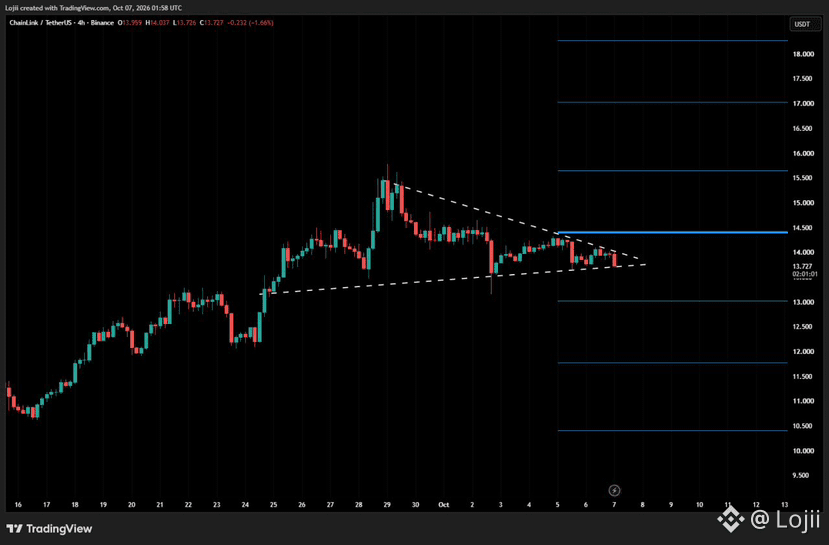
$LINK は現在、4時間足チャートでかなり明確な値幅の収縮を見せています。15.50付近から下落した後、14.40付近で何度も売りに押される一方、安値を切り上げています。
つまり、価格は三角形の先端に向かって動いています。注目している水準は以下のとおりです。
14.40 → 三角形の上辺
15.60 → 上抜け後の重要な抵抗線
17.00 → 次の抵抗線
18.50 → 上値抵抗帯
下値では、13.00が重要な水準です。その下には11.80と10.50があります。
モメンタムもまだ特に強くありません。RSIは44前後で、MACDはマイナスに転じています。
{spot}(LINKUSDT)
こんばんは
$LINK は現在、4時間足チャートでかなり明確な値幅の収縮を見せています。15.50付近から下落した後、14.40付近で何度も売りに押される一方、安値を切り上げています。
つまり、価格は三角形の先端に向かって動いています。注目している水準は以下のとおりです。
14.40 → 三角形の上辺
15.60 → 上抜け後の重要な抵抗線
17.00 → 次の抵抗線
18.50 → 上値抵抗帯
下値では、13.00が重要な水準です。その下には11.80と10.50があります。
モメンタムもまだ特に強くありません。RSIは44前後で、MACDはマイナスに転じています。
$LINK は現在、4時間足チャートでかなり明確な値幅の収縮を見せています。15.50付近から下落した後、14.40付近で何度も売りに押される一方、安値を切り上げています。
つまり、価格は三角形の先端に向かって動いています。注目している水準は以下のとおりです。
14.40 → 三角形の上辺
15.60 → 上抜け後の重要な抵抗線
17.00 → 次の抵抗線
18.50 → 上値抵抗帯
下値では、13.00が重要な水準です。その下には11.80と10.50があります。
モメンタムもまだ特に強くありません。RSIは44前後で、MACDはマイナスに転じています。
1
648
·
--
ブリッシュ
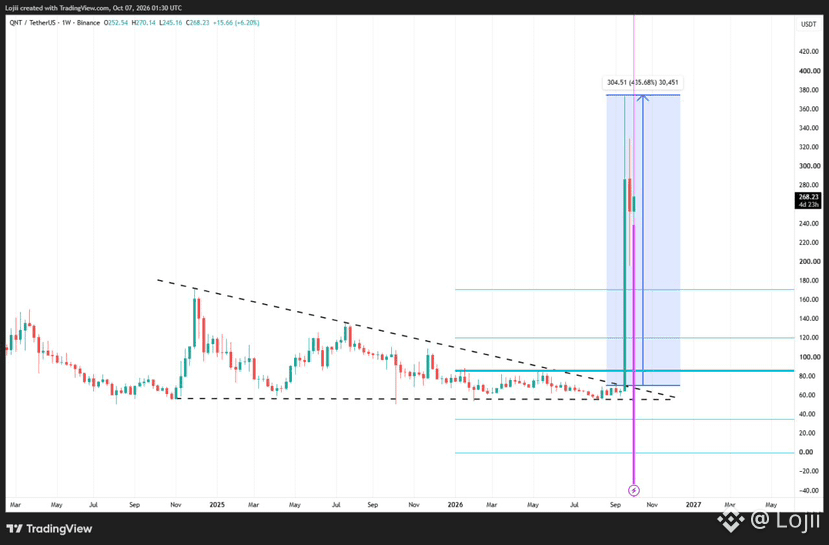
先ほど、$QNT のシグナルを出しました %435🔥 ここで大きな値動きを捉えました。一緒にこれを捉えた人はいますか?👀
以下、分析です👇
{spot}(QNTUSDT)
先ほど、$QNT のシグナルを出しました %435🔥 ここで大きな値動きを捉えました。一緒にこれを捉えた人はいますか?👀
以下、分析です👇
以下、分析です👇
Lojii
·
--
QNTは現在、中立からやや強気のリカバリーを見せていますが、より広いトレンドはまだ強気に転換していません。$QNT
価格はMA7の上にありますが、MA25およびMA99の下にとどまっており、より大きな構造は弱気のままです。
RSIが32.79から47.26へ回復していることは、売り圧力が弱まっていることを示しています。一方で、MACDヒストグラムのマイナス幅が小さくなっていることは、下方向のモメンタムが弱まっていることを示唆します。
ただし出来高は7日平均の約47%にとどまっており、この上昇が強いブレイクアウトの裏付けを欠いています。
出来高を伴う63.20を上回るブレイクは、最初の意味のある強さシグナルとなり、63.56/64.02が重要なレジスタンス帯になります。#Binance
下方向では、60.84、そして次に59.18のSuperTrend水準が主な注目ポイントです。
価格はMA7の上にありますが、MA25およびMA99の下にとどまっており、より大きな構造は弱気のままです。
RSIが32.79から47.26へ回復していることは、売り圧力が弱まっていることを示しています。一方で、MACDヒストグラムのマイナス幅が小さくなっていることは、下方向のモメンタムが弱まっていることを示唆します。
ただし出来高は7日平均の約47%にとどまっており、この上昇が強いブレイクアウトの裏付けを欠いています。
出来高を伴う63.20を上回るブレイクは、最初の意味のある強さシグナルとなり、63.56/64.02が重要なレジスタンス帯になります。#Binance
下方向では、60.84、そして次に59.18のSuperTrend水準が主な注目ポイントです。
3
814
·
--
一部該当
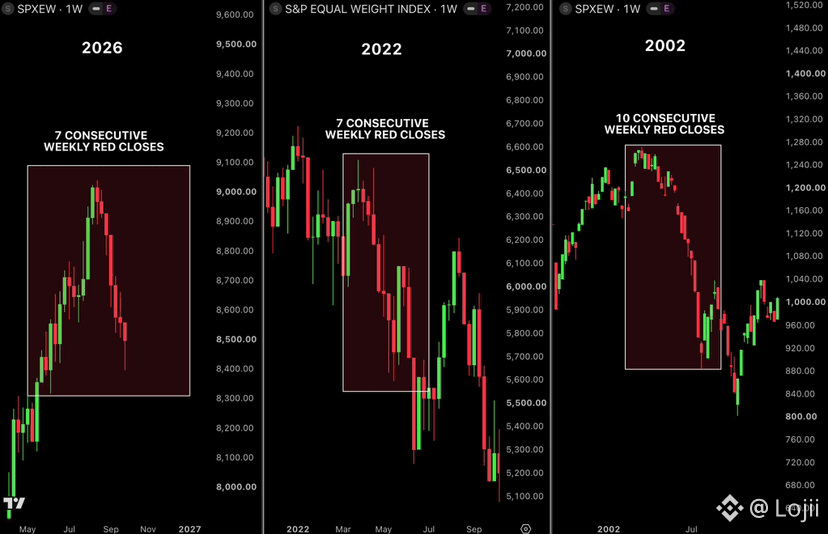
S&P 500の等ウェイト指数は昨日、7週連続でマイナスとなり取引を終えました。
これと同じことが起きたのは、2022年のベアマーケットと2002年のドットコム・クラッシュのときの最後の2回です。
それでも、通常のS&P 500は、巨大な銘柄の一握りに支えられて、依然として史上最高値の近くに位置しています。
#SECProposesCryptoCustodyRules
S&P 500の等ウェイト指数は昨日、7週連続でマイナスとなり取引を終えました。
これと同じことが起きたのは、2022年のベアマーケットと2002年のドットコム・クラッシュのときの最後の2回です。
それでも、通常のS&P 500は、巨大な銘柄の一握りに支えられて、依然として史上最高値の近くに位置しています。
#SECProposesCryptoCustodyRules
これと同じことが起きたのは、2022年のベアマーケットと2002年のドットコム・クラッシュのときの最後の2回です。
それでも、通常のS&P 500は、巨大な銘柄の一握りに支えられて、依然として史上最高値の近くに位置しています。
#SECProposesCryptoCustodyRules
2
775
·
--
ブリッシュ
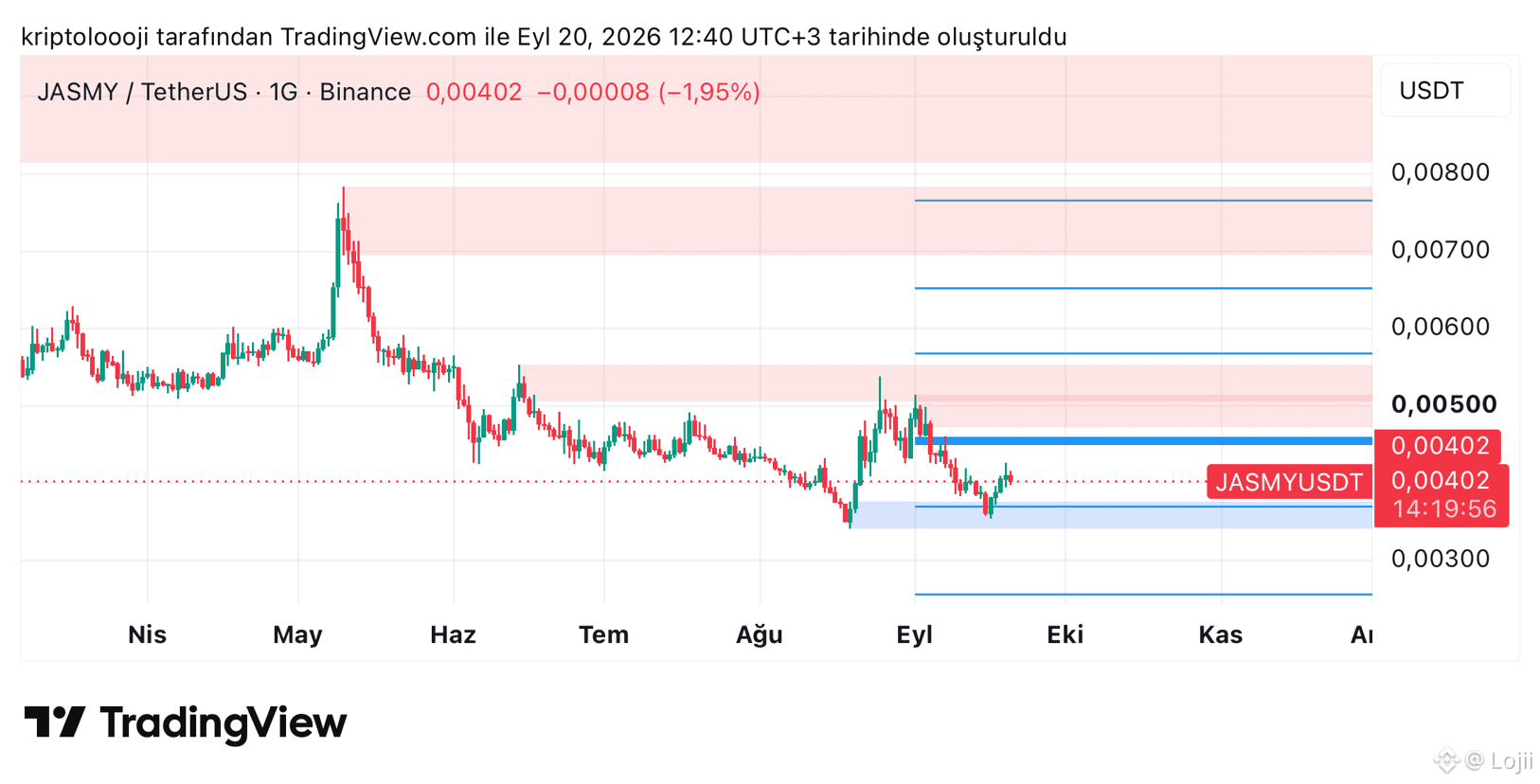
$JASMY が現在 0.00402$ 前後で取引されている場合。より広いトレンドは依然として圧迫された状態にありますが、直近の値動きは 0.0035〜0.0038 のサポートゾーンからの反応を示しています。
重要な短期水準は 0.0045 USDT です。このエリアを上回って推移できるなら、次に注目すべき水準は 0.0050〜0.0052、続いて 0.0057、そして 0.0065 です。
下方向では、0.0035〜0.0038 が主要なサポートゾーンのままです。このゾーンを失うと、0.0030 が再び視野に入る可能性があります。
{spot}(JASMYUSDT)
$JASMY が現在 0.00402$ 前後で取引されている場合。より広いトレンドは依然として圧迫された状態にありますが、直近の値動きは 0.0035〜0.0038 のサポートゾーンからの反応を示しています。
重要な短期水準は 0.0045 USDT です。このエリアを上回って推移できるなら、次に注目すべき水準は 0.0050〜0.0052、続いて 0.0057、そして 0.0065 です。
下方向では、0.0035〜0.0038 が主要なサポートゾーンのままです。このゾーンを失うと、0.0030 が再び視野に入る可能性があります。
重要な短期水準は 0.0045 USDT です。このエリアを上回って推移できるなら、次に注目すべき水準は 0.0050〜0.0052、続いて 0.0057、そして 0.0065 です。
下方向では、0.0035〜0.0038 が主要なサポートゾーンのままです。このゾーンを失うと、0.0030 が再び視野に入る可能性があります。
1
7
3.3k
·
--
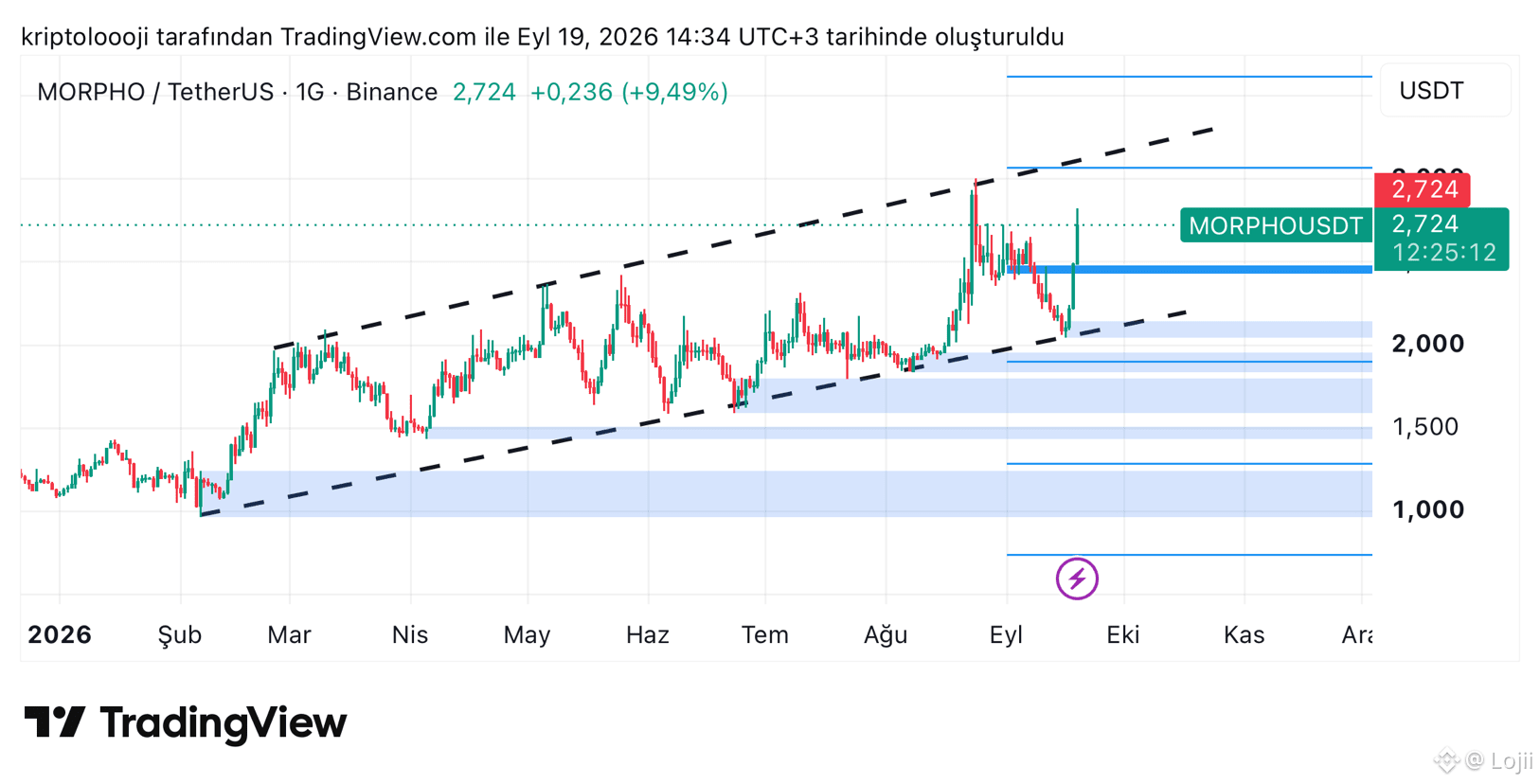
昨日、私が指摘した通り予想されたブレイクが起こりました。$MORPHO 現在は強いレジスタンス水準を上回っており、重要な進展です。
ここからは上部チャネルラインのテストが行われる可能性があります。
特に重要なのは2.80〜2.90のゾーンです。このゾーンを上回る日足終値が出れば、さらなる上昇と上部チャネルのテストへの道が開けます。
とはいえ、ブレイク水準をサポートとして再テストすることもまったく正常な動きです。そのために、私は2.50〜2.60のゾーンを注意深く見ています。
MORPHOがこのエリアの上に維持されている限り、現在の構造は引き続き建設的です。これを下回れば、注目すべき重要なサポートゾーンは2.30と2.00になります。
当面のところ、値動きの構造は上方向を支持しています。
{spot}(MORPHOUSDT)
昨日、私が指摘した通り予想されたブレイクが起こりました。$MORPHO 現在は強いレジスタンス水準を上回っており、重要な進展です。
ここからは上部チャネルラインのテストが行われる可能性があります。
特に重要なのは2.80〜2.90のゾーンです。このゾーンを上回る日足終値が出れば、さらなる上昇と上部チャネルのテストへの道が開けます。
とはいえ、ブレイク水準をサポートとして再テストすることもまったく正常な動きです。そのために、私は2.50〜2.60のゾーンを注意深く見ています。
MORPHOがこのエリアの上に維持されている限り、現在の構造は引き続き建設的です。これを下回れば、注目すべき重要なサポートゾーンは2.30と2.00になります。
当面のところ、値動きの構造は上方向を支持しています。
ここからは上部チャネルラインのテストが行われる可能性があります。
特に重要なのは2.80〜2.90のゾーンです。このゾーンを上回る日足終値が出れば、さらなる上昇と上部チャネルのテストへの道が開けます。
とはいえ、ブレイク水準をサポートとして再テストすることもまったく正常な動きです。そのために、私は2.50〜2.60のゾーンを注意深く見ています。
MORPHOがこのエリアの上に維持されている限り、現在の構造は引き続き建設的です。これを下回れば、注目すべき重要なサポートゾーンは2.30と2.00になります。
当面のところ、値動きの構造は上方向を支持しています。
Lojii
·
--
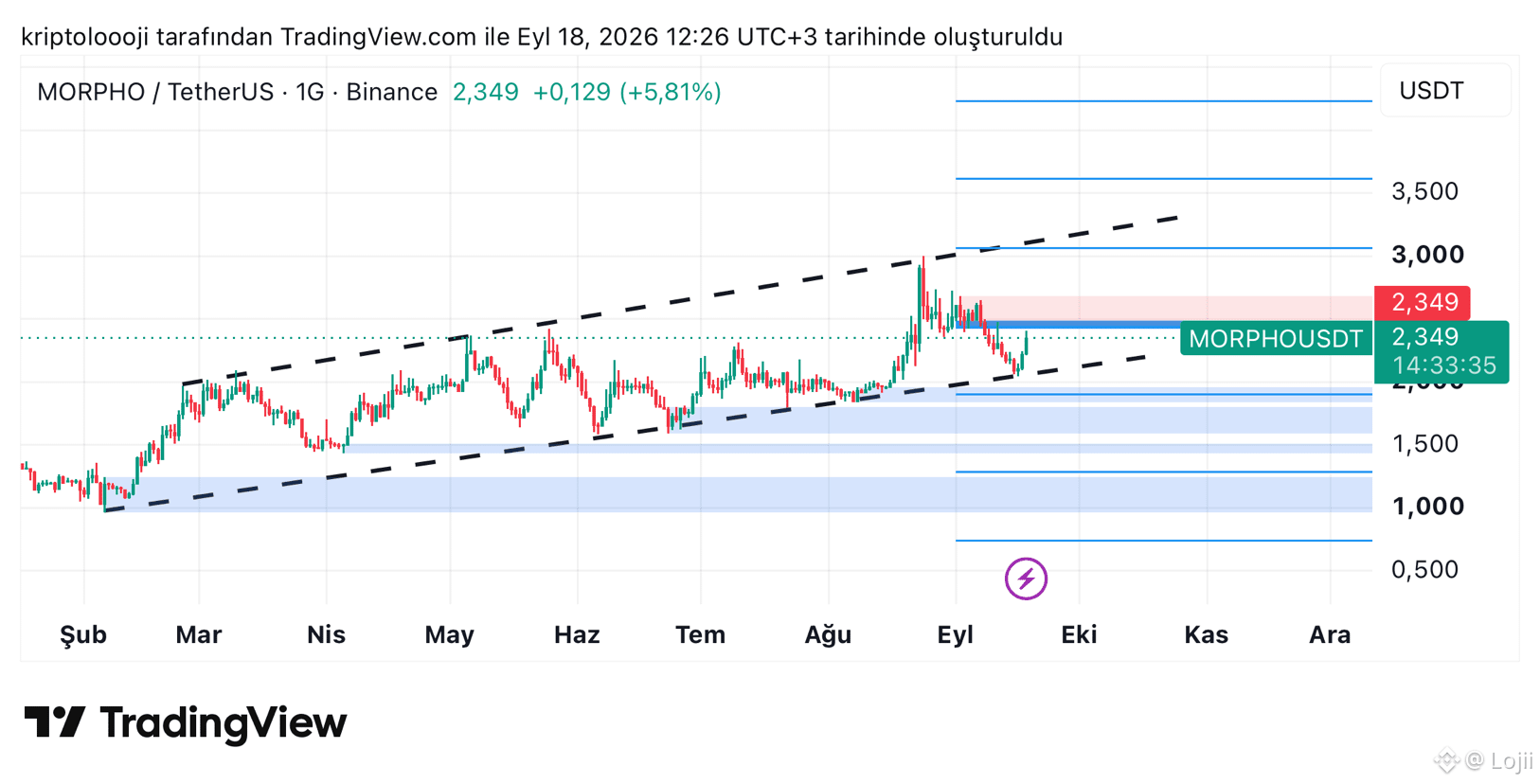
MORPHOは、価格が本日2.35 USDTで6.04%上昇し、より強い回復構造を示しています。$MORPHO
RSIは61.76まで上昇しており、買いの勢いが改善していることを示しますが、買われ過ぎの領域には入っていません。
MACDもヒストグラムがマイナス幅を縮めるなど回復しており、ただし依然として0を下回っています。
価格はMA7とMA99の上にありますが、まだMA25をわずかに下回っています。2.39〜2.47 USDTのゾーンが主要なレジスタンスです。
出来高は7日平均の約97%まで改善しており、また大口のネットフローも+267K MORPHOでプラスです。
出来高を伴いながら2.47を上回るブレイクが継続すれば、より強い上昇モメンタムを確認できる可能性があります。主要サポートは2.19と2.04 USDTです。
RSIは61.76まで上昇しており、買いの勢いが改善していることを示しますが、買われ過ぎの領域には入っていません。
MACDもヒストグラムがマイナス幅を縮めるなど回復しており、ただし依然として0を下回っています。
価格はMA7とMA99の上にありますが、まだMA25をわずかに下回っています。2.39〜2.47 USDTのゾーンが主要なレジスタンスです。
出来高は7日平均の約97%まで改善しており、また大口のネットフローも+267K MORPHOでプラスです。
出来高を伴いながら2.47を上回るブレイクが継続すれば、より強い上昇モメンタムを確認できる可能性があります。主要サポートは2.19と2.04 USDTです。
1
799
·
--
暗号資産の時価総額は依然としてレジスタンスゾーンの下で推移しています。
$2.74Tのゾーンを取り戻すまで、10%〜15%の調整が起きる可能性は十分にあります。$BTC
{spot}(BTCUSDT)
暗号資産の時価総額は依然としてレジスタンスゾーンの下で推移しています。
$2.74Tのゾーンを取り戻すまで、10%〜15%の調整が起きる可能性は十分にあります。$BTC
$2.74Tのゾーンを取り戻すまで、10%〜15%の調整が起きる可能性は十分にあります。$BTC
1
3
3.6k
·
--
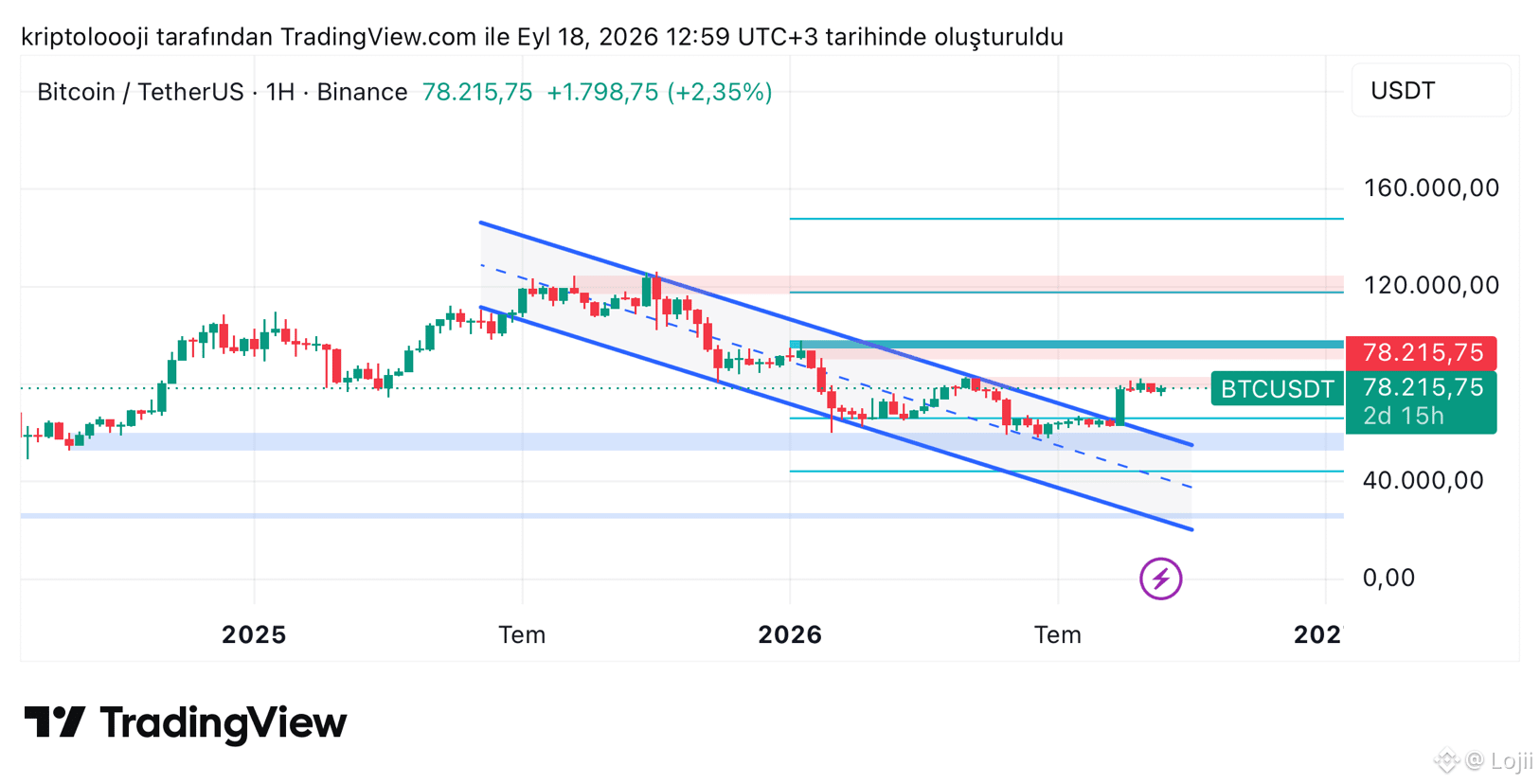
強気相場が目を覚ましつつあるかもしれません。
$BTCは$75Kまで押し上げ、レンジ下限を一掃した後、同じ水準の奪還を試みています。
それが私が特に注目しているポイントです。
レンジ下抜けが次の下落局面の始まりというより、流動性を刈り取る動きだったのであれば、$76K〜$77Kのエリアを維持することで、ビットコインが直前の蓄積レンジの中へ戻ってくる可能性があります。
そこから先、注目すべき最初の水準は$81Kです。
レンジ高値をきれいに上抜ければ、$83K〜$85Kに向けた道が開けるかもしれません。
$75Kは出ました。
次に$85Kが来るかどうかが問題です。
強気相場が目を覚ましつつあるかもしれません。
$BTCは$75Kまで押し上げ、レンジ下限を一掃した後、同じ水準の奪還を試みています。
それが私が特に注目しているポイントです。
レンジ下抜けが次の下落局面の始まりというより、流動性を刈り取る動きだったのであれば、$76K〜$77Kのエリアを維持することで、ビットコインが直前の蓄積レンジの中へ戻ってくる可能性があります。
そこから先、注目すべき最初の水準は$81Kです。
レンジ高値をきれいに上抜ければ、$83K〜$85Kに向けた道が開けるかもしれません。
$75Kは出ました。
次に$85Kが来るかどうかが問題です。
$BTCは$75Kまで押し上げ、レンジ下限を一掃した後、同じ水準の奪還を試みています。
それが私が特に注目しているポイントです。
レンジ下抜けが次の下落局面の始まりというより、流動性を刈り取る動きだったのであれば、$76K〜$77Kのエリアを維持することで、ビットコインが直前の蓄積レンジの中へ戻ってくる可能性があります。
そこから先、注目すべき最初の水準は$81Kです。
レンジ高値をきれいに上抜ければ、$83K〜$85Kに向けた道が開けるかもしれません。
$75Kは出ました。
次に$85Kが来るかどうかが問題です。
1
426
·
--
MORPHOは、価格が本日2.35 USDTで6.04%上昇し、より強い回復構造を示しています。$MORPHO
RSIは61.76まで上昇しており、買いの勢いが改善していることを示しますが、買われ過ぎの領域には入っていません。
MACDもヒストグラムがマイナス幅を縮めるなど回復しており、ただし依然として0を下回っています。
価格はMA7とMA99の上にありますが、まだMA25をわずかに下回っています。2.39〜2.47 USDTのゾーンが主要なレジスタンスです。
出来高は7日平均の約97%まで改善しており、また大口のネットフローも+267K MORPHOでプラスです。
出来高を伴いながら2.47を上回るブレイクが継続すれば、より強い上昇モメンタムを確認できる可能性があります。主要サポートは2.19と2.04 USDTです。
{spot}(MORPHOUSDT)
MORPHOは、価格が本日2.35 USDTで6.04%上昇し、より強い回復構造を示しています。$MORPHO
RSIは61.76まで上昇しており、買いの勢いが改善していることを示しますが、買われ過ぎの領域には入っていません。
MACDもヒストグラムがマイナス幅を縮めるなど回復しており、ただし依然として0を下回っています。
価格はMA7とMA99の上にありますが、まだMA25をわずかに下回っています。2.39〜2.47 USDTのゾーンが主要なレジスタンスです。
出来高は7日平均の約97%まで改善しており、また大口のネットフローも+267K MORPHOでプラスです。
出来高を伴いながら2.47を上回るブレイクが継続すれば、より強い上昇モメンタムを確認できる可能性があります。主要サポートは2.19と2.04 USDTです。
RSIは61.76まで上昇しており、買いの勢いが改善していることを示しますが、買われ過ぎの領域には入っていません。
MACDもヒストグラムがマイナス幅を縮めるなど回復しており、ただし依然として0を下回っています。
価格はMA7とMA99の上にありますが、まだMA25をわずかに下回っています。2.39〜2.47 USDTのゾーンが主要なレジスタンスです。
出来高は7日平均の約97%まで改善しており、また大口のネットフローも+267K MORPHOでプラスです。
出来高を伴いながら2.47を上回るブレイクが継続すれば、より強い上昇モメンタムを確認できる可能性があります。主要サポートは2.19と2.04 USDTです。
1
392
·
--
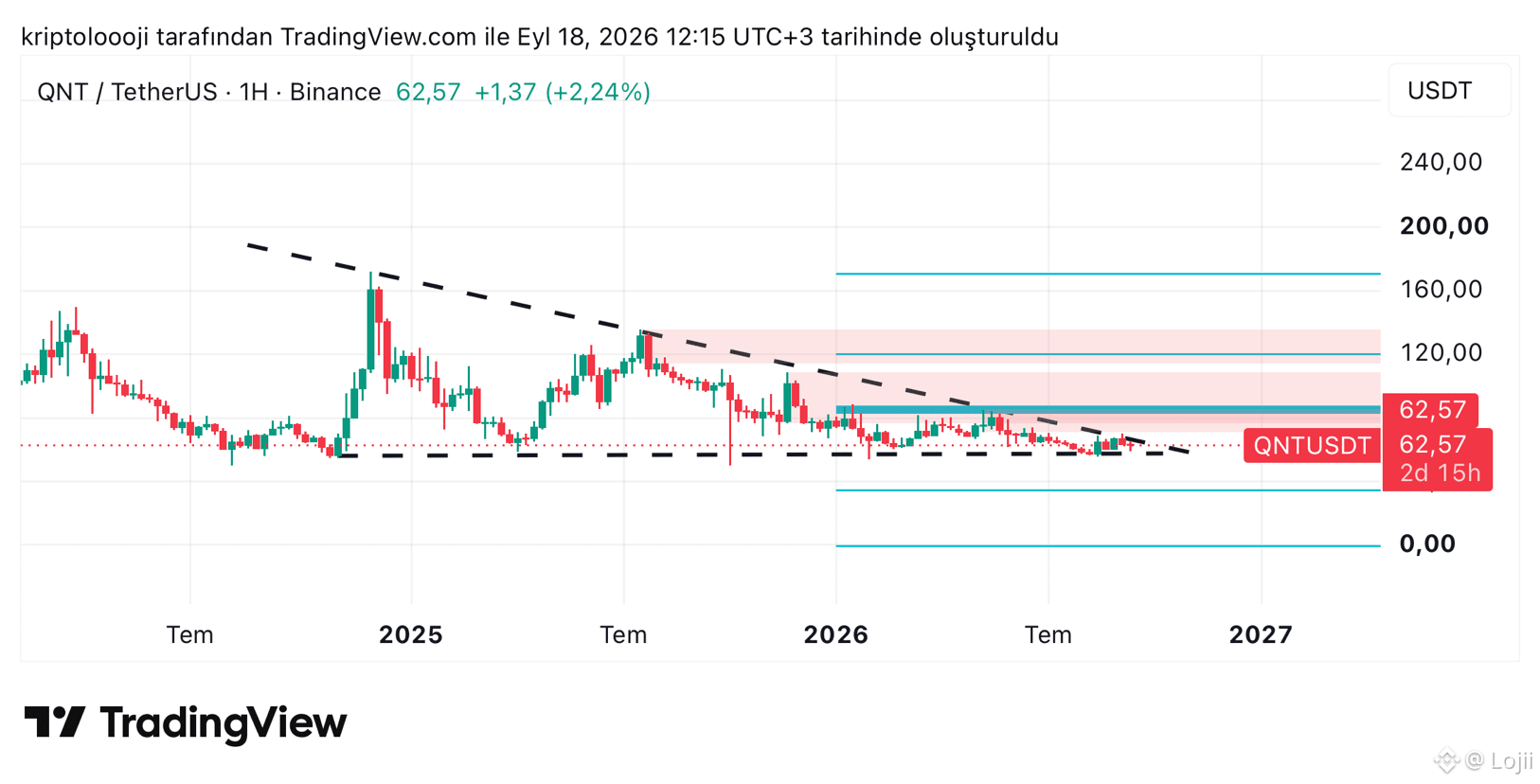
QNTは現在、中立からやや強気のリカバリーを見せていますが、より広いトレンドはまだ強気に転換していません。$QNT
価格はMA7の上にありますが、MA25およびMA99の下にとどまっており、より大きな構造は弱気のままです。
RSIが32.79から47.26へ回復していることは、売り圧力が弱まっていることを示しています。一方で、MACDヒストグラムのマイナス幅が小さくなっていることは、下方向のモメンタムが弱まっていることを示唆します。
ただし出来高は7日平均の約47%にとどまっており、この上昇が強いブレイクアウトの裏付けを欠いています。
出来高を伴う63.20を上回るブレイクは、最初の意味のある強さシグナルとなり、63.56/64.02が重要なレジスタンス帯になります。#Binance
下方向では、60.84、そして次に59.18のSuperTrend水準が主な注目ポイントです。
{spot}(QNTUSDT)
QNTは現在、中立からやや強気のリカバリーを見せていますが、より広いトレンドはまだ強気に転換していません。$QNT
価格はMA7の上にありますが、MA25およびMA99の下にとどまっており、より大きな構造は弱気のままです。
RSIが32.79から47.26へ回復していることは、売り圧力が弱まっていることを示しています。一方で、MACDヒストグラムのマイナス幅が小さくなっていることは、下方向のモメンタムが弱まっていることを示唆します。
ただし出来高は7日平均の約47%にとどまっており、この上昇が強いブレイクアウトの裏付けを欠いています。
出来高を伴う63.20を上回るブレイクは、最初の意味のある強さシグナルとなり、63.56/64.02が重要なレジスタンス帯になります。#Binance
下方向では、60.84、そして次に59.18のSuperTrend水準が主な注目ポイントです。
価格はMA7の上にありますが、MA25およびMA99の下にとどまっており、より大きな構造は弱気のままです。
RSIが32.79から47.26へ回復していることは、売り圧力が弱まっていることを示しています。一方で、MACDヒストグラムのマイナス幅が小さくなっていることは、下方向のモメンタムが弱まっていることを示唆します。
ただし出来高は7日平均の約47%にとどまっており、この上昇が強いブレイクアウトの裏付けを欠いています。
出来高を伴う63.20を上回るブレイクは、最初の意味のある強さシグナルとなり、63.56/64.02が重要なレジスタンス帯になります。#Binance
下方向では、60.84、そして次に59.18のSuperTrend水準が主な注目ポイントです。
1
1
446
·
--
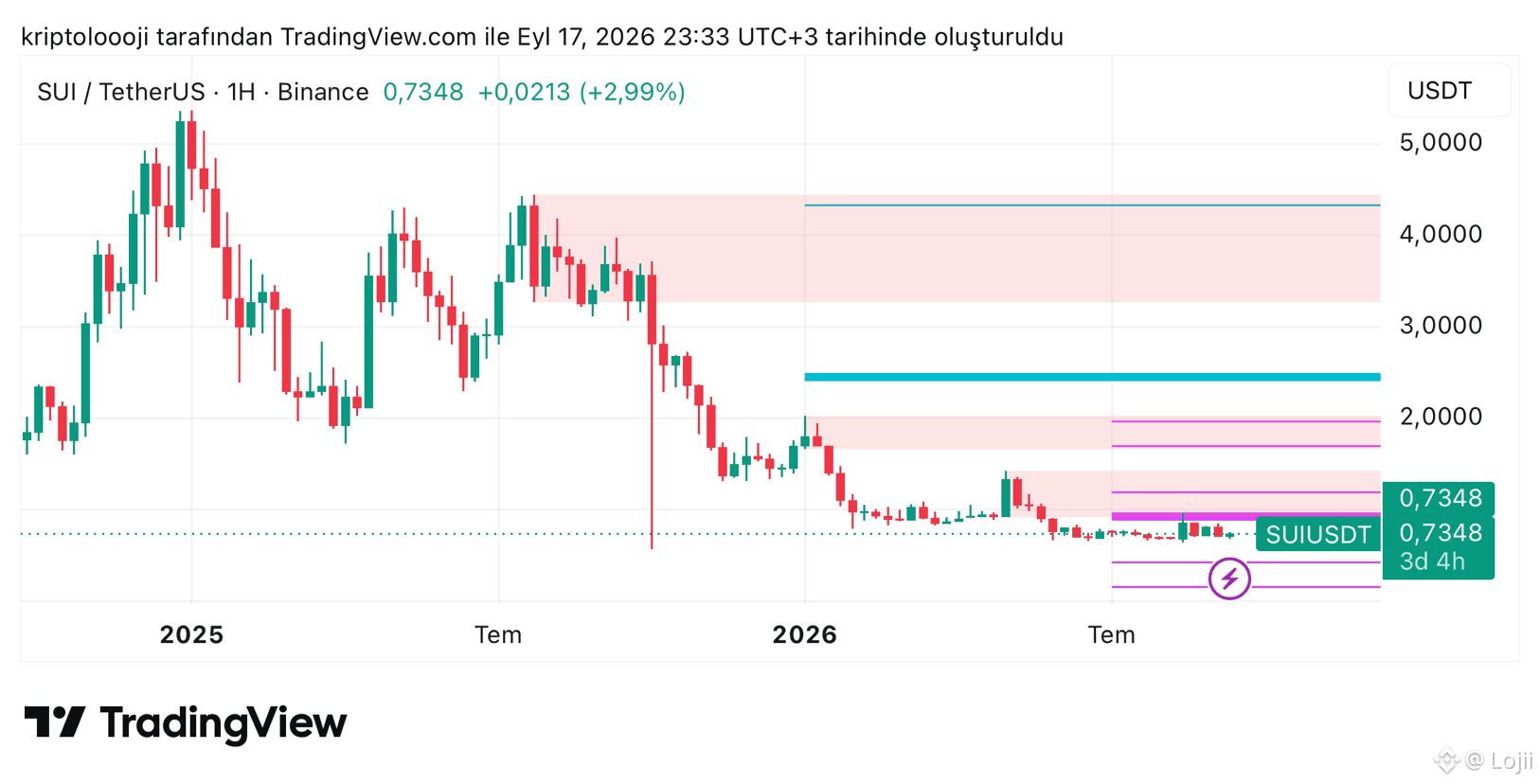
$SUI は日足チャートで短期的なリカバリーの初期サインを示しています。RSIは51.48まで上昇しており、MACDのマイナスモメンタムは弱まっています。また、大口注文は+3.98M SUIのネット inflowを示しており、流入が確認できます。価格はMA7とMA99の上で推移していますが、MA25は下回ったままです。出来高は依然として7日平均の71%と弱く、SuperTrendは$0.84で弱気のままです。より強いリカバリーには、出来高を伴うMA25超えの動きと、より大きなトレンドからの確認が必要になります。投資助言ではありません。
{spot}(SUIUSDT)
$SUI は日足チャートで短期的なリカバリーの初期サインを示しています。RSIは51.48まで上昇しており、MACDのマイナスモメンタムは弱まっています。また、大口注文は+3.98M SUIのネット inflowを示しており、流入が確認できます。価格はMA7とMA99の上で推移していますが、MA25は下回ったままです。出来高は依然として7日平均の71%と弱く、SuperTrendは$0.84で弱気のままです。より強いリカバリーには、出来高を伴うMA25超えの動きと、より大きなトレンドからの確認が必要になります。投資助言ではありません。
2
368
·
--
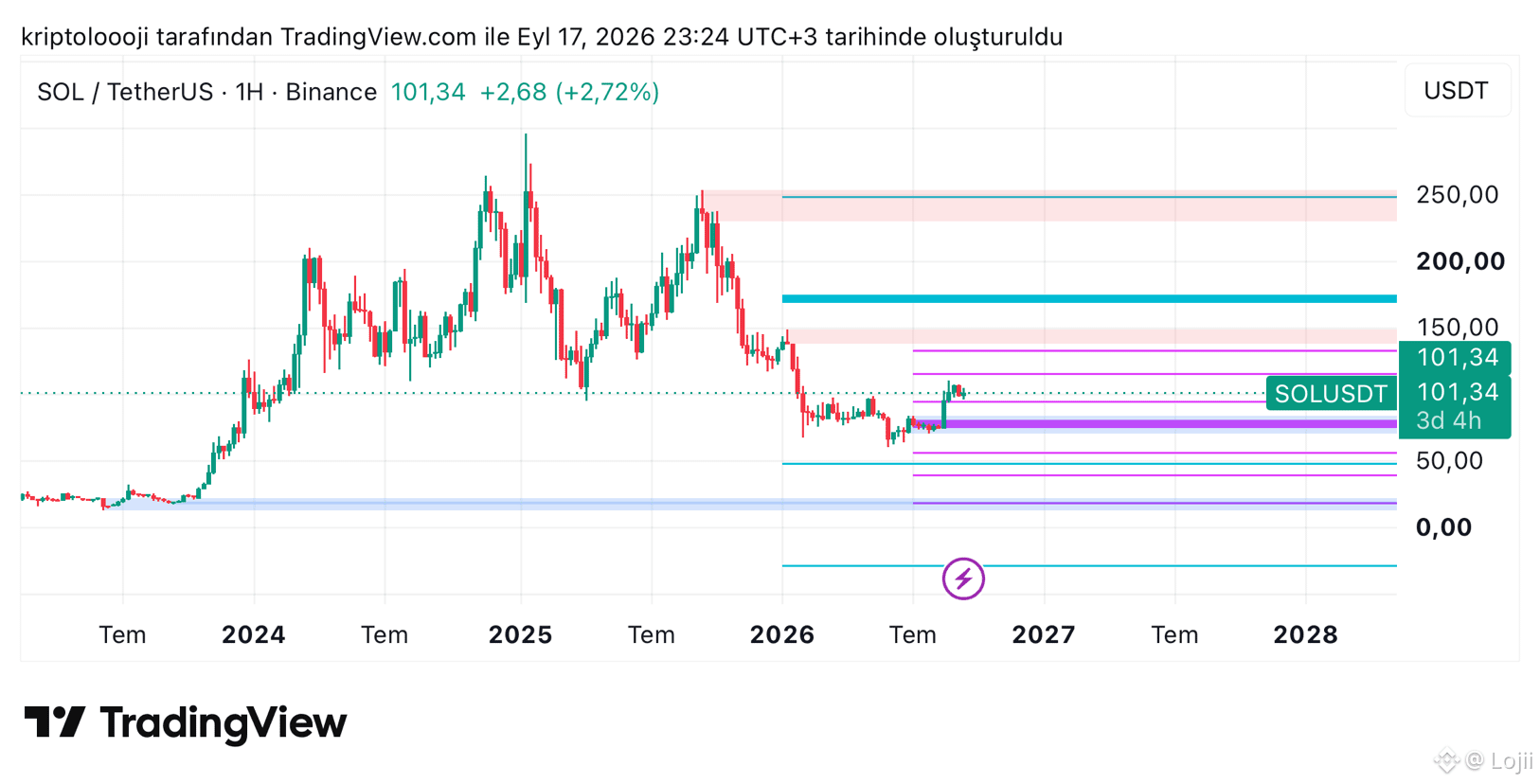
$SOL 週足チャートでは、SOLは$50〜80のゾーン付近で基盤を形成した後、長期的な回復の可能性を示しています。
$100の奪回は重要な構造的な節目であり、それを上回って維持できれば、$130〜150への道が開ける可能性があります。次の主要なレジスタンスは$170です。
下方向では、$75〜80が主要なサポートゾーンのままであり、これを失うと$50〜55が再び注目される可能性があります。
{spot}(SOLUSDT)
$SOL 週足チャートでは、SOLは$50〜80のゾーン付近で基盤を形成した後、長期的な回復の可能性を示しています。
$100の奪回は重要な構造的な節目であり、それを上回って維持できれば、$130〜150への道が開ける可能性があります。次の主要なレジスタンスは$170です。
下方向では、$75〜80が主要なサポートゾーンのままであり、これを失うと$50〜55が再び注目される可能性があります。
$100の奪回は重要な構造的な節目であり、それを上回って維持できれば、$130〜150への道が開ける可能性があります。次の主要なレジスタンスは$170です。
下方向では、$75〜80が主要なサポートゾーンのままであり、これを失うと$50〜55が再び注目される可能性があります。
1
339
·
--
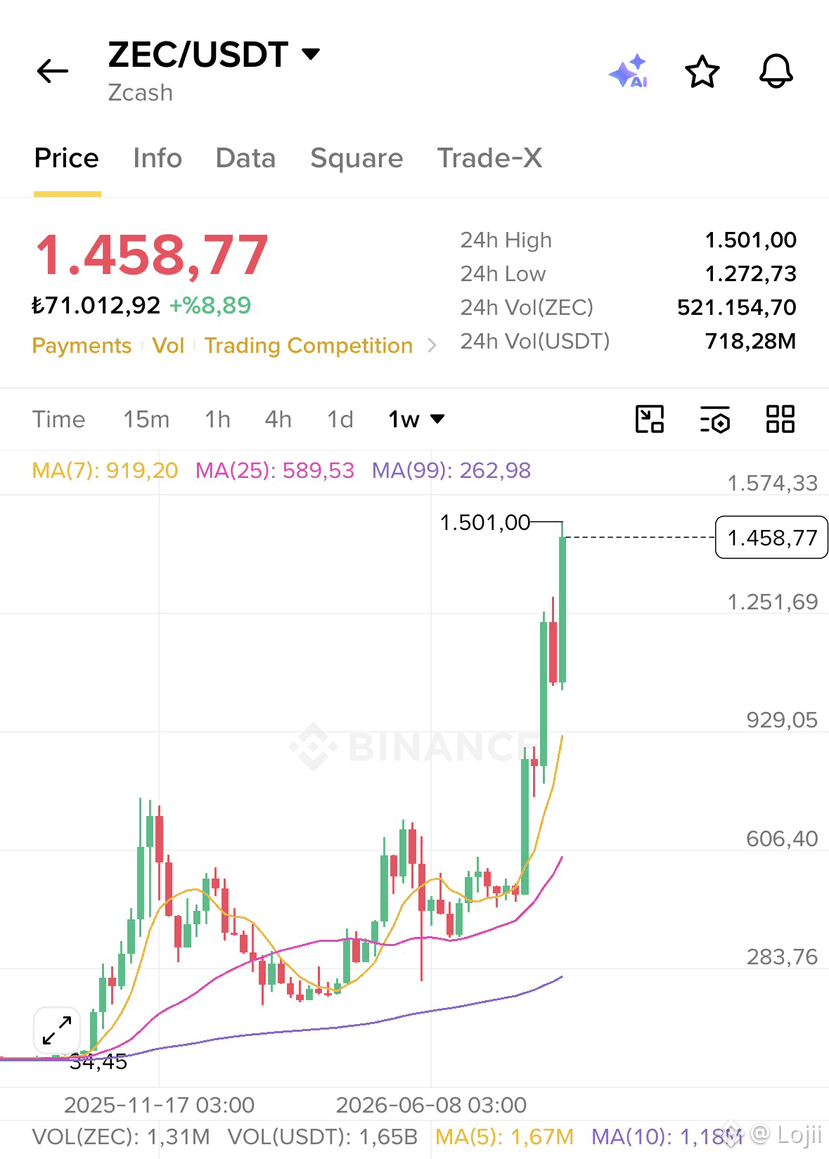
$ZEC Zcashは再び勢いを増しています。
保有ZECを裏付けるParadigmの動きが新たな機関投資家の注目を集めた一方で、ZECは過去24時間で23%急騰し、$1,400に接近しました。
一方、コミュニティはブロックタイムを75秒から25秒に短縮する提案を強く支持し、支持率は99.9%でした。さらに、ビットコイン方式の半減期スケジュールを維持する案も98.9%が支持しています。
機関の関心、より速い取引、そして固定供給モデルが、Zcashのより強い物語性を後押ししています。
重要な問いは、ZECが$1,400を超える勢いを維持できるかどうかです。
$ZEC Zcashは再び勢いを増しています。
保有ZECを裏付けるParadigmの動きが新たな機関投資家の注目を集めた一方で、ZECは過去24時間で23%急騰し、$1,400に接近しました。
一方、コミュニティはブロックタイムを75秒から25秒に短縮する提案を強く支持し、支持率は99.9%でした。さらに、ビットコイン方式の半減期スケジュールを維持する案も98.9%が支持しています。
機関の関心、より速い取引、そして固定供給モデルが、Zcashのより強い物語性を後押ししています。
重要な問いは、ZECが$1,400を超える勢いを維持できるかどうかです。
保有ZECを裏付けるParadigmの動きが新たな機関投資家の注目を集めた一方で、ZECは過去24時間で23%急騰し、$1,400に接近しました。
一方、コミュニティはブロックタイムを75秒から25秒に短縮する提案を強く支持し、支持率は99.9%でした。さらに、ビットコイン方式の半減期スケジュールを維持する案も98.9%が支持しています。
機関の関心、より速い取引、そして固定供給モデルが、Zcashのより強い物語性を後押ししています。
重要な問いは、ZECが$1,400を超える勢いを維持できるかどうかです。
1
360
·
--
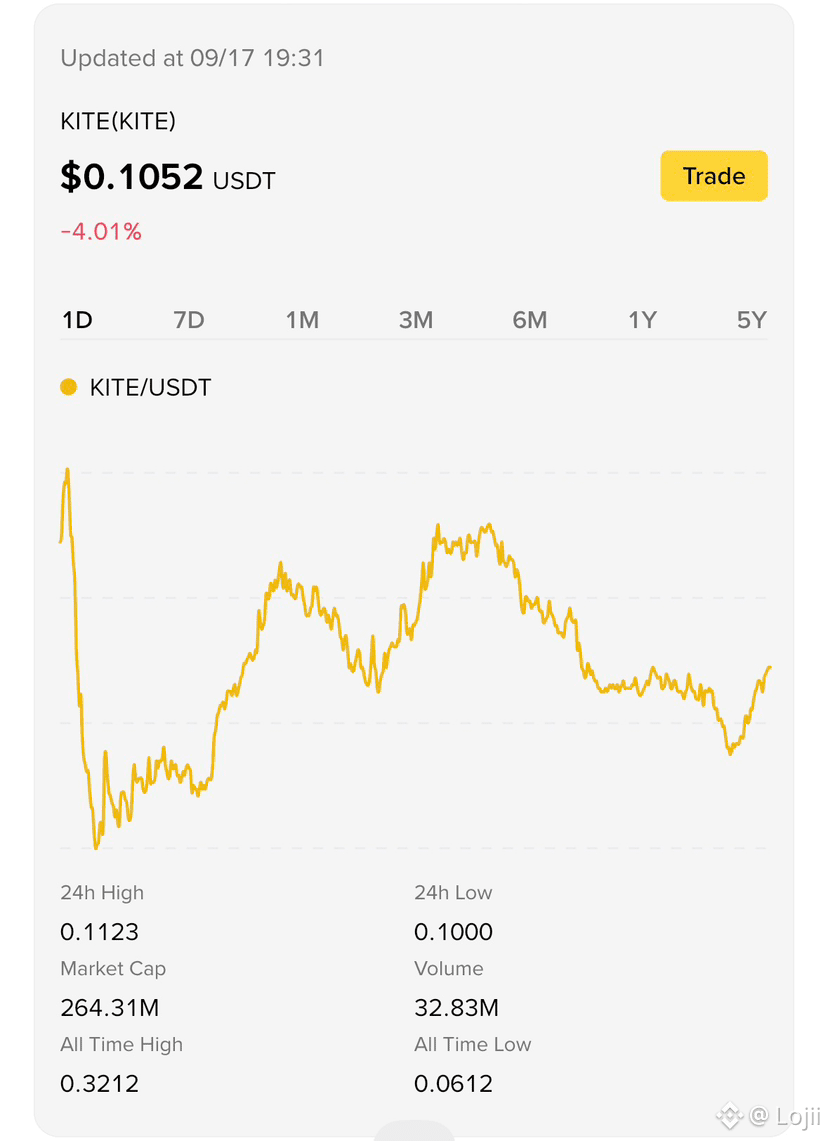
$KITE は短期モメンタムの弱まりを示していますが、直近の安値からの回復はまだ維持されています。
$0.1052では、価格はMA7、MA25、MA99の下にとどまっており、日足のトレンドに圧力がかかっています。
注目すべき主要な水準は、サポートが$0.0971、レジスタンスが$0.1143です。
レジスタンスを上抜ける高ボリュームのブレイクアウトは構造を強める可能性がありますが、サポートを失うと再び売り圧力が高まる恐れがあります。{spot}(KITEUSDT)
$KITE は短期モメンタムの弱まりを示していますが、直近の安値からの回復はまだ維持されています。
$0.1052では、価格はMA7、MA25、MA99の下にとどまっており、日足のトレンドに圧力がかかっています。
注目すべき主要な水準は、サポートが$0.0971、レジスタンスが$0.1143です。
レジスタンスを上抜ける高ボリュームのブレイクアウトは構造を強める可能性がありますが、サポートを失うと再び売り圧力が高まる恐れがあります。
$0.1052では、価格はMA7、MA25、MA99の下にとどまっており、日足のトレンドに圧力がかかっています。
注目すべき主要な水準は、サポートが$0.0971、レジスタンスが$0.1143です。
レジスタンスを上抜ける高ボリュームのブレイクアウトは構造を強める可能性がありますが、サポートを失うと再び売り圧力が高まる恐れがあります。
2
1k
·
--
今日のモチベーションは、とても個人的な場所から生まれています。
最近、人生で最もつらい時期のひとつを過ごしています。
私の本当の仕事は、アウトドアスポーツコーチとして働くことです。人生が重たくなりすぎたときはいつも、自然の中へ戻りたくなります。なぜか山やトレイル、そして外にいることが、いつも自分自身へ帰る道を見つける助けになってきました。
ひとつの困難を乗り越えて、ひと息ついたら――その後に人生は、まったく別のもの、しかも時にはもっと難しいものをあなたの前に差し出してきます。
今の私は、人生の中でもっとも低く、不確かな地点にいるのかもしれません。
でもまた、私は自然の中にいます。
そしてまた、底なしの穴から抜け出す方法を見つけます。
どれほど大変なことがあっても、あなたを引き上げることができるのは、時には自分自身しかいないからです。
もしあなたも同じようなことを経験しているなら、自然の中で少し時間を取ってください。歩いて。呼吸して。しばらく切り離してみましょう。
今日、すべてを解決している必要はありません。#BitcoinSurpasses$77000
私たちはまた花を咲かせます。🌿
今日のモチベーションは、とても個人的な場所から生まれています。
最近、人生で最もつらい時期のひとつを過ごしています。
私の本当の仕事は、アウトドアスポーツコーチとして働くことです。人生が重たくなりすぎたときはいつも、自然の中へ戻りたくなります。なぜか山やトレイル、そして外にいることが、いつも自分自身へ帰る道を見つける助けになってきました。
ひとつの困難を乗り越えて、ひと息ついたら――その後に人生は、まったく別のもの、しかも時にはもっと難しいものをあなたの前に差し出してきます。
今の私は、人生の中でもっとも低く、不確かな地点にいるのかもしれません。
でもまた、私は自然の中にいます。
そしてまた、底なしの穴から抜け出す方法を見つけます。
どれほど大変なことがあっても、あなたを引き上げることができるのは、時には自分自身しかいないからです。
もしあなたも同じようなことを経験しているなら、自然の中で少し時間を取ってください。歩いて。呼吸して。しばらく切り離してみましょう。
今日、すべてを解決している必要はありません。#BitcoinSurpasses$77000
私たちはまた花を咲かせます。🌿
最近、人生で最もつらい時期のひとつを過ごしています。
私の本当の仕事は、アウトドアスポーツコーチとして働くことです。人生が重たくなりすぎたときはいつも、自然の中へ戻りたくなります。なぜか山やトレイル、そして外にいることが、いつも自分自身へ帰る道を見つける助けになってきました。
ひとつの困難を乗り越えて、ひと息ついたら――その後に人生は、まったく別のもの、しかも時にはもっと難しいものをあなたの前に差し出してきます。
今の私は、人生の中でもっとも低く、不確かな地点にいるのかもしれません。
でもまた、私は自然の中にいます。
そしてまた、底なしの穴から抜け出す方法を見つけます。
どれほど大変なことがあっても、あなたを引き上げることができるのは、時には自分自身しかいないからです。
もしあなたも同じようなことを経験しているなら、自然の中で少し時間を取ってください。歩いて。呼吸して。しばらく切り離してみましょう。
今日、すべてを解決している必要はありません。#BitcoinSurpasses$77000
私たちはまた花を咲かせます。🌿

6
20
5.3k
·
--
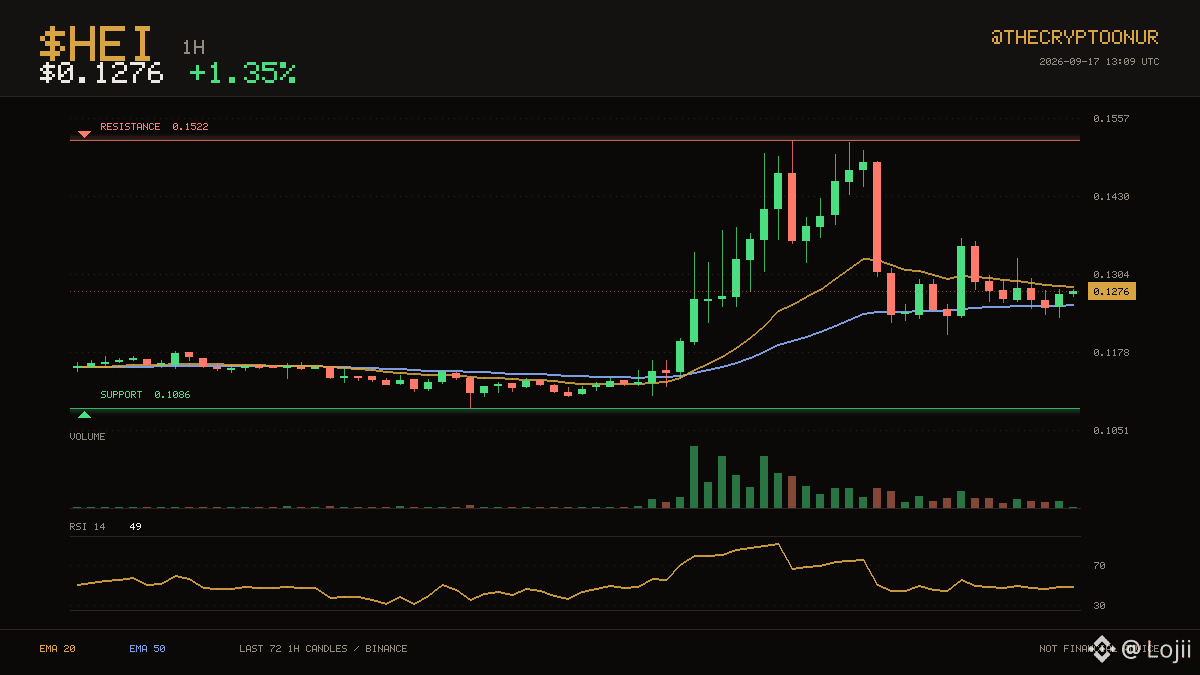
🟢 $HEI · 1H
$0.1276にて、$HEI は時間足平均のちょうど中央に位置しています。下限側の$0.1086、上限側の$0.1522が過去3日間を形作ってきました。ここでの価格はほぼレンジ中央です。サポートは14.9%下のあたりにあり; レンジ上限はかなり上です。平均線は28本のローソク足で同じ並び方になっており、20が50を上回っています。モメンタムは中間で、RSIは49です。24時間の値幅は$0.1206〜$0.1522で、価格はその下端付近にあります。直近1日の出来高は直近平均の約6.5倍で推移しており、これには実際の参加が伴っています。24時間で+1.4%。
DYOR
$HEI #Crypto
🟢 $HEI · 1H
$0.1276にて、$HEI は時間足平均のちょうど中央に位置しています。下限側の$0.1086、上限側の$0.1522が過去3日間を形作ってきました。ここでの価格はほぼレンジ中央です。サポートは14.9%下のあたりにあり; レンジ上限はかなり上です。平均線は28本のローソク足で同じ並び方になっており、20が50を上回っています。モメンタムは中間で、RSIは49です。24時間の値幅は$0.1206〜$0.1522で、価格はその下端付近にあります。直近1日の出来高は直近平均の約6.5倍で推移しており、これには実際の参加が伴っています。24時間で+1.4%。
DYOR
$HEI #Crypto
$0.1276にて、$HEI は時間足平均のちょうど中央に位置しています。下限側の$0.1086、上限側の$0.1522が過去3日間を形作ってきました。ここでの価格はほぼレンジ中央です。サポートは14.9%下のあたりにあり; レンジ上限はかなり上です。平均線は28本のローソク足で同じ並び方になっており、20が50を上回っています。モメンタムは中間で、RSIは49です。24時間の値幅は$0.1206〜$0.1522で、価格はその下端付近にあります。直近1日の出来高は直近平均の約6.5倍で推移しており、これには実際の参加が伴っています。24時間で+1.4%。
DYOR
$HEI #Crypto
1
231
·
--
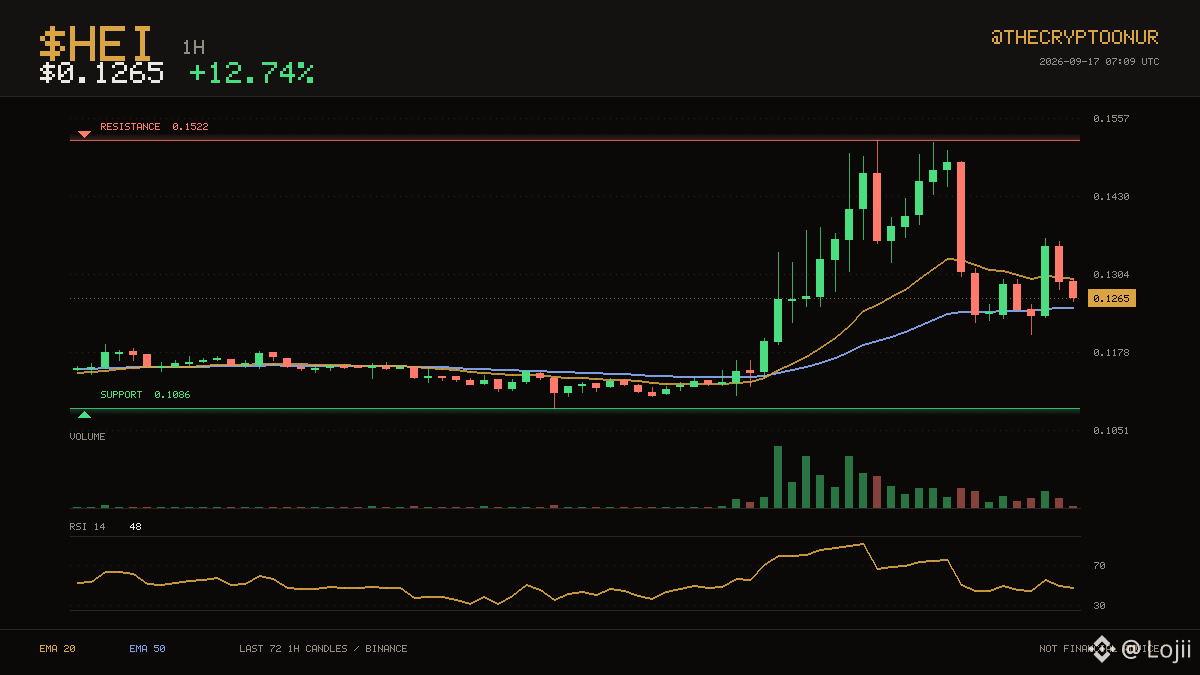
🟢 $HEI · 1H
$0.1265において、$HEI は時間足の平均のちょうど真ん中に位置しています。下限側の$0.1086、上限側の$0.1522の間に、直近3日間は収まっています。価格はここでは概ね中間です。サポートは14.2%下のところにあり、レンジ上限ははるか上です。平均は22本分、同じ順序で並んでおり、50の上に20があります。モメンタムは中間で、RSIは48です。24時間のレンジは$0.1108〜$0.1522で、価格はそのほぼ中央あたりです。過去1日の出来高は最近の平均の約25.2倍で推移しており、これには実際の参加が見られます。24時間で+12.7%。
DYOR
$HEI #Crypto
🟢 $HEI · 1H
$0.1265において、$HEI は時間足の平均のちょうど真ん中に位置しています。下限側の$0.1086、上限側の$0.1522の間に、直近3日間は収まっています。価格はここでは概ね中間です。サポートは14.2%下のところにあり、レンジ上限ははるか上です。平均は22本分、同じ順序で並んでおり、50の上に20があります。モメンタムは中間で、RSIは48です。24時間のレンジは$0.1108〜$0.1522で、価格はそのほぼ中央あたりです。過去1日の出来高は最近の平均の約25.2倍で推移しており、これには実際の参加が見られます。24時間で+12.7%。
DYOR
$HEI #Crypto
$0.1265において、$HEI は時間足の平均のちょうど真ん中に位置しています。下限側の$0.1086、上限側の$0.1522の間に、直近3日間は収まっています。価格はここでは概ね中間です。サポートは14.2%下のところにあり、レンジ上限ははるか上です。平均は22本分、同じ順序で並んでおり、50の上に20があります。モメンタムは中間で、RSIは48です。24時間のレンジは$0.1108〜$0.1522で、価格はそのほぼ中央あたりです。過去1日の出来高は最近の平均の約25.2倍で推移しており、これには実際の参加が見られます。24時間で+12.7%。
DYOR
$HEI #Crypto
199
·
--
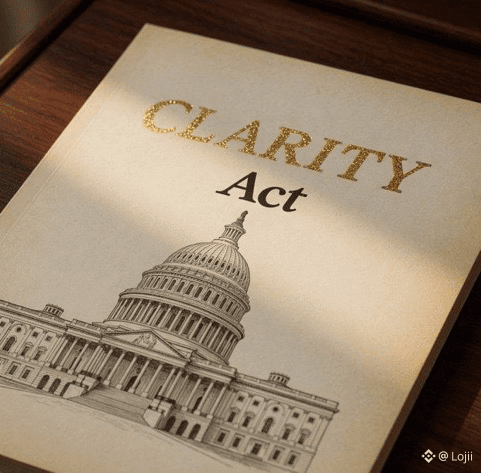
CLARITY法が大きな行き詰まりに直面した。
上院は法案を前に進めるために60票が必要だった。だが獲得できたのは49票。
これで法案が廃案になったわけではないが、「規制の明確化」という物語はさらに先送りになった。
BTCにとってはタイミングが重要だ。価格はすでにマクロ要因で圧力を受けていたうえで、不成立となった投票が売り手が踏み込むための別の理由を加えた。
今は同じポイントを注意深く見ている:
DXY
US10Y
流動性
ETFフロー
そして77Kドルのエリア
興味深いのは、暗号資産の論点(テーゼ)が消えてはいないことだ。
ただしタイムラインは変わった。
本当の問題は、CLARITYが単に遅れているだけなのか、それとも市場が「想定されていた時期には到来しない」ような触媒(カタリスト)をすでに織り込んでいたのか、ということだ。
#FedRateWatch
CLARITY法が大きな行き詰まりに直面した。
上院は法案を前に進めるために60票が必要だった。だが獲得できたのは49票。
これで法案が廃案になったわけではないが、「規制の明確化」という物語はさらに先送りになった。
BTCにとってはタイミングが重要だ。価格はすでにマクロ要因で圧力を受けていたうえで、不成立となった投票が売り手が踏み込むための別の理由を加えた。
今は同じポイントを注意深く見ている:
DXY
US10Y
流動性
ETFフロー
そして77Kドルのエリア
興味深いのは、暗号資産の論点(テーゼ)が消えてはいないことだ。
ただしタイムラインは変わった。
本当の問題は、CLARITYが単に遅れているだけなのか、それとも市場が「想定されていた時期には到来しない」ような触媒(カタリスト)をすでに織り込んでいたのか、ということだ。
#FedRateWatch
上院は法案を前に進めるために60票が必要だった。だが獲得できたのは49票。
これで法案が廃案になったわけではないが、「規制の明確化」という物語はさらに先送りになった。
BTCにとってはタイミングが重要だ。価格はすでにマクロ要因で圧力を受けていたうえで、不成立となった投票が売り手が踏み込むための別の理由を加えた。
今は同じポイントを注意深く見ている:
DXY
US10Y
流動性
ETFフロー
そして77Kドルのエリア
興味深いのは、暗号資産の論点(テーゼ)が消えてはいないことだ。
ただしタイムラインは変わった。
本当の問題は、CLARITYが単に遅れているだけなのか、それとも市場が「想定されていた時期には到来しない」ような触媒(カタリスト)をすでに織り込んでいたのか、ということだ。
#FedRateWatch
1
2.5k
·
--
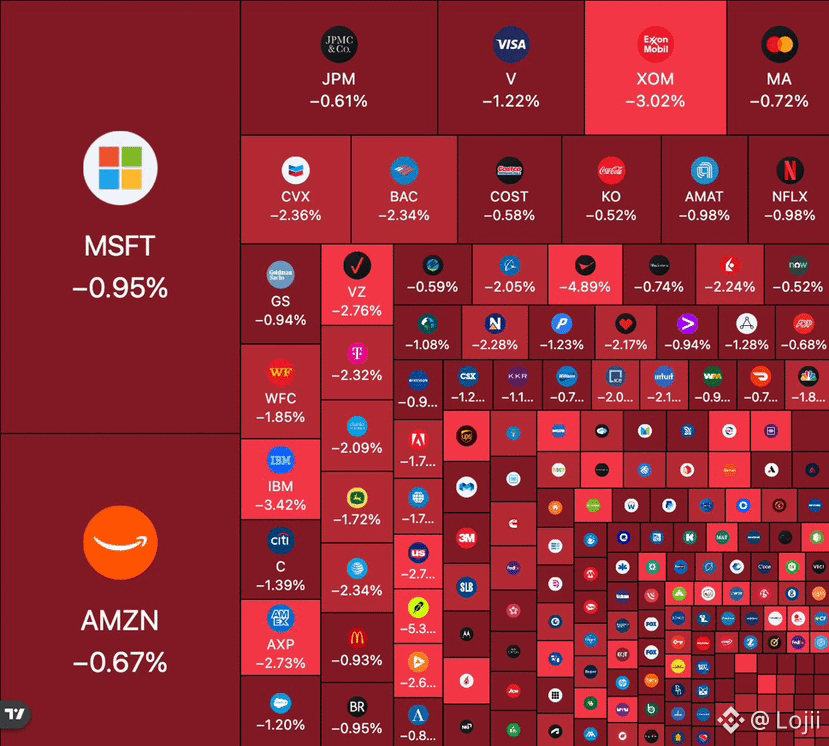
FRBは25bpの利上げを実施したが、真のシグナルはガイダンスにあった。
利上げそのものは概ね織り込まれていたため、市場反応は「その次に何が起きるか」に委ねられた。#FedRateWatch
年末までに追加利上げの可能性がまだある中、流動性の状況がリスク資産の主要な変数であり続ける。
$BTC については、DXY、米国債利回り、そしてFOMC後のサポート水準周辺での価格の動きに注目している。
利回りとドルがさらに上昇し続けるなら、BTCは依然として圧迫された状態が続く可能性がある。両方が反転すれば、リスク資産には回復の余地がより広がる。
テクノロジー株は同じ割引率の問題に直面している一方で、ゴールドは実質利回りとドルの強さに敏感だ。
私の方針は、最初のFOMCの動きに追随しないこと。利回り、DXY、そしてBTCの構造による確認が取れてからエクスポージャーを追加したい。
利上げ判断はもう下された。あとは市場がこれからの道筋を価格づけする必要がある。
{spot}(BTCUSDT)
FRBは25bpの利上げを実施したが、真のシグナルはガイダンスにあった。
利上げそのものは概ね織り込まれていたため、市場反応は「その次に何が起きるか」に委ねられた。#FedRateWatch
年末までに追加利上げの可能性がまだある中、流動性の状況がリスク資産の主要な変数であり続ける。
$BTC については、DXY、米国債利回り、そしてFOMC後のサポート水準周辺での価格の動きに注目している。
利回りとドルがさらに上昇し続けるなら、BTCは依然として圧迫された状態が続く可能性がある。両方が反転すれば、リスク資産には回復の余地がより広がる。
テクノロジー株は同じ割引率の問題に直面している一方で、ゴールドは実質利回りとドルの強さに敏感だ。
私の方針は、最初のFOMCの動きに追随しないこと。利回り、DXY、そしてBTCの構造による確認が取れてからエクスポージャーを追加したい。
利上げ判断はもう下された。あとは市場がこれからの道筋を価格づけする必要がある。
利上げそのものは概ね織り込まれていたため、市場反応は「その次に何が起きるか」に委ねられた。#FedRateWatch
年末までに追加利上げの可能性がまだある中、流動性の状況がリスク資産の主要な変数であり続ける。
$BTC については、DXY、米国債利回り、そしてFOMC後のサポート水準周辺での価格の動きに注目している。
利回りとドルがさらに上昇し続けるなら、BTCは依然として圧迫された状態が続く可能性がある。両方が反転すれば、リスク資産には回復の余地がより広がる。
テクノロジー株は同じ割引率の問題に直面している一方で、ゴールドは実質利回りとドルの強さに敏感だ。
私の方針は、最初のFOMCの動きに追随しないこと。利回り、DXY、そしてBTCの構造による確認が取れてからエクスポージャーを追加したい。
利上げ判断はもう下された。あとは市場がこれからの道筋を価格づけする必要がある。
2
2
941
·
--
🔴 $SNDKB · 1時間
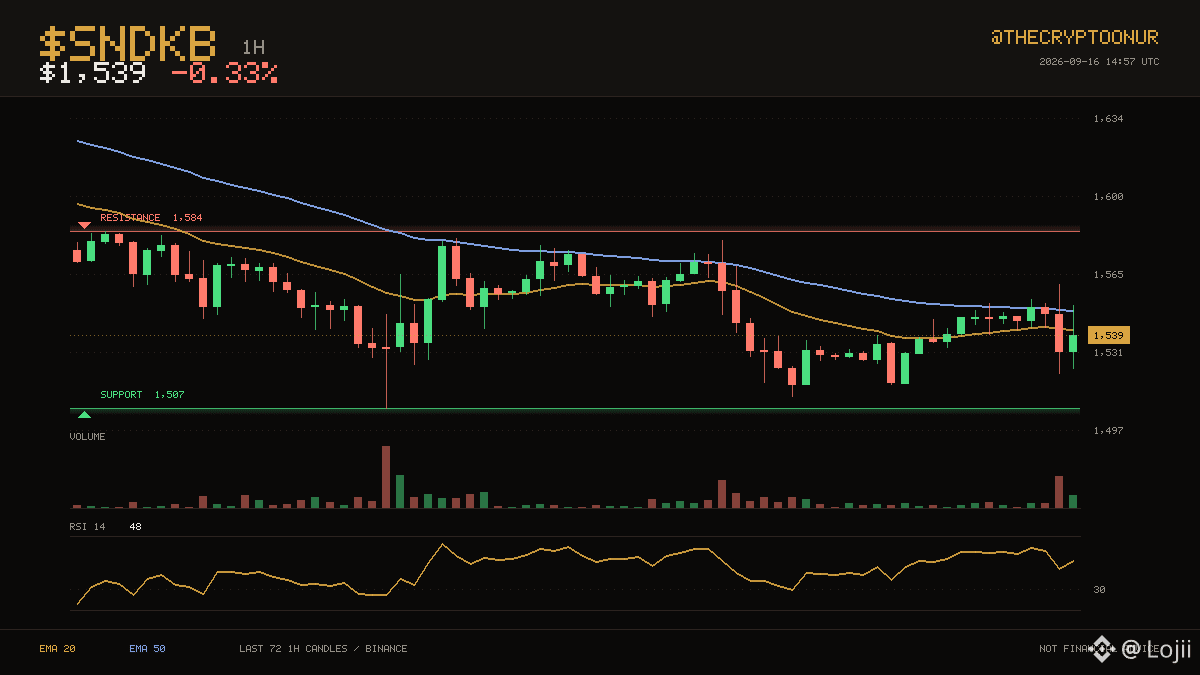
価格は1,539ドルで、$SNDKB は先ほど上限で抑えられたときの平均水準より下にとどまっています。下限側の1,507ドルと上限側の1,584ドルが、直近3日間の範囲を収めています。つまり価格はレンジの中央です。天井まで2.9%、底まで2.1%。20日線は、ここしばらく50日線を下回ったままです。RSIが48で中立のため、モメンタムがどちらか一方向への動きを阻んでいるわけではありません。過去1日では1,512ドルから1,561ドルの間で取引されており、現在はちょうどその中間あたりに位置しています。出来高は目立ったものではなく、直近平均の0.9倍です。過去24時間で0.3%下落。
DYOR
$SNDKB #TechnicalAnalysis
🔴 $SNDKB · 1時間
価格は1,539ドルで、$SNDKB は先ほど上限で抑えられたときの平均水準より下にとどまっています。下限側の1,507ドルと上限側の1,584ドルが、直近3日間の範囲を収めています。つまり価格はレンジの中央です。天井まで2.9%、底まで2.1%。20日線は、ここしばらく50日線を下回ったままです。RSIが48で中立のため、モメンタムがどちらか一方向への動きを阻んでいるわけではありません。過去1日では1,512ドルから1,561ドルの間で取引されており、現在はちょうどその中間あたりに位置しています。出来高は目立ったものではなく、直近平均の0.9倍です。過去24時間で0.3%下落。
DYOR
$SNDKB #TechnicalAnalysis
価格は1,539ドルで、$SNDKB は先ほど上限で抑えられたときの平均水準より下にとどまっています。下限側の1,507ドルと上限側の1,584ドルが、直近3日間の範囲を収めています。つまり価格はレンジの中央です。天井まで2.9%、底まで2.1%。20日線は、ここしばらく50日線を下回ったままです。RSIが48で中立のため、モメンタムがどちらか一方向への動きを阻んでいるわけではありません。過去1日では1,512ドルから1,561ドルの間で取引されており、現在はちょうどその中間あたりに位置しています。出来高は目立ったものではなく、直近平均の0.9倍です。過去24時間で0.3%下落。
DYOR
$SNDKB #TechnicalAnalysis
1
386
ログインして、さらにコンテンツを読む
厳選トピックで世界の暗号資産トレーダーの仲間入り
⚡️ 暗号資産に関する最新かつ有益な情報が見つかります。
💬 世界最大の暗号資産取引所から信頼されています。
👍 認証を受けたクリエイターから、有益なインサイトを得られます。
メール / 電話番号
トレンドトピック
BinanceLaunchesBinanceIntelligence
閲覧回数 808,397
5,054人が討論中
🚨 BINANCEが暗号資産分野にAIをさらに深く導入。
Binanceは、マーケットリサーチ、取引プロセス、暗号資産データを中心に設計された、AI搭載の新たなレイヤー「Binance Intelligence」を発表しました。
注目すべき点は?
単一のツールではないということです。
🧠 Binance AI → 市場のパーソナライズ分析、アラート、ポートフォリオ情報
⚡ Binance AI Pro → 自然言語で表現したアイデアを取引プロセスに変換
🤖 Agent OS → AIエージェントを市場、ポートフォリオ、ブロックチェーンの機能と接続
これは大きな変化です。
暗号資産プラットフォームは、トレーダーにチャートやデータを提供するだけではなくなりつつあります。
そうしたデータを解釈できるAIシステムを提供し始めているのです。
本当の問いは、
AIは今日のインジケーターやチャートのように、トレーダーの間で当たり前の存在になるのでしょうか? 👀
$BTC
$GRIFFAIN
$NMR
#BinanceLaunchesBinanceIntelligence
Jacob trade
·いいね:0件
·閲覧回数 125
BTCFallsBelow$84K
閲覧回数 46,871
146人が討論中
DubaiVARAIssuesReserveAssetAuditCircular
閲覧回数 17,619
590人が討論中