
King_Junaid1
266 投稿

King_Junaid1
報告
ユーザーをブロック
Crypto news | Market insights | Signals
取引を発注
高頻度トレーダー
4.1年
435 フォロー
6.8K+ フォロワー
1.6K+ いいね
投稿
ポートフォリオ
すべて
引用
·
--
記事
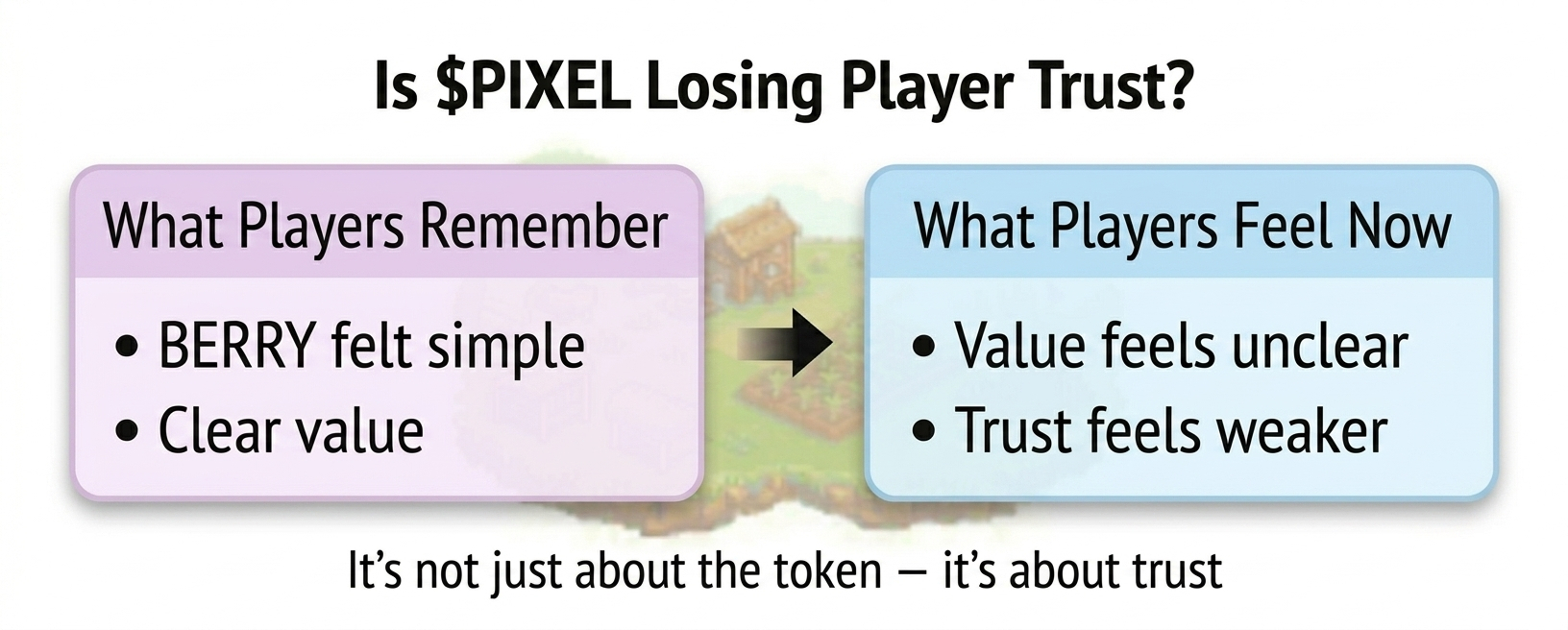
プレイヤーが $PIXEL に疑問を抱き始めている理由 — ランダムなのか、信頼の問題なのか?最近、プレイヤーたちが$PIXEL について話しているのを見かける。
いつもの「価格が上がるか下がるかタイプ」じゃない。
むしろ「このトークンはゲームを台無しにする」とか「BERRYの方が良かった」とか「代わりにステーブルコインを使え」といった感じ。最初はランダムな不満のように聞こえる。
どのゲームにもそれはある。でも、注意を払えば払うほど、ランダムじゃなく感じた。
プレイヤーたちはトークンそのものについてだけ話しているわけじゃない。信頼についても話している。
BERRYがあった頃は、物事がシンプルに感じた。稼いで、使って、プレイを続けた。
プレイヤーが $PIXEL に疑問を抱き始めている理由 — ランダムなのか、信頼の問題なのか?
最近、プレイヤーたちが$PIXEL について話しているのを見かける。
いつもの「価格が上がるか下がるかタイプ」じゃない。
むしろ「このトークンはゲームを台無しにする」とか「BERRYの方が良かった」とか「代わりにステーブルコインを使え」といった感じ。最初はランダムな不満のように聞こえる。
どのゲームにもそれはある。でも、注意を払えば払うほど、ランダムじゃなく感じた。
プレイヤーたちはトークンそのものについてだけ話しているわけじゃない。信頼についても話している。
BERRYがあった頃は、物事がシンプルに感じた。稼いで、使って、プレイを続けた。
いつもの「価格が上がるか下がるかタイプ」じゃない。
むしろ「このトークンはゲームを台無しにする」とか「BERRYの方が良かった」とか「代わりにステーブルコインを使え」といった感じ。最初はランダムな不満のように聞こえる。
どのゲームにもそれはある。でも、注意を払えば払うほど、ランダムじゃなく感じた。
プレイヤーたちはトークンそのものについてだけ話しているわけじゃない。信頼についても話している。
BERRYがあった頃は、物事がシンプルに感じた。稼いで、使って、プレイを続けた。
2
164
·
--
記事
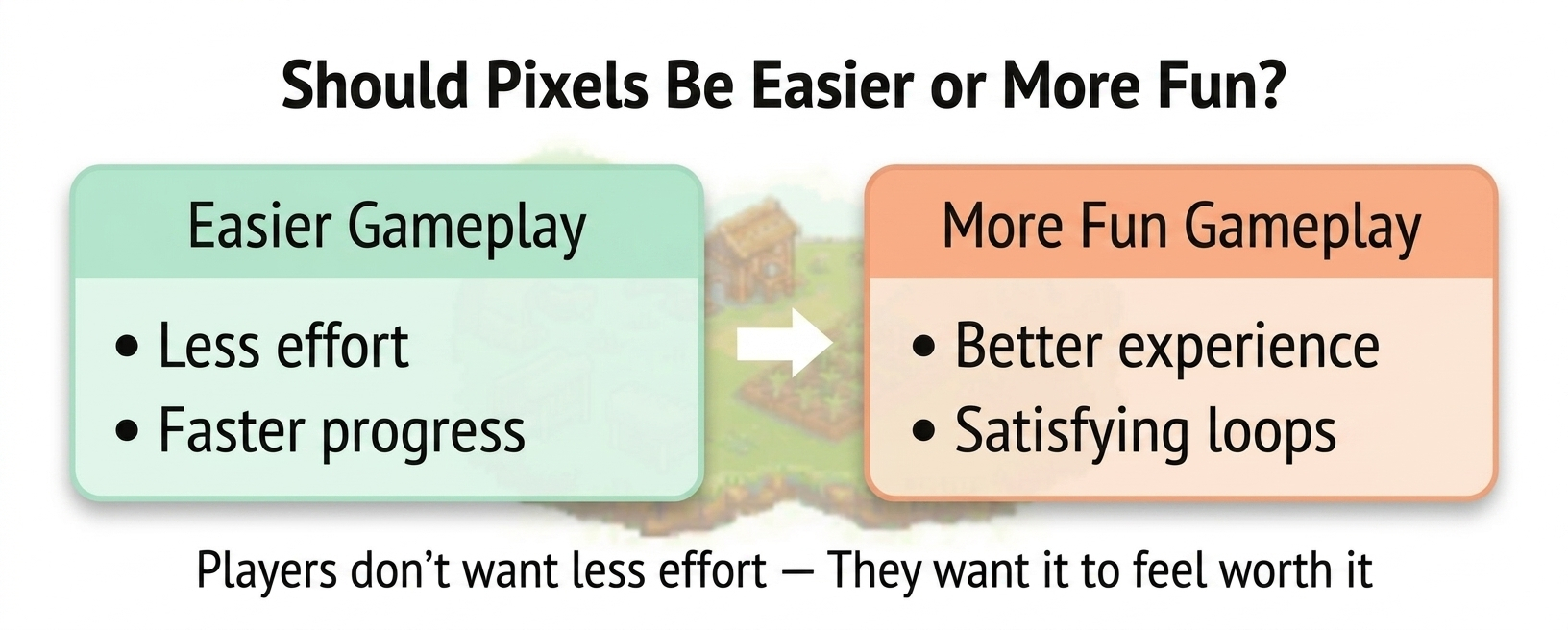
Pixelsをプレイする価値を感じさせるものは何か?最近、Pixelsについてまるで真逆の意見を見かける。
一部のトレーダーはゲームをもっとスピーディーにしたいと思っている。
努力を減らして、繰り返しを減らし、便利にする。
他の人はそれが台無しになると思っている。
彼らは自動でプレイするゲームを望んでいない。
彼らは魅力的なものを求めている。本当に楽しくプレイできるものを。
最初は、まるで真逆の方向に思える。
簡単にするか、より良くするか。
でも、見れば見るほど、その分断が意味を成さなくなった。
簡単にすることは必ずしも本当の目標ではないから。
プレイヤーが実際に反応するのは、何かの感覚だ。
Pixelsをプレイする価値を感じさせるものは何か?
最近、Pixelsについてまるで真逆の意見を見かける。
一部のトレーダーはゲームをもっとスピーディーにしたいと思っている。
努力を減らして、繰り返しを減らし、便利にする。
他の人はそれが台無しになると思っている。
彼らは自動でプレイするゲームを望んでいない。
彼らは魅力的なものを求めている。本当に楽しくプレイできるものを。
最初は、まるで真逆の方向に思える。
簡単にするか、より良くするか。
でも、見れば見るほど、その分断が意味を成さなくなった。
簡単にすることは必ずしも本当の目標ではないから。
プレイヤーが実際に反応するのは、何かの感覚だ。
一部のトレーダーはゲームをもっとスピーディーにしたいと思っている。
努力を減らして、繰り返しを減らし、便利にする。
他の人はそれが台無しになると思っている。
彼らは自動でプレイするゲームを望んでいない。
彼らは魅力的なものを求めている。本当に楽しくプレイできるものを。
最初は、まるで真逆の方向に思える。
簡単にするか、より良くするか。
でも、見れば見るほど、その分断が意味を成さなくなった。
簡単にすることは必ずしも本当の目標ではないから。
プレイヤーが実際に反応するのは、何かの感覚だ。
2
118
·
--
@pixels の出金手数料が高すぎると思っていたんだ。出金しようとするたびに、予想以上に損をしているように感じたから、自然とシステム自体が高いと思い込んでいた。
でも、もっと注意深く見ると、そんなに単純じゃないみたいだ。
手数料は実際には固定されていないんだ。
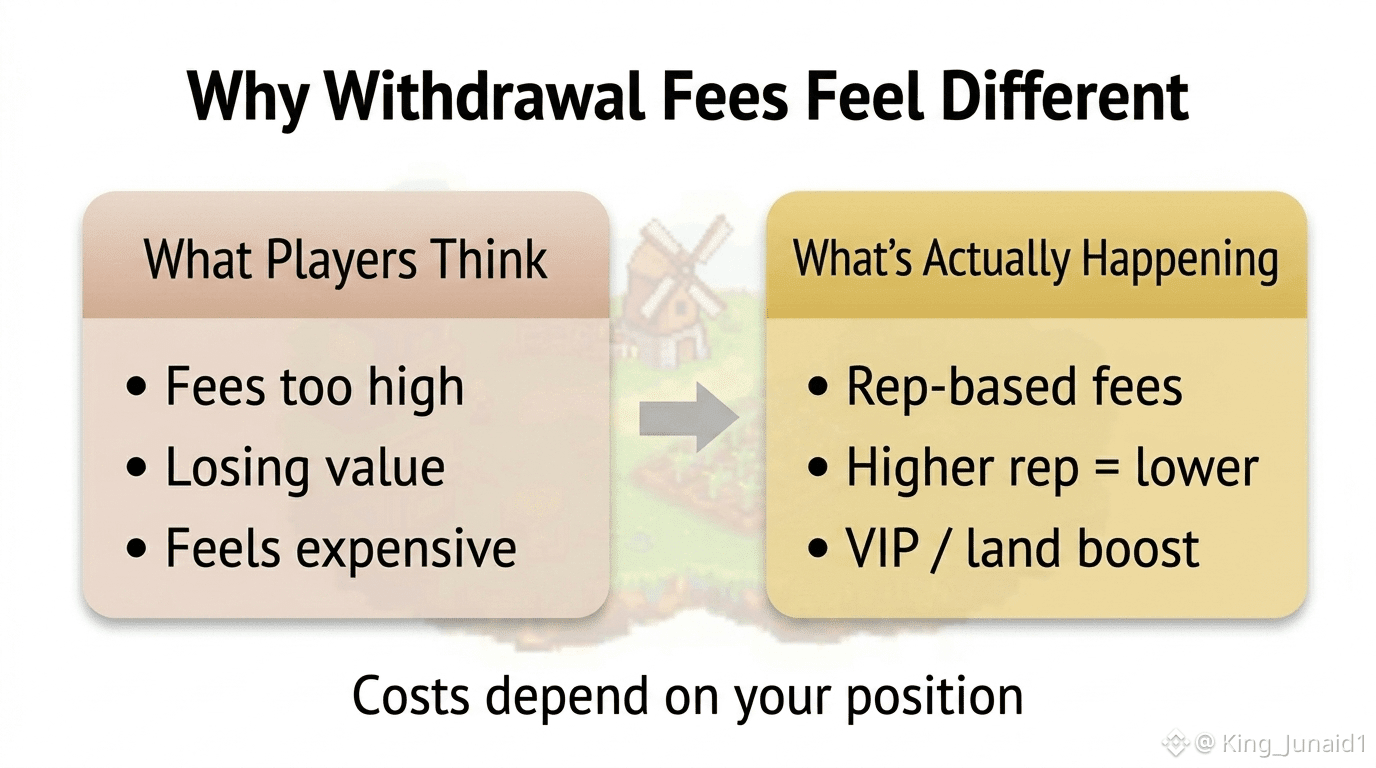
それは評判に紐づいている。
つまり、二人のプレイヤーが同じ出金をしても、まったく異なる手数料を支払うことがある。
評判が高ければ高いほど、#pixel の中で感じる摩擦は少なくなる。
その評判は、どれだけアクティブであるか、VIPを持っているか、あるいは土地を所有しているかによって決まるんだ。
だから、単にどれだけ出金しているかだけの問題じゃない。
システムが私のポジションをどう見ているかが重要なんだ。
それに、出金しないプレイヤーもいることに気づいた。
彼らはただゲーム内の$PIXEL を使っているだけなんだ。
積み重なったタスクをクリアしたり、アップグレードしたり、すべてをシステム内で循環させている。
つまり、価値が外に出るのではなく、ずっと循環しているということだ。
そこから、何かが違うと感じ始めた。
手数料が単に高いだけじゃなくて、調整されているように思える。
じゃあ、出金手数料は本当に高いのか?
それとも、ピクセルの中で自分がどこにいるかによって変わるのか?
@Pixels の出金手数料が高すぎると思っていたんだ。出金しようとするたびに、予想以上に損をしているように感じたから、自然とシステム自体が高いと思い込んでいた。
でも、もっと注意深く見ると、そんなに単純じゃないみたいだ。
手数料は実際には固定されていないんだ。
それは評判に紐づいている。
つまり、二人のプレイヤーが同じ出金をしても、まったく異なる手数料を支払うことがある。
評判が高ければ高いほど、#pixel の中で感じる摩擦は少なくなる。
その評判は、どれだけアクティブであるか、VIPを持っているか、あるいは土地を所有しているかによって決まるんだ。
だから、単にどれだけ出金しているかだけの問題じゃない。
システムが私のポジションをどう見ているかが重要なんだ。
それに、出金しないプレイヤーもいることに気づいた。
彼らはただゲーム内の$PIXEL を使っているだけなんだ。
積み重なったタスクをクリアしたり、アップグレードしたり、すべてをシステム内で循環させている。
つまり、価値が外に出るのではなく、ずっと循環しているということだ。
そこから、何かが違うと感じ始めた。
手数料が単に高いだけじゃなくて、調整されているように思える。
じゃあ、出金手数料は本当に高いのか?
それとも、ピクセルの中で自分がどこにいるかによって変わるのか?
でも、もっと注意深く見ると、そんなに単純じゃないみたいだ。
手数料は実際には固定されていないんだ。
それは評判に紐づいている。
つまり、二人のプレイヤーが同じ出金をしても、まったく異なる手数料を支払うことがある。
評判が高ければ高いほど、#pixel の中で感じる摩擦は少なくなる。
その評判は、どれだけアクティブであるか、VIPを持っているか、あるいは土地を所有しているかによって決まるんだ。
だから、単にどれだけ出金しているかだけの問題じゃない。
システムが私のポジションをどう見ているかが重要なんだ。
それに、出金しないプレイヤーもいることに気づいた。
彼らはただゲーム内の$PIXEL を使っているだけなんだ。
積み重なったタスクをクリアしたり、アップグレードしたり、すべてをシステム内で循環させている。
つまり、価値が外に出るのではなく、ずっと循環しているということだ。
そこから、何かが違うと感じ始めた。
手数料が単に高いだけじゃなくて、調整されているように思える。
じゃあ、出金手数料は本当に高いのか?
それとも、ピクセルの中で自分がどこにいるかによって変わるのか?
1
3
297
·
--
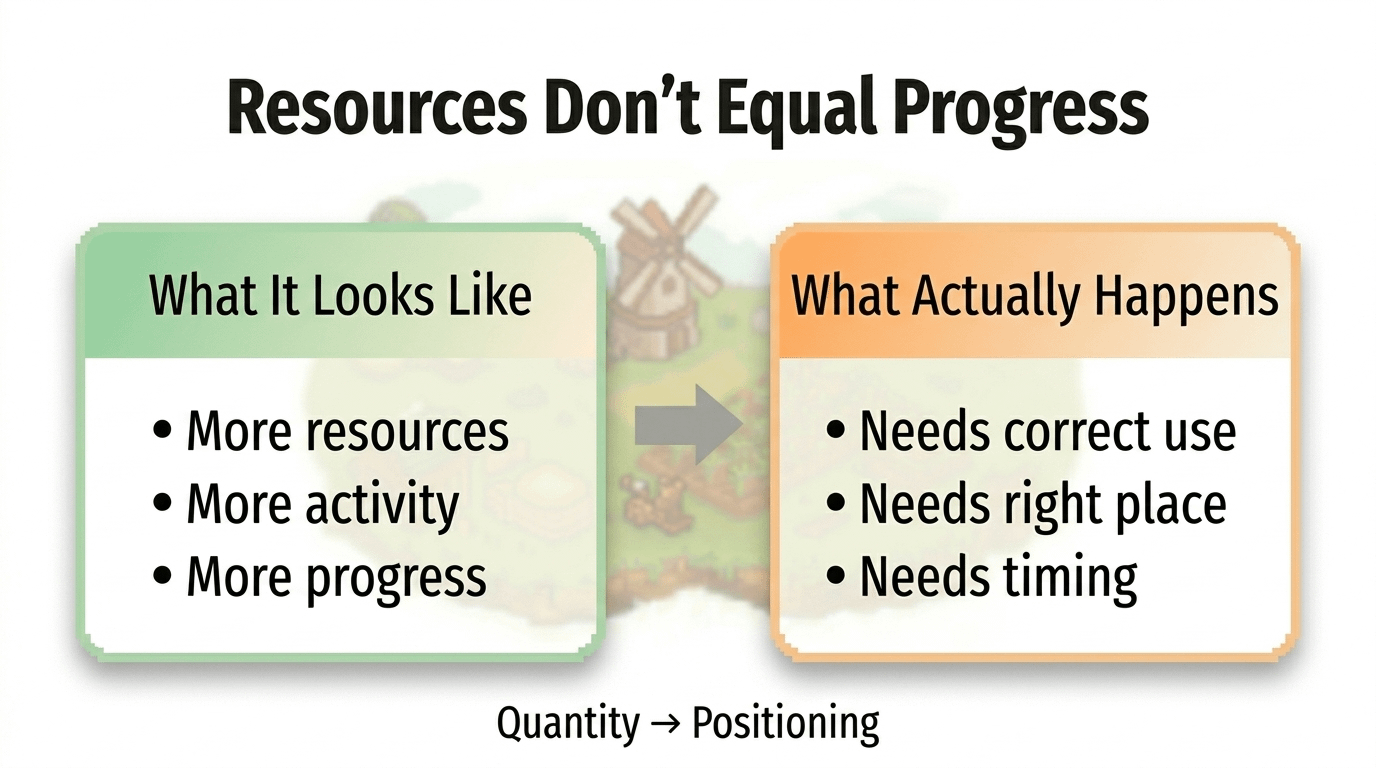
私は以前、ピクセルのリソースは単純だと思っていました。もっと得る→もっと進む。それが最初の見え方です。でもしばらくすると、その関係が崩れ始めます。
なぜなら、もっと持っていることが必ずしも最終的な結果を変えるわけではないからです。
似たようなリソースを持っているプレイヤーを見てきましたが…
結果はまったく異なります。
そして、それは努力の問題ではありません。
それは、リソースがシステムの中でどのように配置されているかの問題です。
そこから違った感覚になりました。
なぜなら、リソース自体には価値があまりないからです。
それは、システムの正しい部分に配置されたときだけ重要になります。
そして、それがすべてを変えるのです。
今は、どれだけ持っているかではなくなりました。
持っているものが実際にどこに行くべきかに合っているかどうかが重要です。
あるプレイヤーは、早い段階でリソースを正しい場所に移動させます。
他のプレイヤーは、方向性がないまま保持します。
そして、その違いは最初には見えませんが…
結果に現れます。
だから、今はただ何かを集めている感覚ではなくなりました。
どこに属するのかを常に探し続けているように感じます。
それが混乱を招く要因です。
@pixels #pixel $PIXEL
なぜなら、リソースは正しく使われるときだけ重要であるなら、進歩は本当にどれだけ持っているかの問題なのでしょうか?
それとも、どれだけうまくそれが行くべき場所を理解しているかの問題なのでしょうか?
私は以前、ピクセルのリソースは単純だと思っていました。もっと得る→もっと進む。それが最初の見え方です。でもしばらくすると、その関係が崩れ始めます。
なぜなら、もっと持っていることが必ずしも最終的な結果を変えるわけではないからです。
似たようなリソースを持っているプレイヤーを見てきましたが…
結果はまったく異なります。
そして、それは努力の問題ではありません。
それは、リソースがシステムの中でどのように配置されているかの問題です。
そこから違った感覚になりました。
なぜなら、リソース自体には価値があまりないからです。
それは、システムの正しい部分に配置されたときだけ重要になります。
そして、それがすべてを変えるのです。
今は、どれだけ持っているかではなくなりました。
持っているものが実際にどこに行くべきかに合っているかどうかが重要です。
あるプレイヤーは、早い段階でリソースを正しい場所に移動させます。
他のプレイヤーは、方向性がないまま保持します。
そして、その違いは最初には見えませんが…
結果に現れます。
だから、今はただ何かを集めている感覚ではなくなりました。
どこに属するのかを常に探し続けているように感じます。
それが混乱を招く要因です。
@Pixels #pixel $PIXEL
なぜなら、リソースは正しく使われるときだけ重要であるなら、進歩は本当にどれだけ持っているかの問題なのでしょうか?
それとも、どれだけうまくそれが行くべき場所を理解しているかの問題なのでしょうか?
なぜなら、もっと持っていることが必ずしも最終的な結果を変えるわけではないからです。
似たようなリソースを持っているプレイヤーを見てきましたが…
結果はまったく異なります。
そして、それは努力の問題ではありません。
それは、リソースがシステムの中でどのように配置されているかの問題です。
そこから違った感覚になりました。
なぜなら、リソース自体には価値があまりないからです。
それは、システムの正しい部分に配置されたときだけ重要になります。
そして、それがすべてを変えるのです。
今は、どれだけ持っているかではなくなりました。
持っているものが実際にどこに行くべきかに合っているかどうかが重要です。
あるプレイヤーは、早い段階でリソースを正しい場所に移動させます。
他のプレイヤーは、方向性がないまま保持します。
そして、その違いは最初には見えませんが…
結果に現れます。
だから、今はただ何かを集めている感覚ではなくなりました。
どこに属するのかを常に探し続けているように感じます。
それが混乱を招く要因です。
@Pixels #pixel $PIXEL
なぜなら、リソースは正しく使われるときだけ重要であるなら、進歩は本当にどれだけ持っているかの問題なのでしょうか?
それとも、どれだけうまくそれが行くべき場所を理解しているかの問題なのでしょうか?
2
62
·
--
記事
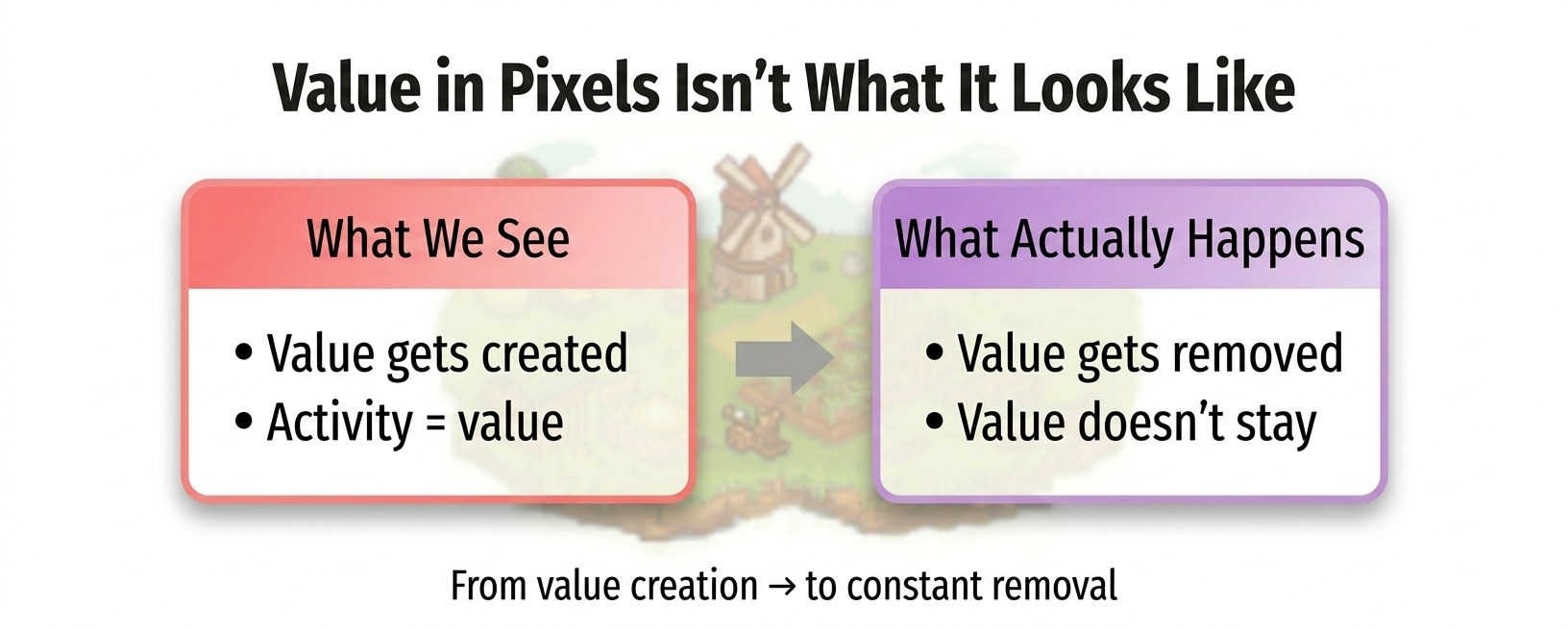
ピクセルで価値が生まれることは知っていますが、価値が消えることも知っていますか?以前は、ピクセルの価値は常に上がっていると思っていました。もっとアクティビティがあれば、もっと価値が生まれるはずです。もっとリソース、もっとクラフト、もっとアウトプット。
表面的にはそう見えます。しかし、システムが実際にどのように機能しているかを調べれば調べるほど、そのつながりは直接的ではなくなりました。
生産されるすべてが実際に価値になるわけではありません。
ピクセルは生産だけでなく変換によって動いています。生のリソースは常に生成されていますが、それだけではあまり感じられません。
それらは、エネルギー、ツール、マシン、アップグレードに変えることで初めて重要になります。その時こそ、実際の価値を持っていると感じ始めるのです。
ピクセルで価値が生まれることは知っていますが、価値が消えることも知っていますか?
以前は、ピクセルの価値は常に上がっていると思っていました。もっとアクティビティがあれば、もっと価値が生まれるはずです。もっとリソース、もっとクラフト、もっとアウトプット。
表面的にはそう見えます。しかし、システムが実際にどのように機能しているかを調べれば調べるほど、そのつながりは直接的ではなくなりました。
生産されるすべてが実際に価値になるわけではありません。
ピクセルは生産だけでなく変換によって動いています。生のリソースは常に生成されていますが、それだけではあまり感じられません。
それらは、エネルギー、ツール、マシン、アップグレードに変えることで初めて重要になります。その時こそ、実際の価値を持っていると感じ始めるのです。
表面的にはそう見えます。しかし、システムが実際にどのように機能しているかを調べれば調べるほど、そのつながりは直接的ではなくなりました。
生産されるすべてが実際に価値になるわけではありません。
ピクセルは生産だけでなく変換によって動いています。生のリソースは常に生成されていますが、それだけではあまり感じられません。
それらは、エネルギー、ツール、マシン、アップグレードに変えることで初めて重要になります。その時こそ、実際の価値を持っていると感じ始めるのです。
2
146
·
--
@pixels でユニオンが導入されたとき、あまり深く考えなかったんだ。
最初は、ただの機能の一つ、参加して、貢献して、さっさと次に進むだけのもので、特別なことじゃなかった。
でも、よく見てみると、何かが際立ってきた。
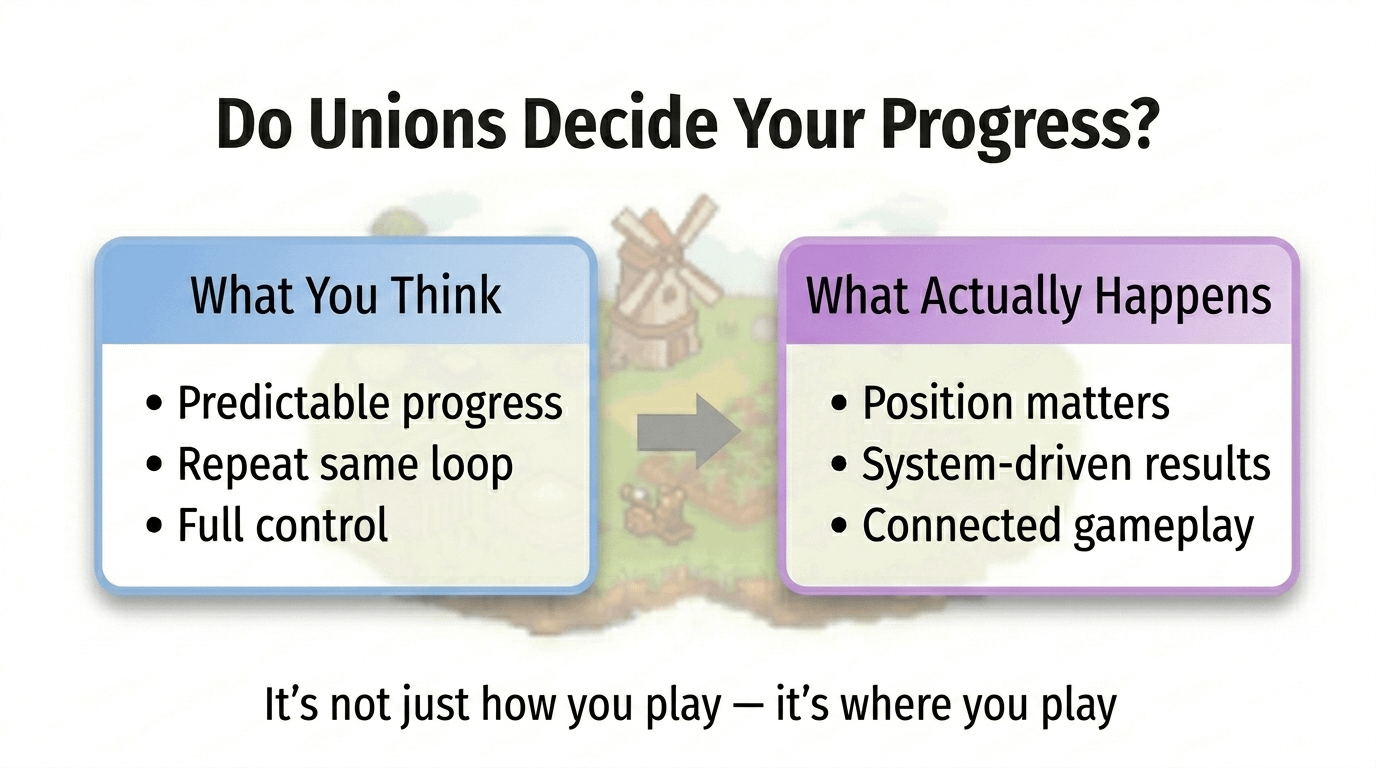
自分の進捗は、もはや自分の行動だけに依存しなくなった。
どこにいるかも関係してくるんだ。
同じ努力をして、同じ時間を使って、似たようなループを追いかけているプレイヤーを見てきたけど、
結果はまったく違うポジションになっていて、その唯一の違いは
彼らが所属するユニオンなんだ $PIXEL 。
そこから、何かが変わったと感じ始めた。
今では、どれだけ上手にプレイするかだけじゃなくて、
システム内での自分の位置も重要になってきた。
自分のポジションは、#pixel の行動と同じくらい大事になってくる。
それに気づくと、無視するのが難しいんだ。
だから、今はずっと考えているんだ...
ユニオンはプレイヤーをつなげるためだけに存在するのか?
それとも、静かに誰が先に進むかを形作っているのか?
@Pixels でユニオンが導入されたとき、あまり深く考えなかったんだ。
最初は、ただの機能の一つ、参加して、貢献して、さっさと次に進むだけのもので、特別なことじゃなかった。
でも、よく見てみると、何かが際立ってきた。
自分の進捗は、もはや自分の行動だけに依存しなくなった。
どこにいるかも関係してくるんだ。
同じ努力をして、同じ時間を使って、似たようなループを追いかけているプレイヤーを見てきたけど、
結果はまったく違うポジションになっていて、その唯一の違いは
彼らが所属するユニオンなんだ $PIXEL 。
そこから、何かが変わったと感じ始めた。
今では、どれだけ上手にプレイするかだけじゃなくて、
システム内での自分の位置も重要になってきた。
自分のポジションは、#pixel の行動と同じくらい大事になってくる。
それに気づくと、無視するのが難しいんだ。
だから、今はずっと考えているんだ...
ユニオンはプレイヤーをつなげるためだけに存在するのか?
それとも、静かに誰が先に進むかを形作っているのか?
最初は、ただの機能の一つ、参加して、貢献して、さっさと次に進むだけのもので、特別なことじゃなかった。
でも、よく見てみると、何かが際立ってきた。
自分の進捗は、もはや自分の行動だけに依存しなくなった。
どこにいるかも関係してくるんだ。
同じ努力をして、同じ時間を使って、似たようなループを追いかけているプレイヤーを見てきたけど、
結果はまったく違うポジションになっていて、その唯一の違いは
彼らが所属するユニオンなんだ $PIXEL 。
そこから、何かが変わったと感じ始めた。
今では、どれだけ上手にプレイするかだけじゃなくて、
システム内での自分の位置も重要になってきた。
自分のポジションは、#pixel の行動と同じくらい大事になってくる。
それに気づくと、無視するのが難しいんだ。
だから、今はずっと考えているんだ...
ユニオンはプレイヤーをつなげるためだけに存在するのか?
それとも、静かに誰が先に進むかを形作っているのか?
1
2
102
·
--
記事
BountyfallはPixelsの更新だけではなく、ゲームの仕組みを変えたBountyfallのアップデート後にPixelsにログインしたら、何かが違うと感じた。
何も壊れていなかった。
同じタスクとアクションがそこにあった。
しかし、その背後にある理由が変わった。
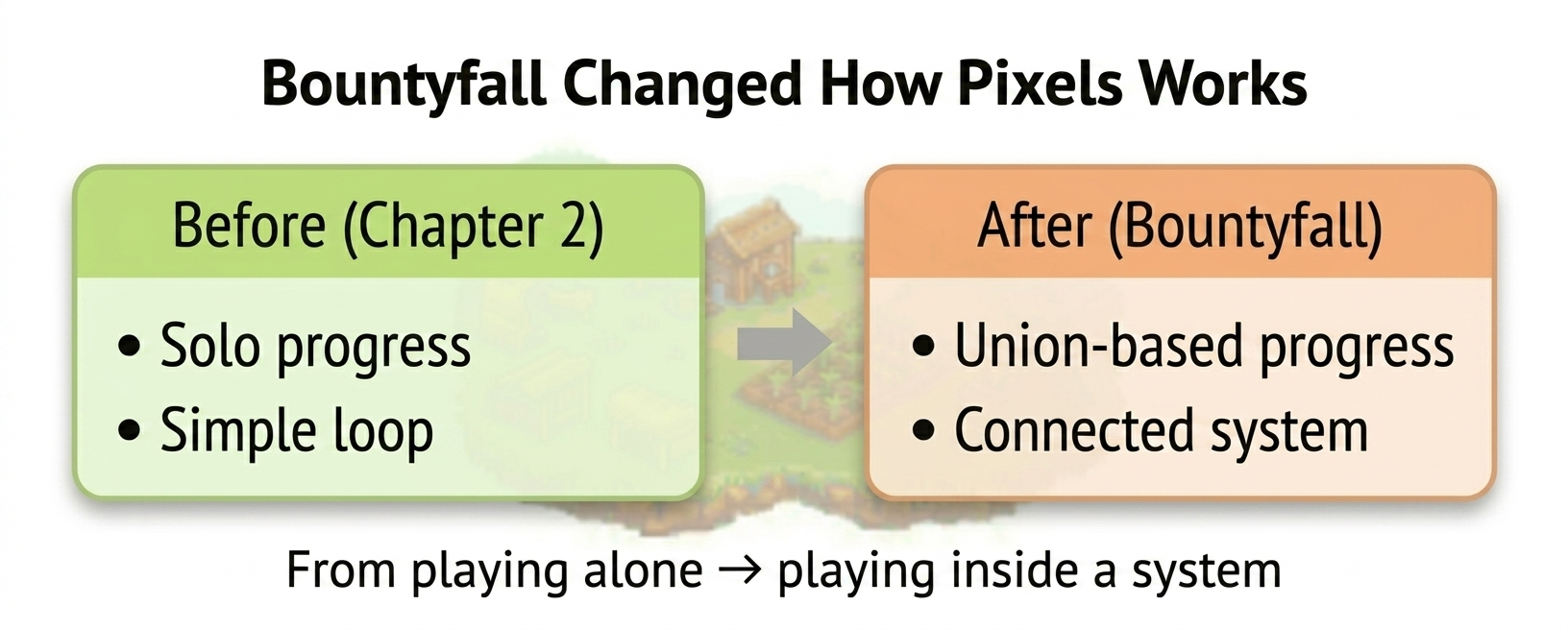
これ以前は、Pixelsはシンプルだった。
あなたはファームして、クラフトして、ループを最適化し、時間と共に改善する。
すべては自分の進捗の範囲内に留まった。
しかし、Bountyfallが静かにそれを変えた。
なぜなら、今やあなたの行動はただあなたに留まらないからだ。
それはあなたのユニオンに接続する。
最初は小さな追加のように見えた。
ファクションに参加して、リソースを提供し、報酬を得る。シンプルだろ?
BountyfallはPixelsの更新だけではなく、ゲームの仕組みを変えた
Bountyfallのアップデート後にPixelsにログインしたら、何かが違うと感じた。
何も壊れていなかった。
同じタスクとアクションがそこにあった。
しかし、その背後にある理由が変わった。
これ以前は、Pixelsはシンプルだった。
あなたはファームして、クラフトして、ループを最適化し、時間と共に改善する。
すべては自分の進捗の範囲内に留まった。
しかし、Bountyfallが静かにそれを変えた。
なぜなら、今やあなたの行動はただあなたに留まらないからだ。
それはあなたのユニオンに接続する。
最初は小さな追加のように見えた。
ファクションに参加して、リソースを提供し、報酬を得る。シンプルだろ?
何も壊れていなかった。
同じタスクとアクションがそこにあった。
しかし、その背後にある理由が変わった。
これ以前は、Pixelsはシンプルだった。
あなたはファームして、クラフトして、ループを最適化し、時間と共に改善する。
すべては自分の進捗の範囲内に留まった。
しかし、Bountyfallが静かにそれを変えた。
なぜなら、今やあなたの行動はただあなたに留まらないからだ。
それはあなたのユニオンに接続する。
最初は小さな追加のように見えた。
ファクションに参加して、リソースを提供し、報酬を得る。シンプルだろ?
2
177
·
--
記事
なぜあなたのコンテンツがPixels CreatorPadリーダーボードでランクインしないのか?最近CreatorPadのリーダーボードをチェックしていたんだけど、何かが私には理解できなかった。
私の投稿とあまり変わらないのに、より高いスコア、より良いランク、そして大きなジャンプを得ている投稿を見た。
最初は、ただの運かもしれないと思っていた。
でも、もっと慎重に投稿を見ていくうちに、パターンが明らかになってきた。
もっと書くことが重要ではなかった。
一般的にもっと良く書くことではなかった。
アイデアがどれだけ明確に伝わったかが重要だった。
リーダーボードで苦戦している人たちは、同じミスを犯していることが多い。
なぜあなたのコンテンツがPixels CreatorPadリーダーボードでランクインしないのか?
最近CreatorPadのリーダーボードをチェックしていたんだけど、何かが私には理解できなかった。
私の投稿とあまり変わらないのに、より高いスコア、より良いランク、そして大きなジャンプを得ている投稿を見た。
最初は、ただの運かもしれないと思っていた。
でも、もっと慎重に投稿を見ていくうちに、パターンが明らかになってきた。
もっと書くことが重要ではなかった。
一般的にもっと良く書くことではなかった。
アイデアがどれだけ明確に伝わったかが重要だった。
リーダーボードで苦戦している人たちは、同じミスを犯していることが多い。
私の投稿とあまり変わらないのに、より高いスコア、より良いランク、そして大きなジャンプを得ている投稿を見た。
最初は、ただの運かもしれないと思っていた。
でも、もっと慎重に投稿を見ていくうちに、パターンが明らかになってきた。
もっと書くことが重要ではなかった。
一般的にもっと良く書くことではなかった。
アイデアがどれだけ明確に伝わったかが重要だった。
リーダーボードで苦戦している人たちは、同じミスを犯していることが多い。
5
4
93
·
--
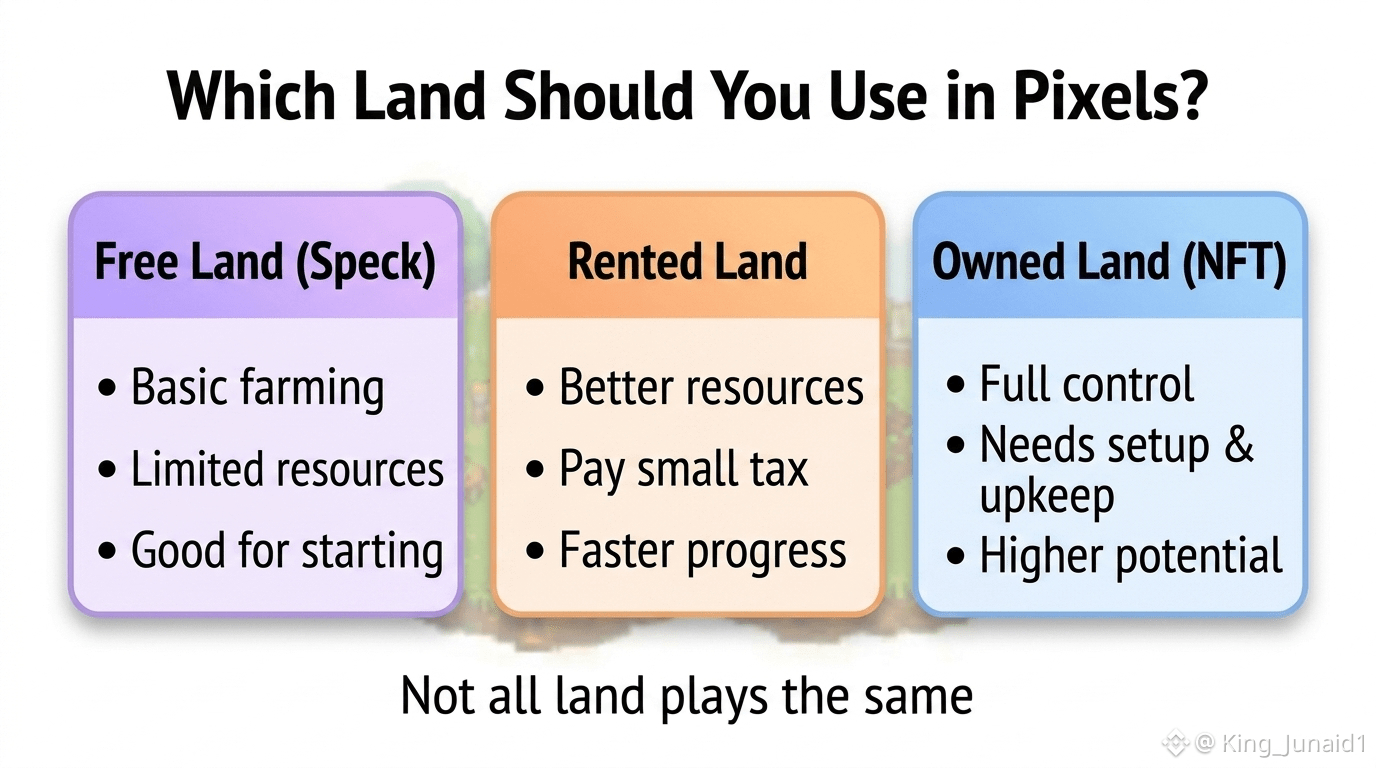
ピクセルの土地について調べていたら、ほとんどのプレイヤーが理解していないことに気づいた。
すべての土地が同じように機能するわけではない。
最初は、土地はシンプルだと思っていた。所有するか、しないかのどちらかだと。
しかし、実際には3つの異なる体験に分かれている。
無料の土地(スぺック)、レンタルアクセス、そして所有されたNFT土地がある。
スぺックは基本的にスタート地点だ。農業をしたり、アイテムを置いたり、今ではそれをアップグレードすることもできる。でも、限界がある。そこで高レベルの生産にはアクセスできない。
次に、レンタルまたは共有の土地がある。ここがほとんどのプレイヤーが実際に進展する場所だ。誰かの土地を使って、より良いリソースにアクセスするが、一部はオーナーに税金として渡る。
そして最後に、所有されたNFT土地。これが最もコントロールを持つが、同時に要件も伴う。効率的であり続けるためには、適切なスキルレベルを持ち、スロットを管理し、産業を維持する必要がある。
これが多くの人が見逃す部分だ。
土地を所有することは、自動的により良い進展を意味するわけではない。
時には、正しいタイミングで正しい土地を使うことが、所有することよりも重要になる。
だから、特定の土地を買おうとする前に、自問してみてほしい。
私は実際に自分のゲームプレイに合ったものを買っているのか?
それとも、みんなが盛り上がっている土地を選んでいるだけなのか?
@pixels #pixel $PIXEL
ピクセルの土地について調べていたら、ほとんどのプレイヤーが理解していないことに気づいた。
すべての土地が同じように機能するわけではない。
最初は、土地はシンプルだと思っていた。所有するか、しないかのどちらかだと。
しかし、実際には3つの異なる体験に分かれている。
無料の土地(スぺック)、レンタルアクセス、そして所有されたNFT土地がある。
スぺックは基本的にスタート地点だ。農業をしたり、アイテムを置いたり、今ではそれをアップグレードすることもできる。でも、限界がある。そこで高レベルの生産にはアクセスできない。
次に、レンタルまたは共有の土地がある。ここがほとんどのプレイヤーが実際に進展する場所だ。誰かの土地を使って、より良いリソースにアクセスするが、一部はオーナーに税金として渡る。
そして最後に、所有されたNFT土地。これが最もコントロールを持つが、同時に要件も伴う。効率的であり続けるためには、適切なスキルレベルを持ち、スロットを管理し、産業を維持する必要がある。
これが多くの人が見逃す部分だ。
土地を所有することは、自動的により良い進展を意味するわけではない。
時には、正しいタイミングで正しい土地を使うことが、所有することよりも重要になる。
だから、特定の土地を買おうとする前に、自問してみてほしい。
私は実際に自分のゲームプレイに合ったものを買っているのか?
それとも、みんなが盛り上がっている土地を選んでいるだけなのか?
@Pixels #pixel $PIXEL
すべての土地が同じように機能するわけではない。
最初は、土地はシンプルだと思っていた。所有するか、しないかのどちらかだと。
しかし、実際には3つの異なる体験に分かれている。
無料の土地(スぺック)、レンタルアクセス、そして所有されたNFT土地がある。
スぺックは基本的にスタート地点だ。農業をしたり、アイテムを置いたり、今ではそれをアップグレードすることもできる。でも、限界がある。そこで高レベルの生産にはアクセスできない。
次に、レンタルまたは共有の土地がある。ここがほとんどのプレイヤーが実際に進展する場所だ。誰かの土地を使って、より良いリソースにアクセスするが、一部はオーナーに税金として渡る。
そして最後に、所有されたNFT土地。これが最もコントロールを持つが、同時に要件も伴う。効率的であり続けるためには、適切なスキルレベルを持ち、スロットを管理し、産業を維持する必要がある。
これが多くの人が見逃す部分だ。
土地を所有することは、自動的により良い進展を意味するわけではない。
時には、正しいタイミングで正しい土地を使うことが、所有することよりも重要になる。
だから、特定の土地を買おうとする前に、自問してみてほしい。
私は実際に自分のゲームプレイに合ったものを買っているのか?
それとも、みんなが盛り上がっている土地を選んでいるだけなのか?
@Pixels #pixel $PIXEL
2
3
166
·
--
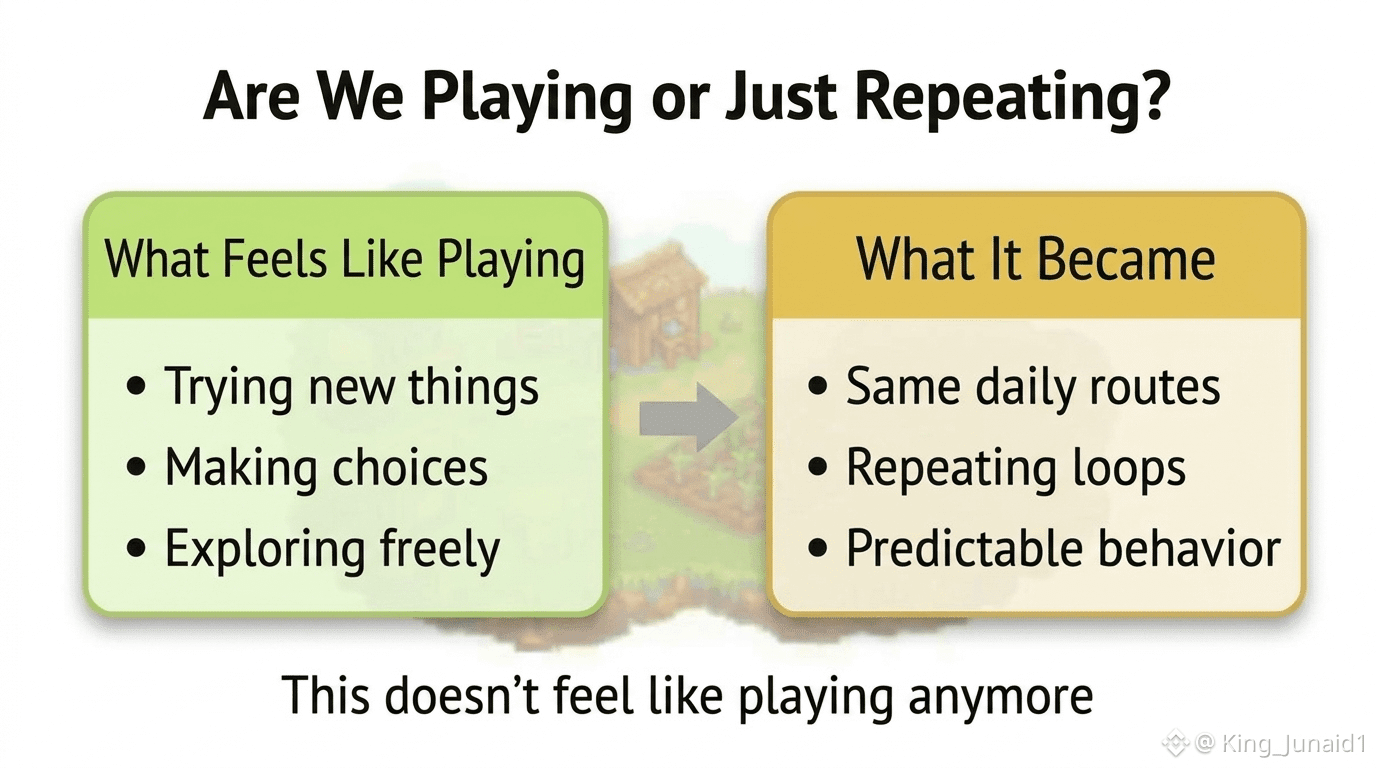
違うことを試みるまでは気づかなかった。いつものルーチンに従うのではなく、少し道を外れた。
ランダムなタスクを試み、効率的な道を無視して、あまり結果について考えずに遊んでいた。
それは遅く感じた、まるで何か間違ったことをしているようで、時間を無駄にしていると感じ、その気持ちが私にこびりついていた。
それが、特定のやり方で遊ぶことにどれだけ慣れてしまったかを気づかせた。ゲームがそれを強いるのではなく、私が何が一番効果的かを知っているからだ。
そして、それを知ってしまうと、無視するのは難しい。
実験をやめる。ランダムな決定をするのをやめる。すべてが最も良い結果をもたらすことの繰り返しになる。
それは私だけではない。
私が見るほとんどのプレイヤーも同じことをしている。似たようなルート、似たようなタイミング、似たような優先順位。
異なるプレイヤーだが、ほぼ同じ行動。
その時、何かおかしいと感じ始めた。
自由に遊んでいる人々のようではなく、みんなが同じパターンにゆっくり適応しているように見えた。
もしそうなら、システムはボットすら必要ないかもしれない。
なぜなら、プレイヤーが自然に予測可能な方法で動くと、ゲームはすでに自動化されているように見えるからだ。
だから今は、それを無視できなくなった。
私たちは実際に自分のプレイスタイルを選んでいるのか?
それとも、気づかずに最も効率的なパターンに従っているだけなのか?
#pixel $PIXEL @pixels
違うことを試みるまでは気づかなかった。いつものルーチンに従うのではなく、少し道を外れた。
ランダムなタスクを試み、効率的な道を無視して、あまり結果について考えずに遊んでいた。
それは遅く感じた、まるで何か間違ったことをしているようで、時間を無駄にしていると感じ、その気持ちが私にこびりついていた。
それが、特定のやり方で遊ぶことにどれだけ慣れてしまったかを気づかせた。ゲームがそれを強いるのではなく、私が何が一番効果的かを知っているからだ。
そして、それを知ってしまうと、無視するのは難しい。
実験をやめる。ランダムな決定をするのをやめる。すべてが最も良い結果をもたらすことの繰り返しになる。
それは私だけではない。
私が見るほとんどのプレイヤーも同じことをしている。似たようなルート、似たようなタイミング、似たような優先順位。
異なるプレイヤーだが、ほぼ同じ行動。
その時、何かおかしいと感じ始めた。
自由に遊んでいる人々のようではなく、みんなが同じパターンにゆっくり適応しているように見えた。
もしそうなら、システムはボットすら必要ないかもしれない。
なぜなら、プレイヤーが自然に予測可能な方法で動くと、ゲームはすでに自動化されているように見えるからだ。
だから今は、それを無視できなくなった。
私たちは実際に自分のプレイスタイルを選んでいるのか?
それとも、気づかずに最も効率的なパターンに従っているだけなのか?
#pixel $PIXEL @Pixels
ランダムなタスクを試み、効率的な道を無視して、あまり結果について考えずに遊んでいた。
それは遅く感じた、まるで何か間違ったことをしているようで、時間を無駄にしていると感じ、その気持ちが私にこびりついていた。
それが、特定のやり方で遊ぶことにどれだけ慣れてしまったかを気づかせた。ゲームがそれを強いるのではなく、私が何が一番効果的かを知っているからだ。
そして、それを知ってしまうと、無視するのは難しい。
実験をやめる。ランダムな決定をするのをやめる。すべてが最も良い結果をもたらすことの繰り返しになる。
それは私だけではない。
私が見るほとんどのプレイヤーも同じことをしている。似たようなルート、似たようなタイミング、似たような優先順位。
異なるプレイヤーだが、ほぼ同じ行動。
その時、何かおかしいと感じ始めた。
自由に遊んでいる人々のようではなく、みんなが同じパターンにゆっくり適応しているように見えた。
もしそうなら、システムはボットすら必要ないかもしれない。
なぜなら、プレイヤーが自然に予測可能な方法で動くと、ゲームはすでに自動化されているように見えるからだ。
だから今は、それを無視できなくなった。
私たちは実際に自分のプレイスタイルを選んでいるのか?
それとも、気づかずに最も効率的なパターンに従っているだけなのか?
#pixel $PIXEL @Pixels
2
64
·
--
記事
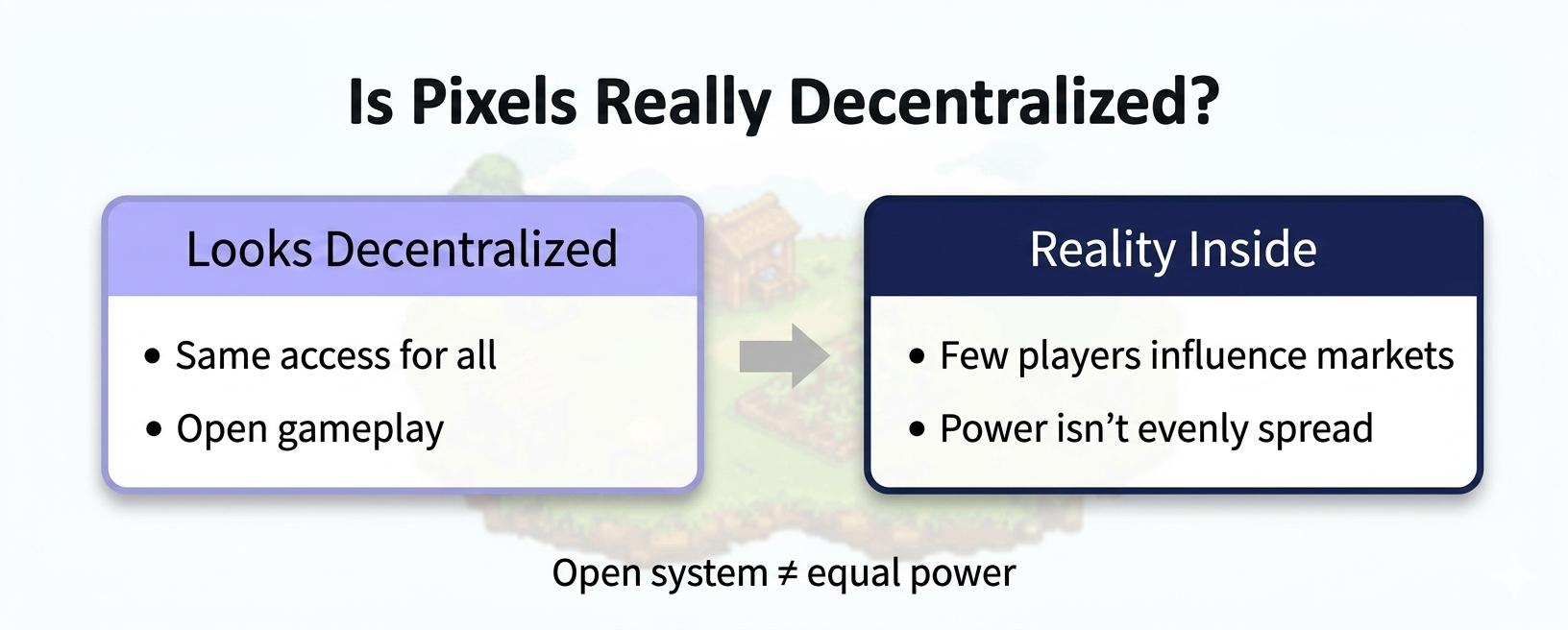
Pixelsは分散型に感じる — でも力は分配されていない:しばらくPixelsをトレードしているけど、何かが気になっている。
これは明白なことではない。最初の数日間では気付かない。
でも、しばらくすると、みんなが同じレベルでプレイしているわけではないように感じ始める。
多くの人は、資産を持つことが十分だと思っている。土地、NFT、より良いセットアップがあれば、先に進めると思っている。
他の人は逆のことを考えている。ただ賢くプレイし、ループを最適化し、アクティブであれば、あまり多くを持っていなくても追いつけると。
昔は、そのどれかが真実だと信じていた。
Pixelsは分散型に感じる — でも力は分配されていない:
しばらくPixelsをトレードしているけど、何かが気になっている。
これは明白なことではない。最初の数日間では気付かない。
でも、しばらくすると、みんなが同じレベルでプレイしているわけではないように感じ始める。
多くの人は、資産を持つことが十分だと思っている。土地、NFT、より良いセットアップがあれば、先に進めると思っている。
他の人は逆のことを考えている。ただ賢くプレイし、ループを最適化し、アクティブであれば、あまり多くを持っていなくても追いつけると。
昔は、そのどれかが真実だと信じていた。
これは明白なことではない。最初の数日間では気付かない。
でも、しばらくすると、みんなが同じレベルでプレイしているわけではないように感じ始める。
多くの人は、資産を持つことが十分だと思っている。土地、NFT、より良いセットアップがあれば、先に進めると思っている。
他の人は逆のことを考えている。ただ賢くプレイし、ループを最適化し、アクティブであれば、あまり多くを持っていなくても追いつけると。
昔は、そのどれかが真実だと信じていた。
2
88
·
--
私は@pixels の古参プレイヤーで、ある日、ポリゴンからローニンに移行するというニュースを聞きました。最初は、なぜそうなるのかよく理解できませんでした。その時ローニンが注目を集めていたからだと思っていました。
それは、プロジェクトが relevancy を保つために行う動きのように感じました。しかし、調べれば調べるほど、それはただのハイプではないように思えました。
問題は、どのチェーンが人気かではなく、実際にゲームをプレイする感覚でした。
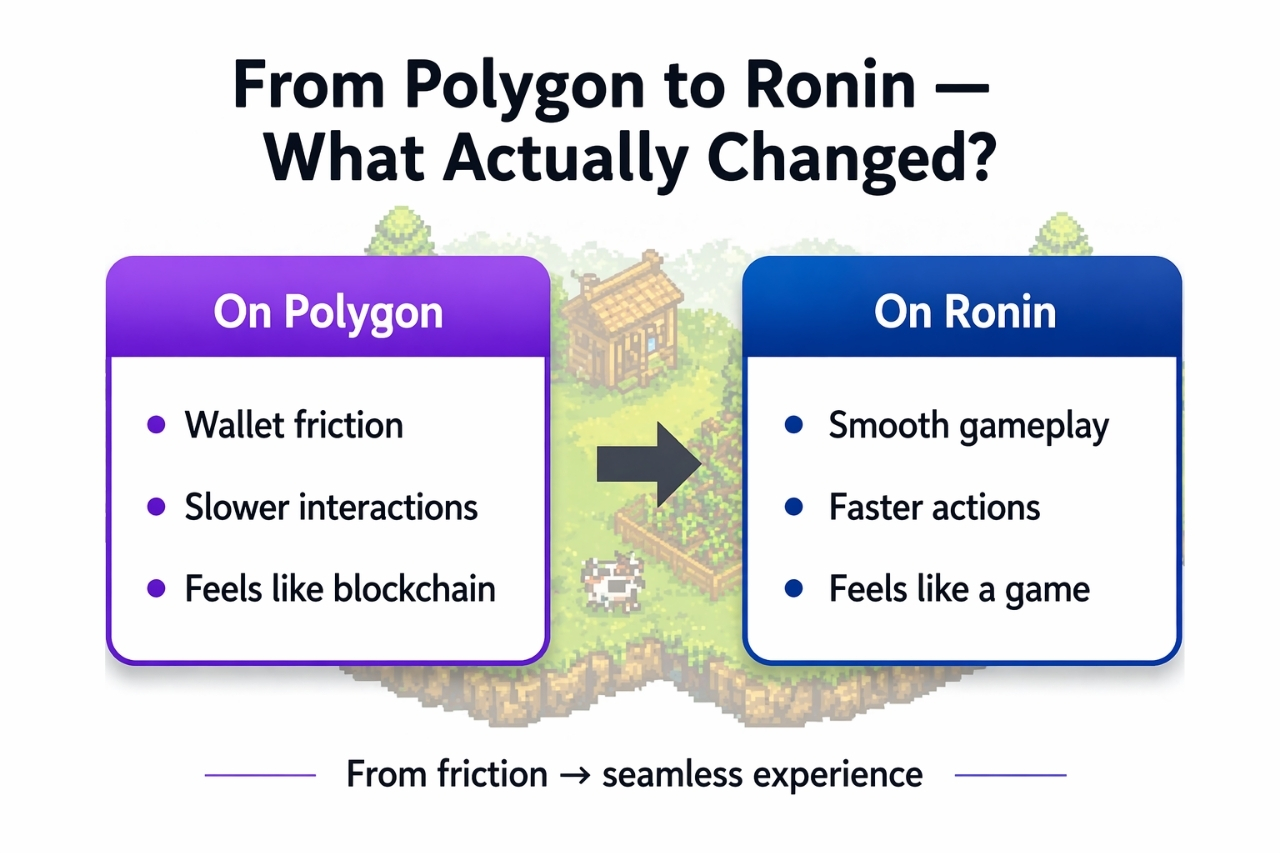
ポリゴンでは、物事はうまく機能しましたが、常にスムーズではありませんでした。ウォレットやトランザクション、小さな遅延など、ブロックチェーンを使用していることを思い出させるものを考えなければなりませんでした。
それがフローを壊します。
ローニンは違う感触です。
ゲーム中心に構築されています。ログインしてプレイし、物事は速く動き、下で何が起こっているかを考え続けることはありません。
それが体験を変えます。
特に新しいプレイヤーにとっては。
彼らのほとんどはチェーンやネットワークについて気にしません。彼らはただ$PIXEL ゲームが摩擦なく機能することを望んでいます。
だから、このシフトはもはや技術的なアップグレードのようには感じませんでした。
それは、#pixel がどのようなゲームになりたいかという決定のように感じました。
一般目的のネットワークにいることよりも、プレイヤーのためにデザインされた場所に構築することが重要です。
だから今では、ただのハイプに基づく動きには見えません。それは体験に基づく動きのように見えます。
それが私の見方を変えます。
単にネットワークを切り替えることではありませんでした。
適切なゲームのように感じることを妨げる摩擦を取り除くことでした。
私は@Pixels の古参プレイヤーで、ある日、ポリゴンからローニンに移行するというニュースを聞きました。最初は、なぜそうなるのかよく理解できませんでした。その時ローニンが注目を集めていたからだと思っていました。
それは、プロジェクトが relevancy を保つために行う動きのように感じました。しかし、調べれば調べるほど、それはただのハイプではないように思えました。
問題は、どのチェーンが人気かではなく、実際にゲームをプレイする感覚でした。
ポリゴンでは、物事はうまく機能しましたが、常にスムーズではありませんでした。ウォレットやトランザクション、小さな遅延など、ブロックチェーンを使用していることを思い出させるものを考えなければなりませんでした。
それがフローを壊します。
ローニンは違う感触です。
ゲーム中心に構築されています。ログインしてプレイし、物事は速く動き、下で何が起こっているかを考え続けることはありません。
それが体験を変えます。
特に新しいプレイヤーにとっては。
彼らのほとんどはチェーンやネットワークについて気にしません。彼らはただ$PIXEL ゲームが摩擦なく機能することを望んでいます。
だから、このシフトはもはや技術的なアップグレードのようには感じませんでした。
それは、#pixel がどのようなゲームになりたいかという決定のように感じました。
一般目的のネットワークにいることよりも、プレイヤーのためにデザインされた場所に構築することが重要です。
だから今では、ただのハイプに基づく動きには見えません。それは体験に基づく動きのように見えます。
それが私の見方を変えます。
単にネットワークを切り替えることではありませんでした。
適切なゲームのように感じることを妨げる摩擦を取り除くことでした。
それは、プロジェクトが relevancy を保つために行う動きのように感じました。しかし、調べれば調べるほど、それはただのハイプではないように思えました。
問題は、どのチェーンが人気かではなく、実際にゲームをプレイする感覚でした。
ポリゴンでは、物事はうまく機能しましたが、常にスムーズではありませんでした。ウォレットやトランザクション、小さな遅延など、ブロックチェーンを使用していることを思い出させるものを考えなければなりませんでした。
それがフローを壊します。
ローニンは違う感触です。
ゲーム中心に構築されています。ログインしてプレイし、物事は速く動き、下で何が起こっているかを考え続けることはありません。
それが体験を変えます。
特に新しいプレイヤーにとっては。
彼らのほとんどはチェーンやネットワークについて気にしません。彼らはただ$PIXEL ゲームが摩擦なく機能することを望んでいます。
だから、このシフトはもはや技術的なアップグレードのようには感じませんでした。
それは、#pixel がどのようなゲームになりたいかという決定のように感じました。
一般目的のネットワークにいることよりも、プレイヤーのためにデザインされた場所に構築することが重要です。
だから今では、ただのハイプに基づく動きには見えません。それは体験に基づく動きのように見えます。
それが私の見方を変えます。
単にネットワークを切り替えることではありませんでした。
適切なゲームのように感じることを妨げる摩擦を取り除くことでした。
3
2
314
·
--
記事
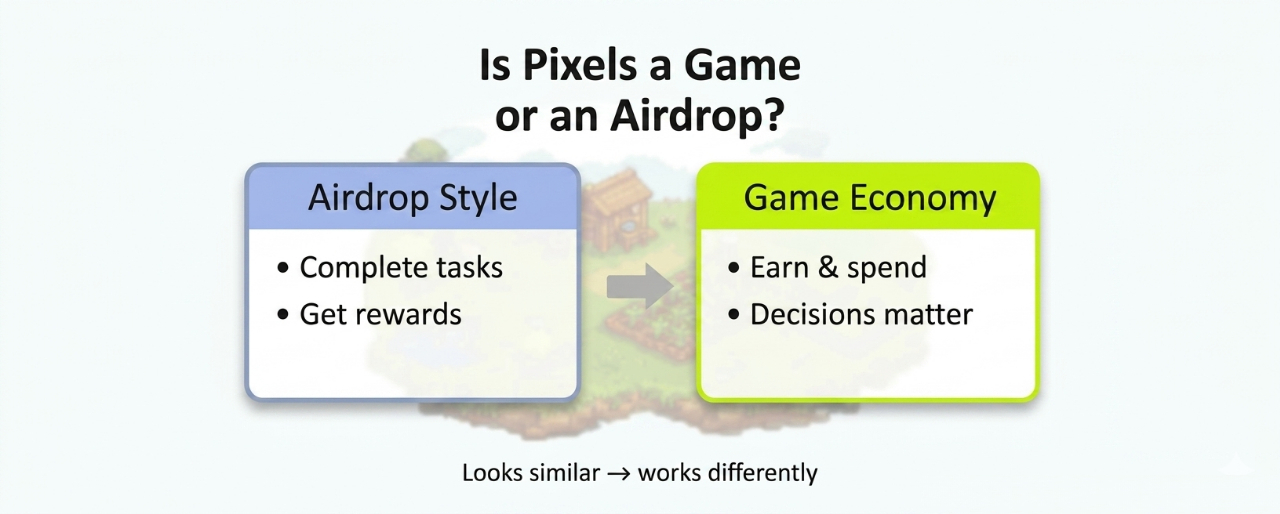
なぜPixelsはエアドロップのように感じるのか — たとえそうでなくても?最初は、Pixelsはただのゲームだと思っていた。
遊んで、タスクを完了し、いくつかの$PIXEL を獲得。それだけ。遊ぶことで報酬を得る普通のプレイトゥアーンループのように見えた。
でも、少し時間をかけると、それがそんなに単純ではないと感じ始めた。
報酬の配分方法が、なんだか見覚えがあるように思えてきた。
タスクを完了 → トークンを獲得。
アクティブに活動 → もっと稼ぐ。
活動を逃す → 収入が減る。
その構造はエアドロップの仕組みに非常に近く、これにスタックされたのを見たとき、その感覚はさらに強くなった。
なぜPixelsはエアドロップのように感じるのか — たとえそうでなくても?
最初は、Pixelsはただのゲームだと思っていた。
遊んで、タスクを完了し、いくつかの$PIXEL を獲得。それだけ。遊ぶことで報酬を得る普通のプレイトゥアーンループのように見えた。
でも、少し時間をかけると、それがそんなに単純ではないと感じ始めた。
報酬の配分方法が、なんだか見覚えがあるように思えてきた。
タスクを完了 → トークンを獲得。
アクティブに活動 → もっと稼ぐ。
活動を逃す → 収入が減る。
その構造はエアドロップの仕組みに非常に近く、これにスタックされたのを見たとき、その感覚はさらに強くなった。
遊んで、タスクを完了し、いくつかの$PIXEL を獲得。それだけ。遊ぶことで報酬を得る普通のプレイトゥアーンループのように見えた。
でも、少し時間をかけると、それがそんなに単純ではないと感じ始めた。
報酬の配分方法が、なんだか見覚えがあるように思えてきた。
タスクを完了 → トークンを獲得。
アクティブに活動 → もっと稼ぐ。
活動を逃す → 収入が減る。
その構造はエアドロップの仕組みに非常に近く、これにスタックされたのを見たとき、その感覚はさらに強くなった。
2
2
116
·
--
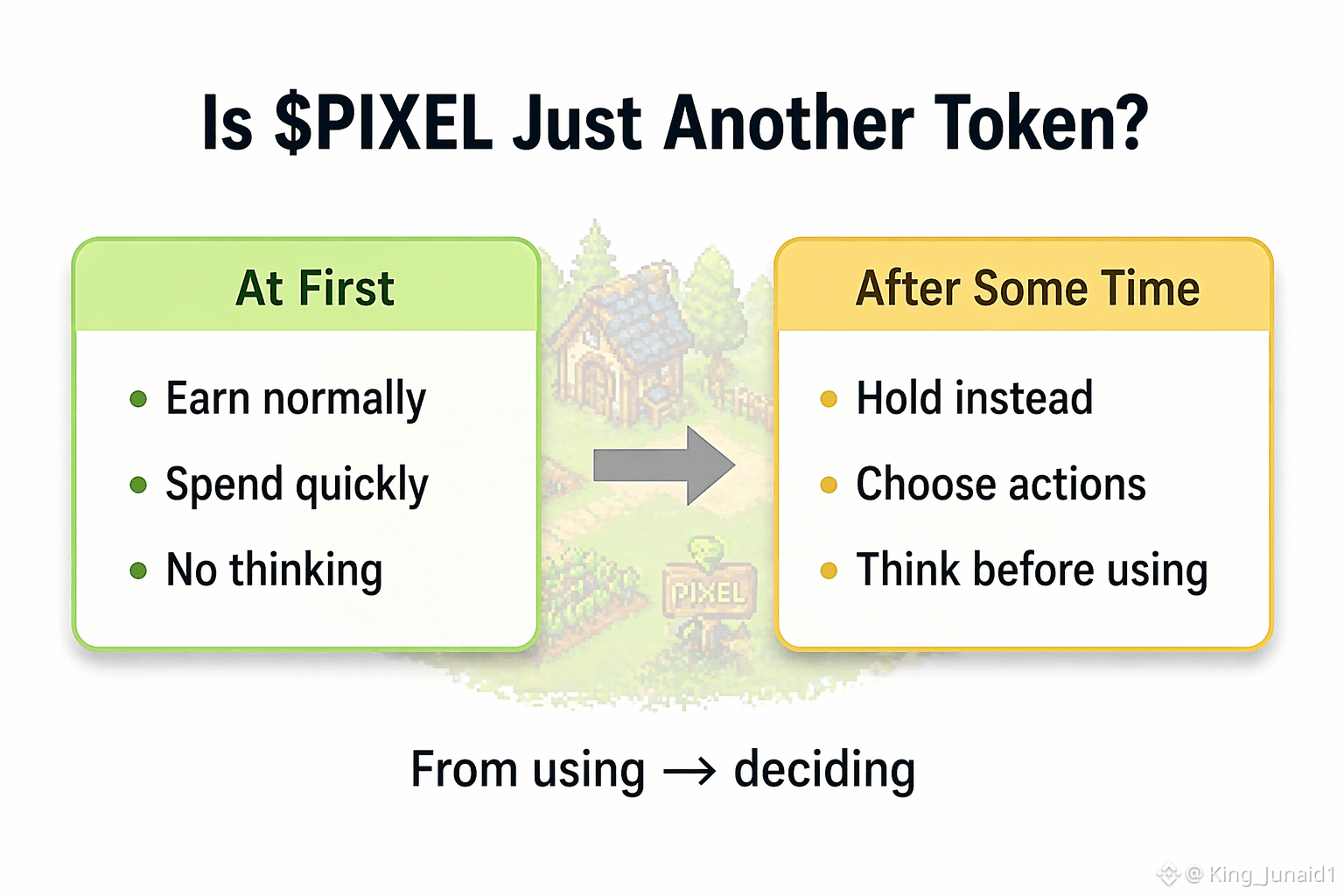
私はここ数年で多くのゲームトークンを見てきましたが、正直言って$PIXEL も同じだと思っていました。ただ、得て、使って、あまり深く考えない何かです。
それが私の始まりです。
しかし、#pixel をしばらくプレイした後、何かが少し違うと感じました。悪い意味ではなく、ただ違うのです。
私はすぐにすべての使用をやめました。
いくつかのものを控えるようになりました。
価値がないと感じた行動をいくつかスキップしました。
誰も私にそうするように言いませんでした。
それは自然に意味を成し始めました。
ほとんどのゲームでは、私はトークンについて二度考えることはありません。ただ使って先に進みます。ここ@pixels では、すべての小さな決定が何らかの形でそれに結びついているように感じます。
そして、最初は明らかではありません。
それは徐々に構築されていきます。
ある時点で、私はもう単にプレイして得ているだけではないことに気づきました。私はそれをどう使っているかに注意を払っています。
その変化は小さいですが、ゲームの感じ方を変えます。
だから今、私は$PIXEL をただの別のゲームトークンとは見ていません。
それは実際にはただの報酬なのか、それとも静かに私のプレイ方法を変える何かなのでしょうか?
私はここ数年で多くのゲームトークンを見てきましたが、正直言って$PIXEL も同じだと思っていました。ただ、得て、使って、あまり深く考えない何かです。
それが私の始まりです。
しかし、#pixel をしばらくプレイした後、何かが少し違うと感じました。悪い意味ではなく、ただ違うのです。
私はすぐにすべての使用をやめました。
いくつかのものを控えるようになりました。
価値がないと感じた行動をいくつかスキップしました。
誰も私にそうするように言いませんでした。
それは自然に意味を成し始めました。
ほとんどのゲームでは、私はトークンについて二度考えることはありません。ただ使って先に進みます。ここ@Pixels では、すべての小さな決定が何らかの形でそれに結びついているように感じます。
そして、最初は明らかではありません。
それは徐々に構築されていきます。
ある時点で、私はもう単にプレイして得ているだけではないことに気づきました。私はそれをどう使っているかに注意を払っています。
その変化は小さいですが、ゲームの感じ方を変えます。
だから今、私は$PIXEL をただの別のゲームトークンとは見ていません。
それは実際にはただの報酬なのか、それとも静かに私のプレイ方法を変える何かなのでしょうか?
それが私の始まりです。
しかし、#pixel をしばらくプレイした後、何かが少し違うと感じました。悪い意味ではなく、ただ違うのです。
私はすぐにすべての使用をやめました。
いくつかのものを控えるようになりました。
価値がないと感じた行動をいくつかスキップしました。
誰も私にそうするように言いませんでした。
それは自然に意味を成し始めました。
ほとんどのゲームでは、私はトークンについて二度考えることはありません。ただ使って先に進みます。ここ@Pixels では、すべての小さな決定が何らかの形でそれに結びついているように感じます。
そして、最初は明らかではありません。
それは徐々に構築されていきます。
ある時点で、私はもう単にプレイして得ているだけではないことに気づきました。私はそれをどう使っているかに注意を払っています。
その変化は小さいですが、ゲームの感じ方を変えます。
だから今、私は$PIXEL をただの別のゲームトークンとは見ていません。
それは実際にはただの報酬なのか、それとも静かに私のプレイ方法を変える何かなのでしょうか?
2
2
95
·
--
記事
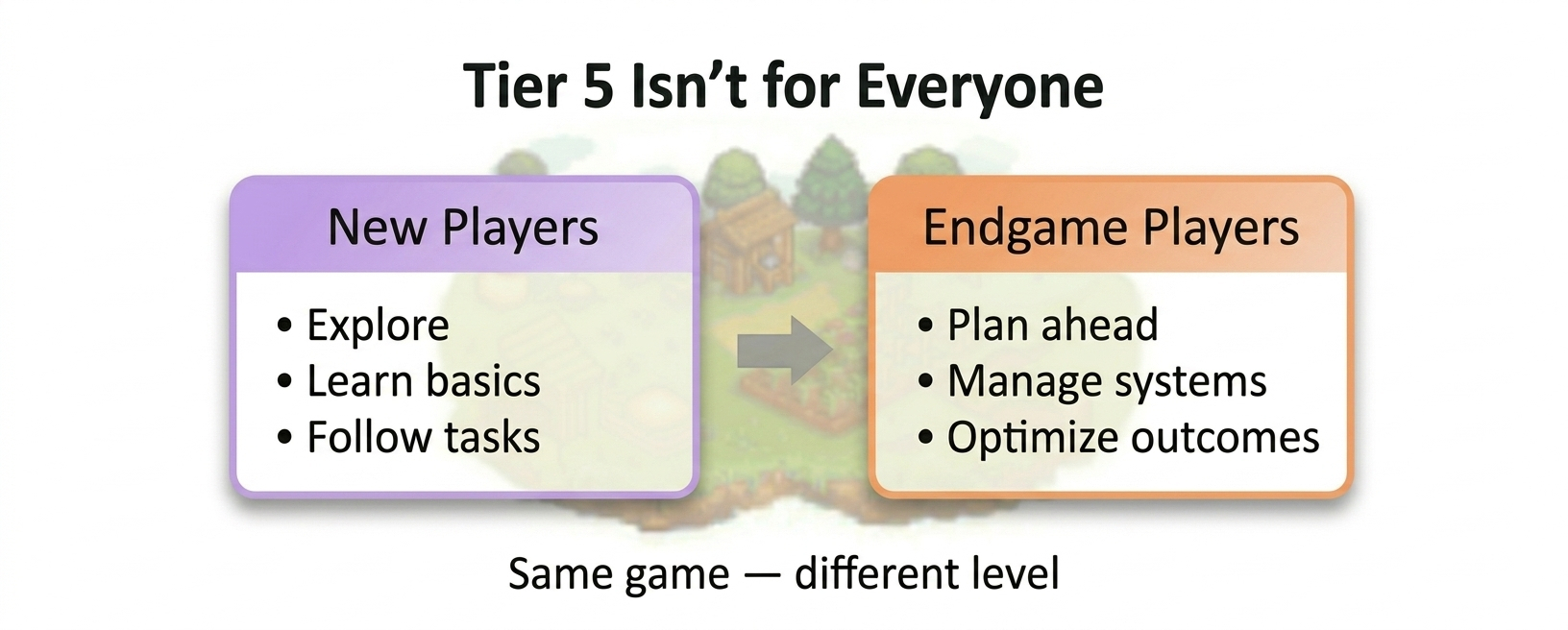
Tier 5は新しいプレイヤー向けではない — では、実際には誰のためのものなのか?多くの人がTier 5は新しいプレイヤーを混乱させると言っているのを見ました。最初は、私もそう思いました。見ると、いろいろなことが起こっています。スロットの権利書、期限切れのタイマー、解体、新しい素材があるので、シンプルには感じません。
しかし、その後、私は実際にどのようにゲームをプレイしているのかを見ました。
そして、それは初心者向けのものとは感じませんでした。
新しいプレイヤーはまだ基本的なことを理解しているところです。どこで農業をするか、どのようにクラフトするか、長期的に何が重要なのか。彼らは効率性や先の計画について考えていません。
Tier 5は新しいプレイヤー向けではない — では、実際には誰のためのものなのか?
多くの人がTier 5は新しいプレイヤーを混乱させると言っているのを見ました。最初は、私もそう思いました。見ると、いろいろなことが起こっています。スロットの権利書、期限切れのタイマー、解体、新しい素材があるので、シンプルには感じません。
しかし、その後、私は実際にどのようにゲームをプレイしているのかを見ました。
そして、それは初心者向けのものとは感じませんでした。
新しいプレイヤーはまだ基本的なことを理解しているところです。どこで農業をするか、どのようにクラフトするか、長期的に何が重要なのか。彼らは効率性や先の計画について考えていません。
しかし、その後、私は実際にどのようにゲームをプレイしているのかを見ました。
そして、それは初心者向けのものとは感じませんでした。
新しいプレイヤーはまだ基本的なことを理解しているところです。どこで農業をするか、どのようにクラフトするか、長期的に何が重要なのか。彼らは効率性や先の計画について考えていません。
2
90
·
--
記事
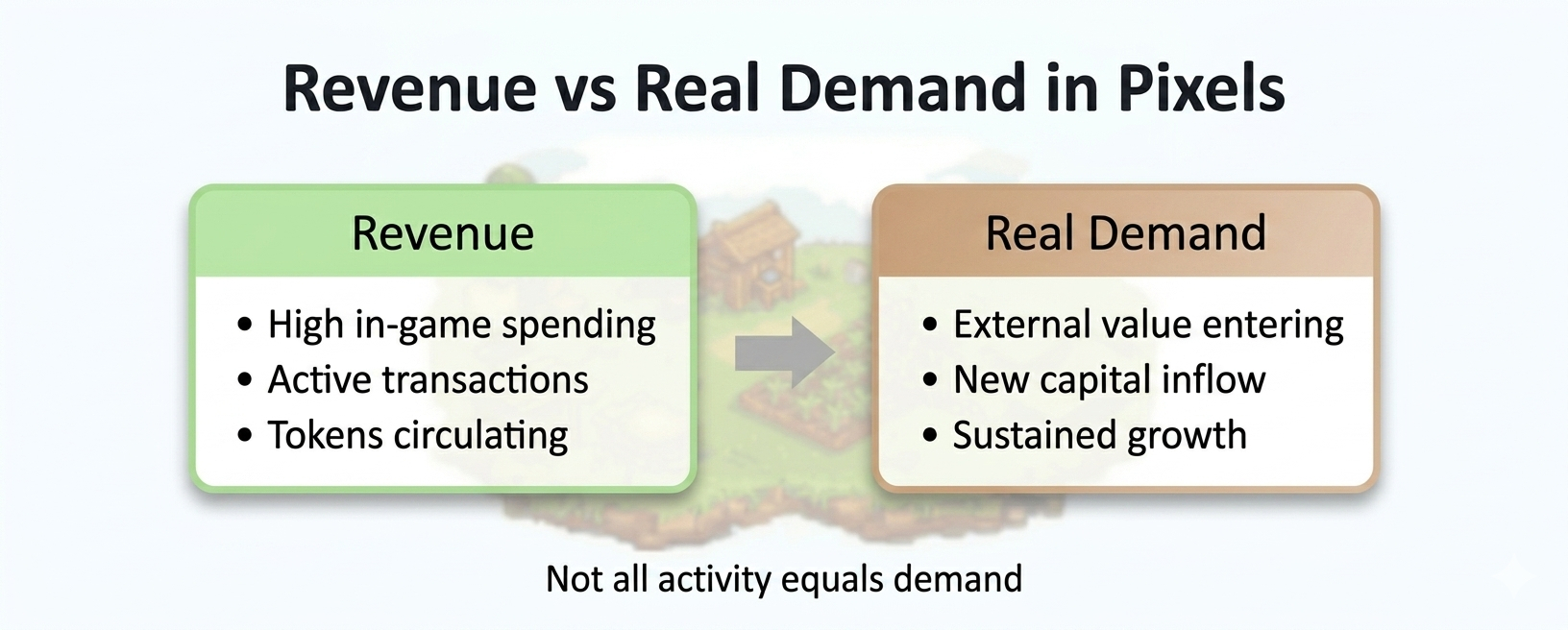
なぜピクセルの収益は必ずしも真の需要を意味しないのか?以前は、ピクセルの収益が高ければ経済が強くなっていると思っていた。支出が増えれば需要も増えると思っていた。でも、システムが実際にどのように機能しているかを詳しく見れば見るほど、その関連性は直接的ではないと感じるようになった。
すべての支出が同じではないんだよね。
ピクセルは、ゲーム内でどれだけ$PIXEL が使われているかに基づいて収益を報告する。表面的には、それが強い需要のように見える。プレイヤーは購入し、アップグレードし、システムと相互作用している。
でも、その$PIXEL はどこから来ているの?
大部分は、すでにプレイヤーに配布された報酬から来ている。トークンはゲームプレイを通じて獲得され、再びシステムに使われる。それが活動を生み出すけど、新しい価値が経済に入っているわけではない。
なぜピクセルの収益は必ずしも真の需要を意味しないのか?
以前は、ピクセルの収益が高ければ経済が強くなっていると思っていた。支出が増えれば需要も増えると思っていた。でも、システムが実際にどのように機能しているかを詳しく見れば見るほど、その関連性は直接的ではないと感じるようになった。
すべての支出が同じではないんだよね。
ピクセルは、ゲーム内でどれだけ$PIXEL が使われているかに基づいて収益を報告する。表面的には、それが強い需要のように見える。プレイヤーは購入し、アップグレードし、システムと相互作用している。
でも、その$PIXEL はどこから来ているの?
大部分は、すでにプレイヤーに配布された報酬から来ている。トークンはゲームプレイを通じて獲得され、再びシステムに使われる。それが活動を生み出すけど、新しい価値が経済に入っているわけではない。
すべての支出が同じではないんだよね。
ピクセルは、ゲーム内でどれだけ$PIXEL が使われているかに基づいて収益を報告する。表面的には、それが強い需要のように見える。プレイヤーは購入し、アップグレードし、システムと相互作用している。
でも、その$PIXEL はどこから来ているの?
大部分は、すでにプレイヤーに配布された報酬から来ている。トークンはゲームプレイを通じて獲得され、再びシステムに使われる。それが活動を生み出すけど、新しい価値が経済に入っているわけではない。
2
103
·
--
昔は@pixels のバーニングメカニズムが供給をコントロールする固定的な方法だと思ってた。
時間が経つにつれてトークンが減ることで、より安定するはずだ。それが通常の仕組みだ。
でも、よく見てみると、そんなに単純じゃない気がした。
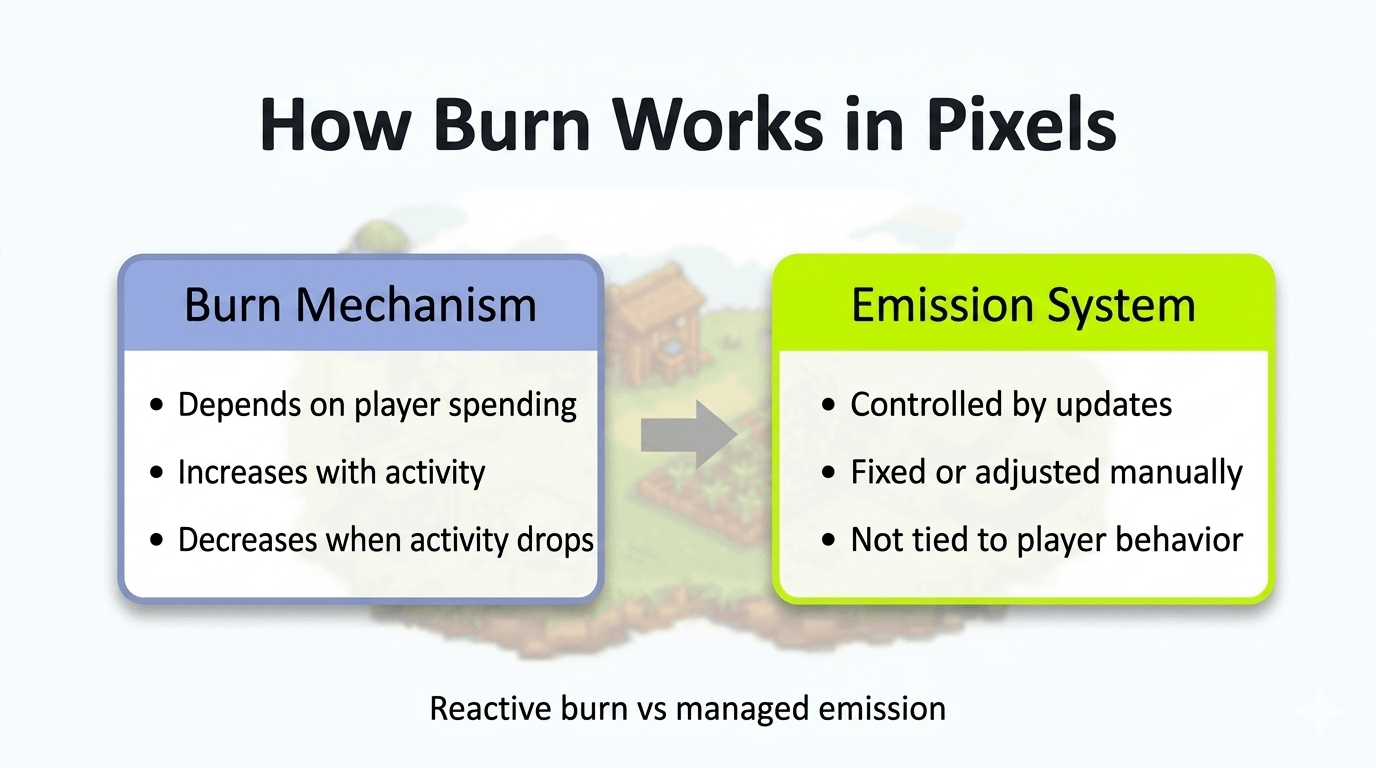
$PIXEL のバーニングはプレイヤーのアクティビティに依存してる。プレイヤーが多く使えば使うほど、より多くのトークンが削除される。アクティビティが減れば、バーニングも遅くなる。
だから、一定じゃない。
行動に応じて変わる。
同時に、エミッションは同じようには動かない。これはアップデートを通じて調整されていて、プレイヤーの日々の行動には直接結びついていない。
それがアンバランスを生む。
一方はシステムに反応し、もう一方は別に管理されている。
アクティビティが高いときは、すべてがバランスが取れているように見える。でも、そのバランスはプレイヤーが同じレベルで使い続けることに依存している。
もしアクティビティが落ちたら、#pixel のバーニングはすぐに弱くなる。
それは、低いエンゲージメントの期間がシステムを遅くするだけでなく、供給を抑える主な力の一つを減少させることを意味する。
だから、安定剤のように機能するのではなく、ゲームの状態に従う。
供給を減少させるが、システムがすでにアクティブなときだけだ。
それが事実なら、バーニングメカニズムは本当に経済をコントロールしているのか、それともただ反応しているだけなのか?
昔は@Pixels のバーニングメカニズムが供給をコントロールする固定的な方法だと思ってた。
時間が経つにつれてトークンが減ることで、より安定するはずだ。それが通常の仕組みだ。
でも、よく見てみると、そんなに単純じゃない気がした。
$PIXEL のバーニングはプレイヤーのアクティビティに依存してる。プレイヤーが多く使えば使うほど、より多くのトークンが削除される。アクティビティが減れば、バーニングも遅くなる。
だから、一定じゃない。
行動に応じて変わる。
同時に、エミッションは同じようには動かない。これはアップデートを通じて調整されていて、プレイヤーの日々の行動には直接結びついていない。
それがアンバランスを生む。
一方はシステムに反応し、もう一方は別に管理されている。
アクティビティが高いときは、すべてがバランスが取れているように見える。でも、そのバランスはプレイヤーが同じレベルで使い続けることに依存している。
もしアクティビティが落ちたら、#pixel のバーニングはすぐに弱くなる。
それは、低いエンゲージメントの期間がシステムを遅くするだけでなく、供給を抑える主な力の一つを減少させることを意味する。
だから、安定剤のように機能するのではなく、ゲームの状態に従う。
供給を減少させるが、システムがすでにアクティブなときだけだ。
それが事実なら、バーニングメカニズムは本当に経済をコントロールしているのか、それともただ反応しているだけなのか?
時間が経つにつれてトークンが減ることで、より安定するはずだ。それが通常の仕組みだ。
でも、よく見てみると、そんなに単純じゃない気がした。
$PIXEL のバーニングはプレイヤーのアクティビティに依存してる。プレイヤーが多く使えば使うほど、より多くのトークンが削除される。アクティビティが減れば、バーニングも遅くなる。
だから、一定じゃない。
行動に応じて変わる。
同時に、エミッションは同じようには動かない。これはアップデートを通じて調整されていて、プレイヤーの日々の行動には直接結びついていない。
それがアンバランスを生む。
一方はシステムに反応し、もう一方は別に管理されている。
アクティビティが高いときは、すべてがバランスが取れているように見える。でも、そのバランスはプレイヤーが同じレベルで使い続けることに依存している。
もしアクティビティが落ちたら、#pixel のバーニングはすぐに弱くなる。
それは、低いエンゲージメントの期間がシステムを遅くするだけでなく、供給を抑える主な力の一つを減少させることを意味する。
だから、安定剤のように機能するのではなく、ゲームの状態に従う。
供給を減少させるが、システムがすでにアクティブなときだけだ。
それが事実なら、バーニングメカニズムは本当に経済をコントロールしているのか、それともただ反応しているだけなのか?
2
152
·
--
私は以前、Pixelsでのステーキングはゲームの上に追加された別の機能だと思っていました。
オプションの何か。トークンをロックし、報酬を得て、先に進む。
しかし、もっと時間をかけてみると、違った感覚を持ち始めました。
それは、私がゲームに取り組む方法を変えます。
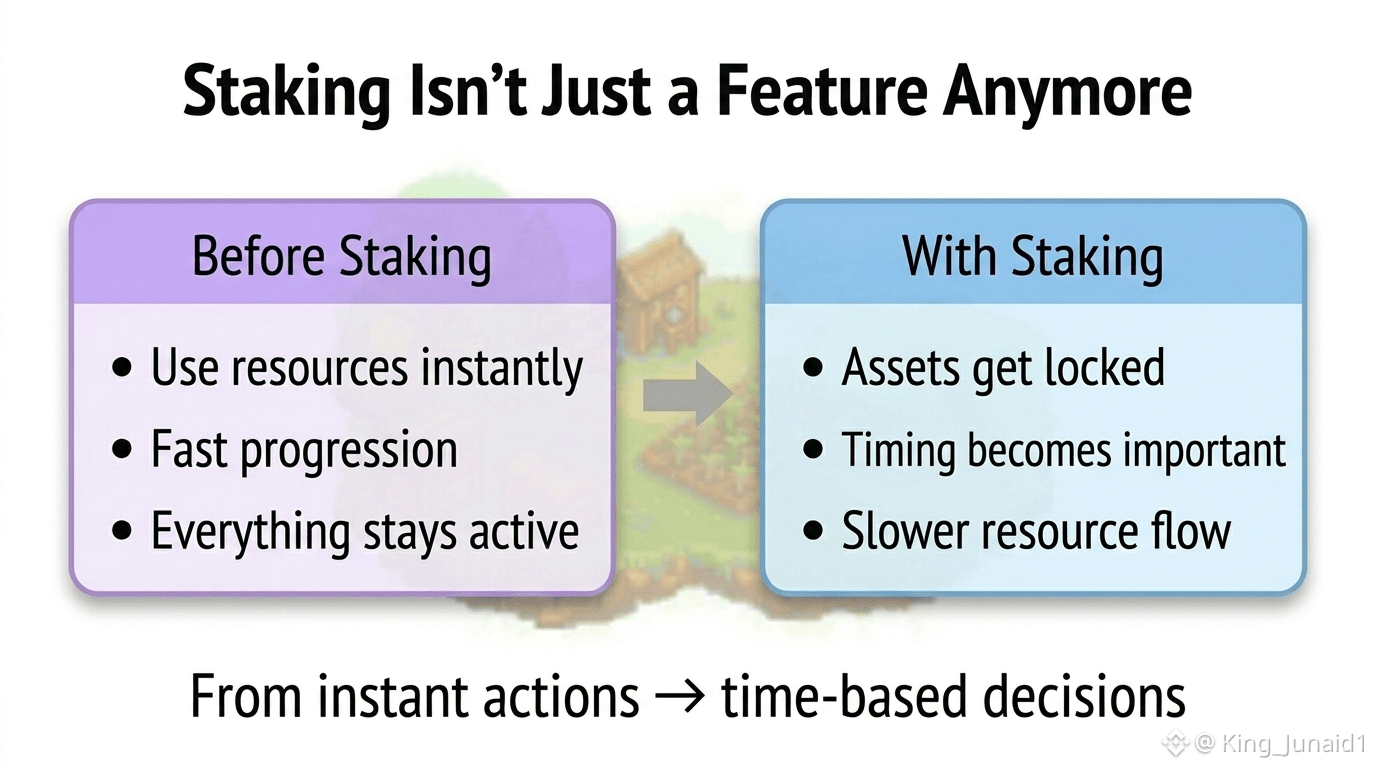
ステーキングの前は、ほとんどの決定がシンプルでした。持っているものを使い、前に進み、進み続ける。今では、保持することが戦略の一部となる層があります。すべてが即座に使われることを意図しているわけではありません。
その変化は決定に重みを加えます。
時間が重要になり始めます。いつコミットするかを選ぶことが、何をするかを選ぶことと同じくらい重要になります。一部の行動は即座に感じられず、いくつかの価値は常に動くのではなくロックされたままです。
それはまた、全体的にシステムがどのように機能するかにも影響します。
より多くのプレイヤーが資産をロックし始めると、リソースの流れが遅くなります。進行は速度よりもタイミングと計画に関するものに感じられます。
そこが、ステーキングが別の機能のように感じなくなるところです。
それはゲームの運営方法の一部となります。
その時点で、質問はステーキングが報酬を与えるかどうかではありません。
それは、ゲーム全体のプレイ方法を静かに形成しているかどうかです。
@pixels $PIXEL #pixel
私は以前、Pixelsでのステーキングはゲームの上に追加された別の機能だと思っていました。
オプションの何か。トークンをロックし、報酬を得て、先に進む。
しかし、もっと時間をかけてみると、違った感覚を持ち始めました。
それは、私がゲームに取り組む方法を変えます。
ステーキングの前は、ほとんどの決定がシンプルでした。持っているものを使い、前に進み、進み続ける。今では、保持することが戦略の一部となる層があります。すべてが即座に使われることを意図しているわけではありません。
その変化は決定に重みを加えます。
時間が重要になり始めます。いつコミットするかを選ぶことが、何をするかを選ぶことと同じくらい重要になります。一部の行動は即座に感じられず、いくつかの価値は常に動くのではなくロックされたままです。
それはまた、全体的にシステムがどのように機能するかにも影響します。
より多くのプレイヤーが資産をロックし始めると、リソースの流れが遅くなります。進行は速度よりもタイミングと計画に関するものに感じられます。
そこが、ステーキングが別の機能のように感じなくなるところです。
それはゲームの運営方法の一部となります。
その時点で、質問はステーキングが報酬を与えるかどうかではありません。
それは、ゲーム全体のプレイ方法を静かに形成しているかどうかです。
@Pixels $PIXEL #pixel
オプションの何か。トークンをロックし、報酬を得て、先に進む。
しかし、もっと時間をかけてみると、違った感覚を持ち始めました。
それは、私がゲームに取り組む方法を変えます。
ステーキングの前は、ほとんどの決定がシンプルでした。持っているものを使い、前に進み、進み続ける。今では、保持することが戦略の一部となる層があります。すべてが即座に使われることを意図しているわけではありません。
その変化は決定に重みを加えます。
時間が重要になり始めます。いつコミットするかを選ぶことが、何をするかを選ぶことと同じくらい重要になります。一部の行動は即座に感じられず、いくつかの価値は常に動くのではなくロックされたままです。
それはまた、全体的にシステムがどのように機能するかにも影響します。
より多くのプレイヤーが資産をロックし始めると、リソースの流れが遅くなります。進行は速度よりもタイミングと計画に関するものに感じられます。
そこが、ステーキングが別の機能のように感じなくなるところです。
それはゲームの運営方法の一部となります。
その時点で、質問はステーキングが報酬を与えるかどうかではありません。
それは、ゲーム全体のプレイ方法を静かに形成しているかどうかです。
@Pixels $PIXEL #pixel
2
173
·
--
記事
ピクセルが数千人のプレイヤーを惹きつけた方法 — そしてなぜ一部は残らなかったのか?ピクセルが突然どこにでもあるように感じた時のことを覚えている。ある瞬間、それはただのゲームで、人々が試しているだけだったけど、次の瞬間にはみんながそのことを話しているように感じた。
新しいプレイヤーが常に参加していて、アクティビティが急速に上昇していて、ゲームは一日中空虚には感じなかった。成長が遅いようには見えず、モメンタムがあるように見えた。
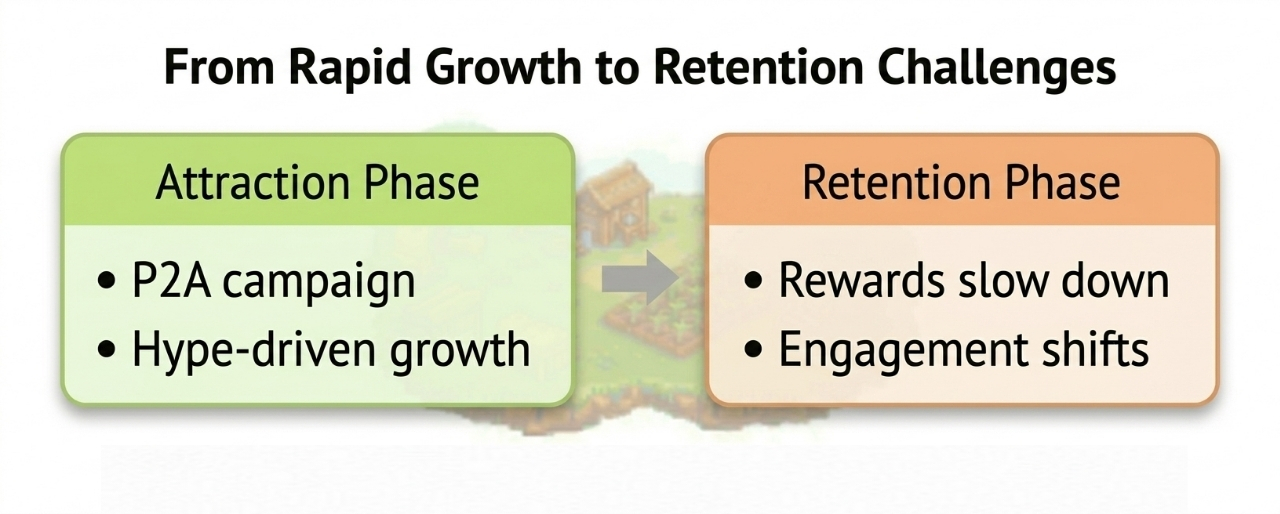
その大部分はプレイ・トゥ・エアドロップフェーズから来ていた。
もはや単にプレイすることだけではなかった。それはゲームでのあなたの時間が後に何か価値あるものに変わる可能性についてだった。
ピクセルが数千人のプレイヤーを惹きつけた方法 — そしてなぜ一部は残らなかったのか?
ピクセルが突然どこにでもあるように感じた時のことを覚えている。ある瞬間、それはただのゲームで、人々が試しているだけだったけど、次の瞬間にはみんながそのことを話しているように感じた。
新しいプレイヤーが常に参加していて、アクティビティが急速に上昇していて、ゲームは一日中空虚には感じなかった。成長が遅いようには見えず、モメンタムがあるように見えた。
その大部分はプレイ・トゥ・エアドロップフェーズから来ていた。
もはや単にプレイすることだけではなかった。それはゲームでのあなたの時間が後に何か価値あるものに変わる可能性についてだった。
新しいプレイヤーが常に参加していて、アクティビティが急速に上昇していて、ゲームは一日中空虚には感じなかった。成長が遅いようには見えず、モメンタムがあるように見えた。
その大部分はプレイ・トゥ・エアドロップフェーズから来ていた。
もはや単にプレイすることだけではなかった。それはゲームでのあなたの時間が後に何か価値あるものに変わる可能性についてだった。
2
180
·
--
記事
PixelsにおけるP2MとP2Aの違いは何か?最初にPixelsでPlay To Mint (P2M)とPlay To Airdrop (P2A)を見たとき、違いについてあまり考えなかった。
どちらも、ただゲームをプレイして何かを得るというだけに聞こえた。それだけ。
でも、実際にどのように機能するかを見ているうちに、全く同じには感じなかった。
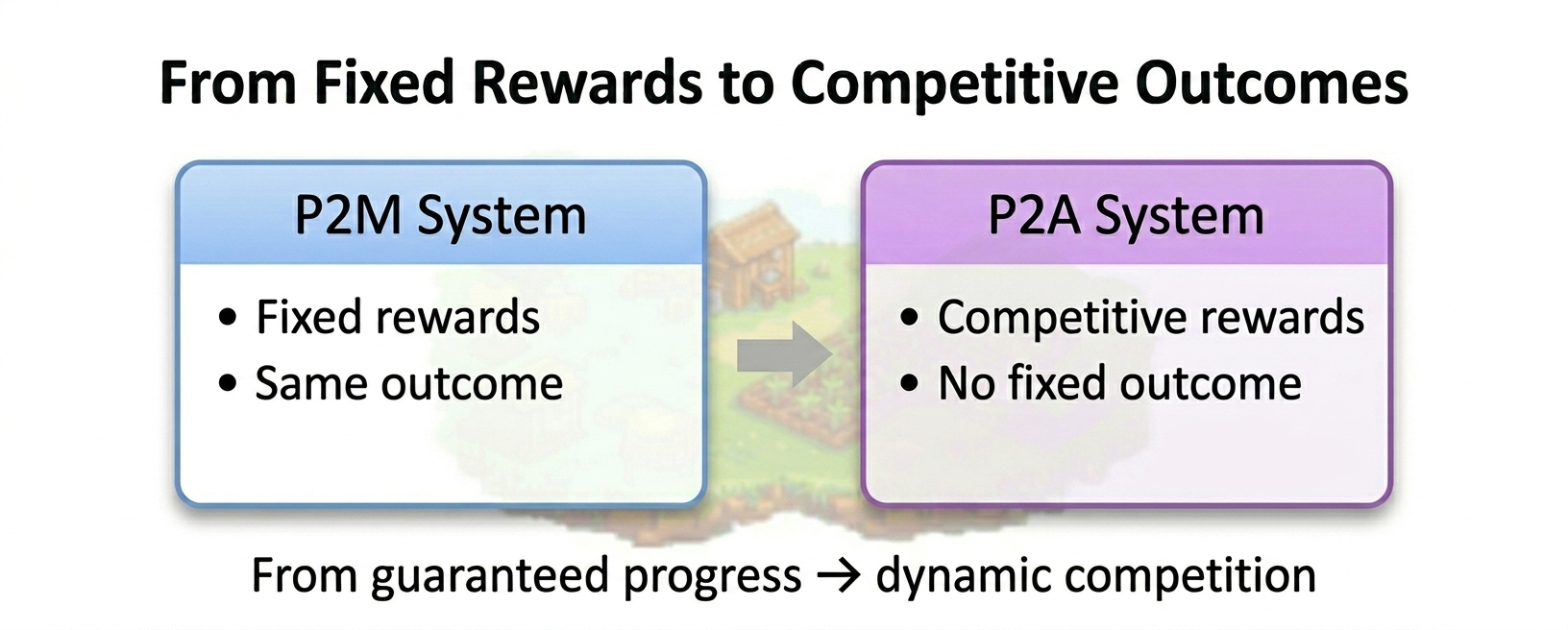
P2Mは非常に直接的に感じた。
頭の中にあったのは一つだけ、十分にグラインドして土地をミントできるということ。それは混乱しなかった。
戦略やタイミングについてあまり考える必要はなかった。
ただプレイし続けて、最終的にそこにたどり着く。
PixelsにおけるP2MとP2Aの違いは何か?
最初にPixelsでPlay To Mint (P2M)とPlay To Airdrop (P2A)を見たとき、違いについてあまり考えなかった。
どちらも、ただゲームをプレイして何かを得るというだけに聞こえた。それだけ。
でも、実際にどのように機能するかを見ているうちに、全く同じには感じなかった。
P2Mは非常に直接的に感じた。
頭の中にあったのは一つだけ、十分にグラインドして土地をミントできるということ。それは混乱しなかった。
戦略やタイミングについてあまり考える必要はなかった。
ただプレイし続けて、最終的にそこにたどり着く。
どちらも、ただゲームをプレイして何かを得るというだけに聞こえた。それだけ。
でも、実際にどのように機能するかを見ているうちに、全く同じには感じなかった。
P2Mは非常に直接的に感じた。
頭の中にあったのは一つだけ、十分にグラインドして土地をミントできるということ。それは混乱しなかった。
戦略やタイミングについてあまり考える必要はなかった。
ただプレイし続けて、最終的にそこにたどり着く。
2
143
ログインして、さらにコンテンツを読む
厳選トピックで世界の暗号資産トレーダーの仲間入り
⚡️ 暗号資産に関する最新かつ有益な情報が見つかります。
💬 世界最大の暗号資産取引所から信頼されています。
👍 認証を受けたクリエイターから、有益なインサイトを得られます。
メール / 電話番号
トレンドトピック
AnthropicCEOCallsForAISlowdown
閲覧回数 18,209
337人が討論中
#anthropicceocallsforaislowdown
「AIを減速する必要がある」:なぜ業界のリーダーたちまで休止を求めているのか?
テクノロジー・エコシステムは、ものを壊しながらでも素早く前進する("move fast and break things")ことに慣れてきました。ですが、AnthropicのCEOは、AI開発においてより慎重に行動するよう求める世界的な呼びかけに加わりました。
これは恐れのためにイノベーションを止めることではなく、開発スピードが規制・統制能力を上回る前にリスクを先回りして防ぐことです。
何が賭けられているのか?
安全性とアラインメント:最先端のモデルが、大規模に展開される前に安全で、人間の価値観に沿ったものになっていることを確実にする。
現実的な規制の枠組み:政府や機関が技術を理解し、効果的で“後追い”ではない法律を作るための時間を与える。
システミック・リスクの軽減:巨大テック企業同士が速度を優先し、社会や経済の安定よりも競争を優先する「軍拡競争」のような事態を避ける。
真のイノベーションとは、単に最速でモデルを出すことではなく、長期的により安全で信頼できるインフラを構築することです。
$VTHO
$SCR
$CVC
Joseph RRG S7
·いいね:1件
·閲覧回数 760
AnthropicChoosesNasdaqForPotentialIPO
閲覧回数 4,629
102人が討論中
SECReceivesGrayscaleLitecoinTrustETFFiling
閲覧回数 136,648
1,845人が討論中