

Professor kevin
682 投稿

Professor kevin
報告
ユーザーをブロック
Data Driven Crypto Analyst Focused on Market structure
取引を発注
高頻度トレーダー
8.6か月
112 フォロー
15.2K+ フォロワー
6.8K+ いいね
投稿
ポートフォリオ
すべて
引用
ライブ
·
--
ブリッシュ
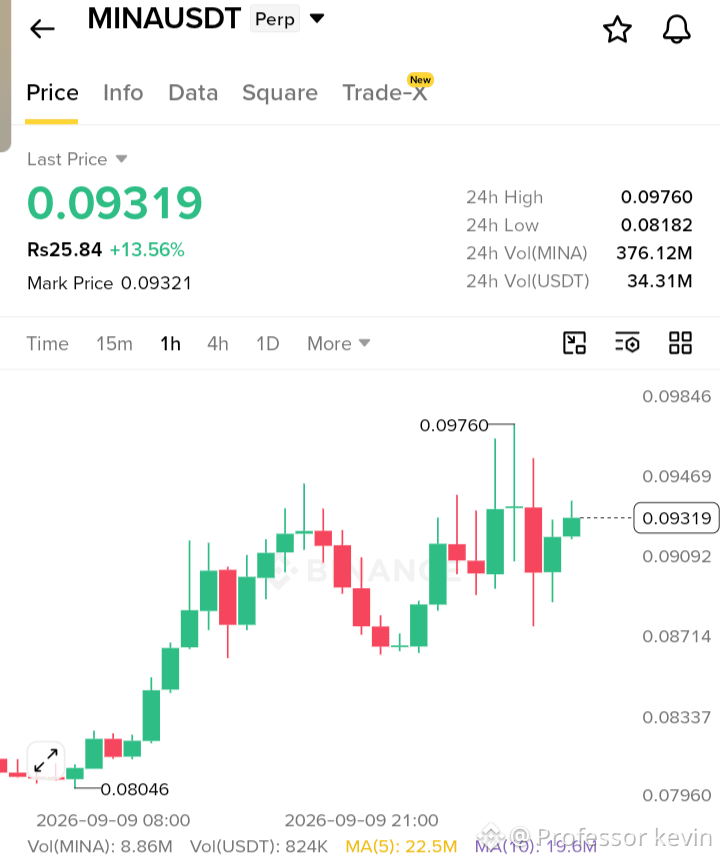
$MINA は0.0936の周りに建設的な構造を示しています。私はサポートとして0.0920〜0.0935を見ており、次の動きの前に起こり得る高値更新(上への小さな安値の形成)を待っています。
取引セットアップ
エントリー: 0.0920〜0.0935
TP1: 0.0955
TP2: 0.0980
TP3: 0.1010
SL: 0.0895
0.0895を維持できれば、強気のセットアップは有効です。0.0955の奪回ができれば、継続のより強い確認になります。
$MINA は0.0936の周りに建設的な構造を示しています。私はサポートとして0.0920〜0.0935を見ており、次の動きの前に起こり得る高値更新(上への小さな安値の形成)を待っています。
取引セットアップ
エントリー: 0.0920〜0.0935
TP1: 0.0955
TP2: 0.0980
TP3: 0.1010
SL: 0.0895
0.0895を維持できれば、強気のセットアップは有効です。0.0955の奪回ができれば、継続のより強い確認になります。
取引セットアップ
エントリー: 0.0920〜0.0935
TP1: 0.0955
TP2: 0.0980
TP3: 0.1010
SL: 0.0895
0.0895を維持できれば、強気のセットアップは有効です。0.0955の奪回ができれば、継続のより強い確認になります。
113
·
--
ブリッシュ
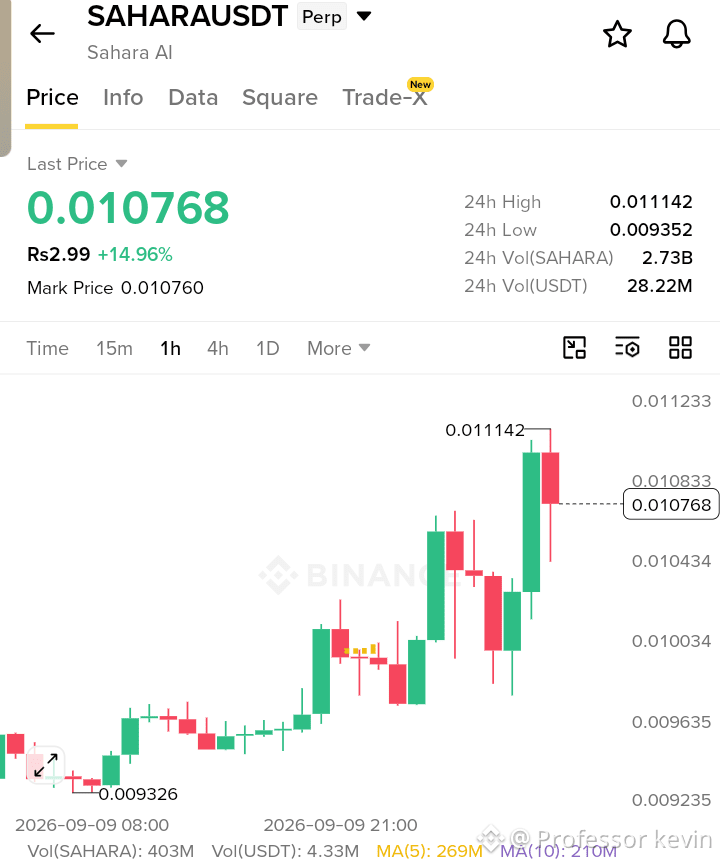
$SAHARA は、最近のサポート上で価格が維持され、建設的な強気の構造を保っています。私は、延長されたエントリーではなく、管理されたリテストを探しています。
トレード設定
エントリー:0.01055~0.01070
TP1:0.01090
TP2:0.01115
TP3:0.01145
SL:0.01030
強気のセットアップは0.01030の上で有効のままです。この水準を維持し、0.01090をクリアできれば継続が確認されます。
$SAHARA は、最近のサポート上で価格が維持され、建設的な強気の構造を保っています。私は、延長されたエントリーではなく、管理されたリテストを探しています。
トレード設定
エントリー:0.01055~0.01070
TP1:0.01090
TP2:0.01115
TP3:0.01145
SL:0.01030
強気のセットアップは0.01030の上で有効のままです。この水準を維持し、0.01090をクリアできれば継続が確認されます。
トレード設定
エントリー:0.01055~0.01070
TP1:0.01090
TP2:0.01115
TP3:0.01145
SL:0.01030
強気のセットアップは0.01030の上で有効のままです。この水準を維持し、0.01090をクリアできれば継続が確認されます。
102
·
--
ブリッシュ
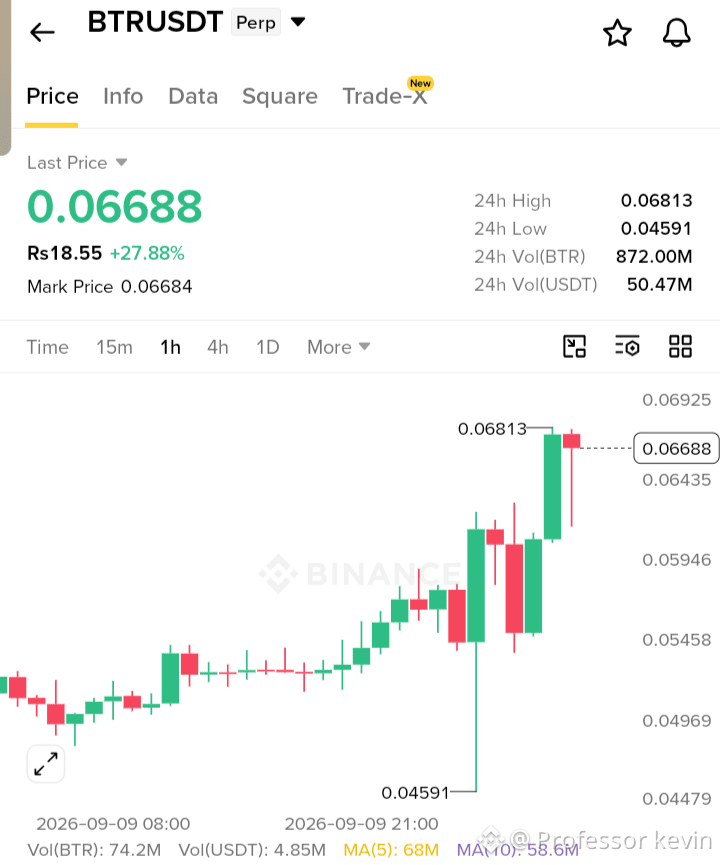
$BTR isは強いインパルスの後、強気の構造を維持しています。重要なサポート領域として0.0660〜0.0670を注視しており、さらに高値の安値(higher-low)の形成の可能性も見ています。
トレード設定
エントリー: 0.0660〜0.0670
TP1: 0.0685
TP2: 0.0705
TP3: 0.0730
SL: 0.0640
0.0640が維持されている限り、強気の構造は保たれます。0.0685を明確に上抜ければ、継続が確認されるでしょう。
$BTR isは強いインパルスの後、強気の構造を維持しています。重要なサポート領域として0.0660〜0.0670を注視しており、さらに高値の安値(higher-low)の形成の可能性も見ています。
トレード設定
エントリー: 0.0660〜0.0670
TP1: 0.0685
TP2: 0.0705
TP3: 0.0730
SL: 0.0640
0.0640が維持されている限り、強気の構造は保たれます。0.0685を明確に上抜ければ、継続が確認されるでしょう。
トレード設定
エントリー: 0.0660〜0.0670
TP1: 0.0685
TP2: 0.0705
TP3: 0.0730
SL: 0.0640
0.0640が維持されている限り、強気の構造は保たれます。0.0685を明確に上抜ければ、継続が確認されるでしょう。
219
·
--
ブリッシュ
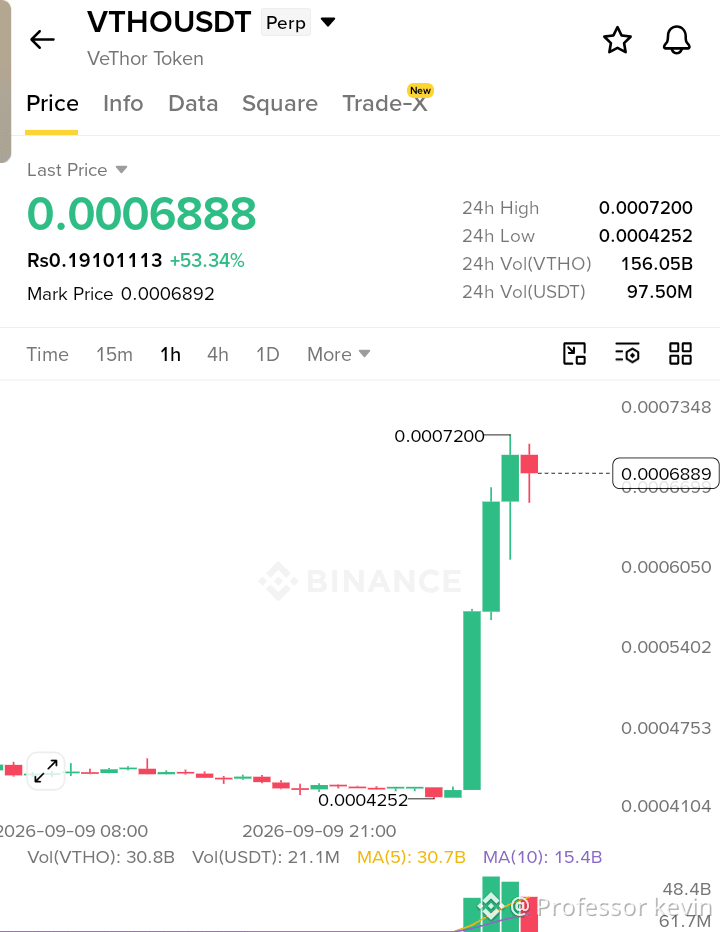
$VTHO 強いインパルス的な値動きの後、この構造は強気です。私は、コントロールされた押し戻しと、その後の高値の安値形成(より高い安値)を確認するため、近いサポートを注視しています。その後、継続を見込んでいます。
取引セットアップ
エントリー:0.000675–0.000685
TP1:0.000700
TP2:0.000720
TP3:0.000745
SL:0.000655
0.000655が維持される限り、強気の構造は有効です。0.000700を上抜けて定着すれば、継続が確認されます。
$VTHO 強いインパルス的な値動きの後、この構造は強気です。私は、コントロールされた押し戻しと、その後の高値の安値形成(より高い安値)を確認するため、近いサポートを注視しています。その後、継続を見込んでいます。
取引セットアップ
エントリー:0.000675–0.000685
TP1:0.000700
TP2:0.000720
TP3:0.000745
SL:0.000655
0.000655が維持される限り、強気の構造は有効です。0.000700を上抜けて定着すれば、継続が確認されます。
取引セットアップ
エントリー:0.000675–0.000685
TP1:0.000700
TP2:0.000720
TP3:0.000745
SL:0.000655
0.000655が維持される限り、強気の構造は有効です。0.000700を上抜けて定着すれば、継続が確認されます。
177
·
--
ブリッシュ
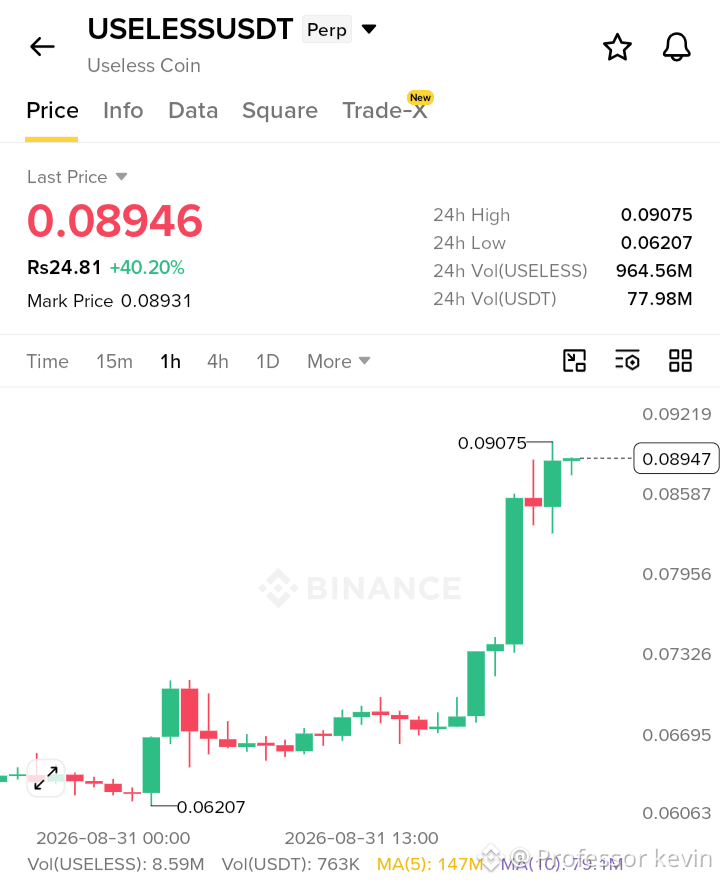
$USELESS 私はこの急激な上昇の後も、まだ強気寄りです。今重要なのは、価格が直近のブレイクアウト水準をサポートへ転換し、上昇分をすべて失うのではなく、より高い安値を切り上げ続けられるかどうかです。
トレード設定
エントリーゾーン: 0.08800–0.08960
TP1: 0.09200
TP2: 0.09500
TP3: 0.09800
SL: 0.08550
0.08800 が維持され、レジスタンスを再び奪回できるなら、継続上昇を狙いたいです。0.08550 を割り込むと、この強気シナリオは無効になります。
$USELESS 私はこの急激な上昇の後も、まだ強気寄りです。今重要なのは、価格が直近のブレイクアウト水準をサポートへ転換し、上昇分をすべて失うのではなく、より高い安値を切り上げ続けられるかどうかです。
トレード設定
エントリーゾーン: 0.08800–0.08960
TP1: 0.09200
TP2: 0.09500
TP3: 0.09800
SL: 0.08550
0.08800 が維持され、レジスタンスを再び奪回できるなら、継続上昇を狙いたいです。0.08550 を割り込むと、この強気シナリオは無効になります。
トレード設定
エントリーゾーン: 0.08800–0.08960
TP1: 0.09200
TP2: 0.09500
TP3: 0.09800
SL: 0.08550
0.08800 が維持され、レジスタンスを再び奪回できるなら、継続上昇を狙いたいです。0.08550 を割り込むと、この強気シナリオは無効になります。
237
·
--
ブリッシュ
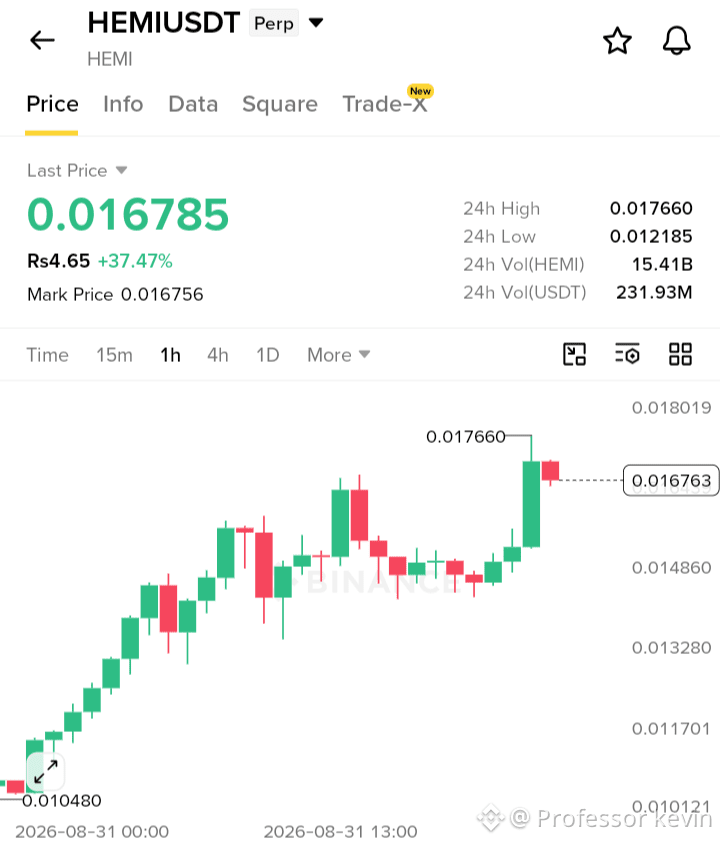
$HEMI 最近の急騰後も、買い手が主導権を維持しているように見えます。価格は依然として高値・安値を切り上げているため、現在の上昇を追いかけるよりも、サポートへの押し目を待ちたいです。
トレード設定
エントリーゾーン: 0.01685–0.01720
TP1: 0.01780
TP2: 0.01840
TP3: 0.01900
SL: 0.01625
私にとって、0.01685 は維持すべき重要な水準です。直近高値を上抜ければ継続を後押しし、0.01625 を下回ればこのセットアップは無効になります。
$HEMI 最近の急騰後も、買い手が主導権を維持しているように見えます。価格は依然として高値・安値を切り上げているため、現在の上昇を追いかけるよりも、サポートへの押し目を待ちたいです。
トレード設定
エントリーゾーン: 0.01685–0.01720
TP1: 0.01780
TP2: 0.01840
TP3: 0.01900
SL: 0.01625
私にとって、0.01685 は維持すべき重要な水準です。直近高値を上抜ければ継続を後押しし、0.01625 を下回ればこのセットアップは無効になります。
トレード設定
エントリーゾーン: 0.01685–0.01720
TP1: 0.01780
TP2: 0.01840
TP3: 0.01900
SL: 0.01625
私にとって、0.01685 は維持すべき重要な水準です。直近高値を上抜ければ継続を後押しし、0.01625 を下回ればこのセットアップは無効になります。
190
·
--
ブリッシュ
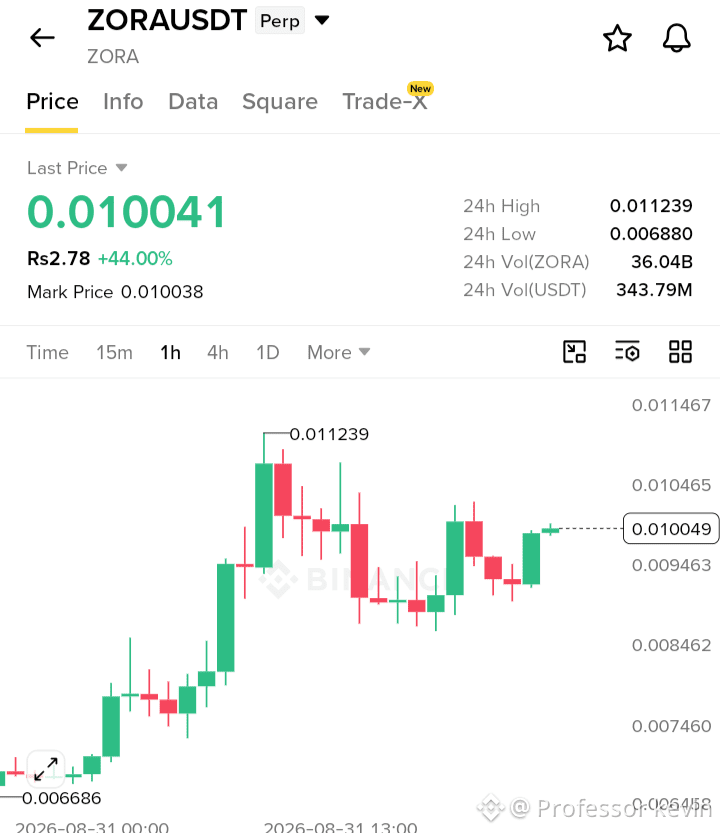
$ZORA 私は、価格が直近のブレイクアウト領域の上にある限り、強気バイアスを維持しています。インパルスは強く、現在の持ち合いも、売り手がより高い安値の構造を崩せない限りは建設的に見えます。
トレード設定
エントリーゾーン: 0.00965–0.00990
TP1: 0.01020
TP2: 0.01055
TP3: 0.01090
SL: 0.00930
0.00990を回復して維持し、そのまま継続する動きを見たいです。もし0.00930を割り込めば、強気構造は無効と判断します。
$ZORA 私は、価格が直近のブレイクアウト領域の上にある限り、強気バイアスを維持しています。インパルスは強く、現在の持ち合いも、売り手がより高い安値の構造を崩せない限りは建設的に見えます。
トレード設定
エントリーゾーン: 0.00965–0.00990
TP1: 0.01020
TP2: 0.01055
TP3: 0.01090
SL: 0.00930
0.00990を回復して維持し、そのまま継続する動きを見たいです。もし0.00930を割り込めば、強気構造は無効と判断します。
トレード設定
エントリーゾーン: 0.00965–0.00990
TP1: 0.01020
TP2: 0.01055
TP3: 0.01090
SL: 0.00930
0.00990を回復して維持し、そのまま継続する動きを見たいです。もし0.00930を割り込めば、強気構造は無効と判断します。
202
·
--
ブリッシュ
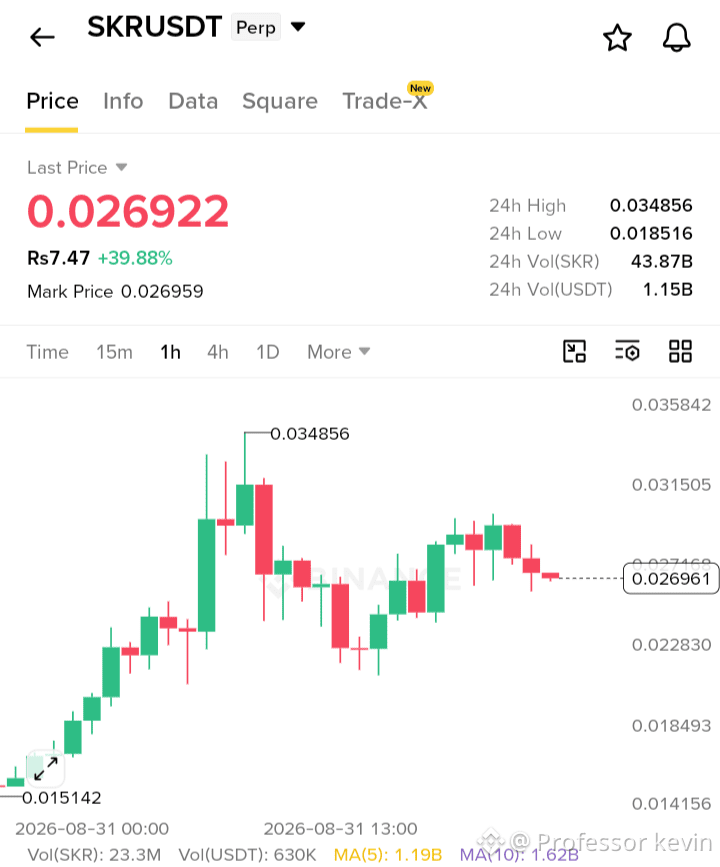
$SKR ここでは強い強気の構造が見られます。インパルスの上昇で価格は新高値へ押し上げられ、押し戻しも直近のより高い安値のエリアをまだ尊重しています。次の継続を狙う前に、まずサポートがきれいに維持されるのを見たいです。
トレード設定
エントリーゾーン: 0.02680–0.02730
TP1: 0.02820
TP2: 0.02910
TP3: 0.03000
SL: 0.02590
0.02680が維持され、価格がさらに高値を更新する限り、私は強気バイアスを維持します。0.02590を下抜けると、このセットアップは無効になります。
$SKR ここでは強い強気の構造が見られます。インパルスの上昇で価格は新高値へ押し上げられ、押し戻しも直近のより高い安値のエリアをまだ尊重しています。次の継続を狙う前に、まずサポートがきれいに維持されるのを見たいです。
トレード設定
エントリーゾーン: 0.02680–0.02730
TP1: 0.02820
TP2: 0.02910
TP3: 0.03000
SL: 0.02590
0.02680が維持され、価格がさらに高値を更新する限り、私は強気バイアスを維持します。0.02590を下抜けると、このセットアップは無効になります。
トレード設定
エントリーゾーン: 0.02680–0.02730
TP1: 0.02820
TP2: 0.02910
TP3: 0.03000
SL: 0.02590
0.02680が維持され、価格がさらに高値を更新する限り、私は強気バイアスを維持します。0.02590を下抜けると、このセットアップは無効になります。
357
$GWEI は短期的に堅調なモメンタムを示していますが、次の動きはサポート次第です。買い手が現在の水準を守り、より高い安値を形成できれば、継続は妥当です。
取引セットアップ
エントリー:0.02545–0.02580
TP1:0.02620
TP2:0.02670
TP3:0.02730
SL:0.02490
このセットアップは0.02490以上で有効です。そこを明確に下抜けると、構造が変わります。
$GWEI は短期的に堅調なモメンタムを示していますが、次の動きはサポート次第です。買い手が現在の水準を守り、より高い安値を形成できれば、継続は妥当です。
取引セットアップ
エントリー:0.02545–0.02580
TP1:0.02620
TP2:0.02670
TP3:0.02730
SL:0.02490
このセットアップは0.02490以上で有効です。そこを明確に下抜けると、構造が変わります。
取引セットアップ
エントリー:0.02545–0.02580
TP1:0.02620
TP2:0.02670
TP3:0.02730
SL:0.02490
このセットアップは0.02490以上で有効です。そこを明確に下抜けると、構造が変わります。
161
·
--
ブリッシュ
$B2 は、最近の上昇の後に、強気の短期構造を維持しています。次に欲しいシグナルはシンプルです:もみ合い、サポートが維持されること、そしてさらに高値更新。
取引セットアップ
エントリー:0.444~0.449
TP1:0.458
TP2:0.468
TP3:0.480
SL:0.435
0.444を維持できれば、継続の考え方は生きたままです。0.435を下抜けると無効になります。
$B2 は、最近の上昇の後に、強気の短期構造を維持しています。次に欲しいシグナルはシンプルです:もみ合い、サポートが維持されること、そしてさらに高値更新。
取引セットアップ
エントリー:0.444~0.449
TP1:0.458
TP2:0.468
TP3:0.480
SL:0.435
0.444を維持できれば、継続の考え方は生きたままです。0.435を下抜けると無効になります。
取引セットアップ
エントリー:0.444~0.449
TP1:0.458
TP2:0.468
TP3:0.480
SL:0.435
0.444を維持できれば、継続の考え方は生きたままです。0.435を下抜けると無効になります。
148
·
--
ブリッシュ
$ONT は、直近の拡大の後、短期で強気のクリーンなバイアスがあります。いまブレイクアウトのエリアを注意深く見ています。これを維持できれば、動きが継続するための余地が得られます。
取引セットアップ
エントリー:0.06080~0.06140
TP1:0.06230
TP2:0.06320
TP3:0.06430
SL:0.05970
0.06080を上回る高値安値があれば、この取引は建設的に保たれます。0.05970を割り込むと、セットアップは無効です。
$ONT は、直近の拡大の後、短期で強気のクリーンなバイアスがあります。いまブレイクアウトのエリアを注意深く見ています。これを維持できれば、動きが継続するための余地が得られます。
取引セットアップ
エントリー:0.06080~0.06140
TP1:0.06230
TP2:0.06320
TP3:0.06430
SL:0.05970
0.06080を上回る高値安値があれば、この取引は建設的に保たれます。0.05970を割り込むと、セットアップは無効です。
取引セットアップ
エントリー:0.06080~0.06140
TP1:0.06230
TP2:0.06320
TP3:0.06430
SL:0.05970
0.06080を上回る高値安値があれば、この取引は建設的に保たれます。0.05970を割り込むと、セットアップは無効です。
151
·
--
ブリッシュ
$BICO は明確な短期モメンタムとともに上昇してきています。ここでのよりクリーンな取引は、直近のサポートを維持し、さらに別の高値の切り上げ(高値の安値)を形成する押し戻し(プルバック)です。
取引セットアップ
エントリー:0.02245〜0.02270
TP1:0.02310
TP2:0.02360
TP3:0.02420
SL:0.02190
0.02245が維持されている限り、買い手には継続する余地があります。0.02190を下回った場合は、このセットアップは無効と考えます。
$BICO は明確な短期モメンタムとともに上昇してきています。ここでのよりクリーンな取引は、直近のサポートを維持し、さらに別の高値の切り上げ(高値の安値)を形成する押し戻し(プルバック)です。
取引セットアップ
エントリー:0.02245〜0.02270
TP1:0.02310
TP2:0.02360
TP3:0.02420
SL:0.02190
0.02245が維持されている限り、買い手には継続する余地があります。0.02190を下回った場合は、このセットアップは無効と考えます。
取引セットアップ
エントリー:0.02245〜0.02270
TP1:0.02310
TP2:0.02360
TP3:0.02420
SL:0.02190
0.02245が維持されている限り、買い手には継続する余地があります。0.02190を下回った場合は、このセットアップは無効と考えます。
223
·
--
ブリッシュ
$BAS 強い上昇の後、短期的に強気の構造を維持しています。次の足を考える前に、サポート付近での値固めを見たいところです。
取引セットアップ
エントリー:0.02470〜0.02500
TP1:0.02540
TP2:0.02590
TP3:0.02650
SL:0.02420
このセットアップは、0.02420が維持され、価格がより高い安値を出し続ける間は建設的なままです。
$BAS 強い上昇の後、短期的に強気の構造を維持しています。次の足を考える前に、サポート付近での値固めを見たいところです。
取引セットアップ
エントリー:0.02470〜0.02500
TP1:0.02540
TP2:0.02590
TP3:0.02650
SL:0.02420
このセットアップは、0.02420が維持され、価格がより高い安値を出し続ける間は建設的なままです。
取引セットアップ
エントリー:0.02470〜0.02500
TP1:0.02540
TP2:0.02590
TP3:0.02650
SL:0.02420
このセットアップは、0.02420が維持され、価格がより高い安値を出し続ける間は建設的なままです。
125
·
--
ブリッシュ
$ARIA は、インパルスの後に短期的な勢いが良好です。いま重要なのは、買い手が現在のエリアを“支持”に変えられるかどうかで、これまでの上昇を全て取り返されるのかが焦点になります。
トレード設定
エントリー:0.03570〜0.03615
TP1:0.03680
TP2:0.03750
TP3:0.03830
SL:0.03490
0.03570を上回る高値の切り上げ(より高い安値)がある限り、セットアップは健全です。0.03490を下回ると、強気の構造は有効ではなくなります。
$ARIA は、インパルスの後に短期的な勢いが良好です。いま重要なのは、買い手が現在のエリアを“支持”に変えられるかどうかで、これまでの上昇を全て取り返されるのかが焦点になります。
トレード設定
エントリー:0.03570〜0.03615
TP1:0.03680
TP2:0.03750
TP3:0.03830
SL:0.03490
0.03570を上回る高値の切り上げ(より高い安値)がある限り、セットアップは健全です。0.03490を下回ると、強気の構造は有効ではなくなります。
トレード設定
エントリー:0.03570〜0.03615
TP1:0.03680
TP2:0.03750
TP3:0.03830
SL:0.03490
0.03570を上回る高値の切り上げ(より高い安値)がある限り、セットアップは健全です。0.03490を下回ると、強気の構造は有効ではなくなります。
145
·
--
ブリッシュ
$MAGMA 短期トレンドは強気ですが、直近の値動きはすでに行き過ぎです。71.80〜72.40の範囲へ、コントロールされた押し目が入ってくれば、よりきれいなスキャルプが可能になります。
取引セットアップ
エントリー:71.80〜72.40
TP1:73.20
TP2:74.00
TP3:75.00
SL:70.80
買い手が71.80を守り、さらに高値を切り上げる形(次の高値安値)を作れば、継続は有効のままです。70.80を下回ったら、私は一旦離れます。
$MAGMA 短期トレンドは強気ですが、直近の値動きはすでに行き過ぎです。71.80〜72.40の範囲へ、コントロールされた押し目が入ってくれば、よりきれいなスキャルプが可能になります。
取引セットアップ
エントリー:71.80〜72.40
TP1:73.20
TP2:74.00
TP3:75.00
SL:70.80
買い手が71.80を守り、さらに高値を切り上げる形(次の高値安値)を作れば、継続は有効のままです。70.80を下回ったら、私は一旦離れます。
取引セットアップ
エントリー:71.80〜72.40
TP1:73.20
TP2:74.00
TP3:75.00
SL:70.80
買い手が71.80を守り、さらに高値を切り上げる形(次の高値安値)を作れば、継続は有効のままです。70.80を下回ったら、私は一旦離れます。
336
·
--
ブリッシュ
$MAGMA は強気のスキャルプ構造を維持しており、直近のインパルスの後にタイトなコンソリデーションが続いています。価格が重要なサポートゾーンを維持している限り、より高い安値は保たれます。
取引セットアップ
エントリーゾーン: 0.2580–0.2650
TP1: 0.2710
TP2: 0.2780
TP3: 0.2870
SL: 0.2500
コンソリデーション上方でのブレイクアウトは継続を確認します。0.2500 を下回る状態が継続すれば、セットアップは無効となります。
#IranSaysHormuzOmanDealNotFinalized #CryptoFearGreedIndexHits74 #KoreaMemoryChipStocksReverseLate
$MAGMA は強気のスキャルプ構造を維持しており、直近のインパルスの後にタイトなコンソリデーションが続いています。価格が重要なサポートゾーンを維持している限り、より高い安値は保たれます。
取引セットアップ
エントリーゾーン: 0.2580–0.2650
TP1: 0.2710
TP2: 0.2780
TP3: 0.2870
SL: 0.2500
コンソリデーション上方でのブレイクアウトは継続を確認します。0.2500 を下回る状態が継続すれば、セットアップは無効となります。
#IranSaysHormuzOmanDealNotFinalized #CryptoFearGreedIndexHits74 #KoreaMemoryChipStocksReverseLate
取引セットアップ
エントリーゾーン: 0.2580–0.2650
TP1: 0.2710
TP2: 0.2780
TP3: 0.2870
SL: 0.2500
コンソリデーション上方でのブレイクアウトは継続を確認します。0.2500 を下回る状態が継続すれば、セットアップは無効となります。
#IranSaysHormuzOmanDealNotFinalized #CryptoFearGreedIndexHits74 #KoreaMemoryChipStocksReverseLate
190
·
--
ブリッシュ
$TAC 強気のスキャルプ構造を、インパルスの値動きの後に維持しています。現在のレンジ(もみ合い)はサポート上で維持されており、より高い安値が継続のセットアップを保っています。
取引セットアップ
エントリーゾーン:0.00440–0.00453
TP1:0.00465
TP2:0.00480
TP3:0.00500
SL:0.00425
ローカル高値を上抜けると、継続が確定します。0.00425を下回るとセットアップは無効になります。
#IranSaysHormuzOmanDealNotFinalized #CryptoFearGreedIndexHits74 #BrentWTICrudeFallOver3%
$TAC 強気のスキャルプ構造を、インパルスの値動きの後に維持しています。現在のレンジ(もみ合い)はサポート上で維持されており、より高い安値が継続のセットアップを保っています。
取引セットアップ
エントリーゾーン:0.00440–0.00453
TP1:0.00465
TP2:0.00480
TP3:0.00500
SL:0.00425
ローカル高値を上抜けると、継続が確定します。0.00425を下回るとセットアップは無効になります。
#IranSaysHormuzOmanDealNotFinalized #CryptoFearGreedIndexHits74 #BrentWTICrudeFallOver3%
取引セットアップ
エントリーゾーン:0.00440–0.00453
TP1:0.00465
TP2:0.00480
TP3:0.00500
SL:0.00425
ローカル高値を上抜けると、継続が確定します。0.00425を下回るとセットアップは無効になります。
#IranSaysHormuzOmanDealNotFinalized #CryptoFearGreedIndexHits74 #BrentWTICrudeFallOver3%
252
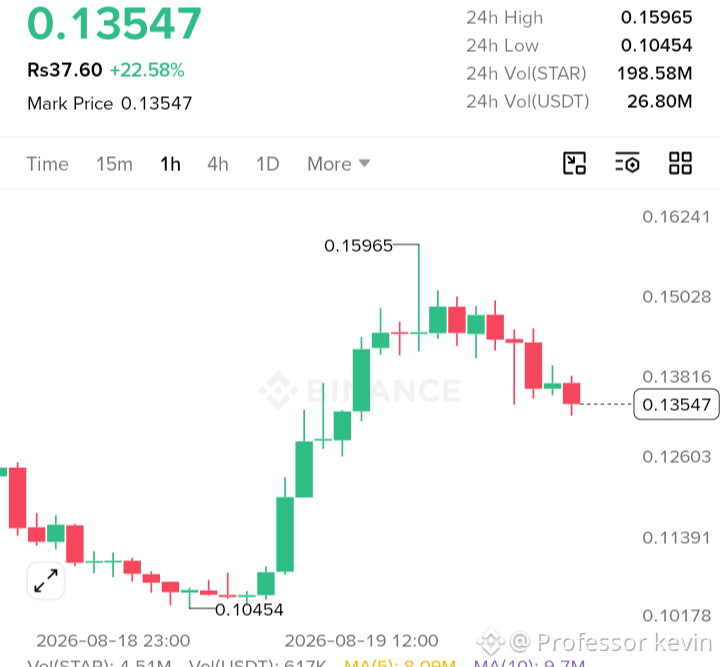
$STAR 強気のスキャルピング構造は、インパルス・ムーブ後も依然として維持されています。価格はブレイクアウト・エリアの上で推移しており、一方で切り上がる安値は、買い手がサポートを守っていることを示唆しています。
取引セットアップ
エントリーゾーン:0.13150–0.13450
TP1:0.13700
TP2:0.14000
TP3:0.14400
SL:0.12850
サポートとして0.12850が維持されたまま、ローカル・レジスタンスの上で継続が確認されます。この水準を下回るブレイクダウンが起きた場合、セットアップは無効になります。
$STAR 強気のスキャルピング構造は、インパルス・ムーブ後も依然として維持されています。価格はブレイクアウト・エリアの上で推移しており、一方で切り上がる安値は、買い手がサポートを守っていることを示唆しています。
取引セットアップ
エントリーゾーン:0.13150–0.13450
TP1:0.13700
TP2:0.14000
TP3:0.14400
SL:0.12850
サポートとして0.12850が維持されたまま、ローカル・レジスタンスの上で継続が確認されます。この水準を下回るブレイクダウンが起きた場合、セットアップは無効になります。
取引セットアップ
エントリーゾーン:0.13150–0.13450
TP1:0.13700
TP2:0.14000
TP3:0.14400
SL:0.12850
サポートとして0.12850が維持されたまま、ローカル・レジスタンスの上で継続が確認されます。この水準を下回るブレイクダウンが起きた場合、セットアップは無効になります。
180
·
--
ブリッシュ
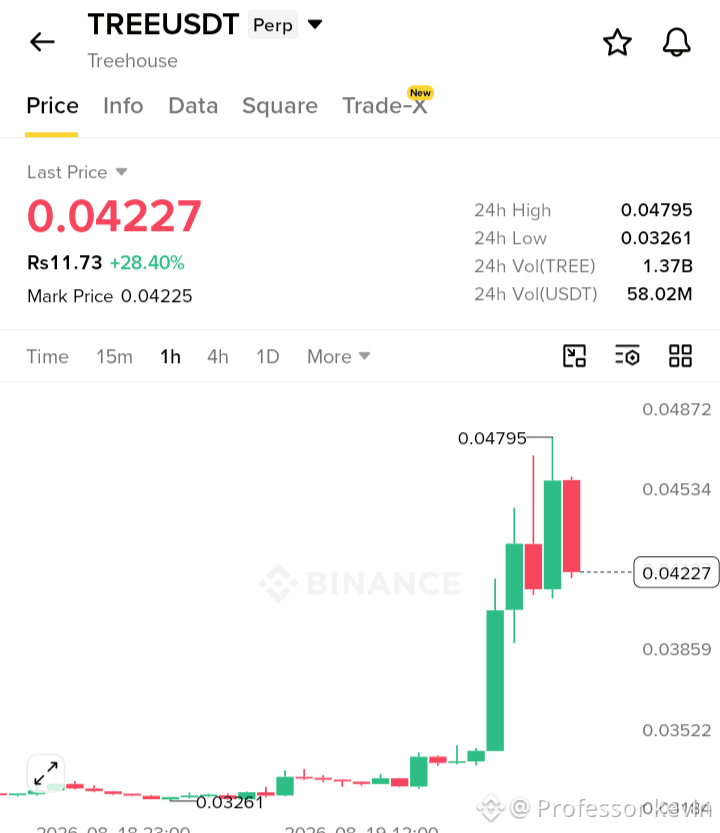
$TREE 強いインパルスの後に、コントロールされた揉み合いが続く強気のスキャルピング構造。高値安値(より高い安値)がまだ形成されており、ブレイクアウトのサポート以上では買い手が短期的な主導権を維持していることを示唆しています。
取引セットアップ
エントリーゾーン:0.04120–0.04230
TP1:0.04340
TP2:0.04450
TP3:0.04600
SL:0.04020
継続には、ローカル・レジスタンスを明確に上抜ける必要があります。また、0.04020が維持されていることが前提です。その水準を下回ると強気のセットアップは無効になります。
$TREE 強いインパルスの後に、コントロールされた揉み合いが続く強気のスキャルピング構造。高値安値(より高い安値)がまだ形成されており、ブレイクアウトのサポート以上では買い手が短期的な主導権を維持していることを示唆しています。
取引セットアップ
エントリーゾーン:0.04120–0.04230
TP1:0.04340
TP2:0.04450
TP3:0.04600
SL:0.04020
継続には、ローカル・レジスタンスを明確に上抜ける必要があります。また、0.04020が維持されていることが前提です。その水準を下回ると強気のセットアップは無効になります。
取引セットアップ
エントリーゾーン:0.04120–0.04230
TP1:0.04340
TP2:0.04450
TP3:0.04600
SL:0.04020
継続には、ローカル・レジスタンスを明確に上抜ける必要があります。また、0.04020が維持されていることが前提です。その水準を下回ると強気のセットアップは無効になります。
209
ログインして、さらにコンテンツを読む
厳選トピックで世界の暗号資産トレーダーの仲間入り
⚡️ 暗号資産に関する最新かつ有益な情報が見つかります。
💬 世界最大の暗号資産取引所から信頼されています。
👍 認証を受けたクリエイターから、有益なインサイトを得られます。
メール / 電話番号