

KernelDAO
281 投稿

KernelDAO
 厳選トピック確認済+
報告
ユーザーをブロック
Earn rewards via restaking ETH, BTC, BNB on the largest shared security infra “Kernel”, top Liquid restaking
2 フォロー
2.4K+ フォロワー
22.4K+ いいね
投稿
すべて
引用
動画
ライブ
PINNED
·
--
大ニュース!
KerneldaoとWorld Liberty Financeのパートナーシップにより、USD1がKernelに再ステーク可能な資産として導入されました!
これが初めて、USD1が第三者アプリケーションに経済的セキュリティを提供するために使用されます。
仕組み:
- あなたのUSD1をKernelで再ステークする
- あなたのUSD1がアプリケーションに経済的セキュリティを提供します
- 報酬としてKernelポイントを獲得
あなたのステーブルコインに新たなユーティリティの次元を解放しましょう!
あなたのUSD1を活用する準備はできましたか?
今日、Kernelで再ステークを始め、ステーブルコインの生産性の未来に参加しましょう
https://kerneldao.com/restake/USD1/
大ニュース!
KerneldaoとWorld Liberty Financeのパートナーシップにより、USD1がKernelに再ステーク可能な資産として導入されました!
これが初めて、USD1が第三者アプリケーションに経済的セキュリティを提供するために使用されます。
仕組み:
- あなたのUSD1をKernelで再ステークする
- あなたのUSD1がアプリケーションに経済的セキュリティを提供します
- 報酬としてKernelポイントを獲得
あなたのステーブルコインに新たなユーティリティの次元を解放しましょう!
あなたのUSD1を活用する準備はできましたか?
今日、Kernelで再ステークを始め、ステーブルコインの生産性の未来に参加しましょう
https://kerneldao.com/restake/USD1/
KerneldaoとWorld Liberty Financeのパートナーシップにより、USD1がKernelに再ステーク可能な資産として導入されました!
これが初めて、USD1が第三者アプリケーションに経済的セキュリティを提供するために使用されます。
仕組み:
- あなたのUSD1をKernelで再ステークする
- あなたのUSD1がアプリケーションに経済的セキュリティを提供します
- 報酬としてKernelポイントを獲得
あなたのステーブルコインに新たなユーティリティの次元を解放しましょう!
あなたのUSD1を活用する準備はできましたか?
今日、Kernelで再ステークを始め、ステーブルコインの生産性の未来に参加しましょう
https://kerneldao.com/restake/USD1/
199
174
466
939
·
--
記事
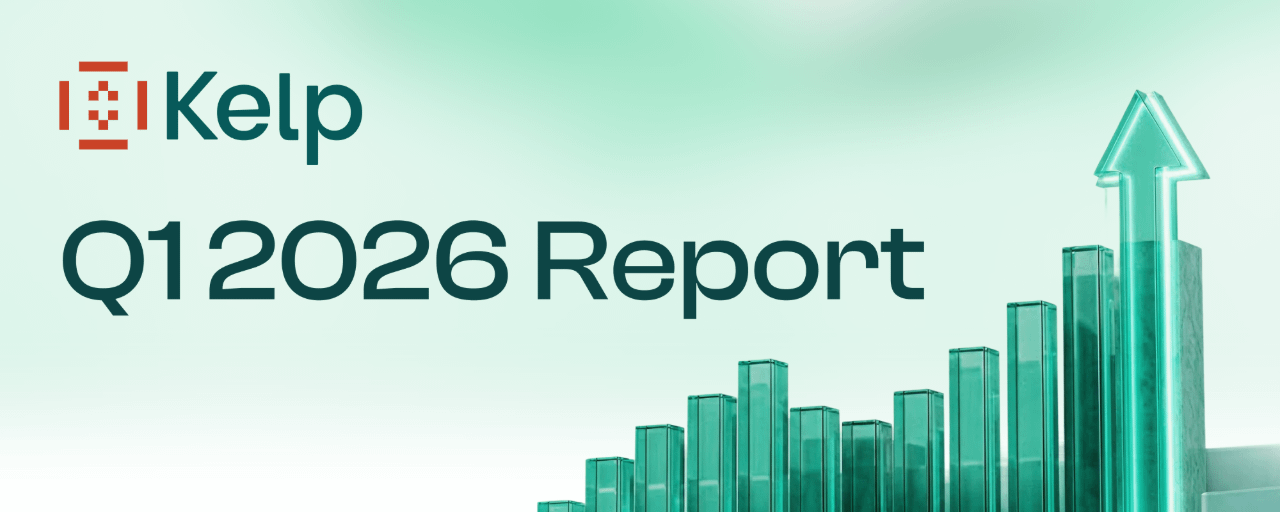
Kelp 2026年第1四半期レポート2026年第1四半期はKelpにとってローンチ以来最も強力な四半期でした。総TVLは$1.33Bに達し、AaveでのrsETH供給は$1.2Bに成長し、Gain vaultsは$100Mの合計TVLを超え、vaults.fyiで#1 ETH vaultのランキングを獲得し、KUSDはフレームワークからライブ実行に移行し、数億のLPコミットメントが確保されました。
このレポートでは、何が起こったのか、数字が何を示しているのか、そして次に何が来るのかを網羅しています。
rsETH
rsETHはローンチ以来最も重要な四半期を迎え、四半期を通じて複数のカタリストが積み重なりました。
Kelp 2026年第1四半期レポート
2026年第1四半期はKelpにとってローンチ以来最も強力な四半期でした。総TVLは$1.33Bに達し、AaveでのrsETH供給は$1.2Bに成長し、Gain vaultsは$100Mの合計TVLを超え、vaults.fyiで#1 ETH vaultのランキングを獲得し、KUSDはフレームワークからライブ実行に移行し、数億のLPコミットメントが確保されました。
このレポートでは、何が起こったのか、数字が何を示しているのか、そして次に何が来るのかを網羅しています。
rsETH
rsETHはローンチ以来最も重要な四半期を迎え、四半期を通じて複数のカタリストが積み重なりました。
このレポートでは、何が起こったのか、数字が何を示しているのか、そして次に何が来るのかを網羅しています。
rsETH
rsETHはローンチ以来最も重要な四半期を迎え、四半期を通じて複数のカタリストが積み重なりました。
1
3
2.7k
·
--
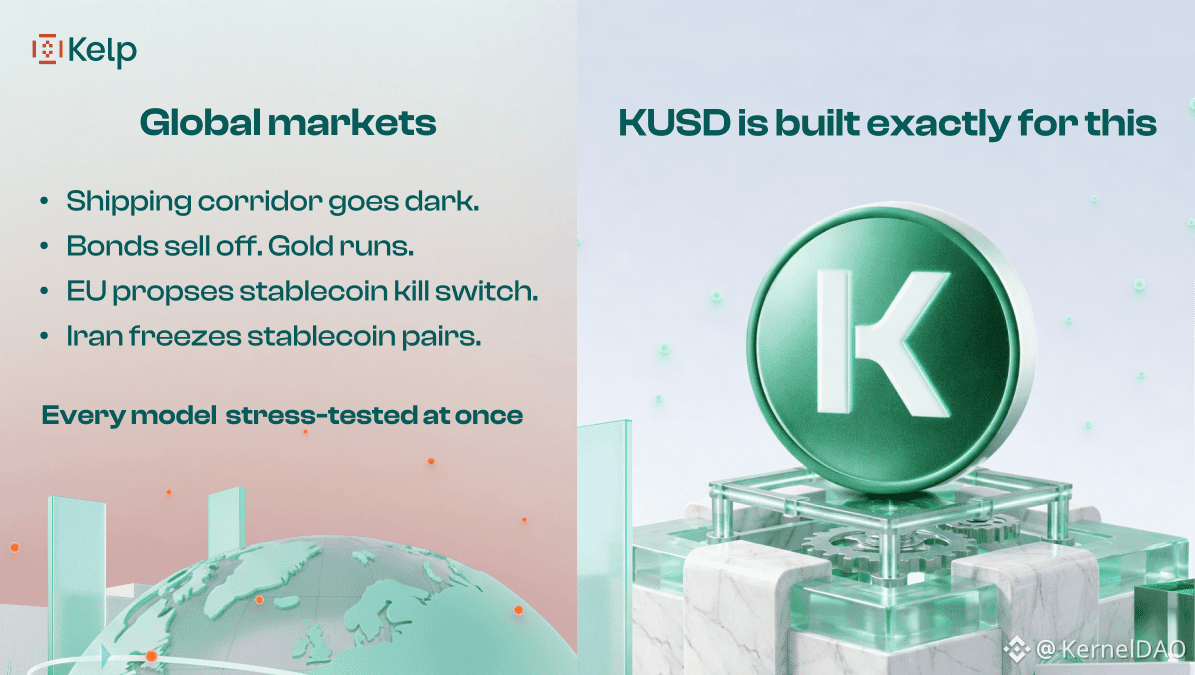
KUSDは地政学的混乱を乗り越えるために設計されています。
運輸回廊が閉鎖されました。債券は暴落しました。金は国債を上回りました。EUはステーブルコインの禁止を推進しました。イランは一夜にして暗号取引を凍結しました。2026年はすべてのステーブルコインモデルを破壊しました。ほとんどの人は気づきませんでした。
ほとんどのステーブルコインは政府債券によって裏付けられています。今年、政府債券は価値を失いました。すべての危機があなたのステーブルコインを支える「安全な」ものをより安全でないものにしました。これが一つの政府のバスケットの問題です。
いくつかのステーブルコインは暗号取引手数料から支払われます。市場がパニックに陥り、取引が干上がり、手数料が消えます。報酬は、最も必要なときにゼロになります。
KUSDは異なります。貿易ファイナンスによって裏付けられています。ある企業が商品を出荷します。買い手はお金を支払う義務があります。その未払いの請求書は実際の資産です。KUSDはそれを回収する権利を購入します。買い手が支払うと、報酬が生まれます。国債でも、暗号手数料でもありません。毎日請求書が処理されています。
貿易は止まりません。関税や戦争が貿易ルートを変えます。2025年には35兆ドルが動きました。船が出航しました。請求書が処理されました。企業はお互いに支払いをしました。
KUSDの背後にある請求書は30日から90日で処理されます。新しい請求書がそれに置き換わります。15%を失う10年国債はありません。担保は常にリフレッシュされます。エクスポージャーはショートのままです。
これを信じる必要はありません。Chainlinkがオンチェーンで準備金を検証します。Token Logicがリスクをリアルタイムで監視します。今年、政府がステーブルコインペアを凍結し始めたとき、「私たちを信じて」というのは十分ではなくなりました。
受取勘定は地域、セクター、カウンターパーティに分散しています。一つの回廊が混乱しても、他の場所で貿易は動き続けました。単一の危機が全体のプールを倒すことはありません。
規制当局は今年追いつきました。WEFはステーブルコインを地政学的な問題として指摘しました。
EUはキルスイッチを推進しました。米国はGENIUS法を通過させました。皆が同じことを望んでいます:その背後にあるものを見せてください。
それがKUSDがすでに構築している方向です。
貿易ファイナンスは10兆ドルの市場です。これは暗号が登場する前から存在しました。今年のすべての危機を通じて機能しました。KUSDはその扉です。
KUSDは地政学的混乱を乗り越えるために設計されています。
運輸回廊が閉鎖されました。債券は暴落しました。金は国債を上回りました。EUはステーブルコインの禁止を推進しました。イランは一夜にして暗号取引を凍結しました。2026年はすべてのステーブルコインモデルを破壊しました。ほとんどの人は気づきませんでした。
ほとんどのステーブルコインは政府債券によって裏付けられています。今年、政府債券は価値を失いました。すべての危機があなたのステーブルコインを支える「安全な」ものをより安全でないものにしました。これが一つの政府のバスケットの問題です。
いくつかのステーブルコインは暗号取引手数料から支払われます。市場がパニックに陥り、取引が干上がり、手数料が消えます。報酬は、最も必要なときにゼロになります。
KUSDは異なります。貿易ファイナンスによって裏付けられています。ある企業が商品を出荷します。買い手はお金を支払う義務があります。その未払いの請求書は実際の資産です。KUSDはそれを回収する権利を購入します。買い手が支払うと、報酬が生まれます。国債でも、暗号手数料でもありません。毎日請求書が処理されています。
貿易は止まりません。関税や戦争が貿易ルートを変えます。2025年には35兆ドルが動きました。船が出航しました。請求書が処理されました。企業はお互いに支払いをしました。
KUSDの背後にある請求書は30日から90日で処理されます。新しい請求書がそれに置き換わります。15%を失う10年国債はありません。担保は常にリフレッシュされます。エクスポージャーはショートのままです。
これを信じる必要はありません。Chainlinkがオンチェーンで準備金を検証します。Token Logicがリスクをリアルタイムで監視します。今年、政府がステーブルコインペアを凍結し始めたとき、「私たちを信じて」というのは十分ではなくなりました。
受取勘定は地域、セクター、カウンターパーティに分散しています。一つの回廊が混乱しても、他の場所で貿易は動き続けました。単一の危機が全体のプールを倒すことはありません。
規制当局は今年追いつきました。WEFはステーブルコインを地政学的な問題として指摘しました。
EUはキルスイッチを推進しました。米国はGENIUS法を通過させました。皆が同じことを望んでいます:その背後にあるものを見せてください。
それがKUSDがすでに構築している方向です。
貿易ファイナンスは10兆ドルの市場です。これは暗号が登場する前から存在しました。今年のすべての危機を通じて機能しました。KUSDはその扉です。
運輸回廊が閉鎖されました。債券は暴落しました。金は国債を上回りました。EUはステーブルコインの禁止を推進しました。イランは一夜にして暗号取引を凍結しました。2026年はすべてのステーブルコインモデルを破壊しました。ほとんどの人は気づきませんでした。
ほとんどのステーブルコインは政府債券によって裏付けられています。今年、政府債券は価値を失いました。すべての危機があなたのステーブルコインを支える「安全な」ものをより安全でないものにしました。これが一つの政府のバスケットの問題です。
いくつかのステーブルコインは暗号取引手数料から支払われます。市場がパニックに陥り、取引が干上がり、手数料が消えます。報酬は、最も必要なときにゼロになります。
KUSDは異なります。貿易ファイナンスによって裏付けられています。ある企業が商品を出荷します。買い手はお金を支払う義務があります。その未払いの請求書は実際の資産です。KUSDはそれを回収する権利を購入します。買い手が支払うと、報酬が生まれます。国債でも、暗号手数料でもありません。毎日請求書が処理されています。
貿易は止まりません。関税や戦争が貿易ルートを変えます。2025年には35兆ドルが動きました。船が出航しました。請求書が処理されました。企業はお互いに支払いをしました。
KUSDの背後にある請求書は30日から90日で処理されます。新しい請求書がそれに置き換わります。15%を失う10年国債はありません。担保は常にリフレッシュされます。エクスポージャーはショートのままです。
これを信じる必要はありません。Chainlinkがオンチェーンで準備金を検証します。Token Logicがリスクをリアルタイムで監視します。今年、政府がステーブルコインペアを凍結し始めたとき、「私たちを信じて」というのは十分ではなくなりました。
受取勘定は地域、セクター、カウンターパーティに分散しています。一つの回廊が混乱しても、他の場所で貿易は動き続けました。単一の危機が全体のプールを倒すことはありません。
規制当局は今年追いつきました。WEFはステーブルコインを地政学的な問題として指摘しました。
EUはキルスイッチを推進しました。米国はGENIUS法を通過させました。皆が同じことを望んでいます:その背後にあるものを見せてください。
それがKUSDがすでに構築している方向です。
貿易ファイナンスは10兆ドルの市場です。これは暗号が登場する前から存在しました。今年のすべての危機を通じて機能しました。KUSDはその扉です。
3
1.7k
·
--
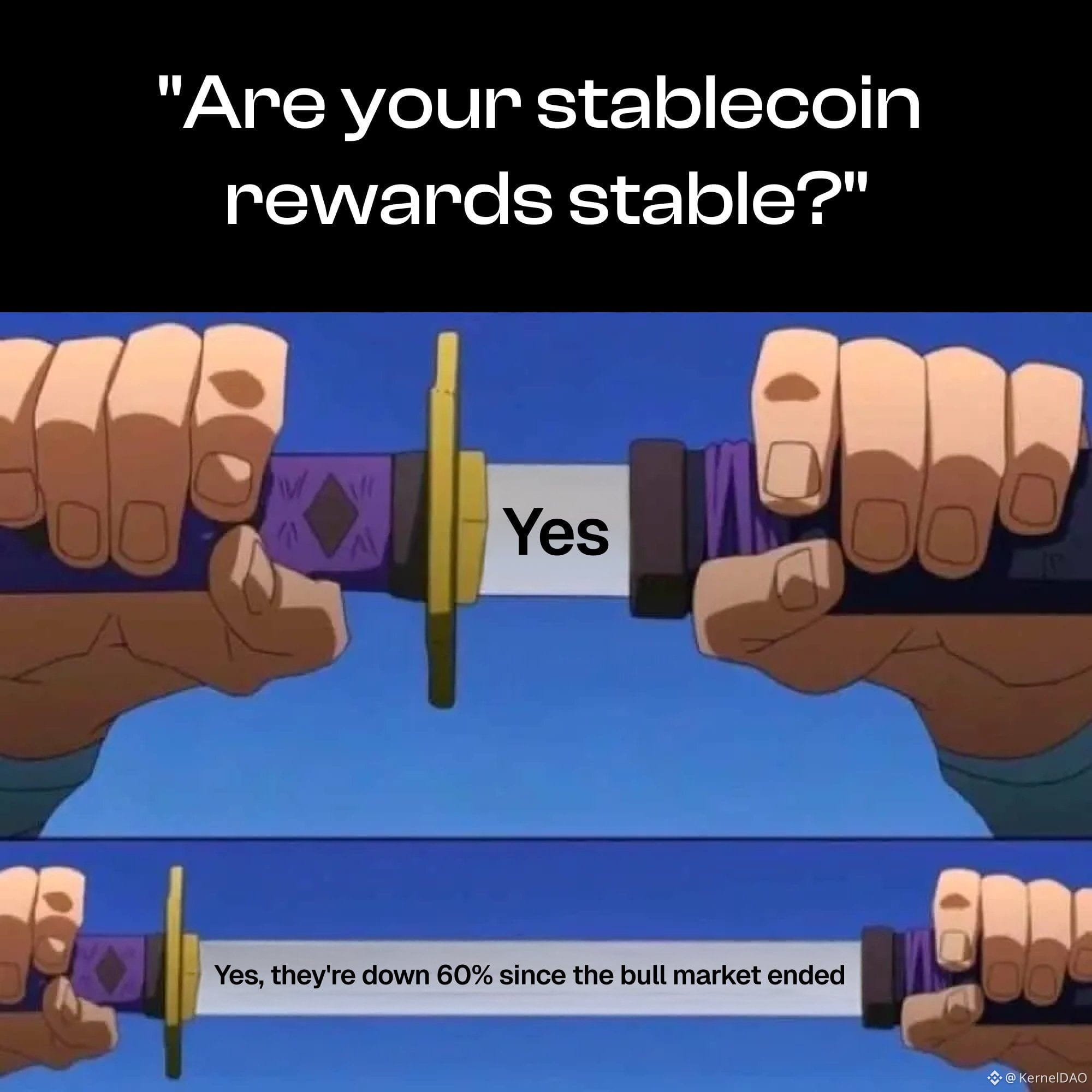
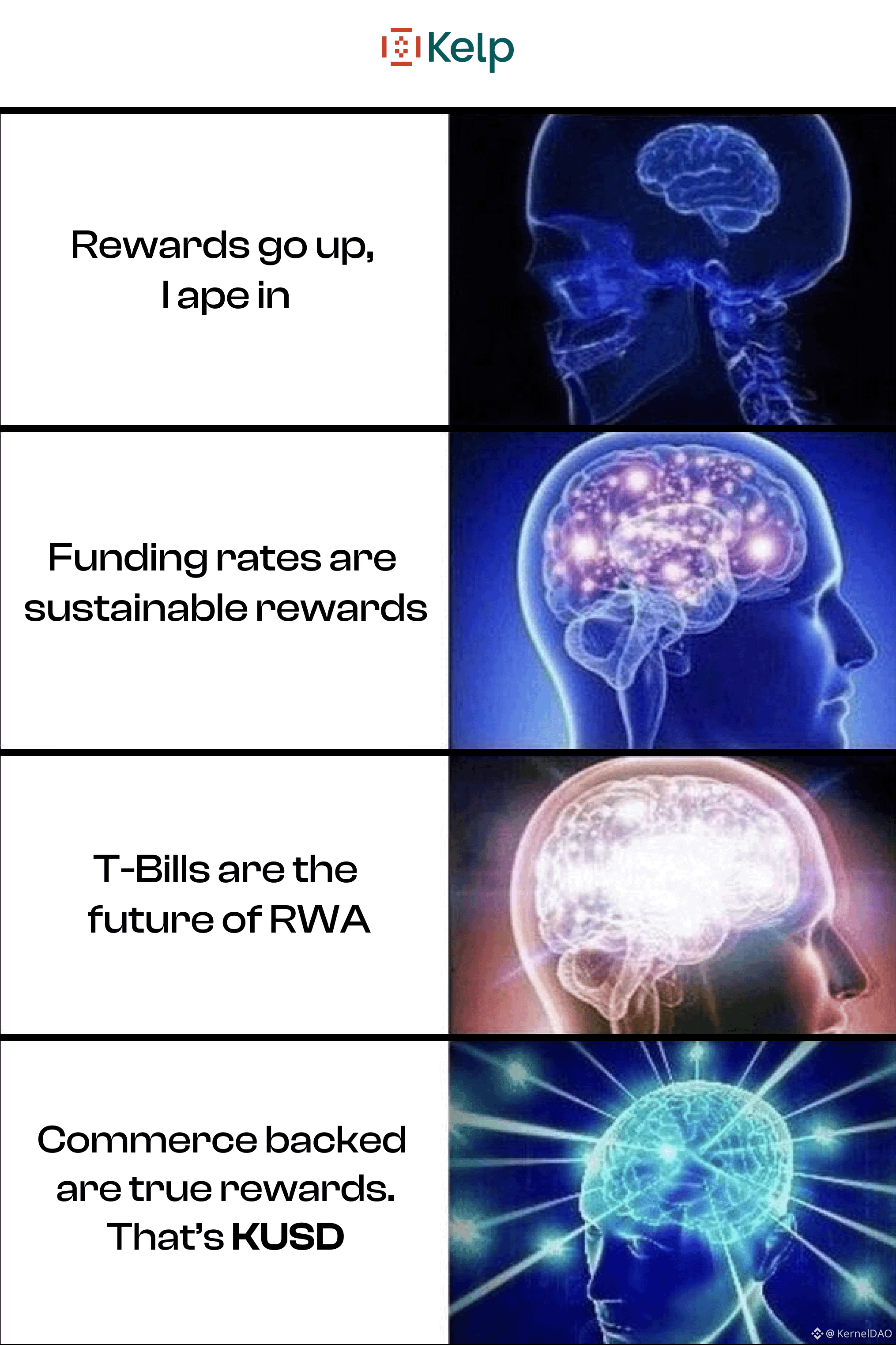
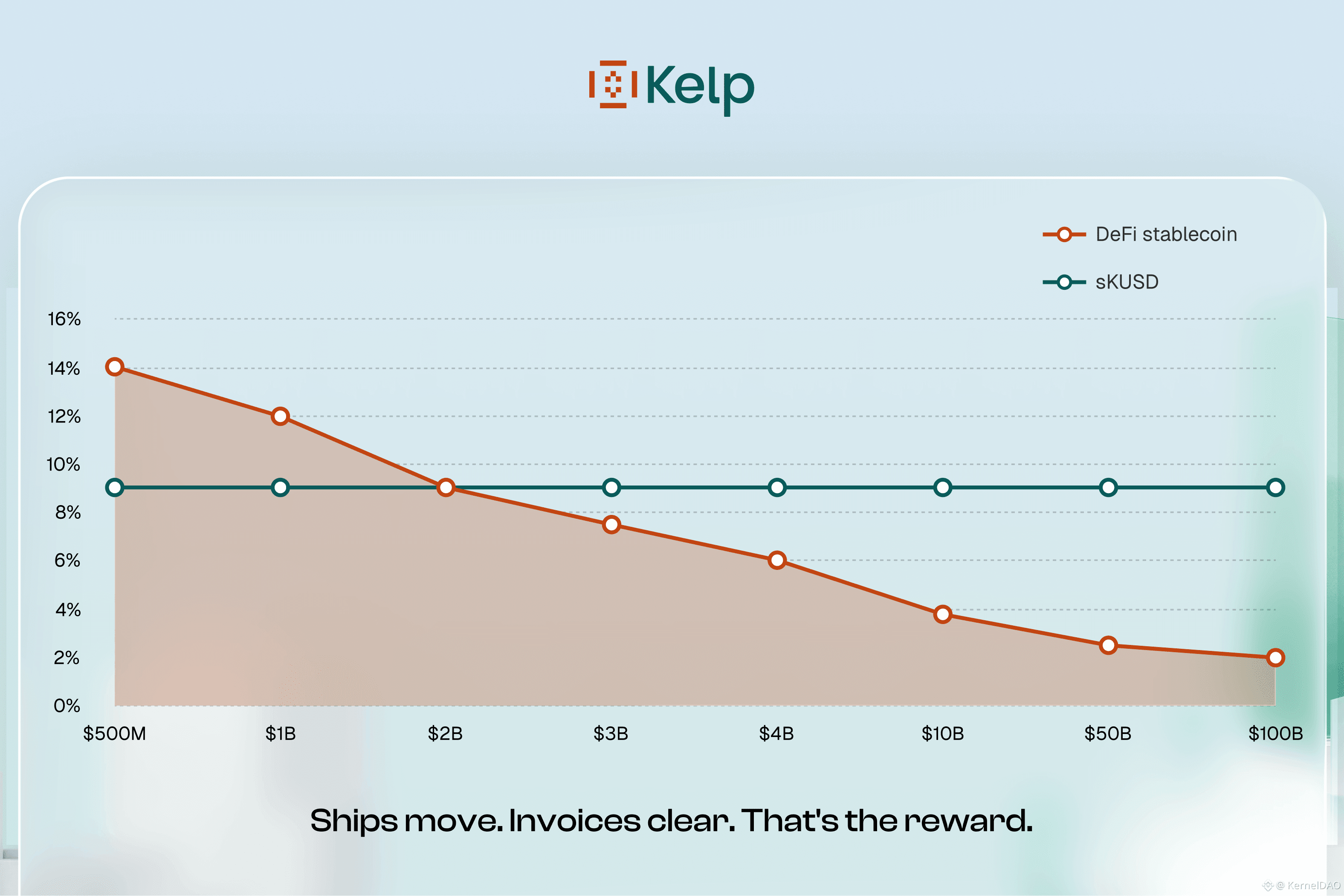
より多くの資本 = より少ない報酬。それがDeFiの数学です。
KUSDは貿易金融で運営されています。需要は10兆ドル。上限はありません。 ↓
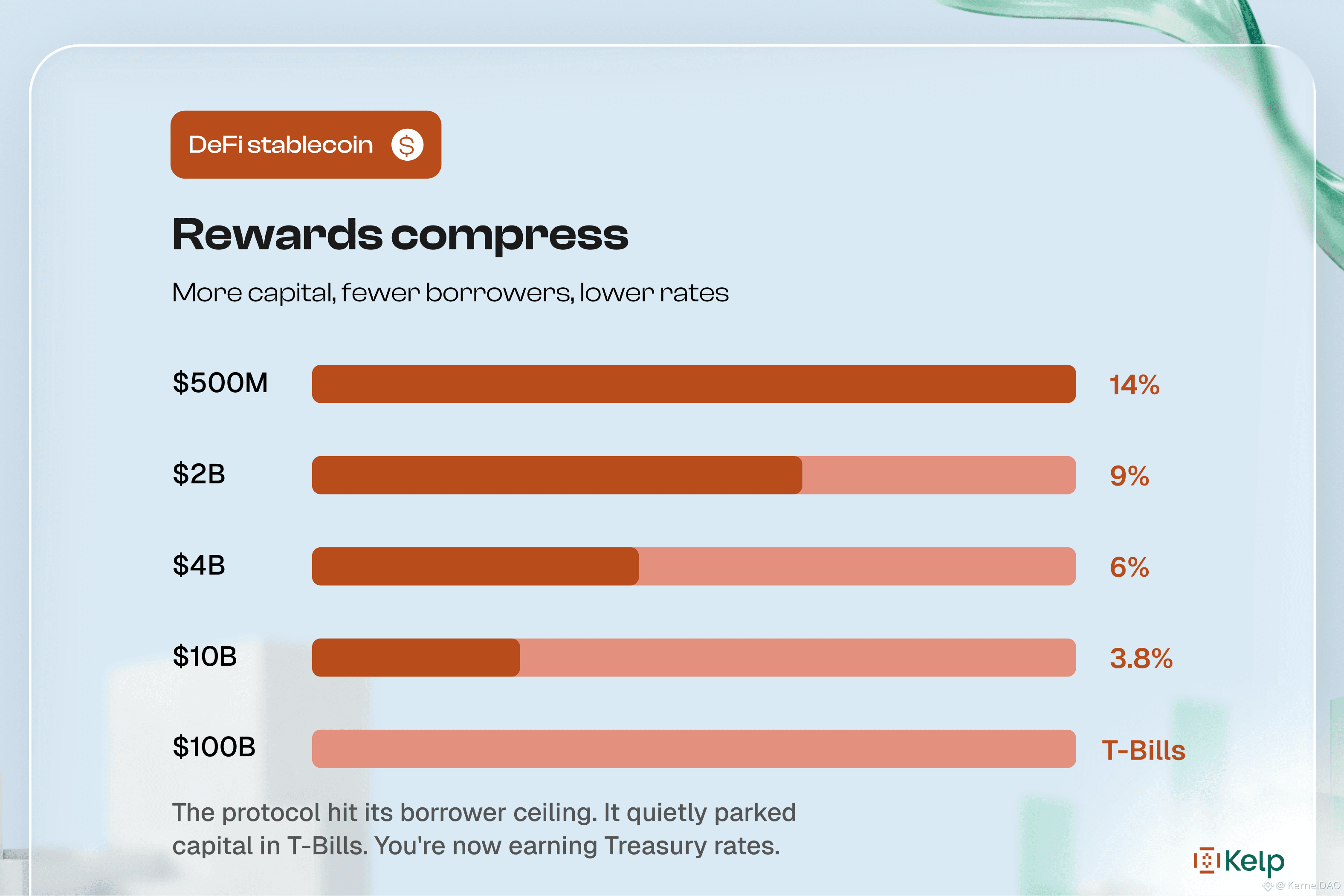
LP AはDeFiステーブルコインプロトコルに$100Kを預けます。1日目の報酬: 14%。良さそうです。
6ヶ月後、そのプロトコルは$4BのTVLに達します。報酬は今や6%です。
1年後、3.8%です。
そのプロトコルは静かに資本の半分をT-Billsに駐車します。LP Aは今、いくつかのステップを踏んで国債金利を得ています。
これは悪運ではありません。これは数学です。
DeFiの報酬はレバレッジと流動性マイニングによって運営されます。十分な資本を注ぎ込むと、自分の借り手ベースを超えて成長します。
需要の上限は低いです。それに達すると、金利は圧縮されるか、プロトコルはより安全で興味のないものにピボットします。
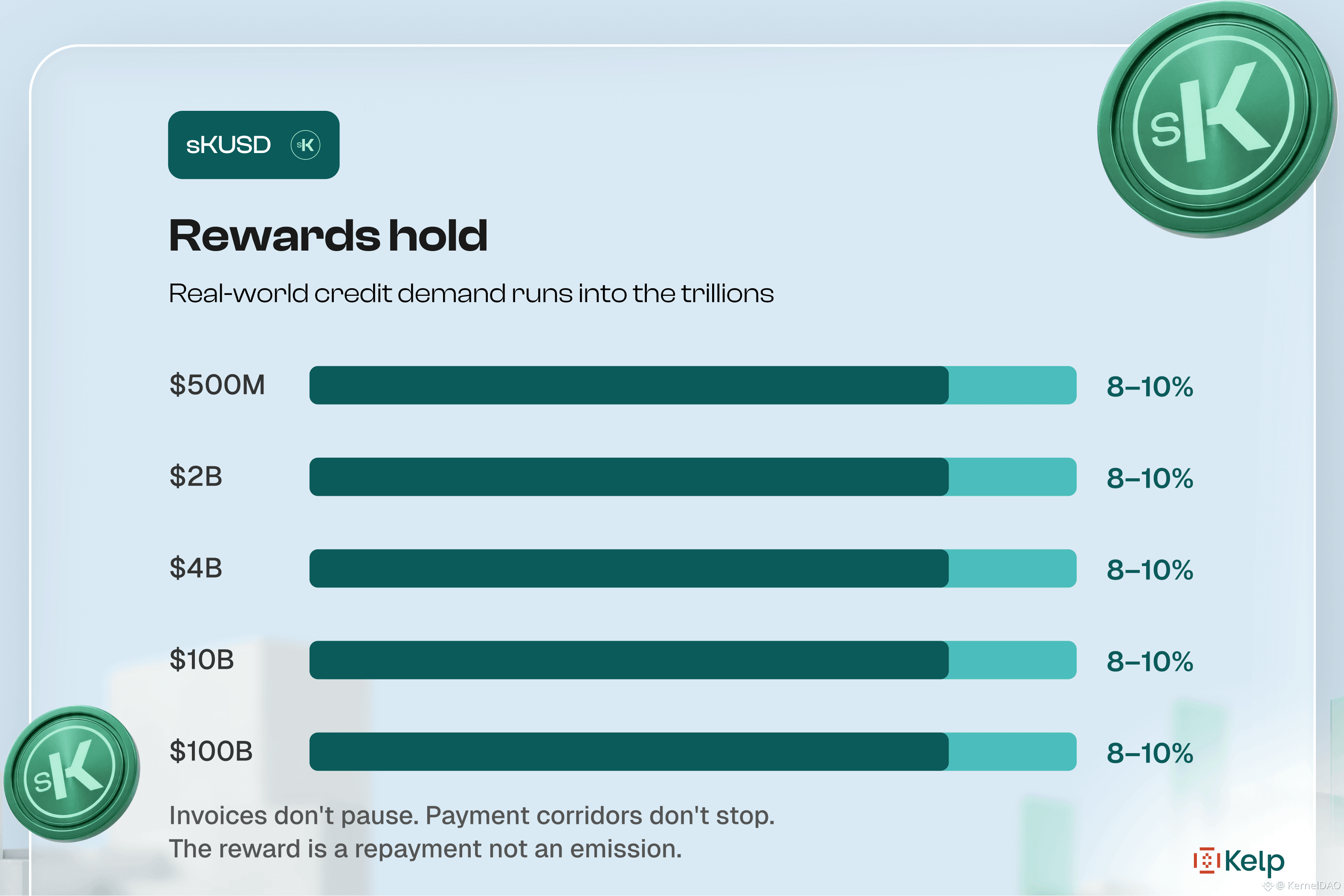
LP BはsKUSDに$100Kを預けます。
報酬: 8-10%。$1BのTVLでも同じ。$10Bでも同じ。$100Bでも同じ。
なぜなら、反対側の需要はDeFiトレーダーではなく、世界貿易だからです。
請求書、支払い回廊、短期債権。その市場は兆ドルに達し、暗号のセンチメントが上がろうが下がろうが気にしません。
報酬は返済です。排出ではありません。流動性インセンティブでもありません。ビジネスが資本を借りて、それを使用して出荷を資金調達したり、支払い回廊を決済したりし、利息とともに返済しました。
それが報酬です。それは基礎となる需要がスケールするため、スケールします。
$100BのKUSD TVLでは、LP Bは依然として8-10%を得ています。
LP Aはプロトコルがいつ再び金利を引き下げるのかを考えています。
より多くの資本 = より少ない報酬。それがDeFiの数学です。
KUSDは貿易金融で運営されています。需要は10兆ドル。上限はありません。 ↓
LP AはDeFiステーブルコインプロトコルに$100Kを預けます。1日目の報酬: 14%。良さそうです。
6ヶ月後、そのプロトコルは$4BのTVLに達します。報酬は今や6%です。
1年後、3.8%です。
そのプロトコルは静かに資本の半分をT-Billsに駐車します。LP Aは今、いくつかのステップを踏んで国債金利を得ています。
これは悪運ではありません。これは数学です。
DeFiの報酬はレバレッジと流動性マイニングによって運営されます。十分な資本を注ぎ込むと、自分の借り手ベースを超えて成長します。
需要の上限は低いです。それに達すると、金利は圧縮されるか、プロトコルはより安全で興味のないものにピボットします。
LP BはsKUSDに$100Kを預けます。
報酬: 8-10%。$1BのTVLでも同じ。$10Bでも同じ。$100Bでも同じ。
なぜなら、反対側の需要はDeFiトレーダーではなく、世界貿易だからです。
請求書、支払い回廊、短期債権。その市場は兆ドルに達し、暗号のセンチメントが上がろうが下がろうが気にしません。
報酬は返済です。排出ではありません。流動性インセンティブでもありません。ビジネスが資本を借りて、それを使用して出荷を資金調達したり、支払い回廊を決済したりし、利息とともに返済しました。
それが報酬です。それは基礎となる需要がスケールするため、スケールします。
$100BのKUSD TVLでは、LP Bは依然として8-10%を得ています。
LP Aはプロトコルがいつ再び金利を引き下げるのかを考えています。
KUSDは貿易金融で運営されています。需要は10兆ドル。上限はありません。 ↓
LP AはDeFiステーブルコインプロトコルに$100Kを預けます。1日目の報酬: 14%。良さそうです。
6ヶ月後、そのプロトコルは$4BのTVLに達します。報酬は今や6%です。
1年後、3.8%です。
そのプロトコルは静かに資本の半分をT-Billsに駐車します。LP Aは今、いくつかのステップを踏んで国債金利を得ています。
これは悪運ではありません。これは数学です。
DeFiの報酬はレバレッジと流動性マイニングによって運営されます。十分な資本を注ぎ込むと、自分の借り手ベースを超えて成長します。
需要の上限は低いです。それに達すると、金利は圧縮されるか、プロトコルはより安全で興味のないものにピボットします。
LP BはsKUSDに$100Kを預けます。
報酬: 8-10%。$1BのTVLでも同じ。$10Bでも同じ。$100Bでも同じ。
なぜなら、反対側の需要はDeFiトレーダーではなく、世界貿易だからです。
請求書、支払い回廊、短期債権。その市場は兆ドルに達し、暗号のセンチメントが上がろうが下がろうが気にしません。
報酬は返済です。排出ではありません。流動性インセンティブでもありません。ビジネスが資本を借りて、それを使用して出荷を資金調達したり、支払い回廊を決済したりし、利息とともに返済しました。
それが報酬です。それは基礎となる需要がスケールするため、スケールします。
$100BのKUSD TVLでは、LP Bは依然として8-10%を得ています。
LP Aはプロトコルがいつ再び金利を引き下げるのかを考えています。
1
4
1.2k
·
--
KUSDの報酬は実際にどのように機能しますか? ↓
オハイオ州の部品メーカーが、イギリスの自動車ディストリビューターに500Kドル分のコンポーネントを出荷します。支払いは90日後に行われます。これらは標準的なB2B条件です。
しかし、メーカーは今すぐ現金が必要です。給与は90日待ってくれません。
誰かが500Kドルを前払いします。その見返りに、手数料を得ます。このローンは短期で、請求書と既に出荷された商品によって担保されています。
銀行は長い間これを行ってきました。短期貿易信用のデフォルト率は約0.02%です。低リスク、短期間です。
銀行は年率8-15%の手数料を請求します。彼らはこの市場全体を独占しています。
毎年2.5兆ドルの需要が資金提供されていません(ADB、2025)。銀行は中小企業の申請の40%以上を拒否します。取引は悪くありません。コンプライアンスのオーバーヘッドは小規模なチケットを正当化するものではありません。
ここでKUSDが登場します。
預金者は、ステーブルコインでKUSDをミントし、sKUSDのためにステークすることができます。KUSDを支えるステーブルコインは、既に保有している売掛金に対して確認済みの借り手に短期信用として配布されます。
請求書がクリアされると、元本プラス手数料がsKUSD保有者に戻ります。
その信用にかかる手数料が報酬です。それは、既に彼らに支払われるべき請求書に早く支払われるビジネスから来ています。
何も印刷されていません。誰もレバレッジを維持する必要はありません。資金調達率を保持する必要はありません。
バックアップは@chainlinkの準備証明を通じて確認されています。オンチェーンで、継続的かつ自動化されています。
すべてのKUSDは実際の売掛金によって確認可能に裏付けられています。四半期ごとのPDFではありません。「信じてください」というものではありません。誰でも、いつでも確認可能です。
もう一つのこと。この市場はDeFiプールが圧縮するようにはなりません。
DeFiプールにより多くの資本が入ると、1ドル当たりの報酬が低くなります。同じパイ、より多くの人々。
売掛金がある場合、より多くの資本はより多くの請求書が資金提供されることを意味します。取引の流れは資本に比例してスケールします。年間10兆ドルのアドレス可能市場です。
sKUSDはまだ全員が利用できるわけではありません。
早期アクセスを得るためにサインアップしてください ↓
🔗 https://kred.kerneldao.com/investors#contact
KUSDの報酬は実際にどのように機能しますか? ↓
オハイオ州の部品メーカーが、イギリスの自動車ディストリビューターに500Kドル分のコンポーネントを出荷します。支払いは90日後に行われます。これらは標準的なB2B条件です。
しかし、メーカーは今すぐ現金が必要です。給与は90日待ってくれません。
誰かが500Kドルを前払いします。その見返りに、手数料を得ます。このローンは短期で、請求書と既に出荷された商品によって担保されています。
銀行は長い間これを行ってきました。短期貿易信用のデフォルト率は約0.02%です。低リスク、短期間です。
銀行は年率8-15%の手数料を請求します。彼らはこの市場全体を独占しています。
毎年2.5兆ドルの需要が資金提供されていません(ADB、2025)。銀行は中小企業の申請の40%以上を拒否します。取引は悪くありません。コンプライアンスのオーバーヘッドは小規模なチケットを正当化するものではありません。
ここでKUSDが登場します。
預金者は、ステーブルコインでKUSDをミントし、sKUSDのためにステークすることができます。KUSDを支えるステーブルコインは、既に保有している売掛金に対して確認済みの借り手に短期信用として配布されます。
請求書がクリアされると、元本プラス手数料がsKUSD保有者に戻ります。
その信用にかかる手数料が報酬です。それは、既に彼らに支払われるべき請求書に早く支払われるビジネスから来ています。
何も印刷されていません。誰もレバレッジを維持する必要はありません。資金調達率を保持する必要はありません。
バックアップは@chainlinkの準備証明を通じて確認されています。オンチェーンで、継続的かつ自動化されています。
すべてのKUSDは実際の売掛金によって確認可能に裏付けられています。四半期ごとのPDFではありません。「信じてください」というものではありません。誰でも、いつでも確認可能です。
もう一つのこと。この市場はDeFiプールが圧縮するようにはなりません。
DeFiプールにより多くの資本が入ると、1ドル当たりの報酬が低くなります。同じパイ、より多くの人々。
売掛金がある場合、より多くの資本はより多くの請求書が資金提供されることを意味します。取引の流れは資本に比例してスケールします。年間10兆ドルのアドレス可能市場です。
sKUSDはまだ全員が利用できるわけではありません。
早期アクセスを得るためにサインアップしてください ↓
🔗 https://kred.kerneldao.com/investors#contact
オハイオ州の部品メーカーが、イギリスの自動車ディストリビューターに500Kドル分のコンポーネントを出荷します。支払いは90日後に行われます。これらは標準的なB2B条件です。
しかし、メーカーは今すぐ現金が必要です。給与は90日待ってくれません。
誰かが500Kドルを前払いします。その見返りに、手数料を得ます。このローンは短期で、請求書と既に出荷された商品によって担保されています。
銀行は長い間これを行ってきました。短期貿易信用のデフォルト率は約0.02%です。低リスク、短期間です。
銀行は年率8-15%の手数料を請求します。彼らはこの市場全体を独占しています。
毎年2.5兆ドルの需要が資金提供されていません(ADB、2025)。銀行は中小企業の申請の40%以上を拒否します。取引は悪くありません。コンプライアンスのオーバーヘッドは小規模なチケットを正当化するものではありません。
ここでKUSDが登場します。
預金者は、ステーブルコインでKUSDをミントし、sKUSDのためにステークすることができます。KUSDを支えるステーブルコインは、既に保有している売掛金に対して確認済みの借り手に短期信用として配布されます。
請求書がクリアされると、元本プラス手数料がsKUSD保有者に戻ります。
その信用にかかる手数料が報酬です。それは、既に彼らに支払われるべき請求書に早く支払われるビジネスから来ています。
何も印刷されていません。誰もレバレッジを維持する必要はありません。資金調達率を保持する必要はありません。
バックアップは@chainlinkの準備証明を通じて確認されています。オンチェーンで、継続的かつ自動化されています。
すべてのKUSDは実際の売掛金によって確認可能に裏付けられています。四半期ごとのPDFではありません。「信じてください」というものではありません。誰でも、いつでも確認可能です。
もう一つのこと。この市場はDeFiプールが圧縮するようにはなりません。
DeFiプールにより多くの資本が入ると、1ドル当たりの報酬が低くなります。同じパイ、より多くの人々。
売掛金がある場合、より多くの資本はより多くの請求書が資金提供されることを意味します。取引の流れは資本に比例してスケールします。年間10兆ドルのアドレス可能市場です。
sKUSDはまだ全員が利用できるわけではありません。
早期アクセスを得るためにサインアップしてください ↓
🔗 https://kred.kerneldao.com/investors#contact
5
923
·
--
誰もがステーブルコインの報酬を争っています。KUSDがそれを解決します。
トランプ対銀行。USDC対USDT。$315Bのステーブルコイン市場が誰が利息を支払うかについて議論しています。
KUSDのバックは異なります:取引債権。B2B決済フローからの実際の請求書。DeFiループなし。Tビルのアービトラージなし。実際の商取引のみ。
ビジネスは注文を履行するために現金が必要です。KUSDは流動性を提供します。sKUSDホルダーはスプレッドから報酬を得ます。30-90日サイクル。暗号市場の状況に関係ないリターン。
すべてのプロトコル収益は$KERNELに流れます。KUSDの採用が増えると、直接的に捕らえられる価値も増えます。
他の誰もが議論している間、sKUSDは実際の取引から利益を得ます。
近日中にローンチ予定。
誰もがステーブルコインの報酬を争っています。KUSDがそれを解決します。
トランプ対銀行。USDC対USDT。$315Bのステーブルコイン市場が誰が利息を支払うかについて議論しています。
KUSDのバックは異なります:取引債権。B2B決済フローからの実際の請求書。DeFiループなし。Tビルのアービトラージなし。実際の商取引のみ。
ビジネスは注文を履行するために現金が必要です。KUSDは流動性を提供します。sKUSDホルダーはスプレッドから報酬を得ます。30-90日サイクル。暗号市場の状況に関係ないリターン。
すべてのプロトコル収益は$KERNELに流れます。KUSDの採用が増えると、直接的に捕らえられる価値も増えます。
他の誰もが議論している間、sKUSDは実際の取引から利益を得ます。
近日中にローンチ予定。
トランプ対銀行。USDC対USDT。$315Bのステーブルコイン市場が誰が利息を支払うかについて議論しています。
KUSDのバックは異なります:取引債権。B2B決済フローからの実際の請求書。DeFiループなし。Tビルのアービトラージなし。実際の商取引のみ。
ビジネスは注文を履行するために現金が必要です。KUSDは流動性を提供します。sKUSDホルダーはスプレッドから報酬を得ます。30-90日サイクル。暗号市場の状況に関係ないリターン。
すべてのプロトコル収益は$KERNELに流れます。KUSDの採用が増えると、直接的に捕らえられる価値も増えます。
他の誰もが議論している間、sKUSDは実際の取引から利益を得ます。
近日中にローンチ予定。
4
747
·
--
毎年、$10兆が世界貿易金融を通過します。
船。商品。工場。請求書。
物理的な世界全体はそれに依存しています。
あなたはそれにアクセスしたことがありません。
今まで。 ↓
貿易金融は、金融史上最も古い報酬メカニズムの1つです。
繊維の輸出業者が商品を出荷します。支払いは90日後に到着します。
そのギャップを資金調達しなければならない人がいます。
500年間、その人は銀行でした。
JPMorgan。Citi。HSBC。
彼らは債権者の席に座っています。スプレッドを集めます。誰が資本を得るか、誰が得ないかを決定します。
それが独占的な権利を得たからではありません。
他にインフラがなかったからです。今まで。
KUSDは実世界の貿易債権に裏付けられています。
景気後退で崩壊する暗号資産ではありません。アルゴリズミックメカニクスではありません。循環依存関係ではありません。
実体経済の請求書と貿易フロー。
KUSDが生み出す報酬は、世界的な商業が存在するからこそ存在します。
ブルマーケットのためではありません。流動性マイニングのためではありません。
商品が動いています。貿易が行われています。今すぐ。
私たちはKelpを構築するのに数年を費やしました。$2B以上のTVL。350K以上のユーザー。スケールで機能するインフラ。
KUSDは私たちが次に構築しているものです。
新しい製品ではありません。新しい扉です。
あなたを排除するように設計された市場への扉。
初めて、暗号ウォレットを持っている人は、世代を超えて銀行が保持してきた席に座ることができます。
それは機能ではありません。それは構造的な変化です。
KUSD。実世界の報酬。ついにあなたのものです。
🔗 https://kred.kerneldao.com/investors#contact
毎年、$10兆が世界貿易金融を通過します。
船。商品。工場。請求書。
物理的な世界全体はそれに依存しています。
あなたはそれにアクセスしたことがありません。
今まで。 ↓
貿易金融は、金融史上最も古い報酬メカニズムの1つです。
繊維の輸出業者が商品を出荷します。支払いは90日後に到着します。
そのギャップを資金調達しなければならない人がいます。
500年間、その人は銀行でした。
JPMorgan。Citi。HSBC。
彼らは債権者の席に座っています。スプレッドを集めます。誰が資本を得るか、誰が得ないかを決定します。
それが独占的な権利を得たからではありません。
他にインフラがなかったからです。今まで。
KUSDは実世界の貿易債権に裏付けられています。
景気後退で崩壊する暗号資産ではありません。アルゴリズミックメカニクスではありません。循環依存関係ではありません。
実体経済の請求書と貿易フロー。
KUSDが生み出す報酬は、世界的な商業が存在するからこそ存在します。
ブルマーケットのためではありません。流動性マイニングのためではありません。
商品が動いています。貿易が行われています。今すぐ。
私たちはKelpを構築するのに数年を費やしました。$2B以上のTVL。350K以上のユーザー。スケールで機能するインフラ。
KUSDは私たちが次に構築しているものです。
新しい製品ではありません。新しい扉です。
あなたを排除するように設計された市場への扉。
初めて、暗号ウォレットを持っている人は、世代を超えて銀行が保持してきた席に座ることができます。
それは機能ではありません。それは構造的な変化です。
KUSD。実世界の報酬。ついにあなたのものです。
🔗 https://kred.kerneldao.com/investors#contact
船。商品。工場。請求書。
物理的な世界全体はそれに依存しています。
あなたはそれにアクセスしたことがありません。
今まで。 ↓
貿易金融は、金融史上最も古い報酬メカニズムの1つです。
繊維の輸出業者が商品を出荷します。支払いは90日後に到着します。
そのギャップを資金調達しなければならない人がいます。
500年間、その人は銀行でした。
JPMorgan。Citi。HSBC。
彼らは債権者の席に座っています。スプレッドを集めます。誰が資本を得るか、誰が得ないかを決定します。
それが独占的な権利を得たからではありません。
他にインフラがなかったからです。今まで。
KUSDは実世界の貿易債権に裏付けられています。
景気後退で崩壊する暗号資産ではありません。アルゴリズミックメカニクスではありません。循環依存関係ではありません。
実体経済の請求書と貿易フロー。
KUSDが生み出す報酬は、世界的な商業が存在するからこそ存在します。
ブルマーケットのためではありません。流動性マイニングのためではありません。
商品が動いています。貿易が行われています。今すぐ。
私たちはKelpを構築するのに数年を費やしました。$2B以上のTVL。350K以上のユーザー。スケールで機能するインフラ。
KUSDは私たちが次に構築しているものです。
新しい製品ではありません。新しい扉です。
あなたを排除するように設計された市場への扉。
初めて、暗号ウォレットを持っている人は、世代を超えて銀行が保持してきた席に座ることができます。
それは機能ではありません。それは構造的な変化です。
KUSD。実世界の報酬。ついにあなたのものです。
🔗 https://kred.kerneldao.com/investors#contact
3
673
·
--
本人確認中
スマートDeFi
DeFiは進化しています。そして、そろそろ時期です。
2026年はインフラの年になると見込まれています。投機が死んでいるからではなく、手動で報酬を追いかけるだけではなく、もっと多くのことをするためのツールがついに存在するからです。
ゲインボールトはこの変化を捉えています。リアルタイムの条件に基づいて、資本を貸出市場、DEXの機会、ベーシストレードのアービトラージ間で回転させる自動化された戦略です。
あなたはうまくいくことを期待して一つのプロトコルにロックされることはありません。実際の報酬を生み出しているものに対して動的にポジションを取っています。
ETHで最高の報酬を得るためのハイゲイン。ワンクリックで安定した資産から高い報酬を得るためのステーブルゲイン。アルゴリズムで管理される機関戦略のためのエアドロップゲイン。
手動のリバランスは不要。常に監視する必要もありません。ワンクリックで機関グレードの実行を行います。
年間8-14%の報酬率を提供しながら。
$ETH $ARB $OP のDeFiの機会は現実です。ゲインは実行を処理するだけで、あなたがそれをする必要はありません。
スマートDeFi
DeFiは進化しています。そして、そろそろ時期です。
2026年はインフラの年になると見込まれています。投機が死んでいるからではなく、手動で報酬を追いかけるだけではなく、もっと多くのことをするためのツールがついに存在するからです。
ゲインボールトはこの変化を捉えています。リアルタイムの条件に基づいて、資本を貸出市場、DEXの機会、ベーシストレードのアービトラージ間で回転させる自動化された戦略です。
あなたはうまくいくことを期待して一つのプロトコルにロックされることはありません。実際の報酬を生み出しているものに対して動的にポジションを取っています。
ETHで最高の報酬を得るためのハイゲイン。ワンクリックで安定した資産から高い報酬を得るためのステーブルゲイン。アルゴリズムで管理される機関戦略のためのエアドロップゲイン。
手動のリバランスは不要。常に監視する必要もありません。ワンクリックで機関グレードの実行を行います。
年間8-14%の報酬率を提供しながら。
$ETH $ARB $OP のDeFiの機会は現実です。ゲインは実行を処理するだけで、あなたがそれをする必要はありません。
DeFiは進化しています。そして、そろそろ時期です。
2026年はインフラの年になると見込まれています。投機が死んでいるからではなく、手動で報酬を追いかけるだけではなく、もっと多くのことをするためのツールがついに存在するからです。
ゲインボールトはこの変化を捉えています。リアルタイムの条件に基づいて、資本を貸出市場、DEXの機会、ベーシストレードのアービトラージ間で回転させる自動化された戦略です。
あなたはうまくいくことを期待して一つのプロトコルにロックされることはありません。実際の報酬を生み出しているものに対して動的にポジションを取っています。
ETHで最高の報酬を得るためのハイゲイン。ワンクリックで安定した資産から高い報酬を得るためのステーブルゲイン。アルゴリズムで管理される機関戦略のためのエアドロップゲイン。
手動のリバランスは不要。常に監視する必要もありません。ワンクリックで機関グレードの実行を行います。
年間8-14%の報酬率を提供しながら。
$ETH $ARB $OP のDeFiの機会は現実です。ゲインは実行を処理するだけで、あなたがそれをする必要はありません。
4
645
·
--
ケルプ2026年2月の振り返り 🧵
✧ rsETHの統合とマイルストーン
⍛ Mantleのローンチ: ネイティブミンティング + Merchant Moe + Aave v3 (Mantle市場) でのブリッジングが稼働中。供給キャップが数日で2回達成され、現在は約7000万ドルが供給されています。
⍛ MegaETHのローンチ: Aave v3 + Kumbayaを通じたネイティブサポート、新しいループと流動性ルートが稼働中。
✧ Gainの更新とマイルストーン
⍛ Silo: agETH + hgETHのボールトが稼働中、直接入金し、資本効率の良い報酬増幅のためにETHに対してループ。
⍛ Pendle: 14,000 $KERNELのインセンティブがagETH + hgETH市場に追加され、流動性 + ユーザー報酬を向上。
⍛ Stable Gain: USDT/USDCで6-7%対広範な市場の約3%、UltraYield市場中立戦略を通じて(方向性/清算依存なし)。
✧ コミュニティとエコシステムの関与
⍛ KUSD AMA: KUSDのサイクル耐性についての深堀り、振り返りスレッド + 録音が共有されました。
✧ KUSDの洞察と開発
⍛ $KERNELへの価値: 支払い決済、貿易金融、および送金からのドル建て収益; 一部が$KERNELに戻り、市場サイクルに結びついていません。
⍛ sKUSDは暗号の冬でも活発: ステーブルが2–3%に圧縮されると、sKUSDは約10%のベースを目指し(LP + ループで最大約25%)、実世界の支払いフローに裏打ちされています。
⍛ 開発: 支払い + 貿易金融がアクティブな実行に移行し、実世界のフローをオンチェーンに持ち込むための展開が進行中。
2月はrsETHの資本効率を拡大し、Gainのパフォーマンスを強化し、KUSDを実世界のフロー実行に近づけ、スケーラブルでサイクル耐性のある成長を設定することに焦点を当てていました。
次の展開にご期待ください!
ケルプ2026年2月の振り返り 🧵
✧ rsETHの統合とマイルストーン
⍛ Mantleのローンチ: ネイティブミンティング + Merchant Moe + Aave v3 (Mantle市場) でのブリッジングが稼働中。供給キャップが数日で2回達成され、現在は約7000万ドルが供給されています。
⍛ MegaETHのローンチ: Aave v3 + Kumbayaを通じたネイティブサポート、新しいループと流動性ルートが稼働中。
✧ Gainの更新とマイルストーン
⍛ Silo: agETH + hgETHのボールトが稼働中、直接入金し、資本効率の良い報酬増幅のためにETHに対してループ。
⍛ Pendle: 14,000 $KERNELのインセンティブがagETH + hgETH市場に追加され、流動性 + ユーザー報酬を向上。
⍛ Stable Gain: USDT/USDCで6-7%対広範な市場の約3%、UltraYield市場中立戦略を通じて(方向性/清算依存なし)。
✧ コミュニティとエコシステムの関与
⍛ KUSD AMA: KUSDのサイクル耐性についての深堀り、振り返りスレッド + 録音が共有されました。
✧ KUSDの洞察と開発
⍛ $KERNELへの価値: 支払い決済、貿易金融、および送金からのドル建て収益; 一部が$KERNELに戻り、市場サイクルに結びついていません。
⍛ sKUSDは暗号の冬でも活発: ステーブルが2–3%に圧縮されると、sKUSDは約10%のベースを目指し(LP + ループで最大約25%)、実世界の支払いフローに裏打ちされています。
⍛ 開発: 支払い + 貿易金融がアクティブな実行に移行し、実世界のフローをオンチェーンに持ち込むための展開が進行中。
2月はrsETHの資本効率を拡大し、Gainのパフォーマンスを強化し、KUSDを実世界のフロー実行に近づけ、スケーラブルでサイクル耐性のある成長を設定することに焦点を当てていました。
次の展開にご期待ください!
✧ rsETHの統合とマイルストーン
⍛ Mantleのローンチ: ネイティブミンティング + Merchant Moe + Aave v3 (Mantle市場) でのブリッジングが稼働中。供給キャップが数日で2回達成され、現在は約7000万ドルが供給されています。
⍛ MegaETHのローンチ: Aave v3 + Kumbayaを通じたネイティブサポート、新しいループと流動性ルートが稼働中。
✧ Gainの更新とマイルストーン
⍛ Silo: agETH + hgETHのボールトが稼働中、直接入金し、資本効率の良い報酬増幅のためにETHに対してループ。
⍛ Pendle: 14,000 $KERNELのインセンティブがagETH + hgETH市場に追加され、流動性 + ユーザー報酬を向上。
⍛ Stable Gain: USDT/USDCで6-7%対広範な市場の約3%、UltraYield市場中立戦略を通じて(方向性/清算依存なし)。
✧ コミュニティとエコシステムの関与
⍛ KUSD AMA: KUSDのサイクル耐性についての深堀り、振り返りスレッド + 録音が共有されました。
✧ KUSDの洞察と開発
⍛ $KERNELへの価値: 支払い決済、貿易金融、および送金からのドル建て収益; 一部が$KERNELに戻り、市場サイクルに結びついていません。
⍛ sKUSDは暗号の冬でも活発: ステーブルが2–3%に圧縮されると、sKUSDは約10%のベースを目指し(LP + ループで最大約25%)、実世界の支払いフローに裏打ちされています。
⍛ 開発: 支払い + 貿易金融がアクティブな実行に移行し、実世界のフローをオンチェーンに持ち込むための展開が進行中。
2月はrsETHの資本効率を拡大し、Gainのパフォーマンスを強化し、KUSDを実世界のフロー実行に近づけ、スケーラブルでサイクル耐性のある成長を設定することに焦点を当てていました。
次の展開にご期待ください!

6
484
·
--
"オンチェーンのステーブルコインリワードは約2-3%に圧縮されています。しかし、私たちが構築している製品はクリプトウィンターに圧縮されません。"
私たちのエコシステムの責任者がKUSDがKelpにとってすべてを変える理由を説明しました ↓
1/ KelpはrsETHとGainボールトを超えて拡大しています。KUSDは新しい収益源を導入します:ドル建て、実世界の支払い活動に基づき、クリプトサイクルとは完全に無関係です。
2/ 世界の支払い = 年間約200兆ドル、1970年代から2000年代のレガシーインフラで運用されています。資本は決済中に2-5日間閉じ込められます。
KUSDは安定したコインのレールを使用して数秒で決済を行います。2,000倍速い。
3/ 3つの報酬源:
✧ 支払い決済:ネオバンクは閉じ込められた資本を解放するために約10%を支払います
✧ 貿易金融:売り手は数週間の待機に対して即時決済のために支払います(ティアワンのカウンターパーティのみ、保険付き)
✧ 送金:国境を越えた同じ遅延、同じ解決策
これらのどれもクリプト活動に依存していません。モールは開いたままで、商品は依然として出荷され、お金は動き続けます。
4/ KUSDはクリプトウィンターに圧縮されない約10%の報酬率を目指しています。
DeFiを重ねて(DEX上のLPや貸出市場でのループ)それを約20-25%に押し上げます。
5/ KUSDは$KERNELに価値を還元する報酬の一部を生成します。今週すでに約25%上昇しています。
6/ KUSDは現在プライベートベータ中です。まずメインネットでローンチし、その後DEXおよび貸出市場との統合でL1s/L2sに拡張します。
詳細は近日中に公開予定です。
全体の会話を聞いてください 👇
"オンチェーンのステーブルコインリワードは約2-3%に圧縮されています。しかし、私たちが構築している製品はクリプトウィンターに圧縮されません。"
私たちのエコシステムの責任者がKUSDがKelpにとってすべてを変える理由を説明しました ↓
1/ KelpはrsETHとGainボールトを超えて拡大しています。KUSDは新しい収益源を導入します:ドル建て、実世界の支払い活動に基づき、クリプトサイクルとは完全に無関係です。
2/ 世界の支払い = 年間約200兆ドル、1970年代から2000年代のレガシーインフラで運用されています。資本は決済中に2-5日間閉じ込められます。
KUSDは安定したコインのレールを使用して数秒で決済を行います。2,000倍速い。
3/ 3つの報酬源:
✧ 支払い決済:ネオバンクは閉じ込められた資本を解放するために約10%を支払います
✧ 貿易金融:売り手は数週間の待機に対して即時決済のために支払います(ティアワンのカウンターパーティのみ、保険付き)
✧ 送金:国境を越えた同じ遅延、同じ解決策
これらのどれもクリプト活動に依存していません。モールは開いたままで、商品は依然として出荷され、お金は動き続けます。
4/ KUSDはクリプトウィンターに圧縮されない約10%の報酬率を目指しています。
DeFiを重ねて(DEX上のLPや貸出市場でのループ)それを約20-25%に押し上げます。
5/ KUSDは$KERNELに価値を還元する報酬の一部を生成します。今週すでに約25%上昇しています。
6/ KUSDは現在プライベートベータ中です。まずメインネットでローンチし、その後DEXおよび貸出市場との統合でL1s/L2sに拡張します。
詳細は近日中に公開予定です。
全体の会話を聞いてください 👇
私たちのエコシステムの責任者がKUSDがKelpにとってすべてを変える理由を説明しました ↓
1/ KelpはrsETHとGainボールトを超えて拡大しています。KUSDは新しい収益源を導入します:ドル建て、実世界の支払い活動に基づき、クリプトサイクルとは完全に無関係です。
2/ 世界の支払い = 年間約200兆ドル、1970年代から2000年代のレガシーインフラで運用されています。資本は決済中に2-5日間閉じ込められます。
KUSDは安定したコインのレールを使用して数秒で決済を行います。2,000倍速い。
3/ 3つの報酬源:
✧ 支払い決済:ネオバンクは閉じ込められた資本を解放するために約10%を支払います
✧ 貿易金融:売り手は数週間の待機に対して即時決済のために支払います(ティアワンのカウンターパーティのみ、保険付き)
✧ 送金:国境を越えた同じ遅延、同じ解決策
これらのどれもクリプト活動に依存していません。モールは開いたままで、商品は依然として出荷され、お金は動き続けます。
4/ KUSDはクリプトウィンターに圧縮されない約10%の報酬率を目指しています。
DeFiを重ねて(DEX上のLPや貸出市場でのループ)それを約20-25%に押し上げます。
5/ KUSDは$KERNELに価値を還元する報酬の一部を生成します。今週すでに約25%上昇しています。
6/ KUSDは現在プライベートベータ中です。まずメインネットでローンチし、その後DEXおよび貸出市場との統合でL1s/L2sに拡張します。
詳細は近日中に公開予定です。
全体の会話を聞いてください 👇
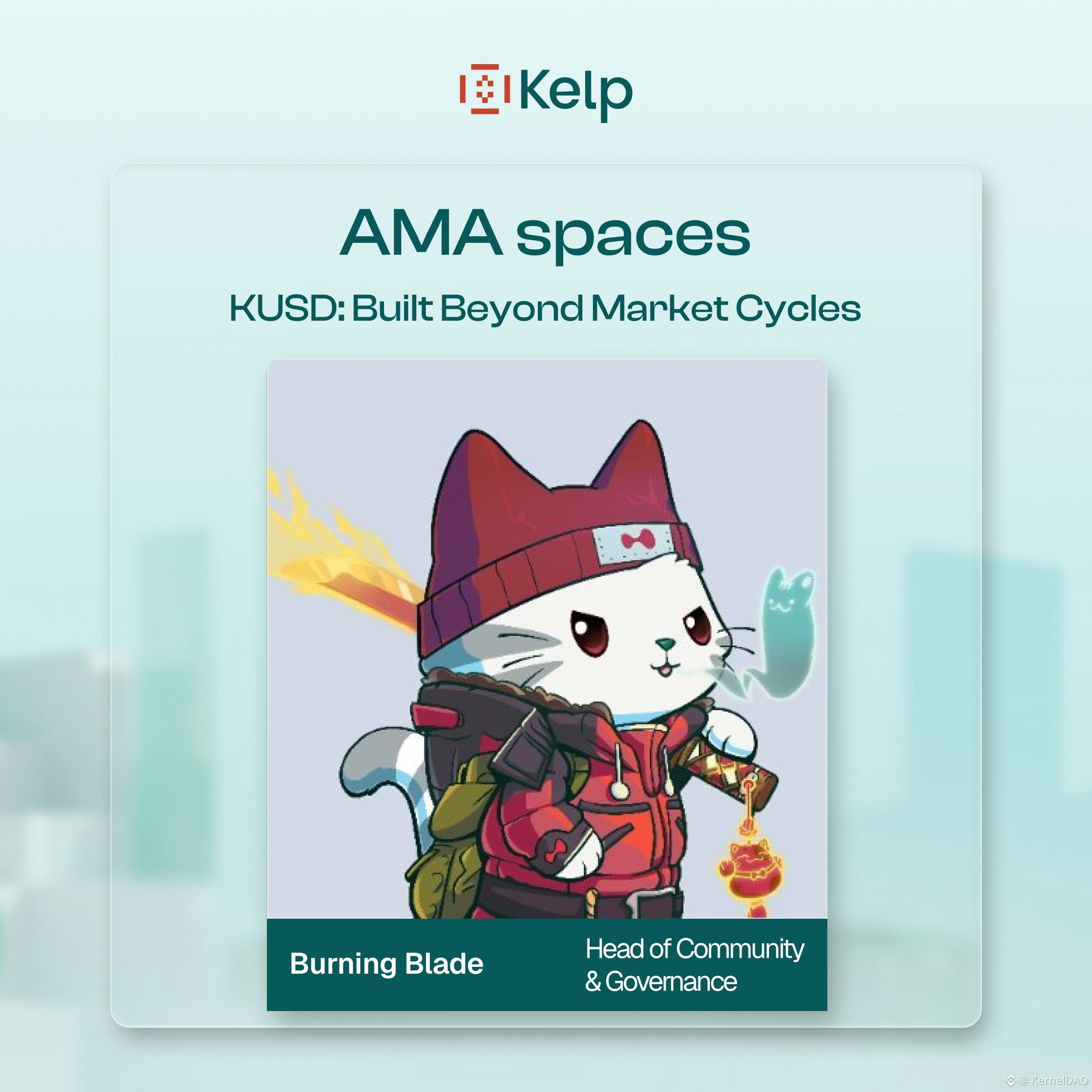
KernelDAO
·
--
[リプレイ] 🎙️ KUSD: 市場サイクルを超えて構築された
23 分 00 秒 · リスナー数:49人
1
1
6
609
·
--
90分で私たちのAMAに参加してください KUSD 🌱
報酬がどのように生成されるか、その背後にあるセキュリティ、その他について説明します。
📅 2月26日
⏰ 午後2時 UTC
そこでお会いしましょう!
90分で私たちのAMAに参加してください KUSD 🌱
報酬がどのように生成されるか、その背後にあるセキュリティ、その他について説明します。
📅 2月26日
⏰ 午後2時 UTC
そこでお会いしましょう!
報酬がどのように生成されるか、その背後にあるセキュリティ、その他について説明します。
📅 2月26日
⏰ 午後2時 UTC
そこでお会いしましょう!
KernelDAO
·
--
[リプレイ] 🎙️ KUSD: 市場サイクルを超えて構築された
23 分 00 秒 · リスナー数:49人
2
176
·
--
24時間未満で私たちのKUSDに関するAMAが始まります🌱
KUSDのメカニクスと、市場サイクルを通じてどのようにレジリエントであるかを掘り下げるために参加してください。
📅 2月26日
⏰ UTC 2PM
質問をお持ちください!
24時間未満で私たちのKUSDに関するAMAが始まります🌱
KUSDのメカニクスと、市場サイクルを通じてどのようにレジリエントであるかを掘り下げるために参加してください。
📅 2月26日
⏰ UTC 2PM
質問をお持ちください!
KUSDのメカニクスと、市場サイクルを通じてどのようにレジリエントであるかを掘り下げるために参加してください。
📅 2月26日
⏰ UTC 2PM
質問をお持ちください!
KernelDAO
·
--
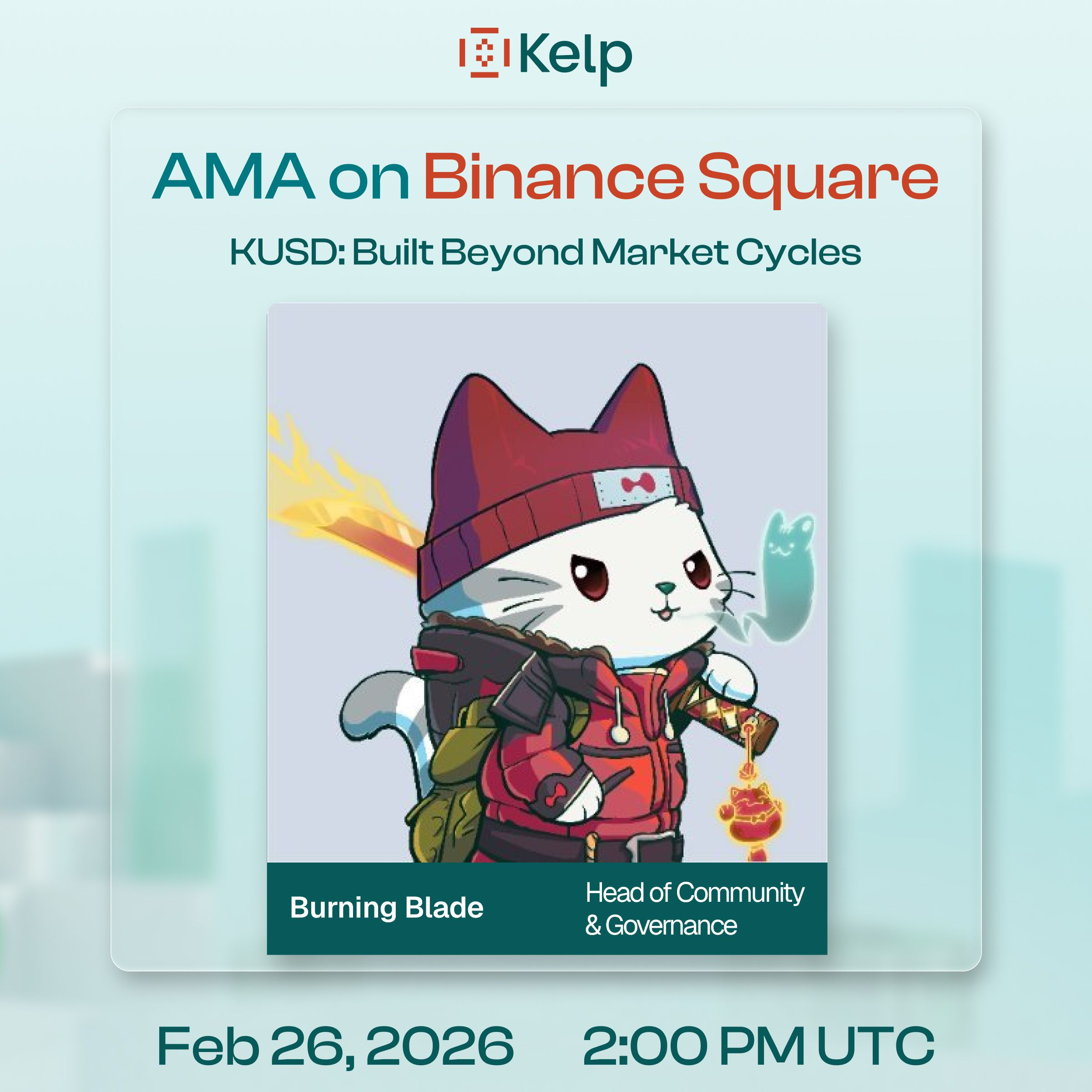
私たちと一緒に、KUSDに関する独占AMAに参加し、市場サイクルを通じて耐久性を保つ方法を探求しましょう。🌱
報酬がどのように生成されるか、その背後にあるセキュリティ、そしてその他のことについてお話しします。
📅 2月26日
⏰ 午後2時 UTC
お見逃しなく。
報酬がどのように生成されるか、その背後にあるセキュリティ、そしてその他のことについてお話しします。
📅 2月26日
⏰ 午後2時 UTC
お見逃しなく。
3
303
·
--
KUSDの報酬はどのように生成されますか?
それはどれほど安全ですか?
市場サイクルを通じてどのように弾力性を保つのですか?
今後のAMAであなたの答えを得てください🌱
📅 2月26日
⏰ 2PM UTC
リマインダーを設定してください!
KUSDの報酬はどのように生成されますか?
それはどれほど安全ですか?
市場サイクルを通じてどのように弾力性を保つのですか?
今後のAMAであなたの答えを得てください🌱
📅 2月26日
⏰ 2PM UTC
リマインダーを設定してください!
それはどれほど安全ですか?
市場サイクルを通じてどのように弾力性を保つのですか?
今後のAMAであなたの答えを得てください🌱
📅 2月26日
⏰ 2PM UTC
リマインダーを設定してください!
KernelDAO
·
--
私たちと一緒に、KUSDに関する独占AMAに参加し、市場サイクルを通じて耐久性を保つ方法を探求しましょう。🌱
報酬がどのように生成されるか、その背後にあるセキュリティ、そしてその他のことについてお話しします。
📅 2月26日
⏰ 午後2時 UTC
お見逃しなく。
報酬がどのように生成されるか、その背後にあるセキュリティ、そしてその他のことについてお話しします。
📅 2月26日
⏰ 午後2時 UTC
お見逃しなく。
1
3
351
·
--
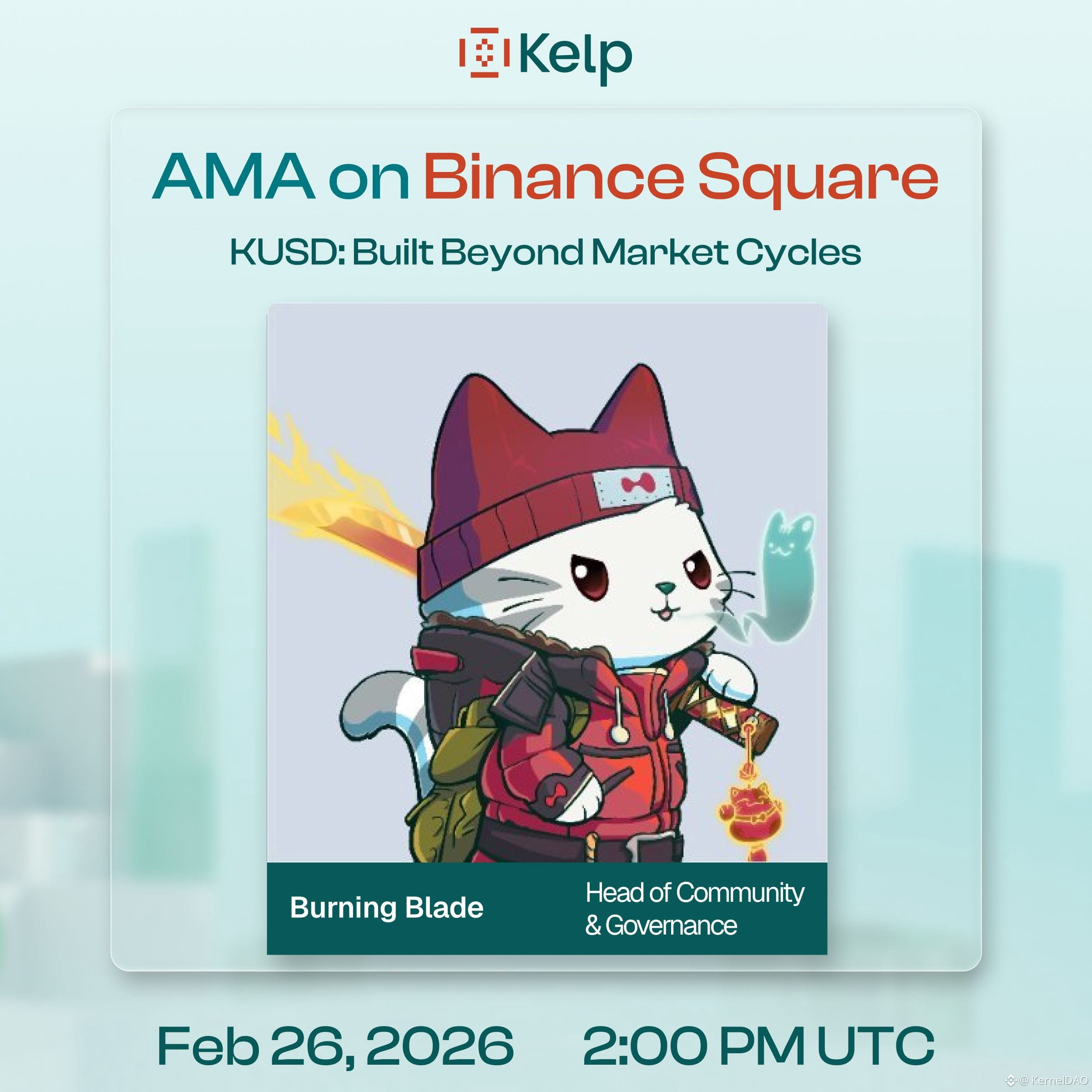
私たちと一緒に、KUSDに関する独占AMAに参加し、市場サイクルを通じて耐久性を保つ方法を探求しましょう。🌱
報酬がどのように生成されるか、その背後にあるセキュリティ、そしてその他のことについてお話しします。
📅 2月26日
⏰ 午後2時 UTC
お見逃しなく。
私たちと一緒に、KUSDに関する独占AMAに参加し、市場サイクルを通じて耐久性を保つ方法を探求しましょう。🌱
報酬がどのように生成されるか、その背後にあるセキュリティ、そしてその他のことについてお話しします。
📅 2月26日
⏰ 午後2時 UTC
お見逃しなく。
報酬がどのように生成されるか、その背後にあるセキュリティ、そしてその他のことについてお話しします。
📅 2月26日
⏰ 午後2時 UTC
お見逃しなく。
KernelDAO
·
--
[リプレイ] 🎙️ KUSD: 市場サイクルを超えて構築された
23 分 00 秒 · リスナー数:49人
2
2
148
·
--
残り90分未満で1月の振り返りAMAです!🌱
エキサイティングなアップデートをお楽しみに。
P.S. ホットなアルファの準備をしておいてください👀
⏰ UTC午後2時
そこでお会いしましょう!
残り90分未満で1月の振り返りAMAです!🌱
エキサイティングなアップデートをお楽しみに。
P.S. ホットなアルファの準備をしておいてください👀
⏰ UTC午後2時
そこでお会いしましょう!
エキサイティングなアップデートをお楽しみに。
P.S. ホットなアルファの準備をしておいてください👀
⏰ UTC午後2時
そこでお会いしましょう!
KernelDAO
·
--
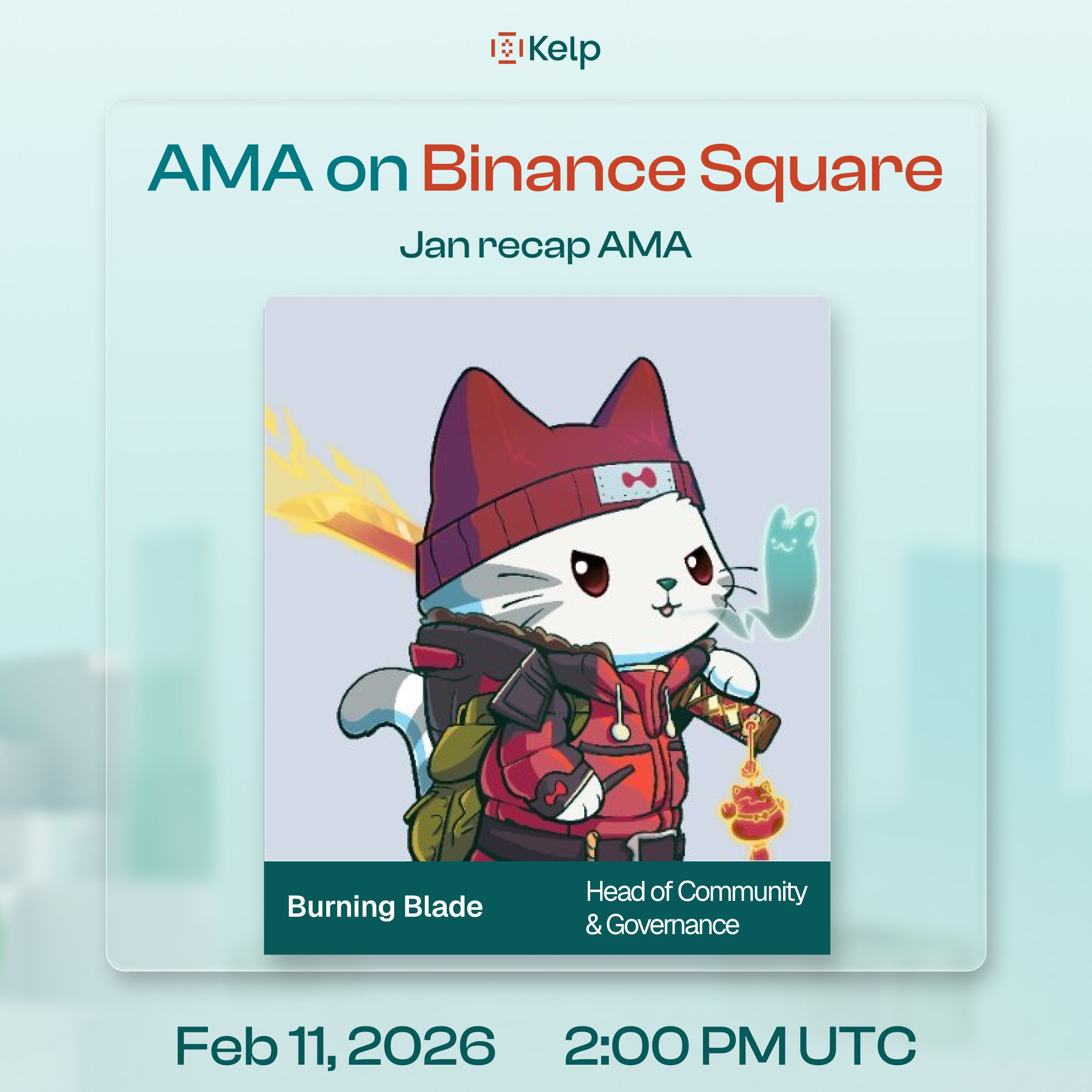
📢 Kelp #AMA on Binance Square
私たちはKelpエコシステムの最新情報をJanから共有するためにライブ配信を行います!
🗓️ 日付: 2026年2月11日
🕓 時間: 午後2時(UTC)
🎙️ ホスト: Burning Blade – コミュニティおよびガバナンス責任者
質問、洞察、好奇心を持ってきてください - 一緒に築きましょう 💡🌱
👉 お見逃しなく:
私たちはKelpエコシステムの最新情報をJanから共有するためにライブ配信を行います!
🗓️ 日付: 2026年2月11日
🕓 時間: 午後2時(UTC)
🎙️ ホスト: Burning Blade – コミュニティおよびガバナンス責任者
質問、洞察、好奇心を持ってきてください - 一緒に築きましょう 💡🌱
👉 お見逃しなく:
1
156
·
--
24時間未満です。🌱
ケルプエコシステムの最新情報と新鮮なアルファを得るために、私たちのAMAに参加してください。
🗓️ 日付: 2026年2月11日
🕓 時間: 2:00 PM UTC
リマインダーを設定してください!
24時間未満です。🌱
ケルプエコシステムの最新情報と新鮮なアルファを得るために、私たちのAMAに参加してください。
🗓️ 日付: 2026年2月11日
🕓 時間: 2:00 PM UTC
リマインダーを設定してください!
ケルプエコシステムの最新情報と新鮮なアルファを得るために、私たちのAMAに参加してください。
🗓️ 日付: 2026年2月11日
🕓 時間: 2:00 PM UTC
リマインダーを設定してください!
KernelDAO
·
--
📢 Kelp #AMA on Binance Square
私たちはKelpエコシステムの最新情報をJanから共有するためにライブ配信を行います!
🗓️ 日付: 2026年2月11日
🕓 時間: 午後2時(UTC)
🎙️ ホスト: Burning Blade – コミュニティおよびガバナンス責任者
質問、洞察、好奇心を持ってきてください - 一緒に築きましょう 💡🌱
👉 お見逃しなく:
私たちはKelpエコシステムの最新情報をJanから共有するためにライブ配信を行います!
🗓️ 日付: 2026年2月11日
🕓 時間: 午後2時(UTC)
🎙️ ホスト: Burning Blade – コミュニティおよびガバナンス責任者
質問、洞察、好奇心を持ってきてください - 一緒に築きましょう 💡🌱
👉 お見逃しなく:
2
180
ログインして、さらにコンテンツを読む
厳選トピックで世界の暗号資産トレーダーの仲間入り
⚡️ 暗号資産に関する最新かつ有益な情報が見つかります。
💬 世界最大の暗号資産取引所から信頼されています。
👍 認証を受けたクリエイターから、有益なインサイトを得られます。
メール / 電話番号