

Jasurbek_S
116 投稿

Jasurbek_S
報告
ユーザーをブロック
Crypto Trader | Investor | Analyst | Content Creator
5 years of trading & investing experience. Sharing profitable insights and engaging content with you.
取引を発注
高頻度トレーダー
5.4年
3 フォロー
34 フォロワー
125 いいね
投稿
ポートフォリオ
すべて
引用
動画
PINNED
·
--
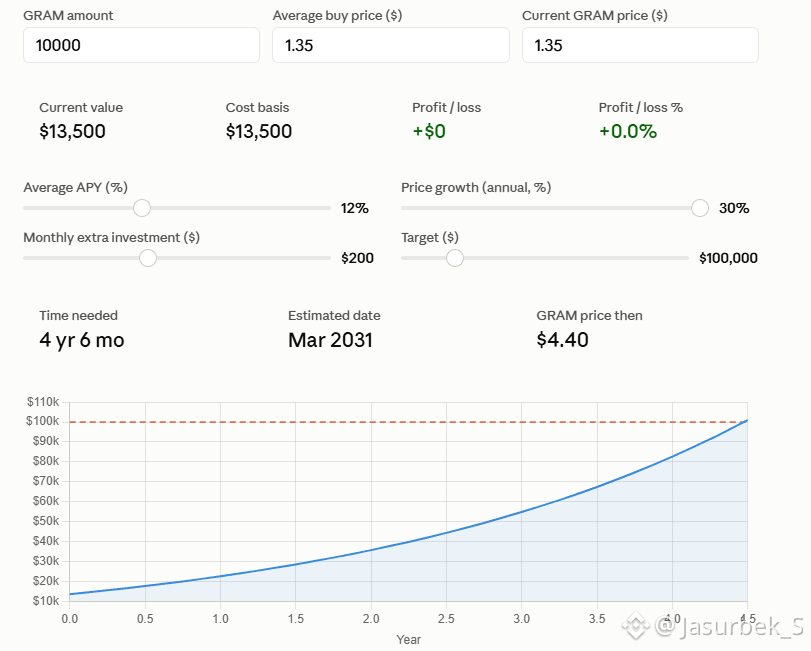
$GRAM にマイクロストラテジー風のアプローチで投資した場合、$100,000に到達するまでどれくらいかかるかを手早く計算してみました。
今日の価格を基に、10,000グラムを購入してステーキングし、さらに毎月$200ずつ追加投資すると、$100,000に到達するまでに4年6か月かかる可能性があります。毎月の投資額を増やせば、さらに早く目標に到達できるでしょう。これは複利効果によるものです。
この計算では、平均ステーキング利回りを12%と仮定しましたが、これは現時点で13%より高い水準です。また、年間の価格上昇率を30%と仮定しました。その時点での$GRAM の価格は$4.36で、その価格は達成可能だと考えています。
もちろん、これはあくまで理論上の計算であり、計画どおりに進むとは限りません。市場が年間400%成長する可能性もあれば、80〜90%下落する可能性もあります。ただ、そうした目標を達成できるのは、リスクを取る覚悟がある人だけです。
機会があれば、あなたはやってみますか?
興味がある方は、気になっている金額をコメント欄に書いてください。計算のお手伝いをします。
#GRAM #Gram #TON
{spot}(GRAMUSDT)
$GRAM にマイクロストラテジー風のアプローチで投資した場合、$100,000に到達するまでどれくらいかかるかを手早く計算してみました。
今日の価格を基に、10,000グラムを購入してステーキングし、さらに毎月$200ずつ追加投資すると、$100,000に到達するまでに4年6か月かかる可能性があります。毎月の投資額を増やせば、さらに早く目標に到達できるでしょう。これは複利効果によるものです。
この計算では、平均ステーキング利回りを12%と仮定しましたが、これは現時点で13%より高い水準です。また、年間の価格上昇率を30%と仮定しました。その時点での$GRAM の価格は$4.36で、その価格は達成可能だと考えています。
もちろん、これはあくまで理論上の計算であり、計画どおりに進むとは限りません。市場が年間400%成長する可能性もあれば、80〜90%下落する可能性もあります。ただ、そうした目標を達成できるのは、リスクを取る覚悟がある人だけです。
機会があれば、あなたはやってみますか?
興味がある方は、気になっている金額をコメント欄に書いてください。計算のお手伝いをします。
#GRAM #Gram #TON
今日の価格を基に、10,000グラムを購入してステーキングし、さらに毎月$200ずつ追加投資すると、$100,000に到達するまでに4年6か月かかる可能性があります。毎月の投資額を増やせば、さらに早く目標に到達できるでしょう。これは複利効果によるものです。
この計算では、平均ステーキング利回りを12%と仮定しましたが、これは現時点で13%より高い水準です。また、年間の価格上昇率を30%と仮定しました。その時点での$GRAM の価格は$4.36で、その価格は達成可能だと考えています。
もちろん、これはあくまで理論上の計算であり、計画どおりに進むとは限りません。市場が年間400%成長する可能性もあれば、80〜90%下落する可能性もあります。ただ、そうした目標を達成できるのは、リスクを取る覚悟がある人だけです。
機会があれば、あなたはやってみますか?
興味がある方は、気になっている金額をコメント欄に書いてください。計算のお手伝いをします。
#GRAM #Gram #TON
11
18
22k
·
--
こんにちは、みなさん。株式では、配当が会社の利益から株主に支払われることを私たちはよく知っています。では、なぜ暗号資産にはそのようなプロジェクトがまだ存在しないのでしょうか?もし既存のプロジェクトが配当を開始すれば、株式市場を追い越して次のバブル(強気相場)を引き起こすはずです。これを最初に始める人(プロジェクト)は市場の大部分を獲得し、大きな成長を達成できると私は考えています。そうしたトークンをご存じですか?次の投稿では、この投稿に関連する例を紹介します。これを最初に行いそうな強いコインは、どれだと思いますか?
こんにちは、みなさん。株式では、配当が会社の利益から株主に支払われることを私たちはよく知っています。では、なぜ暗号資産にはそのようなプロジェクトがまだ存在しないのでしょうか?もし既存のプロジェクトが配当を開始すれば、株式市場を追い越して次のバブル(強気相場)を引き起こすはずです。これを最初に始める人(プロジェクト)は市場の大部分を獲得し、大きな成長を達成できると私は考えています。そうしたトークンをご存じですか?次の投稿では、この投稿に関連する例を紹介します。これを最初に行いそうな強いコインは、どれだと思いますか?
137
·
--
本人確認中
記事
Gram(Ton)で何もかもが変です最近、起きている出来事が、
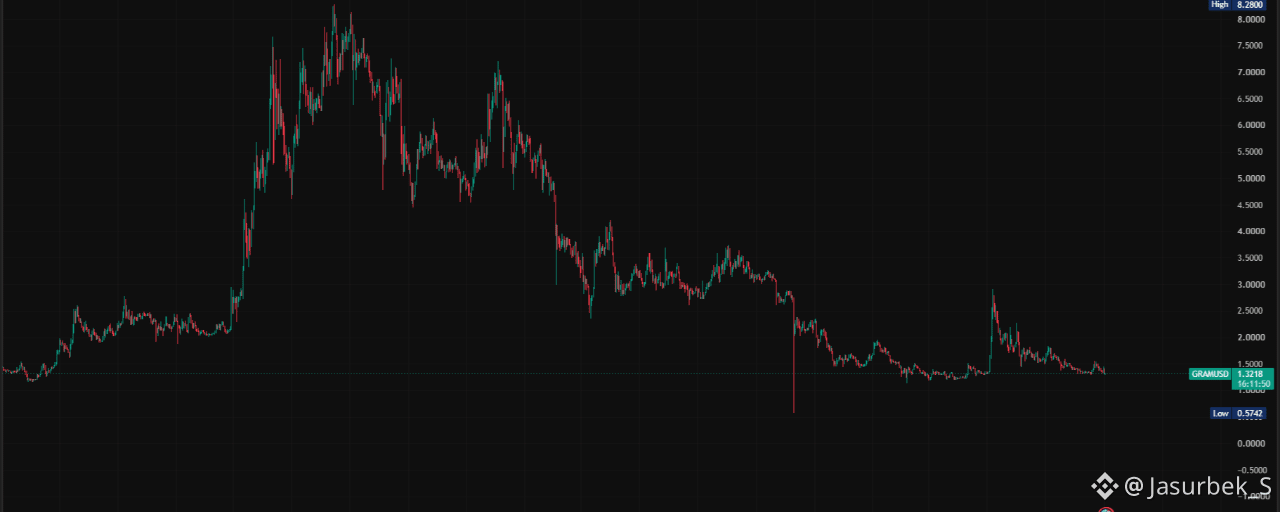
私にとっては少し変だと感じています。TONのメインTelegramチャンネルは沈黙しており、投稿も更新もありません。Ton FoundationがTelegramに置き換えられた理由についての説明もありません。Pavel DurovのMTONに関する計画は市場を加熱させているようですが、同じくらい素早く冷めてもいます。価格はニュースイベントの間だけ上がり、その後すぐに以前の水準に戻ります。
そこで、重要な変化のいくつかと、問題の背景にある理由を分析しました。
Gram(Ton)で何もかもが変です
最近、起きている出来事が、
私にとっては少し変だと感じています。TONのメインTelegramチャンネルは沈黙しており、投稿も更新もありません。Ton FoundationがTelegramに置き換えられた理由についての説明もありません。Pavel DurovのMTONに関する計画は市場を加熱させているようですが、同じくらい素早く冷めてもいます。価格はニュースイベントの間だけ上がり、その後すぐに以前の水準に戻ります。
そこで、重要な変化のいくつかと、問題の背景にある理由を分析しました。
私にとっては少し変だと感じています。TONのメインTelegramチャンネルは沈黙しており、投稿も更新もありません。Ton FoundationがTelegramに置き換えられた理由についての説明もありません。Pavel DurovのMTONに関する計画は市場を加熱させているようですが、同じくらい素早く冷めてもいます。価格はニュースイベントの間だけ上がり、その後すぐに以前の水準に戻ります。
そこで、重要な変化のいくつかと、問題の背景にある理由を分析しました。
2
1.1k
·
--
弱気相場
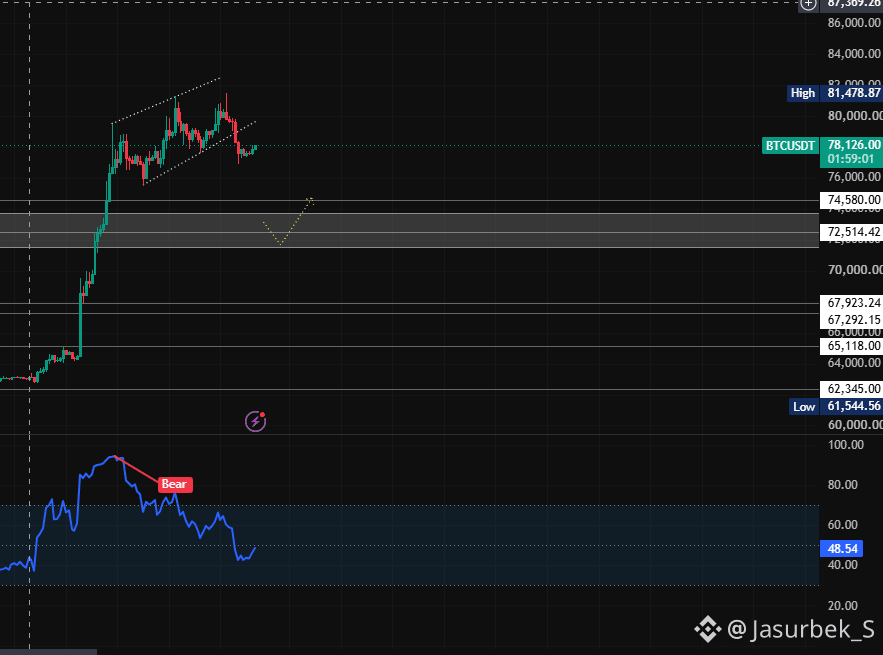
チャートをよく見ると、$BTC は健全に成長していません。明確なベアリッシュ・ダイバージェンスがあり、価格下落の可能性を示しています――そのため、取引には注意してください。今まさにFOMOで買いたい気持ちがあるなら、少しの調整(押し目)がすぐそこまで来ているかもしれません。
#BTC #Divergence
{future}(BTCUSDT)
チャートをよく見ると、$BTC は健全に成長していません。明確なベアリッシュ・ダイバージェンスがあり、価格下落の可能性を示しています――そのため、取引には注意してください。今まさにFOMOで買いたい気持ちがあるなら、少しの調整(押し目)がすぐそこまで来ているかもしれません。
#BTC #Divergence
#BTC #Divergence
120
·
--
Jasurbek_S
·
--
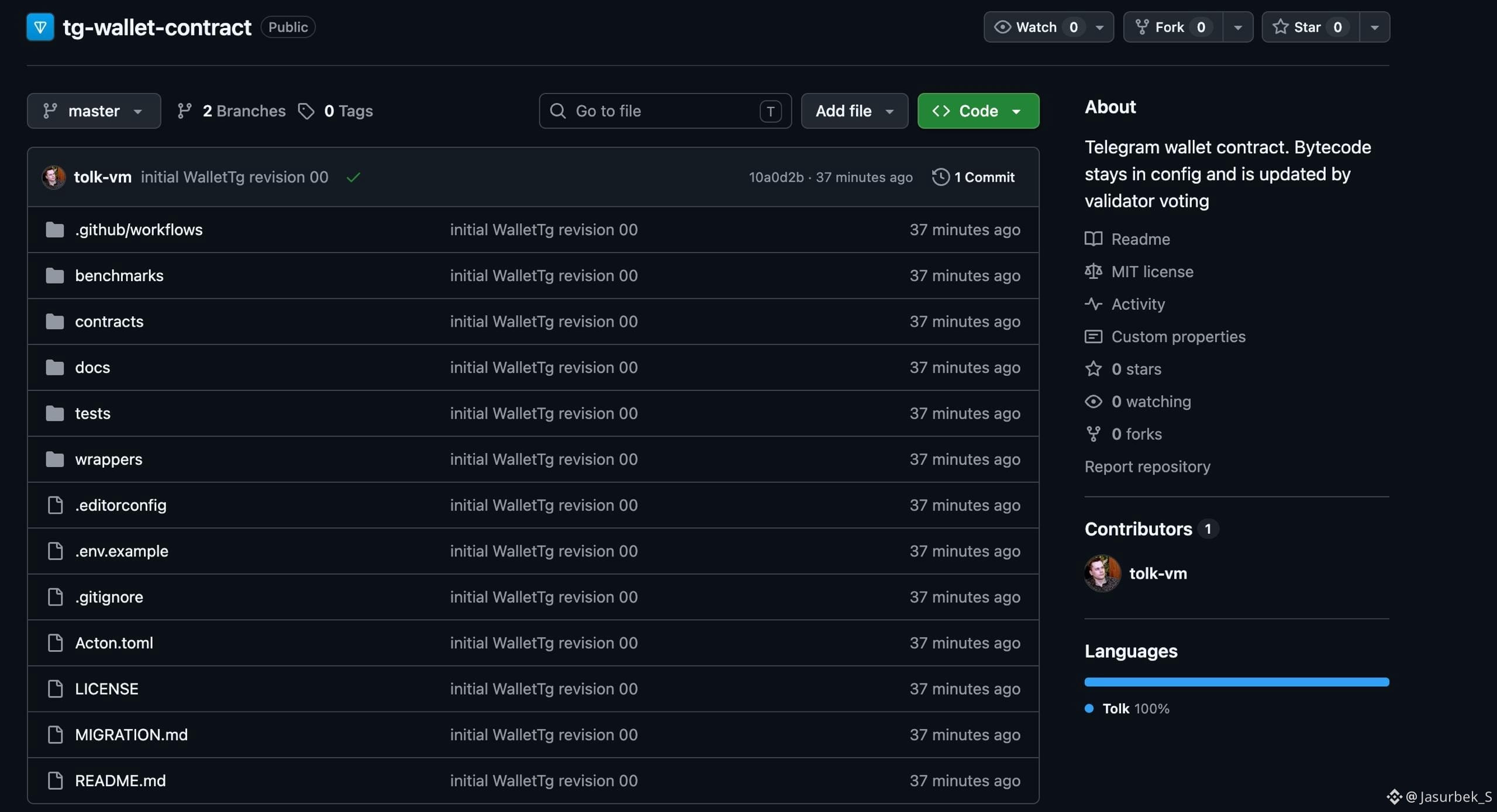
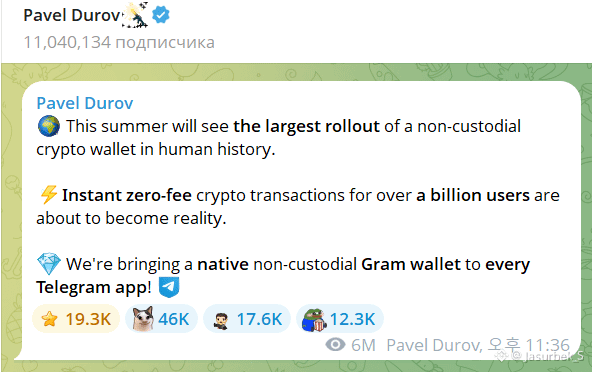
Telegramの創業者パベル・デュロフからのメッセージです。夏の終わりまで残り5日しかありません。とても近い将来、私たちはGram Wallet――人類史上最大規模の「ノンカストディアル」(ユーザーが管理する)暗号資産ウォレット――を、最大数のユーザーに向けて試すことができるようになります。
デュロフによれば、10億人を超えるユーザーに対して、迅速かつ無料の暗号資産取引を行えるようになることが、まもなく現実になると期待されています。
この機会を活かしたいので、追加で1,000 $GRAM
#GRAM #TON を購入しました
デュロフによれば、10億人を超えるユーザーに対して、迅速かつ無料の暗号資産取引を行えるようになることが、まもなく現実になると期待されています。
この機会を活かしたいので、追加で1,000 $GRAM
#GRAM #TON を購入しました
182
·
--
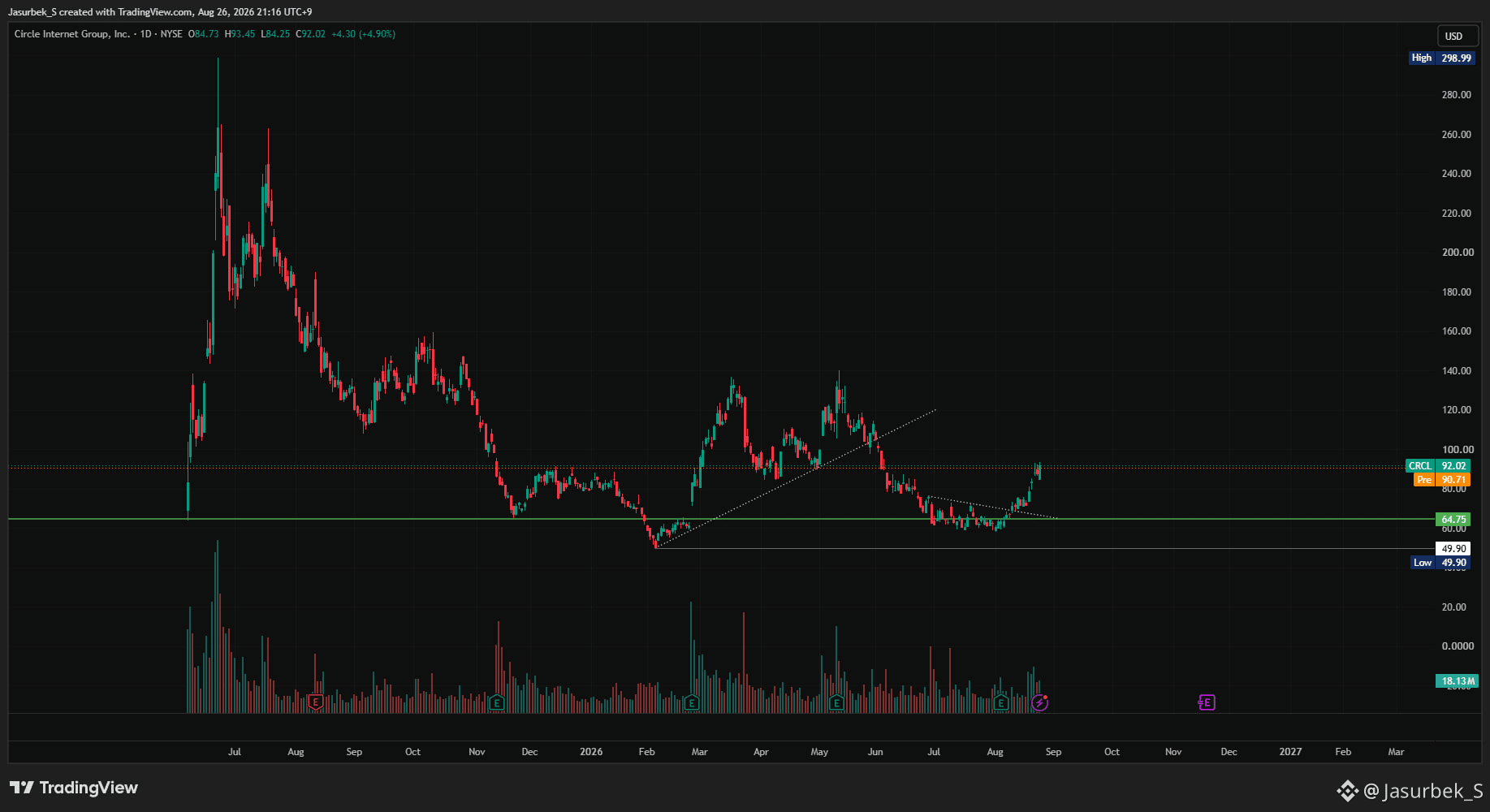
$CRCLB は、この投稿以降40%の増加を示しています。USDCステーブルコインの発行元であるCircleは、過去1週間で合計50億ドル分のUSDCを発行しました。もちろん、ビットコインの成長も影響しています。私は、この資産を長期ポートフォリオに少額配分しておくことは有益だと思います。
また、9月にはCircleにとって前向きなニュースも期待されています。
{spot}(CRCLBUSDT)
$CRCLB は、この投稿以降40%の増加を示しています。USDCステーブルコインの発行元であるCircleは、過去1週間で合計50億ドル分のUSDCを発行しました。もちろん、ビットコインの成長も影響しています。私は、この資産を長期ポートフォリオに少額配分しておくことは有益だと思います。
また、9月にはCircleにとって前向きなニュースも期待されています。
また、9月にはCircleにとって前向きなニュースも期待されています。
Jasurbek_S
·
--
Circle(CRCL):ディープダイブ—機会、リスク、そして次に何が起こるか
USDC発行体であるCircle Internet Groupの財務状況、競争環境、成長見通しを徹底的に分析
1. Circleとは何者か、何をしているのか
Circle Internet Groupは、米ドルに連動(ペッグ)したステーブルコインであるUSDCの発行者です。同社は2025年6月5日に新規上場(IPO)を行い、現在は世界で2番目に大きいステーブルコイン発行者です(1位はTether/USDT)。
Circleの収益モデルはかなりシンプルです。ユーザーがUSDCを購入すると、Circleはユーザーのドルを短期の米国債(Treasury bills)と現金に換え、その保有資産から利息収入を得ます。
1. Circleとは何者か、何をしているのか
Circle Internet Groupは、米ドルに連動(ペッグ)したステーブルコインであるUSDCの発行者です。同社は2025年6月5日に新規上場(IPO)を行い、現在は世界で2番目に大きいステーブルコイン発行者です(1位はTether/USDT)。
Circleの収益モデルはかなりシンプルです。ユーザーがUSDCを購入すると、Circleはユーザーのドルを短期の米国債(Treasury bills)と現金に換え、その保有資産から利息収入を得ます。
1
159
·
--
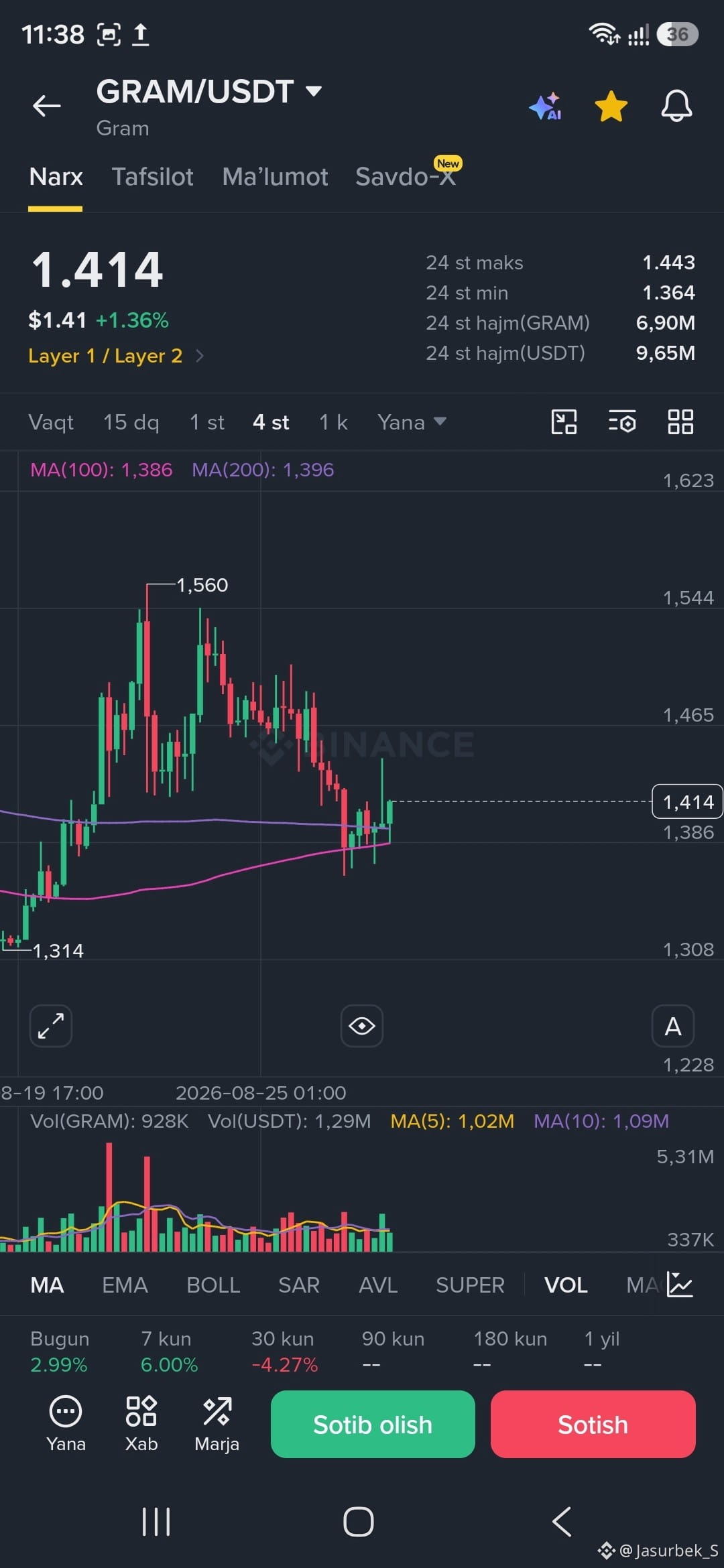
グラム・ウォレットは今月末までにリリースされる予定ですが、時間があまり残っていません。もし現在の市場のセンチメントの中でウォレットがリリースされたら、どれほどの影響が市場に出るのか想像してみてください。だから私は今すぐ$GRAM を買いました。
グラム・ウォレットは今月末までにリリースされる予定ですが、時間があまり残っていません。もし現在の市場のセンチメントの中でウォレットがリリースされたら、どれほどの影響が市場に出るのか想像してみてください。だから私は今すぐ$GRAM を買いました。
202
·
--
239日目
$0から$100Kチャレンジ 🚀
💰 総投資額: $19,065
現在のポートフォリオ: -0.88% (-$197)
私は2025年12月27日から一貫して暗号資産に投資しています。
$GRAM からの強い成長を見込んでおり、今後数日でその兆しが出るはずです
私の目標は$100,000に到達することで、皆さんとこの全ての道のりを共有したいです。私はすべて投稿します—私のポートフォリオに入っているもの、そして
私が投資していること、そして全体の進捗。
フォローボタンを押して、この旅に参加してください!
239日目
$0から$100Kチャレンジ 🚀
💰 総投資額: $19,065
現在のポートフォリオ: -0.88% (-$197)
私は2025年12月27日から一貫して暗号資産に投資しています。
$GRAM からの強い成長を見込んでおり、今後数日でその兆しが出るはずです
私の目標は$100,000に到達することで、皆さんとこの全ての道のりを共有したいです。私はすべて投稿します—私のポートフォリオに入っているもの、そして
私が投資していること、そして全体の進捗。
フォローボタンを押して、この旅に参加してください!
$0から$100Kチャレンジ 🚀
💰 総投資額: $19,065
現在のポートフォリオ: -0.88% (-$197)
私は2025年12月27日から一貫して暗号資産に投資しています。
$GRAM からの強い成長を見込んでおり、今後数日でその兆しが出るはずです
私の目標は$100,000に到達することで、皆さんとこの全ての道のりを共有したいです。私はすべて投稿します—私のポートフォリオに入っているもの、そして
私が投資していること、そして全体の進捗。
フォローボタンを押して、この旅に参加してください!
384
·
--
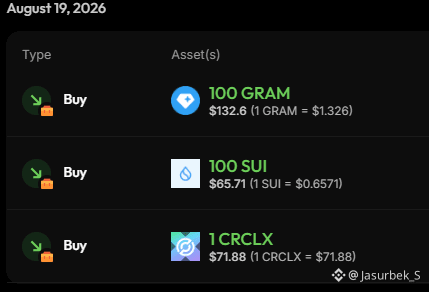
Day 236
$0から$100Kへの挑戦 🚀
💰 合計投資額: $19,443
現在のポートフォリオ: -15.5% (-$3,468)
私は2025年12月27日から一貫して暗号資産に投資しています。
ちょうど 100 $SUI 、100 $GRAM 、そして
1 $CRCLB を購入しました
目標は$100,000に到達することで、皆さんにこの旅の全てを共有したいと思っています。ポートフォリオにあるものや
私が投資しているもの、そして全体の進捗まで、すべて投稿します。
フォローして、この道のりを一緒に楽しんでください!
Day 236
$0から$100Kへの挑戦 🚀
💰 合計投資額: $19,443
現在のポートフォリオ: -15.5% (-$3,468)
私は2025年12月27日から一貫して暗号資産に投資しています。
ちょうど 100 $SUI 、100 $GRAM 、そして
1 $CRCLB を購入しました
目標は$100,000に到達することで、皆さんにこの旅の全てを共有したいと思っています。ポートフォリオにあるものや
私が投資しているもの、そして全体の進捗まで、すべて投稿します。
フォローして、この道のりを一緒に楽しんでください!
$0から$100Kへの挑戦 🚀
💰 合計投資額: $19,443
現在のポートフォリオ: -15.5% (-$3,468)
私は2025年12月27日から一貫して暗号資産に投資しています。
ちょうど 100 $SUI 、100 $GRAM 、そして
1 $CRCLB を購入しました
目標は$100,000に到達することで、皆さんにこの旅の全てを共有したいと思っています。ポートフォリオにあるものや
私が投資しているもの、そして全体の進捗まで、すべて投稿します。
フォローして、この道のりを一緒に楽しんでください!
2
558
·
--
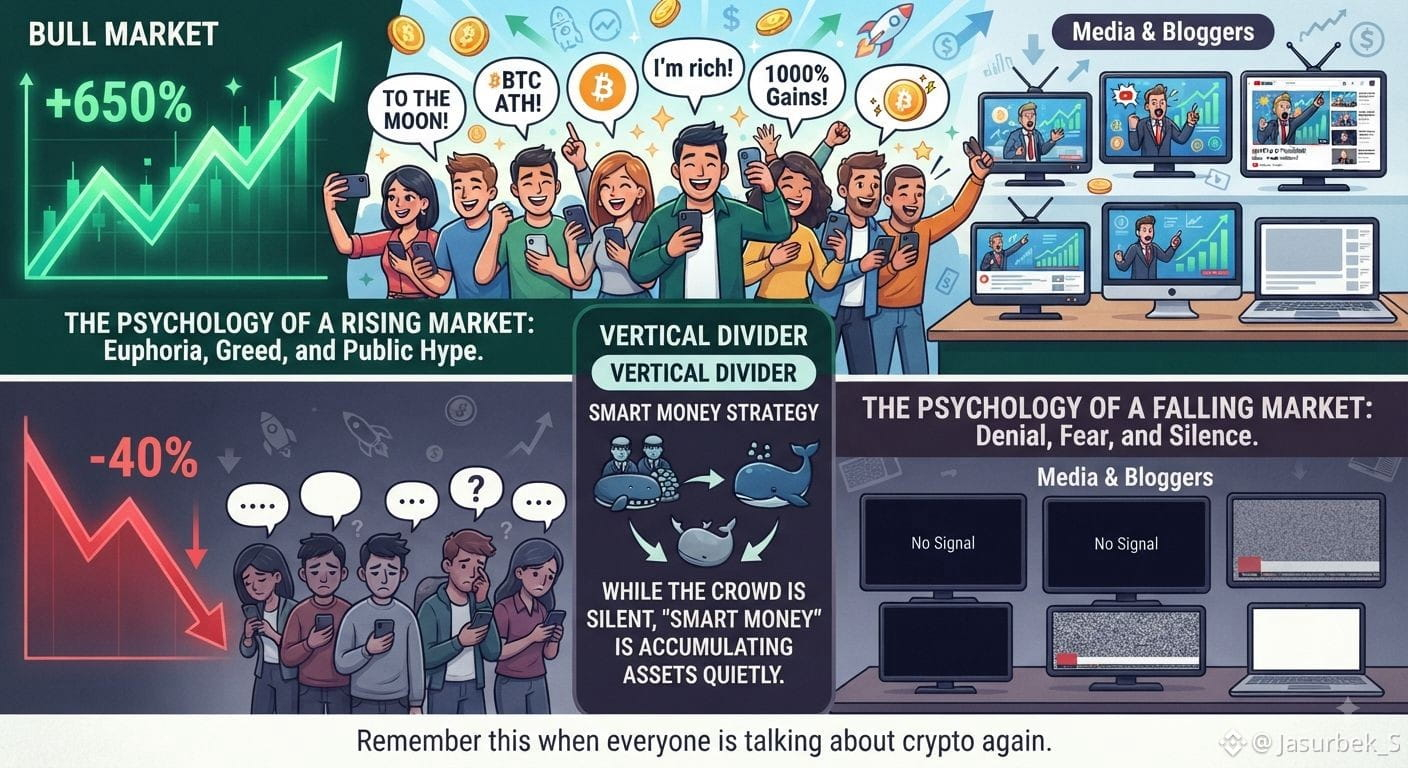
なぜ市場が上昇しているときはあれほど盛り上がるのに、下落すると沈黙するのでしょうか?
価格が上がっているときはみんな話しますが、下がると黙ってしまいます。理由は何でしょう?
心理:市場が上昇すると、勝利への欲求やモチベーションが優先されます。人々は自分の成功を共有したがります。これはただの人間の心理です。市場が下落すると、損失感や失望が生まれます。誰も自分のミスを認めたくありません。
メディアと注目:ブログやニュース媒体は、ワクワクする「成長」の話題にだけ注目します。人々はネガティブなニュースや損失に関するストーリーを聞きたくありません。そのため、ネガティブな市場環境はしばしば無視されます。
「スマートマネー」:この時期に「スマートマネー」が何をしていると思いますか?価格が下落しているときに、大口投資家は静かに資産を積み増しています。誇大な期待を生み出して、価格を不自然に押し上げたくないからです。お気づきであれば、まさに今起きていることです:ブロガーは静かで、YouTubeのコンテンツも減り、投資は誰にも面白くありません。「スマートマネー」は静かに資産を積み増しているのです。
みんながまた暗号資産や投資の話をし始めたときに思い出せるよう、この投稿を書いています。
なぜ市場が上昇しているときはあれほど盛り上がるのに、下落すると沈黙するのでしょうか?
価格が上がっているときはみんな話しますが、下がると黙ってしまいます。理由は何でしょう?
心理:市場が上昇すると、勝利への欲求やモチベーションが優先されます。人々は自分の成功を共有したがります。これはただの人間の心理です。市場が下落すると、損失感や失望が生まれます。誰も自分のミスを認めたくありません。
メディアと注目:ブログやニュース媒体は、ワクワクする「成長」の話題にだけ注目します。人々はネガティブなニュースや損失に関するストーリーを聞きたくありません。そのため、ネガティブな市場環境はしばしば無視されます。
「スマートマネー」:この時期に「スマートマネー」が何をしていると思いますか?価格が下落しているときに、大口投資家は静かに資産を積み増しています。誇大な期待を生み出して、価格を不自然に押し上げたくないからです。お気づきであれば、まさに今起きていることです:ブロガーは静かで、YouTubeのコンテンツも減り、投資は誰にも面白くありません。「スマートマネー」は静かに資産を積み増しているのです。
みんながまた暗号資産や投資の話をし始めたときに思い出せるよう、この投稿を書いています。
価格が上がっているときはみんな話しますが、下がると黙ってしまいます。理由は何でしょう?
心理:市場が上昇すると、勝利への欲求やモチベーションが優先されます。人々は自分の成功を共有したがります。これはただの人間の心理です。市場が下落すると、損失感や失望が生まれます。誰も自分のミスを認めたくありません。
メディアと注目:ブログやニュース媒体は、ワクワクする「成長」の話題にだけ注目します。人々はネガティブなニュースや損失に関するストーリーを聞きたくありません。そのため、ネガティブな市場環境はしばしば無視されます。
「スマートマネー」:この時期に「スマートマネー」が何をしていると思いますか?価格が下落しているときに、大口投資家は静かに資産を積み増しています。誇大な期待を生み出して、価格を不自然に押し上げたくないからです。お気づきであれば、まさに今起きていることです:ブロガーは静かで、YouTubeのコンテンツも減り、投資は誰にも面白くありません。「スマートマネー」は静かに資産を積み増しているのです。
みんながまた暗号資産や投資の話をし始めたときに思い出せるよう、この投稿を書いています。
95
·
--
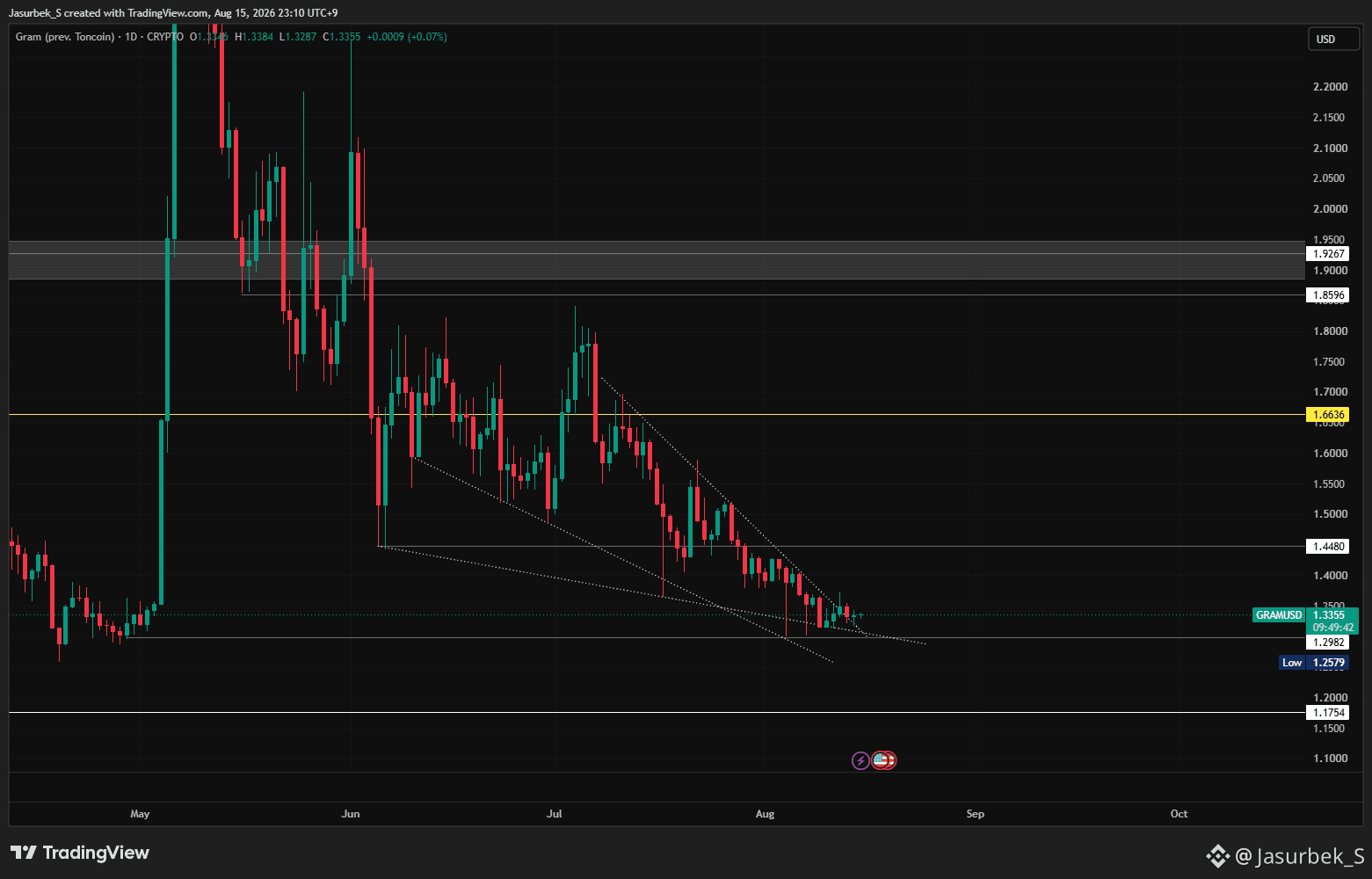
Day 232
$0から$100Kチャレンジ 🚀
2025年12月27日から一貫して暗号資産に投資してきました。今日はDay 232で、先ほど100 $GRAM を購入しました!
$GRAM の史上平均購入価格は$1.716です。
私の目標は$100,000に到達することで、皆さんとこの全過程を共有したいと思っています。私のポートフォリオにあるもの、投資しているもの、そして全体の進捗まで、すべて投稿していきます。
フォローボタンを押して、この旅に参加してください! 📈
Day 232
$0から$100Kチャレンジ 🚀
2025年12月27日から一貫して暗号資産に投資してきました。今日はDay 232で、先ほど100 $GRAM を購入しました!
$GRAM の史上平均購入価格は$1.716です。
私の目標は$100,000に到達することで、皆さんとこの全過程を共有したいと思っています。私のポートフォリオにあるもの、投資しているもの、そして全体の進捗まで、すべて投稿していきます。
フォローボタンを押して、この旅に参加してください! 📈
$0から$100Kチャレンジ 🚀
2025年12月27日から一貫して暗号資産に投資してきました。今日はDay 232で、先ほど100 $GRAM を購入しました!
$GRAM の史上平均購入価格は$1.716です。
私の目標は$100,000に到達することで、皆さんとこの全過程を共有したいと思っています。私のポートフォリオにあるもの、投資しているもの、そして全体の進捗まで、すべて投稿していきます。
フォローボタンを押して、この旅に参加してください! 📈
207
·
--
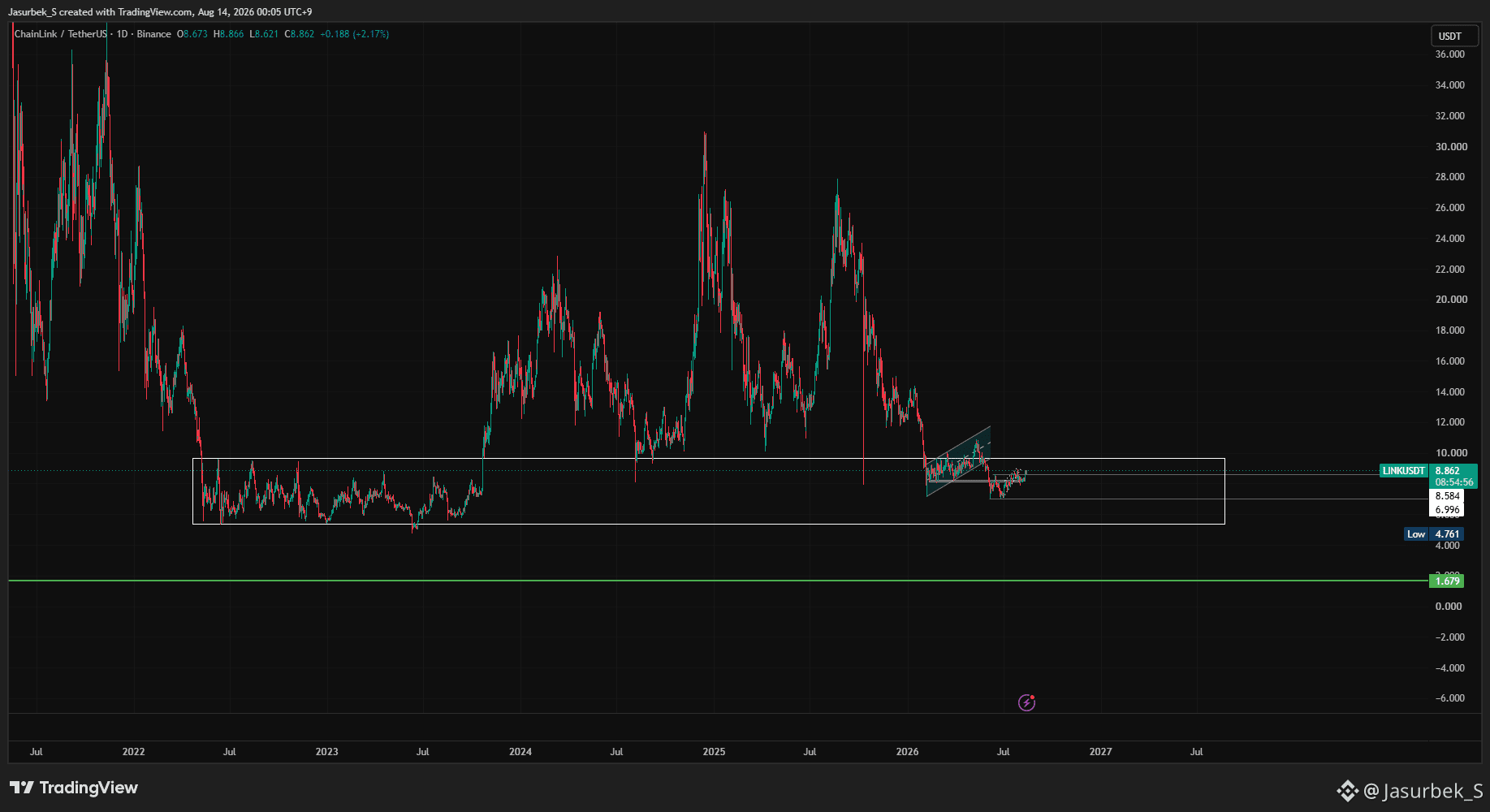
Day 231
$0から$100Kチャレンジ 🚀
2025年12月27日から一貫して暗号資産に投資しています。今日はDay 231で、私は10 $LINK を買いました。
$LINK の過去最高の平均購入価格は$8.869です。
私の目標は$100,000に到達することで、皆さんとこの全ての道のりを共有したいと思っています。私のポートフォリオにあるもの、
私が投資しているもの、そして全体の進捗状況を、これからすべて投稿します。
フォローボタンを押して、この旅に参加してください!📈👇
Day 231
$0から$100Kチャレンジ 🚀
2025年12月27日から一貫して暗号資産に投資しています。今日はDay 231で、私は10 $LINK を買いました。
$LINK の過去最高の平均購入価格は$8.869です。
私の目標は$100,000に到達することで、皆さんとこの全ての道のりを共有したいと思っています。私のポートフォリオにあるもの、
私が投資しているもの、そして全体の進捗状況を、これからすべて投稿します。
フォローボタンを押して、この旅に参加してください!📈👇
$0から$100Kチャレンジ 🚀
2025年12月27日から一貫して暗号資産に投資しています。今日はDay 231で、私は10 $LINK を買いました。
$LINK の過去最高の平均購入価格は$8.869です。
私の目標は$100,000に到達することで、皆さんとこの全ての道のりを共有したいと思っています。私のポートフォリオにあるもの、
私が投資しているもの、そして全体の進捗状況を、これからすべて投稿します。
フォローボタンを押して、この旅に参加してください!📈👇
104
·
--
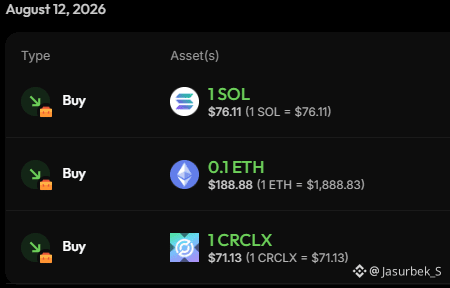
Day 229
$0から$100Kチャレンジ 🚀
2025年12月27日から、ずっと暗号資産に投資し続けています。今日はDay 229で、先ほど「1 $SOL 」「0.1 $ETH 」「
1 $CRCLB 」を買いました。
私のポートフォリオは現在14.18%下落しています。
目標は$100,000に到達することで、この旅の全てを皆さんと共有したいです。ポートフォリオの中身や、
私が投資しているもの、そして全体の進捗など、すべて投稿します。
フォローボタンを押して、この道のりに一緒に乗りましょう! 📈👇
Day 229
$0から$100Kチャレンジ 🚀
2025年12月27日から、ずっと暗号資産に投資し続けています。今日はDay 229で、先ほど「1 $SOL 」「0.1 $ETH 」「
1 $CRCLB 」を買いました。
私のポートフォリオは現在14.18%下落しています。
目標は$100,000に到達することで、この旅の全てを皆さんと共有したいです。ポートフォリオの中身や、
私が投資しているもの、そして全体の進捗など、すべて投稿します。
フォローボタンを押して、この道のりに一緒に乗りましょう! 📈👇
$0から$100Kチャレンジ 🚀
2025年12月27日から、ずっと暗号資産に投資し続けています。今日はDay 229で、先ほど「1 $SOL 」「0.1 $ETH 」「
1 $CRCLB 」を買いました。
私のポートフォリオは現在14.18%下落しています。
目標は$100,000に到達することで、この旅の全てを皆さんと共有したいです。ポートフォリオの中身や、
私が投資しているもの、そして全体の進捗など、すべて投稿します。
フォローボタンを押して、この道のりに一緒に乗りましょう! 📈👇
1
128
·
--
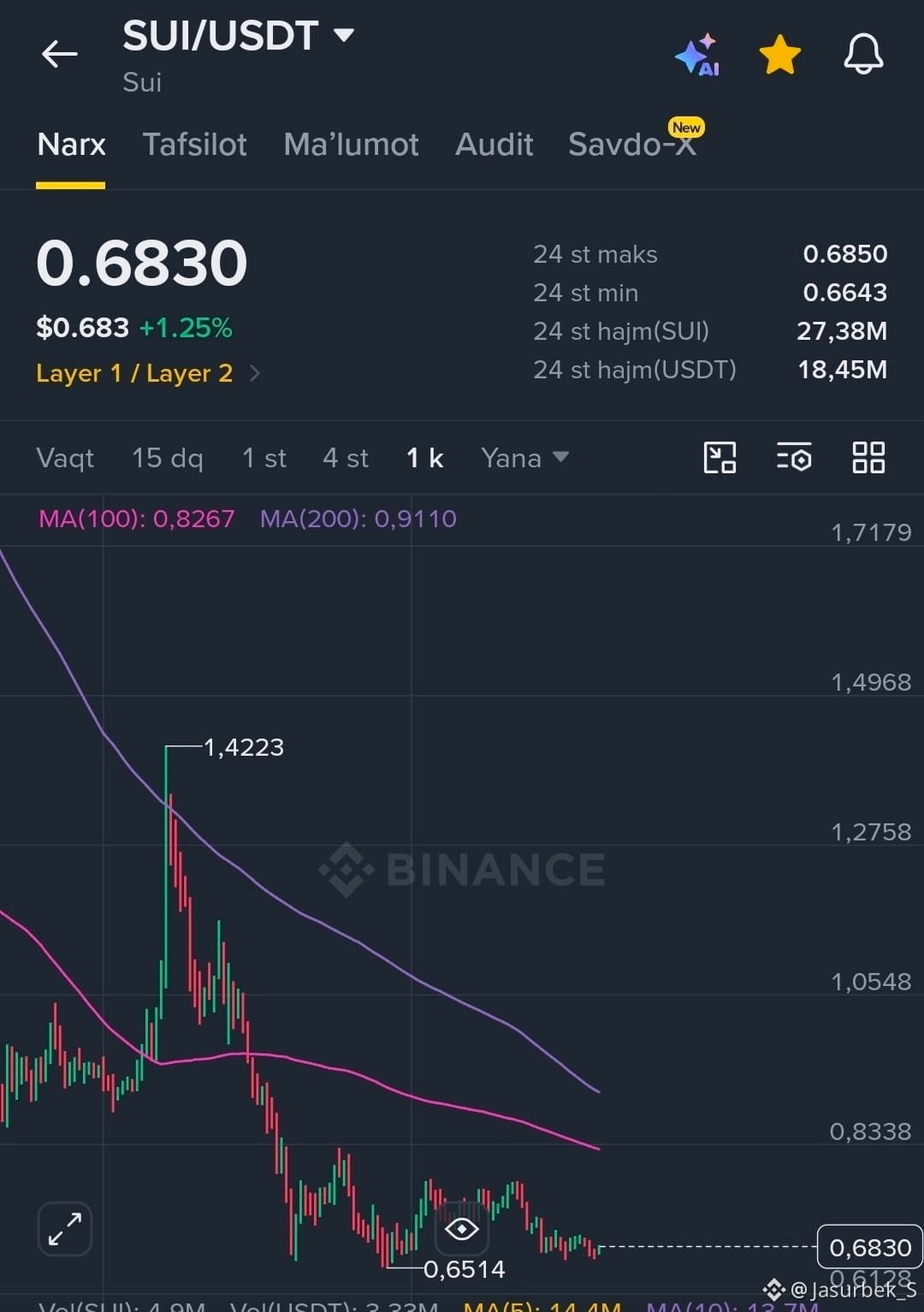
225日目
$0から$100Kチャレンジ 🚀
2025年12月27日から一貫して仮想通貨に投資しています。今日はDay 224で、私は100 $SUI を買いました。
目標は$100,000に到達することで、あなたたち全員とこの旅のすべてを共有したいです。私はすべて投稿します――私のポートフォリオにあるもの、私が投資しているもの、そして全体の進捗です。
この旅に参加するためにフォローボタンを押してね! 📈
225日目
$0から$100Kチャレンジ 🚀
2025年12月27日から一貫して仮想通貨に投資しています。今日はDay 224で、私は100 $SUI を買いました。
目標は$100,000に到達することで、あなたたち全員とこの旅のすべてを共有したいです。私はすべて投稿します――私のポートフォリオにあるもの、私が投資しているもの、そして全体の進捗です。
この旅に参加するためにフォローボタンを押してね! 📈
$0から$100Kチャレンジ 🚀
2025年12月27日から一貫して仮想通貨に投資しています。今日はDay 224で、私は100 $SUI を買いました。
目標は$100,000に到達することで、あなたたち全員とこの旅のすべてを共有したいです。私はすべて投稿します――私のポートフォリオにあるもの、私が投資しているもの、そして全体の進捗です。
この旅に参加するためにフォローボタンを押してね! 📈
84
·
--
224日目
$0から$100Kチャレンジ 🚀
2025年12月27日から一貫して仮想通貨に投資してきました。今日は224日目で、$GRAM を100購入しました! 💎
私の目標は$100,000に到達することで、皆さんにこの全行程を共有したいです。ポートフォリオの中身、投資しているもの、そして全体の進捗など、すべてを投稿します。
このライドに参加するために、フォローボタンを押してね! 📈
224日目
$0から$100Kチャレンジ 🚀
2025年12月27日から一貫して仮想通貨に投資してきました。今日は224日目で、$GRAM を100購入しました! 💎
私の目標は$100,000に到達することで、皆さんにこの全行程を共有したいです。ポートフォリオの中身、投資しているもの、そして全体の進捗など、すべてを投稿します。
このライドに参加するために、フォローボタンを押してね! 📈
$0から$100Kチャレンジ 🚀
2025年12月27日から一貫して仮想通貨に投資してきました。今日は224日目で、$GRAM を100購入しました! 💎
私の目標は$100,000に到達することで、皆さんにこの全行程を共有したいです。ポートフォリオの中身、投資しているもの、そして全体の進捗など、すべてを投稿します。
このライドに参加するために、フォローボタンを押してね! 📈
69
·
--
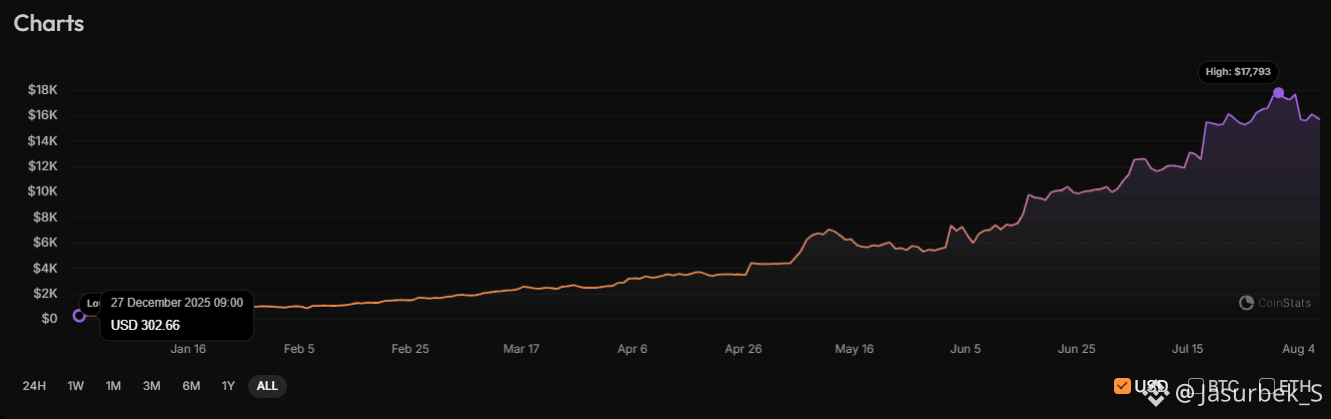
Day 224
$0から$100Kチャレンジ 🚀
2025年12月27日から一貫して仮想通貨に投資しています。今日は224日目で、私のポートフォリオは現在16.3%下落しています。
目標は$100,000に到達すること。これからの道のりを皆さんと共有したいです。ポートフォリオの中身、私が投資しているもの、そして全体の進捗まで、すべて投稿します。
この旅に参加するにはフォローボタンを押してね! 📈
#100kchallenge
Day 224
$0から$100Kチャレンジ 🚀
2025年12月27日から一貫して仮想通貨に投資しています。今日は224日目で、私のポートフォリオは現在16.3%下落しています。
目標は$100,000に到達すること。これからの道のりを皆さんと共有したいです。ポートフォリオの中身、私が投資しているもの、そして全体の進捗まで、すべて投稿します。
この旅に参加するにはフォローボタンを押してね! 📈
#100kchallenge
$0から$100Kチャレンジ 🚀
2025年12月27日から一貫して仮想通貨に投資しています。今日は224日目で、私のポートフォリオは現在16.3%下落しています。
目標は$100,000に到達すること。これからの道のりを皆さんと共有したいです。ポートフォリオの中身、私が投資しているもの、そして全体の進捗まで、すべて投稿します。
この旅に参加するにはフォローボタンを押してね! 📈
#100kchallenge
74
ログインして、さらにコンテンツを読む
厳選トピックで世界の暗号資産トレーダーの仲間入り
⚡️ 暗号資産に関する最新かつ有益な情報が見つかります。
💬 世界最大の暗号資産取引所から信頼されています。
👍 認証を受けたクリエイターから、有益なインサイトを得られます。
メール / 電話番号