

Ruoxi 若曦
1.2k 投稿

Ruoxi 若曦
報告
ユーザーをブロック
365 フォロー
22.1K+ フォロワー
1.4K+ いいね
投稿
すべて
引用
ライブ
·
--
本人確認中
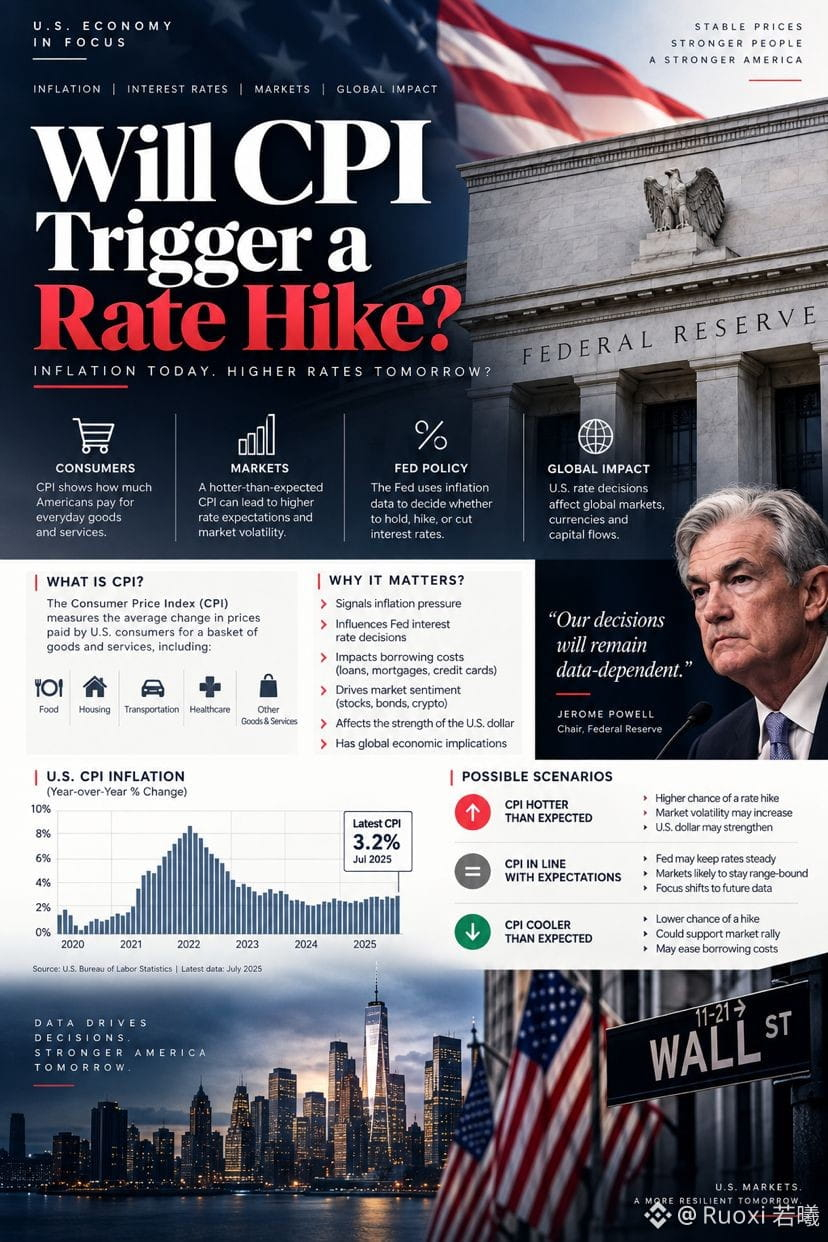
CPIは利上げを引き起こす?
今回、このセットアップを注意深く見ている。なにか少し違う気がしてならない。
雇用データは予想より強く出て、今は誰もがCPIを待っている。CPIがFRBに次の言い訳を与えるのか、それとも警戒を保つための次の理由になるのか。
個人的には、FRBが何かに飛びつくとは思っていない。強いデータが1つ出たくらいで全体像は変わらないが、粘着性のあるインフレは市場を再び神経質にさせる可能性はある。
いちばん心配なのは、CPI後の反応だ。株が叩かれ、利回りが跳ね上がり、金も数分のうちに大きく振れるかもしれない。そして正直、最初の動きがいつも信じられる動きとは限らない。
当面は株については慎重に見ていて、金をしっかり観察している。最初のローソク足を逃すほうがいい。5分後に反転する値動きを追いかけたくはない。
それが、私の見方だ。
あなたはFRBの利上げか据え置きを予想している?強気?弱気?
#CPIWatch
CPIは利上げを引き起こす?
今回、このセットアップを注意深く見ている。なにか少し違う気がしてならない。
雇用データは予想より強く出て、今は誰もがCPIを待っている。CPIがFRBに次の言い訳を与えるのか、それとも警戒を保つための次の理由になるのか。
個人的には、FRBが何かに飛びつくとは思っていない。強いデータが1つ出たくらいで全体像は変わらないが、粘着性のあるインフレは市場を再び神経質にさせる可能性はある。
いちばん心配なのは、CPI後の反応だ。株が叩かれ、利回りが跳ね上がり、金も数分のうちに大きく振れるかもしれない。そして正直、最初の動きがいつも信じられる動きとは限らない。
当面は株については慎重に見ていて、金をしっかり観察している。最初のローソク足を逃すほうがいい。5分後に反転する値動きを追いかけたくはない。
それが、私の見方だ。
あなたはFRBの利上げか据え置きを予想している?強気?弱気?
#CPIWatch
今回、このセットアップを注意深く見ている。なにか少し違う気がしてならない。
雇用データは予想より強く出て、今は誰もがCPIを待っている。CPIがFRBに次の言い訳を与えるのか、それとも警戒を保つための次の理由になるのか。
個人的には、FRBが何かに飛びつくとは思っていない。強いデータが1つ出たくらいで全体像は変わらないが、粘着性のあるインフレは市場を再び神経質にさせる可能性はある。
いちばん心配なのは、CPI後の反応だ。株が叩かれ、利回りが跳ね上がり、金も数分のうちに大きく振れるかもしれない。そして正直、最初の動きがいつも信じられる動きとは限らない。
当面は株については慎重に見ていて、金をしっかり観察している。最初のローソク足を逃すほうがいい。5分後に反転する値動きを追いかけたくはない。
それが、私の見方だ。
あなたはFRBの利上げか据え置きを予想している?強気?弱気?
#CPIWatch
131
·
--
@termmax 私はDeFiのあまり華やかではない側面を見続けています。たいていの場合、そこで最も多くのことを学べるからです。TermMaxはバグバウンティを設けており、攻撃者に先回りして重大なスマートコントラクトの問題を見つけることに現実的な価値を与えています。
重大なバグの場合、報酬は直接影響を受けた資金の10%で、上限は50,000ドル、下限は10,000ドルです。これはホワイトハットが早い段階で声を上げるための意味のあるインセンティブだと思います。
私の注意を引いたのは、繰り返し攻撃のルールです。契約を停止またはアップグレードできる場合は、カウントされるのは最初の攻撃のみです。停止できない場合は、繰り返しの悪用による累積的な被害を考慮できます。これは、実際のエクスプロイトがどのように展開しうるかに、かなり近いと感じました。
TermMaxは、固定金利の借り入れ・貸し出しと、カスタマイズ可能なAMMの価格曲線を組み合わせています。だからこそ、セキュリティは軽く扱うべきものではありません。さらにバウンティではコンセプト実証(PoC)が求められ、テストはライブのメインネットやパブリックなテストネットのコードではなく、ローカルフォークに限定されています。
それでも、50Kのバウンティだけでプロトコルが魔法のように安全になるわけではありません。未発見のバグは残り得ますし、DeFiにはスマートコントラクト以外にも多くのリスクがあります。
個人的には、このバウンティは「安全を保証するもの」ではなく、ひとつのセキュリティシグナルとして見ています。
強力なバグバウンティは、あなたがTermMaxを使う判断に影響しますか?
#TermMax
$GALA
{spot}(GALAUSDT)
$BCH
{spot}(BCHUSDT)
@TermMax 私はDeFiのあまり華やかではない側面を見続けています。たいていの場合、そこで最も多くのことを学べるからです。TermMaxはバグバウンティを設けており、攻撃者に先回りして重大なスマートコントラクトの問題を見つけることに現実的な価値を与えています。
重大なバグの場合、報酬は直接影響を受けた資金の10%で、上限は50,000ドル、下限は10,000ドルです。これはホワイトハットが早い段階で声を上げるための意味のあるインセンティブだと思います。
私の注意を引いたのは、繰り返し攻撃のルールです。契約を停止またはアップグレードできる場合は、カウントされるのは最初の攻撃のみです。停止できない場合は、繰り返しの悪用による累積的な被害を考慮できます。これは、実際のエクスプロイトがどのように展開しうるかに、かなり近いと感じました。
TermMaxは、固定金利の借り入れ・貸し出しと、カスタマイズ可能なAMMの価格曲線を組み合わせています。だからこそ、セキュリティは軽く扱うべきものではありません。さらにバウンティではコンセプト実証(PoC)が求められ、テストはライブのメインネットやパブリックなテストネットのコードではなく、ローカルフォークに限定されています。
それでも、50Kのバウンティだけでプロトコルが魔法のように安全になるわけではありません。未発見のバグは残り得ますし、DeFiにはスマートコントラクト以外にも多くのリスクがあります。
個人的には、このバウンティは「安全を保証するもの」ではなく、ひとつのセキュリティシグナルとして見ています。
強力なバグバウンティは、あなたがTermMaxを使う判断に影響しますか?
#TermMax
$GALA
$BCH
重大なバグの場合、報酬は直接影響を受けた資金の10%で、上限は50,000ドル、下限は10,000ドルです。これはホワイトハットが早い段階で声を上げるための意味のあるインセンティブだと思います。
私の注意を引いたのは、繰り返し攻撃のルールです。契約を停止またはアップグレードできる場合は、カウントされるのは最初の攻撃のみです。停止できない場合は、繰り返しの悪用による累積的な被害を考慮できます。これは、実際のエクスプロイトがどのように展開しうるかに、かなり近いと感じました。
TermMaxは、固定金利の借り入れ・貸し出しと、カスタマイズ可能なAMMの価格曲線を組み合わせています。だからこそ、セキュリティは軽く扱うべきものではありません。さらにバウンティではコンセプト実証(PoC)が求められ、テストはライブのメインネットやパブリックなテストネットのコードではなく、ローカルフォークに限定されています。
それでも、50Kのバウンティだけでプロトコルが魔法のように安全になるわけではありません。未発見のバグは残り得ますし、DeFiにはスマートコントラクト以外にも多くのリスクがあります。
個人的には、このバウンティは「安全を保証するもの」ではなく、ひとつのセキュリティシグナルとして見ています。
強力なバグバウンティは、あなたがTermMaxを使う判断に影響しますか?
#TermMax
$GALA
$BCH
Bounty Hunt 🟠
100%
Treasure Hunt 🟣
0%
4 投票 • 投票は終了しました
1
1
460
·
--
一部該当
@termmax 私がTermMaxのXP内訳を読んだとき、最初にすぐに目についたのは、その倍率がすべてのポジションで同じではないことでした。
保管庫(Vault)の入金は債務資産の価値に基づいて30倍のXP、FT保有は15倍、GT保有は2倍です。また、紹介による要素として、紹介されたユーザーのXPの10%が付与されます(ただし紹介ボーナスそのものは除きます)。
正直に言うと、「100回取引しよう」といった単純なキャンペーンより、このロジックのほうが好きです。
これによって、インセンティブの仕組みにTermMax内のさまざまな役割とのつながりが生まれます。
そして、その役割は実際に重要です。TermMaxは、固定期間を前提に借り入れと貸し出しを組み立てるために、Fixed-Rate TokensやGearing Tokensといったものを使っているからです。
それでも、紙の上では30倍が魅力的に見えても、同じ戦略に多くのユーザーが集中しすぎると、思ったほど印象的ではなくなるかもしれません。
そこが私が注目している点です。
あなたは、倍率ベースのXPはより良いユーザーを生むと思いますか?それとも同じエアドロップをめぐる競争が増えるだけでしょうか?
#TermMax
$ACE
{spot}(ACEUSDT)
$ONG
{spot}(ONGUSDT)
@TermMax 私がTermMaxのXP内訳を読んだとき、最初にすぐに目についたのは、その倍率がすべてのポジションで同じではないことでした。
保管庫(Vault)の入金は債務資産の価値に基づいて30倍のXP、FT保有は15倍、GT保有は2倍です。また、紹介による要素として、紹介されたユーザーのXPの10%が付与されます(ただし紹介ボーナスそのものは除きます)。
正直に言うと、「100回取引しよう」といった単純なキャンペーンより、このロジックのほうが好きです。
これによって、インセンティブの仕組みにTermMax内のさまざまな役割とのつながりが生まれます。
そして、その役割は実際に重要です。TermMaxは、固定期間を前提に借り入れと貸し出しを組み立てるために、Fixed-Rate TokensやGearing Tokensといったものを使っているからです。
それでも、紙の上では30倍が魅力的に見えても、同じ戦略に多くのユーザーが集中しすぎると、思ったほど印象的ではなくなるかもしれません。
そこが私が注目している点です。
あなたは、倍率ベースのXPはより良いユーザーを生むと思いますか?それとも同じエアドロップをめぐる競争が増えるだけでしょうか?
#TermMax
$ACE
$ONG
保管庫(Vault)の入金は債務資産の価値に基づいて30倍のXP、FT保有は15倍、GT保有は2倍です。また、紹介による要素として、紹介されたユーザーのXPの10%が付与されます(ただし紹介ボーナスそのものは除きます)。
正直に言うと、「100回取引しよう」といった単純なキャンペーンより、このロジックのほうが好きです。
これによって、インセンティブの仕組みにTermMax内のさまざまな役割とのつながりが生まれます。
そして、その役割は実際に重要です。TermMaxは、固定期間を前提に借り入れと貸し出しを組み立てるために、Fixed-Rate TokensやGearing Tokensといったものを使っているからです。
それでも、紙の上では30倍が魅力的に見えても、同じ戦略に多くのユーザーが集中しすぎると、思ったほど印象的ではなくなるかもしれません。
そこが私が注目している点です。
あなたは、倍率ベースのXPはより良いユーザーを生むと思いますか?それとも同じエアドロップをめぐる競争が増えるだけでしょうか?
#TermMax
$ACE
$ONG
Bullish Token Volatility 🟢
73%
Bearish Token Volatility 🔴
27%
11 投票 • 投票は終了しました
3
868
·
--
@termmax 今は、DeFiプロトコルを少し違った見方で捉えるようになった。
TermMaxで93%のDeFiSafety PQRスコアを見つけて注意を引かれたが、93%を「安全だ、終わり、次へ」とは思わない。正直、それはもっと深く掘り下げるべき理由だと受け止めている。このスコアはコード、ドキュメント、テスト、セキュリティ、管理(admin)コントロール、オラクルをカバーしている。
TermMaxはCode & Teamで100%、Securityで94%、Admin Controlsで97%、Oraclesで100%を記録した。テストは89%で、ドキュメントは70%だった。この最後の数値が、実はもっとよく理解したい部分だ。
私は、セキュリティスコアはこう使われるべきだと思う。
「合格の青信号」としてではなく、調査の出発点として。TermMaxもユニットテスト、ファジング、ミューテーションテスト、インテグレーションテストについて説明している。
それでも、DeFiにおけるスマートコントラクトのリスクは完全には消えない。
だからこそ、私は93%を興味を持って見ている。盲目的に信じているわけではない。\n\n貸し借りやストラクチャード商品を扱うプロトコルなら、セキュリティは「サイド機能」ではない――ゲームそのものだ。
93%のPQRスコアは、あなたのDeFiプロトコルに対する見方を変えますか?
#TermMax
$CLO
{future}(CLOUSDT)
$ACE
{spot}(ACEUSDT)
@TermMax 今は、DeFiプロトコルを少し違った見方で捉えるようになった。
TermMaxで93%のDeFiSafety PQRスコアを見つけて注意を引かれたが、93%を「安全だ、終わり、次へ」とは思わない。正直、それはもっと深く掘り下げるべき理由だと受け止めている。このスコアはコード、ドキュメント、テスト、セキュリティ、管理(admin)コントロール、オラクルをカバーしている。
TermMaxはCode & Teamで100%、Securityで94%、Admin Controlsで97%、Oraclesで100%を記録した。テストは89%で、ドキュメントは70%だった。この最後の数値が、実はもっとよく理解したい部分だ。
私は、セキュリティスコアはこう使われるべきだと思う。
「合格の青信号」としてではなく、調査の出発点として。TermMaxもユニットテスト、ファジング、ミューテーションテスト、インテグレーションテストについて説明している。
それでも、DeFiにおけるスマートコントラクトのリスクは完全には消えない。
だからこそ、私は93%を興味を持って見ている。盲目的に信じているわけではない。\n\n貸し借りやストラクチャード商品を扱うプロトコルなら、セキュリティは「サイド機能」ではない――ゲームそのものだ。
93%のPQRスコアは、あなたのDeFiプロトコルに対する見方を変えますか?
#TermMax
$CLO
$ACE
TermMaxで93%のDeFiSafety PQRスコアを見つけて注意を引かれたが、93%を「安全だ、終わり、次へ」とは思わない。正直、それはもっと深く掘り下げるべき理由だと受け止めている。このスコアはコード、ドキュメント、テスト、セキュリティ、管理(admin)コントロール、オラクルをカバーしている。
TermMaxはCode & Teamで100%、Securityで94%、Admin Controlsで97%、Oraclesで100%を記録した。テストは89%で、ドキュメントは70%だった。この最後の数値が、実はもっとよく理解したい部分だ。
私は、セキュリティスコアはこう使われるべきだと思う。
「合格の青信号」としてではなく、調査の出発点として。TermMaxもユニットテスト、ファジング、ミューテーションテスト、インテグレーションテストについて説明している。
それでも、DeFiにおけるスマートコントラクトのリスクは完全には消えない。
だからこそ、私は93%を興味を持って見ている。盲目的に信じているわけではない。\n\n貸し借りやストラクチャード商品を扱うプロトコルなら、セキュリティは「サイド機能」ではない――ゲームそのものだ。
93%のPQRスコアは、あなたのDeFiプロトコルに対する見方を変えますか?
#TermMax
$CLO
$ACE
Bullish Volatile 🟢
67%
Bearish Volatile 🔴
33%
3 投票 • 投票は終了しました
340
·
--
@Dusk_Foundation AI + crypto の会話を見続けていると、何かが欠けている気がします。誰もが、エージェントがコードを生成し、タスクを実行し、より速く進めることばかり語ります。でも、誰も「古くなっている」と覚えていなかった仕様に、エージェントが従うとどうなるのかを問う人はほとんどいません。
ピツイタリーは、そのより静かな問題を解決しようとする Dusk の取り組みです。各ファイルを孤立したものとして扱うのではなく、仕様、ドキュメント、意思決定、コードの関係を見つめます。仕様を検索し、それらを比較し、古くなったドキュメントを見つけ、影響をレビューできます。
正直、その手の AI ツールのほうが私は面白いと思います。開発者に「こういうコードを書け」と言う別のチャットボットではなく、プロジェクトの当初の意図を失わないように開発者を助ける仕組みです。特に金融インフラでは、プライバシーやコンプライアンスが実際のアプリケーションロジックの一部になり得ます。
ただ、ここにはリスクもあります。自動化された警告が多すぎるとノイズになってしまい、チームが最終的にそれを無視し始める可能性もある。ツールは、自分の出すシグナルが役に立つことを証明しなければなりません。
でも、AI がもっと私たちのコードを書いていくのなら、コードが従うべきルールを思い出すための、より良い仕組みを作るべきではないでしょうか?
#dusk $DUSK
$PORTAL
{spot}(PORTALUSDT)
$DOLO
{spot}(DOLOUSDT)
@Dusk AI + crypto の会話を見続けていると、何かが欠けている気がします。誰もが、エージェントがコードを生成し、タスクを実行し、より速く進めることばかり語ります。でも、誰も「古くなっている」と覚えていなかった仕様に、エージェントが従うとどうなるのかを問う人はほとんどいません。
ピツイタリーは、そのより静かな問題を解決しようとする Dusk の取り組みです。各ファイルを孤立したものとして扱うのではなく、仕様、ドキュメント、意思決定、コードの関係を見つめます。仕様を検索し、それらを比較し、古くなったドキュメントを見つけ、影響をレビューできます。
正直、その手の AI ツールのほうが私は面白いと思います。開発者に「こういうコードを書け」と言う別のチャットボットではなく、プロジェクトの当初の意図を失わないように開発者を助ける仕組みです。特に金融インフラでは、プライバシーやコンプライアンスが実際のアプリケーションロジックの一部になり得ます。
ただ、ここにはリスクもあります。自動化された警告が多すぎるとノイズになってしまい、チームが最終的にそれを無視し始める可能性もある。ツールは、自分の出すシグナルが役に立つことを証明しなければなりません。
でも、AI がもっと私たちのコードを書いていくのなら、コードが従うべきルールを思い出すための、より良い仕組みを作るべきではないでしょうか?
#dusk $DUSK
$PORTAL
$DOLO
ピツイタリーは、そのより静かな問題を解決しようとする Dusk の取り組みです。各ファイルを孤立したものとして扱うのではなく、仕様、ドキュメント、意思決定、コードの関係を見つめます。仕様を検索し、それらを比較し、古くなったドキュメントを見つけ、影響をレビューできます。
正直、その手の AI ツールのほうが私は面白いと思います。開発者に「こういうコードを書け」と言う別のチャットボットではなく、プロジェクトの当初の意図を失わないように開発者を助ける仕組みです。特に金融インフラでは、プライバシーやコンプライアンスが実際のアプリケーションロジックの一部になり得ます。
ただ、ここにはリスクもあります。自動化された警告が多すぎるとノイズになってしまい、チームが最終的にそれを無視し始める可能性もある。ツールは、自分の出すシグナルが役に立つことを証明しなければなりません。
でも、AI がもっと私たちのコードを書いていくのなら、コードが従うべきルールを思い出すための、より良い仕組みを作るべきではないでしょうか?
#dusk $DUSK
$PORTAL
$DOLO
Bullish Time 🟢
100%
Bearish Time 🔴
0%
3 投票 • 投票は終了しました
297
·
--
本人確認中
@Dusk_Foundation 暗号Duskのドキュメントを読んでいて気づいたことのひとつは、スマートコントラクトが単なるアプリケーションではなく、ネットワークの経済の一部になりつつあることです。
DuskのEconomic Protocolは、スマートコントラクトが手数料を課し、ガスを支払い、自律的に動作できるようにします。これは小さな技術的改善に聞こえるかもしれませんが、実際の金融アプリケーションがどう動くのかを考えると話は変わってきます。すべてのユーザーが各ステップを手作業で管理するのに依存するのではなく、コントラクト自体が固有の経済的挙動を持てるのです。
そして、Stake Abstractionがさらにもう一層追加されます。
コントラクトはステーキングに参加し、アンステーキングを処理し、ステーキング報酬を受け取れます。つまり、コントラクトは単に金融ロジックを実行するだけでなく、そのロジックの周りにあるネットワーク経済の一部も管理できる。ここが、かなり面白くなるポイントだと思います。
これにより、ステーキング基盤はより組み合わせ可能になるかもしれません。しかし、組み合わせ可能性には常に別の疑問がつきまといます。つまり、誰がそのコントラクトを管理するのか、そしてコードにバグがあった場合どうなるのか、ということです。
Duskはインフラを提供できますが、アプリケーションレベルのリスクは開発者とユーザーに帰属します。
あなたは、DUSKを自動でステークし管理してくれるスマートコントラクトを使うでしょうか?
#dusk $DUSK
$COW
{spot}(COWUSDT)
$HEMI
{spot}(HEMIUSDT)
@Dusk 暗号Duskのドキュメントを読んでいて気づいたことのひとつは、スマートコントラクトが単なるアプリケーションではなく、ネットワークの経済の一部になりつつあることです。
DuskのEconomic Protocolは、スマートコントラクトが手数料を課し、ガスを支払い、自律的に動作できるようにします。これは小さな技術的改善に聞こえるかもしれませんが、実際の金融アプリケーションがどう動くのかを考えると話は変わってきます。すべてのユーザーが各ステップを手作業で管理するのに依存するのではなく、コントラクト自体が固有の経済的挙動を持てるのです。
そして、Stake Abstractionがさらにもう一層追加されます。
コントラクトはステーキングに参加し、アンステーキングを処理し、ステーキング報酬を受け取れます。つまり、コントラクトは単に金融ロジックを実行するだけでなく、そのロジックの周りにあるネットワーク経済の一部も管理できる。ここが、かなり面白くなるポイントだと思います。
これにより、ステーキング基盤はより組み合わせ可能になるかもしれません。しかし、組み合わせ可能性には常に別の疑問がつきまといます。つまり、誰がそのコントラクトを管理するのか、そしてコードにバグがあった場合どうなるのか、ということです。
Duskはインフラを提供できますが、アプリケーションレベルのリスクは開発者とユーザーに帰属します。
あなたは、DUSKを自動でステークし管理してくれるスマートコントラクトを使うでしょうか?
#dusk $DUSK
$COW
$HEMI
DuskのEconomic Protocolは、スマートコントラクトが手数料を課し、ガスを支払い、自律的に動作できるようにします。これは小さな技術的改善に聞こえるかもしれませんが、実際の金融アプリケーションがどう動くのかを考えると話は変わってきます。すべてのユーザーが各ステップを手作業で管理するのに依存するのではなく、コントラクト自体が固有の経済的挙動を持てるのです。
そして、Stake Abstractionがさらにもう一層追加されます。
コントラクトはステーキングに参加し、アンステーキングを処理し、ステーキング報酬を受け取れます。つまり、コントラクトは単に金融ロジックを実行するだけでなく、そのロジックの周りにあるネットワーク経済の一部も管理できる。ここが、かなり面白くなるポイントだと思います。
これにより、ステーキング基盤はより組み合わせ可能になるかもしれません。しかし、組み合わせ可能性には常に別の疑問がつきまといます。つまり、誰がそのコントラクトを管理するのか、そしてコードにバグがあった場合どうなるのか、ということです。
Duskはインフラを提供できますが、アプリケーションレベルのリスクは開発者とユーザーに帰属します。
あなたは、DUSKを自動でステークし管理してくれるスマートコントラクトを使うでしょうか?
#dusk $DUSK
$COW
$HEMI
Buying Bullish 🟢
80%
Selling Bearish 🔴
20%
5 投票 • 投票は終了しました
4
1
642
·
--
@Dusk_Foundation One thing I keep looking at Dusk, and the ecosystem story feels different now.
What caught my attention isn’t simply the privacy angle. It’s how Dusk is building several pieces around regulated finance, from DuskVM and DuskEVM to identity, settlement and asset workflows. That makes the network feel more like infrastructure than a single product.
The Dusk docs now show integrations with names like Chainlink, NPEX, Quantoz and Cordial Systems, each touching a different part of finance. Chainlink brings cross-chain messaging and data through CCIP, while NPEX connects directly with regulated real-world asset and securities activity.
I think this is where Dusk becomes interesting. Financial institutions usually don’t need another blockchain just because it is fast or cheap. They need privacy, compliance, settlement and interoperability working together without forcing everything into a completely closed system.
There’s still a big question, though: integrations on paper are not the same as sustained adoption. Dusk needs real users, real asset volume and
real applications to prove this ecosystem can grow beyond partnerships.
Still, from what I’ve seen, the direction is becoming clearer. Dusk seems to be building the rails first and letting applications follow.
Do you think this infrastructure-first approach can actually bring more regulated assets on-chain?
#dusk $DUSK
$ACE
{spot}(ACEUSDT)
$HEI
{spot}(HEIUSDT)
@Dusk One thing I keep looking at Dusk, and the ecosystem story feels different now.
What caught my attention isn’t simply the privacy angle. It’s how Dusk is building several pieces around regulated finance, from DuskVM and DuskEVM to identity, settlement and asset workflows. That makes the network feel more like infrastructure than a single product.
The Dusk docs now show integrations with names like Chainlink, NPEX, Quantoz and Cordial Systems, each touching a different part of finance. Chainlink brings cross-chain messaging and data through CCIP, while NPEX connects directly with regulated real-world asset and securities activity.
I think this is where Dusk becomes interesting. Financial institutions usually don’t need another blockchain just because it is fast or cheap. They need privacy, compliance, settlement and interoperability working together without forcing everything into a completely closed system.
There’s still a big question, though: integrations on paper are not the same as sustained adoption. Dusk needs real users, real asset volume and
real applications to prove this ecosystem can grow beyond partnerships.
Still, from what I’ve seen, the direction is becoming clearer. Dusk seems to be building the rails first and letting applications follow.
Do you think this infrastructure-first approach can actually bring more regulated assets on-chain?
#dusk $DUSK
$ACE
$HEI
What caught my attention isn’t simply the privacy angle. It’s how Dusk is building several pieces around regulated finance, from DuskVM and DuskEVM to identity, settlement and asset workflows. That makes the network feel more like infrastructure than a single product.
The Dusk docs now show integrations with names like Chainlink, NPEX, Quantoz and Cordial Systems, each touching a different part of finance. Chainlink brings cross-chain messaging and data through CCIP, while NPEX connects directly with regulated real-world asset and securities activity.
I think this is where Dusk becomes interesting. Financial institutions usually don’t need another blockchain just because it is fast or cheap. They need privacy, compliance, settlement and interoperability working together without forcing everything into a completely closed system.
There’s still a big question, though: integrations on paper are not the same as sustained adoption. Dusk needs real users, real asset volume and
real applications to prove this ecosystem can grow beyond partnerships.
Still, from what I’ve seen, the direction is becoming clearer. Dusk seems to be building the rails first and letting applications follow.
Do you think this infrastructure-first approach can actually bring more regulated assets on-chain?
#dusk $DUSK
$ACE
$HEI
Buying Time Long 🟢
0%
Selling Time Short 🔴
0%
Hold and Wait 🟠
0%
0 投票 • 投票は終了しました
1
254
·
--
@Dusk_Foundation 夕暮れ(DUSK)を見つめては、自分に問い続けていることがひとつあります。ビットコインが依然として市場の主要な指標であり続ける中で、より小さなL1が注目を集め始めることはできるのでしょうか?
私の目を引いたのは、Duskの方向性です。ビットコインの代わりになろうとしているわけではありません。規制された金融、プライバシー、選択的開示、そしてオンチェーンの決済を軸に構築しています。これはまったく別の賭け方です。
面白いのは、MoonlightとPhoenixの組み合わせです。ひとつは取引を公開し、もうひとつはシールドされた送金をサポートします。私には、完全な透明性が常に役立つとは限らない金融アプリケーションにおいて、こちらのほうがより実用的に感じられます。
そしてDuskEVMは、開発者に馴染みのあるSolidity/EVMの道筋を提供します。これは重要だと思います。というのも、強い物語だけではなく、良いインフラにはやはりビルダーが必要だからです。
ただ、まだ「確定したトレンド転換」とは言いません。CMCではDUSKが約0.06ドルで、時価総額はおよそ3000万ドル。流動性と普及は依然として現実的なリスクです。
それでも私はシンプルに考えています。ビットコインが減速したときにDUSKが強さを保てるなら、私はそれにずっと近い注意を払い始めるはずです。
DUSKはビットコインとは違う動きをする“初期の兆し”を見せていると思いますか?
#dusk $DUSK
$AKE
{future}(AKEUSDT)
$ACU
{future}(ACUUSDT)
@Dusk 夕暮れ(DUSK)を見つめては、自分に問い続けていることがひとつあります。ビットコインが依然として市場の主要な指標であり続ける中で、より小さなL1が注目を集め始めることはできるのでしょうか?
私の目を引いたのは、Duskの方向性です。ビットコインの代わりになろうとしているわけではありません。規制された金融、プライバシー、選択的開示、そしてオンチェーンの決済を軸に構築しています。これはまったく別の賭け方です。
面白いのは、MoonlightとPhoenixの組み合わせです。ひとつは取引を公開し、もうひとつはシールドされた送金をサポートします。私には、完全な透明性が常に役立つとは限らない金融アプリケーションにおいて、こちらのほうがより実用的に感じられます。
そしてDuskEVMは、開発者に馴染みのあるSolidity/EVMの道筋を提供します。これは重要だと思います。というのも、強い物語だけではなく、良いインフラにはやはりビルダーが必要だからです。
ただ、まだ「確定したトレンド転換」とは言いません。CMCではDUSKが約0.06ドルで、時価総額はおよそ3000万ドル。流動性と普及は依然として現実的なリスクです。
それでも私はシンプルに考えています。ビットコインが減速したときにDUSKが強さを保てるなら、私はそれにずっと近い注意を払い始めるはずです。
DUSKはビットコインとは違う動きをする“初期の兆し”を見せていると思いますか?
#dusk $DUSK
$AKE
$ACU
私の目を引いたのは、Duskの方向性です。ビットコインの代わりになろうとしているわけではありません。規制された金融、プライバシー、選択的開示、そしてオンチェーンの決済を軸に構築しています。これはまったく別の賭け方です。
面白いのは、MoonlightとPhoenixの組み合わせです。ひとつは取引を公開し、もうひとつはシールドされた送金をサポートします。私には、完全な透明性が常に役立つとは限らない金融アプリケーションにおいて、こちらのほうがより実用的に感じられます。
そしてDuskEVMは、開発者に馴染みのあるSolidity/EVMの道筋を提供します。これは重要だと思います。というのも、強い物語だけではなく、良いインフラにはやはりビルダーが必要だからです。
ただ、まだ「確定したトレンド転換」とは言いません。CMCではDUSKが約0.06ドルで、時価総額はおよそ3000万ドル。流動性と普及は依然として現実的なリスクです。
それでも私はシンプルに考えています。ビットコインが減速したときにDUSKが強さを保てるなら、私はそれにずっと近い注意を払い始めるはずです。
DUSKはビットコインとは違う動きをする“初期の兆し”を見せていると思いますか?
#dusk $DUSK
$AKE
$ACU
Buying Long 🟢
64%
Selling Short 🔴
36%
11 投票 • 投票は終了しました
1
1
270
·
--
@babylonlabs_io バビロンの2025年Q4ファウンダーズ・コールを通して感じたのは、会話がどれだけ変わったかということでした。
1年前は、ほとんどの人がビットコインのステーキングについて話していました。今はチームが、ラップドアセットを使わず、自己カストディも手放すことなく、ビットコインをDeFiで実際に使えるようにすることに注力しています。多くの人が思っている以上に、これは大きな転換だと思います。
私の注意を引いたのは、Trustless Bitcoin Vaults(トラストレス・ビットコイン・ボールト)でした。
アイデアは意外なほどシンプルに聞こえます。あなたのBTCはあなたの管理下にありつつ、レンディングやその他のDeFiのユースケースのための担保になります。もしバビロンがこれをうまく実現できるなら、ビットコイン保有者がオンチェーン・ファイナンスを避けてきた最大の理由のひとつを取り除けるかもしれません。
また、創業者たちが「すべてが完璧だ」とは見せかけなかった点も気に入りました。
彼らはBABYの売り圧力、トークンのユーティリティの改善、そして、トークノミクスがそれを取り込もうとする前に「本物のプロダクトが価値を生み出すべき理由」について率直に議論していました。正直に言えば、それが難しい道であり、成功は発表よりも採用(アダプション)にかかっています。
私が見てきた限り、バビロンはビットコインを本来の哲学に忠実なまま、より実用的な使い道を与えようとしています。
野心的な目標ですが、すべては実行です。ユーザー体験が十分にシンプルでなければ、たとえ最高の技術でも勢いを得るのは難しくなります。
Trustless Bitcoin Vaultsが、最終的により多くのビットコインをDeFiに引き込むきっかけになると思いますか?
#baby $BABY
$HOME
{spot}(HOMEUSDT)
$BLESS
{future}(BLESSUSDT)
@BabylonLabs_io バビロンの2025年Q4ファウンダーズ・コールを通して感じたのは、会話がどれだけ変わったかということでした。
1年前は、ほとんどの人がビットコインのステーキングについて話していました。今はチームが、ラップドアセットを使わず、自己カストディも手放すことなく、ビットコインをDeFiで実際に使えるようにすることに注力しています。多くの人が思っている以上に、これは大きな転換だと思います。
私の注意を引いたのは、Trustless Bitcoin Vaults(トラストレス・ビットコイン・ボールト)でした。
アイデアは意外なほどシンプルに聞こえます。あなたのBTCはあなたの管理下にありつつ、レンディングやその他のDeFiのユースケースのための担保になります。もしバビロンがこれをうまく実現できるなら、ビットコイン保有者がオンチェーン・ファイナンスを避けてきた最大の理由のひとつを取り除けるかもしれません。
また、創業者たちが「すべてが完璧だ」とは見せかけなかった点も気に入りました。
彼らはBABYの売り圧力、トークンのユーティリティの改善、そして、トークノミクスがそれを取り込もうとする前に「本物のプロダクトが価値を生み出すべき理由」について率直に議論していました。正直に言えば、それが難しい道であり、成功は発表よりも採用(アダプション)にかかっています。
私が見てきた限り、バビロンはビットコインを本来の哲学に忠実なまま、より実用的な使い道を与えようとしています。
野心的な目標ですが、すべては実行です。ユーザー体験が十分にシンプルでなければ、たとえ最高の技術でも勢いを得るのは難しくなります。
Trustless Bitcoin Vaultsが、最終的により多くのビットコインをDeFiに引き込むきっかけになると思いますか?
#baby $BABY
$HOME
$BLESS
1年前は、ほとんどの人がビットコインのステーキングについて話していました。今はチームが、ラップドアセットを使わず、自己カストディも手放すことなく、ビットコインをDeFiで実際に使えるようにすることに注力しています。多くの人が思っている以上に、これは大きな転換だと思います。
私の注意を引いたのは、Trustless Bitcoin Vaults(トラストレス・ビットコイン・ボールト)でした。
アイデアは意外なほどシンプルに聞こえます。あなたのBTCはあなたの管理下にありつつ、レンディングやその他のDeFiのユースケースのための担保になります。もしバビロンがこれをうまく実現できるなら、ビットコイン保有者がオンチェーン・ファイナンスを避けてきた最大の理由のひとつを取り除けるかもしれません。
また、創業者たちが「すべてが完璧だ」とは見せかけなかった点も気に入りました。
彼らはBABYの売り圧力、トークンのユーティリティの改善、そして、トークノミクスがそれを取り込もうとする前に「本物のプロダクトが価値を生み出すべき理由」について率直に議論していました。正直に言えば、それが難しい道であり、成功は発表よりも採用(アダプション)にかかっています。
私が見てきた限り、バビロンはビットコインを本来の哲学に忠実なまま、より実用的な使い道を与えようとしています。
野心的な目標ですが、すべては実行です。ユーザー体験が十分にシンプルでなければ、たとえ最高の技術でも勢いを得るのは難しくなります。
Trustless Bitcoin Vaultsが、最終的により多くのビットコインをDeFiに引き込むきっかけになると思いますか?
#baby $BABY
$HOME
$BLESS
Bullish Buying 🟢
100%
Bearish Selling 🔴
0%
1 投票 • 投票は終了しました
1
147
·
--
@babylonlabs_io One thing I keep looking at Bitcoin and wondering why using it in DeFi has always meant giving something up.
Reading Babylon’s docs changed that perspective a bit. With the Public Testnet, native BTC can be locked inside a Trustless Bitcoin Vault and used as collateral through Aave v4. Your Bitcoin isn’t wrapped or handed to a custodian, which honestly feels much closer to Bitcoin’s original spirit.
I think that’s a meaningful step for BTCFi. Still, it’s only a testnet, and the peg-in process, confirmation time, and liquidation behavior need to prove themselves under real market pressure before I’d fully trust it.
If Bitcoin can stay native while unlocking liquidity, that could be a bigger shift than most people expect.
Would you borrow against native BTC, or would you rather just keep holding?
#baby $BABY
$1000SATS
{spot}(1000SATSUSDT)
$IDOL
{future}(IDOLUSDT)
@BabylonLabs_io One thing I keep looking at Bitcoin and wondering why using it in DeFi has always meant giving something up.
Reading Babylon’s docs changed that perspective a bit. With the Public Testnet, native BTC can be locked inside a Trustless Bitcoin Vault and used as collateral through Aave v4. Your Bitcoin isn’t wrapped or handed to a custodian, which honestly feels much closer to Bitcoin’s original spirit.
I think that’s a meaningful step for BTCFi. Still, it’s only a testnet, and the peg-in process, confirmation time, and liquidation behavior need to prove themselves under real market pressure before I’d fully trust it.
If Bitcoin can stay native while unlocking liquidity, that could be a bigger shift than most people expect.
Would you borrow against native BTC, or would you rather just keep holding?
#baby $BABY
$1000SATS
$IDOL
Reading Babylon’s docs changed that perspective a bit. With the Public Testnet, native BTC can be locked inside a Trustless Bitcoin Vault and used as collateral through Aave v4. Your Bitcoin isn’t wrapped or handed to a custodian, which honestly feels much closer to Bitcoin’s original spirit.
I think that’s a meaningful step for BTCFi. Still, it’s only a testnet, and the peg-in process, confirmation time, and liquidation behavior need to prove themselves under real market pressure before I’d fully trust it.
If Bitcoin can stay native while unlocking liquidity, that could be a bigger shift than most people expect.
Would you borrow against native BTC, or would you rather just keep holding?
#baby $BABY
$1000SATS
$IDOL
Bullish Buying 🟢
83%
Bearish Selling 🔴
17%
6 投票 • 投票は終了しました
1
244
·
--
@babylonlabs_io 比較しながらTBVとラップドBTC、そしてブリッジを見ていると、ある考えが何度も頭に戻ってきました。もしかすると、私たちは間違った問題を解こうとしているのかもしれない、と。
ビットコインをあちこちに移すのではなく、もっと良い解決策は「すでに最強のセキュリティがある場所にそのまま置いておくこと」だとしたらどうでしょう。
だからこそ、バビロンのTBVが私には際立って見えました。中央集権のカストディアンがコインを保有したり、ブリッジの連合(フェデレーション)が償還を制御したりすることに依存していません。ビットコインは独自のチェーンにとどまり、その一方で暗号学的な証明によって、イーサリアム上の活動と結びつけられます。
とはいえ、制約も見えています。追加の待機時間は理想的ではなく、伝統的なラップ方式よりも技術が新しいため、普及には時間がかかるでしょう。
考え:私なら、BTCと自分の間にさらに別のレイヤーのカストディを導入するより、少し待つほうを選びます。
もし今日選ぶ必要があるなら、あなたはカストディアン、ブリッジ、あるいはトラストを最小化したバル ト(vault)を信頼しますか?
#baby $BABY
$AXTIB
{spot}(AXTIBUSDT)
$SNXXB
{spot}(SNXXBUSDT)
@BabylonLabs_io 比較しながらTBVとラップドBTC、そしてブリッジを見ていると、ある考えが何度も頭に戻ってきました。もしかすると、私たちは間違った問題を解こうとしているのかもしれない、と。
ビットコインをあちこちに移すのではなく、もっと良い解決策は「すでに最強のセキュリティがある場所にそのまま置いておくこと」だとしたらどうでしょう。
だからこそ、バビロンのTBVが私には際立って見えました。中央集権のカストディアンがコインを保有したり、ブリッジの連合(フェデレーション)が償還を制御したりすることに依存していません。ビットコインは独自のチェーンにとどまり、その一方で暗号学的な証明によって、イーサリアム上の活動と結びつけられます。
とはいえ、制約も見えています。追加の待機時間は理想的ではなく、伝統的なラップ方式よりも技術が新しいため、普及には時間がかかるでしょう。
考え:私なら、BTCと自分の間にさらに別のレイヤーのカストディを導入するより、少し待つほうを選びます。
もし今日選ぶ必要があるなら、あなたはカストディアン、ブリッジ、あるいはトラストを最小化したバル ト(vault)を信頼しますか?
#baby $BABY
$AXTIB
$SNXXB
ビットコインをあちこちに移すのではなく、もっと良い解決策は「すでに最強のセキュリティがある場所にそのまま置いておくこと」だとしたらどうでしょう。
だからこそ、バビロンのTBVが私には際立って見えました。中央集権のカストディアンがコインを保有したり、ブリッジの連合(フェデレーション)が償還を制御したりすることに依存していません。ビットコインは独自のチェーンにとどまり、その一方で暗号学的な証明によって、イーサリアム上の活動と結びつけられます。
とはいえ、制約も見えています。追加の待機時間は理想的ではなく、伝統的なラップ方式よりも技術が新しいため、普及には時間がかかるでしょう。
考え:私なら、BTCと自分の間にさらに別のレイヤーのカストディを導入するより、少し待つほうを選びます。
もし今日選ぶ必要があるなら、あなたはカストディアン、ブリッジ、あるいはトラストを最小化したバル ト(vault)を信頼しますか?
#baby $BABY
$AXTIB
$SNXXB
Bullish Zone 🟢
100%
Bearish Zone 🔴
0%
2 投票 • 投票は終了しました
5
1
113
·
--
本人確認中
@babylonlabs_io I keep looking at Bitcoin DeFi, and one thing keeps bothering me.
Bitcoinは暗号資産の中で最大の資産ですが、それでもDeFiで使われているのはBTCの約1%程度にすぎません。これは人々が利回りを求めていないからではありません。多くの保有者は単に、コインをブリッジ、カストディアン、またはラップドトークンに預けたくないのです。私が見てきた限り、セキュリティが常に最優先です。
BabylonのTrustless Bitcoin Vaults(TBV)は、まったく別のアプローチのように感じます。BTCをビットコインから移すのではなく、TBVでは自分で制御できるTaprootのヴォールト内にネイティブBTCをロックします。そして、Ethereumのアプリケーション側からは担保として認識されます。ラップドBTCはありません。資金を握るブリッジもありません。信頼は企業ではなく、暗号技術とビットコイン/イーサリアムのネットワークへと移るのです。
私は、ここにこそ本当の革新があると思います。ビットコインは、それを担保に借りたいとか、DeFiで使いたいからといってビットコインであることをやめません。プロトコルが暗号学的な検証によってチェーン間で何が起きたかを証明し続けることで、BTCは独自のチェーン上に留まります。これは、私たちが何年も使ってきたモデルに比べて、大きなマインドセットの転換です。
とはいえ、まだ始まったばかりです。TBVは現在Bitcoin SignetとEthereumのテストネット上で稼働しており、BTCを単にラップするよりも設計は複雑です。新しいプロトコルである以上、実世界での導入、セキュリティ監査、そして開発者の統合が、技術そのものと同じくらい重要になってきます。
Babylonはすでに、自主管理型のビットコイン・ステーキングが機能し得ることを示していました。もしTBVが、ビットコイン担保DeFiに対して同じ哲学を実現できるなら、BTCのためにまったく別の未来を切り開けるかもしれません。
DeFiでビットコインを運用する際、カストディアンよりも暗号技術を信頼しますか?
#baby $BABY
$GRVT
{alpha}(560x46f2564e0fa8248d15125e7e54173cfbdef91be7)
$SNXXB
{spot}(SNXXBUSDT)
@BabylonLabs_io I keep looking at Bitcoin DeFi, and one thing keeps bothering me.
Bitcoinは暗号資産の中で最大の資産ですが、それでもDeFiで使われているのはBTCの約1%程度にすぎません。これは人々が利回りを求めていないからではありません。多くの保有者は単に、コインをブリッジ、カストディアン、またはラップドトークンに預けたくないのです。私が見てきた限り、セキュリティが常に最優先です。
BabylonのTrustless Bitcoin Vaults(TBV)は、まったく別のアプローチのように感じます。BTCをビットコインから移すのではなく、TBVでは自分で制御できるTaprootのヴォールト内にネイティブBTCをロックします。そして、Ethereumのアプリケーション側からは担保として認識されます。ラップドBTCはありません。資金を握るブリッジもありません。信頼は企業ではなく、暗号技術とビットコイン/イーサリアムのネットワークへと移るのです。
私は、ここにこそ本当の革新があると思います。ビットコインは、それを担保に借りたいとか、DeFiで使いたいからといってビットコインであることをやめません。プロトコルが暗号学的な検証によってチェーン間で何が起きたかを証明し続けることで、BTCは独自のチェーン上に留まります。これは、私たちが何年も使ってきたモデルに比べて、大きなマインドセットの転換です。
とはいえ、まだ始まったばかりです。TBVは現在Bitcoin SignetとEthereumのテストネット上で稼働しており、BTCを単にラップするよりも設計は複雑です。新しいプロトコルである以上、実世界での導入、セキュリティ監査、そして開発者の統合が、技術そのものと同じくらい重要になってきます。
Babylonはすでに、自主管理型のビットコイン・ステーキングが機能し得ることを示していました。もしTBVが、ビットコイン担保DeFiに対して同じ哲学を実現できるなら、BTCのためにまったく別の未来を切り開けるかもしれません。
DeFiでビットコインを運用する際、カストディアンよりも暗号技術を信頼しますか?
#baby $BABY
$GRVT
$SNXXB
Bitcoinは暗号資産の中で最大の資産ですが、それでもDeFiで使われているのはBTCの約1%程度にすぎません。これは人々が利回りを求めていないからではありません。多くの保有者は単に、コインをブリッジ、カストディアン、またはラップドトークンに預けたくないのです。私が見てきた限り、セキュリティが常に最優先です。
BabylonのTrustless Bitcoin Vaults(TBV)は、まったく別のアプローチのように感じます。BTCをビットコインから移すのではなく、TBVでは自分で制御できるTaprootのヴォールト内にネイティブBTCをロックします。そして、Ethereumのアプリケーション側からは担保として認識されます。ラップドBTCはありません。資金を握るブリッジもありません。信頼は企業ではなく、暗号技術とビットコイン/イーサリアムのネットワークへと移るのです。
私は、ここにこそ本当の革新があると思います。ビットコインは、それを担保に借りたいとか、DeFiで使いたいからといってビットコインであることをやめません。プロトコルが暗号学的な検証によってチェーン間で何が起きたかを証明し続けることで、BTCは独自のチェーン上に留まります。これは、私たちが何年も使ってきたモデルに比べて、大きなマインドセットの転換です。
とはいえ、まだ始まったばかりです。TBVは現在Bitcoin SignetとEthereumのテストネット上で稼働しており、BTCを単にラップするよりも設計は複雑です。新しいプロトコルである以上、実世界での導入、セキュリティ監査、そして開発者の統合が、技術そのものと同じくらい重要になってきます。
Babylonはすでに、自主管理型のビットコイン・ステーキングが機能し得ることを示していました。もしTBVが、ビットコイン担保DeFiに対して同じ哲学を実現できるなら、BTCのためにまったく別の未来を切り開けるかもしれません。
DeFiでビットコインを運用する際、カストディアンよりも暗号技術を信頼しますか?
#baby $BABY
$GRVT
$SNXXB
Bullish Time Zone 🟢
50%
Bearish Time Zone 🔴
0%
Unpredictable Zone 🟠
50%
2 投票 • 投票は終了しました
2
186
·
--
本人確認中
@babylonlabs_io 私は、BitcoinをDeFiに取り込もうとするプロジェクトを見続けているんですが、正直なところ、その多くはラップド資産に依存するか、鍵を握る誰かに依存してしまっています。これは私にとって「本当の答え」には感じられませんでした。
BabylonのAave v4連携は、雰囲気が違います。
あなたのBTCは、Trustless Bitcoin Vaultの中でBitcoin上にロックされたままです。一方でAave v4は、専用アダプターを通じて、そのロックされたBTCを担保として認識します。ブリッジやラッピングをせずに資産を借り入れできるので、これはかなり大きな転換点だと思います。予想していたよりも、ずっとクリーンな設計です。
何度も頭に浮かぶのは、これが「Bitcoinを動かす」ことが目的ではないという点です。Bitcoinが本来あるべき場所にそのまま留まり続ける中で、それを有用にすることです。ドキュメントから見た限りでは、ヴォルトはAaveアプリケーションのために特別に作られており、内部会計トークン(vaultBTC)がプロトコル内でのみ担保を表します。それは取引可能なラップドBTCトークンではありません。
もちろん、慎重さは続けたいです。連携はパブリック・テストネットを通じて段階的に展開されており、借り入れには清算リスクが伴います。そして、新しい貸付モデルはどれも、実際の市場環境で機能することを証明するまで時間が必要です。強い設計でも、想定外のイレギュラーに対しては無縁ではありません。
Babylonは、何年も前から多くのBTC保有者が話してきた課題を解決しようとしているのだと思います。つまり、自主保管を手放すことなく、DeFiでBitcoinを使うことです。
Bitcoinネットワークから出る必要が一度もないなら、ネイティブBTCに対して借り入れますか?
#baby $BABY
$COTI
{spot}(COTIUSDT)
$UAI
{future}(UAIUSDT)
@BabylonLabs_io 私は、BitcoinをDeFiに取り込もうとするプロジェクトを見続けているんですが、正直なところ、その多くはラップド資産に依存するか、鍵を握る誰かに依存してしまっています。これは私にとって「本当の答え」には感じられませんでした。
BabylonのAave v4連携は、雰囲気が違います。
あなたのBTCは、Trustless Bitcoin Vaultの中でBitcoin上にロックされたままです。一方でAave v4は、専用アダプターを通じて、そのロックされたBTCを担保として認識します。ブリッジやラッピングをせずに資産を借り入れできるので、これはかなり大きな転換点だと思います。予想していたよりも、ずっとクリーンな設計です。
何度も頭に浮かぶのは、これが「Bitcoinを動かす」ことが目的ではないという点です。Bitcoinが本来あるべき場所にそのまま留まり続ける中で、それを有用にすることです。ドキュメントから見た限りでは、ヴォルトはAaveアプリケーションのために特別に作られており、内部会計トークン(vaultBTC)がプロトコル内でのみ担保を表します。それは取引可能なラップドBTCトークンではありません。
もちろん、慎重さは続けたいです。連携はパブリック・テストネットを通じて段階的に展開されており、借り入れには清算リスクが伴います。そして、新しい貸付モデルはどれも、実際の市場環境で機能することを証明するまで時間が必要です。強い設計でも、想定外のイレギュラーに対しては無縁ではありません。
Babylonは、何年も前から多くのBTC保有者が話してきた課題を解決しようとしているのだと思います。つまり、自主保管を手放すことなく、DeFiでBitcoinを使うことです。
Bitcoinネットワークから出る必要が一度もないなら、ネイティブBTCに対して借り入れますか?
#baby $BABY
$COTI
$UAI
BabylonのAave v4連携は、雰囲気が違います。
あなたのBTCは、Trustless Bitcoin Vaultの中でBitcoin上にロックされたままです。一方でAave v4は、専用アダプターを通じて、そのロックされたBTCを担保として認識します。ブリッジやラッピングをせずに資産を借り入れできるので、これはかなり大きな転換点だと思います。予想していたよりも、ずっとクリーンな設計です。
何度も頭に浮かぶのは、これが「Bitcoinを動かす」ことが目的ではないという点です。Bitcoinが本来あるべき場所にそのまま留まり続ける中で、それを有用にすることです。ドキュメントから見た限りでは、ヴォルトはAaveアプリケーションのために特別に作られており、内部会計トークン(vaultBTC)がプロトコル内でのみ担保を表します。それは取引可能なラップドBTCトークンではありません。
もちろん、慎重さは続けたいです。連携はパブリック・テストネットを通じて段階的に展開されており、借り入れには清算リスクが伴います。そして、新しい貸付モデルはどれも、実際の市場環境で機能することを証明するまで時間が必要です。強い設計でも、想定外のイレギュラーに対しては無縁ではありません。
Babylonは、何年も前から多くのBTC保有者が話してきた課題を解決しようとしているのだと思います。つまり、自主保管を手放すことなく、DeFiでBitcoinを使うことです。
Bitcoinネットワークから出る必要が一度もないなら、ネイティブBTCに対して借り入れますか?
#baby $BABY
$COTI
$UAI
Bullish Buying 🟢
33%
Bearish Selling 🔴
67%
6 投票 • 投票は終了しました
2
612
·
--
@babylonlabs_io 最近、エアドロップを見方を変えて捉えるようになりました。
しばらくの間、エアドロップの請求(クレーム)って、ウォレットを接続してトークンを待つだけだと思っていました。ところが少し時間を取ってBabylonのドキュメントを読んでみたら、ある小さな一歩が目に留まりました。
BABYエアドロップを受け取るには、対象ユーザーはAirdrop Terms(エアドロップ規約)とPrivacy Policy(プライバシーポリシー)を承諾し、その承諾をBABYウォレットで暗号学的メッセージに署名して証明する必要があります。これはブロックチェーントランザクションでもガス代の支払いでもありません。請求前にルールを理解していることを示す、単なるウォレット署名です。
私はこのやり方が気に入っています。参加者全員が同じ条件に同意したことを、明確な記録として残せるからです。Babylonは、自社で保管するBTCステーキング(self-custodial BTC staking)を通じて、PoSチェーンにビットコイン担保のセキュリティを築こうとしています。その考え方と整合的な、透明な請求プロセスだと感じます。
とはいえ、まだ頭に残っていることがあります。多くの人は「Accept(同意する)」を読むことなくクリックします。対象条件、地域制限、あるいはデータの取り扱いが後で問題になった場合、その習慣が簡単に問題につながり得ます。私は、2分かけて規約を読むことの価値は、急いで請求するよりも大きいと思います。
エアドロップのTerms&Privacy Policyに署名する前に読みますか?それとも、プロセスを信頼して普段は「Accept」をクリックしますか?
#baby $BABY
$ESP $BABYSHARK
{spot}(ESPUSDT)
{alpha}(560x777bf78ad4546b61607a17bf4a1977dbbea98c28)
@BabylonLabs_io 最近、エアドロップを見方を変えて捉えるようになりました。
しばらくの間、エアドロップの請求(クレーム)って、ウォレットを接続してトークンを待つだけだと思っていました。ところが少し時間を取ってBabylonのドキュメントを読んでみたら、ある小さな一歩が目に留まりました。
BABYエアドロップを受け取るには、対象ユーザーはAirdrop Terms(エアドロップ規約)とPrivacy Policy(プライバシーポリシー)を承諾し、その承諾をBABYウォレットで暗号学的メッセージに署名して証明する必要があります。これはブロックチェーントランザクションでもガス代の支払いでもありません。請求前にルールを理解していることを示す、単なるウォレット署名です。
私はこのやり方が気に入っています。参加者全員が同じ条件に同意したことを、明確な記録として残せるからです。Babylonは、自社で保管するBTCステーキング(self-custodial BTC staking)を通じて、PoSチェーンにビットコイン担保のセキュリティを築こうとしています。その考え方と整合的な、透明な請求プロセスだと感じます。
とはいえ、まだ頭に残っていることがあります。多くの人は「Accept(同意する)」を読むことなくクリックします。対象条件、地域制限、あるいはデータの取り扱いが後で問題になった場合、その習慣が簡単に問題につながり得ます。私は、2分かけて規約を読むことの価値は、急いで請求するよりも大きいと思います。
エアドロップのTerms&Privacy Policyに署名する前に読みますか?それとも、プロセスを信頼して普段は「Accept」をクリックしますか?
#baby $BABY
$ESP $BABYSHARK
しばらくの間、エアドロップの請求(クレーム)って、ウォレットを接続してトークンを待つだけだと思っていました。ところが少し時間を取ってBabylonのドキュメントを読んでみたら、ある小さな一歩が目に留まりました。
BABYエアドロップを受け取るには、対象ユーザーはAirdrop Terms(エアドロップ規約)とPrivacy Policy(プライバシーポリシー)を承諾し、その承諾をBABYウォレットで暗号学的メッセージに署名して証明する必要があります。これはブロックチェーントランザクションでもガス代の支払いでもありません。請求前にルールを理解していることを示す、単なるウォレット署名です。
私はこのやり方が気に入っています。参加者全員が同じ条件に同意したことを、明確な記録として残せるからです。Babylonは、自社で保管するBTCステーキング(self-custodial BTC staking)を通じて、PoSチェーンにビットコイン担保のセキュリティを築こうとしています。その考え方と整合的な、透明な請求プロセスだと感じます。
とはいえ、まだ頭に残っていることがあります。多くの人は「Accept(同意する)」を読むことなくクリックします。対象条件、地域制限、あるいはデータの取り扱いが後で問題になった場合、その習慣が簡単に問題につながり得ます。私は、2分かけて規約を読むことの価値は、急いで請求するよりも大きいと思います。
エアドロップのTerms&Privacy Policyに署名する前に読みますか?それとも、プロセスを信頼して普段は「Accept」をクリックしますか?
#baby $BABY
$ESP $BABYSHARK
Buying long 🟢 💯
50%
Selling Short 🔴 💯
50%
4 投票 • 投票は終了しました
1
1
223
·
--
@babylonlabs_io バビロン・ジェネシス上でステーブルコインが本当の用途を見つけている動きをずっと観察してきましたが、「Noble USDC」は思っていた以上に実用的だと感じています。
以前は、ただ資金を置いておくための別の手段だと思っていました。ですがバビロンのドキュメントを読んでみると、あまり摩擦なくエコシステム内を移動するのに役立つことに気づきました。Tower DEXでNoble USDCをスワップし、Eureka経由でArbitrumのような対応チェーンにブリッジできます。さらに必要に応じて、UnionやAxelarといった他のブリッジも利用できます。
私が何度も立ち返る考えがひとつあります……ステーブルな流動性は、派手な機能よりも重要なことが多いということです。バビロン・ジェネシス上でNoble USDCを手に入れると、BABYのステーキングにアクセスしやすくなったり、cBABY、eBABY、milkBABYのような流動性ステーキングの選択肢を、ネットワークを切り替え続けることなくエコシステムの中で探しやすくなります。
とはいえ、完璧だとは言いません。バビロンのエコシステムはまだ若いので、利用可能なアプリや流動性は増えていますが、まだ既に成熟しているチェーンほどの水準には達していません。より大きな金額を動かす前に、私はいつもそれを頭に入れています。
これは、ユーザー体験を静かに底上げするようなインフラだと思います。派手な見出しの機能ではありませんが、ビットコインで担保されたDeFiまわりのつながりを、少しだけ良くしてくれるのです。
もし今日、Noble USDCがバビロン・ジェネシスにあったとしたら、あなたはまずスワップしますか?ブリッジしますか?それともステークしますか?
#baby $BABY
$EUL
{spot}(EULUSDT)
$DIA
{spot}(DIAUSDT)
@BabylonLabs_io バビロン・ジェネシス上でステーブルコインが本当の用途を見つけている動きをずっと観察してきましたが、「Noble USDC」は思っていた以上に実用的だと感じています。
以前は、ただ資金を置いておくための別の手段だと思っていました。ですがバビロンのドキュメントを読んでみると、あまり摩擦なくエコシステム内を移動するのに役立つことに気づきました。Tower DEXでNoble USDCをスワップし、Eureka経由でArbitrumのような対応チェーンにブリッジできます。さらに必要に応じて、UnionやAxelarといった他のブリッジも利用できます。
私が何度も立ち返る考えがひとつあります……ステーブルな流動性は、派手な機能よりも重要なことが多いということです。バビロン・ジェネシス上でNoble USDCを手に入れると、BABYのステーキングにアクセスしやすくなったり、cBABY、eBABY、milkBABYのような流動性ステーキングの選択肢を、ネットワークを切り替え続けることなくエコシステムの中で探しやすくなります。
とはいえ、完璧だとは言いません。バビロンのエコシステムはまだ若いので、利用可能なアプリや流動性は増えていますが、まだ既に成熟しているチェーンほどの水準には達していません。より大きな金額を動かす前に、私はいつもそれを頭に入れています。
これは、ユーザー体験を静かに底上げするようなインフラだと思います。派手な見出しの機能ではありませんが、ビットコインで担保されたDeFiまわりのつながりを、少しだけ良くしてくれるのです。
もし今日、Noble USDCがバビロン・ジェネシスにあったとしたら、あなたはまずスワップしますか?ブリッジしますか?それともステークしますか?
#baby $BABY
$EUL
$DIA
以前は、ただ資金を置いておくための別の手段だと思っていました。ですがバビロンのドキュメントを読んでみると、あまり摩擦なくエコシステム内を移動するのに役立つことに気づきました。Tower DEXでNoble USDCをスワップし、Eureka経由でArbitrumのような対応チェーンにブリッジできます。さらに必要に応じて、UnionやAxelarといった他のブリッジも利用できます。
私が何度も立ち返る考えがひとつあります……ステーブルな流動性は、派手な機能よりも重要なことが多いということです。バビロン・ジェネシス上でNoble USDCを手に入れると、BABYのステーキングにアクセスしやすくなったり、cBABY、eBABY、milkBABYのような流動性ステーキングの選択肢を、ネットワークを切り替え続けることなくエコシステムの中で探しやすくなります。
とはいえ、完璧だとは言いません。バビロンのエコシステムはまだ若いので、利用可能なアプリや流動性は増えていますが、まだ既に成熟しているチェーンほどの水準には達していません。より大きな金額を動かす前に、私はいつもそれを頭に入れています。
これは、ユーザー体験を静かに底上げするようなインフラだと思います。派手な見出しの機能ではありませんが、ビットコインで担保されたDeFiまわりのつながりを、少しだけ良くしてくれるのです。
もし今日、Noble USDCがバビロン・ジェネシスにあったとしたら、あなたはまずスワップしますか?ブリッジしますか?それともステークしますか?
#baby $BABY
$EUL
$DIA
Bullish Time 🟢
67%
Bearish Time 🔴
33%
6 投票 • 投票は終了しました
1
726
·
--
@babylonlabs_io Bitcoinにもっとユーティリティを持たせようとしているプロジェクトを見かけるたびに、つい注目してしまうんですが、正直に言うと、その多くはどこかでBTC保有者に妥協を求めているように感じます。
でも、Babylonは別の印象を与えてくれました。
そのドキュメントを読み込んだ後で、エコシステムが単一のプロダクトを中心に作られているわけではないと分かりました。ウォレットとの連携、リキッド・ステーキングのプロトコル、ファイナリティ(最終確定)プロバイダー、インフラ・プロバイダー、そしてBitcoin Secured Networks(BSN)とのつながりを通じて成長しているのです。発想はシンプルです――Bitcoinは自己管理のままにしておき、何もせず遊ばせるのではなく、その力でPoSチェーンのセキュリティを支える、ということ。
多くの人が見落としているのは、たぶんこの部分です。
新しい連携が増えるほどネットワーク効果が強まります。ウォレットがステーキングを簡単にし、インフラが開発者の接続をより速くします。そして新しいBSNは、最初から自前のセキュリティモデルを作らなくても、Bitcoinに裏付けられたセキュリティを引き継ぐことができる。これは、短期的な物語を追いかけるよりも、実務的にエコシステムを育てるやり方だと思います。
とはいえ、成功が保証されるとは言いません。
ビジョンが成り立つかどうかは、Babylonを実際に統合するチェーンがさらに増えること、そしてBTC保有者が参加を続けることにかかっています。強い技術は確かに重要ですが、エコシステムが長く続くかを決めるのは、結局のところ一貫した採用(利用の継続)です。
私が見てきた限りでは、BabylonはBitcoinのアイデンティティを変えようとしているわけではありません。Web3全体におけるBitcoinの役割を広げようとしているのです。そして、その考え方には追う価値があると思います。
エコシステムの統合こそが、Babylonの長期的な成長をいちばん押し上げる要因だと思いますか?
#baby $BABY
$EUL
{spot}(EULUSDT)
$DEXE
{spot}(DEXEUSDT)
@BabylonLabs_io Bitcoinにもっとユーティリティを持たせようとしているプロジェクトを見かけるたびに、つい注目してしまうんですが、正直に言うと、その多くはどこかでBTC保有者に妥協を求めているように感じます。
でも、Babylonは別の印象を与えてくれました。
そのドキュメントを読み込んだ後で、エコシステムが単一のプロダクトを中心に作られているわけではないと分かりました。ウォレットとの連携、リキッド・ステーキングのプロトコル、ファイナリティ(最終確定)プロバイダー、インフラ・プロバイダー、そしてBitcoin Secured Networks(BSN)とのつながりを通じて成長しているのです。発想はシンプルです――Bitcoinは自己管理のままにしておき、何もせず遊ばせるのではなく、その力でPoSチェーンのセキュリティを支える、ということ。
多くの人が見落としているのは、たぶんこの部分です。
新しい連携が増えるほどネットワーク効果が強まります。ウォレットがステーキングを簡単にし、インフラが開発者の接続をより速くします。そして新しいBSNは、最初から自前のセキュリティモデルを作らなくても、Bitcoinに裏付けられたセキュリティを引き継ぐことができる。これは、短期的な物語を追いかけるよりも、実務的にエコシステムを育てるやり方だと思います。
とはいえ、成功が保証されるとは言いません。
ビジョンが成り立つかどうかは、Babylonを実際に統合するチェーンがさらに増えること、そしてBTC保有者が参加を続けることにかかっています。強い技術は確かに重要ですが、エコシステムが長く続くかを決めるのは、結局のところ一貫した採用(利用の継続)です。
私が見てきた限りでは、BabylonはBitcoinのアイデンティティを変えようとしているわけではありません。Web3全体におけるBitcoinの役割を広げようとしているのです。そして、その考え方には追う価値があると思います。
エコシステムの統合こそが、Babylonの長期的な成長をいちばん押し上げる要因だと思いますか?
#baby $BABY
$EUL
$DEXE
でも、Babylonは別の印象を与えてくれました。
そのドキュメントを読み込んだ後で、エコシステムが単一のプロダクトを中心に作られているわけではないと分かりました。ウォレットとの連携、リキッド・ステーキングのプロトコル、ファイナリティ(最終確定)プロバイダー、インフラ・プロバイダー、そしてBitcoin Secured Networks(BSN)とのつながりを通じて成長しているのです。発想はシンプルです――Bitcoinは自己管理のままにしておき、何もせず遊ばせるのではなく、その力でPoSチェーンのセキュリティを支える、ということ。
多くの人が見落としているのは、たぶんこの部分です。
新しい連携が増えるほどネットワーク効果が強まります。ウォレットがステーキングを簡単にし、インフラが開発者の接続をより速くします。そして新しいBSNは、最初から自前のセキュリティモデルを作らなくても、Bitcoinに裏付けられたセキュリティを引き継ぐことができる。これは、短期的な物語を追いかけるよりも、実務的にエコシステムを育てるやり方だと思います。
とはいえ、成功が保証されるとは言いません。
ビジョンが成り立つかどうかは、Babylonを実際に統合するチェーンがさらに増えること、そしてBTC保有者が参加を続けることにかかっています。強い技術は確かに重要ですが、エコシステムが長く続くかを決めるのは、結局のところ一貫した採用(利用の継続)です。
私が見てきた限りでは、BabylonはBitcoinのアイデンティティを変えようとしているわけではありません。Web3全体におけるBitcoinの役割を広げようとしているのです。そして、その考え方には追う価値があると思います。
エコシステムの統合こそが、Babylonの長期的な成長をいちばん押し上げる要因だと思いますか?
#baby $BABY
$EUL
$DEXE
Secured Networks 🟡
0%
Bitcoin-backed 🟠
100%
PoS chains 🔵
0%
long-term 🟣
0%
1 投票 • 投票は終了しました
1
194
·
--
@babylonlabs_io 私はバビロン・ジェネシスを読み返し続けています。そして少し深く読むたびに、それがBTCのステーキング・プロトコル以上のものだと実感します。最初は、ステーキングが物語のすべてだと思っていました。でも違います。
私の見方では、ジェネシスには互いに連携する3つの役割があります。
1つ目は、ビットコインで保護されたレイヤー1として機能することです。あなたのBTCはビットコインのネットワークから出ることはありません。それでもセルフカストディ型ステーキングによってバビロンのセキュリティ強化に役立ちます。ビットコインが最も得意なこと—セキュリティを提供すること—をそのまま続けている点が、私が見た中でもかなり“筋が良い”アイデアだと思います。
2つ目は、コントロールプレーンとしての役割です。新しいPoSチェーンがそれぞれ別々にインフラを構築するのではなく、バビロン・ジェネシスはビットコインのステーキング、タイムスタンプ、そしてビットコイン・スーパー・チャージド・ネットワーク全体にわたるセキュリティを調整します。私の見た範囲では、将来のチェーンにとって拡張がはるかにシンプルになる可能性があります。
3つ目は、流動性ハブになることです。この部分は正直、意外でした。ジェネシスはネットワーク保護だけに注力しているのではなく、ビットコインに裏付けられた流動性によってBTCFiを支えるよう設計されているのです。DEX、ヴォルト、リステーキング、そしてその他のオンチェーン・アプリケーションまで含まれます。ここに、長期的なエコシステムの成長が起こり得るのだと私は思います。
もちろん、このビジョンは野心的です。共有セキュリティを築くことは課題のひとつですが、十分なユーザー、流動性、そして開発者を惹きつけることはまた別の課題です。私は今後数年、その点を注視していくつもりです。
バビロン・ジェネシスがこの3つの側面すべてを実現できるとしたら、あなたはどれが最も重要になると思いますか?ビットコインで保護されたレイヤー1、それともコントロールプレーン、あるいは流動性ハブでしょうか?
#baby $BABY
$RE
{spot}(REUSDT)
$ESPORTS
{future}(ESPORTSUSDT)
@BabylonLabs_io 私はバビロン・ジェネシスを読み返し続けています。そして少し深く読むたびに、それがBTCのステーキング・プロトコル以上のものだと実感します。最初は、ステーキングが物語のすべてだと思っていました。でも違います。
私の見方では、ジェネシスには互いに連携する3つの役割があります。
1つ目は、ビットコインで保護されたレイヤー1として機能することです。あなたのBTCはビットコインのネットワークから出ることはありません。それでもセルフカストディ型ステーキングによってバビロンのセキュリティ強化に役立ちます。ビットコインが最も得意なこと—セキュリティを提供すること—をそのまま続けている点が、私が見た中でもかなり“筋が良い”アイデアだと思います。
2つ目は、コントロールプレーンとしての役割です。新しいPoSチェーンがそれぞれ別々にインフラを構築するのではなく、バビロン・ジェネシスはビットコインのステーキング、タイムスタンプ、そしてビットコイン・スーパー・チャージド・ネットワーク全体にわたるセキュリティを調整します。私の見た範囲では、将来のチェーンにとって拡張がはるかにシンプルになる可能性があります。
3つ目は、流動性ハブになることです。この部分は正直、意外でした。ジェネシスはネットワーク保護だけに注力しているのではなく、ビットコインに裏付けられた流動性によってBTCFiを支えるよう設計されているのです。DEX、ヴォルト、リステーキング、そしてその他のオンチェーン・アプリケーションまで含まれます。ここに、長期的なエコシステムの成長が起こり得るのだと私は思います。
もちろん、このビジョンは野心的です。共有セキュリティを築くことは課題のひとつですが、十分なユーザー、流動性、そして開発者を惹きつけることはまた別の課題です。私は今後数年、その点を注視していくつもりです。
バビロン・ジェネシスがこの3つの側面すべてを実現できるとしたら、あなたはどれが最も重要になると思いますか?ビットコインで保護されたレイヤー1、それともコントロールプレーン、あるいは流動性ハブでしょうか?
#baby $BABY
$RE
$ESPORTS
私の見方では、ジェネシスには互いに連携する3つの役割があります。
1つ目は、ビットコインで保護されたレイヤー1として機能することです。あなたのBTCはビットコインのネットワークから出ることはありません。それでもセルフカストディ型ステーキングによってバビロンのセキュリティ強化に役立ちます。ビットコインが最も得意なこと—セキュリティを提供すること—をそのまま続けている点が、私が見た中でもかなり“筋が良い”アイデアだと思います。
2つ目は、コントロールプレーンとしての役割です。新しいPoSチェーンがそれぞれ別々にインフラを構築するのではなく、バビロン・ジェネシスはビットコインのステーキング、タイムスタンプ、そしてビットコイン・スーパー・チャージド・ネットワーク全体にわたるセキュリティを調整します。私の見た範囲では、将来のチェーンにとって拡張がはるかにシンプルになる可能性があります。
3つ目は、流動性ハブになることです。この部分は正直、意外でした。ジェネシスはネットワーク保護だけに注力しているのではなく、ビットコインに裏付けられた流動性によってBTCFiを支えるよう設計されているのです。DEX、ヴォルト、リステーキング、そしてその他のオンチェーン・アプリケーションまで含まれます。ここに、長期的なエコシステムの成長が起こり得るのだと私は思います。
もちろん、このビジョンは野心的です。共有セキュリティを築くことは課題のひとつですが、十分なユーザー、流動性、そして開発者を惹きつけることはまた別の課題です。私は今後数年、その点を注視していくつもりです。
バビロン・ジェネシスがこの3つの側面すべてを実現できるとしたら、あなたはどれが最も重要になると思いますか?ビットコインで保護されたレイヤー1、それともコントロールプレーン、あるいは流動性ハブでしょうか?
#baby $BABY
$RE
$ESPORTS
Buy Bullish 🟢
0%
Sell Bearish 🔴
0%
0 投票 • 投票は終了しました
1
133
ログインして、さらにコンテンツを読む
厳選トピックで世界の暗号資産トレーダーの仲間入り
⚡️ 暗号資産に関する最新かつ有益な情報が見つかります。
💬 世界最大の暗号資産取引所から信頼されています。
👍 認証を受けたクリエイターから、有益なインサイトを得られます。
メール / 電話番号
トレンドトピック
SECHaltsCryptoETFReviewsAmidFundingLapse
閲覧回数 90,683
860人が討論中
🚨 暗号通貨のETF(上場投資信託)に関する90件超の申請が一時停止されました。
これはビットコインだけの話ではありません。
$PEPE $SOL $XRP
米国で資金が途絶えたことで、暗号通貨の新しいETF商品に対する証券取引委員会(SEC)の審査プロセスが実質的にほぼ停止するところまで遅れています。
昨日、Canary社がPEPE ETFの申請書を提出しました。
そして本日、より広範なETFラインが足止めを食らっています。👀
重要:
これは拒否ではありません。
既存のファンドは通常どおり取引が続きます。
しかし、SECが通常の運用を再開するまで、新規の登録や審査は通常どおりには進められません。
つまり、暗号通貨界で最大級の機関投資家向けの物語の一つが、タイムラインを失ったということです。
遅延の影響を最も受けるのは、どの代替コインのETFストーリーでしょうか?
PEPE · SOL · XRP
フォローしてください
#SECHaltsCryptoETFReviewsAmidFundingLapse
Shamika Metting
·いいね:3件
·閲覧回数 933
ZcashETFPostsFirstWeeklyOutflow$93.6M
閲覧回数 68,672
216人が討論中
GreekPoliceBustCryptoScamRingArrest17
閲覧回数 238,611
1,655人が討論中