
Jorberthm
203 投稿
Jorberthm
報告
ユーザーをブロック
Cuenta creada para dar información fidedigna sobre este mundo cripto, no olvides seguirnos 👍🏼
取引を発注
高頻度トレーダー
5.6年
17 フォロー
61 フォロワー
194 いいね
投稿
ポートフォリオ
すべて
引用
動画
PINNED
·
--

記事
Bttcでの10年間の投資計画2025年8月29日に投資することに決めました$BTTC
私の計画は
10年間、毎10日ごとに#BTTC に5ドルを購入し、売却せず、120日間ブロックして単純に稼ぎます。この10年間、投資をするたびに編集しますので、私をフォローしてくれることを期待しています。なぜなら、私のように1000人がこれを決定すれば、私たちはこの通貨や他の通貨に多くの価値を与えると思うからです。これはトークンの焼却のようなものになるでしょう。
♦️ 投資 #1 = 2025年8月29日
🔸購入価格: 0,00000065 $
Bttcでの10年間の投資計画
2025年8月29日に投資することに決めました$BTTC
私の計画は
10年間、毎10日ごとに#BTTC に5ドルを購入し、売却せず、120日間ブロックして単純に稼ぎます。この10年間、投資をするたびに編集しますので、私をフォローしてくれることを期待しています。なぜなら、私のように1000人がこれを決定すれば、私たちはこの通貨や他の通貨に多くの価値を与えると思うからです。これはトークンの焼却のようなものになるでしょう。
♦️ 投資 #1 = 2025年8月29日
🔸購入価格: 0,00000065 $
私の計画は
10年間、毎10日ごとに#BTTC に5ドルを購入し、売却せず、120日間ブロックして単純に稼ぎます。この10年間、投資をするたびに編集しますので、私をフォローしてくれることを期待しています。なぜなら、私のように1000人がこれを決定すれば、私たちはこの通貨や他の通貨に多くの価値を与えると思うからです。これはトークンの焼却のようなものになるでしょう。
♦️ 投資 #1 = 2025年8月29日
🔸購入価格: 0,00000065 $
6
7
13
694
·
--
本人確認中
記事
翻訳参照
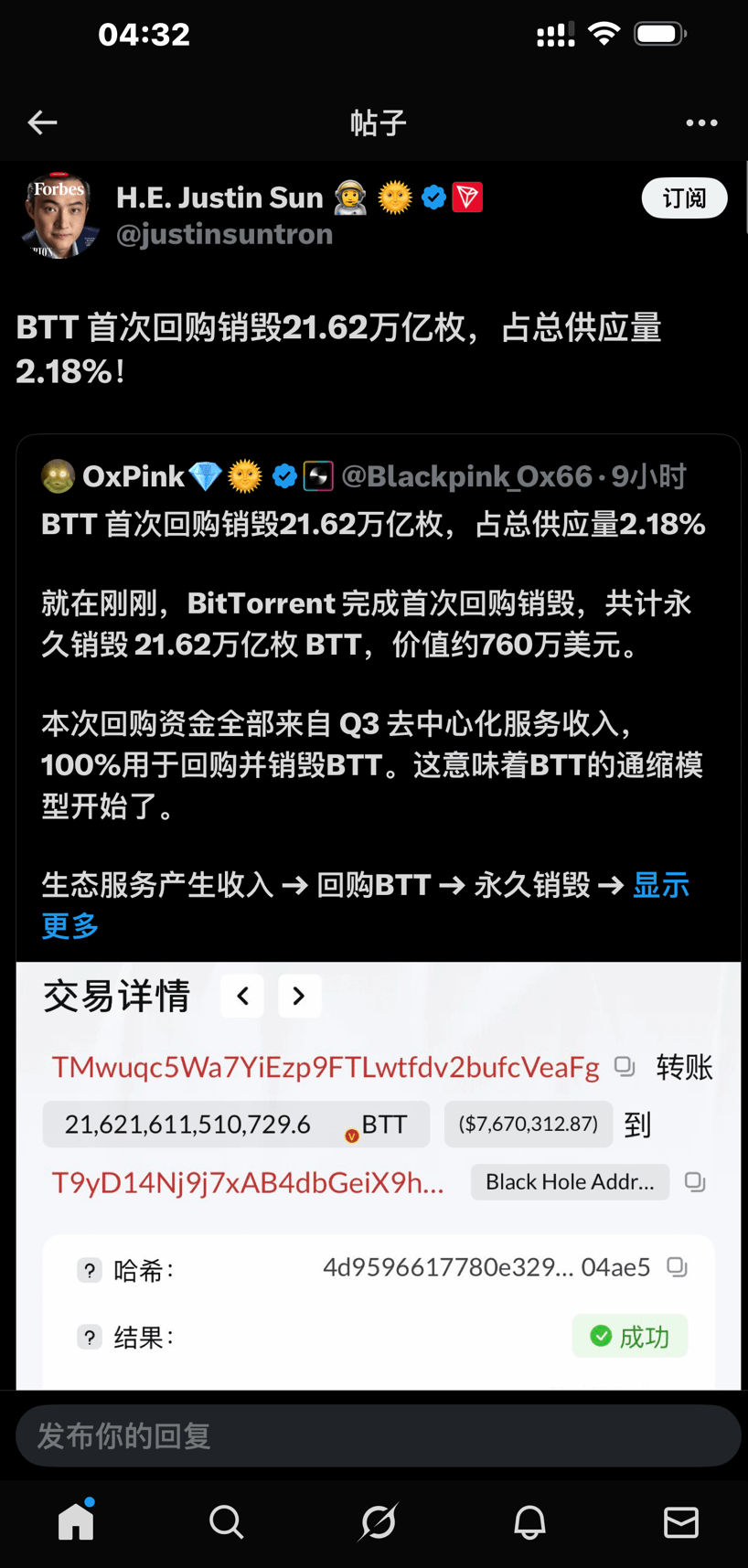
BTT 𝗕𝘂𝘆𝗯𝗮𝗰𝗸 & 𝗕𝘂𝗿𝗻 (𝗣𝗵𝗮𝘀𝗲 𝟭) — 𝗔 𝗖𝗼𝗺𝗽𝗹𝗲𝘁𝗲 𝗪𝗮𝗹𝗸𝘁𝗵𝗿𝗼𝘂𝗴𝗵 ✍️🔥BitTorrent has completed its first quarterly $BTT Buyback & Burn for Q3 2026, marking a milestone in its evolving token economy.
This is more than a token burn. It connects revenue from real decentralized services to a transparent mechanism designed to reduce token supply.
𝗛𝗼𝘄 𝗱𝗼𝗲𝘀 𝗶𝘁 𝘄𝗼𝗿𝗸?
Real business revenue → $BTT buyback → Token aggregation → Permanent burn → Public reporting.
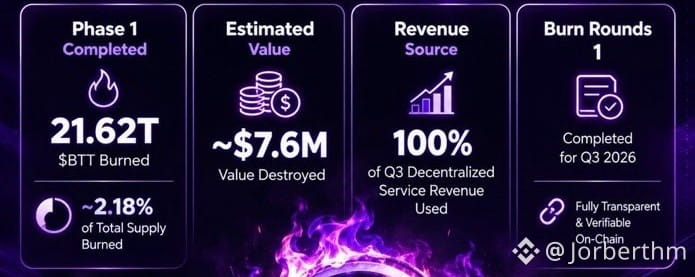
📊 𝗣𝗵𝗮𝘀𝗲 𝟭 𝗮𝘁 𝗮 𝗴𝗹𝗮𝗻𝗰𝗲:
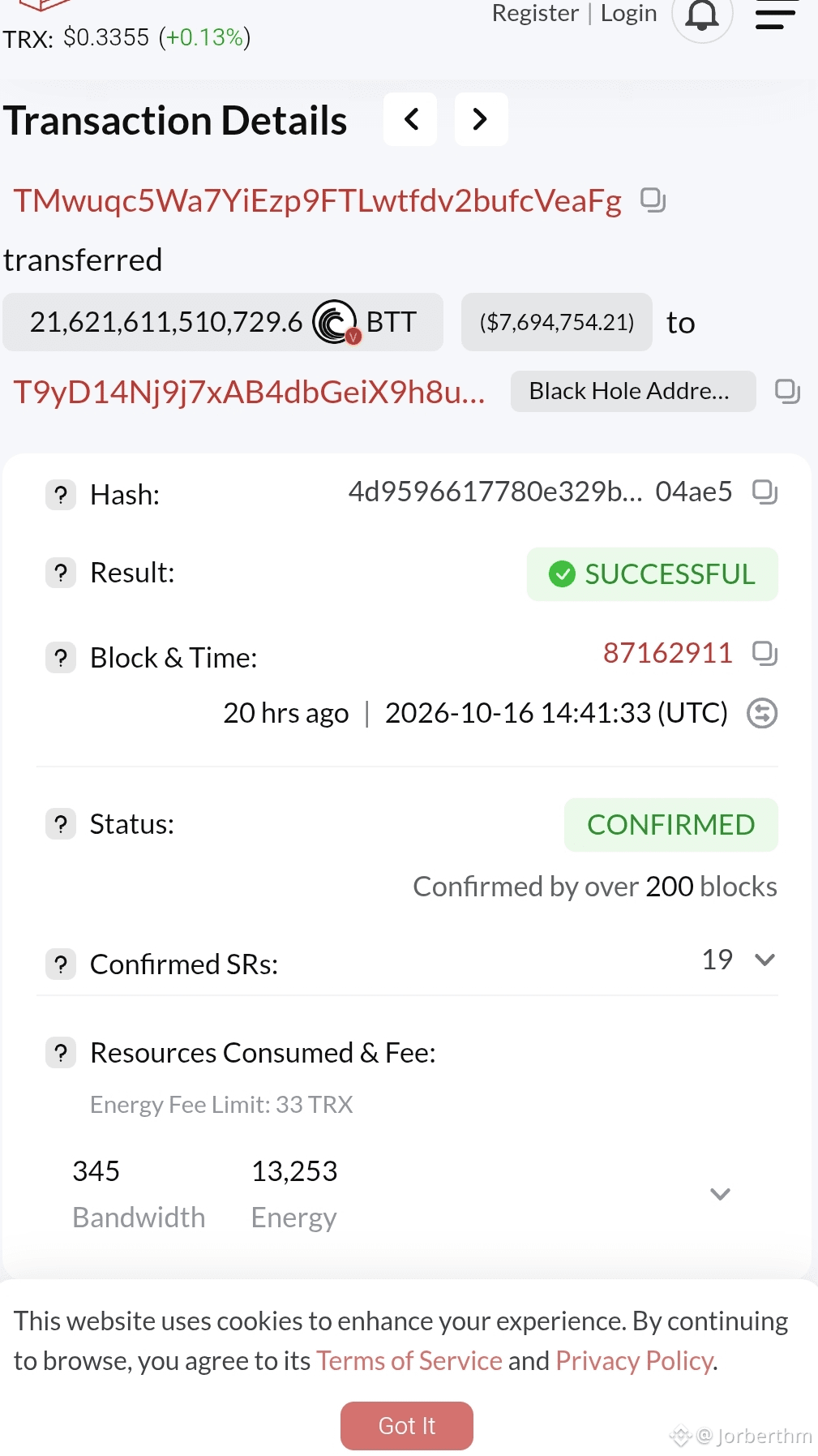
◽️ $BTT burned: 21,621,611,570,729.6
◽️ Estimated value: ~$7.6 million
◽️ Total supply removed: ~2.18%
◽️ Revenue allocation: 100% of Q3 decentralized-service revenue, according to the announcement.
The burn is reportedly complete, with transaction records available for on-chain verification.
𝗪𝗵𝗲𝗿𝗲 𝗱𝗼𝗲𝘀 𝘁𝗵𝗲 𝗺𝗼𝗻𝗲𝘆 𝗰𝗼𝗺𝗲 𝗳𝗿𝗼𝗺?
Potential revenue sources include:
♤ Download acceleration and in-app revenue.
♤ Decentralized AI inference and compute leasing through BTT InferGrid.
♤ BTTC on-chain transaction gas fees.
The principle is simple: services generate revenue, allocated revenue funds buybacks, and repurchased tokens are permanently burned.
𝗛𝗼𝘄 𝘁𝗵𝗲 𝗽𝗿𝗼𝗰𝗲𝘀𝘀 𝘄𝗼𝗿𝗸𝘀:
01 — Revenue assessment: Revenue from the previous period is assessed to establish available funding.
02 — $BTT buybacks: Allocated revenue is used to repurchase tokens from the market.
03 — Token aggregation: Repurchased tokens are consolidated before the burn.
04 — Permanent burning: Tokens are sent to a designated burn address, removing them from ordinary circulation.
05 — Public reporting: Burn amounts, estimated values and transaction records provide a basis for verification.
𝗪𝗵𝘆 𝗱𝗼𝗲𝘀 𝟮𝟭.𝟲𝟮 𝘁𝗿𝗶𝗹𝗹𝗶𝗼𝗻 $𝗕𝗧𝗧 𝗺𝗮𝘁𝘁𝗲𝗿?
A permanent burn reduces the tokens available for ordinary use and trading. Revenue-funded buybacks can connect ecosystem activity with supply reduction.
However, burns alone do not guarantee price appreciation. Demand, liquidity, adoption and market conditions still matter. Long-term success depends on sustainable revenue and consistent execution.
𝗧𝗵𝗲 𝗯𝗶𝗴𝗴𝗲𝗿 𝗽𝗶𝗰𝘁𝘂𝗿𝗲: 𝗔 𝘂𝗻𝗶𝗳𝗶𝗲𝗱 𝗕𝗶𝘁𝗧𝗼𝗿𝗿𝗲𝗻𝘁 𝗲𝗰𝗼𝘀𝘆𝘀𝘁𝗲𝗺
BitTorrent’s brand upgrade brings its decentralized services under one primary brand, connecting content distribution, download acceleration, decentralized AI and compute services, and BTTC infrastructure.
A unified ecosystem could improve user understanding and create opportunities for different business lines to contribute to revenue.
𝗪𝗵𝗮𝘁 𝘁𝗼 𝘄𝗮𝘁𝗰𝗵 𝗻𝗲𝘅𝘁?
𝗪𝗵𝗮𝘁 𝘀𝗵𝗼𝘂𝗹𝗱 𝘄𝗲 𝘄𝗮𝘁𝗰𝗵 𝗻𝗲𝘅𝘁?
◽️ Revenue generated by decentralized services.
◽️The amount allocated to future buybacks.
◽️The volume of $BTT repurchased and burned.
◽️The estimated value of each burn.
◽️Public reports and verifiable on-chain transactions.
These metrics will help the community evaluate the program’s transparency, consistency and sustainability over time.
𝗧𝗵𝗲 𝗯𝗼𝘁𝘁𝗼𝗺 𝗹𝗶𝗻𝗲
Phase 1 establishes a starting point: 21.62 trillion $BTT reportedly burned, worth an estimated $7.6 million, representing approximately 2.18% of total supply.
The bigger story is the connection between service revenue, buybacks, permanent burns and public verification.
The next milestone is proving this model can be repeated as the ecosystem grows.
𝗥𝗲𝘃𝗲𝗻𝘂𝗲 → 𝗕𝘂𝘆𝗯𝗮𝗰𝗸 → 𝗕𝘂𝗿𝗻 → 𝗧𝗿𝗮𝗻𝘀𝗽𝗮𝗿𝗲𝗻𝗰𝘆 → 𝗥𝗲𝗽𝗲𝗮𝘁. ♻️
Phase 1 is complete. Now, the focus shifts to sustainable growth.
$BTTC
{spot}(BTTCUSDT)
BTT 𝗕𝘂𝘆𝗯𝗮𝗰𝗸 & 𝗕𝘂𝗿𝗻 (𝗣𝗵𝗮𝘀𝗲 𝟭) — 𝗔 𝗖𝗼𝗺𝗽𝗹𝗲𝘁𝗲 𝗪𝗮𝗹𝗸𝘁𝗵𝗿𝗼𝘂𝗴𝗵 ✍️🔥
BitTorrent has completed its first quarterly $BTT Buyback & Burn for Q3 2026, marking a milestone in its evolving token economy.
This is more than a token burn. It connects revenue from real decentralized services to a transparent mechanism designed to reduce token supply.
𝗛𝗼𝘄 𝗱𝗼𝗲𝘀 𝗶𝘁 𝘄𝗼𝗿𝗸?
Real business revenue → $BTT buyback → Token aggregation → Permanent burn → Public reporting.
📊 𝗣𝗵𝗮𝘀𝗲 𝟭 𝗮𝘁 𝗮 𝗴𝗹𝗮𝗻𝗰𝗲:
◽️ $BTT burned: 21,621,611,570,729.6
◽️ Estimated value: ~$7.6 million
◽️ Total supply removed: ~2.18%
◽️ Revenue allocation: 100% of Q3 decentralized-service revenue, according to the announcement.
The burn is reportedly complete, with transaction records available for on-chain verification.
𝗪𝗵𝗲𝗿𝗲 𝗱𝗼𝗲𝘀 𝘁𝗵𝗲 𝗺𝗼𝗻𝗲𝘆 𝗰𝗼𝗺𝗲 𝗳𝗿𝗼𝗺?
Potential revenue sources include:
♤ Download acceleration and in-app revenue.
♤ Decentralized AI inference and compute leasing through BTT InferGrid.
♤ BTTC on-chain transaction gas fees.
The principle is simple: services generate revenue, allocated revenue funds buybacks, and repurchased tokens are permanently burned.
𝗛𝗼𝘄 𝘁𝗵𝗲 𝗽𝗿𝗼𝗰𝗲𝘀𝘀 𝘄𝗼𝗿𝗸𝘀:
01 — Revenue assessment: Revenue from the previous period is assessed to establish available funding.
02 — $BTT buybacks: Allocated revenue is used to repurchase tokens from the market.
03 — Token aggregation: Repurchased tokens are consolidated before the burn.
04 — Permanent burning: Tokens are sent to a designated burn address, removing them from ordinary circulation.
05 — Public reporting: Burn amounts, estimated values and transaction records provide a basis for verification.
𝗪𝗵𝘆 𝗱𝗼𝗲𝘀 𝟮𝟭.𝟲𝟮 𝘁𝗿𝗶𝗹𝗹𝗶𝗼𝗻 $𝗕𝗧𝗧 𝗺𝗮𝘁𝘁𝗲𝗿?
A permanent burn reduces the tokens available for ordinary use and trading. Revenue-funded buybacks can connect ecosystem activity with supply reduction.
However, burns alone do not guarantee price appreciation. Demand, liquidity, adoption and market conditions still matter. Long-term success depends on sustainable revenue and consistent execution.
𝗧𝗵𝗲 𝗯𝗶𝗴𝗴𝗲𝗿 𝗽𝗶𝗰𝘁𝘂𝗿𝗲: 𝗔 𝘂𝗻𝗶𝗳𝗶𝗲𝗱 𝗕𝗶𝘁𝗧𝗼𝗿𝗿𝗲𝗻𝘁 𝗲𝗰𝗼𝘀𝘆𝘀𝘁𝗲𝗺
BitTorrent’s brand upgrade brings its decentralized services under one primary brand, connecting content distribution, download acceleration, decentralized AI and compute services, and BTTC infrastructure.
A unified ecosystem could improve user understanding and create opportunities for different business lines to contribute to revenue.
𝗪𝗵𝗮𝘁 𝘁𝗼 𝘄𝗮𝘁𝗰𝗵 𝗻𝗲𝘅𝘁?
𝗪𝗵𝗮𝘁 𝘀𝗵𝗼𝘂𝗹𝗱 𝘄𝗲 𝘄𝗮𝘁𝗰𝗵 𝗻𝗲𝘅𝘁?
◽️ Revenue generated by decentralized services.
◽️The amount allocated to future buybacks.
◽️The volume of $BTT repurchased and burned.
◽️The estimated value of each burn.
◽️Public reports and verifiable on-chain transactions.
These metrics will help the community evaluate the program’s transparency, consistency and sustainability over time.
𝗧𝗵𝗲 𝗯𝗼𝘁𝘁𝗼𝗺 𝗹𝗶𝗻𝗲
Phase 1 establishes a starting point: 21.62 trillion $BTT reportedly burned, worth an estimated $7.6 million, representing approximately 2.18% of total supply.
The bigger story is the connection between service revenue, buybacks, permanent burns and public verification.
The next milestone is proving this model can be repeated as the ecosystem grows.
𝗥𝗲𝘃𝗲𝗻𝘂𝗲 → 𝗕𝘂𝘆𝗯𝗮𝗰𝗸 → 𝗕𝘂𝗿𝗻 → 𝗧𝗿𝗮𝗻𝘀𝗽𝗮𝗿𝗲𝗻𝗰𝘆 → 𝗥𝗲𝗽𝗲𝗮𝘁. ♻️
Phase 1 is complete. Now, the focus shifts to sustainable growth.
$BTTC
3
768
·
--
$BTTC 432 USDTを保有
翻訳参照
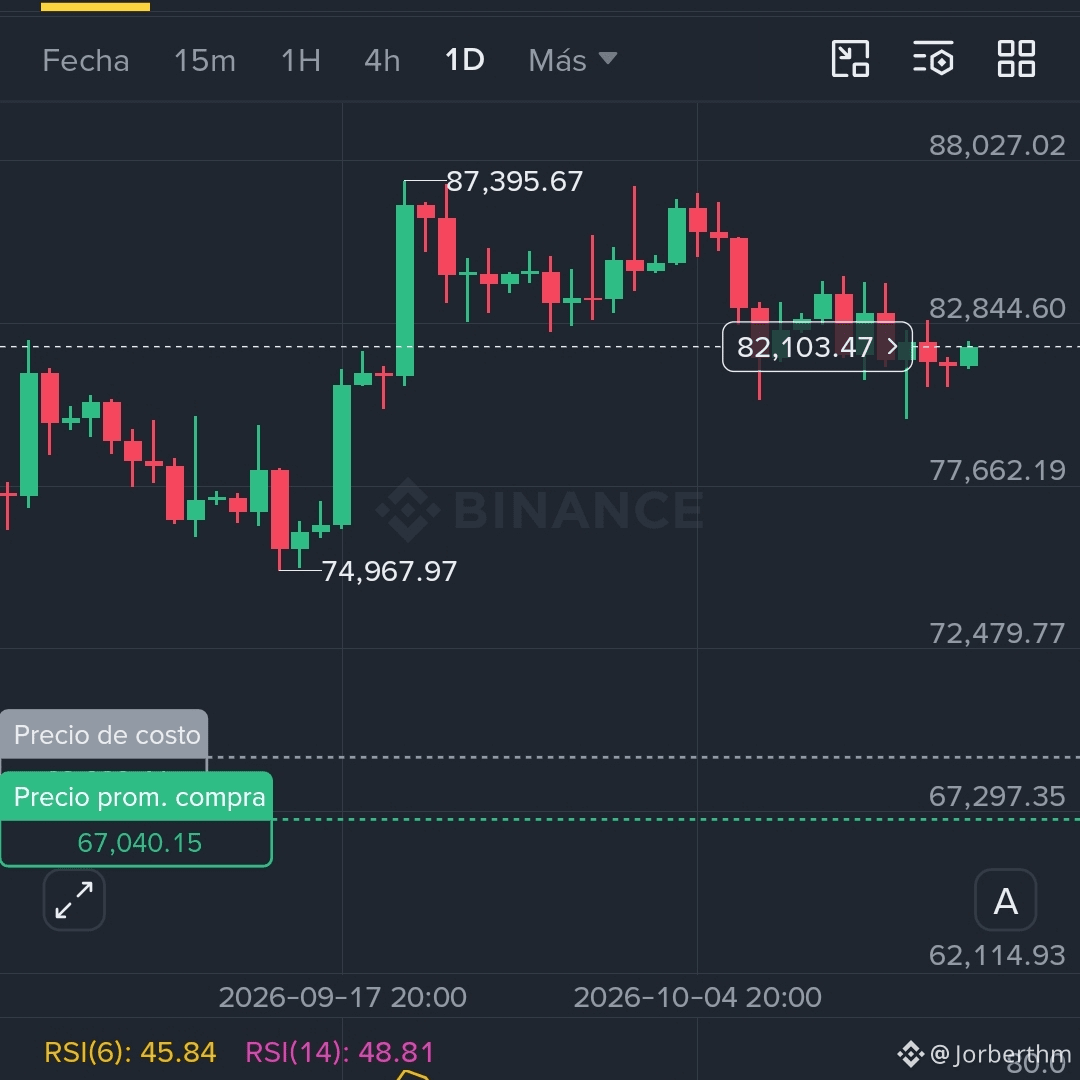
Así voy generando ganancias con $BTC no tenía mucho para invertir en spot pero algo es algo, ahí se ve el promedio de compra y donde está el precio actual 😎, no solo he invertido en $BTTC todos los huevos n una misma canasta no es buena idea
{spot}(BTCUSDT)
Así voy generando ganancias con $BTC no tenía mucho para invertir en spot pero algo es algo, ahí se ve el promedio de compra y donde está el precio actual 😎, no solo he invertido en $BTTC todos los huevos n una misma canasta no es buena idea
1
349
·
--
翻訳参照
Por eso hay una inversión en esta decisión, no es una apuesta😎
Por eso hay una inversión en esta decisión, no es una apuesta😎
可乐幸运星
·
--
うわ、$BTTC も孫兄貴のだったのか🤭🤭
28
·
--
$BTTC 432.1 USDTを保有
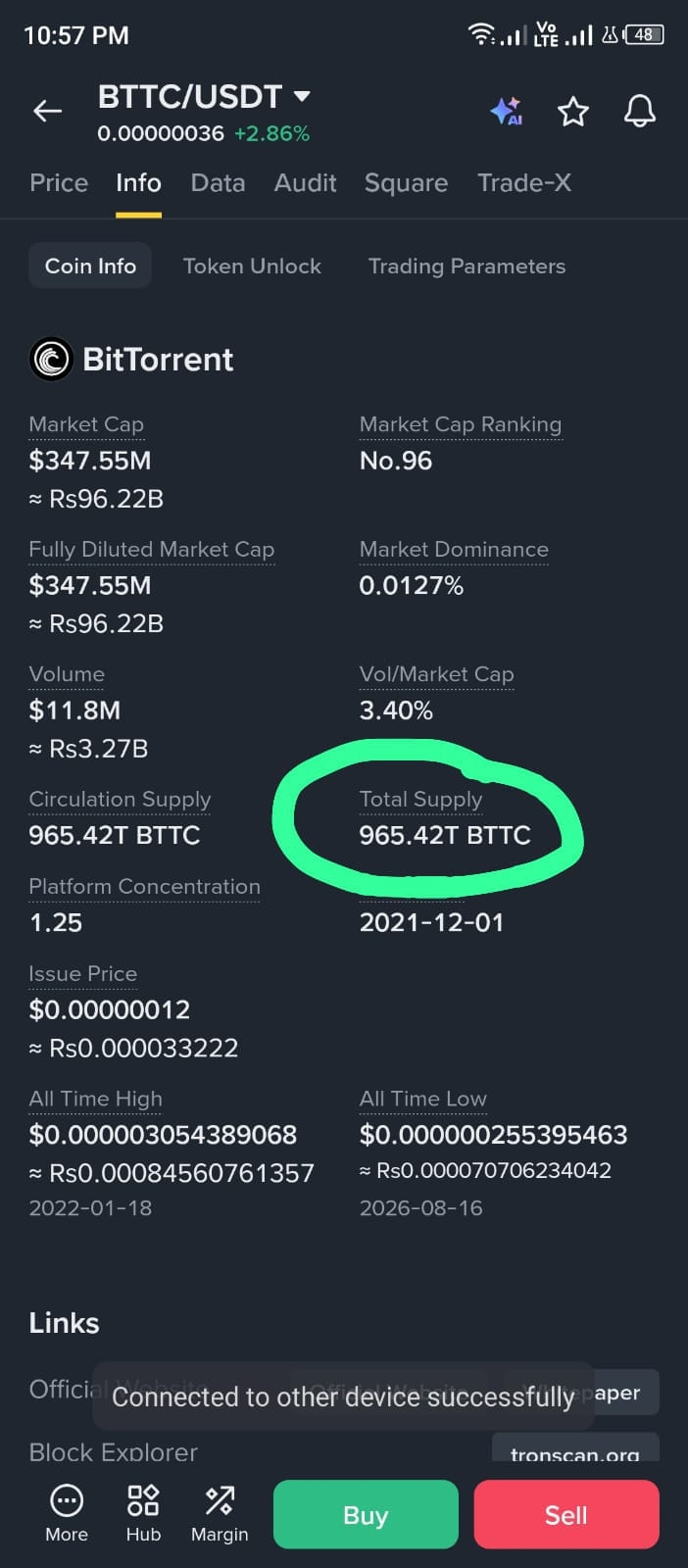
$BTTC 割合の話をしよう。全体の2.19%が削除されたけど、少ないと思う?チェーンの利用手数料として、3か月で受け取ったのは約1,000万$$だよ。それも少ないの?
眠ったままでBTTCを保有するチャンスを逃しなよ。きっと後悔するよ。
$BTTC 割合の話をしよう。全体の2.19%が削除されたけど、少ないと思う?チェーンの利用手数料として、3か月で受け取ったのは約1,000万$$だよ。それも少ないの?
眠ったままでBTTCを保有するチャンスを逃しなよ。きっと後悔するよ。
眠ったままでBTTCを保有するチャンスを逃しなよ。きっと後悔するよ。
2
15
2k

·
--
uffff 🔥🔥
uffff 🔥🔥

Lord Fernas
·
--
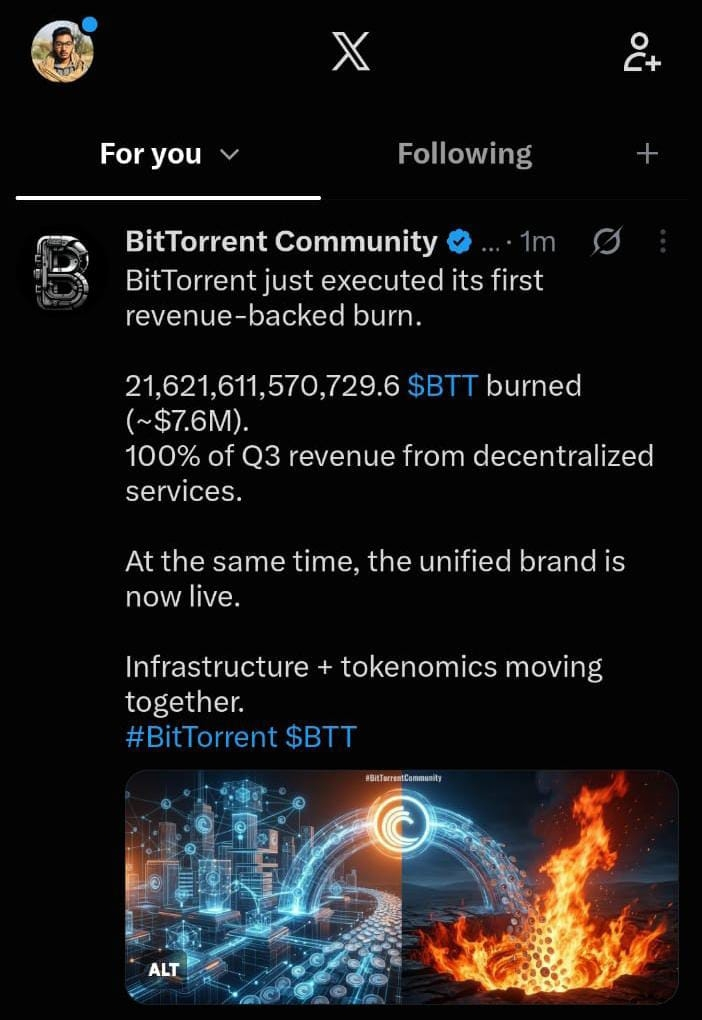
📢 BitTorrentのブランド刷新が正式に始動し、$BTTの第1回四半期買い戻し・バーンも完了しました。
BitTorrentは現在、統一されたメインブランドとして運営されており、コンテンツ配信、分散型AI推論コンピューティングサービス、Layer 2インフラを統合したサービスの循環型エコシステムに集約し、Web3とAIを支えています。
同時に、分散型サービスによって生み出された第3四半期の収益の100%を使用して、21.621.611.570.729,6 $BTT(約760万米ドル)を買い戻し、流通から恒久的にバーンしました。
統一されたマスターブランドとデフレ型経済モデルの同時導入は、構造的な転換を示すものであり、長期的なアーキテクチャの拡張性と、透明性の高い経済的持続可能性を両立させます。
#bttc $BTTC

3
·
--
翻訳参照
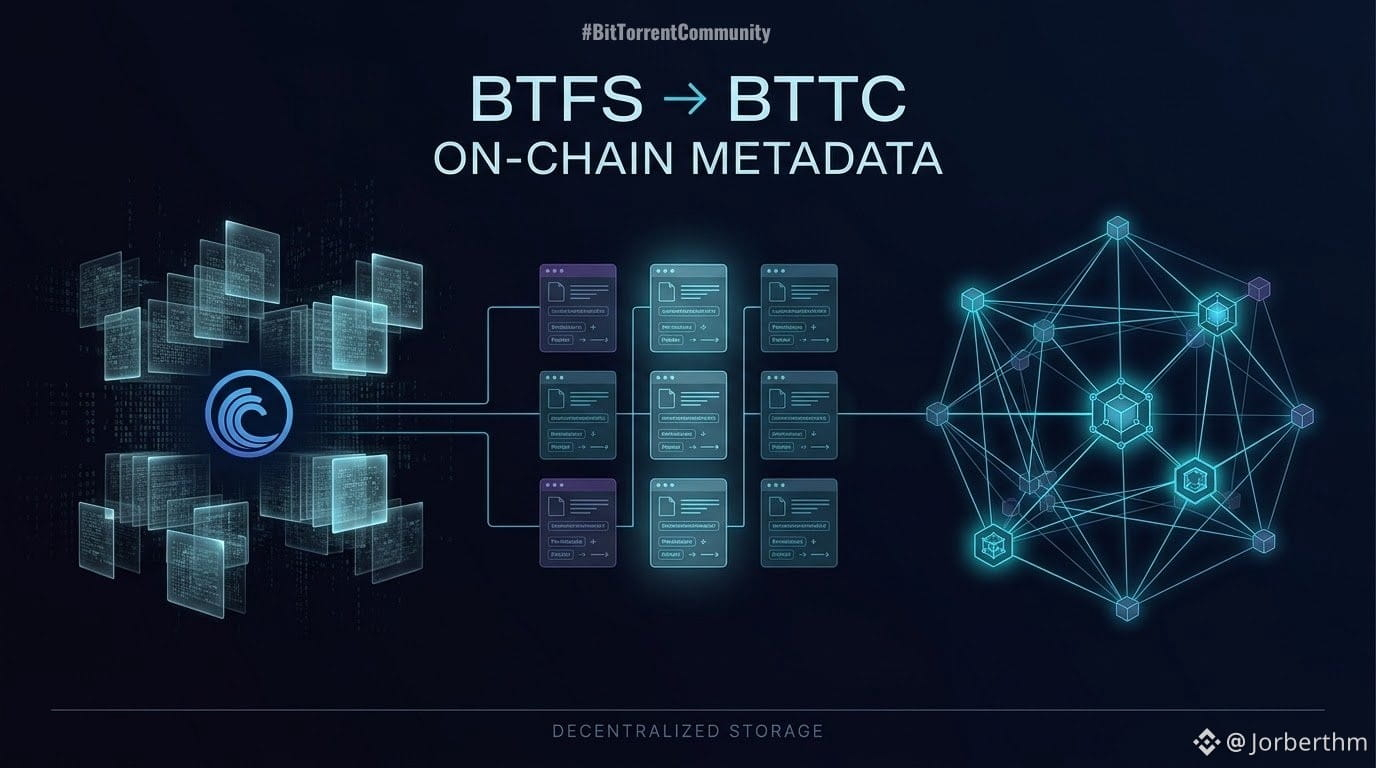
Los metadatos de tu archivo pueden volverse verificables mediante blockchain.
BTFS 4.0 utiliza contratos inteligentes de BTTC para la gestión de metadatos.
Eso significa que el almacenamiento no está completamente separado de la capa de blockchain:
BTFS -> metadatos -> BTTC
Un aspecto muy diferente del ecosistema de BitTorrent.
$BTTC
{spot}(BTTCUSDT)
Los metadatos de tu archivo pueden volverse verificables mediante blockchain.
BTFS 4.0 utiliza contratos inteligentes de BTTC para la gestión de metadatos.
Eso significa que el almacenamiento no está completamente separado de la capa de blockchain:
BTFS -> metadatos -> BTTC
Un aspecto muy diferente del ecosistema de BitTorrent.
$BTTC
BTFS 4.0 utiliza contratos inteligentes de BTTC para la gestión de metadatos.
Eso significa que el almacenamiento no está completamente separado de la capa de blockchain:
BTFS -> metadatos -> BTTC
Un aspecto muy diferente del ecosistema de BitTorrent.
$BTTC
330
·
--
一部該当
記事
翻訳参照
𝗕𝗧𝗧𝗖: 𝟳.𝟲𝟳𝗠 𝗖𝗼𝗻𝘁𝗿𝗮𝗰𝘁𝘀 𝗗𝗲𝗽𝗹𝗼𝘆𝗲𝗱 — 𝗧𝗵𝗲 𝗜𝗻𝗳𝗿𝗮𝘀𝘁𝗿𝘂𝗰𝘁𝘂𝗿𝗲 𝗡𝘂𝗺𝗯𝗲𝗿 𝗠𝗼𝘀𝘁 $BTT 𝗧𝗶𝗺𝗲𝗹𝗶𝗻𝗲𝘀 𝗢𝘃𝗲𝗿𝗹𝗼𝗼𝗸
When people talk about blockchain adoption, the conversation often goes straight to token price, market cap, or trading volume.
But there is another metric worth watching:
𝗛𝗼𝘄 𝗺𝘂𝗰𝗵 𝗮𝗰𝘁𝗶𝘃𝗶𝘁𝘆 𝗶𝘀 𝗯𝗲𝗶𝗻𝗴 𝗯𝘂𝗶𝗹𝘁 𝗼𝗻 𝘁𝗵𝗲 𝗻𝗲𝘁𝘄𝗼𝗿𝗸?
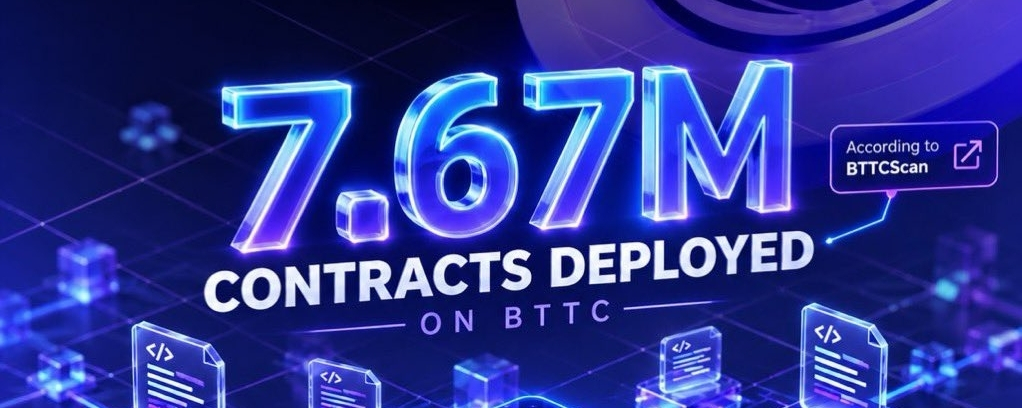
According to the figure shown from BTTCScan, 7,673,120 contracts have been deployed on BTTC.
That number represents something different from market metrics.
It points toward the amount of on-chain infrastructure and programmable activity being created within the ecosystem.
♤ 𝗖𝗼𝗻𝘁𝗿𝗮𝗰𝘁𝘀 = 𝗯𝘂𝗶𝗹𝗱𝗶𝗻𝗴 𝗯𝗹𝗼𝗰𝗸𝘀
Smart contracts allow developers to create applications and automated processes directly on the blockchain.
More deployed contracts can therefore indicate a broad range of infrastructure being created across areas such as:
• DeFi
• Payments
• Gaming
• NFTs
• Token infrastructure
• Web3 applications
• Automated on-chain services
The important point is that contracts are not simply numbers sitting on a dashboard.
They represent code deployed to the network to perform specific functions.
♤ 𝗧𝗵𝗶𝘀 𝗶𝘀 𝘄𝗵𝘆 𝟳.𝟲𝟳𝗠 𝗺𝗮𝘁𝘁𝗲𝗿𝘀
A blockchain ecosystem becomes more useful when developers have infrastructure to build on and users have applications to interact with.
So instead of looking at BTTC only through the lens of $BTT price, it is worth looking at the underlying infrastructure as well.
Contracts deployed → applications → transactions → network activity.
The number alone does not tell us how active every contract is, how many are currently used, or how much economic value they generate.
But it does provide an important infrastructure metric to track.
7,673,120 contracts deployed.
That’s an on-chain number worth keeping an eye on
$BTTC
{spot}(BTTCUSDT)
𝗕𝗧𝗧𝗖: 𝟳.𝟲𝟳𝗠 𝗖𝗼𝗻𝘁𝗿𝗮𝗰𝘁𝘀 𝗗𝗲𝗽𝗹𝗼𝘆𝗲𝗱
— 𝗧𝗵𝗲 𝗜𝗻𝗳𝗿𝗮𝘀𝘁𝗿𝘂𝗰𝘁𝘂𝗿𝗲 𝗡𝘂𝗺𝗯𝗲𝗿 𝗠𝗼𝘀𝘁 $BTT 𝗧𝗶𝗺𝗲𝗹𝗶𝗻𝗲𝘀 𝗢𝘃𝗲𝗿𝗹𝗼𝗼𝗸
When people talk about blockchain adoption, the conversation often goes straight to token price, market cap, or trading volume.
But there is another metric worth watching:
𝗛𝗼𝘄 𝗺𝘂𝗰𝗵 𝗮𝗰𝘁𝗶𝘃𝗶𝘁𝘆 𝗶𝘀 𝗯𝗲𝗶𝗻𝗴 𝗯𝘂𝗶𝗹𝘁 𝗼𝗻 𝘁𝗵𝗲 𝗻𝗲𝘁𝘄𝗼𝗿𝗸?
According to the figure shown from BTTCScan, 7,673,120 contracts have been deployed on BTTC.
That number represents something different from market metrics.
It points toward the amount of on-chain infrastructure and programmable activity being created within the ecosystem.
♤ 𝗖𝗼𝗻𝘁𝗿𝗮𝗰𝘁𝘀 = 𝗯𝘂𝗶𝗹𝗱𝗶𝗻𝗴 𝗯𝗹𝗼𝗰𝗸𝘀
Smart contracts allow developers to create applications and automated processes directly on the blockchain.
More deployed contracts can therefore indicate a broad range of infrastructure being created across areas such as:
• DeFi
• Payments
• Gaming
• NFTs
• Token infrastructure
• Web3 applications
• Automated on-chain services
The important point is that contracts are not simply numbers sitting on a dashboard.
They represent code deployed to the network to perform specific functions.
♤ 𝗧𝗵𝗶𝘀 𝗶𝘀 𝘄𝗵𝘆 𝟳.𝟲𝟳𝗠 𝗺𝗮𝘁𝘁𝗲𝗿𝘀
A blockchain ecosystem becomes more useful when developers have infrastructure to build on and users have applications to interact with.
So instead of looking at BTTC only through the lens of $BTT price, it is worth looking at the underlying infrastructure as well.
Contracts deployed → applications → transactions → network activity.
The number alone does not tell us how active every contract is, how many are currently used, or how much economic value they generate.
But it does provide an important infrastructure metric to track.
7,673,120 contracts deployed.
That’s an on-chain number worth keeping an eye on
$BTTC
2
698
·
--

記事
AIは、それを支えるインフラの強さと同じだけの力しか発揮できません。あらゆるAIチャットボット、コーディングアシスタント、画像生成器、そして知能エージェントは、ほとんどの人がめったに考えない「ある一つのこと」に依存しています:
𝗖𝗼𝗺𝗽𝘂𝘁𝗲𝗿。
AIの導入が進むほど、GPUコンピューティングの需要も高まります。中央集権型のインフラだけでは追いつけず、その結果、BTTInferGridのような分散型ネットワークにとっての機会が生まれています。
BTTInferGridが際立っているのは、単に技術だけではありません。成長するために設計されている点にあります。
際限のないインセンティブに頼るのではなく、Growth Flywheel(成長のフライホイール)を採用しています。実際の需要が循環を生み、それが時間とともにネットワークを強化していくのです。
AIは、それを支えるインフラの強さと同じだけの力しか発揮できません。
あらゆるAIチャットボット、コーディングアシスタント、画像生成器、そして知能エージェントは、ほとんどの人がめったに考えない「ある一つのこと」に依存しています:
𝗖𝗼𝗺𝗽𝘂𝘁𝗲𝗿。
AIの導入が進むほど、GPUコンピューティングの需要も高まります。中央集権型のインフラだけでは追いつけず、その結果、BTTInferGridのような分散型ネットワークにとっての機会が生まれています。
BTTInferGridが際立っているのは、単に技術だけではありません。成長するために設計されている点にあります。
際限のないインセンティブに頼るのではなく、Growth Flywheel(成長のフライホイール)を採用しています。実際の需要が循環を生み、それが時間とともにネットワークを強化していくのです。
𝗖𝗼𝗺𝗽𝘂𝘁𝗲𝗿。
AIの導入が進むほど、GPUコンピューティングの需要も高まります。中央集権型のインフラだけでは追いつけず、その結果、BTTInferGridのような分散型ネットワークにとっての機会が生まれています。
BTTInferGridが際立っているのは、単に技術だけではありません。成長するために設計されている点にあります。
際限のないインセンティブに頼るのではなく、Growth Flywheel(成長のフライホイール)を採用しています。実際の需要が循環を生み、それが時間とともにネットワークを強化していくのです。
141
·
--
一部該当

記事
買い戻しプログラムの仕組みこのプロセスは、4つのシンプルなステップで構成されています。
ステップ1:BitTorrent の分散型サービスが収益を生み出す
BitTorrent は、ピアツーピアのファイル共有をはるかに超えて進化してきました。
現在、そのエコシステムには、プロトコル収益を生み出す分散型インフラと Web3 サービスが含まれています。
これには以下のようなサービスが含まれます:
➠ BTFS(BitTorrent ファイルシステム)
➠ BitTorrent の速度
分散型のストレージおよび帯域幅のインフラ
➠ BTTInferGrid を含む、新たなエコシステム製品
導入が進むにつれ、これらのサービスは経済活動をますます活性化させます。
買い戻しプログラムの仕組み
このプロセスは、4つのシンプルなステップで構成されています。
ステップ1:BitTorrent の分散型サービスが収益を生み出す
BitTorrent は、ピアツーピアのファイル共有をはるかに超えて進化してきました。
現在、そのエコシステムには、プロトコル収益を生み出す分散型インフラと Web3 サービスが含まれています。
これには以下のようなサービスが含まれます:
➠ BTFS(BitTorrent ファイルシステム)
➠ BitTorrent の速度
分散型のストレージおよび帯域幅のインフラ
➠ BTTInferGrid を含む、新たなエコシステム製品
導入が進むにつれ、これらのサービスは経済活動をますます活性化させます。
ステップ1:BitTorrent の分散型サービスが収益を生み出す
BitTorrent は、ピアツーピアのファイル共有をはるかに超えて進化してきました。
現在、そのエコシステムには、プロトコル収益を生み出す分散型インフラと Web3 サービスが含まれています。
これには以下のようなサービスが含まれます:
➠ BTFS(BitTorrent ファイルシステム)
➠ BitTorrent の速度
分散型のストレージおよび帯域幅のインフラ
➠ BTTInferGrid を含む、新たなエコシステム製品
導入が進むにつれ、これらのサービスは経済活動をますます活性化させます。
2
677
·
--
本人確認中

記事
🔥実ユーティリティによってBTTトークノミクスを再定義するBitTorrent🔥 @BitTorrent
あらゆるブロックチェーン・エコシステムにおける長期的な成功には、1つの基本原則が必要です。すなわち、製品の導入(採用)とトークン価値の間に持続可能なつながりを生み出すことです。技術だけでは不十分です。さらに、実際の利用が実際の需要を生み、時間の経過とともにネイティブ・アセットを強化する経済モデルも必要です。
長期のBTTバイバック&バーン・プログラムの発表により、BitTorrentはまさにそれを実現するための重要な一歩を踏み出しました。
もう一つの短期インセンティブを導入するのではなく、新しいフレームワークではBitTorrentの分散型サービスの成功をBTTの将来に直接結び付けています。つまり、実在のプロトコル収益を裏付けとするトークン経済圏を構築するのです。
🔥実ユーティリティによってBTTトークノミクスを再定義するBitTorrent🔥
@BitTorrent
あらゆるブロックチェーン・エコシステムにおける長期的な成功には、1つの基本原則が必要です。すなわち、製品の導入(採用)とトークン価値の間に持続可能なつながりを生み出すことです。技術だけでは不十分です。さらに、実際の利用が実際の需要を生み、時間の経過とともにネイティブ・アセットを強化する経済モデルも必要です。
長期のBTTバイバック&バーン・プログラムの発表により、BitTorrentはまさにそれを実現するための重要な一歩を踏み出しました。
もう一つの短期インセンティブを導入するのではなく、新しいフレームワークではBitTorrentの分散型サービスの成功をBTTの将来に直接結び付けています。つまり、実在のプロトコル収益を裏付けとするトークン経済圏を構築するのです。
3
449
·
--
本人確認中
2019年1月:BitTorrentが、新しい@Binance Launchpad時代のフラッグシップ・プロジェクトとして登場。
2026年7月:#Binance9YAの記念で特別パートナーとして参加し、BitTorrentは引き続き基礎となる価値を構築しています。
BTTInferGridの分散型AI推論をターゲットにしたローンチ、そして構造化された長期の買い戻しおよびバーンの枠組みが整ったことで、$BTTはユーティリティと、持続的なエコシステムの整合性のために設計されています。
#bttc $BTTC
{spot}(BTTCUSDT)
2019年1月:BitTorrentが、新しい@Binance Launchpad時代のフラッグシップ・プロジェクトとして登場。
2026年7月:#Binance9YAの記念で特別パートナーとして参加し、BitTorrentは引き続き基礎となる価値を構築しています。
BTTInferGridの分散型AI推論をターゲットにしたローンチ、そして構造化された長期の買い戻しおよびバーンの枠組みが整ったことで、$BTTはユーティリティと、持続的なエコシステムの整合性のために設計されています。
#bttc $BTTC
2026年7月:#Binance9YAの記念で特別パートナーとして参加し、BitTorrentは引き続き基礎となる価値を構築しています。
BTTInferGridの分散型AI推論をターゲットにしたローンチ、そして構造化された長期の買い戻しおよびバーンの枠組みが整ったことで、$BTTはユーティリティと、持続的なエコシステムの整合性のために設計されています。
#bttc $BTTC
1
877
·
--
#bttc の保有者です。これを読まないといけません🤩😍
#bttc の保有者です。これを読まないといけません🤩😍

azumicp_68
·
--
🚀🤖 BTTInferGrid & 次なる主要アクション
$BTT
: 私の最終予想!
BTTInferGridのローンチにより、BitTorrentは公式にAI推論のためのヘビー級DePINの計算レイヤーへと進化しました。では次に、主要なエコシステムの動きは何でしょう?
1️⃣ 予想1: AIトークノミクスのアップグレードが登場
• 現在、BTTInferGridはBTFSアーキテクチャの土台を再利用しています
• AIマイナーの正確なトークン経済を定義する大規模アップデートが強く期待されています
• 予想: 高性能GPUノード提供者に対して、
$BTT
ステーキング要件を必須化し、サービス品質を確実にする
🌊 これにより、数百万のトークンがAIバリデーションのためにロックされることで、大規模な供給サイドの引き締めが引き起こされるでしょう。
2️⃣ 予想2: 従量課金APIのバーン/デフレメカニクス
• 開発者は、単一の統合APIを通じて分散型GPUにアクセスできるようになります
• 予想: 企業・エンタープライズのクライアントが、
$BTT
• これらのネットワーク手数料の一部が、体系的にバーンされたり、開発者のインセンティブ・プールへ振り向けられたりする可能性があります
3️⃣ 要約(1文):
次の主要アクションはおそらく、
$BTT
を従来のストレージユーティリティトークンから、世界規模の数百万ドル規模のAI計算市場における主要なガスおよびステーキング資産へと移行させるでしょう。
@Justin Sun孙宇晨
@BitTorrent_Official
#TRONEcoStar
$BTT
: 私の最終予想!
BTTInferGridのローンチにより、BitTorrentは公式にAI推論のためのヘビー級DePINの計算レイヤーへと進化しました。では次に、主要なエコシステムの動きは何でしょう?
1️⃣ 予想1: AIトークノミクスのアップグレードが登場
• 現在、BTTInferGridはBTFSアーキテクチャの土台を再利用しています
• AIマイナーの正確なトークン経済を定義する大規模アップデートが強く期待されています
• 予想: 高性能GPUノード提供者に対して、
$BTT
ステーキング要件を必須化し、サービス品質を確実にする
🌊 これにより、数百万のトークンがAIバリデーションのためにロックされることで、大規模な供給サイドの引き締めが引き起こされるでしょう。
2️⃣ 予想2: 従量課金APIのバーン/デフレメカニクス
• 開発者は、単一の統合APIを通じて分散型GPUにアクセスできるようになります
• 予想: 企業・エンタープライズのクライアントが、
$BTT
• これらのネットワーク手数料の一部が、体系的にバーンされたり、開発者のインセンティブ・プールへ振り向けられたりする可能性があります
3️⃣ 要約(1文):
次の主要アクションはおそらく、
$BTT
を従来のストレージユーティリティトークンから、世界規模の数百万ドル規模のAI計算市場における主要なガスおよびステーキング資産へと移行させるでしょう。
@Justin Sun孙宇晨
@BitTorrent_Official
#TRONEcoStar
2
138
·
--
本人確認中
ジャスティン・サン:😍
チームから、BTTC Bridge サンセットプログラムの完了が通知されました。今後、BitTorrent チームは分散型AIと、BitTorrent の分散型プロトコルの保守により注力していきます。資金はすべて安全であり、ユーザーは提携している中央集権型取引所を通じて、引き続き BTTC Bridge の入金および出金が可能です。@BitTorrent
$BTTC
ジャスティン・サン:😍
チームから、BTTC Bridge サンセットプログラムの完了が通知されました。今後、BitTorrent チームは分散型AIと、BitTorrent の分散型プロトコルの保守により注力していきます。資金はすべて安全であり、ユーザーは提携している中央集権型取引所を通じて、引き続き BTTC Bridge の入金および出金が可能です。@BitTorrent
$BTTC
チームから、BTTC Bridge サンセットプログラムの完了が通知されました。今後、BitTorrent チームは分散型AIと、BitTorrent の分散型プロトコルの保守により注力していきます。資金はすべて安全であり、ユーザーは提携している中央集権型取引所を通じて、引き続き BTTC Bridge の入金および出金が可能です。@BitTorrent
$BTTC
2
3
880
·
--
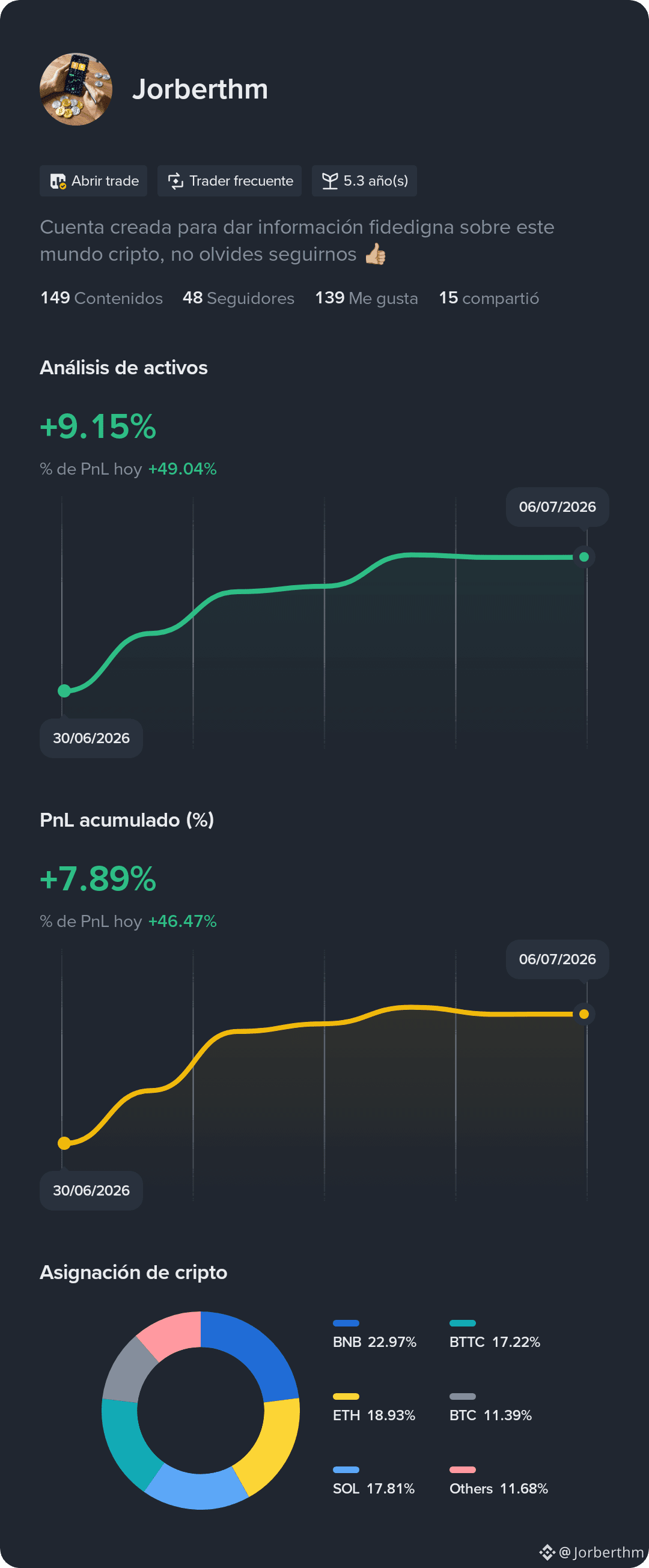
私の収益とポートフォリオの内訳を見てください。投資のアドバイスを得るためにフォローしてください。全力でいきましょう $BTTC
私の収益とポートフォリオの内訳を見てください。投資のアドバイスを得るためにフォローしてください。全力でいきましょう $BTTC
1
15
·
--
$BTTC 😍🥰😍のホルダーたちへ良いニュース
{spot}(BTTCUSDT)
$BTTC 😍🥰😍のホルダーたちへ良いニュース

Trading Insight_News
·
--
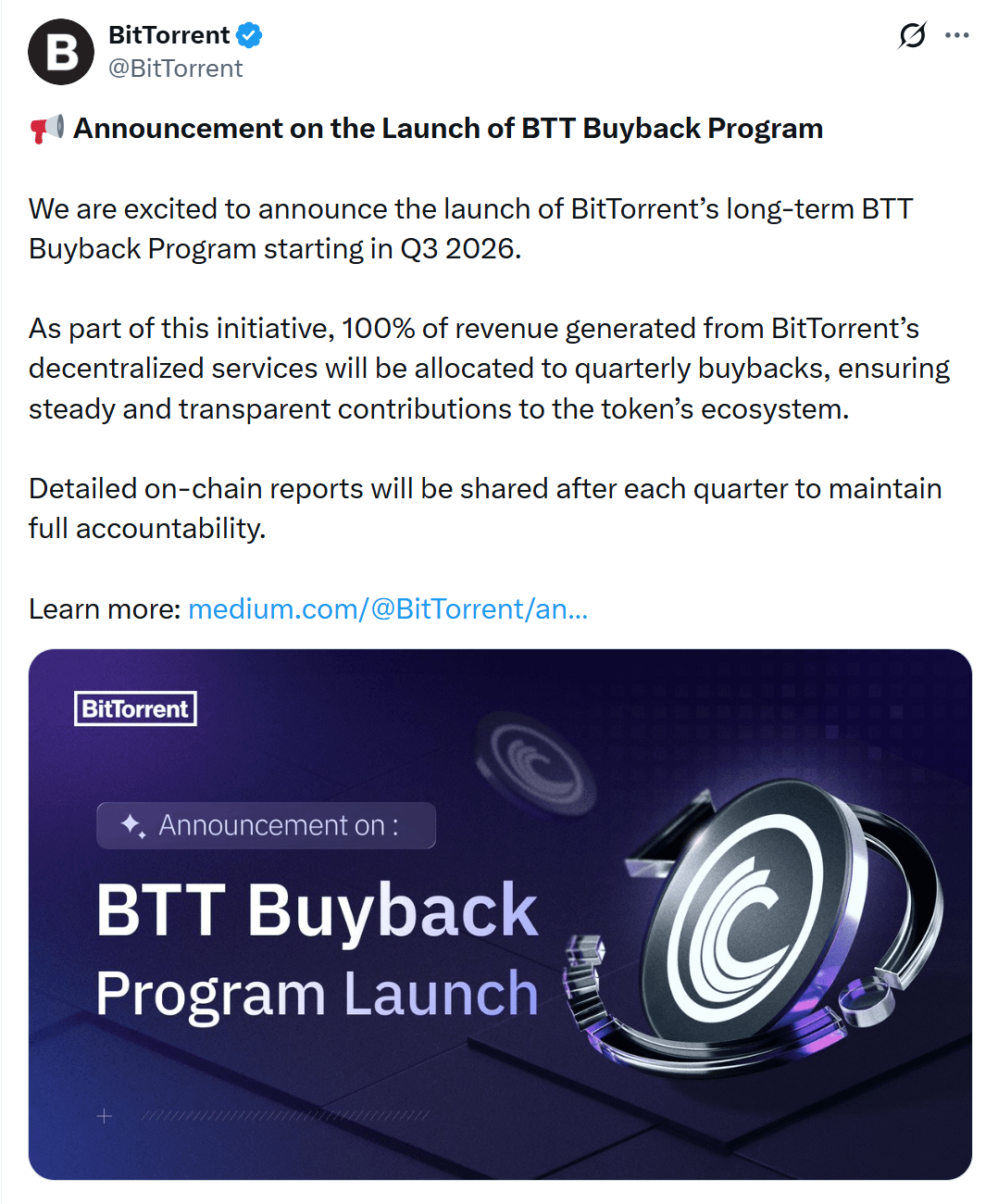
$BTTC BitTorrentは2026年Q3から長期BTTC買い戻しおよびバーン・プログラムを開始すると発表
BitTorrentは、2026年Q3より長期のBTTCトークン買い戻しおよびバーン・プログラムを開始すると発表しました。
🔸 資金の出所:BitTorrentの分散型サービスの収益の100%(準備金なし/新たな資本なし)。
🔸 機構:オープン市場での四半期ごとの買い戻し。その後、購入した全トークンをバーン先(burn address)へ移し、流通から永久に除外します。
🔸 四半期ごとのバーン報告は、翌四半期の最初の月の間にリリースされ、ユーザー検証用の取引ハッシュコードも併せて公開されます。
🔸 見通し:買い戻しによる収益は、BTTCInferGridのローンチ後に増加すると見込まれています。
👉 これはBTTにとって非常に前向きなニュースです。実際のサービス収益の100%を使ってトークンを買い戻し、バーンすることは、準備金を用いた象徴的なバーン・プログラムとは大きく異なる、持続可能なモデルです。BitTorrentはアクティブユーザーが1億人超にのぼり、安定したトークン・バーン収益を生み出すための強固な基盤を提供しています。
💬 BitTorrentの収益連動型トークン・バーン・プログラムは、他のプロジェクトが追随する新たなトレンドになると思いますか?
ニュースは参考情報であり、投資助言ではありません。意思決定の前に慎重にお読みください。
2
149
ログインして、さらにコンテンツを読む
厳選トピックで世界の暗号資産トレーダーの仲間入り
⚡️ 暗号資産に関する最新かつ有益な情報が見つかります。
💬 世界最大の暗号資産取引所から信頼されています。
👍 認証を受けたクリエイターから、有益なインサイトを得られます。
メール / 電話番号